BOARD CERTIFICATION EXAM STUDY GUIDES Lower Extremity Trauma
[Click on Image to Enlarge]
ME-P Free Advertising Consultation
The “Medical Executive-Post” is about connecting doctors, health care executives and modern consulting advisors. It’s about free-enterprise, business, practice, policy, personal financial planning and wealth building capitalism. We have an attitude that’s independent, outspoken, intelligent and so Next-Gen; often edgy, usually controversial. And, our consultants “got fly”, just like U. Read it! Write it! Post it! “Medical Executive-Post”. Call or email us for your FREE advertising and sales consultation TODAY [678.779.8597] Email: MarcinkoAdvisors@outlook.com
Medical & Surgical e-Consent Forms
ePodiatryConsentForms.com
iMBA Inc., OFFICES
Suite #5901 Wilbanks Drive, Norcross, Georgia, 30092 USA [1.678.779.8597]. Our location is real and we are now virtually enabled to assist new long distance clients and out-of-town colleagues.
ME-P Publishing
SEEKING INDUSTRY INFO PARTNERS?
If you want the opportunity to work with leading health care industry insiders, innovators and watchers, the “ME-P” may be right for you? We are unbiased and operate at the nexus of theoretical and applied R&D. Collaborate with us and you’ll put your brand in front of a smart & tightly focused demographic; one at the forefront of our emerging healthcare free marketplace of informed and professional “movers and shakers.” Our Ad Rate Card is available upon request [678-779-8597].
The Looming Cryptocurrency Crisis: Risks on the Horizon
Cryptocurrency has revolutionized the financial landscape, offering decentralized alternatives to traditional banking and investment systems. However, as digital assets become more integrated into global markets, concerns about a potential future cryptocurrency crisis are mounting. From regulatory uncertainty to systemic vulnerabilities, the risks associated with crypto are increasingly being scrutinized by economists, governments, and investors.
One of the most pressing concerns is regulatory instability. Cryptocurrencies operate in a fragmented legal environment, with different countries adopting varying stances—from full embrace to outright bans. The lack of unified global regulation creates loopholes that can be exploited for money laundering, tax evasion, and fraud. If major economies suddenly impose strict regulations or sanctions, it could trigger a rapid devaluation of crypto assets and erode investor confidence.
Another risk stems from market volatility and speculative behavior. Unlike traditional assets backed by tangible value or government guarantees, cryptocurrencies are often driven by hype, social media trends, and speculative trading. This creates a fragile ecosystem where prices can swing wildly. A sudden crash—similar to the 2022 Terra/Luna collapse—could wipe out billions in investor wealth and destabilize related financial institutions.
***
***
Technological vulnerabilities also pose a threat. While blockchain is considered secure, the platforms built on it are not immune to hacks, bugs, or exploitation. High-profile breaches of exchanges and wallets have already resulted in massive losses. As crypto adoption grows, so does the incentive for cybercriminals to target these systems. A coordinated attack on a major exchange or blockchain network could have cascading effects across the entire crypto economy. Geopolitical tensions may also catalyze a crisis. For instance, recent reports suggest that aggressive trade policies—such as the U.S. imposing 100% tariffs on Chinese imports—can indirectly impact crypto markets by shaking investor sentiment and triggering sell-offs.
The interconnection with traditional finance is another area of concern. As banks and hedge funds increasingly invest in crypto, the line between decentralized finance and conventional markets blurs. This integration means that a crypto collapse could spill over into broader financial systems, potentially triggering a global crisis. The 2023 banking collapses, which were partially linked to crypto exposure, serve as a warning of how intertwined these systems have become.
Geopolitical tensions may also catalyze a crisis. For instance, recent reports suggest that aggressive trade policies—such as the U.S. imposing 100% tariffs on Chinese imports—can indirectly impact crypto markets by shaking investor sentiment and triggering sell-offs. In such scenarios, cryptocurrencies may not serve as the safe haven they were once believed to be.
Lastly, overreliance on stablecoins and algorithmic assets introduces systemic risk. Many investors use stablecoins to hedge volatility, but these assets are only as stable as their underlying reserves and governance. If a major stablecoin fails, it could lead to a liquidity crunch and panic across exchanges and DeFi platforms.
In conclusion, while cryptocurrency offers transformative potential, it also carries significant risks that could culminate in a future crisis. To mitigate these dangers, stakeholders must push for clearer regulations, stronger technological safeguards, and more transparent financial practices. Without proactive measures, the next financial meltdown may not come from Wall Street—but from the blockchain.
NOTE: A crypto mogul has been found dead inside his luxury car in Ukraine after the digital currency market nosedived. Konstantin Galich, 32, also known as Kostya Kudo, has died after one of the worst turmoils shook the cryptocurrency market. The entrepreneur, who became a well-known figure in the crypto industry, was reportedly found with a gunshot wound to his head in his black Lamborghini parked up in Kyiv’s Obolonskyi neighbourhood. His death was later confirmed on his Telegram channel in a post saying ‘Konstantin Kudo tragically passed away. The causes are being investigated. We will keep you posted on any further news.’
Posted on September 2, 2025 by Dr. David Edward Marcinko MBA MEd CMP™
By A.I.
***
***
Markets: After a day off for Labor Day, Wall Street is entering September with little confidence as stocks shrugle with tariffs and AI-slowdown jitters to rise for four straight months. September has historically been the weakest month for US stocks, plus a hugely consequential Federal Reserve meeting looms on September17th.
Stock spotlight: An already booming Celsius hit a 52-week high last week after Pepsi said it would up its stake in the energy drink maker.
Posted on August 12, 2025 by Dr. David Edward Marcinko MBA MEd CMP™
By A.I.
***
***
Stocks: Markets struggled to pick a direction as investors took a wait-and-see approach ahead of today’s CPI reading—even as Wall Street worries about the data’s reliability.
Trade: President Trump asked China, the world’s largest soybean buyer, to quadruple its soybean purchases from the US. He also extended the trade war truce with China by 90 days
Commodities: Gold had its worst day in three months as traders waited for the White House to clarify its new tariffs on the key commodity—only for Trump to announce that it won’t be tariffed at all. Meanwhile, Chinese battery giant CATL halted operations at a mine that produces 4% of the world’s lithium, sending prices of the precious metal soaring.
Posted on July 21, 2025 by Dr. David Edward Marcinko MBA MEd CMP™
By Rick Kahler MSFP CFP™
***
***
When Maria needed $400,000 for a down payment on a new home, her broker at a large Wall Street firm offered a solution: “Don’t sell investments and trigger capital gains. Just take out a margin loan.”
A margin loan is a line of credit from a brokerage firm, secured by the client’s investment portfolio. It offers quick access to cash with no immediate tax consequences and minimal paperwork. But the convenience comes at a cost. As of mid-2025, margin loan interest rates range from 6.25% to over 11%.
Margin loan recommendations are often presented by brokers as tax-savvy strategies that allow clients to access “tax-free” cash while keeping their portfolios intact. In many cases, however, the math benefits the advisor more than the investor. The cost of borrowing often exceeds what an investor is likely to earn by holding on.
For example, let’s assume an interest rate of 7.5% on Maria’s $400,000 margin loan. While borrowing delayed the payment of $20,000 in capital gains tax, she will eventually have to pay that tax anyway unless she holds the investments until her death. Two years later, with portfolio returns of 4% annually, she had earned around $32,000 from the $400,000 in investments she might have sold. Meanwhile, she had paid $60,000 in interest—leaving her some $28,000 worse off. That’s without factoring in ongoing interest payments, or the risks of a margin call if the investments securing the loan drop in value.
Why do advisors keep recommending margin loans? Because selling investments reduces the portfolio size and the advisor’s fee. Borrowing keeps the portfolio intact and the compensation unchanged—while the firm receives additional income from interest on the loan. In some cases, advisors suggest using margin loans to buy more investments, increasing both the portfolio and the fee they collect.
None of this is illegal. But when the borrowing cost is higher than expected returns and the advisor benefits financially, the ethics are questionable. The client takes the risk, while the advisor keeps the revenue.
This kind of conflict appears more often in portfolios where compensation is tied to asset volume and the company’s primary culture rewards gathering assets over delivering unbiased advice. By contrast, fee-only financial planning and investment advisors typically operate on simpler hourly, flat, or tiered fee structures. Their compensation doesn’t depend on whether a client borrows, sells, or holds. The culture of the firm focuses on conflict-free advice aligned with the client’s best interest.
Wall Street brokers are often held to a fiduciary standard, but structure still matters. In 2024 the SEC reported their examinations of brokers would continue to focus on advisor recommendations unduly influenced by the company’s compensation and incentives.
There are rare situations where a margin loan may be appropriate. A client with large unrealized gains might use a short-term margin loan to minimize taxes. An elderly investor might borrow tax-free rather than sell assets that will receive a step-up in basis at their death. Even in those cases, the math must be exact and the client must clearly understand the risks, including the possibility of a margin call.
If your advisor recommends a margin loan, especially to buy more investments, ask strong questions. What’s the interest rate? What return is realistic? What are the tax consequences of selling? How does this affect the advisor’s income?
In a high-rate, low-return environment, margin loans rarely favor the client. The exceptions are narrow. The risks are significant. And the conflict of interest is measurable.
Sometimes the smartest move is the simplest: sell what you need, pay the tax, and leave leverage out of your plan.
Posted on July 8, 2025 by Dr. David Edward Marcinko MBA MEd CMP™
MEDICAL EXECUTIVE-POST–TODAY’SNEWSLETTERBRIEFING
***
Essays, Opinions and Curated News in Health Economics, Investing, Business, Management and Financial Planning for Physician Entrepreneurs and their Savvy Advisors and Consultants
“Serving Almost One Million Doctors, Financial Advisors and Medical Management Consultants Daily“
A Partner of the Institute of Medical Business Advisors , Inc.
The FBI has uncovered $14.6 billion worth of fraudulent claims submitted to Medicare, Medicaid and other government health care programs, the agency said on Monday in conjunction with the Department of Justice (DOJ). The investigation resulted in 324 defendants being charged, including 96 medical professionals.
Now, the DOJ, FBI and HHS say they are collaborating to create a health care data fusion center that will help them identify, investigate and prosecute health care fraud.
And yesterday, the entities announced a DOJ-HHS False Claims Act Working Group, in which HHS will refer potential False Claims Act violations to the DOJ. Read more about the working group, its members and its goals here.
Stocks: US equities tumbled from record highs, dragged down by megacaps, as President Trump reignited the dormant trade war with fresh tariff warnings against major trading partners (more on that in a sec). Meanwhile, the dollar bounced 0.5% against a basket of other currencies.
Commodities: Oil gained despite OPEC+ deciding to raise crude production by 548,000 barrels per day beginning in August, a larger-than-expected increase. Ultimately, Wall Street analysts expect oil futures to drop below $60 a barrel by the end of the year due to the increase in production.
FIVE INVESTING MISTAKES OF DOCTORS; PLUS 1 VITAL TIP
As a former US Securities and Exchange Commission [SEC] Registered Investment Advisor [RIA] and business school professor of economics and finance, I’ve seen many mistakes that doctors must be aware of, and most importantly, avoid. So, here are the top 5 investing mistakes along with suggested guideline solutions.
Mistake 1: Failing to Diversify Investment but Beware Di-Worsification
A single investment may become a large portion of your portfolio as a result of solid returns lulling you into a false sense of security. The Magnificent Seven stocks are a current example:
Apple, up +5,064%% since 1/18/2008
Amazon, up +30,328% since 9/6/2002
Alphabet, up +1,200% since 7/20/2012
Tesla, up +21,713% since 11/16/2012
Meta, up +684% since 2/20/2015
Microsoft, up +22% since 12/21/2023
Nvidia, up +80,797% since 4/15/2005
Guideline: The Magnificent Seven [7] has grown from 9% of the S&P 500 at the end of 2013 to 31% at the end of 2024! That means even if you don’t own them, you’re still very exposed if you have an Index Fund [IF] or Exchange Traded Fund [ETF] that tracks the market. Accordingly, diversification is the only free lunch in investing which can reduce portfolio risk. But, remember the Wall Street insider aphorism that states: “Di-Versification Means Always Having to Say Your Sorry.”
The term “Di-Worsification” was coined by legendary investor Peter Lynch in his book, One Up On Wall Street to refer to over-diversifying an investment portfolio in such a way that it reduces your overall risk-return characteristics. In other words, the potential return rises with an increase in risk and invested money can render higher profits only if willing to accept a higher possibility of losses [1].
A podiatrist can easily fall into the trap of chasing securities or mutual funds showing the highest return. It is almost an article of faith that they should only purchase mutual funds sporting the best recent performance. But in fact, it may actually pay to shun mutual funds with strong recent performance. Unfortunately, many struggle to appreciate the benefits of their investment strategy because in jaunty markets, people tend to run after strong performance and purchase last year’s winners.
Similarly, in a market downturn, investors tend to move to lower-risk investment options, which can lead to missed opportunities during subsequent market recoveries. The extent of underperformance by individual investors has often been the most awful during bear markets. Academic studies have consistently shown that the returns achieved by the typical stock or bond fund investors have lagged substantially.
Guideline: Understand chasing performance does not work.Continually monitor your investments and don’t feel the need to invest in the hottest fund or asset category. In fact, it is much better to increase investments in poor performing categories (i.e. buy low). Also keep in remind rebalancing of assets each year is key. If stocks perform poorly and bonds do exceptionally well, then rebalance at the end of the year. In following this strategy, this will force a doctor into buying low and selling high each year.
Often doctors make their investment decisions under the belief that stocks will consistently give them solid double-digit returns. But the stock markets go through extended long-term cycles.
In examining stock market history, there have been 6 secular bull markets (market goes up for an extended period) and 5 secular bear markets (market goes down) since 1900. There have been five distinct secular bull markets in the past 100+ years. Each bull market lasted for an extended period and rewarded investors.
For example, if an investor had started investing in stocks either at the top of the markets in 1966 or 2000, future stock market returns would have been exceptionally below average for the proceeding decade. On the other hand, those investors fortunate enough to start building wealth in 1982 would have enjoyed a near two-decade period of well above average stock market returns. They key element to remember is that future historical returns in stocks are not guaranteed. If stock market returns are poor, one must consider that he or she will have to accept lower projected returns and ultimately save more money to make up for the shortfall. For example,
The May 6th, 2010, flash crash, also known as the crash of 2:45, was a United States trillion-dollar stock market plunge which started at 2:32 pm EST and lasted for approximately 36 minutes.
And, investors who have embraced the “buy the dip” strategy in 2025 have been handsomely rewarded, with the S&P 500 delivering its strongest post-pull back returns in over three decades.
According to research from Bespoke Investment Group, the S&P 500 has gained an average of 0.36% in the trading session following a down day so far in 2025. The only year with a comparable performance was 2020, which saw a 0.32% average post-dip gain [2].
The most recent example came on May 27, 2025 when the S&P 500 surged more than 2% after falling 0.7% in the final session before the holiday weekend. The rally was sparked by President Trump’s decision to scale back huge previously threatened tariffs on EU —a recurring catalyst behind many of 2025’s rebound.
Guideline: Beware of projecting forward historical returns. Doctors should realize that the stock markets are inherently volatile and that, while it is easy to rely on past historical averages, there are long periods of time where returns and risk deviate meaningfully from historical averages.
Some doctors believe they are “smarter than the market” and can time when to jump in and buy stocks or sell everything and go to cash. Wouldn’t it be nice to have the clairvoyance to be out of stocks on the market’s worst days and in on the best days?
Using the S&P 500 Index, our agile imaginary doctor-investor managed to steer clear of the worst market day each year from January 1st, 1992 to March 31st, 2012. The outcome: s/he compiled a 12.42% annualized return (including reinvestment of dividends and capital gains) during the 20+ years, sufficient to compound a $10,000 investment into $107,100.
But what about another unfortunate doctor-investor that had the mistiming to be out of the market on the best day of each year. This ill-fated investor’s portfolio returned only 4.31% annualized from January 1992 – March 2012, increasing the $10,000 portfolio value to just $23,500 during the 20 years. The design of timing markets may sound easy, but for most all investors it is a losing strategy.
More contemporaneously on December 18th 2024, the DJIA plummeted 2.5%, while the S&P 500 declined 3% and the NASDAQ tumbled 3.5%
Guideline: If it looks too good to be true, it probably is. While jumping into the market at its low and selling right at the high is appealing in theory, we should recognize the difficulties and potential opportunity and trading costs associated with trying to time the stock market in practice. In general, colleagues are be best served by matching their investment with their time horizon and looking past the peaks / valleys along the way.
Mistake 5: Failing to Recognize the Impact of Fees and Expenses
A free dinner seminar or a polished stock-broker sales pitch may hide the total underlying costs of an investment. So, fees absolutely matter.
The first costing step is determining what the fees actually are. In a mutual fund, these costs are found in the company’s obligatory “Fund Facts”. This manuscript clearly outlines all the fees paid–including up front fees (commissions and loads), deferred sales charges and any switching fees. Fund management expense ratios are also part of the overall cost. Trading costs within the fund can also impact performance.
Here is a list of the traditional mutual fund fees:
Front End Load: The commission charged to purchase a fund through a stock broker or financial advisor. The commission reduces the amount you have available to invest. Thus, if you start with $100,000 to invest, and the advisor charges up to an 8 percent front end load, you end up actually investing $92,000.
Deferred Sales Charge (DSC) or Back End Load: Imposed if you sell your position in the mutual fund within a pre-specified period of time (normally one – five years). It is initiated at a higher start percentage (i.e. as high as 10 percent) and declines over a specific period of time.
Operating Fees: Costs of the mutual fund including the management fee rewarded to the manager for investment services. It also includes legal, custodial, auditing and marketing fees.
Annual Administration Fee: Many mutual fund companies also charge a fee just for administering the account – usually under $100-150 per year.
Guideline: Know and understand all fees.
For example: A 1 percent disparity in fees may not seem like much but it makes a considerable impact over a long time period.
Consider a $100,000 portfolio that earns 8 percent before fees, grows to $320,714 after 20 years if the investor pays a 2 percent operating fee. In comparison, if s/he opted for a fund that charged a more reasonable 1 percent fee, after 20 years, the portfolio grows to be $386,968 – a divergence of over $66,000!
This is the value of passive or index investing. In the case of an index fund, fees are generally under 0.5 percent, thus offering even more savings over a long period of time.
One Vital Tip: Investing Time is on Your Side
Despite thousands of TV shows, podcasts, textbooks, opinions and university studies on investing, it really only has three simple components. Amount invested, rate of return and time. By far, the most important item is time! For example:
Nvidia: if you invested $1,000 in 2009, you’d have $338,103 today.
Apple: if you invested $1,000 in 2008, you’d have $48,005 today.
Netflix: if you invested $1,000 in 2004, you’d have $495,679 today.
Unfortunately, this list of investing mistakes is still being made by many doctors. Fortunately, by recognizing and acting to mitigate them, your results may be more financially fruitful and mentally quieting.
REFERENCES:
1. Lynch, Peter: One Up on Wall Street [How to Use What You Already Know to Make Money in the Market]: Simon and Shuster (2nd edition) New York, 2000.
1. Marcinko, DE; Comprehensive Financial Planning Strategies for Doctors and Advisors [Best Practices from Leading Consultants and Certified Medical Planners™] Productivity Press, New York, 2017.
2. Marcinko, DE: Dictionary of Health Economics and Finance. Springer Publishing Company, New York, 2006.
3. Marcinko, DE; Risk Management, Liability Insurance, and Asset Protection Strategies for Doctors and Advisors [Best Practices from Leading Consultants and Certified Medical Planners™] CRC Press, New York, 2015.
BIO: As a former university Professor and Endowed Department Chair in Austrian Economics, Finance and Entrepreneurship, the author was a NYSE Registered Investment Advisor and Certified Financial Planner for a decade. Later, he was a private equity and wealth manager
SPEAKING: Dr. Marcinko will be speaking and lecturing, signing and opining, teaching and preaching, storming and performing at many locations throughout the USA this year! His tour of witty and serious pontifications may be scheduled on a planned or ad-hoc basis; for public or private meetings and gatherings; formally, informally, or over lunch or dinner. All medical societies, financial advisory firms or Broker-Dealers are encouraged to submit an RFP for speaking engagements: CONTACT: Ann Miller RN MHA at MarcinkoAdvisors@outlook.com -OR-http://www.MarcinkoAssociates.com
Posted on June 10, 2025 by Dr. David Edward Marcinko MBA MEd CMP™
By AI
***
***
Stocks: Equities inched higher on a handful of optimistic headlines. First, the US and China trade teams met in London today with hopes the two superpowers could resolve disputes over export curbs. Also, a new survey from the New York Fed found that consumer expectations for inflation eased across all time horizons in May. STOCKS: https://medicalexecutivepost.com/2025/04/18/stocks-basic-definitions/
Posted on June 9, 2025 by Dr. David Edward Marcinko MBA MEd CMP™
By AI
***
***
Wall Street is stable right now as the technology trade has come roaring back.
The S&P 500 climbed above 6,000 points for the first time since February, while all three indexes posted their fifth winning week in the last seven. The S&P is now just over 2% from its all-time high.
Meanwhile, recent IPOs are party rocking, especially the stablecoin issuer Circle that went public last Thursday.
Posted on May 27, 2025 by Dr. David Edward Marcinko MBA MEd CMP™
***
***
Stock markets are coming off their worst week since April as President Trump’s tariff threats on Europe and Apple revived trade war jitters. The president has since delayed tariff threats on the EU, giving European stocks a boost yesterday, while Wall Street had the day off for Memorial Day.
No such relief appears to be coming for Apple, which has fallen 8% so far this month, and is the only Magnificent Seven member in the red for May, per FactSet.
S&P 500 surges 20% in Six Weeks as Stock Market Euphoria Returns to Wall Street
U.S. stock markets surged after an agreement between the Trump administration and China to lower tariffs.
The Dow Jones Industrial Average rose over 1,000 points, while the NASDAQ and S&P 500 gained nearly 600 and about 100 points, respectively last week. The improvement has erased recent losses from President Donald Trump’s tariffs.
The U.S. and China agreed to reduce tariffs on each other’s goods for an initial 90 days. The U.S. will lower tariffs on Chinese products from 145% to 30%, while China will cut its tariffs on American imports from 125% to 10%.
This unexpected breakthrough has eased tensions in their trade war and positively impacted global markets.
In finance, a “Dead Cat Bounce” is a small, brief recovery in the price of a declining stock.
Derived from the idea that “even a dead cat will bounce if it falls from a great height“, the phrase, which originated on Wall Street, is also popularly applied to any case where a subject experiences a brief resurgence during or following a severe market decline.
The VIX soared to 60.13 last Monday before plummeting all the way to 33.76 on Wednesday, the day after the president paused tariffs. But while the VIX has since settled down a bit, investor fear is still high. The VIX closed above 30 for 10 straight trading sessions and the last time that happened was during the bear market back in October 2022, according to MarketWatch—not exactly a comforting comparison.
Then again, just because fear skyrocketed last week doesn’t mean the markets will tank in turn. “Since 1997, there have been 11 times the VIX spiked above 45—and 10 out of 11 times, the S&P 500 was higher four months later by an average of +6.4%,” noted Austin Hankowitz in the latest edition of the Rich Habits newsletter.
Finally, the VIX closed above 30 Thursady as tariff talk and monetary policy pivots keep investors on their toes. But while worries might keep investors on the sidelines, some on Wall Street are taking this opportunity to be greedy while others are fearful.
Posted on March 22, 2025 by Dr. David Edward Marcinko MBA MEd CMP™
MEDICAL EXECUTIVE-POST–TODAY’SNEWSLETTERBRIEFING
***
Essays, Opinions and Curated News in Health Economics, Investing, Business, Management and Financial Planning for Physician Entrepreneurs and their Savvy Advisors and Consultants
“Serving Almost One Million Doctors, Financial Advisors and Medical Management Consultants Daily“
A Partner of the Institute of Medical Business Advisors , Inc.
The S&P 500 edged up 0.1%. The index finished with a 0.5% gain for the week. It’s still down 4.8% so far this month. The Dow Jones Industrial Average eked out a 0.1% gain, while the NASDAQ composite rose 0.5%.
It appears Medicare coverage for tele-health is here to stay—at least for the next six months. When the House of Representatives and Senate passed a budget on March 11t and 14th, respectively, they not only avoided a government shutdown, but also extended a resolution for Medicare to cover non-behavioral health tele-health appointments until September 30th.
Visualize: How private equity tangled banks in a web of debt, from the Financial Times.
Some Stupid Things Financial Advisors Say to Physician Clients
A few years ago and just for giggles, colleague Lon Jefferies MBA CFP® and I collected a list of dumb-stupid things said by some Financial Advisors to their doctor, dentist, nurse and and other medical professional clients, along with some recommended under-breath rejoinders:
“They don’t have any debt except for a mortgage and student loans.” OK. And I’m vegan except for bacon-wrapped steak.
“Earnings were positive before one-time charges.” This is Wall Street’s equivalent of, “Other than that Mrs. Lincoln; how was the play?”
“Earnings missed estimates.” No. Earnings don’t miss estimates; estimates miss earnings. No one ever says “the weather missed estimates.” They blame the weatherman for getting it wrong. Finance is the only industry where people blame their poor forecasting skills on reality.
“Earnings met expectations, but analysts were looking for a beat.” If you’re expecting earnings to beat expectations, you don’t know what the word “expectations” means.
“It’s a Ponzi scheme.” The number of things called Ponzi schemes that are actually Ponzi schemes rounds to zero. It’s become a synonym for “thing I disagree with.”
“The [thing not going perfectly] crisis.” Boy who cried wolf, meet analyst who called crisis.
“He predicted the market crash in 2008.” He also predicted a crash in 2006, 2004, 2003, 2001, 1998, 1997, 1995, 1992, 1989, 1984, 1971…
“More buyers than sellers.” This is the equivalent of saying someone has more mothers than fathers. There’s one buyer and one seller for every trade. Every single one.
“Stocks suffer their biggest drop since September.” You know September was only six weeks ago, right?
“We’re cautiously optimistic.” You’re also an oxymoron.
[Guy on TV]: “It’s time to [buy/sell] stocks.” Who is this advice for? A 20-year-old with 60 years of investing in front of him, or a 82-year-old widow who needs money for a nursing home? Doesn’t that make a difference?
“We’re neutral on this stock.” Stop it. You don’t deserve a paycheck for that.
“There’s minimal downside on this stock.” Some lessons have to be learned the hard way.
“We’re trying to maximize returns and minimize risks.” Unlike everyone else, who are just dying to set their money ablaze!
“Shares fell after the company lowered guidance.” Guys, they just proved their guidance can be wrong. Why are you taking this new one seriously?
“Our bullish case is conservative.” Then it’s not a bullish case. It’s a conservative case. Those words mean opposite things.
“We look where others don’t.” This is said by so many investors that it has to be untrue most of the time.
“Is [X] the next black swan?” Nassim Taleb’s blood pressure rises every time someone says this. You can’t predict black swans. That’s what makes them dangerous.
“We’re waiting for more certainty.” Good call. Like in 1929, 1999 and 2007, when everyone knew exactly what the future looked like. Can’t wait!
“The Dow is down 50 points as investors react to news of [X].” Stop it – you’re just making stuff up. “Stocks are down and no one knows why” is the only honest headline in this category.
“Investment guru [insert name] says stocks are [insert forecast].” Go to Morningstar.com. Look up that guru’s track record against their benchmark. More often than not, their career performance lags an index fund. Stop calling them gurus.
“We’re constructive on the market.” I have no idea what that means. I don’t think you do, either.
“[Noun] [verb] bubble.” (That’s a sarcastic observation from investor Eddy Elfenbein.)
“Investors are fleeing the market.” Every stock is owned by someone all the time.
“We expect more volatility.” There has never been a time when this was not the case. Let me guess, you also expect more winters?
“This is a strong buy.” What do I do with this? Click the mouse harder when placing the order in my brokerage account?
“He was tired of throwing his money away renting, so he bought a house.” He knows a mortgage is renting money from a bank, right?
“This is a cyclical bull market in a secular bear.” Vapid nonsense.
“Will Obamacare ruin the economy?” No. And get a grip.
So, don’t let these aphorisms blind you to the critical thinking skills you learned in college, honed in medical school and apply every day in life.
SPEAKING: Dr. Marcinko will be speaking and lecturing, signing and opining, teaching and preaching, storming and performing at many locations throughout the USA this year! His tour of witty and serious pontifications may be scheduled on a planned or ad-hoc basis; for public or private meetings and gatherings; formally, informally, or over lunch or dinner. All medical societies, financial advisory firms or Broker-Dealers are encouraged to submit a RFP for speaking engagements: CONTACT: MarcinkoAdvisors@outlook.com
Posted on February 15, 2025 by Dr. David Edward Marcinko MBA MEd CMP™
MEDICAL EXECUTIVE-POST–TODAY’SNEWSLETTERBRIEFING
***
Essays, Opinions and Curated News in Health Economics, Investing, Business, Management and Financial Planning for Physician Entrepreneurs and their Savvy Advisors and Consultants
“Serving Almost One Million Doctors, Financial Advisors and Medical Management Consultants Daily“
A Partner of the Institute of Medical Business Advisors , Inc.
Although Berkshire-Hathaway sold 203,091 shares on Friday, it still owns 45 percent of DaVita, Inc. The stake, valued at $6.4 billion, has been part of Berkshire’s portfolio since 2011. The sell-off Friday was after the sale was disclosed to Wall Street after markers closed on Thursday. When Wall Street shut at 4pm in New York, DaVita was down 11.1 percent – the stock’s biggest one-day selloff in almost two years for the kidney dialysis provider company.
The S&P 500 barely budged and slipped by less than 0.1%, a day after rallying within 0.1% of its record set last month. The Dow Jones Industrial Average dipped 165 points, or 0.4%, while the NASDAQ composite rose 0.4%.
You can listen to a professional narration of this article on iTunes & online.
I have a problem with both growth and value demagogues.
Growth demagogues will argue that valuation is irrelevant for high-growth companies because the price you pay for growth doesn’t matter. They usually say this after a very extended move in growth stocks, where these investors look like gods that walk on water. They call value investors “accountants.”
The price you pay matters (this is not a new message). As we’ve discussed in the past, if you bought great, high-growth companies near the end of the Nifty Fifty bubble in the 1960s or near the end of the dotcom bubble in the 1990s, it took more than a decade to break even (after first struggling through double-digit losses).
Posted on January 10, 2025 by Dr. David Edward Marcinko MBA MEd CMP™
By Staff Reporters
***
***
China’s 10-year bond yield plunged to a record low this month, while the Chinese currency [yuan] traded in Hong Kong on Wednesday hit its weakest against the U.S. dollar in more than a year.
The People’s Bank of China is “trying to cool down the market by suspending government bond buying,” said Larry Hu, chief China economist at Macquarie.
And, the U.S. economy added a much larger-than-expected total of new hires last month, adding more upward pressure to wage inflation and likely stoking a further selloff in U.S. Treasury bonds.
The Bureau of Labor Statistics said 256,000 new jobs were created last month, well ahead Wall Street’s 164,000 forecast and the down-wardly revised 212,000 reading from November.
***
Finally, Wall Street’s major averages are tumbling today as investors digested the hotter than expected jobs report. Early on and the S&P 500 (SP500) was -1.7%, the NASDAQ Composite (COMP:IND) was -2.2%, and the Dow (DJI) was -1.3%.
Posted on January 4, 2025 by Dr. David Edward Marcinko MBA MEd CMP™
MEDICAL EXECUTIVE-POST–TODAY’SNEWSLETTERBRIEFING
***
Essays, Opinions and Curated News in Health Economics, Investing, Business, Management and Financial Planning for Physician Entrepreneurs and their Savvy Advisors and Consultants
“Serving Almost One Million Doctors, Financial Advisors and Medical Management Consultants Daily“
A Partner of the Institute of Medical Business Advisors , Inc.
Nvidia stock (NVDA) led gains among the “Magnificent Seven” tech stocks to start the new year after a group-wide sell-off in the last days of 2024. Shares of the AI chip-maker rose 4.5% Friday after gaining roughly 3% the prior day.
Quote: “If your credit card gets compromised, your bank will alert you, cancel it and send you get a new one. But your medical records have a long lifespan. They can be misused without detection for long periods of time, because it’s harder to identify malicious activity. That makes them very valuable.”—Geetha Thamilarasu, associate professor at the University of Washington Bothell, on why hackers want healthcare information (the Wall Street Journal)
That upswing followed a 4% dip between Christmas Eve and New Year’s Eve as megacap tech stocks dropped across the board in the absence of a “Santa Claus” rally, where the stock market typically enjoys a surge between December 24th and January 2nd. Tesla (TSLA) stock plunged nearly 13% over that time frame, while Amazon (AMZN) and Microsoft (MSFT) dropped more than 4%. Meanwhile, Meta (META) and Google (GOOG) fell just under 4%, and Apple (AAPL) dropped 3%.
Even with its December decline, Nvidia shares still ended 2024 up more than 150%. Wall Street analysts have remained bullish on the stock, estimating shares will rise to roughly $173 over the next year from their current level of $138, according to Yahoo Finance data.
Posted on December 30, 2024 by Dr. David Edward Marcinko MBA MEd CMP™
By Staff Reporters
***
***
The stock market may close next month to honor Former President Jimmy Carter, who died yesterday at his home in Plains, Georgia, at the age of 100.
Carter, the 39th and longest-living U.S. president, was honored with a moment of silence earlier today at the New York Stock Exchange (ICE) and the NASDAQ (NDAQ).
When he is laid to rest in January, Wall Street will likely take a break.
Posted on December 13, 2024 by Dr. David Edward Marcinko MBA MEd CMP™
MEDICAL EXECUTIVE-POST–TODAY’SNEWSLETTERBRIEFING
FRIDAY 13th = Triskaidekaphobia
***
Essays, Opinions and Curated News in Health Economics, Investing, Business, Management and Financial Planning for Physician Entrepreneurs and their Savvy Advisors and Consultants
“Serving Almost One Million Doctors, Financial Advisors and Medical Management Consultants Daily“
A Partner of the Institute of Medical Business Advisors , Inc.
The Dow Jones Industrial Average (^DJI) was down and the S&P 500 (^GSPC) were both about 0.5%. The tech-heavy NASDAQ Composite (^IXIC) fell roughly 0.6% while shares of Apple (AAPL) rallied less than 1% to close at a record high.
In bonds, the 10-year Treasury yield (^TNX) added 5 basis points to hit 4.32%, its highest closing level since November 22nd.
On a day where President-elect Donald Trump rang the opening bell at the New York Stock Exchange, Wall Street failed to build on a furious rally that has picked up steam after his election win. In focus was fresh inflation data, which helped cast doubt on investor confidence for the path of interest rates ahead.
Posted on October 28, 2024 by Dr. David Edward Marcinko MBA MEd CMP™
By Staff Reporters
***
***
Peak earnings season: Five of the Magnificent SevenStocks will be among the 181 companies reporting their earnings this week. Alphabet is in the Mag Seven lead-off spot on Tuesday, Microsoft and Meta step to the plate on Wednesday, and Apple and Amazon rounding out the lineup and this baseball metaphor on Thursday. These companies account for almost 25% of the S&P 500, which is up 40% over the past year and not far off its record closing number from earlier this month. But, the approaching election, it could be a volatile week in the stock markets.
***
Markets: Stocks are currently driving the narrative on Wall Street. Last week, bonds sold off in a big way (driving yields to their highest level since July) in a sign investors are dialing back expectations of more aggressive rate cuts from the Federal Reserve.
Stocks nevertheless handled the bond volatility with aplomb, and with help from Tesla’s 22% one-day rise, the NASDAQ is sitting within 2% of its record high.
Posted on September 29, 2024 by Dr. David Edward Marcinko MBA MEd CMP™
By Staff Reporters
***
***
Markets: Wall Street life was looking good last week as all the major indexes clinched their third consecutive winning week. Stocks were a mixed bag for Friday, but the Dow Jones scored another record close. Bristol Myers Squibb rose after the FDA approved its schizophrenia drug as the first new treatment for the condition in decades.
Economy: The FOMC’s favorite inflation gauge came in lower than expected for last month, likely clearing the way for Jerome Powell and the Federal Reserve to keep cutting interest rates.
Posted on September 26, 2024 by Dr. David Edward Marcinko MBA MEd CMP™
Physician Due Diligence is Important
[By Daniel B. Moisand; CFP®, and the ME-P Staff]
While the merits of hiring the right financial advisor [FA] may be clear, hiring the wrong one can be devastating. Medical professionals still tend to have higher incomes and are an attractive target for most financial institutions and scam artists. This fear is a poor excuse for not getting the assistance necessary. Advice about who to engage for financial assistance comes from a hodge-podge of disjointed sources. This leads to good intentions and bad results. Take caution when using the following as sources of advice.
Relying on Family and Friends
By far more people seek financial advice from trusted family members and friends than any other source. This is only natural. It is essential to trust that you are getting advice from a source that means well. It is also important that you get along well with your advisors. Hesitating to communicate with your advisor, even a great advisor, can cause problems even more problematic that getting bad advice from someone you like. While these sources have a good handle on the essential elements of trust and rapport, it is the competence of the advice that is most often the issue. The life and money experiences of those who are close to you certainly have value, but they are not necessarily relevant to your unique goals and circumstances. THINK: Bernie Madoff.
Media
A few years ago, the dominant media force in consumer oriented financial matters was the print media. Magazines and newsletters proliferated with the bull market. More recently however, television has supplanted print even in the bear market. For example, a study now estimates that 80 percent of what the average American knows about current events comes from TV. Why wait three weeks for the next issue when you can get a commentary instantly on the television? There is nothing wrong with watching shows that cover the markets or subscribing to a consumer finance magazine. It is certainly a good idea to be informed. However, be wary of the quality and applicability of information put out by the media.
The Internet
It is easy to run across an ad for prescriptions drugs on television. Images prance across the screen followed by a litany of potential side effects and the obligatory, “Ask your doctor about”. With the expansion of the information superhighway, more and more companies are going direct to the consumer in some manner or another.
Financially speaking this information can be of great benefit but should also generate more concern. It is very easy to project a particular image via the web. The webmaster controls the interaction from what you see to what you hear. One of the results of this is that the Internet has already garnered a reputation as a breeding ground for new scams. More prevalent, however, is the presentation of information meant to be useful that is simply wrong, misinterpreted, or misapplied. The most terrifying source of misinformation on the net is the chat rooms. Here the entire interaction is clouded by anonymity. Some people enter chat rooms because there is a comfort in anonymity when asking a question. There is also a danger in an anonymous answer. When it comes to something as important as your finances or your health, the prudent course should be to take all the advice with a grain of salt. A great deal of consideration to the quality of the source is in order. It is also essential that one understand the level of accountability a source may possess.
Assessment
Much has been written on financial advisor selection, here on the ME-P and elsewhere; but little on how not to select an advisor. We trust this information will be of assistance to the medical professional in some small increment. Send in your FA stories; both good and bad.
Channel Surfing the ME-P
Have you visited our other topic channels? Established to facilitate idea exchange and link our community together, the value of these topics is dependent upon your input. Please take a minute to visit. And, to prevent that annoying spam, we ask that you register. It is fast, free and secure.
Conclusion
Your thoughts and comments on this ME-P are appreciated. Feel free to review our top-left column, and top-right sidebar materials, links, URLs and related websites, too. Then, subscribe to the ME-P. It is fast, free and secure.
Speaker: If you need a moderator or speaker for an upcoming event, Dr. David E. Marcinko; MBA – Publisher-in-Chief of the Medical Executive-Post – is available for seminar or speaking engagements. Contact: MarcinkoAdvisors@msn.com
OUR OTHER PRINT BOOKS AND RELATED INFORMATION SOURCES:
Financial advisors don’t ascribe to the Hippocratic Oath. People don’t go to work on “Wall Street” for the same reasons other people become firemen and teachers. There are no essays where they attempt to come up with a new way to say, “I just want to help people.”
Financial Advisor’s are Not Doctors
Some financial advisors and insurance agents like to compare themselves to CPAs, attorneys and physicians who spend years in training and pass difficult tests to get advanced degrees and certifications. We call these steps: barriers-to-entry. Most agents, financial product representatives and advisors, if they took a test at all, take one that requires little training and even less experience. There are few BTEs in the financial services industry.
For example, most insurance agent licensing tests are thirty minutes in length. The Series #7 exam for stock brokers is about 2 hours; and the formerly exalted CFP® test is about only about six [and now recently abbreviated]. All are multiple-choice [guess] and computerized. An aptitude for psychometric savvy is often as important as real knowledge; and the most rigorous of these examinations can best be compared to a college freshman biology or chemistry test in difficulty.
Yet, financial product salesman, advisors and stock-brokers still use lines such as; “You wouldn’t let just anyone operate on you, would you?” or “I’m like your family physician for your finances. I might send you to a specialist for a few things, but I’m the one coordinating it all.” These lines are designed to make us feel good about trusting them with our hard-earned dollars and, more importantly, to think of personal finance and investing as something that “only a professional can do.”
Unfortunately, believing those lines can cost you hundreds of thousands of dollars and years of retirement.
***
***
Suitability Rule
A National Association of Securities Dealers [NASD] / Financial Industry Regulatory Authority [FINRA] guideline that require stock-brokers, financial product salesman and brokerages to have reasonable grounds for believing a recommendation fits the investment needs of a client. This is a low standard of care for commissioned transactions without relationships; and for those “financial advisors” not interested in engaging clients with advice on a continuous and ongoing basis. It is governed by rules in as much as a Series #7 licensee is a Registered Representative [RR] of a broker-dealer. S/he represents best-interests of the firm; not the client.
And, a year or so ago there we two pieces of legislation for independent broker-dealers-Rule 2111 on suitability guidelines and Rule 408(b)2 on ERISA. These required a change in processes and procedures, as well as mindset change.
Note: ERISA = The Employee Retirement Income Security Act of 1974 (ERISA) codified in part a federal law that established minimum standards for pension plans in private industry and provides for extensive rules on the federal income tax effects of transactions associated with employee benefit plans. ERISA was enacted to protect the interests of employee benefit plan participants and their beneficiaries by:
Requiring the disclosure of financial and other information concerning the plan to beneficiaries;
Establishing standards of conduct for plan fiduciaries ;
Providing for appropriate remedies and access to the federal courts.
ERISA is sometimes used to refer to the full body of laws regulating employee benefit plans, which are found mainly in the Internal Revenue Code and ERISA itself. Responsibility for the interpretation and enforcement of ERISA is divided among the Department Labor, Treasury, IRS and the Pension Benefit Guarantee Corporation.
Yet, there is still room for commissioned based FAs. For example, some smaller physician clients might have limited funds [say under $100,000-$250,000], but still need some counsel, insight or advice.
Or, they may need some investing start up service from time to time; rather than ongoing advice on an annual basis. Thus, for new doctors, a commission based financial advisor may make some sense.
Prudent Man Rule
This is a federal and state regulation requiring trustees, financial advisors and portfolio managers to make decisions in the manner of a prudent man – that is – with intelligence and discretion. The prudent man rule requires care in the selection of investments but does not limit investment alternatives. This standard of care is a bit higher than mere suitability for one who wants to broaden and deepen client relationships.
***
***
Prudent Investor Rule
The Uniform Prudent Investor Act (UPIA), adopted in 1992 by the American Law Institute’s Third Restatement of the Law of Trusts, reflects a modern portfolio theory [MPT] and total investment return approach to the exercise of fiduciary investment discretion. This approach allows fiduciary advisors to utilize modern portfolio theory to guide investment decisions and requires risk versus return analysis. Therefore, a fiduciary’s performance is measured on the performance of the entire portfolio, rather than individual investments
Fiduciary Rule
The legal duty of a fiduciary is to act in the best interests of the client or beneficiary. A fiduciary is governed by regulations and is expected to judge wisely and objectively. This is true for Investment Advisors [IAs] and RIAs; but not necessarily stock-brokers, commission salesmen, agents or even most financial advisors. Doctors, lawyers, and the clergy are prototypical fiduciaries.
***
***
More formally, a financial advisor who is a fiduciary is legally bound and authorized to put the client’s interests above his or her own at all times. The Investment Advisors Act of 1940 and the laws of most states contain anti-fraud provisions that require financial advisors to act as fiduciaries in working with their clients. However, following the 2008 financial crisis, there has been substantial debate regarding the fiduciary standard and to which advisors it should apply. In July of 2010, The Dodd-Frank Wall Street Reform and Consumer Protection Act mandated increased consumer protection measures (including enhanced disclosures) and authorized the SEC to extend the fiduciary duty to include brokers rather than only advisors, as prescribed in the 1940 Act. However, as of 2014, the SEC has yet to extend a meaningful fiduciary duty to all brokers and advisors, regardless of their designation.
Ultimately, physician focused and holistic “financial lifestyle planning” is about helping some very smart people change their behavior for the better. But, one can’t help doctors choose which opportunities to take advantage of along the way unless there is a sound base of technical knowledge to apply the best skills, tools, and techniques to achieve goals in the first place.
Most of the harms inflicted on consumers by “financial advisors” or “financial planners” occur not due to malice or greed but ignorance; as a result, better consumer protections require not only a fiduciary standard for advice, but a higher standard for competency.
The CFP® practitioner fiduciary should be the minimum standard for financial planning for retail consumers, but there is room for post CFP® studies, certifications and designations; especially those that support real medical niches and deep healthcare specialization like the Certified Medical Planner™ course of study [Michael E. Kitces; MSFS, MTax, CLU, CFP®, personal communication].
Being a financial planner entails Life-Long-Learning [LLL]. One should not be allowed to hold themselves out as an advisor, consultant, or planner unless they are held to a fiduciary standard, period. Corollary – there’s nothing wrong with a suitability standard, but those in sales should be required to hold themselves out as a salesperson, not an advisor.
The real distinction is between advisors and salespeople. And, fiduciary standards can accommodate both fee and commission compensation mechanisms. However; there must be clear standards and a process to which advisors can be held accountable to affirm that a recommendation met the fiduciary obligation despite the compensation involved.
Ultimately, being a fiduciary is about process, not compensation.
As a medical practitioner, Dr. Marcinko is a fiduciary at all times. He earned Series #7 (general securities), Series #63 (uniform securities state law), and Series #65 (investment advisory) licenses from the National Association of Securities Dealers (NASD-FINRA), and the Securities Exchange Commission [SEC] with a life, health, disability, variable annuity, and property-casualty license from the State of Georgia.
Dr.Marcinko was a licensee of the CERTIFIED FINANCIAL PLANNER™ Board of Standards (Denver) for a decade; now reformed, and holds the Certified Medical Planner™ designation (CMP™). He is CEO of iMBA Inc and the Founding President of: http://www.CertifiedMedicalPlanner.org
[Two Newest Books by Marcinko annd the iMBA, Inc Team]
Conclusion
Your thoughts and comments on this ME-P are appreciated. Feel free to review our top-left column, and top-right sidebar materials, links, URLs and related websites, too. Then, subscribe to the ME-P. It is fast, free and secure.
Speaker: If you need a moderator or speaker for an upcoming event, Dr. David E. Marcinko; MBA – Publisher-in-Chief of the Medical Executive-Post – is available for seminar or speaking engagements. Contact: MarcinkoAdvisors@msn.com
OUR OTHER PRINT BOOKS AND RELATED INFORMATION SOURCES:
Posted on August 19, 2024 by Dr. David Edward Marcinko MBA MEd CMP™
MEDICAL EXECUTIVE-POST–TODAY’SNEWSLETTERBRIEFING
***
Essays, Opinions and Curated News in Health Economics, Investing, Business, Management and Financial Planning for Physician Entrepreneurs and their Savvy Advisors and Consultants
“Serving Almost One Million Doctors, Financial Advisors and Medical Management Consultants Daily“
A Partner of the Institute of Medical Business Advisors , Inc.
The World Health Organization declared monkey-pox a global health emergency last Wednesday, about two years after pulling the same alarm on a different variant that infected almost 100,000 people worldwide and 32,000+ in the US, according to the New York Times.
The number of people in the US without health insurancehas been steadily rising since the official end of the Covid-19 public health emergency was declared in May 2023. The uninsured rate rose to 8.2% (or roughly 27 million people) in Q1 2024 after falling to a record low of 7.2% in Q2 2023, CDC data shows. That low was largely thanks to the Medicaid continuous enrollment policy that allowed all beneficiaries to keep their coverage until May 2023, according to Daniel Polsky, a health economist and professor at Johns Hopkins Carey Business School.
Posted on August 5, 2024 by Dr. David Edward Marcinko MBA MEd CMP™
MEDICAL EXECUTIVE-POST–TODAY’SNEWSLETTERBRIEFING
***
Essays, Opinions and Curated News in Health Economics, Investing, Business, Management and Financial Planning for Physician Entrepreneurs and their Savvy Advisors and Consultants
“Serving Almost One Million Doctors, Financial Advisors and Medical Management Consultants Daily“
A Partner of the Institute of Medical Business Advisors , Inc.
Markets: After a bright start to the year, dark and stormy clouds have gathered above Wall Street. Friday’s weaker-than-expected jobs report raised concerns that cracks have formed in the US economy and the Fed is waiting too long to cut interest rates. Meanwhile, a slew of disappointing Big Tech earnings last week showed how their ginormous AI investments are not yet paying off as investors had hoped. Global stocks are getting routed this morning—Japan’s Nikkei 225 index plunged 12.4% for its worst day since “Black Monday” of 1987.
The second-largest Medicare Advantage insurer is preparing to lose several hundred thousand members next year as Medicare Advantage benefits shrink under higher prices. Louisville, Kentucky-based Humana said it expects to lose the patients as it limits the benefits available and leaves several markets in 2025. The insurance company is making the changes in hopes to increase its profits as the government increases costs.
Health savings account (HSA) provider HealthEquity experienced a massive data breach that has put over 4.3 million Americans’ information at risk. The company, which specializes in providing HSAs, flexible spending accounts (FSAs), health reimbursement arrangements (HRAs) and 401(k) retirement plans, confirmed threat actors stole sensitive health data using a partner’s compromised credentials.
Posted on July 3, 2024 by Dr. David Edward Marcinko MBA MEd CMP™
By Staff Reporters
***
***
Reminder: The stock market will close early today and remain closed all day tomorrow so we can relax.
Markets: Stocks ticked up yesterday after Jerome Powell acknowledged progress on inflation while reiterating that he wasn’t quite ready for rate cuts—and new data showing the labor market remains hot helps explain why.
Stock spotlight: Tesla got supercharged after announcing that deliveries (sales) dipped last quarter compared to the year before…but not as much as Wall Street expected them to.
Posted on February 11, 2024 by Dr. David Edward Marcinko MBA MEd CMP™
By Staff Reporters
***
***
US Economists just polled by The Wall Street Journal forecast a mild 0.2% in increase in consumer prices in the first month of 2024. The inflation rate in the past 12 months would decelerate to 2.9% from a prior 3.4%. If forecasters are right, it would mark the first time the CPI has fallen below 3% in almost three years.
The drama in the report, if there’s any, is likely to come from the more closely followed core CPI that omits food and energy prices. The core rate is viewed as a better predictor of future inflation. Wall Street expects the core rate to rise 0.3% — the upper limit of what the Fed would find tolerable in the short run. The 12-month increase in the core rate could also dip to 3.7% from 3.9%.
UPS, the shipping giant, which forecast weak demand for parcel delivery in 2024, has said it plans to lay off 12,000 employees to save $1 billion in costs. It’s also mulling a sale of its Coyote brokerage unit.
This shocking announcement was made on January 30th and comes just six months after unionized UPS workers landed a “lucrative” new labor deal, which will see delivery drivers earning an average of $170,000 in annual pay and benefits by the end of the five years. “2023 was a unique, and quite candidly, difficult and disappointing year,” said UPS CEO Carol Tomé during the company’s earnings call. “We experienced declines in volume, revenue and operating profits and all three of our business segments.”
Posted on January 28, 2024 by Dr. David Edward Marcinko MBA MEd CMP™
By Staff Reporters
***
***
The US GDP grew 3.3% in Q4, per the Commerce Department, annihilating Wall Street’s expectations of 2% growth. For the year, the US economy expanded 2.5% in 2023, up from 1.9% in 2022. That also outpaced Wall Street’s estimates from the beginning of the year. The growth was driven by strong consumer spending made possible by rising wages and a sturdy job market, even as the country dealt with inflation. That, too, improved in Q4: Prices increased 2.7% on an annual basis, down from a 5.9% increase the year prior. The GDP smash adds more fuel to the expectation that the Fed will cut interest rates this year.
The cuts across Xbox and Activision Blizzard account for 8% of Microsoft’s video game division. The tech giant closed on its $69 billion acquisition of Call of Duty-maker Activision Blizzard in October and has since made several leadership changes. CEO Bobby Kotick stepped down in December, and now Blizzard President Mike Ybarra has decided to leave, according to an internal memo obtained by The Verge. An upcoming survival game has also been canceled. The cuts come as several gaming-related companies, including Twitch, Discord, Unity, and Riot Games, have conducted layoffs.
Markets: One week into 2024, stocks and bonds are off to their worst start in 21 years as investors maybe got a bit ahead of their skis in anticipating Fed rate cuts.
This week, Wall Street will be focused on fresh inflation data and the beginning of Q4 earnings season.
Bitcoin ETF cleared for launch? The first spot bitcoin ETF—could be approved by regulators this week in what would be a watershed moment for Wall Street’s embrace of digital tokens. The hype around these proposed funds, which would allow regular investors to gain exposure to bitcoin without buying it directly, drove bitcoin’s price up 162% over the past year.
Here is where the major benchmarks ended:
The S&P 500 Index was up 84.15 points (1.9%) at 4,495.70; the Dow Jones Industrial Average (DJI) was up 489.83 points (1.4%) at 34,827.70; the NASDAQ Composite (COMP) was up 326.64 points (2.4%) at 14,094.38.
The 10-year Treasury note yield (TNX) was down about 18 basis points at 4.453%.
CBOE’s Volatility Index (VIX) was down 0.60 at 14.16.
The small-cap focused Russell 2000 Index (RUT), which has lagged large-cap benchmarks for most of the year, jumped more than 5% Tuesday. Small-caps are often seen as being more exposed to the economic cycle and had suffered because of concerns that high interest rates could push the economy into recession.
Other interest rate-sensitive sectors, such as real estate, materials, and utilities, also saw outsize gains.
Posted on December 26, 2023 by Dr. David Edward Marcinko MBA MEd CMP™
By Staff Reporters
***
***
For the second straight year, Wall Street bankers should prepare for smaller bonuses this holiday season, according to a report from consulting firm Johnson Associates. Cash bonuses for investment bankers in particular could shrivel up to 25% compared to 2022. Now, bonuses often account for a huge share of bankers’ total compensation. In some cases, they can be double their salary. That adds up to tens of billions of dollars in Wall Street’s bonus pot, which hit an all-time high in 2021.
But two years later, the economy looks a lot different.
For example, IPOs have slowed, interest rates are up, and we’re down a few banks. Investment bankers aren’t the only ones feeling the effects:
Regional bankers are likely to see bonuses fall 10%–20%.
Workers in asset management and sales could get 5%–10% less this year.
The only groups expected to receive bonus bumps this year are wealth managers and retail or commercial bankers at major global banks. Goldman Sachs is also reportedly considering bigger (but still unspecified) bonuses to keep top traders.
The bond market just finished its best month since 1985, according to the Financial Times, with investor optimism creating a surge in bond prices and a plunge in yields (reminder: they move in opposite directions). The yield on the benchmark 10-year US Treasury note dipped below 4.3% for the first time since September. And other economic measures are looking good:
The bond rally spilled over to stocks, where the S&P 500 and Dow just clinched their best months since July 2022 and October 2022, respectively.
Mortgage rates dropped for the fifth consecutive week, to 7.22%.
Traders are optimistic that the FOMC may be done hiking interest rates. With recent data showing both consumer spending and the job market cooling down—but not too much—economists see the once-aspirational economic soft landing as achievable, which is great news for Wall Street and to avoid a recession).
Apple is pulling the plug on its credit card partnership with Goldman Sachs Group, the Wall Street Journal reported on Tuesday. The tech giant recently sent a proposal to the Wall Street bank to exit the contract in the next 12 to 15 months, the report said, citing people briefed on the matter.
***
Senators Elizabeth Warren (Democrat) and Mike Braun (Republican) sent a letter to the US Department of Health and Human Services last week, asking it to investigate whether large insurance companies are hiking prescription drug prices at pharmacies they own
***
***
Here is where the major benchmarks ended:
Here’s where the major benchmarks ended:
The S&P 500® index (SPX) was up 4.46 points (0.1%) at 4,554.89; the Dow Jones Industrial Average was up 83.51 points (0.2%) at 35,416.98; the NASDAQ Composite® (COMP) was up 40.73 points (0.3%) at 14,281.76.
The 10-year Treasury yield was down about 6 basis points at 4.33%.
The CBOE® Volatility Index (VIX) was little-changed at 12.69.
Semiconductor and transportation shares were among the weakest performers Tuesday, and regional banks were also under pressure. Small cap stocks also lagged. The Russell 2000® Index (RUT) fell about 0.4% for its lowest close in a week.
Retailers and utilities were among the firmest sectors. In other markets, the U.S. Dollar Index (DXY) weakened to its lowest level since mid-August, reflecting expectations that U.S. interest rates have peaked.
Posted on July 14, 2023 by Dr. David Edward Marcinko MBA MEd CMP™
Producer Price Index
By Staff Reporters
***
***
Here is where the major benchmarks ended on Thursday
The S&P 500 Index was up 37.88 points (0.9%) at 4,510.04; the Dow Jones Industrial Average (DJIA) was up 47.71 points (0.1%) at 34,395.14; the NASDAQ Composite was up 219.61 points (1.6%) at 14,138.57.
The 10-year Treasury note yield (TNX) was down about 10 basis points at 3.763%.
CBOE’s Volatility Index (VIX) was up 0.04 at 13.58.
Technology shares were among the strongest performers Thursday, with the NASDAQ-100 Index (NDX) and Philadelphia Semiconductor Index (SOX) both climbing roughly 2% to 18-month highs. Communication Services and regional banks were also strong.
Oilfield services stocks gained on an extended rally in crude oil futures, which pushed above $77 a barrel near a three-month high. The U.S. dollar sank to its weakest point against the euro since February 2022 on expectations U.S. interest rates may have peaked.
Posted on April 24, 2023 by Dr. David Edward Marcinko MBA MEd CMP™
By Staff Reporters
***
Moody’s research released on Friday suggests that the industry is experiencing greater instability from several bank failures and high inflation, calling “into question whether some banks’ assumed high stability of deposits and their operational nature, should be reevaluated,”
The Wall Street Journal reported. Six U.S. banks were placed on Moody’s review list in March, per Reuters. All six banks put for review failed and were downgraded with the new study, including Comerica Inc., First Republic Bank, Intrust Financial Corporation, UMB Financial Corp, Western Alliance Bancorp and Zions Bancorporation.
***
Apple’s latest product launch, in partnership with Goldman Sachs, is a savings account that will yield a meaty 4.15% in annual interest just for parking your money in it. The details:
You can open the savings account via the Wallet app on your iPhone, but you’ll need an Apple Card (Apple’s credit card) to be eligible.
No minimum deposit is required, the max balance is $250,000, and all of your funds are FDIC-insured.
Posted on April 14, 2023 by Dr. David Edward Marcinko MBA MEd CMP™
By Staff Reporters
***
***
A rally on Wall Street yesterday is lifting stocks to their highest level in almost two months following the latest sign that inflation continues to cool. Yesterday’s report showed that prices paid to producers last month were 2.7% higher than a year earlier, the lowest inflation level there in more than two years. The hope on Wall Street is that easier inflation on the wholesale level will not only support profits for companies but also flow through to cooler inflation for consumers. A day earlier, a separate report said inflation for consumers slowed to 5%.
Inflation and how high the Federal Reserve will hike interest rates to tame it have been at the center of Wall Street’s struggles for more than a year. The Fed has hiked rates at such a feverish pace over the last year that it’s already slowed parts of the economy and caused strains to appear in the banking system.
And so, stocks climbed on the cooler-than-expected PPI, and perhaps some optimism around the Q1 earnings season, with several big banks reporting Friday. However, expectations around Fed policy didn’t budge much.
Bond yields were little changed and markets still see a 70% probability of the Fed enacting a quarter-point rate increase in May, according to the CME FedWatch tool.
The following is a round-up of yesterday’s market activity:
The S&P 500 Index was up 54.27 points (1.3%) at 4146.22; the Dow Jones industrial average was up 383.19 (1.1%) at 34,029.69; the NASDAQ Composite was up 236.93 (2.0%) at 12,166.27.
The 10-year Treasury yield was up about 3 basis points at 3.447%.
Posted on February 22, 2023 by Dr. David Edward Marcinko MBA MEd CMP™
In The Subprime of His Life – My Story
By Dr. David Edward Marcinko MBA, CMP™
[Editor-in-Chief]
I am a long time fan of financial industry journalist Michael Lewis [Liars’ Poker, Moneyball and others] who just released a new book. The Big Short is a chronicle of four players in the subprime mortgage market who had the foresight [and testosterone] to short the diciest mortgage deals: Steve Eisner of FrontPoint, Greg Lippmann at Deutsche Bank, the three partners at Cornwall Capital, and most indelibly, Wall Street outsider Michael Burry MD of Scion Capital.
They all walked away from the disaster with pockets full of money and reputations as geniuses.
About Mike
Now, I do not know the first three folks, but I do know a little something about my colleague Michael Burry MD; he is indeed a very smart guy. Mike is a nice guy too, who also has a natural writing style that I envy [just request and read his quarterly reports for a stylized sample]. He gave me encouragement and insight early in my career transformation – from doctor to “other”.
And, he confirmed my disdain for the traditional financial services [retail sales] industry, Wall Street and their registered representatives and ‘training’ system, and sad broker-dealer ethos [suitability versus fiduciary accountability] despite being a hedge fund manager himself.
I mentioned him in my book: “Insurance and Risk Management Strategies” [For Physicians and their Advisors].
He ultimately helped me eschew financial services organizations, “certifications”, “designations” and ”colleges”, and their related SEO rules, SEC regulations and policy wonks; and above all to go with my gut … and go it alone!
And so, I rejected my certified financial planner [marketing] designation status as useless for me, and launched the www.CertifiedMedicalPlanner.org on-line educational program for physician focused financial advisors and management consultants interested in the healthcare space … who wish to be fiduciaries.
And I thank Mike for the collegial good will. By the way, Mike is not a CPA, nor does he posses an MBA or related advanced degree or designation. He is not a middle-man FA. He is a physician. Unlike far too many other industry “financial advisors” he is not a lemming.
IOW: We are not salesman. We are out-of-the-box thinkers, innovators and contrarians by nature. www.MedicalBusinessAdvisors.com
From a Book Review
According to book reviewer Michael Osinski, writing in the March 22-29 issue of Businessweek.com, Lewis is at his best working with characters and Burry is rendered most vividly.
“A loner from a young age, in part because he has a glass eye that made it difficult to look people in the face, Burry excelled at topics that required intense and isolated concentration. Originally, investing was just a hobby while he pursued a career in medicine. As a resident neurosurgeon at Stanford Hospital in the late 1990s, Burry often stayed up half the night typing his ideas onto a message board. Unbeknownst to him, professional money managers began to read and profit from his freely dispensed insight, and a hedge fund eventually offered him $1 million for a quarter of his investment firm, which consisted of a few thousand dollars from his parents and siblings. Another fund later sent him $10 million”.
“Burry’s obsession with finding undervalued companies eventually led him to realize that his own home in San Jose, Calif., was grossly overpriced, along with houses all over the country. He wrote to a friend: “A large portion of the current [housing] demand at current prices would disappear if only people became convinced that prices weren’t rising. The collateral damage is likely to be orders of magnitude worse than anyone now considers.” This was in 2003.
“Through exhaustive research, Burry understood that subprime mortgages would be the fuse and that the bonds based on these mortgages would start to blow up within as little as two years, when the original “teaser” rates expired. But Burry did something that separated him from all the other housing bears—he found an efficient way to short the market by persuading Goldman Sachs (GS) to sell him a CDS against subprime deals he saw as doomed. A unique feature of these swaps was that he did not have to own the asset to insure it, and over time, the trade in these contracts overwhelmed the actual market in the underlying bonds”.
“By June 2005, Goldman was writing Burry CDS contracts in $100 million lots, “insane” amounts, according to Burry. In November, Lippmann contacted Burry and tried to buy back billions of dollars of swaps that his bank had sold. Lippmann had noticed a growing wave of subprime defaults showing up in monthly remittance reports and wanted to protect Deutsche Bank from potentially massive losses. All it would take to cause major pain, Lippmann and his analysts deduced, was a halt in price appreciation for homes. An actual fall in prices would bring a catastrophe. By that time, Burry was sure he held winning tickets; he politely declined Lippmann’s offer”
I first contacted Mike, by phone and email, more than a decade ago. His hedge fund, Scion Capital, had no employees at the time and he outsourced most of the front and back office activities to concentrate on position selection and management. Early investors were relatives and a few physicians and professors from his medical residency days. Asset gathering was a slosh, indeed. And, in a phone conversation, I remember him confirming my impressions that doctors were not particularly astute investors. For him, they generally had sparse funds to invest as SEC “accredited investors” and were better suited for emerging tax advantaged mutual funds. ETFs were not significantly on the radar screen, back then, and index funds were considered unglamorous. No, his target hedge-fund audience was Silicon Valley.
And, much like his value-hero Warren Buffett [also a Ben Graham and David Dodd devotee], his start while from the doctor space, did not derive its success because of them.
Moreover, like me, he lionized the terms “value investing”, “margin of safety” and “intrinsic value”.
Co-incidentally, as a champion of the visually impaired, I was referred to him by author, attorney and blogger Jay Adkisson www.jayadkisson.com Jay is an avid private pilot having earned his private pilot’s license after losing an eye to cancer.
Mike again re-entered my cognitive space while doing research for the first edition of our successful print book: “Financial Planning Handbook for Physicians and Advisors” and while searching for physicians who left medicine for alternate careers!
In fact, he wrote the chapter on hedge funds in our print journal and thru the third book edition before becoming too successful for such mundane stuff. We are now in our fourth edition, with a fifth in progress once the Obama administration stuff [healthcare and financial services industry “reform” and new tax laws] has been resolved
News: Dr. Burry appeared on 60 Minutes Sunday March 14th, 2010. His activities with Scion Capital are portrayed in Michael Lewis’s newest book, The Big Short. An excerpt is available in the April 2010 issue of Vanity Fair magazine, and at VanityFair.com
And to Mike himself, I say “Mazel Tov” and congratulations? I am sure you will be a good and faithful steward. The greatest legacy one can have is in how they treated the “little people.” You are a champ. Call me – let’s do lunch. And, I am still writing: www.BusinessofMedicalPractice.com for the conjoined space we both LOVE.
Conclusion
Your thoughts and comments on this ME-P are appreciated. Feel free to review our top-left column, and top-right sidebar materials, links, URLs and related websites, too. Then, subscribe to the ME-P. It is fast, free and secure.
Speaker: If you need a moderator or speaker for an upcoming event, Dr. David E. Marcinko; MBA – Publisher-in-Chief of the Medical Executive-Post – is available for seminar or speaking engagements. Contact: MarcinkoAdvisors@msn.com
OUR OTHER PRINT BOOKS AND RELATED INFORMATION SOURCES:
Posted on February 17, 2023 by Dr. David Edward Marcinko MBA MEd CMP™
On The “Direct Listing” Process
[By staff reporters]
***
***
We’ve talked about Wall Street, IPOs, the OTC market and secondary public offerings before. So, now may be a good time to discuss the direct public listing.
The Direct Public Listing
Companies that want to do a public listing may not have the resources to pay underwriters, may not want to dilute existing shares by creating new ones or may want to avoid lockup agreements. Companies with these concerns often choose to proceed by using the “direct listing” process, rather than an IPO.
Direct Listing Process (DLP) is also known as Direct Placement or Direct Public Offering (DPO)
In DLP, the business sells shares directly to the public without the help of any intermediaries. It does not involve any underwriters or other intermediaries, there are no new shares issued and there is no lockup period.
The existing investors, promoters and even employees holding shares of the company can directly sell their shares to the public.
***
***
However, the zero- to low-cost advantage also comes with certain risks for the company, which also trickle down to investors.
For example there is no support or guarantee for the share sale, no promotions, no safe long-term investors, no possibility of options like greenshoe and no defense by large shareholders against any volatility in the share price during and after the share listing.
Assessment:
The greenshoe option is a provision in an underwriting agreement that grants the underwriter the right to sell investors more shares than originally planned by the issuer if the demand proves particularly strong.
Posted on October 1, 2022 by Dr. David Edward Marcinko MBA MEd CMP™
By Staff Reporters
***
***
The S&P 500 tumbled 1.5% after trying — and failing — to find its footing earlier in the session, while the Dow Jones Industrial Average erased nearly 500 points, or 1.7%. The technology-focused NASDAQ Composite declined 1.5%.
The NASDAQ and S&P 500 are now in three-quarter losing streaks for the first time since 2009. The Dow also posted a third-straight losing quarter, its first such time since 2015. All of the major indexes are down at least 21% on the year.
The S&P 500’s drop on Friday marked its 50th decline of 1% or more this year, the most downside volatility since 2009, according to Compound Advisors’ Charlie Bilello. For the month, the S&P 500 and Dow were down more than 9%, and the NASDAQ about 5.5%. September’s 9.3% decline for the S&P was its largest one-month percentage decline since March 2020.
Posted on July 25, 2022 by Dr. David Edward Marcinko MBA MEd CMP™
By Staff Reporters
***
***
An important week of the summer” for Wall Street, thanks to a deluge of earnings, economic data, and Fed action. For example:
Fed meeting: After the Fed wraps up its meeting on Wednesday, it’s expected to announce another interest rate hike to tame inflation. Central bank officials have signaled that they’ll boost rates by 75 basis points, the same as last month’s increase. That was the biggest rate hike in almost three decades.
Earnings: More than a third of S&P 500 companies will report this week, including tech behemoths Microsoft, Apple, Meta, Amazon, and Alphabet.
Economic growth: Q2 GDP will be released on Thursday, and it could show that the US economy shrunk for two straight quarters.
Finally, former Treasury Secretary Lawrence Summers said Federal Reserve [FMOC] officials need to stay the course to quell inflation that’s proving persistent at a four-decade high. “We do need strong action from our central bank,” he said on CNN’s “Fareed Zakaria GPS”. While Summers said he’s “encouraged” by the Fed’s commitment to bring down inflation, he cast doubt on the likelihood of a soft landing for the US economy, saying it’s “very unlikely.”
Posted on June 15, 2022 by Dr. David Edward Marcinko MBA MEd CMP™
Yesterday versus Today?
The Great Depression is often compared to the 2001-08 Great Recession. There are some interesting facts when comparing the Great Depression to the Great Recession. It may even be considered scary when laid out directly in front of you.
The cause of the Great Depression was because people were borrowing too much money, unlike the Great Recession where the banks were lending too much money irresponsibly. Don’t forget that what was once a recession turned into the Great Depression because of unemployment rates reaching 25%, bank failures covering half of all banks, and more.
Both Roosevelt and Obama have used “wall street bankers” as a scapegoat.
***
***
View more interesting facts about the Great Depression and Recession by viewing this infographic presented by Payday Loan.
Assessment
Do you think we are going into another Great Depression in 2022?
Your thoughts and comments on this ME-P are appreciated. Feel free to review our top-left column, and top-right sidebar materials, links, URLs and related websites, too. Then, subscribe to the ME-P. It is fast, free and secure.
Speaker: If you need a moderator or speaker for an upcoming event, Dr. David E. Marcinko; MBA – Publisher-in-Chief of the Medical Executive-Post – is available for seminar or speaking engagements. Contact: MarcinkoAdvisors@msn.com
OUR OTHER PRINT BOOKS AND RELATED INFORMATION SOURCES:
Posted on May 21, 2022 by Dr. David Edward Marcinko MBA MEd CMP™
By Staff Reporters
***
“The Big Short” celebrity investor and colleague Michael Burry MD recently disclosed that he is short Apple stock. Could he be right about AAPL dipping even further from here? Famous hedge fund manager Michael Burry, the real-life character in “The Big Short”, became famous for his short position on subprime CDOs ahead of the 2008 crash. This time, he is shorting Apple stock. The bombshell news has come recently via a 13F filing released by Burry’s hedge fund.
People searching for a respite from inflation have flooded the Treasury Department phone lines and website to try to buy Series I savings bonds, causing much longer waits than usual. It’s the latest example of outdated government computer systems causing anguish for Americans. On May 2nd, the Treasury Department announced that the inflation-protected I bonds will earn 9.62 percent interest at least until the end of October. A day later, TreasuryDirect, the website that people have to use to purchase the bonds, crashed.
Finally, Wall Street rumbled to the edge of a bear market after another drop for stocks briefly sent the S&P 500 more than 20% below its peak set early this year. The S&P 500 index, which sits at the heart of most workers’ 401(k) accounts, was down as much as 2.3% for the day before a furious comeback in the final hour of trading sent it to a tiny gain of less than 0.1%. It finished 18.7% below its record, set on January 3rd. The tumultuous trading capped a seventh straight losing week, its longest such streak since the dot-com bubble was deflating in 2001.
Posted on May 10, 2022 by Dr. David Edward Marcinko MBA MEd CMP™
By Staff Reporters
***
Bitcoinis now almost 50% off its all-time high. If bitcoin is a store of value, it certainly hasn’t proven itself yet. With bitcoin’s price falling below $30,000 for the first time since July 2021, at least 40% of bitcoin investors are underwater.
***
***
Markets: The S&P fell below 4,000 points for the first time in more than a year as inflation concerns trampled a day down on Wall Street. Big Tech companies lost more than $1 trillion in market value over the past three trading sessions alone.
Posted on March 7, 2022 by Dr. David Edward Marcinko MBA MEd CMP™
2. Long-term time horizon (both analytical and expectation to hold)
EDITOR’S NOTE: Although it has been some time since speaking live with busy colleague Vitaliy Katsenelson CFA, I review his internet material frequently and appreciate this ME-P series contribution. I encourage all ME-P readers to do the same and consider his value investing insights carefully.
By Vitaliy Katsenelson, CFA
***
***
The Six Commandments of Value Investing ***
2. Long-term time horizon (both analytical and expectation to hold) A long-term time horizon is extremely important for value investors for several reasons: First, it is impossible predict how a stock will be priced in the short run. Short-term stock behavior is random, and thus its forecasting (at least using tools available to investors) cannot be turned into a repeatable process.
Second, having a longer time horizon than Wall Street is a very important competitive advantage. The Street’s time horizon is very short – measured in months, maybe quarters, but rarely in years.
Money flows into mutual funds and hedge funds are driven by recent performance, so Wall Street is obsessed with the short term. This creates time arbitrage. Stocks get punished because their immediate future may look unattractive, but if you look at them as businesses, that short-term performance is just a pimple on your long-term timeline.
So, how do we embed a long-term time horizon into our process?
First, we always look at earnings and cash flows at least three (often five) years out. This forces us to look at the company’s normalized earnings power and ignores the short term. All our models focus on what the company will be worth based on its earnings power in three to five years. Then we discount (bring that future value forward to today at an 18%-40% discount rate, depending on the company’s quality) to see what we want to pay for this company today. Looking at the business at least three to five years out has a very important side effect: It adds “growth” to the portfolio from earnings and dividends. Stock returns come from three sources: price-to-earnings (P/E) expansion, earnings growth, and dividends.
P/E expansion is finite – it’s a one-time shot in the arm. Let’s say a stock’s P/E goes from an undervalued 12 to a fairly valued 15 – a 25% return. If this company doesn’t grow earnings and/or pay dividends, that 25% will be our total return. The risk of owning this type of “one-shot” stock is that without earnings growth or dividends, time is not on your side – you don’t get paid to wait.
If your time horizon is three years, that 25% return gets truncated to an annual return of only 8% a year. But if this company, in addition to trading at a depressed P/E, pays a 3% dividend and grows earnings 7% a year, that is an additional, repeatable 10% return a year. This elongation of the time horizon embeds growth in our portfolio and also forces us to demand a much higher discount for stocks that don’t pay dividends and don’t grow their earnings.
Posted on March 4, 2022 by Dr. David Edward Marcinko MBA MEd CMP™
By Staff Reporters
***
Stocks fell and oil prices eased back after another bumpy day of trading on Wall Street as markets remained anxious about the broader impact of Russia’s invasion of Ukraine.
Okta shares were down 8.06% while Snowflake plummeted 15.37%.
***
INTEL: Intel stock (NASDAQ: INTC) fell 2.5% after Morgan Stanley and Bank of America Securities cut their targets to $47, according to StreetInsider. The stock fell to a low of $47.62, not far from its 52-week low of $43.63. Morgan Stanley (NYSE:MS) analyst Joseph Moore also downgraded the stock to underweight from equal weight while BofA’s Vivek Arya maintained his under perform rating.
INDEXES: Major indexes veered up and down for much of the day before a late-day slide pushed them into the red. The S&P 500 shed a 0.7% gain to close 0.5% lower, while the Dow Jones Industrial Average fell 0.3%. The NASDAQ composite fell 1.6%, weighed down by technology stocks, which accounted for a big share of the market’s decline.
The Dow is down 0.9% for the week, on track for its fourth negative week in a row. The S&P 500 is down about 0.5% for the week, while the NASDAQ Composite is down more than 1%.
BUYBACKS: In the third quarter of 2021, Apple, Inc. (NASDAQ: AAPL) led all S&P 500 companies with $20.4 billion in buybacks. Alphabet, Inc. (NASDAQ: GOOG) (NASDAQ: GOOGL) was a distant second with $15 billion in buybacks, followed by Meta Platforms Inc (NASDAQ: FB) with $12.6 billion.
Over the last decade, no company has come close to Apple in the buyback department. Apple has bought back $487.6 billion in stock since 2012. Microsoft Corporation (NASDAQ: MSFT) is a very distant second with $147.1 billion in buybacks, followed by JPMorgan Chase & Co (NYSE: JPM) with $146.2 billion.
Why Buybacks Matter: It should come as no surprise to investors that all three of the stocks that have been most aggressive in buying back shares over the last 10 years have outperformed the SPDR S&P 500 ETF (NYSE: SPY) total return by a wide margin in that period.
BONDS: Bond yields were mostly steady. The yield on the 10-year Treasury slipped to 1.85% from 1.86% late Wednesday.
Posted on February 5, 2022 by Dr. David Edward Marcinko MBA MEd CMP™
By Staff Reporters
***
Markets: The stock market was downright crazy last week. A day after Meta [Facebook] suffered the worst one-day drop in value in US stock market history (losing more than $230 billion), Amazon set the record for the biggest one-day gain on Wall Street (adding $191 billion). As for the major indexes, the S&P 500 and NASDAQ posted their best week so far this year.
Economy: The jobs report stunned experts by adding 467,000 jobs last month, far more than expected and a sign of an extraordinarily strong labor market. In even better news, the government said it had under-counted the number of jobs added in November and December by more than 700,000.
Posted on January 28, 2022 by Dr. David Edward Marcinko MBA MEd CMP™
By Staff Reporters
***
Markets: Volatility continued on Wall Street, with stocks giving up big gains early in the day to close lower. Netflix avoided the sell-off thanks to billionaire hedge fund manager Bill Ackman, who bought a stake in the company worth nearly $1.1 billion. And, Robinhood stock fell 12% after hours Thursday when it revealed a wider loss than expected.
Supreme Court: Justice Stephen Breyer formally announced his retirement at the White House yesterday, and President Biden affirmed his campaign promise to appoint the first-ever Black woman to the highest court in the land.
FCC: The Federal Communications Commission (FCC) voted unanimously yesterday to require the Comcasts and Verizons of the world to create broadband “nutrition labels” that lay out cost, speed, and data allowances of internet offerings more clearly for consumers as early as November.
Posted on April 1, 2019 by Dr. David Edward Marcinko MBA MEd CMP™
SEC Failed to Rein in Investment Banks [April Fool’s Day – 2015]
By Ben Protess, ProPublica – October 1, 2008 5:01 pm EDT
Editor’s Note: This investigative report was first published ten years ago. And so, we ask you to consider – on this April Fool’s Day 2019 – how [if] things have changed since then?
***
***
The Securities and Exchange Commission [SEC] last week abolished the special regulatory program that it applied to Wall Street’s largest investment banks. Known as the “consolidated supervised entities” program, it relaxed the minimum capital requirements for firms that submitted to the commission’s oversight, and thus, in the view of some experts, helped create the current global financial crisis.
But, the SEC’s decision to ax the program currently affects no one, since three of the five firms that voluntarily joined the program previously collapsed and the other two reorganized.
The Decision – 18 Months Ago
The decision came last Friday, one day after the commission’s inspector general released a report [1] (PDF) detailing the program’s failed oversight of Bear Stearns before the firm collapsed in March. The commission’s chairman, Christopher Cox, a longtime opponent of industry regulation, said in a statement [2] that the report “validates and echoes the concerns” he had about the program, which had been voluntary for the five Wall Street titans since 2004.
The report found that the SEC division that oversees trading and markets was “not fulfilling its obligations. “These reports are another indictment of failed leadership,”said Sen. Charles Grassley (R-Iowa) who requested the inspector general’s investigation.
The SEC program, approved by the commission in 2004 under Cox’s predecessor, William Donaldson, allowed investment banks to increase their amount of leveraged debt. But, there was a tradeoff: Banks that participated allowed their broker-dealer operations and holding companies to be subject to SEC oversight. Previous to 2004, the SEC only had authority to oversee the banks’ broker dealers.
Longstanding SEC rules required the broker dealers to limit their debt-to-net-capital ratio and issue an early warning if they began to approach the limit. The limit was about 15-to-1, according to the inspector general report, meaning that for every $15 of debt, the banks were required to have $1 of equity.
But the 2004 “consolidated supervised entities” program revoked these limits. The new program also eliminated the requirement that firms keep a certain amount of capital as a cushion in case an asset defaults.
Bear Sterns
As a result, the oversight program created the conditions that helped cause the collapse of Bear Stearns. Bear had a gross debt ratio of about 33-to-1 prior to its demise, the inspector general found. The inspector general also found that Bear was fully compliant with the programs’ requirements when it collapsed, which raised “serious questions about whether the capital requirement amounts were adequate,” the report said.
The report quoted Lee Pickard, a former SEC official who helped write the original debt-limit requirements in 1975 and now argues the 2004 program is largely to blame for the current Wall Street crisis.
“The SEC gave up the very protections that caused these firms to go under,” Pickard said in an interview with ProPublica. “The SEC in 2004 thought it gained something in oversight, but in turn it gave up too much public protection. You don’t bargain in a way that causes you to give up serious protections.”
Pickard, now a senior partner at a Washington, D.C.-based law firm, estimated that prior to the 2004 program most firms never exceeded an 8-to-1 debt-to-net capital ratio.
The previous program “had an excellent track record in preserving the securities markets’ financial integrity and protecting customer assets,” Pickard wrote [3] in American Banker this August. The new program required “substantial SEC resources for complex oversight, which apparently are not always available.”
Asked if he believes the 2004 program was a direct cause of the current crisis, Pickard told ProPublica, “I’m afraid I do.”
The New York Times reported Saturday that the SEC created the program after “heavy lobbying” for the plan from the investment banks. The banks favored the SEC as their regulator, the Times reported, because that let them avoid regulation of their fast-growing European operations by the European Union, which has been threatening to impose its own rules since 2002.
SEC Spokesman
A SEC spokesman declined to comment for this article, referring inquires to Chairman Cox’s statement. In the statement, Cox admitted the program “was fundamentally flawed from the beginning.”But Cox, a former Republican congressman from California, offered mild support for the program as recently as July when he testified before the House Committee on Financial Services. The program, among other oversight efforts, Cox said, had “gone far to adapt the existing regulatory structure to today’s exigencies.” He added that legislative improvements were necessary as well, and has since told Congress that the program failed.
More Questions
So why did the commission not end the program sooner? Some say that the program’s flaws only recently became apparent. “As late as 2005, the program seemed to make a lot of sense,” said Charles Morris, a former banker who predicted the current financial crisis in his book written last year, The Trillion Dollar Meltdown [4]. The SEC “didn’t know it didn’t work until we had this stress.”
And leverage does not always spell trouble. In a strong economy, leverage can also be attractive because it can increase the profitability of banks through lending.
In his recent statement, Cox said the inspector general’s findings reflect a deeper problem: “the lack of specific legal authority for the SEC or any other agency to act as the regulator of these large investment bank holding companies.”
Secretary of the Treasury Henry Paulson has called for a refining of the regulatory structure to reflect the global and interconnected nature of today’s financial system. In any case, the program’s failure can be seen in the disappearance of the participating banks: Bear Stearns, Lehman Brothers, Merrill Lynch, Morgan Stanley and Goldman Sachs.
***
Assessment
Merrill Lynch’s leverage ratio was possibly as high as 40-to-1 this year and Lehman Brothers faced a ratio of about 30-to-1, according to Bloomberg [5].
The Fed and Treasury Department forced Bear Stearns into a merger with JPMorgan Chase in March. And the last two months, Lehman Brothers went bankrupt and sold their core U.S. business to British bank Barclays PLC, and Merrill Lynch was acquired by Bank of America. Morgan Stanley and Goldman Sachs, the two remaining large independent investment banks, changed their corporate structures to become bank holding companies, which are regulated by the Federal Reserve.
As these banks have folded or reorganized over the last several months, the Federal Reserve has largely assumed the SEC’s oversight responsibilities, though the commission will still have the power to regulate broker dealers.
Your thoughts and comments on this ME-P are appreciated. Feel free to review our top-left column, and top-right sidebar materials, links, URLs and related websites, too. Then, subscribe to the ME-P. It is fast, free and secure.
Speaker: If you need a moderator or speaker for an upcoming event, Dr. David E. Marcinko; MBA – Publisher-in-Chief of the Medical Executive-Post – is available for seminar or speaking engagements. Contact: MarcinkoAdvisors@msn.com
OUR OTHER PRINT BOOKS AND RELATED INFORMATION SOURCES:







 Support our online development, and advance our onground research initiatives in free market economics, as we seek to showcase the brightest Next-Gen minds.
THE ME-P DISCLAIMER: Posts, comments and opinions do not necessarily represent iMBA, Inc., but become our property after submission. Copyright © 2006 to-date. iMBA, Inc allows colleges, universities, medical and financial professionals and related clinics, hospitals and non-profit healthcare organizations to distribute our proprietary essays, photos, videos, audios and other documents; etc. However, please review copyright and usage information for each individual asset before submission to us, and/or placement on your publication or web site. Attestation references, citations and/or back-links are required. All other assets are property of the individual copyright holder.
Support our online development, and advance our onground research initiatives in free market economics, as we seek to showcase the brightest Next-Gen minds.
THE ME-P DISCLAIMER: Posts, comments and opinions do not necessarily represent iMBA, Inc., but become our property after submission. Copyright © 2006 to-date. iMBA, Inc allows colleges, universities, medical and financial professionals and related clinics, hospitals and non-profit healthcare organizations to distribute our proprietary essays, photos, videos, audios and other documents; etc. However, please review copyright and usage information for each individual asset before submission to us, and/or placement on your publication or web site. Attestation references, citations and/or back-links are required. All other assets are property of the individual copyright holder.


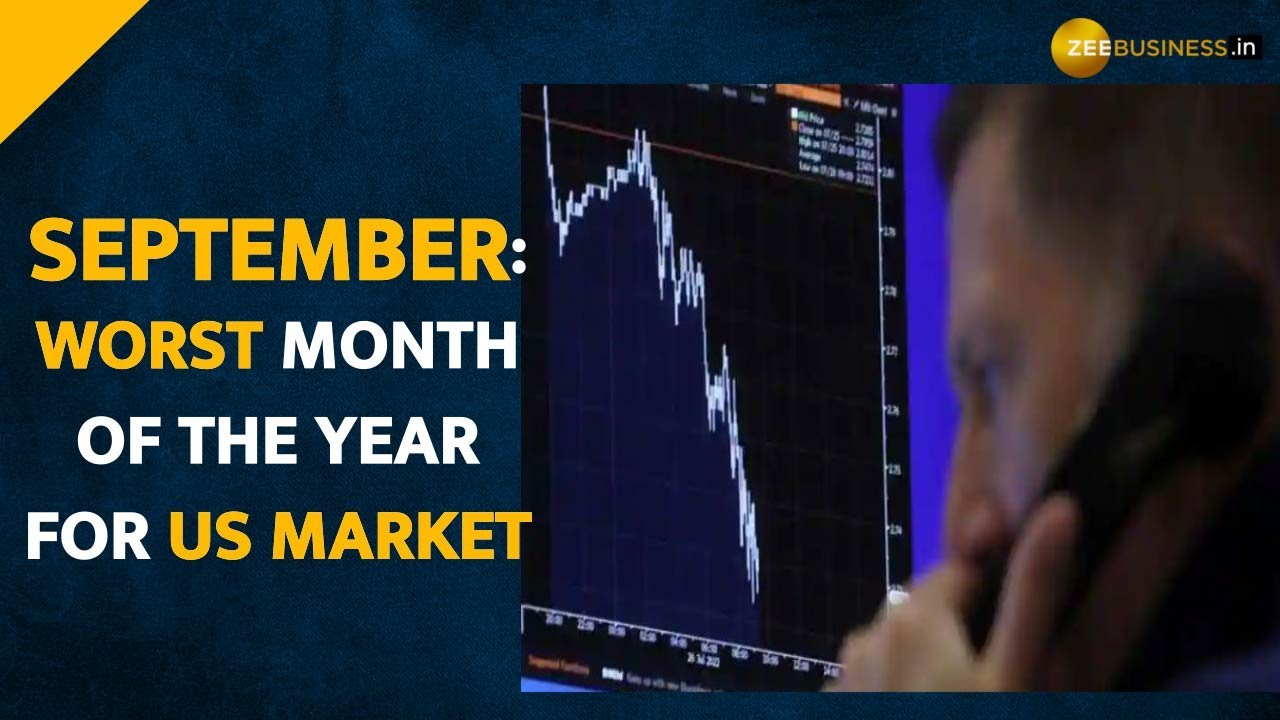











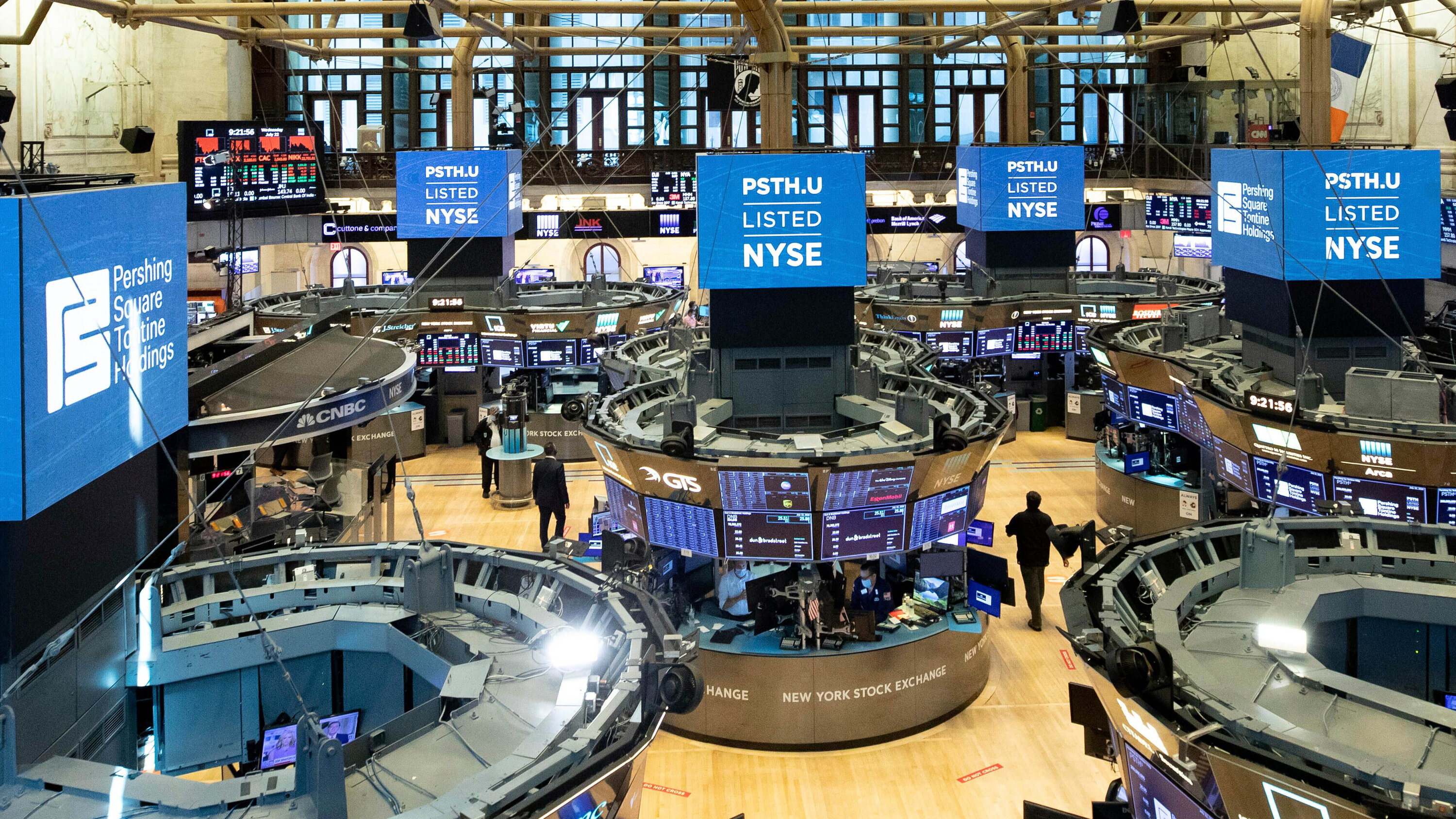




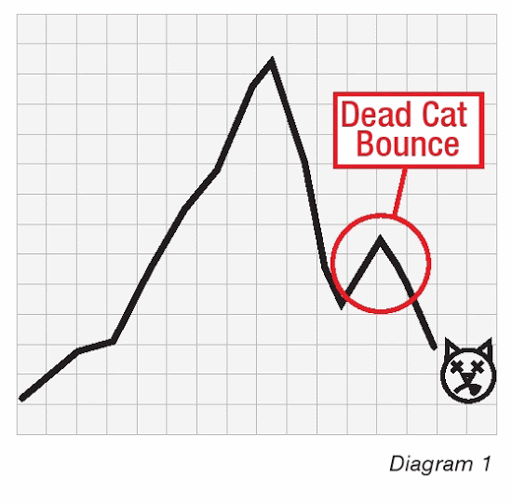


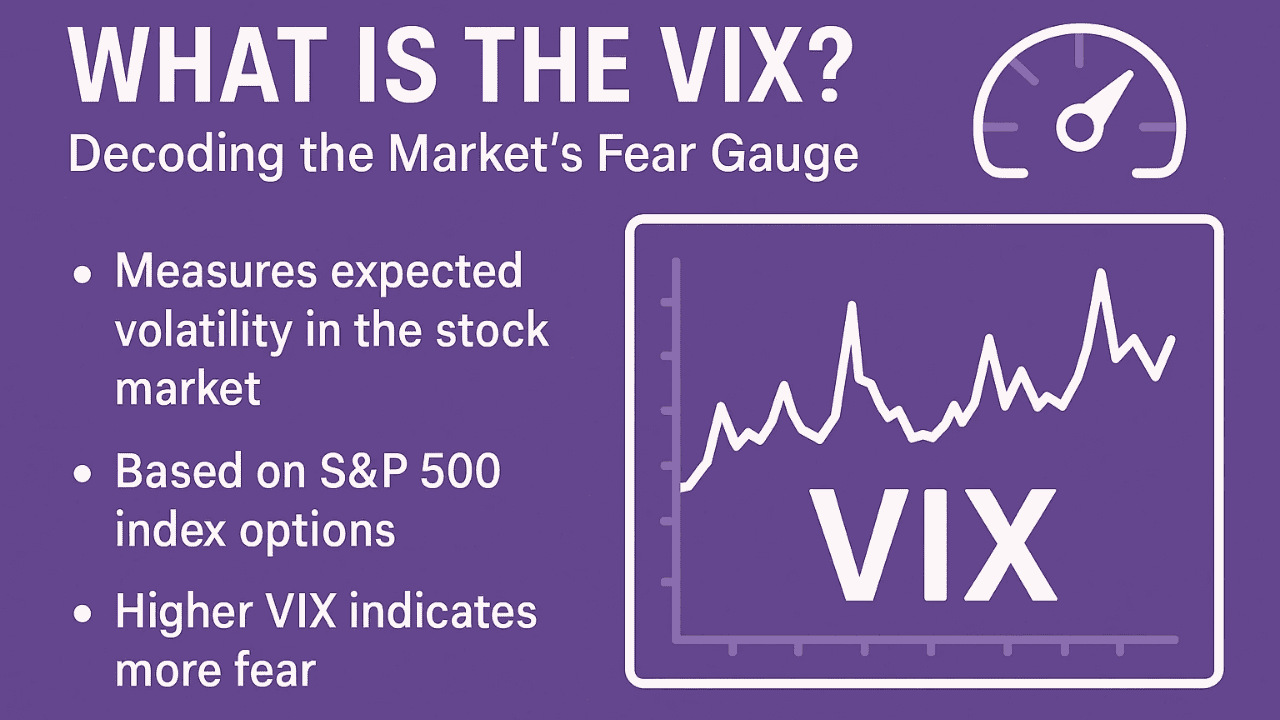




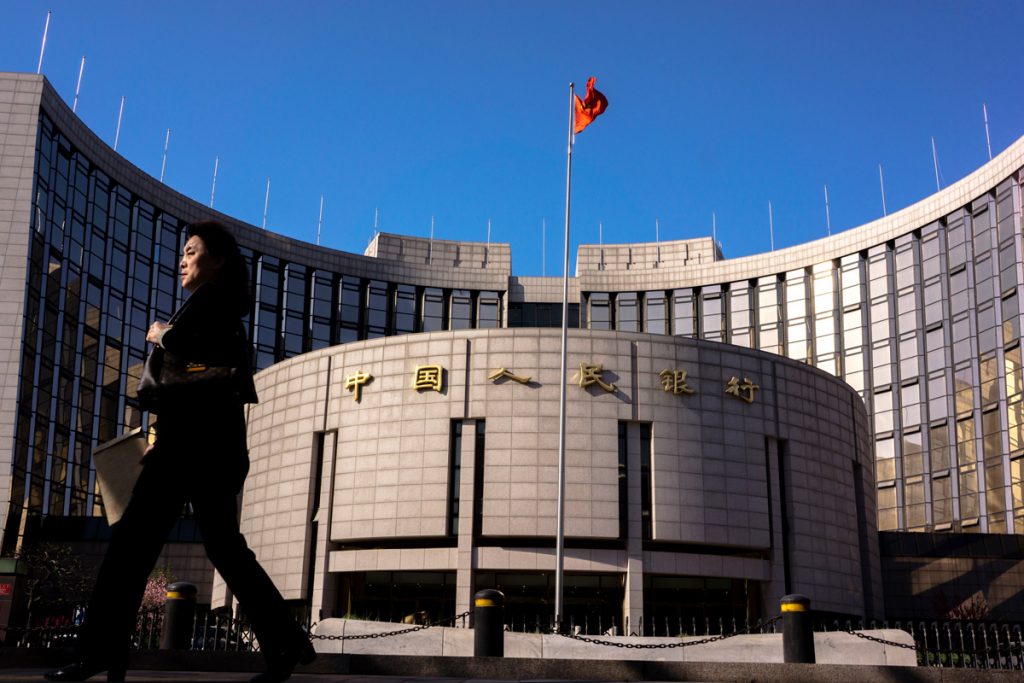


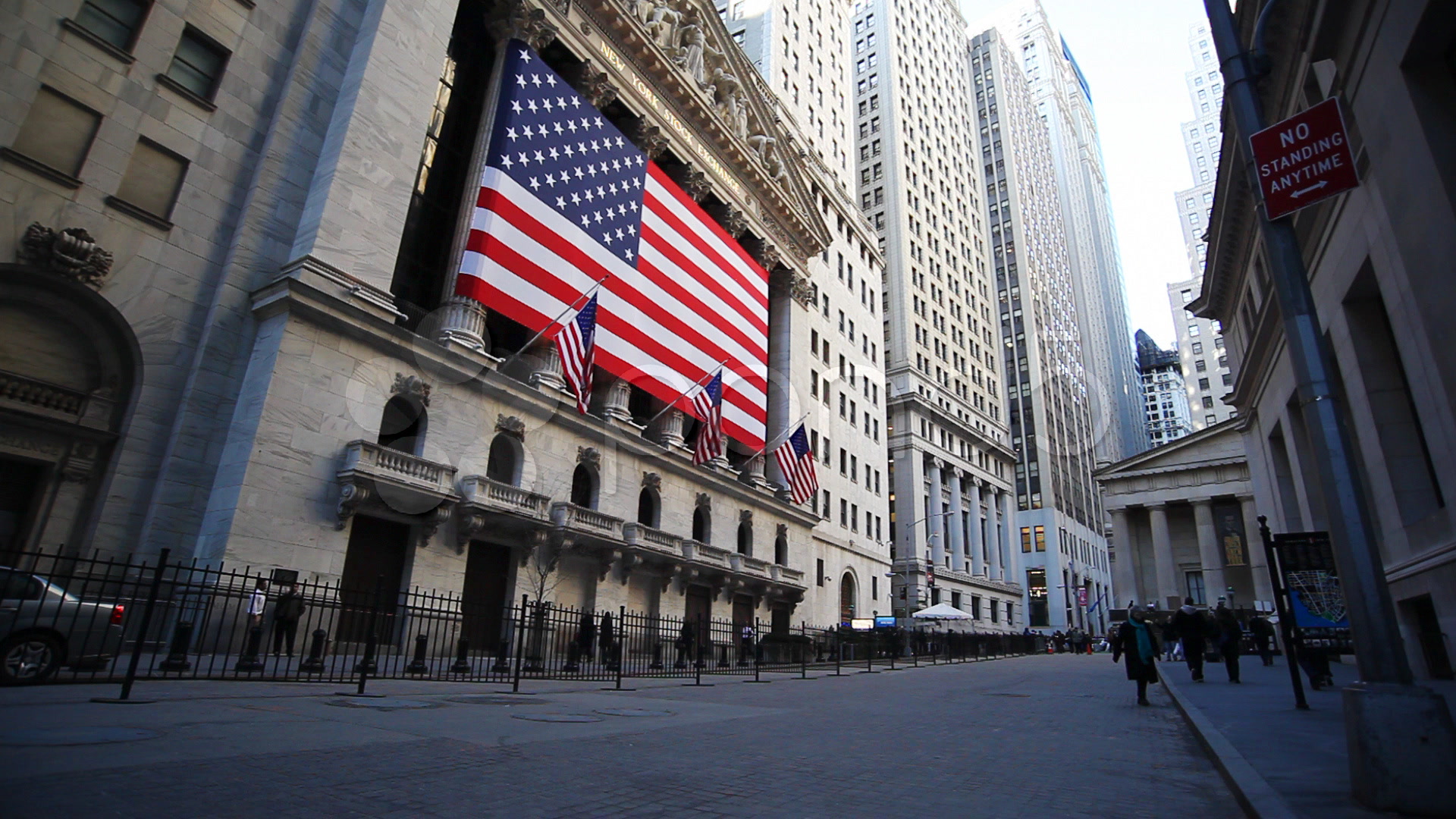


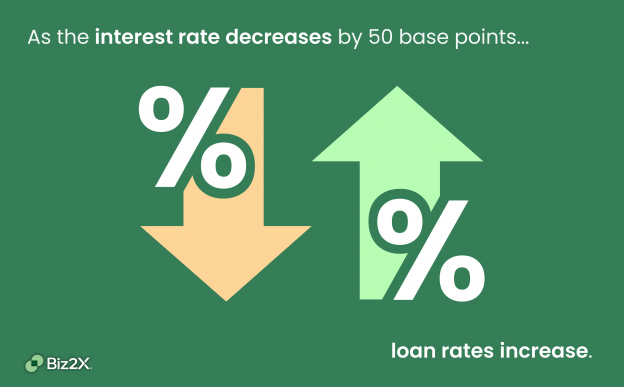
















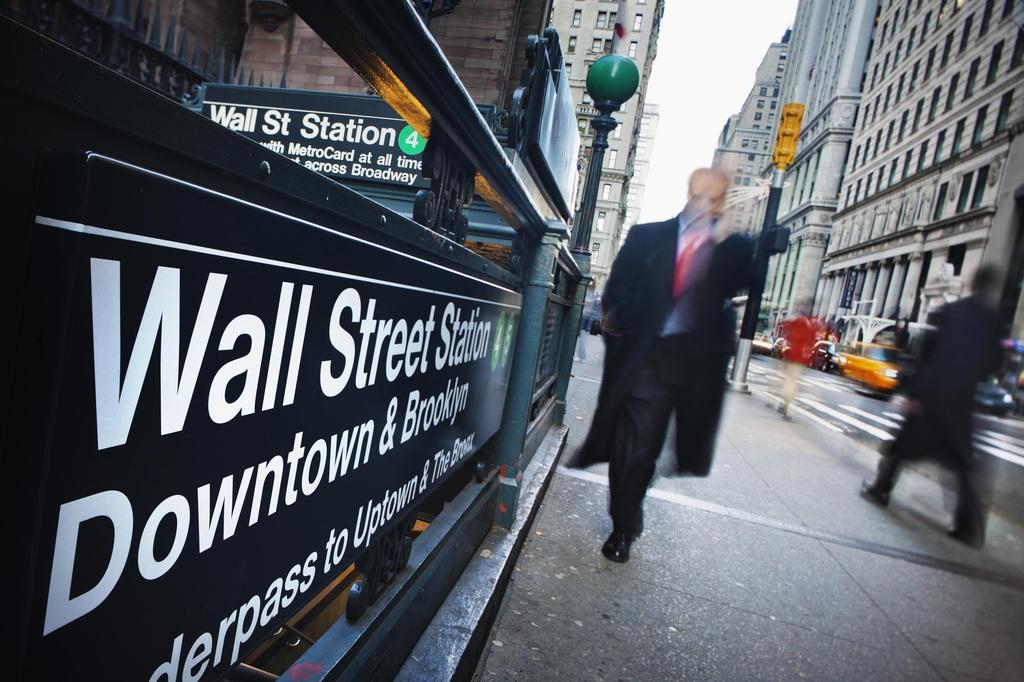

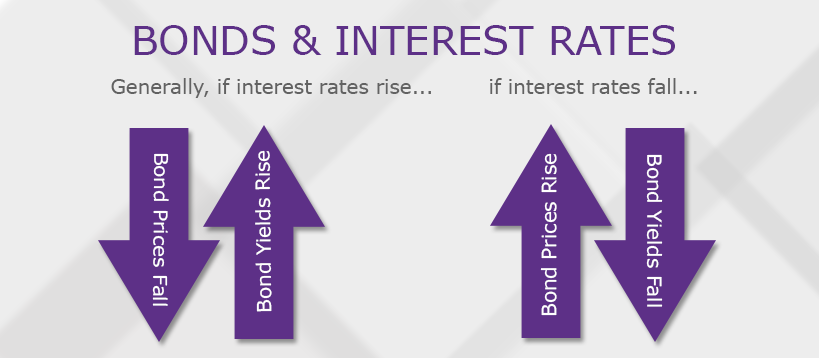
















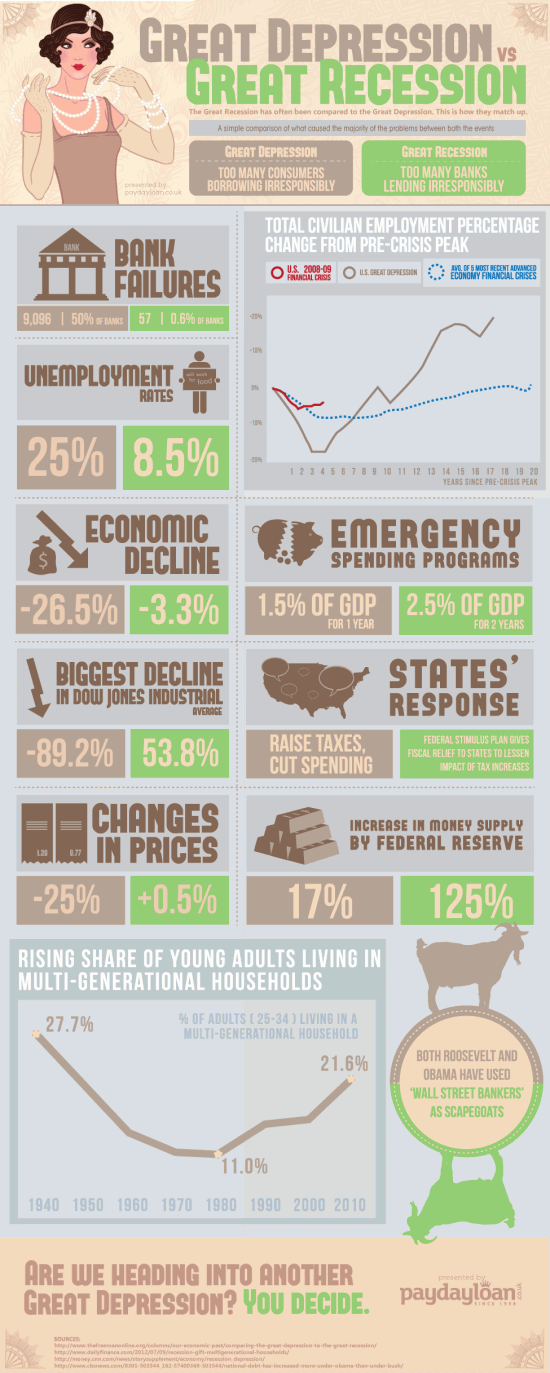










 The Leading Business Education Network for Doctors, Financial Advisors and Health Industry Consultants
STUPID COMMENTS: Financial Advisors Say to Physician Clients
BY DR. DAVID EDWARD MARCINKO; MBA MEd CMP®
***
***
SPONSOR: http://www.MarcinkoAssociates.com
***
Some Stupid Things Financial Advisors Say to Physician Clients
A few years ago and just for giggles, colleague Lon Jefferies MBA CFP® and I collected a list of dumb-stupid things said by some Financial Advisors to their doctor, dentist, nurse and and other medical professional clients, along with some recommended under-breath rejoinders:
So, don’t let these aphorisms blind you to the critical thinking skills you learned in college, honed in medical school and apply every day in life.
COMMENTS APPRECIATED
Refer, Like and Subscribe
***
EDUCATION: Books
SPEAKING: Dr. Marcinko will be speaking and lecturing, signing and opining, teaching and preaching, storming and performing at many locations throughout the USA this year! His tour of witty and serious pontifications may be scheduled on a planned or ad-hoc basis; for public or private meetings and gatherings; formally, informally, or over lunch or dinner. All medical societies, financial advisory firms or Broker-Dealers are encouraged to submit a RFP for speaking engagements: CONTACT: MarcinkoAdvisors@outlook.com
***
***
Share this:
Filed under: "Advisors Only", "Doctors Only", Ethics, Jokes and Puns, LifeStyle | Tagged: bears, bulls, crypto, DO, doctor clients, DPM, dumb comments, finance, financial advisors, financial planners, Investing, Lon Jefferies, Marcinko, MD, personal-finance, Physician Clients, physicians, Ponzi, stocks, stupid comments, Wall Street | Leave a comment »