BOARD CERTIFICATION EXAM STUDY GUIDES Lower Extremity Trauma
[Click on Image to Enlarge]
ME-P Free Advertising Consultation
The “Medical Executive-Post” is about connecting doctors, health care executives and modern consulting advisors. It’s about free-enterprise, business, practice, policy, personal financial planning and wealth building capitalism. We have an attitude that’s independent, outspoken, intelligent and so Next-Gen; often edgy, usually controversial. And, our consultants “got fly”, just like U. Read it! Write it! Post it! “Medical Executive-Post”. Call or email us for your FREE advertising and sales consultation TODAY [678.779.8597] E-mail: MarcinkoAdvisors1738@outlook.com
Medical & Surgical e-Consent Forms
ePodiatryConsentForms.com
iMBA Inc., OFFICES
Suite #5901 Wilbanks Drive, Norcross, Georgia, 30092 USA [1.678.779.8597]. Our location is real and we are now virtually enabled to assist new long distance clients and out-of-town colleagues.
ME-P Publishing
SEEKING INDUSTRY INFO PARTNERS?
If you want the opportunity to work with leading health care industry insiders, innovators and watchers, the “ME-P” may be right for you? We are unbiased and operate at the nexus of theoretical and applied R&D. Collaborate with us and you’ll put your brand in front of a smart & tightly focused demographic; one at the forefront of our emerging healthcare free marketplace of informed and professional “movers and shakers.” Our Ad Rate Card is available upon request [678-779-8597].
While university professors are often envied for their intellectual freedom, flexible schedules, and perceived ivory-tower prestige, a stark reality has emerged in modern academia: an increasing number of professors actively dislike teaching. While most entering the profession are fueled by a genuine love for their discipline, the structural, cultural, and financial shifts in higher education have transformed the classroom from a sanctuary of learning into a major source of professional burnout.
The primary driver of this dissatisfaction is the “publish or perish” culture that dominates modern universities. At most major institutions, tenure, promotions, institutional funding, and professional respect are tied almost exclusively to research output, grant acquisition, and journal publications. Teaching, by contrast, is rarely rewarded. This creates a severe misalignment of incentives. A professor who spends dozens of hours crafting an innovative syllabus, mentoring struggling students, and providing detailed feedback on essays receives no structural rewards. In fact, devoting too much time to teaching can actively jeopardize their career advancement. Consequently, teaching is frequently viewed not as a core mission, but as a burdensome distraction from the research that actually secures their livelihood.
Furthermore, the dramatic shift toward corporate-style university administration has changed how students and classes are viewed. Higher education increasingly operates on a consumer model, where the student is the customer and the degree is a purchased commodity. This consumer mentality degrades the traditional professor-student dynamic. Professors find themselves dealing with an unprecedented rise in entitlement, grade inflation pressures, and demands for constant accommodations. When a student views a course as a transaction rather than an intellectual challenge, the professor is reduced to a service provider. Administrative pressure to maintain high retention rates and positive student evaluations further compromises academic rigor. Professors are often forced to choose between lowering their standards to keep students happy or maintaining rigor and risking administrative reprimand.
***
***
This problem is compounded by a perceived decline in student engagement and preparation. Many professors express profound frustration with a shifting classroom culture defined by technological distractions and systemic apathy. Competing with smartphones, laptops, and artificial intelligence for a student’s attention has made lecturing an exhausting uphill battle. Additionally, many educators note that incoming students frequently lack basic critical thinking, reading comprehension, and writing skills, requiring professors to spend valuable lecture time on remediation rather than advanced concepts. Teaching becomes deeply demoralizing when a professor realizes that a significant portion of the class is physically present but intellectually absent.
The situation is even more acute for the vast, invisible army of adjunct and non-tenure-track faculty, who now teach the majority of undergraduate courses. For these instructors, the dislike of teaching is tied directly to systemic exploitation. Adjuncts are paid poverty-level wages per course, receive no health benefits, and have zero job security from one semester to the next. Many are forced to “freeway fly,” juggling teaching loads across multiple campuses just to pay rent. When teaching is tied to extreme financial anxiety, substandard working conditions, and a total lack of institutional support, it inevitably transforms from a calling into an exhausting chore.
Finally, the administrative burden placed on educators has skyrocketed. Teaching a class no longer means just lecturing and grading. It now involves navigating complex learning management systems, responding to a relentless deluge of emails at all hours of the night, filing extensive assessment reports for accreditation, and managing fraught interpersonal dynamics. The actual act of teaching—the joyful exchange of ideas—has been completely overshadowed by bureaucratic paperwork and digital maintenance.
In conclusion, college professors do not dislike teaching because they lack passion for education. They dislike teaching because the modern university system has devalued, bureaucratized, and stripped the joy out of the classroom experience. When research is the only currency that matters, students behave like consumers, and administrative red tape multiplies, teaching ceases to be an intellectual pursuit. Until higher education rebalances its priorities to genuinely value and support pedagogical excellence, the classroom will continue to be a place of frustration rather than inspiration.
SPEAKING: Dr. Marcinko will be speaking and lecturing, signing and opining, teaching and preaching, storming and performing at many locations throughout the USA this year! His tour of witty and serious pontifications may be scheduled on a planned or ad-hoc basis; for public or private meetings and gatherings; formally, informally, or over lunch or dinner. All medical societies, financial advisory firms or Broker-Dealers are encouraged to submit an RFP for speaking engagements: CONTACT: Ann Miller RN MHA at MarcinkoAdvisors1738@outlook.com -OR-http://www.MarcinkoAssociates.com
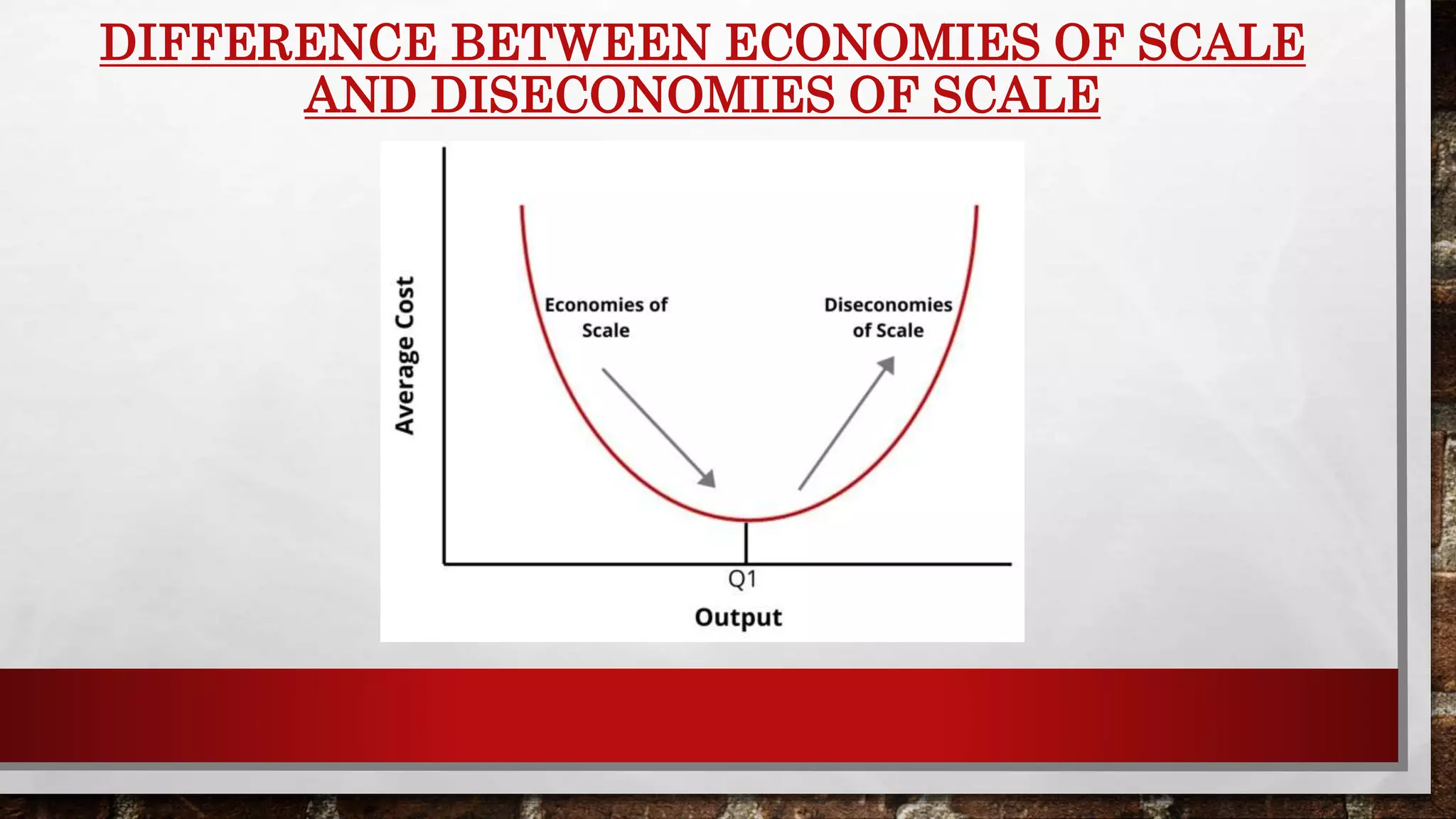
Diseconomies of scale occur when a business grows beyond a certain size and its average cost of production begins to increase. In the early stages of expansion, firms often benefit from economies of scale because producing more goods can reduce the average cost per unit. However, continued growth does not always lead to greater efficiency. When an organization becomes too large, managing its resources, employees, and operations can become difficult and expensive. The resulting increase in average costs is known as diseconomies of scale.
One major cause of diseconomies of scale is the difficulty of managing a large organization. As a business expands, it usually requires more managers and supervisors. The organizational structure can become complicated, with several levels of management between senior leaders and ordinary employees. This can slow down decision-making because information has to pass through many departments and levels of authority. As a result, decisions that could be made quickly in a small firm may take much longer in a large organization. Delays can increase costs and reduce the firm’s ability to respond to changes in the market.
Another important cause is communication problems. In a small business, employees can often communicate directly with owners and managers. In a large business, communication may involve different departments, offices, and management levels. Important information can be misunderstood, delayed, or lost as it moves through the organization. Poor communication may lead to mistakes, duplication of work, and inefficient use of resources. The larger the organization becomes, the more difficult it may be to maintain clear and effective communication.
Diseconomies of scale can also result from reduced employee motivation. In a small firm, workers may feel that their contribution has a direct impact on the success of the business. They may have closer relationships with managers and receive more personal recognition. In a very large organization, employees can sometimes feel that their individual efforts are less important. This may reduce motivation and productivity. If workers become less productive, the cost of producing each unit of output may increase.
Another factor is the difficulty of controlling operations. Large firms often operate across several factories, offices, or locations. Coordinating these different activities requires additional systems, technology, managers, and administrative staff. The business may also need to spend more money on monitoring employees and maintaining consistent standards. Although these systems can be necessary for a large organization, they can increase operating costs.
Diseconomies of scale may also arise because of limited resources. As a firm expands, it may place greater pressure on its suppliers, transportation systems, machinery, and other resources. For example, a company that rapidly increases production may experience shortages of raw materials or difficulties transporting finished products. These problems can cause delays and increase production costs. In some industries, rapid expansion may also lead to higher wages because the firm must compete for skilled workers.
The effects of diseconomies of scale can be significant. When average costs increase, a firm’s profitability may decline if it cannot increase its prices without losing customers. Higher costs can also make the business less competitive. In addition, inefficient management can reduce the quality of products and services. If customers become dissatisfied, the firm may lose sales and market share.
****
***
However, diseconomies of scale do not mean that large businesses are always inefficient. Many large firms develop methods to control the problems associated with growth. They may divide the organization into smaller departments or business units, improve communication systems, delegate decision-making, and use technology to coordinate operations. Effective management can therefore reduce the impact of diseconomies of scale.
In conclusion, diseconomies of scale occur when the expansion of a firm causes its average cost per unit to rise. They are mainly associated with problems such as complex management structures, communication difficulties, reduced employee motivation, weak coordination, and increasing administrative costs. While growth can provide many advantages, excessive expansion can create inefficiencies that make production more expensive. For this reason, businesses need to balance the benefits of growth with the challenges that come with becoming too large. Efficient organization, effective communication, and appropriate management are essential for controlling costs and maintaining productivity as a business expands.
SPEAKING: Dr. Marcinko will be speaking and lecturing, signing and opining, teaching and preaching, storming and performing at many locations throughout the USA this year! His tour of witty and serious pontifications may be scheduled on a planned or ad-hoc basis; for public or private meetings and gatherings; formally, informally, or over lunch or dinner. All medical societies, financial advisory firms or Broker-Dealers are encouraged to submit an RFP for speaking engagements: CONTACT: Ann Miller RN MHA at MarcinkoAdvisors1738@outlook.com -OR-http://www.MarcinkoAssociates.com
The phenomenon of physicians choosing to provide medical care without financial compensation is one of the most profound expressions of altruism within modern society. In an era where healthcare is increasingly institutionalized, commercialized, and driven by complex insurance reimbursement models, the decision of a doctor to work for free stands as a stark contrast. This practice manifests in various forms, including local community free clinics, international humanitarian missions, disaster response efforts, and pro bono care within private practices. Understanding why physicians willingly forgo financial reward requires looking beyond economic incentives to explore the deeply rooted ethical, psychological, systemic, and historical motivations that define the medical profession.
At the core of a physician’s decision to work for free is the foundational ethos of medicine itself: the historical and moral commitment to heal. When entering the profession, doctors take an oath—most traditionally the Hippocratic Oath—which binds them to a duty of service and the preservation of human life. For many practitioners, this oath is not a mere formality or a historical artifact; it is a living moral compass. In daily modern practice, however, systemic pressures can obscure this primary purpose. Administrative burdens, electronic health record charting, and billing negotiations often distance doctors from direct patient care. Offering free care allows physicians to strip away these bureaucratic layers and return to the purest form of the doctor-patient relationship, where the sole objective is to alleviate suffering regardless of a patient’s financial status.
Furthermore, providing free care serves as a powerful mechanism to combat healthcare disparities and systemic failures. In many nations, despite legislative efforts, large segments of the population remain uninsured, underinsured, or marginalized due to socioeconomic status, legal status, or geography. Physicians working in free clinics or community health centers witness firsthand the devastating consequences of untreated chronic conditions and delayed care. Driven by a sense of social justice, these doctors view their medical skills not just as a source of income, but as a public resource. By volunteering their time, they attempt to patch the holes in a fractured safety net, ensuring that vulnerable populations—such as the homeless, undocumented immigrants, and the working poor—receive the dignity of medical attention.
***
***
The motivation to work without pay is also deeply linked to the psychological and emotional well-being of the physicians themselves. Professional burnout is a pervasive crisis in contemporary healthcare, characterized by emotional exhaustion, depersonalization, and a reduced sense of personal accomplishment. Many doctors report that the commercial pressures of productivity metrics, such as seeing a specific number of patients per hour, erode their sense of professional fulfillment. Engaging in volunteer medical work often acts as an antidote to this burnout. Free from the constraints of insurance guidelines and time clocks, physicians can practice medicine at a slower, more compassionate pace. The gratitude of a patient who has been ignored by the formal healthcare system provides a profound psychological reward that financial compensation cannot replicate, effectively reigniting the doctor’s original passion for the calling.
On a global scale, international humanitarian work draws physicians to volunteer in conflict zones, refugee camps, and developing countries. Organizations like Doctors Without Borders or various surgical missions rely entirely on the willingness of medical professionals to donate their expertise under hazardous and resource-limited conditions. The drive to participate in these initiatives often stems from a desire to face unique clinical challenges and to make a high-impact difference where medical infrastructure is non-existent. In these environments, a single surgical procedure or a basic course of antibiotics can be entirely life-altering. The chance to save lives on such a fundamental level provides an intense sense of purpose and perspective that alters a clinician’s outlook for the rest of their career.
Finally, the culture of mentorship and education within medicine encourages volunteering. Senior physicians frequently work for free in teaching clinics to train medical students and residents. Through this practice, they model empathetic care and instill a sense of civic responsibility in the next generation of healers. This legacy of giving back ensures that the tradition of humanitarian medicine is passed down, reinforcing the idea that a doctor’s worth is measured by their impact on human health rather than their financial accumulation.
In conclusion, physicians work for free because medicine, at its heart, remains a vocation rather than merely a career. While financial compensation is necessary to sustain the infrastructure of healthcare and reward years of rigorous training, it is the intangible rewards that sustain the soul of the practitioner. Whether driven by ancient ethical vows, a pursuit of social justice, a desire to reconnect with the pure joy of healing, or a urge to help global populations in crisis, these doctors demonstrate that the true currency of medicine is compassion. In doing so, they provide a vital reminder of the enduring humanity that underpins the art of healing.
SPEAKING: Dr. Marcinko will be speaking and lecturing, signing and opining, teaching and preaching, storming and performing at many locations throughout the USA this year! His tour of witty and serious pontifications may be scheduled on a planned or ad-hoc basis; for public or private meetings and gatherings; formally, informally, or over lunch or dinner. All medical societies, financial advisory firms or Broker-Dealers are encouraged to submit an RFP for speaking engagements: CONTACT: Ann Miller RN MHA at MarcinkoAdvisors1738@outlook.com -OR-http://www.MarcinkoAssociates.com
The healthcare sector comprises a diverse ecosystem of professionals, each dedicated to diagnosing, treating, and managing human ailments. Among these, allopathic and osteopathic physicians (MDs/DOs), dentists (DDS/DMDs), podiatrists (DPMs), and chiropractors (DCs) represent distinct pathways of specialized care. While all these professionals undergo rigorous doctoral-level training, their economic realities diverge significantly. The differences in their average annual salaries, starting compensation, and lifetime earning potential are shaped by a complex interplay of educational investment, clinical specialization, practice ownership models, insurance reimbursement structures, and market demand.
Physicians consistently command the highest compensation within this cohort, reflecting their extensive training and broad clinical responsibility. After completing four years of medical school, physicians must undergo three to seven years of residency training, and often additional fellowships. This massive investment of time yields substantial financial returns. Primary care physicians, including family medicine and pediatric specialists, typically earn highly competitive six-figure salaries. However, the true divergence in medical compensation appears within surgical and procedural specialties. Specialists such as orthopedic surgeons, cardiologists, and neurosurgeons often command salaries that double or triple those of their primary care peers. This premium is driven by the high complexity of their procedures, the intense nature of their on-call responsibilities, and the heavy reliance on hospital-based reimbursement systems.
Dentists occupy a unique and highly lucrative niche within healthcare economics. Graduating after four years of dental school, general dentists have the option to enter private practice immediately without mandatory residency training. General dentists earn robust salaries that position them firmly in the upper echelons of high-earning professionals. The financial trajectory climbs even higher for dental specialists, such as oral and maxillofacial surgeons, orthodontists, and periodontists, who complete additional years of residency. A major driver of dental compensation is the business model; a high percentage of dentists own or partner in private practices. This allows them to capitalize on business equity and profit margins, rather than relying solely on a fixed salary. Furthermore, dentistry benefits from a more favorable insurance environment, featuring higher cash-pay rates and less administrative friction than traditional medical billing.
***
***
Podiatrists, specialized physicians focusing exclusively on the foot, ankle, and lower extremity structures, earn salaries that generally align comfortably with primary care medical doctors. Their training paradigm is remarkably similar to traditional physicians, requiring four years of podiatric medical school followed by a mandatory three-year surgical residency. Despite this intensive surgical training, average podiatric compensation tends to lag behind mainstream medical specialties like orthopedic surgery. This disparity is often attributed to a narrower scope of practice and historical differences in how healthcare systems and insurance providers value podiatric services compared to general orthopedic care. Nevertheless, podiatrists who establish successful private surgical practices or integrate into large, multidisciplinary orthopedic groups can significantly outpace average salary benchmarks.
Chiropractors, who focus on non-invasive, neuromusculoskeletal care through spinal adjustments and holistic therapies, occupy a markedly different economic tier. Completing a four-year doctor of chiropractic program, these professionals typically do not undergo mandatory post-graduate residency. The average salary for chiropractors is notably lower than that of physicians, dentists, and podiatrists. Chiropractors operate heavily within a cash-pay or limited-insurance reimbursement framework, as major health insurance plans and government programs provide more restricted coverage for chiropractic care compared to medical or dental procedures. Because the vast majority of chiropractors are solo practitioners or independent contractors, their income is directly tied to patient volume, marketing efficacy, and local competition, leading to a much wider variance in earnings from low-income earners to highly successful clinic owners.
***
***
The foundational driver of these salary differences is the structure of insurance reimbursement. Physicians and podiatrists rely heavily on complex insurance networks, Medicare, and Medicaid, where reimbursement rates are strictly regulated and heavily favor procedural or surgical interventions over diagnostic care. Dentists operate on a hybrid model, utilizing specialized dental insurance that frequently requires significant out-of-pocket patient co-pays, granting providers greater pricing flexibility. Chiropractors face the most stringent insurance limitations, forcing them to adopt retail-style business models where income is generated directly from consumer wallets.
Ultimately, while all four professions demand a high level of dedication and doctoral education, their financial landscapes are far from uniform. Physicians and dentists remain the financial anchors of the healthcare industry, leveraging deep systemic integration and ownership models to secure top-tier compensation. Podiatrists maintain a steady, highly specialized mid-to-high income tier, while chiropractors experience the highest income volatility, dependent on entrepreneurial skill rather than institutional salary structures. Each field presents a distinct trade-off between the years of training required, the autonomy of practice, and the ultimate financial reward.
SPEAKING: Dr. Marcinko will be speaking and lecturing, signing and opining, teaching and preaching, storming and performing at many locations throughout the USA this year! His tour of witty and serious pontifications may be scheduled on a planned or ad-hoc basis; for public or private meetings and gatherings; formally, informally, or over lunch or dinner. All medical societies, financial advisory firms or Broker-Dealers are encouraged to submit an RFP for speaking engagements: CONTACT: Ann Miller RN MHA at MarcinkoAdvisors1738@outlook.com -OR-http://www.MarcinkoAssociates.com
The cost of medical education in the United States has climbed to a level that forces students, families, and even institutions to confront uncomfortable questions about who can realistically pursue a career in medicine. While the profession carries prestige, purpose, and the promise of financial stability, the path to becoming a physician is increasingly defined by staggering tuition bills, years of lost income, and long‑term debt obligations that shape graduates’ lives for decades. The price tag has grown so large that it is no longer just an economic issue; it is reshaping the demographics, motivations, and mental health of future physicians, and ultimately influencing the healthcare system itself.
Medical school tuition alone often exceeds what many Americans earn in a year. Students routinely face annual costs that can surpass $60,000 to $70,000, and that figure does not include housing, food, transportation, exam fees, or the cost of applying to residency programs. When the full journey is tallied—undergraduate education, medical school, and the years of training that follow—many new physicians emerge with debt loads well above $200,000. Some carry balances closer to $300,000. These numbers are not abstract; they shape every decision a student makes, from where they apply to school to what specialty they choose.
The financial pressure begins even before medical school acceptance. The application process itself is expensive. Prospective students pay for standardized tests, primary applications, secondary applications, and travel for interviews. For many, this phase alone costs several thousand dollars. Students from lower‑income backgrounds often struggle to compete in this early stage, not because of academic ability, but because the financial barrier is already too high. The pipeline narrows before training even begins.
Once enrolled, the intensity of medical education makes it nearly impossible for students to work part‑time to offset costs. The curriculum demands long hours, constant studying, and clinical responsibilities that leave little room for supplemental income. As a result, most students rely heavily on loans. Interest accumulates quickly, and because medical school lasts four years—followed by residency training that can stretch from three to seven years—many graduates watch their balances grow even as they work full‑time caring for patients.
The burden of debt influences career choices in ways that ripple across the healthcare system. Students who might otherwise pursue lower‑paying specialties such as primary care, pediatrics, or psychiatry often feel compelled to choose fields with higher salaries to manage their financial obligations. This dynamic contributes to shortages in essential specialties and exacerbates disparities in access to care. The country needs more primary care physicians, yet the economics of medical education push students away from these roles. In this way, the cost of training does not just affect individuals; it shapes national healthcare outcomes.
The psychological toll is equally significant. Medical school is already known for its demanding workload and high stress levels, but financial anxiety adds another layer of pressure. Students worry about every dollar they borrow, every interest payment, and every future bill. This chronic stress can affect academic performance, personal relationships, and mental health. For some, the weight of debt becomes a defining feature of their medical journey, overshadowing the excitement and purpose that initially drew them to the profession.
The high cost also affects diversity within medicine. Students from wealthy families can navigate the financial landscape more easily, while those from lower‑income backgrounds face barriers that are often insurmountable. This creates a profession that does not fully reflect the population it serves. Diverse physicians bring cultural insight, language skills, and lived experiences that improve patient care. When the cost of education limits who can enter the field, the entire healthcare system loses these valuable perspectives.
***
***
Institutions often justify high tuition by pointing to the expense of running medical programs. Teaching hospitals, laboratories, simulation centers, and faculty salaries require substantial funding. While these costs are real, the escalation of tuition has outpaced inflation and income growth for decades. Students are left wondering whether the financial structure of medical education is sustainable or whether it is drifting toward a crisis that will eventually force reform.
Despite these challenges, many students continue to pursue medicine because they feel called to the work. They want to heal, to serve, and to contribute to society in a meaningful way. But passion alone cannot erase the financial realities. The question is not whether medical education should be rigorous or resource‑intensive—it must be both. The question is whether the current model is fair, accessible, and aligned with the nation’s healthcare needs.
The high cost of medical education is more than a personal burden; it is a systemic issue with far‑reaching consequences. It shapes who becomes a doctor, what specialties they choose, where they practice, and how they experience their training. It influences the availability of care in underserved communities and contributes to workforce shortages in critical fields. Addressing this challenge will require creativity, commitment, and a willingness to rethink long‑standing assumptions about how physicians are trained.
SPEAKING: Dr. Marcinko will be speaking and lecturing, signing and opining, teaching and preaching, storming and performing at many locations throughout the USA this year! His tour of witty and serious pontifications may be scheduled on a planned or ad-hoc basis; for public or private meetings and gatherings; formally, informally, or over lunch or dinner. All medical societies, financial advisory firms or Broker-Dealers are encouraged to submit an RFP for speaking engagements: CONTACT: Ann Miller RN MHA at MarcinkoAdvisors1738@outlook.com -OR-http://www.MarcinkoAssociates.com
Classic Definition: Research from Ernst-Young [Nikhil Lele and Yang Shim] uncovered a chasm between how consumer patients think they’re doing financially, and the actual state of their finances. Even more striking, their study suggested that improving consumers’ financial health will become one of the top imperatives in reframing consumer financial services.
Modern Circumstance: For example, the study asked consumers to rate their own financial health, and 83 percent rated themselves “good,” “very good” or “excellent.” Now, contrast this figure with what is known about their actual situation:
60 percent of Americans say they are financially stressed.
56 percent of Americans have less than $10,000 saved for retirement.
40 million American families have no retirement savings at all.
40 percent of Americans are not prepared to meet a $400 short-term emergency.
Paradox Example: Fortunately, even though the vast majority of consumers rate themselves as financially healthy, the study found that most still want to improve. Importantly for health economists, the attractive 25-34 and 35-49 year-old age groups were most likely to be extremely or very interested in improving their financial and economic health.
Paradox Example: Massively affluent consumer patients are even more interested in improving this paradox than their mass market counterparts.
SPEAKING: Dr. Marcinko will be speaking and lecturing, signing and opining, teaching and preaching, storming and performing at many locations throughout the USA this year! His tour of witty and serious pontifications may be scheduled on a planned or ad-hoc basis; for public or private meetings and gatherings; formally, informally, or over lunch or dinner. All medical societies, financial advisory firms or Broker-Dealers are encouraged to submit an RFP for speaking engagements: CONTACT: Ann Miller RN MHA at MarcinkoAdvisors1738@outlook.com -OR-http://www.MarcinkoAssociates.com
Healthcare will not reform itself because the forces that shape it—economic incentives, institutional inertia, political fragmentation, and cultural expectations—push it toward preserving the status quo rather than transforming it. The system is too complex, too profitable for certain stakeholders, and too politically sensitive to spontaneously reorganize into something more efficient, humane, or affordable. Any meaningful change requires coordinated action, and healthcare is built in a way that prevents coordination from ever happening naturally.
The core problem is incentives. Every major player in healthcare benefits more from maintaining the current structure than from changing it. Hospitals earn revenue from procedures, admissions, and billing complexity. Insurers profit from managing risk, not eliminating it. Pharmaceutical companies thrive on high prices and long patent protections. Even many physicians, through fee‑for‑service models, are rewarded for volume rather than outcomes. When every stakeholder is financially rewarded for the system as it exists, reform becomes economically irrational. No industry voluntarily restructures itself in ways that reduce revenue, and healthcare is no exception.
Institutional inertia reinforces this resistance. Healthcare is a massive ecosystem with deeply entrenched processes, legacy technologies, and regulatory frameworks that have accumulated over decades. Changing any one part requires changing many others, and the interdependencies make reform feel like rewiring an airplane mid‑flight. Hospitals rely on outdated electronic record systems because replacing them is disruptive and expensive. Insurers cling to complex billing codes because they are woven into every administrative workflow. Medical education still emphasizes specialization and acute care because that is how the system has operated for generations. Institutions do not reform themselves when the cost of change feels greater than the cost of dysfunction.
Political fragmentation adds another layer of immobility. Healthcare in the United States is not a single system—it is a patchwork of federal programs, state regulations, private insurers, employer‑based coverage, and individual market rules. Reform requires alignment across federal agencies, state governments, Congress, private companies, and professional associations. That alignment almost never occurs. Political parties disagree on the role of government, states resist federal mandates, and powerful lobbying groups influence legislation to protect their interests. Even when reform is proposed, it is typically watered down, delayed, or blocked entirely. A fragmented system cannot reform itself because no single entity has the authority or incentive to lead the transformation.
***
***
Cultural expectations also play a role. Americans expect unlimited choice, cutting‑edge treatments, and immediate access to specialists. They want the best technology, the newest drugs, and the most advanced procedures. These expectations drive demand for high‑cost care and discourage reforms that emphasize prevention, primary care, or cost control. A system built around consumer expectations of “more” will not voluntarily shift toward “less but smarter.” Cultural pressure keeps the system oriented toward high‑intensity, high‑cost medicine, even when simpler approaches would produce better outcomes.
Another barrier is the sheer profitability of inefficiency. Administrative complexity—often criticized as waste—is a revenue source for many organizations. Billing departments, claims processors, coding specialists, and compliance teams exist because the system is complicated. Simplifying healthcare would eliminate entire categories of jobs and shrink entire industries. No system willingly reforms in ways that eliminate its own workforce. Complexity persists because it pays.
Even innovation struggles to drive reform. New technologies, such as telemedicine, AI diagnostics, and value‑based care models, promise efficiency and better outcomes. But they are often absorbed into the existing structure rather than transforming it. Telemedicine becomes another billable service. AI tools are layered onto old workflows instead of replacing them. Value‑based care programs are implemented as pilot projects rather than systemic shifts. Innovation cannot reform a system that continually reshapes new ideas to fit old incentives.
***
***
Finally, healthcare will not reform itself because the people most harmed by the system—patients—have the least power to change it. Individuals cannot negotiate prices, redesign insurance networks, or restructure hospital systems. They experience the consequences but cannot influence the architecture. A system in which the beneficiaries of dysfunction hold the power and the victims hold none will never reform from within.
In the end, healthcare is structurally designed to resist change. Its incentives reward the status quo, its institutions fear disruption, its politics prevent coordination, its culture demands high‑cost care, and its complexity protects entrenched interests. Reform requires external pressure—legislative action, public demand, or economic crisis. Without those forces, healthcare will continue operating exactly as it does now, not because it works well, but because it works well enough for the people who control it.
SPEAKING: Dr. Marcinko will be speaking and lecturing, signing and opining, teaching and preaching, storming and performing at many locations throughout the USA this year! His tour of witty and serious pontifications may be scheduled on a planned or ad-hoc basis; for public or private meetings and gatherings; formally, informally, or over lunch or dinner. All medical societies, financial advisory firms or Broker-Dealers are encouraged to submit an RFP for speaking engagements: CONTACT: Ann Miller RN MHA at MarcinkoAdvisors1738@outlook.com -OR-http://www.MarcinkoAssociates.com
Virtual reality (VR) is fundamentally altering how economists visualize data, simulate market behavior, and train the future workforce. Long confined to the realms of gaming and entertainment, immersive technology has emerged as a powerful tool for understanding complex economic systems.
By transforming abstract theoretical frameworks into tangible, interactive environments, virtual reality bridges the gap between mathematical modeling and human behavior. As global economies become increasingly digitalized, the integration of VR into economics offers unprecedented opportunities for experimental research, consumer analysis, and macroeconomic forecasting.
At its core, economics relies on the study of how individuals make choices under conditions of scarcity. Traditional economic experiments often struggle to replicate the messy reality of human decision-making, forcing researchers to rely on simplified lab settings or retrospective survey data. Virtual reality completely changes this dynamic by allowing researchers to construct highly controlled, hyper-realistic experimental environments. In a virtual storefront, for example, economists can manipulate subtle variables—such as the layout of products, the behavior of virtual bystanders, or real-time price fluctuations—to observe authentic consumer reactions. Because participants experience a genuine sense of presence, their choices mirror real-world behavioral economic patterns much more accurately than responses to a hypothetical questionnaire. This high degree of experimental control combined with ecological validity provides policymakers and businesses with deeper, data-driven insights into consumer psychology and market anomalies.
Beyond microeconomic experiments, virtual reality serves as a revolutionary mechanism for data visualization. Modern economic data is incredibly vast, high-dimensional, and difficult to conceptualize through traditional two-dimensional charts or spreadsheets. Using VR data spaces, analysts can literally walk through complex datasets, observing multidimensional clusters of inflation rates, employment statistics, and supply chain bottlenecks simultaneously. By mapping data points as physical objects in a 3D environment, anomalies and correlations that were previously obscured by the sheer volume of text become instantly recognizable. This spatial interaction allows central banks, corporate leaders, and financial institutions to grasp macroeconomic trends more intuitively, leading to faster, more robust policy decisions during times of financial instability.
***
***
Furthermore, virtual reality is rewriting the rules of labor economics and workplace productivity. The technology enables immersive remote collaboration, allowing global teams to work together in shared virtual spaces without the logistical costs, time constraints, or environmental impacts of physical travel. In terms of human capital development, VR drastically lowers the marginal cost of high-skill job training. Medical students can practice complex surgeries, engineers can test expensive industrial equipment, and retail workers can experience high-stress scenario management all within a zero-risk virtual simulation. By reducing the physical capital required for education and minimizing training accidents, VR accelerates skill acquisition, boosts structural productivity, and shifts the long-run aggregate supply curve outward.
However, the widespread adoption of virtual reality also introduces novel economic challenges that theorists must navigate. As digital assets, virtual real estate, and immersive commerce continue to expand, they create entirely new digital economies. These virtual ecosystems require their own regulatory frameworks, property rights enforcement, and taxation strategies. Central banks may eventually need to consider how virtual currencies and transactions impact broader monetary policy and inflation metrics in the physical world. Additionally, unequal access to premium VR hardware could exacerbate the digital divide, creating disparities in education and employment opportunities that reinforce existing socio-economic inequalities.
In conclusion, virtual reality is no longer a futuristic novelty; it is a transformative economic catalyst. By providing a playground for realistic behavioral experimentation and offering intuitive ways to navigate massive datasets, VR enhances our understanding of financial systems. Simultaneously, its capacity to optimize labor training and remote work promises to drive tangible productivity gains in the real world. As economists and policymakers adapt to this immersive frontier, they must balance the immense analytical and productive benefits of virtual reality against the regulatory and ethical hurdles of a dual physical-digital economy. Ultimately, those who master the virtual landscape will hold the keys to navigating the complex economic realities of tomorrow.
SPEAKING: Dr. Marcinko will be speaking and lecturing, signing and opining, teaching and preaching, storming and performing at many locations throughout the USA this year! His tour of witty and serious pontifications may be scheduled on a planned or ad-hoc basis; for public or private meetings and gatherings; formally, informally, or over lunch or dinner. All medical societies, financial advisory firms or Broker-Dealers are encouraged to submit an RFP for speaking engagements: CONTACT: Ann Miller RN MHA at MarcinkoAdvisors1738@outlook.com -OR-http://www.MarcinkoAssociates.com
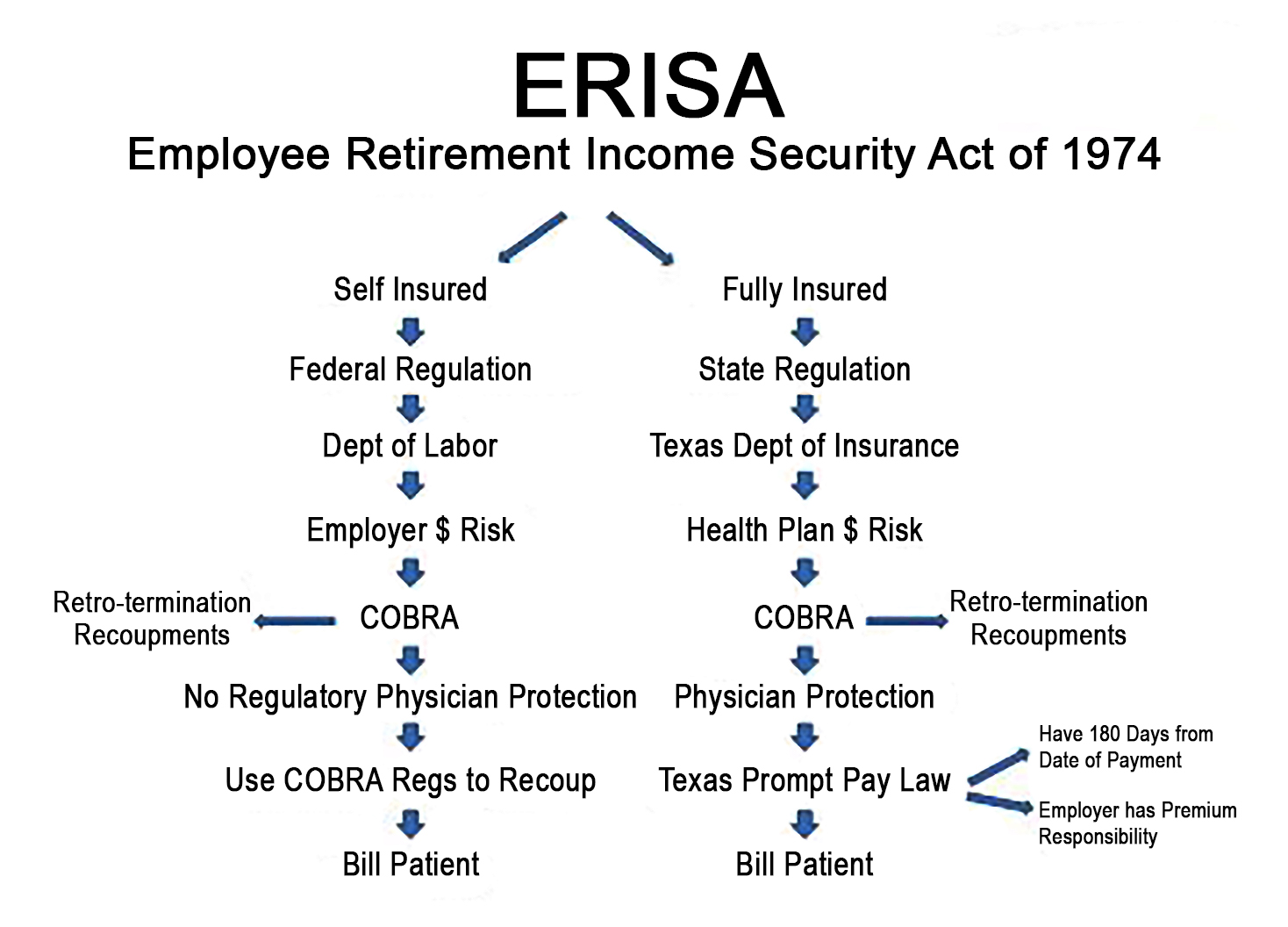
Statutory interest is a type of interest imposed by law to compensate a creditor or party deprived of timely payment. It applies when payments are overdue, such as in commercial transactions, government repayments, or court judgments, and serves both as a remedy for the affected party and a deterrent against late payments Unlike contractual interest, which is agreed upon between parties, statutory interest is set by legislation or regulation and may vary depending on jurisdiction and the type of debt.
Legal Basis
The legal foundation for statutory interest comes from statutes such as the Late Payment of Commercial Debts (Interest) Act 1998 in the UK, the Prompt Payment Act in the U.S., or other relevant national laws These laws define:
When interest begins to accrue (e.g., after the due date or a specified grace period).
The applicable interest rate (often a fixed rate plus a benchmark rate like the Bank of England base rate).
The method of calculation (typically simple interest). For example, in UK business-to-business transactions, statutory interest is 8% plus the Bank of England base rate for late payments.
Calculation
Statutory interest is generally calculated using the formula: Interest = Principal × Rate × (Days Late / 365) Where:
Principal is the overdue amount
Rate is the statutory interest rate expressed annually
Days Late is the number of days the payment is overdue Interest accrues from the day after the payment was due until it is fully paid or legally recovered.
Practical Applications
Commercial transactions: Businesses can claim statutory interest on late payments for goods or services.
Government repayments: Tax authorities or public bodies may pay statutory interest on late refunds or overpayments.
Court judgments: Courts may award statutory interest on sums owed under judgments.
Statutory interest ensures fairness by compensating for the time value of money and encouraging timely payments, complementing contractual agreements when no specific interest terms are set.
SPEAKING: Dr. Marcinko will be speaking and lecturing, signing and opining, teaching and preaching, storming and performing at many locations throughout the USA this year! His tour of witty and serious pontifications may be scheduled on a planned or ad-hoc basis; for public or private meetings and gatherings; formally, informally, or over lunch or dinner. All medical societies, financial advisory firms or Broker-Dealers are encouraged to submit an RFP for speaking engagements: CONTACT: Ann Miller RN MHA at MarcinkoAdvisors1738@outlook.com -OR-http://www.MarcinkoAssociates.com
Respite care — temporary relief for caregivers — can be costly, but a variety of funding sources and cost management strategies can help make it more affordable.
Costs and Budgeting: Average respite care costs vary by type and location. In-home respite can range from a few hours to overnight or multi-day stays, with hourly rates adding up over time. Adult day care and short-term facility stays are generally more expensive but may be more convenient for some families. Budgeting should account for both the base rate and any additional services (e.g., skilled nursing, dementia-specific care). Long-term use of respite care can have significant cumulative costs, so planning ahead is essential.
Funding Sources
Government Programs:
Medicare: Covers respite care only for patients in hospice and under specific conditions, typically up to five days at a time.
Medicaid: May cover respite care through state Home and Community-Based Services (HCBS) waivers for eligible individuals.
Veterans Affairs (VA): Offers up to 30 days of respite care per year for eligible veterans in various settings.
Private Insurance: Long-term care insurance may include respite coverage, but this varies by policy; private health or employer insurance may also cover certain services.
Out-of-Pocket: Many families pay directly, sometimes with tax deductions for qualified caregiving expenses.
Non-Profit & Community Resources: Organizations like the ARCH National Respite Network and local Area Agencies on Aging can connect families with subsidized or grant-based respite care.
Cost-Saving Strategies
Use short-term or partial-day services to reduce total hours and costs
Compare providers and rates, and consider volunteer or family caregiver options when possible.
Leverage Medicaid waivers or VA benefits if eligible.
Plan for recurring costs by setting aside a dedicated care giving budget.
Key Takeaways: Respite care funding is often a mix of public benefits, private insurance and out-of-pocket payments. Careful budgeting, eligibility checks, and use of community resources can significantly reduce the financial burden and ensure caregivers get the breaks they need.
SPEAKING: Dr. Marcinko will be speaking and lecturing, signing and opining, teaching and preaching, storming and performing at many locations throughout the USA this year! His tour of witty and serious pontifications may be scheduled on a planned or ad-hoc basis; for public or private meetings and gatherings; formally, informally, or over lunch or dinner. All medical societies, financial advisory firms or Broker-Dealers are encouraged to submit an RFP for speaking engagements: CONTACT: Ann Miller RN MHA at MarcinkoAdvisors1738@outlook.com -OR-http://www.MarcinkoAssociates.com
SPEAKING: Dr. Marcinko will be speaking and lecturing, signing and opining, teaching and preaching, storming and performing at many locations throughout the USA this year! His tour of witty and serious pontifications may be scheduled on a planned or ad-hoc basis; for public or private meetings and gatherings; formally, informally, or over lunch or dinner. All medical societies, financial advisory firms or Broker-Dealers are encouraged to submit an RFP for speaking engagements: CONTACT: Ann Miller RN MHA at MarcinkoAdvisors1738@outlook.com -OR-http://www.MarcinkoAssociates.com
President Donald Trump is considering a new economic pitch to voters ahead of the November midterm elections: cutting capital gains taxes and expanding an exemption for home sales. The idea surfaced publicly when National Economic Council Director Kevin Hassett told Fox Business host Larry Kudlow that Trump wants to give voters fresh incentives to back Republicans this fall. Kudlow, who ran the same council during Trump’s first term, added that he had recently discussed indexing capital gains to inflation with Trump directly.
The mechanics of the proposal matter here. Indexing capital gains means taxes would only apply to the portion of an investment’s growth that exceeds inflation, rather than the full nominal gain. Under current law, if someone bought an asset years ago and its price rose partly because of inflation and partly because of real appreciation, they pay tax on the entire increase. Indexing would shrink the taxable base substantially, especially for long-held assets like stocks and real estate. This is not a brand-new idea. Republican administrations, including Trump’s first term, have explored implementing it unilaterally through Treasury regulation without going through Congress, but legal experts have warned that approach would likely draw court challenges. That legal uncertainty appears to be why the current push involves calling on Congress to act instead.
The second piece of the plan targets home sales. The existing capital gains exemption for a primary residence sits at $500,000 for married couples, a threshold that hasn’t been adjusted in decades despite substantial home price appreciation in many markets. Raising that cap has a broader coalition of support than the capital gains indexing idea, since middle-class homeowners in high-cost areas increasingly bump against the current limit. That gives the home-sale piece a more bipartisan flavor than the capital gains change, which tends to draw sharper partisan lines.
Politically, the timing reflects the reality that midterms are historically rough on the party holding the White House, and this cycle appears no exception. Republicans currently hold narrow majorities in both chambers of Congress, and Democrats are looking to build on gains from off-cycle elections. Trump’s team appears to be searching for policy pledges that can be presented as pocketbook wins heading into November, when control of the House and Senate will be decided.
The proposal, however, carries an obvious political vulnerability: both elements would disproportionately benefit wealthier households. Indexing capital gains helps most those with the largest unrealized gains sitting in investment portfolios—commentary around the plan has pointed to how someone like Warren Buffett, who has held stakes in companies like Coca-Cola and American Express for decades, would see outsized savings under an indexing scheme, even if a total tax bill of zero remains unlikely. Critics on the left have already characterized the plan as another tax break aimed at high-income donors rather than working- or middle-class voters, arguing it echoes distributional criticism leveled at other recent tax legislation.
It’s worth noting that nothing here is settled policy. The White House has been careful to keep distance between the trial-balloon commentary and any formal proposal. A White House spokesman said Trump is “always exploring new ideas” but that any actual policy announcements would come directly from the administration, not from allies speaking to the press. No legislative language or executive order has emerged. Whether this becomes an actual midterm campaign plank—or the latest example of policy floated more for headline value than legislative follow-through—will depend on whether the White House decides the political upside outweighs the “tax cuts for the wealthy” attack lines it hands to opponents.
SPEAKING: Dr. Marcinko will be speaking and lecturing, signing and opining, teaching and preaching, storming and performing at many locations throughout the USA this year! His tour of witty and serious pontifications may be scheduled on a planned or ad-hoc basis; for public or private meetings and gatherings; formally, informally, or over lunch or dinner. All medical societies, financial advisory firms or Broker-Dealers are encouraged to submit an RFP for speaking engagements: CONTACT: Ann Miller RN MHA at MarcinkoAdvisors1738@outlook.com -OR-http://www.MarcinkoAssociates.com
The Master of Education (MEd) in Medical Education has emerged as a credential of growing importance for clinicians, educators, and administrators working at the intersection of healthcare delivery and teaching. Unlike traditional medical training, which focuses on clinical competence, the MEd equips professionals with the pedagogical, curricular, and assessment skills needed to design and deliver effective health professions education. As medical schools, residency programs, and continuing education bodies face mounting pressure to demonstrate educational quality and outcomes, this degree fills a critical gap between clinical expertise and the science of teaching.
Who Pursues the Degree and Why
Most MEd programs in medical education attract physicians, nurses, allied health professionals, and sometimes non-clinical educators who already hold a primary degree in their field. Many are practicing clinicians who have taken on teaching responsibilities—supervising residents, lecturing medical students, or running simulation labs—without formal training in education theory. The MEd offers a structured path to develop these skills systematically, rather than through trial and error on the job.
Career motivations vary. Some pursue the degree to qualify for academic promotion, since many medical schools now expect faculty with significant teaching loads to hold formal credentials in education. Others aim to move into leadership roles such as clerkship director, curriculum dean, or director of faculty development. Still others are drawn to the degree simply to become more effective teachers and mentors.
Core Curriculum Components
Programs typically cover several foundational areas. Curriculum design teaches how to build coherent programs of study aligned with competency frameworks, such as those used in undergraduate and graduate medical education. Assessment and evaluation methods address how to measure learner performance validly and reliably, including work-based assessments, objective structured clinical examinations, and programmatic assessment models.
Educational leadership and change management prepare graduates to navigate the political and organizational dimensions of academic medicine, where curriculum reform often meets institutional resistance. Simulation-based education has become a significant component given its central role in modern clinical training. Coursework also often includes educational research methods, since many programs expect students to complete a scholarly project or thesis examining a specific educational question, ranging from the effectiveness of a teaching intervention to learner experiences with a new curriculum.
Format and Duration
Recognizing that most students are working professionals, many programs offer part-time, online, or hybrid formats that can be completed alongside clinical duties. Full-time study is less common at this level. Duration ranges from one to three years depending on pace and thesis requirements, and universities in the UK, Canada, Australia, and the US all offer variants, though structure and terminology differ somewhat by country.
Value and Limitations
The degree’s value lies primarily in career advancement and skill development for those already embedded in teaching roles; it is not a substitute for clinical training and holds little relevance outside health professions education. Critics note that the market for such credentials can be uneven, with some institutions valuing the degree highly for promotion decisions and others treating it as optional. Prospective students should weigh program reputation, cost, and their own institution’s expectations before committing, since the return on investment depends heavily on context rather than the credential alone.
SPEAKING: Dr. Marcinko will be speaking and lecturing, signing and opining, teaching and preaching, storming and performing at many locations throughout the USA this year! His tour of witty and serious pontifications may be scheduled on a planned or ad-hoc basis; for public or private meetings and gatherings; formally, informally, or over lunch or dinner. All medical societies, financial advisory firms or Broker-Dealers are encouraged to submit an RFP for speaking engagements: CONTACT: Ann Miller RN MHA at MarcinkoAdvisors1738@outlook.com -OR-http://www.MarcinkoAssociates.com
Uranium occupies a distinctive place in the world of commodities. Unlike gold, oil, or agricultural products, uranium’s value is tied almost entirely to one industry: nuclear energy. This creates a market that is both highly specialized and deeply influenced by geopolitical, environmental, and technological forces. For investors, uranium represents a fascinating blend of opportunity and uncertainty. Understanding its advantages and drawbacks is essential before deciding whether it deserves a place in a broader investment strategy.
One of the most compelling advantages of investing in uranium is the growing global demand for nuclear energy. As countries search for reliable, low‑carbon energy sources, nuclear power has reemerged as a serious contender. It offers consistent baseload electricity without the intermittency challenges of wind or solar. Many nations have announced plans to extend the life of existing reactors or build new ones, and this long‑term trend can support uranium demand. For investors, this structural shift toward cleaner energy creates a potential tailwind for uranium prices.
Another benefit is the supply constraints that often characterize the uranium market. Uranium mining is capital‑intensive, heavily regulated, and subject to long development timelines. When prices fall, mines shut down or reduce production, which can lead to future shortages. Conversely, when demand rises, supply cannot quickly ramp up. This imbalance can create periods of sharp price appreciation. Investors who anticipate these cycles may find uranium appealing as a strategic, contrarian play.
Uranium also offers a unique diversification opportunity. Because its price is driven by nuclear energy policy rather than typical economic cycles, uranium often behaves differently from mainstream commodities. It is not closely correlated with stock indexes, real estate, or precious metals. For investors seeking to diversify away from traditional asset classes, uranium can serve as a hedge against energy‑sector volatility or geopolitical shifts that affect fossil fuels.
Another advantage is the long‑term nature of nuclear energy planning. Once a country commits to building or maintaining reactors, it typically secures uranium supply years in advance. This creates a relatively stable demand base. Even when short‑term market sentiment fluctuates, the underlying need for uranium remains anchored in multi‑decade energy strategies. Investors who prefer assets tied to long‑range infrastructure planning may find uranium’s stability appealing.
Despite these strengths, investing in uranium comes with significant drawbacks. One major challenge is the high level of geopolitical risk. Uranium mining and enrichment are tightly controlled due to national security concerns. Political decisions—such as sanctions, export restrictions, or shifts in nuclear policy—can dramatically affect supply and demand. A single government announcement can move prices sharply. For investors who prefer predictable markets, uranium’s sensitivity to political events can be unsettling.
Another disadvantage is the volatility of uranium prices. While long‑term demand may be stable, short‑term pricing can be erratic. Uranium does not trade on major public exchanges in the same way as oil or gold. Instead, much of the market operates through private contracts between utilities and suppliers. This lack of transparency can lead to sudden price swings when new information emerges. Investors must be comfortable with a commodity that can experience long periods of stagnation followed by abrupt spikes.
The uranium market also faces public perception challenges. Nuclear energy, despite its efficiency, is often associated with safety concerns. High‑profile accidents have shaped public opinion, and political resistance to nuclear development can slow reactor construction or lead to early shutdowns. When public sentiment turns against nuclear energy, uranium demand can weaken. Investors must consider how societal attitudes influence policy decisions and long‑term market stability.
Another drawback is the environmental and regulatory complexity of uranium mining**. Extracting uranium requires strict oversight to protect workers, communities, and ecosystems. Regulatory compliance increases costs and can delay production. Mines may face opposition from local populations or environmental groups, adding uncertainty to supply forecasts. For investors, these challenges can limit the responsiveness of the industry and create unpredictable production patterns.
Additionally, uranium does not generate income or yield. Like other commodities, it offers no dividends or interest. Its value depends entirely on price appreciation, which may or may not occur. Investors seeking cash flow or compounding returns may find uranium less attractive than equities, bonds, or real estate. Uranium is best understood as a speculative asset rather than a source of ongoing financial income.
Finally, uranium investment options can be limited and complex. Investors typically gain exposure through mining companies, royalty firms, or specialized funds. Each comes with its own risks, including operational challenges, management decisions, and market liquidity. Direct ownership of uranium is generally restricted due to regulatory controls. This means investors must navigate a narrow set of vehicles, each with unique considerations.
In conclusion, investing in uranium is a nuanced endeavor. Uranium offers potential benefits tied to rising nuclear energy demand, supply constraints, diversification, and long‑term infrastructure planning. At the same time, it presents challenges related to geopolitical risk, price volatility, public perception, regulatory complexity, and limited investment pathways. Uranium is best suited for investors who appreciate its unique role in the global energy landscape and are comfortable with its specialized risks. For others, the uncertainties may outweigh the potential rewards. Understanding both sides of the equation is essential before deciding whether uranium deserves a place in one’s investment strategy.
Uranium occupies a distinctive place in the world of commodities. Unlike gold, oil, or agricultural products, uranium’s value is tied almost entirely to one industry: nuclear energy. This creates a market that is both highly specialized and deeply influenced by geopolitical, environmental, and technological forces. For investors, uranium represents a fascinating blend of opportunity and uncertainty. Understanding its advantages and drawbacks is essential before deciding whether it deserves a place in a broader investment strategy.
One of the most compelling advantages of investing in uranium is the growing global demand for nuclear energy. As countries search for reliable, low‑carbon energy sources, nuclear power has reemerged as a serious contender. It offers consistent baseload electricity without the intermittency challenges of wind or solar. Many nations have announced plans to extend the life of existing reactors or build new ones, and this long‑term trend can support uranium demand. For investors, this structural shift toward cleaner energy creates a potential tailwind for uranium prices.
Another benefit is the supply constraints that often characterize the uranium market. Uranium mining is capital‑intensive, heavily regulated, and subject to long development timelines. When prices fall, mines shut down or reduce production, which can lead to future shortages. Conversely, when demand rises, supply cannot quickly ramp up. This imbalance can create periods of sharp price appreciation. Investors who anticipate these cycles may find uranium appealing as a strategic, contrarian play.
Uranium also offers a unique diversification opportunity. Because its price is driven by nuclear energy policy rather than typical economic cycles, uranium often behaves differently from mainstream commodities. It is not closely correlated with stock indexes, real estate, or precious metals. For investors seeking to diversify away from traditional asset classes, uranium can serve as a hedge against energy‑sector volatility or geopolitical shifts that affect fossil fuels.
Another advantage is the long‑term nature of nuclear energy planning. Once a country commits to building or maintaining reactors, it typically secures uranium supply years in advance. This creates a relatively stable demand base. Even when short‑term market sentiment fluctuates, the underlying need for uranium remains anchored in multi‑decade energy strategies. Investors who prefer assets tied to long‑range infrastructure planning may find uranium’s stability appealing.
Despite these strengths, investing in uranium comes with significant drawbacks. One major challenge is the high level of geopolitical risk. Uranium mining and enrichment are tightly controlled due to national security concerns. Political decisions—such as sanctions, export restrictions, or shifts in nuclear policy—can dramatically affect supply and demand. A single government announcement can move prices sharply. For investors who prefer predictable markets, uranium’s sensitivity to political events can be unsettling.
Another disadvantage is the volatility of uranium prices. While long‑term demand may be stable, short‑term pricing can be erratic. Uranium does not trade on major public exchanges in the same way as oil or gold. Instead, much of the market operates through private contracts between utilities and suppliers. This lack of transparency can lead to sudden price swings when new information emerges. Investors must be comfortable with a commodity that can experience long periods of stagnation followed by abrupt spikes.
The uranium market also faces public perception challenges. Nuclear energy, despite its efficiency, is often associated with safety concerns. High‑profile accidents have shaped public opinion, and political resistance to nuclear development can slow reactor construction or lead to early shutdowns. When public sentiment turns against nuclear energy, uranium demand can weaken. Investors must consider how societal attitudes influence policy decisions and long‑term market stability.
Another drawback is the environmental and regulatory complexity of uranium mining**. Extracting uranium requires strict oversight to protect workers, communities, and ecosystems. Regulatory compliance increases costs and can delay production. Mines may face opposition from local populations or environmental groups, adding uncertainty to supply forecasts. For investors, these challenges can limit the responsiveness of the industry and create unpredictable production patterns.
Additionally, uranium does not generate income or yield. Like other commodities, it offers no dividends or interest. Its value depends entirely on price appreciation, which may or may not occur. Investors seeking cash flow or compounding returns may find uranium less attractive than equities, bonds, or real estate. Uranium is best understood as a speculative asset rather than a source of ongoing financial income.
Finally, uranium investment options can be limited and complex. Investors typically gain exposure through mining companies, royalty firms, or specialized funds. Each comes with its own risks, including operational challenges, management decisions, and market liquidity. Direct ownership of uranium is generally restricted due to regulatory controls. This means investors must navigate a narrow set of vehicles, each with unique considerations.
In conclusion, investing in uranium is a nuanced endeavor. Uranium offers potential benefits tied to rising nuclear energy demand, supply constraints, diversification, and long‑term infrastructure planning. At the same time, it presents challenges related to geopolitical risk, price volatility, public perception, regulatory complexity, and limited investment pathways. Uranium is best suited for investors who appreciate its unique role in the global energy landscape and are comfortable with its specialized risks. For others, the uncertainties may outweigh the potential rewards. Understanding both sides of the equation is essential before deciding whether uranium deserves a place in one’s investment strategy.
SPEAKING: Dr. Marcinko will be speaking and lecturing, signing and opining, teaching and preaching, storming and performing at many locations throughout the USA this year! His tour of witty and serious pontifications may be scheduled on a planned or ad-hoc basis; for public or private meetings and gatherings; formally, informally, or over lunch or dinner. All medical societies, financial advisory firms or Broker-Dealers are encouraged to submit an RFP for speaking engagements: CONTACT: Ann Miller RN MHA at MarcinkoAdvisors1738@outlook.com -OR-http://www.MarcinkoAssociates.com
An online bank is a financial institution that operates primarily or entirely through digital platforms rather than traditional physical branches. It delivers banking services through websites, mobile apps, and other electronic tools, allowing customers to manage their finances from virtually anywhere. As technology has reshaped daily life, online banks have emerged as a major alternative to conventional brick‑and‑mortar institutions, offering convenience, efficiency, and often more competitive pricing.
At its core, an online bank functions much like a traditional bank. It accepts deposits, offers checking and savings accounts, provides loans, and facilitates payments. The difference lies in how these services are delivered. Instead of relying on physical locations staffed with tellers and managers, online banks use digital infrastructure to handle transactions. Customers interact with the bank through secure apps, automated systems, and remote support teams. This digital‑first model eliminates the need for expensive branch networks, allowing online banks to operate with lower overhead costs.
One of the most significant advantages of online banks is accessibility. Because services are available through digital platforms, customers can manage their accounts at any time of day. Whether checking a balance, transferring funds, depositing a check, or applying for a loan, the process can be completed from a smartphone or computer. This flexibility appeals to individuals with busy schedules, those who travel frequently, and anyone who prefers self‑service banking. The ability to access financial tools instantly has made online banks especially popular among younger generations who are accustomed to mobile technology.
Cost savings are another defining feature of online banks. Without physical branches to maintain, these institutions often pass their savings on to customers. Many online banks offer higher interest rates on savings accounts, lower fees, and more favorable loan terms. It is common to find accounts with no monthly maintenance fees, no minimum balance requirements, and free ATM access through partner networks. These financial benefits make online banks attractive to customers seeking to maximize their savings or reduce banking costs.
Online banks also emphasize user experience. Their apps and websites are typically designed to be intuitive, fast, and easy to navigate. Features such as real‑time notifications, budgeting tools, spending insights, and automated savings programs help customers stay informed and make better financial decisions. Because online banks are built around technology, they can update their platforms quickly, introduce new features, and respond to customer feedback more efficiently than traditional institutions tied to legacy systems.
Security is a critical component of online banking. Since transactions occur digitally, online banks invest heavily in cybersecurity measures such as encryption, multi‑factor authentication, fraud monitoring, and secure communication protocols. These protections help safeguard customer information and prevent unauthorized access. While some people may initially feel uneasy about banking without physical branches, online banks often meet or exceed industry security standards. In many cases, digital systems allow for faster detection of suspicious activity, giving customers added peace of mind.
Despite their advantages, online banks are not without limitations. The absence of physical branches means customers cannot walk in to resolve issues, deposit cash, or receive in‑person assistance. Cash deposits may require using ATMs or partner locations, which can be inconvenient for individuals who handle cash frequently. Customer service is typically delivered through chat, email, or phone rather than face‑to‑face interactions. While many online banks offer responsive support, some customers prefer the personal touch of traditional banking.
Additionally, online banks may offer fewer specialized services than large brick‑and‑mortar institutions. Some do not provide mortgages, business accounts, or investment products. Others may have limited ATM networks or fewer options for complex financial needs. However, many online banks continue to expand their offerings as digital banking becomes more mainstream.
Even with these challenges, online banks have become a major force in modern finance. Their combination of convenience, competitive pricing, and digital innovation appeals to a wide range of customers. As technology continues to evolve, online banks are likely to introduce new features, expand their services, and play an even larger role in shaping how people interact with money.
In summary, an online bank is a digital‑first financial institution that delivers banking services through technology rather than physical branches. Its focus on accessibility, efficiency, and cost savings sets it apart from traditional banks. For individuals comfortable with digital tools and seeking flexible, low‑cost banking options, online banks offer a compelling and modern approach to managing finances.
SPEAKING: Dr. Marcinko will be speaking and lecturing, signing and opining, teaching and preaching, storming and performing at many locations throughout the USA this year! His tour of witty and serious pontifications may be scheduled on a planned or ad-hoc basis; for public or private meetings and gatherings; formally, informally, or over lunch or dinner. All medical societies, financial advisory firms or Broker-Dealers are encouraged to submit an RFP for speaking engagements: CONTACT: Ann Miller RN MHA at MarcinkoAdvisors1738@outlook.com -OR-http://www.MarcinkoAssociates.com
A credit union is a member‑owned financial cooperative that provides many of the same services as a traditional bank but operates under a very different philosophy. While banks exist to generate profits for shareholders, credit unions exist to serve the financial needs of their members. This distinction shapes everything about how credit unions function, from their governance structure to the types of products they offer and the way they interact with the communities around them.
At its core, a credit union is built on the idea of people pooling their money to help one another. Members deposit funds, and those funds become the source of loans and other financial services for fellow members. Because credit unions are not-for-profit institutions, any earnings they generate are returned to members in the form of lower loan rates, higher savings yields, reduced fees, or improved services. This cooperative model allows credit unions to focus on long-term financial well-being rather than short-term profit.
Membership is one of the defining features of a credit union. Unlike banks, which are open to anyone, credit unions typically have a “field of membership” that defines who can join. This might be based on employment, geographic location, religious affiliation, military service, or membership in a particular organization. For example, a credit union might serve employees of a specific company, residents of a certain county, or members of a professional association. Once someone becomes a member, they become part-owner of the institution, with voting rights and a voice in how the credit union is run.
Governance is another area where credit unions differ from banks. Credit unions are overseen by a volunteer board of directors elected by the membership. These directors are not paid shareholders seeking profit; they are members themselves, focused on representing the interests of the community. This democratic structure reinforces the cooperative nature of credit unions and ensures that decisions are made with member benefit in mind.
In terms of services, credit unions offer a wide range of financial products similar to those found at banks. These include savings accounts, checking accounts, certificates of deposit, auto loans, mortgages, credit cards, and personal loans. Many credit unions also provide online banking, mobile apps, financial education, and investment services. Because they operate on a not-for-profit basis, credit unions often provide these services at more favorable rates. Members may find lower interest rates on loans, fewer fees on accounts, and higher returns on savings compared to traditional banks.
Credit unions also tend to emphasize personal service and community involvement. Their smaller size and member-focused mission often translate into a more personalized banking experience. Employees may take extra time to help members understand financial products, improve credit scores, or plan for major life events. Many credit unions sponsor local events, support charitable causes, and invest in financial literacy programs. This community-oriented approach helps build trust and strengthens the relationship between the institution and its members.
Another important aspect of credit unions is their focus on financial inclusion. Because they are mission-driven rather than profit-driven, credit unions often work with individuals who might struggle to access traditional banking services. They may offer small-dollar loans, credit-building programs, or flexible lending criteria designed to help members improve their financial stability. This commitment to serving underserved populations reflects the cooperative roots of the credit union movement.
Despite their advantages, credit unions are not without limitations. Their membership restrictions can make them less accessible to the general public, and their smaller size may mean fewer branches or ATMs compared to large national banks. Some credit unions offer limited business services or fewer advanced financial products. However, many credit unions have addressed these challenges through shared branching networks and partnerships that expand access to services nationwide.
SPEAKING: Dr. Marcinko will be speaking and lecturing, signing and opining, teaching and preaching, storming and performing at many locations throughout the USA this year! His tour of witty and serious pontifications may be scheduled on a planned or ad-hoc basis; for public or private meetings and gatherings; formally, informally, or over lunch or dinner. All medical societies, financial advisory firms or Broker-Dealers are encouraged to submit an RFP for speaking engagements: CONTACT: Ann Miller RN MHA at MarcinkoAdvisors1738@outlook.com -OR-http://www.MarcinkoAssociates.com
Financial blind trust can be defined as the act of placing one’s financial resources or decision‑making authority in the hands of another party without demanding transparency, verification, or active participation. This trust may be directed toward individuals, institutions, or formal financial structures. What distinguishes blind trust from ordinary trust is the absence of scrutiny. The individual relinquishes oversight, often assuming that competence, integrity, or institutional safeguards will compensate for their lack of involvement. This assumption, while sometimes justified, carries inherent risks.
Blind trust frequently emerges from the cognitive and informational challenges inherent in financial decision‑making. Modern financial systems are characterized by complexity: investment vehicles with intricate structures, legal frameworks that require specialized knowledge, and markets influenced by global forces beyond the comprehension of most individuals. Faced with this complexity, individuals often rely on heuristics—mental shortcuts that simplify decision‑making. One such heuristic is the assumption that experts or institutions possess superior knowledge and will act in the individual’s best interest. Blind trust becomes a coping mechanism for navigating overwhelming information environments.
This cognitive dimension is closely tied to the role of expertise. Financial professionals—advisors, brokers, planners, and institutional managers—occupy positions of authority precisely because they possess specialized knowledge. Delegating financial responsibility to such experts is rational in many circumstances. However, the boundary between rational delegation and blind trust is porous. When individuals cease to ask questions, cease to monitor performance, or cease to understand the decisions being made on their behalf, delegation becomes abdication. The individual’s reliance on expertise transforms into uncritical acceptance, creating conditions in which misaligned incentives or errors can have significant consequences.
Blind trust also arises from emotional and relational dynamics. Financial decisions are often embedded within interpersonal relationships: spouses managing shared accounts, family members overseeing inheritances, or friends engaging in informal lending arrangements. Emotional closeness can create a sense of security that substitutes for due diligence. Individuals may assume that someone who cares for them will naturally act responsibly, even in the absence of financial expertise. This assumption can obscure warning signs, discourage difficult conversations, and lead to decisions based on relational loyalty rather than financial prudence. In such contexts, blind trust becomes a reflection of social expectations rather than financial judgment.
***
***
Institutional environments further shape the prevalence of financial blind trust. Large financial institutions—banks, investment firms, insurance companies—cultivate reputations for stability and professionalism. Branding, regulatory frameworks, and public visibility create an aura of reliability. Consumers often assume that institutional size and longevity guarantee ethical behavior and competent management. This assumption can lead individuals to overlook contractual details, underestimate risks, or ignore fee structures. Blind trust in institutions is reinforced by the perception that regulatory oversight ensures safety, even though oversight may be limited, reactive, or insufficiently transparent.
The consequences of financial blind trust can be significant. At the individual level, blind trust may result in financial losses, mismanagement of assets, or exposure to fraud. These outcomes are not merely economic; they carry psychological and social implications. Individuals who experience financial harm due to blind trust often report feelings of betrayal, shame, and diminished self‑confidence. The emotional impact can be long‑lasting, particularly when the breach of trust occurs within close relationships. At the institutional level, widespread blind trust can contribute to systemic vulnerabilities. When consumers fail to scrutinize financial products or practices, institutions may face fewer incentives to maintain transparency or prioritize client welfare.
Despite these risks, financial blind trust is not inherently irrational. In many cases, individuals must rely on others due to limited time, expertise, or access to information. The challenge lies not in eliminating trust but in distinguishing between healthy trust and blind trust. Healthy trust involves informed delegation, ongoing communication, and periodic verification. It acknowledges the value of expertise while maintaining personal agency. Blind trust, by contrast, involves disengagement. It assumes that oversight is unnecessary and that risk is minimal. The distinction is subtle but critical.
Transforming blind trust into healthy trust requires structural and behavioral changes. At the structural level, financial systems benefit from transparency, accessible information, and regulatory frameworks that align institutional incentives with client welfare. Clear disclosures, standardized reporting, and mechanisms for accountability reduce the likelihood that blind trust will lead to harm. At the behavioral level, individuals must cultivate financial literacy—not to become experts, but to develop the capacity to ask informed questions, understand basic principles, and recognize when additional oversight is necessary. Financial literacy empowers individuals to participate meaningfully in decisions that affect their economic well‑being.
Financial blind trust also invites reflection on the nature of responsibility. Delegating financial authority does not absolve individuals of responsibility for their own financial futures. Rather, it requires a balance between reliance and engagement. Individuals must recognize that trust is not a passive state but an active relationship. It involves monitoring, communication, and the willingness to reassess decisions when circumstances change. Blind trust becomes problematic when individuals relinquish this responsibility entirely.
In conclusion, financial blind trust is a multifaceted phenomenon shaped by cognitive limitations, emotional dynamics, institutional environments, and the complexity of modern financial systems. It reflects both the necessity of delegation and the risks of disengagement. While blind trust can provide convenience and emotional comfort, it can also expose individuals to significant vulnerabilities. A more deliberate approach—grounded in transparency, literacy, and shared responsibility—allows trust to function as a stabilizing force rather than a source of risk. Understanding financial blind trust in academic terms reveals not only its dangers but also the pathways through which it can be transformed into a more informed and resilient form of financial engagement.
SPEAKING: Dr. Marcinko will be speaking and lecturing, signing and opining, teaching and preaching, storming and performing at many locations throughout the USA this year! His tour of witty and serious pontifications may be scheduled on a planned or ad-hoc basis; for public or private meetings and gatherings; formally, informally, or over lunch or dinner. All medical societies, financial advisory firms or Broker-Dealers are encouraged to submit an RFP for speaking engagements: CONTACT: Ann Miller RN MHA at MarcinkoAdvisors1738@outlook.com -OR-http://www.MarcinkoAssociates.com
Healthcare Consulting — Help clinics, private practices, or healthcare startups improve financial operations, reimbursement strategy, and compliance.
Medical Chart Review — Support insurers or legal teams by reviewing charts for billing accuracy, fraud indicators, and audit readiness.
Healthcare Data Analysis — Analyze reimbursement trends, operational KPIs, or cost structures for healthcare organizations.
Virtual CFO Services — Provide part‑time financial leadership to small practices, dental offices, therapy clinics, or med‑tech startups.
Tax Preparation for Healthcare Professionals — Offer specialized tax services for physicians, dentists, and practice owners with complex deductions and entity structures.
Bookkeeping for Medical Practices — Manage AR/AP, payroll, and compliance‑sensitive bookkeeping for clinics that prefer outsourcing.
Telehealth Financial Support — Assist telehealth companies with billing audits, reimbursement reviews, and financial compliance.
Online Course Creation — Build courses on healthcare finance, medical billing, reimbursement, or practice management.
Medical/Financial Writing — Write for healthcare finance blogs, compliance publications, or revenue‑cycle newsletters.
SPEAKING: Dr. Marcinko will be speaking and lecturing, signing and opining, teaching and preaching, storming and performing at many locations throughout the USA this year! His tour of witty and serious pontifications may be scheduled on a planned or ad-hoc basis; for public or private meetings and gatherings; formally, informally, or over lunch or dinner. All medical societies, financial advisory firms or Broker-Dealers are encouraged to submit an RFP for speaking engagements: CONTACT: Ann Miller RN MHA at MarcinkoAdvisors1738@outlook.com -OR-http://www.MarcinkoAssociates.com
The question of whether a DBA or a PhD is more difficult is not simply a matter of ranking one above the other. Both degrees demand discipline, intellectual stamina, and long‑term commitment, yet they challenge students in fundamentally different ways. Understanding these differences requires examining the nature of each degree, the expectations placed on candidates, and the identity each program aims to cultivate. Difficulty, in this context, is not only about workload but also about the type of thinking, the depth of inquiry, and the standards of proof required.
A PhD is traditionally considered the most rigorous academic credential. Its purpose is to produce scholars capable of generating original theoretical knowledge. This means that PhD candidates must identify gaps in existing research, formulate questions that advance the field, and design studies that meet the highest standards of methodological precision. The intellectual burden is substantial. PhD students spend years mastering complex theories, learning advanced research methods, and engaging deeply with academic literature. The expectation is not merely to understand existing knowledge but to contribute something new, something that withstands scrutiny from experts who have spent decades in the field. This requirement alone makes the PhD an exceptionally demanding pursuit.
The dissertation process in a PhD program is often the most challenging component. Candidates must produce work that is not only original but also theoretically meaningful. Their findings must be defensible, replicable, and logically sound. A single methodological flaw can undermine an entire project. The pressure to meet these standards can be intense, especially because PhD committees are composed of scholars who evaluate work with exacting precision. The process of revision, defense, and potential publication adds layers of difficulty that extend beyond the initial research. For many students, the emotional and intellectual endurance required to complete a PhD is as challenging as the academic work itself.
***
***
In contrast, a DBA is designed for practitioner‑scholars—professionals who want to apply research to real business problems. While a DBA is still a doctoral degree and therefore rigorous, its focus is different. Instead of generating new theory, DBA candidates apply existing theory to practical challenges within organizations. This distinction shapes the nature of the difficulty. DBA students must be able to translate academic concepts into actionable insights, often while balancing full‑time careers. The challenge lies in integrating scholarly thinking with professional experience, maintaining academic discipline while navigating real‑world constraints.
The dissertation or doctoral project in a DBA program is typically applied rather than theoretical. Candidates investigate issues such as organizational performance, leadership effectiveness, or strategic decision‑making. Their goal is to produce research that improves practice rather than expands theory. This does not mean the work is easy. DBA students must still design rigorous studies, analyze data, and defend their conclusions. However, the standards of theoretical contribution are not as demanding as those in a PhD program. The difficulty is rooted in relevance, practicality, and the ability to connect academic frameworks to business realities.
Time commitment also shapes the perception of difficulty. PhD programs often require full‑time study for four to seven years. Students may teach, conduct research, and participate in academic conferences. Their lives become deeply intertwined with scholarly work. DBA programs, on the other hand, are frequently structured for working professionals and may take three to five years. The challenge is balancing doctoral research with career responsibilities, family obligations, and the pressures of professional life. For some, this balancing act is more difficult than full‑time academic immersion.
Ultimately, the question of which degree is more difficult depends on the individual. Those who thrive in theoretical exploration, enjoy deep academic inquiry, and aspire to become scholars may find the PhD challenging but fulfilling. Those who prefer practical application, want to solve organizational problems, and aim to enhance their professional impact may find the DBA demanding in a different way. Difficulty is not only about intellectual rigor but also about alignment with personal strengths, goals, and motivations.
SPEAKING: Dr. Marcinko will be speaking and lecturing, signing and opining, teaching and preaching, storming and performing at many locations throughout the USA this year! His tour of witty and serious pontifications may be scheduled on a planned or ad-hoc basis; for public or private meetings and gatherings; formally, informally, or over lunch or dinner. All medical societies, financial advisory firms or Broker-Dealers are encouraged to submit an RFP for speaking engagements: CONTACT: Ann Miller RN MHA at MarcinkoAdvisors1738@outlook.com -OR-http://www.MarcinkoAssociates.com
Project management plays a central role in modern economics because economic goals—whether increasing productivity, improving public infrastructure, or stimulating innovation—are achieved through organized, time‑bound initiatives. At its core, project management provides a disciplined framework for turning economic objectives into actionable plans. It aligns resources, people, and constraints to produce measurable results. In economics, where scarcity and trade‑offs define decision‑making, the structured approach of project planning and resource allocation becomes even more essential.
Economic projects often begin with a clear definition of purpose. This may involve expanding a transportation network, implementing a new technology in a manufacturing sector, or designing a policy to support small businesses. The first step is to identify the economic problem and articulate the expected benefits. This stage requires careful analysis of opportunity costs, expected returns, and potential risks. Because economic environments are dynamic, project managers must evaluate how market conditions, labor availability, and regulatory factors shape the feasibility of the initiative. A well‑defined scope ensures that the project remains aligned with broader economic priorities.
Once the project’s purpose is established, the next phase involves detailed planning. This includes setting timelines, estimating costs, and determining the sequence of activities. In economics, planning is not merely logistical; it is analytical. Managers must forecast demand, anticipate price fluctuations, and consider how external shocks might affect progress. Tools such as cost‑benefit analysis and risk assessment help determine whether the project’s expected gains justify its investment. Effective planning also requires identifying key stakeholders—government agencies, private firms, workers, or communities—and understanding how their incentives influence project outcomes. This is where stakeholder coordination becomes a critical component of economic project management.
Resource management is another pillar of successful economic projects. Because resources are limited, managers must allocate labor, capital, and materials in ways that maximize efficiency. This often involves balancing short‑term constraints with long‑term goals. For example, a project may require hiring specialized workers, securing financing, or acquiring new technologies. Each decision carries economic implications. Misallocation can lead to cost overruns, delays, or reduced effectiveness. Conversely, strategic resource deployment can generate multiplier effects, stimulating broader economic activity. The ability to manage resources effectively distinguishes successful economic projects from those that fail to deliver expected outcomes.
Implementation is the phase where planning becomes action. In economics, implementation is rarely linear. Market conditions shift, supply chains face disruptions, and political priorities evolve. Project managers must adapt to these changes while maintaining progress toward objectives. Monitoring and evaluation are essential during this stage. Managers track performance indicators, compare actual outcomes to projections, and adjust strategies as needed. This continuous feedback loop ensures that the project remains responsive to economic realities. It also helps prevent small issues from escalating into major setbacks.
Evaluation is the final stage of project management in economics, but its importance extends beyond the project itself. Economic evaluation assesses whether the initiative achieved its goals, delivered value, and contributed to broader economic development. This involves analyzing efficiency, equity, and sustainability. Did the project generate the expected economic benefits? Were resources used wisely? Did the outcomes support long‑term growth? Evaluation provides insights that inform future projects, creating a cycle of learning and improvement. It also supports accountability, ensuring that public and private investments are justified.
Project management in economics is not only a technical process but also a strategic one. It requires balancing competing interests, navigating uncertainty, and making decisions that affect communities and markets. The discipline brings structure to complex economic challenges, enabling societies to pursue development goals with clarity and purpose. As economies become more interconnected and projects grow in scale and complexity, the importance of effective project management continues to rise. It ensures that economic initiatives are not just ambitious but achievable, not just well‑intentioned but impactful.
SPEAKING: Dr. Marcinko will be speaking and lecturing, signing and opining, teaching and preaching, storming and performing at many locations throughout the USA this year! His tour of witty and serious pontifications may be scheduled on a planned or ad-hoc basis; for public or private meetings and gatherings; formally, informally, or over lunch or dinner. All medical societies, financial advisory firms or Broker-Dealers are encouraged to submit an RFP for speaking engagements: CONTACT: Ann Miller RN MHA at MarcinkoAdvisors@outlook.com -OR-http://www.MarcinkoAssociates.com
A Defining Moment in Stock Market and Space Industry History
The long‑anticipated SpaceX initial public offering arrived yesterday, marking one of the most transformative moments in modern financial and technological history. After years of speculation, private funding rounds, and intense public fascination, the company founded by Elon Musk has officially entered the public markets. The debut instantly captured global attention, not only because of SpaceX’s reputation for bold engineering achievements, but also because of the unprecedented scale of investor demand surrounding the offering. Today’s IPO represents far more than a financial milestone; it signals a shift in how markets value space‑based infrastructure, satellite communications, and the future of human expansion beyond Earth.
SpaceX’s decision to go public comes at a time when the company has matured into a diversified aerospace and technology powerhouse. What began in 2002 as a scrappy startup with the audacious goal of lowering the cost of space travel has evolved into a multi‑division enterprise with influence across several industries. Its launch services dominate the global market, its Starlink satellite network has become a critical communications platform, and its Starship program aims to redefine deep‑space transportation. The company’s rapid growth and expanding ambitions created mounting pressure from investors and the public, many of whom have been eager for the chance to participate financially in SpaceX’s mission. This IPO finally opened that door.
The offering was met with extraordinary enthusiasm. Demand for shares surged well beyond the supply available, with both institutional and retail investors competing for a stake in the company. Trading platforms reported unusually high activity as markets opened, reflecting the widespread belief that SpaceX represents not just a strong business opportunity but a cultural and technological phenomenon. The company’s valuation soared immediately, placing it among the most valuable publicly traded firms in the world on its first day. This remarkable debut underscores the confidence investors have in SpaceX’s long‑term vision and its ability to execute on projects that once seemed like science fiction.
One of the key drivers of investor excitement is the success of Starlink, SpaceX’s satellite‑based internet service. Starlink has grown rapidly, providing high‑speed connectivity to millions of users across remote and underserved regions. Its global reach and subscription‑based revenue model have made it the company’s most stable and profitable division. For many investors, Starlink represents the foundation of SpaceX’s financial strength, offering predictable income that supports the company’s more ambitious ventures. The IPO allows the public to invest in this expanding communications network while also gaining exposure to SpaceX’s broader technological ecosystem.
Another major factor behind today’s historic debut is the company’s leadership in reusable rocket technology. SpaceX revolutionized the aerospace industry by proving that rockets could be launched, landed, and flown again at a fraction of traditional costs. This breakthrough not only reduced the price of access to space but also positioned the company as the preferred launch provider for governments, private companies, and scientific institutions worldwide. The reliability and efficiency of SpaceX’s launch operations have created a competitive advantage that few rivals can match, further boosting investor confidence.
Despite the celebratory atmosphere surrounding the IPO, the company’s future is not without challenges. Space exploration and satellite deployment are capital‑intensive endeavors, requiring massive investments in research, manufacturing, and infrastructure. SpaceX’s ambitious plans—including building a sustainable presence on Mars, expanding Starlink’s satellite constellation, and developing orbital data centers—will demand significant resources. Investors must balance their enthusiasm with an understanding of the risks inherent in such large‑scale engineering projects. Yet even with these uncertainties, the overwhelming demand for shares suggests that the market believes SpaceX is uniquely positioned to overcome obstacles and continue pushing the boundaries of what is technologically possible.
The cultural impact of this IPO cannot be overstated. SpaceX has become a symbol of human ambition, inspiring millions with its dramatic rocket landings, bold missions, and vision for interplanetary life. By going public, the company has invited the world to participate directly in that vision. For many investors, buying shares is not just a financial decision but a statement of belief in the future of space exploration. The IPO transforms SpaceX from a privately held pioneer into a publicly shared endeavor, expanding its community of supporters and stakeholders.
In addition, the IPO has already begun reshaping the broader technology and aerospace sectors. Competing companies, satellite operators, and launch providers now face a publicly traded giant with vast resources and a loyal investor base. The ripple effects of today’s debut will likely influence market strategies, investment flows, and innovation priorities across multiple industries. SpaceX’s entry into the public markets signals that space is no longer a niche domain but a central arena for technological and economic growth.
SPEAKING: Dr. Marcinko will be speaking and lecturing, signing and opining, teaching and preaching, storming and performing at many locations throughout the USA this year! His tour of witty and serious pontifications may be scheduled on a planned or ad-hoc basis; for public or private meetings and gatherings; formally, informally, or over lunch or dinner. All medical societies, financial advisory firms or Broker-Dealers are encouraged to submit an RFP for speaking engagements: CONTACT: Ann Miller RN MHA at MarcinkoAdvisors2026@outlook.com -OR-http://www.MarcinkoAssociates.com
Why Osteopathic Medical School Applications Are Surging
Applications to osteopathic medical schools have surged in recent years, marking one of the most significant shifts in American medical education. This growth reflects a combination of structural changes in healthcare, evolving student priorities, and the expanding visibility of the osteopathic profession. As the demand for physicians rises and the philosophy of whole‑person care gains traction, more applicants are choosing the Doctor of Osteopathic Medicine (DO) pathway as a compelling and respected route into the medical field.
The most immediate driver of this surge is the growing national need for physicians, particularly in primary care. The United States continues to face shortages in family medicine, internal medicine, pediatrics, and rural healthcare. Osteopathic medical schools have long emphasized training physicians who serve underserved communities, making them a natural fit for students motivated by service‑oriented careers. As healthcare systems expand and the population ages, students increasingly view osteopathic medicine as a stable and mission‑driven profession with strong job security and broad opportunities.
Another major factor is the rapid expansion of osteopathic medical schools themselves. Over the past decade, new campuses have opened across the country, increasing both the number of available seats and the geographic reach of the DO degree. This expansion has made osteopathic programs more accessible to students who may not have had a nearby medical school option in the past. The presence of new schools in regions with physician shortages reinforces the profession’s commitment to community‑based care and attracts applicants who want to train close to home. Increased visibility naturally leads to increased interest, and the growth of these institutions signals confidence in the osteopathic model.
The rising prestige and visibility of DOs in the broader medical landscape also play a significant role. Osteopathic physicians now hold prominent positions in major hospital systems, academic institutions, and national leadership roles. Their presence in high‑profile positions demonstrates that the DO degree offers the same opportunities for advancement, specialization, and leadership as the MD pathway. As more students encounter DOs in clinical settings, mentorship roles, and media coverage, the degree becomes increasingly normalized and respected. This visibility helps dispel outdated misconceptions and encourages applicants to view osteopathic medicine as a fully equivalent and competitive route to becoming a physician.
***
***
The philosophical appeal of osteopathic medicine is another powerful draw. The DO approach emphasizes holistic, patient‑centered care, focusing on the interconnectedness of the body’s systems and the importance of preventive medicine. Many students are attracted to this model because it aligns with their values and their desire to build strong, empathetic relationships with patients. The inclusion of osteopathic manipulative treatment (OMT) offers an additional hands‑on skill set that differentiates DO training and appeals to students who want a more tactile, integrative approach to healing. In an era when burnout and depersonalization are major concerns in healthcare, the osteopathic philosophy offers a refreshing alternative that prioritizes wellness and human connection.
The competitiveness of MD admissions also indirectly contributes to the rise in DO applications. Although interest in medicine remains high, acceptance rates at allopathic schools remain extremely low. Many qualified applicants apply to both MD and DO programs to maximize their chances of acceptance. However, the DO pathway is no longer viewed as a fallback option. Instead, it has become a respected and intentional choice for students who appreciate its philosophy, flexibility, and expanding opportunities. The shift in perception has transformed the DO degree into a mainstream option rather than a secondary alternative.
The integration of residency training under a single accreditation system has further strengthened the appeal of osteopathic schools. DO and MD graduates now participate in the same residency match, eliminating historical barriers and ensuring equal access to training programs across specialties. This change has increased confidence among applicants that a DO degree will allow them to pursue competitive fields, from primary care to surgical specialties. As more DO graduates match into a wide range of residencies, prospective students see clear evidence that osteopathic training prepares them well for the next stage of medical education.
Cultural shifts following the COVID‑19 pandemic have also influenced applicant motivations. Many students feel a renewed sense of purpose and a desire to contribute meaningfully to public health. The osteopathic focus on community‑based care, prevention, and whole‑person wellness resonates strongly with this mindset. Students who want to address health disparities, improve access to care, and build long‑term patient relationships often find the DO philosophy particularly compelling.
Finally, the profession’s strong emphasis on transparency, mentorship, and community contributes to its growing popularity. Osteopathic schools often highlight supportive learning environments, collaborative cultures, and a commitment to producing compassionate physicians. These qualities appeal to applicants seeking a medical education that balances rigor with humanity.
In sum, the surge in osteopathic medical school applications reflects a powerful convergence of factors: expanding school capacity, rising demand for physicians, increasing visibility of DOs, and a growing appreciation for holistic, patient‑centered care. As the healthcare landscape continues to evolve, osteopathic medicine stands out as a dynamic and rapidly growing pathway that aligns with both the needs of the nation and the values of the next generation of physicians.
SPEAKING: Dr. Marcinko will be speaking and lecturing, signing and opining, teaching and preaching, storming and performing at many locations throughout the USA this year! His tour of witty and serious pontifications may be scheduled on a planned or ad-hoc basis; for public or private meetings and gatherings; formally, informally, or over lunch or dinner. All medical societies, financial advisory firms or Broker-Dealers are encouraged to submit an RFP for speaking engagements: CONTACT: Ann Miller RN MHA at MarcinkoAdvisors@outlook.com -OR-http://www.MarcinkoAssociates.com
Trickle‑down economics is a term used to describe the belief that economic benefits provided to businesses, investors, and high‑income individuals will eventually “trickle down” to the rest of society. Although the phrase is often used critically, the underlying idea has shaped major economic policies for decades. Understanding this concept requires examining its logic, its historical applications, and the arguments both for and against it.
At its core, trickle‑down economics assumes that when governments reduce taxes on corporations and wealthy individuals, or loosen regulations on business activity, these groups will respond by investing more in the economy. This investment is expected to create jobs, raise wages, and stimulate economic growth. Supporters argue that those at the top of the economic ladder are the primary drivers of investment and entrepreneurship, so policies that enhance their capacity to invest ultimately benefit everyone.
The logic behind this approach is tied to supply‑side economics, which emphasizes increasing the supply of goods and services as the key to economic growth. If businesses have more capital, they can expand production, hire more workers, and innovate. In theory, this expansion increases overall prosperity. Advocates often point to periods of strong economic growth following tax cuts as evidence that reducing burdens on high earners can stimulate the broader economy.
However, critics argue that trickle‑down economics relies on assumptions that do not always hold true in practice. One major critique is that tax cuts for the wealthy do not guarantee increased investment. High‑income individuals may choose to save the additional income rather than invest it in ways that create jobs. Similarly, corporations may use tax savings for stock buybacks or dividends rather than expanding operations or raising wages. In these cases, the benefits remain concentrated at the top rather than flowing downward.
Another criticism is that income inequality tends to widen under trickle‑down policies. When the majority of benefits go to those who already have substantial wealth, the gap between high‑income and low‑income groups can grow. Critics argue that a healthier economy emerges when lower‑ and middle‑income households have more purchasing power, since they are more likely to spend additional income, stimulating demand. From this perspective, policies that directly support these groups—such as targeted tax relief, social programs, or investments in public services—may produce more widespread economic benefits.
The debate over trickle‑down economics is also shaped by differing views on the role of government. Supporters typically favor a limited government approach, believing that private enterprise is more efficient at allocating resources. They argue that reducing taxes and regulations unleashes economic potential. Critics, on the other hand, contend that government intervention is necessary to ensure fair distribution of wealth and opportunity. They argue that without such intervention, market forces alone may not address structural inequalities.
Historically, trickle‑down ideas have influenced major policy decisions. Governments have implemented tax cuts aimed at stimulating investment, deregulated industries to encourage business growth, and promoted incentives for corporations to expand. The outcomes of these policies have varied, leading to ongoing debate about their effectiveness. Some periods following such policies have seen strong economic growth, while others have shown limited benefits for the broader population.
Ultimately, the controversy surrounding trickle‑down economics reflects deeper disagreements about how economies grow and who should benefit from that growth. Supporters believe that empowering businesses and high‑income individuals leads to prosperity for all, while critics argue that this approach disproportionately benefits the wealthy and does not reliably improve conditions for the majority. The truth likely lies somewhere in between: the impact of trickle‑down policies depends on broader economic conditions, how businesses respond, and whether complementary policies are in place to support workers and consumers.
In the end, trickle‑down economics remains a powerful and polarizing idea. It raises fundamental questions about fairness, economic strategy, and the responsibilities of government. Whether viewed as a pathway to growth or a driver of inequality, it continues to shape political and economic debates, influencing how societies think about wealth, opportunity, and shared prosperity.
SPEAKING: Dr. Marcinko will be speaking and lecturing, signing and opining, teaching and preaching, storming and performing at many locations throughout the USA this year! His tour of witty and serious pontifications may be scheduled on a planned or ad-hoc basis; for public or private meetings and gatherings; formally, informally, or over lunch or dinner. All medical societies, financial advisory firms or Broker-Dealers are encouraged to submit an RFP for speaking engagements: CONTACT: Ann Miller RN MHA at MarcinkoAdvisors@outlook.com -OR-http://www.MarcinkoAssociates.com
Posted on May 24, 2026 by Dr. David Edward Marcinko MBA MEd CMP™
By Dr. David Edward Marcinko; MBA MEd
***
***
The Ebola virus is one of the most feared pathogens known to modern medicine, recognized for its rapid spread, severe symptoms, and high fatality rates. First identified in 1976 during simultaneous outbreaks in what are now the Democratic Republic of the Congo and South Sudan, the virus has since reappeared in periodic epidemics across sub‑Saharan Africa. Its name comes from the Ebola River near one of the earliest outbreak sites, and over time it has become synonymous with viral hemorrhagic fever and global public health emergencies.
Ebola belongs to the Filoviridae family and the Orthoebolavirus genus. Several species exist, but four are known to cause disease in humans: Zaire ebolavirus, Sudan virus, Bundibugyo virus, and Taï Forest virus. Among these, the Zaire species is the most lethal and has been responsible for the largest and deadliest outbreaks, including the 2013–2016 West African epidemic that infected tens of thousands of people. Although the average fatality rate across outbreaks is around half of those infected, some epidemics have recorded mortality as high as 90 percent.
Scientists believe that fruit bats serve as the natural reservoir for Ebola. The virus can spill over into human populations when people come into contact with infected animals such as bats, chimpanzees, gorillas, or forest antelopes. Once a human becomes infected, the virus spreads primarily through direct contact with bodily fluids of a sick or deceased person. These fluids include blood, vomit, feces, urine, saliva, sweat, breast milk, and semen. Contaminated objects, such as needles or bedding, can also transmit the virus. Importantly, Ebola does not spread through the air like influenza; a person must have direct exposure to infectious fluids. Individuals are not contagious until they begin showing symptoms, which helps guide containment strategies.
The incubation period for Ebola ranges from two to twenty‑one days. Early symptoms often resemble common illnesses, beginning with fever, fatigue, muscle pain, headache, and sore throat. As the disease progresses, more severe symptoms emerge, including vomiting, diarrhea, abdominal pain, and rash. In many cases, the virus causes internal and external bleeding, though bleeding is not as universal as popular portrayals suggest. Patients may bleed from the gums, nose, or puncture sites, and blood may appear in vomit or stool. As the infection worsens, organ failure, shock, and neurological complications such as confusion or irritability can occur. Without timely medical care, these complications often lead to death within days.
Diagnosing Ebola can be challenging because early symptoms mimic other tropical diseases such as malaria, typhoid fever, or meningitis. Laboratory confirmation typically requires specialized tests that detect viral RNA or antibodies. Because Ebola samples pose extreme biohazard risks, testing must be conducted in high‑containment laboratories. Rapid diagnosis is essential not only for patient care but also for preventing further spread.
***
***
Treatment for Ebola has improved significantly over the past decade. Historically, supportive care—such as rehydration, electrolyte replacement, oxygen therapy, and treatment of secondary infections—was the only option. Today, specific antiviral therapies exist for infections caused by the Zaire species. These include monoclonal antibody treatments that help the immune system neutralize the virus. Even with these advances, early intervention remains critical; patients who receive care soon after symptoms begin have a much higher chance of survival.
Vaccination has also transformed Ebola prevention. A licensed vaccine is available for the Zaire species and has been used effectively in outbreak settings to protect frontline workers and close contacts of infected individuals. However, vaccines for other Ebola species are still under development. Because outbreaks often occur in remote regions with limited healthcare infrastructure, vaccination campaigns must be paired with strong community engagement, safe burial practices, contact tracing, and infection‑control measures in healthcare facilities.
Ebola’s impact extends beyond the immediate health crisis. Survivors may experience long‑term complications, including vision problems, joint pain, fatigue, and neurological issues. The virus can persist in immune‑privileged sites such as the eyes, brain, and reproductive organs for months after recovery, which means survivors may require ongoing monitoring. Social stigma can also affect survivors and their families, making community reintegration an important part of recovery efforts.
SPEAKING: Dr. Marcinko will be speaking and lecturing, signing and opining, teaching and preaching, storming and performing at many locations throughout the USA this year! His tour of witty and serious pontifications may be scheduled on a planned or ad-hoc basis; for public or private meetings and gatherings; formally, informally, or over lunch or dinner. All medical societies, financial advisory firms or Broker-Dealers are encouraged to submit an RFP for speaking engagements: CONTACT: Ann Miller RN MHA at MarcinkoAdvisors@outlook.com -OR-http://www.MarcinkoAssociates.com
The Buttonwood Agreement, signed on May 17, 1792, is widely regarded as the foundational document of what would eventually become the New York Stock Exchange. Although only a brief, two‑sentence pact, it marked a decisive shift in the organization of American financial markets. At a time when the United States was still a young nation struggling to establish economic stability, the agreement introduced structure, trust, and cooperation into a marketplace that had previously been chaotic and vulnerable to manipulation. Its significance lies not only in the rules it established but also in the culture of self‑regulation and mutual accountability it inspired among early brokers.
In the years following the American Revolution, securities trading in New York City was informal and often disorderly. Brokers gathered on the streets near Federal Hall to trade government bonds, bank shares, and other financial instruments. The nation’s first Treasury Secretary, Alexander Hamilton, had introduced policies that strengthened public credit and created a market for federal debt, which in turn stimulated trading activity. Yet the rapid growth of this market also attracted speculation and questionable practices. Prices fluctuated wildly, rumors influenced trades, and there were no standardized rules governing transactions. This lack of structure contributed to financial instability, including two market panics in 1791 and early 1792 that shook public confidence.
In response to these disruptions, New York authorities attempted to curb speculative behavior by banning certain forms of street trading. Brokers, recognizing the need for a more organized system, began discussing ways to bring order to their profession. These conversations culminated in a meeting of twenty‑four brokers at 68 Wall Street, near a large buttonwood tree that later became a symbol of their pact. Whether or not the document was literally signed beneath the tree, the image of brokers gathering under its branches came to represent the spirit of cooperation and mutual trust that the agreement embodied.
The Buttonwood Agreement contained two key provisions. First, the signatories pledged to trade securities exclusively with one another. This created a closed network of brokers who could hold each other accountable and reduce the influence of unregulated intermediaries. Second, they established a minimum commission rate, ensuring that brokers would not undercut one another in ways that destabilized the market. These simple rules helped create a more predictable and trustworthy environment for trading, which was essential for restoring confidence in the financial system.
Beyond its immediate practical effects, the agreement marked the beginning of a cultural transformation in American finance. By formalizing their relationships and committing to shared standards, the brokers demonstrated a willingness to regulate themselves in the interest of market stability. This spirit of self‑governance would continue to shape the evolution of the New York Stock Exchange as it grew into a powerful institution. The agreement also reflected a broader shift toward institutionalization in the American economy, as informal practices gave way to organized systems capable of supporting long‑term growth.
***
***
In the years that followed, the brokers moved their operations into the Tontine Coffee House, where trading became more structured and consistent. As the volume and complexity of transactions increased, the need for a more formal organization became clear. In 1817, the brokers adopted a constitution and created the New York Stock & Exchange Board, the direct predecessor of today’s New York Stock Exchange. The principles first articulated in the Buttonwood Agreement—exclusivity, standardized commissions, and mutual accountability—continued to guide the institution’s development.
The legacy of the Buttonwood Agreement extends far beyond its modest beginnings. It represents the moment when American financial markets began to transition from informal gatherings to organized institutions capable of supporting industrial expansion, infrastructure development, and technological innovation. The New York Stock Exchange would go on to play a central role in the nation’s economic growth, serving as a hub for capital formation and investment. The agreement also set an early example of how private actors could create effective regulatory frameworks when motivated by shared interests.
Today, the site of the Buttonwood Agreement is commemorated in lower Manhattan, a reminder of how a simple pact among two dozen brokers helped shape the trajectory of global finance. Its enduring significance lies in its demonstration that trust, cooperation, and clear rules are essential to the functioning of any financial system. What began as a brief agreement under a tree became the foundation of one of the world’s most influential markets, illustrating how small acts of organization can have far‑reaching consequences.
SPEAKING: Dr. Marcinko will be speaking and lecturing, signing and opining, teaching and preaching, storming and performing at many locations throughout the USA this year! His tour of witty and serious pontifications may be scheduled on a planned or ad-hoc basis; for public or private meetings and gatherings; formally, informally, or over lunch or dinner. All medical societies, financial advisory firms or Broker-Dealers are encouraged to submit an RFP for speaking engagements: CONTACT: Ann Miller RN MHA at MarcinkoAdvisors@outlook.com -OR-http://www.MarcinkoAssociates.com
The growing preference among future physicians for a 3‑year MD or DO pathway reflects a major shift in how medical students view their training, their finances, and their long‑term career goals. Nearly 60% now say they would choose an accelerated program over the traditional 4‑year route. This trend is not simply about shortening school for convenience; it is rooted in deep structural changes in medical education and the realities of becoming a doctor in today’s healthcare environment.
The most powerful force driving this shift is the financial burden of medical school. Tuition has risen dramatically over the past two decades, and the total cost of attendance—including living expenses—often reaches several hundred thousand dollars. Students are acutely aware that every additional year of schooling adds not only tuition but also interest on loans and a year of lost physician‑level income. A 3‑year pathway eliminates an entire year of these costs, making the dream of becoming a doctor feel more financially attainable. For many students, the difference between three and four years is the difference between manageable debt and overwhelming debt.
Another major factor is the desire to enter the workforce earlier. Medical training is already one of the longest professional pipelines in the world. After four years of medical school, students still face three to seven years of residency, and in some specialties, additional fellowship training. By shaving off a year of medical school, students can begin residency sooner, start earning a salary sooner, and reach financial stability earlier in life. For students who are older, have families, or are switching careers, this earlier entry into the workforce is especially appealing.
The traditional fourth year of medical school is also being reevaluated. Many students feel that the final year, while valuable for exploration, is not essential for clinical readiness. Much of it is spent on electives, interviews, and rotations that may not significantly improve competence. As medical education shifts toward competency‑based training, the idea that every student must spend exactly four years in school is losing ground. If a student can demonstrate the required skills and knowledge in three years, many argue that there is no reason to mandate a fourth.
***
***
Burnout is another important consideration. Medical students today are more open about mental health, work‑life balance, and the emotional toll of training. A shorter pathway can reduce stress by decreasing financial pressure, shortening the overall training timeline, and allowing students to reach a more stable phase of life sooner. For students who want to start families or who already have family responsibilities, the ability to complete medical school more quickly is a significant advantage.
The healthcare system itself also plays a role. The United States faces a well‑documented physician shortage, particularly in primary care and rural areas. Accelerated programs help address this shortage by producing fully trained physicians one year earlier. Many 3‑year pathways are intentionally designed to channel graduates into high‑need specialties or underserved communities. Students who are already committed to a specific specialty—especially primary care—often see the 3‑year route as a natural fit.
Importantly, the rise of 3‑year MD/DO programs reflects a broader philosophical shift in medical education. Instead of assuming that four years is inherently necessary, educators are increasingly focused on outcomes: what students know, how well they perform, and how prepared they are for residency. If a student can meet the required competencies in less time, the system is beginning to recognize that efficiency does not mean lower quality. In fact, many accelerated programs integrate students directly into residency tracks, creating a smoother transition and reducing the uncertainty of the Match process.
Ultimately, the preference for a 3‑year pathway is a rational response to the pressures and expectations placed on future physicians. Students want to reduce debt, enter the workforce earlier, and streamline their training without sacrificing quality. They want an educational model that reflects modern realities rather than tradition for tradition’s sake. As more medical schools adopt accelerated pathways and more students express interest, the 3‑year MD/DO route is likely to become an increasingly common—and increasingly respected—option.
SPEAKING: Dr. Marcinko will be speaking and lecturing, signing and opining, teaching and preaching, storming and performing at many locations throughout the USA this year! His tour of witty and serious pontifications may be scheduled on a planned or ad-hoc basis; for public or private meetings and gatherings; formally, informally, or over lunch or dinner. All medical societies, financial advisory firms or Broker-Dealers are encouraged to submit an RFP for speaking engagements: CONTACT: Ann Miller RN MHA at MarcinkoAdvisors@outlook.com -OR-http://www.MarcinkoAssociates.com
UnitedHealthcare’s decision to eliminate prior authorization requirements for nearly 30% of its medical services marks a significant shift in how one of the nation’s largest insurers manages care. Prior authorization has long been a point of tension among patients, clinicians, and insurers. By reducing its use, UnitedHealthcare signals a recognition that the system must evolve toward greater efficiency, trust, and patient‑centered care
Prior authorization is a process in which insurers require clinicians to obtain approval before delivering certain treatments, medications, or procedures. The stated purpose is to ensure that care is medically necessary and cost‑effective. However, the process often introduces delays, administrative burdens, and frustration for both patients and providers. Many clinicians argue that prior authorization can interfere with timely care, while patients frequently experience it as an obstacle during moments when they are already vulnerable. UnitedHealthcare’s decision to scale back this requirement acknowledges these concerns and attempts to strike a new balance between oversight and access.
The removal of prior authorization for a substantial portion of services suggests a shift toward a more trust‑based model. Instead of requiring approval for routine or low‑risk procedures, UnitedHealthcare appears to be placing greater confidence in clinicians’ judgment. This aligns with the broader movement toward reducing administrative friction in healthcare. The prior authorization process has been criticized for consuming time that could otherwise be spent on patient care. By eliminating it for many services, UnitedHealthcare may help reduce paperwork, phone calls, and appeals that have historically strained provider relationships.
One of the most meaningful impacts of this change may be improved patient experience. When a patient needs a diagnostic test, therapy, or procedure, waiting for insurer approval can create anxiety and uncertainty. Removing prior authorization for common services can shorten the time between diagnosis and treatment, allowing patients to move forward more quickly. This shift may also reduce the number of canceled or rescheduled appointments caused by pending approvals. In a system where delays can worsen health outcomes, even small reductions in administrative barriers can have significant effects.
For clinicians, the change may offer relief from a long‑standing administrative burden. Many medical practices dedicate staff solely to navigating prior authorization requirements. By reducing the volume of services requiring approval, UnitedHealthcare may free up resources within clinics and hospitals. This could allow providers to focus more on direct patient care and less on navigating insurer processes. The provider‑insurer relationship may also improve as friction decreases and communication becomes more streamlined.
However, the decision also raises questions about how UnitedHealthcare will maintain oversight and manage costs. Prior authorization has historically been used to prevent unnecessary or duplicative care. Without it, the insurer must rely on alternative strategies such as retrospective reviews, data analytics, or value‑based care models. These approaches may offer more nuanced oversight, but they also require robust infrastructure and clear communication with providers. The shift toward value‑based care may become even more central as insurers seek to align incentives without relying heavily on pre‑approval processes.
Another consideration is how this change may influence other insurers. UnitedHealthcare is a major player in the healthcare market, and its decisions often set trends. If this reduction in prior authorization proves successful—improving patient satisfaction, reducing administrative costs, and maintaining quality—other insurers may follow suit. This could lead to a broader transformation in how care is authorized and delivered across the country. The competitive dynamics of health insurance may accelerate this shift as companies seek to differentiate themselves through improved patient and provider experience.
Still, the success of this policy change will depend on careful implementation. Providers must clearly understand which services no longer require authorization, and communication must be consistent across networks. Patients must be reassured that reduced oversight will not compromise quality or safety. And UnitedHealthcare must monitor outcomes closely to ensure that the change achieves its intended goals. The balance between access and oversight remains delicate, and ongoing evaluation will be essential.
SPEAKING: Dr. Marcinko will be speaking and lecturing, signing and opining, teaching and preaching, storming and performing at many locations throughout the USA this year! His tour of witty and serious pontifications may be scheduled on a planned or ad-hoc basis; for public or private meetings and gatherings; formally, informally, or over lunch or dinner. All medical societies, financial advisory firms or Broker-Dealers are encouraged to submit an RFP for speaking engagements: CONTACT: Ann Miller RN MHA at MarcinkoAdvisors@outlook.com -OR-http://www.MarcinkoAssociates.com
The Value‑Added Tax, commonly known as VAT, is one of the most widely used forms of taxation in the world. More than 160 countries rely on it as a major source of government revenue, and its influence on economic behavior, public finance, and consumer prices makes it a central feature of modern tax systems. At its core, VAT is a consumption tax applied at each stage of production and distribution, but only on the value added at that stage. This structure distinguishes it from traditional sales taxes and shapes both its advantages and its criticisms.
VAT operates on a deceptively simple principle. Whenever a business sells a good or service, it charges VAT on the sale price. At the same time, it receives a credit for the VAT it paid on its own inputs. The business then remits the difference to the government. Because each firm pays tax only on the value it adds—its contribution to the final product—the system avoids the “tax‑on‑tax” problem that plagued older turnover taxes. This incremental approach creates a transparent chain of taxation that follows a product from raw materials to final consumption.
One of the most significant strengths of VAT is its efficiency. Since the tax is collected in small increments throughout the supply chain, it is harder to evade than a single end‑stage sales tax. Each business has an incentive to keep proper records because it must document the VAT it paid in order to claim credits. This built‑in self‑enforcement mechanism reduces opportunities for fraud and increases the reliability of revenue collection. For governments, this makes VAT a stable and predictable source of income, which is especially valuable in countries with large informal sectors or limited administrative capacity.
VAT is also considered neutral in many respects. Because it taxes consumption rather than income or investment, it does not directly discourage saving or production. Economists often argue that taxing consumption is less distortionary than taxing labor or capital, since it allows individuals and firms to make economic decisions without the same degree of tax‑induced pressure. In theory, VAT encourages long‑term growth by leaving investment incentives intact. This neutrality is one reason why international organizations frequently recommend VAT as a cornerstone of tax reform.
Despite these advantages, VAT is far from universally praised. One of the most persistent criticisms is that it is regressive. Since lower‑income households spend a larger share of their income on consumption, they bear a heavier relative burden under a VAT system. Even though the tax applies uniformly to purchases, its impact is unequal across income groups. Many countries attempt to soften this effect by applying reduced rates or exemptions to essential goods such as food, medicine, or children’s clothing. However, these adjustments complicate the system and can undermine some of its efficiency.
Another challenge lies in the administrative demands of VAT. While the system is self‑policing in theory, it requires businesses to maintain detailed records, file regular returns, and manage complex invoicing requirements. For large firms, these obligations are manageable, but for small businesses they can be burdensome. In developing economies, where many enterprises operate informally or lack accounting capacity, implementing VAT can be particularly difficult. Governments must invest in training, technology, and oversight to ensure compliance, and these investments can be costly.
VAT also influences prices and consumer behavior. Because it is embedded in the cost of goods and services, it can raise the overall price level when introduced or increased. Consumers may feel the impact immediately, even if the tax is not itemized on receipts. Businesses, meanwhile, must decide whether to absorb part of the tax or pass it fully to consumers. In competitive markets, firms often have little choice but to raise prices, which can affect demand. Policymakers must therefore consider the timing and scale of VAT changes carefully to avoid economic shocks.
The political dimension of VAT is equally important. Although it is a powerful revenue tool, it can be unpopular with the public, especially when introduced in countries that previously relied on other forms of taxation. Governments often face resistance from both consumers and businesses, who may view VAT as an added financial burden. Successful implementation typically requires clear communication about how the revenue will be used and why the tax is necessary. When citizens believe that VAT funds essential services—such as healthcare, education, or infrastructure—they may be more willing to accept it.
In recent years, debates about VAT have expanded to include digital goods and cross‑border commerce. As economies become more digital, traditional tax systems struggle to capture value created by online transactions. VAT has had to adapt, with many countries introducing rules that require foreign digital service providers to collect and remit tax. This evolution highlights VAT’s flexibility but also underscores the complexity of administering a tax in a globalized, technology‑driven world.
Ultimately, VAT is a powerful but imperfect instrument. Its design encourages efficiency, transparency, and stable revenue, making it attractive to governments across the globe. At the same time, its regressive nature, administrative demands, and impact on prices create challenges that must be managed carefully. The ongoing debates surrounding VAT reflect broader questions about fairness, economic growth, and the role of taxation in society. As economies continue to evolve, VAT will remain a central topic in discussions about how to fund public services while balancing equity and efficiency.
SPEAKING: Dr. Marcinko will be speaking and lecturing, signing and opining, teaching and preaching, storming and performing at many locations throughout the USA this year! His tour of witty and serious pontifications may be scheduled on a planned or ad-hoc basis; for public or private meetings and gatherings; formally, informally, or over lunch or dinner. All medical societies, financial advisory firms or Broker-Dealers are encouraged to submit an RFP for speaking engagements: CONTACT: Ann Miller RN MHA at MarcinkoAdvisors@outlook.com -OR-http://www.MarcinkoAssociates.com
Posted on February 5, 2026 by Dr. David Edward Marcinko MBA MEd CMP™
Employee Retirement Income Security Act
By Staff Reporters
***
***
The Employee Retirement Income Security Act of 1974 (ERISA) is a federal law that sets minimum standards for most voluntarily established retirement and health plans in private industry to provide protection for individuals in these plans.
ERISA requires plans to provide participants with plan information including important information about plan features and funding; provides fiduciary responsibilities for those who manage and control plan assets; requires plans to establish a grievance and appeals process for participants to get benefits from their plans; and gives participants the right to sue for benefits and breaches of fiduciary duty.
There have been a number of amendments to ERISA, expanding the protections available to health benefit plan participants and beneficiaries. One important amendment, the Consolidated Omnibus Budget Reconciliation Act (COBRA), provides some workers and their families with the right to continue their health coverage for a limited time after certain events, such as the loss of a job. Another amendment to ERISA is the Health Insurance Portability and Accountability Act which provides important protections for working Americans and their families who might otherwise suffer discrimination in health coverage based on factors that relate to an individual’s health.
Other important amendments include the Newborns’ and Mothers’ Health Protection Act, the Mental Health Parity Act, the Women’s Health and Cancer Rights Act, the Affordable Care Act and the Mental Health Parity and Addiction Equity Act.
In general, ERISA does not cover group health plans established or maintained by governmental entities, churches for their employees, or plans which are maintained solely to comply with applicable workers compensation, unemployment, or disability laws. ERISA also does not cover plans maintained outside the United States primarily for the benefit of nonresident aliens or unfunded excess benefit plans.
Telephonic or electronic advice for medical professionals that is:
Objective, affordable, medically focused and personalized
Rendered by a pre-screened financial consultant or medical management advisor
Offered on a pay-as-you-go basis, by phone or secure e-mail transmission
The iMBA Discussion Forum™ is a physician-to-advisor telephone or e-mail portal that connects independent financial professionals and medical management consultants, with doctors or healthcare executives desiring affordable and unbiased financial or business advice on an as-needed, pay-per-use basis.
Medical professionals and healthcare executives can now receive direct access to pre-screened iMBA professionals in the areas of Practice Enhancement, Investing, Financial Planning, Asset Allocation, Portfolio Management Taxes, Insurance, Mortgage and Lending, Practice Management, Information Technology, Human Resources and Employee Benefits. To assist our doctor / healthcare executive members, we can be contracted with per-minute or per-project fees, and contacted by client phone, email or secure instant messaging.
The iMBA Discussion Forum™ is designed to fill a growing need for medically focused financial or managerial advice that traditional consultants have not been able to serve. Most financial “consultants” either charge high sales commissions, or levy a percentage of fees for managing client assets. And, management consultants tend to extend their scope of engagement to tangential areas not originally needed, or wanted.
Typically, financial advisors also require clients to meet minimum asset level thresholds ($500,000 to $750,000, or more), or pay thousands of dollars in consulting fees to receive their services. These fee structures have created inherent conflicts of interest and significant barriers for an increasing number of time-compressed and economically constrained physicians or healthcare executives.
Now, with the iMBA Discussion Forum™, all physicians and executive clients can receive unbiased financial advice, and objective business opinions, on their own terms, anytime-anywhere.
The iMBA Discussion Forum™ eliminates conflicts of interest by providing advice on a per-use basis, so you pay only for what you want and need. iMBA does not sell financial or business products. The result is a unique “no pressure”, and “no conflicts-of-interest experience.”
Get started with your consultation, now! Receive only the advice you need and pay for, from a medically focused and qualified doctor-advisor looking after your best interests.
Contact Us Now! How the iMBA Discussion Forum Works:
Contact Us
Request an iMBA Discussion Forum™ Conference Schedule
Pre-Pay a Small Retainer of $1,500
Receive Scheduled Advice via Conference Call or email transmission
SPEAKING: Dr. Marcinko will be speaking and lecturing, signing and opining, teaching and preaching, storming and performing at many locations throughout the USA this year! His tour of witty and serious pontifications may be scheduled on a planned or ad-hoc basis; for public or private meetings and gatherings; formally, informally, or over lunch or dinner. All medical societies, financial advisory firms or Broker-Dealers are encouraged to submit a RFP for speaking engagements: MarcinkoAdvisors@outlook.com
Posted on January 1, 2026 by Dr. David Edward Marcinko MBA MEd CMP™
By Dr. David Edward Marcinko MBA MEd, Ann Miller RN MHA CPHQ and Staff Reporters
INFORMATION AND NEWS PORTAL
***
***
Contribute Your Knowledge to the Medical Executive-Post.com
Healthcare, finance and economics today is defined by rapid transformation, complex challenges, and the urgent need for visionary leadership. Contributing your expertise to the Medical Executive Post.com blog is more than an opportunity to share ideas; it is a chance to shape conversations that influence the future of medical administration, health economics and finance.
At its core, the role of a physician, nurse, medical executive, financial advisor, investment planner, CPA or healthcare attorney is about bridging the gap between expertise and dissemination strategy. These opinions bring invaluable perspectives, and it is the ME-P that ensures these voices are harmonized into a coherent vision. Writing for Medical Executive Post.com allows contributors to highlight best practices, share lessons learned, and inspire peers to think critically about how leadership can improve outcomes.
One of the most pressing issues facing healthcare and financial executives today is resource management. Rising costs, workforce shortages, and the integration of new technologies demand innovative solutions. By contributing to this blog, you can explore strategies that balance fiscal responsibility with compassionate care. For example, discussing how tele-medicine, block chain or artificial intelligence can expand access without overwhelming budgets, or how data analytics can streamline operations while enhancing patient safety, provides actionable insights for leaders navigating these challenges.
Equally important is the ethical dimension of medical and financial leadership. Executives are entrusted with decisions that affect not only institutions but also the lives of patients and communities. Contributing to the blog offers a platform to advocate for transparency, accountability, and equity. Sharing perspectives on how to build inclusive healthcare and financial systems, or how to foster trust through ethical governance, ensures that leadership remains grounded in values as well as efficiency.
Finally, the blog is a space for collaboration. Healthcare finance is not a solitary endeavor; it thrives on networks of professionals who learn from one another. By writing for Medical Executive Post.com, you join a community dedicated to advancing the profession. Whether through case studies, thought pieces, or reflections on leadership journeys, each contribution strengthens the collective knowledge base and inspires others to lead with courage and vision.
In conclusion, contributing to Medical Executive Post.com is about more than publishing words online. It is about shaping the dialogue that defines modern healthcare financial and economic leadership. Through thoughtful analysis, ethical reflection, and collaborative spirit, we aim to use this platform to advance the mission of those executives everywhere: delivering care that is innovative, equitable, and deeply human.
The Modigliani-Miller Theorem asserts that under ideal market conditions, a firm’s value is unaffected by its capital structure—that is, whether it is financed by debt or equity. This principle revolutionized corporate finance and remains foundational in understanding how firms make financing decisions.
The Modigliani-Miller Theorem (M&M), developed by economists Franco Modigliani and Merton Miller in 1958, is a cornerstone of modern corporate finance. It posits that in a world of perfect capital markets—where there are no taxes, transaction costs, bankruptcy costs, or asymmetric information—the value of a firm is independent of its capital structure. In other words, whether a company is financed through debt, equity, or a mix of both does not affect its overall market value.
The theorem is built on two key propositions. Proposition I states that the total value of a firm is invariant to its financing mix. This implies that investors can replicate any desired capital structure on their own, making the firm’s choice irrelevant. Proposition II addresses the cost of equity: as a firm increases its debt, the risk to equity holders rises, and so does the required return on equity. However, this increase offsets the benefit of cheaper debt, keeping the overall cost of capital constant.
Initially, the M&M Theorem was criticized for its unrealistic assumptions. Real-world markets are far from perfect—companies face taxes, bankruptcy risks, and information asymmetries. Recognizing this, Modigliani and Miller later revised their model to include corporate taxes. In this modified version, they showed that debt financing can create value because interest payments are tax-deductible, effectively reducing a firm’s taxable income and increasing its value.
***
***
Despite its limitations, the M&M Theorem has profound implications. It provides a benchmark for evaluating the impact of financing decisions and helps isolate the effects of market imperfections. For instance, it explains why firms might prefer debt in a tax-heavy environment or avoid it when bankruptcy costs are high. It also underpins the concept of arbitrage in financial markets, suggesting that investors can create homemade leverage to mimic corporate strategies.
In practice, the theorem guides corporate managers, investors, and policymakers. Managers use it to assess whether changes in capital structure will truly enhance shareholder value or merely shift risk. Investors rely on its logic to understand the trade-offs between debt and equity. Policymakers consider its insights when designing tax codes and regulations that influence corporate behavior.
Critics argue that the theorem oversimplifies complex financial realities. Behavioral factors, agency problems, and market frictions often distort the neat predictions of M&M. Nonetheless, its elegance and clarity make it a vital tool for financial analysis. It encourages a disciplined approach to capital structure, reminding decision-makers to focus on fundamentals rather than financial engineering.
In conclusion, the Modigliani-Miller Theorem remains a foundational theory in finance. While its assumptions may not hold in the real world, its core message—that value stems from a firm’s operations, not its financing choices—continues to shape how we think about corporate value and financial strategy.
SPEAKING: Dr. Marcinko will be speaking and lecturing, signing and opining, teaching and preaching, storming and performing at many locations throughout the USA this year! His tour of witty and serious pontifications may be scheduled on a planned or ad-hoc basis; for public or private meetings and gatherings; formally, informally, or over lunch or dinner. All medical societies, financial advisory firms or Broker-Dealers are encouraged to submit an RFP for speaking engagements: CONTACT: Ann Miller RN MHA at MarcinkoAdvisors@outlook.com -OR-http://www.MarcinkoAssociates.com
Posted on December 27, 2025 by Dr. David Edward Marcinko MBA MEd CMP™
By Dr. David Edward Marcinko MBA MEd, Ann Miller RN MHA CPHQ and Staff Reporters
INFORMATION AND NEWS PORTAL
***
***
Contribute Your Knowledge to the Medical Executive-Post.com
Healthcare, finance and economics today is defined by rapid transformation, complex challenges, and the urgent need for visionary leadership. Contributing your expertise to the Medical Executive Post.com blog is more than an opportunity to share ideas; it is a chance to shape conversations that influence the future of medical administration, health economics and finance.
At its core, the role of a physician, nurse, medical executive, financial advisor, investment planner, CPA or healthcare attorney is about bridging the gap between expertise and dissemination strategy. These opinions bring invaluable perspectives, and it is the ME-P that ensures these voices are harmonized into a coherent vision. Writing for Medical Executive Post.com allows contributors to highlight best practices, share lessons learned, and inspire peers to think critically about how leadership can improve outcomes.
One of the most pressing issues facing healthcare and financial executives today is resource management. Rising costs, workforce shortages, and the integration of new technologies demand innovative solutions. By contributing to this blog, you can explore strategies that balance fiscal responsibility with compassionate care. For example, discussing how tele-medicine, block chain or artificial intelligence can expand access without overwhelming budgets, or how data analytics can streamline operations while enhancing patient safety, provides actionable insights for leaders navigating these challenges.
Equally important is the ethical dimension of medical and financial leadership. Executives are entrusted with decisions that affect not only institutions but also the lives of patients and communities. Contributing to the blog offers a platform to advocate for transparency, accountability, and equity. Sharing perspectives on how to build inclusive healthcare and financial systems, or how to foster trust through ethical governance, ensures that leadership remains grounded in values as well as efficiency.
Finally, the blog is a space for collaboration. Healthcare finance is not a solitary endeavor; it thrives on networks of professionals who learn from one another. By writing for Medical Executive Post.com, you join a community dedicated to advancing the profession. Whether through case studies, thought pieces, or reflections on leadership journeys, each contribution strengthens the collective knowledge base and inspires others to lead with courage and vision.
In conclusion, contributing to Medical Executive Post.com is about more than publishing words online. It is about shaping the dialogue that defines modern healthcare financial and economic leadership. Through thoughtful analysis, ethical reflection, and collaborative spirit, we aim to use this platform to advance the mission of those executives everywhere: delivering care that is innovative, equitable, and deeply human.
Posted on December 25, 2025 by Dr. David Edward Marcinko MBA MEd CMP™
Estate Planning
By Dr. David Edward Marcinko MBA MEd
***
***
📜 Precatory Letter: Meaning and Significance
A precatory letter is a document that expresses wishes, hopes, or recommendations rather than legally binding instructions. The word precatory comes from the Latin precari, meaning “to pray” or “to entreat.” In modern usage, it refers to language that conveys a desire or request without imposing a legal obligation. Within estate planning and related contexts, a precatory letter is often used to supplement formal documents such as wills or trusts, offering guidance and emotional expression that the law itself cannot enforce.
***
***
⚖️ Legal Nature
The defining characteristic of a precatory letter is that it is non-binding. Courts distinguish between mandatory language, such as “shall” or “must,” and precatory language, such as “wish,” “hope,” or “request.” For example, if a will states, “I hope my children will keep the family home,” this is considered precatory. The heirs are free to follow the suggestion, but they are not legally compelled to do so. This distinction ensures that only clear, directive language creates enforceable obligations, while precatory language remains advisory.
💡 Practical Purposes
Despite lacking legal force, precatory letters serve important functions:
Emotional comfort: They allow individuals to leave behind words of love, encouragement, and reassurance for family members.
Moral guidance: They can express values, traditions, or charitable wishes, encouraging heirs to act in ways that reflect the writer’s principles.
Practical clarity: They may explain decisions made in a will or trust, reducing misunderstandings and potential disputes among beneficiaries.
Personal legacy: They preserve stories, hopes, and family culture that legal documents cannot capture.
For instance, a parent might leave a will dividing assets equally but include a precatory letter asking children to use part of their inheritance for education or to maintain a family property. While not enforceable, such guidance often carries moral weight and influences behavior.
🌟 Benefits and Limitations
The benefit of a precatory letter lies in its flexibility and humanity. It allows individuals to communicate beyond the rigid framework of law, offering context and emotional depth. It can reduce conflict by clarifying intentions and help heirs feel connected to the values of the deceased.
However, its limitation is clear: it cannot override or alter legally binding documents. If a will distributes property in a certain way, a precatory letter cannot change that distribution. Its power is persuasive rather than compulsory, relying on the goodwill and respect of those who receive it.
📝 Conclusion
In essence, a precatory letter is a bridge between law and emotion. It complements formal estate planning documents by expressing wishes, values, and guidance in a personal voice. Though it lacks binding authority, its significance lies in the comfort, clarity, and moral influence it provides. By writing a precatory letter, individuals ensure that they leave behind not only material possessions but also a legacy of values, memories, and heartfelt direction for loved ones.
SPEAKING: Dr. Marcinko will be speaking and lecturing, signing and opining, teaching and preaching, storming and performing at many locations throughout the USA this year! His tour of witty and serious pontifications may be scheduled on a planned or ad-hoc basis; for public or private meetings and gatherings; formally, informally, or over lunch or dinner. All medical societies, financial advisory firms or Broker-Dealers are encouraged to submit an RFP for speaking engagements: CONTACT: Ann Miller RN MHA at MarcinkoAdvisors@outlook.com -OR-http://www.MarcinkoAssociates.com
Posted on December 21, 2025 by Dr. David Edward Marcinko MBA MEd CMP™
By Dr. David Edward Marcinko MBA MEd
***
***
In recent years, job cuts have become a recurring theme across industries, reflecting both economic uncertainty and the rapid transformation of business models. Companies that once seemed untouchable have announced significant layoffs, sending ripples through the workforce and raising questions about the future of employment. These decisions are often framed as necessary for efficiency, but they also highlight deeper structural shifts in the global economy.
One of the most visible areas of job reductions has been the technology sector. Tech giants, long celebrated for their growth and innovation, have faced slowing demand, rising costs, and pressure from investors to streamline operations. As a result, thousands of employees have been let go, often in waves that span multiple departments. These cuts are not limited to smaller startups struggling to survive; even established leaders have trimmed their workforces, signaling that no company is immune to market pressures. The layoffs often target roles in recruiting, marketing, and support functions, reflecting a recalibration of priorities toward core engineering and product development.
Retail and consumer goods companies have also announced job cuts, driven by changing consumer behavior and the rise of e‑commerce. Traditional brick‑and‑mortar chains have struggled to adapt to online competition, leading to store closures and reductions in staff. Even companies with strong brand recognition have had to rethink their strategies, consolidating operations and reducing headcount to remain competitive. These moves underscore the broader shift in how people shop, with digital platforms reshaping the landscape and forcing legacy businesses to evolve or risk decline.
The financial sector has not been spared either. Banks and investment firms, facing tighter regulations and fluctuating markets, have implemented layoffs to cut costs and maintain profitability. Advances in automation and digital banking have also reduced the need for certain roles, particularly in customer service and back‑office operations. While these changes are often justified as modernization, they leave many workers displaced and searching for new opportunities in an increasingly competitive environment.
Manufacturing companies, too, have announced job cuts, often tied to global supply chain disruptions and the push toward automation. Factories that once employed thousands now rely on advanced machinery, reducing the demand for human labor. While automation promises efficiency and precision, it also raises concerns about the long‑term impact on employment, especially in regions where manufacturing jobs have historically been the backbone of local economies.
The human impact of these layoffs cannot be overlooked. For employees, job cuts mean financial instability, uncertainty, and the challenge of reentering the workforce. For communities, widespread layoffs can erode economic vitality, reducing consumer spending and weakening local businesses. While companies often frame these decisions as strategic, the consequences extend far beyond balance sheets, affecting lives and livelihoods in profound ways.
Ultimately, the wave of job cuts across industries reflects a broader transformation in the global economy. Technology, automation, and shifting consumer preferences are reshaping the way companies operate, often at the expense of workers. As businesses continue to adapt, the challenge will be finding ways to balance efficiency with responsibility, ensuring that progress does not come at the cost of widespread displacement. The story of recent layoffs is not just about corporate strategy—it is about the evolving relationship between companies, employees, and society at large.
SPEAKING: Dr. Marcinko will be speaking and lecturing, signing and opining, teaching and preaching, storming and performing at many locations throughout the USA this year! His tour of witty and serious pontifications may be scheduled on a planned or ad-hoc basis; for public or private meetings and gatherings; formally, informally, or over lunch or dinner. All medical societies, financial advisory firms or Broker-Dealers are encouraged to submit an RFP for speaking engagements: CONTACT: Ann Miller RN MHA at MarcinkoAdvisors@outlook.com -OR-http://www.MarcinkoAssociates.com
The compensation of college professors in the United States is a complex system shaped by multiple factors. Unlike many professions with standardized pay scales, professor salaries vary significantly depending on academic rank, institution type, discipline, and geographic location. Understanding how professors are paid requires examining these dimensions in detail.
Academic Rank
Professors’ salaries are closely tied to their academic rank. Instructors and lecturers, who often hold temporary or non-tenure-track positions, typically earn the lowest salaries. Assistant professors, usually early in their careers, earn more as they begin to establish themselves in academia. Associate professors, often mid-career and tenured, receive higher pay, while full professors, who are senior faculty members, earn the most. This progression reflects both experience and the responsibilities associated with each rank.
Institution Type
The type of institution also plays a major role in determining pay. Public universities often provide competitive salaries, while private universities vary widely depending on prestige and resources. Elite private schools, such as Ivy League institutions, tend to offer the highest salaries. Community colleges generally pay less than four-year universities, reflecting differences in funding and mission. Research universities, which emphasize scholarship and grant acquisition, often provide the most lucrative compensation packages.
Field of Study
Discipline is another key factor. Professors in high-demand or lucrative fields such as medicine, law, business, and engineering earn significantly more than those in education, humanities, or the arts. This disparity reflects market demand and the potential for outside earnings. For example, medical school faculty may earn well above six figures, while professors in the humanities often earn considerably less.
Geographic Location
Location influences pay through cost of living and state funding. Professors in states with strong economies and large populations tend to earn higher salaries, while those in rural or less affluent states may earn less. Metropolitan areas often provide higher wages to offset living expenses, though this does not always guarantee greater financial comfort.
Tenure and Unionization
Tenure provides job security and often comes with higher pay. Unionized faculty also tend to earn more, as collective bargaining can secure better salary increases and benefits. Non-tenure-track faculty, adjuncts, and graduate assistants often earn far less, with adjuncts frequently paid per course and graduate assistants receiving modest stipends. This creates a significant divide between tenured professors and contingent faculty.
CONCLUSIONS
Professors may supplement their income through research grants, consulting work, publishing books or articles, and administrative roles such as serving as department chair. These opportunities can add substantially to their base salary, especially at research-focused institutions.
SPEAKING: Dr. Marcinko will be speaking and lecturing, signing and opining, teaching and preaching, storming and performing at many locations throughout the USA this year! His tour of witty and serious pontifications may be scheduled on a planned or ad-hoc basis; for public or private meetings and gatherings; formally, informally, or over lunch or dinner. All medical societies, financial advisory firms or Broker-Dealers are encouraged to submit an RFP for speaking engagements: CONTACT: Ann Miller RN MHA at MarcinkoAdvisors@outlook.com -OR-http://www.MarcinkoAssociates.com
Posted on December 9, 2025 by Dr. David Edward Marcinko MBA MEd CMP™
By Dr. David Edward Marcinko MBA MEd, Ann Miller RN MHA CPHQ and Staff Reporters
INFORMATION AND NEWS PORTAL
***
***
Contribute Your Knowledge to the Medical Executive-Post.com
Healthcare, finance and economics today is defined by rapid transformation, complex challenges, and the urgent need for visionary leadership. Contributing your expertise to the Medical Executive Post.com blog is more than an opportunity to share ideas; it is a chance to shape conversations that influence the future of medical administration, health economics and finance.
At its core, the role of a physician, nurse, medical executive, financial advisor, investment planner, CPA or healthcare attorney is about bridging the gap between expertise and dissemination strategy. These opinions bring invaluable perspectives, and it is the ME-P that ensures these voices are harmonized into a coherent vision. Writing for Medical Executive Post.com allows contributors to highlight best practices, share lessons learned, and inspire peers to think critically about how leadership can improve outcomes.
One of the most pressing issues facing healthcare and financial executives today is resource management. Rising costs, workforce shortages, and the integration of new technologies demand innovative solutions. By contributing to this blog, you can explore strategies that balance fiscal responsibility with compassionate care. For example, discussing how tele-medicine, block chain or artificial intelligence can expand access without overwhelming budgets, or how data analytics can streamline operations while enhancing patient safety, provides actionable insights for leaders navigating these challenges.
Equally important is the ethical dimension of medical and financial leadership. Executives are entrusted with decisions that affect not only institutions but also the lives of patients and communities. Contributing to the blog offers a platform to advocate for transparency, accountability, and equity. Sharing perspectives on how to build inclusive healthcare and financial systems, or how to foster trust through ethical governance, ensures that leadership remains grounded in values as well as efficiency.
Finally, the blog is a space for collaboration. Healthcare finance is not a solitary endeavor; it thrives on networks of professionals who learn from one another. By writing for Medical Executive Post.com, you join a community dedicated to advancing the profession. Whether through case studies, thought pieces, or reflections on leadership journeys, each contribution strengthens the collective knowledge base and inspires others to lead with courage and vision.
In conclusion, contributing to Medical Executive Post.com is about more than publishing words online. It is about shaping the dialogue that defines modern healthcare financial and economic leadership. Through thoughtful analysis, ethical reflection, and collaborative spirit, we aim to use this platform to advance the mission of those executives everywhere: delivering care that is innovative, equitable, and deeply human.
Posted on December 8, 2025 by Dr. David Edward Marcinko MBA MEd CMP™
By Dr. David Edward Marcinko MBA MEd, Ann Miller RN MHA CPHQ and Staff Reporters
INFORMATION AND NEWS PORTAL
***
***
Contribute Your Knowledge to the Medical Executive-Post.com
Healthcare, finance and economics today is defined by rapid transformation, complex challenges, and the urgent need for visionary leadership. Contributing your expertise to the Medical Executive Post.com blog is more than an opportunity to share ideas; it is a chance to shape conversations that influence the future of medical administration, health economics and finance.
At its core, the role of a physician, nurse, medical executive, financial advisor, investment planner, CPA or healthcare attorney is about bridging the gap between expertise and dissemination strategy. These opinions bring invaluable perspectives, and it is the ME-P that ensures these voices are harmonized into a coherent vision. Writing for Medical Executive Post.com allows contributors to highlight best practices, share lessons learned, and inspire peers to think critically about how leadership can improve outcomes.
One of the most pressing issues facing healthcare and financial executives today is resource management. Rising costs, workforce shortages, and the integration of new technologies demand innovative solutions. By contributing to this blog, you can explore strategies that balance fiscal responsibility with compassionate care. For example, discussing how tele-medicine, block chain or artificial intelligence can expand access without overwhelming budgets, or how data analytics can streamline operations while enhancing patient safety, provides actionable insights for leaders navigating these challenges.
Equally important is the ethical dimension of medical and financial leadership. Executives are entrusted with decisions that affect not only institutions but also the lives of patients and communities. Contributing to the blog offers a platform to advocate for transparency, accountability, and equity. Sharing perspectives on how to build inclusive healthcare and financial systems, or how to foster trust through ethical governance, ensures that leadership remains grounded in values as well as efficiency.
Finally, the blog is a space for collaboration. Healthcare finance is not a solitary endeavor; it thrives on networks of professionals who learn from one another. By writing for Medical Executive Post.com, you join a community dedicated to advancing the profession. Whether through case studies, thought pieces, or reflections on leadership journeys, each contribution strengthens the collective knowledge base and inspires others to lead with courage and vision.
In conclusion, contributing to Medical Executive Post.com is about more than publishing words online. It is about shaping the dialogue that defines modern healthcare financial and economic leadership. Through thoughtful analysis, ethical reflection, and collaborative spirit, we aim to use this platform to advance the mission of those executives everywhere: delivering care that is innovative, equitable, and deeply human.
Doctorate, or doctoral, is an umbrella term for many degrees — PhD among them — at the height of the academic ladder. Doctorate degrees fall under two categories, and here is where the confusion often lies.
The first category, Research (also referred to as Academic) includes, among others:
Doctor of Philosophy (PhD)
Doctor of Business Administration (DBA)
Doctor of Education (EdD)
Doctor of Theology (ThD)
The second category, Applied (also referred to as Professional) includes, among others:
Doctor of Medicine (MD)
Doctor of Podiatric Medicine (DPM)
Doctor Of Osteopathic Medicine (DO)
Doctor of Dental Surgery (DDS)
Doctor of Optometry (OD)
Doctor of Psychology (PsyD)
Juris Doctor (JD)
As you can see, applied doctorates are generally paired with very specific careers – medical doctors, podiatrists, dentists, optometrists, psychologists, and law professionals.
When it comes to outlining the differences between a PhD and doctorate, the real question should be, “What is the difference between a PhD and an applied doctorate?” The answer, again, can be found in the program outcomes. The online Doctor of Psychology at UAGC, for example, lists outcomes that are heavily focused on the ability to put theory into practice in a professional setting. For example:
Apply best practices in the field regarding professional values, ethics, attitudes, and behaviors
Exhibit culturally diverse standards in working professionally with individuals, groups, and communities who represent various cultural and personal backgrounds
Utilize a comprehensive psychology knowledge base grounded in theoretical models, evidence-based methods, and research in the discipline
Integrate leadership skills appropriate in the field of psychology
Critically evaluate applied psychology research methods, trends, and concepts
Bottom line: As the PhD is more academic, research-focused, and heavy on theory, an applied doctorate degree is intended to master a subject in both theory and practice.
Can a PhD Be Called a Doctor?
The debate over whether a PhD graduate should be called a doctor has existed for decades, and if you’re a member of this exclusive club, you’ll no doubt hear both sides of the argument during your lifetime. After all, if a PhD is a doctor, can a person with a doctoral degree in music – the Doctor of Musical Arts (DMA) – be called a doctor as well?
Those in favor argue that having “Dr.” attached to your name indicates that you are an expert and should be held in higher regard. For some, the debate is at the heart of modern gender disparity. For example, on social media and in some academic circles, there is an argument that female PhD holders should use the “Dr.” title in order to reject the notion that women are less worthy of adding the title to their name once they have earned a doctoral degree.
It is normal for physician litigants to develop a case of “buyer’s remorse” after any mediation or divorce settlement. They may feel disappointed after entering into a settlement agreement or feel that they received a bad deal.
Mediation: Some advantages of divorce mediation over divorce litigation include:
◊ Mediation is generally faster and less costly.
◊ Mediation is voluntary, private and confidential.
◊ Mediation facilitates creative and realistic solutions.
◊ Mediation allows parties to control their agreements.
◊ Mediation eliminates a win-lose atmosphere and result.
◊ Mediation provides a forum for addressing future disputes.
◊ Mediation fosters communication and helps mend relationships.
***
***
Settlement
And so, in a vast majority of cases, mediation and settlement is probably a good deal. In fact, it is probably a great deal because you are receiving something without having to risk losing. Remember, trial can be a crap-shoot, and nothing is worse than losing it all at the time of trial.
Bench trial verdict by a trial judge.
Jury trial verdict by your “peers.”
Instead, you entered into a settlement agreement and now your divorce case is over.
But beware since trying to get out of a settlement agreement reached at mediation or settlement is virtually impossible.
Why? Well, there is a strong interest by the court to enforce mediation and settlement agreements. The court wants your divorce case to be over and off its docket. There are a few very narrow exceptions; for example, if one party was truly coerced because someone held a gun to their head. But that rarely happens, and it certainly doesn’t happen to most doctors or dentists.
Of course, you can fight against your mediation or settlement agreement if you like, but you won’t get too far. There’s an old adage in the law that a bad settlement is better than a great trial. That’s because no one knows how a judge or jury will rule come time of trial.
***
***
This buyers remorse phenomenon also isn’t uncommon among people who receive sudden wealth, whether through divorce settlements, inheritances, lottery winnings, or other windfalls.
Assessment
Financial advisors often see clients struggle with “sudden wealth syndrome”—the inability to properly manage a large sum of money they’re not accustomed to having.
Common mistakes include:
Lifestyle inflation without sustainable income to support it.
Poor investment decisions or lack of investment planning.
Emotional spending following traumatic life events like divorce.
Failure to set aside money for taxes on the settlement.
Not creating a long-term financial plan for the money.
SPEAKING: Dr. Marcinko will be speaking and lecturing, signing and opining, teaching and preaching, storming and performing at many locations throughout the USA this year! His tour of witty and serious pontifications may be scheduled on a planned or ad-hoc basis; for public or private meetings and gatherings; formally, informally, or over lunch or dinner. All medical societies, financial advisory firms or Broker-Dealers are encouraged to submit an RFP for speaking engagements: CONTACT: Ann Miller RN MHA at MarcinkoAdvisors@outlook.com -OR-http://www.MarcinkoAssociates.com
Posted on July 18, 2025 by Dr. David Edward Marcinko MBA MEd CMP™
MEDICAL EXECUTIVE-POST–TODAY’SNEWSLETTERBRIEFING
***
Essays, Opinions and Curated News in Health Economics, Investing, Business, Management and Financial Planning for Physician Entrepreneurs and their Savvy Advisors and Consultants
“Serving Almost One Million Doctors, Financial Advisors and Medical Management Consultants Daily“
A Partner of the Institute of Medical Business Advisors , Inc.
Lucid exploded 36.24% higher on the news that the EV maker is partnering with Uber to roll out the ridesharing company’s new robotaxis.
PepsiCo popped 7.45% thanks to a strong quarter for the snack and soda giant, while shareholders cheered the details of its turnaround plan.
UnitedAirlines may have missed Wall Street’s revenue forecast, but its profits were enough to impress investors. Shares rose 3.11%.
Reports that Union Pacific is thinking about acquiring a rival sent shares of fellow train operators CSX and NorfolkSouthern up 3.73% and 3.65%, respectively.
Sarepta Therapeutics soared 19.53% after the biotech announced it will lay off 500 employees and restructure its entire business.
Quantumscape continued its hot streak, rising yet another 19.82% thanks to its recent battery breakthrough.
Speaking of hot streaks, OpenDoorTechnologies rose another 10.74% as retail traders pour into what is quickly becoming the next big meme stock.
Stocks down
GE Aerospace crushed earnings expectations and raised its fiscal guidance, but it still wasn’t enough to impress investors, who pushed shares of the engine maker down 2.10%.
USBancorp sank 1.03% after revenue and net interest income missed forecasts last quarter.
AbbottLaboratories beat on both top and bottom line guidance, but still fell 8.53% after the pharma company narrowed its fiscal forecasts.
President Trump is expected to sign an executive order in the coming days designed to help make private-market investments more available to U.S. retirement plans, according to people familiar with the matter. The order would instruct the Labor Department and the Securities and Exchange Commission to provide guidance to employers and plan administrators on including investments like private assets in 401(k) plans.
Posted on July 9, 2025 by Dr. David Edward Marcinko MBA MEd CMP™
MEDICAL EXECUTIVE-POST–TODAY’SNEWSLETTERBRIEFING
***
Essays, Opinions and Curated News in Health Economics, Investing, Business, Management and Financial Planning for Physician Entrepreneurs and their Savvy Advisors and Consultants
“Serving Almost One Million Doctors, Financial Advisors and Medical Management Consultants Daily“
A Partner of the Institute of Medical Business Advisors , Inc.
Record VC investments for women’s health: Venture-backed women’s health startups experienced unprecedented investment last year, according to a new SVB report. The report examines the factors driving such record-breaking funding—like growing recognition of how various health conditions affect women differently and disproportionately, plus the causes and biological drivers behind this imbalance. Read it here.
Stocks: Investors mostly yawned and the major indexes held steady a day after President Trump reignited his trade war by announcing higher tariffs would go into effect on 14 countries starting August 1st. Wall Street banks don’t seem concerned either, as Goldman Sachs and Bank of America became the latest strategists to raise their year-end target for the S&P 500.
Commodities: Copper futures popped as much as 17% to a new record, the largest intra-day gain since at least 1988, after Trump said he plans to place a 50% tariff on copper imports.
Posted on July 7, 2025 by Dr. David Edward Marcinko MBA MEd CMP™
By Rick Kahler CFP™
***
***
One serious risk to financial wellbeing in retirement that is difficult to talk about is financial exploitation. Someone whose cognitive abilities are declining is vulnerable to harm from both financial predators and their own financial misjudgments. Protecting such clients is a crucial part of a financial advisor’s role.
A little-known but important law, the Senior Safe Act, was enacted in 2018. It encourages financial advisors and institutions to report suspected elder abuse by offering immunity from legal liability when reports are made in good faith and with reasonable care. To qualify for these protections, financial professionals must undergo annual training to recognize the signs of exploitation and know how to act on their suspicions.
In many ways, the Senior Safe Act mirrors the duty of therapists to report when clients are threats to themselves, such as when a client becomes suicidal. Just as a therapist must balance confidentiality with the moral and legal responsibility to protect their client from harm, a financial advisor must weigh privacy against the need to prevent financial exploitation. Both roles rely on professional judgment, training, and the courage to act when the stakes are high.
Financial advisors, accountants, and attorneys are often the first to notice troubling signs that someone is being taken advantage of financially. These might include sudden large withdrawals, changes to account ownership or beneficiaries, or a newly and overly involved friend or family member. Behavioral shifts like confusion, anxiousness, secretiveness, or uncharacteristic deference are also red flags. These patterns are unsettling and demand attention, even when stepping in is uncomfortable.
Reporting possible elder abuse isn’t always straightforward, especially if the suspected abuser is a family member. As an advisor, I worry about misunderstandings, potential conflicts with the family, and even the possibility of damaging a relationship with the client. None of this is easy, But when the signs of exploitation become clear, staying silent could mean allowing harm to continue. That’s a risk I can’t take.
One of the tools I started using decades ago is the trusted contact disclosure form. This simple but powerful document allows clients to name someone my firm can contact if they notice unusual activity, such as a suspicious withdrawal or transfer. The trusted contact does not have control over the client’s account but serves as a resource to verify their well-being and ensure that their financial decisions align with their long-term goals. If you as a client have not signed such a form, it’s worth discussing with your advisor as a preventative step.
If you are concerned about the financial well-being of an elderly loved one, it’s crucial to alert not only their financial advisor but also other professionals like accountants, attorneys, or bankers. These professionals may have insights or access to information you don’t have, and by sharing your concerns, you provide a broader picture that can help them detect and address issues more effectively. Even if they are already monitoring for red flags, your input can provide valuable context to guide their next steps.
Difficult though it may be, stepping into uncomfortable territory is often essential to protecting vulnerable individuals. Whether it’s a financial advisor detecting exploitation or a therapist intervening in a mental health crisis, the goal is the same—to prevent harm while respecting the person’s autonomy.
The Senior Safe Act is a reminder that sometimes the most impactful safeguards work quietly behind the scenes. Taking simple steps like completing a trusted contact form or encouraging your loved one to work with a reputable, fiduciary advisor can make all the difference. Vigilance is an act of care that helps protect someone’s financial assets as well as their dignity and well-being.
Assets under advisement refer to assets on which your firm provides advice or consultation but for which your firm does either does not have discretionary authority or does not arrange or effectuate the transaction. Such services would include financial planning or other consulting services where the assets are used for the informational purpose of gaining a full perspective of the client’s financial situation, but you are not actually placing the trade.
Assets under advisement could also be those which you monitor for a client on a non-discretionary basis, where you may make recommendations but where the client is the party responsible for arranging or effecting the purchase or sale. A common example of this AUM scenario is when an advisor reviews a participant’s 401(k) allocations. If the adviser does not have the authority or ability to effect changes in the portfolio, these assets are likely considered assets under advisement rather than regulatory assets under management.
Assets under advisement are permitted to be disclosed on Form ADV Part 2A as a separate asset figure from the assets under management. There is no requirement to disclose the assets under advisement figure, but some advisors opt to include the figure to give prospective clients a more complete picture of the firm’s responsibilities. If you choose to report your assets under advisement, be sure to make a clear distinction between this figure and your regulatory assets under management.
***
D. E. Marcinko & Associates Core Operating Values
9. We act with honesty, integrity and are always straightforward. 8. We strive to be innovative, creative, iconoclastic, and flexible. 7. We admit and learn from mistakes and don’t repeat them. 6. We work hard always as competitors are trying to catch up. 5. We treat others with dignity and respect. 4. We are the onus of consulting advice for the fiduciary well being of others. 3. We fight complacency as former success is in the past. 2. The best management styles are timeless, not timely. 1. Our clients are colleagues and always come first.
SPEAKING: Dr. Marcinko will be speaking and lecturing, signing and opining, teaching and preaching, storming and performing at many locations throughout the USA this year! His tour of witty and serious pontifications may be scheduled on a planned or ad-hoc basis; for public or private meetings and gatherings; formally, informally, or over lunch or dinner. All medical societies, financial advisory firms or Broker-Dealers are encouraged to submit an RFP for speaking engagements: CONTACT: Ann Miller RN MHA at MarcinkoAdvisors@outlook.com
Posted on June 15, 2025 by Dr. David Edward Marcinko MBA MEd CMP™
MEDICAL EXECUTIVE-POST–TODAY’SNEWSLETTERBRIEFING
***
Essays, Opinions and Curated News in Health Economics, Investing, Business, Management and Financial Planning for Physician Entrepreneurs and their Savvy Advisors and Consultants
“Serving Almost One Million Doctors, Financial Advisors and Medical Management Consultants Daily“
A Partner of the Institute of Medical Business Advisors , Inc.
The world’s two biggest retailers, Amazon and Walmart, are looking into issuing their own stablecoins for US customers to use at checkout instead of credit or debit cards, the Wall Street Journal reportedy. Other big companies, including Expedia and some airlines, are also considering the move.
23andMe founder Anne Wojcicki is poised to regain control of the company because a nonprofit she controls outbid Regeneron Pharmaceuticals for its assets in a bankruptcy auction, offering $305 million. Wojcicki’s return to power over the company—and its DNA data—comes as a surprise after 23andMe announced last month that Regeneron had won the bidding (it got reopened because the nonprofit made an unsolicited bid).
Visualize: How private equity tangled banks in a web of debt, from the Financial Times.
Posted on May 24, 2025 by Dr. David Edward Marcinko MBA MEd CMP™
MEDICAL EXECUTIVE-POST–TODAY’SNEWSLETTERBRIEFING
***
Essays, Opinions and Curated News in Health Economics, Investing, Business, Management and Financial Planning for Physician Entrepreneurs and their Savvy Advisors and Consultants
“Serving Almost One Million Doctors, Financial Advisors and Medical Management Consultants Daily“
A Partner of the Institute of Medical Business Advisors , Inc.
Medicare may soon be able to reimburse physicians for using artificial intelligence-based medical devices, thanks to a bipartisan bill recently introduced to Congress. The bill, called the Health Tech Investment Act, would set up a payment system for devices that use AI or machine learning, which the bill’s cosponsors say would encourage providers to use the technology in clinical settings and help improve diagnoses.
Stock markets were down in trading on Friday after President Donald Trump said he wanted to impose a 50-percent tariff on the European Union and a new 25-percent tariff on iPhone maker Apple.
The S&P 500 was down around 0.8 percent, the NASDAQ Composite down 1.0 percent, and the Dow Jones Industrial Average of 0.6 percent.
When you visit health clinic or hospital for a medical appointment, you’ll be seen by a doctor, healthcare provider and/or medical prescriber. But what do these words really mean?
***
***
Doctors / Physicians
Doctor of Medicine (MD), Doctor of Podiatric Medicine (DPM), Doctor of Osteopathy (DO, or Doctor of Dental Surgery (DDS/DMD). Doctors, also known as physicians, have extensive prescription privileges across various specialties. They can diagnose medical conditions, prescribe medication, and oversee the overall management of patient care. Doctors include general practitioners, specialists such as cardiologists or dermatologists, and surgeons. Their prescription authority encompasses a wide range of medications to address acute and chronic health conditions, ranging from antibiotics to specialized treatments for complex diseases.
A medical provider is a general term that encompasses a wide range of education levels, skill-sets, and specializations. A provider could be a Physician Assistant (PA), Nurse Practitioner (NP), Clinical Nurse Specialist (CNS), Doctor of Medicine (MD), Doctor of Podiatric Medicine (DPM), Dentist (DDSDMD) or Doctor of Osteopathy (DO).
***
Medical Drug Prescribers
Generally, psychologists and therapists do not have prescription privileges. They focus on psychotherapy and counseling rather than medication management. However, some jurisdictions may grant limited prescription rights to psychologists who undergo additional training and certification. Like psychologists, therapists typically do not have prescription privileges. They focus on providing counseling and psychotherapy to address mental health issues and emotional concerns.
Psychiatrists are medical doctors (MD/DO) who specialize in the diagnosis and treatment of mental health disorders. They have full prescription privileges and can prescribe a wide range of medications to manage psychiatric conditions.
In most cases, physical therapistsdo not have the authority to prescribe medication. They primarily focus on rehabilitation and physical interventions to improve mobility and function.
Nurse practitioners are advanced practice nurses with the authority to diagnose, treat, and prescribe medication independently in many states and countries. They undergo extensive education and training, which allows them to provide a wide range of healthcare services, including medication management.
Similar to nurse practitioners, psychiatric nurse practitioners have the authority to prescribe medication for mental health conditions. They specialize in psychiatric and mental health care, offering comprehensive treatment that may include medication management.
Chiropractors primarily focus on diagnosing and treating musculoskeletal disorders through manual adjustments and therapies. They do not have surgical or prescription privileges in most jurisdictions.
Optometrists are trained to diagnose and treat vision problems, including prescribing corrective lenses and medications for certain eye conditions such as infections or inflammation.
Registered nursestypically do not have prescription privileges. They work under the direction of physicians and nurse practitioners, assisting with patient care but not prescribing medication themselves.
Dentists have limited prescription privileges related to dental care, such as antibiotics or pain medications for dental procedures. However, they do not have the authority to prescribe general medications outside of their scope of practice.
Nutritionists typically do not have prescription privileges. They specialize in providing dietary advice and counseling to promote health and well-being through nutrition but do not prescribe medication.
Depending on their scope of practice and legal regulations in their jurisdiction, nurse midwives may have limited prescription privileges for certain medications related to prenatal care, childbirth, and postpartum care.
Posted on May 14, 2025 by Dr. David Edward Marcinko MBA MEd CMP™
MEDICAL EXECUTIVE-POST–TODAY’SNEWSLETTERBRIEFING
***
Essays, Opinions and Curated News in Health Economics, Investing, Business, Management and Financial Planning for Physician Entrepreneurs and their Savvy Advisors and Consultants
“Serving Almost One Million Doctors, Financial Advisors and Medical Management Consultants Daily“
A Partner of the Institute of Medical Business Advisors , Inc.
Inflation fell by one tenth of a percentage point to 2.3% for the year ending in April, the Bureau of Labor Statistics reported Tuesday in an update to the consumer price index. Forecasters had expected inflation to hold at 2.4%.
Coinbase exploded 23.97% on the news that the crypto trading platform will be added to the S&P 500 next week.
Nvidia climbed back into the elite $3 trillion market cap club today, rising 5.63% on the announcement that it will send 18,000 AI chips to Saudi Arabia.
Solar stocks soared after early drafts of a Republican tax and spending bill revealed renewable energy cuts weren’t as bad as feared. First Solar climbed 22.66%, while SunRun popped 8.58%.
Super Micro Computer climbed 16.02% thanks to Raymond James analysts initiating their coverage of the server maker with an “outperform” rating.
Boeing rose 2.46% now that the Chinese government has removed its ban on domestic airlines accepting orders from the plane manufacturer.
Rising sentiment powered popular momentum stocks higher today: Palantir rose 8.14%, AppLovin climbed 6.38%, Robinhood Markets jumped 8.95%, and Hims & Hers Health gained 15.92%.
What’s down
Honda Motor fell 4.20% after the company warned that tariffs will ding its bottom line and postponed its plans to build an EV plant in Canada.
Hertz Global plunged 16.93% after it missed analyst estimates across the board and announced it will offer fewer cars for rentals this year.
Enphase Energy lost 4.82% on a downgrade from Barclays analysts, who foresee slower demand for residential solar power products.
Rigetti Computing dropped 14.59% after the quantum computing company failed to live up to the high expectations that strong results from its competitors had given shareholders.







 Support our online development, and advance our onground research initiatives in free market economics, as we seek to showcase the brightest Next-Gen minds.
THE ME-P DISCLAIMER: Posts, comments and opinions do not necessarily represent iMBA, Inc., but become our property after submission. Copyright © 2006 to-date. iMBA, Inc allows colleges, universities, medical and financial professionals and related clinics, hospitals and non-profit healthcare organizations to distribute our proprietary essays, photos, videos, audios and other documents; etc. However, please review copyright and usage information for each individual asset before submission to us, and/or placement on your publication or web site. Attestation references, citations and/or back-links are required. All other assets are property of the individual copyright holder.
Support our online development, and advance our onground research initiatives in free market economics, as we seek to showcase the brightest Next-Gen minds.
THE ME-P DISCLAIMER: Posts, comments and opinions do not necessarily represent iMBA, Inc., but become our property after submission. Copyright © 2006 to-date. iMBA, Inc allows colleges, universities, medical and financial professionals and related clinics, hospitals and non-profit healthcare organizations to distribute our proprietary essays, photos, videos, audios and other documents; etc. However, please review copyright and usage information for each individual asset before submission to us, and/or placement on your publication or web site. Attestation references, citations and/or back-links are required. All other assets are property of the individual copyright holder.