BOARD CERTIFICATION EXAM STUDY GUIDES Lower Extremity Trauma
[Click on Image to Enlarge]
ME-P Free Advertising Consultation
The “Medical Executive-Post” is about connecting doctors, health care executives and modern consulting advisors. It’s about free-enterprise, business, practice, policy, personal financial planning and wealth building capitalism. We have an attitude that’s independent, outspoken, intelligent and so Next-Gen; often edgy, usually controversial. And, our consultants “got fly”, just like U. Read it! Write it! Post it! “Medical Executive-Post”. Call or email us for your FREE advertising and sales consultation TODAY [678.779.8597] E-mail: MarcinkoAdvisors1738@outlook.com
Medical & Surgical e-Consent Forms
ePodiatryConsentForms.com
iMBA Inc., OFFICES
Suite #5901 Wilbanks Drive, Norcross, Georgia, 30092 USA [1.678.779.8597]. Our location is real and we are now virtually enabled to assist new long distance clients and out-of-town colleagues.
ME-P Publishing
SEEKING INDUSTRY INFO PARTNERS?
If you want the opportunity to work with leading health care industry insiders, innovators and watchers, the “ME-P” may be right for you? We are unbiased and operate at the nexus of theoretical and applied R&D. Collaborate with us and you’ll put your brand in front of a smart & tightly focused demographic; one at the forefront of our emerging healthcare free marketplace of informed and professional “movers and shakers.” Our Ad Rate Card is available upon request [678-779-8597].
B.F. Skinner’s perspective on medicine focused on applying operant conditioning and behavioral analysis to medical adherence, treatment compliance, and psychiatric therapy rather than relying solely on internal medical models.
Core Ideas on Medicine and Health
Medical Adherence: Skinner’s framework explains that failing to take prescription drugs or follow a treatment plan is driven by environmental variables and reinforcement contingencies, not personal failure or “forgetfulness”.
Behavioral Pharmacology: His experimental methods demonstrated that drug effects on behavior are schedule-dependent, meaning they interact directly with environmental determinants.
Psychiatric Therapy: Applied behavior analysis used positive reinforcement principles pioneered by Skinner to help psychiatric inpatients and shape clinical interventions in medical settings.
Critique of Medicalization: Behaviorism challenges the tendency to reduce complex human actions and societal problems strictly to internal physical or mental diseases.
SPEAKING: Dr. Marcinko will be speaking and lecturing, signing and opining, teaching and preaching, storming and performing at many locations throughout the USA this year! His tour of witty and serious pontifications may be scheduled on a planned or ad-hoc basis; for public or private meetings and gatherings; formally, informally, or over lunch or dinner. All medical societies, financial advisory firms or Broker-Dealers are encouraged to submit an RFP for speaking engagements: CONTACT: Ann Miller RN MHA at MarcinkoAdvisors1738@outlook.com -OR-http://www.MarcinkoAssociates.com
More than five years into the pandemic, one of COVID-19’s most stubborn legacies isn’t the acute illness itself but what comes after. Long COVID—symptoms that persist for three months or longer following infection—has emerged as a sprawling, unpredictable condition affecting an estimated 7 to 23 million Americans. Unlike the flu-like symptoms of acute infection, long COVID manifests differently in nearly everyone it touches, with researchers having cataloged more than 200 distinct symptoms across virtually every organ system in the body.
The Many Faces of a Single Condition
Fatigue tops the list of complaints, but it’s not ordinary tiredness. Many patients describe post-exertional malaise, a phenomenon where even modest physical or mental activity triggers a crash that can last days. This alone reshapes daily life, forcing people to ration their energy for basic tasks like showering or grocery shopping.
Cognitive symptoms, often called “brain fog,” rank close behind. Patients report difficulty concentrating, memory lapses, and a general sense that their thinking has slowed or become unreliable. For people whose careers depend on sharp mental performance, this symptom alone can be career-altering.
The respiratory system frequently bears lasting damage too. Shortness of breath and a persistent cough can linger long after the virus has cleared, sometimes accompanied by chest pain that mimics cardiac issues. Speaking of the heart, many long COVID patients develop palpitations or a racing heartbeat, and some are diagnosed with postural orthostatic tachycardia syndrome (POTS), a condition where standing up triggers dizziness and a spike in heart rate due to dysfunction in the autonomic nervous system.
Sensory disruptions add another layer of difficulty. Loss or distortion of smell and taste—sometimes called parosmia when familiar scents become repulsive or unrecognizable—can persist for months or years, affecting nutrition, safety (missing spoiled food or gas leaks), and quality of life in ways that seem minor until experienced firsthand.
The gastrointestinal system isn’t spared either. Bloating, constipation, and diarrhea appear regularly in long COVID patients, suggesting the virus’s effects extend into the gut microbiome and digestive nerve function. Sleep disturbances compound everything else, creating a vicious cycle where poor rest worsens fatigue, brain fog, and mood.
The Mental and Emotional Toll
Long COVID doesn’t stop at physical symptoms. Anxiety and depression are common companions, sometimes triggered by the biological effects of the virus itself and sometimes by the sheer exhaustion of living with an unpredictable, often invisible illness. Many patients describe feeling dismissed by healthcare providers or family members who can’t see their suffering, since standard tests frequently come back normal despite very real impairment. This lack of validation can be as damaging as the physical symptoms themselves, eroding a person’s sense of trust in their own body and in the medical system.
Why It’s So Hard to Pin Down
Part of what makes long COVID so challenging is its sheer variability. Symptoms can wax and wane, disappear and return, or shift entirely over time. Researchers have identified distinct symptom clusters, suggesting long COVID may actually be several different conditions lumped under one label. This heterogeneity complicates both diagnosis and treatment, since no single test confirms the condition and no universal treatment protocol exists yet.
Where Things Stand Now
The encouraging news is that research has shifted from simply describing long COVID to actively testing treatments. Large-scale clinical trials are now evaluating therapies targeting fatigue, cognitive impairment, sleep disruption, and autonomic dysfunction. Progress remains incremental, and there’s still no cure, but the scientific understanding of the condition’s biological mechanisms has deepened considerably.
For now, management remains the primary approach: treating individual symptoms, pacing activity to avoid crashes, and seeking support from healthcare providers familiar with the condition. As research continues, patients and clinicians alike are hoping the coming years bring not just better symptom management, but real answers about why this virus leaves such a lasting mark on so many bodies.
SPEAKING: Dr. Marcinko will be speaking and lecturing, signing and opining, teaching and preaching, storming and performing at many locations throughout the USA this year! His tour of witty and serious pontifications may be scheduled on a planned or ad-hoc basis; for public or private meetings and gatherings; formally, informally, or over lunch or dinner. All medical societies, financial advisory firms or Broker-Dealers are encouraged to submit an RFP for speaking engagements: CONTACT: Ann Miller RN MHA at MarcinkoAdvisors1738@outlook.com -OR-http://www.MarcinkoAssociates.com
Chaos theory in medicine is ultimately a story about how small, often invisible forces can shape the trajectory of human health in ways that defy linear prediction. At its core, chaos theory argues that complex systems—whether weather patterns, ecosystems, or the human body—are exquisitely sensitive to initial conditions. A tiny shift at the beginning can produce enormous, unexpected consequences later. Medicine, despite its reliance on structured protocols and evidence-based pathways, is filled with these nonlinear dynamics. Understanding them doesn’t replace traditional medical science; it deepens it, revealing why outcomes vary, why diseases behave unpredictably, and why individualized care matters more than ever.
Chaos theory first enters medicine through the recognition that biological systems are not mechanical machines. They are dynamic, adaptive, and constantly interacting with internal and external stimuli. Consider the cardiovascular system. Heart rhythms, once thought to be steady and predictable, actually display chaotic patterns that reflect the body’s ability to adapt to stress. Healthy heart rate variability is not perfectly regular; it fluctuates in complex ways that mirror the interplay between the sympathetic and parasympathetic nervous systems. When these fluctuations become too rigid or too erratic, it can signal underlying pathology. In this sense, chaos is not disorder—it is a sign of resilience. The absence of chaos can be a warning.
The immune system offers another vivid example. Immune responses depend on countless variables: genetics, environment, stress, sleep, nutrition, and microbial exposure. A minor change in one of these factors can dramatically alter how the body responds to infection or inflammation. This is why two people exposed to the same virus may have radically different outcomes. Chaos theory helps explain the nonlinear nature of immune cascades, where a small trigger—such as a single cytokine shift—can escalate into a full-blown autoimmune flare or, conversely, resolve quietly without symptoms. Physicians often observe these patterns clinically, even when they cannot fully predict them.
Disease progression itself frequently follows chaotic trajectories. Cancer, for instance, is not a uniform process. Tumors evolve, mutate, and respond to treatment in ways that reflect complex feedback loops. A tiny genetic mutation early in tumor development can lead to aggressive behavior later, while another mutation may render the cancer surprisingly indolent. This unpredictability frustrates clinicians but also highlights why personalized medicine has become essential. Chaos theory reinforces the idea that each patient’s disease is a unique system shaped by countless interacting variables.
In public health, chaos theory sheds light on how epidemics unfold. Infectious disease spread is famously sensitive to initial conditions: one asymptomatic carrier in a crowded environment can ignite an outbreak, while another carrier in a sparsely populated area may cause no noticeable transmission. Small changes in behavior—mask use, handwashing, social distancing—can dramatically alter the trajectory of an epidemic. This nonlinear behavior explains why early intervention is disproportionately powerful. A modest reduction in transmission at the beginning can prevent thousands of cases later. Chaos theory thus supports the urgency of rapid public health responses.
***
***
Clinical decision-making also reflects chaotic dynamics. Physicians often rely on guidelines, but real patients rarely fit neatly into those frameworks. A slight variation in symptoms, a subtle lab abnormality, or a minor comorbidity can shift the entire diagnostic pathway. Two patients with similar presentations may diverge dramatically in their outcomes based on small differences that only become meaningful over time. Chaos theory encourages clinicians to remain flexible, attentive, and humble—recognizing that medicine is not a perfectly predictable science.
Psychiatry and psychology offer some of the most human examples of chaos in medicine. Mental health is shaped by intricate interactions among biology, environment, relationships, and personal history. A seemingly insignificant event—a comment, a memory, a stressor—can trigger profound emotional or behavioral changes. Conversely, a small positive intervention can catalyze major improvement. Therapeutic progress is rarely linear; it often involves sudden breakthroughs or unexpected setbacks. Chaos theory helps explain why mental health treatment must be individualized and adaptive rather than rigidly formulaic.
Even medical technology reflects chaotic principles. Artificial intelligence models used in diagnostics must account for nonlinear relationships among variables. Predictive analytics in hospitals—whether forecasting sepsis, cardiac arrest, or readmission risk—depend on recognizing patterns that emerge from complex, chaotic data. As medicine becomes more data-driven, chaos theory becomes increasingly relevant, guiding how clinicians interpret patterns that are not immediately obvious.
Ultimately, chaos theory in medicine is not about embracing randomness. It is about acknowledging complexity. It teaches that small details matter, that systems are interconnected, and that outcomes are shaped by more than the obvious variables. It encourages clinicians to look beyond linear cause-and-effect thinking and appreciate the deeper dynamics that govern human health.
In practice, this perspective fosters humility, curiosity, and adaptability. It reminds us that medicine is both a science and an art, requiring structured knowledge but also an appreciation for the unpredictable. Chaos theory does not undermine medical expertise; it enriches it, offering a framework for understanding why the human body behaves the way it does and why each patient’s journey is unique.
SPEAKING: Dr. Marcinko will be speaking and lecturing, signing and opining, teaching and preaching, storming and performing at many locations throughout the USA this year! His tour of witty and serious pontifications may be scheduled on a planned or ad-hoc basis; for public or private meetings and gatherings; formally, informally, or over lunch or dinner. All medical societies, financial advisory firms or Broker-Dealers are encouraged to submit an RFP for speaking engagements: CONTACT: Ann Miller RN MHA at MarcinkoAdvisors1738@outlook.com -OR-http://www.MarcinkoAssociates.com
SPEAKING: Dr. Marcinko will be speaking and lecturing, signing and opining, teaching and preaching, storming and performing at many locations throughout the USA this year! His tour of witty and serious pontifications may be scheduled on a planned or ad-hoc basis; for public or private meetings and gatherings; formally, informally, or over lunch or dinner. All medical societies, financial advisory firms or Broker-Dealers are encouraged to submit an RFP for speaking engagements: CONTACT: Ann Miller RN MHA at MarcinkoAdvisors1738@outlook.com -OR-http://www.MarcinkoAssociates.com
Life expectancy and lifespan are two terms often used as if they mean the same thing, yet they describe very different aspects of human longevity. Understanding the distinction between them helps clarify how long people can live versus how long people typically live. Although both concepts relate to the length of human life, they reflect different influences, different measurements, and different implications for society.
Lifespan refers to the maximum number of years a member of a species can live under ideal conditions. It is a biological limit, shaped by genetics, cellular processes, and the natural boundaries of the human body. For humans, the longest confirmed lifespan is 122 years. This number does not change much over time because it is tied to the fundamental biology of our species. Lifespan is therefore relatively stable, shifting only slightly as science uncovers more about aging, cellular repair, and genetic factors. It represents the outer edge of what is possible for a human being.
Life expectancy, on the other hand, is a statistical average. It reflects the number of years a person born in a particular time and place can expect to live, assuming current social, economic, and health conditions remain the same. Unlike lifespan, life expectancy changes frequently. It rises with improvements in medicine, sanitation, nutrition, and safety, and it falls during periods of war, disease, or social instability. Life expectancy is not a biological limit but a measure of how well a society protects and sustains its people.
The contrast between the two becomes clear when looking at history. Human lifespan has remained roughly the same for centuries, but life expectancy has changed dramatically. In earlier eras, high infant mortality, infectious diseases, and lack of medical knowledge kept life expectancy low. Many people died young, which pulled the average downward, even though some individuals still lived into old age. As societies developed vaccines, antibiotics, clean water systems, and safer living conditions, life expectancy rose sharply. The average person began to live much closer to the species’ biological potential.
Another key difference lies in what each concept tells us. Lifespan reveals the upper boundary of human survival, offering insight into the biology of aging and the possibilities of longevity research. Life expectancy, however, tells us about population health, inequality, and the effectiveness of public systems. When life expectancy rises, it usually means fewer people are dying prematurely. When it falls, it signals that something in the social or health environment is failing.
The two concepts also shape public policy differently. Efforts to extend lifespan focus on scientific breakthroughs—genetic engineering, regenerative medicine, and anti‑aging research. These aim to push the biological limits of human life. Efforts to increase life expectancy, however, focus on improving everyday conditions: access to healthcare, education, nutrition, and safe environments. These measures help more people reach old age, even if they do not extend the maximum possible age.
Despite their differences, life expectancy and lifespan are connected. When life expectancy rises, more people live long enough to approach the species’ natural lifespan. When lifespan research advances, it may eventually raise the ceiling on how long humans can live, which could influence future expectations.
In summary, lifespan defines the maximum potential of human life, while life expectancy describes the average reality shaped by society. Lifespan is rooted in biology; life expectancy is rooted in environment and public health. Understanding both helps us appreciate not only how long humans can live, but also what it takes to help more people live long, healthy lives.
SPEAKING: Dr. Marcinko will be speaking and lecturing, signing and opining, teaching and preaching, storming and performing at many locations throughout the USA this year! His tour of witty and serious pontifications may be scheduled on a planned or ad-hoc basis; for public or private meetings and gatherings; formally, informally, or over lunch or dinner. All medical societies, financial advisory firms or Broker-Dealers are encouraged to submit an RFP for speaking engagements: CONTACT: Ann Miller RN MHA at MarcinkoAdvisors@outlook.com -OR-http://www.MarcinkoAssociates.com
Lewy body dementia (LBD) is a progressive neurodegenerative disorder characterized by the accumulation of abnormal protein aggregates known as Lewy bodies within cortical and subcortical regions of the brain. These deposits disrupt neuronal function and contribute to a constellation of cognitive, motor, and behavioral impairments. LBD occupies a distinctive position within the spectrum of neurodegenerative diseases, sharing clinical features with both Alzheimer’s disease and Parkinson’s disease while maintaining a unique diagnostic profile. A comprehensive understanding of LBD requires attention to its fluctuating cognitive course, characteristic neuropsychiatric manifestations, and complex impact on patient quality of life.
A defining feature of Lewy body dementia is the pronounced fluctuation in cognitive functioning. Unlike the relatively linear decline observed in other dementias, individuals with LBD often exhibit marked variability in attention, alertness, and executive functioning. These fluctuations may occur over minutes, hours, or days, creating significant challenges for clinical assessment and daily caregiving. Such variability is frequently an early indicator of LBD and serves as a distinguishing factor from other dementias, particularly Alzheimer’s disease.
Prominent visual hallucinations represent another core clinical manifestation. These hallucinations are typically vivid, well‑formed, and recurrent, often involving people, animals, or complex scenes. They tend to emerge early in the disease course and may contribute to distress, confusion, or behavioral disturbances. Their early appearance is a notable diagnostic clue, as hallucinations in other dementias generally arise in later stages. The presence of hallucinations reflects disruptions in visual processing pathways influenced by the distribution of Lewy bodies.
Motor symptoms consistent with Parkinsonian syndromes are also common in LBD. Individuals frequently develop bradykinesia, muscular rigidity, postural instability, and gait abnormalities. These symptoms arise from Lewy body involvement in brain regions responsible for motor control. The overlap with Parkinson’s disease can complicate diagnostic differentiation, particularly when motor symptoms precede cognitive decline. Nevertheless, the coexistence of cognitive fluctuations, hallucinations, and motor impairment strongly suggests an underlying Lewy body pathology.
Sleep disturbances constitute another significant dimension of the disorder. REM sleep behavior disorder, in which individuals physically enact their dreams, is especially characteristic. This condition may manifest years before cognitive symptoms appear, making it a valuable early marker of Lewy body disease. The presence of such sleep disturbances underscores the widespread neurophysiological changes associated with LBD.
Emotional and psychological symptoms further contribute to the complexity of the disorder. Depression, anxiety, apathy, and reduced motivation are frequently observed and are attributable not only to the psychosocial burden of illness but also to underlying neurobiological changes. The interplay of cognitive instability, perceptual disturbances, and motor impairment can exacerbate emotional distress and diminish overall well‑being.
For caregivers, Lewy body dementia presents substantial and often unpredictable challenges. The fluctuating nature of symptoms requires continuous adaptation, patience, and vigilance. Caregivers must navigate cognitive variability, hallucinations, mobility limitations, and communication difficulties, often with limited external support. As a result, caregiver burden is notably high in LBD, highlighting the need for comprehensive education, respite resources, and structured support systems.
A physician who also earns a Doctor of Philosophy (PhD) stands at a rare intersection of clinical expertise and advanced scientific research. This dual‑trained professional—often referred to as an MD‑PhD physician‑scientist—embodies the union of healing and discovery. Their work bridges the exam room and the laboratory, allowing them to understand disease from both the human and molecular perspectives. The result is a career defined by curiosity, compassion, and a commitment to pushing medicine forward.
A physician’s training focuses on diagnosing illness, treating patients, and understanding the complexities of the human body. Medical school emphasizes clinical reasoning, patient communication, and hands‑on experience. By contrast, the PhD journey centers on original research, deep theoretical knowledge, and the ability to design and conduct rigorous scientific studies. When one person completes both paths, they gain a powerful combination of skills: the ability to recognize unmet medical needs and the tools to investigate solutions.
The PhD portion of their training teaches them to become independent investigators. They learn to form hypotheses, analyze data, and contribute new knowledge to their field. This research might involve studying cancer cells, developing new imaging technologies, exploring genetic disorders, or examining public‑health patterns. The dissertation they complete represents years of focused inquiry and adds something genuinely new to scientific understanding. This foundation prepares them to ask questions that matter and to pursue answers with precision.
***
***
In clinical practice, an MD‑PhD physician brings a research‑driven mindset to patient care. They are trained to look beyond symptoms and consider the underlying mechanisms of disease. Their scientific background helps them evaluate emerging treatments, interpret complex studies, and apply evidence‑based medicine with confidence. Patients benefit from a doctor who not only understands current medical knowledge but also contributes to shaping its future.
Many MD‑PhD physicians work in academic medical centers, where they divide their time between treating patients, teaching students, and conducting research. This balance allows them to translate discoveries from the lab into real‑world therapies. For example, a physician‑scientist studying immune responses might help develop new treatments for autoimmune diseases. Another researching brain function could contribute to advances in neurology or psychiatry. Their dual training positions them to lead clinical trials, develop innovative technologies, and collaborate across scientific disciplines.
The path to becoming a physician with a PhD is long and demanding. It often requires seven to ten years of combined training, followed by residency and possibly fellowship specialization. Along the way, these individuals learn resilience, patience, and adaptability. Research setbacks, long hours, and the emotional weight of clinical care shape them into professionals who can navigate complexity with clarity and purpose.
Despite the challenges, the rewards are significant. MD‑PhD physicians have the opportunity to improve individual lives through patient care while also influencing the broader landscape of medicine. They help uncover the causes of disease, develop new treatments, and train the next generation of doctors and scientists. Their careers reflect a belief that medicine is not only about healing today but also about discovering better ways to heal tomorrow.
SPEAKING: Dr. Marcinko will be speaking and lecturing, signing and opining, teaching and preaching, storming and performing at many locations throughout the USA this year! His tour of witty and serious pontifications may be scheduled on a planned or ad-hoc basis; for public or private meetings and gatherings; formally, informally, or over lunch or dinner. All medical societies, financial advisory firms or Broker-Dealers are encouraged to submit an RFP for speaking engagements: CONTACT: Ann Miller RN MHA at MarcinkoAdvisors@outlook.com -OR-http://www.MarcinkoAssociates.com
Posted on May 24, 2026 by Dr. David Edward Marcinko MBA MEd CMP™
By Dr. David Edward Marcinko; MBA MEd
***
***
The Ebola virus is one of the most feared pathogens known to modern medicine, recognized for its rapid spread, severe symptoms, and high fatality rates. First identified in 1976 during simultaneous outbreaks in what are now the Democratic Republic of the Congo and South Sudan, the virus has since reappeared in periodic epidemics across sub‑Saharan Africa. Its name comes from the Ebola River near one of the earliest outbreak sites, and over time it has become synonymous with viral hemorrhagic fever and global public health emergencies.
Ebola belongs to the Filoviridae family and the Orthoebolavirus genus. Several species exist, but four are known to cause disease in humans: Zaire ebolavirus, Sudan virus, Bundibugyo virus, and Taï Forest virus. Among these, the Zaire species is the most lethal and has been responsible for the largest and deadliest outbreaks, including the 2013–2016 West African epidemic that infected tens of thousands of people. Although the average fatality rate across outbreaks is around half of those infected, some epidemics have recorded mortality as high as 90 percent.
Scientists believe that fruit bats serve as the natural reservoir for Ebola. The virus can spill over into human populations when people come into contact with infected animals such as bats, chimpanzees, gorillas, or forest antelopes. Once a human becomes infected, the virus spreads primarily through direct contact with bodily fluids of a sick or deceased person. These fluids include blood, vomit, feces, urine, saliva, sweat, breast milk, and semen. Contaminated objects, such as needles or bedding, can also transmit the virus. Importantly, Ebola does not spread through the air like influenza; a person must have direct exposure to infectious fluids. Individuals are not contagious until they begin showing symptoms, which helps guide containment strategies.
The incubation period for Ebola ranges from two to twenty‑one days. Early symptoms often resemble common illnesses, beginning with fever, fatigue, muscle pain, headache, and sore throat. As the disease progresses, more severe symptoms emerge, including vomiting, diarrhea, abdominal pain, and rash. In many cases, the virus causes internal and external bleeding, though bleeding is not as universal as popular portrayals suggest. Patients may bleed from the gums, nose, or puncture sites, and blood may appear in vomit or stool. As the infection worsens, organ failure, shock, and neurological complications such as confusion or irritability can occur. Without timely medical care, these complications often lead to death within days.
Diagnosing Ebola can be challenging because early symptoms mimic other tropical diseases such as malaria, typhoid fever, or meningitis. Laboratory confirmation typically requires specialized tests that detect viral RNA or antibodies. Because Ebola samples pose extreme biohazard risks, testing must be conducted in high‑containment laboratories. Rapid diagnosis is essential not only for patient care but also for preventing further spread.
***
***
Treatment for Ebola has improved significantly over the past decade. Historically, supportive care—such as rehydration, electrolyte replacement, oxygen therapy, and treatment of secondary infections—was the only option. Today, specific antiviral therapies exist for infections caused by the Zaire species. These include monoclonal antibody treatments that help the immune system neutralize the virus. Even with these advances, early intervention remains critical; patients who receive care soon after symptoms begin have a much higher chance of survival.
Vaccination has also transformed Ebola prevention. A licensed vaccine is available for the Zaire species and has been used effectively in outbreak settings to protect frontline workers and close contacts of infected individuals. However, vaccines for other Ebola species are still under development. Because outbreaks often occur in remote regions with limited healthcare infrastructure, vaccination campaigns must be paired with strong community engagement, safe burial practices, contact tracing, and infection‑control measures in healthcare facilities.
Ebola’s impact extends beyond the immediate health crisis. Survivors may experience long‑term complications, including vision problems, joint pain, fatigue, and neurological issues. The virus can persist in immune‑privileged sites such as the eyes, brain, and reproductive organs for months after recovery, which means survivors may require ongoing monitoring. Social stigma can also affect survivors and their families, making community reintegration an important part of recovery efforts.
SPEAKING: Dr. Marcinko will be speaking and lecturing, signing and opining, teaching and preaching, storming and performing at many locations throughout the USA this year! His tour of witty and serious pontifications may be scheduled on a planned or ad-hoc basis; for public or private meetings and gatherings; formally, informally, or over lunch or dinner. All medical societies, financial advisory firms or Broker-Dealers are encouraged to submit an RFP for speaking engagements: CONTACT: Ann Miller RN MHA at MarcinkoAdvisors@outlook.com -OR-http://www.MarcinkoAssociates.com
Physician self‑alienation has become a defining psychological and professional challenge within modern healthcare. It refers to the internal disconnection that arises when a physician’s values, identity, and emotional life drift away from the daily realities of medical practice. This phenomenon is not merely a byproduct of stress or exhaustion; it is a deeper rupture between the physician’s authentic self and the professional role they are compelled to inhabit. As contemporary healthcare systems grow increasingly complex, physicians often find themselves navigating environments that undermine their sense of purpose, autonomy, and humanity. The result is a form of estrangement that affects not only their well‑being but also the quality of care they provide.
The roots of physician self‑alienation often extend back to the earliest stages of medical training. Medical education emphasizes endurance, emotional control, and unwavering competence. Students quickly learn that vulnerability is discouraged and that personal needs must be subordinated to professional expectations. Over time, this conditioning fosters a split between the inner emotional world and the outward clinical persona. Many physicians describe feeling as though they must suppress their authentic reactions in order to function. This early detachment becomes a template for later professional behavior, making it difficult to recognize distress or seek support. The self becomes divided: the individual who feels and the clinician who performs.
Structural forces within the healthcare system intensify this internal division. One major contributor is the overwhelming administrative burden placed on physicians. Much of their time is consumed by documentation, coding, and compliance tasks that bear little resemblance to the healing work that originally drew them to medicine. These responsibilities create a daily sense of misalignment between intention and action. Similarly, the rise of productivity metrics has transformed patient care into a numbers‑driven enterprise. When success is measured by throughput, visit length, or revenue generation, physicians may feel pressured to prioritize efficiency over meaningful connection. This shift erodes the relational foundation of medical practice and diminishes the sense of purpose that comes from attentive, human‑centered care.
Another powerful driver of alienation is moral injury. Physicians frequently know what their patients need but are constrained by insurance limitations, institutional policies, or resource shortages. Repeatedly confronting situations in which they cannot act according to their ethical judgment creates profound internal conflict. Over time, this conflict corrodes the sense of integrity that anchors professional identity. Physicians may begin to feel complicit in a system that prevents them from fulfilling their moral obligations, deepening their sense of estrangement from themselves.
The emotional labor inherent in medical practice also contributes to self‑alienation. Physicians routinely absorb the fear, grief, anger, and uncertainty of patients and families. They are expected to remain composed regardless of the emotional intensity around them. Without adequate space to process these experiences, physicians may become numb or detached as a protective mechanism. This emotional distancing, while adaptive in the short term, can gradually disconnect them from their own feelings and from the human meaning of their work. The result is a sense of performing medicine rather than inhabiting it.
Cultural expectations within the profession reinforce these pressures. Medicine has long idealized stoicism, perfectionism, and self‑sacrifice. Physicians are expected to be tireless, unflappable, and endlessly competent. Admitting emotional struggle is often perceived as weakness. This culture encourages the construction of a professional mask that becomes increasingly difficult to remove. Over time, the mask can feel more real than the person beneath it. When the system rewards self‑erasure, alienation becomes almost inevitable.
The consequences of physician self‑alienation are far‑reaching. For the physician, it can lead to burnout, depression, and a loss of meaning. Many describe feeling hollow, disconnected, or unsure of who they are outside of their professional role. This internal disorientation can spill into personal relationships, leading to withdrawal or emotional unavailability. For patients, physician alienation may manifest as reduced empathy, shorter visits, or a sense that their clinician is present in body but not in spirit. At the system level, alienation contributes to turnover, staffing shortages, and escalating costs. It is not a private struggle but a structural issue with public implications.
***
***
Reversing physician self‑alienation requires both personal and systemic change. On an individual level, physicians may benefit from reflective practices, boundary‑setting, and opportunities for emotional expression. Reconnecting with the values that originally inspired them to pursue medicine can help restore a sense of coherence between identity and action. Peer support and mentorship can also provide spaces for authenticity and shared understanding. However, personal strategies alone are insufficient. Healthcare institutions must create environments that honor physician autonomy, reduce unnecessary administrative burdens, and support ethical practice. Cultural change is equally essential. Medicine must evolve to recognize physicians as humans first and professionals second, embracing vulnerability as a component of strength rather than a threat to competence.
In conclusion, physician self‑alienation represents a profound challenge within modern healthcare. It arises from the tension between personal values and systemic demands, between emotional authenticity and professional expectations. Addressing it requires acknowledging the humanity of physicians and reshaping the structures that undermine their sense of self. When physicians are able to reconnect with their inner lives, they not only heal personally but also strengthen the moral and relational fabric of the profession.
SPEAKING: Dr. Marcinko will be speaking and lecturing, signing and opining, teaching and preaching, storming and performing at many locations throughout the USA this year! His tour of witty and serious pontifications may be scheduled on a planned or ad-hoc basis; for public or private meetings and gatherings; formally, informally, or over lunch or dinner. All medical societies, financial advisory firms or Broker-Dealers are encouraged to submit an RFP for speaking engagements: CONTACT: Ann Miller RN MHA at MarcinkoAdvisors@outlook.com -OR-http://www.MarcinkoAssociates.com
The Triune Brain Model offers a surprisingly sharp lens for understanding why people often struggle with money, make inconsistent financial choices, or feel anxious about budgeting and investing. At its core, the model proposes that the human brain functions as three interconnected layers: the reptilian brain, the limbic system, and the neocortex. Each layer influences behavior in distinct ways, and when applied to personal finance, they reveal why logic alone rarely drives financial decisions. Instead, money behavior emerges from a constant negotiation among instinct, emotion, and reason.
The reptilian brain—sometimes called the survival brain—governs instinctive, automatic behaviors. It reacts quickly, prioritizing safety, scarcity, and immediate needs. In financial life, this part of the brain often shows up as impulsive spending, fear-driven hoarding, or avoidance of anything perceived as risky or unfamiliar. When someone panics during a market downturn or feels compelled to buy something simply because it is on sale, the reptilian brain is in the driver’s seat. It interprets financial uncertainty as a threat, pushing the person toward short-term comfort rather than long-term strategy. This is why building financial habits requires more than knowledge; it requires calming the instinctive responses that resist delayed gratification. Understanding this layer helps explain why people often struggle with consistent saving even when they intellectually know it is important. The reptilian brain is wired for now, not later, and it takes conscious effort to override its impulses.
The limbic system, or emotional brain, adds another layer of complexity. This part of the brain governs feelings, social bonding, and reward. Money is deeply emotional, and the limbic system shapes how people experience financial success, failure, and identity. Emotional spending—whether to celebrate, cope, or connect with others—originates here. The limbic system also drives comparison, which can lead to lifestyle inflation or financial stress when people measure themselves against peers. Because the emotional brain seeks belonging and pleasure, it often encourages choices that feel good in the moment but undermine long-term goals. For example, someone may overspend on gifts to strengthen relationships or buy luxury items to signal status. These behaviors are not irrational; they are emotionally rational, serving psychological needs even when they conflict with financial plans. Recognizing the limbic system’s influence allows individuals to approach money with more compassion for themselves and others, acknowledging that financial decisions are rarely purely logical.
The neocortex, or rational brain, is responsible for analysis, planning, and long-term thinking. This is the part of the brain that understands compound interest, retirement planning, and budgeting. It can evaluate trade-offs, calculate risks, and design strategies. However, the neocortex often loses internal battles with the faster, louder reptilian and limbic systems. Financial literacy alone does not guarantee financial stability because the rational brain cannot operate effectively when emotional or instinctive responses dominate. This explains why people may create a detailed budget but fail to follow it, or why they may understand the benefits of investing yet hesitate to start. The neocortex provides clarity, but it does not control behavior without cooperation from the other layers.
When these three systems interact, financial behavior becomes a dynamic negotiation. The reptilian brain demands safety, the limbic system seeks emotional satisfaction, and the neocortex aims for long-term success. Effective financial decision-making requires aligning these layers rather than suppressing them. For example, automating savings can satisfy the reptilian brain’s desire for simplicity, reduce emotional friction in the limbic system, and support the neocortex’s long-term goals. Similarly, creating financial rewards—such as celebrating milestones—engages the emotional brain in a positive way, making disciplined behavior more sustainable. The Triune Brain Model suggests that financial success is not just about knowledge but about designing systems that work with human psychology rather than against it.
***
***
This model also sheds light on financial anxiety. When money feels uncertain or overwhelming, the reptilian brain interprets the situation as a threat, triggering stress responses. The limbic system amplifies this with emotional narratives—fear of failure, shame about past mistakes, or worry about the future. The neocortex may struggle to intervene, leading to avoidance behaviors such as ignoring bills or delaying financial planning. By understanding these internal dynamics, individuals can approach financial anxiety with greater self-awareness. Techniques such as mindfulness, structured planning, or breaking tasks into smaller steps can help calm the instinctive and emotional responses, allowing the rational brain to re-engage.
Ultimately, the Triune Brain Model reframes financial behavior as a holistic process. Money decisions are not simply matters of discipline or intelligence; they are reflections of how the brain balances instinct, emotion, and logic. By acknowledging the roles of all three systems, individuals can create financial strategies that respect their psychological realities. This approach encourages more compassionate self-understanding and more effective long-term planning. It also highlights that financial growth is not just about accumulating wealth but about developing harmony within the mind’s competing drives. When the reptilian brain feels safe, the limbic system feels supported, and the neocortex feels empowered, financial decisions become clearer, more consistent, and more aligned with personal goals.
SPEAKING: Dr. Marcinko will be speaking and lecturing, signing and opining, teaching and preaching, storming and performing at many locations throughout the USA this year! His tour of witty and serious pontifications may be scheduled on a planned or ad-hoc basis; for public or private meetings and gatherings; formally, informally, or over lunch or dinner. All medical societies, financial advisory firms or Broker-Dealers are encouraged to submit an RFP for speaking engagements: CONTACT: Ann Miller RN MHA at MarcinkoAdvisors@outlook.com -OR-http://www.MarcinkoAssociates.com
The question of when doctors should retire is far more nuanced than simply choosing an age. Medicine is a profession built on lifelong learning, intense responsibility, and the trust of patients who rely on their physician’s judgment at moments of profound vulnerability. Because of this, the decision to retire carries ethical, personal, and societal weight. Unlike many careers, the consequences of diminished performance in medicine can be life‑altering. Yet physicians also bring decades of experience, intuition, and wisdom that younger clinicians cannot easily replicate. Determining the right moment to step away requires balancing these competing truths.
Aging affects everyone differently. Some physicians remain mentally sharp, physically capable, and deeply engaged in their work well into their seventies. Others may begin to experience subtle cognitive or motor declines earlier. The challenge is that these changes often emerge gradually, and physicians — accustomed to being the helpers rather than the helped — may struggle to recognize or admit them. This is why many institutions have begun implementing late‑career physician assessments, which evaluate cognitive and physical function in a structured, objective way. These programs are controversial, but they reflect a growing recognition that patient safety must remain paramount.
Still, retirement should not be framed solely as a safeguard against decline. Many doctors continue practicing long after they feel emotionally exhausted or disconnected from the work. Burnout, which affects a significant portion of the medical workforce, can erode empathy and decision‑making just as much as aging can. For some, retirement becomes an opportunity to reclaim balance, reconnect with family, or pursue long‑deferred interests. For others, stepping away from medicine can feel like losing a core part of their identity. Physicians often spend decades defining themselves through their profession, and the transition to retirement can be psychologically challenging. This is why retirement planning — emotional as much as financial — is essential.
From a societal perspective, the timing of physician retirement has broader implications. The United States faces ongoing shortages in primary care, psychiatry, and several other specialties. Experienced physicians help stabilize the workforce, mentor younger colleagues, and maintain continuity of care for patients. Encouraging doctors to retire too early could exacerbate shortages, while allowing impaired physicians to continue practicing risks patient harm. The ideal approach lies somewhere in the middle: supporting physicians who wish to continue working safely while creating pathways for those ready to transition out.
One promising model is phased retirement. Instead of abruptly stopping clinical work, physicians gradually reduce their hours, shift to less demanding roles, or focus on teaching, mentoring, or administrative duties. This approach preserves institutional knowledge and allows doctors to maintain a sense of purpose while easing into a new stage of life. It also gives healthcare systems time to recruit and train replacements, minimizing disruptions for patients.
Another factor is the rapid evolution of medical knowledge and technology. Physicians who trained decades ago may find it increasingly difficult to keep pace with new treatments, digital tools, and shifting standards of care. While continuing medical education helps, the cognitive load of constant adaptation can become overwhelming. At the same time, older physicians often excel in areas that technology cannot replace: communication, clinical intuition, and the ability to navigate complex human situations. The ideal retirement decision weighs both the demands of modern practice and the unique strengths that experience brings.
***
***
Ultimately, the question of when doctors should retire cannot be answered with a single age or rule. Instead, it requires a thoughtful, individualized assessment of several factors:
Clinical competence — Is the physician practicing at a level that ensures patient safety?
Cognitive and physical health — Are there signs of decline that could impair judgment or performance?
Emotional well‑being — Is the physician still engaged and fulfilled by the work?
Workplace needs — How does the physician’s role fit into broader staffing realities?
Personal goals — What does the physician want the next chapter of life to look like?
The best retirement decisions emerge when physicians, colleagues, and institutions communicate openly and compassionately. Rather than viewing retirement as a failure or a loss, it can be reframed as a natural transition — one that honors a lifetime of service while ensuring that patients continue to receive the highest standard of care.
In the end, doctors should retire when doing so aligns with their abilities, their values, and the needs of the people they serve. Medicine is a calling, but it is also a human endeavor, and even the most dedicated physicians deserve the chance to step back, reflect, and enjoy the years they have earned.
SPEAKING: Dr. Marcinko will be speaking and lecturing, signing and opining, teaching and preaching, storming and performing at many locations throughout the USA this year! His tour of witty and serious pontifications may be scheduled on a planned or ad-hoc basis; for public or private meetings and gatherings; formally, informally, or over lunch or dinner. All medical societies, financial advisory firms or Broker-Dealers are encouraged to submit an RFP for speaking engagements: CONTACT: Ann Miller RN MHA at MarcinkoAdvisors@outlook.com -OR-http://www.MarcinkoAssociates.com
The story of American physicians over the past century is a paradox: a profession that rose to extraordinary financial heights while simultaneously sinking into widespread dissatisfaction. The forces that made doctors prosperous—specialization, technological expansion, and a market‑driven health‑care system—also created the conditions that eroded their autonomy, overloaded them with administrative burdens, and left many feeling emotionally depleted. Understanding how American doctors became both rich and sad requires tracing the evolution of the U.S. medical system and the pressures it placed on the people working within it.
The Rise of Physician Wealth
For much of the twentieth century, American doctors occupied a uniquely privileged position. Several structural features of the U.S. health‑care system contributed to their financial success. First, the country embraced a fee‑for‑service model, which paid physicians for each visit, test, and procedure. This system rewarded volume and incentivized high‑intensity care. As medical technology advanced, procedures became more lucrative, and specialists—cardiologists, orthopedic surgeons, radiologists—saw their incomes soar.
Second, the United States maintained high barriers to entry into the profession. Lengthy training, strict licensing, and limited residency slots kept the supply of physicians relatively low compared to demand. This scarcity increased the economic value of medical labor. Unlike many countries with national health systems, the U.S. allowed physicians to negotiate prices with private insurers, further boosting earnings.
Third, the cultural authority of doctors reinforced their economic position. For decades, physicians were viewed as independent professionals with deep expertise and near‑total control over their work. This autonomy allowed them to build private practices, set their own schedules, and benefit directly from the revenue they generated. By the late twentieth century, American doctors were among the highest‑paid in the world.
The Decline of Physician Happiness
Yet the same system that enriched doctors also planted the seeds of their discontent. As health care became more complex and more profitable, it attracted corporate interests. Hospitals consolidated, insurance companies grew more powerful, and private equity entered the medical marketplace. Physicians who once ran their own practices increasingly became employees of large organizations. With that shift came productivity quotas, standardized workflows, and a loss of professional independence.
Administrative burdens expanded dramatically. Electronic health records, insurance authorizations, billing codes, and regulatory requirements consumed hours of a doctor’s day. Many physicians now spend more time clicking boxes than speaking with patients. The work that once defined the profession—listening, diagnosing, healing—was squeezed into shorter and shorter visits. The emotional toll of this shift has been profound.
Another source of unhappiness is moral distress. Doctors often feel caught between what patients need and what the system allows. Insurance limitations, staffing shortages, and corporate priorities can force clinicians to make compromises that conflict with their professional values. This sense of being unable to provide the care they believe is right contributes to burnout, frustration, and a feeling of powerlessness.
Work‑life balance has also deteriorated. Long hours, night shifts, and the constant pressure to see more patients leave little room for rest or family life. Younger physicians, who entered medicine with high educational debt and high expectations, often find themselves overwhelmed by the realities of modern practice. Surveys consistently show rising rates of burnout, depression, and early retirement intentions across specialties.
A System Built on Contradictions
The paradox of wealthy but unhappy doctors reflects deeper contradictions in American health care. The system rewards procedures more than relationships, volume more than thoughtfulness, and efficiency more than empathy. It elevates physicians financially while constraining them professionally. It demands emotional resilience while offering little structural support.
Doctors became rich because the system valued their technical skills. They became sad because the system undervalued their humanity.
Conclusion
The story of American physicians is not simply one of personal dissatisfaction but of systemic misalignment. The forces that once elevated the profession—market incentives, technological growth, and institutional expansion—have evolved into pressures that undermine the well‑being of the people at its center. Addressing physician unhappiness will require more than individual resilience; it will require rethinking the structures that shape medical work. Only by restoring autonomy, reducing administrative burdens, and realigning incentives with patient care can the profession reclaim the sense of purpose that once defined it.
The phrase “Make America Healthy Again” captures a national aspiration that goes far beyond physical wellness. It speaks to a collective desire for strength, resilience, and unity at a time when the country faces complex challenges that touch every aspect of life. Health is not merely the absence of illness; it is the foundation of a thriving society. When people are healthy, communities flourish, economies grow, and the nation as a whole becomes more capable of meeting the demands of the future. Reimagining what it means to make America healthy again requires looking at health in its broadest sense—physical, mental, social, and environmental—and understanding how each dimension shapes the country’s long‑term vitality.
At the most basic level, physical health remains a central pillar of national well‑being. Chronic diseases, preventable conditions, and unequal access to care continue to affect millions of Americans. These issues are not just medical; they influence productivity, family stability, and economic opportunity. A healthier America begins with empowering individuals to take control of their well‑being through education, access to nutritious food, and environments that support active living. But personal responsibility alone is not enough. A society that values health must ensure that every person—regardless of income, geography, or background—has the tools and support needed to live a healthy life. This includes reliable healthcare, preventive services, and communities designed to promote wellness rather than hinder it.
Mental health is another essential component of a healthy nation. In recent years, conversations about stress, anxiety, depression, and burnout have become more open, reflecting a growing recognition that mental well‑being is inseparable from physical health. A country cannot thrive when large portions of its population feel overwhelmed, isolated, or unsupported. Making America healthy again means reducing stigma, expanding access to mental health resources, and fostering environments—schools, workplaces, and neighborhoods—where people feel safe, connected, and valued. When mental health is prioritized, individuals are better able to contribute to their families, communities, and the broader society.
Social health, though less frequently discussed, plays a powerful role in shaping national wellness. Strong communities are built on trust, cooperation, and shared purpose. Yet many Americans feel disconnected from one another, divided by political tensions, economic disparities, and cultural differences. Rebuilding social health requires creating spaces where people can come together, listen to one another, and work toward common goals. It means strengthening local institutions, supporting families, and encouraging civic engagement. When people feel connected, they are more likely to support one another, make healthier choices, and contribute to a more stable and compassionate society.
Environmental health is equally important. Clean air, safe water, and healthy ecosystems are not luxuries; they are prerequisites for human well‑being. Communities exposed to pollution or environmental hazards often experience higher rates of illness and reduced quality of life. Making America healthy again involves protecting natural resources, promoting sustainable practices, and ensuring that all communities—especially those historically overlooked—have access to safe, healthy environments. A nation that cares for its environment is ultimately caring for its people.
***
***
Economic health also intersects with personal and national wellness. When individuals struggle to afford housing, food, or medical care, their health inevitably suffers. A strong economy provides stability, opportunity, and the resources needed to invest in public health, education, and infrastructure. But economic health is not just about growth; it is about fairness and access. Ensuring that all Americans have the chance to succeed strengthens the entire nation and reduces the long‑term costs associated with poor health outcomes.
Ultimately, making America healthy again is not a single policy, program, or slogan. It is a mindset—a commitment to valuing human well‑being as the foundation of national strength. It requires collaboration across political lines, sectors, and communities. It asks individuals to take responsibility for their own health while also recognizing the importance of collective action. It challenges leaders to think long‑term and prioritize investments that support the physical, mental, social, and environmental health of the nation.
A healthy America is a more resilient America. It is a country where children grow up with opportunities, where adults can pursue meaningful lives, and where communities are strong enough to face challenges together. The path forward may be complex, but the goal is simple: a nation where every person has the chance to live a healthy, fulfilling life. That vision—rooted in dignity, opportunity, and shared purpose—is what it truly means to make America healthy again.
SPEAKING: Dr. Marcinko will be speaking and lecturing, signing and opining, teaching and preaching, storming and performing at many locations throughout the USA this year! His tour of witty and serious pontifications may be scheduled on a planned or ad-hoc basis; for public or private meetings and gatherings; formally, informally, or over lunch or dinner. All medical societies, financial advisory firms or Broker-Dealers are encouraged to submit an RFP for speaking engagements: CONTACT: Ann Miller RN MHA at MarcinkoAdvisors@outlook.com -OR-http://www.MarcinkoAssociates.com
Medicine is an extraordinarily diverse field, shaped by centuries of scientific discovery and the evolving needs of human health. As knowledge has expanded, so too has the need for physicians to specialize in particular systems, diseases, or patient populations. Today’s medical landscape includes a wide range of specialties, each with its own philosophy, diagnostic approach, and therapeutic focus. Understanding these specialties not only clarifies how modern healthcare functions but also highlights the complexity of caring for the human body. The following essay explores twenty major medical specialties, defining their core purposes and illustrating how each contributes to the broader practice of medicine.
1. Internal Medicine
Internal medicine is the foundation of adult medical care. Internists specialize in diagnosing, treating, and preventing diseases that affect adults, particularly complex or chronic conditions. Their work spans multiple organ systems, requiring a broad understanding of physiology and pathology. Internists often serve as primary care physicians, coordinating care among subspecialists and managing long‑term health issues such as hypertension, diabetes, and heart disease.
2. Family Medicine
Family medicine emphasizes comprehensive, continuous care for individuals and families across all ages, genders, and health conditions. Unlike internal medicine, which focuses on adults, family physicians treat children, adolescents, adults, and older adults. Their holistic approach integrates preventive care, acute illness management, and chronic disease monitoring. Family medicine values long‑term relationships and community‑based practice.
3. Pediatrics
Pediatrics is dedicated to the health of infants, children, and adolescents. Pediatricians address developmental milestones, childhood illnesses, congenital disorders, and preventive care such as vaccinations. They must understand not only the physiology of growing bodies but also the emotional and social needs of young patients. Pediatricians often collaborate closely with families to support healthy development.
4. Obstetrics and Gynecology (OB/GYN)
OB/GYN combines two related fields: obstetrics, which focuses on pregnancy, childbirth, and postpartum care, and gynecology, which addresses the health of the female reproductive system. Specialists in this field manage prenatal care, deliver babies, perform reproductive surgeries, and treat conditions such as endometriosis, infertility, and menstrual disorders. OB/GYN physicians balance surgical skill with long‑term patient care.
5. Surgery
Surgery is one of the oldest and most technically demanding medical specialties. Surgeons diagnose and treat diseases, injuries, and deformities through operative procedures. General surgeons handle a wide range of abdominal, breast, and soft‑tissue conditions, while many pursue subspecialties such as vascular, colorectal, or trauma surgery. Surgical practice requires precision, decisiveness, and the ability to manage perioperative care.
6. Orthopedic Surgery
Orthopedic surgery focuses on the musculoskeletal system, including bones, joints, ligaments, tendons, and muscles. Orthopedic surgeons treat fractures, sports injuries, degenerative diseases like arthritis, and congenital deformities. Their work often involves reconstructive procedures, joint replacements, and minimally invasive techniques. This specialty blends mechanical understanding with surgical expertise.
7. Cardiology
Cardiology is the study and treatment of diseases of the heart and blood vessels. Cardiologists manage conditions such as coronary artery disease, arrhythmias, heart failure, and hypertension. They use diagnostic tools like electrocardiograms, echocardiograms, and stress tests to evaluate cardiovascular function. Some cardiologists specialize further in interventional procedures, electrophysiology, or advanced heart failure management.
8. Neurology
Neurology focuses on disorders of the nervous system, including the brain, spinal cord, and peripheral nerves. Neurologists diagnose and treat conditions such as epilepsy, stroke, multiple sclerosis, migraines, and neurodegenerative diseases. Their work requires careful clinical examination and interpretation of imaging and electrophysiological tests. Neurology often intersects with psychiatry, rehabilitation, and neurosurgery.
9. Psychiatry
Psychiatry is the medical specialty devoted to mental, emotional, and behavioral health. Psychiatrists evaluate and treat conditions such as depression, anxiety disorders, bipolar disorder, schizophrenia, and substance‑related disorders. They use a combination of psychotherapy, behavioral interventions, and medication management. Psychiatry uniquely bridges biological and psychological perspectives on human health.
10. Dermatology
Dermatology addresses diseases of the skin, hair, and nails. Dermatologists diagnose and treat conditions such as eczema, psoriasis, acne, skin infections, and skin cancers. They perform procedures including biopsies, excisions, and cosmetic treatments. Because the skin reflects both internal and external influences, dermatologists often collaborate with other specialists to identify systemic causes of dermatologic symptoms.
***
***
11. Ophthalmology
Ophthalmology is the medical and surgical care of the eyes and visual system. Ophthalmologists treat conditions such as cataracts, glaucoma, macular degeneration, and retinal disorders. They perform delicate microsurgeries and use advanced imaging to assess ocular health. Vision is central to daily life, making ophthalmology essential for preserving quality of life.
12. Otolaryngology (ENT)
Otolaryngology—often called ENT—focuses on disorders of the ear, nose, throat, head, and neck. ENT specialists treat hearing loss, sinus disease, voice disorders, sleep apnea, and head‑and‑neck cancers. Their work includes both medical management and surgical procedures, ranging from tonsillectomies to complex reconstructive surgeries.
13. Emergency Medicine
Emergency medicine physicians provide immediate care for acute illnesses and injuries. They work in fast‑paced environments where rapid assessment and stabilization are critical. Emergency physicians treat trauma, heart attacks, strokes, infections, and a wide range of urgent conditions. Their broad training allows them to manage patients of all ages and coordinate care with specialists.
14. Anesthesiology
Anesthesiology centers on pain management and the safe administration of anesthesia during surgical and medical procedures. Anesthesiologists monitor vital functions, manage airway and breathing, and ensure patient comfort. They also provide critical care, acute pain services, and chronic pain management. Their role is essential for modern surgery and intensive care.
15. Radiology
Radiology involves the use of imaging technologies to diagnose and sometimes treat disease. Radiologists interpret X‑rays, CT scans, MRIs, ultrasounds, and nuclear medicine studies. Interventional radiologists perform minimally invasive procedures guided by imaging, such as angioplasty or tumor ablation. Radiology is central to accurate diagnosis across nearly all medical specialties.
16. Pathology
Pathology is the study of disease at the microscopic and molecular levels. Pathologists analyze tissue samples, blood, and bodily fluids to identify abnormalities and provide definitive diagnoses. Their work includes surgical pathology, cytology, and laboratory medicine. Although they often work behind the scenes, pathologists are essential for confirming diagnoses and guiding treatment decisions.
17. Oncology
Oncology focuses on the diagnosis and treatment of cancer. Oncologists manage chemotherapy, immunotherapy, targeted therapy, and palliative care. They work closely with surgeons, radiologists, and pathologists to develop comprehensive treatment plans. Oncology requires not only scientific expertise but also compassionate communication, as patients often face life‑altering diagnoses.
18. Endocrinology
Endocrinology addresses disorders of the endocrine system, which regulates hormones. Endocrinologists treat conditions such as diabetes, thyroid disease, adrenal disorders, and metabolic bone disease. Because hormones influence nearly every bodily function, endocrinologists must understand complex physiological interactions and long‑term disease management.
19. Gastroenterology
Gastroenterology focuses on the digestive system, including the esophagus, stomach, intestines, liver, pancreas, and gallbladder. Gastroenterologists diagnose and treat conditions such as inflammatory bowel disease, liver disease, ulcers, and gastrointestinal cancers. They perform endoscopic procedures to visualize and treat internal structures. Digestive health plays a crucial role in overall well‑being, making this specialty vital.
20. Nephrology
Nephrology is the study and treatment of kidney diseases. Nephrologists manage chronic kidney disease, electrolyte imbalances, hypertension related to kidney dysfunction, and dialysis care. They play a central role in preventing kidney failure and supporting patients who require renal replacement therapy. Because the kidneys influence many bodily systems, nephrology often overlaps with cardiology, endocrinology, and critical care.
Conclusion
The diversity of medical specialties reflects the complexity of human health. Each specialty contributes a unique perspective, set of skills, and body of knowledge, yet all share the common goal of improving patient well‑being. From the precision of surgery to the holistic approach of family medicine, from the microscopic focus of pathology to the emotional insight of psychiatry, these twenty specialties illustrate the breadth of modern medicine. Understanding them not only clarifies how healthcare is organized but also highlights the collaborative nature of caring for patients in an increasingly specialized world.
SPEAKING: Dr. Marcinko will be speaking and lecturing, signing and opining, teaching and preaching, storming and performing at many locations throughout the USA this year! His tour of witty and serious pontifications may be scheduled on a planned or ad-hoc basis; for public or private meetings and gatherings; formally, informally, or over lunch or dinner. All medical societies, financial advisory firms or Broker-Dealers are encouraged to submit an RFP for speaking engagements: CONTACT: Ann Miller RN MHA at MarcinkoAdvisors@outlook.com -OR-http://www.MarcinkoAssociates.com
Posted on January 6, 2026 by Dr. David Edward Marcinko MBA MEd CMP™
By Dr. David Edward Marcinko MBA MEd
Professor Eugene Schmuckler PhD MBA MEd CTS
***
***
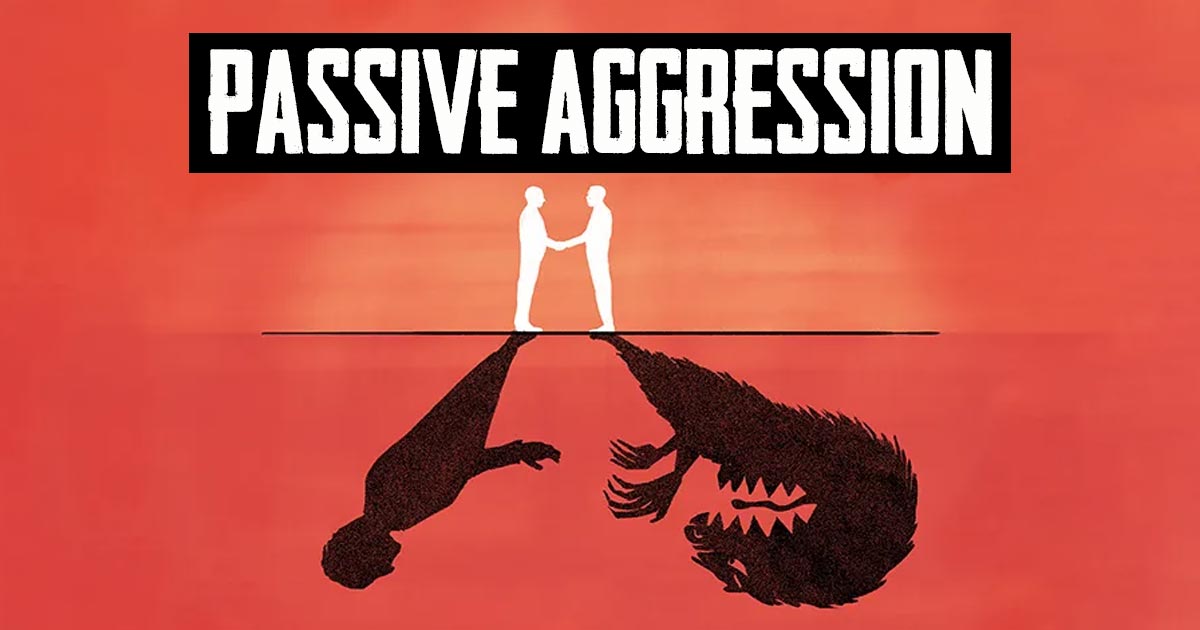
Navigating the Challenges of Passive-Aggressive Patients in Healthcare
In the complex landscape of healthcare, effective communication between providers and patients is essential for accurate diagnosis, treatment adherence, and overall patient satisfaction. However, passive-aggressive behavior—characterized by indirect resistance, subtle obstruction, and veiled hostility—can significantly hinder this process. Passive-aggressive patients present unique challenges that require emotional intelligence, patience, and strategic communication skills from healthcare professionals.
Passive-aggressive behavior often stems from underlying feelings of fear, resentment, or a perceived lack of control. Patients may feel overwhelmed by their diagnosis, skeptical of medical advice, or frustrated by systemic issues such as long wait times or insurance complications. Rather than expressing these concerns openly, they may resort to behaviors such as missed appointments, vague complaints, sarcasm, or noncompliance with treatment plans. These actions, though subtle, can disrupt care continuity and erode trust between patient and provider.
One of the most difficult aspects of managing passive-aggressive patients is identifying the behavior early. Unlike overt aggression, passive-aggression is cloaked in ambiguity. A patient might nod in agreement during a consultation but later ignore medical instructions. They may offer compliments laced with sarcasm or express dissatisfaction through third parties rather than directly. These indirect signals can leave providers confused and uncertain about the patient’s true feelings or intentions.
***
***
Addressing passive-aggressive behavior requires a nuanced approach. First, providers must cultivate a nonjudgmental environment where patients feel safe expressing concerns. Active listening, empathy, and validation can encourage more direct communication. For example, acknowledging a patient’s frustration with wait times or side effects can open the door to honest dialogue. Providers should also be mindful of their own reactions, avoiding defensiveness or dismissiveness, which can exacerbate the behavior.
Setting clear boundaries and expectations is another key strategy. Passive-aggressive patients often test limits subtly, so it’s important to reinforce the importance of mutual respect and accountability. Documenting interactions, treatment plans, and patient responses can help track patterns and ensure consistency. In some cases, involving mental health professionals may be beneficial, especially if the behavior is rooted in deeper psychological issues.
Ultimately, the goal is to transform passive-aggressive dynamics into constructive partnerships. This requires time, effort, and a willingness to engage with patients beyond surface-level interactions. When successful, it can lead to improved outcomes, greater patient satisfaction, and a more harmonious clinical environment.
In conclusion, passive-aggressive patients pose a unique challenge in healthcare, but they also offer an opportunity for providers to refine their communication skills and deepen their understanding of patient psychology. By fostering openness, setting boundaries, and responding with empathy, healthcare professionals can navigate these interactions effectively and promote better health outcomes for all.
SPEAKING: Dr. Marcinko will be speaking and lecturing, signing and opining, teaching and preaching, storming and performing at many locations throughout the USA this year! His tour of witty and serious pontifications may be scheduled on a planned or ad-hoc basis; for public or private meetings and gatherings; formally, informally, or over lunch or dinner. All medical societies, financial advisory firms or Broker-Dealers are encouraged to submit an RFP for speaking engagements: CONTACT: Ann Miller RN MHA at MarcinkoAdvisors@outlook.com
Posted on November 20, 2025 by Dr. David Edward Marcinko MBA MEd CMP™
By Dr. David Edward Marcinko MBA MEd
***
***
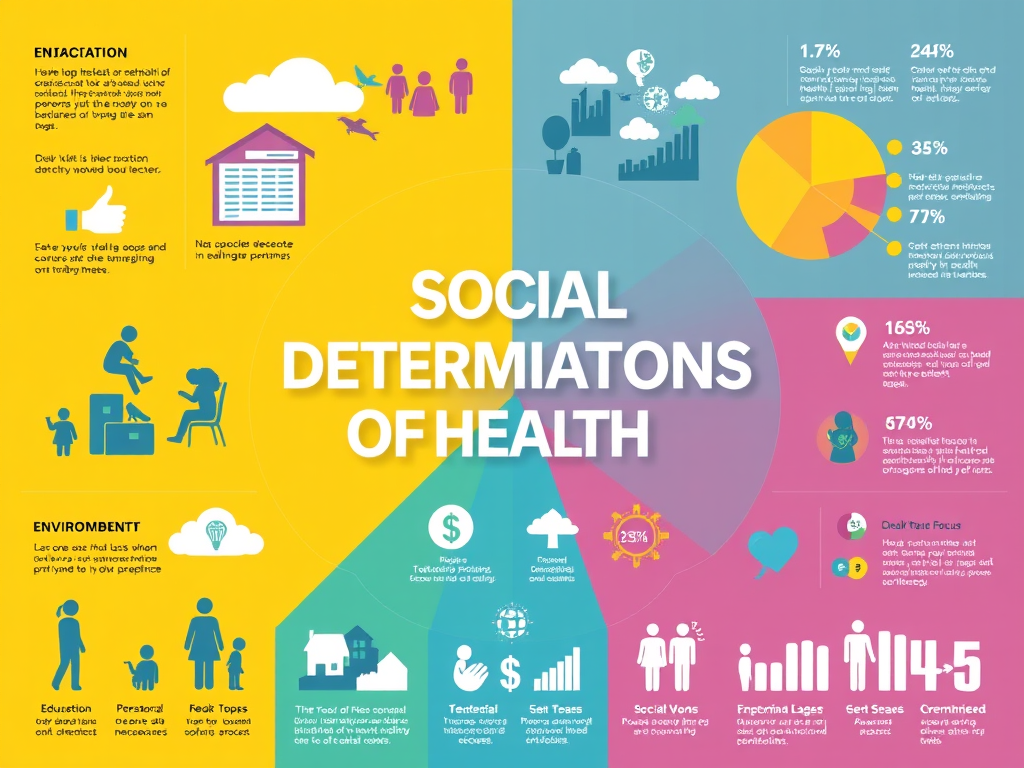
Shaping Well-being Beyond Medicine
Health is often thought of as the result of medical care, but in reality, it is deeply influenced by the conditions in which people are born, grow, live, work, and age. These conditions, known as social determinants of health, include a wide range of social, economic, and environmental factors that shape health outcomes. They are responsible for many of the differences in health status between individuals and communities. Understanding these determinants is essential for promoting fairness in health and designing policies that reduce disparities.
Economic Stability
Economic stability is one of the most powerful determinants of health. Individuals with steady income can afford nutritious food, safe housing, and preventive healthcare. Conversely, poverty increases vulnerability to chronic diseases, mental health challenges, and limited access to medical services. Families with fewer financial resources may struggle to afford medications or healthy diets, leading to higher rates of obesity, diabetes, and cardiovascular disease. Unemployment or unstable work further exacerbates stress, which itself is linked to poor health outcomes. Economic inequality directly translates into health inequality.
Education
Education shapes health both directly and indirectly. Higher educational attainment is associated with better employment opportunities, higher income, and improved health literacy. People with more education are more likely to understand medical information, adopt healthy behaviors, and navigate healthcare systems effectively. Limited education can perpetuate cycles of poverty and poor health. For instance, children who grow up in underfunded schools may face restricted opportunities, leading to lower lifetime earnings and poorer health outcomes. Education is therefore a critical lever for breaking intergenerational cycles of disadvantage.
***
***
Neighborhood and Physical Environment
The environment in which individuals live plays a crucial role in determining health. Safe neighborhoods with clean air, accessible parks, and reliable transportation promote physical activity and reduce exposure to pollutants. In contrast, communities with high crime rates, poor housing, and environmental hazards contribute to stress, injury, and illness. Food deserts—areas with limited access to affordable, healthy food—are a striking example of how environment shapes health. Residents in these areas often rely on processed foods, increasing risks of obesity and related diseases. Housing quality also matters: overcrowding, mold, or lead exposure can lead to respiratory illnesses and developmental delays.
Healthcare Access and Quality
Access to healthcare is a fundamental determinant, but it is shaped by social and economic factors. Insurance coverage, affordability, and cultural competence of providers influence whether individuals receive timely and effective care. Marginalized groups often face barriers such as discrimination, language differences, or lack of nearby facilities. Even when healthcare is available, disparities in quality persist. For example, minority populations may receive less aggressive treatment for certain conditions compared to others. Addressing these inequities requires systemic reforms that prioritize inclusivity and affordability.
Social and Community Context
Social relationships and community support networks significantly affect health. Strong social ties provide emotional support, reduce stress, and encourage healthy behaviors. Communities with high levels of trust and civic engagement often experience better health outcomes. Conversely, discrimination, racism, and social exclusion undermine health by increasing stress and limiting opportunities. Social cohesion and equity are therefore vital for fostering healthier societies.
Conclusion
The social determinants of health highlight that medicine alone cannot ensure well-being. Economic stability, education, environment, healthcare access, and social context collectively shape health outcomes and drive disparities. Addressing these determinants requires a holistic approach that integrates public health, social policy, and community action. By investing in education, reducing poverty, improving neighborhoods, and ensuring equitable healthcare, societies can move closer to achieving health equity. Ultimately, health is not just about treating illness—it is about creating conditions in which everyone has the opportunity to thrive.
SPEAKING: Dr. Marcinko will be speaking and lecturing, signing and opining, teaching and preaching, storming and performing at many locations throughout the USA this year! His tour of witty and serious pontifications may be scheduled on a planned or ad-hoc basis; for public or private meetings and gatherings; formally, informally, or over lunch or dinner. All medical societies, financial advisory firms or Broker-Dealers are encouraged to submit an RFP for speaking engagements: CONTACT: Ann Miller RN MHA at MarcinkoAdvisors@outlook.com -OR-http://www.MarcinkoAssociates.com
Posted on October 17, 2025 by Dr. David Edward Marcinko MBA MEd CMP™
By Dr. David Edward Marcinko MBA MEd
***
***
A paradox is a logically self-contradictory statement or a statement that runs contrary to one’s expectation. It is a statement that, despite apparently valid reasoning from true or apparently true premises, leads to a seemingly self-contradictory or a logically unacceptable conclusion. A paradox usually involves contradictory-yet-interrelated elements that exist simultaneously and persist over time. They result in “persistent contradiction between interdependent elements” leading to a lasting “unity of opposites”.
THE TELE-MEDICINE PARADOX
Classic Definition: Refers specifically to the treatment of various medical conditions without seeing the patient in person. Healthcare providers may use electronic and internet platforms like live video, audio, PCs, tablets, or instant messaging to address a patient’s concerns and diagnose their condition remotely.
Modern Circumstance: This may include giving medical advice, walking them through at-home exercises, or recommending them to a local provider or facility. Even more exciting is the emergence of telemedicine apps which give patients access to care right from their phones or computer screens.
Paradox Examples: Treating certain conditions remotely can be challenging. Tele-medicine is often used to treat common illnesses, manage chronic conditions, or provide specialist services. If a patient is dealing with an emergent or serious condition, the remote provider suggests they seek in-person medical care.
SPEAKING: Dr. Marcinko will be speaking and lecturing, signing and opining, teaching and preaching, storming and performing at many locations throughout the USA this year! His tour of witty and serious pontifications may be scheduled on a planned or ad-hoc basis; for public or private meetings and gatherings; formally, informally, or over lunch or dinner. All medical societies, financial advisory firms or Broker-Dealers are encouraged to submit an RFP for speaking engagements: CONTACT: Ann Miller RN MHA at MarcinkoAdvisors@outlook.com -OR-http://www.MarcinkoAssociates.com
Posted on September 1, 2025 by Dr. David Edward Marcinko MBA MEd CMP™
Dear Medical Executive-Post Readers and Subscribers
***
HISTORY OF LABOR DAY
The first Labor Day holiday was celebrated on Sept. 5th, 1882, in New York City, in accordance with the plans of the Central Labor Union. President Grover Cleveland signed a law on June 28th, 1894, that made the first Monday in September of each year a national holiday, according to the Department of Labor.
***
***
MY SEPTEMBER HEALTH RE-SET
To give my health a boost after Labor Day, I’m taking a complete break from alcohol, sugar, cookies, ice cream, coffee and tea for the entire month of September. Besides that, I’ll also prioritize sleep and increase my exercise from 7 to at least 10 times [hours] a week. This will allow me to focus on my diet and mental well-being. It’s essentially a month of health and wellness rejuvenation.
I’ve chosen to focus on alcohol and sugar because I want to challenge the idea that moderate drinking is part of a healthy lifestyle. In reality, only those who maintain a healthy lifestyle can afford to enjoy alcohol in moderation. But, sugar is everywhere and must be minimized for Type II diabetes and weight control.
Moreover, the long-term and excessive intake of sugary beverages and refined sugars can negatively impact your overall caloric intake and create a domino effect on your health. For example, excess sugar in the body can turn into fat deposits and lead to fatty liver disease.
A low sugar diet can help you lose weight and also help you manage and/or prevent diabetes, heart disease and stroke, reduce inflammation, and even improve your mood and the health of your skin. That’s why the low sugar approach is a key tenet of other well-known healthy eating patterns, such as the Mediterranean diet and the DASH diet.
QUESTION: And so, do you also commit to such “factory resets” now and then? Please comments.
Do, enjoy the Labor Day Weekend, Bar-B-Ques with friends, family and colleagues. And, I hope you continue to find the Medical Executive-Post useful!
Many thanks for your likes and referrals. Dr. David Edward Marcinko MBA MEd CMP [Editor and Chief]
SPEAKING: Dr. Marcinko will be speaking and lecturing, signing and opining, teaching and preaching, storming and performing at many locations throughout the USA this year! His tour of witty and serious pontifications may be scheduled on a planned or ad-hoc basis; for public or private meetings and gatherings; formally, informally, or over lunch or dinner. All medical societies, financial advisory firms or Broker-Dealers are encouraged to submit an RFP for speaking engagements: CONTACT: Ann Miller RN MHA at MarcinkoAdvisors@outlook.com -OR-http://www.MarcinkoAssociates.com
Posted on August 29, 2025 by Dr. David Edward Marcinko MBA MEd CMP™
By Dr. David Edward Marcinko; MBA MEd
***
***
Healthcare comes with its share of mental challenges, especially considering that clinicians often care for patients when they’re in difficult and sometimes tragic situations. New research shows that even the path to getting into the workforce can be a challenge, with some physicians burning out before they make it to graduation.
***
American medicine is undergoing vast changes, placing the status of physicians in the medical industrial complex at great risk. Most physicians feel overwhelmed by increasing bureaucratic mandates from insurers, hospitals, and government. At the same time, physicians are the front line employees of healthcare and assume the majority of the risk for patient care. This has left many in the profession with increasing disillusionment.
Samantha Meltzer-Brody a psychiatrist and director of, Taking Care of Our Own, University of North Carolina, Chapel Hill, NC states it best:
“Daily, I am contacted by good doctors who are struggling with symptoms of burnout syndrome and who have become overwhelmed by the challenges of attempting to practice medicine in today’s health care environment. As a psychiatrist who runs a program to address and treat these distressed doctors, I am troubled by the ever-growing number of calls I receive.”
What causes physician burnout?
The “Big 4” factors known to contribute to stress and burnout include:
Time pressure, especially in patient visits or documentation
Lack of control over work environment
Chaotic, fast-paced workplaces
Culture of the organization, specifically a culture that does not emphasize communication, cohesion, trust, and alignment of values between clinicians and their leaders
In addition to burnout rates, these factors can be assessed to help direct interventions toward those drivers that are most likely to be contributing to burnout at your organization.
The burned-out physician is exhausted — mentally and physically — and often no longer able to find empathy or connection with patients. The question of how to escape from what has become a highly unpleasant situation becomes a frequent one. Given the high demands of the profession and serious consequences of mistakes, the burned-out doctor is a potentially impaired one. And the impaired physician is not able to maintain the unflappable, perpetually cool under fire, always objective, professional and yet compassionate demeanor that is expected by society. Worst of all, the impaired physician is at great risk for developing depression, suicidal ideation, or a serious addiction.
The doctors who contact me report feeling beaten down by an increasingly hostile work environment. They say that they don’t have time to take care of patients the way they envisioned when they decided to apply to medical school. Many describe feeling betrayed by a system that they say seems focused on achieving the bottom line with little regard for the impact on both doctors and patients.
Most of these doctors report spending a significant amount of their time dealing with the electronic medical record and documentation. The ratio of time spent on doctor-patient
interactions compared to physician-computer ones appears so horribly skewed that it has reached the point of complete dysmorphia. These good physicians call me when they feel like they can’t continue any longer in the profession. They want to quit medicine. They report a loss of joy and meaning in their work. They describe the toll that the profession has had on their mental health, physical health, and personal lives. And most wrenchingly, they don’t see an end.
What can we do? There are no easy answers to the complex issues that threaten our profession. “The Taking Care of Our Own Program…has had an over 200% rate of growth in the first year, reflecting the enormous need…”
Burned out physicians will eventually be labeled as disruptive, impaired, an outlier or arrogant. There’s a reason it’s difficult and extremely expensive for physicians to find disability insurance; psychiatric claims. Burnout leads to depression, anxiety, PTSD, suicide, divorce, drug abuse, surly behaviors and interactions, etc. It’s nothing new; it’s been occurring for a long time. Go without routine sleep, eat erratically, work long hours, operate under constantly stressful situations and have no time for your family or self and most individuals will de-compensate physically and psychologically within weeks.
Conclusion
Physicians operate within these parameters year after year.
How are they to remain healthy, functional humans? They can’t. Even a superhero couldn’t, yet physicians are expected to endure and thrive under such conditions.
If a physician makes a single mistake, or snaps just one day, their entire career is on the line.
SPEAKING: Dr. Marcinko will be speaking and lecturing, signing and opining, teaching and preaching, storming and performing at many locations throughout the USA this year! His tour of witty and serious pontifications may be scheduled on a planned or ad-hoc basis; for public or private meetings and gatherings; formally, informally, or over lunch or dinner. All medical societies, financial advisory firms or Broker-Dealers are encouraged to submit an RFP for speaking engagements: CONTACT: Ann Miller RN MHA at MarcinkoAdvisors@outlook.com -OR-http://www.MarcinkoAssociates.com
A Johns Hopkins University study, by Michael J. Klag MD in 1997, found that physicians in some specialties — chiefly psychiatry and surgery — are at higher risk for divorce than their medical brethren in other fields. But, the results did not support the common view that job-related anxiety and depression are linked to marital breakup. Alerting medical students to the risks of divorce in some specialties may influence their career choices and strengthen their marriages whatever field they choose. The study, supported by the National Institutes of Health [NIH], was published in the March 13th issue of The New England Journal of Medicine. Results also strongly suggested that the high divorce risk in some specialties may result from the inherent demands of the job as well as the emotional experiences of physicians who enter those fields.
For example, the Hopkins team assessed the specialty choices, marriage histories, psychological characteristics, and other career and personal factors of 1,118 physicians who graduated from The Johns Hopkins University School of Medicine from 1948 through 1964. Over 30 years of follow-up, the divorce rate was 51 percent for psychiatrists, 33 percent for surgeons, 24 percent for internists, 22 percent for pediatricians and pathologists, and 31 percent for other specialties. The overall divorce rate was 29 percent after three decades of follow-up and 32 percent after nearly four decades of follow-up.
Physicians who married before medical school graduation had a higher divorce rate than those who waited until after graduation (33 percent versus 23 percent). The year of first marriage was linked with divorce rates: 11 percent for marriages before 1953, 17 percent for those from 1953 to 1957, 24 percent for those from 1958 to 1962 and 21 percent for those after 1962. Those who had a parent die before medical school graduation had a lower divorce rate.
Female physicians had a higher divorce rate (37 percent) than their male colleagues (28 percent). Physicians who were members of an academic honor society in medical school had a lower divorce rate, although there was no difference in divorce rates according to class rank. Religious affiliation, being an only child, having a parent who was a physician and having a divorced parent were not associated with divorce rates. Physicians who reported themselves to be less emotionally close to their parents and who expressed more anger under stress also had a significantly higher divorce rate, but anxiety and depression levels were not associated with divorce rates.
*Cite: Co-authors of the study, which was part of the Johns Hopkins Precursors Study, an ongoing, prospective study of physicians from the Hopkins medical school graduating classes of 1948 through 1964, were lead author Bruce L. Rollman, M.D., Lucy A. Mead, Sc.M., and Nae-Yuh Wang, M.S.
***
***
The Painful Truth
In their article “The Painful Truth: Physicians Are Not Invincible” [1] Miller and McGowen state that divorce rates among physicians have been reported to be 10% to 20% higher than those in the general population. They explain that for many years in pre-med college, medical school, and residency, physicians focus on getting through the next hurdle. They may postpone the pleasures of life that others enjoy. Compulsive traits that allow them to postpone enjoyment may have the unwanted consequence of leading to more distant relationships., thus placing strain on intimate relationships.
A 2002 study looking at dual physician marriages found they have a relatively low divorce rate of 11%. “They’re a happily married cohort,” says Dr Wayne Sotile of the Sotile Cetner for Resilience (www.sotile.com). “They’re more compassionate about the passion for the career — they understand the calling because they share it.”
A study published in The New England Journal of Medicine in 1997 with Bruce L. Rollman as the lead researcher [2] found that physicians in some specialties — chiefly psychiatry and surgery — are at higher risk for divorce than their medical brethren in other fields. Alerting medical students to the risks of divorce in some specialties may influence their career choices and strengthen their marriages whatever field they choose.
The study suggested that the high divorce risk in some specialties may result from the inherent demands of the job as well as the emotional experiences of physicians who enter those fields. The divorce rate was 51 percent for psychiatrists, 33 percent for surgeons, 24 percent for internists, 22 percent for pediatricians and pathologists, and 31 percent for other specialties.
The overall divorce rate was 29 percent after three decades of follow-up and 32 percent after nearly four decades of follow-up. Physicians who married before medical school graduation had a higher divorce rate than those who waited until after graduation (33 percent versus 23 percent). Female physicians had a higher divorce rate (37 percent) than their male colleagues (28 percent).
***
***
References:
Miller, M. N., McGowen, R., 2000, “The painful truth: Physicians are not invincible,” Southern Medical Journal, 93: 966-973.
Rollman BL, Mead LA, Wan NY, Klag MJ. Medical specialty and the incidence of divorce. N Engl J Med. 1997;336:800–3
SPEAKING: Dr. Marcinko will be speaking and lecturing, signing and opining, teaching and preaching, storming and performing at many locations throughout the USA this year! His tour of witty and serious pontifications may be scheduled on a planned or ad-hoc basis; for public or private meetings and gatherings; formally, informally, or over lunch or dinner. All medical societies, financial advisory firms or Broker-Dealers are encouraged to submit an RFP for speaking engagements: CONTACT: Ann Miller RN MHA at MarcinkoAdvisors@outlook.com -OR-http://www.MarcinkoAssociates.com
Posted on February 4, 2025 by Dr. David Edward Marcinko MBA MEd CMP™
By Staff Reporters
***
***
According to Wikipedia, the Flexner Report was a book-length landmark report of medical education in the United States and Canada, written by Abraham Flexner and published in 1910 under the aegis of the Carnegie Foundation. Flexner not only described the state of medical education in North America, but he also gave detailed descriptions of the medical schools that were operating at the time. He provided both criticisms and recommendations for improvements of medical education in the United States.
Many aspects of the present-day American medical profession stem from the Flexner Report and its aftermath. While it had many positive impacts on American medical education, the Flexner report has been criticized for introducing policies that encouraged systemic racism and sexism.
The Report, also called Carnegie Foundation Bulletin Number Four, called on American medical schools to enact higher admission and graduation standards, and to adhere strictly to the protocols of mainstream science principles in their teaching and research. The report talked about the need for revamping and centralizing medical institutions. Many American medical schools fell short of the standard advocated in the Flexner Report and, subsequent to its publication, nearly half of such schools merged or were closed outright.
Colleges for the education of the various forms of alternative medicine, such as electro-therapy were closed. Homeopathy, traditional osteopathy, eclectic medicine, and physiomedicalism (botanical therapies that had not been tested scientifically) were derided.
The Report also concluded that there were too many medical schools in the United States, and that too many doctors were being trained. A repercussion of the Flexner Report, resulting from the closure or consolidation of university training, was the closure of all but two black medical schools and the reversion of American universities to male-only admittance programs to accommodate a smaller admission pool.
In Chapter 11, Flexner stressed that the success of medical education reform and the professionalization of medicine relied heavily on the effective legal and ethical functioning of state medical boards. However, he noted that these boards were failing in their mission, stalling progress and allowing substandard medical practices to continue, thereby jeopardizing public health. This problem persists as a significant issue in the current practice of medicine in the United States.







 Support our online development, and advance our onground research initiatives in free market economics, as we seek to showcase the brightest Next-Gen minds.
THE ME-P DISCLAIMER: Posts, comments and opinions do not necessarily represent iMBA, Inc., but become our property after submission. Copyright © 2006 to-date. iMBA, Inc allows colleges, universities, medical and financial professionals and related clinics, hospitals and non-profit healthcare organizations to distribute our proprietary essays, photos, videos, audios and other documents; etc. However, please review copyright and usage information for each individual asset before submission to us, and/or placement on your publication or web site. Attestation references, citations and/or back-links are required. All other assets are property of the individual copyright holder.
Support our online development, and advance our onground research initiatives in free market economics, as we seek to showcase the brightest Next-Gen minds.
THE ME-P DISCLAIMER: Posts, comments and opinions do not necessarily represent iMBA, Inc., but become our property after submission. Copyright © 2006 to-date. iMBA, Inc allows colleges, universities, medical and financial professionals and related clinics, hospitals and non-profit healthcare organizations to distribute our proprietary essays, photos, videos, audios and other documents; etc. However, please review copyright and usage information for each individual asset before submission to us, and/or placement on your publication or web site. Attestation references, citations and/or back-links are required. All other assets are property of the individual copyright holder.