TRIUNE BRAIN MODEL: In Finance

By Dr. David Edward Marcinko; MBA MEd

By Professor Eugene Schmuckler; PhD MBA MEd CTS

SPONSOR: http://www.HealthDictionarySeries.org

***

***

The Triune Brain Model offers a surprisingly sharp lens for understanding why people often struggle with money, make inconsistent financial choices, or feel anxious about budgeting and investing. At its core, the model proposes that the human brain functions as three interconnected layers: the reptilian brain, the limbic system, and the neocortex. Each layer influences behavior in distinct ways, and when applied to personal finance, they reveal why logic alone rarely drives financial decisions. Instead, money behavior emerges from a constant negotiation among instinct, emotion, and reason.

The reptilian brain—sometimes called the survival brain—governs instinctive, automatic behaviors. It reacts quickly, prioritizing safety, scarcity, and immediate needs. In financial life, this part of the brain often shows up as impulsive spending, fear-driven hoarding, or avoidance of anything perceived as risky or unfamiliar. When someone panics during a market downturn or feels compelled to buy something simply because it is on sale, the reptilian brain is in the driver’s seat. It interprets financial uncertainty as a threat, pushing the person toward short-term comfort rather than long-term strategy. This is why building financial habits requires more than knowledge; it requires calming the instinctive responses that resist delayed gratification. Understanding this layer helps explain why people often struggle with consistent saving even when they intellectually know it is important. The reptilian brain is wired for now, not later, and it takes conscious effort to override its impulses.

The limbic system, or emotional brain, adds another layer of complexity. This part of the brain governs feelings, social bonding, and reward. Money is deeply emotional, and the limbic system shapes how people experience financial success, failure, and identity. Emotional spending—whether to celebrate, cope, or connect with others—originates here. The limbic system also drives comparison, which can lead to lifestyle inflation or financial stress when people measure themselves against peers. Because the emotional brain seeks belonging and pleasure, it often encourages choices that feel good in the moment but undermine long-term goals. For example, someone may overspend on gifts to strengthen relationships or buy luxury items to signal status. These behaviors are not irrational; they are emotionally rational, serving psychological needs even when they conflict with financial plans. Recognizing the limbic system’s influence allows individuals to approach money with more compassion for themselves and others, acknowledging that financial decisions are rarely purely logical.

The neocortex, or rational brain, is responsible for analysis, planning, and long-term thinking. This is the part of the brain that understands compound interest, retirement planning, and budgeting. It can evaluate trade-offs, calculate risks, and design strategies. However, the neocortex often loses internal battles with the faster, louder reptilian and limbic systems. Financial literacy alone does not guarantee financial stability because the rational brain cannot operate effectively when emotional or instinctive responses dominate. This explains why people may create a detailed budget but fail to follow it, or why they may understand the benefits of investing yet hesitate to start. The neocortex provides clarity, but it does not control behavior without cooperation from the other layers.

When these three systems interact, financial behavior becomes a dynamic negotiation. The reptilian brain demands safety, the limbic system seeks emotional satisfaction, and the neocortex aims for long-term success. Effective financial decision-making requires aligning these layers rather than suppressing them. For example, automating savings can satisfy the reptilian brain’s desire for simplicity, reduce emotional friction in the limbic system, and support the neocortex’s long-term goals. Similarly, creating financial rewards—such as celebrating milestones—engages the emotional brain in a positive way, making disciplined behavior more sustainable. The Triune Brain Model suggests that financial success is not just about knowledge but about designing systems that work with human psychology rather than against it.

***

***

This model also sheds light on financial anxiety. When money feels uncertain or overwhelming, the reptilian brain interprets the situation as a threat, triggering stress responses. The limbic system amplifies this with emotional narratives—fear of failure, shame about past mistakes, or worry about the future. The neocortex may struggle to intervene, leading to avoidance behaviors such as ignoring bills or delaying financial planning. By understanding these internal dynamics, individuals can approach financial anxiety with greater self-awareness. Techniques such as mindfulness, structured planning, or breaking tasks into smaller steps can help calm the instinctive and emotional responses, allowing the rational brain to re-engage.

Ultimately, the Triune Brain Model reframes financial behavior as a holistic process. Money decisions are not simply matters of discipline or intelligence; they are reflections of how the brain balances instinct, emotion, and logic. By acknowledging the roles of all three systems, individuals can create financial strategies that respect their psychological realities. This approach encourages more compassionate self-understanding and more effective long-term planning. It also highlights that financial growth is not just about accumulating wealth but about developing harmony within the mind’s competing drives. When the reptilian brain feels safe, the limbic system feels supported, and the neocortex feels empowered, financial decisions become clearer, more consistent, and more aligned with personal goals.

COMMENTS APPRECIATED

EDUCATION: Books

SPEAKING: Dr. Marcinko will be speaking and lecturing, signing and opining, teaching and preaching, storming and performing at many locations throughout the USA this year! His tour of witty and serious pontifications may be scheduled on a planned or ad-hoc basis; for public or private meetings and gatherings; formally, informally, or over lunch or dinner. All medical societies, financial advisory firms or Broker-Dealers are encouraged to submit an RFP for speaking engagements: CONTACT: Ann Miller RN MHA at MarcinkoAdvisors@outlook.com -OR- http://www.MarcinkoAssociates.com

Like, Refer and Subscribe

***

FLYNN: The I.Q. Effect

Dr. David Edward Marcinko MBA MEd

SPONSOR: http://www.HealthDictionarySeries.org

***

***

Understanding a Century of Rising IQ Scores

The Flynn Effect is one of the most intriguing and debated findings in the study of human intelligence. Named after political scientist James R. Flynn, who brought widespread attention to the phenomenon in the 1980s, it refers to the steady and substantial rise in average IQ scores across many countries throughout the twentieth century. Although intelligence tests are designed so that the average score remains 100, test publishers must periodically “renorm” them because people keep performing better than the previous generation. The scale of this rise is striking: in some nations, average scores have increased by roughly three points per decade. The Flynn Effect forces us to rethink what IQ tests measure, how societies change over time, and what “intelligence” even means.

At its core, the Flynn Effect highlights the dynamic relationship between human cognition and the environment. IQ tests do not measure intelligence in a vacuum; they measure how well individuals navigate the kinds of abstract, symbolic problems that modern societies increasingly demand. One of Flynn’s key insights was that the twentieth century brought a shift toward what he called “scientific spectacles”—a way of thinking that emphasizes classification, hypothetical reasoning, and abstraction. These cognitive habits are not innate; they are cultivated through schooling, technology, and daily life. As societies modernized, more people became accustomed to the mental tools that IQ tests reward.

Several explanations have been proposed to account for the rise in scores, and no single factor tells the whole story. One major contributor is improved education. Over the past century, schooling has become more widespread, more rigorous, and more focused on analytical reasoning. Children spend more years in school, encounter more complex curricula, and are exposed to problem‑solving tasks that mirror the structure of IQ test items. Even subtle changes—like the shift from rote memorization to conceptual understanding—can have a large cumulative effect on cognitive performance.

Another important factor is the transformation of everyday life. Modern work environments often require employees to manipulate symbols, operate technology, and adapt to rapidly changing tasks. Even leisure activities have become more cognitively demanding. Video games, digital interfaces, and information‑rich media encourage multitasking, spatial reasoning, and strategic thinking. These experiences may not directly teach the content of IQ tests, but they strengthen the underlying cognitive skills that such tests measure.

Nutrition has also been proposed as a contributor. Better prenatal care, reduced exposure to environmental toxins, and improved childhood nutrition can influence brain development. While nutrition alone cannot explain the full magnitude of the Flynn Effect, it likely plays a role, especially in countries that experienced dramatic improvements in public health during the twentieth century.

***

***

Family size and parenting practices may also matter. Smaller families allow parents to invest more time and resources in each child. Parenting has become more child‑centered, with greater emphasis on verbal interaction, exploration, and educational enrichment. These shifts create environments that nurture the kinds of cognitive abilities reflected in IQ tests.

Despite the broad upward trend, the Flynn Effect is not uniform across all domains of intelligence. Gains tend to be largest on tests that measure fluid reasoning—abstract problem‑solving and pattern recognition—rather than crystallized knowledge such as vocabulary. This pattern supports the idea that environmental complexity, rather than simple memorization, drives the effect. It also suggests that IQ gains do not necessarily mean people are “smarter” in a general sense; instead, they may be better adapted to the cognitive demands of modern life.

In recent years, some countries have reported a slowing or even reversal of the Flynn Effect. This has sparked intense debate. Some argue that the earlier gains were driven by rapid modernization, and once societies reached a certain level of development, the effect naturally plateaued. Others point to changes in education, technology use, or immigration patterns. Still others suggest that the apparent decline may reflect changes in test design rather than real cognitive shifts. The truth is likely a mix of these factors, and the debate underscores how complex and multifaceted intelligence is.

***

***

The Flynn Effect also raises philosophical questions. If IQ scores can rise so dramatically over a few generations, what does that say about the nature of intelligence? Are we measuring an innate trait, or a set of skills shaped by culture and environment? Flynn himself argued that intelligence is not a fixed quantity but a reflection of the cognitive tools that societies value and cultivate. In his view, rising IQ scores reveal not biological evolution but cultural evolution—a shift in how people think about the world.

Ultimately, the Flynn Effect challenges simplistic interpretations of IQ. It reminds us that human cognition is deeply intertwined with social, economic, and cultural forces. It shows that intelligence is not static but responsive to the world we build around ourselves. And it invites us to consider how future changes—technological, educational, or environmental—might continue to reshape the landscape of human thought.

COMMENTS APPRECIATED

EDUCATION: Books

SPEAKING: Dr. Marcinko will be speaking and lecturing, signing and opining, teaching and preaching, storming and performing at many locations throughout the USA this year! His tour of witty and serious pontifications may be scheduled on a planned or ad-hoc basis; for public or private meetings and gatherings; formally, informally, or over lunch or dinner. All medical societies, financial advisory firms or Broker-Dealers are encouraged to submit an RFP for speaking engagements: CONTACT: Ann Miller RN MHA at MarcinkoAdvisors@outlook.com -OR- http://www.MarcinkoAssociates.com

Like, Refer and Subscribe

***

***

Transform Your Financial Insights into Lasting Change

Turn Financial A-Ha Moments Into Lasting Change With Memory Re-Consolidation

By Rick Kahler MSFS CFP

***

***

Have you ever had a light bulb moment about money?

Maybe you leave a workshop, a therapy session, or a conversation with a financial advisor, feeling as if you have finally cracked the code. You understand why you keep overspending. You see the pattern that keeps you procrastinating about saving and investing. You feel the reason you panic about money, even when you know you are okay. In that moment, it all seems so clear.

Yet a week later, you are right back at it. Swiping the credit card. Avoiding the budget. Losing sleep over the same worries you thought you had just solved. What happened to that breakthrough? Why did it not last?

BRAIN ANCHORING: https://medicalexecutivepost.com/2024/10/22/anchoring-initial-mental-brain-trickery/

I’ve experienced this myself, more times than I’d like to admit. Recently, I found a book that explains why: Unlocking the Emotional Brain by Bruce Ecker, Robin Ticic, and Laurel Hulley. The authors explain that lasting change happens through something called “memory re-consolidation.” It is the brain’s way of updating emotional patterns we have carried for years—often since childhood.

Most of us have old money stories tucked away in our emotional memory. Suppose, for example, as a child you were scolded for asking a neighbor how much money they earned. This and other similar experiences that left you feeling shamed or dismissed taught you that it was rude to talk about money.

Such early experiences are filed away as emotional truths. They shape what feels true, even years later as an adult, whether or not that “truth” is still relevant.

NEUROLINK: https://medicalexecutivepost.com/2023/03/07/neurolink-brain-chips-rejected-by-the-fda/

As an adult, you may have come to understand that talking about money is often essential for your emotional and financial well being. But when the moment comes to have a money conversation, your body still freezes up. That is not weakness. That is your brain pulling up the old file.

Here is where memory re-consolidation comes in. The brain does not update the file just because you think new thoughts. It updates when you have a new experience that feels different. Maybe someone listens without judgment, or you realize you are talking about money and still feel safe. That emotional mismatch tells the brain, “Maybe this file is not true anymore.”

But the update is not finished. To make the change stick, you have to hold both the old belief and the new experience together for a little while. It is like showing your brain two pictures: here is how it used to feel, and here is how it feels now. That moment of holding both is when the rewrite happens.

Even more interesting, the brain keeps the file open for several hours after the shift. What you do in that window can help the change settle in—or not. If you rush back into busyness or distractions, you might accidentally let the old version save itself again.

BRAIN HEALTH: https://medicalexecutivepost.com/2025/02/19/brain-health-bilingualism/

So what can we do to give those shifts a better chance of sticking? I have noticed that insights gained during a retreat or workshop, with ample time to focus and reflect, are more likely to last. Even in our everyday lives, we can slow down, even for a few minutes, to write about what we felt, check in with our bodies, or talk with someone who supports us. We can protect a little bit of quiet space before diving back into the noise.

The next time you have a money breakthrough, try giving yourself that space. Consciously notice both the old belief and the new experience. Give the re-consolidation time to settle in.

Then, the next time your brain pulls up that old money story, you’ll have access to the updated, more accurate version.

COMMENTS APPRECIATED

EDUCATION: Books

Like and Refer

***

***

INVESTING PARADOX: Flexibile and Dogmatic

By Dr. David Edward Marcinko MBA MEd CMP

SPONSOR: http://www.CertifiedMedicalPlanner.org

***

***

A paradox is a statement or situation that seems contradictory but actually makes sense when you think about it more deeply. It challenges logic and often reveals a hidden truth.

FLEXIBLY DOGMATIC PARADOX

The Flexibly Dogmatic Paradox suggests that no matter how sensible your financial planning, investing or wealth management process is there will be uncomfortably long periods when it looks broken. And process is the best way of ensuring you keep standing for something because if you don’t stand for something, you’ll fall for anything. This is why, when assessing an investment fund, focus 50% on the manager’s character and 50% on their process. Everything else is detail. There are few guarantees in investing, but the fact that markets will batter you emotionally is one of them.

FINANCIAL PARADOX: https://medicalexecutivepost.com/2025/07/27/paradox-of-financial-health/

Example: During volatile times, the temptation to abandon the process is strong. But that’s why it’s there. Process is what forces one fund manager to keep buying unbroken companies when everyone else thinks they’re bust, and another to keep faith with a top-quality company when the mob says it’s too expensive The best fund managers dogmatically stick to their process when it’s out of favor. Then, when it returns to favor, the elastic pings back: they recapture lost ground surprisingly fast. However, every rule has an exception. And spotting the exceptions to their process is something the true greats have a knack for buying and selling.

***

***

Example:  In 2007, US value manager Bill Miller had the makings of an investment legend, but the financial crisis wrecked all that. His process told him to double down into falling share prices, which had worked well for years. But it doesn’t work if the companies go bust, which many of his financial stocks did in 2008.

ADVISORS PARADOX: https://medicalexecutivepost.com/2025/06/20/paradoxical-contradictions-all-financial-advisors-must-know-to-win-clients/

Conclusion

The fact is that no matter how good it is, a process operated without human judgment is just an algorithm. The best fund managers and financial prospectors and sales men/women know this.

They stick dogmatically to their process but somehow remain flexible enough to spot the occasions when it’s about to drive them into a brick wall.

COMMENTS APPRECIATED

EDUCATION: Books

SPEAKING: Dr. Marcinko will be speaking and lecturing, signing and opining, teaching and preaching, storming and performing at many locations throughout the USA this year! His tour of witty and serious pontifications may be scheduled on a planned or ad-hoc basis; for public or private meetings and gatherings; formally, informally, or over lunch or dinner. All medical societies, financial advisory firms or Broker-Dealers are encouraged to submit an RFP for speaking engagements: CONTACT: Ann Miller RN MHA at MarcinkoAdvisors@outlook.com -OR- http://www.MarcinkoAssociates.com

Like and Subscribe

***

***

SPOT A STROKE: Warning Signs and Impulse Urges

By Staff Reporters

***

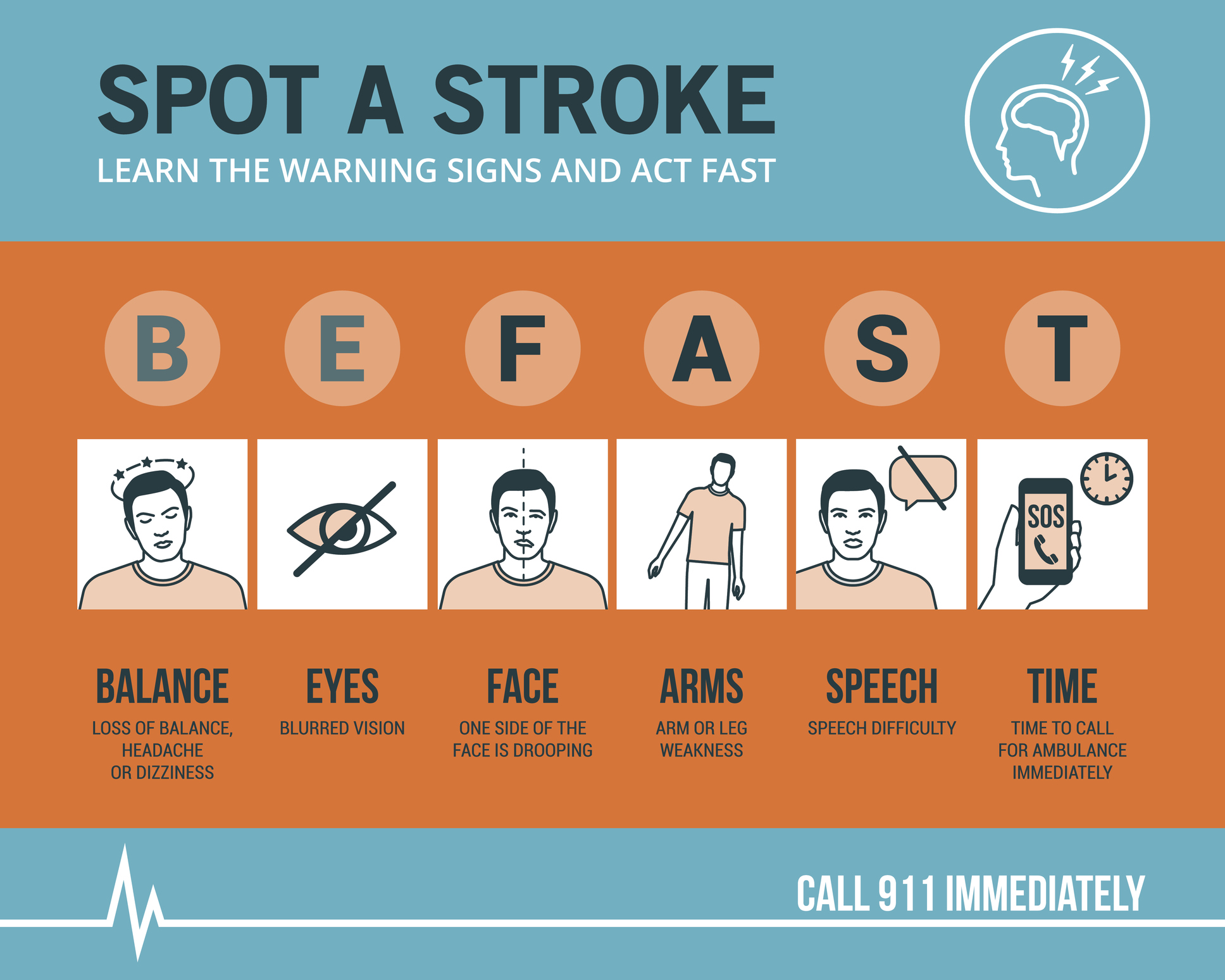
Stroke emergency awareness & recognition signs [medical procedure infographic]

Stroke Impulses are sudden, intense urges that can result from neurological conditions like those following a stroke. It’s like having your brain’s impulse control dial turned way down. These impulses can be surprising and out of character, driven by changes in brain function. Understanding and managing these impulses requires patience and support.

STROKE: https://medicalexecutivepost.com/2021/03/31/stroke/

These changes in personality and mood after stroke are common. Impulsiveness, apathy, pseudobulbar affect, anger, frustration and depression can affect a stroke survivor’s quality of life.

AGE: https://medicalexecutivepost.com/2025/03/03/signs-aging-check-up/

So, according to psychologist and colleague Dan Ariely PhD, if you or someone you know is dealing with stroke impulses, remember: it’s a brain thing, not a willpower thing.

COMMENTS APPRECIATED

Subscribe Today!

***

***

OSTRICH BIAS: Negative Information

SPONSOR: http://www.CertifiedMedicalPlanner.org

Financial Advisor, Planner and Insurance Agent Information

By Staff Reporters

***

***

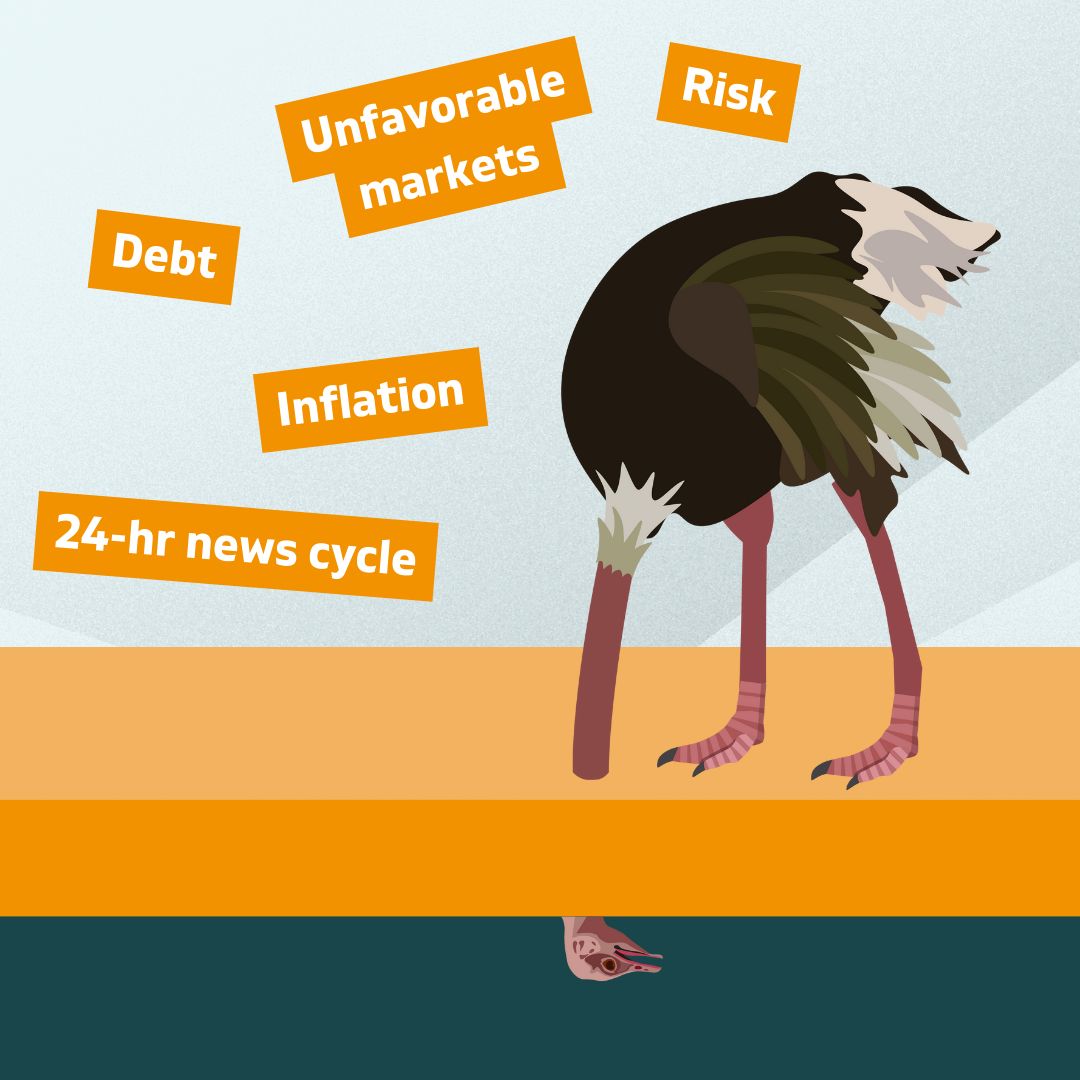
Ostrich Bias is a behavioral phenomenon describing the tendency of individuals to avoid or ignore information that they perceive as negative or threatening. This term is derived from the popular but inaccurate belief that ostriches bury their heads in the sand when faced with danger, even though they do not exhibit such behavior.

Evidence: There is neuro-scientific evidence of the ostrich effect. Sharot et al. (2012) investigated the differences in positive and negative information when updating existing beliefs. Consistent with the ostrich effect, participants presented with negative information were more likely to avoid updating their beliefs; wills, estate plans, investment portfolios, and insurance policies, etc..

Moreover, they found that the part of the brain responsible for this cognitive bias was the left IFG – inferior frontal gyrus – by disrupting this part of the brain with TMS – transcranial magnetic stimulation – participants were more likely to accept the negative information provided.

EXAMPLE: The Ostrich Bias can cause someone to avoid looking at their bills, because they’re worried about seeing how far behind they are on home mortgage payments, credit cards, education or auto loans, etc.

COMMENTS APPRECIATED

The Medical Executive-Post is a  news and information aggregator and social media professional network for medical and financial service professionals.

Feel free to submit education content to the site as well as links, text posts, images, opinions and videos which are then voted up or down by other members. Comments and dialog are especially welcomed.

Daily posts are organized by subject. ME-P administrators moderate the activity. Moderation may also conducted by community-specific moderators who are unpaid volunteers.

Invite Dr. Marcinko

Refer and Like

***

***

BRAIN HEALTH: Bilingualism

Bilinguals show evidence of brain maintenance in Alzheimer’s disease

By Staff Reporters

***

***

A new analysis of neuro-imaging data has found that individuals with Alzheimer’s disease who speak only one language (monolinguals) have reduced hippocampal volume in the brain. This reduction was not observed in individuals who speak at least two languages (bilinguals).

The research was published in Bilingualism: Language and Cognition.

COMMENTS APPRECIATED

Refer and Subscribe

***

***

ADAPTATION Release

By Staff Reporters

***

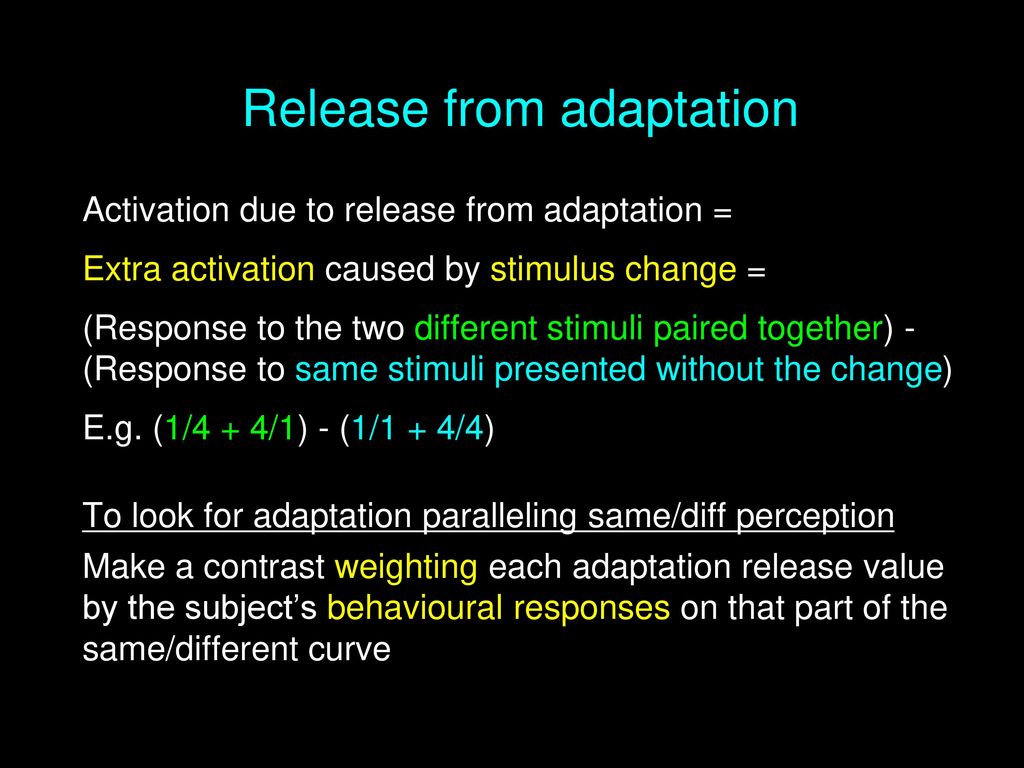
Activation due to release from adaptation = Extra activation caused by stimulus change = (Response to the two different stimuli paired together) – (Response to same stimuli presented without the change) E.g. (1/4 + 4/1) – (1/1 + 4/4) To look for adaptation paralleling same/diff perception. Make a contrast weighting each adaptation release value by the subject’s behavioural responses on that part of the same/different curve. Rajeev Raizada – UW MRI talk, Oct

***

Release from Adaptation is the joy you feel when something changes after becoming accustomed to it. It’s like the relief of a cool breeze after a hot day. Our brains get used to stimuli, making them less noticeable over time. When there’s a change, it’s like hitting the refresh button on our senses.

This is why, according to colleague Dan Ariely PhD, novelty feels so exciting and routine can become dull. So, inject some variety into your life to keep things fresh and enjoy the small releases from adaptation.

COMMENTS APPRECIATED

Like and Subscribe

***

***

ILLUSORY: Correlation

CORRELATION IS NOT CAUSATION

By Staff Reporters

***

***

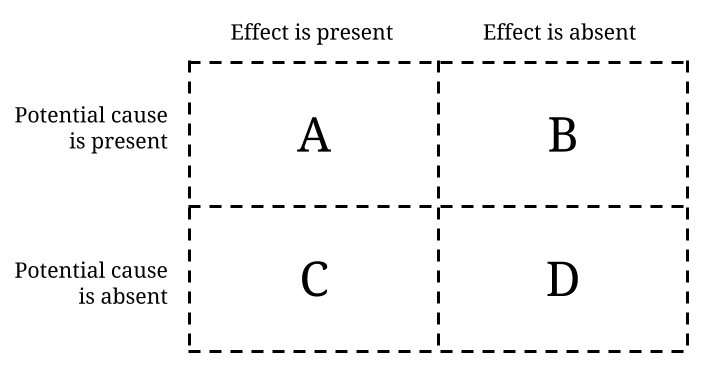
According to colleague Dan Ariely PhD, Illusory Correlation is the perception of a relationship between variables when none exists. It’s like thinking that carrying an umbrella causes it to rain. Our brains are pattern-seeking machines, often connecting dots that aren’t actually connected. This bias can lead to superstitions and incorrect beliefs.

The illusory correlation occurs when someone believes that there is a relationship between two people, events, or behaviors, even though there is no logical way to connect them. The illusory correlation fools us into believing stereotypes, superstitions, old wives’ tales, and other silly ideas. Sometimes, the perceived connection between two events is harmless. It’s silly to think that a certain number always brings you luck. But forming these connections is completely normal. To avoid illusory correlations, rely on data and evidence rather than anecdotal observations.

So always remember: correlation does not imply causation, no matter how convincing it seems.

More: https://medicalexecutivepost.com/2024/06/05/correlation-is-not-causation/

COMMENTS APPRECIATED

Thank You

***

***

MENTAL HEALTH: The Parity and Addiction Equity Act?

By Staff Reporters

***

***

President Joe Biden’s administration just announced new rules meant to push insurance companies to increase their coverage of mental health treatments.

DR KENT: https://medicalexecutivepost.com/2023/05/26/dr-kent-may-is-mental-health-month-2/

The new regulations, which still need to go through a public comment period, would require insurers to study whether their customers have equal access to medical and mental health benefits and to take remedial action, if necessary.

MORE: https://medicalexecutivepost.com/2023/06/23/june-mens-mental-health-month/

The Mental Health Parity and Addiction Equity Act requires that insurers provide the same level of coverage for both mental and physical health care — though the administration and advocates argue insurers’ policies restrict patient access.

ACT: https://www.cms.gov/CCIIO/Programs-and-Initiatives/Other-Insurance-Protections/mhpaea_factsheet

COMMENTS APPRECIATED

Thank You

***

***