







 Support our online development, and advance our onground research initiatives in free market economics, as we seek to showcase the brightest Next-Gen minds.
THE ME-P DISCLAIMER: Posts, comments and opinions do not necessarily represent iMBA, Inc., but become our property after submission. Copyright © 2006 to-date. iMBA, Inc allows colleges, universities, medical and financial professionals and related clinics, hospitals and non-profit healthcare organizations to distribute our proprietary essays, photos, videos, audios and other documents; etc. However, please review copyright and usage information for each individual asset before submission to us, and/or placement on your publication or web site. Attestation references, citations and/or back-links are required. All other assets are property of the individual copyright holder.
Support our online development, and advance our onground research initiatives in free market economics, as we seek to showcase the brightest Next-Gen minds.
THE ME-P DISCLAIMER: Posts, comments and opinions do not necessarily represent iMBA, Inc., but become our property after submission. Copyright © 2006 to-date. iMBA, Inc allows colleges, universities, medical and financial professionals and related clinics, hospitals and non-profit healthcare organizations to distribute our proprietary essays, photos, videos, audios and other documents; etc. However, please review copyright and usage information for each individual asset before submission to us, and/or placement on your publication or web site. Attestation references, citations and/or back-links are required. All other assets are property of the individual copyright holder.


By Dr. David Edward Marcinko; MBA MEd
By Eugene Schmuckler; PhD MBA MEs CTS
SPONSOR: http://www.HealthDictionarySeries.org
***
***
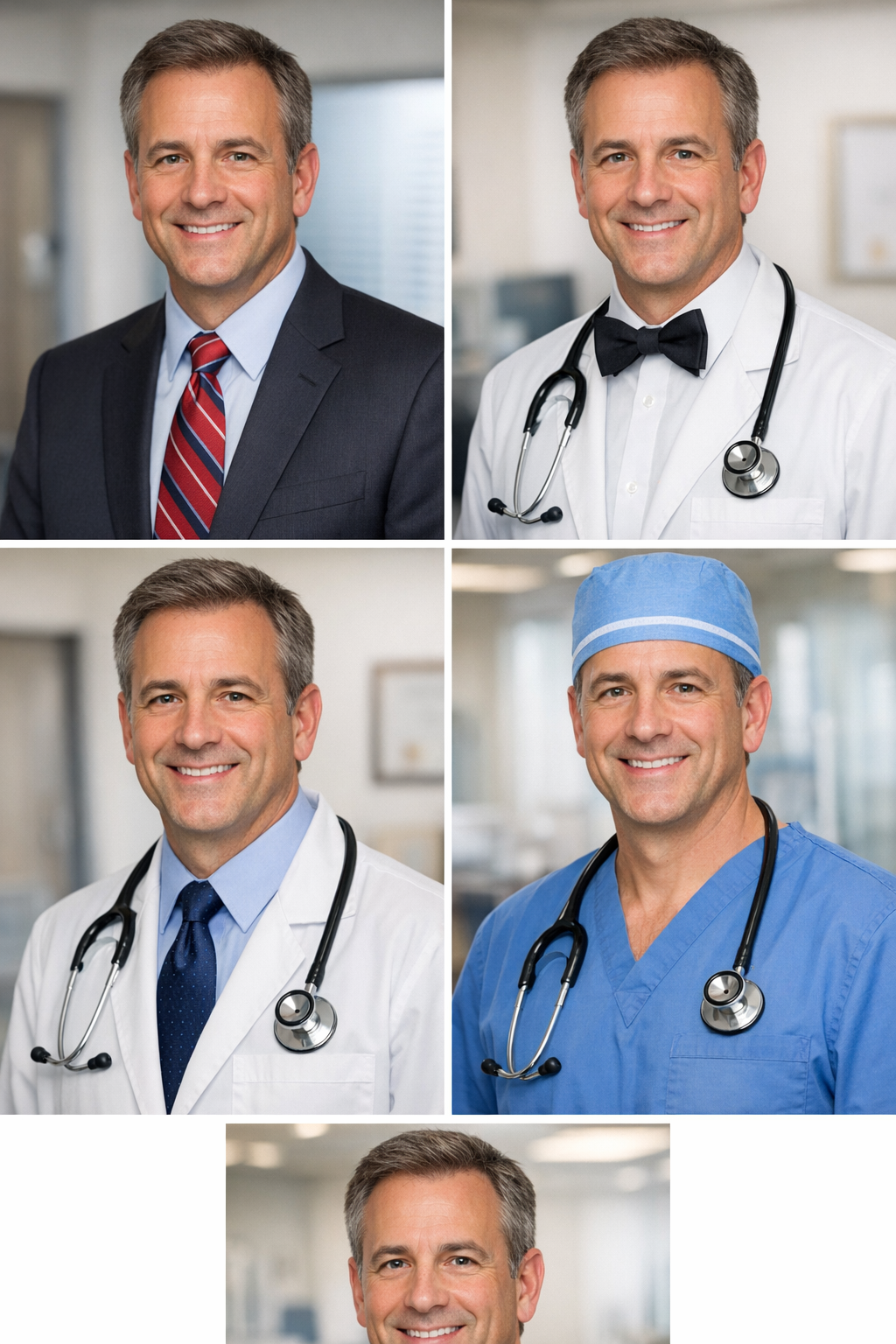
The figure of the neurotic doctor sits at the crossroads of competence and vulnerability. Medicine demands precision, emotional endurance, and the ability to make decisions under pressure. Yet the very traits that push someone into the profession—hyper‑vigilance, perfectionism, obsessive attention to detail—can tilt into neurosis when stretched by long hours, constant scrutiny, and the weight of responsibility. In many ways, neurotic doctors are both the backbone of modern healthcare and its most fragile participants.
At the core of this dynamic is the doctor’s internalized mandate to never be wrong. A single mistake can carry life‑altering consequences, and that reality breeds a kind of relentless self‑monitoring. The neurotic doctor replays conversations with patients long after the clinic closes, mentally re‑checks lab values at midnight, and second‑guesses decisions even when evidence supports them. This is not incompetence; it is the psychological tax of caring deeply. Their anxiety is not a flaw but a byproduct of responsibility.
Still, neurosis shapes behavior in ways that ripple outward. Some neurotic doctors become hyper‑controlling, clinging to rigid routines and protocols as a buffer against uncertainty. Others become compulsively thorough, ordering extra tests or writing overly detailed notes to guard against imagined oversights. These tendencies can frustrate colleagues, yet they often lead to exceptional thoroughness. The same traits that cause internal turmoil can produce extraordinary clinical vigilance.
***
***
The emotional landscape of the neurotic doctor is equally complex. Many carry a quiet fear of being exposed as inadequate, a fear sharpened by the culture of medicine itself. Training environments often reward stoicism and punish vulnerability, creating a system where anxiety is hidden rather than addressed. The neurotic doctor learns to mask worry behind technical language, to convert fear into productivity, and to treat self‑doubt as a private burden. This creates a paradox: the doctor who encourages patients to seek help may struggle to seek help themselves.
Yet neurosis can also deepen empathy. Doctors who constantly question themselves often listen more carefully, explain more thoroughly, and take patient concerns seriously. Their sensitivity—sometimes overwhelming internally—can translate into a heightened awareness of suffering. Patients may not see the internal storm, but they feel the attentiveness it produces.
The danger arises when neurosis goes unacknowledged. Chronic anxiety can erode judgment, impair sleep, and lead to burnout. A doctor who cannot quiet their mind eventually loses the clarity needed to practice safely. The profession’s culture is slowly shifting toward recognizing this, but stigma remains. The neurotic doctor often fears that admitting distress will be seen as weakness or incompetence. Ironically, the very people trained to diagnose and treat mental strain may be the least willing to confront their own.
COMMENTS APPRECIATED
SPEAKING: Dr. Marcinko will be speaking and lecturing, signing and opining, teaching and preaching, storming and performing at many locations throughout the USA this year! His tour of witty and serious pontifications may be scheduled on a planned or ad-hoc basis; for public or private meetings and gatherings; formally, informally, or over lunch or dinner. All medical societies, financial advisory firms or Broker-Dealers are encouraged to submit an RFP for speaking engagements: CONTACT: Ann Miller RN MHA at MarcinkoAdvisors@outlook.com -OR- http://www.MarcinkoAssociates.com
Like, Refer and Subscribe
***
Share this:

Filed under: iMBA, Inc. | Tagged: anxiety, depression, DO, doctors, health, Marcinko, MD, mental health, physicians, psychology, schmuckler |


NEUROTIC DOCTORS!
Wait until Retirement. My OB colleague still wakes up at night anticipating the delivery call. PTSD comes in many forms. She suddenly just closed after 35 years, retiring on 12/31/25. No sale of the practice as no one wanted to inherit 58,000 paper charts. She now is back in the office, coping with 1200 requests for copies of charts. And she has 7-10 years to go as record custodian. It was easier to get into practice, than to get out of it.
Mark
LikeLiked by 1 person