







 Support our online development, and advance our onground research initiatives in free market economics, as we seek to showcase the brightest Next-Gen minds.
THE ME-P DISCLAIMER: Posts, comments and opinions do not necessarily represent iMBA, Inc., but become our property after submission. Copyright © 2006 to-date. iMBA, Inc allows colleges, universities, medical and financial professionals and related clinics, hospitals and non-profit healthcare organizations to distribute our proprietary essays, photos, videos, audios and other documents; etc. However, please review copyright and usage information for each individual asset before submission to us, and/or placement on your publication or web site. Attestation references, citations and/or back-links are required. All other assets are property of the individual copyright holder.
Support our online development, and advance our onground research initiatives in free market economics, as we seek to showcase the brightest Next-Gen minds.
THE ME-P DISCLAIMER: Posts, comments and opinions do not necessarily represent iMBA, Inc., but become our property after submission. Copyright © 2006 to-date. iMBA, Inc allows colleges, universities, medical and financial professionals and related clinics, hospitals and non-profit healthcare organizations to distribute our proprietary essays, photos, videos, audios and other documents; etc. However, please review copyright and usage information for each individual asset before submission to us, and/or placement on your publication or web site. Attestation references, citations and/or back-links are required. All other assets are property of the individual copyright holder.


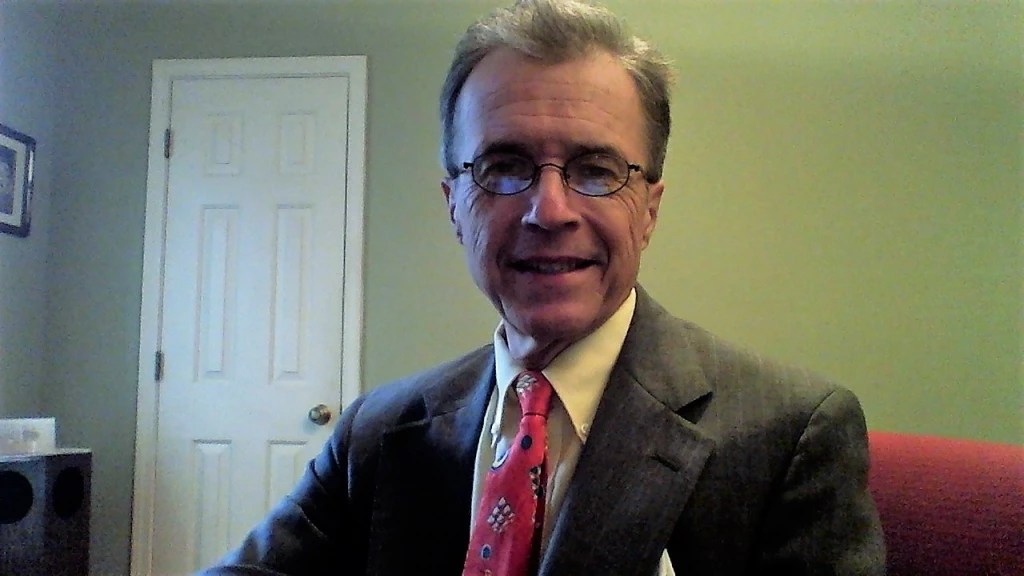
Dr. David Edward Marcinko; MBA MEd
SPONSOR: http://www.HealthDictionarySeries.org
***
***
The IRS Form 990 is one of the most important documents in the nonprofit sector, serving as both a regulatory filing and a public transparency tool for charitable foundations. Unlike tax returns filed by individuals or for‑profit corporations, Form 990 is designed not only to report financial information to the Internal Revenue Service but also to provide the public with insight into how a nonprofit organization operates. For charitable foundations—particularly private foundations—this form plays a central role in demonstrating accountability, stewardship of donor funds, and adherence to federal tax laws governing tax‑exempt entities.
At its core, Form 990 functions as an annual information return. Charitable foundations, which enjoy tax‑exempt status under section 501(c)(3) of the Internal Revenue Code, must file the form to maintain that status. The IRS uses the information to ensure that the organization continues to operate for charitable purposes and does not improperly benefit private individuals or engage in prohibited activities. Because tax‑exempt status is a privilege granted in exchange for serving the public good, the government requires detailed reporting to verify that foundations are fulfilling their mission.
One of the most significant aspects of Form 990 is its emphasis on financial transparency. The form requires foundations to disclose their revenue sources, including donations, grants, investment income, and program service revenue. It also requires a detailed breakdown of expenses, such as grants awarded, administrative costs, salaries, and fundraising expenditures. This level of detail allows the IRS—and the public—to evaluate how effectively the foundation uses its resources. For example, a foundation that spends a large portion of its budget on administrative costs rather than charitable programs may raise questions about efficiency and mission alignment.
In addition to financial data, Form 990 includes sections devoted to governance and organizational structure. Foundations must report information about their board of directors, key employees, and compensation practices. They must also describe their governance policies, such as conflict‑of‑interest policies, whistleblower protections, and document retention procedures. These disclosures reflect the IRS’s belief that strong governance is essential to preventing misuse of charitable assets. By requiring organizations to publicly report their governance practices, Form 990 encourages foundations to adopt policies that promote ethical behavior and accountability.
Another important component of Form 990 is the section requiring foundations to describe their program accomplishments. This narrative portion asks organizations to explain their mission and provide specific examples of the activities they conducted during the year to advance that mission. For charitable foundations, this might include grants awarded to nonprofit partners, research initiatives, educational programs, or community outreach efforts. This section helps the public understand not just how the foundation spends its money, but what impact it aims to achieve. It also allows donors and stakeholders to evaluate whether the foundation’s activities align with its stated goals.
Form 990 also plays a crucial role in public transparency because it is a publicly accessible document. Once filed, the form becomes available to anyone who wishes to review it, including donors, journalists, researchers, and members of the general public. Many organizations post their Form 990 on their own websites, and numerous online databases make the filings easy to access. This openness is intended to build trust in the nonprofit sector by allowing the public to see how charitable funds are being managed. For foundations, this transparency can be a powerful tool for demonstrating credibility and attracting donor support.
For private foundations specifically, the IRS requires a variation of the form known as Form 990‑PF. This version includes additional reporting requirements, such as detailed information about investment holdings, excise taxes, and minimum distribution requirements. Private foundations are subject to stricter rules than public charities because they typically receive funding from a single source, such as a family or corporation, and therefore face greater potential for self‑dealing or misuse of funds. Form 990‑PF ensures that these organizations meet their legal obligations and distribute a required portion of their assets each year for charitable purposes.
Despite its importance, Form 990 can be complex and time‑consuming to prepare. Foundations must gather extensive financial records, maintain accurate governance documentation, and carefully describe their activities. Many organizations rely on accountants or legal professionals to ensure accuracy and compliance. However, the effort required to complete the form reflects the seriousness of the responsibilities that come with tax‑exempt status.
COMMENTS APPRECIATED
SPEAKING: Dr. Marcinko will be speaking and lecturing, signing and opining, teaching and preaching, storming and performing at many locations throughout the USA this year! His tour of witty and serious pontifications may be scheduled on a planned or ad-hoc basis; for public or private meetings and gatherings; formally, informally, or over lunch or dinner. All medical societies, financial advisory firms or Broker-Dealers are encouraged to submit an RFP for speaking engagements: CONTACT: Ann Miller RN MHA at MarcinkoAdvisors@outlook.com -OR- http://www.MarcinkoAssociates.com
Like, Refer and Subscribe
***
***
Share this:

Filed under: iMBA, Inc. | Tagged: david marcinko | Leave a comment »

