







 Support our online development, and advance our onground research initiatives in free market economics, as we seek to showcase the brightest Next-Gen minds.
THE ME-P DISCLAIMER: Posts, comments and opinions do not necessarily represent iMBA, Inc., but become our property after submission. Copyright © 2006 to-date. iMBA, Inc allows colleges, universities, medical and financial professionals and related clinics, hospitals and non-profit healthcare organizations to distribute our proprietary essays, photos, videos, audios and other documents; etc. However, please review copyright and usage information for each individual asset before submission to us, and/or placement on your publication or web site. Attestation references, citations and/or back-links are required. All other assets are property of the individual copyright holder.
Support our online development, and advance our onground research initiatives in free market economics, as we seek to showcase the brightest Next-Gen minds.
THE ME-P DISCLAIMER: Posts, comments and opinions do not necessarily represent iMBA, Inc., but become our property after submission. Copyright © 2006 to-date. iMBA, Inc allows colleges, universities, medical and financial professionals and related clinics, hospitals and non-profit healthcare organizations to distribute our proprietary essays, photos, videos, audios and other documents; etc. However, please review copyright and usage information for each individual asset before submission to us, and/or placement on your publication or web site. Attestation references, citations and/or back-links are required. All other assets are property of the individual copyright holder.


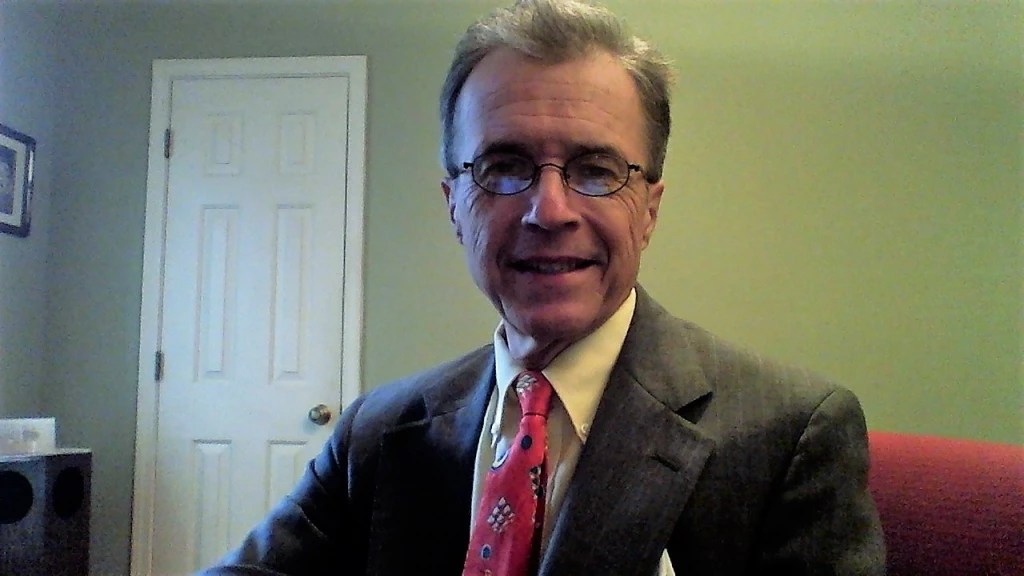
Dr. David Edward Marcinko; MBA MEd
SPONSOR: http://www.HealthDictionarySeries.org
***
***
For decades, health insurance has been framed as the primary safeguard protecting Americans from the financial shock of medical emergencies. In theory, insurance should function as a buffer: individuals pay monthly premiums, and in return, they gain access to care without the threat of overwhelming costs. Yet the lived reality for millions of Americans tells a very different story. Even with insurance, people across the country continue to fear that a single hospital visit could destabilize their finances, drain their savings, or push them into long‑term debt. This persistent anxiety reveals deep structural problems within the U.S. healthcare system—problems that insurance alone has not solved.
One of the core reasons insured Americans still fear hospital bills is the sheer complexity of insurance plans. Many people do not fully understand the difference between premiums, deductibles, copays, and coinsurance until they are forced to use their coverage. A plan may appear affordable on the surface because of a low monthly premium, but that same plan may carry a deductible so high that the individual must pay thousands of dollars out of pocket before insurance contributes anything. For families living paycheck to paycheck, or even those with moderate incomes, the prospect of meeting a deductible of several thousand dollars can be daunting. The result is a paradox: people pay for insurance, yet often cannot afford to use it.
Another factor driving fear is the unpredictability of medical billing. Unlike most consumer transactions, healthcare costs are rarely transparent. Patients often enter hospitals without knowing what a procedure will cost, what portion insurance will cover, or whether the provider is considered “in‑network.” Even when individuals attempt to verify coverage beforehand, they may still encounter unexpected charges. A common example is the “surprise bill,” where a patient receives care at an in‑network hospital but is unknowingly treated by an out‑of‑network specialist. The patient then receives a bill for the difference between what the provider charges and what insurance is willing to pay. These surprise bills can reach thousands of dollars, leaving patients feeling blindsided and powerless.
***
***
The fear of hospital bills is also tied to the rising cost of healthcare overall. Medical prices in the United States have increased faster than wages for many years. Insurance companies respond to these rising costs by shifting more financial responsibility onto patients through higher deductibles, increased copays, and narrower provider networks. As a result, even insured individuals face significant financial exposure. A hospital stay, surgery, or emergency room visit can easily exceed the average American’s savings. Many people know someone who has faced medical debt despite having insurance, and these stories reinforce the perception that no one is truly protected.
This fear has real consequences for public health. When people worry about the cost of care, they delay or avoid seeking treatment. Someone experiencing chest pain may hesitate to go to the emergency room because they fear the bill more than the potential diagnosis. Parents may postpone taking a sick child to the doctor, hoping symptoms will resolve on their own. Individuals with chronic conditions may ration medications or skip follow‑up appointments to save money. These decisions can lead to worse health outcomes, higher long‑term costs, and preventable suffering. The psychological burden of financial uncertainty becomes intertwined with physical health, creating a cycle that is difficult to break.
The emotional toll of medical debt also contributes to the widespread fear of hospital bills. Medical debt is unlike other forms of debt because it is rarely the result of discretionary spending. People do not choose to get sick or injured. Yet medical debt can damage credit scores, limit access to housing, and create long‑term financial instability. Many Americans feel a sense of shame or frustration when faced with medical bills they cannot pay, even though the circumstances are beyond their control. This emotional weight reinforces the perception that the healthcare system is unpredictable and unforgiving.
Even those with employer‑sponsored insurance—often considered the most stable form of coverage—are not immune. Employers increasingly offer high‑deductible health plans as a way to control costs, shifting more financial risk onto employees. Workers may find themselves paying substantial premiums for coverage that still leaves them vulnerable to large out‑of‑pocket expenses. For families with multiple medical needs, the financial strain can accumulate quickly. The fear of hospital bills becomes a constant background worry, influencing decisions about work, family planning, and everyday life.
The fear persists because the system itself is fragmented. Hospitals, insurance companies, physicians, and billing departments all operate with different incentives and rules. Patients are left to navigate this maze with limited information and little bargaining power. Even when reforms aim to reduce surprise billing or increase transparency, the complexity of the system makes it difficult for individuals to feel confident that they will not encounter unexpected costs. The lack of a unified, predictable structure fuels the anxiety that any medical encounter could lead to financial harm.
Ultimately, the widespread fear of hospital bills among insured Americans reflects a deeper issue: insurance in its current form does not guarantee financial protection. It provides partial coverage, often with significant gaps that patients must fill. The system places the burden of understanding, predicting, and managing costs on individuals who are often already stressed by illness or injury. Until healthcare becomes more transparent, affordable, and predictable, the fear of crippling hospital bills will remain a defining feature of the American experience.
The persistence of this fear is not merely a financial issue—it is a social one. It shapes how people think about their health, their security, and their future. It influences decisions about employment, savings, and family life. It erodes trust in institutions that are supposed to provide care and support. And it highlights the urgent need for a system that protects people not only from illness, but from the financial devastation that too often accompanies it.
COMMENTS APPRECIATED
SPEAKING: Dr. Marcinko will be speaking and lecturing, signing and opining, teaching and preaching, storming and performing at many locations throughout the USA this year! His tour of witty and serious pontifications may be scheduled on a planned or ad-hoc basis; for public or private meetings and gatherings; formally, informally, or over lunch or dinner. All medical societies, financial advisory firms or Broker-Dealers are encouraged to submit an RFP for speaking engagements: CONTACT: Ann Miller RN MHA at MarcinkoAdvisors@outlook.com -OR- http://www.MarcinkoAssociates.com
Like, Refer and Subscribe
***
***
Share this:

Filed under: iMBA, Inc. | Tagged: david marcinko |


Leave a Reply