







 Support our online development, and advance our onground research initiatives in free market economics, as we seek to showcase the brightest Next-Gen minds.
THE ME-P DISCLAIMER: Posts, comments and opinions do not necessarily represent iMBA, Inc., but become our property after submission. Copyright © 2006 to-date. iMBA, Inc allows colleges, universities, medical and financial professionals and related clinics, hospitals and non-profit healthcare organizations to distribute our proprietary essays, photos, videos, audios and other documents; etc. However, please review copyright and usage information for each individual asset before submission to us, and/or placement on your publication or web site. Attestation references, citations and/or back-links are required. All other assets are property of the individual copyright holder.
Support our online development, and advance our onground research initiatives in free market economics, as we seek to showcase the brightest Next-Gen minds.
THE ME-P DISCLAIMER: Posts, comments and opinions do not necessarily represent iMBA, Inc., but become our property after submission. Copyright © 2006 to-date. iMBA, Inc allows colleges, universities, medical and financial professionals and related clinics, hospitals and non-profit healthcare organizations to distribute our proprietary essays, photos, videos, audios and other documents; etc. However, please review copyright and usage information for each individual asset before submission to us, and/or placement on your publication or web site. Attestation references, citations and/or back-links are required. All other assets are property of the individual copyright holder.


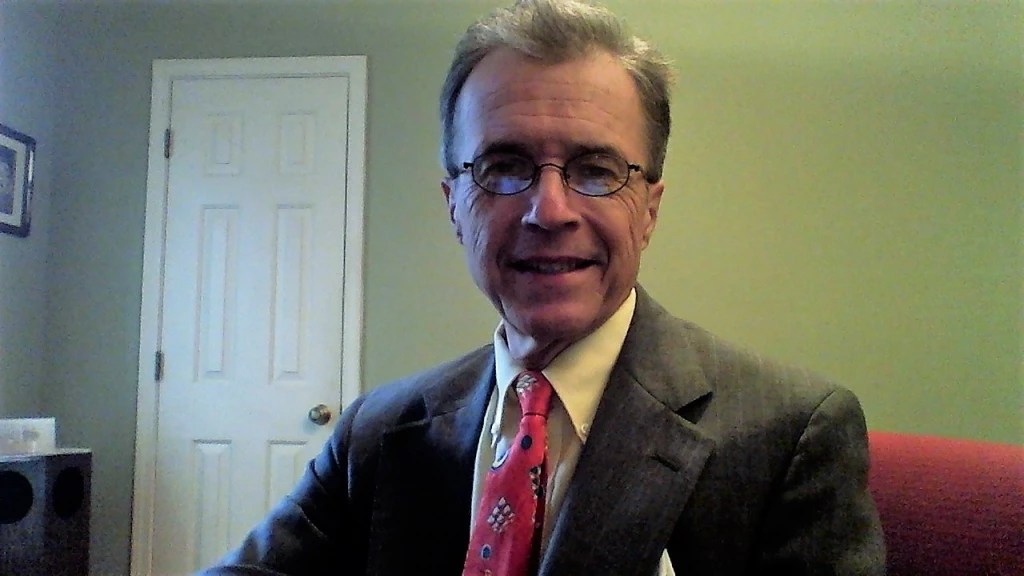
Dr. David Edward Marcinko; MBA MEd
SPONSOR: http://www.HealthDictionarySeries.org
***
***
Geopolitical tensions have long had the power to shake the global economy, and the ongoing conflict involving Iran is no exception. When a region as strategically important as the Middle East becomes unstable, markets react quickly, governments reassess their priorities, and businesses brace for uncertainty. The question many analysts and citizens are asking is whether this conflict could escalate into something large enough to tip the global economy into recession. While no single event guarantees such an outcome, the Iran conflict contains several economic pressure points that could collectively push the world toward a downturn if they intensify.
One of the most immediate channels through which the Iran conflict affects the global economy is energy. Iran sits at the heart of a region that supplies a significant share of the world’s oil. Even the perception of risk to supply routes—especially the Strait of Hormuz, a narrow passage through which a large portion of global oil shipments travel—can send energy prices soaring. Higher oil prices ripple through the economy quickly. Transportation costs rise, manufacturing becomes more expensive, and consumers face higher prices at the pump. When households spend more on fuel, they spend less on everything else, slowing economic activity. Businesses, too, may delay investments or hiring as their operating costs rise. If energy prices were to spike sharply and remain elevated, the strain on both consumers and companies could become a major drag on global growth.
Beyond energy markets, financial markets are another sensitive barometer of geopolitical stress. Investors tend to flee to safer assets when uncertainty rises, pulling money out of stocks and riskier investments. This can lead to market volatility, reduced liquidity, and tighter financial conditions. If the Iran conflict were to escalate into a broader regional confrontation, markets could experience sustained turbulence. For businesses that rely on borrowing to fund operations or expansion, higher borrowing costs or reduced access to credit could slow economic momentum. For households, falling stock markets can erode retirement savings and consumer confidence, both of which influence spending behavior. A prolonged period of financial instability can become self‑reinforcing, as declining confidence leads to reduced spending, which in turn weakens economic growth.
Global trade is another area vulnerable to disruption. The Middle East is a critical hub not only for energy but also for shipping routes that connect Asia, Europe, and Africa. Any conflict that threatens these routes can slow the movement of goods, raise shipping costs, and create bottlenecks in supply chains. The world saw how fragile supply chains can be during the pandemic, and another major disruption—especially one involving essential commodities—could reignite inflationary pressures. Higher inflation, combined with slower growth, is a difficult combination for policymakers to manage. Central banks may face pressure to raise interest rates to control inflation, even if doing so risks slowing the economy further. This delicate balancing act increases the likelihood of policy missteps that could push economies toward recession.
The political dimension also plays a significant role. Governments often respond to geopolitical crises with sanctions, military spending, or diplomatic realignments. Sanctions on Iran, for example, can restrict global access to oil and other goods, tightening supply and raising prices. Increased military spending can stimulate certain sectors of the economy, but it can also divert resources from domestic priorities such as infrastructure, education, or social programs. In some cases, heightened geopolitical tensions can strain alliances or disrupt international cooperation, making it harder for countries to coordinate economic responses. When global coordination weakens, the ability to manage economic shocks diminishes.
However, it’s important to recognize that not every geopolitical conflict leads to a recession. The global economy is large, diverse, and resilient. Many countries have strategic reserves of oil, diversified supply chains, and robust financial systems designed to absorb shocks. Central banks have tools to stabilize markets, and governments can deploy fiscal measures to support households and businesses. The impact of the Iran conflict will depend heavily on its duration, intensity, and whether it draws in other regional or global powers. A contained conflict may cause temporary disruptions without triggering a full‑scale recession. But a broader escalation—especially one that significantly disrupts energy supplies or global trade—could create the conditions for a downturn.
Ultimately, the possibility of a recession triggered by the Iran conflict is not a certainty, but it is a risk that policymakers and businesses must take seriously. The interconnected nature of today’s global economy means that shocks in one region can quickly spread across continents. Energy markets, financial systems, and supply chains are all tightly linked, and disruptions in any of these areas can have far‑reaching consequences. While the world has weathered many geopolitical storms before, the stakes remain high. Preparing for potential economic fallout—through diversification, strategic planning, and international cooperation—can help mitigate the risks.
The Iran conflict serves as a reminder of how fragile global stability can be. Whether it ultimately triggers a recession will depend on how events unfold and how effectively governments and institutions respond. What is clear is that the economic implications are significant, and the world will be watching closely as the situation develops.
COMMENTS APPRECIATED
SPEAKING: Dr. Marcinko will be speaking and lecturing, signing and opining, teaching and preaching, storming and performing at many locations throughout the USA this year! His tour of witty and serious pontifications may be scheduled on a planned or ad-hoc basis; for public or private meetings and gatherings; formally, informally, or over lunch or dinner. All medical societies, financial advisory firms or Broker-Dealers are encouraged to submit an RFP for speaking engagements: CONTACT: Ann Miller RN MHA at MarcinkoAdvisors@outlook.com -OR- http://www.MarcinkoAssociates.com
Like, Refer and Subscribe
***
***
Share this:

Filed under: iMBA, Inc. | Tagged: david marcinko | Leave a comment »


