Osteopathic Medical School Applications Are Surging – Why?

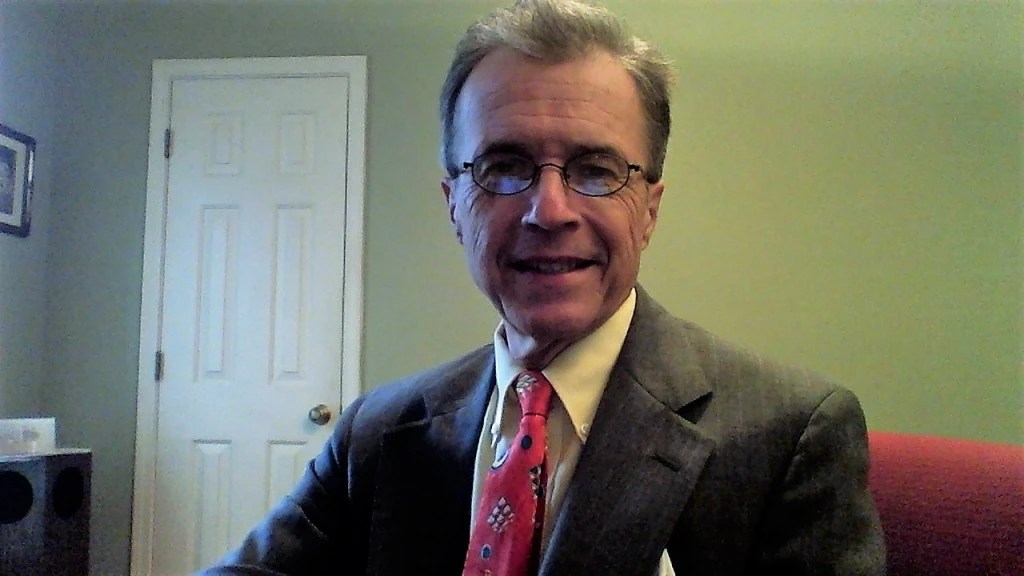
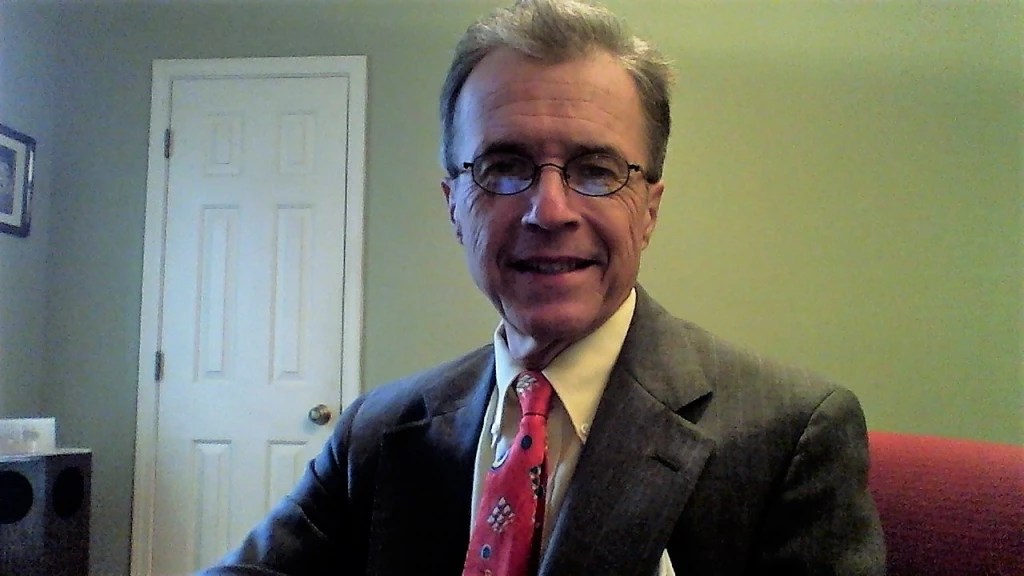
By Dr. David Edward Marcinko; MBA MEd

SPONSOR: http://www.HealthDictionarySeries.org

***

***

Why Osteopathic Medical School Applications Are Surging

Applications to osteopathic medical schools have surged in recent years, marking one of the most significant shifts in American medical education. This growth reflects a combination of structural changes in healthcare, evolving student priorities, and the expanding visibility of the osteopathic profession. As the demand for physicians rises and the philosophy of whole‑person care gains traction, more applicants are choosing the Doctor of Osteopathic Medicine (DO) pathway as a compelling and respected route into the medical field.

The most immediate driver of this surge is the growing national need for physicians, particularly in primary care. The United States continues to face shortages in family medicine, internal medicine, pediatrics, and rural healthcare. Osteopathic medical schools have long emphasized training physicians who serve underserved communities, making them a natural fit for students motivated by service‑oriented careers. As healthcare systems expand and the population ages, students increasingly view osteopathic medicine as a stable and mission‑driven profession with strong job security and broad opportunities.

Another major factor is the rapid expansion of osteopathic medical schools themselves. Over the past decade, new campuses have opened across the country, increasing both the number of available seats and the geographic reach of the DO degree. This expansion has made osteopathic programs more accessible to students who may not have had a nearby medical school option in the past. The presence of new schools in regions with physician shortages reinforces the profession’s commitment to community‑based care and attracts applicants who want to train close to home. Increased visibility naturally leads to increased interest, and the growth of these institutions signals confidence in the osteopathic model.

The rising prestige and visibility of DOs in the broader medical landscape also play a significant role. Osteopathic physicians now hold prominent positions in major hospital systems, academic institutions, and national leadership roles. Their presence in high‑profile positions demonstrates that the DO degree offers the same opportunities for advancement, specialization, and leadership as the MD pathway. As more students encounter DOs in clinical settings, mentorship roles, and media coverage, the degree becomes increasingly normalized and respected. This visibility helps dispel outdated misconceptions and encourages applicants to view osteopathic medicine as a fully equivalent and competitive route to becoming a physician.

***

***

The philosophical appeal of osteopathic medicine is another powerful draw. The DO approach emphasizes holistic, patient‑centered care, focusing on the interconnectedness of the body’s systems and the importance of preventive medicine. Many students are attracted to this model because it aligns with their values and their desire to build strong, empathetic relationships with patients. The inclusion of osteopathic manipulative treatment (OMT) offers an additional hands‑on skill set that differentiates DO training and appeals to students who want a more tactile, integrative approach to healing. In an era when burnout and depersonalization are major concerns in healthcare, the osteopathic philosophy offers a refreshing alternative that prioritizes wellness and human connection.

The competitiveness of MD admissions also indirectly contributes to the rise in DO applications. Although interest in medicine remains high, acceptance rates at allopathic schools remain extremely low. Many qualified applicants apply to both MD and DO programs to maximize their chances of acceptance. However, the DO pathway is no longer viewed as a fallback option. Instead, it has become a respected and intentional choice for students who appreciate its philosophy, flexibility, and expanding opportunities. The shift in perception has transformed the DO degree into a mainstream option rather than a secondary alternative.

The integration of residency training under a single accreditation system has further strengthened the appeal of osteopathic schools. DO and MD graduates now participate in the same residency match, eliminating historical barriers and ensuring equal access to training programs across specialties. This change has increased confidence among applicants that a DO degree will allow them to pursue competitive fields, from primary care to surgical specialties. As more DO graduates match into a wide range of residencies, prospective students see clear evidence that osteopathic training prepares them well for the next stage of medical education.

Cultural shifts following the COVID‑19 pandemic have also influenced applicant motivations. Many students feel a renewed sense of purpose and a desire to contribute meaningfully to public health. The osteopathic focus on community‑based care, prevention, and whole‑person wellness resonates strongly with this mindset. Students who want to address health disparities, improve access to care, and build long‑term patient relationships often find the DO philosophy particularly compelling.

Finally, the profession’s strong emphasis on transparency, mentorship, and community contributes to its growing popularity. Osteopathic schools often highlight supportive learning environments, collaborative cultures, and a commitment to producing compassionate physicians. These qualities appeal to applicants seeking a medical education that balances rigor with humanity.

In sum, the surge in osteopathic medical school applications reflects a powerful convergence of factors: expanding school capacity, rising demand for physicians, increasing visibility of DOs, and a growing appreciation for holistic, patient‑centered care. As the healthcare landscape continues to evolve, osteopathic medicine stands out as a dynamic and rapidly growing pathway that aligns with both the needs of the nation and the values of the next generation of physicians.

COMMENTS APPRECIATED

EDUCATION: Books

SPEAKING: Dr. Marcinko will be speaking and lecturing, signing and opining, teaching and preaching, storming and performing at many locations throughout the USA this year! His tour of witty and serious pontifications may be scheduled on a planned or ad-hoc basis; for public or private meetings and gatherings; formally, informally, or over lunch or dinner. All medical societies, financial advisory firms or Broker-Dealers are encouraged to submit an RFP for speaking engagements: CONTACT: Ann Miller RN MHA at MarcinkoAdvisors@outlook.com -OR- http://www.MarcinkoAssociates.com

Like, Refer and Subscribe

***

PHYSICIANS: Who Also Earn a PhD

By Dr. David Edward Marcinko; MBA MEd

SPONSOR: http://www.CertifiedMedicalPlanner.org

***

***

A physician who also earns a Doctor of Philosophy (PhD) stands at a rare intersection of clinical expertise and advanced scientific research. This dual‑trained professional—often referred to as an MD‑PhD physician‑scientist—embodies the union of healing and discovery. Their work bridges the exam room and the laboratory, allowing them to understand disease from both the human and molecular perspectives. The result is a career defined by curiosity, compassion, and a commitment to pushing medicine forward.

A physician’s training focuses on diagnosing illness, treating patients, and understanding the complexities of the human body. Medical school emphasizes clinical reasoning, patient communication, and hands‑on experience. By contrast, the PhD journey centers on original research, deep theoretical knowledge, and the ability to design and conduct rigorous scientific studies. When one person completes both paths, they gain a powerful combination of skills: the ability to recognize unmet medical needs and the tools to investigate solutions.

The PhD portion of their training teaches them to become independent investigators. They learn to form hypotheses, analyze data, and contribute new knowledge to their field. This research might involve studying cancer cells, developing new imaging technologies, exploring genetic disorders, or examining public‑health patterns. The dissertation they complete represents years of focused inquiry and adds something genuinely new to scientific understanding. This foundation prepares them to ask questions that matter and to pursue answers with precision.

***

***

In clinical practice, an MD‑PhD physician brings a research‑driven mindset to patient care. They are trained to look beyond symptoms and consider the underlying mechanisms of disease. Their scientific background helps them evaluate emerging treatments, interpret complex studies, and apply evidence‑based medicine with confidence. Patients benefit from a doctor who not only understands current medical knowledge but also contributes to shaping its future.

Many MD‑PhD physicians work in academic medical centers, where they divide their time between treating patients, teaching students, and conducting research. This balance allows them to translate discoveries from the lab into real‑world therapies. For example, a physician‑scientist studying immune responses might help develop new treatments for autoimmune diseases. Another researching brain function could contribute to advances in neurology or psychiatry. Their dual training positions them to lead clinical trials, develop innovative technologies, and collaborate across scientific disciplines.

The path to becoming a physician with a PhD is long and demanding. It often requires seven to ten years of combined training, followed by residency and possibly fellowship specialization. Along the way, these individuals learn resilience, patience, and adaptability. Research setbacks, long hours, and the emotional weight of clinical care shape them into professionals who can navigate complexity with clarity and purpose.

Despite the challenges, the rewards are significant. MD‑PhD physicians have the opportunity to improve individual lives through patient care while also influencing the broader landscape of medicine. They help uncover the causes of disease, develop new treatments, and train the next generation of doctors and scientists. Their careers reflect a belief that medicine is not only about healing today but also about discovering better ways to heal tomorrow.

COMMENTS APPRECIATED

EDUCATION: Books

SPEAKING: Dr. Marcinko will be speaking and lecturing, signing and opining, teaching and preaching, storming and performing at many locations throughout the USA this year! His tour of witty and serious pontifications may be scheduled on a planned or ad-hoc basis; for public or private meetings and gatherings; formally, informally, or over lunch or dinner. All medical societies, financial advisory firms or Broker-Dealers are encouraged to submit an RFP for speaking engagements: CONTACT: Ann Miller RN MHA at MarcinkoAdvisors@outlook.com -OR- http://www.MarcinkoAssociates.com

Like, Refer and Subscribe

***

EBOLA Virus

By Dr. David Edward Marcinko; MBA MEd

***

***

The Ebola virus is one of the most feared pathogens known to modern medicine, recognized for its rapid spread, severe symptoms, and high fatality rates. First identified in 1976 during simultaneous outbreaks in what are now the Democratic Republic of the Congo and South Sudan, the virus has since reappeared in periodic epidemics across sub‑Saharan Africa. Its name comes from the Ebola River near one of the earliest outbreak sites, and over time it has become synonymous with viral hemorrhagic fever and global public health emergencies.

Ebola belongs to the Filoviridae family and the Orthoebolavirus genus. Several species exist, but four are known to cause disease in humans: Zaire ebolavirus, Sudan virus, Bundibugyo virus, and Taï Forest virus. Among these, the Zaire species is the most lethal and has been responsible for the largest and deadliest outbreaks, including the 2013–2016 West African epidemic that infected tens of thousands of people. Although the average fatality rate across outbreaks is around half of those infected, some epidemics have recorded mortality as high as 90 percent.

Scientists believe that fruit bats serve as the natural reservoir for Ebola. The virus can spill over into human populations when people come into contact with infected animals such as bats, chimpanzees, gorillas, or forest antelopes. Once a human becomes infected, the virus spreads primarily through direct contact with bodily fluids of a sick or deceased person. These fluids include blood, vomit, feces, urine, saliva, sweat, breast milk, and semen. Contaminated objects, such as needles or bedding, can also transmit the virus. Importantly, Ebola does not spread through the air like influenza; a person must have direct exposure to infectious fluids. Individuals are not contagious until they begin showing symptoms, which helps guide containment strategies.

The incubation period for Ebola ranges from two to twenty‑one days. Early symptoms often resemble common illnesses, beginning with fever, fatigue, muscle pain, headache, and sore throat. As the disease progresses, more severe symptoms emerge, including vomiting, diarrhea, abdominal pain, and rash. In many cases, the virus causes internal and external bleeding, though bleeding is not as universal as popular portrayals suggest. Patients may bleed from the gums, nose, or puncture sites, and blood may appear in vomit or stool. As the infection worsens, organ failure, shock, and neurological complications such as confusion or irritability can occur. Without timely medical care, these complications often lead to death within days.

Diagnosing Ebola can be challenging because early symptoms mimic other tropical diseases such as malaria, typhoid fever, or meningitis. Laboratory confirmation typically requires specialized tests that detect viral RNA or antibodies. Because Ebola samples pose extreme biohazard risks, testing must be conducted in high‑containment laboratories. Rapid diagnosis is essential not only for patient care but also for preventing further spread.

***

***

Treatment for Ebola has improved significantly over the past decade. Historically, supportive care—such as rehydration, electrolyte replacement, oxygen therapy, and treatment of secondary infections—was the only option. Today, specific antiviral therapies exist for infections caused by the Zaire species. These include monoclonal antibody treatments that help the immune system neutralize the virus. Even with these advances, early intervention remains critical; patients who receive care soon after symptoms begin have a much higher chance of survival.

Vaccination has also transformed Ebola prevention. A licensed vaccine is available for the Zaire species and has been used effectively in outbreak settings to protect frontline workers and close contacts of infected individuals. However, vaccines for other Ebola species are still under development. Because outbreaks often occur in remote regions with limited healthcare infrastructure, vaccination campaigns must be paired with strong community engagement, safe burial practices, contact tracing, and infection‑control measures in healthcare facilities.

Ebola’s impact extends beyond the immediate health crisis. Survivors may experience long‑term complications, including vision problems, joint pain, fatigue, and neurological issues. The virus can persist in immune‑privileged sites such as the eyes, brain, and reproductive organs for months after recovery, which means survivors may require ongoing monitoring. Social stigma can also affect survivors and their families, making community reintegration an important part of recovery efforts.

COMMENTS APPRECIATED

EDUCATION: Books

SPEAKING: Dr. Marcinko will be speaking and lecturing, signing and opining, teaching and preaching, storming and performing at many locations throughout the USA this year! His tour of witty and serious pontifications may be scheduled on a planned or ad-hoc basis; for public or private meetings and gatherings; formally, informally, or over lunch or dinner. All medical societies, financial advisory firms or Broker-Dealers are encouraged to submit an RFP for speaking engagements: CONTACT: Ann Miller RN MHA at MarcinkoAdvisors@outlook.com -OR- http://www.MarcinkoAssociates.com

Like, Refer and Subscribe

***

BANKRUPTCY: Duration and Resolution in Healthcare

By Dr. David Edward Marcinko; MBA MEd

SPONSOR: http://www.CertifiedMedicalPlanner.org

***

***

Bankruptcy in the healthcare sector unfolds under conditions unlike those in any other industry. Hospitals, physician groups, long‑term care facilities, and other providers operate within a system where financial distress does not simply threaten shareholders or creditors—it threatens patient access, community health, and sometimes regional stability. Because of this, the duration and resolution of healthcare bankruptcies tend to be longer, more intricate, and more heavily supervised than those in non‑healthcare fields. Understanding why requires examining the operational, regulatory, and ethical pressures that shape the process from start to finish.

The duration of healthcare bankruptcies is often extended because healthcare organizations cannot simply halt operations while restructuring. A manufacturing company may shut down a plant or pause production during bankruptcy, but a hospital cannot close its emergency department without risking patient harm and violating federal obligations such as the Emergency Medical Treatment and Labor Act. This requirement to maintain continuous operations forces debtors to secure emergency financing, retain staff, and preserve supply chains even while insolvent. Each of these steps adds layers of negotiation and oversight that lengthen the timeline.

Another factor extending the duration is the complexity of healthcare revenue streams. Providers rely on a mix of commercial insurance, Medicare, Medicaid, and supplemental programs, each with its own billing rules, reimbursement delays, and audit risks. When a healthcare organization files for bankruptcy, these payers may temporarily suspend payments or increase scrutiny, creating cash‑flow instability at the very moment the debtor needs liquidity. Resolving disputes with government payers—especially when overpayments or penalties are involved—can take months or years, slowing the overall process.

The presence of regulatory oversight also contributes to longer bankruptcy durations. Healthcare organizations must comply with licensing requirements, quality‑of‑care standards, and patient‑safety regulations even while restructuring. State health departments, federal agencies, and accreditation bodies may all intervene to ensure that patient care is not compromised. These agencies may require detailed operational plans, staffing assurances, or quality monitoring before approving major restructuring steps such as service reductions or facility sales. Each approval adds time and complexity.

Resolution in healthcare bankruptcies is similarly shaped by the need to protect patients and communities. In many cases, the preferred resolution is a sale of the organization to a financially stronger operator. Asset sales allow continuity of care, preserve jobs, and satisfy creditors more effectively than liquidation. However, selling a healthcare facility is far more complicated than selling a typical business. Buyers must obtain licenses, secure payer contracts, and demonstrate compliance with regulatory standards. Certificate‑of‑need laws in many states require additional approvals before ownership changes or service expansions can occur. These steps can significantly delay closing timelines.

***

***

When a sale is not feasible, reorganization becomes the primary path to resolution. Reorganization plans in healthcare often involve renegotiating labor contracts, restructuring debt, consolidating services, or forming partnerships with larger health systems. Because these changes affect patient access and community health, they frequently draw scrutiny from local governments, unions, advocacy groups, and residents. Public hearings, community negotiations, and political involvement can all extend the resolution timeline.

Liquidation, while rare, presents the most challenging form of resolution. Closing a healthcare facility requires transferring patients, securing medical records, disposing of controlled substances, and ensuring continuity of care for vulnerable populations. Regulators may require detailed closure plans, and courts often appoint patient‑care ombudsmen to monitor conditions during the wind‑down. These safeguards, while essential, make liquidation slower and more expensive than in other industries.

A unique feature of healthcare bankruptcy resolution is the role of the patient‑care ombudsman. Appointed in many cases, the ombudsman monitors the quality of patient care and reports to the court. Their findings can influence decisions about financing, staffing, or operational changes. This additional layer of oversight ensures patient safety but also adds procedural steps that lengthen the process.

Another challenge is the interdependence of healthcare providers within regional networks. The bankruptcy of one hospital can strain nearby facilities, disrupt referral patterns, and destabilize physician groups. Courts and regulators may therefore consider broader system impacts when evaluating restructuring proposals. This systemic perspective, while necessary, can slow resolution as stakeholders negotiate solutions that preserve regional healthcare capacity.

***

***

Despite these complexities, healthcare bankruptcies can ultimately lead to stronger and more sustainable organizations. Successful resolutions often involve aligning financial structures with modern healthcare realities—shifting toward outpatient care, integrating technology, or partnering with larger systems. The process may be lengthy, but it can produce long‑term stability for both providers and the communities they serve.

In sum, the duration and resolution of healthcare bankruptcies are shaped by the sector’s unique obligations to patients, regulators, and communities. Continuous operations, complex revenue streams, regulatory oversight, and the ethical imperative to protect patient welfare all contribute to longer timelines and more intricate resolutions. Yet these same factors ensure that the process prioritizes continuity of care and community health, making healthcare bankruptcy not just a financial event but a public‑interest undertaking.

COMMENTS APPRECIATED

EDUCATION: Books

SPEAKING: Dr. Marcinko will be speaking and lecturing, signing and opining, teaching and preaching, storming and performing at many locations throughout the USA this year! His tour of witty and serious pontifications may be scheduled on a planned or ad-hoc basis; for public or private meetings and gatherings; formally, informally, or over lunch or dinner. All medical societies, financial advisory firms or Broker-Dealers are encouraged to submit an RFP for speaking engagements: CONTACT: Ann Miller RN MHA at MarcinkoAdvisors@outlook.com -OR- http://www.MarcinkoAssociates.com

Like, Refer and Subscribe

***

PHYSICIAN: Self‑Alienation

By Dr. David Edward Marcinko; MBA MEd

By Professor Eugene Schmuckler; PhD MBA MEd CTS

SPONSOR: http://www.CertifiedMedicalPlanner.org

***

***

Physician self‑alienation has become a defining psychological and professional challenge within modern healthcare. It refers to the internal disconnection that arises when a physician’s values, identity, and emotional life drift away from the daily realities of medical practice. This phenomenon is not merely a byproduct of stress or exhaustion; it is a deeper rupture between the physician’s authentic self and the professional role they are compelled to inhabit. As contemporary healthcare systems grow increasingly complex, physicians often find themselves navigating environments that undermine their sense of purpose, autonomy, and humanity. The result is a form of estrangement that affects not only their well‑being but also the quality of care they provide.

The roots of physician self‑alienation often extend back to the earliest stages of medical training. Medical education emphasizes endurance, emotional control, and unwavering competence. Students quickly learn that vulnerability is discouraged and that personal needs must be subordinated to professional expectations. Over time, this conditioning fosters a split between the inner emotional world and the outward clinical persona. Many physicians describe feeling as though they must suppress their authentic reactions in order to function. This early detachment becomes a template for later professional behavior, making it difficult to recognize distress or seek support. The self becomes divided: the individual who feels and the clinician who performs.

Structural forces within the healthcare system intensify this internal division. One major contributor is the overwhelming administrative burden placed on physicians. Much of their time is consumed by documentation, coding, and compliance tasks that bear little resemblance to the healing work that originally drew them to medicine. These responsibilities create a daily sense of misalignment between intention and action. Similarly, the rise of productivity metrics has transformed patient care into a numbers‑driven enterprise. When success is measured by throughput, visit length, or revenue generation, physicians may feel pressured to prioritize efficiency over meaningful connection. This shift erodes the relational foundation of medical practice and diminishes the sense of purpose that comes from attentive, human‑centered care.

Another powerful driver of alienation is moral injury. Physicians frequently know what their patients need but are constrained by insurance limitations, institutional policies, or resource shortages. Repeatedly confronting situations in which they cannot act according to their ethical judgment creates profound internal conflict. Over time, this conflict corrodes the sense of integrity that anchors professional identity. Physicians may begin to feel complicit in a system that prevents them from fulfilling their moral obligations, deepening their sense of estrangement from themselves.

The emotional labor inherent in medical practice also contributes to self‑alienation. Physicians routinely absorb the fear, grief, anger, and uncertainty of patients and families. They are expected to remain composed regardless of the emotional intensity around them. Without adequate space to process these experiences, physicians may become numb or detached as a protective mechanism. This emotional distancing, while adaptive in the short term, can gradually disconnect them from their own feelings and from the human meaning of their work. The result is a sense of performing medicine rather than inhabiting it.

Cultural expectations within the profession reinforce these pressures. Medicine has long idealized stoicism, perfectionism, and self‑sacrifice. Physicians are expected to be tireless, unflappable, and endlessly competent. Admitting emotional struggle is often perceived as weakness. This culture encourages the construction of a professional mask that becomes increasingly difficult to remove. Over time, the mask can feel more real than the person beneath it. When the system rewards self‑erasure, alienation becomes almost inevitable.

The consequences of physician self‑alienation are far‑reaching. For the physician, it can lead to burnout, depression, and a loss of meaning. Many describe feeling hollow, disconnected, or unsure of who they are outside of their professional role. This internal disorientation can spill into personal relationships, leading to withdrawal or emotional unavailability. For patients, physician alienation may manifest as reduced empathy, shorter visits, or a sense that their clinician is present in body but not in spirit. At the system level, alienation contributes to turnover, staffing shortages, and escalating costs. It is not a private struggle but a structural issue with public implications.

***

***

Reversing physician self‑alienation requires both personal and systemic change. On an individual level, physicians may benefit from reflective practices, boundary‑setting, and opportunities for emotional expression. Reconnecting with the values that originally inspired them to pursue medicine can help restore a sense of coherence between identity and action. Peer support and mentorship can also provide spaces for authenticity and shared understanding. However, personal strategies alone are insufficient. Healthcare institutions must create environments that honor physician autonomy, reduce unnecessary administrative burdens, and support ethical practice. Cultural change is equally essential. Medicine must evolve to recognize physicians as humans first and professionals second, embracing vulnerability as a component of strength rather than a threat to competence.

In conclusion, physician self‑alienation represents a profound challenge within modern healthcare. It arises from the tension between personal values and systemic demands, between emotional authenticity and professional expectations. Addressing it requires acknowledging the humanity of physicians and reshaping the structures that undermine their sense of self. When physicians are able to reconnect with their inner lives, they not only heal personally but also strengthen the moral and relational fabric of the profession.

COMMENTS APPRECIATED

EDUCATION: Books

SPEAKING: Dr. Marcinko will be speaking and lecturing, signing and opining, teaching and preaching, storming and performing at many locations throughout the USA this year! His tour of witty and serious pontifications may be scheduled on a planned or ad-hoc basis; for public or private meetings and gatherings; formally, informally, or over lunch or dinner. All medical societies, financial advisory firms or Broker-Dealers are encouraged to submit an RFP for speaking engagements: CONTACT: Ann Miller RN MHA at MarcinkoAdvisors@outlook.com -OR- http://www.MarcinkoAssociates.com

Like, Refer and Subscribe

***

PHYSICIAN: Practice Preferences and Healthcare Expenditures

By Dr. David Edward Marcinko; MBA MEd

SPONSOR: http://www.HealthDictionarySeries.org

***

***

Physician practice preferences shape the structure, cost, and performance of the American healthcare system in ways that are both subtle and far‑reaching. Because physicians direct most clinical decisions — from diagnostic testing to treatment plans to referrals — their choices influence not only patient outcomes but also the overall level of healthcare expenditures. Understanding how these preferences interact with spending is essential for making sense of why costs vary so widely and why reform efforts often struggle to gain traction.

The Structure of Practice

One of the most visible ways physician preferences affect spending is through the type of practice setting they choose. Physicians who prefer autonomy, long‑term patient relationships, and individualized decision‑making often gravitate toward solo or small independent practices. These settings typically have lower overhead and fewer administrative layers, which can reduce some costs. However, they may lack the infrastructure for coordinated care, population health management, or advanced data analytics. Without these tools, physicians may rely more heavily on traditional patterns of care, which can lead to higher utilization of tests, imaging, or specialist referrals.

Physicians who choose employment in large health systems or integrated delivery networks often value stability, shared responsibility, and access to resources. These systems invest heavily in electronic health records, care coordinators, and standardized clinical pathways. While these investments can reduce unnecessary utilization and improve quality, they also introduce substantial administrative expenses. The result is a mixed picture: large systems may reduce some categories of spending while increasing others, depending on how efficiently they operate.

Financial Incentives and Behavioral Patterns

Payment models strongly shape physician behavior. Under fee‑for‑service, physicians are paid for each visit, test, or procedure. Even when physicians are motivated primarily by patient well‑being, the structure of the system encourages higher volume and more intensive treatment patterns. This model rewards activity rather than outcomes, making it difficult to control spending.

In contrast, value‑based payment models — such as bundled payments, capitation, or shared‑savings arrangements — reward efficiency, prevention, and quality. These models encourage physicians to invest in chronic disease management, preventive care, and coordinated services that reduce hospitalizations. Yet many physicians prefer the predictability and simplicity of fee‑for‑service, slowing the transition to value‑based care. The tension between these models reflects deeper preferences about autonomy, risk tolerance, and professional identity.

Variation in Clinical Decision‑Making

One of the most striking features of American healthcare is the wide variation in clinical practice across regions and specialties. Physicians in some areas order far more imaging studies, prescribe more medications, or perform more procedures than those in other areas, even when treating similar patients. These differences are not explained solely by patient needs; they reflect local practice norms, training backgrounds, and personal comfort with uncertainty.

This variation drives significant differences in spending. Regions with more aggressive practice patterns tend to have higher per‑capita healthcare expenditures without consistently better outcomes. Physicians who prefer conservative management, shared decision‑making, and watchful waiting often generate lower costs while maintaining high patient satisfaction. These patterns highlight how personal and cultural factors shape spending as much as formal policy or insurance design.

Administrative Burden and System Complexity

The administrative complexity of the U.S. healthcare system also influences physician preferences. Many physicians choose employment in large systems because they want relief from billing, compliance, and documentation burdens. Yet these systems often introduce new layers of bureaucracy, contributing to rising expenditures.

Physicians who prefer independence may resist joining large systems, but they face increasing pressure from insurers, regulators, and technology requirements. Their struggle to balance autonomy with administrative demands influences both their practice patterns and the cost of care. Administrative burden shapes not only how physicians spend their time but also how they make clinical decisions, which in turn affects spending.

***

***

Technology Adoption and Innovation

Physician preferences play a major role in determining how quickly new technologies are adopted. Some physicians embrace telemedicine, remote monitoring, and AI‑assisted diagnostics, which can reduce costs by preventing unnecessary visits or hospitalizations. Others prefer traditional in‑person care, citing concerns about quality, workflow disruption, or patient relationships.

Technology can either increase or decrease expenditures depending on how it is used. High‑cost imaging or surgical tools may raise spending, while digital health tools may lower it. Ultimately, physician preferences determine which technologies gain traction and how they are integrated into practice.

The Human Element

At the core of physician practice preferences is the human dimension of medicine. Physicians choose practice styles that align with their values: autonomy, stability, patient connection, intellectual challenge, or work‑life balance. These values influence how they allocate time, how they structure visits, and how they approach uncertainty. Because healthcare spending is the sum of millions of individual decisions, these personal preferences scale into system‑wide financial patterns.

COMMENTS APPRECIATED

EDUCATION: Books

SPEAKING: Dr. Marcinko will be speaking and lecturing, signing and opining, teaching and preaching, storming and performing at many locations throughout the USA this year! His tour of witty and serious pontifications may be scheduled on a planned or ad-hoc basis; for public or private meetings and gatherings; formally, informally, or over lunch or dinner. All medical societies, financial advisory firms or Broker-Dealers are encouraged to submit an RFP for speaking engagements: CONTACT: Ann Miller RN MHA at MarcinkoAdvisors@outlook.com -OR- http://www.MarcinkoAssociates.com

Like, Refer and Subscribe

***

TRIUNE BRAIN MODEL: In Finance

By Dr. David Edward Marcinko; MBA MEd

By Professor Eugene Schmuckler; PhD MBA MEd CTS

SPONSOR: http://www.HealthDictionarySeries.org

***

***

The Triune Brain Model offers a surprisingly sharp lens for understanding why people often struggle with money, make inconsistent financial choices, or feel anxious about budgeting and investing. At its core, the model proposes that the human brain functions as three interconnected layers: the reptilian brain, the limbic system, and the neocortex. Each layer influences behavior in distinct ways, and when applied to personal finance, they reveal why logic alone rarely drives financial decisions. Instead, money behavior emerges from a constant negotiation among instinct, emotion, and reason.

The reptilian brain—sometimes called the survival brain—governs instinctive, automatic behaviors. It reacts quickly, prioritizing safety, scarcity, and immediate needs. In financial life, this part of the brain often shows up as impulsive spending, fear-driven hoarding, or avoidance of anything perceived as risky or unfamiliar. When someone panics during a market downturn or feels compelled to buy something simply because it is on sale, the reptilian brain is in the driver’s seat. It interprets financial uncertainty as a threat, pushing the person toward short-term comfort rather than long-term strategy. This is why building financial habits requires more than knowledge; it requires calming the instinctive responses that resist delayed gratification. Understanding this layer helps explain why people often struggle with consistent saving even when they intellectually know it is important. The reptilian brain is wired for now, not later, and it takes conscious effort to override its impulses.

The limbic system, or emotional brain, adds another layer of complexity. This part of the brain governs feelings, social bonding, and reward. Money is deeply emotional, and the limbic system shapes how people experience financial success, failure, and identity. Emotional spending—whether to celebrate, cope, or connect with others—originates here. The limbic system also drives comparison, which can lead to lifestyle inflation or financial stress when people measure themselves against peers. Because the emotional brain seeks belonging and pleasure, it often encourages choices that feel good in the moment but undermine long-term goals. For example, someone may overspend on gifts to strengthen relationships or buy luxury items to signal status. These behaviors are not irrational; they are emotionally rational, serving psychological needs even when they conflict with financial plans. Recognizing the limbic system’s influence allows individuals to approach money with more compassion for themselves and others, acknowledging that financial decisions are rarely purely logical.

The neocortex, or rational brain, is responsible for analysis, planning, and long-term thinking. This is the part of the brain that understands compound interest, retirement planning, and budgeting. It can evaluate trade-offs, calculate risks, and design strategies. However, the neocortex often loses internal battles with the faster, louder reptilian and limbic systems. Financial literacy alone does not guarantee financial stability because the rational brain cannot operate effectively when emotional or instinctive responses dominate. This explains why people may create a detailed budget but fail to follow it, or why they may understand the benefits of investing yet hesitate to start. The neocortex provides clarity, but it does not control behavior without cooperation from the other layers.

When these three systems interact, financial behavior becomes a dynamic negotiation. The reptilian brain demands safety, the limbic system seeks emotional satisfaction, and the neocortex aims for long-term success. Effective financial decision-making requires aligning these layers rather than suppressing them. For example, automating savings can satisfy the reptilian brain’s desire for simplicity, reduce emotional friction in the limbic system, and support the neocortex’s long-term goals. Similarly, creating financial rewards—such as celebrating milestones—engages the emotional brain in a positive way, making disciplined behavior more sustainable. The Triune Brain Model suggests that financial success is not just about knowledge but about designing systems that work with human psychology rather than against it.

***

***

This model also sheds light on financial anxiety. When money feels uncertain or overwhelming, the reptilian brain interprets the situation as a threat, triggering stress responses. The limbic system amplifies this with emotional narratives—fear of failure, shame about past mistakes, or worry about the future. The neocortex may struggle to intervene, leading to avoidance behaviors such as ignoring bills or delaying financial planning. By understanding these internal dynamics, individuals can approach financial anxiety with greater self-awareness. Techniques such as mindfulness, structured planning, or breaking tasks into smaller steps can help calm the instinctive and emotional responses, allowing the rational brain to re-engage.

Ultimately, the Triune Brain Model reframes financial behavior as a holistic process. Money decisions are not simply matters of discipline or intelligence; they are reflections of how the brain balances instinct, emotion, and logic. By acknowledging the roles of all three systems, individuals can create financial strategies that respect their psychological realities. This approach encourages more compassionate self-understanding and more effective long-term planning. It also highlights that financial growth is not just about accumulating wealth but about developing harmony within the mind’s competing drives. When the reptilian brain feels safe, the limbic system feels supported, and the neocortex feels empowered, financial decisions become clearer, more consistent, and more aligned with personal goals.

COMMENTS APPRECIATED

EDUCATION: Books

SPEAKING: Dr. Marcinko will be speaking and lecturing, signing and opining, teaching and preaching, storming and performing at many locations throughout the USA this year! His tour of witty and serious pontifications may be scheduled on a planned or ad-hoc basis; for public or private meetings and gatherings; formally, informally, or over lunch or dinner. All medical societies, financial advisory firms or Broker-Dealers are encouraged to submit an RFP for speaking engagements: CONTACT: Ann Miller RN MHA at MarcinkoAdvisors@outlook.com -OR- http://www.MarcinkoAssociates.com

Like, Refer and Subscribe

***

Why Nearly 60% of Future Physicians Prefer a 3‑Year MD/DO Pathway

By Dr. David Edward Marcinko; MBA MEd

SPONSOR: http://www.CertifiedMedicalPlanner.org

***

***

The growing preference among future physicians for a 3‑year MD or DO pathway reflects a major shift in how medical students view their training, their finances, and their long‑term career goals. Nearly 60% now say they would choose an accelerated program over the traditional 4‑year route. This trend is not simply about shortening school for convenience; it is rooted in deep structural changes in medical education and the realities of becoming a doctor in today’s healthcare environment.

The most powerful force driving this shift is the financial burden of medical school. Tuition has risen dramatically over the past two decades, and the total cost of attendance—including living expenses—often reaches several hundred thousand dollars. Students are acutely aware that every additional year of schooling adds not only tuition but also interest on loans and a year of lost physician‑level income. A 3‑year pathway eliminates an entire year of these costs, making the dream of becoming a doctor feel more financially attainable. For many students, the difference between three and four years is the difference between manageable debt and overwhelming debt.

Another major factor is the desire to enter the workforce earlier. Medical training is already one of the longest professional pipelines in the world. After four years of medical school, students still face three to seven years of residency, and in some specialties, additional fellowship training. By shaving off a year of medical school, students can begin residency sooner, start earning a salary sooner, and reach financial stability earlier in life. For students who are older, have families, or are switching careers, this earlier entry into the workforce is especially appealing.

The traditional fourth year of medical school is also being reevaluated. Many students feel that the final year, while valuable for exploration, is not essential for clinical readiness. Much of it is spent on electives, interviews, and rotations that may not significantly improve competence. As medical education shifts toward competency‑based training, the idea that every student must spend exactly four years in school is losing ground. If a student can demonstrate the required skills and knowledge in three years, many argue that there is no reason to mandate a fourth.

***

***

Burnout is another important consideration. Medical students today are more open about mental health, work‑life balance, and the emotional toll of training. A shorter pathway can reduce stress by decreasing financial pressure, shortening the overall training timeline, and allowing students to reach a more stable phase of life sooner. For students who want to start families or who already have family responsibilities, the ability to complete medical school more quickly is a significant advantage.

The healthcare system itself also plays a role. The United States faces a well‑documented physician shortage, particularly in primary care and rural areas. Accelerated programs help address this shortage by producing fully trained physicians one year earlier. Many 3‑year pathways are intentionally designed to channel graduates into high‑need specialties or underserved communities. Students who are already committed to a specific specialty—especially primary care—often see the 3‑year route as a natural fit.

Importantly, the rise of 3‑year MD/DO programs reflects a broader philosophical shift in medical education. Instead of assuming that four years is inherently necessary, educators are increasingly focused on outcomes: what students know, how well they perform, and how prepared they are for residency. If a student can meet the required competencies in less time, the system is beginning to recognize that efficiency does not mean lower quality. In fact, many accelerated programs integrate students directly into residency tracks, creating a smoother transition and reducing the uncertainty of the Match process.

Ultimately, the preference for a 3‑year pathway is a rational response to the pressures and expectations placed on future physicians. Students want to reduce debt, enter the workforce earlier, and streamline their training without sacrificing quality. They want an educational model that reflects modern realities rather than tradition for tradition’s sake. As more medical schools adopt accelerated pathways and more students express interest, the 3‑year MD/DO route is likely to become an increasingly common—and increasingly respected—option.

COMMENTS APPRECIATED

EDUCATION: Books

SPEAKING: Dr. Marcinko will be speaking and lecturing, signing and opining, teaching and preaching, storming and performing at many locations throughout the USA this year! His tour of witty and serious pontifications may be scheduled on a planned or ad-hoc basis; for public or private meetings and gatherings; formally, informally, or over lunch or dinner. All medical societies, financial advisory firms or Broker-Dealers are encouraged to submit an RFP for speaking engagements: CONTACT: Ann Miller RN MHA at MarcinkoAdvisors@outlook.com -OR- http://www.MarcinkoAssociates.com

Like, Refer and Subscribe

***

When Financial Literacy Empowers Physicians

By Dr. David Edward Marcinko; MBA MEd

SPONSOR: http://www.HealthDictionarySeries.org

***

***

The Good: When Financial Literacy Empowers Physicians

Doctors who develop strong financial literacy often gain a level of autonomy and stability that enhances both their personal lives and their professional satisfaction. Many physicians eventually learn to master budgeting fundamentals, investing basics, and retirement planning—not because medical training prepared them, but because the stakes of not learning become impossible to ignore.

One of the “good” aspects is that physicians, once educated, are uniquely positioned to build wealth responsibly. Their income potential is high, their employment is relatively stable, and their work is in constant demand. When paired with financial literacy, these advantages allow doctors to pay off debt efficiently, invest consistently, and build long‑term security.

Another positive trend is the growing movement of physicians teaching other physicians. Blogs, podcasts, and peer‑led communities have emerged to fill the educational void left by medical school curricula. These communities normalize conversations about money, demystify complex topics like tax strategy or insurance planning, and help doctors avoid predatory financial products.

Financial literacy also empowers doctors to make career decisions based on values rather than fear. A physician who understands their financial position can choose part‑time work, academic roles, or lower‑paying specialties without feeling trapped. They can negotiate contracts confidently, recognize exploitative compensation structures, and advocate for themselves in ways that ultimately improve patient care.

The Bad: Systemic Gaps and Costly Blind Spots

Despite these bright spots, the “bad” is substantial. Most physicians enter the workforce with minimal training in personal finance, business operations, or contract evaluation. Medical education is notoriously intense, and financial literacy is treated as peripheral—if it is acknowledged at all.

This lack of preparation collides with a harsh financial reality: doctors often graduate with six‑figure student debt, delayed earnings, and years of opportunity cost. Many spend their twenties and early thirties training, earning modest salaries while working long hours. By the time they begin earning attending‑level income, they may feel pressure to “catch up,” leading to overspending, under‑saving, or taking on unnecessary financial commitments.

***

***

Another “bad” element is the complexity of physician compensation. Unlike many professions, doctors often navigate RVU‑based pay, productivity bonuses, partnership tracks, and opaque reimbursement structures. Without strong financial literacy, it’s easy to misunderstand contract terms or misjudge the long‑term implications of a job offer.

Physicians also face unique insurance needs—disability, malpractice, umbrella coverage—that are expensive and confusing. Without guidance, many either overpay for unnecessary coverage or underinsure themselves, exposing their families to risk.

Finally, the culture of medicine contributes to financial blind spots. Doctors are trained to prioritize patients above themselves, and discussions about money can feel uncomfortable or even unprofessional. This mindset, while noble, can leave physicians vulnerable to poor financial decisions.

The Ugly: Predatory Industries and High‑Stakes Consequences

The “ugly” side of financial literacy in medicine emerges when lack of knowledge meets predatory financial actors. Physicians are frequently targeted by salespeople who exploit their high incomes and limited financial training. Whole‑life insurance policies, high‑fee investment products, and inappropriate annuities are aggressively marketed as “doctor‑specific solutions.”

Because physicians are busy and often trust professionals implicitly, they may not recognize conflicts of interest. A single bad financial decision—signing a disadvantageous contract, buying an overpriced insurance product, or investing in a risky private deal—can cost hundreds of thousands of dollars.

Another ugly reality is burnout. Financial stress compounds emotional exhaustion, and doctors who feel trapped by debt or lifestyle inflation may experience deeper dissatisfaction with their careers. In extreme cases, financial mismanagement can push physicians toward unsafe workloads, early retirement, or leaving medicine entirely.

There is also an equity dimension: physicians from lower‑income backgrounds or underrepresented groups often enter training with fewer financial safety nets and less exposure to wealth‑building strategies. Without targeted support, the financial gap widens over time, reinforcing systemic disparities.

The Path Forward

Improving financial literacy among doctors requires cultural and structural change. Medical schools and residency programs could integrate personal finance education into training, not as an elective but as a core competency. Hospitals and physician groups could offer transparent compensation education and unbiased financial counseling.

On an individual level, physicians can cultivate financial literacy the same way they mastered medicine: through study, mentorship, and practice. The goal is not to become financial experts but to develop enough fluency to make informed decisions and recognize when professional advice is truly in their best interest.

COMMENTS APPRECIATED

EDUCATION: Books

SPEAKING: Dr. Marcinko will be speaking and lecturing, signing and opining, teaching and preaching, storming and performing at many locations throughout the USA this year! His tour of witty and serious pontifications may be scheduled on a planned or ad-hoc basis; for public or private meetings and gatherings; formally, informally, or over lunch or dinner. All medical societies, financial advisory firms or Broker-Dealers are encouraged to submit an RFP for speaking engagements: CONTACT: Ann Miller RN MHA at MarcinkoAdvisors@outlook.com -OR- http://www.MarcinkoAssociates.com

Like, Refer and Subscribe

***

When Should Doctors Retire?

By Dr. David Edward Marcinko; MBA MEd

SPONSOR: http://www.HealthDictionarySeries.org

***

***

The question of when doctors should retire is far more nuanced than simply choosing an age. Medicine is a profession built on lifelong learning, intense responsibility, and the trust of patients who rely on their physician’s judgment at moments of profound vulnerability. Because of this, the decision to retire carries ethical, personal, and societal weight. Unlike many careers, the consequences of diminished performance in medicine can be life‑altering. Yet physicians also bring decades of experience, intuition, and wisdom that younger clinicians cannot easily replicate. Determining the right moment to step away requires balancing these competing truths.

Aging affects everyone differently. Some physicians remain mentally sharp, physically capable, and deeply engaged in their work well into their seventies. Others may begin to experience subtle cognitive or motor declines earlier. The challenge is that these changes often emerge gradually, and physicians — accustomed to being the helpers rather than the helped — may struggle to recognize or admit them. This is why many institutions have begun implementing late‑career physician assessments, which evaluate cognitive and physical function in a structured, objective way. These programs are controversial, but they reflect a growing recognition that patient safety must remain paramount.

Still, retirement should not be framed solely as a safeguard against decline. Many doctors continue practicing long after they feel emotionally exhausted or disconnected from the work. Burnout, which affects a significant portion of the medical workforce, can erode empathy and decision‑making just as much as aging can. For some, retirement becomes an opportunity to reclaim balance, reconnect with family, or pursue long‑deferred interests. For others, stepping away from medicine can feel like losing a core part of their identity. Physicians often spend decades defining themselves through their profession, and the transition to retirement can be psychologically challenging. This is why retirement planning — emotional as much as financial — is essential.

From a societal perspective, the timing of physician retirement has broader implications. The United States faces ongoing shortages in primary care, psychiatry, and several other specialties. Experienced physicians help stabilize the workforce, mentor younger colleagues, and maintain continuity of care for patients. Encouraging doctors to retire too early could exacerbate shortages, while allowing impaired physicians to continue practicing risks patient harm. The ideal approach lies somewhere in the middle: supporting physicians who wish to continue working safely while creating pathways for those ready to transition out.

One promising model is phased retirement. Instead of abruptly stopping clinical work, physicians gradually reduce their hours, shift to less demanding roles, or focus on teaching, mentoring, or administrative duties. This approach preserves institutional knowledge and allows doctors to maintain a sense of purpose while easing into a new stage of life. It also gives healthcare systems time to recruit and train replacements, minimizing disruptions for patients.

Another factor is the rapid evolution of medical knowledge and technology. Physicians who trained decades ago may find it increasingly difficult to keep pace with new treatments, digital tools, and shifting standards of care. While continuing medical education helps, the cognitive load of constant adaptation can become overwhelming. At the same time, older physicians often excel in areas that technology cannot replace: communication, clinical intuition, and the ability to navigate complex human situations. The ideal retirement decision weighs both the demands of modern practice and the unique strengths that experience brings.

***

***

Ultimately, the question of when doctors should retire cannot be answered with a single age or rule. Instead, it requires a thoughtful, individualized assessment of several factors:

  • Clinical competence — Is the physician practicing at a level that ensures patient safety?
  • Cognitive and physical health — Are there signs of decline that could impair judgment or performance?
  • Emotional well‑being — Is the physician still engaged and fulfilled by the work?
  • Workplace needs — How does the physician’s role fit into broader staffing realities?
  • Personal goals — What does the physician want the next chapter of life to look like?

The best retirement decisions emerge when physicians, colleagues, and institutions communicate openly and compassionately. Rather than viewing retirement as a failure or a loss, it can be reframed as a natural transition — one that honors a lifetime of service while ensuring that patients continue to receive the highest standard of care.

In the end, doctors should retire when doing so aligns with their abilities, their values, and the needs of the people they serve. Medicine is a calling, but it is also a human endeavor, and even the most dedicated physicians deserve the chance to step back, reflect, and enjoy the years they have earned.

COMMENTS APPRECIATED

EDUCATION: Books

SPEAKING: Dr. Marcinko will be speaking and lecturing, signing and opining, teaching and preaching, storming and performing at many locations throughout the USA this year! His tour of witty and serious pontifications may be scheduled on a planned or ad-hoc basis; for public or private meetings and gatherings; formally, informally, or over lunch or dinner. All medical societies, financial advisory firms or Broker-Dealers are encouraged to submit an RFP for speaking engagements: CONTACT: Ann Miller RN MHA at MarcinkoAdvisors@outlook.com -OR- http://www.MarcinkoAssociates.com

Like, Refer and Subscribe

***

Navigating Physician Job Loss in the First Week

By Dr. David Edward Marcinko; MBA MEd

SPONSOR: http://www.HealthDictionarySeries.org

***

***

Losing a job as a physician is a uniquely disorienting experience. Medicine is more than employment; it’s identity, purpose, and the product of years of sacrifice. When that foundation suddenly shifts, the first week can feel like a blur of disbelief, fear, and questions about what comes next. Yet this early period is also a critical window to regain footing. How a physician responds in these first days can shape the trajectory of recovery, confidence, and future opportunities. Navigating this moment requires a blend of emotional steadiness, practical action, and deliberate restraint.

The first task is acknowledging the emotional impact without letting it dictate every decision. Physicians are trained to compartmentalize, but job loss pierces that armor. Shock, embarrassment, anger, and grief are normal reactions. Allowing space for these emotions—through conversation with trusted friends, journaling, or simply quiet reflection—prevents them from erupting later in ways that complicate professional interactions. At the same time, it’s important not to catastrophize. A job loss is a major disruption, but it is not a verdict on competence or character. Many physicians experience employment transitions due to organizational restructuring, leadership changes, or shifting financial priorities that have nothing to do with clinical skill. Recognizing this truth early helps preserve confidence.

Once the emotional dust begins to settle, the next step is to stabilize the practical aspects of life. This starts with understanding the terms of separation. Physicians should review any severance agreements, non‑compete clauses, tail coverage provisions, and final compensation details. Even in the first week, it’s wise to avoid signing anything under pressure. If the situation is contentious or unclear, seeking legal counsel can provide clarity and prevent long‑term consequences. This is not about confrontation; it’s about protecting one’s professional future.

Financial triage is equally important. Physicians often assume they are insulated from financial vulnerability, but job loss can expose how tightly income is tied to lifestyle. The first week is the time to take stock: savings, recurring expenses, outstanding debts, and upcoming obligations. Creating a temporary, conservative budget provides a sense of control and reduces anxiety. It also buys time to make thoughtful career decisions rather than rushing into the first available opportunity out of fear.

With the immediate logistics addressed, the physician can begin to shift from crisis response to strategic planning. The first week is not the moment to overhaul a career, but it is the right time to gather information. Updating a CV, refreshing a LinkedIn profile, and reconnecting with mentors or colleagues are low‑pressure steps that reopen professional pathways. These actions also serve as reminders that a physician’s value is not tied to a single institution. The medical community is vast, and opportunities often arise through relationships rather than job boards.

It’s also helpful to reflect on what the job loss reveals about personal and professional priorities. Was the previous role aligned with long‑term goals? Did it support well‑being, growth, and autonomy? Sometimes job loss forces physicians to confront truths they had been avoiding: burnout, misalignment with organizational culture, or a desire for a different practice model. While the first week is too early for major decisions, it’s an ideal time to start noticing these insights without judgment.

Another essential step is managing the narrative. Physicians often fear how colleagues, patients, or future employers will perceive their departure. Crafting a simple, calm explanation—one that is honest but not overly detailed—helps maintain professionalism. Something like “The organization underwent restructuring, and my role was affected” is enough. The goal is to avoid defensiveness or oversharing, both of which can undermine credibility. Practicing this message early reduces anxiety when conversations inevitably arise.

***

***

Self‑care during this week is not indulgent; it’s strategic. Job loss disrupts routines, and physicians thrive on structure. Establishing a daily rhythm—exercise, sleep, meals, and time for job‑related tasks—prevents the drift that can lead to discouragement. Physical activity, in particular, helps regulate stress and restores a sense of agency. Even small wins, like organizing documents or reaching out to one colleague, reinforce momentum.

Finally, the first week is a time to remember that identity extends beyond employment. Physicians often define themselves entirely by their clinical role, but job loss can be an unexpected invitation to reconnect with neglected parts of life: family, hobbies, intellectual curiosity, or simple rest. These moments of reconnection strengthen resilience and remind the physician that their worth is not contingent on a job title.

Navigating physician job loss in the first week is a delicate balance of emotional grounding, practical action, and intentional restraint. It’s a moment that tests confidence but also reveals strength. By approaching this period with clarity and steadiness, physicians can transform a destabilizing event into the beginning of a more aligned and empowered chapter. The first week is not about having all the answers; it’s about creating the conditions that allow better answers to emerge.

COMMENTS APPRECIATED

EDUCATION: Books

SPEAKING: Dr. Marcinko will be speaking and lecturing, signing and opining, teaching and preaching, storming and performing at many locations throughout the USA this year! His tour of witty and serious pontifications may be scheduled on a planned or ad-hoc basis; for public or private meetings and gatherings; formally, informally, or over lunch or dinner. All medical societies, financial advisory firms or Broker-Dealers are encouraged to submit an RFP for speaking engagements: CONTACT: Ann Miller RN MHA at MarcinkoAdvisors@outlook.com -OR- http://www.MarcinkoAssociates.com

Like, Refer and Subscribe

***

PARADOX: Neurotic Doctors

By Dr. David Edward Marcinko; MBA MEd

By Eugene Schmuckler; PhD MBA MEs CTS

SPONSOR: http://www.HealthDictionarySeries.org

***

***

The figure of the neurotic doctor sits at the crossroads of competence and vulnerability. Medicine demands precision, emotional endurance, and the ability to make decisions under pressure. Yet the very traits that push someone into the profession—hyper‑vigilance, perfectionism, obsessive attention to detail—can tilt into neurosis when stretched by long hours, constant scrutiny, and the weight of responsibility. In many ways, neurotic doctors are both the backbone of modern healthcare and its most fragile participants.

At the core of this dynamic is the doctor’s internalized mandate to never be wrong. A single mistake can carry life‑altering consequences, and that reality breeds a kind of relentless self‑monitoring. The neurotic doctor replays conversations with patients long after the clinic closes, mentally re‑checks lab values at midnight, and second‑guesses decisions even when evidence supports them. This is not incompetence; it is the psychological tax of caring deeply. Their anxiety is not a flaw but a byproduct of responsibility.

Still, neurosis shapes behavior in ways that ripple outward. Some neurotic doctors become hyper‑controlling, clinging to rigid routines and protocols as a buffer against uncertainty. Others become compulsively thorough, ordering extra tests or writing overly detailed notes to guard against imagined oversights. These tendencies can frustrate colleagues, yet they often lead to exceptional thoroughness. The same traits that cause internal turmoil can produce extraordinary clinical vigilance.

***

***

The emotional landscape of the neurotic doctor is equally complex. Many carry a quiet fear of being exposed as inadequate, a fear sharpened by the culture of medicine itself. Training environments often reward stoicism and punish vulnerability, creating a system where anxiety is hidden rather than addressed. The neurotic doctor learns to mask worry behind technical language, to convert fear into productivity, and to treat self‑doubt as a private burden. This creates a paradox: the doctor who encourages patients to seek help may struggle to seek help themselves.

Yet neurosis can also deepen empathy. Doctors who constantly question themselves often listen more carefully, explain more thoroughly, and take patient concerns seriously. Their sensitivity—sometimes overwhelming internally—can translate into a heightened awareness of suffering. Patients may not see the internal storm, but they feel the attentiveness it produces.

The danger arises when neurosis goes unacknowledged. Chronic anxiety can erode judgment, impair sleep, and lead to burnout. A doctor who cannot quiet their mind eventually loses the clarity needed to practice safely. The profession’s culture is slowly shifting toward recognizing this, but stigma remains. The neurotic doctor often fears that admitting distress will be seen as weakness or incompetence. Ironically, the very people trained to diagnose and treat mental strain may be the least willing to confront their own.

COMMENTS APPRECIATED

EDUCATION: Books

SPEAKING: Dr. Marcinko will be speaking and lecturing, signing and opining, teaching and preaching, storming and performing at many locations throughout the USA this year! His tour of witty and serious pontifications may be scheduled on a planned or ad-hoc basis; for public or private meetings and gatherings; formally, informally, or over lunch or dinner. All medical societies, financial advisory firms or Broker-Dealers are encouraged to submit an RFP for speaking engagements: CONTACT: Ann Miller RN MHA at MarcinkoAdvisors@outlook.com -OR- http://www.MarcinkoAssociates.com

Like, Refer and Subscribe

***

BARRIERS AND FACILITATORS: To Patient Acceptance of AI in Healthcare

By Dr. David Edward Marcinko; MBA MEd

SPONSOR: http://www.HealthDictionarySeries.org

***

***

Artificial intelligence (AI) is rapidly reshaping the landscape of modern health care, offering new possibilities for diagnosis, treatment planning, and patient engagement. Yet the success of these innovations depends heavily on whether patients are willing to accept and trust AI‑driven tools. Patient acceptance is not guaranteed; it is shaped by a complex interplay of psychological, social, and system‑level factors. Understanding both the barriers and facilitators is essential for ensuring that AI fulfills its potential to improve health outcomes rather than becoming a source of confusion or resistance.

Barriers to Patient Acceptance

One of the most significant barriers is lack of trust. Many patients are uneasy about delegating aspects of their health care to algorithms they cannot see or understand. Trust is deeply tied to the belief that a system is safe, reliable, and aligned with the patient’s best interests. When patients perceive AI as opaque or unpredictable, they may fear misdiagnosis, data misuse, or loss of control. This distrust is often amplified by media portrayals that frame AI as either infallible or dangerously flawed, leaving patients unsure of what to believe.

Another major barrier is limited understanding of how AI works. Health care is already filled with complex terminology, and AI adds another layer of abstraction. Patients who do not understand the purpose or function of AI tools may feel overwhelmed or excluded from their own care. This lack of comprehension can lead to anxiety, skepticism, or outright rejection. For example, a patient may hesitate to accept an AI‑generated treatment recommendation if they cannot grasp how the system reached its conclusion.

Concerns about privacy and data security also play a central role. AI systems often rely on large volumes of personal health information, and patients may worry about who has access to their data and how it will be used. High‑profile data breaches in other industries have heightened public sensitivity to digital privacy. Even when health organizations follow strict security protocols, the perception of vulnerability can be enough to deter acceptance.

A further barrier is the fear that AI will reduce human interaction in health care. Many patients value the empathy, reassurance, and personal connection that come from face‑to‑face encounters with clinicians. If AI is perceived as replacing rather than supporting human providers, patients may feel alienated or dehumanized. This concern is especially strong among older adults or individuals with chronic conditions who rely heavily on interpersonal relationships for emotional support.

Additionally, equity concerns can influence acceptance. Patients from marginalized communities may worry that AI systems will reinforce existing biases or create new forms of discrimination. If they believe the technology is not designed with their needs in mind, they may be less willing to trust or engage with it. This barrier is rooted not only in the technology itself but also in broader historical experiences with inequitable health care.

***

***

Facilitators of Patient Acceptance

Despite these challenges, several factors can significantly enhance patient acceptance of AI in health care. One of the strongest facilitators is clear communication. When clinicians take the time to explain how AI tools work, what benefits they offer, and how decisions are made, patients feel more informed and empowered. Transparency reduces fear and builds confidence. Even simple explanations can make a profound difference in helping patients understand that AI is a tool designed to support—not replace—their care.

Another facilitator is demonstrated accuracy and reliability. When patients see that AI systems consistently produce high‑quality results, their trust naturally increases. Real‑world examples, such as AI detecting early signs of disease or improving treatment precision, can help patients appreciate the value of the technology. Over time, positive experiences reinforce the perception that AI is a dependable partner in their health journey.

Integration with human clinicians is also essential. Patients are more likely to accept AI when it is presented as a complement to human expertise rather than a substitute. When clinicians remain actively involved—interpreting AI outputs, offering guidance, and maintaining personal relationships—patients feel reassured that their care is still grounded in human judgment and compassion. This hybrid model preserves the emotional and relational aspects of health care that patients value most.

User‑friendly design plays a powerful role as well. AI tools that are intuitive, accessible, and easy to navigate reduce frustration and increase engagement. Patients are more likely to embrace technology that feels supportive rather than burdensome. Features such as clear visuals, simple language, and personalized feedback can make AI systems feel more approachable and less intimidating.

Another facilitator is perceived personal benefit. When patients believe that AI will improve their health outcomes, save time, reduce costs, or enhance convenience, they are more inclined to accept it. For example, AI‑powered remote monitoring tools can give patients greater control over their health, while virtual assistants can simplify appointment scheduling or medication reminders. These tangible benefits help patients see AI as a valuable addition to their care.

Finally, positive social influence can encourage acceptance. When family members, peers, or trusted clinicians endorse AI tools, patients may feel more comfortable adopting them. Social norms and shared experiences can reduce uncertainty and create a sense of collective confidence in the technology.

Conclusion

Patient acceptance of AI in health care is shaped by a dynamic balance of barriers and facilitators. Distrust, limited understanding, privacy concerns, fear of reduced human interaction, and equity issues can all hinder acceptance. Yet clear communication, demonstrated reliability, human‑AI collaboration, user‑friendly design, perceived benefits, and positive social influence can significantly enhance it. Ultimately, the path to widespread acceptance lies in designing AI systems that respect patient values, support human relationships, and deliver meaningful improvements in health outcomes. By addressing concerns and building trust, health care organizations can ensure that AI becomes a powerful and welcomed ally in patient care.

COMMENTS APPRECIATED

EDUCATION: Books

SPEAKING: Dr. Marcinko will be speaking and lecturing, signing and opining, teaching and preaching, storming and performing at many locations throughout the USA this year! His tour of witty and serious pontifications may be scheduled on a planned or ad-hoc basis; for public or private meetings and gatherings; formally, informally, or over lunch or dinner. All medical societies, financial advisory firms or Broker-Dealers are encouraged to submit an RFP for speaking engagements: CONTACT: Ann Miller RN MHA at MarcinkoAdvisors@outlook.com -OR- http://www.MarcinkoAssociates.com

Like, Refer and Subscribe

***

UNITED HEALTHCARE’S: Move to Remove Prior Authorization for 30% of Services

By Dr. David Edward Marcinko; MBA MEd

SPONSOR: http://www.MarcinkoAssociates.com

***

***

UnitedHealthcare’s decision to eliminate prior authorization requirements for nearly 30% of its medical services marks a significant shift in how one of the nation’s largest insurers manages care. Prior authorization has long been a point of tension among patients, clinicians, and insurers. By reducing its use, UnitedHealthcare signals a recognition that the system must evolve toward greater efficiency, trust, and patient‑centered care

Prior authorization is a process in which insurers require clinicians to obtain approval before delivering certain treatments, medications, or procedures. The stated purpose is to ensure that care is medically necessary and cost‑effective. However, the process often introduces delays, administrative burdens, and frustration for both patients and providers. Many clinicians argue that prior authorization can interfere with timely care, while patients frequently experience it as an obstacle during moments when they are already vulnerable. UnitedHealthcare’s decision to scale back this requirement acknowledges these concerns and attempts to strike a new balance between oversight and access.

The removal of prior authorization for a substantial portion of services suggests a shift toward a more trust‑based model. Instead of requiring approval for routine or low‑risk procedures, UnitedHealthcare appears to be placing greater confidence in clinicians’ judgment. This aligns with the broader movement toward reducing administrative friction in healthcare. The prior authorization process has been criticized for consuming time that could otherwise be spent on patient care. By eliminating it for many services, UnitedHealthcare may help reduce paperwork, phone calls, and appeals that have historically strained provider relationships.

One of the most meaningful impacts of this change may be improved patient experience. When a patient needs a diagnostic test, therapy, or procedure, waiting for insurer approval can create anxiety and uncertainty. Removing prior authorization for common services can shorten the time between diagnosis and treatment, allowing patients to move forward more quickly. This shift may also reduce the number of canceled or rescheduled appointments caused by pending approvals. In a system where delays can worsen health outcomes, even small reductions in administrative barriers can have significant effects.

For clinicians, the change may offer relief from a long‑standing administrative burden. Many medical practices dedicate staff solely to navigating prior authorization requirements. By reducing the volume of services requiring approval, UnitedHealthcare may free up resources within clinics and hospitals. This could allow providers to focus more on direct patient care and less on navigating insurer processes. The provider‑insurer relationship may also improve as friction decreases and communication becomes more streamlined.

However, the decision also raises questions about how UnitedHealthcare will maintain oversight and manage costs. Prior authorization has historically been used to prevent unnecessary or duplicative care. Without it, the insurer must rely on alternative strategies such as retrospective reviews, data analytics, or value‑based care models. These approaches may offer more nuanced oversight, but they also require robust infrastructure and clear communication with providers. The shift toward value‑based care may become even more central as insurers seek to align incentives without relying heavily on pre‑approval processes.

Another consideration is how this change may influence other insurers. UnitedHealthcare is a major player in the healthcare market, and its decisions often set trends. If this reduction in prior authorization proves successful—improving patient satisfaction, reducing administrative costs, and maintaining quality—other insurers may follow suit. This could lead to a broader transformation in how care is authorized and delivered across the country. The competitive dynamics of health insurance may accelerate this shift as companies seek to differentiate themselves through improved patient and provider experience.

Still, the success of this policy change will depend on careful implementation. Providers must clearly understand which services no longer require authorization, and communication must be consistent across networks. Patients must be reassured that reduced oversight will not compromise quality or safety. And UnitedHealthcare must monitor outcomes closely to ensure that the change achieves its intended goals. The balance between access and oversight remains delicate, and ongoing evaluation will be essential.

COMMENTS APPRECIATED

EDUCATION: Books

SPEAKING: Dr. Marcinko will be speaking and lecturing, signing and opining, teaching and preaching, storming and performing at many locations throughout the USA this year! His tour of witty and serious pontifications may be scheduled on a planned or ad-hoc basis; for public or private meetings and gatherings; formally, informally, or over lunch or dinner. All medical societies, financial advisory firms or Broker-Dealers are encouraged to submit an RFP for speaking engagements: CONTACT: Ann Miller RN MHA at MarcinkoAdvisors@outlook.com -OR- http://www.MarcinkoAssociates.com

Like, Refer and Subscribe

***

Physician Economic Nihilism

***

SPONSOR: http://www.MarcinkoAssociates.com

***

***

An Inquiry into Its Origins and Consequences

Physician economic nihilism refers to the belief among some clinicians that economic considerations—costs, resource allocation, and financial sustainability—are either irrelevant to medical practice or fundamentally incompatible with the moral obligations of care. This stance does not arise from indifference but from a deep tension between the ethical identity of the physician and the structural realities of modern health systems. As healthcare becomes increasingly shaped by market forces, physicians confront a paradox: they are expected to act as stewards of finite resources while simultaneously upholding an ethos that prioritizes the individual patient above all else. Economic nihilism emerges as a coping mechanism, a philosophical retreat from a domain perceived as corrosive to professional integrity.

At its core, this nihilism is rooted in the historical self‑conception of medicine. For centuries, the physician’s role has been framed as a moral vocation rather than a commercial enterprise. Even as medicine professionalized and became technologically sophisticated, the cultural narrative persisted: the physician is a healer, not a cost‑benefit analyst. When contemporary health systems introduce economic metrics—productivity targets, reimbursement structures, cost‑effectiveness thresholds—many clinicians experience these as intrusions into a sacred space. Economic nihilism thus becomes a form of resistance, a refusal to allow financial logic to dictate clinical judgment. It is not that physicians deny the existence of economic constraints; rather, they reject the idea that such constraints should shape the intimate encounter between doctor and patient.

Yet this stance carries significant consequences. When physicians disengage from economic realities, they inadvertently cede influence to administrators, insurers, and policymakers who are more willing to operate within financial frameworks. Decisions about resource allocation, treatment coverage, and system design shift away from the clinical sphere. Ironically, the very desire to protect the purity of medical judgment can lead to a loss of professional autonomy. Economic nihilism, in this sense, is self‑defeating: by refusing to participate in economic discourse, physicians diminish their ability to shape the conditions under which care is delivered.

The psychological dimension of economic nihilism is equally important. Many clinicians experience moral distress when forced to reconcile the needs of individual patients with the limitations of the system. Confronted with the impossibility of satisfying both ethical imperatives and economic constraints, some physicians adopt nihilism as a protective stance. It allows them to maintain a sense of moral clarity by disavowing responsibility for systemic shortcomings. However, this disavowal can foster burnout. When physicians feel powerless to influence the broader forces shaping their work, they may experience a sense of futility that erodes professional satisfaction. Economic nihilism thus becomes both a symptom and a driver of the emotional strain endemic to contemporary medical practice.

Despite its drawbacks, physician economic nihilism is not without rational foundations. Many clinicians worry that economic reasoning, once admitted into the clinical encounter, will expand unchecked. They fear that cost‑effectiveness metrics could become blunt instruments, used to justify rationing or to pressure physicians into decisions that conflict with patient welfare. These concerns are not unfounded; health systems around the world have struggled to balance efficiency with equity. Economic nihilism can therefore be understood as a moral safeguard, an attempt to preserve the primacy of patient‑centered care in the face of bureaucratic and financial pressures.

The challenge, then, is to articulate a model of medical professionalism that acknowledges economic realities without capitulating to them. Physicians need not become economists, but they cannot afford to be economically illiterate. A more constructive alternative to nihilism would involve cultivating economic awareness as a component of ethical practice. This does not mean prioritizing cost over care; rather, it means recognizing that responsible stewardship of resources is itself a moral obligation, one that ultimately serves the interests of patients and communities alike. When physicians engage thoughtfully with economic considerations, they can help shape policies that align financial sustainability with clinical integrity.

In the end, physician economic nihilism reflects a profound discomfort with the commodification of healthcare. It is an expression of the profession’s enduring commitment to humanistic values, even as it reveals the limitations of a purely idealistic stance. The future of medicine will require a reconciliation between ethical imperatives and economic constraints—a reconciliation that cannot occur if physicians retreat from the conversation. By moving beyond nihilism, the medical profession can reclaim its voice in shaping a system that honors both the dignity of patients and the realities of the world in which care is delivered.

***

***

How American Doctors Became Wealthy?

***

SPONSOR: http://www.MarcinkoAssociates.com

***

***

And Why Many Became Unhappy

The story of American physicians over the past century is a paradox: a profession that rose to extraordinary financial heights while simultaneously sinking into widespread dissatisfaction. The forces that made doctors prosperous—specialization, technological expansion, and a market‑driven health‑care system—also created the conditions that eroded their autonomy, overloaded them with administrative burdens, and left many feeling emotionally depleted. Understanding how American doctors became both rich and sad requires tracing the evolution of the U.S. medical system and the pressures it placed on the people working within it.

The Rise of Physician Wealth

For much of the twentieth century, American doctors occupied a uniquely privileged position. Several structural features of the U.S. health‑care system contributed to their financial success. First, the country embraced a fee‑for‑service model, which paid physicians for each visit, test, and procedure. This system rewarded volume and incentivized high‑intensity care. As medical technology advanced, procedures became more lucrative, and specialists—cardiologists, orthopedic surgeons, radiologists—saw their incomes soar.

Second, the United States maintained high barriers to entry into the profession. Lengthy training, strict licensing, and limited residency slots kept the supply of physicians relatively low compared to demand. This scarcity increased the economic value of medical labor. Unlike many countries with national health systems, the U.S. allowed physicians to negotiate prices with private insurers, further boosting earnings.

Third, the cultural authority of doctors reinforced their economic position. For decades, physicians were viewed as independent professionals with deep expertise and near‑total control over their work. This autonomy allowed them to build private practices, set their own schedules, and benefit directly from the revenue they generated. By the late twentieth century, American doctors were among the highest‑paid in the world.

The Decline of Physician Happiness

Yet the same system that enriched doctors also planted the seeds of their discontent. As health care became more complex and more profitable, it attracted corporate interests. Hospitals consolidated, insurance companies grew more powerful, and private equity entered the medical marketplace. Physicians who once ran their own practices increasingly became employees of large organizations. With that shift came productivity quotas, standardized workflows, and a loss of professional independence.

Administrative burdens expanded dramatically. Electronic health records, insurance authorizations, billing codes, and regulatory requirements consumed hours of a doctor’s day. Many physicians now spend more time clicking boxes than speaking with patients. The work that once defined the profession—listening, diagnosing, healing—was squeezed into shorter and shorter visits. The emotional toll of this shift has been profound.

Another source of unhappiness is moral distress. Doctors often feel caught between what patients need and what the system allows. Insurance limitations, staffing shortages, and corporate priorities can force clinicians to make compromises that conflict with their professional values. This sense of being unable to provide the care they believe is right contributes to burnout, frustration, and a feeling of powerlessness.

Work‑life balance has also deteriorated. Long hours, night shifts, and the constant pressure to see more patients leave little room for rest or family life. Younger physicians, who entered medicine with high educational debt and high expectations, often find themselves overwhelmed by the realities of modern practice. Surveys consistently show rising rates of burnout, depression, and early retirement intentions across specialties.

A System Built on Contradictions

The paradox of wealthy but unhappy doctors reflects deeper contradictions in American health care. The system rewards procedures more than relationships, volume more than thoughtfulness, and efficiency more than empathy. It elevates physicians financially while constraining them professionally. It demands emotional resilience while offering little structural support.

Doctors became rich because the system valued their technical skills. They became sad because the system undervalued their humanity.

Conclusion

The story of American physicians is not simply one of personal dissatisfaction but of systemic misalignment. The forces that once elevated the profession—market incentives, technological growth, and institutional expansion—have evolved into pressures that undermine the well‑being of the people at its center. Addressing physician unhappiness will require more than individual resilience; it will require rethinking the structures that shape medical work. Only by restoring autonomy, reducing administrative burdens, and realigning incentives with patient care can the profession reclaim the sense of purpose that once defined it.

***

***

MAHA: Make America Healthy Again

Dr. David Edward Marcinko; MBA MEd

SPONSOR: http://www.HealthDictionarySeries.org

***

***

The phrase “Make America Healthy Again” captures a national aspiration that goes far beyond physical wellness. It speaks to a collective desire for strength, resilience, and unity at a time when the country faces complex challenges that touch every aspect of life. Health is not merely the absence of illness; it is the foundation of a thriving society. When people are healthy, communities flourish, economies grow, and the nation as a whole becomes more capable of meeting the demands of the future. Reimagining what it means to make America healthy again requires looking at health in its broadest sense—physical, mental, social, and environmental—and understanding how each dimension shapes the country’s long‑term vitality.

At the most basic level, physical health remains a central pillar of national well‑being. Chronic diseases, preventable conditions, and unequal access to care continue to affect millions of Americans. These issues are not just medical; they influence productivity, family stability, and economic opportunity. A healthier America begins with empowering individuals to take control of their well‑being through education, access to nutritious food, and environments that support active living. But personal responsibility alone is not enough. A society that values health must ensure that every person—regardless of income, geography, or background—has the tools and support needed to live a healthy life. This includes reliable healthcare, preventive services, and communities designed to promote wellness rather than hinder it.

Mental health is another essential component of a healthy nation. In recent years, conversations about stress, anxiety, depression, and burnout have become more open, reflecting a growing recognition that mental well‑being is inseparable from physical health. A country cannot thrive when large portions of its population feel overwhelmed, isolated, or unsupported. Making America healthy again means reducing stigma, expanding access to mental health resources, and fostering environments—schools, workplaces, and neighborhoods—where people feel safe, connected, and valued. When mental health is prioritized, individuals are better able to contribute to their families, communities, and the broader society.

Social health, though less frequently discussed, plays a powerful role in shaping national wellness. Strong communities are built on trust, cooperation, and shared purpose. Yet many Americans feel disconnected from one another, divided by political tensions, economic disparities, and cultural differences. Rebuilding social health requires creating spaces where people can come together, listen to one another, and work toward common goals. It means strengthening local institutions, supporting families, and encouraging civic engagement. When people feel connected, they are more likely to support one another, make healthier choices, and contribute to a more stable and compassionate society.

Environmental health is equally important. Clean air, safe water, and healthy ecosystems are not luxuries; they are prerequisites for human well‑being. Communities exposed to pollution or environmental hazards often experience higher rates of illness and reduced quality of life. Making America healthy again involves protecting natural resources, promoting sustainable practices, and ensuring that all communities—especially those historically overlooked—have access to safe, healthy environments. A nation that cares for its environment is ultimately caring for its people.

***

***

Economic health also intersects with personal and national wellness. When individuals struggle to afford housing, food, or medical care, their health inevitably suffers. A strong economy provides stability, opportunity, and the resources needed to invest in public health, education, and infrastructure. But economic health is not just about growth; it is about fairness and access. Ensuring that all Americans have the chance to succeed strengthens the entire nation and reduces the long‑term costs associated with poor health outcomes.

Ultimately, making America healthy again is not a single policy, program, or slogan. It is a mindset—a commitment to valuing human well‑being as the foundation of national strength. It requires collaboration across political lines, sectors, and communities. It asks individuals to take responsibility for their own health while also recognizing the importance of collective action. It challenges leaders to think long‑term and prioritize investments that support the physical, mental, social, and environmental health of the nation.

A healthy America is a more resilient America. It is a country where children grow up with opportunities, where adults can pursue meaningful lives, and where communities are strong enough to face challenges together. The path forward may be complex, but the goal is simple: a nation where every person has the chance to live a healthy, fulfilling life. That vision—rooted in dignity, opportunity, and shared purpose—is what it truly means to make America healthy again.

COMMENTS APPRECIATED

EDUCATION: Books

SPEAKING: Dr. Marcinko will be speaking and lecturing, signing and opining, teaching and preaching, storming and performing at many locations throughout the USA this year! His tour of witty and serious pontifications may be scheduled on a planned or ad-hoc basis; for public or private meetings and gatherings; formally, informally, or over lunch or dinner. All medical societies, financial advisory firms or Broker-Dealers are encouraged to submit an RFP for speaking engagements: CONTACT: Ann Miller RN MHA at MarcinkoAdvisors@outlook.com -OR- http://www.MarcinkoAssociates.com

Like, Refer and Subscribe

***

***

TWELVE MORE YEARS: Solvency for the Medicare Part A Trust Fund?

Dr. David Edward Marcinko; MBA MEd

SPONSOR: http://www.HealthDictionarySeries.org

***

***

The Medicare Part A Trust Fund, formally known as the Hospital Insurance (HI) Trust Fund, occupies a central place in the United States’ health‑care landscape. It finances inpatient hospital services, skilled nursing facility care, hospice services, and some home health care for tens of millions of older adults and people with disabilities. Because it is funded primarily through payroll taxes, its financial health is often viewed as a barometer of the broader relationship between the American workforce, the federal budget, and the aging population. When projections indicate that the trust fund will remain solvent for an additional twelve years, the implications ripple far beyond accounting tables. This extended solvency horizon shapes political debates, influences health‑care planning, and affects the sense of security felt by current and future beneficiaries.

At its core, solvency means that the trust fund can fully pay its obligations without requiring legislative intervention. When analysts project twelve more years of solvency, they are essentially saying that the fund’s income—mainly payroll taxes, taxes on Social Security benefits, and interest—will be sufficient to cover expected expenditures for more than a decade. This is not a trivial achievement. Medicare Part A has long faced pressure from demographic shifts, particularly the retirement of the baby‑boomer generation and the corresponding slowdown in the growth of the working‑age population. As more people draw benefits and fewer workers contribute payroll taxes, the financial balance naturally tightens. Extending solvency by twelve years suggests that recent economic conditions, policy adjustments, or health‑care cost trends have temporarily eased that pressure.

One of the most important consequences of a longer solvency window is the breathing room it provides for policymakers. Medicare reform is notoriously difficult. It requires navigating ideological divides, balancing fiscal responsibility with social commitments, and confronting the political risks of altering a program that millions of Americans rely on. When insolvency looms just a few years away, the pressure to act can lead to rushed or contentious proposals. A twelve‑year buffer, however, allows for a more deliberate and thoughtful approach. Lawmakers can explore structural reforms, evaluate the long‑term effects of payment changes, and consider broader health‑care system improvements without the immediate threat of benefit disruptions.

***

***

For beneficiaries, the extension of solvency carries psychological and practical significance. Medicare is not merely a government program; it is a promise woven into the fabric of American retirement planning. Workers contribute payroll taxes throughout their careers with the expectation that Medicare will be there when they need it. News that the trust fund is projected to remain solvent for twelve more years reinforces that sense of reliability. It reassures current beneficiaries that their hospital coverage is secure and signals to younger workers that the system is not on the brink of collapse. While projections are not guarantees, they shape public confidence in ways that influence everything from personal financial planning to political engagement.

The extended solvency period also reflects underlying trends in health‑care spending and economic performance. When the economy grows, payroll tax revenue increases, strengthening the trust fund. Similarly, when health‑care cost growth slows—whether due to changes in provider behavior, technological improvements, or policy adjustments—Medicare’s expenditures rise more gradually. A twelve‑year solvency projection suggests that, at least for now, these forces are aligned in a favorable direction. It does not mean that long‑term challenges have disappeared, but it does indicate that the system is more resilient than some earlier forecasts suggested.

Still, the projection of twelve more years of solvency should not be interpreted as a signal to relax. The trust fund’s long‑term trajectory remains shaped by structural factors that will not resolve themselves. The aging population will continue to grow, and the ratio of workers to beneficiaries will continue to shrink. Health‑care costs, even when growing more slowly, still tend to outpace general inflation. Moreover, Medicare Part A relies heavily on payroll taxes, which are sensitive to economic cycles. A recession, a shift in employment patterns, or a slowdown in wage growth could quickly erode the projected solvency cushion. In this sense, the twelve‑year projection is both a reassurance and a warning: the system is stable for now, but not indefinitely.

***

***

The extended solvency window also invites a broader conversation about the future of Medicare financing. Some argue that the trust fund’s challenges highlight the need for new revenue sources, such as adjustments to payroll tax rates or expansions of the taxable wage base. Others advocate for reforms on the spending side, including changes to provider payments, incentives for value‑based care, or efforts to reduce unnecessary hospitalizations. Still others propose more sweeping transformations, such as integrating Medicare’s financing streams or rethinking the division between Part A and Part B. A twelve‑year horizon does not dictate which path policymakers should choose, but it does create space for a more comprehensive and less crisis‑driven debate.

Another dimension of the solvency discussion involves the broader health‑care system. Medicare is a major payer, and its policies influence hospitals, physicians, insurers, and state governments. When the trust fund is under severe financial strain, Medicare may adopt more aggressive cost‑control measures, which can ripple through the entire system. A longer solvency period reduces the immediate pressure for abrupt changes, allowing the health‑care sector to adapt more gradually. Hospitals, for example, can plan capital investments with greater confidence, and providers can engage in long‑term quality‑improvement initiatives without fearing sudden reimbursement cuts.

Ultimately, the projection of twelve more years of solvency for the Medicare Part A Trust Fund is a reminder of both the program’s durability and its vulnerability. It underscores the importance of economic growth, prudent policy choices, and ongoing efforts to improve the efficiency of health‑care delivery. It also highlights the need for vigilance. Solvency projections can shift from year to year, and a comfortable cushion today does not eliminate the need for long‑term planning. But for now, the extended horizon offers a measure of stability—an opportunity to strengthen Medicare for future generations while honoring the commitment made to those who depend on it today.

***

COMMENTS APPRECIATED

EDUCATION: Books

SPEAKING: Dr. Marcinko will be speaking and lecturing, signing and opining, teaching and preaching, storming and performing at many locations throughout the USA this year! His tour of witty and serious pontifications may be scheduled on a planned or ad-hoc basis; for public or private meetings and gatherings; formally, informally, or over lunch or dinner. All medical societies, financial advisory firms or Broker-Dealers are encouraged to submit an RFP for speaking engagements: CONTACT: Ann Miller RN MHA at MarcinkoAdvisors@outlook.com -OR- http://www.MarcinkoAssociates.com

Like, Refer and Subscribe

***

***

The Pros and Cons of Multiple‑Choice Tests

Subscribe to continue reading

Subscribe to get access to the rest of this post and other subscriber-only content.

DEFINED: Twenty Medical Specialties

Dr. David Edward Marcinko; MBA MEd

SPONSOR: http://www.HealthDictionarySeries.org

***

***

A Comprehensive Overview

Medicine is an extraordinarily diverse field, shaped by centuries of scientific discovery and the evolving needs of human health. As knowledge has expanded, so too has the need for physicians to specialize in particular systems, diseases, or patient populations. Today’s medical landscape includes a wide range of specialties, each with its own philosophy, diagnostic approach, and therapeutic focus. Understanding these specialties not only clarifies how modern healthcare functions but also highlights the complexity of caring for the human body. The following essay explores twenty major medical specialties, defining their core purposes and illustrating how each contributes to the broader practice of medicine.

1. Internal Medicine

Internal medicine is the foundation of adult medical care. Internists specialize in diagnosing, treating, and preventing diseases that affect adults, particularly complex or chronic conditions. Their work spans multiple organ systems, requiring a broad understanding of physiology and pathology. Internists often serve as primary care physicians, coordinating care among subspecialists and managing long‑term health issues such as hypertension, diabetes, and heart disease.

2. Family Medicine

Family medicine emphasizes comprehensive, continuous care for individuals and families across all ages, genders, and health conditions. Unlike internal medicine, which focuses on adults, family physicians treat children, adolescents, adults, and older adults. Their holistic approach integrates preventive care, acute illness management, and chronic disease monitoring. Family medicine values long‑term relationships and community‑based practice.

3. Pediatrics

Pediatrics is dedicated to the health of infants, children, and adolescents. Pediatricians address developmental milestones, childhood illnesses, congenital disorders, and preventive care such as vaccinations. They must understand not only the physiology of growing bodies but also the emotional and social needs of young patients. Pediatricians often collaborate closely with families to support healthy development.

4. Obstetrics and Gynecology (OB/GYN)

OB/GYN combines two related fields: obstetrics, which focuses on pregnancy, childbirth, and postpartum care, and gynecology, which addresses the health of the female reproductive system. Specialists in this field manage prenatal care, deliver babies, perform reproductive surgeries, and treat conditions such as endometriosis, infertility, and menstrual disorders. OB/GYN physicians balance surgical skill with long‑term patient care.

5. Surgery

Surgery is one of the oldest and most technically demanding medical specialties. Surgeons diagnose and treat diseases, injuries, and deformities through operative procedures. General surgeons handle a wide range of abdominal, breast, and soft‑tissue conditions, while many pursue subspecialties such as vascular, colorectal, or trauma surgery. Surgical practice requires precision, decisiveness, and the ability to manage perioperative care.

6. Orthopedic Surgery

Orthopedic surgery focuses on the musculoskeletal system, including bones, joints, ligaments, tendons, and muscles. Orthopedic surgeons treat fractures, sports injuries, degenerative diseases like arthritis, and congenital deformities. Their work often involves reconstructive procedures, joint replacements, and minimally invasive techniques. This specialty blends mechanical understanding with surgical expertise.

7. Cardiology

Cardiology is the study and treatment of diseases of the heart and blood vessels. Cardiologists manage conditions such as coronary artery disease, arrhythmias, heart failure, and hypertension. They use diagnostic tools like electrocardiograms, echocardiograms, and stress tests to evaluate cardiovascular function. Some cardiologists specialize further in interventional procedures, electrophysiology, or advanced heart failure management.

8. Neurology

Neurology focuses on disorders of the nervous system, including the brain, spinal cord, and peripheral nerves. Neurologists diagnose and treat conditions such as epilepsy, stroke, multiple sclerosis, migraines, and neurodegenerative diseases. Their work requires careful clinical examination and interpretation of imaging and electrophysiological tests. Neurology often intersects with psychiatry, rehabilitation, and neurosurgery.

9. Psychiatry

Psychiatry is the medical specialty devoted to mental, emotional, and behavioral health. Psychiatrists evaluate and treat conditions such as depression, anxiety disorders, bipolar disorder, schizophrenia, and substance‑related disorders. They use a combination of psychotherapy, behavioral interventions, and medication management. Psychiatry uniquely bridges biological and psychological perspectives on human health.

10. Dermatology

Dermatology addresses diseases of the skin, hair, and nails. Dermatologists diagnose and treat conditions such as eczema, psoriasis, acne, skin infections, and skin cancers. They perform procedures including biopsies, excisions, and cosmetic treatments. Because the skin reflects both internal and external influences, dermatologists often collaborate with other specialists to identify systemic causes of dermatologic symptoms.

***

***

11. Ophthalmology

Ophthalmology is the medical and surgical care of the eyes and visual system. Ophthalmologists treat conditions such as cataracts, glaucoma, macular degeneration, and retinal disorders. They perform delicate microsurgeries and use advanced imaging to assess ocular health. Vision is central to daily life, making ophthalmology essential for preserving quality of life.

12. Otolaryngology (ENT)

Otolaryngology—often called ENT—focuses on disorders of the ear, nose, throat, head, and neck. ENT specialists treat hearing loss, sinus disease, voice disorders, sleep apnea, and head‑and‑neck cancers. Their work includes both medical management and surgical procedures, ranging from tonsillectomies to complex reconstructive surgeries.

13. Emergency Medicine

Emergency medicine physicians provide immediate care for acute illnesses and injuries. They work in fast‑paced environments where rapid assessment and stabilization are critical. Emergency physicians treat trauma, heart attacks, strokes, infections, and a wide range of urgent conditions. Their broad training allows them to manage patients of all ages and coordinate care with specialists.

14. Anesthesiology

Anesthesiology centers on pain management and the safe administration of anesthesia during surgical and medical procedures. Anesthesiologists monitor vital functions, manage airway and breathing, and ensure patient comfort. They also provide critical care, acute pain services, and chronic pain management. Their role is essential for modern surgery and intensive care.

15. Radiology

Radiology involves the use of imaging technologies to diagnose and sometimes treat disease. Radiologists interpret X‑rays, CT scans, MRIs, ultrasounds, and nuclear medicine studies. Interventional radiologists perform minimally invasive procedures guided by imaging, such as angioplasty or tumor ablation. Radiology is central to accurate diagnosis across nearly all medical specialties.

16. Pathology

Pathology is the study of disease at the microscopic and molecular levels. Pathologists analyze tissue samples, blood, and bodily fluids to identify abnormalities and provide definitive diagnoses. Their work includes surgical pathology, cytology, and laboratory medicine. Although they often work behind the scenes, pathologists are essential for confirming diagnoses and guiding treatment decisions.

17. Oncology

Oncology focuses on the diagnosis and treatment of cancer. Oncologists manage chemotherapy, immunotherapy, targeted therapy, and palliative care. They work closely with surgeons, radiologists, and pathologists to develop comprehensive treatment plans. Oncology requires not only scientific expertise but also compassionate communication, as patients often face life‑altering diagnoses.

18. Endocrinology

Endocrinology addresses disorders of the endocrine system, which regulates hormones. Endocrinologists treat conditions such as diabetes, thyroid disease, adrenal disorders, and metabolic bone disease. Because hormones influence nearly every bodily function, endocrinologists must understand complex physiological interactions and long‑term disease management.

19. Gastroenterology

Gastroenterology focuses on the digestive system, including the esophagus, stomach, intestines, liver, pancreas, and gallbladder. Gastroenterologists diagnose and treat conditions such as inflammatory bowel disease, liver disease, ulcers, and gastrointestinal cancers. They perform endoscopic procedures to visualize and treat internal structures. Digestive health plays a crucial role in overall well‑being, making this specialty vital.

20. Nephrology

Nephrology is the study and treatment of kidney diseases. Nephrologists manage chronic kidney disease, electrolyte imbalances, hypertension related to kidney dysfunction, and dialysis care. They play a central role in preventing kidney failure and supporting patients who require renal replacement therapy. Because the kidneys influence many bodily systems, nephrology often overlaps with cardiology, endocrinology, and critical care.

Conclusion

The diversity of medical specialties reflects the complexity of human health. Each specialty contributes a unique perspective, set of skills, and body of knowledge, yet all share the common goal of improving patient well‑being. From the precision of surgery to the holistic approach of family medicine, from the microscopic focus of pathology to the emotional insight of psychiatry, these twenty specialties illustrate the breadth of modern medicine. Understanding them not only clarifies how healthcare is organized but also highlights the collaborative nature of caring for patients in an increasingly specialized world.

COMMENTS APPRECIATED

EDUCATION: Books

SPEAKING: Dr. Marcinko will be speaking and lecturing, signing and opining, teaching and preaching, storming and performing at many locations throughout the USA this year! His tour of witty and serious pontifications may be scheduled on a planned or ad-hoc basis; for public or private meetings and gatherings; formally, informally, or over lunch or dinner. All medical societies, financial advisory firms or Broker-Dealers are encouraged to submit an RFP for speaking engagements: CONTACT: Ann Miller RN MHA at MarcinkoAdvisors@outlook.com -OR- http://www.MarcinkoAssociates.com

Like, Refer and Subscribe

***

***

HEALTHCARE GOVERNANCE: Breakup of the Medical Act

Dr. David Edward Marcinko; MBA MEd CMP

SPONSOR: http://www.CertifiedMedicalPlanner.org

***

***

An Examination of Its Causes and Consequences

The breakup of the Medical Act represents one of the most significant turning points in the evolution of modern healthcare governance. For decades, the Act served as a foundational framework that regulated medical practice, established professional standards, and defined the relationship between the state, medical institutions, and practitioners. Its dissolution did not occur suddenly; rather, it emerged from a complex interplay of political pressures, professional disputes, and shifting societal expectations. Understanding the breakup requires examining both the structural weaknesses within the Act itself and the broader forces that made its continuation untenable.

At its core, the Medical Act was designed to centralize authority over medical licensing and professional conduct. When it was first introduced, this centralization was seen as a necessary step toward ensuring uniform standards and protecting the public from unqualified practitioners. Over time, however, the rigidity of the Act became a source of tension. Medical knowledge expanded rapidly, new specialties emerged, and healthcare delivery became increasingly complex. Yet the Act remained anchored in assumptions that no longer reflected the realities of modern medicine. Many practitioners argued that the Act constrained innovation, limited professional autonomy, and failed to adapt to new models of care.

One of the major catalysts for the breakup was the growing dissatisfaction among medical professionals who felt that the Act imposed excessive bureaucratic oversight. Licensing procedures, disciplinary mechanisms, and continuing education requirements were often criticized as outdated or overly punitive. Younger practitioners, in particular, viewed the Act as an obstacle to entering the profession, citing long delays, inconsistent evaluation standards, and a lack of transparency. These frustrations fueled calls for reform, but attempts to revise the Act repeatedly stalled due to political disagreements and resistance from established institutions that benefited from the status quo.

Another factor contributing to the breakup was the increasing involvement of non‑physician healthcare providers in delivering essential services. Nurses, physician assistants, pharmacists, and other allied health professionals sought expanded scopes of practice to meet rising patient demand. However, the Medical Act was built around a physician‑centric model that did not easily accommodate these shifts. As collaborative care models became more common, the Act’s limitations became more apparent. Conflicts emerged over authority, responsibility, and professional boundaries, creating friction within the healthcare system. The inability of the Act to adapt to these new dynamics weakened its legitimacy and fueled arguments for its dissolution.

Public expectations also played a significant role. Patients became more informed, more vocal, and more demanding of accountability. They expected transparency in medical decision‑making, greater access to care, and more equitable treatment across communities. Yet the Medical Act was often criticized for protecting professional interests rather than prioritizing patient welfare. High‑profile cases involving malpractice, discrimination, or regulatory failures eroded public trust. Advocacy groups argued that the Act lacked sufficient mechanisms for patient representation and that its disciplinary processes were opaque and slow. As public pressure mounted, political leaders found it increasingly difficult to defend the existing framework.

***

***

The breakup of the Medical Act was ultimately driven by a convergence of these pressures. When reform efforts repeatedly failed, stakeholders began to explore alternative regulatory models. Some advocated for decentralization, arguing that regional or specialty‑specific bodies could respond more effectively to local needs. Others pushed for a more integrated system that would regulate all healthcare professionals under a unified framework, promoting collaboration and reducing duplication. The eventual dissolution of the Act opened the door to these new possibilities, though not without controversy.

The consequences of the breakup have been far‑reaching. On one hand, it created opportunities for modernization. New regulatory structures have been more flexible, more responsive to emerging trends, and more inclusive of diverse healthcare professions. Licensing processes have been streamlined, interdisciplinary collaboration has improved, and patient advocacy has gained a stronger voice in governance. Many practitioners feel that the new system better reflects the realities of contemporary healthcare and supports innovation rather than hindering it.

On the other hand, the transition has not been without challenges. The breakup initially created uncertainty, as practitioners and institutions navigated shifting rules and responsibilities. Some critics argue that decentralization has led to inconsistencies in standards, making it harder to ensure uniform quality of care. Others worry that the new system may lack the strong oversight mechanisms that once protected the public. Balancing flexibility with accountability remains an ongoing struggle, and debates continue over how best to regulate a rapidly evolving healthcare landscape.

In many ways, the breakup of the Medical Act symbolizes a broader transformation in society’s understanding of healthcare. It reflects a shift away from rigid, hierarchical models toward more dynamic, collaborative, and patient‑centered approaches. While the dissolution of such a longstanding framework inevitably brought disruption, it also created space for innovation and reform. The legacy of the Medical Act lives on in the structures that replaced it, shaped by the lessons learned from its strengths and its shortcomings.

Ultimately, the breakup was not merely a legal or administrative event; it was a reflection of changing values, expectations, and realities. As healthcare continues to evolve, the story of the Medical Act serves as a reminder that regulatory systems must remain adaptable, transparent, and responsive to the needs of both practitioners and the public.

COMMENTS APPRECIATED

EDUCATION: Books

SPEAKING: Dr. Marcinko will be speaking and lecturing, signing and opining, teaching and preaching, storming and performing at many locations throughout the USA this year! His tour of witty and serious pontifications may be scheduled on a planned or ad-hoc basis; for public or private meetings and gatherings; formally, informally, or over lunch or dinner. All medical societies, financial advisory firms or Broker-Dealers are encouraged to submit an RFP for speaking engagements: CONTACT: Ann Miller RN MHA at MarcinkoAdvisors@outlook.com -OR- http://www.MarcinkoAssociates.com

Like, Refer and Subscribe

***

***

Pathologist VS Mortician

Dr. David Edward Marcinko MBA MEd CFP

SPONSOR: http://www.CertifiedMedicalPlanner.org

***

***

Although both pathologists and morticians work with the deceased, their professions serve entirely different purposes within society. Each plays a distinct role in the broader systems of medicine, public health, and funeral care. Understanding the differences between these two careers requires looking closely at their training, responsibilities, work environments, and the impact they have on families and communities. While they may intersect at certain points—particularly when a death requires medical investigation—their missions diverge sharply: one seeks to understand disease and determine causes of death, while the other focuses on caring for the deceased and supporting the living through the grieving process.

A pathologist is a medical doctor who specializes in diagnosing diseases by examining tissues, organs, bodily fluids, and sometimes the entire body through autopsy. Their work is rooted in science and medicine. Becoming a pathologist requires extensive education: four years of undergraduate study, four years of medical school, and several years of residency training in pathology. Many pathologists also pursue fellowships to specialize further in areas such as forensic pathology, hematopathology, or neuropathology. This long educational path reflects the complexity of their work. Pathologists must understand the mechanisms of disease, interpret laboratory results, and collaborate with other physicians to guide patient care.

One of the most recognized branches of pathology is forensic pathology, which focuses on determining the cause and manner of death in cases that are sudden, unexpected, or suspicious. Forensic pathologists perform autopsies, collect evidence, and may testify in court. Their findings can influence criminal investigations, public health decisions, and legal outcomes. However, not all pathologists work with the deceased. Many spend their careers in laboratories analyzing biopsies, blood samples, and other specimens to diagnose illnesses in living patients. In this sense, pathologists are essential to modern medicine, even if they are often behind the scenes.

A mortician, also known as a funeral director or embalmer, works within the funeral industry to care for the deceased and support grieving families. Their responsibilities include preparing bodies for burial or cremation, coordinating funeral services, handling legal documents such as death certificates, and guiding families through decisions during an emotionally difficult time. Morticians may also embalm bodies, a process that preserves the remains for viewing and slows decomposition. This requires technical skill, attention to detail, and a deep respect for cultural and religious practices surrounding death.

Unlike pathologists, morticians do not attend medical school. Instead, they typically complete a degree in mortuary science, which includes coursework in anatomy, embalming, restorative art, ethics, grief counseling, and business management. After completing their education, they must pass state licensing exams and often serve an apprenticeship. While their training is shorter and more focused on practical skills, it demands a unique blend of technical ability and emotional intelligence. Morticians must be comfortable working with the deceased while also providing compassionate support to the living.

The work environments of pathologists and morticians also differ significantly. Pathologists usually work in hospitals, medical laboratories, universities, or medical examiner offices. Their daily tasks involve analyzing samples, writing reports, consulting with physicians, and occasionally performing autopsies. Their interactions with families are limited, except in forensic cases where they may need to explain findings. Morticians, on the other hand, work in funeral homes, crematories, or mortuaries. Their work is highly public-facing. They meet with families, plan services, coordinate logistics, and ensure that cultural traditions are honored. Morticians often become trusted guides during one of the most vulnerable moments in a family’s life.

Despite their differences, both professions share a commitment to dignity and truth. Pathologists seek truth through scientific investigation, uncovering the causes of illness and death. Their work can bring closure to families, contribute to medical knowledge, and support justice. Morticians provide dignity by caring for the deceased with respect and helping families navigate grief. They create spaces for remembrance, ritual, and healing. In their own ways, both professions help society confront the reality of death—one through understanding, the other through compassion.

Another key distinction lies in the emotional demands of each role. Pathologists must maintain scientific objectivity, even when dealing with tragic or disturbing cases. Their focus is on accuracy, evidence, and medical insight. Morticians, however, must balance professionalism with empathy. They interact daily with people experiencing profound loss, requiring patience, sensitivity, and strong interpersonal skills. While both careers involve exposure to death, the emotional landscapes they navigate are quite different.

***

COMMENTS APPRECIATED

EDUCATION: Books

SPEAKING: Dr. Marcinko will be speaking and lecturing, signing and opining, teaching and preaching, storming and performing at many locations throughout the USA this year! His tour of witty and serious pontifications may be scheduled on a planned or ad-hoc basis; for public or private meetings and gatherings; formally, informally, or over lunch or dinner. All medical societies, financial advisory firms or Broker-Dealers are encouraged to submit an RFP for speaking engagements: CONTACT: Ann Miller RN MHA at MarcinkoAdvisors@outlook.com -OR- http://www.MarcinkoAssociates.com

Like, Refer and Subscribe

***

***

RISK MANAGEMENT: For Physicians

Dr. David Edward Marcinko, MBA MEd

SPONSOR: http://www.CertifiedMedicalPlanner.org

***

***

Risk management has become an essential component of modern medical practice, shaping how physicians deliver care, communicate with patients, and navigate an increasingly complex healthcare environment. While medicine has always involved uncertainty, today’s physicians face heightened scrutiny, evolving regulations, and rising patient expectations. Effective risk management is not merely about avoiding lawsuits; it is about fostering safer clinical environments, strengthening trust, and supporting high‑quality care. When approached proactively, it becomes a framework that protects both patients and practitioners.

At its core, risk management begins with recognizing the areas where errors, misunderstandings, or system failures are most likely to occur. Clinical decision‑making is an obvious focal point. Physicians must constantly balance diagnostic possibilities, weigh treatment options, and consider potential complications. Even with strong clinical judgment, risks arise when information is incomplete, when symptoms are ambiguous, or when time pressures limit thorough evaluation. To mitigate these challenges, physicians increasingly rely on structured clinical protocols, decision‑support tools, and multidisciplinary collaboration. These strategies help reduce variability in care and ensure that critical steps are not overlooked.

Communication is another central pillar of risk management. Many malpractice claims stem not from clinical mistakes but from breakdowns in communication—unclear explanations, unmet expectations, or perceived dismissiveness. Physicians who take the time to listen carefully, explain diagnoses and treatment plans in accessible language, and invite questions create a foundation of trust that can prevent conflict later. Informed consent is a particularly important aspect of this process. When patients fully understand the benefits, risks, and alternatives of a proposed intervention, they are better equipped to make decisions and less likely to feel blindsided if complications arise. Clear documentation of these conversations further strengthens the physician’s position and ensures continuity of care.

Documentation itself is a powerful risk‑management tool. Accurate, timely, and thorough medical records serve multiple purposes: they guide clinical decision‑making, support communication among care teams, and provide a factual account of events if questions arise later. Physicians who document not only what they did but why they made certain decisions create a transparent narrative that reflects thoughtful, patient‑centered care. Conversely, incomplete or inconsistent records can create vulnerabilities, even when the care provided was appropriate.

***

***

Another important dimension of risk management involves staying current with medical knowledge and regulatory requirements. Medicine evolves rapidly, and outdated practices can expose physicians to unnecessary risk. Continuing education, peer review, and participation in quality‑improvement initiatives help physicians maintain competence and identify areas for improvement. Regulatory compliance—whether related to privacy laws, prescribing rules, or reporting obligations—is equally critical. Violations, even unintentional ones, can lead to legal consequences and damage professional credibility.

Systems‑based risk management has also gained prominence. Many errors arise not from individual negligence but from flawed processes or communication gaps within healthcare organizations. Physicians who engage in system‑level improvements—such as refining hand off procedures, participating in morbidity and mortality reviews, or advocating for safer workflows—contribute to a culture of safety that benefits everyone. This collaborative approach recognizes that risk management is not solely the responsibility of individual clinicians but a shared commitment across the healthcare team.

Emotional intelligence plays a surprisingly influential role as well. When adverse events occur, patients and families often look to the physician for honesty, empathy, and reassurance. A compassionate response can de‑escalate tension and preserve the therapeutic relationship, even in difficult circumstances. Many institutions now encourage physicians to participate in disclosure training, which helps them navigate these conversations with clarity and sensitivity. Addressing the emotional impact on physicians themselves is equally important; burnout, fatigue, and stress can impair judgment and increase the likelihood of errors. Supporting physician well‑being is therefore an indirect but vital component of risk management.

Ultimately, effective risk management is not about practicing defensively or avoiding complex cases. It is about creating an environment where safety, transparency, and continuous improvement are woven into everyday practice. Physicians who embrace these principles are better equipped to navigate uncertainty, maintain strong patient relationships, and deliver care that aligns with both ethical and professional standards. In a healthcare landscape that continues to evolve, risk management remains a dynamic and indispensable part of responsible medical practice.

COMMENTS APPRECIATED

EDUCATION: Books

SPEAKING: Dr. Marcinko will be speaking and lecturing, signing and opining, teaching and preaching, storming and performing at many locations throughout the USA this year! His tour of witty and serious pontifications may be scheduled on a planned or ad-hoc basis; for public or private meetings and gatherings; formally, informally, or over lunch or dinner. All medical societies, financial advisory firms or Broker-Dealers are encouraged to submit an RFP for speaking engagements: CONTACT: Ann Miller RN MHA at MarcinkoAdvisors@outlook.com -OR- http://www.MarcinkoAssociates.com

Like, Refer and Subscribe

***

***

INSURANCE: Different Types Defined

Dr. David Edward Marcinko MBA MEd

SPONSOR: http://www.MarcinkoAssociates.com

***

***

Understanding the Foundations of Financial Protection

Insurance plays a quiet but essential role in modern life. It is one of the few tools that helps individuals, families, and businesses manage uncertainty in a world where accidents, illnesses, natural disasters, and unexpected losses can occur at any moment. At its core, insurance is a system of risk transfer: a policyholder pays a relatively small, predictable premium to an insurer, who in turn promises financial protection against specific, larger risks. Over time, different types of insurance have evolved to address different needs. Understanding these categories not only helps people make informed decisions but also highlights how deeply insurance is woven into the structure of society.

Health Insurance

Health insurance is often considered the most essential type because medical care can be extremely expensive. A single hospital stay or emergency procedure can create financial strain for even the most prepared households. Health insurance helps reduce this burden by covering part or all of the cost of doctor visits, hospitalizations, surgeries, medications, and preventive care. Policies vary widely, from employer-sponsored plans to individual policies and government programs. Regardless of the structure, the purpose remains the same: to ensure that people can access medical care without facing overwhelming financial consequences.

Life Insurance

Life insurance addresses a different kind of risk—the financial impact of a person’s death on their dependents. When the insured person passes away, the insurer pays a lump sum to the beneficiaries. This money can replace lost income, cover funeral expenses, pay off debts, or support long-term financial goals such as education. There are two major forms: term life insurance, which provides coverage for a specific period, and whole life insurance, which lasts for the insured’s lifetime and often includes a savings component. Life insurance is especially important for families who rely on one or more income earners.

Auto Insurance

For anyone who owns or drives a vehicle, auto insurance is both a legal requirement in most places and a practical necessity. It protects drivers financially if they cause an accident, damage property, or injure someone. Many policies also cover damage to the insured’s own vehicle from collisions, theft, vandalism, or natural events. Auto insurance is typically divided into components such as liability, collision, and comprehensive coverage. Because driving involves constant exposure to risk, auto insurance is one of the most widely purchased forms of protection.

Homeowners and Renters Insurance

A home is often the largest investment a person makes, and protecting it is crucial. Homeowners insurance covers the structure of the home and the personal belongings inside it against risks like fire, theft, storms, and other hazards. It also includes liability protection if someone is injured on the property. Renters insurance serves a similar purpose for those who do not own their homes, covering personal belongings and liability but not the building itself. These policies provide peace of mind by ensuring that a single disaster does not lead to financial ruin.

Disability Insurance

While many people think about protecting their property, fewer consider protecting their ability to earn an income. Disability insurance fills this gap by providing income replacement if a person becomes unable to work due to illness or injury. Short‑term disability covers temporary conditions, while long‑term disability can provide support for years or even decades. Because the loss of income can be more financially damaging than the loss of property, disability insurance is a critical but often overlooked component of financial planning.

Business Insurance

Businesses face a wide range of risks, from property damage to lawsuits to employee injuries. Business insurance is a broad category that includes many specialized policies. General liability insurance protects against claims of injury or property damage caused by the business. Property insurance covers buildings, equipment, and inventory. Workers’ compensation insurance provides benefits to employees who are injured on the job. More specialized forms, such as cyber insurance or professional liability insurance, address modern risks that have emerged with technological and economic changes. For companies of all sizes, insurance is essential to maintaining stability and continuity.

***

***

Travel Insurance

Travel insurance has grown in popularity as more people explore the world. It typically covers trip cancellations, lost luggage, medical emergencies abroad, and other unexpected events that can disrupt travel plans. While not always necessary, it can be extremely valuable when traveling internationally, where healthcare systems and costs may differ significantly from those at home.

Why Insurance Matters

Across all these categories, the underlying purpose of insurance remains consistent: to reduce the financial impact of unpredictable events. It allows individuals and businesses to plan for the future with greater confidence. Without insurance, many people would be unable to recover from major setbacks, and many businesses would struggle to survive unexpected losses. Insurance also contributes to broader economic stability by spreading risk across large groups of people.

Conclusion

Insurance may not be the most exciting topic, but its importance is undeniable. By understanding the different types of insurance—health, life, auto, homeowners, renters, disability, business, and travel—people can make informed decisions about the protections they need. Each type addresses a specific category of risk, and together they form a comprehensive safety net that supports financial security and resilience. In a world full of uncertainties, insurance remains one of the most reliable tools for safeguarding the future.

COMMENTS APPRECIATED

EDUCATION: Books

SPEAKING: Dr. Marcinko will be speaking and lecturing, signing and opining, teaching and preaching, storming and performing at many locations throughout the USA this year! His tour of witty and serious pontifications may be scheduled on a planned or ad-hoc basis; for public or private meetings and gatherings; formally, informally, or over lunch or dinner. All medical societies, financial advisory firms or Broker-Dealers are encouraged to submit an RFP for speaking engagements: CONTACT: Ann Miller RN MHA at MarcinkoAdvisors@outlook.com -OR- http://www.MarcinkoAssociates.com

Like, Refer and Subscribe

***

***

ERISA: Federal Law of 1974

Employee Retirement Income Security Act

By Staff Reporters

***

***

The Employee Retirement Income Security Act of 1974 (ERISA) is a federal law that sets minimum standards for most voluntarily established retirement and health plans in private industry to provide protection for individuals in these plans.

ERISA requires plans to provide participants with plan information including important information about plan features and funding; provides fiduciary responsibilities for those who manage and control plan assets; requires plans to establish a grievance and appeals process for participants to get benefits from their plans; and gives participants the right to sue for benefits and breaches of fiduciary duty.

***

There have been a number of amendments to ERISA, expanding the protections available to health benefit plan participants and beneficiaries. One important amendment, the Consolidated Omnibus Budget Reconciliation Act (COBRA), provides some workers and their families with the right to continue their health coverage for a limited time after certain events, such as the loss of a job. Another amendment to ERISA is the Health Insurance Portability and Accountability Act which provides important protections for working Americans and their families who might otherwise suffer discrimination in health coverage based on factors that relate to an individual’s health.

Other important amendments include the Newborns’ and Mothers’ Health Protection Act, the Mental Health Parity Act, the Women’s Health and Cancer Rights Act, the Affordable Care Act and the Mental Health Parity and Addiction Equity Act.

FIDUCIARY: https://medicalexecutivepost.com/2024/08/24/how-the-fiduciary-conundrum-defies-physics/

In general, ERISA does not cover group health plans established or maintained by governmental entities, churches for their employees, or plans which are maintained solely to comply with applicable workers compensation, unemployment, or disability laws. ERISA also does not cover plans maintained outside the United States primarily for the benefit of nonresident aliens or unfunded excess benefit plans.

COMMENTS APPRECIATED

EDUCATION: Books

Like, Refer and Subscribe

***

***

MORAVEC’S A.I. PARADOX: In Healthcare

***

***

A paradox is a logically self-contradictory statement or a statement that runs contrary to one’s expectation. It is a statement that, despite apparently valid reasoning from true or apparently true premises, leads to a seemingly self-contradictory or a logically unacceptable conclusion. A paradox usually involves contradictory-yet-interrelated elements that exist simultaneously and persist over time. They result in “persistent contradiction between interdependent elements” leading to a lasting “unity of opposites”.

MORAVEC’S ARTIFICIAL INTELLIGENCE HEALTHCARE PARADOX

Classic Definition: Artificial intelligence (AI) refers to computer systems capable of performing complex tasks that historically only a human could do, such as reasoning, making decisions, or solving problems. The term “AI” describes a wide range of technologies that power many of the services and goods we use every day – from apps that recommend TV shows to chat-bots that provide customer support in real time.

Modern Circumstance: The role of artificial intelligence in health care is becoming an increasingly topical and controversial discussion. There remains uncertainty about what is achievable regarding ongoing medical artificial intelligence research. Although there are some people who believe that artificial intelligence will be used, at best, as a tool to assist clinicians in their day-to-day activities, there are others who believe that job automation and replacement is a looming threat.

***

Paradox Example: Moravec’s paradox is a phenomenon observed by robotics researcher Hans Moravec, in which tasks that are easy for humans to perform (eg, motor or social skills) are difficult for machines to replicate, whereas tasks that are difficult for humans (eg, performing mathematical calculations or large-scale data analysis) are relatively easy for machines to accomplish.

***

***

For example, a computer-aided diagnostic system might be able to analyze large volumes of images quickly and accurately but might struggle to recognize clinical context or technical limitations that a human radiologist would easily identify.

Similarly, a machine learning algorithm might be able to predict a patient’s risk of a specific condition on the basis of their medical history and laboratory results but might not be able to account for the nuances of the patient’s individual case or consider the effect of social and environmental factors that a human physician would consider.

In surgery, there has been great progress in the field of robotics in health care when robotic elements are controlled by humans, but artificial intelligence-driven robotic technology has been much slower to develop.Thus far, research into clinical artificial intelligence has focused on improving diagnosis and predictive medicine.

Assessment

Moravec’s paradox also highlights the importance of maintaining a human element in the health-care system, and the need for collaboration between humans and technology to achieve the best possible outcomes.

Conclusion

In the field of medicine, it is becoming indisputable that artificial intelligence will have a role in population health analysis, predictive medicine, and personalized care.

However, for now, the job of doctors seems safe from automation.

Cite: Shuaib A: The increasing role of artificial intelligence in health care: will robots replace doctors in the future? Int J Gen Med. 2020; 13: 891-896

COMMENTS APPRECIATED

Like and Subscribe

***

***

***

The Crisis in Medicine — A Call to Action

SPONSOR: http://www.MarcinkoAssociates.com

SPEECH! – SPEECH!

***

***

By David Edward Marcinko; MBBS DPM MBA MEd CMP

The Crisis in Medicine — A Call to Action

Ladies and gentlemen,

Today, I stand before you not just to speak about medicine, but to sound the alarm for a profession in peril. The medical field—once a beacon of hope, healing, and honor—is now grappling with a crisis that threatens its very foundation.

Across the country, doctors are burning out, hospitals are closing, and patients are waiting longer for care that’s increasingly harder to afford. This isn’t just a healthcare issue—it’s a human issue.

At the heart of this collapse is the corporatization of medicine. Physicians, once trusted decision-makers, now find themselves at the mercy of insurance companies, hospital administrators, and profit-driven systems. The art of healing has been replaced by spreadsheets and quotas. Doctors are forced to see more patients in less time, not because it’s better for care—but because it’s better for business.

And what of the next generation? Medical students face crushing debt, often exceeding $300,000. Yet even after years of study, thousands are left unmatched to residency programs due to outdated federal caps. Imagine training for a marathon, only to be told you can’t cross the finish line. That’s the reality for many aspiring physicians today.

The COVID-19 pandemic didn’t create this crisis—but it exposed it. Emergency rooms buckled under pressure. Rural hospitals shuttered. Healthcare workers risked their lives, only to face trauma, exhaustion, and in some cases, violence from the very people they sought to help.

We must also confront a cultural shift—one that undermines science, spreads misinformation, and erodes trust in medical professionals. Doctors are harassed, threatened, and doubted. This isn’t just unfair—it’s dangerous.

So what can we do?

We must advocate for reform. Expand residency slots. Reduce the cost of medical education. Protect physician autonomy. And most importantly, restore the soul of medicine—compassion, integrity, and service.

This is not a time for silence. It’s a time for action. Because when medicine collapses, society suffers. But if we rise together—patients, providers, policymakers—we can rebuild a system that heals not just bodies, but communities.

Thank you.

APPLAUSE!

COMMENTS APPRECIATED

EDUCATION: Books

SPEAKING: ME-P Editor Dr. David Edward Marcinko MBA MEd will be speaking and lecturing, signing and opining, teaching and preaching, storming and performing at many locations throughout the USA this year! His tour of witty and serious pontifications may be scheduled on a planned or ad-hoc basis; for public or private meetings and gatherings; formally, informally, or over lunch or dinner. All medical societies, financial advisory firms or Broker-Dealers are encouraged to submit an RFP for speaking engagements: CONTACT: Ann Miller RN MHA at MarcinkoAdvisors@outlook.com -OR- http://www.MarcinkoAssociates.com

Like, Refer and Subscribe

***

***

PHYSICIANS: Drug Addiction

By Dr. David Edward Marcinko; MBA MEd

***

***

Physician Drug Addiction: A Hidden Crisis in Healthcare

Physicians are often seen as the guardians of health, entrusted with the care and well-being of others. Yet behind the white coats and clinical expertise, some doctors silently struggle with substance use disorders (SUDs). Physician drug addiction is a serious and often hidden crisis that affects not only the individuals involved but also the safety of their patients and the integrity of the healthcare system.

Studies show that physicians experience substance abuse at rates comparable to or slightly lower than the general population, but the consequences are far more severe due to their professional responsibilities. According to the American Addiction Centers, approximately 10–15% of healthcare professionals will misuse drugs or alcohol at some point in their careers.

The most commonly abused substances include alcohol, opioids, benzodiazepines, and stimulants—many of which are readily accessible in medical settings.

Several factors contribute to addiction among physicians. The medical profession is notoriously stressful, with long hours, emotional strain, and high-stakes decision-making. Physicians often work in environments where trauma, suffering, and death are daily realities. This chronic stress can lead to burnout, depression, and anxiety—conditions that increase vulnerability to substance abuse. Additionally, doctors may self-medicate to cope with physical pain, insomnia, or mental health issues, believing they can manage their own treatment due to their medical knowledge.

Access to controlled substances is another risk factor. Physicians often have easier access to prescription medications, and some may rationalize their use as necessary for performance or relief. The culture of medicine, which often emphasizes perfection and stoicism, can discourage doctors from seeking help. Fear of professional repercussions, loss of license, or stigma may lead them to hide their addiction, delaying intervention until serious consequences arise.

The impact of physician addiction is profound. Impaired judgment, reduced concentration, and erratic behavior can compromise patient care and lead to medical errors. In extreme cases, addiction can result in malpractice, criminal charges, or loss of life. For the addicted physician, the personal toll includes damaged relationships, financial instability, and deteriorating health.

Fortunately, support systems exist to help physicians recover. Physician Health Programs (PHPs) offer confidential treatment, monitoring, and peer support tailored to medical professionals. These programs have high success rates, with many doctors returning to practice after rehabilitation. Early intervention is key, and colleagues are encouraged to report signs of impairment, such as unexplained absences, mood swings, or declining performance.

In conclusion, physician drug addiction is a complex and critical issue that demands attention and compassion. While the pressures of medicine can drive some doctors toward substance abuse, recovery is possible with the right support. Destigmatizing addiction, promoting mental health, and fostering a culture of openness are essential steps toward protecting both physicians and the patients they serve.

COMMENTS APPRECIATED

EDUCATION: Books

SPEAKING: Dr. Marcinko will be speaking and lecturing, signing and opining, teaching and preaching, storming and performing at many locations throughout the USA this year! His tour of witty and serious pontifications may be scheduled on a planned or ad-hoc basis; for public or private meetings and gatherings; formally, informally, or over lunch or dinner. All medical societies, financial advisory firms or Broker-Dealers are encouraged to submit an RFP for speaking engagements: CONTACT: Ann Miller RN MHA at MarcinkoAdvisors@outlook.com -OR- http://www.MarcinkoAssociates.com

Like, Refer and Subscribe

***

***

MEDICARE: What it Does Not Cover?

By Dr. David Edward Marcinko; MBA MEd

***

***

What Medicare Does Not Cover: Understanding the Gaps in Coverage

Medicare, the federal health insurance program primarily for individuals aged 65 and older, provides essential coverage through its various parts—Part A (hospital insurance), Part B (medical insurance), Part C (Medicare Advantage), and Part D (prescription drug coverage). While it offers substantial support for many healthcare needs, Medicare does not cover everything. Understanding these gaps is crucial for beneficiaries to avoid unexpected expenses and plan for supplemental coverage.

One of the most significant omissions in Original Medicare (Parts A and B) is routine dental care. Services such as cleanings, fillings, tooth extractions, and dentures are generally not covered. Although Medicare began covering limited dental exams related to specific medical procedures in 2023 and 2024, comprehensive dental care remains excluded.

Vision care is another area where Medicare falls short. Routine eye exams, eyeglasses, and contact lenses are not covered unless related to specific medical conditions like cataract surgery. Similarly, hearing services, including exams and hearing aids, are not covered under Original Medicare, despite their importance to seniors’ quality of life.

Long-term care, such as custodial care in nursing homes or assisted living facilities, is also excluded. Medicare may cover short-term stays in skilled nursing facilities following hospitalization, but it does not pay for extended stays or help with daily activities like bathing and dressing.

Alternative therapies such as acupuncture, massage therapy, and chiropractic care are generally not covered unless deemed medically necessary. For example, Medicare may cover limited chiropractic services for spinal subluxation but not for general wellness or pain relief.

Cosmetic surgery is excluded unless it is required for reconstructive purposes following an accident or disease. Similarly, routine foot care and podiatry services are not covered unless related to specific medical conditions like diabetes.

To address these gaps, many beneficiaries turn to Medicare Advantage plans (Part C) or Medigap policies, which may offer additional benefits such as dental, vision, and hearing coverage. However, these plans vary widely, and not all supplemental policies cover every excluded service.

In conclusion, while Medicare provides a strong foundation for healthcare coverage, it leaves out several essential services that can significantly impact seniors’ health and finances. Awareness of these exclusions empowers beneficiaries to seek supplemental insurance, budget for out-of-pocket costs, and make informed decisions about their healthcare needs.

COMMENTS APPRECIATED

EDUCATION: Books

SPEAKING: Dr. Marcinko will be speaking and lecturing, signing and opining, teaching and preaching, storming and performing at many locations throughout the USA this year! His tour of witty and serious pontifications may be scheduled on a planned or ad-hoc basis; for public or private meetings and gatherings; formally, informally, or over lunch or dinner. All medical societies, financial advisory firms or Broker-Dealers are encouraged to submit an RFP for speaking engagements: CONTACT: Ann Miller RN MHA at MarcinkoAdvisors@outlook.com -OR- http://www.MarcinkoAssociates.com

Like, Refer and Subscribe

***

***

PHYSICIANS: Gambling Addiction Causes

By Dr. David Edward Marcinko MBA MEd

By Professor Eugene Schmuckler PhD MBA MEd CTS

***

***

Physician gambling addiction is a growing concern that threatens both personal well-being and professional integrity. This essay explores its causes, consequences, and the urgent need for awareness and support.

Gambling addiction, or gambling disorder, is a recognized mental health condition characterized by an uncontrollable urge to gamble despite negative consequences. While it affects about 1% of the general population., its presence among physicians is particularly alarming due to the high stakes involved—both financially and ethically. Physicians are entrusted with lives, and addiction can impair judgment, compromise patient care, and lead to devastating personal and professional outcomes.

Several factors contribute to gambling addiction in physicians. The profession is inherently high-pressure, with long hours, emotional strain, and frequent exposure to trauma. These stressors can drive individuals to seek escape or excitement through gambling. Moreover, physicians often have access to substantial financial resources, making it easier to sustain gambling habits longer than others. The culture of perfectionism and stigma around mental health in medicine may also discourage seeking help, allowing addiction to fester in secrecy.

The consequences of gambling addiction for physicians are multifaceted. On a personal level, it can lead to financial ruin, strained relationships, and deteriorating mental health. Studies show that gambling activates the brain’s reward system similarly to drugs and alcohol, reinforcing compulsive behavior.

Professionally, addiction can result in medical errors, fraud, or even criminal activity—such as embezzling funds to cover gambling debts. These actions not only endanger patients but also erode public trust in the medical profession.

During the COVID-19 pandemic, gambling behavior intensified across many demographics, including healthcare workers. Increased isolation, stress, and access to online gambling platforms contributed to a surge in addiction cases. Physicians, already burdened by the pandemic’s demands, were particularly vulnerable. The rise of sports betting and fantasy leagues has further blurred the lines between entertainment and addiction, making it harder to recognize problematic behavior.

***

***

Addressing physician gambling addiction requires a multifaceted approach. First, medical institutions must foster a culture that encourages mental health support without stigma. Confidential counseling services, peer support groups, and educational programs can help physicians recognize and address addiction early. Licensing boards and hospitals should implement policies that balance accountability with rehabilitation, ensuring that affected physicians receive treatment rather than punishment alone.

Additionally, research into gambling disorder must continue to evolve. Institutions like Yale Medicine are leading efforts to understand the neurological and genetic underpinnings of addiction, which could inform more effective treatments. Public awareness campaigns can also help destigmatize gambling addiction and promote responsible behavior.

In conclusion, physician gambling addiction is a hidden crisis with far-reaching implications. It stems from a complex interplay of stress, access, and stigma, and its consequences can be catastrophic.

By promoting awareness, support, and research, the medical community can better protect its members and the patients they serve.

COMMENTS APPRECIATION

EDUCATION: Books

Like, Refer and Subscribe

***

***

TARIFFS: Hurt Medicine and Healthcare

By Dr. David Edward Marcinko MBA MEd

***

***

Tariffs on medicines and healthcare products increase costs, disrupt supply chains, and ultimately harm patient access and public health. They raise prices for essential drugs and medical devices, create shortages, and undermine innovation in the healthcare sector.

The Economic Burden of Tariffs

Tariffs are taxes imposed on imported goods. In healthcare, this means pharmaceuticals, medical devices, and raw materials like active pharmaceutical ingredients (APIs) become more expensive. Since the United States imports a significant share of these products from countries such as China, India, and the European Union, tariffs directly raise costs for hospitals, clinics, and patients.

  • Drug prices rise because manufacturers pass on higher import costs to consumers.
  • Medical devices such as surgical instruments, diagnostic equipment, and imaging technology become more expensive, straining hospital budgets.
  • Insurance premiums may increase as healthcare providers face higher operating costs.

This economic burden is not abstract—it translates into higher bills for patients and reduced affordability of care.

Supply Chain Disruptions

Healthcare supply chains are highly globalized. APIs, raw materials, and specialized equipment often come from multiple countries. Tariffs disrupt this delicate balance by:

  • Creating shortages when suppliers cannot afford to export to tariff-heavy markets.
  • Delaying shipments as companies seek alternative routes or suppliers.
  • Reducing resilience by concentrating production in fewer regions, making systems more vulnerable to shocks.

For example, if tariffs make APIs prohibitively expensive, pharmaceutical companies must scramble to find new suppliers, often at higher cost and with longer lead times. This can delay drug availability and compromise patient care.

***

***

Impact on Public Health

The consequences of tariffs extend beyond economics into public health outcomes.

  • Patients face reduced access to life-saving medicines and devices.
  • Hospitals may ration supplies, prioritizing urgent cases while delaying elective procedures.
  • Preventive care suffers, as higher costs discourage investment in vaccines, diagnostic tools, and routine screenings.

In the long run, tariffs can exacerbate health inequities, disproportionately affecting low-income populations who are least able to absorb rising costs.

Innovation and Research Setbacks

Healthcare innovation relies on global collaboration. Tariffs discourage cross-border partnerships by raising costs and creating uncertainty.

  • Research institutions may struggle to import specialized lab equipment.
  • Pharmaceutical companies face higher costs for clinical trials and drug development.
  • Digital health technologies that depend on imported components (like sensors and chips) become more expensive, slowing adoption.

This stifles progress in areas such as cancer treatment, biotechnology, and precision medicine.

Conclusion

Tariffs in healthcare are a blunt economic tool with unintended consequences. While they aim to protect domestic industries, they increase costs, disrupt supply chains, reduce access to care, and hinder innovation. In medicine and healthcare, where lives depend on timely and affordable access to products, tariffs are particularly damaging. Policymakers must weigh these human costs carefully before imposing trade barriers on essential goods.

COMMENTS APPRECIATED

Like, Refer and Subscribe

***

***

PASSIVE-AGGRESSIVE: Patients

By Dr. David Edward Marcinko MBA MEd

Professor Eugene Schmuckler PhD MBA MEd CTS

***

***

Navigating the Challenges of Passive-Aggressive Patients in Healthcare

In the complex landscape of healthcare, effective communication between providers and patients is essential for accurate diagnosis, treatment adherence, and overall patient satisfaction. However, passive-aggressive behavior—characterized by indirect resistance, subtle obstruction, and veiled hostility—can significantly hinder this process. Passive-aggressive patients present unique challenges that require emotional intelligence, patience, and strategic communication skills from healthcare professionals.

Passive-aggressive behavior often stems from underlying feelings of fear, resentment, or a perceived lack of control. Patients may feel overwhelmed by their diagnosis, skeptical of medical advice, or frustrated by systemic issues such as long wait times or insurance complications. Rather than expressing these concerns openly, they may resort to behaviors such as missed appointments, vague complaints, sarcasm, or noncompliance with treatment plans. These actions, though subtle, can disrupt care continuity and erode trust between patient and provider.

One of the most difficult aspects of managing passive-aggressive patients is identifying the behavior early. Unlike overt aggression, passive-aggression is cloaked in ambiguity. A patient might nod in agreement during a consultation but later ignore medical instructions. They may offer compliments laced with sarcasm or express dissatisfaction through third parties rather than directly. These indirect signals can leave providers confused and uncertain about the patient’s true feelings or intentions.

***

***

Addressing passive-aggressive behavior requires a nuanced approach. First, providers must cultivate a nonjudgmental environment where patients feel safe expressing concerns. Active listening, empathy, and validation can encourage more direct communication. For example, acknowledging a patient’s frustration with wait times or side effects can open the door to honest dialogue. Providers should also be mindful of their own reactions, avoiding defensiveness or dismissiveness, which can exacerbate the behavior.

Setting clear boundaries and expectations is another key strategy. Passive-aggressive patients often test limits subtly, so it’s important to reinforce the importance of mutual respect and accountability. Documenting interactions, treatment plans, and patient responses can help track patterns and ensure consistency. In some cases, involving mental health professionals may be beneficial, especially if the behavior is rooted in deeper psychological issues.

Ultimately, the goal is to transform passive-aggressive dynamics into constructive partnerships. This requires time, effort, and a willingness to engage with patients beyond surface-level interactions. When successful, it can lead to improved outcomes, greater patient satisfaction, and a more harmonious clinical environment.

In conclusion, passive-aggressive patients pose a unique challenge in healthcare, but they also offer an opportunity for providers to refine their communication skills and deepen their understanding of patient psychology. By fostering openness, setting boundaries, and responding with empathy, healthcare professionals can navigate these interactions effectively and promote better health outcomes for all.

COMMENTS APPRECIATED

EDUCATION: Books

SPEAKING: Dr. Marcinko will be speaking and lecturing, signing and opining, teaching and preaching, storming and performing at many locations throughout the USA this year! His tour of witty and serious pontifications may be scheduled on a planned or ad-hoc basis; for public or private meetings and gatherings; formally, informally, or over lunch or dinner. All medical societies, financial advisory firms or Broker-Dealers are encouraged to submit an RFP for speaking engagements: CONTACT: Ann Miller RN MHA at MarcinkoAdvisors@outlook.com 

Like, Refer and Subscribe

***

***

PET: Insurance?

By Dr. David Edward Marcinko MBA MEd

SPONSOR: http://www.CertifiedMedicalPlanner.org

***

***

Pet insurance offers financial protection and peace of mind for pet owners, helping cover unexpected veterinary costs and ensuring pets receive timely care. It’s a growing industry that reflects the deepening bond between humans and their animal companions.

Pet insurance is a specialized health coverage designed to offset the cost of veterinary care for pets. As veterinary medicine advances, treatments for pets have become more sophisticated—and expensive. From emergency surgeries to chronic illness management, the financial burden can be overwhelming for pet owners. Pet insurance helps mitigate these costs, allowing owners to prioritize their pet’s health without worrying about the price tag.

One of the primary benefits of pet insurance is financial security. Veterinary bills can range from hundreds to thousands of dollars depending on the condition. For example, treating a torn ACL in a dog can cost upwards of $3,000, while cancer treatments may exceed $10,000. With pet insurance, a significant portion of these expenses can be reimbursed, reducing out-of-pocket costs and making advanced care more accessible.

Another advantage is flexibility in care. Pet insurance empowers owners to choose treatments based on medical need rather than financial constraints. Whether it’s a late-night emergency or a long-term condition like diabetes or arthritis, insurance gives pet parents the freedom to pursue the best care options available.

Policies typically cover accidents, illnesses, surgeries, medications, and sometimes routine care like vaccinations and dental cleanings. However, coverage varies widely by provider and plan. Most policies exclude pre-existing conditions and have waiting periods before coverage begins. It’s crucial for pet owners to read the fine print and understand what’s included and what’s not. The cost of pet insurance depends on factors such as the pet’s species, breed, age, and location. Monthly premiums can range from $20 to $70 for dogs and $10 to $40 for cats. While this may seem like an added expense, it can be a worthwhile investment in the long run—especially for breeds prone to genetic conditions or pets with active lifestyles.

Pet insurance also reflects a broader cultural shift in how society views pets. No longer just animals, pets are considered family members. This emotional bond drives owners to seek the best possible care, and insurance helps make that care attainable. It’s not just about saving money—it’s about ensuring quality of life for beloved companions.

Critics argue that pet insurance isn’t always cost-effective, especially if a pet remains healthy. So, pet insurance may not be worth it if:

  • Your pet is a senior or has health problems.
  • A big vet bill wouldn’t be a financial hardship for you.
  • You’d rather take the risk of an expensive diagnosis than pay for insurance you might never use.

However, the unpredictability of accidents and illness makes it a valuable safety net. Like any insurance, it’s about preparing for the unexpected.

In conclusion, pet insurance is a practical and compassionate tool for modern pet ownership. It offers financial relief, expands treatment options, and supports the emotional commitment people have to their pets.

As veterinary costs continue to rise, pet insurance provides a way to protect both your wallet and your furry friend’s well-being.; maybe!

COMMENTS APPRECIATED

EDUCATION: Books

SPEAKING: Dr. Marcinko will be speaking and lecturing, signing and opining, teaching and preaching, storming and performing at many locations throughout the USA this year! His tour of witty and serious pontifications may be scheduled on a planned or ad-hoc basis; for public or private meetings and gatherings; formally, informally, or over lunch or dinner. All medical societies, financial advisory firms or Broker-Dealers are encouraged to submit an RFP for speaking engagements: CONTACT: Ann Miller RN MHA at MarcinkoAdvisors@outlook.com -OR- http://www.MarcinkoAssociates.com

Like, Refer and Subscribe

***

***

Short-Term Duration Plans, Health Care Sharing Ministries (HCSMs), and Individual Coverage Health Reimbursement Arrangements (ICHRAs)—

By Dr. David Edward Marcinko MBA MEd

***

***

Alternative health coverage models like Short-Term Duration Plans, Health Care Sharing Ministries (HCSMs), and Individual Coverage Health Reimbursement Arrangements (ICHRAs) offer flexible, cost-conscious options for individuals and employers seeking alternatives to traditional insurance.

As the landscape of American healthcare continues to evolve, many consumers and employers are exploring non-traditional coverage models to address rising costs, limited access, and regulatory complexity. Among the most prominent alternatives are Short-Term Duration Plans, Health Care Sharing Ministries (HCSMs), and Individual Coverage Health Reimbursement Arrangements (ICHRAs)—each offering distinct advantages and trade-offs.

Short-Term Duration Plans are designed to provide temporary coverage for individuals experiencing gaps in insurance, such as between jobs or during waiting periods. These plans are typically less expensive than ACA-compliant insurance but come with significant limitations. They often exclude coverage for pre-existing conditions, maternity care, mental health services, and prescription drugs. While they offer affordability and quick enrollment, they lack the comprehensive protections mandated by the Affordable Care Act (ACA), making them a risky choice for those with ongoing health needs.

Health Care Sharing Ministries (HCSMs) represent a faith-based approach to healthcare financing. Members contribute monthly fees into a shared pool used to cover eligible medical expenses for others in the group. These arrangements are not insurance and are not regulated by state insurance departments, meaning they are not required to cover essential health benefits or guarantee payment. However, HCSMs appeal to individuals seeking community-based support and lower costs. They often include moral or religious requirements for membership and may exclude coverage for lifestyle-related conditions or services deemed inconsistent with their beliefs.

***

***

Individual Coverage Health Reimbursement Arrangements (ICHRAs) are employer-sponsored programs that allow businesses to reimburse employees for individual health insurance premiums and qualified medical expenses. Introduced in 2020, ICHRAs offer flexibility for employers to control costs while giving employees the freedom to choose plans that suit their needs. Unlike traditional group health insurance, ICHRAs shift the purchasing power to employees, promoting consumer choice and market competition. However, they require employees to navigate the individual insurance marketplace, which can be complex and variable depending on location and income.

Other emerging models include Direct Primary Care (DPC), where patients pay a monthly fee for unlimited access to a primary care provider, and Health Savings Accounts (HSAs) paired with high-deductible plans, which encourage consumer-driven healthcare spending. These models emphasize affordability, personalization, and preventive care, but may not offer sufficient protection against catastrophic health events.

In conclusion, alternative health coverage models provide valuable options for individuals and employers seeking flexibility and cost savings. However, they often come with trade-offs in coverage, regulation, and consumer protection. As ACA subsidies fluctuate and healthcare costs rise, these models are likely to gain traction—but consumers must carefully assess their health needs, financial risks, and eligibility before choosing a non-traditional path.

COMMENTS APPRECIATED

EDUCATION: Books

SPEAKING: Dr. Marcinko will be speaking and lecturing, signing and opining, teaching and preaching, storming and performing at many locations throughout the USA this year! His tour of witty and serious pontifications may be scheduled on a planned or ad-hoc basis; for public or private meetings and gatherings; formally, informally, or over lunch or dinner. All medical societies, financial advisory firms or Broker-Dealers are encouraged to submit an RFP for speaking engagements: CONTACT: Ann Miller RN MHA at MarcinkoAdvisors@outlook.com 

Like, Refer and Subscribe

***

***

WHY CONTRIBUTE CONTENT: To the Medical Executive-Post

By Dr. David Edward Marcinko MBA MEd, Ann Miller RN MHA CPHQ and Staff Reporters

INFORMATION AND NEWS PORTAL

***

***

Contribute Your Knowledge to the Medical Executive-Post.com

Healthcare, finance and economics today is defined by rapid transformation, complex challenges, and the urgent need for visionary leadership. Contributing your expertise to the Medical Executive Post.com blog is more than an opportunity to share ideas; it is a chance to shape conversations that influence the future of medical administration, health economics and finance.

At its core, the role of a physician, nurse, medical executive, financial advisor, investment planner, CPA or healthcare attorney is about bridging the gap between expertise and dissemination strategy. These opinions bring invaluable perspectives, and it is the ME-P that ensures these voices are harmonized into a coherent vision. Writing for Medical Executive Post.com allows contributors to highlight best practices, share lessons learned, and inspire peers to think critically about how leadership can improve outcomes.

One of the most pressing issues facing healthcare and financial executives today is resource management. Rising costs, workforce shortages, and the integration of new technologies demand innovative solutions. By contributing to this blog, you can explore strategies that balance fiscal responsibility with compassionate care. For example, discussing how tele-medicine, block chain or artificial intelligence can expand access without overwhelming budgets, or how data analytics can streamline operations while enhancing patient safety, provides actionable insights for leaders navigating these challenges.

Equally important is the ethical dimension of medical and financial leadership. Executives are entrusted with decisions that affect not only institutions but also the lives of patients and communities. Contributing to the blog offers a platform to advocate for transparency, accountability, and equity. Sharing perspectives on how to build inclusive healthcare and financial systems, or how to foster trust through ethical governance, ensures that leadership remains grounded in values as well as efficiency.

Finally, the blog is a space for collaboration. Healthcare finance is not a solitary endeavor; it thrives on networks of professionals who learn from one another. By writing for Medical Executive Post.com, you join a community dedicated to advancing the profession. Whether through case studies, thought pieces, or reflections on leadership journeys, each contribution strengthens the collective knowledge base and inspires others to lead with courage and vision.

In conclusion, contributing to Medical Executive Post.com is about more than publishing words online. It is about shaping the dialogue that defines modern healthcare financial and economic leadership. Through thoughtful analysis, ethical reflection, and collaborative spirit, we aim to use this platform to advance the mission of those executives everywhere: delivering care that is innovative, equitable, and deeply human.

Smart Readers – Brilliant Writers – Informed Contributors!

Please Like, CONTRIBUTE CONTENT and Subscribe

SPONSORSHIPS ALSO AVAILABLE: https://medicalexecutivepost.com/sponsors/

***

***

WHY CONTRIBUTE CONTENT: To the Medical Executive-Post

By Dr. David Edward Marcinko MBA MEd, Ann Miller RN MHA CPHQ and Staff Reporters

INFORMATION AND NEWS PORTAL

***

***

Contribute Your Knowledge to the Medical Executive-Post.com

Healthcare, finance and economics today is defined by rapid transformation, complex challenges, and the urgent need for visionary leadership. Contributing your expertise to the Medical Executive Post.com blog is more than an opportunity to share ideas; it is a chance to shape conversations that influence the future of medical administration, health economics and finance.

At its core, the role of a physician, nurse, medical executive, financial advisor, investment planner, CPA or healthcare attorney is about bridging the gap between expertise and dissemination strategy. These opinions bring invaluable perspectives, and it is the ME-P that ensures these voices are harmonized into a coherent vision. Writing for Medical Executive Post.com allows contributors to highlight best practices, share lessons learned, and inspire peers to think critically about how leadership can improve outcomes.

One of the most pressing issues facing healthcare and financial executives today is resource management. Rising costs, workforce shortages, and the integration of new technologies demand innovative solutions. By contributing to this blog, you can explore strategies that balance fiscal responsibility with compassionate care. For example, discussing how tele-medicine, block chain or artificial intelligence can expand access without overwhelming budgets, or how data analytics can streamline operations while enhancing patient safety, provides actionable insights for leaders navigating these challenges.

Equally important is the ethical dimension of medical and financial leadership. Executives are entrusted with decisions that affect not only institutions but also the lives of patients and communities. Contributing to the blog offers a platform to advocate for transparency, accountability, and equity. Sharing perspectives on how to build inclusive healthcare and financial systems, or how to foster trust through ethical governance, ensures that leadership remains grounded in values as well as efficiency.

Finally, the blog is a space for collaboration. Healthcare finance is not a solitary endeavor; it thrives on networks of professionals who learn from one another. By writing for Medical Executive Post.com, you join a community dedicated to advancing the profession. Whether through case studies, thought pieces, or reflections on leadership journeys, each contribution strengthens the collective knowledge base and inspires others to lead with courage and vision.

In conclusion, contributing to Medical Executive Post.com is about more than publishing words online. It is about shaping the dialogue that defines modern healthcare financial and economic leadership. Through thoughtful analysis, ethical reflection, and collaborative spirit, we aim to use this platform to advance the mission of those executives everywhere: delivering care that is innovative, equitable, and deeply human.

Smart Readers – Brilliant Writers – Informed Contributors!

Please Like, CONTRIBUTE CONTENT and Subscribe

SPONSORSHIPS ALSO AVAILABLE: https://medicalexecutivepost.com/sponsors/

***

***

Employer-Sponsored Healthcare Benefit Programs

By Dr. David Edward Marcinko MBA MEd

***

***

Employer-sponsored healthcare benefit programs have become a cornerstone of modern employment, shaping not only the financial well-being of workers but also the overall health of society. These programs represent a partnership between employers and employees, where organizations provide access to medical coverage as part of compensation packages. While wages remain the most visible form of remuneration, healthcare benefits often carry equal or greater significance, influencing job satisfaction, retention, and productivity.

At their core, employer-sponsored healthcare programs are designed to reduce the financial burden of medical expenses for employees. Healthcare costs can be unpredictable and overwhelming, and insurance coverage provides a safety net against sudden illness or injury. By offering group plans, employers can negotiate better rates with insurers, spreading risk across a larger pool of participants. This collective approach makes healthcare more affordable than if individuals were to purchase coverage independently. For employees, the assurance of medical support fosters peace of mind, allowing them to focus on their work without the constant worry of healthcare expenses.

From the employer’s perspective, healthcare benefits serve as a strategic tool for attracting and retaining talent. In competitive labor markets, robust benefit packages can distinguish one company from another. Workers often weigh healthcare coverage heavily when deciding between job offers, and organizations that provide comprehensive plans are more likely to secure skilled professionals. Moreover, offering healthcare benefits demonstrates a company’s commitment to employee welfare, reinforcing a culture of care and responsibility. This perception can strengthen loyalty and reduce turnover, ultimately saving organizations the costs associated with recruiting and training new staff.

***

***

Beyond recruitment and retention, healthcare benefits contribute directly to workplace productivity. Employees who have access to preventive care and regular medical services are less likely to suffer from untreated conditions that impair performance. Routine checkups, vaccinations, and screenings help identify health issues early, reducing absenteeism and minimizing disruptions to workflow. In addition, healthier employees tend to be more engaged, energetic, and capable of sustaining high levels of output. Employers thus benefit from a workforce that is not only present but also performing at its best.

Employer-sponsored healthcare programs also play a role in shaping organizational culture. When companies invest in employee health, they send a message that well-being is valued. This can foster trust and strengthen relationships between management and staff. In many cases, healthcare benefits are paired with wellness initiatives such as gym memberships, mental health resources, or nutritional counseling. These programs encourage healthier lifestyles, which in turn reduce long-term medical costs and enhance overall morale. The integration of healthcare and wellness initiatives reflects a holistic approach to employee support, extending beyond the workplace into personal lives.

Despite their advantages, employer-sponsored healthcare programs are not without challenges. Rising medical costs place pressure on employers to balance affordability with coverage quality. Smaller businesses may struggle to provide comprehensive plans, limiting their competitiveness in attracting talent. Additionally, employees may face limitations in provider networks or coverage options, leading to dissatisfaction. The complexity of healthcare systems can also create confusion, requiring employers to invest in education and communication to ensure employees understand their benefits. These challenges highlight the need for ongoing innovation and adaptation in benefit design.

Looking ahead, employer-sponsored healthcare programs are likely to evolve in response to changing workforce expectations and healthcare landscapes. Remote work, diverse employee demographics, and advances in medical technology will influence how benefits are structured. Employers may increasingly emphasize flexibility, offering customizable plans that cater to individual needs. Digital health tools, telemedicine, and wellness apps are already becoming integrated into benefit packages, expanding access and convenience. As organizations continue to adapt, the central principle remains the same: supporting employee health is both a moral responsibility and a strategic advantage.

In conclusion, employer-sponsored healthcare benefit programs are more than a financial perk; they are a vital component of modern employment relationships. By reducing medical costs, attracting talent, enhancing productivity, and fostering a culture of care, these programs create value for both employees and employers. While challenges persist, the continued evolution of healthcare benefits promises to strengthen their role in shaping healthier, more resilient workplaces. Ultimately, the success of these programs lies in their ability to balance economic realities with the human need for security and well-being.

COMMENTS APPRECIATED

EDUCATION: Books

SPEAKING: Dr. Marcinko will be speaking and lecturing, signing and opining, teaching and preaching, storming and performing at many locations throughout the USA this year! His tour of witty and serious pontifications may be scheduled on a planned or ad-hoc basis; for public or private meetings and gatherings; formally, informally, or over lunch or dinner. All medical societies, financial advisory firms or Broker-Dealers are encouraged to submit an RFP for speaking engagements: CONTACT: Ann Miller RN MHA at MarcinkoAdvisors@outlook.com -OR- http://www.MarcinkoAssociates.com

Like, Refer and Subscribe

***

***

WHY CONTRIBUTE YOUR CONTENT: To the Medical Executive-Post

By Dr. David Edward Marcinko MBA MEd, Ann Miller RN MHA CPHQ and Staff Reporters

INFORMATION AND NEWS PORTAL

***

***

Contribute Your Knowledge to the Medical Executive-Post.com

Healthcare, finance and economics today is defined by rapid transformation, complex challenges, and the urgent need for visionary leadership. Contributing your expertise to the Medical Executive Post.com blog is more than an opportunity to share ideas; it is a chance to shape conversations that influence the future of medical administration, health economics and finance.

At its core, the role of a physician, nurse, medical executive, financial advisor, investment planner, CPA or healthcare attorney is about bridging the gap between expertise and dissemination strategy. These opinions bring invaluable perspectives, and it is the ME-P that ensures these voices are harmonized into a coherent vision. Writing for Medical Executive Post.com allows contributors to highlight best practices, share lessons learned, and inspire peers to think critically about how leadership can improve outcomes.

One of the most pressing issues facing healthcare and financial executives today is resource management. Rising costs, workforce shortages, and the integration of new technologies demand innovative solutions. By contributing to this blog, you can explore strategies that balance fiscal responsibility with compassionate care. For example, discussing how tele-medicine, block chain or artificial intelligence can expand access without overwhelming budgets, or how data analytics can streamline operations while enhancing patient safety, provides actionable insights for leaders navigating these challenges.

Equally important is the ethical dimension of medical and financial leadership. Executives are entrusted with decisions that affect not only institutions but also the lives of patients and communities. Contributing to the blog offers a platform to advocate for transparency, accountability, and equity. Sharing perspectives on how to build inclusive healthcare and financial systems, or how to foster trust through ethical governance, ensures that leadership remains grounded in values as well as efficiency.

Finally, the blog is a space for collaboration. Healthcare finance is not a solitary endeavor; it thrives on networks of professionals who learn from one another. By writing for Medical Executive Post.com, you join a community dedicated to advancing the profession. Whether through case studies, thought pieces, or reflections on leadership journeys, each contribution strengthens the collective knowledge base and inspires others to lead with courage and vision.

In conclusion, contributing to Medical Executive Post.com is about more than publishing words online. It is about shaping the dialogue that defines modern healthcare financial and economic leadership. Through thoughtful analysis, ethical reflection, and collaborative spirit, we aim to use this platform to advance the mission of those executives everywhere: delivering care that is innovative, equitable, and deeply human.

Smart Readers – Brilliant Writers – Informed Contributors!

Please Like, CONTRIBUTE CONTENT and Subscribe

SPONSORSHIPS ALSO AVAILABLE: https://medicalexecutivepost.com/sponsors/

***

***

WHY CONTRIBUTE CONTENT: To the Medical Executive-Post

By Dr. David Edward Marcinko MBA MEd, Ann Miller RN MHA CPHQ and Staff Reporters

INFORMATION AND NEWS PORTAL

***

***

Contribute Your Knowledge to the Medical Executive-Post.com

Healthcare, finance and economics today is defined by rapid transformation, complex challenges, and the urgent need for visionary leadership. Contributing your expertise to the Medical Executive Post.com blog is more than an opportunity to share ideas; it is a chance to shape conversations that influence the future of medical administration, health economics and finance.

At its core, the role of a physician, nurse, medical executive, financial advisor, investment planner, CPA or healthcare attorney is about bridging the gap between expertise and dissemination strategy. These opinions bring invaluable perspectives, and it is the ME-P that ensures these voices are harmonized into a coherent vision. Writing for Medical Executive Post.com allows contributors to highlight best practices, share lessons learned, and inspire peers to think critically about how leadership can improve outcomes.

One of the most pressing issues facing healthcare and financial executives today is resource management. Rising costs, workforce shortages, and the integration of new technologies demand innovative solutions. By contributing to this blog, you can explore strategies that balance fiscal responsibility with compassionate care. For example, discussing how tele-medicine, block chain or artificial intelligence can expand access without overwhelming budgets, or how data analytics can streamline operations while enhancing patient safety, provides actionable insights for leaders navigating these challenges.

Equally important is the ethical dimension of medical and financial leadership. Executives are entrusted with decisions that affect not only institutions but also the lives of patients and communities. Contributing to the blog offers a platform to advocate for transparency, accountability, and equity. Sharing perspectives on how to build inclusive healthcare and financial systems, or how to foster trust through ethical governance, ensures that leadership remains grounded in values as well as efficiency.

Finally, the blog is a space for collaboration. Healthcare finance is not a solitary endeavor; it thrives on networks of professionals who learn from one another. By writing for Medical Executive Post.com, you join a community dedicated to advancing the profession. Whether through case studies, thought pieces, or reflections on leadership journeys, each contribution strengthens the collective knowledge base and inspires others to lead with courage and vision.

In conclusion, contributing to Medical Executive Post.com is about more than publishing words online. It is about shaping the dialogue that defines modern healthcare financial and economic leadership. Through thoughtful analysis, ethical reflection, and collaborative spirit, we aim to use this platform to advance the mission of those executives everywhere: delivering care that is innovative, equitable, and deeply human.

Smart Readers – Brilliant Writers – Informed Contributors!

Please Like, CONTRIBUTE CONTENT and Subscribe

SPONSORSHIPS ALSO AVAILABLE: https://medicalexecutivepost.com/sponsors/

***

***

NEW MEDICAL PRACTICE: Business Plan Construction

By Dr. David Edward Marcinko MBA MEd

***

***

How to Write a New Medical Practice Business Plan

Starting a new medical practice is both an exciting and daunting endeavor. Beyond the clinical expertise required to deliver quality care, success hinges on the ability to structure the practice as a sustainable business. A well-crafted business plan serves as the blueprint for this journey, guiding decisions, attracting investors, and ensuring long-term viability. Writing such a plan requires clarity, foresight, and attention to detail.

Defining the Vision and Mission

The first step in writing a medical practice business plan is articulating the vision and mission. The vision describes the long-term aspirations of the practice, such as becoming a trusted community healthcare provider or specializing in cutting-edge treatments. The mission, on the other hand, defines the practice’s purpose and values, focusing on patient care, accessibility, and innovation. These statements set the tone for the entire plan and help align staff, investors, and patients with the practice’s goals.

***

***

Market Analysis

A medical practice does not exist in isolation; it operates within a competitive and regulated environment. Conducting a thorough market analysis is essential. This includes identifying the demographics of the target patient population, understanding local healthcare needs, and evaluating competitors. For example, a practice opening in a suburban area may find demand for family medicine, while one in an urban center may identify opportunities in urgent care or specialty services. Market analysis also involves assessing trends such as telemedicine adoption, insurance coverage shifts, and patient expectations for convenience and transparency.

Services and Differentiation

Once the market landscape is clear, the plan should outline the services the practice will provide. These may range from general primary care to specialized offerings such as dermatology, pediatrics, or orthopedics. It is important to highlight how the practice will differentiate itself. Differentiation could come from extended hours, patient-centered technology, holistic care approaches, or specialized expertise. Clearly defining services ensures that the practice meets real needs while standing out from competitors.

Operational Structure

The operational structure section details how the practice will function day-to-day. This includes staffing requirements, workflow design, and technology integration. Staffing plans should specify the number of physicians, nurses, administrative staff, and support personnel needed. Workflow design addresses patient intake, appointment scheduling, billing, and follow-up care. Technology integration, such as electronic health records and telehealth platforms, is increasingly vital for efficiency and compliance. A strong operational plan ensures smooth functioning and enhances patient satisfaction.

Legal and Regulatory Considerations

Healthcare is one of the most regulated industries, and compliance is non-negotiable. The business plan must address licensing requirements, credentialing, HIPAA compliance, and insurance contracts. It should also outline risk management strategies, including malpractice coverage and protocols for patient safety. Addressing these considerations upfront demonstrates responsibility and reduces the likelihood of costly legal challenges later.

Marketing and Patient Acquisition

No matter how skilled the physicians, a practice cannot thrive without patients. The marketing strategy section of the plan should detail how the practice will attract and retain patients. This may involve digital marketing campaigns, community outreach, partnerships with local organizations, or referral networks. Branding is equally important, as it shapes the practice’s identity and reputation. A clear marketing plan ensures that the practice builds visibility and trust in the community.

***

***

Financial Planning

Financial planning is the backbone of any business plan. This section should include startup costs, revenue projections, and expense management. Startup costs may encompass leasing or purchasing office space, medical equipment, technology systems, and initial staffing. Revenue projections should be realistic, based on patient volume estimates and reimbursement rates. Expense management requires careful budgeting for salaries, supplies, utilities, and insurance. Including cash flow analysis and break-even projections helps demonstrate financial sustainability.

Growth and Expansion Strategy

A new medical practice should not only plan for survival but also for growth. The business plan should outline strategies for expansion, whether through adding new services, opening additional locations, or adopting innovative technologies. Growth strategies should be flexible, allowing the practice to adapt to changing patient needs and industry trends. This forward-looking approach reassures stakeholders that the practice is built for longevity.

Implementation Timeline

Finally, the plan should include a timeline for implementation. This timeline breaks down the steps required to launch the practice, from securing financing and signing leases to hiring staff and opening doors to patients. Setting milestones ensures accountability and helps track progress. A realistic timeline also allows for adjustments when unexpected challenges arise.

Conclusion

Writing a business plan for a new medical practice is a comprehensive process that blends vision with practicality. It requires defining goals, analyzing the market, detailing operations, ensuring compliance, planning finances, and strategizing growth. More than a document, the plan becomes a living guide that evolves with the practice. By investing time and effort into crafting a thoughtful business plan, healthcare professionals can transform their expertise into a thriving enterprise that serves patients and sustains itself in a competitive environment.

COMMENTS APPRECIATED

EDUCATION: Books

SPEAKING: Dr. Marcinko will be speaking and lecturing, signing and opining, teaching and preaching, storming and performing at many locations throughout the USA this year! His tour of witty and serious pontifications may be scheduled on a planned or ad-hoc basis; for public or private meetings and gatherings; formally, informally, or over lunch or dinner. All medical societies, financial advisory firms or Broker-Dealers are encouraged to submit a RFP for speaking engagements: MarcinkoAdvisors@outlook.com

Like, Refer and Subscribe

***

***

TEXT BOOK REVIEW: Comprehensive Financial Planning Strategies for Doctors

CYBER MONDAY

By Ann Miller; RN MHA CPHQ

***

***

David Edward Marcinko’s Comprehensive Financial Planning Strategies for Doctors is a specialized text that addresses one of the most pressing challenges faced by medical professionals: managing the complexities of personal and professional finance in a demanding career. Physicians often devote years to mastering medicine, yet receive little formal training in financial literacy. Marcinko’s book seeks to bridge this gap by offering a structured, practical, and holistic approach to financial planning tailored specifically to the unique circumstances of doctors.

At its core, the book emphasizes the importance of integrating financial planning into the broader context of a physician’s life and career. Marcinko recognizes that doctors face distinctive financial pressures, including high student debt, delayed earnings due to lengthy training, and the need to balance practice management with personal financial goals. The book is not merely a manual on budgeting or investing; rather, it presents a comprehensive framework that encompasses wealth accumulation, risk management, tax strategies, retirement planning, and estate considerations. By situating financial planning within the realities of medical practice, Marcinko ensures that his advice resonates with the lived experiences of physicians.

One of the book’s strengths lies in its accessibility. Financial planning texts can often be dense, filled with jargon that alienates readers outside the financial sector. Marcinko avoids this pitfall by writing in a clear, structured manner that makes complex concepts digestible. He uses examples drawn from medical practice to illustrate financial principles, ensuring that readers can see the direct relevance of his strategies. For instance, discussions of liability insurance or practice valuation are framed in terms of the risks and opportunities doctors encounter daily. This contextualization makes the book not only informative but also practical.

Another notable aspect of Marcinko’s work is its emphasis on proactive planning. Rather than reacting to financial challenges as they arise, the book encourages physicians to adopt a forward‑looking mindset. Marcinko underscores the importance of setting long‑term goals early in one’s career, whether related to retirement, practice succession, or family wealth transfer. He argues that physicians, accustomed to evidence‑based decision making in medicine, should apply the same rigor to financial planning. This alignment between professional habits and personal finance is one of the book’s most persuasive insights.

The book also addresses the psychological dimensions of financial decision making. Marcinko acknowledges that physicians, despite their intelligence and training, are not immune to the emotional biases that affect all investors. Overconfidence, risk aversion, and the tendency to delay planning are explored as obstacles that can undermine financial success. By highlighting these behavioral pitfalls, Marcinko adds depth to his analysis and reminds readers that financial planning is not purely technical but also deeply human.

Critically, the book does not present financial planning as a one‑size‑fits‑all endeavor. Marcinko recognizes the diversity of medical careers and personal circumstances. A surgeon in private practice will face different challenges than a pediatrician employed by a hospital system, and the book provides strategies adaptable to these varied contexts. This flexibility enhances the book’s relevance and ensures that it can serve as a resource for physicians across specialties and career stages.

While the book is comprehensive, some readers may find its breadth overwhelming. Covering everything from investment vehicles to estate law, Marcinko’s text demands sustained engagement. Yet this density is also its strength: it reflects the complexity of financial planning for doctors and underscores the need for a holistic approach. For readers willing to invest the time, the book offers a roadmap that can significantly improve financial outcomes.

In conclusion, Comprehensive Financial Planning Strategies for Doctors is a valuable resource that combines clarity, practicality, and depth. Marcinko succeeds in translating financial principles into strategies that resonate with the realities of medical practice. By encouraging proactive planning, addressing psychological biases, and offering adaptable strategies, the book empowers physicians to take control of their financial futures. For doctors seeking to navigate the intersection of medicine and money, Marcinko’s work stands as a thoughtful and indispensable guide.

COMMENTS APPRECIATED

Like, Refer and Subscribe

***

***

BUSINESS OF MEDIAL PRACTICE: Text Book Review

CYBER MONDAY – BUY NOW!

By Ann Miller RN MHA CPHQ

***

***

The Business of Medical Practice by David E. Marcinko

David E. Marcinko’s The Business of Medical Practice is a comprehensive exploration of the intersection between healthcare delivery and the economic realities that shape it. Unlike many texts that focus narrowly on clinical practice or purely financial management, Marcinko’s work attempts to bridge the gap between medicine as a profession and medicine as a business. The book is ambitious in scope, covering topics ranging from practice management and healthcare economics to ethics, marketing, and the evolving role of technology in medical enterprises. It is both a practical guide and a conceptual framework for understanding how modern medical practices must adapt to survive in a competitive and rapidly changing environment.

One of the book’s central strengths lies in its recognition that physicians are not only healers but also entrepreneurs. Marcinko emphasizes that running a medical practice requires the same strategic thinking, financial literacy, and operational efficiency demanded of any business leader. He argues that physicians often underestimate the importance of business acumen, assuming that clinical expertise alone will guarantee success. By challenging this assumption, the book provides a wake-up call to healthcare professionals who may be unprepared for the realities of reimbursement models, regulatory compliance, and patient expectations in the twenty-first century.

The text is organized in a way that allows readers to navigate both broad themes and specific issues. Marcinko discusses macroeconomic forces such as healthcare policy, insurance structures, and demographic shifts, while also delving into micro-level concerns like billing systems, staffing, and marketing strategies. This dual perspective is particularly valuable because it situates the medical practice within a larger ecosystem. Physicians are reminded that their success is not determined solely by their own decisions but also by external pressures such as government regulation, technological disruption, and the consolidation of healthcare systems.

Another notable aspect of the book is its attention to ethics and professionalism. Marcinko does not reduce medicine to a mere profit-driven enterprise; instead, he acknowledges the tension between financial sustainability and patient-centered care. He explores how physicians can balance the need for profitability with their ethical obligations, suggesting that sound business practices can actually enhance patient outcomes by ensuring the longevity and stability of the practice. This nuanced approach prevents the book from being dismissed as purely mercenary and instead frames it as a guide to responsible stewardship of medical resources.

The book also highlights the growing importance of technology in healthcare. Marcinko discusses electronic health records, telemedicine, and digital marketing as tools that can transform the way practices operate. His analysis anticipates many of the challenges and opportunities that have since become central to healthcare management. By encouraging physicians to embrace innovation rather than resist it, Marcinko positions the medical practice as a dynamic entity capable of evolving alongside broader societal changes.

Despite its many strengths, the book is not without limitations. Its breadth, while impressive, can sometimes feel overwhelming. Readers looking for a step-by-step manual may find the text too expansive, as it covers a wide array of topics without always providing detailed implementation strategies. Additionally, the book’s emphasis on the business side of medicine may be unsettling to those who view healthcare as a vocation rather than a commercial enterprise. Marcinko’s pragmatic tone, however, makes clear that ignoring the financial realities of practice management is not an option in today’s environment.

Ultimately, The Business of Medical Practice is a valuable resource for physicians, administrators, and students of healthcare management. It challenges traditional assumptions about the role of the physician and provides a framework for thinking about medicine as both a profession and a business. Marcinko’s work underscores the reality that clinical excellence must be paired with financial and operational competence if medical practices are to thrive. By blending practical advice with conceptual insights, the book equips readers with the tools to navigate the complex landscape of modern healthcare.

In conclusion, Marcinko’s text is more than a book; it is a call to action. It urges healthcare professionals to recognize that their success depends not only on their ability to diagnose and treat but also on their capacity to manage, innovate, and lead. For those willing to embrace this dual identity, The Business of Medical Practice offers both guidance and inspiration. It is a timely reminder that medicine, while rooted in compassion and science, must also be sustained by sound business principles.

COMMENTS APPRECIATED

Like, Refer and Subscribe

***

***

TEXT BOOK REVIEW: Hospitals and Healthcare Organizations

CYBER MONDAY

By Ann Miller RN MHA CPHQ

***

***

David Edward Marcinko’s Hospitals and Healthcare Organizations is a comprehensive exploration of the complex systems that underpin modern healthcare delivery. The book serves as both a practical guide and a conceptual framework for understanding how hospitals and related institutions function within the broader healthcare ecosystem. Marcinko’s work is notable for its ability to bridge the gap between theory and practice, offering readers insights into management, policy, finance, and patient care, all while emphasizing the interconnectedness of these domains.

One of the central themes of the book is the evolution of hospitals from charitable institutions into sophisticated organizations that must balance clinical excellence with financial sustainability. Marcinko highlights how hospitals have transformed over time, adapting to advances in medical technology, shifting patient expectations, and the pressures of regulatory oversight. This historical perspective is crucial because it underscores the dynamic nature of healthcare organizations, reminding readers that hospitals are not static entities but living systems that must continually evolve to meet societal needs.

The book also delves deeply into the organizational structures that define hospitals. Marcinko examines the roles of boards of directors, executive leadership, medical staff, and support personnel, illustrating how each group contributes to the overall mission of the institution. He emphasizes the importance of governance and accountability, noting that effective leadership is essential for aligning clinical priorities with financial realities. By presenting hospitals as multifaceted organizations, Marcinko encourages readers to appreciate the delicate balance required to maintain operational efficiency while delivering high‑quality patient care.

Another significant focus of the text is healthcare finance. Marcinko provides detailed discussions of reimbursement models, cost control strategies, and the economic challenges facing hospitals in an era of rising expenses and constrained resources. He explains how hospitals must navigate complex payment systems, including private insurance, government programs, and patient billing, while simultaneously investing in infrastructure and innovation. This financial lens is critical because it reveals the tension between the altruistic mission of healthcare and the pragmatic necessity of fiscal responsibility. Marcinko’s analysis makes clear that without sound financial management, even the most clinically advanced hospital cannot sustain itself.

The book also addresses the role of hospitals within the larger healthcare delivery system. Marcinko situates hospitals alongside outpatient clinics, long‑term care facilities, and community health organizations, demonstrating how these entities form an integrated network of care. He argues that hospitals must collaborate with other providers to ensure continuity of care, reduce duplication of services, and improve patient outcomes. This systems‑based approach reflects the growing emphasis on coordinated care and population health management, both of which are essential for addressing the challenges of chronic disease and aging populations.

Marcinko does not shy away from discussing the ethical and social dimensions of hospital management. He explores issues such as access to care, disparities in health outcomes, and the responsibilities of hospitals to their communities. By weaving these considerations into his analysis, Marcinko reminds readers that hospitals are not merely businesses but social institutions with obligations that extend beyond their walls. This perspective reinforces the idea that healthcare organizations must balance profitability with compassion, efficiency with equity.

The book’s practical orientation is evident in its attention to strategic planning and operational improvement. Marcinko offers frameworks for decision‑making, performance measurement, and quality assurance, all of which are vital for hospital administrators and healthcare leaders. He stresses the importance of adaptability, urging organizations to remain responsive to external pressures such as policy changes, technological innovations, and shifting patient demographics. In doing so, he positions hospitals as dynamic entities that must constantly recalibrate their strategies to remain relevant and effective.

Ultimately, Hospitals and Healthcare Organizations is a valuable resource for anyone seeking to understand the complexities of healthcare management. Marcinko’s work combines historical context, organizational theory, financial analysis, and ethical reflection into a cohesive narrative that captures the multifaceted nature of hospitals. The book underscores the reality that hospitals are at once places of healing, centers of innovation, and businesses that must operate within competitive and regulated environments. By presenting hospitals in this holistic manner, Marcinko equips readers with the knowledge and perspective needed to navigate the challenges of modern healthcare.

In conclusion, Marcinko’s book is more than a manual for hospital administrators; it is a thoughtful examination of the role hospitals play in society. It highlights the delicate balance between clinical care and organizational sustainability, reminding readers that hospitals must serve both patients and communities while remaining financially viable. Through its blend of theory and practice, the book provides a roadmap for understanding and improving healthcare organizations in an ever‑changing landscape.

COMMENTS APPRECIATED

Like, Refer and Subscribe

***

***

HEALTH DICTIONARY SERIES.org

http://www.HEALTHDICTIONARYSERIES.org

By Ann Miller RN MHA CPHQ

***

***

In the digital era, the pursuit of accessible and reliable health information has become a cornerstone of public empowerment. HealthDictionarySeries.org stands as a conceptual beacon in this landscape, offering a structured and comprehensive approach to understanding the complex vocabulary of healthcare. By presenting medical, financial, technological, and policy-related terms in dictionary format, the platform bridges the gap between professional jargon and everyday comprehension. Its mission is not simply to define words, but to cultivate health literacy, foster confidence, and encourage informed decision-making among diverse audiences.

At its core, HealthDictionarySeries.org embodies the principle that knowledge is power. Healthcare systems are notoriously complex, filled with acronyms, specialized terminology, and evolving concepts that can intimidate even seasoned professionals. For patients, this complexity often creates barriers to understanding diagnoses, insurance policies, or treatment options. A dictionary series dedicated to health provides clarity, transforming intimidating language into approachable explanations. This empowers individuals to engage meaningfully with their providers, ask informed questions, and take active roles in their own care.

The scope of such a series is expansive. HealthDictionarySeries.org does not limit itself to clinical medicine alone; it extends into related domains such as health economics, insurance, and information technology. This breadth reflects the reality that healthcare is not confined to the doctor’s office. It is shaped by financial systems, policy frameworks, and digital infrastructures. By offering dictionaries across these domains, the platform acknowledges the interconnectedness of modern healthcare and equips users with tools to navigate it holistically.

***

***

Equally important is the educational dimension. Students in health sciences, public health, or medical administration benefit from concise, reliable definitions that support their learning. Teachers can integrate dictionary entries into coursework, using them as building blocks for deeper exploration. Professionals, meanwhile, gain quick access to standardized terminology that enhances communication across disciplines. In this way, HealthDictionarySeries.org functions as both a study aid and a professional resource, reinforcing its value across multiple levels of expertise.

Accessibility is another defining feature. By existing online, the series ensures that knowledge is available to anyone with an internet connection. This democratization of information reduces disparities, particularly for individuals who may lack access to formal education or specialized libraries. The platform’s design likely emphasizes clarity, simplicity, and inclusivity, ensuring that definitions are not only accurate but also understandable to readers with varying literacy levels. Such accessibility is vital in promoting equity within healthcare, where misunderstandings can have serious consequences.

The dynamic nature of an online dictionary also allows for continual updates. Medicine and healthcare evolve rapidly, with new technologies, treatments, and policies emerging regularly. A digital platform can adapt to these changes, revising entries and adding new ones as needed. This ensures that users are not relying on outdated information, but instead have access to current knowledge that reflects the latest developments in the field. In this way, HealthDictionarySeries.org remains relevant and trustworthy over time.

Beyond individual empowerment, the platform contributes to broader societal goals. Health literacy is increasingly recognized as a determinant of public health outcomes. Communities with higher levels of understanding are better equipped to adopt preventive measures, comply with treatment regimens, and advocate for systemic improvements. By providing accessible definitions and explanations, HealthDictionarySeries.org supports these outcomes, fostering healthier populations and more resilient healthcare systems.

The project also highlights the importance of language in shaping perception. Words carry weight, and in healthcare, they can influence emotions, decisions, and trust. A dictionary series that carefully defines terms helps to neutralize confusion and reduce anxiety. For example, a patient encountering a complex insurance term may feel overwhelmed until they find a clear explanation that restores confidence. Similarly, professionals working across disciplines benefit from standardized definitions that minimize miscommunication. In both cases, language becomes a tool for clarity rather than a barrier.

In conclusion, HealthDictionarySeries.org represents more than a collection of definitions. It is a platform dedicated to empowerment, education, and equity. By simplifying complex terminology, covering diverse domains, and maintaining accessibility, it transforms healthcare language into a resource for all. Its impact extends from individual patients to entire communities, reinforcing the idea that informed people are healthier people. In a world where healthcare continues to grow in complexity, such initiatives are not merely helpful—they are essential.

http://www.HEALTHDICTIONARYSERIES.org

COMMENTS APPRECIATED

EDUCATION: Books

Like, Refer and Subscribe

***

***

PARADOX: Cold Weather Flu & Sickness

Subscribe to continue reading

Subscribe to get access to the rest of this post and other subscriber-only content.

EDI: In Medicine and Healthcare

Subscribe to continue reading

Subscribe to get access to the rest of this post and other subscriber-only content.

COMPOUNDING PHARMACY: Disadvantages

By Dr. David Edward Marcinko MBA MEd

***

***

⚠️ Cons of Compounding Pharmacies

1. Quality and Safety Concerns

  • Medications are not FDA-approved, meaning they don’t go through the same rigorous testing as commercial drugs.
  • Risk of contamination or incorrect formulation if strict standards aren’t followed.
  • Potency can vary between batches, leading to inconsistent therapeutic effects.

2. Limited Regulation

  • Oversight is less stringent compared to mass-produced pharmaceuticals.
  • Standards may differ depending on the state or the specific pharmacy.
  • Patients may not always know whether their compounding pharmacy meets high-quality benchmarks.

3. Insurance and Cost Issues

  • Compounded medications are often not covered by insurance.
  • They can be more expensive due to customization and small-scale production.

4. Availability and Accessibility

  • Not all pharmacies offer compounding services.
  • Patients may need to travel farther or wait longer to receive their medication.

***

***

5. Evidence and Efficacy

  • Limited clinical trials or scientific evidence supporting compounded formulations.
  • Effectiveness may rely heavily on anecdotal reports rather than standardized studies.

6. Risk of Errors

  • Human error in measuring, mixing, or labeling can lead to incorrect dosages.
  • Lack of standardized packaging may increase confusion for patients.

👉 In short: while compounding pharmacies can provide personalized solutions, the downsides include less regulation, higher costs, safety risks, and limited evidence of efficacy compared to FDA-approved medications.

COMMENTS APPRECIATED

EDUCATION: Books

SPEAKING: Dr. Marcinko will be speaking and lecturing, signing and opining, teaching and preaching, storming and performing at many locations throughout the USA this year! His tour of witty and serious pontifications may be scheduled on a planned or ad-hoc basis; for public or private meetings and gatherings; formally, informally, or over lunch or dinner. All medical societies, financial advisory firms or Broker-Dealers are encouraged to submit an RFP for speaking engagements: CONTACT: Ann Miller RN MHA at MarcinkoAdvisors@outlook.com -OR- http://www.MarcinkoAssociates.com

Like, Subscribe and Refer

***

***

SOCIAL DETERMINANTS OF HEALTH

By Dr. David Edward Marcinko MBA MEd

***

***

Shaping Well-being Beyond Medicine

Health is often thought of as the result of medical care, but in reality, it is deeply influenced by the conditions in which people are born, grow, live, work, and age. These conditions, known as social determinants of health, include a wide range of social, economic, and environmental factors that shape health outcomes. They are responsible for many of the differences in health status between individuals and communities. Understanding these determinants is essential for promoting fairness in health and designing policies that reduce disparities.

Economic Stability

Economic stability is one of the most powerful determinants of health. Individuals with steady income can afford nutritious food, safe housing, and preventive healthcare. Conversely, poverty increases vulnerability to chronic diseases, mental health challenges, and limited access to medical services. Families with fewer financial resources may struggle to afford medications or healthy diets, leading to higher rates of obesity, diabetes, and cardiovascular disease. Unemployment or unstable work further exacerbates stress, which itself is linked to poor health outcomes. Economic inequality directly translates into health inequality.

Education

Education shapes health both directly and indirectly. Higher educational attainment is associated with better employment opportunities, higher income, and improved health literacy. People with more education are more likely to understand medical information, adopt healthy behaviors, and navigate healthcare systems effectively. Limited education can perpetuate cycles of poverty and poor health. For instance, children who grow up in underfunded schools may face restricted opportunities, leading to lower lifetime earnings and poorer health outcomes. Education is therefore a critical lever for breaking intergenerational cycles of disadvantage.

***

***

Neighborhood and Physical Environment

The environment in which individuals live plays a crucial role in determining health. Safe neighborhoods with clean air, accessible parks, and reliable transportation promote physical activity and reduce exposure to pollutants. In contrast, communities with high crime rates, poor housing, and environmental hazards contribute to stress, injury, and illness. Food deserts—areas with limited access to affordable, healthy food—are a striking example of how environment shapes health. Residents in these areas often rely on processed foods, increasing risks of obesity and related diseases. Housing quality also matters: overcrowding, mold, or lead exposure can lead to respiratory illnesses and developmental delays.

Healthcare Access and Quality

Access to healthcare is a fundamental determinant, but it is shaped by social and economic factors. Insurance coverage, affordability, and cultural competence of providers influence whether individuals receive timely and effective care. Marginalized groups often face barriers such as discrimination, language differences, or lack of nearby facilities. Even when healthcare is available, disparities in quality persist. For example, minority populations may receive less aggressive treatment for certain conditions compared to others. Addressing these inequities requires systemic reforms that prioritize inclusivity and affordability.

Social and Community Context

Social relationships and community support networks significantly affect health. Strong social ties provide emotional support, reduce stress, and encourage healthy behaviors. Communities with high levels of trust and civic engagement often experience better health outcomes. Conversely, discrimination, racism, and social exclusion undermine health by increasing stress and limiting opportunities. Social cohesion and equity are therefore vital for fostering healthier societies.

Conclusion

The social determinants of health highlight that medicine alone cannot ensure well-being. Economic stability, education, environment, healthcare access, and social context collectively shape health outcomes and drive disparities. Addressing these determinants requires a holistic approach that integrates public health, social policy, and community action. By investing in education, reducing poverty, improving neighborhoods, and ensuring equitable healthcare, societies can move closer to achieving health equity. Ultimately, health is not just about treating illness—it is about creating conditions in which everyone has the opportunity to thrive.

COMMENTS APPRECIATED

EDUCATION: Books

SPEAKING: Dr. Marcinko will be speaking and lecturing, signing and opining, teaching and preaching, storming and performing at many locations throughout the USA this year! His tour of witty and serious pontifications may be scheduled on a planned or ad-hoc basis; for public or private meetings and gatherings; formally, informally, or over lunch or dinner. All medical societies, financial advisory firms or Broker-Dealers are encouraged to submit an RFP for speaking engagements: CONTACT: Ann Miller RN MHA at MarcinkoAdvisors@outlook.com -OR- http://www.MarcinkoAssociates.com

Like, Refer and Subscribe

***

***

SINGULARITY: In Medicine Today?

By Dr. David Edward Marcinko MBA MEd

***

***

The singularity promises to revolutionize medicine by accelerating diagnostics, treatment, and longevity—but it also demands ethical vigilance and systemic transformation.

The concept of the technological singularity refers to a hypothetical future moment when artificial intelligence (AI) surpasses human intelligence, triggering exponential advances in technology. In medicine, this could mark a turning point where AI-driven systems outperform human clinicians in diagnosis, treatment planning, and even biomedical research. While the singularity remains speculative, its implications for healthcare are profound and multifaceted.

One of the most promising impacts is in diagnostics and precision medicine. AI systems trained on vast datasets of medical images, genetic profiles, and patient histories could detect diseases earlier and more accurately than human doctors. For example, algorithms already outperform radiologists in identifying certain cancers from imaging scans. As we approach the singularity, these systems may evolve into autonomous diagnostic agents capable of real-time analysis and personalized recommendations, tailored to each patient’s unique biology.

Another transformative area is drug discovery and development. Traditional pharmaceutical research is slow and costly, often taking over a decade to bring a new drug to market. AI could dramatically shorten this timeline by simulating molecular interactions, predicting therapeutic targets, and optimizing clinical trial designs. With superintelligent systems, the pace of innovation could accelerate to the point where treatments for currently incurable diseases—like Alzheimer’s or certain cancers—become feasible within months.

The singularity also opens doors to radical longevity and human enhancement. Advances in nanotechnology, genomics, and regenerative medicine may converge to extend human lifespan significantly. AI could help decode the aging process, identify biomarkers of cellular decline, and engineer interventions that slow or reverse it. Some theorists even envision a future where aging is treated as a curable condition, and mortality becomes a choice rather than a biological inevitability.

However, these breakthroughs come with serious ethical and societal challenges. Data privacy, algorithmic bias, and access inequality are critical concerns. If singularity-level AI is controlled by a few corporations or governments, it could exacerbate global health disparities. Moreover, the replacement of human clinicians with machines raises questions about empathy, trust, and accountability in care. Who is responsible when an AI makes a life-altering mistake?

To navigate this future responsibly, medicine must embrace interdisciplinary collaboration. Ethicists, technologists, clinicians, and policymakers must work together to ensure that AI systems are transparent, equitable, and aligned with human values. Regulatory frameworks must evolve to keep pace with innovation, and medical education must prepare practitioners to work alongside intelligent machines.

In conclusion, the singularity represents both a promise and a peril for medicine. It offers unprecedented opportunities to enhance human health, but also demands careful stewardship to avoid unintended consequences.

As we edge closer to this horizon, the challenge will be not just technological, but deeply human: to harness intelligence beyond our own in service of healing, compassion, and justice.

COMMENTS APPRECIATED

EDUCATION: Books

SPEAKING: Dr. Marcinko will be speaking and lecturing, signing and opining, teaching and preaching, storming and performing at many locations throughout the USA this year! His tour of witty and serious pontifications may be scheduled on a planned or ad-hoc basis; for public or private meetings and gatherings; formally, informally, or over lunch or dinner. All medical societies, financial advisory firms or Broker-Dealers are encouraged to submit an RFP for speaking engagements: CONTACT: Ann Miller RN MHA at MarcinkoAdvisors@outlook.com 

Like, Refer and Subscribe

***

***