BOARD CERTIFICATION EXAM STUDY GUIDES Lower Extremity Trauma
[Click on Image to Enlarge]
ME-P Free Advertising Consultation
The “Medical Executive-Post” is about connecting doctors, health care executives and modern consulting advisors. It’s about free-enterprise, business, practice, policy, personal financial planning and wealth building capitalism. We have an attitude that’s independent, outspoken, intelligent and so Next-Gen; often edgy, usually controversial. And, our consultants “got fly”, just like U. Read it! Write it! Post it! “Medical Executive-Post”. Call or email us for your FREE advertising and sales consultation TODAY [678.779.8597] E-mail: MarcinkoAdvisors1738@outlook.com
Medical & Surgical e-Consent Forms
ePodiatryConsentForms.com
iMBA Inc., OFFICES
Suite #5901 Wilbanks Drive, Norcross, Georgia, 30092 USA [1.678.779.8597]. Our location is real and we are now virtually enabled to assist new long distance clients and out-of-town colleagues.
ME-P Publishing
SEEKING INDUSTRY INFO PARTNERS?
If you want the opportunity to work with leading health care industry insiders, innovators and watchers, the “ME-P” may be right for you? We are unbiased and operate at the nexus of theoretical and applied R&D. Collaborate with us and you’ll put your brand in front of a smart & tightly focused demographic; one at the forefront of our emerging healthcare free marketplace of informed and professional “movers and shakers.” Our Ad Rate Card is available upon request [678-779-8597].
Surgery theory is a branch of topology that studies how one can systematically modify manifolds to understand their structure, classify them, or transform them into more manageable forms. At its core, surgery theory provides a procedure for cutting and pasting along embedded spheres to change the topology of a space in a controlled way. The central idea is that by removing a neighborhood of an embedded sphere and replacing it with another piece that has the same boundary, one can alter the manifold while preserving smoothness or topological coherence. This method has become one of the most powerful tools in high‑dimensional topology, particularly for dimensions five and above.
The basic move in surgery theory begins with an embedded sphere inside an -dimensional manifold . One removes the product , which is a tubular neighborhood of the sphere, and glues in along their common boundary. This operation is called a surgery step. The replacement piece has the same boundary as the removed piece, ensuring that the resulting space is again a manifold. Although this sounds like a simple geometric maneuver, its consequences for the topology of the manifold can be profound. Surgery can change homotopy groups, modify intersection forms, or even alter the manifold’s differentiable structure.
One of the major achievements of surgery theory is its role in the classification of manifolds. In high dimensions, manifolds are often classified up to homotopy equivalence, and surgery theory provides a method to refine this classification to homeomorphism or diffeomorphism. The process typically begins with a manifold that is homotopy equivalent to a desired model. Through a sequence of surgeries, one attempts to eliminate obstructions to improving this equivalence into an actual homeomorphism. These obstructions live in algebraic objects such as L‑groups, which encode quadratic forms over group rings. The appearance of such algebraic structures is one of the striking features of surgery theory: it translates geometric problems into algebraic ones, allowing classification questions to be attacked with algebraic tools.
Another important application is the study of cobordism. Two manifolds are cobordant if they form the boundary of a higher‑dimensional manifold. Surgery theory provides a systematic way to modify a cobordism to achieve desirable properties, such as making a map between manifolds into a homotopy equivalence. This is central to the proof of the h‑cobordism theorem, which in turn underlies the classification of simply connected manifolds in high dimensions. The h‑cobordism theorem states that if a cobordism between simply connected manifolds has certain homotopy properties, then it is actually a product. Surgery theory provides the mechanism for adjusting the cobordism so that these homotopy conditions are satisfied.
Surgery theory also plays a role in understanding exotic smooth structures. In dimensions greater than four, surgery can often be used to show that manifolds have unique smooth structures. However, in dimension four, the situation becomes dramatically more complicated. While surgery theory still provides insights, it cannot fully resolve the classification of smooth structures in this dimension. This limitation highlights both the power and the boundaries of the method.
Overall, surgery theory is a unifying framework that connects geometry, algebra, and topology. It provides a toolkit for transforming manifolds, resolving classification problems, and revealing deep structural relationships. Its influence spans from the foundations of geometric topology to modern developments in manifold theory. If you want to explore a specific aspect next, you might look at L‑groups or the h‑cobordism theorem.
Medicine is an extraordinarily diverse field, shaped by centuries of scientific discovery and the evolving needs of human health. As knowledge has expanded, so too has the need for physicians to specialize in particular systems, diseases, or patient populations. Today’s medical landscape includes a wide range of specialties, each with its own philosophy, diagnostic approach, and therapeutic focus. Understanding these specialties not only clarifies how modern healthcare functions but also highlights the complexity of caring for the human body. The following essay explores twenty major medical specialties, defining their core purposes and illustrating how each contributes to the broader practice of medicine.
1. Internal Medicine
Internal medicine is the foundation of adult medical care. Internists specialize in diagnosing, treating, and preventing diseases that affect adults, particularly complex or chronic conditions. Their work spans multiple organ systems, requiring a broad understanding of physiology and pathology. Internists often serve as primary care physicians, coordinating care among subspecialists and managing long‑term health issues such as hypertension, diabetes, and heart disease.
2. Family Medicine
Family medicine emphasizes comprehensive, continuous care for individuals and families across all ages, genders, and health conditions. Unlike internal medicine, which focuses on adults, family physicians treat children, adolescents, adults, and older adults. Their holistic approach integrates preventive care, acute illness management, and chronic disease monitoring. Family medicine values long‑term relationships and community‑based practice.
3. Pediatrics
Pediatrics is dedicated to the health of infants, children, and adolescents. Pediatricians address developmental milestones, childhood illnesses, congenital disorders, and preventive care such as vaccinations. They must understand not only the physiology of growing bodies but also the emotional and social needs of young patients. Pediatricians often collaborate closely with families to support healthy development.
4. Obstetrics and Gynecology (OB/GYN)
OB/GYN combines two related fields: obstetrics, which focuses on pregnancy, childbirth, and postpartum care, and gynecology, which addresses the health of the female reproductive system. Specialists in this field manage prenatal care, deliver babies, perform reproductive surgeries, and treat conditions such as endometriosis, infertility, and menstrual disorders. OB/GYN physicians balance surgical skill with long‑term patient care.
5. Surgery
Surgery is one of the oldest and most technically demanding medical specialties. Surgeons diagnose and treat diseases, injuries, and deformities through operative procedures. General surgeons handle a wide range of abdominal, breast, and soft‑tissue conditions, while many pursue subspecialties such as vascular, colorectal, or trauma surgery. Surgical practice requires precision, decisiveness, and the ability to manage perioperative care.
6. Orthopedic Surgery
Orthopedic surgery focuses on the musculoskeletal system, including bones, joints, ligaments, tendons, and muscles. Orthopedic surgeons treat fractures, sports injuries, degenerative diseases like arthritis, and congenital deformities. Their work often involves reconstructive procedures, joint replacements, and minimally invasive techniques. This specialty blends mechanical understanding with surgical expertise.
7. Cardiology
Cardiology is the study and treatment of diseases of the heart and blood vessels. Cardiologists manage conditions such as coronary artery disease, arrhythmias, heart failure, and hypertension. They use diagnostic tools like electrocardiograms, echocardiograms, and stress tests to evaluate cardiovascular function. Some cardiologists specialize further in interventional procedures, electrophysiology, or advanced heart failure management.
8. Neurology
Neurology focuses on disorders of the nervous system, including the brain, spinal cord, and peripheral nerves. Neurologists diagnose and treat conditions such as epilepsy, stroke, multiple sclerosis, migraines, and neurodegenerative diseases. Their work requires careful clinical examination and interpretation of imaging and electrophysiological tests. Neurology often intersects with psychiatry, rehabilitation, and neurosurgery.
9. Psychiatry
Psychiatry is the medical specialty devoted to mental, emotional, and behavioral health. Psychiatrists evaluate and treat conditions such as depression, anxiety disorders, bipolar disorder, schizophrenia, and substance‑related disorders. They use a combination of psychotherapy, behavioral interventions, and medication management. Psychiatry uniquely bridges biological and psychological perspectives on human health.
10. Dermatology
Dermatology addresses diseases of the skin, hair, and nails. Dermatologists diagnose and treat conditions such as eczema, psoriasis, acne, skin infections, and skin cancers. They perform procedures including biopsies, excisions, and cosmetic treatments. Because the skin reflects both internal and external influences, dermatologists often collaborate with other specialists to identify systemic causes of dermatologic symptoms.
***
***
11. Ophthalmology
Ophthalmology is the medical and surgical care of the eyes and visual system. Ophthalmologists treat conditions such as cataracts, glaucoma, macular degeneration, and retinal disorders. They perform delicate microsurgeries and use advanced imaging to assess ocular health. Vision is central to daily life, making ophthalmology essential for preserving quality of life.
12. Otolaryngology (ENT)
Otolaryngology—often called ENT—focuses on disorders of the ear, nose, throat, head, and neck. ENT specialists treat hearing loss, sinus disease, voice disorders, sleep apnea, and head‑and‑neck cancers. Their work includes both medical management and surgical procedures, ranging from tonsillectomies to complex reconstructive surgeries.
13. Emergency Medicine
Emergency medicine physicians provide immediate care for acute illnesses and injuries. They work in fast‑paced environments where rapid assessment and stabilization are critical. Emergency physicians treat trauma, heart attacks, strokes, infections, and a wide range of urgent conditions. Their broad training allows them to manage patients of all ages and coordinate care with specialists.
14. Anesthesiology
Anesthesiology centers on pain management and the safe administration of anesthesia during surgical and medical procedures. Anesthesiologists monitor vital functions, manage airway and breathing, and ensure patient comfort. They also provide critical care, acute pain services, and chronic pain management. Their role is essential for modern surgery and intensive care.
15. Radiology
Radiology involves the use of imaging technologies to diagnose and sometimes treat disease. Radiologists interpret X‑rays, CT scans, MRIs, ultrasounds, and nuclear medicine studies. Interventional radiologists perform minimally invasive procedures guided by imaging, such as angioplasty or tumor ablation. Radiology is central to accurate diagnosis across nearly all medical specialties.
16. Pathology
Pathology is the study of disease at the microscopic and molecular levels. Pathologists analyze tissue samples, blood, and bodily fluids to identify abnormalities and provide definitive diagnoses. Their work includes surgical pathology, cytology, and laboratory medicine. Although they often work behind the scenes, pathologists are essential for confirming diagnoses and guiding treatment decisions.
17. Oncology
Oncology focuses on the diagnosis and treatment of cancer. Oncologists manage chemotherapy, immunotherapy, targeted therapy, and palliative care. They work closely with surgeons, radiologists, and pathologists to develop comprehensive treatment plans. Oncology requires not only scientific expertise but also compassionate communication, as patients often face life‑altering diagnoses.
18. Endocrinology
Endocrinology addresses disorders of the endocrine system, which regulates hormones. Endocrinologists treat conditions such as diabetes, thyroid disease, adrenal disorders, and metabolic bone disease. Because hormones influence nearly every bodily function, endocrinologists must understand complex physiological interactions and long‑term disease management.
19. Gastroenterology
Gastroenterology focuses on the digestive system, including the esophagus, stomach, intestines, liver, pancreas, and gallbladder. Gastroenterologists diagnose and treat conditions such as inflammatory bowel disease, liver disease, ulcers, and gastrointestinal cancers. They perform endoscopic procedures to visualize and treat internal structures. Digestive health plays a crucial role in overall well‑being, making this specialty vital.
20. Nephrology
Nephrology is the study and treatment of kidney diseases. Nephrologists manage chronic kidney disease, electrolyte imbalances, hypertension related to kidney dysfunction, and dialysis care. They play a central role in preventing kidney failure and supporting patients who require renal replacement therapy. Because the kidneys influence many bodily systems, nephrology often overlaps with cardiology, endocrinology, and critical care.
Conclusion
The diversity of medical specialties reflects the complexity of human health. Each specialty contributes a unique perspective, set of skills, and body of knowledge, yet all share the common goal of improving patient well‑being. From the precision of surgery to the holistic approach of family medicine, from the microscopic focus of pathology to the emotional insight of psychiatry, these twenty specialties illustrate the breadth of modern medicine. Understanding them not only clarifies how healthcare is organized but also highlights the collaborative nature of caring for patients in an increasingly specialized world.
SPEAKING: Dr. Marcinko will be speaking and lecturing, signing and opining, teaching and preaching, storming and performing at many locations throughout the USA this year! His tour of witty and serious pontifications may be scheduled on a planned or ad-hoc basis; for public or private meetings and gatherings; formally, informally, or over lunch or dinner. All medical societies, financial advisory firms or Broker-Dealers are encouraged to submit an RFP for speaking engagements: CONTACT: Ann Miller RN MHA at MarcinkoAdvisors@outlook.com -OR-http://www.MarcinkoAssociates.com
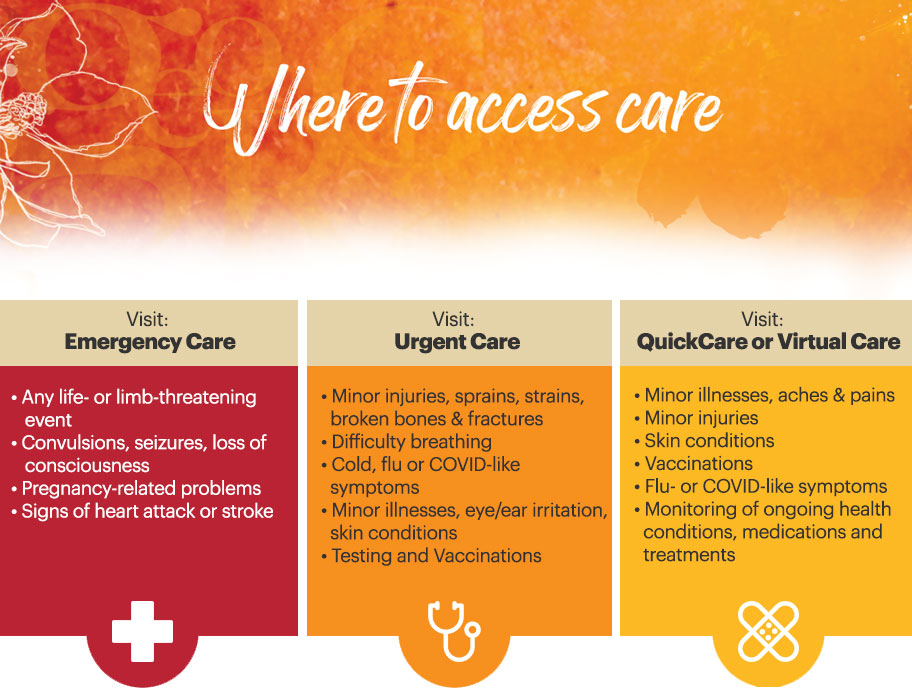
Classic: Acute care is a branch of secondary health care where a patient receives active but short-term treatment for a severe injury or episode of illness, an urgent medical condition, or during recovery from surgery. In medical terms, care for acute health conditions is the opposite from chronic care, or longer term care.
Modern: Acute care is active, short-term treatment for a severe injury or episode related to illness, an urgent medical condition or recovery from surgery.
Posted on September 8, 2025 by Dr. David Edward Marcinko MBA MEd CMP™
Primary – Secondary – Tertiary Care
By A.I. and Staff Reporters
***
***
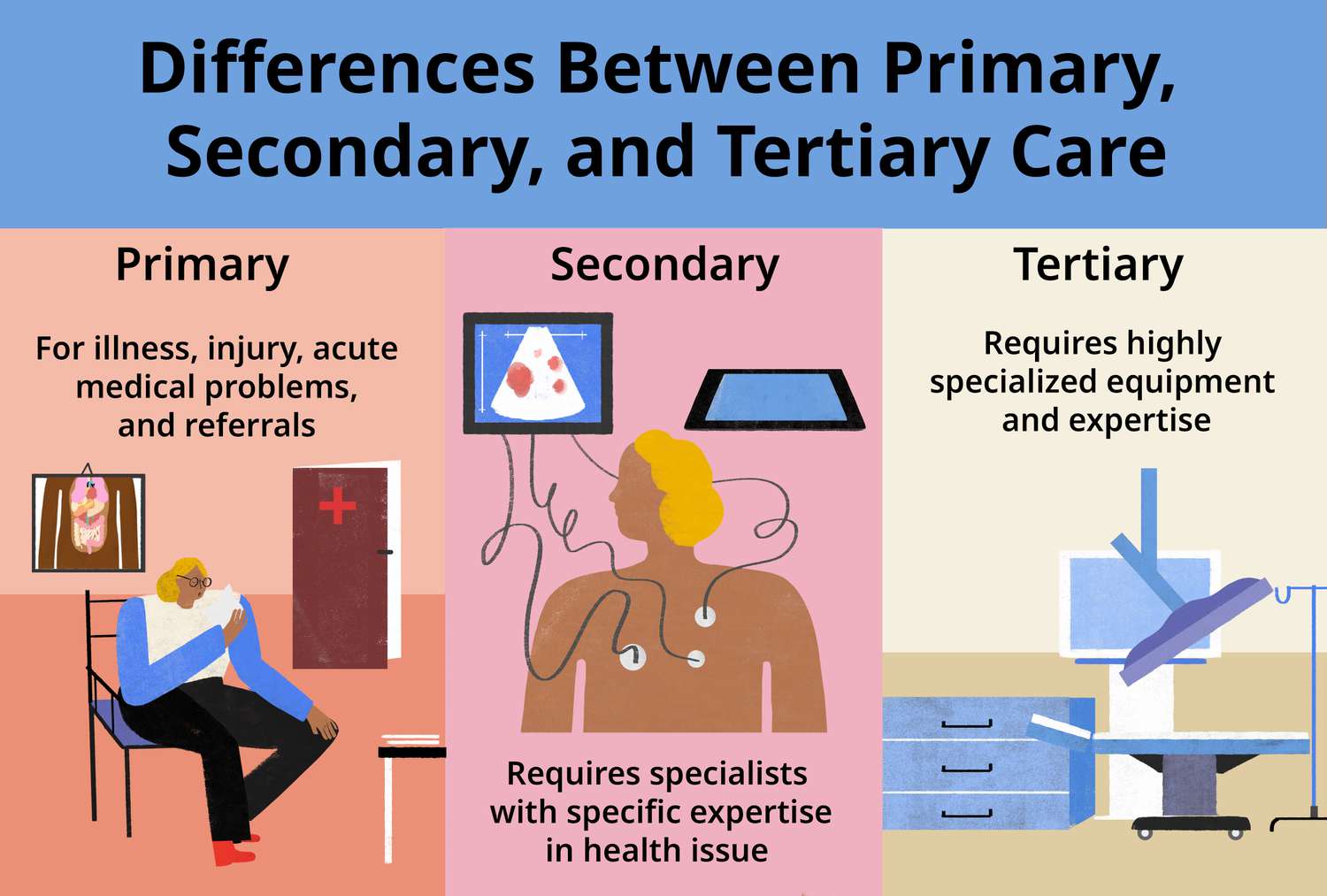
In medicine, there are four levels of care: primary, secondary, tertiary, and quaternary. The levels of care refer to the complexity of the medical cases that doctors and healthcare providers treat and the skills and specialties of the providers.
Primary care involves consulting with a primary care provider. Secondary care refers to seeing a specialist such as a dermatologist, neurologist or oncologist. Tertiary care is specialized care in a hospital setting such as brain surgery, renal dialysis or heart surgery.
Quaternary care is thus an advanced level of specialized care.
Classic: Sometimes used as an extension of tertiary medical and surgical care in reference to advanced levels of medicine which are highly specialized and not widely accessed by most patients.
Modern: A higher level of specialized care within a hospital. Experimental medicine and some types of uncommon diagnostic or surgical procedures are also considered quaternary care.
According to the Wonca International Dictionary for General/Family Practice -Quaternary Prevention [QP] – is defined as: ‘Action taken to identify patient at risk of over medicalization, to protect him/her from new medical invasion, and to suggest to him interventions, which are ethically acceptable’.
Examples: Types of quaternary care include: experimental medicine, procedures and uncommon and specialized surgeries. This includes sub-specialty services such as advanced trauma care and organ [heart, lung, liver, kidney, etc] transplantation.
When you visit health clinic or hospital for a medical appointment, you’ll be seen by a doctor, healthcare provider and/or medical prescriber. But what do these words really mean?
***
***
Doctors / Physicians
Doctor of Medicine (MD), Doctor of Podiatric Medicine (DPM), Doctor of Osteopathy (DO, or Doctor of Dental Surgery (DDS/DMD). Doctors, also known as physicians, have extensive prescription privileges across various specialties. They can diagnose medical conditions, prescribe medication, and oversee the overall management of patient care. Doctors include general practitioners, specialists such as cardiologists or dermatologists, and surgeons. Their prescription authority encompasses a wide range of medications to address acute and chronic health conditions, ranging from antibiotics to specialized treatments for complex diseases.
A medical provider is a general term that encompasses a wide range of education levels, skill-sets, and specializations. A provider could be a Physician Assistant (PA), Nurse Practitioner (NP), Clinical Nurse Specialist (CNS), Doctor of Medicine (MD), Doctor of Podiatric Medicine (DPM), Dentist (DDSDMD) or Doctor of Osteopathy (DO).
***
Medical Drug Prescribers
Generally, psychologists and therapists do not have prescription privileges. They focus on psychotherapy and counseling rather than medication management. However, some jurisdictions may grant limited prescription rights to psychologists who undergo additional training and certification. Like psychologists, therapists typically do not have prescription privileges. They focus on providing counseling and psychotherapy to address mental health issues and emotional concerns.
Psychiatrists are medical doctors (MD/DO) who specialize in the diagnosis and treatment of mental health disorders. They have full prescription privileges and can prescribe a wide range of medications to manage psychiatric conditions.
In most cases, physical therapistsdo not have the authority to prescribe medication. They primarily focus on rehabilitation and physical interventions to improve mobility and function.
Nurse practitioners are advanced practice nurses with the authority to diagnose, treat, and prescribe medication independently in many states and countries. They undergo extensive education and training, which allows them to provide a wide range of healthcare services, including medication management.
Similar to nurse practitioners, psychiatric nurse practitioners have the authority to prescribe medication for mental health conditions. They specialize in psychiatric and mental health care, offering comprehensive treatment that may include medication management.
Chiropractors primarily focus on diagnosing and treating musculoskeletal disorders through manual adjustments and therapies. They do not have surgical or prescription privileges in most jurisdictions.
Optometrists are trained to diagnose and treat vision problems, including prescribing corrective lenses and medications for certain eye conditions such as infections or inflammation.
Registered nursestypically do not have prescription privileges. They work under the direction of physicians and nurse practitioners, assisting with patient care but not prescribing medication themselves.
Dentists have limited prescription privileges related to dental care, such as antibiotics or pain medications for dental procedures. However, they do not have the authority to prescribe general medications outside of their scope of practice.
Nutritionists typically do not have prescription privileges. They specialize in providing dietary advice and counseling to promote health and well-being through nutrition but do not prescribe medication.
Depending on their scope of practice and legal regulations in their jurisdiction, nurse midwives may have limited prescription privileges for certain medications related to prenatal care, childbirth, and postpartum care.
Posted on April 14, 2023 by Dr. David Edward Marcinko MBA MEd CMP™
By Staff Reporters
***
***
A 2020 analysis of Doximity’s physician compensation data found that men physicians make an estimated $2 million more than women over the course of their careers.
Men physicians outearned women physicians by at least 10% across all specialties, except pediatric cardiology (9.2%) and nuclear medicine (3%).
Specialties with the largest gender pay gaps were: oral and maxillofacial surgery ($568,789 vs. $395,687), pediatric pulmonology ($282,272 vs. $227,958), allergy and immunology ($329,634 vs. $268,938), urology ($515,850 vs. $424,733), and ophthalmology ($468,515 vs. $387,295).
Specialities with the smallest gender pay gaps were: nuclear medicine ($394,231 vs. $382,431), pediatric cardiology ($334,384 vs. $303,622), pediatric gastroenterology ($293,771 vs. $264,135) hematology ($358,736 vs. $320,938), and medicine/pediatrics ($283,034 vs. $253,019).
Posted on February 22, 2009 by Dr. David Edward Marcinko MBA MEd CMP™
A Medical Inventor and Bio-Engineering Pioneer
By Dr. David Edward Marcinko; FACFAS, MBA, CMP™
[Publisher-in-Chief]
OK; let’s get this right out into the open. Although I did a little reconstructive bone and traumatic joint surgery in my career, I am not a cardio-vascular surgeon, nor am I a cardiologist, or even a nephrologist. But, I did treat more than my share of diabetic, alcoholic or other patients on renal dialysis and was well aware of the immense contributions of Willem Kolff to the profession. Therefore, I was saddened to learn of his recent passing at age 97. You see, Dr. Kolff not only developed the well known blood cleansing process that is now portable; he was also originator of the artificial-heart.
About Willem Johan Kolff; MD
When Willem Johan Kolff began work on the artificial kidney, few believed it possible. To draw a patient’s blood, cleanse it of toxins and return it seemed beyond the expertise of the most sophisticated medical centers. In the beginning, Dr. Kolff had no resources to draw upon. He was the sole internist in a small-town hospital, in the middle of the occupied Netherlands, during wartime. Materials were in short supply. The first 15 patients to receive the treatment failed to recover, but Dr. Kolff persevered. The dialysis treatment he pioneered and since perfected saved the lives, and limbs, of hundreds of thousands of patients, all over the world.
Dr. Kolff went on to design the heart-lung machine that made open-heart surgery possible. He pioneered artificial eyes, ears and arms, and for 25 years led the effort to develop the artificial heart. In 1982, a heart designed under his supervision was successfully implanted in Barney Clark, an event that captured the imagination of the world. All this was accomplished before such medical media stars as Dr. Robert Jarvik [Kolff’s student at the University of Utah in 1971] were lauded on TV, and then ignominiously dissed, for never having actually practiced medicine on real patients. In fact, Jarvik never pursued a medical internship, is not licensed to practice and can’t legally prescribe. Just imagine that!
Have you visited our other topic channels? Established to facilitate idea exchange and link our community together, the value of these topics is dependent upon your input. Please take a minute to visit. And, to prevent that annoying spam, we ask that you register. It is fast, free and secure.
Conclusion
Your thoughts and comments on this ME-P are appreciated. Feel free to review our top-left column, and top-right sidebar materials, links, URLs and related websites, too. Then, subscribe to the ME-P. It is fast, free and secure.
Speaker: If you need a moderator or speaker for an upcoming event, Dr. David E. Marcinko; MBA – Publisher-in-Chief of the Medical Executive-Post – is available for seminar or speaking engagements. Contact: MarcinkoAdvisors@msn.com
OUR OTHER PRINT BOOKS AND RELATED INFORMATION SOURCES:







 Support our online development, and advance our onground research initiatives in free market economics, as we seek to showcase the brightest Next-Gen minds.
THE ME-P DISCLAIMER: Posts, comments and opinions do not necessarily represent iMBA, Inc., but become our property after submission. Copyright © 2006 to-date. iMBA, Inc allows colleges, universities, medical and financial professionals and related clinics, hospitals and non-profit healthcare organizations to distribute our proprietary essays, photos, videos, audios and other documents; etc. However, please review copyright and usage information for each individual asset before submission to us, and/or placement on your publication or web site. Attestation references, citations and/or back-links are required. All other assets are property of the individual copyright holder.
Support our online development, and advance our onground research initiatives in free market economics, as we seek to showcase the brightest Next-Gen minds.
THE ME-P DISCLAIMER: Posts, comments and opinions do not necessarily represent iMBA, Inc., but become our property after submission. Copyright © 2006 to-date. iMBA, Inc allows colleges, universities, medical and financial professionals and related clinics, hospitals and non-profit healthcare organizations to distribute our proprietary essays, photos, videos, audios and other documents; etc. However, please review copyright and usage information for each individual asset before submission to us, and/or placement on your publication or web site. Attestation references, citations and/or back-links are required. All other assets are property of the individual copyright holder.















 The Leading Business Education Network for Doctors, Financial Advisors and Health Industry Consultants