BOARD CERTIFICATION EXAM STUDY GUIDES Lower Extremity Trauma
[Click on Image to Enlarge]
ME-P Free Advertising Consultation
The “Medical Executive-Post” is about connecting doctors, health care executives and modern consulting advisors. It’s about free-enterprise, business, practice, policy, personal financial planning and wealth building capitalism. We have an attitude that’s independent, outspoken, intelligent and so Next-Gen; often edgy, usually controversial. And, our consultants “got fly”, just like U. Read it! Write it! Post it! “Medical Executive-Post”. Call or email us for your FREE advertising and sales consultation TODAY [678.779.8597] E-mail: MarcinkoAdvisors1738@outlook.com
Medical & Surgical e-Consent Forms
ePodiatryConsentForms.com
iMBA Inc., OFFICES
Suite #5901 Wilbanks Drive, Norcross, Georgia, 30092 USA [1.678.779.8597]. Our location is real and we are now virtually enabled to assist new long distance clients and out-of-town colleagues.
ME-P Publishing
SEEKING INDUSTRY INFO PARTNERS?
If you want the opportunity to work with leading health care industry insiders, innovators and watchers, the “ME-P” may be right for you? We are unbiased and operate at the nexus of theoretical and applied R&D. Collaborate with us and you’ll put your brand in front of a smart & tightly focused demographic; one at the forefront of our emerging healthcare free marketplace of informed and professional “movers and shakers.” Our Ad Rate Card is available upon request [678-779-8597].
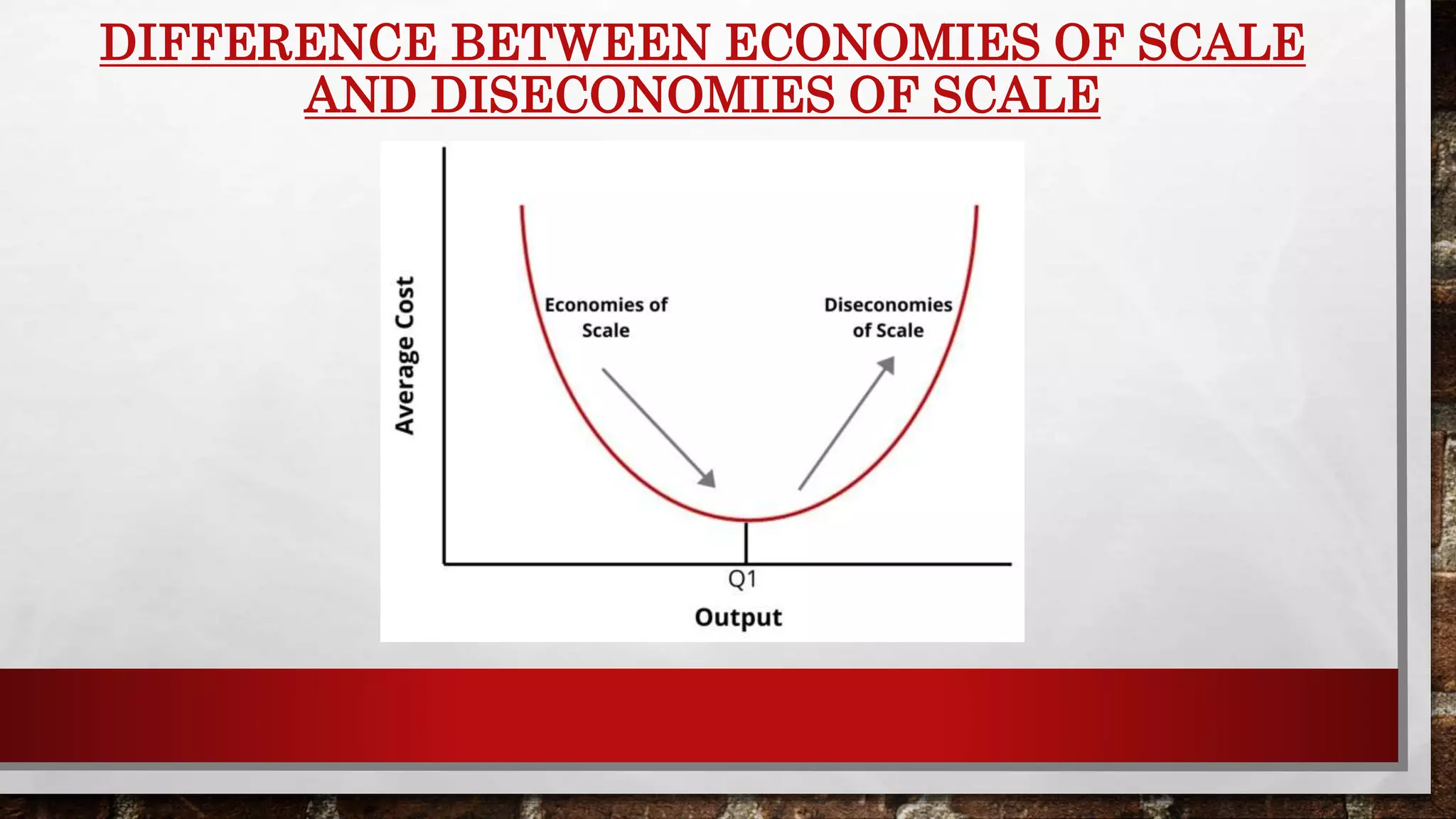
Diseconomies of scale occur when a business grows beyond a certain size and its average cost of production begins to increase. In the early stages of expansion, firms often benefit from economies of scale because producing more goods can reduce the average cost per unit. However, continued growth does not always lead to greater efficiency. When an organization becomes too large, managing its resources, employees, and operations can become difficult and expensive. The resulting increase in average costs is known as diseconomies of scale.
One major cause of diseconomies of scale is the difficulty of managing a large organization. As a business expands, it usually requires more managers and supervisors. The organizational structure can become complicated, with several levels of management between senior leaders and ordinary employees. This can slow down decision-making because information has to pass through many departments and levels of authority. As a result, decisions that could be made quickly in a small firm may take much longer in a large organization. Delays can increase costs and reduce the firm’s ability to respond to changes in the market.
Another important cause is communication problems. In a small business, employees can often communicate directly with owners and managers. In a large business, communication may involve different departments, offices, and management levels. Important information can be misunderstood, delayed, or lost as it moves through the organization. Poor communication may lead to mistakes, duplication of work, and inefficient use of resources. The larger the organization becomes, the more difficult it may be to maintain clear and effective communication.
Diseconomies of scale can also result from reduced employee motivation. In a small firm, workers may feel that their contribution has a direct impact on the success of the business. They may have closer relationships with managers and receive more personal recognition. In a very large organization, employees can sometimes feel that their individual efforts are less important. This may reduce motivation and productivity. If workers become less productive, the cost of producing each unit of output may increase.
Another factor is the difficulty of controlling operations. Large firms often operate across several factories, offices, or locations. Coordinating these different activities requires additional systems, technology, managers, and administrative staff. The business may also need to spend more money on monitoring employees and maintaining consistent standards. Although these systems can be necessary for a large organization, they can increase operating costs.
Diseconomies of scale may also arise because of limited resources. As a firm expands, it may place greater pressure on its suppliers, transportation systems, machinery, and other resources. For example, a company that rapidly increases production may experience shortages of raw materials or difficulties transporting finished products. These problems can cause delays and increase production costs. In some industries, rapid expansion may also lead to higher wages because the firm must compete for skilled workers.
The effects of diseconomies of scale can be significant. When average costs increase, a firm’s profitability may decline if it cannot increase its prices without losing customers. Higher costs can also make the business less competitive. In addition, inefficient management can reduce the quality of products and services. If customers become dissatisfied, the firm may lose sales and market share.
****
***
However, diseconomies of scale do not mean that large businesses are always inefficient. Many large firms develop methods to control the problems associated with growth. They may divide the organization into smaller departments or business units, improve communication systems, delegate decision-making, and use technology to coordinate operations. Effective management can therefore reduce the impact of diseconomies of scale.
In conclusion, diseconomies of scale occur when the expansion of a firm causes its average cost per unit to rise. They are mainly associated with problems such as complex management structures, communication difficulties, reduced employee motivation, weak coordination, and increasing administrative costs. While growth can provide many advantages, excessive expansion can create inefficiencies that make production more expensive. For this reason, businesses need to balance the benefits of growth with the challenges that come with becoming too large. Efficient organization, effective communication, and appropriate management are essential for controlling costs and maintaining productivity as a business expands.
SPEAKING: Dr. Marcinko will be speaking and lecturing, signing and opining, teaching and preaching, storming and performing at many locations throughout the USA this year! His tour of witty and serious pontifications may be scheduled on a planned or ad-hoc basis; for public or private meetings and gatherings; formally, informally, or over lunch or dinner. All medical societies, financial advisory firms or Broker-Dealers are encouraged to submit an RFP for speaking engagements: CONTACT: Ann Miller RN MHA at MarcinkoAdvisors1738@outlook.com -OR-http://www.MarcinkoAssociates.com
The theory of economic relativity is a conceptual lens that treats economic behavior, value creation, and market outcomes as dependent on the observer’s position, incentives, and temporal perspective. It borrows the spirit—not the mathematics—of Einstein’s relativity to explain why economic truths shift across individuals, institutions, and nations. In this framework, there are no absolute economic constants. Instead, every economic variable—growth, scarcity, productivity, even rationality—changes depending on who is measuring it, when they are measuring it, and what constraints shape their world.
Relativity of Economic Perspective
Economic relativity begins with a simple premise: economic reality is not uniform. A policy that benefits one group may burden another. A price change that signals opportunity for one business may signal crisis for another. The same economic environment produces different lived experiences depending on the observer’s position within it.
A household earning $40,000 interprets inflation as a direct threat to survival. A corporation with global supply chains interprets inflation as a strategic variable to be hedged or exploited. A government interprets inflation as a macroeconomic force to be managed through policy. Each observer is responding to the same phenomenon, but their conclusions differ because their frames of reference differ.
Economic relativity argues that these differences are not noise—they are the system. To understand any economic outcome, one must first understand the observer’s position.
***
***
Time as an Economic Dimension
In physics, relativity reshapes our understanding of time. In economics, time is the most powerful determinant of value, cost, and opportunity. Every economic decision is shaped by the time horizon of the decision-maker.
Short-term actors—day traders, gig workers, small businesses—experience the economy as volatile, fragile, and dominated by immediate constraints. Long-term actors—governments, pension funds, multinational corporations—experience the economy as cyclical, structural, and governed by slow-moving forces.
The same investment can be reckless for a short-term actor and prudent for a long-term one. The same policy can be painful in the short run but beneficial over decades. Economic relativity asserts that time does not merely influence economic outcomes; it defines them.
Relativity of Scarcity and Abundance
Scarcity is often treated as an objective condition, but economic relativity reframes it as contextual and observer-dependent. What is scarce for one group may be abundant for another.
A developing nation may experience capital scarcity, while a wealthy nation experiences capital surplus. A rural community may experience labor scarcity, while an urban center experiences labor oversupply. A startup may experience attention scarcity, while a celebrity brand experiences attention abundance.
Scarcity is not a universal constant. It is relative to geography, technology, institutions, and social structure. This relativity explains why economic strategies that succeed in one environment fail in another.
Incentives as Economic Gravity
In Einstein’s universe, gravity bends space-time. In economics, incentives bend behavior. They shape how individuals and institutions interpret information, allocate resources, and respond to uncertainty.
Workers respond to wage incentives. Firms respond to profit incentives. Governments respond to political incentives. Investors respond to return incentives. These incentive structures create “economic gravity wells” that pull decisions in predictable directions.
Economic relativity argues that no economic model is complete without mapping these incentive fields. They distort economic space just as gravity distorts physical space.
***
***
Information and the Observer Effect
Economics is filled with feedback loops. Expectations influence behavior, and behavior influences outcomes. In this sense, the theory of economic relativity incorporates an observer effect: the act of observing or predicting economic conditions changes those conditions.
If consumers expect prices to rise, they buy more today, causing prices to rise. If investors expect a recession, they reduce risk, increasing the likelihood of recession. If businesses expect demand to fall, they cut production, causing demand to fall.
Economic systems are not passive—they react to observation. This relativity of expectation explains why forecasting is both essential and inherently destabilizing.
Relativity of Value and Productivity
Value is often treated as intrinsic, but economic relativity argues that value is relational. It depends on the observer’s needs, alternatives, and constraints.
A piece of land may be valuable to a farmer but worthless to a software company. A patent may be priceless to a pharmaceutical firm but irrelevant to a restaurant. Productivity itself is relative: a worker’s output depends on tools, training, environment, and institutional support.
Economic relativity reframes value as a dynamic relationship rather than a fixed property.
Implications for Economic Decision-Making
The theory of economic relativity encourages a more nuanced approach to economic analysis:
Identify the observer’s frame of reference. Economic behavior cannot be understood without understanding the actor’s incentives, constraints, and time horizon.
Recognize that economic truths are not universal. What is rational, efficient, or optimal depends on the observer’s position.
Avoid one-size-fits-all policies. Policies must be tailored to the relative conditions of different groups and regions.
Embrace dynamic interpretation. As conditions change, economic truths shift. Flexibility is essential.
Conclusion
Economic relativity reframes the economy as a system without absolute constants. Value, scarcity, risk, and opportunity shift depending on the observer’s position, just as time and space shift in Einstein’s universe. This perspective does not replace traditional economics—it enriches it. It reminds us that economic systems are human systems shaped by differing goals, incentives, and constraints. To understand the economy, we must first understand the observer.
SPEAKING: Dr. Marcinko will be speaking and lecturing, signing and opining, teaching and preaching, storming and performing at many locations throughout the USA this year! His tour of witty and serious pontifications may be scheduled on a planned or ad-hoc basis; for public or private meetings and gatherings; formally, informally, or over lunch or dinner. All medical societies, financial advisory firms or Broker-Dealers are encouraged to submit an RFP for speaking engagements: CONTACT: Ann Miller RN MHA at MarcinkoAdvisors1738@outlook.com -OR-http://www.MarcinkoAssociates.com
The days of fat profit margins for physicians are over. Medical cost containment policies in some form or another are here to stay. You’re working harder than ever, so there’s more at stake now in ensuring you don’t make investment mistakes. And, of course, physicians do make them.
Case in point: the sad tale of Debasis Kanjilal, a New York pediatrician who put more than $500,000 into the dot-com company InfoSpace upon the advice of Merrill Lynch’s star analyst Henry Blodget. The company crashed, the analyst was sued, and Merrill settled out of court. Other analysts were involved in similar public fiascos.
Kanjilal committed two common investing mistakes — trusting Wall Street and trusting one’s financial adviser implicitly. They are among the 10 most common investment mistakes made by physicians, according to Eugene Schmuckler, PhD, director of behavioral finance for the Institute of Medical Business Advisors, Inc. They are outlined here, with a treatment plan for preventing each one.
Not having an Investment Policy Statement
Just as we physicians wouldn’t think of treating a patient without a careful history and physical examination, you should not invest your hard-earned capital without an Investment Policy Statement (IPS).
An IPS details what you want your money to do for you, and who is responsible for achieving those goals. It may be three to five pages for an individual physician, 10 to 15 pages for a small medical group retirement plan, or dozens of pages for a clinic or hospital endowment fund.
A properly written IPS should contain the following parts:
Statement of purpose
Statement of responsibilities
Investment goals and objectives
Proxy voting policy
Trading and execution guidelines
Asset mix guidelines
Social policies or other restrictions
Portfolio limitations
Performance review benchmarks
Administration and fee policy
Communication policy
Reporting policy
Most stockbrokers, insurance salesmen, full service, discount, or Internet brokerage firms do not create IPSs. This is a document you can develop with your financial adviser.
Recommendations tailored to you
Not diversifying/losing sight of portfolio objectives
Although the media frenzy of a few years ago has subsided with the more recent slowdown on Wall Street, anecdotes of easy money are still out there and doctors may forget that investment portfolios serve a specific purpose (e.g., retirement, college funding, etc.) within the context of a broader financial plan. Moreover, a single investment may become too large or too small a portion of the portfolio as a result of market growth in one component or slack in another.
Diversify, monitor your holdings, and select components with your risks and goals in mind. Diversification can reduce portfolio risk. Consider investing in sectors such as basic materials, capital goods, communications and services, technology, consumer cyclicals and noncyclicals (such as pharmaceuticals, alcohol, and cigarettes), healthcare, energy, financial services, and utilities. Do not forget about cash equivalents, treasuries, zero coupon and municipal bonds, and international securities.
Forgetting the investing risk/return tradeoff
Some physicians fall into the trap of chasing “hot” investment products promising the highest returns.
Beware of projecting forward historical averages. The stock market is inherently volatile and, while it is easy to rely on past historical averages, there are long periods of time when returns regress from their long-term historical mean. But don’t let that discourage you. Slumps eventually self-correct, so you should continue a prudent investing plan.
Also, do not confuse investing with trading or speculation. There are momentum-driven market periods when investors start to believe that profits are easy and that there is always a “greater fool” to buy at a higher price. Such trading and speculation are high-risk propositions that have more in common with gambling than investing. Avoid market timing and the urge to jump in or out of the market at every economic hiccup.
Failure to recognize the effect of taxes
An attractive investment and a slick sales pitch sometimes hide the underlying tax costs of the investment. Pay your taxes and do not let the “tax tail wag the investing dog.” Strive for legitimate tax reductions and avoidance.
Failure to recognize the effect of fees and expenses
Front-end loads, back-end loads, disappearing loads, commissions, advertising, and sales expenses can all have significant impact on your investment program.
Monitor the costs of your investment program to ensure that total costs are known, reasonable for the services provided, and are not consuming a disproportionate amount of the investment returns. Carefully consider full-service versus discount brokerages.
Take care using so-called discretionary “Assets Under Management” (AUM) accounts where you pay some percentage for personalized money management. More often than not, these one-size-fits-all accounts are aggregated under a larger umbrella to automatically harvest economies of scale, so the notion that the adviser is sitting on the same side of the investment table as you begins to deteriorate upon critical reflection.
For example, in a 2 percent AUM program of $1 million, you may pay $20,000 annually that is automatically deducted from the account. So are these “perks” worth, say, $200,000 over the course of a single decade? During the “golden age of medicine” in the ’80s, or the raging bull market of the ’90s, some doctors may have said yes. But what about during a bear market, or the projected market of lower-than-average returns that may be upon us?
Avoiding appropriate risk-management techniques/equating insurance products with investment vehicles
Traditionally, physicians protected their families and practices with whole life, disability, malpractice, and business interruption insurance. But insurance products are not investment vehicles; they merely indemnify against catastrophic economic losses that typically are extinguished over time.
Behavioral economists suggest we tend to experience financial losses more intensely than gains. Physicians might prefer vehicles like the guaranteed minimum death benefit of variable annuities, the certainty that comes with disability or long-term care insurance, or traditional cash-value life insurance policies. But be alert to the associated higher costs, huge commissions, and lower returns. And beware of fear-mongering insurance salesmen.
Be open to new ideas that identify and provide solutions to the insurance problems of physicians. One chilling thought suggested by Yale University economist Robert J. Shiller, PhD, in his classic book, The New Financial Order: Risk in the 21st Century, is protection from the “gratuitous random and painful inequality” of selecting the wrong profession. The solution? “Livelihood insurance,” framed as a risk management contract.
Trusting Wall Street
Some stockbroker salesmen and big brokerage houses that underwrite and recommend stocks may have credibility problems, and physicians can get burned with the adrenaline rush of “self-directed” portfolios. Think tech stocks, Enron, WorldCom, HealthSouth. But for some previously “burned” physicians, it is almost as difficult to go it alone as it is to secure professional advice.
Be aware of the four most dangerous words on Wall Street: “This time it’s different.” We recommend using an independent financial adviser, fee-based, or fee-only adviser who charges by the hour, engagement, or pro re-nata for advice.
***
***
Not developing a comprehensive financial plan
While many doctors have an investment portfolio, few have a comprehensive personal financial plan, especially one designed for medical professionals. Typically such plans consider the risk-tolerance and timeframe of several standard components, such as insurance, taxation, investing, retirement, and estate planning. For today’s practicing physicians however, attention should also be directed toward medical practice enhancement activities, contemporaneous risk management concepts, practice appraisal determinations, and medical practice succession planning. All should be interrelated in an economically sound manner not counterproductive to individual components of the plan.
Trusting your financial adviser carte blanche
Just as the prime duty of a physician is to his patients, the prime duty of a financial adviser should be to clients. Yet the very terms financial adviser, financial planner, or investment adviser have no real academic or consistent meaning in the industry. The only hurdle to becoming one is passing a simple securities industry, or state insurance sales licensing examination. Commissioned stockbrokers are fine to use if their fees and intentions are transparent, and they offer value to you.
If you receive advice from a stockbroker, he should be responsible for it, just as we physicians are liable for our medical diagnosis and treatment plan. Perhaps the ancient medical motto omnia pro aegroto should become the new financial services credo omnia pro doctor (all for the doctor-client)?
Selecting the wrong financial or investment adviser
Worry and depression from high management fees, poor investing results, unreturned phone calls, generic advice and sales forms, cold-calls and seminars, high-pressure sales tactics, rapid financial adviser turnover, etc. You deserve better.
Select a financial adviser who takes pride in his fiduciary responsibility, knows the medical profession, and eschews product sales commissions whenever possible. To determine if your current adviser is working for you, just ask to see the documents below:
Form ADV Parts I and II for state and/or SEC registration and cost transparency.
Sample Investment Policy Statement.
Registered Investment Advisor or Series # 65 investment advisory license, which shows fiduciary responsibility.
Certified Financial Planner license number, which will show completion of a 24-month course of study at an accredited institution and successful passage of the two-day, comprehensive Certified Financial Planner Board of Standards Examination. This test encompasses all aspects of the financial planning process, including economics, insurance, taxation, investments, and retirement benefits planning. For more information, go to www.FPANet.org.
Certified Medical Planner license number, which will show completion of a 500-hour program that integrates healthcare-specific financial planning material with medical practice management principles like leadership skills and organizational behavior; valuations and succession planning; office expense analysis, profit augmentation and benchmarking; HR and recruitment; marketing; and a host of other medical management topics. Like the CFP designation, an ethics and continuing education requirement is also mandated for this charter designation.
Certified Financial Planners, Certified Medical Planners, some fee-based and fee-only financial advisers, and some independent financial advisers possess these licenses and certifications, as required. Stockbrokers, salesmen, intermediaries, insurance agents, or other financial “consultants” and “advisers” may not. All monikers suggest, but do not guarantee, impartiality and a lack of bias.
Often, successful investing is simply a matter of avoiding mistakes, rather than possessing investing acumen. A good rule of thumb is to pursue fundamentals over fads, seek wise counsel when required, and always remember, caveat emptor.
SPEAKING: Dr. Marcinko will be speaking and lecturing, signing and opining, teaching and preaching, storming and performing at many locations throughout the USA this year! His tour of witty and serious pontifications may be scheduled on a planned or ad-hoc basis; for public or private meetings and gatherings; formally, informally, or over lunch or dinner. All medical societies, financial advisory firms or Broker-Dealers are encouraged to submit an RFP for speaking engagements: CONTACT: Ann Miller RN MHA at MarcinkoAdvisors1738@outlook.com -OR-http://www.MarcinkoAssociates.com
Chaos theory in microeconomics is ultimately a way of seeing markets not as tidy, predictable machines but as living systems where small actions by individual agents can cascade into large, unexpected outcomes. Microeconomics traditionally focuses on how consumers, firms, and workers make decisions under constraints. It often assumes rational behavior, smooth curves, and stable equilibria. Chaos theory disrupts that picture. It argues that even when individuals follow simple, deterministic rules, their interactions can produce nonlinear, unstable, and highly sensitive dynamics. In other words, micro-level decisions can generate macro-level unpredictability.
The foundation of chaos theory is sensitivity to initial conditions—the idea that tiny differences at the start can lead to dramatically different outcomes later. In microeconomics, this plays out in markets where individual choices interact through feedback loops. A slight change in consumer preference, a small shift in a firm’s pricing strategy, or a minor adjustment in expectations can ripple outward. These ripples can amplify, collide, and transform into large market movements. The classic supply-and-demand diagram suggests smooth adjustments, but real markets often behave more like turbulent ecosystems.
Consider consumer behavior. Traditional microeconomic models assume stable preferences and predictable responses to price changes. Chaos theory suggests something more dynamic. Preferences evolve, are influenced by social networks, and can shift suddenly. A small trend—say, a handful of consumers adopting a new product—can explode into widespread demand if social feedback loops kick in. Conversely, a tiny reputational shock can collapse demand. These nonlinear patterns resemble chaotic systems where outcomes depend heavily on initial conditions and interactions rather than simple price signals.
Firms also operate within chaotic dynamics. A slight change in cost structure, a small innovation, or a minor strategic adjustment can set off competitive cascades. One firm’s price cut may trigger retaliatory cuts, shifting the entire market equilibrium. A small technological improvement can destabilize established industries. Chaos theory helps explain why industries sometimes experience sudden shakeups, why dominant firms can fall quickly, and why competitive landscapes evolve unpredictably. Even when firms behave rationally, their interactions can produce chaotic outcomes.
Market competition itself often resembles a chaotic system. In models where firms repeatedly adjust prices or quantities based on competitors’ actions, the resulting dynamics can oscillate, diverge, or behave unpredictably. Instead of converging to a stable equilibrium, markets may cycle endlessly or shift abruptly. Chaos theory shows that even simple strategic rules—like adjusting output based on last period’s profits—can generate complex patterns. This challenges the assumption that markets naturally gravitate toward stability.
Chaos theory also reshapes how economists think about supply chains. Microeconomics traditionally treats supply chains as linear sequences of production. In reality, they are networks of interdependent agents. A small disruption at one node—a delayed shipment, a minor shortage, a slight increase in demand—can propagate through the network. These ripples can amplify, producing large swings in inventory, pricing, and production. The “bullwhip effect,” where small changes in consumer demand cause large fluctuations upstream, is a classic example of chaotic dynamics in microeconomic systems.
Expectations play a central role in microeconomic chaos. Individuals and firms make decisions based not only on current conditions but on beliefs about the future. These beliefs are influenced by limited information, heuristics, and social cues. A small rumor or a slight shift in sentiment can alter expectations, which then alter behavior. This feedback loop can generate chaotic patterns in markets. For example, a minor concern about future prices can trigger hoarding, which then drives actual price increases. Chaos theory helps explain why expectations-driven markets—like housing, cryptocurrency, or collectibles—often behave unpredictably.
Labor markets also exhibit chaotic dynamics. A small change in hiring practices, a slight shift in worker preferences, or a minor technological adjustment can reshape job flows. Workers respond to wages, working conditions, and expectations, while firms respond to productivity, costs, and competition. These interactions can produce nonlinear outcomes: sudden shortages, rapid wage spikes, or unexpected declines in labor participation. Chaos theory highlights how sensitive labor markets are to small changes and how difficult it is to predict their evolution.
Even bargaining and negotiation reflect chaotic principles. In microeconomic models of bargaining, small differences in information, timing, or expectations can lead to vastly different outcomes. Chaos theory suggests that negotiation dynamics may not converge smoothly but may jump between equilibria depending on subtle shifts in strategy. This helps explain why seemingly minor details—tone, timing, or framing—can dramatically influence economic outcomes in real-world negotiations.
***
***
Chaos theory also intersects with behavioral microeconomics. Human decision-making is nonlinear, emotional, and context-dependent. Small psychological triggers can produce large changes in behavior. When millions of individuals behave this way simultaneously, the aggregate effects can be chaotic. Herd behavior, fads, and sudden shifts in sentiment all reflect nonlinear micro-level dynamics. Chaos theory provides a framework for understanding why markets sometimes behave irrationally and why small nudges can produce large outcomes.
Ultimately, chaos theory in microeconomics is not about rejecting traditional models. It is about enriching them. It acknowledges that individual agents operate within complex networks of interactions, feedback loops, and evolving expectations. It teaches that micro-level decisions can produce macro-level unpredictability and that stability is often an illusion. Chaos theory encourages economists to embrace complexity, recognize the limits of prediction, and design policies and strategies that are robust to uncertainty.
In practice, this perspective fosters humility and creativity. It reminds us that markets are not mechanical systems but dynamic human environments. It encourages economists, policymakers, and businesses to pay attention to small details, subtle signals, and emerging patterns. Chaos theory does not offer simple answers, but it provides a powerful lens for understanding why microeconomic systems behave the way they do—and why small actions can matter enormously.
SPEAKING: Dr. Marcinko will be speaking and lecturing, signing and opining, teaching and preaching, storming and performing at many locations throughout the USA this year! His tour of witty and serious pontifications may be scheduled on a planned or ad-hoc basis; for public or private meetings and gatherings; formally, informally, or over lunch or dinner. All medical societies, financial advisory firms or Broker-Dealers are encouraged to submit an RFP for speaking engagements: CONTACT: Ann Miller RN MHA at MarcinkoAdvisors1738@outlook.com -OR-http://www.MarcinkoAssociates.com
Financial Relativity as a Perspective-Based Framework
At its core, financial relativity argues that value, risk, and opportunity are not fixed properties. They change based on the observer’s circumstances. A pension fund with a 40‑year horizon experiences volatility as background noise; a day trader experiences the same volatility as existential threat. A government views inflation as a macroeconomic variable; a household views it as a direct assault on purchasing power. The underlying reality is the same, but the interpretation—and the resulting decisions—are relative.
This relativity of perspective explains why financial debates often feel circular. Two people can look at the same data and reach opposite conclusions because their frames of reference differ. The theory suggests that instead of searching for universal financial truths, we should analyze the observer’s position first. Only then does the behavior of markets make sense.
Time as the Central Variable
In physics, relativity reshapes our understanding of time. In finance, time is the most important dimension. Every financial decision—investing, borrowing, saving, hedging—depends on how much time the observer has and how they perceive it.
Short-term observers (traders, speculators, leveraged investors) experience markets as chaotic, fast-moving, and dominated by noise.
Long-term observers (retirement savers, endowments, sovereign wealth funds) experience markets as slow-moving systems governed by cycles, mean reversion, and structural trends.
The same asset can be “risky” in one frame and “safe” in another. A volatile stock may be dangerous for a trader but ideal for a long-term investor who sees volatility as the price of future growth. Financial relativity argues that time doesn’t just influence risk—it defines it.
Relativity of Risk and Reward
Traditional finance treats risk as measurable and objective. The theory of financial relativity challenges this by asserting that risk is always relative to goals, constraints, and psychology.
For example:
A retiree holding cash sees risk in market downturns.
A young investor holding cash sees risk in inflation eroding future wealth.
A corporation sees risk in credit spreads and refinancing windows.
A policymaker sees risk in systemic instability.
Each observer is correct within their own frame. Financial relativity helps explain why universal risk metrics—like volatility or beta—often fail to capture lived financial experience. They measure movement, not meaning.
***
***
Incentives as Gravitational Forces
In relativity, gravity bends space-time. In finance, incentives bend behavior. They shape how individuals and institutions interpret information, allocate capital, and respond to uncertainty.
Analysts paid for short-term performance emphasize quarterly results.
CEOs compensated with stock options emphasize share price.
Regulators emphasize stability.
Venture capitalists emphasize growth.
These incentive structures create “financial gravity wells” that pull decisions in predictable directions. The theory of financial relativity argues that markets cannot be understood without mapping these incentive fields. They distort financial space just as gravity distorts physical space.
Information and the Observer Effect
Financial relativity also incorporates an observer effect: the act of observing or acting on information changes the system itself. Markets react to expectations, forecasts, and sentiment. A rumor can move prices; a central bank statement can reshape global capital flows. Information is not passive—it is an active force.
This explains why markets often behave irrationally or overshoot fundamentals. Observers influence the system, and the system influences observers, creating feedback loops that resemble the curvature of space-time.
Relativity of Value
Value is often treated as intrinsic, but financial relativity argues that value is contextual. It depends on:
liquidity needs
tax considerations
regulatory constraints
alternative opportunities
personal or institutional priorities
A bond yielding 4% may be unattractive to a hedge fund but essential to an insurance company. A startup may be worthless to a bank but priceless to a venture capitalist. Value is not a universal constant; it is relative to the observer’s world.
Implications for Financial Decision-Making
The theory of financial relativity encourages a shift in thinking:
Understand your frame of reference. Your time horizon, incentives, constraints, and goals define what is risky or valuable.
Recognize that others operate in different frames. Market movements often reflect conflicting perspectives rather than irrationality.
Avoid universal prescriptions. What is “good” or “bad” financially depends on who you are and what you need.
Embrace dynamic interpretation. As your circumstances change, your financial truths should change with them.
Conclusion
The theory of financial relativity is a conceptual framework that treats financial behavior, market dynamics, and economic outcomes as dependent on the observer’s position, incentives, and time horizon—much like Einstein’s relativity treats measurements of space and time as dependent on the observer’s frame of reference. It isn’t a formal academic doctrine, but it’s a powerful way to understand why markets behave differently for different participants, why risk is never absolute, and why financial truths often shift depending on who is looking and when.
SPEAKING: Dr. Marcinko will be speaking and lecturing, signing and opining, teaching and preaching, storming and performing at many locations throughout the USA this year! His tour of witty and serious pontifications may be scheduled on a planned or ad-hoc basis; for public or private meetings and gatherings; formally, informally, or over lunch or dinner. All medical societies, financial advisory firms or Broker-Dealers are encouraged to submit an RFP for speaking engagements: CONTACT: Ann Miller RN MHA at MarcinkoAdvisors1738@outlook.com -OR-http://www.MarcinkoAssociates.com
Classic Definition: Research from Ernst-Young [Nikhil Lele and Yang Shim] uncovered a chasm between how consumer patients think they’re doing financially, and the actual state of their finances. Even more striking, their study suggested that improving consumers’ financial health will become one of the top imperatives in reframing consumer financial services.
Modern Circumstance: For example, the study asked consumers to rate their own financial health, and 83 percent rated themselves “good,” “very good” or “excellent.” Now, contrast this figure with what is known about their actual situation:
60 percent of Americans say they are financially stressed.
56 percent of Americans have less than $10,000 saved for retirement.
40 million American families have no retirement savings at all.
40 percent of Americans are not prepared to meet a $400 short-term emergency.
Paradox Example: Fortunately, even though the vast majority of consumers rate themselves as financially healthy, the study found that most still want to improve. Importantly for health economists, the attractive 25-34 and 35-49 year-old age groups were most likely to be extremely or very interested in improving their financial and economic health.
Paradox Example: Massively affluent consumer patients are even more interested in improving this paradox than their mass market counterparts.
SPEAKING: Dr. Marcinko will be speaking and lecturing, signing and opining, teaching and preaching, storming and performing at many locations throughout the USA this year! His tour of witty and serious pontifications may be scheduled on a planned or ad-hoc basis; for public or private meetings and gatherings; formally, informally, or over lunch or dinner. All medical societies, financial advisory firms or Broker-Dealers are encouraged to submit an RFP for speaking engagements: CONTACT: Ann Miller RN MHA at MarcinkoAdvisors1738@outlook.com -OR-http://www.MarcinkoAssociates.com
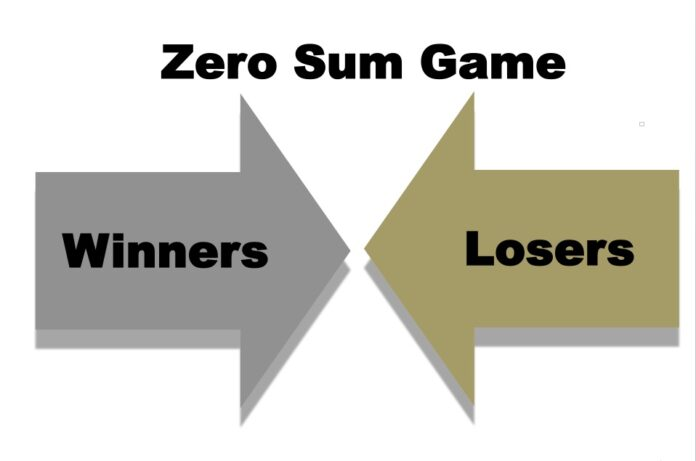
Zero-sum economics is the idea that one person’s or group’s economic gain must come at the expense of another’s. In a zero-sum situation, the total amount available is fixed. If one participant receives more, another participant necessarily receives less. The concept is useful for understanding certain economic conflicts, but it does not accurately describe the economy as a whole.
The term “zero-sum” comes from the idea of a fixed pool of resources. For example, imagine two people dividing ten dollars between themselves. If one person receives seven dollars, the other can receive only three. The total remains ten dollars. This is a zero-sum situation because the gains and losses exactly offset one another. Many economic activities can have zero-sum characteristics, particularly when participants are competing for a scarce and fixed resource.
Competition for land can provide a simple example. If two businesses want to purchase the same piece of property and only one can obtain it, the successful buyer gains control of the property while the other loses the opportunity to use it. Similarly, when governments negotiate over a fixed amount of a natural resource, gaining a larger share may leave less available for others. In these circumstances, thinking in zero-sum terms can help explain why disagreements occur.
However, much of economic activity is not inherently zero-sum. Economies can grow because people create new goods and services, develop technologies, improve productivity, and exchange resources in ways that benefit multiple parties. When a farmer grows more food because of better equipment, for example, the total amount of food available can increase. When a company develops a useful new product, consumers may receive something they value while the company earns revenue. Both sides can benefit from the transaction.
Trade is another important example. Two people may voluntarily exchange goods because each values what the other possesses more highly. A person who has extra vegetables might exchange them for clothing made by someone else. After the exchange, both participants may consider themselves better off. The transaction has not simply transferred a fixed amount of wealth from one person to another; it has created value through specialization and exchange.
Economic growth therefore challenges the assumption that wealth is a fixed quantity. Productivity improvements can allow societies to produce more with the same amount of labor and resources. Education can increase workers’ skills, while technological innovation can make production faster and less expensive. Investment in infrastructure can also make it easier for businesses and individuals to produce and exchange goods. These processes can expand the overall economic possibilities available to society.
Nevertheless, scarcity remains an important limitation. Resources such as land, time, energy, and certain raw materials are finite. Even in a growing economy, people and governments must make choices about how these resources are used. Choosing to devote more resources to one purpose can mean devoting fewer resources to another. For instance, a government that spends more money on transportation may have fewer resources available for other programs unless it increases revenue or reduces other spending.
***
***
The zero-sum perspective can also influence political and social debates about inequality. If people believe that economic gains are always obtained at someone else’s expense, they may view differences in wealth primarily as evidence of direct competition between groups. Sometimes economic outcomes do involve distributional conflicts, particularly when policies determine who receives a fixed benefit or bears a particular cost. At other times, however, the economy may be capable of generating additional wealth, making the central issue how that new wealth is distributed rather than whether one group must lose for another to gain.
Understanding the difference between zero-sum and positive-sum situations is therefore important. A zero-sum framework is appropriate when participants are dividing a genuinely fixed resource. It becomes less useful when applied to activities that increase production, encourage innovation, or create mutual gains through voluntary exchange. Economic life contains both types of situations.
Ultimately, zero-sum economics provides a valuable way of thinking about scarcity and competition, but it should not be treated as a complete description of economic activity. Some conflicts involve competing claims over limited resources, while other activities expand the amount of wealth and opportunity available. Recognizing the difference allows economic issues to be understood more clearly and helps explain why some situations require choices about distribution while others allow people to create mutual benefits.
SPEAKING: Dr. Marcinko will be speaking and lecturing, signing and opining, teaching and preaching, storming and performing at many locations throughout the USA this year! His tour of witty and serious pontifications may be scheduled on a planned or ad-hoc basis; for public or private meetings and gatherings; formally, informally, or over lunch or dinner. All medical societies, financial advisory firms or Broker-Dealers are encouraged to submit an RFP for speaking engagements: CONTACT: Ann Miller RN MHA at MarcinkoAdvisors1738@outlook.com -OR-http://www.MarcinkoAssociates.com
Virtual reality (VR) is fundamentally altering how economists visualize data, simulate market behavior, and train the future workforce. Long confined to the realms of gaming and entertainment, immersive technology has emerged as a powerful tool for understanding complex economic systems.
By transforming abstract theoretical frameworks into tangible, interactive environments, virtual reality bridges the gap between mathematical modeling and human behavior. As global economies become increasingly digitalized, the integration of VR into economics offers unprecedented opportunities for experimental research, consumer analysis, and macroeconomic forecasting.
At its core, economics relies on the study of how individuals make choices under conditions of scarcity. Traditional economic experiments often struggle to replicate the messy reality of human decision-making, forcing researchers to rely on simplified lab settings or retrospective survey data. Virtual reality completely changes this dynamic by allowing researchers to construct highly controlled, hyper-realistic experimental environments. In a virtual storefront, for example, economists can manipulate subtle variables—such as the layout of products, the behavior of virtual bystanders, or real-time price fluctuations—to observe authentic consumer reactions. Because participants experience a genuine sense of presence, their choices mirror real-world behavioral economic patterns much more accurately than responses to a hypothetical questionnaire. This high degree of experimental control combined with ecological validity provides policymakers and businesses with deeper, data-driven insights into consumer psychology and market anomalies.
Beyond microeconomic experiments, virtual reality serves as a revolutionary mechanism for data visualization. Modern economic data is incredibly vast, high-dimensional, and difficult to conceptualize through traditional two-dimensional charts or spreadsheets. Using VR data spaces, analysts can literally walk through complex datasets, observing multidimensional clusters of inflation rates, employment statistics, and supply chain bottlenecks simultaneously. By mapping data points as physical objects in a 3D environment, anomalies and correlations that were previously obscured by the sheer volume of text become instantly recognizable. This spatial interaction allows central banks, corporate leaders, and financial institutions to grasp macroeconomic trends more intuitively, leading to faster, more robust policy decisions during times of financial instability.
***
***
Furthermore, virtual reality is rewriting the rules of labor economics and workplace productivity. The technology enables immersive remote collaboration, allowing global teams to work together in shared virtual spaces without the logistical costs, time constraints, or environmental impacts of physical travel. In terms of human capital development, VR drastically lowers the marginal cost of high-skill job training. Medical students can practice complex surgeries, engineers can test expensive industrial equipment, and retail workers can experience high-stress scenario management all within a zero-risk virtual simulation. By reducing the physical capital required for education and minimizing training accidents, VR accelerates skill acquisition, boosts structural productivity, and shifts the long-run aggregate supply curve outward.
However, the widespread adoption of virtual reality also introduces novel economic challenges that theorists must navigate. As digital assets, virtual real estate, and immersive commerce continue to expand, they create entirely new digital economies. These virtual ecosystems require their own regulatory frameworks, property rights enforcement, and taxation strategies. Central banks may eventually need to consider how virtual currencies and transactions impact broader monetary policy and inflation metrics in the physical world. Additionally, unequal access to premium VR hardware could exacerbate the digital divide, creating disparities in education and employment opportunities that reinforce existing socio-economic inequalities.
In conclusion, virtual reality is no longer a futuristic novelty; it is a transformative economic catalyst. By providing a playground for realistic behavioral experimentation and offering intuitive ways to navigate massive datasets, VR enhances our understanding of financial systems. Simultaneously, its capacity to optimize labor training and remote work promises to drive tangible productivity gains in the real world. As economists and policymakers adapt to this immersive frontier, they must balance the immense analytical and productive benefits of virtual reality against the regulatory and ethical hurdles of a dual physical-digital economy. Ultimately, those who master the virtual landscape will hold the keys to navigating the complex economic realities of tomorrow.
SPEAKING: Dr. Marcinko will be speaking and lecturing, signing and opining, teaching and preaching, storming and performing at many locations throughout the USA this year! His tour of witty and serious pontifications may be scheduled on a planned or ad-hoc basis; for public or private meetings and gatherings; formally, informally, or over lunch or dinner. All medical societies, financial advisory firms or Broker-Dealers are encouraged to submit an RFP for speaking engagements: CONTACT: Ann Miller RN MHA at MarcinkoAdvisors1738@outlook.com -OR-http://www.MarcinkoAssociates.com
President Donald Trump is considering a new economic pitch to voters ahead of the November midterm elections: cutting capital gains taxes and expanding an exemption for home sales. The idea surfaced publicly when National Economic Council Director Kevin Hassett told Fox Business host Larry Kudlow that Trump wants to give voters fresh incentives to back Republicans this fall. Kudlow, who ran the same council during Trump’s first term, added that he had recently discussed indexing capital gains to inflation with Trump directly.
The mechanics of the proposal matter here. Indexing capital gains means taxes would only apply to the portion of an investment’s growth that exceeds inflation, rather than the full nominal gain. Under current law, if someone bought an asset years ago and its price rose partly because of inflation and partly because of real appreciation, they pay tax on the entire increase. Indexing would shrink the taxable base substantially, especially for long-held assets like stocks and real estate. This is not a brand-new idea. Republican administrations, including Trump’s first term, have explored implementing it unilaterally through Treasury regulation without going through Congress, but legal experts have warned that approach would likely draw court challenges. That legal uncertainty appears to be why the current push involves calling on Congress to act instead.
The second piece of the plan targets home sales. The existing capital gains exemption for a primary residence sits at $500,000 for married couples, a threshold that hasn’t been adjusted in decades despite substantial home price appreciation in many markets. Raising that cap has a broader coalition of support than the capital gains indexing idea, since middle-class homeowners in high-cost areas increasingly bump against the current limit. That gives the home-sale piece a more bipartisan flavor than the capital gains change, which tends to draw sharper partisan lines.
Politically, the timing reflects the reality that midterms are historically rough on the party holding the White House, and this cycle appears no exception. Republicans currently hold narrow majorities in both chambers of Congress, and Democrats are looking to build on gains from off-cycle elections. Trump’s team appears to be searching for policy pledges that can be presented as pocketbook wins heading into November, when control of the House and Senate will be decided.
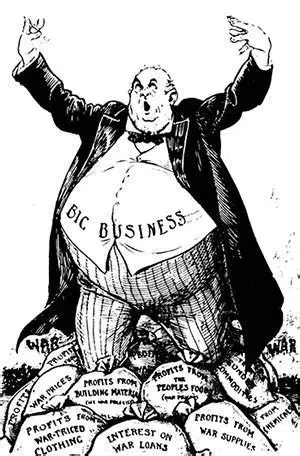
The proposal, however, carries an obvious political vulnerability: both elements would disproportionately benefit wealthier households. Indexing capital gains helps most those with the largest unrealized gains sitting in investment portfolios—commentary around the plan has pointed to how someone like Warren Buffett, who has held stakes in companies like Coca-Cola and American Express for decades, would see outsized savings under an indexing scheme, even if a total tax bill of zero remains unlikely. Critics on the left have already characterized the plan as another tax break aimed at high-income donors rather than working- or middle-class voters, arguing it echoes distributional criticism leveled at other recent tax legislation.
It’s worth noting that nothing here is settled policy. The White House has been careful to keep distance between the trial-balloon commentary and any formal proposal. A White House spokesman said Trump is “always exploring new ideas” but that any actual policy announcements would come directly from the administration, not from allies speaking to the press. No legislative language or executive order has emerged. Whether this becomes an actual midterm campaign plank—or the latest example of policy floated more for headline value than legislative follow-through—will depend on whether the White House decides the political upside outweighs the “tax cuts for the wealthy” attack lines it hands to opponents.
SPEAKING: Dr. Marcinko will be speaking and lecturing, signing and opining, teaching and preaching, storming and performing at many locations throughout the USA this year! His tour of witty and serious pontifications may be scheduled on a planned or ad-hoc basis; for public or private meetings and gatherings; formally, informally, or over lunch or dinner. All medical societies, financial advisory firms or Broker-Dealers are encouraged to submit an RFP for speaking engagements: CONTACT: Ann Miller RN MHA at MarcinkoAdvisors1738@outlook.com -OR-http://www.MarcinkoAssociates.com
The relationship between the stock market and the broader economy has long fascinated economists, investors, and policymakers. Although the stock market is not the economy, it often reflects collective expectations about future economic conditions. Because recessions are typically identified only after they have begun, analysts rely on a range of leading indicators to anticipate downturns before they appear in official data. These indicators—spanning interest rates, labor markets, credit conditions, consumer sentiment, and corporate activity—help investors position portfolios, manage risk, and understand where the economy may be headed. This essay examines the most widely used stock‑market‑relevant recession indicators, explains why they matter, and explores how they interact to form a coherent picture of economic risk.
1. The Yield Curve: The Market’s Most Reliable Warning Signal
Among all recession indicators, none has earned as much respect as the inverted yield curve. The yield curve plots interest rates on government bonds of different maturities. Under normal conditions, long‑term bonds yield more than short‑term ones because investors demand compensation for time and risk. When short‑term yields rise above long‑term yields, the curve “inverts,” signaling that investors expect weaker growth and lower inflation ahead.
Historically, the 10‑year minus 2‑year Treasury spread has preceded every U.S. recession since the 1960s. The 10‑year minus 3‑month spread is similarly reliable. An inversion does not predict the exact timing of a recession, but its track record makes it a cornerstone of recession forecasting. The yield curve reflects bond‑market expectations, and when investors anticipate rate cuts or economic weakness, long‑term yields fall relative to short‑term ones. This dynamic often emerges a year or more before a downturn, giving investors time to adjust portfolios.
2. Interest Rates and Monetary Policy: The Federal Reserve’s Role
Interest rates themselves are powerful recession indicators. When the Federal Reserve raises rates aggressively to combat inflation, borrowing costs rise across the economy. Higher rates slow consumer spending, reduce business investment, and cool the housing market. If rates remain high for too long, they can tip the economy into recession.
Conversely, when the Fed begins cutting rates, it may signal that policymakers see recessionary pressures building. Rising rates, falling rates, and the pace of policy changes all provide clues about the economic cycle. Analysts watch these shifts closely because monetary policy affects everything from corporate earnings to consumer credit conditions. Rate‑driven slowdowns often begin subtly, with weakening housing activity or slowing job growth, before spreading to the broader economy.
3. The Sahm Rule: A Labor‑Market Trigger With a Strong Record
The Sahm Rule is one of the most accurate recession indicators available. It triggers when the three‑month moving average of unemployment rises at least half a percentage point above its 12‑month low. Unlike the yield curve, which predicts recessions far in advance, the Sahm Rule identifies when a recession is likely already underway.
Labor markets are central to recession forecasting because employment drives consumer spending, which accounts for roughly two‑thirds of U.S. GDP. Rising unemployment claims, slowing payroll growth, and declining job openings all contribute to recession risk assessments. When the labor market weakens, it often signals that businesses are preparing for reduced demand.
4. Initial Unemployment Claims: A Leading Labor‑Market Indicator
Weekly initial unemployment claims provide one of the earliest signals of labor‑market deterioration. Sustained claims above historically normal levels often correlate with recessionary conditions. Although claims data can be volatile, the trend over several weeks or months offers valuable insight into economic stress.
Because claims data are high‑frequency and less subject to revision, they offer timely insight into layoffs, weakening business confidence, and slowing demand. Rising claims typically appear before unemployment rises significantly, making them a useful early warning tool.
5. Manufacturing Activity: The ISM PMI as a Cyclical Gauge
The ISM Manufacturing Purchasing Managers’ Index (PMI) is another widely watched recession indicator. A reading below 50 signals contraction in the manufacturing sector, while readings below 45 for several consecutive months have preceded most modern recessions.
Manufacturing is highly sensitive to interest rates, global demand, and inventory cycles. Because it responds quickly to economic shifts, it often contracts before the broader economy does. Weakness in manufacturing can signal that businesses are cutting production in response to slowing orders, which often foreshadows broader economic weakness.
6. Credit Spreads: Stress in Corporate Bond Markets
Credit spreads measure the difference in yields between corporate bonds and comparable‑maturity Treasury bonds. When spreads widen, investors demand more compensation for taking on credit risk, signaling rising concern about corporate defaults.
Historically, high‑yield spreads above certain thresholds have marked or preceded recessions. Tight spreads, by contrast, indicate calm financial conditions. Because credit markets are closely tied to corporate financing, widening spreads can signal that businesses are struggling to borrow or refinance debt, which can lead to layoffs, reduced investment, and slower growth.
7. Housing Starts and the Real Estate Cycle
Housing is one of the most interest‑rate‑sensitive sectors of the economy. Housing starts—new residential construction projects—tend to fall sharply before recessions. A significant decline in starts has preceded most downturns.
Elevated mortgage rates suppress housing activity, with starts falling as affordability declines. Because housing affects construction jobs, consumer wealth, and durable‑goods spending, weakness in this sector often signals broader economic trouble. A slowdown in housing can ripple through related industries, amplifying recessionary pressures.
8. Consumer Sentiment: A Warning From Households
Consumer sentiment is a powerful recession indicator because household spending drives economic growth. When consumers feel pessimistic about their finances or the economy, they reduce spending, which can trigger or deepen a downturn.
In many cycles, consumer sentiment has deteriorated well before official recession declarations. This divergence between market optimism and household pessimism can highlight underlying fragility. When consumers face rising debt burdens, falling real incomes, or job insecurity, their reduced spending can slow the economy even if financial markets appear stable.
9. Retail Sales and Consumer Spending
Real (inflation‑adjusted) retail sales are another key indicator. Negative real retail sales growth for several months is a classic late‑cycle signal. Slowing sales reflect reduced consumer purchasing power, often driven by inflation, rising interest rates, or weakening labor markets.
Because consumer spending is so central to economic activity, declines in retail sales can quickly ripple through corporate earnings and stock prices. Retail sales data often reveal early signs of stress in lower‑income households, which can foreshadow broader economic weakness.
10. Corporate Indicators: Earnings, Durable Goods, and CEO Confidence
Corporate behavior provides additional insight into recession risk:
Durable goods orders, especially core capital goods, signal business investment trends. Declines over multiple months indicate that companies are cutting back, often in anticipation of weaker demand.
CEO confidence surveys reveal how corporate leaders perceive economic conditions. Low readings often correlate with imminent downturns.
Earnings revisions and profit margins offer clues about corporate health. When analysts consistently revise earnings downward, it often signals that businesses expect slower growth.
These indicators reflect how corporate leaders adjust their strategies in response to economic conditions.
11. GDP and Broader Economic Measures
While GDP is a lagging indicator, its components—such as real personal income, industrial production, and wholesale and retail sales—are central to how recessions are identified. GDP growth often slows for several quarters before a recession begins.
Because recessions are declared only after they begin, analysts rely on leading indicators to anticipate turning points. Understanding the difference between leading, coincident, and lagging indicators is essential for interpreting economic data accurately.
12. Composite Indicators and Multi‑Signal Approaches
No single indicator can perfectly predict recessions. Professional investors therefore use composite indexes that combine multiple signals. Examples include:
Leading economic indexes that aggregate labor, manufacturing, credit, and sentiment data.
Probability models based on yield‑curve behavior.
Real‑time GDP forecasting tools.
These tools help investors synthesize diverse data into a coherent risk assessment.
13. The Disconnect Between Markets and the Real Economy
One of the most striking features of many economic cycles is the divergence between stock‑market performance and consumer well‑being. The stock market may remain strong even as households show signs of strain. This disconnect suggests that financial stability is increasingly concentrated among higher‑income households, while lower‑income households face rising financial stress.
Such imbalances can create hidden vulnerabilities that may surface if economic conditions deteriorate. When markets appear healthy but consumers struggle, the economy may be more fragile than it seems.
14. How Investors Use Recession Indicators
Investors use recession indicators to manage risk and adjust portfolios. Common strategies include:
Rotating from cyclical to defensive sectors as indicators worsen.
Building cash positions gradually rather than making binary market‑timing decisions.
Monitoring credit conditions to anticipate stress in corporate debt markets.
Watching labor‑market data for early signs of economic slowdown.
Incremental adjustments often outperform dramatic shifts, especially given the long and variable lead times of many indicators.
Conclusion
Stock‑market recession indicators provide invaluable insight into the health of the economy and the risks ahead. While no single indicator is perfect, the combination of yield‑curve inversions, labor‑market triggers, manufacturing contraction, credit‑market stress, housing weakness, and deteriorating consumer sentiment forms a powerful toolkit for anticipating downturns.
Today’s economic landscape often presents a complex picture: financial markets may remain resilient even as households show signs of strain. The divergence between market optimism and consumer pessimism underscores the importance of monitoring multiple indicators rather than relying on any single signal.
Ultimately, recession forecasting is as much an art as a science. But by understanding the indicators that matter most, investors and policymakers can better navigate uncertainty, manage risk, and prepare for whatever the economic cycle brings next.
SPEAKING: Dr. Marcinko will be speaking and lecturing, signing and opining, teaching and preaching, storming and performing at many locations throughout the USA this year! His tour of witty and serious pontifications may be scheduled on a planned or ad-hoc basis; for public or private meetings and gatherings; formally, informally, or over lunch or dinner. All medical societies, financial advisory firms or Broker-Dealers are encouraged to submit an RFP for speaking engagements: CONTACT: Ann Miller RN MHA at MarcinkoAdvisors1738@outlook.com -OR-http://www.MarcinkoAssociates.com
Money shapes how people live, what choices they can make, and how secure they feel. Yet the categories poor, middle class, and rich are often used loosely, without clear definitions. While income is a major factor, wealth, stability, and access to opportunity matter just as much. Still, it is possible to outline general financial ranges that help explain where people fall economically. These ranges vary by region, cost of living, and lifestyle, but they offer a useful framework for understanding how money defines each group.
Defining Poor Folks
People considered poor typically earn low or unstable income, often below what is needed to cover basic living expenses. In many parts of the United States, this means earning under $35,000 per year for an individual or under $50,000 for a family. But income alone does not capture the full picture.
Poor folks usually have:
Little or no savings
No emergency fund
High exposure to financial shocks
Limited access to credit or affordable loans
Difficulty covering essentials like rent, food, and transportation
A defining characteristic of poverty is the absence of financial cushion. Even if someone earns slightly above the poverty line, they may still be considered poor if they cannot absorb unexpected expenses. A car repair, medical bill, or job loss can push them into crisis.
Another key factor is net worth, which for poor individuals is often zero or negative. They may owe more than they own due to student loans, medical debt, or high‑interest credit cards. Without assets, they cannot build long‑term stability.
In short, poor folks are defined not just by low income but by lack of security, lack of assets, and lack of financial breathing room.
Defining Middle‑Class Folks
The middle class is broader and more complex. It includes people who earn enough to cover their needs, enjoy modest comforts, and plan for the future. In many regions, middle‑class income ranges from $50,000 to $150,000 per year for households, depending on location and family size.
Middle‑class individuals typically have:
Stable jobs or reliable income
Some savings and retirement contributions
Access to credit
Ability to afford housing, transportation, and healthcare
Discretionary spending for vacations, dining out, or hobbies
However, the middle class is often defined more by lifestyle and stability than by income alone. A household earning $120,000 in an expensive city may feel financially stretched, while a household earning $70,000 in a low‑cost area may feel comfortable.
Net worth also plays a role. Middle‑class folks often have:
Positive net worth
Home equity
Retirement accounts
Moderate debt that is manageable
But the middle class is fragile. Many families live paycheck to paycheck despite earning decent incomes. They may have:
High mortgage payments
Student loans
Childcare costs
Medical expenses
Lifestyle inflation
This means that while middle‑class people enjoy stability, they do not necessarily enjoy security. A major financial setback—job loss, illness, divorce—can push them downward quickly.
The middle class is defined by comfort with limits, stability without abundance, and access without freedom.
Defining Rich Folks
Rich individuals are defined not just by high income but by high net worth, financial independence, and access to opportunity. In many parts of the country, being rich typically means earning over $250,000 per year or having a net worth above $2 million. But these numbers only scratch the surface.
Rich folks usually have:
Multiple income streams
Significant investments
Real estate holdings
Business ownership
Large retirement accounts
Low or strategic debt
Income matters, but assets matter more. A person earning $300,000 but spending $290,000 is not truly rich. Meanwhile, someone earning $150,000 but owning $5 million in assets is unquestionably wealthy.
The defining characteristic of being rich is financial freedom. Rich individuals can:
Live without relying solely on wages
Invest aggressively
Take risks
Buy time through delegation
Access elite networks
Pass wealth to future generations
Rich folks also benefit from compounding advantages. Wealth attracts opportunity, and opportunity attracts more wealth. They can invest early, buy appreciating assets, and leverage capital in ways the middle class cannot.
Being rich is defined by control, independence, and long‑term security, not just high income.
Income vs. Net Worth: The Real Divider
Income determines lifestyle, but net worth determines class.
A poor person has low income and low net worth.
A middle‑class person has moderate income and moderate net worth.
A rich person has high net worth, regardless of income.
This is why some high earners feel broke—they have income but no assets. And why some retirees with modest income feel wealthy—they have assets that generate stability.
The Role of Location
Money means different things in different places. A $100,000 income in rural Georgia may provide a comfortable middle‑class lifestyle. The same income in Manhattan may barely cover rent. Cost of living shapes class as much as income does.
The Real Definitions
Ultimately, the categories break down like this:
Poor: No financial cushion, no assets, income consumed by survival.
Middle class: Stability, some assets, limited freedom, vulnerable to setbacks.
Rich: High net worth, financial independence, access to opportunity and time freedom.
Money defines these groups, but security, control, and opportunity are what truly separate them.
SPEAKING: Dr. Marcinko will be speaking and lecturing, signing and opining, teaching and preaching, storming and performing at many locations throughout the USA this year! His tour of witty and serious pontifications may be scheduled on a planned or ad-hoc basis; for public or private meetings and gatherings; formally, informally, or over lunch or dinner. All medical societies, financial advisory firms or Broker-Dealers are encouraged to submit an RFP for speaking engagements: CONTACT: Ann Miller RN MHA at MarcinkoAdvisors1738@outlook.com -OR-http://www.MarcinkoAssociates.com
The euro is the official currency of the eurozone, a monetary union that today includes twenty European Union member states. It stands as one of the most ambitious economic and political projects in modern history. At its core, the euro represents an effort to bind European nations more closely together—economically, financially, and symbolically—after a century marked by conflict and fragmentation. Its creation was not simply a technical monetary reform but a statement of shared purpose. Understanding the euro requires examining its origins, its economic effects, and the challenges and opportunities it continues to generate for Europe and the wider world.
The origins of the euro lie in the broader project of European integration that began after World War II. Leaders of Western Europe believed that deeper economic interdependence would make future conflicts less likely. Over decades, this vision evolved into the European Economic Community and later the European Union. The idea of a single currency emerged as a logical next step: if member states were already committed to free movement of goods, services, capital, and people, then eliminating exchange‑rate fluctuations would further strengthen the single market. The Maastricht Treaty of 1992 formalized this goal, setting convergence criteria that countries had to meet before adopting the euro. These criteria—focused on inflation, interest rates, public debt, and budget deficits—were intended to ensure that participating economies were sufficiently aligned to share a currency.
When the euro was introduced in 1999 as a digital currency and in 2002 as physical notes and coins, it immediately became one of the world’s most important currencies. It simplified cross‑border trade and travel within Europe, reduced transaction costs, and increased price transparency. A consumer in Spain could compare prices with a retailer in Germany without worrying about exchange rates. Businesses operating across multiple countries could manage their finances more efficiently. The euro also strengthened Europe’s position in global finance. It became a major reserve currency, second only to the U.S. dollar, and a significant medium for international trade and investment.
Yet the euro has always been more than an economic tool. It is a political symbol of unity. For many Europeans, using the same currency reinforces a shared identity that transcends national borders. This symbolic power is one reason countries such as Estonia, Latvia, Lithuania, and Croatia chose to adopt the euro even after the global financial crisis. They viewed membership in the eurozone as a sign of stability, credibility, and belonging within the European project.
However, the euro has also faced serious challenges. One of the most significant is the tension between a shared monetary policy and national fiscal policies. Countries in the eurozone no longer control their own interest rates or exchange rates; these are set by the European Central Bank. But each country still manages its own budget. This creates a structural imbalance: nations with weaker economies cannot devalue their currency to regain competitiveness, nor can they independently adjust monetary policy during downturns. The eurozone debt crisis, which began around 2010, exposed these vulnerabilities. Countries such as Greece, Portugal, and Ireland faced severe financial distress, leading to bailouts, austerity measures, and intense political debate about the future of the currency union.
Despite these difficulties, the eurozone has taken steps to strengthen its institutional framework. New mechanisms for financial oversight, banking regulation, and crisis management have been introduced. These reforms aim to make the euro more resilient and to prevent future crises from spiraling into existential threats. The euro’s survival through these turbulent years demonstrated both the determination of member states to preserve the currency and the adaptability of the system itself.
Today, the euro continues to evolve. It plays a central role in discussions about Europe’s economic future, from debates over fiscal integration to conversations about digital currencies. The European Central Bank is exploring a digital euro, which could modernize payments and reinforce the currency’s global relevance. At the same time, the euro remains a touchstone in political debates about sovereignty, solidarity, and the balance between national and European authority.
In many ways, the euro is a work in progress—a currency built on compromise, cooperation, and the belief that shared prosperity requires shared responsibility. Its story reflects the broader story of European integration: ambitious, sometimes contentious, but ultimately driven by the desire to create a more stable and interconnected continent. Whether viewed as an economic instrument or a political symbol, the euro remains one of the most significant experiments in international cooperation of the modern era.
SPEAKING: Dr. Marcinko will be speaking and lecturing, signing and opining, teaching and preaching, storming and performing at many locations throughout the USA this year! His tour of witty and serious pontifications may be scheduled on a planned or ad-hoc basis; for public or private meetings and gatherings; formally, informally, or over lunch or dinner. All medical societies, financial advisory firms or Broker-Dealers are encouraged to submit an RFP for speaking engagements: CONTACT: Ann Miller RN MHA at MarcinkoAdvisors@outlook.com -OR-http://www.MarcinkoAssociates.com
The terms poor, middle class, and rich are used constantly in everyday conversation, yet they are often misunderstood. People tend to define these categories purely by income, but money alone does not tell the full story. Wealth is shaped by stability, opportunity, habits, mindset, and access to resources. To understand what truly separates these groups, it is necessary to look beyond simple numbers and examine the deeper social, economic, and behavioral factors that define each one.
What Defines Poor Folks
People considered poor typically live with financial instability. Their income is often unpredictable, insufficient, or heavily consumed by basic necessities such as housing, food, transportation, and healthcare. Poverty is not just about earning little—it is about having no margin for error. A single unexpected expense, such as a car repair or medical bill, can create a crisis. This lack of financial cushion forces poor individuals to make short‑term decisions, even when those decisions are costly in the long run.
Another defining characteristic is limited access to opportunity. Poor individuals may live in neighborhoods with underfunded schools, fewer job prospects, and limited transportation options. They may lack professional networks or mentors who can help them advance. Poverty often traps people in environments where upward mobility is difficult, not because they lack ambition, but because the structural barriers are high.
Poor folks also tend to have restricted access to financial tools. They may not qualify for traditional loans, credit cards, or mortgages. As a result, they often rely on high‑interest alternatives such as payday loans or rent‑to‑own agreements, which drain wealth rather than build it. Without access to affordable credit, it becomes nearly impossible to invest in education, property, or business opportunities.
Finally, poverty is often defined by lack of time and mental bandwidth. Constant financial stress consumes energy and attention. When every dollar matters, long‑term planning becomes a luxury. This is not a moral failing—it is a consequence of living in survival mode.
What Defines Middle‑Class Folks
The middle class is typically defined by stability rather than abundance. Middle‑class individuals can cover their basic needs, afford modest comforts, and plan for the future. They usually have steady jobs, health insurance, and some form of retirement savings. Their lives are not free from financial stress, but they have enough cushion to absorb small emergencies without falling into crisis.
A key characteristic of the middle class is access to choice. Middle‑class people can choose where to live, where their children go to school, and how they spend discretionary income. They can take vacations, buy reliable cars, and invest in hobbies. These choices create a sense of control over life that poor individuals often lack.
Middle‑class folks also tend to have access to financial tools. They can qualify for mortgages, car loans, and credit cards with reasonable interest rates. They may own a home, which acts as a long‑term wealth‑building asset. They can invest in retirement accounts, college savings plans, or modest stock portfolios. These tools allow them to grow wealth slowly over time.
However, the middle class is often defined by fragility. Many middle‑class families live paycheck to paycheck despite earning decent incomes. They may have debt from student loans, mortgages, or credit cards. Their lifestyle often expands with their income, leaving little room for savings. A job loss, medical emergency, or economic downturn can push them into financial hardship quickly. In this sense, the middle class is stable but not secure.
What Defines Rich Folks
Rich individuals are defined not just by high income but by financial independence. They have enough assets, investments, or business income to maintain their lifestyle without relying solely on wages. Wealth gives them freedom—freedom from financial stress, freedom to pursue opportunities, and freedom to shape their own future.
One of the most important characteristics of rich people is ownership. They own businesses, real estate, stocks, intellectual property, or other assets that generate passive income. Their wealth grows even when they are not actively working. This separates them fundamentally from the middle class, whose income is tied to labor.
Rich folks also benefit from access to elite networks. They have relationships with other successful individuals, investors, mentors, and professionals who can open doors to new opportunities. Wealth attracts opportunity, and opportunity attracts more wealth.
Another defining trait is long‑term thinking. Rich individuals tend to make decisions based on future payoff rather than immediate comfort. They invest aggressively, protect their assets, and plan strategically. They understand taxes, leverage, and risk management. Their mindset is oriented toward growth rather than survival.
Finally, rich people often enjoy time freedom. They can delegate tasks, hire help, and structure their schedules around their priorities. Time is the ultimate luxury, and wealth buys it.
The Real Differences
The true differences between poor, middle‑class, and rich folks are not just about money—they are about security, opportunity, and control.
Poor folks lack security and opportunity.
Middle‑class folks have stability but limited control.
Rich folks have control, freedom, and access to opportunity.
These categories are not fixed. People move between them through changes in income, habits, environment, and opportunity. But understanding what defines each group helps clarify why wealth is not simply a number—it is a condition shaped by resources, choices, and the ability to plan for the future.
SPEAKING: Dr. Marcinko will be speaking and lecturing, signing and opining, teaching and preaching, storming and performing at many locations throughout the USA this year! His tour of witty and serious pontifications may be scheduled on a planned or ad-hoc basis; for public or private meetings and gatherings; formally, informally, or over lunch or dinner. All medical societies, financial advisory firms or Broker-Dealers are encouraged to submit an RFP for speaking engagements: CONTACT: Ann Miller RN MHA at MarcinkoAdvisors1738@outlook.com -OR-http://www.MarcinkoAssociates.com
A credit union is a member‑owned financial cooperative that provides many of the same services as a traditional bank but operates under a very different philosophy. While banks exist to generate profits for shareholders, credit unions exist to serve the financial needs of their members. This distinction shapes everything about how credit unions function, from their governance structure to the types of products they offer and the way they interact with the communities around them.
At its core, a credit union is built on the idea of people pooling their money to help one another. Members deposit funds, and those funds become the source of loans and other financial services for fellow members. Because credit unions are not-for-profit institutions, any earnings they generate are returned to members in the form of lower loan rates, higher savings yields, reduced fees, or improved services. This cooperative model allows credit unions to focus on long-term financial well-being rather than short-term profit.
Membership is one of the defining features of a credit union. Unlike banks, which are open to anyone, credit unions typically have a “field of membership” that defines who can join. This might be based on employment, geographic location, religious affiliation, military service, or membership in a particular organization. For example, a credit union might serve employees of a specific company, residents of a certain county, or members of a professional association. Once someone becomes a member, they become part-owner of the institution, with voting rights and a voice in how the credit union is run.
Governance is another area where credit unions differ from banks. Credit unions are overseen by a volunteer board of directors elected by the membership. These directors are not paid shareholders seeking profit; they are members themselves, focused on representing the interests of the community. This democratic structure reinforces the cooperative nature of credit unions and ensures that decisions are made with member benefit in mind.
In terms of services, credit unions offer a wide range of financial products similar to those found at banks. These include savings accounts, checking accounts, certificates of deposit, auto loans, mortgages, credit cards, and personal loans. Many credit unions also provide online banking, mobile apps, financial education, and investment services. Because they operate on a not-for-profit basis, credit unions often provide these services at more favorable rates. Members may find lower interest rates on loans, fewer fees on accounts, and higher returns on savings compared to traditional banks.
Credit unions also tend to emphasize personal service and community involvement. Their smaller size and member-focused mission often translate into a more personalized banking experience. Employees may take extra time to help members understand financial products, improve credit scores, or plan for major life events. Many credit unions sponsor local events, support charitable causes, and invest in financial literacy programs. This community-oriented approach helps build trust and strengthens the relationship between the institution and its members.
Another important aspect of credit unions is their focus on financial inclusion. Because they are mission-driven rather than profit-driven, credit unions often work with individuals who might struggle to access traditional banking services. They may offer small-dollar loans, credit-building programs, or flexible lending criteria designed to help members improve their financial stability. This commitment to serving underserved populations reflects the cooperative roots of the credit union movement.
Despite their advantages, credit unions are not without limitations. Their membership restrictions can make them less accessible to the general public, and their smaller size may mean fewer branches or ATMs compared to large national banks. Some credit unions offer limited business services or fewer advanced financial products. However, many credit unions have addressed these challenges through shared branching networks and partnerships that expand access to services nationwide.
SPEAKING: Dr. Marcinko will be speaking and lecturing, signing and opining, teaching and preaching, storming and performing at many locations throughout the USA this year! His tour of witty and serious pontifications may be scheduled on a planned or ad-hoc basis; for public or private meetings and gatherings; formally, informally, or over lunch or dinner. All medical societies, financial advisory firms or Broker-Dealers are encouraged to submit an RFP for speaking engagements: CONTACT: Ann Miller RN MHA at MarcinkoAdvisors1738@outlook.com -OR-http://www.MarcinkoAssociates.com
Laissez‑faire capitalism is an economic philosophy built on the belief that the best outcomes emerge when markets operate with minimal government intervention. The term itself comes from the French phrase meaning “let do” or “let it be,” capturing the idea that individuals, firms, and voluntary exchanges should shape economic life rather than state planners or regulatory authorities. At its core, laissez‑faire capitalism assumes that people pursuing their own interests within a framework of private property and free exchange will generate prosperity, innovation, and social progress more effectively than any centralized authority could. This vision has influenced political debates, shaped national economies, and sparked enduring controversy over the proper balance between freedom and regulation.
The foundation of laissez‑faire capitalism rests on several key principles. The first is private property, which allows individuals to own resources, accumulate wealth, and make decisions about how to use their assets. Without secure property rights, markets cannot function because people lack the incentive to invest, innovate, or engage in long-term planning. The second principle is voluntary exchange, the idea that transactions should occur only when all parties consent. This ensures that trade is mutually beneficial, as each participant believes they are better off after the exchange. The third principle is competition, which acts as a natural regulator by rewarding efficiency and punishing waste. When firms must compete for customers, they are pushed to lower prices, improve quality, and develop new products. These principles together form the backbone of a system that relies on decentralized decision-making rather than government direction.
Supporters of laissez‑faire capitalism argue that this system unleashes human creativity and drives economic growth. They contend that when individuals are free to pursue their own goals, they discover new technologies, create businesses, and respond quickly to changing consumer needs. Government bureaucracies, by contrast, are often seen as slow, inefficient, and prone to political pressures that distort economic decisions. Advocates also claim that laissez‑faire capitalism protects personal freedom. Economic liberty—choosing where to work, what to buy, and how to invest—is viewed as inseparable from broader civil liberties. In this view, excessive regulation or state control threatens not only prosperity but also individual autonomy.
Another argument in favor of laissez‑faire capitalism is its ability to coordinate vast amounts of information without centralized planning. Prices act as signals that reflect scarcity, demand, and opportunity. When prices rise, producers are encouraged to supply more; when prices fall, resources shift elsewhere. This spontaneous order emerges from countless decisions made by individuals, none of whom needs to understand the entire system. Supporters see this as evidence that markets are more adaptable and intelligent than any government agency could ever be.
However, laissez‑faire capitalism has long faced criticism from those who believe that unregulated markets can produce harmful outcomes. One major critique is that markets do not always account for externalities, such as pollution or environmental degradation. When firms are free to pursue profit without restrictions, they may impose costs on society that are not reflected in market prices. Critics argue that government intervention is necessary to protect public health, natural resources, and future generations.
Another concern is economic inequality. Laissez‑faire capitalism rewards talent, risk-taking, and innovation, but it can also concentrate wealth in the hands of a few. Critics worry that extreme inequality undermines social cohesion, limits opportunities for those born into poverty, and gives wealthy individuals disproportionate political influence. While supporters argue that inequality is a natural and even beneficial outcome of freedom, opponents believe that some redistribution or regulation is needed to ensure fairness and stability.
A further critique focuses on market failures, such as monopolies or financial crises. Without oversight, powerful firms may dominate entire industries, stifling competition and exploiting consumers. Financial markets, driven by speculation and herd behavior, can create bubbles that burst with devastating consequences for workers and families. Critics argue that prudent regulation is essential to prevent abuses, maintain stability, and protect vulnerable populations.
Despite these disagreements, laissez‑faire capitalism remains a central concept in debates about economic policy. Some nations embrace a relatively pure form of the philosophy, emphasizing deregulation, low taxes, and limited government. Others adopt a mixed approach, combining market freedom with social safety nets and regulatory frameworks. The tension between these models reflects deeper questions about human nature, justice, and the role of the state.
Ultimately, laissez‑faire capitalism is more than an economic system; it is a vision of how society should function. It assumes that individuals, when left free, will create a dynamic and prosperous world. Its critics counter that freedom without responsibility can lead to exploitation and instability. The ongoing debate between these perspectives continues to shape political discourse, influence public policy, and define the economic landscape of modern societies.
SPEAKING: Dr. Marcinko will be speaking and lecturing, signing and opining, teaching and preaching, storming and performing at many locations throughout the USA this year! His tour of witty and serious pontifications may be scheduled on a planned or ad-hoc basis; for public or private meetings and gatherings; formally, informally, or over lunch or dinner. All medical societies, financial advisory firms or Broker-Dealers are encouraged to submit an RFP for speaking engagements: CONTACT: Ann Miller RN MHA at MarcinkoAdvisors1738@outlook.com -OR-http://www.MarcinkoAssociates.com
Project management plays a central role in modern economics because economic goals—whether increasing productivity, improving public infrastructure, or stimulating innovation—are achieved through organized, time‑bound initiatives. At its core, project management provides a disciplined framework for turning economic objectives into actionable plans. It aligns resources, people, and constraints to produce measurable results. In economics, where scarcity and trade‑offs define decision‑making, the structured approach of project planning and resource allocation becomes even more essential.
Economic projects often begin with a clear definition of purpose. This may involve expanding a transportation network, implementing a new technology in a manufacturing sector, or designing a policy to support small businesses. The first step is to identify the economic problem and articulate the expected benefits. This stage requires careful analysis of opportunity costs, expected returns, and potential risks. Because economic environments are dynamic, project managers must evaluate how market conditions, labor availability, and regulatory factors shape the feasibility of the initiative. A well‑defined scope ensures that the project remains aligned with broader economic priorities.
Once the project’s purpose is established, the next phase involves detailed planning. This includes setting timelines, estimating costs, and determining the sequence of activities. In economics, planning is not merely logistical; it is analytical. Managers must forecast demand, anticipate price fluctuations, and consider how external shocks might affect progress. Tools such as cost‑benefit analysis and risk assessment help determine whether the project’s expected gains justify its investment. Effective planning also requires identifying key stakeholders—government agencies, private firms, workers, or communities—and understanding how their incentives influence project outcomes. This is where stakeholder coordination becomes a critical component of economic project management.
Resource management is another pillar of successful economic projects. Because resources are limited, managers must allocate labor, capital, and materials in ways that maximize efficiency. This often involves balancing short‑term constraints with long‑term goals. For example, a project may require hiring specialized workers, securing financing, or acquiring new technologies. Each decision carries economic implications. Misallocation can lead to cost overruns, delays, or reduced effectiveness. Conversely, strategic resource deployment can generate multiplier effects, stimulating broader economic activity. The ability to manage resources effectively distinguishes successful economic projects from those that fail to deliver expected outcomes.
Implementation is the phase where planning becomes action. In economics, implementation is rarely linear. Market conditions shift, supply chains face disruptions, and political priorities evolve. Project managers must adapt to these changes while maintaining progress toward objectives. Monitoring and evaluation are essential during this stage. Managers track performance indicators, compare actual outcomes to projections, and adjust strategies as needed. This continuous feedback loop ensures that the project remains responsive to economic realities. It also helps prevent small issues from escalating into major setbacks.
Evaluation is the final stage of project management in economics, but its importance extends beyond the project itself. Economic evaluation assesses whether the initiative achieved its goals, delivered value, and contributed to broader economic development. This involves analyzing efficiency, equity, and sustainability. Did the project generate the expected economic benefits? Were resources used wisely? Did the outcomes support long‑term growth? Evaluation provides insights that inform future projects, creating a cycle of learning and improvement. It also supports accountability, ensuring that public and private investments are justified.
Project management in economics is not only a technical process but also a strategic one. It requires balancing competing interests, navigating uncertainty, and making decisions that affect communities and markets. The discipline brings structure to complex economic challenges, enabling societies to pursue development goals with clarity and purpose. As economies become more interconnected and projects grow in scale and complexity, the importance of effective project management continues to rise. It ensures that economic initiatives are not just ambitious but achievable, not just well‑intentioned but impactful.
SPEAKING: Dr. Marcinko will be speaking and lecturing, signing and opining, teaching and preaching, storming and performing at many locations throughout the USA this year! His tour of witty and serious pontifications may be scheduled on a planned or ad-hoc basis; for public or private meetings and gatherings; formally, informally, or over lunch or dinner. All medical societies, financial advisory firms or Broker-Dealers are encouraged to submit an RFP for speaking engagements: CONTACT: Ann Miller RN MHA at MarcinkoAdvisors@outlook.com -OR-http://www.MarcinkoAssociates.com
The concept of an L‑shaped economy describes one of the most troubling trajectories a nation can experience after a major economic shock. Unlike recoveries that rebound quickly or gradually, an L‑shaped pattern reflects a sharp decline followed by a prolonged period of stagnation, with little or no return to previous levels of growth. The image of the letter “L” captures this dynamic: a steep vertical drop in economic activity, followed by a long, flat horizontal line that represents years of weak or nonexistent recovery. Understanding how an economy falls into this pattern, and why it struggles to escape, is essential for grasping the long‑term consequences of severe recessions and structural weaknesses.
An L‑shaped economy typically begins with a sudden collapse in output. This may be triggered by a financial crisis, a burst asset bubble, a geopolitical shock, or a structural shift that undermines key industries. In the immediate aftermath, unemployment rises sharply, investment contracts, and consumer confidence deteriorates. What distinguishes an L‑shaped downturn from other recession patterns is not the severity of the initial decline but the failure of the economy to regain momentum. Instead of rebounding, growth remains flat for years or even decades. The forces that normally stimulate recovery—such as renewed investment, increased consumer spending, or technological innovation—fail to materialize or are too weak to overcome the underlying damage.
One of the most common drivers of an L‑shaped stagnation is the presence of overwhelming debt. When households, businesses, or governments accumulate excessive debt during boom periods, the aftermath of a crash forces them to shift from spending to repayment. This process, often called a balance‑sheet recession, suppresses demand across the entire economy. Households cut consumption, firms delay investment, and banks become more cautious in lending. Even when interest rates fall, borrowers may be unwilling or unable to take on new loans. As a result, monetary policy loses much of its effectiveness, and the economy becomes trapped in a low‑growth equilibrium.
Demographic trends can also contribute to an L‑shaped trajectory. Aging populations reduce the size of the labor force, slow productivity growth, and weaken consumer demand. When fewer young workers enter the economy, innovation and entrepreneurship may decline. At the same time, governments face rising costs for healthcare and pensions, which can limit their ability to invest in growth‑enhancing areas such as education, infrastructure, or research. In countries where birth rates fall sharply, the long‑term outlook becomes even more challenging, as shrinking populations reduce the potential for future expansion.
Financial system weakness is another critical factor. After a major crisis, banks may be burdened with bad loans, reduced capital, and heightened risk aversion. When banks hesitate to lend, businesses cannot expand, and consumers cannot finance major purchases. Credit is the lifeblood of modern economies, and when it dries up, recovery becomes extremely difficult. Even if governments attempt to stimulate growth through public spending, the private sector may remain too fragile to respond effectively.
The consequences of an L‑shaped economy are far‑reaching. For workers, prolonged stagnation means fewer job opportunities, slower wage growth, and reduced mobility. Young people entering the labor market may face years of underemployment, which can have lasting effects on their lifetime earnings and career trajectories. Older workers may struggle to adapt as industries decline or shift abroad. The sense of economic insecurity can erode social cohesion and fuel political discontent.
***
***
Businesses also suffer in an L‑shaped environment. Weak demand discourages investment, and uncertainty about future growth makes long‑term planning difficult. Firms may cut back on research and development, reducing innovation and productivity. Small and medium‑sized enterprises, which often rely on bank lending, are especially vulnerable. As weaker firms fail, industries may consolidate, reducing competition and further slowing progress.
Governments face their own challenges. With tax revenues depressed and social spending rising, public finances come under strain. Policymakers may be forced to choose between austerity, which can deepen stagnation, and increased borrowing, which may be unsustainable in the long run. Traditional policy tools, such as lowering interest rates, may be ineffective when rates are already near zero. In such cases, governments must consider unconventional measures, including large‑scale public investment, structural reforms, or targeted support for innovation and productivity.
Escaping an L‑shaped economy requires more than short‑term stimulus. It demands a comprehensive strategy that addresses the structural weaknesses holding the economy back. This may include reducing debt burdens, revitalizing the financial system, encouraging technological innovation, and adapting to demographic realities. Countries that successfully avoid or escape stagnation often do so by investing in human capital, fostering competitive industries, and maintaining flexible economic institutions.
The L‑shaped economy serves as a warning about the long‑term consequences of severe economic shocks and the importance of resilience. In a world facing aging populations, rising debt levels, and rapid technological change, the risk of prolonged stagnation is real. Understanding the dynamics of an L‑shaped trajectory helps policymakers and citizens recognize the need for proactive measures to sustain growth and ensure economic stability.
SPEAKING: Dr. Marcinko will be speaking and lecturing, signing and opining, teaching and preaching, storming and performing at many locations throughout the USA this year! His tour of witty and serious pontifications may be scheduled on a planned or ad-hoc basis; for public or private meetings and gatherings; formally, informally, or over lunch or dinner. All medical societies, financial advisory firms or Broker-Dealers are encouraged to submit an RFP for speaking engagements: CONTACT: Ann Miller RN MHA at MarcinkoAdvisors@outlook.com -OR-http://www.MarcinkoAssociates.com
The sandwich generation describes adults who simultaneously support aging parents while still providing financial or caregiving assistance to their own children. This dual responsibility places them squarely between two dependent groups, creating a unique set of economic pressures. Although the emotional dimension of this role is significant, the financial and economic implications are often the most challenging. Understanding these pressures reveals how deeply the sandwich generation is affected by demographic shifts, rising living costs, and structural gaps in social support systems.
At the core of the financial strain is the simple fact that the sandwich generation must stretch resources across multiple households. Many adults in this position are in their peak earning years, yet their income is pulled in several directions. They may be paying for their children’s education, housing, or daily expenses while also covering medical bills, long‑term care costs, or living expenses for their parents. Even when parents have savings, pensions, or insurance, these resources often fall short of the rising costs of healthcare and assisted living. As a result, middle‑aged adults become the financial backstop, absorbing unexpected expenses that can destabilize their own long‑term financial plans.
Healthcare costs are one of the most significant economic burdens. As parents age, they often require specialized medical care, prescription medications, or in‑home assistance. These services can be expensive, and insurance coverage may not fully address the need. The sandwich generation frequently fills the gap, either by paying out of pocket or by reducing their own work hours to provide unpaid care. This reduction in labor participation has long‑term consequences: lower lifetime earnings, reduced retirement savings, and diminished Social Security benefits. The economic impact is not limited to the individual; it also affects the broader labor market when experienced workers scale back or leave the workforce.
At the same time, the cost of raising children has increased dramatically. Housing, childcare, and education expenses have risen faster than wages for many families. Young adults are also taking longer to achieve financial independence due to student debt, high housing costs, and a competitive job market. As a result, parents often continue providing financial support well into their children’s twenties. This extended dependency delays the sandwich generation’s ability to save for retirement or build financial security. The tension between supporting children’s futures and securing their own becomes a defining economic challenge.
Inflation and economic uncertainty further complicate the situation. When everyday expenses rise, the sandwich generation has less flexibility to absorb additional financial shocks. Emergency savings may be depleted quickly, and long‑term investments may be postponed. Many individuals in this group also carry their own debt, such as mortgages, car loans, or student loans from mid‑career education. Balancing these obligations with multigenerational support can create a cycle of financial stress that is difficult to break.
Beyond personal finances, the sandwich generation plays a significant economic role. Their unpaid caregiving labor reduces the burden on public systems and long‑term care facilities. However, this contribution often goes unrecognized in economic metrics. If valued at market rates, the caregiving provided by this group would represent a substantial portion of economic activity. Yet the cost is borne privately, often at the expense of the caregiver’s financial stability. This imbalance highlights gaps in social infrastructure, such as limited access to affordable eldercare, insufficient family leave policies, and inadequate retirement protections.
Despite these challenges, the sandwich generation also demonstrates resilience and adaptability. Many individuals find creative ways to manage financial strain, such as multigenerational living arrangements, shared caregiving responsibilities, or flexible work schedules. Some families openly discuss financial expectations, allowing for more coordinated planning. Others seek financial counseling or long‑term care planning to reduce uncertainty. These strategies do not eliminate the economic pressures, but they help families navigate them more effectively.
Ultimately, the financial and economic aspects of the sandwich generation reflect broader societal trends: longer life expectancy, rising costs of living, and shifting family structures. While individuals bear the immediate burden, the implications extend far beyond personal households. Addressing the needs of the sandwich generation requires a combination of personal planning, workplace flexibility, and policy support that acknowledges the realities of multigenerational care. Without such support, the economic strain on this group will continue to grow, affecting not only their financial security but also the stability of future generations.
SPEAKING: Dr. Marcinko will be speaking and lecturing, signing and opining, teaching and preaching, storming and performing at many locations throughout the USA this year! His tour of witty and serious pontifications may be scheduled on a planned or ad-hoc basis; for public or private meetings and gatherings; formally, informally, or over lunch or dinner. All medical societies, financial advisory firms or Broker-Dealers are encouraged to submit an RFP for speaking engagements: CONTACT: Ann Miller RN MHA at MarcinkoAdvisors@outlook.com -OR-http://www.MarcinkoAssociates.com
SPEAKING: Dr. Marcinko will be speaking and lecturing, signing and opining, teaching and preaching, storming and performing at many locations throughout the USA this year! His tour of witty and serious pontifications may be scheduled on a planned or ad-hoc basis; for public or private meetings and gatherings; formally, informally, or over lunch or dinner. All medical societies, financial advisory firms or Broker-Dealers are encouraged to submit an RFP for speaking engagements: CONTACT: Ann Miller RN MHA at MarcinkoAdvisors@outlook.com -OR-http://www.MarcinkoAssociates.com
The national debt is one of those issues that quietly shapes a nation’s future even when it isn’t dominating headlines. A clear way to understand it is this: the national debt is the total amount the federal government owes to creditors after years of spending more than it collects in taxes. That gap—called the deficit—accumulates over time, and the result is a debt that now exceeds tens of trillions of dollars. While the number itself is staggering, the real story lies in what it means for economic stability, political decision‑making, and the opportunities available to future generations.
At its core, the national debt reflects a long‑running tension between government spending and government revenue. When lawmakers choose to fund programs, services, or tax cuts without offsetting costs, the government borrows money by issuing Treasury securities. Investors buy these because they are considered extremely safe. This borrowing is not inherently bad; in fact, it can be a powerful tool. During recessions, borrowing allows the government to stimulate the economy. During wars or emergencies, it provides the resources needed to respond quickly. The challenge arises when borrowing becomes routine rather than strategic.
One of the most important consequences of a large national debt is the cost of interest payments. As the debt grows, so does the amount the government must pay each year simply to service it. These payments do not build roads, educate children, or strengthen national defense—they are obligations to past lenders. When interest consumes a larger share of the federal budget, it squeezes out room for other priorities. This creates a long‑term tradeoff: the more the government spends on interest, the less flexibility it has to invest in the future.
Another major concern is how the national debt affects the broader economy. High levels of debt can make the government more vulnerable to changes in interest rates. When rates rise, borrowing becomes more expensive, and the cost of servicing the debt increases sharply. This can lead to higher taxes, reduced spending, or even more borrowing. Economists debate how much debt is “too much,” but most agree that rapid, uncontrolled growth in debt relative to the size of the economy can create instability. It can also reduce investor confidence, which is essential for maintaining low borrowing costs.
The national debt also shapes political debates. Decisions about taxes, spending, and entitlement programs are deeply intertwined with concerns about fiscal sustainability. Programs like Social Security and Medicare, for example, are projected to face funding shortfalls as the population ages. Addressing these challenges requires difficult choices—raising taxes, reducing benefits, or borrowing even more. Each option carries political risks, which is why the debt often grows faster than policymakers are willing to confront it.
Still, it’s important to recognize that the national debt is not simply a burden; it is also a reflection of national priorities. Borrowing has financed scientific breakthroughs, infrastructure projects, and social programs that have improved millions of lives. The key question is whether the debt is being used to create long‑term value or merely to postpone hard decisions. When borrowing supports investments that strengthen the economy—such as education, research, or modern infrastructure—it can pay dividends. When it funds short‑term consumption without a plan for repayment, it becomes a liability.
Ultimately, the national debt is a challenge that requires both economic understanding and political will. It is not a crisis that demands panic, but it is a problem that demands attention. A sustainable path forward would involve aligning spending and revenue more closely, making thoughtful reforms to major programs, and ensuring that borrowing is used strategically rather than habitually. The goal is not to eliminate the debt entirely—few economists argue for that—but to manage it responsibly so that future generations inherit opportunity rather than obligation.
SPEAKING: Dr. Marcinko will be speaking and lecturing, signing and opining, teaching and preaching, storming and performing at many locations throughout the USA this year! His tour of witty and serious pontifications may be scheduled on a planned or ad-hoc basis; for public or private meetings and gatherings; formally, informally, or over lunch or dinner. All medical societies, financial advisory firms or Broker-Dealers are encouraged to submit an RFP for speaking engagements: CONTACT: Ann Miller RN MHA at MarcinkoAdvisors@outlook.com -OR-http://www.MarcinkoAssociates.com
A W‑shaped economy represents one of the more turbulent and psychologically unsettling patterns of economic recovery. Unlike smoother recoveries, a W‑shape signals that the economy is struggling to find stable footing. After an initial recession, conditions appear to improve, only for the economy to slip back into another downturn before finally recovering. This creates a pattern resembling the letter W, with two declines and two rebounds. Understanding this pattern is essential because it reveals how fragile economic systems can be when shocks are prolonged, uneven, or poorly managed.
At its core, a W‑shaped recovery reflects instability. The first downturn typically emerges from a major shock—such as a financial crisis, a pandemic, or a geopolitical disruption. As policymakers respond with stimulus, interest‑rate cuts, or emergency programs, the economy begins to rebound. Businesses reopen, consumer spending rises, and confidence returns. However, this rebound may rest on shaky foundations. If the underlying problems were not fully resolved, or if new complications arise, the economy can fall back into recession. This second dip is what distinguishes a W‑shape from other recovery patterns.
Several forces can trigger the second downturn. One common cause is premature withdrawal of government support. If stimulus programs end too early, households and businesses may not be strong enough to sustain growth on their own. Another cause is structural weakness—for example, a banking system still burdened with bad loans or industries facing long‑term decline. External shocks can also play a role. A resurgence of a public‑health crisis, a spike in energy prices, or a sudden tightening of global financial conditions can all derail an early recovery. In each case, the economy’s initial rebound masks deeper vulnerabilities.
The consequences of a W‑shaped economy are far‑reaching. For workers, the double dip can be especially painful. People who regain employment during the first rebound may lose their jobs again during the second downturn, creating emotional and financial strain. Businesses face similar uncertainty. A company that restarts production or expands operations during the early recovery may be forced to scale back again, often at significant cost. This uncertainty can discourage investment, slow hiring, and weaken long‑term growth prospects.
Financial markets also react strongly to W‑shaped patterns. Investors typically respond to the first rebound with optimism, driving up stock prices and risk‑taking. When the second downturn hits, markets can swing sharply in the opposite direction. These fluctuations can erode wealth, undermine confidence, and make it harder for companies to raise capital. The volatility itself becomes part of the economic challenge, as households and firms hesitate to make long‑term decisions in an unpredictable environment.
Despite its challenges, a W‑shaped recovery can offer important lessons. It highlights the need for careful policy design. Governments and central banks must balance the urgency of short‑term relief with the importance of addressing structural issues. If stimulus is too small, too short‑lived, or poorly targeted, the economy may falter again. Conversely, well‑timed and sustained support can help prevent the second dip and stabilize the recovery. The W‑shape also underscores the importance of resilience—in supply chains, financial systems, and public‑health infrastructure. Economies that build buffers and adapt quickly are less likely to experience repeated downturns.
The W‑shaped pattern also reminds us that economic data can be misleading in the early stages of recovery. A few months of strong growth may not signal lasting improvement. Analysts, policymakers, and the public must look beyond headline numbers to understand whether the foundations of recovery are solid. Employment quality, business investment, consumer confidence, and financial stability all matter as much as GDP growth.
SPEAKING: Dr. Marcinko will be speaking and lecturing, signing and opining, teaching and preaching, storming and performing at many locations throughout the USA this year! His tour of witty and serious pontifications may be scheduled on a planned or ad-hoc basis; for public or private meetings and gatherings; formally, informally, or over lunch or dinner. All medical societies, financial advisory firms or Broker-Dealers are encouraged to submit an RFP for speaking engagements: CONTACT: Ann Miller RN MHA at MarcinkoAdvisors@outlook.com -OR-http://www.MarcinkoAssociates.com
Trickle‑down economics is a term used to describe the belief that economic benefits provided to businesses, investors, and high‑income individuals will eventually “trickle down” to the rest of society. Although the phrase is often used critically, the underlying idea has shaped major economic policies for decades. Understanding this concept requires examining its logic, its historical applications, and the arguments both for and against it.
At its core, trickle‑down economics assumes that when governments reduce taxes on corporations and wealthy individuals, or loosen regulations on business activity, these groups will respond by investing more in the economy. This investment is expected to create jobs, raise wages, and stimulate economic growth. Supporters argue that those at the top of the economic ladder are the primary drivers of investment and entrepreneurship, so policies that enhance their capacity to invest ultimately benefit everyone.
The logic behind this approach is tied to supply‑side economics, which emphasizes increasing the supply of goods and services as the key to economic growth. If businesses have more capital, they can expand production, hire more workers, and innovate. In theory, this expansion increases overall prosperity. Advocates often point to periods of strong economic growth following tax cuts as evidence that reducing burdens on high earners can stimulate the broader economy.
However, critics argue that trickle‑down economics relies on assumptions that do not always hold true in practice. One major critique is that tax cuts for the wealthy do not guarantee increased investment. High‑income individuals may choose to save the additional income rather than invest it in ways that create jobs. Similarly, corporations may use tax savings for stock buybacks or dividends rather than expanding operations or raising wages. In these cases, the benefits remain concentrated at the top rather than flowing downward.
Another criticism is that income inequality tends to widen under trickle‑down policies. When the majority of benefits go to those who already have substantial wealth, the gap between high‑income and low‑income groups can grow. Critics argue that a healthier economy emerges when lower‑ and middle‑income households have more purchasing power, since they are more likely to spend additional income, stimulating demand. From this perspective, policies that directly support these groups—such as targeted tax relief, social programs, or investments in public services—may produce more widespread economic benefits.
The debate over trickle‑down economics is also shaped by differing views on the role of government. Supporters typically favor a limited government approach, believing that private enterprise is more efficient at allocating resources. They argue that reducing taxes and regulations unleashes economic potential. Critics, on the other hand, contend that government intervention is necessary to ensure fair distribution of wealth and opportunity. They argue that without such intervention, market forces alone may not address structural inequalities.
Historically, trickle‑down ideas have influenced major policy decisions. Governments have implemented tax cuts aimed at stimulating investment, deregulated industries to encourage business growth, and promoted incentives for corporations to expand. The outcomes of these policies have varied, leading to ongoing debate about their effectiveness. Some periods following such policies have seen strong economic growth, while others have shown limited benefits for the broader population.
Ultimately, the controversy surrounding trickle‑down economics reflects deeper disagreements about how economies grow and who should benefit from that growth. Supporters believe that empowering businesses and high‑income individuals leads to prosperity for all, while critics argue that this approach disproportionately benefits the wealthy and does not reliably improve conditions for the majority. The truth likely lies somewhere in between: the impact of trickle‑down policies depends on broader economic conditions, how businesses respond, and whether complementary policies are in place to support workers and consumers.
In the end, trickle‑down economics remains a powerful and polarizing idea. It raises fundamental questions about fairness, economic strategy, and the responsibilities of government. Whether viewed as a pathway to growth or a driver of inequality, it continues to shape political and economic debates, influencing how societies think about wealth, opportunity, and shared prosperity.
SPEAKING: Dr. Marcinko will be speaking and lecturing, signing and opining, teaching and preaching, storming and performing at many locations throughout the USA this year! His tour of witty and serious pontifications may be scheduled on a planned or ad-hoc basis; for public or private meetings and gatherings; formally, informally, or over lunch or dinner. All medical societies, financial advisory firms or Broker-Dealers are encouraged to submit an RFP for speaking engagements: CONTACT: Ann Miller RN MHA at MarcinkoAdvisors@outlook.com -OR-http://www.MarcinkoAssociates.com
The word entrepreneur has become one of the most recognizable terms in modern economic and cultural vocabulary, often used to describe innovators, risk‑takers, and business founders who shape industries and drive economic progress. Yet the history of the word itself reveals a long, complex evolution that mirrors broader changes in society, economics, and the understanding of human initiative. Far from being a recent invention of the business world, the term has roots that stretch back centuries, undergoing multiple transformations before arriving at its contemporary meaning.
The linguistic origins of entrepreneur lie in the Old French verb entreprendre, meaning “to undertake” or “to take in hand.” This verb, in turn, traces back to the Latin phrase inter prehendere, meaning “to seize” or “to grasp.” The earliest uses of entreprendre in medieval France were not tied to business in the modern sense but instead referred broadly to undertaking any kind of task or mission. By the sixteenth century, the noun entrepreneur had emerged in French, originally describing individuals who undertook significant projects. These early entrepreneurs were not business founders but often military leaders or organizers of large expeditions. In this context, the term carried connotations of leadership, responsibility, and the willingness to take on complex, uncertain ventures.
As European societies evolved, so did the meaning of the word. During the seventeenth century, entrepreneur expanded to include individuals involved in engineering and construction projects. These were people who accepted contracts to build fortifications, roads, or public works—tasks that required coordination, planning, and the management of labor and materials. The shift from military to engineering contexts reflected broader changes in European economies, where large‑scale infrastructure projects became increasingly important. The entrepreneur, in this sense, was someone who accepted responsibility for delivering a defined outcome, often under conditions of uncertainty.
It was not until the early eighteenth century that the word began to take on a more explicitly economic meaning. A key figure in this transition was the economist Richard Cantillon, who offered one of the earliest formal definitions of the entrepreneur. Writing in the early 1700s, Cantillon described entrepreneurs as individuals who bore the risk of buying goods at certain prices and selling them at uncertain ones. In his view, the defining characteristic of the entrepreneur was not simply undertaking a project but assuming financial risk in the face of unpredictable market conditions. This was a significant conceptual shift: the entrepreneur was no longer just a contractor or organizer but a central figure in the functioning of markets.
***
***
Cantillon’s ideas laid the groundwork for later economic thinkers, most notably Jean‑Baptiste Say, who further expanded the meaning of the term in the early nineteenth century. Say argued that entrepreneurs were not merely risk‑bearers but also innovators who played a crucial role in economic development. According to Say, entrepreneurs shifted resources from areas of lower productivity to areas of higher productivity, thereby driving economic progress. This interpretation introduced the idea of the entrepreneur as a creative force—someone who identifies opportunities, reorganizes resources, and generates new value. Say’s work helped cement the entrepreneur as a key figure in classical economic theory.
Throughout the nineteenth century, the word entrepreneur gradually entered English usage, though it initially retained a narrower meaning. Early English references often described individuals who managed theatrical productions or other organized ventures. Only later did the term broaden to encompass business founders and managers more generally. By the mid‑nineteenth century, the modern sense of the entrepreneur as a business leader began to take hold, reflecting the rise of industrial capitalism and the increasing importance of private enterprise.
The twentieth century brought further refinement to the concept. Economists such as Joseph Schumpeter emphasized the entrepreneur’s role as an agent of “creative destruction,” someone who disrupts existing markets through innovation. Others, like Frank Knight, highlighted the distinction between measurable risk and true uncertainty, arguing that entrepreneurs are defined by their willingness to operate in environments where outcomes cannot be predicted. These theoretical developments enriched the meaning of the word, aligning it with broader discussions about innovation, uncertainty, and economic change.
By the late twentieth and early twenty‑first centuries, entrepreneur had become a global term, widely used across cultures and disciplines. Its meaning expanded beyond traditional business contexts to include social entrepreneurs, cultural entrepreneurs, and even political entrepreneurs—individuals who apply entrepreneurial thinking to create change in various domains. The rise of the technology sector further popularized the term, associating it with startup founders, venture capital, and rapid innovation. Today, the entrepreneur is often celebrated as a symbol of creativity, independence, and economic dynamism.
Despite its modern associations, the history of the word entrepreneur reveals that its core meaning has remained surprisingly consistent: it has always referred to individuals who undertake significant, uncertain, and often transformative projects. What has changed over time is the context in which these undertakings occur—from military expeditions to construction projects, from market speculation to technological innovation. The evolution of the word reflects the evolution of society itself, as new forms of economic and social organization have emerged.
In tracing the history of entrepreneur, we see not only the development of a word but also the development of an idea: that progress depends on individuals willing to take risks, challenge conventions, and seize opportunities. The term’s journey from medieval France to the global business lexicon of today underscores the enduring importance of human initiative in shaping the world.
SPEAKING: Dr. Marcinko will be speaking and lecturing, signing and opining, teaching and preaching, storming and performing at many locations throughout the USA this year! His tour of witty and serious pontifications may be scheduled on a planned or ad-hoc basis; for public or private meetings and gatherings; formally, informally, or over lunch or dinner. All medical societies, financial advisory firms or Broker-Dealers are encouraged to submit an RFP for speaking engagements: CONTACT: Ann Miller RN MHA at MarcinkoAdvisors@outlook.com -OR-http://www.MarcinkoAssociates.com
Economic socialism is a system of organizing production and distribution in which the major resources of a society—its land, factories, infrastructure, and natural assets—are owned or regulated collectively rather than privately. At its core, socialism seeks to align economic activity with social welfare, ensuring that the benefits of production are shared broadly across the population. While different forms of socialism exist, they all share a foundational belief that the economy should serve the needs of the many rather than generate concentrated wealth for the few.
The starting point for understanding economic socialism is its critique of capitalism. In a capitalist system, private individuals or corporations own the means of production and operate them for profit. Socialists argue that this arrangement inevitably produces inequality because those who own capital accumulate wealth faster than those who rely on wages. Economic socialism responds to this imbalance by shifting ownership or control of key industries to the public. This does not necessarily eliminate markets or private property altogether; instead, it places the most essential sectors—such as energy, transportation, healthcare, or heavy industry—under collective oversight to prevent exploitation and ensure universal access.
A central feature of economic socialism is public ownership, which can take several forms. In some models, the state directly owns and manages industries. In others, workers operate enterprises cooperatively, sharing profits and decision‑making authority. There are also mixed systems in which the state regulates private firms heavily to ensure they operate in the public interest. Regardless of the structure, the goal is to prevent economic power from being concentrated in the hands of a small elite and to democratize the control of productive resources.
Another defining element of economic socialism is central or coordinated planning. Instead of relying solely on market forces to determine what is produced and at what price, socialist systems often use planning mechanisms to align production with social needs. This planning can be highly centralized, with government agencies setting output targets, or more decentralized, with local councils, cooperatives, and community groups participating in decision‑making. The purpose is to avoid the inefficiencies and inequalities that arise when essential goods are distributed based on profit rather than need.
Economic socialism also emphasizes economic security and social welfare. Because the system prioritizes collective well‑being, it typically includes strong social programs such as universal healthcare, free or low‑cost education, affordable housing, and guaranteed employment or income support. These programs are not viewed as charity but as rights that stem from the belief that every member of society deserves a dignified standard of living. Funding for these services usually comes from public revenues generated by state‑owned enterprises, progressive taxation, or both.
Critics of economic socialism argue that public ownership and planning can lead to inefficiency, bureaucracy, and reduced innovation. They claim that without the profit motive, enterprises may lack incentives to improve productivity or respond quickly to consumer preferences. Supporters counter that profit‑driven systems often fail to meet basic human needs, create cycles of boom and bust, and allow private interests to dominate political and economic life. They argue that socialism, when designed effectively, can balance efficiency with fairness by encouraging cooperation, long‑term planning, and equitable distribution.
In practice, economic socialism exists on a spectrum. Some countries adopt democratic socialist or social‑democratic approaches, combining market mechanisms with strong public sectors and extensive welfare systems. Others pursue more comprehensive forms of socialism that minimize private ownership and rely heavily on planning. The diversity of models reflects the flexibility of socialist principles and the different historical, cultural, and political contexts in which they are applied.
Ultimately, economic socialism is an attempt to reshape the relationship between the economy and society. It challenges the idea that markets alone should determine how resources are used and who benefits from them. Instead, it proposes that economic decisions should be guided by democratic participation, social justice, and the collective good. Whether implemented fully or partially, socialism offers a vision of an economy where prosperity is shared, essential needs are guaranteed, and economic power is distributed more evenly across the population.
SPEAKING: Dr. Marcinko will be speaking and lecturing, signing and opining, teaching and preaching, storming and performing at many locations throughout the USA this year! His tour of witty and serious pontifications may be scheduled on a planned or ad-hoc basis; for public or private meetings and gatherings; formally, informally, or over lunch or dinner. All medical societies, financial advisory firms or Broker-Dealers are encouraged to submit an RFP for speaking engagements: CONTACT: Ann Miller RN MHA at MarcinkoAdvisors@outlook.com -OR-http://www.MarcinkoAssociates.com
Kirzner’s theory places the entrepreneur at the center of market coordination, arguing that markets function not because individuals possess perfect information, but because some individuals are alert to opportunities that others overlook. His work reframes the market as a dynamic, discovery‑driven process rather than a static system tending automatically toward equilibrium. In doing so, Kirzner offers a distinctive account of how coordination emerges in real-world economies marked by uncertainty, dispersed knowledge, and continual change.
At the heart of Kirzner’s framework is the concept of entrepreneurial alertness. Unlike definitions that portray entrepreneurs as innovators, risk‑bearers, or managers, Kirzner emphasizes the entrepreneur’s unique ability to notice previously unseen possibilities. This alertness is not a matter of deliberate search or specialized expertise; it is a readiness to perceive discrepancies in the market—unmet consumer demands, mispriced goods, or underutilized resources. When an entrepreneur recognizes such a discrepancy, they act to exploit it, and in doing so, they help correct the underlying error. This corrective action is what moves markets toward greater coordination.
Kirzner’s understanding of markets is inseparable from his view of knowledge. He argues that economic actors operate with incomplete and unevenly distributed information. No one possesses a full picture of the market, and errors are therefore inevitable. Yet these errors are not signs of market failure. Instead, they create the very conditions that make entrepreneurial discovery possible. The entrepreneur’s alertness allows them to detect what others have missed, and their actions reveal new information to the rest of the market. In this way, discovery is a social process: one person’s insight becomes a signal that guides the decisions of others.
This process is most clearly expressed through profit and loss, which Kirzner interprets as feedback mechanisms. Profit is the reward for having perceived an opportunity that others overlooked. It indicates that the entrepreneur has moved the market closer to a more coordinated state. Loss, by contrast, signals that the entrepreneur’s judgment was mistaken or that conditions have shifted. These signals are essential because they guide behavior without requiring any central authority. They allow countless individuals to adjust their plans in response to new information, creating a spontaneous order that no planner could design.
Kirzner’s theory also offers a distinctive view of competition. Rather than treating competition as a static state characterized by many firms producing identical goods, he describes it as a dynamic process of discovery. Entrepreneurs compete by being more alert than others—by noticing opportunities sooner or interpreting signals more effectively. This competitive process continually reshapes the market, pushing it toward greater coordination even as new opportunities and errors emerge. Competition, in Kirzner’s sense, is not a condition but an activity.
***
***
A key implication of this view is that markets are inherently open-ended. Because knowledge is never complete and conditions are always changing, the discovery process has no final equilibrium. Even if markets move toward coordination, new opportunities constantly arise. This makes the entrepreneur indispensable: without entrepreneurial alertness, markets would stagnate, and errors would persist uncorrected. The entrepreneur is the agent through whom markets learn.
Kirzner’s theory stands in contrast to other influential accounts of entrepreneurship. For example, while Schumpeter emphasizes innovation and “creative destruction,” Kirzner focuses on discovery and error correction. Schumpeter’s entrepreneur disrupts the market by introducing something fundamentally new; Kirzner’s entrepreneur restores coordination by recognizing what already exists but has not been noticed. These two views highlight different aspects of economic change, but Kirzner’s approach is more closely tied to the everyday functioning of markets and the continual adjustments that keep them coherent.
Kirzner’s insights also have implications for policy. Because entrepreneurial discovery depends on freedom of entry, flexible prices, and open competition, regulations that restrict these conditions can unintentionally suppress the discovery process. Barriers to entry reduce the number of individuals scanning the environment for overlooked opportunities. Price controls distort the signals that guide entrepreneurial judgment. Excessive regulation can therefore freeze the market in a state of uncorrected error. Kirzner does not argue that all regulation is harmful, but he warns that policymakers often underestimate the subtle, decentralized nature of discovery.
Ultimately, Kirzner’s theory presents a vision of markets as learning systems. Entrepreneurs are not heroic figures but ordinary individuals who happen to notice what others have missed. Their discoveries, guided by profit and loss, help coordinate the plans of millions of people who will never meet. Markets, in this view, are not perfect, but they are adaptive. They evolve through the continual interplay of error and discovery, ignorance and alertness. Kirzner’s contribution lies in showing that the true strength of markets is not their tendency toward equilibrium, but their capacity for self‑correction through entrepreneurial action.
SPEAKING: Dr. Marcinko will be speaking and lecturing, signing and opining, teaching and preaching, storming and performing at many locations throughout the USA this year! His tour of witty and serious pontifications may be scheduled on a planned or ad-hoc basis; for public or private meetings and gatherings; formally, informally, or over lunch or dinner. All medical societies, financial advisory firms or Broker-Dealers are encouraged to submit an RFP for speaking engagements: CONTACT: Ann Miller RN MHA at MarcinkoAdvisors@outlook.com -OR-http://www.MarcinkoAssociates.com
Transforming Analysis, Markets and Decision Making
Artificial intelligence is reshaping modern economics by altering how information is produced, interpreted, and acted upon. Its influence extends from macroeconomic forecasting to individual consumer behavior, creating a landscape where data-driven insights increasingly guide decisions. At its core, AI introduces a new form of economic intelligence—one that processes information at a scale and speed far beyond human capability. This shift is not merely technological; it represents a structural transformation in how economies function, compete, and evolve.
AI’s most visible impact lies in economic forecasting. Traditional forecasting relies on historical data, expert judgment, and statistical models that often struggle with complexity and rapid change. AI systems, by contrast, can analyze vast datasets in real time, detecting subtle patterns that would otherwise remain hidden. These models can incorporate unconventional data sources—such as mobility patterns, online sentiment, or supply‑chain signals—to produce more adaptive predictions. While no model eliminates uncertainty, AI reduces the lag between economic shifts and the recognition of those shifts, giving policymakers and firms a sharper sense of emerging trends.
Another major transformation occurs in labor markets. AI automates tasks once considered uniquely human, from customer service interactions to parts of legal and financial analysis. This automation does not simply replace jobs; it reorganizes them. Routine tasks are increasingly handled by machines, while human workers focus on judgment, creativity, and interpersonal skills. The result is a labor market that rewards adaptability and continuous learning. At the same time, AI creates new categories of employment—data labeling, model oversight, algorithmic auditing—reflecting the need for human involvement in training and supervising intelligent systems. The challenge for economies is ensuring that workers can transition into these new roles without leaving large groups behind.
AI also reshapes market competition. Firms that successfully integrate AI gain advantages in efficiency, product personalization, and strategic decision‑making. These advantages can compound, allowing early adopters to dominate markets. For example, AI‑driven pricing algorithms adjust prices dynamically based on demand, inventory, and competitor behavior. Recommendation systems tailor products to individual preferences, increasing customer retention. These capabilities raise questions about fairness and concentration: if a handful of firms control the most powerful AI systems, they may accumulate disproportionate economic influence. Economists increasingly debate how to maintain competitive markets in an era where data and algorithms act as critical inputs.
***
***
On the consumer side, AI alters how people make decisions. Personalized recommendations, targeted advertising, and algorithmic nudges shape preferences in subtle ways. This creates a tension between convenience and autonomy. Consumers benefit from more relevant information and smoother experiences, yet they may also face manipulation or reduced choice. Understanding these dynamics requires economists to examine not only prices and incomes but also the architecture of digital environments. Behavioral economics becomes even more important as AI systems learn to predict and influence human behavior with increasing precision.
In public policy, AI offers both opportunities and risks. Governments can use AI to detect tax evasion, optimize transportation networks, or allocate resources more efficiently. AI‑enhanced models can simulate the effects of policy changes before they are implemented, improving decision‑making. However, reliance on AI introduces concerns about transparency and accountability. If a model influences monetary policy or welfare distribution, citizens deserve to understand how those decisions are made. Economists and policymakers must therefore balance efficiency with democratic oversight.
A deeper question is how AI affects economic growth itself. By accelerating innovation, improving productivity, and enabling new industries, AI has the potential to raise long‑term growth rates. Yet growth depends not only on technology but also on institutions, education systems, and social trust. If AI amplifies inequality or displaces workers faster than economies can adapt, growth may slow rather than accelerate. The direction of change is not predetermined; it depends on how societies choose to integrate AI into their economic frameworks.
Ultimately, AI forces economics to confront its own assumptions. Traditional models often rely on rational agents, stable preferences, and predictable relationships. AI introduces agents—algorithms—that behave differently from humans, learn over time, and interact in complex ways. This challenges economists to develop new theories that account for machine behavior as part of the economic system. The discipline becomes more interdisciplinary, drawing on computer science, psychology, and ethics to understand a world where intelligence is no longer exclusively human.
SPEAKING: Dr. Marcinko will be speaking and lecturing, signing and opining, teaching and preaching, storming and performing at many locations throughout the USA this year! His tour of witty and serious pontifications may be scheduled on a planned or ad-hoc basis; for public or private meetings and gatherings; formally, informally, or over lunch or dinner. All medical societies, financial advisory firms or Broker-Dealers are encouraged to submit an RFP for speaking engagements: CONTACT: Ann Miller RN MHA at MarcinkoAdvisors@outlook.com -OR-http://www.MarcinkoAssociates.com
Reputational risk has become one of the most consequential and complex challenges facing modern banks. In an industry built fundamentally on trust, reputation functions as a form of capital—intangible yet immensely valuable. When customers deposit money, purchase financial products, or rely on a bank for advice, they are placing confidence in the institution’s integrity, competence, and stability. Because of this, reputational damage can undermine a bank’s ability to attract customers, retain investors, and maintain regulatory goodwill. In severe cases, it can even threaten a bank’s survival. Understanding the nature, drivers, and management of reputational risk is therefore essential for any financial institution operating in today’s environment.
Reputational risk refers to the potential for negative public perception to harm a bank’s business operations, financial position, or stakeholder relationships. Unlike credit or market risk, reputational risk is not easily quantified. It is shaped by public sentiment, media narratives, and stakeholder expectations, all of which can shift rapidly. A single incident—whether a data breach, compliance failure, or poorly handled customer complaint—can escalate into a broader crisis if it signals deeper cultural or operational weaknesses. Because reputation is cumulative, built over years but vulnerable to sudden erosion, banks must treat it as a strategic asset requiring continuous attention.
One of the primary drivers of reputational risk is regulatory non‑compliance. Banks operate in a heavily regulated environment, and violations—such as money‑laundering failures, sanctions breaches, or misleading product disclosures—can quickly become public scandals. Even when fines are manageable, the reputational fallout can be far more damaging. Customers may question the bank’s ethical standards, while regulators may impose heightened scrutiny. In some cases, non‑compliance suggests systemic governance issues, prompting investors to reassess the bank’s long‑term stability. Because compliance failures often become headline news, they can shape public perception more powerfully than technical financial metrics.
Another major source of reputational risk is operational failure. Technology outages, cybersecurity breaches, and payment system disruptions can erode customer confidence, especially as banking becomes increasingly digital. A bank that cannot reliably safeguard data or provide uninterrupted access to accounts risks appearing incompetent or careless. Cyber incidents are particularly damaging because they raise concerns about privacy and financial security—two pillars of trust in the banking relationship. Even when the root cause is external, such as a sophisticated cyberattack, customers often hold the bank responsible for inadequate defenses.
Customer treatment also plays a central role in shaping reputation. Banks interact with millions of individuals and businesses, and each interaction contributes to the institution’s public image. Poor customer service, unfair fees, aggressive sales practices, or mishandled complaints can accumulate into a perception that the bank prioritizes profit over people. In the age of social media, individual negative experiences can spread rapidly, influencing broader sentiment. Conversely, banks that demonstrate empathy, transparency, and responsiveness can strengthen their reputational resilience, even when mistakes occur.
***
***
Corporate culture and leadership behavior are equally important. Scandals involving executives—such as conflicts of interest, unethical conduct, or mismanagement—can tarnish the entire organization. Stakeholders often interpret leadership failures as indicators of deeper cultural problems. A bank perceived as having a toxic or complacent culture may struggle to attract talent, maintain employee morale, or convince regulators that it can self‑govern effectively. Because culture influences decision‑making at every level, it is both a source of reputational vulnerability and a potential safeguard.
The consequences of reputational damage can be far‑reaching. Customers may withdraw deposits or move business to competitors, reducing liquidity and revenue. Investors may lose confidence, increasing funding costs or depressing share prices. Regulators may impose stricter oversight, limiting strategic flexibility. Business partners may distance themselves to avoid association with controversy. In extreme cases, reputational crises can trigger self‑reinforcing cycles: negative publicity leads to customer attrition, which weakens financial performance, which in turn fuels further negative publicity. The collapse of trust can be swift, even if the underlying financial fundamentals remain sound.
Given these stakes, effective management of reputational risk requires a proactive and integrated approach. Banks must embed reputational considerations into strategic planning, risk assessment, and daily operations. This begins with strong governance frameworks that emphasize ethical conduct, transparency, and accountability. Leadership must set the tone by modeling integrity and prioritizing long‑term trust over short‑term gains. Clear policies, robust internal controls, and continuous monitoring help prevent misconduct and operational failures before they escalate.
Communication is another critical component. When incidents occur, banks must respond quickly, honestly, and empathetically. Attempts to minimize or obscure problems often backfire, deepening public distrust. Transparent communication—acknowledging mistakes, explaining corrective actions, and demonstrating commitment to improvement—can mitigate reputational harm. Stakeholders are more forgiving when they perceive sincerity and responsibility.
Building reputational resilience also involves cultivating strong relationships with customers, employees, regulators, and communities. Banks that consistently demonstrate social responsibility, customer‑centric values, and community engagement create goodwill that can buffer against negative events. Investing in cybersecurity, customer service, and ethical training further strengthens the institution’s ability to prevent and withstand reputational shocks.
Ultimately, reputational risk is inseparable from the broader identity and purpose of a bank. It reflects not only what the institution does, but how it behaves and what it stands for. In a competitive and highly scrutinized industry, reputation is a differentiator that can drive loyalty, growth, and long‑term success. By treating reputation as a strategic priority—protected through strong governance, ethical culture, operational excellence, and transparent communication—banks can navigate the complexities of modern finance while maintaining the trust that underpins their existence.
SPEAKING: Dr. Marcinko will be speaking and lecturing, signing and opining, teaching and preaching, storming and performing at many locations throughout the USA this year! His tour of witty and serious pontifications may be scheduled on a planned or ad-hoc basis; for public or private meetings and gatherings; formally, informally, or over lunch or dinner. All medical societies, financial advisory firms or Broker-Dealers are encouraged to submit an RFP for speaking engagements: CONTACT: Ann Miller RN MHA at MarcinkoAdvisors@outlook.com -OR-http://www.MarcinkoAssociates.com
Milton Friedman, one of the most influential economists of the twentieth century, devoted much of his work to understanding the nature of money and its role in the economy. Although he is best known for his advocacy of monetary policy rules and his critique of discretionary central banking, Friedman also offered a clear conceptual framework for understanding different forms of money. His discussion of the “four types of money” helps illuminate how money functions, how it evolves, and why its various forms matter for economic stability. These categories—commodity money, commodity‑backed money, fiat money, and fiduciary money—capture the historical progression of monetary systems and the institutional choices societies make in managing their currencies.
Friedman’s first category, commodity money, refers to money that has intrinsic value. Gold, silver, and other precious metals are the classic examples. In this system, the money itself is the valuable good; the coin is worth its weight in metal. Friedman appreciated the historical importance of commodity money because it emerged spontaneously in markets without central planning. People gravitated toward commodities that were durable, divisible, portable, and scarce. However, he also emphasized its limitations. Commodity money ties the money supply to the availability of the underlying resource, which can create instability. Gold discoveries can cause inflation, while shortages can cause deflation. For Friedman, the key issue was that commodity money makes the money supply dependent on mining rather than on the needs of the economy. This rigidity, he argued, is not ideal for modern economic systems that require flexibility and predictability.
The second type, commodity‑backed money, represents a transitional stage between pure commodity money and modern monetary systems. In this arrangement, paper notes or coins circulate, but they are redeemable for a fixed quantity of a commodity such as gold. The gold standard is the most famous example. Friedman acknowledged that commodity‑backed systems solved some of the practical problems of carrying and storing precious metals. They also introduced a degree of trust and institutional structure, since governments or banks promised convertibility. Yet Friedman was critical of the gold standard’s constraints. He argued that tying the money supply to gold reserves limited governments’ ability to respond to economic crises. The Great Depression, in his view, was worsened by the Federal Reserve’s failure to expand the money supply because it was constrained by gold convertibility. For Friedman, the gold standard was neither flexible enough nor stable enough to support a growing, complex economy.
***
***
The third category, fiat money, is the system used by most modern economies. Fiat money has no intrinsic value and is not backed by a commodity. Its value comes from government decree and, more importantly, from public confidence. Friedman recognized that fiat money allows for a more adaptable money supply, which can be adjusted to meet the needs of the economy. However, he also believed that fiat money introduces significant risks. Without the discipline imposed by a commodity standard, governments may be tempted to expand the money supply excessively, leading to inflation. Friedman’s famous statement—“inflation is always and everywhere a monetary phenomenon”—reflects his belief that fiat money systems require strict rules to prevent abuse. He argued that central banks should follow predictable, rule‑based policies, such as increasing the money supply at a constant rate, to avoid the destabilizing effects of discretionary monetary decisions.
The fourth type, fiduciary money, is closely related to fiat money but emphasizes the role of trust and financial institutions. Fiduciary money includes bank deposits, checks, and other forms of money that exist primarily as accounting entries rather than physical currency. These forms of money rely on the confidence that banks will honor withdrawals and that the financial system will remain stable. Friedman viewed fiduciary money as an essential component of modern economies, but he also saw it as a source of vulnerability. Bank failures, credit contractions, and financial panics can all disrupt the supply of fiduciary money. His work with Anna Schwartz in A Monetary History of the United States highlighted how the collapse of the banking system during the Great Depression caused a severe contraction in the money supply, deepening the economic downturn. For Friedman, the lesson was clear: a stable monetary system requires not only sound government policy but also a well‑regulated and resilient banking sector.
Taken together, Friedman’s four types of money illustrate the evolution of monetary systems from tangible commodities to abstract financial instruments. Each type reflects a different balance between stability, flexibility, and trust. Commodity money offers intrinsic value but lacks adaptability. Commodity‑backed money introduces institutional structure but remains constrained by physical resources. Fiat money provides flexibility but requires disciplined policy to maintain stability. Fiduciary money expands the money supply through financial intermediation but depends on the health of the banking system.
Friedman’s analysis ultimately underscores his broader belief that the key to a stable economy is a predictable and well‑managed money supply. Regardless of the form money takes, he argued that economic stability depends on avoiding large swings in the quantity of money. His framework for understanding the four types of money remains relevant today, especially as new forms of digital and electronic money continue to emerge. By examining the strengths and weaknesses of each type, Friedman provided a foundation for thinking about how monetary systems can best support economic growth, stability, and public confidence.
SPEAKING: Dr. Marcinko will be speaking and lecturing, signing and opining, teaching and preaching, storming and performing at many locations throughout the USA this year! His tour of witty and serious pontifications may be scheduled on a planned or ad-hoc basis; for public or private meetings and gatherings; formally, informally, or over lunch or dinner. All medical societies, financial advisory firms or Broker-Dealers are encouraged to submit an RFP for speaking engagements: CONTACT: Ann Miller RN MHA at MarcinkoAdvisors@outlook.com -OR-http://www.MarcinkoAssociates.com
The term “INVEST Act” has appeared in multiple financial policy discussions over the past several years, and although it may sound like a single, well‑defined piece of legislation, it actually refers to a range of proposals aimed at encouraging investment, reforming tax treatment, and strengthening long‑term financial security. In the world of finance, the acronym has been used repeatedly because it signals a clear legislative intention: to stimulate economic growth by making investment easier, more attractive, or more accessible. Understanding the INVEST Act in a financial context therefore requires examining the major themes that these proposals share, the problems they attempt to solve, and the broader implications for investors, businesses, and households.
One of the most common uses of the INVEST Act label appears in proposals designed to increase capital investment within the United States. These versions of the act typically focus on adjusting the tax code to encourage companies to expand, innovate, and hire. They may include provisions such as accelerated depreciation schedules, expanded tax credits for research and development, or incentives for domestic manufacturing. The underlying logic is straightforward: when businesses face lower after‑tax costs for investing in equipment, technology, or facilities, they are more likely to undertake projects that boost productivity and create jobs. By lowering barriers to capital formation, these proposals aim to strengthen the country’s long‑term economic competitiveness.
Another major interpretation of the INVEST Act centers on reforming capital gains taxation. In this version, lawmakers propose changes intended to reward long‑term investment rather than short‑term speculation. These reforms might include simplified capital gains brackets, reduced tax rates for assets held over extended periods, or deferral options that allow investors to reinvest gains without immediate tax consequences. The goal is to encourage individuals and institutions to commit capital to productive, long‑horizon ventures such as infrastructure, innovation, or business expansion. Supporters argue that a tax system favoring patient investment helps stabilize financial markets and channels resources toward activities that generate sustainable economic growth.
A third category of INVEST Act proposals focuses on retirement savings. In these cases, the acronym is often used to highlight the importance of long‑term financial security for American workers. These proposals typically aim to expand access to retirement plans, increase contribution limits, or provide tax credits to small businesses that establish retirement programs for their employees. Some versions emphasize automatic enrollment or improved portability, making it easier for workers to maintain consistent savings even as they change jobs. By strengthening the retirement system, these proposals seek to address the growing concern that many households are not saving enough to support themselves later in life. The INVEST Act, in this context, becomes a tool for promoting financial stability and reducing future reliance on social safety nets.
In addition to these targeted reforms, the INVEST Act label has also been applied to broader economic‑development initiatives. These proposals aim to direct private capital into underserved or economically distressed regions. They may expand programs such as Opportunity Zones, offer tax incentives for investment in rural or low‑income areas, or support public‑private partnerships that fund infrastructure and community development. The intention is to use financial policy as a lever to reduce geographic inequality and stimulate growth in areas that have struggled to attract investment. By encouraging capital to flow into regions that need it most, these versions of the INVEST Act attempt to create more balanced and inclusive economic progress.
Although the specific details vary across proposals, the financial versions of the INVEST Act share a common philosophy: investment is a cornerstone of economic strength, and public policy can play a meaningful role in shaping how and where investment occurs. Whether the focus is corporate expansion, capital gains reform, retirement security, or regional development, each version reflects an effort to align financial incentives with long‑term national priorities. These proposals recognize that markets do not always allocate capital in ways that maximize social or economic well‑being, and that targeted policy interventions can help correct imbalances or encourage beneficial behavior.
The diversity of proposals that fall under the INVEST Act umbrella also highlights the complexity of financial policymaking. Encouraging investment is not a single, simple task; it touches on taxation, regulation, household behavior, business strategy, and regional development. As a result, the INVEST Act has become a flexible legislative brand—one that can be adapted to different economic challenges and political goals. While this flexibility can sometimes create confusion about what the act specifically entails, it also reflects the broad recognition that investment, in all its forms, is essential to the country’s future prosperity.
In sum, the INVEST Act in finance is best understood not as a single law but as a recurring legislative theme aimed at strengthening the nation’s economic foundation. Whether through tax incentives, retirement reforms, or development programs, these proposals share a commitment to promoting long‑term growth and financial stability. By examining the various interpretations of the INVEST Act, one gains insight into the evolving priorities of financial policy and the ongoing effort to create an economy that supports innovation, security, and opportunity.
SPEAKING: Dr. Marcinko will be speaking and lecturing, signing and opining, teaching and preaching, storming and performing at many locations throughout the USA this year! His tour of witty and serious pontifications may be scheduled on a planned or ad-hoc basis; for public or private meetings and gatherings; formally, informally, or over lunch or dinner. All medical societies, financial advisory firms or Broker-Dealers are encouraged to submit an RFP for speaking engagements: CONTACT: Ann Miller RN MHA at MarcinkoAdvisors@outlook.com -OR-http://www.MarcinkoAssociates.com
Posted on January 30, 2026 by Dr. David Edward Marcinko MBA MEd CMP™
A FINANCIAL THEORY
By Staff Reporters
***
***
FINANCIAL THEORY
Theories of finance are essential for understanding and analyzing various financial phenomena. They provide the conceptual framework for investment strategies, risk management, and financial decision-making.
***
Merton’s Credit Risk Model: Innovations in Corporate Debt Valuation
Merton’s Model for Credit Risk, developed by Robert C. Merton in 1974, represents a significant advancement in the field of financial economics, particularly in the assessment of credit risk. Building upon the foundations of the Black-Scholes Model for options pricing, Merton’s approach introduced a novel method for valuing corporate debt and assessing the probability of default.
Merton’s model conceptualizes a company’s equity as a call option on its assets, with the strike price equivalent to the debt’s face value maturing at the debt’s due date. In this framework, if the value of the company’s assets falls below the debt’s face value at maturity, the firm defaults, as it is more beneficial for equity holders to hand over the assets to the debt holders rather than repay the debt. Conversely, if the asset value exceeds the debt value, the firm pays off its debt and equity holders retain control of the company.
The model calculates the risk of default by analyzing the volatility of the firm’s assets and the level of its liabilities. The key insight of the model is that the safer a company’s debt (lower probability of default), the less valuable the equity as a call option, and vice versa. This approach provides a more dynamic and market-based view of credit risk, as opposed to traditional static measures.
***
***
One of the model’s critical assumptions is that the firm’s assets follow a random walk and are normally distributed. The model also presumes that markets are efficient, and there is no friction in trading. Furthermore, Merton’s model assumes that the firm’s capital structure only comprises equity and zero-coupon debt, which simplifies the real-world complexities of corporate finance.
Despite these simplifications, Merton’s model has had a profound impact on the field of credit risk analysis. It laid the groundwork for the development of more sophisticated credit risk models and tools used in the financial industry, such as Moody’s KMV Model. These models have become integral in the risk management practices of banks and financial institutions, particularly in the assessment of counter-party risk and the pricing of risky debt.
In conclusion, Merton’s Model for Credit Risk has been instrumental in bridging the gap between corporate finance and asset pricing theory. It has provided a more comprehensive and market-based framework for understanding and managing credit risk, which has been pivotal for both academia and the financial industry. The model’s influence extends beyond credit risk analysis, affecting the broader areas of corporate finance, risk management, and financial regulation.
Posted on January 26, 2026 by Dr. David Edward Marcinko MBA MEd CMP™
***
***
By Dr. David Edward Marcinko MBA MEd
***
Milton Friedman: Champion of Free Markets
Milton Friedman was a towering figure in the field of economics, renowned for his unwavering advocacy of free-market capitalism and limited government intervention. Born in 1912 in New York City and raised in Rahway, New Jersey, Friedman rose from modest beginnings to become a Nobel laureate and a leading voice of the Chicago School of Economics.
Friedman’s academic journey began at Rutgers University, where he earned a degree in mathematics and economics. He later pursued graduate studies at the University of Chicago and Columbia University, where he was mentored by prominent economists like Simon Kuznets. His intellectual foundation laid the groundwork for a career that would challenge prevailing economic thought and reshape public policy.
One of Friedman’s most significant contributions was his development of monetarism, a theory emphasizing the role of governments in controlling the money supply to manage inflation and economic stability. In contrast to Keynesian economics, which advocated for active fiscal policy and government spending, Friedman argued that excessive government intervention often led to inefficiencies and inflation. His research demonstrated that inflation is “always and everywhere a monetary phenomenon,” a principle that became central to modern macroeconomic policy.
Friedman’s influence extended beyond academia. His 1962 book, Capitalism and Freedom, articulated a powerful case for economic liberty as a foundation for political freedom. He argued that voluntary exchange and competitive markets were essential for individual choice and prosperity. The book also introduced the Friedman Doctrine, which posited that the primary responsibility of business is to increase its profits, a view that sparked ongoing debates about corporate social responsibility.
In 1976, Friedman was awarded the Nobel Memorial Prize in Economic Sciences for his work on consumption analysis, monetary history, and stabilization policy. His Permanent Income Hypothesis, which suggests that people base their consumption on expected long-term income rather than current income, revolutionized understanding of consumer behavior.
Friedman’s ideas had profound policy implications. He was a vocal critic of the draft and successfully advocated for an all-volunteer military. He also proposed the concept of school vouchers, allowing parents to choose schools for their children, which laid the foundation for modern school choice movements. His work influenced leaders like Ronald Reagan and Margaret Thatcher, who embraced free-market reforms during their administrations.
Despite his acclaim, Friedman’s views were not without controversy. Critics argued that his emphasis on deregulation and privatization sometimes overlooked social equity and environmental concerns. Nonetheless, his legacy remains deeply embedded in economic thought and public discourse.
Milton Friedman passed away in 2006, but his ideas continue to shape debates on economic policy, freedom, and the role of government. His belief in the power of markets and individual choice remains a cornerstone of classical liberalism and a guiding light for economists and policymakers around the world.
SPEAKING: Dr. Marcinko will be speaking and lecturing, signing and opining, teaching and preaching, storming and performing at many locations throughout the USA this year! His tour of witty and serious pontifications may be scheduled on a planned or ad-hoc basis; for public or private meetings and gatherings; formally, informally, or over lunch or dinner. All medical societies, financial advisory firms or Broker-Dealers are encouraged to submit an RFP for speaking engagements: CONTACT: Ann Miller RN MHA at MarcinkoAdvisors@outlook.com -OR-http://www.MarcinkoAssociates.com
The economics of information explores how knowledge—or the lack of it—affects decision-making, market behavior, and resource allocation. It reveals why perfect competition rarely exists and why information itself can be a powerful economic asset.
Economics of Information: Understanding the Value and Impact of Knowledge
In traditional economic models, markets are often assumed to operate under perfect information—where all participants have equal access to relevant data. However, in reality, information is often incomplete, asymmetric, or costly to obtain. The field known as economics of information emerged to address these discrepancies, fundamentally reshaping how economists understand markets, incentives, and efficiency.
One of the core concepts in this field is information asymmetry, where one party in a transaction possesses more or better information than the other. This imbalance can lead to adverse selection and moral hazard. For example, in the insurance market, individuals who know they are high-risk are more likely to seek coverage, while insurers may struggle to differentiate between high- and low-risk clients. Similarly, in lending, borrowers may have private knowledge about their ability to repay, which lenders cannot easily verify.
To mitigate these problems, economists have developed mechanisms such as signaling and screening. Signaling occurs when the informed party takes action to reveal their type—like a job applicant earning a degree to signal competence. Screening, on the other hand, involves the uninformed party designing tests or contracts to elicit information—such as offering different insurance packages to separate risk levels.
Another important area is the cost of acquiring information. Gathering data, analyzing trends, or verifying facts requires time and resources. This leads to decisions being made under uncertainty, where individuals rely on heuristics or limited data. The economics of information examines how these costs influence behavior, pricing, and market structure. For instance, consumers may not compare every available product due to search costs, allowing firms to maintain price dispersion.
The rise of digital technology has intensified the relevance of this field. In the age of big data, companies like Google and Amazon thrive by collecting and analyzing vast amounts of user information. This data allows them to personalize services, predict behavior, and gain competitive advantages. However, it also raises concerns about privacy, market power, and inequality—issues that economists of information are increasingly addressing.
Moreover, information goods—such as software, media, and research—have unique economic properties. They are often non-rivalrous and can be reproduced at near-zero marginal cost. This challenges traditional pricing models and calls for innovative approaches like freemium strategies, bundling, and subscription services.
In public policy, the economics of information plays a crucial role in designing regulations, transparency standards, and consumer protections. Governments must balance the need for open access to information with incentives for innovation and investment. For example, patent laws aim to encourage research by granting temporary monopolies, while disclosure requirements in finance promote market integrity.
In conclusion, the economics of information reveals that knowledge is not just a passive input but a dynamic force shaping economic outcomes. By understanding how information is produced, distributed, and used, economists can better explain real-world phenomena and design systems that promote fairness, efficiency, and innovation.
The contrasting economic philosophies of John Maynard Keynes and Friedrich Hayek have shaped not only macroeconomic policy but also approaches to investing. While both thinkers sought to understand and improve economic systems, their views diverge sharply on the role of government, market behavior, and investor decision-making.
Keynesian economics emphasizes the importance of aggregate demand in driving economic growth. Keynes argued that markets are not always self-correcting and that government intervention is necessary during downturns to stimulate demand. In the context of investing, Keynesian theory supports counter-cyclical strategies. Investors following this approach might increase exposure to equities during recessions, anticipating that fiscal stimulus will boost corporate earnings and market performance. Keynes himself was a successful investor, known for his contrarian style and long-term focus. He advocated for active portfolio management, believing that markets are driven by psychological factors and herd behavior, which create mispricings that savvy investors can exploit.
In contrast, Hayekian economics is rooted in classical liberalism and the belief in spontaneous order. Hayek argued that markets are efficient information processors and that decentralized decision-making leads to better outcomes than centralized planning. From an investment standpoint, Hayekian theory favors passive strategies and minimal interference. Investors aligned with Hayek’s philosophy might prefer index funds or diversified portfolios that reflect market signals rather than attempting to time the market or predict government actions. Hayek was skeptical of the ability of any individual or institution to possess enough knowledge to outsmart the market consistently.
The Keynesian approach tends to be more optimistic about the power of policy to influence markets. For example, during economic crises, Keynesians may expect stimulus packages to revive demand and thus invest in sectors likely to benefit from increased government spending. Hayekians, on the other hand, may view such interventions as distortions that lead to malinvestment and eventual corrections. They might invest more cautiously during periods of heavy government involvement, anticipating inflation, asset bubbles, or regulatory overreach.
Risk perception also differs between the two schools. Keynesians may see risk as cyclical and manageable through diversification and active management. Hayekians view risk as inherent and unpredictable, best mitigated through adherence to market fundamentals and long-term discipline.
In practice, modern investors often blend elements of both approaches. For instance, they may use Keynesian insights to anticipate short-term market movements while relying on Hayekian principles for long-term portfolio construction. The rise of behavioral finance has also added nuance, validating Keynes’s view of irrational market behavior while reinforcing Hayek’s skepticism of centralized forecasting.
Ultimately, the choice between Keynesian and Hayekian investing reflects deeper beliefs about how economies function and how much control investors—or governments—really have. Keynesians embrace adaptability and intervention, while Hayekians champion restraint and trust in the market’s invisible hand. Both offer valuable lessons, and understanding their differences can help investors navigate complex financial landscapes with greater clarity.
SPEAKING: Dr. Marcinko will be speaking and lecturing, signing and opining, teaching and preaching, storming and performing at many locations throughout the USA this year! His tour of witty and serious pontifications may be scheduled on a planned or ad-hoc basis; for public or private meetings and gatherings; formally, informally, or over lunch or dinner. All medical societies, financial advisory firms or Broker-Dealers are encouraged to submit a RFP for speaking engagements: MarcinkoAdvisors@outlook.com
Posted on January 6, 2026 by Dr. David Edward Marcinko MBA MEd CMP™
By Dr. David Edward Marcinko MBA MEd
***
***
Corporate debt restructuring is a critical financial strategy that enables distressed companies to regain stability, avoid insolvency, and preserve stakeholder value. It involves renegotiating debt terms with creditors to ensure sustainable repayment while maintaining business continuity.
Introduction
Corporate debt restructuring (CDR) refers to the reorganization of a company’s outstanding financial obligations when it faces severe distress or risks defaulting on loans. Instead of proceeding to bankruptcy, firms often negotiate with creditors to modify repayment schedules, reduce interest rates, or even partially write off debt. This process is designed to restore liquidity, protect jobs, and safeguard the interests of shareholders, lenders, and employees.
Causes of Debt Restructuring
Companies typically resort to restructuring due to:
Economic downturns that reduce revenues and profitability
Poor financial management or over-leveraging, leaving firms unable to meet obligations
Sectoral disruptions, such as technological shifts or regulatory changes
Unexpected crises, including pandemics or geopolitical shocks, which strain cash flows
Methods of Debt Restructuring
Several strategies are employed depending on the severity of distress:
Rescheduling debt: Extending repayment periods to ease short-term cash flow pressures
Lowering interest rates: Negotiating reduced borrowing costs to make debt more manageable
Debt-to-equity swaps: Creditors convert debt into equity, reducing liabilities while gaining ownership stakes
Haircuts on principal: Creditors agree to accept less than the full amount owed, preventing total default
Benefits of Debt Restructuring
Avoidance of bankruptcy, preserving business operations
Protection of stakeholders, including employees, creditors, and shareholders
Contribution to economic stability by preventing systemic crises
Improved financial health, allowing companies to refocus on growth and innovation
Challenges in Implementation
Despite its advantages, corporate debt restructuring is complex:
Balancing interests between creditors and companies requires delicate negotiation
Legal and regulatory hurdles complicate cross-border restructuring
Creditor resistance can prolong distress
Reputational risks may reduce investor confidence
Conclusion
Corporate debt restructuring is not merely a reactive measure but a proactive tool for ensuring long-term sustainability. By renegotiating obligations, firms can avoid insolvency, stabilize operations, and contribute to broader economic recovery. While challenges exist, successful restructuring requires transparent communication, fair creditor engagement, and sound financial planning. Ultimately, CDR serves as a bridge between financial distress and renewed corporate viability, making it indispensable in modern business practice.
SPEAKING: Dr. Marcinko will be speaking and lecturing, signing and opining, teaching and preaching, storming and performing at many locations throughout the USA this year! His tour of witty and serious pontifications may be scheduled on a planned or ad-hoc basis; for public or private meetings and gatherings; formally, informally, or over lunch or dinner. All medical societies, financial advisory firms or Broker-Dealers are encouraged to submit an RFP for speaking engagements: CONTACT: Ann Miller RN MHA at MarcinkoAdvisors@outlook.com -OR-http://www.MarcinkoAssociates.com
Posted on January 2, 2026 by Dr. David Edward Marcinko MBA MEd CMP™
A BALANCED APPROACH NEEDED
By Dr. David Edward Marcinko; MBA MEd
***
***
Universal Basic Income (UBI) is a transformative economic policy that proposes providing all citizens with a regular, unconditional sum of money, regardless of employment status or income level.
Universal Basic Income (UBI) is a concept rooted in the idea of economic security and social equity. It suggests that every individual should receive a fixed, periodic payment from the government without any conditions attached. This income is meant to cover basic living expenses, ensuring that no one falls below a minimum standard of living. The idea has gained traction in recent years due to rising concerns about automation, job displacement, and widening income inequality.
One of the primary arguments in favor of UBI is its potential to reduce poverty and provide a safety net for all citizens. By guaranteeing a baseline income, individuals can pursue education, caregiving, entrepreneurship, or part-time work without the fear of financial ruin. It also simplifies welfare systems by replacing complex and often stigmatizing benefit programs with a universal approach.
Critics, however, argue that UBI could discourage work and strain public finances. They question its feasibility and worry about inflationary effects or reduced motivation to contribute productively to society. Yet, pilot programs in countries like Finland and Canada have shown promising results, including improved mental health, increased job satisfaction, and greater financial stability.
In a rapidly evolving economy, UBI offers a bold reimagining of social welfare. It challenges traditional notions of work and income, aiming to empower individuals and foster a more inclusive society.
While implementation requires careful planning and robust funding strategies, the potential benefits of UBI make it a compelling policy worth serious consideration.
SPEAKING: Dr. Marcinko will be speaking and lecturing, signing and opining, teaching and preaching, storming and performing at many locations throughout the USA this year! His tour of witty and serious pontifications may be scheduled on a planned or ad-hoc basis; for public or private meetings and gatherings; formally, informally, or over lunch or dinner. All medical societies, financial advisory firms or Broker-Dealers are encouraged to submit an RFP for speaking engagements: CONTACT: Ann Miller RN MHA at MarcinkoAdvisors@outlook.com
The U.S. faces a heightened risk of recession in 2026, with economic indicators, expert forecasts, and global instability contributing to widespread concern. While some analysts remain cautiously optimistic, the probability of a downturn is significant.
The potential for a U.S. recession in 2026 is a topic of growing concern among economists, policymakers, and investors. According to UBS, the probability of a recession has surged to 93% based on hard data analysis, including employment trends, industrial production, and credit market signals. This alarming figure reflects a convergence of economic stressors that could culminate in a downturn by the end of 2026.
One of the most prominent warning signs is the inverted yield curve, a historically reliable predictor of recessions. When short-term interest rates exceed long-term rates, it suggests that investors expect weaker growth ahead. This inversion, coupled with elevated federal debt and persistent inflationary pressures, has led many analysts to forecast a slowdown in consumer spending and business investment.
Despite these concerns, some sectors—particularly artificial intelligence (AI)—are providing temporary buoyancy. The AI infrastructure boom has fueled GDP growth and market optimism, with global AI investment projected to reach $500 billion by 2026.
However, experts warn that this surge may be masking underlying economic fragility. If AI-driven investment slows, the economy could quickly lose momentum, revealing vulnerabilities in other sectors such as manufacturing and retail.
Global factors also play a critical role. Trade tensions, geopolitical instability, and fluctuating oil prices have created an unpredictable environment. The lingering effects of tariff pass-throughs and policy uncertainty are expected to intensify in 2026, further straining the U.S. economy. Additionally, speculative forecasts—like those from mystic Baba Vanga—have captured public imagination by predicting a “cash crush” that could disrupt both virtual and physical currency systems, although such claims lack empirical support. Not all forecasts are dire. Oxford Economics suggests that while growth will moderate, the U.S. may avoid a full-blown recession thanks to continued investment incentives and robust AI-related spending. Their above-consensus GDP forecast hinges on the assumption that business confidence remains stable and that fiscal policy supports non-AI sectors effectively.
Nevertheless, the risks are real and multifaceted. The Polymarket prediction platform currently estimates a 43% chance of a U.S. recession by the end of 2026, based on criteria such as two consecutive quarters of negative GDP growth or an official declaration by the National Bureau of Economic Research.
In conclusion, while the U.S. economy may continue to navigate “choppy waters,” the potential for a recession in 2026 is substantial. Policymakers must remain vigilant, balancing stimulus with fiscal discipline, and addressing structural weaknesses before temporary growth drivers fade.
The coming year will be pivotal in determining whether the U.S. can steer clear of recession or succumb to the mounting pressures.
SPEAKING: Dr. Marcinko will be speaking and lecturing, signing and opining, teaching and preaching, storming and performing at many locations throughout the USA this year! His tour of witty and serious pontifications may be scheduled on a planned or ad-hoc basis; for public or private meetings and gatherings; formally, informally, or over lunch or dinner. All medical societies, financial advisory firms or Broker-Dealers are encouraged to submit an RFP for speaking engagements: CONTACT: Ann Miller RN MHA at MarcinkoAdvisors@outlook.com -OR-http://www.MarcinkoAssociates.com
Posted on November 14, 2025 by Dr. David Edward Marcinko MBA MEd CMP™
By Dr. David Edward Marcinko MBA MEd
BASIC DEFINITIONS
***
***
The velocity of money is a fundamental concept in macroeconomics that measures how quickly money circulates through the economy. It reflects the frequency with which a unit of currency is used to purchase goods and services within a given time period. This metric is crucial for understanding economic activity, inflation, and the effectiveness of monetary policy.
At its core, the velocity of money is calculated using the formula:
This equation shows how many times money turns over in the economy to support a given level of economic output. For example, if the GDP is $20 trillion and the money supply (say, M2) is $10 trillion, the velocity is 2—meaning each dollar is used twice in a year to purchase goods and services.
There are different measures of money supply used in this calculation, most commonly M1 and M2. M1 includes the most liquid forms of money, such as cash and checking deposits, while M2 includes M1 plus savings accounts and other near-money assets. The choice of which measure to use depends on the context and the specific economic analysis being conducted.
The velocity of money is influenced by several factors:
Consumer and business confidence: When people feel optimistic about the economy, they are more likely to spend rather than save, increasing velocity.
Interest rates: Higher interest rates can encourage saving and reduce spending, lowering velocity. Conversely, lower rates can stimulate borrowing and spending.
Inflation expectations: If people expect prices to rise, they may spend more quickly, increasing velocity.
Technological and structural changes: Innovations in digital payments and shifts in consumer behavior can also affect how quickly money moves.
Historically, the velocity of money has fluctuated with economic cycles. During periods of economic expansion, velocity tends to rise as spending increases. In contrast, during recessions or periods of uncertainty, velocity often falls as consumers and businesses hold onto cash. For instance, during the 2008 financial crisis and the early stages of the COVID-19 pandemic, velocity dropped sharply due to reduced consumer spending and increased saving.
In recent years, the U.S. has experienced persistently low velocity, even amid significant increases in the money supply. This phenomenon has puzzled economists and raised questions about the effectiveness of monetary policy. Despite aggressive stimulus measures, much of the new money has remained in savings or financial markets rather than circulating through the real economy.
Understanding the velocity of money is essential for policymakers. A low velocity may signal weak demand and justify expansionary fiscal or monetary policies. Conversely, a high velocity could indicate overheating and the need for tightening measures to prevent inflation.
In conclusion, the velocity of money is a dynamic indicator of economic vitality. It helps economists and central banks assess the flow of money, the strength of demand, and the potential for inflation.
While often overlooked by the public, it plays a vital role in shaping economic policy and understanding the broader health of the economy.
SPEAKING: Dr. Marcinko will be speaking and lecturing, signing and opining, teaching and preaching, storming and performing at many locations throughout the USA this year! His tour of witty and serious pontifications may be scheduled on a planned or ad-hoc basis; for public or private meetings and gatherings; formally, informally, or over lunch or dinner. All medical societies, financial advisory firms or Broker-Dealers are encouraged to submit an RFP for speaking engagements: CONTACT: Ann Miller RN MHA at MarcinkoAdvisors@outlook.com -OR-http://www.MarcinkoAssociates.com
Posted on November 12, 2025 by Dr. David Edward Marcinko MBA MEd CMP™
By Dr. David Edward Marcinko MBA MEd
***
***
Say’s Law, named after the French economist Jean‑Baptiste Say, is a foundational idea in classical economics. Often summarized as “supply creates its own demand,” the law suggests that the act of producing goods and services inherently generates the income necessary to purchase them. This principle shaped economic thought throughout the 19th century and continues to influence debates about markets, government intervention, and the causes of economic crises.
Origins and Meaning Jean‑Baptiste Say introduced his law in the early 1800s in his Treatise on Political Economy. He argued that production is the source of demand: when producers create goods, they pay wages, rents, and profits, which in turn become purchasing power. In this view, general overproduction is impossible because every supply of goods corresponds to an equivalent demand. If imbalances occur, they are temporary and limited to specific sectors, not the economy as a whole.
Core Principles Say’s Law rests on several assumptions:
Markets are self‑correcting: Any surplus in one area leads to adjustments in prices and production.
Money is neutral: It serves only as a medium of exchange, not as a driver of demand.
Production drives prosperity: Economic growth depends on increasing output, not stimulating consumption.
No long‑term unemployment: Since supply creates demand, workers displaced in one industry will eventually find employment elsewhere.
These ideas aligned with classical economists’ belief in minimal government intervention and the efficiency of free markets.
Influence on Classical Economics Say’s Law became a cornerstone of classical economics, reinforcing the belief that recessions or depressions were temporary and self‑correcting. Economists like David Ricardo and John Stuart Mill adopted versions of the law, using it to argue against policies aimed at stimulating demand. The law supported laissez‑faire approaches, suggesting that governments should avoid interfering with markets, as production itself would ensure economic balance.
Criticism and Keynesian Revolution Say’s Law faced its greatest challenge during the Great Depression of the 1930s. Widespread unemployment and idle factories contradicted the idea that supply automatically generates demand. John Maynard Keynes famously rejected Say’s Law in his General Theory of Employment, Interest, and Money (1936). Keynes argued that demand, not supply, drives economic activity. He showed that insufficient aggregate demand could lead to prolonged recessions, requiring government intervention through fiscal and monetary policies.
Keynes’s critique marked a turning point in economics. While Say’s Law emphasized production, Keynesian economics highlighted consumption and demand management. This shift reshaped economic policy, leading to active government roles in stabilizing economies.
Modern Perspectives Today, Say’s Law is not accepted in its original form, but elements of it remain relevant. Supply‑side economists, for example, argue that policies encouraging production—such as tax cuts and deregulation—can stimulate growth. In contrast, Keynesians stress the importance of demand management. The debate reflects a broader tension in economics: whether prosperity depends more on producing goods or ensuring people have the means and willingness to buy them.
Conclusion: Say’s Law was a bold attempt to explain the self‑sustaining nature of markets. While its claim that “supply creates its own demand” proved too simplistic in the face of modern economic realities, it remains a vital part of the history of economic thought. The controversy surrounding Say’s Law highlights the evolving nature of economics, where theories are tested against real‑world crises and adapted to new circumstances. Even today, discussions of supply‑side versus demand‑side policies echo the enduring influence of Say’s original insight.
SPEAKING: Dr. Marcinko will be speaking and lecturing, signing and opining, teaching and preaching, storming and performing at many locations throughout the USA this year! His tour of witty and serious pontifications may be scheduled on a planned or ad-hoc basis; for public or private meetings and gatherings; formally, informally, or over lunch or dinner. All medical societies, financial advisory firms or Broker-Dealers are encouraged to submit an RFP for speaking engagements: CONTACT: Ann Miller RN MHA at MarcinkoAdvisors@outlook.com -OR-http://www.MarcinkoAssociates.com
Posted on November 10, 2025 by Dr. David Edward Marcinko MBA MEd CMP™
By Dr. David Edward Marcinko MBA MEd
***
***
Ricardian economics, rooted in the theories of 19th-century economist David Ricardo, emphasizes comparative advantage, free trade, and the neutrality of government debt—most notably through the concept of Ricardian equivalence. While these ideas have shaped macroeconomic thought, their relevance to medicine and healthcare policy is less direct. Still, exploring Ricardian principles offers a provocative lens through which to examine the fiscal sustainability and efficiency of modern healthcare systems.
At the heart of Ricardian equivalence is the idea that consumers are forward-looking and internalize government budget constraints. If a government finances healthcare through debt rather than taxes, rational agents will anticipate future tax burdens and adjust their behavior accordingly. In theory, this undermines the effectiveness of deficit-financed healthcare spending as a stimulus. Applied to medicine, this suggests that long-term fiscal responsibility is crucial: expanding healthcare access through borrowing may not yield the intended economic or health benefits if citizens expect future costs to rise.
This insight could inform debates on healthcare reform, especially in countries grappling with ballooning medical expenditures. Ricardian economics warns against short-term fixes that ignore long-term fiscal implications. For example, expanding public insurance programs without sustainable funding mechanisms could lead to intergenerational inequities and economic distortions. Policymakers might instead focus on reforms that align incentives, reduce waste, and promote cost-effective care—principles that resonate with Ricardo’s emphasis on efficiency and comparative advantage.
***
***
However, Ricardian economics offers limited guidance on the unique moral and practical dimensions of medicine. Healthcare is not a typical market good. Patients often lack the information or autonomy to make rational choices, especially in emergencies. Moreover, the sector is rife with externalities: one person’s vaccination benefits the broader community, and untreated illness can strain public resources. These complexities challenge the assumption of rational, forward-looking behavior central to Ricardian equivalence.
Additionally, Ricardo’s theory of comparative advantage—where nations benefit by specializing in goods they produce most efficiently—has implications for global health. It supports international collaboration in pharmaceutical production, medical research, and telemedicine. Yet, over-reliance on global supply chains can expose vulnerabilities, as seen during the COVID-19 pandemic when countries faced shortages of critical medical supplies.
In conclusion, Ricardian economics provides valuable fiscal insights that can inform healthcare policy, particularly regarding debt sustainability and efficient resource allocation. Its emphasis on long-term planning and comparative advantage can guide reforms that make medicine more resilient and cost-effective. However, the theory’s assumptions about rational behavior and market dynamics limit its applicability to the nuanced realities of healthcare. Medicine requires not just economic efficiency but ethical considerations, equity, and compassion—areas where Ricardian economics falls short. Thus, while it can contribute to the conversation, it cannot “save” medicine alone.
SPEAKING: Dr. Marcinko will be speaking and lecturing, signing and opining, teaching and preaching, storming and performing at many locations throughout the USA this year! His tour of witty and serious pontifications may be scheduled on a planned or ad-hoc basis; for public or private meetings and gatherings; formally, informally, or over lunch or dinner. All medical societies, financial advisory firms or Broker-Dealers are encouraged to submit an RFP for speaking engagements: CONTACT: Ann Miller RN MHA at MarcinkoAdvisors@outlook.com
Posted on November 5, 2025 by Dr. David Edward Marcinko MBA MEd CMP™
By Staff Reporters
***
***
According to colleague Dan Ariely PhD, the Scitovsky Paradox and using the Kaldor–Hicks criterion, allocation A may be more efficient than allocation B, while at the same time B is more efficient than A.
Moreover, the Scitovsky paradox in welfare economics which is resolved by stating that there is no increase in social welfare by a return to the original part of the losers. It is named after the Hungarian born American economist, Tibor Scitovsky. According to Scitovsky, ther Kaldor-Hicks criterion involves contradictory and inconsistent results.
What Scitovsky demonstrated was it is possible that if an allocation A is deemed superior to another allocation B by the Kaldor compensation criteria, then by a subsequent set of moves by the same criteria, we can prove that B is also superior to A.
Posted on November 5, 2025 by Dr. David Edward Marcinko MBA MEd CMP™
By Dr. David Edward Marcinko MBA MEd
***
***
The Sraffa–Hayek debate stands as a pivotal moment in the history of economic thought, highlighting deep philosophical and methodological differences between two influential schools: the Austrian School, represented by Friedrich Hayek, and the neo-Ricardian or Cambridge School, represented by Piero Sraffa. Taking place primarily in the 1930s, this intellectual exchange centered on the nature of capital, the role of equilibrium, and the validity of marginalist theory.
Friedrich Hayek, a staunch advocate of Austrian economics, had developed a theory of business cycles rooted in the mis allocation of capital due to artificially low interest rates. In his framework, interest rates serve as signals that coordinate inter temporal production decisions. When central banks distort these signals, they cause over investment in capital-intensive industries, leading to unsustainable booms followed by inevitable busts. Hayek’s theory was grounded in a time-structured view of capital, emphasizing the importance of temporal coordination in production.
Piero Sraffa, a Cambridge economist and close associate of John Maynard Keynes, challenged Hayek’s assumptions in a 1932 review of Hayek’s book Prices and Production. Sraffa’s critique was both technical and philosophical. He questioned the coherence of Hayek’s notion of a uniform natural rate of interest in a complex economy with heterogeneous capital goods. Sraffa argued that in such an economy, there could be multiple natural rates of interest, making it impossible to define a single rate that equilibrates savings and investment across all sectors.
Moreover, Sraffa criticized the Austrian reliance on equilibrium analysis in a world characterized by uncertainty and institutional complexity. He contended that Hayek’s model was overly abstract and detached from real-world dynamics. This critique foreshadowed Sraffa’s later work, Production of Commodities by Means of Commodities (1960), which laid the foundation for the neo-Ricardian critique of marginalist economics. In that work, Sraffa demonstrated that prices and distribution could be determined without recourse to subjective utility or marginal productivity, challenging the core of neoclassical theory.
The debate had far-reaching implications. For the Austrian School, it exposed vulnerabilities in their capital theory and prompted refinements in their approach to intertemporal coordination. For the broader economics profession, Sraffa’s critique contributed to a growing skepticism about the internal consistency of marginalist value theory, influencing the Cambridge capital controversies of the 1950s and 1960s.
While the Sraffa–Hayek debate did not produce a definitive victor, it underscored the importance of foundational assumptions in economic modeling. It also highlighted the tension between abstract theoretical elegance and empirical relevance—a tension that continues to shape economic discourse today. Ultimately, the debate enriched the intellectual landscape by forcing economists to confront the limitations of their models and to grapple with the complex realities of capital, time, and uncertainty.
SPEAKING: Dr. Marcinko will be speaking and lecturing, signing and opining, teaching and preaching, storming and performing at many locations throughout the USA this year! His tour of witty and serious pontifications may be scheduled on a planned or ad-hoc basis; for public or private meetings and gatherings; formally, informally, or over lunch or dinner. All medical societies, financial advisory firms or Broker-Dealers are encouraged to submit an RFP for speaking engagements: CONTACT: Ann Miller RN MHA at MarcinkoAdvisors@outlook.com
Posted on November 4, 2025 by Dr. David Edward Marcinko MBA MEd CMP™
By Dr. David Edward Marcinko MBA MEd
***
***
The term “K-shaped economy” emerged during the COVID-19 pandemic to describe a recovery marked by stark divergence—where some sectors and social groups rebound rapidly while others continue to decline. Unlike traditional V-shaped or U-shaped recoveries, which imply uniform economic improvement, the K-shaped model reflects a split trajectory: the upward arm of the “K” represents those who thrive, while the downward arm captures those left behind. This phenomenon has profound implications for economic policy, social equity, and long-term stability.
At the heart of the K-shaped economy is inequality. High-income individuals, white-collar professionals, and large corporations often benefit from technological advances, remote work flexibility, and access to capital. For example, tech giants like Apple, Microsoft, and Alphabet saw record profits during the pandemic, fueled by digital transformation and cloud services. Meanwhile, lower-income workers—especially in hospitality, retail, and service industries—faced job losses, reduced hours, and limited access to healthcare or financial safety nets. This divergence widened existing income and wealth gaps, exacerbating social tensions.
Sectoral performance also illustrates the K-shaped divide. Industries such as e-commerce, software, and logistics surged, while travel, entertainment, and small businesses struggled. The rise of automation and artificial intelligence further tilted the scales, favoring companies that could invest in innovation while displacing low-skilled labor. In education, students from affluent families adapted to online learning with ease, while those from disadvantaged backgrounds faced digital barriers and learning loss. These disparities underscore how economic recovery is not just uneven—it’s structurally imbalanced.
Geography plays a role too. Urban centers with diversified economies and strong tech sectors rebounded faster than rural or manufacturing-heavy regions. Housing markets in affluent areas soared, driven by low interest rates and remote work migration, while renters and first-time buyers faced affordability crises. Even within cities, neighborhoods with better infrastructure and public services recovered more quickly, deepening the urban-suburban divide.
Policymakers face a daunting challenge in addressing the K-shaped recovery. Traditional stimulus measures may not reach the most vulnerable populations without targeted interventions. Expanding access to education, healthcare, and digital infrastructure is essential to leveling the playing field. Progressive taxation, wage support, and small business aid can help bridge the gap, but require political will and fiscal discipline. Central banks must balance inflation control with inclusive growth, avoiding policies that disproportionately benefit asset holders.
The long-term consequences of a K-shaped economy are significant. Persistent inequality can erode trust in institutions, fuel populism, and hinder social mobility. Economic growth may slow if large segments of the population remain underemployed or financially insecure. To build a resilient and inclusive future, governments, businesses, and civil society must collaborate to ensure that recovery lifts all boats—not just the yachts.
SPEAKING: Dr. Marcinko will be speaking and lecturing, signing and opining, teaching and preaching, storming and performing at many locations throughout the USA this year! His tour of witty and serious pontifications may be scheduled on a planned or ad-hoc basis; for public or private meetings and gatherings; formally, informally, or over lunch or dinner. All medical societies, financial advisory firms or Broker-Dealers are encouraged to submit an RFP for speaking engagements: CONTACT: Ann Miller RN MHA at MarcinkoAdvisors@outlook.com -OR-http://www.MarcinkoAssociates.com
Posted on November 4, 2025 by Dr. David Edward Marcinko MBA MEd CMP™
By Staff Reporters
***
***
Irish economist Frances Edgeworth put forward the Edgeworth Paradox in his paper “The Pure Theory of Monopoly”, published in 1897.
It describes a situation in which two players cannot reach a state of equilibrium with pure strategies, i.e. each charging a stable price. A fact of the Edgeworth Paradox is that in some cases, even if the direct price impact is negative and exceeds the conditions, an increase in cost proportional to the quantity of an item provided may cause a decrease in all optimal prices. Due to the limited production capacity of enterprises in reality, if only one enterprise’s total production capacity can be supplied cannot meet social demand, another enterprise can charge a price that exceeds the marginal cost for the residual social need.
And so, according to colleague Dan Ariely PhD, the Edgeworth Paradox suggests that with capacity constraints, there may not be an equilibrium.
The global healthcare sector faces mounting challenges: rising costs, inefficiencies, limited access, and bureaucratic entanglements. In response, some economists and policymakers have turned to Austrian Economics for answers. Rooted in the works of Ludwig von Mises and Friedrich Hayek, Austrian Economics emphasizes individual choice, market-driven solutions, and skepticism toward centralized planning. But can this school of thought truly “save” healthcare?
At its core, Austrian Economics champions the idea that decentralized decision-making and free-market mechanisms lead to more efficient and responsive systems. In healthcare, this would mean reducing government control and allowing competition to drive innovation, lower costs, and improve quality. Proponents argue that when patients act as consumers and providers compete for their business, the system becomes more accountable and efficient. For example, direct primary care models—where patients pay physicians directly without insurance intermediaries—reflect Austrian principles and have shown promise in improving care and reducing administrative overhead.
Austrian theorists also critique the price distortions caused by third-party payers like insurance companies and government programs. According to them, when consumers are insulated from the true cost of care, demand becomes artificially inflated, leading to overutilization and waste. By restoring price signals—where patients see and respond to the actual cost of services—Austrian economists believe the market can better allocate resources and curb unnecessary spending.
However, critics argue that healthcare is not a typical market. Patients often lack the information, time, or capacity to make rational choices, especially in emergencies. Moreover, healthcare involves significant externalities and moral considerations that pure market logic may overlook. For instance, should access to life-saving treatment depend solely on one’s ability to pay? Austrian Economics offers little guidance on equity or universal access, which are central concerns in modern healthcare debates.
Austria itself provides an interesting case study. Despite the name, Austrian Economics is not the guiding philosophy behind Austria’s healthcare system. Instead, Austria operates a social insurance model with near-universal coverage, funded through mandatory contributions and managed by a mix of public and private actors. While recent reforms have aimed to streamline administration and reduce fragmentation he system remains largely collectivist—contrary to Austrian ideals.
In conclusion, Austrian Economics offers valuable insights into the inefficiencies of centralized healthcare systems and the potential benefits of market-based reforms. Its emphasis on individual choice, price transparency, and entrepreneurial innovation can inspire meaningful improvements. However, its limitations in addressing equity, access, and the unique nature of healthcare suggest that it cannot “save” the system on its own. A hybrid approach—blending market mechanisms with safeguards for universal access—may offer a more balanced path forward.
SPEAKING: Dr. Marcinko will be speaking and lecturing, signing and opining, teaching and preaching, storming and performing at many locations throughout the USA this year! His tour of witty and serious pontifications may be scheduled on a planned or ad-hoc basis; for public or private meetings and gatherings; formally, informally, or over lunch or dinner. All medical societies, financial advisory firms or Broker-Dealers are encouraged to submit an RFP for speaking engagements: CONTACT: Ann Miller RN MHA at MarcinkoAdvisors@outlook.com
Posted on October 21, 2025 by Dr. David Edward Marcinko MBA MEd CMP™
DEFINITION
By Staff Reporters
***
***
Classic Definition: The Boomerang[ing] paradox is a feedback loop or cycle where events come back positively or negatively. It is an interconnection between people that looks like an ecosystem.
Modern Circumstance: When our thoughts and words energetically go out into the world, it has the same effect as the boomerang. It will go all the way out and come back around. That part of the creation model is our thinking and speaking. We’re unconscious and co-creating our reality. The Boomerang effect is everywhere: politics, business, relationships, economics, environment, marketing, psychology and healthcare, etc.
PSYCHOLOGY
Paradox Example: Research has found that teaching people and patients about psychological biases can help counteract biased behavior. On the other hand, due to the innate need for preservation of a positive self-image, it is likely that teaching people about biases they hold, may cause a boomerang paradoxical effect in cases where being associated with a specific bias implies negative social connotations
MEDICINE
Paradox Example: Recent examples of a boomerang paradoxical drug effects is withosteoporosis medications such as Actonel, Boniva and Fosamax. These all belong to a class of drugs called bisphosphonates. They are supposed to strengthen bones, but some doctors report that long-term use of these drugs may actually pose a risk of certain unusual fractures.
ECONOMICS
Paradox Example: A characteristic of advanced economies like Australia is continual growth in household income and plunging costs of electric appliances, resulting in rapid growth in peak demand. The power grid in turn requires substantial incremental generating and network capacity, which is utilized momentarily at best. The result is the Boomerang Paradox, in which the nation’s rising wealth has created the pre-conditions for fuel poverty.
***
The Medical Executive-Post is a news and information aggregator and social media professional network for medical and financial service professionals. Feel free to submit education content to the site as well as links, text posts, images, opinions and videos which are then voted up or down by other members. Comments and dialog are especially welcomed. Daily posts are organized by subject. ME-P administrators moderate the activity. Moderation may also conducted by community-specific moderators who are unpaid volunteers.
Posted on October 20, 2025 by Dr. David Edward Marcinko MBA MEd CMP™
By Dr. David Edward Marcinko MBA MEd
***
***
Understanding the Differences Between Microeconomics and Macroeconomics
Economics is the study of how societies allocate scarce resources to meet the needs and wants of individuals. It is broadly divided into two main branches: microeconomics and macroeconomics. While both aim to understand economic behavior and decision-making, they differ significantly in scope, focus, and application. Understanding these differences is essential for grasping how economies function at both individual and national levels.
Microeconomics focuses on the behavior of individual economic agents—such as consumers, firms, and households—and how they make decisions regarding resource allocation. It examines how these entities interact in specific markets, how prices are determined, and how supply and demand influence economic outcomes.
Key concepts in microeconomics include:
Demand and Supply: Microeconomics analyzes how the quantity of goods demanded by consumers and the quantity supplied by producers interact to determine market prices.
Elasticity: This measures how responsive demand or supply is to changes in price or income.
Consumer Behavior: Microeconomics studies how individuals make choices based on preferences, budget constraints, and utility maximization.
Production and Costs: It explores how firms decide on the optimal level of output and the costs associated with production.
Market Structures: Microeconomics categorizes markets into perfect competition, monopolistic competition, oligopoly, and monopoly, each with distinct characteristics and implications for pricing and output.
Microeconomic analysis is crucial for understanding how specific sectors operate, how businesses strategize, and how consumers respond to changes in prices or income. For example, a company might use microeconomic principles to determine the price point that maximizes profit or to assess the impact of a new competitor entering the market.
Macroeconomics: The Study of the Economy as a Whole
Macroeconomics, on the other hand, deals with the performance, structure, and behavior of an entire economy. It looks at aggregate indicators and phenomena, such as national income, unemployment, inflation, and economic growth. Macroeconomics seeks to understand how the economy functions at a broad level and how government policies can influence economic outcomes.
Key areas of macroeconomics include:
Gross Domestic Product (GDP): This measures the total value of goods and services produced within a country and serves as a key indicator of economic health.
Unemployment: Macroeconomics examines the causes and consequences of unemployment and the effectiveness of policies aimed at reducing it.
Inflation and Deflation: It studies changes in the general price level and their impact on purchasing power and economic stability.
Fiscal and Monetary Policy: Macroeconomics evaluates how government spending, taxation, and central bank actions influence economic activity.
International Trade and Finance: It explores exchange rates, trade balances, and the impact of globalization on national economies.
Macroeconomic analysis is essential for policymakers, economists, and financial institutions. For instance, central banks use macroeconomic data to set interest rates, while governments design fiscal policies to stimulate growth or curb inflation.
Despite their differences, microeconomics and macroeconomics are deeply interconnected. Micro-level decisions collectively shape macroeconomic outcomes. For example, widespread consumer spending boosts aggregate demand, influencing GDP and employment levels. Conversely, macroeconomic conditions—such as inflation or interest rates—affect individual behavior. A rise in interest rates may discourage borrowing and reduce consumer spending, impacting businesses at the micro level.
Economists often use insights from both branches to develop comprehensive models and forecasts. For instance, understanding consumer behavior (micro) helps predict changes in aggregate consumption (macro), which in turn informs policy decisions.
Microeconomics and macroeconomics offer distinct yet complementary perspectives on economic activity. Microeconomics provides a granular view of individual decision-making and market dynamics, while macroeconomics offers a broader understanding of national and global economic trends. Together, they form the foundation of economic theory and practice, guiding businesses, governments, and individuals in making informed decisions.
A well-rounded grasp of both branches is essential for anyone seeking to understand how economies function and evolve in an increasingly complex world.
SPEAKING: Dr. Marcinko will be speaking and lecturing, signing and opining, teaching and preaching, storming and performing at many locations throughout the USA this year! His tour of witty and serious pontifications may be scheduled on a planned or ad-hoc basis; for public or private meetings and gatherings; formally, informally, or over lunch or dinner. All medical societies, financial advisory firms or Broker-Dealers are encouraged to submit an RFP for speaking engagements: CONTACT: Ann Miller RN MHA at MarcinkoAdvisors@outlook.com -OR-http://www.MarcinkoAssociates.com
Posted on October 14, 2025 by Dr. David Edward Marcinko MBA MEd CMP™
By Staff Reporters
***
***
STOCKHOLM (AP) — Three researchers who probed the process of business innovation won the Nobel memorial prize in economics Monday for explaining how new products and inventions promote economic growth and human welfare, even as they leave older companies in the dust.
Their work was credited with helping economists better understand how ideas and technology succeed by disrupting established ways — a process as old as steam locomotives replacing horse-drawn wagons and as contemporary as e-commerce shuttering shopping malls.
The award was shared by Dutch-born Joel Mokyr, 79, who is at Northwestern University; Philippe Aghion, 69, who works at the Collège de France and the London School of Economics; and Canadian-born Peter Howitt, 79, who is at Brown University.
Your thoughts and comments on this ME-P are appreciated. Feel free to review our top-left column, and top-right sidebar materials, links, URLs and related websites, too. Then, subscribe to the ME-P. It is fast, free and secure.
Speaker: If you need a moderator or speaker for an upcoming event, Dr. David E. Marcinko; MBA – Publisher-in-Chief of the Medical Executive-Post – is available for seminar or speaking engagements.
OUR OTHER PRINT BOOKS AND RELATED INFORMATION SOURCES:
“THE INVESTOR’S CHIEF problem—even his worst enemy—is likely to be himself.” So wrote Benjamin Graham, the father of modern investment analysis.
With these words, written in 1949, Graham acknowledged the reality that investors are human. Though he had written an 800 page book on techniques to analyze stocks and bonds, Graham understood that investing is as much about human psychology as it is about numerical analysis.
In the decades since Graham’s passing, an entire field has emerged at the intersection of psychology and finance. Known as behavioral finance, its pioneers include Daniel Kahneman, Amos Tversky and Richard Thaler. Together, they and their peers have identified countless human foibles that interfere with our ability to make good financial decisions. These include hindsight bias, recency bias and overconfidence, among others. On my bookshelf, I have at least as many volumes on behavioral finance as I do on pure financial analysis, so I certainly put stock in these ideas.
At the same time, I think we’re being too hard on ourselves when we lay all of these biases at our feet. We shouldn’t conclude that we’re deficient because we’re so susceptible to biases. Rather, the problem is that finance isn’t a scientific field like math or physics. At best, it’s like chaos theory. Yes, there is some underlying logic, but it’s usually so hard to observe and understand that it might as well be random. The world of personal finance is bedeviled by paradoxes, so no individual—no matter how rational—can always make optimal decisions.
As we plan for our financial future, I think it’s helpful to be cognizant of these paradoxes. While there’s nothing we can do to control or change them, there is great value in being aware of them, so we can approach them with the right tools and the right mindset.
Here are just seven of the paradoxes that can bedevil financial decision-making:
There’s the paradox that all of the greatest fortunes—Carnegie, Rockefeller, Buffett, Gates—have been made by owning just one stock. And yet the best advice for individual investors is to do the opposite: to own broadly diversified index funds.
There’s the paradox that the stock market may appear overvalued and yet it could become even more overvalued before it eventually declines. And when it does decline, it may be to a level that is even higher than where it is today.
There’s the paradox that we make plans based on our understanding of the rules—and yet Congress can change the rules on us at any time, as it did just last year.
There’s the paradox that we base our plans on historical averages—average stock market returns, average interest rates, average inflation rates and so on—and yet we only lead one life, so none of us will experience the average.
There’s the paradox that we continue to be attracted to the prestige of high-cost colleges, even though a rational analysis that looks at return on investment tells us that lower-cost state schools are usually the better bet.
There’s the paradox that early retirement seems so appealing—and has even turned into a movement—and yet the reality of early retirement suggests that we might be better off staying at our desks.
There’s the paradox that retirees’ worst fear is outliving their money and yet few choose the financial product that is purpose-built to solve that problem: the single-premium immediate annuity.
How should you respond to these paradoxes? As you plan for your financial future, embrace the concept of “loosely held views.”
In other words, make financial plans, but continuously update your views, question your assumptions and rethink your priorities.







 Support our online development, and advance our onground research initiatives in free market economics, as we seek to showcase the brightest Next-Gen minds.
THE ME-P DISCLAIMER: Posts, comments and opinions do not necessarily represent iMBA, Inc., but become our property after submission. Copyright © 2006 to-date. iMBA, Inc allows colleges, universities, medical and financial professionals and related clinics, hospitals and non-profit healthcare organizations to distribute our proprietary essays, photos, videos, audios and other documents; etc. However, please review copyright and usage information for each individual asset before submission to us, and/or placement on your publication or web site. Attestation references, citations and/or back-links are required. All other assets are property of the individual copyright holder.
Support our online development, and advance our onground research initiatives in free market economics, as we seek to showcase the brightest Next-Gen minds.
THE ME-P DISCLAIMER: Posts, comments and opinions do not necessarily represent iMBA, Inc., but become our property after submission. Copyright © 2006 to-date. iMBA, Inc allows colleges, universities, medical and financial professionals and related clinics, hospitals and non-profit healthcare organizations to distribute our proprietary essays, photos, videos, audios and other documents; etc. However, please review copyright and usage information for each individual asset before submission to us, and/or placement on your publication or web site. Attestation references, citations and/or back-links are required. All other assets are property of the individual copyright holder.