HYPOTHESIS: Defined

By Dr. David Edward Marcinko; MBA MEd

SPONSOR: http://www.CertifiedMedicalPlanner.org

***

***

A hypothesis is one of the most fundamental tools in the process of inquiry, serving as the bridge between curiosity and systematic investigation. At its core, a hypothesis is a tentative explanation or prediction that a researcher proposes in response to an observed phenomenon. It is not a random guess but an informed statement grounded in prior knowledge, observation, or logical reasoning. The purpose of a hypothesis is to provide a clear direction for research by identifying what the investigator expects to find and how different factors might relate to one another. Without a hypothesis, research would lack focus, and the process of gathering and interpreting data would become aimless and disorganized.

A hypothesis is valuable because it transforms a broad question into a specific, testable claim. When a researcher notices something interesting—such as a pattern, a change, or a difference—they begin by asking why it might be happening. The hypothesis offers a possible answer to that question. For example, if a student observes that plants near a window grow faster than those in a darker corner, they might hypothesize that increased sunlight leads to faster growth. This statement is not only clear but also testable, meaning that an experiment can be designed to determine whether the prediction holds true. The ability to test a hypothesis is essential because it allows researchers to gather evidence that either supports or challenges their initial idea.

A strong hypothesis has several important characteristics. It must be specific, meaning it clearly identifies the variables involved and the expected relationship between them. It must also be measurable so that data can be collected in a meaningful way. Most importantly, a hypothesis must be falsifiable. This means that there must be a possible outcome that would show the hypothesis is incorrect. Falsifiability is crucial because it ensures that the hypothesis can be evaluated objectively rather than accepted as true without evidence. A statement that cannot be proven wrong is not a hypothesis but an opinion or belief, and it does not belong in scientific inquiry.

In many forms of research, especially in the sciences, hypotheses are divided into two main types: the null hypothesis and the alternative hypothesis. The null hypothesis states that there is no relationship or effect between the variables being studied. It serves as the default assumption that researchers test against. The alternative hypothesis proposes that there is a relationship or effect. These paired statements help structure the research process by clarifying what the investigator is looking for and how the results will be interpreted. If the evidence contradicts the null hypothesis, the researcher may accept the alternative hypothesis as a more accurate explanation.

The process of forming a hypothesis is closely tied to the scientific method. After making an observation and reviewing existing information, the researcher develops a hypothesis that explains what they expect to happen. They then design an experiment or study to test the hypothesis, collect data, and analyze the results. Based on the findings, the hypothesis may be supported, rejected, or revised. Even when a hypothesis is not supported, it still contributes to knowledge by eliminating incorrect explanations and guiding future research in new directions. This iterative process is essential to scientific progress because it encourages continuous refinement of ideas.

A hypothesis also plays an important role beyond the sciences. In fields such as psychology, education, economics, and even everyday problem‑solving, hypotheses help people make predictions and test their assumptions. For instance, a teacher might hypothesize that students learn better when lessons include hands‑on activities. A business owner might hypothesize that offering discounts will increase customer traffic. In each case, the hypothesis provides a starting point for gathering evidence and making informed decisions.

Ultimately, a hypothesis is more than a statement; it is a tool for thinking. It encourages curiosity, clarity, and critical evaluation. By proposing a possible explanation and inviting scrutiny, a hypothesis pushes researchers to explore the world more deeply and systematically. Whether it is eventually supported or disproven, every hypothesis contributes to a broader understanding of how things work. In this way, hypotheses are essential building blocks of knowledge, guiding inquiry and shaping the development of theories that help explain the complexities of the world around us.

COMMENTS APPRECIATED

EDUCATION: Books

SPEAKING: Dr. Marcinko will be speaking and lecturing, signing and opining, teaching and preaching, storming and performing at many locations throughout the USA this year! His tour of witty and serious pontifications may be scheduled on a planned or ad-hoc basis; for public or private meetings and gatherings; formally, informally, or over lunch or dinner. All medical societies, financial advisory firms or Broker-Dealers are encouraged to submit an RFP for speaking engagements: CONTACT: Ann Miller RN MHA at MarcinkoAdvisors@outlook.com -OR- http://www.MarcinkoAssociates.com

Like, Refer and Subscribe

HOSPITALS: http://www.crcpress.com/product/isbn/9781466558731

CLINICS: http://www.crcpress.com/product/isbn/9781439879900

ADVISORS: www.CertifiedMedicalPlanner.org

FINANCE:Financial Planning for Physicians and Advisors

INSURANCE:Risk Management and Insurance Strategies for Physicians and Advisors

Dictionary of Health Economics and Finance

Dictionary of Health Information Technology and Security

Dictionary of Health Insurance and Managed Care

***

SCIENTIFIC METHOD: Defined

By Dr. David Edward Marcinko; MBA MEd

SPONSOR: http://www.CertifiedMedicalPlanner.org

***

A Foundation of Modern Inquiry

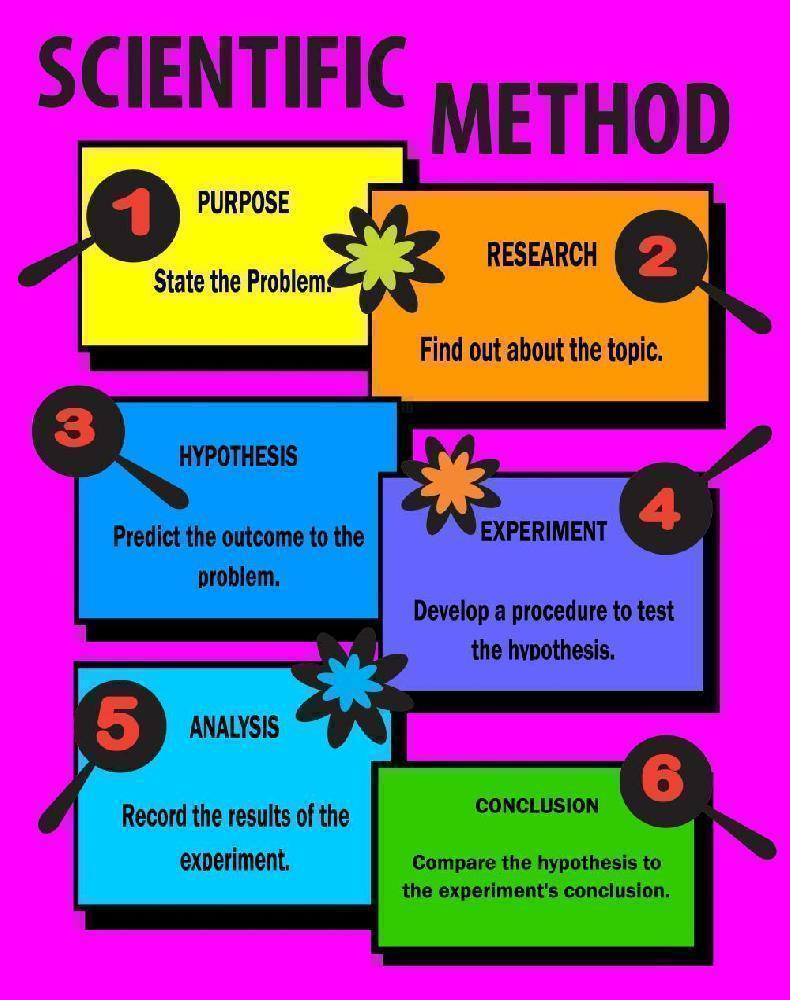
The scientific method stands as one of humanity’s most powerful intellectual achievements, providing a systematic way to investigate natural phenomena, test ideas, and build reliable knowledge. Although often presented as a simple sequence of steps—observation, hypothesis, experimentation, and conclusion—the scientific method is far richer, more flexible, and more nuanced than this linear model suggests. It is both a philosophy and a practice, shaped by centuries of refinement, debate, and discovery. At its core, the scientific method is a disciplined approach to understanding the world by grounding explanations in evidence rather than intuition, tradition, or authority.

The process typically begins with observation, the careful noticing of patterns, anomalies, or questions that arise from the natural world. Observation is not passive; it requires curiosity, attention, and often specialized tools. A scientist might observe the behavior of a chemical reaction, the motion of a planet, or the spread of a disease. These observations lead to questions, which form the intellectual spark that drives scientific inquiry. A well‑formed scientific question is specific, measurable, and focused on understanding a relationship or mechanism.

From these questions emerges the hypothesis, a tentative explanation that can be tested. A hypothesis is not a guess but a reasoned proposition based on prior knowledge, logic, and available evidence. Crucially, a hypothesis must be falsifiable, meaning it can be proven wrong through observation or experiment. This requirement distinguishes scientific ideas from beliefs or opinions. A hypothesis such as “all swans are white” can be falsified by observing a single black swan; a claim that cannot be tested or potentially disproven does not belong to the realm of science.

Once a hypothesis is established, the next step is prediction. Predictions translate the hypothesis into specific, testable outcomes. If the hypothesis is correct, then certain results should follow under defined conditions. Predictions help guide the design of experiments and clarify what evidence would support or contradict the hypothesis.

Experimentation is the heart of the scientific method. An experiment is a controlled procedure designed to test the predictions derived from the hypothesis. Good experiments isolate variables, use appropriate controls, and rely on precise measurement. The goal is to determine whether the observed results align with the predicted outcomes. Experiments may be conducted in laboratories, in the field, or through computational models, depending on the discipline. Regardless of the setting, the emphasis is on reproducibility: other researchers should be able to repeat the experiment and obtain similar results.

After data are collected, scientists engage in analysis, interpreting the results to determine whether they support or refute the hypothesis. This stage often involves statistical methods to assess the reliability and significance of the findings. A single experiment rarely provides definitive proof; instead, it contributes to a growing body of evidence. If the results contradict the hypothesis, the scientist must revise or abandon it. If the results support the hypothesis, it gains credibility but is never considered absolutely proven. Scientific knowledge is always provisional, open to revision in light of new evidence.

The final step is communication, an essential but sometimes overlooked component of the scientific method. Scientists share their findings through publications, presentations, and peer review. Peer review subjects the research to scrutiny by other experts, helping ensure that methods are sound, conclusions are justified, and errors are identified. This communal aspect of science allows knowledge to accumulate, refine, and evolve over time.

***

***

Although the scientific method is often portrayed as a rigid sequence, in practice it is highly flexible. Scientists may move back and forth between steps, refine hypotheses mid‑experiment, or generate new questions from unexpected results. Serendipity—unexpected discoveries—has played a major role in scientific progress, from penicillin to cosmic microwave background radiation. The method is less a strict recipe and more a guiding framework that emphasizes evidence, logic, and transparency.

Historically, the scientific method emerged from a long tradition of philosophical inquiry. Ancient thinkers such as Aristotle emphasized observation and classification, while medieval scholars in the Islamic world advanced experimental techniques. The Scientific Revolution of the 16th and 17th centuries marked a turning point, as figures like Francis Bacon and Galileo Galilei championed empirical investigation and systematic experimentation. Over time, the method evolved to incorporate mathematical modeling, statistical reasoning, and technological innovation.

Today, the scientific method underpins virtually every scientific discipline, from physics and biology to psychology and environmental science. It has enabled breakthroughs that transformed human life: vaccines, electricity, computers, and countless other advancements trace their origins to systematic inquiry. Beyond its practical achievements, the scientific method embodies a deeper philosophical commitment: the belief that the natural world is understandable through careful study, and that knowledge should be grounded in evidence rather than authority.

In an era of rapid technological change and widespread misinformation, the principles of the scientific method remain as vital as ever. Its emphasis on skepticism, transparency, and reproducibility provides a safeguard against error and bias. By teaching and applying the scientific method, society cultivates critical thinking, nurtures innovation, and strengthens the foundation of informed decision‑making.

Ultimately, the scientific method is more than a tool for scientists; it is a way of thinking that encourages curiosity, humility, and a relentless pursuit of truth. It reminds us that knowledge is not static but continually refined through questioning, testing, and discovery. Through this process, humanity expands its understanding of the universe and its place within it.

COMMENTS APPRECIATED

EDUCATION: Books

SPEAKING: Dr. Marcinko will be speaking and lecturing, signing and opining, teaching and preaching, storming and performing at many locations throughout the USA this year! His tour of witty and serious pontifications may be scheduled on a planned or ad-hoc basis; for public or private meetings and gatherings; formally, informally, or over lunch or dinner. All medical societies, financial advisory firms or Broker-Dealers are encouraged to submit an RFP for speaking engagements: CONTACT: Ann Miller RN MHA at MarcinkoAdvisors@outlook.com -OR- http://www.MarcinkoAssociates.com

Like, Refer and Subscribe

HOSPITALS: http://www.crcpress.com/product/isbn/9781466558731

CLINICS: http://www.crcpress.com/product/isbn/9781439879900

ADVISORS: www.CertifiedMedicalPlanner.org

FINANCE:Financial Planning for Physicians and Advisors

INSURANCE:Risk Management and Insurance Strategies for Physicians and Advisors

Dictionary of Health Economics and Finance

Dictionary of Health Information Technology and Security

Dictionary of Health Insurance and Managed Care

***

Do New Communists Really Want Socialism?

By Dr. David Edward Marcinko; MBA MEd

SPONSOR: http://www.CertifiedMedicalPlanner.org

***

***

The question of whether new communists truly want socialism is more complicated than it first appears. On the surface, many who identify with contemporary communist or socialist movements claim a desire for a radically transformed society—one without exploitation, extreme inequality, or the dominance of private capital. Yet beneath that shared language lies a wide spectrum of motivations, interpretations, and expectations. Some envision a complete restructuring of economic life, while others use the term “socialism” as shorthand for fairness, security, or moral opposition to corporate power. Understanding whether new communists genuinely want socialism requires examining what they mean by the term, what they hope to change, and how their goals differ from earlier generations.

At the core of the issue is the evolving meaning of socialism itself. Classical socialism referred to collective ownership of the means of production, the abolition of private capital, and the replacement of market competition with planned economic coordination. Many new communists still endorse these principles, but others use “socialism” to describe a more humane version of capitalism—one with stronger welfare systems, universal healthcare, or worker protections. This shift in meaning complicates the question. If someone calls themselves a communist but primarily advocates for reforms within the existing system, do they truly want socialism in the classical sense, or do they simply want a more equitable society?

Another factor is the political identity dimension. For some, communism functions less as a detailed economic program and more as a symbolic rejection of the status quo. In an era marked by rising inequality, precarious work, and corporate concentration, identifying as a communist can be a way of expressing frustration with systems that feel unresponsive or unjust. This symbolic stance does not always translate into a concrete desire for socialist institutions. Instead, it may reflect a longing for dignity, stability, or community—values that could be pursued through various political arrangements, not exclusively socialist ones.

However, it would be a mistake to assume that all new communists are merely using the label for aesthetic or emotional reasons. Many are deeply committed to the traditional socialist vision. They argue that capitalism’s structural incentives—profit maximization, competition, and private ownership—inevitably produce inequality and instability. For these individuals, socialism is not a vague aspiration but a necessary alternative. They advocate for worker‑owned enterprises, democratic planning, and the elimination of private control over essential industries. Their commitment is ideological, strategic, and often grounded in historical analysis.

Still, even among committed socialists, there is debate about how socialism should be achieved. Some favor gradual transformation through democratic institutions, believing that public support and political legitimacy are essential. Others argue that capitalism’s entrenched power structures make peaceful transition impossible. These disagreements reveal that wanting socialism is not a single, unified desire but a constellation of visions and strategies. The diversity within new communist movements suggests that the question cannot be answered with a simple yes or no.

***

***

A further complication is the influence of digital culture. Online spaces have given rise to a form of left‑wing politics that blends humor, irony, and ideological experimentation. Memes, slogans, and symbolic gestures often substitute for detailed political programs. This environment can blur the line between genuine commitment and performative identity. Some participants may adopt communist language as a form of cultural expression rather than a serious political project. Others may begin with irony but develop sincere beliefs over time. The fluidity of online political identity makes it difficult to determine who truly wants socialism and who is participating in a broader cultural trend.

Despite these complexities, one common thread unites many new communists: a desire for economic justice. Whether they envision full socialism or a reformed capitalism, they share a conviction that current systems fail to meet basic human needs. They point to rising costs of living, stagnant wages, and the concentration of wealth as evidence that something fundamental must change. This shared dissatisfaction does not guarantee agreement on solutions, but it does explain why socialism—however defined—has regained appeal.

Ultimately, the question “Do new communists really want socialism?” may be less important than understanding what motivates the resurgence of socialist language in the first place. Many are searching for alternatives to a world that feels increasingly unequal and unstable. Some believe socialism offers a coherent path forward; others use the term as a rallying cry for fairness and dignity. The diversity of motivations suggests that new communists do not form a monolithic group. Some genuinely want socialism in its traditional sense, while others seek a more humane society without fully embracing socialist structures.

COMMENTS APPRECIATED

EDUCATION: Books

SPEAKING: Dr. Marcinko will be speaking and lecturing, signing and opining, teaching and preaching, storming and performing at many locations throughout the USA this year! His tour of witty and serious pontifications may be scheduled on a planned or ad-hoc basis; for public or private meetings and gatherings; formally, informally, or over lunch or dinner. All medical societies, financial advisory firms or Broker-Dealers are encouraged to submit an RFP for speaking engagements: CONTACT: Ann Miller RN MHA at MarcinkoAdvisors@outlook.com -OR- http://www.MarcinkoAssociates.com

Like, Refer and Subscribe

***

What Is Economic Socialism?

By Dr. David Edward Marcinko; MBA MEd

SPONSOR: http://www.MarcinkoAssociates.com

***

***

Economic socialism is a system of organizing production and distribution in which the major resources of a society—its land, factories, infrastructure, and natural assets—are owned or regulated collectively rather than privately. At its core, socialism seeks to align economic activity with social welfare, ensuring that the benefits of production are shared broadly across the population. While different forms of socialism exist, they all share a foundational belief that the economy should serve the needs of the many rather than generate concentrated wealth for the few.

The starting point for understanding economic socialism is its critique of capitalism. In a capitalist system, private individuals or corporations own the means of production and operate them for profit. Socialists argue that this arrangement inevitably produces inequality because those who own capital accumulate wealth faster than those who rely on wages. Economic socialism responds to this imbalance by shifting ownership or control of key industries to the public. This does not necessarily eliminate markets or private property altogether; instead, it places the most essential sectors—such as energy, transportation, healthcare, or heavy industry—under collective oversight to prevent exploitation and ensure universal access.

A central feature of economic socialism is public ownership, which can take several forms. In some models, the state directly owns and manages industries. In others, workers operate enterprises cooperatively, sharing profits and decision‑making authority. There are also mixed systems in which the state regulates private firms heavily to ensure they operate in the public interest. Regardless of the structure, the goal is to prevent economic power from being concentrated in the hands of a small elite and to democratize the control of productive resources.

Another defining element of economic socialism is central or coordinated planning. Instead of relying solely on market forces to determine what is produced and at what price, socialist systems often use planning mechanisms to align production with social needs. This planning can be highly centralized, with government agencies setting output targets, or more decentralized, with local councils, cooperatives, and community groups participating in decision‑making. The purpose is to avoid the inefficiencies and inequalities that arise when essential goods are distributed based on profit rather than need.

Economic socialism also emphasizes economic security and social welfare. Because the system prioritizes collective well‑being, it typically includes strong social programs such as universal healthcare, free or low‑cost education, affordable housing, and guaranteed employment or income support. These programs are not viewed as charity but as rights that stem from the belief that every member of society deserves a dignified standard of living. Funding for these services usually comes from public revenues generated by state‑owned enterprises, progressive taxation, or both.

Critics of economic socialism argue that public ownership and planning can lead to inefficiency, bureaucracy, and reduced innovation. They claim that without the profit motive, enterprises may lack incentives to improve productivity or respond quickly to consumer preferences. Supporters counter that profit‑driven systems often fail to meet basic human needs, create cycles of boom and bust, and allow private interests to dominate political and economic life. They argue that socialism, when designed effectively, can balance efficiency with fairness by encouraging cooperation, long‑term planning, and equitable distribution.

In practice, economic socialism exists on a spectrum. Some countries adopt democratic socialist or social‑democratic approaches, combining market mechanisms with strong public sectors and extensive welfare systems. Others pursue more comprehensive forms of socialism that minimize private ownership and rely heavily on planning. The diversity of models reflects the flexibility of socialist principles and the different historical, cultural, and political contexts in which they are applied.

Ultimately, economic socialism is an attempt to reshape the relationship between the economy and society. It challenges the idea that markets alone should determine how resources are used and who benefits from them. Instead, it proposes that economic decisions should be guided by democratic participation, social justice, and the collective good. Whether implemented fully or partially, socialism offers a vision of an economy where prosperity is shared, essential needs are guaranteed, and economic power is distributed more evenly across the population.

COMMENTS APPRECIATED

EDUCATION: Books

SPEAKING: Dr. Marcinko will be speaking and lecturing, signing and opining, teaching and preaching, storming and performing at many locations throughout the USA this year! His tour of witty and serious pontifications may be scheduled on a planned or ad-hoc basis; for public or private meetings and gatherings; formally, informally, or over lunch or dinner. All medical societies, financial advisory firms or Broker-Dealers are encouraged to submit an RFP for speaking engagements: CONTACT: Ann Miller RN MHA at MarcinkoAdvisors@outlook.com -OR- http://www.MarcinkoAssociates.com

Like, Refer and Subscribe

***

MEMORIAL DAY: 2026

By Dr. David Edward Marcinko; MBA MEd

***

Memorial Day stands as one of the most solemn observances in American life, a day when the nation pauses to honor those who gave their lives in military service. It is more than a long weekend or the unofficial start of summer. It is a moment carved out of the year to acknowledge the profound cost of defending a nation’s ideals. The quiet gravity of the day reminds us that the freedoms we often take for granted were secured through courage, hardship, and sacrifice.

Across the country, communities gather in ceremonies that blend tradition with personal remembrance. Flags are placed at headstones, wreaths are laid at memorials, and moments of silence ripple through towns and cities. These acts, though simple, carry deep meaning. They connect us to generations of Americans who stepped forward in times of conflict, believing that service to something larger than themselves was worth the risk. Their stories—some well‑known, many never recorded—form a collective legacy that shapes the nation’s identity.

Memorial Day also invites reflection on the human dimension of service. Behind every name engraved on a monument is a life interrupted: a family forever changed, a future that will never unfold. The day asks us not only to honor their sacrifice but to recognize the weight carried by those who loved them. Parents, spouses, children, and friends continue to hold memories that are both cherished and painful. Their resilience is part of the story we commemorate.

***

***

Yet Memorial Day is not solely about mourning. It is also about responsibility. Remembering the fallen challenges us to consider how we uphold the values they defended—freedom, justice, and the promise of a nation striving toward a more perfect union. Gratitude becomes meaningful when it inspires action: participating in civic life, supporting veterans and military families, and working to strengthen the communities we share.

In this way, Memorial Day is both a tribute and a call to conscience. It reminds us that the privileges of citizenship come with obligations. It encourages us to look beyond our differences and recognize the common threads that bind us. The day’s power lies in its ability to unite people across backgrounds, generations, and beliefs in a shared moment of reflection.

***


***

As the sun sets on Memorial Day, the flags raised again to full staff symbolize not only resilience but hope. The nation moves forward, carrying the memory of those who served with honor. Their legacy endures in the freedoms we exercise, the opportunities we pursue, and the collective commitment to building a future worthy of their sacrifice.

COMMENTS APPRECIATED

EDUCATION: Books

SPEAKING: Dr. Marcinko will be speaking and lecturing, signing and opining, teaching and preaching, storming and performing at many locations throughout the USA this year! His tour of witty and serious pontifications may be scheduled on a planned or ad-hoc basis; for public or private meetings and gatherings; formally, informally, or over lunch or dinner. All medical societies, financial advisory firms or Broker-Dealers are encouraged to submit an RFP for speaking engagements: CONTACT: Ann Miller RN MHA at MarcinkoAdvisors@outlook.com -OR- http://www.MarcinkoAssociates.com

Like, Refer and Subscribe

***

BUTTONWOOD: Agreement

By Dr. David Edward Marcinko; MBA MEd

SPONSOR: http://www.CertifiedMedicalPlanner.org

***

***

A Turning Point in American Financial History

The Buttonwood Agreement, signed on May 17, 1792, is widely regarded as the foundational document of what would eventually become the New York Stock Exchange. Although only a brief, two‑sentence pact, it marked a decisive shift in the organization of American financial markets. At a time when the United States was still a young nation struggling to establish economic stability, the agreement introduced structure, trust, and cooperation into a marketplace that had previously been chaotic and vulnerable to manipulation. Its significance lies not only in the rules it established but also in the culture of self‑regulation and mutual accountability it inspired among early brokers.

In the years following the American Revolution, securities trading in New York City was informal and often disorderly. Brokers gathered on the streets near Federal Hall to trade government bonds, bank shares, and other financial instruments. The nation’s first Treasury Secretary, Alexander Hamilton, had introduced policies that strengthened public credit and created a market for federal debt, which in turn stimulated trading activity. Yet the rapid growth of this market also attracted speculation and questionable practices. Prices fluctuated wildly, rumors influenced trades, and there were no standardized rules governing transactions. This lack of structure contributed to financial instability, including two market panics in 1791 and early 1792 that shook public confidence.

In response to these disruptions, New York authorities attempted to curb speculative behavior by banning certain forms of street trading. Brokers, recognizing the need for a more organized system, began discussing ways to bring order to their profession. These conversations culminated in a meeting of twenty‑four brokers at 68 Wall Street, near a large buttonwood tree that later became a symbol of their pact. Whether or not the document was literally signed beneath the tree, the image of brokers gathering under its branches came to represent the spirit of cooperation and mutual trust that the agreement embodied.

The Buttonwood Agreement contained two key provisions. First, the signatories pledged to trade securities exclusively with one another. This created a closed network of brokers who could hold each other accountable and reduce the influence of unregulated intermediaries. Second, they established a minimum commission rate, ensuring that brokers would not undercut one another in ways that destabilized the market. These simple rules helped create a more predictable and trustworthy environment for trading, which was essential for restoring confidence in the financial system.

Beyond its immediate practical effects, the agreement marked the beginning of a cultural transformation in American finance. By formalizing their relationships and committing to shared standards, the brokers demonstrated a willingness to regulate themselves in the interest of market stability. This spirit of self‑governance would continue to shape the evolution of the New York Stock Exchange as it grew into a powerful institution. The agreement also reflected a broader shift toward institutionalization in the American economy, as informal practices gave way to organized systems capable of supporting long‑term growth.

***

***

In the years that followed, the brokers moved their operations into the Tontine Coffee House, where trading became more structured and consistent. As the volume and complexity of transactions increased, the need for a more formal organization became clear. In 1817, the brokers adopted a constitution and created the New York Stock & Exchange Board, the direct predecessor of today’s New York Stock Exchange. The principles first articulated in the Buttonwood Agreement—exclusivity, standardized commissions, and mutual accountability—continued to guide the institution’s development.

The legacy of the Buttonwood Agreement extends far beyond its modest beginnings. It represents the moment when American financial markets began to transition from informal gatherings to organized institutions capable of supporting industrial expansion, infrastructure development, and technological innovation. The New York Stock Exchange would go on to play a central role in the nation’s economic growth, serving as a hub for capital formation and investment. The agreement also set an early example of how private actors could create effective regulatory frameworks when motivated by shared interests.

Today, the site of the Buttonwood Agreement is commemorated in lower Manhattan, a reminder of how a simple pact among two dozen brokers helped shape the trajectory of global finance. Its enduring significance lies in its demonstration that trust, cooperation, and clear rules are essential to the functioning of any financial system. What began as a brief agreement under a tree became the foundation of one of the world’s most influential markets, illustrating how small acts of organization can have far‑reaching consequences.

COMMENTS APPRECIATED

EDUCATION: Books

SPEAKING: Dr. Marcinko will be speaking and lecturing, signing and opining, teaching and preaching, storming and performing at many locations throughout the USA this year! His tour of witty and serious pontifications may be scheduled on a planned or ad-hoc basis; for public or private meetings and gatherings; formally, informally, or over lunch or dinner. All medical societies, financial advisory firms or Broker-Dealers are encouraged to submit an RFP for speaking engagements: CONTACT: Ann Miller RN MHA at MarcinkoAdvisors@outlook.com -OR- http://www.MarcinkoAssociates.com

Like, Refer and Subscribe

***

PRECATORY LETTER: To Handle but Not Compel

Estate Planning

By Dr. David Edward Marcinko MBA MEd

***

***

📜 Precatory Letter: Meaning and Significance

A precatory letter is a document that expresses wishes, hopes, or recommendations rather than legally binding instructions. The word precatory comes from the Latin precari, meaning “to pray” or “to entreat.” In modern usage, it refers to language that conveys a desire or request without imposing a legal obligation. Within estate planning and related contexts, a precatory letter is often used to supplement formal documents such as wills or trusts, offering guidance and emotional expression that the law itself cannot enforce.

***

***

⚖️ Legal Nature

The defining characteristic of a precatory letter is that it is non-binding. Courts distinguish between mandatory language, such as “shall” or “must,” and precatory language, such as “wish,” “hope,” or “request.” For example, if a will states, “I hope my children will keep the family home,” this is considered precatory. The heirs are free to follow the suggestion, but they are not legally compelled to do so. This distinction ensures that only clear, directive language creates enforceable obligations, while precatory language remains advisory.

💡 Practical Purposes

Despite lacking legal force, precatory letters serve important functions:

  • Emotional comfort: They allow individuals to leave behind words of love, encouragement, and reassurance for family members.
  • Moral guidance: They can express values, traditions, or charitable wishes, encouraging heirs to act in ways that reflect the writer’s principles.
  • Practical clarity: They may explain decisions made in a will or trust, reducing misunderstandings and potential disputes among beneficiaries.
  • Personal legacy: They preserve stories, hopes, and family culture that legal documents cannot capture.

For instance, a parent might leave a will dividing assets equally but include a precatory letter asking children to use part of their inheritance for education or to maintain a family property. While not enforceable, such guidance often carries moral weight and influences behavior.

🌟 Benefits and Limitations

The benefit of a precatory letter lies in its flexibility and humanity. It allows individuals to communicate beyond the rigid framework of law, offering context and emotional depth. It can reduce conflict by clarifying intentions and help heirs feel connected to the values of the deceased.

However, its limitation is clear: it cannot override or alter legally binding documents. If a will distributes property in a certain way, a precatory letter cannot change that distribution. Its power is persuasive rather than compulsory, relying on the goodwill and respect of those who receive it.

📝 Conclusion

In essence, a precatory letter is a bridge between law and emotion. It complements formal estate planning documents by expressing wishes, values, and guidance in a personal voice. Though it lacks binding authority, its significance lies in the comfort, clarity, and moral influence it provides. By writing a precatory letter, individuals ensure that they leave behind not only material possessions but also a legacy of values, memories, and heartfelt direction for loved ones.

COMMENTS APPRECIATED

EDUCATION: Books

SPEAKING: Dr. Marcinko will be speaking and lecturing, signing and opining, teaching and preaching, storming and performing at many locations throughout the USA this year! His tour of witty and serious pontifications may be scheduled on a planned or ad-hoc basis; for public or private meetings and gatherings; formally, informally, or over lunch or dinner. All medical societies, financial advisory firms or Broker-Dealers are encouraged to submit an RFP for speaking engagements: CONTACT: Ann Miller RN MHA at MarcinkoAdvisors@outlook.com -OR- http://www.MarcinkoAssociates.com

Like, Refer and Subscribe

***

***

K-SHAPED ECONOMY: An Uneven and Divided World

By Dr. David Edward Marcinko MBA MEd

***

***

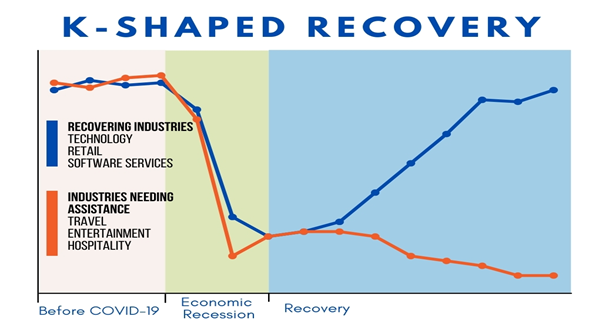
The term “K-shaped economy” emerged during the COVID-19 pandemic to describe a recovery marked by stark divergence—where some sectors and social groups rebound rapidly while others continue to decline. Unlike traditional V-shaped or U-shaped recoveries, which imply uniform economic improvement, the K-shaped model reflects a split trajectory: the upward arm of the “K” represents those who thrive, while the downward arm captures those left behind. This phenomenon has profound implications for economic policy, social equity, and long-term stability.

At the heart of the K-shaped economy is inequality. High-income individuals, white-collar professionals, and large corporations often benefit from technological advances, remote work flexibility, and access to capital. For example, tech giants like Apple, Microsoft, and Alphabet saw record profits during the pandemic, fueled by digital transformation and cloud services. Meanwhile, lower-income workers—especially in hospitality, retail, and service industries—faced job losses, reduced hours, and limited access to healthcare or financial safety nets. This divergence widened existing income and wealth gaps, exacerbating social tensions.

Sectoral performance also illustrates the K-shaped divide. Industries such as e-commerce, software, and logistics surged, while travel, entertainment, and small businesses struggled. The rise of automation and artificial intelligence further tilted the scales, favoring companies that could invest in innovation while displacing low-skilled labor. In education, students from affluent families adapted to online learning with ease, while those from disadvantaged backgrounds faced digital barriers and learning loss. These disparities underscore how economic recovery is not just uneven—it’s structurally imbalanced.

Geography plays a role too. Urban centers with diversified economies and strong tech sectors rebounded faster than rural or manufacturing-heavy regions. Housing markets in affluent areas soared, driven by low interest rates and remote work migration, while renters and first-time buyers faced affordability crises. Even within cities, neighborhoods with better infrastructure and public services recovered more quickly, deepening the urban-suburban divide.

Policymakers face a daunting challenge in addressing the K-shaped recovery. Traditional stimulus measures may not reach the most vulnerable populations without targeted interventions. Expanding access to education, healthcare, and digital infrastructure is essential to leveling the playing field. Progressive taxation, wage support, and small business aid can help bridge the gap, but require political will and fiscal discipline. Central banks must balance inflation control with inclusive growth, avoiding policies that disproportionately benefit asset holders.

The long-term consequences of a K-shaped economy are significant. Persistent inequality can erode trust in institutions, fuel populism, and hinder social mobility. Economic growth may slow if large segments of the population remain underemployed or financially insecure. To build a resilient and inclusive future, governments, businesses, and civil society must collaborate to ensure that recovery lifts all boats—not just the yachts.

COMMENTS APPRECIATED

EDUCATION: Books

SPEAKING: Dr. Marcinko will be speaking and lecturing, signing and opining, teaching and preaching, storming and performing at many locations throughout the USA this year! His tour of witty and serious pontifications may be scheduled on a planned or ad-hoc basis; for public or private meetings and gatherings; formally, informally, or over lunch or dinner. All medical societies, financial advisory firms or Broker-Dealers are encouraged to submit an RFP for speaking engagements: CONTACT: Ann Miller RN MHA at MarcinkoAdvisors@outlook.com -OR- http://www.MarcinkoAssociates.com

Like, Refer and Subscribe

***

***

V.I.P. PATIENT PARADOX: A Joe Biden Medical Scenario?

By Dr. David Edward Marcinko MBA MEd

***

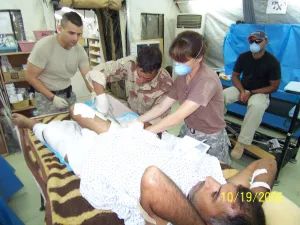
Dr. David Edward Marcinko with non-VIP patients

***

The House Committee on Oversight and Government Reform expanded its investigation of the cover-up of former President Joe Biden’s health, prostate cancer, and mental decline.

On June 4th, Chairman James Comer subpoenaed five former senior White House aides to appear for transcribed interviews in addition to Biden’s physician, Kevin O’Connor, M.D. In May, Biden revealed he was diagnosed with advanced prostate cancer. The announcement left the public dumbfounded.

At 82, having spent more than five decades as a president, vice president and senator, Biden had access to world-class medical care. Donald Trump Jr. was one of many political observers who speculated the diagnosis might have been covered up to win the 2020 election. And, Biden’s doctors may have followed standard medical guidelines, and the recommendations about screenings for people of different ages can be controversial, writes health care economist Devon Herrick at the Goodman Institute Health Care Blog.

“Experts often say that men are more apt to die with prostate cancer than from prostate cancer,” wrote Herrick. “There is even some disagreement about whether doctors should treat most occurrences of prostate cancer in older men. That partly explains why Biden had not been screened in a decade.”

Screenings can be costly, time-consuming and uncomfortable, and false positive results can lead to invasive procedures that do not markedly extend life or health. Biden made his first public remarks about his cancer after a Memorial Day event. Biden said he was “feeling good” and expected to “be able to beat this.”

QUESTION: So, was this a case of VIP Patient Paradox?

***

DEFINITION: “VIP medical patient paradox syndrome” is a term coined in 1964 by the psychiatrist Walter Weintraub to describe an intriguing paradox: Throughout history, the rich and famous, with all their resources and fancy doctors, have often received worse medical treatment, and suffered from worse health outcomes, than the average person.

VIP DEFINED: https://mdwhistleblower.blogspot.com/2024/08/the-vip-syndrome-threatens-doctors.html

Example: When physicians afford “special privileges” to their powerful patients, from “Mad King” George III to Michael Jackson, they seem to get sicker and even die.

While Weintraub, a psychoanalyst, attributed the problem in part to doctors unconsciously resenting their influential patients, it seems doctors simply get starstruck around famous people and high-ranking figures. Despite their medical expertise, these physicians find themselves opting out of basic tests for “privacy” or prescribing dangerous medications for “comfort.”

COMMENTS APPRECIATED

EDUCATION: Books

SPEAKING: Dr. Marcinko will be speaking and lecturing, signing and opining, teaching and preaching, storming and performing at many locations throughout the USA this year! His tour of witty and serious pontifications may be scheduled on a planned or ad-hoc basis; for public or private meetings and gatherings; formally, informally, or over lunch or dinner. All medical societies, financial advisory firms or Broker-Dealers are encouraged to submit an RFP for speaking engagements: CONTACT: Ann Miller RN MHA at MarcinkoAdvisors@outlook.com -OR- http://www.MarcinkoAssociates.com

Like and Subscribe

***

***

The Missing Piece in America’s Health Care Debate

By Rick Kahler CFP™

http://www.KahlerFinancial.com

***

The recent horrifying murder of UnitedHealthcare Group CEO Brian Thompson has called attention to the anger many Americans feel about our health care system. This tragedy has thrust the very real issue of health care costs back into the headlines.

One article on the topic, from Ken Alltucker for USA Today, offered seven reasons why Americans pay so much for health care with such poor results. When I saw the headline, I thought, “Finally, someone’s going to bring up the elephant in the room: taxes.”

The seven reasons included bloated administrative costs, lack of price transparency, overpaid specialists, higher prescription drug prices, and more. But I didn’t see a word about how, compared to other developed nations with “cheaper” health care, Americans pay far lower taxes. That omission feels like leaving a critical piece of the puzzle off the table.

***

***

In reality, countries with universal health care are not pulling off some magic trick of efficiency. They are simply collecting the money differently—through significantly higher taxes. Americans, on the other hand, pay for health care more directly, through out-of-pocket costs and insurance premiums.

In a column last year, I did the math. Americans spend about 17.8% of GDP on health care, plus 27.7% of GDP in taxes. That’s a total of 45.5%. Now compare that to twelve European countries with universal health care. They spend a median of 11.5% of GDP on health care and collect 41.9% of GDP in taxes. Total? 53.4%. In other words, Americans are spending 7.9% less overall on healthcare and taxes combined.

The saving isn’t what it appears, though. A fair comparison of healthcare costs and taxes needs to account for the fact that universal healthcare systems cover 100% of their populations, while the U.S. system currently leaves about 8% uninsured. If you factor in the cost of covering our uninsured residents, the U.S. likely spends a comparable percentage of income on healthcare as European countries with universal systems.

***

***

Our system is far from perfect. As the USA Today article points out, administrative costs are bloated. Harvard’s David Cutler estimates up to 25% of our health spending goes toward paperwork, phone calls, and processing. Price transparency is practically nonexistent. The cost of a diagnostic test might vary from $300 to $3,000 depending on where you go. We pay much more for prescription drugs and many procedures than those same treatments cost in other developed nations. Another issue is the fee-for-service model that rewards doctors for ordering more tests and procedures, whether or not patients get better.

We can do better. Innovations like value-based care, where providers are paid for outcomes rather than procedures, could help shift the system toward real results. Greater price transparency would empower patients to make informed choices and force providers to compete. And addressing administrative inefficiencies could save billions.

Yet fixing the system requires being honest about trade-offs. If we want universal health care at European price rates, we need to accept European tax rates. That’s the part of the conversation that often gets left out. It’s easy to be angry at hospitals, insurance companies, and drug manufacturers—and yes, they all have plenty to answer for. But we also need to face the reality that we’ve chosen a system that prioritizes lower taxes over centralized health care.

Anger may have put the flaws in our health care system in the spotlight. Finding genuine solutions will require moving beyond expressions of anger and frustration. It will demand thoughtful discussions about what kind of health care system, as individuals and as a nation, that we want and how we are willing to fund it.

EDUCATION: Books

COMMENTS APPRECIATED

Refer and Subscribe

***

***

OBEDIENCE: To Authority is “Shocking”

QUESTION EVERYTHING?

By Staff Reporters

***

***

Question: Why do we follow orders, even when they seem wrong?

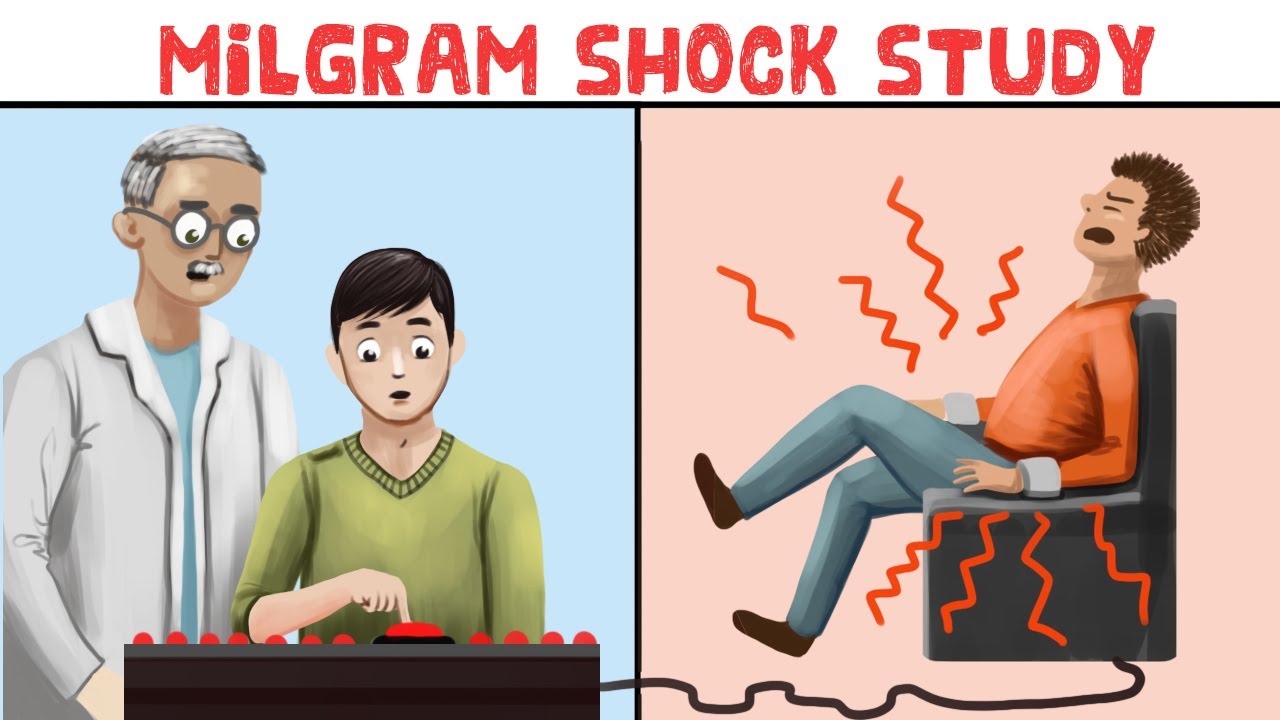
According to colleague Dan Ariely PhD, Obedience to Authority is a powerful force, making us do things we wouldn’t normally do. Think of the infamous Milgram experiment, where people shocked others because a guy in a lab coat told them to do so. It’s our brain’s way of outsourcing decision-making to someone else. While it can keep society orderly, it also explains why people sometimes follow questionable orders.

Cite: https://www.simplypsychology.org/milgram.html

Milgram’s experiments posed the question: Would people obey orders, even if they believed doing so would harm another person?

Milgram’s findings suggested the answer was yes, they would. The experiments have long been controversial, both because of the startling findings and the ethical problems with the research. More recently, experts have re-examined the studies, suggesting that participants were often coerced into obeying and that at least some participants recognized that the other person was just pretending to be shocked. Such findings call into question the study’s validity and authenticity, but some replications suggest that people are surprisingly prone to obeying authority.

So, question authority [doctor, financial advisor, accountant, clergy, professor and lawyer, etc] – just not your GPS.

COMMENTS APPRECIATED

Thank You

***

***

2024 NOBEL PRIZE ECONOMICS: Daron Acemoglu, James Robinson and Simon Johnson

By Staff Reporters

***

***

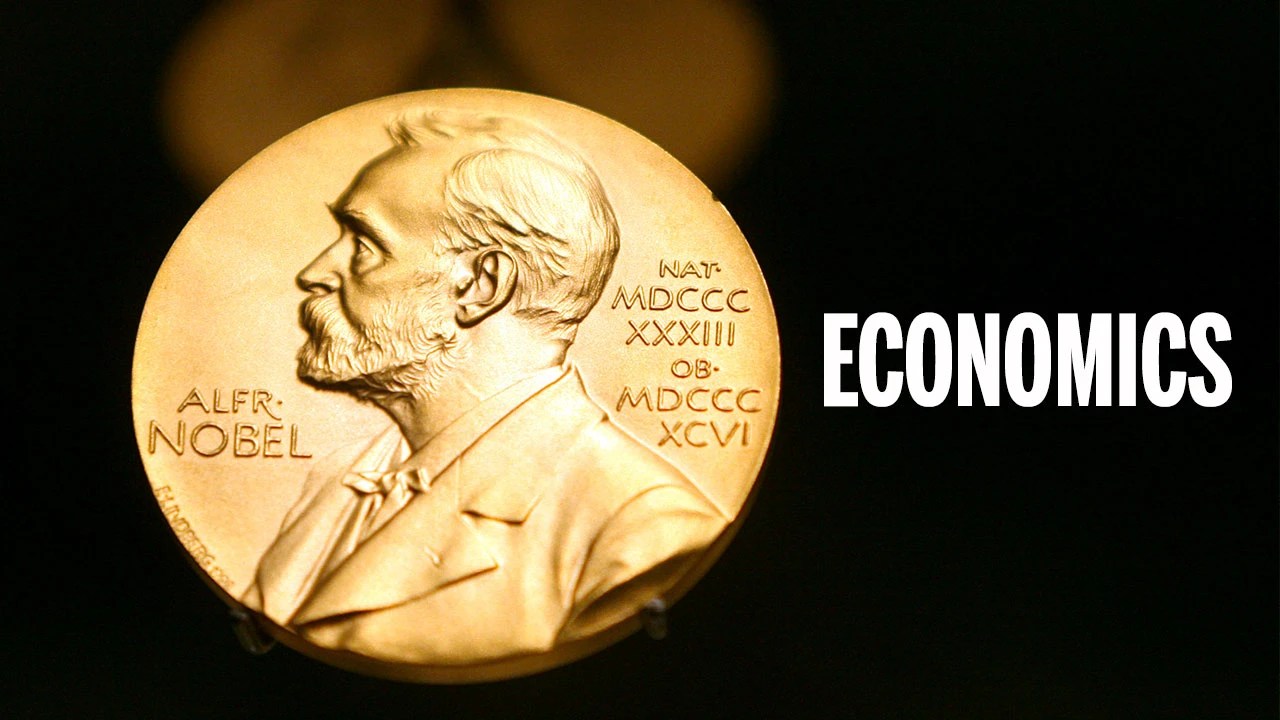
Authors of the seminal textbook Why Nations Fail, Daron Acemoglu, James Robinson, and former International Monetary Fund chief economist Simon Johnson will split the roughly $1 million cash prize for their research, which found a link between a country’s prosperity and the institutions it established during European colonization.

CITE: https://www.r2library.com/Resource/Title/0826102549

According to the award-winning research:

  • Places developed either “inclusive” or “extractive” institutions based on population density. The former allowed for inclusive governance (i.e., democracy), while the latter extracted resources to benefit a small group of elites.
  • Countries that developed inclusive institutions have experienced long-term prosperity; those with exclusive institutions haven’t. “Broadly speaking, the work that we have done favors democracy,” Acemoglu said.

Eample: In the twin cities of Nogales, on the US-Mexico border, the north and south parts of the transborder city have the same climate and the same resources, but the section in the US is far richer because of the country’s institutions, according to the researchers.

Critics. Some academics argue the Nobel winners’ premise ignores the effects of culture on prosperity. Others point to an irrefutable counterexample: China continues to experience explosive growth despite having an autocratic government.

COMMENTS APPRECIATED

Thank You

***

***