Support our online development, and advance our onground research initiatives in free market economics, as we seek to showcase the brightest Next-Gen minds.
THE ME-P DISCLAIMER: Posts, comments and opinions do not necessarily represent iMBA, Inc., but become our property after submission. Copyright © 2006 to-date. iMBA, Inc allows colleges, universities, medical and financial professionals and related clinics, hospitals and non-profit healthcare organizations to distribute our proprietary essays, photos, videos, audios and other documents; etc. However, please review copyright and usage information for each individual asset before submission to us, and/or placement on your publication or web site. Attestation references, citations and/or back-links are required. All other assets are property of the individual copyright holder.
Support our online development, and advance our onground research initiatives in free market economics, as we seek to showcase the brightest Next-Gen minds.
THE ME-P DISCLAIMER: Posts, comments and opinions do not necessarily represent iMBA, Inc., but become our property after submission. Copyright © 2006 to-date. iMBA, Inc allows colleges, universities, medical and financial professionals and related clinics, hospitals and non-profit healthcare organizations to distribute our proprietary essays, photos, videos, audios and other documents; etc. However, please review copyright and usage information for each individual asset before submission to us, and/or placement on your publication or web site. Attestation references, citations and/or back-links are required. All other assets are property of the individual copyright holder.


By Dr. David Edward Marcinko; MBA MEd
***
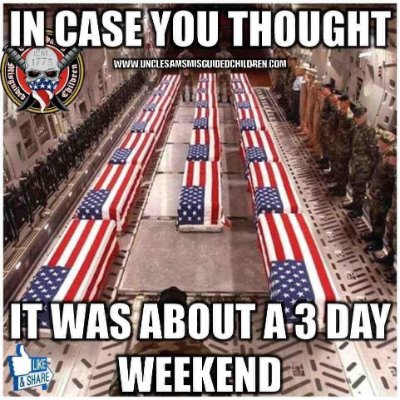
Memorial Day stands as one of the most solemn observances in American life, a day when the nation pauses to honor those who gave their lives in military service. It is more than a long weekend or the unofficial start of summer. It is a moment carved out of the year to acknowledge the profound cost of defending a nation’s ideals. The quiet gravity of the day reminds us that the freedoms we often take for granted were secured through courage, hardship, and sacrifice.
Across the country, communities gather in ceremonies that blend tradition with personal remembrance. Flags are placed at headstones, wreaths are laid at memorials, and moments of silence ripple through towns and cities. These acts, though simple, carry deep meaning. They connect us to generations of Americans who stepped forward in times of conflict, believing that service to something larger than themselves was worth the risk. Their stories—some well‑known, many never recorded—form a collective legacy that shapes the nation’s identity.
Memorial Day also invites reflection on the human dimension of service. Behind every name engraved on a monument is a life interrupted: a family forever changed, a future that will never unfold. The day asks us not only to honor their sacrifice but to recognize the weight carried by those who loved them. Parents, spouses, children, and friends continue to hold memories that are both cherished and painful. Their resilience is part of the story we commemorate.
***
***
Yet Memorial Day is not solely about mourning. It is also about responsibility. Remembering the fallen challenges us to consider how we uphold the values they defended—freedom, justice, and the promise of a nation striving toward a more perfect union. Gratitude becomes meaningful when it inspires action: participating in civic life, supporting veterans and military families, and working to strengthen the communities we share.
In this way, Memorial Day is both a tribute and a call to conscience. It reminds us that the privileges of citizenship come with obligations. It encourages us to look beyond our differences and recognize the common threads that bind us. The day’s power lies in its ability to unite people across backgrounds, generations, and beliefs in a shared moment of reflection.
***
***
As the sun sets on Memorial Day, the flags raised again to full staff symbolize not only resilience but hope. The nation moves forward, carrying the memory of those who served with honor. Their legacy endures in the freedoms we exercise, the opportunities we pursue, and the collective commitment to building a future worthy of their sacrifice.
COMMENTS APPRECIATED
SPEAKING: Dr. Marcinko will be speaking and lecturing, signing and opining, teaching and preaching, storming and performing at many locations throughout the USA this year! His tour of witty and serious pontifications may be scheduled on a planned or ad-hoc basis; for public or private meetings and gatherings; formally, informally, or over lunch or dinner. All medical societies, financial advisory firms or Broker-Dealers are encouraged to submit an RFP for speaking engagements: CONTACT: Ann Miller RN MHA at MarcinkoAdvisors@outlook.com -OR- http://www.MarcinkoAssociates.com
Like, Refer and Subscribe
***
Share this:

Filed under: iMBA, Inc. | Tagged: freedom, history, Marcinko, Memorial Day, military, Veterans | Leave a comment »