Support our online development, and advance our onground research initiatives in free market economics, as we seek to showcase the brightest Next-Gen minds.
THE ME-P DISCLAIMER: Posts, comments and opinions do not necessarily represent iMBA, Inc., but become our property after submission. Copyright © 2006 to-date. iMBA, Inc allows colleges, universities, medical and financial professionals and related clinics, hospitals and non-profit healthcare organizations to distribute our proprietary essays, photos, videos, audios and other documents; etc. However, please review copyright and usage information for each individual asset before submission to us, and/or placement on your publication or web site. Attestation references, citations and/or back-links are required. All other assets are property of the individual copyright holder.
Support our online development, and advance our onground research initiatives in free market economics, as we seek to showcase the brightest Next-Gen minds.
THE ME-P DISCLAIMER: Posts, comments and opinions do not necessarily represent iMBA, Inc., but become our property after submission. Copyright © 2006 to-date. iMBA, Inc allows colleges, universities, medical and financial professionals and related clinics, hospitals and non-profit healthcare organizations to distribute our proprietary essays, photos, videos, audios and other documents; etc. However, please review copyright and usage information for each individual asset before submission to us, and/or placement on your publication or web site. Attestation references, citations and/or back-links are required. All other assets are property of the individual copyright holder.


By Dr. David Edward Marcinko; MBA MEd
***
***
The Ebola virus is one of the most feared pathogens known to modern medicine, recognized for its rapid spread, severe symptoms, and high fatality rates. First identified in 1976 during simultaneous outbreaks in what are now the Democratic Republic of the Congo and South Sudan, the virus has since reappeared in periodic epidemics across sub‑Saharan Africa. Its name comes from the Ebola River near one of the earliest outbreak sites, and over time it has become synonymous with viral hemorrhagic fever and global public health emergencies.
Ebola belongs to the Filoviridae family and the Orthoebolavirus genus. Several species exist, but four are known to cause disease in humans: Zaire ebolavirus, Sudan virus, Bundibugyo virus, and Taï Forest virus. Among these, the Zaire species is the most lethal and has been responsible for the largest and deadliest outbreaks, including the 2013–2016 West African epidemic that infected tens of thousands of people. Although the average fatality rate across outbreaks is around half of those infected, some epidemics have recorded mortality as high as 90 percent.
Scientists believe that fruit bats serve as the natural reservoir for Ebola. The virus can spill over into human populations when people come into contact with infected animals such as bats, chimpanzees, gorillas, or forest antelopes. Once a human becomes infected, the virus spreads primarily through direct contact with bodily fluids of a sick or deceased person. These fluids include blood, vomit, feces, urine, saliva, sweat, breast milk, and semen. Contaminated objects, such as needles or bedding, can also transmit the virus. Importantly, Ebola does not spread through the air like influenza; a person must have direct exposure to infectious fluids. Individuals are not contagious until they begin showing symptoms, which helps guide containment strategies.
The incubation period for Ebola ranges from two to twenty‑one days. Early symptoms often resemble common illnesses, beginning with fever, fatigue, muscle pain, headache, and sore throat. As the disease progresses, more severe symptoms emerge, including vomiting, diarrhea, abdominal pain, and rash. In many cases, the virus causes internal and external bleeding, though bleeding is not as universal as popular portrayals suggest. Patients may bleed from the gums, nose, or puncture sites, and blood may appear in vomit or stool. As the infection worsens, organ failure, shock, and neurological complications such as confusion or irritability can occur. Without timely medical care, these complications often lead to death within days.
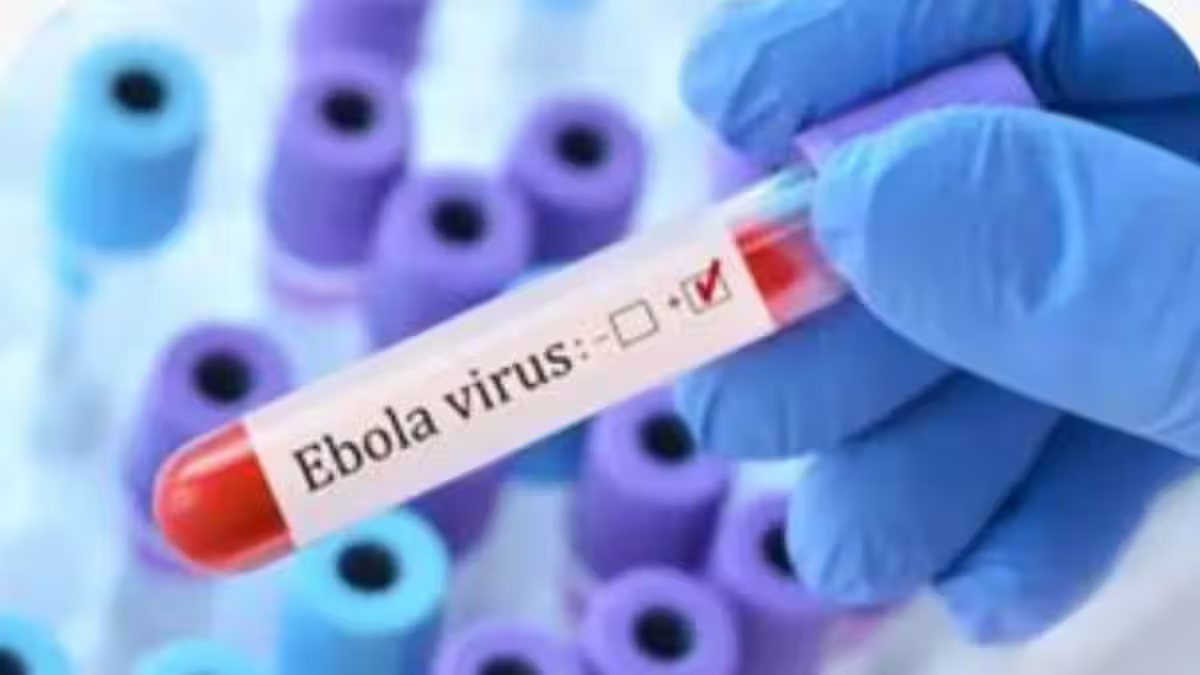
Diagnosing Ebola can be challenging because early symptoms mimic other tropical diseases such as malaria, typhoid fever, or meningitis. Laboratory confirmation typically requires specialized tests that detect viral RNA or antibodies. Because Ebola samples pose extreme biohazard risks, testing must be conducted in high‑containment laboratories. Rapid diagnosis is essential not only for patient care but also for preventing further spread.
***
***
Treatment for Ebola has improved significantly over the past decade. Historically, supportive care—such as rehydration, electrolyte replacement, oxygen therapy, and treatment of secondary infections—was the only option. Today, specific antiviral therapies exist for infections caused by the Zaire species. These include monoclonal antibody treatments that help the immune system neutralize the virus. Even with these advances, early intervention remains critical; patients who receive care soon after symptoms begin have a much higher chance of survival.
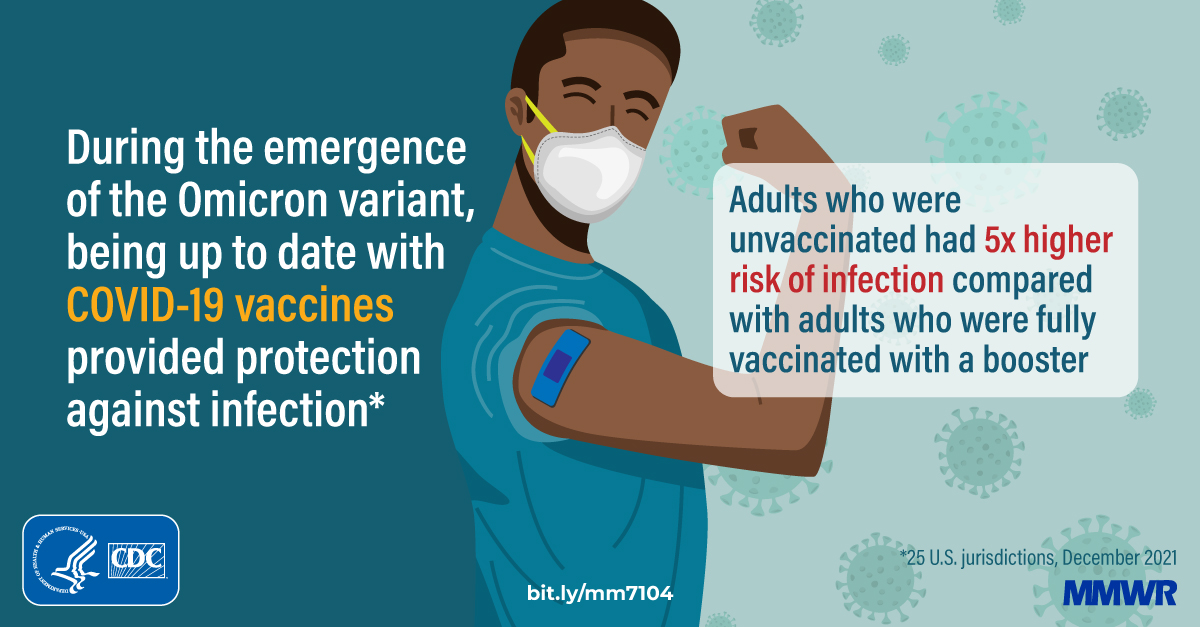
Vaccination has also transformed Ebola prevention. A licensed vaccine is available for the Zaire species and has been used effectively in outbreak settings to protect frontline workers and close contacts of infected individuals. However, vaccines for other Ebola species are still under development. Because outbreaks often occur in remote regions with limited healthcare infrastructure, vaccination campaigns must be paired with strong community engagement, safe burial practices, contact tracing, and infection‑control measures in healthcare facilities.
Ebola’s impact extends beyond the immediate health crisis. Survivors may experience long‑term complications, including vision problems, joint pain, fatigue, and neurological issues. The virus can persist in immune‑privileged sites such as the eyes, brain, and reproductive organs for months after recovery, which means survivors may require ongoing monitoring. Social stigma can also affect survivors and their families, making community reintegration an important part of recovery efforts.
COMMENTS APPRECIATED
SPEAKING: Dr. Marcinko will be speaking and lecturing, signing and opining, teaching and preaching, storming and performing at many locations throughout the USA this year! His tour of witty and serious pontifications may be scheduled on a planned or ad-hoc basis; for public or private meetings and gatherings; formally, informally, or over lunch or dinner. All medical societies, financial advisory firms or Broker-Dealers are encouraged to submit an RFP for speaking engagements: CONTACT: Ann Miller RN MHA at MarcinkoAdvisors@outlook.com -OR- http://www.MarcinkoAssociates.com
Like, Refer and Subscribe
***
Share this:

Filed under: iMBA, Inc. | Tagged: ebola, health, Marcinko, medicine, news, vaccine, wellness | Leave a comment »