INVESTING: Copper

By Dr. David Edward Marcinko; MBA MEd

SPONSOR: http://www.MarcinkoAssociates.com

***

***

Investing in Copper — Pros and Cons

Copper has been essential to human progress for thousands of years, and in the modern era it remains one of the most strategically important industrial metals. Its unique combination of conductivity, durability, and versatility makes it indispensable across sectors ranging from construction and manufacturing to renewable energy and electric vehicles. Because of this broad utility, copper has increasingly attracted attention from investors seeking exposure to long‑term global growth trends. Yet, like any commodity, copper presents both opportunities and challenges. Understanding the pros and cons of investing in copper is crucial for determining whether it fits into a broader investment strategy.

One of the strongest advantages of investing in copper is its fundamental role in global infrastructure. Copper is used in electrical wiring, plumbing, telecommunications, and transportation systems. As developing nations continue to urbanize and industrialize, demand for copper tends to rise. Large‑scale infrastructure projects—such as power grids, rail networks, and housing developments—require significant amounts of the metal. This structural demand provides copper with a long‑term economic foundation that many investors find appealing.

Another major benefit is copper’s central role in the transition to renewable energy. Solar panels, wind turbines, and energy‑storage systems all rely heavily on copper. Electric vehicles, in particular, use far more copper than traditional internal‑combustion cars due to their wiring, motors, and charging infrastructure. As countries push toward decarbonization and electrification, copper demand is expected to grow. Investors who believe in the long‑term momentum of clean energy often view copper as a way to participate in that trend.

Copper also offers diversification benefits. Unlike precious metals such as gold, which are often driven by investor sentiment, copper is tied closely to real economic activity. Its price tends to move with industrial production, construction cycles, and manufacturing output. For investors seeking exposure to global growth rather than financial speculation, copper can serve as a useful counterbalance within a diversified portfolio.

Another advantage is copper’s relative stability as a physical asset. Copper does not corrode easily, and it can be stored for long periods without losing its utility. This makes it a practical commodity for long‑term holding. Additionally, copper has a well‑established global market with transparent pricing mechanisms, making it easier to track and evaluate compared to more opaque commodities.

Despite these strengths, investing in copper comes with notable drawbacks. One of the biggest challenges is price volatility. Copper prices are highly sensitive to economic cycles. During periods of recession or industrial slowdown, demand for copper can drop sharply, leading to significant price declines. Investors who rely on stable returns may find copper’s cyclical nature difficult to manage.

Another disadvantage is the complexity of accessing copper as an investment. Unlike gold or silver, copper is not typically purchased in small, easily tradable physical units. Storing large quantities of copper is impractical for most individuals due to its bulk and weight. As a result, investors often rely on financial instruments such as futures contracts or shares in mining companies. These indirect methods introduce additional risks, including company‑specific issues, management decisions, and operational challenges that may not reflect copper’s underlying market value.

Copper mining itself presents environmental and geopolitical risks. Many of the world’s largest copper reserves are located in regions with political instability or regulatory uncertainty. Changes in government policy, labor disputes, or environmental restrictions can disrupt production and affect supply. Additionally, mining operations face increasing scrutiny for their environmental impact, including land degradation, water usage, and carbon emissions. These factors can influence copper prices and complicate long‑term investment planning.

Another drawback is the potential for supply bottlenecks. While demand for copper is rising, developing new mines is a slow and expensive process. It can take years or even decades to bring new production online. If supply fails to keep pace with demand, prices may become more volatile. Conversely, if new mines come online faster than expected, oversupply can depress prices. This imbalance between supply and demand creates uncertainty for investors.

Copper also faces competition from alternative materials. Advances in technology may reduce copper usage in certain applications. For example, aluminum is sometimes used as a substitute in electrical systems due to its lower cost. While copper’s superior conductivity makes it difficult to replace entirely, even partial substitution can affect long‑term demand projections.

Finally, copper does not generate income or yield. Like most commodities, copper’s value depends solely on price appreciation. Investors seeking steady cash flow may find copper less attractive than assets that produce dividends, interest, or rental income. Copper’s role is typically speculative or strategic rather than income‑producing.

EDUCATION: Books

SPEAKING: Dr. Marcinko will be speaking and lecturing, signing and opining, teaching and preaching, storming and performing at many locations throughout the USA this year! His tour of witty and serious pontifications may be scheduled on a planned or ad-hoc basis; for public or private meetings and gatherings; formally, informally, or over lunch or dinner. All medical societies, financial advisory firms or Broker-Dealers are encouraged to submit an RFP for speaking engagements: CONTACT: Ann Miller RN MHA at MarcinkoAdvisors1738@outlook.com -OR- http://www.MarcinkoAssociates.com

Like, Refer and Subscribe

HOSPITALS: http://www.crcpress.com/product/isbn/9781466558731

CLINICS: http://www.crcpress.com/product/isbn/9781439879900

ADVISORS: www.CertifiedMedicalPlanner.org

FINANCE:Financial Planning for Physicians and Advisors

INSURANCE:Risk Management and Insurance Strategies for Physicians and Advisors

Dictionary of Health Economics and Finance

Dictionary of Health Information Technology and Security

Dictionary of Health Insurance and Managed Care

***

COMMODITIES: Top Traded

By Dr. David Edward Marcinko MBA MEd

***

***

Commodities are essential raw materials that fuel the global economy, traded in markets and used in everything from food production to energy and manufacturing. Their value lies in their universality, stability, and role in investment strategies.

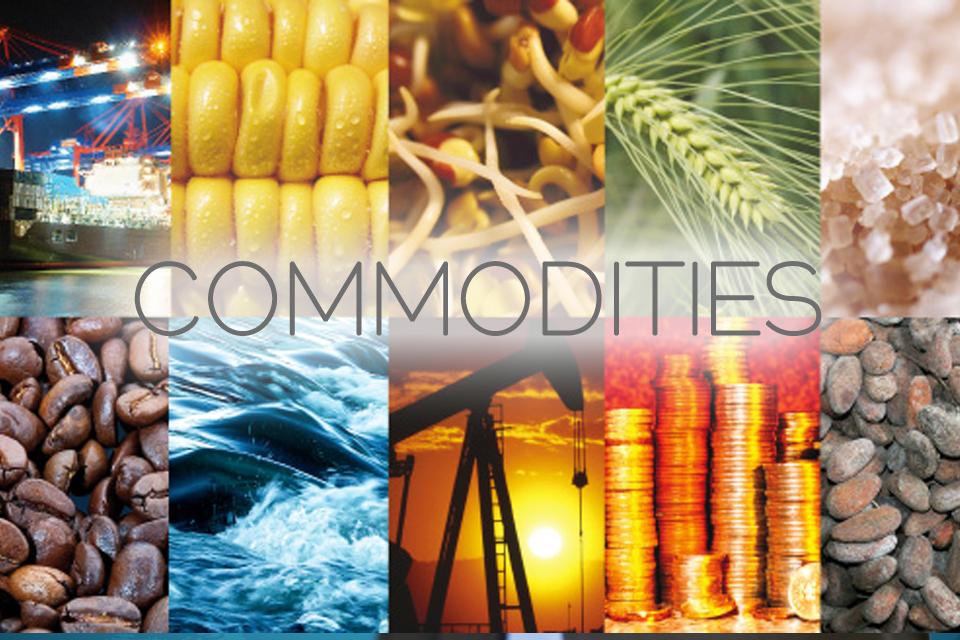
A commodity is a basic good used in commerce that is interchangeable with other goods of the same type. These raw materials are the building blocks of the global economy, ranging from agricultural products like wheat and coffee to natural resources such as crude oil, gold, and copper. Because commodities are standardized and widely used, they are traded on exchanges where their prices fluctuate based on supply and demand.

There are two main types of commodities: hard and soft. Hard commodities include natural resources that are mined or extracted—such as oil, gas, and metals. Soft commodities are agricultural products or livestock—like corn, soybeans, cotton, and cattle. These categories help investors and analysts understand market behavior and economic trends.

Commodities play a vital role in global trade. Countries rich in natural resources often rely on commodity exports to drive their economies. For example, oil-exporting nations like Saudi Arabia and Venezuela depend heavily on petroleum revenues. Similarly, agricultural powerhouses like Brazil and the United States benefit from exporting soybeans, coffee, and wheat. The prices of these commodities can significantly impact national income, inflation rates, and currency strength.

Commodity markets are also important for investors. Many people invest in commodities to diversify their portfolios and hedge against inflation. Since commodity prices often rise when inflation increases, they can act as a buffer against declining purchasing power. Investors can gain exposure to commodities through futures contracts, exchange-traded funds (ETFs), or direct ownership of physical goods. However, commodity investing carries risks, including price volatility due to weather events, geopolitical tensions, and changes in global demand.

One of the key features of commodities is their fungibility. This means that a unit of a commodity is essentially the same regardless of its origin. For example, a barrel of crude oil from Saudi Arabia is considered equivalent to one from Texas, as long as it meets the same grade. This standardization allows commodities to be traded efficiently on global markets.

Commodities also influence consumer prices. When the cost of raw materials rises, it often leads to higher prices for finished goods. For instance, an increase in wheat prices can make bread more expensive, while rising oil prices can lead to higher transportation and heating costs. This ripple effect makes commodity prices a key indicator of economic health.

In conclusion, commodities are foundational to both economic activity and investment strategy. They represent the raw inputs that power industries and sustain daily life. Understanding commodities—how they’re categorized, traded, and priced—offers insight into global markets and helps individuals and nations make informed financial decisions.

Whether you’re a consumer, investor, or policymaker, commodities are a crucial part of the economic landscape.

COMMENTS APPRECIATED

EDUCATION: Books

SPEAKING: Dr. Marcinko will be speaking and lecturing, signing and opining, teaching and preaching, storming and performing at many locations throughout the USA this year! His tour of witty and serious pontifications may be scheduled on a planned or ad-hoc basis; for public or private meetings and gatherings; formally, informally, or over lunch or dinner. All medical societies, financial advisory firms or Broker-Dealers are encouraged to submit an RFP for speaking engagements: CONTACT: Ann Miller RN MHA at MarcinkoAdvisors@outlook.com -OR- http://www.MarcinkoAssociates.com

Like, Refer and Subscribe

***

***

Stocks and Commodities

By A.I.

***

***

  • Stocks: Markets shrugged off President Trump’s weekend threat of 30% levies against the EU and Mexico, as well as his proposed 100% secondary tariffs against Russia today. Stocks eked out a win across the board, with the NASDAQ climbing to a new record close.
  • Commodities: Oil prices fell while gold took a breather, but the big winner was orange juice futures, which hit a four-month high thanks to Trump’s promise of 50% tariffs on all imports from Brazil. Coffee prices also climbed.

COMMENTS APPRECIATED

Like and Subscribe

***

***

DAILY UPDATE: Women’s Health, and Commodities, as Stock Markets Struggle

MEDICAL EXECUTIVE-POST TODAY’S NEWSLETTER BRIEFING

***

Essays, Opinions and Curated News in Health Economics, Investing, Business, Management and Financial Planning for Physician Entrepreneurs and their Savvy Advisors and Consultants

Serving Almost One Million Doctors, Financial Advisors and Medical Management Consultants Daily

A Partner of the Institute of Medical Business Advisors , Inc.

http://www.MedicalBusinessAdvisors.com

SPONSORED BY: Marcinko & Associates, Inc.

***

http://www.MarcinkoAssociates.com

Daily Update Provided By Staff Reporters Since 2007.
How May We Serve You?
© Copyright Institute of Medical Business Advisors, Inc. All rights reserved. 2025

REFER A COLLEAGUE: MarcinkoAdvisors@outlook.com

SPONSORSHIPS AVAILABLE: https://medicalexecutivepost.com/sponsors/

ADVERTISE ON THE ME-P: https://tinyurl.com/ytb5955z

Your Referral Count -0-

***

CITE: https://www.r2library.com/Resource

Record VC investments for women’s health: Venture-backed women’s health startups experienced unprecedented investment last year, according to a new SVB report. The report examines the factors driving such record-breaking funding—like growing recognition of how various health conditions affect women differently and disproportionately, plus the causes and biological drivers behind this imbalance. Read it here.

CITE: https://tinyurl.com/2h47urt5

  • Stocks: Investors mostly yawned and the major indexes held steady a day after President Trump reignited his trade war by announcing higher tariffs would go into effect on 14 countries starting August 1st. Wall Street banks don’t seem concerned either, as Goldman Sachs and Bank of America became the latest strategists to raise their year-end target for the S&P 500.
  • Commodities: Copper futures popped as much as 17% to a new record, the largest intra-day gain since at least 1988, after Trump said he plans to place a 50% tariff on copper imports.

CITE: https://tinyurl.com/tj8smmes

Visualize: How private equity tangled banks in a web of debt, from the Financial Times.

COMMENTS APPRECIATED

PLEASE SUBSCRIBE: MarcinkoAdvisors@outlook.com

Thank You

***

***

***

***

EDUCATIONAL TEXTBOOKS: https://tinyurl.com/4zdxuuwf

***

DAILY UPDATE: Sunday Stock Market Weekend Recap

MEDICAL EXECUTIVE-POST TODAY’S NEWSLETTER BRIEFING

***

Essays, Opinions and Curated News in Health Economics, Investing, Business, Management and Financial Planning for Physician Entrepreneurs and their Savvy Advisors and Consultants

Serving Almost One Million Doctors, Financial Advisors and Medical Management Consultants Daily

A Partner of the Institute of Medical Business Advisors , Inc.

http://www.MedicalBusinessAdvisors.com

SPONSORED BY: Marcinko & Associates, Inc.

***

http://www.MarcinkoAssociates.com

Daily Update Provided By Staff Reporters Since 2007.
How May We Serve You?
© Copyright Institute of Medical Business Advisors, Inc. All rights reserved. 2024

REFER A COLLEAGUE: MarcinkoAdvisors@msn.com

SPONSORSHIPS AVAILABLE: https://medicalexecutivepost.com/sponsors/

ADVERTISE ON THE ME-P: https://tinyurl.com/ytb5955z

***

CITE: https://www.r2library.com/Resource

  • A tough week just ended with the Dow Jones just barely in the green, though the index snapped its 5-week winning streak thanks in large part to its worst day of trading this year on Thursday. The NASDAQ hit a new all-time high on the back of Nvidia’s strong earnings, while the S&P 500 rose but ended the week flat.
  • Bond yields rose this week as investors came to terms with the idea that the Federal Reserve may not cut rates more than once in 2024, fleeing to the safety of Treasuries. Gold ended the week down overall.
  • The market turned on copper selling off for a third straight day. And oil finally snapped its losing streak, rising on the hopes of a travel-heavy Memorial Day weekend, though crude still ended the week lower than where it started.
  • The big winner was ethereum thanks to the approval of a spot ethereum ETF by the SEC.

CITE: https://tinyurl.com/2h47urt5

The U.S. Markets were closed on Monday, May 27th, 2024. Please be aware that, transactions made after 4 p.m. EST on Friday, May 24th, 2024, will receive the closing price as of Tuesday, May 28th, 2024.

CITE: https://tinyurl.com/tj8smmes

COMMENTS APPRECIATED

PLEASE SUBSCRIBE: MarcinkoAdvisors@msns.com

Thank You

***

***

***

***

EDUCATIONAL TEXTBOOKS: https://tinyurl.com/4zdxuuwf

***

DAILY UPDATE: Abbvie, Treasuries, Gold, Copper and the NASDAQ Rally

MEDICAL EXECUTIVE-POST TODAY’S NEWSLETTER BRIEFING

***

Essays, Opinions and Curated News in Health Economics, Investing, Business, Management and Financial Planning for Physician Entrepreneurs and their Savvy Advisors and Consultants

Serving Almost One Million Doctors, Financial Advisors and Medical Management Consultants Daily

A Partner of the Institute of Medical Business Advisors , Inc.

http://www.MedicalBusinessAdvisors.com

SPONSORED BY: Marcinko & Associates, Inc.

***

http://www.MarcinkoAssociates.com

Daily Update Provided By Staff Reporters Since 2007.
How May We Serve You?
© Copyright Institute of Medical Business Advisors, Inc. All rights reserved. 2024

REFER A COLLEAGUE: MarcinkoAdvisors@msn.com

SPONSORSHIPS AVAILABLE: https://medicalexecutivepost.com/sponsors/

ADVERTISE ON THE ME-P: https://tinyurl.com/ytb5955z

***

The yield on the 10-year Treasury rose as investors wait for word from the FOMC on Wednesday, while oil initially rose on the news of the death of the president of Iran, though it fell back down to end the day lower after succession of the presidency was settled. But investors were clearly still feeling jittery as gold hit new highs on the back of geopolitical concerns. Copper also rose to a new all-time high.

Here’s where the major benchmarks ended:

  • The S&P 500 index gained 4.86 points (0.1%) to 5,308.13; the Dow Jones Industrial Average® ($DJI) lost 196.82 points (0.5%) to 39,806.77; the NASDAQ Composite rallied 108.91 points (0.7%) to 16,794.87.
  • The 10-year Treasury note yield (TNX) increased more than 2 basis points to 4.443%.
  • The CBOE Volatility Index® (VIX) rose 0.15 to 12.14.

Nvidia’s gain helped push the PHLX Semiconductor Index (SOX) more than 2% to a two-and-a-half-month high and just under a record close posted in early March. The small-cap Russell 2000® Index (RUT) added 0.3% and ended slightly below a six-week high posted last Wednesday. 

CITE: https://www.r2library.com/Resource

JPMorgan shares fell 4.5% as investors realized that they won’t have Jamie Dimon around forever—he told shareholders at a meeting today that his 5-year timetable for leaving the company no longer applies.

CITE: https://tinyurl.com/2h47urt5

After AbbVie’s Humira, the best-selling drug in the world, lost patent exclusivity in 2023, company executives placed their bets on two other AbbVie drugs, Skyrizi and Rinvoq, to make up for an anticipated steep decline in revenue.

CITE: https://tinyurl.com/tj8smmes

COMMENTS APPRECIATED

PLEASE SUBSCRIBE: MarcinkoAdvisors@msns.com

Thank You

***

***

***

***

EDUCATIONAL TEXTBOOKS: https://tinyurl.com/4zdxuuwf

***