






 Support our online development, and advance our onground research initiatives in free market economics, as we seek to showcase the brightest Next-Gen minds.
THE ME-P DISCLAIMER: Posts, comments and opinions do not necessarily represent iMBA, Inc., but become our property after submission. Copyright © 2006 to-date. iMBA, Inc allows colleges, universities, medical and financial professionals and related clinics, hospitals and non-profit healthcare organizations to distribute our proprietary essays, photos, videos, audios and other documents; etc. However, please review copyright and usage information for each individual asset before submission to us, and/or placement on your publication or web site. Attestation references, citations and/or back-links are required. All other assets are property of the individual copyright holder.


By Dr. David Edward Marcinko; MBA MEd
http://www.DavidEdwardMarcinko.com
SPONSOR: http://www.MarcinkoAssociates.com
***
***
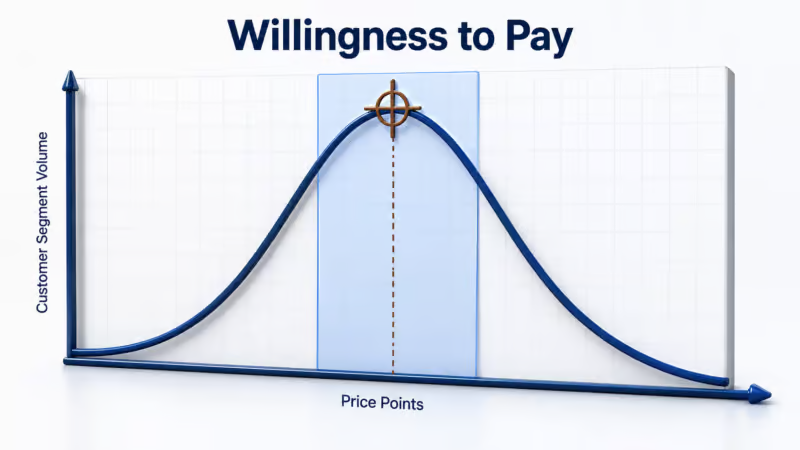
Willingness to pay (WTP) represents the maximum amount of money a consumer is prepared to spend to acquire a good, service, or experience. It is not merely a static number on a price tag; rather, it is a dynamic psychological threshold where a consumer’s perceived value of a product aligns perfectly with their financial sacrifice. In modern economics and marketing, understanding this concept is essential. It serves as the bedrock for pricing strategies, market segmentation, and value creation, bridging the gap between what a business offers and what a consumer actually values.
At its core, WTP is deeply subjective and driven by consumer utility. According to economic theory, individuals seek to maximize their satisfaction or utility given their budget constraints. When a consumer evaluates a product, they subconsciously weigh the expected benefits against the monetary cost. If the perceived utility exceeds the price, the transaction is likely to occur. However, this perceived utility is heavily influenced by a myriad of external and internal factors. Brand loyalty, emotional connection, and perceived quality can inflate WTP dramatically. For instance, a consumer might be willing to pay a premium for a smartphone from a specific brand not just for its technical specifications, but for the status, ecosystem, and sense of identity it provides.
Context and environment also play a critical role in shaping WTP. The exact same commodity can command vastly different price thresholds depending on where and when it is offered. A bottle of water at a local grocery store may only elicit a willingness to pay of one dollar. However, that same bottle of water inside a hot airport terminal, at a music festival, or during an emergency shortages can see its WTP skyrocket. This fluctuation highlights the power of convenience, scarcity, and immediate need. Businesses leverage these contextual shifts through dynamic pricing models, altering prices in real-time based on demand, availability, and consumer urgency.
Furthermore, demographic and socioeconomic factors introduce significant variances in WTP. Income levels naturally dictate budget constraints, meaning wealthier consumers generally exhibit a higher WTP for luxury goods and conveniences. However, personal values can create exceptions to this rule. For example, the modern rise of ethical consumerism has shown that many individuals, regardless of income, possess a higher WTP for organic foods, fair-trade products, or environmentally sustainable goods. In these instances, the consumer is not just buying a physical item; they are purchasing the peace of mind that comes with supporting a cause aligned with their personal ethics.
***

***
For businesses, accurately measuring WTP is both a massive challenge and a strategic necessity. If a company sets its prices too far below the average WTP, it leaves substantial revenue on the table, a phenomenon known as consumer surplus. Conversely, if prices are set above the WTP, the product will fail to sell, leading to stagnant inventory and financial losses. To find the optimal price point, organizations utilize market research, surveys, focus groups, and historical sales data analysis. By identifying different segments of WTP within a single market, companies can implement price discrimination strategies—such as offering basic, premium, and deluxe versions of software—to capture the maximum value from every tier of consumer.
In conclusion, willingness to pay is the ultimate arbiter of market value. It proves that value is never inherent in an object itself, but is instead granted by the mind of the buyer. By analyzing the psychological, contextual, and ethical factors that drive WTP, businesses can design better products, craft smarter pricing structures, and foster deeper connections with their target audience. Ultimately, mastering the nuances of WTP is what separates thriving, value-driven enterprises from those that fail to connect with the marketplace.
SPEAKING: Dr. Marcinko will be speaking and lecturing, signing and opining, teaching and preaching, storming and performing at many locations throughout the USA this year! His tour of witty and serious pontifications may be scheduled on a planned or ad-hoc basis; for public or private meetings and gatherings; formally, informally, or over lunch or dinner. All medical societies, financial advisory firms or Broker-Dealers are encouraged to submit an RFP for speaking engagements: CONTACT: Ann Miller RN MHA at MarcinkoAdvisors1738@outlook.com -OR- http://www.MarcinkoAssociates.com
Like, Refer and Subscribe
(©) Copyright USA. All rights reserved.
SEND IN YOUR ME-Ps & TOPIC IDEAS, TODAY!
HOSPITALS: http://www.crcpress.com/product/isbn/9781466558731
CLINICS: http://www.crcpress.com/product/isbn/9781439879900
ADVISORS: www.CertifiedMedicalPlanner.org
FINANCE: Financial Planning for Physicians and Advisors
INSURANCE: Risk Management and Insurance Strategies for Physicians and Advisors
Dictionary of Health Economics and Finance
Dictionary of Health Information Technology and Security
Dictionary of Health Insurance and Managed Care
***

Share this:

Filed under: iMBA, Inc. |


Leave a Reply