






 Support our online development, and advance our onground research initiatives in free market economics, as we seek to showcase the brightest Next-Gen minds.
THE ME-P DISCLAIMER: Posts, comments and opinions do not necessarily represent iMBA, Inc., but become our property after submission. Copyright © 2006 to-date. iMBA, Inc allows colleges, universities, medical and financial professionals and related clinics, hospitals and non-profit healthcare organizations to distribute our proprietary essays, photos, videos, audios and other documents; etc. However, please review copyright and usage information for each individual asset before submission to us, and/or placement on your publication or web site. Attestation references, citations and/or back-links are required. All other assets are property of the individual copyright holder.


By Dr. David Edward Marcinko; MBA MEd
http://www.DavidEdwardMarcinko.com
SPONSOR: http://www.MarcinkoAssociates.com
***
***
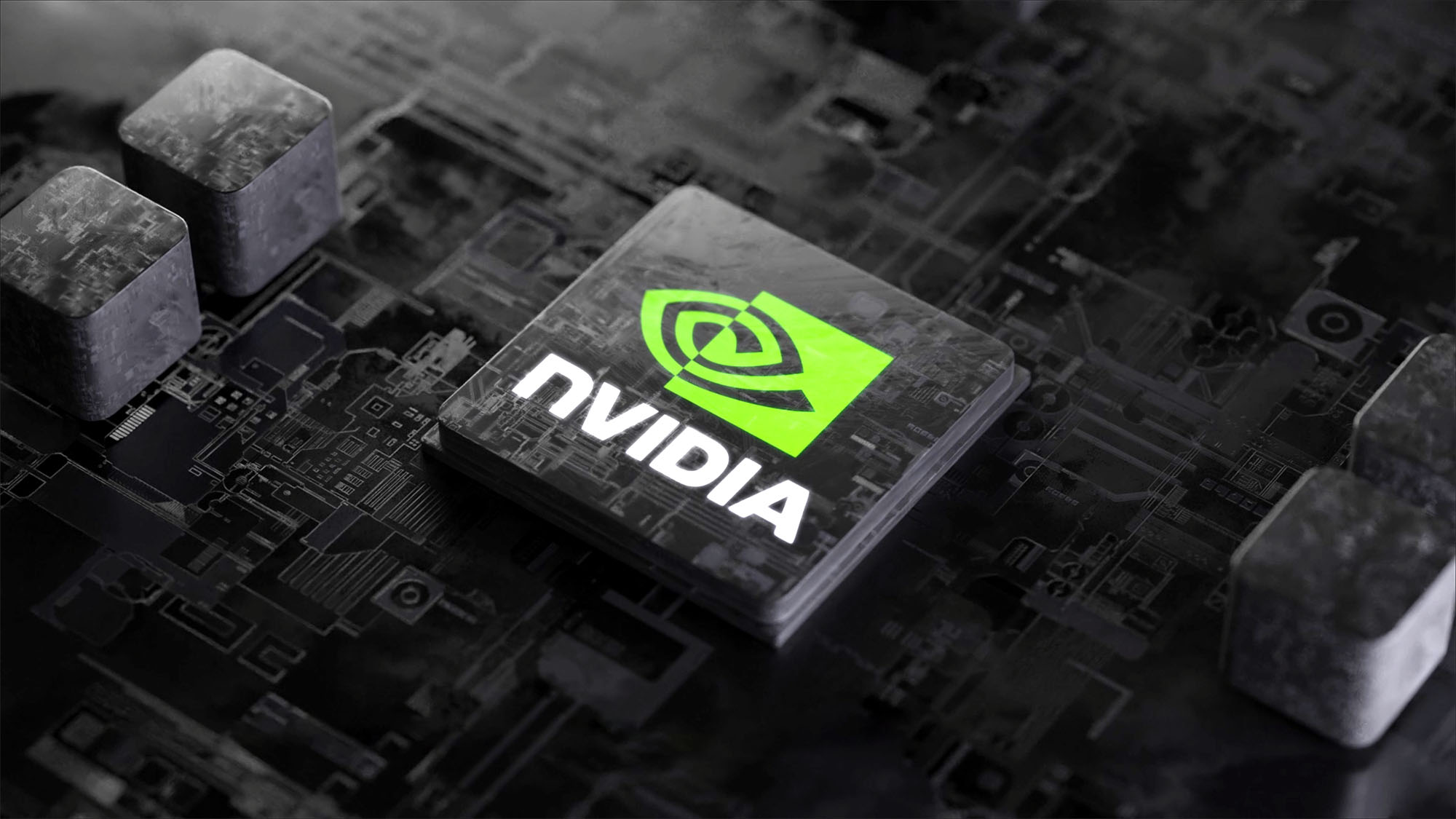
The recent NVIDIA controversy could affect my stock portfolio mainly through uncertainty, not because the allegations have already shown that the company’s business or technology has been harmed. NVIDIA’s board says it has opened an independent investigation after reports that CEO Jensen Huang was targeted by a foreign intelligence effort. The board says it currently has no reason to believe national security or company secrets were compromised, and that independent directors and outside counsel will oversee the inquiry. Those statements are important, but the investigation has not yet established what happened or whether it had any business consequences.
If I owned NVIDIA shares, I would expect investors to weigh two separate issues. The first is the company’s performance: demand for its products, revenue, competition, and ability to deliver. The second is governance and leadership risk: whether the investigation uncovers information that could affect Huang’s judgment, the company’s security, or confidence in its oversight. Keeping those issues separate would help me avoid treating alarming headlines as proof of financial damage.
In the near term, the investigation could make NVIDIA shares more volatile. Investors often react to uncertainty before the facts are settled. Some may sell because they fear reputational harm or an extended controversy; others may regard the company’s board response as evidence that it is taking the matter seriously. That could produce quick price swings without a corresponding change in NVIDIA’s products, customers, or earnings. A sharp move in the stock would therefore be a signal to reassess the facts—not, by itself, a reason to assume that the company’s long-term prospects have changed.
The greatest concern for my portfolio would be evidence of a concrete operational or regulatory effect. For example, if the review found that confidential information had been exposed, that key decisions were compromised, or that government restrictions or customer concerns followed, the consequences could extend beyond temporary negative publicity. Customers might reconsider their relationships with the company, regulators could scrutinize its practices, or the board might face pressure to change leadership or security procedures. Such developments could affect expectations about future sales and costs. At present, however, the board’s statement does not establish that any of these outcomes has occurred.
I would also consider how much NVIDIA already represents in my portfolio. If one company has grown into a large share of my investments, even a temporary decline could have an outsized effect on my overall savings. That concentration risk exists whether the company is involved in a controversy or not. Rather than making a sudden decision based on headlines, I would compare my position with my own investment goals, time horizon, and ability to tolerate losses. If the holding had become larger than I intended, rebalancing could be sensible as part of a broader plan—not as an attempt to guess the stock’s next daily move.
Diversification would matter as well. A portfolio spread across different companies and industries is less dependent on the fortunes of any single executive or business. It does not eliminate the risk of losses, and other technology stocks may still be affected by the same market conditions, but it can limit the damage when one holding encounters company-specific trouble. I would avoid treating another individual technology stock as an automatic substitute without considering whether it carries similar risks or simply adds more exposure to the same sector.
My response would be to monitor verified updates from the investigation and the company’s future disclosures, while paying attention to measurable business indicators. I would look for credible information about security, customer relationships, leadership, financial performance, and any relevant regulatory response. I would be cautious about rumors and speculation, especially when they imply conclusions the board has not announced. The board’s current statement is an initial position, not a final finding, so new information could change how investors assess the situation.
Overall, the NVIDIA scandal could affect my portfolio by increasing uncertainty and short-term volatility. Its longer-term significance depends on whether the investigation reveals a real threat to the company’s operations, governance, or customer confidence. Until then, I would avoid both panic-selling and assuming there is nothing to worry about. I would keep my decisions tied to my financial plan, the size of my NVIDIA holding, and reliable new facts—not to the emotional force of the latest headline.
SPEAKING: Dr. Marcinko will be speaking and lecturing, signing and opining, teaching and preaching, storming and performing at many locations throughout the USA this year! His tour of witty and serious pontifications may be scheduled on a planned or ad-hoc basis; for public or private meetings and gatherings; formally, informally, or over lunch or dinner. All medical societies, financial advisory firms or Broker-Dealers are encouraged to submit an RFP for speaking engagements: CONTACT: Ann Miller RN MHA at MarcinkoAdvisors1738@outlook.com -OR- http://www.MarcinkoAssociates.com
Like, Refer and Subscribe
(©) Copyright USA. All rights reserved.
SEND IN YOUR ME-Ps & TOPIC IDEAS, TODAY!
HOSPITALS: http://www.crcpress.com/product/isbn/9781466558731
CLINICS: http://www.crcpress.com/product/isbn/9781439879900
ADVISORS: www.CertifiedMedicalPlanner.org
FINANCE: Financial Planning for Physicians and Advisors
INSURANCE: Risk Management and Insurance Strategies for Physicians and Advisors
Dictionary of Health Economics and Finance
Dictionary of Health Information Technology and Security
Dictionary of Health Insurance and Managed Care
***

Share this:

Filed under: iMBA, Inc. | Tagged: AI, artificial intelligence, economics, finance, Investing, Jensen Huang, Marcinko, Nvidia, stock market, stocks, Technology, Wall Street | Leave a comment »

