



 Support our online development, and advance our onground research initiatives in free market economics, as we seek to showcase the brightest Next-Gen minds.
THE ME-P DISCLAIMER: Posts, comments and opinions do not necessarily represent iMBA, Inc., but become our property after submission. Copyright © 2006 to-date. iMBA, Inc allows colleges, universities, medical and financial professionals and related clinics, hospitals and non-profit healthcare organizations to distribute our proprietary essays, photos, videos, audios and other documents; etc. However, please review copyright and usage information for each individual asset before submission to us, and/or placement on your publication or web site. Attestation references, citations and/or back-links are required. All other assets are property of the individual copyright holder.


By Dr. David Edward Marcinko; MBA MEd
http://www.DavidEdwardMarcinko.com
SPONSOR: http://www.MarcinkoAssociates.com
***
***
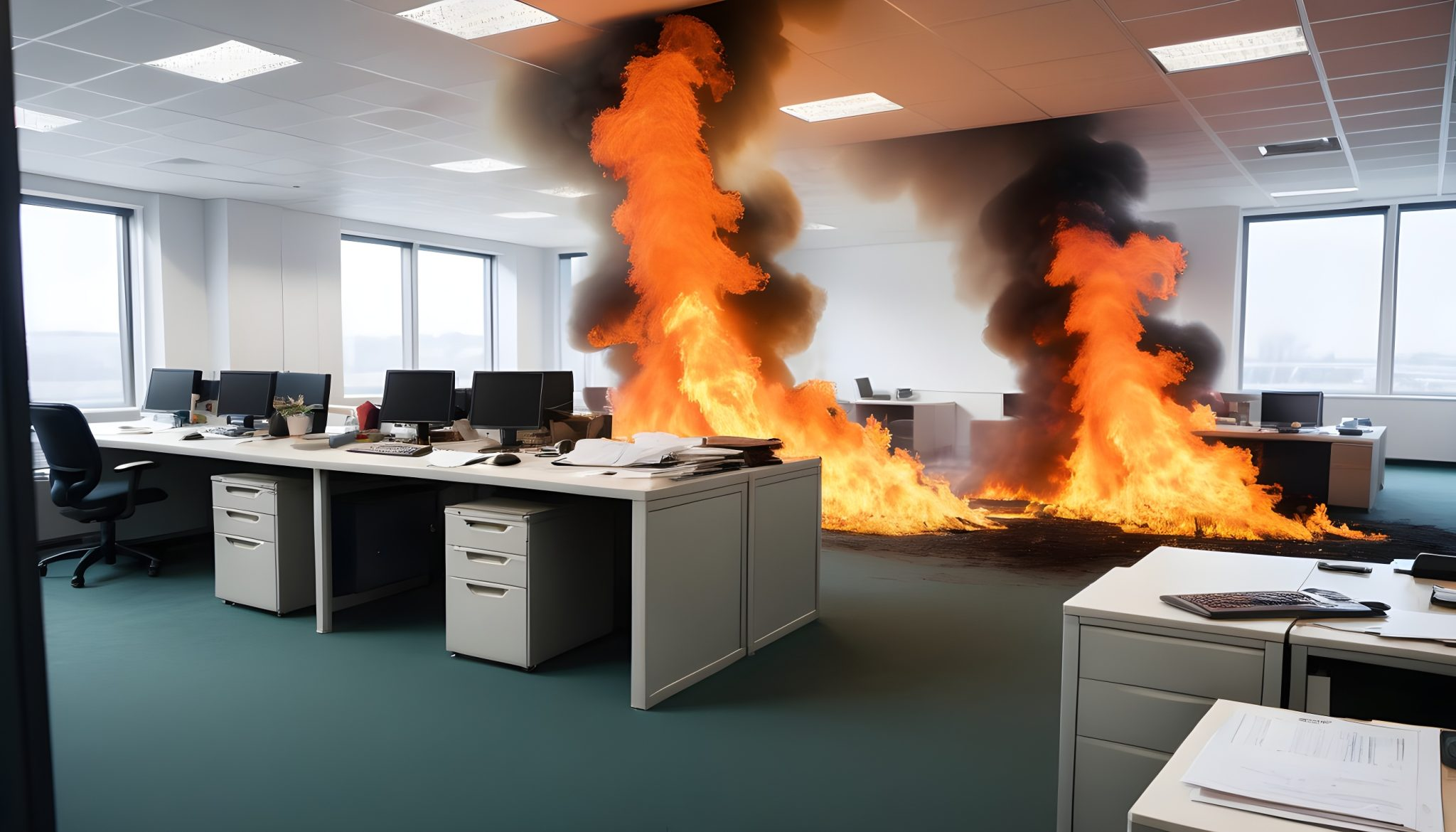
Medical offices are vital community hubs where people seek healing and care. Yet behind the calm atmosphere of waiting rooms and exam suites lies a unique set of fire hazards. Unlike standard commercial buildings, medical offices combine dense foot traffic with specialized clinical tools, compressed gases, and vulnerable patients. Understanding these specific risks is essential for keeping both staff and visitors safe.
One of the most significant fire hazards in a medical setting involves oxygen and other medical gases. Pure oxygen does not burn on its own, but it acts as a powerful accelerant. When oxygen leaks from a cylinder, wall outlet, or nasal cannula, it saturates the surrounding air, clothing, and bedding. In an oxygen-enriched environment, materials that normally resist ignition can catch fire instantly from a tiny spark and burn with extreme intensity. Improperly stored or unsecured gas cylinders also pose severe explosion risks if exposed to high heat or knocked over.
Electrical equipment presents another major concern. Modern medical practices rely heavily on diagnostic machines, autoclaves, imaging devices, and computer networks. Many of these tools draw substantial power and run continuously throughout the day. Overloaded electrical circuits, frayed power cords, and the improper use of extension cords or power strips can easily cause overheating. Furthermore, liquids such as cleaning agents, bodily fluids, or water can spill onto electrical components, leading to dangerous short circuits.
Flammable chemicals and routine medical supplies also contribute to the fire load. Medical offices regularly stock alcohol-based hand sanitizers, disinfectants, anesthetics, and laboratory reagents. While necessary for infection control and treatment, these substances produce ignitable vapors. If stored near heat sources, autoclaves, or electrical panels, they can spark a rapidly spreading blaze. Even everyday items like paper patient records, cardboard supply boxes, and disposable linens add fuel that allows a small fire to grow quickly.
***
***
Beyond physical hazards, medical offices face distinct human and operational challenges during a fire emergency. Many patients have limited mobility, visual or hearing impairments, or heightened anxiety due to illness or medication. Evacuating individuals who rely on wheelchairs, walkers, or ongoing medical support requires extra time and coordination. At the same time, busy staff members may inadvertently block exit corridors with supply carts or prop open fire-rated doors for convenience, which allows smoke and flames to travel unchecked through the facility.
Preventing fires in a medical office requires strict daily habits and proactive maintenance. Staff must store oxygen cylinders upright in well-ventilated areas away from heat. Electrical cords should be inspected regularly, and heavy medical appliances must plug directly into wall outlets. Flammable liquids belong in approved safety cabinets, while hallways and emergency exits must remain completely clear at all times.
Ultimately, fire safety in a medical office protects more than just property. By identifying clinical hazards, maintaining equipment, and practicing clear evacuation plans, healthcare teams ensure their facilities remain safe sanctuaries for every person who walks through the door.
SPEAKING: Dr. Marcinko will be speaking and lecturing, signing and opining, teaching and preaching, storming and performing at many locations throughout the USA this year! His tour of witty and serious pontifications may be scheduled on a planned or ad-hoc basis; for public or private meetings and gatherings; formally, informally, or over lunch or dinner. All medical societies, financial advisory firms or Broker-Dealers are encouraged to submit an RFP for speaking engagements: CONTACT: Ann Miller RN MHA at MarcinkoAdvisors1738@outlook.com -OR- http://www.MarcinkoAssociates.com
Like, Refer and Subscribe
(©) Copyright USA. All rights reserved.
SEND IN YOUR ME-Ps & TOPIC IDEAS, TODAY!
HOSPITALS: http://www.crcpress.com/product/isbn/9781466558731
CLINICS: http://www.crcpress.com/product/isbn/9781439879900
ADVISORS: www.CertifiedMedicalPlanner.org
FINANCE: Financial Planning for Physicians and Advisors
INSURANCE: Risk Management and Insurance Strategies for Physicians and Advisors
Dictionary of Health Economics and Finance
Dictionary of Health Information Technology and Security
Dictionary of Health Insurance and Managed Care
***
Share this:

Filed under: iMBA, Inc. |


Leave a Reply