





 Support our online development, and advance our onground research initiatives in free market economics, as we seek to showcase the brightest Next-Gen minds.
THE ME-P DISCLAIMER: Posts, comments and opinions do not necessarily represent iMBA, Inc., but become our property after submission. Copyright © 2006 to-date. iMBA, Inc allows colleges, universities, medical and financial professionals and related clinics, hospitals and non-profit healthcare organizations to distribute our proprietary essays, photos, videos, audios and other documents; etc. However, please review copyright and usage information for each individual asset before submission to us, and/or placement on your publication or web site. Attestation references, citations and/or back-links are required. All other assets are property of the individual copyright holder.


By Dr. David Edward Marcinko; MBA MEd
http://www.DavidEdwardMarcinko.com
SPONSOR: http://www.MarcinkoAssociates.com
****
****
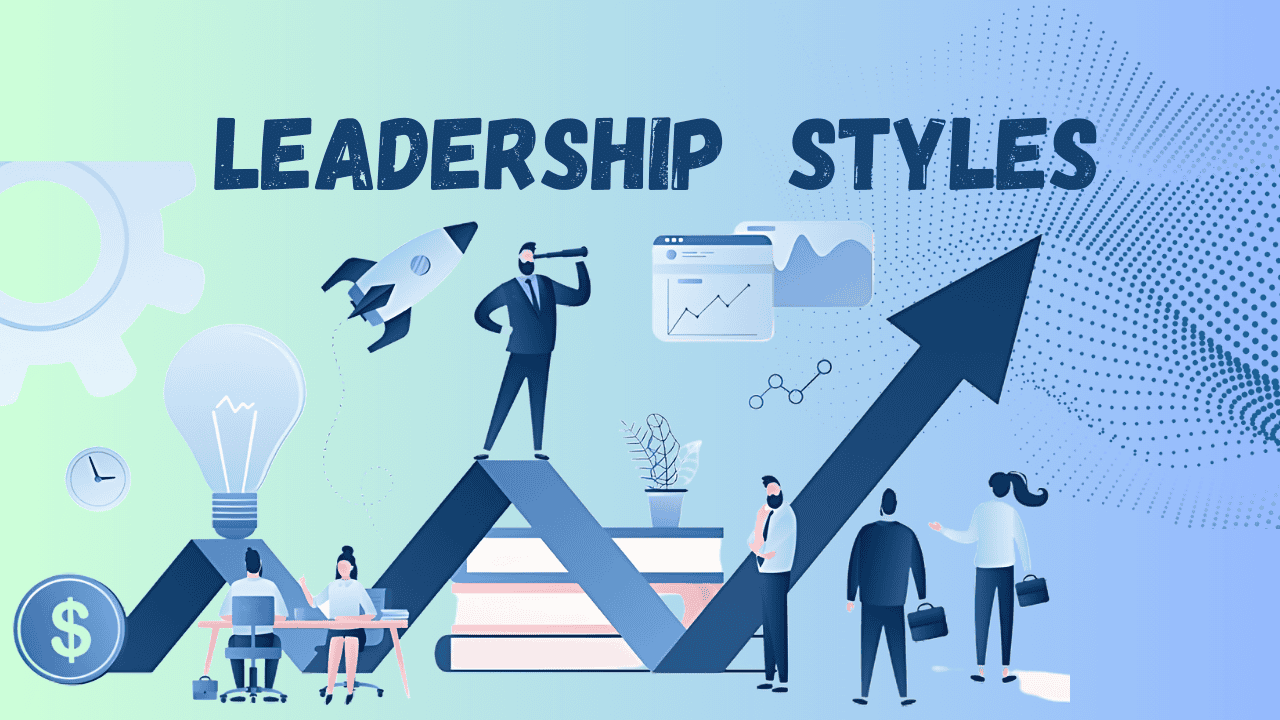
Effective leadership is the cornerstone of any successful organization, yet there is no single blueprint for how authority should be exercised. Across industries, management philosophies generally fall into two primary frameworks: top-down and bottom-up leadership. While top-down leadership centralizes decision-making power at the highest levels of a hierarchy, bottom-up leadership distributes that influence across all tiers of an organization. Understanding the mechanics, advantages, and limitations of both approaches reveals how modern leaders navigate organizational growth, employee engagement, and operational efficiency.
Top-down leadership is the traditional model of organizational governance. In this structure, senior executives and upper management establish the company’s vision, set strategic goals, and formulate policies without significant input from lower-level employees. Directives flow downward through a clear chain of command, with middle managers translating broad objectives into specific tasks for frontline workers. This style is common in industries where precision, safety, and strict compliance are paramount, such as manufacturing, healthcare, finance, and the military.
The primary strength of top-down leadership lies in its clarity and speed. Because authority is concentrated, decisions can be made swiftly, which is particularly valuable during a crisis or when rapid restructuring is required. Employees know exactly what is expected of them, accountability is straightforward, and processes remain standardized across departments. However, this efficiency often comes at a cost. When workers are excluded from the decision-making process, they may feel disconnected from the organization’s mission, leading to lower morale and reduced engagement. Furthermore, relying solely on senior leaders for solutions can stifle innovation, as executives are often removed from the day-to-day realities that frontline employees navigate.
***
***
In contrast, bottom-up leadership flips the traditional pyramid. Rather than dictating every move from the boardroom, leaders in a bottom-up environment actively solicit feedback, ideas, and problem-solving strategies from employees at every level. Communication is two-way and collaborative, empowering team members to shape workflows and contribute to broader organizational goals. This approach thrives in dynamic, fast-evolving sectors like technology, marketing, consulting, and creative design, where adaptability and fresh perspectives are essential for staying competitive.
The advantages of bottom-up leadership center on engagement and innovation. When employees see their insights valued and implemented, they develop a stronger sense of ownership over their work. This heightened buy-in boosts job satisfaction, reduces turnover, and fosters a culture of continuous improvement. Moreover, frontline staff often possess the deepest understanding of customer pain points and operational bottlenecks, meaning their input frequently leads to more practical, effective solutions. Nevertheless, bottom-up leadership has notable drawbacks. Gathering consensus across multiple teams takes time, which can slow down execution and create frustration when urgent action is needed. Without strong guidance from the top, decentralized decision-making can also result in a fragmented vision, inconsistent standards, or a lack of clear accountability.
Ultimately, comparing top-down and bottom-up leadership shows that neither model is inherently superior; rather, each serves distinct organizational needs. Top-down management excels at providing stability, enforcing uniformity, and driving rapid execution in high-stakes environments. Bottom-up management shines when an organization needs to spark creativity, adapt to shifting market demands, and cultivate a motivated workforce.
In practice, the most resilient organizations rarely adhere strictly to one extreme. Instead, successful leaders adopt a hybrid approach that blends the strengths of both styles. Executives may use a top-down framework to define the overarching mission, establish core values, and set non-negotiable financial or ethical boundaries. Within those guardrails, they can then apply a bottom-up philosophy, giving teams the autonomy to determine how best to achieve those targets. By balancing decisive executive direction with inclusive, grassroots collaboration, organizations can achieve both the speed required to execute and the agility needed to innovate.
SPEAKING: Dr. Marcinko will be speaking and lecturing, signing and opining, teaching and preaching, storming and performing at many locations throughout the USA this year! His tour of witty and serious pontifications may be scheduled on a planned or ad-hoc basis; for public or private meetings and gatherings; formally, informally, or over lunch or dinner. All medical societies, financial advisory firms or Broker-Dealers are encouraged to submit an RFP for speaking engagements: CONTACT: Ann Miller RN MHA at MarcinkoAdvisors1738@outlook.com -OR- http://www.MarcinkoAssociates.com
Like, Refer and Subscribe
(©) Copyright USA. All rights reserved.
SEND IN YOUR ME-Ps & TOPIC IDEAS, TODAY!
HOSPITALS: http://www.crcpress.com/product/isbn/9781466558731
CLINICS: http://www.crcpress.com/product/isbn/9781439879900
ADVISORS: www.CertifiedMedicalPlanner.org
FINANCE: Financial Planning for Physicians and Advisors
INSURANCE: Risk Management and Insurance Strategies for Physicians and Advisors
Dictionary of Health Economics and Finance
Dictionary of Health Information Technology and Security
Dictionary of Health Insurance and Managed Care
***

Share this:

Filed under: iMBA, Inc. | Tagged: AI, artificial intelligence, bottom-up, business, command control, leadership, leadership-styles, Management, Marcinko, styles, Technology, top-down |


Leave a Reply