






 Support our online development, and advance our onground research initiatives in free market economics, as we seek to showcase the brightest Next-Gen minds.
THE ME-P DISCLAIMER: Posts, comments and opinions do not necessarily represent iMBA, Inc., but become our property after submission. Copyright © 2006 to-date. iMBA, Inc allows colleges, universities, medical and financial professionals and related clinics, hospitals and non-profit healthcare organizations to distribute our proprietary essays, photos, videos, audios and other documents; etc. However, please review copyright and usage information for each individual asset before submission to us, and/or placement on your publication or web site. Attestation references, citations and/or back-links are required. All other assets are property of the individual copyright holder.


By Dr. David Edward Marcinko; MBA MEd
http://www.DavidEdwardMarcinko.com
SPONSOR: http://www.MarcinkoAssociates.com
***
***
Traditional Remedy and Modern Controversy
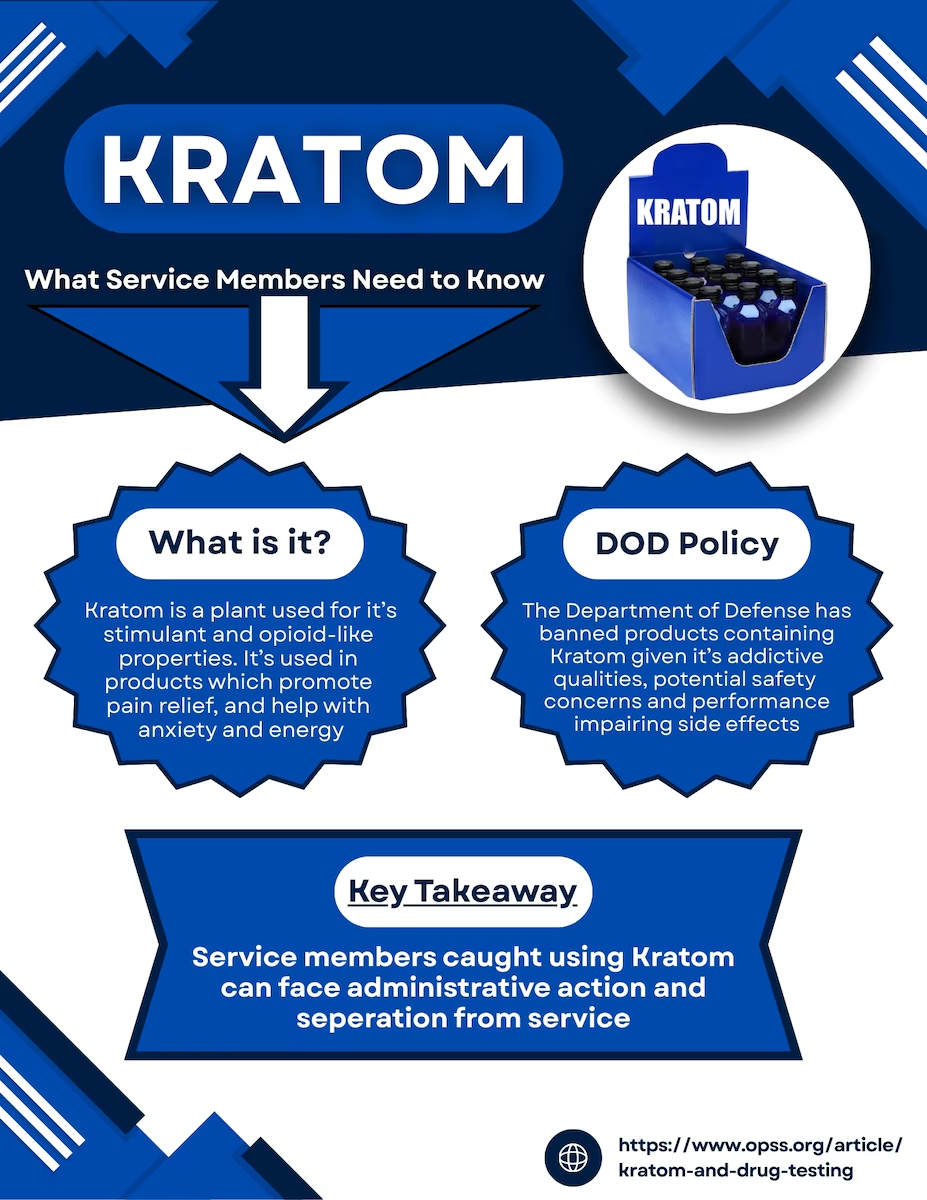
Kratom, scientifically known as Mitragyna speciosa, is a tropical evergreen tree native to Southeast Asia, primarily growing in countries such as Thailand, Malaysia, and Indonesia. Belonging to the same botanical family as the coffee plant, kratom has been used for centuries by local populations for its medicinal and energizing properties. In recent decades, however, the plant has migrated far beyond its native borders, emerging as a widely used—and fiercely debated—herbal supplement in the Western world. Understanding kratom requires examining its traditional roots, its unique pharmacology, and the ongoing conflict between its proponents and regulatory authorities.
Historically, kratom played an integral role in the daily lives of agricultural workers and manual laborers in Southeast Asia. Farmers would chew the fresh leaves or brew them into a bitter tea to combat fatigue, boost stamina, and endure long hours under the hot sun. Beyond its use as a mild stimulant, traditional healers utilized kratom to treat minor ailments such as coughs, diarrhea, and muscle aches, as well as to manage pain and ease withdrawal symptoms from opium. Within these indigenous contexts, kratom was rarely associated with severe social harm, largely because the consumption of fresh leaves naturally limited the dosage of active compounds ingested by the user.
The pharmacological profile of kratom is remarkably complex, driven by more than forty identified alkaloids within its leaves. The two most prominent psychoactive compounds are mitragynine and 7-hydroxymitragynine. What makes kratom particularly unusual is its dose-dependent biphasic effect. At low doses, kratom acts primarily as a stimulant, interacting with adrenergic and serotonergic receptors to produce increased alertness, physical energy, and talkativeness. Conversely, at higher doses, its alkaloids bind more predominantly to mu-opioid receptors in the brain, producing sedative, euphoric, and analgesic effects similar to traditional opioids. Because it is not derived from the opium poppy, kratom is classified as an atypical opioid, a distinction that sits at the center of modern medical and legal debates.
In the United States and Europe, kratom is rarely consumed as a fresh leaf. Instead, it is typically sold as a dried green powder, packed into capsules, brewed into teas, or concentrated into potent liquid extracts and gummies. Many Western consumers turn to kratom as a self-directed alternative for managing chronic pain, anxiety, and depression. Crucially, a significant demographic uses kratom to mitigate withdrawal symptoms and cravings associated with prescription opioids or heroin, viewing it as a vital harm-reduction tool during a devastating opioid epidemic. Proponents argue that kratom provides relief without the severe respiratory depression—the primary cause of fatal overdoses—commonly triggered by conventional opioids.
***
***
Despite these anecdotal benefits, public health agencies and medical professionals have raised serious alarms regarding kratom’s safety. Regulatory bodies such as the Food and Drug Administration have not approved kratom for any medical use, warning consumers about the risks of addiction, abuse, and physical dependence. Regular, heavy consumption can lead to tolerance and uncomfortable withdrawal symptoms upon cessation, including irritability, muscle aches, insomnia, and nausea. Furthermore, because the supplement market remains largely unregulated, commercial kratom products often lack standardized dosing and quality control. Investigations have uncovered products contaminated with heavy metals, salmonella, or dangerously high concentrations of semi-synthetic 7-hydroxymitragynine, which drastically increases the potential for toxicity, liver damage, seizures, and fatal overdoses, particularly when combined with other substances.
The legal status of kratom reflects this deep division in scientific and public opinion. While the Drug Enforcement Administration once considered classifying kratom’s primary alkaloids as Schedule I controlled substances, intense public backlash and advocacy from researchers led the agency to withdraw its intent, opting instead to list it as a “drug and chemical of concern.” Consequently, kratom remains federally legal in the United States, though several individual states and municipalities have enacted outright bans, while others have passed consumer protection acts to mandate testing and age restrictions.
Ultimately, kratom occupies a precarious middle ground between a traditional botanical remedy and a risky psychoactive substance. While preliminary research suggests its alkaloids could hold promise for developing safer pain medications, the unregulated commercial market poses undeniable health hazards. Until rigorous clinical trials establish clear safety guidelines and regulatory frameworks ensure product purity, kratom will remain a polarizing subject at the intersection of personal autonomy, addiction recovery, and public health protection.
SPEAKING: Dr. Marcinko will be speaking and lecturing, signing and opining, teaching and preaching, storming and performing at many locations throughout the USA this year! His tour of witty and serious pontifications may be scheduled on a planned or ad-hoc basis; for public or private meetings and gatherings; formally, informally, or over lunch or dinner. All medical societies, financial advisory firms or Broker-Dealers are encouraged to submit an RFP for speaking engagements: CONTACT: Ann Miller RN MHA at MarcinkoAdvisors1738@outlook.com -OR- http://www.MarcinkoAssociates.com
Like, Refer and Subscribe
(©) Copyright USA. All rights reserved.
SEND IN YOUR ME-Ps & TOPIC IDEAS, TODAY!
HOSPITALS: http://www.crcpress.com/product/isbn/9781466558731
CLINICS: http://www.crcpress.com/product/isbn/9781439879900
ADVISORS: www.CertifiedMedicalPlanner.org
FINANCE: Financial Planning for Physicians and Advisors
INSURANCE: Risk Management and Insurance Strategies for Physicians and Advisors
Dictionary of Health Economics and Finance
Dictionary of Health Information Technology and Security
Dictionary of Health Insurance and Managed Care
***
Share this:

Filed under: iMBA, Inc. | Tagged: asia, chew, coffee, health, kratom, Malaysia, Marcinko, medicine, mental health, mitragyna, opiods, se-asia, thaildan, usa-europe |


Leave a Reply