BOARD CERTIFICATION EXAM STUDY GUIDES Lower Extremity Trauma
[Click on Image to Enlarge]
ME-P Free Advertising Consultation
The “Medical Executive-Post” is about connecting doctors, health care executives and modern consulting advisors. It’s about free-enterprise, business, practice, policy, personal financial planning and wealth building capitalism. We have an attitude that’s independent, outspoken, intelligent and so Next-Gen; often edgy, usually controversial. And, our consultants “got fly”, just like U. Read it! Write it! Post it! “Medical Executive-Post”. Call or email us for your FREE advertising and sales consultation TODAY [678.779.8597] Email: MarcinkoAdvisors@outlook.com
Medical & Surgical e-Consent Forms
ePodiatryConsentForms.com
iMBA Inc., OFFICES
Suite #5901 Wilbanks Drive, Norcross, Georgia, 30092 USA [1.678.779.8597]. Our location is real and we are now virtually enabled to assist new long distance clients and out-of-town colleagues.
ME-P Publishing
SEEKING INDUSTRY INFO PARTNERS?
If you want the opportunity to work with leading health care industry insiders, innovators and watchers, the “ME-P” may be right for you? We are unbiased and operate at the nexus of theoretical and applied R&D. Collaborate with us and you’ll put your brand in front of a smart & tightly focused demographic; one at the forefront of our emerging healthcare free marketplace of informed and professional “movers and shakers.” Our Ad Rate Card is available upon request [678-779-8597].
The study of behavioral economics has revealed much about how different biases can affect our finances—often for the worse.
Take loss aversion: Because we feel a financial setback more acutely than a commensurate gain, we often cling to failed investments to avoid realizing the loss. Another potential hazard is present bias, or the tendency to prefer instant gratification over long-term reward, even if the latter gain is greater.
When it comes to money, sometimes it’s difficult to make rational decisions. Here, are three behavioral financial biases that could be impeding financial goals.
ANCHORING BIAS
Anchoring Bias happens when we place too much emphasis on the first piece of information we receive regarding a given subject. Anchoring is the mental trick your brain plays when it latches onto the first piece of information it gets, no matter how irrelevant. You might know this as a ‘first impression’ when someone relies on their own first idea of a person or situation.
Example: When shopping for a wedding ring a salesman might tell us to spend three months’ salary. After hearing this, we may feel like we are doing something wrong if we stray from this financial advice, even though the guideline provided may cause us to spend more than we can afford.
Example: Imagine you’re buying a car, and the salesperson starts with a high price. That number sticks in your mind and influences all your subsequent negotiations. Anchoring can skew our decisions and perceptions, making us think the first offer is more important than it is. Or, subsequent offers lower than they really are.
Example: Imagine an investor named Jane who purchased 100 shares of XYZ Corporation at $100 per share several years ago. Over time, the stock price declined to $60 per share. Jane is anchored to her initial price of $100 and is reluctant to sell at a loss because she keeps hoping the stock will return to her original purchase price. She continues to hold onto the stock, even as it declines, due to her anchoring bias. Eventually, the stock price drops to $40 per share, resulting in significant losses for Jane.
In this example, Jane’s nchoring bias to the original purchase price of $100 prevents her from rationalizing to sell the stock and cut her losses, even though market conditions have changed. So, the next time you’re haggling for your self, a potential customer or client, or making another big financial decision, be aware of that initial anchor dragging you down.
HERD MENTALITY BIAS
Herd Mentality Bias makes it very hard for humans to not take action when everyone around us does.
Example: We may hear stories of people making significant monetary profits buying, fixing up, and flipping homes and have the desire to get in on the action, even though we have no experience in real estate.
Example: During the dotcom bubble of the late 1990’s many investors exhibited a herd mentality. As technology stocks soared to astronomical valuations, investors rushed to buy these stocks driven by the fear of missing out on the gains others were enjoying. Even though some of these stocks had questionable fundamentals, the herd mentality led investors to follow the crowd.
In this example, the herd mentality contributed to the overvaluation of technology stocks. Eventually, it led to the dot-com bubble’s burst, causing significant losses for those who had unthinkingly followed the crowd without conducting proper research or analysis.
OVERCONFIDENT INVESTING BIAS
Overconfident Investing Bias happens when we believe we can out-smart other investors via market timing or through quick, frequent trading. This causes the results of a study to be unreliable and hard to reproduce in other research settings.
Example: Data convincingly shows that people and financial planners/advisors and wealth managers who trade most often under-perform the market by a significant margin over time. Active traders lose money.
Example: Overconfidence Investing Bias moreover leads to: (1) excessive trading (which in turn results in lower returns due to costs incurred), (2) underestimation of risk (portfolios of decreasing risk were found for single men, married men, married women, and single women), (3) illusion of knowledge (you can get a lot more data nowadays on the internet) and (4) illusion of control (on-line trading).
ASSESSMENT
Finally, questions remain after consuming this cognitive bias review.
Question: Can behavioral cognitive biases be eliminated by financial advisors in prospecting and client sales endeavors?
A: Indeed they can significantly reduce their impact by appreciating and understanding the above and following a disciplined and rational decision-making sales process.
Question: What is the role of financial advisors in helping clients and prospects address behavioral biases?
A: Financial advisors can provide an objective perspective and help investors recognize and address their biases. They can assist in creating well-structured investment and financial plans, setting realistic goals, and offering guidance to ensure investment decisions align with long-term objectives.
Question:How important is self-discipline in overcoming behavioral biases?
A; Self-discipline is crucial in overcoming behavioral biases. It helps investors and advisors adhere to their investment plans, avoid impulsive decisions, and stay focused on long-term goals reducing the influence of emotional and cognitive biases.
CONCLUSION
Remember, it is far more useful to listen to client beliefs, fears and goals, and to suggest options and offer encouragement to help them discover their own path toward financial well-being. Then, incentivize them with knowledge of the above psychological biases to your mutual success!
SPEAKING: Dr. Marcinko will be speaking and lecturing, signing and opining, teaching and preaching, storming and performing at many locations throughout the USA this year! His tour of witty and serious pontifications may be scheduled on a planned or ad-hoc basis; for public or private meetings and gatherings; formally, informally, or over lunch or dinner. All medical societies, financial advisory firms or Broker-Dealers are encouraged to submit an RFP for speaking engagements: CONTACT: Ann Miller RN MHA at MarcinkoAdvisors@outlook.com
REFERENCES:
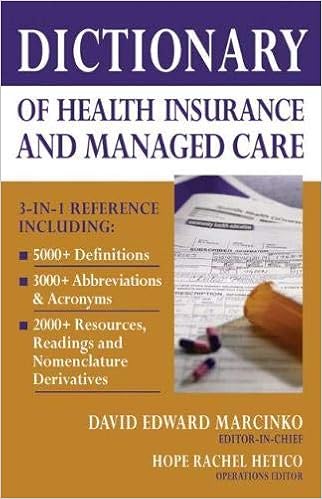
Marcinko, DE; Dictionary of Health Insurance and Managed Care. Springer Publishing Company, New York, 2007.
Marcinko, DE: Comprehensive Financial Planning Strategies for Doctors and Advisors: Best Practices from Leading Consultants and Certified Medical Planners™. Productivity Press, NY, 2016.
Marcinko, DE: Risk Management, Liability and Insurance Strategies for Doctors and Advisors: Best Practices from Leading Consultants and Certified Medical Planners™. Productivity Press, NY, 2017.
Nofsinger, JR: The Psychology of Investing. Rutledge Publishing, 2022
Winters, Scott: The 10X Financial Advisor: Your Blueprint for Massive and Sustainable Growth. Absolute Author Publishing House, 2020.
The Memory Palace Fallacy – Learning Styles Don’t Actually Exist
Remember being told you’re a “visual learner” or an “auditory learner”? Well, turns out that whole learning styles theory is pretty much bunk.
Common Learning Myths have been thoroughly debunked by modern educational research, and this is a big one. Studies consistently show that matching teaching methods to supposed learning styles doesn’t improve outcomes at all.
What actually matters is matching the teaching method to the content itself – you learn geography better with maps because geography is visual, not because you’re a “visual person.” It’s like trying to learn piano by reading about it versus actually playing keys. The activity should match what you’re trying to learn, not some made-up category about how your brain supposedly works.
Posted on September 22, 2025 by Dr. David Edward Marcinko MBA MEd CMP™
By Staff Reporters
***
***
Authentication:
The verification of the identity of an individual, system, machine, or any other unique entity
Authorization:
The process of allowing access to specific areas of a system based on the role and needs of the user
Committee Charter:
A document that defines the purposes and responsibilities of the oversight committee
Compliance Risk Profile:
The current and prospective risk to earnings or capital arising from violations of or nonconformance with laws, rules, regulations, prescribed practices, internal policies and procedures, or ethical standards
Control Assessment:
A high-level review and analysis of controls relating to a process; should encompass both current and missing controls
Controls:
Methods that preserve the integrity of important information, meet operational or financial targets, and/or communicate management policies (See also: Key Control, Secondary Control, Tertiary Control)
ERM Policy Statement:
Defines an organization’s approach to and method of enterprise risk management
Governance:
Processes and structures implemented to communicate, manage, and monitor organizational activities
Impact:
The influence and effect of a risk
Inherent Risk:
Risk that is inherent to a process, taking into consideration the likelihood and impact of a risk
Key Control:
A primary control that is essential for a business process; typically takes place during the process it applies to
Key Indicators:
Measurements that are important for organizations to monitor for potential issues; examples include key performance indicators (KPIs) and key risk indicators (KRIs)
Key Performance Indicator (KPI):
A measurement with a defined set of goals and tolerances that gauges the performance of an important business activity
Key Risk Indicator (KRI):
A proactive measurement for future and emerging risks that indicates the possibility of an event that adversely affects business activities
Likelihood:
The probability of a risk occurring
Mitigation Actions:
The necessary steps, or action items, to reduce the likelihood and/or impact of a potential risk
Operation Risk Profile:
1) The risk arising from the execution of an organization’s business processes; 2) The risk of loss resulting from failed or inadequate internal processes, systems, people, or other entities
Price Risk Profile:
The risk to earning or capital arising from adverse changes in portfolio values
Process:
1) The principle elements of essential business functions within work groups or business units; 2) A set of tasks completed by business continuity plan owners within a department
Reputation Risk Profile:
The current and prospective risk to earnings or capital arising from negative public opinion or perception
Residual Risk:
Risk remaining after considering the existing control environment
Risk:
A potential event or action that would have an adverse effect on the organization
Risk Appetite:
A statement that broadly considers the risk levels that management deems acceptable
Risk Assessment:
The prioritization of potential business disruptions based on the impact and likelihood of occurrence; includes an analysis of threats based on the impact to the organization, its customers, and financial markets
Risk Tolerance:
A metric that sets the acceptable level of variation around organizational objectives and provides assurance that the organization remains within its risk appetite
Secondary Control:
An important control that typically takes place after the process it applies to (i.e., reporting or ongoing monitoring)
Strategic Risk Profile:
The current and prospective risk to earnings or capital raising from adverse business decisions, improperly implemented decisions, or lack of responsiveness to industry changes
Tertiary Control:
A non-essential control that can still be applied effectively to a business process
Velocity:
The time it takes a risk event to manifest itself
Vulnerability:
An entity’s susceptibility to a risk event as determined by the entity’s preparedness, agility, and adaptability
The Series 7 exam — the General Securities Representative Qualification Examination (GS) — assesses the competency of an entry-level registered representative to perform their job as a general securities representative.
The exam measures the degree to which each candidate possesses the knowledge needed to perform the critical functions of a general securities representative, including sales of corporate securities, municipal securities, investment company securities, variable annuities, direct participation programs, options and government securities.
Stocks: The Russell 2000 went 967 days without hitting a new record high until Thursday. But, it looks like it will have to keep waiting for the next one—the small-cap-focused index fell, even as the DJIA, NASDAQ and S&P 500 rose to new closing highs on Friday.* Bonds: 2-year yields and 10-year yields both hit two-week intra-day highs even after the FOMC cut interest rates, indicating that traders still aren’t sure how the economy will perform in the months ahead. Commodities: Arabica futures fell on reports that lawmakers will introduce a bipartisan bill to exempt coffee from tariffs.
Posted on September 19, 2025 by Dr. David Edward Marcinko MBA MEd CMP™
By Dr. David Edward Marcinko MBA MEd
***
***
What Is Pure Risk?
Pure risk is a category of risk that cannot be controlled and has two outcomes: complete loss or no loss at all. There are no opportunities for gain or profit when pure risk is involved. Pure risk is generally prevalent in situations such as natural disasters, fires, or death. These situations cannot be predicted and are beyond anyone’s control. Pure risk is also referred to as absolute risk.
***
1. Personal Risks
Now, there are basically 3 types of pure risks that concern individual physicians. These incur losses like loss of income, additional expenses and devaluation of property. There are 4 risk factors affecting them:
Premature death. This is death of a breadwinner who leaves behind financial responsibilities.
Old age / retirement. The risk of being retired without sufficient savings to support retirement years.
Health crisis. Individual with health problem may face a potential loss of income and increase in medical expenditures.
Unemployment. Jobless individual may have to live on their savings. If savings are depleted, a bigger crisis is awaiting.
2. Property Risks
This means the possibility of damage or loss to the property owned due to some cause. There are two types of losses involved.
Direct loss which means financial loss as a result of property damage.
Consequential loss which means financial loss due to the happenings of direct loss of the property.
For instance, a medical practice that burned down may incur repair costs as the direct loss. The consequential loss is being unable to run the practice business to generate income.
3. Liability Risks
A doctor is legally liable to his wrongful act that cause damage to a third party; physically, by reputation or property. S/he can be legally sued with no maximum in the compensation amount if found guilty.
Knowing how risks are classified, and the types of pure risks an individual is exposed to, will provide a fundamental overview on these risk topics and prepare you to further acquire the knowledge of how to deal with and manage them as a physician executive, leader, or manager.
SPEAKING: Dr. Marcinko will be speaking and lecturing, signing and opining, teaching and preaching, storming and performing at many locations throughout the USA this year! His tour of witty and serious pontifications may be scheduled on a planned or ad-hoc basis; for public or private meetings and gatherings; formally, informally, or over lunch or dinner. All medical societies, financial advisory firms or Broker-Dealers are encouraged to submit an RFP for speaking engagements: CONTACT: Ann Miller RN MHA at MarcinkoAdvisors@outlook.com -OR-http://www.MarcinkoAssociates.com
Posted on September 17, 2025 by Dr. David Edward Marcinko MBA MEd CMP™
BREAKING NEWS!
By Staff Reporters
***
***
Federal Reserve Chairman Jerome Powell just announced that the central bank [FOMC] would cut interest rates amid President Donald Trump’s attempts to reshape the Fed’s independence.
The chairman announced that the Federal Reserve would cut the interest rate by .25 points, the first time that it cut interest rates since December.
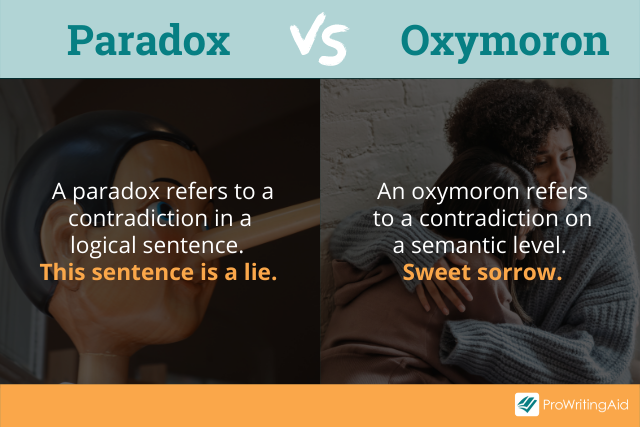
A paradox is a statement or situation that seems contradictory but actually makes sense when you think about it more deeply. It challenges logic and often reveals a hidden truth.
FLEXIBLY DOGMATIC PARADOX
The Flexibly Dogmatic Paradox suggests that no matter how sensible your financial planning, investing or wealth management process is there will be uncomfortably long periods when it looks broken. And process is the best way of ensuring you keep standing for something because if you don’t stand for something, you’ll fall for anything. This is why, when assessing an investment fund, focus 50% on the manager’s character and 50% on their process. Everything else is detail. There are few guarantees in investing, but the fact that markets will batter you emotionally is one of them.
Example: During volatile times, the temptation to abandon the process is strong. But that’s why it’s there. Process is what forces one fund manager to keep buying unbroken companies when everyone else thinks they’re bust, and another to keep faith with a top-quality company when the mob says it’s too expensive The best fund managers dogmatically stick to their process when it’s out of favor. Then, when it returns to favor, the elastic pings back: they recapture lost ground surprisingly fast. However, every rule has an exception. And spotting the exceptions to their process is something the true greats have a knack for buying and selling.
***
***
Example: In 2007, US value manager Bill Miller had the makings of an investment legend, but the financial crisis wrecked all that. His process told him to double down into falling share prices, which had worked well for years. But it doesn’t work if the companies go bust, which many of his financial stocks did in 2008.
The fact is that no matter how good it is, a process operated without human judgment is just an algorithm. The best fund managers and financial prospectors and sales men/women know this.
They stick dogmatically to their process but somehow remain flexible enough to spot the occasions when it’s about to drive them into a brick wall.
SPEAKING: Dr. Marcinko will be speaking and lecturing, signing and opining, teaching and preaching, storming and performing at many locations throughout the USA this year! His tour of witty and serious pontifications may be scheduled on a planned or ad-hoc basis; for public or private meetings and gatherings; formally, informally, or over lunch or dinner. All medical societies, financial advisory firms or Broker-Dealers are encouraged to submit an RFP for speaking engagements: CONTACT: Ann Miller RN MHA at MarcinkoAdvisors@outlook.com -OR-http://www.MarcinkoAssociates.com
Dr. Harry Markowitz is credited with developing the framework for constructing investment portfolios based on the risk-return tradeoff. William Sharpe, John Lintner, and Jan Mossin are credited with developing the Capital Asset Pricing Model (CAPM).
CAPM is an economic model based upon the idea that there is a single portfolio representing all investments (i.e., the market portfolio) at the point of the optimal portfolio on the Capital Market Line (CML) and a single source of systematic risk, beta, to that market portfolio. The resulting conclusion is that there should be a “fair” return investors should expect to receive given the level of risk (beta) they are willing to assume.
The excess return, or return above the risk-free rate, that may be expected from an asset is equal to the risk-free return plus the excess return of the market portfolio times the sensitivity of the asset’s excess return to the market portfolio excess return. Beta, then, is a measure of the sensitivity of an asset’s returns to the market as a whole. A particular security’s beta depends on the volatility of the individual security’s returns relative to the volatility of the market’s returns, as well as the correlation between the security’s returns and the markets returns.
While a stock may have significantly greater volatility than the market, if that stock’s returns are not highly correlated with the returns of the overall market (i.e., the stock’s returns are independent of the overall market’s returns), then the stock’s beta would be relatively low. A beta in excess of 1.0 implies that the security is more exposed to systematic risk than the overall market portfolio, and likewise, a beta of less 1.0 means that the security has less exposure to systematic risk than the overall market.
MPT has helped focus investors on two extremely critical elements of investing that are central to successful investment strategies.
First, MPT offers the first framework for investors to build a diversified portfolio. Furthermore, an important conclusion that can be drawn from MPT is that diversification does in fact help reduce portfolio risk.
Thus, MPT approaches are generally consistent with the first investment rule of thumb, “understand and diversify risk to the extent possible.”
Additionally, the risk/return tradeoff (i.e., higher returns are generally consistent with higher risk) central to MPT based strategies has helped investors recognize that if it looks too good to be true, it probably is.
Passive Investing
Passive investing is a monetary plan in which an investor invests in accordance with a pre-determined strategy that doesn’t necessitate any forecasting of the economy or an individual company’s prospects. The primary premise is to minimize investing fees and to avoid the unpleasant consequences of failing to correctly predict the future. The most accepted method to invest passively is to mimic the performance of a particular index. Investors typically do this today by purchasing one or more ‘index funds’. By tracking an index, an investor will achieve solid diversification with low expenses.
An ivestor could potentially earn a higher rate of return than an investor paying higher management fees. Passive management is most widespread in the stock markets. But with the explosion of exchange traded funds on the major exchanges, index investing has become more popular in other categories of investing. There are now literally hundreds of different index funds.
Passive management is based upon the Efficient Market Hypothesis theory. The Efficient Market Hypothesis (EMH) states that securities are fairly priced based on information regarding their underlying cash flows and that investors should not anticipate to consistently out-perform the market over the long-term.
The Efficient Market Hypothesis evolved in the 1960s from the Ph.D. dissertation of Eugene Fama. Fama persuasively made the case that in an active market that includes many well-informed and intelligent investors, securities will be appropriately priced and reflect all available information. If a market is efficient, no information or analysis can be expected to result in out-performance of an appropriate benchmark. There are three distinct forms of EMH that vary by the type of information that is reflected in a security’s price:
Weak Form
This form holds that investors will not be able to use historical data to earn superior returns on a consistent basis. In other words, the financial markets price securities in a manner that fully reflects all information contained in past prices.
Semi-Strong Form
This form asserts that security prices fully reflect all publicly available information. Therefore, investors cannot consistently earn above normal returns based solely on publicly available information, such as earnings, dividend, and sales data.
Strong Form
This form states that the financial markets price securities such that, all information (public and non-public) is fully reflected in the securities price; investors should not expect to earn superior returns on a consistent basis, no matter what insight or research they may bring to the table.
While a rich literature has been established regarding whether EMH actually applies in any of its three forms in real world markets, probably the most difficult evidence to overcome for backers of EMH is the existence of a vibrant money management and mutual fund industry charging value-added fees for their services.
The notion of passive management is counterintuitive to many investors. Passive investing proponents follow the strong market theory of EMH. These proponents argue several points including;
In the long term, the average investor will have a typical before-costs performance equal to the market average. Therefore the standard investor will gain more from reducing investment costs than from attempting to beat the market over time.
The efficient-market hypothesis argues that equilibrium market prices fully reflect all existing market information. Even in the case where some of the market information is not currently reflected in the price level, EMH indicates that an individual investor still cannot make use of that information. It is widely interpreted by many academics that to try and systematically “beat the market” through active management is a fools game.
Not everyone believes in the efficient market. Numerous researchers over the previous decades have found stock market anomalies that indicate a contradiction with the hypothesis. The search for anomalies is effectively the hunt for market patterns that can be utilized to outperform passive strategies. Such stock market anomalies that have been proven to go against the findings of the EMH theory include;
Low Price to Book Effect
January Effect
The Size Effect
Insider Transaction Effect
The Value Line Effect
All the above anomalies have been proven over time to outperform the market. For example, the first anomaly listed above is the Low Price to Book Effect. The first and most discussed study on the performance of low price to book value stocks was by Dr. Eugene Fama and Dr. Kenneth R. French. The study covered the time period from 1963-1990 and included nearly all the stocks on the NYSE, AMEX and NASDAQ. The stocks were divided into ten subgroups by book/market and were re-ranked annually. In the study, Fama and French found that the lowest book/market stocks outperformed the highest book/market stocks by a substantial margin (21.4 percent vs. 8 percent). Remarkably, as they examined each upward decile, performance for that decile was below that of the higher book value decile. Fama and French also ordered the deciles by beta (measure of systematic risk) and found that the stocks with the lowest book value also had the lowest risk.
Today, most researchers now deem that “value” represents a hazard feature that investors are compensated for over time. The theory being that value stocks trading at very low price book ratios are inherently risky, thus investors are simply compensated with higher returns in exchange for taking the risk of investing in these value stocks. The Fama and French research has been confirmed through several additional studies. In a Forbes Magazine 5/6/96 column titled “Ben Graham was right–again,” author David Dreman published his data from the largest 1500 stocks on Compustat for the 25 years ending 1994. He found that the lowest 20 percent of price/book stocks appreciably outperformed the market.
One item a medical professional should be aware of is the strong paradox of the efficient market theory. If each investor believes the stock market were efficient, then all investors would give up analyzing and forecasting. All investors would then accept passive management and invest in index funds. But if this were to happen, the market would no longer be efficient because no one would be scrutinizing the markets. In actuality, the efficient market hypothesis actually depends on active investors attempting to outperform the market through diligent research.
The case for passive investing and in favor of the EMH is that a preponderance of active managers do actually underperform the markets over time. The latest study by Standard and Poor’s (S&P) confirms this fact. S&P recently compared the performance of actively-managed mutual funds to passive market indexes twice per year. The 2012 S&P study indicated that indexes were once again outperforming actively-managed funds in nearly every asset class, style and fund category. The lone exception in the 2012 report was international equity, where active outperformed the index that S&P chose. The study examined one-year, three-year and five-year time periods. Within the U.S. equity space, active equity managers in all the categories failed to outperform the corresponding benchmarks in the past five year period. More than 65 percent of the large-cap active managers lagged behind the S&P 500 stock index. More than 81 percent of mid-cap mutual funds were outperformed by the S&P MidCap 400 index.
Lastly, 77 percent of the small-cap mutual funds were outperformed by the S&P SmallCap 600 index. U.S. bond active managers fared no better that equity managers over a five year period. More than 83 percent of general municipal mutual funds under-performed the S&P National AMT-Free Municipal Bond index, 93 percent of government long-term funds under-performed the Barclays Long Government index, nearly 95 percent of high yield corporate bond funds under-performed the Barclays High Yield index. Although the performance measurements for index investing are very strong, many analysts find three negative elements of passive investing;
Downside Protection: When the stock market collapses like in 2008, an index investor will assume the same loss as the market. In the case of 2008, the S&P 500 stock index fell by more than 50 percent, offering index investors no downside protection.
Portfolio Control: An index investor has no control over the holdings in the fund. In the event that a certain sector becomes over-owned (i.e. technology stocks in 2000), an index investor maintains the same weight as the index.
Average Returns: An index investor will never have the opportunity to outperform the market, but will always follow. Although the markets are very efficient, an investor can perhaps take advantage of market anomalies and invest with those managers who have maintained a long-term performance edge over the respective index.
SPEAKING: Dr. Marcinko will be speaking and lecturing, signing and opining, teaching and preaching, storming and performing at many locations throughout the USA this year! His tour of witty and serious pontifications may be scheduled on a planned or ad-hoc basis; for public or private meetings and gatherings; formally, informally, or over lunch or dinner. All medical societies, financial advisory firms or Broker-Dealers are encouraged to submit an RFP for speaking engagements: CONTACT: Ann Miller RN MHA at MarcinkoAdvisors@outlook.com -OR-http://www.MarcinkoAssociates.com
Capitation is a type of healthcare payment system in which a physician or hospital is paid a fixed amount of money per patient for a prescribed period by an insurer or physician association. The cost is based on the expected healthcare utilization costs for a group of patients for that year.
With capitation, the physician—otherwise known as the primary care physician— is paid a set amount for each enrolled patient whether a patient seeks care or not. The PCP is usually contracted with an HMO whose role it is to recruit patients.
According to Richard Eskow, CEO of Health Knowledge Systems of Los Angeles, capitated medical reimbursement has been used in one form or another, in every attempt at healthcare reform since the Norman Conquest. Some even say an earlier variant existed in ancient China [personal communication].
Initially, when Henry I assumed the throne of the newly combined kingdoms of England and Normandy, he initiated a sweeping set of healthcare reforms. Historical documents, though muddled, indicate that soon thereafter at least one “physician,” John of Essex, received a flat payment honorarium of one penny per day for his efforts. Historian Edward J. Kealey opined that sum was roughly equal to that paid to a foot-soldier or a blind person. Clearer historical evidence suggests that American doctors in the mid-19th century were receiving capitation-like payments. No less an authoritative figure than Mark Twain, in fact, is on record as saying that during his boyhood in Hannibal, MO his parents paid the local doctor $25/year for taking care of the entire family regardless of their state of health.
Later, Sidney Garfield MD [1905-1984] is noted as one of the great under-appreciated geniuses of 20th century American medicine stood in the shadow cast by his more celebrated partner, Henry J. Kaiser. Garfield was not the first physician to embrace the notion of prepayment capitation, nor was he the first to understand that physicians working together in multi-specialty groups could, through collaboration and continuity of care, outperform their solo practice colleagues in almost every measure of quality and efficiency. The Mayo brothers, of course, had prior claim to that distinction. What Garfield did, was marry prepayment to group practice, providing aligned financial incentives across every physician and specialty in his medical group, as well as a culture of group accountability for the care of every member of the affiliated health plan. He called it “the new economics of medicine,” and at its heart was a fundamentally new paradigm of care that emphasized – prevention before treatment – and health before sickness. Under his model: the fewer the sick – the greater the remuneration. And: the less serious the illness, the better off the patient and the doctors.
Such ideas were heresy to the reigning fee-for-service, solo practice, ideologues of the mainstream medical establishment of the 1940s and ‘50s, of course. Throughout the period, Garfield and his group physicians were routinely castigated by leaders of the AMA and county medical associations as socialistic and unethical. The local medical associations in Garfield’s expanding service areas – the San Francisco Bay Area, Los Angeles, and Portland, Oregon – blocked group practice physicians from association membership, effectively shutting them out of local hospitals, denying them patient referrals or specialty society accreditation. Twice in the 1940s, formal medical association charges were brought against Garfield personally, at one time temporarily succeeding in suspending his license to practice medicine.
Of course, capitation payments made a comeback in the first cost-cutting managed care era of the 1980-90s because fee-for-service medicine created perverse incentives for physicians by paying more for treating illnesses and injuries than it does for preventing them — or even for diagnosing them early and reducing the need for intensive treatment later. Nevertheless, the modern managed care industry’s experience with capitation wasn’t initially a good one. The 1980-90s saw a number of HMOs attempt to put independent physicians, especially primary care doctors, into a capitation reimbursement model. The result was often negative for patients, who found that their doctors were far less willing to see them — and saw them for briefer visits — when they were receiving no additional income for their effort. Attempts were also made to aggregate various types of health providers — including hospitals and physicians in multiple specialties — into “capitation groups” that were collectively responsible for delivering care to a defined patient group. These included healthcare facilities and medical providers of all types: physicians, osteopaths, podiatrists, dentists, optometrists, pharmacies, physical therapists, hospitals and skilled nursing homes, etc.
However, the healthcare industry isn’t collective by nature, and these efforts tended to be too complicated to succeed. One lesson that these experiments taught is that provider behavior is difficult to change unless the relationship between that behavior and its consequences is fairly direct and easy to understand.
Today, the concept of prepayment and medical capitation is to uncouple compensation from the actual number of patients seen, or treatments and interventions performed. This is akin to a fixed price restaurant menu, as opposed to an àla carte eatery.
SPEAKING: Dr. Marcinko will be speaking and lecturing, signing and opining, teaching and preaching, storming and performing at many locations throughout the USA this year! His tour of witty and serious pontifications may be scheduled on a planned or ad-hoc basis; for public or private meetings and gatherings; formally, informally, or over lunch or dinner. All medical societies, financial advisory firms or Broker-Dealers are encouraged to submit an RFP for speaking engagements: CONTACT: Ann Miller RN MHA at MarcinkoAdvisors@outlook.com -OR-http://www.MarcinkoAssociates.com
Posted on September 14, 2025 by Dr. David Edward Marcinko MBA MEd CMP™
By Dr. David Edward Marcinko MBA MEd
***
***
BREAKING NEWS
Law enforcement officials in Utah released a video of the suspected shooter in the assassination of Turning Point USA co-founder and CEO Charlie Kirk, saying that the person wore Converse tennis shoes and left a hand print and a shoe print at the scene.
The suspect in Charlie Kirk’s assassination has been identified as Tyler Robinson, a 22-year-old Utah resident. Law enforcement sources told the Daily Mail that Robinson was taken into custody as the alleged assassin who killed Kirk at a rally at Utah Valley University on Wednesday.
Before today, forensic podiatry has even made it into the public zeitgeist with the hit TV show “Bones” which premiered on September 13, 2005, and concluded on March 28, 2017, airing for 246 episodes over 12 seasons. The show was based on forensic anthropology and forensic archaeology, with each episode focusing on the mystery behind human body remains brought in for examination and identification.
In one show, eight pairs of dismembered feet washed ashore after a flood on the U.S.-Canada border, but things didn’t add up when only seven pairs of feet were identified as research corpses from a nearby university body farm.
When the fictional Canadian forensic podiatrist Dr. Douglas Filmore took the remains back to Canada, he had to form a jurisdictional alliance with the United States to match the pairs of feet and identify the victims. A rare and expensive pair of sneakers led the team to the victim’s murderer.
In 2016, an actual forensic podiatry club was started at the Barry University School of Podiatric Medicine. And, a formal class covering aspects of forensic podiatry is held at the New York College of Podiatric Medicine. Students exit the class with an in depth knowledge of forensic podiatry and other legal knowledge applicable to current cases.
More expertly, real-life colleague Michael Steven Nirenberg DPMactually testified in the murder trial of defendants Kailie Brackett and Donnell Dana with the state calling three witnesses to testify, including the podiatrist who claimed Brackett’s footprints match the ones found in blood at the apartment of the victim, Kimberly Neptune. The forensic podiatrist focused on the footprints discovered at Neptune’s apartment, using prints and images of the defendant’s feet taken by law enforcement. After study, he claimed the prints at the scene bore a resemblance to Kailie Brackett’s in the width of the foot. The defense questioned the field of forensic podiatry and pressed Dr. Nirenberg on whether the measurements would be altered depending on how thick the sock covering the foot was woven.
Dr. Nirenberg was also interviewed on National Public Radio’s Morning Edition on April 14th 2023 about the gait of the bombing suspect associated with the capital riot on Wednesday January 6th, 2021. Dr. Nirenberg is president of the American Society of Forensic Podiatry and co-editor of the textbook: “Forensic Gait Analysis: Principles and Practice”. The bombing suspect had placed bombs at the DNC and RNC headquarters in Washington, DC on the night before. NPR asked Dr. Nirenberg to comment on the features of the person’s gait.
Additionally, Nirenberg was interviewed by Nancy Grace on her TV show Crime Stories. Grace interviewed Nirenberg about his forensic podiatry work in helping to solve the murder of a mother of 3 who was killed in a church. The case remains unsolved. The episode, “Fitness-Mom Missy Bevers Bludgeoned Dead in Creekside Church” aired June 6th, 2024 and is available online at Merit+ TV.
And, Netflix’s 2023 docu-series, “Till Murder Do Us Part”, recounts the killings of Derek and Nancy Haysom by including a series of interviews with a cast of real people. The four-part docu-series revolves around the unpacking of how a wealthy couple was murdered in Virginia in 1985. It also focuses on how the suspects, Elizabeth Haysom, and her boyfriend, Jens Soehring, betrayed each other during the trial. Dr. Sarah Reel DPM was the forensic podiatrist who was involved with Jens’ and Elizabeth’s footprint examination. Dr. Reel pointed out that, statistically, there was no difference “between a bare footprint and a socked footprint.” The doctor suggested that Jens’ reference footprint matched closely with the crime scene footprint.
SPEAKING: Dr. Marcinko will be speaking and lecturing, signing and opining, teaching and preaching, storming and performing at many locations throughout the USA this year! His tour of witty and serious pontifications may be scheduled on a planned or ad-hoc basis; for public or private meetings and gatherings; formally, informally, or over lunch or dinner. All medical societies, financial advisory firms or Broker-Dealers are encouraged to submit an RFP for speaking engagements: CONTACT: Ann Miller RN MHA at MarcinkoAdvisors@outlook.com -OR-http://www.MarcinkoAssociates.com
Posted on September 13, 2025 by Dr. David Edward Marcinko MBA MEd CMP™
By A.I. and Staff Reporters
***
***
Stocks: The NASDAQ rose to its fifth record high of the week, while the S&P 500 and the Dow sank late in the day as investors turned their attention to the FOMC meeting next week.
Bonds: While equities climbed all week long, the bond market has been sending signals that weak economic data really isn’t great news.
Commodities: Oil rallied after President Trump expressed his growing frustration with Vladimir Putin and threatened further energy and financial sanctions. Meanwhile, the US may ask its G7 counterparts to apply 100% tariffs against China and India for purchasing Russian crude.
Posted on September 12, 2025 by Dr. David Edward Marcinko MBA MEd CMP™
By A.I. and Staff Reporters
***
***
BIAS
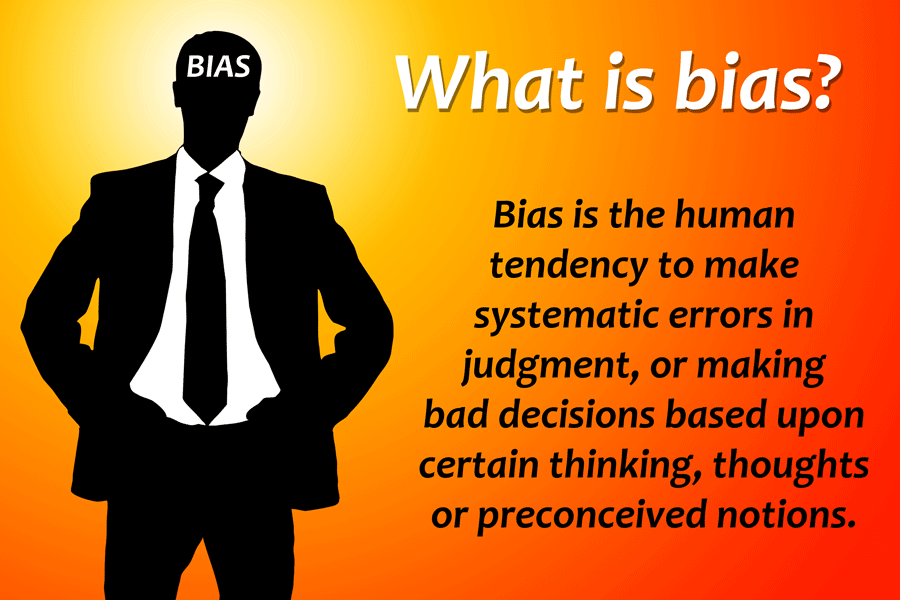
Bias is a prejudice in favor of or against one thing, person, or group compared with another, usually in a way considered to be unfair.
MYOPIA
Myopia (nearsightedness) is a common condition that’s usually diagnosed before age 20. It affects your distance vision — you can see objects that are near, but you have trouble viewing objects that are farther away like grocery store aisle markers or road signs. Myopia treatments include glasses, contact lenses or surgery.
MYOPIA BIAS
Myopia Bias makes it hard for us to imagine what our lives might be like in the future.
FinancialExample: When we are young, healthy and in our prime economic earning years it may be hard for us to picture what life will be like when our health depletes and we no longer have the earnings necessary to support our standard of living.
Irony: This short-sightedness makes it hard to save adequately when we are young … when saving does the most good.
When owners of a security spread false information to pump up the price of the security and subsequently sell off their shares, making a profit—the “dump.”
Refer to attempts by investors to move the price of a stock opportunistically by selling large numbers of shares short. The investors pocket the difference between the initial price and the new, lower price after this maneuver. This technique is illegal under SEC rules, which stipulate that every short sale must be on an uptick. For more information on this complex tactic, read on in this piece from the Wharton School of Business.
Wash Trading
Involves the simultaneous or near-simultaneous sale and repurchase of the same security for the purpose of generating activity and increasing the price.
When fraudsters manipulate the market through matched orders, they enter trades to buy or sell securities with the knowledge that a matching order on the opposite side has been or will be entered. During his tenure at the Commission, our partner Jordan Thomas was involved in a case where the SEC won summary judgement and obtained settlements with an astonishing 16 defendants who engaged in matched trades, among other illicit tactics.
Painting the Tape
Painting the tape refers to placing successive orders in small amounts at increasing or decreasing prices.
Spoofing & Layering
High frequency traders are known to use the tactics of Spoofing & Layering to manipulate share prices. Spoofing is the placing of a bid or offer with the intent to cancel before execution. Layering is a form of spoofing in which the trader places multiple orders on one side of the book, in order to create a false impression of heavy buying or selling.
SPEAKING: Dr. Marcinko will be speaking and lecturing, signing and opining, teaching and preaching, storming and performing at many locations throughout the USA this year! His tour of witty and serious pontifications may be scheduled on a planned or ad-hoc basis; for public or private meetings and gatherings; formally, informally, or over lunch or dinner. All medical societies, financial advisory firms or Broker-Dealers are encouraged to submit an RFP for speaking engagements: CONTACT: Ann Miller RN MHA at MarcinkoAdvisors@outlook.com -OR-http://www.MarcinkoAssociates.com
Posted on September 10, 2025 by Dr. David Edward Marcinko MBA MEd CMP™
DEFINITIONS
By Staff Reporters
***
***
Rate Review & the 80/20 Rule
The health care law provides 2 ways to hold insurance companies accountable and help keep your costs down: Rate Review and the 80/20 rule.
Rate Review
Rate Review helps protect you from unreasonable rate increases. Insurance companies must now publicly explain any rate increase of 15% or more before raising your premium. This does not apply to grandfathered plans.
The 80/20 Rule generally requires insurance companies to spend at least 80% of the money they take in from premiums on health care costs and quality improvement activities. The other 20% can go to administrative, overhead, and marketing costs.
The 80/20 rule is sometimes known as Medical Loss Ratio, or MLR. If an insurance company uses 80 cents out of every premium dollar to pay for your medical claims and activities that improve the quality of care, the company has a Medical Loss Ratio of 80%.
Insurance companies selling to large groups (usually more than 50 employees) must spend at least 85% of premiums on care and quality improvement.
If your insurance company doesn’t meet these requirements, you’ll get a rebate on part of the premium that you paid.
Will I get a rebate check from my insurance company?
If your insurance company doesn’t meet its 80/20 targets for the year, you’ll get back some of the premium that you paid.
You may see the rebate in a number of ways:
A rebate check in the mail
A lump-sum deposit into the same account that was used to pay the premium, if you paid by credit card or debit card
A direct reduction in your future premium
Your employer may also use one of the above rebate methods, or apply the rebate in a way that benefits employees
If you or your employer will get a rebate, your insurance company must notify you by August 1.
If you have an individual insurance policy, you’ll get the rebate directly from your insurance company.
For small group and large group plans, the rebate is usually paid to the employer. It may use one of the above rebate methods, or apply the rebate in a way that benefits employees.
FYI: The 80/20 rebate rules don’t apply when an insurance company has fewer than 1000 enrollees in a particular state or market.
For Rate Review: These requirements don’t apply to grandfathered plans. Check your plan’s materials or ask your employer or your benefits administrator to find out if your health plan is grandfathered.
For the 80/20 Rule: These rights apply to all individual, small group, and large group health plans, whether your plan is grandfathered or not.
Classic: The portion of medical expenses a patient is responsible for paying.
Modern: Refers to the maximum you will pay during your policy period, which is typically a year, before your plan starts to pay 100% of your allowed amount. The costs of your deductible, co-pay, and co-insurance are included here, but not your premium.
Classic: “Out-of-network” health care providers do not have an agreement with your insurance company to provide care. While insurance companies may have some out-of-network benefits, medical care from an out-of-network provider will usually cost more out-of-pocket than an in-network provider.
Modern: The amount that a health care insurance plan will contribute toward out-of-network services will vary by your insurance company and is often based on a “reasonable and customary” amount that the service should cost
Example: If you go to an out-of-network dentist and are billed $300 for the service, your insurance company may contribute $200 toward paying this cost because $200 is the amount it has decided is “reasonable and customary” for this service. When out-of-network, any remaining cost above this amount ($100 in this case) may have to be fully covered by the person receiving care. When out-of-network, the usual coinsurance rates that apply in-network may not apply out-of-network. Additionally, out-of-network service costs may not count toward an annual deductible.
Posted on September 8, 2025 by Dr. David Edward Marcinko MBA MEd CMP™
Primary – Secondary – Tertiary Care
By A.I. and Staff Reporters
***
***
In medicine, there are four levels of care: primary, secondary, tertiary, and quaternary. The levels of care refer to the complexity of the medical cases that doctors and healthcare providers treat and the skills and specialties of the providers.
Primary care involves consulting with a primary care provider. Secondary care refers to seeing a specialist such as a dermatologist, neurologist or oncologist. Tertiary care is specialized care in a hospital setting such as brain surgery, renal dialysis or heart surgery.
Quaternary care is thus an advanced level of specialized care.
Classic: Sometimes used as an extension of tertiary medical and surgical care in reference to advanced levels of medicine which are highly specialized and not widely accessed by most patients.
Modern: A higher level of specialized care within a hospital. Experimental medicine and some types of uncommon diagnostic or surgical procedures are also considered quaternary care.
According to the Wonca International Dictionary for General/Family Practice -Quaternary Prevention [QP] – is defined as: ‘Action taken to identify patient at risk of over medicalization, to protect him/her from new medical invasion, and to suggest to him interventions, which are ethically acceptable’.
Examples: Types of quaternary care include: experimental medicine, procedures and uncommon and specialized surgeries. This includes sub-specialty services such as advanced trauma care and organ [heart, lung, liver, kidney, etc] transplantation.
According to Medical Economics, there were 10 clinic and physician practices filing bankruptcy in 2024, making it the highest level of the last six years, according to a new analysis of cases with liabilities of at least $10 million.
Meanwhile, the Steward Health Care System bankruptcy, which was based in Massachusetts but making headlines across the nation, has become “the largest hospital sector bankruptcy by far in the last 30 years,” according to a new analysis by Gibbins Advisors, based in Nashville, Tennessee.
Health care bankruptcy filings totaled 57 last year, down from 79 in 2023, said “Healthcare Restructuring: Trends and Outlook.” The report analyzed Chapter 11 health care bankruptcy cases with liabilities of at least $10 million, since 2019.
Last year’s total was down 28% from 2023’s peak, but greater than the 2019 to 2022 average of 42 filings a year, the report said.
Bankruptcy, often considered a last financial resort, is a legal process that can help alleviate outstanding debts for individuals and businesses. Reasons to file for bankruptcy can include divorce, job loss, exorbitant medical bills or credit card debt.
There are several types of bankruptcy — six, as a matter of fact. The two most common types of bankruptcy for individuals are Chapter 7 and Chapter 13.
But there are four other types as well: Chapter 9, Chapter 11, Chapter 12 and Chapter 15. And, the type of bankruptcy filed depends on the situation.
Regardless of which type, the process is typically the same: You’ll usually retain an attorney and make your case before a judge, who will then erase some debts or set up a repayment plan.
Also note that an eligibility requirement — for all bankruptcy chapters — is that you must undergo credit counseling within the 180 days before filing.
Ikea Effect Bias describes the tendency of people to place a higher value on products they have partially created or assembled themselves. This phenomenon is named after the Swedish furniture retailer Ikea, known for selling furniture in flat-pack kits that customers must assemble at home.
he IKEA effect was identified and named by Michael Norton of Harvard Business School, Daniel Mochon of Yale University and colleague Dan Ariely PhD of Duke University, who published the results of three studies in 2011. They described the IKEA effect as “labor alone can be sufficient to induce greater liking for the fruits of one’s labor: even constructing a standardized bureau, an arduous, solitary task, can lead people to overvalue their (often poorly constructed) creations.”
Example: A prospect is more likely to pursue his/her own financial plan than that one from an informed financial planner, CPA or professional advisor.
2011 study found that subjects were willing to pay 63% more for furniture they had assembled themselves than for equivalent pre-assembled items.
IN FINANCE AND INVESTING
The IKEA effect can contribute to reducing panic selling. Investors typically reduce their stock market exposure after a financial crash which often results in “buy high, sell low” strategy that is detrimental to long-run wealth accumulation.
Ashtiani et al.’s study proposes a nudge utilizing the IKEA effect to counteract this phenomenon: “actively involving investors in the selection process of the risky investments, while restricting their selections in a way that preserves a large degree of diversification.”
SPEAKING: Dr. Marcinko will be speaking and lecturing, signing and opining, teaching and preaching, storming and performing at many locations throughout the USA this year! His tour of witty and serious pontifications may be scheduled on a planned or ad-hoc basis; for public or private meetings and gatherings; formally, informally, or over lunch or dinner. All medical societies, financial advisory firms or Broker-Dealers are encouraged to submit an RFP for speaking engagements: CONTACT: Ann Miller RN MHA at MarcinkoAdvisors@outlook.com -OR-http://www.MarcinkoAssociates.com
Posted on September 5, 2025 by Dr. David Edward Marcinko MBA MEd CMP™
By A.I. and Staff Reporters
***
***
Stocks: Equities climbed slowly but steadily yesterday as investors braced themselves for today’s all-important jobs report.
Crypto: Bitcoin fell as a selloff in cryptocurrencies associated with the Trump family pulled the entire crypto market lower.
Commodities: Gold remains in the spotlight as traders bulk up on bullion to protect their portfolios in case the FOMC loses its independence. If that does happen,Goldman Sachs analysts think gold could climb to $5,000.
If an insurer uses 80 cents out of every premium dollar to pay its customers’ medical claims and activities that improve the quality of care, the company has a medical loss ratio of 80%. A medical loss ratio of 80% indicates that the insurer is using the remaining 20 cents of each premium dollar to pay overhead expenses, such as marketing, profits, salaries, administrative costs, and agent commissions.
The Affordable Care Act sets minimum medical loss ratios for different markets, as do some state laws.
According to Hello Divorce, alimony, often referred to as spousal support, is a court-ordered payment from one spouse to the other following a divorce or legal separation. Its existence is tied to the legal status of marriage. The underlying principle is that both spouses contributed to the marital standard of living, and the dissolution of the marriage should not cause an inequitable economic outcome for the lower-earning spouse. This support is not intended as a punishment but as a means of mitigating the financial impact of divorce.
The purpose of alimony can vary. In some cases, it is rehabilitative, providing temporary support while one spouse obtains education or job training to become self-sufficient. For longer marriages, it might serve to help maintain the standard of living established during the partnership. Alimony is a legal tool derived from family law statutes to address the financial interdependence created by marriage.
Note: The federal tax treatment for alimony changed with the Tax Cuts and Jobs Act of 2017. For any divorce or separation agreement executed after December 31st, 2018, alimony payments are no longer tax-deductible for the person paying them. The recipient of the support does not report the payments as taxable income. This change is permanent and does not expire with other provisions of the act.
What is Palimony
According to Wikipedia, Palimony refers to financial support that may be awarded after an unmarried couple separates. Unlike alimony, palimony is not rooted in family law but is a concept derived from contract law. An award depends on the existence of an agreement between the partners. This agreement can be a formal written contract or an oral or implied agreement for support in exchange for services, such as managing the household.
The legal basis for palimony was established by the 1976 California Supreme Court case, Marvin v. Marvin. In that case, the court ruled that unmarried cohabitants could make enforceable contracts for support, as long as the agreement was not based on sexual services. Because it is a contract claim, a palimony case is pursued in civil court, not family court. Palimony is not available in all states and is only recognized in a minority of jurisdictions.
Note: The tax implications of palimony are less defined than alimony because the IRS does not have a specific rule for it. How palimony is treated depends on the nature of the underlying claim. If the payments are a settlement for services rendered, they may be considered taxable income to the recipient. If the payments are characterized as a gift, they are not considered taxable income for the recipient.
Posted on September 2, 2025 by Dr. David Edward Marcinko MBA MEd CMP™
By Staff Reporters
***
***
This September, along with survivors, caregivers, advocates, and healthcare professionals, HealthTree is commemorating Blood Cancer Awareness Month!
In this article, you’ll learn why this month receives special attention in the HealthTree community and what they will feature throughout September so you don’t miss a thing.
Posted on August 31, 2025 by Dr. David Edward Marcinko MBA MEd CMP™
By A.I.
***
***
Philosophy (‘love of wisdom’) is a systematic study of general and fundamental questions concerning topics like existence, reason, knowledge, value, mind and language. It is a rational and critical inquiry that reflects on its methods and assumptions.
Philosophy is broadly divided into several main branches that explore fundamental questions about reality, knowledge, ethics, logic, and values, each addressing different aspects of human thought and existence.
Metaphysics This branch explores the nature of reality and existence. It addresses questions about what things exist, the nature of objects and their properties, time and space, causality, and the mind-body relationship.
Epistemology Epistemology studies knowledge and belief. It concerns how we know what we know, the nature and limits of knowledge, justification, and skepticism.
Ethics (Moral Philosophy) Ethics examines what is right and wrong, good and bad. It investigates moral values, principles, and theories about how people ought to act and what constitutes a good life.
Logic Logic deals with the rules of correct reasoning. It studies principles of valid inference, argument structure, deduction, and induction, enabling critical thinking and sound judgment.
Aesthetics This branch explores questions related to beauty, art, and taste. It considers what constitutes aesthetic value and how art influences human experience.
Posted on August 29, 2025 by Dr. David Edward Marcinko MBA MEd CMP™
By Dr. David Edward Marcinko; MBA MEd
***
***
Healthcare comes with its share of mental challenges, especially considering that clinicians often care for patients when they’re in difficult and sometimes tragic situations. New research shows that even the path to getting into the workforce can be a challenge, with some physicians burning out before they make it to graduation.
***
American medicine is undergoing vast changes, placing the status of physicians in the medical industrial complex at great risk. Most physicians feel overwhelmed by increasing bureaucratic mandates from insurers, hospitals, and government. At the same time, physicians are the front line employees of healthcare and assume the majority of the risk for patient care. This has left many in the profession with increasing disillusionment.
Samantha Meltzer-Brody a psychiatrist and director of, Taking Care of Our Own, University of North Carolina, Chapel Hill, NC states it best:
“Daily, I am contacted by good doctors who are struggling with symptoms of burnout syndrome and who have become overwhelmed by the challenges of attempting to practice medicine in today’s health care environment. As a psychiatrist who runs a program to address and treat these distressed doctors, I am troubled by the ever-growing number of calls I receive.”
What causes physician burnout?
The “Big 4” factors known to contribute to stress and burnout include:
Time pressure, especially in patient visits or documentation
Lack of control over work environment
Chaotic, fast-paced workplaces
Culture of the organization, specifically a culture that does not emphasize communication, cohesion, trust, and alignment of values between clinicians and their leaders
In addition to burnout rates, these factors can be assessed to help direct interventions toward those drivers that are most likely to be contributing to burnout at your organization.
The burned-out physician is exhausted — mentally and physically — and often no longer able to find empathy or connection with patients. The question of how to escape from what has become a highly unpleasant situation becomes a frequent one. Given the high demands of the profession and serious consequences of mistakes, the burned-out doctor is a potentially impaired one. And the impaired physician is not able to maintain the unflappable, perpetually cool under fire, always objective, professional and yet compassionate demeanor that is expected by society. Worst of all, the impaired physician is at great risk for developing depression, suicidal ideation, or a serious addiction.
The doctors who contact me report feeling beaten down by an increasingly hostile work environment. They say that they don’t have time to take care of patients the way they envisioned when they decided to apply to medical school. Many describe feeling betrayed by a system that they say seems focused on achieving the bottom line with little regard for the impact on both doctors and patients.
Most of these doctors report spending a significant amount of their time dealing with the electronic medical record and documentation. The ratio of time spent on doctor-patient
interactions compared to physician-computer ones appears so horribly skewed that it has reached the point of complete dysmorphia. These good physicians call me when they feel like they can’t continue any longer in the profession. They want to quit medicine. They report a loss of joy and meaning in their work. They describe the toll that the profession has had on their mental health, physical health, and personal lives. And most wrenchingly, they don’t see an end.
What can we do? There are no easy answers to the complex issues that threaten our profession. “The Taking Care of Our Own Program…has had an over 200% rate of growth in the first year, reflecting the enormous need…”
Burned out physicians will eventually be labeled as disruptive, impaired, an outlier or arrogant. There’s a reason it’s difficult and extremely expensive for physicians to find disability insurance; psychiatric claims. Burnout leads to depression, anxiety, PTSD, suicide, divorce, drug abuse, surly behaviors and interactions, etc. It’s nothing new; it’s been occurring for a long time. Go without routine sleep, eat erratically, work long hours, operate under constantly stressful situations and have no time for your family or self and most individuals will de-compensate physically and psychologically within weeks.
Conclusion
Physicians operate within these parameters year after year.
How are they to remain healthy, functional humans? They can’t. Even a superhero couldn’t, yet physicians are expected to endure and thrive under such conditions.
If a physician makes a single mistake, or snaps just one day, their entire career is on the line.
SPEAKING: Dr. Marcinko will be speaking and lecturing, signing and opining, teaching and preaching, storming and performing at many locations throughout the USA this year! His tour of witty and serious pontifications may be scheduled on a planned or ad-hoc basis; for public or private meetings and gatherings; formally, informally, or over lunch or dinner. All medical societies, financial advisory firms or Broker-Dealers are encouraged to submit an RFP for speaking engagements: CONTACT: Ann Miller RN MHA at MarcinkoAdvisors@outlook.com -OR-http://www.MarcinkoAssociates.com
A silent, non-directed, ghost, blind, faux, or “mirror” PPO, HMO, or other provider model is not really a formalized managed care organization [MCO] at all. Rather, it was simply an intermediary attempt, and Ponzi-like scheme, to negotiate practitioner fees downward, by promising a higher volume of patients in exchange for the discount.
Of course, the intermediary [discount-broker] then resells the packaged contract product to any willing insurance company, HMO, PPO or other payer, thereby pocketing the difference as a nice profit. Sometime, these virtual organizations are just indemnity companies in disguise.
NOTE: The term indemnity insurance refers to an insurance policy that compensates an insured party for certain unexpected damages or losses up to a certain limit—usually the amount of the loss itself. Insurance companies provide coverage in exchange for premiums paid by the insured parties.
These policies are commonly designed to protect professionals and business owners when they are found to be at fault for a specific event such as misjudgment or malpractice. They generally take the form of a letter o indemnity.
***
As part of a silent PPO scheme, insurers try to pass off the discount as legitimate on Explanation of Benefit [EOB] forms. Physicians should not fall for this ploy, since pricing pressure will be forced even lower in the next round of “real” PPO negotiations!
Medical providers should also be on guard for silent HMOs, MCOs and any other silent insurance variation, since these virtual organizations do not exist, except as exploitable arbitrage situations for the middleman.
SPEAKING: Dr. Marcinko will be speaking and lecturing, signing and opining, teaching and preaching, storming and performing at many locations throughout the USA this year! His tour of witty and serious pontifications may be scheduled on a planned or ad-hoc basis; for public or private meetings and gatherings; formally, informally, or over lunch or dinner. All medical societies, financial advisory firms or Broker-Dealers are encouraged to submit an RFP for speaking engagements: CONTACT: Ann Miller RN MHA at MarcinkoAdvisors@outlook.com -OR-http://www.MarcinkoAssociates.com
Posted on August 27, 2025 by Dr. David Edward Marcinko MBA MEd CMP™
By A.I.
***
***
Bonds: Long-term Treasury yields rose and short-term yields fell after President Trump fired Fed Governor Lisa Cook opening the gap between 5-year and 30-year yields to its widest point in three years.
Stocks: Equities barely budged on the latest FOMC drama with investors’ attention fully focused on Nvidia earnings tomorrow afternoon.
Trade Craft: President Trump vowed retaliation against countries that apply a digital services tax against US tech companies. He may also slap a 200% tariff on China if that country restricts trade on rare earth magnets.
Posted on August 26, 2025 by Dr. David Edward Marcinko MBA MEd CMP™
By Dr. David Edward Marcinko MBA MEd
***
***
Types of investments
Once a physician [MD, DO, DPM or DDS] has a brokerage account, the young doctior will need to decide what to invest in. There are lots of options, and each comes with different benefits and drawbacks. Here are some of the most common options for new physician investors.
Stocks are the first thing most people think about when they are considering investing, but they are not the only option. The prices of stocks change daily, sometimes by large amounts, as the market adjusts to news and various cycles. For that reason, it’s important to do your research. If you’re just beginning with a retirement account, you could also consider the longer-term products listed below.
Index funds and mutual funds.
Index funds attempt to replicate the performance of an un-managed market index. The performance of mutual funds [open and closed] varies. You can often get involved for a lower initial investment, and they can provide good diversification,which makes your portfolio better equipped to handle market fluctuations [active and passive].
For that reason, many financial experts say they should form the core of your retirement portfolio. While they have many similar characteristics, there are important differences. Read more about some of the differences in index funds and mutual funds.
These technically aren’t investment products; they are a contract between you and an insurance company. However, they work to accomplish a similar goal. There are immediate annuities that convert some of your existing savings into lifetime payments, but if we’re talking about saving for retirement, a deferred income annuity is the closest comparison. You make premium payments into the deferred annuity on a regular or irregular basis depending on the contract terms, and when you reach retirement age, you annuitize those savings and receive payments for the rest of your life. They can make a valuable addition to a retirement savings strategy.
Other investments.
There are many other types of investments and financial vehicles: bonds [local, state or US], money market funds, certificates of deposit through a brokerage account or investment apps. Even the cash value of life insurance can play a part. They are all designed to address different needs and have benefits and drawbacks and may be important to your overall strategy.
Crypto.com is a cryptocurrency company based in Singapore that offers various financial services, including an app, exchange, and noncustodial DeFi wallet, NFT marketplace, and direct payment service in cryptocurrency. As of 2024, the company reportedly had more than 100 million customers and more than 4,000 employees.
SPEAKING: Dr. Marcinko will be speaking and lecturing, signing and opining, teaching and preaching, storming and performing at many locations throughout the USA this year! His tour of witty and serious pontifications may be scheduled on a planned or ad-hoc basis; for public or private meetings and gatherings; formally, informally, or over lunch or dinner. All medical societies, financial advisory firms or Broker-Dealers are encouraged to submit an RFP for speaking engagements: CONTACT: Ann Miller RN MHA at MarcinkoAdvisors@outlook.com -OR-http://www.MarcinkoAssociates.com
It is normal for physician litigants to develop a case of “buyer’s remorse” after any mediation or divorce settlement. They may feel disappointed after entering into a settlement agreement or feel that they received a bad deal.
Mediation: Some advantages of divorce mediation over divorce litigation include:
◊ Mediation is generally faster and less costly.
◊ Mediation is voluntary, private and confidential.
◊ Mediation facilitates creative and realistic solutions.
◊ Mediation allows parties to control their agreements.
◊ Mediation eliminates a win-lose atmosphere and result.
◊ Mediation provides a forum for addressing future disputes.
◊ Mediation fosters communication and helps mend relationships.
***
***
Settlement
And so, in a vast majority of cases, mediation and settlement is probably a good deal. In fact, it is probably a great deal because you are receiving something without having to risk losing. Remember, trial can be a crap-shoot, and nothing is worse than losing it all at the time of trial.
Bench trial verdict by a trial judge.
Jury trial verdict by your “peers.”
Instead, you entered into a settlement agreement and now your divorce case is over.
But beware since trying to get out of a settlement agreement reached at mediation or settlement is virtually impossible.
Why? Well, there is a strong interest by the court to enforce mediation and settlement agreements. The court wants your divorce case to be over and off its docket. There are a few very narrow exceptions; for example, if one party was truly coerced because someone held a gun to their head. But that rarely happens, and it certainly doesn’t happen to most doctors or dentists.
Of course, you can fight against your mediation or settlement agreement if you like, but you won’t get too far. There’s an old adage in the law that a bad settlement is better than a great trial. That’s because no one knows how a judge or jury will rule come time of trial.
***
***
This buyers remorse phenomenon also isn’t uncommon among people who receive sudden wealth, whether through divorce settlements, inheritances, lottery winnings, or other windfalls.
Assessment
Financial advisors often see clients struggle with “sudden wealth syndrome”—the inability to properly manage a large sum of money they’re not accustomed to having.
Common mistakes include:
Lifestyle inflation without sustainable income to support it.
Poor investment decisions or lack of investment planning.
Emotional spending following traumatic life events like divorce.
Failure to set aside money for taxes on the settlement.
Not creating a long-term financial plan for the money.
SPEAKING: Dr. Marcinko will be speaking and lecturing, signing and opining, teaching and preaching, storming and performing at many locations throughout the USA this year! His tour of witty and serious pontifications may be scheduled on a planned or ad-hoc basis; for public or private meetings and gatherings; formally, informally, or over lunch or dinner. All medical societies, financial advisory firms or Broker-Dealers are encouraged to submit an RFP for speaking engagements: CONTACT: Ann Miller RN MHA at MarcinkoAdvisors@outlook.com -OR-http://www.MarcinkoAssociates.com
Net worth is everything you own of significance (Assets) minus what is owed in debts (Liabilities). Assets include cash and investments, real estate, cars and anything else of value.
How is net worth calculated? Assets – Debt = Net Worth. Net worth is calculated by adding all owned assets (anything of value) and then subtracting all of your liabilities.
Is net worth yearly? No, net worth is not yearly. Net worth isn’t inherently yearly but is often tracked on an annual basis to assess financial progress year over year.
What net worth is considered wealthy, rich and upper class? In the U.S. salary average is around $59,000, and only 20% of Americans have a household income of $100,000 or more.
Is net worth the same as net income? No, net worth is not the same as net income. Net income is what you actually bring home after taxes and payroll deductions, like Social Security and 401(k) contributions.
Can one measure their net worth if they don’t have many assets or a high income? Yes. Knowing your net worth isn’t about the amount you have; it’s about understanding your financial position. It helps you track your progress, informs your financial decisions, and motivates you to improve your financial health, regardless of where you start.
A SPECIAL MEDICAL-EXECUTIVE-POST GUEST PRESENTATION
***
What Is a Special Purpose Vehicle (SPV)?
A special purpose vehicle is a subsidiary created by a parent company to isolate financial risk. It’s also called a special purpose entity (SPE). Its legal status as a separate company makes its obligations secure even if the parent company goes bankrupt. A special purpose vehicle is sometimes referred to as a bankruptcy-remote entity for this reason.
These vehicles can become a financially devastating way to hide company debt if accounting loopholes are exploited, as seen in the 2001 Enron scandal.
Posted on August 21, 2025 by Dr. David Edward Marcinko MBA MEd CMP™
By A.I. and Staff Reporters
***
***
Technology: Fears of an A.I. bubble continue to climb after MIT published a report that 95% of companies using generative A.I. programs have nothing to show for it, despite pouring billions of dollars into this space.
Stocks: Another day of technology stocks selling off pulled the S&P 500 and NASDAQ lower yesterday, with investors rotating out of some of the hottest names and sectors in the market.
FOMC Drama: President Trump demanded the resignation of Fed Governor Lisa Cook for allegations of mortgage fraud. Meanwhile, the minutes from the July FOMC meeting revealed a growing divide between central bankers.
Posted on August 20, 2025 by Dr. David Edward Marcinko MBA MEd CMP™
LEADERSHIP versus MANAGEMENT
***
***
By Dr. David Edward Marcinko MBA MEd
By Professor Gary A. Cook PhD
By Professor Eugene Schmuckler PhD MBA MEd CTS
Many of us have encountered a person who may intellectually be at upper levels, but whose ability to interact with others appears to that of one who is highly immature. This is the individual who is prone to becoming angry easily, verbally attacks co-workers, is perceived as lacking in compassion and empathy, and cannot understand why it is difficult to get others to cooperate with them and their agendas.
THINK: Sheldon Cooper PhD D.Sc MA BA of the The Big Bank Theory TV show.
The concept of Emotional Intelligence [EQ] was brought into the public domain when Daniel Goleman authored a book entitled, Emotional Intelligence.” According to Goleman, emotional intelligence consists of four basic non-cognitive competencies: self awareness, social awareness, self management and social skills. These are skills which influence the manner in which people handle themselves and their relationships with others. Goleman’s position was that these competencies play a bigger role than cognitive intelligence in determining success in life and in the workplace. He and others contend that emotional intelligence involves abilities that may be categorized into five domains:
Self awareness: Observing and recognizing a feeling as it happens.
Managing emotions: Handling feelings so that they are appropriate; realizing what is behind a feeling; finding ways to handle fears and anxieties, anger and sadness.
Motivating oneself; Channeling emotions in the service of a goal; emotional self control; delaying gratification and stifling impulses.
Empathy: Sensitivity to others’ feelings and concerns and taking their perspective appreciating the differences in how people feel about things.
Handling relationships: Managing emotions in others; social competence & social skills.
In 1995, Goleman then expanded on the works of Howard Gardner, Peter Salovey and John Mayer. He further defined Emotional Intelligence as a set of competencies demonstrating the ability one has to recognize his or her behaviors, moods and impulses and to manage them best, according to the situation. Mike Poskey, in “The Importance of Emotional Intelligence in the Workplace.” continued this definition by stating that emotional intelligence is considered to involve emotional empathy; attention to, and discrimination of one’s emotions; accurate recognition of one’s own and others’ moods; mood management or control over emotions; response with appropriate emotions and behaviors in various life situations (especially to stress and difficult situations); and balancing of honest expression of emotions against courtesy, consideration, and respect.
Source: Emotional Intelligence: what is and why it matters” – Cary Cherniss, PhD, presented at the annual conference of the Society of Industrial and Organizational Psychology, April 2000.
EQ differs from what has generally been considered intelligence which is described in terms of one’s IQ.
Traditional views of intelligence focused on cognition, memory and problem solving. Even today individuals are evaluated on the basis of cognitive skills. Entrance tests for medical, law, business, undergraduate and graduate schools base admissions in large part on the scores of the SAT, GMAT, LSAT, MCAT, etc. Without question, cognitive ability is critical but has been demonstrated, it is not a very good predictor of future direct job performance and indirect liability management. In fact, in 1940, David Wechsler the developer of a widely used intelligence test made reference to “non-intellective” elements. By this Wechsler meant affective, personal and social factors.
Source: Non-Intellective factors in intelligence. Psychological Bulletin, 37, 444-445.
Goleman became aware of the work of Salovey and Mayer having trained under David McClelland and was influenced by McClelland’s concern with how little traditional tests of cognitive intelligence predicted success in life. In fact, a study of 80 PhDs in science underwent a battery of personality tests, IQ tests and interviews in the 1950s while they were graduate students at Berkeley. Forty years later they were re-evaluated and it turned out that social and emotional abilities were four times more important than IQ in determining professional success and prestige.
Source: Feist & Barron: Emotional Intelligence and academic intelligence in career and life success. Paper presented at the Annual Convention of the American Psychological Society, San Francisco, 1996.
Undoubtedly, we want to have individuals work with us who have persistence which enables to them have the energy, drive, and thick skin to develop and close new business, or to work with the patients and other members of the staff. It is important to note that working alongside one with a “good” personality may be fun, energetic, and outgoing.
However, a “good personality does not necessarily equate to success. An individual with a high EQ can manage his or her own impulses, communicate effectively, manage change well, solve problems, and use humor to build rapport in tense situations. This clarity in thinking and composure in stressful and chaotic situations is what separates top performers from weak performers.
Poskey outlined a set of five emotional intelligence competencies that have proven to contribute more to workplace achievement than technical skills, cognitive ability, and standard personality traits combined.
***
***
A. Social Competencies: Competencies that Determine How We Handle Relationships
Intuition and Empathy – Our awareness of others’ feelings, needs, and concern. He suggested that this competency is important in the workplace for the following reasons:
Understanding others: an intuitive sense of others’ feelings and perspectives, and showing an active interest in their concerns and interests
Patient service orientation: the ability to anticipate, recognize and meet customer’s’ (patients) needs
People development: ability to sense what others need in order to grow, develop, and master their strengths
Leveraging diversity: cultivating opportunities through diverse people.
B. Political Acumen and Social Skills: Our adeptness at inducing desirable responses in others. This competency is important for the following reasons:
Influencing: using effective tactics and techniques for persuasion and desired results.
Communication: sending clear and convincing messages that are understood by others
Leadership: inspiring and guiding groups of people
Change catalyst: initiating and/or managing change in the workplace
Conflict resolution: negotiating and resolving disagreements with people
Collaboration and cooperation: working with coworkers and business partners toward shared goals
Team capabilities: creating group synergy in pursuing collective goals.
C. Personal Competencies: Competencies that determine how we manage ourselves
D. Self Awareness: Knowing out internal states, preferences, resources, and intuitions. This competency is important for the following reasons.
Emotional awareness: recognizing one’s emotions and their effects and impact on those around us
Accurate self-assessment: knowing one’s strengths and limits
Self-confidence: certainty about one’s self worth and capabilities
Self-Regulation: managing one’s internal states, impulses, and resources. This competency is important in the workplace for the following reasons.
Self-control: managing disruptive emotions and impulses
Trustworthiness: maintaining standards of honesty and integrity
Conscientiousness: taking responsibility and being accountable for personal performance
Adaptability: flexibility in handling change
Innovation: being comfortable with an openness to novel ideas, approaches, and new information.
E. Self-Expectations and Motivation: Emotional tendencies that guide or facilitate reaching goals. This competency is important in the workplace for the following reasons.
Achievement drive: striving to improve or meet a standard of excellence we impose on ourselves
Commitment: aligning with the goals of the group or the organization
Initiative: readiness to act on opportunities without having to be told
Optimism: Persistence in pursuing goals despite obstacles and setbacks
A note of caution is necessary. Goleman and Salovey both stated that emotional intelligence on its own is not a strong predictor of job performance. Instead they contend that it provides the bedrock for competencies that are predictors.
Obviously, EQ is an important attribute and it behooves each of us to promote emotional intelligence in the workplace. A number of guidelines have been developed for the Consortium for Research on Emotional Intelligence in Organizations by Goleman and Cherniss. The guidelines cover 21 phases which include preparation, training, transfer and evaluation.
Assess the organization’s needs: Determine the competencies that are most critical for effective job performance in a particular type of job. In doing so, us a valid method, such as the comparison of the behavioral interviews of superior performs and average performers. Also make sure the competencies to be developed are congruent with the organization’s culture and overall strategy.
Assess the individual: This assessment should be based on the key competencies needed for a particular job, and the data should come from multiple sources using multiple methods to maximize credibility and validity.
Deliver assessments with care: Give the individual information on his/her strengths and weaknesses. In doing so, try to be accurate and clear. Also, allow plenty of time for the person to digest and integrate the information. Provide feedback in a safe and supportive environment in order to minimize resistance and defensiveness. Avoid making excuses or downplaying the seriousness of deficiencies.
Maximize choice: People are motivated to change when they freely choose to do so. As much as possible, allow people to decide whether or not they will participate in the development process, and have them change goals themselves.
Encourage people to participate: People will be more likely to participate in development efforts if they perceive them to be worthwhile and effective. Organizational policies and procedures should encourage people to participate in development activity, and supervisors should provide encouragement and the necessary support. Motivation will be enhanced if people trust the credibility of those who encourage them to undertake the training.
Link learning goals to personal values: People are most motivated to pursue change that fits with their values and hopes. If a change matters little to people, they won’t pursue it. Help people understand whether a given change fits with what matters most to them.
Adjust expectations: Builds positive expectations by showing learners that social and emotional competence can be improved and that such improvement will lead to valued outcomes. Also, make sure that the learner has a realistic expectation of what the training process will involve.
Gauge readiness: Assess whether the individual is ready for training. If the person is not ready because of insufficient motivation or other reasons, make readiness the focus of intervention efforts.
Foster a positive relationship between the trainers and learners: Trainers who are warm, genuine, and empathic our best able to engage the learners in the change process. Select trainers who have these qualities, and make sure that they use them when working with the learners.
Make change self-directed: Learning is more effective when people direct their own learning program, tailoring it to their unique needs and circumstances. In addition to allowing people to set their own learning goals, let them continue to be in charge of their learning throughout the program, and tailor the training approach to the individual’s learning style.
Set clear goals: People need to be clear about what the competence is, how to acquire it, and how to show it on the job. Spell out the specific behaviors and skills that make up the target competence. Make sure that the goals are clear, specific, and optimally challenging.
Break goals into manageable steps: change. That is more likely to occur if the change process is divided into manageable steps. Encourage both trainers and trainees to avoid being overly ambitious.
Provide opportunities to practice: Lasting change requires sustained practice on the job and elsewhere in life. An automatic habit is being unlearned and different responses are replacing it. Use naturally occurring opportunities for practice at work, and in life. Encourage the trainees to try the new behaviors repeatedly and consistently over a period of months.
Give performance feedback: Ongoing feedback encourages people and direct change. Provide focused and sustained feedback as the learners practice new behaviors. Make sure that supervisors, peers, friends, family members-or some combination of these- give periodic feedback on progress.
Rely on experiential methods: Active, concrete, experiential methods tend to work best for learning social and emotional competencies. Development activities that engage all the senses and our dramatic and powerful can be especially effective.
Build in support: Change is facilitated through ongoing support of others who are going through similar changes. Programs should encourage the formation of groups where people give each other support, throughout the change effort. Coaches and mentors also can be valuable in helping support the desired change.
Use models: Use modern webinars, patient portals, live or videotaped models that clearly show how the competency can be used in realistic situations. Encourage learners to study, analyze, and emulate the models.
Enhance insight: Self-Awareness is the cornerstone of emotional and social competence. Help learners acquire greater understanding about how their thoughts, feelings, and behavior affect themselves and others.
Prevent relapse: Use relapse prevention, which helps people use lapses and mistakes as lessons to prepare themselves for further efforts.
Moreover:
Encourage use of skills on the job: Supervisors, peers and subordinates should reinforce and reward learners for using their new skills on the job. Coaches and mentors also can serve this function. Also, provide prompts and cues, such as through periodic follow-ups. Change also is more likely to indoor. When high status persons, such as supervisors and upper-level management model it.
Develop an organizational culture that supports learning: Change will be more enduring if the organization’s culture and tone support the change and offer a safe atmosphere for experimentation.
Finally, see if the development effort has lasting effects evaluated. When possible, find a true set of measures of the competence or skill, as shown on the job, before and after training, and also at least two months later. One-year follow-ups also are highly desirable. In addition to charting progress on the acquisition of competencies, also assess the impact on important job related outcomes, such as performance measures, and indicators of adjustments such as absenteeism, grievances, health status, etc.
Managers V. Leaders
These abilities are important for one to be successful as a manager and even more so as a leader, or physician executive. But, before we begin an examination of strategic leadership, it is necessary to make a deeper distinction between a manager and a leader. There are many different definitions as well as descriptions regarding leadership and management.
Many people talk as though leadership and management is the same thing. Fundamentally, they are quite different. Management focuses on work. We manage work activities such as money, time, paperwork, materials, equipment, and personnel, among other things. As can be found in any basic book on management, management focuses on planning, organizing, controlling, coordinating, budgeting, finance and money management as well as decision making. In effect, managers are generally those individuals who have been given their authority by virtue of their role. It is the function of a manager to ensure that the work gets done as well as to oversee the activities of others. In many healthcare organizations we find that those individuals elevated to a managerial position occur as a result of being a high performer on their previous assignment. A manager receives authority on the basis of role; while a leader’ authority is more innate in nature.
SPEAKING: Dr. Marcinko will be speaking and lecturing, signing and opining, teaching and preaching, storming and performing at many locations throughout the USA this year! His tour of witty and serious pontifications may be scheduled on a planned or ad-hoc basis; for public or private meetings and gatherings; formally, informally, or over lunch or dinner. All medical societies, financial advisory firms or Broker-Dealers are encouraged to submit an RFP for speaking engagements: CONTACT: Ann Miller RN MHA at MarcinkoAdvisors@outlook.com -OR-http://www.MarcinkoAssociates.com
Posted on August 19, 2025 by Dr. David Edward Marcinko MBA MEd CMP™
By Dr. David Edward Marcinko MBA MEd
***
***
In today’s dynamic economic landscape, the concept of a “side hustle” has evolved from a mere trend to an essential component of personal financial strategy for many individuals; even doctors.
A side hustle is a way to earn extra income outside of your primary job or main source of employment. It typically involves part-time work, freelancing, small businesses, or gig-based activities that can be pursued flexibly in your free time. Unlike traditional employment, side hustles often offer more autonomy, creative freedom, and the potential to monetize skills, hobbies, or passions.
***
***
Doctor Gigs?
So, if you’re a doctor, dentist or podiatrist considering a side hustle, focus on something sustainable and long-term. Ask yourself: What am I already good at? What do people already ask me to help with? The best side hustles don’t require reinventing the wheel — just monetizing the one you’ve already been pushing uphill.
But, avoid gigs that require a huge upfront investment or promise overnight success. Instead, look for something that offers flexibility, ideally something that works with your schedule, not against your sanity.
Track your earnings and how much time you’re putting in. Side income should support your goals, whether that’s paying off debt, saving for a trip or just breathing easier when office rent comes due.
But, if it’s draining your energy from your medical practice with little to show for it, it might be time to rethink the hustle.
SPEAKING: Dr. Marcinko will be speaking and lecturing, signing and opining, teaching and preaching, storming and performing at many locations throughout the USA this year! His tour of witty and serious pontifications may be scheduled on a planned or ad-hoc basis; for public or private meetings and gatherings; formally, informally, or over lunch or dinner. All medical societies, financial advisory firms or Broker-Dealers are encouraged to submit an RFP for speaking engagements: CONTACT: Ann Miller RN MHA at MarcinkoAdvisors@outlook.com -OR-http://www.MarcinkoAssociates.com
Posted on August 17, 2025 by Dr. David Edward Marcinko MBA MEd CMP™
A Supply Chain Management Strategy
By Staff Reporters
***
***
RADIO FREQUENCY IDENTIFICATION
RFID refers to a device attached to an object that transmits data to an RFID receiver. A device can be a large piece of hospital hardware the size of a small book like those attached to ocean containers, or a very small device inserted into a label on a package. RFID has advantages over bar codes such as the ability to hold more data, and to change the stored data as processing occurs. Moreover, it does not require line-of-sight to transfer data, and is very effective in harsh environments where bar-code labels will not work. RFID is not without its own problems, however, as RF signals can be compromised by materials such as metals and liquids.
Although RFID technology is receiving much current attention, it still tends to be cost-prohibitive for some hospital inventory tracking applications. As chip prices go down, there will be continued growth in the application of RFID, but, as in the case of 2D bar codes, many hospital warehouse applications simply do not require this added functionality. The low-cost 1D bar code may continue to be the technology of choice for many hospital inventory tracking applications in the short term.
Smart labels are labels with integrated RFID chips. The idea is to produce labels (probably with bar codes) as well as programming the RFID chips embedded in the label. This would provide all current functionality (human- and machine-readable text and bar codes) as well as adding RFID functionality.
Slap-and-ship describes an approach to complying with vendor requirements for physical identification of shipped goods. More recently, slap-and-ship has been used to describe complying With RFID requirements (such as those from large health care systems); however, it is also applicable to any compliance labeling requirement (such as compliance bar-code labels). Slap-and-ship implies meeting the customer’s requirement by applying the bar-code labels or RFID tags, but not utilizing the technology internally.
Finally, anti-skimming bills were first approved by California and Washington State relative to RFID privacy and are focused on making it illegal for criminals or businesses (or criminal businesses) to read and use personal information from RFID-enabled items such as driver’s licenses and credit cards without the owner’s consent.
An obstetrician-gynecologist, or OB-GYN, has expertise in female reproductive health, pregnancy, and childbirth. Some OB-GYNs offer a wide range of general health services similar to a primary care doctor. Others focus on the medical care of the female reproductive system. OB-GYNs also provide routine medical services and preventive screenings. This type of doctor has studied obstetrics and gynecology. The term “OB-GYN” can refer to the doctor, an obstetrician-gynecologist, or to the sciences that the doctor specializes in, which are obstetrics and gynecology.
Obstetrician
Obstetrics is the branch of medicine related to medical and surgical care before, during, and after a woman gives birth. Obstetrics focuses on caring for and maintaining a woman’s overall health during maternity. This includes:
pregnancy
labor
childbirth
the postpartum period
OB-GYNs can conduct office visits, perform surgery, and assist with labor and delivery. Some OB-GYNs provide services through a solo or private practice. Others do so as part of a larger medical group or hospital.
***
***
Gynecologist
Gynecology is the branch of medicine that focuses on women’s bodies and their reproductive health. It includes the diagnosis, treatment, and care of women’s reproductive system. This includes the:
vagina
uterus
ovaries
fallopian tubes
This branch of medicine also includes screening for and treating issues associated with women’s breasts. Gynecology is the overarching field of women’s health from puberty through adulthood. It represents most of the reproductive care received during a lifetime. If pregnant, one goes to an obstetrician.
Mid-Wife
Midwives are registered nurses who specialize in midwifery. As such, they’re trained healthcare providers who can oversee low-risk pregnancies, labor, and birth. They can provide other obstetric and gynecological services too. They can do exams and help with basic gynecological concerns like sexually transmitted infections, urinary tract infections, or yeast infections. They help support during labor and in the postpartum period with breastfeeding and birth control.
Doula
Doulas aren’t clinical professionals and can’t give medical advice. They can’t prescribe medicines, and they can’t deliver a baby. But they can offer physical and emotional support during labor—and sometimes during and after pregnancy. Doulas can help with breathing techniques, positional changes, and relaxation strategies during labor. Studies show doulas are associated with fewer C-sections and more vaginal births.
Posted on August 12, 2025 by Dr. David Edward Marcinko MBA MEd CMP™
By A.I.
***
***
Stocks: Markets struggled to pick a direction as investors took a wait-and-see approach ahead of today’s CPI reading—even as Wall Street worries about the data’s reliability.
Trade: President Trump asked China, the world’s largest soybean buyer, to quadruple its soybean purchases from the US. He also extended the trade war truce with China by 90 days
Commodities: Gold had its worst day in three months as traders waited for the White House to clarify its new tariffs on the key commodity—only for Trump to announce that it won’t be tariffed at all. Meanwhile, Chinese battery giant CATL halted operations at a mine that produces 4% of the world’s lithium, sending prices of the precious metal soaring.
An ophthalmologist is a physician [MD, DO] who undergoes sub-specialty training in medical and surgical eye care. Following a medical degree, a doctor specializing in ophthalmology must pursue additional postgraduate residency training specific to that field. In the United States, following graduation from medical school, one must complete a four-year residency in ophthalmology to become an ophthalmologist. Following residency, additional specialty training (or fellowship) may be sought in a particular aspect of eye pathology.
Ophthalmologists prescribe medications to treat ailments, such as eye diseases, implement laser therapy, and perform surgery when needed. Ophthalmologists provide both primary and specialty eye care—medical and surgical. Most ophthalmologists participate in academic research on eye diseases at some point in their training and many include research as part of their career. Ophthalmology has always been at the forefront of medical research with a long history of advancement and innovation in eye care.
Optometrist
Optometrists focus on regular vision care and primary health care for the eye. After college, they spend 4 years in a professional program and get a doctor of optometry degree. But they don’t go to medical school. Some optometrists get additional clinical training or complete a specialty fellowship after optometry school. They:
Monitor eye conditions related to diseases like diabetes
Manage and treat conditions like dry eye and glaucoma
Provide low-vision aids and vision therapy
There are specialties among optometrists. They include:
Pediatric optometry. These providers work with babies, toddlers, and children, using special techniques to test their vision.
Neuro-optometry. If you have vision problems that result from a brain injury, this is the type of optometrist you might visit.
Low-vision optometry. If you have low vision—that means you can’t see well enough to perform your daily activities and your sight can’t be corrected by glasses or contact lenses, medicine, or surgery—low-vision optometrists offer devices and strategies that can improve your quality of life.
***
***
Optician
An optician is an eye care specialist who helps you choose the right eyeglasses, contact lenses or other vision correction devices. They can’t diagnose or treat conditions that affect your eyes or vision. They’ll work with you to get the right corrective lenses after your optometrist or ophthalmologist gives you a prescription.
Ocularist
An ocularist is an eye care specialist who provides care for people needing prosthetic eyes due to injury, infection or congenital disease (present at birth). Losing or damaging an eye can be a traumatic experience, and the need for a prosthetic can be overwhelming. Ocularists offer long-term care. They collaborate with your healthcare team to create or restore a more natural facial appearance with the goal of enhancing your health-related quality of life.
In the early 1980s, Daniel Kahneman and Amos Tverskey proved in numerous experiments that the reality of decision making differed greatly from the assumptions held by economists. They published their findings in Prospect Theory: An analysis of decision making under risk, which quickly became one of the most cited papers in all of economics.
To understand the importance of their breakthrough, we first need to take a step back and explain a few things. Up until that point, economists were working under a normative model of decision making. A normative model is a prescriptive approach that concerns itself with how people should make optimal decisions. Basically, if everyone was rational, this is how they should act.
Amanda, an RN client, was just informed by her financial advisor that she needed to re-launch her 403-b retirement plan. Since she was leery about investing, she quietly wondered why she couldn’t DIY. Little does her Financial Advisor know that she doesn’t intend to follow his advice, anyway! So, what went wrong?
The answer may be that her advisor didn’t deploy a behavioral economics framework to support her decision-making. One such framework is the “prospect theory” model that boils client decision-making into a “three step heuristic.”
According to colleague Eugene Schmuckler PhD MBA MEd CTS, Prospect theory makes the unspoken biases that we all have more explicit. By identifying all the background assumptions and preferences that clients [patients] bring to the office, decision-making can be crafted so that everyone [family, doctor and patient] or [FA, client and spouse] is on the same page.
1. Simplify choices by focusing on the key differences between investment [treatment] options such as stock, bonds, cash, and index funds.
2. Understanding that clients [patients] prefer greater certainty when it comes to pursuing financial [health] gains and are willing to accept uncertainty when trying to avoid a loss [illness].
3. Cognitive processes lead clients and patients to overestimate the value of their choices thanks to survivor bias, cognitive dissonance, appeals to authority and hindsight biases.
CITE: Jaan E. Sidorov MD [Harrisburg, PA]
Assessment
Much like in healthcare today, the current mass-customized approaches to the financial services industry fall short of recognizing more personalized advisory approaches like prospect theory and assisted client-centered investment decision-making.
SPEAKING: Dr. Marcinko will be speaking and lecturing, signing and opining, teaching and preaching, storming and performing at many locations throughout the USA this year! His tour of witty and serious pontifications may be scheduled on a planned or ad-hoc basis; for public or private meetings and gatherings; formally, informally, or over lunch or dinner. All medical societies, financial advisory firms or Broker-Dealers are encouraged to submit an RFP for speaking engagements: CONTACT: Ann Miller RN MHA at MarcinkoAdvisors@outlook.com -OR-http://www.MarcinkoAssociates.com
THE ADDICTIVE INVESTING / TRADING PERSONALITY OF DOCTORS
Dr. Donald J. Mandell, a pediatrician, always needs to leave the office fifteen minutes ahead of schedule. The reason is because it takes that long to make the necessary number of trips to ensure the front door is truly locked.
Dr. Kamela A. Shaw, a general surgeon, is constantly rushing to the bath room so that she can wash her hands. As far as she is concerned, it is not possible to get one’s hands clean enough considering the COVID pandemic or recent influenza outbreak.
Although the behaviors displayed by these two doctors are different, they are consistent in that each, to some degree, display behavior that might be called an obsessive-compulsive disorder [OCD].
An obsession is a persistent, recurring preoccupation with an idea or thought. A compulsion is an impulse that is experienced as irresistible.
Obsessive-compulsive individuals feel compelled to think thoughts that they say they do not want to think or to carry out actions that they say are against their will. These individuals usually realize that their behavior is irrational, but it is beyond their control. In general, these individuals are preoccupied with orderliness, perfectionism, and mental and interpersonal control, at the expense of flexibility, openness, and efficiency. Specifically, behaviors such as the following may be seen:
Preoccupation with details.
Perfectionism that interferes with task completion.
Excessive devotion to work and office productivity.
Scrupulous and inflexible about morality (not accounted for by cultural or religious identification);
Inability to discard worn-out or worthless objects without sentimental value;
Reluctance to delegate tasks or to work with others.
Adopts a miserly spending style toward both self and others.
Demonstrates a rigid, inflexible and stubborn nature.
Most people resort to some minor obsessive-compulsive patterns under severe pressure or when trying to achieve goals that they consider critically important. In fact, many individuals refer to this as superstitious behavior. The study habits required for medical students entail a good deal of compulsive behavior.
As the above examples suggest, there are a variety of addictions possible. Recent news accounts have pointed out that even high-level governmental officials can experience sex addiction. The advent of social-media has led to what is referred to as Internet addiction where an individual is transfixed to a computer, tablet PC or smart-phone, “working” for hours on end without a specific project in mind. The simple act of “surfing”, “tweeting-X”, “texting” or merely posting opinions offers the person afflicted with the addiction some degree of satisfaction.
Still another form of addictive behavior is that of the individual with gambling disorder (GD).
GD is recognized as a mental disorder in the American Psychiatric Association’s Diagnostic and Statistical Manual of Mental Disorders-V. This is the behavior of an individual who is unable to resist the impulse to gamble. Many reasons have been posited for this type of behavior including the death instinct; a need to lose; a history of trauma; a wish to repeat a big win; identification with adults the “gambler” knew as an adolescent; and a desire for action and excitement. There are other explanations offered for this form of compulsive behavior. The act of betting allows the individual to express an immature bravery, courage, manliness, and persistence against unfavorable odds. By actually using money and challenging reality, he puts himself into “action” and intense emotion. By means of gambling, the addicted individual is able to pretend that he is favored by “lady luck,” specially chosen, successful, able to beat the system and escape from feelings of discontent.
Greed can also have addictive qualities. In fact, a poll conducted by the Chicago Tribune revealed that folks who earned less than $30,000 a year, said that $50,000 would fulfill their dreams, whereas those with yearly incomes of over $100,000 said they would need $250,000 to be satisfied. More recent studies confirm that goals keep getting pushed upward as soon as a lower level is reached.
Edward Looney, executive director of the Trenton, New Jersey based Council on Compulsive Gambling (CCG) reports that the number of individuals calling with trading-associated problems is doubling annually. In the mid 1980s, when the council was formed, the number of people calling the council’s hotline (1 – 800 Gambler) with stock-market gambling problems was approximately 1.5 percent of all calls received. In 1998 that number grew to 3 percent, and rose to 8 percent by 2012. Today, that number is largely unknown because of its pervasiveness, but Dr. Robert Custer, an expert on compulsive gambling reported, that stock market gamblers represent over 20 percent of the gamblers that he has diagnosed. It is evident that on-line trading presents a tremendous risk to the speculator.
The CCG describes some of the consequences:
Dr. Fred B. is a 43-year-old Asian male physician with a salary above $150,000 and in debt for more than $150,000. He is married with two children. He was a day trader.
Michael Q. is a 28-year-old Hispanic male registered nurse. He is married and the father of one (7 month old) child. He earns $65,000 and lost $50,000 savings in day trading and is in debt for $30,000. He has suicidal ideation.
[B] A Question of Suitability
Since online traders are in it for many reasons, investment suitability rarely enters the picture, according to Stuart Kaswell, general counsel of the Securities Industry Association, in Washington, DC. The kind of question that has yet to be confronted, by day or online trading firms, is a statement, such as: “Equities look good this year. We favor technology stocks. We have a research report on our Web page that looks at the social media industry.” Those kinds of things are seldom considered because they do not involve a specific recommendation of a specific stock, like Apple, Google, Groupon, Facebook or Twitter.
However, if a firm makes a specific recommendation to an investor, whether over the cell-phone, iPad®, fax machine, face-to-face, instagram or over the Internet, or Twitter-X, suitability rules should apply. Opining similarly on the “know your customer” requirements is Steven Caruso, of Maddox, Koeller, Harget & Caruso of New York City. “The on-line firms obviously claim that they do not have a suitability responsibility because they do not want the liability for making a mistake as far as determining whether the investor was suitable or buying any security. I think that ultimately more firms are going to be required to make a suitability, [or eventually fiduciary] determination on every trade”.
[C] On-line Traders and Stock Market Gamblers
Some of the preferred areas of stock market gambling that attract the interest of compulsive gamblers include options, commodities, penny stocks and bit-coins, index investing, new stock offerings, certain types of CAT bonds, crowd-sourcing initiatives, and some contracts for government securities. These online traders and investment gamblers think of themselves as cautious long-term investors who prefer blue chip or dividend paying varieties. What they fail to take into consideration is that even seemingly blue chips can both rise and precipitously drop in value again, as seen in the summer of 2003, the “crash” of 2008, or the “flash crash” of May 6, 2010. On this day, the DJIA plunged 1000 points (about 9%) only to recover those losses within minutes. It was the second largest point swing 1,010.14 points, and the biggest one-day point decline, 998.5 points, on an intraday basis in Dow Jones Industrial Average history.
Regardless of investment choice, the compulsive investment gambler enjoys the anticipation of following the daily activity surrounding these investments. Newspaper, hourly radio and television reports, streaming computer, tablet and smart phone banners and hundreds of periodicals and magazines add excitement in seeking the investment edge. The name of the game is action. Investment goals are unclear, with many participating simply for the feeling it affords them as they experience the highs and lows and struggles surrounding the play. And, as documented by the North American Securities Administrators Association’s president, and Indiana Securities Commissioner, Bradley Skolnik, most day or online traders lose money. “On-line brokerage was new and cutting edge and we enjoyed the best stock market in generations, until the crashes. The message of most advertisements was “just do it”, and you’ll do well. The fact is that research and common sense suggest the more you trade, the less well you’ll do”.
Most day or online traders are young males, some who quit their day jobs before the just mentioned debacles; or more recently with the dismal economy. Many ceased these risky activities but there is some anecdotal evidence that is re-surging again with 2013-14 technology boom and market rise. Most of them start every day not owning any stock, then buy and sell all day long and end the trading day again without any stock – – just a lot of cash. Dr. Patricia Farrell, a licensed clinical psychologist states that day traders are especially susceptible to compulsive behaviors and addictive personalities. Mark Brando, registered principal for Milestone Financial, a day trading firm in Glendale, California states, “People that get addicted to trading employ the same destructive habits as a gambler. Often, it’s impossible to tell if a particular trade comes from a problem gambler or a legitimate trader.”
Arthur Levitt, former Chairman of the Securities and Exchange Commission (SEC) in discussing the risks and misconceptions of investing are only amplified by on-line trading. In a speech before the National Press Club a few years ago, he attempted to impress individuals as to the risks and difficulties involved with day trading. Levitt cited four common misconceptions that knowledgeable medical professionals, and all investors, should know:
Personal computers, tablets, mobile devices and smart-phones are not directly linked to the markets – Thanks to Level II computer software, day traders can have access to the same up-to-the-second information available to market makers on Wall Street. “Although the Internet makes it seem as if you have a direct connection to the securities market, you don’t. Lines may clog; systems may break; orders may back-up.”
The virtue of limit orders – “Price quotes are only for a limited number of shares; so only the first few investors will receive the currently quoted price. By the time you get to the front of the line, the price of the stock could be very different.”
Canceling an order – “Another misconception is that an order is canceled when you hit ‘cancel’ on your computer. But, the fact is it’s canceled only when the market gets the cancellation. You may receive an electronic confirmation, but that only mean your request to cancel was received – not that your order was actually canceled”.
Buying on margin – “if you plan to borrow money to buy a stock, you also need to know the terms of the loan your broker gave you. This is margin. In volatile markets, investors who put up an initial margin payment for a stock may find themselves required to provide additional cash if the price of the stock falls.
How then, can the medical professional or financial advisor tell if he or she is a compulsive gambler? A diagnostic may be obtained from Gamblers Anonymous. It is designed to screen for the identification of problem and compulsive gambling.
But, it is also necessary to provide a tool to be used by on-line traders. This questionnaire is as follows:
1. Are you trading in the stock market with money you may need during the next year?
2. Are you risking more money than you intended to?
3. Have you ever lied to someone regarding your on-line trading?
4. Are you risking retirement savings to try to get back your losses?
5. Has anyone ever told you that spend too much time on-line?
6. Is investing affecting other life areas (relationships, vocational pursuits, etc.)?
7. If you lost money trading in the market would it materially change your life?
8. Are you investing frequently for the excitement, and the way it makes you feel?
9. Have you become secretive about your on-line trading?
10. Do you feel sad or depressed when you are not trading in the market?
NOTE: If you answer to any of these questions you may be moving from investing to gambling.
***
***
The cost of compulsive gambling and day trading is high for the individual medical or lay professional, the family and society at large. Compulsive gamblers, in the desperation phase of their gambling, exhibit high suicide ideation, as in the case of Mark O Barton’s the murderous day-trader in Atlanta who killed 12 people and injured 13 more in July 29th 1999. His idea actually became a final act of desperation.
Less dramatically, for doctors, is a marked increase in subtle illegal activity. These acts include fraud, embezzlement, CPT® up-coding, medical over utilization, excessive full risk HMO contracting, Stark Law aberrations and other “white collar crimes.” Higher healthcare and social costs in police, judiciary (civil and criminal) and corrections result because of compulsive gambling. The impact on family members is devastating. Compulsive gamblers cause havoc and pain to all family members. The spouses and other family members also go through progressive deterioration in their lives.
In this desperation phase, dysfunctional families are left with a legacy of anger, resentment, isolation, and in many instances, outright hate.
[D] Day Trading Assessment
Internet day trading, like the Internet and telecommunications sectors, become something of a investment bubble a few years ago, suggesting that something lighter than air can pop and disappear in an instant. History is filled with examples: from the tulip mania of 1630 Holland and the British South Sea Bubble of the 1700’s; to the Florida land boom of the roaring twenties and the Great Crash of 1929; to the collapse of Japans stock and real estate market in early 1990’s; and to an all-time high of $1,926 for an ounce of commodity gold a few years ago.
Today it is Ask: $3,388.30 USD Bid: $3,367.30 USD
CONCLUSION
To this list, one might again include smart-phone or mobile day trading.
SPEAKING: Dr. Marcinko will be speaking and lecturing, signing and opining, teaching and preaching, storming and performing at many locations throughout the USA this year! His tour of witty and serious pontifications may be scheduled on a planned or ad-hoc basis; for public or private meetings and gatherings; formally, informally, or over lunch or dinner. All medical societies, financial advisory firms or Broker-Dealers are encouraged to submit an RFP for speaking engagements: CONTACT: Ann Miller RN MHA at MarcinkoAdvisors@outlook.com -OR-http://www.MarcinkoAssociates.com
An acute care inpatient hospital is a health care organization or “anchor hospital” in which a patient is treated for an acute (immediate and severe) episode of illness or the subsequent treatment of injuries related to an accident or trauma, or during recovery from surgery. Specialized personnel using complex and sophisticated technical equipment and materials usually render acute professional care in a hospital setting. Unlike chronic care, acute care is often necessary for only a short time. Measures of acute health care utilization are represented by three separate rates:
Rate of admissions per 1000 patients.
Average length of stay per admission.
Total days of care per 1000 patients.
***
***
Psychiatric Hospital
A psychiatric hospital (behavioral health, mental hospital, or asylum) specializes in the treatment of patients with mental illness or drug-related illness or dependencies. Psychiatric wards differ only in that they are a unit of a larger hospital.
Specialty Hospital
A specialty hospital is a type of health care organization that has a limited focus to provide treatment for only certain illnesses such as cardiac care, orthopedic or plastic surgery, elder care, radiology / oncology services, neurological care, or pain management cases. These organizations are often owned by doctors who refer patients to them. In recent years, single-specialty hospitals have emerged in various locations in the United States. Instead of offering a full range of inpatient services, these hospitals focus on providing services relating to a single medical specialty or cluster of specialties.
Long-Term Care Hospital
A long-term care hospital is an entity that provides assistance and patient care for the activities of daily living (ADLs), including reminders and standby help for those with physical, mental, or emotional problems. This includes physical disability or other medical problems for 3 months or more (90 days). The criteria of five ADLs may also be used to determine the need for help with the following: meal preparation, shopping, light housework, money management, and telephoning. Other important considerations include taking medications, doing laundry, and getting around outside.
Rural Hospital
The parameters of a rural hospital are determined based on distance. A rural hospital is defined as a hospital serving a geographic area 10 or more miles from the nexus of a population center of 30,000 or more.
More specifically, a rural hospital means an entity characterized by one of the following:
Type A rural hospital—small and remote, has fewer than 50 beds, and is more than 30 miles from the nearest hospital
Type B rural hospital—small and rural, has fewer than 50 beds, and is 30 miles or less from the nearest hospital
Type C rural hospital—considered rural and has 50 or more beds
SPEAKING: Dr. Marcinko will be speaking and lecturing, signing and opining, teaching and preaching, storming and performing at many locations throughout the USA this year! His tour of witty and serious pontifications may be scheduled on a planned or ad-hoc basis; for public or private meetings and gatherings; formally, informally, or over lunch or dinner. All medical societies, financial advisory firms or Broker-Dealers are encouraged to submit an RFP for speaking engagements: CONTACT: Ann Miller RN MHA at MarcinkoAdvisors@outlook.com -OR-http://www.MarcinkoAssociates.com
One of the major concepts that most investors should be aware of is the relationship between the risk and the return of a financial asset. It is common knowledge that there is a positive relationship between the risk and the expected return of a financial asset. In other words, when the risk of an asset increases, so does its expected return. What this means is that if an investor is taking on more risk, he/she is expected to be compensated for doing so with a higher return. Similarly, if the investor wants to boost the expected return of the investment, he/she needs to be prepared to take on more risk.
Harry Max Markowitz (August 24, 1927 – June 22, 2023) was an American economist who was a professor of finance at the Rady School of Management at UCSD. He is best known for his pioneering work in modern portfolio theory, studying the effects of asset risk, return, correlation and diversification on probable investment portfolio returns.
One important thing to understand about Modern Portfolio Theory (MPT) is Markowitz’s calculations treat volatility and risk as the same thing. In layman’s terms, Dr. Markowitz uses risk as a measurement of the likelihood that an investment will go up and down in value – and how often and by how much. The theory assumes that investors prefer to minimize risk. The theory assumes that given the choice of two portfolios with equal returns, investors will choose the one with the least risk. If investors take on additional risk, they will expect to be compensated with additional return.
According to MPT, risk comes in two major categories:
Systematic risk – the possibility that the entire market and economy will show losses negatively affecting nearly every investment; also called market risk
Unsystematic risk – the possibility that an investment or a category of investments will decline in value without having a major impact upon the entire market.
***
***
Diversification generally does not protect against systematic risk because a drop in the entire market and economy typically affects all investments. However, diversification is designed to decrease unsystematic risk. Since unsystematic risk is the possibility that one single thing will decline in value, having a portfolio invested in a variety of stocks, a variety of asset classes and a variety of sectors will lower the risk of losing much money when one investment type declines in value. Thus putting together assets with low correlations can reduce unsystematic risks.
Although broad risks can be quickly summarized as “the failure to achieve spending and inflation-adjusted growth goals,” individual assets may face any number of other subsidiary risks:
Call risk – The risk, faced by a holder of a callable bond that a bond issuer will take advantage of the callable bond feature and redeem the issue prior to maturity. This means the bondholder will receive payment on the value of the bond and, in most cases, will be reinvesting in a less favorable environment (one with a lower interest rate)
Capital risk – The risk an investor faces that he or she may lose all or part of the principal amount invested.
Commodity risk – The threat that a change in the price of a production input will adversely impact a producer who uses that input.
Company risk – The risk that certain factors affecting a specific company may cause its stock to change in price in a different way from stocks as a whole.
Concentration risk – Probability of loss arising from heavily lopsided exposure to a particular group of counterparties
Counterparty risk – The risk that the other party to an agreement will default.
Credit risk – The risk of loss of principal or loss of a financial reward stemming from a borrower’s failure to repay a loan or otherwise meet a contractual obligation.
Currency risk – A form of risk that arises from the change in price of one currency against another.
Deflation risk – A general decline in prices, often caused by a reduction in the supply of money or credit.
Economic risk – the likelihood that an investment will be affected by macroeconomic conditions such as government regulation, exchange rates, or political stability.
Hedging risk – Making an investment to reduce the risk of adverse price movements in an asset.
Inflation risk – The uncertainty over the future real value (after inflation) of your investment.
Interest rate risk – Risk to the earnings or market value of a portfolio due to uncertain future interest rates.
Legal risk – risk from uncertainty due to legal actions or uncertainty in the applicability or interpretation of contracts, laws or regulations.
Liquidity risk – The risks stemming from the lack of marketability of an investment that cannot be bought or sold quickly enough to prevent or minimize a loss.
SPEAKING: Dr. Marcinko will be speaking and lecturing, signing and opining, teaching and preaching, storming and performing at many locations throughout the USA this year! His tour of witty and serious pontifications may be scheduled on a planned or ad-hoc basis; for public or private meetings and gatherings; formally, informally, or over lunch or dinner. All medical societies, financial advisory firms or Broker-Dealers are encouraged to submit an RFP for speaking engagements: CONTACT: Ann Miller RN MHA at MarcinkoAdvisors@outlook.com -OR-http://www.MarcinkoAssociates.com
In order to create and monitor an investment portfolio for personal or institutional use, the physician executive, financial advisor, wealth manager, or healthcare institutional endowment fund manager, should ask three questions:
How much do we have invested?
How much did we make on our investments?
How much risk did we take to get that rate of return?
Introduction to the IPS
Most doctors, and hospital endowment fund executives, know how much money they have invested. If they don’t, they can add a few statements together to obtain a total. But, few can answers the questions above or actually know the rate of return achieved last year; or so far this year. Everyone can get this number by simply subtracting the ending balance from the beginning balance and dividing the difference. But, few take the time to do it. Why? A typical response to the question is, “We’re doing fine.”
Now, ask how much risk is in the portfolio and help is needed [risk adjusted rate of return]. In fact, Nobel laureate Harry Markowitz, Ph.D. said, “If you take more risk, you deserve more return.” Using standard deviation, he referred to the “variability of returns;” in other words, how much the portfolio goes up and down, its volatility [Markowitz, H: Portfolio Selection. Journal of Finance, March, 1952].
SPEAKING: Dr. Marcinko will be speaking and lecturing, signing and opining, teaching and preaching, storming and performing at many locations throughout the USA this year! His tour of witty and serious pontifications may be scheduled on a planned or ad-hoc basis; for public or private meetings and gatherings; formally, informally, or over lunch or dinner. All medical societies, financial advisory firms or Broker-Dealers are encouraged to submit an RFP for speaking engagements: CONTACT: Ann Miller RN MHA at MarcinkoAdvisors@outlook.com -OR-http://www.MarcinkoAssociates.com
Posted on July 28, 2025 by Dr. David Edward Marcinko MBA MEd CMP™
THE FOOT & ANKLE DOCTORS
By A.I.
***
***
Podiatry offers a promising career with a balanced mix of specialization and income. By understanding the factors that influence salaries—such as location, experience, and practice type—a doctor can strategically enhance his/er earning potential. Staying informed about healthcare policies and market trends is crucial for maximizing income.
With an aging population and advancements in technology, the demand for podiatrists is expected to grow, making it a rewarding field both professionally and financially. Investing in specialized training and adapting to policy changes will help doctors remain competitive and successful in the evolving healthcare landscape.
A podiatrist is a healthcare professional specialized in diagnosing and treating conditions related to the feet and ankles. Their responsibilities include performing surgeries, prescribing orthotics, and providing preventive care.
What education is required to become a podiatrist?
To become a podiatrist, one must complete a Doctor of Podiatric Medicine (DPM) degree, which typically takes four years after earning a bachelor’s degree. Following this, a residency program lasting 2-3 years is required for practical training.
What factors influence the salary of a podiatrist?
Geographic location, level of experience, specialization, and type of practice significantly affect a podiatrist’s salary. Areas with a higher cost of living or demand for services usually offer higher salaries.
How does the salary of a podiatrist compare to other medical professions?
Podiatrists generally earn more than general practitioners but less than specialty surgeons. This disparity is due to differences in training length, specialization, and practice complexity among these professions.
Can the salary of a podiatrist increase over time?
Yes, a podiatrist’s salary can increase with additional experience, further specialization, and strategic practice location choices. Continuing education and staying updated on healthcare policies can also enhance earning potential.
What impact do healthcare policies have on podiatrist salaries?
Healthcare policies, including changes in insurance reimbursement rates and government health initiatives, can affect podiatrist salaries. Adapting to these policy shifts is crucial for maximizing earning potential in the field.
What are the future trends in podiatry salaries?
Future trends suggest potential salary growth due to increasing demand from an aging population, technological advancements, and geographic disparities in healthcare access. Keeping informed about these trends can help podiatrists plan their careers strategically.
SPEAKING: Dr. Marcinko will be speaking and lecturing, signing and opining, teaching and preaching, storming and performing at many locations throughout the USA this year! His tour of witty and serious pontifications may be scheduled on a planned or ad-hoc basis; for public or private meetings and gatherings; formally, informally, or over lunch or dinner. All medical societies, hospitals, financial advisory firms, RIAs, or Broker-Dealers are encouraged to submit an RFP for speaking engagements: CONTACT: Ann Miller RN MHA at MarcinkoAdvisors@outlook.com -OR-http://www.MarcinkoAssociates.com
Classic Definition: Research from Ernst-Young [Nikhil Lele and Yang Shim] uncovered a chasm between how consumer patients think they’re doing financially, and the actual state of their finances. Even more striking, their study suggested that improving consumers’ financial health will become one of the top imperatives in reframing consumer financial services.
Modern Circumstance: For example, the study asked consumers to rate their own financial health, and 83 percent rated themselves “good,” “very good” or “excellent.” Now, contrast this figure with what is known about their actual situation:
60 percent of Americans say they are financially stressed.
56 percent of Americans have less than $10,000 saved for retirement.
40 million American families have no retirement savings at all.
40 percent of Americans are not prepared to meet a $400 short-term emergency.
Paradox Example: Fortunately, even though the vast majority of consumers rate themselves as financially healthy, the study found that most still want to improve. Importantly for health economists, the attractive 25-34 and 35-49 year-old age groups were most likely to be extremely or very interested in improving their financial and economic health.
Paradox Example: Massively affluent consumer patients are even more interested in improving this paradox than their mass market counterparts.
Posted on July 27, 2025 by Dr. David Edward Marcinko MBA MEd CMP™
By A.I.
***
A decaying body at the University of Tennessee’s Anthropological Research Facility known as the The Body Farm in Knoxville, where up to 80 bodies at a time are studied as they decay in a variety of different scenarios. (Photo by David Howells/Corbis via Getty Images)
***
The term “body farm” refers to a type of outdoor research facility in which human remains are left to decompose in a variety of environmental conditions naturally. While some individuals may find the concept of a body farm unsettling, these facilities are very useful for forensic science research.
Body farms facilitate the hard (or sometimes outright impossible) research on the various stages of human decomposition, aiming to gain a deeper understanding of how the process can differ under various conditions. This new-found knowledge can then be utilized to assist forensic investigators in determining the time and cause of death and potentially even more information.
Body farms in the US include: California University of Pennsylvania, Sam Houston State University, Texas State University, University of Tennessee at Knoxville, and Western Carolina University.
Posted on July 25, 2025 by Dr. David Edward Marcinko MBA MEd CMP™
“lemming effect” or “group-think”
By Staff Reporters
***
***
According to psychologist and colleague Dan Ariely PhD, human beings have evolved – probably both genetically and socially – to be consistent. It is easier and safer to deal with others if they honor their commitments and if they behave in a consistent and predictable manner over time. This allows people to work together and build trust that is needed for repeat dealings and to accomplish complex tasks.
In the jungle, this trust was necessary to for humans to successfully work as a team to catch animals for dinner, or fight common threats. In business and life it is preferable to work with others who exhibit these tendencies. Unfortunately, the downside of these traits is that people make errors in judgment because of the strong desire not to change, or be different (“lemming effect” or “group-think”). So the result is that most people will seek out data that supports a prior stated belief or decision and ignore negative data, by not “thinking outside the box”.
Additionally, future decisions will be unduly influenced by the desire to appear consistent with prior decisions, thus decreasing the ability to be rational and objective. The more people state their beliefs or decisions, the less likely they are to change even in the face of strong evidence that they should do so. This bias results in a strong force in most people causing them to avoid or quickly resolve the cognitive dissonance that occurs when a person who thinks of themselves as being consistent and committed to prior statements and actions encounters evidence that indicates that prior actions may have been a mistake. It is particularly important therefore for advisors to be aware that their communications with clients and the press clouds the advisor’s ability to seek out and process information that may prove current beliefs incorrect.
Since this is obviously irrational, one must actively seek out negative information, and be very careful about what is said and written, being aware that the more you shout it out, the more you pound it in.