ScD: Doctor of Science (ScD) Degree

Dr. David Edward Marcinko MBA MEd CMP

SPONSOR: http://www.CertifiedMedicalPlanner.org

***

***

Purpose, Identity and Value

The Doctor of Science (ScD) degree occupies a distinctive place within the landscape of advanced academic and professional education. Although less commonly discussed than the PhD, the ScD represents a rigorous pathway for individuals seeking to contribute original, high‑level research to scientific and technical fields. Its history, structure, and contemporary relevance reveal a degree designed to cultivate deep expertise, methodological sophistication, and the capacity to solve complex problems through systematic inquiry.

At its core, the ScD is a research doctorate. Like the PhD, it requires candidates to demonstrate mastery of a discipline, identify a meaningful research question, and produce a dissertation that advances knowledge. The distinction between the two degrees is often more cultural than structural. In many institutions, the ScD is awarded in fields with a strong quantitative or applied scientific orientation, such as engineering, public health, computer science, or biostatistics. This association with technical disciplines has shaped the perception of the ScD as a degree emphasizing analytical rigor and practical impact.

The structure of ScD programs typically mirrors that of PhD programs: coursework, comprehensive examinations, and a multi‑year research project culminating in a dissertation. However, the ScD often places additional emphasis on methodological training and the application of scientific principles to real‑world challenges. Students may engage in interdisciplinary collaborations, work with industry or government partners, or contribute to large‑scale research initiatives. This applied orientation reflects the degree’s historical roots in scientific problem‑solving and its ongoing relevance in fields where research is closely tied to practice.

***

***

One of the defining features of the ScD is its flexibility across institutions. Some universities treat the ScD and PhD as interchangeable, differing only in name. Others reserve the ScD for specific departments or use it to signal a particular research tradition. This variability can create confusion, but it also highlights the degree’s adaptability. Rather than being constrained by a single definition, the ScD evolves to meet the needs of the disciplines it serves. In engineering, for example, the ScD may emphasize design, modeling, and innovation. In public health, it may focus on epidemiological methods, population‑level analysis, and the development of evidence‑based interventions.

Despite these variations, the ScD consistently demands a high level of intellectual independence. Candidates are expected not only to master existing knowledge but also to generate new insights. This process requires creativity, persistence, and the ability to navigate uncertainty. The dissertation, as the capstone of the degree, serves as a demonstration of these qualities. It is both a scholarly contribution and a testament to the candidate’s readiness to join the community of researchers and practitioners who shape scientific progress.

The value of the ScD extends beyond academia. Graduates often pursue careers in government agencies, research institutes, private industry, and nonprofit organizations. Their training equips them to analyze complex systems, design data‑driven solutions, and lead interdisciplinary teams. In an era defined by rapid technological change and global challenges—from climate science to public health—these skills are increasingly essential. The ScD prepares individuals not only to understand scientific problems but to address them with rigor and creativity.

Another important dimension of the ScD is its role in promoting scientific leadership. The degree cultivates the ability to communicate research findings, mentor emerging scholars, and contribute to the development of scientific policy and practice. Graduates may become faculty members, research directors, or technical experts whose work influences both scientific understanding and societal outcomes. The ScD thus serves as a bridge between advanced scholarship and practical impact.

In contemporary discussions about doctoral education, the ScD stands as a reminder that scientific inquiry is both a theoretical and applied endeavor. While the PhD remains the most widely recognized research doctorate, the ScD offers an alternative pathway that aligns closely with the needs of technical and scientific fields. Its emphasis on methodological depth, interdisciplinary collaboration, and real‑world application makes it a compelling option for individuals committed to advancing science in ways that directly benefit society.

Ultimately, the Doctor of Science degree represents a commitment to rigorous research and meaningful contribution. It embodies the belief that scientific knowledge, when pursued with discipline and imagination, has the power to illuminate complex problems and drive innovation. For students drawn to this mission, the ScD offers a challenging and rewarding journey into the heart of scientific discovery.

COMMENTS APPRECIATED

EDUCATION: Books

SPEAKING: Dr. Marcinko will be speaking and lecturing, signing and opining, teaching and preaching, storming and performing at many locations throughout the USA this year! His tour of witty and serious pontifications may be scheduled on a planned or ad-hoc basis; for public or private meetings and gatherings; formally, informally, or over lunch or dinner. All medical societies, financial advisory firms or Broker-Dealers are encouraged to submit an RFP for speaking engagements: CONTACT: Ann Miller RN MHA at MarcinkoAdvisors@outlook.com -OR- http://www.MarcinkoAssociates.com

Like, Refer and Subscribe

***

***

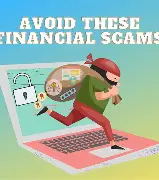
The Top Ten Financial Scams in the USA

Dr. David Edward Marcinko MBA MEd

SPONSOR: http://www.CertifiedMedicalPlanner.org

***

***

Financial scams have become a defining challenge of the modern American economy. As technology evolves and financial systems grow more complex, scammers continually adapt, exploiting vulnerabilities in human psychology, digital infrastructure, and regulatory gaps. While the specific tactics shift over time, the underlying goal remains constant: to separate people from their money. Understanding the most prevalent and damaging scams is essential for building a more informed and resilient public. The following analysis explores ten of the most significant financial scams in the United States, examining how they operate and why they continue to succeed.

***

***

1. Phishing and Identity Theft

Phishing remains one of the most widespread and effective financial scams in the country. It relies on deception rather than technical sophistication, tricking individuals into revealing sensitive information such as Social Security numbers, bank credentials, or credit card details. Scammers often impersonate trusted institutions—banks, government agencies, or major retailers—using emails, text messages, or fake websites. Once personal data is obtained, criminals can open fraudulent accounts, drain bank balances, or sell the information on illicit markets. The persistence of phishing stems from its simplicity and the sheer volume of attempts; even a tiny success rate yields substantial profit.

2. IRS and Government Impersonation Scams

Government impersonation scams exploit fear and authority. Fraudsters pose as IRS agents, Social Security officials, or law enforcement officers, claiming the victim owes money, faces arrest, or must verify personal information. These scams often target older adults, immigrants, or individuals unfamiliar with government procedures. The scammers’ aggressive tone and threats of legal consequences create a sense of urgency that overrides rational judgment. Despite widespread public warnings, these scams continue to thrive because they tap into deep-seated anxieties about government power and financial responsibility.

3. Investment and Ponzi Schemes

Investment scams, including Ponzi and pyramid schemes, have a long history in the United States. They promise high returns with little or no risk—an enticing proposition that often lures even financially savvy individuals. Ponzi schemes rely on using new investors’ money to pay earlier participants, creating the illusion of legitimate profit. Eventually, the scheme collapses when new investments dry up. These scams succeed because they exploit trust, often spreading through social networks, religious communities, or professional circles. The combination of social pressure and the allure of easy wealth makes them particularly destructive.

4. Romance Scams

Romance scams have surged with the rise of online dating platforms and social media. Scammers create fake personas, build emotional connections with victims, and eventually fabricate crises that require financial assistance. These scams are not only financially devastating but emotionally traumatic. Victims often feel ashamed, which can delay reporting and allow scammers to continue operating. The success of romance scams lies in their slow, deliberate manipulation; by the time money is requested, the victim may feel deeply bonded to someone who never existed.

5. Tech Support Scams

Tech support scams prey on individuals’ fear of losing access to their devices or data. Scammers pose as representatives from major technology companies, claiming the victim’s computer is infected or compromised. They persuade victims to grant remote access or pay for unnecessary services. Once inside the device, scammers may install malware, steal information, or lock the user out entirely. These scams often target older adults or those less comfortable with technology, but anyone can fall victim during a moment of panic.

6. Credit Repair and Debt Relief Scams

In a country where many people struggle with debt, credit repair and debt relief scams exploit financial vulnerability. Fraudulent companies promise to erase bad credit, negotiate with creditors, or eliminate debt entirely. They often charge high upfront fees and deliver little or nothing in return. Some even instruct clients to engage in illegal practices, such as creating new identities. These scams persist because they offer hope to people who feel overwhelmed by financial pressure, making them susceptible to unrealistic promises.

***

***

7. Lottery and Sweepstakes Scams

Lottery scams typically begin with a message claiming the recipient has won a large prize. To collect it, the victim must pay taxes, processing fees, or insurance costs. Of course, no prize exists. These scams often target older adults, who may be more trusting or more likely to respond to unsolicited communication. The psychological hook is powerful: the idea of sudden wealth can cloud judgment, especially when the scammer uses official‑sounding language and fabricated documentation.

8. Business Email Compromise (BEC)

BEC scams are among the most financially damaging schemes affecting American businesses. Criminals infiltrate or spoof corporate email accounts to trick employees into wiring funds or revealing sensitive information. These scams often involve extensive research and social engineering, making them highly convincing. A scammer might impersonate a CEO requesting an urgent transfer or a vendor sending updated payment instructions. Because the communication appears legitimate and the transactions are often routine, victims may not realize anything is wrong until the money is gone.

9. Mortgage and Real Estate Scams

Real estate transactions involve large sums of money, making them prime targets for fraud. Scammers may pose as lenders offering unrealistic mortgage terms, title companies requesting wire transfers, or landlords advertising properties they do not own. In some cases, criminals steal the identities of property owners and attempt to sell homes without their knowledge. These scams exploit the complexity of real estate processes, where multiple parties and documents create opportunities for deception.

10. Cryptocurrency Scams

The rapid growth of cryptocurrency has created fertile ground for new forms of fraud. Scammers promote fake coins, fraudulent exchanges, or high‑yield investment programs. Some impersonate celebrities or financial influencers to lend credibility to their schemes. Because cryptocurrency transactions are irreversible and often anonymous, victims have little recourse once funds are transferred. The combination of technological novelty, speculative excitement, and limited regulation makes this one of the fastest‑growing categories of financial scams in the United States.

Conclusion

Financial scams in the United States are diverse, adaptive, and increasingly sophisticated. They exploit human emotions—fear, hope, trust, loneliness—as much as technological vulnerabilities. While law enforcement and regulatory agencies work to combat these schemes, public awareness remains the most powerful defense. Understanding how these scams operate empowers individuals to recognize warning signs, question suspicious requests, and protect themselves and their communities. As long as money and technology continue to evolve, scammers will follow, making vigilance an essential part of modern financial life.

COMMENTS APPRECIATED

EDUCATION: Books

SPEAKING: Dr. Marcinko will be speaking and lecturing, signing and opining, teaching and preaching, storming and performing at many locations throughout the USA this year! His tour of witty and serious pontifications may be scheduled on a planned or ad-hoc basis; for public or private meetings and gatherings; formally, informally, or over lunch or dinner. All medical societies, financial advisory firms or Broker-Dealers are encouraged to submit an RFP for speaking engagements: CONTACT: Ann Miller RN MHA at MarcinkoAdvisors@outlook.com -OR- http://www.MarcinkoAssociates.com

Like, Refer and Subscribe

***

***

SAD CLOWN: Psychological Paradox

Dr. David Edward Marcinko MBA MEd

SPONSOR: http://www.HealthDictionarySeries.org

***

***

The image of the clown—painted smile, exaggerated gestures, boundless energy—has long symbolized joy, whimsy, and comic relief. Yet behind this bright façade lies one of the most enduring and poignant contradictions in human psychology: the Sad Clown Paradox. This paradox captures the tension between outward expressions of happiness and inner experiences of sadness, anxiety, or emotional struggle. It is the phenomenon of individuals who appear cheerful, supportive, and uplifting to others while privately carrying heavy emotional burdens. The paradox resonates across cultures and eras because it reflects a universal truth: people often hide their pain behind a mask of humor or positivity.

At its core, the Sad Clown Paradox is about emotional dissonance. Humans are social creatures, and we learn early in life that certain emotions are more acceptable to display than others. Joy, enthusiasm, and humor are welcomed; sadness, fear, and vulnerability can feel risky to reveal. For some, humor becomes a shield—a way to deflect attention from their internal struggles. The clown’s painted smile becomes a metaphor for the emotional masks people wear in everyday life. This mask can be protective, allowing someone to function socially or professionally even when they feel overwhelmed. But it can also become isolating, creating a gap between how a person appears and how they truly feel.

One reason the Sad Clown Paradox persists is that humor is an incredibly effective coping mechanism. Laughter can diffuse tension, create connection, and provide temporary relief from stress. Many people who gravitate toward comedic roles—whether professionally or within their social circles—develop a finely tuned ability to read the emotional needs of others. They know how to lighten a room, how to distract from discomfort, and how to make people feel at ease. Yet this sensitivity to others’ emotions often coexists with difficulty expressing their own. The person who makes everyone else laugh may struggle to ask for help, fearing that doing so would disrupt the role they’ve come to play.

***

***

Another dimension of the paradox is the pressure of expectation. When someone becomes known as “the funny one” or “the strong one,” they may feel obligated to maintain that persona even when they are hurting. This expectation can come from others, but it often becomes internalized. The sad clown tells themselves that their value lies in their ability to uplift others, not in their own emotional truth. They may worry that revealing their struggles would disappoint people or burden them. Over time, this can lead to emotional exhaustion, as the effort to maintain the mask becomes heavier than the emotions it was meant to hide.

The paradox also highlights the complexity of emotional expression. People are rarely just one thing. Someone can be genuinely joyful in one moment and deeply sad in another. The sad clown is not necessarily faking their humor; often, their ability to find lightness in dark situations is real and sincere. But sincerity does not erase struggle. The paradox reminds us that outward behavior is not always a reliable indicator of inner experience. A person who seems endlessly cheerful may be using that cheerfulness to navigate their own pain.

In a broader sense, the Sad Clown Paradox speaks to the human tendency to curate our emotional identities. Social media, workplace culture, and even casual conversation often reward positivity and discourage vulnerability. This creates an environment where people feel compelled to present a polished version of themselves. The sad clown becomes a symbol of the emotional labor involved in maintaining that façade. It raises important questions about authenticity, connection, and the ways we support one another.

***

***

Understanding the paradox invites a more compassionate view of others. It encourages us to look beyond surface impressions and recognize that everyone carries unseen struggles. It also challenges the assumption that those who seem the strongest or happiest are immune to hardship. Sometimes the people who give the most comfort are the ones who need it most. The paradox reminds us to check in on the friends who always make us laugh, the colleagues who never complain, and the loved ones who seem perpetually upbeat.

On a personal level, the Sad Clown Paradox invites reflection on the masks we wear ourselves. It encourages us to consider whether we allow others to see our full emotional range or whether we hide behind humor or competence. Acknowledging the paradox does not mean abandoning humor or positivity; rather, it means recognizing that these qualities can coexist with vulnerability. The goal is not to discard the mask entirely but to ensure it does not become a barrier to genuine connection.

COMMENTS APPRECIATED

EDUCATION: Books

SPEAKING: Dr. Marcinko will be speaking and lecturing, signing and opining, teaching and preaching, storming and performing at many locations throughout the USA this year! His tour of witty and serious pontifications may be scheduled on a planned or ad-hoc basis; for public or private meetings and gatherings; formally, informally, or over lunch or dinner. All medical societies, financial advisory firms or Broker-Dealers are encouraged to submit an RFP for speaking engagements: CONTACT: Ann Miller RN MHA at MarcinkoAdvisors@outlook.com -OR- http://www.MarcinkoAssociates.com

Like, Refer and Subscribe

***

***