PHYSICIAN NET WORTH: Personalized Projections

HOW DO YOU RANK – DOCTOR?

By Dr. David Edward Marcinko MBA MEd CMP

***

SPONSOR: http://www.MarcinkoAssociates.com

***

Once the value of all personal assets and liabilities is known, net worth can be determined with the following formula: Net worth = assets minus liabilities. Obviously, higher is better.

CITE: https://www.r2library.com/Resource

In The Millionaire Next Door, Thomas H. Stanley, PhD, and William H. Danko give the following benchmark for net worth accumulation. Although conservative for physicians of a past generation, it may be more applicable in the future because of current managed care environment. Here is the guide: Multiple your age by your annual pre-tax income from all sources; except inheritances, and then divide by ten.

Example:

As an HMO pediatrician, Dr. Curtis earned $ 90,000 last year. So, if she is 35, her net worth should be at least $ 315,000.

How do you get to that point? In a word, consume less and save more. Stanley and Danko found that the typical millionaire set aside 15 percent of earned income annually and has enough invested to survive 10 years, at current income levels if he stopped working.

Question: If Dr. Curtis lost her job tomorrow, how long could she pay herself the same salary? Could you?

COMMENTS APPRECIATED

Thank You

***

***

DAILY UPDATE: Nike CEO Out, Cancer and Drug Deaths Down as Stock Markets Pause

MEDICAL EXECUTIVE-POST TODAY’S NEWSLETTER BRIEFING

***

Essays, Opinions and Curated News in Health Economics, Investing, Business, Management and Financial Planning for Physician Entrepreneurs and their Savvy Advisors and Consultants

Serving Almost One Million Doctors, Financial Advisors and Medical Management Consultants Daily

A Partner of the Institute of Medical Business Advisors , Inc.

http://www.MedicalBusinessAdvisors.com

SPONSORED BY: Marcinko & Associates, Inc.

***

http://www.MarcinkoAssociates.com

Daily Update Provided By Staff Reporters Since 2007.
How May We Serve You?
© Copyright Institute of Medical Business Advisors, Inc. All rights reserved. 2024

REFER A COLLEAGUE: MarcinkoAdvisors@msn.com

SPONSORSHIPS AVAILABLE: https://medicalexecutivepost.com/sponsors/

ADVERTISE ON THE ME-P: https://tinyurl.com/ytb5955z

Your Referral Count -0-

Overdose deaths in the US are plummeting. According to new public health data, drug-related deaths fell more than 10% in the 12 months ending in April, a massive improvement from double-digit increases seen in recent years, NPR just reported.

CITE: https://www.r2library.com/Resource

What’s up

  • Nike popped 6.84% once CEO John Donahoe announced he will step down after four years on the job. Turns out when they say “Just do it,” “it” means resigning in disgrace after tarnishing an iconic brand.
  • Intel rose 3.31% on the news that Qualcomm approached the company with a buyout offer. Qualcomm sank 2.87% on the revelation.
  • Constellation Energy are the geniuses behind turning Three Mile Island back on, which shareholders love—the stock soared 22.29% today.
  • Vistra jumped 16.60% on the news that the Texas-based utilities provider is acquiring the remaining 15% stake of its subsidiary Vistra Vision that it doesn’t already own.

What’s down

  • UPS sank 2.67% after FedEx announced poor quarterly results and cut its earnings forecast.
  • Lennar fell 5.33% in spite of beating earnings estimates last quarter. The problem is that shareholders don’t like the homebuilder’s forecast of no growth next quarter.
  • Chewy tumbled 4.34% on the news that the pet products retailer will kick off an underwritten offering of $500 million of shares from a private equity partner, and buy back $300 million in shares—effectively reducing the company’s private equity ownership stake.
  • Novo Nordisk dipped 5.46% after the pharmaceutical giant announced mixed results from the latest trial of a new weight-loss drug.
  • ASML declined 3.97% thanks to a downgrade by Morgan Stanley analysts citing a slowdown in demand across the semiconductor industry.
  • Trump Media & Technology Group continued to fall today, dropping another 7.82% now that the early investor lockup period has concluded.

CITE: https://tinyurl.com/2h47urt5

Here’s where the major benchmarks ended:

  • The S&P 500® index (SPX) slipped 11.09 points (–0.19%) to 5,702.53, ending the week 1.36% higher; the Dow Jones Industrial Average® ($DJI) added 38.17 points (0.09%) to 42,063.36, ending the week 1.60% higher; the Nasdaq Composite® ($COMP) lost 65.66 points (–0.36%) to 17,948.32, ending the week 1.60% higher.
  • The 10-year Treasury note yield (TNX) slipped one basis point to 3.73% but finished the week up eight basis points and outgained the 2-year yield by four basis points.
  • The Cboe Volatility Index® (VIX) ended at 16.1, its lowest close this month.

CITE: https://tinyurl.com/tj8smmes

Nike CEO John Donahoe will retire on October 13th and be replaced by longtime executive Elliott Hill, the company announced yesterday.

Stat: 33%. That’s how much the US cancer death rate fell from 1991 to 2021, equaling about 4.1 million lives saved, according to the latest Cancer Progress Report. (CBS News).

COMMENTS APPRECIATED

PLEASE SUBSCRIBE: MarcinkoAdvisors@msn.com

Thank You

***

***

***

***

EDUCATIONAL TEXTBOOKS: https://tinyurl.com/4zdxuuwf

***

WHAT IS “GRESHAM’S LAW” OF MONEY ECONOMICS?

Is it still relevant today?

Courtesy: www.CertifiedMedicalPlanner.org

The law was named in 1860 by Henry Dunning Macleod, after Sir Thomas Gresham (1519–1579), who was an English financier during the Tudor dynasty. However, there are predecessors.

The law had been stated earlier by Nicolaus Copernicus. It was also stated in the 14th century, by Nicole Oresme in his treatise On the Origin, Nature, Law, and Alterations of Money, and by jurist and historian Al-Maqrizi (1364–1442) in the Mamluk Empire; and noted by Aristophanes in his play The Frogs, which dates from around the end of the 5th century BC.

***

***

IOW: It is the tendency for money of lower intrinsic value to circulate more freely than money of higher intrinsic and equal nominal value (often expressed as “Bad money drives out good”).

***

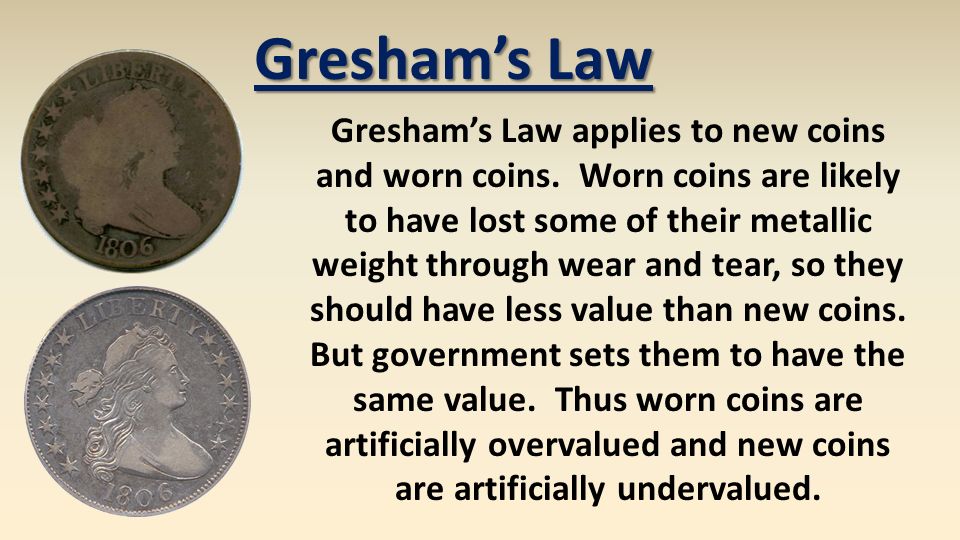
Gresham’s Law applies to new coins and worn coins. Worn coins are likely to have lost some of their metallic weight through wear and tear, so they should have less value than new coins. But government sets them to have the same value. Thus worn coins are artificially overvalued and new coins are artificially undervalued.

***

So, is Gresham’s Law still relevant today?

THINK: The modern Bitcoin, and related crypto-currency, controversy? We asked colleague Timothy J. McIntosh CFP® MPH CFA for some insights.

ESSAY: https://medicalexecutivepost.com/2014/01/23/understanding-currencies-bitcoins/

Assessment

Your thoughts are appreciated.

Conclusion

Feel free to review our top-left column, and top-right sidebar materials, links, URLs and related websites, too. Then, subscribe to the ME-P. It is fast, free and secure.

Speaker: If you need a moderator or speaker for an upcoming event, Dr. David E. Marcinko; MBA – Publisher-in-Chief of the Medical Executive-Post – is available for seminar or speaking engagements.

Book Marcinko: https://medicalexecutivepost.com/dr-david-marcinkos-bookings/

Subscribe: MEDICAL EXECUTIVE POST for curated news, essays, opinions and analysis from the public health, economics, finance, marketing, IT, business and policy management ecosystem.

DOCTORS:

“Insurance & Risk Management Strategies for Doctors” https://tinyurl.com/ydx9kd93

“Fiduciary Financial Planning for Physicians” https://tinyurl.com/y7f5pnox

“Business of Medical Practice 2.0” https://tinyurl.com/yb3x6wr8

HOSPITALS:

“Financial Management Strategies for Hospitals” https://tinyurl.com/yagu567d

“Operational Strategies for Clinics and Hospitals” https://tinyurl.com/y9avbrq5

***

Risk Management, Liability Insurance, and Asset Protection Strategies for Doctors and Advisors: Best Practices from Leading Consultants and Certified Medical Planners™8Comprehensive Financial Planning Strategies for Doctors and Advisors: Best Practices from Leading Consultants and Certified Medical Planners™

On David Ricardo and “Derived-Demand” Health Economics in Medicine?

On Ricardian Derived Demand – Does it Even Exist?

Courtesy: www.CertifiedMedicalPlanner.org

What it is – How it works

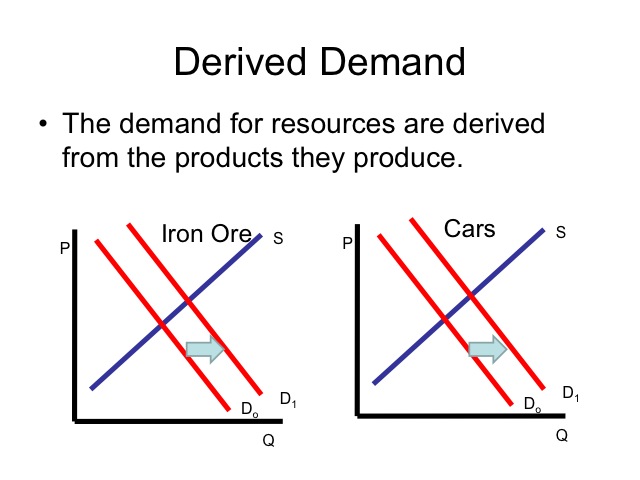
In economics, derived demand is demand for a factor of production or intermediate good that occurs as a result of the demand for another intermediate or final good. In essence, the demand for one is dependent on that whose demand its’ demand is derived from another: www.HealthDictionarySeries.org

******

For example, if the demand for a good such as cars increases, then this leads to an increase in the demand for iron ore.

OR

For example, if the demand for a good such as wheat increases, then this leads to an increase in the demand for labor.

Medicine

So, what about medicine? Saurabh Jha gives us some insight right here!

ESSAY: http://thehealthcareblog.com/blog/2018/08/30/is-medical-imaging-a-ricardian-derived-demand/

RELATED: big data

Your thoughts are appreciated.

MORE INVESTING FOR DOCTORS:

“Insurance & Risk Management Strategies for Doctors” https://tinyurl.com/ydx9kd93

“Fiduciary Financial Planning for Physicians” https://tinyurl.com/y7f5pnox

“Business of Medical Practice 2.0” https://tinyurl.com/yb3x6wr8

***

Product DetailsProduct Details

GOING PRIVATE: 23andMe?

By Staff Reporters

***

***

On September 16th, 2024, ancestry and genetics-testing company 23andMe has agreed to pay a $30 million settlement after a class-action lawsuit was brought against the company for last year’s data breach.

The settlement, which is pending a judge’s approval, comes after the company confirmed in October that “threat actors” used about 14,000 accounts, approximately 0.1% of the company’s user base, to access the ancestry data of 6.9 million connected profiles. Leaked data included users’ account information, location, ancestry reports, DNA matches, family names, profile pictures, birth dates and more.

CEO’s plan to take it private?

And so, all seven of the struggling DNA testing company’s independent directors just stepped down from its board of directors, leaving only founder and CEO Anne Wojcicki. A committee formed by the board had previously rejected Wojcicki’s plan to take the company private, concluding that it didn’t offer a high enough premium to shareholders. Wojcicki persisted with her efforts, but in their resignation, the directors said they still hadn’t seen a “fully financed, fully diligenced, actionable proposal,” so they couldn’t agree on the strategic direction forward.

The CEO said in a memo to employees that she was “surprised and disappointed” by their decision.

COMMENTS APPRECIATED

Thank You

***

***

Fractional Reserve VERSUS Gerbil Banking

Cons from the Austrian School of Economics

By Staff Reporters

***

***

According to Coinmena, fractional reserve banking is a system in which banks are only required to have a fraction of bank deposits from their customers backed by actual cash on hand or available for withdrawal. This is done to expand the economy by enabling banks to free idle capital for commercial lending while keeping a sufficient amount for customer withdrawals.

The creation of the fractional reserve?

The fractional reserve system was first established by the Swedish Riksbank in 1668 after establishing the first central bank in the world. The idea came about after banks realized that there is a minimal chance that all the customers would come to claim their money from the bank at once; therefore, instead of hoarding the money in a vault, it could be used to grow and expand the economy through commercial loans. Fractional reserve banking became more popular around the world after the U.S. enacted The Federal Reserve Act of 1913, which created the Federal Reserve Bank, now known as the U.S. Central bank.

CITE: https://www.r2library.com/Resource/Title/0826102549

How does it work?

When a customer deposits money into their bank account, the money is no longer directly theirs. The bank holds custody of the customer deposits, and they provide the customer with a deposit account that they can withdraw their money from upon demand.

The bank now has full control of the money as the custodian. The bank can opt to reserve a small percentage of the deposited amount (fractional reserve) and loan the rest or use it for another commercial purpose. The reserve amount usually ranges between 3% to 10%. Although, during harsh economic times, the central banks can lower this reserve requirement to 0%. The Covid-19 pandemic forced central banks around the world to lower the reserve requirement to help stimulate the economy.

 Example

  • Customer A deposits 100,000 AED in Bank 1. Bank 1 loans Customer B 90,000 AED
  • Customer B deposits 90,000 AED in Bank 2. Bank 2 loans Customer C 81,000 AED
  • Customer C deposits 81,000 AED in Bank 3. Bank 3 loans Customer D 72,900 AED
  • Customer D deposits 72,900 AED in Bank 4. Bank 4 loans Customer E 65,610 AED
  • Customer E deposits 65,610 AED in Bank 5. Bank 5 loans Customer F 59,049 AED

 As you can see, the original amount of 100,000 AED has been expanded to represent deposited money for five accounts, and the total existing money supply is 468,559 AED, including the final loan. This is a basic representation of the money multiplier effect.

The system works on the basic principles of debt. The money deposited into the bank by a customer is considered a debt (liability) on the bank to the customer and an asset for the customer. The banks then loan out this money with an interest rate to make a profit for themselves and have the principal amount to pay back their original debt to the depositor (customer).

Pros & Cons of fractional reserve

Banks have the most benefit from a fractional reserve system as this is the way they make their profits. Additionally, customers can also earn interest through their savings or deposit account paid from the interest profits made by the bank. Governments also support this system because it encourages spending and provides economic stability and growth.

Economists from the Austrian School of Economics argue that this system is unsustainable and risky given that most countries rely on a credit-based system and not hard money. Additionally, a fractional reserve system runs the risk of a bank run. Essentially, if people lose faith in a bank to be able to pay back all the depositor’s money, it would trigger a  “run on the banks” or “bank run.” It is not typical behavior for customers to go claim their money from the bank all at once, but it has happened in the past, with the most notorious example being the 1929 Great Depression in the U.S. In this case, the banks would only be able to pay out only 3% of depositors, equal to the fractional reserve requirement.

More: https://www.sofi.com/learn/content/what-is-fractional-reserve-banking/

Related: https://www.washingtonpost.com/washington-post-live/2023/03/21/former-fdic-chair-sheila-bair-global-banking-system/?utm_campaign=mb&utm_medium=newsletter&utm_source=morning_brew

***

GERBIL BANKING

Link: https://fortune.com/2023/03/23/gerbil-banking-preceded-the-great-depression-were-seeing-it-again-today/

COMMENTS APPRECIATED

Thank You

***

ORDER: https://www.routledge.com/Comprehensive-Financial-Planning-Strategies-for-Doctors-and-Advisors-Best/Marcinko-Hetico/p/book/9781482240283

***

DAILY UPDATE: Microsoft and Intuitive Machines as the Stock Markets Rocket Upward!

MEDICAL EXECUTIVE-POST TODAY’S NEWSLETTER BRIEFING

***

Essays, Opinions and Curated News in Health Economics, Investing, Business, Management and Financial Planning for Physician Entrepreneurs and their Savvy Advisors and Consultants

Serving Almost One Million Doctors, Financial Advisors and Medical Management Consultants Daily

A Partner of the Institute of Medical Business Advisors , Inc.

http://www.MedicalBusinessAdvisors.com

SPONSORED BY: Marcinko & Associates, Inc.

***

http://www.MarcinkoAssociates.com

Daily Update Provided By Staff Reporters Since 2007.
How May We Serve You?
© Copyright Institute of Medical Business Advisors, Inc. All rights reserved. 2024

REFER A COLLEAGUE: MarcinkoAdvisors@msn.com

SPONSORSHIPS AVAILABLE: https://medicalexecutivepost.com/sponsors/

ADVERTISE ON THE ME-P: https://tinyurl.com/ytb5955z

Your Referral Count -0-

Microsoft will buy back up to $60 billion in shares and is boosting its dividend by about 10% (from 75 cents per share to 83 cents).

Stat: 60%. That’s how much Intuitive Machines’ stock jumped in early trading yesterday after NASA awarded the company a contract to “build moon data satellites.” (CNBC)

CITE: https://www.r2library.com/Resource

What’s up

  • Lower interest rates mean it’s cheaper to afford a car, a realization that helped propel Tesla up 7.36% today.
  • Darden Restaurants rose 8.25% as shareholders cheered a new deal between the Olive Garden parent company and Uber, whose shares rose 2.42% as well.
  • Airbnb gained 5.17% after CEO Brian Chesky noted that the company is working to expand long-term rental offerings of over 28 days.
  • MobilEye Global popped 14.99% after Intel announced it has no plans to sell any of its 88% stake in the autonomous driving company. Intel shares rose 1.78% as well.

What’s down

  • Trump Media & Technology Group fell 5.89% as the lockup period, during which early investors like the former president can’t sell their stake in the company, is about to end.
  • Progyny plummeted 32.65% after the health insurance benefits company announced it is losing a key customer that accounts for 12% of Progyny’s revenue.
  • Five Below sank 2.22% after JP Morgan analysts downgraded the stock, though they also boosted their price target.

CITE: https://tinyurl.com/2h47urt5

Here’s where the major benchmarks ended:

  • The SPX rose 95.38 points (1.70%) to 5,713.64; the $DJI added 522.09 points (1.26%) to 42,025.19; the NASDAQ Composite® ($COMP) added 440.68 points (2.51%) to 18,013.98.
  • The 10-year Treasury note yield (TNX) climbed five basis points to 3.74%, while the 2-year note yield was unchanged.
  • The CBOE Volatility Index® (VIX) slid to 16.33, registering its lowest close so far this month.

CITE: https://tinyurl.com/tj8smmes

Visualize: How private equity tangled banks in a web of debt, from the Financial Times.

COMMENTS APPRECIATED

PLEASE SUBSCRIBE: MarcinkoAdvisors@msn.com

Thank You

***

***

***

***

EDUCATIONAL TEXTBOOKS: https://tinyurl.com/4zdxuuwf

***

Can Austrian Economics Save Medicine?

By Michel Accad MD

***

***

Dr. Michel Accad: Can Austrian Economics Save Medicine?

About

Dr. Michel Accad is a practicing cardiologist who blogs for a medical audience at alertandoriented.com

Conclusion

Your thoughts and comments on this ME-P are appreciated. Feel free to review our top-left column, and top-right sidebar materials, links, URLs and related websites, too. Then, subscribe to the ME-P. It is fast, free and secure.

Speaker: If you need a moderator or speaker for an upcoming event, Dr. David E. Marcinko; MBA – Publisher-in-Chief of the Medical Executive-Post – is available for seminar or speaking engagements. Contact: MarcinkoAdvisors@msn.com

OUR OTHER PRINT BOOKS AND RELATED INFORMATION SOURCES:

[MEDICAL PRACTICE BUSINESS MANAGEMENT TEXTBOOK – 3rd.  Edition]

Product DetailsProduct Details

  [Foreword Dr. Hashem MD PhD] *** [Foreword Dr. Silva MD MBA]

***

RUSSELL INDEX: 2000 and 3000?

By Staff Reporters

***

***

The Russell 2000 Index is a stock market index that measures the performance of the 2,000 smaller companies included in the Russell 3000 Index. The Russell 2000 is managed by London’s FTSE Russell Group, widely regarded as a bellwether of the U.S. economy because of its focus on smaller companies in the U.S. market.

As of 31st December 2022, the weighted average market capitalization of a company in the index is approximately $2.76 billion and the median market capitalization is approximately $950 million. The market capitalization of the largest company in the index is approximately $8.1 billion. It first traded above the 1,000 level on May 20th, 2013, and above the 2,000 level on December 23rd, 2020.

Similar small-cap indices include the S&P 600 from Standard & Poor’s, which is less commonly used, along with those from other financial information providers.

COMMENTS APPRECIATE

Thank You

***

***

DAILY UPDATE: Walgreens, Mental Health, M&As, Pfizer and Eli Lilly as the Markets Tank

MEDICAL EXECUTIVE-POST TODAY’S NEWSLETTER BRIEFING

***

Essays, Opinions and Curated News in Health Economics, Investing, Business, Management and Financial Planning for Physician Entrepreneurs and their Savvy Advisors and Consultants

Serving Almost One Million Doctors, Financial Advisors and Medical Management Consultants Daily

A Partner of the Institute of Medical Business Advisors , Inc.

http://www.MedicalBusinessAdvisors.com

SPONSORED BY: Marcinko & Associates, Inc.

***

http://www.MarcinkoAssociates.com

Daily Update Provided By Staff Reporters Since 2007.
How May We Serve You?
© Copyright Institute of Medical Business Advisors, Inc. All rights reserved. 2024

REFER A COLLEAGUE: MarcinkoAdvisors@msn.com

SPONSORSHIPS AVAILABLE: https://medicalexecutivepost.com/sponsors/

ADVERTISE ON THE ME-P: https://tinyurl.com/ytb5955z

Your Referral Count -0-

Stat: $106.8 million. That’s how much Walgreens agreed to pay the federal government to settle claims that the company fraudulently billed government programs for prescriptions that were never dispensed. (the Wall Street Journal)

Quote: “We put a Band-Aid on a chronic situation and that Band-Aid isn’t going to last.”—Roland Behm, co-founder of the Georgia Mental Health Policy Partnership advocacy group, on the shortage of mental health care services following the Apalachee High School shooting (KFF Health News)

EY’s latest monthly M&A report found that in August, the total value of large deals (worth $100+ million) reached $1.1 trillion, a 26% YoY jump. This was thanks in part to a 44% YoY increase in deal value last month, to $137 billion, according to the report.

CITE: https://www.r2library.com/Resource

What’s up

  • US Steel gained 1.57% as the battle over the future of the legacy steelmaker continues.
  • Intuitive Machines skyrocketed 38.33% thanks to a deal between the space communications company and NASA worth over $4.8 billion.
  • Victoria’s Secret popped 3.63% after Barclays analysts upgraded shares from “Underweight” to “Equal Weight.”
  • Barclays analysts were active today, boosting VF Corp. 3.89% by upgrading the shoewear company from “Equal Weight” to “Overweight.”
  • Duolingo rose 3.20% to a new all-time high, and though there was no news propelling the multilingual app higher, shares have continued to rise ever since its strong earnings announcement in early August.

What’s down

  • ResMed tumbled 5.12% thanks to a downgrade from Wolfe Research due to concerns that a new drug from Eli Lilly may eat into the med tech company’s share of the CPAP machine market.
  • eBay sank 2.64% after its CFO sold over $1.9 million in company stock.
  • Cencora fell 2.58% on the news that the drug distributor paid hackers $75 million in ransom over the course of three bitcoin installments, the largest cyberattack extortion payment ever.

CITE: https://tinyurl.com/2h47urt5

Here’s where the major benchmarks ended:

  • The S&P 500® index (SPX) fell 16.32 points (–0.29%) to 5,618.26; the Dow Jones Industrial Average® ($DJI) lost 103.08 points (–0.25%) to 41,503.10; the NASDAQ Composite® ($COMP) decreased 54.76 points (–0.31%) to 17,573.30.
  • The 10-year Treasury note yield rose four basis points to 3.69%.
  • The CBOE Volatility Index® (VIX) climbed to 18.23, the highest since September 10.

CITE: https://tinyurl.com/tj8smmes.

At the end of August, pharmaceutical giant Pfizer announced a new website called PfizerForAll, which provides information on common health issues like migraines or the flu and connects patients to tele-health services and prescription delivery services so they can get treatments and diagnostic tests delivered to their homes. Pfizer promotes some of its own therapies, including Paxlovid for Covid-19 and Nurtec for migraines, on the site.

And, that move came after rival pharmaceutical company Eli Lilly started LillyDirect in January, through which the company delivers prescriptions straight to patients. Eli Lilly also partnered with Amazon Pharmacy in March to deliver some of its medications to consumers’ doorsteps, including Ozempic competitor Zepbound, a GLP-1 weight loss drug.

COMMENTS APPRECIATED

PLEASE SUBSCRIBE: MarcinkoAdvisors@msn.com

Thank You

***

***

***

***

EDUCATIONAL TEXTBOOKS: https://tinyurl.com/4zdxuuwf

***

FEDERAL RESERVE: Lowers Interest Rates as Expected

By Staff Reporters

BREAKING NEWS

***

***

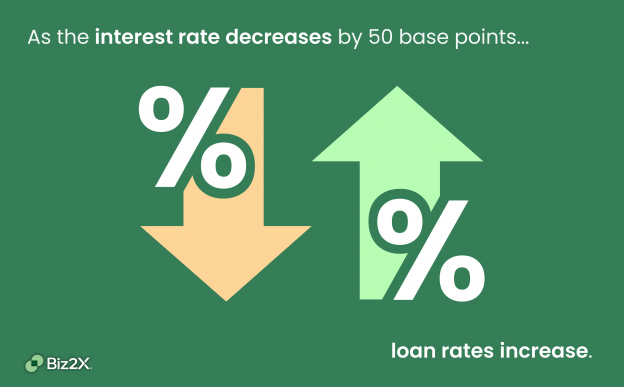
Jerome Powell and the Federal Reserve Bank just said that it is cutting its benchmark interest rate by 0.50 percentage points, marking the first reduction in four years and moving to ease borrowing costs as inflation-weary consumers are grappling with high rates on everything from mortgages to credit cards.

It is the first drop in the federal funds rate — or what banks charge each other for short-term loans — since the U.S. central bank lowered rates to nearly zero in March 2020 amid an economic standstill caused by the pandemic.

But as prices surged during the health crisis, the FOMC repeatedly hiked rates into a target range of 5.25% to 5.5%, the highest in 23 years, in an effort to curb inflation.

CITE: https://www.r2library.com/Resource

COMMENTS APPRECIATED

Thank You

***

***

FOMC: Interest Rate Cut Today?

At 2 pm EST Today

By Staff Reporters

***

***

ABOUT THE FEDERAL OPEN MARKET COMMITTEE

The term “monetary policy” refers to the actions undertaken by a central bank, such as the Federal Reserve, to influence the availability and cost of money and credit to help promote national economic goals. The Federal Reserve Act of 1913 gave the Federal Reserve responsibility for setting monetary policy.

The Federal Reserve controls the three tools of monetary policy–open market operations, the discount rate, and reserve requirements. The Board of Governors of the Federal Reserve System is responsible for the discount rate and reserve requirements, and the Federal Open Market Committee is responsible for open market operations. Using the three tools, the Federal Reserve influences the demand for, and supply of, balances that depository institutions hold at Federal Reserve Banks and in this way alters the federal funds rate. The federal funds rate is the interest rate at which depository institutions lend balances at the Federal Reserve to other depository institutions overnight.

Changes in the federal funds rate trigger a chain of events that affect other short-term interest rates, foreign exchange rates, long-term interest rates, the amount of money and credit, and, ultimately, a range of economic variables, including employment, output, and prices of goods and services.

Cite: https://www.federalreserve.gov/monetarypolicy/fomc.htm

***

And so, the macroeconomic FOMC is kicking off at 2pm ET today, when the Fed will announce the first interest rate cut in over four years. But, financial watchers are split between two predictions: a standard 0.25% cut or a more aggressive one of 0.5% (investors are betting on the latter, while many analysts think the former).

Regardless of its size, today’s rate cut and subsequent ones are expected to make borrowing cheaper for consumers and businesses, with ripple effects throughout the economy.

CITE: https://www.r2library.com/Resource

COMMENTS APPRECIATED

Thank You

***

***

Why Your Medical Internet Marketing Campaign Isn’t as Effective as It Used to Be

On the Crucial Online Presence

[By John Deutsch]

John DeutschA strong online presence is crucial to running a successful business, and healthcare is no exception.

However with constant change, especially in the past two years, many businesses are experiencing underperforming campaigns and struggling to figure out where to spend their marketing dollars. Should you invest heavily in pay-per-click (PPC) advertising, focus your efforts on search engine optimization (SEO) or hit the ground running with social media?

The answer is that you should never focus solely on one marketing channel, as it could take months or even years to recover when changes in the marketing industry occur – and they inevitably will occur. Another reason to diversify your efforts is that the success of some channels depends on the success of others – for example, social media influences your search rankings and display advertising heavily influences your brand recognition.

As a healthcare marketing company with over ten years of experience in internet marketing, we have seen the industry get flipped upside down more than once and have seen it affect organizations that have weak marketing campaigns with little to no diversification. A good mix of tactics is the best way to reach your target audience while allowing you to adapt quickly in the face of changes.

 cell

Three Elements Crucial to Any Marketing Campaign

Search marketing, direct marketing and social media are three components that healthcare organizations should incorporate for a healthy marketing campaign. Here’s what you need to know about these marketing elements, including the changes each channel has gone through in the last few years and what we could expect to see in the future.

  1. Search Marketing

Search marketing typically refers to PPC and SEO, the paid and unpaid efforts used to increase online visibility in search engine results. Early marketers were able to easily leverage SEO to gain top search engine rankings and also invest minimally in PPC for quick leads, but the search marketing landscape has changed significantly in the last three to four years, altering the online marketing game.

We might say it all started when Google modified its PageRank algorithm in 2011 and then again in 2012 (the update often referred to as “the death of SEO”), causing many organizations’ rankings to plummet. Marketers were forced to rethink their organic SEO efforts to stay in Google’s good graces. Instead of relying heavily on getting backlinks (even from low-quality websites) and stuffing content with keywords, the focus switched to creating quality content in order to get real clicks and page views.

Meanwhile, companies like Google started trying harder than ever to monetize their services. The highly saturated market contributed to driving advertising costs up – and beyond that, the actual efficacy of online ads went down. In some of our own campaigns, we have seen over 30% inflation in ad prices per year and a loss of efficacy (decreased traffic and leads) despite increasing ad spend to match inflation – and this isn’t just a result of market saturation. It also has to do with the fact that consumers are less and less receptive to online advertising due to the over publicizing of ads.

As a result of this, organizations have to constantly innovate so that their ads are seen among all the online advertising noise. This, in addition to rising ad prices means that a return on investment can be difficult to realize. Working with a true PPC expert who knows your industry well is the only way to make your budget go a long way.

The bottom line: SEO and PPC are still the number one ways to draw leads online, but they have both seen significant change in the past years and are likely to keep changing, so your marketing strategy should not depend on either channel alone.

  1. Direct Marketing

With SEO having lost some importance and PPC advertising requiring a skill set that many health organizations lack, we are seeing trends shifting towards a more direct form of marketing. This is evident by the number of lead generation companies that have cropped up in the last few years, such as Healthgrades and Vitals, which allow providers to attract more patients and referrals, often for a nominal fee. Similarly, in the medical software industry, SoftwareAdvice dominates the SEO/PPC channels.

Organizations are also increasingly employing alternative marketing channels like email newsletters and direct email marketing to reach out to clients and potential opportunities. This starts with a simply crafted email addressing a very specific issue to a specific audience. It is an extremely effective and budget-friendly tactic to diversify a marketing strategy.

  1. Social Media

Just like other marketing channels, social media is constantly evolving and also increasing in price. This is due, in large part, to major social media companies becoming publicly traded companies in recent years (i.e. Facebook in 2012 and Twitter in 2013), but also to market saturation.

According to a LinkedIn study, 81 percent of small- and medium-sized businesses are using social media and, of those, 94 percent do so for marketing purposes. While networks like Facebook and Twitter remain free to use, they have started trying to capitalize on their popularity by pushing paid advertisement, often to the point of risking the integrity of their sites.

Whereas prior to companies like Facebook and Twitter having gone public, a well-crafted social media post (text, video or image) could go “viral” naturally, we are now seeing this happen less and less, often requiring an initial advertising spend to get the ball rolling. Facebook is a good example of this. In December 2013, Facebook changed the algorithm that determines what stories and updates users see in their News Feeds. This resulted in business pages losing viewership of their posts, as Facebook decided that brands would have to “pay to play.”

Stethoscope on a laptop keyboard

Assessment

While we don’t recommend social media being the focal point of any healthcare organization’s marketing campaign, much less the only element, it is an integral component – and definitely one you should stay on top of if you want to remain competitive. Social media is also a major factor in Google’s algorithm for organic search engine rankings, so there is some added value to having a strong social media presence.

More:

About the Author

John is the President and CEO of Medical Web Experts, developer of Bridge Patient Portal, the leading 2014 ONC certified solution for patient engagement and improved practice profitability. A vital component in the exponential growth of numerous healthcare IT and Internet companies over the last ten years, John has benefited immensely from a unique mix of professional experiences, boasting a strong background in both marketing and technology.

Channel Surfing the ME-P Have you visited our other topic channels? Established to facilitate idea exchange and link our community together, the value of these topics is dependent upon your input. Please take a minute to visit. And, to prevent that annoying spam, we ask that you register. It is fast, free and secure.

Conclusion

Your thoughts and comments on this ME-P are appreciated. Feel free to review our top-left column, and top-right sidebar materials, links, URLs and related websites, too. Then, subscribe to the ME-P. It is fast, free and secure.

Speaker: If you need a moderator or speaker for an upcoming event, Dr. David E. Marcinko; MBA – Publisher-in-Chief of the Medical Executive-Post – is available for seminar or speaking engagements. Contact: MarcinkoAdvisors@msn.com

OUR OTHER PRINT BOOKS AND RELATED INFORMATION SOURCES:

Product DetailsProduct Details

Recognizing the Differences between Healthcare and Other Industries

Why Hospitals, Clinics and Medical Offices are Not Hotels, or Manufacturing Plants or Production Assembly Lines, etc!

By Dr. David E. Marcinko FACFAS, MBA, MEd, CMP™

[Editor-in-Chief]

The rising cost of health insurance remains a major concern for business; despite the Affordable Care Act [ACA] of March 2010. Local and national news publications have trumpeted that healthcare costs are not just rising but are growing in proportion to the cost of other goods and services.

Many of these publications have expressed the widely held view that because of the “inflation gap,” the cost of medical expenses needs curbing.  Proponents of this viewpoint attribute the growth in the gross domestic product (GDP) devoted to personal medical services (from 5% in 1965 to approximately 14% in 2005 and 17% in 2012) to increases in both total national medical expenditures as well as prices for specific services, and then conclude that there is a need to rein in the growing costs of healthcare services for the average American, even if it be through a legislative mandate.

Healthcare Is the Economy

According to colleague Robert James Cimasi MHA, AVA, CMP™ of Health Capital Consultants LLC in St. Louis, MO, healthcare cannot be separated from the economy at large. Although economists have cited the aging population as the reason for the increase in healthcare’s share of the GDP, other voices assert that financial greed among HMOs, pharmaceutical companies, hospitals, and medical providers like doctors and nurses is responsible.  In reality, the rise in healthcare expenditures is, at least in large part, the result of a much deeper economic force.

www.CertifiedMedicalPlanner.org

As economist William J. Baumol of New York University explained in a November 1993 New Republic article: “the relative increase in healthcare costs compared with the rest of the economy is inevitable and an ineradicable part of a developed economy. The attempt [to control relative costs] may be as foolhardy as it is impossible”.

Baumol’s observation is based on documented and significant differences in productivity growth between the healthcare sector of the economy and the economy as a whole.

Low Productivity Growth

Healthcare services have experienced significantly lower productivity growth rates than other industry sectors for three reasons, according to Cimasi:

1) Healthcare services are inherently resistant to automation. Innovation in the form of technological advancement has not made the same impact on healthcare productivity as it has in other industry sectors of the economy.  The manufacturing process can be carried out on an assembly line where thousands of identical (or very similar) items can be produced under the supervision of a few humans utilizing robots and statistical sampling techniques (e.g., defects per 1,000 units). The robot increases assembly line productivity by accelerating the process and reducing labor input. In medicine, most technology is still applied in a patient-by-patient manner — a labor-intensive process. Patients are cared for one at a time. Hospitals and physician offices cannot (and, most would agree, should not) try to operate as factories because patients are each unique and disease is widely variable.

2) Healthcare is local. Unlike other labor-intensive industries (e.g., shoe making), healthcare services are essentially local in nature. They cannot regularly be delivered from Mexico, India or Malaysia.  They must be provided locally by local labor.  Healthcare organizations must compete within a local community with low or no unemployment among skilled workers for high quality and higher cost labor.

3) Healthcare quality is — or is believed to be — correlated with the amount of labor expended. For example, a 30-minute office visit with a physician is perceived to be of higher quality than a 10-minute office visit. In mass production, the number of work-hours per unit is not as important a predictor of product quality as the skills and talents of a small engineering team, which may quickly produce a single design element for thousands of products (e.g., a common car chassis).

Assessment

Healthcare suffers a number of serious consequences when its productivity grows at a slower rate than other industries, the most serious being higher relative costs for healthcare services. The situation is an inevitable and ineradicable part of a developed economy.

For example, as technological advancements increase productivity in the computer, and eHR, manufacturing industry, wages for computer industry labor likewise increase. However, the total cost per computer produced actually declines.  But in healthcare (where technological advancements do not currently have the same impact on productivity), wage increases that would be consistent with other sectors of the economy yield a problem: the cost per unit of healthcare produced increases.

Conclusion

Your thoughts and comments on this ME-P are appreciated. Feel free to review our top-left column, and top-right sidebar materials, links, URLs and related websites, too. Then, subscribe to the ME-P. It is fast, free and secure.

Speaker: If you need a moderator or speaker for an upcoming event, Dr. David E. Marcinko; MBA – Publisher-in-Chief of the Medical Executive-Post – is available for seminar or speaking engagements. Contact: MarcinkoAdvisors@msn.com

OUR OTHER PRINT BOOKS AND RELATED INFORMATION SOURCES:

PRACTICES: www.BusinessofMedicalPractice.com
HOSPITALS: http://www.crcpress.com/product/isbn/9781466558731
CLINICS: http://www.crcpress.com/product/isbn/9781439879900
BLOG: www.MedicalExecutivePost.com
FINANCE: Financial Planning for Physicians and Advisors

Product DetailsProduct DetailsProduct Details

Product DetailsProduct Details

Product Details

DAILY UPDATE: Larry Ellison, Estate Planning, Female VCs, Health Costs as Markets Finish Flat

MEDICAL EXECUTIVE-POST TODAY’S NEWSLETTER BRIEFING

***

Essays, Opinions and Curated News in Health Economics, Investing, Business, Management and Financial Planning for Physician Entrepreneurs and their Savvy Advisors and Consultants

Serving Almost One Million Doctors, Financial Advisors and Medical Management Consultants Daily

A Partner of the Institute of Medical Business Advisors , Inc.

http://www.MedicalBusinessAdvisors.com

SPONSORED BY: Marcinko & Associates, Inc.

***

http://www.MarcinkoAssociates.com

Daily Update Provided By Staff Reporters Since 2007.
How May We Serve You?
© Copyright Institute of Medical Business Advisors, Inc. All rights reserved. 2024

REFER A COLLEAGUE: MarcinkoAdvisors@msn.com

SPONSORSHIPS AVAILABLE: https://medicalexecutivepost.com/sponsors/

ADVERTISE ON THE ME-P: https://tinyurl.com/ytb5955z

Your Referral Count -0-

Oracle Chairman Larry Ellison became the world’s second-richest person yesterday, pulling past Amazon founder Jeff Bezos as the software company’s stock surged. Elon Musk still sits at No. 1, per Forbes.

Read: Estate planning lawyers are sleeping easy. Read about how rich Americans are prepping for potential estate tax changes ahead of the election. (the Wall Street Journal)

CITE: https://www.r2library.com/Resource

What’s up

  • Intel can’t stop, won’t stop: It rose 2.68% after announcing it will break its foundry business into a separate entity, which should go a long way to helping out the struggling chip maker.
  • Microsoft rose a tepid 0.88%, in spite of positive news: The company is raising its dividend and kicking off a new share repurchasing program.
  • Hewlett Packard Enterprise rounded out the old-school tech giants breaking to the upside, rising 5.69% after Bank of America analysts upgraded the stock from “Neutral” to “Buy.”
  • Flutter Entertainment, parent company of sports bettor FanDuel, popped 3.32% on the news that it’s buying Italian gambling company Snaitech S.A.
  • Gannett Co. soared 18.74% thanks to an upgrade of the newspaper company from “Sell” to “Neutral” by Citi analysts.

What’s down

  • Philip Morris International tumbled 2.14% after the tobacco titan sold its asthma inhaler maker Vectura Group for $198 million.
  • Accenture sank 4.85% on the news that it will push promotions back from June all the way to December, implying cash flow problems for the consulting giant.
  • Cigna fell 2.86% after Express Scripts, the healthcare giant’s pharmacy-benefits unit, sued the FTC over a recent drug pricing report.
  • Trump Media & Technology Group dropped 6.60% after a judge ruled that the company must award one of its investors a large chunk of the stock in exchange for helping it go public.

CITE: https://tinyurl.com/2h47urt5

Here’s where the major benchmarks ended:

  • The SPX added 1.49 points (0.03%) to 5,634.58; the Dow Jones Industrial Average® ($DJI) fell 15.90 points (–0.04%) to 41,606.18; the NASDAQ Composite® ($COMP) rose 35.93 points (0.20%) to 17,628.06.
  • The 10-year Treasury note yield (TNX) rose two basis points to 3.64%, near the lower end of its recent range.
  • The CBOE Volatility Index® (VIX) climbed to 17.74, its highest in nearly a week.

CITE: https://tinyurl.com/tj8smmes

Health benefit costs are soaring for employers, with over half of respondents saying they will need to make cost-cutting changes for next year: what employers are expecting.


Rethink Impact, a venture capital firm investing in female-led tech companies, has raised $250 million.


Employer Direct Healthcare is rebranding as Lantern and making a play in the infusion care space. The company also bolstered its clinical team, nabbing former execs at Teladoc and Hinge Health.

COMMENTS APPRECIATED

PLEASE SUBSCRIBE: MarcinkoAdvisors@msn.com

Thank You

***

***

***

***

EDUCATIONAL TEXTBOOKS: https://tinyurl.com/4zdxuuwf

***

What Kind of [Physician] Entrepreneur Are You?

More Doctors are Joining the Ranks

http://www.MarcinkoAssociates.com

Marcnko & Associates

[Medical] entrepreneurs, doctors and nurses, clinics and small-to-medium size healthcare business are on the forefront of  job creation in the United States because of the Affordable Care Act [ACA] of 2010.

And so, we now preview this infographic to celebrate the entrepreneur, their styles, and to investigate the data behind startup growth. Hopefully, it will encourage the next generation of physician-entrepreneurs.

Who knows, there just may be the next Steve Jobs MD out there!

Source: BizSugar

Conclusion

And so, your thoughts and comments on this ME-P are appreciated. Feel free to review our top-left column, and top-right sidebar materials, links, URLs and related websites, too. Then, subscribe to the ME-P. It is fast, free and secure.

Speaker: If you need a moderator or speaker for an upcoming event, Dr. David E. Marcinko; MBA – Publisher-in-Chief of the Medical Executive-Post – is available for seminar or speaking engagements. Contact: MarcinkoAdvisors@msn.com

Subscribe Now: Did you like this Medical Executive-Post, or find it helpful, interesting and informative? Want to get the latest ME-Ps delivered to your email box each morning? Just subscribe any time.

Sponsors Welcomed: And, credible sponsors and like-minded advertisers are always welcomed. Link: https://healthcarefinancials.wordpress.com/2007/11/11/advertise

Product Details

Employer Healthcare Cost Management Techniques

On Medical Cost Containment

By http://www.MCOL.com

***

***

Conclusion

Your thoughts and comments on this ME-P are appreciated. Feel free to review our top-left column, and top-right sidebar materials, links, URLs and related websites, too. Then, subscribe to the ME-P. It is fast, free and secure.

Speaker: If you need a moderator or speaker for an upcoming event, Dr. David E. Marcinko; MBA – Publisher-in-Chief of the Medical Executive-Post – is available for seminar or speaking engagements.

Book Marcinko: https://medicalexecutivepost.com/dr-david-marcinkos-bookings/

Subscribe: MEDICAL EXECUTIVE POST for curated news, essays, opinions and analysis from the public health, economics, finance, marketing, IT, business and policy management ecosystem.

Product DetailsProduct Details

***

***

DAILY UPDATE: PwC, Birth Rate, Social Media, NHS and the Mixed Markets

MEDICAL EXECUTIVE-POST TODAY’S NEWSLETTER BRIEFING

***

Essays, Opinions and Curated News in Health Economics, Investing, Business, Management and Financial Planning for Physician Entrepreneurs and their Savvy Advisors and Consultants

Serving Almost One Million Doctors, Financial Advisors and Medical Management Consultants Daily

A Partner of the Institute of Medical Business Advisors , Inc.

http://www.MedicalBusinessAdvisors.com

SPONSORED BY: Marcinko & Associates, Inc.

***

http://www.MarcinkoAssociates.com

Daily Update Provided By Staff Reporters Since 2007.
How May We Serve You?
© Copyright Institute of Medical Business Advisors, Inc. All rights reserved. 2024

REFER A COLLEAGUE: MarcinkoAdvisors@msn.com

SPONSORSHIPS AVAILABLE: https://medicalexecutivepost.com/sponsors/

ADVERTISE ON THE ME-P: https://tinyurl.com/ytb5955z

Your Referral Count -0-

It’s going to be a gloomy October for some 1,800 PwC employees. The Big Four firm has announced it’ll be laying off around 2.5% of its US unit’s workforce next month, the Wall Street Journal reported. About half of the job cuts will take place offshore. The cuts will occur mainly in PwC’s US advisory, products, and technology operations functions.

CITE: https://www.r2library.com/Resource

What’s up

  • Intel gained 6.36% on the news that it has secured $3.5 billion in grants from the Pentagon.
  • Oracle rose yet another 5.12%, making co-founder Larry Ellison the second-richest person in the world thanks to its recent surge.
  • Alcoa climbed 6.09% on the news that it will sell its stake in a joint venture with Saudi Arabia Mining Co. to the tune of $1.1 billion in stock and cash.
  • Bausch + Lomb Corp popped 14.66% on a report from the Financial Times that the eyewear company is considering selling itself to get out from under a massive debt load.
  • Nuvalent soared 28.27% on impressive results from Phase 1 trials of its new cancer treatments.

What’s down

  • Apple fell 2.78% just a few days before its big iPhone 16 launch on Friday thanks to reports that demand for the new phone may be lower than anticipated.
  • Walgreens Boots Alliance sank 2.06% after it agreed to pay $106.8 million for charging the US government for prescriptions it never filled.
  • Yelp tumbled 3.03% thanks to Bank of America analysts initiating their coverage of the reviews website with a bearish “underperform” rating.
  • Trump Media & Technology Group gave up some of its recent gains, falling 3.84% only a few days after soaring on the news that former President Donald Trump won’t sell his shares of the company.

CITE: https://tinyurl.com/2h47urt5

Here’s where the major benchmarks ended:

  • The S&P 500® index (SPX) added 7.07 points (0.13%) to 5,633.09; the Dow Jones Industrial Average® ($DJI) rose 228.30 points (0.55%) to 41,622.08; the NASDAQ Composite® ($COMP) dropped 91.84 points (–0.52%) to 17,592.13.
  • The 10-year Treasury note yield (TNX) fell about three basis points to 3.62%, a new 15-month closing low.
  • The BOE Volatility Index® (VIX) inched up to 16.99.

CITE: https://tinyurl.com/tj8smmes

Stat: 2%. That’s how much the birth rate declined from 2022 to 2023. (CDC)

Quote: “Every year they choose not to act, they will be complicit.”—Christine McComas, a mother from Maryland whose daughter died after she was cyberbullied, on members of the House attempting to pass a bill to regulate social media for children (Politico)

Read: UK Prime Minister Keir Starmer said the National Health Service must “reform or die,” and laid out a 10-year plan to fix it. (Reuters)

COMMENTS APPRECIATED

PLEASE SUBSCRIBE: MarcinkoAdvisors@msn.com

Thank You

***

***

***

***

EDUCATIONAL TEXTBOOKS: https://tinyurl.com/4zdxuuwf

***

MEDICAL PRACTICE MANAGEMENT: Consulting & Advice

START TO FINISH CYCLE

SPONSORED: http://www.MARCINKOASSOCIATES.com

***

Our Process

***

READ: https://marcinkoassociates.com/case-studies/

COMMENTS APPRECIATED

Thank You

***

***

DE MARCINKO & ASSOCIATES: Financial, Business & Management Education and Advisory Opinions for Physicians

By Dr. David Edward Marcinko MBA MEd CMP

“AT YOUR SERVICE”

E-mail: MarcinkoAdvisors@msn.com

SPONSOR: http://www.MarcinkoAssociates.com

Marcinko & Associates is financial guide. We help answer your questions in an empowering way. We educate and guide medical colleagues to understand their financial picture and to make better financial decisions. We strive to simplify everything, clear up confusion, and address specific needs and goals.

Simply put, we’re a financial services company on a mission to empower financial freedom for all healthcare professionals; only. We work with doctors, nurses, medical providers, individuals and all sizes of organizations to offer investment, wealth management and retirement solutions so everyone can have a clear and simple understanding of where their finances and career is today and where it is headed tomorrow.

Whatever your financial situation, we do not shame, criticize, or sell. We enrich, educate and empower. We work only with medical colleagues at every stage of their financial journey [students, interns, residents, practitioners, mid-career and mature physicians], through big life personal changes to annual employment reviews, in order to help them understand, invest, and protect their money and lifestyle.

CITE: https://www.r2library.com/Resource

For example, the following are current issues of review need for each Fall and Winter:

  • Financial planning reviews: 401-k, insurance, budget plans, investing, debt and savings, etc
  • Assess, develop, and align financial retirement and estate planning goals
  • Risk Management: Malpractice, home, life, medical, auto and personal indemnity
  • Life Insurance Need Reviews: whole, universal and term  
  • Business, operations, HR, employment negotiations and medical practice management
  • Annuity Need Reviews: Indexed and Fixed [Pros and Cons].

***

***

At Marcinko & Associates we discuss specific needs and answer specific questions. We educate and make personalized recommendations that you are free to use, incorporate or disregard. Referrals to trusted specialists and strategic alliance partners then occur if – and as – needed [pro re nata].

SPONSOR: http://www.CertifiedMedicalPlanner.org

***


The Artificial Intelligence [AI] Revolution

By Vitaliy Katsenelson CFA

***

***

READ MORE HERE: The AI Revolution

COMMENTS APPRECIATED

Thank You

***

***

DAILY UPDATE: Rite Aid, Stock Markets, Gold, Oil Bitcoin, Uber & Waymo

MEDICAL EXECUTIVE-POST TODAY’S NEWSLETTER BRIEFING

***

Essays, Opinions and Curated News in Health Economics, Investing, Business, Management and Financial Planning for Physician Entrepreneurs and their Savvy Advisors and Consultants

Serving Almost One Million Doctors, Financial Advisors and Medical Management Consultants Daily

A Partner of the Institute of Medical Business Advisors , Inc.

http://www.MedicalBusinessAdvisors.com

SPONSORED BY: Marcinko & Associates, Inc.

***

http://www.MarcinkoAssociates.com

Daily Update Provided By Staff Reporters Since 2007.
How May We Serve You?
© Copyright Institute of Medical Business Advisors, Inc. All rights reserved. 2024

REFER A COLLEAGUE: MarcinkoAdvisors@msn.com

SPONSORSHIPS AVAILABLE: https://medicalexecutivepost.com/sponsors/

ADVERTISE ON THE ME-P: https://tinyurl.com/ytb5955z

Your Referral Count -0-

CITE: https://www.r2library.com/Resource

Nearly a year after filing for Chapter 11, Rite Aid announced on September 3 that the company has exited the bankruptcy process and will move forward as a private company. The retail pharmacy chain filed for bankruptcy in October 2023 as it struggled to keep up with competitors CVS and Walgreens, in addition to mounting debt, falling revenue, and multimillion-dollar opioid settlements.

CITE: https://tinyurl.com/2h47urt5

Stocks wrapped up a comeback last week, with all three major indexes ending the trading session on a high note. Both the S&P 500 and the NASDAQ enjoyed five straight winning days, and both indexes had their best week of the year. Gold continued to break records today, as the double whammy of forthcoming rate cuts and a declining dollar sent the precious metal soaring. Oil rose a bit today after Hurricane Francine passed over the Gulf of Mexico and output began to normalize. Bitcoin staged a late afternoon rally to end the week over 9% higher than where it started, as investors embraced risk and optimism swept through markets.

CITE: https://tinyurl.com/tj8smmes

Uber riders will be able to flag Waymo robotaxis in Austin and Atlanta in 2025 as the companies expand their partnership.

COMMENTS APPRECIATED

PLEASE SUBSCRIBE: MarcinkoAdvisors@msn.com

Thank You

***

***

***

***

EDUCATIONAL TEXTBOOKS: https://tinyurl.com/4zdxuuwf

***

Financially Egalitarian Dating, Marriage and Divorce Mediation for Doctors

By Staff Reporters and Anju D. Jessani MBA

***

***

In 1972, husbands were the primary or sole breadwinners in 85% of U.S. married households, while 5% of wives made all or most of the money, and 11% of married couples had equal salaries. According to the Pew Research Center, things have changed quite a bit in 50 years.

Today, 55% of husbands are now the primary or sole financial supporters (a 35% drop). Financially egalitarian marriages have risen to 29% (more than a 160% increase), and 16% of married women provide the lioness’ share of family finances (a 220% increase).

MORE: https://medicalexecutivepost.com/2023/04/14/physician-salary-pay-gap/

RELATED: https://medicalexecutivepost.com/2021/12/14/new-study-compares-medicare-commercial-payment-gaps-by-specialty/

DIVORCE: https://medicalexecutivepost.com/2016/02/11/a-step-wise-approach-to-the-divorce-mediation-process-for-mds/

***

COMMENTS APPRECIATED

Thank You

***

ORDER: https://www.routledge.com/Risk-Management-Liability-Insurance-and-Asset-Protection-Strategies-for/Marcinko-Hetico/p/book/9781498725989

***

MARKETS: Best Week in 2024

By Staff Reporters

***

***

What a difference a week makes: The S&P 500 and the NASDAQ just had their best weeks of the year—only one week after suffering their worst weeks of 2024. Investors are gaining confidence as they wait for the Federal Reserve and Jerome Powell to cut interest rates next week.

Warner Bros. Discovery jumped following the news that it clinched a renewal deal with Charter Communications that’ll give the cable company’s subscribers access to its streamer Max.

COMMENTS APPRECIATED

Thank You

***

***

AMA: Calls Out Skinny Health Insurance Networks!

By Staff Reporters

***

***

Patients aren’t the only ones voicing concerns over the state of the US health insurance industry. The American Medical Association’s (AMA) policy making arm just called for new oversight and standards that ensure health plans don’t improperly limit patient access to in-network care.

The AMA House of Delegates voted to establish and enforce health insurance network adequacy standards as it met in National Harbor, Maryland, last year. The body adopted the proposal—along with several others—as part of the AMA’s continued efforts to ensure health plans meet patient needs and are held accountable for narrow networks.

The association said inadequate networks can create difficulties for patients in need of new or continued care. They can further limit patient choice when it comes to who is able to treat them and where they can be treated.

COMMENTS APPRECIATED

Thank You

***

***

DAILY UPDATE: Physician Burnout

MEDICAL EXECUTIVE-POST TODAY’S NEWSLETTER BRIEFING

***

Essays, Opinions and Curated News in Health Economics, Investing, Business, Management and Financial Planning for Physician Entrepreneurs and their Savvy Advisors and Consultants

Serving Almost One Million Doctors, Financial Advisors and Medical Management Consultants Daily

A Partner of the Institute of Medical Business Advisors , Inc.

http://www.MedicalBusinessAdvisors.com

SPONSORED BY: Marcinko & Associates, Inc.

***

http://www.MarcinkoAssociates.com

Daily Update Provided By Staff Reporters Since 2007.
How May We Serve You?
© Copyright Institute of Medical Business Advisors, Inc. All rights reserved. 2024

REFER A COLLEAGUE: MarcinkoAdvisors@msn.com

SPONSORSHIPS AVAILABLE: https://medicalexecutivepost.com/sponsors/

ADVERTISE ON THE ME-P: https://tinyurl.com/ytb5955z

Your Referral Count -0-

Healthcare comes with its share of mental challenges, especially considering that clinicians often care for patients when they’re in difficult and sometimes tragic situations. New research shows that even the path to getting into the workforce can be a challenge, with some physicians burning out before they make it to graduation.

CITE: https://www.r2library.com/Resource

  • The national debt is growing to an unwieldy size ($35.5 trillion) and now we’re beginning to feel its effects: The interest payment on the US debt topped $1 trillion for the first time ever.
  • Consumer sentiment hit a five-month high as Americans look ahead to lower inflation and interest rates, but sentiment remains well below its 2021 peak.
  • The yield curve un-inverted, but there’s always another recession indicator out there warning of a downturn ahead.
  • The cryptocurrency Wild West is still alive and well: Americans lost $5.6 billion in crypto scams last year, according to the FBI.
  • Credit card debt hit 10.9%, its highest level in 12 years, according to Deloitte.

CITE: https://tinyurl.com/2h47urt5

Most doctors report feeling overworked and are considering a change in career, according to a new poll.

Doximity, a virtual network for physicians, found that 81% doctors surveyed last fall said they felt overworked—a slight decline from 86% who reported burnout in 2022 but still up from 73% in 2021. Meanwhile, about three in five doctors said they were considering early retirement (30%), looking for another employer (15%), or leaving the profession altogether (14%), the poll found.

The findings, released last year, come amid reports of rising rates of physician burnout and dissatisfaction since after the Covid-19 pandemic.

LEARN MORE: https://tinyurl.com/y3j2t3ab

CITE: https://tinyurl.com/tj8smmes

COMMENTS APPRECIATED

PLEASE SUBSCRIBE: MarcinkoAdvisors@msn.com

Thank You

***

***

***

***

EDUCATIONAL TEXTBOOKS: https://tinyurl.com/4zdxuuwf

***

Discover the Best [Financial Planning and Investing] Practices of Leading Certified Medical Planners®

CMP logo

http://www.CertifiedMedicalPlanner.org 

 Our New Texts – “Take a Peek Inside – Now Available

Comprehensive Financial Planning Strategies for Doctors and Advisors: Best Practices from Leading Consultants and Certified Medical Planners(TM)

Front Matter with Foreword by Jason Dyken MD MBA

logos

“BY DOCTORS – FOR DOCTORS – PEER REVIEWED – FIDUCIARY FOCUSED”

***

INDEX: Social Frailty of Life?

COMPREHENSIVE GERIATRIC ASSESSMENT

How likely are you to die within the next four years?

By Staff Reporters

***

***

A CGA social frailty index showing where you lie on a predicted mortality curve. If you’re under 45, we recommend using 45 as your age when you submit your answers, or the curve widget may not function properly.

You’ll notice a common theme if you take the quiz. This team understood the importance of family, social engagement, community and even fleeting relationships between strangers or acquaintances. It’s a refreshing take.

While many popular studies emphasize diet, lifestyle and self-destructive habits, this approach acknowledges the importance of the connections forming our lives’ foundations.

LINK: https://agsjournals.onlinelibrary.wiley.com/doi/epdf/10.1111/jgs.17446

***

ORDER: https://www.routledge.com/Risk-Management-Liability-Insurance-and-Asset-Protection-Strategies-for/Marcinko-Hetico/p/book/9781498725989

***

COMMENTS APPRECIATE

Thank You

***

WAFFLE HOUSE CEO DIES: Waffle House Index

mm! mm! GOOD!

Courtesy: www.CertifiedMedicalPlanner.org

Walt Ehmer, the president and CEO of Waffle House and a member of the board of trustees for the Atlanta Police Foundation, has died at age 58, the foundation announced last Sunday; 2024. Ehmer joined Waffle House in 1992 and quickly rose to senior leadership, becoming president of the company in 2002, and later adding the titles of CEO and chairman, according to information from Georgia Tech University, his alma mater.

“His leadership, dedication and warmth touched the lives of many, both within the Waffle House family and beyond. He leaves behind a remarkable legacy,” Mayor Andre Dickens said in a news release.

415 Restaurants Closed in Georgia and Elsewhere in 2022

The Waffle House Index [WHI] is an informal metric named after the Waffle House restaurant chain, headquartered in Georgia, and used by the Federal Emergency Management Agency (FEMA) to determine the effect of a storm and the likely scale of assistance required for disaster recovery.

LINK: https://www.amazon.com/Dictionary-Health-Insurance-Managed-Care/dp/0826149944/ref=sr_1_4?ie=UTF8&s=books&qid=1275315485&sr=1-4

IOW: “If you get there and the Waffle House is closed? Well, that’s really bad”, according to Craig Fugate – Former Head of the Federal Emergency Management Agency [FEMA].

MORE: https://en.wikipedia.org/wiki/Waffle_House_Index

QUERY: Have we hit the WHI wall regarding post Covid-19?

***

***

Assessment: And so, your thoughts and comments are appreciated.

***

THANK YOU

***

DAILY UPDATE: JPMorgan Chase, Bank of America, OpenAI and MSFT as Markets Continue Stock Rally

MEDICAL EXECUTIVE-POST TODAY’S NEWSLETTER BRIEFING

***

Essays, Opinions and Curated News in Health Economics, Investing, Business, Management and Financial Planning for Physician Entrepreneurs and their Savvy Advisors and Consultants

Serving Almost One Million Doctors, Financial Advisors and Medical Management Consultants Daily

A Partner of the Institute of Medical Business Advisors , Inc.

http://www.MedicalBusinessAdvisors.com

SPONSORED BY: Marcinko & Associates, Inc.

***

http://www.MarcinkoAssociates.com

Daily Update Provided By Staff Reporters Since 2007.
How May We Serve You?
© Copyright Institute of Medical Business Advisors, Inc. All rights reserved. 2024

REFER A COLLEAGUE: MarcinkoAdvisors@msn.com

SPONSORSHIPS AVAILABLE: https://medicalexecutivepost.com/sponsors/

ADVERTISE ON THE ME-P: https://tinyurl.com/ytb5955z

Your Referral Count -0-

OpenAI says its new model can reason like a person. The ChatGPT-maker released a preview of a new artificial intelligence model that’s officially called o1 named by its internal code name, Strawberry—a reference to AI’s inability to determine the correct number of r’s in the word.

Microsoft plans to lay off 650 people in its Xbox unit.

CITE: https://www.r2library.com/Resource

What’s up

  • Campbell Soup Company climbed 2.63% on the news that, after 155 years, it will change its name to The Campbell’s Company. No soup for you!
  • Wells Fargo somehow gained 2.37% after a US banking regulator declared its safeguards against money laundering weren’t strong enough.
  • Lululemon Athletica popped 2.54% after CEO Calvin McDonald bought more shares of the company, signaling confidence in the struggling retailer.
  • Uber drove 6.45% higher thanks to a deal with Alphabet’s Waymo to offer driverless taxi rides in Austin and Atlanta starting next year.
  • RH rose 25.46% a day after announcing shockingly strong earnings for the home-furnishing retailer.
  • Trump Media & Technology Group soared 11.79% on the former president’s announcement that he’s “not selling” his shares of the company.

What’s down

  • Adobe dropped 8.47% after beating top and bottom line forecasts last quarter but projecting weaker than expected earnings next quarter.
  • Garmin tumbled 5.12% after Barclays analysts downgraded the stock and cut their price target, citing the device-maker’s weak sales and low profit margin.
  • US-listed shares of Chinese retailers like Alibaba and PDD dropped 0.93% and 2.40%, respectively, on the news that President Biden announced the US will crack down on cheap goods from China. Etsy, which competes with these retailers, popped 7.56% on the news.
  • ViaSat sank 14.58% thanks to a deal between United Airlines and SpaceX to use Starlink satellites to provide free in-flight WiFi instead of ViaSat’s products.

CITE: https://tinyurl.com/2h47urt5

Here’s where the major benchmarks ended:

  • The SPX advanced 30 points (0.5%) to 5,626.02 and was up 4% for the week; the Dow Jones Industrial Average® ($DJI) gained 297 points (0.7%) to 41,393.78 and added 2.6% for the week; the NASDAQ Composite® ($COMP) rose 114 points (0.7%) to 17,683.98 and was 6% higher for the week.
  • The 10-year Treasury note yield (TNX) edged 2 basis points lower to 3.66%.
  • The CBOE Volatility Index® (VIX) fell 0.6 points to 16.48.

CITE: https://tinyurl.com/tj8smmes

JPMorgan Chase and Bank of America are pledging to put in more safeguards to prevent what their industry is infamous for: overworking junior employees, the Wall Street Journal reported this week.

Visualize: How private equity tangled banks in a web of debt, from the Financial Times.

COMMENTS APPRECIATED

PLEASE SUBSCRIBE: MarcinkoAdvisors@msn.com

Thank You

***

***

***

***

EDUCATIONAL TEXTBOOKS: https://tinyurl.com/4zdxuuwf

***

PASSIVE INVESTING: Like Buying Used Cars is a Wise Strategy


By Rick Kahler MS CFP®

***

Need a car? Buy used. It’s what I always do. My sweet spot is a low-mileage vehicle two or three years old, which I routinely can find for 25% to 35% less than the original cost. I recommend this strategy to my clients, staff, and friends.If everyone followed this advice, you’d think the approach would eventually fail dismally. After all, someone has to buy new cars. No worries, though; there are millions of people who will continue to buy new cars. Financial planners have recommended this strategy for decades, and nothing has changed in the supply of great deals on low-mileage cars.The same applies to investors who invest “passively” in index mutual funds. Passive investors embrace a philosophy that extremely few investors can beat the average return of the stock market. Research by Dalbar, Inc. shows that over a 20-year-period, 97% of fund managers who tried to beat the market actually ended up doing worse than the market average. They suggest that, instead of paying a manager to try and beat the market, you pocket that money yourself and beat them by investing in low cost index mutual funds that simply earn average market returns.As you might guess, those pushing the high-fee mutual funds that are actively trying to beat the market returns are the big Wall Street firms that need your money to keep their companies thriving. Not surprisingly, these firms regularly attempt to dissuade investors from passive investing.

***

active mamt

***

An article at ETF.com by Larry Swedroe, the director of research for The BAM Alliance, lists a few of these attempts. Representatives for two large brokerage firms call passive investing “worse than Marxism” and those that do it “parasites.” Another, however, gives a more reasoned warning that is worth exploring. Tim O’Neill, global co-head of Goldman Sach’s investment management division, says “if passive investing gets too big, the market won’t function.”

Up to a point, this idea has some validity. Swedroe says, “Active managers play an important societal role. Specifically, their actions determine security prices, which in turn determine how capital is allocated. And it is the competition for information that keeps markets highly efficient, both in terms of information and capital allocation.”

Passive investors get a free ride at the expense of active investors. As Swedroe notes, they receive all the benefits from the role that active managers play without having to pay their costs. Passive investors need active investors to continue to believe they can beat the markets, just as used car buyers need new car buyers to supply them with used cars.

Just how likely is it that all the people who invest with active investors will figure out that paying active managers is not in their best interests and will shift to passive investing? About the same chance everyone will stop buying new cars.

Consider this. A study by Vanguard, one of the largest passive fund managers, found that $10 trillion, or 20% of the global market equity, is invested in index funds. More importantly, this 20% accounted for only 5% of all the trading. It’s the trading that drives market prices and makes markets efficient and liquid. Swedroe says “we are nowhere near” the chance that passive investing will become so dominant that the efficiency of the markets would be threatened.

Just as there is no immediate threat of the used car supply drying up because no one is buying new cars, there is also little chance that the majority of investors will give up the delusional dream of beating the market. That means wise used-car buyers and wise passive investors can keep on following their wise wealth-building strategies.

***

Conclusion

Your thoughts and comments on this ME-P are appreciated. Feel free to review our top-left column, and top-right sidebar materials, links, URLs and related websites, too. Then, subscribe to the ME-P. It is fast, free and secure.

Speaker: If you need a moderator or speaker for an upcoming event, Dr. David E. Marcinko; MBA – Publisher-in-Chief of the Medical Executive-Post – is available for seminar or speaking engagements.

Book Marcinko: https://medicalexecutivepost.com/dr-david-marcinkos-bookings/

Subscribe: MEDICAL EXECUTIVE POST for curated news, essays, opinions and analysis from the public health, economics, finance, marketing, IT, business and policy management ecosystem.

DOCTORS:

“Insurance & Risk Management Strategies for Doctors” https://tinyurl.com/ydx9kd93

“Fiduciary Financial Planning for Physicians” https://tinyurl.com/y7f5pnox

“Business of Medical Practice 2.0” https://tinyurl.com/yb3x6wr8

HOSPITALS:

“Financial Management Strategies for Hospitals” https://tinyurl.com/yagu567d

“Operational Strategies for Clinics and Hospitals” https://tinyurl.com/y9avbrq5

***

Risk Management, Liability Insurance, and Asset Protection Strategies for Doctors and Advisors: Best Practices from Leading Consultants and Certified Medical Planners™8Comprehensive Financial Planning Strategies for Doctors and Advisors: Best Practices from Leading Consultants and Certified Medical Planners™


iMBA Inc = Supporting Doctors and their Consulting Advisors

The Medical Executive-Post Educational Resource

[By Ann Miller RN MHA]

We are an emerging online and onground community that connects medical professionals with financial advisors and management consultants. We participate in a variety of insightful educational seminars, teaching conferences and national workshops. We produce journals, textbooks and handbooks, white-papers, CDs and award-winning dictionaries. And, our didactic heritage includes innovative R&D, litigation support, opinions for engaged private clients and media sourcing in the sectors we passionately serve.

Through the balanced collaboration of this rich-media sharing and ranking forum, we have become a leading network at the intersection of healthcare administration, practice management, medical economics, business strategy and financial planning for doctors and their consulting advisors. Even if not seeking our products or services, we hope this knowledge silo is useful to you. Our content creation—including speaking topics, articles and course development—is client-driven.

In the Health 2.0 era of political reform, our goal is to: “bridge the gap between practice mission and financial solidarity for all medical professionals.”  

THE CHALLENGE

Join the ME-P Nation today … and tell us what you think!

challenge

***

Risk Management, Liability Insurance, and Asset Protection Strategies for Doctors and Advisors: Best Practices from Leading Consultants and Certified Medical Planners™8Comprehensive Financial Planning Strategies for Doctors and Advisors: Best Practices from Leading Consultants and Certified Medical Planners™

Product DetailsProduct Details

Product DetailsProduct DetailsProduct Details

Product Details

 BOOK REVIEW

Am I over-insured and thus wasting money? Am I under-insured and thus at risk for a liability or other disaster? I never really had the means of answering these questions; until now.

LLOYD M. KRIEGER; MD, MBA

[Rodeo Drive Plastic Surgery – Beverly Hills, CA]

Effects of Affordable Care Act on Uninsured Hospitalization

By Nima Khodakarami PhD and Benjamin Ukert PhD

Evidence from Texas

***

***

Medical care services before the health service is performed—became standard practice beginning with Medicare and Medicaid legislation in the 1960s.

Although research has uncovered disparities in prior coverage for cancer patients based on race, little has been known to date on the role of prior authorization in increasing or decreasing these disparities.

CITE: https://www.r2library.com/Resource

To learn more about the issue, Benjamin Ukert, Ph.D., an assistant professor of health policy and management in the Texas A&M University School of Public Health, and a colleague at Penn State conducted a retrospective study of data provided by a major national commercial insurance provider on 18,041 patients diagnosed with cancer between Jan. 1st, 2017, and April 1st, 2020.

The study is published in the journal Health Services Research.

READ: https://onlinelibrary.wiley.com/doi/epdf/10.1111/1475-6773.14334

COMMENTS APPRECIATED

Thank You

***

***

DAILY UPDATE: Cerberus Capital Management, AT&T, Microsoft, Bank America and the Rising Markets

MEDICAL EXECUTIVE-POST TODAY’S NEWSLETTER BRIEFING

***

Essays, Opinions and Curated News in Health Economics, Investing, Business, Management and Financial Planning for Physician Entrepreneurs and their Savvy Advisors and Consultants

Serving Almost One Million Doctors, Financial Advisors and Medical Management Consultants Daily

A Partner of the Institute of Medical Business Advisors , Inc.

http://www.MedicalBusinessAdvisors.com

SPONSORED BY: Marcinko & Associates, Inc.

***

http://www.MarcinkoAssociates.com

Daily Update Provided By Staff Reporters Since 2007.
How May We Serve You?
© Copyright Institute of Medical Business Advisors, Inc. All rights reserved. 2024

REFER A COLLEAGUE: MarcinkoAdvisors@msn.com

SPONSORSHIPS AVAILABLE: https://medicalexecutivepost.com/sponsors/

ADVERTISE ON THE ME-P: https://tinyurl.com/ytb5955z

Your Referral Count -0-

The country’s largest private, for-profit hospital chain paid out a $790 million dividend — with a big chunk of that money going to its Manhattan-based private equity owner — before it filed for bankruptcy several years later, according to a report. Steward Health Care System, the Boston-based network of 30 hospitals that operated in rural and low-income areas, made the payout to Cerberus Capital Management in 2016, the same year the chain recorded a net loss of $300 million, The Wall Street Journal reported.

CITE: https://www.r2library.com/Resource

What’s up

  • Roku rose 5.67% thanks to an analyst upgrade by Wolfe Research, pushing the streaming platform from hold to buy based on its focus on profitability.
  • Signet Jewelers gained 11.26% in spite of missing on revenue forecasts. But shareholders were encouraged to see stronger same store sales, solid earnings, and signs that the engagement ring industry is improving.
  • Kroger popped 7.14% after the supermarket stock missed top and bottom line estimates this quarter, but then adjusted its earnings per share to make them look better.
  • Petco Health & Wellness added another 11.27% on top of yesterday’s post-earnings surge after getting a shout-out from meme stock royalty Roaring Kitty.
  • Warner Bros. Discovery jumped 10.37% thanks to a new deal with Charter Communications, whose stock also rose 3.55% on the news.

What’s down

  • Micron Technology dropped 3.79% after a double-whammy of analyst downgrades from Raymond James and BNP Paribas citing its slowing growth.
  • Sirius XM Holdings sank another 9.86% after yesterday’s news that the company will merge with Liberty Sirius XM Group, offer a 10-for-1 stock split, and buy back about $1.2 billion in shares (phew, that’s a busy day).
  • US Bancorp slid 1.95% after announcing a share buyback program of up to $5 billion, which is usually a good thing.

CITE: https://tinyurl.com/2h47urt5

Here’s where the major benchmarks ended:

  • The SPX gained 42 points (0.75%) to 5,595.76; the Dow Jones Industrial Average® ($DJI) rose 235 points (0.58%) to 41,096.77; the NASDAQ Composite® ($COMP) gained174 points (1.0%) to 17,569.68.
  • The 10-year Treasury note yield (TNX) gained 3 basis points to 3.69%.
  • The CBOE Volatility Index® (VIX) fell 3.34% to 17.10.

CITE: https://tinyurl.com/tj8smmes

he networks for Microsoft Teams and Outlook, as well as AT&T, suffered widespread outages on Thursday morning, according to the tracking site Downdetector. About 4,000 outages on Microsoft Teams were reported at 9 a.m. ET, increasing from less than 300 an hour earlier. A lesser outage for Microsoft Outlook was also noted by Downdetector, with reports of more than 1,000 outages at 9 a.m. ET. Reports of an outage with landline internet and mobile internet for AT&T also jumped to more than 4,000 at 9 a.m. ET on Sept. 12th, according to Downdetector.

Stat: $24. That’s Bank of America’s new hourly minimum wage in the US, a dollar increase on the way to its long-promised $25 by 2025. (CBS News)

COMMENTS APPRECIATED

PLEASE SUBSCRIBE: MarcinkoAdvisors@msn.com

Thank You

***

***

***

***

EDUCATIONAL TEXTBOOKS: https://tinyurl.com/4zdxuuwf

***

Investing “Tips” on Initial Public Offerings [IPOs]

Some Investing Tips and Pearls

By Dr. David Marcinko MBA MEd CMP

http://www.MarcinkoAssociates.com

Initial public offerings, known as IPOs, tend to attract a lot of investor interest – especially when the company is well-known. However, that excitement isn’t always matched by investment returns.

“Tips and Pearls”

So, here are some tips to consider before you decide to invest in an IPO:

• Don’t let the excitement surrounding an IPO cloud your judgment. Too often, there is little financial information about the companies themselves, and many are not profitable. This can translate into extremely volatile stock prices.

• While an IPO’s stock price tends to rise on the day it begins trading, investors who bought shares at the end of the first day haven’t always fared well. The stocks have often fallen below the closing first-day price after six months.

High volatility and a falling stock price are not generally a recipe for attractive investor returns.

So what steps should you take if you’re still interested in an IPO?

1. Understand that the opening price will likely be different from the official IPO price. New issues can experience extreme volatility in the first few hours and days of trading in the secondary market. When the company’s stock opens for secondary trading and becomes more widely available, the price can be significantly different from the IPO price set by the security underwriters. In addition, new issues often do not begin trading the moment the market opens.

2. Use a limit order. This can help you avoid paying more for the stock than you intended. Once you understand the risks of purchasing a stock during its first public trading days, work with your financial advisor to determine the highest price you’re willing to pay for the stock, and then set that amount as your limit.

3. Remember that an IPO must be priced before an order can be accepted. For example, Edward Jones typically does not accept orders until after an IPO has been priced, which is usually the morning the new issue begins trading. In addition, your financial advisor is not permitted to accept market orders for any IPO prior to its trading in the secondary market.

***

https://www.amazon.com/Comprehensive-Financial-Planning-Strategies-Advisors/dp/1482240289/ref=sr_1_1?ie=UTF8&qid=1418580820&sr=8-1&keywords=david+marcinko

***

Assessment

Remember to always do your homework before deciding on any investment, including an IPO. This includes working with your financial advisor or accountant to determine whether the investment is suitable for your portfolio.

Conclusion

Your thoughts and comments on this ME-P are appreciated. Feel free to review our top-left column, and top-right sidebar materials, links, URLs and related websites, too. Then, subscribe to the ME-P. It is fast, free and secure.

Speaker: If you need a moderator or speaker for an upcoming event, Dr. David E. Marcinko; MBA – Publisher-in-Chief of the Medical Executive-Post – is available for seminar or speaking engagements.

Book Marcinko: https://medicalexecutivepost.com/dr-david-marcinkos-bookings/

Subscribe: MEDICAL EXECUTIVE POST for curated news, essays, opinions and analysis from the public health, economics, finance, marketing, IT, business and policy management ecosystem.

***

Risk Management, Liability Insurance, and Asset Protection Strategies for Doctors and Advisors: Best Practices from Leading Consultants and Certified Medical Planners™8Comprehensive Financial Planning Strategies for Doctors and Advisors: Best Practices from Leading Consultants and Certified Medical Planners™

***

On Standard & Poor’s Depository Receipts

Don’t be Afraid of ‘SPIDERS’

By Dr. David Edward Marcinko MBA MEd CMP™

http://www.CertifiedMedicalPlanner.org

[Publisher-in-Chief]

What they are – How they work?

No, I’m not talking about creepy, crawly insects. I’m referring to Standard & Poor’s Depository Receipts (SPDRs, or spiders), a derivative product, which combines many of the advantages of index funds with the superior trading flexibility of common stocks.

Creation

SPDRs were created in January 1993 by the American Stock Exchange. SPDRs are units in a trust holding the S&P 500 securities in proportion to their index weighting and which are adjusted as necessary to track changes made to the index by S&P. They pay quarterly cash dividend distributions based on the accumulated dividends paid by the stocks held in the SPDR trust minus an annual fee of about .19% of principal to cover trust expenses. They trade at approximately one-tenth the value of the index.

Conclusion

And so, your thoughts and comments on this ME-P are appreciated. Do you use SPDRs; why or why not? Feel free to review our top-left column, and top-right sidebar materials, links, URLs and related websites, too. Then, subscribe to the ME-P. It is fast, free and secure.

Speaker: If you need a moderator or speaker for an upcoming event, Dr. David E. Marcinko; MBA – Publisher-in-Chief of the Medical Executive-Post – is available for seminar or speaking engagements. Contact: MarcinkoAdvisors@msn.com

Subscribe Now: Did you like this Medical Executive-Post, or find it helpful, interesting and informative? Want to get the latest ME-Ps delivered to your email box each morning? Just subscribe using the link below. You can unsubscribe at any time. Security is assured.

Sponsors Welcomed: And, credible sponsors and like-minded advertisers are always welcomed.

Link: https://healthcarefinancials.wordpress.com/2007/11/11/advertise

Product DetailsProduct DetailsProduct Details

***

FEELING WEALTHY: How Much is [Really] Enough?

By Staff Reporters

***

***

At the most general level, economists may define wealth as “the total of anything of value” that captures both the subjective nature of the idea and the idea that it is not a fixed or static concept. Various definitions and concepts of wealth have been asserted by various people in different contexts. Defining wealth can be a normative process with various ethical implications, since often wealth maximization is seen as a goal or is thought to be a normative principle of its own. A community, region or country that possesses an abundance of such possessions or resources to the benefit of the common good is known as wealthy.

What does wealth mean to you?

In a recent survey by Edelman Financial Engines, 57% of respondents said they’d feel wealthy if they had $1 million in the bank. But for many people, that’s not enough.

Among those with $500,000 and $3 million in assets, 53% said it would take over $3 million in the bank for them to feel wealthy, and 33% said it would take over $5 million. Given that these are amounts some people will never even come close to amassing in their lifetimes, it may be hard to wrap your head around these answers.

***

ORDER: https://www.routledge.com/Comprehensive-Financial-Planning-Strategies-for-Doctors-and-Advisors-Best/Marcinko-Hetico/p/book/9781482240283

***

COMMENTS APPRECIATED

Thank You

***

DAILY UPDATE: Unemployment Rate, Banking Rules and Mental Health as the Markets Continue to Rise

MEDICAL EXECUTIVE-POST TODAY’S NEWSLETTER BRIEFING

***

Essays, Opinions and Curated News in Health Economics, Investing, Business, Management and Financial Planning for Physician Entrepreneurs and their Savvy Advisors and Consultants

Serving Almost One Million Doctors, Financial Advisors and Medical Management Consultants Daily

A Partner of the Institute of Medical Business Advisors , Inc.

http://www.MedicalBusinessAdvisors.com

SPONSORED BY: Marcinko & Associates, Inc.

***

http://www.MarcinkoAssociates.com

Daily Update Provided By Staff Reporters Since 2007.
How May We Serve You?
© Copyright Institute of Medical Business Advisors, Inc. All rights reserved. 2024

REFER A COLLEAGUE: MarcinkoAdvisors@msn.com

SPONSORSHIPS AVAILABLE: https://medicalexecutivepost.com/sponsors/

ADVERTISE ON THE ME-P: https://tinyurl.com/ytb5955z

Your Referral Count -0-

After rising for more than a year, the unemployment rate fell to 4.2% in August from 4.3% in July, the Bureau of Labor Statistics reported. That dip matched Wall Street’s consensus forecast, but the 142,000 new jobs added fell short of the 160,000 that analysts had expected, according to FactSet data cited by CNN.

The Biden administration released a final rule this week that would require payers to cover behavioral health services, including addiction care, to the same extent that they’d cover all other forms of healthcare. The move comes amid a rising mental health crisis in the US and in light of the fact that the vast majority of people with substance use disorders don’t receive treatment.

CITE: https://www.r2library.com/Resource

What’s up

  • Dave & Busters Entertainment popped 4.66% after announcing strong sales and earnings growth last quarter, along with opening 13 new locations (more tokens for everyone!).
  • Petco Health and Wellness roared 32.90% despite mixed earnings last quarter, though shareholders wagged their tails at new CEO Joel Anderson’s plans to improve profitability.
  • Viking Therapeutics rose 11.31% thanks to JP Morgan initiating coverage of the company with a bullish overweight rating.

What’s down

  • Bank of America slipped 0.71% after a new filing revealed that Warren Buffett sold more shares of the company last quarter.
  • Rentokil Initial plummeted 21.07% once the pest control company made it clear that slow sales and currency exchange rates will take a $105 million toll on full-year profits.

CITE: https://tinyurl.com/2h47urt5

Here’s where the major benchmarks ended:

  • The SPX rose 59 points (1.0%) to 5,554.13; the Dow Jones Industrial Average® ($DJI) gained 125 points (0.3%) to 40,861.71; the NASDAQ Composite® ($COMP)rose 370 points (2.17%) to 17,395.53.
  • The 10-year Treasury note yield (TNX) climbed just under two basis points to 3.66%.
  • The CBOE Volatility Index® (VIX) fell to 17.7, the lowest close so far this month.

CITE: https://tinyurl.com/tj8smmes

Planned Fed rules are a win for big banks. The likes of JPMorgan and Bank of America celebrated the Fed walking back some of its proposals for tighter banking rules yesterday

Visualize: How private equity tangled banks in a web of debt, from the Financial Times.

COMMENTS APPRECIATED

PLEASE SUBSCRIBE: MarcinkoAdvisors@msn.com

Thank You

***

***

***

***

EDUCATIONAL TEXTBOOKS: https://tinyurl.com/4zdxuuwf

***

On Poor Financial “Specialist” Advice

Dubious Financial Specialists?


By Rick Kahler MS CFP®

Even if you work with a financial planner, there are times you may also need the services of a financial specialist such as an attorney, accountant, or insurance agent.

Conflicted

In a situation where the specialist’s advice may seem to conflict with the suggestions of your financial planner, as a rule the specialist always has the last word. After all, they are the experts. Their particular knowledge is the reason your generalist financial planner recommended consulting them in the first place.

Occasionally, however, a specialist’s recommendations may not be in your best interest. Most are skilled professionals who are very good at their jobs and provide a great service to their clients in moving the financial planning process forward.

However, as in any profession, there are exceptions.

  • One example of this is when a specialist’s knowledge doesn’t adequately cover the particular needs of a client’s situation.
  • Another example is a specialist who has a conflict of interest because of receiving commissions for the sale of financial products.

Both of these may be more likely to occur when specialists are chosen less because of their skills and more because of a prior relationship with the client.

While most specialists are open to listening to another point of view, acknowledging errors, or learning new information, some are not. It’s those specialists who lack needed knowledge and are unwilling to admit errors that cause financial planners to lose sleep.

A Choice

If a planner disagrees with the client’s specialist and says so, this can put the client in a difficult and unenviable position of having to choose between two trusted professionals, one of whom may have some incorrect information.

Unfortunately, the client usually doesn’t have the training or knowledge to know which. If the client is forced to side with one professional against the other, at best this damages the ongoing ability of the professionals to work together and at worst it finds the client firing one or both.

Planners who choose to keep silent about the disagreement and defer to the specialist can save face as well as retain working relationships with both the client and the specialist. They can only hope that the apparent poor advice the specialist has given the client works out in the long run.

Most planners I know will weigh the severity of the issue, as well as the strength of the client’s relationships with them and the specialist, when deciding how forcefully to oppose poor advice. If the consequences are significant, many financial planners will risk losing their relationship with the client to point out a specialist’s error.

***

***

To Do List

What can you do to encourage your planner to level with you if one of your specialists is giving you advice that doesn’t serve you well?

I don’t have a definitive answer to this difficult question.

  • One thing I can suggest is that communication is essential. It’s important that you fully and openly explore any disagreement a planner expresses, no matter how insignificant it sounds.
  • My second suggestion is to minimize the chances of getting poor advice in the first place. Avoid anyone who might have a conflict of interest, especially if they receive commissions for selling you something. Don’t assume a professional you’ve worked with in other areas is qualified for this particular concern.

Assessment

Make sure your planner has thoroughly researched the specialist’s expertise, and don’t be afraid to ask questions about anything you don’t fully understand. Partner with your financial planner to choose a specialist carefully in the beginning, and you increase the likelihood that all of you will be able to work effectively as a team. 

Conclusion

Your thoughts and comments on this ME-P are appreciated. Feel free to review our top-left column, and top-right sidebar materials, links, URLs and related websites, too. Then, subscribe to the ME-P. It is fast, free and secure.

Speaker: If you need a moderator or speaker for an upcoming event, Dr. David E. Marcinko; MBA – Publisher-in-Chief of the Medical Executive-Post – is available for seminar or speaking engagements. Contact: MarcinkoAdvisors@msn.com

OUR OTHER PRINT BOOKS AND RELATED INFORMATION SOURCES:

Risk Management, Liability Insurance, and Asset Protection Strategies for Doctors and Advisors: Best Practices from Leading Consultants and Certified Medical Planners™        8Comprehensive Financial Planning Strategies for Doctors and Advisors: Best Practices from Leading Consultants and Certified Medical Planners™

***

Multi-Specialty Surveys for Physician Compensation – Released

By Health Capital Consultants, LLC

***

***

It’s the most wonderful time of the year – Survey Season! Beginning in late May each year, numerous industry normative benchmark physician production and compensation surveys begin publishing the most recent year’s reports. These healthcare and specialty specific surveys annually report specific types of physician compensation and productivity metrics across the country for various specialties and are widely used by hospitals, physician practices, and healthcare compensation and valuation experts, are often used for the determination of Fair Market Value (FMV) physician compensation for regulatory compliance purposes.

CITE: https://www.r2library.com/Resource

Additionally, the government has referenced and utilized industry normative benchmark compensation surveys (including those listed below) in reviewing and litigating physician compensation arrangements, indicating their reliance on this data as well. (Read more…)

COMMENTS APPRECIATED

Thank You

***

***

CAREER: Physician Coaching and Development

MARCINKO ASSOCIATES, Inc.

SPONSOR: http://www.MarcinkoAssociates.com

***

***

Did you Know?

Experts estimate that it can cost more than $1 million to recruit and train a replacement for a doctor who leaves the profession because of burnout. But, as no broad calculation of burnout costs exists, Dr. Tait Shanafelt [Mayo Clinic researcher and Stanford Medicine’s first Chief Physician Wellness Officer] said Stanford, Harvard Business School, Mayo Clinic and the American Medical Association (AMA) are further cost estimating the issue. Nevertheless, Shanafelt and other researchers have shown that burnout erodes job performance, increases medical errors, and leads doctors to leave a profession they once loved.

CITE: https://www.r2library.com/Resource

Fortunately, we can help. From formal coaching to second career opinions, mentoring and advising, we can help with our remediation executive career programs. Regardless of what is happening in your life, it is wonderful to have a non-partial, confidential and informed career coach and sounding board on your side.

CITE: JAMA Internal Medicine [Effect of a Professional Coaching Intervention on the Well-Being and Distress of Physicians].

NCBI: https://www.ncbi.nlm.nih.gov/pmc/articles/PMC6686971/

THANK YOU

CONTACT US: https://marcinkoassociates.com/process-what-we-do/

***

DAILY UPDATE: Google DOJ, Big Lots Bankrupt, Starbucks CEO, Rite Aid Private as Markets Rise

MEDICAL EXECUTIVE-POST TODAY’S NEWSLETTER BRIEFING

REMEMBER SEPTEMBER 11th – PATRIOT DAY

***

Essays, Opinions and Curated News in Health Economics, Investing, Business, Management and Financial Planning for Physician Entrepreneurs and their Savvy Advisors and Consultants

Serving Almost One Million Doctors, Financial Advisors and Medical Management Consultants Daily

A Partner of the Institute of Medical Business Advisors , Inc.

http://www.MedicalBusinessAdvisors.com

SPONSORED BY: Marcinko & Associates, Inc.

***

http://www.MarcinkoAssociates.com

Daily Update Provided By Staff Reporters Since 2007.
How May We Serve You?
© Copyright Institute of Medical Business Advisors, Inc. All rights reserved. 2024

REFER A COLLEAGUE: MarcinkoAdvisors@msn.com

SPONSORSHIPS AVAILABLE: https://medicalexecutivepost.com/sponsors/

ADVERTISE ON THE ME-P: https://tinyurl.com/ytb5955z

Your Referral Count -0-

Rite Aid completed its financial restructuring by eliminating $2 billion in debt and adding $2.5 billion in exit financing, as the slimmed-down chain is now led by a new CEO

Google reported to court yesterday to defend itself against monopoly allegations for the second time in less than a year in a new case that has the potential to strip the world’s largest online advertiser of a chunk of its ad business.

And, Apple and Google lost on appeal to the European Union’s highest court Tuesday in two separate cases requiring the tech giants to face billions of dollars in fines. The decisions by the Court of Justice of the European Union mark a significant win for the bloc’s antitrust chief Margrethe Vestager.

CITE: https://www.r2library.com/Resource

What’s up

  • Mission Produce soared 21.05% after the farming company announced impressive revenue growth last quarter thanks to rising avocado, blueberry, and mango prices. Rival produce producer Calavo Growers announced similarly strong results for much the same reasons, pushing shares 10.75% higher.
  • Alibaba rose 2.90% after its Hong Kong shares were added to a new program linking Hong Kong stocks with Chinese stock exchanges, which should help attract more investors.
  • Boot Barn, which is the name of a real company that sells Western apparel, popped 9.94% and hit an all-time high today after a JPMorgan analyst raised his price target 10%.

What’s down

  • Southwest Airlines descended 1.61% after Executive Chairman Gary Kelly announced he’ll retire next year in the face of activist investing pressure.
  • Ally Financial plummeted 17.65% after the consumer lending company’s CEO highlighted ongoing credit challenges in today’s economy.
  • JPMorgan sank 5.21% thanks to comments from its COO that investor expectations for net interest income, a key part of the bank’s business, are too high.
  • Hewlett Packard Enterprise dropped 8.41% on the news that the tech company will sell $1.35 billion in preferred stock to fund its acquisition of Juniper Networks.

CITE: https://tinyurl.com/2h47urt5

Here’s where the major benchmarks ended:

  • The SPX rose 24.47 points (0.45%) to 5,495.52; Dow Jones Industrial Average® ($DJI) fell 92.63 points (–0.23%) to 40,736.96; NASDAQ Composite® ($COMP)added 141.27 points (0.84%) 17,025.88.
  • The 10-year Treasury note yield (TNX) dropped five basis points to 3.64%, the lowest close since mid-2023.
  • The CBOE Volatility Index® (VIX) continued to pull back from last week’s elevations, closing at 19.08.

CITE: https://tinyurl.com/tj8smmes

Big Lots, the 1,300+ store discount chain, has filed for bankruptcy with a plan to sell itself to private equity firm Nexus Capital Management for ~$760 million and a commitment to keep offering “extreme bargains.”

The new CEO of Starbucks, Brian Niccol, formerly of Chipotle, is now officially in charge of the coffee chain.

Visualize: How private equity tangled banks in a web of debt, from the Financial Times.

COMMENTS APPRECIATED

PLEASE SUBSCRIBE: MarcinkoAdvisors@msn.com

Thank You

***

***

***

***

EDUCATIONAL TEXTBOOKS: https://tinyurl.com/4zdxuuwf

***

PHYSICIAN FINANCIAL & BUSINESS ADVICE ONLY – Not Sales!

MISSION STATEMENT

Open Letter from the CEO

Dr. David Edward Marcinko MBA CMP™

http://www.MarcinkoAssociates.com

ALL MEDICAL AND HEALTHCARE COLLEAGUES

Did you know that at MARCINKO & Associates, all medical colleagues throughout the United States may contact us when they are considering the sale, purchase, strategic operating improvement, merger, acquisition and/or other financial business or related personal financial planning transaction?

MORE: https://marcinkoassociates.com/welcome-medical-colleagues/

***

Our difference is “hard” knowledge and insider financial guidance that helps medical colleagues, nurses, private practitioners, clinics, ambulatory surgery, radiology and outpatient wound care centers realize their ultimate economic goals. This typically includes managerial and cost accounting, financial ratio analysis, fair market valuation business appraisals, business plan creation and personal financial planning.

MORE: https://marcinkoassociates.com/fmv-appraisals/

Our “expert witness” business litigation support service and divorce mediation, arbitration, asset division, settlement and second opinion offerings are always available, as well.

MORE: https://marcinkoassociates.com/expert-witness/

And, our “soft” skill professional career guidance and mentoring center includes executive coaching, consulting and mentoring advisory programs for stressed, conflicted or burned-out physicians and medical practitioners.

Most importantly, our professional fees are reasonable and always transparent.

MARCINKO & Associates also serves universities, medical, business, graduate and nursing schools; physicians, dentists, podiatrists, optometrists and legal societies. This includes accountants, financial service providers, wealth and hedge fund managers, emerging entities, hospitals, CEOs and their BODs, the press, media and related organizations.

MORE: https://marcinkoassociates.com/speaking-seminars/

Contact us for an educational white-paper on most any topic.

MORE: https://marcinkoassociates.com/case-studies/

***

Now, please review our website to learn more.

And, always retain us when needed.

How May We Serve You?

DAVID EDWARD MARCINKO

email: MarcinkoAdvisors@msn.com

***

© Copyright: Institute of Medical Business Advisors, Inc. All rights reserved, USA. Present to 2024.

DENTAL OFFICE: Cyber Hacks

By Staff Reporters

***

***

Recently, the FBI warned the American Dental Association in May of the potential danger to providers from hackers. In May 2023, hackers attacked Delta Dental of California in a breach exposing the information of around 7 million patients.

And, in April 2023, Aspen Dental—a chain with more than 1,000 dentists’ offices across the country—suffered a ransomware hack that exposed user data, including health insurance information and Social Security numbers.

COMMENTS APPRECIATED

Thank You

***

***

THE DIFFERENT SCHOOLS OF PSYCHOLOGY

Five [5] Schools

By staff reporters

***

***

***

DAILY UPDATE: Eli Lilly & Private Health Equity as Stocks Rebound

MEDICAL EXECUTIVE-POST TODAY’S NEWSLETTER BRIEFING

***

Essays, Opinions and Curated News in Health Economics, Investing, Business, Management and Financial Planning for Physician Entrepreneurs and their Savvy Advisors and Consultants

Serving Almost One Million Doctors, Financial Advisors and Medical Management Consultants Daily

A Partner of the Institute of Medical Business Advisors , Inc.

http://www.MedicalBusinessAdvisors.com

SPONSORED BY: Marcinko & Associates, Inc.

***

http://www.MarcinkoAssociates.com

Daily Update Provided By Staff Reporters Since 2007.
How May We Serve You?
© Copyright Institute of Medical Business Advisors, Inc. All rights reserved. 2024

REFER A COLLEAGUE: MarcinkoAdvisors@msn.com

SPONSORSHIPS AVAILABLE: https://medicalexecutivepost.com/sponsors/

ADVERTISE ON THE ME-P: https://tinyurl.com/ytb5955z

Your Referral Count -0-

Stat: 60%. That’s how much Eli Lilly’s stock has grown this year, making it a contender to be the first healthcare stock to hit $1 trillion. (CNBC)

Quote: “We can’t wait another day to begin reviewing private equity investments in healthcare. When we look across the nation, we see private equity’s interest in healthcare growing by leaps and bounds.”—Jim Wood, a California state representative who cosponsored a bill to block PE acquisitions in healthcare (the Wall Street Journal)

CITE: https://www.r2library.com/Resource

What’s up

  • Boeing went boing 3.36% after the beleaguered airplane maker reached a tentative agreement with the Machinists union to avoid a strike.
  • Summit Therapeutics soared 55.99% after the pharma company announced the stunning results of its lung cancer treatment ivonescimab (say that name five times fast).
  • JetBlue Airways rose 7.17% after a Bank of America analyst upgraded the company, citing the airline’s revenue-improvement initiatives.
  • Cannabis stocks got high(er) after former President Donald Trump announced he’d be willing to relax Federal marijuana laws if he is re-elected.

What’s down

  • Big Lots plummeted 40% before it was delisted entirely after the discount retailer filed for bankruptcy and sold itself to a private equity firm. Big Lots? More like Big Loss, amirite?! (Credit to reader Chris C. for that terrible joke)
  • Merck sank 2.06% after Summit Therapeutics (see above) announced that, as part of its late-stage trial results, its new drug ivonescimab outperformed Merck’s Keytruda.
  • Alphabet fell 1.33% as the search behemoth’s antitrust trial began this afternoon.

CITE: https://tinyurl.com/2h47urt5

Here’s where the major benchmarks ended:

  • The S&P 500® index (SPX) rose 62.63points (1.16%) to 5,471.05; Dow Jones Industrial Average® ($DJI) gained 484.18 points (1.20%) to 40,829.59; NASDAQ Composite® ($COMP)added 193.77 points (1.16%) 16,884.60.
  • The 10-year Treasury note yield (TNX)fell just over one basis point to slightly below 3.7%.
  • The CBOE Volatility Index® (VIX) dropped sharply to 19.8, back below the historic average of 20.

The influential semiconductor sector, which wilted last week amid concerns about guidance from Nvidia (NVDA) and Broadcom (AVGO), revived Monday with a 2% gain for the PHLX Semiconductor Index (SOX). The SOX is still down double-digits from its August highs, pulled down by concerns of slowing economic demand. 

CITE: https://tinyurl.com/tj8smmes

Visualize: How private equity tangled banks in a web of debt, from the Financial Times.

COMMENTS APPRECIATED

PLEASE SUBSCRIBE: MarcinkoAdvisors@msn.com

Thank You

***

***

***

***

EDUCATIONAL TEXTBOOKS: https://tinyurl.com/4zdxuuwf

***

On Internet and Investing Psychology

And … Wi-Fi Doctor Investors

[By ME-P Staff Reporters]

***

wifi

Sourcehttp://www.xkcd.com

***

OVER HEARD IN THE DOCTOR’S LOUNGE

***

Of course you don’t need a human financial advisor … until you do.

Today, we’ve had unfettered internet access to a wide range of investments, opinions and models for at least two decades. So, why the bravado to go it alone; five straight positive years for equities, since 2009!

The financial advisor’s role is to remove the human element and emotion from investing decisions for something as personal as your wealth. Emotion drives the retail investor to sell low (fear) and buy high (greed). This is the reason why the average equity returns for retail investors is less than half of the S&Ps returns.

No, of course you don’t need a human financial advisor … until you do. And when you do, it may be too late.

***

Dan Ariely PhD

[The Irrational Economist]

WiFi

OUR TEXT BOOK

[BY DOCTORS – FOR DOCTORS – PEER REVIEWED]

[Chapter One]

UNIFYING THE PHYSIOLOGIC AND PSYCHOLOGIC FINANCIAL PLANNING DIVIDE  [Holistic Life Planning, Behavioral Economics, Trading Addiction and the Art of Money]

  • Dr. Brad Klontz PhD CFP
  • Dr. Ted Klontz PsyD
  • Dr. Eugene Schmuckler PhD MBA MEd
  • Dr. Kenneth Shubin-Stein MD CFA
  • Dr. David Edward Marcinko MBA CMP MBBS [Hon]

More:

COACH

Channel Surfing the ME-P

Have you visited our other topic channels? Established to facilitate idea exchange and link our community together, the value of these topics is dependent upon your input. Please take a minute to visit. And, to prevent that annoying spam, we ask that you register. It is fast, free and secure.

Conclusion

Your thoughts and comments on this ME-P are appreciated. Feel free to review our top-left column, and top-right sidebar materials, links, URLs and related websites, too. Then, subscribe to the ME-P. It is fast, free and secure.

Speaker: If you need a moderator or speaker for an upcoming event, Dr. David E. Marcinko; MBA – Publisher-in-Chief of the Medical Executive-Post – is available for seminar or speaking engagements. Contact: MarcinkoAdvisors@msn.com

OUR OTHER PRINT BOOKS AND RELATED INFORMATION SOURCES:

Financial Planning MDs 2015

Comprehensive Financial Planning Strategies for Doctors and Advisors: Best Practices from Leading Consultants

***

Annuities and their Associated Costs

Another Look at Expenses

By Rick Kahler MS CFP™

Rick Kahler MS CFPAnnuities are popular investments; almost every new physician or other client I see has one. Part of any investment adviser’s due diligence is to understand the history and intentions of the investments in a portfolio.

When I ask why someone purchased an annuity, the most common responses are: “We didn’t have to pay any fees or commissions.” “There are no ongoing expenses.” “All my money is working for me.” “The principal is guaranteed.”

Warning … Warning!

Any time you read or hear “no fees,” “no commissions,” “no expenses,” “free,” or “guaranteed” used in conjunction with an investment, it’s a red flag. All investments, including annuities, have costs associated with them. You need to ask some probing questions about those costs before proceeding.

Fixed Annuity Example

Let’s look at the costs for one popular type of annuity, the fixed annuity. This simply gives you a stated rate of return that often can change annually, similar to a bank certificate of deposit.

Suppose Investor A is sold a fixed annuity with a guaranteed return of 3.5%. Investor B invests her money in a plain vanilla portfolio of mutual funds holding 60% stocks and 40% bonds, which has a long-term projected return of 6%.

The insurance company selling the annuity must earn enough of a return on Investor A’s money to cover their expenses, pay commissions, and return something to Investor A. There is no magic formula on how that’s done. The insurance company invests the money in the same asset classes available to anyone. For the sake of this example, it’s reasonable to assume the insurance company would hold the same 60/40 portfolio as Investor B.

The annuity incurs internal costs for administration, managing the money, insuring the return of principal, and commissions paid to salespeople. While these vary somewhat from company to company, a cost of 2.5% isn’t unreasonable.

***

business-insurance

***

If the company earns 6% and deducts 1% to recoup the upfront commission paid to the salesperson, 1.0% for management costs, and 0.5% for administrative fees, they pay out the remainder as a “fixed” return of 3.5%. Investor A only sees that 3.5% fixed return. If Investor A wants out of the policy before the cost of the up-front commission is fully recovered (usually 4 to 15 years), he will also incur a “surrender penalty” that is approximately equal to the remaining amount of commission paid to the broker selling the policy.

Investor B’s 60/40 portfolio will have the same 6% gross return as the insurance company’s portfolio. If Investor B purchases index funds from a company like Vanguard, her costs could be as low as 0.10%, leaving her a return of 5.9%.

Suppose Investors A and B each accumulates $1 million in retirement funds. The difference between Investor A’s guaranteed 3.5% return and Investor B’s average and unguaranteed 5.9% return is potentially an extra $2,000 a month in retirement income. Guarantees come with a cost.

Why Bother?

Given these numbers, you may wonder why anyone would purchase a fixed annuity? Why bother?

One reason is that many buyers don’t have the confidence that they can invest the money wisely or the stomach to watch the portfolio’s inevitable peaks and valleys.

Another reason is that most buyers don’t fully understand the costs.

Assessment

Unlike stocks, bonds, and mutual funds, most annuities are sold, not bought. I have never had a new client who independently purchased a no-load annuity. The annuities I typically see were sold by someone who received a commission. Commissions are not inherently bad, but in most cases they do inherently create a conflict of interest.

There are always fees associated with any investment. In my experience, the less transparent those fees are, the higher they are.

More:

Even More:

Conclusion

Your thoughts and comments on this ME-P are appreciated. Feel free to review our top-left column, and top-right sidebar materials, links, URLs and related websites, too. Then, subscribe to the ME-P. It is fast, free and secure.

Speaker: If you need a moderator or speaker for an upcoming event, Dr. David E. Marcinko; MBA – Publisher-in-Chief of the Medical Executive-Post – is available for seminar or speaking engagements. Contact: MarcinkoAdvisors@msn.com

OUR OTHER PRINT BOOKS AND RELATED INFORMATION SOURCES:

Comprehensive Financial Planning Strategies for Doctors and Advisors: Best Practices from Leading Consultants and Certified Medical Planners(TM)

DAILY UPDATE: Dell, Palantir and the Markets with Fewer Jobs

MEDICAL EXECUTIVE-POST TODAY’S NEWSLETTER BRIEFING

***

Essays, Opinions and Curated News in Health Economics, Investing, Business, Management and Financial Planning for Physician Entrepreneurs and their Savvy Advisors and Consultants

Serving Almost One Million Doctors, Financial Advisors and Medical Management Consultants Daily

A Partner of the Institute of Medical Business Advisors , Inc.

http://www.MedicalBusinessAdvisors.com

SPONSORED BY: Marcinko & Associates, Inc.

***

http://www.MarcinkoAssociates.com

Daily Update Provided By Staff Reporters Since 2007.
How May We Serve You?
© Copyright Institute of Medical Business Advisors, Inc. All rights reserved. 2024

REFER A COLLEAGUE: MarcinkoAdvisors@msn.com

SPONSORSHIPS AVAILABLE: https://medicalexecutivepost.com/sponsors/

ADVERTISE ON THE ME-P: https://tinyurl.com/ytb5955z

Your Referral Count -0-

Dell and Palantir are poised to be added to the S&P 500 index, replacing Etsy and American Airlines, respectively.

CITE: https://www.r2library.com/Resource

Markets: September has been around for one week, and it’s already taking a toll on the market. Stocks dipped yesterday after new government data showed the labor market continuing to cool, capping off the S&P 500’s worst week since March 2023 and the NASDAQ’s worst since 2022. Nvidia had another rough day as investors fretted about tech stocks.

CITE: https://tinyurl.com/2h47urt5

The Labor Department said that the economy added 142,000 jobs in August, which was fewer than economists expected, bringing the three-month job creation average to its lowest since mid-2020.

CITE: https://tinyurl.com/tj8smmes

Visualize: How private equity tangled banks in a web of debt, from the Financial Times.

COMMENTS APPRECIATED

PLEASE SUBSCRIBE: MarcinkoAdvisors@msn.com

Thank You

***

***

***

***

EDUCATIONAL TEXTBOOKS: https://tinyurl.com/4zdxuuwf

***