COMPOUNDING PHARMACY: Disadvantages

By Dr. David Edward Marcinko MBA MEd

***

***

⚠️ Cons of Compounding Pharmacies

1. Quality and Safety Concerns

  • Medications are not FDA-approved, meaning they don’t go through the same rigorous testing as commercial drugs.
  • Risk of contamination or incorrect formulation if strict standards aren’t followed.
  • Potency can vary between batches, leading to inconsistent therapeutic effects.

2. Limited Regulation

  • Oversight is less stringent compared to mass-produced pharmaceuticals.
  • Standards may differ depending on the state or the specific pharmacy.
  • Patients may not always know whether their compounding pharmacy meets high-quality benchmarks.

3. Insurance and Cost Issues

  • Compounded medications are often not covered by insurance.
  • They can be more expensive due to customization and small-scale production.

4. Availability and Accessibility

  • Not all pharmacies offer compounding services.
  • Patients may need to travel farther or wait longer to receive their medication.

***

***

5. Evidence and Efficacy

  • Limited clinical trials or scientific evidence supporting compounded formulations.
  • Effectiveness may rely heavily on anecdotal reports rather than standardized studies.

6. Risk of Errors

  • Human error in measuring, mixing, or labeling can lead to incorrect dosages.
  • Lack of standardized packaging may increase confusion for patients.

👉 In short: while compounding pharmacies can provide personalized solutions, the downsides include less regulation, higher costs, safety risks, and limited evidence of efficacy compared to FDA-approved medications.

COMMENTS APPRECIATED

EDUCATION: Books

SPEAKING: Dr. Marcinko will be speaking and lecturing, signing and opining, teaching and preaching, storming and performing at many locations throughout the USA this year! His tour of witty and serious pontifications may be scheduled on a planned or ad-hoc basis; for public or private meetings and gatherings; formally, informally, or over lunch or dinner. All medical societies, financial advisory firms or Broker-Dealers are encouraged to submit an RFP for speaking engagements: CONTACT: Ann Miller RN MHA at MarcinkoAdvisors@outlook.com -OR- http://www.MarcinkoAssociates.com

Like, Subscribe and Refer

***

***

SINGULARITY: In Medicine Today?

By Dr. David Edward Marcinko MBA MEd

***

***

The singularity promises to revolutionize medicine by accelerating diagnostics, treatment, and longevity—but it also demands ethical vigilance and systemic transformation.

The concept of the technological singularity refers to a hypothetical future moment when artificial intelligence (AI) surpasses human intelligence, triggering exponential advances in technology. In medicine, this could mark a turning point where AI-driven systems outperform human clinicians in diagnosis, treatment planning, and even biomedical research. While the singularity remains speculative, its implications for healthcare are profound and multifaceted.

One of the most promising impacts is in diagnostics and precision medicine. AI systems trained on vast datasets of medical images, genetic profiles, and patient histories could detect diseases earlier and more accurately than human doctors. For example, algorithms already outperform radiologists in identifying certain cancers from imaging scans. As we approach the singularity, these systems may evolve into autonomous diagnostic agents capable of real-time analysis and personalized recommendations, tailored to each patient’s unique biology.

Another transformative area is drug discovery and development. Traditional pharmaceutical research is slow and costly, often taking over a decade to bring a new drug to market. AI could dramatically shorten this timeline by simulating molecular interactions, predicting therapeutic targets, and optimizing clinical trial designs. With superintelligent systems, the pace of innovation could accelerate to the point where treatments for currently incurable diseases—like Alzheimer’s or certain cancers—become feasible within months.

The singularity also opens doors to radical longevity and human enhancement. Advances in nanotechnology, genomics, and regenerative medicine may converge to extend human lifespan significantly. AI could help decode the aging process, identify biomarkers of cellular decline, and engineer interventions that slow or reverse it. Some theorists even envision a future where aging is treated as a curable condition, and mortality becomes a choice rather than a biological inevitability.

However, these breakthroughs come with serious ethical and societal challenges. Data privacy, algorithmic bias, and access inequality are critical concerns. If singularity-level AI is controlled by a few corporations or governments, it could exacerbate global health disparities. Moreover, the replacement of human clinicians with machines raises questions about empathy, trust, and accountability in care. Who is responsible when an AI makes a life-altering mistake?

To navigate this future responsibly, medicine must embrace interdisciplinary collaboration. Ethicists, technologists, clinicians, and policymakers must work together to ensure that AI systems are transparent, equitable, and aligned with human values. Regulatory frameworks must evolve to keep pace with innovation, and medical education must prepare practitioners to work alongside intelligent machines.

In conclusion, the singularity represents both a promise and a peril for medicine. It offers unprecedented opportunities to enhance human health, but also demands careful stewardship to avoid unintended consequences.

As we edge closer to this horizon, the challenge will be not just technological, but deeply human: to harness intelligence beyond our own in service of healing, compassion, and justice.

COMMENTS APPRECIATED

EDUCATION: Books

SPEAKING: Dr. Marcinko will be speaking and lecturing, signing and opining, teaching and preaching, storming and performing at many locations throughout the USA this year! His tour of witty and serious pontifications may be scheduled on a planned or ad-hoc basis; for public or private meetings and gatherings; formally, informally, or over lunch or dinner. All medical societies, financial advisory firms or Broker-Dealers are encouraged to submit an RFP for speaking engagements: CONTACT: Ann Miller RN MHA at MarcinkoAdvisors@outlook.com 

Like, Refer and Subscribe

***

***

SINGULARITY: In Finance and Investing

By Dr. David Edward Marcinko MBA MEd

SPONSOR: http://www.MarcinkoAssociates.com

***

***

The singularity promises to revolutionize medicine by accelerating diagnostics, treatment, and longevity—but it also demands ethical vigilance and systemic transformation.

The concept of the technological singularity refers to a hypothetical future moment when artificial intelligence (AI) surpasses human intelligence, triggering exponential advances in technology. In medicine, this could mark a turning point where AI-driven systems outperform human clinicians in diagnosis, treatment planning, and even biomedical research. While the singularity remains speculative, its implications for healthcare are profound and multifaceted.

One of the most promising impacts is in diagnostics and precision medicine. AI systems trained on vast datasets of medical images, genetic profiles, and patient histories could detect diseases earlier and more accurately than human doctors. For example, algorithms already outperform radiologists in identifying certain cancers from imaging scans. As we approach the singularity, these systems may evolve into autonomous diagnostic agents capable of real-time analysis and personalized recommendations, tailored to each patient’s unique biology.

Another transformative area is drug discovery and development. Traditional pharmaceutical research is slow and costly, often taking over a decade to bring a new drug to market. AI could dramatically shorten this timeline by simulating molecular interactions, predicting therapeutic targets, and optimizing clinical trial designs. With superintelligent systems, the pace of innovation could accelerate to the point where treatments for currently incurable diseases—like Alzheimer’s or certain cancers—become feasible within months.

The singularity also opens doors to radical longevity and human enhancement. Advances in nanotechnology, genomics, and regenerative medicine may converge to extend human lifespan significantly. AI could help decode the aging process, identify biomarkers of cellular decline, and engineer interventions that slow or reverse it. Some theorists even envision a future where aging is treated as a curable condition, and mortality becomes a choice rather than a biological inevitability.

However, these breakthroughs come with serious ethical and societal challenges. Data privacy, algorithmic bias, and access inequality are critical concerns. If singularity-level AI is controlled by a few corporations or governments, it could exacerbate global health disparities. Moreover, the replacement of human clinicians with machines raises questions about empathy, trust, and accountability in care. Who is responsible when an AI makes a life-altering mistake?

To navigate this future responsibly, medicine must embrace interdisciplinary collaboration. Ethicists, technologists, clinicians, and policymakers must work together to ensure that AI systems are transparent, equitable, and aligned with human values. Regulatory frameworks must evolve to keep pace with innovation, and medical education must prepare practitioners to work alongside intelligent machines.

In conclusion, the singularity represents both a promise and a peril for medicine. It offers unprecedented opportunities to enhance human health, but also demands careful stewardship to avoid unintended consequences.

As we edge closer to this horizon, the challenge will be not just technological, but deeply human: to harness intelligence beyond our own in service of healing, compassion, and justice.

COMMENTS APPRECIATED

EDUCATION: Books

SPEAKING: Dr. Marcinko will be speaking and lecturing, signing and opining, teaching and preaching, storming and performing at many locations throughout the USA this year! His tour of witty and serious pontifications may be scheduled on a planned or ad-hoc basis; for public or private meetings and gatherings; formally, informally, or over lunch or dinner. All medical societies, financial advisory firms or Broker-Dealers are encouraged to submit a RFP for speaking engagements: MarcinkoAdvisors@outlook.com

Like, Refer and Subscribe

***

***

A MODERN PRESCRIPTION SHOWDOWN: Amazon Pharmacy VS. GoodRx

By Dr. David Edward Marcinko MBA MEd

***

***

In the evolving landscape of digital health care, Amazon Pharmacy and GoodRx have emerged as two leading platforms offering consumers affordable and convenient access to prescription medications. While both aim to simplify the process of obtaining prescriptions, they differ significantly in their approach, pricing models, and user experience.

Amazon Pharmacy, launched in 2020, is a full-service online pharmacy that allows customers to order medications directly through Amazon. It offers fast, free delivery for Prime members and integrates with most insurance plans. One of its standout features is RxPass, a subscription service available to Prime members for $5 per month, which covers unlimited eligible generic medications. This model is particularly attractive to individuals who take multiple generics regularly, as it can significantly reduce out-of-pocket costs.

In contrast, GoodRx, founded in 2011, operates primarily as a price comparison and discount platform. It does not dispense medications itself but partners with local and mail-order pharmacies to help users find the lowest prices. GoodRx provides coupons that can be used at thousands of pharmacies nationwide, often resulting in substantial savings—especially for those without insurance. It also offers GoodRx Gold, a paid membership that unlocks deeper discounts and telehealth services.

***

***

When comparing the two, pricing transparency is a key differentiator. GoodRx excels in showing users a range of prices across different pharmacies, empowering them to choose the most cost-effective option. Amazon Pharmacy, while competitive, typically offers fixed prices and focuses more on convenience and integration with its broader ecosystem.

Convenience is another area where Amazon Pharmacy shines. With its streamlined ordering process, automatic refills, and integration with Amazon’s delivery network, it appeals to users who prioritize ease and speed. GoodRx, while convenient in its own right, requires users to present coupons at the pharmacy or use mail-order services, which may involve more steps.

Insurance compatibility also varies. Amazon Pharmacy accepts most major insurance plans, making it a viable option for insured individuals. GoodRx, on the other hand, is often used by those without insurance or with high deductibles, as its discounts can sometimes beat insurance copays.

However, both platforms have limitations. Amazon Pharmacy’s RxPass is restricted to generic medications and excludes certain states due to regulatory issues. GoodRx’s discounts may not apply to all medications, and prices can fluctuate depending on location and pharmacy.

In terms of user experience, Amazon offers a seamless, tech-driven interface with customer support and medication management tools. GoodRx provides educational resources, price alerts, and a mobile app that helps users track savings and prescriptions.

Ultimately, the choice between Amazon Pharmacy and GoodRx depends on individual needs. For those seeking a one-stop solution with predictable costs and fast delivery, Amazon Pharmacy may be ideal. For users who want to shop around for the best deal or lack insurance, GoodRx offers unmatched flexibility and savings.

As digital health continues to grow, both platforms are reshaping how Americans access medications—making prescriptions more affordable, transparent, and accessible than ever before.

COMMENTS APPRECIATED

EDUCATION: Books

SPEAKING: Dr. Marcinko will be speaking and lecturing, signing and opining, teaching and preaching, storming and performing at many locations throughout the USA this year! His tour of witty and serious pontifications may be scheduled on a planned or ad-hoc basis; for public or private meetings and gatherings; formally, informally, or over lunch or dinner. All medical societies, financial advisory firms or Broker-Dealers are encouraged to submit an RFP for speaking engagements: CONTACT: Ann Miller RN MHA at MarcinkoAdvisors@outlook.com 

Like, Refer and Subscribe

***

***

QUANTUM COMPUTERS: A Peek into the Future?

NIST, A.I. and Staff Reporters

***

***

SPONSOR: http://www.CertifiedMedicalPlanner.org

A computer that could break the encryption that safeguards your private information on the internet. A machine that can design powerful new drugs by precisely simulating the behavior of individual molecules. A device that optimizes complex supply chains to help companies get the parts they need and assemble them in the most efficient way possible.

These are all examples of how an emerging technology — the quantum computer — could change our world.

These computers work by harnessing quantum physics — the strange, often counterintuitive laws that govern the universe at its smallest scales and coldest temperatures. Today’s quantum computers are rudimentary and error-prone. But if more advanced and robust versions can be made, they have the potential to rapidly crunch through certain problems that would take current computers years. That’s why governments, companies and research labs around the world are working feverishly toward this goal.

Quantum computers will not replace our familiar “classical” computers. Rather, the two types of machines could work together to solve problems that stymie classical computers, potentially supercharging scientific research in fields such as materials and drug discovery, giving a boost to industry and upending cybersecurity as we know it.

So, let’s explore how quantum computers work.

MORE: https://www.nist.gov/quantum-information-science/quantum-computing-explained

COMMENTS APPRECIATED

EDUCATION: Books

Like, Refer and Subscribe

***

***

PHARMACY BENEFITS MANAGER: The Business Model Explained?

By A.I. and Dr. David Edward Marcinko MBA MEd CMP

SPONSOR: http://www.CertifiedMedicalPlanner.org

***

***

Business Model Defined

Doctors and dentists earn money by treating patients. CPAs and Attorneys have clients, and retail stores buy items low and sell them at higher prices. This is called a business model.

More formally, a business model identifies the products or services the business plans to sell, the target market, and any anticipated expenses, in order to outline how to generate a profit. Business models are important for both new and established businesses. They help companies attract investment, recruit talent, and motivate management and staff.

Businesses should regularly update their business model, or they’ll fail to anticipate trends and challenges ahead. Business models also help investors to evaluate companies that interest them and employees to understand the future of a company they may aspire to join.

***

The Business Model of Pharmacy Benefits Managers

In the United States, health insurance providers often hire a third party to handle price negotiations, insurance claims, and distribution of prescription drugs. Providers that use such pharmacy benefit managers include commercial health plans, self-insured employer plans, Medicare Part D [drug] plans, the Federal Employees Health Benefits Program, and state government employee plans. PBMs are designed to aggregate the collective buying power of en-rollees through their client health plans, enabling plan sponsors and individuals to obtain lower prices for their prescription drugs. PBMs negotiate price discounts from retail pharmacies, rebates from pharmaceutical manufacturers, and mail-service pharmacies which home-deliver prescriptions without consulting face-to-face with a pharmacist.

PBMs DEFINED: https://medicalexecutivepost.com/2019/01/18/on-pbms-pharmacy-benefits-management/

Pharmacy benefit management companies can make revenue in several ways.

First, they collect administrative and service fees from the original insurance plan.

Then, they can also collect rebates from the manufacturer.

Traditional PBMs do not disclose the negotiated net price of the prescription drugs, allowing them to resell drugs at a public list price (also known as a sticker price), which is higher than the net price they negotiate with the manufacturer. This practice is known as “spread pricing”. The industry argues that savings are trade secrets. Pharmacies and insurance companies are often prohibited by PBMs from discussing costs and reimbursements. This leads to lack of transparency.

***

***

Therefore, states are often unaware of how much money they lose due to spread pricing, and the extent to which drug rebates are passed on to en-rollees of Medicare plans. In response, states like Ohio, West Virginia, and Louisiana have taken action to regulate PBMs within their Medicaid programs.

For instance, they have created new contracts that require all discounts and rebates to be reported to the states. In return, Medicaid pays PBMs a flat administrative fee.

PBM PODCAST: https://medicalexecutivepost.com/2023/08/26/podcast-cvs-replaces-its-pbm/

COMMENTS APPRECIATED

EDUCATION: Books

SPEAKING: Dr. Marcinko will be speaking and lecturing, signing and opining, teaching and preaching, storming and performing at many locations throughout the USA this year! His tour of witty and serious pontifications may be scheduled on a planned or ad-hoc basis; for public or private meetings and gatherings; formally, informally, or over lunch or dinner. All medical societies, financial advisory firms or Broker-Dealers are encouraged to submit an RFP for speaking engagements: CONTACT: Ann Miller RN MHA at MarcinkoAdvisors@outlook.com -OR- http://www.MarcinkoAssociates.com

Like and Subscribe

***

***

PHARMACEUTICALS: Trump Tariff Plans

By A.I. and Staff Reporters

SPONSOR: http://www.CertifiedMedicalPlanner.org

***

***

Trump says pharma tariffs could be as high as 250%

The president revealed that he plans to formally announce tariffs on the pharmaceutical industry “within the next week or so” in an attempt to force drug manufacturing to the US, he told CNBC several days ago.

PBMs: https://medicalexecutivepost.com/2019/01/18/on-pbms-pharmacy-benefits-management/

It would start with a “small” tariff, Trump said, before rising to 150% in a year to a year and a half, and eventually to 250%.

Pharma companies have argued that tariffs could drive up costs and threaten their ability to fund research for new medicines.

COMMENTS APPRECIATED

Like and Subscribe

***

***

DAILY UPDATE: United Health Investigated as Stock Markets Climb

MEDICAL EXECUTIVE-POST TODAY’S NEWSLETTER BRIEFING

***

Essays, Opinions and Curated News in Health Economics, Investing, Business, Management and Financial Planning for Physician Entrepreneurs and their Savvy Advisors and Consultants

Serving Almost One Million Doctors, Financial Advisors and Medical Management Consultants Daily

A Partner of the Institute of Medical Business Advisors , Inc.

http://www.MedicalBusinessAdvisors.com

SPONSORED BY: Marcinko & Associates, Inc.

***

http://www.MarcinkoAssociates.com

Daily Update Provided By Staff Reporters Since 2007.
How May We Serve You?
© Copyright Institute of Medical Business Advisors, Inc. All rights reserved. 2025

REFER A COLLEAGUE: MarcinkoAdvisors@outlook.com

SPONSORSHIPS AVAILABLE: https://medicalexecutivepost.com/sponsors/

ADVERTISE ON THE ME-P: https://tinyurl.com/ytb5955z

Your Referral Count -0-

CITE: https://www.r2library.com/Resource

UnitedHealth confirmed it’s being investigated. The healthcare giant said in a securities filing that it’s cooperating with the Justice Department in civil and criminal investigations following recent reports from the Wall Street Journal that the DOJ was looking into the company’s Medicare billing practices. WSJ reported that UnitedHealth had added unnecessary diagnoses to Medicare patients’ records that increased payments. It’s the latest setback for a company that ousted its CEO in May after its stock price cratered.

CITE: https://tinyurl.com/2h47urt5

What’s up

  • Tesla arrested its latest decline and gained 3.52% on the news that it will roll out its new robotaxi program in San Francisco as soon as this weekend.
  • Palantir rose 2.54% to become the 20th most valuable company in the country by market value.
  • Deckers Outdoor, the maker of Hoka and Ugg shoes, soared 11.35% on the back of stronger-than-expected earnings thanks to impressive international sales.
  • Newmont climbed 6.89% after a quarter of surging gold prices helped propel the miner’s earnings to new heights.
  • Managed care provider Centene added 6.09% despite marked declines in its Medicaid and Medicare membership, as well as soaring costs.
  • Boston Beer rose 6.54% as shareholders raised a toast to management’s effort to keep tariff costs low.

What’s down

  • Intel fell 8.53% on the news that it’s cutting costs by laying off 15% of its workforce and scaling back its chip foundry plans.
  • Puma plummeted 15.67% after the European footwear company warned of the high cost of tariffs.
  • Charter Communications plunged 18.49% in its worst day of trading ever after reporting that it lost 117,000 broadband subscribers last quarter. It was so bad that other cable stocks like Comcast sank 4.78% and Altice lost 9.46%.
  • Lyft announced it’s rolling out new autonomous shuttles, but shares still fell 0.56% as shareholders realized it’s just trying to keep up with Uber.

CITE: https://tinyurl.com/tj8smmes

Visualize: How private equity tangled banks in a web of debt, from the Financial Times.

COMMENTS APPRECIATED

PLEASE SUBSCRIBE: MarcinkoAdvisors@outlook.com

Thank You

***

***

***

***

EDUCATIONAL TEXTBOOKS: https://tinyurl.com/4zdxuuwf

***

DAILY UPDATE: Medicare Advantage Payment Delays as Stock Markets Split

MEDICAL EXECUTIVE-POST TODAY’S NEWSLETTER BRIEFING

***

Essays, Opinions and Curated News in Health Economics, Investing, Business, Management and Financial Planning for Physician Entrepreneurs and their Savvy Advisors and Consultants

Serving Almost One Million Doctors, Financial Advisors and Medical Management Consultants Daily

A Partner of the Institute of Medical Business Advisors , Inc.

http://www.MedicalBusinessAdvisors.com

SPONSORED BY: Marcinko & Associates, Inc.

***

http://www.MarcinkoAssociates.com

Daily Update Provided By Staff Reporters Since 2007.
How May We Serve You?
© Copyright Institute of Medical Business Advisors, Inc. All rights reserved. 2025

REFER A COLLEAGUE: MarcinkoAdvisors@outlook.com

SPONSORSHIPS AVAILABLE: https://medicalexecutivepost.com/sponsors/

ADVERTISE ON THE ME-P: https://tinyurl.com/ytb5955z

Your Referral Count -0-

CITE: https://www.r2library.com/Resource

Stat: $3+ million. That’s how much Medicare and Medicare Advantage drug plans have been ordered to pay for “inappropriately delaying or denying” services in the first four months of this year—more than the past four years combined, one analysis finds. (Healthcare Dive)

CITE: https://tinyurl.com/2h47urt5

What’s up

  • Las Vegas Sands added 4.31% after crushing analyst estimates last quarter.
  • Deutsche Bank rose 7.83% to a decade high after shareholders applauded the financial firm’s turnaround efforts.
  • T-Mobile US gained 5.8% thanks to a better-than-expected quarter for the telecom giant.
  • Bloom Energy popped 22.95% on the news that it made a deal with Oracle to provide the tech company’s AI data centers with power.
  • Enterprise software maker ServiceNow jumped 4.16% on management’s promise of more AI growth ahead.
  • West Pharmaceutical Services soared 22.78% on the news that demand for GLP-1 products remains strong.

What’s down

  • IBM dropped 7.62% despite beating analysts expectations on the top and bottom lines last quarter. Shareholders didn’t like to hear management warn of slowing software sales.
  • UnitedHealth Group fell 4.76% on reports that the health insurer is cooperating with the DOJ’s investigation into its Medicare billing practices.
  • Tough day for airlines: American Airlines sank 9.62% after lowering its forward guidance, and Southwest Airlines lost 11.16% after missing analyst earnings estimates.
  • Luxury goods maker LVMH sank 3.66% after sales fell 4% last quarter as the high-fashion industry gets hit with tariff turmoil.
  • Union Pacific fell 4.43% after it confirmed it’s in talks to acquire smaller rival Norfolk Southern, which also lost 0.81%.
  • Honeywell International beat-and-raised earnings last quarter, but the stock still stumbled 6.18% lower.

CITE: https://tinyurl.com/tj8smmes

Visualize: How private equity tangled banks in a web of debt, from the Financial Times.

COMMENTS APPRECIATED

PLEASE SUBSCRIBE: MarcinkoAdvisors@outlook.com

Thank You

***

***

***

***

EDUCATIONAL TEXTBOOKS: https://tinyurl.com/4zdxuuwf

***

DAILY UPDATE: Big Pharma Payouts as Stock Markets Eke Out Rise

MEDICAL EXECUTIVE-POST TODAY’S NEWSLETTER BRIEFING

***

Essays, Opinions and Curated News in Health Economics, Investing, Business, Management and Financial Planning for Physician Entrepreneurs and their Savvy Advisors and Consultants

Serving Almost One Million Doctors, Financial Advisors and Medical Management Consultants Daily

A Partner of the Institute of Medical Business Advisors , Inc.

http://www.MedicalBusinessAdvisors.com

SPONSORED BY: Marcinko & Associates, Inc.

***

http://www.MarcinkoAssociates.com

Daily Update Provided By Staff Reporters Since 2007.
How May We Serve You?
© Copyright Institute of Medical Business Advisors, Inc. All rights reserved. 2025

REFER A COLLEAGUE: MarcinkoAdvisors@outlook.com

SPONSORSHIPS AVAILABLE: https://medicalexecutivepost.com/sponsors/

ADVERTISE ON THE ME-P: https://tinyurl.com/ytb5955z

Your Referral Count -0-

***

CITE: https://www.r2library.com/Resource

Drug and medical device companies paid at least $13.2 billion to medical professionals in 2024, according to CMS data released June 30th. There’s been steady growth in these payments over the last few years, which include everything from research payments to free meals to promotional or conference fees. Drug and medical device companies paid out $13.1 billion in 2023, $13.1 in 2022, and $12.6 in 2021. If you’re a medical provider, you’ve probably gotten one of those perks from a drug or medical device company and thought it wouldn’t affect your decision-making.

But research suggests physicians are more likely to prescribe drugs from companies that pay them, with some studies specifically associating this with drugs that are costlier to patients. “Really well-trained people who affirm an oath to do no harm can be influenced, and are,” Neil Jay Sehgal, associate professor of health systems and population health at the University of Washington School of Public Health, told Healthcare Brew.

CITE: https://tinyurl.com/2h47urt5

Stocks Up

  • Bitcoin is booming, and crypto stocks climbed along with it. MicroStrategy rose 3.86%, Robinhood Markets added 1.67%. and Coinbase gained 1.80%.
  • Boeing rose 1.64% on preliminary reports that investigators have found no evidence of malfunction in the plane that crashed in India last month. Engine-maker GE Aerospace also gained 2.71%.
  • Warner Bros Discovery climbed 2.39% thanks to a strong opening weekend for the new Superman movie.
  • Autodesk popped 5.05% on the news that it is not pursuing an acquisition of rival software maker PTC. PTC fell 1.25%.
  • Kenvue, the company behind Band Aids and Listerine, gained 2.18% after kicking its CEO to the curb.
  • PayPal climbed 3.55% despite the news that JPMorgan will start charging the fintech fees for access to customer data.

Stocks Down

  • Starbucks sank 1.60% on news that employees will have to return to the office four days a week. Shareholders were also unimpressed with the coffee giant’s new secret menu.
  • Synopsys stumbled 1.74% after getting regulatory approval from Chinese authorities to acquire software designer Ansys for $35 billion. Ansys rose 3.03% on the news.
  • Waters plunged 13.81% on the news that it will merge with Becton Dickinson’s bioscience and diagnostic solutions business in a $17.5 billion deal.
  • Rivian Automotive lost 2.15% thanks to a downgrade from Guggenheim analysts, who forecast soft sales for the automaker’s latest models.

CITE: https://tinyurl.com/tj8smmes

Visualize: How private equity tangled banks in a web of debt, from the Financial Times.

COMMENTS APPRECIATED

PLEASE SUBSCRIBE: MarcinkoAdvisors@outlook.com

Thank You

***

***

***

***

EDUCATIONAL TEXTBOOKS: https://tinyurl.com/4zdxuuwf

***

DAILY UPDATE: PBM Mark-Ups as Stock Markets End Mixed

MEDICAL EXECUTIVE-POST TODAY’S NEWSLETTER BRIEFING

***

Essays, Opinions and Curated News in Health Economics, Investing, Business, Management and Financial Planning for Physician Entrepreneurs and their Savvy Advisors and Consultants

Serving Almost One Million Doctors, Financial Advisors and Medical Management Consultants Daily

A Partner of the Institute of Medical Business Advisors , Inc.

http://www.MedicalBusinessAdvisors.com

SPONSORED BY: Marcinko & Associates, Inc.

***

http://www.MarcinkoAssociates.com

Daily Update Provided By Staff Reporters Since 2007.
How May We Serve You?
© Copyright Institute of Medical Business Advisors, Inc. All rights reserved. 2024

REFER A COLLEAGUE: MarcinkoAdvisors@out.com

SPONSORSHIPS AVAILABLE: https://medicalexecutivepost.com/sponsors/

ADVERTISE ON THE ME-P: https://tinyurl.com/ytb5955z

Your Referral Count -0-

***

CITE: https://www.r2library.com/Resource

The FTC’s second interim staff report on consolidated pharmacy benefit managers (PBMs) found that the three largest of these middlemen—CVS Health’s Caremark Rx, Cigna Group’s Express Scripts, and UnitedHealth Group’s OptumRx—”marked up two specialty generic cancer drugs by thousands of percent and then paid their affiliated pharmacies hundreds of millions of dollars of dispensing revenue in excess of estimated acquisition costs for each drug annually.”

CITE: https://tinyurl.com/2h47urt5

🟢 What’s up

  • Circle continued its stunning climb, rising another 20.69% following the Senate’s passage of the GENIUS Act earlier this week. Former toy company and soon-to-be crypto stock SRM Entertainment soared 34.63% as well.
  • Darden Restaurants, Olive Garden’s parent company, rose 1.21% after it beat earnings estimates and forecast strong growth through fiscal 2026.
  • CarMax climbed 6.61% after the auto seller reported better-than-expected earnings last quarter, thanks in no small part to a 9% increase in used car sales.
  • GMS soared 23.69% thanks to a bidding war for the specialty building materials maker between QXO and Home Depot.
  • Kroger popped 9.82% after posting mixed results last quarter, but shareholders liked that the grocery chain upped its full-year sales forecast.

What’s down
  • Credit card companies slid on the news that X may roll out a physical payment card. Mastercard lost 1.13%, and Visa sank 0.57%.
  • Chip stocks fell on reports that the US is considering canceling some waivers on semiconductors sold to China. Nvidia fell 1.12%, TSMC lost 1.87%, and Marvell Technology sank 1.92%.
  • Regencell Bioscience lost another 40% as the biotech’s rapid rally continues to fizzle out.
  • Accenture fell 6.82% after the IT company reported a 6% decline in bookings last quarter, offsetting its otherwise strong earnings report.

CITE: https://tinyurl.com/tj8smmes

Stat: $1 trillion. That’s how much one analysis says the healthcare industry could lose due to the Trump administration’s “big beautiful bill.” (Modern Healthcare)

Quote: “The evidence is mounting and indisputable that MRNA vaccines cause serious harm including death, especially among young people. We have to stop giving them immediately!”—Retsef Levi, an MIT professor and one of RFK Jr.’s newly announced CDC vaccine advisors, in a pinned 2023 X post (CNN Health)

Visualize: How private equity tangled banks in a web of debt, from the Financial Times.

COMMENTS APPRECIATED

PLEASE SUBSCRIBE: MarcinkoAdvisors@outlook.com

Thank You

***

***

***

***

EDUCATIONAL TEXTBOOKS: https://tinyurl.com/4zdxuuwf

***

DAILY UPDATE: PBMs Expensive Drugs as Stock Markets Struggle

MEDICAL EXECUTIVE-POST TODAY’S NEWSLETTER BRIEFING

***

Essays, Opinions and Curated News in Health Economics, Investing, Business, Management and Financial Planning for Physician Entrepreneurs and their Savvy Advisors and Consultants

Serving Almost One Million Doctors, Financial Advisors and Medical Management Consultants Daily

A Partner of the Institute of Medical Business Advisors , Inc.

http://www.MedicalBusinessAdvisors.com

SPONSORED BY: Marcinko & Associates, Inc.

***

http://www.MarcinkoAssociates.com

Daily Update Provided By Staff Reporters Since 2007.
How May We Serve You?
© Copyright Institute of Medical Business Advisors, Inc. All rights reserved. 2024

REFER A COLLEAGUE: MarcinkoAdvisors@out.com

SPONSORSHIPS AVAILABLE: https://medicalexecutivepost.com/sponsors/

ADVERTISE ON THE ME-P: https://tinyurl.com/ytb5955z

Your Referral Count -0-

***

CITE: https://www.r2library.com/Resource

The FTC’s second interim staff report on consolidated pharmacy benefit managers (PBMs) found that the three largest of these middlemen—CVS Health’s Caremark Rx, Cigna Group’s Express Scripts, and UnitedHealth Group’s OptumRx—”marked up two specialty generic cancer drugs by thousands of percent and then paid their affiliated pharmacies hundreds of millions of dollars of dispensing revenue in excess of estimated acquisition costs for each drug annually.”

CITE: https://tinyurl.com/2h47urt5

🟢 What’s up

  • Crypto stocks climbed after the Senate passed the GENIUS Act, a bill that ushers in a new era of stablecoin acceptance. Coinbase rose 16.32%, Circle added 33.82%, and JPMorgan, which is rolling out its own stablecoin, climbed 1.65%.
  • SunRun recovered 6.06% following the solar stock’s biggest one-day loss in company history.
  • Oracle rose 1.29% after Guggenheim analysts raised their price target for the software stock, noting that its revenue could accelerate in the coming years.
  • TKO Group popped 4.75% on back-to-back upgrades from Citi and Bernstein analysts, who think the UFC and WWE parent company will profit nicely from its broadcasting rights.
  • Scholar Rock Holding added 16.60% after the biotech announced its latest drug can help patients taking Eli Lilly’s weight-loss drugs lose less muscle as they shed weight.

What’s down

  • CERo Therapeutics plunged 42.01% a day after the immunotherapy company soared after its acute myeloid leukemia treatment received an orphan drug designation from the FDA.
  • Credit card companies tumbled on fears that stablecoins will disrupt the payment industry. Mastercard fell 5.39%, and Visa sank 4.88%.
  • Zoetis lost 4.03% thanks to a downgrade from Stifel analysts, who think competition will eat into the animal medication and vaccine market.
  • Allstate fell 1.27% after the insurer reported $777 million in catastrophic losses last month.

CITE: https://tinyurl.com/tj8smmes

Stat: 600. That’s how many employees Washington-based nonprofit health system Providence is laying off across seven states. (Fierce Healthcare)

Quote: “If we can make one thing a little bit easier for a lot of people, we’ll save them a lot of time, a lot of money, and some lives.”—Neil Lindsay, SVP of Amazon Health Services, on Amazon’s recent healthcare business reorganization (CNBC)

Read: A second Duchenne muscular dystrophy patient has died after using Sarepta Therapeutics’s gene therapy treatment Elevidys. (Biopharma Dive)

Investments are soaring: A new SVB report found that women’s health startups saw a whopping 55% increase in VC investments in 2024. Learn about the factors driving this record-breaking funding and the sector’s long-term potential.*

Visualize: How private equity tangled banks in a web of debt, from the Financial Times.

COMMENTS APPRECIATED

PLEASE SUBSCRIBE: MarcinkoAdvisors@outlook.com

Thank You

***

***

***

***

EDUCATIONAL TEXTBOOKS: https://tinyurl.com/4zdxuuwf

***

DAILY UPDATE: Kennedy on Vaccines & Google Search as Stock Markets Rise!

MEDICAL EXECUTIVE-POST TODAY’S NEWSLETTER BRIEFING

***

Essays, Opinions and Curated News in Health Economics, Investing, Business, Management and Financial Planning for Physician Entrepreneurs and their Savvy Advisors and Consultants

Serving Almost One Million Doctors, Financial Advisors and Medical Management Consultants Daily

A Partner of the Institute of Medical Business Advisors , Inc.

http://www.MedicalBusinessAdvisors.com

SPONSORED BY: Marcinko & Associates, Inc.

***

http://www.MarcinkoAssociates.com

Daily Update Provided By Staff Reporters Since 2007.
How May We Serve You?
© Copyright Institute of Medical Business Advisors, Inc. All rights reserved. 2025

REFER A COLLEAGUE: MarcinkoAdvisors@outlook.com

SPONSORSHIPS AVAILABLE: https://medicalexecutivepost.com/sponsors/

ADVERTISE ON THE ME-P: https://tinyurl.com/ytb5955z

Your Referral Count -0-

FRIDAY 13th

CITE: https://www.r2library.com/Resource

Robert F. Kennedy Jr. appointed eight new members to a panel that advises the government on vaccines after firing the entire 17-member group.

Google offered buyouts to US employees in its Search and other divisions as it looks to cut costs.

CITE: https://tinyurl.com/2h47urt5

🟢 What’s up

  • Oracle popped 13.31% after the cloud computing giant beat Wall Street forecasts on both the top and bottom lines last quarter.
  • Cardinal Health climbed 4.55% after the healthcare products maker raised its fiscal guidance for the year.
  • CureVac NV exploded 37.59% on the news that BioNTech will acquire the pharma company in an all-stock deal worth $1.25 billion.
  • Datadog rose 3.43% thanks to an upgrade from analysts at Wolfe Research, who think the cybersecurity company has an opportunity for rapid growth thanks to AI.

What’s down

  • Boeing sank 4.79% after an Air India 787 flying from Ahmedabad to London crashed with 242 people aboard. Engine maker GE Aerospace fell 2.25% as well.
  • GameStop plummeted 22.45% after the video game retailer announced late yesterday that it will sell $1.75 billion in convertible bonds to buy more bitcoin.
  • Speaking of raising money, nuclear startup Oklo fell 5.22% on the news that it will sell $400 million of common stock in a public offering.
  • Oxford Industries, parent company of Tommy Bahama and Lily Pulitzer, dropped 14.03% after cutting its fiscal guidance due to tariffs.

CITE: https://tinyurl.com/tj8smmes

Visualize: How private equity tangled banks in a web of debt, from the Financial Times.

COMMENTS APPRECIATED

PLEASE SUBSCRIBE: MarcinkoAdvisors@outlook.com

Thank You

***

***

***

***

EDUCATIONAL TEXTBOOKS: https://tinyurl.com/4zdxuuwf

***

MEDICINE: Flat Fee Per Patient Treatment Case

By Staff Reporters

SPONSOR: http://www.CertifiedMedicalPlanner.org

***

***

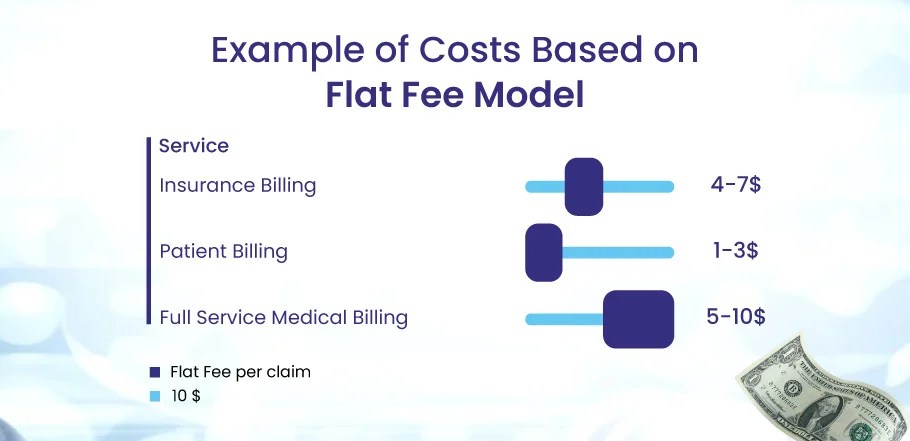
Flat Fee-Per-Case

Classic: Flat fee paid for a patient’s treatment based on their diagnosis and/or presenting problem. For this fee the provider covers all of the services required for a specific period of time.

PHYSICIAN SALARY: https://medicalexecutivepost.com/2023/04/14/physician-salary-pay-gap/

Modern: Often characterizes “second generation” managed care systems. After a Managed Care Organization squeezes out costs by discounting fees, they often come to this method. If provider is still standing after discount blitz, this approach can be good for provider and clients, since it permits a lot of flexibility for provider in meeting client needs.

PHYSICIAN NET WORTH: https://medicalexecutivepost.com/2024/09/21/physician-net-worth-personalized-projections/

Example: A Flat fee system paid for a medical treatment based on a patient’s diagnosis for a specific period of time.

Invite Dr. Marcinko

COMMENTS APPRECIATED

EDUCATION: Books

Refer and Like

***

***

Physician V. Doctor V. Provider V. Prescriber V. Medical Others

HEALTHCARE DEFINITIONS

By Staff Reporters

SPONSOR: http://www.CertifiedMedicalPlanner.org

***

***

When you visit health clinic or hospital for a medical appointment, you’ll be seen by a doctor, healthcare provider and/or medical prescriber. But what do these words really mean?

***

***

Doctors / Physicians

Doctor of Medicine (MD), Doctor of Podiatric Medicine (DPM), Doctor of Osteopathy (DO, or Doctor of Dental Surgery (DDS/DMD). Doctors, also known as physicians, have extensive prescription privileges across various specialties. They can diagnose medical conditions, prescribe medication, and oversee the overall management of patient care. Doctors include general practitioners, specialists such as cardiologists or dermatologists, and surgeons. Their prescription authority encompasses a wide range of medications to address acute and chronic health conditions, ranging from antibiotics to specialized treatments for complex diseases.

MORE: https://medicalexecutivepost.com/2023/06/17/the-md-versus-do-degree/

***

***

Medical Providers

A medical provider is a general term that encompasses a wide range of education levels, skill-sets, and specializations. A provider could be a Physician Assistant (PA), Nurse Practitioner (NP), Clinical Nurse Specialist (CNS), Doctor of Medicine (MD), Doctor of Podiatric Medicine (DPM), Dentist (DDSDMD) or Doctor of Osteopathy (DO).

***

Medical Drug Prescribers

Generally, psychologists and therapists do not have prescription privileges. They focus on psychotherapy and counseling rather than medication management. However, some jurisdictions may grant limited prescription rights to psychologists who undergo additional training and certification. Like psychologists, therapists typically do not have prescription privileges. They focus on providing counseling and psychotherapy to address mental health issues and emotional concerns.

PHARMACISTS: https://medicalexecutivepost.com/2025/02/12/pharmd-doctor-of-pharmacy/

Psychiatrists are medical doctors (MD/DO) who specialize in the diagnosis and treatment of mental health disorders. They have full prescription privileges and can prescribe a wide range of medications to manage psychiatric conditions.

In most cases, physical therapists do not have the authority to prescribe medication. They primarily focus on rehabilitation and physical interventions to improve mobility and function.

MORE: https://medicalexecutivepost.com/2025/02/23/doctorate-physical-therapy/

Nurse practitioners are advanced practice nurses with the authority to diagnose, treat, and prescribe medication independently in many states and countries. They undergo extensive education and training, which allows them to provide a wide range of healthcare services, including medication management.

Similar to nurse practitioners, psychiatric nurse practitioners have the authority to prescribe medication for mental health conditions. They specialize in psychiatric and mental health care, offering comprehensive treatment that may include medication management.

Chiropractors primarily focus on diagnosing and treating musculoskeletal disorders through manual adjustments and therapies. They do not have surgical or prescription privileges in most jurisdictions.

Optometrists are trained to diagnose and treat vision problems, including prescribing corrective lenses and medications for certain eye conditions such as infections or inflammation.

Registered nurses typically do not have prescription privileges. They work under the direction of physicians and nurse practitioners, assisting with patient care but not prescribing medication themselves.

Dentists have limited prescription privileges related to dental care, such as antibiotics or pain medications for dental procedures. However, they do not have the authority to prescribe general medications outside of their scope of practice.

Nutritionists typically do not have prescription privileges. They specialize in providing dietary advice and counseling to promote health and well-being through nutrition but do not prescribe medication.

Depending on their scope of practice and legal regulations in their jurisdiction, nurse midwives may have limited prescription privileges for certain medications related to prenatal care, childbirth, and postpartum care.

MORE: http://www.HealthDictionarySeries.org

COMMENTS APPRECIATED

Like and Refer

***

***

UNITEDHEALTH GROUP CEO: Quits and Suspends Annual Forecast

By Staff Reporters

BREAKING NEWS

***

***

UnitedHealth Group just announced the exit of CEO Andrew Witty and suspended its 2025 forecast due to surging medical costs, sending its shares down more than 10%. Chairman Stephen Hemsley will become CEO, effective immediately.

Medicare Advantage: https://medicalexecutivepost.com/2024/10/11/medicare-advantage-part-c-plans-face-headwinds/

The fourth-largest U.S company big revenue in 2024, Minnetonka-based UnitedHealth has experienced a turbulent year that saw the shock killing of United Healthcare CEO Brian Thompson in New York City, and a cyberattack that affecting an estimated 190 million people and cost the company an estimated $3.1 billion dollars.

UnitedHealth: https://medicalexecutivepost.com/2025/04/17/unitedhealth-stock-dives/

COMMENTS APPRECIATED

Subscribe, Like and Refer

***

***

TRUMP: Brings Down Prescription Drug Costs

By Staff Reporters and ChatGPT

***

***

President Trump to bring down prescription costs

In a Sunday post to Truth Social, President Trump signed an executive order at 9 am today to institute a most-favored-nation policy with pharmaceutical companies that he predicted could lower drug prices by 30% to 80%.

PBMs: https://medicalexecutivepost.com/2022/01/15/podcast-pharma-rebates-to-pbms/

“The United States will pay the same price as the Nation that pays the lowest price anywhere in the World,

While Americans pay more for pharmaceuticals than any other country, Bloomberg reported that the American market fuels innovation and drives growth in the industry. Drug makers have pushed back on previous efforts to revamp the system in the US, saying it would make revenue evaporate and hinder the development of potentially lifesaving drugs.

WEIGHT LOSS: https://medicalexecutivepost.com/2023/10/24/weight-loss-drugs-for-kids-stocks-for-adults/

COMMENTS APPRECIATED

Like and Refer

***

***

DAILY UPDATE: Stock Markets End Week Mixed as UnitedHealthcare Group is Sued

MEDICAL EXECUTIVE-POST TODAY’S NEWSLETTER BRIEFING

***

Essays, Opinions and Curated News in Health Economics, Investing, Business, Management and Financial Planning for Physician Entrepreneurs and their Savvy Advisors and Consultants

Serving Almost One Million Doctors, Financial Advisors and Medical Management Consultants Daily

A Partner of the Institute of Medical Business Advisors , Inc.

http://www.MedicalBusinessAdvisors.com

SPONSORED BY: Marcinko & Associates, Inc.

***

http://www.MarcinkoAssociates.com

Daily Update Provided By Staff Reporters Since 2007.
How May We Serve You?
© Copyright Institute of Medical Business Advisors, Inc. All rights reserved. 2025

REFER A COLLEAGUE: MarcinkoAdvisors@outlook.com

SPONSORSHIPS AVAILABLE: https://medicalexecutivepost.com/sponsors/

ADVERTISE ON THE ME-P: https://tinyurl.com/ytb5955z

Your Referral Count -0-

CITE: https://www.r2library.com/Resource

  • Meta is reportedly developing a “super-sensing” mode for its AI glasses that could identify people by name.
  • De Beers, the South African-British diamond giant, is closing its lab-grown diamond business, the company announced, as the value of human-made gems declines.
  • Coinbase acquired Deribit, a popular trading platform for bitcoin and ether options, for $2.9 billion.
  • FEMA acting head Cameron Hamilton was fired yesterday, Politico reported, amid reports that President Trump could look to shrink the department or eliminate it entirely.
  • Match Group, which owns Hinge and Tinder, cut 13% of its workforce as it seeks a turnaround following several executive departures and pressure from activist investors.

CITE: https://tinyurl.com/2h47urt5

🟢 What’s up

  • Microchip Technology climbed 12.60% on a solid beat-and-raise quarter for the semiconductor stock.
  • Pinterest gained 4.84% thanks to higher-than-expected revenue last quarter and projected strong revenue growth in the current quarter.
  • Insulet popped 20.88% after the insulin device manufacturer crushed Wall Street’s estimates on the top and bottom lines and raised its fiscal forecast.
  • Trade Desk soared 18.60% thanks to an impressive first quarter for the digital marketing company, including EPS of $0.33 compared to forecasts of $0.25.
  • DraftKings rose 2.49% thanks to a smaller-than-expected loss last quarter due in part to fewer March Madness upsets than usual.
  • Cloudflare popped 6.32% on strong earnings after the cloud services provider inked its biggest contract ever last quarter.
  • Monster Beverage missed first-quarter revenue estimates, but the energy drink giant still managed to climb 1.43%.

What’s down

  • United Airlines lost 2.69% on the news that Newark Airport experienced its second major outage in two weeks.
  • Coinbase stumbled 3.48% lower on a surprise revenue miss last quarter, thanks to a 17% decline in consumer trading volume.
  • Expedia beat profit estimates, but lower revenue thanks to a travel spending slowdown still sank the stock 7.30%.
  • Sweetgreen was crushed by 16.25% due to full-year fiscal guidance that came in way worse than Wall Street anticipated.
  • Affirm may have done well in the third quarter, but the Buy Now, Pay Later company fell 14.47% thanks to lower revenue forecasts this quarter.

CITE: https://tinyurl.com/tj8smmes

UnitedHealthcare Group was sued by shareholders claiming the company didn’t properly adjust its earnings outlook following the death of CEO Brian Thompson.

COMMENTS APPRECIATED

PLEASE SUBSCRIBE: MarcinkoAdvisors@outlook.com

Thank You

***

***

***

***

EDUCATIONAL TEXTBOOKS: https://tinyurl.com/4zdxuuwf

***

QUANTUM COMPUTING: Healthcare and Banking Affected [B-QTUM Index Fund]

FUNDAMENTAL INDUSTRY CHANGES

By Staff Reporters

***

***

Index Funds

An index mutual fund or ETF (exchange-traded fund) tracks the performance of a specific market benchmark—or “index,” like the popular S&P 500 Index—as closely as possible. That’s why you may hear people refer to indexing as a “passive” investment strategy.

Instead of hand-selecting which stocks or bonds the fund will hold, the fund’s manager buys all (or a representative sample) of the stocks or bonds in the index it tracks.

***

Quantum Computing

Unlike traditional computers that use bits, quantum computers utilize qubits. These qubits are capable of being in a state of superposition, where they can represent both 0 and 1 simultaneously, enabling the processing of multiple calculations at once. This could allow quantum computers to outperform classical computers in solving certain complex problems. However, the field is still overcoming challenges such as qubit stability and decoherence; especially in these three areas:

  • Quantum computing could fundamentally alter healthcare by accelerating drug discovery and improving individualized medicine. Rapid analysis of enormous volumes of biological data allows quantum computers to find trends that might guide the creation of more potent treatments. In addition to accelerating drug development, this will enable customized treatments tailored to unique genetic profiles.
  • Faster and more accurate financial models produced by quantum computing will transform the banking sector. Through real-time analysis of intricate financial systems, it can help investors to control risk and make better decisions. More precise market forecasts will help maximize portfolio management and trading strategies.
  • Through greatly enhanced medical diagnosis and patient care, quantum computing can transform the healthcare industry. Quantum computers can remarkably accurately find trends and possible health hazards by analyzing enormous volumes of medical data in a fraction of the time. Early diagnosis and more customized treatment alternatives follow from this.

BQTUM Index Fund

Index Description: The BlueStar® Machine Learning and Quantum Computing Index (BQTUM) tracks liquid companies in the global quantum computing and machine learning industries, including products and services related to quantum computing or machine learning, such as the development or use of quantum computers or computing chips, superconducting materials, applications built on quantum computers, embedded artificial intelligence chips, or software specializing in the perception, collection, visualization, or management of big data.

Citation and Disclosure: https://www.defianceetfs.com/qtum/

COMMENTS APPRECIATED

Read, Like, Subscribe and Refer

***

***

MEDICARE ADVANTAGE PLANS: Rates Substantially Increased for 2026

By Health Capital Consultants LLC

***

***

On April 7, 2025, the Centers for Medicare & Medicaid Services (CMS) published their 2026 Rate Announcement for Medicare Advantage (MA) and Medicare Part D Prescription Drug Plans.

For 2026, the payment rate to MA plans will increase 5.06%, the largest increase in the past ten years, and up significantly from the 2.2% rate increase proposed by the Biden Administration.

This Health Capital Topics article will review the Rate Announcement. (Read more…)

COMMENTS APPRECIATED

Like and Refer

***

***

DAILY UPDATE: Elevance Health, Health Start-Ups and Rising Stock Markets

MEDICAL EXECUTIVE-POST TODAY’S NEWSLETTER BRIEFING

***

Essays, Opinions and Curated News in Health Economics, Investing, Business, Management and Financial Planning for Physician Entrepreneurs and their Savvy Advisors and Consultants

Serving Almost One Million Doctors, Financial Advisors and Medical Management Consultants Daily

A Partner of the Institute of Medical Business Advisors , Inc.

http://www.MedicalBusinessAdvisors.com

SPONSORED BY: Marcinko & Associates, Inc.

***

http://www.MarcinkoAssociates.com

Daily Update Provided By Staff Reporters Since 2007.
How May We Serve You?
© Copyright Institute of Medical Business Advisors, Inc. All rights reserved. 2025

REFER A COLLEAGUE: MarcinkoAdvisors@outlook.com

SPONSORSHIPS AVAILABLE: https://medicalexecutivepost.com/sponsors/

ADVERTISE ON THE ME-P: https://tinyurl.com/ytb5955z

Your Referral Count -0-

CITE: https://www.r2library.com/Resource

Despite rising Medicare Advantage (MA) utilization, Elevance Health has come out of Q1 2025 unscathed. The company reported adjusted diluted earnings per share of $11.97 and stuck to its prediction of $34.15 to $34.85 adjusted earnings per share for 2025. This contrasts with peer UnitedHealth Group, which lowered its earnings predictions for the year in its call last week following a disappointing quarter. (Elevance released a preview of its earnings in a Form 8-K on April 17, hours after UnitedHealth detailed its surprisingly bad quarter, to reassure investors.)

CITE: https://tinyurl.com/2h47urt5

What’s up

  • Tesla gained 9.80% following a White House announcement yesterday that it will loosen US regulations around self-driving cars.
  • Boston Beer popped 2.26% thanks to strong light beer sales offsetting lower craft beer revenue.
  • Charter Communications climbed 11.43% after it lost fewer internet customers than last year and beat estimates on both the top and bottom line.
  • VeriSign rose 8% following strong results for the internet infrastructure company, as well as the announcement of a new dividend.
  • SoFi Technologies got a 4.63% boost from Citizens JMP analysts, who initiated coverage of the fintech stock with an “outperform” rating and called the company “a compelling long-term investment opportunity.”

What’s down

  • T-Mobile tumbled 11.22% after the cell carrier added 495,000 new wireless phone subscribers last quarter, below Wall Street’s forecasts.
  • Gilead Sciences sank 2.81% due to a revenue miss in the first quarter thanks to lower sales of its cancer and Covid treatments.
  • Avantor plummeted 16.58% after the lab chemicals manufacturer missed estimates, cut its forecast, and announced its CEO is departing.
  • Saia plunged 30.66% thanks to an enormous first-quarter miss from the shipping company due to customer pullback amid tariff uncertainty.

CITE: https://tinyurl.com/tj8smmes

Investments are soaring: A new SVB report found that women’s health startups saw a whopping 55% increase in VC investments in 2024. Learn about the factors driving this record-breaking funding and the sector’s long-term potential.*

Visualize: How private equity tangled banks in a web of debt, from the Financial Times.

COMMENTS APPRECIATED

PLEASE SUBSCRIBE: MarcinkoAdvisors@outlook.com

Thank You

***

***

***

***

EDUCATIONAL TEXTBOOKS: https://tinyurl.com/4zdxuuwf

***

DAILY UPDATE: Merck and the Surging Stock Markets

MEDICAL EXECUTIVE-POST TODAY’S NEWSLETTER BRIEFING

***

Essays, Opinions and Curated News in Health Economics, Investing, Business, Management and Financial Planning for Physician Entrepreneurs and their Savvy Advisors and Consultants

Serving Almost One Million Doctors, Financial Advisors and Medical Management Consultants Daily

A Partner of the Institute of Medical Business Advisors , Inc.

http://www.MedicalBusinessAdvisors.com

SPONSORED BY: Marcinko & Associates, Inc.

***

http://www.MarcinkoAssociates.com

Daily Update Provided By Staff Reporters Since 2007.
How May We Serve You?
© Copyright Institute of Medical Business Advisors, Inc. All rights reserved. 2025

REFER A COLLEAGUE: MarcinkoAdvisors@outlook.com

SPONSORSHIPS AVAILABLE: https://medicalexecutivepost.com/sponsors/

ADVERTISE ON THE ME-P: https://tinyurl.com/ytb5955z

Your Referral Count -0-

CITE: https://www.r2library.com/Resource

Merck rose 1.40% today after beating earnings expectations. The problem is that the pharma giant expects a $200 million hit to its bottom line due to tariffs. And that doesn’t count the potential additional pharmaceutical levies Trump has indicated he’s planning.

CITE: https://tinyurl.com/2h47urt5

🟢 What’s up

  • Alphabet warned some remote employees that they must return to the office three days a week or lose their jobs. Shareholders clearly approve: The stock gained 2.53%.
  • Amazon and Nvidia executives made it clear that contrary to popular belief, demand for AI data centers isn’t slowing down. Amazon rose 3.29%, while Nvidia climbed 3.62%.
  • Newmont gained 4.80% after the gold miner reported strong earnings thanks to gold’s incredible run.
  • ServiceNow soared 15.49% after the enterprise tech company posted a beat-and-raise earnings report.
  • Texas Instruments popped 6.56% thanks to a strong first quarter and healthy fiscal guidance from the domestic semiconductor company.
  • Chipotle eked out a 1.60% gain despite a mixed quarter that saw same-store sales fall for the first time since 2020.

What’s down

  • IBM topped analyst expectations on sales and profits, but the tech stock fell 6.58% thanks to a poor performance from its consulting and its mainframe businesses.
  • Nokia tumbled 8.65% following a big earnings miss last quarter, and warned that tariffs will take a serious toll on its business this quarter.
  • Fiserv plunged 18.52% after the software provider beat expectations for profits but missed on revenue.
  • Procter & Gamble outpaced Wall Street’s forecast for earnings but fell short on revenue and cut its fiscal guidance, pushing shares of the consumer goods giant down 3.74%.
  • Comcast also beat analyst estimates on both the top and bottom lines, but sank 3.71% after reporting it lost 199,000 broadband customers last quarter.

CITE: https://tinyurl.com/tj8smmes

  • Warren Buffett owns 5% of all Treasury bills—more than the Federal Reserve
  • A list of every company that’s announced it’s moving manufacturing to the US
  • Home sales fell 5.9% in March, their biggest drop since 2022
  • The $TRUMP crypto surged over 50% after President Trump invited the coin’s top 220 holders to a private dinner
  • Durable goods orders, AKA purchases of big-ticket items like autos and aircraft, popped 9.2% as people rushed to buy ahead of tariffs
  • Speaking of, US liquor exports surged 10% to a record $2.4 billion

COMMENTS APPRECIATED

PLEASE SUBSCRIBE: MarcinkoAdvisors@outlook.com

Thank You

***

***

***

***

EDUCATIONAL TEXTBOOKS: https://tinyurl.com/4zdxuuwf

***

DAILY UPDATE: OpenAI, FDA, Roche & Rite Aid as Stocks Soar

MEDICAL EXECUTIVE-POST TODAY’S NEWSLETTER BRIEFING

***

Essays, Opinions and Curated News in Health Economics, Investing, Business, Management and Financial Planning for Physician Entrepreneurs and their Savvy Advisors and Consultants

Serving Almost One Million Doctors, Financial Advisors and Medical Management Consultants Daily

A Partner of the Institute of Medical Business Advisors , Inc.

http://www.MedicalBusinessAdvisors.com

SPONSORED BY: Marcinko & Associates, Inc.

***

http://www.MarcinkoAssociates.com

Daily Update Provided By Staff Reporters Since 2007.
How May We Serve You?
© Copyright Institute of Medical Business Advisors, Inc. All rights reserved. 2025

REFER A COLLEAGUE: MarcinkoAdvisors@outlook.com

SPONSORSHIPS AVAILABLE: https://medicalexecutivepost.com/sponsors/

ADVERTISE ON THE ME-P: https://tinyurl.com/ytb5955z

Your Referral Count -0-

CITE: https://www.r2library.com/Resource

  • OpenAI would be open to buying Chrome if Google is forced by a federal court to sell the web browser, the company’s ChatGPT head said yesterday.
  • The FDA suspended milk quality tests in some dairy products due to reduced capacity stemming from federal workforce cuts, Reuters reported.
  • Roche, the Swiss pharmaceutical giant, is investing $50 billion in US manufacturing to circumvent President Trump’s tariffs, the company said yesterday.
  • Rite Aid is preparing to sell itself in pieces ahead of a possible second bankruptcy, Bloomberg reported.

CITE: https://tinyurl.com/2h47urt5

What’s up

  • Intel surged 5.54% on reports that the chipmaker plans to cut 20% of its workforce.
  • Oklo gained 8.60% after OpenAI CEO Sam Altman announced he’s stepping down as chairman of the board of the nuclear power startup.

  • Duolingo popped 10.01% after Morgan Stanley initiated coverage of the language learning company, calling it a “best-in-class consumer internet asset.”
  • Cava climbed 6.29% due to an upgrade from analysts at Bernstein, who think the bowl slop stock will not only survive but thrive in an economic downturn.
  • Amphenol rose 8.21% thanks to impressive earnings for the high-speed cable company, coupled with a solid fiscal outlook.
  • Vertiv Holdings jumped 8.60% after the data center company posted an impressive quarterly profit and raised its fiscal forecast.
  • SAP rose 7.47% following the software stock’s strong profit performance last quarter.
  • Novavax soared 19.52% on the news that the FDA has asked for more clinical data about its Covid vaccine.

What’s down

  • Enphase Energy plunged 15.65% thanks to a big miss on both the top and bottom lines for the solar tech stock.
  • Going down: Elevator manufacturer Otis Worldwide fell 6.64% on an earnings miss thanks to fewer orders from Chinese customers.
  • Online learning platform Chubb fell 2.17% after announcing a 38% decline in net income last quarter.
  • Baker Hughes may have beaten profit forecasts last quarter, but the oilfield operator’s revenue miss sent shares tumbling 6.44%.
  • Bristol Myers Squibb lost 2.59% after the pharma giant announced its schizophrenia drug Cobenfy performed poorly in Phase 3 trials.

CITE: https://tinyurl.com/tj8smmes

  • Stocks surged first thing this morning after President Trump said the media blew things out of proportion and that he has “no intention” of firing Jerome Powell. He also said he would be “very nice” to China in tariff negotiations.
  • Treasury Secretary Scott Bessent also did some damage control, touting the opportunity for a “big deal” between the US and China.
  • The combination sent a relief rally sweeping through markets, and while the euphoria faded by mid-afternoon, all three indexes ended the day in the green.
  • Gold fell and bitcoin rose as investors took on more risk (see below), while oil dropped on reports that OPEC+ may hike its crude output after its meeting next month.

COMMENTS APPRECIATED

PLEASE SUBSCRIBE: MarcinkoAdvisors@outlook.com

Thank You

***

***

***

***

EDUCATIONAL TEXTBOOKS: https://tinyurl.com/4zdxuuwf

***

DAILY UPDATE: Meta Anti-Trust Trial and Drug Price Negotiations with Few UP and Many DOWN Stocks

MEDICAL EXECUTIVE-POST TODAY’S NEWSLETTER BRIEFING

***

Essays, Opinions and Curated News in Health Economics, Investing, Business, Management and Financial Planning for Physician Entrepreneurs and their Savvy Advisors and Consultants

Serving Almost One Million Doctors, Financial Advisors and Medical Management Consultants Daily

A Partner of the Institute of Medical Business Advisors , Inc.

http://www.MedicalBusinessAdvisors.com

SPONSORED BY: Marcinko & Associates, Inc.

***

http://www.MarcinkoAssociates.com

Daily Update Provided By Staff Reporters Since 2007.
How May We Serve You?
© Copyright Institute of Medical Business Advisors, Inc. All rights reserved. 2025

REFER A COLLEAGUE: MarcinkoAdvisors@outlook.com

SPONSORSHIPS AVAILABLE: https://medicalexecutivepost.com/sponsors/

ADVERTISE ON THE ME-P: https://tinyurl.com/ytb5955z

Your Referral Count -0-

CITE: https://www.r2library.com/Resource

Meta’s antitrust trial resumes: The FTC is accusing CEO Mark Zuckerberg of purchasing Instagram and WhatsApp to gain an unfair monopoly in the social media space, while the defense is expected to argue that the success of those apps is a product of Meta’s acquisition. Testimony will continue this week, with one Vanderbilt law professor telling Quartz that she expects to hear more expert testimony: “Judges tend to put a lot of stock in expert opinion in antitrust cases, especially when it comes to market definition and monopoly power.”

CITE: https://tinyurl.com/2h47urt5

🟢 What’s up

  • Netflix rose 1.57% on a strong vote of confidence from Wall Street pros: After last week’s earnings blowout, the streaming service received price target upgrades from JPMorgan, Wells Fargo, Goldman Sachs, Evercore ISI, Morgan Stanley and Piper Sandler today.
  • Discover Financial Services climbed 3.53% after its merger with Capital One got the greenlight from regulators. Capital One rose 1.54%.
  • MicroAlgo exploded 74.93% after the tech holding company became the latest hot penny stock du jour.
  • Gold miners continue to mint big gains as the hot commodity broke yet another record. Barrick Gold gained 1.39%, while Anglogold Ashanti climbed 2.13%.

What’s down

  • Chipotle sank 3.48% after announcing plans to open its first restaurant in Mexico.
  • Hertz Global gave up some of last week’s big gains today, dropping 4.98% as investors took profits following Bill Ackman’s hint that the rental car company may team up with Uber.
  • Speaking of, Uber fell 3.08% after the FTC sued the ride-hailing company for “deceptive billing and cancellation practices.”
  • Amazon lost 3.11% thanks to a downgrade from Raymond James analysts. They believe the e-commerce titan’s retail and advertising businesses are too exposed to tariffs.
  • Salesforce stumbled 4.45% on a downgrade from DA Davidson analysts, who say the SAAS company is too focused on AI and not on its core business.
  • Deutsche Post AG, better known as DHL, announced it is suspending shipments worth over $800 as the international shipping company struggles with tariffs. Shares fell 1%.
  • Comerica lost 4.36% after the regional bank forecast lower loans and deposits in 2025.

CITE: https://tinyurl.com/tj8smmes

Now that the US government is negotiating drug prices directly with manufacturers, states want to get in on the action, too. These efforts vary by state, but generally involve creating a board to review drugs’ affordability and sometimes setting upper price limits (UPLs). While none have implemented UPLs as of April, as the idea gains momentum, there are questions about UPLs and boards’ legality, practicality, and whether they will actually lower costs for patients.

Visualize: How private equity tangled banks in a web of debt, from the Financial Times.

COMMENTS APPRECIATED

PLEASE SUBSCRIBE: MarcinkoAdvisors@outlook.com

Thank You

***

***

***

***

EDUCATIONAL TEXTBOOKS: https://tinyurl.com/4zdxuuwf

***

The Missing Piece in America’s Health Care Debate

By Rick Kahler CFP™

http://www.KahlerFinancial.com

***

The recent horrifying murder of UnitedHealthcare Group CEO Brian Thompson has called attention to the anger many Americans feel about our health care system. This tragedy has thrust the very real issue of health care costs back into the headlines.

One article on the topic, from Ken Alltucker for USA Today, offered seven reasons why Americans pay so much for health care with such poor results. When I saw the headline, I thought, “Finally, someone’s going to bring up the elephant in the room: taxes.”

The seven reasons included bloated administrative costs, lack of price transparency, overpaid specialists, higher prescription drug prices, and more. But I didn’t see a word about how, compared to other developed nations with “cheaper” health care, Americans pay far lower taxes. That omission feels like leaving a critical piece of the puzzle off the table.

***

***

In reality, countries with universal health care are not pulling off some magic trick of efficiency. They are simply collecting the money differently—through significantly higher taxes. Americans, on the other hand, pay for health care more directly, through out-of-pocket costs and insurance premiums.

In a column last year, I did the math. Americans spend about 17.8% of GDP on health care, plus 27.7% of GDP in taxes. That’s a total of 45.5%. Now compare that to twelve European countries with universal health care. They spend a median of 11.5% of GDP on health care and collect 41.9% of GDP in taxes. Total? 53.4%. In other words, Americans are spending 7.9% less overall on healthcare and taxes combined.

The saving isn’t what it appears, though. A fair comparison of healthcare costs and taxes needs to account for the fact that universal healthcare systems cover 100% of their populations, while the U.S. system currently leaves about 8% uninsured. If you factor in the cost of covering our uninsured residents, the U.S. likely spends a comparable percentage of income on healthcare as European countries with universal systems.

***

***

Our system is far from perfect. As the USA Today article points out, administrative costs are bloated. Harvard’s David Cutler estimates up to 25% of our health spending goes toward paperwork, phone calls, and processing. Price transparency is practically nonexistent. The cost of a diagnostic test might vary from $300 to $3,000 depending on where you go. We pay much more for prescription drugs and many procedures than those same treatments cost in other developed nations. Another issue is the fee-for-service model that rewards doctors for ordering more tests and procedures, whether or not patients get better.

We can do better. Innovations like value-based care, where providers are paid for outcomes rather than procedures, could help shift the system toward real results. Greater price transparency would empower patients to make informed choices and force providers to compete. And addressing administrative inefficiencies could save billions.

Yet fixing the system requires being honest about trade-offs. If we want universal health care at European price rates, we need to accept European tax rates. That’s the part of the conversation that often gets left out. It’s easy to be angry at hospitals, insurance companies, and drug manufacturers—and yes, they all have plenty to answer for. But we also need to face the reality that we’ve chosen a system that prioritizes lower taxes over centralized health care.

Anger may have put the flaws in our health care system in the spotlight. Finding genuine solutions will require moving beyond expressions of anger and frustration. It will demand thoughtful discussions about what kind of health care system, as individuals and as a nation, that we want and how we are willing to fund it.

EDUCATION: Books

COMMENTS APPRECIATED

Refer and Subscribe

***

***

DRUG: Scheduling & Classifications with Examples

Drugs: (List of Schedule I-V Controlled Drugs)

By Staff Reporters

***

***

Any discussion on narcotics, prescription drugs, or other controlled substances is usually peppered with the word schedule. One substance may be Schedule I, while another is Schedule II, III, IV, or V.

Drugs, substances, and certain chemicals used to make drugs are classified into five (5) distinct categories or schedules depending upon the drug’s acceptable medical use and the drug’s abuse or dependency potential. The abuse rate is a determinate factor in the scheduling of the drug; for example, Schedule I drugs have a high potential for abuse and the potential to create severe psychological and/or physical dependence. As the drug schedule changes — Schedule II, Schedule III, etc., so does the abuse potential — Schedule V drugs represents the least potential for abuse.

A Listing of drugs and their schedule are located at Controlled Substance Act (CSA) Scheduling or CSA Scheduling by Alphabetical Order. These lists describes the basic or parent chemical and do not necessarily describe the salts, isomers and salts of isomers, esters, ethers and derivatives which may also be classified as controlled substances. These lists are intended as general references and are not comprehensive listings of all controlled substances.

Please note that a substance need not be listed as a controlled substance to be treated as a Schedule I substance for criminal prosecution. A controlled substance analogue is a substance which is intended for human consumption and is structurally or pharmacologically substantially similar to or is represented as being similar to a Schedule I or Schedule II substance and is not an approved medication in the United States.

Schedule I Schedule I drugs, substances, or chemicals are defined as drugs with no currently accepted medical use and a high potential for abuse. Some examples of Schedule I drugs are: heroin, lysergic acid diethylamide (LSD), marijuana (cannabis), 3,4-methylenedioxymethamphetamine (ecstasy), methaqualone, and peyote.

Schedule II Schedule II drugs, substances, or chemicals are defined as drugs with a high potential for abuse, with use potentially leading to severe psychological or physical dependence. These drugs are also considered dangerous. Some examples of Schedule II drugs are: combination products with less than 15 milligrams of hydrocodone per dosage unit (Vicodin), cocaine, methamphetamine, methadone, hydromorphone (Dilaudid), meperidine (Demerol), oxycodone (OxyContin), fentanyl, Dexedrine, Adderall, and Ritalin

Schedule III Schedule III drugs, substances, or chemicals are defined as drugs with a moderate to low potential for physical and psychological dependence. Schedule III drugs abuse potential is less than Schedule I and Schedule II drugs but more than Schedule IV. Some examples of Schedule III drugs are: products containing less than 90 milligrams of codeine per dosage unit (Tylenol with codeine), ketamine, anabolic steroids, testosterone

Schedule IV Schedule IV drugs, substances, or chemicals are defined as drugs with a low potential for abuse and low risk of dependence. Some examples of Schedule IV drugs are: Xanax, Soma, Darvon, Darvocet, Valium, Ativan, Talwin, Ambien, Tramadol

Schedule V Schedule V drugs, substances, or chemicals are defined as drugs with lower potential for abuse than Schedule IV and consist of preparations containing limited quantities of certain narcotics. Schedule V drugs are generally used for antidiarrheal, antitussive, and analgesic purposes. Some examples of Schedule V drugs are: cough preparations with less than 200 milligrams of codeine or per 100 milliliters (Robitussin AC), Lomotil, Motofen, Lyrica, Parepectolin

COMMENTS APPRECIATED

Subscribe and Refer

***

***

DAILY UPDATE: Pharmacies v. PBMs as Stock Markets Tank!

MEDICAL EXECUTIVE-POST TODAY’S NEWSLETTER BRIEFING

***

Essays, Opinions and Curated News in Health Economics, Investing, Business, Management and Financial Planning for Physician Entrepreneurs and their Savvy Advisors and Consultants

Serving Almost One Million Doctors, Financial Advisors and Medical Management Consultants Daily

A Partner of the Institute of Medical Business Advisors , Inc.

http://www.MedicalBusinessAdvisors.com

SPONSORED BY: Marcinko & Associates, Inc.

***

http://www.MarcinkoAssociates.com

Daily Update Provided By Staff Reporters Since 2007.
How May We Serve You?
© Copyright Institute of Medical Business Advisors, Inc. All rights reserved. 2025

REFER A COLLEAGUE: MarcinkoAdvisors@outlook.com

SPONSORSHIPS AVAILABLE: https://medicalexecutivepost.com/sponsors/

ADVERTISE ON THE ME-P: https://tinyurl.com/ytb5955z

Your Referral Count -0-

CITE: https://www.r2library.com/Resource

Independent pharmacies and pharmacy benefit managers (PBMs) are at odds over a proposed rule change from the Centers for Medicare and Medicaid Services (CMS) over the Medicare Part D program. Pharmacies vs. PBMs

CITE: https://tinyurl.com/2h47urt5

US stocks plummeted on Monday afternoon, as selling accelerated in the last hour of trading after President Trump indicated there was “no room left” for tariff negotiations with Canada and Mexico, with levies against both countries set to go into effect tomorrow.

The S&P 500 (^GSPC) fell 1.7% while the tech-heavy NASDAQ Composite (^IXIC) dropped 2.6%. The Dow Jones Industrial Average (^DJI) fell more than 600 points, or almost 1.5%, as the major US indexes came off a volatile week and a losing February.

Tech led the sell-off with shares of Nvidia (NVDA) tanking more than 8%. All of the “Magnificent 7” stocks declined.

CITE: https://tinyurl.com/tj8smmes

Visualize: How private equity tangled banks in a web of debt, from the Financial Times.

COMMENTS APPRECIATED

PLEASE SUBSCRIBE: MarcinkoAdvisors@outlook.com

Thank You

***

***

***

***

EDUCATIONAL TEXTBOOKS: https://tinyurl.com/4zdxuuwf

***

DENTISTS: Prescribing Limits

Rx – What Dentists Can’t Do

By Staff Reporters

***

***

Dentists are limited to prescribing medications that address oral and dental health only.

For example, they cannot provide prescriptions for conditions unrelated to dentistry, such as chronic illnesses like diabetes or respiratory infections. Additionally, dentists do not prescribe medications for mental health or hormonal issues.

These limitations ensure that dental professionals focus strictly on oral health and leave more complex medical issues to general physicians or specialists. This distinction helps protect patients from receiving inappropriate or harmful treatments outside the dentist’s expertise.

COMMENTS APPRECIATED

Refer and Subscribe

***

***

DAILY UPDATE: Pharmacy Schools and PBMs as Stocks Recover

MEDICAL EXECUTIVE-POST TODAY’S NEWSLETTER BRIEFING

***

Essays, Opinions and Curated News in Health Economics, Investing, Business, Management and Financial Planning for Physician Entrepreneurs and their Savvy Advisors and Consultants

Serving Almost One Million Doctors, Financial Advisors and Medical Management Consultants Daily

A Partner of the Institute of Medical Business Advisors , Inc.

http://www.MedicalBusinessAdvisors.com

SPONSORED BY: Marcinko & Associates, Inc.

***

http://www.MarcinkoAssociates.com

Daily Update Provided By Staff Reporters Since 2007.
How May We Serve You?
© Copyright Institute of Medical Business Advisors, Inc. All rights reserved. 2025

REFER A COLLEAGUE: MarcinkoAdvisors@outlook.com

SPONSORSHIPS AVAILABLE: https://medicalexecutivepost.com/sponsors/

ADVERTISE ON THE ME-P: https://tinyurl.com/ytb5955z

Your Referral Count -0-

CITE: https://www.r2library.com/Resource

One year after forming an alliance with pharmacy schools, Walgreens says it has taken steps to get more people interested in the profession and improve working conditions at the chain.

Walgreens announced the Deans Advisory Council last February, framing it as a collaboration with pharmacy schools to boost the number of students enrolling and address some of the broader issues in the industry, like burnout and declining reimbursements from pharmacy benefit managers.

CITE: https://tinyurl.com/2h47urt5

US stocks recovered from losses on Wednesday to close higher on the day. Earnings from Alphabet (GOOG, GOOGL) and AMD (AMD) fell short, but Big Tech got a boost from a jump in Nvidia (NVDA) shares.

The tech-heavy NASDAQ Composite (^IXIC) rose 0.2%, while the benchmark S&P 500 (^GSPC) added 0.4%. The Dow Jones Industrial Average (^DJI) led the gains, rising 0.7%, or more than 300 points.

CITE: https://tinyurl.com/tj8smmes

Visualize: How private equity tangled banks in a web of debt, from the Financial Times.

COMMENTS APPRECIATED

PLEASE SUBSCRIBE: MarcinkoAdvisors@outlook.com

Thank You

***

***

***

***

EDUCATIONAL TEXTBOOKS: https://tinyurl.com/4zdxuuwf

***

DAILY UPDATE: TikToc, Walgreens & Hindenburg Research All Down as Markets Blast Off

MEDICAL EXECUTIVE-POST TODAY’S NEWSLETTER BRIEFING

***

Essays, Opinions and Curated News in Health Economics, Investing, Business, Management and Financial Planning for Physician Entrepreneurs and their Savvy Advisors and Consultants

Serving Almost One Million Doctors, Financial Advisors and Medical Management Consultants Daily

A Partner of the Institute of Medical Business Advisors , Inc.

http://www.MedicalBusinessAdvisors.com

SPONSORED BY: Marcinko & Associates, Inc.

***

http://www.MarcinkoAssociates.com

Daily Update Provided By Staff Reporters Since 2007.
How May We Serve You?
© Copyright Institute of Medical Business Advisors, Inc. All rights reserved. 2025

REFER A COLLEAGUE: MarcinkoAdvisors@outlook.com

SPONSORSHIPS AVAILABLE: https://medicalexecutivepost.com/sponsors/

ADVERTISE ON THE ME-P: https://tinyurl.com/ytb5955z

Your Referral Count -0-

WASHINGTON — The US Supreme Court on Friday delivered a blow to TikTok by upholding a law that could potentially lead to the video-sharing social media platform being banned in the United States. The justices in an unsigned opinion with no dissents rejected a free speech challenge filed by the company, meaning the law is set to go into effect on Sunday as planned. The bipartisan law requires China-based TikTok owner ByteDance to divest itself of the company by Sunday, the day before President-elect Donald Trump is to take office. If no sale takes place, the platform used by millions of Americans will in theory be banned.

CITE: https://www.r2library.com/Resource

Legendary short seller Nate Anderson announced this week that he is shutting down his firm, Hindenburg Research, due to extreme job stress. With only 11 employees, Anderson took gargantuan swings at companies—and their billionaire leaders. Hindenburg published deeply researched reports about companies it believed were overvalued and rife with corruption. It got its big break when it shorted electric truck-maker Nikola in 2020, calling the company an “intricate fraud.” Regulators took note, and it led to three fraud convictions for Nikola founder Trevor Milton.

CITE: https://tinyurl.com/2h47urt5

US stocks jumped on Friday amid a tech stock revival as investors assessed a week of key data and earnings reports alongside potential policy shifts under a Trump administration.

The Dow Jones Industrial Average (^DJI) gained 0.8% while the S&P 500 (^GSPC) rose 1%, coming off a losing day for the major gauges. The tech-heavy NASDAQ Composite (^IXIC) put on 1.5% as Nvidia (NVDA) and Tesla (TSLA) shares nudged back into the green.

CITE: https://tinyurl.com/tj8smmes

The US Department of Justice (DOJ) filed a lawsuit against Walgreens (WBA), one of the nation’s largest pharmacy chains, alleging widespread prescription drug practice violations. According to the DOJ, Walgreens improperly dispensed millions of prescriptions from August 2012 to the present day that either lacked “legitimate medical purpose” or were otherwise invalid.

COMMENTS APPRECIATED

PLEASE SUBSCRIBE: MarcinkoAdvisors@outlook.com

Thank You

***

***

***

EDUCATIONAL TEXTBOOKS: https://tinyurl.com/4zdxuuwf

***

MEDICARE: Open Enrollment Period Commences

By Staff Reporters & The Medicare Team

Medicare open enrollment—which runs from October 15th through December 7th this year—is your chance to check in on your Medicare plan and, if needed, change it.

***

***

Mark your calendars — Medicare Open Enrollment starts October 15th! Did you know new benefits are coming to Medicare drug coverage next year?

Starting in 2025, all Medicare plans will include a $2,000 cap on what you pay out-of-pocket for prescription drugs covered by your plan. So, it’s more important than ever to make sure your drugs are covered.

Also starting next year, you can choose to participate in a program that spreads your out-of-pocket drug costs across the calendar year, instead of paying all at once at the pharmacy. It’s called the Medicare Prescription Payment Plan — and you can opt in with your plan throughout the 2025 plan year. Contact your plan for more details.

Preview Coverage Options

Remember, Medicare plans can change from one year to the next, and so can your health needs. Preview and compare all your health and drug options and see if you can save!

The Medicare Team

***

***

CLINICAL DRUG TRIALS: Safer?

By Staff Reporters

***

***

A new device could make drug trials safer

Northwestern University scientists have developed a smaller-than-a-shoebox contraption that can simulate how the human body reacts to various diseases or medications. This technology could be used as an additional fail-safe check in clinical trials between the animal and human testing stages. The device makes it easier for scientists to understand how diseases and drugs affect the body because it can simulate the effects of up to eight different organ tissue samples at once for as long as 28 days.

It’s a big step up from current drug-simulating lab systems, which can only accommodate two tissue cultures that don’t last for very long.

COMMENTS APPRECIATED

Thank You

***

***

DAILY UPDATE: Cannabis, Healthcare and the Stock Market Rally!

MEDICAL EXECUTIVE-POST TODAY’S NEWSLETTER BRIEFING

***

Essays, Opinions and Curated News in Health Economics, Investing, Business, Management and Financial Planning for Physician Entrepreneurs and their Savvy Advisors and Consultants

Serving Almost One Million Doctors, Financial Advisors and Medical Management Consultants Daily

A Partner of the Institute of Medical Business Advisors , Inc.

http://www.MedicalBusinessAdvisors.com

SPONSORED BY: Marcinko & Associates, Inc.

***

http://www.MarcinkoAssociates.com

Daily Update Provided By Staff Reporters Since 2007.
How May We Serve You?
© Copyright Institute of Medical Business Advisors, Inc. All rights reserved. 2024

REFER A COLLEAGUE: MarcinkoAdvisors@msn.com

Your Referral Count -0-

SPONSORSHIPS AVAILABLE: https://medicalexecutivepost.com/sponsors/

ADVERTISE ON THE ME-P: https://tinyurl.com/ytb5955z

***

Here’s where the major stock market benchmarks ended:

  • The S&P 500 index gained 51.54 points (1.0%) to 5,099.96, up 2.7% for the week; the Dow Jones Industrial Average® ($DJI) increased 153.86 points (0.4%) to 38,239.66, up 0.7% for the week; the NASDAQ Composite jumped 316.14 points (2.0%) to 15,927.90, up 4.2% for the week.
  • The 10-year Treasury note yield (TNX) lost about 4 basis points to 4.665%.
  • The CBOE Volatility Index® (VIX) fell 0.34 to 15.03.

Alphabet’s rally helped communication services reverse Thursday’s downturn, which was driven by disappointing quarterly results from Meta Platforms (META). The S&P 500 Communication Services index ($SP500#50) surged 4.7% Friday and ended the week with a 2.7% gain. Semiconductor shares were also strong, led by a 6% gain in Nvidia (NVDA). The Russell 2000® Index (RUT) added 1.1% Friday and posted a 2.8% advance for the week.

In other markets, WTI Crude Oil (/CL) futures rose slightly Friday, ending around $83.65 per barrel and shutting down a three-week losing streak.

CITE: https://www.r2library.com/Resource

  • Midi Health, a health clinic geared toward women in midlife, raised $60 million in Series B funding to expand its network to 150 clinicians by the end of the year, among other efforts. (MobiHealthNews)
  • “We’re fooling ourselves if we think that’s cheap or can be done less expensively.”—Carmela Coyle, president and CEO of the California Hospital Association, on hospital finances and cutting costs (AP)
  • The federal government implemented new staffing rules to improve patient care, but most nursing homes won’t be able to meet that demand. (KFF Health News/NPR)

CITE: https://tinyurl.com/2h47urt5

The Biden administration is considering a change that would downgrade cannabis from a Schedule I drug to a Schedule III drug this year. The reclassification would have major effects on the business of cannabis, but for that to happen, the Drug Enforcement Agency needs proof of medical effectiveness.

CITE: https://tinyurl.com/tj8smmes

COMMENTS APPRECIATED

PLEASE SUBSCRIBE: MarcinkoAdvisors@msns.com

Thank You

***

***

***

***

EDUCATIONAL TEXTBOOKS: https://tinyurl.com/4zdxuuwf

***

PHYSICIAN PAYMENTS: Drug and Device Makers

By Staff Reporters

***

***

Physicians Received $12 Billion from Drug & Device Makers in Less Than 10 Years

A review of the federal Open Payments database found that the pharmaceutical and medical device industry paid physicians $12.1 billion over nearly a decade. Almost two thirds of eligible physicians — 826,313 doctors — received a payment from a drug or device maker from 2013 to 2022, according to a study published online in JAMA on March 28th. Overall, the median payment was $48 per physician.

CITE: https://www.r2library.com/Resource

Orthopedists received the largest amount of payments in aggregate, $1.3 billion, followed by neurologists and psychiatrists at $1.2 billion, and cardiologists at $1.29 billion. To find out what any physician was paid, click here.

Source: Alicia Ault, MD Edge [4/3/24]

COMMENTS APPRECIATED

Subscribe Today

***

***

DAILY UPDATE: Kroger Selling Pharma Business as Nvidia and Stock Markets Rise

By Staff Reporters

CHERRY BLOSSOM FESTIVAL, DC.

***

***

KROGER, the supermarket chain said it expects to close the sale of its specialty pharmacy business during the second half of 2024. Kroger said it is planning to sell its speciality pharmacy business to pharmacy benefit manager CarelonRx, a subsidiary of Elevance Health, the company just reported.

CITE: https://www.r2library.com/Resource

***

Nvidia continues its bid for world domination with the announcement of its new B200 “Blackwell” chip. The Blackwell is 2.5 times more powerful than the “Hopper” chip which helped it become a $2 trillion company. (Bloomberg)

Here’s where the major benchmarks ended:

  • The S&P 500 index added 46.11 points (0.9%) to 5,224.62; the Dow Jones Industrial Average gained 401.37 points (1%) to 39,512.13; the NASDAQ Composite rose 202.62 points (1.3%) to 16,369.41. 
  • The 10-year Treasury note yield slid two basis points to 4.27%.
  • The CBOE Volatility Index®(VIX) fell 0.77 to 13.06.
     

Health care was the biggest loser among the S&P 500 sectors. Energy was also lower after crude oil prices sank on the heels of weekly inventory data. Brent Crude Oil (/BZ) futures, the global benchmark, dropped 1.6% on the heels of five days of gains.

COMMENTS APPRECIATED

Thank You

***

***

DAILY UPDATE: Inflation Upticks as Big Pharma Blocks Medicare Price Negotiations and Stocks Soar with Nvidia and Oracle!

By Staff Reporters

***

Big pharma sues over California drug price law

***

Pharmaceutical companies have filed a slew of suits around the country to get federal judges to invalidate a government program aimed at lowering drug costs for seniors by allowing Medicare to negotiate prices, as is the norm in many other countries, according to the Washington Post. The companies argue it’s unconstitutional and would inhibit their ability to develop new treatments.

CITE: https://www.r2library.com/Resource

The Federal Reserve is looking for steady, reliable signs that inflation is simmering down before it cuts interest rates this year. So far, 2024 has not delivered. Data released by the Bureau of Labor Statistics on Tuesday showed prices rose 3.2 percent over last year, slightly outpacing forecasts of 3.1 percent. Prices also rose 0.4 percent in February over the previous month — in line with expectations, but still hotter than economists would like to discern.

Stocks swung up on Tuesday as investors shrugged off a middling inflation report and looked ahead to next week’s Fed meeting. Meanwhile, Oracle went sky-high, posting its best day since 2021 after demand for AI prompted a huge increase in sales for its cloud computing business.

Here’s where the major benchmarks ended:

  • The S&P 500® index (SPX) gained 57.33 points (1.1%) to 5,175.27; the Dow Jones Industrial Average® ($DJI) added 235.83 points (0.6%) to 39,005.49; the NASDAQ Composite® (COMP) climbed 246.36 points (1.5%) to 16,265.64.
  • The 10-year Treasury note yield (TNX) rose about 5 basis points to 4.155%.
  • The CBOE Volatility Index® (VIX) fell 1.38 to 13.84.

Chip makers’ bounce-back helped boost the Philadelphia Semiconductor Index (SOX) more than 2%, as it recovered part of a 5% drop the previous two trading days. Industry leader Nvidia (NVDA) jumped over 7%. Consumer discretionary and communications services shares were also among the strongest areas. Regional banks and real estate were among the weakest sectors as the CPI data spurred an upturn in Treasury yields.

COMMENTS APPRECIATED

Thank You

***

***

“RIGHT TO TRY” ACT: Individual Patient Treatments

TO FIX THE FDA APPROVAL’S FLAW

By Staff Reporters

***

***

DEFINITION: Right-to-try laws are United States state laws and a federal law that were created with the intent of allowing terminally ill patients access to experimental therapies (drugs, biologics, devices) that have completed Phase I testing but have not been approved by the Food and Drug Administration (FDA).

Right to Try 2.0 laws could help fix FDA’s approval process; Right to Try for Individualized Treatments

This law would allow patients suffering from rare and genetic diseases to try personalized treatments not yet approved by the FDA, as long as they have the support of their physician and have exhausted other treatment options. This policy would have an outsized impact on patients with rare diseases. Although rare diseases have small patient pools by definition, collectively, about 30 million Americans are estimated to have a rare disease.

What’s more, 80% of these rare diseases are genetic in nature, and 95% have no FDA-approved treatment.

COMMENTS APPRECIATED

Thank You

***

***

PODCAST: CVS Health PBM Change Pricing

By Eric Bricker MD

***

***

COMMENTS APPRECIATED

Thank You

***

***

DAILY UPDATE: Consumer Spending Down While CVS Earnings Up

By Staff Reporters

***

To See What’s Next For Consumer Spending, Take a Closer Look at High ...
  • Stat: 0.8%. That’s how much consumer spending fell in January 204—a much bigger dip than expected (CNBC).

CITE: https://www.r2library.com/Resource

CVS reported strong results for its healthcare segment in 2023, showing a 10.2% increase in revenue compared to the prior year. Still, executives lowered the segment’s 2024 guidance in anticipation of rising medical costs, according to earnings released this month.

Finally, the US stock market reopens today after the long weekend, and everyone’s still talking about the Magnificent Seven. That’s because, according to a new report from Deutsche Bank, profits at these seven tech giants are greater than the profits of all publicly traded companies in nearly every G20 country. And in terms of market value, they’d be the second-largest national stock exchange in the world. Goldman Sachs sees this party lasting all night: It raised its 2024 target for the S&P 500 for the second time.

COMMENTS APPRECIATED

Thank You

***

***

DAILY UPDATE: Name Brand Drug Prices Up as Corporate Earnings Week Awaits

By Staff Reporters

***

***

As the federal government seeks to rein in drug prices, pharmaceutical companies this year have been raising prices on hundreds of name-brand drugs. A new analysis by the drug research firm 46brooklyn Research found that companies increased prices on 910 branded drugs in January, although the median increase was 4.7% – the lowest drug inflation rate in more than a decade, the analysis shows.

CITE: https://www.r2library.com/Resource

Whether you’re into (McDonald’s), (Disney), (Ford), (Chipotle), or paying extra for medicine (Eli Lilly), there’s an earnings report for you this week. A strong earnings season so far has helped push the major stock indexes to four straight weekly gains.

And, while Meta’s historic stock-pop hosted the headlines last week, Nvidia has quietly put together a phenomenal start to 2024. The chip-making giant added nearly $300 billion in market value in January, its biggest monthly gain ever. That’s one reason the S&P 500 is kicking off the week at a record high.

COMMENTS APPRECIATED

Thank You

***

***

PODCAST: Doctors Subconsciously Influenced By Pharmaceutical Companies?

Dr. Eric Bricker MD

***

***

COMMENTS APPRECIATED

Thank You

***

***

DAILY UPDATE: Canadian Drugs, ACA and the Mixed Stock Markets

By Staff Reporters

***

SPONSOR: http://www.MarcinkoAssociates.com

***

***

States that have long pushed the FDA to allow drug importation from Canada touted the move as a major step forward in their efforts to lower prescription drug spending and rein in healthcare costs. But while the idea of importing drugs from Canada is new for states, some businesses have been using existing drug import pathways to help consumers save money on certain high-cost medications.

***

More than 20 million US residents—a record number, according to the Biden administration—have signed up for health insurance through the Affordable Care Act’s marketplaces. (the New York Times)

***

Here’s where the major benchmarks ended:

Stocks were a mixed bag yesterday as investors pored over the first big earnings reports and new data showing that wholesale prices surprisingly went down in December. Airlines took a hit after Delta beat earning expectations but lowered its profit forecast.

  • The S&P 500 index rose 3.59 points (0.1%) to 4,783.83, up 1.8% for the week; the Dow Jones Industrial Average® (DJI) fell 118.04 points (0.3%) to 37,592.98, up 0.3% for the week; the NASDAQ Composite rose 2.57 points to 14,972.76, up 3.1% for the week.
  • The 10-year Treasury note yield (TNX) fell about 3 basis points to 3.943%.
  • The CBOE® Volatility Index (VIX) rose 0.26 to 12.70.

Retailers and consumer discretionary shares were among the market’s weakest performers Friday, and regional banks were also under pressure. The KBW Regional Banking Index (KRX) fell 2% for the week and ended at a one-month low. Energy shares led gainers behind strength in crude oil futures. The small-cap-focused Russell 2000® Index (RUT) ended little-changed for the week but is still down 3.8% so far this year.

CITE: https://www.r2library.com/Resource

COMMENTS APPRECIATED

Thank You

***

***

DAILY UPDATE: S&P 500 is High as McKinsey Settles Opioid Claims

***

The S&P 500 has climbed about 24% in 2023, hovering right around its all-time high. And, the NASDAQ Composite is up 44%, although the tech-heavy index still has some ground to cover before it starts carving out new all-time highs of its own.

***

By Staff Reporters

***

SPONSOR: http://www.MarcinkoAssociates.com

***

Consulting firm McKinsey and Co. has agreed to pay $78 million to settle claims from insurers and health care funds that its work with drug companies helped fuel an opioid addiction crisis. The agreement was revealed late Friday in documents filed in federal court in San Francisco. The settlement must still be approved by a judge.

Under the agreement, McKinsey would establish a fund to reimburse insurers, private benefit plans and others for some or all of their prescription opioid costs. The insurers argued that McKinsey worked with Purdue Pharma – the maker of OxyContin – to create and employ aggressive marketing and sales tactics to overcome doctors’ reservations about the highly addictive drugs. Insurers said that forced them to pay for prescription opioids rather than safer, non-addictive and lower-cost drugs, including over-the-counter pain medication. They also had to pay for the opioid addiction treatment that followed.

COMMENTS APPRECIATED

Refer a Colleague: MarcinkoAdvisors@msn.com

Thank You

***

***

DAILY UPDATE: Apple Credit Card, Drug Prices and the Modest Stock Markets

By Staff Reporters

***

SPONSOR: http://www.MarcinkoAssociates.com

***

Apple is pulling the plug on its credit card partnership with Goldman Sachs Group, the Wall Street Journal reported on Tuesday. The tech giant recently sent a proposal to the Wall Street bank to exit the contract in the next 12 to 15 months, the report said, citing people briefed on the matter.

***

Senators Elizabeth Warren (Democrat) and Mike Braun (Republican) sent a letter to the US Department of Health and Human Services last week, asking it to investigate whether large insurance companies are hiking prescription drug prices at pharmacies they own

***

***

Here is where the major benchmarks ended:

Here’s where the major benchmarks ended:

  • The S&P 500® index (SPX) was up 4.46 points (0.1%) at 4,554.89; the Dow Jones Industrial Average was up 83.51 points (0.2%) at 35,416.98; the NASDAQ Composite® (COMP) was up 40.73 points (0.3%) at 14,281.76.
  • The 10-year Treasury yield was down about 6 basis points at 4.33%.
  • The CBOE® Volatility Index (VIX) was little-changed at 12.69.

Semiconductor and transportation shares were among the weakest performers Tuesday, and regional banks were also under pressure. Small cap stocks also lagged. The Russell 2000® Index (RUT) fell about 0.4% for its lowest close in a week.

Retailers and utilities were among the firmest sectors. In other markets, the U.S. Dollar Index (DXY) weakened to its lowest level since mid-August, reflecting expectations that U.S. interest rates have peaked.

CITE: https://www.r2library.com/Resource

COMMENTS APPRECIATED

Thank You

***

***

PODCAST: How PBMs Work -OR- Don’t Work?

PRIOR AUTHORIZATION

By Eric Bricker MD

***

***

COMMENTS APPRECIATED

Thank You

***

***

***

WALGREENS: Pharmacists Walk-Off Job

By Staff Reporters

***

***

Pharmacy employees at Walgreens across the country walked off the job yesterday, citing harsh working conditions created by undersized staff that leave them unable to safely fill prescriptions while meeting the demands of a busy vaccine season. The three-day walkout was organized entirely via social media, as the group lacks a centralized labor union like the WGA and UAW.

CITE: https://www.r2library.com/Resource

COMMENTS APPRECIATED

Thank You

***

***

UBER Health: Rx Drug Delivery Service

By Staff Reporters

“Uber Health is foraying deeper into healthcare with a new feature that allows providers to order prescriptions to be dropped off at patients homes same-day. The same-day prescription delivery is meant to help patients adhere to a medication schedule.”

According to Rebecca Pifer of HealthCareDive:

  • Uber Health is foraying deeper into healthcare with a new feature that allows providers to order prescriptions to be dropped off at patients homes same-day.
  • The same-day prescription delivery is meant to help patients adhere to a medication schedule. The service is made possible through an integration of Uber Health’s dashboard with ScriptDrop, a tech platform connecting patients and pharmacies with couriers nationwide.
  • The company also said it expects to soon launch delivery of healthy food and over-the-counter medicine for patients, including Medicare Advantage and Medicaid beneficiaries.
  • CITE: https://www.r2library.com/Resource/Title/0826102549

***

***

***

COMMENTS APPRECIATED

Thank You

***

DAILY UPDATE: Rx MDMA

By Staff Reporters

***

***

A psychedelic drug could be an effective treatment for PTSD, according to research published in Nature Medicine this week.

MDMA, aka “ecstasy” or “molly,” combined with therapy, was shown to produce a “clinically meaningful” improvement for almost 90% of treated patients with moderate and severe PTSD.

MORE: https://nida.nih.gov/publications/research-reports/mdma-ecstasy-abuse/what-mdma

The encouraging results put the currently illicit substance on a path to becoming a prescription drug if US regulators approve it for widespread clinical use.

***
COMMENTS APPRECIATED

Thank You

***

***

***