IBBOTSON: Intermediate-Term Treasuries Index

By Staff Reporters

***

***

Ibbotson Intermediate-Term Treasuries Index constructed by Ibbotson Associates using long-term historical data. The index calculates total returns from historical index prices and calculates income using a coupon accrual method.

The index replicates intermediate-term bond performance by selecting the Treasury bond with maturity closest to five years, holds it for the calendar year, then rolls to the next five-year bond.

COMMENTS APPRECIATED

Subscribe and Refer

***

***

SUSTAINABILITY Defined

By Staff Reporters

***

***

Sustainability focuses on meeting the needs of the present without compromising the ability of future generations to meet their needs. There are many different approaches to Sustainability, with motives varying from positive societal impact, to wanting to achieve competitive financial results, or both.

Methods of sustainable investing include active share ownership, integration of ESG factors, thematic investing, impact investing and exclusion among others.

COMMENTS APPRECIATED

Refer and Subscribe

***

***

EARNED INCOME: Defined

By Staff Reporters

SPONSOR: http://www.MarcinkoAssociates.com

***

***

What Counts as ‘Earned Income’?

The IRS defines earned income as money you get for working, including the following:

  • Wages
  • Commissions
  • Bonuses
  • Tips
  • Honorariums for speaking, writing or taking part in a conference or convention
  • Self-employment income

Income that doesn’t qualify includes:

  • Taxable pension payments
  • Interest income
  • Dividends
  • Rental income
  • Alimony
  • Withdrawals from Roth IRAs or other non-taxable retirement accounts
  • Annuity income
  • Welfare benefits
  • Unemployment compensation
  • Worker’s compensation payments
  • Social Security income.

Cite: https://www.irs.gov/credits-deductions/individuals/earned-income-tax-credit/earned-income-and-earned-income-tax-credit-eitc-tables

COMMENTS APPRECIATED

Refer and Subscribe

***

***

MONEY Supply in Circulation

By Staff Reporters

SPONSOR: http://www.MarcinkoAssociates.com

***

***

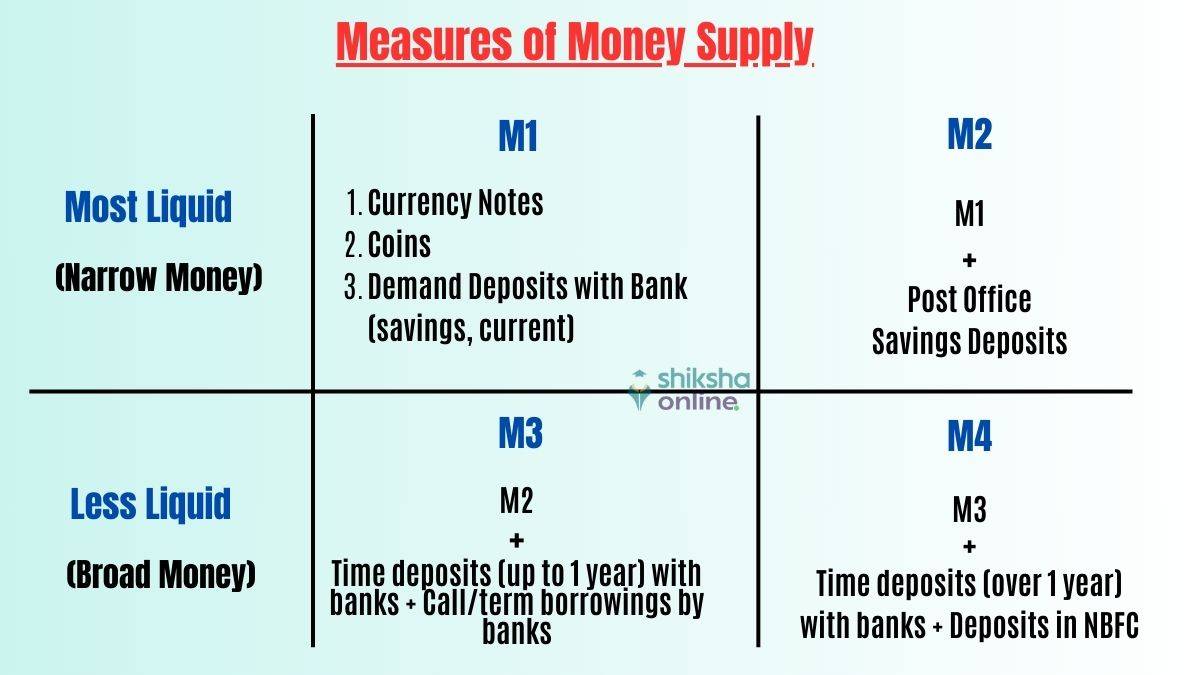
MONEY SUPPLY: The amount of money in circulation. The money supply measures
currently (1985) used by the Federal Reserve System are:


 M 1 – Currency in circulation + demand deposit + other check-type deposits. 35
 M2 – M 1 + savings and small denomination time deposits + overnight repurchase
agreements at commercial banks + overnight Eurodollars + money market mutual
fund shares.
 M3 – M2 + large-denomination time deposits (Jumbo CDs) + term repurchase
agreements.
 M4 – M3 + other liquid assets (such as term Eurodollars, bankers acceptances,
commercial paper, Treasury securities and U.S. Savings Bonds)

COMMENTS APPRECIATED

Like and Subscribe

***

***

BULLET Bond Structure

By Staff Reporters

SPONSOR: http://www.MarcinkoAssociates.com

***

***

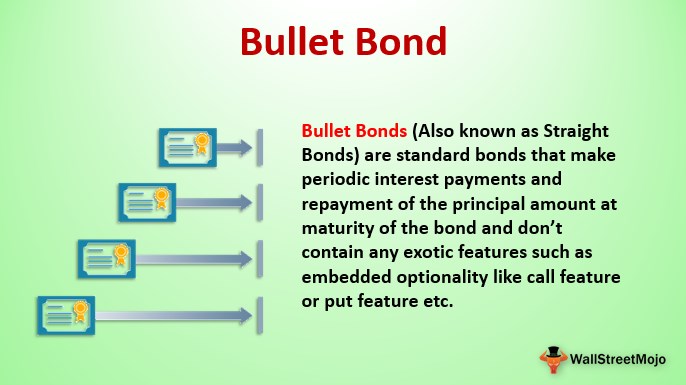
A Bullet bond structure is a bond portfolio structure that clusters a portfolio’s bond maturities around a single maturity (usually an intermediate-term maturity).

This structure tends to perform best when the yield curve is moving from flat to steep (long-term rates are rising faster than short-term rates, or short-term rates are falling faster than long-term rates).

COMMENTS APPRECIATED

Refer and Subscribe

***

***

DAILY UPDATE: Dental and Medical Record Data Breaches as Stocks Jump!

MEDICAL EXECUTIVE-POST TODAY’S NEWSLETTER BRIEFING

***

Essays, Opinions and Curated News in Health Economics, Investing, Business, Management and Financial Planning for Physician Entrepreneurs and their Savvy Advisors and Consultants

Serving Almost One Million Doctors, Financial Advisors and Medical Management Consultants Daily

A Partner of the Institute of Medical Business Advisors , Inc.

http://www.MedicalBusinessAdvisors.com

SPONSORED BY: Marcinko & Associates, Inc.

***

http://www.MarcinkoAssociates.com

Daily Update Provided By Staff Reporters Since 2007.
How May We Serve You?
© Copyright Institute of Medical Business Advisors, Inc. All rights reserved. 2024

REFER A COLLEAGUE: MarcinkoAdvisors@outlook.com

SPONSORSHIPS AVAILABLE: https://medicalexecutivepost.com/sponsors/

ADVERTISE ON THE ME-P: https://tinyurl.com/ytb5955z

Your Referral Count -0-

Nvidia stock (NVDA) led gains among the “Magnificent Seven” tech stocks to start the new year after a group-wide sell-off in the last days of 2024. Shares of the AI chip-maker rose 4.5% Friday after gaining roughly 3% the prior day.

CITE: https://www.r2library.com/Resource

Stat: 18. That’s how many dental data breaches there were in the US in 2024. (Becker’s Dental + DSO Review)

CITE: https://tinyurl.com/2h47urt5

Quote: “If your credit card gets compromised, your bank will alert you, cancel it and send you get a new one. But your medical records have a long lifespan. They can be misused without detection for long periods of time, because it’s harder to identify malicious activity. That makes them very valuable.”—Geetha Thamilarasu, associate professor at the University of Washington Bothell, on why hackers want healthcare information (the Wall Street Journal)

CITE: https://tinyurl.com/tj8smmes

That upswing followed a 4% dip between Christmas Eve and New Year’s Eve as megacap tech stocks dropped across the board in the absence of a “Santa Claus” rally, where the stock market typically enjoys a surge between December 24th and January 2nd. Tesla (TSLA) stock plunged nearly 13% over that time frame, while Amazon (AMZN) and Microsoft (MSFT) dropped more than 4%. Meanwhile, Meta (META) and Google (GOOG) fell just under 4%, and Apple (AAPL) dropped 3%.

Even with its December decline, Nvidia shares still ended 2024 up more than 150%. Wall Street analysts have remained bullish on the stock, estimating shares will rise to roughly $173 over the next year from their current level of $138, according to Yahoo Finance data.

COMMENTS APPRECIATED

PLEASE SUBSCRIBE: MarcinkoAdvisors@msn.com

Thank You

***

***

***

***

EDUCATIONAL TEXTBOOKS: https://tinyurl.com/4zdxuuwf

***

IRS: Revenue Agent V. Revenue Officer

By Staff Reporters

***

***

What is a Revenue Agent?

IRS revenue agents are unarmed, civil agency employees that are skilled auditors who typically conduct in-person field audits. These are normally scheduled at the taxpayer’s home, place of business or accountant’s office where the organization’s financial books and records are located.

What is a Revenue Officer?

IRS revenue officers are unarmed civil agency employees whose duties include visiting households and businesses to help taxpayers resolve their account balances. Their job is to collect taxes that are delinquent and have not been paid to the IRS and to secure tax returns that are overdue from taxpayers.

The IRS currently has about 2,300 revenue officers working cases across the country. Revenue officers educate taxpayers on their tax filing and paying obligations and provide guidance and service on a wide range of financial issues to help the taxpayer resolve their tax issues. They also ensure taxpayers are aware of their rights under the law and provide them with quality customer service.

Confirming if it’s the IRS

Revenue officers and revenue agents are unarmed and carry two forms of official credentials with a serial number and their photo. Taxpayers have the right to see each of these credentials and can also request an additional method to verify their identification.

Remember, taxpayers should know they have a tax issue before these visits occur since multiple mailings occur. And, IRS-CI special agents are the only armed IRS personnel and always present their law enforcement credentials when conducting investigations.

Cite: https://www.irs.gov

COMMENTS APPRECIATED

Like and Subscribe

***

***

OUTCOME: Bias

By Staff Reporters

***

***

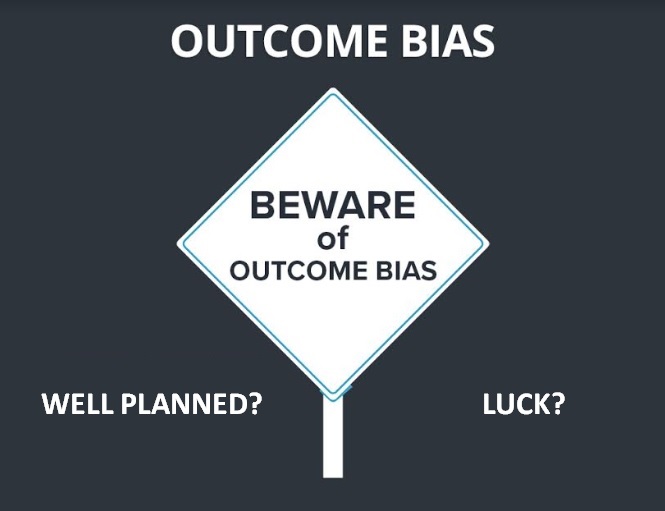
Outcome bias is judging a decision based on its result rather than the quality of the decision at the time it was made.

It’s like saying a bad poker play was smart because you won the hand. Or, a bad stock picker or financial advisor was good because the price went up!

According to psychologist and colleague Dan Ariely PhD, this bias ignores the process and focuses solely on the outcome. It’s why we celebrate lucky breaks and criticize thoughtful risks that didn’t pan out.

So, the next time you’re evaluating a decision, focus on the reasoning behind it, not just the end result.

COMMENTS APPRECIATED

Subscribe Today!

***

***

K SHAPED: Economy and Recovery

By Staff Reporters

***

***

Understanding the K-shaped Economy

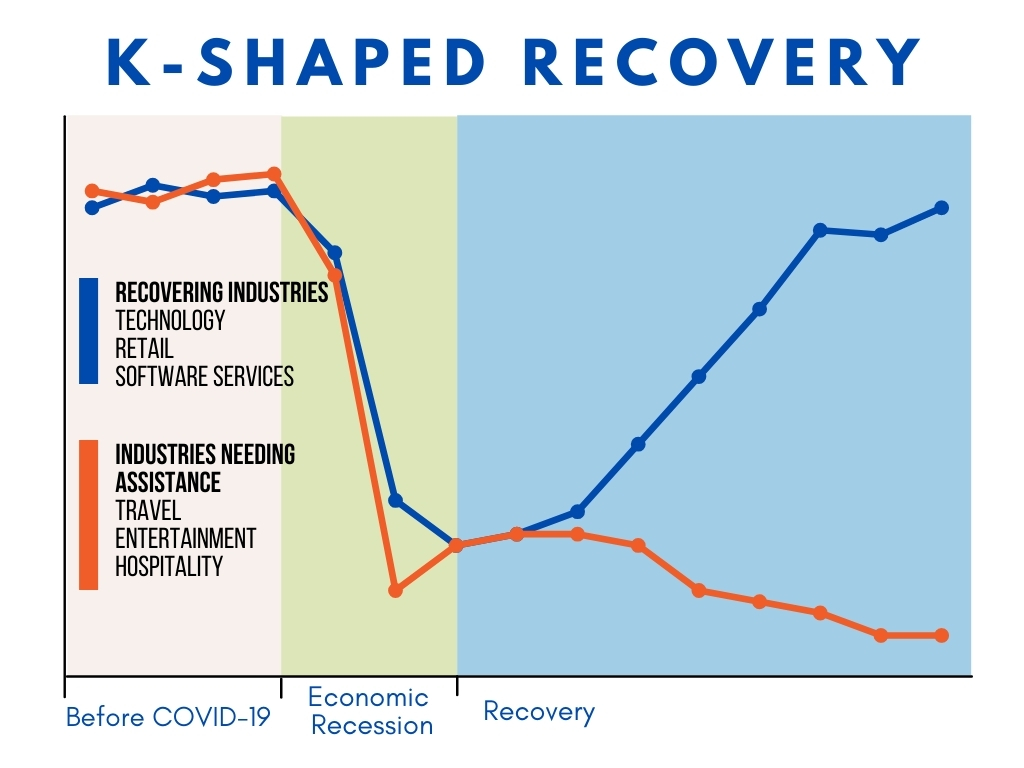
According to Olivia Voltaggio, in a V-shaped economy, things go down but then bounce back for everyone. In a K-shaped economy, the overall economy might go down. Only some parts of it recover, while others keep struggling.

In a K-shaped economy, people’s financial situations vary widely. Not everyone faces the same struggles. Lenders and financial institutions need to be flexible with strategy. They need to understand the different challenges their customers are dealing with.

Navigate with caution: The gaps in economic recovery highlight the importance of taking a careful, strategic approach.

How did we end up with a K-shaped recovery in 2024?

Inflation-driven price increases seem to be getting more stable. But, they may not reach the goal set by the government until 2026. This has made things more expensive for regular families.

For example, people with student loan debt had to start paying it back in October 2023. This was after a pandemic-induced grace period. Student loan repayment made budgeting harder. Borrowers might need to spend more on average than expected. For young adults (Gen Z), it could be even more.

Finally, more people are using credit cards because things are getting more expensive. Some are struggling to pay their credit card bills on time.

COMMENTS APPRECIATED

Like and Subscribe

***

***

DAILY UPDATE: Markets Down Closing Out Year!

MEDICAL EXECUTIVE-POST TODAY’S NEWSLETTER BRIEFING

***

Essays, Opinions and Curated News in Health Economics, Investing, Business, Management and Financial Planning for Physician Entrepreneurs and their Savvy Advisors and Consultants

Serving Almost One Million Doctors, Financial Advisors and Medical Management Consultants Daily

A Partner of the Institute of Medical Business Advisors , Inc.

http://www.MedicalBusinessAdvisors.com

SPONSORED BY: Marcinko & Associates, Inc.

***

http://www.MarcinkoAssociates.com

Daily Update Provided By Staff Reporters Since 2007.
How May We Serve You?
© Copyright Institute of Medical Business Advisors, Inc. All rights reserved. 2024

REFER A COLLEAGUE: MarcinkoAdvisors@outlook.com

SPONSORSHIPS AVAILABLE: https://medicalexecutivepost.com/sponsors/

ADVERTISE ON THE ME-P: https://tinyurl.com/ytb5955z

Your Referral Count -0-

CITE: https://www.r2library.com/Resource

US stocks slipped Tuesday, closing 2024 with an uncharacteristic down note after a roaring year of trading. The S&P 500 (^GSPC) fell 0.4%. The Dow Jones Industrial Average (^DJI) dropped just below the flatline, while the tech-heavy NASDAQ Composite (^IXIC) led the losses at 0.9%.

CITE: https://tinyurl.com/2h47urt5

Despite the sour final stretch, the benchmark S&P 500 closed 2024 up 23%, according to Yahoo Finance data. The tech-heavy NASDAQ Composite gained almost 30%. The Dow Jones Industrial Average posted a more modest 13% win. The S&P’s annual gain roughly matches 2023’s performance, logging the highest consecutive back-to-back annual gain in nearly 30 years.

CITE: https://tinyurl.com/tj8smmes

Visualize: How private equity tangled banks in a web of debt, from the Financial Times.

COMMENTS APPRECIATED

PLEASE SUBSCRIBE: MarcinkoAdvisors@outlook.com

Thank You

***

***

***

***

EDUCATIONAL TEXTBOOKS: https://tinyurl.com/4zdxuuwf

***

LUCAS Paradox

By Staff Reporters

***

***

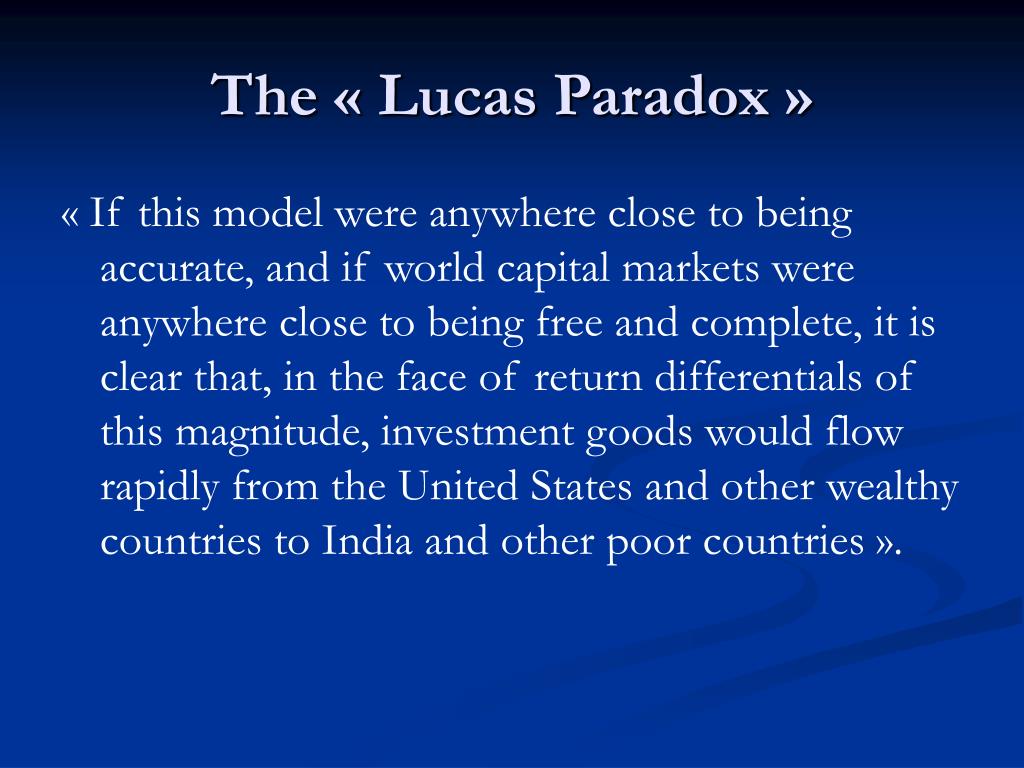
The Lucas Paradox occurs when capital is not flowing from developed countries to developing countries despite the fact that developing countries have lower levels of capital per worker, and therefore higher returns to capital.

According to Wikipedia, economic theory predicts that capital should flow from rich countries to poor countries, due to the effect of diminishing returns of capital. Poor countries have lower levels of capital per worker – which explains, in part, why they are poor. In poor countries, the scarcity of capital relative to labor should mean that the returns related to the infusion of capital are higher than in developed countries.

In response, savers in rich countries should look at poor countries as profitable places in which to invest. In reality, things do not seem to work that way. Surprisingly little capital flows from rich countries to poor countries. This puzzle was famously discussed in a paper by Robert Lucas PhD in 1990.

COMMENTS APPRECIATED

Refer and Subscribe

***

***

CHINA: Li Keqiang Index

By Staff Reporters

***

***

The Li Keqiang Index was created in 2010 by The Economist and measure’s China’s economy using three indicators: railway cargo volume, electricity consumption and bank loans.

The index is seen as an alternative to official gross domestic product numbers released by the Chinese government.

COMMENTS APPRECIATED

Subscribe and Refer

***

***

OPEN / CLOSED: Today and Tomorrow?

By Staff Reporters

***

***

Is the Stock Market Open or Closed on New Year’s Eve?

Bond markets will close early at 2 p.m. Eastern on Tuesday, while the New York Stock Exchange and the NASDAQ Stock Market will hold regular hours from 9:30 a.m. to 4 p.m. Eastern. Over-the-counter markets, where securities trade over a broker-dealer network rather than a major exchange, will keep normal hours.

Is the Stock Market Open or Closed on New Year’s Day?

Both the U.S. bond and stock markets will be closed in observance of New Year’s Day. Over-the-counter markets will be shut, too.

What About International Markets?

Foreign exchanges, such as the London Stock Exchange, the Euronext Paris, the Stock Exchange of Hong Kong, the Shanghai Stock Exchange, and the Tokyo Stock Exchange, will be closed on Wednesday, January 1st.

Will Banks and Post Offices Be Open?

Federal Reserve banks and United States Post Service locations will be closed in observance of New Year’s Day.

COMMENTS APPRECIATED

Refer and Subscribe

***

DAILY UPDATE: Covid-19 Update as Stock Markets Fall Again and US Treasury Hacked

MEDICAL EXECUTIVE-POST TODAY’S NEWSLETTER BRIEFING

***

Essays, Opinions and Curated News in Health Economics, Investing, Business, Management and Financial Planning for Physician Entrepreneurs and their Savvy Advisors and Consultants

Serving Almost One Million Doctors, Financial Advisors and Medical Management Consultants Daily

A Partner of the Institute of Medical Business Advisors , Inc.

http://www.MedicalBusinessAdvisors.com

SPONSORED BY: Marcinko & Associates, Inc.

***

http://www.MarcinkoAssociates.com

Daily Update Provided By Staff Reporters Since 2007.
How May We Serve You?
© Copyright Institute of Medical Business Advisors, Inc. All rights reserved. 2024

REFER A COLLEAGUE: MarcinkoAdvisors@outlook.com

SPONSORSHIPS AVAILABLE: https://medicalexecutivepost.com/sponsors/

ADVERTISE ON THE ME-P: https://tinyurl.com/ytb5955z

Your Referral Count -0-

CITE: https://www.r2library.com/Resource

Stat: 4 in 10. That’s about how many US nursing home residents got an updated Covid-19 vaccine in the winter of 2023–24, according to the CDC, despite the recommendation that adults 65 and older get the new shot. (KFF)

CITE: https://tinyurl.com/2h47urt5

Stocks fell on Monday, with the woes of the three major indexes continuing in the final week of the year as an otherwise strong 2024 comes to a close.

The benchmark S&P 500 (^GSPC) slipped more than 1% while the tech-heavy NASDAQ Composite (^IXIC) fell roughly 1.2%. The Dow Jones Industrial Average (^DJI) fell about 0.8%.

Stocks moved lower as the 10-year Treasury yield (^TNX) retreated from a seven-month high to hover near 4.55%. Stocks closed out last week with a Friday slide from Big Tech names like Tesla (TSLA) and Nvidia (NVDA), with the NASDAQ Composite falling 1.5% and the S&P 500 down over 1%.

The highly anticipated “Santa Claus” rally, which is statistically one of the most consistent seven-day positive stretches of the year for the S&P 500, has flopped thus far. Since 1950, the S&P 500 has risen 1.3% during the seven trading days beginning December 24th, well above the typical seven-day average of 0.3%, according to LPL Financial chief technical strategist Adam Turnquist. In the current period, the S&P 500 is down nearly 1%.

CITE: https://tinyurl.com/tj8smmes

Chinese state-sponsored hackers breached the U.S. Treasury Department’s computer security guardrails this month and stole documents in what Treasury called a “major incident,” according to a letter to lawmakers that was provided to Reuters on Monday.

The hackers compromised third-party cybersecurity service provider BeyondTrust and were able to access unclassified documents, the letter said.

COMMENTS APPRECIATED

PLEASE SUBSCRIBE: MarcinkoAdvisors@outlook.com

Thank You

***

***

***

***

EDUCATIONAL TEXTBOOKS: https://tinyurl.com/4zdxuuwf

***

MARKETS: Risk-On, Risk-Off and On-Off

By Staff Reporters

***

***

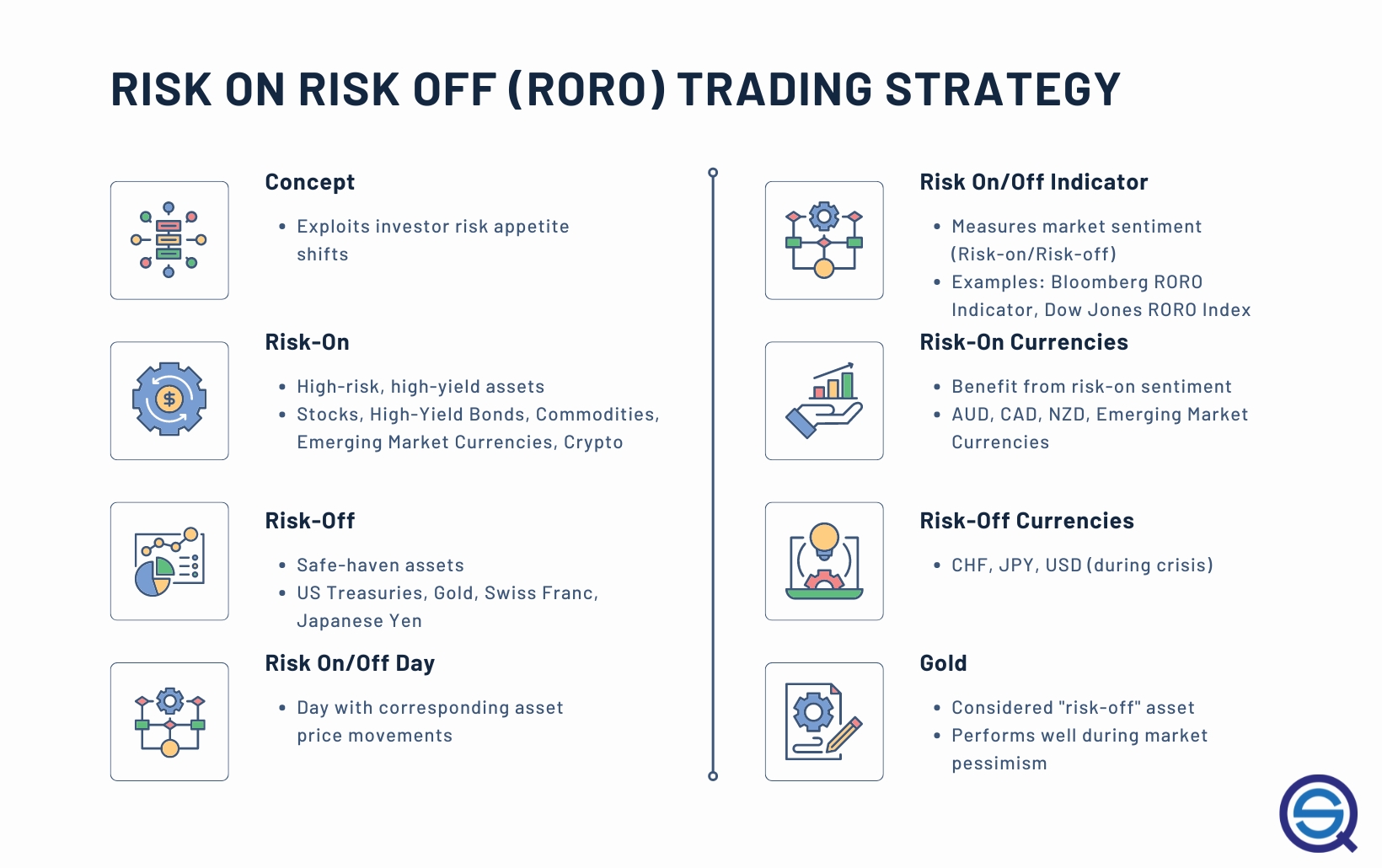
Risk-On

RO = Asset prices commonly follow the risk sentiment of the market. Investors look for changing sentiment through corporate earnings, macro-economic data, and global central bank action. An increase in the stock market or where stocks outperform bonds is said to be a risk-on environment.

Risk-on environments can be carried by expanding corporate earnings, optimistic economic outlook, accommodative central bank policies, and speculation. As the market displays strong influential fundamentals, investors perceive less risk about the market and its outlook.

Risk-Off

ROff = When stocks are selling off, and investors run for shelter to bonds or gold, the environment is said to be risk-off. Risk-off environments can be caused by widespread corporate earnings downgrades, contracting or slowing economic data, and uncertain central bank policy.

Just like the stock market rises in a risk-on environment, a drop in the stock market equals a risk-off environment. Investors jump from risky assets and pile into high grade bonds, U.S. Treasury bonds, gold, cash, and other safe havens

Risk-On Risk-Off?

Risk-on-risk-off investing relies on and is driven by changes in investor risk tolerance. Risk-on-risk-off (RORO) can also sway changes in investment activity in response to economic patterns. When risk is low, investors tend to engage in higher-risk investments. Investors tend to gravitate toward lower-risk investments when risk is perceived to be high.

Note: Thanks to Chat GPT.

COMMENTS APPRECIATED

Subscribe and Refer

***

***

COGNITIVE BIAS: Envy and Jealousy

By Staff Reporters

***

***

Envy / Jealousy: This bias also relates to the contrast and social proof biases.  Prudent financial and business planning and related decision-making are based on real needs followed by desires.  People’s happiness and satisfaction is often based more on one’s position relative to perceived peers rather than an ability to meet absolute needs. 

The strong desire to “keep up with the Jones” can lead people to risk what they have and need for what they want.  These actions can have a disastrous impact on important long-term financial goals. 

According to colleague Dan Ariely PhD, clear communication and vivid examples of risks is often needed to keep people focused on important financial goals rather than spurious ones, or simply money alone, for its own sake.

COMMENTS APPRECIATED

Subscribe and Like Today

***

***

PCE: Personal Consumption Expenditures

By Staff Reporters

Sponsor: http://www.MarcinkoAssociates.com

***

***

PCE or the Personal Consumption Expenditures (“PCE”) price deflator—comes from the Bureau of Economic Analysis’ quarterly report on U.S. gross domestic product—and is based on a survey of businesses and is intended to capture the price changes in all final goods, no matter the purchaser.

Because of its broader scope and certain differences in the methodology used to calculate the PCE price index, the Federal Reserve (“the Fed”) holds the PCE deflator as its preferred, consistent measure of inflation over time.

COMMENTS APPRECIATED

Subscribe and Refer

***

***

DAILY UPDATE: Medicare Tele-Health Out as DJIA Finishes Up a Tad

MEDICAL EXECUTIVE-POST TODAY’S NEWSLETTER BRIEFING

***

Essays, Opinions and Curated News in Health Economics, Investing, Business, Management and Financial Planning for Physician Entrepreneurs and their Savvy Advisors and Consultants

Serving Almost One Million Doctors, Financial Advisors and Medical Management Consultants Daily

A Partner of the Institute of Medical Business Advisors , Inc.

http://www.MedicalBusinessAdvisors.com

SPONSORED BY: Marcinko & Associates, Inc.

***

http://www.MarcinkoAssociates.com

Daily Update Provided By Staff Reporters Since 2007.
How May We Serve You?
© Copyright Institute of Medical Business Advisors, Inc. All rights reserved. 2024

REFER A COLLEAGUE: MarcinkoAdvisors@outlook.com

SPONSORSHIPS AVAILABLE: https://medicalexecutivepost.com/sponsors/

ADVERTISE ON THE ME-P: https://tinyurl.com/ytb5955z

Your Referral Count -0-

Absent Congressional action, beginning January 1sy, 2025, the statutory limitations that were in place for Medicare telehealth services prior to the COVID-19 PHE will retake effect for most telehealth services.

This means most telehealth visits will not be covered by Medicare in 2025, unless Congress acts by the end of December 2024.

***

(Reuters) -The Dow Jones Industrial Average closed fractionally higher on Thursday, stretching its winning streak to five sessions despite light trading volumes and rising U.S. Treasury yields weighing on some of the dominant technology megacaps.

While the NASDAQ Composite and the S&P 500 were broadly unchanged, the indexes both finished slightly in negative territory. This snapped the NASDAQ’s four-session run of higher closes, and ended the S&P 500’s own run at three sessions.

On a day of few catalysts, investors responded to yields on U.S. government bonds inching higher, including the yield on the benchmark 10-year Treasury note hitting its highest since early May at 4.64% earlier in the session. And, a strong auction of seven-year notes early in the afternoon though helped yields come off slightly, with the 10-year note at 4.58% in late-afternoon trade.

Higher yields are traditionally seen as negative for growth stocks, as it raises the cost of their borrowing to fund expansion. With markets increasingly dominated by the megacap technology stocks known as the Magnificent Seven, crimping their performance – especially in lieu of other market catalysts – will put downward pressure on benchmark indexes.

CITE: https://tinyurl.com/2h47urt5

The S&P 500 slipped 2.45 points, or 0.04%, to 6,037.59 points, while the NASDAQ Composite lost 10.77 points, or 0.05%, to 20,020.36. The Dow Jones Industrial Average rose 28.77 points, or 0.07%, to 43,325.80.

Six of the megacaps fell, with Tesla leading decliners with a 1.8% fall. The outlier was Apple, rising 0.3% and continuing to edge closer to becoming the first company in the world to hit a market value of $4 trillion.

CITE: https://tinyurl.com/tj8smmes

Visualize: How private equity tangled banks in a web of debt, from the Financial Times.

COMMENTS APPRECIATED

PLEASE SUBSCRIBE: MarcinkoAdvisors@outlook.com

Thank You

***

***

***

***

EDUCATIONAL TEXTBOOKS: https://tinyurl.com/4zdxuuwf

***

CORPORATE EARNINGS: Per Share, Yield and EBDITA

DEFINITIONS

By Staff Reporters

SPONSOR: http://www.MarcinkoAssociates.com

***

***

Earnings per share (EPS): The portion of a company’s profits allocated to each outstanding share of its common stock. It is as an indicator of a company’s profitability.

Earnings yield: Earnings per share for the most recent 12 months, divided by the current market price per share; it is the inverse of the price to earnings (P/E) ratio.

EBITDA: Earnings before interest, taxes, depreciation and amortization (EBITDA) is an approximate measure of a company’s operating cash flow.

COMMENTS APPRECIATED

Subscribe and Refer

***

***

TRUST: Deferred Sales

DEFINITION

By Staff Reporters

***

***

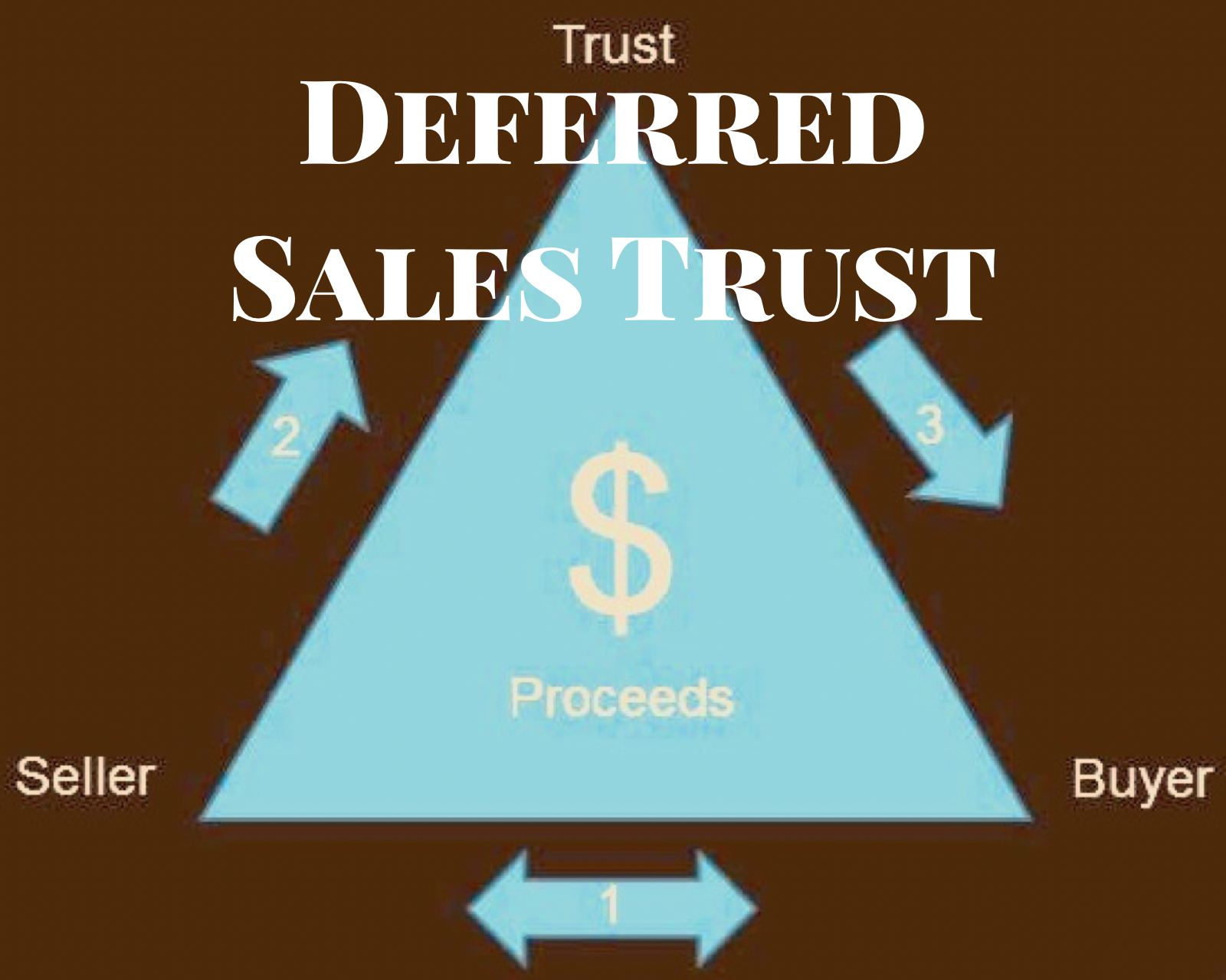
A deferred sales trust (DST) is an advanced tax strategy that allows investors to delay capital gains taxes on the sale of assets that have significantly risen in value, such as real estate or businesses. By selling the asset to a trust, the seller can receive payments over time, spreading out tax liabilities and allowing the profits to grow tax-deferred.

For example, a business owner may sell their company to a DST, avoiding a large tax bill upfront and instead receive income over multiple years. However, DSTs can be complex, and there are often fees involved in setting up and maintaining the trust.

Now, let’s point out some of the pros and cons of Deferred Sales Trusts.

One potential positive feature of using an installment sale to defer your capital gains taxes rather than a 1031 exchange is that installment sales don’t come with the same strict guidelines that govern 1031 exchanges. In particular, in light of the Tax Cuts and Jobs Act of 2017, 1031 exchanges are restricted to real property, whereas Deferred Sales Trusts and other installment sale arrangements can be used to defer capital gains for any kind of asset.

Conversely, the IRS has provided little to no guidance on how to defer taxes using an installment sale.

The basic rationale behind why you don’t receive capital gain is that you are not profiting immediately from the sale made with a Deferred Sales Trust. Given this rationale, there are various constraints on how a Deferred Sales Trust must be organized so that no capital gains taxes are in fact realized.

  • The third party to whom you transfer your asset generally cannot be a “related person” to you, such as a family member or a corporation in which you hold an interest. Except in special circumstances, if you attempt to set up a Deferred Sales Trust with a related person it will be viewed as a “sham trust” made just for the purposes of avoiding capital gains taxes, and will not be protected by the provisions in Section 453.
  • As with the 1031 exchange, you, the seller, cannot at any point in the transfer of your asset be in constructive receipt of the proceeds from the third party’s sale of that asset. To successfully defer capital gains taxes, either the third party or the trust of which they are trustee must be the only party which receives cash in the sale of the transferred asset. This includes receipt of a bond which is payable on demand.

This has been a general, informal introduction to Deferred Sales Trusts. As always, before attempting to carry out any important financial decision, investors should consult with a qualified tax or legal advisor regarding the specifics of their situation.

COMMENTS APPRECIATED

Subscribe, Like and Share!

***

***

HFR INVESTMENTS: Two Credit Indices

By Staff Reporters

SPONSOR: http://www.MarcinkoAssociates.com

***

***

HFRI Fund of Funds Composite Index invests with multiple managers through funds or managed accounts. The strategy designs a diversified portfolio of managers with the objective of significantly lowering the risk (volatility) of investing with an individual manager. The Fund of Funds manager may allocate funds to numerous managers within a single strategy, or with numerous managers in multiple strategies. The investor has the advantage of diversification among managers and styles with significantly less capital than investing with separate managers. The HFRI Fund of Funds Index is not included in the HFRI Fund Weighted Composite Index.

HFRI Fund Weighted Composite Index is a global, equal-weighted index of over 2,000 single-manager funds that report to HFR Database. Constituent funds report monthly net of all fees performance in U.S. Dollar and have a minimum of $50 Million under management or a twelve (12) month track record of active performance. The HFRI Fund Weighted Composite Index does not include Funds of Hedge Funds.

COMMENTS APPRECIATED

Please subscribe and refer!

***

***

SECTOR ALLOCATION: Mutual Funds

By Staff Reporters

Sponsor: http://www.MarcinkoAssociates.com

***

***

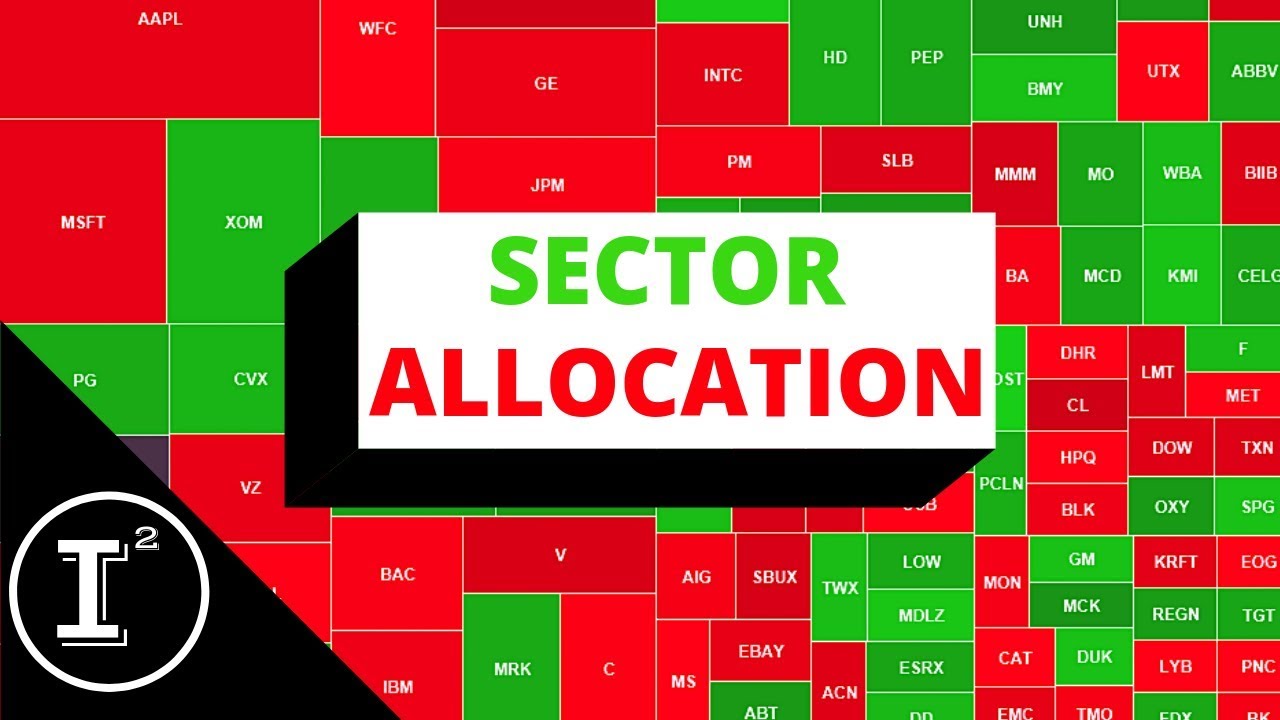
Sector allocation in an equity or fixed-income context refers to a portfolio managers’ decision to invest in a particular broad market sector or industry.

A sector allocation or breakdown can help an investor observe the investment allocations of a mutual or other fund. Fund companies regularly provide sector reporting in their marketing materials. Sector investing can influence investments in the fund. A fund may target a specific sector such as technology, or seek to diversify among many sectors.

Some funds may have restraints on sector investments. This may occur with environmental, social, and governance (ESG) focused funds. These funds seek to exclude industries or companies that their investors consider undesirable for various reasons such as tobacco producers or oil exploration companies.

The ultimate sector allocation decision is likely to combine macroeconomic views with judgments about inter-sector and intra-sector relative values, among other reasons.

COMMENTS APPRECIATED

Subscribe and Refer Today

***

***

DAILY UPDATE: Ascension Healthcare Cyber Crime Attack as Stock Market “Christmas Rallies” On!

MEDICAL EXECUTIVE-POST TODAY’S NEWSLETTER BRIEFING

***

Essays, Opinions and Curated News in Health Economics, Investing, Business, Management and Financial Planning for Physician Entrepreneurs and their Savvy Advisors and Consultants

Serving Almost One Million Doctors, Financial Advisors and Medical Management Consultants Daily

A Partner of the Institute of Medical Business Advisors , Inc.

http://www.MedicalBusinessAdvisors.com

SPONSORED BY: Marcinko & Associates, Inc.

***

http://www.MarcinkoAssociates.com

Daily Update Provided By Staff Reporters Since 2007.
How May We Serve You?
© Copyright Institute of Medical Business Advisors, Inc. All rights reserved. 2024

REFER A COLLEAGUE: MarcinkoAdvisors@outlook.com

SPONSORSHIPS AVAILABLE: https://medicalexecutivepost.com/sponsors/

ADVERTISE ON THE ME-P: https://tinyurl.com/ytb5955z

Your Referral Count -0-

MERRY CHRISTMAS and HAPPY HANUKKAH

The financial markets will close early on Tuesday, December 24th, for Christmas Eve and will be closed on Wednesday, December 25th, for Christmas Day. Brokerage firms will process transaction requests received after 1 p.m., Eastern time, on Tuesday, December 24th, as if received on Thursday, December 26th, before 4 p.m., Eastern Standard time

***

CITE: https://www.r2library.com/Resource

Healthcare provider Ascension has revealed the sensitive data of 5.6 million patients was compromised in a massive cyberattack earlier this year. The ransomware attack occurred in May and threw the company into turmoil, with patient portals and files inaccessible, elective services postponed, and some ambulances diverted, according to a filing with the Maine Attorney General that was reported by TechRadar. Ascension did not name the hackers, but CNN reporting indicated it stemmed from a Russian-speaking cybercrime affiliate known as Black Basta. It’s not clear if Ascension paid a ransom to get their systems back online.

CITE: https://tinyurl.com/2h47urt5

US stocks rallied in the final, shortened trading session before the Christmas holiday. The benchmark S&P 500 (^GSPC) finished the session up over 1.1%, while the tech-heavy NASDAQ Composite (^IXIC) rose roughly 1.4%. The Dow Jones Industrial Average (^DJI) climbed around 0.9%.

Wall Street successfully entered its Christmas break rejuvenated, after tech stocks including AI chip giant Nvidia (NVDA) led the march higher. Markets closed at 1 p.m. ET and are off tomorrow for Christmas Day.

Sizable gains in the past three trading sessions have put the indexes back on the path toward their record highs, from which they took a Fed-fueled nosedive last week.

CITE: https://tinyurl.com/tj8smmes

Visualize: How private equity tangled banks in a web of debt, from the Financial Times.

COMMENTS APPRECIATED

PLEASE SUBSCRIBE: MarcinkoAdvisors@msn.com

Thank You

***

***

***

***

EDUCATIONAL TEXTBOOKS: https://tinyurl.com/4zdxuuwf

***

NOMINAL YIELD: Calculation

DEFINED

By Staff Reporters

SPONSOR: http://www.MarcinkoAssociates.com

***

***

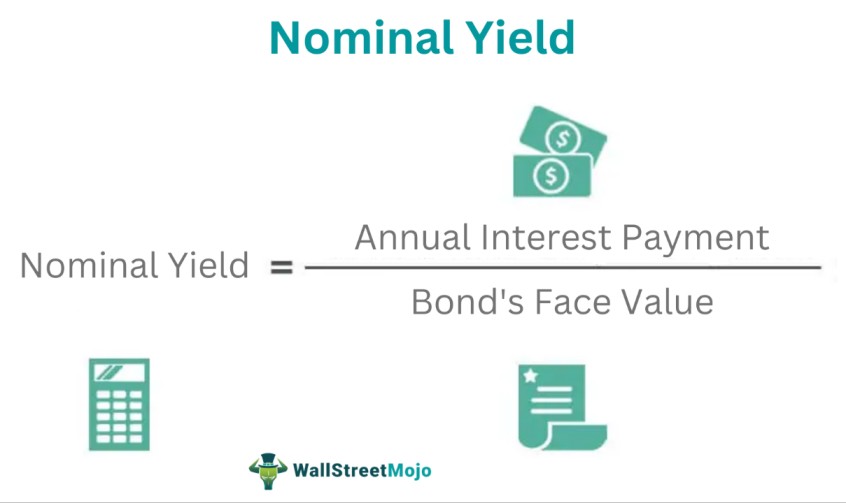
Nominal yield, for most bonds and other fixed-income securities, is simply the yield you see listed online or in newspapers. Most nominal fixed-income yields include some extra yield, an “inflation premium,” that is typically priced/added into the yields to help offset the effects of inflation.

Real yields, such as those for TIPS, don’t have the inflation premium. As a result, nominal yields are typically higher than TIPS yields and other real yields.

COMMENTS APPRECIATED

Like and Subscribe

***

***

MAASTRICHT Treaty

By Staff Reporters

SPONSOR: http://www.MarcinkoAssociates.com

***

***

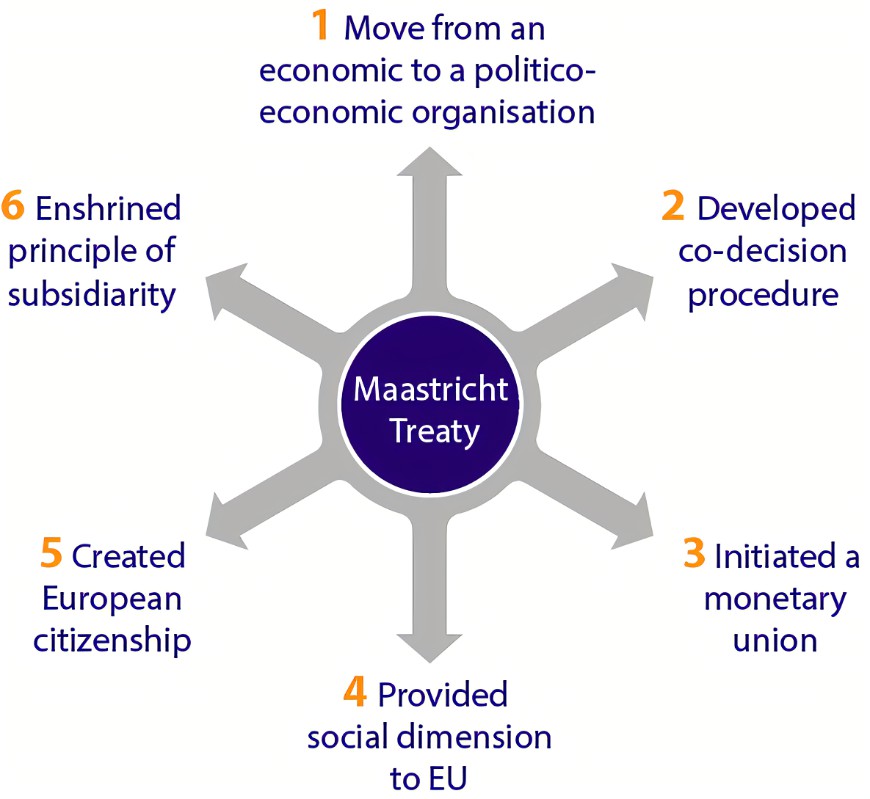
The Maastricht Treaty, signed February 7th, 1992, in Maastricht, the Netherlands, created the European Union (EU) and led to the creation of the euro(€); the single currency adopted by most EU member states.

COMMENTS APPRECIATED

Subscribe and Like

***

***

CHRISTMAS EVE GIFTS: Keeping Up with the Jones

Feeling the Pressure to “Give”

By Rick Kahler MS CFP®

Are you feeling any pressure this Christmas season to give, give, give? Keeping up with the Joneses all year is hard enough. It gets even worse during the holidays, when we feel pressured to keep up, not just with the Joneses, but also with the expectations others, and ourselves, put on Santa Claus.

Some Christmas shoppers overspend on gifts and end up paying off credit card bills for months. Others drive themselves crazy trying to find exactly the right gifts for the right people. Others hate the whole idea of shopping so much that they find it hard to enjoy the season.

If you fit into any of these categories, the cause may be your money scripts. The unconscious beliefs about money that we all hold are especially likely to kick in this time of year. We are surrounded by expectations and pressures about “ideal” holiday celebrations with the perfect gifts, the perfect decorations, and the perfect foods. As a result, we are especially vulnerable to making money decisions blindly in response to beliefs we don’t even realize we hold.

You may be one of those who regularly end up spending significantly more on gifts than you intended to. You may impulsively buy additional, unbudgeted gifts for people you’ve already bought presents for. You may not even try to set holiday spending limits. You may overspend on things for yourself while you’re Christmas shopping.

  • If any of these are true for you, you may have some unconscious beliefs about money that drive you to overspend. See whether any of the following money scripts might fit for you:
  • “The more you spend, the more love you show.”
  • “It takes the joy out of giving if you pinch pennies.”
  • “It’s the season for giving lavishly, not for being a Scrooge.”
  • “If I don’t buy just the right gifts, people won’t like or respect me.”
  • “I need to give my kids more than I got when I was a child.”
  • “More gifts and more spending will make the holidays okay (and make my guilt go away).”
  • “It’s tradition. Everyone expects (whatever) from me.”
  • “I do so much for everyone else; I deserve something for myself, too.”

It’s also possible you may go to the opposite extreme and be a Grinch when it comes to the holidays. If you hate Christmas shopping, grumble about the holiday being so commercialized, and look forward to January, it’s possible you may hold some money scripts that drive you to underspend. Your beliefs may be similar to the following:

  • “It’s wrong to spend money except on necessities.”
  • “You aren’t a spiritual or religious person if you spend too much money.”
  • “Christmas shouldn’t be about money.”
  • “It’s wrong to spend money on luxuries when poor people are suffering.”
  • “It isn’t good for kids to get too much.”
  • “My kids shouldn’t have more than I had when I was a child.”

Christmas Wreath

If you’d like to change some aspects of what you do and how you feel about holiday spending, you may find it useful to take a closer look at your own beliefs about the season. One way to begin this is to quickly write answers (short statements are best) to the following questions: What do I believe about money and each of the following? Christmas? Family celebrations? Presents? Giving? Spending? Receiving?

Assessment

You may uncover some money scripts similar to the ones listed above. Learning why you tend to overspend or under spend this time of year won’t instantly change what you do. Yet understanding what is behind your pattern of holiday spending is an important way to start becoming a more conscious Christmas shopper.

Conclusion

Your thoughts and comments on this ME-P are appreciated. Feel free to review our top-left column, and top-right sidebar materials, links, URLs and related websites, too. Then, subscribe to the ME-P. It is fast, free and secure.

Speaker: If you need a moderator or speaker for an upcoming event, Dr. David E. Marcinko; MBA – Publisher-in-Chief of the Medical Executive-Post – is available for seminar or speaking engagements.

Book Marcinko: https://medicalexecutivepost.com/dr-david-marcinkos-bookings/

Subscribe: MEDICAL EXECUTIVE POST for curated news, essays, opinions and analysis from the public health, economics, finance, marketing, IT, business and policy management ecosystem.

***

Risk Management, Liability Insurance, and Asset Protection Strategies for Doctors and Advisors: Best Practices from Leading Consultants and Certified Medical Planners™8Comprehensive Financial Planning Strategies for Doctors and Advisors: Best Practices from Leading Consultants and Certified Medical Planners™

INVESTMENT PORTFOLIO: More on Year End Mutual Fund “Window Dressing”

***

***

By Steve Selengut

December values may not be what they seem

NOTE: Mr. Selengut is a private investor and a contributing editor to LIFE & Health Advisor. He is the author of the book ‘The Brainwashing of the American Investor: The book that Wall Street does not want you to read.

***

As [physician] investors, and we all are investors these days, it is important that we understand the idiosyncrasies of year-end Stock Market activity. On Wall Street, investing can be a minefield for those who don’t appreciate the non-economic, non-business-model, factors contributing to the market value numbers in fourth quarter brokerage account summaries.

Year end market values may not be what they seem ….

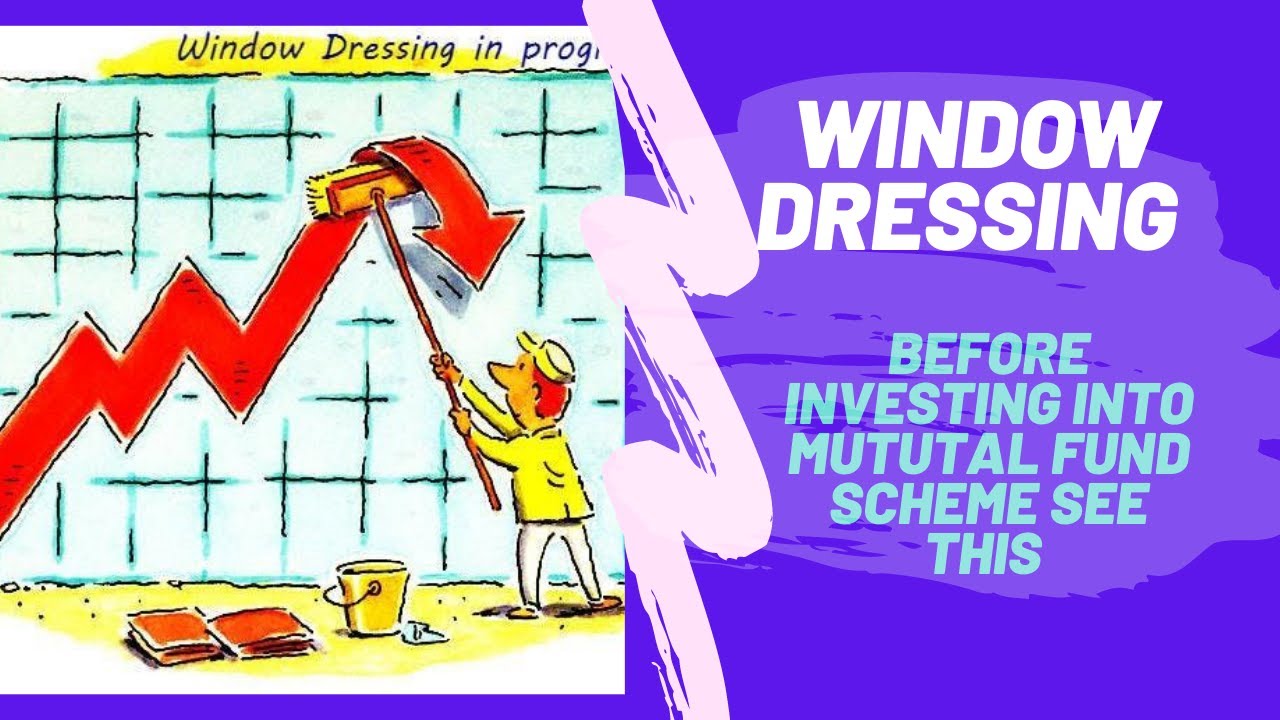
“Portfolio Window Dressing” (PWD) produces security pricing that is more a function of next year’s institutional marketing programs than a reflection of the economic forces that we would like to think are their primary determining factors. Not even close…

Toward the end of every calendar quarter, we hear the financial media report that “institutional PWD activities” are in full swing. But that is as deep as the stories ever go. What are they talking about, and just what does it mean to you as an investor?

***

READ MORE: https://www.lifehealth.com/year-end-portfolio-window-dressing/

***

***
YOUR COMMENTS ARE APPRECIATED.

Thank You

***

PRIMARY MARKETS: Exchange Traded Funds

BY: http://www.MarcinkoAssociates.com

***

***

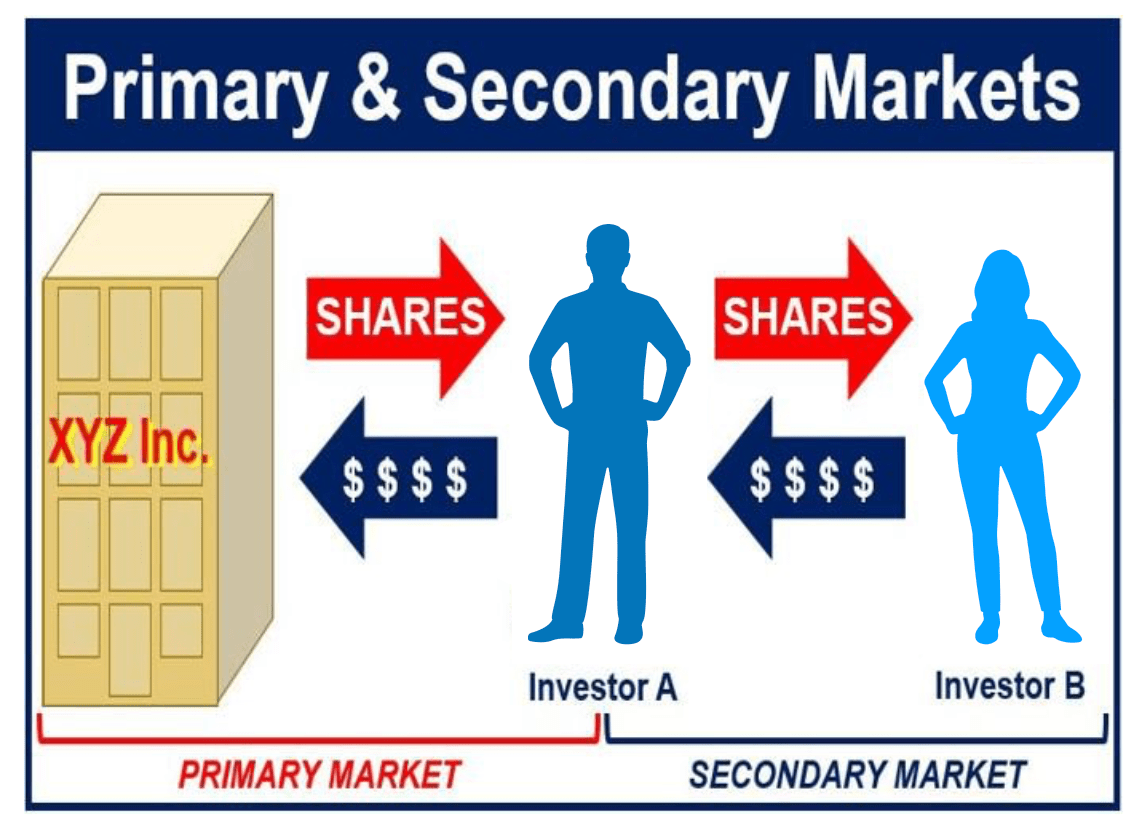
Primary Market: The primary market is also part of the stock market but differs from the secondary market because it only sells newly issued stocks.

Primary Market for Exchange Traded Funds: The primary market is where ETF shares are created and redeemed amongst ETF issuers and authorized participants. This is where the underlying basket of securities that make up an ETF is created. Shares of ETFs are made in large batches called Creation Units—usually 25,000 to 600,000 ETF shares are created at a time through this process.

COMMENTS APPRECIATED

Subscribe and Refer!

***

***

e-BOOKS: For Doctors, Financial Advisors, CPAs, Insurance Agents, Medical Consultants and Health Law Attorneys

By Ann Miller RN MHA CMP

INTRODUCING OUR NEXT GENERATION e-BOOK LIBRARY FROM iMBA, Inc.

An e-book is an electronic or digital book that can be read on a computer or a handheld device.

Our new e-books consists of text, images, and are fixed to a specific spot on the page.

And, our e-books are a data files similar in content and structure to a word-processing document that comes in a PDF format. To use our e-books, you need to purchase and download it to a device that has a .pdf file reader app, such as ADOBE® or similar on a smartphone, tablet or computer. A PDF, also known as a portable document format, is the format most people are familiar with and used in our e-books. PDFs are known for their ease of use and ability to hold custom layouts. They are the most commonly used e-Book formats, especially by professionals and adult-learners.

You can then access the e-book and read it, or highlight pages and even take side notes.

e-Books Save Money

With no manufacturing, printing, binding or shipping costs, e-Books are cheaper than traditional hard or paper back books.The price of each specialized and highly niche focused e-Book [50-100 pages] is only $25, whereas similar paperback printed books of this type generally cost $145, or more!

Payable thru PayPal [3% courtesy surcharge applies].

MORE HERE: https://medicalexecutivepost.com/me-pr-a-new-feature/

COMMENTS APPRECIATED

Thank You

***

STOCK INDEX: Hang Seng

By Staff Reporters

***

***

The Hang Seng Index is a free float-adjusted market capitalization-weighted stock market index and the main indicator of overall market performance in Hong Kong. It launched in 1969.

The Hang Seng Index (HSI) tracks and records daily changes in the largest companies listed on the Hong Kong Stock Exchange and serves as the primary indicator of overall market performance in Hong Kong. Its’ 82 constituent companies represent about 58% of the capitalization of the Hong Kong Stock Exchange.

COMMENTS APPRECIATED

Subscribe and Refer

***

***

FREDDIE MAC: (FHLMC-Federal Home Loan Mortgage Corporation)

By Staff Reporters

***

***

Freddie Mac (FHLMC-Federal Home Loan Mortgage Corporation)

Freddie Mac is a GSE [government-sponsored enterprise] established by Congress. It’s similar to Fannie Mae with a publicly owned corporate structure. (Freddie Mac’s stock (FRE) trades on the New York Stock Exchange.) These two giant GSEs increase liquidity in the U.S. mortgage market by purchasing mortgages from lenders, then typically repackaging (securitizing) the debt and reselling it to investors, helping to create a “secondary” market for mortgages.

The GSEs’ main purpose is to assure that mortgage money is available for borrowers. But they don’t lend money directly. Instead, they purchase mortgages from “primary” lenders like mortgage companies, banks, and credit unions. That allows the primary lenders to replenish their funds and lend more money to home buyers. The GSEs finance their mortgage purchases by issuing mortgage-backed securities (MBS) and other debt instruments (often referred to as agency debt, even though, technically, the GSEs aren’t government agencies). GSE debt is considered to have relatively high credit quality based on its implicit government backing, reinforced by what happened during the Financial Crisis in 2008.

Since Fannie Mae and Freddie Mac were placed into government conservatorship in September 2008, the government has pledged to support any shortfall in the balance sheets of the two GSEs. The U.S. Treasury has said it will ensure that both GSEs can maintain a positive net worth and fulfill all of their financial obligations. This statement of support lends credence to the very high credit ratings of MBS and other debt issued by Fannie and Freddie.

COMMENTS APPRECIATED

Like and Subscribe

***

***

BONDS: Revenue

DEFINITION

By Staff Reporters

SPONSOR: http://www.MarcinkoAssociates.com

***

***

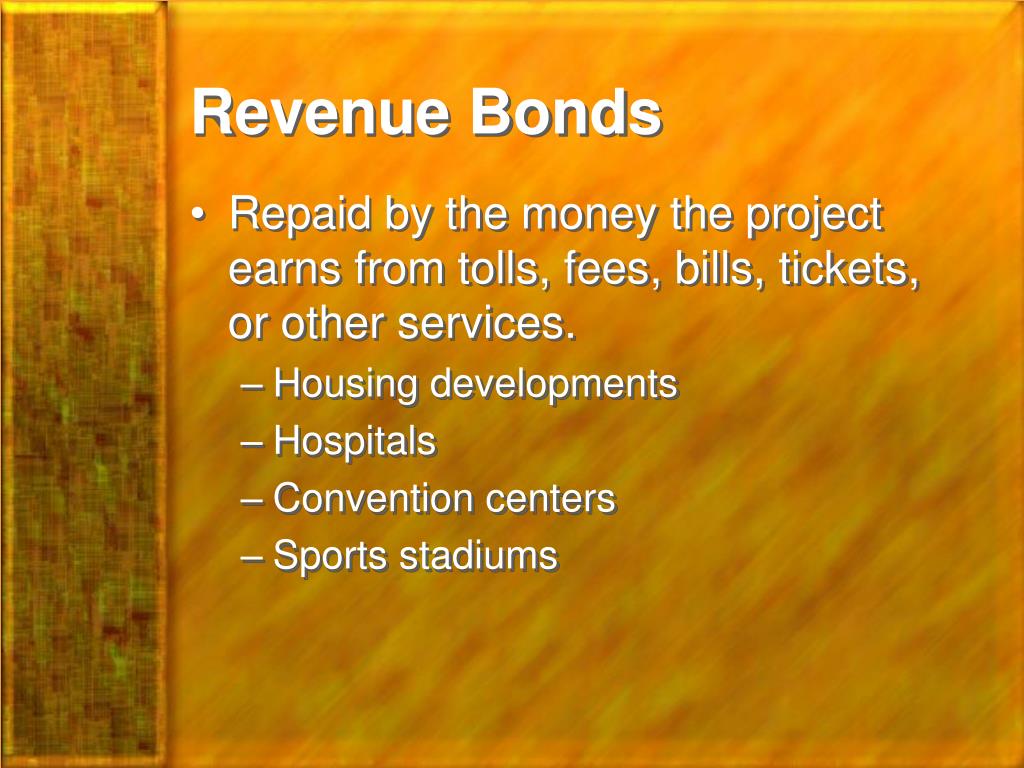
Revenue bonds are one of the biggest sectors in the municipal debt market.

Unlike a general obligation (GO) bond, revenue bonds are not backed by a municipal issuer’s taxing authority. Instead, interest and principal are secured by the net revenues (tolls, fees, or other charges tied to usage) from the project or facility being financed.

Revenue bonds are issued to finance a variety of capital projects, including construction or refurbishment of utility and waste disposal systems, highways, bridges, tunnels, air and seaport facilities, schools and hospitals.

COMMENTS APPRECIATED

Subscribe and Refer

***

***

AUSTERITY: Financial Measures

By Staff Reporters

***

***

Austerity Financial Measures describe official actions (typically taken under duress) by financially challenged governments (those that are under the threat of otherwise not being able to meet all of their obligations to debt holders and other creditors) to reduce the amount of money they spend, freeing more of it for paying off liabilities.

Austerity measures commonly involve deficit cutting, reduced spending, and cuts in government benefits and services provided. They are considered a “necessary evil,” along with revenue-raising measures, for bringing government budgets back into financial balance.

COMMENTS APPRECIATED

Subscribe and Like

***

***

PARADOX: Demographic-Economics

By Staff Reporters

***

***

Demographic-Economics Paradox Definition: A nations or sub-populations with higher GDP per capita are observed to have fewer children, even though a richer population can support more children. Dr. Herwig Birg has called this inverse relationship between income and fertility a “demo-economic paradox”.

Cite: https://www.researchgate.net/profile/Herwig-Birg

Why? Evolutionary biology predicts that more successful individuals (and by analogy countries) should seek to develop optimum conditions for their life and reproduction.

However, in the last half of the 20th century it has become clear that the economic success of developed countries is being counterbalanced by a demographic failure, a sub-replacement fertility that may prove destructive for their future economies and societies.

COMMENTS APPRECIATED

Subscribe and Like

***

***

DAILY UPDATE: Undo Medical Debt, Native American Medical Debt as Stock Markets Plummet and Plunge

MEDICAL EXECUTIVE-POST TODAY’S NEWSLETTER BRIEFING

***

Essays, Opinions and Curated News in Health Economics, Investing, Business, Management and Financial Planning for Physician Entrepreneurs and their Savvy Advisors and Consultants

Serving Almost One Million Doctors, Financial Advisors and Medical Management Consultants Daily

A Partner of the Institute of Medical Business Advisors , Inc.

http://www.MedicalBusinessAdvisors.com

SPONSORED BY: Marcinko & Associates, Inc.

***

http://www.MarcinkoAssociates.com

Daily Update Provided By Staff Reporters Since 2007.
How May We Serve You?
© Copyright Institute of Medical Business Advisors, Inc. All rights reserved. 2025

REFER A COLLEAGUE: MarcinkoAdvisors@outlook.com

SPONSORSHIPS AVAILABLE: https://medicalexecutivepost.com/sponsors/

ADVERTISE ON THE ME-P: https://tinyurl.com/ytb5955z

Your Referral Count -0-

CITE: https://www.r2library.com/Resource

Stat: 23,000. That’s about how many Connecticut residents will get at least part of their medical debt eliminated, thanks to a state partnership with nonprofit organization Undue Medical Debt. (NBC Connecticut)

CITE: https://tinyurl.com/2h47urt5

The stock market plunged on Wednesday after the Federal Reserve scaled back its expectations for interest rate cuts next year.

The Dow Jones Industrial Average fell about 1,100 points, or 2.5%, the largest drop for the index since August. The dip marked the 10th consecutive day of losses for the Dow, its longest losing streak since 1974.

The S&P 500 fell nearly 3%, while the tech-heavy NASDAQ plummeted about 3.5%.

CITE: https://tinyurl.com/tj8smmes

Native American patients are reportedly often billed for healthcare services the government is supposed to pay for, according to an investigation. (KFF Health News)

Visualize: How private equity tangled banks in a web of debt, from the Financial Times.

COMMENTS APPRECIATED

PLEASE SUBSCRIBE: MarcinkoAdvisors@outlook.com

Thank You

***

***

***

***

EDUCATIONAL TEXTBOOKS: https://tinyurl.com/4zdxuuwf

***

CURRENCIES: Carry-Trade Oriented

By Staff Reporters

DEFINITION

SPONSOR: http://www.MarcinkoAssociates.com

***

***

Carry-Oriented Currencies are higher-yielding currencies of countries where interest rates are generally higher than those of countries with lower-yielding currencies.

These higher-yielding currencies are targeted for “carry trades,” where investors borrow money in a low-interest rate currency and invest in a higher yielding currency, potentially profiting from the difference in interest rates.

COMMENTS APPRECIATED

Like and Subscribe!

***

***

DAILY UPDATE: PBMs and Healthcare A.I. as All Major Market Indexes Drop

MEDICAL EXECUTIVE-POST TODAY’S NEWSLETTER BRIEFING

***

Essays, Opinions and Curated News in Health Economics, Investing, Business, Management and Financial Planning for Physician Entrepreneurs and their Savvy Advisors and Consultants

Serving Almost One Million Doctors, Financial Advisors and Medical Management Consultants Daily

A Partner of the Institute of Medical Business Advisors , Inc.

http://www.MedicalBusinessAdvisors.com

SPONSORED BY: Marcinko & Associates, Inc.

***

http://www.MarcinkoAssociates.com

Daily Update Provided By Staff Reporters Since 2007.
How May We Serve You?
© Copyright Institute of Medical Business Advisors, Inc. All rights reserved. 2024

REFER A COLLEAGUE: MarcinkoAdvisors@msn.com

SPONSORSHIPS AVAILABLE: https://medicalexecutivepost.com/sponsors/

ADVERTISE ON THE ME-P: https://tinyurl.com/ytb5955z

Your Referral Count -0-

Stat: 97%. That’s how many healthcare leaders think A.I. will become important in healthcare over the next five years.

***

Pharmacy benefit managers (PBMs) are once again under pressure from federal leaders. A group of Democratic and Republican congresspeople proposed legislation that would attempt to prevent pharmacies from also owning PBMs. The three largest PBMs—CVS Health’s Caremark, Cigna’s Express Scripts, and UnitedHealth Group’s Optum Rx—currently operate pharmacies and administer more than 80% of the prescriptions in the US, and officials have linked this practice to drug price increases.

CITE: https://tinyurl.com/2h47urt5

US stocks fell across the board on Tuesday, with the Dow logging its biggest losing streak in 46 years. The Dow Jones Industrial Average (^DJI) finished the session down roughly 0.6%, registering its ninth straight day of losses. The last 9-day losing streak for the Dow was Feb. 1978. Prior to that, the index suffered an 11-day losing streak in 1974 and another in 1971.

The other major indexes dropped in tandem on Tuesday, with the benchmark S&P 500 (^GSPC) falling around 0.4% and the NASDAQ Composite (^IXIC) losing about 0.3% after the tech-heavy index closed at a record high on Monday.

CITE: https://tinyurl.com/tj8smmes

Visualize: How private equity tangled banks in a web of debt, from the Financial Times.

COMMENTS APPRECIATED

PLEASE SUBSCRIBE: MarcinkoAdvisors@msn.com

Thank You

***

***

***

***

EDUCATIONAL TEXTBOOKS: https://tinyurl.com/4zdxuuwf

***

BBD: The Buy-Borrow-Die Tax Strategy for Physicians

DR. DAVID EDWARD MARCINKO MBA MEd

By Staff Reporters

SPONSOR: http://www.MarcinkoAssociates.com

***

***

Here’s how the Buy, Borrow, Die strategy works step-by-step:

Step 1. Buy Assets

This step, broadly known as the accumulation phase, is about acquiring or creating valuable assets. It’s the most critical step taken by wealthy individuals to secure their wealth. Billionaires, for instance, often created startups that eventually turned into massive corporations. The asset here is the company they’ve established.

However, this isn’t the only way to accumulate assets. For professionals like doctors and lawyers, this phase involves securing a high-paying job and buying assets that have the potential to appreciate over time—like stocks, real estate, and private capital. Once an individual reaches a substantial level of wealth, they can leverage these assets in interesting ways using the next step of this strategy. 

Step 2. Borrow Against Your Assets

This where the assets you’ve acquired are used as collateral to borrow money—all without triggering a taxable event.

Suppose you’ve got a robust stock portfolio. You can then take out a Securities Backed Line of Credit (SBLOC). This kind of loan lets you tap into the value of your portfolio without having to sell off any assets and subsequently paying capital gains taxes. What makes SBLOCs attractive to lenders is the relative ease with which the securities can be seized and sold, making them a low-risk lending option.

The ceiling for such a loan is usually around 50% of your portfolio’s value. However, we often caution against borrowing more than 25% of your account balance, especially for long-term loans. This will provide a cushion against stock market volatility, much like what we experienced in 2022 and 2023.

Borrowing against assets isn’t limited to stock portfolios either. Let’s say you own a home and have built up a certain amount of equity in it. You could opt for a Home Equity Line of Credit (HELOC), using your home as collateral. Banks tend to favor real estate-backed loans due to their stability compared to the fluctuating value of stocks.

Step 3. Die and Pass Your Wealth On

The final step in the strategy is where the proverbial tax baton is handed off to the next generation.

Under the existing tax code, when you pass away, your heirs receive a “stepped-up basis” on the assets they inherit from you. This means that their cost basis—the original amount paid for an asset—is stepped up to the market value of the asset at the time of your death. Meaning once you have passed away, your heirs would be able to sell the assets without having to pay taxes on the capital gain. Imagine you had purchased a building 20 years ago for $1 million and over the years, the value of that building increased to $2.5 million. If you were to pass away at this point, your heirs would inherit the building with the stepped-up cost basis of $2.5 million. This implies that if they decide to sell the property at this valuation, they wouldn’t owe any capital gains tax. This is because for tax purposes, their gain is calculated from the $2.5 million, not the original $1 million.

By utilizing this loophole, families can pass on their wealth without incurring a hefty tax bill. This is why many wealthy families set up trusts – it’s a way to manage and pass on their wealth at a stepped-up cost basis.

COMMENTS APPRECIATED

Subscribe and Refer

***

***

ACTIVE: Transparent Exchange Traded Funds

DEFINITION

SPONSOR: http://www.MarcinkoAssociates.com

By Staff Reporters

***

***

Active transparent ETFs: Daily disclosure of portfolio holdings is an attribute of traditional index-based Exchange Traded Funds (ETFs).

Active transparent exchange traded funds are actively managed by a portfolio manager or team of managers. As with index-based ETFs, their portfolio holdings are disclosed daily.

COMMENTS APPRECIATED

Subscribe and Like

***

***

EXPECTED: Breakeven Inflation Rate

Measure of Expected Inflation

By Staff Reporters

SPONSOR: http://www.MarcinkoAssociates.com

***

***

The breakeven inflation rate is the difference between the nominal yield (usually the market yield, which includes an inflation premium) on a fixed-income investment and the real yield (with no inflation premium) on an inflation-linked investment of similar maturity and credit quality.

So, if inflation averages more than the breakeven rate, the inflation-linked investment will outperform the investment with the nominal yield.

Conversely, if inflation averages below the breakeven rate, the investment with the nominal yield will outperform the inflation-linked investment.

Breakeven inflation rates are also considered useful measures of inflation expectations—higher breakeven rates represent higher inflation expectations (and higher relative prices for inflation-linked investments), while lower breakeven rates represent lower inflation expectations (and lower relative prices for inflation-linked investments).

Therefore, ideally, investors want to purchase inflation-linked investments when breakeven rates are relatively low because that’s typically when prices are also relatively low.

COMMENTS APPRECIATED

Thank You

***

***

COMMODITIES: Futures and Intensity Types

By Staff Reporters

SPONSOR: http://www.MarcinkoAssociates.com

DEFINITIONS

***

***

Commodities: Commodities are raw materials or primary agricultural products that can be bought or sold on an exchange or market. Examples include grains such as corn, foods such as coffee, and metals such as copper.

Commodity Futures: Agreements to buy or sell a specific amount of a commodity or financial instrument at a particular price on a stipulated future date related to basic raw materials such as precious metals and natural resources.

Commodity Intensity: Commodity intensity refers to commodity usage per unit of economic growth. An emerging, more manufacturing-based economy will usually be more commodity intensive in terms of its growth than will a more developed, service-oriented economy.

COMMENTS APPRECIATED

Thank You

***

***

FINANCIAL: Rule of 20 Defined

A Dimensionless Number

By Staff Reporters

SPONSOR: http://www.MarcinkoAssociates.com

***

***

What is the Rule of 20?

The Rule of 20 is a dimensionless number that adds the current 12-month trailing Price to Earnings Ratio to the annual change in an index of the annual consumer inflation rate. A reading below 20, while a market is trending lower, means that we could be near a bottom.

In the United States, the most common index used is the broad-based S&P 500, and CPI-U is used as a proxy for inflation.

The Rule of 20 is purportedly a rule from Peter Lynch. In chapter 39 of Graham and Dodd’s seminal Security Analysis, they mention: “We would suggest that about 20 times average earnings is as high a price as can be paid in an investment purchase of a common stock” … with no mention of inflation.

Lynch’s formulation attempts to factor the ‘gravity’ of interest rates into the fair value of a stock. And, as you can see, the measure has fluctuated quite a bit. However, it has returned to roughly the 20 level repeatedly.

MORE: https://dqydj.com/sp-500-rule-of-20-calculator/

COMMENTS APPRECIATED

Subscribe and Like!

***

***

MERCHANT: Cash Advance Loans

DEFINITION

By Staff Reporters

***

***

A Merchant Cash Advance is a specific type of convoluted financial agreement that lets the issuer bypass laws that limit interest rates on business loans. They are almost always targeted toward companies in dire financial straits that have nowhere else to turn to in order to get loans.

These loans have most often been compared to the business equivalent of a payday lender. 

COMMENTS APPRECIATED

Subscribe and Refer

***

***

SEC: 30 Day Yield and 52 Week Stock Drawdown Price

By Staff Reporters

SPONSOR: http://www.MarcinkoAssociates.com

***

***

The 30-Day SEC Yield represents net investment income earned by a fund over a 30-day period, expressed as an annual percentage rate based on the fund’s share price at the end of the 30-day period. The SEC Yield should be regarded as an estimate of the fund’s rate of investment income, and it may not equal the fund’s actual income distribution rate, the income paid to a shareholder’s account, or the income reported in the fund’s financial statements.

The 52-Week Drawdown is the lowest price at which a security, such as a stock, has traded during the previous 52 weeks

COMMENTS APPRECIATED

Like and Subscribe Today!

***

***

CMO: Collateralized Mortgage Obligations

By Staff Reporters

SPONSOR: http://www.MarcinkoAssociates.com

***

***

Collateralized Mortgage Obligations (CMOs) are a form of securitized debt derived from mortgage-backed securities. It’s a form of derivative security. Like most MBS pass-through securities, CMOs are typically backed by pools of residential mortgages and their payments. But not all investors want to receive the monthly payments of principal and interest that “plain vanilla” MBS pass-throughs offer–some prefer just the principal, some prefer just the interest, or some want payments with other particular/special characteristics.

For them, the cash flows from MBS can be pooled and structured into many classes of CMOs with different maturities and payment schedules, creating securities with very specific characteristics and behaviors. These characteristics and behaviors can vary widely. Some CMOs can offer less risk than “plain-vanilla” MBS, or can help offset other forms of risk in a diversified portfolio, but others can be much more volatile.

CMOs typically have two or more bond classes, called tranches. Each tranche has its own expected maturity and cash flow pattern. The unique cash flow patterns of each CMO tranche allow investors to tailor their mortgage exposure to meet a range of investment objectives, since different classes can have different risk/return characteristics.

COMMENTS APPRECIATED

Thank You

***

***

DEFINED: Public Benefit Corporations

By Staff Reporters

***

***

What Is a Public Benefit Corporation?

A benefit corporation—also known as a B Corporation—has shareholders who own the company, unlike a non-profit. So making money is the point, just not the whole point.

While non-profits (or not-for-profits) serve a public benefit and don’t make any profits, benefit corporations want to make money while still serving a greater purpose than itself “and a desire for the corporation to help make the world a better place,” according to Rick Bell of Harvard Business Services.

COMMENTS APPRECIATED

Subscribe and Refer

***

***

DAILY UPDATE: Stock Markets Slide

MEDICAL EXECUTIVE-POST TODAY’S NEWSLETTER BRIEFING

FRIDAY 13th = Triskaidekaphobia

***

Essays, Opinions and Curated News in Health Economics, Investing, Business, Management and Financial Planning for Physician Entrepreneurs and their Savvy Advisors and Consultants

Serving Almost One Million Doctors, Financial Advisors and Medical Management Consultants Daily

A Partner of the Institute of Medical Business Advisors , Inc.

http://www.MedicalBusinessAdvisors.com

SPONSORED BY: Marcinko & Associates, Inc.

***

http://www.MarcinkoAssociates.com

Daily Update Provided By Staff Reporters Since 2007.
How May We Serve You?
© Copyright Institute of Medical Business Advisors, Inc. All rights reserved. 2024

REFER A COLLEAGUE: MarcinkoAdvisors@Outlook.com

SPONSORSHIPS AVAILABLE: https://medicalexecutivepost.com/sponsors/

ADVERTISE ON THE ME-P: https://tinyurl.com/ytb5955z

Your Referral Count -0-

CITE: https://www.r2library.com/Resource

The Dow Jones Industrial Average (^DJI) was down and the S&P 500 (^GSPC) were both about 0.5%. The tech-heavy NASDAQ Composite (^IXIC) fell roughly 0.6% while shares of Apple (AAPL) rallied less than 1% to close at a record high.

In bonds, the 10-year Treasury yield (^TNX) added 5 basis points to hit 4.32%, its highest closing level since November 22nd.

CITE: https://tinyurl.com/2h47urt5

On a day where President-elect Donald Trump rang the opening bell at the New York Stock Exchange, Wall Street failed to build on a furious rally that has picked up steam after his election win. In focus was fresh inflation data, which helped cast doubt on investor confidence for the path of interest rates ahead.

CITE: https://tinyurl.com/tj8smmes

Visualize: How private equity tangled banks in a web of debt, from the Financial Times.

COMMENTS APPRECIATED

PLEASE SUBSCRIBE: MarcinkoAdvisors@outlook.com

Thank You

***

***

***

EDUCATIONAL TEXTBOOKS: https://tinyurl.com/4zdxuuwf

PHYSICIAN CREDIT: Ratings, Scoring, Errors and Repair Services

ALMOST ALL ABOUT CREDIT

By Staff Reporters

***

***

Credit Rating and Scoring

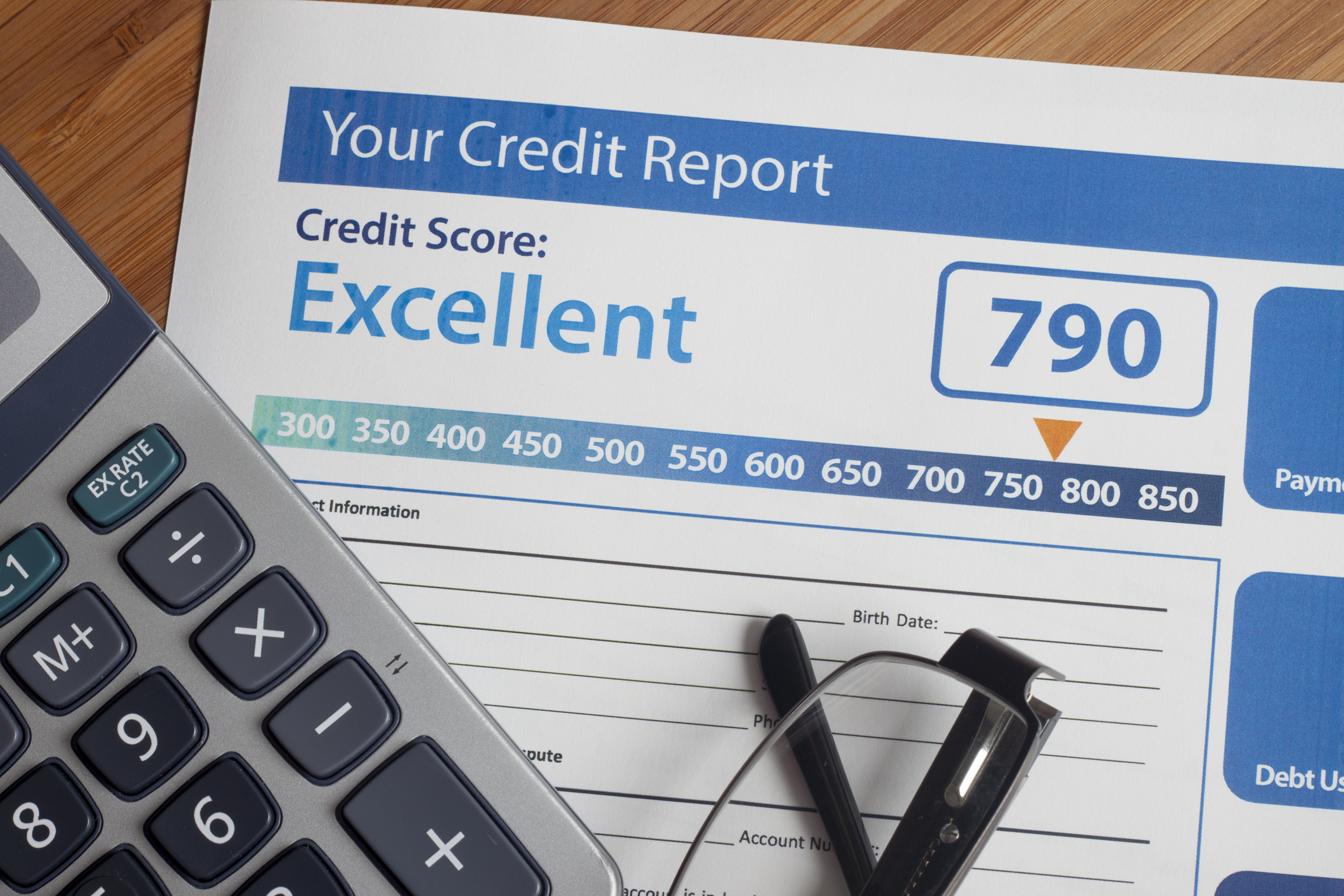
The category in which a credit agency classifies you is based upon payment history.  Recently, credit reporting agencies have shifted away from ratings to a system known as credit scoring. Your score is determined by proprietary formulas that are based on your credit history, the higher the better. The practical benefits of this scoring system are numerous.

First, medical professionals do not need to be experts at deciphering credit reports since the same scoring system is used by many different companies.

Correcting Credit Report Errors

A credit bureau is not the place to get an item to be fixed on your credit report. Rather, you must take it up directly with the credit issuer. In any case, a late payment noted on a credit report by a durable medical equipment vendor, for example, has to be addressed directly with that merchant. The DME merchant then has 30 days to acknowledge your complaint and respond to you. In the meantime, you do not have to pay for the disputed items.  Most credit errors cannot be reported or kept on your credit report for more than seven years.

For legitimate late payments you should contact the credit grantor and negotiate to take one of the following steps. Be tenacious, and either remove the late payment or write a letter explaining that the problem has been resolved and you now are a good credit risk again. This letter is a powerful tool and should be saved with other permanent financial records. The industry term for it is a letter of correction.

Credit Repair Services

Credit repair services are oversold and their claims tend to be exaggerated. They do not have an inside track to the consumer reporting agencies.  Good credit repair services are experienced in communicating with creditors and can help with legitimate repairs.  They cannot restore your credit rating or your good name. 

However, realize that with some time and effort you can accomplish the same results yourself.

CITE: https://www.r2library.com/Resource/Title/0826102549

COMMENTS APPRECIATED

Please Like, Refer and Subscribe!

***

***