BOARD CERTIFICATION EXAM STUDY GUIDES Lower Extremity Trauma
[Click on Image to Enlarge]
ME-P Free Advertising Consultation
The “Medical Executive-Post” is about connecting doctors, health care executives and modern consulting advisors. It’s about free-enterprise, business, practice, policy, personal financial planning and wealth building capitalism. We have an attitude that’s independent, outspoken, intelligent and so Next-Gen; often edgy, usually controversial. And, our consultants “got fly”, just like U. Read it! Write it! Post it! “Medical Executive-Post”. Call or email us for your FREE advertising and sales consultation TODAY [678.779.8597] Email: MarcinkoAdvisors@outlook.com
Medical & Surgical e-Consent Forms
ePodiatryConsentForms.com
iMBA Inc., OFFICES
Suite #5901 Wilbanks Drive, Norcross, Georgia, 30092 USA [1.678.779.8597]. Our location is real and we are now virtually enabled to assist new long distance clients and out-of-town colleagues.
ME-P Publishing
SEEKING INDUSTRY INFO PARTNERS?
If you want the opportunity to work with leading health care industry insiders, innovators and watchers, the “ME-P” may be right for you? We are unbiased and operate at the nexus of theoretical and applied R&D. Collaborate with us and you’ll put your brand in front of a smart & tightly focused demographic; one at the forefront of our emerging healthcare free marketplace of informed and professional “movers and shakers.” Our Ad Rate Card is available upon request [678-779-8597].
For many people, renting a home or apartment feels like a temporary or transitional stage, something less permanent than homeownership and therefore less in need of formal protection. Yet this assumption often leads renters to overlook one of the most important safeguards available to them: renter’s insurance. While landlords typically carry insurance for the building itself, that coverage does not extend to a tenant’s personal belongings or liability. Renter’s insurance fills that gap, offering a surprisingly robust layer of protection at a relatively low cost. Understanding what renter’s insurance covers, how it works, and why it matters can help renters make informed decisions that protect their financial stability and peace of mind.
At its core, renter’s insurance is designed to protect personal property. Many renters underestimate the value of their belongings, assuming that they do not own enough to justify insurance. But when you add up the cost of furniture, electronics, clothing, kitchenware, and other essentials, the total value can easily reach several thousands of dollars. A single fire, burst pipe, or break‑in could wipe out years of accumulated possessions. Renter’s insurance provides reimbursement for these losses, allowing tenants to replace what was damaged or stolen without bearing the full financial burden. Policies typically cover a wide range of events, including theft, vandalism, smoke damage, and certain types of water damage. For renters who rely on their belongings for work or daily living, this protection can be invaluable.
Another major component of renter’s insurance is liability coverage. This aspect of the policy protects renters if they are found legally responsible for injuries or property damage that occur within their rented space. For example, if a guest slips on a wet floor and suffers an injury, the renter could be held liable for medical expenses or legal fees. Without insurance, these costs could be financially devastating. Liability coverage also extends to accidental damage caused by the renter to someone else’s property. Even a small mishap—like a kitchen fire that spreads to a neighboring unit—can result in significant costs. Renter’s insurance helps shield tenants from these unexpected financial risks, offering a safety net that many people do not realize they need until it is too late.
A lesser‑known but highly valuable feature of renter’s insurance is coverage for additional living expenses. If a rental unit becomes uninhabitable due to a covered event, such as a fire or severe water damage, the policy can help pay for temporary housing, meals, and other necessary expenses. This benefit ensures that renters are not left scrambling for a place to stay or forced to pay out‑of‑pocket for hotel rooms while repairs are underway. In moments of crisis, having this support can make a significant difference in maintaining stability and reducing stress.
One of the most compelling aspects of renter’s insurance is its affordability. Compared to other types of insurance, premiums for renter’s policies are generally low, often costing less per month than a typical streaming subscription. This affordability makes it accessible to a wide range of renters, including students, young professionals, and families. The relatively small investment can yield substantial financial protection, making renter’s insurance one of the most cost‑effective forms of coverage available. For many renters, the peace of mind alone is worth the modest monthly expense.
***
***
Despite its benefits, renter’s insurance remains underutilized. Some renters assume that their landlord’s insurance will cover their belongings, not realizing that the landlord’s policy only protects the building structure. Others believe that their possessions are not valuable enough to insure, or they simply have not taken the time to explore their options. Education plays a key role in addressing these misconceptions. When renters understand what is at stake and how renter’s insurance works, they are more likely to recognize its importance and take steps to protect themselves.
Choosing the right renter’s insurance policy involves evaluating personal needs and understanding the different types of coverage available. One important decision is whether to select actual cash value coverage or replacement cost coverage. Actual cash value policies reimburse the depreciated value of items, while replacement cost policies cover the cost of buying new items at current prices. Although replacement cost coverage is typically more expensive, it often provides more meaningful protection, especially for essential items like electronics or furniture. Renters should also consider the policy’s deductible, coverage limits, and any optional add‑ons that may be relevant to their situation.
Ultimately, renter’s insurance is about more than protecting belongings; it is about safeguarding financial well‑being and creating a sense of security. Life is unpredictable, and even the most careful renter cannot control every circumstance. Whether it is a break‑in, a kitchen accident, or a burst pipe, unexpected events can disrupt daily life and lead to significant expenses. Renter’s insurance offers a practical, affordable way to prepare for these possibilities. By investing in a policy, renters take an important step toward protecting themselves, their possessions, and their future stability.
SPEAKING: Dr. Marcinko will be speaking and lecturing, signing and opining, teaching and preaching, storming and performing at many locations throughout the USA this year! His tour of witty and serious pontifications may be scheduled on a planned or ad-hoc basis; for public or private meetings and gatherings; formally, informally, or over lunch or dinner. All medical societies, financial advisory firms or Broker-Dealers are encouraged to submit an RFP for speaking engagements: CONTACT: Ann Miller RN MHA at MarcinkoAdvisors@outlook.com -OR-http://www.MarcinkoAssociates.com
Physicians are entrepreneurial by nature and take great pride in the creation of their businesses. Market pressures are motivating physicians to be proactive and to make informed decisions concerning the future of their businesses. The decision to sell, buy or merge while often financially driven and is inherently an emotional one. Other economic reasons for a practice valuation include changes in ownership, determining insurance coverage for a practice buy-sell agreement or upon a physician owners death, establishing stock options, or bringing in a new partner.
Practice appraisals are also used for legal reasons such as divorce, bankruptcy, breach of contract and minority shareholder complaints. In 2002, the Financial Accounting Standards Board (FASB) issued rules that required certain intangible assets to be valued, such as goodwill. This may be important for practices seeking start-up, service segmentation extensions, or operational funding.
Estate Planning is another reasons for a medical practice appraisal and the considerations that go along with it are discussed here.
***
***
Estate Planning
Medical practice valuation may be required for estate planning purposes. For a decedent physician with a gross estate of more than $1 million, his or her assets must be reported at fair market value on an estate tax return. If lifetime gifts of a medial practice business interest are made, it is generally wise to obtain an appraisal and attach it to the gift tax return.
Note that when a “closely-held” level of value (in contrast to “freely traded,” “marketable,” or “publicly traded” level) is sought, the valuation consultant may need to make adjustments to the results. There are inherent risks relative to the liquidity of investments in closely held, non-public companies (e.g., medical group practice) that are not relevant to the investment in companies whose shares are publicly traded (freely-traded). Investors in closely-held companies do not have the ability to dispose of an invested interest quickly if the situation is called for, and this relative lack of liquidity of ownership in a closely held company is accompanied by risks and costs associated with the selling of an interest said company (i.e., locating a buyer, negotiation of terms, advisor/broker fees, risk of exposure to the market, etc.).
Conversely, investors in the stock market are most often able to sell their interest in a publicly traded company within hours and receive cash proceeds in a few days. Accordingly, a discount may be applicable to the value of a closely held company due to the inherent illiquidity of the investment. Such a discount is commonly referred to as a “discount for lack of marketability.”
Discount for lack of marketability is typically discussed in three categories: (1) transactions involving restricted stock of publicly traded companies; (2) private transactions of companies prior to their initial public offering (IPO); and, (3) an analysis and comparison of the price to earnings (P/E) ratios of acquisitions of public and private companies respectively published in the “Mergerstat Review Study.”
With a non-controlling interest, in which the holder cannot solely authorize and cannot solely prevent corporate actions (in contrast to a controlling interest), a “discount for lack of control,” (DLOC), may be appropriate. In contrast, a control premium may be applicable to a controlling interest. A control premium is an increase to the pro rata share of the value of the business that reflects the impact on value inherent in the management and financial power that can be exercised by the holders of a control interest of the business (usually the majority holders).
Conversely, a discount for lack of control or minority discount is the reduction from the pro rata share of the value of the business as a whole that reflects the impact on value of the absence or diminution of control that can be exercised by the holders of a subject interest.
Several empirical studies have been done to attempt to quantify DLOC from its antithesis, control premiums. The studies include the Mergerstat Review, an annual series study of the premium paid by investors for controlling interest in publicly traded stock, and the Control Premium Study, a quarterly series study that compiles control premiums of publicly traded stocks by attempting to eliminate the possible distortion caused by speculation of a deal.
SPEAKING: Dr. Marcinko will be speaking and lecturing, signing and opining, teaching and preaching, storming and performing at many locations throughout the USA this year! His tour of witty and serious pontifications may be scheduled on a planned or ad-hoc basis; for public or private meetings and gatherings; formally, informally, or over lunch or dinner. All medical societies, financial advisory firms or Broker-Dealers are encouraged to submit an RFP for speaking engagements: CONTACT: Ann Miller RN MHA at MarcinkoAdvisors@outlook.com -OR-http://www.MarcinkoAssociates.com
Posted on January 24, 2026 by Dr. David Edward Marcinko MBA MEd CMP™
By Staff Reporters.
***
***
A fake job or ghost job is a scam job posting for a non-existent or already filled position. A scam is a dishonest scheme to gain money or possessions from someone fraudulently, especially a complex or prolonged one.
Due to current economic conditions in 2025, there’s been a rise in scams related to job postings and financial relief offers, preying on people’s financial insecurities. Keep your wits about you and be wary of potential fraud in seemingly legitimate opportunities.
For example, an employer may post fake job opening listings for many reasons such as inflating statistics about their industries, protecting the company from discrimination lawsuits, fulfilling requirements by human-resources departments, identifying potentially promising recruits for future hiring, pacifying existing employees that the company is looking for extra help, or retaining desirable employees. They may also use this strategy to gather information regarding their competitors’ wages. And, there is a rising trend in employers promising remote work as “bait,” and it underscores the relative power of the employers in the job market.
GHOST NURSING: The 1982 Movie
A young woman nanny plagued with bad luck travels to Thailand to visit a friend. There, her friend suggests a visit to a sorcerer, which results in her adopting a child ghost/demon who begins to protect her, but matters soon go awry.
Impact on the Healthcare Field
This is not a 44 year old science-fiction movie. Medicine and the healthcare industry isn’t immune to the ghost job phantom trend. Some contingent labor or medical staffing agencies lack ethics and post jobs solely to bolster their database, without any intention of filling those roles. This deceptive practice misleads job seekers and wastes their time, further eroding trust in the hiring process.
If you are a nanny or caregiver, you may have your services listed on an online job site. While this is a great way to find work, it can also open you to ghost scams. One phone scam is to send you an offer of employment. The “employer” sends you a check, and asks you to send them some money to buy assistive care items needed for the job. However, the person you are talking to isn’t really interested in you. After you’ve sent the money, the check will bounce and the “employer” will ghost you and disappear. Not only do you not really have a job, you just sent money to a ghost scammer and will not be reimbursed.
Impact on the Finance Field
In finance, ghost jobs can appear for various reasons, such as companies wanting to gauge the labor market, fulfill internal posting policies, or maintain a pool of potential candidates. Consulting roles, including those in financial planning, have seen an increase in ghost jobs, with some firms keeping listings open despite slowing hiring activity. The IRS will never ghost call, but your bank might, which makes it harder to figure out if it’s the real deal; or a ghost scam. Plus, it makes sense that your bank would need to confirm your identity to protect your account. If your bank calls and asks you to confirm if transactions are legitimate, feel free to give a yes or no. But don’t give up any more information than that, says Adam Levin, founder of global identity protection and data risk services firm CyberScout and author of Swiped: How to Protect Yourself in a World Full of Scammers, Phishers, and Identity Thieves. Some scammers rattle off your credit card number and expiration date, then ask you to say your security code as confirmation, he says. Others will claim they froze your credit card because you might be a fraud victim, then ask for your Social Security number.
If someone claiming to be your accountant, insurance agent or financial advisor calls and says you have a computer problem with them, just say no and hang up. No one is ‘watching’ your computer for signs of a virus. And, those scammers won’t fix the problem—they’ll make it worse by installing malware or stealing your account information or even money.
Promoters of cryptocurrency and other investments use complex schemes, often enhanced through deepfake videos or AI-manipulated audio, to lend credibility. According to the FBI’s Internet Crime Complaint Center (IC3), victims reported an estimated $3.9 billion in losses from investment fraud in 2024. Promises of “guaranteed returns” or requests for money transfers via crypto wallets are warning signs.
Many targets lack experience in crypto markets, amplifying risk. Do thorough research, consult official resources (like SEC.gov), and use licensed platforms if investing. Treat “sure thing” tips and unsolicited offers as red flags.
***
The Medical Executive-Post is a news and information aggregator and social media professional network for medical and financial service professionals. Feel free to submit education content to the site as well as links, text posts, images, opinions and videos which are then voted up or down by other members. Comments and dialog are especially welcomed. Daily posts are organized by subject. ME-P administrators moderate the activity. Moderation may also conducted by community-specific moderators who are unpaid volunteers.
Posted on November 17, 2025 by Dr. David Edward Marcinko MBA MEd CMP™
By Dr. David Edward Marcinko MBA MEd
***
***
Retirement planning has evolved significantly over the past several decades, with employers and employees seeking solutions that balance security, flexibility, and predictability. Among the various retirement plan options available today, cash balance plans stand out as a hybrid design that combines features of both traditional defined benefit pensions and defined contribution plans. Their unique structure makes them an attractive choice for employers aiming to provide meaningful retirement benefits while maintaining financial predictability.
At their core, cash balance plans are a type of defined benefit plan. Unlike traditional pensions, which promise retirees a monthly income based on years of service and final salary, cash balance plans define the benefit in terms of a hypothetical account balance. Each participant’s account grows annually through two components: a “pay credit” and an “interest credit.” The pay credit is typically a percentage of the employee’s salary or a flat dollar amount, while the interest credit is either a fixed rate or tied to an index such as U.S. Treasury yields. Although the account is hypothetical—meaning the funds are not actually segregated for each employee—the structure provides participants with a clear, understandable statement of their retirement benefit.
One of the primary advantages of cash balance plans is their transparency. Employees can easily track the growth of their account balance, much like they would with a 401(k). This clarity helps workers better understand the value of their retirement benefits and fosters a sense of ownership. Additionally, cash balance plans are portable: when employees leave a company, they can roll over the vested balance into an IRA or another qualified plan, ensuring continuity in retirement savings.
***
***
From the employer’s perspective, cash balance plans offer several benefits as well. Traditional pensions often create unpredictable liabilities, as they depend on factors such as longevity and investment performance. Cash balance plans, by contrast, provide more predictable costs because the employer commits to specific pay and interest credits. This predictability makes them easier to manage and budget for, particularly in industries where workforce mobility is high. Moreover, cash balance plans can be designed to reward long-term employees while still appealing to younger workers who value portability.
Despite these advantages, cash balance plans are not without challenges. Because they are defined benefit plans, employers bear the investment risk and must ensure the plan is adequately funded. Regulatory requirements, including nondiscrimination testing and funding rules, add complexity and administrative costs. Additionally, while cash balance plans are generally more equitable across generations of workers, transitions from traditional pensions to cash balance designs have sometimes sparked controversy, particularly among older employees who may perceive a reduction in benefits.
In recent years, cash balance plans have gained popularity among professional firms, such as law practices and medical groups, as well as small businesses seeking tax-efficient retirement solutions. These plans allow owners and highly compensated employees to accumulate larger retirement savings than would be possible under defined contribution limits, while still providing benefits to rank-and-file workers. As such, they serve as a valuable tool for both talent retention and financial planning.
SPEAKING: Dr. Marcinko will be speaking and lecturing, signing and opining, teaching and preaching, storming and performing at many locations throughout the USA this year! His tour of witty and serious pontifications may be scheduled on a planned or ad-hoc basis; for public or private meetings and gatherings; formally, informally, or over lunch or dinner. All medical societies, financial advisory firms or Broker-Dealers are encouraged to submit an RFP for speaking engagements: CONTACT: Ann Miller RN MHA at MarcinkoAdvisors@outlook.com -OR-http://www.MarcinkoAssociates.com
Posted on November 13, 2025 by Dr. David Edward Marcinko MBA MEd CMP™
By Dr. David Edward Marcinko MBA MEd
***
***
For generations, the prevailing belief in healthcare has been that physicians [MD, DO and DPM], with their high salaries and prestige, inevitably retire wealthier than nurses. Yet this assumption overlooks the financial realities of different nursing specialties and the long‑term impact of debt, lifestyle, and retirement planning. In fact, some Registered Nurses (RNs)—particularly Certified Registered Nurse Anesthetists (CRNAs), visiting nurses, and those who participate in structured pay programs like the Baylor plan—can retire richer than physicians. The reasons lie in the interplay of education costs, career flexibility, income potential, and disciplined financial planning.
Education Costs and Debt Burden
One of the most decisive factors shaping retirement wealth is the cost of education. Physicians often spend over a decade in training, including undergraduate studies, medical school, and residency. This path not only delays their earning years but also saddles them with substantial student debt. The median medical school debt in the United States exceeds $200,000, and many physicians spend years paying it down.
By contrast, RNs typically complete their training in two to four years, with advanced practice nurses such as CRNAs requiring graduate‑level education. Even so, their debt burden is far lighter, often less than half of what physicians carry. This difference means nurses can begin earning earlier, save for retirement sooner, and avoid the crushing interest payments that erode physicians’ wealth. A CRNA who starts practicing in their late twenties may already be investing in retirement accounts while a physician is still in residency earning a modest stipend.
Income Potential of Specialized Nurses
While physicians generally earn more annually than nurses, the gap is narrower in certain specialties. CRNAs, for example, are among the highest‑paid nursing professionals, with average salaries often exceeding $200,000 per year. This places them in direct competition with some physician specialties, especially primary care doctors, who may earn similar or even lower salaries.
Visiting nurses also benefit from unique financial advantages. Many work on flexible schedules, contract arrangements, or per‑visit compensation models. This allows them to maximize income while minimizing burnout. By avoiding the overhead costs of private practice and the administrative burdens physicians face, visiting nurses can channel more of their earnings directly into savings and investments.
When combined with lower debt and earlier career starts, these income streams can compound into significant retirement wealth.
The Baylor plan, a structured pay program used by some hospitals, allows nurses to work full‑time hours compressed into fewer days—often weekends—while still receiving full‑time pay and benefits. This arrangement provides several financial advantages. First, it enables nurses to earn competitive wages while freeing up weekdays for additional work, education, or entrepreneurial ventures. Second, it reduces commuting and childcare costs, allowing more income to be saved. Third, the plan often includes robust retirement benefits, such as employer‑matched contributions to 401(k) or pension programs.
Nurses who consistently participate in such structured pay plans can accumulate substantial nest eggs, often surpassing physicians who delay retirement savings due to debt repayment or lifestyle inflation. The Baylor plan highlights the importance of systematic investing: by automating contributions and focusing on long‑term growth, nurses can harness the power of compound interest. A nurse who invests steadily for 35 years may accumulate more wealth than a physician who begins saving late and inconsistently, despite earning a higher salary.
Lifestyle and Work‑Life Balance
Another overlooked factor is lifestyle. Physicians often face grueling schedules, high stress, and the temptation to maintain expensive lifestyles commensurate with their social status. Luxury homes, cars, and vacations can erode their financial base. Nurses, while not immune to lifestyle inflation, often maintain more modest spending habits.
Visiting nurses, in particular, enjoy flexibility that allows them to balance work with personal life. This reduces burnout and healthcare costs while enabling consistent employment into later years. By living within their means and prioritizing savings, nurses can accumulate wealth steadily without the financial pitfalls that sometimes accompany physician lifestyles.
Retirement Wealth Beyond Salary
Retirement wealth is not solely determined by annual income. It is shaped by debt management, savings discipline, investment strategies, and lifestyle choices. Nurses who leverage high‑paying specialties like anesthesia, flexible arrangements like visiting nursing, and structured programs like the Baylor plan can outperform physicians in these areas.
Consider two professionals: a physician earning $250,000 annually but burdened by $200,000 in debt and high living expenses, and a CRNA earning $200,000 with minimal debt and disciplined savings. Over decades, the CRNA may accumulate more net wealth, retire earlier, and enjoy greater financial security.
Conclusion
The assumption that physicians always retire richer than nurses is outdated. While physicians command higher salaries, their delayed earnings, heavy debt, and lifestyle pressures often undermine long‑term wealth. Nurses, particularly CRNAs, visiting nurses, and those who participate in structured pay programs like the Baylor plan, can retire wealthier by combining lower debt, earlier savings, competitive incomes, and disciplined financial planning.
Ultimately, retirement wealth is not about prestige but about strategy. Nurses who recognize this truth and act accordingly may find themselves enjoying more financial freedom than the very physicians they once assisted.
SPEAKING: Dr. Marcinko will be speaking and lecturing, signing and opining, teaching and preaching, storming and performing at many locations throughout the USA this year! His tour of witty and serious pontifications may be scheduled on a planned or ad-hoc basis; for public or private meetings and gatherings; formally, informally, or over lunch or dinner. All medical societies, financial advisory firms or Broker-Dealers are encouraged to submit an RFP for speaking engagements: CONTACT: Ann Miller RN MHA at MarcinkoAdvisors@outlook.com -OR-http://www.MarcinkoAssociates.com
Posted on November 2, 2025 by Dr. David Edward Marcinko MBA MEd CMP™
Here’s a risk to your financial health that may surprise you!
By Rick Kahler CFP™
There are two reasons for this.
First, we tend to trust and rely on people we know.
Second, research finds that humans have a deep-seated desire to meet the needs of others, so “helping” a relative or friend get started in their financial sales career is just human nature. Unfortunately, brokerage and insurance companies know this. They train their new agents that the easiest sales to make when getting started are to relatives and friends.
Any time I find an ill-advised financial product a client has purchased from a relative or friend, I cringe, anticipating the client’s resistance to canceling it. Regardless of how bad the advice was or how outrageous the fees of an investment product may be, the deeper the relationship the more difficulty there will be in changing course.
***
***
Here’s a typical example
Jim and Sofia, two young professionals, married at around the same time Jim’s uncle went to work for a financial services company. The uncle sold Jim a $250,000 Variable Universal Life (VUL) policy with a $500 monthly premium. Jim and Sofia were happy, thinking they had made a prudent choice to start saving for retirement and help out a relative at the same time.
When Sofia became pregnant, the couple decided to engage a fee-only financial planner. She found they were under insured to provide for a family and also that the VUL policy was incredibly expensive and ill-advised for their needs. She recommended canceling the VUL policy with its $500 monthly premium, instead paying $300 monthly for two $1 million term life insurance policies and putting $200 a month into a tax-free Roth IRA.
Sofia and Jim told this to their uncle, who was “shocked” at the planner’s “poor advice.”
He contended that any competent financial planner would know a person needs permanent insurance as a foundation to “raise their child in the case of a premature death, fund their retirement, pay estate taxes and just like a Roth, it is tax free.”
Sadly, the uncle was unwilling to admit that $250,000 of insurance wouldn’t be enough to raise their child, fund their retirement, and pay estate taxes; nor was it truly tax free. He also didn’t mention that he had a vested interest in their keeping the policy. While he probably earned 55% to 100% of the first year’s commission, it is common practice that an agent will also receive 10-15% of the annual premium from years 2-10.
***
***
Sofia and Jim agreed with the financial planner’s recommendation. They could see the sense in having $1 million of insurance on each of them instead of $250,000 on just Jim for almost half the price, plus the tax-free growth of $200 a month in the Roth IRA.
Yet they didn’t follow the planner’s advice, because they didn’t want to upset their uncle. They chose to weaken their financial health, plus risk the well-being of their family if one of them died prematurely, in order to enrich their uncle for fear of offending him.
This happens more frequently than you would think. And it isn’t limited to life insurance. I’ve seen clients invest in a variety of “opportunities,” based on advice from a family member, that were not in their best interest.
Assessment
Next time a friend or family member offers to sell you a financial product or give you some great advice, you may want to do yourself a favor and decline. If you really want to help them out, invite them over for dinner.
Conclusion
Your thoughts and comments on this ME-P are appreciated. Feel free to review our top-left column, and top-right sidebar materials, links, urls and related websites, too. Then, subscribe to the ME-P. It is fast, free and secure.
Speaker: If you need a moderator or speaker for an upcoming event, Dr. David E. Marcinko; MBA – Publisher-in-Chief of the Medical Executive-Post – is available for seminar or speaking engagements.
Posted on October 31, 2025 by Dr. David Edward Marcinko MBA MEd CMP™
By Vitaliy Katsenelsen CFA
***
***
One of the biggest hazards of being a professional money manager is that you are expected to behave in a certain way.
One of the biggest hazards of being a professional money manager is that you are expected to behave in a certain way: You have to come to the office every day, work long hours, slog through countless emails, be on top of your portfolio (that is, check performance of your securities minute by minute), watch business TV and consume news continuously, and dress well and conservatively, wearing a rope around the only part of your body that lets air get to your brain. Our colleagues judge us on how early we arrive at work and how late we stay. We do these things because society expects us to, not because they make us better investors or do any good for our clients.
Somehow we let the mindless, Henry Ford–assembly-line, 8:00 a.m. to 5:00 p.m., widgets-per-hour mentality dictate how we conduct our business thinking. Though car production benefits from rigid rules, uniforms, automation and strict working hours, in investing — the business of thinking — the assembly-line culture is counterproductive. Our clients and employers would be better off if we designed our workdays to let us perform our best.
Investing is not an idea-per-hour profession; it more likely results in a few ideas per year. A traditional, structured working environment creates pressure to produce an output — an idea, even a forced idea. Warren Buffett once said at a Berkshire Hathaway annual meeting: “We don’t get paid for activity; we get paid for being right. As to how long we’ll wait, we’ll wait indefinitely.”
How you get ideas is up to you. I am not a professional writer, but as a professional money manager, I learn and think best through writing. I put on my headphones, turn on opera and stare at my computer screen for hours, pecking away at the keyboard — that is how I think. You may do better by walking in the park or sitting with your legs up on the desk, staring at the ceiling.
I do my best thinking in the morning. At 3:00 in the afternoon, my brain shuts off; that is when I read my emails. We are all different. My best friend is a brunch person; he needs to consume six cups of coffee in the morning just to get his brain going. To be most productive, he shouldn’t go to work before 11:00 a.m.
And then there’s the business news. Serious business news that lacked sensationalism, and thus ratings, has been replaced by a new genre: business entertainment (of course, investors did not get the memo). These shows do a terrific job of filling our need to have explanations for everything, even random events that require no explanation (like daily stock movements). Most information on the business entertainment channels — Bloomberg Television, CNBC, Fox Business — has as much value for investors as daily weather forecasts have for travelers who don’t intend to go anywhere for a year.
Yet many managers have CNBC, Fox or Bloomberg TV/Internet streaming on while they work.
“THE INVESTOR’S CHIEF problem—even his worst enemy—is likely to be himself.” So wrote Benjamin Graham, the father of modern investment analysis.
With these words, written in 1949, Graham acknowledged the reality that investors are human. Though he had written an 800 page book on techniques to analyze stocks and bonds, Graham understood that investing is as much about human psychology as it is about numerical analysis.
In the decades since Graham’s passing, an entire field has emerged at the intersection of psychology and finance. Known as behavioral finance, its pioneers include Daniel Kahneman, Amos Tversky and Richard Thaler. Together, they and their peers have identified countless human foibles that interfere with our ability to make good financial decisions. These include hindsight bias, recency bias and overconfidence, among others. On my bookshelf, I have at least as many volumes on behavioral finance as I do on pure financial analysis, so I certainly put stock in these ideas.
At the same time, I think we’re being too hard on ourselves when we lay all of these biases at our feet. We shouldn’t conclude that we’re deficient because we’re so susceptible to biases. Rather, the problem is that finance isn’t a scientific field like math or physics. At best, it’s like chaos theory. Yes, there is some underlying logic, but it’s usually so hard to observe and understand that it might as well be random. The world of personal finance is bedeviled by paradoxes, so no individual—no matter how rational—can always make optimal decisions.
As we plan for our financial future, I think it’s helpful to be cognizant of these paradoxes. While there’s nothing we can do to control or change them, there is great value in being aware of them, so we can approach them with the right tools and the right mindset.
Here are just seven of the paradoxes that can bedevil financial decision-making:
There’s the paradox that all of the greatest fortunes—Carnegie, Rockefeller, Buffett, Gates—have been made by owning just one stock. And yet the best advice for individual investors is to do the opposite: to own broadly diversified index funds.
There’s the paradox that the stock market may appear overvalued and yet it could become even more overvalued before it eventually declines. And when it does decline, it may be to a level that is even higher than where it is today.
There’s the paradox that we make plans based on our understanding of the rules—and yet Congress can change the rules on us at any time, as it did just last year.
There’s the paradox that we base our plans on historical averages—average stock market returns, average interest rates, average inflation rates and so on—and yet we only lead one life, so none of us will experience the average.
There’s the paradox that we continue to be attracted to the prestige of high-cost colleges, even though a rational analysis that looks at return on investment tells us that lower-cost state schools are usually the better bet.
There’s the paradox that early retirement seems so appealing—and has even turned into a movement—and yet the reality of early retirement suggests that we might be better off staying at our desks.
There’s the paradox that retirees’ worst fear is outliving their money and yet few choose the financial product that is purpose-built to solve that problem: the single-premium immediate annuity.
How should you respond to these paradoxes? As you plan for your financial future, embrace the concept of “loosely held views.”
In other words, make financial plans, but continuously update your views, question your assumptions and rethink your priorities.
Yourmedical practice. Your personal goals. Your financial plan. Our experienced confirmation guide.
***
***
When you know exactly where you are today, have a vision of where you want to be tomorrow, and have trusted counsel at your side, you have already achieved so much success. Marcinko Associates works to keep you at that level of confidence every day. We use a comprehensive economic process to uncover what’s most important to you and then develop a financial strategy that gives you the highest probability of achieving your monetary goals.
We assess, plan, and opine for your success
To accurately see where you are today, chart a strategic path to your goals and help you make the most informed decisions to keep you on financial track, our key services for physicians and high net worth medical clients include:
Investment Portfolio Review
Fee, Charge and Cost Review
Comprehensive Financial Planning
Insurance Reviews
Estate Planning
Investment and Asset Management Second Opinions
We take a deep dive into your financial retirement plans
Physicians and dental employers now have options for how to design and deliver retirement benefits and we can help you make the best choice for your healthcare business. Our services for retirement plans include:
Fee, Charges & Fiduciary Review
Portfolio Analysis
Single Employer Retirement Plan Advisory
Retirement Plans Risk Analysis
Capital Funding and Financing
Business Planning and Practice Valuations
Career Development
and more!
We take a broad and balanced look at your financial life life
We coordinate our recommendations with your other advisors, including attorneys, accountants, insurance professionals and others, to ensure each decision is consistent with your goals and overall strategy. For example, through our partnerships we offer physician colleagues deeper expanded advisory services, like:
Classic Definition: Research from Ernst-Young [Nikhil Lele and Yang Shim] uncovered a chasm between how consumer patients think they’re doing financially, and the actual state of their finances. Even more striking, their study suggested that improving consumers’ financial health will become one of the top imperatives in reframing consumer financial services.
Modern Circumstance: For example, the study asked consumers to rate their own financial health, and 83 percent rated themselves “good,” “very good” or “excellent.” Now, contrast this figure with what is known about their actual situation:
60 percent of Americans say they are financially stressed.
56 percent of Americans have less than $10,000 saved for retirement.
40 million American families have no retirement savings at all.
40 percent of Americans are not prepared to meet a $400 short-term emergency.
Paradox Example: Fortunately, even though the vast majority of consumers rate themselves as financially healthy, the study found that most still want to improve. Importantly for health economists, the attractive 25-34 and 35-49 year-old age groups were most likely to be extremely or very interested in improving their financial and economic health.
Paradox Example: Massively affluent consumer patients are even more interested in improving this paradox than their mass market counterparts.
If you are just starting out managing your finances and don’t know where to begin, a financial coach may be a good option for you. They are helpful for someone who wants to become proficient in the basics of finance, from learning how to budget or save money to building an emergency fund or creating a plan for paying off debt. If you have short-term money goals, like saving for a big purchase or just practicing better money habits, a financial coach can help you reach them by working with you to create a plan and holding you accountable. Even more for physicians and most all medical professionals.
Pros and Cons of Working with a Financial Coach A financial coach can have a positive impact on your financial well–being and your life in a number of ways:
Financial coaches see the bigger picture of how you relate to money. They can help you develop better habits, resulting in positive personal growth.
By providing education and encouragement, they can reduce financial stress, confusion, and what it is about money that overwhelms you.
Through accountability and support, they can help you accomplish your goals and help you feel more confident in your finances.
Available 24/7/365.
Modest fees.
At you service. Dr. David Edward Marcinko MBA MEd CMP
A psychological paradox is a figure of speech that can seem silly or contradictory in form, yet it can still be true, or at least make sense in the context given.
This is sometimes used to illustrate thoughts or statements that differ from traditional ideas. So, instead of taking a given statement literally, an individual must comprehend it from a different perspective. Using paradoxes in speeches and writings can also add wit and humor to one’s work, which serves as the perfect device to grab a reader or a listener’s attention and/or persuade them to action, sales and closing statements. But paradoxes for the financial sector can be quite difficult to explain by definition alone, which is why it is best to refer to a few examples to further your understanding.
One good psychological paradox example is The Paradox of Thrift which suggests that while saving money is generally considered a prudent financial behavior, excessive saving during times of economic downturn can actually hinder economic recovery. When consumers collectively reduce their spending and increase their savings, it creates a decrease in aggregate demand. This reduction in demand can lead to lower production levels, job losses, and ultimately a decline in economic output. In other words, what may be individually rational behavior (financial saving) can have negative consequences for the overall economy.
The following paradoxical contradictions will help financial advisors guide clients to close more sales to the benefit of both.
____
In the intricate world of finance sales, advisors are often at the crossroads of various paradoxes that challenge client decision-making. While the journey towards financial security involves calculated strategies, it’s the nuanced understanding of paradoxes that can help the advisor close more sales.
____
But, what seems trueabout money often turns out to be false, according to colleague Finance Professor John Goodell, PhD from the University Akron:
The more we try to trade our way to profits, the less likely we are to profit.
The more boring an investment—think index funds—the more exciting the long-run performance will probably be.
The more exciting an investment—name your latest Wall Street concoction, Special Purpose Acquisition Company [SPAC] or anything crypto—the less exciting the long-term results typically are.
The only certainty is uncertainty and the only constant is change. Today’s market decline will eventually become a bull market, and today’s market leaders will eventually yield to other stocks.
Big market trends play a huge role in investment results, and yet trying to time macroeconomic cycles or guess which market sectors will outperform is a fool’s errand. Many big market rotations are set in motion by something wholly unanticipated, like a virus pandemic or a war.
To be happy when wealthy, we also need to be happy with far less money. The fact is, above a relatively modest income level, no amount of extra money will change our level of happiness. More money might even make us miserable, as many lottery winners have discovered.
The more we hate an investing trait—or any trait for that matter—the more likely it is that we’re resisting seeing that trait in ourselves. It’s what Carl Jung MD called the Shadowof Undesirable Personality Aspects that we hide from ourselves. Do prospects get irritated listening to your unsolicited financial advice? There’s a good chance that you often give unsolicited financial advice but don’t like to admit it.
The more we learn about investing, the more we realize we don’t know anything. We should just buy index funds and instead spend our time worrying about stuff we can actually control.
The more an investor is convinced he’s right, the more likely he is to be wrong. Short sellers, in particular, are likely to succumb to this paradoxical trap.
The more options we have, the less satisfied we’ll be with each one. This is the Paradox of Choice; revised. Anyone who has spent hours “optimizing” his or her portfolio knows this all too well. Its close cousin is information overload, another frustration paradox when investing.
The more afraid we are of losing money, the more likely we are to take unwitting risks that lose us money. Sitting in cash seems wise during market selloffs. But the truth is, none of us can reliably time the market. Pull up any chart of the stock market over any period longer than a decade and you’ll see that the riskiest decision is sitting in cash, which gets destroyed by inflation.
The more we think about our investments and look at our financial accounts, the more likely we are to damage our results by buying high because of greed and selling low because of fear. It can pay to look away.
ASSESSMENT
How should you respond to these financial paradoxes? As you plan for your own financial future, as well as your own client prospecting endeavors, embrace the concept of “loosely held views.”
In other words, make financial and client acquisitions plans, but continuously update your views, question your assumptions and paradoxes and rethink your priorities. Years of experience with clients certainly support the futility of trying to help them change their financial behavior by telling them what they “should” know or do.
CONCLUSION
Remember, it is far more useful to listen to client beliefs, fears and goals, and to suggest options and offer encouragement to help them discover their own path toward financial well-being. Then, incentivize them with knowledge of the above psychological paradoxes to your mutual success!
SPEAKING: Dr. Marcinko will be speaking and lecturing, signing and opining, teaching and preaching, storming and performing at many locations throughout the USA this year! His tour of witty and serious pontifications may be scheduled on a planned or ad-hoc basis; for public or private meetings and gatherings; formally, informally, or over lunch or dinner. All medical societies, financial advisory firms or Broker-Dealers are encouraged to submit an RFP for speaking engagements: CONTACT: Ann Miller RN MHA at MarcinkoAdvisors@outlook.com
Marcinko, DE and Hetico, HR: Comprehensive Financial Planning Strategies for Doctors and Advisors [Best Practices from Leading Consultants and Certified Medical Planners™]. CRC Productivity Press, New York, 2016.
Marcinko, DE: Dictionary of Health Economics and Finance. Springer Publishing Company, New York. 2006
Marcinko, DE and Hetico, HR: Risk Management, Liability Insurance, and Asset Protection Strategies for Doctors and Advisors [Best Practices from Leading Consultants and Certified Medical Planners™]. CRC Productivity Press, New York, 2015.
Alternatively Weighted Exchange Traded Funds are designed to track an index that is constructed based on criteria other than market capitalization (the methodology used for most traditional indexes).
Instead, alternatively weighted indexes select and weight securities based on other factors, such as growth, valuation, and price momentum, among others. Examples include:
Invesco S&P 500 Equal Weight ETF (NYSEARCA: RSP)
SPDR Technology ETF (NYSEARCA: XNTK)
First Trust NYSE Arca Biotechnology Index Fund (NYSEARCA: FBT)
Amplify Online Retail ETF (NASDAQ: IBUY)
iShares MSCI USA Equal Weighted ETF (NYSEARCA: EUSA)
FIVE INVESTING MISTAKES OF DOCTORS; PLUS 1 VITAL TIP
As a former US Securities and Exchange Commission [SEC] Registered Investment Advisor [RIA] and business school professor of economics and finance, I’ve seen many mistakes that doctors must be aware of, and most importantly, avoid. So, here are the top 5 investing mistakes along with suggested guideline solutions.
Mistake 1: Failing to Diversify Investment but Beware Di-Worsification
A single investment may become a large portion of your portfolio as a result of solid returns lulling you into a false sense of security. The Magnificent Seven stocks are a current example:
Apple, up +5,064%% since 1/18/2008
Amazon, up +30,328% since 9/6/2002
Alphabet, up +1,200% since 7/20/2012
Tesla, up +21,713% since 11/16/2012
Meta, up +684% since 2/20/2015
Microsoft, up +22% since 12/21/2023
Nvidia, up +80,797% since 4/15/2005
Guideline: The Magnificent Seven [7] has grown from 9% of the S&P 500 at the end of 2013 to 31% at the end of 2024! That means even if you don’t own them, you’re still very exposed if you have an Index Fund [IF] or Exchange Traded Fund [ETF] that tracks the market. Accordingly, diversification is the only free lunch in investing which can reduce portfolio risk. But, remember the Wall Street insider aphorism that states: “Di-Versification Means Always Having to Say Your Sorry.”
The term “Di-Worsification” was coined by legendary investor Peter Lynch in his book, One Up On Wall Street to refer to over-diversifying an investment portfolio in such a way that it reduces your overall risk-return characteristics. In other words, the potential return rises with an increase in risk and invested money can render higher profits only if willing to accept a higher possibility of losses [1].
A podiatrist can easily fall into the trap of chasing securities or mutual funds showing the highest return. It is almost an article of faith that they should only purchase mutual funds sporting the best recent performance. But in fact, it may actually pay to shun mutual funds with strong recent performance. Unfortunately, many struggle to appreciate the benefits of their investment strategy because in jaunty markets, people tend to run after strong performance and purchase last year’s winners.
Similarly, in a market downturn, investors tend to move to lower-risk investment options, which can lead to missed opportunities during subsequent market recoveries. The extent of underperformance by individual investors has often been the most awful during bear markets. Academic studies have consistently shown that the returns achieved by the typical stock or bond fund investors have lagged substantially.
Guideline: Understand chasing performance does not work.Continually monitor your investments and don’t feel the need to invest in the hottest fund or asset category. In fact, it is much better to increase investments in poor performing categories (i.e. buy low). Also keep in remind rebalancing of assets each year is key. If stocks perform poorly and bonds do exceptionally well, then rebalance at the end of the year. In following this strategy, this will force a doctor into buying low and selling high each year.
Often doctors make their investment decisions under the belief that stocks will consistently give them solid double-digit returns. But the stock markets go through extended long-term cycles.
In examining stock market history, there have been 6 secular bull markets (market goes up for an extended period) and 5 secular bear markets (market goes down) since 1900. There have been five distinct secular bull markets in the past 100+ years. Each bull market lasted for an extended period and rewarded investors.
For example, if an investor had started investing in stocks either at the top of the markets in 1966 or 2000, future stock market returns would have been exceptionally below average for the proceeding decade. On the other hand, those investors fortunate enough to start building wealth in 1982 would have enjoyed a near two-decade period of well above average stock market returns. They key element to remember is that future historical returns in stocks are not guaranteed. If stock market returns are poor, one must consider that he or she will have to accept lower projected returns and ultimately save more money to make up for the shortfall. For example,
The May 6th, 2010, flash crash, also known as the crash of 2:45, was a United States trillion-dollar stock market plunge which started at 2:32 pm EST and lasted for approximately 36 minutes.
And, investors who have embraced the “buy the dip” strategy in 2025 have been handsomely rewarded, with the S&P 500 delivering its strongest post-pull back returns in over three decades.
According to research from Bespoke Investment Group, the S&P 500 has gained an average of 0.36% in the trading session following a down day so far in 2025. The only year with a comparable performance was 2020, which saw a 0.32% average post-dip gain [2].
The most recent example came on May 27, 2025 when the S&P 500 surged more than 2% after falling 0.7% in the final session before the holiday weekend. The rally was sparked by President Trump’s decision to scale back huge previously threatened tariffs on EU —a recurring catalyst behind many of 2025’s rebound.
Guideline: Beware of projecting forward historical returns. Doctors should realize that the stock markets are inherently volatile and that, while it is easy to rely on past historical averages, there are long periods of time where returns and risk deviate meaningfully from historical averages.
Some doctors believe they are “smarter than the market” and can time when to jump in and buy stocks or sell everything and go to cash. Wouldn’t it be nice to have the clairvoyance to be out of stocks on the market’s worst days and in on the best days?
Using the S&P 500 Index, our agile imaginary doctor-investor managed to steer clear of the worst market day each year from January 1st, 1992 to March 31st, 2012. The outcome: s/he compiled a 12.42% annualized return (including reinvestment of dividends and capital gains) during the 20+ years, sufficient to compound a $10,000 investment into $107,100.
But what about another unfortunate doctor-investor that had the mistiming to be out of the market on the best day of each year. This ill-fated investor’s portfolio returned only 4.31% annualized from January 1992 – March 2012, increasing the $10,000 portfolio value to just $23,500 during the 20 years. The design of timing markets may sound easy, but for most all investors it is a losing strategy.
More contemporaneously on December 18th 2024, the DJIA plummeted 2.5%, while the S&P 500 declined 3% and the NASDAQ tumbled 3.5%
Guideline: If it looks too good to be true, it probably is. While jumping into the market at its low and selling right at the high is appealing in theory, we should recognize the difficulties and potential opportunity and trading costs associated with trying to time the stock market in practice. In general, colleagues are be best served by matching their investment with their time horizon and looking past the peaks / valleys along the way.
Mistake 5: Failing to Recognize the Impact of Fees and Expenses
A free dinner seminar or a polished stock-broker sales pitch may hide the total underlying costs of an investment. So, fees absolutely matter.
The first costing step is determining what the fees actually are. In a mutual fund, these costs are found in the company’s obligatory “Fund Facts”. This manuscript clearly outlines all the fees paid–including up front fees (commissions and loads), deferred sales charges and any switching fees. Fund management expense ratios are also part of the overall cost. Trading costs within the fund can also impact performance.
Here is a list of the traditional mutual fund fees:
Front End Load: The commission charged to purchase a fund through a stock broker or financial advisor. The commission reduces the amount you have available to invest. Thus, if you start with $100,000 to invest, and the advisor charges up to an 8 percent front end load, you end up actually investing $92,000.
Deferred Sales Charge (DSC) or Back End Load: Imposed if you sell your position in the mutual fund within a pre-specified period of time (normally one – five years). It is initiated at a higher start percentage (i.e. as high as 10 percent) and declines over a specific period of time.
Operating Fees: Costs of the mutual fund including the management fee rewarded to the manager for investment services. It also includes legal, custodial, auditing and marketing fees.
Annual Administration Fee: Many mutual fund companies also charge a fee just for administering the account – usually under $100-150 per year.
Guideline: Know and understand all fees.
For example: A 1 percent disparity in fees may not seem like much but it makes a considerable impact over a long time period.
Consider a $100,000 portfolio that earns 8 percent before fees, grows to $320,714 after 20 years if the investor pays a 2 percent operating fee. In comparison, if s/he opted for a fund that charged a more reasonable 1 percent fee, after 20 years, the portfolio grows to be $386,968 – a divergence of over $66,000!
This is the value of passive or index investing. In the case of an index fund, fees are generally under 0.5 percent, thus offering even more savings over a long period of time.
One Vital Tip: Investing Time is on Your Side
Despite thousands of TV shows, podcasts, textbooks, opinions and university studies on investing, it really only has three simple components. Amount invested, rate of return and time. By far, the most important item is time! For example:
Nvidia: if you invested $1,000 in 2009, you’d have $338,103 today.
Apple: if you invested $1,000 in 2008, you’d have $48,005 today.
Netflix: if you invested $1,000 in 2004, you’d have $495,679 today.
Unfortunately, this list of investing mistakes is still being made by many doctors. Fortunately, by recognizing and acting to mitigate them, your results may be more financially fruitful and mentally quieting.
REFERENCES:
1. Lynch, Peter: One Up on Wall Street [How to Use What You Already Know to Make Money in the Market]: Simon and Shuster (2nd edition) New York, 2000.
1. Marcinko, DE; Comprehensive Financial Planning Strategies for Doctors and Advisors [Best Practices from Leading Consultants and Certified Medical Planners™] Productivity Press, New York, 2017.
2. Marcinko, DE: Dictionary of Health Economics and Finance. Springer Publishing Company, New York, 2006.
3. Marcinko, DE; Risk Management, Liability Insurance, and Asset Protection Strategies for Doctors and Advisors [Best Practices from Leading Consultants and Certified Medical Planners™] CRC Press, New York, 2015.
BIO: As a former university Professor and Endowed Department Chair in Austrian Economics, Finance and Entrepreneurship, the author was a NYSE Registered Investment Advisor and Certified Financial Planner for a decade. Later, he was a private equity and wealth manager
SPEAKING: Dr. Marcinko will be speaking and lecturing, signing and opining, teaching and preaching, storming and performing at many locations throughout the USA this year! His tour of witty and serious pontifications may be scheduled on a planned or ad-hoc basis; for public or private meetings and gatherings; formally, informally, or over lunch or dinner. All medical societies, financial advisory firms or Broker-Dealers are encouraged to submit an RFP for speaking engagements: CONTACT: Ann Miller RN MHA at MarcinkoAdvisors@outlook.com -OR-http://www.MarcinkoAssociates.com
Posted on June 9, 2025 by Dr. David Edward Marcinko MBA MEd CMP™
By AI
***
***
A POD (Payable on Death) or TOD (Transfer on Death) account is a type of bank account where the account owner names a beneficiary to receive the account assets when the owner dies.
Key points about these accounts include:
Beneficiaries can be anyone, including minors, non-U.S. citizens, and organizations.
The beneficiary needs to provide a certified copy of the deceased’s death certificate to the bank or brokerage firm.
The assets are transferred immediately upon the account owner’s death.
Probate avoidance: By sidestepping probate, POD and TOD accounts streamline the distribution of assets post-death, allowing beneficiaries to gain access to these funds with greater speed.
Simplicity: Setting up these accounts is generally straightforward, often requiring just the completion of a form at the bank or brokerage firm.
No additional cost: There’s usually no cost to establish these accounts, aligning with the needs of individuals seeking a cost-effective method of transferring assets.
Cons
Joint ownership complexity. When an account is jointly owned, the beneficiary of the account won’t receive the assets until the surviving owner(s) die. The same applies to accounts owned in states with tenancy by the entirety for married couples.
Naming alternative beneficiaries: These accounts do not allow for the nomination of alternative beneficiaries if the primary beneficiary or beneficiaries predecease the account owner. This could lead to the assets being subjected to probate if the primary beneficiary is no longer alive at the time of the account holder’s death.
Transfers only happen after death: These accounts stipulate that the person must pass away before the beneficiary can access the funds – a restriction that could prove troublesome if the beneficiary requires access to these assets during the account holder’s life or if the account owner becomes incapacitated during their lifetime.
Many doctors are surprised to learn of an alternative investment known as a hedge fund, pooled investment vehicle or private investment fund. Unlike mutual funds, they can be structured in many ways. However, these funds cannot be marketed or advertised, but they are far from illegal or illicit.
In fact, physicians were among the early investors in one the most successful hedge funds. Warren Buffett got his start in 1957 running the Buffett Partnership, a hedge fund not open to the public. His first appearance as a money manager was before a group of physicians in Omaha, Nebraska. Eleven decided to invest some money with him. A few then followed into Berkshire Hathaway Inc, now among the most highly valued companies in the world.
And, more recently, Scion Asset Management® LLC, is a private investment firm founded and led by my eloquent colleague Michael J. Burry, MD and featured in the movie, The Big Short. Other hedge fund mangers of note include: George Soros, Carl Icahn, Ken Griffin, David Tepper, John Paulson and Bill Ackman.
A hedge fund is a limited partnership of private investors whose money is managed by professional fund managers who use a wide range of strategies; including leveraging [debt] or trading of non-traditional assets [real-estate, collectible, commodities, cyrpto-currency, etc] to earn above-average returns. Hedge funds are considered a risky alternative investment and usually require a high minimum investment or net worth. This person is known as an “accredited investor” or “Regulation D” investor by the US Securities Exchange Commission and must have the following attributes:
A net worth, combined with spouse, of over $1 million, not including primary residence
An income of over $200,000 individually, or $300,000 with a spouse, in each of the past two years
The hurdle rate is part of the fund manager’s performance incentive compensation. Also known as a “benchmark,” it is the amount, expressed in percentage points an investor’s capital must appreciate before it becomes subject to a performance incentive fee. Podiatrists should view the hurdle rate as a form of protection or the fee arrangement.
The hurdle rate benchmarks a single year’s performance and may be considered mutually exclusive of any other year, or the hurdle rate may compound each year. The former case is more common. In the latter case, a portfolio manager failing to attain a hurdle rate in the first year will find the effective hurdle rate considerably higher during the second year.
Once a fund manager attains the hurdle rate, the investor’s capital account may be charged a performance incentive fee only on the performance above and beyond the hurdle rate. Alternatively, the account may be charged a performance fee for the entire level of performance, including the performance required to attain the hurdle rate. Other variations on the use of the hurdle rate exist, and are limited only by the contract signed between the fund manager and the investor. The hurdle rate is not generally a negotiating point, however.
Example: A fund charges a performance fee with a 6 percent hurdle rate, calculated in mutually exclusive manner. A podiatrist places $100,000 with the fund. The first year’s performance is 5 percent. The doctor therefore owes no performance fee during the first year because the portfolio manager did not attain the hurdle rate. During year two, the portfolio manager guides the fund to a 7 percent return. Because the hurdle rate is mutually exclusive of any other year, the portfolio manager has attained the 6 percent hurdle rate and is entitled to a performance fee.
High Water Mark
Some hedge funds feature a “high water mark” provision known as a ”loss-carry forward.” As with the hurdle rate, the high water mark is a form of protection. It is an amount equal to the greatest value of an investor’s capital account, adjusted for contributions and withdrawals. The high water mark ensures that the manager charges a performance incentive fee only on the amount of appreciation over and above the high water mark set at the time the performance fee was last charged. The current trend is for newer funds to feature this high water mark, while older, larger funds may not feature it.
Example: A fund charges a 20 percent performance fee with a high water mark but no hurdle rate. A podiatrist contributes $100,000 to the fund. During the first year, the hedge fund manager grows that capital account to $110,000 and charges a 20 percent performance fee, or $2,000. The ending capital account balance and high water mark is therefore $108,000. During year two, the account falls back to $100,000, but the high water mark remains $108,000. During year three, in order for the manager to charge a performance fee, the manager must grow the capital account to a level above $108,000.
Claw Back Provision
Rarely, a hedge fund may provide investors with a “claw back” provision. This term results in a refund to the investor of all or part of a previously charged performance fee if a certain level of performance is not attained in subsequent years. Such refunds in the face of poor or inadequate performance may not be legal in some states or under certain authorities.
ASSESSMENT
Managers of hedge funds, like colleague Dimitri Sogoloff MBA who is the CEO of Horton Point investment-technology firm, often aim to produce returns that are relatively uncorrelated with market indices and are consistent with investors’ desired level of risk.
While hedging may reduce some risks overall, they cannot all be eliminated. According to a report by the Hennessee Group, hedge funds were approximately one-third less volatile between 1993 and 2010.
For a podiatrist who already holds mutual funds and/or individual stocks and bonds, a hedge fund may provide diversification and reduce overall portfolio risk. Consider investing in them with care.
2. Burry, Michael, J: Hedge Funds [Wall Street Personified]. In, Marcinko, DE and Hetico, HR: Comprehensive Financial Planning Strategies for Doctors and Advisors [Best Practices from Leading Consultants and Certified Medical Planners™] Productivity Press, New York, 2017.
3. Marcinko, DE and Hetico, HR: Risk Management, Liability Insurance, and Asset Protection Strategies for Doctors and Advisors [Best Practices from Leading Consultants and Certified Medical Planners™]. Productivity Press, New York, 2015.
4. Marcinko, DE: Dictionary of Health Economics and Finance. Springer Publishing Company, NY 2006
SPEAKING: Dr. Marcinko will be speaking and lecturing, signing and opining, teaching and preaching, storming and performing at many locations throughout the USA this year! His tour of witty and serious pontifications may be scheduled on a planned or ad-hoc basis; for public or private meetings and gatherings; formally, informally, or over lunch or dinner. All medical societies, financial advisory firms or Broker-Dealers are encouraged to submit a RFP for speaking engagements: MarcinkoAdvisors@outlook.com
Posted on June 8, 2025 by Dr. David Edward Marcinko MBA MEd CMP™
Call for Manuscripts, Articles, Essays, Comments or Opinions
Dear Medical and Financial Services Colleagues, Health Economists, CPAs, JDs, Insurance Agents and Consultants,
The Medical Executive-Post (ME-P), supported by iMBA Inc., with (ISSN 13: 978-1-4665-5873-1] is currently accepting manuscripts for publication.
The ME-P is an open access, multidisciplinary, international, blind peer-reviewed and non-peer-reviewed electronic forum which publishes high-quality solicited and unsolicited research, commentary, opinions, curated news and review articles in English, in all areas of Physician Focused Financial Planning, health economics, finance, accounting, medical practice management, health law, IT, policy and administration. We have over 50 topic channels.
Rapid Response Peer-Review
ME-P is a rapid response forum that publishes daily. One of our objectives is to inform contributors (authors) of the decision on their manuscript(s) within 48 hours of submission. Following acceptance, a paper would be published in the next available issue. The ME-P provides immediate open access to published articles without any barrier.
***
[ME-P Fast Review, Turn-Around and Publishing Time]
***
Broad Exposure Potential
Publishing your news, opinions or comments, essays or articles with the ME-P means that they will be available to millions of readers and researchers because our large and diverse readership base comprises millions of collaborators. Our forum supports the free downloading of published articles by scholars for use as materials for lecture, by government officials for policy making, professors, colleges, universities and educators, and by corporate researchers and FAs to selected firms and organizations world-wide.
Blog Citations
Assessment
Also, ME-P is a member of several local and international organizations, making it possible for the far and wide distribution of published materials. We ask you to support this initiative by publishing your thoughts, comments, articles and original paper(s) 0n this forum, and in our textbooks and white-papers, etc.
Life planning and behavioral finance as proposed for physicians and integrated by the Institute of Medical Business Advisors Inc., is unique in that it emanates from a holistic union of personal financial planning, human physiology and medical practice management, solely for the healthcare space. Unlike pure life planning, pure financial planning, or pure management theory, it is both a quantitative and qualitative “hard and soft” science, with an ambitious economic, psychological and managerial niche value proposition never before proposed and codified, while still representing an evolving philosophy. Its’ first-mover practitioners are called Certified Medical Planners™.
Financial Life Planning is an approach to financial planning that places the history, transitions, goals, and principles of the client at the center of the planning process. For the financial advisor or planner, the life of the client becomes the axis around which financial planning develops and evolves.
Financial Life Planning is about coming to the right answers by asking the right questions. This involves broadening the conversation beyond investment selection and asset management to exploring life issues as they relate to money.
Financial Life Planning is a process that helps advisors move their practice from financial transaction thinking, to life transition thinking. The first step is aimed to help clients “see” the connection between their financial lives and the challenges and opportunities inherent in each life transition.
But, for informed physicians, life planning’s quasi-professional and informal approach to the largely isolate disciplines of financial planning and medical practice management is inadequate. Today’s practice environment is incredibly complex, as compressed economic stress from HMOs managed care, financial insecurity from insurance companies, ACOs and VBC, Washington DC and Wall Street; liability fears from attorneys, criminal scrutiny from government agencies, and IT mischief from malicious electronic medical record [eMR] hackers. And economic bench marking from hospital employers; lost confidence from patients; and the Patient Protection and Affordable Care Act [PP-ACA] more than a decade ago. All promote “burnout” and converge to inspire a robust new financial planning approach for physicians and most all medical professionals.
The iMBA Inc., approach to financial planning, as championed by the Certified Medical Planner™ professional certification designation program, integrates the traditional concepts of financial life planning, with the increasing complex business concepts of medical practice management. The former topics are presented in this textbook, the later in our recent companion text: The Business of Medical Practice [Transformational Health 2.0 Skills for Doctors].
***
***
For example, views of medical practice, personal lifestyle, investing and retirement, both what they are and how they may look in the future, are rapidly changing as the retail mentality of medicine is replaced with a wholesale and governmental philosophy. Or, how views on maximizing current practice income might be more profitably sacrificed for the potential of greater wealth upon eventual practice sale and disposition.
Or, how the ultimate fear represented by Yale University economist Robert J. Shiller, in The New Financial Order: Risk in the 21st Century, warns that the risk for choosing the wrong profession or specialty, might render physicians obsolete by technological changes, managed care systems or fiscally unsound demographics. OR, if a medical degree is even needed for future physicians?
Say, what medical license?
Dr. Shirley Svorny, chair of the economics department at California State University, Northridge, holds a PhD in economics from UCLA. She is an expert on the regulation of health care professionals who participated in health policy summits organized by Cato and the Texas Public Policy Foundation. She argues that medical licensure not only fails to protect patients from incompetent physicians, but, by raising barriers to entry, makes health care more expensive and less accessible. Institutional oversight and a sophisticated network of private accrediting and certification organizations, all motivated by the need to protect reputations and avoid legal liability, offer whatever consumer protections exist today.
Yet, the opportunity to revise the future at any age through personal re-engineering, exists for all of us, and allows a joint exploration of the meaning and purpose in life. To allow this deeper and more realistic approach, the informed transformation advisor and the doctor client, must build relationships based on trust, greater self-knowledge and true medical business management and personal financial planning acumen.
[A] The iMBA Philosophy
As you read this ME-P website, we hope you will embrace the opportunity to receive the focused and best thinking of some very smart people. Hopefully, along the way you will self-saturate with concrete information that proves valuable in your own medical practice and personal money journey. Maybe, you will even learn something that is so valuable and so powerful, that future reflection will reveal it to be of critical importance to your life. The contributing authors certainly hope so.
At the Institute of Medical Business Advisors, and thru the Certified Medical Planner™ program, we suggest that such an epiphany can be realized only if you have extraordinary clarity regarding your personal, economic and [financial advisory or medical] practice goals, your money, and your relationship with it. Money is, after only, no more or less than what we make of it.
Ultimately, your relationship with it, and to others, is the most important component of how well it will serve you.
SPEAKING: Dr. Marcinko will be speaking and lecturing, signing and opining, teaching and preaching, storming and performing at many locations throughout the USA this year! His tour of witty and serious pontifications may be scheduled on a planned or ad-hoc basis; for public or private meetings and gatherings; formally, informally, or over lunch or dinner. All medical societies, financial advisory firms or Broker-Dealers are encouraged to submit a RFP for speaking engagements: CONTACT: MarcinkoAdvisors@outlook.com
Most individual physician portfolios are simply a list of stocks. Doctors with such lists usually know the cost of each position and when they acquired it. It is not unusual to find inherited low cost stocks in the account that have been held for many years.
When you inherit securities, a new cost basis is established (the price of the stock on the date of death or six months later—the executor of the estate makes this determination). Even though there would be no capital gain liability if the stock were sold immediately after date of death, most people simply don’t do anything, just hold the stock. Of course taxes should be considered when selling securities but the investment merit should be the overriding factor.
***
***
Doctor and Accountant Opinions
In a personal communication, Mr. L. Eddie Dutton, CPA said, “First make an investment decision and if it fits into the tax plan, so much the better. Doctors often wonder where they will get the money to pay the taxes. I say to get it from the sale of the appreciated stock and cry all the way to the bank with your profit.”
Dr. Ernest Duty MD, a very successful private investor advises “Ask yourself this question: If you had the money instead of the stock, would you buy the stock? If your answer is ‘Yes’ then, hold on to the stock but if you say ‘No, I wouldn’t buy that stock today’ then, sell it” [personal communication].
SPEAKING: Dr. Marcinko will be speaking and lecturing, signing and opining, teaching and preaching, storming and performing at many locations throughout the USA this year! His tour of witty and serious pontifications may be scheduled on a planned or ad-hoc basis; for public or private meetings and gatherings; formally, informally, or over lunch or dinner. All medical societies, financial advisory firms or Broker-Dealers are encouraged to submit a RFP for speaking engagements: E-MAILCONTACT: MarcinkoAdvisors@outlook.com
Posted on May 14, 2025 by Dr. David Edward Marcinko MBA MEd CMP™
By Rick Kahler MSFP CFP™
***
***
If I had a dollar for every time someone referred to the “good old days,” of the American economy, I could probably buy a vintage diner, jukebox and all, and still have enough left for a slice of apple pie.
The newest round of on-again, off-again tariffs is built around that same kind of nostalgia. Slapping big taxes on goods from other countries will supposedly protect American jobs and industries. The aim is to bring factories back, boost wages, and make the country more self-reliant.
This is a powerful story that taps into a deep feeling that we’ve lost control. Supporters argue that the U.S. has opened its markets and played by the rules, allowing many other countries to prosper at its expense, while America has been in a long, slow economic decline. This story frames the U.S. as a victim, with tariffs a form of payback to punish countries that have “taken advantage of us.”
Except that story is a myth. Rather than punishing foreign economies, the pain of tariffs hits Americans at home. Our businesses face costlier goods, consumers pay higher prices at the store, and the ripple effects include falling sales, layoffs, and frayed trade relationships.
In addition, the U.S. economy has actually been booming. Over the past three decades, the U.S. has pulled far ahead of most developed nations. In 2008, the American economy was about the same size as the Eurozone’s. Today, it’s nearly twice as large. Wages have risen. Even the poorest U.S. state now has a higher per-person income than countries like France, Japan, or the U.K.
So why do so many people still feel like we’re falling behind?
First, the growth hasn’t reached everyone, especially in rural America. In some areas and industries, jobs have disappeared and opportunities have dwindled.
Second, many people who are doing okay themselves have bought into a powerful, repeated myth that things are going terribly for everyone else.
This narrative takes hold in people’s internal voices, the parts of themselves shaped by past pain, fear, or frustration. Tariffs, then, can feel like a way to stand up and take action. It makes perfect sense to want to relieve anxiety by shutting the world out and protecting what is left.
Yet, when we act from fear or anger without pausing to reflect, we tend to overcorrect or trade one set of problems for another. This is what many economists and business leaders see happening with tariffs. Even supporters of tariffs are beginning to admit they’re a gamble. Many are still willing to take that gamble if it means restoring something they feel they’ve lost, a sense of purpose, security, and control.
Reacting out of fear in this way is not likely to create lasting solutions. A more challenging but more productive approach would be to take time to listen with compassion to those inner voices, helping them move past anxiety to find answers based in truth rather than myth. Maybe real liberation comes from letting go of narratives that no longer serve us, choosing a future built on connection, courage, and clarity.
Because if we keep heading down an isolationist path, turning inward out of fear, the future might not be the golden age we imagine. It might look a lot more like the actual 1950s, before the civil rights movement, before women fully entered the workforce, before the innovations that made the U.S. economy a global leader. A time more isolated, less equal, and far less dynamic than the one we’ve come to idealize.
That’s a version of the past we don’t need to relive, no matter what nostalgic song is playing on the jukebox.
Posted on April 29, 2025 by Dr. David Edward Marcinko MBA MEd CMP™
By Rick Kahler CFP™
***
***
Lately, I’ve been hearing the same question from clients and readers alike: “Is Social Security even going to be there in five years?” Fueling this concern is a recent viral comment from Elon Musk, who told Joe Rogan that Social Security is “the biggest Ponzi scheme of all time.” That quote has been repeated in every corner of the internet, stirring up uncertainty and fear.
Elon Musk is a genius, but his brilliance in technology and innovation doesn’t automatically translate into expertise in public policy. When it comes to Social Security, he’s outside his lane. Calling it a Ponzi scheme may make for a great soundbite, but it’s a fundamental mischaracterization.
Social Security is not a Ponzi scheme. Not even close.
A Ponzi scheme is a form of financial fraud that lures investors with the promise of high returns. Instead of earning those returns through legitimate investments, the scheme pays earlier investors using money from newer ones. Eventually, the model collapses when there aren’t enough new participants to keep it going, leaving most people with significant losses. This is what happened to those who trusted Bernie Madoff, operator of one of the worst Ponzi schemes in history. Ponzi schemes are illegal, deceptive, and doomed from the start.
Social Security, in contrast, is a government-run, pay-as-you-go tax program. It’s fully transparent; you know exactly where your money is going. The payroll taxes you and your employer pay are used to provide income to today’s retirees, people with disabilities, and surviving family members of deceased workers. This isn’t a con, it’s a social contract.
So why the confusion? Part of the issue is that Social Security does, on the surface, resemble the flow of a Ponzi scheme: money coming in from the young to support the old. But similarity in structure doesn’t make it fraudulent. The program does not promise high returns, it promises a modest, inflation-adjusted benefit to support people as they age.
Social Security does face challenges. The trust fund reserves, built up during years when payroll taxes exceeded payouts, are projected to run dry around 2033. If Congress does nothing, benefits will need to be cut by about 20%. That’s serious, but it’s a solvency issue, not a scam.
And the solvency issue is fixable. There are numerous bipartisan proposals to shore up the system for the long term, from raising the payroll tax cap to gradually adjusting benefits. These aren’t radical ideas, they’re common-sense repairs. A bipartisan mix of 100 CFPs in a room could work out a solution in two days.
When clients ask me if the system will be around in five years, what they’re really asking is: Can I trust it? Can I trust the government? Can I trust that my years of work and tax payments will mean something in retirement? These are not just policy questions. They are emotional questions based on fear of scarcity and a desire for security. When someone with Elon Musk’s influence wrongly calls Social Security a Ponzi scheme, his attention-grabbing soundbite shakes the emotional foundation of that trust.
If we’re serious about preserving Social Security, let’s start by calling it what it is: a commitment to our elders. A tax-supported promise to care for one another across generations.
Social Security is not a fraud, it’s a shared responsibility based on the kind of society we want and woven into the fabric of American life. Yes, it needs some adjustments, but it’s not broken. Rather than eroding public trust with misleading comparisons, we should be focused on debating public policy and how we can strengthen and sustain the program for future generations.
***
ME-P NOTE: An increase in Social Security benefits is on the horizon, providing a potential financial cushion against rising inflation. The Cost of Living Adjustment (COLA) for 2025 is set at 2.5% monthly, translating to an average annual increase of approximately $600 for beneficiaries. This adjustment is based on the Consumer Price Index for Urban Wage Earners and Clerical Workers. While not guaranteed annually, COLA has historically been implemented in most years due to persistent inflationary trends.
Several years ago a group of highly trusted and deeply experienced financial advisors, insurance service professionals and estate planners noted that far too many of their mature retiring physician clients, using traditional stock brokers, management consultants and financial advisors, seemed to be less successful than those who went it alone. These Do-it-Yourselfers [DIYs] had setbacks and made mistakes, for sure. But, the ME Inc doctors seemed to learn from their mistakes and did not incur the high management and service fees demanded from general or retail one-size-fits-all “advisors.”
In fact, an informal inverse related relationship was noted, and dubbed the “Doctor Effect.” In others words, the more consultants an individual doctor retained; the less well they did in all disciplines of the financial planning and medical practice management, continuum.
Of course, the reason for this discrepancy eluded many of them as Wall Street brokerages and wire-houses flooded the media with messages, infomercials, print, radio, TV, texts, tweets, dinners and internet ads to the contrary. Rather than self-learn the basics, the prevailing sentiment seemed to purse the holy grail of finding the “perfect financial advisor.” This realization confirmed the industry culture which seemed to be:
Bread for the advisor – Crumbs for the client!
And so, Marcinko Associates formed a cadre’ of technology focused and highly educated multi-degreed doctors, nurses, financial advisors, attorneys, accountants, psychologists and educational visionaries who decided there must be a better way for their healthcare colleagues to receive financial planning advice, products and related advisory services within a culture of fiduciary responsibility.
We trust you agree with this specific niche knowledge, and collegial consulting philosophy, as illustrated thru our firm and these two books.
SPEAKING: Dr. Marcinko will be speaking and lecturing, signing and opining, teaching and preaching, storming and performing at many locations throughout the USA this year! His tour of witty and serious pontifications may be scheduled on a planned or ad-hoc basis; for public or private meetings and gatherings; formally, informally, or over lunch or dinner. All medical societies, financial advisory firms or Broker-Dealers are encouraged to submit a RFP for speaking engagements: MarcinkoAdvisors@outlook.com
Posted on April 14, 2025 by Dr. David Edward Marcinko MBA MEd CMP™
By Staff Reporters
***
***
Beneficiary designations can provide a relatively easy way to transfer an account or insurance policy upon your death. However, if you’re not careful, missing or outdated beneficiary designations can easily cause your estate plan to go awry.
Where you can find them
Here’s a sampling of where you’ll find beneficiary designations:
In several states, so-called “lady bird” deeds for real estate
***
***
10 tips about beneficiary designations
Because beneficiary designations are so important, keep these things in mind in your estate planning:
Remember to name beneficiaries. If you don’t name a beneficiary, one of the following could occur:
The account or policy may have to go through probate. This process often results in unnecessary delays, additional costs, and unfavorable income tax treatment.
The agreement that controls the account or policy may provide for “default” beneficiaries. This could be helpful, but it’s possible the default beneficiaries may not be whom you intended.
Name both primary and contingent beneficiaries. It’s a good practice to name a “back up” or contingent beneficiary in case the primary beneficiary dies before you. Depending on your situation, you may have only a primary beneficiary. In that case, consider whether it may make sense to name a charity (or charities) as the contingent beneficiary.
Update for life events. Review your beneficiary designations regularly and update them as needed based on major life events, such as births, deaths, marriages, and divorces.
Read the instructions. Beneficiary designation forms are not all alike. Don’t just fill in names — be sure to read the form carefully. If necessary, you can draft your own customized beneficiary designation, but you should do this only with the guidance of an experienced attorney or tax advisor.
Coordinate with your will and trust. Whenever you change your will or trust, be sure to talk with your attorney about your beneficiary designations. Because these designations operate independently of your other estate planning documents, it’s important to understand how the different parts of your plan work as a whole.
Think twice before naming individual beneficiaries for particular assets. For example, you may establish three accounts of equal value initially and name a different child as beneficiary of each account. Over the years, the accounts may grow or be depleted unevenly, so the three children end up receiving different amounts — which is not what you originally intended.
Avoid naming your estate as beneficiary. If you designate a beneficiary on your 401(k), for example, it won’t have to go through probate court to be distributed to the beneficiary. If you name your estate as beneficiary, the account will have to go through probate. For IRAs and qualified retirement plans, there may also be unfavorable income tax consequences.
Use caution when naming a trust as beneficiary. Consult your attorney or CPA before naming a trust as beneficiary for IRAs, qualified retirement plans, or annuities. There are situations where it makes sense to name a trust — for example if:
Your beneficiaries are minor children
You’re in a second marriage
You want to control access to funds
Be aware of tax consequences. Many assets that transfer by beneficiary designation come with special tax consequences. It’s helpful to work with an experienced tax advisor to help provide planning ideas for your particular situation.
Use disclaimers when necessary — but be careful. Sometimes a beneficiary may actually want to decline (disclaim) assets on which they’re designated as beneficiary. Keep in mind that disclaimers involve complex legal and tax issues and require careful consultation with your attorney and CPA.
The vast majority of physicians and medical professionals major in one of the hard science while in college; biology, engineering, chemistry, mathematics, computer science or physics; etc. Few take undergraduate courses in finance, business management, securities analysis, accounting or economics; although this paradigm is changing with modernity. These course are not particularly difficult for the pre-medical baccalaureate major, they are just not on the radar screen for time compressed and highly competitive students; nor are they needed for medical or nursing school admission, or the many related allied health professional schools.
In fact, William C. Roberts MD, originally from Emory University in Atlanta, and former editor for the Baylor University Medical Center Proceedings and The American Journal of Cardiology, opined just a decade ago:
“Of the 125 medical schools in the USA, only one of them to my knowledge offers a class related to saving or investing money.”
And so, it is important to review some basic principles of economics, finance and accounting as they relate to financial planning in thees two textbooks; and this ME-P.
Posted on April 3, 2025 by Dr. David Edward Marcinko MBA MEd CMP™
BREAKING NEWS – MARKET VOLATILITY
By Staff Reporters
***
***
US stocks nosedived on Thursday, with the Dow tumbling more than 1,200 points as President Trump’s surprisingly steep “Liberation Day” tariffs sent shock waves through markets worldwide. The tech-heavy NASDAQ Composite (IXIC) led the sell-off, plummeting over 4%. The S&P 500 (GSPC) dove 3.7%, while the Dow Jones Industrial Average (^DJI) tumbled roughly 3%. [ongoing story].
So, does the traditional 60 stock / 40 bond strategy still work or do we need another portfolio model?
***
The 60/40 strategy evolved out of American economist Harry Markowitz’s groundbreaking 1950s work on modern portfolio theory, which holds that investors should diversify their holdings with a mix of high-risk, high-return assets and low-risk, low-return assets based on their individual circumstances.
While a portfolio with a mix of 40% bonds and 60% equities may bring lower returns than all-stock holdings, the diversification generally brings lower variance in the returns—meaning more reliability—as long as there isn’t a strong correlation between stock and bond returns (ideally the correlation is negative, with bond returns rising while stock returns fall).
For 60/40 to work, bonds must be less volatile than stocks and economic growth and inflation have to move up and down in tandem. Typically, the same economic growth that powers rallies in equities also pushes up inflation—and bond returns down. Conversely, in a recession stocks drop and inflation is low, pushing up bond prices.
***
But, the traditional 60/40 portfolio may “no longer fully represent true diversification,” BlackRock CEO Larry Fink writes in a new letter to investors.
Instead, the “future standard portfolio” may move toward 50/30/20 with stocks, bonds and private assets like real estate, infrastructure and private credit, Fink writes.
Here’s what experts say individual investors may want to consider before dabbling in private investments.
It may be time to rethink the traditional 60/40 investment portfolio, according to BlackRock CEO Larry Fink. In a new letter to investors, Fink writes the traditional allocation comprised of 60% stocks and 40% bonds that dates back to the 1950s “may no longer fully represent true diversification.“
SPEAKING: Dr. Marcinko will be speaking and lecturing, signing and opining, teaching and preaching, storming and performing at many locations throughout the USA this year! His tour of witty and serious pontifications may be scheduled on a planned or ad-hoc basis; for public or private meetings and gatherings; formally, informally, or over lunch or dinner. All medical societies, financial advisory firms or Broker-Dealers are encouraged to submit a RFP for speaking engagements: MarcinkoAdvisors@outlook.com
Posted on April 2, 2025 by Dr. David Edward Marcinko MBA MEd CMP™
By Ann Miller RN MHA CPHQ CMP™
***
***
Finally … Fiduciary second investing and financial planning opinions right here!
Telephonic or electronic advice for medical professionals that is:
Objective, affordable, medically focused and financially personalized
Rendered by a pre-screened financial consultant for doctors and medical professionals
Offered on a pay-as-you-go basis, by phone or secure e-mail transmission
The iMBA Discussion Forum™ is a physician-to-financial advisor telephone or e-mail portal that connects independent financial professionals to doctors, nurses or healthcare executives desiring affordable and unbiased financial planning advice.
Medical professionals and healthcare executives can now receive direct access to pre-screened iMBA professionals in the areas of Investing, Financial Planning, Asset Allocation, Portfolio Management, Insurance, Mortgage and Lending, Human Resources, Retirement Planning and Employee Benefits. To assist our medical professional and healthcare executive members, we can be contracted with per-minute or per-project fees, and contacted by client phone, email or secure instant messaging.
Posted on March 23, 2025 by Dr. David Edward Marcinko MBA MEd CMP™
ByJ. Chris Miller JD
***
***
Your personal and financial life is constantly changing. Significant changes always necessitate the need to review your life. However, a few key events trigger the need to review your estate plan. If any of the events below have occurred since you reviewed your estate plan, see a competent adviser to help you achieve your goals.
Birth of a child or grandchild.
Death of a spouse, beneficiary, guardian, trustee or personal representative.
Marriage of you or your children.
Divorce. (Review beneficiary designations and asset titling)
Move out of state. An estate is settled under the laws of the state in which the decedent resided. Certain provisions of a will that are valid in one state may not be in another.
Change in estate value. A large increase or decrease in the size of an estate may greatly affect some of the strategies that were implemented.
Changes in business. Starting, buying or selling a medical practice or other business has an impact on your estate. The addition or death of a business owner will cause a review.
Tax law changes. EGTRRA has dramatically changed the way we plan for estate taxes. It is important to note that only planning for estate taxes has been effected. Estate planning involves much more than just the motivation to reduce or eliminate taxes. Assuring that your family is financially taken care of, that children have the opportunity to go to college, that your debts are paid, that charitable desires are achieved, provisions for a needy child, proper selection of a guardian, the list goes on. Please do not use the new law as an excuse to not plan your estate.
***
OVERHEARD IN THE FINANCIAL ADVISOR’S LOUNGE
From my perspective, estate planning is a team sport, and lawyers rely on financial advisers all the time to spot issues for clients. We do not share the opinion that non-lawyers are incapable of giving good advice.
Posted on March 19, 2025 by Dr. David Edward Marcinko MBA MEd CMP™
By Staff Reporters
***
***
Split-Dollar Life Insurance: An arrangement under which a life insurance policy’s premium, cash values, and death benefit are split between two parties—usually a corporation and a key employee or executive. Under such an arrangement an employer may own the policy and pay the premiums and give a key employee or executive the right to name the recipient of the death benefit.
***
***
Several factors will affect the cost and availability of life insurance, including age, health, and the type and amount of insurance purchased. Life insurance policies have expenses, including mortality and other charges. If a policy is surrendered prematurely, the policy holder also may pay surrender charges and have income tax implications. You should consider determining whether you are insurable before implementing a strategy involving life insurance.
Any guarantees associated with a policy are dependent on the ability of the issuing insurance company to continue making claim payments.
Posted on March 13, 2025 by Dr. David Edward Marcinko MBA MEd CMP™
DEFINITION
By Staff Reporters
***
***
1035 Exchange
DEFINITION: A method of exchanging insurance-related assets without triggering a taxable event. Cash-value life insurance policies and annuity contracts are two products that may qualify for a 1035 exchange.
***
A 1035 exchange is a feature in the tax code that permits individuals to transfer funds from an existing life insurance endowment, or annuity policy to a new one without tax consequences.
These transactions are not subject to tax deductions or tax credits but rather tax deferrals, meaning that individuals would only pay taxes on any earnings once they receive money from the policy later.
Without this provision, policyholders would have to close their previous accounts and be subjected to both taxes and surrender charges before they could open a new account.
Posted on March 11, 2025 by Dr. David Edward Marcinko MBA MEd CMP™
MEDICAL EXECUTIVE-POST–TODAY’SNEWSLETTERBRIEFING
***
Essays, Opinions and Curated News in Health Economics, Investing, Business, Management and Financial Planning for Physician Entrepreneurs and their Savvy Advisors and Consultants
“Serving Almost One Million Doctors, Financial Advisors and Medical Management Consultants Daily“
A Partner of the Institute of Medical Business Advisors , Inc.
US stocks plunged on Monday as investors processed growing concerns about the health of the US economy after President Trump and his top economic officials acknowledged the possibility of a potential rough patch.
The Dow Jones Industrial Average (^DJI) fell nearly 900 points, or over 2%, while the benchmark S&P 500 (^GSPC) dropped around 2.7% after the index posted its worst week since September. The tech-heavy NASDAQ Composite (^IXIC) fell 4% in its worst day since 2022, as the “Magnificent Seven” stocks led the sell-off. Tesla’s (TSLA) rout continued, plunging 15% and officially wiping out the gains it had made in the wake of Trump’s election win. Nvidia (NVDA), Apple (AAPL), Google parent Alphabet (GOOG), and Meta (META) all each lost more than 4%.
Key inflation data includes the Consumer Price Index (CPI) and Producer Price Index (PPI) on Wednesday and Thursday could help set the tone, though economic growth concerns seem to have replaced inflation as the prime concern. The S&P 500 index (SPX) dropped more than 3% last week, the worst performance since September.
However, the U.S. economy “is in a good place” despite recent policy uncertainty, Federal Reserve Chairman Jerome Powell said Friday. He sees no need to hurry rate cuts until there’s more policy clarity, Bloomberg reported. Stocks rallied on Powell’s words late Friday, but Monday’s early action indicates that rallies continue being sold, and the Cboe Volatility Index (VIX) rose above 26 as investors piled into risk-off assets like bonds. The 200-day moving average of 5,734 for the SPX remains a key technical support area, and the SPX was on pace to open below that Monday, now more than 6% off of all-time highs but not yet in –10% correction territory.
Dying Broke. It’s a goal for those retirees who embrace the idea of spending their hard-earned wealth during their lifetimes. Their aim is to enjoy the fruits of their labor while they can and spend the last penny just as they take their last breath. The concept feels both pragmatic and poetic.
But here’s the twist: While the concept may conjure images of lavish spending sprees and exotic vacations, that’s rarely what I see in practice. Many of my clients who identify as Die Brokers aren’t recklessly burning through their wealth. In fact, the opposite is often true.
This is because their approach to spending and giving is shaped by a lifetime of frugal money scripts that are incredibly hard to shake. Many Boomers grew up with financial uncertainty, learning to save and sacrifice to protect themselves and their families. Even after decades of financial success, those habits don’t just disappear. The idea of “spending down” their wealth, even intentionally, feels unnatural and irresponsible. There is an internal tug-of-war between their stated desire to enjoy their wealth and their deeply rooted fear of running out.
This paradox can significantly affect retirees’ financial planning. While Die Brokers may express a strong commitment to living fully, their money behavior often reveals a need for reassurance that their money will last for their lifetime.
For many Boomers, including myself, those frugal money scripts have served us well for decades. They’ve provided financial stability and peace of mind. But in this stage of life, they can also hold us back from experiencing the freedom we’ve worked so hard to achieve—especially in the time we have left when we can still physically enjoy it. The challenge is finding balance, honoring the values that got us here while allowing ourselves permission to live fully.
Here are four ways to start turning those old money scripts into permission to spend and give intentionally:
Reframe wealth as a tool rather than a safety net. Recognize that money is about opportunity as well as security. Spending with intention can bring joy and meaning, whether it’s funding a family trip, supporting a cause, or splurging on a bucket list item.
Work with your financial advisor to analyze your retirement spending and the probability of running out of money. The amount they suggest you can spend may surprise you—it’s often far higher than your frugal money scripts would lead you to believe.
Experiment with incremental giving. If parting with your wealth feels daunting, start small. Gift modest amounts to family, friends, or charities and notice how it feels. Seeing the immediate impact of your generosity can help ease the transition and loosen the grip of those old money scripts.
Set intentional spending goals instead of vaguely aiming to “enjoy your wealth.” Identify specific ways you want to use your money to enhance your life or the lives of others. Having a clear plan can turn spending into a meaningful act rather than an exercise in guilt.
For many of us, the Die Broke mentality is not about recklessness or extravagance. It’s about learning to let go. Despite our bold talk of spending down to the last penny, most of us will likely leave behind more than we planned. And maybe that’s just fine—especially for our kids and grand kids. Perhaps being a Die Broker is really about giving ourselves permission to live with intention, to savor what we’ve built, and to enjoy living to the fullest the rich life our frugality has helped provide.
In 1972, Nobel Laureate Kenneth J. Arrow, PhD shocked academe’ by identifying health economics as a separate and distinct field. Yet, the seemingly disparate insurance, tax, risk management and financial planning principles that he also studied are just now becoming transparent to some medical professionals and their financial advisors. Despite the fact that a basic, but hardly promoted premise of this new wave financial planning era, is imprecision.
Nevertheless, to informed cognoscenti like Certified Medical Planners™, the principles served as predecessors to the modern physician-focused financial advisory niche sector. In 2004, Arrow was selected as one of eight recipients of the National Medal of Science for his innovative views.
And now, as a long bull market may be over, and if the current “new-normal” prevails – meaning a 4.5% real annualized rate of return on equities and a 1.5% real rate on bonds – wealth accumulation for all may be reduced.
An Imprecise Science
There is a major variable, dominant in any marketplace that pushes an economy in a forward direction. It is called consumerism. This became apparent while waiting in a doctor’s office one recent afternoon.
Scenario:
The front office receptionist, who appeared to be about 21 years old, was breaking for lunch and her replacement, who appeared not much older, came over to assist. Realizing the propensity for a long wait, one was taken by the size of waiting room and the number of patients coming in and out of the office. [Americans consume healthcare and a lot of it]. There was another notable peculiarity. The sample prescription bags being carried out the door were no match for the bags under everyone’s eyes, including the doctor’s. The office staff was probably working overtime, if not two jobs, and the doctor was working harder and faster in a managed care system.
Assessment
Why? So they all could afford to buy and voraciously consume for their children and themselves. Americans indeed work longer hours than any other industrialized nation.
Conclusion
Finally, as women medical professionals entered the workforce in unprecedented numbers, the stock markets reached an all time high in 2025, even as money was spent at a feverish pace as the Federal Reserve pumped out money in inflammatory fashion.
SPEAKING: Dr. Marcinko will be speaking and lecturing, signing and opining, teaching and preaching, storming and performing at many locations throughout the USA this year! His tour of witty and serious pontifications may be scheduled on a planned or ad-hoc basis; for public or private meetings and gatherings; formally, informally, or over lunch or dinner. All medical societies, financial advisory firms or Broker-Dealers are encouraged to submit a RFP for speaking engagements: CONTACT: MarcinkoAdvisors@outlook.com
9. We act with honesty, integrity and are always straightforward. 8. We strive to be innovative, creative, iconoclastic, and flexible. 7. We admit and learn from mistakes and don’t repeat them. 6. We work hard always as competitors are trying to catch up. 5. We treat others with dignity and respect. 4. We are the onus of consulting advice for the well being of others. 3. We fight complacency as former success is in the past. 2. The best management styles are timeless, not timely. 1. Our clients are colleagues and always come first.
SPEAKING: Dr. Marcinko will be speaking and lecturing, signing and opining, teaching and preaching, storming and performing at many locations throughout the USA this year! His tour of witty and serious pontifications may be scheduled on a planned or ad-hoc basis; for public or private meetings and gatherings; formally, informally, or over lunch or dinner. All medical societies, financial advisory firms or Broker-Dealers are encouraged to submit a RFP for speaking engagements: MarcinkoAdvisors@outlook.com
Posted on February 21, 2025 by Dr. David Edward Marcinko MBA MEd CMP™
By Dan Ariely PhD
THE IRRATIONAL ECONOMIST
***
***
Of course you don’t need a human financial advisor … until you do. Today, we’ve had unfettered internet access to a wide range of investments, opinions and models for at least two decades. So, why the bravado to go it alone; fifteen positive years for equities, since 2009! Yet, the DJIA, S&P 500 and NASDAQ just plunged and plummeted today!
The financial advisor’s role is to remove the human element and emotion from investing decisions for something as personal as your wealth. Emotion drives the retail investor to sell low (fear) and buy high (greed). This is the reason why the average equity returns for retail investors is less than half of the S&P 500’s returns.
No, of course you don’t need a human financial advisor … until you do.
Posted on February 18, 2025 by Dr. David Edward Marcinko MBA MEd CMP™
DEFINITION
By Staff Reporters
***
***
Variable Universal Life Insurance: Permanent life insurance that allows the policyholder to vary the amount and timing of premiums and, by extension, the death benefit. Universal life insurance policies accumulate cash value which grows tax deferred. Within certain limits, policyholders can direct how this cash value will be allocated among sub-accounts offered within the policy.
Several factors will affect the cost and availability of life insurance, including age, health, and the type and amount of insurance purchased. Life insurance policies have expenses, including mortality and other charges. If a policy is surrendered prematurely, the policyholder also may pay surrender charges and have income tax implications. You should consider determining whether you are insurable before implementing a strategy involving life insurance.
Any guarantees associated with a policy are dependent on the ability of the issuing insurance company to continue making claim payments.
With international stock markets comprising about 40 percent of the world’s capitalization as of 2023, a broad range of investment opportunities exist outside the borders of the U.S.
For investors who are looking to diversify their mutual fund portfolio with exposure to companies located outside the U.S., there exist two basic choices: A global mutual fund or an international mutual fund.
By definition, international funds invest in non-U.S. markets, while global funds may invest in U.S. stocks alongside non-U.S. stocks.
Make a Choice: The definition may seem clear, but what may seem less clear is why an investor might select one over the other. The reason that an investor may select a global fund is to provide the portfolio manager with the latitude to move the fund’s investments among non-U.S. markets and the U.S. market in order to take advantage of the shifts in relative opportunities these markets may present at any given moment.
By investing in a global fund, the challenge for the investor is that he or she may not know at any point in time their total exposure to the U.S. market within the context of their overall portfolio.
An Inside Look: As a consequence, some investors want to manage their allocation risk by setting the broad asset allocation for their portfolio and then identifying funds that are within those asset classes. For these investors, an international fund may make more sense since it allows them to maintain a greater adherence to their desired domestic/international stock allocation.
Keep in mind that asset allocation is an approach to help manage investment risk. Asset allocation does not guarantee against investment loss. As you consider a global or an international fund, you should also be aware of the fund’s approach to the inherent currency risks. Some funds choose to engage in strategies that may mitigate the effects of currency fluctuations, while others consider currency movements – up and down – to be an element of portfolio performance.
Posted on February 12, 2025 by Dr. David Edward Marcinko MBA MEd CMP™
By Staff Reporters
***
***
DEFINITION BAR SLIDES LEFT TO RIGHT
Understanding Insurance Jargon
1. Premiums
When you purchase an insurance policy, you'll be required to make regular payments, known as premiums. These payments are typically made monthly or annually and are the cost of maintaining your insurance coverage.
2. Deductible
Think of a deductible as the money you have to shell out from your own pocket before your insurance kicks in to help cover your expenses. It's like the upfront cost you need to cover before your insurance really starts working for you.For example, if you have a $500 deductible and make a claim for $1,000, you'll need to pay $500, and your insurer will cover the remaining $500.
3. Policyholder
The policyholder is the person who owns an insurance policy. This individual is responsible for paying premiums and making claims under the policy.
4. Coverage Limit
Every insurance policy has a coverage limit, which is the maximum amount your insurer will pay out for a covered claim. It's crucial to understand your policy's limits to ensure you have adequate coverage.
5. Underwriting
Underwriting is the process insurers use to assess the risk of providing coverage to an individual or entity. It involves evaluating factors such as age, health, and driving record to determine premium rates and eligibility.
Types of Insurance
6. Auto Insurance
Auto insurance provides financial protection in case of accidents, theft, or damage to your vehicle. It's a legal requirement in many places and typically includes liability, collision, and comprehensive coverage.
7. Health Insurance
Health insurance covers medical expenses, including doctor visits, hospital stays, and prescription medications. It can be provided by employers or purchased individually.
8. Homeowners Insurance
Homeowners insurance is like a safety net for your home and stuff. It steps in to help if your place or belongings get damaged or stolen. Plus, it's got your back with liability coverage in case someone gets hurt while on your property.
9. Life Insurance
Life insurance pays out a death benefit to beneficiaries when the policyholder passes away. It can provide financial security to loved ones and cover funeral expenses.
10. Liability Insurance
Liability insurance covers you in case you're responsible for injuring someone or damaging their property. It's often included in auto and homeowners insurance policies.
Navigating Insurance Policies
11. Exclusions
Exclusions are specific events or circumstances that your insurance policy doesn't cover. It's essential to review these carefully to understand what situations won't be reimbursed.
12. Riders
Riders are add-ons to insurance policies that provide additional coverage for specific situations. For example, you can add a rider to your homeowners policy to cover expensive jewelry.
13. Claim
A claim is a formal request to your insurance company for coverage or reimbursement for a loss or damage. It's essential to follow the claims process outlined in your policy.
14. Grace Period
The grace period is the amount of time you have to pay your premium after the due date without your coverage lapsing. Be aware of your policy's grace period to avoid a lapse in coverage.
15. No-Claims Discount
Many insurance companies offer a no-claims discount to policyholders who haven't filed any claims within a specified period. This can lead to lower premiums over time.
Specialized Insurance Terms
16. Subrogation
Subrogation is the process by which an insurance company seeks reimbursement from a third party for a claim it has already paid out. This often occurs in auto accidents when your insurer goes after the at-fault driver's insurance company.
17. Actuary
An actuary is a professional who uses mathematics and statistics to assess risk and set premium rates for insurance policies. They play a crucial role in the insurance industry's financial stability.
18. Adjuster
An insurance adjuster is responsible for investigating claims, evaluating damage, and determining how much the insurance company should pay. They work to ensure fair settlements for policyholders.
19. Premium Credit
Premium credit is a discount offered by insurers to policyholders who meet specific criteria, such as having a good driving record or installing safety features in their home.
20. Salvage Value
When an insured item is damaged or totaled, it may still have some value. Salvage value refers to the amount the insurer can recover by selling the damaged item.
Protecting Your Financial Future
21. Risk Management
Effective risk management involves identifying potential risks and taking steps to minimize or mitigate them. Insurance is one tool in your risk management toolkit.
22. Beneficiary
A beneficiary is the person or entity designated to receive the proceeds of a life insurance policy when the policyholder passes away. It's essential to keep this information up to date.
23. Policy Term
The policy term is the duration for which your insurance policy is valid. It's crucial to renew your policy before it expires to maintain coverage.
24. Umbrella Policy
An umbrella policy provides additional liability coverage beyond the limits of your primary insurance policies. It can protect your assets in the event of a costly lawsuit.
25. Coinsurance
Coinsurance is the percentage of costs that you and your insurance company share after you've met your deductible. It's often seen in health insurance policies.
Insurance in Practice
26. Premium Increase
Your insurance premium may increase due to factors such as claims history, changes in coverage, or external economic conditions. It's essential to shop around for the best rates.
27. Depreciation
Depreciation is the decrease in the value of an asset over time. Insurance policies may account for depreciation when settling claims for damaged property.
28. Reinstatement
If your insurance policy lapses due to non-payment, you may have the option to reinstate it by paying any outstanding premiums and fees.
29. Excess
Excess, also known as a deductible, is the portion of a claim that you're responsible for paying. It's designed to prevent small, frequent claims.
30. Pre-Existing Condition
In health insurance, a pre-existing condition is a medical condition you had before obtaining coverage. Within the framework of the Affordable Care Act, insurance providers are prohibited from refusing coverage or imposing elevated premiums due to pre-existing medical conditions.
Insurance Regulations
31. State Insurance Department
Each state in the United States has a department or commission responsible for regulating insurance within its borders. They oversee insurers' operations and protect consumers.
32. Consumer Reports
Consumer reports provide information on insurance companies' financial strength, customer satisfaction, and claims-handling. They can help you choose a reputable insurer.
33. Guaranteed Renewal
Guaranteed renewal is a provision in some insurance policies that ensures the insurer cannot refuse to renew your policy as long as you pay your premiums.
34. Non-Cancelable Policy
A non-cancelable policy is one that the insurer cannot cancel or change the terms of as long as you pay your premiums. This provides certainty in coverage.
35. Market Conduct Examination
Insurance regulators conduct market conduct examinations to assess insurers' business practices and ensure they comply with laws and regulations.
Insurance for Businesses
36. Business Interruption Insurance
Business interruption insurance provides coverage for lost income and expenses when a covered event, such as a fire or natural disaster, forces your business to close temporarily.
37. Workers’ Compensation
Workers' compensation insurance covers medical expenses and lost wages for employees who are injured on the job. It's typically required by law for businesses with employees.
38. Professional Liability Insurance
Professional liability insurance, often called errors and omissions insurance, protects professionals from liability claims resulting from errors or negligence in their work.
39. Business Owner’s Policy (BOP)
A business owner's policy bundles essential coverages, such as property and liability insurance, into a single policy designed for small businesses. It's a cost-effective option.
40. D&O Insurance
Directors and officers (D&O) insurance protects the personal assets of company leaders in case they are sued for alleged wrongful acts while managing the business.
Advanced Insurance Concepts
41. Aggregate Limit
The aggregate limit is the maximum amount an insurance policy will pay out during a policy term, regardless of the number of claims made.
42. Risk Pooling
Insurance works on the principle of risk pooling, where policyholders collectively share the financial burden of covered losses.
43. Loss Ratio
The loss ratio is a measure of an insurance company's claims payouts compared to its earned premiums. A high loss ratio may indicate financial instability.
44. Surplus Lines Insurance
Surplus lines insurance covers risks that standard insurers won't or can't cover. It's often used for unique or high-risk situations.
45. Rescission
Rescission is the cancellation of an insurance policy retroactively, often due to misrepresentation or fraud on the policyholder's part.
Future of Insurance
46. Insurtech
Insurtech refers to the use of technology, such as artificial intelligence and data analytics, to streamline and improve the insurance industry's processes.
47. Telematics
Telematics devices track driving behavior and can lead to personalized auto insurance rates based on individual habits.
48. Microinsurance
Microinsurance provides affordable coverage to low-income individuals and communities, helping them mitigate risks and protect their assets.
49. Blockchain in Insurance
Blockchain technology can enhance transparency and security in insurance by creating immutable records of policies and claims.
50. Climate Change and Insurance
Climate change poses significant challenges to the insurance industry as it leads to more frequent and severe weather events. Insurers must adapt to these changing risk landscapes.
Insurance is a complex field with a language of its own, but understanding these 50 common insurance terms can help you navigate the world of insurance with confidence. Whether you're looking for auto, health, home, or any other type of insurance, being informed about these terms and concepts is essential to making informed decisions about your coverage.
The desire for security and feelings of insecurity are the same thing.
The idea of security, financial or otherwise, is an illusion; human life is inherently insecure. But, this doesn’t mean we shouldn’t be prudent with risk and diligent financial planning with strategies like saving and investing.
However, according to colleague Eugene Schmuckler PhD, MBA,MEd seeking security is like many things; the more you try to grasp and obsess about financial security, the more quickly you will reach a point of diminishing returns. You will feel increasingly less secure at a certain point.
Posted on February 5, 2025 by Dr. David Edward Marcinko MBA MEd CMP™
By Staff Reporters
***
***
Term Insurance: Life insurance that provides coverage for a specific period. If the policyholder dies during that time, his or her beneficiaries receive the benefit from the policy. If the policyholder outlives the term of the policy, it is no longer in effect. Several factors will affect the cost and availability of life insurance, including age, health, and the type and amount of insurance purchased.
Life insurance policies have expenses, including mortality and other charges. If a policy is surrendered prematurely, the policyholder also may pay surrender charges and have income tax implications.
And, you should consider determining whether you are insurable before implementing a strategy involving life insurance. Any guarantees associated with a policy are dependent on the ability of the issuing insurance company to continue making claim payments.
A certified financial planner (CFP®) helps individuals plan their financial futures. CFPs are not focused only on investments; they help their clients achieve specific long-term financial goals, such as saving for retirement, buying a house, or starting a college fund for their children.
To become a CFP®, a person must complete a course of study and then pass a two-part examination. The exam covers wealth management, tax palnning, insurance, retirement planning, estate planning, and other basic personal finance topics. These topics are all important for someone seeking to help clients achieve financial goals.
Chartered Financial Analyst (CFA)
A CFA, on the other hand, conducts investing in larger settings, normally for large investment firms on both the buy side and the sell side, mutual funds or hedge funds. CFAs can also provide internal financial analysis for corporations that are not in the investment industry. While a CFP® focuses on wealth management and planning for individual clients, a CFA focuses on wealth management for a corporation.
To become a CFA, a person must complete a rigorous course of study and pass three examinations over the course of two or more years. In addition, the candidate must adhere to a strict code of ethics and have four years of work experience in an investment decision-making setting.
(“Informed Voice of a New Generation of Fiduciary Advisors for Healthcare”)
For most lay folks, personal financial planning typically involves creating a personal budget, planning for taxes, setting up a savings account and developing a debt management, retirement and insurance recovery plan. Medicare, Social Security and Required Minimal Distribution [RMD] analysis is typical for lay retirement. Of course, we can assist in all of these activities, but lay individuals can also create and establish their own financial plan to reach short and long-term savings and investment goals.
But, as fellow doctors, we understand better than most the more complex financial challenges doctors can face when it comes to their financial planning. Of course, most physicians ultimately make a good income, but it is the saving, asset and risk management tolerance and investing part that many of our colleagues’ struggle with. Far too often physicians receive terrible guidance, have no time to properly manage their own investments and set goals for that day when they no longer wish to practice medicine.
For the average doctor or healthcare professional, the feelings of pride and achievement at finally graduating are typically paired with the heavy burden of hundreds of thousands of dollars in student loan debt.
You dedicated countless hours to learning, studying, and training in your field. You missed birthdays and holidays, time with your families, and sacrificed vacations to provide compassionate and excellent care for your patients. Amidst all of that, there was no time to give your finances even a second thought.
Between undergraduate, medical school, and then internship and residency, most young physicians do not begin saving for retirement until late into their 20s, if not their 30s. You’ve missed an entire decade or more of allowing your money and investments to compound and work for you. When it comes to addressing your financial health and security, there’s no time to waste.
While IAs and FAs may seem the same, they are not the same. The Financial Industry Regulatory Authority (FINRA) and the Securities Exchange Commission (SEC) have clearly defined investment advisors as distinct from financial advisors.
The term financial advisor is a generic one that can encompass many different financial professionals, although it most commonly refers to stock brokers (individuals or companies that buy and sell securities).
Investment advisor, on the other hand, is a legal term and thus has a more clear-cut definition – or at least as clear as legalese is apt to be.
KEY DIFFERENCES:
Financial advisors help with all aspects of your finances, including saving, budgeting, insurance, retirement planning, and taxes.
Investment advisors focus specifically on choosing and managing investment portfolios.
Financial advisors offer broader financial guidance, while investment advisors concentrate solely on investments.
Investment advisors are held to the fiduciary standard, while financial advisors who work as brokers may operate under different rules.
Academic Team of Internationally Known Contributors
D. E. Marcinko & Associates is one of the most academically published authorities on the topic of financial planning and private wealth management for physicians, nurses and medical professionals. We have published 33 major peer reviewed textbooks redacted in the Library of Medicine, Institute of Health and the Library of Congress, in four languages, with over 5,025 online white papers, web-posts and related publications. These cover a range of financial planning topics from medical malpractice, risk management and insurance, to investment policy statement analysis and endowment funding management, and to taxation, retirement, estate and legacy planning.
Financial planning, business and strategic management, FMV for practice and clinics and related “hard” topics are included.
***
We also include “soft” subjects from investor psychology, ethics and lost fortunes to luxury spending, from understanding the middle-class millionaire to the political philosophies of physicians and the affluent. Our corpus of work is regularly consulted by doctors, medical, business, graduate and nursing schools, to elite advisors, private and investment bankers, wealth managers, venture capitalists, academics and the press.
Myopia makes it hard for us to imagine what our lives might be like in the future.
For example, because we are young, healthy, and in our prime earning years now, it may be hard for us to picture what life will be like when our health depletes and we know longer have the earnings necessary to support our standard of living.
According to colleague Dan Ariely PhD, this short sighted cognitivebias makes it hard to save adequately when we are young, when saving does the most good.
Achieving your financial, wealth and medical practice management goals is important, but handling everything on your own can be overwhelming. That’s where we come in. At D. E. Marcinko & Associates, our team of dual degree experienced physician advisors and medical consultants is here to guide you every step of the way. We believe in providing unbiased, high-quality financial and business advice.
For example, we offer a one-time written financial plan with oral evaluation for a flat fee with no ongoing sales or assets under management fees or commissions. Together, we can create a personalized financial plan tailored to your unique goals, empowering you to make confident, informed decisions as you navigate your financial future.
Other Services Include:
Estate Planning We have a network of qualified legal professionals that we can refer you to for state specific estate planning needs.
Tax Strategy We can work alongside your CPA for tax planning purposes. If needed, we can refer you to a qualified tax professional.
Investment Analysis If you have investments, we review your accounts to make sure they are aligned with your long-term goals.
401-k Allocations We evaluate your 401(k) allocations and provide recommendations that align with your goals.
Education Savings We help you explore the various ways to plan and save for education expenses.
Insurance & Risk Management We assess your insurance coverage to ensure it adequately protects you against potential risks; as well as evaluate and provide expert litigation witnesses, as needed.
Medical Practice Management We evaluate your current or potential medical practice to determine value and/or private equity offers or physician practice management formats [PPMC] for new, mid-career or retiring physicians, nurses and dentists.
D. E. Marcinko & Associates is unique and fully committed to all phases of a medical professionals personal and business life cycle. We are at your service 24/7: Email MarcinkoAdvisors@outlook.com
Posted on December 5, 2024 by Dr. David Edward Marcinko MBA MEd CMP™
LTC
By Anonymous Insurance Agent
***
***
Some retired people live on a fixed income and many of them live right on the edge of their financial capability. At some time in their life, they may have to make a choice regarding many purchases. In this case, we will illustrate “choice” using a couple’s purchase of Long-Term-Care Insurance [LTCI].
Of course, economics is the study of choice; wants, needs and scarcity, etc. In our case, if they decide to make the purchase they commit to a lifetime of premium payments. The financial tradeoff is this; if they make the commitment to purchase LTCI, they must give up something else.
Example: In order to maintain a monthly premium of $100 ($1,200per year), an elderly patient, retired layman or couple must essentially relegate about $30,000 of financial assets to generate the $100 necessary to make an average premium payment (assumes a 7% rate of return with 4% withdrawal rate) or [4% X $30,000 = $1,200 year]. Thus, if the monthly premium cost is $500 per month, the elder must give up the use of $150,000 of retirement asset just to generate enough cash flow to pay for the LTC insurance.
The married elder couple has to make the decision among lifestyle (dinners, vacations, gifts to children, prescription drugs, medical care or food and shelter) versus paying an insurance premium to provide for nursing home coverage for a need, which may be very real, but will not occur until sometime in the ambiguous future.
And so, when faced with such a tough economics, neither of which delivers peace of mind or a respectable solution; many will simply decide that, in either case, they may already end up impoverished.
Thus, many will often opt for the better lifestyle now … while they can enjoy it … together.
More than 20 years ago I crafted a comprehensive holistic financial plan for a young doctor colleague who was born in 1959. In fact, he was not even a medical student at the time; so “canned off-the-shelf plans”, computer generated software or generic spread sheets were not a viable creation option. It was all a granular, detailed, specific and cognitive work-product. Today, he is a board-certified internist.
So, in 2023, it is right and just to take a look back and see how well, or poorly, we’ve fared.
Now, I appreciate more than most how financial planning is a “process”; and not an isolated event. Yet, all sorts of “advisors” and “consultants” create and charge hefty fees for same, and on-going monitoring, every day.
The ME-P Challenge
Nevertheless, I challenge all you mid-career or senior financial planners /advisors to this competition; regardless of degree, certification or designation.
“Show me your financial plan” – AND – “I’ll show you my financial plan”
Here Comes the Judge
Then, our community of ME-P readers, subscribers, visitors and “judges” will decide the winner.
The contest is open to any financial advisor, planner, consultant, wealth manager, CFP®, CFA, insurance agent, CPA or CLU, ChFC, or stock-broker, etc., who is not afraid of transparency in his or her work product and purported expertise.
***[Creating and Evaluating a physician focused financial plan]
***
Assessment
So, just send in a copy of any “blinded” physician-focused financial plan that is about 21 years old. We will post for all to see and review …. warts and all … including my own; three part mega-plan!
The winner will receive bragging rights, academic swagger, and expert promotion to our entire ME-P ecosystem and network of medical, business, law and graduate school communities; as well as physicians, nurses, healthcare executives and allied health care professionals.
An informed sought-after and lucrative sector – indeed!
IOW: Free publicity and positive “new-wave” PR – PRICELESS!
Of course, as an educator and professor of health economics and finance, we are pleased to present you with the deep medical business knowledge and detailed financial,managerial and accounting techniques used, with some real-life “tips and pearls” developed over the last two decades of R&D, right here:
Your thoughts and comments on this ME-P are appreciated. Feel free to review our top-left column, and top-right sidebar materials, links, URLs and related websites, too. Then, subscribe to the ME-P. It is fast, free and secure.
Speaker: If you need a moderator or speaker for an upcoming event, Dr. David E. Marcinko; MBA – Publisher-in-Chief of the Medical Executive-Post – is available for seminar or speaking engagements. Contact: MarcinkoAdvisors@msn.com
OUR OTHER PRINT BOOKS AND RELATED INFORMATION SOURCES:
A paradox is a logic and self-contradictory statement or a statement that runs contrary to one’s expectation. It is a statement that, despite apparently valid reasoning from true or apparently true premises, leads to a seemingly self-contradictory or a logically unacceptable conclusion. A paradox usually involves contradictory-yet-interrelated elements that exist simultaneously and persist over time. They result in “persistent contradiction between interdependent elements” leading to a lasting “unity of opposites”.
***
And so, as we plan for our financial future thru a New Year Resolution for 2025, it’s helpful to be cognizant of these paradoxes. While there’s nothing we can do to control or change them, there is great value in being aware of them, so we can approach them with the right tools and the right mindset.
According to Adam Grossman, here are seven [7] of the paradoxes that can bedevil financial decision-making, clients and financial advisors, alike:
There’s the paradox that all of the greatest fortunes—Carnegie, Rockefeller, Buffett, Gates—have been made by owning just one stock. And yet the best advice for individual investors is to do the opposite: to own broadly diversified index funds. More:https://tinyurl.com/285vftx4
There’s the paradox that the stock market may appear over valued and yet it could become even more overvalued before it eventually declines. And when it does decline, it may be to a level that is even higher than where it is today.
There’s the paradox that we make plans based on our understanding of the rules—and yet Congress can change the rules on us at any time, as the recent 2024 election results attest.
There’s the paradox that we base our plans on historical averages—average stock market returns, average interest rates, average inflation rates and so on—and yet we only lead one life, so none of us will experience the average.
There’s the paradox that we continue to be attracted to the prestige of high-cost colleges, even though rational analysis that looks at return on investment tells us that lower-cost state schools are usually the better bet.
There’s the paradox that early retirement seems so appealing—and has even turned into a movement—and yet the reality of early retirement suggests that we might be better off staying at our desks.
There’s the paradox that retirees’ worst fear is outliving their money and yet few choose the financial product that is purpose-built to solve that problem: the single-premium immediate annuity.
Financial planning as a concept has been around for a long time, but not as we know it today. When Loren Dunton set up the Society for Financial Counseling Ethics in 1969, or when the first graduating class of the College of Financial Planning graduated in 1973, financial planning was very different. It was centered around selling limited partnerships, which came to end with the Tax Reform Act of 1986.
However, financial planning re-emerged — all thanks to Richard Averitt III. The certified financial planner gave new meaning to financial planning, this time with a focus on who the client is and what their needs are. This approach was purely methodological in nature.
Soon after, financial planning picked up again. According to the Certified Financial Planner (C.F.P.) Board of Standards in Denver, today, there are more than 94,000 C.F.P.s worldwide, including over 48,000 in the U.S. Additionally, there are also organizations that have been set up for C.F.P.s, such as the Financial Planning Association (FPA), which has approximately 22,000 members.
And, don’t forget the emerging Certified Medical Planner™ professional fiduciary designation for physicians, dentists, nurses and allied healthcare clients.
Financial planning, as we know it now, includes investing, tax planning, retirement planning, and basically other ways to get your finances in order and create mindful budgets to ensure a safe and secure future. Getting a step ahead of your spending and finances is beneficial in the long run and Financial Planning Month in October is the perfect time to do that.
Marcinko & Associates is financial guide. We help answer your questions in an empowering way. We educate and guide medical colleagues to understand their financial picture and to make better financial decisions. We strive to simplify everything, clear up confusion, and address specific needs and goals.
Simply put, we’re a financial services company on a mission to empower financial freedom for all healthcare professionals; only. We work with doctors, nurses, medical providers, individuals and all sizes of organizations to offer investment, wealth management and retirement solutions so everyone can have a clear and simple understanding of where their finances and career is today and where it is headed tomorrow.
Whatever your financial situation, we do not shame, criticize, or sell. We enrich, educate and empower. We work only with medical colleagues at every stage of their financial journey [students, interns, residents, practitioners, mid-career and mature physicians], through big life personal changes to annual employment reviews, in order to help them understand, invest, and protect their money and lifestyle.
Assess, develop, and align financial retirement and estate planning goals
Risk Management: Malpractice, home, life, medical, auto and personal indemnity
Life Insurance Need Reviews: whole, universal and term
Business, operations, HR, employment negotiations and medical practice management
Annuity Need Reviews: Indexed and Fixed [Pros and Cons].
***
***
At Marcinko & Associates we discuss specific needs and answer specific questions. We educate and make personalized recommendations that you are free to use, incorporate or disregard. Referrals to trusted specialists and strategic alliance partners then occur if – and as – needed [pro re nata].







 Support our online development, and advance our onground research initiatives in free market economics, as we seek to showcase the brightest Next-Gen minds.
THE ME-P DISCLAIMER: Posts, comments and opinions do not necessarily represent iMBA, Inc., but become our property after submission. Copyright © 2006 to-date. iMBA, Inc allows colleges, universities, medical and financial professionals and related clinics, hospitals and non-profit healthcare organizations to distribute our proprietary essays, photos, videos, audios and other documents; etc. However, please review copyright and usage information for each individual asset before submission to us, and/or placement on your publication or web site. Attestation references, citations and/or back-links are required. All other assets are property of the individual copyright holder.
Support our online development, and advance our onground research initiatives in free market economics, as we seek to showcase the brightest Next-Gen minds.
THE ME-P DISCLAIMER: Posts, comments and opinions do not necessarily represent iMBA, Inc., but become our property after submission. Copyright © 2006 to-date. iMBA, Inc allows colleges, universities, medical and financial professionals and related clinics, hospitals and non-profit healthcare organizations to distribute our proprietary essays, photos, videos, audios and other documents; etc. However, please review copyright and usage information for each individual asset before submission to us, and/or placement on your publication or web site. Attestation references, citations and/or back-links are required. All other assets are property of the individual copyright holder.


















































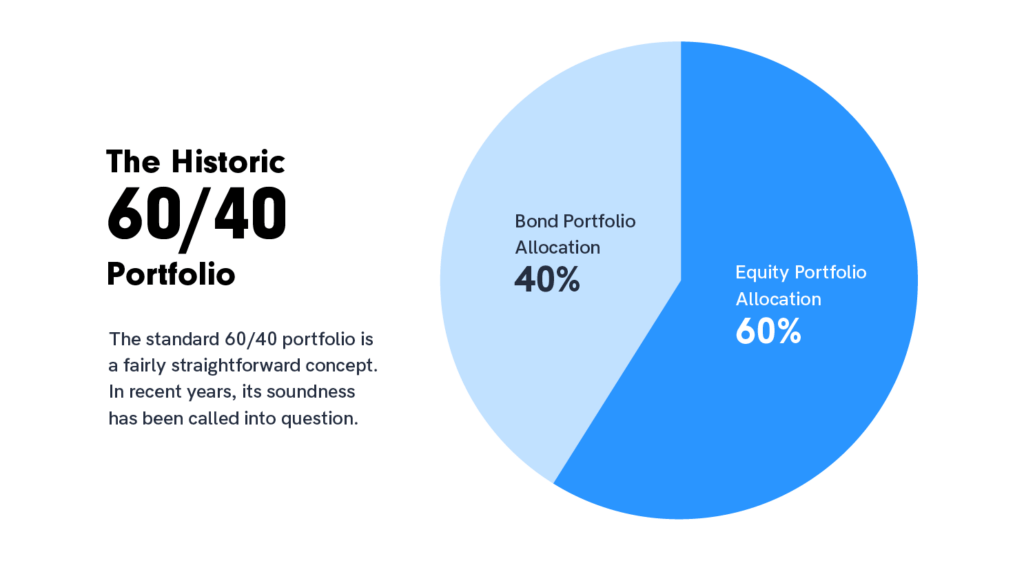





























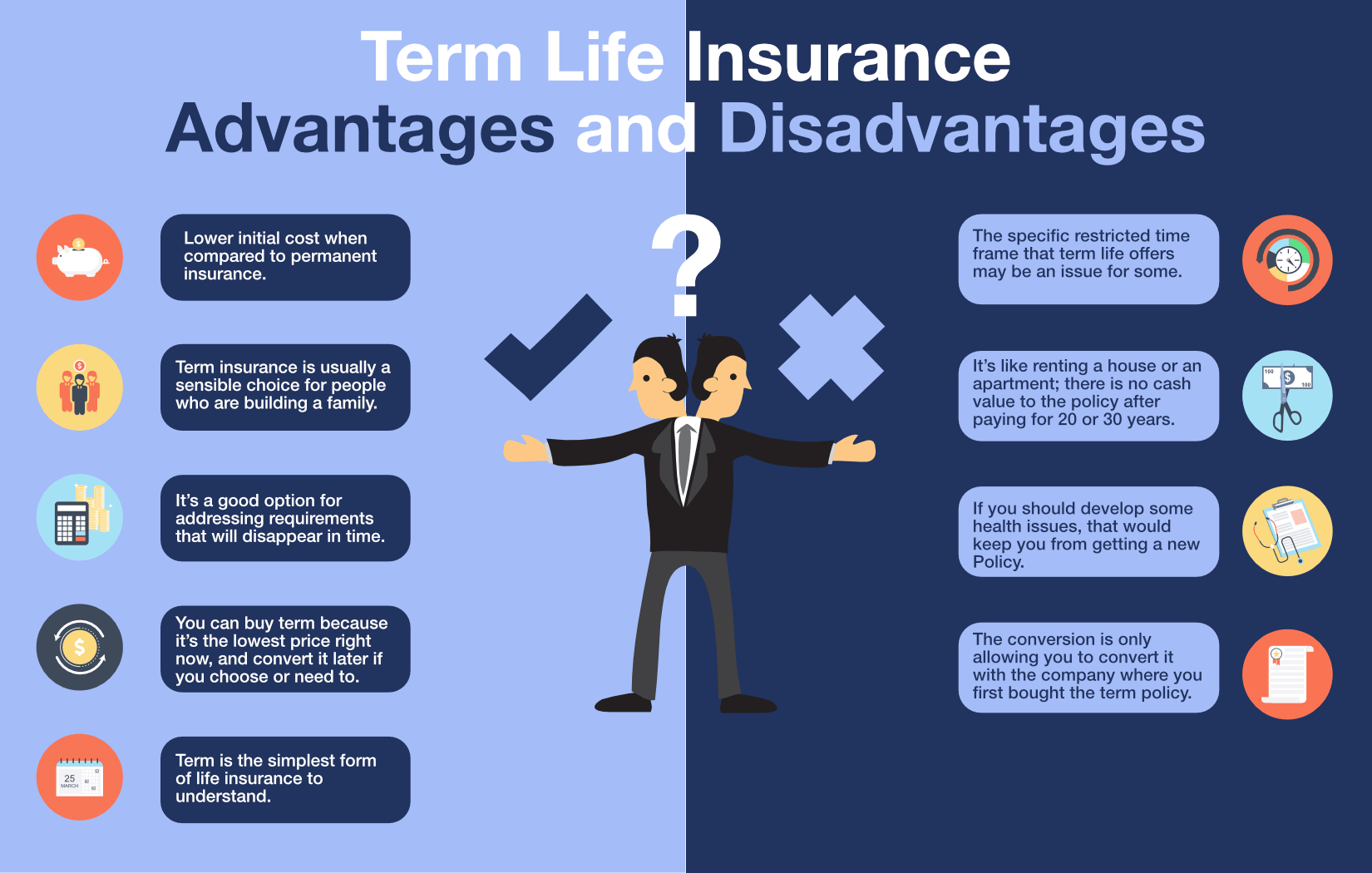










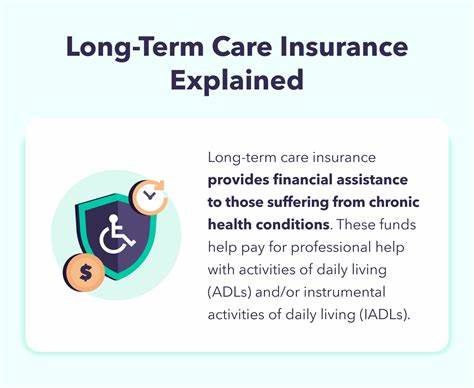















 The Leading Business Education Network for Doctors, Financial Advisors and Health Industry Consultants