“Best” Physician Focused Financial Planning and Medical Practice Management Books for 2022

[Doctor-Advisor]

CAREER DEVELOPMENT

Buy from Amazon

Learn How to Profit and Thrive in the PP-ACA Era

BOOK FOREWORD / TESTIMONIAL

Best Sellers

Product Details

Product DetailsProduct Details

Product DetailsProduct DetailsProduct Details

###

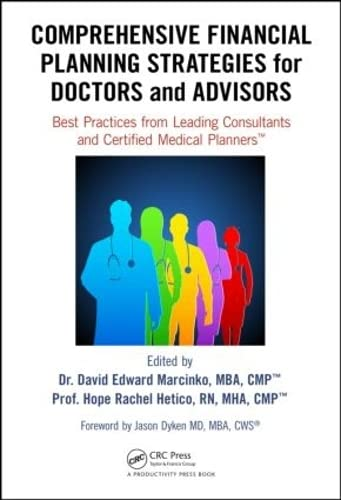
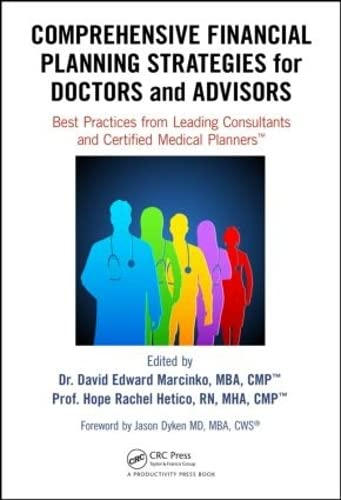
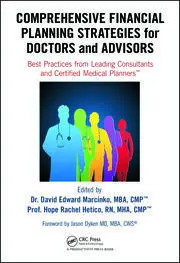
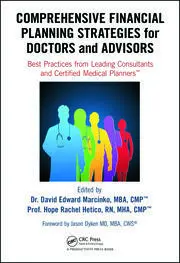
Comprehensive Financial Planning Strategies for Doctors and Advisors: Best Practices from Leading Consultants and Certified Medical Planners(TM)

Comprehensive Financial Planning Strategies for Doctors and Advisors: Best Practices from Leading Consultants

***

site

***

It’s OK = Not to Be OK: Physician Burnout and Mental Health

NICHM

LECANEMAB: Shows Promise for Alzheimer’s?

By Staff Reporters

***

Alzheimer’s new drug shows promise

Lecanemab, an Alzheimer’s drug from Eisai and Biogen, slowed cognitive decline in patients with early Alzheimer’s by 27% over 18 months in a final-phase trial, the companies said recently.

That rate of decline met the study’s targets and offers hope to the 6 million people in the US with Alzheimer’s that their dementia can be slowed down or delayed. The companies hope lecanemab will fare better commercially than their previous Alzheimer’s drug Aduhelm—which was a flop.

ECONOMIC IMPACT: https://medicalexecutivepost.com/2014/12/06/the-economic-impact-of-alzheimers-disease/

***

COMMENTS APPRECIATED

Thank You

***

INVESTING :https://www.routledge.com/Comprehensive-Financial-Planning-Strategies-for-Doctors-and-Advisors-Best/Marcinko-Hetico/p/book/9781482240283

***

BANK OF ENGLAND Quells Stock Market Panic?

By Staff Reporters

***

Bank of England steps in to soothe markets. The Bank of England moved to quell the market panic caused by the British government’s recent announcement of major tax cuts, saying it would buy 65 billion pounds ($69 billion) worth of bonds and push off its plans to sell bonds to prevent “a material risk to UK financial stability.”

So, it looks like the central bank did manage to get investors to keep calm and carry on: The pound, which had been crashing, stabilized and bond markets across the globe rallied after the news came out.

***

UPDATE Bounce Fades? https://www.msn.com/en-us/money/markets/dow-futures-down-250-points-as-bank-of-england-intervention-bounce-fades/ar-AA12niPy?cvid=796f8d7fb36c4c5891aaf69bd09e9f22

COMMENTS APPRECIATED

Thank You

INVESTING: https://www.routledge.com/Comprehensive-Financial-Planning-Strategies-for-Doctors-and-Advisors-Best/Marcinko-Hetico/p/book/9781482240283

***

What is the 70-20-10 Leadership Model?

Developing Leadership Ability

[By Dr. David Edward Marcinko MBA]

We have written about leadership and management before on this ME-P. It is an important and very popular topic; not only in healthcare but in most all industries today.

According to the Center for Creative Leadership there is a model for learning and development that blends experience, relationships and training.

It is referred to as the 70-20-10 model, where approximately:

  • 70% of learning is provided through the use of challenging assignments and on-the-job experiences.
  • 20% of learning is developed through relationships, networks, and feedback.
  • 10% of the learning is delivered via formal training processes.

So, does your medical office, clinic, hospital or healthcare organization put most of its leadership development resources into training?

Is this akin to the medical teaching adage: “See one – Do one – Teach One“?

Assessment

Sometimes it’s easier to purchase external vendor training rather than develop the internal infrastructure to support business succession planning with stretch and / or rotational assignments, coaching, mentoring, and action learning.  The weaker this internal support infrastructure, the more important the formal training will be, but it can’t be a close substitute for the lessons learned on the job and through feedback from peers, bosses and mentors.

Conclusion

Your thoughts and comments on this ME-P are appreciated. Feel free to review our top-left column, and top-right sidebar materials, links, URLs and related websites, too. Then, subscribe to the ME-P. It is fast, free and secure.

Speaker: If you need a moderator or speaker for an upcoming event, Dr. David E. Marcinko; MBA – Publisher-in-Chief of the Medical Executive-Post – is available for seminar or speaking engagements.

Book Marcinko: https://medicalexecutivepost.com/dr-david-marcinkos-bookings/

Subscribe: MEDICAL EXECUTIVE POST for curated news, essays, opinions and analysis from the public health, economics, finance, marketing, IT, business and policy management ecosystem.

***

Product DetailsProduct Details

What is Stock Market MOMENTUM?

By Staff Reporters

***

***

It’s useful to look at stock market levels compared to where they’ve been over the past few months. When the S&P 500 is above its moving or rolling average of the prior 125 trading days, that’s a sign of positive momentum. But if the index is below this average, it shows investors are getting skittish.

  • Momentum is the speed or velocity of price changes in a stock, security, or tradable instrument.
  • Momentum shows the rate of change in price movement over a period of time to help investors determine the strength of a trend.
  • Investors use momentum to trade stocks whereby a stock can exhibit bullish momentum–the price is rising–or bearish momentum–the price is falling.

The Fear & Greed Index uses slowing momentum as a signal for Fear and a growing momentum for Greed.

CITE: https://www.r2library.com/Resource/Title/0826102549

***

COMMENTS APPRECIATED

Thank You

***

INVESTING: https://www.amazon.com/Comprehensive-Financial-Planning-Strategies-Advisors/dp/1482240289/ref=sr_1_1?ie=UTF8&qid=1418580820&sr=8-1&keywords=david+marcinko

***

PODCASTS: Signify Health Stock Market Debut

***

By Kyle Armbrester

By Eric Bricker MD

ME-P UPDATES

***

PODCAST 2: https://www.youtube.com/watch?v=-1_mBZLsKvU

***

COMMENTS APPRECIATED

Thank You

***

RELATED: https://www.amazon.com/Financial-Management-Strategies-Healthcare-Organizations/dp/1466558733/ref=sr_1_3?ie=UTF8&qid=1380743521&sr=8-3&keywords=david+marcinko

****

To all UNHAPPY Financial Advisors, JDs, CPAs and Physician-Focused Insurance Agents in 2022

Join Our Mailing List

AVOID COLLATERAL ECONOMIC DAMAGE OF HEALTH CARE REFORM – AS A CERTIFIED MEDICAL PLANNER PROFESSIONAL

By Eugene Schnmuckler PhD MBA MEd CTS

[Academic Provost and Dean]

CMP logo

http://www.CertifiedMedicalPlanner.org

ME-P Doctors, Advisors and Consultants

The healthcare industrial complex represents a large and diverse collateral support industry, and the livelihood of synergistic professionals who advise doctors depend on it. So, if you want to be an outstanding financial advisor in the healthcare space, you better read this book and learn something about physician specific financial planning.

Better yet! Combine financial planning and practice management and become a Certified Medical Planner ™. Then, integrate this knowledge, and CMPmark of distinction, into your current financial advisory or healthcare consulting practice.

Or, as some of the following financial services professionals are learning, you might just become more collateral economic damage in the current managed healthcare debacle, if you don’t.

Certified Public Accountants

The nation’s 330,000 or so CPAs know little about the new healthcare dynamics and financial planning. Many often feel as though they are laboring away in obscurity and that their doctor clients do not appreciate what they do or how hard they work.

If you are a CPA, your workweek is ridiculously long, especially January through April; and you often deliver bad news to your doctor clients. You do not earn a generous salary, but you do receive their ire for your efforts. Even ex-SEC chief Arthur Levitt said, “Accounting is clearly a profession in crisis”, after reviewing Arthur Andersen, LLP’s role in Enron Corporation’s collapse, in 2002; not to mention the Global Crossing Ltd, Vivendi Universal, Warnaco, Martha Stewart and WorldCom fiascos.

So, you begin to scratch your head and ponder, quietly at first, and then out loud. Perhaps advising and managing the medical practice of a physician, or providing consulting services to other medical professionals is an opportunity that won’t require a new client base? You can keep your accounting practice during the first four months of the year, and supplement your income with something that may actually earn more than you are making now.

A light then goes off in your head. Epiphany! Enter iMBA’s Certified Medical Planner(CMP) professional certification program, exhorting accountants to “integrate personal financial planning with medical practice management”, through an additional 500 hours of online managerial and planning experience.

However, terms such as capitated medicine; per member-per month fixed fees; payment withholds’; activity based costing with CPT codes; utilization and acuity rates; and more investment and financial nomenclature is likely quite unfamiliar to you.

Furthermore, you may not have the temperament to be responsible for the financial affairs of others. Then you realize that CMPs along with MBAs and CFPs may actually be the new denizens of the healthcare bean counting and practice management scene. Rather than present numbers of the historic past, they make logical and mathematical inferences about the future.

Slowly, you realize that this has occurred because these professionals are proactive, not reactive, as the accounting profession is loosing its premier advisory position within the medical profession. Since doctors are paid a fixed fee amount, regardless of the number of services performed, these futuristic projections are the most important accounting numbers in healthcare today.

In fact, your research suggests that as a result, nearly every major accounting firm has created a financial advisory unit, or acquired one. Moss-Adams acquired Financial Securities in Seattle. Plante and Moran’s advisory unit is one of the largest and most successful in Michigan. And, 1st Global now offers a turnkey program that allows nearly every accounting firm to create its own advisory unit overnight.Even, the AICPA is providing encouragement to CPAs who wish to provide more professional client services by uniting with Fidelity to serve as a professional vendor. And, the PFS designation is about to be abandoned by the AICPA.

Doctor Advisor Teamwork

Tax Attorneys and Lawyers 

As a tax planning, health-law or estate attorney, you already know that almost every legal magazine around has articles or advertisements proposing that you become a financial planning professional or business consultant to your physician clients. Moreover, lawyers of all stripes are being pushed toward interdisciplinary alliances by encroachment on their turf by the Big Four consulting firms. With audits of publicly held companies now a commodity, the giant law firms are getting more of their revenues from consulting fees; and that puts them into direct competition with you and other legal professionals.

Of all careers, you know how absolutely onerous it is to practice medicine today, and are finally thankful that you did not take that career route many years ago. So, like your neighbor the accountant, you begin to explore that potential of developing a service line extension to your legal practice, in order to assist your medical colleagues who have been hit on hard economic times.

In fact, you soon realize that more than 90,000 trust, probate and estate planning attorneys like yourself are interested in pursuing financial planning in the next decade. Sure, you know its difficult to get a CLU or variable annuity license, or become a Certified Financial Planner (CFP), but earning your law degree was no cinch either. And, you reckon, advising physicians has got to be easier than law, or less stressful than the corporate lifestyle of your CMP trained brother-in-law, right?

So, you set out to stretch your legal horizons with an online Certified Medical Plannercertification program and explore the basic legal nuances of those topics not available in law school when you were a student. Things like medical fraud and abuse; managed care compliance audits and Medicare recoupments; PP-ACA, RACS, OSHA, DEA, HIPAA and EPA standards; anti-trust issues; and managed care contract dilemmas or de-selection appeals.

What a brave new world the legal profession has become! Even the American Bar Association’s commission on multi-disciplinary practice has recommended that lawyers be permitted to share fees and become partners with financial planners, money managers and other similar professionals.

As a real life example, the venerated Baltimore brokerage firm of Legg Mason, Inc, has recently teamed up with the Boston law firm of Bingham Danna, LLC, to create one of the first marriages between a law and securities firm. If you want in on the challenge, and bucks, you’d better acquire at least a working knowledge of health care administration, or perhaps help craft some new case law, or assist your doctor-clients in some other fashion; otherwise, you will remain a legal document producer.

Financial Planners and Investment Advisors

As a CFP, CFA, investment advisor or general securities representative, you realize that the financial service sector is going to become the next great growth opportunity of the 21st Century, despite the fact that the stagnant stock market in 2003-2004 set profits for the securities industry back by seven years.

Even H & R Block, and the Charles Schwab Corporation are trying to build medical professional interest in their respective firms and compete with your independent practice. They are fervently wooing away one group or another to interface with their embryonic financial advisory programs. Meanwhile, more than 260,000 of the nation’s brokers are moving into the investment advisory and financial planning business, as transactions have become commoditized.

A recent survey conducted for the Financial Planning Association clearly demonstrated the dominance of registered investment advisors, over stockbrokers, among clients 35-49 years old. With the average Merrill Lynch private client well over 60, it’s easy to spot the future vulnerability of this business model.

When asked to determine the added value of key industry players, baby boomers in a recent Dalbar study ranked financial planners first, followed by stockbrokers, CPAs, mutual fund companies, insurance agents, and commercial bankers, respectively. Even if you are a CFP, and despite the proliferation of investment advisors, evidence suggests that your individual impact is still narrow.

Furthermore, another Prince & Associates study of 778 affluent individuals including physicians, each with more than 5 million dollars to invest, examined the relationship between clients and their providers of five key financial services; retirement planning, estate planning, investment management, executive benefits and health-disability insurance. Prince found that 59 percent of the clients had been serviced in only one area by a particular advisor. Despite the significant assets of each client, the advisers have been unsuccessful at broadening these relationships– a key indicator that many affluent clients do not have a primary financial adviser.

Among the challenges you face to broaden your influence is to offer your clients value added services, perhaps by establishing your expertise in the medical niche and capitalize on being different (your unique knowledge-based value proposition). You must not remain just another of the more than 250,000, or so individuals who claim to be financial planners, with a collective universe of an additional 700,000, who purport to be financial advisors, in some fashion or another. You must begin to develop the strategic competitive advantage of practice management knowledge to synergize with your existing financial services product line.

Like the physicians you advise, you must consider becoming a specialist. In the highly coveted healthcare space, this specialist to high net worth doctors, is known as a Certified Medical Plannerpractitioner.

Integrated practice management and financial planning will also become much more competitive among physicians because they are aware of the above fusion. No one is suggesting therefore, that you abandon your core financial advisory business for medical practice management. It is merely a fact that healthcare has drastically changed during the past decade, and the knowledge you used yesterday will no longer be enough for you to get by on in the future.

Medical practice management is the natural outgrowth of traditional financial planning services, and investment advice in turn, is central to the implementation of a unified medical office and personal financial plan. The most successful financial planners therefore, may be CMPs and CFPs who incorporate medical management services into their practices.

cmp-program1

Insurance Agents and Counselors

As a traditional life insurance agent, it seems that almost all your colleagues are acquiring a general securities license, or CFP designation in addition to the CLU or ChFC after their name. Currently, there are more than 3 million insurance agents, half of which are independent. They are being pressured to move toward financial planning, as distribution of insurance products over the Internet spreads like wildfire.

Meanwhile, the same insurance and investment companies that are knocking on your door are also courting the medical professionals with their practice enhancement programs. Even if you are not interested in going into the financial planning business, you have seen the status of the American College erode of late, even as your own insurance business has declined because of the World Wide Web and various discounted insurance companies.

And, in the eyes of your former golden goose doctor-clients, you may have become a charlatan and everyone is clamoring for a piece of your insurance business and cloaking it in the guise of the contemporary topic of the day; medical practice management and financial planning. Think this is an exaggerated statement? An October 1997 survey conducted by Deloitte & Touche Consulting Group of New York, found insurance agents ranked last in having the trust of a wide selection of the public! Erosion has continued, ever since.

So, how do you regain this lost trust, and what about this new entity known as managed care? How do you learn about it at this stage in your career? What ever happened to the traditional indemnity health insurance, with its deductible and 80/20payment scheme? It was so easy to sell, provided good coverage, and the agent made a nice profit.

As an insurance agent, all you want to know is, can I still sell insurance and make a living? Like the struggling doctors you seek to advise, and the collateral advisors above, you find yourself asking, how do I talk the talk, and walk the walk, in this new era of medical insurance turmoil?

Slowly, as you read, study and learn about the Certified Medical Plannercertification program, you become empowered with the knowledge and ideas for new insurance product derivatives, that actually provide value to your physician clients. You are no longer just an insurance salesman, but a trusted medical risk management advisor.

Congratulations!

You can avoid the managed care economic ripple effect. Act now!

CMP logo

Office: Dean of Admissions

Certified Medical PlannerDesignation Program

Institute of Medical Business Advisors, Inc

Peachtree Plantation – West

Suite # 5901 Wilbanks Drive

Norcross, Georgia 30092-1141

770.448.0769 (voice)

770.361.8831 (fax)

http://www.MedicalBusinessAdvisors.com

http://www.CertifiedMedicalPlanner.org

MarcinkoAdvisors@msn.com

Conclusion

Your thoughts and comments on this ME-P are appreciated. Feel free to review our top-left column, and top-right sidebar materials, links, URLs and related websites, too. Then, subscribe to the ME-P. It is fast, free and secure.

Speaker: If you need a moderator or speaker for an upcoming event, Dr. David E. Marcinko; MBA – Publisher-in-Chief of the Medical Executive-Post – is available for seminar or speaking engagements. Contact: MarcinkoAdvisors@msn.com

OUR OTHER PRINT BOOKS AND RELATED INFORMATION SOURCES:

Financial Planning MDs 2015

Comprehensive Financial Planning Strategies for Doctors and Advisors: Best Practices from Leading Consultants

PODCAST: Reference Based Medical Pricing Negotiation

***

7 Best Practices in Reference-Based Pricing Negotiation

By Eric Bricker MD

1) Calculate Extent of Medicare Underpayment

2) Calculate Extent of Medicaid Underpayment

3) Compare Hospital Charity Care to Tax Benefits

4) Threaten to Publish Hospital Prices

5) Publish Email Addresses and Cell Phone Numbers for Hospital Board Members, CEOs and CFOs

6) Have Unions Assist in ‘Persuasion’

7) Threaten to Take Patients to Other States for Free

***

***

COMMENTS APPRECIATED

Thank You

***

DICTIONARY: https://www.amazon.com/Dictionary-Health-Insurance-Managed-Care/dp/0826149944/ref=sr_1_4?ie=UTF8&s=books&qid=1275315485&sr=1-4

***

The Digital Healthcare Market — Ravkoo Health

The digital health market is growing at an unprecedented rate. With advancements in wearable technology, mobile health, and health information technology, more people are leveraging these technologies to improve their lives. The following articles explore the digital healthcare market. Let’s take a closer look at some of the latest innovations in these fields. And, as […]

The Digital Healthcare Market — ravkoo Health

AMAZON’S New Move in Health Care

By Health Capital Consultants, LLC

Amazon, the largest e-commerce company in the world, has made large, strategic moves over the past several years to make a place for themselves in healthcare.

This article will review Amazon’s most recent advancements in the industry, including those related to Amazon’s voice-controlled personal assistant, Alexa, and Amazon’s employee healthcare system, Amazon Care, and how this non-healthcare company is changing the industry.

LINK: https://www.healthcapital.com/hcc/newsletter/03_21/HTML/AMAZON/convert_amazon_moves_healthcare_3.25.21.php

RELATED: https://medicalexecutivepost.com/2018/09/07/investors-have-misdiagnosed-amazons-push-into-the-pharmacy-business/

MORE: https://medicalexecutivepost.com/2018/03/07/how-amazon-could-lose-its-health-care-bid/

Your thoughts are appreciated.

Product Details

THANK YOU

***

Mark Cuban Launches Generic Drug Company

COST PLUS Drug Company

[By Staff Reporters]

The company’s first drug is antiparasitic drug albendazole but plans to offer over 100 additional drugs by the end of 2021 and now in 2022.

LINK: https://costplusdrugs.com/

Product Details

Your thoughts are appreciated.

THANK YOU

***

PODCAST: Principle-Agent Problems in Employee Health Plans

By Eric Bricker MD

***

***

COMMENTS APPRECIATED

Thank You

***

HEALTH INSURANCE: https://www.amazon.com/Dictionary-Health-Insurance-Managed-Care/dp/0826149944/ref=sr_1_4?ie=UTF8&s=books&qid=1275315485&sr=1-4

**

New Medical Practice Entrepreneurial Business Rules for Young Physicians [circa 2022]

Join Our Mailing List

Go “Out-of-Box” – OR – Go Employee

By Dr. David Edward Marcinko MBA CMP™ www.CertifiedMedicalPlanner.org

There are more than 950,000 physicians in the United States. Yet, the brutal supply and demand, and demographic calculus of the matter is that there are just too many aging patients chasing too few doctors. Compensation and reimbursement is plummeting as Uncle Sam becomes the payer-of-choice for more than 52% of us. More so, going forward with the PP-ACA OR, perhaps not so much after the Trump election.

Furthermore, many large health care corporations, hospitals, and clinical and medical practices have not been market responsive to this change. Some physicians with top-down business models did not recognize the changing health care ecosystem or participatory medicine climate. Change is not inherent in the DNA of traditionalists. These entities and practitioners represented a rigid or “used-to-be” mentality, not a flexible or “want-to-be” mindset.

Yet today’s physicians and emerging Health 2.0 initiatives must possess a market nimbleness that cannot be recreated in a command-controlled or collectivist environment. Going forward, it is not difficult to imagine the following rules for the new virtual medical culture, and young physicians of the modern era.

A. Rule 1

Forget about large office suites, surgery centers, fancy equipment, larger hospitals, and the bricks and mortar that comprised traditional medical practices. One doctor with a great idea, good bedside manners, or competitive advantage can outfox a slew of insurance companies, Certified Public Accountants, or the Associate Management Accountant, while still serving patients and making money. It is now a unit-of-one economy where “ME Inc.,” is the standard. Physicians must maneuver for advantages that boost their standing and credibility among patients, peers, and payers.

Examples include patient satisfaction surveys, outcomes research analysis, evidence-based-medicine, direct reimbursement compensation, physician economic credentialing, and true patient-centric medicine. Physicians should realize the power of networking, vertical integration, and the establishment of virtual offices that come together to treat a patient and then disband when a successful outcome is achieved. Job security is earned with more successful outcomes; not a magnificent office suite or onsite presence.

B. Rule 2

Challenge conventional wisdom, think outside the traditional box, recapture your dreams and ambitions, disregard conventional gurus, and work harder than you have ever worked before. Remember the old saying, “if everyone is thinking alike, then nobody is thinking.” Do traditionalists or collective health care reform advocates react rationally or irrationally?

For example, some health care competition and career thought-leaders, such as Shirley Svorny, PhD, a professor of economics and chair of the Department of Economics at California State University, Northridge, wonder if a medical degree is a barrier—rather than enabler—of affordable health care. An expert on the regulation of health care professionals, including medical professional licensing, she has participated in health policy summits organized by Cato and the Texas Public Policy Foundation. She argues that licensure not only fails to protect consumers from incompetent physicians, but, by raising barriers to entry, makes health care more expensive and less accessible.

Institutional oversight and a sophisticated network of private accrediting and certification organizations, all motivated by the need to protect reputations and avoid legal liability, offer whatever consumer protections exist today.

C. Rule 3

Differentiate yourself among your health care peers. Do or learn something new and unknown by your competitors. Market your accomplishments and let the world know. Be a non-conformist. Conformity is an operational standard and a straitjacket on creativity. Doctors must create and innovate, not blindly follow entrenched medical societies into oblivion.

For example, the establishment of virtual medical schools and hospitals, where students, nurses, and doctors learn and practice their art on cyber entities that look and feel like real patients, can be generated electronically through the wonders of virtual reality units.

D. Rule 4

Realize that the present situation is not necessarily the future. Attempt to see the future and discern your place in it. Master the art of quick change with fast, but informed decision making. Do what you love, disregard what you do not, and let the fates have their way with you.

Assessment

I receive a couple of phone calls each month from young doctors on this topic. I ask them to decide if they are of the philosophical ilk to adhere to the above rules; or become another conformist and go along … to get along? In other words, get fly!

Or, become an employed, or government doctor.  Just remember … the entity that gives you a job, can also take it away.

Sample fly: http://crossoverhealth.com/

MORE: Marriage Business

Conclusion

Your thoughts and comments on this ME-P are appreciated. Feel free to review our top-left column, and top-right sidebar materials, links, URLs and related websites, too. Then, subscribe to the ME-P. It is fast, free and secure.

Link: http://feeds.feedburner.com/HealthcareFinancialsthePostForcxos

Speaker: If you need a moderator or speaker for an upcoming event, Dr. David E. Marcinko; MBA – Publisher-in-Chief of the Medical Executive-Post – is available for seminar or speaking engagements. Contact: MarcinkoAdvisors@msn.com

OUR OTHER PRINT BOOKS AND RELATED INFORMATION SOURCES:

LEXICONS: http://www.springerpub.com/Search/marcinko
PHYSICIANS: www.MedicalBusinessAdvisors.com
PRACTICES: www.BusinessofMedicalPractice.com
HOSPITALS: http://www.crcpress.com/product/isbn/9781466558731
CLINICS: http://www.crcpress.com/product/isbn/9781439879900
ADVISORS: www.CertifiedMedicalPlanner.org
BLOG: www.MedicalExecutivePost.com


Product DetailsProduct DetailsProduct Details

Product Details  Product Details

Product Details

Product Details 

PODCAST: Hospitals Block Guiding Patients

By Eric Bricker MD

***

***
COMMENTS APPRECIATED

Thank You

***

MORE: https://www.amazon.com/Financial-Management-Strategies-Healthcare-Organizations/dp/1466558733/ref=sr_1_3?ie=UTF8&qid=1380743521&sr=8-3&keywords=david+marcinko

***

DICTIONARY: Health Insurance and Managed Care

Designated a Doody’s CORE TITLE

To keep up with the ever-changing field of health care, we must learn new and re-learn old terminology in order to correctly apply it to practice. By bringing together the most up-to-date abbreviations, acronyms, definitions, and terms in the health care industry, the Dictionary offers a wealth of essential information that will help you understand the ever-changing policies and practices in health insurance and managed care today. For Further Information.

Review

The Dictionary of Health Insurance and Managed Care lifts the fog of confusion surrounding the most contentious topic in the health care industrial complex today. My suggestion therefore is to ‘read it, refer to it, recommend it, and reap’.”
Michael J. Stahl,PhD, Physician Executive MBA Program, William B. Stokely Distinguished Professor of Business, The University of Tennessee, College of Business Administration

DHIMC: https://www.amazon.com/Dictionary-Health-Insurance-Managed-Care/dp/0826149944/ref=sr_1_4?ie=UTF8&s=books&qid=1275315485&sr=1-4

INVITE DR. MARCINKO: https://medicalexecutivepost.com/dr-david-marcinkos-bookings/

Thank You

***

YOUR THOUGHTS are appreciated.

PODCAST: “Regulatory” Capture in Healthcare

By Eric Bricker MD

***

***

COMMENTS APPRECIATED

Thank You

***

MORE: https://medicalexecutivepost.com/2016/08/12/the-regulatory-capture-of-american-medicine-by-the-drug-and-alcohol-testing-assessment-and-treatment-industry/

BUSINESS MEDICINE: https://www.amazon.com/Business-Medical-Practice-Transformational-Doctors/dp/0826105750/ref=sr_1_9?ie=UTF8&qid=1448163039&sr=8-9&keywords=david+marcinko

****

The Subjective Theory of Bitcoin from a Physician

By Michel Accad MD

Michel Accad, MD, practices internal medicine and cardiology in San Francisco.

***

***

READ: http://alertandoriented.com/the-subjective-theory-of-bitcoin/

***

COMMENTS APPRECIATED

Thank You

INFORMATION TECHNOLOGY: https://www.amazon.com/Dictionary-Health-Information-Technology-Security/dp/0826149952/ref=sr_1_5?ie=UTF8&s=books&qid=1254413315&sr=1-5

****

On Marketing, Advertising and Sales; etc.

Including Public Relations, Risk, Change and Crisis Management

By Dr. David Edward Marcinko MBA

Marketing is the business process of identifying, anticipating and satisfying customers’ needs and wants. It is your unique value proposition or strategic competitive advantage. Marketers can direct product to other businesses or directly to consumers.

Advertising is a marketing communication that employs an openly sponsored, non-personal message to promote or sell a product, service or idea. Sponsors of advertising are typically businesses wishing to promote their products or services. Advertising is communicated through various mass media, including traditional media such as newspapers, magazines, television, radio, outdoor advertising or direct mail; and new media such as search results, blogs, social media, websites or text messages. The actual presentation of the message in a medium is referred to as an advertisement, or “ad” or advert for short.

Advertising is differentiated from public relations in that an advertiser pays for and has control over the message. It differs from personal selling in that the message is non-personal, i.e., not directed to a particular individual. We pay for advertising but pray for public relations.

Sales are activities related to selling or the number of goods or services sold in a given targeted time period. The seller, or the provider of the goods or services, completes a sale in response to an acquisition, appropriation, requisition, or a direct interaction with the buyer at the point of sale. There is a passing of title (property or ownership) of the item, and the settlement of a price, in which agreement is reached on a price for which transfer of ownership of the item will occur. The seller, not the purchaser, typically executes the sale and it may be completed prior to the obligation of payment. In the case of indirect interaction, a person who sells goods or service on behalf of the owner is known as a salesman or saleswoman or salesperson, but this often refers to someone selling goods in a store/shop, in which case other terms are also common, including salesclerk, shop assistant, and retail clerk.

Change management is the discipline that guides how we prepare, equip and support individuals to successfully adopt change in order to drive organizational success and outcomes.

Crisis management is the identification of threats to an organization and its stakeholders, and the methods used by the organization to deal with these threats.

***

***

Risk management is the identification, evaluation, and prioritization of risks (defined in ISO 31000 as the effect of uncertainty on objectives) followed by coordinated and economical application of resources to minimize, monitor, and control the probability or impact of unfortunate events or to maximize the realization of opportunities.

Assessment: Your thoughts are appreciated from a healthcare perspective.

***
Product DetailsProduct DetailsProduct Details
***

PODCAST: Medicare Part D [Rx Drugs]

LATE ENROLLMENT PENALTY CALCULATIONS

Medicare – CMS

CITE: https://www.r2library.com/Resource/Title/0826102549

****

***

YOUR COMMENTS ARE APPRECIATED.

STRATEGIES: https://www.amazon.com/Financial-Management-Strategies-Healthcare-Organizations/dp/1466558733/ref=sr_1_3?ie=UTF8&qid=1380743521&sr=8-3&keywords=david+marcinko

Thank You

DHIMC: https://www.amazon.com/Dictionary-Health-Insurance-Managed-Care/dp/0826149944/ref=sr_1_4?ie=UTF8&s=books&qid=1275315485&sr=1-4

THE END

PODCAST: Healthcare Stocks, Investing & IPOs?

By Eric Bricker MD

Healthcare Stock and IPO Investing Can Be Confusing. The Story of Privia Health is a Good Case Study in Understanding the Underlying Economics in Healthcare Investing:

CITE: https://www.r2library.com/Resource/Title/0826102549

***

***
YOUR COMMENTS ARE APPRECIATED.

Thank You

Comprehensive Financial Planning Strategies for Doctors and Advisors: Best Practices from Leading Consultants and Certified Medical Planners™

ORDER: https://www.routledge.com/Comprehensive-Financial-Planning-Strategies-for-Doctors-and-Advisors-Best/Marcinko-Hetico/p/book/9781482240283

***

“Disruptive” DIGITAL BUSINESS MODELS For Health Insurers

The Top 10 [Ten] Disruptive Digital Business Models For Health Insurers

By Zhang Jie

Digital technologies will transform the health insurance business. Early adopters have started to implement new digital business models with initial success. A new report describes ten digital business models for health insurers that will disrupt the industry.

Dear Dr. David Marcinko and all ME-P Readers,

We are excited to announce the release of Research2Guidance’s new “The 10 Disruptive Digital Business Models for Health Insurers” report.

Please find below the special report story.

Advances in higher-quality digital technology—especially apps, sensors, and artificial intelligence (AI)—along with their proliferation among members have spurred the emergence of new business models.

The new report “The 10 Disruptive Digital Business Models for Health Insurers” published by Research2Guidance describes how start-ups, health insurance and general payer organizations have started using these technologies to venture into new forms of health insurance offerings and increasingly step into the healthcare provider role.

New digital models change the way the insurers interact with patients. For example, digital insurers have reworked the trust equation with the patient, outsourced much of their value chain to their members, and now know much more about them. Digital business models tend to also blur the lines between payer and care giver organizations. Some of the first-movers already crossed the line and started to offer services which have previously been provided exclusively by doctors and nurses. The ten digital business models are defined as follows:

  1. Digitally assisted member acquisition is a freemium business model concept.
  2. Mobile health concierge is a business approach designed for members to complete all health insurance tasks using mobile phones with the support from a concierge team.
  3. Peer-to-peer (P2P) insurance refers to a risk-sharing community.
  4. Mobile micro-insurance refers to the health insurance plans that cover short-term small health events or minimal ongoing health insurance.
  5. Health insurers tech platforms license their technology for the management of health plans and members to their customers.
  6. On-demand insurance is a usage-based model that enables members to access desired health plans upon request with the help of a mobile app.
  7. High-risk patient preventive care model concentrates on insuring and managing potentially costly patient groups.
  8. The payer & provider collaboration model stands for a closer, digitally enabled partnership between payers and care providers, especially hospitals.
  9. The API health insurance model uses a list of pre-defined health insurance products accessible to websites and app providers via an application programming interface (API).
  10. Direct primary care model. Within this model, a care provider or a hospital act like a health insurance company using a monthly subscription model.

First implementations of these models indicate the positive impact that they have on the company evaluation, the ability to attract new members, the cost structure, and new revenue streams. Currently, the main impact of digital business models is on company evaluation, which reflects the hype that some companies have created in the investor community. Companies like Oscar, Clover Health, and Bright Health are valued at over $1 billion USD each after only a few years of operation.

Health insurers and start-ups from the USA and China are the most aggressive in adopting new digital business models. Companies from other regions tend to choose a follower approach or implement copycats.

ASSESSMENT

The report also profiles first-mover digital implementations. Profiles include their target groups, operating models, service offerings, and early evidence for success where available.

Conclusion

Your thoughts and comments on this ME-P are appreciated. Feel free to review our top-left column, and top-right sidebar materials, links, URLs and related websites, too. Then, subscribe to the ME-P. It is fast, free and secure.

Speaker: If you need a moderator or speaker for an upcoming event, Dr. David E. Marcinko; MBA – Publisher-in-Chief of the Medical Executive-Post – is available for seminar or speaking engagements.

Book Marcinko: https://medicalexecutivepost.com/dr-david-marcinkos-bookings/

Subscribe: MEDICAL EXECUTIVE POST for curated news, essays, opinions and analysis from the public health, economics, finance, marketing, IT, business and policy management ecosystem.

DOCTORS:

“Insurance & Risk Management Strategies for Doctors” https://tinyurl.com/ydx9kd93

“Fiduciary Financial Planning for Physicians” https://tinyurl.com/y7f5pnox

“Business of Medical Practice 2.0” https://tinyurl.com/yb3x6wr8

HOSPITALS:

“Financial Management Strategies for Hospitals” https://tinyurl.com/yagu567d

“Operational Strategies for Clinics and Hospitals” https://tinyurl.com/y9avbrq5

Product DetailsProduct Details

Biden Administration to Overhaul Vertical [Health Systems] Merger Guidelines

***

By Health Capital Consultants, LLC

***

***

Biden Administration to Overhaul Vertical Merger Guidelines

The U.S. healthcare industry has seen a rise in vertical integration transactions since the passage of the ACA, especially among physician groups integrating with health systems or insurers, as providers seek to fill gaps in their continuum of care. In response to these trends and resulting market imbalances, the Biden Administration is aggressively pursuing antitrust enforcement by updating and revising U.S. antitrust law guidance.

This Health Capital Topics article will discuss the vertical integration movement and the proposed changes to antitrust laws that may affect the future of healthcare. (Read more…) 

***

CITE: https://www.r2library.com/Resource/Title/0826102549

***

COMMENTS APPRECIATED

Thank You

RELATED: https://www.amazon.com/Financial-Management-Strategies-Healthcare-Organizations/dp/1466558733/ref=sr_1_3?ie=UTF8&qid=1380743521&sr=8-3&keywords=david+marcinko

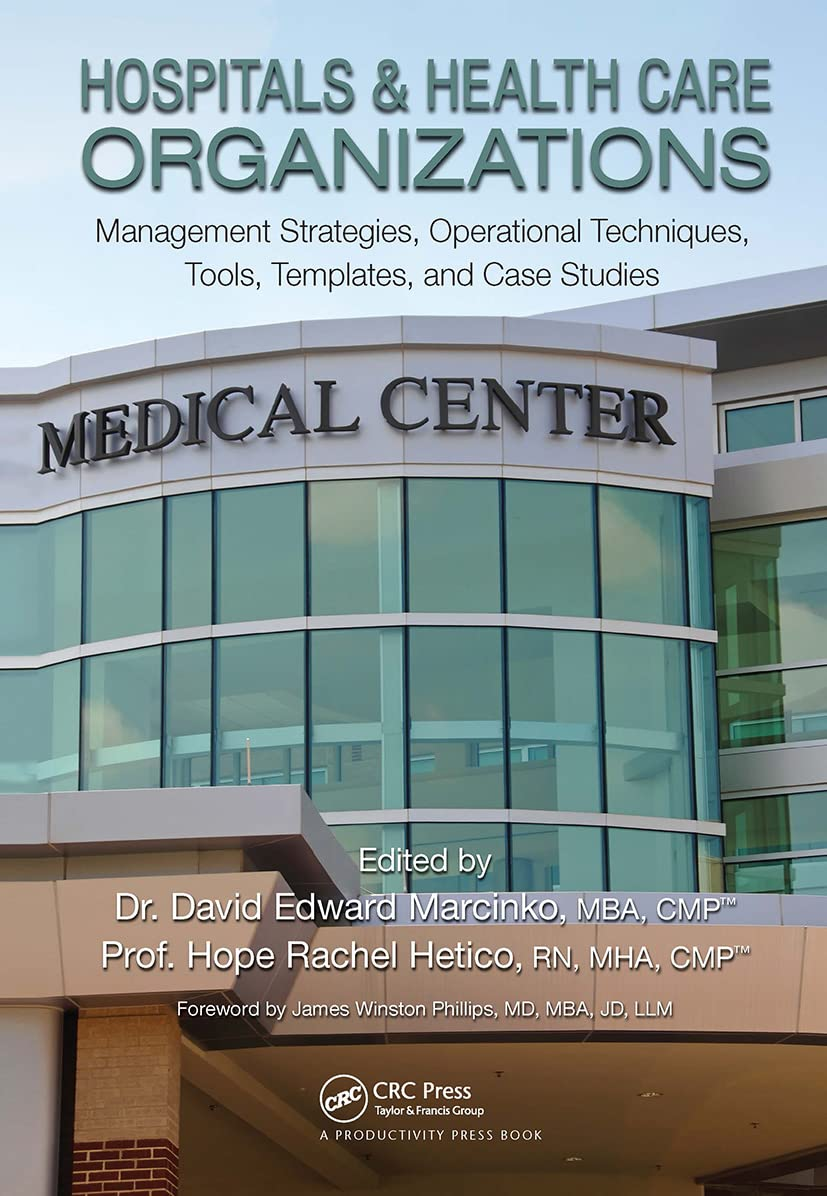
HOSPITALS: https://www.amazon.com/Hospitals-Healthcare-Organizations-Management-Operational/dp/1439879907/ref=sr_1_4?s=books&ie=UTF8&qid=1334193619&sr=1-4

***

CURRENCY: Crypto -OR- Fiat?

From Morning Brew

***

***

COMMENTS APPRECIATED

Thank You

Information Technology: https://www.amazon.com/Dictionary-Health-Information-Technology-Security/dp/0826149952/ref=sr_1_5?ie=UTF8&s=books&qid=1254413315&sr=1-5

***

Is Health Economics “Heterodoxic” -OR- Not?

A Real or False Linguistic Conundrum?

By Dr. David E. Marcinko MBA

Heterodox Economics

Heterodox Economics refers to methodologies or schools of economic thought that are considered outside of “mainstream economics”, often represented by expositors as contrasting with or going beyond neoclassical economics. “Heterodox economics” is an umbrella term used to cover various approaches, schools, or traditions.

***

***
Health Economics [not healthcare economics]
***
Health Economics is a branch of economics concerned with issues related to efficiency, effectiveness, value and behavior in the production and consumption of health and healthcare. In broad terms, health economists study the functioning of healthcare systems and health-affecting behaviors such as smoking.
***
The “father” of health economics may just well be Ken Arrow, PhD.
***
Assessment: So, is health economics now mainstream; or still heterodoxic in 2019? OR, is the definitial conundrum just a matter of linguistics and terms-of-art. Your thoughts are appreciated.
***

Product DetailsProduct DetailsProduct Details

***


A Guide to Travel Nursing Jobs

A Nationwide Database Review

Join Our Mailing ListThis “Guide to Travel Nursing Jobs” presents data obtained from a nationwide information database of travel nurses including motivational factors in choosing a travel nurse career, age demographics, benefits information, and social media usage.

***

In addition, the guide highlights the salary info for travel RNs as well as a timeline of the travel nursing process.

Source: onwardhealthcare.com

Channel Surfing the ME-P

Have you visited our other topic channels? Established to facilitate idea exchange and link our community together, the value of these topics is dependent upon your input. Please take a minute to visit. And, to prevent that annoying spam, we ask that you register. It is fast, free and secure.

Conclusion

My how things have changed post pandemic. Your thoughts and comments on this ME-P are appreciated. Feel free to review our top-left column, and top-right sidebar materials, links, URLs and related websites, too. Then, subscribe to the ME-P. It is fast, free and secure.

Speaker: If you need a moderator or speaker for an upcoming event, Dr. David E. Marcinko; MBA – Publisher-in-Chief of the Medical Executive-Post – is available for seminar or speaking engagements. Contact: MarcinkoAdvisors@msn.com

OUR OTHER PRINT BOOKS AND RELATED INFORMATION SOURCES:

Product Details

Enter “Population Health” Management

Join Our Mailing List

Understanding the Costs and Risks

Dr. DEM

[By Dr. David Edward Marcinko MBA]

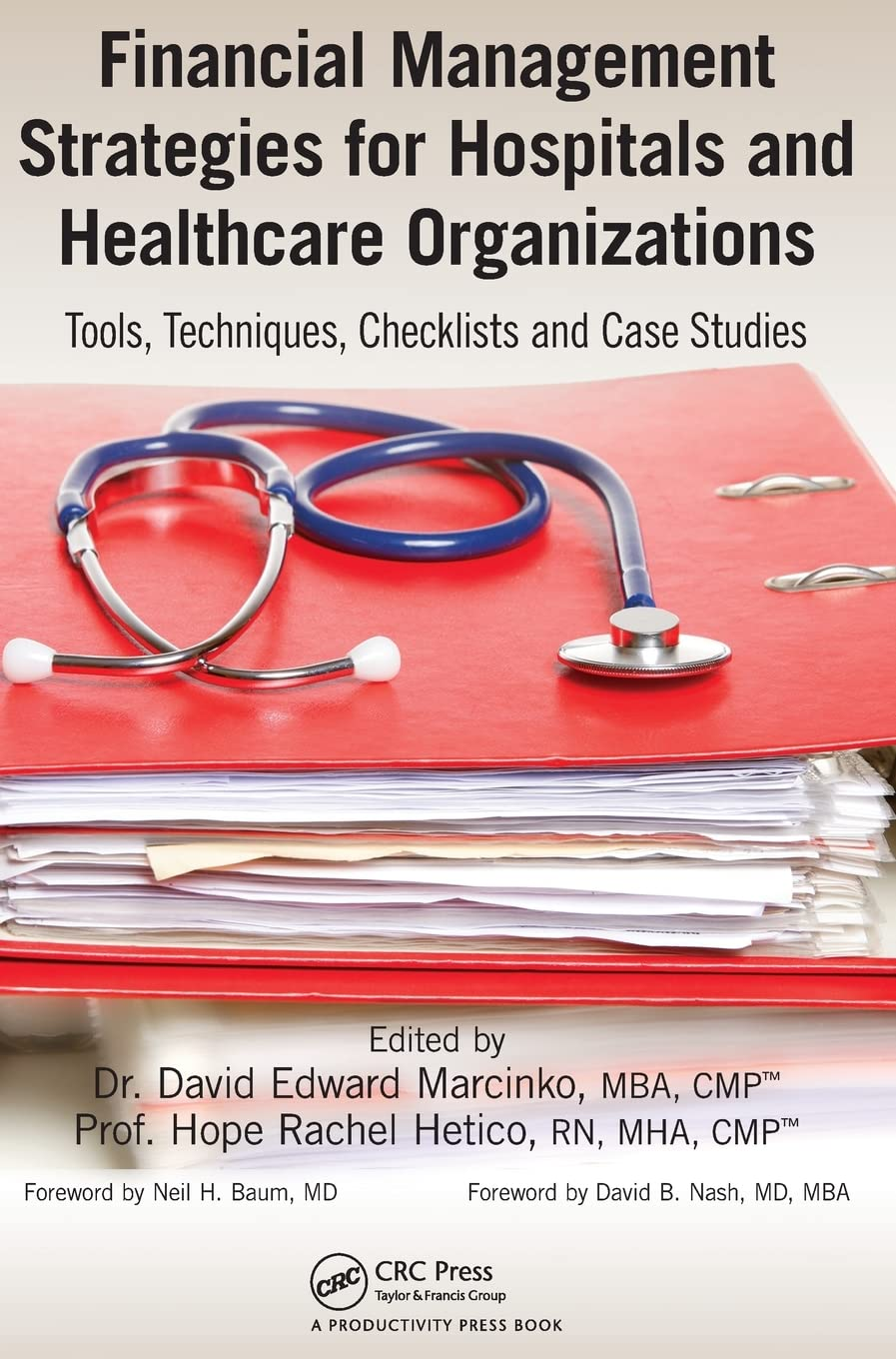
Gratefully, our book, Financial Management Strategies of Hospitals and Healthcare Organizations [Tools, Techniques, Case Studies and Checklists] has become an academic best seller.

It contains a chapter on Wellness and Population Health 2.0; included here for your review [By Jennifer Tomasik, Carey Huntington, and Fabian Poliak].                 .

Population Health

I am especially proud of this work.  This managerial book mimics the popular style of colleague Atul Gawande MD in his acclaimed work The Checklist Manifesto.

Why? All hospitals are still subject to the imperative: No Margin – No Mission.

***

Pop Health

 ***

Assessment

In an example of population health management and policy leadership, another colleague, David B. Nash MD MBA of the Wharton School, and Endowed Dean of Jefferson University Medical School [father of population health], even wrote the “Foreword”.

Click on this link to read it entirely.

Link: Foreword.Nash

More:

Conclusion

Your thoughts and comments on this ME-P are appreciated. Feel free to review our top-left column, and top-right sidebar materials, links, URLs and related websites, too. Then, subscribe to the ME-P. It is fast, free and secure.

Speaker: If you need a moderator or speaker for an upcoming event, Dr. David E. Marcinko; MBA – Publisher-in-Chief of the Medical Executive-Post – is available for seminar or speaking engagements. Contact: MarcinkoAdvisors@msn.com

OUR OTHER PRINT BOOKS AND RELATED INFORMATION SOURCES:

Product DetailsProduct Details

***

Invite Dr. Marcinko

***

Understanding Professional Medical Employer Organizations

Join Our Mailing List PROFESSIONAL Human Resources Options

By Eric Galtress

“In-house service and support activities are monopolies.  They have little incentive to improve productivity. In fact, they have considerable disincentive to improve their productivity. Clerical, maintenance and support work, do not make a direct and measurable contribution to the bottom line.”

       “Sell the Mailroom” by Peter F. Drucker

 ***

Labor Law

Labor Law compliance begins with the hire of your very first employee, thus a well managed human resources (HR) function should be an area of strategic focus by the medical executive, regardless of practice size or the number of employees. Consideration of this vital role can help contribute to an efficient, highly effective and productive professional staff committed to the goals of the practice encompassing a positive and nurturing culture evident to your patients, while maintaining your competitive edge.

HR

Human Resources are the major expense driver of today’s medical practice and addresses staffing requirements, wages and other compensation, payroll and tax compliance, labor law compliance, employee benefits, training, employee turnover, safety, risk management and workers’ compensation. These responsibilities must be performed in accordance with State and Federal guidelines, beginning with the hire of your very first employee.

At specific employee level thresholds, employers are required to comply with a growing number of employee-related requirements including State and Federal Laws.  These laws govern the proper method of how employees must be treated and paid, as well as ensuring that their rights in the workplace are protected. State and Federal Regulators each create vast amounts of workplace legislation every year, many of which become law.

In most cases, the specific requirement (either State or Federal) that affords the employee the most workplace rights and/or protection and benefits takes precedence over the other.  Non-compliance can subject the practitioner/business owner to hefty fines, penalties, business interruption, litigation, and in some cases, even practice failure.

Moreover, these HR efforts are backed by labor attorneys, service providers, brokers and other consultants. Given the typical size of a medical practice, this presents a compelling argument that practices should consider taking advantage of an innovative alternative:  being able to delegate (outsource) part or most of the HR burden as well as the employee / employer related liabilities.

Outsourcing

Simply put, instead of the practitioner/staff performing the HR requirements, part or most of this responsibility can be outsourced to an off-site HR services provider that specializes in labor law compliance, employee management and cost control. The practitioner retains functional control of the employees and the service provider handles the HR issues.

Added value is achieved by the practice in receiving these services more cost effectively since their needs are combined with those of the many other practices and businesses the provider already serves. Outsourcing is a matter of simple economics, enabling the practitioner to gain relief from cumbersome employee administration, while enhancing productivity and benefits for the staff members.

The HR outsourcing relationship is not to be confused with a Physician Practice Management Company (PPMC).  The HR services provider has no financial interest or ownership whatsoever in the practice.

***

student-849825_640

 ***

DEFINITIONS

To have an outside firm take responsibility and much of the liability to perform activities traditionally handled by internal staff and resources because:

  1. They can do it cheaper and/or faster.
  2. They can do it better because of their expertise and experience.
  3. They have all of the required professional staff and/or facilities.
  4. They take all or part of the risk and the liability to do it right.
  5. They can expand their service offering commensurate with your growth needs
  6. They save you the time of doing it yourself or having one or more of your key staff members distracted from the priorities of the practice.
  7. They help safeguard against chaos should the key person handling HR suddenly leave
  8. They help maintain the high standards of the practice with regard to the employees and the workplace.
  9. Outsourcing can benefit all parties.

Human resource management

In general, HR management consists of the activities, responsibilities and issues of any practice/business, corporation, partnership or other business entity that comes as a result of having employees (IRS1099 independent contractors are not considered employees).

Some of these requirements are mandatory such as paying minimum wage and providing workers’ compensation insurance protection; other aspects and their related administrative functions can be at the discretion of the owner(s) of the practice or business such as sponsoring health benefits, retirement plans for their employees or paid vacation and sick time.

Employer POV

What follows is an overview of the HR requirements of being the employer. This includes a condensed view of employment and labor laws, government compliance issues, employee related costs and the alarming upsurge in employee litigation. The last poses a growing level of liability, vulnerability and distraction to today’s medical executive and practitioner/owner, second only to that of medical malpractice.

Assessment

As a result, many physicians without available HR expertise are finding it increasingly difficult to focus on growing their practices.

More:

Conclusion

Your thoughts and comments on this ME-P are appreciated. Feel free to review our top-left column, and top-right sidebar materials, links, URLs and related websites, too. Then, subscribe to the ME-P. It is fast, free and secure.

Speaker: If you need a moderator or speaker for an upcoming event, Dr. David E. Marcinko; MBA – Publisher-in-Chief of the Medical Executive-Post – is available for seminar or speaking engagements. Contact: MarcinkoAdvisors@msn.com

OUR OTHER PRINT BOOKS AND RELATED INFORMATION SOURCES:

***

[PRIVATE MEDICAL PRACTICE BUSINESS MANAGEMENT TEXTBOOK – 3rd.  Edition]

Product DetailsProduct Details

  [Foreword Dr. Hashem MD PhD] *** [Foreword Dr. Silva MD MBA]

***

A Glimpse into Lean Medical Management Tools and Techniques

Join Our Mailing List

A Very Brief Review

By Dr. Mark Matthews with Dr. David Marcinko MBA

As most medical and healthcare executives and consultants are aware, there are a few tools and techniques that are unique to the world of Lean process improvement and management.

These  include: Kaizen Events, The 5-S Technique, Standard Work, Visual Controls and Human Factors Engineering.

We will review the first two techniques in this ME-P. Of course, the last three are reviewed in much greater detail in our new book complete with checklists, figures, tables, drawings, graphs and other illustrations.

Kaizen Events

Kaizen is one of the most powerful tools in the Lean methodology. These events involve intense work sessions aimed at making concrete decisions in a short time period without the need for much data collection. Kaizen events are fairly narrow in scope, ideally concentrating on making one or two decisions at the most.

For example, there may be competing improvement ideas that require more exploration. Using a Kaizen event can provide the necessary structure to make the decision needed to move forward with implementation. The steps in a typical Kaizen Event often include:

  • Determine and define the objectives
  • Determine the current state of the process
  • Determine the requirements of the process
  • Create a plan for implementation
  • Implement the improvements
  • Check the effectiveness of the improvements
  • Document and standardize the improved process
  • Continue the cycle

The 5-S Technique

This technique was developed to allow employees to visually control their work area around visual management techniques. The principles involved in visual management include:

  • Improving workspace efficiency and productivity
  • Helping people share workstations by providing standard layouts
  • Reducing the time required to look for needed supplies or tools
  • Improving the work environment

Each “S” in 5S stands for a step in the process:

  • Sort – classify every item in the designated area as either needed or not needed
  • Set (Straighten) – put “everything in its place”
  • Shine (Sweep) – clean all work environments for order and organization
  • Standardize  – document what goes where, who will clean and who will inspect and on what schedule
  • Sustain-design a system for monitoring process, providing feedback, and rewarding good outcomes

Assessment

Prior to conducting a 5S event, a significant amount of planning is vital. It is important to scope the target area as something that is manageable, draw a physical map of the area under consideration [hospital, ED, OR, clinic, office, etc], and assemble a list of current items in that area. This is usually accomplished by taking photographs (both before and after) of the area.

Conclusion

Your thoughts and comments on this ME-P are appreciated. Feel free to review our top-left column, and top-right sidebar materials, links, URLs and related websites, too. Then, subscribe to the ME-P. It is fast, free and secure.

Link: http://feeds.feedburner.com/HealthcareFinancialsthePostForcxos

Speaker: If you need a moderator or speaker for an upcoming event, Dr. David E. Marcinko; MBA – Publisher-in-Chief of the Medical Executive-Post – is available for seminar or speaking engagements. Contact: MarcinkoAdvisors@msn.com

Our Other Print Books and Related Information Sources:

Health Dictionary Series: http://www.springerpub.com/Search/marcinko

Practice Management: http://www.springerpub.com/product/9780826105752

Physician Financial Planning: http://www.jbpub.com/catalog/0763745790

Medical Risk Management: http://www.jbpub.com/catalog/9780763733421

Hospitals: http://www.crcpress.com/product/isbn/9781439879900

Physician Advisors: www.CertifiedMedicalPlanner.org

Buy from Amazon

Learn How to Profit and Thrive in the PP-ACA Era

BOOK FOREWORD / TESTIMONIAL

DICTIONARY: Health Economics and Finance

By Dr. David Edward Marcinko MBA CMP

CMP logo

COURTESY: http://www.CertifiedMedicalPlanner.org

***

FOREWORD

***

***
ORDER: https://www.r2library.com/Resource/Title/0826102549

***

Business Plan for Creatives … and Doctors!

CMP logo

A Detailed Plan for Medical Professionals

By Dr. David Edward Marcinko MBA CMP

http://www.CertifiedMedicalPlanner.org

***

***

MBA Business Plan CAPSTONE Outline

PODCAST Transcript: Podcast

Conclusion

Your thoughts and comments on this ME-P are appreciated. Feel free to review our top-left column, and top-right sidebar materials, links, urls and related websites, too. Then, subscribe to the ME-P. It is fast, free and secure.

Speaker: If you need a moderator or speaker for an upcoming event, Dr. David E. Marcinko; MBA – Publisher-in-Chief of the Medical Executive-Post – is available for seminar or speaking engagements. Contact: MarcinkoAdvisors@msn.com

OUR OTHER PRINT BOOKS AND RELATED INFORMATION SOURCES:

[PRIVATE MEDICAL PRACTICE BUSINESS MANAGEMENT TEXTBOOK – 3rd.  Edition]

Product DetailsProduct Details

  [Foreword Dr. Hashem MD PhD] *** [Foreword Dr. Silva MD MBA]

***

ENTREPRENEURIAL MANAGEMENT EFFICIENCY: “Slowly I Turned … Step by Step … Inch by Inch”

By Staff Writers

***

***

Venture capitalists who are in a rut should stop talking about how hard it is to raise a $100 million fund. Instead, raise a $5 million fund.

Rather, they should stop trying to invest $5 million at a time (with an 18-month window before going public). A better strategy is to start doing smaller investments with longer time horizons.

CITE: https://www.r2library.com/Resource/Title/082610254

Just like chili, low and slow is the way to maximum flavor.

READ: https://tinyurl.com/2ewwvz2c

***

COMMENTS APPRECIATED

Thank You

***

***

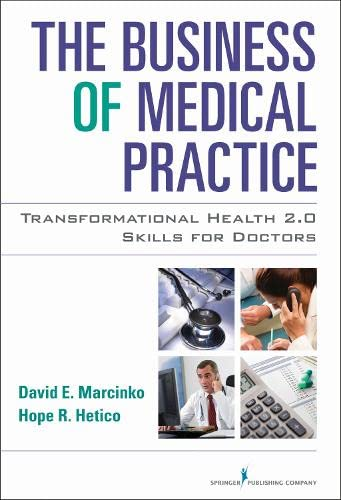
Transformational Business Skills for Doctor Entrepreneurs

THE BUSINESS OF MEDICAL PRACTICE [Health 2.0]

Textbook Review

***

SECOND OPINIONS: https://medicalexecutivepost.com/schedule-a-consultation/

INVITE DR. MARCINKO: https://medicalexecutivepost.com/dr-david-marcinkos-bookings/

SPONSOR: http://www.CertifiedMedicalPlanner.org

***

Happiness Defined = Physiologically

Anxiety, Depression, Love and More!

[By staff reporters]

***

https://medicalexecutivepost.com/2022/05/17/personal-coaching-dr-marcinko-at-your-service/

Our ME-P Second Opinion Service

By Staff Reporters

***

Finally, telephonic, video or electronic advice for medical professionals that is:

  • Objective, affordable, medically focused and personalized
  • Rendered by a pre-screened financial consultant or medical management advisor
  • Offered on a pay-as-you-go basis, by phone or secure e-mail transmission.

***

***

***

Second Opinions: https://medicalexecutivepost.com/schedule-a-consultation/

Coaching: https://medicalexecutivepost.com/coach/

***

THANK YOU

***

Fake Prescription Drug Rx Example

Altered and Poorly Written Rx for Vicodin

By Dr. David Edward Marcinko MBA

***

***

Poorly-written Rx for vicodin

Drug: Rx Vicodin

Disp: # 10

Sig: Take I, as needed for pain.

Refills: 1 2 3 4 or 5

AM2685591

David Edward Marcinko, MBBS DPM MBA

The patient abuser may change drug quantity numbers, copy or remember the doctors’ DEA number, or take extra Rx pads. For this reason, a physician’s Rx pad should contain his/her name, address and telephone number. The doctor’s DEA number should not be pre-printed on the pad, for fear of mis-use.

Example:

  • Increase the quantity 10, to 100, by adding a zero, so that the additional capsules can be used, sold or bartered with on the street.
  • Change the directions to take 2 capsules, rather than 1 in order to produce greater euphoria.
  • Increase the Rx refills, from one to two, by extending the underline, or checking an additional quantity box.
  • Pre-printed DEA number can be stolen, sold or reused.
  • Pre-printed (not original) physician signature can be reproduced and widely distributed for more prescriptions.

Altered Rx for vicodin

Drug: Rx Vicodin

Disp: # 100

Sig: Take II, as needed for pain.

Refills: 1 2 3 4 or 5

AM2675591

David Edward Marcinko, MDBBS DPM MBA

 The doctor drug addict, or a doc in need of funds, may write for more narcotic agent than needed, and receive the additional pills back from the patient-shill for personal consumption, sell them on the street himself for money, or receive a monetary kickback from the patient-shill.

A pharmacist may also indirectly alter a prescription using the above methods, or simply short-change the patient with fewer narcotic capsules than the prescription intends. This is more difficult to do with pills or tablets in the out patient setting, but easy to do in the in-patient setting when liquid IV drugs are used, by dilution and placing less than the full amount in IV bottles or bags. The harm to patients, of course, may be fatal.

Well-written Rx for vicodin

Drug: Rx Vicodin

Disp: # 10 (ten) capsules

Sig: Take one or two capsules, po, prn pain.

Refills: 1 2 3 4 or 5

AM2685591

David Edward Marcinko, MBBS DPM MBA

Example:

  • Drug quantity can-not be changed.
  • Directions can-not be changed. Route of administration (by mouth) indicated.
  • Rx refills clearly indicated.
  • Handwritten, not pre-printed, DEA number.
  • Original physician signature, only.

Doctor Rx prescription abuse foibles are legendary in the DEA and include a Maryland podiatrist who wrote prescriptions for more than 1,235 Mepergan Fortis capsules ostensibly for his wife following minor foot surgery. Or, the Florida physician who prescribed more than 2,150 Vicodin capsules for a patient with whom he was having an extra-marital affair in order that his consort not disclose the fling to his wife. Or, the osteopath from New Jersey who wrote more than 100 narcotic prescriptions every 8 hour day, for more than a year, to any patient standing in a line in front of his office. And, finally the California dentist whose excuse for writing more than 1,845 narcotic tablet prescriptions in a six month period for the same patient was that they would be needed in his next reincarnation. Yes, all of these incidents are laughable if not for their serious consequences to the involved individuals, and society, alike. The bastards!

Fortunately, unlike drug local domestic drug kingpins or international narco-traffickers who ply their trade virtually undetected, these naive white-collared nerds, always get caught by the Drug Enforcement Agency. Their Rx abuse tactics are so amateurish!

***

INVITE: https://medicalexecutivepost.com/dr-david-marcinkos-bookings/

***

COMMENTS APPRECIATED

Thank You

***

***

***

Prescription Drug Rx ABUSE

***

By Dr. David Edwarrd Marcinko MBA

Rx DRUG ABUSE

Traditional medicinal agents come in a variety of ways, known as dispensing vehicles. Drugs may be in liquid, pill or inject able form, they may be compounded in capsules, caplets, gelatin tablets, powders or suppositories, or they may come in creams or ointments for the eye, anus and vagina. They may be ingested into the stomach, placed and dissolved under the tongue, put into the eyes, popped, injected or smeared and transported through the human skin from patches.   

A valid drug prescription is a written order, by a doctor, to a pharmacist. In this country, prescriptions are written by physicians, podiatrists, osteopaths, dentists. and some optometrists, physician assistants and nurse practitioners. In addition to the name of the patient and that of the medical prescriber, the prescription contains the name of the drug (not necessarily a narcotic), its quantity, instructions to the pharmacist, and directions to the patient. Narcotic prescriptions may not be prescribed to a drug addict to prevent withdrawal symptoms, as there must be some other therapeutic purpose for such an order.

The art of medicinal prescription writing, and pharmaceutical compounding, has declined in modern medicine for several reasons. Most drugs are made by pharmaceutical companies, and the role of the pharmacist, in most cases, consists only of compounding and error prevention. Many drugs are even automatically dispensed, and tracked, in the hospital setting with bar coding technology and modern inventory tracking mechanisms. Also, the practice of writing long and complicated prescriptions, containing many active ingredients, adjuvants, correctives, and elegant vehicles, has been abandoned in favor of using pure compounds.

Drugs may be prescribed by their official names, which were first given by the United States Pharmacopeia (USP), in 1920, or by the National Formulary (NF), since 1906. Unofficial or generic names may be used, known as New and Non-Official Drugs (NND) or by the United States Adopted Names (USAN), or by the manufactures trade name. For example, the generic narcotic meperidine or pithidine, is also known by the trade named, demerol. The designation USAN does not imply endorsement by the American Medical Association (AMA) Council on Drugs (CODs), or by the USP.

Of course, there is an advantage and disadvantages to prescribing drugs by their trade name, or generic names. Advantages of generics include economies of scale for both the patient and pharmacist, and although the active ingredient in generics are identical to trade drugs, they are often less expensive since research and development costs are absent, and various binders, colorizing agents, preservatives or dispersing agents are of an inferior quality, and hence cheaper for the patient. Appearance, size and taste issues are common. For the pharmacist, generics are cheaper since a multiplicity of very similar drugs need not be shelved.

***

***

For example, the tablet or capsular form of many drugs contains inactive ingredients, such as: ammonio methacrylate copolymer, hydroxypropyl methylcellulose, lactose, magnesium stearate, povidone, red iron oxide, stearyl alcohol, talc, titanium dioxide, triacetin, yellow iron oxide, yellow iron oxide with FD&C blue No.2 (80 mg strength tablet only), FD&C blue No.2 and other ingredients. And yes, I’ve seen an addict do into shock, or die from acute anaphylaxis, after taking drugs containing ingredient he was highly allergic to.

Shock is a life-threatening condition where blood pressure falls too low to sustain life. It occurs when low blood volume (due to severe bleeding, excessive fluid loss or inadequate fluid uptake), inadequate pumping action of the heart or excessive dilation of the blood vessel walls (vasodilation) causes low blood pressure. This in turn results in inadequate blood supply to body cells, which can quickly die or be irreversibly damaged.

Anaphylactic shock is the severest form of allergy that is a medical emergency. It is a Type I reaction according to the Gell and Coombs medical classification, and is often severe and sometimes fatal systemic reaction in a susceptible individual upon exposure to a specific antigen (such as wasp venom or penicillin) following previous sensitization, or drug use. Characterized especially by respiratory symptoms, fainting, itching, itching and swelling of the throat or other mucous membranes and a sudden decline in blood pressure! The victim literally cannot breathe and drowns in its own congested and fluid filled lungs

So, patients in need of routine drugs for acute or chronic conditions like arthritis, high blood pressure, asthma, acne, hay fever, performance enhancing steroids or, so called life style drugs, like Viagra for a limp woody, or hair growth stimulator Rogaine, may get a good deal by going to Canada or Mexico for generics. But for important drugs, like nitroglycerine fro your heart, blood thinner coumadin, birth control pills or various anti-cancer agents, stick with brand names.

The main disadvantage of trade drugs is increased cost, due to R & D, patents, trademarks, marketing and company advertising expenses. Of course, trade drug are first to market, and hence may be beneficial as a new treatment modality, or injurious if significant side affects or other complications arise.

Today, the prime source for drug information is probably the well known, Physicians Desk Reference (PDR). Now, in its 58th edition, the PDR® provides the latest information on prescription, but not illegal street drugs. It is considered the standard reference that can be found in virtually every physician’s office, hospital and pharmacy in the United States. The current edition is over 3,000 pages long, and is where you can find data on more than 4,000 drugs, by brand and generic name, manufacturer and product categories. The PDR also provides usage information and warnings, drug interactions, plus full-size, full-color photos cross-referenced to specific drugs. For the layman, it also includes: phonetic spelling for each listing, a key to controlled substances, adverse reactions and contraindications, pregnancy ratings, dosages and all other FDA-required information. Of course, on the street, or in Mexico, none of this information matters.

Latin abbreviations, sometimes still used by doctors on prescription blanks include:

Rx = take thou (receipe)

po = by mouth (para orbis)

prn = as needed (pro re’nata)

hs = at bed time (hora somnae)

BID = twice daily

TID = three times daily

QID = four times daily

M = Mix

Traditionally, a medical prescription is written in a certain order, well known to drug abusers, and DEA agents, and consist of six basic parts:

  • Superscription: This is the Rx, or recipe. In Latin it means take thou.
  • Inscription: Represents the ingredients and amounts.
  • Subscription: Represent the description for drug dispensing, and may be represented by the letter M, for mix.
  • Signature:  Often abbreviated as Sig, and contains the directions for patient use.
  • Refill Status: Indicates the number of refills allowed.
  • DEA Number: This is nine-character alpha-numeric sequence, used by all licensed physicians who prescribe narcotic agents. An example is AM2685591. The second letter is the first letter of the doctor’s last name, (ie, Marcinko) and the first two digits add up to the third (ie, 2+6=8).

Finally, in addition to the basic parts of a prescription, it should have the patient’s name, and physician signature written in ink, followed by degree designation, such as MD, DPM, DO or DDS, etc.

***

***

Perhaps the most egregious narcotic prescribing habits recently encountered by DEA agents have been by doctors of all degrees and medical designations. Reasons are generally two-fold. First, the doctor may become a drug addict himself, either by accident or through initial legitimate therapeutic use, and over-prescribe the narcotics. Or, increasing office costs, and decreased reimbursement fee reductions of many managed medical care have so economically destabilized the medical community, that economically impoverished doctors desperately sell prescriptions to finance their personal lifestyles, automobiles, clothes, fancy vacations or own addictions.

For example, a staggering medical student loan debt burden of  $100,000-$250,000 is not unusual for new practitioners. In fact, the federal Health Education Assistance Loan (HEAL) program reported that for the Year 2001, it squeezed significant repayment settlements from its Top 5 list of deadbeat doctor debtors. This included a $303,000 settlement from a New York dentist, $186,000 from a Florida osteopath, $158,000 from a New Jersey podiatrist, $128,000 from a Virginia podiatrist, and $120 from a Virginia dentist. The agency also excluded 303 practitioners from Medicare, Medicaid and other federal healthcare programs and had their cases referred for non-payment of debt.

These facts indicate that the current healthcare reimbursement climate has caused more pain and tumult to doctors than the pubic realizes. Older medical practitioners are retiring prematurely, mature providers are frustrated and in despair, and young physicians have no concept of the economic servitude to which they are about to be subjected. Frustration is high and physician suicides have been documented. Many doctors get divorced at the start of their careers. Even the U.S. Inspector General has declared healthcare providers to be public enemy  #2,behind international narco-traffickers, for their federal drug, fraud and abuse initiatives.  Still, the statistic above lends itself to narcotic drug prescription abuse, either on the part of the doctor or patient, since only these two parties that can directly alter a prescription for illicit drug use, as illustrated by this poorly written prescription for a narcotic pain killer, vicodin.

***

INVITE: https://medicalexecutivepost.com/dr-david-marcinkos-bookings/

***
COMMENTS APPRECIATED

Thank You

***

***

****

PODCASTS: The GREAT ECONOMIC MODERATION / RESIGNATION in Medicine?

A HISTORICAL REVIEW WITH UPDATE

Dr. David Edward Marcinko | The Leading Business Education Network for  Doctors, Financial Advisors and Health Industry Consultants

By Dr. David E. Marcinko MBA CMP®
CMP logo

SPONSOR: http://www.CertifiedMedicalPlanner.org

What was the Great Economic Moderation?

The Great Moderation is the name given to the period of decreased macroeconomic volatility experienced in the United States starting in the 1980s.

CITE: https://www.r2library.com/Resource/Title/0826102549

During this period, the standard deviation of quarterly real gross domestic product (GDP) declined by half and the standard deviation of inflation declined by two-thirds, according to figures reported by former U.S. Federal Reserve Chair Ben Bernanke. The Great Moderation can be summed up as a multi-decade period of low inflation and positive economic growth.

But, what about health economics, writ large? And, the actual practice of medicine by physicians in the trenches. Consider this historical review.

GOLDEN AGE OF MEDICINE

The ‘golden age of medicine’ – the first half of the 20th century, reaching its zenith with Jonas Salk’s 1955 polio vaccine – was a time of profound advances in surgical techniques, immunization, drug discovery, and the control of infectious disease; however, when the burden of disease shifted to lifestyle-driven, chronic, non-communicable diseases, the golden era slipped away. Although modifiable lifestyle practices now account for some 80% of premature mortality, medicine remains loathe to embrace lifestyle interventions as medicine Here, we argue that a 21st century golden age of medicine can be realized; the path to this era requires a transformation of medical school recruitment and training in ways that prioritize a broad view of lifestyle medicine. Moving beyond the basic principles of modifiable lifestyle practices as therapeutic interventions, each person/community should be viewed as a biological manifestation of accumulated experiences (and choices) made within the dynamic social, political, economic and cultural ecosystems that comprise their total life history. This requires an understanding that powerful forces operate within these ecosystems; marketing and neoliberal forces push an exclusive ‘personal responsibility’ view of health – blaming the individual, and deflecting from the large-scale influences that maintain health inequalities and threaten planetary health. The latter term denotes the interconnections between the sustainable vitality of person and place at all scales. We emphasize that barriers to planetary health and the clinical application of lifestyle medicine – including authoritarianism and social dominance orientation – are maintaining an unhealthy status quo.

NOTE: https://pubmed.ncbi.nlm.nih.gov/31828026/

GOLDEN AGE OF MEDICAL PRACTICE

To listen to all those desperate to reform health care, you get the impression that physicians are pretty horrible people. We are all sexist, greedy, money grubbing tyrants who will perform unnecessary tests and procedures just to make money. We don’t care about quality or cost. We are killing off 250,000 patients every year with our ignored “errors.”

We purposely keep our patients in pain, or we addict them to narcotics just to shut them up. We are constantly told by lawyers that lawsuits are necessary to protect patients from doctors. We provide unsafe drugs just because the drug reps give us free pens and coffee cups. The government must step in to clean up the mess.

PODCAST: https://www.kevinmd.com/blog/2017/08/9-reasons-golden-age-medicine-golden.html

GOLDEN AGE OF PATIENT TRUST

****

***

THE GREAT PHYSICIAN RETIREMENT AND RESIGNATION: https://medicalexecutivepost.com/2021/11/09/healthcare-industry-hit-with-the-great-resignation-retirement/

YOUR COMMENTS ARE APPRECIATED.

Thank You

***

Risk Management, Liability Insurance, and Asset Protection Strategies for Doctors and Advisors: Best Practices from Leading Consultants and Certified Medical Planners™

RETIREMENT PLANNING: https://www.routledge.com/Risk-Management-Liability-Insurance-and-Asset-Protection-Strategies-for/Marcinko-Hetico/p/book/9781498725989

***

Comprehensive Financial Planning Strategies for Doctors and Advisors: Best Practices from Leading Consultants and Certified Medical Planners™

***

Biden Announces Fix to ACA’s “Family Glitch”

***

By Health Capital Consultants, LLC

***

***

Biden Announces Fix to ACA’s “Family Glitch”

On April 5, 2022, the Internal Revenue Service (IRS) proposed a rule change to its eligibility requirements for families to receive premium tax credits toward purchasing high-quality health coverage on the insurance marketplaces established by the Patient Protection and Affordable Care Act (ACA). This proposed change comes on the heels of two Biden Administration executive orders calling for improvements to the ACA and Medicaid. This Health Capital Topics article will discuss the proposed solution to a decade-long problem and how it will affect millions of Americans. (Read more…)

***

COMMENTS APPRECIATED

Thank You

***

***

***

UPDATE: The Markets and Energy

By Staff Reporters

***

***

Markets: The NASDAQ stayed flat at its lowest level this year. Spotify shares sank to a record low. Facebook is having a rough go, but it’s not the only one. Netflix stock plunged nearly 70% this year after hitting a ceiling on subscriber growth. At one point, it was worth more than Disney; now, it’s not even half as valuable. Even Google is googling “ways to make more money.” Its parent company, Alphabet, reported a slowdown in growth last quarter because, like Facebook, YouTube’s also being been dinged by TikTok and Apple’s privacy changes: The video platform’s revenue came in more than $500 million below expectations.
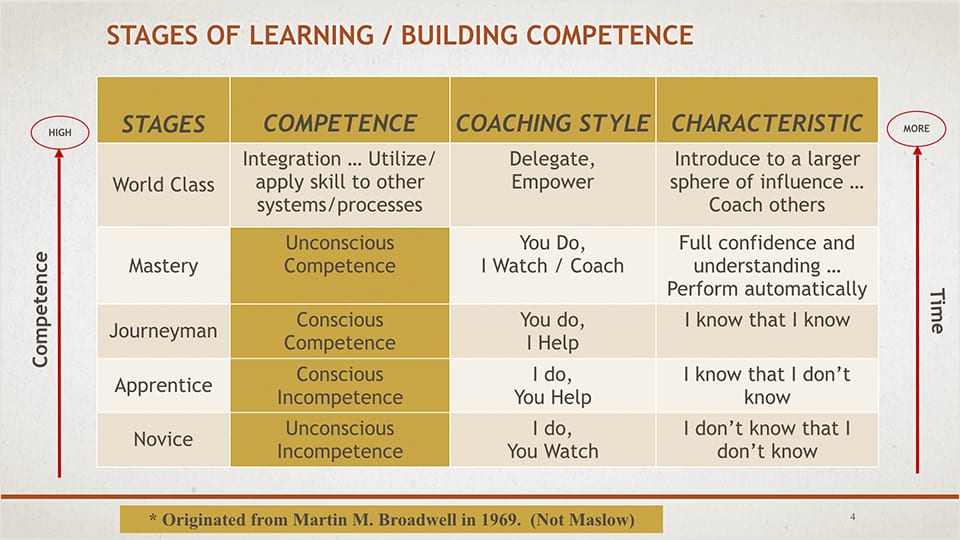
Energy: Russia’s halted oil shipments to Poland and Bulgaria yesterday.

COMMENTS APPRECIATED

Thank You

***

****

Our GREEN ME-P Initiatives on “Earth Day” 2022

April 22nd, 2022

***

By Dr. David Edward Marcinko MBA

Founding Editor-in-Chief

Go Green!

At this Medical Executive-Post, we are trying to go GREEN! Our green mindset permeates brightly whenever we conduct business. However, green is more than just a color, it’s a way of working and living that honors our environment and helps preserve it for future generations. And so, below is a list of our environment-friendly green initiatives.

***

Initiatives

  • We have the ability to remotely monitor our phone and internet systems. Not only is this a cost savings for our colleagues, members, visitors, customers and us, it reduces fuel usage by keeping third-party vendor delivery service fleets off the road.
  • Inbound technicians have an 85% first-call resolution rate. Our folks ask the right questions and take the time to solve issues without scheduling an in-person or vendor service call.
  • We telephone re-use jacks and cables, when possible.
  • We recycle all paper, plastic and glass in our office.
  • We use an eFax service, cutting down on paper usage.
  • We have a paperless billing system.
  • We have a virtual library of “how to” resources for all of our ME-P products and services.
  • We sent our old phone systems to a re-cycler who uses the parts for plastic.
  • So, please send us your other ideas!

***

COMMENTS APPRECIATED

Thank You

SUBSCRIBE TO THE MEDICAL EXECUTIVE-POST

***

***

RATE OF RETURN [RoR]: Investments 2022?

By Staff Reporters

***

***

DEFINITION: A rate of return (RoR) is the net gain or loss of an investment over a specified time period, expressed as a percentage of the investment’s initial cost. When calculating the rate of return, you are determining the percentage change from the beginning of the period until the end.

***

And so, according to Greg McBride CFA, before you invest your money, you’re likely wondering how much you’re going to earn. This is known as the rate of return. The rate of return is expressed as a percentage of the total amount you invested. If you invest $1,000 and get back your original investment plus an additional $100 in interest, you’ve earned a 10 percent return.

CITE: https://www.r2library.com/Resource/Title/082610254

However, numbers don’t always tell the full story. You’ll also need to think about how long you plan to keep the money invested, how your investment options have performed historically and how inflation will impact your bottom line.

Key return on investment statistics

When you’re trying to get the best return on your investment, you’ll likely start combing through loads of data. A good place to start is looking at the past decade of returns on some of the most common investments:

  • Average annual return on stocks: 16.63%
  • Average annual return on international stocks: 7.39%
  • Average annual return on bonds: 3.05%
  • Average annual return on gold: -0.21%
  • Average annual return on real estate: 11.72%
  • Average annual return on CDs: 0.40%

CD rate data is from internal Bankrate averages.

***

ECONOMICS: https://www.msn.com/en-us/money/realestate/from-real-estate-to-inflation-heres-what-to-expect-from-the-economy-in-2022/ar-AASbBHN?li=BBnb7Kz

MARKETS: https://www.msn.com/en-us/money/markets/stock-market-outlook-were-going-to-get-an-explosion-to-the-upside-in-january-strategist-says/vi-AASbBih

***

COMMENTS APPRECIATED.

How have you done so far in 2022?

THANK YOU

***

Thank You

***