BEYOND: Advance Care Planning for Financial Advisors & Lawyers from Doctors on April 16-17th.

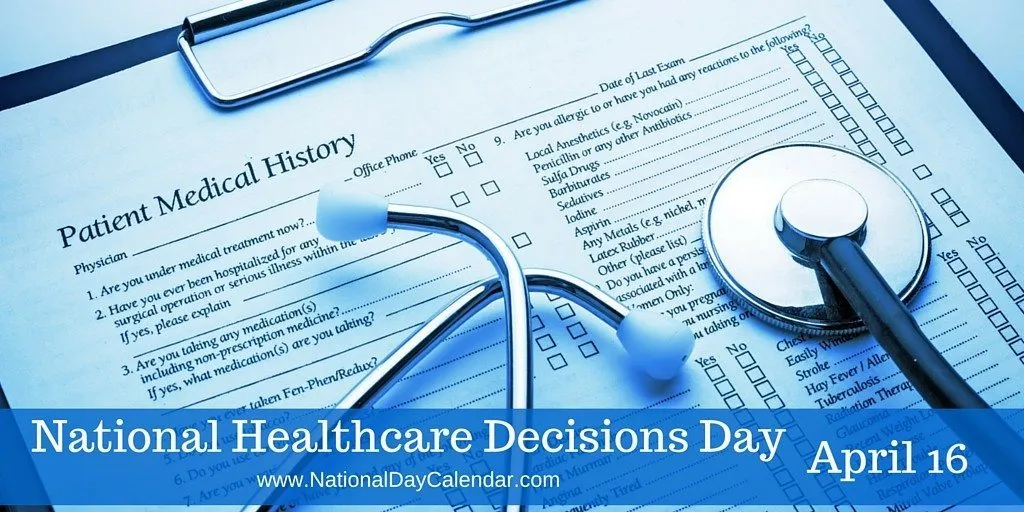
APRIL 17th. IS NATIONAL HEALTHCARE DECISION DAY 2023

By Dr. David Edward Marcinko MBA CMP
SPONSOR: http://www.CertifiedMedicalPlanner.org

Staff Reporters via National Institute of Health

***

National Healthcare Decisions Day (NHDD) exists to inspire, educate and empower the public and providers about the importance of advance care planning. NHDD is an initiative to encourage patients to express their wishes regarding healthcare and for providers and facilities to respect those wishes, whatever they may be.

NHDD was founded in 2008 by Nathan Kottkamp, a Virginia-based health care lawyer, to provide clear, concise, and consistent information on healthcare decision-making to both the public and providers/facilities through the widespread availability and dissemination of simple, free, and uniform tools (not just forms) to guide the process.

NHDD is a series of independent events held across the country, supported by a national media and public education campaign. In all respects, NHDD is inclusive and brings a variety of players in the larger healthcare, legal, and religious community together to work on a common project, to the benefit of patients, families, and providers. A key goal of NHDD is to demystify healthcare decision-making and make the topic of advance care planning inescapable. Among other things, NHDD helps people understand that advance healthcare decision-making includes much more than living wills; it is a process that should focus first on conversation and choosing an agent.

As of June 2016, The Conversation Project has been responsible for the management, finances, and structure of NHDD.  NHDD’s founder, Nathan Kottkamp, continues to be involved in NHDD and provides leadership by ensuring the maintenance of NHDD’s high quality resources and support for the community.

Read more about NHDD’s founding: https://theconversationproject.org/nhdd/origins/

***

***

DEFINITION: What is advance care planning for financial advisors and lawyers?

Advance care planning involves discussing and preparing for future decisions about your medical care if you become seriously ill or unable to communicate your wishes with your estate planning attorney or financial advisor. Having meaningful conversations with your loved ones is the most important part of advance care planning. Many people also choose to put their preferences in writing by completing legal documents called advance directives.

What are advance directives?

Advance directives are legal documents that provide instructions for medical care and only go into effect if you cannot communicate your own wishes.

The two most common advance directives for health care are the living will and the durable power of attorney for health care.

  • Living will: A living will is a legal document that tells doctors how you want to be treated if you cannot make your own decisions about emergency treatment. In a living will, you can say which common medical treatments or care you would want, which ones you would want to avoid, and under which conditions each of your choices applies. Learn more about preparing a living will.
  • Durable power of attorney for health care: A durable power of attorney for health care is a legal document that names your health care proxy, a person who can make health care decisions for you if you are unable to communicate these yourself. Your proxy, also known as a representative, surrogate, or agent, should be familiar with your values and wishes. A proxy can be chosen in addition to or instead of a living will. Having a health care proxy helps you plan for situations that cannot be foreseen, such as a serious car accident or stroke. Learn more about choosing a health care proxy.

Think of your advance directives as living documents that you review at least once each year and update if a major life event occurs such as retirement, moving out of state, or a significant change in your health.

CITE: https://www.r2library.com/Resource

Who needs an advance care plan?

Advance care planning is not just for people who are very old or ill. At any age, a medical crisis could leave you unable to communicate your own health care decisions. Planning now for your future health care can help ensure you get the medical care you want and that someone you trust will be there to make decisions for you.

  • Advance care planning for people with dementia. Many people do not realize that Alzheimer’s disease and related dementias are terminal conditions and ultimately result in death. People in the later stages of dementia often lose their ability to do the simplest tasks. If you have dementia, advance care planning can give you a sense of control over an uncertain future and enable you to participate directly in decision-making about your future care. If you are a loved one of someone with dementia, encourage these discussions as early as possible. In the later stages of dementia, you may wish to discuss decisions with other family members, your loved one’s health care provider, or a trusted friend to feel more supported when deciding the types of care and treatments the person would want.

What happens if you do not have an advance directive?

If you do not have an advance directive and you are unable to make decisions on your own, the state laws where you live will determine who may make medical decisions on your behalf. This is typically your spouse, your parents if they are available, or your children if they are adults. If you are unmarried and have not named your partner as your proxy, it’s possible they could be excluded from decision-making. If you have no family members, some states allow a close friend who is familiar with your values to help. Or they may assign a physician to represent your best interests. To find out the laws in your state, contact your state legal aid office or state bar association.

Will an advance directive guarantee your wishes are followed?

An advance directive is legally recognized but not legally binding. This means that your health care provider and proxy will do their best to respect your advance directives, but there may be circumstances in which they cannot follow your wishes exactly. For example, you may be in a complex medical situation where it is unclear what you would want. This is another key reason why having conversations about your preferences is so important. Talking with your loved ones ahead of time may help them better navigate unanticipated issues.

There is the possibility that a health care provider refuses to follow your advance directives. This might happen if the decision goes against:

  • The health care provider’s conscience
  • The health care institution’s policy
  • Accepted health care standards

In these situations, the health care provider must inform your health care proxy immediately and consider transferring your care to another provider.
Other advance care planning forms and orders from doctors

You might want to prepare documents to express your wishes about a single medical issue or something else not already covered in your advance directives, such as an emergency. For these types of situations, you can talk with a doctor about establishing the following orders:

  • Do not resuscitate (DNR) order: A DNR becomes part of your medical chart to inform medical staff in a hospital or nursing facility that you do not want CPR or other life-support measures to be attempted if your heartbeat and breathing stop. Sometimes this document is referred to as a do not attempt resuscitation (DNR) order or an allow natural death (AND) order. Even though a living will might state that CPR is not wanted, it is helpful to have a DNR order as part of your medical file if you go to a hospital. Posting a DNR next to your hospital bed might avoid confusion in an emergency. Without a DNR order, medical staff will attempt every effort to restore your breathing and the normal rhythm of your heart.
  • Do not intubate (DNI) order: A similar document, a DNI informs medical staff in a hospital or nursing facility that you do not want to be on a ventilator.
  • Do not hospitalize (DNH) order: A DNH indicates to long-term care providers, such as nursing home staff, that you prefer not to be sent to a hospital for treatment at the end of life.
  • Out-of-hospital DNR order: An out-of-hospital DNR alerts emergency medical personnel to your wishes regarding measures to restore your heartbeat or breathing if you are not in a hospital.
  • Physician orders for life-sustaining treatment (POLST) and medical orders for life-sustaining treatment (MOLST) forms:These forms provide guidance about your medical care that health care professionals can act on immediately in an emergency. They serve as a medical order in addition to your advance directive. Typically, you create a POLST or MOLST when you are near the end of life or critically ill and understand the specific decisions that might need to be made on your behalf. These forms may also be called portable medical orders or physician orders for scope of treatment (POST). Check with your state department of health to find out if these forms are available where you live.
  • MORE: https://www.kevinmd.com/2023/04/april-16th-is-national-healthcare-decisions-day-plan-for-your-end-of-life-care-now.html

Medicare Enrollment at CMS?

At enrollment, Medicare in the future could offer three advance directives with goals of care: Directive A: CONSENT to treat — inpatient medical treatment Directive B: CONSENT to comfort — home bound holistic care Directive C: CHOOSE against medical advice — outpatient palliative resources.

CITE: https://www.kevinmd.com/2023/04/the-heartbreaking-story-of-jimmy-carter-a-call-for-medicare-reform-in-end-of-life-care.html

You may also want to document your wishes about organ and tissue donation and brain donation. As well, learning about care options such as palliative care and hospice care can help you plan ahead.

***

COMMENTS APPRECIATED

Thank You

***

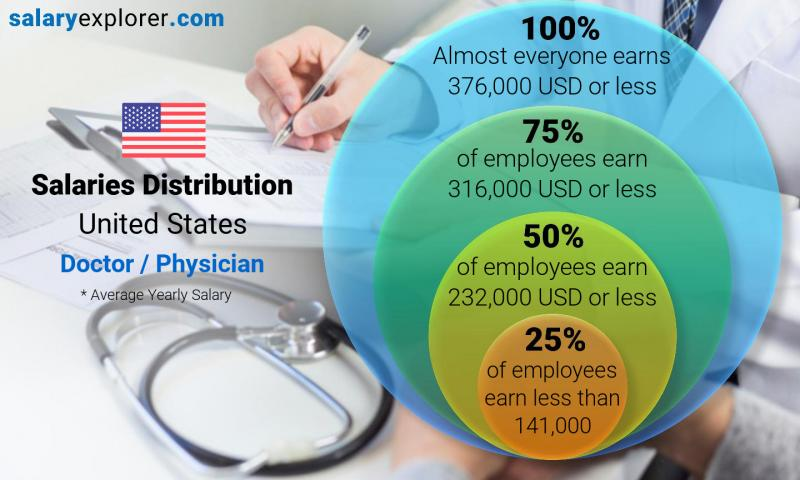
PHYSICIAN SALARY: Pay Gap

By Staff Reporters

***

***

A 2020 analysis of Doximity’s physician compensation data found that men physicians make an estimated $2 million more than women over the course of their careers.

LINK: https://www.statnews.com/2021/12/06/male-female-physician-salaries-gap-2-million-lifetime-earnings/#:~:text=A%20persistent%2025%25%20pay%20gap%20between%20female%20and,for%20specialty%2C%20hours%2C%20location%2C%20and%20years%20of%20experience.

Other findings:

  • Men physicians outearned women physicians by at least 10% across all specialties, except pediatric cardiology (9.2%) and nuclear medicine (3%).
  • Specialties with the largest gender pay gaps were: oral and maxillofacial surgery ($568,789 vs. $395,687), pediatric pulmonology ($282,272 vs. $227,958), allergy and immunology ($329,634 vs. $268,938), urology ($515,850 vs. $424,733), and ophthalmology ($468,515 vs. $387,295).
  • Specialities with the smallest gender pay gaps were: nuclear medicine ($394,231 vs. $382,431), pediatric cardiology ($334,384 vs. $303,622), pediatric gastroenterology ($293,771 vs. $264,135) hematology ($358,736 vs. $320,938), and medicine/pediatrics ($283,034 vs. $253,019).
  • CITE: https://www.r2library.com/Resource/Title/0826102549

***

RELATED: https://medicalexecutivepost.com/2022/01/21/personal-budgeting-for-physician-executives/

CAREERS: https://medicalexecutivepost.com/2022/10/01/careers-and-net-worth/

***
COMMENTS APPRECIATED

Thank You

***

***

PODCAST: Healthcare Brokers in Cars

By Eric Bricker MD

Price and Quality Transparency Data

***

***

***

ORDER: https://www.amazon.com/Business-Medical-Practice-Transformational-Doctors/dp/0826105750/ref=sr_1_9?ie=UTF8&qid=1448163039&sr=8-9&keywords=david+marcinko

COMMENTS APPRECIATED

Thank You

***

CMS: “Open Payments” Pre-Publication Review & Dispute

NOW AVAILABLE

By Staff Reporters via CMS

***

***

Open Payments is a national disclosure program that promotes a transparent and accountable healthcare system. Open Payments houses a publicly accessible database of payments that reporting entities, including drug and medical device companies, make to certain healthcare providers, which are referred to as covered recipients.

Pre-publication review and dispute for the Program Year 2022 Open Payments data opened on April 1st and is available through May 15th, 2023. Disputes must be initiated by May 15th, 2023 in order to be reflected in the June 2023 data publication. 

CITE: https://www.r2library.com

For more information on review and dispute timing and publication, refer to the Review and Dispute Timing and Data Publication Quick Reference Guide.

ORDER: https://www.amazon.com/Dictionary-Health-Insurance-Managed-Care/dp/0826149944/ref=sr_1_4?ie=UTF8&s=books&qid=1275315485&sr=1-4

***
COMMENTS APPRECIATED

Thank You

****

WORLD HEALTH ORGANIZATION: World Health Day

Happy 75th Birthday

By Staff Reporters

***

***

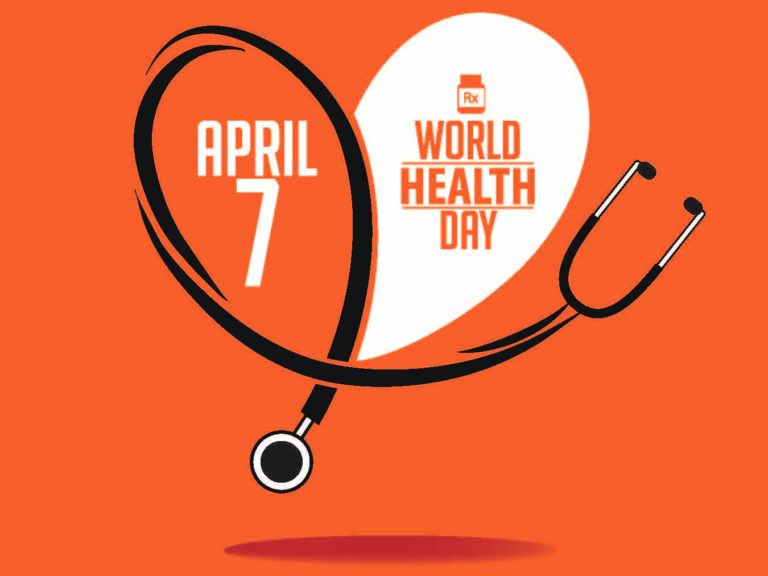
It’s World Health Day and the 75th birthday of the World Health Organization (WHO). Thanks to the WHO, we have almost eradicated diseases like polio and smallpox, and the organization led the largest-ever response to a global health crisis against the Covid-19 pandemic.

So, why not Celebrate this World Health Day by taking care of yourself? It doesn’t have to be tough or uninteresting to eat a well-balanced, nutrient-dense diet, reduce alcohol intake or go for a walk or other exercise. And, stick around for next year!

READ: https://www.who.int/westernpacific/news-room/events/detail/2023/04/07/western-pacific-events/world-health-day-2023

***

***

COMMENTS APPRECIATED

Thank You

***

Is the Return of Physician-Owned Hospitals Imminent?

By Health Capital Consultants, LLC

***

Is the Return of Physician-Owned Hospitals Imminent?

Recent congressional actions and a white paper authored by officials from the Department of Justice (DOJ), Federal Trade Commission (FTC), and the American Medical Association (AMA) are pushing for the removal of barriers for physician-owned hospitals (POHs), potentially paving a path by which these controversial facilities can be established and expanded going forward.  (Read more…)

***

CITE: https://www.r2library.com/Resource/Title/082610254

COMMENTS APPRECIATED

Thank You

***

ORDER: https://www.amazon.com/Financial-Management-Strategies-Healthcare-Organizations/dp/1466558733/ref=sr_1_3?ie=UTF8&qid=1380743521&sr=8-3&keywords=david+marcinko

***

ORDER: https://www.amazon.com/Hospitals-Healthcare-Organizations-Management-Operational/dp/1439879907/ref=sr_1_4?s=books&ie=UTF8&qid=1334193619&sr=1-4

***

ORDER: https://www.amazon.com/Business-Medical-Practice-Transformational-Doctors/dp/0826105750/ref=sr_1_9?ie=UTF8&qid=1448163039&sr=8-9&keywords=david+marcinko

***

WORKPLACE SAFETY: 10 Rules and Guidelines

WORKPLACE MEDICAL VIOLENCE

By Staff Reporters

***

***

Workplace safety is no joke. Slips and trips can lead to a hospital visit—though at least it’s a quick commute for healthcare workers in states with high rates of workplace injuries. In fact, Maine, Oregon, and Vermont had the highest rates of nonfatal workplace accidents and injuries, according to an analysis shared with Healthcare Brew via email of 2021 US Bureau of Labor Statistics data compiled by High Rise Financial, a pre-settlement legal funding company.

What do these states also have in common? According to HealthcareBrew, nursing, ranked within the top 10 most popular professions in each state.

Maine had the highest rate of workplace accidents: 4.7 out of every 100 full-time workers in the state were involved in a nonfatal workplace accident in 2021, High Rise Financial found. That is 67.9% higher than the country’s yearly average. In 2021, 30,270 of the 592,000 registered employees in Maine were home healthcare workers or registered nurses. MaineHealth was the state’s largest private employer in 2021 with approximately 20,500 employees, per the Maine Center for Workforce Research and Information. But the state’s high accident rate isn’t a failure—it suggests that Maine workers are reporting accidents and injuries before they become more serious and require workers’ compensation, Maine Public Radio reported. The most recent data from 2011 shows that workers’ compensation losses cost hospitals nationwide $2 billion, the Occupational Safety and Health Administration found.

CITE: https://www.r2library.com/Resource/Title/082610254

If tedious workplace safety rules sound like a pain, try having an accident. “Slips, trips, and falls,” especially without a wet floor warning sign, are the top causes of workplace accidents that are eligible for pre-settlement funding, according to the High Rise Financial analysis. Even a small slip could lead to a back injury, a broken bone, or a concussion—no banana peel needed.

It’s not all doom and gloom: The CDC has generously curated a list of songs with workplace safety and health themes to liven up your nine-to-five. Just be sure to wear nonslip shoes if you feel like dancing.

***

Workplace Violence: https://medicalexecutivepost.com/2022/12/08/medical-workplace-violence-prevention-guidelines/

Related: https://medicalexecutivepost.com/2022/09/23/assessment-of-workplace-violence-in-healthcare/

***

COMMENTS APPRECIATED

Thank You

ORDER: https://www.routledge.com/Risk-Management-Liability-Insurance-and-Asset-Protection-Strategies-for/Marcinko-Hetico/p/book/9781498725989

***

ORDER: https://www.amazon.com/Dictionary-Health-Insurance-Managed-Care/dp/0826149944/ref=sr_1_4?ie=UTF8&s=books&qid=1275315485&sr=1-4

***

Valuation of Medicare Advantage Plans and the Competitive Environment

By Health Capital Consultants, LLC

***

***

Medicare Advantage (MA) plans, also known as Part C plans, serve as a supplement or an alternative to Original (also called Traditional) fee-for-service (FFS) Medicare Part A and Part B coverage, but they are still part of the Medicare program.

CITE: https://www.r2library.com/Resource/Title/082610254

Most of these plans also include Part D (drug) coverage. MA was created by Congress to offer seniors an alternative to Original Medicare – with an emphasis on treating and managing the health of the whole patient. MA plans are offered to Medicare beneficiaries by Medicare-approved private companies, known as MA Organizations (MAOs), that must follow rules set by Medicare. (Read more…) 

***

COMMENTS APPRECIATED

Thank You

ORDER: https://www.amazon.com/Dictionary-Health-Insurance-Managed-Care/dp/0826149944/ref=sr_1_4?ie=UTF8&s=books&qid=1275315485&sr=1-4

***

PODCAST: Hospitals Co-Ordinate Care for Medicare Patients

USUALLY NOT PRIVATE INSURERS!

By Eric Bricker MD

***

***

RELATED: https://www.amazon.com/Hospitals-Healthcare-Organizations-Management-Operational/dp/1439879907/ref=sr_1_4?s=books&ie=UTF8&qid=1334193619&sr=1-4

***

***

ORDER: https://www.amazon.com/Financial-Management-Strategies-Healthcare-Organizations/dp/1466558733/ref=sr_1_3?ie=UTF8&qid=1380743521&sr=8-3&keywords=david+marcinko

COMMENTS APPRECIATED

Thank You

***

CELEBRATE: National Physician’s Week 2023

By Staff Reporters

SPONSOR: http://www.CertifiedMedicalPlanner.org

***

This National Physicians Week, from March 25–31, we can show doctors we appreciate them as much as they deserve with creative gifts, simple notes, and appreciation posts online.

Doctors deal with years of school, grueling shifts, and emotionally difficult decisions, and still manage to care for us with focus and kindness. Physicians drastically improve the duration and quality of life for everyone, and throughout history have done their best to use cutting-edge science to care for others.

Physician appreciation is also symbolized by a red carnation, so be sure to bring one to your favorite doc this week!

***

***

Here Are the Top Ten Ways To Celebrate National Physicians Week in 2023:

  1. Send a doctor red carnation and/or gift of your choice to show appreciation.
  2. Host a Zoom or virtual celebration.
  3. Doctors can take the day off (If the schedule permits)
  4. Record and post a video to show gratitude for your doctor and physicians nationwide.
  5. Encourage others and spread the word about National Physicians Week on and offline.
  6. Write or share an article about National Physicians Week.
  7. Offer product or service discounts to doctors.
  8. Host an office party to celebrate staff physicians.
  9. Plan a happy hour or networking event for physicians and the community.
  10. Send red carnations and or/greeting cards.

READ: https://www.physiciansworkingtogether.org/national-physicians-week

LOCUM: https://www.locumjobsonline.com/blog/week-remember-showing-appreciation-doctors-physicians-week/

COMMENTS APPRECIATED

Thank You

***

PODCAST: Doctor MEDICAL Specialty Rankings

The R.O.A.D. to Happiness?

By Eric Bricker MD

***

***
COMMENTS APPRECIATED

Thank You

***

***

ORDER: https://www.amazon.com/Business-Medical-Practice-Transformational-Doctors/dp/0826105750/ref=sr_1_9?ie=UTF8&qid=1448163039&sr=8-9&keywords=david+marcinko

CITE: https://www.r2library.com/Resource/Title/082610254

***

Americans Feel Politicians Lost Touch With Public Health Care Needs

A SURVEY-POLL

By Staff Reporters

***

A recent poll of 2,510 American adults by Ipsos found:

 •  87% of Americans feel politicians have lost touch with what the public needs from their health care.
 •  86% of Americans agree that Congress should focus on cracking down on abusive health insurance practices that make it harder for people to get the care they need.
 •  71% of Americans would rather see Congress focus more on reducing the overall costs of health care coverage such as premiums, deductibles, and co-pays.

Source: Ipsos, “Americans frustrated with insurance coverage and costs,” March 1, 2022

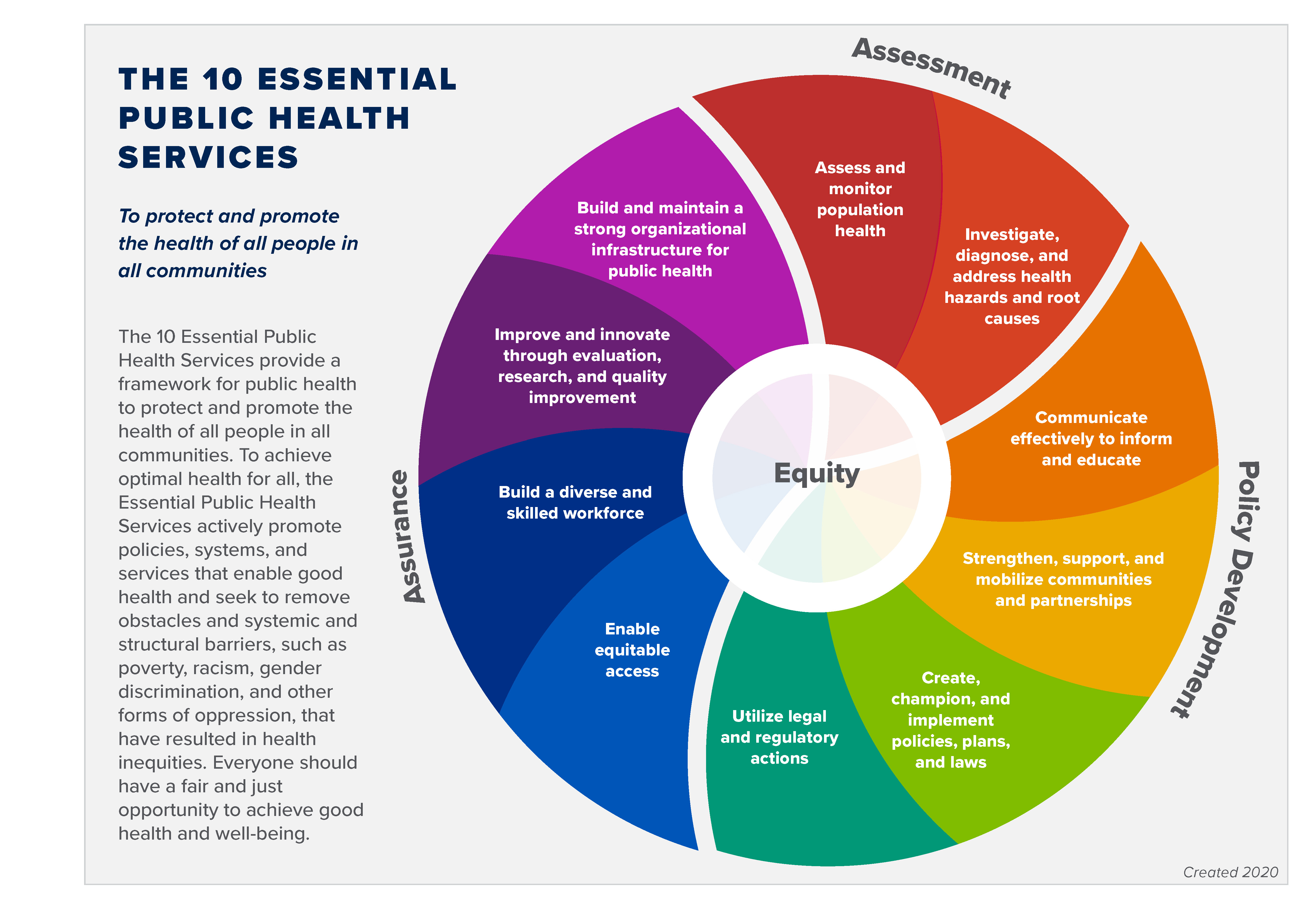
CDC: https://www.cdc.gov/publichealthgateway/publichealthservices/essentialhealthservices.html

***

COMMENTS APPRECIATED

Thank You

Subscribe to the Medical Executive-Post

DICTIONARY: https://www.amazon.com/Dictionary-Health-Insurance-Managed-Care/dp/0826149944/ref=sr_1_4?ie=UTF8&s=books&qid=1275315485&sr=1-4

***

CRYPTO WINTER: A Triad Devastating to Miners?

Tim Berners-Lee of the WWW

By Staff Reporters

***

***

* Profits are down, and they’re set to plummet even further. (Wired $)
* A hedge fund that invested heavily in FTX is shutting down. (FT $)
* Tim Berners-Lee thinks crypto is comparable to gambling. (CNBC)

***

COMMENTS APPRECIATED

Thank You

***

ORDER: https://www.amazon.com/Dictionary-Health-Information-Technology-Security/dp/0826149952/ref=sr_1_5?ie=UTF8&s=books&qid=1254413315&sr=1-5

***

BOND HOLDERS: Credit Suisse

AT1 BONDS = OH NO!

By Staff Reporters

***

***

DEFINITION: Junk bonds are bonds that carry a higher risk of default than most bonds issued by corporations and governments. A bond is a debt or promise to pay investors interest payments along with the return of invested principal in exchange for buying the bond. Junk bonds represent bonds issued by companies that are financially struggling and have a high risk of defaulting or not paying their interest payments or repaying the principal to investors. Junk bonds are also called high-yield bonds since the higher yield is needed to help offset any risk of default.

CITE: https://www.r2library.com/Resource/Title/0826102549

AT1 DEFINITION: Additional Tier 1 bonds are also known as “contingent convertibles,” or “CoCos”. They were created in the wake of the 2008 financial crisis as a way for failing banks to absorb losses, making a taxpayer-funded bailout less likely. They are a risky bet — if a lender gets into trouble, this class of bonds can be quickly converted into equity, or written down completely. Because they are higher-risk, AT1s offer a higher yield than most other bonds issued by borrowers with similar credit ratings, making them very risky. If AT1s are converted into equity, this supports a bank’s balance sheet and helps it to stay afloat. They also pave the way for a “bail-in”, or a way for banks to transfer risks to investors and away from taxpayers if they get into trouble.

CITE: https://www.r2library.com/Resource/Title/0826102549

***

UBS’s emergency takeover of Credit Suisse may have been necessary to avert a financial crisis, but at least one group is Yosemite Sam-level angry over how the deal shook out. Investors holding $17 billion worth of Credit Suisse’s additional tier-one bonds were shocked to discover that their $17 billion was now worth a grand total of…$0. The value of those bonds had been completely wiped out in the deal.

Additional tier-one bonds, or AT1 bonds for short, were established after the 2008 financial crisis to reduce the likelihood that taxpayers would have to bail out a failed bank. AT1s are considered riskier assets, but with that risk comes higher potential returns.

RISK: https://www.routledge.com/Risk-Management-Liability-Insurance-and-Asset-Protection-Strategies-for/Marcinko-Hetico/p/book/9781498725989

So, if these bondholders knew they were taking on risk, why are they so upset?

According to MorningBrew, mainly because, in this unusual deal, they got wiped out while shareholders didn’t. That’s not how the order of operations usually works:

  • When a write-down happens, shareholders traditionally suffer losses before bondholders get hit.
  • This deal flipped the food chain, and livid AT1 bondholders are now huddling up with lawyers about potential legal action.

***

ORDER: https://www.routledge.com/Comprehensive-Financial-Planning-Strategies-for-Doctors-and-Advisors-Best/Marcinko-Hetico/p/book/9781482240283

***

COMMENTS APPRECIATED

Thank You

***

Re-Imagining Global Health Care Business Models?

The State of MEDICAL TOURSIM in the USA

By Dr. David Edward Marcinko MBA CMP®

CMP logo

SPONSORED: www.CertifiedMedicalPlanner.org

American businesses are extending their cost-cutting initiatives to include offshore employee medical benefits, and facilities like the Bumrungrad Hospital in Bangkok, Thailand (cosmetic surgery), the Apollo Hospital in New Delhi, India (cardiac and orthopedic surgery) are premier examples for surgical care. Both are internationally recognized institutions that resemble five-star hotels equipped with the latest medical technology.

What Is Medical Tourism? - YouTube

Foreign countries where I studied medicine and surgery, and practiced briefly, such as Finland, England, Canada and Germany are also catering to the English-speaking crowd, while dentistry is especially popular in Mexico and Costa Rica. Although this is still considered “medical tourism,” Mercer Health and Benefits was retained a decade ago by three Fortune 500 companies interested in contracting with offshore hospitals and The Joint Commission [TJC] has accredited 88 foreign hospitals through a joint international commission.

To be sure, when India can discount costs up to 80%, the effects on domestic hospital reimbursement and physician compensation may be assumed to increase downward compensation pressures.

So far, so good; right? Thumbs Up!

But, then came the Corona Virus Pandemic!

Hand With Thumb Down Free Stock Photo - Public Domain Pictures

Johns Hopkins University Covid 19 Tracker: https://coronavirus.jhu.edu/map.html

India Today: https://www.indiatoday.in/coronavirus

INDIA RATIONING: https://www.msn.com/en-us/health/medical/who-to-be-saved-who-not-to-be-inside-a-hospital-during-indias-covid-19-crisis/ar-BB1golnK?li=BBnb7Kz

ASSESSMENT: Your thoughts are now appreciated.

ORDER Textbook: https://www.amazon.com/Comprehensive-Financial-Planning-Strategies-Advisors/dp/1482240289/ref=sr_1_1?ie=UTF8&qid=1418580820&sr=8-1&keywords=david+marcinko

Product Details

SECOND OPINIONS: https://medicalexecutivepost.com/schedule-a-consultation/

INVITE DR. MARCINKO: https://medicalexecutivepost.com/dr-david-marcinkos-bookings/

THANK YOU

***

PODCAST: The Healthcare Eco-System Explained?

By Eric Bricker MD

***

***

CITE: https://www.r2library.com/Resource/Title/0826102549

COMMENTS APPRECIATED

Thank You

***

ORDER: https://www.amazon.com/Dictionary-Health-Insurance-Managed-Care/dp/0826149944/ref=sr_1_4?ie=UTF8&s=books&qid=1275315485&sr=1-4

***

PHYSICIANS: “Aging Out”

By Staff Reporters

***

***

According to HealthcareBrew, thousands of doctors are expected to reach retirement age in the next three years, and their replacements won’t be physicians. Instead, physician assistants (PAs) and nurse practitioners (NPs) will increasingly provide primary care services, according to a report from consulting firm Mercer.

By 2026, 21% of family medicine, pediatric, and obstetrics and gynecology physicians—or about 32,000 doctors—will be 65 or older, and Mercer anticipates about 23,000 physicians will leave the profession permanently. At the same time, demand for primary care physicians is expected to grow 4%, the report found.

PAs and NPs—also called advanced practice providers (APPs) or physician extenders—are highly trained medical professionals. To become a PA, you have to have both a bachelor’s and a master’s, some clinical work experience, pass the Physician Assistant National Certifying Exam, and then apply to get licensed in your state (you know, easy peasy). It takes seven to nine years to go through that process, compared to 11+ years to become an MD.

CITE: https://www.r2library.com/Resource/Title/0826102549

To become an NP, you must have both a bachelor’s and a master’s in nursing, become a registered nurse, and pass a national NP board certification exam. It takes between six to eight years to become an NP.

Compared to physicians, PAs and NPs are “considerably younger professions with less than half the retirement risk,” the Mercer report stated. Roughly 40,000 PAs and NPs join the workforce annually.

“We’re certainly going to see increasing demand for APPs,” David Mitchell, a partner in Mercer’s career consulting business and a specialist in the healthcare industry, told Healthcare Brew.

While most state licensing boards require a physician to oversee APPs, both PAs and NPs have the authority to do many services primary care physicians do, like seeing and diagnosing patients, ordering lab tests, and writing prescriptions, said Mitchell.

READ HERE: https://www.healthcare-brew.com/stories/2023/03/16/non-mds-will-provide-primary-care?cid=30859907.17846&mid=349b552221c994e2540a304649746d7c&utm_campaign=hcb&utm_medium=newsletter&utm_source=morning_brew

MORE: https://www.aamc.org/data-reports/data/2022-physician-specialty-data-report-executive-summary

***
COMMENTS APPRECIATED

Thank You

***

ORDER: https://www.routledge.com/Risk-Management-Liability-Insurance-and-Asset-Protection-Strategies-for/Marcinko-Hetico/p/book/9781498725989

***

Why are CERTIFIED MEDICAL PLANNER® Textbooks So DARN Popular?

[By Dr. David Edward Marcinko MBA CMP®]

http://www.CertifiedMedicalPlanner.org

OK – I was a Certified Financial Planner® before my academic team launched the Certified Medical Planner™ online and on-ground chartered education and board certification designation program a few years ago. I am now CFP reformed and in remission.

MORE: Enter CPMs

Enter the Certified Medical PlannerChartered Designation

Today, we are of course, gratified that Certified Medical Planner™ mark notoriety is growing organically in the healthcare, as well as financial services, industry.

Even uber-blogger Mike Kitces MSFS, MTAX, CFP, CLU, ChFC, RHU, REBC, CASL has taken note of us in his musings on the Nerd’s Eye View website. And, the reality is that there are a growing number of CFP educational programs at the post-CFP niche market level.

But, none for healthcare industrial complex: for doctors … by doctors!

Popularity of our Text Books

However, it is our modern, innovative and proprietary Certified Medical Planner™ textbooks and dictionaries that have exploded in the academic marketplace.

In fact, they are now redacted in thousands of medical, graduate, law and B-schools and libraries, as well as colleges and universities throughout the nation. This includes the Library of Congress, National Institute of Health and  the Library of Congress.

What Gives?

We have been told that this textbook popularity and publishing success is because of their balanced and peer-reviewed nature; something not very widespread in the financial services industry that is prone to gross and overstated advertising, salesmanship and marketing hyperbole. And, for this we are very gratified.

But, is there another reason our books are so popular?

A bit of networking and research suggests that interested folks may be eschewing the actual course work in favor of just the high quality textbooks! UGH!

Another reason may be that our books and curricula are kept fresh and updated on our corporate website: http://www.MedicalBusinessAdvisors.com

Assessment

So, what do you think? Matriculation with the professional mark versus self study without the designation mark. Please opine.

Conclusion

Your thoughts and comments on this ME-P are appreciated. Feel free to review our top-left column, and top-right sidebar materials, links, URLs and related websites, too. Then, subscribe to the ME-P. It is fast, free and secure.

Speaker: If you need a moderator or speaker for an upcoming event, Dr. David E. Marcinko; MBA – Publisher-in-Chief of the Medical Executive-Post – is available for seminar or speaking engagements.

Book Marcinko: https://medicalexecutivepost.com/dr-david-marcinkos-bookings/

Subscribe: MEDICAL EXECUTIVE POST for curated news, essays, opinions and analysis from the public health, economics, finance, marketing, IT, business and policy management ecosystem.

DOCTORS:

“Insurance & Risk Management Strategies for Doctors” https://tinyurl.com/ydx9kd93

“Fiduciary Financial Planning for Physicians” https://tinyurl.com/y7f5pnox

“Business of Medical Practice 2.0” https://tinyurl.com/yb3x6wr8

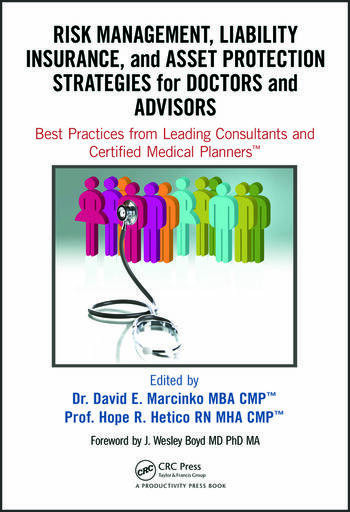
Risk Management, Liability Insurance, and Asset Protection Strategies for Doctors and Advisors: Best Practices from Leading Consultants and Certified Medical Planners™  Comprehensive Financial Planning Strategies for Doctors and Advisors: Best Practices from Leading Consultants and Certified Medical Planners™

Product DetailsProduct Details

HOSPITALS:

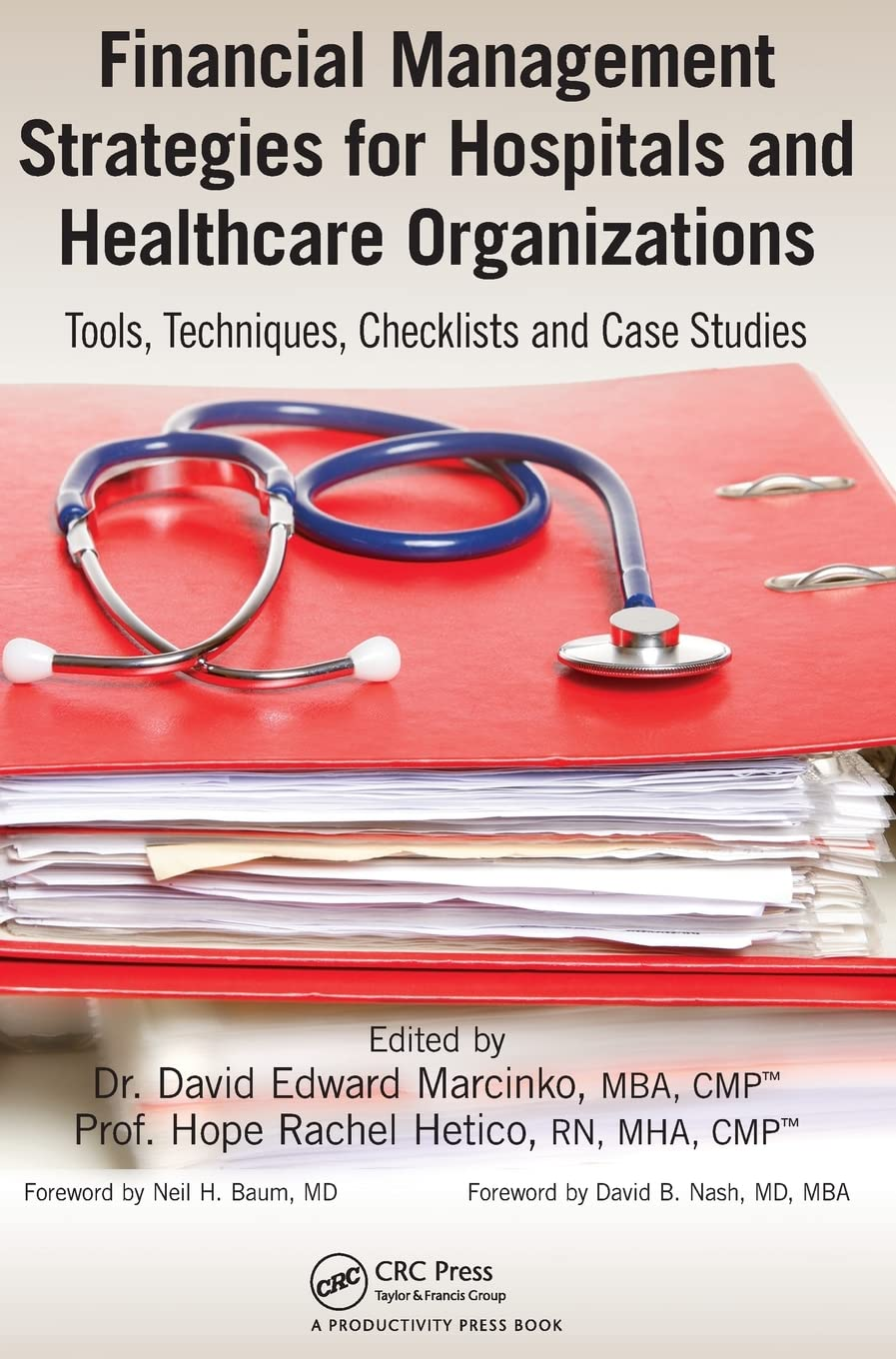
“Financial Management Strategies for Hospitals” https://tinyurl.com/yagu567d

“Operational Strategies for Clinics and Hospitals” https://tinyurl.com/y9avbrq5

Product DetailsProduct Details

Adult Learners and Students:

Product DetailsProduct DetailsProduct Details

***

Malpractice Allegations Alter Practice Patterns of Emergency Department Doctors

Malpractice Allegations Alter Practice Patterns of Emergency Department Doctors

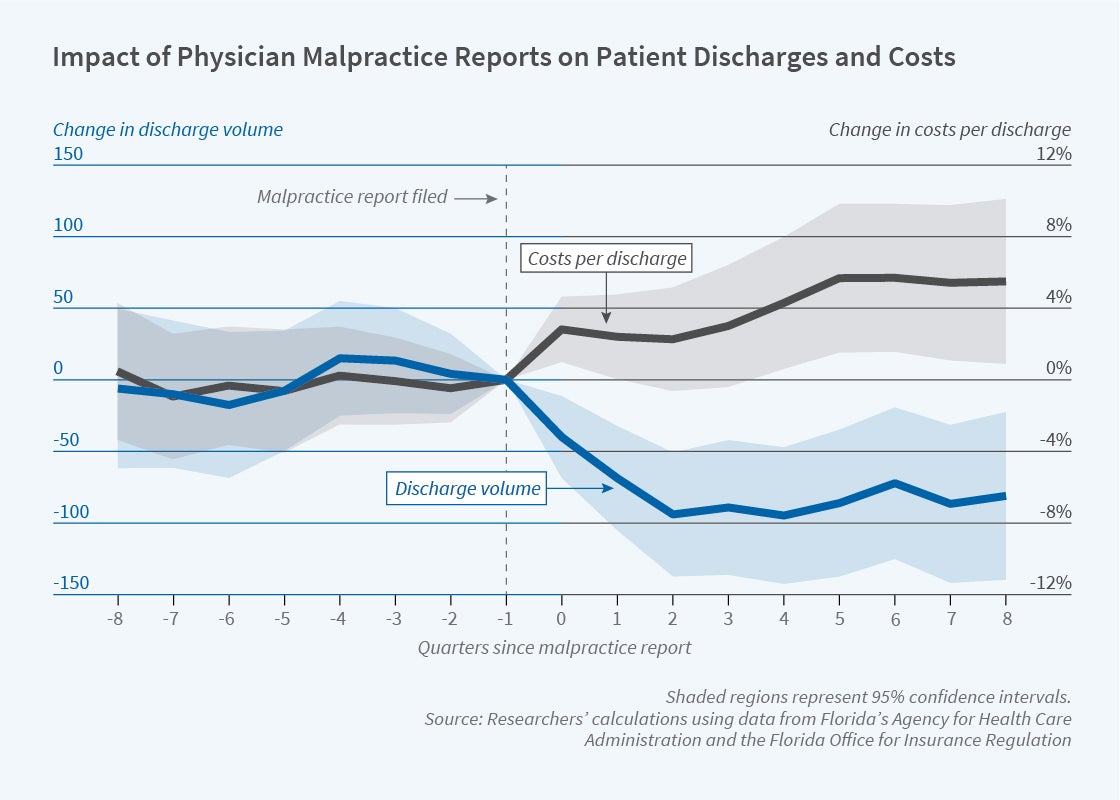
QUERY: When physicians are accused of malpractice, how does this experience affect their practice of medicine?

w28330.jpg

Researchers Caitlin Carroll, David M. Cutler and Anupam Jena use administrative data on all emergency medicine physicians in Florida to answer this question in How Do Physicians Respond to Malpractice Allegations? Evidence from Florida Emergency Departments (NBER Working Paper 28330).

WHITE PAPER: https://www.nber.org/system/files/working_papers/w28330/w28330.pdf

ASSESSMENT: Your thoughts and comments are appreciated.

MORE: https://www.routledge.com/Risk-Management-Liability-Insurance-and-Asset-Protection-Strategies-for/Marcinko-Hetico/p/book/9781498725989

THANK YOU

***

PODCAST: Value Based Care

THE EVOLUTION OF VBC

By Digital Health New York

***

***

***

ORDER: https://www.amazon.com/Hospitals-Healthcare-Organizations-Management-Operational/dp/1439879907/ref=sr_1_4?s=books&ie=UTF8&qid=1334193619&sr=1-4

COMMENTS APPRECIATED

Thank You

***

Digital Health Insurance Tracking Devices

By Staff Reporters

Blue Cross Blue Shield has deployed several trackers on its website, according to the web extension Ghostery, a tool that can tell you what kind of technology web pages are using.

  • Ghostery returned a list of trackers from Twitter, Google, and LinkedIn.

Though we don’t know specifically what kind of data is being transferred, these pixels are usually installed to help marketing departments. Tracking pixels, for the uninitiated, are hidden or embedded graphics that can give a more complete picture of a customer’s journey: what they’ve clicked on, if they’ve searched for something specific, if they’ve put something in a shopping cart, or whether an advertisement drove them to, say, Blue Cross Blue Shield’s homepage. For example, if an insurer wants to show that its ads are working, it can use a pixel to determine that it was their ad that got someone to finally sign up for health insurance, not Susan in HR.

CITE: https://www.r2library.com/Resource/Title/082610254

Trackers are ubiquitous, but experts and consumers have raised serious questions about the data that’s shared between companies. For example, investigative reporting outlet The Markup found that hospitals shared sensitive information with Facebook through the Meta pixel. And just this month, Indianapolis-based Community Health Network reported that pixels may have affected 1.5 million of its patients.

For more, read Marketing Brew’s interview with sociologist Mary F.E. Ebeling, who wrote a book about the collection of sensitive health data.

***

ORDER: https://www.amazon.com/Dictionary-Health-Information-Technology-Security/dp/0826149952/ref=sr_1_5?ie=UTF8&s=books&qid=1254413315&sr=1-5

***

COMMENTS APPRECIATED

Thank You

***

The Modern US Monetary System

On Modern Monetary Realism

By Rick Kahler MS CFP® ChFC CCIM www.KahlerFinancial.com

In a previous ME-P column I explained why any currency-issuing country, like the US, will never default on its obligations or run out of money with which to purchase goods and services priced in its own currency. Sovereign nations that are currency issuers have no solvency constraints, unlike currency users such as individuals, corporations, and government entities that don’t issue currency.

Why the Government is Not-Like Medical Professionals

On Modern Monetary Realism

To follow up, let’s look at what has become known as Modern Monetary Realism (MMR).  Economist Cullen O. Roche describes it in a 2011 article on his Pragmatic Capitalism website titled “Understanding the Monetary System.”

This theory came into existence in 1971 when President Nixon eliminated the gold standard and allowed the government to print money at will. This was a paradigm shift in our monetary policy that’s gone largely unnoticed for decades by many educators, economists, and politicians.

Guiding MMR Principles

The principles of MMR are:

  • The Federal Reserve works in partnership with the US Treasury to issue currency. All other units of government, private entities, and individuals are users of the currency.
  • The government creates money by minting coins, printing cash, and issuing reserves. The private banking sector creates money by creating loans and bank deposits.
  • The Federal Government cannot “go broke.” It is inaccurate to compare it to households, companies, and local governments, which all are users of money and can go bankrupt.
  • The major constraint on currency issuers (sovereign governments like the US) is inflation. It behooves governments to manage the money supply prudently in order to avoid impoverishing their citizens through devaluing the currency.
  • Floating exchange rates between countries are a necessity to help maintain equilibrium and flexibility in the global economy. Nations that unduly inflate their currency suffer the consequences of devalued currency, shrinking purchasing power, and contracting lifestyles.
  • The debt of a sovereign currency issuer is default-free. The issuer can always meet debt obligations in the currency which it issues.

Cullen O. Roche Speaks

Roche suggests that a functional government supports the country’s financial system in four ways:

  1. The US government was created by the people, for the people. “It exists to further the prosperity of the private sector—not to benefit at its expense.” Roche argues that when government becomes corrupt by obtaining too much power or issuing too much currency that results in high inflation, it then becomes susceptible to a revolt and dissolution.
  2. Government’s role is to be actively involved in regulating and helping to build an infrastructure within which the private sector can generate economic growth. Roche views regulation as not only beneficial, but necessary to temper the inevitable irrationality that can disrupt markets. Still, he emphasizes that it is the private sector, not the public sector, which drives innovation, productivity, and economic growth.
  3. Money, while a creation of law, must be accepted by the private sector while prudently regulated by the federal government, keeping in mind that the purpose of the regulation is to maximize private sector prosperity.
  4. “Because the Federal government is not a business or a household it should not manage its balance sheet for its own benefit,” notes Roche, “but in a way that most benefits the private sector and encourages private sector prosperity, productivity, innovation and growth.”

Assessment

Like me, you may need to re-read this a couple of times to begin to grasp the concepts. Once you throw off the outdated pre-1971 model of the monetary system, understanding the basics of MMR isn’t difficult. Knowing the basics of how our monetary system works will help physicians, and all of us, frame the important issues in the turmoil unfolding in Europe and in our own upcoming elections. 

Conclusion

Your thoughts and comments on this ME-P are appreciated. Feel free to review our top-left column, and top-right sidebar materials, links, URLs and related websites, too. Then, subscribe to the ME-P. It is fast, free and secure.

Speaker: If you need a moderator or speaker for an upcoming event, Dr. David E. Marcinko; MBA – Publisher-in-Chief of the Medical Executive-Post – is available for seminar or speaking engagements. Contact: MarcinkoAdvisors@msn.com

OUR OTHER PRINT BOOKS AND RELATED INFORMATION SOURCES:

Product DetailsProduct DetailsProduct Details

Product Details  Product Details

Product Details

***

PODCAST: Behavior Modification and the Science of Change in Healthcare

By Eric Bricker MD

***

***

CITE: https://www.r2library.com/Resource/Title/0826102549

***

ORDER: https://www.routledge.com/Risk-Management-Liability-Insurance-and-Asset-Protection-Strategies-for/Marcinko-Hetico/p/book/9781498725989

***

COMMENTS APPRECIATED

Thank You

***

VALUATION of Internal Medicine Services

Valuation of Internal Medicine Services: Reimbursement

BY HEALTH CAPITAL CONSULTANTS, LLC


As noted in the first installment of this five-part series, internal medicine is the largest specialty among physicians and an understanding of the various environments in which these physicians operate is crucial in determining their numerous value drivers.

In particular, healthcare reimbursement, the process by which private health insurers and government agencies pay for the services of healthcare providers (including internists), is perhaps one of the most important environments to understand, as it comprises a provider’s expectation of future return on investment.

CITE: https://www.r2library.com/Resource/Title/0826102549

This installment will discuss the reimbursement of internal medicine services. (Read more…)

YOUR COMMENTS ARE APPRECIATED.

BUSINESS: https://www.amazon.com/Business-Medical-Practice-Transformational-Doctors/dp/0826105750/ref=sr_1_9?ie=UTF8&qid=1448163039&sr=8-9&keywords=david+marcinko

***h

HOSPITALS: ttps://www.amazon.com/Financial-Management-Strategies-Healthcare-Organizations/dp/1466558733/ref=sr_1_3?ie=UTF8&qid=1380743521&sr=8-3&keywords=david+marcinko

THANK YOU

***

NAPA Update for Inova Loudoun Hospital

***

By Anonymous Letter Leaker

***

DAVE – This is what happens when private equity takes over anesthesiologists and other medical services. Private equity has squeezed so much out of physician lives and their practices, that practice has become intolerable. They are all so burnt out that the physician anesthesiologist must now strike out against their own private equity group owners (NAPA). The trickle-down effect becomes with the hospital now caught in the middle, contracted with a private equity group which  provides anesthesia, but they have no anesthesiologist employees.

Where does patient care survive?

***

February 2023
Colleagues,

As you may be aware, Inova contracts with North American Partners in Anesthesia (NAPA) to provide anesthesia services at Inova Loudoun Hospital. This week, we received notice that our anesthesiologists at Inova Loudoun Hospital have submitted 90-day notice letters of resignation to NAPA. In the spirit of full transparency, we are sharing this news with our physicians.

Here’s what you need to know:

Although we are monitoring this situation, Inova is not a participant in discussions. They are held solely between the anesthesiologists and NAPA. We are actively working to ensure minimal disruptions to current workflows at our care sites.      Our anesthesiologists are among the best in the country, and we fully expect that our team members will continue to provide world-class healthcare to the communities we are privileged to serve.

Per our care mandate, people are at the center of everything we do, and we take any situation that affects the work environment of our team members very seriously. We will continue to communicate with NAPA and keep you apprised of pertinent developments.

If you have questions about this situation, please contact Loren Rufino, Senior Vice President, Perioperative Services.

Thank you,

John J. Moynihan, MD, FACS               
President, Surgery Service Line          

Loren A. Rufino        
SVP, Perioperative Services   
Administrator Surgery Service Line

Paula R. Graling, DNP, RN, CNOR, NEA-C,
FAAN
VP, Nursing, Surgery Service Line

***
ME-P COMMENTS APPRECIATED
 Thank You

ORDER: https://www.amazon.com/Business-Medical-Practice-Transformational-Doctors/dp/0826105750/ref=sr_1_9?ie=UTF8&qid=1448163039&sr=8-9&keywords=david+marcinko

***

PODCAST: Hospital Money Challenges in 2023

By Eric Bricker MD

***

***

CITE: https://www.r2library.com/Resource/Title/0826102549

CITE: https://www.amazon.com/Dictionary-Health-Insurance-Managed-Care/dp/0826149944/ref=sr_1_4?ie=UTF8&s=books&qid=1275315485&sr=1-4

***

COMMENTS APPRECIATED

Thank You

***

PODCAST: Health Insurance “Medical Policy” Explained

MEDICAL NECESSITY

By Eric Bricker MD

***

***

***

ORDER: https://www.amazon.com/Dictionary-Health-Insurance-Managed-Care/dp/0826149944/ref=sr_1_4?ie=UTF8&s=books&qid=1275315485&sr=1-4

CITE: https://www.r2library.com/Resource/Title/082610254

***

COMMENTS APPRECIATED

Thank You

***

HOSPITALIST DAY: March 2nd, 2023

A NATIONAL DAY OF RESPECT

SOCIETY OF HOSPITAL MEDICINE

By Staff Reporters

***

***

SHM: National Day Thursday, March 2, 2023, is National Hospitalist Day Occurring the first Thursday in March annually, “National Hospitalist Day celebrates the fastest-growing specialty in modern medicine and hospitalists’ enduring contributions to the evolving healthcare landscape.”

HERE: https://www.hospitalmedicine.org/about/national-hospitalist-day/

CITE: https://www.r2library.com/Resource/Title/082610254

***

COMMENTS APPRECIATED

Thank You

***

ORDER: https://www.amazon.com/Dictionary-Health-Insurance-Managed-Care/dp/0826149944/ref=sr_1_4?ie=UTF8&s=books&qid=1275315485&sr=1-4

***

PODCAST: Digital Tele-Health Trends 2023

Virtual-first, health equity and more

By Bill Siwicki

***

***

A greater focus on care coordination and further embrace of tele-medicine by payers will also be hallmarks this year, says one virtual care expert.

READ: https://www.healthcareitnews.com/news/telehealth-trends-2023-virtual-first-health-equity-and-more

CITE: https://www.r2library.com/Resource/Title/082610254

***

***

ORDER: https://www.amazon.com/Dictionary-Health-Information-Technology-Security/dp/0826149952/ref=sr_1_5?ie=UTF8&s=books&qid=1254413315&sr=1-5

COMMENTS APPRECIATED

Thank You

***

Top 100 Economics Blogs for 2023

“BEST of the BEST”

[By Dr. David E. Marcinko MBA]

If you’re looking for practical, insightful and educational economics blogs, you’ve come to the right place. Here are the 100 best economics blogs online, listed in no particular order.

Today, as you know, there’s no shortage of high-quality economics blogs on the web. But, we decided to separate the wheat from the chaff and give you the absolute cream of the crop. Whether you’re new to economics, or have an interest in a range of economics topics like econometrics and macroeconomics, or simply want to keep up with global economics, these economics blogs give you the rundown, insights and explanations you need to get a good understanding of economics.

***

blpgs

LINK: http://ritholtz.com/2016/05/top-100-economics-blogs/

2023 UPDATE: https://www.intelligenteconomist.com/economics-blogs/

***

Conclusion

Your thoughts and comments on this ME-P are appreciated. Feel free to review our top-left column, and top-right sidebar materials, links, URLs and related websites, too. Then, subscribe to the ME-P. It is fast, free and secure.

Speaker: If you need a moderator or speaker for an upcoming event, Dr. David E. Marcinko; MBA – Publisher-in-Chief of the Medical Executive-Post – is available for seminar or speaking engagements. Contact: MarcinkoAdvisors@msn.com

OUR OTHER PRINT BOOKS AND RELATED INFORMATION SOURCES:

Product DetailsProduct DetailsProduct Details

***

Today is RARE DISEASE DAY

By Staff Reporters

***

***

Rare Disease Day is the globally-coordinated movement on rare diseases, working towards equity in social opportunity, healthcare, and access to diagnosis and therapies for people living with a rare disease.

Since its creation in 2008, Rare Disease Day has played a critical part in building an international rare disease community that is multi-disease, global, and diverse– but united in purpose.

CITE: https://www.amazon.com/Dictionary-Health-Information-Technology-Security/dp/0826149952/ref=sr_1_5?ie=UTF8&s=books&qid=1254413315&sr=1-5

Rare Disease Day is observed every year on 28 February (or 29 in leap years)—the rarest day of the year. It was set up and is coordinated by EURORDIS and 65+ national alliance patient organizational partners. Rare Disease Day provides an energy and focal point that enables rare diseases advocacy work to progress on the local, national and international levels.

LINK: https://www.rarediseaseday.org/#

***

COMMENTS APPRECIATED

Thank You

***

ORDER: https://www.amazon.com/Dictionary-Health-Insurance-Managed-Care/dp/0826149944/ref=sr_1_4?ie=UTF8&s=books&qid=1275315485&sr=1-4

***

F.A. HAYEK versus J.M. KEYNES

 Keynes VERSUS Hayek 

By staff reporters

***

***

ORDER: https://www.routledge.com/Comprehensive-Financial-Planning-Strategies-for-Doctors-and-Advisors-Best/Marcinko-Hetico/p/book/9781482240283

THANK YOU

***

Necessary Pillars to Expand the Free Medical Markets

  By Jay Kempton

[Free Market Medical Association]

Download the presentation Here

Conclusion

Your thoughts and comments on this ME-P are appreciated. Feel free to review our top-left column, and top-right sidebar materials, links, URLs and related websites, too. Then, subscribe to the ME-P. It is fast, free and secure.

Speaker: If you need a moderator or speaker for an upcoming event, Dr. David E. Marcinko; MBA – Publisher-in-Chief of the Medical Executive-Post – is available for seminar or speaking engagements. Contact: MarcinkoAdvisors@msn.com

OUR OTHER PRINT BOOKS AND RELATED INFORMATION SOURCES:

Product DetailsProduct Details

***

Podcasts: WHAT IS FREE-MARKET “RENT-SEEKING” BEHAVIOR IN HEALTHCARE?

What About “Rent-Seeking” in Banking and Financial Services?

By Dr. David E. Marcinko, MBA

Courtesy: www.CertifiedMedicalPlanner.org

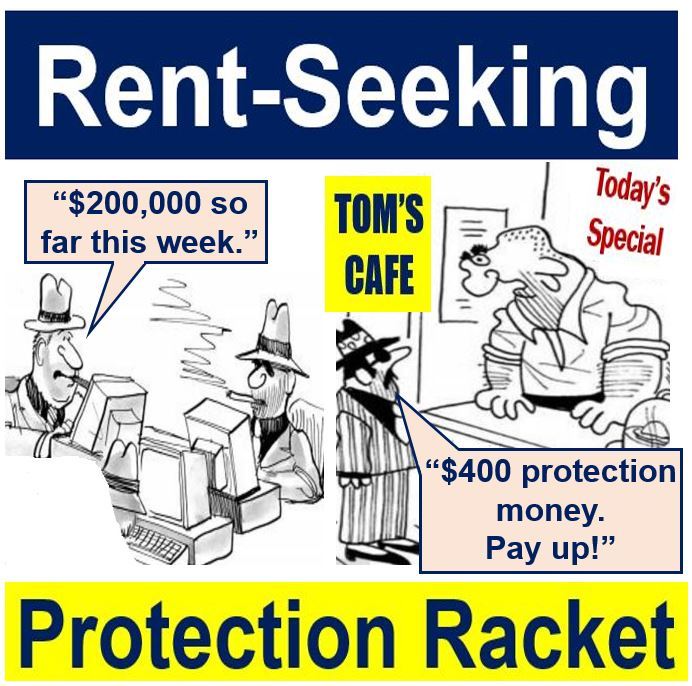
Rent-Seeking is a public choice, and economics, theory that involves methods to increase one’s share of existing wealth without creating new wealth [no added value].

Rent-Seeking results in reduced economic efficiency through misallocation of resources, reduced wealth-creation, lost government revenue, heightened income inequality, and potential national decline.

LINK: https://www.amazon.com/Dictionary-Health-Economics-Finance-Marcinko/dp/0826102549/ref=sr_1_6?ie=UTF8&s=books&qid=1254413315&sr=1-6

***

***

Assessment: But, what about rent-seeking behavior in the healthcare industrial complex, banking and financial services industry, today”

ESSAY: https://pnhp.org/news/the-economist-rent-seeking-in-americas-health-care-system/

MORE: https://www.the-american-interest.com/2014/06/05/health-care-rent-seeking-in-90-seconds/

MORE: https://www.marketwatch.com/story/nobel-economist-takes-aim-at-rent-seeking-banking-and-healthcare-industries-2017-03-06

***

Conclusion

Your thoughts and comments on this ME-P are appreciated. Feel free to review our top-left column, and top-right sidebar materials, links, URLs and related websites, too. Then, subscribe to the ME-P. It is fast, free and secure.

Link: http://feeds.feedburner.com/HealthcareFinancialsthePostForcxos

Speaker: If you need a moderator or speaker for an upcoming event, Dr. David E. Marcinko; MBA – Publisher-in-Chief of the Medical Executive-Post – is available for seminar or speaking engagements. Contact: MarcinkoAdvisors@msn.com

THANK YOU

8Product DetailsProduct Details

***

AMAZON: Buys One Medical Parent “1 Life Healthcare”

By Staff Reporters

***

***

According to Bloomberg — Amazon.com Inc. says it has completed its purchase of One Medical parent 1Life Healthcare Inc., sealing the $3.49 billion acquisition after the US Federal Trade Commission declined to challenge it.

The deal gives the e-commerce giant a network of primary-care doctors, Amazon’s biggest move to date into the health care industry. One Medical operates more than 200 medical offices in 26 markets in the US. Customers pay a subscription fee for access to its physicians and digital health services. 

Bloomberg just reported that the FTC, which has been probing Amazon’s market power for years, had decided not to challenge the deal. Instead the agency is issuing a letter warning Amazon and One Medical that the FTC investigation remains open. That paved the way for Amazon to finalize the acquisition. 

CITE: https://www.r2library.com/Resource/Title/0826102549

***

COMMENTS APPRECIATED

Thank You

***

ORDER: https://www.amazon.com/Dictionary-Health-Information-Technology-Security/dp/0826149952/ref=sr_1_5?ie=UTF8&s=books&qid=1254413315&sr=1-5

***

PODCAST: Out-Patient Hospital Pricing Explained

By Eric Bricker MD

***

***

ORDER: https://www.amazon.com/Financial-Management-Strategies-Healthcare-Organizations/dp/1466558733/ref=sr_1_3?ie=UTF8&qid=1380743521&sr=8-3&keywords=david+marcinko

***

ORDER: https://www.amazon.com/Hospitals-Healthcare-Organizations-Management-Operational/dp/1439879907/ref=sr_1_4?s=books&ie=UTF8&qid=1334193619&sr=1-4

***

COMMENTS APPRECIATED

Thank You

***

Ending Childhood Obesity on “Fat” Tuesday

A Fat Tuesday Message in 2023

[By Staff Reporters]

More than a decade ago, First Lady Michelle Obama kicked off a campaign to try to end childhood obesity within a generation.

Of course, with the impending Lenten season about to start, the timing could not be more prescient for a re-dedication to this goal.

Let’s Move

The campaign to end obesity is called: “Let’s Move“; local to Savannah, GA.

LINK: https://www.prlog.org/12621769-enmarket-raised-15000-for-the-partnership-for-healthier-america-to-help-end-childhood-obesity.html

***

ME-P Mardi Gras Mask on Fat Tuesday

***

MORE: https://medicalexecutivepost.com/2018/03/02/us-childhood-obesity-trends/

ADULTS: https://medicalexecutivepost.com/2016/03/25/an-obesity-pic/

Conclusion

Your thoughts and comments on this ME-P are appreciated. Feel free to review our top-left column, and top-right sidebar materials, links, URLs and related websites, too. Then, subscribe to the ME-P. It is fast, free and secure.

Speaker: If you need a moderator or speaker for an upcoming event, Dr. David E. Marcinko; MBA – Publisher-in-Chief of the Medical Executive-Post – is available for seminar or speaking engagements. Contact: MarcinkoAdvisors@msn.com

***

Product DetailsProduct DetailsProduct Details

***

HOSPITAL RANSOMWARE ATTACKS: A Delivery and Patient Outcomes Analysis

NIHCM GRANTS

By Hannah Neprash

By Sayeh Sander Nikpay

By Claire McGlave

UNIVERSITY OF MINNESOTA

***

***

Despite increased occurrences, the lack of data on ransomware attacks has impeded research.

CITE: https://www.r2library.com/Resource/Title/0826102549

This research team will use a newly developed database to analyze how hospital ransomware attacks affect health care delivery and patient outcomes. The findings will provide new evidence for ongoing debates and legislative proposals about improving the cybersecurity of critical US infrastructure – including hospitals.

The Effect of Hospital Ransomware Attacks on Health Care Delivery and Patient Outcomes

***

COMMENTS APPRECIATED

Thank You

***

ORDER: https://www.amazon.com/Hospitals-Healthcare-Organizations-Management-Operational/dp/1439879907/ref=sr_1_4?s=books&ie=UTF8&qid=1334193619&sr=1-4

***

GSK: Zantac Risks and American Depository Receipt Shares

By Staff Reporters

***

***

GlaxoSmithKline

***

GSK (GSK) American Depository Shares lost ~2% pre-market yesterday after a new report from Bloomberg Businessweek claimed that the British drug maker chose to keep quiet on the cancer risks of the recalled heartburn medication Zantac. Zantac, also known as ranitidine, was pulled from the U.S. market in 2020 amid concerns over the unacceptable levels of potential human carcinogen, N-nitrosodimethylamine (NDMA).

Since then, the makers of Zantac generics, including Sanofi (SNY) (OTCPK:SNYNF), GSK (GSK), Pfizer (PFE), and Boehringer Ingelheim GmbH, have faced thousands of lawsuits for failure to adequately warn health risks of the antacid.

Citing court filings, studies, FDA transcripts, and new drug applications obtained through the Freedom of Information Act requests, Bloomberg said that the FDA considered the cancer risks when green lighting the medication, but GSK (GSK) withheld key study data.

CITE: https://www.r2library.com/Resource/Title/0826102549

***

COMMENTS APPRECIATED

Thank You

***

ORDER: https://www.routledge.com/Risk-Management-Liability-Insurance-and-Asset-Protection-Strategies-for/Marcinko-Hetico/p/book/9781498725989

***

What is a Federally Qualified Health Center?

ABOUT F.Q.H.C.s

By Dr. David E. Marcinko MBA CMP®

CMP logo

SPONSOR: http://www.CertifiedMedicalPlanner.org

I worked at several FQHCs as a medical student and intern, back in the day, both in urban and suburban settings. But, I never was sure what this entity was, exactly. Probably because I was from an under served area, myself.

DEFINITION:

A Federally Qualified Health Center (FQHC) is a reimbursement designation from the Bureau of Primary Health Care and the Centers for Medicare and Medicaid Services of the United States Department of Health and Human Services. This designation is significant for several health programs funded under the Health Center Consolidation Act (Section 330 of the Public Health Service Act).

It is a community-based organization that provides comprehensive primary care and preventive care, including health, oral, and mental health/substance abuse services to persons of all ages, regardless of their ability to pay or health insurance status.

Thus, they are a critical component of the health care safety net. FQHCs are called Community/Migrant Health Centers (C/MHC), Community Health Centers (CHC), and 330 Funded Clinics. FQHCs are automatically designated as health professional shortage facilities.

CMS: https://www.cms.gov/Center/Provider-Type/Federally-Qualified-Health-Centers-FQHC-Center

FQHC.org: https://www.fqhc.org/what-is-an-fqhc/

Your thoughts are appreciated.

ORDER: https://www.amazon.com/Dictionary-Health-Insurance-Managed-Care/dp/0826149944/ref=sr_1_4?ie=UTF8&s=books&qid=1275315485&sr=1-4

INVITE DR. MARCINKO: https://medicalexecutivepost.com/dr-david-marcinkos-bookings/

THANK YOU

***

PRIVATE EQUITY: In Cancer Oncology Care

NIHCM GRANTS

By Ola Abdelhadi

By Richard Scheffler

University California at Berkley

***

***

Despite increases in private equity acquisition of oncology practices, little is known about the effect on market competition, prices, and quality.

CITE: https://www.r2library.com/Resource/Title/0826102549

This research team will examine the changes in health care quality and prices following private equity acquisition of oncology practices and explore whether these acquisitions exacerbate health disparities among racial groups. This work may be relevant to policymakers and antitrust regulators assessing private equity deals.

Increasing Private Equity Investment in Cancer Care: What is the Effect on Prices and Quality of Care?

***

COMMENTS APPRECIATED

Thank You

***

ORDER: https://www.amazon.com/Hospitals-Healthcare-Organizations-Management-Operational/dp/1439879907/ref=sr_1_4?s=books&ie=UTF8&qid=1334193619&sr=1-4

***

INFLATION: Slowing … Slowly!

By Staff Reporters

***

***

Consumer price data showed it may be a long and winding road back to normal inflation levels. While inflation continued to cool last month, it did so at a slow pace (prices grew 6.4% annually, compared to 6.5% the month before).

And prices for a variety of goods and services, such as groceries and rent, continued to climb considerably. For example, egg prices in January were up 70% from the prior year.

CITE: https://www.r2library.com/Resource/Title/0826102549

***

COMMENTS APPRECIATED

Thank You

***

ORDER: https://www.routledge.com/Comprehensive-Financial-Planning-Strategies-for-Doctors-and-Advisors-Best/Marcinko-Hetico/p/book/9781482240283

***

DAILY UPDATE: The Metaverse, Nvidia, Tesla and Mixed US Equities

By Staff Reporters

***

***

Microsoft (MSFT) ended a project that aimed to encourage the use of the Metaverse in industrial environments just four months after it was formed, according to a new report by The Information. The 100 members of the team have been laid off as the company wants to prioritize shorter-term projects over those needing longer to generate meaningful revenue.

Tech, led by Nvidia and Tesla, had it better than other sectors.

CITE: https://www.r2library.com/Resource/Title/0826102549

U.S. equities finished mixed, as investors digested the highly anticipated Consumer Price Index report, and its potential impact on the Fed’s future monetary policy decisions. The headline rate and core rate—excludes food and energy—both rose in line with estimates, but on a year-over-year basis inflation came in slightly hotter than expected. In other economic news, small business optimism rose slightly less than anticipated, and remained below its 48-year average for the thirteenth month in a row.

Earnings results were mixed, as Marriot International and Dow component Coca-Cola both bested EPS estimates and provided upbeat outlooks, while Restaurant Brands International missed earnings expectations, but increased its quarterly dividend.

Treasury yields were higher following the inflation data, and the U.S. dollar nudged lower, while crude oil prices fell, and gold was modestly higher in choppy trading. Asian stocks were mostly higher as markets in the region awaited the CPI report, while European stocks mostly added to its strong year-to-date gains amid the inflation data.

***

***

ORDER: https://www.routledge.com/Comprehensive-Financial-Planning-Strategies-for-Doctors-and-Advisors-Best/Marcinko-Hetico/p/book/9781482240283

***

COMMENTS APPRECIATED

Thank You

***

FINANCIAL HEALTH INSURANCE CO-PAY CARDS & DRUG COUPONS?

The “Real Deal”

A co-payment is a fixed amount ($20, for example) you pay for a covered health care service after you’ve paid your deductible.

Let’s say your health insurance plan’s allowable cost for a doctor’s office visit is $100. Your copayment for a doctor visit is $20.

  • If you’ve paid your deductible: You pay $20, usually at the time of the visit.
  • If you haven’t met your deductible: You pay $100, the full allowable amount for the visit.
  • Partial deductible payments incur hybrid fees.

Copayments (sometimes called “copays”) can vary for different services within the same plan, like drugs, lab tests, and visits to specialists. Generally plans with lower monthly premiums have higher copayments. Plans with higher monthly premiums usually have lower copayments.

CITE: https://www.r2library.com/Resource/Title/0826102549

***

Invite Dr. Marcinko | The Leading Business Education Network for Doctors,  Financial Advisors and Health Industry Consultants

BY DR. DAVID E. MARCINKO MBA CMP®

CMP logo

SPONSOR: http://www.CertifiedMedicalPlanner.org

Co-Pay Cards May Be Creating More Controversy Instead of Solutions

Instead of reducing the actual price of their excessively priced medications, many companies have opted to provide co-pay cards / coupons as an affordable solution. However, co-pay cards may only lower the cost for some consumers and patients.

Novartis: https://www.copay.novartispharma.com/nvscopay/#

Pfizer: https://www.pfizerpro.com/co-pay-cards-patient-savings-offers

***

See the source image

***

But – The insurer is still left to pay the high price, which will eventually be passed back on to the patient / consumers in the form of higher health insurance deductibles. So – It doesn’t really seem like much of a solution when we all end up paying for these co-pay cards / coupons; does it?

Find out more here. (Source: Rebecca Mayer Knutsen, MM&M, 8/26/16)

***

MEDICAL OFFICE CREDIT CARDS:

We stopped taking credit cards altogether. The only credit cards we take are for call-in payments of balances. We have placed ATM machines in our lobbies and we educate patients in advance of their visits that we only take cash or check. Our cash income has increased, our credit card fees have decreased, and we make $1.50 from each transaction through our ATM. Our patients have taken to the idea so much that they use the ATM for personal cash for other transactions because our fee is the lowest of any ATM. It has been a win-win-win.  

Dr. Farshid Nejad, Beverly Hills, CA [PM Magazine]

***

For anyone contemplating taking credit cards for payments or copayments in your office, please be aware that some of the credit card companies require you to sign a contract. Don’t do that! If you do and you either have a problem with the company or find out that they are overcharging you, they will hold you responsible for the contract and may take you to court. There are enough credit card companies out that that do not require contracts and are highly competitive. 

-Dr. Elliot Udell, DPM, Hicksville, NY [PM Magazine]

***

YOUR COMMENTS ARE APPRECIATED.

Thank You

***

***