


Why are CERTIFIED MEDICAL PLANNER® Textbooks So DARN Popular?

[By Dr. David Edward Marcinko MBA CMP®]

http://www.CertifiedMedicalPlanner.org

OK – I was a Certified Financial Planner® before my academic team launched the Certified Medical Planner™ online and on-ground chartered education and board certification designation program a few years ago. I am now CFP reformed and in remission.

MORE: Enter CPMs

Enter the Certified Medical Planner™ Chartered Designation

Today, we are of course, gratified that Certified Medical Planner™ mark notoriety is growing organically in the healthcare, as well as financial services, industry.

Even uber-blogger Mike Kitces MSFS, MTAX, CFP, CLU, ChFC, RHU, REBC, CASL has taken note of us in his musings on the Nerd’s Eye View website. And, the reality is that there are a growing number of CFP educational programs at the post-CFP niche market level.

But, none for healthcare industrial complex: for doctors … by doctors!
Popularity of our Text Books

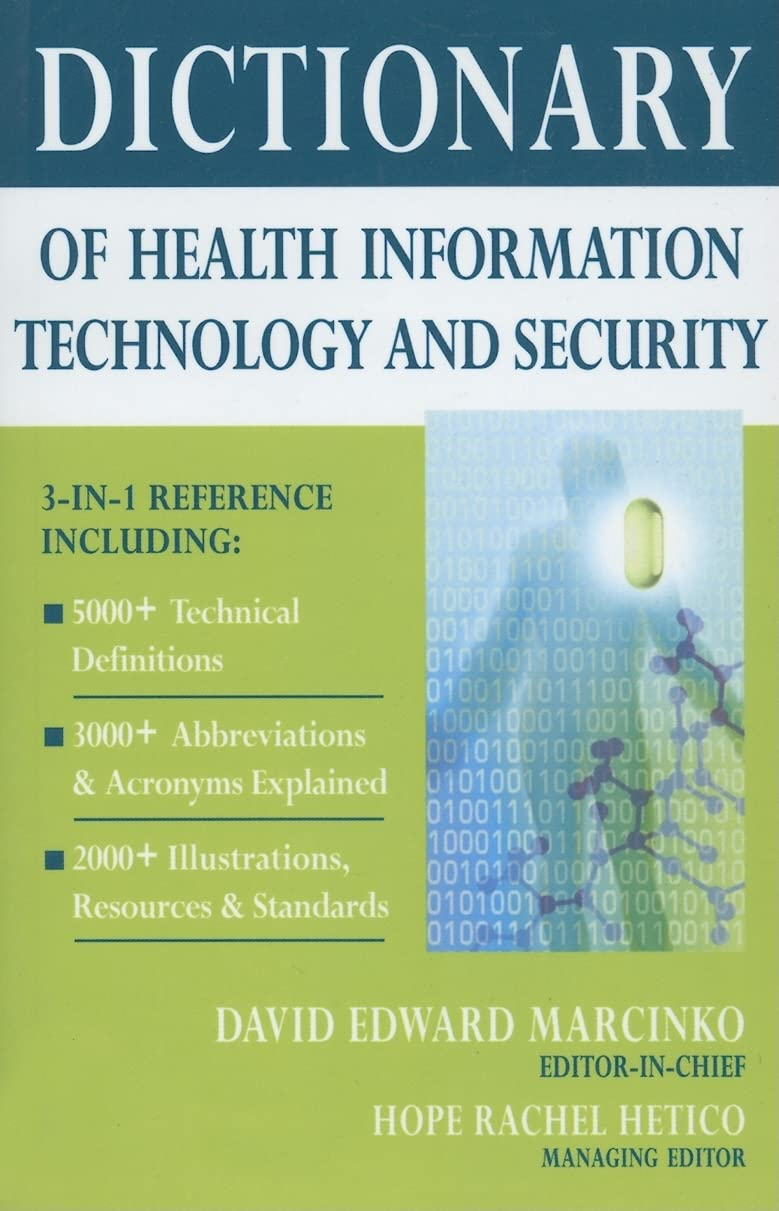
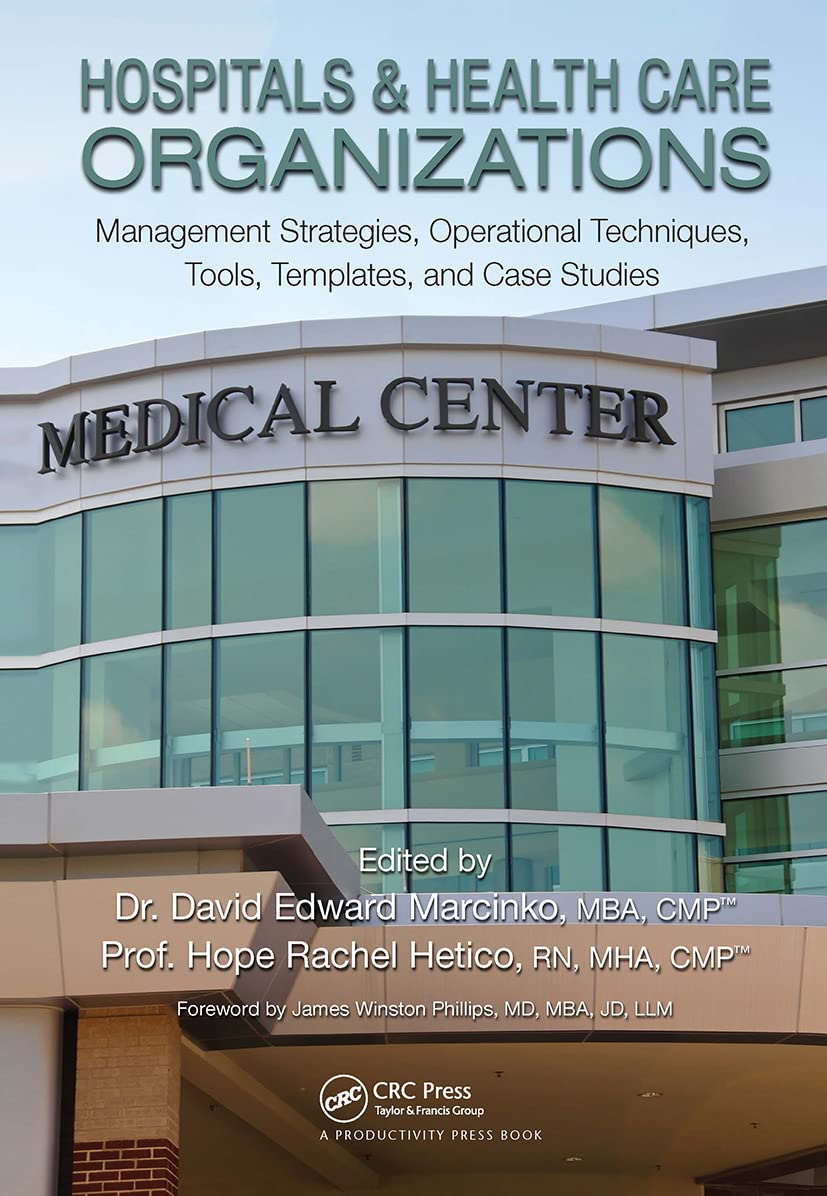
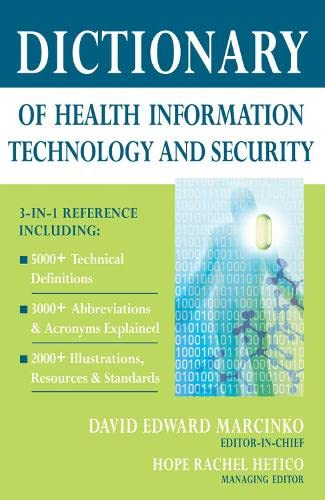
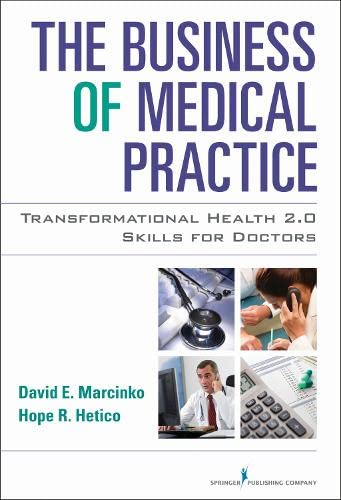
However, it is our modern, innovative and proprietary Certified Medical Planner™ textbooks and dictionaries that have exploded in the academic marketplace.

In fact, they are now redacted in thousands of medical, graduate, law and B-schools and libraries, as well as colleges and universities throughout the nation. This includes the Library of Congress, National Institute of Health and  the Library of Congress.

What Gives?

We have been told that this textbook popularity and publishing success is because of their balanced and peer-reviewed nature; something not very widespread in the financial services industry that is prone to gross and overstated advertising, salesmanship and marketing hyperbole. And, for this we are very gratified.

But, is there another reason our books are so popular?

A bit of networking and research suggests that interested folks may be eschewing the actual course work in favor of just the high quality textbooks! UGH!

Another reason may be that our books and curricula are kept fresh and updated on our corporate website: http://www.MedicalBusinessAdvisors.com

Assessment

So, what do you think? Matriculation with the professional mark versus self study without the designation mark. Please opine.

Conclusion

Your thoughts and comments on this ME-P are appreciated. Feel free to review our top-left column, and top-right sidebar materials, links, URLs and related websites, too. Then, subscribe to the ME-P. It is fast, free and secure.

Speaker: If you need a moderator or speaker for an upcoming event, Dr. David E. Marcinko; MBA – Publisher-in-Chief of the Medical Executive-Post – is available for seminar or speaking engagements.

Book Marcinko: https://medicalexecutivepost.com/dr-david-marcinkos-bookings/

Subscribe: MEDICAL EXECUTIVE POST for curated news, essays, opinions and analysis from the public health, economics, finance, marketing, IT, business and policy management ecosystem.

DOCTORS:

“Insurance & Risk Management Strategies for Doctors” https://tinyurl.com/ydx9kd93

“Fiduciary Financial Planning for Physicians” https://tinyurl.com/y7f5pnox

“Business of Medical Practice 2.0” https://tinyurl.com/yb3x6wr8

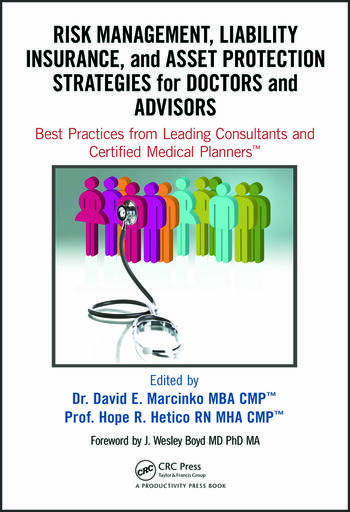
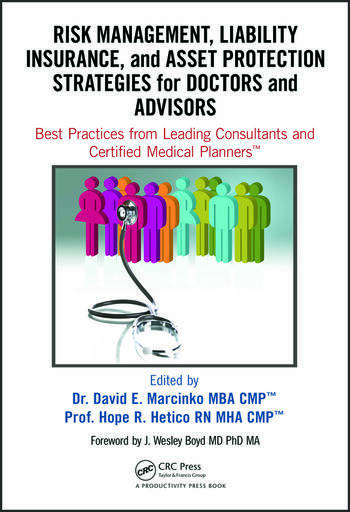
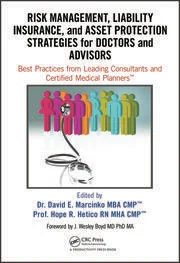
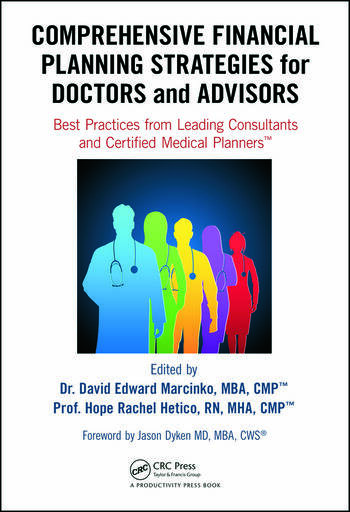
Risk Management, Liability Insurance, and Asset Protection Strategies for Doctors and Advisors: Best Practices from Leading Consultants and Certified Medical Planners™  Comprehensive Financial Planning Strategies for Doctors and Advisors: Best Practices from Leading Consultants and Certified Medical Planners™

Product DetailsProduct Details

HOSPITALS:

“Financial Management Strategies for Hospitals” https://tinyurl.com/yagu567d

“Operational Strategies for Clinics and Hospitals” https://tinyurl.com/y9avbrq5

Product DetailsProduct Details

Adult Learners and Students:

Product DetailsProduct DetailsProduct Details

***

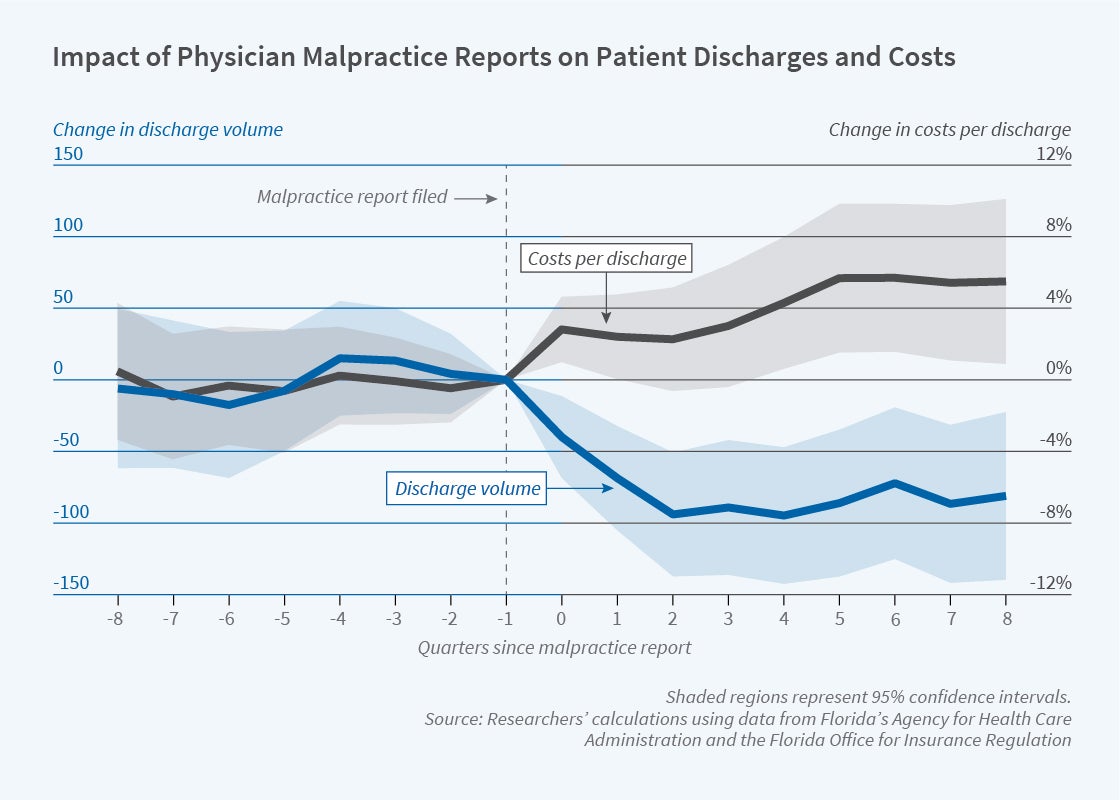
Malpractice Allegations Alter Practice Patterns of Emergency Department Doctors

Malpractice Allegations Alter Practice Patterns of Emergency Department Doctors

QUERY: When physicians are accused of malpractice, how does this experience affect their practice of medicine?

w28330.jpg

Researchers Caitlin Carroll, David M. Cutler and Anupam Jena use administrative data on all emergency medicine physicians in Florida to answer this question in How Do Physicians Respond to Malpractice Allegations? Evidence from Florida Emergency Departments (NBER Working Paper 28330).

WHITE PAPER: https://www.nber.org/system/files/working_papers/w28330/w28330.pdf

ASSESSMENT: Your thoughts and comments are appreciated.

MORE: https://www.routledge.com/Risk-Management-Liability-Insurance-and-Asset-Protection-Strategies-for/Marcinko-Hetico/p/book/9781498725989

THANK YOU

***

COLLAPSE: How Greed and Leverage Destroyed the Crypto-Tulip Market

By Vitaliy Katsenelson CFA

Crypto currency was touted as antidote to central banking.

But with its own flaws, is the system itself to blame for this crypto market crash?

***

Cryptocurrencies were supposed to offer a new, virtual alternative to the current, mundane, “corrupt” system, in which a few dozen bureaucrats in conference rooms around the world – central bankers – manipulate the most important commodity of all – interest rates – the price of money.

CITE: https://www.r2library.com/Resource/Title/0826102549

The collapse of FTX (a cryptocurrency exchange that was valued at $30 billion just a few months ago) and the subsequent bankruptcies revealed what may have started as a kernel of sincere libertarian ideas to stand up to endless money printing and debt creation in our financial system, has been hijacked by what appears to be an immutable flaw of the human condition: our greed and desire to get rich fast.

READ: How Greed and Leverage Destroyed the Crypto Tulip Market

***

ORDER: https://www.amazon.com/Dictionary-Health-Information-Technology-Security/dp/0826149952/ref=sr_1_5?ie=UTF8&s=books&qid=1254413315&sr=1-5

***

COMMENTS APPRECIATED

Thank You

***

PODCAST: Value Based Care

THE EVOLUTION OF VBC

By Digital Health New York

***

***

***

ORDER: https://www.amazon.com/Hospitals-Healthcare-Organizations-Management-Operational/dp/1439879907/ref=sr_1_4?s=books&ie=UTF8&qid=1334193619&sr=1-4

COMMENTS APPRECIATED

Thank You

***

DAILY UPDATE: The Bitcoin Boost Up!

By Staff Reporters

***

***

Bitcoin prices climbed to as high as $27,293 last week, wrapping up the cryptocurrency’s best week since January 2021. And it has Silicon Valley Bank and friends to thank for it. Crypto diehards claim bitcoin’s gains are the result of people losing faith in traditional banking after SVB and Signature imploded (though it’s worth noting that Signature was a big player in the crypto world).

However, after the second-and third-biggest bank failures in history, economists started second-guessing whether the Fed would stick to the plan to hike interest rates again or change course to protect the rest of the very fragile banking industry. That could mean the crypto market, which slid into the dreaded Crypto Winter in the first half of last year because of macroeconomic factors like the Fed’s rate hikes, might finally be approaching spring.

So, according to MorningBrew, the Fed’s interest rate decision next week will likely serve as crypto’s redeux. And despite the banking industry hoping Jerome Powell pauses the interest rate hikes, February’s inflation numbers showed that the Fed may need to stick to its original plan to keep inflation in check.

***

COMMENTS APPRECIATED

Thank You

***

ORDER: https://www.amazon.com/Dictionary-Health-Information-Technology-Security/dp/0826149952/ref=sr_1_5?ie=UTF8&s=books&qid=1254413315&sr=1-5

***

Cyber-Risks in Banking

By Ibrahim Jaafaru

This is a review of a white paper by Longitude Research that talks about Cyber-Risks in Banking.

It is perfect for Modernity!

***

346_1

***

Cyberrisk in Banking

Cyber security is a complex and multifaceted challenge that is growing in importance.

https://www.r2library.com/Resource/Title/0826102549

Conclusion

Your thoughts and comments on this ME-P are appreciated. Feel free to review our top-left column, and top-right sidebar materials, links, URLs and related websites, too. Then, subscribe to the ME-P. It is fast, free and secure.

Speaker: If you need a moderator or speaker for an upcoming event, Dr. David E. Marcinko; MBA – Publisher-in-Chief of the Medical Executive-Post – is available for seminar or speaking engagements. Contact: MarcinkoAdvisors@msn.com

OUR OTHER PRINT BOOKS AND RELATED INFORMATION SOURCES:

 Product DetailsProduct DetailsProduct Details

***

CIGNA Healthcare Truth

By Darrell K. Pruitt DDS

QUOTE: “Employees are the biggest asset of any company, so it’s more important than ever to focus on staff well-being during uncertain times.”

Jason Sadler – President, International Health

Cigna Healthcare

QUERIES: So, Jason Sadler, how do you think Cigna’s dentists feel about Cigna?

Do you even dare to publicly respond to that question? … I didn’t think so.

COMMENTS APPRECIATED

Thank You

***

ORDER: https://www.amazon.com/Dictionary-Health-Insurance-Managed-Care/dp/0826149944/ref=sr_1_4?ie=UTF8&s=books&qid=1275315485&sr=1-4

***

Digital Health Insurance Tracking Devices

By Staff Reporters

Blue Cross Blue Shield has deployed several trackers on its website, according to the web extension Ghostery, a tool that can tell you what kind of technology web pages are using.

  • Ghostery returned a list of trackers from Twitter, Google, and LinkedIn.

Though we don’t know specifically what kind of data is being transferred, these pixels are usually installed to help marketing departments. Tracking pixels, for the uninitiated, are hidden or embedded graphics that can give a more complete picture of a customer’s journey: what they’ve clicked on, if they’ve searched for something specific, if they’ve put something in a shopping cart, or whether an advertisement drove them to, say, Blue Cross Blue Shield’s homepage. For example, if an insurer wants to show that its ads are working, it can use a pixel to determine that it was their ad that got someone to finally sign up for health insurance, not Susan in HR.

CITE: https://www.r2library.com/Resource/Title/082610254

Trackers are ubiquitous, but experts and consumers have raised serious questions about the data that’s shared between companies. For example, investigative reporting outlet The Markup found that hospitals shared sensitive information with Facebook through the Meta pixel. And just this month, Indianapolis-based Community Health Network reported that pixels may have affected 1.5 million of its patients.

For more, read Marketing Brew’s interview with sociologist Mary F.E. Ebeling, who wrote a book about the collection of sensitive health data.

***

ORDER: https://www.amazon.com/Dictionary-Health-Information-Technology-Security/dp/0826149952/ref=sr_1_5?ie=UTF8&s=books&qid=1254413315&sr=1-5

***

COMMENTS APPRECIATED

Thank You

***

RISK MANAGEMENT & LIABILITY PROTECTION FOR PHYSICIANS

And … Their Insurance Agents and Financial Advisors

INVITE DR. MARCINKO: https://medicalexecutivepost.com/dr-david-marcinkos-

DEM avatar

By DR. DAVID EDWARD MARCINKO MBA CMP®

CMP logo

SPONSOR: http://www.CertifiedMedicalPlanner.org

***

https://images.routledge.com/common/jackets/amazon/978149872/9781498725989.jpg

***

BOOK REVIEW

It is not uncommon for practicing physicians to have more than a dozen separate insurance policies to protect their medical practice and personal assets. Yet, most doctors understand very little about their policies.BOOK REVIR

Risk Management, Liability Insurance, and Asset Protection Strategies for Doctors and Advisors: Best Practices from Leading Consultants and Certified Medical Planners™explains to physicians and insurance professionals the background, theory, and practicalities of medical risk management, asset protection methods, and insurance planning.

The book presents information in a manner that is convenient and highly useful for busy medical practitioners. It discusses the medical records revolution and addresses concerns regarding cloud computing, data security, and technological threats.

The book covers modern health law and policy, including fraud and abuse, workplace-violence, Medicare compliance, HIPAA regulations, AR protection strategies with internal controls, P4P and value based care, insurance and reputation management, and how the ARA legislation is impacting physician practices. It also includes case models and examples that provide you with a real-world understanding of how to recognize and reduce personal and medical practice risks.

With time at a premium for all, and so much information packed into one well-organized resource, this book is a must-read for every physician and financial advisor that serves the health care sector. The book will help physicians make better decisions about the risks they face and will help financial advisors improve the value they provide to their clients who are doctors.

MORE = ORDER HERE: https://www.routledge.com/Risk-Management-Liability-Insurance-and-Asset-Protection-Strategies-for/Marcinko-Hetico/p/book/9781498725989

THANK YOU

***

CIGNA Healthcare Truth

By Darrell K. Pruitt DDS

QUOTE: “Employees are the biggest asset of any company, so it’s more important than ever to focus on staff well-being during uncertain times.”

Jason Sadler – President, International Health

Cigna Healthcare

QUERIES: So, Jason Sadler, how do you think Cigna’s dentists feel about Cigna?

Do you even dare to publicly respond to that question? … I didn’t think so.

COMMENTS APPRECIATED

Thank You

***

ORDER: https://www.amazon.com/Dictionary-Health-Insurance-Managed-Care/dp/0826149944/ref=sr_1_4?ie=UTF8&s=books&qid=1275315485&sr=1-4

***

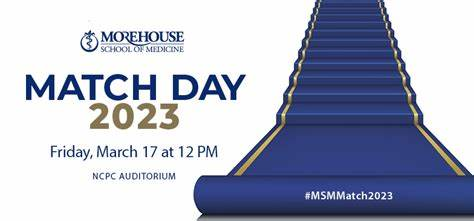
MEDICAL RESIDENCY “MATCH” DAY: 2023

By Dr. David Edward Marcinko MBA

SPONSOR: http://www.CertifiedMedicalPlanner.org

***

***

Each year in the middle of March, tens of thousands of graduating American medical students find out where they are going for their residency — and whether they will be whisked away from their families, friends, and romantic partners.

For many relationships in which one or both people are in medical school, residency “Match Day” — which falls today, on March 17th this year — can be the end of another match. This mass breakup and match happened to many of my own classmates, and to students at medical schools all around the country. But, fortunately not to me years ago.

And, it all ultimately ended well.

***

READ: https://www.nydailynews.com/opinion/ny-oped-the-residency-match-is-a-match-breaker-too-20230312-5e4hg25ki5g63mdgxhkvfppxvm-story.html?utm_campaign=hcb&utm_medium=newsletter&utm_source=morning_brew

***

COMMENTS APPRECIATED

Thank You

***

ORDER: https://www.amazon.com/Business-Medical-Practice-Transformational-Doctors/dp/0826105750/ref=sr_1_9?ie=UTF8&qid=1448163039&sr=8-9&keywords=david+marcinko

***

The Modern US Monetary System

On Modern Monetary Realism

By Rick Kahler MS CFP® ChFC CCIM www.KahlerFinancial.com

In a previous ME-P column I explained why any currency-issuing country, like the US, will never default on its obligations or run out of money with which to purchase goods and services priced in its own currency. Sovereign nations that are currency issuers have no solvency constraints, unlike currency users such as individuals, corporations, and government entities that don’t issue currency.

Why the Government is Not-Like Medical Professionals

On Modern Monetary Realism

To follow up, let’s look at what has become known as Modern Monetary Realism (MMR).  Economist Cullen O. Roche describes it in a 2011 article on his Pragmatic Capitalism website titled “Understanding the Monetary System.”

This theory came into existence in 1971 when President Nixon eliminated the gold standard and allowed the government to print money at will. This was a paradigm shift in our monetary policy that’s gone largely unnoticed for decades by many educators, economists, and politicians.

Guiding MMR Principles

The principles of MMR are:

  • The Federal Reserve works in partnership with the US Treasury to issue currency. All other units of government, private entities, and individuals are users of the currency.
  • The government creates money by minting coins, printing cash, and issuing reserves. The private banking sector creates money by creating loans and bank deposits.
  • The Federal Government cannot “go broke.” It is inaccurate to compare it to households, companies, and local governments, which all are users of money and can go bankrupt.
  • The major constraint on currency issuers (sovereign governments like the US) is inflation. It behooves governments to manage the money supply prudently in order to avoid impoverishing their citizens through devaluing the currency.
  • Floating exchange rates between countries are a necessity to help maintain equilibrium and flexibility in the global economy. Nations that unduly inflate their currency suffer the consequences of devalued currency, shrinking purchasing power, and contracting lifestyles.
  • The debt of a sovereign currency issuer is default-free. The issuer can always meet debt obligations in the currency which it issues.

Cullen O. Roche Speaks

Roche suggests that a functional government supports the country’s financial system in four ways:

  1. The US government was created by the people, for the people. “It exists to further the prosperity of the private sector—not to benefit at its expense.” Roche argues that when government becomes corrupt by obtaining too much power or issuing too much currency that results in high inflation, it then becomes susceptible to a revolt and dissolution.
  2. Government’s role is to be actively involved in regulating and helping to build an infrastructure within which the private sector can generate economic growth. Roche views regulation as not only beneficial, but necessary to temper the inevitable irrationality that can disrupt markets. Still, he emphasizes that it is the private sector, not the public sector, which drives innovation, productivity, and economic growth.
  3. Money, while a creation of law, must be accepted by the private sector while prudently regulated by the federal government, keeping in mind that the purpose of the regulation is to maximize private sector prosperity.
  4. “Because the Federal government is not a business or a household it should not manage its balance sheet for its own benefit,” notes Roche, “but in a way that most benefits the private sector and encourages private sector prosperity, productivity, innovation and growth.”

Assessment

Like me, you may need to re-read this a couple of times to begin to grasp the concepts. Once you throw off the outdated pre-1971 model of the monetary system, understanding the basics of MMR isn’t difficult. Knowing the basics of how our monetary system works will help physicians, and all of us, frame the important issues in the turmoil unfolding in Europe and in our own upcoming elections. 

Conclusion

Your thoughts and comments on this ME-P are appreciated. Feel free to review our top-left column, and top-right sidebar materials, links, URLs and related websites, too. Then, subscribe to the ME-P. It is fast, free and secure.

Speaker: If you need a moderator or speaker for an upcoming event, Dr. David E. Marcinko; MBA – Publisher-in-Chief of the Medical Executive-Post – is available for seminar or speaking engagements. Contact: MarcinkoAdvisors@msn.com

OUR OTHER PRINT BOOKS AND RELATED INFORMATION SOURCES:

Product DetailsProduct DetailsProduct Details

Product Details  Product Details

Product Details

***

The Legacy of Dr. Jack Treynor

The History Behind A Popular Investing Theory

[By Dr. David Edward Marcinko MBA CMP™]

http://www.CertifiedMedicalPlanner.org

[Publisher-in-Chief]

In his 1959 “Portfolio Selection,” Harry Markowitz PhD [father of MPT], said that investors should diversify against market risk but that determining the required return from such a group of diversified assets was another matter. Seven years later, economist Jack Treynor PhD wrestled with the issue of how investors can measure the expected risk in a portfolio against its expected return. Meanwhile, William Sharpe developed his own measure of risk and return known as the Capital Asset Pricing Model (CAPM) first published in the Journal of Finance in 1964 and discussed elsewhere on the ME-P.

A Seminal Paper

Treynor’s 1961 paper entitled “Toward a Theory of Market Value of Risky Assets” concluded that investors expect greater compensation for the larger risk they take in the stock market than they do from risk-free assets, such as Treasury bills. He called it the “equity risk premium” and created a method to predict it.

Fisher Black Collaboration

In 1973, Treynor collaborated with Fischer Black to devise a method for predicting the risk premium and to demonstrate its overarching importance in the behavior of capital markets as well as in portfolio selection. From 1969 through 1981 he furthered the work of many leading financial theorists, including Sharpe and Black, when he edited the Financial Analysts Journal.

Intellectual Band-Aid

In an interview about a decade ago, Treynor stated his belief that modern finance is preoccupied with statistical, rather than economic, thinking about risk. He explained that beta has come under attack in recent years because it is a statistical concept of risk. An economic concept of risk would have a lot more predictive value—it would be tied more intimately into fundamental analysis of companies and portfolios. He refers to beta as “just an intellectual Band-Aid.”

The Jensen Alpha

Treynor also described Bill Jensen’s alpha as looking at a market line established by a large number of funds and identifying those that had returns above the market line. Accordingly, a portfolio manager can increase his or her alpha by simply buying and selling larger positions of the same research recommendations.

Assessment

Black and Treynor developed a ratio of alpha to residual risk (return squared /risk squared), which shows that when you have everything else equal and you increase this ratio, you improve performance. And, they actually introduced the term Sharpe ratio.

Note: “It’s All About Odds,” Jonathan Burton, Dow Jones Asset Management, July/August 1997, pp. 20–28, Dow Jones Financial Publishing Corp., (732) 389-8700.

Conclusion

Your thoughts and comments on this ME-P are appreciated. Feel free to review our top-left column, and top-right sidebar materials, links, URLs and related websites, too. Then, subscribe to the ME-P. It is fast, free and secure.

Speaker: If you need a moderator or speaker for an upcoming event, Dr. David E. Marcinko; MBA – Publisher-in-Chief of the Medical Executive-Post – is available for seminar or speaking engagements. Contact: MarcinkoAdvisors@msn.com

OUR OTHER PRINT BOOKS AND RELATED INFORMATION SOURCES:

Product DetailsProduct DetailsProduct Details

Product Details  Product Details

What is “Mark to Market” Valuation?

***

By Staff Reporters

***

***

Marking to Market (MTM) means valuing the security at the current trading price. Therefore, it results in the traders’ daily settlement of profits and losses due to the changes in its market value.

  • Suppose on a particular trading day, the value of the security rises. In that case, the trader taking a long position (buyer) will collect the money equal to the security’s change in value from the trader holding the short position (seller).
  • On the other hand, if the security value falls, the selling trader will collect money from the buyer. The money is equal to the change in the value of the security. It should be noted that the value at maturity does not change much. However, the parties involved in the contract pay gains and losses to each other at the end of every trading day.

***

Examples of Mark to Market

An exchange marks traders’ accounts to their market values daily by settling the gains and losses that result due to changes in the value of the security. There are two counterparties on either side of a futures contract—a long trader and a short trader. The trader who holds the long position in the futures contract is usually bullish, while the trader shorting the contract is considered bearish.

If at the end of the day, the futures contract entered into goes down in value, the long margin account will be decreased and the short margin account increased to reflect the change in the value of the derivative.

An increase in value results in an increase in the margin account holding the long position and a decrease in the short futures account.

According to investopedia, for example, to hedge against falling commodity prices, a wheat farmer takes a short position in 10 wheat futures contracts on November 21st. Since each contract represents 5,000 bushels, the farmer is hedging against a price decline on 50,000 bushels of wheat. If the price of one contract is $4.50 on Nov. 21st. the wheat farmer’s account will be recorded as $4.50 x 50,000 bushels = $225,000.

DayFutures PriceChange in ValueGain/LossCumulative Gain/LossAccount Balance
1$4.50   225,000
2$4.55+0.05-2,500-2,500222,500
3$4.53-0.02+1,000-1,500223,500
4$4.46-0.07+3,500+2,000227,000
5$4.39-0.07+3,500+5,500230,500

Because the farmer has a short position in wheat futures, a fall in the value of the contract will result in an increase in their account. Likewise, an increase in value will result in a decrease in account value. For example, on Day 2, wheat futures increased by $4.55 – $4.50 = $0.05, resulting in a loss for the day of $0.05 x 50,000 bushels = $2,500. While this amount is subtracted from the farmer’s account balance, the exact amount will be added to the account of the trader on the other end of the transaction holding a long position on wheat futures.

The daily mark to market settlements will continue until the expiration date of the futures contract or until the farmer closes out his position by going long on a contract with the same maturity.

***

CITE: https://www.r2library.com/Resource/Title/082610254

COMMENTS APPRECIATED

Thank You

***

PODCAST: Behavior Modification and the Science of Change in Healthcare

By Eric Bricker MD

***

***

CITE: https://www.r2library.com/Resource/Title/0826102549

***

ORDER: https://www.routledge.com/Risk-Management-Liability-Insurance-and-Asset-Protection-Strategies-for/Marcinko-Hetico/p/book/9781498725989

***

COMMENTS APPRECIATED

Thank You

***

MARCH “IDES”: Banking, Markets and Labor

IN BRIEF

By Staff Reporters

***

***

The Ides of March (today) is infamous for being the date Julius Caesar was killed. But before that happened, it was mostly known as the deadline by which the ancient Romans had to settle their debts.

Speaking of debts?

Markets: Banking debt crisis averted? While many questions remain over the collapse of Silicon Valley Bank, stocks boomed yesterday in a sign Wall Street has moved past the “panic” stage of this drama. Regional banks like First Republic, whose shares got trounced on Monday, rebounded as the threat of an SVB-like bank run dissipated.

***

Finally, while the US labor market remains strong, layoffs have spiked in 2023. Companies announced 180,713 job cuts in January and February—the most to start any year since 2009, according to Challenger, Gray & Christmas. About one-third of the layoffs took place at tech companies, like Meta which just announced another 10,000 more..

***

COMMENTS APPRECIATED

Thank You

***

ORDER: https://www.routledge.com/Risk-Management-Liability-Insurance-and-Asset-Protection-Strategies-for/Marcinko-Hetico/p/book/9781498725989

***

Why Your Financial Planner May be Replaced?

 By a Computer [FIN-TECH]

[By Rick Kahkler CFP®]

If Ken Fisher is right, in the future you will be talking to a computer about your asset allocation and loving every minute of it.

Fisher has built Fisher Asset Management into the largest fee-only investment advisory firm in the US, with over $100 billion under management. Speaking at the Investment News Innovation Summit in New York City on April 17, 2019, he said, “We need to get machines talking to people in a way that is more human than human.”

If you view “talking to machines” mostly in terms of using four-letter words when your computer locks up, you might be skeptical.

Fisher explained there are six personality profiles that fit almost every investor. “When you (or a machine) knows what they are, then you deal with them according to their profile.” In Ken’s thinking, machines will be able to spot the profile and then, using an algorithm free of human error, interact with the customer in a manner superior to a human advisor. He sees this happening within the next ten years.

I asked him, “What happens to the human advisors when machines talk to your customers better than a human?” Ken replied, “I don’t know the answer to that question,” suggesting that people will need to gain new skills and move on to the next thing. “You can’t keep doing the same thing you were before or you will be out of luck.”

As shocking as this idea is to investment advisors, it’s not at all far-fetched. In an “Axios AM Deep Dive” article on April 6, 2019, Mike Allen quoted Axios Future Editor Steve LeVine as saying that Millennials (those born between 1981 and 1996) will be the first generation to fully face the new age of automation, which could wipe out jobs faster than the economy creates new ones.

Like most before them, many Millennials have taken entry level, minimum wage jobs. Allen suggests that, unlike prior generations, they may not find much of a ladder up from there. Part of that is because of the aftermath of the great recession and part is because technology and globalization have reduced middle-wage jobs.

The median income of younger Millennials is $21,000, according to the AXIOS article. Contrast that to the median wage of $84,000 for statisticians and financial analysts, both of which have high concentrations of older Millennials.

It’s those $84,000 a year jobs that Fisher thinks will be done better by machines. If this happens, it will disrupt the financial services industry in spectacular fashion.

Danielle Fava of TD Ameritrade didn’t agree that human investment advisors will become obsolete in ten years. She does see voice digital assistants making email obsolete. She also believes that artificial intelligence will “enhance the conversations advisors are having with their clients,” rather than replace the human advisor.

***

robo

***

While staring my professional demise in the face in ten years, I drew solace from knowing I am nearing the end of my career. Another fact that should comfort some financial professionals is the difference between investment advisors and analysts (like those who work for Ken Fisher) and financial planners. Investment advising is relatively easy; that’s why a machine may be able to do it all in ten years. Also, investment advice comprises only a small fraction of what financial planners do. It will take a really, really smart machine to integrate all the complex aspects of someone’s financial picture into a sensible plan.

Assessment

So maybe ten years from now a machine will flawlessly figure out your asset allocation. But it may be another ten years before your financial planner is a machine, and maybe another 50 before a machine can do financial therapy.

Conclusion

Your thoughts are appreciated.

***

Risk Management, Liability Insurance, and Asset Protection Strategies for Doctors and Advisors: Best Practices from Leading Consultants and Certified Medical Planners™8Comprehensive Financial Planning Strategies for Doctors and Advisors: Best Practices from Leading Consultants and Certified Medical Planners™

***

DIGITAL HEALTH: 8 Ways to Impress Your Doctor

By Bertalan Meskó, MD PhD
The Medical Futurist

***

READ HERE: https://tinyurl.com/2hat4fun

COMMENTS APPRECIATED

Thank You

***

ORDER: https://www.amazon.com/Dictionary-Health-Information-Technology-Security/dp/0826149952/ref=sr_1_5?ie=UTF8&s=books&qid=1254413315&sr=1-5

***

Become a Board CERTIFIED MEDICAL PLANNER™ and Thrive

Join Our Mailing List

Think Different – Be Different  – Thrive

[By Ann Miller RN MHA]

Dear Physician Focused Financial Advisors;

Did you know that desperate doctors of all ages are turning to knowledgeable financial advisors and medical management consultants for help? Symbiotically too, generalist advisors are finding that the mutual need for knowledge and extreme niche synergy is obvious.

***

planning

***

But, there was no established curriculum or educational program; no corpus of knowledge or codifying terms-of-art; no academic gravitas or fiduciary accountability; and certainly no identifying professional designation that demonstrated integrated subject matter expertise for the increasingly unique healthcare focused financial advisory niche … Until Now! 

***

CMP logo

http://www.CertifiedMedicalPlanner.org

Enter the CMPs

“The informed voice of a new generation of fiduciary advisors for healthcare”

Think Different

 [Think Different – Be Different – Thrive]

InfoGraphic

http://e.infogr.am/enter_the_certified_medical_planner?src=embed

CMP logo

http://www.CertifiedMedicalPlanner.org

***

So, if you are looking to supplement your knowledge, income and designations; and find other qualified professionals you may want to consider the CMP® program.

Enter the Certified Medical Planner™ charter professional designation. And, CMPs™ are FIDUCIARIES, 24/7.

Channel Surfing the ME-P

Have you visited our other topic channels? Established to facilitate idea exchange and link our community together, the value of these topics is dependent upon your input. Please take a minute to visit. And, to prevent that annoying spam, we ask that you register. It is fast, free and secure.

Conclusion

Your thoughts and comments on this ME-P are appreciated. Feel free to review our top-left column, and top-right sidebar materials, links, URLs and related websites, too. Then, subscribe to the ME-P. It is fast, free and secure.

***

Become a CMP

***

Speaker: If you need a moderator or speaker for an upcoming event, Dr. David E. Marcinko; MBA – Publisher-in-Chief of the Medical Executive-Post – is available for seminar or speaking engagements. Contact: MarcinkoAdvisors@msn.com

OUR OTHER PRINT BOOKS AND RELATED INFORMATION SOURCES:

 Comprehensive Financial Planning Strategies for Doctors and Advisors: Best Practices from Leading Consultants and Certified Medical Planners(TM)* 8

MANUAL MORTGAGE UNDERWRITING FOR DOCTORS: What is it, Really?

By Staff Reporters

***

***

Editor’s Note: FHA manual underwriting guidelines were updated in 2020 and require that, for those applicants with credit scores below 620 or a debt-to-income (DTI) ratio that exceeds 43%, mortgage applications must be manually underwritten. For a fiercely frugal doctor, or debt adverse medical professional with “poor” credit because of little to no debt, this may actually be good for them. But, it may also make it difficult for a modern automated mortgage lender to issue a loan. Our debt ridden and consumer driven society is largely causative.

CITE: https://www.r2library.com/Resource/Title/082610254

Consumption: https://medicalexecutivepost.com/2018/09/18/are-doctors-practitioners-of-conspicuous-consumption/

***

With many Lenders now making automated lending decisions, much like emerging healthcare A.I. initiatives, it can seem confusing why others are still sticking to a manual process. But, a few physicians with little to no credit/debt history, and hence a low FICO score, may actually find it a bonus.

Banking A.I.: https://www.msn.com/en-us/money/companies/this-american-bank-is-closing-the-most-branches/ar-AAT3PvQ?li=BBnbfcL

Automated Decision Making

Many mortgage lenders currently use computer-based systems to assist with their lending decisions. These systems will look at your client’s credit score, borrowing history, etc. to decide whether or not to approve a mortgage application. It can then be argued that the value of an Underwriter is decreasing; much like physicians are slowly being devalued for many emerging reasons.

ORDER: https://www.amazon.com/Business-Medical-Practice-Transformational-Doctors/dp/0826105750/ref=sr_1_9?ie=UTF8& qid=1448163039&sr=8-9&keywords=david+marcinko

***

So, Why Manual Underwriting?

Now, understand that not all [minority of clients] applicants will fit into the box that automated decision making systems like. Due to this, there is a need for manual decisions to be made, that will benefit both the Lender and the Borrower (client)!

Manual underwriting allows our Underwriters to look at the bigger picture and get a balanced view on the potential physician and/or client’s ability to repay the mortgage they are applying for. This means they can have a look at the overall risk to the Society and consider what conditions can be used to meet our lending policies. By using manual underwriting in every case, this embeds sensible and responsible decision making within the Society.

A hands-on approach means a look deeper into your financial position, and consider cases where physician clients may have:

  • Low credit scores;
  • Minimal credit history;
  • Self-employed applicants;
  • Applicants in fixed term employment contracts; and
  • Many more; like really a good personal risk profile.

Manual Underwriters

It is clear to see the benefits for the Society, and physicians, retrospectively. Some benefits of manual underwriting, according to experts David Cox and Richard Groom, include;

“I like that we can look at cases that many other high street lenders wouldn’t consider. This doesn’t mean we are risk takers; we just apply common sense”.

“I enjoy the hands-on approach we apply. Every applicant is different, so why should they all be pushed through an automated system?”

“Just because something doesn’t quite fit, it shouldn’t result in a computer says no decision. It’s great to be able to look at an individual’s situation and see what changes we can make to turn the negative to a positive”.

“The great thing about manual underwriting is that while our lending policy is the core of what we do, applying a manual approach means we can consider applications outside of this, where it benefits the borrower and the Society”.

MORE: https://www.bankrate.com/mortgages/manual-underwriting/

ORDER: https://www.amazon.com/Comprehensive-Financial-Planning-Strategies-Advisors/dp/1482240289/ref=sr_1_1?ie=UTF8&qid=1418580820&sr=8-1&keywords=david+marcinko

***

COMMENTS APPRECIATED.

Thank You

Subscribe to the Medical Executive-Post

***

HONcode: Reliable health and medical information on the internet

By Staff Reporters

***

***

The HONcode commitment to reliable health and medical information on the internet

The HONcode certification is an ethical standard aimed at offering quality health information. It demonstrates the intent of a website to publish transparent information. The transparency of the website will improve the usefulness and objectivity of the information and the publishment of correct data.

HONcode is the oldest and the most used ethical and trustworthy code for medical and health related information available on the Internet.The HONcode is designed for three target audiences: the general public, the health professionals and the web publisher, actively involving the site owner in the process of certification.

The HON Foundation is a Non-Governmental Organization, internationally known for its pioneering work in the field of health information ethics, notably for the establishment of its code of ethical conduct, the HONcode.

CITE: https://www.r2library.com/Resource/Title/082610254

The HONcode: Principles

Principle 1: Authority

Give qualifications of authors

Principle 2: Complementarity

Information to support, not replace

Principle 3: Confidentiality

Respect the privacy of site users

Principle 4: Attribution

Cite the sources and dates of medical information

Principle 5: Justifiability

Justification of claims / balanced and objective claims

Principle 6: Transparency

Accessibility, provide valid contact details

Principle 7: Financial disclosure

Provide details of funding

Principle 8: Advertising

Clearly distinguish advertising from editorial content

THANK YOU

VISIT: http://www.CertifiedMedicalPlanner.org

***

What is Founder’s Stock Equity?

By Staff Reporters

***

***

Characteristics of Founder’s Equity

Often, common stock issued to founders will be made subject to specific restrictions. This is normally carried out by placing limiting provisions in the stock grant agreement or by requiring founders to enter into shareholders’ agreements. The purpose of these agreements is to make the common stock similar in nature to preferred stock, which is generally issued to later investors in the company.

CITE: https://www.r2library.com/Resource/Title/0826102549

Commonly, founder’s stock will be subject to various conditions, as follows:

Restricted Shares – Restriction refers to a shareholder’s ability to sell or otherwise transfer the equity for a specific period. The restrictive provisions generally require that the shareholder offer the company the right to repurchase the shares before they can be transferred to any third parties. This is known as a “right of first refusal”. Also, if the company issues additional shares, the shareholder generally has the right to sell her shares along with the issuance. This is known as “co-sale rights”.

Vesting Schedule – A vesting schedule states that time period or period in the future when shareholders become full owners of the stock granted to them. The vesting term is generally 4 years, with no stock vesting until 12 months after the grant. Granting stock to shareholders subject to vesting makes certain that the shareholder remains loyal to (or perhaps remains an employee of) the company. If the shareholder leaves the company prior to shares vesting, she forfeits her ownership interest. To protect the shareholder, the stock grant generally provides for accelerated vesting if the company is sold, goes through a later equity financing, or the shareholder is an employee and fired without cause.

Super-voting Rights – This is where the class of stock grants the shareholder more than one vote per share. This is extremely important for early founders who wish to retain control of the company.

***

COMMENTS APPRECIATED

Thank You

***

***

ORDER: https://www.routledge.com/Comprehensive-Financial-Planning-Strategies-for-Doctors-and-Advisors-Best/Marcinko-Hetico/p/book/9781482240283

***

What is “Clinical Equipoise” in Medicine?

Equipoise

[By staff reporters]

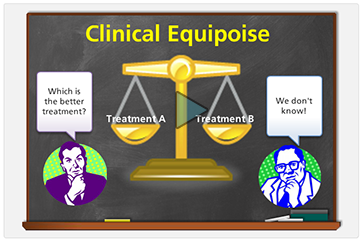
Clinical equipoise, also known as the principle of equipoise, provides the ethical basis for medical research that involves assigning patients to different treatment arms of a clinical trial. The term was first used by Benjamin Freedman in 1987, although references to its use go back to 1795 by Dr. Edward Jenner.

In short, clinical equipoise means that there is genuine uncertainty in the expert medical community over whether a treatment will be beneficial. This applies also for off-label treatments performed before or during their required clinical trials.

***

***

COMMENTS APPRECIATED

MORE:

READ: https://www.ahajournals.org/doi/full/10.1161/CIRCRESAHA.116.309594

***

BREAKING NEWS: Oil, Distressed Banks and Banking

By Staff Reporters

***

***

Saudi Aramco made what is s probably the “highest net income ever recorded in the corporate world,” Saudi Aramco’s CEO Amin Nasser just said. The state-owned oil giant brought in an astonishing $161.1 billion in net income in 2022, up 46.5% from the previous year. Rising oil prices lifted all energy companies last year, but Aramco raked in almost triple ExxonMobil’s 2022 profits (record for any Western oil company).

So, after getting mixed signals about the economy from Friday’s jobs report, the Fed will take a fine-toothed comb to the consumer price index, which drops tomorrow.

CITE: https://www.r2library.com/Resource/Title/082610254

***

Banks: At the end of an extremely stressful weekend, depositors of collapsed Silicon Valley Bank were told they would be made whole. Yesterday evening, the US government informed anxious SVB depositors that they’d have access to all the money they stashed with the lender today, even if the amount exceeded the $250,000 limit insured by the FDIC. In addition to backstopping depositors, the Fed is offering additional funding to some banks to limit the contagion from spreading across the banking sector.

And, according to MorningBrew, the Fed’s aggressive action shows how the implosion of Silicon Valley Bank on Friday could have quickly turned into a full-blown banking crisis when markets open this morning.

  • Banking is a confidence game, and if people and businesses felt their uninsured deposits were at risk, they could start pulling money from other banks in a catastrophic bank run.
  • The government had a hard deadline of 9:30am ET this morning to restore confidence in the banking system, and it beat it.
  • However, in their announcement, regulators also noted the closure of a second bank, New York-based Signature Bank, over “systemic risk.” All of Signature’s depositors will be made whole, they said.

***

ALERT: HSBC Holdings PLC just said that it purchased Silicon Valley Bank UK Ltd., the U.K. arm of the collapsed Silicon Valley Bank, for 1 pound ($1.20). HSBC said the acquisition will help strengthen its franchise in the U.K. As of March 10th, SVBUK had loans of around GBP5.5 billion and deposits of around GBP6.7 billion, while tangible equity is expected to be around GBP1.4 billion. The acquisition was completed immediately.

The Bank of England said it took the decision to sell SVBUK to stabilize the business, ensure continuity of banking services, minimize disruption to the country’s technology sector and support confidence in the financial system.

***

ORDER: https://www.routledge.com/Comprehensive-Financial-Planning-Strategies-for-Doctors-and-Advisors-Best/Marcinko-Hetico/p/book/9781482240283

***

COMMENTS APPRECIATED

Thank You

***

On Cultural Sensitivity in Education and Medicine

Join Our Mailing List

A Modern Integral Component of Healthcare Training

[By Render S. Davis MHA CHE]

[By Dr. David Edward Marcinko MBA]

***

While America has often been called a “nation of immigrants,” it has never been more true than today. Consequently, the challenge for physicians and other health care providers, in both large cities and small communities, is meeting the health care needs of increasingly diverse and multi-cultural populations who speak different languages and have social norms, traditions, and values that may substantially differ from their own. Problems arise when clinicians expect, even demand, that patients and their families discard their cultural foundations and adhere to the health care provider’s view of the care and decision-making process.

Instead, the health care team should be more aware of and sensitive to the values and beliefs of patients who come from other cultures; working within to assure that the patient’s individual rights are supported and wishes honored to the fullest extent possible.

In her award-winning book, The Spirit Catches You and You Fall Down, Ann Fadiman chronicled this tragic clash of two cultures in medical care for a child of the traditional Hmong people of Laos, transplanted to California after the Vietnam War.

In the book, Fadiman recounts a conversation with Professor Arthur Kleinman of Harvard University, a highly regarded expert in multicultural relations and conflict, who noted that “If you cannot see that your own culture has its own set of interests, emotions, and biases, how can you expect to deal successfully with someone else’s culture?”

***

anatomy-254129_640

***

Former U.S. Surgeon General David Satcher, M.D., Ph.D., now Director of the Satcher Health Leadership Institute at Morehouse College of Medicine in Atlanta, Georgia, helped develop a special curriculum designed to foster greater cultural competence among physicians and health care providers.

Called the “CRASH Course,” the program emphasizes:

  1. Cultural Awareness. Acknowledging the diversity and legitimacy of the many cultures that make up the fabric of American Society;
  2. Respect. Valuing other cultural norms, even if they differ or conflict with your own;
  3. Assess and affirm. Understanding the points of both congruence and difference among cultural approaches to decision-making; learning how to achieve the best outcomes within the cultural framework of the patient and family unit;
  4. Sensitivity and self awareness. Being secure in your own values; while willing to be flexible in working through cultural differences with others;
  5. Humility. Recognizing that every culture has legitimacy and that no one is an expert in what is best for others; being willing to subordinate your values for those of another to achieve the goals of treatment.

There is little doubt that multi-cultural sensitivity will continue to grow as an increasingly integral component of medical education and risk management in health care practice.

Dr. Marcinko Teaching Philosophy

***

anatomy-254120_640

**

Channel Surfing the ME-P

Have you visited our other topic channels? Established to facilitate idea exchange and link our community together, the value of these topics is dependent upon your input. Please take a minute to visit. And, to prevent that annoying spam, we ask that you register. It is fast, free and secure.

More:

Conclusion

Your thoughts and comments on this ME-P are appreciated. Feel free to review our top-left column, and top-right sidebar materials, links, URLs and related websites, too. Then, subscribe to the ME-P. It is fast, free and secure.

About the Author

Render Davis was a Certified Healthcare Executive, now retired from Crawford Long Hospital at Emory University, in Atlanta, GA He served as Assistant Administrator for General Services, Policy Development, and Regulatory Affairs from 1977-95.  He is a founding board member of the Health Care Ethics Consortium of Georgia and served on the consortium’s Executive Committee, Advisory Board, Futility Task Force, Strategic Planning Committee, and chaired the Annual Conference Planning Committee, for many years.  

Speaker: If you need a moderator or speaker for an upcoming event, Dr. David E. Marcinko; MBA – Publisher-in-Chief of the Medical Executive-Post – is available for seminar or speaking engagements. Contact: MarcinkoAdvisors@msn.com

OUR OTHER PRINT BOOKS AND RELATED INFORMATION SOURCES:

Product DetailsProduct Details

Invite Dr. Marcinko

Product DetailsProduct Details

***

Become a Board CERTIFIED MEDICAL PLANNER™ and Thrive

Join Our Mailing List

Think Different – Be Different  – Thrive

[By Ann Miller RN MHA]

Dear Physician Focused Financial Advisors;

Did you know that desperate doctors of all ages are turning to knowledgeable financial advisors and medical management consultants for help? Symbiotically too, generalist advisors are finding that the mutual need for knowledge and extreme niche synergy is obvious.

***

planning

***

But, there was no established curriculum or educational program; no corpus of knowledge or codifying terms-of-art; no academic gravitas or fiduciary accountability; and certainly no identifying professional designation that demonstrated integrated subject matter expertise for the increasingly unique healthcare focused financial advisory niche … Until Now! 

***

CMP logo

http://www.CertifiedMedicalPlanner.org

Enter the CMPs

“The informed voice of a new generation of fiduciary advisors for healthcare”

Think Different

 [Think Different – Be Different – Thrive]

InfoGraphic

http://e.infogr.am/enter_the_certified_medical_planner?src=embed

CMP logo

http://www.CertifiedMedicalPlanner.org

***

So, if you are looking to supplement your knowledge, income and designations; and find other qualified professionals you may want to consider the CMP® program.

Enter the Certified Medical Planner™ charter professional designation. And, CMPs™ are FIDUCIARIES, 24/7.

Channel Surfing the ME-P

Have you visited our other topic channels? Established to facilitate idea exchange and link our community together, the value of these topics is dependent upon your input. Please take a minute to visit. And, to prevent that annoying spam, we ask that you register. It is fast, free and secure.

Conclusion

Your thoughts and comments on this ME-P are appreciated. Feel free to review our top-left column, and top-right sidebar materials, links, URLs and related websites, too. Then, subscribe to the ME-P. It is fast, free and secure.

***

Become a CMP

***

Speaker: If you need a moderator or speaker for an upcoming event, Dr. David E. Marcinko; MBA – Publisher-in-Chief of the Medical Executive-Post – is available for seminar or speaking engagements. Contact: MarcinkoAdvisors@msn.com

OUR OTHER PRINT BOOKS AND RELATED INFORMATION SOURCES:

 Comprehensive Financial Planning Strategies for Doctors and Advisors: Best Practices from Leading Consultants and Certified Medical Planners(TM)* 8

Dig Deeper Than CFP® To Find a Financial Planner

CFP® is a Designation  – Not a Guarantee!

By Rick Kahler CFP®

I have long recommended that consumers look for a Certified Financial Planning (CFP) certificant when shopping for a financial planner.

But don’t stop there. A CFP is no guarantee that someone is a competent, ethical, fiduciary professional. It only ensures that you are choosing from a pool of 85,000 financial services providers who are educated in the technical aspects of financial planning. It doesn’t mean the person is engaged in financial planning, is a fiduciary, or has a spotless ethical history.

In a troubling Wall Street Journal article on August 9, 2019, columnist Jason Zwieg writes that the “CFP Board’s online search directory neglected to inform the public that thousands of planners listed” have known “customer complaints, criminal histories, financial problems or regulatory proceedings.”

“Among these CFPs were 499 who have faced criminal charges, 324 who left a previous firm amid allegations of misconduct, 323 who had been disciplined or investigated by regulators and 68 who filed bankruptcy within the past 10 years,” Zweig notes. Yet none were ever disciplined by the CFP Board.

Let’s not lose perspective—these “bad apples” amount to less than 2% of CFP certificants. Every profession has those few who use its licensing and credentialing as a cover to manipulate, deceive, and abuse consumers. No amount of regulation or oversight will ever eliminate all the crooks.

In addition, you cannot simply assume because a professional has a certain license, designation, or formal degree that they are competent. In the graduate class I teach at Golden Gate University, not all students earn As and Bs. Many earn Cs. A few earn Ds and Fs. While I am not sure the D and F group ever graduate, I am sure I would not want them doing my financial planning without convincing evidence that their poor performance in my class was a one-off due to extenuating circumstances.

As the consumer, you cannot know if a prospective financial planner was that student. Nor can you know if they have a tainted criminal background, unless you dig deeper.

That digging includes looking for any past criminal or disciplinary charges brought by licensing agencies. It also includes determining whether the advisor is legally bound to a fiduciary standard—required to put your interests ahead of theirs—but has any conflicts of interest, especially by making a significant amount of their income from commissions on the sale of financial products.

Here are a few tips for digging deeper:

  1. Go to brokercheck.finra.org to see if FINRA has brought disciplinary actions against the advisor.
  2. Go to the SEC’s website to look for disciplinary actions.
  3. Have the prospective advisor sign a written disclosure that you are a client and they have a fiduciary duty to put your interests above their own, rather than a customer where they have no such obligation and will usually put the interests of their company first. Many advisors, especially those not legally bound to be fiduciaries, don’t understand the difference, so insist on getting this assurance in writing.
  4. Have the prospective advisor sign a statement disclosing what percentage of their company’s gross revenues comes from fees charged to clients.  These might be paid as hourly fees, annual retainers, or separate charges for advice. The lower the percentage of income from fees, the greater the chance of a significant conflict of interest. I recommend finding firms receiving over 90% of gross revenue from fees; I prefer 100% because such firms advertise themselves as “fee-only” or will offset any commissions against a flat fee.

Assessment

To find a trustworthy financial planner, I still recommend the CFP designation. Just remember that it’s a starting point, not a guarantee.

Conclusion

Your thoughts and comments on this ME-P are appreciated. Feel free to review our top-left column, and top-right sidebar materials, links, URLs and related websites, too. Then, subscribe to the ME-P. It is fast, free and secure.

Speaker: If you need a moderator or speaker for an upcoming event, Dr. David E. Marcinko; MBA – Publisher-in-Chief of the Medical Executive-Post – is available for seminar or speaking engagements. Contact: MarcinkoAdvisors@msn.com

Risk Management, Liability Insurance, and Asset Protection Strategies for Doctors and Advisors: Best Practices from Leading Consultants and Certified Medical Planners™8Comprehensive Financial Planning Strategies for Doctors and Advisors: Best Practices from Leading Consultants and Certified Medical Planners™

***

Become a Board CERTIFIED MEDICAL PLANNER™ and Thrive

Join Our Mailing List

Think Different – Be Different  – Thrive

[By Ann Miller RN MHA]

Dear Physician Focused Financial Advisors;

Did you know that desperate doctors of all ages are turning to knowledgeable financial advisors and medical management consultants for help? Symbiotically too, generalist advisors are finding that the mutual need for knowledge and extreme niche synergy is obvious.

***

planning

***

But, there was no established curriculum or educational program; no corpus of knowledge or codifying terms-of-art; no academic gravitas or fiduciary accountability; and certainly no identifying professional designation that demonstrated integrated subject matter expertise for the increasingly unique healthcare focused financial advisory niche … Until Now! 

***

CMP logo

http://www.CertifiedMedicalPlanner.org

Enter the CMPs

“The informed voice of a new generation of fiduciary advisors for healthcare”

Think Different

 [Think Different – Be Different – Thrive]

InfoGraphic

http://e.infogr.am/enter_the_certified_medical_planner?src=embed

CMP logo

http://www.CertifiedMedicalPlanner.org

***

So, if you are looking to supplement your knowledge, income and designations; and find other qualified professionals you may want to consider the CMP® program.

Enter the Certified Medical Planner™ charter professional designation. And, CMPs™ are FIDUCIARIES, 24/7.

Channel Surfing the ME-P

Have you visited our other topic channels? Established to facilitate idea exchange and link our community together, the value of these topics is dependent upon your input. Please take a minute to visit. And, to prevent that annoying spam, we ask that you register. It is fast, free and secure.

Conclusion

Your thoughts and comments on this ME-P are appreciated. Feel free to review our top-left column, and top-right sidebar materials, links, URLs and related websites, too. Then, subscribe to the ME-P. It is fast, free and secure.

***

Become a CMP

***

Speaker: If you need a moderator or speaker for an upcoming event, Dr. David E. Marcinko; MBA – Publisher-in-Chief of the Medical Executive-Post – is available for seminar or speaking engagements. Contact: MarcinkoAdvisors@msn.com

OUR OTHER PRINT BOOKS AND RELATED INFORMATION SOURCES:

 Comprehensive Financial Planning Strategies for Doctors and Advisors: Best Practices from Leading Consultants and Certified Medical Planners(TM)* 8

VALUATION of Internal Medicine Services

Valuation of Internal Medicine Services: Reimbursement

BY HEALTH CAPITAL CONSULTANTS, LLC


As noted in the first installment of this five-part series, internal medicine is the largest specialty among physicians and an understanding of the various environments in which these physicians operate is crucial in determining their numerous value drivers.

In particular, healthcare reimbursement, the process by which private health insurers and government agencies pay for the services of healthcare providers (including internists), is perhaps one of the most important environments to understand, as it comprises a provider’s expectation of future return on investment.

CITE: https://www.r2library.com/Resource/Title/0826102549

This installment will discuss the reimbursement of internal medicine services. (Read more…)

YOUR COMMENTS ARE APPRECIATED.

BUSINESS: https://www.amazon.com/Business-Medical-Practice-Transformational-Doctors/dp/0826105750/ref=sr_1_9?ie=UTF8&qid=1448163039&sr=8-9&keywords=david+marcinko

***h

HOSPITALS: ttps://www.amazon.com/Financial-Management-Strategies-Healthcare-Organizations/dp/1466558733/ref=sr_1_3?ie=UTF8&qid=1380743521&sr=8-3&keywords=david+marcinko

THANK YOU

***

PHYSICIANS: Coaching, Mentoring & Second Opinions

By Ann Miller RN MHA

***

***

Career and Financial Planning

Career, Business and Personal Financial Planning is a great opportunity to get your practice, finances and budgets in order before life gets too busy.

CALL US TODAY TO GET STARTED: https://medicalexecutivepost.com/coach/

CALL FOR A SECOND OPINION: https://medicalexecutivepost.com/schedule-a-consultation/

“From Chaos to Calm”

THANK YOU

***

NAPA Update for Inova Loudoun Hospital

***

By Anonymous Letter Leaker

***

DAVE – This is what happens when private equity takes over anesthesiologists and other medical services. Private equity has squeezed so much out of physician lives and their practices, that practice has become intolerable. They are all so burnt out that the physician anesthesiologist must now strike out against their own private equity group owners (NAPA). The trickle-down effect becomes with the hospital now caught in the middle, contracted with a private equity group which  provides anesthesia, but they have no anesthesiologist employees.

Where does patient care survive?

***

February 2023
Colleagues,

As you may be aware, Inova contracts with North American Partners in Anesthesia (NAPA) to provide anesthesia services at Inova Loudoun Hospital. This week, we received notice that our anesthesiologists at Inova Loudoun Hospital have submitted 90-day notice letters of resignation to NAPA. In the spirit of full transparency, we are sharing this news with our physicians.

Here’s what you need to know:

Although we are monitoring this situation, Inova is not a participant in discussions. They are held solely between the anesthesiologists and NAPA. We are actively working to ensure minimal disruptions to current workflows at our care sites.      Our anesthesiologists are among the best in the country, and we fully expect that our team members will continue to provide world-class healthcare to the communities we are privileged to serve.

Per our care mandate, people are at the center of everything we do, and we take any situation that affects the work environment of our team members very seriously. We will continue to communicate with NAPA and keep you apprised of pertinent developments.

If you have questions about this situation, please contact Loren Rufino, Senior Vice President, Perioperative Services.

Thank you,

John J. Moynihan, MD, FACS               
President, Surgery Service Line          

Loren A. Rufino        
SVP, Perioperative Services   
Administrator Surgery Service Line

Paula R. Graling, DNP, RN, CNOR, NEA-C,
FAAN
VP, Nursing, Surgery Service Line

***
ME-P COMMENTS APPRECIATED
 Thank You

ORDER: https://www.amazon.com/Business-Medical-Practice-Transformational-Doctors/dp/0826105750/ref=sr_1_9?ie=UTF8&qid=1448163039&sr=8-9&keywords=david+marcinko

***

Become a Board CERTIFIED MEDICAL PLANNER™ and Thrive

Join Our Mailing List

Think Different – Be Different  – Thrive

[By Ann Miller RN MHA]

Dear Physician Focused Financial Advisors;

Did you know that desperate doctors of all ages are turning to knowledgeable financial advisors and medical management consultants for help? Symbiotically too, generalist advisors are finding that the mutual need for knowledge and extreme niche synergy is obvious.

***

planning

***

But, there was no established curriculum or educational program; no corpus of knowledge or codifying terms-of-art; no academic gravitas or fiduciary accountability; and certainly no identifying professional designation that demonstrated integrated subject matter expertise for the increasingly unique healthcare focused financial advisory niche … Until Now! 

***

CMP logo

http://www.CertifiedMedicalPlanner.org

Enter the CMPs

“The informed voice of a new generation of fiduciary advisors for healthcare”

Think Different

 [Think Different – Be Different – Thrive]

InfoGraphic

http://e.infogr.am/enter_the_certified_medical_planner?src=embed

CMP logo

http://www.CertifiedMedicalPlanner.org

***

So, if you are looking to supplement your knowledge, income and designations; and find other qualified professionals you may want to consider the CMP® program.

Enter the Certified Medical Planner™ charter professional designation. And, CMPs™ are FIDUCIARIES, 24/7.

Channel Surfing the ME-P

Have you visited our other topic channels? Established to facilitate idea exchange and link our community together, the value of these topics is dependent upon your input. Please take a minute to visit. And, to prevent that annoying spam, we ask that you register. It is fast, free and secure.

Conclusion

Your thoughts and comments on this ME-P are appreciated. Feel free to review our top-left column, and top-right sidebar materials, links, URLs and related websites, too. Then, subscribe to the ME-P. It is fast, free and secure.

***

Become a CMP

***

Speaker: If you need a moderator or speaker for an upcoming event, Dr. David E. Marcinko; MBA – Publisher-in-Chief of the Medical Executive-Post – is available for seminar or speaking engagements. Contact: MarcinkoAdvisors@msn.com

OUR OTHER PRINT BOOKS AND RELATED INFORMATION SOURCES:

 Comprehensive Financial Planning Strategies for Doctors and Advisors: Best Practices from Leading Consultants and Certified Medical Planners(TM)* 8

DAILY UPDATE: Credit Suisse Down While US Equities Mixed

By Staff Reporters

***

***

  • CREDIT SUISSE:
  • Equities revenue plummeted 95% in the fourth quarter
  • CS earlier informally looked at options for unit -sources
  • CS declined comment on ‘rumors and speculation’, and
  • In the latest piece of troubling news, the beleaguered Swiss bank delayed the publication of its 2022 annual report following a “late call” from the US Securities and Exchange Commission on Wednesday evening. The SEC got in touch over revisions the bank had previously made to its cash flow statements for 2019 and 2020,

***

U.S. equities finished mixed following yesterday’s rout, as investors digested a second day of testimony from Fed Chair Jerome Powell. The Chairman remained hawkish in his commentary, where he suggested rates may need to accelerate more than initially expected and may need to stay higher for longer than originally anticipated. Adding to the uncertainty, the afternoon release of the Fed’s Beige Book showed little change from the last installment.

Treasury yields were mixed with the yield curve inversion worsening, and the U.S. dollar was flat after yesterday’s rally. Crude oil prices were lower, and gold was little changed in choppy action. News on the equity front was light, as CrowdStrike topped quarterly earnings estimates and offered upbeat guidance, while UPS reiterated its full-year outlook.

The economic calendar was tilted toward labor data, as job openings dipped but remained elevated, and ADP’s private sector employment report bested forecasts ahead of Friday’s key non-farm payroll release.

Elsewhere, mortgage applications snapped a three-week losing streak, and the trade deficit came in slightly smaller than projected. Asia finished mixed and Europe also diverged, as the global markets processed the testimony from Fed Chairman Powell.

CITE: https://www.r2library.com/Resource/Title/082610254

***

ORDER: https://www.routledge.com/Comprehensive-Financial-Planning-Strategies-for-Doctors-and-Advisors-Best/Marcinko-Hetico/p/book/9781482240283

***

COMMENTS APPRECIATED

Thank You

***

INTERNATIONAL WOMEN’S DAY 2023

Maritime Medicine

By Dr. David Edward Marcinko MBA

***

***

***

Did you know that on this day in 1945, Phyllis Mae Dailey became the first Black nurse sworn in to serve the US Navy?

READ: https://blackdoctor.org/phyllis-mae-dailey/

And on this day in 1950, Bernice Walters became the first female doctor for the US Navy.

READ: https://www.history.navy.mil/browse-by-topic/people/trailblazers/bernice-walters.html

READ: US Comfort Ship: https://medicalexecutivepost.com/2010/01/18/us-navy-ship-comfort-heads-to-haiti/

So, you might say it’s a big day for maritime medicine.

***

COMMENTS APPRECIATED

Thank You

***

ORDER: https://www.amazon.com/Dictionary-Health-Insurance-Managed-Care/dp/0826149944/ref=sr_1_4?ie=UTF8&s=books&qid=1275315485&sr=1-4

***

Become a Board CERTIFIED MEDICAL PLANNER™ and Thrive

Join Our Mailing List

Think Different – Be Different  – Thrive

[By Ann Miller RN MHA]

Dear Physician Focused Financial Advisors;

Did you know that desperate doctors of all ages are turning to knowledgeable financial advisors and medical management consultants for help? Symbiotically too, generalist advisors are finding that the mutual need for knowledge and extreme niche synergy is obvious.

***

planning

***

But, there was no established curriculum or educational program; no corpus of knowledge or codifying terms-of-art; no academic gravitas or fiduciary accountability; and certainly no identifying professional designation that demonstrated integrated subject matter expertise for the increasingly unique healthcare focused financial advisory niche … Until Now! 

***

CMP logo

http://www.CertifiedMedicalPlanner.org

Enter the CMPs

“The informed voice of a new generation of fiduciary advisors for healthcare”

Think Different

 [Think Different – Be Different – Thrive]

InfoGraphic

http://e.infogr.am/enter_the_certified_medical_planner?src=embed

CMP logo

http://www.CertifiedMedicalPlanner.org

***

So, if you are looking to supplement your knowledge, income and designations; and find other qualified professionals you may want to consider the CMP® program.

Enter the Certified Medical Planner™ charter professional designation. And, CMPs™ are FIDUCIARIES, 24/7.

Channel Surfing the ME-P

Have you visited our other topic channels? Established to facilitate idea exchange and link our community together, the value of these topics is dependent upon your input. Please take a minute to visit. And, to prevent that annoying spam, we ask that you register. It is fast, free and secure.

Conclusion

Your thoughts and comments on this ME-P are appreciated. Feel free to review our top-left column, and top-right sidebar materials, links, URLs and related websites, too. Then, subscribe to the ME-P. It is fast, free and secure.

***

Become a CMP

***

Speaker: If you need a moderator or speaker for an upcoming event, Dr. David E. Marcinko; MBA – Publisher-in-Chief of the Medical Executive-Post – is available for seminar or speaking engagements. Contact: MarcinkoAdvisors@msn.com

OUR OTHER PRINT BOOKS AND RELATED INFORMATION SOURCES:

 Comprehensive Financial Planning Strategies for Doctors and Advisors: Best Practices from Leading Consultants and Certified Medical Planners(TM)* 8

PODCAST: Hospital Money Challenges in 2023

By Eric Bricker MD

***

***

CITE: https://www.r2library.com/Resource/Title/0826102549

CITE: https://www.amazon.com/Dictionary-Health-Insurance-Managed-Care/dp/0826149944/ref=sr_1_4?ie=UTF8&s=books&qid=1275315485&sr=1-4

***

COMMENTS APPRECIATED

Thank You

***

CUSTOMIZABLE e-PODIATRY CONSENT FORMS

electronically CUSTOMIZABLE FOR EVERY SURGEON

***

http://www.ePodiatryConsentForms.com

CUSTOMIZABLE CMS & AGENCY FOR HEALTHCARE RESEARCH AND QUALITY STYLED PROTOCOLS, CHECKLISTS AND TEMPLATES

.… Specifically for Podiatrists ….   

e-Podiatry Consent Forms™ is an innovative new suite of software programs from the Institute of Medical Business Advisors [iMBA, Inc]. Our products solve your informed consent problems and enhance the education, discussion and documentation of the informed consent process for all podiatrists performing foot, ankle and leg reconstructive surgical procedures.

THE PROBLEM

All podiatrists are being pressured by the Centers for Medicare and Medicaid Services [CMS], the Joint Commission on Accreditation of Healthcare Organizations [JCAHO], liability carriers and private insurance payers to make their consent process more patient-friendly, informed and easily understood. And, the pressure to standardize and comply is great.

Most recently, based on the need to make healthcare even safer, the Agency for Healthcare Research and Quality (AHRQ) undertook a major study to identify patient safety issues and develop recommendations for “best practices”.

The AHRQ Evidence Report

The AHRQ report identified the challenge of addressing shortcomings such as missed, incomplete or not fully comprehended informed consent, as a significant patient safety issue and opportunity for improvement.

The authors of the AHRQ report hypothesized that better informed patients:

“are less likely to experience errors by acting as another layer of protection.”

And, the AHRQ study ranked a “more interactive informed consent process” among the top 11 practices supporting more widespread implementation; especially for surgical consent forms.

THE SOLUTION

Why Us: https://epodiatryconsentforms.com/why-us/

One answer to the modern risk-management problem of “informed consent interactivity” may be e-Podiatry Consent Forms™  We license two core interactive surgical products, and a reference library, with related concepts and products in development:

  • Forefoot, Mid-Foot and Simple Rear-Foot Version
  • Complex Rear-Foot, Ankle and Lower Leg Version
  • Comprehensive content library for extreme customization.

Each e-Podiatry Consent Forms™ CD-ROM [secure email delivery is now available] is increasingly trusted as the simple solution to standardized communications across the entire office-enterprise; from managing-risk, informing-patients and complying with modern regulatory requirements through enhanced patient-centric informed consent encounters.

Thus, by improving the consistency, details, documentation and effectiveness of the informed consent process, e-Podiatry Consent Forms™ equips all podiatric surgeons with the tools needed to augment quality standards, reduce litigation potential and improve patient outcomes and safety.

http://www.ePodiatryConsentForms.com

***

ORDER NOW: http://www.ePodiatryConsentForms.com

Phone: 770-448-0769

***

What is Translational Medicine?

An Emerging and Protean Science

[By Staff Reporters]

Translational medicine (often referred to as translational science, of which it is a form) is defined by the European Society for Translational Medicine (EUSTM) as an interdisciplinary branch of the biomedical field supported by three main pillars: bench side, bed side and community. The goal of TM is to combine disciplines, resources, expertise, and techniques within these pillars to promote enhancements in prevention, diagnosis, and therapies.

DEFINITIONS: http://www.HealthDictionarySeries.org

Accordingly, translational medicine is a highly interdisciplinary field, the primary goal of which is to coalesce assets of various natures within the individual pillars in order to improve the global healthcare system significantly.

***

http://www.translationalmedicine.com/

Conclusion

Your thoughts and comments on this ME-P are appreciated. Feel free to review our top-left column, and top-right sidebar materials, links, URLs and related websites, too. Then, subscribe to the ME-P. It is fast, free and secure.

Speaker: If you need a moderator or speaker for an upcoming event, Dr. David E. Marcinko; MBA – Publisher-in-Chief of the Medical Executive-Post – is available for seminar or speaking engagements. : https://medicalexecutivepost.com/dr-david-marcinkos-bookings/

Subscribe: MEDICAL EXECUTIVE POST for curated news, essays, opinions and analysis from the public health, economics, finance, marketing, IT, business and policy management ecosystem.

***

ORDER: https://www.amazon.com/Business-Medical-Practice-Transformational-Doctors/dp/0826105750/ref=sr_1_9?ie=UTF8&qid=1448163039&sr=8-9&keywords=david+marcinko

Product Details