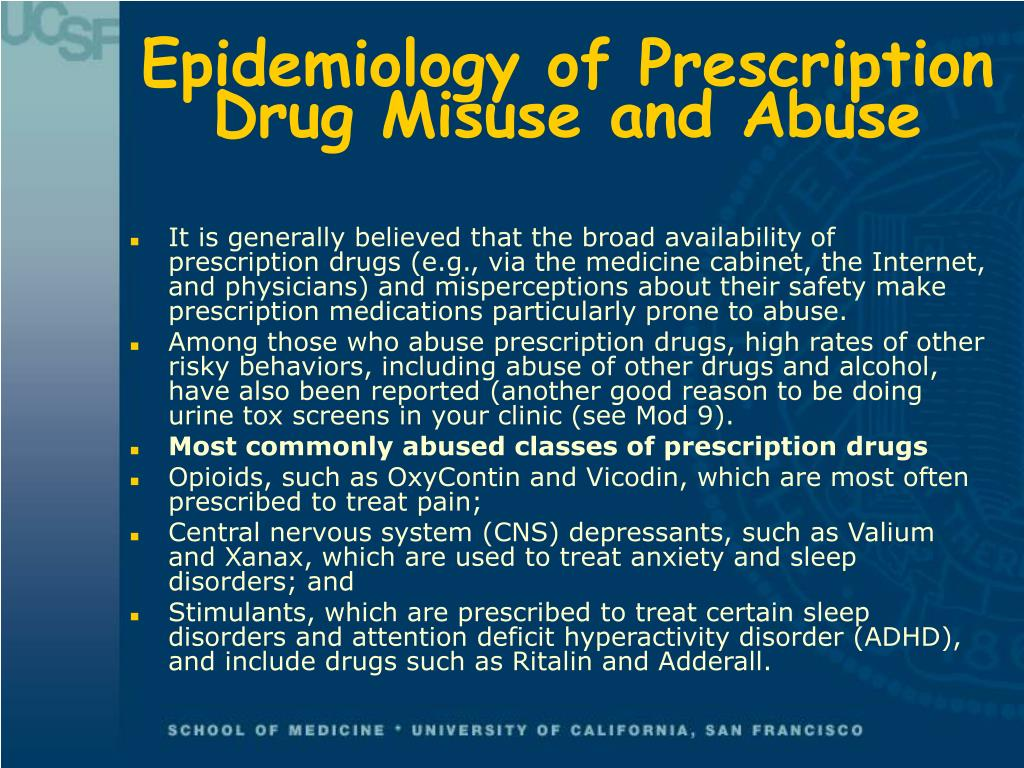
PODCAST: Drugs AVERAGE WHOLESALE PRICE

AWP EXPLAINED

By Eric Bricker MD

***

***

CITE: https://www.r2library.com/Resource/Title/082610254

***

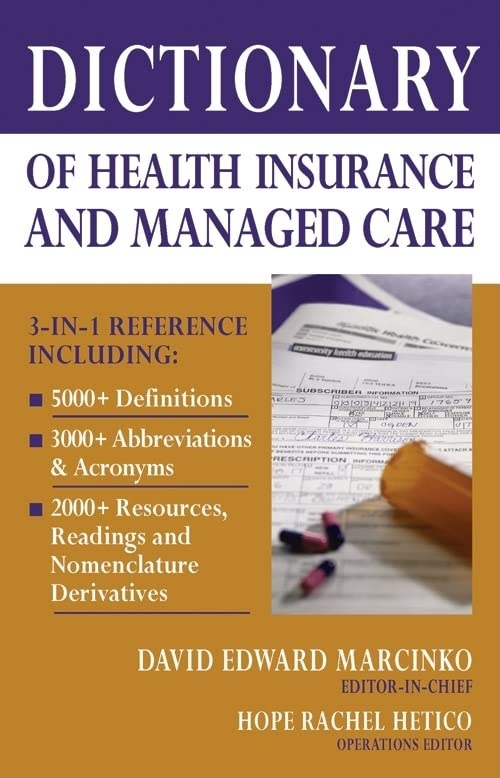
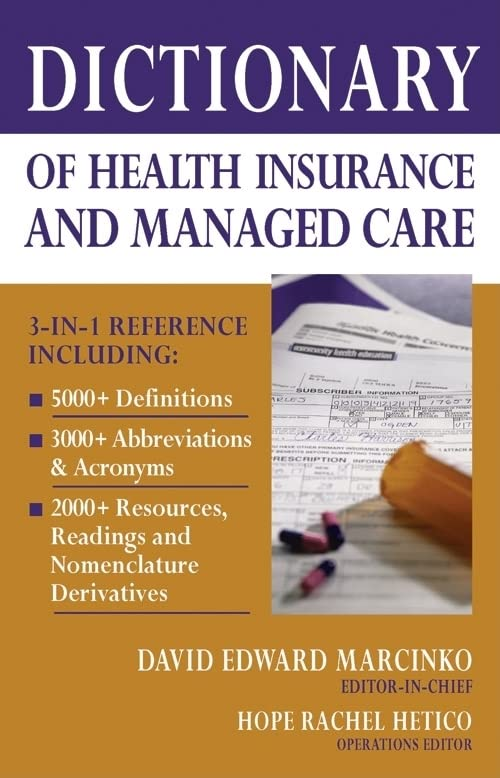
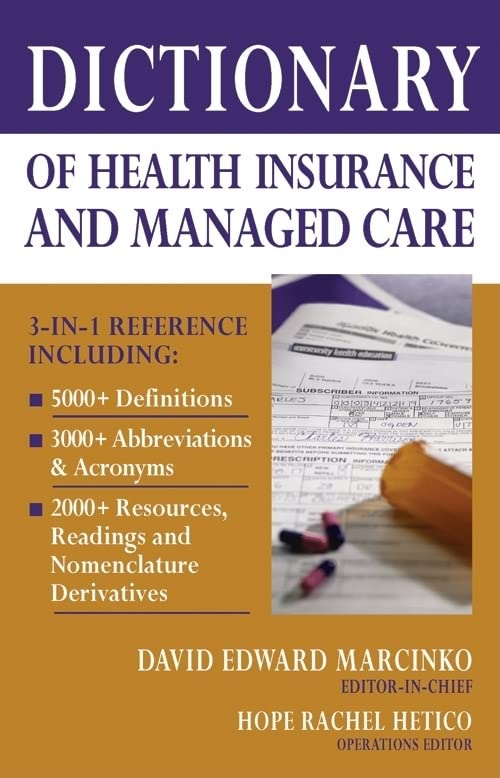
ORDER: https://www.amazon.com/Dictionary-Health-Insurance-Managed-Care/dp/0826149944/ref=sr_1_4?ie=UTF8&s=books&qid=1275315485&sr=1-4

***

COMMENTS APPRECIATED

Thank You

***

Understanding the “Language” of Healthcare Finance, IT, Economics, Investing and Insurance

By Ann Miller RN MHA CMP

Courtesy: http://www.CertifiedMedicalPlanner.org

The ME-P is Doing Its’ Part with Comprehensive Dictionaries and Glossaries

Product DetailsProduct DetailsProduct Details

[Click on each icon for a larger view]

CITE: https://www.r2library.com/Resource/Title/082610254

***

RMDs: Are You of IRS Taxation Age?

Stop 2020 – Restart 2021

By Staff Reporters

***

CITE: https://www.r2library.com/Resource/Title/082610254

***

Are You of RMD Age?
A Required Minimum Distribution (RMD) is an amount of money the IRS requires you to withdraw from most retirement accounts, beginning at age 72.
Due to the Coronavirus Aid, Relief, and Economic Security (CARES) Act, RMDs were not required in 2020, but RMDs are required in 2021 and each year after. RMDs can be an important part of your retirement income strategy.

IRS: https://www.irs.gov/retirement-plans/retirement-plans-faqs-regarding-required-minimum-distributions

***

COMMENTS APPRECIATED

Thank You

***

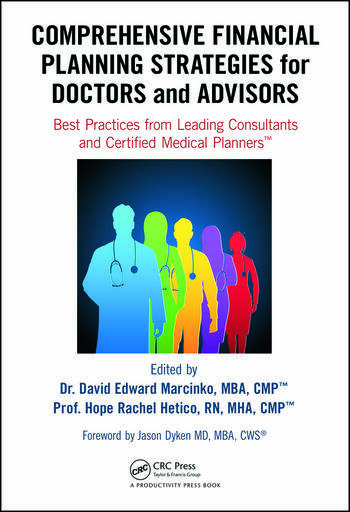
ORDER: https://www.routledge.com/Comprehensive-Financial-Planning-Strategies-for-Doctors-and-Advisors-Best/Marcinko-Hetico/p/book/9781482240283

***

PODCAST: Hospital Debt and Tax Exempt Bonds

By Eric Bricker MD

***

***

CITE: https://www.r2library.com/Resource/Title/082610254

COMMENTS APPRECIATED

Thank You

***

ORDER: https://www.routledge.com/Comprehensive-Financial-Planning-Strategies-for-Doctors-and-Advisors-Best/Marcinko-Hetico/p/book/9781482240283

****

How to THRIVE in Private Independent Medical Practice, Today?

ORDER TEXTBOOK: https://www.amazon.com/Business-Medical-Practice-Transformational-Doctors/dp/0826105750/ref=sr_1_9?ie=UTF8&qid=1448163039&sr=8-9&keywords=david+marcinko

INVITE DR. MARCINKO: https://medicalexecutivepost.com/dr-david-marcinkos-

THANK YOU

***

My Academic “Chair” and “Teaching Philosophy”

Colleges and Universities

TO H.R. RECRUITERS, UNIVERSITY HIRING MANAGERS & SEARCH COMMITTEES

Sooth My Academic Teaching and Classroom Withdrawal Pangs!


cropped-dem

I’m screening for my next university Dean, Chair or teaching Professorship opportunity.

Currently, an endowed Resident-Scholar completing a text book production assignment complete with aligned case models, tests, quizzes, rubrics, curriculum teaching portfolio, and accreditation review.

Two-decades of domestic and international teaching experience and credentials in health economics, finance, investing, business, policy, risk management, IT and administration. Hundreds of peer-reviewed and trade publications [TNTC] with 30 major textbooks redacted in more than a thousand university libraries [NIH, Library of Congress and National Institute Health, etc]. Public and population health global speaker and thought leader. Wall Street experience as start-up founder, entrepreneur and CXO.

Ideal mentor for under graduate thru post-doctoral and fellowship students [PhD, DBA, MD/DO, MHA and MBA, etc].

Compensation important, but fit is paramount as servant-leader.
[+] RANKED: Google Scholar and “H” Index
CV available upon request.

***

DEM avatar

Dr. Marcinko Teaching Philosophy

CHAIR: Chair 3.0 Philosophy Dr. Marcinko

THANK YOU
770-448-0769
MarcinkoAdvisors@msn.com
***

PODCAST: CMS Over-Payments to Medicare Advantage [Part C] Plans

By Eric Bricker MD

RISK ADJUSTMENTS EXPLAINED

***

***

ORDER: https://www.amazon.com/Dictionary-Health-Insurance-Managed-Care/dp/0826149944/ref=sr_1_4?ie=UTF8&s=books&qid=1275315485&sr=1-4

***

Product Details

ORDER: https://www.amazon.com/Business-Medical-Practice-Transformational-Doctors/dp/0826105750/ref=sr_1_9?ie=UTF8&qid=1448163039&sr=8-9&keywords=david+marcinko

***

COMMENTS APPRECIATED

Thank You

***

What is the “5-100” Insurance Rule?

THE 5 -100 “Policy” Rule 

BY DR. DAVID E. MARCINKO MBA CMP®

CMP logo

SPONSOR: http://www.CertifiedMedicalPlanner.org

With any universal life insurance policy (and certainly all variable life policies), fluctuating rates of return, the actual timing of the premium payments, and potential internal policy changes by the insurance company, all contribute to results that will probably differ substantially from the original illustration. 

RULE: The 5 – 100 Rule states that as a result of accounting for these elements, all initial projections of cash value beyond 5 years, will necessarily be 100 percent incorrect when compared to actuality. 

A prudent policy owner should therefore keep on top of any changes and react accordingly.  If a policy owner ignores his/her policy for even 5 years, any adverse changes could be so drastic as to make rectifying them very costly.

Citation: https://www.r2library.com/Resource/Title/0826102549

Your thoughts are appreciated.

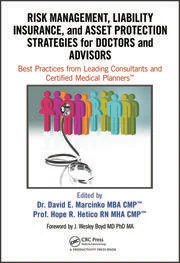
Risk Management, Liability Insurance, and Asset Protection Strategies for Doctors and Advisors: Best Practices from Leading Consultants and Certified Medical Planners™

ORDER TEXTBOOK: https://www.routledge.com/Risk-Management-Liability-Insurance-and-Asset-Protection-Strategies-for/Marcinko-Hetico/p/book/9781498725989

SECOND OPINIONS: https://medicalexecutivepost.com/schedule-a-consultation/

INVITE DR. MARCINKO: https://medicalexecutivepost.com/dr-david-marcinkos-

THANK YOU

***

SMS Texting: Happy 30th Anniversary!

By Staff Reporters

***

***

Seattle, US – December 2, 2022: Infobip, a global leader in omnichannel communications, today announced new data from its 2022 “30th Anniversary of the SMS” survey, which sheds light on how, where and when Americans are communicating with each other.

The report was commissioned to commemorate the anniversary of the first text message, sent on Dec. 3, 1992, by Neil Papworth, a software programmer from the U.K. who had been working as a developer and test engineer to create a short message service (SMS). That very first text simply said, “Merry Christmas.” In the three decades that ensued, SMS has exploded in popularity, and today, the humble text message has emerged as the go-to form of communication for billions of people and an ever increasing number of businesses.

READ MORE: https://www.infobip.com/news/infobip-releases-30th-anniversary-of-the-sms-report

***

COMMENTS APPRECIATED

Thank You

***

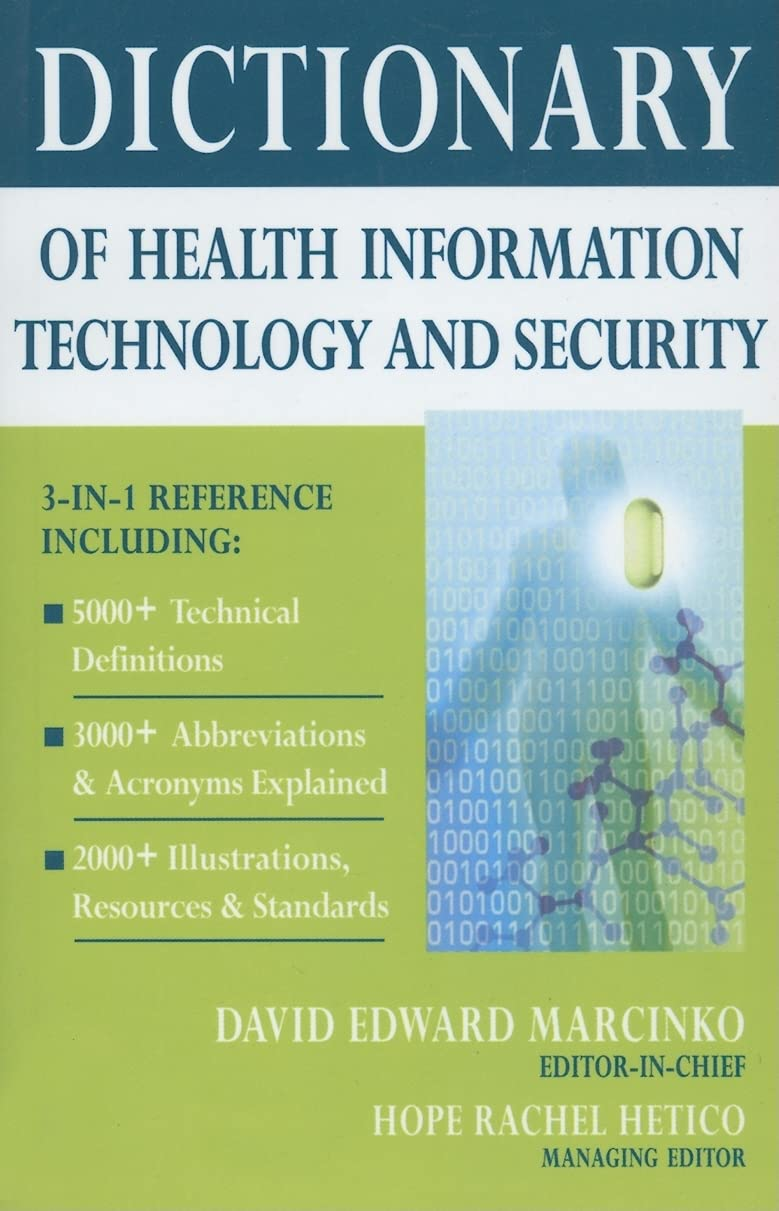
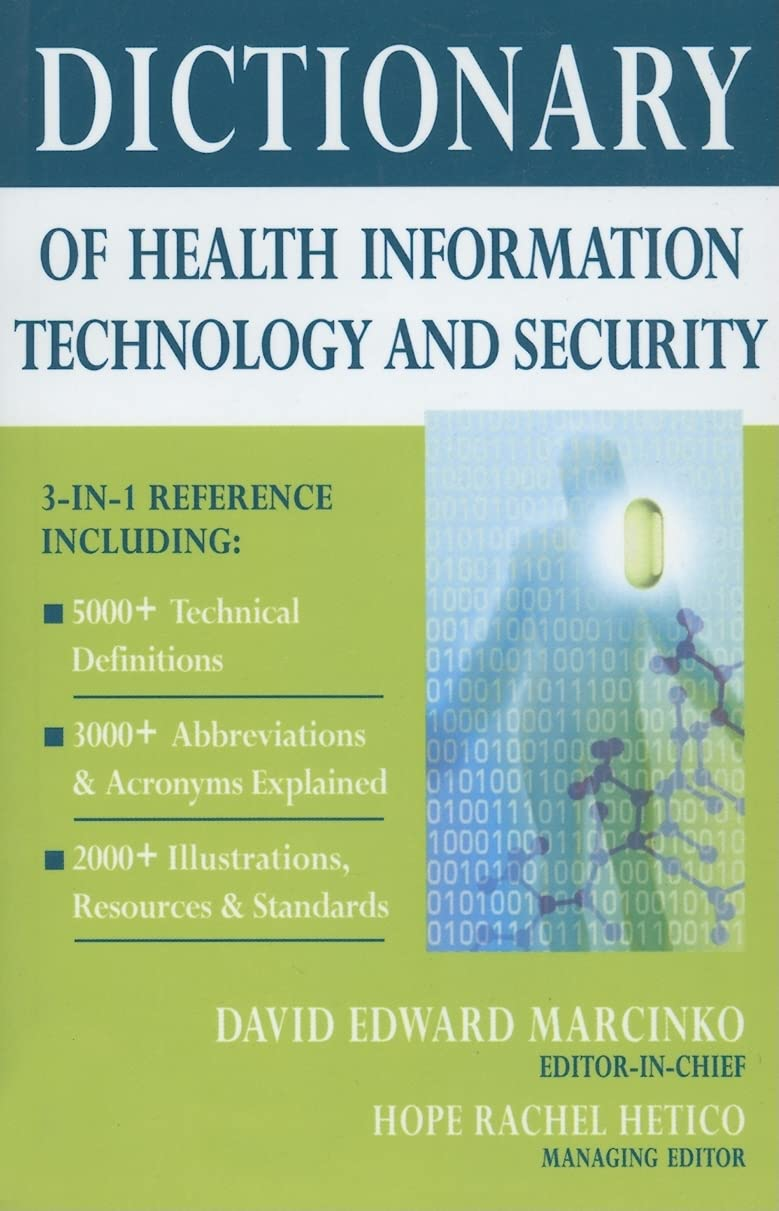
ORDER: https://www.amazon.com/Dictionary-Health-Information-Technology-Security/dp/0826149952/ref=sr_1_5?ie=UTF8&s=books&qid=1254413315&sr=1-5

***

HOUSING MARKET: Worse Than You Think?

By Vitaliy N. Katsenelson CFA

REALLY!

***

READ: https://contrarianedge.com/the-housing-market-is-worse-than-you-think/

***
COMMENTS APPRECIATED

Thank You

***

ORDER: https://www.routledge.com/Comprehensive-Financial-Planning-Strategies-for-Doctors-and-Advisors-Best/Marcinko-Hetico/p/book/9781482240283

****

STUDENT LOANS and State Taxes

By Staff Reporters

***

***

If your student loans were forgiven, you may still owe state taxes

Though widespread federal student loan relief remains on hold, you may have received student loan forgiveness through the Public Service Loan Forgiveness program or another similar endeavor. if you had any balances forgiven in 2022, you won’t owe federal taxes on the canceled amount. That’s because of a provision tucked into the 2021 American Rescue Plan, preventing forgiven post-secondary education loans from federal taxation through 2025. 

However, there are a handful of states where forgiven loan balances may be taxed. IndianaMinnesotaMississippi and North Carolina have confirmed they will tax any student loan debt relief on your 2022 taxes. A few other states may as well, though the details are still being hammered out.

And, if you live in one of the states taxing forgiven student loans, you may be on the hook for county taxes on your debt relief, as well.

CITE: https://www.r2library.com/Resource/Title/082610254

***

***

COMMENTS APPRECIATED

Thank You

***

What is a Rapid Learning Health System?

The RLH – From Concept to Action

[By Staff Reporters]

According to Greene, Reid and Larson, clinicians and health systems are facing widespread challenges, including changes in care delivery, escalating health care costs, and the need to keep up with rapid scientific discovery.

Re-organizing U.S. health care and changing its practices to render better, more affordable care requires transformation in how health systems generate and apply knowledge. The “rapid-learning health system” is posited as a conceptual strategy to spur such transformation – leverages and recent developments in health information technology and a growing health data infrastructure to access and apply evidence in real time, while simultaneously drawing knowledge from real-world care-delivery processes to promote innovation and health system change on the basis of rigorous research.

***

TLHCS

[A Rapid Learning Health System]

***

The Essay

This article describes an evolving learning health system at Group Health Cooperative, the 6 phases characterizing its approach, and examples of organization-wide applications.

Link: http://www.ncbi.nlm.nih.gov/pubmed/22868839

It is a practical model that promotes bidirectional discovery and an open mind at the system level, resulting in willingness to make changes on the basis of evidence that is both scientifically sound and practice-based.

Assessment

Rapid learning must be valued as a health system property to realize its full potential for knowledge generation and application.

Citation

Implementing the learning health system: from concept to action. Greene SM1, Reid RJ, Larson EB. Author information: Group Health Cooperative, 320 Westlake Avenue North, GHQ E2N, Seattle, WA 98109, USA. greene.sm@ghc.org

Channel Surfing the ME-P

Have you visited our other topic channels? Established to facilitate idea exchange and link our community together, the value of these topics is dependent upon your input. Please take a minute to visit. And, to prevent that annoying spam, we ask that you register. It is fast, free and secure.

More:

Conclusion

Your thoughts and comments on this ME-P are appreciated. Feel free to review our top-left column, and top-right sidebar materials, links, URLs and related websites, too. Then, subscribe to the ME-P. It is fast, free and secure.

More: http://onlinelibrary.wiley.com/doi/10.1002/hast.134/abstract

Speaker: If you need a moderator or speaker for an upcoming event, Dr. David E. Marcinko; MBA – Publisher-in-Chief of the Medical Executive-Post – is available for seminar or speaking engagements. Contact: MarcinkoAdvisors@msn.com

OUR OTHER PRINT BOOKS AND RELATED INFORMATION SOURCES:

Product DetailsProduct Details

PHYSICIAN PAYMENTS: The Financial Compensation Battle Continues

By Staff Reporters

***

***

Paying paying doctors and medical providers for their services may seem simple on the surface, but it’s actually extremely complex. Enter two of the most commonly heard phrases in healthcare: “fee-for-service” and “value-based care,” two models insurers use to decide how much to pay providers. According to Healthcare Brew:

  1. Under a fee-for-service model, providers are paid for each individual service they perform, like a blood test or an X-ray, according to Jennifer Clawson, partner and director of value-based health systems at Boston Consulting Group. A service is provided, and the doctor gets a fixed fee for providing it. Simple enough.
  2. The value-based care model is a bit more complicated, as there are many types of value-based payments. What makes them “value-based” is that payers take patient outcomes into consideration, aka they consider the relative value. “The core of value-based care is ultimately, ‘How do I get a better outcome for less money?’” said Sam Hendler, managing director at private equity firm Thomas H. Lee Partners.

One type of value-based payment is called a bundled payment, Clawson said. Say you have a heart condition and need to get a stent put in. There are usually several providers involved in that process, e.g., a primary care doctor, cardiac surgeon, and anesthesiologist. An insurer gives the health system a set amount of money to cover everyone involved in the procedure, and the health system decides how to divvy it up.

Another type of value-based payment is called capitation, and there’s multiple types of capitation payments. It’s sort of like a bundled payment, but instead of insurers paying a set amount per procedure, they’re paying a set amount to cover an entire population of patients with a specific disease, like diabetes.

CITE: https://www.r2library.com/Resource/Title/082610254

COMMENTS APPRECIATED

Thank You

ORDER: https://www.amazon.com/Business-Medical-Practice-Transformational-Doctors/dp/0826105750/ref=sr_1_9?s=books&ie=UTF8&qid=1287563112&sr=1-9

****

AMAZON: Healthcare Act II

By Heath Capital Consultants, LLC

***

***

The launch of Amazon Clinic comes less than two months after the announcement that Amazon Care would be shut down. Amazon Clinic, the retail giant’s virtual and in-person medical care service, was rolled out in 2019 as a pilot employee benefit for their own employees and quickly expanded to servicing non-Amazon employers across the U.S. (including large companies such as Hilton, TrueBlue, and Silicon Labs) by 2021.

CITE: https://www.r2library.com/Resource/Title/082610254

The service combined virtual and in-person care, offering home health services, telehealth appointments, and prescription delivery. (Read more…) 

***

RELATED: https://medicalexecutivepost.com/2022/09/06/more-about-the-end-of-amazon-care/

MORE: https://medicalexecutivepost.com/2022/09/05/amazons-new-move-in-health-care/

COMMENTS APPRECIATED

Thank You

***

ORDER: https://www.amazon.com/Dictionary-Health-Insurance-Managed-Care/dp/0826149944/ref=sr_1_4?ie=UTF8&s=books&qid=1275315485&sr=1-4

***

IRS and [Temporary] Charitable Donations

By Staff Reporters

***

***

Temporary charitable donation deductions have ended

Fewer filers may be able to claim charitable donation tax breaks for this tax year.

The expanded charitable cash contribution benefits that were offered in 2020 and 2021 have ended. The temporary suspension of the 60% AGI limit in 2020 and 2021 is now back, limiting the amount you can claim in charitable contributions.  

CITE: https://www.r2library.com/Resource/Title/082610254

***

ORDER: https://www.routledge.com/Comprehensive-Financial-Planning-Strategies-for-Doctors-and-Advisors-Best/Marcinko-Hetico/p/book/9781482240283

***

COMMENTS APPRECIATED

Thank You

***

METAVERSE: Dentistry and Dental Education

By Staff Reporters

***

***

The use of artificial intelligence (AI) is now a reality in dentistry. A significant advancement is the use of haptic gloves that would let dental students feel virtual objects while practicing suturing or giving a nerve block – this can significantly improve the students’ technique over time and give them, for example, immediate feedback with respect to needle point insertion.

While initial costs for such systems might seem high now, the hardware is proven to be cost-effective in the long term.

READ HERE: https://www.nature.com/articles/s41415-022-3990-7

***

***

DHITS: https://www.amazon.com/Dictionary-Health-Information-Technology-Security/dp/0826149952/ref=sr_1_5?ie=UTF8&s=books&qid=1254413315&sr=1-5

COMMENTS APPRECIATED

Thank You

***

The Benefits of Dentistry Unhurried

And Medicine, too?

[By Kellus Pruitt DDS]

1-darrellpruittThe hidden truth about managed care dentistry: Unhurried dentistry is generally of higher quality than hurried dentistry; anyone up to challenging this economic law?

Dental Handiwork

Dental care includes intricate handwork performed to exacting tolerances in sensitive mouths of nervous patients. When dentists compete on discounts (fast dentistry) instead of quality (slow dentistry), fear of bankruptcy fuels the race to the bottom with clueless, vulnerable patients.

 “‘Slow medicine’ strikes a chord – Nearly 500 people — doctors, nurses and ordinary people with an interest in health care — attended a forum Thursday to hear Dr. Victoria Sweet, a physician and author, talk about how ‘slow medicine’ could improve the quality of life of patients. Sweet is Associate Clinical Professor of Medicine at University of California, San Francisco.”

Melinda Morales for the Visalia Times-Delta

[Visalia, California – October 16, 2014]

http://www.visaliatimesdelta.com/story/news/local/2014/10/17/slow-medicine-strikes-chord/17400861/

Morales writes: “When Sweet told the audience she had once wondered to herself, ‘If I could do one thing to improve the quality of health care, what would it be?’ and then followed it up with her solution, ‘I would put time back into the hands of physicians,’ the audience burst into applause.”

***

Insightful or clueless dentist?

***

Enjoy the Teeth

Dentistry is far more enjoyable for all concerned when it is not rushed in order to squeeze out a profit from unsustainable pay offered by unaccountable, conniving discount dentistry brokers … like CIGNA.

“Cigna to launch rating system that ADA calls scientifically flawed – Cigna will launch in 2015 what it calls a cost-effectiveness designation program that rates in-network dentists based on cost and utilization patterns. These ratings will appear as stars within Cigna’s provider directory. According to Cigna, dentists who receive a three-star rating have a fee schedule that results in greater potential cost savings within their geographical area.”

Kelly Soderlund

[ADA News, October 13, 2014]

Good reporting, ADA News

This isn’t the first time CIGNA has been busted for selling intentionally misinformed, captive patients discount healthcare with no quality control – depriving Americans of the opportunity to choose providers which most patients prefer. Seven years ago, CIGNA and other insurers were reprimanded for employing Ingenix, UnitedHealth Group’s wholly-owned ranking algorithm designed to drive clients from out-of-network providers to cheaper in-network providers:

“Attorney General Cuomo Announces Agreement With Cigna Creating A New National Model For Doctor Ranking Programs – NEW YORK, NY (October 29, 2007) – Attorney General Andrew M. Cuomo today announced an agreement with one of the nation’s largest health insurers, CIGNA HealthCare (NYSE: CI), as part of his industry-wide investigation into doctor ranking programs. Under the agreement, CIGNA will enhance its doctor ranking program, fully disclosing to consumers and physicians all aspects of its ranking system. Additionally, CIGNA will retain an oversight monitor known as a Ratings Examiner (‘Rx’) who will oversee compliance with all aspects of the agreement and will report to the Attorney General every six months.”

Eric T. Schneiderman

[Office of Current NY State Attorney General]

http://www.ag.ny.gov/press-release/attorney-general-cuomo-announces-agreement-cigna-creating-new-national-model-doctor

See also, “UnitedHealth Group Shenanigans – Ingenix’s Lack of Independence”

Dr. David Edward Marcinko MBA

[Medical Executive-Post, January 16, 2009]

https://medicalexecutivepost.com/2009/01/16/unitedhealth-group-shenanigans/

As you can see, history reveals that Cuomo fruitlessly reminded CIGNA that price is only one variable in “cost-effectiveness.” As dentists and their patients know, correcting careless mistakes is always more costly than doing the job right the first time with the best materials for reasonable pay.

***

slow down

***

CIGNA Speaks

Cigna spokeswoman Karen Eldred tells ADA News,

“Cigna remains committed to introducing enhancements to the mycigna.com’s dental network directory that provide customers with cost [but not quality] transparency and insights when using their dental benefits.”

If anyone in the ADA is allowed to consider non-member dentists’ advice, I would recommend publicly confronting CIGNA with an easy to document comparison of the popularity of CIGNA’s one, two and three star, cost-effective dentists with competitors using doctoroogle.com – arguably the most transparent dentist-rating site in the nation.

http://texas.doctoroogle.com/

Anyone who is interested in performing the simple, consumer-friendly study is almost certain to discover a direct correlation between the amount of time dentists can afford to invest in their work and their preference by patients in the community.

More:

Assessment

Have you ever experienced a cost-effective injection of local anesthetic?

Hurried Care?

Conclusion

Your thoughts and comments on this ME-P are appreciated. Feel free to review our top-left column, and top-right sidebar materials, links, URLs and related websites, too. Then, subscribe to the ME-P. It is fast, free and secure.

Speaker: If you need a moderator or speaker for an upcoming event, Dr. David E. Marcinko; MBA – Publisher-in-Chief of the Medical Executive-Post – is available for seminar or speaking engagements. Contact: MarcinkoAdvisors@msn.com

OUR OTHER PRINT BOOKS AND RELATED INFORMATION SOURCES:

Product DetailsProduct DetailsProduct Details

EDRs: Still think going paperless was the right decision, Doc?

(ARE YOU PISSED, YET?)

By Darrell K. Pruitt DDS

***

***

Still think going paperless was the right decision, Doc? (Are you pissed yet?) If you haven’t adopted digital records, now is NOT the time to do so. 

“Just last quarter, U.S. cyber insurance prices increased 79% from a year earlier, according to Marsh’s Global Insurance Market Index…. IBM determined the average ransomware attack cost $4.54 million last year, not including the cost of the ransom, and that 83% of the organizations have had more than one data breach.” (There goes your retirement stash). From “Amid Surge in Ransomware Attacks, More Organizations Are Being Rejected for Cyber Insurance — What Can Leaders Do?”

By Raj Dodhiawala for CPO Magazine, November 28, 2022

LINK: https://www.cpomagazine.com/cyber-security/amid-surge-in-ransomware-attacks-more-organizations-are-being-rejected-for-cyber-insurance-what-can-leaders-do/

QUESTION: So, now that the American Dental Association no longer sells its for-profit digital records system to intentionally uninformed dues-paying members, is the not-for-profit organization still encouraging dentists to go paperless?

***

ORDER: https://www.amazon.com/Dictionary-Health-Information-Technology-Security/dp/0826149952/ref=sr_1_5?ie=UTF8&s=books&qid=1254413315&sr=1-5

COMMENTS APPRECIATED

Thank You

***

“Giving Tuesday” and Pro Bono Medical Care?

For all Physicians and Medical Providers

[By Ann Miller RN MHA]

DID YOU PROVIDE PRO BONO MEDICAL CARE TODAY?

Giving Tuesday, often stylized as #GivingTuesday for the purposes of hashtag activism, refers to the Tuesday after U.S. Thanksgiving in the United States.

According to Wikipedia, it is a movement to create an international day of charitable giving at the beginning of the Christmas and holiday season. Giving Tuesday was initially started in 2011 and called Cyber Giving Monday and was the brain child of the non-profit Mary-Arrchie Theater Company and then Producing Director Carlo Lorenzo Garcia urging donors to take a different approach to filling up an online virtual cart with goods. The push was moved to Tuesday the following year as to not compete with Cyber Monday by the 92nd Street Y and the United Nations Foundation as a response to commercialization and consumerism in the post-Thanksgiving season (Black Friday and Cyber Monday).

The date range is November 27 to December 3, and is always five days after the holiday.

ESSAY: https://medicalexecutivepost.com/2007/11/26/pro-bone-medical-care/

VOTE: https://medicalexecutivepost.com/2019/05/18/are-you-providing-pro-bono-medical-care-a-voting-poll-and-survey/

Assessment: Your thoughts are appreciated.

INVESTING AND INSURANCE TEXTS FOR DOCTORS:

Comprehensive Financial Planning Strategies for Doctors and Advisors: Best Practices from Leading Consultants and Certified Medical Planners(TM)

***

Risk Management, Liability Insurance, and Asset Protection Strategies for Doctors and Advisors : Best Practices from Leading Consultants and Certified Medical Planners™ book cover

TEXT: https://www.routledge.com/Risk-Management-Liability-Insurance-and-Asset-Protection-Strategies-for/Marcinko-Hetico/p/book/9781498725989

THANK YOU

On “Giving Tuesday” 2022

To Give or Not to Give

By Rick Kahler CFP®

For some, the last Black Friday was a day of fun “hunting” for great deals. For others it can be a day of dread, driven by the obligation to play to the expectation of family and friends.

Ads urge us to buy everything from sweaters to screwdrivers to SUVs on the grounds that they will be perfect gifts to delight our loved ones. Charities send out solicitation letters. “Angel tree” displays in malls and bell-ringers in front of stores.  All of it can be overwhelming.

Money Scripts

We all have our own unconscious beliefs, or money scripts, when it comes to giving. In addition, we’re surrounded by beliefs our society and religions have about giving. Both the personal and the societal beliefs can range across a broad spectrum:

  • “It’s better to give than to receive.”
  • “At this time of year, good people help the needy.”
  • “If poor people weren’t so lazy, they’d provide for their kids at X-mass.”
  • “There are plenty of agencies to take care of those who need help.”
  • “You have so much that you have an obligation to share.”

Like all money scripts, all of these contain partial truths. Giving, whether to family members or to charity, is not a simple black and white issue. Some of the questions it raises might include: How do you know whether you are helping people or enabling them to avoid helping themselves? How do you give to children without encouraging them to be greedy or feel entitled to the latest and greatest of everything? How do you balance helping others and taking care of yourself?

One often overlooked factor is whether the giving is done more to help the recipient or to help the donor feel better.
For example

I remember being in a church group one evening when people were discussing giving. Two of the women there, years earlier when they were struggling single moms with young children, had experienced people from a charity coming to their doors with gift boxes of presents and food for Christmas dinner. Both of them had been humiliated and mortified rather than pleased and grateful. The well-intentioned gifts had felt like a judgment that they weren’t capable of taking care of their own families. No one had asked first whether they wanted or needed any help.

Giving can sometimes be an attempt to hold onto people, to make up to them for one’s past failings, or to be loved by them. One common example of this is divorced parents who overspend on gifts for their children. Public giving may be a way to look good or to gain acceptance or recognition in the community.

One way to respond to the complicated issue of giving is to avoid it. You can close your wallet completely, out of fear that you’ll be taken advantage of, fear that you’ll offend, or simple frustration. Another response is to try to give to every charity that asks and to spend yourself into debt buying lavish gifts for everyone you care about.

***

 ***

Neither of these makes a lot of sense. Like many other of life’s decisions, the question of how to give, how much to give, and to whom is a personal, individual matter. There isn’t a formula for doing it right.

Assessment

The only suggestion I have is that you give as consciously as possible. Consider the beliefs behind your giving. Discuss giving and receiving with your spouse and your kids. Stop and think before you decide to give or not to give. Then you’re more likely to give wisely and with thoughtful compassion.

Conclusion

Your thoughts and comments on this ME-P are appreciated. Feel free to review our top-left column, and top-right sidebar materials, links, URLs and related websites, too. Then, subscribe to the ME-P. It is fast, free and secure.

Speaker: If you need a moderator or speaker for an upcoming event, Dr. David E. Marcinko; MBA – Publisher-in-Chief of the Medical Executive-Post – is available for seminar or speaking engagements.

Book Marcinko: https://medicalexecutivepost.com/dr-david-marcinkos-bookings/

Subscribe: MEDICAL EXECUTIVE POST for curated news, essays, opinions and analysis from the public health, economics, finance, marketing, IT, business and policy management ecosystem.

DOCTORS:

“Insurance & Risk Management Strategies for Doctors” https://tinyurl.com/ydx9kd93

“Fiduciary Financial Planning for Physicians” https://tinyurl.com/y7f5pnox

“Business of Medical Practice 2.0” https://tinyurl.com/yb3x6wr8

HOSPITALS:

“Financial Management Strategies for Hospitals” https://tinyurl.com/yagu567d

“Operational Strategies for Clinics and Hospitals” https://tinyurl.com/y9avbrq5

***

Risk Management, Liability Insurance, and Asset Protection Strategies for Doctors and Advisors: Best Practices from Leading Consultants and Certified Medical Planners™8Comprehensive Financial Planning Strategies for Doctors and Advisors: Best Practices from Leading Consultants and Certified Medical Planners™

RIP: Tiantian Kullander – Crypto AMBER GROUP FOUNDER Dies

By Staff Reporters

***

***

Tiantian Kullander, the influential young founder of cryptocurrency company Amber Group, died suddenly in his sleep on Nov. 23, the company confirmed.

The group had just received a $3 billion valuation earlier this year, and was in the process of raising another $100 million—a meteoric success in which he played an integral role after launching Amber in 2017 with a group of finance insiders, including former Goldman Sachs Group Inc and Morgan Stanley workers.

MORE: https://www.ambergroup.io/

COMMENTS APPRECIATED

Thank You

***

ORDER: https://www.amazon.com/Dictionary-Health-Information-Technology-Security/dp/0826149952/ref=sr_1_5?ie=UTF8&s=books&qid=1254413315&sr=1-5

***

COMMENTS APPRECIATED

Thank You

***

ORDER: https://www.routledge.com/Comprehensive-Financial-Planning-Strategies-for-Doctors-and-Advisors-Best/Marcinko-Hetico/p/book/9781482240283

***

What is “Perspective”?

What is PERSPECTIVE?

[By Staff reporters]

Perspective is the art of drawing solid objects on a two-dimensional surface so as to give the right impression of their height, width, depth, and position in relation to each other when viewed from a particular point.

Your thoughts are appreciated!

INVITATION: https://medicalexecutivepost.com/dr-david-marcinkos-bookings/

***

What is Medical Claim Denial Management?

Of Healthcare Claims [What it is – How it works]

Dr. David Edward Marcinko MBA

[Editor-in-Chief]

NEU Dr. MarcinkoTypically, denied and rejected healthcare claims quickly surface as a source of multi-millions in revenue leakage and unnecessary expense for doctors, clinics and hospitals, etc.

Why?

Payers have been struggling with increased costs.  They thoroughly inspect claims for errors and have become adept at using their rules to deny and delay claims.

For example, Zimmerman reported the denied percentage of gross charges climbed from 4% in 2000 to 11% in 2011.  In contrast, providers typically lack the tools to aggressively manage current denied claims and prevent future ones.

Financial Recognition

Without denial tracking, an organization may not recognize the heavy financial impact of denied claims.

A HARA [Hospital Accounts Receivable Analysis] report indicates that bad debt and gross days are declining. However, a majority of providers write off denials as contractual allowance, distorting the numbers but not the resulting lower margins and reduced cash.

H*Works reported that the typical 350-bed hospital loses between $4 million and $9 million each year in earned revenue from denials and underpayments (assume $103 million annual gross revenue and 40% contractual allowance). Recouping lost revenue from denials and underpayments will, according to H*Works, increase an organization’s operating margin by 2.6%.

Industry estimates report that at least 50% of denials are recoverable and 90% are preventable with the appropriate workflow processes, management commitment, strong change leadership, and the correct technology. H*Works estimates that for a revenue capture of $3 million from denials and underpayments, the recovery infrastructure costs are only about 3%.

Product DetailsProduct Details

Assessment

With all this in mind, better management of rejections and denials, as well as the information necessary to resolve and prevent them, surfaces as probably the best strategy to improving financials. By streamlining the revenue cycle, managing rejections and denials proves to be less expensive and to provide faster returns than initiating new services.

Conclusion

Your thoughts and comments on this ME-P are appreciated. Feel free to review our top-left column, and top-right sidebar materials, links, URLs and related websites, too. Then, subscribe to the ME-P. It is fast, free and secure.

Speaker: If you need a moderator or speaker for an upcoming event, Dr. David E. Marcinko; MBA – Publisher-in-Chief of the Medical Executive-Post – is available for seminar or speaking engagements. Contact: MarcinkoAdvisors@msn.com

OUR OTHER PRINT BOOKS AND RELATED INFORMATION SOURCES:


Product DetailsProduct DetailsProduct Details

Sat GREENISH: On Black-Friday?

By Staff Reporters

***

***

On ground and On line shoppers didn’t let concerns about higher prices or a recession keep them from a record-setting this Black Friday.

Consumers spent a record $9.29 billion while online shopping yesterday, Black Friday, according to Adobe Analytics which tracks more than 85% of the top 100 U.S. online retailers. That’s an increase of 2.8% over a year ago – surpassing the previous online Black Friday sales high mark of $9.03 billion in 2023.

Nearly half (48%) of online sales were made over smartphones, up from 55% last year, according to the company’s 2023 Holiday Shopping Trends & Insights Report.

***

COMMENTS APPRECIATED

Thank You

***

ORDER: https://www.routledge.com/Comprehensive-Financial-Planning-Strategies-for-Doctors-and-Advisors-Best/Marcinko-Hetico/p/book/9781482240283

***

PODCAST: What is Apophenia?

Apophenia is the tendency to mistakenly perceive connections and meaning between unrelated things. The termwas coined by psychiatrist Klaus Conrad in his 1958 publication on the beginning stages of schizophrenia.

Conrad defined it as “unmotivated seeing of connections [accompanied by] a specific feeling of abnormal meaningfulness”. He described the early stages of delusional thought as self-referential, over-interpretations of actual sensory perceptions, as opposed to hallucinations.

LINK: https://www.amazon.com/Dictionary-Health-Insurance-Managed-Care/dp/0826149944/ref=sr_1_4?ie=UTF8&s=books&qid=1275315485&sr=1-4

 ***

***

Man in the Moon refers to any of several pareidolic images of a human face, head or body that certain traditions recognize in the disc of the full moon.

Pareidolia is the tendency for incorrect perception of a stimulus as an object, pattern or meaning known to the observer, such as seeing shapes in clouds, seeing faces in inanimate objects or abstract patterns, or hearing hidden messages in music. Pareidolia is a subcategory of apophenia.

PODCAST: https://www.bing.com/videos/search?q=Apophenia%3a&ru=%2fvideos%2fsearch%3fq%3dApophenia%253a%26FORM%3dHDRSC3&view=detail&mid=7A6D44176273D21435437A6D44176273D2143543&&FORM=VDRVRV

Your thoughts and comments are appreciated.

TEXTS FOR DOCTORS

THANK YOU

Product DetailsProduct DetailsProduct Details

***

The “Middle Class” Defined?

By Staff Reporters

***

***

What’s shrinking in size, overworked and woefully underpaid?

Did you know that only half of U.S. adults live in a household with an annual income of $52,000 to $156,000, the range it takes to be considered middle income, according to the Pew Research Center. That share is significantly lower than it was in 1971, when 61% of the nation’s adults qualified as middle income.

In 2022 — an era of historic inflation and a manic economy in which jobs are plentiful but wages are stagnant — more Americans are living paycheck to paycheck. And it’s affecting more than just their income.

“People judge whether or not they’re achieving the American dream by comparing their income and their lifestyle, or what their income can buy, to what they see around them,” says Isabel Sawhill, a senior fellow at the Brookings Institution.

On paper, middle-class household income has increased considerably in the last 50 years. Measured in 2020 dollars, the median salary of the U.S. workforce is 50% higher now ($90,131) than it was in 1971 ($59,934), primarily thanks to women’s increased participation in the workforce, says Sawhill, who’s a co-author of the Brookings report “A New Contract with the Middle Class.”

Those gains, however, pale in comparison to the 69% growth enjoyed by the wealthiest households. Elisabeth Jacobs, a deputy director at the research nonprofit Urban Institute, said in a 2021 Brookings panel that if middle incomes had grown at the same pace as the top 20% of earners over the past 50 years, a solidly middle-class family would average around $139,000 annually (post-tax).

***

CITE: https://www.r2library.com/Resource/Title/082610254
***

COMMENTS APPRECIATED

Thank You

ORDER: https://www.amazon.com/Comprehensive-Financial-Planning-Strategies-Advisors/dp/1482240289/ref=sr_1_1?ie=UTF8&qid=1418580820&sr=8-1&keywords=david+marcinko

***

MORE: Tax Loss Harvesting

Tax Loss Harvesting

By Vitaliy Katsenelson, CFA

DEFINITION: https://medicalexecutivepost.com/2022/11/06/tax-loss-harvesting-what-it-is/

***

Tax Lost Harvesting with Examples

I enjoy writing about taxes as much as I enjoy going to the dentist. But I feel what I am about to say is important. We – including yours truly – have been mindlessly conditioned to do tax selling at the end of every year to reduce our tax bills. On the surface it makes sense. There are realized gains – why don’t we create some tax losses to offset them?

Here is the problem. With a few exceptions, which I’ll address at the end, tax-loss selling makes no logical sense. Let me give you an example.

Let’s say there is a stock, XYZ. We bought it for $50; we think it is worth $100. Fourteen months later we got lucky and it declined to $25. Assuming our estimate of its fair value hasn’t changed, we get to buy $1 of XYZ now for 25 cents instead of 50 cents.

But as of this moment we also have a $25 paper loss. The tax-loss selling thinking goes like this: Sell it today, realize the $25 loss, and then buy it in 31 days. (This is tax law; if we buy it back sooner the tax loss will be disqualified.) This $25 loss offsets the gains we took for the year. Everybody but Uncle Sam is happy.

Since I am writing about this and I’ve mentioned above I’d rather be having a root canal, you already suspect that my retort to the above thinking is a great big NO!

In the first place, we are taking the risk that XYZ’s price may go up during our 31-day wait. We really have no idea and rarely have insights as to what stocks will do in the short term. Maybe we’ll get lucky again and the price will fall further. But we’re selling something that is down, so risk in the long run is tilted against us. Also, other investors are doing tax selling at the same time we are, which puts additional pressure on the stock.

Secondly – and this is the most important point – all we are doing is pushing our taxes from this year to future years. Let’s say that six months from now the stock goes up to $100. We sell it, and… now we originate a $75, not a $50, gain. Our cost basis was reduced by the sale and consequent purchase to $25 from $50. This is what tax loss selling is – shifting the tax burden from this year to next year. Unless you have an insight into what capital gains taxes are going to be in the future, all you are doing is shifting your current tax burden into the future.

Thirdly, in our first example we owned the stock for 14 months and thus took a long-term capital loss. We sold it, waited 31 days, and bought it back. Let’s say the market comes back to its senses and the price goes up to $100 three months after we buy it back. If we sell it now, that $75 gain is a short-term gain. Short-term gains are taxed at your ordinary income tax bracket, which for most clients is higher than their capital gain tax rate. You may argue that we should wait nine months till this gain goes from short-term to long-term. We can do that, but there are costs: First, we don’t know where the stock price will be in nine months. And second, there is an opportunity cost – we cannot sell a fully priced $1 to buy another $1 that is on fire sale.

Final point. Suppose we bought a stock, the price of which has declined in concert with a decrease of its fair value; in other words, the loss is not temporary but permanent.  In this case, yes, we should sell the stock and realize the loss. 

We are focused on the long-term compounding of your wealth. Thus our strategy has a relatively low portfolio turnover. However, we always keep tax considerations in mind when making investment decisions, and try to generate long-term gains (which are more tax efficient) than short term gains. 

We understand that each client has their unique tax circumstances. For instance, your income may decline in future years and thus your tax rate, too. Or higher capital gains may put you in a different income bracket and thus disqualify you from some government healthcare program.

We are here to serve you, and we’ll do as much or as little tax-loss selling as you instruct us to do. We just want you to be aware that with few exceptions tax-loss selling does more harm than good.

***

ORDER: https://www.routledge.com/Comprehensive-Financial-Planning-Strategies-for-Doctors-and-Advisors-Best/Marcinko-Hetico/p/book/9781482240283

CITE: https://www.r2library.com/Resource/Title/082610254

***

COMMENTS APPRECIATED

Thank You

***

Happy [Safer] Thanksgiving Day 2022

2022

By CDC

MORE: https://www.cdc.gov/coronavirus/2019-ncov/index.html?CDC_AA_refVal=https%3A%2F%2Fwww.cdc.gov%2Fcoronavirus%2Findex.html

***

COMMENTS APPRECIATED

***

ORDER: https://www.amazon.com/Dictionary-Health-Insurance-Managed-Care/dp/0826149944/ref=sr_1_4?ie=UTF8&s=books&qid=1275315485&sr=1-4

***

DR. ANTHONY FAUCI: Retires after 50 Years of Service

By Dr. David Edward Marcinko MBA

[Editor-in-Chief]

***

***

I first met my esteemed colleague Tony Fauci MD more than 30 years ago as a young surgical resident in Atlanta. My esteem for him has grown immensely since then. After all, he is an American physician-scientist and immunologist serving as the director of the National Institute of Allergy and Infectious Diseases and the Chief Medical Advisor to the President

And so, upon his retirement, Dr. Anthony Fauci urged Americans to get their reformulated Covid boosters in his final White House press briefing yesterday. Fauci, the nation’s top infectious disease official and the leader of the NIAID since 1984, announced recently that he’d be stepping down to “pursue the next chapter” of his career in December, 2022.

Dr. Fauci’s final plea comes as public health officials warn that a “viral jumbalaya” of respiratory infections threatens to push hospitals to the brink this coming winter.

RSV: https://medicalexecutivepost.com/2022/11/19/public-health-rsv-versus-covid/

***

***

Quote: “My final message—maybe the final message I give you from this podium—is that, please, for your own safety, for that of your family, get your updated Covid-19 shot as soon as you’re eligible, to protect yourself, your family, and your community.”

We should all heed his advice.

Thank you for your service, Tony!

***

ORDER: https://www.amazon.com/Dictionary-Health-Insurance-Managed-Care/dp/0826149944/ref=sr_1_4?ie=UTF8&s=books&qid=1275315485&sr=1-4

***

COMMENTS APPRECIATED

Thank You

***

What is EISOPTROPHOBIA?

NOW YOU SEE ME – NOW I DON’T WANT TO SEE MYSELF

***

***

By Dr. David Edward Marcinko MBA CMP®

CMP logo

SPONSOR: http://www.CertifiedMedicalPlanner.org

DEFINITION: Eisoptrophobia  is the fear of mirrors or, more specifically, of seeing your own reflection in a mirror. Looking into a mirror can cause people with eisoptrophobia shame or distress.

The term is derived from the Greek “eis” and “optikos”. Even though the sufferers know their fear is irrational, they experience excessive anxiety when they look into the mirror.

ASSESSMENT: Your thoughts are appreciated.

***

***

ORDER DICTIONARY: https://www.amazon.com/Dictionary-Health-Insurance-Managed-Care/dp/0826149944/ref=sr_1_4?ie=UTF8&s=books&qid=1275315485&sr=1-4

INVITE DR. MARCINKO: https://medicalexecutivepost.com/dr-david-marcinkos-

THANK YOU

***

My Pragmatic Philosophy of Education

It is NOT the Boyer Model

[By Dr. David E. Marcinko MBA]

The Boyer Model of Education and Scholarship

OK – I may subscribe to the Boyer Model but with several specific personal variations which I will keep propriety and not disclose here. But, I will discuss my teaching pragmatism, below.

Definition

Boyer’s Model of scholarship and education is an academic model advocating expansion of the traditional definition of scholarship and research into four types of scholarship. It was introduced in 1990 by Ernest Boyer.

According to Boyer, traditional research, or the scholarship of discovery, had been the center of academic life and crucial to an institution’s advancement but it needed to be broadened and made more flexible to include not only the new social and environmental challenges beyond the campus but also the reality of contemporary life.

His vision was to change the research mission of universities by introducing the idea that scholarship needed to be redefined.

MORE: https://en.wikipedia.org/wiki/Boyer%27s_model_of_scholarship

ME: Dr. Marcinko Teaching Philosophy

ENTER MY PRAGMATISM

***

DEAN: Dean 3.0 Philosophy

Assessment

So, what do you think?

Conclusion

Your thoughts and comments on this ME-P are appreciated. Feel free to review our top-left column, and top-right sidebar materials, links, URLs and related websites, too. Then, subscribe to the ME-P. It is fast, free and secure.

Speaker: If you need a moderator or speaker for an upcoming event, Dr. David E. Marcinko; MBA – Publisher-in-Chief of the Medical Executive-Post – is available for seminar or speaking engagements.

Book Marcinko: https://medicalexecutivepost.com/dr-david-marcinkos-bookings/

Subscribe: MEDICAL EXECUTIVE POST for curated news, essays, opinions and analysis from the public health, economics, finance, marketing, IT, business and policy management ecosystem.

DOCTORS:

“Insurance & Risk Management Strategies for Doctors” https://tinyurl.com/ydx9kd93

“Fiduciary Financial Planning for Physicians” https://tinyurl.com/y7f5pnox

“Business of Medical Practice 2.0” https://tinyurl.com/yb3x6wr8

***

Risk Management, Liability Insurance, and Asset Protection Strategies for Doctors and Advisors: Best Practices from Leading Consultants and Certified Medical Planners™8Comprehensive Financial Planning Strategies for Doctors and Advisors: Best Practices from Leading Consultants and Certified Medical Planners™

Happy Thanksgiving Day 2022

2022

x

The Medical Executive-Post

***

Forget about inflation and the $125 dollar turkey this year.

Try a Test-Tube Turkey, Instead? That’ll Be $34,000

  Last year, Paul Mozdziak gave thanks that people are finally paying attention to his big idea: he wants to grow turkey meat in 5,000-gallon tanks.

An increasing number of companies are trying to grow other kinds of meat in the lab, but Mozdziak happens to “find a lot of beauty in turkeys.” His approach uses stem cells from a biopsy of turkey breast, which are grown in a warm broth of glucose and amino acids to build up muscle fibers. The potential is huge: theoretically, a single stem cell could undergo 75 generations of division in three months, forming enough muscle to manufacture 20 trillion turkey nuggets.

But such such efficiencies are yet to be met. Currently, a turkey-sized lump of white meat would require around $34,000 worth of growth serum. At Target, you can pick up a respectable frozen bird for $30-35. But the latter are intensively farmed. If Mozdziak can scale up production, as well as tweaking fat and protein ratios to make his turkey tasty, he could even win over some vegetarians at Thanksgiving.

MIT Technology Review

***

451c2eae-e7a1-4de4-9968-d5a9e1ebbf27

COMMENTS APPRECIATED

***

PHARMACIES: Consumer Centric in the Future?

By Staff Reporters

***

***

Rina Shah has been working at Walgreens her entire career—close to 25 years—but this year she got a shiny new title: vice president of pharmacy of the future. The role was created as part of what CEO Rosalind Brewer said in Walgreens’ latest earnings call is the company’s top priority: creating a consumer-centric healthcare company. The retail pharmacy giant essentially wants to free up its pharmacists’ time so they can go from filling prescriptions all day to engaging more directly with patients.

Shah is heading up these efforts, and she sat down with Neal Feyman to talk about what Walgreens sees when it pictures the pharmacy of the future.

What does “the pharmacy of the future” mean? When we talk about the future of pharmacy, it’s to leverage our pharmacists in a much more data-driven, effective way to lower costs in the system.

For example, in certain states where there’s higher pollen counts and pollution, we’re seeing higher emergency room visits because of asthma. We can educate people on the difference between a rescue inhaler and a maintenance inhaler—and how they can understand triggers—and ultimately impact lower emergency room visits because of that.

What problems are you trying to solve in this role? Prior to the pandemic hitting, we had been asked by providers and payers and other organizations for our pharmacists to do more. We were being asked to provide testing services and in-depth consultations with patients.

However, our operating model didn’t really account for that. Our pharmacists were busy doing many more administrative tasks. We made the decision that we needed to transform the model, which meant really freeing up the capacity of our pharmacists so they could spend time with patients delivering care, as it’s always intended to be. Keep reading here.—NF

***

COMMENTS APPRECIATED

Thank You

***

ORDER: https://www.routledge.com/Comprehensive-Financial-Planning-Strategies-for-Doctors-and-Advisors-Best/Marcinko-Hetico/p/book/9781482240283

***

Challenging the 10,000 Hours to Mastery Rule?

Outliers: The Story of Success

[By staff reporters]

This book was the third non-fiction book written by Malcolm Gladwell and published by Little, Brown and Company on November 18, 2008.

In Outliers, Gladwell examined the factors that contribute to high levels of success.

***

***

To support his thesis, he examined why the majority of Canadian ice hockey players are born in the first few months of the calendar year, how Microsoft co-founder Bill Gates achieved his extreme wealth, how the Beatles became one of the most successful musical acts in human history, how Joseph Flom built Skadden, Arps, Slate, Meagher & Flom into one of the most successful law firms in the world, how cultural differences play a large part in perceived intelligence and rational decision making, and how two people with exceptional intelligence, Christopher Langan and J. Robert Oppenheimer, end up with such vastly different fortunes.

Throughout the publication, Gladwell repeatedly mentions the “10,000-Hour Rule“, claiming that it is the key to achieving world-class expertise in any skill.

But, is he correct?

***

MORE: https://www.businessinsider.com/expert-rule-10000-hours-not-true-2017-8

Assessment

Your thoughts and comments on this ME-P are appreciated. Feel free to review our top-left column, and top-right sidebar materials, links, URLs and related websites, too. Then, subscribe to the ME-P. It is fast, free and secure.

Speaker: If you need a moderator or speaker for an upcoming event, Dr. David E. Marcinko; MBA – Publisher-in-Chief of the Medical Executive-Post – is available for seminar or speaking engagements.

Book Marcinko: https://medicalexecutivepost.com/dr-david-marcinkos-bookings/

Subscribe: MEDICAL EXECUTIVE POST for curated news, essays, opinions and analysis from the public health, economics, finance, marketing, IT, business and policy management ecosystem.

HOSPITALS:

“Financial Management Strategies for Hospitals” https://tinyurl.com/yagu567d

“Operational Strategies for Clinics and Hospitals” https://tinyurl.com/y9avbrq5

***

Product Details