BOARD CERTIFICATION EXAM STUDY GUIDES Lower Extremity Trauma
[Click on Image to Enlarge]
ME-P Free Advertising Consultation
The “Medical Executive-Post” is about connecting doctors, health care executives and modern consulting advisors. It’s about free-enterprise, business, practice, policy, personal financial planning and wealth building capitalism. We have an attitude that’s independent, outspoken, intelligent and so Next-Gen; often edgy, usually controversial. And, our consultants “got fly”, just like U. Read it! Write it! Post it! “Medical Executive-Post”. Call or email us for your FREE advertising and sales consultation TODAY [678.779.8597] E-mail: MarcinkoAdvisors1738@outlook.com
Medical & Surgical e-Consent Forms
ePodiatryConsentForms.com
iMBA Inc., OFFICES
Suite #5901 Wilbanks Drive, Norcross, Georgia, 30092 USA [1.678.779.8597]. Our location is real and we are now virtually enabled to assist new long distance clients and out-of-town colleagues.
ME-P Publishing
SEEKING INDUSTRY INFO PARTNERS?
If you want the opportunity to work with leading health care industry insiders, innovators and watchers, the “ME-P” may be right for you? We are unbiased and operate at the nexus of theoretical and applied R&D. Collaborate with us and you’ll put your brand in front of a smart & tightly focused demographic; one at the forefront of our emerging healthcare free marketplace of informed and professional “movers and shakers.” Our Ad Rate Card is available upon request [678-779-8597].
Posted on December 9, 2025 by Dr. David Edward Marcinko MBA MEd CMP™
By Dr. David Edward Marcinko MBA MEd, Ann Miller RN MHA CPHQ and Staff Reporters
INFORMATION AND NEWS PORTAL
***
***
Contribute Your Knowledge to the Medical Executive-Post.com
Healthcare, finance and economics today is defined by rapid transformation, complex challenges, and the urgent need for visionary leadership. Contributing your expertise to the Medical Executive Post.com blog is more than an opportunity to share ideas; it is a chance to shape conversations that influence the future of medical administration, health economics and finance.
At its core, the role of a physician, nurse, medical executive, financial advisor, investment planner, CPA or healthcare attorney is about bridging the gap between expertise and dissemination strategy. These opinions bring invaluable perspectives, and it is the ME-P that ensures these voices are harmonized into a coherent vision. Writing for Medical Executive Post.com allows contributors to highlight best practices, share lessons learned, and inspire peers to think critically about how leadership can improve outcomes.
One of the most pressing issues facing healthcare and financial executives today is resource management. Rising costs, workforce shortages, and the integration of new technologies demand innovative solutions. By contributing to this blog, you can explore strategies that balance fiscal responsibility with compassionate care. For example, discussing how tele-medicine, block chain or artificial intelligence can expand access without overwhelming budgets, or how data analytics can streamline operations while enhancing patient safety, provides actionable insights for leaders navigating these challenges.
Equally important is the ethical dimension of medical and financial leadership. Executives are entrusted with decisions that affect not only institutions but also the lives of patients and communities. Contributing to the blog offers a platform to advocate for transparency, accountability, and equity. Sharing perspectives on how to build inclusive healthcare and financial systems, or how to foster trust through ethical governance, ensures that leadership remains grounded in values as well as efficiency.
Finally, the blog is a space for collaboration. Healthcare finance is not a solitary endeavor; it thrives on networks of professionals who learn from one another. By writing for Medical Executive Post.com, you join a community dedicated to advancing the profession. Whether through case studies, thought pieces, or reflections on leadership journeys, each contribution strengthens the collective knowledge base and inspires others to lead with courage and vision.
In conclusion, contributing to Medical Executive Post.com is about more than publishing words online. It is about shaping the dialogue that defines modern healthcare financial and economic leadership. Through thoughtful analysis, ethical reflection, and collaborative spirit, we aim to use this platform to advance the mission of those executives everywhere: delivering care that is innovative, equitable, and deeply human.
Posted on December 8, 2025 by Dr. David Edward Marcinko MBA MEd CMP™
By Dr. David Edward Marcinko MBA MEd, Ann Miller RN MHA CPHQ and Staff Reporters
INFORMATION AND NEWS PORTAL
***
***
Contribute Your Knowledge to the Medical Executive-Post.com
Healthcare, finance and economics today is defined by rapid transformation, complex challenges, and the urgent need for visionary leadership. Contributing your expertise to the Medical Executive Post.com blog is more than an opportunity to share ideas; it is a chance to shape conversations that influence the future of medical administration, health economics and finance.
At its core, the role of a physician, nurse, medical executive, financial advisor, investment planner, CPA or healthcare attorney is about bridging the gap between expertise and dissemination strategy. These opinions bring invaluable perspectives, and it is the ME-P that ensures these voices are harmonized into a coherent vision. Writing for Medical Executive Post.com allows contributors to highlight best practices, share lessons learned, and inspire peers to think critically about how leadership can improve outcomes.
One of the most pressing issues facing healthcare and financial executives today is resource management. Rising costs, workforce shortages, and the integration of new technologies demand innovative solutions. By contributing to this blog, you can explore strategies that balance fiscal responsibility with compassionate care. For example, discussing how tele-medicine, block chain or artificial intelligence can expand access without overwhelming budgets, or how data analytics can streamline operations while enhancing patient safety, provides actionable insights for leaders navigating these challenges.
Equally important is the ethical dimension of medical and financial leadership. Executives are entrusted with decisions that affect not only institutions but also the lives of patients and communities. Contributing to the blog offers a platform to advocate for transparency, accountability, and equity. Sharing perspectives on how to build inclusive healthcare and financial systems, or how to foster trust through ethical governance, ensures that leadership remains grounded in values as well as efficiency.
Finally, the blog is a space for collaboration. Healthcare finance is not a solitary endeavor; it thrives on networks of professionals who learn from one another. By writing for Medical Executive Post.com, you join a community dedicated to advancing the profession. Whether through case studies, thought pieces, or reflections on leadership journeys, each contribution strengthens the collective knowledge base and inspires others to lead with courage and vision.
In conclusion, contributing to Medical Executive Post.com is about more than publishing words online. It is about shaping the dialogue that defines modern healthcare financial and economic leadership. Through thoughtful analysis, ethical reflection, and collaborative spirit, we aim to use this platform to advance the mission of those executives everywhere: delivering care that is innovative, equitable, and deeply human.
Posted on December 3, 2025 by Dr. David Edward Marcinko MBA MEd CMP™
By Dr. David Edward Marcinko MBA MEd
***
***
How to Write a New Medical Practice Business Plan
Starting a new medical practice is both an exciting and daunting endeavor. Beyond the clinical expertise required to deliver quality care, success hinges on the ability to structure the practice as a sustainable business. A well-crafted business plan serves as the blueprint for this journey, guiding decisions, attracting investors, and ensuring long-term viability. Writing such a plan requires clarity, foresight, and attention to detail.
Defining the Vision and Mission
The first step in writing a medical practice business plan is articulating the vision and mission. The vision describes the long-term aspirations of the practice, such as becoming a trusted community healthcare provider or specializing in cutting-edge treatments. The mission, on the other hand, defines the practice’s purpose and values, focusing on patient care, accessibility, and innovation. These statements set the tone for the entire plan and help align staff, investors, and patients with the practice’s goals.
***
***
Market Analysis
A medical practice does not exist in isolation; it operates within a competitive and regulated environment. Conducting a thorough market analysis is essential. This includes identifying the demographics of the target patient population, understanding local healthcare needs, and evaluating competitors. For example, a practice opening in a suburban area may find demand for family medicine, while one in an urban center may identify opportunities in urgent care or specialty services. Market analysis also involves assessing trends such as telemedicine adoption, insurance coverage shifts, and patient expectations for convenience and transparency.
Services and Differentiation
Once the market landscape is clear, the plan should outline the services the practice will provide. These may range from general primary care to specialized offerings such as dermatology, pediatrics, or orthopedics. It is important to highlight how the practice will differentiate itself. Differentiation could come from extended hours, patient-centered technology, holistic care approaches, or specialized expertise. Clearly defining services ensures that the practice meets real needs while standing out from competitors.
Operational Structure
The operational structure section details how the practice will function day-to-day. This includes staffing requirements, workflow design, and technology integration. Staffing plans should specify the number of physicians, nurses, administrative staff, and support personnel needed. Workflow design addresses patient intake, appointment scheduling, billing, and follow-up care. Technology integration, such as electronic health records and telehealth platforms, is increasingly vital for efficiency and compliance. A strong operational plan ensures smooth functioning and enhances patient satisfaction.
Legal and Regulatory Considerations
Healthcare is one of the most regulated industries, and compliance is non-negotiable. The business plan must address licensing requirements, credentialing, HIPAA compliance, and insurance contracts. It should also outline risk management strategies, including malpractice coverage and protocols for patient safety. Addressing these considerations upfront demonstrates responsibility and reduces the likelihood of costly legal challenges later.
Marketing and Patient Acquisition
No matter how skilled the physicians, a practice cannot thrive without patients. The marketing strategy section of the plan should detail how the practice will attract and retain patients. This may involve digital marketing campaigns, community outreach, partnerships with local organizations, or referral networks. Branding is equally important, as it shapes the practice’s identity and reputation. A clear marketing plan ensures that the practice builds visibility and trust in the community.
***
***
Financial Planning
Financial planning is the backbone of any business plan. This section should include startup costs, revenue projections, and expense management. Startup costs may encompass leasing or purchasing office space, medical equipment, technology systems, and initial staffing. Revenue projections should be realistic, based on patient volume estimates and reimbursement rates. Expense management requires careful budgeting for salaries, supplies, utilities, and insurance. Including cash flow analysis and break-even projections helps demonstrate financial sustainability.
Growth and Expansion Strategy
A new medical practice should not only plan for survival but also for growth. The business plan should outline strategies for expansion, whether through adding new services, opening additional locations, or adopting innovative technologies. Growth strategies should be flexible, allowing the practice to adapt to changing patient needs and industry trends. This forward-looking approach reassures stakeholders that the practice is built for longevity.
Implementation Timeline
Finally, the plan should include a timeline for implementation. This timeline breaks down the steps required to launch the practice, from securing financing and signing leases to hiring staff and opening doors to patients. Setting milestones ensures accountability and helps track progress. A realistic timeline also allows for adjustments when unexpected challenges arise.
Conclusion
Writing a business plan for a new medical practice is a comprehensive process that blends vision with practicality. It requires defining goals, analyzing the market, detailing operations, ensuring compliance, planning finances, and strategizing growth. More than a document, the plan becomes a living guide that evolves with the practice. By investing time and effort into crafting a thoughtful business plan, healthcare professionals can transform their expertise into a thriving enterprise that serves patients and sustains itself in a competitive environment.
SPEAKING: Dr. Marcinko will be speaking and lecturing, signing and opining, teaching and preaching, storming and performing at many locations throughout the USA this year! His tour of witty and serious pontifications may be scheduled on a planned or ad-hoc basis; for public or private meetings and gatherings; formally, informally, or over lunch or dinner. All medical societies, financial advisory firms or Broker-Dealers are encouraged to submit a RFP for speaking engagements: MarcinkoAdvisors@outlook.com
Posted on December 1, 2025 by Dr. David Edward Marcinko MBA MEd CMP™
CYBER MONDAY – BUY NOW!
By Ann Miller RN MHA CPHQ
***
***
The Business of Medical Practice by David E. Marcinko
David E. Marcinko’s The Business of Medical Practice is a comprehensive exploration of the intersection between healthcare delivery and the economic realities that shape it. Unlike many texts that focus narrowly on clinical practice or purely financial management, Marcinko’s work attempts to bridge the gap between medicine as a profession and medicine as a business. The book is ambitious in scope, covering topics ranging from practice management and healthcare economics to ethics, marketing, and the evolving role of technology in medical enterprises. It is both a practical guide and a conceptual framework for understanding how modern medical practices must adapt to survive in a competitive and rapidly changing environment.
One of the book’s central strengths lies in its recognition that physicians are not only healers but also entrepreneurs. Marcinko emphasizes that running a medical practice requires the same strategic thinking, financial literacy, and operational efficiency demanded of any business leader. He argues that physicians often underestimate the importance of business acumen, assuming that clinical expertise alone will guarantee success. By challenging this assumption, the book provides a wake-up call to healthcare professionals who may be unprepared for the realities of reimbursement models, regulatory compliance, and patient expectations in the twenty-first century.
The text is organized in a way that allows readers to navigate both broad themes and specific issues. Marcinko discusses macroeconomic forces such as healthcare policy, insurance structures, and demographic shifts, while also delving into micro-level concerns like billing systems, staffing, and marketing strategies. This dual perspective is particularly valuable because it situates the medical practice within a larger ecosystem. Physicians are reminded that their success is not determined solely by their own decisions but also by external pressures such as government regulation, technological disruption, and the consolidation of healthcare systems.
Another notable aspect of the book is its attention to ethics and professionalism. Marcinko does not reduce medicine to a mere profit-driven enterprise; instead, he acknowledges the tension between financial sustainability and patient-centered care. He explores how physicians can balance the need for profitability with their ethical obligations, suggesting that sound business practices can actually enhance patient outcomes by ensuring the longevity and stability of the practice. This nuanced approach prevents the book from being dismissed as purely mercenary and instead frames it as a guide to responsible stewardship of medical resources.
The book also highlights the growing importance of technology in healthcare. Marcinko discusses electronic health records, telemedicine, and digital marketing as tools that can transform the way practices operate. His analysis anticipates many of the challenges and opportunities that have since become central to healthcare management. By encouraging physicians to embrace innovation rather than resist it, Marcinko positions the medical practice as a dynamic entity capable of evolving alongside broader societal changes.
Despite its many strengths, the book is not without limitations. Its breadth, while impressive, can sometimes feel overwhelming. Readers looking for a step-by-step manual may find the text too expansive, as it covers a wide array of topics without always providing detailed implementation strategies. Additionally, the book’s emphasis on the business side of medicine may be unsettling to those who view healthcare as a vocation rather than a commercial enterprise. Marcinko’s pragmatic tone, however, makes clear that ignoring the financial realities of practice management is not an option in today’s environment.
Ultimately, The Business of Medical Practice is a valuable resource for physicians, administrators, and students of healthcare management. It challenges traditional assumptions about the role of the physician and provides a framework for thinking about medicine as both a profession and a business. Marcinko’s work underscores the reality that clinical excellence must be paired with financial and operational competence if medical practices are to thrive. By blending practical advice with conceptual insights, the book equips readers with the tools to navigate the complex landscape of modern healthcare.
In conclusion, Marcinko’s text is more than a book; it is a call to action. It urges healthcare professionals to recognize that their success depends not only on their ability to diagnose and treat but also on their capacity to manage, innovate, and lead. For those willing to embrace this dual identity, The Business of Medical Practice offers both guidance and inspiration. It is a timely reminder that medicine, while rooted in compassion and science, must also be sustained by sound business principles.
Posted on November 30, 2025 by Dr. David Edward Marcinko MBA MEd CMP™
CYBER MONDAY
By Ann Miller RN MHA CPHQ
***
***
David Edward Marcinko’s Hospitals and Healthcare Organizations is a comprehensive exploration of the complex systems that underpin modern healthcare delivery. The book serves as both a practical guide and a conceptual framework for understanding how hospitals and related institutions function within the broader healthcare ecosystem. Marcinko’s work is notable for its ability to bridge the gap between theory and practice, offering readers insights into management, policy, finance, and patient care, all while emphasizing the interconnectedness of these domains.
One of the central themes of the book is the evolution of hospitals from charitable institutions into sophisticated organizations that must balance clinical excellence with financial sustainability. Marcinko highlights how hospitals have transformed over time, adapting to advances in medical technology, shifting patient expectations, and the pressures of regulatory oversight. This historical perspective is crucial because it underscores the dynamic nature of healthcare organizations, reminding readers that hospitals are not static entities but living systems that must continually evolve to meet societal needs.
The book also delves deeply into the organizational structures that define hospitals. Marcinko examines the roles of boards of directors, executive leadership, medical staff, and support personnel, illustrating how each group contributes to the overall mission of the institution. He emphasizes the importance of governance and accountability, noting that effective leadership is essential for aligning clinical priorities with financial realities. By presenting hospitals as multifaceted organizations, Marcinko encourages readers to appreciate the delicate balance required to maintain operational efficiency while delivering high‑quality patient care.
Another significant focus of the text is healthcare finance. Marcinko provides detailed discussions of reimbursement models, cost control strategies, and the economic challenges facing hospitals in an era of rising expenses and constrained resources. He explains how hospitals must navigate complex payment systems, including private insurance, government programs, and patient billing, while simultaneously investing in infrastructure and innovation. This financial lens is critical because it reveals the tension between the altruistic mission of healthcare and the pragmatic necessity of fiscal responsibility. Marcinko’s analysis makes clear that without sound financial management, even the most clinically advanced hospital cannot sustain itself.
The book also addresses the role of hospitals within the larger healthcare delivery system. Marcinko situates hospitals alongside outpatient clinics, long‑term care facilities, and community health organizations, demonstrating how these entities form an integrated network of care. He argues that hospitals must collaborate with other providers to ensure continuity of care, reduce duplication of services, and improve patient outcomes. This systems‑based approach reflects the growing emphasis on coordinated care and population health management, both of which are essential for addressing the challenges of chronic disease and aging populations.
Marcinko does not shy away from discussing the ethical and social dimensions of hospital management. He explores issues such as access to care, disparities in health outcomes, and the responsibilities of hospitals to their communities. By weaving these considerations into his analysis, Marcinko reminds readers that hospitals are not merely businesses but social institutions with obligations that extend beyond their walls. This perspective reinforces the idea that healthcare organizations must balance profitability with compassion, efficiency with equity.
The book’s practical orientation is evident in its attention to strategic planning and operational improvement. Marcinko offers frameworks for decision‑making, performance measurement, and quality assurance, all of which are vital for hospital administrators and healthcare leaders. He stresses the importance of adaptability, urging organizations to remain responsive to external pressures such as policy changes, technological innovations, and shifting patient demographics. In doing so, he positions hospitals as dynamic entities that must constantly recalibrate their strategies to remain relevant and effective.
Ultimately, Hospitals and Healthcare Organizations is a valuable resource for anyone seeking to understand the complexities of healthcare management. Marcinko’s work combines historical context, organizational theory, financial analysis, and ethical reflection into a cohesive narrative that captures the multifaceted nature of hospitals. The book underscores the reality that hospitals are at once places of healing, centers of innovation, and businesses that must operate within competitive and regulated environments. By presenting hospitals in this holistic manner, Marcinko equips readers with the knowledge and perspective needed to navigate the challenges of modern healthcare.
In conclusion, Marcinko’s book is more than a manual for hospital administrators; it is a thoughtful examination of the role hospitals play in society. It highlights the delicate balance between clinical care and organizational sustainability, reminding readers that hospitals must serve both patients and communities while remaining financially viable. Through its blend of theory and practice, the book provides a roadmap for understanding and improving healthcare organizations in an ever‑changing landscape.
In the digital era, the pursuit of accessible and reliable health information has become a cornerstone of public empowerment. HealthDictionarySeries.org stands as a conceptual beacon in this landscape, offering a structured and comprehensive approach to understanding the complex vocabulary of healthcare. By presenting medical, financial, technological, and policy-related terms in dictionary format, the platform bridges the gap between professional jargon and everyday comprehension. Its mission is not simply to define words, but to cultivate health literacy, foster confidence, and encourage informed decision-making among diverse audiences.
At its core, HealthDictionarySeries.org embodies the principle that knowledge is power. Healthcare systems are notoriously complex, filled with acronyms, specialized terminology, and evolving concepts that can intimidate even seasoned professionals. For patients, this complexity often creates barriers to understanding diagnoses, insurance policies, or treatment options. A dictionary series dedicated to health provides clarity, transforming intimidating language into approachable explanations. This empowers individuals to engage meaningfully with their providers, ask informed questions, and take active roles in their own care.
The scope of such a series is expansive. HealthDictionarySeries.org does not limit itself to clinical medicine alone; it extends into related domains such as health economics, insurance, and information technology. This breadth reflects the reality that healthcare is not confined to the doctor’s office. It is shaped by financial systems, policy frameworks, and digital infrastructures. By offering dictionaries across these domains, the platform acknowledges the interconnectedness of modern healthcare and equips users with tools to navigate it holistically.
***
***
Equally important is the educational dimension. Students in health sciences, public health, or medical administration benefit from concise, reliable definitions that support their learning. Teachers can integrate dictionary entries into coursework, using them as building blocks for deeper exploration. Professionals, meanwhile, gain quick access to standardized terminology that enhances communication across disciplines. In this way, HealthDictionarySeries.org functions as both a study aid and a professional resource, reinforcing its value across multiple levels of expertise.
Accessibility is another defining feature. By existing online, the series ensures that knowledge is available to anyone with an internet connection. This democratization of information reduces disparities, particularly for individuals who may lack access to formal education or specialized libraries. The platform’s design likely emphasizes clarity, simplicity, and inclusivity, ensuring that definitions are not only accurate but also understandable to readers with varying literacy levels. Such accessibility is vital in promoting equity within healthcare, where misunderstandings can have serious consequences.
The dynamic nature of an online dictionary also allows for continual updates. Medicine and healthcare evolve rapidly, with new technologies, treatments, and policies emerging regularly. A digital platform can adapt to these changes, revising entries and adding new ones as needed. This ensures that users are not relying on outdated information, but instead have access to current knowledge that reflects the latest developments in the field. In this way, HealthDictionarySeries.org remains relevant and trustworthy over time.
Beyond individual empowerment, the platform contributes to broader societal goals. Health literacy is increasingly recognized as a determinant of public health outcomes. Communities with higher levels of understanding are better equipped to adopt preventive measures, comply with treatment regimens, and advocate for systemic improvements. By providing accessible definitions and explanations, HealthDictionarySeries.org supports these outcomes, fostering healthier populations and more resilient healthcare systems.
The project also highlights the importance of language in shaping perception. Words carry weight, and in healthcare, they can influence emotions, decisions, and trust. A dictionary series that carefully defines terms helps to neutralize confusion and reduce anxiety. For example, a patient encountering a complex insurance term may feel overwhelmed until they find a clear explanation that restores confidence. Similarly, professionals working across disciplines benefit from standardized definitions that minimize miscommunication. In both cases, language becomes a tool for clarity rather than a barrier.
In conclusion, HealthDictionarySeries.org represents more than a collection of definitions. It is a platform dedicated to empowerment, education, and equity. By simplifying complex terminology, covering diverse domains, and maintaining accessibility, it transforms healthcare language into a resource for all. Its impact extends from individual patients to entire communities, reinforcing the idea that informed people are healthier people. In a world where healthcare continues to grow in complexity, such initiatives are not merely helpful—they are essential.
Posted on November 23, 2025 by Dr. David Edward Marcinko MBA MEd CMP™
By Dr. David Edward Marcinko MBA MEd
***
***
⚠️ Cons of Compounding Pharmacies
1. Quality and Safety Concerns
Medications are not FDA-approved, meaning they don’t go through the same rigorous testing as commercial drugs.
Risk of contamination or incorrect formulation if strict standards aren’t followed.
Potency can vary between batches, leading to inconsistent therapeutic effects.
2. Limited Regulation
Oversight is less stringent compared to mass-produced pharmaceuticals.
Standards may differ depending on the state or the specific pharmacy.
Patients may not always know whether their compounding pharmacy meets high-quality benchmarks.
3. Insurance and Cost Issues
Compounded medications are often not covered by insurance.
They can be more expensive due to customization and small-scale production.
4. Availability and Accessibility
Not all pharmacies offer compounding services.
Patients may need to travel farther or wait longer to receive their medication.
***
***
5. Evidence and Efficacy
Limited clinical trials or scientific evidence supporting compounded formulations.
Effectiveness may rely heavily on anecdotal reports rather than standardized studies.
6. Risk of Errors
Human error in measuring, mixing, or labeling can lead to incorrect dosages.
Lack of standardized packaging may increase confusion for patients.
👉 In short: while compounding pharmacies can provide personalized solutions, the downsides include less regulation, higher costs, safety risks, and limited evidence of efficacy compared to FDA-approved medications.
SPEAKING: Dr. Marcinko will be speaking and lecturing, signing and opining, teaching and preaching, storming and performing at many locations throughout the USA this year! His tour of witty and serious pontifications may be scheduled on a planned or ad-hoc basis; for public or private meetings and gatherings; formally, informally, or over lunch or dinner. All medical societies, financial advisory firms or Broker-Dealers are encouraged to submit an RFP for speaking engagements: CONTACT: Ann Miller RN MHA at MarcinkoAdvisors@outlook.com -OR-http://www.MarcinkoAssociates.com
Posted on November 20, 2025 by Dr. David Edward Marcinko MBA MEd CMP™
By Dr. David Edward Marcinko MBA MEd
***
***
Shaping Well-being Beyond Medicine
Health is often thought of as the result of medical care, but in reality, it is deeply influenced by the conditions in which people are born, grow, live, work, and age. These conditions, known as social determinants of health, include a wide range of social, economic, and environmental factors that shape health outcomes. They are responsible for many of the differences in health status between individuals and communities. Understanding these determinants is essential for promoting fairness in health and designing policies that reduce disparities.
Economic Stability
Economic stability is one of the most powerful determinants of health. Individuals with steady income can afford nutritious food, safe housing, and preventive healthcare. Conversely, poverty increases vulnerability to chronic diseases, mental health challenges, and limited access to medical services. Families with fewer financial resources may struggle to afford medications or healthy diets, leading to higher rates of obesity, diabetes, and cardiovascular disease. Unemployment or unstable work further exacerbates stress, which itself is linked to poor health outcomes. Economic inequality directly translates into health inequality.
Education
Education shapes health both directly and indirectly. Higher educational attainment is associated with better employment opportunities, higher income, and improved health literacy. People with more education are more likely to understand medical information, adopt healthy behaviors, and navigate healthcare systems effectively. Limited education can perpetuate cycles of poverty and poor health. For instance, children who grow up in underfunded schools may face restricted opportunities, leading to lower lifetime earnings and poorer health outcomes. Education is therefore a critical lever for breaking intergenerational cycles of disadvantage.
***
***
Neighborhood and Physical Environment
The environment in which individuals live plays a crucial role in determining health. Safe neighborhoods with clean air, accessible parks, and reliable transportation promote physical activity and reduce exposure to pollutants. In contrast, communities with high crime rates, poor housing, and environmental hazards contribute to stress, injury, and illness. Food deserts—areas with limited access to affordable, healthy food—are a striking example of how environment shapes health. Residents in these areas often rely on processed foods, increasing risks of obesity and related diseases. Housing quality also matters: overcrowding, mold, or lead exposure can lead to respiratory illnesses and developmental delays.
Healthcare Access and Quality
Access to healthcare is a fundamental determinant, but it is shaped by social and economic factors. Insurance coverage, affordability, and cultural competence of providers influence whether individuals receive timely and effective care. Marginalized groups often face barriers such as discrimination, language differences, or lack of nearby facilities. Even when healthcare is available, disparities in quality persist. For example, minority populations may receive less aggressive treatment for certain conditions compared to others. Addressing these inequities requires systemic reforms that prioritize inclusivity and affordability.
Social and Community Context
Social relationships and community support networks significantly affect health. Strong social ties provide emotional support, reduce stress, and encourage healthy behaviors. Communities with high levels of trust and civic engagement often experience better health outcomes. Conversely, discrimination, racism, and social exclusion undermine health by increasing stress and limiting opportunities. Social cohesion and equity are therefore vital for fostering healthier societies.
Conclusion
The social determinants of health highlight that medicine alone cannot ensure well-being. Economic stability, education, environment, healthcare access, and social context collectively shape health outcomes and drive disparities. Addressing these determinants requires a holistic approach that integrates public health, social policy, and community action. By investing in education, reducing poverty, improving neighborhoods, and ensuring equitable healthcare, societies can move closer to achieving health equity. Ultimately, health is not just about treating illness—it is about creating conditions in which everyone has the opportunity to thrive.
SPEAKING: Dr. Marcinko will be speaking and lecturing, signing and opining, teaching and preaching, storming and performing at many locations throughout the USA this year! His tour of witty and serious pontifications may be scheduled on a planned or ad-hoc basis; for public or private meetings and gatherings; formally, informally, or over lunch or dinner. All medical societies, financial advisory firms or Broker-Dealers are encouraged to submit an RFP for speaking engagements: CONTACT: Ann Miller RN MHA at MarcinkoAdvisors@outlook.com -OR-http://www.MarcinkoAssociates.com
Posted on November 18, 2025 by Dr. David Edward Marcinko MBA MEd CMP™
By Dr. David Edward Marcinko MBA MEd
***
***
The singularity promises to revolutionize medicine by accelerating diagnostics, treatment, and longevity—but it also demands ethical vigilance and systemic transformation.
The concept of the technological singularity refers to a hypothetical future moment when artificial intelligence (AI) surpasses human intelligence, triggering exponential advances in technology. In medicine, this could mark a turning point where AI-driven systems outperform human clinicians in diagnosis, treatment planning, and even biomedical research. While the singularity remains speculative, its implications for healthcare are profound and multifaceted.
One of the most promising impacts is in diagnostics and precision medicine. AI systems trained on vast datasets of medical images, genetic profiles, and patient histories could detect diseases earlier and more accurately than human doctors. For example, algorithms already outperform radiologists in identifying certain cancers from imaging scans. As we approach the singularity, these systems may evolve into autonomous diagnostic agents capable of real-time analysis and personalized recommendations, tailored to each patient’s unique biology.
Another transformative area is drug discovery and development. Traditional pharmaceutical research is slow and costly, often taking over a decade to bring a new drug to market. AI could dramatically shorten this timeline by simulating molecular interactions, predicting therapeutic targets, and optimizing clinical trial designs. With superintelligent systems, the pace of innovation could accelerate to the point where treatments for currently incurable diseases—like Alzheimer’s or certain cancers—become feasible within months.
The singularity also opens doors to radical longevity and human enhancement. Advances in nanotechnology, genomics, and regenerative medicine may converge to extend human lifespan significantly. AI could help decode the aging process, identify biomarkers of cellular decline, and engineer interventions that slow or reverse it. Some theorists even envision a future where aging is treated as a curable condition, and mortality becomes a choice rather than a biological inevitability.
However, these breakthroughs come with serious ethical and societal challenges. Data privacy, algorithmic bias, and access inequality are critical concerns. If singularity-level AI is controlled by a few corporations or governments, it could exacerbate global health disparities. Moreover, the replacement of human clinicians with machines raises questions about empathy, trust, and accountability in care. Who is responsible when an AI makes a life-altering mistake?
To navigate this future responsibly, medicine must embrace interdisciplinary collaboration. Ethicists, technologists, clinicians, and policymakers must work together to ensure that AI systems are transparent, equitable, and aligned with human values. Regulatory frameworks must evolve to keep pace with innovation, and medical education must prepare practitioners to work alongside intelligent machines.
In conclusion, the singularity represents both a promise and a peril for medicine. It offers unprecedented opportunities to enhance human health, but also demands careful stewardship to avoid unintended consequences.
As we edge closer to this horizon, the challenge will be not just technological, but deeply human: to harness intelligence beyond our own in service of healing, compassion, and justice.
SPEAKING: Dr. Marcinko will be speaking and lecturing, signing and opining, teaching and preaching, storming and performing at many locations throughout the USA this year! His tour of witty and serious pontifications may be scheduled on a planned or ad-hoc basis; for public or private meetings and gatherings; formally, informally, or over lunch or dinner. All medical societies, financial advisory firms or Broker-Dealers are encouraged to submit an RFP for speaking engagements: CONTACT: Ann Miller RN MHA at MarcinkoAdvisors@outlook.com
Posted on November 16, 2025 by Dr. David Edward Marcinko MBA MEd CMP™
Dr. David Edward Marcinko MBA MEd
***
***
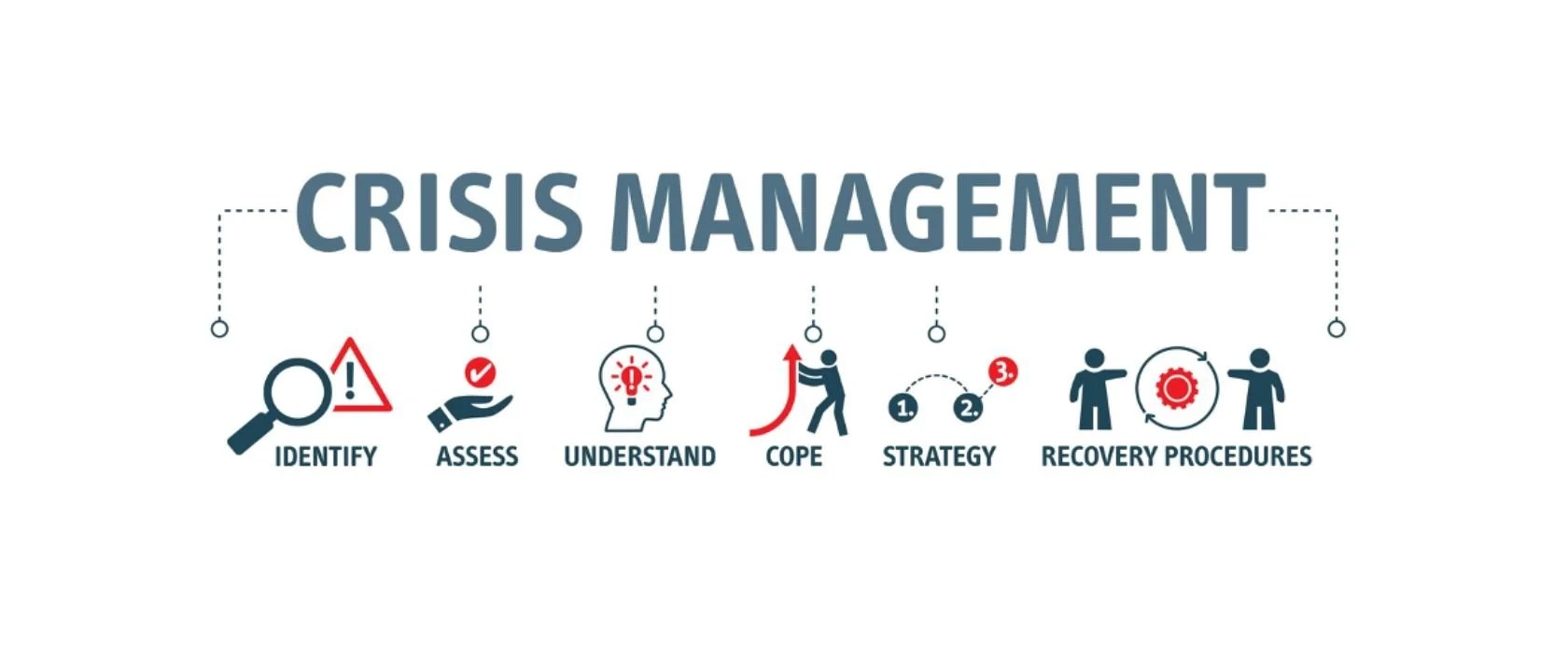
Crisis Management in Medical Practice
Healthcare is a field where crises are not hypothetical but expected realities. From pandemics and natural disasters to cyberattacks and sudden staff shortages, medical practices must be prepared to respond swiftly and effectively. Crisis management in medical practice refers to the structured approach of anticipating, preparing for, responding to, and recovering from disruptive events that threaten patient safety, organizational stability, or community trust.
🌐 Nature of Crises in Healthcare
Crises in medical practice can take many forms:
Public Health Emergencies: Outbreaks of infectious diseases, such as COVID-19, demand rapid adaptation of protocols and resources.
Operational Disruptions: Power outages, supply chain breakdowns, or IT failures can halt essential services.
Human Resource Challenges: Sudden staff shortages due to illness or burnout can compromise patient care.
Reputation and Legal Risks: Medical errors or breaches of patient confidentiality can escalate into crises requiring immediate management.
Each type of crisis requires tailored strategies, but all share the common need for preparedness and resilience.
🔑 Principles of Crisis Management
Effective crisis management in medical practice rests on several key principles:
Leadership and Decision-Making: Strong leadership is critical for making rapid, evidence-based decisions under pressure.
Communication: Transparent, timely communication with staff, patients, and external stakeholders reduces panic and builds trust.
Collaboration: Coordinating with hospitals, public health agencies, and community organizations strengthens response capacity.
Flexibility: Crises are unpredictable; adaptability in protocols and resource allocation is essential.
⚙️ Crisis Management Frameworks
Healthcare organizations often adopt structured frameworks:
Incident Command System (ICS): Provides a standardized hierarchy for managing emergencies.
Risk Assessment Models: Identify vulnerabilities and prioritize mitigation strategies.
Business Continuity Planning: Ensures essential services continue despite disruptions.
These frameworks help medical practices move from reactive responses to proactive resilience.
***
***
💡 Challenges in Crisis Management
Despite planning, medical practices face significant challenges:
Resource Limitations: Smaller practices may lack the financial or logistical capacity to implement robust crisis plans.
Staff Stress and Burnout: Crises often demand long hours and emotional resilience, which can strain healthcare workers.
Rapidly Changing Information: In public health emergencies, evolving guidelines can create confusion.
Patient Expectations: Maintaining quality care during disruptions is difficult but essential to preserve trust.
Addressing these challenges requires investment in training, mental health support, and technology infrastructure.
🌱 Importance of Resilience
Crisis management is not only about survival but about building resilience. Practices that learn from crises, adapt policies, and strengthen systems emerge stronger. For example, the COVID-19 pandemic accelerated telemedicine adoption, which continues to benefit patients today. Resilience ensures that medical practices can withstand future disruptions while continuing to deliver safe, effective care.
✅ Conclusion
Crisis management in medical practice is a vital competency that safeguards both patients and providers. By preparing for diverse scenarios, fostering strong leadership, and prioritizing communication, healthcare organizations can navigate crises with confidence. Ultimately, effective crisis management transforms challenges into opportunities for growth, innovation, and improved patient care.
SPEAKING: Dr. Marcinko will be speaking and lecturing, signing and opining, teaching and preaching, storming and performing at many locations throughout the USA this year! His tour of witty and serious pontifications may be scheduled on a planned or ad-hoc basis; for public or private meetings and gatherings; formally, informally, or over lunch or dinner. All medical societies, financial advisory firms or Broker-Dealers are encouraged to submit an RFP for speaking engagements: CONTACT: Ann Miller RN MHA at MarcinkoAdvisors@outlook.com
Posted on November 13, 2025 by Dr. David Edward Marcinko MBA MEd CMP™
By Dr. David Edward Marcinko MBA MEd
BASIC DEFINITIONS
***
***
The Direct Reimbursement Payment Model allows physicians to receive payment directly from patients or employers, bypassing traditional insurance systems. This model emphasizes transparency, autonomy, and personalized care, offering an alternative to fee-for-service and managed care structures.
The Direct Reimbursement Payment Model is a healthcare financing approach in which physicians are paid directly by patients or sponsoring entities—such as employers—rather than through insurance companies or government programs. This model is gaining traction as a response to the administrative burdens, opaque billing practices, and fragmented care often associated with traditional insurance-based systems.
One prominent example of direct reimbursement is Direct Primary Care (DPC). In DPC, patients pay a recurring fee—monthly, quarterly, or annually—that covers a broad range of primary care services. These include routine checkups, preventive screenings, chronic disease management, and basic lab work. By eliminating third-party billing, DPC practices reduce overhead costs and administrative complexity, allowing physicians to spend more time with patients and focus on quality care.
***
***
Employers have also embraced direct reimbursement models to manage healthcare costs and improve employee wellness. In such arrangements, employers reimburse physicians or clinics directly for services rendered to their employees, often through a defined benefit structure. This can be part of a self-funded health plan or a supplemental offering alongside high-deductible insurance policies. The goal is to provide accessible, cost-effective care while avoiding the inefficiencies of traditional insurance networks.
Key advantages of the direct reimbursement model include:
Price transparency: Patients know upfront what services cost, reducing surprise billing and financial stress.
Improved access: Physicians often offer same-day or next-day appointments, extended visits, and direct communication via phone or email.
Lower administrative burden: Without insurance paperwork, practices can operate more efficiently and focus on patient care.
Stronger patient-physician relationships: More time per visit fosters trust, continuity, and better health outcomes.
However, the model is not without limitations. Direct reimbursement may not cover specialist care, hospitalization, or emergency services, requiring patients to maintain supplemental insurance. Additionally, the model may be less accessible to low-income populations who cannot afford recurring fees or out-of-pocket payments. Critics also argue that widespread adoption could fragment care and reduce risk pooling, undermining the broader goals of universal coverage.
Despite these concerns, the direct reimbursement model aligns with broader trends in healthcare reform, including value-based care, consumer empowerment, and decentralized service delivery. It offers a viable path for physicians seeking autonomy and for patients desiring personalized, transparent care. As healthcare continues to evolve, hybrid models that combine direct reimbursement with traditional insurance may emerge, offering flexibility and choice across diverse patient populations.
In conclusion, the Direct Reimbursement Payment Model represents a meaningful shift in how healthcare services are financed and delivered.
By prioritizing simplicity, transparency, and patient-centered care, it challenges the status quo and opens new possibilities for sustainable, high-quality medical practice.
SPEAKING: Dr. Marcinko will be speaking and lecturing, signing and opining, teaching and preaching, storming and performing at many locations throughout the USA this year! His tour of witty and serious pontifications may be scheduled on a planned or ad-hoc basis; for public or private meetings and gatherings; formally, informally, or over lunch or dinner. All medical societies, financial advisory firms or Broker-Dealers are encouraged to submit an RFP for speaking engagements: CONTACT: Ann Miller RN MHA at MarcinkoAdvisors@outlook.com -OR-http://www.MarcinkoAssociates.com
The singularity promises to revolutionize medicine by accelerating diagnostics, treatment, and longevity—but it also demands ethical vigilance and systemic transformation.
The concept of the technological singularity refers to a hypothetical future moment when artificial intelligence (AI) surpasses human intelligence, triggering exponential advances in technology. In medicine, this could mark a turning point where AI-driven systems outperform human clinicians in diagnosis, treatment planning, and even biomedical research. While the singularity remains speculative, its implications for healthcare are profound and multifaceted.
One of the most promising impacts is in diagnostics and precision medicine. AI systems trained on vast datasets of medical images, genetic profiles, and patient histories could detect diseases earlier and more accurately than human doctors. For example, algorithms already outperform radiologists in identifying certain cancers from imaging scans. As we approach the singularity, these systems may evolve into autonomous diagnostic agents capable of real-time analysis and personalized recommendations, tailored to each patient’s unique biology.
Another transformative area is drug discovery and development. Traditional pharmaceutical research is slow and costly, often taking over a decade to bring a new drug to market. AI could dramatically shorten this timeline by simulating molecular interactions, predicting therapeutic targets, and optimizing clinical trial designs. With superintelligent systems, the pace of innovation could accelerate to the point where treatments for currently incurable diseases—like Alzheimer’s or certain cancers—become feasible within months.
The singularity also opens doors to radical longevity and human enhancement. Advances in nanotechnology, genomics, and regenerative medicine may converge to extend human lifespan significantly. AI could help decode the aging process, identify biomarkers of cellular decline, and engineer interventions that slow or reverse it. Some theorists even envision a future where aging is treated as a curable condition, and mortality becomes a choice rather than a biological inevitability.
However, these breakthroughs come with serious ethical and societal challenges. Data privacy, algorithmic bias, and access inequality are critical concerns. If singularity-level AI is controlled by a few corporations or governments, it could exacerbate global health disparities. Moreover, the replacement of human clinicians with machines raises questions about empathy, trust, and accountability in care. Who is responsible when an AI makes a life-altering mistake?
To navigate this future responsibly, medicine must embrace interdisciplinary collaboration. Ethicists, technologists, clinicians, and policymakers must work together to ensure that AI systems are transparent, equitable, and aligned with human values. Regulatory frameworks must evolve to keep pace with innovation, and medical education must prepare practitioners to work alongside intelligent machines.
In conclusion, the singularity represents both a promise and a peril for medicine. It offers unprecedented opportunities to enhance human health, but also demands careful stewardship to avoid unintended consequences.
As we edge closer to this horizon, the challenge will be not just technological, but deeply human: to harness intelligence beyond our own in service of healing, compassion, and justice.
SPEAKING: Dr. Marcinko will be speaking and lecturing, signing and opining, teaching and preaching, storming and performing at many locations throughout the USA this year! His tour of witty and serious pontifications may be scheduled on a planned or ad-hoc basis; for public or private meetings and gatherings; formally, informally, or over lunch or dinner. All medical societies, financial advisory firms or Broker-Dealers are encouraged to submit a RFP for speaking engagements: MarcinkoAdvisors@outlook.com
Posted on November 10, 2025 by Dr. David Edward Marcinko MBA MEd CMP™
By Dr. David Edward Marcinko MBA MEd
***
***
Ricardian economics, rooted in the theories of 19th-century economist David Ricardo, emphasizes comparative advantage, free trade, and the neutrality of government debt—most notably through the concept of Ricardian equivalence. While these ideas have shaped macroeconomic thought, their relevance to medicine and healthcare policy is less direct. Still, exploring Ricardian principles offers a provocative lens through which to examine the fiscal sustainability and efficiency of modern healthcare systems.
At the heart of Ricardian equivalence is the idea that consumers are forward-looking and internalize government budget constraints. If a government finances healthcare through debt rather than taxes, rational agents will anticipate future tax burdens and adjust their behavior accordingly. In theory, this undermines the effectiveness of deficit-financed healthcare spending as a stimulus. Applied to medicine, this suggests that long-term fiscal responsibility is crucial: expanding healthcare access through borrowing may not yield the intended economic or health benefits if citizens expect future costs to rise.
This insight could inform debates on healthcare reform, especially in countries grappling with ballooning medical expenditures. Ricardian economics warns against short-term fixes that ignore long-term fiscal implications. For example, expanding public insurance programs without sustainable funding mechanisms could lead to intergenerational inequities and economic distortions. Policymakers might instead focus on reforms that align incentives, reduce waste, and promote cost-effective care—principles that resonate with Ricardo’s emphasis on efficiency and comparative advantage.
***
***
However, Ricardian economics offers limited guidance on the unique moral and practical dimensions of medicine. Healthcare is not a typical market good. Patients often lack the information or autonomy to make rational choices, especially in emergencies. Moreover, the sector is rife with externalities: one person’s vaccination benefits the broader community, and untreated illness can strain public resources. These complexities challenge the assumption of rational, forward-looking behavior central to Ricardian equivalence.
Additionally, Ricardo’s theory of comparative advantage—where nations benefit by specializing in goods they produce most efficiently—has implications for global health. It supports international collaboration in pharmaceutical production, medical research, and telemedicine. Yet, over-reliance on global supply chains can expose vulnerabilities, as seen during the COVID-19 pandemic when countries faced shortages of critical medical supplies.
In conclusion, Ricardian economics provides valuable fiscal insights that can inform healthcare policy, particularly regarding debt sustainability and efficient resource allocation. Its emphasis on long-term planning and comparative advantage can guide reforms that make medicine more resilient and cost-effective. However, the theory’s assumptions about rational behavior and market dynamics limit its applicability to the nuanced realities of healthcare. Medicine requires not just economic efficiency but ethical considerations, equity, and compassion—areas where Ricardian economics falls short. Thus, while it can contribute to the conversation, it cannot “save” medicine alone.
SPEAKING: Dr. Marcinko will be speaking and lecturing, signing and opining, teaching and preaching, storming and performing at many locations throughout the USA this year! His tour of witty and serious pontifications may be scheduled on a planned or ad-hoc basis; for public or private meetings and gatherings; formally, informally, or over lunch or dinner. All medical societies, financial advisory firms or Broker-Dealers are encouraged to submit an RFP for speaking engagements: CONTACT: Ann Miller RN MHA at MarcinkoAdvisors@outlook.com
Posted on October 29, 2025 by Dr. David Edward Marcinko MBA MEd CMP™
By Dr. David Edward Marcinko MBA MEd
***
***
Level-funded health care is an increasingly popular option for small to mid-sized businesses seeking a balance between cost control and comprehensive employee coverage. It blends features of fully insured and self-funded health plans, offering employers greater flexibility and potential savings while minimizing risk.
In a traditional fully insured plan, employers pay a fixed premium to an insurance carrier, which assumes all financial risk for employee claims. In contrast, self-funded plans allow employers to pay for claims out-of-pocket, which can lead to significant savings—but also exposes them to unpredictable costs. Level-funded plans sit between these two models, offering a structured and predictable approach to self-funding.
With level-funded health care, employers pay a fixed monthly amount that covers three components: estimated claims funding, stop-loss insurance, and administrative fees. The estimated claims portion is based on actuarial data and reflects the expected health care usage of the employee group. Stop-loss insurance protects the employer from catastrophic claims by capping their financial exposure. Administrative fees cover third-party services such as claims processing and customer support.
One of the key advantages of level-funded plans is the potential for cost savings. If actual claims fall below the estimated amount, employers may receive a refund or credit at the end of the year. This incentivizes wellness programs and preventive care, as healthier employees lead to lower claims. Additionally, level-funded plans often provide more transparency into claims data, allowing employers to better understand health trends and make informed decisions about benefits.
***
***
Another benefit is flexibility. Level-funded plans can be customized to suit the needs of a specific workforce, offering a range of coverage options and provider networks. This contrasts with the rigid structure of many fully insured plans. Employers also gain more control over plan design, which can help attract and retain talent in competitive job markets.
However, level-funded health care is not without challenges. It requires careful planning and a solid understanding of risk. Employers must be prepared for the possibility that claims may exceed projections, although stop-loss insurance helps mitigate this. Additionally, level-funded plans may not be suitable for very small groups or those with high-risk populations, as the cost of stop-loss coverage can be prohibitive.
Regulatory considerations also play a role. Level-funded plans are typically governed by federal ERISA laws rather than state insurance regulations, which can affect compliance and reporting requirements. Employers should work closely with benefits consultants or brokers to ensure they understand the legal landscape and choose a plan that aligns with their goals.
In conclusion, level-funded health care offers a compelling alternative for businesses seeking to manage costs while providing quality coverage. By combining predictability with the potential for savings and customization, it empowers employers to take a more active role in their health benefits strategy. As the health care landscape continues to evolve, level-funded plans are likely to remain a valuable option for organizations looking to strike the right balance between affordability and employee well-being.
SPEAKING: Dr. Marcinko will be speaking and lecturing, signing and opining, teaching and preaching, storming and performing at many locations throughout the USA this year! His tour of witty and serious pontifications may be scheduled on a planned or ad-hoc basis; for public or private meetings and gatherings; formally, informally, or over lunch or dinner. All medical societies, financial advisory firms or Broker-Dealers are encouraged to submit an RFP for speaking engagements: CONTACT: Ann Miller RN MHA at MarcinkoAdvisors@outlook.com
Posted on October 28, 2025 by Dr. David Edward Marcinko MBA MEd CMP™
By Dr. David Edward Marcinko MBA MEd
***
***
In the evolving landscape of digital health care, Amazon Pharmacy and GoodRx have emerged as two leading platforms offering consumers affordable and convenient access to prescription medications. While both aim to simplify the process of obtaining prescriptions, they differ significantly in their approach, pricing models, and user experience.
Amazon Pharmacy, launched in 2020, is a full-service online pharmacy that allows customers to order medications directly through Amazon. It offers fast, free delivery for Prime members and integrates with most insurance plans. One of its standout features is RxPass, a subscription service available to Prime members for $5 per month, which covers unlimited eligible generic medications. This model is particularly attractive to individuals who take multiple generics regularly, as it can significantly reduce out-of-pocket costs.
In contrast, GoodRx, founded in 2011, operates primarily as a price comparison and discount platform. It does not dispense medications itself but partners with local and mail-order pharmacies to help users find the lowest prices. GoodRx provides coupons that can be used at thousands of pharmacies nationwide, often resulting in substantial savings—especially for those without insurance. It also offers GoodRx Gold, a paid membership that unlocks deeper discounts and telehealth services.
***
***
When comparing the two, pricing transparency is a key differentiator. GoodRx excels in showing users a range of prices across different pharmacies, empowering them to choose the most cost-effective option. Amazon Pharmacy, while competitive, typically offers fixed prices and focuses more on convenience and integration with its broader ecosystem.
Convenience is another area where Amazon Pharmacy shines. With its streamlined ordering process, automatic refills, and integration with Amazon’s delivery network, it appeals to users who prioritize ease and speed. GoodRx, while convenient in its own right, requires users to present coupons at the pharmacy or use mail-order services, which may involve more steps.
Insurance compatibility also varies. Amazon Pharmacy accepts most major insurance plans, making it a viable option for insured individuals. GoodRx, on the other hand, is often used by those without insurance or with high deductibles, as its discounts can sometimes beat insurance copays.
However, both platforms have limitations. Amazon Pharmacy’s RxPass is restricted to generic medications and excludes certain states due to regulatory issues. GoodRx’s discounts may not apply to all medications, and prices can fluctuate depending on location and pharmacy.
In terms of user experience, Amazon offers a seamless, tech-driven interface with customer support and medication management tools. GoodRx provides educational resources, price alerts, and a mobile app that helps users track savings and prescriptions.
Ultimately, the choice between Amazon Pharmacy and GoodRx depends on individual needs. For those seeking a one-stop solution with predictable costs and fast delivery, Amazon Pharmacy may be ideal. For users who want to shop around for the best deal or lack insurance, GoodRx offers unmatched flexibility and savings.
As digital health continues to grow, both platforms are reshaping how Americans access medications—making prescriptions more affordable, transparent, and accessible than ever before.
SPEAKING: Dr. Marcinko will be speaking and lecturing, signing and opining, teaching and preaching, storming and performing at many locations throughout the USA this year! His tour of witty and serious pontifications may be scheduled on a planned or ad-hoc basis; for public or private meetings and gatherings; formally, informally, or over lunch or dinner. All medical societies, financial advisory firms or Broker-Dealers are encouraged to submit an RFP for speaking engagements: CONTACT: Ann Miller RN MHA at MarcinkoAdvisors@outlook.com
Valuing a medical practice involves assessing its financial performance, assets, and intangible factors like goodwill and patient loyalty to determine its fair market worth.
Determining the value of a medical practice is a nuanced process that blends financial analysis with strategic insight. Whether you’re preparing to sell, merge, or bring in a partner, understanding how to value your practice ensures informed decision-making and fair negotiations.
There are several recognized methods for valuing a medical practice, each suited to different scenarios. The most common include the income approach, market approach, asset-based approach, and the rule-of-thumb method.
The income approach focuses on the practice’s ability to generate future earnings. This method involves analyzing historical financial statements, projecting future cash flows, and discounting them to present value using a risk-adjusted rate. It’s particularly useful when the practice has stable revenue and predictable expenses. Key metrics include net income, physician productivity, and reimbursement rates.
The market approach compares the practice to similar ones that have recently sold. It relies on data from comparable transactions, adjusted for differences in size, specialty, location, and profitability. This method is ideal when reliable market data is available, though such data can be scarce for niche specialties or rural practices.
The asset-based approach calculates the value of tangible and intangible assets. Tangible assets include medical equipment, office furniture, and real estate. Intangible assets—like patient records, brand reputation, and goodwill—are harder to quantify but can significantly impact value. Goodwill, for instance, reflects the practice’s reputation, patient loyalty, and referral networks.
The rule-of-thumb method uses industry benchmarks, such as a multiple of annual revenue or earnings. For example, a general practice might be valued at 60–80% of annual gross revenue. While quick and easy, this method oversimplifies and may not reflect the unique strengths or weaknesses of a specific practice.https:/https://medicalexecutivepost.com/2025/03/17/medial-practice-valuation-adjustments//medicalexecutivepost.com/2025/03/17/medial-practice-valuation-adjustments/
Beyond these methods, several qualitative factors influence valuation. These include the size and diversity of the patient base, the practice’s specialty, use of technology (like EHR systems or telemedicine), and whether key physicians will remain post-sale. A practice heavily reliant on one provider may be less valuable than one with a strong team and succession plan.
Timing also matters. Economic conditions, regulatory changes, and shifts in healthcare reimbursement can affect practice value. Tax implications and deal structure—such as asset sale vs. stock sale—should also be considered during negotiations.
Ultimately, valuing a medical practice is both art and science. Engaging a professional appraiser or valuation expert can help ensure accuracy and objectivity. They bring experience, access to market data, and the ability to tailor valuation methods to your specific situation.
In summary, a comprehensive valuation considers financial performance, assets, market trends, and intangible factors. By understanding these elements, practice owners can make strategic decisions that reflect the true worth of their medical enterprise.
SPEAKING: Dr. Marcinko will be speaking and lecturing, signing and opining, teaching and preaching, storming and performing at many locations throughout the USA this year! His tour of witty and serious pontifications may be scheduled on a planned or ad-hoc basis; for public or private meetings and gatherings; formally, informally, or over lunch or dinner. All medical societies, financial advisory firms or Broker-Dealers are encouraged to submit an RFP for speaking engagements: CONTACT: Ann Miller RN MHA at MarcinkoAdvisors@outlook.com
Posted on October 23, 2025 by Dr. David Edward Marcinko MBA MEd CMP™
By Dr. David Edward Marcinko MBA MEd
DEFINED
***
***
A physician practice management corporation (PPMC) is a business entity that provides non-clinical administrative and operational support to medical practices, allowing physicians to focus on patient care while the corporation handles the business side of healthcare.
Physician practice management corporations emerged in response to the increasing complexity of running a medical practice. As healthcare regulations, insurance requirements, and operational costs grew, many physicians found it challenging to manage both clinical responsibilities and business operations. PPMCs offer a solution by taking over the administrative burdens, enabling physicians to concentrate on delivering quality care.
At their core, PPMCs are responsible for a wide range of non-medical services. These include billing and coding, human resources, payroll, marketing, compliance, information technology, and financial management. By centralizing these functions, PPMCs can achieve economies of scale, reduce overhead costs, and improve operational efficiency for the practices they manage. This model is particularly attractive to small and mid-sized practices that may lack the resources to manage these functions independently.
PPMCs typically enter into long-term management agreements with physician groups. In some cases, they may purchase the non-clinical assets of a practice—such as equipment, office space, and administrative staff—while the physicians retain control over clinical decisions and patient care. This arrangement allows for a clear division between medical and business responsibilities, which is essential for maintaining compliance with healthcare regulations like the Stark Law and the Anti-Kickback Statute.
A physician practice management corporation (PPMC) is a business entity that provides non-clinical administrative and operational support to medical practices, allowing physicians to focus on patient care while the corporation handles the business side of healthcare.
Physician practice management corporations emerged in response to the increasing complexity of running a medical practice. As healthcare regulations, insurance requirements, and operational costs grew, many physicians found it challenging to manage both clinical responsibilities and business operations. PPMCs offer a solution by taking over the administrative burdens, enabling physicians to concentrate on delivering quality care.
At their core, PPMCs are responsible for a wide range of non-medical services. These include billing and coding, human resources, payroll, marketing, compliance, information technology, and financial management. By centralizing these functions, PPMCs can achieve economies of scale, reduce overhead costs, and improve operational efficiency for the practices they manage. This model is particularly attractive to small and mid-sized practices that may lack the resources to manage these functions independently.
PPMCs typically enter into long-term management agreements with physician groups. In some cases, they may purchase the non-clinical assets of a practice—such as equipment, office space, and administrative staff—while the physicians retain control over clinical decisions and patient care. This arrangement allows for a clear division between medical and business responsibilities, which is essential for maintaining compliance with healthcare regulations like the Stark Law and the Anti-Kickback Statute.
***
***
One of the key advantages of working with a PPMC is access to capital and advanced infrastructure. PPMCs often invest in state-of-the-art electronic health record (EHR) systems, data analytics tools, and revenue cycle management platforms. These technologies can enhance patient care, streamline operations, and improve financial performance. Additionally, PPMCs may offer strategic guidance on practice expansion, mergers and acquisitions, and payer contract negotiations.
However, the relationship between physicians and PPMCs must be carefully managed. While PPMCs bring valuable expertise and resources, there is a risk that business priorities could overshadow clinical autonomy. To mitigate this, successful PPMCs prioritize physician engagement, transparent governance, and aligned incentives. They work collaboratively with physicians to ensure that business strategies support, rather than hinder, the delivery of high-quality care.
The physician practice management industry has evolved significantly over the past few decades. After a wave of failures in the 1990s due to overexpansion and misaligned incentives, modern PPMCs have adopted more sustainable and physician-centric models. Today, they play a crucial role in helping practices adapt to value-based care, population health management, and other emerging trends in healthcare delivery.
In conclusion, a physician practice management corporation serves as a strategic partner to medical practices, offering the business acumen and operational support needed to thrive in a complex healthcare environment. By offloading administrative tasks and providing access to advanced resources, PPMCs empower physicians to focus on what they do best—caring for patients—while ensuring the long-term success and sustainability of their practices.
SPEAKING: Dr. Marcinko will be speaking and lecturing, signing and opining, teaching and preaching, storming and performing at many locations throughout the USA this year! His tour of witty and serious pontifications may be scheduled on a planned or ad-hoc basis; for public or private meetings and gatherings; formally, informally, or over lunch or dinner. All medical societies, financial advisory firms or Broker-Dealers are encouraged to submit an RFP for speaking engagements: CONTACT: Ann Miller RN MHA at MarcinkoAdvisors@outlook.com
Posted on October 17, 2025 by Dr. David Edward Marcinko MBA MEd CMP™
By Dr. David Edward Marcinko MBA MEd
***
***
A paradox is a logically self-contradictory statement or a statement that runs contrary to one’s expectation. It is a statement that, despite apparently valid reasoning from true or apparently true premises, leads to a seemingly self-contradictory or a logically unacceptable conclusion. A paradox usually involves contradictory-yet-interrelated elements that exist simultaneously and persist over time. They result in “persistent contradiction between interdependent elements” leading to a lasting “unity of opposites”.
THE TELE-MEDICINE PARADOX
Classic Definition: Refers specifically to the treatment of various medical conditions without seeing the patient in person. Healthcare providers may use electronic and internet platforms like live video, audio, PCs, tablets, or instant messaging to address a patient’s concerns and diagnose their condition remotely.
Modern Circumstance: This may include giving medical advice, walking them through at-home exercises, or recommending them to a local provider or facility. Even more exciting is the emergence of telemedicine apps which give patients access to care right from their phones or computer screens.
Paradox Examples: Treating certain conditions remotely can be challenging. Tele-medicine is often used to treat common illnesses, manage chronic conditions, or provide specialist services. If a patient is dealing with an emergent or serious condition, the remote provider suggests they seek in-person medical care.
SPEAKING: Dr. Marcinko will be speaking and lecturing, signing and opining, teaching and preaching, storming and performing at many locations throughout the USA this year! His tour of witty and serious pontifications may be scheduled on a planned or ad-hoc basis; for public or private meetings and gatherings; formally, informally, or over lunch or dinner. All medical societies, financial advisory firms or Broker-Dealers are encouraged to submit an RFP for speaking engagements: CONTACT: Ann Miller RN MHA at MarcinkoAdvisors@outlook.com -OR-http://www.MarcinkoAssociates.com
Classic: Acute care is a branch of secondary health care where a patient receives active but short-term treatment for a severe injury or episode of illness, an urgent medical condition, or during recovery from surgery. In medical terms, care for acute health conditions is the opposite from chronic care, or longer term care.
Modern: Acute care is active, short-term treatment for a severe injury or episode related to illness, an urgent medical condition or recovery from surgery.
Despite their high salaries, not all doctors are wealthy, and some live paycheck to paycheck. Here are 5 reasons why many doctors today are broke, according to https://medschoolinsiders.com
1 | Believing They Are Universally Smart
The first reason so many doctors are broke is that many doctors believe they are universally smart. While most doctors have deep specialized knowledge, there’s a big difference between being smart in your profession and being smart with money. A physician’s schooling is quite thorough when it comes to the human body, but med school doesn’t include a prerequisite class on how to handle finances.
Graduating medical school is a major feat and certainly demonstrates superior work ethic and cognitive abilities. But many new doctors believe these accomplishments transcend all aspects of life. If you’re smart enough to earn an MD, you’re certainly smart enough to handle your finances, but only once you properly and intentionally educate yourself.
The truth is doctors, especially traditional graduates, haven’t had an opportunity to manage large sums of money until they become fully trained attending physicians and start pulling in low to mid six figures in income. Prior to that, there was very little of it to manage.
Far too many aspiring doctors, and students in general, don’t take the time to learn financial basics, in part because it’s uncomfortable and seems like something they can figure out “later”, whenever that may be. Their poor spending habits and lack of investment knowledge carry over into their careers, causing many to make irresponsible decisions.
The second factor is overspending too soon, and this comes up at two points in training.
First, it’s natural to want to start spending more as soon as you get into residency and start making a little more money. After all, you’ve been a broke student for 8 or more years, and now you’re finally making a reasonable and reliable wage. But that’s where young doctors get into trouble. Residency pays, but not nearly as much as you will be making once you become an attending physician. The average resident makes about $60K a year, and if you begin spending all of that money right away, thinking you’ll handle your loans once you become an attending, you delay paying off your medical school debt, which means the compounding effect through your student loan interest rate works against you.
Now that $250,000 in student loans has ballooned to over $350,000 by the time you finish residency. The compounding effect, which can be one of your greatest allies in your financial life, becomes an equally powerful enemy when working against you through debt. But of course, pinching pennies is easier said than done, especially when you’re in residency and are surrounded by peers in different professions. They’ve been earning good money much longer than you have, and they can afford more luxurious lifestyles.
They may not be worried about indulging in fine dining or how much a hotel costs when traveling. Students in college and medical school are often confident they will resist the temptations, but the desire to keep up with your friends and family can be difficult to ignore, which causes many to overspend before they technically have the money to do so.
The same is true of attending physicians. As soon as those six-figure salaries come rolling in, many physicians go overboard with spending, trying to make up for lost time and to treat yourself.
Now, we are not suggesting you shouldn’t reward yourself for completing residency, but that reward shouldn’t be a Lamborghini. It’s best to continue living like a resident in your first few years after becoming an attending to pay off loans, put a down payment on a home, and get your financial foundation built before loosening the purse strings.
3 | Decreasing Salaries
Third, doctors continue to make less money than they did before. And this includes nearly all 44 medical specialties. For example, while physician compensation technically rose from $343k to $391k between 2017 and 2022, this rise does not keep up with inflation. The real average compensation in 2022 was less than $325k—a $20k decrease in purchasing power in only six years.
For doctors who are already spending to the limits of their salaries with huge mortgages, car payments, business costs, and other luxuries, a decreased salary can have a huge impact. You might be able to cut back by going on fewer vacations or eating out less frequently, but many accrued costs are locked in, such as a mortgage payment, car loan, or leased rental space for your practice.
4 | Increasing Costs of Private Practice
In the past, running a private practice was much simpler, but recent stricter guidelines and regulations have made it difficult for solo practices to keep up. While regulations like the Health Insurance Privacy and Portability Act, or HIPAA, and mandatory Electronic Medical Records, or EMRs, are necessary to protect patients, they make costs higher for physicians who run their own private practice. These physicians need to spend their own money to set up and maintain EMRs as well as invest in security to ensure patient data is protected.
With the steep rise of inflation we’ve seen over the past couple of years, everything is more expensive, which means costs, such as business space, equipment, and even office supplies, have gone up for private practice physicians while salaries have not. 2013 to 2020 saw an annual inflation rate of anywhere from 0.7% to 2.3%. This skyrocketed to an annual inflation rate of 7.0% in 2021 and another 6.5% in 2022. In fact, the cost of running a private practice has increased by almost 40% between 2001 and 2021.
These increased costs are exacerbated by another problem plaguing private practices; decreased reimbursement. While costs increased by almost 40%, Medicare reimbursement only increased by 11%. When doctors see patients who are insured, the insurance companies pay the physicians for their time. For Medicare, the new proposed rules for 2023 would cut reimbursement by around 5%. When adjusting for inflation, Medicare reimbursement decreased by 20% in the last 20 years.
These costs add up, making it extremely difficult for physicians to thrive financially while running a private practice.
5 | Tuition Debt
Lastly, we can’t talk about a doctor’s finances without mentioning the exorbitant debt so many graduating physicians are left with. It won’t shock you to hear that med school is expensive. Extremely expensive. The average cost of tuition for a single year is nearly $60k, with significant variance from school to school, and that’s before accounting for living expenses.
In-state applicants pay less than out-of-state applicants, and students at private schools typically pay more than students at public medical schools. The astronomical costs mean the vast majority of students can’t pay for medical school out of their own pockets. And unless your family is part of the 1%, even with your parents footing the bill, it’s difficult to cover tuition, let alone rent, groceries, transportation, tech, social activities, exam fees, and application costs.
The average total student debt after college and med school is over $250k. But keep in mind that’s the average, which includes 27% of students who graduate with no debt at all. This means the vast majority of students leave medical school owing much more than $250k.
For some perspective, in 1978, the average debt for graduating MDs was $13,500, which, when adjusted for inflation, is a little over $60,000. There are multiple ways to eventually repay these loans, but time and discipline are essential to ensure this money is paid off as quickly as possible.
According to financial advisor Dr. David Edward Marcinko MEd MBA CMP™; consider the following:
Place a portion of your salary (15-20% or more) into a savings account, and another portion (10-20% or more) into wise investments [stocks, bonds, mutual funds, and/or ETFs].
Pay off your bills each month, and then use leftover spending money to purchase fun things like vacations and fancy dinners, within your means. Shop sales, buy used clothes, and use credit card points for travel.
Hire an excellent tax professional and meet with an investment advisor once or twice a year about your investment status and strategy. http://www.MarcinkoAssociates.com
SPEAKING: Dr. Marcinko will be speaking and lecturing, signing and opining, teaching and preaching, storming and performing at many locations throughout the USA this year! His tour of witty and serious pontifications may be scheduled on a planned or ad-hoc basis; for public or private meetings and gatherings; formally, informally, or over lunch or dinner. All medical societies, financial advisory firms or Broker-Dealers are encouraged to submit an RFP for speaking engagements: CONTACT: Ann Miller RN MHA at MarcinkoAdvisors@outlook.com -OR-http://www.MarcinkoAssociates.com
Posted on September 10, 2025 by Dr. David Edward Marcinko MBA MEd CMP™
DEFINITIONS
By Staff Reporters
***
***
Rate Review & the 80/20 Rule
The health care law provides 2 ways to hold insurance companies accountable and help keep your costs down: Rate Review and the 80/20 rule.
Rate Review
Rate Review helps protect you from unreasonable rate increases. Insurance companies must now publicly explain any rate increase of 15% or more before raising your premium. This does not apply to grandfathered plans.
The 80/20 Rule generally requires insurance companies to spend at least 80% of the money they take in from premiums on health care costs and quality improvement activities. The other 20% can go to administrative, overhead, and marketing costs.
The 80/20 rule is sometimes known as Medical Loss Ratio, or MLR. If an insurance company uses 80 cents out of every premium dollar to pay for your medical claims and activities that improve the quality of care, the company has a Medical Loss Ratio of 80%.
Insurance companies selling to large groups (usually more than 50 employees) must spend at least 85% of premiums on care and quality improvement.
If your insurance company doesn’t meet these requirements, you’ll get a rebate on part of the premium that you paid.
Will I get a rebate check from my insurance company?
If your insurance company doesn’t meet its 80/20 targets for the year, you’ll get back some of the premium that you paid.
You may see the rebate in a number of ways:
A rebate check in the mail
A lump-sum deposit into the same account that was used to pay the premium, if you paid by credit card or debit card
A direct reduction in your future premium
Your employer may also use one of the above rebate methods, or apply the rebate in a way that benefits employees
If you or your employer will get a rebate, your insurance company must notify you by August 1.
If you have an individual insurance policy, you’ll get the rebate directly from your insurance company.
For small group and large group plans, the rebate is usually paid to the employer. It may use one of the above rebate methods, or apply the rebate in a way that benefits employees.
FYI: The 80/20 rebate rules don’t apply when an insurance company has fewer than 1000 enrollees in a particular state or market.
For Rate Review: These requirements don’t apply to grandfathered plans. Check your plan’s materials or ask your employer or your benefits administrator to find out if your health plan is grandfathered.
For the 80/20 Rule: These rights apply to all individual, small group, and large group health plans, whether your plan is grandfathered or not.
Posted on August 29, 2025 by Dr. David Edward Marcinko MBA MEd CMP™
By Dr. David Edward Marcinko; MBA MEd
***
***
Healthcare comes with its share of mental challenges, especially considering that clinicians often care for patients when they’re in difficult and sometimes tragic situations. New research shows that even the path to getting into the workforce can be a challenge, with some physicians burning out before they make it to graduation.
***
American medicine is undergoing vast changes, placing the status of physicians in the medical industrial complex at great risk. Most physicians feel overwhelmed by increasing bureaucratic mandates from insurers, hospitals, and government. At the same time, physicians are the front line employees of healthcare and assume the majority of the risk for patient care. This has left many in the profession with increasing disillusionment.
Samantha Meltzer-Brody a psychiatrist and director of, Taking Care of Our Own, University of North Carolina, Chapel Hill, NC states it best:
“Daily, I am contacted by good doctors who are struggling with symptoms of burnout syndrome and who have become overwhelmed by the challenges of attempting to practice medicine in today’s health care environment. As a psychiatrist who runs a program to address and treat these distressed doctors, I am troubled by the ever-growing number of calls I receive.”
What causes physician burnout?
The “Big 4” factors known to contribute to stress and burnout include:
Time pressure, especially in patient visits or documentation
Lack of control over work environment
Chaotic, fast-paced workplaces
Culture of the organization, specifically a culture that does not emphasize communication, cohesion, trust, and alignment of values between clinicians and their leaders
In addition to burnout rates, these factors can be assessed to help direct interventions toward those drivers that are most likely to be contributing to burnout at your organization.
The burned-out physician is exhausted — mentally and physically — and often no longer able to find empathy or connection with patients. The question of how to escape from what has become a highly unpleasant situation becomes a frequent one. Given the high demands of the profession and serious consequences of mistakes, the burned-out doctor is a potentially impaired one. And the impaired physician is not able to maintain the unflappable, perpetually cool under fire, always objective, professional and yet compassionate demeanor that is expected by society. Worst of all, the impaired physician is at great risk for developing depression, suicidal ideation, or a serious addiction.
The doctors who contact me report feeling beaten down by an increasingly hostile work environment. They say that they don’t have time to take care of patients the way they envisioned when they decided to apply to medical school. Many describe feeling betrayed by a system that they say seems focused on achieving the bottom line with little regard for the impact on both doctors and patients.
Most of these doctors report spending a significant amount of their time dealing with the electronic medical record and documentation. The ratio of time spent on doctor-patient
interactions compared to physician-computer ones appears so horribly skewed that it has reached the point of complete dysmorphia. These good physicians call me when they feel like they can’t continue any longer in the profession. They want to quit medicine. They report a loss of joy and meaning in their work. They describe the toll that the profession has had on their mental health, physical health, and personal lives. And most wrenchingly, they don’t see an end.
What can we do? There are no easy answers to the complex issues that threaten our profession. “The Taking Care of Our Own Program…has had an over 200% rate of growth in the first year, reflecting the enormous need…”
Burned out physicians will eventually be labeled as disruptive, impaired, an outlier or arrogant. There’s a reason it’s difficult and extremely expensive for physicians to find disability insurance; psychiatric claims. Burnout leads to depression, anxiety, PTSD, suicide, divorce, drug abuse, surly behaviors and interactions, etc. It’s nothing new; it’s been occurring for a long time. Go without routine sleep, eat erratically, work long hours, operate under constantly stressful situations and have no time for your family or self and most individuals will de-compensate physically and psychologically within weeks.
Conclusion
Physicians operate within these parameters year after year.
How are they to remain healthy, functional humans? They can’t. Even a superhero couldn’t, yet physicians are expected to endure and thrive under such conditions.
If a physician makes a single mistake, or snaps just one day, their entire career is on the line.
SPEAKING: Dr. Marcinko will be speaking and lecturing, signing and opining, teaching and preaching, storming and performing at many locations throughout the USA this year! His tour of witty and serious pontifications may be scheduled on a planned or ad-hoc basis; for public or private meetings and gatherings; formally, informally, or over lunch or dinner. All medical societies, financial advisory firms or Broker-Dealers are encouraged to submit an RFP for speaking engagements: CONTACT: Ann Miller RN MHA at MarcinkoAdvisors@outlook.com -OR-http://www.MarcinkoAssociates.com
Posted on August 22, 2025 by Dr. David Edward Marcinko MBA MEd CMP™
By Dr. David Edward Marcinko MBA MEd
***
***
Medicine today is vastly different than a generation ago, and all health care professionals need new skills to be successful and reduce the emerging risks outlined in this textbook, as well as the “unknown-unknowns” elsewhere. Traditionally, the physician was viewed as the “captain of the ship”. Today, their role may be more akin to a ship’s navigator, using clinical, teaching skills and knowledge to chart the patient’s course through a confusing morass of insurance requirements, fees, choices, rules and regulations to achieve the best attainable clinical outcomes.
This new leadership paradigm includes many classic business school principles, now modified to fit the decade long PP-ACA, the era of health reform, and modern technical connectivity and EMRs.
Thus, the physician must be a subtle guide on the side; not bombastic sage on the stage. These, newer health 3.0 leadership philosophies might include:
•Negotiation – working to optimize appropriate treatment plans; ie., quality of life versus quantity of life, •Team play – working in concert with other allied healthcare professionals to coordinate care delivery ,ithin a clinically appropriate and cost-effective framework; •Working within the limits of competence – avoiding the pitfalls of the medical generalist versus the specialist that may restrict access to treatment, medications, physicians and facilities by clearly acknowledging when a higher degree of service is needed on behalf of the patient – all while embracing holistic primary care; •Respecting different cultures and values – inherent in the support of the medical Principle of Autonomy is the acceptance of values that may differ from one’s own. As the US becomes more culturally hetero geneous, medical providers are called upon to work within, and respect, the socio-cultural and/or spiritual framework of patients, students and their families; •Seeking clarity on what constitutes marginal care – within a system of finite resources; providers are called upon to openly communicate with patients regarding access to marginal medical information and/or treatments. •Supporting evidence-based practice – healthcare providers, should utilize outcomes data to reduce variation in treatments to achieve higher efficiencies and improved care delivery thru evidence based medicine [EBM]; •Fostering transparency and openness in communications – healthcare professionals should be willing, and prepared, to discuss all aspects of care, especially when discussing end-of-life issues or when problems arise; •Exercising decision-making flexibility – treatment algorithms, templates and clinical pathways are useful tools when used within their scope; but providers must have the authority to adjust the plan if circumstances warrant.
Becoming skilled in the art of listening and interpreting — In her ground-breaking book, Narrative Ethics: Honoring the Stories of Illness, Rita Charon, MD PhD, a professor at Columbia University, writes of the extraordinary value of using the patient’s personal story in the treatment plan. She notes that, “medicine practiced with narrative competence will more ably recognize patients and diseases; convey knowledge and regard, join humbly with colleagues, and accompany patients and their families through ordeals of illness.” In many ways, attention to narrative returns medicine full circle to the compassionate and caring foundations of the patient-physician relationship.
These thoughts represent only a handful of examples to illustrate the myriad of new skills that tomorrows’ healthcare professionals must master in order to meet their timeless professional obligations of compassionate care and contemporary treatment effectiveness; all within the context modern risk management principles.
SPEAKING: Dr. Marcinko will be speaking and lecturing, signing and opining, teaching and preaching, storming and performing at many locations throughout the USA this year! His tour of witty and serious pontifications may be scheduled on a planned or ad-hoc basis; for public or private meetings and gatherings; formally, informally, or over lunch or dinner. All medical societies, financial advisory firms or Broker-Dealers are encouraged to submit an RFP for speaking engagements: CONTACT: Ann Miller RN MHA at MarcinkoAdvisors@outlook.com -OR-http://www.MarcinkoAssociates.com
A Johns Hopkins University study, by Michael J. Klag MD in 1997, found that physicians in some specialties — chiefly psychiatry and surgery — are at higher risk for divorce than their medical brethren in other fields. But, the results did not support the common view that job-related anxiety and depression are linked to marital breakup. Alerting medical students to the risks of divorce in some specialties may influence their career choices and strengthen their marriages whatever field they choose. The study, supported by the National Institutes of Health [NIH], was published in the March 13th issue of The New England Journal of Medicine. Results also strongly suggested that the high divorce risk in some specialties may result from the inherent demands of the job as well as the emotional experiences of physicians who enter those fields.
For example, the Hopkins team assessed the specialty choices, marriage histories, psychological characteristics, and other career and personal factors of 1,118 physicians who graduated from The Johns Hopkins University School of Medicine from 1948 through 1964. Over 30 years of follow-up, the divorce rate was 51 percent for psychiatrists, 33 percent for surgeons, 24 percent for internists, 22 percent for pediatricians and pathologists, and 31 percent for other specialties. The overall divorce rate was 29 percent after three decades of follow-up and 32 percent after nearly four decades of follow-up.
Physicians who married before medical school graduation had a higher divorce rate than those who waited until after graduation (33 percent versus 23 percent). The year of first marriage was linked with divorce rates: 11 percent for marriages before 1953, 17 percent for those from 1953 to 1957, 24 percent for those from 1958 to 1962 and 21 percent for those after 1962. Those who had a parent die before medical school graduation had a lower divorce rate.
Female physicians had a higher divorce rate (37 percent) than their male colleagues (28 percent). Physicians who were members of an academic honor society in medical school had a lower divorce rate, although there was no difference in divorce rates according to class rank. Religious affiliation, being an only child, having a parent who was a physician and having a divorced parent were not associated with divorce rates. Physicians who reported themselves to be less emotionally close to their parents and who expressed more anger under stress also had a significantly higher divorce rate, but anxiety and depression levels were not associated with divorce rates.
*Cite: Co-authors of the study, which was part of the Johns Hopkins Precursors Study, an ongoing, prospective study of physicians from the Hopkins medical school graduating classes of 1948 through 1964, were lead author Bruce L. Rollman, M.D., Lucy A. Mead, Sc.M., and Nae-Yuh Wang, M.S.
***
***
The Painful Truth
In their article “The Painful Truth: Physicians Are Not Invincible” [1] Miller and McGowen state that divorce rates among physicians have been reported to be 10% to 20% higher than those in the general population. They explain that for many years in pre-med college, medical school, and residency, physicians focus on getting through the next hurdle. They may postpone the pleasures of life that others enjoy. Compulsive traits that allow them to postpone enjoyment may have the unwanted consequence of leading to more distant relationships., thus placing strain on intimate relationships.
A 2002 study looking at dual physician marriages found they have a relatively low divorce rate of 11%. “They’re a happily married cohort,” says Dr Wayne Sotile of the Sotile Cetner for Resilience (www.sotile.com). “They’re more compassionate about the passion for the career — they understand the calling because they share it.”
A study published in The New England Journal of Medicine in 1997 with Bruce L. Rollman as the lead researcher [2] found that physicians in some specialties — chiefly psychiatry and surgery — are at higher risk for divorce than their medical brethren in other fields. Alerting medical students to the risks of divorce in some specialties may influence their career choices and strengthen their marriages whatever field they choose.
The study suggested that the high divorce risk in some specialties may result from the inherent demands of the job as well as the emotional experiences of physicians who enter those fields. The divorce rate was 51 percent for psychiatrists, 33 percent for surgeons, 24 percent for internists, 22 percent for pediatricians and pathologists, and 31 percent for other specialties.
The overall divorce rate was 29 percent after three decades of follow-up and 32 percent after nearly four decades of follow-up. Physicians who married before medical school graduation had a higher divorce rate than those who waited until after graduation (33 percent versus 23 percent). Female physicians had a higher divorce rate (37 percent) than their male colleagues (28 percent).
***
***
References:
Miller, M. N., McGowen, R., 2000, “The painful truth: Physicians are not invincible,” Southern Medical Journal, 93: 966-973.
Rollman BL, Mead LA, Wan NY, Klag MJ. Medical specialty and the incidence of divorce. N Engl J Med. 1997;336:800–3
SPEAKING: Dr. Marcinko will be speaking and lecturing, signing and opining, teaching and preaching, storming and performing at many locations throughout the USA this year! His tour of witty and serious pontifications may be scheduled on a planned or ad-hoc basis; for public or private meetings and gatherings; formally, informally, or over lunch or dinner. All medical societies, financial advisory firms or Broker-Dealers are encouraged to submit an RFP for speaking engagements: CONTACT: Ann Miller RN MHA at MarcinkoAdvisors@outlook.com -OR-http://www.MarcinkoAssociates.com
Doctors and dentists earn money by treating patients. CPAs and Attorneys have clients, and retail stores buy items low and sell them at higher prices. This is called a business model.
More formally, a business model identifies the products or services the business plans to sell, the target market, and any anticipated expenses, in order to outline how to generate a profit. Business models are important for both new and established businesses. They help companies attract investment, recruit talent, and motivate management and staff.
Businesses should regularly update their business model, or they’ll fail to anticipate trends and challenges ahead. Business models also help investors to evaluate companies that interest them and employees to understand the future of a company they may aspire to join.
***
The Business Model of Pharmacy Benefits Managers
In the United States, health insurance providers often hire a third party to handle price negotiations, insurance claims, and distribution of prescription drugs. Providers that use such pharmacy benefit managers include commercial health plans, self-insured employer plans, Medicare Part D [drug] plans, the Federal Employees Health Benefits Program, and state government employee plans. PBMs are designed to aggregate the collective buying power of en-rollees through their client health plans, enabling plan sponsors and individuals to obtain lower prices for their prescription drugs. PBMs negotiate price discounts from retail pharmacies, rebates from pharmaceutical manufacturers, and mail-service pharmacies which home-deliver prescriptions without consulting face-to-face with a pharmacist.
Pharmacy benefit management companies can make revenue in several ways.
First, they collect administrative and service fees from the original insurance plan.
Then, they can also collect rebates from the manufacturer.
Traditional PBMs do not disclose the negotiated net price of the prescription drugs, allowing them to resell drugs at a public list price (also known as a sticker price), which is higher than the net price they negotiate with the manufacturer. This practice is known as “spread pricing”. The industry argues that savings are trade secrets. Pharmacies and insurance companies are often prohibited by PBMs from discussing costs and reimbursements. This leads to lack of transparency.
***
***
Therefore, states are often unaware of how much money they lose due to spread pricing, and the extent to which drug rebates are passed on to en-rollees of Medicare plans. In response, states like Ohio, West Virginia, and Louisiana have taken action to regulate PBMs within their Medicaid programs.
For instance, they have created new contracts that require all discounts and rebates to be reported to the states. In return, Medicaid pays PBMs a flat administrative fee.
SPEAKING: Dr. Marcinko will be speaking and lecturing, signing and opining, teaching and preaching, storming and performing at many locations throughout the USA this year! His tour of witty and serious pontifications may be scheduled on a planned or ad-hoc basis; for public or private meetings and gatherings; formally, informally, or over lunch or dinner. All medical societies, financial advisory firms or Broker-Dealers are encouraged to submit an RFP for speaking engagements: CONTACT: Ann Miller RN MHA at MarcinkoAdvisors@outlook.com -OR-http://www.MarcinkoAssociates.com
Posted on July 17, 2025 by Dr. David Edward Marcinko MBA MEd CMP™
MEDICAL EXECUTIVE-POST–TODAY’SNEWSLETTERBRIEFING
***
Essays, Opinions and Curated News in Health Economics, Investing, Business, Management and Financial Planning for Physician Entrepreneurs and their Savvy Advisors and Consultants
“Serving Almost One Million Doctors, Financial Advisors and Medical Management Consultants Daily“
A Partner of the Institute of Medical Business Advisors , Inc.
US measles cases have reached a 33-year high. A little more than halfway into 2025, the US has reported 1,288 measles cases, marking the highest yearly total since 1992, according to data from the Centers for Disease Control and Prevention.
VC powerhouse and diehard Tolkien fan Peter Thiel revealed he’s taken a 9% stake in bitcoin miner BitMine Immersion Technologies. Shares popped 12.11%, while fellow miners that have also recently invested in ether soared in tandem: SharpLinkGaming added 29.03%, and BitDigital gained 19.45%.
In fact, most crypto stocks had a good day thanks to renewed optimism that Crypto Week isn’t over in Congress. MicroStrategy climbed 3.07% and MARAHoldings jumped 3.62%.
Johnson & Johnson rose 6.19% after the consumer goods giant reported impressive earnings last quarter and raised its forward guidance.
BrightHouseFinancial popped 6.23% on reports that the insurer may be bought by private equity firm Aquarian Holdings.
Tesla gained 3.50% after the EV maker revealed the new six-seat Model Y it will begin selling in China this fall.
What’s down
ASML dropped 8.33% after the chipmaker warned that growth might be completely flat next year.
Ford fell 2.85% on the news that the automaker is recalling nearly 700,000 crossover SUVs due to fuel leaks.
GrabAGun Digital Holdings, the online gun seller backed by Donald Trump, Jr., made its market debut today. Investor reception was scathing, and the stock slid 24.19%.
Though Medicaid cuts in the Trump administration’s budget bill shocked hospitals, providers may start singing its praises after learning they’re due for a pay bump next year. On Monday, the Centers for Medicare and Medicaid Services (CMS) shared its proposed 2026 physician fee schedule, which determines Medicare payments based on the amount of resources in provider services like office visits, hospice, diagnostic testing, ambulance care, and more.
According to Leslie Kernisan MD MPH, these are the basic self-care tasks that we initially learn as very young children. They are sometimes referred to as “Basic Activities of Daily Living” (BADLs). They include:
Walking, or otherwise getting around the home or outside. The technical term for this is “ambulating.”
Feeding, as in being able to get food from a plate into one’s mouth.
Dressing and grooming, as in selecting clothes, putting them on, and adequately managing one’s personal appearance.
Toileting, which means getting to and from the toilet, using it appropriately, and cleaning oneself.
Bathing, which means washing one’s face and body in the bath or shower.
Transferring, which means being able to move from one body position to another. This includes being able to move from a bed to a chair, or into a wheelchair. This can also include the ability to stand up from a bed or chair in order to grasp a walker or other assistive device.
***
***
If a person is not fully independent with ADLs, then we usually include some information about the amount of assistance they require. ADLs were originally defined in the 1950s by a geriatrician named Sidney Katz, who was trying to define what it might look like for a person to recover to independence after a disabling event such as a stroke or hip fracture. So these measures are sometimes called the “Katz Index of Independence in Activities of Daily Living.”
Posted on July 6, 2025 by Dr. David Edward Marcinko MBA MEd CMP™
By Health Capital Consultants LLC
***
***
On June 9th, 2025, Oregon’s governor signed into law the country’s strictest corporate practice of medicine (CPOM) prohibition. Senate Bill (SB) 951 will severely curtail the involvement of private equity firms and other corporations in the state’s medical practices.
This Health Capital Topics reviews the bill and discusses the implications on the healthcare industry. (Read more…)
When you visit health clinic or hospital for a medical appointment, you’ll be seen by a doctor, healthcare provider and/or medical prescriber. But what do these words really mean?
***
***
Doctors / Physicians
Doctor of Medicine (MD), Doctor of Podiatric Medicine (DPM), Doctor of Osteopathy (DO, or Doctor of Dental Surgery (DDS/DMD). Doctors, also known as physicians, have extensive prescription privileges across various specialties. They can diagnose medical conditions, prescribe medication, and oversee the overall management of patient care. Doctors include general practitioners, specialists such as cardiologists or dermatologists, and surgeons. Their prescription authority encompasses a wide range of medications to address acute and chronic health conditions, ranging from antibiotics to specialized treatments for complex diseases.
A medical provider is a general term that encompasses a wide range of education levels, skill-sets, and specializations. A provider could be a Physician Assistant (PA), Nurse Practitioner (NP), Clinical Nurse Specialist (CNS), Doctor of Medicine (MD), Doctor of Podiatric Medicine (DPM), Dentist (DDSDMD) or Doctor of Osteopathy (DO).
***
Medical Drug Prescribers
Generally, psychologists and therapists do not have prescription privileges. They focus on psychotherapy and counseling rather than medication management. However, some jurisdictions may grant limited prescription rights to psychologists who undergo additional training and certification. Like psychologists, therapists typically do not have prescription privileges. They focus on providing counseling and psychotherapy to address mental health issues and emotional concerns.
Psychiatrists are medical doctors (MD/DO) who specialize in the diagnosis and treatment of mental health disorders. They have full prescription privileges and can prescribe a wide range of medications to manage psychiatric conditions.
In most cases, physical therapistsdo not have the authority to prescribe medication. They primarily focus on rehabilitation and physical interventions to improve mobility and function.
Nurse practitioners are advanced practice nurses with the authority to diagnose, treat, and prescribe medication independently in many states and countries. They undergo extensive education and training, which allows them to provide a wide range of healthcare services, including medication management.
Similar to nurse practitioners, psychiatric nurse practitioners have the authority to prescribe medication for mental health conditions. They specialize in psychiatric and mental health care, offering comprehensive treatment that may include medication management.
Chiropractors primarily focus on diagnosing and treating musculoskeletal disorders through manual adjustments and therapies. They do not have surgical or prescription privileges in most jurisdictions.
Optometrists are trained to diagnose and treat vision problems, including prescribing corrective lenses and medications for certain eye conditions such as infections or inflammation.
Registered nursestypically do not have prescription privileges. They work under the direction of physicians and nurse practitioners, assisting with patient care but not prescribing medication themselves.
Dentists have limited prescription privileges related to dental care, such as antibiotics or pain medications for dental procedures. However, they do not have the authority to prescribe general medications outside of their scope of practice.
Nutritionists typically do not have prescription privileges. They specialize in providing dietary advice and counseling to promote health and well-being through nutrition but do not prescribe medication.
Depending on their scope of practice and legal regulations in their jurisdiction, nurse midwives may have limited prescription privileges for certain medications related to prenatal care, childbirth, and postpartum care.
Posted on May 16, 2025 by Dr. David Edward Marcinko MBA MEd CMP™
By Staff Reporters
***
***
Oak Street Health, headquartered in Chicago and a wholly-owned subsidiary of CVS Health since 2023, has agreed to pay $60 million to resolve allegations that it violated the False Claims Act by paying kickbacks to third-party insurance agents in exchange for recruiting seniors to Oak Street Health’s primary care clinics.
The Anti-Kickback Statute prohibits anyone from offering or paying, directly or indirectly, any remuneration — which includes money or any other thing of value — to induce referrals of patients or to provide recommendations of items or services covered by Medicare, Medicaid and other federally funded programs. Under the Medicare Advantage (MA) Program, also known as Part C, Medicare beneficiaries have the option to obtain their health care through privately-operated insurance plans known as MA plans. Some MA Plans contract with health care providers, including Oak Street Health, to provide their plan members with primary care services.
The United States alleged that, in 2020, Oak Street Health developed a program to increase patient membership called the Client Awareness Program. Under the Program, third-party insurance agents contacted seniors eligible for or enrolled in Medicare Advantage and delivered marketing messages designed to generate interest in Oak Street Health. Agents then referred interested seniors to an Oak Street Health employee via a three-way phone call, otherwise known as a “warm transfer,” and/or an electronic submission.
In exchange, Oak Street Health paid agents typically $200 per beneficiary referred or recommended. These payments incentivized agents to base their referrals and recommendations on the financial motivations of Oak Street Health rather than the best interests of seniors. The settlement resolves allegations that, from September 2020 through December 2022, Oak Street Health knowingly submitted, and caused the submission of, false claims to Medicare arising from kickbacks to agents that violated the Anti-Kickback Statute.
Posted on May 13, 2025 by Dr. David Edward Marcinko MBA MEd CMP™
By Staff Reporters
***
***
Classic Definition: In our hemisphere, there is the mystery of the Cuban health care paradox.
Modern Circumstance: This small island country whose economy produces about $6,000 in goods and services per person annually, a mere fraction of U.S. economic activity, lacks access to many commonly used drugs. Specialty medical care is scarce, and obesity rates are high and growing.
Paradox Example: Yet Cuba paradoxically boasts a life expectancy that surpasses the U.S. by six months. So, could this finding be explained by their diet, too, one that is rich in fresh produce, but low in saturated fats?
Question: Or, might it be related to their accessibility to primary care services and high compliance rates of childhood vaccination?
COMMENTS APPRECIATED
The Medical Executive-Post is a news and information aggregator and social media professional network for medical and financial service professionals. Feel free to submit education content to the site as well as links, text posts, images, opinions and videos which are then voted up or down by other members. Comments and dialog are especially welcomed. Daily posts are organized by subject. ME-P administrators moderate the activity. Moderation may also conducted by community-specific moderators who are unpaid volunteers.
Virtual chronic care provider Omada Health has filed to go public in the United States, the latest in a string of healthcare listings expected this year. Omada did not disclose the details as to how much it plans to raise from its IPO.
The San Francisco, California-based company, which last raised $192 million in a Series E funding round in 2022, reported a 38% increase in revenue to $169.8 million for 2024, according to its IPO paperwork. For the first quarter of 2025, the company posted a 56.6% year-on-year jump in revenue to $55 million. Omada has applied to list its common stock on the NASDAQ under the symbol “OMDA”.
Healthcare IPOs on U.S. exchanges have fetched $7.1 billion in 2024, compared with $2.8 billion a year earlier, according to data compiled by LSEG.
Posted on May 5, 2025 by Dr. David Edward Marcinko MBA MEd CMP™
DEFINITION
By Staff Reporters
***
***
Classic: Despite a wide variety of empirical methods and data sources, the demand for health care is consistently found to be price inelastic
Modern: If you are sick, you will not be very price sensitive. There are exceptions to this rule (e.g., elective surgery such as plastic surgery, purchases of eyeglasses) but most studies find that patients are fairly insensitive to changes in health care prices.
Examples: For instance, the RAND Health Insurance Experiment found that the price elasticity of medical expenditures is -0.2.
***
The Medical Executive-Post is a news and information aggregator and social media professional network for medical and financial service professionals. Feel free to submit education content to the site as well as links, text posts, images, opinions and videos which are then voted up or down by other members. Comments and dialog are especially welcomed. Daily posts are organized by subject. ME-P administrators moderate the activity. Moderation may also conducted by community-specific moderators who are unpaid volunteers.
An emergency medicine physician is a medical doctor who specializes in the diagnosis, treatment, and management of acute and life-threatening medical conditions that require immediate intervention. These physicians work in hospital emergency departments, urgent care centers, and other acute care settings, where they provide rapid assessment, stabilization, and treatment to patients of all ages with a wide range of medical emergencies.
Emergency medicine physicians are trained to handle diverse medical emergencies, including trauma, cardiac emergencies, respiratory distress, severe infections, neurological emergencies, and obstetric emergencies, among others. They play a vital role in the front line management of medical emergencies, ensuring that patients receive prompt and appropriate care to improve outcomes and save lives.
***
Classic: Emergent Room or Emergency Department care is the provision of immediate medical service offering outpatient care for the treatment of acute and chronic illness and injury. It requires a broad and comprehensive fund of knowledge to provide such care. Excellence in care for patients with complex and or unusual conditions is founded on the close communication and collaboration between the urgent care medicine physician, the specialists and the primary physicians.
Modern: Urgent care does not replace your primary care physician. An urgent care center is a convenient option when someone’s regular physician is on vacation or unable to offer a timely appointment. Or, when illness strikes outside of regular office hours, urgent care offers an alternative to waiting for hours in a hospital Emergency Room.
Examples: Chest pain, bleeding that cannot be stopped and loss of consciousness; etc.
***
***
SOME ER DOCTORS WORK FOR FREE
The new president of emergency medicine for the Alberta Medical Association says Emergency Room physicians already coping with long hours, staff shortages and jammed waiting rooms are also being obligated, in some cases, to work for free. Dr. Warren Thirsk says the government has yet to follow through on a promise to reimburse emergency room doctors for so-called “good faith” payments.
“There’s been lots of excuses, but the bottom line is no one has actually received a penny for those suspended good-faith payments,” Thirsk said in an interview. “On average, every emergency physician in this province is out thousands of dollars for free work.” Good-faith payments reimburse ER doctors when they see patients who don’t have identification and can’t prove an Alberta Health Care Insurance Plan billing number.
Thirsk said the United Conservative government stopped those payments when it ripped up the master agreement with the AMA in early 2020. He said it promised to bring back those payments when the two sides agreed to a new deal in September 2022. But to date that hasn’t happened, he said.
“I’m legally and morally bound to look after you [if] you’re unidentified [as a patient],” said Thirsk, an emergency room doctor at Edmonton’s Royal Alexandra Hospital.
“I’m going to look after you because it’s the right thing to do no matter what the problem is.”
COMMENTS APPRECIATED
The Medical Executive-Post is a news and information aggregator and social media professional network for medical and financial service professionals. Feel free to submit education content to the site as well as links, text posts, images, opinions and videos which are then voted up or down by other members. Comments and dialog are especially welcomed. Daily posts are organized by subject. ME-P administrators moderate the activity. Moderation may also conducted by community-specific moderators who are unpaid volunteers.
Some retired people live on a fixed income and many of them live right on the edge of their financial capability. At some time in their life, they may have to make a choice regarding many purchases.
In this case, we will illustrate “choice” using a couple’s purchase of Long-Term-Care Insurance [LTCI]. Of course, economics is the study of choice; wants, needs and scarcity, etc. In our case, if they decide to make the purchase they commit to a lifetime of premium payments. The financial tradeoff is this; if they make the commitment to purchase LTCI, they must give up something else.
EXAMPLE: In order to maintain a monthly premium of $100 ($1,200per year), an elderly patient, retired layman or couple must essentially relegate about $30,000 of financial assets to generate the $100 necessary to make an average premium payment (assumes a 7% rate of return with 4% withdrawal rate) or [4% X $30,000 = $1,200 year]. Thus, if the monthly premium cost is $500 per month, the elder must give up the use of $150,000 of retirement asset just to generate enough cash flow to pay for the LTC insurance.
***
***
The married elder couple has to make the Hobson’s Choice decision among lifestyle (dinners, vacations, gifts to children, prescription drugs, medical care or food and shelter) versus paying an insurance premium to provide for nursing home coverage for a need, which may be very real, but will not occur until sometime in the ambiguous future.
And so, when faced with such a tough economics Hobson’s Medicine Choice, neither of which delivers peace of mind or a respectable solution; many will simply decide that, in either case, they may already end up impoverished. Thus, many will often opt for the better lifestyle now … while they can enjoy it … together.
Cite: Anonymous Health Insurance Agent, Norcross, Georgia
COMMENTS APPRECIATED
The Medical Executive-Post is a news and information aggregator and social media professional network for medical and financial service professionals.
Feel free to submit education content to the site as well as links, text posts, images, opinions and videos which are then voted up or down by other members. Comments and dialog are especially welcomed.
Daily posts are organized by subject. ME-P administrators moderate the activity. Moderation may also conducted by community-specific moderators who are unpaid volunteers.
Posted on May 1, 2025 by Dr. David Edward Marcinko MBA MEd CMP™
By Health Capital Consultants LLC
***
***
While the healthcare industry has been dealing with high employee turnover since the start of the COVID-19 pandemic, that turnover was largely among clinical staff.
However, a recent survey found that significant healthcare leadership turnover may also be on the horizon. AMN Healthcare subsidiary B.E. Smith found that nearly half of healthcare executives plan to leave their organization in the next year.
This Health Capital Topics article reviews the survey and the reasons behind the intended exits. (Read more…)
Posted on April 30, 2025 by Dr. David Edward Marcinko MBA MEd CMP™
FUNDAMENTAL INDUSTRY CHANGES
By Staff Reporters
***
***
Index Funds
An index mutual fund or ETF (exchange-traded fund) tracks the performance of a specific market benchmark—or “index,” like the popular S&P 500 Index—as closely as possible. That’s why you may hear people refer to indexing as a “passive” investment strategy.
Instead of hand-selecting which stocks or bonds the fund will hold, the fund’s manager buys all (or a representative sample) of the stocks or bonds in the index it tracks.
***
Quantum Computing
Unlike traditional computers that use bits, quantum computers utilize qubits. These qubits are capable of being in a state of superposition, where they can represent both 0 and 1 simultaneously, enabling the processing of multiple calculations at once. This could allow quantum computers to outperform classical computers in solving certain complex problems. However, the field is still overcoming challenges such as qubit stability and decoherence; especially in these three areas:
Quantum computing could fundamentally alter healthcare by accelerating drug discovery and improving individualized medicine. Rapid analysis of enormous volumes of biological data allows quantum computers to find trends that might guide the creation of more potent treatments. In addition to accelerating drug development, this will enable customized treatments tailored to unique genetic profiles.
Faster and more accurate financial models produced by quantum computing will transform the banking sector. Through real-time analysis of intricate financial systems, it can help investors to control risk and make better decisions. More precise market forecasts will help maximize portfolio management and trading strategies.
Through greatly enhanced medical diagnosis and patient care, quantum computing can transform the healthcare industry. Quantum computers can remarkably accurately find trends and possible health hazards by analyzing enormous volumes of medical data in a fraction of the time. Early diagnosis and more customized treatment alternatives follow from this.
B–QTUM Index Fund
Index Description: The BlueStar® Machine Learning and Quantum Computing Index (BQTUM) tracks liquid companies in the global quantum computing and machine learning industries, including products and services related to quantum computing or machine learning, such as the development or use of quantum computers or computing chips, superconducting materials, applications built on quantum computers, embedded artificial intelligence chips, or software specializing in the perception, collection, visualization, or management of big data.
In a discussion of competitive healthcare economic models, assumptions must include normal demand quantities, many fully informed patients and the fact that physicians cannot directly influence demand for medical care. These assumptions, although fluid, also preclude that patient buyers are large enough to have any influence over price and result in the following”:
In a “pure monopoly”, there is only one provider with a unique service. The doctor is a “price maker” and charges whatever s/he wishes.
In an “oligopoly”, there are a few physicians who provide similar services. For example, when it becomes clear to Dr. Smith and Dr. Jones that neither can win their price war, oli-gopolists return prices to prior, but still inflated levels!
In “monopolistic competition”, there are many providers with differentiated services. For example, should Dr. Jones decide to have evening hours, she may charge a premium for her fees if Dr. Jones doe not follow suit.
Finally, when “pure competition” occurs, there are many physicians, providing providing similar and substitutable services. Marketing and advertising does not affect fees, and prices are determined by supply and demand. The doctors become “price takers” by accepting fees arrived at by practicing competitively.
COMMENTS APPRECIATED
The Medical Executive-Post is a news and information aggregator and social media professional network for medical and financial service professionals.
Feel free to submit education content to the site as well as links, text posts, images, opinions and videos which are then voted up or down by other members. Comments and dialog are especially welcomed.
Daily posts are organized by subject. ME-P administrators moderate the activity. Moderation may also conducted by community-specific moderators who are unpaid volunteers.
Classic: An arrangement by which a patient requests that their health benefit payments be made directly to a designated person or facility, such as a physician or hospital. It is a legally binding agreement between patient and Insurance company asking them to send your reimbursement checks directly to your doctor.
Modern: To accept assignment means that the provider agrees to accept what ever the insurance company allows or approves as payment in full for the claim. The patient signs paperwork requiring his health insurance provider to pay his physician or hospital directly. EXAMPLES:
CMS: The approved amount, also known as the Medicare-approved amount, is the fee that Medicare sets as how much a provider or supplier should be paid for a particular service or item. Original Medicare calls this “assignment.”
Tardiness: When a medical office accepts an assignment of benefits, the insured patients may have to wait several months for their insurance reimbursement to arrive.
Posted on April 5, 2025 by Dr. David Edward Marcinko MBA MEd CMP™
WARNING – WARNING
By Dr. DavidEdwardMarcinko; MBA MEd
***
***
According to www.NPR.org, there are more than120,000 health care forums on the Internet with opinions ranging from pharmaceuticals, to sexual dysfunction, to acne. The same goes for commercial doctor blogs that promote lotions, balms and potions, diets and vitamins, minerals, herbs, drinks and elixirs, or various other ingest-ants, digest-ants or pharmaceuticals, etc.
And, to other doctors, the blogging craze is a new novelty where there are no rules, protocols, standards or precise figures on how many “medical-doctor” or related physician-blogs are “out there.” Unfortunately, too many recount gory ER scenes, or pictorially illustrate horrific medical conditions, or serious and traumatic injuries. Of course, others simply are medical practice websites, or those that entice patients into more lucrative plastic surgery or concierge medical practices. Some are from self-serving/credible plaintiff-seeking attorneys wishing to assist patients.
Not all physician blogs are geared toward practice information, marketing or medical sensationalism. In fact, just the opposite seems to be the case in extremely candid blogs, like “Ranting Docs”, “White Coat Rants,” “Grunt Docs”, “Cancer Doc,” “The Happy Hospitalist,” “Mom MD”, “Cross-Over Health”, “Angry Docs” and “M.D.O.D.,” which bills itself as “Random Thoughts from a Few Cantankerous American Physicians.”
According to some of these, they are more like personal journals, or public diaries, where doctors vent about reimbursement rates, difficult cases, medical mistakes, declining medical prestige and control, and/or what a “bummer” it is to have so many patients die; not pay, or who are indigent, noncompliant. We call these the “disgruntled doctor sites.” Some even talk about their own patients, coding issues, or various doctor-patient shenanigans.
But, according to psychiatrist and blogger Dr. Deborah Peel and others, the problem with blogging about patients is the danger that one will be able to identify themselves – the doctor – or that others who know them will be able to identify them.” Her affiliation, Patient Privacy Rights, rightly worries that patients might track back to the individual, and adversely affect their employment, health insurance or other aspects of life.
***
***
And, according to Dr. Jay S. Grife; MA Esq., it is certainly true that if a doctor violates a patient’s privacy there could be legal consequences. Under HIPAA, physicians could face fines or even jail time. In some states, patients can file a civil lawsuit if they believe a doctor has violated their privacy. Still, internet privacy issues are an evolving gray-area that if not wrong, may still be morally and ethically questionable [personal communication].
Our colleague Robert Wachter MD, author of the blog called “Wachter’s World,” says it’s important for doctors to be able to share cases, as long as they change the facts substantially. On the other hand, the author of “Wachter’s World” and a leading expert on patient safety alternately suggests “You might say we as doctors should never be talking about experiences with our patients online or in books or in articles.” But, he says that “patients shouldn’t take all the information on blogs at face value. Taken for what they are — unedited opinions, and in some cases entertainment — blogs can give readers some useful insight into the good, the bad and the ugly of the medical profession”. Link: http://www.the-hospitalist.org/blogs
Well, fair enough! But, doctors unhappy with their current medical career choice, or its modern evolution, should probably consider counseling or even career change guidance, re-education and re-engineering. It is very inappropriate to vent career frustrations in a public venue. It’s far better for the blog to be private and/or by invitation only; if at all [Personal communication].
We believe that a hybrid mash-up of both views can be wholly appropriate, or grossly inappropriate in some cases. Of course the devil is in the details; linguistics and semantics aside. Nevertheless; what is not addressed in electronic physician “mea-culpas” are the professional liability risks and concerns that are evolving in this quasi-professional, quasi-lay, communication forum.
***
***
Example: We have seen medical mistakes, and liability admissions of all sorts, freely and glibly presented. In fact,
“Some physicians find that the act of liability blogging as a professional confession that is useful in moving past their malpractice mistakes. And, it is also a useful way to begin a commitment to a better professional life of caring in the future. It helps eliminate the toxic residue and angst of professional liability and guilt. Moreover, as they are unburdened of past acts of omission or commission, doctors should remember to also forgive those who have wronged them. This helps greatly with the process and brings additional peace.”
However, although some may say that this electronic confession is good for the soul, it may not be good for your professional liability carrier, or you, when plaintiff’s attorneys release a legion of IT focused interns, or automated bots, searching online for your self-admissions and scouring for your self-incriminations. Of course, a direct connection to a specific patient may still not be made and no HIPAA violation is involved. But, a vivid imagination is not need needed to envision this type of blind medical malpractice discovery deposition query even now.
QUESTION:“Doctor Smith, I noted all the medical errors admitted on your blog. What other mistakes did you make in the care and treatment of my client?”
And so, the question of plausible deniability, or culpability, is easily raised. If you must journalize your thoughts for sanity or stress release; do it in print. And, don’t tell anyone about it so the diary won’t be subpoenaed. Then tear it up and throw it away. Remember, with risk management, “It is all about credibility.” Don’t trash yours! These thoughts may be especially important if you covet a medical career as a researcher, editor, educator, medical expert or something other than a working-class or employed physician.
SPEAKING: Dr. Marcinko will be speaking and lecturing, signing and opining, teaching and preaching, storming and performing at many locations throughout the USA this year! His tour of witty and serious pontifications may be scheduled on a planned or ad-hoc basis; for public or private meetings and gatherings; formally, informally, or over lunch or dinner. All medical societies, financial advisory firms or Broker-Dealers are encouraged to submit a RFP for speaking engagements: CONTACT: MarcinkoAdvisors@outlook.com
Posted on March 25, 2025 by Dr. David Edward Marcinko MBA MEd CMP™
MEDICAL EXECUTIVE-POST–TODAY’SNEWSLETTERBRIEFING
***
Essays, Opinions and Curated News in Health Economics, Investing, Business, Management and Financial Planning for Physician Entrepreneurs and their Savvy Advisors and Consultants
“Serving Almost One Million Doctors, Financial Advisors and Medical Management Consultants Daily“
A Partner of the Institute of Medical Business Advisors , Inc.
US stocks closed near session highs on Monday as investors welcomed reports that the next wave of President Trump’s tariffs will be narrower than expected.
The S&P 500 (^GSPC) rose almost 1.8% on the heels of the broad benchmark snapping a four-week losing streak. The Dow Jones Industrial Average (^DJI) advanced 1.4%, while contracts on the tech-heavy NASDAQ Composite (^IXIC) led the gains, up 2.3%.
A hostile takeover happens when an entity takes control of a company without the knowledge and against the wishes of the company’s management. A hostile takeover is an acquisition strategy requiring that the entity acquire and control more than 50% of the voting shares issued by the company.
In mergers and acquisitions (M&A), a hostile takeover is the acquisition of a target company by an acquiring company that goes directly to the target company’s shareholders, either by making a tender offer or through a proxy vote.
Ideally, an entity interested in acquiring a company should seek approval from the target company’s Board of Directors. The difference between a hostile and a friendly takeover is that, in a friendly takeover, the target company’s board of directors approve of the transaction and recommend shareholders vote in favor of the deal.
Defenses against a hostile takeover
These defense mechanisms can be preemptive or reactive, depending on how prepared the company is for the possibility of a hostile bid.
Poison pill is one of the most common defenses against a hostile takeover. Officially known as a “shareholder rights plan,” the poison pill allows existing shareholders to purchase additional shares at a discount, diluting the ownership interest of the acquiring company. The goal is to make it prohibitively expensive for the acquirer to complete the takeover.
A golden parachute is another defense strategy, which involves providing lucrative compensation packages (bonuses, severance pay, stock options, etc.) to key executives in the event they are terminated as a result of the takeover. This creates a financial disincentive for the acquiring company, as it would need to pay out these large sums upon completing the takeover.
In a Crown jewel defense, the target company sells or threatens to sell its most valuable assets—its “crown jewels”—if the takeover is completed. This reduces the attractiveness of the company to the acquirer, as the most desirable assets would no longer be part of the deal.
The Pac-Man defenses a more aggressive strategy in which the target company turns the tables by attempting to buy shares of the acquiring company, effectively launching a counter-takeover. While rare, this defense can deter hostile bids by making the takeover battle more costly and complex.
A White-Knight defense involves the target company seeking out a more favorable acquirer, or “white knight,” to make a friendly takeover bid. This allows the target company to avoid the hostile acquirer while still securing the benefits of a merger or acquisition.
The hostile takeover between Sanofi-Aventis and Genzyme Corp. occurred in 2010 when Sanofi, a French pharmaceutical company, wanted to buy Genzyme, a US biotech firm specializing in rare diseases. Genzyme resisted the offer, leading to conflict. Sanofi started a public campaign to pressure Genzyme’s shareholders into selling.
After months of negotiations, the two companies reached a deal in 2011. Sanofi agreed to pay $74 per share, with additional payments tied to Genzyme’s future performance, bringing the total deal value to around $20.1 billion. This acquisition allowed Sanofi to expand into the lucrative market for rare disease treatment.
Posted on March 22, 2025 by Dr. David Edward Marcinko MBA MEd CMP™
By Staff Reporters
***
***
While some medical practitioners and facilities can operate without Professional Liability Insurance coverage, one business related insurance that cannot / should not be avoided is Worker’s Compensation. Employers in all but seven states – so-called “monopolistic” states because they have their own state funds, are under statutory obligation to provide coverage for their employees. Historically, Worker’s Compensation pre-dates Social Security entitlements and well before the emergence of employer sponsored group benefits.
The coverage under worker’s compensation provides for lost income due to on-the-job accidents or work-related disability or death and the amount of benefits vary by state. In some instances, the coverage will reimburse the employee for medical expenses incurred with the accident.
The four general benefits covered under Worker’s Compensation are:
Medical Care – for expenses incurred usually without limitations on amount or period of care.
Disability Income – payable for both total and partial disability and is usually based on 66 2/3 percent of their wage base.
Death Benefits – generally fall into two categories; one a flat amount for “burial” insurance; and two, survivor benefits. Though varying by state, these benefits are similar to the disability payment (a percentage of weekly base wages) but may be capped as to total benefit, such as $50,000 or a period, such as 10 years
Rehabilitation Benefits – includes not only medical rehabilitation, but vocational rehabilitation, vocational counseling, retraining or educational benefits, and job placement
Traditionally, the secondary purpose of Worker’s Compensation was to reduce potential litigation because employees accepting the benefits from a Worker’s Compensation claim generally waived their right to sue their employer.
***
***
However, in our litigious society, this “protective shelter” has been severely tested and is crumbling.
Employers may provide their Worker’s Compensation three ways:
Private commercial insurance
State government funds
Self-insurance
Very few factors drive the premium structure – the occupation of the workers is the single most important determinant of premiums. An office worker may have premiums as low as $.10 per hundred of wages and a coal miner may exceed $50.00 per hundred of wages. Generally speaking, however, Worker’s Compensation premiums for the medical profession or healthcare worker are among the lowest available.
Therefore, for the medical practice, some physicians may consider self-insurance because the weekly benefits are typically below $500, thus making this decision attractive.
Alternatively, because officers and owners can elect not to be covered by Worker’s Compensation, the decision to purchase coverage from a private insurance company may afford inexpensive assurance that the benefits will be conveniently provided, and administered, by a private insurance company for their employees.
9. We act with honesty, integrity and are always straightforward. 8. We strive to be innovative, creative, iconoclastic, and flexible. 7. We admit and learn from mistakes and don’t repeat them. 6. We work hard always as competitors are trying to catch up. 5. We treat others with dignity and respect. 4. We are the onus of consulting advice for the well being of others. 3. We fight complacency as former success is in the past. 2. The best management styles are timeless, not timely. 1. Our clients are colleagues and always come first.
SPEAKING: Dr. David Edward Marcinko MBA MEd will be speaking and lecturing, signing and opining, teaching and preaching, storming and performing at many locations throughout the USA this year! His tour of witty and serious pontifications may be scheduled on a planned or ad-hoc basis; for public or private meetings and gatherings; formally, informally, or over lunch or dinner. All medical societies, financial advisory firms or Broker-Dealers are encouraged to submit a RFP for speaking engagements.
***
***
CONTACT: Ann Miller RN MHA at: MarcinkoAdvisors@outlook.com
Health actuaries analyze potential risks, profits and trends that will affect their employers, which are often in the health insurance, government health services and medical provider industries. They advise companies on issuing policies to consumers based on risks, calculated premiums and upcoming changes in health-care costs.
It’s common for an actuary to have a bachelor’s degree or higher in actuary studies, mathematics or statistics. Coursework on medical terminology and hierarchy of the medical field is also beneficial. In addition to academic education, certification is also necessary to reach “professional status,” which is required by most employers.
***
***
The professional organization, Society of Actuaries, certifies actuaries in the health and medical field. Their statistical work is commonly done with predictive tables, probability tables and life tables that are created on customized statistical analysis software such as Stata or XLSTAT.
The actuary field as a whole is growing faster than other fields, according to the Bureau of Labor Statistics [BLS]. In 2020, it expanded by 27 percent. The average annual salary for an actuary in 2010 was $87,650. More specifically, in the health insurance field, the salary was slightly higher at $91,000.
SPEAKING: Dr. Marcinko will be speaking and lecturing, signing and opining, teaching and preaching, storming and performing at many locations throughout the USA this year! His tour of witty and serious pontifications may be scheduled on a planned or ad-hoc basis; for public or private meetings and gatherings; formally, informally, or over lunch or dinner. All medical societies, financial advisory firms or Broker-Dealers are encouraged to submit a RFP for speaking engagements: CONTACT: MarcinkoAdvisors@outlook.com
RISK MANAGEMENT, LIABILITY INSURANCE AND ASSET PROTECTION ABBREVIATIONS
[Glossary of Important Acronyms]
Much has been written and much has been opined on the topic of medical risk management, insurance, asset protection and professional liability for physicians and healthcare providers in this textbook; and elsewhere.
But occasionally, we all still get lost in a wide array of abbreviations, acronyms, and initialisms that are constantly changing in this ecosystem.
And so, this glossary serves as a ready reference for those who want to know about these medical risk management definitions in a quick and ready fashion.
Acronyms and Abbreviations
AAASC American Association of Ambulatory Surgery Centers
AAHP American Association of Health Plans
ABN advance beneficiary notice
ABQAUR American Board of Quality Assurance and Utilization Review
ACE acute care episode
ACHCE American College of Health Care Executives
ACS American College of Surgeons
ADA Americans with Disabilities Act
ADC average daily census
ADL activities of daily living
ADT Admission/Discharge/Transfer
AHA American Hospital Association
AHIMA American Health Information Management Association
AHRQ Agency for Healthcare Research and Quality
AI average inventory
AIMR Association for Investment Management and Research
AIR assumed interest rate
ALE annualized loss expectancy
ALF assisted living facility
ALOS average length of stay
AMA American Medical Association
AMBAC AMBAC Indemnity Corporation
AMGA American Medical Group Association
ANSI American National Standards Institute
AP accounts payable
APA American Psychiatric Association
APC ambulatory payment classification
APG ambulatory payment group
APR annual percentage rate
AR accounts receivable
ASA American Society of Appraisers
ASC ambulatory surgery centers; also Accredited Standards Committee
ASHA American Surgical Hospital Association
ASO administrative services only
ASTC ancillary service technical component
ATM asynchronous transfer mode
AVG ambulatory visit group
BANTA best alternative to negotiated agreement
BBA Balanced Budget Act of 1997
BBRA Balanced Budget Refinement Act [1999]
BCP business continuity planning
BEA break-even analysis
BEP break-even point
BIPA Benefits Improvement and Protection Act [2000]
BLS Bureau of Labor Statistics
BPD border protection device
BS balance sheet
BSA Bank Secrecy Act
BVS business valuation standard
CA certificate authority
CAC Carrier Advisory Committee
CAS cost accounting standards
CASB Cost Accounting Standards Board
CC common criteria [for IT Security Evaluation —ISO/IEC 15408]; complication or comorbidity [for MS-DRGs]
CCA certified cost accountant
CCC cash conversion cycle
CCEVS common criteria evaluation and validation scheme
CCHIT Certification Commission for Healthcare Information Technology
CCU critical care unit
CDC Centers for Disease Control and Prevention
CDH consumer-directed healthcare
CDHP consumer-directed healthcare plan
CDPM Clinical Data Project Manager
CDSS clinical decision support system
CEO Chief Executive Officer
CF conversion factor
CFA Chartered Financial Analyst
CFO Chief Financial Officer
CFR Code of Federal Regulations
CHAMP Children’s Health and Medicare Protection Act of 2007
CHAMPUS Civilian Health and Medical Program of the Uniformed Services
CHE Certified Healthcare Executive
CHIPS Center for Healthcare Industry Performance Studies
CIA Corporate Integrity Agreement
CIO Chief Information Officer
CIP Customer Identification Program
CIS computer information systems
CLIA Clinical Laboratory Improvement Act
CLT capitation liability theory
CME continuing medical education
CMI case mix index
CMIO Chief Medical Information Officer
CMIS contribution margin income statement
CMN Certificate of Medical Necessity
CMP Certified Medical Planner ™
CMS Centers for Medicare and Medicaid Services [formerly HCFA]
COD cash on delivery
COGME Council of Graduate Medical Education
COH cash on hand
COLA cost of living allowance
CON Certificate of Need
COO Chief Operating Officer
COSO Committee of Sponsoring Organizations
COTS commercial off-the-shelf
CPHQ Certified Physician in Healthcare Quality
CPIM Certificate in Production and Inventory Management
CPI-U Consumer Price Index—urban
CPM critical (clinical) path method
CPOE computerized physician order entry [system]
CPR computer-based patient record
CPT current procedural terminology
CQI continuous quality improvement
CRL Certification Revocation List
CRM customer relationship management
CRVS California Relative Value Studies
CSO Chief Security Officer
CT scan computed tomography scan [also called CAT scan]
CUSIP Committee on Uniform Security Identification Procedures
Candid CIO: Will Weider, CIO of Ministry Health Care and Affinity Health System, offers his perspectives on administration issues in this blog.
Christina’s Considerations: Christina Thielst is a hospital and healthcare administrator and entrepreneur with a deep desire for continually improving the health of the community being served. This is her blog.
Healing Hospitals — Formerly Ask a Hospital President: F. Nicholas “Nick” Jacobs has more than 20 years experience in hospital management, with an acknowledged reputation for innovation and consumer-centered leadership.
Hospital Impact: Part of the Fierce network of health sites, this site is becoming popular among healthcare administrators for its news updates, tips and opinions on health care matters.
Leading the Way to Medical Excellence: the president of McLeod Health non-profit institutions provides weekly insights into his facilities and health care in general.
Let’s Talk Health Care: Bruce Bullen, Interim Chief Executive Officer at Harvard Pilgrim in Massachusetts, provides and open and ongoing conversation about health care administration.
Life as a Healthcare CIO: Dr. John Halamka records his experiences with infrastructure, applications, policies, management, and governance as he supports 3,000 doctors, 18,000 faculty and about three million patients.
Managed Care Matters: Joe Paduda shares his knowledge on managed care for group health, health policy, health research, and medical news for insurers, employers, and healthcare providers.
More than Medicine: Tom Quinn, president and CEO of Community General Hospital in Syracuse, New York, began his career as a hospital kitchen worker. His perspective on administration reflects his knowledge on how hospitals work from every angle.
Running a Hospital: A CEO of a large Boston hospital shares thoughts on hospitals, medicine and health care issues.
St. Joseph Medical Center: Chief Executive Officer at St. Joseph Medical Center in Missouri, Mr. Kashman, provides personal insight into administrative matters and general topics.
Todd’s Perspective: Todd Linden, president and CEO of Grinnell Regional Medical Center, offers insights into medical administration and guest bloggers provide insight into various departments.
Wachter’s World: This blog focuses on hospitals, hospitalists, quality, safety, policy and much more from Robert M. Wachter, MD, Professor and Associate Chairman of the Department of Medicine at the University of California, San Francisco.
Legal Matters
Drug and Device Law: This blog contains an attorney’s personal views (and those of several other Dechert attorneys) on topics that arise in the defense of pharmaceutical and medical device product liability litigation.
Drug Injury Watch: Learn more about drug injury lawsuits from an attorney who represents patients and their families.
FDA Law Blog: Hyman, Phelps & McNamara, P.C. is the largest dedicated food and drug law firm in the country. Their knowledge about laws and regulations governing drugs, medical devices, foods, dietary supplements, and cosmetics is helpful to anyone interested in these topics.
Health Care Law Blog: Bob Coffield’s expertise lies in helping businesses and health care providers weave through a variety of state and federal health care regulations and assisting them in business transactions.
Health Plan Law: This site contains information about group health plans, claims administration and related ERISA fiduciary issues. This site also contains tutorials.
HealthBlawg: this is David Harlow’s popular health care law blog, offering expert insights and easy-to-understand analysis.
Healthcare Law Blog: Holland & Hart’s healthcare practice provides insight into this arena, including HIPAA, Stark law, the Anti-kickback Statute and more.
HIPAA Blog: Join in on this discussion of medical privacy issues often buried in “political arcana.”
HIPAA, HiTech & HIT: This updated blog brings insight into legal issues, developments and other pertinent information that relates to the creation, use and exchange of electronic health records.
HIT Blawg: This blog is focused on national health information technology legal trends and current news on this topic.
Home Care Law Blog: Learn more about legal and policy issues in the home health care, private duty and hospice industries from Gilliland & Markette LLP.
Med Law Blog: This law blog focuses on topics that range from compliance to contracts and from employee benefits to HIPAA and HIT.
Physician Law: This blog provides and easy way to stay on top of current news, updates and useful tips relating to legal issues that affect physicians and non-institutional providers.
eHealth and Health IT
Chilmark Research: This blog provides perspectives on key IT trends in the healthcare sector.
davidrothman.net: David is the Information Services Specialist at the Community General Hospital Medical Library, but he also provides great ideas for 2.0 tools and tips for healthcare industry professionals on this blog.
e-CareManagement blog: Vince Kuraitis, owner of Better Health Technologies, LLC, has a passion for disease management and care coordination that dates back to 1995.
e-HealthExpert: A non-profit organization provides a free and open forum to support the development of expertise in the field of eHealth, Healthcare Information Systems, and Health IT (Clinical IT).
eHealth: John Sharp is an IT Manager for a major medical center in Northeast Ohio, with a focus on ehealth, personal health records, Web 2.0 technologies, Windows Sharepoint Services and project management.
Found In Cache: If you would prefer a professional’s take on social media matters, Web sites and all things technological, then follow Ed Bennett, a technology expert for a Maryland medical care system.
Future Health IT: A health IT and EPR advocate from the UK provides a format to discuss the future of health care and IT.
Informaticopia: This UK blogger provides eclectic news and views on health informatics and elearning.
MedGadget: Stay ahead of the gadget curve with this site, which offers information about the newest health care gadgets on the market as well as emerging medical technologies.
Neil Versel’s Healthcare IT Blog: A healthcare journalist’s provides his views on the major segment of the industry he covers — and, he provides a ton of links to other sites as well.
Schwartz Healthcare IT Blog: A variety of authors from Schwartz Communications provide insights into ways to use IT effectively within healthcare facilities.
The Health IT Channel: For a different perspective on IT and EHR as well as other health care issues, watch a few videos at this site.
The Healthcare IT Guy: The CEO of Netspective, a Java/.NET consultancy that specializes in healthcare IT with an emphasis on e-health, EMRs, data integration, and legacy modernization, supplies tips and information for physicians and healthcare administration.
ACKNOWLEDGEMENTS: To Mackenzie H. Marcinko PhD of iMBA Inc., Perry D’Alessio CPA CMP™ [Hon] New York, NY; and Daniel B. Moisand CFP®, Principal for Moisand Fitzgerald Tamayo, Melbourne, FL.
A common stock is the least senior of securities issued by a company. A preferred stock, in contrast, is slightly more senior to common stock, since dividends owed to the preferred stockholders should be paid before distributions are made to common stockholders.
However, distributions to preferred stockholders are limited to the level outlined in the preferred stock agreement (i.e., the stated dividend payments). Like a fixed income security, preferred stocks have a specific periodic payment that is either a fixed dollar amount or an amount adjusted based upon short-term market interest rates. However, unlike fixed income securities, preferred stocks typically do not have a specific maturity date and preferred stock dividend payments are made from the corporation’s after tax income rather than its pre-tax income. Likewise, dividends paid to preferred stockholders are considered income distributions to the company’s equity owners rather than creditors, so the issuing corporation does not have the same requirement to make dividend distributions to preferred stockholders.
Preferred Stock
Thus, preferred stock is generally referred to as a “hybrid” security, since it has elements similar to both fixed income securities (i.e., a stated periodic payments) and equity securities (i.e., shareholders are considered owners of the issuing company rather than creditors).
Hybrid Securities
Convertible preferred stocks (and convertible corporate bonds) are also considered hybrid securities since they have both equity and fixed income characteristics. A convertible security whether a preferred stock or a corporate bond, generally includes a provision that allow the security to be exchanged for a given number of common stock shares in the issuing corporation. The holder of a convertible security essentially owns both the preferred stock (or the corporate bond) and an option to exchange the preferred stock (or corporate bond) for shares of common stock in the company.
Thus, at times the convertible security may behave more like the issuing company’s common stock than it does the issuing company’s preferred stock (or corporate bonds), depending upon how close the common stock’s market price is to the designated conversion price of the convertible security.
SPEAKING: Dr. Marcinko will be speaking and lecturing, signing and opining, teaching and preaching, storming and performing at many locations throughout the USA this year! His tour of witty and serious pontifications may be scheduled on a planned or ad-hoc basis; for public or private meetings and gatherings; formally, informally, or over lunch or dinner. All medical societies, financial advisory firms or Broker-Dealers are encouraged to submit a RFP for speaking engagements:
Posted on February 26, 2025 by Dr. David Edward Marcinko MBA MEd CMP™
MEDICAL EXECUTIVE-POST–TODAY’SNEWSLETTERBRIEFING
***
Essays, Opinions and Curated News in Health Economics, Investing, Business, Management and Financial Planning for Physician Entrepreneurs and their Savvy Advisors and Consultants
“Serving Almost One Million Doctors, Financial Advisors and Medical Management Consultants Daily“
A Partner of the Institute of Medical Business Advisors , Inc.
In great news for investors, a new study found that major healthcare companies have paid out $2.6 trillion to shareholders over the past 20 years in the form of dividends and share buybacks, and those payments are increasing. Bad news for patients: Some of that money could’ve been spent on, well, healthcare. The study, published Februrary 10th in JAMA, found that publicly traded S&P 500 healthcare companies paid shareholders a total of $170.2 billion in 2022, up 315% from payouts of just $54 billion in 2001.
The S&P 500 fell 0.5%. The NASDAQ 100 slid 1.2%. A gauge of the “Magnificent Seven” mega-caps sank 2.2%. Nvidia Corp.’s shares slid 2.8% on the eve of the company’s results, while Tesla slumped 8.4% to fall below $1 trillion in market value. The DJIA was up.







 Support our online development, and advance our onground research initiatives in free market economics, as we seek to showcase the brightest Next-Gen minds.
THE ME-P DISCLAIMER: Posts, comments and opinions do not necessarily represent iMBA, Inc., but become our property after submission. Copyright © 2006 to-date. iMBA, Inc allows colleges, universities, medical and financial professionals and related clinics, hospitals and non-profit healthcare organizations to distribute our proprietary essays, photos, videos, audios and other documents; etc. However, please review copyright and usage information for each individual asset before submission to us, and/or placement on your publication or web site. Attestation references, citations and/or back-links are required. All other assets are property of the individual copyright holder.
Support our online development, and advance our onground research initiatives in free market economics, as we seek to showcase the brightest Next-Gen minds.
THE ME-P DISCLAIMER: Posts, comments and opinions do not necessarily represent iMBA, Inc., but become our property after submission. Copyright © 2006 to-date. iMBA, Inc allows colleges, universities, medical and financial professionals and related clinics, hospitals and non-profit healthcare organizations to distribute our proprietary essays, photos, videos, audios and other documents; etc. However, please review copyright and usage information for each individual asset before submission to us, and/or placement on your publication or web site. Attestation references, citations and/or back-links are required. All other assets are property of the individual copyright holder.