Short-Term Duration Plans, Health Care Sharing Ministries (HCSMs), and Individual Coverage Health Reimbursement Arrangements (ICHRAs)—

By Dr. David Edward Marcinko MBA MEd

***

***

Alternative health coverage models like Short-Term Duration Plans, Health Care Sharing Ministries (HCSMs), and Individual Coverage Health Reimbursement Arrangements (ICHRAs) offer flexible, cost-conscious options for individuals and employers seeking alternatives to traditional insurance.

As the landscape of American healthcare continues to evolve, many consumers and employers are exploring non-traditional coverage models to address rising costs, limited access, and regulatory complexity. Among the most prominent alternatives are Short-Term Duration Plans, Health Care Sharing Ministries (HCSMs), and Individual Coverage Health Reimbursement Arrangements (ICHRAs)—each offering distinct advantages and trade-offs.

Short-Term Duration Plans are designed to provide temporary coverage for individuals experiencing gaps in insurance, such as between jobs or during waiting periods. These plans are typically less expensive than ACA-compliant insurance but come with significant limitations. They often exclude coverage for pre-existing conditions, maternity care, mental health services, and prescription drugs. While they offer affordability and quick enrollment, they lack the comprehensive protections mandated by the Affordable Care Act (ACA), making them a risky choice for those with ongoing health needs.

Health Care Sharing Ministries (HCSMs) represent a faith-based approach to healthcare financing. Members contribute monthly fees into a shared pool used to cover eligible medical expenses for others in the group. These arrangements are not insurance and are not regulated by state insurance departments, meaning they are not required to cover essential health benefits or guarantee payment. However, HCSMs appeal to individuals seeking community-based support and lower costs. They often include moral or religious requirements for membership and may exclude coverage for lifestyle-related conditions or services deemed inconsistent with their beliefs.

***

***

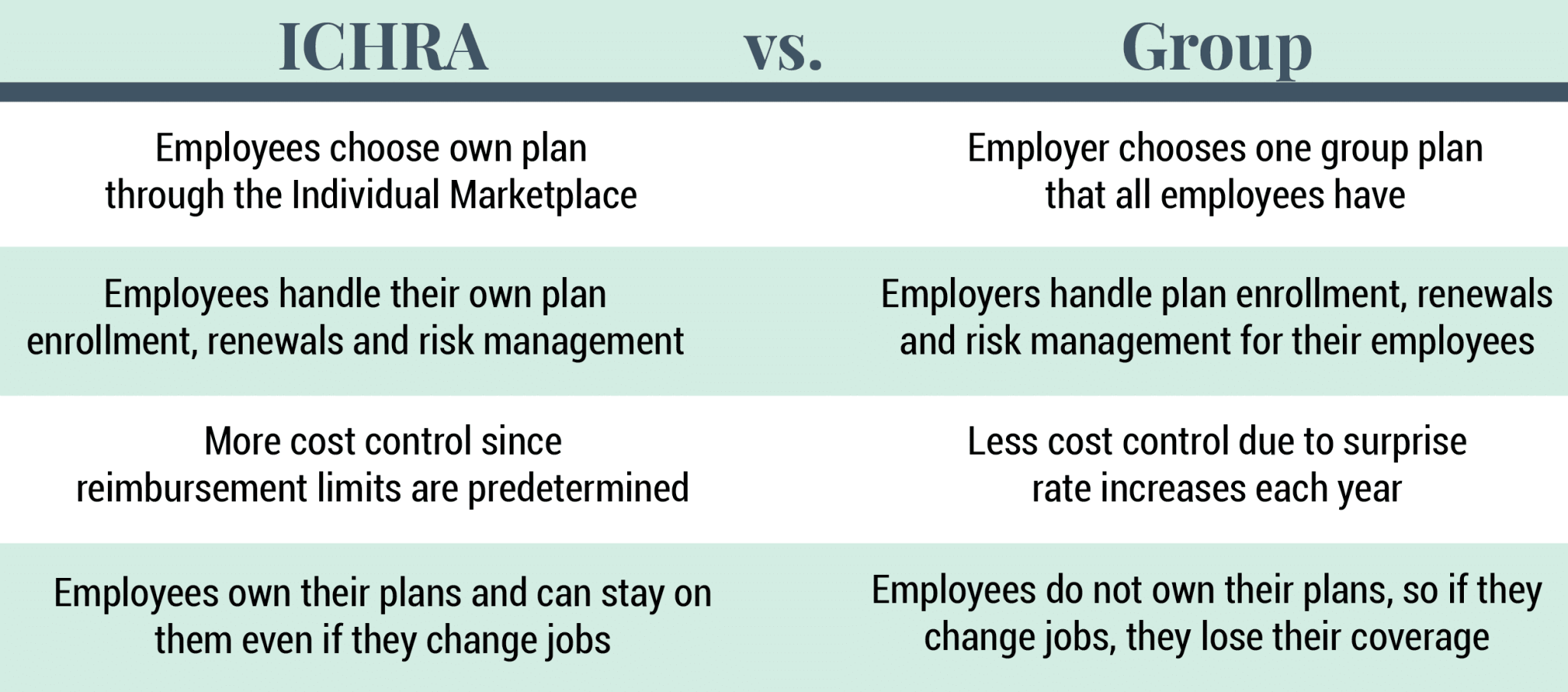
Individual Coverage Health Reimbursement Arrangements (ICHRAs) are employer-sponsored programs that allow businesses to reimburse employees for individual health insurance premiums and qualified medical expenses. Introduced in 2020, ICHRAs offer flexibility for employers to control costs while giving employees the freedom to choose plans that suit their needs. Unlike traditional group health insurance, ICHRAs shift the purchasing power to employees, promoting consumer choice and market competition. However, they require employees to navigate the individual insurance marketplace, which can be complex and variable depending on location and income.

Other emerging models include Direct Primary Care (DPC), where patients pay a monthly fee for unlimited access to a primary care provider, and Health Savings Accounts (HSAs) paired with high-deductible plans, which encourage consumer-driven healthcare spending. These models emphasize affordability, personalization, and preventive care, but may not offer sufficient protection against catastrophic health events.

In conclusion, alternative health coverage models provide valuable options for individuals and employers seeking flexibility and cost savings. However, they often come with trade-offs in coverage, regulation, and consumer protection. As ACA subsidies fluctuate and healthcare costs rise, these models are likely to gain traction—but consumers must carefully assess their health needs, financial risks, and eligibility before choosing a non-traditional path.

COMMENTS APPRECIATED

EDUCATION: Books

SPEAKING: Dr. Marcinko will be speaking and lecturing, signing and opining, teaching and preaching, storming and performing at many locations throughout the USA this year! His tour of witty and serious pontifications may be scheduled on a planned or ad-hoc basis; for public or private meetings and gatherings; formally, informally, or over lunch or dinner. All medical societies, financial advisory firms or Broker-Dealers are encouraged to submit an RFP for speaking engagements: CONTACT: Ann Miller RN MHA at MarcinkoAdvisors@outlook.com 

Like, Refer and Subscribe

***

***

PHYSICIAN PAYMENT: Direct Reimbursement Models

By Dr. David Edward Marcinko MBA MEd

BASIC DEFINITIONS

***

***

The Direct Reimbursement Payment Model allows physicians to receive payment directly from patients or employers, bypassing traditional insurance systems. This model emphasizes transparency, autonomy, and personalized care, offering an alternative to fee-for-service and managed care structures.

The Direct Reimbursement Payment Model is a healthcare financing approach in which physicians are paid directly by patients or sponsoring entities—such as employers—rather than through insurance companies or government programs. This model is gaining traction as a response to the administrative burdens, opaque billing practices, and fragmented care often associated with traditional insurance-based systems.

One prominent example of direct reimbursement is Direct Primary Care (DPC). In DPC, patients pay a recurring fee—monthly, quarterly, or annually—that covers a broad range of primary care services. These include routine checkups, preventive screenings, chronic disease management, and basic lab work. By eliminating third-party billing, DPC practices reduce overhead costs and administrative complexity, allowing physicians to spend more time with patients and focus on quality care.

***

***

Employers have also embraced direct reimbursement models to manage healthcare costs and improve employee wellness. In such arrangements, employers reimburse physicians or clinics directly for services rendered to their employees, often through a defined benefit structure. This can be part of a self-funded health plan or a supplemental offering alongside high-deductible insurance policies. The goal is to provide accessible, cost-effective care while avoiding the inefficiencies of traditional insurance networks.

Key advantages of the direct reimbursement model include:

  • Price transparency: Patients know upfront what services cost, reducing surprise billing and financial stress.
  • Improved access: Physicians often offer same-day or next-day appointments, extended visits, and direct communication via phone or email.
  • Lower administrative burden: Without insurance paperwork, practices can operate more efficiently and focus on patient care.
  • Stronger patient-physician relationships: More time per visit fosters trust, continuity, and better health outcomes.

However, the model is not without limitations. Direct reimbursement may not cover specialist care, hospitalization, or emergency services, requiring patients to maintain supplemental insurance. Additionally, the model may be less accessible to low-income populations who cannot afford recurring fees or out-of-pocket payments. Critics also argue that widespread adoption could fragment care and reduce risk pooling, undermining the broader goals of universal coverage.

Despite these concerns, the direct reimbursement model aligns with broader trends in healthcare reform, including value-based care, consumer empowerment, and decentralized service delivery. It offers a viable path for physicians seeking autonomy and for patients desiring personalized, transparent care. As healthcare continues to evolve, hybrid models that combine direct reimbursement with traditional insurance may emerge, offering flexibility and choice across diverse patient populations.

In conclusion, the Direct Reimbursement Payment Model represents a meaningful shift in how healthcare services are financed and delivered.

By prioritizing simplicity, transparency, and patient-centered care, it challenges the status quo and opens new possibilities for sustainable, high-quality medical practice.

COMMENTS APPRECIATED

EDUCATION: Books

SPEAKING: Dr. Marcinko will be speaking and lecturing, signing and opining, teaching and preaching, storming and performing at many locations throughout the USA this year! His tour of witty and serious pontifications may be scheduled on a planned or ad-hoc basis; for public or private meetings and gatherings; formally, informally, or over lunch or dinner. All medical societies, financial advisory firms or Broker-Dealers are encouraged to submit an RFP for speaking engagements: CONTACT: Ann Miller RN MHA at MarcinkoAdvisors@outlook.com -OR- http://www.MarcinkoAssociates.com

Like, Refer and Subscribe

***

***

BAD MONEY MOVES of Physicians!

By Dr. David Edward Marcinko MBA MEd

SPONSOR: http://www.MarcinkoAssociates.com

***

***

Money is a powerful tool. It can provide security, open opportunities, and help build a fulfilling life. Yet, when mismanaged, it can quickly become a source of stress and regret. Understanding the worst ways to use money is essential for anyone who wants to avoid financial pitfalls and build lasting stability.

1. Impulse Spending

One of the most damaging habits is spending without thought. Buying items on impulse—whether it’s clothes, gadgets, or luxury goods—often leads to regret and wasted resources. These purchases rarely align with long‑term goals and can drain savings meant for emergencies or investments.

2. High‑Interest Debt

Credit cards and payday loans can trap people in cycles of debt. Paying 20% or more in interest means that even small purchases balloon into massive financial burdens. Using debt irresponsibly is one of the fastest ways to erode wealth.

3. Ignoring Savings and Investments

Failing to save for the future is another critical mistake. Without an emergency fund, unexpected expenses like medical bills or car repairs can derail financial stability. Similarly, neglecting investments means missing out on compound growth that builds wealth over time.

4. Chasing Get‑Rich‑Quick Schemes

From pyramid schemes to speculative “hot tips,” chasing unrealistic returns is a recipe for disaster. These schemes prey on greed and impatience, often leaving participants with nothing but losses. Sustainable wealth comes from patience and discipline, not shortcuts.

5. Overspending on Status

Many people waste money trying to impress others—buying luxury cars, designer clothes, or extravagant experiences they cannot afford. This pursuit of status often leads to debt and financial insecurity, while providing only fleeting satisfaction.

6. Neglecting Insurance

Skipping health, auto, or home insurance to save money may seem smart in the short term, but it can be catastrophic when disaster strikes. Without protection, one accident or emergency can wipe out years of savings.

7. Failing to Budget

Living without a plan is like sailing without a map. Without a budget, it’s easy to overspend, miss bills, or fail to allocate money toward goals. Budgeting is not restrictive—it’s empowering, because it ensures money is used intentionally.

8. Ignoring Education and Skills

Spending money without investing in personal growth is another hidden mistake. Education, training, and skill development often yield lifelong returns. Neglecting these opportunities can limit earning potential and financial independence.

Conclusion

The worst things to do with money often stem from short‑term thinking, lack of discipline, or the desire for instant gratification. Impulse spending, high‑interest debt, chasing schemes, and neglecting savings all undermine financial health. By avoiding these traps and focusing on budgeting, investing wisely, and protecting against risks, money can serve as a foundation for security and freedom rather than a source of stress.

COMMENTS APPRECIATED

Like, Refer and Subscribe

EDUCATION: Books

SPEAKING: Dr. Marcinko will be speaking and lecturing, signing and opining, teaching and preaching, storming and performing at many locations throughout the USA this year! His tour of witty and serious pontifications may be scheduled on a planned or ad-hoc basis; for public or private meetings and gatherings; formally, informally, or over lunch or dinner. All medical societies, financial advisory firms or Broker-Dealers are encouraged to submit an RFP for speaking engagements: CONTACT: Ann Miller RN MHA at MarcinkoAdvisors@outlook.com -OR- http://www.MarcinkoAssociates.com

***

***

RICARDIAN ECONOMICS: Can it Save Medicine?

By Dr. David Edward Marcinko MBA MEd

***

***

Ricardian economics, rooted in the theories of 19th-century economist David Ricardo, emphasizes comparative advantage, free trade, and the neutrality of government debt—most notably through the concept of Ricardian equivalence. While these ideas have shaped macroeconomic thought, their relevance to medicine and healthcare policy is less direct. Still, exploring Ricardian principles offers a provocative lens through which to examine the fiscal sustainability and efficiency of modern healthcare systems.

At the heart of Ricardian equivalence is the idea that consumers are forward-looking and internalize government budget constraints. If a government finances healthcare through debt rather than taxes, rational agents will anticipate future tax burdens and adjust their behavior accordingly. In theory, this undermines the effectiveness of deficit-financed healthcare spending as a stimulus. Applied to medicine, this suggests that long-term fiscal responsibility is crucial: expanding healthcare access through borrowing may not yield the intended economic or health benefits if citizens expect future costs to rise.

This insight could inform debates on healthcare reform, especially in countries grappling with ballooning medical expenditures. Ricardian economics warns against short-term fixes that ignore long-term fiscal implications. For example, expanding public insurance programs without sustainable funding mechanisms could lead to intergenerational inequities and economic distortions. Policymakers might instead focus on reforms that align incentives, reduce waste, and promote cost-effective care—principles that resonate with Ricardo’s emphasis on efficiency and comparative advantage.

***

***

However, Ricardian economics offers limited guidance on the unique moral and practical dimensions of medicine. Healthcare is not a typical market good. Patients often lack the information or autonomy to make rational choices, especially in emergencies. Moreover, the sector is rife with externalities: one person’s vaccination benefits the broader community, and untreated illness can strain public resources. These complexities challenge the assumption of rational, forward-looking behavior central to Ricardian equivalence.

Additionally, Ricardo’s theory of comparative advantage—where nations benefit by specializing in goods they produce most efficiently—has implications for global health. It supports international collaboration in pharmaceutical production, medical research, and telemedicine. Yet, over-reliance on global supply chains can expose vulnerabilities, as seen during the COVID-19 pandemic when countries faced shortages of critical medical supplies.

In conclusion, Ricardian economics provides valuable fiscal insights that can inform healthcare policy, particularly regarding debt sustainability and efficient resource allocation. Its emphasis on long-term planning and comparative advantage can guide reforms that make medicine more resilient and cost-effective. However, the theory’s assumptions about rational behavior and market dynamics limit its applicability to the nuanced realities of healthcare. Medicine requires not just economic efficiency but ethical considerations, equity, and compassion—areas where Ricardian economics falls short. Thus, while it can contribute to the conversation, it cannot “save” medicine alone.

COMMENTS APPRECIATED

EDUCATION: Books

SPEAKING: Dr. Marcinko will be speaking and lecturing, signing and opining, teaching and preaching, storming and performing at many locations throughout the USA this year! His tour of witty and serious pontifications may be scheduled on a planned or ad-hoc basis; for public or private meetings and gatherings; formally, informally, or over lunch or dinner. All medical societies, financial advisory firms or Broker-Dealers are encouraged to submit an RFP for speaking engagements: CONTACT: Ann Miller RN MHA at MarcinkoAdvisors@outlook.com 

Like, Refer and Subscribe

***

***

INSURANCE AGENTS: Salary and Payment Mechanisms

By Dr. David Edward Marcinko MBA MEd CMP and Copilot A.I.

SPONSOR: http://www.CertifiedMedicalPlanner.org

***

***

Insurance agents are primarily paid through commissions, but may also earn salaries, bonuses, and fees depending on their employment model and the types of policies they sell.

Insurance agents play a vital role in helping individuals and businesses navigate the complex world of insurance. Their compensation structures vary widely, influenced by factors such as the type of insurance they sell, whether they work independently or for a company, and the specific agreements they have with insurers. Understanding how insurance agents are paid is essential for consumers who want to make informed decisions and for aspiring agents considering a career in the industry.

The most common form of compensation for insurance agents is commission-based pay. Agents earn a percentage of the premium paid by the customer when they successfully sell a policy. These commissions can vary depending on the type of insurance. For example, first-year commissions for auto and homeowners insurance typically range from 5% to 20%, while commercial property and casualty policies may offer 10% to 15%. Life insurance policies often provide higher initial commissions, sometimes exceeding 50% of the first-year premium, followed by smaller renewal commissions in subsequent years.

There are two main types of insurance agents: captive agents and independent agents. Captive agents work exclusively for one insurance company and usually receive a combination of salary and commissions. Their compensation may also include performance bonuses and incentives tied to sales targets. Independent agents, on the other hand, represent multiple insurers and rely more heavily on commissions. They have the flexibility to offer a wider range of products, but their income is directly tied to their ability to sell policies and maintain client relationships.

***

***

In addition to commissions, some agents earn fees for services such as policy reviews, risk assessments, or consulting. These fees are more common in commercial insurance or financial planning contexts, where agents provide specialized expertise. However, fee-based compensation is less prevalent in personal lines of insurance like auto or home coverage.

Bonuses and incentives are another component of agent compensation. Insurance companies often reward agents for meeting sales quotas, retaining clients, or selling specific types of policies. These bonuses can significantly boost an agent’s income, but they may also create potential conflicts of interest if agents prioritize higher-paying products over client needs.

Some agents, particularly those employed by large firms or call centers, receive a fixed salary. This model provides stability but may limit earning potential compared to commission-based roles. Salaried agents may still receive performance bonuses or profit-sharing depending on company policy.

Ultimately, an insurance agent’s earnings depend on their business model, experience, and ability to build a loyal client base. While commissions remain the cornerstone of insurance compensation, the rise of fee-based services and hybrid models reflects a shift toward more transparent and client-focused practices.

Consumers should feel empowered to ask agents about their compensation structure to ensure they receive unbiased advice tailored to their needs.

COMMENTS APPRECIATED

EDUCATION: Books

SPEAKING: Dr. Marcinko will be speaking and lecturing, signing and opining, teaching and preaching, storming and performing at many locations throughout the USA this year! His tour of witty and serious pontifications may be scheduled on a planned or ad-hoc basis; for public or private meetings and gatherings; formally, informally, or over lunch or dinner. All medical societies, financial advisory firms or Broker-Dealers are encouraged to submit a RFP for speaking engagements: MarcinkoAdvisors@outlook.com

Like, Refer and Subscribe

***

***

The Hidden Risk of Trusting Friends in Finance

Here’s a risk to your financial health that may surprise you!

Rick Kahler MS CFP

By Rick Kahler CFP

There are two reasons for this.

First, we tend to trust and rely on people we know.

Second, research finds that humans have a deep-seated desire to meet the needs of others, so “helping” a relative or friend get started in their financial sales career is just human nature. Unfortunately, brokerage and insurance companies know this. They train their new agents that the easiest sales to make when getting started are to relatives and friends.

Any time I find an ill-advised financial product a client has purchased from a relative or friend, I cringe, anticipating the client’s resistance to canceling it. Regardless of how bad the advice was or how outrageous the fees of an investment product may be, the deeper the relationship the more difficulty there will be in changing course.

***

***

Here’s a typical example 

Jim and Sofia, two young professionals, married at around the same time Jim’s uncle went to work for a financial services company. The uncle sold Jim a $250,000 Variable Universal Life (VUL) policy with a $500 monthly premium. Jim and Sofia were happy, thinking they had made a prudent choice to start saving for retirement and help out a relative at the same time.

When Sofia became pregnant, the couple decided to engage a fee-only financial planner. She found they were under insured to provide for a family and also that the VUL policy was incredibly expensive and ill-advised for their needs. She recommended canceling the VUL policy with its $500 monthly premium, instead paying $300 monthly for two $1 million term life insurance policies and putting $200 a month into a tax-free Roth IRA.

Sofia and Jim told this to their uncle, who was “shocked” at the planner’s “poor advice.”

He contended that any competent financial planner would know a person needs permanent insurance as a foundation to “raise their child in the case of a premature death, fund their retirement, pay estate taxes and just like a Roth, it is tax free.”
Sadly, the uncle was unwilling to admit that $250,000 of insurance wouldn’t be enough to raise their child, fund their retirement, and pay estate taxes; nor was it truly tax free. He also didn’t mention that he had a vested interest in their keeping the policy. While he probably earned 55% to 100% of the first year’s commission, it is common practice that an agent will also receive 10-15% of the annual premium from years 2-10.

***

***

Sofia and Jim agreed with the financial planner’s recommendation. They could see the sense in having $1 million of insurance on each of them instead of $250,000 on just Jim for almost half the price, plus the tax-free growth of $200 a month in the Roth IRA.

Yet they didn’t follow the planner’s advice, because they didn’t want to upset their uncle. They chose to weaken their financial health, plus risk the well-being of their family if one of them died prematurely, in order to enrich their uncle for fear of offending him.

This happens more frequently than you would think. And it isn’t limited to life insurance. I’ve seen clients invest in a variety of “opportunities,” based on advice from a family member, that were not in their best interest.

Assessment

Next time a friend or family member offers to sell you a financial product or give you some great advice, you may want to do yourself a favor and decline. If you really want to help them out, invite them over for dinner.

Conclusion
Your thoughts and comments on this ME-P are appreciated. Feel free to review our top-left column, and top-right sidebar materials, links, urls and related websites, too. Then, subscribe to the ME-P. It is fast, free and secure.

Speaker: If you need a moderator or speaker for an upcoming event, Dr. David E. Marcinko; MBA – Publisher-in-Chief of the Medical Executive-Post – is available for seminar or speaking engagements.

Contact: MarcinkoAdvisors@outlook.com

***

***

Understanding Whole Life Insurance for Medical Professionals

Insurance Basics for Medical Professionals

By Jeffrey H. Rattiner, CPA, CFP®, MBA via iMBA, Inc.

After determining the need for insurance and the amount to purchase, the doctor-client and financial planner’s next task is to match those needs to the client’s objectives to determine what type of policy the client should purchase. The life insurance industry features more products today than ever before. One reason for this change is that, clearly, the insurance industry has expanded its product base to become more competitive. Another reason is that clients’ needs are constantly changing and the insurance companies must keep up with those needs or run the risk of having funds withdrawn from their companies. New and different types of life insurance products are here to stay. Since life insurance represents a significant part of a client’s risk-management program, planners have to be versed in the specifics of the varied product base.

Term Insurance Alternative

Whole life insurance was introduced as an alternative to term insurance. Whole life is often called cash value insurance or permanent insurance to distinguish it from term insurance. The cash value in whole life insurance arises because of the level premium system and the need to account for prepaid premiums. Whole life insurance offers permanent protection at a level premium for the entire lifetime of the insured. Premiums remain fixed and are paid throughout the insured’s entire lifetime. The premium level can remain constant throughout the life of the policy because premiums are higher during the early years. The excess charge in the early years makes it possible to build up a reserve, which will be needed, together with interest earned, to keep premiums level throughout the life of the policy. Older clients then pay the same premium in later years as they did when they were younger.

Cash Value

The cash value of a whole life policy serves a variety of purposes:

• It can be used for collateral for an insurance company loan.

• If the insured decides to terminate the policy, he or she can elect to receive the policy’s cash value at that time.

• The cash value balance can be remitted to the insurance company to purchase a reduced paid-up insurance policy. This will provide coverage until the funds are insufficient to pay the premiums. This cancellation feature is also referred to as a non-forfeiture value.

• If the policy is not canceled, the accumulated cash value becomes part of the death benefit paid upon the insured’s death (which makes this type of policy similar to a decreasing term policy). It can reduce cash flow by taking some of the investment results out of the contract either through dividends or through policy loans.

General Accounts

With a whole life policy, the insured does not control the investment vehicle. Policies are invested in the insurance company’s general account through the purchase of long-term bonds and mortgages. As a result, during a period of decreasing interest rates, whole life products can be expected to produce superior results since rates can be locked in when interest rates in general are higher. In contrast, rates in an increasing environment are locked in to their portfolios until maturity. There is no flexibility within a whole life policy. Premium payments, type of investment vehicle, and change in death benefit are all fixed. The safety of cash value is high, but the potential rate of return is low to moderate. If interest rates are rising, the price of the policy is declining, and you may want to suggest replacing the policy. (See Planning Issue 10.)

If the premiums paid to the insurance company turn out to be more than the company needs because expenses are lower than expected, the company’s portfolio investment return will be larger than the company expected. As a result, the company will then return some of the excess premium to the policyholder as a dividend or excess interest. Life insurance dividends are not taxable as income because they represent an excess of premium.

Premium Payments

The premium consists of mortality charge, policy expense, and a cash value. When the insured reaches 100 years of age, the policy endows with the face amount of the policy collectible by the insured. Since mortality tables end at age 100, the insurer considers the client dead and pays the face amount of the policy.

Whole life policies are packaged in a variety of ways. One policy, a limited-pay whole life policy, is a whole life policy with a death benefit continuing through age 100. The only difference between this and the traditional whole life policy is that premiums are paid only for a specified period, for example, seven years. In other words, the policyholder prepays the policy. A policy is considered to be fully paid up when the cash value of the basic contract plus the value of the dividend additions or deposits equals the net single premium for the policy in question at the insured’s attained age. The premium-paying period influences the cash value buildup in the policy. This is accomplished by using part of the investment return or dividends from long-term bonds and mortgages to pay the mortality and the expense charges on the policy for the rest of the policyholder’s life.

Advantages and DisAdvantages

Advantages of a whole life policy include lifetime coverage for the insured, a forced savings element, loan privileges, and a variety of premium payment plans. Over time, the cost is lower than term, the rate of return if the policy is kept until death is quite reasonable, and the policy will do a better job than universal life in keeping up with inflation. Disadvantages include a higher cost of death protection, a low rate of return, lack of flexibility, and incompatibility with inflation.

Assessment

Whole life policies are most appropriate for people who want or need a forced savings arrangement and for people who want lifetime coverage. As interest rates increased during the late 1970s, the returns received from insurance companies on long-term bonds and mortgage portfolios of whole life portfolios declined. As a result, in order to prevent policyholders from borrowing their cash reserves and investing these funds in other financial products, the insurance industry offered the following incentives:

• Existing policyholders were given the option to have their policies upgraded to reflect current market rates. Policies were upgraded through higher interest rates on cash values and higher future dividends and rates on policy loans.

• New types of policies were introduced—such as universal life, which tied cash value to short-term money market rates.

• Variable life insurance and universal variable life insurance were introduced, which segregated policy assets into a separate account.

Conclusion

Your thoughts and comments on this ME-P are appreciated. Feel free to review our top-left column, and top-right sidebar materials, links, URLs and related websites, too. Then, subscribe to the ME-P. It is fast, free and secure.

Speaker: If you need a moderator or speaker for an upcoming event, Dr. David E. Marcinko; MBA – Publisher-in-Chief of the Medical Executive-Post – is available for seminar or speaking engagements. Contact: MarcinkoAdvisors@msn.com

OUR OTHER PRINT BOOKS AND RELATED INFORMATION SOURCES:

DICTIONARIES: http://www.springerpub.com/Search/marcinko
PHYSICIANS: www.MedicalBusinessAdvisors.com
PRACTICES: www.BusinessofMedicalPractice.com
HOSPITALS: http://www.crcpress.com/product/isbn/9781466558731
CLINICS: http://www.crcpress.com/product/isbn/9781439879900
BLOG: www.MedicalExecutivePost.com
FINANCE: Financial Planning for Physicians and Advisors
INSURANCE: Risk Management and Insurance Strategies for Physicians and Advisors

Product DetailsProduct DetailsProduct Details

Product Details  Product Details

   Product Details 

MEDICAL SCHOOLS: What They Do Not Teach About Money!

By Dr. David Edward Marcinko MBA MEd

SPONSOR: http://www.MarcinkoAssociates.com

***

WARNING! WARNING! All DOCTORS

What Medical School Didn’t Teach Doctors About Money

Medical school is designed to mold students into competent, compassionate physicians. It teaches anatomy, pathology, pharmacology, and clinical skills with precision and rigor. Yet, despite the depth of medical knowledge imparted, one critical area is often overlooked: financial literacy. For many doctors, the transition from student to professional comes with a steep learning curve—not in medicine, but in money. From managing debt to understanding taxes, investing, and retirement planning, medical school leaves a financial education gap that can have long-term consequences.

The Debt Dilemma

One of the most glaring omissions in medical education is how to manage student loan debt. The average medical student graduates with over $200,000 in debt, yet few are taught how to navigate repayment options, interest accrual, or loan forgiveness programs. Many doctors enter residency with little understanding of income-driven repayment plans or Public Service Loan Forgiveness (PSLF), missing opportunities to reduce their financial burden. Without guidance, some make costly mistakes—such as refinancing federal loans prematurely or choosing repayment plans that don’t align with their career trajectory.

Income ≠ Wealth

Medical students often assume that a high salary will automatically lead to financial security. While physicians do earn more than most professionals, income alone doesn’t guarantee wealth. Medical school rarely addresses the importance of budgeting, saving, and investing. As a result, many doctors fall into the “HENRY” trap—High Earner, Not Rich Yet. They spend lavishly, assuming their income will always cover expenses, only to find themselves living paycheck to paycheck. Without a solid financial foundation, even high earners can struggle to build net worth.

***

***

Taxes and Business Skills

Doctors are also unprepared for the complexities of taxes. Whether employed by a hospital or running a private practice, physicians face unique tax challenges. Medical school doesn’t teach how to track deductible expenses, optimize retirement contributions, or navigate self-employment taxes. For those who open their own clinics, the lack of business education is even more pronounced. Understanding profit margins, payroll, insurance billing, and compliance regulations is essential—but rarely covered in medical training.

Investing and Retirement Planning

Another blind spot is investing. Medical students are rarely taught the basics of compound interest, asset allocation, or retirement accounts. Many don’t know the difference between a Roth IRA and a traditional 401(k), or how to evaluate mutual funds and index funds. This lack of knowledge delays retirement planning and can lead to missed opportunities for long-term growth. Some doctors rely on financial advisors without understanding the fees or conflicts of interest involved, putting their wealth at risk.

Insurance and Risk Management

Medical school also fails to educate students on insurance—life, disability, malpractice, and health. Doctors need robust coverage to protect their income and assets, but many don’t know how to evaluate policies or understand terms like “own occupation” or “elimination period.” Inadequate coverage can leave physicians vulnerable to financial disaster in the event of illness, injury, or litigation.

Emotional and Behavioral Finance

Beyond technical knowledge, medical school overlooks the emotional side of money. Physicians often face pressure to maintain a certain lifestyle, especially after years of sacrifice. The desire to “catch up” can lead to impulsive spending, luxury purchases, and financial stress. Without tools to manage money mindset and behavioral habits, doctors may struggle with guilt, anxiety, or burnout related to finances.

The Case for Financial Education

Fortunately, awareness of this gap is growing. Organizations like Medics’ Money and podcasts such as “Docs Outside the Box” are working to fill the void by offering financial education tailored to physicians.

These resources cover everything from budgeting and debt management to investing and entrepreneurship. Some medical schools are beginning to incorporate financial literacy into their curricula, but progress is slow and inconsistent.

Conclusion

Medical school equips doctors to save lives, but it doesn’t prepare them to secure their own financial future. The lack of financial education leaves many physicians vulnerable to debt, poor investment decisions, and lifestyle inflation. To thrive both professionally and personally, doctors must seek out financial knowledge beyond the classroom. Whether through self-study, mentorship, or professional guidance, understanding money is as essential as understanding medicine. After all, financial health is a cornerstone of overall well-being—and every doctor deserves to master both.

COMMENTS APPRECIATED

EDUCATION: Books

SPEAKING: Dr. Marcinko will be speaking and lecturing, signing and opining, teaching and preaching, storming and performing at many locations throughout the USA this year! His tour of witty and serious pontifications may be scheduled on a planned or ad-hoc basis; for public or private meetings and gatherings; formally, informally, or over lunch or dinner. All medical societies, financial advisory firms or Broker-Dealers are encouraged to submit an RFP for speaking engagements: CONTACT: Ann Miller RN MHA at MarcinkoAdvisors@outlook.com -OR- http://www.MarcinkoAssociates.com

Like, Refer and Subscribe

***

***

VARIABLE ANNUITIES: Retired Physicians Beware!

By A.I. and Dr. David Edward Marcinko MBA MEd CMP

SPONSOR: http://www.CertifiedMedicalPlanner.org

***

***

After a lifetime of hard work practicing medicine and saving, you’re at the retirement finish line. Instead of a paycheck, you’re relying on your nest egg and investment income to cover the bills. Picking the right investments is even more important, as you won’t have much chance to recover as a retired MD, DO, DPM or DDS.

“You made it to the top of the mountain through a systematic approach and are trying to make your way down safely,” says retirement planner John Gillet John Gillet in Hollywood, Fla. “Why throw all caution to the wind and try something different now?”

***

***

Definitions

An annuity is an insurance contract designed to grow your money and then repay it as income. There are different versions. An immediate annuity turns your lump sum into future guaranteed income payments, like your own personal pension. They are simple to understand with no or small fees.

Fixed annuities pay a guaranteed interest rate over a set period to grow your money, like 5% a year for five years. These options could make sense as part of a retirement plan.

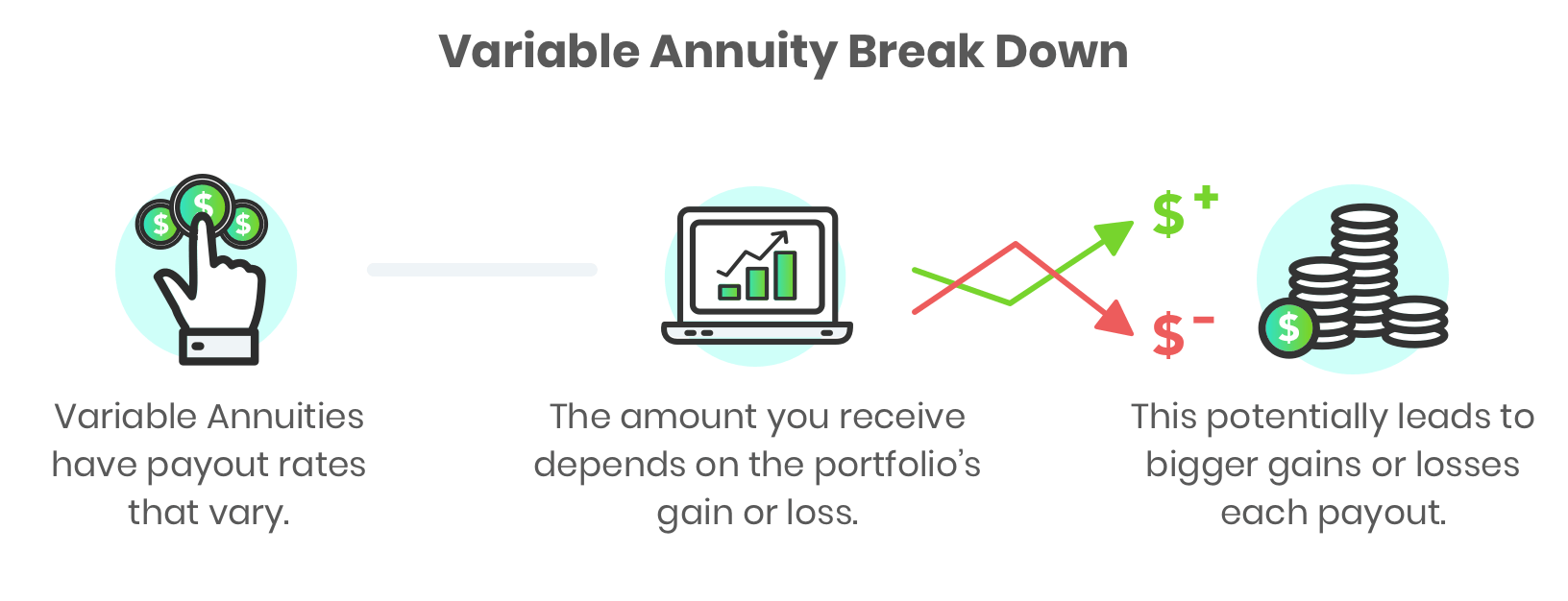
A variable annuity, on the other hand, invests your savings in mutual funds. While you can buy riders that guarantee a minimum income, you’ll be paying very much for it. “All in, the annual fees can be 3% or more of your balance,” says Jeff Bailey, an advisor from Nashville. “That’s a huge withdrawal rate from your portfolio versus investing on your own.”

The variable annuity will lock up your money for years. If you cancel early, you owe a surrender charge that could start at 7% or more of your annuity balance before gradually going down as time goes by. “Clients believe they can walk away with their contract value, but that’s often not true,” says Bailey.

COMMENTS APPRECIATED

EDUCATION: Books

SPEAKING: Dr. Marcinko will be speaking and lecturing, signing and opining, teaching and preaching, storming and performing at many locations throughout the USA this year! His tour of witty and serious pontifications may be scheduled on a planned or ad-hoc basis; for public or private meetings and gatherings; formally, informally, or over lunch or dinner. All medical societies, financial advisory firms or Broker-Dealers are encouraged to submit an RFP for speaking engagements: CONTACT: Ann Miller RN MHA at MarcinkoAdvisors@outlook.com -OR- http://www.MarcinkoAssociates.com

Like and Subscribe

***

***

Financial Planning for Physicians: Achieve Your Goals

By: http://www.MarcinkoAssociates.com

Your medical practice. Your personal goals. Your financial plan. Our experienced confirmation guide.

***

***

When you know exactly where you are today, have a vision of where you want to be tomorrow, and have trusted counsel at your side, you have already achieved so much success. Marcinko Associates works to keep you at that level of confidence every day. We use a comprehensive economic process to uncover what’s most important to you and then develop a financial strategy that gives you the highest probability of achieving your monetary goals.

We assess, plan, and opine for your success

To accurately see where you are today, chart a strategic path to your goals and help you make the most informed decisions to keep you on financial track, our key services for physicians and high net worth medical clients include:

  • Investment Portfolio Review
  • Fee, Charge and Cost Review
  • Comprehensive Financial Planning
  • Insurance Reviews
  • Estate Planning
  • Investment and Asset Management Second Opinions

We take a deep dive into your financial retirement plans

Physicians and dental employers now have options for how to design and deliver retirement benefits and we can help you make the best choice for your healthcare business. Our services for retirement plans include:

  • Fee, Charges & Fiduciary Review
  • Portfolio Analysis
  • Single Employer Retirement Plan Advisory
  • Retirement Plans Risk Analysis
  • Capital Funding and Financing
  • Business Planning and Practice Valuations
  • Career Development
  • and more!

We take a broad and balanced look at your financial life life

We coordinate our recommendations with your other advisors, including attorneys, accountants, insurance professionals and others, to ensure each decision is consistent with your goals and overall strategy. For example, through our partnerships we offer physician colleagues deeper expanded advisory services, like:

  • Estate, Gift, and Trust Planning
  • Tax Planning and Compliance
  • Medical or Dental Practice Worth
  • Business Succession Planning
  • Practice Exit Planning
  • Transaction Advisory Services
  • and more!

EDUCATION: Books

CONTACT US TODAY: Ann Miller RN MHA at: MarcinkoAdvisors@outlook.com

***

Fiduciary Financial Colleagues Advising Medical Colleaguesin Turbulent Times!

***

***

TEAL TALK DAY: September 23rd, 2025

BEACH

By A.I. and Staff Reporters

***

***

Let’s talk.

September 23rd is Global Teal Talk Day, founded by Ovarcome.

Over 300,000 women are diagnosed annually with ovarian cancer, worldwide. Gather your friends, wear teal for a day out together and talk. Wearing teal is not enough.

Talk About Ovarian Cancer.

MORE: https://ovarcome.org/events/teal-talk-day/

COMMENTS APPRECIATED

EDUCATION: Books

Like, Refer and Subscribe

***

PHYSICIAN BANKRUPTCY: Six Total Types to Know!

By A.I. and Staff Reporters

SPONSOR: http://www.CertifiedMedicalPlanner.org

***

***

According to Medical Economics, there were 10 clinic and physician practices filing bankruptcy in 2024, making it the highest level of the last six years, according to a new analysis of cases with liabilities of at least $10 million.

Meanwhile, the Steward Health Care System bankruptcy, which was based in Massachusetts but making headlines across the nation, has become “the largest hospital sector bankruptcy by far in the last 30 years,” according to a new analysis by Gibbins Advisors, based in Nashville, Tennessee.

Health care bankruptcy filings totaled 57 last year, down from 79 in 2023, said “Healthcare Restructuring: Trends and Outlook.” The report analyzed Chapter 11 health care bankruptcy cases with liabilities of at least $10 million, since 2019.

Last year’s total was down 28% from 2023’s peak, but greater than the 2019 to 2022 average of 42 filings a year, the report said.

BROKE DOCTORS: https://medicalexecutivepost.com/2025/08/02/doctors-going-broke-and-living-paycheck-to-paycheck/

***

Bankruptcy, often considered a last financial resort, is a legal process that can help alleviate outstanding debts for individuals and businesses. Reasons to file for bankruptcy can include divorce, job loss, exorbitant medical bills or credit card debt.

There are several types of bankruptcy — six, as a matter of fact. The two most common types of bankruptcy for individuals are Chapter 7 and Chapter 13.

But there are four other types as well: Chapter 9, Chapter 11, Chapter 12 and Chapter 15. And, the type of bankruptcy filed depends on the situation.

Regardless of which type, the process is typically the same: You’ll usually retain an attorney and make your case before a judge, who will then erase some debts or set up a repayment plan.

Also note that an eligibility requirement — for all bankruptcy chapters — is that you must undergo credit counseling within the 180 days before filing.

DOCTORS: https://medicalexecutivepost.com/2025/07/17/doctors-and-lawyers-often-arent-millionaires/

COMMENTS APPRECIATED

EDUCATION: Books

Like, Subscribe and Refer

***

***

BEWARE: July Fourth Fireworks PLUS Helpful Weekend Reading List

By Dr. David Edward Marcinko MBA MEd

***

Happy Fourth of July! It’s a good day to avoid the emergency department, so leave the fireworks shows to the pros—and perhaps use your extra hands to double-fist some BBQ instead.

***

***

COMMENTS APPRECIATED

WEEKEND READING LIST: EDUCATION: Books

Like and Subscribe

***

BRANDS & BRAND MANAGEMENT: Defined and Explored for Doctors and Advisors

By A.I.

SPONSOR: http://www.CertifiedMedicalPlanner.org

***

***

What Is a Marketing Brand

A brand is a name, term, design, symbol or any other feature that distinguishes one seller’s goods or service from those of other sellers. Brands are used in business, marketing and advertising for recognition and, importantly, to create and store value as brand equity for the object identified, to the benefit of the brand’s clients, patients, customers, its owners and shareholders. Brand names are sometimes distinguished from generic or store brands.

BRANDING: https://medicalexecutivepost.com/2023/02/02/podcast-personal-branding-for-doctors/

What is Brand Management?

Brand management, also known as Marketing, is responsible for the overall management of a brand. This includes everything from product or service development and marketing to advertising and public relations. All of these aspects work together to create a particular image or reputation for a brand. The goal of brand management is to create a robust and positive reputation for a brand that will result in increased sales and market share.This process helps companies create a unique identity for their products or services in the marketplace. A successful brand management strategy can build client, patient and customer loyalty .

BRANDS: https://medicalexecutivepost.com/2021/06/03/physician-branding-post-pandemic/

Branding is essential for financial advisors, doctors and businesses because it involves creating a unique identity for a company’s products, offerings and services. It can also help build customer, client and patient loyalty and emotionally connect with the practitioner. Branding can be complex, but it is essential to understand the basics before starting a brand strategy.

Thus, doctors, podiatrists, dentists, CPAs, insurance agents, financial advisors and their practices need to understand the different aspects of branding and brand management to create a strong brand identity.

SELF BRANDING: https://medicalexecutivepost.com/wp-content/uploads/2011/03/leadership-self-branding-marcinko.pdf

EDUCATION: Books

COMMENTS APPRECIATED

Like and Subscribe

***

BEWARE FIREWORKS: Money to Burn on the Fourth of July

The Complete Guide to July 4th Fireworks

Gather your novelty flag apparel and preheat your grills: Independence Day 2024 is upon us. And, what’s a July 4th celebration without some explosions in the sky?

Assessment

This info-graphic takes a closer look at the less glamorous side of fireworks — from the dollars that go up in smoke to the fingers we burn.

***

[via MedPub]

Happy Fourth ME-P readers; please light responsibly!

***

DAILY UPDATE: Health Insurance Options as Bull Market Edges Upward

MEDICAL EXECUTIVE-POST TODAY’S NEWSLETTER BRIEFING

***

Essays, Opinions and Curated News in Health Economics, Investing, Business, Management and Financial Planning for Physician Entrepreneurs and their Savvy Advisors and Consultants

Serving Almost One Million Doctors, Financial Advisors and Medical Management Consultants Daily

A Partner of the Institute of Medical Business Advisors , Inc.

http://www.MedicalBusinessAdvisors.com

SPONSORED BY: Marcinko & Associates, Inc.

***

http://www.MarcinkoAssociates.com

Daily Update Provided By Staff Reporters Since 2007.
How May We Serve You?
© Copyright Institute of Medical Business Advisors, Inc. All rights reserved. 2025

REFER A COLLEAGUE: MarcinkoAdvisors@outlook.com

SPONSORSHIPS AVAILABLE: https://medicalexecutivepost.com/sponsors/

ADVERTISE ON THE ME-P: https://tinyurl.com/ytb5955z

Your Referral Count -0-

***

CITE: https://www.r2library.com/Resource

A June 11th report from global professional services firm Alvarez & Marsal (A&M) predicts that more beneficiaries might soon ditch insurance coverage for options like short-term, limited duration plans or healthcare sharing ministries (HCSMs), which aren’t regulated like health insurance and aren’t required to comply with ACA protections like covering maternity care or pre-existing conditions.

CITE: https://tinyurl.com/2h47urt5

🟢 What’s up

  • Nvidia extended its winning streak to five days, rising another 1.73% as the AI trade continues to recover.
  • EchoStar climbed 13.16% after the parent company of Dish TV disclosed that President Trump did in fact prod the FCC to make a deal.
  • Cyngn soared another 20.07% following a big day of gains after the company that makes self-driving tech for industrial vehicles announced a partnership with Nvidia.
  • Strong earnings from Nike (more on that later) propelled sporting goods stocks higher today. ON Holdings rose 1.74%, while Dick’s Sporting Goods climbed 3.59%.
  • Domestic power producers popped on reports that Trump is planning to issue an executive order increasing energy production to meet AI demand. Vistra gained 2.44%, GE Vernova climbed 2.54%, and Vertiv added 2.71%.

What’s down

  • Coinbase Global ended its winning streak, tumbling 5.77% after GENIUS Act hype propelled the crypto stock skyward all week long. Traders took profits in Circle as well, pushing the stablecoin stock down 15.54%.
  • Chinese EV maker Li Auto fell 1.93% on its weaker-than-expected deliveries forecast for the second quarter.
  • Fellow Chinese EV maker Xiaomi stunned markets with reports that it received 240,000 orders for its new SUV within 18 hours of its debut, but shares still sank 4%.
  • Pony.ai lost 6.31% on a report that Uber is considering helping its founder Travis Kalanick fund his acquisition of the US subsidiary of the Chinese autonomous vehicle company.
  • Gold miners tumbled while the price of the precious metal fell as investors took a risk-on stance. Newmont lost 4.11%, Barrick Mining fell 3.44%, and Kinross Gold shed 6.18%.
  • Today’s trade deal reopens the door for Chinese rare earth imports, bad news for US producers like MP Materials (down 8.59%) and USA Rare Earth (down 12.14%).

CITE: https://tinyurl.com/tj8smmes

Visualize: How private equity tangled banks in a web of debt, from the Financial Times.

COMMENTS APPRECIATED

PLEASE SUBSCRIBE: MarcinkoAdvisors@outlook.com

Thank You

***

***

***

***

EDUCATIONAL TEXTBOOKS: https://tinyurl.com/4zdxuuwf

***

AD&D: Insurance Defined

Accidental Death and Dismemberment

By AI

***

***

What is AD&D insurance?

AD&D insurance combines two types of coverage: an accidental death policy that pays out if you die in an accident, and a dismemberment policy that pays out if you have a serious injury such as losing a limb or becoming paralyzed because of an accident. The beneficiary of your AD&D policy (such as your spouse) collects the money in the case of an accidental death, and you collect it if you suffer one of the injuries outlined in the policy.

NATURAL DISASTERS: https://medicalexecutivepost.com/2025/04/15/insurance-natural-disasters/

Here’s the catch: The death or injury must be the direct result of an accident. So, for example, if you have a heart attack while you’re driving and get into a fatal car crash, your beneficiaries probably won’t receive any money.

***

***

While AD&D insurance can offer financial peace of mind to you and your loved ones in the event of an accident, it won’t pay out if you die from natural causes or a terminal illness — so it’s not a replacement for life insurance. And since it doesn’t cover all injuries or disabilities, it isn’t as comprehensive as disability insurance either.

TERM INSURANCE: https://medicalexecutivepost.com/2025/02/05/insurance-term-policy/

Be aware that insurers often sell accidental death insurance without dismemberment coverage. These policies pay out only if you die and won’t cover an accident that leaves you seriously injured but alive.

AGENTS v. BROKERS: https://medicalexecutivepost.com/2025/04/27/insurance-agents-v-brokers/

COMMENTS APPRECIATED

Like and Refer

***

***

FINANCIAL LIFE PLANNING? For Physicians and Medical Professionals

SPONSOR: http://www.MarcinkoAssociates.com

By Dr. David Edward Marcinko; MBA MEd CMP

***

***

SPONSOR: http://www.CertifiedMedicalPlanner.org

Life planning and behavioral finance as proposed for physicians and integrated by the Institute of Medical Business Advisors Inc., is unique in that it emanates from a holistic union of personal financial planning, human physiology and medical practice management, solely for the healthcare space.  Unlike pure life planning, pure financial planning, or pure management theory, it is both a quantitative and qualitative “hard and soft” science, with an ambitious economic, psychological and managerial niche value proposition never before proposed and codified, while still representing an evolving philosophy. Its’ first-mover practitioners are called Certified Medical Planners™.

Life planning, in general, has many detractors and defenders. Formally, it has been defined by Mitch Anthony, Gene R. Lawrence, AAMS, CFP© and Roy T. Diliberto, ChFC, CFP© of the Financial Life Institute, in the following trinitarian way.

Financial Life Planning is an approach to financial planning that places the history, transitions, goals, and principles of the client at the center of the planning process.  For the financial advisor or planner, the life of the client becomes the axis around which financial planning develops and evolves.

Financial Life Planning is about coming to the right answers by asking the right questions. This involves broadening the conversation beyond investment selection and asset management to exploring life issues as they relate to money.

Financial Life Planning is a process that helps advisors move their practice from financial transaction thinking, to life transition thinking. The first step is aimed to help clients “see” the connection between their financial lives and the challenges and opportunities inherent in each life transition.

But, for informed physicians, life planning’s quasi-professional and informal approach to the largely isolate disciplines of financial planning and medical practice management is inadequate. Today’s practice environment is incredibly complex, as compressed economic stress from HMOs managed care, financial insecurity from insurance companies, ACOs and VBC, Washington DC and Wall Street; liability fears from attorneys, criminal scrutiny from government agencies, and IT mischief from malicious electronic medical record [eMR] hackers. And economic bench marking from hospital employers; lost confidence from patients; and the Patient Protection and Affordable Care Act [PP-ACA] more than a decade ago. All promote “burnout” and converge to inspire a robust new financial planning approach for physicians and most all medical professionals. 

The iMBA Inc., approach to financial planning, as championed by the Certified Medical Planner™ professional certification designation program, integrates the traditional concepts of financial life planning, with the increasing complex business concepts of medical practice management. The former topics are presented in this textbook, the later in our recent companion text: The Business of Medical Practice [Transformational Health 2.0 Skills for Doctors].

***

***

For example, views of medical practice, personal lifestyle, investing and retirement, both what they are and how they may look in the future, are rapidly changing as the retail mentality of medicine is replaced with a wholesale and governmental philosophy. Or, how views on maximizing current practice income might be more profitably sacrificed for the potential of greater wealth upon eventual practice sale and disposition. 

Or, how the ultimate fear represented by Yale University economist Robert J. Shiller, in The New Financial Order: Risk in the 21st Century, warns that the risk for choosing the wrong profession or specialty, might render physicians obsolete by technological changes, managed care systems or fiscally unsound demographics. OR, if a medical degree is even needed for future physicians?

Say, what medical license?

Dr. Shirley Svorny, chair of the economics department at California State University, Northridge, holds a PhD in economics from UCLA. She is an expert on the regulation of health care professionals who participated in health policy summits organized by Cato and the Texas Public Policy Foundation. She argues that medical licensure not only fails to protect patients from incompetent physicians, but, by raising barriers to entry, makes health care more expensive and less accessible. Institutional oversight and a sophisticated network of private accrediting and certification organizations, all motivated by the need to protect reputations and avoid legal liability, offer whatever consumer protections exist today.

Yet, the opportunity to revise the future at any age through personal re-engineering, exists for all of us, and allows a joint exploration of the meaning and purpose in life. To allow this deeper and more realistic approach, the informed transformation advisor and the doctor client, must build relationships based on trust, greater self-knowledge and true medical business management and personal financial planning acumen.

[A] The iMBA Philosophy

As you read this ME-P website, we hope you will embrace the opportunity to receive the focused and best thinking of some very smart people. Hopefully, along the way you will self-saturate with concrete information that proves valuable in your own medical practice and personal money journey. Maybe, you will even learn something that is so valuable and so powerful, that future reflection will reveal it to be of critical importance to your life.  The contributing authors certainly hope so.

At the Institute of Medical Business Advisors, and thru the Certified Medical Planner™ program, we suggest that such an epiphany can be realized only if you have extraordinary clarity regarding your personal, economic and [financial advisory or medical] practice goals, your money, and your relationship with it. Money is, after only, no more or less than what we make of it. 

Ultimately, your relationship with it, and to others, is the most important component of how well it will serve you. 

COMMENTS APPRECIATED

Read, Subscribe, Like and Refer

EDUCATION: Books

SPEAKING: Dr. Marcinko will be speaking and lecturing, signing and opining, teaching and preaching, storming and performing at many locations throughout the USA this year! His tour of witty and serious pontifications may be scheduled on a planned or ad-hoc basis; for public or private meetings and gatherings; formally, informally, or over lunch or dinner. All medical societies, financial advisory firms or Broker-Dealers are encouraged to submit a RFP for speaking engagements: CONTACT: MarcinkoAdvisors@outlook.com 

***

VACCINES: The Paradox?

By Staff Reporters

SPONSOR: http://www.CertifiedMedicalPlanner.org

***

***

 Vaccines cause the flu and autism

Classic Definition: Although the human body can develop a low-grade fever, muscular aches and pains in response to any vaccine, rumors that a flu shot can cause the flu are not true.

Modern Circumstance: Flu shots do contain dead flu viruses, but they are indeed dead. As for vaccines causing autism, this myth was started in 1998 with an article in the journal The Lancet.

Paradox Examples: In the study, the parents of eight children with autism said they believed their children acquired the condition after they received a vaccination against measles, mumps and rubella (the MMR vaccine). Since then, rumors have run rampant despite the results of many studies.

Oxymoron: https://medicalexecutivepost.com/2025/05/11/paradox-v-oxymoron-2/

And, a 2002 study in The New England Journal of Medicine of 530,000 children found no link between vaccinations and the risk of a child developing autism.

Choice Paradox: https://medicalexecutivepost.com/2025/02/23/healthcare-paradox-of-choice/

Unfortunately, the endurance of this paradoxical myth continues to eat up time and funding dollars that could be used to make advances in autism, rather than proving, over and over again, that vaccinations do not cause the condition.

Cite: Dr. Rachel Vreeman, St. Martin’s Griffin 2009.

COMMENTS APPRECIATED

The Medical Executive-Post is a  news and information aggregator and social media professional network for medical and financial service professionals. Feel free to submit education content to the site as well as links, text posts, images, opinions and videos which are then voted up or down by other members. Comments and dialog are especially welcomed. Daily posts are organized by subject. ME-P administrators moderate the activity. Moderation may also conducted by community-specific moderators who are unpaid volunteers.

Like and Refer

***

***

HEDGE FUND: Hiring Separate Managers?

SPONSOR: http://www.CertifiedMedicalPlanner.org

By Staff Reporters

***

***

A hedge fund is a limited partnership of private investors whose money is pooled and managed by professional fund managers. These managers use a wide range of strategies, including leverage (borrowed money) and the trading of nontraditional assets, to earn above-average investment returns. A hedge fund investment is often considered a risky, alternative investment choice and usually requires a high minimum investment or net worth. Hedge funds typically target wealthy investors.

Growing Funds: https://medicalexecutivepost.com/2025/01/15/hedge-funds-a-growing-sector-of-investing/

***

I want to invest with a manager that has the skills to “hedge” a portfolio, but I do not wish to mix my money with other investors as in a hedge fund.

QUESTION: Can I hire hedge fund managers to manage my account separately?

Some hedge fund managers do take the time to recruit and manage separate accounts, with or without the help of referring brokers.

However, before long the administrative burden of managing so many separate accounts can become quite significant. Hence, the minimums for such separate accounts are generally much higher than if one were to invest in the manager’s hedge fund.

Hedge Fees: https://medicalexecutivepost.com/2024/07/09/hedge-funds-understanding-fees-and-costs/

The best feature of these separate accounts is that potentially every aspect of the investment account, including fees, is negotiable. Other features include greater transparency and increased liquidity, since separately managed accounts can often be shut down on short notice.

Hedge Monitors: https://medicalexecutivepost.com/2024/07/09/how-to-monitor-hedge-funds/

Investors must be aware, however, that for practical purposes the portfolio manager generally will buy and sell the same securities in the separately managed accounts that the portfolio manager buys and sells in the hedge fund, yet the expenses incurred by the investor will likely be higher.

Hedge IRA: https://medicalexecutivepost.com/2025/04/02/hedge-funds-in-individual-retirement-accounts/

COMMENTS APPRECIATED

Read, Like, Refer and Subscribe

***

***

Moodys, Stocks, Bonds and UnitedHealth

By Staff Reporters

***

***

Moody’s decision couldn’t dampen the mood on Wall Street yesterday; despite tariffs and credit, etc..

Stocks rose even as bond yields spiked in response to the rating agency’s decision to downgrade the US’ credit.

And, UnitedHealth popped as investors decided to buy the dip the insurer faced last week amid a slew of bad news.

COMMENTS APPRECIATED

Like and Refer

***

***

OAK STREET HEALTH: Agrees to Pay $60M to Resolve Alleged False Claims Act Liability for Paying Kickbacks to Insurance Agents in Medicare Advantage Patient Recruitment Scheme

By Staff Reporters

***

***

Oak Street Health, headquartered in Chicago and a wholly-owned subsidiary of CVS Health since 2023, has agreed to pay $60 million to resolve allegations that it violated the False Claims Act by paying kickbacks to third-party insurance agents in exchange for recruiting seniors to Oak Street Health’s primary care clinics.

Part C: https://medicalexecutivepost.com/2024/05/03/eschew-medicare-advantage-part-c-plans-now/

The Anti-Kickback Statute prohibits anyone from offering or paying, directly or indirectly, any remuneration — which includes money or any other thing of value — to induce referrals of patients or to provide recommendations of items or services covered by Medicare, Medicaid and other federally funded programs. Under the Medicare Advantage (MA) Program, also known as Part C, Medicare beneficiaries have the option to obtain their health care through privately-operated insurance plans known as MA plans. Some MA Plans contract with health care providers, including Oak Street Health, to provide their plan members with primary care services.

Medicare Advantage Rates: https://medicalexecutivepost.com/2025/04/28/medicare-advantage-plan-rates-substantially-increased-for-2026/

The United States alleged that, in 2020, Oak Street Health developed a program to increase patient membership called the Client Awareness Program. Under the Program, third-party insurance agents contacted seniors eligible for or enrolled in Medicare Advantage and delivered marketing messages designed to generate interest in Oak Street Health. Agents then referred interested seniors to an Oak Street Health employee via a three-way phone call, otherwise known as a “warm transfer,” and/or an electronic submission.

In exchange, Oak Street Health paid agents typically $200 per beneficiary referred or recommended. These payments incentivized agents to base their referrals and recommendations on the financial motivations of Oak Street Health rather than the best interests of seniors. The settlement resolves allegations that, from September 2020 through December 2022, Oak Street Health knowingly submitted, and caused the submission of, false claims to Medicare arising from kickbacks to agents that violated the Anti-Kickback Statute.

US Department of Justice: https://www.justice.gov/archives/opa/pr/oak-street-health-agrees-pay-60m-resolve-alleged-false-claims-act-liability-paying-kickbacks

COMMENTS APPRECIATED

Like and Refer

***

***

SPINAL CORD: Injury Awareness Day 2025

By Staff Reporters

***

***

History of Spinal Cord Injury Awareness Day

The first mention of spinal cord injuries was in the ancient Egyptian Edwin Smith’s papyrus from 2,500 B.C. The ancient Egyptian physicians described the injury as “untreatable.”

The first treatment for spinal cord injuries occurred in ancient India, where Hindu doctors used traction techniques to straighten the spine. The Greeks also employed the same technique as the Hindus. For example, Hippocrates — born in the 5th century B.C. — developed traction devices that helped straighten patients’ spines. It wasn’t until the second century A.D. that Galen, a Greek physician, discovered the relation between spinal cord injuries and loss of autonomic function and sensation.

Paul of Aegina, born in 625 A.D., became the first physician to pioneer surgical techniques for spinal cord injuries. He employed laminectomy to relieve pressure on the spine and recommended using a windlass to reduce the dislocation. The notion and treatment remained the same until the latter half of the 20th century; physicians continued to believe that spinal cord injuries were incurable. Although during the Renaissance, Leonardo da Vinci and Andreas Vesalius, made contributions to S.C.I. through their accurate depiction of the human spine and nerves.

In 1981, the Canadians Albert Aguayo and Sam David ended the millennia-long belief that S.C.I. is incurable. Through experiments on rats, they showed that axons could regenerate in the central nervous system in the right environment. The introduction of imaging, surgery, medical care, and rehabilitation medicine in the mid-20th century helped improve the care for spinal cord injuries and increased the life expectancy of those living with the condition.

CHIROPRACTORS: https://medicalexecutivepost.com/2014/10/14/career-advice-for-those-interested-in-chiropracty/

Finally, the creation of emergency medical transport services in the 1970s contributed to these improvements in S.C.I. treatment.

COMMENTS APPRECIATED

Like and Refer

***

***

COLD CALL COWBOY: Vocal Persuasion in Telesales

By Staff Reporters and Lawrence Rosenberg

***

***

Cold calling is a term that is typically applied to telesales, but most new business relationships actually begin with a “cold” contact of some kind. Whether through social media, email over the phone or door-to-door, “cold calling” lives up to its name; you are contacting prospects (hopefully decision makers) sans introduction and without warning. In some, if not many cases, you will be presenting to customers who have never heard of you, your firm, or your product/service prior to you getting a hold of them. You will also find yourself coming up against the palace guards (secretaries and personal assistants) whose most important job is to run interference for the boss and thwart any and all attempts that an unfamiliar caller might make to reach them. But, as the sales game will readily teach anyone with the fortitude to last long enough to learn the lesson, the more resistance one faces in the pursuit of a successful outcome, the bigger the payoff will be if one can muster the grit necessary to tough it out.

However difficult the road to riches, cold calling allows for a complete leveling of the playing field. Those that sweep the streets could tomorrow talk with billionaires; a man of little status or worth could enter into a contract with the founder of a blue chip, multinational firm — all with a single, unexpected phone call. The sheer daring of such an approach, its impromptu nature, works for so many reasons, not least of which is that it opens doors. From the intrigue and urgency the suddenness of the call implies, to the instant access a bold overture provides, cold calling is the great equalizer among executives, and a path to achievement open to all, no matter one’s experience, education or connections. Not that there ever were any truly insurmountable barriers to climbing the corporate ladder or accessing its highest rungs that a motivated self-starter could not overcome, but with the advent of the telephone and the brashness of the cold sell perfected, the most entrenched and frustrating of impediments, bureaucracy and fraternalism, ceased to be an obstacle. Yesteryear’s power elite traditionally only did business with friends, acquaintances and family (or perhaps a member of their local country club or lodge), but at the very least, those that connected in business were routinely introduced through a referral. However, the audacity of the unscheduled contact, the inspired notion of a “cold call,” and the realization that it worked, that a person of great esteem or importance was willing to do business with an unusually forward individual, made the glad-handing salesman who relied on his father’s rolodex obsolete.

With ivory towers toppled, etiquette overturned and tradition tossed out, ambitious men ignored propriety and custom and cold canvassed the board of directors and senior executive staff of companies both large and small. The old boy’s network, favoritism, and the “it’s not what you know, but who you know” principle of doing business crumbled in one fell swoop. The ramparts guarded by all manner of gatekeepers and middle men were trampled the moment the CEO became connected by wires to the outside world. Using nothing more than a telephone, a Horatio Alger-type work ethic and a well-rehearsed voice, the business world was invaded by those without patronage, underdogs and unknowns swarmed the gates. The cold call allowed the unfiltered, unapproved spirit of the upstart, unfettered by lackeys and administrators, to enter the inner sanctum of a chieftain and with the power of speech alone, win hearts and minds.

But, can one’s voice really move mountains? Must one not support the message with documentation and material, nurture relationships with lunches and meetings and personally shake hands to set the wheels of industry in motion? Is one unannounced, unsolicited, unscreened call enough?

The human voice is the master manipulator of sound and when paired with the right words it has a potent and intoxicating effect on behavior. Although some people react more favorably to stimulation of the other five senses, sound on its own can evoke them all. Those that study the science of suggestion will note the immense influence of other stimuli, such as that which affects sight and sensation, on how we make sense of our experiences, on how we make decisions, but it is the way in which such sensory bias is communicated (via the written word, and more powerfully, through speech) that truly tells the tale. The combination to unlocking the interests of many a man’s mind are often verbalized in the common yet telling replies to intriguing, thought provoking questions or action demanding requests.

***

***

It is all a matter of deciphering the code, the clue-laden language:

“What you said really touched me.”

“I see the light!”

“You can smell his fear.”

“Let’s give that guy a taste of his own medicine.”

“You are coming across loud and clear.”

The way in which we describe our observations provides the key to how we interpret data, how that data impacts us, and through what primary pathway we process such information. It is our use of language that exposes how we perceive the world around us, how the gears of our minds are moved, and which of the five senses most effectively winds the springs that turn them.

Many times a prospect will request to have a look at your proposition in writing before moving forward, others will react positively based solely on their impression. Some say seeing is believing, but if it sounds exciting and beneficial, they will take action regardless because it just feels right.

All our senses come alive when the brain is stimulated, some more than others depending on the man and the moment, but the terms, phrases and idioms that we use when speaking (their quality, nuance and character) and the way in which they are expressed, have the power to move us in life-changing ways — the spoken word, when used properly, can play us like a piano.

Whether impacted more by sight, olfaction or incitement of the somatosensory system (the way things feel physically), one can induce the imagery and kinesthesia necessary to motivate and influence a prospect from afar with voice alone. Provocative descriptions, the proper use of tone and inflection, and the strategic interweaving of silence (of which sometimes nothing can be more deafening or exert more pressure) can activate or set in motion all manner of action. Practiced speech can lighten the heaviest heart or wrest tears from the coldest stare, it can conjure up a dream state or snap you back to reality. Never underestimate what a skillful performer can do with the right vocabulary and properly trained vocals. Charlton Heston could inspire awe, Orson Welles conjure intrigue, and Luciano Pavarotti demand devotion with nothing more than the weight and timbre of their words.

You too can affect people, positions and outcomes with sonant spirit and verbal substance. Invest in the greatest tool for success a deal maker has, your lexicon, your locution and your delivery.

COMMENTS APPRECIATED

Refer and Like

***

***

ANNUITIES: Three Types of Insurance Products

By Staff Reporters

SPONSOR: http://www.MarcinkoAssociates.com

***

***

An annuity is a contract between you and an insurance company.  When you purchase an annuity, you make a lump-sum contribution or a series of contributions, generally each month.  In return, the insurance company makes periodic payments to you beginning immediately or at a pre-determined date in the future.  These periodic payments may last for a finite period, such as 20 years, or an indefinite period, such as until both you and your spouse are deceased.  Annuities may also include a death benefit that will pay your beneficiary a specified minimum amount, such as the total amount of your contributions.

The growth of earnings in your annuity is typically tax-deferred; this could be beneficial as you may be in a lower tax bracket when you begin taking distributions from the annuity. 

Warning: A word of caution: Annuities are intended as long-term investments. If you withdraw your money early from an annuity, you may pay substantial surrender charges to the insurance company as well as tax penalties to the IRS and state.

***

***

There are three basic types of annuities — fixed, indexed, and variable

1. With a fixed annuity, the insurance company agrees to pay you no less than a specified (fixed) rate of interest during the time that your account is growing. The insurance company also agrees that the periodic payments will be a specified (fixed) amount per dollar in your account.

2. With an indexed annuity, your return is based on changes in an index, such as the S&P. Indexed annuity contracts also state that the contract value will be no less than a specified minimum, regardless of index performance.

3. A variable annuity allows you to choose from among a range of different investment options, typically mutual funds. The rate of return and the amount of the periodic payments you eventually receive will vary depending on the performance of the investment options you select. 

READ: SEC’s publication, Variable Annuities: What You Should Know.

COMMENTS APPRECIATED

The Medical Executive-Post is a  news and information aggregator and social media professional network for medical and financial service professionals.

Feel free to submit education content to the site as well as links, text posts, images, opinions and videos which are then voted up or down by other members. Comments and dialog are especially welcomed.

Daily posts are organized by subject. ME-P administrators moderate the activity. Moderation may also conducted by community-specific moderators who are unpaid volunteers.

Like and Refer

***

***

MARKETING, ADVERTISING & SALES: Public Relations, Change and Crisis Management

THE BASICS FOR FOR PHYSICIANS, INSURANCE AGENTS AND FINANCIAL ADVISORS

By Staff Reporters

SPONSOR: http://www.CertifiedMedicalPlanner.org

***

***

There’s often a disconnect between physicians, insurance agents and financial advisors and the patients and clients they’d like to serve. Both might ostensibly share the same goal but there’s often a big difference in perspective. Advisors / Physicians and would-be clients / patients likely have different communication styles, especially in an age where technology has greatly changed the way we talk with one another. Their expectations and priorities can also often dramatically diverge. Those structural gaps can hinder collaboration and trust.

To bridge this divide, you must understand how prospective clients and patients think nowadays and be able to adjust your M.A.S. approach accordingly.

THE BASICS

Marketing is the business process of identifying, anticipating and satisfying patient’s, client’s or customers’ needs and wants. It is your unique value proposition or strategic competitive advantage. Marketers can direct product to other businesses or directly to consumers. But, we believe it is actually your strategic competitive advantage [SCA] which differentiates yourself from competitors. It is the “moat” around your business.

Advertising is a marketing communication that employs an openly sponsored, non-personal message to promote or sell a product, service or idea. Sponsors of advertising are typically businesses wishing to promote their products or services. Advertising is communicated through various mass media outlet, including traditional media such as newspapers, magazines, television, radio, outdoor advertising or direct mail; and new media such as search results, blogs, social media, websites or text messages. The actual presentation of the message in a medium is referred to as an advertisement, or “ad” or advert for short. But, we believe that is simply how you disseminate your strategic competitive advantage [SCM] to potential clients.

Sales close the deal and collects money. Sales are activities related to selling or the number of goods or services sold in a given targeted time period. The seller, or the provider of the goods or services, completes a sale in response to an acquisition, appropriation, requisition, or a direct interaction with the buyer at the point of sale. There is a passing of title (property or ownership) of the item, and the settlement of a price, in which agreement is reached on a price for which transfer of ownership of the item will occur. The seller, not the purchaser, typically executes the sale and it may be completed prior to the obligation of payment. In the case of indirect interaction, a person who sells goods or service on behalf of the owner is known as a salesman or saleswoman or salesperson, but this often refers to someone selling goods in a store/shop, in which case other terms are also common, including salesclerk, shop assistant, and retail clerk.

***

***

DERIVATIVE THOUGHTS

Public Relations [PR] is differentiated than advertising from in that an advertiser pays for and has control over the message. It differs from personal selling in that the message is non-personal, i.e., not directed to a particular individual. We pay for advertising but pray for public relations. But public relations are not controllable but it is free, while advertising is not. PR suggests that “good news or bad news”; just spell the name correctly

Change Management is the discipline that guides how we prepare, equip and support individuals to successfully adopt to change in order to drive organizational success and outcomes.

Crisis Management is the precautions and identification of threats to an organization and its stakeholders, and the methods used by the organization to deal with these threats.

MODERNITY NOW

CRM stands for Customer Relationship Management, which is a system for managing all interactions with current and potential customers, clients or patients. The goal is simple: improve relationships to grow your business or medical practice. CRM technology helps companies stay connected to customers, streamline processes, and improve profitability.

When people talk about CRM, they’re usually referring to a CRM system: software that helps track each interaction you have with a prospect, patient or customer. That can include sales calls, treatment plans or service interactions, marketing e-mails, and more. CRM tools can unify customer and company data from many sources and even use Artificial Intelligene [AI] to help better manage relationships across the entire customer – patient lifecycle – spanning departments described in the M.A.S. basics, above.

Refer and Like

COMMENTS APPRECIATED

***

***

DECOY BIAS EFFECT: The Asymmetric Dominance Effect of Choice Manipulation

A Concept All Financial Advisors, Planners and Insurance Sales Agents Should Know

SPONSOR: http://www.CertifiedMedicalPlanner.org

By Staff Reporters

***

***S

Decoy Bias Effect is a dubious phenomenon in decision-making where the introduction of a third, less attractive option (the “decoy”) influences individuals to change their preference between two other options.

The decoy bias effect describes how, when we are choosing between two alternatives, the addition of a third, less attractive option (the decoy) can influence our perception of the original two choices. Decoys are “asymmetrically dominated:” they are completely inferior to one option (the target) but only partially inferior to the other (the competitor). For this reason, the decoy effect is sometimes called the “asymmetric dominance effect.”

EXAMPLE: This bias is commonly used in financial planning sales; as well as marketing and mutual fund, ETF, REIT, stock broker, insurance agent and financial advisor pricing strategies to manipulate investor choices.

COMMENTS APPRECIATED

Refer and Like

***

***

INSURANCE: Natural Disasters

By Staff Reporters

***

***

Natural Disaster Insurance

Protecting accumulated assets by insuring them against the wrath of Mother Nature

Most homeowners’ insurance policies do not cover damages arising from floods or earthquakes.  If a home, or any other real property like a vacation home or beach condo, is in an area subject to floods or earthquakes, consider the value of purchasing insurance that covers such catastrophes.

Take the time to review your homeowners’ policy, making sure that it will repair or replace your roof if damaged by hail, and will apply in the event of high winds, rather than only in tornadoes. The key to the maintenance of any type of insurance is to anticipate all of the possible calamities, and then to decide whether you can afford to lose the assets exposed to those calamities.

COMMENTS APPRECIATED

Read, Refer, Like and Subscribe

***

***

DAILY UPDATE: UnitedHealth Group Members Appear Sicker as Stock Markets Edge Up

MEDICAL EXECUTIVE-POST TODAY’S NEWSLETTER BRIEFING

***

Essays, Opinions and Curated News in Health Economics, Investing, Business, Management and Financial Planning for Physician Entrepreneurs and their Savvy Advisors and Consultants

Serving Almost One Million Doctors, Financial Advisors and Medical Management Consultants Daily

A Partner of the Institute of Medical Business Advisors , Inc.

http://www.MedicalBusinessAdvisors.com

SPONSORED BY: Marcinko & Associates, Inc.

***

http://www.MarcinkoAssociates.com

Daily Update Provided By Staff Reporters Since 2007.
How May We Serve You?
© Copyright Institute of Medical Business Advisors, Inc. All rights reserved. 2025

REFER A COLLEAGUE: MarcinkoAdvisors@outlook.com

SPONSORSHIPS AVAILABLE: https://medicalexecutivepost.com/sponsors/

ADVERTISE ON THE ME-P: https://tinyurl.com/ytb5955z

Your Referral Count -0-

CITE: https://www.r2library.com/Resource

A recent study published in the Annals of Internal Medicine found that in 2021, UnitedHealth Group received just under $14 billion in extra Medicare Advantage payments after using a code that made its members appear sicker. It’s another tough break for the plan and provider that has faced allegations of illegally taking additional money from patients and taxpayers, especially after its CEO was fatally shot in early December.

CITE: https://tinyurl.com/2h47urt5

US stocks edged higher on Monday as investors focused on tech’s temporary reprieve from President Trump’s tariffs.

The S&P 500 (^GSPC) trimmed bigger gains to rise a healthy 0.8%. The tech-heavy NASDAQ (^IXIC) also closed off its session high, up 0.6%. The Dow Jones Industrial Average (^DJI) was up around 0.7%, or more than 300 points.

CITE: https://tinyurl.com/tj8smmes

Visualize: How private equity tangled banks in a web of debt, from the Financial Times.

COMMENTS APPRECIATED

PLEASE SUBSCRIBE: MarcinkoAdvisors@outlook.com

Thank You

***

***

***

***

EDUCATIONAL TEXTBOOKS: https://tinyurl.com/4zdxuuwf

***

MEDICAL DEVICES: Special Considerations

By Staff Reporters

***

***

INFORMATION TECHNOLOGY CONSIDERATIONS FOR MEDICAL DEVICES

In 2013, the Food and Drug Administration (FDA) issued its first cybersecurity safety communication, followed in 2014 by final guidance. It struck a reasonable balance between new regulations (almost none) and guidance (in the form of non-binding recommendations).

In 2015, the Federal Trade Commission (FTC) released a staff report entitled Internet of Things: Privacy & Security in a Connected World, in which it recommend that Internet of Things (IoT) style devices, which of course include medical and clinical devices, need to maintain a good security posture. It’s worth noting that the FDA, FTC, and other government regulators are centering on a few key guidelines. The following recommendations come directly from the FTC report.

Companies should build security into their devices at the outset, rather than as an afterthought. As part of the security by design process, companies should consider:

  • Conducting a privacy or security risk assessment
  • Minimizing the data they collect and retain
  • Testing their security measures before launching their products
  • Companies should train all employees about good security, and ensure that security issues are addressed at the appropriate level of responsibility within the organization
  • Companies should retain service providers that are capable of maintaining reasonable security and provide reasonable oversight for these service providers.
  • When companies identify significant risks within their systems, they should implement a defense-in-depth approach, in which they consider implementing security measures at several levels.
  • Companies should consider implementing reasonable access control measures to limit the ability of an unauthorized person to access a consumer’s device, data, or even the consumer’s network.
  • Companies should continue to monitor products throughout the life cycle and, to the extent feasible, patch known vulnerabilities

According to colleague Shahid N. Shah MS, the FTC report and FDA guidelines are remarkably consistent. When thinking of cybersecurity and data privacy, engineers tend to think about authentication, authorization, and encryption. Those are the relatively easy topics. For safety-critical devices, however, things are much more difficult and need to encompass a larger surface of questions, including but not limited to:

  • Asset Inventory: Is the device discoverable, and can it associate itself with standard IT inventory systems so that revision management, software updates, and monitoring can be automated?
  • Cyber Insurance: Does the device have enough security documentation to allow it to be insured by standard cyber insurance riders?
  • Patching: How is the firmware, operating system (OS), or application going to be patched by IT staff within hospitals (or the home for remote devices)?
  • Internal Threats: Has the device been designed to circumvent insider (hospital staff, network participants, etc.) threats?
  • External Threats: Has the device been designed to lock down the device from external threats?
  • Embedded OS Security: Is the device sufficiently hardened at the operating system level, such that no extraneous software components, which increase the attack surface, are present?
  • Firmware and Hardware Security: Are the firmware and hardware components sourced from reputable suppliers and free of state-sponsored spying?
  • Application Security: Is the Microsoft Security Development Lifecycle (SDL) or similar software security assurance process integrated into the engineering process?
  • Network Security: Have all network protocols not in use by the device been turned off so that they are not broadcasting?
  • Data Privacy: What data segmentation, logging, and auditing is being done to ensure appropriate data privacy?
  • HIPAA Compliance: Have proper steps been followed to ensure Health Insurance Portability and Accountability Act (HIPAA) compliance?
  • FISMA Compliance: If you’re selling to the federal government, have proper steps, such as use of Federal Information Processing Standard (FIPS) certified encryption, been followed to ensure Federal Information Security Management Act (FISMA) compliance?
  • Data Loss Prevention (DLP): Is there monitoring in place to ensure data leakage outside of the device doesn’t occur?
  • Vulnerabilities: Have common vulnerabilities such as the Open Web Application Security Project (OWASP) Top 10 been reviewed?
  • Data Sharing: Are proper data sharing agreements in place to allow sharing of data across devices and networks?
  • Password Management: Are passwords hardcoded into the device or made configurable?
  • Configuration Protection: Are configuration files properly check-summed and protected against malicious changes?

ASSESSMENT

It is vital to perform a security assessment on a healthcare practice to understand the environment, identify risks and perform risk mitigation. A one-time security assessment with risk mitigation is not sufficient in 2025. This is a continuous process that needs to be performed religiously to maintain a secure and compliant practice.

COMMENTS APPRECIATED

Refer, Like and Subscribe

***

***

MONEY SCRIPTS: Fundamental Subconscious Beliefs and Economic Behavioral Patterns Defined

SALES PSYCHOLOGY FOR INVESTMENT ADVISORS, FINANCIAL ADVISORS, INSURANCE AGENTS, WEALTH MANAGERS AND FINANCIAL PLANNERS

By Dr. David Edward Marcinko; MBA MEd CMP®

http://www.MarcinkoAssociates.com

***

***

SPONSOR: http://www.CertifiedMedicalPlanner.org

***

***

Stocks were decimated yesterday in the first full trading day following President Trump’s tariff announcement. It was the biggest single-day decline since the start of the Covid-19 pandemic in March 2020. Every Magnificent Seven stock was battered—Apple worst of all. And so perhaps it is a good time to discuss the concept of “Money Scripts”.

***

Money Scripts are unconscious beliefs about money that are typically only partially true, are developed in childhood, and drive adult financial behaviors. Money scripts may be the result of “financial flashpoints,” which are salient early experiences around money that have a lasting impact in adulthood. Money scripts are often passed down through the generations and social groups often share similar money scripts. And so, we argue that Money scripts are at the root of all illogical, ill-advised, self-destructive, or self-limiting financial behaviors.

In research at Kansas State University [KSU], researchers identified four distinct Money script patterns, which are associated with financial health and predict financial behaviors. These include: (a) money avoidance, (b) money worship, (c) money status, and (d) money vigilance [personal communication Brad Klontz, PsyD, CFP®, Kenneth Shubin-Stein, MD, MPH, MS, CFA and Sonya Britt, PhD, CFP®].

And so, we all like to think our financial decisions are fully rational, but the truth is that our subconscious beliefs have a dramatic impact on our money and financial decisions. These money scripts are important to know and understand. A summary is below:

            Money Avoidance

Money avoidance scripts are illustrated by beliefs such as “Rich people are greedy,” “It is not okay to have more than you need,” and “I do not deserve a lot of money when others have less than me.” Money avoiders believe that money is bad or that they do not deserve money. They believe that wealthy people are corrupt and there is virtue in living with less money. They may sabotage their financial success or give money away even though they cannot afford to do so. Money avoidance scripts may be associated with lower income and lower net worth and predict financial behaviors including ignoring bank statements, overspending, financial dependence on others, financial enabling of others, and having trouble sticking to a budget.

            Money Worship 

Money worship is typified by beliefs such as “More money will make you happier,” “You can never have enough money,” and “Money would solve all my problems.” Money worshipers are convinced that money is the key to happiness. At the same time, they believe that one can never have enough. Money worships have lower income, lower net worth, and higher credit card debt. They are more likely to be hoarders, spend compulsively, and put work ahead of family.

            Money Status

Money status scripts include “I will not buy something unless it is new,” “Your self-worth equals you net worth,” and “If something isn’t considered the ‘best’ it is not worth buying.” Money status seekers see net worth and self-worth as being synonymous. They pretend to have more money than they do and tend to overspend as a result. They often grew up in poorer families and believe that the universe should take care of their financial needs if they live a virtuous life. Money status scripts are associated with compulsive gambling, overspending, being financially dependent on others, and lying to one’s spouse about spending.

            Money Vigilance

Money vigilant beliefs include “It is important to save for a rainy day,” “You should always look for the best deal, even if it takes more time,” and “I would be a nervous wreck if I did not have an emergency fund.” The money vigilants are alert, watchful and concerned about their financial welfare. They are more likely to save and less likely to buy on credit. As a result, they tend to have higher income and higher net worth. They also have a tendency to be anxious about money and are secretive about their financial status outside of their household. While money vigilance is associated with frugality and saving, excessive anxiety can keep someone from enjoying the benefits that money can provide.

Identification

When money scripts are identified, it is helpful to examine where they came from. A simple behavioral finance technique involves reflecting on the following questions:

  • What three lessons did you learn about money from your mother?
  • What three lessons did you learn about money from your father?
  • What is your first memory around money?
  • What is your most painful money memory?
  • What is your most joyful money memory?
  • What money scripts emerged for you from this experience?
  • How have they helped you?
  • How have they hurt you?
  • What money scripts do you need to change?

Conclusion

Ideally, from a balanced middle ground, we can see past the limitations of money scripts, our self and others who are polarized. Those who believe “Money is meant to be spent” or “Money is meant to be saved” have a world view that results in extreme positions. Labeling them as “correct” or “wrong” is not a useful way to try to shift anyone’s polarized money script beliefs.

EDUCATION: Books

SPEAKING: Dr. Marcinko will be speaking and lecturing, signing and opining, teaching and preaching, storming and performing at many locations throughout the USA this year! His tour of witty and serious pontifications may be scheduled on a planned or ad-hoc basis; for public or private meetings and gatherings; formally, informally, or over lunch or dinner. All medical societies, financial advisory firms or Broker-Dealers are encouraged to submit a RFP for speaking engagements: CONTACT: MarcinkoAdvisors@outlook.com 

COMMENTS APPRECIATED

Read, Refer, Like and Subscribe

***

***

OBTAIN: An Unbiased Second Financial Planning Opinion

By Ann Miller RN MHA CPHQ CMP

***

***

Finally … Fiduciary second investing and financial planning opinions right here!

Telephonic or electronic advice for medical professionals that is:

  • Objective, affordable, medically focused and financially personalized
  • Rendered by a pre-screened financial consultant for doctors and medical professionals
  • Offered on a pay-as-you-go basis, by phone or secure e-mail transmission

The iMBA Discussion Forum™ is a physician-to-financial advisor telephone or e-mail portal that connects independent financial professionals to doctors, nurses or healthcare executives desiring affordable and unbiased financial planning advice.

Medical professionals and healthcare executives can now receive direct access to pre-screened iMBA professionals in the areas of Investing, Financial Planning, Asset Allocation, Portfolio Management, Insurance, Mortgage and Lending, Human Resources, Retirement Planning and Employee Benefits. To assist our medical professional and healthcare executive members, we can be contracted with per-minute or per-project fees, and contacted by client phone, email or secure instant messaging.

***

http://www.MARCINKOASSOCIATES.com

E-mail CONTACT: MarcinkoAdvisors@outlook.com

***

***

Thank You

HOSPITAL: Finances Hold Steady in 2025

By Health Capital Consultants, LLC

***

Hospital Finances Held Steady in First Month of 2025

In the first month of 2025, hospital revenue and expenses both increased, balancing each other out and resulting in continued steady financial performance for hospitals, according to Kaufman Hall’s January 2025 National Hospital Flash Report.

Revenues grew more quickly in the inpatient setting, as more patients were treated in the hospital and emergency department than in outpatient settings. While expense increases were largely driven by drug costs, the rate of that growth has significantly slowed.

This Health Capital Topics article reviews the report and the current state of hospital operations. (Read more…) 

COMMENTS APPRECIATED

Subscribe, Read, Like and Refer

***

***

***

WORKER’S COMPENSATION: Physician Insurance

By Staff Reporters

***

***

While some medical practitioners and facilities can operate without Professional Liability Insurance coverage, one business related insurance that cannot / should not be avoided is Worker’s Compensation.  Employers in all but seven states – so-called “monopolistic” states because they have their own state funds, are under statutory obligation to provide coverage for their employees.  Historically, Worker’s Compensation pre-dates Social Security entitlements and well before the emergence of employer sponsored group benefits.

The coverage under worker’s compensation provides for lost income due to on-the-job accidents or work-related disability or death and the amount of benefits vary by state.  In some instances, the coverage will reimburse the employee for medical expenses incurred with the accident. 

The four general benefits covered under Worker’s Compensation are:

Medical Care – for expenses incurred usually without limitations on amount or period of care.

Disability Income – payable for both total and partial disability and is usually based on 66 2/3 percent of their wage base.

Death Benefits – generally fall into two categories; one a flat amount for “burial” insurance; and two, survivor benefits.  Though varying by state, these benefits are similar to the disability payment (a percentage of weekly base wages) but may be capped as to total benefit, such as $50,000 or a period, such as 10 years

Rehabilitation Benefits – includes not only medical rehabilitation, but vocational rehabilitation, vocational counseling, retraining or educational benefits, and job placement

Traditionally, the secondary purpose of Worker’s Compensation was to reduce potential litigation because employees accepting the benefits from a Worker’s Compensation claim generally waived their right to sue their employer. 

***

***

However, in our litigious society, this “protective shelter” has been severely tested and is crumbling.

Employers may provide their Worker’s Compensation three ways:

  • Private commercial insurance
  • State government funds
  • Self-insurance

Very few factors drive the premium structure – the occupation of the workers is the single most important determinant of premiums.  An office worker may have premiums as low as $.10 per hundred of wages and a coal miner may exceed $50.00 per hundred of wages.  Generally speaking, however, Worker’s Compensation premiums for the medical profession or healthcare worker are among the lowest available.

Therefore, for the medical practice, some physicians may consider self-insurance because the weekly benefits are typically below $500, thus making this decision attractive. 

Alternatively, because officers and owners can elect not to be covered by Worker’s Compensation, the decision to purchase coverage from a private insurance company may afford inexpensive assurance that the benefits will be conveniently provided, and administered, by a private insurance company for their employees.

COMMENTS APPRECIATED

Read, Refer, Like and Subscribe

***

***

LIFE INSURANCE: Split Dollar Plans

By Staff Reporters

***

***

Split-Dollar Life Insurance: An arrangement under which a life insurance policy’s premium, cash values, and death benefit are split between two parties—usually a corporation and a key employee or executive. Under such an arrangement an employer may own the policy and pay the premiums and give a key employee or executive the right to name the recipient of the death benefit.

***

***

Several factors will affect the cost and availability of life insurance, including age, health, and the type and amount of insurance purchased. Life insurance policies have expenses, including mortality and other charges. If a policy is surrendered prematurely, the policy holder also may pay surrender charges and have income tax implications. You should consider determining whether you are insurable before implementing a strategy involving life insurance.

Any guarantees associated with a policy are dependent on the ability of the issuing insurance company to continue making claim payments.

COMMENTS APPRECIATED

Refer and Subscribe

***

***

BIAS: In Podiatric Medicine

DOCTOR PODIATRIC MEDICINE

By Staff Reporters

***

***

Background: Survey research is common practice in podiatry literature and many other health-related fields. An important component of the reporting of survey results is the provision of sufficient information to permit readers to understand the validity and representativeness of the results presented. However, the quality of survey reporting measures in the body of podiatry literature has not been systematically reviewed.

Objective: To examine the reporting of response rates and nonresponse bias within survey research articles published in the podiatric literature in order to provide a foundation with regard to the development of appropriate research reporting standards within the profession.

Methods: This study reports on a secondary analysis of survey research published in the Journal of the American Podiatric Medical Association, the Foot, and the Journal of Foot and Ankle Research. 98 surveys published from 2000 to 2018 were reviewed and data abstracted regarding the report of response rates and non-response bias.

Results: 67 surveys (68.4%) report a response rate while only 36 articles (36.7%) mention non-response bias in any capacity.

Conclusions: The findings suggest that there is room for improvement in the quality of reporting response rates and nonresponse in the body of podiatric literature involving survey research. Both nonresponse and response rate should be reported to assess survey quality. This is particularly problematic for studies that contribute to best practices.

READ: https://pubmed.ncbi.nlm.nih.gov/31216499/

Keywords: Bias; Health; Research; Response rate; Survey.

READ: https://podiatrym.com/pdf/2017/9/Shapiro917web.pdf

READ: https://www.apma.org/apmamain/document-server/?cfp=/apmamain/assets/file/public/about/code-of-ethics.pdf

COMMENTS APPRECIATED

Refer and Subscribe

***

***

TONTINE Funds

By Staff Reporters

DEFINITION

***

***

According to Wikipedia, a tontine (/ˈtɒntaɪn, -iːn, ˌtɒnˈtiːn/) is an investment linked to a living person which provides an income for as long as that person is alive. Such schemes originated as plans for governments to raise capital in the 17th century and became relatively widespread in the 18th and 19th centuries.

Tontines enable subscribers to share the risk of living a long life by combining features of a group annuity with a kind of mortality lottery. Each subscriber pays a sum into a trust and thereafter receives a periodical payout. As members die, their payout entitlements devolve to the other participants, and so the value of each continuing payout increases. On the death of the final member, the trust scheme is usually wound up.

Tontines are still common in France. They can be issued by European insurers under the Directive 2002/83/EC of the European Parliament. The Pan-European Pension Regulation passed by the European Commission in 2019 also contains provisions that specifically permit next-generation pension products that abide by the “tontine principle” to be offered in the 27 EU member states.

Questionable practices by U.S. life insurers in 1906 led to the Armstrong Investigation in the United States restricting some forms of tontines. Nevertheless, in March 2017, The New York Times reported that tontines were getting fresh consideration as a way for people to get steady retirement income.

MORE: http://www.tontine.com

COMMENTS APPRECIATED

Subscribe, Review and Refer

***

***

QUALIFIED EXCHANGE: 1035 Life Insurance Policy

DEFINITION

By Staff Reporters

***

***

1035 Exchange

DEFINITION: A method of exchanging insurance-related assets without triggering a taxable event. Cash-value life insurance policies and annuity contracts are two products that may qualify for a 1035 exchange.

***

A 1035 exchange is a feature in the tax code that permits individuals to transfer funds from an existing life insurance endowment, or annuity policy to a new one without tax consequences.

The IRS permits these like-kind trades under Internal Revenue Code section 1035, where this process takes its name from.

These transactions are not subject to tax deductions or tax credits but rather tax deferrals, meaning that individuals would only pay taxes on any earnings once they receive money from the policy later.

Without this provision, policyholders would have to close their previous accounts and be subjected to both taxes and surrender charges before they could open a new account.

Cite: https://www.annuity.org/annuities/1035-exchange/

COMMENTS APPRECIATED

Subscribe and Refer

***

***

INSURANCE: How To Get Results On Homeowner Claims

By Rick Kahler; CFP®

http://www.KahlerFinancial.com

***

***

If you have ever filed a homeowners insurance claim, you know it can feel more like an endurance test than a straightforward process. While insurers are legally required to honor valid claims, they have strong financial incentives to delay, underpay, or deny them whenever possible.

Over the years, I’ve learned this the hard way. The most recent lesson started when a hailstorm hit my home in June 2023. I promptly filed an insurance claim. I also made up a story that leaving someone more qualified than me in charge would free me from a part-time job as a contractor, so I relied on a roofing contractor to handle the whole claim, including the gutter and siding damage. That was my first mistake.

About 15 months later, my roof and gutters were replaced, but the siding repairs and painting remained undone. Every time the insurance company reassigned my claim to a new adjuster, I had to start over. When I called the contractor after a period of inactivity, they said the adjuster had ghosted them, so they’d given up—and I still owed them the full roofing bill.

At that point, I had two choices: pay out of pocket for the unfinished work or escalate. I chose the latter. I filed a complaint with the state insurance division, contacted my agent, reached out to the last adjuster, hired my own painter, and withheld final payment to the contractor. I also made it clear that I was prepared to take legal action if necessary. That was not a bluff.

Within a week, things started moving. Seven days later, the insurance company reinspected my home and sent a check covering all but $3,000 of the painting costs. After nearly two years of delays and excuses, progress finally happened when I took matters into my own hands.

Delay is a common insurer tactic. They’ll repeatedly ask for more documentation, take months to respond, or swap adjusters to force you to restart the process—all in hopes that you’ll give up or accept a lower payout.

Another common tactic is the lowball offer. Insurers often rely on software that underestimates damages or send adjusters unfamiliar with actual repair costs. Accepting their first offer without question can be a costly mistake. It’s wise to get independent repair estimates or even hire a public adjuster who works for you rather than the insurance company.

Insurers also deny claims based on fine print, arguing that damage was pre-existing, caused by poor maintenance, or excluded under some obscure clause. Knowing your policy inside out and keeping pre-loss photos can help you counter these claims.

Another trick? Steering homeowners toward “preferred” contractors who work at discounted rates and may prioritize the insurer’s interests over yours. Getting independent estimates ensures repairs are done properly.

For homeowners stuck in an insurance battle, persistence is key. Withholding final payment until work is complete, filing a complaint with the state insurance division, and even considering small claims court can help push a claim forward. If the dispute is within your state’s small claims limit—often between $10,000 and $25,000—filing may push the insurer to settle.

Assuming my contractor would handle everything was my biggest mistake, and it cost me nearly two years of frustration. Even though progress happened quickly once I took control, my claim isn’t over. I suspect I will be filing legal action in small claims court against the insurance company, contractor, and insurance agent.

If you need to navigate an insurance claim, be persistent and attentive. Keeping records, pushing back on delays, and escalating when necessary can mean the difference between being shortchanged and getting the settlement you deserve.

COMMENTS APPRECIATED

Subscribe, Refer and Like

***

***

MARCINKO & ASSOCIATES: Core Operating Values

SPONSOR: http://www.MarcinkoAssociates.com

***

By Dr. David Edward Marcinko MBA MEd

***

D. E. Marcinko & Associates Core Operating Values

9.   We act with honesty, integrity and are always straightforward.
8.   We strive to be innovative, creative, iconoclastic, and flexible.
7.   We admit and learn from mistakes and don’t repeat them.
6.   We work hard always as competitors are trying to catch up.
5.   We treat others with dignity and respect.
4.   We are the onus of consulting advice for the well being of others.
3.   We fight complacency as former success is in the past.
2.   The best management styles are timeless, not timely.
1.   Our clients are colleagues and always come first.

EDUCATION: Books

SPEAKING: Dr. Marcinko will be speaking and lecturing, signing and opining, teaching and preaching, storming and performing at many locations throughout the USA this year! His tour of witty and serious pontifications may be scheduled on a planned or ad-hoc basis; for public or private meetings and gatherings; formally, informally, or over lunch or dinner. All medical societies, financial advisory firms or Broker-Dealers are encouraged to submit a RFP for speaking engagements: MarcinkoAdvisors@outlook.com 

COMMENTS APPRECIATED

Refer and Subscribe

Doctor Entrepreneur's Podcast | Libsyn Directory

***

INSURANCE: Variable Universal Life

DEFINITION

By Staff Reporters

***

***

Variable Universal Life Insurance: Permanent life insurance that allows the policyholder to vary the amount and timing of premiums and, by extension, the death benefit. Universal life insurance policies accumulate cash value which grows tax deferred. Within certain limits, policyholders can direct how this cash value will be allocated among sub-accounts offered within the policy.

Several factors will affect the cost and availability of life insurance, including age, health, and the type and amount of insurance purchased. Life insurance policies have expenses, including mortality and other charges. If a policy is surrendered prematurely, the policyholder also may pay surrender charges and have income tax implications. You should consider determining whether you are insurable before implementing a strategy involving life insurance.

Any guarantees associated with a policy are dependent on the ability of the issuing insurance company to continue making claim payments.

COMMENTS APPRECIATED

Refer and Subscribe

***

***

INFINITE BANKING: Life Insurance Defined

By Staff Reporters

***

***

Infinite banking is not a product or service offered by a specific institution. It’s a concept promoted as a way you can “be your own bank” to have more control over your money. 

Infinite banking is a strategy in which you buy a life insurance policy that accumulates interest-earning cash value and take out loans against it, “borrowing from yourself” as a source of capital. Then eventually pay back the loan and start the cycle all over again. To whit:

  1. Buy a cash value life insurance policy, which you own and control.
  2. Pay policy premiums, a portion of which builds cash value.
  3. Cash value earns compounding interest.
  4. Take a loan out against the policy’s cash value, tax-free.
  5. Repay loans with interest.
  6. Cash value accumulates again, and the cycle repeats.

If you use this concept as intended, you’re taking money out of your life insurance policy to purchase everything you’d need for the rest of your life. Cars. Houses. Airplane tickets. Netflix.

So, when you pay back the policy loan, just as you’d have to pay back any mortgage, auto loan, or credit card, you’re paying yourself back.

Nelson Nash popularized this concept in his book Becoming Your Own Banker.

COMMENTS APPRECIATED

Refer and Subscribe

***

***

INSURANCE TERMS: All Doctors Should Know

By Staff Reporters

***

***

DEFINITION BAR SLIDES LEFT TO RIGHT

Understanding Insurance Jargon

1. Premiums

When you purchase an insurance policy, you'll be required to make regular payments, known as premiums. These payments are typically made monthly or annually and are the cost of maintaining your insurance coverage.

2. Deductible

Think of a deductible as the money you have to shell out from your own pocket before your insurance kicks in to help cover your expenses. It's like the upfront cost you need to cover before your insurance really starts working for you.For example, if you have a $500 deductible and make a claim for $1,000, you'll need to pay $500, and your insurer will cover the remaining $500.

3. Policyholder

The policyholder is the person who owns an insurance policy. This individual is responsible for paying premiums and making claims under the policy.

4. Coverage Limit

Every insurance policy has a coverage limit, which is the maximum amount your insurer will pay out for a covered claim. It's crucial to understand your policy's limits to ensure you have adequate coverage.

5. Underwriting

Underwriting is the process insurers use to assess the risk of providing coverage to an individual or entity. It involves evaluating factors such as age, health, and driving record to determine premium rates and eligibility.

Types of Insurance

6. Auto Insurance

Auto insurance provides financial protection in case of accidents, theft, or damage to your vehicle. It's a legal requirement in many places and typically includes liability, collision, and comprehensive coverage.

7. Health Insurance

Health insurance covers medical expenses, including doctor visits, hospital stays, and prescription medications. It can be provided by employers or purchased individually.

8. Homeowners Insurance

Homeowners insurance is like a safety net for your home and stuff. It steps in to help if your place or belongings get damaged or stolen. Plus, it's got your back with liability coverage in case someone gets hurt while on your property.

9. Life Insurance

Life insurance pays out a death benefit to beneficiaries when the policyholder passes away. It can provide financial security to loved ones and cover funeral expenses.

10. Liability Insurance

Liability insurance covers you in case you're responsible for injuring someone or damaging their property. It's often included in auto and homeowners insurance policies.

Navigating Insurance Policies

11. Exclusions

Exclusions are specific events or circumstances that your insurance policy doesn't cover. It's essential to review these carefully to understand what situations won't be reimbursed.

12. Riders

Riders are add-ons to insurance policies that provide additional coverage for specific situations. For example, you can add a rider to your homeowners policy to cover expensive jewelry.

13. Claim

A claim is a formal request to your insurance company for coverage or reimbursement for a loss or damage. It's essential to follow the claims process outlined in your policy.

14. Grace Period

The grace period is the amount of time you have to pay your premium after the due date without your coverage lapsing. Be aware of your policy's grace period to avoid a lapse in coverage.

15. No-Claims Discount

Many insurance companies offer a no-claims discount to policyholders who haven't filed any claims within a specified period. This can lead to lower premiums over time.

Specialized Insurance Terms

16. Subrogation

Subrogation is the process by which an insurance company seeks reimbursement from a third party for a claim it has already paid out. This often occurs in auto accidents when your insurer goes after the at-fault driver's insurance company.

17. Actuary

An actuary is a professional who uses mathematics and statistics to assess risk and set premium rates for insurance policies. They play a crucial role in the insurance industry's financial stability.

18. Adjuster

An insurance adjuster is responsible for investigating claims, evaluating damage, and determining how much the insurance company should pay. They work to ensure fair settlements for policyholders.

19. Premium Credit

Premium credit is a discount offered by insurers to policyholders who meet specific criteria, such as having a good driving record or installing safety features in their home.

20. Salvage Value

When an insured item is damaged or totaled, it may still have some value. Salvage value refers to the amount the insurer can recover by selling the damaged item.

Protecting Your Financial Future

21. Risk Management

Effective risk management involves identifying potential risks and taking steps to minimize or mitigate them. Insurance is one tool in your risk management toolkit.

22. Beneficiary

A beneficiary is the person or entity designated to receive the proceeds of a life insurance policy when the policyholder passes away. It's essential to keep this information up to date.

23. Policy Term

The policy term is the duration for which your insurance policy is valid. It's crucial to renew your policy before it expires to maintain coverage.

24. Umbrella Policy

An umbrella policy provides additional liability coverage beyond the limits of your primary insurance policies. It can protect your assets in the event of a costly lawsuit.

25. Coinsurance

Coinsurance is the percentage of costs that you and your insurance company share after you've met your deductible. It's often seen in health insurance policies.

Insurance in Practice

26. Premium Increase

Your insurance premium may increase due to factors such as claims history, changes in coverage, or external economic conditions. It's essential to shop around for the best rates.

27. Depreciation

Depreciation is the decrease in the value of an asset over time. Insurance policies may account for depreciation when settling claims for damaged property.

28. Reinstatement

If your insurance policy lapses due to non-payment, you may have the option to reinstate it by paying any outstanding premiums and fees.

29. Excess

Excess, also known as a deductible, is the portion of a claim that you're responsible for paying. It's designed to prevent small, frequent claims.

30. Pre-Existing Condition

In health insurance, a pre-existing condition is a medical condition you had before obtaining coverage. Within the framework of the Affordable Care Act, insurance providers are prohibited from refusing coverage or imposing elevated premiums due to pre-existing medical conditions.

Insurance Regulations

31. State Insurance Department

Each state in the United States has a department or commission responsible for regulating insurance within its borders. They oversee insurers' operations and protect consumers.

32. Consumer Reports

Consumer reports provide information on insurance companies' financial strength, customer satisfaction, and claims-handling. They can help you choose a reputable insurer.

33. Guaranteed Renewal

Guaranteed renewal is a provision in some insurance policies that ensures the insurer cannot refuse to renew your policy as long as you pay your premiums.

34. Non-Cancelable Policy

A non-cancelable policy is one that the insurer cannot cancel or change the terms of as long as you pay your premiums. This provides certainty in coverage.

35. Market Conduct Examination

Insurance regulators conduct market conduct examinations to assess insurers' business practices and ensure they comply with laws and regulations.
Insurance for Businesses

36. Business Interruption Insurance

Business interruption insurance provides coverage for lost income and expenses when a covered event, such as a fire or natural disaster, forces your business to close temporarily.

37. Workers’ Compensation

Workers' compensation insurance covers medical expenses and lost wages for employees who are injured on the job. It's typically required by law for businesses with employees.

38. Professional Liability Insurance

Professional liability insurance, often called errors and omissions insurance, protects professionals from liability claims resulting from errors or negligence in their work.

39. Business Owner’s Policy (BOP)

A business owner's policy bundles essential coverages, such as property and liability insurance, into a single policy designed for small businesses. It's a cost-effective option.

40. D&O Insurance

Directors and officers (D&O) insurance protects the personal assets of company leaders in case they are sued for alleged wrongful acts while managing the business.

Advanced Insurance Concepts

41. Aggregate Limit

The aggregate limit is the maximum amount an insurance policy will pay out during a policy term, regardless of the number of claims made.

42. Risk Pooling

Insurance works on the principle of risk pooling, where policyholders collectively share the financial burden of covered losses.

43. Loss Ratio

The loss ratio is a measure of an insurance company's claims payouts compared to its earned premiums. A high loss ratio may indicate financial instability.

44. Surplus Lines Insurance

Surplus lines insurance covers risks that standard insurers won't or can't cover. It's often used for unique or high-risk situations.

45. Rescission

Rescission is the cancellation of an insurance policy retroactively, often due to misrepresentation or fraud on the policyholder's part.

Future of Insurance

46. Insurtech

Insurtech refers to the use of technology, such as artificial intelligence and data analytics, to streamline and improve the insurance industry's processes.

47. Telematics

Telematics devices track driving behavior and can lead to personalized auto insurance rates based on individual habits.

48. Microinsurance

Microinsurance provides affordable coverage to low-income individuals and communities, helping them mitigate risks and protect their assets.

49. Blockchain in Insurance

Blockchain technology can enhance transparency and security in insurance by creating immutable records of policies and claims.

50. Climate Change and Insurance

Climate change poses significant challenges to the insurance industry as it leads to more frequent and severe weather events. Insurers must adapt to these changing risk landscapes.
Insurance is a complex field with a language of its own, but understanding these 50 common insurance terms can help you navigate the world of insurance with confidence. Whether you're looking for auto, health, home, or any other type of insurance, being informed about these terms and concepts is essential to making informed decisions about your coverage.

COMMENTS APPRECIATED

Subscribe and Refer

***

***

LIFE INSURANCE: Generic Policy

By Staff Reporters

***

***

Life Insurance: A contract under which an insurance company promises, in exchange for premiums, to pay a set benefit when the policyholder dies.

Several factors will affect the cost and availability of life insurance, including age, health and the type and amount of insurance purchased. Life insurance policies have expenses, including mortality and other charges. If a policy is surrendered prematurely, the policyholder also may pay surrender charges and have income tax implications. You should consider determining whether you are insurable before implementing a strategy involving life insurance.

Any guarantees associated with a policy are dependent on the ability of the issuing insurance company to continue making claim payments.

COMMENTS APPRECIATED

Refer and Subscribe

***

***

PARADOX: Obsessing About Security Breeds Insecurity?

Human life is Inherently Insecure

By Staff Reporters

SPONSOR: http://www.MarcinkoAssociates.com

***

***

The desire for security and feelings of insecurity are the same thing.

The idea of security, financial or otherwise, is an illusion; human life is inherently insecure.  But, this doesn’t mean we shouldn’t be prudent with risk and diligent financial planning with strategies like saving and investing.

However, according to colleague Eugene Schmuckler PhD, MBA, MEd seeking security is like many things; the more you try to grasp and obsess about financial security, the more quickly you will reach a point of diminishing returns. You will feel increasingly less secure at a certain point.

COMMENTS APPRECIATED

Refer and Subscribe

***

***

INSURANCE: Permanent Life

By Staff Reporters

***

***

Permanent Life Insurance: A class of life insurance policies that do not expire—as long as premiums are kept current—and which combine a death benefit with a savings component. This savings portion can accumulate a cash value against which the policy owner may be able to borrow funds.

Several factors will affect the cost and availability of life insurance, including age, health and the type and amount of insurance purchased. Life insurance policies have expenses, including mortality and other charges. If a policy is surrendered prematurely, the policyholder also may pay surrender charges and have income tax implications. So, you should consider determining whether you are insurable before implementing a strategy involving life insurance.

Finally, any guarantees associated with a policy are dependent on the ability of the issuing insurance company to continue making claim payments.

COMMENTS APPRECIATED

Refer and Subscribe

***

***

INSURANCE: Term Policy

By Staff Reporters

***

***

Term Insurance: Life insurance that provides coverage for a specific period. If the policyholder dies during that time, his or her beneficiaries receive the benefit from the policy. If the policyholder outlives the term of the policy, it is no longer in effect. Several factors will affect the cost and availability of life insurance, including age, health, and the type and amount of insurance purchased.

Life insurance policies have expenses, including mortality and other charges. If a policy is surrendered prematurely, the policyholder also may pay surrender charges and have income tax implications.

And, you should consider determining whether you are insurable before implementing a strategy involving life insurance. Any guarantees associated with a policy are dependent on the ability of the issuing insurance company to continue making claim payments.

COMMENTS APPRECIATED

Refer and Subscribe

***

***

***

Investment Advisor [IA] VERSUS Financial Advisor [FA]

DEFINITIONS

By Staff Reporters

SPONSOR: http://www.MarcinkoAssociates.com

***

***

While IAs and FAs may seem the same, they are not the same. The Financial Industry Regulatory Authority (FINRA) and the Securities Exchange Commission (SEC) have clearly defined investment advisors as distinct from financial advisors.

The term financial advisor is a generic one that can encompass many different financial professionals, although it most commonly refers to stock brokers (individuals or companies that buy and sell securities).

Investment advisor, on the other hand, is a legal term and thus has a more clear-cut definition – or at least as clear as legalese is apt to be.

KEY DIFFERENCES:

  • Financial advisors help with all aspects of your finances, including saving, budgeting, insurance, retirement planning, and taxes.
  • Investment advisors focus specifically on choosing and managing investment portfolios.
  • Financial advisors offer broader financial guidance, while investment advisors concentrate solely on investments.
  • Investment advisors are held to the fiduciary standard, while financial advisors who work as brokers may operate under different rules.

MORE: https://www.financestrategists.com/financial-advisor/advisor-types/investment-advisor/

COMMENTS APPRECIATED

Refer and Subscribe

***

***

OPEN LETTER: MARCINKO Associates, Inc.

MISSION STATEMENT

Open Letter from the CEO

Dr. David Edward Marcinko MBA CMP™

http://www.MarcinkoAssociates.com

ALL MEDICAL AND HEALTHCARE COLLEAGUES

Did you know that at MARCINKO & Associates, all medical colleagues throughout the United States may contact us when they are considering the sale, purchase, strategic operating improvement, merger, acquisition and/or other financial business or related personal financial planning transaction?

MORE: https://marcinkoassociates.com/welcome-medical-colleagues/

***

Our difference is “hard” knowledge and insider financial guidance that helps medical colleagues, nurses, private practitioners, clinics, ambulatory surgery, radiology and outpatient wound care centers realize their ultimate economic goals. This typically includes managerial and cost accounting, financial ratio analysis, fair market valuation business appraisals, business plan creation and personal financial planning.

MORE: https://marcinkoassociates.com/fmv-appraisals/

Our “expert witness” business litigation support service and divorce mediation, arbitration, asset division, settlement and second opinion offerings are always available, as well.

MORE: https://marcinkoassociates.com/expert-witness/

And, our “soft” skill professional career guidance and mentoring center includes executive coaching, consulting and mentoring advisory programs for stressed, conflicted or burned-out physicians and medical practitioners.

Most importantly, our professional fees are reasonable and always transparent.

MARCINKO & Associates also serves universities, medical, business, graduate and nursing schools; physicians, dentists, podiatrists, optometrists and legal societies. This includes accountants, financial service providers, wealth and hedge fund managers, emerging entities, hospitals, CEOs and their BODs, the press, media and related organizations.

MORE: https://marcinkoassociates.com/speaking-seminars/

Contact us for an educational white-paper on most any topic.

MORE: https://marcinkoassociates.com/case-studies/

***

Now, please review our website to learn more.

And, always retain us when needed.

How May We Serve You?

DAVID EDWARD MARCINKO

email: MarcinkoAdvisors@msn.com

© Copyright: Institute of Medical Business Advisors, Inc. All rights reserved, USA. Present to 2024.