What is the SANTA CLAUS Stock Market Rally?

LATE DECEMBER – EARLY JANUARY RISE

By Staff Reporters

***

***

RALLY: A rally is a period of sustained increases in the prices of stocks, bonds or indices … An increase in prices during a primary trend bear market is called a bear market rally. A bear market rally is sometimes defined as an increase of 10% to 20%.

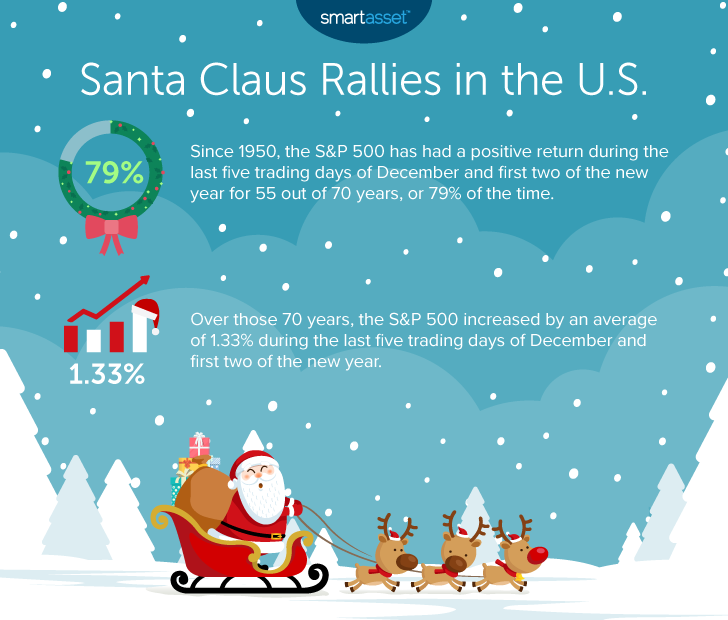
Now, a Santa Claus Rally describes a sustained increase in the stock market that occurs in the last week of December through the first two trading days in January. There are numerous explanations for the causes of a Santa Claus rally including tax considerations, a general feeling of optimism and happiness on Wall Street, and the investing of holiday bonuses.

CITE: https://www.r2library.com/Resource/Title/0826102549

Another theory is that some very large institutional investors, a number of which are more sophisticated and pessimistic, tend to go on vacation at this time, leaving the market to retail investors, who tend to be more bullish.

YOUR COMMENTS ARE APPRECIATED.

Thank You

***

ORDER: https://www.amazon.com/Comprehensive-Financial-Planning-Strategies-Advisors/dp/1482240289/ref=sr_1_1?ie=UTF8&qid=1418580820&sr=8-1&keywords=david+marcinko

***

IRS: Gift and Estate Tax Exempt Limits Increased

By Staff Reporters

***

***

Annual Gift Tax Exclusion Increased

Currently, you can give any number of people up to $17,000 each in a single year without taxation. For 2024, this will be increased to $18,000. For married couples, $36,000 will be available to be given to beneficiaries, tax-free, beginning next year.

Lifetime Gift Tax Exemption

Additionally, the IRS has announced that the lifetime estate and gift tax exemption will increase to $13.61 million in 2024. If a gift exceeds the annual limit ($17,000 this year, $18,000 in 2024), that does not automatically prompt a gift tax. The difference is simply taken from the person’s lifetime exemption limit and no taxes are owed.

COMMENTS APPRECIATED

Thank You

***

***

DAILY UPDATE: Happy “Festivus” with Drug Delays as the Stock Market Win Streak Continues

By Staff Reporters

***

SPONSOR: http://www.MarcinkoAssociates.com

***

Festivus is a secular holiday on December 23rd as an alternative to the pressures and commercialism of the Christmas Season. Originally created by author Daniel O’Keefe, Festivus entered popular culture after it was made the focus of the 1997 Seinfeld episode which O’Keefe’s son, Dan,co-wrote.

The non-commercial holiday’s celebration includes a Festivus dinner, an unadorned aluminum Festivus pole, practices such as the “airing of grievances” and “feats of strength”, and the labeling of easily explainable events as “Festivus miracles”. The TV episode refers to it as “a Festivus for the rest of us”.

It has been described both as a parody holiday festival and as a form of playful consumer resistance. Journalist Allen Salkin describes it as “the perfect secular theme for an all-inclusive December gathering”.

***

***

(Bloomberg) — Drug-makers are slow-walking products to market to get around President Joe Biden’s plan to lower medication prices.

Companies from Roche Holding AG to biotech Alnylam Pharmaceuticals Inc. are among those delaying or evaluating therapies in light of the government’s new ability to negotiate for lower prices. Firms that normally try to sell drugs as soon as possible are suspending clinical trials and shifting timelines, while patient groups are demanding change. 

Here is where the major benchmarks ended:

Here’s where the major benchmarks ended:

  • The S&P 500 index was up 7.88 points (0.2%) at 4,754.63, up 0.8% for the week; the Dow Jones Industrial Average was down 18.38 points at 37,385.97, up 0.2% for the week; the NASDAQ Composite® (COMP) was up 29.11 points (0.2%) at 14,992.97, up 1.2% for the week.
  • The 10-year Treasury note yield (TNX) was up about 1 basis point at 3.901%.
  • The CBOEe® Volatility Index (VIX) was down 0.62 at 13.03.

Small-cap stocks continued a strong finish to the year. The Russell 2000® Index (RUT) rose 0.8% Friday to end at its highest level since April 2022 and rose 2.5% for the week, the small-cap benchmark’s sixth consecutive weekly gain. Regional banks and utilities were also among the strongest performers. In other markets, the U.S. Dollar Index (DXY) extended its recent slide and dropped to its weakest level since late July, reflecting ideas an outlook for lower interest rates may prompt investors to seek higher returns elsewhere.

Finally, with just four trading days left in 2023, the S&P 500 and other major equity benchmarks are poised to turn in a strong year that may more than make up for 2022’s losses. Through Friday, the S&P 500 was up nearly 24% for the year, after tumbling 19.4% in 2022. The Dow Jones Industrial Average and the NASDAQ Composite were up 13% and 43%, respectively, after losing 8.8% and 33% in 2022.

COMMENTS APPRECIATED

Refer a Colleague: MarcinkoAdvisors@msn.com

Your referral Count: 0

Thank You

***

***

EMPLOYEE LAYOFFS: A Different Type of Holiday “Window Dressing”

END-OF-YEAR FINANCE

By Staff Reporters

***

***

We’ve discussed end of year mutual fund “window-dressing” before on this ME-P. Essentially, with mutual funds, window dressing refers to the superficial changes a fund might make to its portfolio of holdings to appear more attractive to current and prospective investors. At a glance, a potential investor might be drawn in with what appears to be good performance. 

For example, a mutual fund management team might choose to sell losing stocks and buy winning ones at or around the end of a quarter. This strategy hides weak performance and gives investors a perception of impressive returns. 

CITE: https://www.r2library.com/Resource/Title/082610254

Window dressing in stocks is an example from another part of the world of finance, as public companies sometimes use window dressing when reporting earnings. Depending on the specifics, this practice can range from “creative accounting” to something bordering on or actually qualifying as fraud.

For example, some economics researchers cite rounding as a manipulative form of window dressing. A firm might round $5.99 million in quarterly earnings up to $6 million because the round number can be more psychologically attractive.

MORE: https://medicalexecutivepost.com/2023/12/02/what-is-mutual-fund-window-dressing/

***

The GM-owned self-driving car company Cruise will lay off 24% of its staff (~900 employees) as well as nine executives following a serious autonomous taxi crash in San Francisco in October 2023 and the vehicles’ subsequent banning in the state of California.

Cruise’s staff reduction appears mostly due to the safety concerns around the company’s robo-taxis, but it comes after a deluge of other high-profile companies made major cuts just before the holidays:

  • Etsy. The online marketplace said it was laying off 11% of its staff. CEO Josh Silverman blamed the macroeconomic environment and previous over-hiring despite gross merchandise sales remaining flat since 2021.
  • Hasbro. The toymaker laid off 1,100 workers (roughly 20% of its staff) after a period of less-than-stellar toy sales following a pandemic surge. This most recent layoff is in addition to the 800 jobs it cut earlier this year.
  • Spotify. The streaming giant announced its third round of 2023 layoffs earlier this month. The company cut 1,500 jobs, which equates to about 17% of staff.
  • Why do companies do this?

Pre-holiday layoffs might seem especially cruel, but sadly, they aren’t uncommon. December job cuts are the quickest way for companies to pad the balance sheet and EOY reports before they show them to shareholders. Plus, it means they’ll have to give out fewer end-of-year bonuses.

COMMENTS APPRECIATED

Thank You

***

***

Of Gray Rhinos & Other Financial Threats!

Rick Kahler MS CFP

By Rick Kahler MS CFP®

“There he is,” our South African guide whispered excitedly. About 200 feet away stood a black rhino, the rarest and most aggressive of the rhinos. The rhino focused his full attention on us as he repeatedly took a few steps and stopped. After several minutes, he moved so a bush blocked our view of him. “Ok, he is using the bush as a cover and is probably going to charge. We need to leave. Start walking backward and keep your eyes in the direction where you saw the rhino.”

As I started backing up as fast as I could, the guide barked in his loudest whisper, “Don’t run! If he charges drop to the ground; he won’t trample you.” I can’t say I was comforted by this bit of information.

This experience taught me a rhino on the horizon represents a real and present danger.

Ignoring it can result in paying a heavy price

At this year’s FPA Retreat, one of the speakers was Michele Wucker, author of The Gray Rhino: How to Recognize and Respond to the Obvious Dangers We Ignore. She said that when it comes to financial planning and investments, rhinos loom everywhere. Wucker described these dangers as different from elephants and black swans.

The elephant in the room is something we see but no one is going to do anything about. It’s not going anywhere, and we will construct our life to accommodate it. Common financial elephants that I see are adult children financially dependent upon enabling parents, a financially controlling spouse with a history of poor financial decisions, or a family member addicted to spending,

A black swan is unpredictable, something we don’t even see. It can be the loss of a job, the sudden death of a breadwinner, or the collapse of a highly rated financial institution.

The grey rhino is something you know is stalking you. You know it is coming, but you don’t know when. The trick to avoiding a rhino is recognizing and acting on the obvious dangers we ignore.

***

Ex-Cathedra black swan

[Black Swan]

***

There are a lot of grey rhinos in the financial world

Here are a few common ones:

1. The next stock market crash. I guarantee you the stock market will crash at some time in the future. The best plan I know is to prepare yourself to do nothing, so you don’t panic and sell.
2. Death. It is certainly inevitable, yet the majority of Americans don’t have a will.
3. Health costs. At some point in your life you will need health care, and good health care is, and will always be, expensive.
4. House and vehicle repairs. Normal wear and tear should come as no surprise.

Yet another critter lurks around the financial landscape: the bat. Where I live, bats show up every evening at dusk, without fail. Financial bats are equally predictable.

These are future events or expenses that we know are coming, such as:

1. College. Subtract each minor child’s age from 18. That’s the number of years you have to save to fund their college education.
2. Retirement. Subtract your age from the age at which you want to quit working. This is how many years you have to accumulate enough wealth to replace your salary.
3. Taxes. We even know the day and the hour on this one.
4. Birthday and Christmas gifts. These come every year, just as reliably as the bats.

Assessment

What’s the best way to cope with this financial zoo? I suggest emulating another animal—the lowly ant from Aesop’s fable. Unlike the happy-go-lucky grasshopper, the ant put away resources so it was prepared for future hardships.

Conclusion

Your thoughts and comments on this ME-P are appreciated. Feel free to review our top-left column, and top-right sidebar materials, links, URLs and related websites, too. Then, subscribe to the ME-P. It is fast, free and secure.

Speaker: If you need a moderator or speaker for an upcoming event, Dr. David E. Marcinko; MBA – Publisher-in-Chief of the Medical Executive-Post – is available for seminar or speaking engagements. Contact: MarcinkoAdvisors@msn.com

OUR OTHER PRINT BOOKS AND RELATED INFORMATION SOURCES:

Risk Management, Liability Insurance, and Asset Protection Strategies for Doctors and Advisors: Best Practices from Leading Consultants and Certified Medical Planners™8Comprehensive Financial Planning Strategies for Doctors and Advisors: Best Practices from Leading Consultants and Certified Medical Planners™

***

HOLIDAY: Tip Etiquette 2023?

GRATUITIES

***

***
COMMENTS APPRECIATED

Thank You

***

***

DOL: Proposes “Best Interest” Retirement Investment Advice

SPONSOR: http://www.MARCINKOASSOCIATES.com

***

***

The Department of Labor’s proposal aims to close governance loopholes and require financial advisers to give retirement advice in the best interests of savers rather than chase the highest payday.

“Bad financial advice by unscrupulous financial advisers driven by their own self-interest can cost a retiree up to 1.2% per year in lost investment,” President Biden said. “That doesn’t sound like much but if you’re living long, it’s a lot of money.

MORE: https://medicalexecutivepost.com/2023/03/11/recast-an-interview-with-fiduciary-bennett-aikin-aif-2/

“Over a lifetime, it can add up to 20% less money when they retire. For a middle-class household, that can amount to tens of thousands of dollars over time.”

MORE: https://marcinkoassociates.com/financial-planning/

FIDUCIARY OATH: https://medicalexecutivepost.com/2023/02/19/the-fiduciary-oath/

***
COMMENTS APPRECIATED

Thank You

***

***

SECTION 179 DEDUCTIONS: Physicians Avoiding IRS Tax Mistakes

By Staff Reporters

***

***

DEFINITION: Section 179 of the U.S. IRS code is an immediate expense deduction that business owners can take for purchases of depreciating business equipment instead of capitalizing and depreciating the asset over a period of time. The Section 179 deduction can be taken if the piece of equipment is purchased or financed and the full amount of the purchase price is eligible for the deduction.

CITE: https://www.r2library.com/Resource/Title/082610254

Not understanding parameters – Eligible property and annual limits

Medical practices may make mistakes by not fully understanding which types of property qualify for a Section 179 deduction. Section 179 is applicable only to assets used for business purposes. Failing to allocate assets properly can lead to improper deductions.

Eligible property for Section 179 may include:

  • Equipment, X-Ray, computers, fax machines, telephones, and other business property
  • Furniture and fixtures
  • Off-the-shelf-software that is used for business operations
  • Improvements to real-estate such as roofs, heating, ventilation, and air-conditioning.

Section 179 limits are updated annually, so it is important for doctors and practice owners to be aware of these limits and to plan accordingly.

Source: Natalie Westfall, Physicians Practice [12/4/23]

COMMENTS APPRECIATED

Thank You

***

***

MICRO-CERTIFICATIONS: Physician Insider Knowledge for Financial Advisor Success?

Micro-Credentials on the Rise

KNOWLEDGE RICHES IN NICHES

DR. DAVID EDWARD MARCINKO MBA CMP

SPONSOR: http://www.CertifiedMedicalPlanner.org

***

***

Do you ever wish you could acquire specific information for your career activities without having to complete a university Master’s Degree or finish our entire Certified Medical Planner™ professional designation program? Well, Micro-Certifications from the Institute of Medical Business Advisors, Inc., might be the answer. Read on to learn how our three Micro-Certifications offer new opportunities for professional growth in the medical practice, business management, health economics and financial planning, investing and advisory space for physicians, nurses and healthcare professionals.

Micro-Certification Basics

Stock-Brokers, Financial Advisors, Investment Advisors, Accountants, Consultants, Financial Analyists and Financial Planners need to enhance their knowledge skills to better serve the changing and challenging healthcare professional ecosystem. But, it can be difficult to learn and demonstrate mastery of these new skills to employers, clients, physicians or medical prospects. This makes professional advancement difficult. That’s where Micro-Certification and Micro-Credentialing enters the online educational space. It is the process of earning a Micro-Certification, which is like a mini-degree or mini-credential, in a very specific topical area.

Micro-Certification Requirements

Once you’ve completed all of the requirements for our Micro-Certification, you will be awarded proof that you’ve earned it. This might take the form of a paper or digital certificate, which may be a hard document or electronic image, transcript, file, or other official evidence that you’ve completed the necessary work.

Uses of Micro-Certifications

Micro-Certifications may be used to demonstrate to physicians prospective medical clients that you’ve mastered a certain knowledge set. Because of this, Micro-Certifications are useful for those financial service professionals seeking medical clients, employment or career advancement opportunities.

Examples of iMBA, Inc., Micro-Certifications

Here are the three most popular Micro-Certification course from the Institute of Medical Business Advisors, Inc:

  • 1. Health Insurance and Managed Care: To keep up with the ever-changing field of health care physician advice, you must learn new medical practice business models in order to attract and assist physicians and nurse clients. By bringing together the most up-to-date business and medical prctice models [Medicare, Medicaid, PP-ACA, POSs, EPOs, HMOs, PPOs, IPA’s, PPMCs, Accountable Care Organizations, Concierge Medicine, Value Based Care, Physician Pay-for-Performance Initiatives, Hospitalists, Retail and Whole-Sale Medicine, Health Savings Accounts and Medical Unions, etc], this iMBA Inc., Mini-Certification offers a wealth of essential information that will help you understand the ever-changing practices in the next generation of health insurance and managed medical care.
  • 2. Health Economics and Finance: Medical economics, finance, managerial and cost accounting is an integral component of the health care industrial complex. It is broad-based and covers many other industries: insurance, mathematics and statistics, public and population health, provider recruitment and retention, health policy, forecasting, aging and long-term care, and Venture Capital are all commingled arenas. It is essential knowledge that all financial services professionals seeking to serve in the healthcare advisory niche space should possess.
  • 3. Health Information Technology and Security: There is a myth that all physician focused financial advisors understand Health Information Technology [HIT]. In truth, it is often economically misused or financially misunderstood. Moreover, an emerging national HIT architecture often puts the financial advisor or financial planner in a position of maximum uncertainty and minimum productivity regarding issues like: Electronic Medical Records [EMRs] or Electronic Health Records [EHRs], mobile health, tele-health or tele-medicine, Artificial Intelligence [AI], benefits managers and human resource professionals.

Other Topics include: economics, finance, investing, marketing, advertising, sales, start-ups, business plan creation, financial planning and entrepreneurship, etc.

How to Start Learning and Earning Recognition for Your Knowledge

Now that you’re familiar with Micro-Credentialing, you might consider earning a Micro-Certification with us. We offer 3 official Micro-Certificates by completing a one month online course, with a live instructor consisting of twelve asynchronous lessons/online classes [3/wk X 4/weeks = 12 classes]. The earned official completion certificate can be used to demonstrate mastery of a specific skill set and shared with current or future employers, current clients or medical niche financial advisory prospects.

Mini-Certification Tuition, Books and Related Fees

The tuition for each Mini-Certification live online course is $1,250 with the purchase of one required dictionary handbook. Other additional guides, white-papers, videos, files and e-content are all supplied without charge. Alternative courses may be developed in the future subject to demand and may change without notice.

***

Contact: For more information, or to speak with an academic representative, please contact Ann Miller RN MHA CMP™ at: MarcinkoAdvisors@msn.com [24/7] -OR- 770-448-0769[9:00 – 5:00 EST].

***

DEAR COLLEAGUES: Are You a Financial Advisor’s “Customer” or “Client”?

By Dr. David Edward Marcinko MBA CMP

SPONSOR: http://www.MarcinkoAssociates.com

First – a little “insider expert” background on the confusion. It exists largely because of the influence that large financial institutions (who earn revenue through the sale of financial products) have on legislators.

The Investment Advisors Act of 1940 requires that anyone giving investment advice must be acting in a fiduciary capacity. The intent was to separate the financial salespeople, who had significant conflicts of interest, from the investment advisors, who had few to none. If you know very little about financial products, would you rather be educated as the customer of a commissioned salesperson or the client of a fee-for-service advisor? Hands down, you’d want the fee-for-service advisor.

Of course, the financial institutions selling products understood this. They were able to influence the drafting of the 1940 Investment Advisors Act, to exclude “any broker or dealer whose performance of such [advisory] services is solely incidental to the conduct of his business as a broker or dealer.” So if salespeople just happen to give some financial advice that is “incidental” to the sale of a product, they and their companies are not held to the fiduciary standard. Our U.S. Congress allows financial companies to advertise as if they are fiduciaries while their sales forces are not held to a fiduciary standard.

Now, according to Rick Kahler CFP®, the same conflict arises in some professional designations, like the Certified Financial Planner® designation conferred by the CFP® Board. The designation initially certified the completion of training in financial planning. In 2008 the Board added a fiduciary requirement to the designation.

However, CFP®’s are only held to a fiduciary requirement when they are doing what the CFP® Board defines as financial planning. If a CFP® professional is giving advice to a client, the fiduciary standard applies. Yet the same professional can sell the same client an annuity with high fees and high commissions, even if the product may not be in the client’s best interest, as long as no “financial planning” is part of the transaction. The result is significant confusion for consumers.

The bottom line is this: when you look for financial advice or financial products, don’t assume the advisor is looking out for you. It’s your responsibility to find out whether any financial professional owes you a fiduciary duty.

So, I suggest you ask directly, “Am I a customer or a client?” The answer is almost always “a client,” as most financial services salespeople honestly don’t know the difference. After you explain that difference, ask them to verify their fiduciary duty in writing. That five-minute solution may have a lasting impact on your financial well-being.

Better yet, consider speaking to your fiduciary focused and fee-only Certified Medical Planner® professional colleagues at D.E. Marcinko & Associates.

“By Doctors – For Doctors”

CMP: http://www.CertifiedMedicalPlanner.org***

COMMENTS APPRECIATED

Thank You

***

***

2024: FOMC Interest Rate Cuts?

By Staff Reporters

***

***

The Dow hit an all-time high yesterday after the Federal Reserve hinted at plans to make multiple rate cuts next year. Not having such a good day was Pfizer, which touched a 10-year low after releasing disappointing projections for 2024 because people just aren’t buying Covid products like they used to.

CITE: https://www.r2library.com/Resource/Title/082610254

Fed rate cuts may come in threes next year

The Federal Reserve had investors popping bottles yesterday, not just because it made the expected move of holding interest rates steady for now but also for signaling that there may be multiple interest rate cuts in 2024. Most Fed officials penciled in three quarter-percentage-point cuts in their projections. Fed Chair Jerome Powell said inflation had “eased” but still did his best to keep everyone from getting too excited, saying, “No one is declaring victory. That would be premature.” Even so, markets started pricing in even more aggressive cuts than the projections.

COMMENTS APPRECIATED

Thank You

***

***

U.S. ECONOMY: Perhaps a “Soft Landing” After All?

YET- HEALTH CARE IS GROWING!

By Staff Reporters

***

***

The US economy is looking like it could avoid a downturn and achieve a soft landing after all. US employers added a more-than-expected 199,000 workers to their payrolls last month, the Bureau of Labor Statistics said recently. The solid result calmed many analysts’ fears that a steeper economic slowdown is imminent due to the Federal Reserve’s earlier interest rate hikes. And, it brings us closer to the coveted “soft landing” scenario, in which the Fed tames inflation on the economy. For example:

  • The unemployment rate unexpectedly ticked down for the first time since July, to 3.7%.
  • Average hourly pay increased by 0.4% and is now up 4% for the year, beating the projected pace of annual price growth.
  • But the job market isn’t quite what it used to be

Last month’s 199-k jobs created were below the average of 240,000 added in the preceding 12 months. Plus, November hiring was confined to just a handful of industries:

  • Healthcare and the government were responsible for two-thirds of the headcount growth, adding 77,000 and 49,000 jobs, respectively.
  • The manufacturing sector gained 28,000 workers—but that was largely due to folks returning to work after striking against the Big Three automakers.
  • CITE: https://www.r2library.com/Resource/Title/082610254

Finally, in another sign that employers might be pulling back from on-boarding new people, the Labor Department reported earlier this week that job openings in late October were at their lowest since March 2021.

COMMENTS APPRECIATED

Thank You

***

***

TELE-HEALTH: The “Smile Direct Club” Frowns

By Staff Reporters

***

7.2 The Skull – Anatomy and Physiology

***

SmileDirectClub is the latest casualty of what some have dubbed a startup Mass Extinction Event.

The telehealth company that attempted to revolutionize traditional orthodontics just announced that it was winding down operations less than three months after it filed for Chapter 11 bankruptcy. At its peak, SmileDirectClub was valued at $8.9 billion and had raised $427 million as a private company before going public in 2019.

CITE: https://www.r2library.com/Resource/Title/082610254

COMMENTS APPRECIATED

Thank You

***

***

***

Why CERTIFIED MEDICAL PLANNERs™ Will Thrive in 2024?

Think Different – Be Different  – Thrive

[By Ann Miller RN MHA]

Letterhead CMP

http://www.CertifiedMedicalPlanner.org

Dear Physician Focused Financial Advisors

Did you know that desperate doctors of all ages are turning to knowledgeable financial advisors and medical management consultants for help? Symbiotically too, generalist advisors are finding that the mutual need for knowledge and extreme niche synergy is obvious.

***

planning

***

But, there was no established curriculum or educational program; no corpus of knowledge or codifying terms-of-art; no academic gravitas or fiduciary accountability; and certainly no identifying professional designation that demonstrated integrated subject matter expertise for the increasingly unique healthcare focused financial advisory niche … Until Now! 

***

CMP logo

http://www.CertifiedMedicalPlanner.org

Enter the CMPs

“The informed voice of a new generation of fiduciary advisors for healthcare”

Think Different

 [Think Different – Be Different – Thrive]

InfoGraphic

http://e.infogr.am/enter_the_certified_medical_planner?src=embed

CMP logo

http://www.CertifiedMedicalPlanner.org

***

So, if you are looking to supplement your knowledge, income and designations; and find other qualified professionals you may want to consider the CMP® program.

Enter the Certified Medical Planner™ charter professional designation. And, CMPs™ are FIDUCIARIES, 24/7.

Channel Surfing the ME-P

Have you visited our other topic channels? Established to facilitate idea exchange and link our community together, the value of these topics is dependent upon your input. Please take a minute to visit. And, to prevent that annoying spam, we ask that you register. It is fast, free and secure.

Conclusion

Your thoughts and comments on this ME-P are appreciated. Feel free to review our top-left column, and top-right sidebar materials, links, URLs and related websites, too. Then, subscribe to the ME-P. It is fast, free and secure.

***

Become a CMP

***

Speaker: If you need a moderator or speaker for an upcoming event, Dr. David E. Marcinko; MBA – Publisher-in-Chief of the Medical Executive-Post – is available for seminar or speaking engagements. Contact: MarcinkoAdvisors@msn.com

OUR OTHER PRINT BOOKS AND RELATED INFORMATION SOURCES:

 Comprehensive Financial Planning Strategies for Doctors and Advisors: Best Practices from Leading Consultants and Certified Medical Planners(TM)* 8

DAILY UPDATE: Economy Modest, Sickle Cell CRISPR Therapy Approved and Stock Markets Rise

By Staff Reporters

***

SPONSOR: http://www.MarcinkoAssociates.com

***

According to the Organization for Economic Cooperation and Development’s November economic outlook report, global growth is on track to stay modest this year and into 2024. And, while gross domestic product growth has been stronger than anticipated in 2023 so far, it’s now “moderating on the back of tighter financial conditions, weak trade growth and lower business and consumer confidence,” the report’s authors noted. The OECD anticipates global GDP growth of 2.9% in 2023, and a dip to 2.7% in 2024. 2025 looks better, with predicted global growth of 3%.

***

The Food and Drug Administration on Friday approved a powerful treatment for sickle cell disease, a devastating illness that affects more than 100,000 Americans, the majority of whom are Black. The therapy, called Casgevy, from Vertex Pharmaceuticals and CRISPR Therapeutics, is the first medicine to be approved in the United States.

CRISPR: https://medicalexecutivepost.com/2022/08/06/crispr-play-by-play-of-an-experiment/

Here is where the major benchmarks ended:

The S&P 500® Index (SPX) was up 0.41% at 4,604.46, up marginally for the week; the Dow Jones Industrial Average (DJI) was up 130 points (0.36%) at 36,247.87, up marginally for the week; the NASDAQ Composite® (COMP) was up 63.98 points (0.45%) at 14,403.97, up 0.7% for the week.The 10-year Treasury note yield (TNX) was up 10 basis points at 4.235%. The CBOE Volatility Index (VIX) was down 5.44% at 12.35.

CITE: https://www.r2library.com/Resource

COMMENTS APPRECIATED

Refer a Colleague: MarcinkoAdvisors@msn.com

Your referral Count: 0

Thank You

***

***

BONDS: Are Best Right Now?

By Staff Reporters

***

CITE: https://www.r2library.com/Resource

***

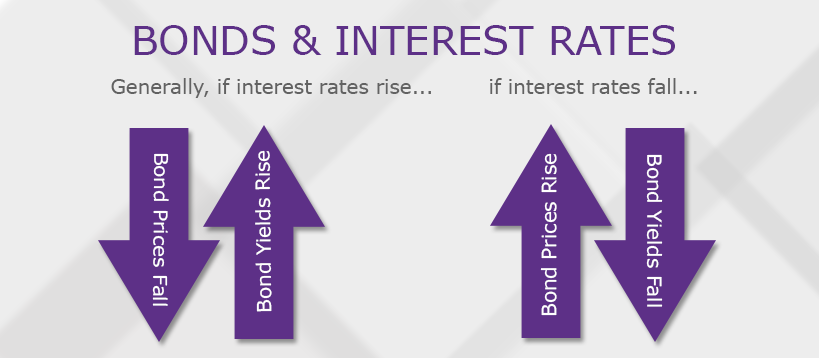
The bond market just finished its best month since 1985, according to the Financial Times, with investor optimism creating a surge in bond prices and a plunge in yields (reminder: they move in opposite directions). The yield on the benchmark 10-year US Treasury note dipped below 4.3% for the first time since September. And other economic measures are looking good:

  • The bond rally spilled over to stocks, where the S&P 500 and Dow just clinched their best months since July 2022 and October 2022, respectively.
  • Mortgage rates dropped for the fifth consecutive week, to 7.22%.

Traders are optimistic that the FOMC may be done hiking interest rates. With recent data showing both consumer spending and the job market cooling down—but not too much—economists see the once-aspirational economic soft landing as achievable, which is great news for Wall Street and to avoid a recession).

CITE: https://www.r2library.com/Resource/Title/082610254

COMMENTS APPRECIATED

Thank You

***

***

DAILY UPDATE: Apple Market Cap Up as Major Stock Indexes Ease

By Staff Reporters

MEDICARE ANNUAL ENROLLMENT ENDS

***

SPONSOR: http://www.MarcinkoAssociates.com

***

Apple regains a $3 trillion market cap and is on track to end the year as the world’s most valuable company for the 5th time in a row.

Today marks the 82nd anniversary of the attack on Pearl Harbor that drew the US into WWII.

Here’s where the major benchmarks ended:

  • The S&P 500® index (SPX) was down 17.84 points (0.4%) at 4,549.34; the Dow Jones Industrial Average® (DJI) was down 70.13 points (0.2%) at 36,054.43; the NASDAQ Composite® (COMP) was down 83.20 points (0.6%) at 14,146.71.
  • The 10-year Treasury note yield (TNX) was down about 5 basis points at 4.117%.
  • The CBOE® Volatility Index (VIX) was up 0.10 at 12.95.

Energy shares were again among the market’s weakest performers as crude oil futures extended a slump, closing below $70 per barrel for the first time since late June on concerns over slowing global demand. And, Liz Ann Sonders of Schwab said a “somewhat stealthy” rotation continued under the market’s surface, with the S&P 500® Equal Weight (SPXEW) and Russell 2000®(RUT) indexes outperforming both the S&P 500 and NASDAQ over the past month or so. She also noted a defensive tone to Wednesday’ trading, illustrated by strength in utilities and weakness in technology.

CITE: https://www.r2library.com/Resource

COMMENTS APPRECIATED

Refer a Colleague: MarcinkoAdvisors@msn.com

Your referral Count: 0

Thank You

***

***

CAPITAL REQUIREMENT BANK RISKS: Basel III Endgame?

By Staff Reporters

***

**

The heads of Wall Street’s eight biggest banks will warn lawmakers today that the “Basel III Endgame” proposal will hurt the economy and hamper lending, according to each of their prepared testimonies. Regulators in July proposed strengthening regulations by requiring large U.S. banks to set aside more capital to absorb potential losses. Banks repeatedly slammed the proposal, saying this is not justified as they are well-capitalized.

The CEOs of the top banks will appear before the Senate Banking Committee today to make their case – Wells Fargo’s (NYSE:WFC) Charles Scharf, Bank of America’s (NYSE:BAC) Brian Thomas Moynihan, JPMorgan’s (NYSE:JPM) Jamie Dimon, Citigroup’s (NYSE:C) Jane Fraser, State Street’s (NYSE:STT) Ronald O’Hanley, BNY Mellon’s (NYSE:BK) Robin Vince, Goldman Sachs’ (NYSE:GS) David Solomon, and Morgan Stanley’s (NYSE:MS) James Gorman.

“The proposed Basel III Endgame rule would unjustifiably and unnecessarily increase capital requirements by 20%-25% for the largest banks,” according to Jamie Dimon’s prepared testimony. “Banks would be limited in their ability to deploy capital in the times we’re most needed, and the rule will have a harmful ripple effect on the economy.”

COMMENTS APPRECIATED

Thank You

***

***

INCOME: It Depends on the Meaning of the Word?

By Staff Reporters

***

Incomes Keep Rising| Concrete Construction Magazine

***

DEFINITION: Income is the money you receive in exchange for your labor or products. Income may have different definitions depending on the context—for example, taxation, financial accounting, or economic analysis. For most people, income is their total earnings in the form of wages and salaries, the return on their investments, pension distributions, and other receipts. For businesses, income is the revenue from selling services, products, and any interest and dividends received with respect to their cash accounts and reserves related to the business. Economists have different definitions of income and different ways of measuring it, from focusing on earnings, savings, consumption, production, public finance, capital investment or other topics … Maybe?

CITE: https://www.r2library.com/Resource

WASHINGTON (Reuters) – The U.S. Supreme Court is set on Tuesday to consider a challenge to the legality of a tax targeting owners of foreign corporations that could undermine efforts at imposing a wealth tax on the very rich in a case that has already sparked controversy over a call for Justice Samuel Alito to recuse.

The justices are due to hear arguments in an appeal by Charles and Kathleen Moore – a retired couple from Redmond, Washington couple – of a lower court’s decision rejecting their challenge to the tax on foreign company earnings, even though those profits had not been distributed.

The one-time “mandatory repatriation tax” (MRT), which applied to taxpayers owning at least 10% of certain foreign corporations, was part of a 2017 Republican-backed tax bill signed into law by former President Donald Trump.

At issue in the case is whether this levy on unrealized gains is allowed under the U.S. Constitution’s 16th Amendment, which enabled Congress to “collect taxes on incomes.” The Moores, backed by the Competitive Enterprise Institute and other conservative and business groups, contend that “income” means only those gains that are realized through payment to the taxpayer, not a mere increase in the value of property.

COMMENTS APPRECIATED

Thank You

***

***

SCOTUS: “Quadrillion-Dollar” IRS Tax Code Question?

By Staff Reporters

SPONSOR: http://www.CertifiedMedicalPlanner.org

***

***

SCOTUS will hear the “quadrillion-dollar” question?

Kicking off the Supreme Court this week will hear oral arguments today for a case that could upend the US tax code.

In Moore v. United States, the justices will be asked to decide whether the federal government can tax certain “unrealized gains”—assets that have yet to be sold.

CITE: https://www.r2library.com/Resource/Title/082610254

***

COMMENTS APPRECIATED

Thank You

***

***

JEROME POWELL: Speaks On “Premature” Interest Rate Cuts

By Staff Reporters

***

What Is Money Factor for SMB? : On Auto Monthly Lease Payment

***

With the Fed’s aggressive rate hikes to curb inflation looking like they’ve finally come to an end thanks to encouraging data on prices falling, investors are starting to look forward to when the central bankers start slashing rates again.

CITE: https://www.r2library.com/Resource/Title/082610254

But Jerome Powell sought to pour some cold water on the rate cut hype cycle during a speech at Spelman College in Atlanta, Georgia yesterday, saying that it was too soon “to speculate on when policy might ease.” However, investors still think he’ll come around: Markets are putting the odds that the Fed will cut rates in March above 50% and are totally convinced it’ll happen by May, according to Bloomberg.

***

COMMENTS APPRECIATED

Thank You

***

***

INFLATION: Cools Down!

By Staff Reporters

SPONSOR: http://www.MARCINKOASSOCIATES.com

***

CITE: https://www.r2library.com/Resource

Inflation continues to cool

The Fed’s preferred inflation measure increased 3% in October, down from 3.4% in September and getting closer to the central bank’s much-ballyhooed target of 2%. A drop in gas prices—down 4.9% from the previous month—was a major factor. Increases in core prices, which strip out food and energy costs, also slowed last month. In the last six months, core inflation has grown at a 2.5% annual rate—down significantly from 5.1% last year.

The news means the Fed will likely keep interest rates unchanged at its final 2023 meeting on December 12t and 13th.

COMMENTS APPRECIATED

Thank You

***

***

DAILY UPDATE: DJIA Rockets Upward!

By Staff Reporters

***

SPONSOR: http://www.MarcinkoAssociates.com

***

***

Here is where the major benchmarks ended:

  • The S&P 500 index was up 17.22 points (0.4%) at 4,567.80, up 8.9% for the month; the Dow Jones Industrial Average was up 520.47 points (1.5%) at 35,950.89, up 8.8% for the month; the NASDAQ Composite was down 32.27 points (0.2%) at 14,226.22, up 10.7% for the month.
  • The 10-year Treasury note yield (TNX) was up about 6 basis points at 4.33%.
  • CBOE® Volatility Index (VIX) was down 0.07 at 12.91.

The Dow’s gain Thursday was driven in part by Salesforce (CRM), which soared nearly 9% after the cloud software company reported stronger-than-expected quarterly results. The technology sector was otherwise soft, with the NASDAQ-100® (NDX) down 0.7% but still up 10.7% for the month. Small-cap stocks also posted a firm November, illustrated by a monthly gain of nearly 9% in the Russell 2000® Index (RUT).

And, Nathan Peterson, director of derivatives analysis at the Schwab Center for Financial Research, said the weakness in tech shares likely reflected consolidation after firm gains earlier this month. The NASDAQ Composite may also face some technical resistance around 14,350, a level where sellers stepped in back in July.

CITE: https://www.r2library.com/Resource

COMMENTS APPRECIATED

Thank You

***

***

CONSUMER CONFIDENCE: Up!

By Staff Reporters

***

***

Consumer confidence rose for the first time in four months

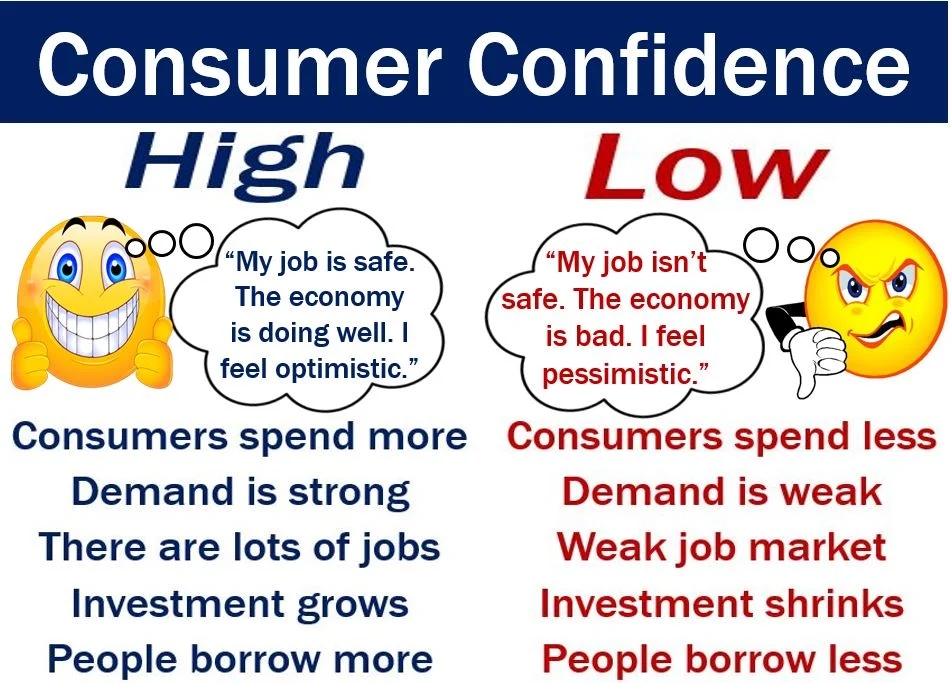
The Consumer Conference Board’s index rose from 99.1 in October to 102 in November thanks to US consumers’ optimism around short-term income, hiring prospects, and the slowdown in inflation. The perceived likelihood of a recession also fell to the lowest level of 2023—though two-thirds of Americans still think one is either “somewhat” or “very likely” to happen in the next year.

The improved economic outlook comes after home prices rose to a new record in September, even as mortgage rates remained elevated.

***

COMMENTS APPRECIATED

Thank You

***

***

GM ALERT: Buy-Back as Stock Rises

By Staff Reporters

SPONSOR: http://www.CERTIFIEDMEDICALPLANNER.org

***

***

General Motors plans to sharply increase cash return to shareholders, as Chief Executive Mary Barra seeks to reassure investors about the health of GM’s core car-making business after setbacks in fledgling pursuits such as electric and driver-less vehicles.

The company just announced it will work to offset higher labor expenses from its new contract with the United Auto Workers and unionized employees in Canada. The contracts will add a total of $9.3 billion in costs over about four years, including $1.5 billion next year, higher than analysts had estimated.

Barra is trying to jump-start GM’s flailing shares while also refocusing investors on the underlying strength of its main business: selling gas- and diesel-powered trucks and SUVs. It marks a shift in the message from recent years, during which the CEO sought to recast GM as a tech company poised to transcend the messy world of car manufacturing.

GM said it would log strong profits this year despite a six-week strike that shaved $1.1 billion from its bottom line in the third and fourth quarters. The company expects full-year operating profit of $11.7 billion to $12.7 billion, after withdrawing its guidance last month during the strike

COMMENTS APPRECIATED

Thank You

***

***

MARCINKO & Associates, Inc.

WHAT WE DO AND HOW WE ASSIST MEDICAL COLLEAGUES

Hard Business Advice AND Personal Lifestyle Coaching

http://www.MARCINKOASSOCIATES.com

By Ann Miller RN MHA CMP™

At Marcinko & Associates our clients traditionally include physicians [MD, MBBS and DO], dentists [DDS and DMD], podiatrists [DPM], Registered Nurses [RNs], Certified Registered Nurse Anesthetists [CRNA], Physician Assistants [PA] and Nurse Practitioners [NP]. A growing cohort of clients include medical technologists, physical, speech and occupational therapists, etc.

The above are naturally segregated into three career tranches: 1. New practitioners, 2] Mid-Career practitioners and 3] Mature practitioners. We serve them all and are fully prepared for any special needs situation that may arise in any tranche [death, divorce, adverse risk event and/or bankruptcy, etc].

Marcinko & Associates understands the complexity of financial and non-financial deal terms because we are also doctors. Our “hard” knowledge of your business comes from being actual healthcare facility owners, operators and medical practitioners [with additional professional licenses and expertise] enabling us to effectively analyze your business, take corrective measures and present your healthcare entity in the best possible and accurate light.

***

But, if you’re looking at this website, chances are you are fed up, burned out, seeking practice management techniques or a better work-life balance. Or, you are looking for a new non-clinical career, thinking of finance, investing, retirement, or all of the above. Perhaps you are just looking to regain the joy and meaning in your medical or professional career? This is known as “soft” psychology, coaching, personal consulting or fraternal advice.

***

Regardless, of your “soft” personal or “hard” corporate needs, our transparent Fees for Service [FFS] model is moderated for all colleagues based on the acuity and urgency of their engagements. Reduced rates and/or limited charity work may also be possible.

***

http://www.DavidEdwardMarcinko.com

CONTACT US TODAYTHRIVE TOMORROW!

Suite #5901 Wilbanks Drive

Norcross, Georgia USA 30092-1141

email: MarcinkoAdvisors@msn.com

***

***

DAILY UPDATE: Interest Rate Cuts, CPA Holidays Spending Watch and the Markets

By Staff Reporters

***

SPONSOR: http://www.MarcinkoAssociates.com

***

Wall Street is gearing up for rate cuts. Yep! Twenty months after the Federal Reserve began a historic campaign against inflation, investors now believe there is a much greater chance that the central bank will cut rates in just four months than raise them again in the foreseeable future.

Interest-rate futures indicated last week a roughly 60% chance the Fed will lower rates by a quarter-of-a-percentage point by its May 2024 policy meeting, up from 29% at the end of October, according to CME Group data. The same data has pointed to four cuts by the end of the year. And, investors, battered by the Fed’s efforts to slow the economy, have reacted by driving the S&P 500 up nearly 9% this month. That is despite the wagers reflecting different possible paths for the economy, not all of them favorable for stocks.

Of course, investors look ahead to the release this week of key US inflation data that could provide a guide for the Federal Reserve’s plans for interest rates going into the new year.

CITE: https://www.r2library.com/Resource

***

Read: Can AI save accounting? (the Journal of Accountancy)

***

Here is where the major benchmarks ended:

  • The S&P 500 Index was down 8.91 points (0.2%) at 4,550.43; theDow Jones Industrial Average® (DJI) was down 56.68 points (0.2%) at 35,333.47; the NASDAQ Composite® was down 9.83 points (0.1%) at 14,241.02.
  • The 10-year Treasury note yield (TNX) was down about 10 basis points at 4.387%.
  • CBOE Volatility Index® (VIX) was up 0.23 at 12.69.

Transportation shares were among the weakest performers Monday, and energy was also soft behind a drop in crude oil futures. Weakness in many retail stocks suggested some concern over consumer spending given high interest rates and slower job growth. The S&P Retail Select Index (SPSIRE) fell 0.6% but is still up 8.2% for the month. Consumer discretionary and real estate shares were among the few gainers.

COMMENTS APPRECIATED

Thank You

***

***

DAILY UPDATE: Holiday Spending Economics with Mixed Stock Markets

By Staff Reporters

***

SPONSOR: http://www.MarcinkoAssociates.com

***

Shopping data reveals that Q4 isn’t as important as one might expect. For example, the holiday quarter in 2022 accounted for 26.8% of the year’s sales, just a hair over the 25% mark if sales were evenly spread across the year, per the US Census Bureau. Of course, some types of retailers depend on the holiday quarter far more than others. Discretionary retailers (which sell the things you want, but don’t need…aka gifts) rely on Q4 for up to 40% of their yearly sales, according to McKinsey. For department stores, clothing stores, and toy stores, the holiday season really is make-or-break. GameStop, for instance, recorded 37% of its annual revenue last year in the last three months of 2022.

But for other retailers, Q4 isn’t such a big deal. People apparently read throughout the year because book stores only depend on the fourth quarter for 27.4% of sales. People also need to eat food all year long: Q4 accounted for 26.3% of sales for grocery stores.

Meanwhile, gas stations, car dealerships, and building material companies perform worse in the holiday quarter than at other times of the year.

Here is where the major benchmarks ended:

CITE: https://www.r2library.com/Resource

The S&P 500 Index was 2.72 up points (0.1%) at 4,559.34, up 1% for the week; the Dow Jones Industrial Average®(DJI) was up 117.12 points (0.3%) at 35,390.15, up 1.3% for the week; the NASDAQ Composite was down 15.00 points (0.1%) at 14,250.85, up 0.9% for the week.

  • The 10-year Treasury note yield (TNX) was up about 5 basis points at 4.47%.
  • CBOE Volatility Index (VIX) was down 0.34 at 12.46.

COMMENTS APPRECIATED

Thank You

***

***

MORTGAGE RATES: Elevated on Black Friday!

By Staff Reporters

***

***

Elevated mortgage rates are set to keep sellers of previously owned homes out of the market heading into next year, but sales will “bottom out” in early 2024, Fannie Mae said this week, before a rebound the following year.

CITE: https://www.r2library.com/Resource

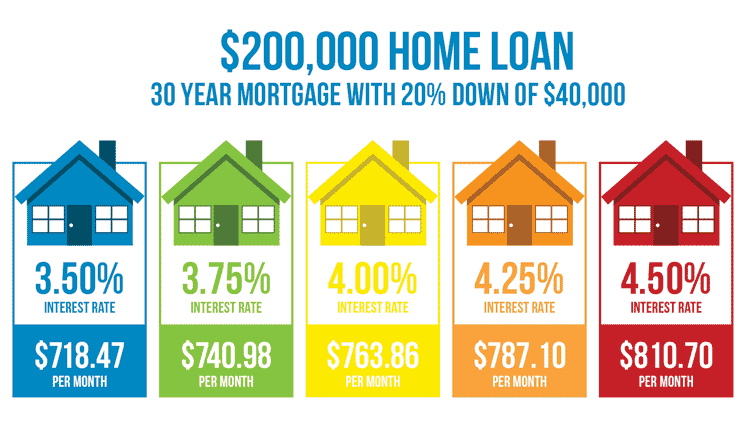
Mortgage rates hovered near 8 percent as recently as October, the highest level it has hit since the turn of the millennium, which has scared used homeowners from selling their homes as many prefer to stay in lower rates secured in years past. This “lock in effect,” as Fannie Mae analysts describe it, has added to a depleted supply of homes available for buyers and helped push up prices.

COMMENTS APPRECIATED

Thank You

***

***

NVIDIA UPDATE: Smashes Revenue Expectations!

By Staff Reporters

***

***

The good times keep rolling for the chip maker. Q3 revenue increased 206% year over year to $18.1 million, topping Wall Street’s estimates of about $16.2 billion. The company’s stock has more than tripled amid the AI boom this year, accounting for a big part of the S&P 500’s tech-fueled rise.

And yet, shares ticked down from record highs in after-hours trading on Tuesday after Nvidia tempered expectations for Q4 due to new restrictions on chip exports to China.

COMMENTS APPRECIATED

Thank You

***

***

MARCINKO & Associates, Inc.

WHAT WE DO AND HOW WE ASSIST MEDICAL COLLEAGUES

Hard Business – Financial Advice AND Personal Lifestyle Coaching

http://www.MARCINKOASSOCIATES.com

***

By Ann Miller RN MHA CMP™

At Marcinko & Associates our clients traditionally include physicians [MD, MBBS and DO], dentists [DDS and DMD], podiatrists [DPM], Registered Nurses [RNs], Certified Registered Nurse Anesthetists [CRNA], Physician Assistants [PA] and Nurse Practitioners [NP]. A growing cohort of clients include medical technologists, physical, speech and occupational therapists, etc.

The above are naturally segregated into three career tranches: 1. New practitioners, 2] Mid-Career practitioners and 3] Mature practitioners. We serve them all and are fully prepared for any special needs situation that may arise in any tranche [death, divorce, adverse risk event and/or bankruptcy, etc].

Marcinko & Associates understands the complexity of financial and non-financial deal terms because we are also doctors. Our “hard” knowledge of your business comes from being actual healthcare facility owners, operators and medical practitioners [with additional professional licenses and expertise] enabling us to effectively analyze your business, take corrective measures and present your healthcare entity in the best possible and accurate light.

***

But, if you’re looking at this website, chances are you are fed up, burned out, seeking practice management techniques or a better work-life balance. Or, you are looking for a new non-clinical career, thinking of finance, investing, retirement, or all of the above. Perhaps you are just looking to regain the joy and meaning in your medical or professional career? This is known as “soft” psychology, coaching, personal consulting or fraternal advice.

***

Regardless, of your “soft” personal or “hard” corporate needs, our transparent Fees for Service [FFS] model is moderated for all colleagues based on the acuity and urgency of their engagements. Reduced rates and/or limited charity work may also be possible.

***

***

CONTACT US TODAYTHRIVE TOMORROW!

Suite #5901 Wilbanks Drive

Norcross, Georgia USA 30092-1141

email: MarcinkoAdvisors@msn.com

***

***

DAILY UPDATE: Inflation Down but Old Navy and the Gap are Up as Altman Goes to Microsoft

By Staff Reporters

***

SPONSOR: http://www.MarcinkoAssociates.com

***

News last week that inflation eased more than expected in October solidified the view that the Federal Reserve is done with its most aggressive rate-hike campaign in four decades. And that could be a boon for the stock market and your 401(k).

Over the last 10 rate hike cycles dating to 1974, the S&P 500 index rose an average 14.3% in the 12 months following the Fed’s final rate increase, according to an analysis by Ryan Detrick, chief market strategist at Carson Group.

***

Stocks climbed to reach their third positive week in a row for the first time since summer, boosted by data showing inflation is on its way down. And, the Gap soared as the retailer reported strong sales last quarter at both Old Navy and its namesake stores.

CITE: https://www.r2library.com/Resource

COMMENTS APPRECIATED

Thank You

***

***

DAILY UPDATE: Mixed U.S. Stock Markets

By Staff Reporters

***

SPONSOR: http://www.MarcinkoAssociates.com

***

***

Over the course of the last few weeks, Cathie Wood of ARKK has been offloading the firm’s holdings in Roku, Inc. (NASDAQ:ROKU). Across all of her firm’s funds, Wood has sold stock in the streaming company totaling over $56 million. The move comes after Roku released its financials for q3. 

Here is where the major benchmarks ended:

  • The S&P 500 Index was up 5.36 points (0.1%) at 4,508.24; the Dow Jones Industrial Average was down 45.74 points (0.1%) at 34,945.47; the NASDAQ Composite was up 9.84 points (0.1%) at 14,113.67.
  • The 10-year Treasury note yield (TNX) was uabout 9 basis points at 4.445%.
  • Cboe’s Volatility Index (VIX) was up 0.14 at 14.32.

Walmart’s commentary weighed on the retail sector. Energy was also a laggard, as crude oil futures fell 5% to a four-month low of less than $73 a barrel, in part because record U.S. crude production has boosted supply.

CITE: https://www.r2library.com/Resource

COMMENTS APPRECIATED

Thank You

***

***

CASH AMERICANS: Stock Markets Up as We Spend Dollars

By Staff Reporters

SPONSOR: http://www.MARCINKOASSOCIATES.com

***

***

The S&P 500 Index was up 84.15 points (1.9%) at 4,495.70; the Dow Jones Industrial Average (DJI) was up 489.83 points (1.4%) at 34,827.70; the NASDAQ Composite (COMP) was up 326.64 points (2.4%) at 14,094.38.

And, new data shows Americans have more cash sitting in the bank than they did before the COVID pandemic.

  • Americans have ~10%–15% more in their bank accounts than they did in 2019,  according to a JPMorgan Chase analysis of 9 million Chase customers’ checking and savings accounts.
  • Meanwhile, after lagging behind inflation for two years, wages are finally rising faster than prices. Last month, hourly wages were up 4%, while prices for consumer goods only climbed 3%.

Though Americans have more funds than they did before they had an opinion on the best brand of hand sanitizer, median account balances have dipped more than 41% from their peak in April 2021, when people collected stimulus checks with nowhere to go spend them, the Chase analysis shows. And people still want to shop—consumer sentiment spiked to an almost two-year high this month.

It helps explain why the recession that Wall Street kept warning us about hasn’t materialized, according to the Washington Post.

***

***

COMMENTS APPRECIATED

Thank You

***

What is Financial CARRIED INTEREST?

A TAX LOOPHOLE?

BY DR. DAVID E. MARCINKO MBA CMP®

CMP logo

SPONSOR: http://www.CertifiedMedicalPlanner.org

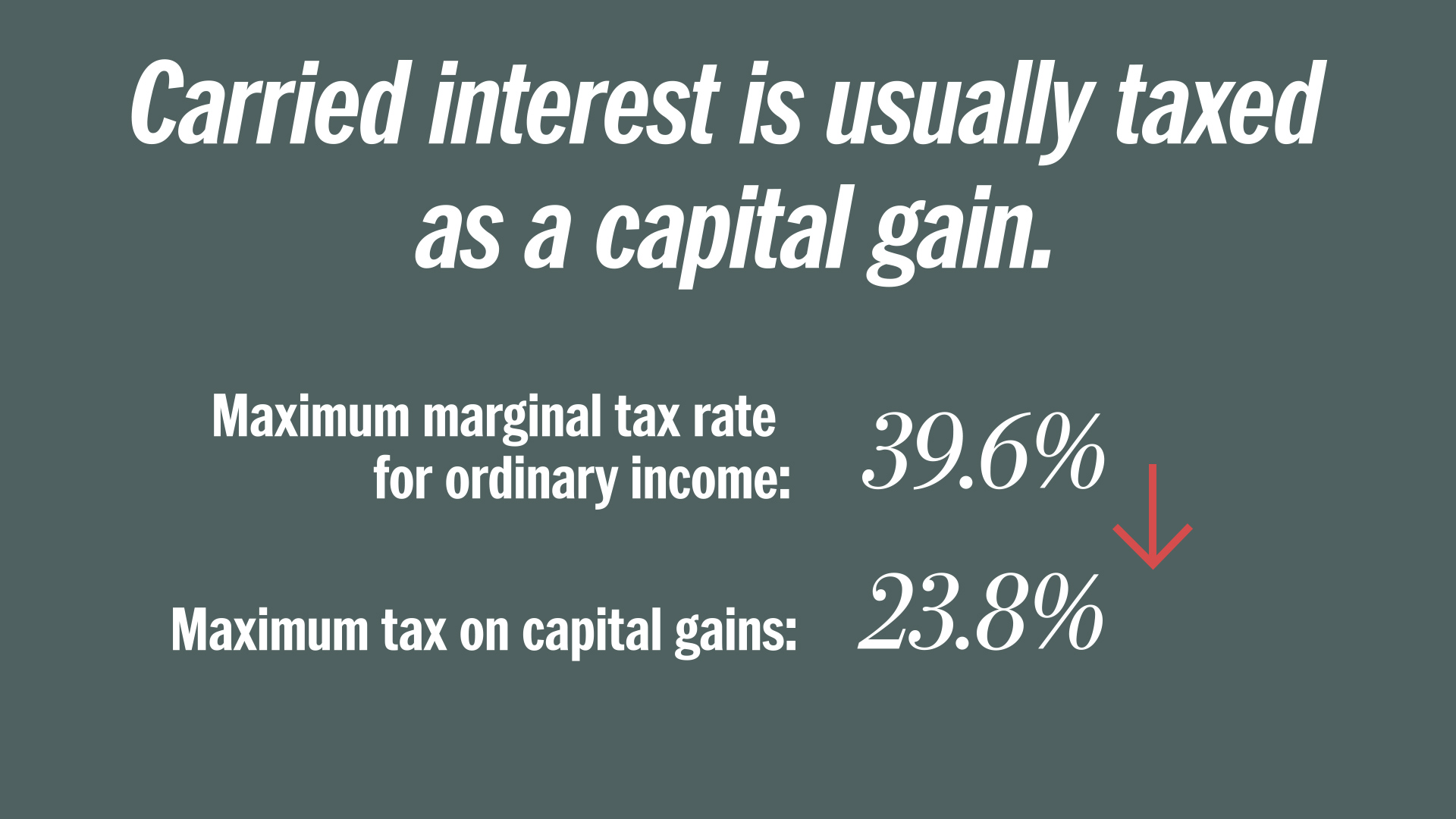
Carried interest, or carry, in finance, is a share of the profits of an investment paid to the investment manager in excess of the amount that the manager contributes to the partnership, specifically in alternative investments (private equity and hedge funds).

CITE: https://www.r2library.com/Resource/Title/0826102549

In small businesses that are not blind pools, such as single property real estate, the investment manager often funds the business prior to the formation of the partnership. It is a performance fee, rewarding the manager for enhancing performance. The structure also takes advantage of favorable tax treatment in the United States.

However, critics of carried interest want it to be reclassified as ordinary income – not capital gains – to be taxed at the ordinary income tax rate. Private equity advocates argue that the increased tax will subdue the incentive to take the kind of risk that is necessary to invest in and manage companies to profitability.

***

What is the carried interest tax loophole?

***

TAXATION: https://www.taxpolicycenter.org/briefing-book/what-carried-interest-and-how-it-taxed

YOUR COMMENTS ARE APPRECIATED.

***

ORDER: https://www.amazon.com/Comprehensive-Financial-Planning-Strategies-Advisors/dp/1482240289/ref=sr_1_1?ie=UTF8&qid=1418580820&sr=8-1&keywords=david+marcinko

Thank You

***

FEES: Online Investment Platforms?

***

DR. DAVID EDWARD MARCINKO MBA CMP

SPONSOR: http://www.MARCINKOASSOCIATES.com

***

***

Regardless of the technology infra-structure, there are generally four types of fees that an online investment platforms charge:

  • Trading Fees: Any fixed charge attached to each trade that you make. This will typically be either a flat fee or what’s known as the “spread,” when your broker charges you based on the difference between the buying and the selling price of an asset.
  • Trading Commissions: This is when a broker will charge you for each trade you make based on a percentage of the volume or value of each trade.
  • Inactivity Fees: Any fees that the broker charges you for not trading, such as for keeping money in a brokerage account.
  • Non-Trading/Other Fees: Any form of fee for using this platform not covered above. For example, a brokerage might charge you for making deposits into your account, taking money out of it or signing up for additional services.
  • CITE: https://www.r2library.com/Resource

***

COMMENTS APPRECIATED

Thank You

***

***

***

Our iMBA e-Book Sales and Service

The Institute of Medical Business Advisors is a leading national scope provider of healthcare economics, finance, investing, managerial accounting, policy, management and business administration education and medical practice management textbooks, reports, hand-books, dictionaries, journals, white-papers, fair-market valuations [FMV] and legal advisory opinions using multi-platform and traditional seminars and channels of knowledge distribution. iMBA helps the nation’s financial, healthcare and education professionals make decisive improvements in their direction and performance by empowering them through unbiased information, consultants and proprietary tools, books, templates and B-school styled case models.A virtuous “win-win” situation for all concerned.

Link: https://medicalexecutivepost.com/me-pr-a-new-feature/

The firm serves universities, medical, business, graduate and nursing schools; physicians, dentists, attorneys and legal societies – accountants, financial service providers, stock brokers, RIAs, wealth and hedge fund managers – emerging entities, hospitals, clinics, outpatient centers, CXOs and their BODs – the press, media and related academic entities.

Link: http://www.MarcinkoAssociates.com

***

AT YOUR SERVICE

***

DAILY UPDATE: Powell Speaks and Stock Markets Tumble

By Staff Reporters

***

***

The NYSE and the NASDAQ will follow a regular schedule on Friday, the day before Veterans Day. The U.S. bond market, which may be poised for a big comeback next year if yields continue to fall, will be open Friday as usual.

***

The major indexes ended a brief winning streak after comments from Fed Chairman Jerome Powell stoked concerns over interest rates. More interest-rate hikes are still a possibility to bring inflation under control, he said. In a dramatic campaign to tamp down inflation, the Federal Reserve has raised the benchmark federal funds rate to a range of 5.25% to 5.5%, a 22-year high.

Here is where the major stock market benchmarks ended:

  • The S&P 500 Index was down 35.43 points (0.8%) at 4,347.35; the Dow Jones Industrial Average was down 220.33 points (0.7%) at 33,891.94; the NASDAQ Composite was down 128.97 points (0.9%) at 13,521.45.
  • The 10-year Treasury note yield was up about 12 basis points at 4.632%.
  • CBOEs Volatility Index (VIX) was up 0.84 at 15.28.

Nearly every market sector was under pressure Thursday, with consumer discretionary and health care among the weakest performers. Energy shares were an exception, thanks to a rebound in crude oil futures, though oil prices remain near the 3½-month lows touched earlier this week. The U.S. dollar index (DXY) strengthened for the fourth- straight day.

CITE: https://www.r2library.com/Resource

***

COMMENTS APPRECIATED

Thank You

***

CERTIFIED MEDICAL PLANNERs™ Rising thru Niche Physician Knowledge?

Think Different – Be Different  – Thrive

[By Ann Miller RN MHA]

Letterhead CMP

http://www.CertifiedMedicalPlanner.org

Dear Physician Focused Financial Advisors

Did you know that desperate doctors of all ages are turning to knowledgeable financial advisors and medical management consultants for help? Symbiotically too, generalist advisors are finding that the mutual need for knowledge and extreme niche synergy is obvious.

***

planning

***

But, there was no established curriculum or educational program; no corpus of knowledge or codifying terms-of-art; no academic gravitas or fiduciary accountability; and certainly no identifying professional designation that demonstrated integrated subject matter expertise for the increasingly unique healthcare focused financial advisory niche … Until Now! 

***

CMP logo

http://www.CertifiedMedicalPlanner.org

Enter the CMPs

“The informed voice of a new generation of fiduciary advisors for healthcare”

Think Different

 [Think Different – Be Different – Thrive]

InfoGraphic

http://e.infogr.am/enter_the_certified_medical_planner?src=embed

CMP logo

http://www.CertifiedMedicalPlanner.org

***

So, if you are looking to supplement your knowledge, income and designations; and find other qualified professionals you may want to consider the CMP® program.

Enter the Certified Medical Planner™ charter professional designation. And, CMPs™ are FIDUCIARIES, 24/7.

Channel Surfing the ME-P

Have you visited our other topic channels? Established to facilitate idea exchange and link our community together, the value of these topics is dependent upon your input. Please take a minute to visit. And, to prevent that annoying spam, we ask that you register. It is fast, free and secure.

Conclusion

Your thoughts and comments on this ME-P are appreciated. Feel free to review our top-left column, and top-right sidebar materials, links, URLs and related websites, too. Then, subscribe to the ME-P. It is fast, free and secure.

***

Become a CMP

***

Speaker: If you need a moderator or speaker for an upcoming event, Dr. David E. Marcinko; MBA – Publisher-in-Chief of the Medical Executive-Post – is available for seminar or speaking engagements. Contact: MarcinkoAdvisors@msn.com

OUR OTHER PRINT BOOKS AND RELATED INFORMATION SOURCES:

 Comprehensive Financial Planning Strategies for Doctors and Advisors: Best Practices from Leading Consultants and Certified Medical Planners(TM)* 8

US Credit Card Balances & Microsoft Stock Both Jump

By Staff Reporters

***

***

US credit card balances have jumped to a record $1.08 trillion, according to the New York Federal Reserve.

Nevertheless, Stocks rose for the seventh straight day on Tuesday, giving the NASDAQ and S&P 500 their longest winning streaks since 2021. The surge was fueled by a rally in Big Tech and a growing consensus that the Federal Reserve Bank is done raising interest rates. Chief among the tech revelers was Microsoft, which finished the day at an all-time high amid strong demand for its cloud computing services.

CITE: https://www.r2library.com/Resource

COMMENTS APPRECIATED

Thank You

***

***

“WeWork”: Officially Bankrupt

WeWork = Did Not Work!

By Staff Reporters

***

***

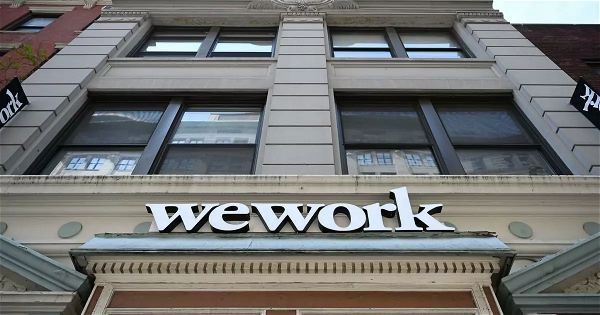
WeWork, the coworking company just filed for Chapter 11 bankruptcy protection in New Jersey after years of struggles that began with a failed IPO in 2019. It aborted the IPO after investors got a look at its finances and just how much power WeWork’s eccentric founder Adam Neumann possessed.

CITE: https://www.r2library.com/Resource

WeWork (which eventually went public via SPAC) has suffered from having signed on to very expensive leases in its pre-IPO rush to grow.

SPAC: https://medicalexecutivepost.com/2022/06/13/spac-v-direct-listing-v-ipo/

In 2019, the company was valued at $47 billion, but it has since fallen steadily, and this year, its stock has plunged by 98%, giving it a ~$45 million value as of last week.

MORE: https://www.baltimoresun.com/business/ct-biz-wework-bankruptcy-filing-20231107-vdw7fbh7hfdftktesoos6clv6u-story.html

COMMENTS APPRECIATED

Thank You

***

***

FINANCIAL PLANNING: Physician Niche Focused Fiduciaries

(“Informed Voice of a New Generation of Fiduciary Advisors for Healthcare”)

By Dr. David Edward Marcinko MBA CMP

http://www.MarcinkoAssociates.com

As fellow doctors, we understand better than most the more complex financial challenges physicians can face when it comes to their financial planning. Of course, most physicians ultimately make a good income, but it is the saving, asset and risk management tolerance and investing part that many of our colleagues’ struggle with. Far too often physicians receive terrible guidance, have no time to properly manage their own investments and set goals for that day when they no longer wish to practice medicine.

For the average doctor or healthcare professional, the feelings of pride and achievement at finally graduating are typically paired with the heavy burden of hundreds of thousands of dollars in student loan debt.

You dedicated countless hours to learning, studying, and training in your field. You missed birthdays and holidays, time with your families, and sacrificed vacations to provide compassionate and excellent care for your patients. Amidst all of that, there was no time to give your finances even a second thought.

Between undergraduate, medical school, and then internship and residency, most young physicians do not begin saving for retirement until late into their 20s, if not their 30s. You’ve missed an entire decade or more of allowing your money and investments to compound and work for you. When it comes to addressing your financial health and security, there’s no time to waste.

And you may be misled by unscrupulous “advisors”.

For example:

Question: Do you know the difference between a “Fee-Only” and a “Fee-Based financial advisor? Not knowing may cost you tens of thousands of dollars, or more, in excessive advisory fees.

MORE: https://marcinkoassociates.com/financial-planning/

Of course, all of this compound’s physician stress and burnout related issues, as well.

MORE: https://marcinkoassociates.com/process-what-we-do/

COMMENTS APPRECIATED

Thank You

***

***

REAL ESTATE: Commissions

By Staff Reporters

***

A federal jury in Missouri last week found the National Association of Realtors and large brokerages conspired to keep commissions artificially high, finding them liable for $1.8 billion in damages.

MORE: https://medicalexecutivepost.com/2023/01/19/real-estate-for-physician-investors/

This decision could have a major impact on anyone buying or selling a home. For one, it could lead to a 30% decrease in the $100 billion Americans pay in real estate commissions every year, according to investment banking firm Keefe, Bruyette & Woods (KBW).

MORE: https://medicalexecutivepost.com/2022/12/07/daily-update-down-real-estate-and-down-markets/

***

***

On Merging Medical Practices

By David Edward Marcinko MBA CMP

***

SPONSOR: http://www.MARCINKOASSOCIATES.com

Merging Medical Practices

There are only three possibilities if you want to go into practice for yourself; buy a practice; franchise a business, or start one. However, if you have an existing practice, merging it to form a larger entity can be a satisfying experience. The pace of practice mergers is accelerating, but it is often difficult to make an informed judgment about synergy. Mergers make sense only if the resulting value is more than additive to the original; not duplicative.

CITE: https://www.r2library.com/Resource

Unfortunately, far too many mergers fail to create, or actually destroy existing value. So, look for complimentary processes, personalities and ideas. In a merger of two existing practices, there is no substitute for personal interaction between employees and physician-management. This creates cross-pollination and new ideas in everything from service-lines and the patient production process, to marketing and finance, and to proprietary and intellectual rights. Most importantly, it allows
diversity of ideas.

And so, the following are questions to consider when contemplating a medical practice
merger:


 What are the risks of this transaction and how are they mitigated?
 Will talented employees be retained on both sides and can an exodus be
prevented?
 Are the specific liabilities of each practice known? Remember, the farther outside
your area of specialty or expertise, the greater the risk of being wrong.
 Will I appraise each practice independently, and correctly?
 Where will employee allegiance rest?
 What is the name, and logo, of the new entity? Who will be the CEO?

Vertical Integration: https://medicalexecutivepost.com/2023/04/14/integration-as-a-competitive-strategy-in-healthcare-reform/

More: https://medicalexecutivepost.com/2022/06/19/healthcare-mergers-acquisitions-2021-in-review/

COMMENTS APPRECIATED

Thank You

***

***

***

***

MICRO-CERTIFICATIONS: Financial Advisors Seeking Physician-Client Niche Success?

Micro-Credentials on the Rise

KNOWLEDGE RICHES IN NICHES

DR. DAVID EDWARD MARCINKO MBA CMP

SPONSOR: http://www.CertifiedMedicalPlanner.org

***

***

Do you ever wish you could acquire specific information for your career activities without having to complete a university Master’s Degree or finish our entire Certified Medical Planner™ professional designation program? Well, Micro-Certifications from the Institute of Medical Business Advisors, Inc., might be the answer. Read on to learn how our three Micro-Certifications offer new opportunities for professional growth in the medical practice, business management, health economics and financial planning, investing and advisory space for physicians, nurses and healthcare professionals.

Micro-Certification Basics

Stock-Brokers, Financial Advisors, Investment Advisors, Accountants, Consultants, Financial Analyists and Financial Planners need to enhance their knowledge skills to better serve the changing and challenging healthcare professional ecosystem. But, it can be difficult to learn and demonstrate mastery of these new skills to employers, clients, physicians or medical prospects. This makes professional advancement difficult. That’s where Micro-Certification and Micro-Credentialing enters the online educational space. It is the process of earning a Micro-Certification, which is like a mini-degree or mini-credential, in a very specific topical area.

Micro-Certification Requirements

Once you’ve completed all of the requirements for our Micro-Certification, you will be awarded proof that you’ve earned it. This might take the form of a paper or digital certificate, which may be a hard document or electronic image, transcript, file, or other official evidence that you’ve completed the necessary work.

Uses of Micro-Certifications

Micro-Certifications may be used to demonstrate to physicians prospective medical clients that you’ve mastered a certain knowledge set. Because of this, Micro-Certifications are useful for those financial service professionals seeking medical clients, employment or career advancement opportunities.

Examples of iMBA, Inc., Micro-Certifications

Here are the three most popular Micro-Certification course from the Institute of Medical Business Advisors, Inc:

  • 1. Health Insurance and Managed Care: To keep up with the ever-changing field of health care physician advice, you must learn new medical practice business models in order to attract and assist physicians and nurse clients. By bringing together the most up-to-date business and medical prctice models [Medicare, Medicaid, PP-ACA, POSs, EPOs, HMOs, PPOs, IPA’s, PPMCs, Accountable Care Organizations, Concierge Medicine, Value Based Care, Physician Pay-for-Performance Initiatives, Hospitalists, Retail and Whole-Sale Medicine, Health Savings Accounts and Medical Unions, etc], this iMBA Inc., Mini-Certification offers a wealth of essential information that will help you understand the ever-changing practices in the next generation of health insurance and managed medical care.
  • 2. Health Economics and Finance: Medical economics, finance, managerial and cost accounting is an integral component of the health care industrial complex. It is broad-based and covers many other industries: insurance, mathematics and statistics, public and population health, provider recruitment and retention, health policy, forecasting, aging and long-term care, and Venture Capital are all commingled arenas. It is essential knowledge that all financial services professionals seeking to serve in the healthcare advisory niche space should possess.
  • 3. Health Information Technology and Security: There is a myth that all physician focused financial advisors understand Health Information Technology [HIT]. In truth, it is often economically misused or financially misunderstood. Moreover, an emerging national HIT architecture often puts the financial advisor or financial planner in a position of maximum uncertainty and minimum productivity regarding issues like: Electronic Medical Records [EMRs] or Electronic Health Records [EHRs], mobile health, tele-health or tele-medicine, Artificial Intelligence [AI], benefits managers and human resource professionals.

Other Topics include: economics, finance, investing, marketing, advertising, sales, start-ups, business plan creation, financial planning and entrepreneurship, etc.

How to Start Learning and Earning Recognition for Your Knowledge

Now that you’re familiar with Micro-Credentialing, you might consider earning a Micro-Certification with us. We offer 3 official Micro-Certificates by completing a one month online course, with a live instructor consisting of twelve asynchronous lessons/online classes [3/wk X 4/weeks = 12 classes]. The earned official completion certificate can be used to demonstrate mastery of a specific skill set and shared with current or future employers, current clients or medical niche financial advisory prospects.

Mini-Certification Tuition, Books and Related Fees

The tuition for each Mini-Certification live online course is $1,250 with the purchase of one required dictionary handbook. Other additional guides, white-papers, videos, files and e-content are all supplied without charge. Alternative courses may be developed in the future subject to demand and may change without notice.

***

Contact: For more information, or to speak with an academic representative, please contact Ann Miller RN MHA CMP™ at: MarcinkoAdvisors@msn.com [24/7] -OR- 770-448-0769[9:00 – 5:00 EST].

***