BOARD CERTIFICATION EXAM STUDY GUIDES Lower Extremity Trauma
[Click on Image to Enlarge]
ME-P Free Advertising Consultation
The “Medical Executive-Post” is about connecting doctors, health care executives and modern consulting advisors. It’s about free-enterprise, business, practice, policy, personal financial planning and wealth building capitalism. We have an attitude that’s independent, outspoken, intelligent and so Next-Gen; often edgy, usually controversial. And, our consultants “got fly”, just like U. Read it! Write it! Post it! “Medical Executive-Post”. Call or email us for your FREE advertising and sales consultation TODAY [678.779.8597] Email: MarcinkoAdvisors@outlook.com
Medical & Surgical e-Consent Forms
ePodiatryConsentForms.com
iMBA Inc., OFFICES
Suite #5901 Wilbanks Drive, Norcross, Georgia, 30092 USA [1.678.779.8597]. Our location is real and we are now virtually enabled to assist new long distance clients and out-of-town colleagues.
ME-P Publishing
SEEKING INDUSTRY INFO PARTNERS?
If you want the opportunity to work with leading health care industry insiders, innovators and watchers, the “ME-P” may be right for you? We are unbiased and operate at the nexus of theoretical and applied R&D. Collaborate with us and you’ll put your brand in front of a smart & tightly focused demographic; one at the forefront of our emerging healthcare free marketplace of informed and professional “movers and shakers.” Our Ad Rate Card is available upon request [678-779-8597].
Also called “qualified” or “statutory” stock options, ISOs are considered tax-advantaged stock options based on U.S. tax law. With ISOs, the spread (the difference between the award price and the fair market value) will count as income for the alternative minimum tax (AMT) in the year you exercise your options.
Example: If you exercise and hold the shares for more than one year past the exercise date and more than two years past the original grant date, the sale of the stock becomes a qualifying disposition, and any realized profit is typically taxed at the long-term capital gains rate. If you sell earlier, the spread will be taxed at your ordinary income tax rate.
ISOs vs. NSOs: What’s the difference?
There are two types of employee stock options: statutory and nonstatutory. They can also be referred to as qualified and nonqualified, respectively. ISOs are statutory (qualified) and differ from nonstatutory (nonqualified) stock options (NSOs) in a few key ways:
Eligibility. ISOs are issued only to employees, whereas NSOs can be granted to outside service providers like advisors, board directors or other consultants. Typically, mainly senior executives or key employees are given ISOs, as a company is not required to offer ISOs to all employees.
Tax perks. ISOs have more compelling tax treatment compared with NSOs.
Overconfident Investing Bias happens when we believe we can out-smart other investors via market timing or through quick, frequent trading. This causes the results of a study to be unreliable and hard to reproduce in other research settings.
Example: Data convincingly shows that people and financial planners/advisors and wealth managers who trade most often under-perform the market by a significant margin over time. Active traders lose money.
Example: Overconfidence Investing Bias moreover leads to: (1) excessive trading (which in turn results in lower returns due to costs incurred), (2) underestimation of risk (portfolios of decreasing risk were found for single men, married men, married women, and single women), (3) illusion of knowledge (you can get a lot more data nowadays on the internet) and (4) illusion of control (on-line trading).
Posted on July 13, 2025 by Dr. David Edward Marcinko MBA MEd CMP™
By Health Capital Consultants LLC
***
***
On June 25th, 2025, the Centers for Medicare & Medicaid Services (CMS) released its forecast on U.S. healthcare spending through 2033. The analysis, published in Health Affairs, estimated healthcare spending growth in 2024 and projected the growth into 2033. CMS found that overall healthcare spending growth has decreased slightly but is still elevated compared to pre-pandemic levels, and is expected to continue to moderately grow.
This Health Capital Topics article examines the factors underlying the forecasts. (Read more…)
Stocks: The major Wall Street stock indexes languished. The S&P pulled back from its record high to close the week just a bit lower, but the NASDAQ managed to post a gain across the week.
Crypto: Bitcoin hit a new high-water mark above $118,000. Next week, July 14th, Congress hosts “Crypto Week” to discuss regulating the industry in a growth-oriented manner.
Commodities: Silver rose to its highest level since 2011, and it’s been even hotter than gold. The metal is up ~27% this year. Oil, meanwhile, ticked higher on speculation that President Trump will place more sanctions on Russia early next week.
Bitcoin notched another all-time record yesterday, beating the previous record that was set two days ago.
Goldman Sachs plans to ask junior bankers to certify their loyalty every three months in order to prevent poaching by private equity firms, Bloomberg reported.
Stocks: Jobless claims came in lower than expected, the 30-year US bond auction met with strong demand, and Delta Airlines unofficially kicking off earnings season with a solid report. The S&P 500 and the NASDAQhit record highs.
Crypto: Bitcoin reached a record high for the second day in a row, hitting $113,863.31 today. The crypto’s price has stayed above $100k for 60 consecutive days.
Commodities: Coffee futures in New York climbed as much as 3.5% in response to President Trump’s threat to slap 50% tariffs on Brazil, which is the top producer of higher-end arabica coffee.
Stocks: The major indexes plowed higher with the minutes of the last FOMC meeting showing that officials were not at all united about when to begin cutting rates. Investors also treated more tariff letters sent by President Trump to seven more countries including Iraq and the Philippines as not vital.
Bonds: US Treasuries snapped a five-day losing streak after a $39 billion sale of 1-year notes was met with solid demand.
Posted on July 6, 2025 by Dr. David Edward Marcinko MBA MEd CMP™
By Health Capital Consultants LLC
***
***
On June 9th, 2025, Oregon’s governor signed into law the country’s strictest corporate practice of medicine (CPOM) prohibition. Senate Bill (SB) 951 will severely curtail the involvement of private equity firms and other corporations in the state’s medical practices.
This Health Capital Topics reviews the bill and discusses the implications on the healthcare industry. (Read more…)
The S&P 500 closed within a hair of a new record yesterday marking an enormous comeback that followed the April announcement of “Liberation Day” tariffs.
Despite a persistent vibe of uncertainty related to US economic policy and geopolitics:
The S&P 500 closed less than 0.1% away from a record high which it notched in February before cratering nearly 20% in April. The index has regained ground in fits and starts since then and briefly surpassed its record in intra-day trading yesterday.
On Monday, the tech-heavy NASDAQ 100 one-upped the broader market and logged its highest-ever close. It came after President Trump said Israel and Iran agreed to a ceasefire, which eased investors’ concerns about a potential oil crisis.
According to Morning Brew, between unresolved geopolitical conflicts and President Trump’s still-unfolding tariff policies, a portfolio manager with Capital Wealth Planning, Kevin Simpson, told CNBC that he was “surprised by the magnitude of the rebound.”
Deals: Stocks popped at the open yesterday on the news that Canada has rescinded the digital services tax in order to lure the US back to the negotiating table. Meanwhile, Bloomberg reported that the EU will accept a 10% universal tariff in exchange for some key concessions.
Stocks: The S&P 500 and the NASDAQ both hit new record highs today, with the S&P 500 wrapping up its best quarter since Q4 20
The Fed: President Trump published a handwritten note asking Jerome Powell to cut interest rates, even as the White House considers new ways to replace the Fed Chair. Meanwhile, Goldman Sachs now sees the chances of the Fed cutting interest rates in September as “somewhat above 50%.”
Posted on June 30, 2025 by Dr. David Edward Marcinko MBA MEd CMP™
By Health Capital Consultants; LLC
***
***
On May 22, 2025, the U.S. House of Representatives moved President Trump’s budget proposal forward, sending to the Senate a budget reconciliation bill (with a one-vote margin) – the One Big Beautiful Bill Act of 2025 – that renews expiring tax cuts and enacts new ones at a cost of almost $4 trillion. These costs would largely be paid for by cuts to other programs, including to federal healthcare programs, which cuts will have significant ramifications for the healthcare industry.
This Health Capital Topics article reviews the current status of the budget bill and healthcare industry implications. (Read more…)
Assets under advisement refer to assets on which your firm provides advice or consultation but for which your firm does either does not have discretionary authority or does not arrange or effectuate the transaction. Such services would include financial planning or other consulting services where the assets are used for the informational purpose of gaining a full perspective of the client’s financial situation, but you are not actually placing the trade.
Assets under advisement could also be those which you monitor for a client on a non-discretionary basis, where you may make recommendations but where the client is the party responsible for arranging or effecting the purchase or sale. A common example of this AUM scenario is when an advisor reviews a participant’s 401(k) allocations. If the adviser does not have the authority or ability to effect changes in the portfolio, these assets are likely considered assets under advisement rather than regulatory assets under management.
Assets under advisement are permitted to be disclosed on Form ADV Part 2A as a separate asset figure from the assets under management. There is no requirement to disclose the assets under advisement figure, but some advisors opt to include the figure to give prospective clients a more complete picture of the firm’s responsibilities. If you choose to report your assets under advisement, be sure to make a clear distinction between this figure and your regulatory assets under management.
***
D. E. Marcinko & Associates Core Operating Values
9. We act with honesty, integrity and are always straightforward. 8. We strive to be innovative, creative, iconoclastic, and flexible. 7. We admit and learn from mistakes and don’t repeat them. 6. We work hard always as competitors are trying to catch up. 5. We treat others with dignity and respect. 4. We are the onus of consulting advice for the fiduciary well being of others. 3. We fight complacency as former success is in the past. 2. The best management styles are timeless, not timely. 1. Our clients are colleagues and always come first.
SPEAKING: Dr. Marcinko will be speaking and lecturing, signing and opining, teaching and preaching, storming and performing at many locations throughout the USA this year! His tour of witty and serious pontifications may be scheduled on a planned or ad-hoc basis; for public or private meetings and gatherings; formally, informally, or over lunch or dinner. All medical societies, financial advisory firms or Broker-Dealers are encouraged to submit an RFP for speaking engagements: CONTACT: Ann Miller RN MHA at MarcinkoAdvisors@outlook.com
Posted on June 28, 2025 by Dr. David Edward Marcinko MBA MEd CMP™
By A.I.
***
***
Deals: The US and China revealed the details of their trade deal framework, easing restrictions on rare earth metals and semiconductor chips. Commerce Secretary Howard Lutnick promised up to 10 more deals are on their way ahead of the July 9th tariff-pause deadline, but that probably won’t include Canada: President Trump ended all trade discussions with the country thanks to a dispute over the digital services tax.
Stocks: Indexes climbed at the open thanks to the deal with China, but they tumbled on news of a fallout with Canada. Still, the S&P 500 managed to post its 1,245th new all-time high, while the NASDAQ booked its own record close. The Dow trundled higher as well, though it’s still about 1,600 points below its previous record.
Posted on June 27, 2025 by Dr. David Edward Marcinko MBA MEd CMP™
By Staff Reporters
***
***
A SWF is essentially an investment fund run by the government. Similar to how a hedge fund or a private equity firm operates, the government would set aside a pot of money and invest it in assets such as stocks, bonds, startups, or real estate.
The idea of the US establishing a sovereign wealth fund akin to Norway’s or Abu Dhabi’s gained momentum recently across the political spectrum. Former President Trump endorsed the concept during a speech on his economic policy agenda for a second term, and the Biden administration has been quietly cheffing up a proposal for a wealth fund over the past several months, Bloomberg reported.
Trump and Biden officials described the fund as a key tool the country could deploy to win the global technological arms race and better compete against geopolitical rivals like China.
For example, the wealth fund could finance capital-intensive sectors such as shipbuilding, nuclear fission, and quantum cryptography that don’t offer near-term ROI for private investors.
However, disadvantages of a SWF include:
Non-Guaranteed Returns, with the Risk of Total Loss
Influence on Foreign Exchange Rates, Introducing Uncertainty
Potential Mismanagement of Funds Due to a Lack of Transparency
Dependency on Global Economic Conditions, Impacting Fund Performance
Challenges in Maintaining Accountability and Addressing Ethical Concerns
Posted on June 27, 2025 by Dr. David Edward Marcinko MBA MEd CMP™
MEDICAL EXECUTIVE-POST–TODAY’SNEWSLETTERBRIEFING
***
Essays, Opinions and Curated News in Health Economics, Investing, Business, Management and Financial Planning for Physician Entrepreneurs and their Savvy Advisors and Consultants
“Serving Almost One Million Doctors, Financial Advisors and Medical Management Consultants Daily“
A Partner of the Institute of Medical Business Advisors , Inc.
Nvidia and Microsoft both set new record highs as the AI trade continues to revive. Nvidia rose 0.46%, while Microsoft climbed 1.05%.
CoreScientific exploded 33.01% on reports from the Wall Street Journal that the bitcoin miner may be acquired by AI company CoreWeave.
ServeRobotics gained 9.87% after the delivery robot maker launched its service on the streets of Atlanta today.
McCormick is looking spicy: The consumer goods company rose 5.31% after earnings outpaced analyst forecasts.
PennEntertainment rose 4.94% after the gambling company was upgraded by analysts at Citizens, who think the stock’s underperformance is about to reverse.
Solar stocks may be thrown a lifeline by the Senate, which is considering keeping some clean energy tax credits in the spending bill. EnphaseEnergy popped 12.83%, SunRun rose 6.46%, and SolarEdgeTechnologies climbed 5.11%.
Copper miners popped as prices of the precious metal rose today. Freeport–McMoRan jumped 6.85%, SouthernCopperCorp. climbed 7.79%, and AngloAmericanplc added 7.16%.
What’s down
Micron Technology lost 0.98% despite the chipmaker reporting fiscal third quarter results that beat Wall Street’s expectations.
Kratos Defense and Security Solutions sank 2.36% after the military tech company announced it will sell $500 million worth of stock to raise money for capital spending.
Equinix crumbled another 9.56% after a terrible fiscal outlook pushed Raymond James and BMO analysts to downgrade the internet services company.
Here is a list of the most common and helpful investment terms you’ll come across and should know.
Ask. The price that someone looking to sell stock wants to receive.
Bid. The price that someone is willing to pay for stock.
Buy. To acquire shares and thereby take a position in a company.
Sell. To get rid of shares whether because you’ve reached your goal or to prevent losses.
Bull market. Market conditions in which investors expect prices to rise.
Bear market. Market conditions in which investors expect prices to fall.
Dividend. A portion of a company’s earnings paid to shareholders.
Blue chip stocks. Shares of large and well-recognized companies that have a long history of solid financial performance.
Earning per share. A company’s net profit divided by the number of outstanding common shares.
Mutual fund. A collection of investments — stocks, bonds, commodities, and more — bundled together and held in common by a group of investors.
Asset. Something you own that could generate a return in the form of more assets.
Asset allocation. Your investment strategy, essentially — the mix of assets you choose to put your money into, whether that be cash, bonds, stocks, commodities, real estate or something else.
Broker. A person or firm — or robot — that arranges transactions between buyers and sellers in exchange for a commission (that is, a fee).
Capital gain (or capital loss). The money you make (or lose) on the sale of an asset.
Diversification. Investing in a variety of sectors, such as health care, energy and IT as well as across different geographic locations.
Dow Jones Industrial Average. A price-weighted list of 30 blue-chip stocks. It’s often used to help get a sense of the overall health of the stock market, even though it only reflects a small portion of the players.
Index fund. A type of mutual fund or exchange-traded fund that allows you to invest in a portfolio that mimics a market index, which is basically a list that tracks the performance of a group of investments either for a specific sector or the overall market.
Hedge fund. A type of investment partnership. Partners pool money from investors and try out a few different investing strategies. Generally, hedge funds will make riskier investments than your typical investor. They’ll also often use leverage (that is, borrowed money) or place bets against the market to get bigger returns. They make their money by charging their investors management fees based on a percentage of their profits.
Expense ratio. The percentage-based fee that mutual fund managers charge you to manage your investments.
Market price. How much it would cost right now to buy or sell an asset or service.
Securities and Exchange Commission (SEC). An independent government body that was created to protect investors and the national banking system. The SEC enforces laws that maintain orderly, fair and efficient markets.
Short selling. A tactic available to investors who predict a stock’s price is about to drop. An investor borrows a quantity of shares through a broker and then sells them, intending to repurchase them later, at a lower price, and return them to the lender.
Stock exchange. A place buyers and sellers come together to buy, sell and trade stock during set business hours. The New York Stock Exchange (NYSE) is the most important stock exchange in the world, but there are a total of 16 exchanges around the world.
Stock market. Refers in general to the collection of markets and exchanges where the buying, selling and trading of investment vehicles takes place.
Price per share. A simple way of calculating a company’s market value at a given moment. To find the price per share, you take a company’s most recent share price and multiply it by its total number of outstanding shares.
Prospectus. A legal document that contains in-depth information about anything you might be planning to invest in: stocks, bonds or mutual funds.
Posted on June 25, 2025 by Dr. David Edward Marcinko MBA MEd CMP™
MEDICAL EXECUTIVE-POST–TODAY’SNEWSLETTERBRIEFING
***
Essays, Opinions and Curated News in Health Economics, Investing, Business, Management and Financial Planning for Physician Entrepreneurs and their Savvy Advisors and Consultants
“Serving Almost One Million Doctors, Financial Advisors and Medical Management Consultants Daily“
A Partner of the Institute of Medical Business Advisors , Inc.
SPACs, or special purpose acquisition companies, are shell companies that are created just to acquire or merge with an existing company, allowing that company to enter public markets without going through an IPO. The catch, however, is the SPAC sponsors have a small window of time—usually within two years—to find a suitable company to acquire.
Carnival popped 6.91% after the cruise line reported impressive earnings and reiterated its healthy financial guidance.
If you can’t beat ‘em, join ‘em: Mastercard rose 2.80% on the news that it will integrate Fiserv’s new stablecoin into its products. Fiserv gained 1.24%.
Lyft gained 6.09% after TD Cowen analysts upgraded the stock, calling the ride-sharing company their “Best SMIDcap Idea for 2025.”
Falling oil prices helped airline stocks soar today: Frontier Group jumped 7.56%, JetBlue Airways rose 4.15%, and American Airlines added 4.31%.
Ambarella soared 20.61% on reports that the chip designer may be exploring a sale.
Nektar Therapeutics exploded 156.29% thanks to strong results in the Phase 2 trial of its new eczema treatment.
Crypto miners rose as investors took on more risk following a ceasefire in the Middle East: CleanSpark climbed 13.45%, Riot Platforms rose 8.09%, and MARA Holdings gained 4.94%.
What’s down
Oil prices fell on news of a ceasefire between Israel and Iran, pulling oil stocks down with them: Exxon Mobil lost 3.04%, Chevron dropped 2.25%, and Occidental Petroleum fell 3.34%.
The ceasefire also sent defense contractors tumbling: Lockheed Martin lost 2.59%, RTX dropped 2.72%, and Northrup Grumman fell 3.20%.
Krispy Kreme fell 0.76% on the news that its deal with McDonald’s has fallen apart due to rising costs.
Posted on June 24, 2025 by Dr. David Edward Marcinko MBA MEd CMP™
By AI
***
***
Stocks: Markets rose tentatively to start the week after the US bombed three nuclear facilities in Iran over the weekend. The rally gained steam in the afternoon after Iran launched a missile strike against a US airbase in Qatar, leaving no US casualties and keeping a path to de-escalation intact.
Safe havens: The US dollar rose to its highest level in nearly a month this morning, up from a three-year low last week, as investors sought safety. Meanwhile, gold inched higher despite pressure from a stronger dollar, a sure sign of investor tension.
Crypto: Bitcoin fell dangerously close to the key support level of $100,000 before recovering later in the day as traders took a risk-on stance.
Posted on June 23, 2025 by Dr. David Edward Marcinko MBA MEd CMP™
By A.I.
***
***
As economist Jason Furman pointed out, 250 years ago the Continental Congress created a brand-new currency and authorized the printing of $2 million worth to help George Washington pay his soldiers and procure weapons and supplies for the war effort.
Markets: Until now, Wall Street has mostly shrugged off the Israel–Iran conflict in the Middle East, with the S&P 500 and NASDAQ closing just a hair lower for the week on Friday. But, investors’ thinking might—or might not—change this coming week, after the US entered the war on Saturday with strikes on key Iranian nuclear infrastructure.
And, eyes are on oil prices, which, due to the war, are having their most volatile stretch since Russia invaded Ukraine in 2022.
Although many academics argue that value stocks outperform growth stocks, the returns for individuals investing through mutual funds demonstrate a near match.
Introduction
A 2005 study Do Investors Capture the Value Premium? written by Todd Houge at The University of Iowa and Tim Loughran at The University of Notre Dame found that large company mutual funds in both the value and growth styles returned just over 11 percent for the period of 1975 to 2002. This paper contradicted many studies that demonstrated owning value stocks offers better long-term performance than growth stocks.
The studies, led by Eugene Fama PhD and Kenneth French PhD, established the current consensus that the value style of investing does indeed offer a return premium. There are several theories as to why this has been the case, among the most persuasive being a series of behavioral arguments put forth by leading researchers. The studies suggest that the out performance of value stocks may result from investors’ tendency toward common behavioral traits, including the belief that the future will be similar to the past, overreaction to unexpected events, “herding” behavior which leads at times to overemphasis of a particular style or sector, overconfidence, and aversion to regret. All of these behaviors can cause price anomalies which create buying opportunities for value investors.
Another key ingredient argued for value out performance is lower business appraisals. Value stocks are plainly confined to a P/E range, whereas growth stocks have an upper limit that is infinite. When growth stocks reach a high plateau in regard to P/E ratios, the ensuing returns are generally much lower than the category average over time.
Moreover, growth stocks tend to lose more in bear markets. In the last two major bear markets, growth stocks fared far worse than value. From January 1973 until late 1974, large growth stocks lost 45 percent of their value, while large value stocks lost 26 percent. Similarly, from April 2000 to September 2002, large growth stocks lost 46 percent versus only 27 percent for large value stocks. These losses, academics insist, dramatically reduce the long-term investment returns of growth stocks.
***
***
However, the study by Houge and Loughran reasoned that although a premium may exist, investors have not been able to capture the excess return through mutual funds. The study also maintained that any potential value premium is generated outside the securities held by most mutual funds. Simply put, being growth or value had no material impact on a mutual fund’s performance.
Listed below in the table are the annualized returns and standard deviations for return data from January 1975 through December 2002.
Index Return SD
S&P 500 11.53% 14.88%
Large Growth Funds 11.30% 16.65%
Large Value Funds 11.41% 15.39%
Source: Hough/Loughran Study
The Hough/Loughran study also found that the returns by style also varied over time. From 1965-1983, a period widely known to favor the value style, large value funds averaged a 9.92 percent annual return, compared to 8.73 percent for large growth funds. This performance differential reverses over 1984-2001, as large growth funds generated a 14.1 percent average return compared to 12.9 percent for large value funds. Thus, one style can outperform in any time period.
However, although the long-term returns are nearly identical, large differences between value and growth returns happen over time. This is especially the case over the last ten years as growth and value have had extraordinary return differences – sometimes over 30 percentage points of under performance.
This table indicates the return differential between the value and growth styles since 1992.
YEARLY RETURNS OF GROWTH/VALUE STOCKS
Year
Growth
Value
1992
5.1%
10.5%
1993
1.7%
18.6%
1994
3.1%
-0.6%
1995
38.1%
37.1%
1996
24.0%
22.0%
1997
36.5%
30.6%
1998
42.2%
14.7%
1999
28.2%
3.2%
2000
-22.1%
6.1%
2001
-26.7%
7.1%
2002
-25.2%
-20.5%
2003
28.2%
27.7%
2004
6.3%
16.5%
2005
3.6%
6.1%
2006
10.8%
20.6%
2007
8.8%
1.5%
2008
-38.43%
-36.84%
2009
37.2%
19.69%
2010
16.71%
15.5%
2011
2.64%
0.39%
2012
15.25%
17.50%
Source: Ibbottson.
Between the third quarter of 1994 and the second quarter of 2000, the S&P Growth Index produced annualized total returns of 30 percent, versus only about 18 percent for the S&P Value Index. Since 2000, value has turned the tables and dramatically outperformed growth. Growth has only outperformed value in two of the past eight years. Since the two styles are successful at different times, combining them in one portfolio can create a buffer against dramatic swings, reducing volatility and the subsequent drag on returns.
Assessment
In our analysis, the surest way to maximize the benefits of style investing is to combine growth and value in a single portfolio, and maintain the proportions evenly in a 50/50 split through regular rebalancing. Research from Standard & Poor’s showed that since 1980, a 50/50 portfolio of value and growth stocks beats the market 75 percent of the time.
Conclusion
Due to the fact that both styles have near equal performance and either style can outperform for a significant time period, a medical professional might consider a blending of styles. Rather than attempt to second-guess the market by switching in and out of styles as they roll with the cycle, it might be prudent to maintain an equal balance your investment between the two.
SPEAKING: Dr. Marcinko will be speaking and lecturing, signing and opining, teaching and preaching, storming and performing at many locations throughout the USA this year! His tour of witty and serious pontifications may be scheduled on a planned or ad-hoc basis; for public or private meetings and gatherings; formally, informally, or over lunch or dinner. All medical societies, financial advisory firms or Broker-Dealers are encouraged to submit a RFP for speaking engagements: MarcinkoAdvisors@outlook.com
Posted on June 21, 2025 by Dr. David Edward Marcinko MBA MEd CMP™
By AI
***
***
Stocks: Markets kicked off Friday trading on a high note thanks to comments from Federal Reserve Governor Christopher Waller that the central bank could lower interest rates as soon as next month.
Commodities: Oil prices tumbled at the open after President Trump pushed back his decision to involve the US in the conflict between Israel and Iran by two weeks.
Trade: Stocks gave up their early gains on reports that Japan has canceled high-level meetings with the US after President Trump told the country to spend more on defense.
Assets under management (AUM) is a significant parameter in the financial world. It answers financial questions like – how many investments does a company manage? What is the net value of the investments that the company manages? Finally, how many investors have trusted their assets with the company? The higher the answer to these three questions, the more glory to the company.
A wealthy investor who is not concerned by higher fees but wants maximum returns of their asset will probably choose an asset manager based on its AUM. Thus, the AUM indicates the financial performance of the firm. Also, based on the funds under management, the firm collects fees from other clients.
So, what are the investments which qualify as AUM? Any liquid asset of the investor they have entrusted the asset manager with monitoring and control. For example, bank deposits, cash balances, equity shares, bonds, mutual funds, and other investments.
What are the services an asset manager provides to their clients? The most important function is decision-making. With the constant fluctuations and rapid movements in the market, an asset manager has to make decisions about holding or selling an investment. The firm communicates with the investors and advises them about the necessary action.
Once the decision is taken, the firm acts on the decision, i.e., the investor does not have to enter the field. In addition, the asset management company will buy, sell, and make any other transactions on behalf of the investor. Finally, the firm also renders services like accounting, tax reporting, proxy voting (equity shares), client reporting, and other financial services.
What are Assets Under Advisement?
Assets under advisement refer to assets on which your firm provides advice or consultation but for which your firm does either does not have discretionary authority or does not arrange or effectuate the transaction. Such services would include financial planning or other consulting services where the assets are used for the informational purpose of gaining a full perspective of the client’s financial situation, but you are not actually placing the trade.
Assets under advisement could also be those which you monitor for a client on a non-discretionary basis, where you may make recommendations but where the client is the party responsible for arranging or effecting the purchase or sale. A common example of this scenario is when an adviser reviews a participant’s 401(k) allocations. If the adviser does not have the authority or ability to effect changes in the portfolio, these assets are likely considered assets under advisement rather than regulatory assets under management.
Assets under advisement are permitted to be disclosed on Form ADV Part 2A as a separate asset figure from the assets under management. There is no requirement to disclose the assets under advisement figure, but some advisers opt to include the figure to give prospective clients a more complete picture of the firm’s responsibilities. If you choose to report your assets under advisement, be sure to make a clear distinction between this figure and your regulatory assets under management.
Posted on June 20, 2025 by Dr. David Edward Marcinko MBA MEd CMP™
By AI
***
***
Stocks: Investors looked past the escalating conflict between Iran and Israel, even as President Trump mulled his options for a US intervention, and stocks rose ahead of today’s Federal Reserve meeting.
Economy: Trump called Jerome Powell “a stupid person” hours before the Fed Chair decided to keep interest rates where they were Stocks fell thanks to the Fed’s prediction that inflation will rise to 3.1% by the end of the year, above previous forecasts of 2.8%.
Commodities: Gold fell just a hair as analysts called the commodity’s top, while platinum climbed to a four-year high.
Correlation measures the relationship between two investments–the higher the correlation, the more likely they are to move in the same direction for a given set of economic or market events. Correlation, in the finance and investment industries, is a statistic that measures the degree to which two securities move in relation to each other. Correlations are used in advanced portfolio management, computed as the correlation coefficient which has a value that must fall between -1.0 and +1.0.
So if two securities are highly positively correlated, they will move in the same direction the vast majority of the time. Negatively correlated investments do the opposite–as one security rises, the other falls, and vice versa. No correlation means there is no relationship between the movement of two securities–the performance of one security has no bearing on the performance of the other.
Correlation is an important concept for portfolio diversification--combining assets with low or negative correlations can improve risk-adjusted performance over time by providing a diversity of payouts under the same financial conditions.
Posted on June 17, 2025 by Dr. David Edward Marcinko MBA MEd CMP™
By AI
***
***
Stocks: Israel and Iran exchanged missile strikes for a fourth day, but investors are betting that the conflict will remain at least somewhat contained. Reports that Iran wants to de-escalate the conflict and even restart nuclear talks seemed to underline that idea, and markets rose strongly throughout the afternoon.
Commodities: Gold fell as hopes of a ceasefire between Israel and Iran made investors more bullish, while Iranian oil infrastructure was spared from the attacks, pushing crude prices lower.
Bonds: A $13 billion 20-year bond auction this afternoon yielded strong demand, rounding out a series of solid auctions over the last few days that seemingly point to renewed investor confidence in US fixed income.
Alternatively Weighted Exchange Traded Funds are designed to track an index that is constructed based on criteria other than market capitalization (the methodology used for most traditional indexes).
Instead, alternatively weighted indexes select and weight securities based on other factors, such as growth, valuation, and price momentum, among others. Examples include:
Invesco S&P 500 Equal Weight ETF (NYSEARCA: RSP)
SPDR Technology ETF (NYSEARCA: XNTK)
First Trust NYSE Arca Biotechnology Index Fund (NYSEARCA: FBT)
Amplify Online Retail ETF (NASDAQ: IBUY)
iShares MSCI USA Equal Weighted ETF (NYSEARCA: EUSA)
Posted on June 14, 2025 by Dr. David Edward Marcinko MBA MEd CMP™
By AI
***
***
The National Debt Explained
The national debt is the amount of money the federal government has borrowed to cover the outstanding balance of expenses incurred over time. In a given fiscal year (FY), when spending (ex. money for roadways) exceeds revenue (ex. money from federal income tax), a budget deficit results. To pay for this deficit, the federal government borrows money by selling marketable securities such as Treasury bonds, bills, notes, floating rate notes, and Treasury inflation-protected securities (TIPS).
The national debt is the accumulation of this borrowing along with associated interest owed to the investors who purchased these securities. As the federal government experiences reoccurring deficits, which is common, the national debt grows.
Simply put, the national debt is similar to a person using a credit card for purchases and not paying off the full balance each month. The cost of purchases exceeding the amount paid off represents a deficit, while accumulated deficits over time represents a person’s overall debt.
We make second investment portfolio opinions affordable
Approximately 1 million allopathic physicians, 150,000 dentists, 200,000 osteopaths, 15,000 podiatrists and 6 million nurses often find it difficult to get an unbiased and fiduciary second opinion on their retirement or brokerage accounts. By offering second opinions for a flat fee, the monetary barriers that prevented colleagues from receiving a second opinion in the past have been removed.
We make second investment portfolio opinions convenient
Here’s how we work: you book an initial appointment with us, answer a few preliminary questions and email us your portfolio information. We then provide a second opinion. It is then up to you to incorporate or not.
We make second investment portfolio opinions timely
Financial markets, jobs and colleague age change like the weather. It is not always okay to wait a week, year or more, to seek a professional second financial portfolio opinion. You need to receive an opinion now. That’s where we come in. We are standing by, ready to take your email [MarcinkoAdvisors@outlook.com] and schedule a free initial consultation within two or three days, or less.
We make second investment portfolio opinions accurate
Fiduciary and non-sales orientated second opinions have the power to change financial lives in the long term. We’ve seen it happen many times. What characterizes a good second opinion? Three things: the opinion must be individualized to your investment portfolio[s], informed and results-oriented. That’s the informed fiduciary approach we take. We are colleagues and look forward to working with you.
Bonds: The 10-year yield fell after CPI came in lower than analysts expected. The Treasury Department’s auction of 10-year bonds also went well, with strong participation from traders a key sign of demand for fixed income. Zero Coupon: https://medicalexecutivepost.com/2024/11/12/bonds-zero-coupon/
FIVE INVESTING MISTAKES OF DOCTORS; PLUS 1 VITAL TIP
As a former US Securities and Exchange Commission [SEC] Registered Investment Advisor [RIA] and business school professor of economics and finance, I’ve seen many mistakes that doctors must be aware of, and most importantly, avoid. So, here are the top 5 investing mistakes along with suggested guideline solutions.
Mistake 1: Failing to Diversify Investment but Beware Di-Worsification
A single investment may become a large portion of your portfolio as a result of solid returns lulling you into a false sense of security. The Magnificent Seven stocks are a current example:
Apple, up +5,064%% since 1/18/2008
Amazon, up +30,328% since 9/6/2002
Alphabet, up +1,200% since 7/20/2012
Tesla, up +21,713% since 11/16/2012
Meta, up +684% since 2/20/2015
Microsoft, up +22% since 12/21/2023
Nvidia, up +80,797% since 4/15/2005
Guideline: The Magnificent Seven [7] has grown from 9% of the S&P 500 at the end of 2013 to 31% at the end of 2024! That means even if you don’t own them, you’re still very exposed if you have an Index Fund [IF] or Exchange Traded Fund [ETF] that tracks the market. Accordingly, diversification is the only free lunch in investing which can reduce portfolio risk. But, remember the Wall Street insider aphorism that states: “Di-Versification Means Always Having to Say Your Sorry.”
The term “Di-Worsification” was coined by legendary investor Peter Lynch in his book, One Up On Wall Street to refer to over-diversifying an investment portfolio in such a way that it reduces your overall risk-return characteristics. In other words, the potential return rises with an increase in risk and invested money can render higher profits only if willing to accept a higher possibility of losses [1].
A podiatrist can easily fall into the trap of chasing securities or mutual funds showing the highest return. It is almost an article of faith that they should only purchase mutual funds sporting the best recent performance. But in fact, it may actually pay to shun mutual funds with strong recent performance. Unfortunately, many struggle to appreciate the benefits of their investment strategy because in jaunty markets, people tend to run after strong performance and purchase last year’s winners.
Similarly, in a market downturn, investors tend to move to lower-risk investment options, which can lead to missed opportunities during subsequent market recoveries. The extent of underperformance by individual investors has often been the most awful during bear markets. Academic studies have consistently shown that the returns achieved by the typical stock or bond fund investors have lagged substantially.
Guideline: Understand chasing performance does not work.Continually monitor your investments and don’t feel the need to invest in the hottest fund or asset category. In fact, it is much better to increase investments in poor performing categories (i.e. buy low). Also keep in remind rebalancing of assets each year is key. If stocks perform poorly and bonds do exceptionally well, then rebalance at the end of the year. In following this strategy, this will force a doctor into buying low and selling high each year.
Often doctors make their investment decisions under the belief that stocks will consistently give them solid double-digit returns. But the stock markets go through extended long-term cycles.
In examining stock market history, there have been 6 secular bull markets (market goes up for an extended period) and 5 secular bear markets (market goes down) since 1900. There have been five distinct secular bull markets in the past 100+ years. Each bull market lasted for an extended period and rewarded investors.
For example, if an investor had started investing in stocks either at the top of the markets in 1966 or 2000, future stock market returns would have been exceptionally below average for the proceeding decade. On the other hand, those investors fortunate enough to start building wealth in 1982 would have enjoyed a near two-decade period of well above average stock market returns. They key element to remember is that future historical returns in stocks are not guaranteed. If stock market returns are poor, one must consider that he or she will have to accept lower projected returns and ultimately save more money to make up for the shortfall. For example,
The May 6th, 2010, flash crash, also known as the crash of 2:45, was a United States trillion-dollar stock market plunge which started at 2:32 pm EST and lasted for approximately 36 minutes.
And, investors who have embraced the “buy the dip” strategy in 2025 have been handsomely rewarded, with the S&P 500 delivering its strongest post-pull back returns in over three decades.
According to research from Bespoke Investment Group, the S&P 500 has gained an average of 0.36% in the trading session following a down day so far in 2025. The only year with a comparable performance was 2020, which saw a 0.32% average post-dip gain [2].
The most recent example came on May 27, 2025 when the S&P 500 surged more than 2% after falling 0.7% in the final session before the holiday weekend. The rally was sparked by President Trump’s decision to scale back huge previously threatened tariffs on EU —a recurring catalyst behind many of 2025’s rebound.
Guideline: Beware of projecting forward historical returns. Doctors should realize that the stock markets are inherently volatile and that, while it is easy to rely on past historical averages, there are long periods of time where returns and risk deviate meaningfully from historical averages.
Some doctors believe they are “smarter than the market” and can time when to jump in and buy stocks or sell everything and go to cash. Wouldn’t it be nice to have the clairvoyance to be out of stocks on the market’s worst days and in on the best days?
Using the S&P 500 Index, our agile imaginary doctor-investor managed to steer clear of the worst market day each year from January 1st, 1992 to March 31st, 2012. The outcome: s/he compiled a 12.42% annualized return (including reinvestment of dividends and capital gains) during the 20+ years, sufficient to compound a $10,000 investment into $107,100.
But what about another unfortunate doctor-investor that had the mistiming to be out of the market on the best day of each year. This ill-fated investor’s portfolio returned only 4.31% annualized from January 1992 – March 2012, increasing the $10,000 portfolio value to just $23,500 during the 20 years. The design of timing markets may sound easy, but for most all investors it is a losing strategy.
More contemporaneously on December 18th 2024, the DJIA plummeted 2.5%, while the S&P 500 declined 3% and the NASDAQ tumbled 3.5%
Guideline: If it looks too good to be true, it probably is. While jumping into the market at its low and selling right at the high is appealing in theory, we should recognize the difficulties and potential opportunity and trading costs associated with trying to time the stock market in practice. In general, colleagues are be best served by matching their investment with their time horizon and looking past the peaks / valleys along the way.
Mistake 5: Failing to Recognize the Impact of Fees and Expenses
A free dinner seminar or a polished stock-broker sales pitch may hide the total underlying costs of an investment. So, fees absolutely matter.
The first costing step is determining what the fees actually are. In a mutual fund, these costs are found in the company’s obligatory “Fund Facts”. This manuscript clearly outlines all the fees paid–including up front fees (commissions and loads), deferred sales charges and any switching fees. Fund management expense ratios are also part of the overall cost. Trading costs within the fund can also impact performance.
Here is a list of the traditional mutual fund fees:
Front End Load: The commission charged to purchase a fund through a stock broker or financial advisor. The commission reduces the amount you have available to invest. Thus, if you start with $100,000 to invest, and the advisor charges up to an 8 percent front end load, you end up actually investing $92,000.
Deferred Sales Charge (DSC) or Back End Load: Imposed if you sell your position in the mutual fund within a pre-specified period of time (normally one – five years). It is initiated at a higher start percentage (i.e. as high as 10 percent) and declines over a specific period of time.
Operating Fees: Costs of the mutual fund including the management fee rewarded to the manager for investment services. It also includes legal, custodial, auditing and marketing fees.
Annual Administration Fee: Many mutual fund companies also charge a fee just for administering the account – usually under $100-150 per year.
Guideline: Know and understand all fees.
For example: A 1 percent disparity in fees may not seem like much but it makes a considerable impact over a long time period.
Consider a $100,000 portfolio that earns 8 percent before fees, grows to $320,714 after 20 years if the investor pays a 2 percent operating fee. In comparison, if s/he opted for a fund that charged a more reasonable 1 percent fee, after 20 years, the portfolio grows to be $386,968 – a divergence of over $66,000!
This is the value of passive or index investing. In the case of an index fund, fees are generally under 0.5 percent, thus offering even more savings over a long period of time.
One Vital Tip: Investing Time is on Your Side
Despite thousands of TV shows, podcasts, textbooks, opinions and university studies on investing, it really only has three simple components. Amount invested, rate of return and time. By far, the most important item is time! For example:
Nvidia: if you invested $1,000 in 2009, you’d have $338,103 today.
Apple: if you invested $1,000 in 2008, you’d have $48,005 today.
Netflix: if you invested $1,000 in 2004, you’d have $495,679 today.
Unfortunately, this list of investing mistakes is still being made by many doctors. Fortunately, by recognizing and acting to mitigate them, your results may be more financially fruitful and mentally quieting.
REFERENCES:
1. Lynch, Peter: One Up on Wall Street [How to Use What You Already Know to Make Money in the Market]: Simon and Shuster (2nd edition) New York, 2000.
1. Marcinko, DE; Comprehensive Financial Planning Strategies for Doctors and Advisors [Best Practices from Leading Consultants and Certified Medical Planners™] Productivity Press, New York, 2017.
2. Marcinko, DE: Dictionary of Health Economics and Finance. Springer Publishing Company, New York, 2006.
3. Marcinko, DE; Risk Management, Liability Insurance, and Asset Protection Strategies for Doctors and Advisors [Best Practices from Leading Consultants and Certified Medical Planners™] CRC Press, New York, 2015.
BIO: As a former university Professor and Endowed Department Chair in Austrian Economics, Finance and Entrepreneurship, the author was a NYSE Registered Investment Advisor and Certified Financial Planner for a decade. Later, he was a private equity and wealth manager
SPEAKING: Dr. Marcinko will be speaking and lecturing, signing and opining, teaching and preaching, storming and performing at many locations throughout the USA this year! His tour of witty and serious pontifications may be scheduled on a planned or ad-hoc basis; for public or private meetings and gatherings; formally, informally, or over lunch or dinner. All medical societies, financial advisory firms or Broker-Dealers are encouraged to submit an RFP for speaking engagements: CONTACT: Ann Miller RN MHA at MarcinkoAdvisors@outlook.com -OR-http://www.MarcinkoAssociates.com
Posted on June 10, 2025 by Dr. David Edward Marcinko MBA MEd CMP™
By AI
***
***
Stocks: Equities inched higher on a handful of optimistic headlines. First, the US and China trade teams met in London today with hopes the two superpowers could resolve disputes over export curbs. Also, a new survey from the New York Fed found that consumer expectations for inflation eased across all time horizons in May. STOCKS: https://medicalexecutivepost.com/2025/04/18/stocks-basic-definitions/
Posted on June 9, 2025 by Dr. David Edward Marcinko MBA MEd CMP™
By AI
***
***
Wall Street is stable right now as the technology trade has come roaring back.
The S&P 500 climbed above 6,000 points for the first time since February, while all three indexes posted their fifth winning week in the last seven. The S&P is now just over 2% from its all-time high.
Meanwhile, recent IPOs are party rocking, especially the stablecoin issuer Circle that went public last Thursday.
Many doctors are surprised to learn of an alternative investment known as a hedge fund, pooled investment vehicle or private investment fund. Unlike mutual funds, they can be structured in many ways. However, these funds cannot be marketed or advertised, but they are far from illegal or illicit.
In fact, physicians were among the early investors in one the most successful hedge funds. Warren Buffett got his start in 1957 running the Buffett Partnership, a hedge fund not open to the public. His first appearance as a money manager was before a group of physicians in Omaha, Nebraska. Eleven decided to invest some money with him. A few then followed into Berkshire Hathaway Inc, now among the most highly valued companies in the world.
And, more recently, Scion Asset Management® LLC, is a private investment firm founded and led by my eloquent colleague Michael J. Burry, MD and featured in the movie, The Big Short. Other hedge fund mangers of note include: George Soros, Carl Icahn, Ken Griffin, David Tepper, John Paulson and Bill Ackman.
A hedge fund is a limited partnership of private investors whose money is managed by professional fund managers who use a wide range of strategies; including leveraging [debt] or trading of non-traditional assets [real-estate, collectible, commodities, cyrpto-currency, etc] to earn above-average returns. Hedge funds are considered a risky alternative investment and usually require a high minimum investment or net worth. This person is known as an “accredited investor” or “Regulation D” investor by the US Securities Exchange Commission and must have the following attributes:
A net worth, combined with spouse, of over $1 million, not including primary residence
An income of over $200,000 individually, or $300,000 with a spouse, in each of the past two years
The hurdle rate is part of the fund manager’s performance incentive compensation. Also known as a “benchmark,” it is the amount, expressed in percentage points an investor’s capital must appreciate before it becomes subject to a performance incentive fee. Podiatrists should view the hurdle rate as a form of protection or the fee arrangement.
The hurdle rate benchmarks a single year’s performance and may be considered mutually exclusive of any other year, or the hurdle rate may compound each year. The former case is more common. In the latter case, a portfolio manager failing to attain a hurdle rate in the first year will find the effective hurdle rate considerably higher during the second year.
Once a fund manager attains the hurdle rate, the investor’s capital account may be charged a performance incentive fee only on the performance above and beyond the hurdle rate. Alternatively, the account may be charged a performance fee for the entire level of performance, including the performance required to attain the hurdle rate. Other variations on the use of the hurdle rate exist, and are limited only by the contract signed between the fund manager and the investor. The hurdle rate is not generally a negotiating point, however.
Example: A fund charges a performance fee with a 6 percent hurdle rate, calculated in mutually exclusive manner. A podiatrist places $100,000 with the fund. The first year’s performance is 5 percent. The doctor therefore owes no performance fee during the first year because the portfolio manager did not attain the hurdle rate. During year two, the portfolio manager guides the fund to a 7 percent return. Because the hurdle rate is mutually exclusive of any other year, the portfolio manager has attained the 6 percent hurdle rate and is entitled to a performance fee.
High Water Mark
Some hedge funds feature a “high water mark” provision known as a ”loss-carry forward.” As with the hurdle rate, the high water mark is a form of protection. It is an amount equal to the greatest value of an investor’s capital account, adjusted for contributions and withdrawals. The high water mark ensures that the manager charges a performance incentive fee only on the amount of appreciation over and above the high water mark set at the time the performance fee was last charged. The current trend is for newer funds to feature this high water mark, while older, larger funds may not feature it.
Example: A fund charges a 20 percent performance fee with a high water mark but no hurdle rate. A podiatrist contributes $100,000 to the fund. During the first year, the hedge fund manager grows that capital account to $110,000 and charges a 20 percent performance fee, or $2,000. The ending capital account balance and high water mark is therefore $108,000. During year two, the account falls back to $100,000, but the high water mark remains $108,000. During year three, in order for the manager to charge a performance fee, the manager must grow the capital account to a level above $108,000.
Claw Back Provision
Rarely, a hedge fund may provide investors with a “claw back” provision. This term results in a refund to the investor of all or part of a previously charged performance fee if a certain level of performance is not attained in subsequent years. Such refunds in the face of poor or inadequate performance may not be legal in some states or under certain authorities.
ASSESSMENT
Managers of hedge funds, like colleague Dimitri Sogoloff MBA who is the CEO of Horton Point investment-technology firm, often aim to produce returns that are relatively uncorrelated with market indices and are consistent with investors’ desired level of risk.
While hedging may reduce some risks overall, they cannot all be eliminated. According to a report by the Hennessee Group, hedge funds were approximately one-third less volatile between 1993 and 2010.
For a podiatrist who already holds mutual funds and/or individual stocks and bonds, a hedge fund may provide diversification and reduce overall portfolio risk. Consider investing in them with care.
2. Burry, Michael, J: Hedge Funds [Wall Street Personified]. In, Marcinko, DE and Hetico, HR: Comprehensive Financial Planning Strategies for Doctors and Advisors [Best Practices from Leading Consultants and Certified Medical Planners™] Productivity Press, New York, 2017.
3. Marcinko, DE and Hetico, HR: Risk Management, Liability Insurance, and Asset Protection Strategies for Doctors and Advisors [Best Practices from Leading Consultants and Certified Medical Planners™]. Productivity Press, New York, 2015.
4. Marcinko, DE: Dictionary of Health Economics and Finance. Springer Publishing Company, NY 2006
SPEAKING: Dr. Marcinko will be speaking and lecturing, signing and opining, teaching and preaching, storming and performing at many locations throughout the USA this year! His tour of witty and serious pontifications may be scheduled on a planned or ad-hoc basis; for public or private meetings and gatherings; formally, informally, or over lunch or dinner. All medical societies, financial advisory firms or Broker-Dealers are encouraged to submit a RFP for speaking engagements: MarcinkoAdvisors@outlook.com
Stocks: The S&P 500 touched 6,000 points for the first time since February and wrapped up its fifth positive week in the past seven following a better-than-expected jobs report. The vibes got even better in the afternoon following a President Trump announcement that the US and China trade teams will meet in London on Monday. STOCKS: https://medicalexecutivepost.com/2025/04/18/stocks-basic-definitions/
Bonds: Treasury yields ticked up in response to the solid May jobs report, a sign that investors were reducing bets on the scale of rate cuts this year. That’s not what Trump wants to hear: He urged Fed Chair Jerome Powell to slash interest rates by a jumbo-sized full point to pour “rocket fuel” on the economy. REVENUE BONDS: https://medicalexecutivepost.com/2024/12/20/bonds-revenue/
Oil: Oil prices have gone sideways for three straight weeks now, trading within a $4 range around $65/barrel since the middle of May. We’ll let you know when something interesting happens. CRUDE OIL:https://medicalexecutivepost.com/2024/08/14/wti-crude-oil/
Posted on June 3, 2025 by Dr. David Edward Marcinko MBA MEd CMP™
MEDICAL EXECUTIVE-POST–TODAY’SNEWSLETTERBRIEFING
***
Essays, Opinions and Curated News in Health Economics, Investing, Business, Management and Financial Planning for Physician Entrepreneurs and their Savvy Advisors and Consultants
“Serving Almost One Million Doctors, Financial Advisors and Medical Management Consultants Daily“
A Partner of the Institute of Medical Business Advisors , Inc.
Meta Platforms popped 3.62% on a report in the Wall Street Journal that the company is going all-in on using AI to create advertisements.
Applied Digital skyrocketed 48.46% after the data center operator announced two 15-year leases with CoreWeave that will bring in $7 billion in new revenue. CoreWeave rose 7.99%.
BioNTech soared 18.05% on news of a multibillion-dollar collaboration with Bristol Myers Squibb to develop cancer treatments. Bristol Myers Squibb rose 1.06%.
Moderna gained 1.84% thanks to the FDA’s approval of its new Covid vaccine, though it’s only for certain patients.
Blueprint Medicines exploded 26.09% after the biopharma company agreed to be acquired by Sanofi for $9.5 billion.
Auto stocks suffered from fears of higher pricing thanks to President Trump’s steel tariff hike. GeneralMotors tumbled 3.87%, Ford fell 3.86%, and Stellantis slid 3.55%.
Sports-betting stocks took a loss after Illinois lawmakers decided to tax the companies $0.25 per wager made on their apps. DraftKings lost 5.99%, and FlutterEntertainment dropped 2.74%.
Advertising stocks sank on Meta Platforms’ announcement of AI advances in its advertisements. Omnicom Group lost 4.02%, and WPP Group fell 2.45%.
Markets: Stocks closed out a winning month Friday with the S&P500 having its best one since 2023. But the markets are still rattled by the trade war, and stocks wavered during the day after President Trump accused China of breaching its recent trade deal with the US. Investors declined to fall into the Gap after the retail chain said tariffs would cost it up to $150 million this fiscal year.
According to wikipedia, the S&P 500 Dividend Aristocrats is a stock market index composed of the companies in the S&P 500 index that have increased their dividends in each of the past 25 consecutive years. It was launched in May 2005.
There are other indexes of dividend aristocrats that vary with respect to market cap and minimum duration of consecutive yearly dividend increases. Components are added when they reach the 25-year threshold and are removed when they fail to increase their dividend during a calendar year or are removed from the S&P 500. However, a study found that the stock performance of companies improves after they are removed from the index The index has been recommended as an alternative to bonds for investors looking to generate income.
To invest in the index, there are several exchange traded funds (ETFs), which seek to replicate the performance of the index.
Posted on June 1, 2025 by Dr. David Edward Marcinko MBA MEd CMP™
By Staff Reporters and AI
***
***
Consistency and Commitment Tendency: Human beings have evolved – probably both genetically and socially – to be consistent. It is easier and safer to deal with others if they honor their commitments and if they behave in a consistent and predictable manner over time. This allows people to work together and build trust that is needed for repeat dealings and to accomplish complex tasks.
In the jungle, this trust was necessary to for humans to successfully work as a team to catch animals for dinner, or fight common threats. In business and life it is preferable to work with others who exhibit these tendencies. Unfortunately, the downside of these traits is that people make errors in judgment because of the strong desire not to change, or be different (“lemming effect” or “group-think”). So the result is that most people will seek out data that supports a prior stated belief or decision and ignore negative data, by not “thinking outside the box”.
Additionally, future decisions will be unduly influenced by the desire to appear consistent with prior decisions, thus decreasing the ability to be rational and objective. The more people state their beliefs or decisions, the less likely they are to change even in the face of strong evidence that they should do so. This bias results in a strong force in most people causing them to avoid or quickly resolve the cognitive dissonance that occurs when a person who thinks of themselves as being consistent and committed to prior statements and actions encounters evidence that indicates that prior actions may have been a mistake.
According to colleague Dan Ariely PhD, it is particularly important therefore for advisors to be aware that their communications with clients and the press clouds the advisor’s ability to seek out and process information that may prove current beliefs incorrect. Since this is obviously irrational, one must actively seek out negative information, and be very careful about what is said and written, being aware that the more you shout it out, the more you pound it in.
SPEAKING: Dr. Marcinko will be speaking and lecturing, signing and opining, teaching and preaching, storming and performing at many locations throughout the USA this year! His tour of witty and serious pontifications may be scheduled on a planned or ad-hoc basis; for public or private meetings and gatherings; formally, informally, or over lunch or dinner. All medical societies, financial advisory firms or Broker-Dealers are encouraged to submit a RFP for speaking engagements: MarcinkoAdvisors@outlook.com
Posted on May 31, 2025 by Dr. David Edward Marcinko MBA MEd CMP™
By AI
***
***
What Is a SAFE Note?
A SAFE note is a type of convertible security that specifies a certain amount of money an investor will pay you as a business owner. In exchange, you agree to give the investor a certain amount of equity in your company at an agreed-upon future date. In other words, a SAFE note confers the right for an investor to purchase shares in your company in a future-priced round.
How SAFE Notes Work
According to ContractsCounsel, a SAFE note works in the following way:
An investor provides funding in exchange for the right to future equity.
You use the funding to grow your business.
After your company grows sufficiently, you secure another investor, and your company receives a “post-money valuation.”
You calculate your company’s price per share.
You convert the SAFE note into the applicable number of shares and distribute them to the SAFE investor. Typically, a SAFE note converts after an equity financing round.
Example of a SAFE Note
An investor purchases a SAFE note with a valuation cap of $20 million. During the next funding round, the value of your company is set at $40 million at $20 a share. Because the SAFE note has a valuation cap of $20 million, its owner can purchase twice as many shares of your company as new investors can. This was the incentive for the SAFE investor to provide funding earlier.
Within venture capital financing, a convertible note is a type of short-term debt financing that’s used in early-stage capital raises. In other words, convertible notes are loans to early-stage startups from investors who are expecting to be paid back when their note comes due. But, instead of being paid back in principal with interest—as would be the case with a typical loan—the investor can be repaid in equity in your company.
You might also think of a convertible note like an IOU. An investor provides you with capital now and the convertible note, acting as a short-term loan, ensures that you give the investor a stake in your startup later. From the investor’s point of view, the benefit in this exchange is that if they give you capital and a vote of confidence early on and you do well, you’ll repay them many times over.
How Do Convertible Notes Work?
Typically, an investor will provide an early-stage startup in need of capital with a loan (with repayment terms in the ballpark of a standard short-term loan, usually a year or two), along with repayment terms. This is the “note.” The note will include a due date at which time it’s mature and the balance will be due, along with interest. Generally, however, the note is not repaid like a normal short-term loan. Instead, you repay the investor for their loan with equity in your company, usually in conjunction with another funding round.
If, however, the maturity date comes along and your startup has not yet converted the note to equity, the investor can either extend the convertible note’s maturity date or call for the actual repayment of the note.
This being said, the whole idea behind convertible notes is that your company is on a strong growth trajectory and that is why the note is being issued—it amasses value for the investor and beelines to a priced round. Ultimately, the point of a convertible note is that the noteholder, or investor, doesn’t want to get their loan paid back— they want their debt to convert into a heavily discounted security in a successful, valuable company that’s growing extremely quickly.
Cons: The major downside of a convertible note is that you will eventually be giving up some control over your business. When the convertible note comes due, the investor will be granted equity in your business. If you’re not ready to split ownership of your business with outside parties, this is not the right financing option for you.
Posted on May 28, 2025 by Dr. David Edward Marcinko MBA MEd CMP™
By Rick Kahler MSFP CFP®
***
***
OVER HEARD IN THE FINANCIAl ADVISOR’S LOUNGE
A basic strategy for asset protection is to hold various assets in different entities. Putting real estate, small businesses, and other assets into trusts, corporations, or limited liability companies (LLCs) is effective protection that is relatively easy to put into practice. Not only do I recommend this strategy to clients, I use it myself. Recently, however, I discovered a potential downside.
About 25 years ago, I invested in some rare coins in a corporation I owned and put them into a safe deposit box owned by the corporation. When my business relocated 12 years ago, the safe deposit box billing was not forwarded to the new address and was never paid again. Last year I went to retrieve the coins from the safe deposit box, which I had not visited in 25 years. I discovered the box had been drilled open three years earlier and my collection turned over to the unclaimed property division of the State Treasurer’s office.
I was told getting the coins back would be simple enough. I just needed to verify that I owned the company which owned them by providing the corporation’s tax ID number. However, the corporation no longer existed. I didn’t have a record of its tax ID number. The IRS wouldn’t verify the number without my giving them the address the company had used. That address was a post office box number that I no longer used and couldn’t remember. The state’s position was “no tax ID, no coins.” The only verification of my identity as owner of the corporation was my signature on the bank’s safe deposit box application. Eventually, with the support of bank officers who were willing to swear that I was who I claimed to be, I got my coin collection back. The hassle involved in this process was a reminder of an important component of asset protection. Maintain accurate records so you don’t end up hiding assets from yourself.
***
***
A good start is to create a master file of all the entities that hold your assets. This can be any system that’s easy for you to use: a computer spreadsheet, a set of file folders, or a single paper list. Share it as appropriate with your CPA, attorney, or financial planner. The master list should include the name of each company, its date of incorporation, tax ID number, address, and other relevant information like phone or bank account numbers. Also keep an inventory of the assets each company owns.
Once you’ve created a master list, it’s essential to keep it up to date as you buy or sell assets, close companies, or transfer ownership. Set up a system, as well, to remind yourself of tasks like filing tax returns, completing minutes of annual meetings, and paying the annual safe deposit box rent. Make your record-keeping easier by eliminating unnecessary complications.
For example, you probably don’t need a separate address for each trust, corporation, or LLC. Instead of creating a separate company for each asset, you might consider grouping smaller assets within one entity. I’d suggest first discussing the pros and cons with an attorney or financial planner. For larger assets like real estate, I do recommend holding each one separately.
When I talk to clients about asset protection, I mention that part of the price we pay for it is an increase in paperwork. It’s easy to accept that idea with casual good intentions. The case of my reclaimed coin investment is a good reminder of the importance of keeping up with that paperwork. If we don’t, we might protect ourselves right out of access to our own assets.
Posted on May 27, 2025 by Dr. David Edward Marcinko MBA MEd CMP™
***
***
Stock markets are coming off their worst week since April as President Trump’s tariff threats on Europe and Apple revived trade war jitters. The president has since delayed tariff threats on the EU, giving European stocks a boost yesterday, while Wall Street had the day off for Memorial Day.
No such relief appears to be coming for Apple, which has fallen 8% so far this month, and is the only Magnificent Seven member in the red for May, per FactSet.
Giving circles support with their dollars, but also build awareness, volunteer, become board members and more. Individuals multiply their impact and knowledge, have fun, and connect with their local community.
People are coming together around the world to create the change they want to see in the world. Giving circles are a growing global movement with more than 2,500 active circles around the world giving intentionally and thoughtfully.
A hedge fund is a limited partnership of private investors whose money is pooled and managed by professional fund managers. These managers use a wide range of strategies, including leverage (borrowed money) and the trading of nontraditional assets, to earn above-average investment returns. A hedge fund investment is often considered a risky, alternative investment choice and usually requires a high minimum investment or net worth. Hedge funds typically target wealthy investors.
I want to invest with a manager that has the skills to “hedge” a portfolio, but I do not wish to mix my money with other investors as in a hedge fund.
QUESTION:Can I hire hedge fund managers to manage my account separately?
Some hedge fund managers do take the time to recruit and manage separate accounts, with or without the help of referring brokers.
However, before long the administrative burden of managing so many separate accounts can become quite significant. Hence, the minimums for such separate accounts are generally much higher than if one were to invest in the manager’s hedge fund.
The best feature of these separate accounts is that potentially every aspect of the investment account, including fees, is negotiable. Other features include greater transparency and increased liquidity, since separately managed accounts can often be shut down on short notice.
Investors must be aware, however, that for practical purposes the portfolio manager generally will buy and sell the same securities in the separately managed accounts that the portfolio manager buys and sells in the hedge fund, yet the expenses incurred by the investor will likely be higher.
Posted on May 21, 2025 by Dr. David Edward Marcinko MBA MEd CMP™
DEFINED
By Staff Reporters
***
***
Stocks ticked down yesterday, ending a six-day rally after some influential CEOs—including JPMorgan Chase’s Jamie Dimon—warned that markets have grown too complacent about tariffs and potential stagflation. But it was a spectacular day for Warby Parker, which climbed more than 15% after Google announced it’s partnering with the eyewear company on Google Glass (RIP) a new smart glasses device.
***
Stagflation is the simultaneous appearance in an economy of slow growth, high unemployment, and rising prices.
Once thought by economists to be impossible, stagflation has occurred repeatedly in the developed world since the 1970s.
Policy solutions for slow growth tend to worsen inflation, and vice versa. That makes stagflation hard to fight.
Stagflation is the combination of high inflation, stagnant economic growth, and elevated unemployment.
The term stagflation, a blend of “stagnation” and “inflation,” was popularized by British politician Lain MacLeod in the 1960s, during a period of economic distress in the United Kingdom. It gained broader recognition in the 1970s after a series of global economic shocks, particularly the 1973 oil crisis, which disrupted supply chains and led to rising prices and slowing growth. Stagflation challenges traditional economic theories, which suggest that inflation and unemployment are inversely related, as depicted by the Phillips Curve.
***
***
According to Wikipedia, stagflation presents a policy dilemma, as measures to curb inflation—such as tightening monetary policy—can exacerbate unemployment, while policies aimed at reducing unemployment may fuel inflation.
In economic theory, there are two main explanations for stagflation: supply shocks, such as a sharp increase in oil prices, and misguided government policies that hinder industrial output while expanding the money supply too rapidly.
NOTE: A portmanteau word or part of a word made by combining the spellings and meanings of two or more other words or word parts (such as smog from smoke and fog).
The stagflation of the 1970s led to a re-evaluation of Keynesian economic policies and contributed to the rise of alternative economic theories, including monetarism and supply-side economics.
Posted on May 20, 2025 by Dr. David Edward Marcinko MBA MEd CMP™
By Staff Reporters
***
***
Coinbase under investigation – Hit with ransom attack
Coinbase’s wild week got much wilder when the New York Times reported that the SEC has been looking into whether the crypto exchange misstated the size of its user base in securities filings. Per the New York Times, the investigation started under President Biden and has continued under President Trump.
The subject of the investigation appears to be Coinbase’s claim in past disclosures and marketing materials that it has 100 million “verified users.” A company spokesperson said it no longer reports that metric and the investigation should not continue.
The report came days after Coinbase joined the S&P 500, and just hours after it said it could lose $400 million following a recent hack by “rogue overseas” agents looking to steal customer data.







 Support our online development, and advance our onground research initiatives in free market economics, as we seek to showcase the brightest Next-Gen minds.
THE ME-P DISCLAIMER: Posts, comments and opinions do not necessarily represent iMBA, Inc., but become our property after submission. Copyright © 2006 to-date. iMBA, Inc allows colleges, universities, medical and financial professionals and related clinics, hospitals and non-profit healthcare organizations to distribute our proprietary essays, photos, videos, audios and other documents; etc. However, please review copyright and usage information for each individual asset before submission to us, and/or placement on your publication or web site. Attestation references, citations and/or back-links are required. All other assets are property of the individual copyright holder.
Support our online development, and advance our onground research initiatives in free market economics, as we seek to showcase the brightest Next-Gen minds.
THE ME-P DISCLAIMER: Posts, comments and opinions do not necessarily represent iMBA, Inc., but become our property after submission. Copyright © 2006 to-date. iMBA, Inc allows colleges, universities, medical and financial professionals and related clinics, hospitals and non-profit healthcare organizations to distribute our proprietary essays, photos, videos, audios and other documents; etc. However, please review copyright and usage information for each individual asset before submission to us, and/or placement on your publication or web site. Attestation references, citations and/or back-links are required. All other assets are property of the individual copyright holder.


























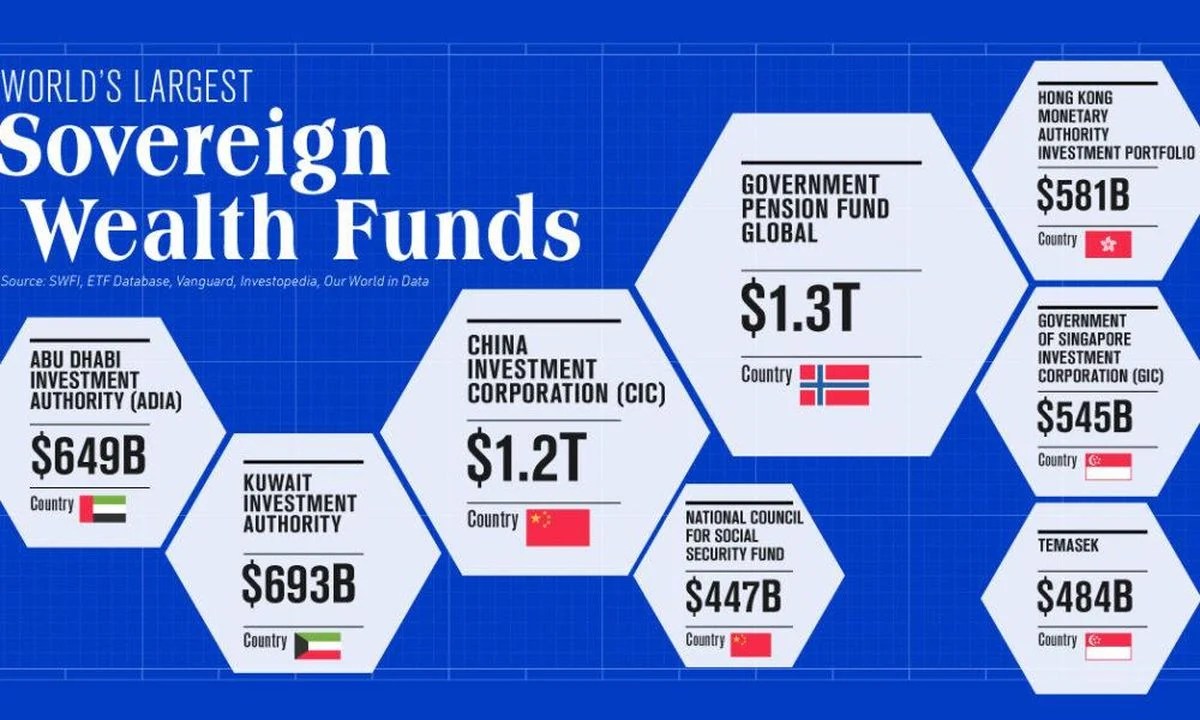




 What’s down








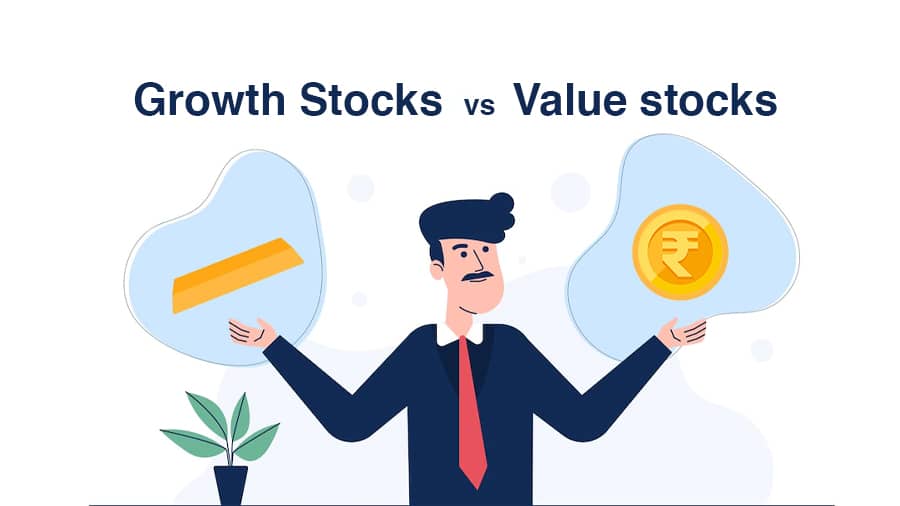



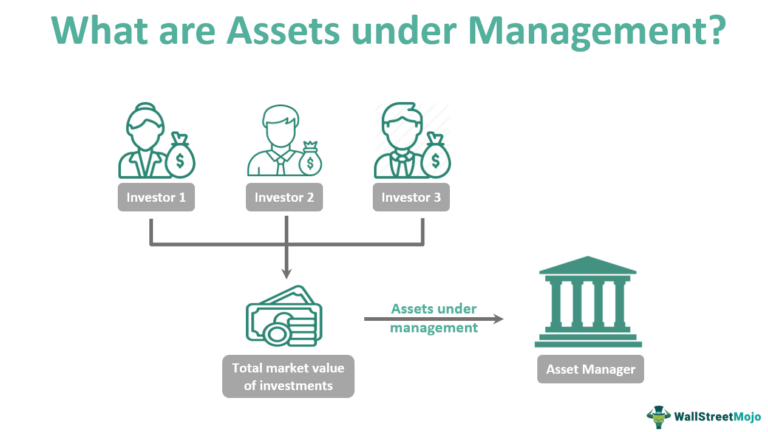


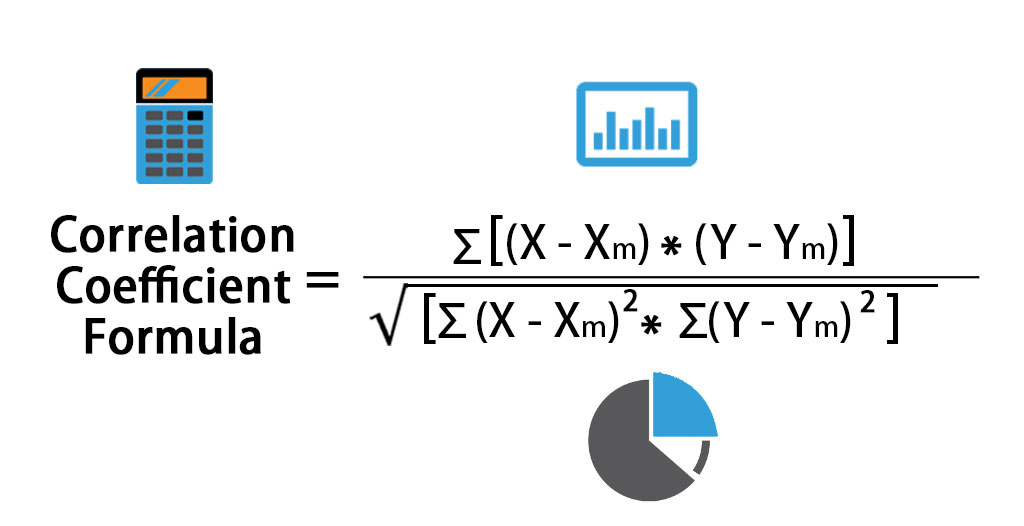





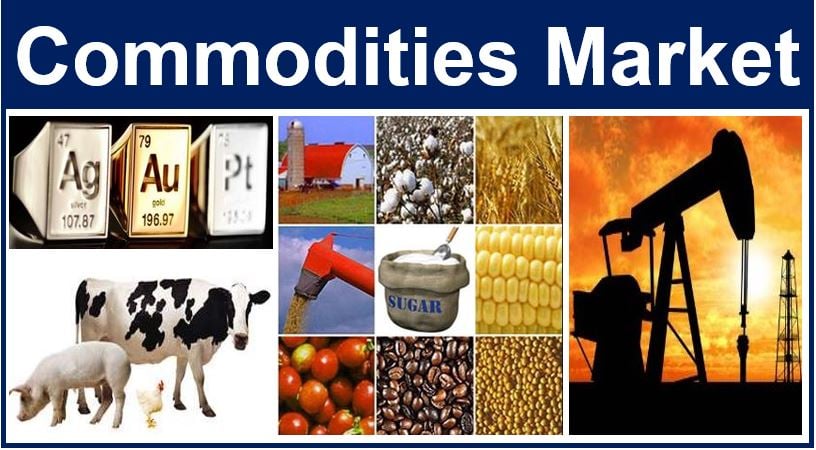







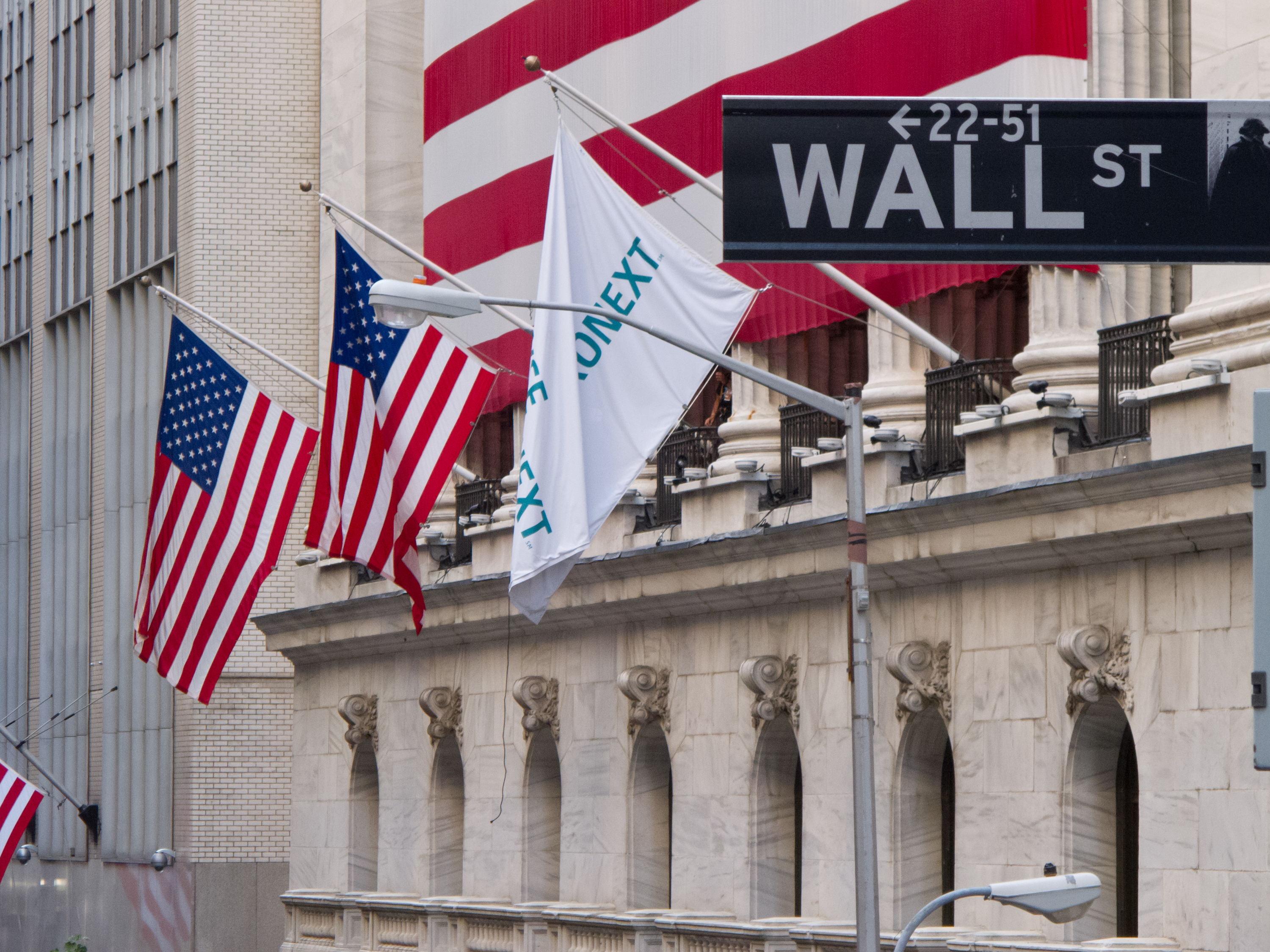







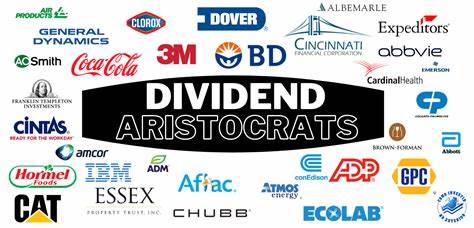










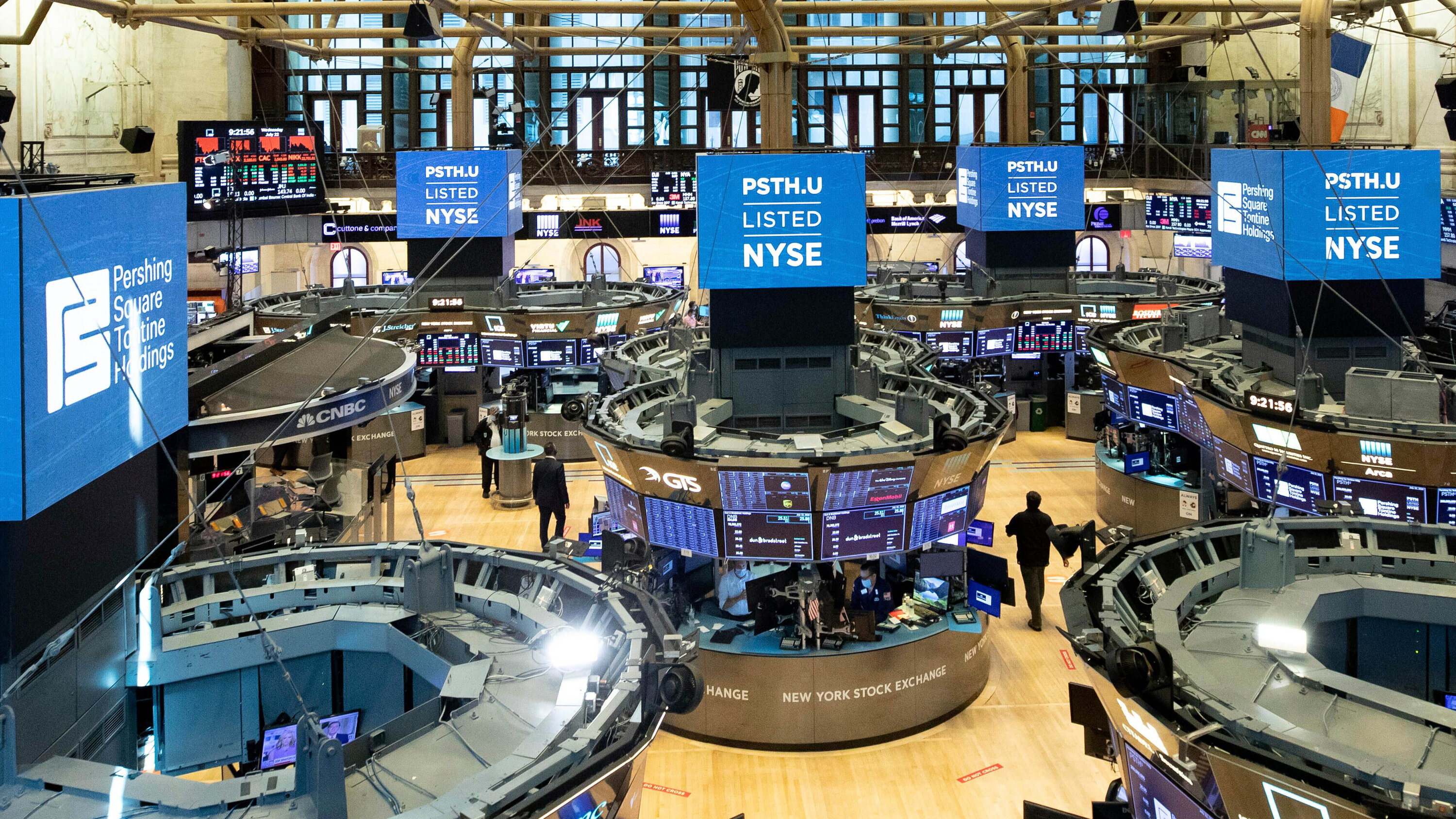



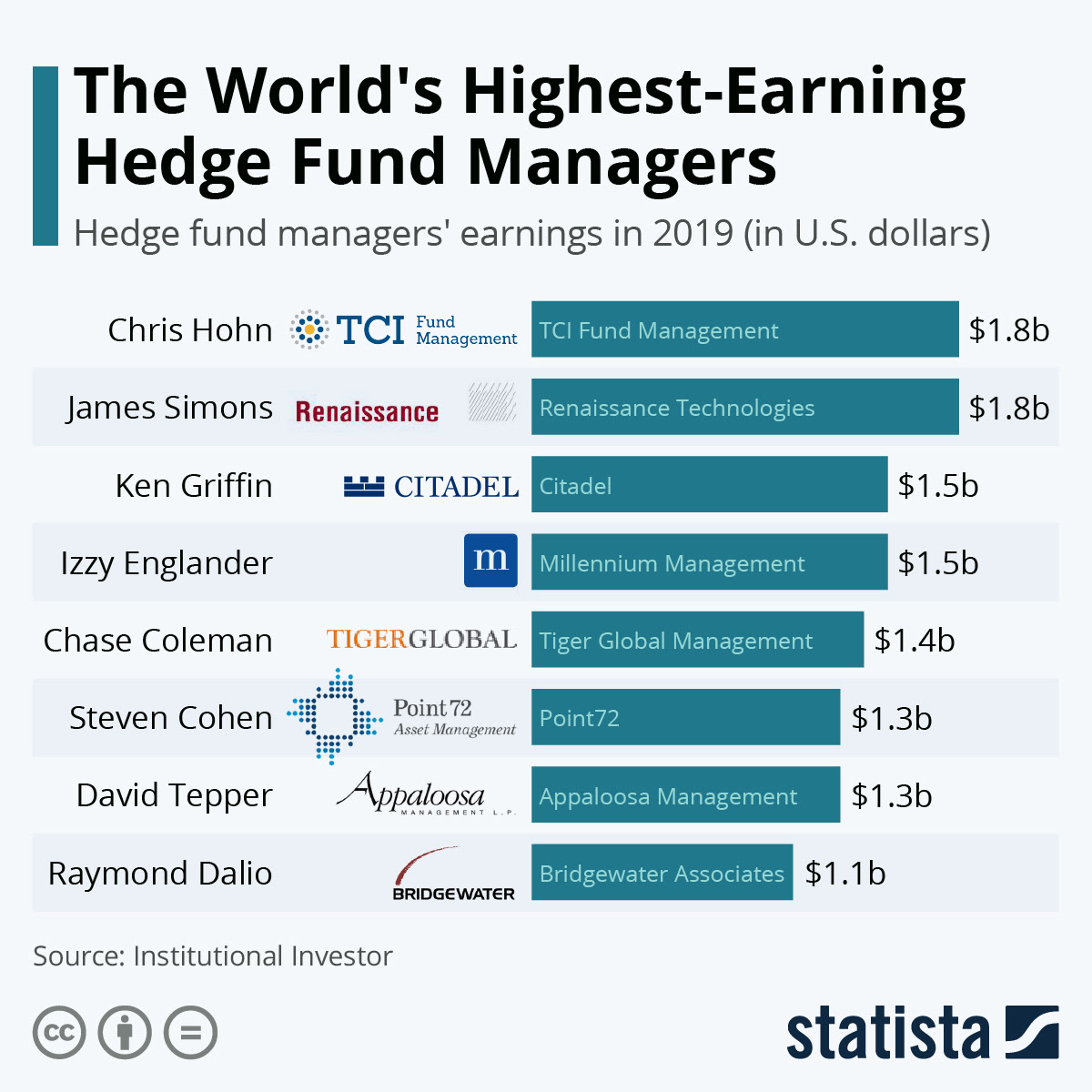

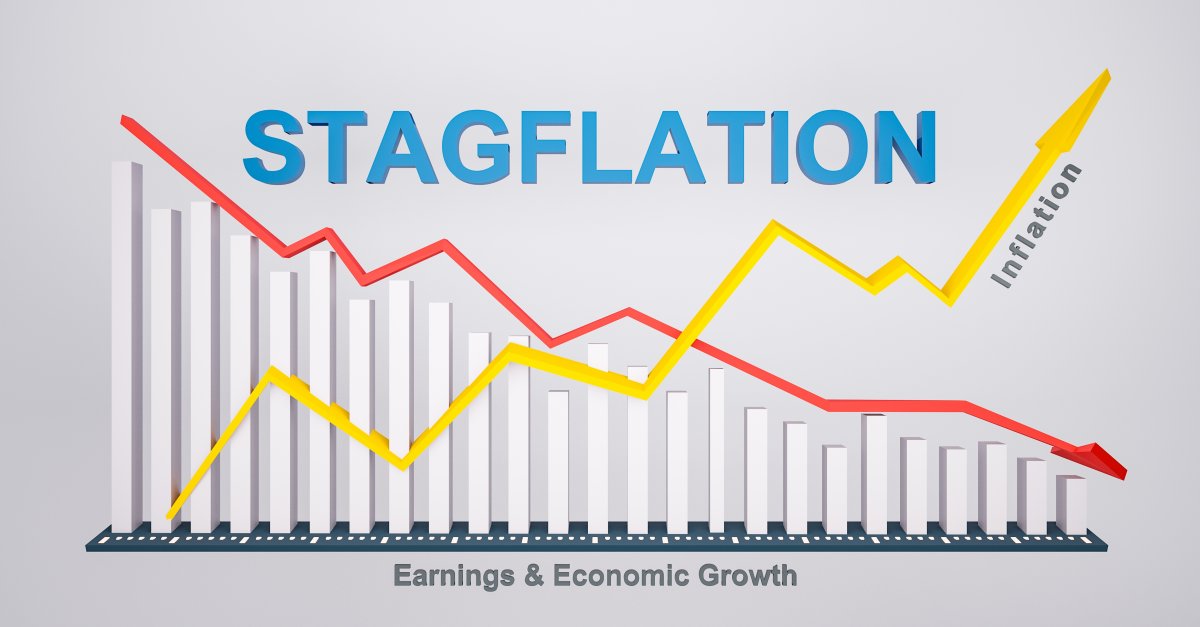





 The Leading Business Education Network for Doctors, Financial Advisors and Health Industry Consultants