BOARD CERTIFICATION EXAM STUDY GUIDES Lower Extremity Trauma
[Click on Image to Enlarge]
ME-P Free Advertising Consultation
The “Medical Executive-Post” is about connecting doctors, health care executives and modern consulting advisors. It’s about free-enterprise, business, practice, policy, personal financial planning and wealth building capitalism. We have an attitude that’s independent, outspoken, intelligent and so Next-Gen; often edgy, usually controversial. And, our consultants “got fly”, just like U. Read it! Write it! Post it! “Medical Executive-Post”. Call or email us for your FREE advertising and sales consultation TODAY [678.779.8597] Email: MarcinkoAdvisors@outlook.com
Medical & Surgical e-Consent Forms
ePodiatryConsentForms.com
iMBA Inc., OFFICES
Suite #5901 Wilbanks Drive, Norcross, Georgia, 30092 USA [1.678.779.8597]. Our location is real and we are now virtually enabled to assist new long distance clients and out-of-town colleagues.
ME-P Publishing
SEEKING INDUSTRY INFO PARTNERS?
If you want the opportunity to work with leading health care industry insiders, innovators and watchers, the “ME-P” may be right for you? We are unbiased and operate at the nexus of theoretical and applied R&D. Collaborate with us and you’ll put your brand in front of a smart & tightly focused demographic; one at the forefront of our emerging healthcare free marketplace of informed and professional “movers and shakers.” Our Ad Rate Card is available upon request [678-779-8597].
SPEAKING: Dr. Marcinko will be speaking and lecturing, signing and opining, teaching and preaching, storming and performing at many locations throughout the USA this year! His tour of witty and serious pontifications may be scheduled on a planned or ad-hoc basis; for public or private meetings and gatherings; formally, informally, or over lunch or dinner. All medical societies, financial advisory firms or Broker-Dealers are encouraged to submit a RFP for speaking engagements: MarcinkoAdvisors@outlook.com
Posted on May 31, 2025 by Dr. David Edward Marcinko MBA MEd CMP™
By AI
***
***
What Is a SAFE Note?
A SAFE note is a type of convertible security that specifies a certain amount of money an investor will pay you as a business owner. In exchange, you agree to give the investor a certain amount of equity in your company at an agreed-upon future date. In other words, a SAFE note confers the right for an investor to purchase shares in your company in a future-priced round.
How SAFE Notes Work
According to ContractsCounsel, a SAFE note works in the following way:
An investor provides funding in exchange for the right to future equity.
You use the funding to grow your business.
After your company grows sufficiently, you secure another investor, and your company receives a “post-money valuation.”
You calculate your company’s price per share.
You convert the SAFE note into the applicable number of shares and distribute them to the SAFE investor. Typically, a SAFE note converts after an equity financing round.
Example of a SAFE Note
An investor purchases a SAFE note with a valuation cap of $20 million. During the next funding round, the value of your company is set at $40 million at $20 a share. Because the SAFE note has a valuation cap of $20 million, its owner can purchase twice as many shares of your company as new investors can. This was the incentive for the SAFE investor to provide funding earlier.
Within venture capital financing, a convertible note is a type of short-term debt financing that’s used in early-stage capital raises. In other words, convertible notes are loans to early-stage startups from investors who are expecting to be paid back when their note comes due. But, instead of being paid back in principal with interest—as would be the case with a typical loan—the investor can be repaid in equity in your company.
You might also think of a convertible note like an IOU. An investor provides you with capital now and the convertible note, acting as a short-term loan, ensures that you give the investor a stake in your startup later. From the investor’s point of view, the benefit in this exchange is that if they give you capital and a vote of confidence early on and you do well, you’ll repay them many times over.
How Do Convertible Notes Work?
Typically, an investor will provide an early-stage startup in need of capital with a loan (with repayment terms in the ballpark of a standard short-term loan, usually a year or two), along with repayment terms. This is the “note.” The note will include a due date at which time it’s mature and the balance will be due, along with interest. Generally, however, the note is not repaid like a normal short-term loan. Instead, you repay the investor for their loan with equity in your company, usually in conjunction with another funding round.
If, however, the maturity date comes along and your startup has not yet converted the note to equity, the investor can either extend the convertible note’s maturity date or call for the actual repayment of the note.
This being said, the whole idea behind convertible notes is that your company is on a strong growth trajectory and that is why the note is being issued—it amasses value for the investor and beelines to a priced round. Ultimately, the point of a convertible note is that the noteholder, or investor, doesn’t want to get their loan paid back— they want their debt to convert into a heavily discounted security in a successful, valuable company that’s growing extremely quickly.
Cons: The major downside of a convertible note is that you will eventually be giving up some control over your business. When the convertible note comes due, the investor will be granted equity in your business. If you’re not ready to split ownership of your business with outside parties, this is not the right financing option for you.
Robert Jarvik, who developed the first artificial heart to be permanently implanted in a human — a breakthrough that captured the world’s imagination even as it triggered debates about medical ethics — died May 26th at his home in Manhattan, NY. He was 79.
Posted on May 31, 2025 by Dr. David Edward Marcinko MBA MEd CMP™
MEDICAL EXECUTIVE-POST–TODAY’SNEWSLETTERBRIEFING
***
Essays, Opinions and Curated News in Health Economics, Investing, Business, Management and Financial Planning for Physician Entrepreneurs and their Savvy Advisors and Consultants
“Serving Almost One Million Doctors, Financial Advisors and Medical Management Consultants Daily“
A Partner of the Institute of Medical Business Advisors , Inc.
The median homeprice jumped 1.6% YoY last month and is sitting at $431,931. Meanwhile, mortgage rates for a 30-year fixed loan (the most common) are still hovering just under 7%. The chief economist of the National Association of Realtors said lower mortgage rates are the key to getting buyers to buy homes again.
UltaBeauty is sitting pretty, up 11.78% after the cosmetics retailer crushed earnings expectations and raised its fiscal guidance for the year ahead.
CostcoWholesale rose 3.12% after beating Wall Street’s earnings expectations, though same-store sales did slip a bit.
Zscaler climbed 9.79% on strong earnings for the cybersecurity company, including 23% revenue growth.
Palantir popped 7.73% on a report from the New York Times that the Trump administration has asked the company to help the government compile data on US citizens.
What’s down
Nvidia slipped 2.92% as rhetoric between the US and China over semiconductor import restrictions reignited investor fears.
Gap plunged 20.18% after the retailer revealed that tariffs will cost between $100 and $150 million.
RegeneronPharmaceuticals tumbled 19.01% thanks to mixed results for its new respiratory drug in late stage trials. The medication is made in partnership with Sanofi, which also dropped 5.61%.
DellTechnologies sank 2.08% after missing earnings expectations last quarter, though it did manage to beat on revenue.
PagerDuty, which is in fact a cloud computing company and not a seller of 1990s tech, lost 11.43% after issuing lower second-quarter guidance than Wall Street forecast.
Posted on May 30, 2025 by Dr. David Edward Marcinko MBA MEd CMP™
By AI
***
***
The terms “real estate agent” and “realtor” are often used interchangeably to describe a licensed professional who can help you buy or sell a home. But the terms have different meanings.
A realtor is a licensed salesperson who belongs to the National Association of Realtors (NAR), and must comply with NAR’s code of ethics. The term is capitalized when describing a NAR member, and NAR owns the trademark.
A real estate agent is simply a licensed salesperson who does not belong to NAR, and refers to any individual who holds a real estate salesperson’s license.
Should you hire a real estate agent or a realtor? Agents who belong to NAR aren’t necessarily better than non-member agents. NAR is just a trade association — not a licensing body — so membership is optional.
Posted on May 30, 2025 by Dr. David Edward Marcinko MBA MEd CMP™
MEDICAL EXECUTIVE-POST–TODAY’SNEWSLETTERBRIEFING
***
Essays, Opinions and Curated News in Health Economics, Investing, Business, Management and Financial Planning for Physician Entrepreneurs and their Savvy Advisors and Consultants
“Serving Almost One Million Doctors, Financial Advisors and Medical Management Consultants Daily“
A Partner of the Institute of Medical Business Advisors , Inc.
UnitedHealth Group improperly uses workers’ funds to reduce its own 401(k) contributions, according to a lawsuit against the nation’s largest health insurer that is seeking class-action status. The company denies the claims. It’s just one in a string of lawsuits facing the beleaguered company.
Boeing climbed 3.32% after CEO Kelly Ortberg laid out his turnaround plan for the struggling aircraft manufacturer, including ramping up production of its 737 Max.
C3.ai exploded 20.76% higher thanks to a smaller-than-expected loss last quarter and strong revenue growth for the enterprise AI company.
VeevaSystems soared 18.74% after the cloud computing company beat Wall Street estimates on both the top and bottom lines.
E.l.f. Beauty popped 23.58% thanks to better-than-expected earnings, as well as the news that it will acquire Haley Bieber’s beauty brand Rhode for up to $1 billion.
Moderna rose 3.38% despite the Trump administration pulling $766 million in funding for a new bird flu vaccine.
Li Auto climbed 2.11% after beating first-quarter forecasts, though the Chinese EV company issued disappointing guidance.
What’s down
Salesforce posted a beat-and-raise earnings report, but it wasn’t good enough for shareholders, and the software giant sank 3.30%.
HP reported solid revenue last quarter, but missed on profits and issued worse-than-expected guidance for the coming year, pushing shares down 8.27%
Kohl’s fell 0.74% after posting solid sales and a smaller-than-anticipated earnings loss.
Best Buy tumbled 7.27% after beating earnings estimates but missing on revenue and warning that it’s cutting its fiscal forecast and likely raising prices.
SentinelOne fell 11.59% after the cybersecurity company missed revenue estimates and issued a lower sales forecast than Wall Street wanted to see.
Stroke Impulses are sudden, intense urges that can result from neurological conditions like those following a stroke. It’s like having your brain’s impulse control dial turned way down. These impulses can be surprising and out of character, driven by changes in brain function. Understanding and managing these impulses requires patience and support.
These changes in personality and mood after stroke are common. Impulsiveness, apathy, pseudobulbar affect, anger, frustration and depression can affect a stroke survivor’s quality of life.
So, according to psychologist and colleague Dan Ariely PhD, if you or someone you know is dealing with stroke impulses, remember: it’s a brain thing, not a willpower thing.
Life planning and behavioral finance as proposed for physicians and integrated by the Institute of Medical Business Advisors Inc., is unique in that it emanates from a holistic union of personal financial planning, human physiology and medical practice management, solely for the healthcare space. Unlike pure life planning, pure financial planning, or pure management theory, it is both a quantitative and qualitative “hard and soft” science, with an ambitious economic, psychological and managerial niche value proposition never before proposed and codified, while still representing an evolving philosophy. Its’ first-mover practitioners are called Certified Medical Planners™.
Financial Life Planning is an approach to financial planning that places the history, transitions, goals, and principles of the client at the center of the planning process. For the financial advisor or planner, the life of the client becomes the axis around which financial planning develops and evolves.
Financial Life Planning is about coming to the right answers by asking the right questions. This involves broadening the conversation beyond investment selection and asset management to exploring life issues as they relate to money.
Financial Life Planning is a process that helps advisors move their practice from financial transaction thinking, to life transition thinking. The first step is aimed to help clients “see” the connection between their financial lives and the challenges and opportunities inherent in each life transition.
But, for informed physicians, life planning’s quasi-professional and informal approach to the largely isolate disciplines of financial planning and medical practice management is inadequate. Today’s practice environment is incredibly complex, as compressed economic stress from HMOs managed care, financial insecurity from insurance companies, ACOs and VBC, Washington DC and Wall Street; liability fears from attorneys, criminal scrutiny from government agencies, and IT mischief from malicious electronic medical record [eMR] hackers. And economic bench marking from hospital employers; lost confidence from patients; and the Patient Protection and Affordable Care Act [PP-ACA] more than a decade ago. All promote “burnout” and converge to inspire a robust new financial planning approach for physicians and most all medical professionals.
The iMBA Inc., approach to financial planning, as championed by the Certified Medical Planner™ professional certification designation program, integrates the traditional concepts of financial life planning, with the increasing complex business concepts of medical practice management. The former topics are presented in this textbook, the later in our recent companion text: The Business of Medical Practice [Transformational Health 2.0 Skills for Doctors].
***
***
For example, views of medical practice, personal lifestyle, investing and retirement, both what they are and how they may look in the future, are rapidly changing as the retail mentality of medicine is replaced with a wholesale and governmental philosophy. Or, how views on maximizing current practice income might be more profitably sacrificed for the potential of greater wealth upon eventual practice sale and disposition.
Or, how the ultimate fear represented by Yale University economist Robert J. Shiller, in The New Financial Order: Risk in the 21st Century, warns that the risk for choosing the wrong profession or specialty, might render physicians obsolete by technological changes, managed care systems or fiscally unsound demographics. OR, if a medical degree is even needed for future physicians?
Say, what medical license?
Dr. Shirley Svorny, chair of the economics department at California State University, Northridge, holds a PhD in economics from UCLA. She is an expert on the regulation of health care professionals who participated in health policy summits organized by Cato and the Texas Public Policy Foundation. She argues that medical licensure not only fails to protect patients from incompetent physicians, but, by raising barriers to entry, makes health care more expensive and less accessible. Institutional oversight and a sophisticated network of private accrediting and certification organizations, all motivated by the need to protect reputations and avoid legal liability, offer whatever consumer protections exist today.
Yet, the opportunity to revise the future at any age through personal re-engineering, exists for all of us, and allows a joint exploration of the meaning and purpose in life. To allow this deeper and more realistic approach, the informed transformation advisor and the doctor client, must build relationships based on trust, greater self-knowledge and true medical business management and personal financial planning acumen.
[A] The iMBA Philosophy
As you read this ME-P website, we hope you will embrace the opportunity to receive the focused and best thinking of some very smart people. Hopefully, along the way you will self-saturate with concrete information that proves valuable in your own medical practice and personal money journey. Maybe, you will even learn something that is so valuable and so powerful, that future reflection will reveal it to be of critical importance to your life. The contributing authors certainly hope so.
At the Institute of Medical Business Advisors, and thru the Certified Medical Planner™ program, we suggest that such an epiphany can be realized only if you have extraordinary clarity regarding your personal, economic and [financial advisory or medical] practice goals, your money, and your relationship with it. Money is, after only, no more or less than what we make of it.
Ultimately, your relationship with it, and to others, is the most important component of how well it will serve you.
SPEAKING: Dr. Marcinko will be speaking and lecturing, signing and opining, teaching and preaching, storming and performing at many locations throughout the USA this year! His tour of witty and serious pontifications may be scheduled on a planned or ad-hoc basis; for public or private meetings and gatherings; formally, informally, or over lunch or dinner. All medical societies, financial advisory firms or Broker-Dealers are encouraged to submit a RFP for speaking engagements: CONTACT: MarcinkoAdvisors@outlook.com
Posted on May 29, 2025 by Dr. David Edward Marcinko MBA MEd CMP™
MEDICAL EXECUTIVE-POST–TODAY’SNEWSLETTERBRIEFING
***
Essays, Opinions and Curated News in Health Economics, Investing, Business, Management and Financial Planning for Physician Entrepreneurs and their Savvy Advisors and Consultants
“Serving Almost One Million Doctors, Financial Advisors and Medical Management Consultants Daily“
A Partner of the Institute of Medical Business Advisors , Inc.
Vail Resorts soared 8.84% on the news that it’s bringing back former CEO Rob Katz to turn the company around.
Dick’s Sporting Goods climbed 1.66% thanks to solid earnings, and the retailer also impressed by keeping fiscal guidance intact.
Box jumped 17.23% after the cloud storage company beat earnings estimates and raised its forecast for the coming quarter and full year.
Joby Aviation soared 28.78% after the air taxi startup secured a $250 million investment from Toyota.
What’s down
US chip designers sank on reports that the White House has ordered them to stop selling to clients in China. Cadence Design Systems tumbled 10.67%, while Synopsys lost 9.64%
Okta tumbled 16.16% despite the identity management software company posting solid earnings and standing by its fiscal guidance for the year.
Macy’s fell 0.50% despite beating Wall Street estimates across the board, though it did cut its profit outlook for the year.
Automaker Stellantis dropped 3.15% after revealing veteran exec Antonio Filosa will become the new head of Jeep’s parent company.
Freshpet fell 3.97% on a downgrade from TD Cowen analysts, who think the company’s refrigerated pet food concept doesn’t have much growth potential.
Semtech stumbled 4.56% even though the semiconductor supplier beat earnings estimates and raised its fiscal forecast.
BostonScientific sank 1.56% after it decided to discontinue its artificial heart valve system due to regulatory feedback.
Chevron fell 1.31% a day after the US government declared that it can no longer produce oil in Venezuela.
Posted on May 28, 2025 by Dr. David Edward Marcinko MBA MEd CMP™
By Rick Kahler MSFP CFP®
***
***
OVER HEARD IN THE FINANCIAl ADVISOR’S LOUNGE
A basic strategy for asset protection is to hold various assets in different entities. Putting real estate, small businesses, and other assets into trusts, corporations, or limited liability companies (LLCs) is effective protection that is relatively easy to put into practice. Not only do I recommend this strategy to clients, I use it myself. Recently, however, I discovered a potential downside.
About 25 years ago, I invested in some rare coins in a corporation I owned and put them into a safe deposit box owned by the corporation. When my business relocated 12 years ago, the safe deposit box billing was not forwarded to the new address and was never paid again. Last year I went to retrieve the coins from the safe deposit box, which I had not visited in 25 years. I discovered the box had been drilled open three years earlier and my collection turned over to the unclaimed property division of the State Treasurer’s office.
I was told getting the coins back would be simple enough. I just needed to verify that I owned the company which owned them by providing the corporation’s tax ID number. However, the corporation no longer existed. I didn’t have a record of its tax ID number. The IRS wouldn’t verify the number without my giving them the address the company had used. That address was a post office box number that I no longer used and couldn’t remember. The state’s position was “no tax ID, no coins.” The only verification of my identity as owner of the corporation was my signature on the bank’s safe deposit box application. Eventually, with the support of bank officers who were willing to swear that I was who I claimed to be, I got my coin collection back. The hassle involved in this process was a reminder of an important component of asset protection. Maintain accurate records so you don’t end up hiding assets from yourself.
***
***
A good start is to create a master file of all the entities that hold your assets. This can be any system that’s easy for you to use: a computer spreadsheet, a set of file folders, or a single paper list. Share it as appropriate with your CPA, attorney, or financial planner. The master list should include the name of each company, its date of incorporation, tax ID number, address, and other relevant information like phone or bank account numbers. Also keep an inventory of the assets each company owns.
Once you’ve created a master list, it’s essential to keep it up to date as you buy or sell assets, close companies, or transfer ownership. Set up a system, as well, to remind yourself of tasks like filing tax returns, completing minutes of annual meetings, and paying the annual safe deposit box rent. Make your record-keeping easier by eliminating unnecessary complications.
For example, you probably don’t need a separate address for each trust, corporation, or LLC. Instead of creating a separate company for each asset, you might consider grouping smaller assets within one entity. I’d suggest first discussing the pros and cons with an attorney or financial planner. For larger assets like real estate, I do recommend holding each one separately.
When I talk to clients about asset protection, I mention that part of the price we pay for it is an increase in paperwork. It’s easy to accept that idea with casual good intentions. The case of my reclaimed coin investment is a good reminder of the importance of keeping up with that paperwork. If we don’t, we might protect ourselves right out of access to our own assets.
Classic: Flat fee paid for a patient’s treatment based on their diagnosis and/or presenting problem. For this fee the provider covers all of the services required for a specific period of time.
Modern: Often characterizes “second generation” managed care systems. After a Managed Care Organization squeezes out costs by discounting fees, they often come to this method. If provider is still standing after discount blitz, this approach can be good for provider and clients, since it permits a lot of flexibility for provider in meeting client needs.
Posted on May 28, 2025 by Dr. David Edward Marcinko MBA MEd CMP™
MEDICAL EXECUTIVE-POST–TODAY’SNEWSLETTERBRIEFING
***
Essays, Opinions and Curated News in Health Economics, Investing, Business, Management and Financial Planning for Physician Entrepreneurs and their Savvy Advisors and Consultants
“Serving Almost One Million Doctors, Financial Advisors and Medical Management Consultants Daily“
A Partner of the Institute of Medical Business Advisors , Inc.
Bonds breathed a sigh of relief after 30-year Treasury yields fell back below 5% as Japanese central bankers took precautionary measures to shore up their finances.
Gold tumbled as investors continue to throw money at risk assets, while bitcoin maintained its recent gains.
CoreWeave can’t stop, won’t stop: The AI hyperscaler was downgraded by Barclays analysts, who think its near-term upside is limited, but shares still rose 20.66%.
VF Corp., the parent company of The North Face, JanSport, etc, rose 12.92% after disclosing that members of its C-suite splurged on the stock.
SoundhoundAI is a retail trader favorite, and now Piper Sandler analysts like it,too: The AI voice platform jumped 16.05% on an upgrade.
Southwest gained 5.53% on reports that the airline is rolling out $35 baggage fees beginning tomorrow.
Movie theater stocks popped on a record-breaking Memorial Day weekend at the box office: AMC soared 23.77%, Cinemark climbed 3.82%, and MarcusCorp. gained 10.12%.
What’s down
PDD Holdings plunged 13.64% after the Chinese e-commerce retailer reported a hefty 47% decline in profits last quarter.
Trump Media & Technology Group tumbled 10.38% after the company announced it’s raising $2.5 billion to buy bitcoin.
ChampionHomes sank 16.39% after the homebuilder missed Wall Street expectations last quarter by a mile.
RocketPharmaceuticals dropped 62.84% after the biotech reported that a patient participating in a gene therapy trial died over the weekend.
Posted on May 27, 2025 by Dr. David Edward Marcinko MBA MEd CMP™
***
***
Stock markets are coming off their worst week since April as President Trump’s tariff threats on Europe and Apple revived trade war jitters. The president has since delayed tariff threats on the EU, giving European stocks a boost yesterday, while Wall Street had the day off for Memorial Day.
No such relief appears to be coming for Apple, which has fallen 8% so far this month, and is the only Magnificent Seven member in the red for May, per FactSet.
Most individual physician portfolios are simply a list of stocks. Doctors with such lists usually know the cost of each position and when they acquired it. It is not unusual to find inherited low cost stocks in the account that have been held for many years.
When you inherit securities, a new cost basis is established (the price of the stock on the date of death or six months later—the executor of the estate makes this determination). Even though there would be no capital gain liability if the stock were sold immediately after date of death, most people simply don’t do anything, just hold the stock. Of course taxes should be considered when selling securities but the investment merit should be the overriding factor.
***
***
Doctor and Accountant Opinions
In a personal communication, Mr. L. Eddie Dutton, CPA said, “First make an investment decision and if it fits into the tax plan, so much the better. Doctors often wonder where they will get the money to pay the taxes. I say to get it from the sale of the appreciated stock and cry all the way to the bank with your profit.”
Dr. Ernest Duty MD, a very successful private investor advises “Ask yourself this question: If you had the money instead of the stock, would you buy the stock? If your answer is ‘Yes’ then, hold on to the stock but if you say ‘No, I wouldn’t buy that stock today’ then, sell it” [personal communication].
SPEAKING: Dr. Marcinko will be speaking and lecturing, signing and opining, teaching and preaching, storming and performing at many locations throughout the USA this year! His tour of witty and serious pontifications may be scheduled on a planned or ad-hoc basis; for public or private meetings and gatherings; formally, informally, or over lunch or dinner. All medical societies, financial advisory firms or Broker-Dealers are encouraged to submit a RFP for speaking engagements: E-MAILCONTACT: MarcinkoAdvisors@outlook.com
If you stash $100,000 in cash under your mattress in three decades, you might not have lost a single dollar, but the value of your money has undoubtedly gone down over time.
Because of inflation, each dollar will buy you less and less over time—your purchasing power decreases. In this sense, time is cruel to the value of money and today’s dollar is worth more than tomorrow’s.
Example: A young physician investor can invest less money over a longer period of time than an older investor who invests more money over a shorter period and ends up with more in the end. Compounding returns grow exponentially, making time more than an ally – but a force of the universe driving growth. Time is certainly our ally in investing, but you’ll kick yourself wishing you had invested earlier when you witness compounding after a few years (or a decade).
Giving circles support with their dollars, but also build awareness, volunteer, become board members and more. Individuals multiply their impact and knowledge, have fun, and connect with their local community.
People are coming together around the world to create the change they want to see in the world. Giving circles are a growing global movement with more than 2,500 active circles around the world giving intentionally and thoughtfully.
Posted on May 25, 2025 by Dr. David Edward Marcinko MBA MEd CMP™
By Staff Reporters and AI
***
***
What is a cashier’s check?
Unlike a personal check, a cashier’s check is guaranteed by a bank, drawn from the bank’s own funds, and signed by a bank representative. It’s typically used for large or important transactions, such as buying a car or making a down payment on a home, because it offers more security to the recipient than a personal check.
Traditionally, bank customers obtain a cashier’s check by visiting a bank or credit union in person. There’s usually no limit on the amount of the cashier’s check as long as you have the money to cover it. You and the bank or credit union representative sign the check, and the money is withdrawn from the financial institution’s funds when the check is cashed. However, some online banks may allow you to order a cashier’s check online or over the phone.
If you need a cashier’s check the same day and your bank doesn’t have physical branches, a credit union in your area might issue cashier’s checks even if you’re not a customer. Otherwise, consider signing up with a bank or credit union with physical branches in your area.
There is typically a fee to get a cashier’s check, though the amount isn’t significant. Often, you’ll pay less than $20 even for cashier’s checks of several thousand dollars. The relatively low fees for cashier’s checks and guarantee of funds make them useful when making large, important transactions.
A money order is another paper payment method similar to a check. You pay the amount up front (usually in cash or debit), plus a small fee, and the issuer prints a money order that can be filled out to a specific recipient. Because the payment is prepaid, money orders are considered a safe alternative to personal checks, especially for smaller transactions or when sending money through the mail.
Money orders are available at many banks and credit unions as well as some retailers, grocery stores, and post offices. Domestic money orders can’t exceed $1,000, so they aren’t suitable for large transactions. However, while there is a limit on the amount of each money order, you can purchase multiple money orders to pay for more than one expense.
Money orders also have relatively low fees. For example, the United States Postal Service (USPS) charges $2.35 for money orders of $0.01 to $500.00, and $3.40 for money orders between $500.01 and $1,000.00
Which payment method is safer: cashier’s check vs. money order?
Cashier’s checks and money orders are both relatively safe forms of payment — both ensure the payment will not bounce.
However, cashier’s checks are generally safer due to the process financial institutions follow. Cashier’s checks are backed by a bank’s own funds, not your personal account, and are signed by a bank employee — making them harder to counterfeit and more trusted by recipients. The payee must also provide a photo ID when cashing the check, so only the person the financial institution specifies can access the money.
Money orders are paid from your personal bank account funds. They can be easier to forge, especially the ones purchased at retail outlets rather than banks.
That said, both are safer than personal checks or mailing cash, and both can be tracked if lost. But for high-value purchases, a cashier’s check is the more secure option.
Posted on May 25, 2025 by Dr. David Edward Marcinko MBA MEd CMP™
DEFINITION
By Staff Reporters
***
***
Meta-analysis is a quantitative, formal, epidemiological study design used to systematically assess previous research studies to derive conclusions about that body of research. Outcomes from a meta-analysis may include a more precise estimate of the effect of treatment or risk factor for disease, or other outcomes, than any individual study contributing to the pooled analysis. The examination of variability or heterogeneity in study results is also a critical outcome.
The benefits of meta-analysis include a consolidated and quantitative review of a large, and often complex, sometimes apparently conflicting, body of literature. The specification of the outcome and hypotheses that are tested is critical to the conduct of meta-analyses, as is a sensitive literature search. A failure to identify the majority of existing studies can lead to erroneous conclusions; however, there are methods of examining data to identify the potential for studies to be missing; for example, by the use of funnel plots.
Rigorously conducted meta-analyses are useful tools in evidence-based medicine. The need to integrate findings from many studies ensures that meta-analytic research is desirable and the large body of research now generated makes the conduct of this research feasible.
When New York-based Zocdoc was founded back in 2007, the idea was to help patients get off the phone, founder and CEO Oliver Kharraz told Healthcare Brew. The company created a website that helps patients find clinicians who fit their needs in their area and are under their insurance, and books appointments online.
But on May 1st, Zocdoc launched a new product to get people back on the phone: an artificial intelligence (AI) voice agent called Zo. Zo helps people book doctor appointments 24/7—but instead of speaking with a person, patients speak with an AI voice that is trained to meet their needs.
“Until recently, we didn’t do the phone because the experience on the phone was just so miserable,” Kharraz said. “Now you can actually have a consistent experience, where the AI can pick up after the first ring an unlimited number of times concurrently [and] have a natural conversation with you.”
Classic Definition: Although the human body can develop a low-grade fever, muscular aches and pains in response to any vaccine, rumors that a flu shot can cause the flu are not true.
Modern Circumstance: Flu shots do contain dead flu viruses, but they are indeed dead. As for vaccines causing autism, this myth was started in 1998 with an article in the journal The Lancet.
Paradox Examples: In the study, the parents of eight children with autism said they believed their children acquired the condition after they received a vaccination against measles, mumps and rubella (the MMR vaccine). Since then, rumors have run rampant despite the results of many studies.
And, a 2002 study in The New England Journal of Medicine of 530,000 children found no link between vaccinations and the risk of a child developing autism.
Unfortunately, the endurance of this paradoxical myth continues to eat up time and funding dollars that could be used to make advances in autism, rather than proving, over and over again, that vaccinations do not cause the condition.
Cite: Dr. Rachel Vreeman, St. Martin’s Griffin 2009.
COMMENTS APPRECIATED
The Medical Executive-Post is a news and information aggregator and social media professional network for medical and financial service professionals. Feel free to submit education content to the site as well as links, text posts, images, opinions and videos which are then voted up or down by other members. Comments and dialog are especially welcomed. Daily posts are organized by subject. ME-P administrators moderate the activity. Moderation may also conducted by community-specific moderators who are unpaid volunteers.
Posted on May 24, 2025 by Dr. David Edward Marcinko MBA MEd CMP™
MEDICAL EXECUTIVE-POST–TODAY’SNEWSLETTERBRIEFING
***
Essays, Opinions and Curated News in Health Economics, Investing, Business, Management and Financial Planning for Physician Entrepreneurs and their Savvy Advisors and Consultants
“Serving Almost One Million Doctors, Financial Advisors and Medical Management Consultants Daily“
A Partner of the Institute of Medical Business Advisors , Inc.
Medicare may soon be able to reimburse physicians for using artificial intelligence-based medical devices, thanks to a bipartisan bill recently introduced to Congress. The bill, called the Health Tech Investment Act, would set up a payment system for devices that use AI or machine learning, which the bill’s cosponsors say would encourage providers to use the technology in clinical settings and help improve diagnoses.
Stock markets were down in trading on Friday after President Donald Trump said he wanted to impose a 50-percent tariff on the European Union and a new 25-percent tariff on iPhone maker Apple.
The S&P 500 was down around 0.8 percent, the NASDAQ Composite down 1.0 percent, and the Dow Jones Industrial Average of 0.6 percent.
An investment advisor (sometimes spelled “investment adviser”) is defined as a company or person who has a government registration allowing them to choose, manage and recommend investments for clients. Investment advisors are also sometimes referred to as stock brokers. They are not fiduciaries.
Unlike other financial advisors who may not be regulated, investment advisors are regulated by their state or the Securities Exchange Commission depending on how much money they manage. Investment advisors may also offer services like retirement planning.
COMMENTS APPRECIATED
The Medical Executive-Post is a news and information aggregator and social media professional network for medical and financial service professionals. Feel free to submit education content to the site as well as links, text posts, images, opinions and videos which are then voted up or down by other members. Comments and dialog are especially welcomed. Daily posts are organized by subject. ME-P administrators moderate the activity. Moderation may also conducted by community-specific moderators who are unpaid volunteers.
A hedge fund is a limited partnership of private investors whose money is pooled and managed by professional fund managers. These managers use a wide range of strategies, including leverage (borrowed money) and the trading of nontraditional assets, to earn above-average investment returns. A hedge fund investment is often considered a risky, alternative investment choice and usually requires a high minimum investment or net worth. Hedge funds typically target wealthy investors.
I want to invest with a manager that has the skills to “hedge” a portfolio, but I do not wish to mix my money with other investors as in a hedge fund.
QUESTION:Can I hire hedge fund managers to manage my account separately?
Some hedge fund managers do take the time to recruit and manage separate accounts, with or without the help of referring brokers.
However, before long the administrative burden of managing so many separate accounts can become quite significant. Hence, the minimums for such separate accounts are generally much higher than if one were to invest in the manager’s hedge fund.
The best feature of these separate accounts is that potentially every aspect of the investment account, including fees, is negotiable. Other features include greater transparency and increased liquidity, since separately managed accounts can often be shut down on short notice.
Investors must be aware, however, that for practical purposes the portfolio manager generally will buy and sell the same securities in the separately managed accounts that the portfolio manager buys and sells in the hedge fund, yet the expenses incurred by the investor will likely be higher.
Posted on May 23, 2025 by Dr. David Edward Marcinko MBA MEd CMP™
MEDICAL EXECUTIVE-POST–TODAY’SNEWSLETTERBRIEFING
***
Essays, Opinions and Curated News in Health Economics, Investing, Business, Management and Financial Planning for Physician Entrepreneurs and their Savvy Advisors and Consultants
“Serving Almost One Million Doctors, Financial Advisors and Medical Management Consultants Daily“
A Partner of the Institute of Medical Business Advisors , Inc.
Stocks wavered throughout the day as the 10-year Treasury yield rose back above 4.5%, making a convincing argument for investors to buy risk-free bonds with big yields rather than equities.
Yields on both 20-year and 30-year Treasuries traded above 5% after the Republican tax and spending bill passed the House, raising fears of a bigger US deficit and lower creditworthiness in the years ahead.
Bitcoin continued to climb last night, hitting a new record high of $111,886.41 in the wee hours of the morning before losing some ground throughout the trading session today.
Nike gained 2.30% on the news that it will begin selling its shoes on Amazon for the first time since 2019.
Fannie Mae popped 46.73% and FreddieMac jumped 42.50% on President Trump’s comments that he’s seriously considering bringing the mortgage giants public.
Advance Auto Parts exploded 57.14% higher after better-than-feared earnings made it clear that its turnaround plan is working.
Urban Outfitters soared 22.84% after reporting EPS of $1.16 last quarter, far better than the $0.84 per share analysts had forecast.
Snowflake gained 13.47% thanks to a strong first quarter and management’s expectation that revenue will rise about 25% this quarter.
What’s down
Walmart lost 0.48% on the news that it will cut 1,500 jobs in a corporate restructuring.
Analog Devices fell 4.63% even though the semiconductor maker beat Wall Street estimates on both sales and profits last quarter.
Health insurance stocks took a hit on reports that the US government will conduct “aggressive” Medicare Advantage audits. Humana sank 7.58%, UnitedHealthGroup fell 2.08%, and CVSHealth dropped 3.06%.
When you visit health clinic or hospital for a medical appointment, you’ll be seen by a doctor, healthcare provider and/or medical prescriber. But what do these words really mean?
***
***
Doctors / Physicians
Doctor of Medicine (MD), Doctor of Podiatric Medicine (DPM), Doctor of Osteopathy (DO, or Doctor of Dental Surgery (DDS/DMD). Doctors, also known as physicians, have extensive prescription privileges across various specialties. They can diagnose medical conditions, prescribe medication, and oversee the overall management of patient care. Doctors include general practitioners, specialists such as cardiologists or dermatologists, and surgeons. Their prescription authority encompasses a wide range of medications to address acute and chronic health conditions, ranging from antibiotics to specialized treatments for complex diseases.
A medical provider is a general term that encompasses a wide range of education levels, skill-sets, and specializations. A provider could be a Physician Assistant (PA), Nurse Practitioner (NP), Clinical Nurse Specialist (CNS), Doctor of Medicine (MD), Doctor of Podiatric Medicine (DPM), Dentist (DDSDMD) or Doctor of Osteopathy (DO).
***
Medical Drug Prescribers
Generally, psychologists and therapists do not have prescription privileges. They focus on psychotherapy and counseling rather than medication management. However, some jurisdictions may grant limited prescription rights to psychologists who undergo additional training and certification. Like psychologists, therapists typically do not have prescription privileges. They focus on providing counseling and psychotherapy to address mental health issues and emotional concerns.
Psychiatrists are medical doctors (MD/DO) who specialize in the diagnosis and treatment of mental health disorders. They have full prescription privileges and can prescribe a wide range of medications to manage psychiatric conditions.
In most cases, physical therapistsdo not have the authority to prescribe medication. They primarily focus on rehabilitation and physical interventions to improve mobility and function.
Nurse practitioners are advanced practice nurses with the authority to diagnose, treat, and prescribe medication independently in many states and countries. They undergo extensive education and training, which allows them to provide a wide range of healthcare services, including medication management.
Similar to nurse practitioners, psychiatric nurse practitioners have the authority to prescribe medication for mental health conditions. They specialize in psychiatric and mental health care, offering comprehensive treatment that may include medication management.
Chiropractors primarily focus on diagnosing and treating musculoskeletal disorders through manual adjustments and therapies. They do not have surgical or prescription privileges in most jurisdictions.
Optometrists are trained to diagnose and treat vision problems, including prescribing corrective lenses and medications for certain eye conditions such as infections or inflammation.
Registered nursestypically do not have prescription privileges. They work under the direction of physicians and nurse practitioners, assisting with patient care but not prescribing medication themselves.
Dentists have limited prescription privileges related to dental care, such as antibiotics or pain medications for dental procedures. However, they do not have the authority to prescribe general medications outside of their scope of practice.
Nutritionists typically do not have prescription privileges. They specialize in providing dietary advice and counseling to promote health and well-being through nutrition but do not prescribe medication.
Depending on their scope of practice and legal regulations in their jurisdiction, nurse midwives may have limited prescription privileges for certain medications related to prenatal care, childbirth, and postpartum care.
According to Baumol’s Cost Disease, in theory, workers should get higher pay because they get more productive. But an economist named William J. Baumol PhD noticed this isn’t always true; as in a paradox.
For example, musicians take the same time to play a string quartet as they did in Mozart’s day, but are paid more nevertheless. The reason is competition for labor; musicians can take other jobs. So rising wages in productive parts of the economy (eg, manufacturing) lead to higher wages in less productive sectors.
MORE: For more on the paradoxical disease, read this article; and for more on Baumol, read this one.
Posted on May 22, 2025 by Dr. David Edward Marcinko MBA MEd CMP™
MEDICAL EXECUTIVE-POST–TODAY’SNEWSLETTERBRIEFING
***
Essays, Opinions and Curated News in Health Economics, Investing, Business, Management and Financial Planning for Physician Entrepreneurs and their Savvy Advisors and Consultants
“Serving Almost One Million Doctors, Financial Advisors and Medical Management Consultants Daily“
A Partner of the Institute of Medical Business Advisors , Inc.
While stocks usually steal headlines, all eyes were on the bond market today. The 10-year bond yield popped back above 4.5% first thing this morning while the 30-year rose above 5% as fears of larger deficits due to the Republican tax and spending bill gave investors pause. A poorly received auction of $16 billion in 20-year bonds this afternoon only pushed yields higher.
Bitcoin climbed to a new all-time high early in the trading session, touching $109,500 at one point today as investors continue to search for alternatives to bonds and the US dollar.
Crude oil climbed to its highest price in a month on reports of flaring tensions between Israel and Iran, then tumbled lower after the US announced surprisingly high oil inventories.
WeRide soared 21.42% on the announcement that the robotaxi will buy back $100 million of its stock.
What’s down
UnitedHealth Group secretly paid nursing homes to transfer fewer people to hospitals so it could cut costs, according to The Guardian. Shares understandably tumbled 5.79%.
Target missed the mark last quarter, with fewer transactions thanks to DEI boycotts leading to lower sales and profits, pushing shares down 5.21%.
Lowe’s sank 1.77% despite sticking to its full-year guidance, noting that sales to professionals will pad its bottom line.
Palo Alto Network may have beaten analysts’ estimates for sales and profits, but the cybersecurity company still fell 6.80% due to thinner margins.
Take-Two Interactive sank 4.52% after the video game maker put $1 billion in common stock on the market.
Fair Isaac caught strays today from a Trump Administration official who was displeased by the credit analytics company’s decision to raise royalty fees.
Carter’s crashed 15.74% on the announcement that the children’s clothing retailer will slash its dividend due to higher costs from tariffs.
Airline stocks tumbled after the FAA limited flights in and out of Newark Airport. UnitedAirlines fell 3.93%, SouthwestAirlines lost 2.35%, and AmericanAirlines sank 3.52%.
Wolfspeed, easily the best-named stock on the market, may go bankrupt. Shares of the semiconductor supplier dropped 59.11%.
Free-market economists are those who believe that the market is better at allocating resources than governments and that excessive regulation and high public spending tend to diminish growth in the long run.
“Medical economics and finance is an integral component of the health care industrial complex. Its language is a diverse and broad-based concept covering many other industries: accounting, insurance, mathematics and statistics, public health, provider recruitment and retention, Medicare, health policy, forecasting, aging and long-term care, are all commingled arenas …. The Dictionary of Health Economics and Finance will be an essential tool for doctors, nurses and clinicians, benefits managers, executives and health care administrators, as well as graduate students and patients. With more than 5,000 definitions, 3,000 abbreviations and acronyms, and a 2,000 item oeuvre of resources, readings, and nomenclature derivatives, it covers the financial and economics language of every health care industry sector.”
SPEAKING: Dr. Marcinko will be speaking and lecturing, signing and opining, teaching and preaching, storming and performing at many locations throughout the USA this year! His tour of witty and serious pontifications may be scheduled on a planned or ad-hoc basis; for public or private meetings and gatherings; formally, informally, or over lunch or dinner. All medical societies, financial advisory firms or Broker-Dealers are encouraged to submit a RFP for speaking engagements: MarcinkoAdvisors@outlook.com
Posted on May 21, 2025 by Dr. David Edward Marcinko MBA MEd CMP™
DEFINED
By Staff Reporters
***
***
Stocks ticked down yesterday, ending a six-day rally after some influential CEOs—including JPMorgan Chase’s Jamie Dimon—warned that markets have grown too complacent about tariffs and potential stagflation. But it was a spectacular day for Warby Parker, which climbed more than 15% after Google announced it’s partnering with the eyewear company on Google Glass (RIP) a new smart glasses device.
***
Stagflation is the simultaneous appearance in an economy of slow growth, high unemployment, and rising prices.
Once thought by economists to be impossible, stagflation has occurred repeatedly in the developed world since the 1970s.
Policy solutions for slow growth tend to worsen inflation, and vice versa. That makes stagflation hard to fight.
Stagflation is the combination of high inflation, stagnant economic growth, and elevated unemployment.
The term stagflation, a blend of “stagnation” and “inflation,” was popularized by British politician Lain MacLeod in the 1960s, during a period of economic distress in the United Kingdom. It gained broader recognition in the 1970s after a series of global economic shocks, particularly the 1973 oil crisis, which disrupted supply chains and led to rising prices and slowing growth. Stagflation challenges traditional economic theories, which suggest that inflation and unemployment are inversely related, as depicted by the Phillips Curve.
***
***
According to Wikipedia, stagflation presents a policy dilemma, as measures to curb inflation—such as tightening monetary policy—can exacerbate unemployment, while policies aimed at reducing unemployment may fuel inflation.
In economic theory, there are two main explanations for stagflation: supply shocks, such as a sharp increase in oil prices, and misguided government policies that hinder industrial output while expanding the money supply too rapidly.
NOTE: A portmanteau word or part of a word made by combining the spellings and meanings of two or more other words or word parts (such as smog from smoke and fog).
The stagflation of the 1970s led to a re-evaluation of Keynesian economic policies and contributed to the rise of alternative economic theories, including monetarism and supply-side economics.
Posted on May 21, 2025 by Dr. David Edward Marcinko MBA MEd CMP™
MEDICAL EXECUTIVE-POST–TODAY’SNEWSLETTERBRIEFING
***
Essays, Opinions and Curated News in Health Economics, Investing, Business, Management and Financial Planning for Physician Entrepreneurs and their Savvy Advisors and Consultants
“Serving Almost One Million Doctors, Financial Advisors and Medical Management Consultants Daily“
A Partner of the Institute of Medical Business Advisors , Inc.
The S&P 500 snapped a 6-day winning streak as the rally following the US & China tariff ceasefire faded and investors looked elsewhere for buying signals.
Federal Reserve speeches abound this week, with several central bankers warning of an economy under duress.
Both gold and bitcoin consolidated their recent gains, offering investors alternatives to suddenly not-so-safe bonds and a sagging US dollar.
Tesla climbed 0.51% after CEO Elon Musk committed to spending the next five years running the EV manufacturer.
Moderna popped 6.06% after the FDA announced new limits on Covid-19 vaccine approvals that were more lenient than expected.
Warby Parker soared 15.57% on news of a partnership with Google to create smart glasses.
Pony AI rose 5.74% after the Chinese auto maker posted impressive earnings and cited high demand for autonomous taxi rides.
Amer Sports surged 19.05% after the athletic equipment maker posted a strong beat-and-raise earnings announcement.
D-Wave Quantum soared 25.93% after the quantum computing company unveiled its newest computing system.
Levi Strauss & Co. rose 1.42% on the news that the jeans company is selling Dockers to Authentic Brands Group for $311 million.
What’s down
Home Depot fell just 0.61% after the home renovation retailer missed earnings estimates, beat revenue forecasts, kept its fiscal guidance intact, and said it won’t raise prices.
Airbnb tumbled 3.27% after Spain ordered the company to take down over 65,000 listings.
VikingHoldings sank 4.99% despite earnings and sales beating estimates, but investors didn’t like hearing that the the cruise line operator transported fewer passengers last quarter than expected.
AES lost 4.05% after the solar stock was downgraded by Jefferies analysts, who are worried about lower demand for renewable energy.
Posted on May 20, 2025 by Dr. David Edward Marcinko MBA MEd CMP™
By Staff Reporters
***
***
Coinbase under investigation – Hit with ransom attack
Coinbase’s wild week got much wilder when the New York Times reported that the SEC has been looking into whether the crypto exchange misstated the size of its user base in securities filings. Per the New York Times, the investigation started under President Biden and has continued under President Trump.
The subject of the investigation appears to be Coinbase’s claim in past disclosures and marketing materials that it has 100 million “verified users.” A company spokesperson said it no longer reports that metric and the investigation should not continue.
The report came days after Coinbase joined the S&P 500, and just hours after it said it could lose $400 million following a recent hack by “rogue overseas” agents looking to steal customer data.
Posted on May 20, 2025 by Dr. David Edward Marcinko MBA MEd CMP™
MEDICAL EXECUTIVE-POST–TODAY’SNEWSLETTERBRIEFING
***
Essays, Opinions and Curated News in Health Economics, Investing, Business, Management and Financial Planning for Physician Entrepreneurs and their Savvy Advisors and Consultants
“Serving Almost One Million Doctors, Financial Advisors and Medical Management Consultants Daily“
A Partner of the Institute of Medical Business Advisors , Inc.
When S&P downgraded the US’ credit rating in August 2011, it sparked the worst one-day decline in US stocks since the Great Financial Crisis. Today was the first day of trading after Moody’s downgraded the US’ credit rating, and while stocks sank at the open, they recovered a lot of lost ground after investors decided to buy the dip.
The downgrade pushed yields on 30-year Treasury bonds above 5% at the open, while 10-year yields rose to 4.55% at one point. But yields on both notes fell throughout the afternoon as buyers crept back into the bond market.
Gold was the big winner today as investors sought safety, while the CBOE Volatility Index, or VIX, popped higher.
Investors largely shrugged at Nvidia’smany announcements today, including the ability for customers to use non-Nvidia chips in Nvidia products. Shares rose just 0.13%.
UnitedHealth Group posted a 8.18% gain as investors turned their attention to the suddenly cheap health insurance giant.
Novavax exploded 15.01% higher thanks to the FDA’s approval of its new Covid-19 vaccine.
TXNM Energy popped 6.98% to an all-time high on the announcement that Blackstone will acquire the power provider for $11.5 billion.
What’s down
Tesla tumbled 2.25% after Chinese tech giant Xiaomi announced it will debut its Yu7 sports utility vehicle, a clear Tesla challenger in a key market, on Thursday.
Walmart lost 0.12% after Treasury Secretary Scott Bessent met with company leadership to discuss how the retailer could “eat the tariffs.”
Bath & Body Works sank 0.56% after the retailer named former Nike exec Daniel Heaf as its new CEO effective immediately.
Reddit fell 4.63% due to a downgrade from Wells Fargo analysts who think the social media platform will lose search traffic to Google AI.
Diageo is down 0.69% after the maker of Johnnie Walker whiskey said it will take an annual tariff hit of $150 million.
Alibaba dropped 0.40% on a New York Times report that the Trump Administration is concerned with Apple’s plan to use Alibaba AI on its iPhones.
JPMorgan fell 1% as shareholders at the bank’s investment division grapple with CEO Jamie Dimon’s departure.
Solar stocks sank after the Republican tax and spending bill moved forward with a commitment to end clean energy tax credits earlier than planned. First Solar fell 7.59%, SunRun lost 7.84%, and AES lost 4.10%.
Posted on May 19, 2025 by Dr. David Edward Marcinko MBA MEd CMP™
By Staff Reporters
***
***
GENDER
Gender is a subclass within a grammatical class (such as noun, pronoun, adjective, or verb) of a language that is partly arbitrary but also partly based on distinguishable characteristics (such as shape, social rank, manner of existence, or sex) and that determines agreement with and selection of other words or grammatical forms.
Gender paradox: Women conform more closely than men to socio-linguistics norms that are overtly prescribed, but conform less than men when they are not.
Gender-equality paradox: Countries which promote gender equality tend to have less gender balance in some fields.
The Medical Executive-Post is a news and information aggregator and social media professional network for medical and financial service professionals. Feel free to submit education content to the site as well as links, text posts, images, opinions and videos which are then voted up or down by other members. Comments and dialog are especially welcomed. Daily posts are organized by subject. ME-P administrators moderate the activity. Moderation may also conducted by community-specific moderators who are unpaid volunteers.
Financial Advisors and Financial Planners Usually Aren’t Millionaires
According to the most recent data from the Bureau of Labor Statistics (BLS), financial advisors had a median annual salary of $99,580 in 2023, which is significantly higher than the national average of $65,470. Of course, salaries of financial advisors can differ significantly by their location and level of expertise. The client’s profile may also have an impact on their compensation. But, many are not rich.
This is unfortunate. Financial advisors and Financial planners don’t rank among the millionaire professions in Thomas J. Stanley and William D. Danko’s book The Millionaire Next Door. Many work as salaried employees rather than entrepreneurs, lacking the scalable income potential of business owners who reinvest profits.
Stanley and Danko also stressed frugality, a challenge for advisors pressured to flaunt success—think luxury cars or upscale offices—making them “income-statement affluent” rather than “balance-sheet affluent.”
The truth is that a Financial Advisors’ success isn’t measured in client returns. Instead it is measured in their ability to gather assets and retain clients. In other words; Financial Advisors do not need to be good with money.
Financial Advisors need to be good with marketing, advertising, sales and people.
SPEAKING: Dr. Marcinko will be speaking and lecturing, signing and opining, teaching and preaching, storming and performing at many locations throughout the USA this year! His tour of witty and serious pontifications may be scheduled on a planned or ad-hoc basis; for public or private meetings and gatherings; formally, informally, or over lunch or dinner. All medical societies, financial advisory firms or Broker-Dealers are encouraged to submit a RFP for speaking engagements: MarcinkoAdvisors@outlook.com
Posted on May 19, 2025 by Dr. David Edward Marcinko MBA MEd CMP™
BREAKING NEWS [12:09 am, EST]
***
***
Stock Futures are contracts to buy or sell a specific underlying asset at a future date. The underlying asset can be a commodity, a security, or other financial instrument. Futures trading requires the buyer to purchase or the seller to sell the underlying asset at the set price, whatever the market price, at the expiration date.
Stock futures pointed lower on Monday morning as investors weighed fresh warnings on U.S. debt and the potential for President Donald Trump’s trade war to heat up again.
Dow Futures: 42,406.00
Fair Value: 42,752.14
Change: – 330.000.77%
Implied Open: – 346.14
Late Friday night, Moody’s downgraded the U.S. credit rating one notch. This came as Congress tries to extend Trump’s tax cuts and add new ones, which are expected to deepen federal deficits.
S&P 500 surges 20% in Six Weeks as Stock Market Euphoria Returns to Wall Street
U.S. stock markets surged after an agreement between the Trump administration and China to lower tariffs.
The Dow Jones Industrial Average rose over 1,000 points, while the NASDAQ and S&P 500 gained nearly 600 and about 100 points, respectively last week. The improvement has erased recent losses from President Donald Trump’s tariffs.
The U.S. and China agreed to reduce tariffs on each other’s goods for an initial 90 days. The U.S. will lower tariffs on Chinese products from 145% to 30%, while China will cut its tariffs on American imports from 125% to 10%.
This unexpected breakthrough has eased tensions in their trade war and positively impacted global markets.
A hedge fund is a limited partnership of private investors whose money is pooled and managed by professional fund managers. These managers use a wide range of strategies, including leverage (borrowed money) and the trading of nontraditional assets, to earn above-average investment returns. A hedge fund investment is often considered a risky, alternative investment choice and usually requires a high minimum investment or net worth. Hedge funds typically target wealthy investors.
My medical practice has a small self-directed pension plan with profit sharing features.
QUESTION: Can my medical practice’s retirement plan invest in a hedge fund?
Such a pension fund falls under a category called self-directed “plan” assets.
Among the rules are that each participant in the plan counts toward the 100 investor maximum under which most hedge funds operate, that each plan participant be a fully accredited investor, and that the hedge fund keep investments such as pension plans and other funds covered under ERISA to less than 25 percent of total assets under management.
Posted on May 18, 2025 by Dr. David Edward Marcinko MBA MEd CMP™
MEDICAL EXECUTIVE-POST–TODAY’SNEWSLETTERBRIEFING
***
Essays, Opinions and Curated News in Health Economics, Investing, Business, Management and Financial Planning for Physician Entrepreneurs and their Savvy Advisors and Consultants
“Serving Almost One Million Doctors, Financial Advisors and Medical Management Consultants Daily“
A Partner of the Institute of Medical Business Advisors , Inc.
Capital One has agreed to pay $425 million to settle nationwide litigation accusing it of cheating savings account depositors out of much higher interest rates by not telling them they could move their money to higher-yielding accounts. A notice describing the preliminary settlement was filed on Friday evening in U.S. federal court in Alexandria, Virginia. The accord requires a judge’s approval.
The S&P 500 is just 3% below its record high set in mid-February, when President Donald Trump launched a trade war that began with Canada and Mexico. That puts the index around bull market territory and marks a stunning rebound from just a month ago as markets crashed after Trump unveiled his “Liberation Day” tariffs.
Stat: $159.4 million. That’s the total paid out to six CEOs at the country’s top payers in 2024. (Fierce Healthcare)
Quote: “They couldn’t make the economics work quickly. Changing the way Americans receive healthcare services just looks like a very long slog.”—Julie Utterback, senior equity analyst at investment research firm Morningstar, on big retail chain investments in clinical care (Modern Healthcare)
Read: Could California’s experiment with near-universal healthcare be nearing its end?(KFF Health News)
Visualize: How private equity tangled banks in a web of debt, from the Financial Times.
Posted on May 17, 2025 by Dr. David Edward Marcinko MBA MEd CMP™
By Staff Reporters
***
***
Health Insurance Co-Payments Upfront or Lose Your Appointment
Definition: A co-payment is a fixed amount you pay each time you get a particular type of healthcare service, and co-pays will generally be quite a bit smaller than deductibles. However, deductibles and co–pays are both fixed amounts, as opposed to coinsurance, which is a percentage of the claim.
On some health plans, certain services are covered with a co-pay before you’ve met the deductible, while other health insurance plans have co-pays only after you’ve met your deductible. And, the pre-deductible versus post-deductible co-pay rules often vary based on the type of medical service you’re receiving.
Starting in June 2025, Cleveland Clinic patients who can’t pay their co-pay on the spot will have non-emergency appointments rescheduled or cancelled. This new policy could make it harder for low-income people who prefer to be billed to see a clinic doctor, and create delays that could lead to medical emergencies down the road.
For example, a delay in care can mean six to eight more weeks of a tumor growing or a blood clot developing or an infection brewing.
Cognitive science is the interdisciplinary study of the mind and cognition. According to linguistics Professor Mackenzie H. Marcinko PhD, it combines various aspects from neuroscience, computer science, psychology, philosophy, linguistics, anthropology, and other fields, into a comprehensive study on the nature of intelligence.
Linguistics is the scientific study of language and its structure, including the study of morphology, syntax, phonetics, and semantics. Specific branches of linguistics include sociolinguistics, dialectology, psycholinguistics, computational linguistics, historical-comparative linguistics and applied linguistics.
Now, language and linguistics are closely related fields of study but they have distinct focuses.
Language refers to the system of communication used by humans, encompassing spoken, written, and signed forms. It is a means of expressing thoughts, ideas, and emotions.
On the other hand, linguistics is the scientific study of language itself. It examines the structure, sounds, meaning, and evolution of languages, as well as how they are acquired and used by individuals and communities.
While language is a broader concept that encompasses various forms of communication, linguistics delves into the intricate details and mechanics of language, aiming to understand its underlying principles and patterns.
Posted on May 17, 2025 by Dr. David Edward Marcinko MBA MEd CMP™
MEDICAL EXECUTIVE-POST–TODAY’SNEWSLETTERBRIEFING
***
Essays, Opinions and Curated News in Health Economics, Investing, Business, Management and Financial Planning for Physician Entrepreneurs and their Savvy Advisors and Consultants
“Serving Almost One Million Doctors, Financial Advisors and Medical Management Consultants Daily“
A Partner of the Institute of Medical Business Advisors , Inc.
Arkansas just passed a first-if-its-kind law banning vertical integration between pharmacy benefit managers (PBMs) and pharmacies. Arkansas Governor Sarah Huckabee Sanders on April 16th signed a law prohibiting any company that owns a PBM from also owning or operating pharmacies in the state. The goal of the law is to eliminate “conflicts of interest” that lead to higher drug prices and care delays, according to a press release.
Nvidia climbed 0.42% on reports that the US and United Arab Emirates are nearing a deal that would allow the UAE to import 500,000 chips per year. But shares lost some ground after the company denied reports that it will build a new R&D center in Shanghai.
Galaxy Digital made its long-awaited debut on the Nasdaq today, with the crypto/data center company climbing 4.06%. The company is reportedly in conversation with the SEC to tokenize its stock.
Virgin Galactic rocketed 43.28% higher on the space tourism company’s announcement that it will restart commercial spaceflights.
Coinbase climbed 9.01% after Oppenheimer analysts said the market’s reaction to recent news of a hack and an SEC probe were “overblown.”
CoreWeave soared 22.09% after Nvidia disclosed a larger stake in the data center provider than expected.
Quantum computing stocks popped on news that the company Quantum Computing has finished laying the groundwork for a quantum chip foundry. Shares of Quantum Computing rose 39.29%, while D-Wave Quantum gained 11.06%.
Archer Aviation soared 9.11% after being named the Official Air Taxi Provider of the 2028 Los Angeles Olympic and Paralympic Games, which sounds made up but is apparently very impressive.
Vistra Corp popped 3.06% on the news that it has acquired seven natural gas facilities from Lotus Infrastructure Partners for $1.9 billion.
What’s down
Novo Nordisk slipped 2.69% on the news that its CEO is stepping down after eight years at the helm, due to the pharma giant’s recent challenges.
Applied Materials sank 5.25% after the semiconductor maker’s revenue last quarter came in under analyst estimates.
Cava crumbled 2.27% thanks to financial forecasts of slower growth for the salad bowl chain in the coming year.
Take-Two Interactive Software lost 2.41% due to weaker-than-expected projections for net bookings this quarter and this year.
Doximity plunged 10.08% after the healthcare platform issued fiscal guidance for the current quarter and full year that came in below analyst expectations.
Two of the biggest cable companies in the United States have agreed to merge, marking a major milestone in consolidation as cord-cutters continue to ditch their pricey TV packages, thus forcing companies to adjust to their dwindling futures. Charter Communications, which operates under the Spectrum branding, is combining with its privately held rival Cox Communications, which it values at $34.5 billion including debt, the two companies announced Friday.
Visualize: How private equity tangled banks in a web of debt, from the Financial Times.
Posted on May 16, 2025 by Dr. David Edward Marcinko MBA MEd CMP™
By Staff Reporters
***
***
Oak Street Health, headquartered in Chicago and a wholly-owned subsidiary of CVS Health since 2023, has agreed to pay $60 million to resolve allegations that it violated the False Claims Act by paying kickbacks to third-party insurance agents in exchange for recruiting seniors to Oak Street Health’s primary care clinics.
The Anti-Kickback Statute prohibits anyone from offering or paying, directly or indirectly, any remuneration — which includes money or any other thing of value — to induce referrals of patients or to provide recommendations of items or services covered by Medicare, Medicaid and other federally funded programs. Under the Medicare Advantage (MA) Program, also known as Part C, Medicare beneficiaries have the option to obtain their health care through privately-operated insurance plans known as MA plans. Some MA Plans contract with health care providers, including Oak Street Health, to provide their plan members with primary care services.
The United States alleged that, in 2020, Oak Street Health developed a program to increase patient membership called the Client Awareness Program. Under the Program, third-party insurance agents contacted seniors eligible for or enrolled in Medicare Advantage and delivered marketing messages designed to generate interest in Oak Street Health. Agents then referred interested seniors to an Oak Street Health employee via a three-way phone call, otherwise known as a “warm transfer,” and/or an electronic submission.
In exchange, Oak Street Health paid agents typically $200 per beneficiary referred or recommended. These payments incentivized agents to base their referrals and recommendations on the financial motivations of Oak Street Health rather than the best interests of seniors. The settlement resolves allegations that, from September 2020 through December 2022, Oak Street Health knowingly submitted, and caused the submission of, false claims to Medicare arising from kickbacks to agents that violated the Anti-Kickback Statute.
Markets started the day down yesterday but regained lost ground throughout the afternoon as investors decided that any day with no new tariff announcements is a good day.
Be advised: Fed Chair Jerome Powell warned that “supply shocks” pose a challenge for the economy, and that interest rates may need to remain higher for longer. Meanwhile, JPMorgan Chase CEO Jamie Dimon said a recession is still on the table.
Oil took a tumble on comments by President Trump that the US is nearing a deal with Iran over its nuclear program that could lift sanctions against the country.
SPEAKING: Dr. Marcinko will be speaking and lecturing, signing and opining, teaching and preaching, storming and performing at many locations throughout the USA this year! His tour of witty and serious pontifications may be scheduled on a planned or ad-hoc basis; for public or private meetings and gatherings; formally, informally, or over lunch or dinner. All medical societies, financial advisory firms or Broker-Dealers are encouraged to submit a RFP for speaking engagements: MarcinkoAdvisors@outlook.com
Posted on May 16, 2025 by Dr. David Edward Marcinko MBA MEd CMP™
MEDICAL EXECUTIVE-POST–TODAY’SNEWSLETTERBRIEFING
***
Essays, Opinions and Curated News in Health Economics, Investing, Business, Management and Financial Planning for Physician Entrepreneurs and their Savvy Advisors and Consultants
“Serving Almost One Million Doctors, Financial Advisors and Medical Management Consultants Daily“
A Partner of the Institute of Medical Business Advisors , Inc.
The Justice Department is investigating UnitedHealth Group for possible criminal Medicare fraud, the WSJ reported. The healthcare-fraud unit of the Justice Department’s criminal division is overseeing the investigation and it has been an active probe since at least last summer. Apparently the federal investigation is focusing on the company’s Medicare Advantage business practices. UnitedHealth said in a statement it hadn’t been notified by the Justice Department of the criminal investigation. The statement said the company stands “by the integrity of the Medicare Advantage program.”
Fiserv’s CFO said that the fintech’s retail payment system will see similar volume next quarter. Shareholders hoping for stronger growth were disappointed and pushed shares down 16.19%.
Mental Health Awareness Month was established in 1949 to increase awareness of the importance of mental health and wellness in Americans’ lives and to celebrate recovery from mental illness.
For more than 20 years, the Substance Abuse and Mental Health Services Administration (SAMHSA) has recognized Mental Health Awareness Month (MHAM) every May to increase awareness about the vital role mental health plays in our overall health and well-being and provide resources and information to support individuals and communities who may need mental health support.
Posted on May 15, 2025 by Dr. David Edward Marcinko MBA MEd CMP™
MEDICAL EXECUTIVE-POST–TODAY’SNEWSLETTERBRIEFING
***
Essays, Opinions and Curated News in Health Economics, Investing, Business, Management and Financial Planning for Physician Entrepreneurs and their Savvy Advisors and Consultants
“Serving Almost One Million Doctors, Financial Advisors and Medical Management Consultants Daily“
A Partner of the Institute of Medical Business Advisors , Inc.
Nvidia climbed 3.97% on CEO Jensen Huang’s announcement of a partnership with Saudi Arabia-backed Humain to build a 500 megawatt data center.
Advanced Micro Devices popped 4.18% after it, too, revealed it’s helping Humain out. The chipmaker’s board also authorized a $6 billion stock buyback program.
Super Micro Computer continued to rally, soaring another 15.69% on the back of Raymond James analysts’ initiating their coverage with an “outperform” rating.
Boeing climbed 0.59% thanks to a $96 billion deal with Qatar Airlines to buy up to 210 aircraft.
Exelixis soared 19.70% after the oncology company reported a shockingly strong beat-and-raise quarter.
Septerna exploded 28.97% on the news that Novo Nordisk will license its oral obesity pill candidate for $2.2 billion.
What’s down
Airline stockswere down across the board after the FAA met with executives to discuss cutting flights in and out of Newark Airport. Delta Air Lines lost 4.32%, and United Airlines sank 3.51%.
American Eagle Outfitters tumbled 5.93% after the retailer cut its fiscal guidance, announced it’s writing down $75 million in merchandise, and forecast a decline in next quarter’s sales.
Grail plummeted 23.48% after the biotech’s revenue last quarter failed to meet Wall Street’s expectations.
Aurora Innovation fell 7.58% thanks to an announcement from Uber that it’s offering $1 billion in convertible notes that can be exchanged for Aurora shares.
JD.com lost 4.24% after the Chinese online retailer beat earnings expectations yesterday but still saw its price target cut by Morgan Stanley analysts.
Posted on May 14, 2025 by Dr. David Edward Marcinko MBA MEd CMP™
By Rick Kahler MSFP CFP™
***
***
If I had a dollar for every time someone referred to the “good old days,” of the American economy, I could probably buy a vintage diner, jukebox and all, and still have enough left for a slice of apple pie.
The newest round of on-again, off-again tariffs is built around that same kind of nostalgia. Slapping big taxes on goods from other countries will supposedly protect American jobs and industries. The aim is to bring factories back, boost wages, and make the country more self-reliant.
This is a powerful story that taps into a deep feeling that we’ve lost control. Supporters argue that the U.S. has opened its markets and played by the rules, allowing many other countries to prosper at its expense, while America has been in a long, slow economic decline. This story frames the U.S. as a victim, with tariffs a form of payback to punish countries that have “taken advantage of us.”
Except that story is a myth. Rather than punishing foreign economies, the pain of tariffs hits Americans at home. Our businesses face costlier goods, consumers pay higher prices at the store, and the ripple effects include falling sales, layoffs, and frayed trade relationships.
In addition, the U.S. economy has actually been booming. Over the past three decades, the U.S. has pulled far ahead of most developed nations. In 2008, the American economy was about the same size as the Eurozone’s. Today, it’s nearly twice as large. Wages have risen. Even the poorest U.S. state now has a higher per-person income than countries like France, Japan, or the U.K.
So why do so many people still feel like we’re falling behind?
First, the growth hasn’t reached everyone, especially in rural America. In some areas and industries, jobs have disappeared and opportunities have dwindled.
Second, many people who are doing okay themselves have bought into a powerful, repeated myth that things are going terribly for everyone else.
This narrative takes hold in people’s internal voices, the parts of themselves shaped by past pain, fear, or frustration. Tariffs, then, can feel like a way to stand up and take action. It makes perfect sense to want to relieve anxiety by shutting the world out and protecting what is left.
Yet, when we act from fear or anger without pausing to reflect, we tend to overcorrect or trade one set of problems for another. This is what many economists and business leaders see happening with tariffs. Even supporters of tariffs are beginning to admit they’re a gamble. Many are still willing to take that gamble if it means restoring something they feel they’ve lost, a sense of purpose, security, and control.
Reacting out of fear in this way is not likely to create lasting solutions. A more challenging but more productive approach would be to take time to listen with compassion to those inner voices, helping them move past anxiety to find answers based in truth rather than myth. Maybe real liberation comes from letting go of narratives that no longer serve us, choosing a future built on connection, courage, and clarity.
Because if we keep heading down an isolationist path, turning inward out of fear, the future might not be the golden age we imagine. It might look a lot more like the actual 1950s, before the civil rights movement, before women fully entered the workforce, before the innovations that made the U.S. economy a global leader. A time more isolated, less equal, and far less dynamic than the one we’ve come to idealize.
That’s a version of the past we don’t need to relive, no matter what nostalgic song is playing on the jukebox.







 Support our online development, and advance our onground research initiatives in free market economics, as we seek to showcase the brightest Next-Gen minds.
THE ME-P DISCLAIMER: Posts, comments and opinions do not necessarily represent iMBA, Inc., but become our property after submission. Copyright © 2006 to-date. iMBA, Inc allows colleges, universities, medical and financial professionals and related clinics, hospitals and non-profit healthcare organizations to distribute our proprietary essays, photos, videos, audios and other documents; etc. However, please review copyright and usage information for each individual asset before submission to us, and/or placement on your publication or web site. Attestation references, citations and/or back-links are required. All other assets are property of the individual copyright holder.
Support our online development, and advance our onground research initiatives in free market economics, as we seek to showcase the brightest Next-Gen minds.
THE ME-P DISCLAIMER: Posts, comments and opinions do not necessarily represent iMBA, Inc., but become our property after submission. Copyright © 2006 to-date. iMBA, Inc allows colleges, universities, medical and financial professionals and related clinics, hospitals and non-profit healthcare organizations to distribute our proprietary essays, photos, videos, audios and other documents; etc. However, please review copyright and usage information for each individual asset before submission to us, and/or placement on your publication or web site. Attestation references, citations and/or back-links are required. All other assets are property of the individual copyright holder.












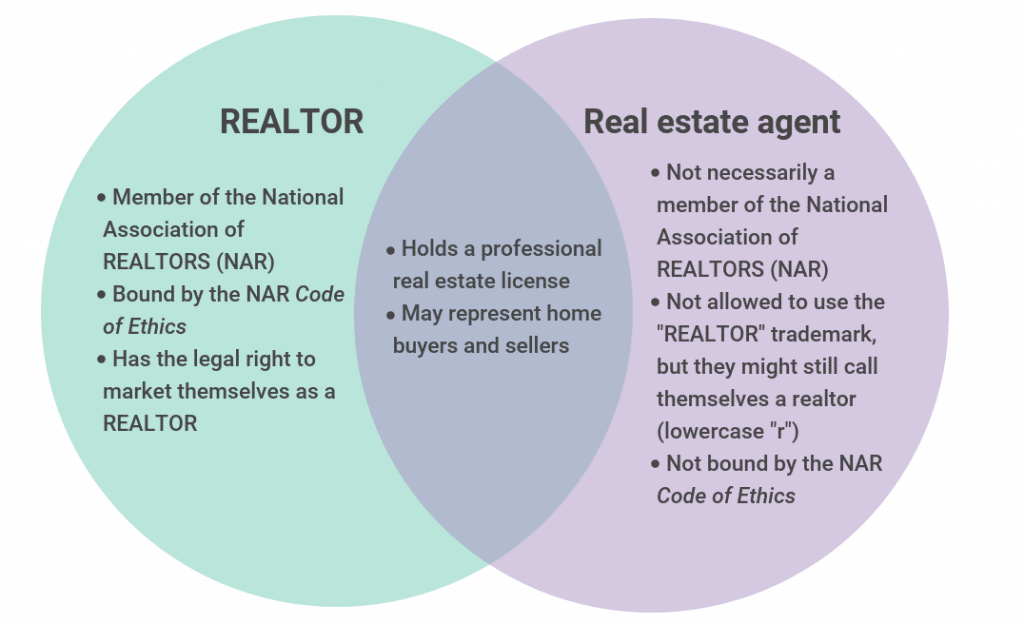

 What’s down
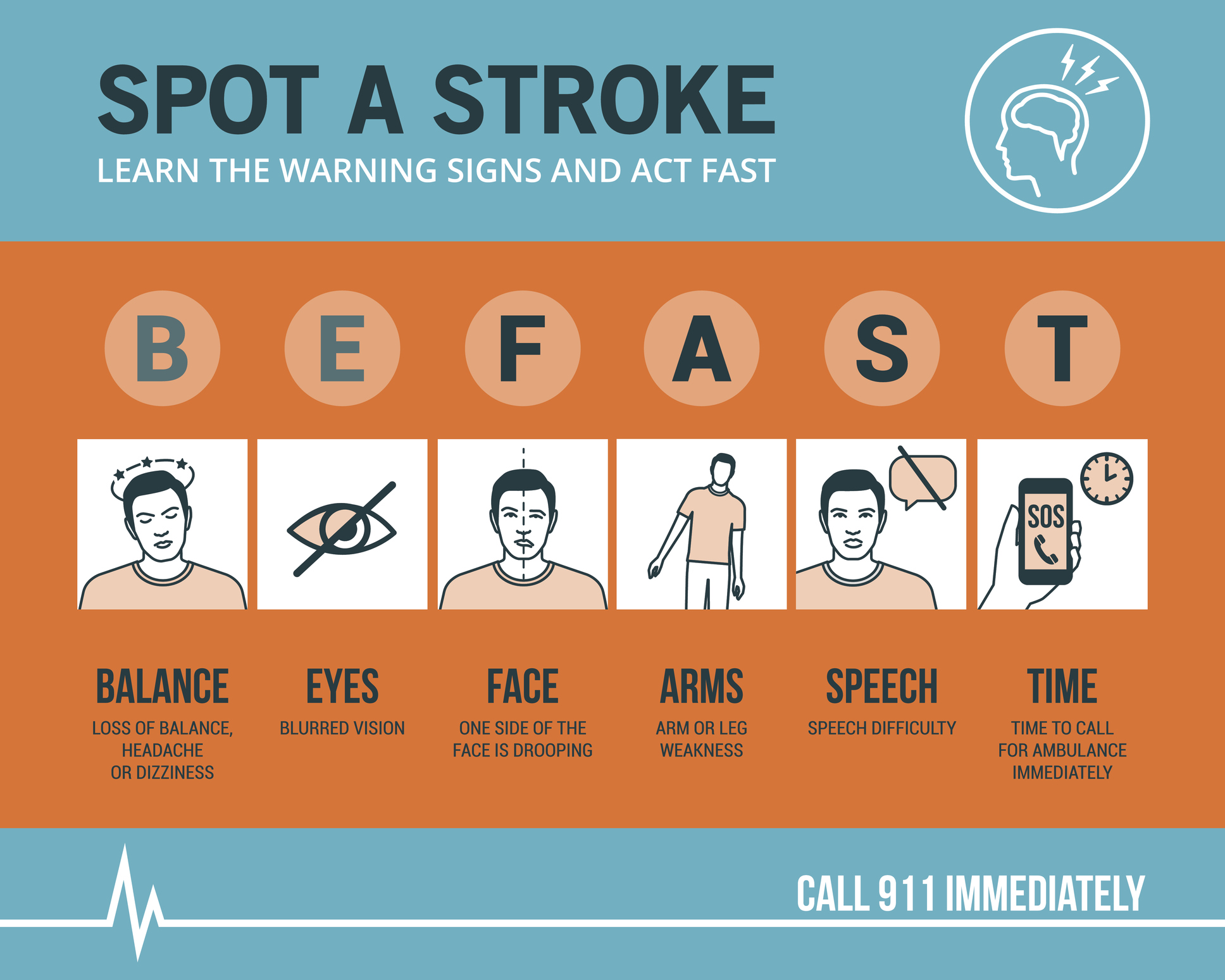






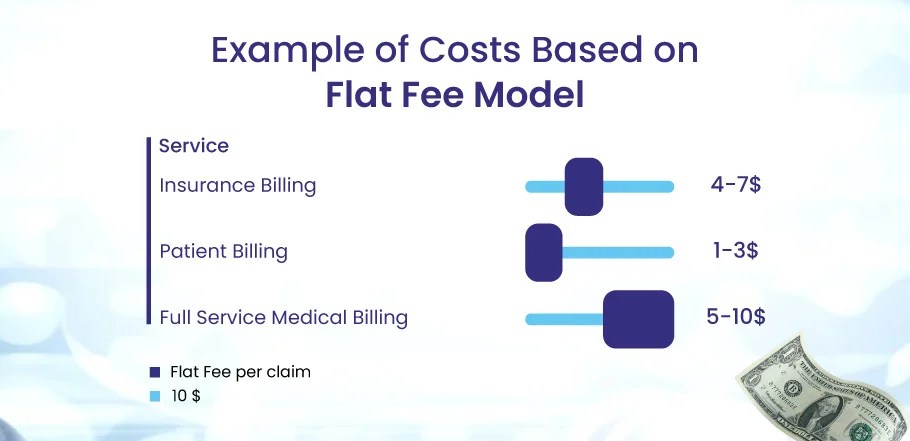


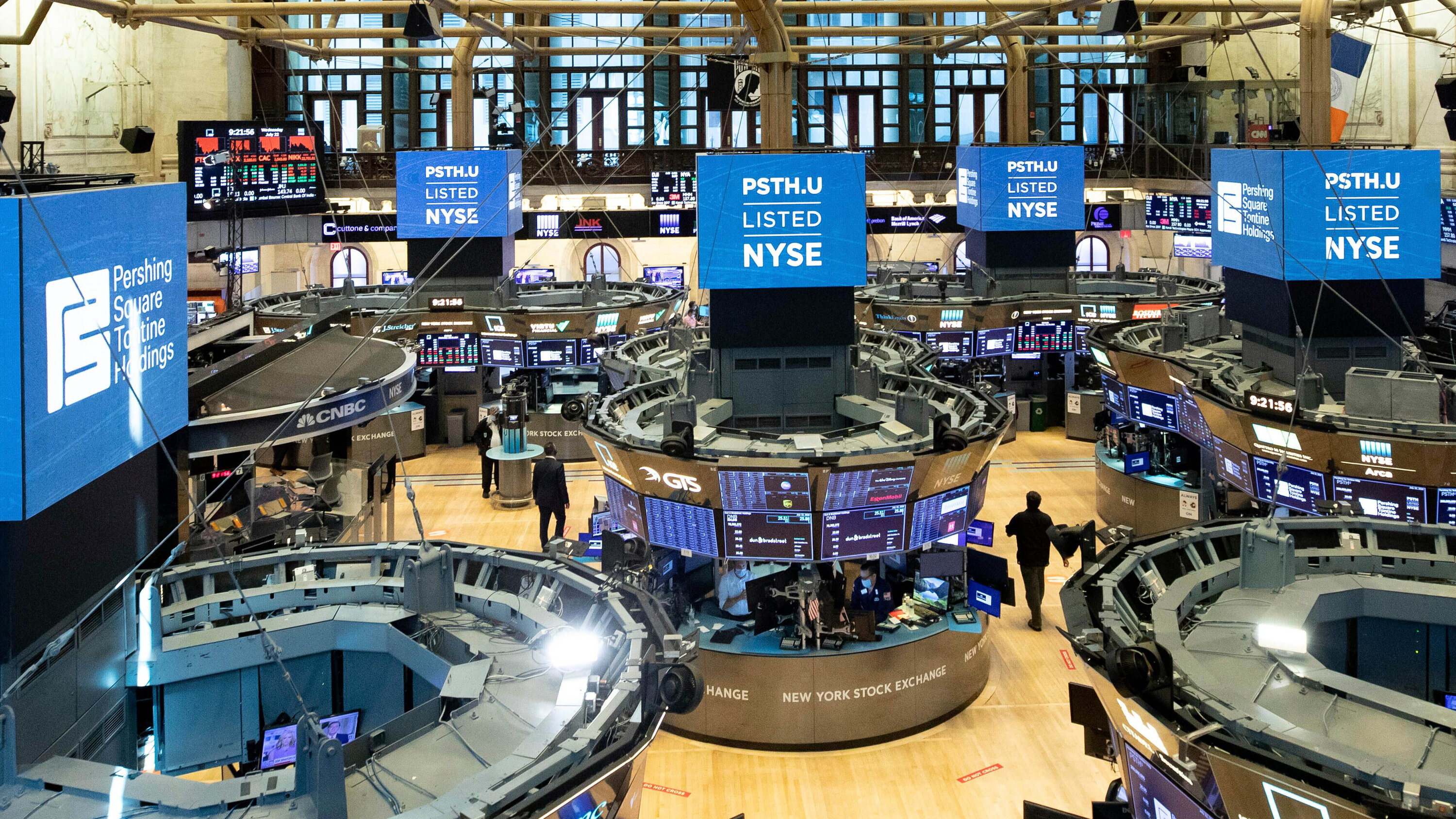











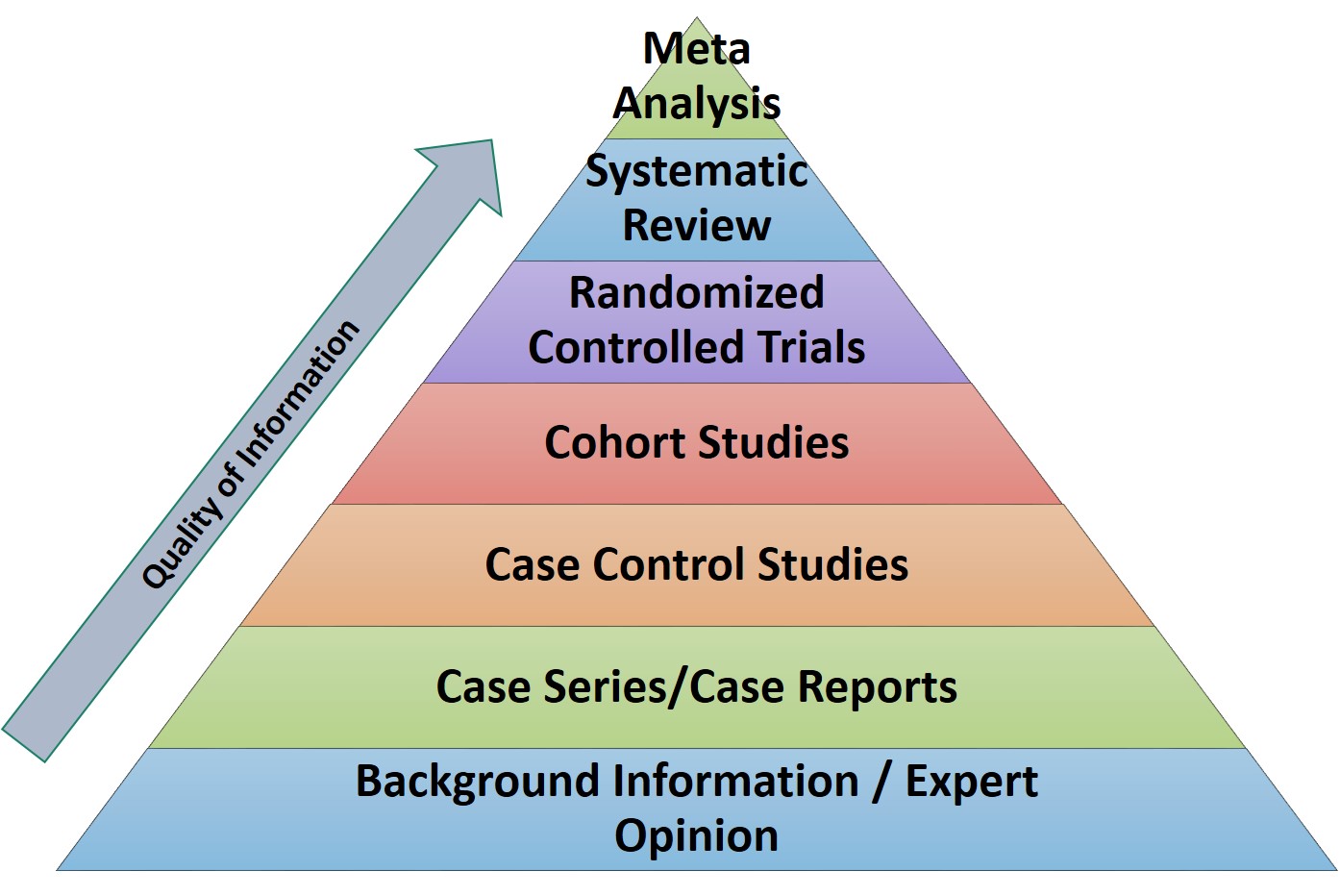








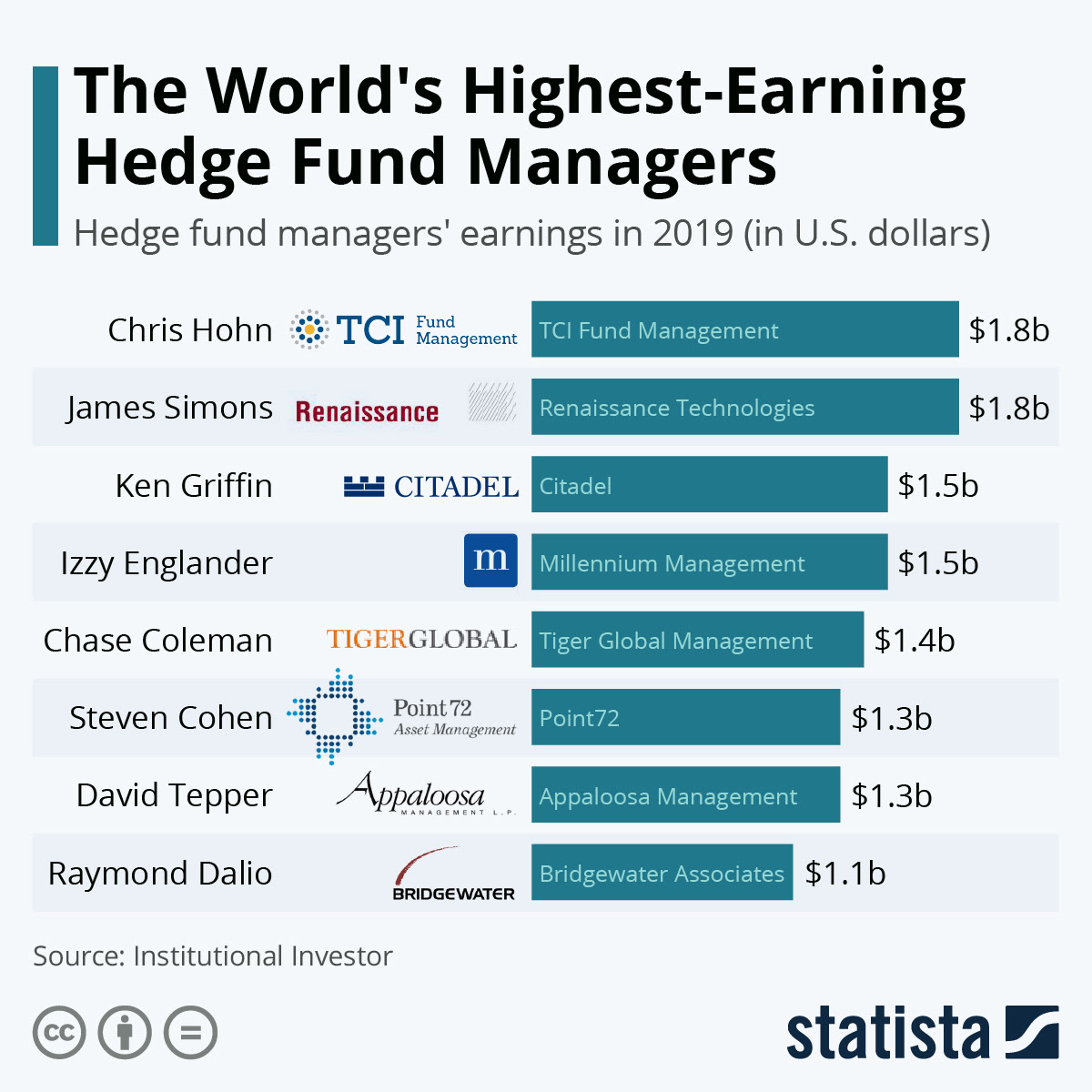









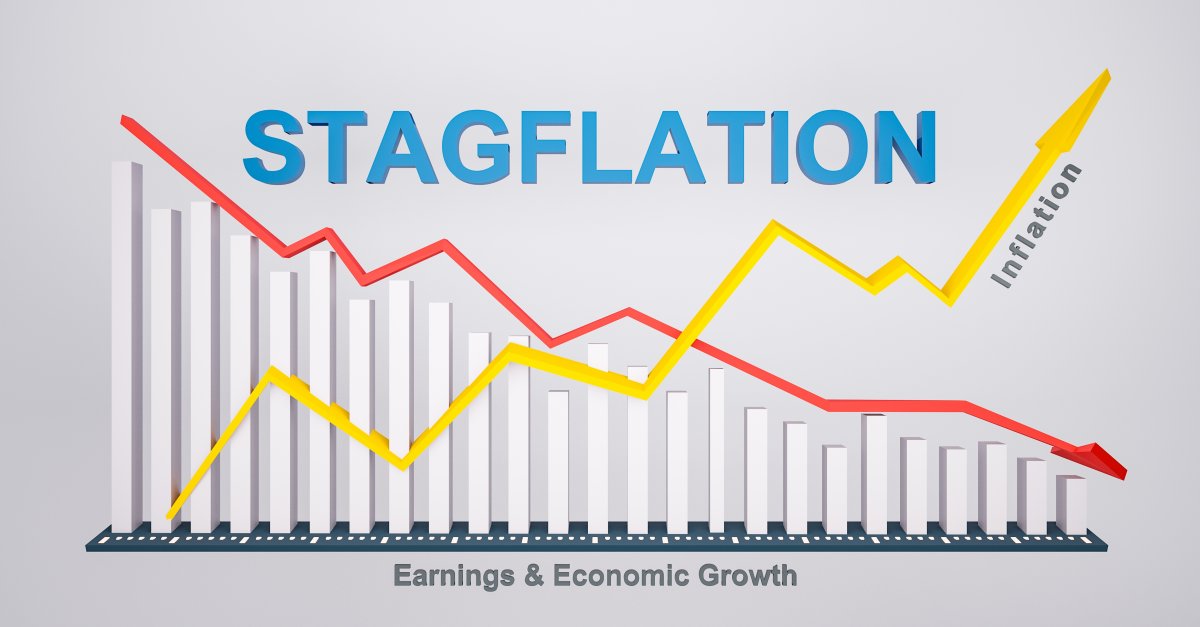































 The Leading Business Education Network for Doctors, Financial Advisors and Health Industry Consultants