BOARD CERTIFICATION EXAM STUDY GUIDES Lower Extremity Trauma
[Click on Image to Enlarge]
ME-P Free Advertising Consultation
The “Medical Executive-Post” is about connecting doctors, health care executives and modern consulting advisors. It’s about free-enterprise, business, practice, policy, personal financial planning and wealth building capitalism. We have an attitude that’s independent, outspoken, intelligent and so Next-Gen; often edgy, usually controversial. And, our consultants “got fly”, just like U. Read it! Write it! Post it! “Medical Executive-Post”. Call or email us for your FREE advertising and sales consultation TODAY [678.779.8597] Email: MarcinkoAdvisors@outlook.com
Medical & Surgical e-Consent Forms
ePodiatryConsentForms.com
iMBA Inc., OFFICES
Suite #5901 Wilbanks Drive, Norcross, Georgia, 30092 USA [1.678.779.8597]. Our location is real and we are now virtually enabled to assist new long distance clients and out-of-town colleagues.
ME-P Publishing
SEEKING INDUSTRY INFO PARTNERS?
If you want the opportunity to work with leading health care industry insiders, innovators and watchers, the “ME-P” may be right for you? We are unbiased and operate at the nexus of theoretical and applied R&D. Collaborate with us and you’ll put your brand in front of a smart & tightly focused demographic; one at the forefront of our emerging healthcare free marketplace of informed and professional “movers and shakers.” Our Ad Rate Card is available upon request [678-779-8597].
Posted on August 9, 2025 by Dr. David Edward Marcinko MBA MEd CMP™
By A.I.and Staff Reporters
***
***
President Trump is set to sign an executive order allowing alternative assets such as cryptocurrency, private equity investments, and real estate in 401(k) accounts. Those accounts are a veritable gold mine—Americans have stashed approximately $12.5 trillion away for retirement, and alternative asset managers have been chomping at the bit to get a piece of that pie.
According to Brew Markets, the changes have been a long time coming. All the way back in his first term, Trump ordered the Labor Department to review how to incorporate private equity investments into retirement accounts, an effort that was later reversed under President Biden. This latest move expands beyond private equity, coinciding with Trump’s push to bring crypto mainstream.
Proponents argue that alternative assets in 401(k) accounts will enhance investment diversification and could provide retirees with greater profits. Detractors note that these assets are less liquid, less transparent, and generally more risky than investing retirement funds into publicly traded stocks and bonds.
Posted on July 6, 2025 by Dr. David Edward Marcinko MBA MEd CMP™
By Health Capital Consultants LLC
***
***
On June 9th, 2025, Oregon’s governor signed into law the country’s strictest corporate practice of medicine (CPOM) prohibition. Senate Bill (SB) 951 will severely curtail the involvement of private equity firms and other corporations in the state’s medical practices.
This Health Capital Topics reviews the bill and discusses the implications on the healthcare industry. (Read more…)
Posted on June 27, 2025 by Dr. David Edward Marcinko MBA MEd CMP™
By Staff Reporters
***
***
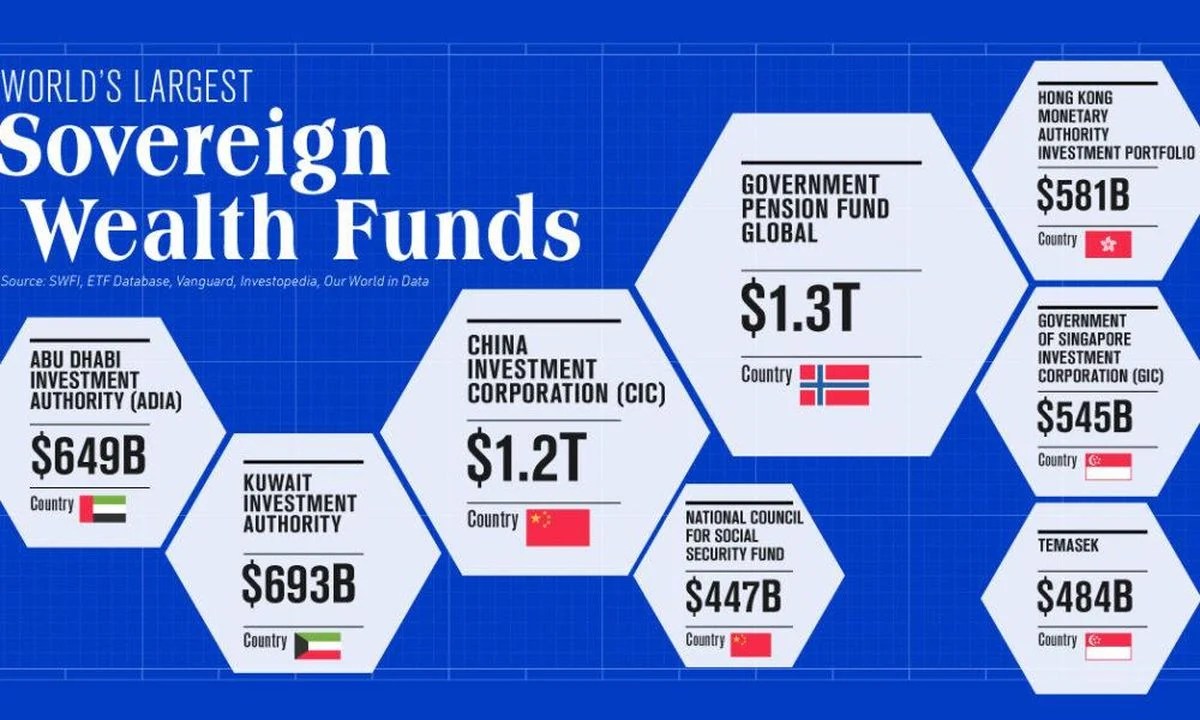
A SWF is essentially an investment fund run by the government. Similar to how a hedge fund or a private equity firm operates, the government would set aside a pot of money and invest it in assets such as stocks, bonds, startups, or real estate.
The idea of the US establishing a sovereign wealth fund akin to Norway’s or Abu Dhabi’s gained momentum recently across the political spectrum. Former President Trump endorsed the concept during a speech on his economic policy agenda for a second term, and the Biden administration has been quietly cheffing up a proposal for a wealth fund over the past several months, Bloomberg reported.
Trump and Biden officials described the fund as a key tool the country could deploy to win the global technological arms race and better compete against geopolitical rivals like China.
For example, the wealth fund could finance capital-intensive sectors such as shipbuilding, nuclear fission, and quantum cryptography that don’t offer near-term ROI for private investors.
However, disadvantages of a SWF include:
Non-Guaranteed Returns, with the Risk of Total Loss
Influence on Foreign Exchange Rates, Introducing Uncertainty
Potential Mismanagement of Funds Due to a Lack of Transparency
Dependency on Global Economic Conditions, Impacting Fund Performance
Challenges in Maintaining Accountability and Addressing Ethical Concerns
Carried interest accounts for the bulk of private equity fund managers’ compensation. It is calculated as a share of fund profits, historically 20% above a threshold rate of return for limited partners.
In contrast with most other forms of employment compensation and business income, carried interest earned from fund investments held for at least three years is taxed as a long-term capital gain at a rate below the top marginal income tax rate.
Critics of the provision contend it taxes highly compensated private equity managers at a lower rate than comparably paid providers of labor or business services.
Defenders of carried interest argue taxing it as income would be unfair because it represents capital gains even if they’re not derived from recipients’ capital.
An alternative investment is a financial asset that does not fall into one of the conventional investment categories. Conventional categories include stocks, bonds, and cash. Alternative investments can include private equity or venture capital, hedge funds, managed futures, art and antiques, commodities, and derivatives contracts. Real estate is also often classified as an alternative investment.
QUESTION: But what about a medical, podiatric or dental practice?
***
***
AnAlternate Asset Class Surrogate?
A medical practice is much like an alternative investment [AI], or alternate asset class in, two respects.
First, it provides the work environment that generates personal income which has been considered generous, to date.
Second, it has inherent appreciation and sales value that can be part of an exit (retirement) or succession planning transfer strategy.
Conclusion
So, unlike the emerging thought that offers Social Security payments as a surrogate for an asset classes; or a federally insured AAA bond – a medical practice might also be considered by some folks as an asset class within a well diversified modern investment portfolio.
SPEAKING: Dr. Marcinko will be speaking and lecturing, signing and opining, teaching and preaching, storming and performing at many locations throughout the USA this year! His tour of witty and serious pontifications may be scheduled on a planned or ad-hoc basis; for public or private meetings and gatherings; formally, informally, or over lunch or dinner. All medical societies, financial advisory firms or Broker-Dealers are encouraged to submit a RFP for speaking engagements: MarcinkoAdvisors@outlook.com
Posted on April 3, 2025 by Dr. David Edward Marcinko MBA MEd CMP™
BREAKING NEWS – MARKET VOLATILITY
By Staff Reporters
***
***
US stocks nosedived on Thursday, with the Dow tumbling more than 1,200 points as President Trump’s surprisingly steep “Liberation Day” tariffs sent shock waves through markets worldwide. The tech-heavy NASDAQ Composite (IXIC) led the sell-off, plummeting over 4%. The S&P 500 (GSPC) dove 3.7%, while the Dow Jones Industrial Average (^DJI) tumbled roughly 3%. [ongoing story].
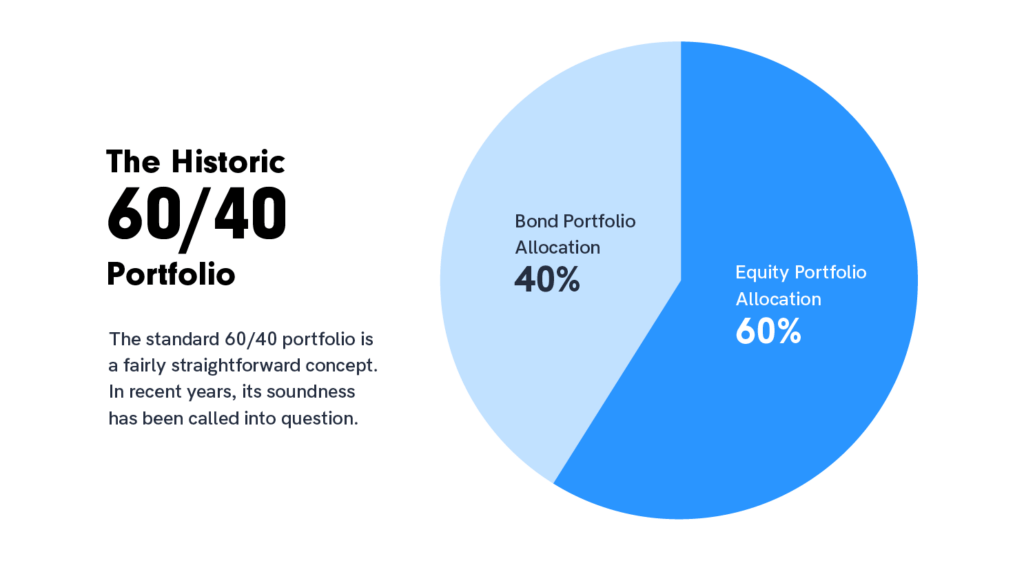
So, does the traditional 60 stock / 40 bond strategy still work or do we need another portfolio model?
***
The 60/40 strategy evolved out of American economist Harry Markowitz’s groundbreaking 1950s work on modern portfolio theory, which holds that investors should diversify their holdings with a mix of high-risk, high-return assets and low-risk, low-return assets based on their individual circumstances.
While a portfolio with a mix of 40% bonds and 60% equities may bring lower returns than all-stock holdings, the diversification generally brings lower variance in the returns—meaning more reliability—as long as there isn’t a strong correlation between stock and bond returns (ideally the correlation is negative, with bond returns rising while stock returns fall).
For 60/40 to work, bonds must be less volatile than stocks and economic growth and inflation have to move up and down in tandem. Typically, the same economic growth that powers rallies in equities also pushes up inflation—and bond returns down. Conversely, in a recession stocks drop and inflation is low, pushing up bond prices.
***
But, the traditional 60/40 portfolio may “no longer fully represent true diversification,” BlackRock CEO Larry Fink writes in a new letter to investors.
Instead, the “future standard portfolio” may move toward 50/30/20 with stocks, bonds and private assets like real estate, infrastructure and private credit, Fink writes.
Here’s what experts say individual investors may want to consider before dabbling in private investments.
It may be time to rethink the traditional 60/40 investment portfolio, according to BlackRock CEO Larry Fink. In a new letter to investors, Fink writes the traditional allocation comprised of 60% stocks and 40% bonds that dates back to the 1950s “may no longer fully represent true diversification.“
SPEAKING: Dr. Marcinko will be speaking and lecturing, signing and opining, teaching and preaching, storming and performing at many locations throughout the USA this year! His tour of witty and serious pontifications may be scheduled on a planned or ad-hoc basis; for public or private meetings and gatherings; formally, informally, or over lunch or dinner. All medical societies, financial advisory firms or Broker-Dealers are encouraged to submit a RFP for speaking engagements: MarcinkoAdvisors@outlook.com
Posted on March 26, 2025 by Dr. David Edward Marcinko MBA MEd CMP™
MEDICAL EXECUTIVE-POST–TODAY’SNEWSLETTERBRIEFING
***
Essays, Opinions and Curated News in Health Economics, Investing, Business, Management and Financial Planning for Physician Entrepreneurs and their Savvy Advisors and Consultants
“Serving Almost One Million Doctors, Financial Advisors and Medical Management Consultants Daily“
A Partner of the Institute of Medical Business Advisors , Inc.
Donald Trump has officially dropped a stablecoin. It’s called USD1, and it’s pegged 1:1 with the US dollar, according to a statement from his family company World Liberty Financial Inc, (WLFI) today. The company says the token is fully backed by short-term US government treasuries, USD deposits, and other cash equivalents. Every token equals one dollar, no exceptions. WLFI says it built the whole thing to give people a stablecoin they don’t have to second guess.
US stocks rose for a third day in a row despite souring consumer confidence — and as investors weighed whether President Trump would temper his plans for upcoming tariffs.
The benchmark S&P 500 (^GSPC) rose more than 0.1%, while the Dow Jones Industrial Average (^DJI) ticked just above the flatline. The tech-heavy NASDAQ Composite (^IXIC) rose nearly 0.5%, bolstered by a more than 3% jump from Tesla (TSLA).
Posted on March 8, 2025 by Dr. David Edward Marcinko MBA MEd CMP™
MEDICAL EXECUTIVE-POST–TODAY’SNEWSLETTERBRIEFING
***
Essays, Opinions and Curated News in Health Economics, Investing, Business, Management and Financial Planning for Physician Entrepreneurs and their Savvy Advisors and Consultants
“Serving Almost One Million Doctors, Financial Advisors and Medical Management Consultants Daily“
A Partner of the Institute of Medical Business Advisors , Inc.
Walgreens Boots Alliance says it has agreed to be acquired by private equity firm Sycamore Partners as the struggling retailer looks to turn itself around after years of losing money. Walgreens said Thursday that Sycamore will pay $11.45 per share, giving the deal an equity value just under $10 billion. Shareholders could eventually receive up to an
A capital call is a notice sent to investors requesting that they contribute additional capital to a private equity fund. Capital calls are made when the fund manager has identified a new investment opportunity that requires additional funds.
Investors must be prepared to respond to capital calls with the required funds in a timely manner, as failure to do so could result in penalties or even the loss of their investment.
Carried Interest: Understanding the Concept
Carried interest is a form of incentive fee paid to private equity fund managers. This fee is calculated as a percentage of the profits generated by the fund’s investments.
Carried interest is often criticized as a tax loophole, as it is treated as capital gains, which are taxed at a lower rate than ordinary income.
Deal Flow: What it Means for Investors
Deal flow refers to the number of potential investment opportunities that a private equity firm evaluates. A robust deal flow is important for private equity firms, as it provides a pipeline of potential investments to consider.
Investors may want to investigate a private equity firm’s deal flow as part of their due diligence process, as a strong deal flow can indicate the firm has a good track record of finding attractive investment opportunities.
Due Diligence: A Key Step in Private Equity Investing
Due diligence is the process of evaluating a potential investment opportunity to assess its viability. This process involves a thorough investigation of the company’s financials, operations, and management team.
Due diligence is a critical step in the private equity investment process, as it helps to identify potential risks associated with an investment opportunity. Investors who skip due diligence do so at their own risk.
Exit Strategy: How Private Equity Firms Make Money
Exit strategy refers to the plan that private equity firms have in place to cash out of their investments. Private equity firms typically exit investments through an initial public offering (IPO), a sale to another company, or a management buyout.
Exit strategy is critical to the private equity investment process, as it is how investors ultimately make returns on their investments.
Fund of Funds: An Overview
A fund of funds is a type of investment fund that invests in other investment funds. In the private equity space, fund of funds typically invest in a portfolio of private equity funds.
Fund of funds can be a good way for investors to gain exposure to a wider range of private equity investments with less risk than investing in individual funds.
General Partner vs Limited Partner: What’s the Difference?
The general partner is the party responsible for managing the private equity fund and making investment decisions. Limited partners, on the other hand, are typically passive investors who provide capital but have little involvement in the investment process.
The distinction between general partners and limited partners is important for investors to understand, as it can impact their level of involvement in the investment process.
Investment Horizon: A Crucial Factor in Private Equity Investments
Investment horizon refers to the length of time an investor plans to hold an investment. In the private equity space, investment horizons can be several years or even a decade.
Investment horizon is a critical factor for investors to consider, as it impacts the level of liquidity they will have and the returns they can expect to make on their investment.
Leveraged Buyout (LBO): Definition and Examples
A leveraged buyout is a type of acquisition where the acquiring company uses a significant amount of debt to finance the purchase. The idea is that the acquired company’s assets will be used as collateral to secure the debt.
Leveraged buyouts can be an effective way for private equity firms to acquire companies with minimal capital investment. However, the use of leverage also increases the risk associated with these types of acquisitions.
Management Fee vs Performance Fee: Understanding the Two
The management fee is the fee paid to the general partner for managing the private equity fund. The performance fee, or carried interest, is paid based on the fund’s performance and returns generated for investors.
The distinction between management fees and performance fees is important for investors to understand, as it affects the level of fees they will be responsible for paying.
Pitchbook: A Guide to Creating an Effective Pitchbook
A pitchbook is a presentation used by private equity firms to pitch their investment strategy to potential investors. An effective pitchbook should be clear, well-organized, and provide a compelling rationale for why investors should consider investing in the fund.
Investors reviewing a fund’s pitchbook should look for evidence of a well-thought-out investment strategy and a track record of successful investments.
Private Placement Memorandum (PPM): What it is and Why It Matters
A private placement memorandum is a legal document provided to potential investors that details the terms of the private equity fund. It includes information on the fund’s investment strategy, expected returns, fees, and risks associated with the investment.
Reviewing a fund’s private placement memorandum is a critical step in the due diligence process, as it provides investors with a comprehensive understanding of the investment opportunity.
Recapitalization: A Strategy for Restructuring a Company
Recapitalization is a strategy used by private equity firms to restructure a company’s capital structure. This can involve issuing debt to pay off equity holders or issuing equity to pay off debt holders.
Recapitalization is often used to improve a company’s financial position and increase its value, making it a key tool in the private equity arsenal.
Valuation Techniques Used in Private Equity Investing
Valuation techniques are used to determine the value of a private company. These techniques can include discounted cash flow analysis, market multiples analysis, and asset-based valuation.
Understanding valuation techniques is important for investors, as it allows them to evaluate the relative value of investment opportunities and make informed investment decisions.
Posted on December 11, 2024 by Dr. David Edward Marcinko MBA MEd CMP™
MEDICAL EXECUTIVE-POST–TODAY’SNEWSLETTERBRIEFING
***
Essays, Opinions and Curated News in Health Economics, Investing, Business, Management and Financial Planning for Physician Entrepreneurs and their Savvy Advisors and Consultants
“Serving Almost One Million Doctors, Financial Advisors and Medical Management Consultants Daily“
A Partner of the Institute of Medical Business Advisors , Inc.
According to reporting from the Wall Street Journal, the pharmacy chain Walgreen’s is discussing selling to private equity (PE) firm Sycamore Partners, a deal that could close early next year. This comes following a tumultuous year for the company, which announced it would close 1,200 stores in October and laid off more than 250 employees in November. The PE firm is allegedly considering selling off pieces of the business or working with partners, sources told the Journal. Following the news, Walgreens’s stock jumped 28%, its biggest single-day increase since 1980, according to Yahoo Finance.
Inflation rose 2.7% on an annual basis in November, according to the latest government report on the Consumer Price Index, or CPI. Last month’s CPI was forecast to come in at 2.7%, according to economists surveyed by financial data firm FactSet. The Consumer Price Index, a basket of goods and services typically bought by consumers, tracks the change in those prices over time.
US stocks opened higher on Wednesday as investors digested another month of sticky inflation data that met economists’ expectations and likely pointed to a Federal Reserve interest rate cut next week. The Dow Jones Industrial Average (^DJI) increased about 0.2%, while the S&P 500 (^GSPC) jumped nearly 0.5%. The tech-heavy NASDAQ Composite (^IXIC) also added to across-the-board gains, rising roughly 0.8%.
Private equity consists of investments made directly into private companies that are not quoted on a public exchange. The majority of private equity consists of institutional investors and accredited investors who can commit large sums of money for long periods of time.
Private equity investments often demand long holding periods to allow for a turnaround of a distressed company or a liquidity event such as an initial public offering or sale to a public company.
Posted on November 25, 2024 by Dr. David Edward Marcinko MBA MEd CMP™
MEDICAL EXECUTIVE-POST–TODAY’SNEWSLETTERBRIEFING
***
Essays, Opinions and Curated News in Health Economics, Investing, Business, Management and Financial Planning for Physician Entrepreneurs and their Savvy Advisors and Consultants
“Serving Almost One Million Doctors, Financial Advisors and Medical Management Consultants Daily“
A Partner of the Institute of Medical Business Advisors , Inc.
Amazon invests $4 billion more in Anthropic. The deal marks the second time in a year that Amazon has earmarked $4 billion for Anthropic as it seeks to keep pace with its main rival, OpenAI, which raised $6.6 billion in October.
Morningstar Inc. has announced a change to the methodology for its Morningstar Medalist Rating system that it says provides a more precise assessment of investment alpha. The change, which will take effect on October 29th, will alter the medalist ratings of about 20% of the 200,000 funds Morningstar has rated, with most of those changes downgrades. For example, Morningstar expects around 40% of funds currently assigned Bronze ratings globally will be assigned Neutral ratings after the change.
Posted on November 15, 2024 by Dr. David Edward Marcinko MBA MEd CMP™
MEDICAL EXECUTIVE-POST–TODAY’SNEWSLETTERBRIEFING
***
Essays, Opinions and Curated News in Health Economics, Investing, Business, Management and Financial Planning for Physician Entrepreneurs and their Savvy Advisors and Consultants
“Serving Almost One Million Doctors, Financial Advisors and Medical Management Consultants Daily“
A Partner of the Institute of Medical Business Advisors , Inc.
Private equity (PE) dollars have become prominent in the US healthcare industry in recent decades, with PE firms now owning roughly 8% of all private hospitals in the country, according to nonprofit Private Equity Stakeholder Project. But studies have illustrated the financial model’s potential adverse effects, such one published in JAMA in December 2023 that found PE-owned hospitals are 25.4% more likely to report patient complications. Others have found that PE-owned healthcare companies represented more than one-fifth of healthcare company bankruptcies in 2023 and that PE-owned hospitals see their assets drop an average of 24% following an acquisition.
Tapestry, parent company of luxury brands like Coach and Kate Spade, and Capri, parent company of luxury brands like Versace and Jimmy Choo, have announced they will mutually terminate their planned merger. Tapestry popped 12.80%, while Capri rose 4.43%.
Speaking of luxury brands, Burberry soared 18.04% after its CEO announced a turnaround plan designed to halt the company’s recent decline.
Semiconductor maker ASML plummeted last month on a profit warning, but rose 2.90% today on reassurances that it’s still on track to meet its 2030 revenue forecasts.
STOCKS DOWN
Super Micro Computer fell yet another 11.41% as it nears the November 16 deadline to report fiscal year earnings or be delisted from the Nasdaq.
Trump Media & Technology Group dropped 6.71% as investors digested news that company insiders are shedding shares, as well as in reaction to a number of President-elect Trump’s cabinet appointments.
Hims & Hers Health tumbled 24.46% on the news that Amazon is getting into the telehealth game, offering Prime members fixed prices on treatments for hair loss and erectile dysfunction.
Ibotta is a cashback rewards company, but its shareholders may want their cash back. The company beat on top and bottom line estimates last quarter, but the win wasn’t good enough, and shares sank 12.55%.
The S&P 500® index (SPX) fell 36.21 points (–0.60%) to 5,949.17; the Dow Jones Industrial Average® ($DJI) lost 207.33 points (–0.47%) to 43,750.86; and the NASDAQ Composite®($COMP) dropped 123.07 points (–0.64%) to 19,107.65.
The 10-year Treasury note yield fell three basis points to 4.42%.
The CBOE Volatility Index® (VIX) edged up to 14.17.
Posted on November 11, 2024 by Dr. David Edward Marcinko MBA MEd CMP™
By Health Capital Consultants, LLC
***
***
On September 28th, 2024, California Governor Gavin Newsom vetoed Assembly Bill (AB) 3129, which sought to regulate private equity (PE) transactions involving healthcare organizations by requiring certain transactions to be reviewed by, and to receive approval from, the California Attorney General (AG).
In his veto message, Governor Newsom stated that the state’s Office of Health Care Affordability (OHCA), established in 2022, has the power to review and evaluate healthcare transactions (including the ones at issue in AB 3129). While OHCA does not have the power to block proposed transactions, as the AG would have had under AB 3129, it can refer transactions to the AG for further examination. Put simply, the governor’s veto seems to stem from concern that taking power away from the newly-created OHCA could muddy the waters in healthcare transaction regulation.
While there is a possibility that the California legislature could override Governor Newsom’s veto, it appears unlikely as of the publication of this Alert. However, the overall popularity of this bill in the legislature (as evidenced by the fairly wide margins with which it passed) indicates that PE groups looking to transact in the healthcare space – both in California and across the U.S. – should be on high alert, as regulators are increasingly turning their focus on the role of PE in healthcare.
Posted on October 4, 2024 by Dr. David Edward Marcinko MBA MEd CMP™
IN PRIVATE EQUITY AND MEDICINE
By Staff Reporters
***
***
PRIVATE EQUITY
In private equity, the J curve is used to illustrate the historical tendency of private equity funds to deliver negative returns in early years and investment gains in the outlying years as the portfolios of companies mature.
And, according to Wikipedia, in the early years of the fund, a number of factors contribute to negative returns including management fees, investment costs and under-performing investments that are identified early and written down. Over time the fund will begin to experience unrealized gains followed eventually by events in which gains are realized (e.g., IPOs, mergers and acquisitions, leveraged recapitalizations).
Historically, the J curve effect has been more pronounced in the US, where private equity firms tend to carry their investments at the lower of market value or investment cost and have been more aggressive in writing down investments than in writing up investments. As a result, the carrying value of any investment that is under performing will be written down but the carrying value of investments that are performing well tend to be recognized only when there is some kind of event that forces the PE to mark up the investment.
The steeper the positive part of the J curve, the quicker cash is returned to investors. A private equity firm that can make quick returns to investors provides investors with the opportunity to reinvest that cash elsewhere. Of course, with a tightening of credit markets, private equity firms have found it harder to sell businesses they previously invested in. Proceeds to investors have reduced. J curves have flattened dramatically. This leaves investors with less cash flow to invest elsewhere, such as in other private equity firms. The implications for private equity could well be severe. Being unable to sell businesses to generate proceeds and fees means some in the industry have predicted consolidation among private equity firms.
MEDICINE
In medicine, the “J curve” refers to a graph in which the x-axis measures either of two treatable symptoms (blood pressure or blood cholesterol level) while the y-axis measures the chance that a patient will develop cardiovascular disease (CVD). It is well known that high blood pressure or high cholesterol levels increase a patient’s risk.
Paradoxically, what is less well known is that plots of large populations against CVD mortality often take the shape of a J curve which indicates that patients with very low blood pressure and/or low cholesterol levels are also at increased risk.
Posted on October 1, 2024 by Dr. David Edward Marcinko MBA MEd CMP™
By Health Capital Consultants, LLC
***
On August 31, 2024, the California legislature passed a bill that may curb private equity (PE) healthcare transactions in the state. The legislation is now on Governor Gavin Newsom’s desk for signature, who must sign or veto the bill by September 30, 2024. If signed into law, California will have the strictest regulation of PE deals of any state in the country.
Posted on September 24, 2024 by Dr. David Edward Marcinko MBA MEd CMP™
MEDICAL EXECUTIVE-POST–TODAY’SNEWSLETTERBRIEFING
***
Essays, Opinions and Curated News in Health Economics, Investing, Business, Management and Financial Planning for Physician Entrepreneurs and their Savvy Advisors and Consultants
“Serving Almost One Million Doctors, Financial Advisors and Medical Management Consultants Daily“
A Partner of the Institute of Medical Business Advisors , Inc.
Private equity giant Apollo has offered an investment of up to $5 billion in Intel, a sign of support for its comeback efforts, according to Bloomberg.
Stat: 9 out of 10. That’s where the US healthcare system ranked on efficiency among 10 high-income countries. (Axios)
Intel is suddenly looking like the belle of the ball. Shares rose 3.30% after Apollo Global Management reportedly offered to make an investment of up to $5 billion, even as Qualcomm hints it wants to acquire the old school tech giant.
Palantir surged 2.02% during its first day of trading on the S&P 500, in spite of a downgrade from a Raymond James analyst.
Southwest Airlines ascended 2.03% after management told employees that “tough decisions” lie ahead, implying forthcoming job cuts as the company focuses on profitability.
Boeing popped 1.96% on hopes that a labor dispute will be over soon after the company issued its “final” offer to striking machinists, including a 30% raise over the next four years.
Tesla revved 4.93% higher thanks to an analyst upgrade from Barclays focused on higher delivery expectations and near-term catalysts like the upcoming Robotaxi event.
What’s down
General Motors sank 1.70% after receiving an analyst downgrade from Bernstein citing “earnings headwinds.”
Ulta Beauty fell 2.03% thanks to an analyst downgrade from the folks at TD Cowen, who don’t like the rising costs the makeup company will have to pay to stay competitive.
Trump Media & Technology Group tumbled to a new all-time low, falling 10.33% as worries arise that former President Donald Trump will sell a portion of his stake in the social media company.
The S&P 500® index (SPX) added 16.02 points (0.28%) to 5,718.57; the Dow Jones Industrial Average® ($DJI) increased 61.29 points (0.15%) to 42,124.65; the NASDAQ Composite® ($COMP) rose 25.94 points (0.14%) to 17,974.27.
The 10-year Treasury note yield (TNX)added one basis point to 3.74%.
The CBOE Volatility Index® (VIX) fell to 15.82, closing at another new low for September.
Stat: $1.6 billion. That’s how much Constellation Energy is investing in reopening facilities at nuclear power plant Three Mile Island. The company is restarting the infamous plant to sell power to Microsoft data centers. (CNBC)
Visualize: How private equity tangled banks in a web of debt, from the Financial Times.
Posted on September 10, 2024 by Dr. David Edward Marcinko MBA MEd CMP™
MEDICAL EXECUTIVE-POST–TODAY’SNEWSLETTERBRIEFING
***
Essays, Opinions and Curated News in Health Economics, Investing, Business, Management and Financial Planning for Physician Entrepreneurs and their Savvy Advisors and Consultants
“Serving Almost One Million Doctors, Financial Advisors and Medical Management Consultants Daily“
A Partner of the Institute of Medical Business Advisors , Inc.
Stat: 60%. That’s how much Eli Lilly’s stock has grown this year, making it a contender to be the first healthcare stock to hit $1 trillion. (CNBC)
Quote:“We can’t wait another day to begin reviewing private equity investments in healthcare. When we look across the nation, we see private equity’s interest in healthcare growing by leaps and bounds.”—Jim Wood, a California state representative who cosponsored a bill to block PE acquisitions in healthcare (the Wall Street Journal)
Boeing went boing 3.36% after the beleaguered airplane maker reached a tentative agreement with the Machinists union to avoid a strike.
Summit Therapeutics soared 55.99% after the pharma company announced the stunning results of its lung cancer treatment ivonescimab (say that name five times fast).
JetBlue Airways rose 7.17% after a Bank of America analyst upgraded the company, citing the airline’s revenue-improvement initiatives.
Cannabis stocks got high(er) after former President Donald Trump announced he’d be willing to relax Federal marijuana laws if he is re-elected.
What’s down
Big Lots plummeted 40% before it was delisted entirely after the discount retailer filed for bankruptcy and sold itself to a private equity firm. Big Lots? More like Big Loss, amirite?! (Credit to reader Chris C. for that terrible joke)
Merck sank 2.06% after Summit Therapeutics (see above) announced that, as part of its late-stage trial results, its new drug ivonescimab outperformed Merck’s Keytruda.
Alphabet fell 1.33% as the search behemoth’s antitrust trial began this afternoon.
The S&P 500® index (SPX) rose 62.63points (1.16%) to 5,471.05; Dow Jones Industrial Average® ($DJI) gained 484.18 points (1.20%) to 40,829.59; NASDAQ Composite® ($COMP)added 193.77 points (1.16%) 16,884.60.
The 10-year Treasury note yield (TNX)fell just over one basis point to slightly below 3.7%.
The CBOE Volatility Index® (VIX) dropped sharply to 19.8, back below the historic average of 20.
The influential semiconductor sector, which wilted last week amid concerns about guidance from Nvidia (NVDA) and Broadcom (AVGO), revived Monday with a 2% gain for the PHLX Semiconductor Index (SOX). The SOX is still down double-digits from its August highs, pulled down by concerns of slowing economic demand.
Posted on August 28, 2024 by Dr. David Edward Marcinko MBA MEd CMP™
MEDICAL EXECUTIVE-POST–TODAY’SNEWSLETTERBRIEFING
***
Essays, Opinions and Curated News in Health Economics, Investing, Business, Management and Financial Planning for Physician Entrepreneurs and their Savvy Advisors and Consultants
“Serving Almost One Million Doctors, Financial Advisors and Medical Management Consultants Daily“
A Partner of the Institute of Medical Business Advisors , Inc.
The National Football League is expected to vote to allow private equity ownership of franchises, marking a significant change to its ultra-exclusive ownership club. The vote, all but guaranteed to pass, is a historic softening by the NFL, which will be the last of the major sports leagues in North America to permit private equity ownership. The NBA, MLB and NHL currently allow PE to own up to 30% of a team, while the NFL’s expected cap is 10%.
And, the stock of PDD Holdings, parent company of the fast-growing Temu shopping app, sank more than 30% on Monday, losing more than $50 billion in market value, after the e-commerce giant posted disappointing revenue results and executives warned of rapid competition and non-business challenges that may dampen growth and profits going forward.
Costco (+1.84%) hit an all-time high and topped $900/share for the first time. Don’t be surprised if it becomes the latest retailer to announce a stock split after Chipotle, Walmart, and Williams-Sonoma, according to Barron’s.
Hain Celestial Group, the better-for-you food company that makes those veggie straw snacks in your office pantry, popped 18.59% after beating profit expectations for the latest quarter.
What’s down
Hims & Hers, the direct-to-consumer provider of generics, fell 7.51% after Eli Lilly announced a cheaper version of its weight loss drug Zepbound.
Paramount Global dropped 7.15% after billionaire Edgar Bronfman Jr. decided he wouldn’t pursue an acquisition of the legacy media company. That leaves Skydance Media poised for an $8 billion takeover.
Cannabis stocks including Curaleaf Holdings (-13.52%), Canopy Growth (-9.56%), and Green Thumb Industries (-10.76%) went up in smoke when the DEA said it would hold its hearing over changing the classification of cannabis on Dec. 2—after the election.
Cava got bowled over 6.10% after its CEO and other insiders revealed stock sales.
The S&P 500® index (SPX) rose 8.96 points (0.16%) to 5,625.80; the Dow Jones Industrial Average® ($DJI) rose 9.98 (0.02%) to 41,250.50; the NASDAQ Composite®($COMP) added 29.05 points (0.16%) to 17,754.82.
The 10-year Treasury note yield (TNX) increased nearly two basis points to 3.83%.
The CBOE Volatility Index® (VIX) slipped to 15.42.
About half of S&P 500 sectors finished in the green today. Financials have been on a roll lately amid rate cut hopes and continued their solid performance Tuesday, while energy did a 180 Tuesday as crude oil lost ground.
Treasury yields remained in their recent trading range, with the gap narrowing further between the 2-year and 10-year Treasury note yields to roughly seven basis points. The inversion, in which two-year yields hold a premium to 10-year yields, reached 100 basis points a year ago as the Fed rapidly raised rates. The 10-year yield got some traction today from a solid Consumer Confidence report.
Applehas announced “it’s glowtime” for a Sept. 9th event during which the company is expected to debut the iPhone 16.
And,Uberwas fined 290 million euros ($347 million) by Dutch regulators for transferring driver data from the EU to the US. It’s one of the biggest fines ever issued under the EU’s data privacy law.
Icahn Enterprises L.P.’s stock tumbled 11.5% Monday to close at a roughly 21-year low, after billionaire Carl Icahn’s publicly traded investing arm filed to sell up to $400 million of its depositary units in an “at-the-market offering.” The news comes after Icahn and his company agreed last week to pay $2 million in civil penalties for failing to make required disclosures relating to personal margin loans worth billions of dollars. The stock closed at $14.07, its lowest level since it closed at $14.04 on Nov. 25, 2003.
Papa John’s (NASDAQ:PZZA) rose 4% and then surged amid some takeover speculation concerning Restaurants Brands (QSR), the parent of Burger King and Tim Hortons.
Visualize: How private equity tangled banks in a web of debt, from the Financial Times.
Posted on August 25, 2024 by Dr. David Edward Marcinko MBA MEd CMP™
MEDICAL EXECUTIVE-POST–TODAY’SNEWSLETTERBRIEFING
***
Essays, Opinions and Curated News in Health Economics, Investing, Business, Management and Financial Planning for Physician Entrepreneurs and their Savvy Advisors and Consultants
“Serving Almost One Million Doctors, Financial Advisors and Medical Management Consultants Daily“
A Partner of the Institute of Medical Business Advisors , Inc.
Telehealth has taken more hits lately than a piñata at a birthday party. For example:
In April, UnitedHealth Group announced it was shutting down its Optum Virtual Care program. Days later, Walmart announced it would shutter both Walmart Health and Walmart Health Virtual Care.
And in July, Teladoc posted a net loss of $838 million in Q2. The drop was largely driven by an impairment charge of ~$800 million for BetterHelp, the virtual mental health platform it acquired in 2015, Fierce Healthcare reported. Executives attributed the decline to increased customer acquisition costs, among other factors.
The Justice Department and the attorneys general of eight states sued RealPage, an apartment-pricing tool widely used by corporate landlords, alleging that it lowers competition by allowing property owners to coordinate higher rents.
Posted on August 18, 2024 by Dr. David Edward Marcinko MBA MEd CMP™
MEDICAL EXECUTIVE-POST–TODAY’SNEWSLETTERBRIEFING
***
Essays, Opinions and Curated News in Health Economics, Investing, Business, Management and Financial Planning for Physician Entrepreneurs and their Savvy Advisors and Consultants
“Serving Almost One Million Doctors, Financial Advisors and Medical Management Consultants Daily“
A Partner of the Institute of Medical Business Advisors , Inc.
In April, UnitedHealth Group announced it was shutting down its Optum Virtual Care program. Days later, Walmart announced it would shutter both Walmart Health and Walmart Health Virtual Care.
And in July, Teladoc posted a net loss of $838 million in Q2. The drop was largely driven by an impairment charge of ~$800 million for BetterHelp, the virtual mental health platform it acquired in 2015, Fierce Healthcare reported. Executives attributed the decline to increased customer acquisition costs, among other factors.
Finally, Stocks are way out of whack with reality, the WSJ argues. Nevertheless, a slew of encouraging economic data helped propel the S&P 500 to its best week of the year—a welcome change from the whiplash volatility of the week before. Bayer jumped after scoring an appeals court victory in a case over claims its Roundup weed killer causes cancer.
Visualize: How private equity tangled banks in a web of debt, from the Financial Times.
Posted on August 15, 2024 by Dr. David Edward Marcinko MBA MEd CMP™
MEDICAL EXECUTIVE-POST–TODAY’SNEWSLETTERBRIEFING
***
Essays, Opinions and Curated News in Health Economics, Investing, Business, Management and Financial Planning for Physician Entrepreneurs and their Savvy Advisors and Consultants
“Serving Almost One Million Doctors, Financial Advisors and Medical Management Consultants Daily“
A Partner of the Institute of Medical Business Advisors , Inc.
Private equity (PE) firms might make it rain cash for investors, but hospitals under their ownership are facing an asset drought, according to a research letter published in JAMA on July 30th. While fans of PE argue it can bring much-needed financial resources to struggling hospitals, the data disagrees. “Private equity acquisitions appear to have depleted, rather than augmented, hospital assets,” the authors, a group of physicians from medical institutions across the US, wrote.
The S&P 500 rose 20.78 points (0.38%) to 5,455.21; the Dow Jones Industrial Average® ($DJI) added 242.75 points (0.61%) to 40,008.39; the NASDAQ Composite®($COMP) squeaked out a slight gain of 4.99points (0.03%) to 17,192.60.
The 10-year Treasury note yield (TNX) dropped three basis points to 3.82%, the lowest close in more than a week.
The Cboe Volatility Index® (VIX) fell to 16.22, the lowest since July 23.
Stat: 21%. That’s the percentage of US physicians who are still paying off student loan debt. (Becker’s Hospital Review)
Quote: “The federal government is particularly ineffective and slow these days.”—Rep. Brianna Titone, a Colorado Democrat, on why states need to “step up” and make their own laws regulating the use of artificial intelligence in healthcare (Axios)
Read: A US Olympic athlete is taking advantage of free healthcare to catch up on preventive care while in Paris. (the Washington Post)
Visualize: How private equity tangled banks in a web of debt, from the Financial Times.
Posted on July 31, 2024 by Dr. David Edward Marcinko MBA MEd CMP™
MEDICAL EXECUTIVE-POST–TODAY’SNEWSLETTERBRIEFING
***
Essays, Opinions and Curated News in Health Economics, Investing, Business, Management and Financial Planning for Physician Entrepreneurs and their Savvy Advisors and Consultants
“Serving Almost One Million Doctors, Financial Advisors and Medical Management Consultants Daily“
A Partner of the Institute of Medical Business Advisors , Inc.
In the second quarter, 14 healthcare organizations spent more than a million dollars lobbying the federal government for healthcare policy change, led by the American Hospital Association and AARP.
Sen. Ed Markey (D-Massachusetts) and Rep. Pramila Jayapal (D-Washington) introduced strengthened legislation to rein in the actions of private equity firms that invest in healthcare facilities. The Health Over Wealth Act would require PE firms to put out reports on the facilities’ pay of executives, set up escrow accounts and receive a license from the Department of Health & Human Services prior to investing in healthcare facilities.
The Federal Open Market Committee (FOMC) meeting ending tomorrow is widely expected to conclude with no interest rate move. Instead, it could serve as a platform to help prepare market participants for a possible cut at the September meeting.
Here’s where the major benchmarks ended:
The S&P 500® (SPX) index lost 27.1 points (–0.5%) to 5,436.44; the Dow Jones Industrial Average® ($DJI) climbed 203.4 points (0.5%) to 40,743.33; the NASDAQ Composite®($COMP) fell 222.78 points (–1.3%) to 17,147.42.
The 10-year Treasury note yield (TNX) dropped about two basis points to 4.14%.
The CBOE Volatility Index® (VIX) jumped to 17.77, not far below last week’s highs.
What’s up
Paypal popped 8.59% after announcing impressive earnings and proving it’s got nothing to fear from Apple’s moves into the online payment world.
JetBlue Airways soared 12.31% thanks to a surprise profit last quarter rather than the loss analysts expected.
Affirm Holdings rose 2.31% due to an upgrade from “neutral” to “buy” from Bank of America analysts.
F5 jumped 12.99% thanks to a beat-and-raise earnings report.
What’s down
CrowdStrike sank 9.72% after its comeback stalled thanks to Delta’s declaration that it will seek damages from the cybersecurity company after canceling 7,000 flights.
Nvidia fell 7.04% as investors continue to rotate out of big tech and into smaller stocks.
Merck tanked 9.84% in spite of strong second-quarter earnings, as investors balked at lower sales of the key product Gardasil.
Visualize: A key measure of employer healthcare costs is poised for its biggest annual increase in more than a decade as more people use mental health care and get prescriptions for new, expensive drugs—yes, including Ozempic—according to a new PwC report.
Posted on July 29, 2024 by Dr. David Edward Marcinko MBA MEd CMP™
MEDICAL EXECUTIVE-POST–TODAY’SNEWSLETTERBRIEFING
***
Essays, Opinions and Curated News in Health Economics, Investing, Business, Management and Financial Planning for Physician Entrepreneurs and their Savvy Advisors and Consultants
“Serving Almost One Million Doctors, Financial Advisors and Medical Management Consultants Daily“
A Partner of the Institute of Medical Business Advisors , Inc.
Technology stocks were down last week but investors are encouraged by signs that 2024’s rally—which had been underpinned by a handful of Big Tech companies—is spreading to a broader swath of the market. For instance, the industrial focused Dow Jones Industrial Average has gained for four straight weeks, and the small-cap Russell 3000 is now up 14% this year. All eyes will be on the upcoming Federal Reserve meeting and the busiest earnings week of the season.
Donald Trump pledges to make the US “the crypto capital of the planet.” The former president pitched himself as the pro-crypto candidate in a keynote speech at the Bitcoin 2024 conference in Nashville. He told the audience that, if elected, he’d fire SEC Chair Gary Gensler (whom the crypto community accuses of waging a war on crypto) and install regulators friendly to digital tokens. He also said he’d create a strategic national crypto stockpile as part of a plan to make the US the “bitcoin superpower of the world.”
Consider two numbers: $568.34 and $60.09. The first is Zoom’s highest closing stock price, from October 2020; the second is its stock price today. That’s an 89% decline, caused by more workers heading back into the office (even Zoom employees) and competition from rival products by Microsoft and Google.
Visualize: How private equity tangled banks in a web of debt, from the Financial Times.
Posted on July 9, 2024 by Dr. David Edward Marcinko MBA MEd CMP™
By NIHCM
***
***
Private equity acquisition of physician practices continues to grow nationwide. New research focused on specialists in dermatology, gastroenterology, and ophthalmology shows the impact of the trend.
Novel evidence by NIHCM grantee Jane Zhu, MD, and her team, reveals shifts in workforce composition and hiring patterns after private equity firms obtain physician practices. The researchers’ findings are particularly important for policymakers and practices considering selling to private equity firms. Highlights include:
A significant yearly increase in the number of advanced practice providers at private equity-acquired practices, specifically nurse practitioners and physician assistants.
In acquired practices, entering clinicians replaced exiting clinicians at a higher rate than at non-private equity-acquired practices.
This work adds to the research team’s previous findings, including the geographic variations in private equity ownership across six medical specialties, and the impact of private equity on health care costs and utilization.
Private equity and venture capital investments typically involve ownership of shares in a company and represent title to a portion of the company’s future earnings. However, private equity is an equity interest in a company or venture whose stock is not yet traded on a stock exchange.
Venture capital is typically a special case of private equity in which the investment is in a company or venture that has little financial history or is embarking on a high risk/high potential reward business strategy.
Like real estate, private equity and venture capital investments generally share a general lack of liquidity and a lack of comparability across different individual investments. The lack of liquidity comes from the fact that private equity and venture capital investments are typically not tradable on a stock exchange until the company has an IPO.
The lack of comparability is due to the fact that most private equity and venture capital investments are the result of direct negotiation between the investor/venture capitalist and the existing owners of the company /venture.
With widely divergent terms and provisions across different investments, it is difficult to make general claims regarding the characteristics of private equity and venture capital investments.
Posted on July 2, 2024 by Dr. David Edward Marcinko MBA MEd CMP™
MEDICAL EXECUTIVE-POST–TODAY’SNEWSLETTERBRIEFING
***
Essays, Opinions and Curated News in Health Economics, Investing, Business, Management and Financial Planning for Physician Entrepreneurs and their Savvy Advisors and Consultants
“Serving Almost One Million Doctors, Financial Advisors and Medical Management Consultants Daily“
A Partner of the Institute of Medical Business Advisors , Inc.
Private equity gets a big accounting firm yet. The March story about private equity firm New Market Capital buying a $2.8 billion stake in accounting firm Grant Thorton was a big story. Private equity is gobbling up accounting firms, signaling a potential sea change in how accounting firms will operate in the future, with “more than half” of the top 20 accounting firms in talks with private equity.
The S&P 500® index (SPX) rose 14.61 points (0.27%) to 5,475.09; the Dow Jones Industrial Average® ($DJI) climbed 50.66 points (0.13%) to 39,169.52; the NASDAQ Composite® ($COMP) added 146.70 points (0.83%) to 17,879.30.
The 10-year Treasury note yield (TNX) rose 12 basis points to 4.47%, the highest level since May 30 and back above its 50-day moving average, a technically important move.
The CBOE Volatility Index® (VIX) slipped to 12.19.
Crude oil is up sharply over the last month amid rising Middle East tensions.
Spirit AeroSystems Holdings rose 3.35% on the news that Boeing plans to acquire the airplane parts supplier. Boeing shares rose a tepid 2.58%.
Birkenstock climbed 1.78% after UBS analysts rated the stock a “buy” and increased their price target 63% due to the company’s expansion plans.
French stocks rose on snap election results that showed the far-right National Rally may be unable to form a majority after the next round of elections on July 7.
What’s down
Chewy stock popped then dropped 6.63% after Roaring Kitty revealed a 6.6% stake in the pet products company.
GameStop shares fell 5.35% after CEO Ryan Cohen posted on Twitter/X for the first time in months to advertise a job opening.
Uber fell 2.17% and Lyft fell 0.92% on the news that Massachusetts now requires both companies to pay rideshare drivers $32.50 an hour, plus benefits.
Cruise stocks sank on the news that Hurricane Beryl is stronger than expected and will disrupt service throughout the Caribbean. Norwegian Cruise Line fell 5.86%, Carnival fell 5.40%, and Royal Caribbean fell 1.86%.
The largest nursing union in the US, National Nurses United (NNU), is sounding the alarm about the use of artificial intelligence (AI) in healthcare. In April, the union’s affiliate California Nurses Association (CNA) protested an AI conference helmed by managed care consortium Kaiser Permanente. Like workers in other sectors who are worried about AI encroachment, the nurses fear that the tech is contributing to the devaluation of their skills amid what they say is already a “chronic” understaffing crisis, nurses reported in an NNU survey of 2,300 registered nurses and members in early 2024.
Posted on June 21, 2024 by Dr. David Edward Marcinko MBA MEd CMP™
MEDICAL EXECUTIVE-POST–TODAY’SNEWSLETTERBRIEFING
***
Essays, Opinions and Curated News in Health Economics, Investing, Business, Management and Financial Planning for Physician Entrepreneurs and their Savvy Advisors and Consultants
“Serving Almost One Million Doctors, Financial Advisors and Medical Management Consultants Daily“
A Partner of the Institute of Medical Business Advisors , Inc.
Wells Fargo is losing $10 million per month on its partnership with Bilt, whose credit card offers users reward points for paying rent, and is looking to renegotiate, the WSJ reports. Apple has stopped offering its buy now, pay later program, Apple Pay Later, after partnering with outside companies, including Affirm.
Private equity (PE) is all over healthcare, with investment firms owning more than 400 hospitals around the US. But as the country faces a mental health crisis—US Surgeon General Vivek Murthy called it the “the defining public health crisis of our time”—PE has its sights set on one of the fastest-growing areas of the industry: behavioral health care. PE has accounted for over 60% of all behavioral health deal flow since 2018, and firms like Thurston Group and Five Points Capital now own about a quarter of facilities offering behavioral health care in some states, according to a recent cross-sectional study published in JAMA Psychiatry.
U.S. markets were closed Wednesday for the Juneteenth holiday. Here’s where the major benchmarks ended:
The S&P 500 index fell 13.86 points (0.3%) to 5,473.17; the Dow Jones Industrial Average® ($DJI) gained 299.90 points (0.8%) to 39,134.76; the NASDAQ Composite® ($COMP) dropped 140.64 points (0.8%) to 17,721.59.
The 10-year Treasury note yield (TNX) climbed about 4 basis points to 4.257%.
The CBOE Volatility Index® (VIX) rose 0.80 to 13.28.
What’s up
Gilead jumped 8.46% after clinical data revealed that its new twice-a-year shot prevents 100% of HIV cases.
Penn Entertainment rose 9.93% on the news that Boyd Gaming has approached its competitor with an acquisition offer.
Accenture rose 7.30% after the IT consulting company missed earnings estimates but more than made up for it with bullish bookings data thanks to AI.
Darden Restaurants rose 1.53% after a mixed earnings report. Its acquisition of Ruth’s Chris Steak House propped up earnings, while Olive Garden’s same-store sales came in flat, probably because I eat several hundred free breadsticks there every month.
What’s down
Trump Media & Technology Group fell 14.56% after the SEC ruled that early shareholders can resell their stock in the company, diluting new shareholders—though providing upward of $247 million in funding for the beleaguered company.
Nikola plummeted 31.46% after the company announced a 1-for-30 stock split in a bid to stay listed on the Nasdaq.
Kroger fell 3.27% despite beating analyst revenue estimates in its fiscal first quarter as investors digest the chances of the company sealing a deal to buy Albertsons.
TempestTherapeutics dropped 29.47% upon the release of the latest trial data for its liver cancer treatment.
Jabil fell 11.45% today after the electronics supplier beat earnings estimates but warned of softer growth in the year ahead.
Mortgage rates fell below 7% last week to their lowest level since March, but this didn’t spur much extra demand.
Posted on June 15, 2024 by Dr. David Edward Marcinko MBA MEd CMP™
MEDICAL EXECUTIVE-POST–TODAY’SNEWSLETTERBRIEFING
***
Essays, Opinions and Curated News in Health Economics, Investing, Business, Management and Financial Planning for Physician Entrepreneurs and their Savvy Advisors and Consultants
“Serving Almost One Million Doctors, Financial Advisors and Medical Management Consultants Daily“
A Partner of the Institute of Medical Business Advisors , Inc.
Quote: “When private equity gets hold of healthcare systems, it is literally a matter of life and death, so if you drive a hospital like Steward into bankruptcy, putting patients and communities at risk, you should face real consequences.”—Sen. Elizabeth Warren on a proposed federal bill to impose jail time on executives who “loot” health systems, leading to patient harm (Fierce Healthcare)
The S&P 500 index fell 2.14 points (0.04%) to 5,431.60, up 1.6% for the week; the Dow Jones Industrial Average® ($DJI) lost 57.94 points (0.2%) to 38,589.16, down 0.5% for the week; the NASDAQ Composite gained 21.32 points (0.1%) to 17,688.88, up 3.2% for the week.
The 10-year Treasury note yield (TNX) fell more than 2 basis points to 4.215%, after earlier dropping under 4.19%, its lowest since late March.
The CBOE Volatility Index® (VIX) rose 0.72 to 12.66.
Shopify rose 4.59% after it received yet another analyst upgrade. JPMorgan analysts gave the stock an overweight rating on June 11, while today Evercore analysts upgraded the company to outperform.
Hasbro popped 6% after the toy maker earned an upgrade to “buy” from Bank of America predicated on the company’s digital gaming strategy.
What’s down
Cruise stocks took a major blow today after a Bank of America report revealed that there was softer-than-expected pricing across the industry in May. Carnival fell 7.09%, Norwegian Cruise Line dropped 7.43%, and RoyalCaribbean fell 4.35%.
RH plummeted 17% after the furniture maker reported a larger-than-expected loss in the previous quarter.
Penn Entertainment sank 8.66% on the news that competitor Boyd Gaming has voted in an M&A expert to its board of directors, which, combined with activist investors pushing Penn to put itself up for sale, could indicate an acquisition ahead.
June 15th marks an important day on our calendar – Elder Abuse Awareness Day. It is a day for communities worldwide to unite in bringing attention to the challenges and difficulties faced by elders and our collective responsibility to protect and support them.
These Laws Were Put Into Place So That Doctors Would Not Put Shareholders Before Patients and So That Corporations Would Not Interfere with Doctor Judgement.
Corporate Practice of Medicine Laws are at the State Level, NOT the Federal Level.
Each State Has Its Own Exceptions Such as 1) Doctors Can Work for Companies That Are Owned by Other Doctors and 2) Doctors Can Work for Hospitals.
Accordingly, Private Equity Firms Have Been on a Physician Practice Buying Binge.
Two of the Largest Purchases Were KKR’s Purchase of Envision’s 25,000 Doctors for Almost $10 Billion and Blackstone’s Purchase of Team Health’s 20,000 Doctors for $6 Billion.
If Corporate Practice of Medicine Laws Say that Doctors Cannot Work for a Corporation, How are Private Equity Purchases of Physician Practices Legal?
Posted on June 1, 2024 by Dr. David Edward Marcinko MBA MEd CMP™
MEDICAL EXECUTIVE-POST–TODAY’SNEWSLETTERBRIEFING
***
Essays, Opinions and Curated News in Health Economics, Investing, Business, Management and Financial Planning for Physician Entrepreneurs and their Savvy Advisors and Consultants
“Serving Almost One Million Doctors, Financial Advisors and Medical Management Consultants Daily“
A Partner of the Institute of Medical Business Advisors , Inc.
The S&P 500 index added 42.03 points (0.8%) to 5,277.51, down 0.5% for the week; the Dow Jones Industrial Average® ($DJI) gained 574.84 points (1.5%) to 38,686.32, down 1.0% for the week; the NASDAQ Composite® ($COMP) declined 2.06 points (0.01%) to 16,735.02, down 1.1% for the week.
The 10-year Treasury note yield (TNX) fell more than 6 basis points to 4.491%.
The CBOE Volatility Index® (VIX) declined 1.55 to 12.92.
A hedge fund in the United States is generally a limited partnership providing a limited number of qualified investors with access to general partner investment decisions with little restriction in the type of investments or use of leverage. While the flexibility available to a hedge fund from a regulatory standpoint implies a high degree of potential risk, there is a wide range of investment philosophies, strategies, security types and objectives captured under the broad title of hedge fund.
Thus, generalizations regarding the characteristics of hedge funds are even less appropriate than with mutual funds, and evaluation of the investment characteristics and merits of a hedge fund strategy must be on a case-by-case basis. Likewise, the cost structure of a hedge fund often includes a base management fee to the general partner plus a performance-based fee or percentage of the profits, and must be evaluated on a case-by-case basis.
Several different investment vehicles operate under the oversight of varying regulatory bodies which provide access to an investment-managers’ discretionary decisions. While each approach generally represents ownership of an underlying pool of securities, there is usually a great deal of flexibility for the manager to deviate from a specific asset class or investment approach. Also, the fee structure of each vehicle can vary greatly and be quite large once distribution fees and sales charges are taken into account.
Thus, it is important for a medical professional to remember the following:
1. Evaluate the features and costs of an investment vehicle carefully;
2. Consider the cash flows and valuations of the securities that the manager or management approach will focus on as if the investments were being made directly, and above all;
3. Read the prospectus or agreement carefully before making any investment.
Posted on May 7, 2024 by Dr. David Edward Marcinko MBA MEd CMP™
MEDICAL EXECUTIVE-POST–TODAY’SNEWSLETTERBRIEFING
***
Essays, Opinions and Curated News in Health Economics, Investing, Business, Management and Financial Planning for Physician Entrepreneurs and their Savvy Advisors and Consultants
“Serving Almost One Million Doctors, Financial Advisors and Medical Management Consultants Daily“
A Partner of the Institute of Medical Business Advisors , Inc.
Low-income communities often struggle to access healthcare services, but a new analysis of federally qualified health centers (FQHCs)—which provide quality care to patients regardless of ability to pay—has helped nail down one reason. When it comes to screening for certain cancers, these nonprofit community health centers have fallen far behind the national average, according to a study led by cancer center researchers at the University of Texas MD Anderson and the University of New Mexico.
Healthcare bankruptciessurged in 2023, and it turns out many of the companies that went under had one thing in common: private equity (PE) ownership. At least 21% of the 80 healthcare companies that filed for bankruptcy last year were PE-owned, according to a report from the nonprofit Private Equity Stakeholder Project (PESP).
Warren Buffett oncontemplated his own mortality at Berkshire’s meeting.Succession was the topic du jour at the Berkshire Hathaway shareholder meeting in Omaha last week. After his longtime business partner Charlie Munger died last year at 99, CEO Warren Buffett—who turns 94 in August—revealed his heir apparent, Greg Abel, will have the final say on investment decisions in his absence. Buffett ended his Q&A portion with the quip, “I not only hope you come next year. I hope I come next year.” Adding to the ominous vibes, Buffett said AI is a genie that “scares the hell out of me.”
The S&P 500 index climbed 52.95 points (1.0%) to 5,180.74; the Dow Jones Industrial Average gained 176.59 points (0.5%) to 38,852.27; the NASDAQ Composite advanced 192.92 points (1.2%) to 16,349.25.
The 10-year Treasury note yield (TNX) fell about 1 basis point to 4.491%.
The CBOE Volatility Index® (VIX) was little changed at 13.48.
Semiconductors were among the strongest performers Monday behind Micron Technology (MU), whose shares rallied 4.7% after Robert W. Baird upgraded the chipmaker to “outperform” from “neutral.” Micron Technology was the top gainer in the Philadelphia Semiconductor Index (SOX), which advanced 2.2% to near a four-week high.
Small-cap stocks also got out of the gate strong this week. The Russell 2000® Index (RUT) gained 1.2% to end at a four-week high but is still up just 1.7% for the year, while the S&P 500 has gained 8.6%.
Posted on April 12, 2024 by Dr. David Edward Marcinko MBA MEd CMP™
MEDICAL EXECUTIVE-POST–TODAY’SNEWSLETTERBRIEFING
***
Essays, Opinions and Curated News in Health Economics, Investing, Business, Management and Financial Planning for Physician Entrepreneurs and their Savvy Advisors and Consultants
“Serving Almost One Million Doctors, Financial Advisors and Medical Management Consultants Daily“
A Partner of the Institute of Medical Business Advisors , Inc.
Costco started selling gold bars to its members last August, and Wells Fargo analysts believe that the product is now bringing in between $100 million and $200 million a month. The retailer doesn’t reveal the price of the 1-ounce bullion to nonmembers online, but it’s estimated to be ~2% above the spot price gold trades at, per CNBC—and that price has soared since Costco got into the gold game. The price of gold has gone up 13% this year and reached record highs as investors pile in amid inflation worries.
The big numbers from the Consumer Price Index data released on Thursday
In March, inflation rose 3.5% from the year before, up from 3.2% in February.
The “core” CPI reading, which excludes volatile food and fuel prices, came in even higher, rising 3.8% on an annual basis. That’s the same as in February, but this time it’s serious.
Half of the increases came from rising gas prices and housing.
After seeing inflation fall by 3% over the course of 2023, Fed officials believed that higher inflation readings in January and February 2024 represented a hiccup in an otherwise downward trajectory. However, with the March reading also coming in hotter than anticipated, analysts say this is more than a fluke. That means hopes for a June interest rate cut are dashed. Even the US Postal Service plans to raise the price of “forever” stamps to $0.73 in July. Get yours now. And the Mexican peso is on an absolute tear, leaving the US dollar behind.
The S&P 500® index (SPX) advanced 38.42 points (0.7%) to 5,199.06; the Dow Jones Industrial Average® ($DJI) lost 2.43 points to 38,459.08; the NASDAQ Composite gained 271.84 points (1.7%) to 16,442.20.
The 10-year Treasury note yield (TNX) rose nearly 2 basis points to 4.578%.
The CBOE Volatility Index® (VIX) fell 0.89 to 14.91.
Chip maker strength lifted the Philadelphia Semiconductor Index (SOX) more than 2% and extended the benchmark’s year-to-date gain to more than 17%. Communications services and transportation shares were also among the strongest sectors. Financial shares were mixed ahead of expected quarterly results Friday from some major banks including JPMorgan Chase (JPM), Citigroup (C), and Wells Fargo (WFC).
Private equity and venture capital investments typically involve ownership of shares in a company and represent title to a portion of the company’s future earnings. However, private equity is an equity interest in a company or venture whose stock is not yet traded on a stock exchange.
Venture capital is typically a special case of private equity in which the investment is in a company or venture that has little financial history or is embarking on a high risk/high potential reward business strategy.
Like real estate, private equity and venture capital investments generally share a general lack of liquidity and a lack of comparability across different individual investments. The lack of liquidity comes from the fact that private equity and venture capital investments are typically not tradable on a stock exchange until the company has an IPO.
The lack of comparability is due to the fact that most private equity and venture capital investments are the result of direct negotiation between the investor/venture capitalist and the existing owners of the company /venture.
With widely divergent terms and provisions across different investments, it is difficult to make general claims regarding the characteristics of private equity and venture capital investments.
Posted on April 5, 2024 by Dr. David Edward Marcinko MBA MEd CMP™
By Health Capital Consultants, LLC
On March 5th, 2024, the Department of Justice’s (DOJ’s) Antitrust Division, the Federal Trade Commission (FTC), and the Department of Health and Human Services (HHS), announced the launch of a multi-agency inquiry – in the form of a request for information (RFI) and public workshop – focusing on the increasing control of private equity (PE) and other corporations over the healthcare industry.
This Health Capital Topics article discusses the agencies recent actions and how it appears to be in line with the government’s recent moves to crack down on anti-competitive actions in healthcare. (Read more…)
Posted on April 3, 2024 by Dr. David Edward Marcinko MBA MEd CMP™
PATIENT COMPLICATION RATES
By Staff Reporters
***
***
Hospitals under private equity (PE) ownership reported higher rates of patient complications when compared to other facilities, according to a recent JAMA study—raising questions about how the business model might affect staffing and subsequent quality of care.
The surveyed Medicare beneficiaries saw a 25.4% increase in “hospital-acquired conditions,” which the Centers for Medicare and Medicaid Services defines as falls, infections, and other adverse events, when they received treatment at a PE-acquired hospital compared to those run under other forms of ownership.
On the whole, the study found that Medicare enrollees at hospitals under PE control were not only younger and less likely to additionally qualify for Medicaid but also more likely to experience complications.
Posted on March 15, 2024 by Dr. David Edward Marcinko MBA MEd CMP™
By Health Capital Consultants, LLC
***
***
On December 26, 2023, a study published in the Journal of the American Medical Association (JAMA) found concerning changes in patient outcomes and hospital adverse events associated with private equity (PE) acquisition and ownership of hospitals. Over the past ten years, PE firms have set their sights on hospitals as a lucrative investment opportunity, spending nearly $1 trillion to finance healthcare acquisitions, and purchasing more than 200 hospitals from non-PE owners.
DEFINITION: Venture capital (VC) is a form of private equity and a type of financing that investors provide to start-up companies and small businesses that are believed to have long term growth potential. Venture capital generally comes from well-off investors, investment banks, and any other financial institutions. Venture capital doesn’t always have to be money. In fact, it often comes as technical or managerial expertise. VC is typically allocated to small companies with exceptional growth potential or to those that grow quickly and appear poised to continue to expand.
DEFINITION:Disruptive innovation is a business that creates a new market or value network, or enters at the bottom of an existing market and eventually displaces established market-leading firms, products, and alliances. The term, “disruptive innovation” was popularized by the American academic Clayton Christensen and his collaborators beginning in 1995, but the concept had been previously described in Richard N. Foster‘s book “Innovation: The Attacker’s Advantage” and in the paper Strategic Responses to Technological Threats.
Start-Ups and industry disruptors: Here are just a few of the recent collapses, as per the New York Times:
WeWork, which raised over $11 billion as a private startup, went bankrupt earlier this fall.
Hopin, the virtual events startup that rode a Covid Virus wave to a $7.6 billion valuation, sold its primary business units for $15 million.
The e-scooter company Bird, which became the fastest startup ever to land a $1 billion valuation, was de-listed from the NYSE and is now worth $7 million.
Overall, more than 3,200 private venture-capital backed US startups that have collectively raised $27.2 billion have gone out of business this year, according to the New York Times and PitchBook. So, why are the disruptors doing down?
Well, the Federal Reserve raised interest rates to a 22-year high. The cost of capital has become far more expensive, and investments that are less risky have gotten more attractive. This year has been particularly bad.
It’s a sad and instantaneous end to the golden Venture Capital years fueled by low interest rates and the growth of the mobile interne. Investment in US startups jumped by 8x between 2012 and 2022 to $344 billion dollars.
On September 21, 2023, the Federal Trade Commission (FTC) sued U.S. Anesthesia Partners (USAP), a Texas-based anesthesia provider, and Welsh, Carson, Anderson & Stowe (Welch Carson), a private equity firm. The FTC alleged that the two companies executed an anti-competitive scheme for multiple years to consolidate anesthesiology practices in Texas, boost their profits, and drive up the price of anesthesia services rendered to patients.
This Health Capital Topics article will discuss the lawsuit and how it appears to fit in with the FTC’s recent moves to crack down on anti-competitive actions in healthcare. (Read more…)
Nearly 60% of doctors who practice as employees of hospitals and other corporate entities say that non-physician practice ownership results in lower quality patient care, per a new survey commissioned by the Physicians Advocacy Institute. Loss of face time with patients and greater focus on finances negatively impact quality, they say.
Here is where the major benchmarks ended:
Here’s where the major benchmarks ended:
The S&P 500 index was down 2.60 points (0.1%) at 4,567.18; the Dow Jones Industrial Average was down 79.88 points (0.2%) at 36,124.56; the NASDAQ Composite® (COMP) was up 44.42 points (0.3%) at 14,229.91.
The 10-year Treasury note yield was down about 11 basis points at 4.18%.
The CBOE® Volatility Index (VIX) was down 0.23 at 12.85.
Energy shares were among Tuesday’s weakest performers on pressure from slumping crude oil futures, which dropped for a fourth consecutive day and hit a five-month low amid concern over global demand. Retail and transportation sectors were also soft. Technology and consumer discretionary shares were among the few gainers.
The markets are down again and stocks continued their September slump with tech companies getting hit especially hard as investors fretted about another possible Fed rate hike because of data showing prices for manufacturing and services trending upward. It was a mixed bag for the meme stock faithful, with AMC hitting an all-time low after releasing a plan to sell new shares and GameStop rising after-hours thanks to better-than-expected sales last quarter.
This all may demonstrate that private companies looking to fund growth in this high-interest rate environment are facing a tough time raising capital amidst falling valuations, according to a new Deloitte survey.
The problem is particularly acute for smaller companies. Many of the companies challenged by capital raising saw themselves putting out the “For Sale” sign within the next six months, which could lead to an M&A boom later this year.
“The No. 1 largest factor that people saw as a challenge or a barrier was a decrease in valuations of their business,” Wolfe Tone, vice chair and US and Global Deloitte Private leader, told CFO Brew. “Clearly, increasing interest rates and pricing was closely behind that. Liquidity challenges not far behind that.”
Private companies have been looking to raise capital to fund a range of growth initiatives; meeting talent needs and expanding tech capabilities are at the top of the list, Tone said. Not far behind was “increasing productivity and improving cost structures.”
DEFINITION: An initial public offering (IPO) or stock launch is a public offering in which shares of a company are sold to institutional investors and usually also to retail (individual) investors An IPO is typically underwritten by one or more investment banks who also arrange for the shares to be listed on one or more stock exchanges. Through this process, colloquially known as floating, or going public, a privately held company is transformed into a public company. Initial public offerings can be used to raise new equity capital for companies, to monetize the investments of private shareholders such as company founders or private equity investors, and to enable easy trading of existing holdings or future capital raising by becoming publicly traded.
After the IPO, shares are traded freely in the open market at what is known as the free float. Stock exchanges stipulate a minimum free float both in absolute terms (the total value as determined by the share price multiplied by the number of shares sold to the public) and as a proportion of the total share capital (i.e., the number of shares sold to the public divided by the total shares outstanding). Although IPO offers many benefits, there are also significant costs involved, chiefly those associated with the process such as banking and legal fees, and the ongoing requirement to disclose important and sometimes sensitive information.
Cite: Wikipedia
***
Now, the NYSE is the world’s largest stock exchange, and for good reason. From thrilling new entries into the public market to a relentless commitment to transformative tech, the NYSE is constantly upping their game.
This research team will examine the changes in health care quality and prices following private equity acquisition of oncology practices and explore whether these acquisitions exacerbate health disparities among racial groups. This work may be relevant to policymakers and antitrust regulators assessing private equity deals.