FINRA: Role and Importance

By Dr. David Edward Marcinko MBA MEd

***

***

The Financial Industry Regulatory Authority (FINRA) is a cornerstone of the U.S. financial system, serving as a self-regulatory organization that oversees brokerage firms and their registered representatives. Established in 2007 through the consolidation of the National Association of Securities Dealers (NASD) and the regulatory arm of the New York Stock Exchange, FINRA plays a critical role in maintaining market integrity, protecting investors, and ensuring that the securities industry operates fairly and transparently.

Origins and Mission

FINRA’s creation was driven by the need for a unified regulatory body that could streamline oversight of broker-dealers. Its mission is straightforward yet vital: to safeguard investors and promote market integrity. Unlike government agencies such as the Securities and Exchange Commission (SEC), FINRA is a non-governmental organization, but it operates under the SEC’s supervision. This unique structure allows FINRA to act with agility while still being accountable to federal oversight.

Core Responsibilities

FINRA’s responsibilities are broad and multifaceted.

  • Licensing and Registration: FINRA ensures that brokers and brokerage firms meet professional standards before they can operate. This includes administering qualification exams such as the Series 7 and Series 63.
  • Rulemaking and Enforcement: FINRA develops rules that govern broker-dealer conduct and enforces them through disciplinary actions when violations occur.
  • Market Surveillance: FINRA monitors trading activity across U.S. markets to detect fraud, manipulation, or other irregularities.
  • Investor Education: Through initiatives like BrokerCheck, FINRA provides investors with tools to research brokers and firms, empowering them to make informed decisions.

Each of these functions contributes to a safer and more transparent marketplace.

Protecting Investors

Investor protection lies at the heart of FINRA’s mission. By enforcing ethical standards and monitoring trading practices, FINRA reduces the risk of misconduct such as insider trading, excessive risk-taking, or misleading investment advice. Its arbitration and mediation services also provide investors with avenues to resolve disputes with brokers outside of lengthy court proceedings. This combination of proactive regulation and accessible dispute resolution strengthens public trust in financial markets.

Challenges and Criticisms

Like any regulatory body, FINRA faces challenges. Critics argue that as a self-regulatory organization, it may be too close to the industry it oversees, raising concerns about conflicts of interest. Others question whether its penalties are sufficient to deter misconduct. Additionally, the rapid evolution of financial technology, cryptocurrency markets, and complex trading algorithms presents new regulatory hurdles. FINRA must continually adapt its rules and surveillance systems to keep pace with innovation.

Impact on the Financial System

Despite these challenges, FINRA’s impact is undeniable. By maintaining standards of conduct and transparency, it helps ensure that capital markets remain efficient and trustworthy. Investors, from individuals saving for retirement to institutions managing billions, rely on FINRA’s oversight to protect their interests. Broker-dealers, meanwhile, benefit from clear rules that create a level playing field and reduce systemic risk.

Conclusion

In summary, FINRA is an essential pillar of the U.S. financial regulatory framework. Its blend of licensing, rulemaking, enforcement, and investor education fosters confidence in the securities industry. While it must continue to evolve in response to technological and market changes, its mission remains constant: protecting investors and promoting integrity. Without FINRA’s presence, the risk of misconduct and instability in financial markets would be far greater. As the financial landscape grows more complex, FINRA’s role will only become more critical in ensuring that markets remain fair, transparent, and resilient.

COMMENTS APPRECIATED

EDUCATION: Books

SPEAKING: Dr. Marcinko will be speaking and lecturing, signing and opining, teaching and preaching, storming and performing at many locations throughout the USA this year! His tour of witty and serious pontifications may be scheduled on a planned or ad-hoc basis; for public or private meetings and gatherings; formally, informally, or over lunch or dinner. All medical societies, financial advisory firms or Broker-Dealers are encouraged to submit an RFP for speaking engagements: CONTACT: Ann Miller RN MHA at MarcinkoAdvisors@outlook.com -OR- http://www.MarcinkoAssociates.com

***

***

RISK ADJUSTED RATE OF RETURN: In Finance

By Dr. David Edward Marcinko MBA MEd

***

***

In the realm of finance and investment, the pursuit of profit is inseparable from the presence of risk. Every investor, whether an individual or an institution, must grapple with the reality that higher returns often come with greater uncertainty. To evaluate investments effectively, it is not enough to look at raw returns alone. Instead, one must consider how much risk was undertaken to achieve those returns. This balance is captured by the concept of the risk-adjusted rate of return, a cornerstone of modern portfolio theory and investment analysis.

The risk-adjusted rate of return measures the profitability of an investment relative to the risk assumed. Unlike simple return calculations, which only show the percentage gain or loss, risk-adjusted metrics incorporate volatility and other forms of uncertainty. For example, two investments may both yield a 10% annual return, but if one is highly volatile and the other is stable, the stable investment is more attractive when viewed through a risk-adjusted lens. This approach ensures that investors are not misled by high returns that are achieved through excessive risk-taking.

Several tools have been developed to calculate risk-adjusted returns. The Sharpe Ratio is among the most widely used. It measures excess return per unit of risk, with risk defined as the standard deviation of returns. A higher Sharpe Ratio indicates that an investment is delivering better returns for the level of risk taken. Another measure, the Treynor Ratio, evaluates returns relative to systematic risk, using beta as the risk measure. The Sortino Ratio refines the Sharpe Ratio by focusing only on downside volatility, thereby distinguishing between harmful risk and general fluctuations. Each of these metrics provides a different perspective, but all share the same goal: to assess whether the reward justifies the risk.

The importance of risk-adjusted returns extends beyond individual securities to entire portfolios. Portfolio managers use these metrics to compare strategies, evaluate asset allocations, and determine whether their investment approach aligns with client objectives. For instance, a hedge fund may report impressive raw returns, but if those returns are accompanied by extreme volatility, its risk-adjusted performance may be inferior to that of a conservative mutual fund. By incorporating risk-adjusted measures, investors can make more informed decisions and build portfolios that reflect their risk tolerance and long-term goals.

Risk-adjusted returns also play a vital role in distinguishing skill from luck in investment management. A manager who consistently delivers high risk-adjusted returns demonstrates genuine expertise in navigating markets. Conversely, a manager who achieves high raw returns through excessive risk-taking may simply be gambling with investor capital. This distinction is critical for institutions and individuals alike, as it ensures that performance evaluations are grounded in sustainability rather than short-term speculation.

Of course, risk-adjusted metrics are not without limitations. They often rely on historical data, which may not accurately predict future outcomes. Market conditions can change rapidly, and past volatility may not reflect future risks. Additionally, different metrics may yield conflicting results, complicating the decision-making process. Despite these challenges, risk-adjusted returns remain indispensable because they encourage investors to look beyond superficial gains and consider the broader context of risk management.

In conclusion, the risk-adjusted rate of return is a fundamental concept in investment analysis. By integrating both risk and reward into a single measure, it empowers investors to evaluate opportunities more effectively, compare diverse assets, and build resilient portfolios. While no metric is flawless, the emphasis on risk-adjusted performance ensures that investment decisions are not driven solely by the pursuit of high returns but by the pursuit of sustainable, well-balanced growth. In a financial landscape defined by uncertainty, the ability to measure success in terms of both profit and prudence is what ultimately separates wise investing from reckless speculation.

COMMENTS APPRECIATED

EDUCATION: Books

SPEAKING: Dr. Marcinko will be speaking and lecturing, signing and opining, teaching and preaching, storming and performing at many locations throughout the USA this year! His tour of witty and serious pontifications may be scheduled on a planned or ad-hoc basis; for public or private meetings and gatherings; formally, informally, or over lunch or dinner. All medical societies, financial advisory firms or Broker-Dealers are encouraged to submit an RFP for speaking engagements: CONTACT: Ann Miller RN MHA at MarcinkoAdvisors@outlook.com -OR- http://www.MarcinkoAssociates.com

Like, Refer and Subscribe

***

***

SOCIAL DETERMINANTS OF HEALTH

By Dr. David Edward Marcinko MBA MEd

***

***

Shaping Well-being Beyond Medicine

Health is often thought of as the result of medical care, but in reality, it is deeply influenced by the conditions in which people are born, grow, live, work, and age. These conditions, known as social determinants of health, include a wide range of social, economic, and environmental factors that shape health outcomes. They are responsible for many of the differences in health status between individuals and communities. Understanding these determinants is essential for promoting fairness in health and designing policies that reduce disparities.

Economic Stability

Economic stability is one of the most powerful determinants of health. Individuals with steady income can afford nutritious food, safe housing, and preventive healthcare. Conversely, poverty increases vulnerability to chronic diseases, mental health challenges, and limited access to medical services. Families with fewer financial resources may struggle to afford medications or healthy diets, leading to higher rates of obesity, diabetes, and cardiovascular disease. Unemployment or unstable work further exacerbates stress, which itself is linked to poor health outcomes. Economic inequality directly translates into health inequality.

Education

Education shapes health both directly and indirectly. Higher educational attainment is associated with better employment opportunities, higher income, and improved health literacy. People with more education are more likely to understand medical information, adopt healthy behaviors, and navigate healthcare systems effectively. Limited education can perpetuate cycles of poverty and poor health. For instance, children who grow up in underfunded schools may face restricted opportunities, leading to lower lifetime earnings and poorer health outcomes. Education is therefore a critical lever for breaking intergenerational cycles of disadvantage.

***

***

Neighborhood and Physical Environment

The environment in which individuals live plays a crucial role in determining health. Safe neighborhoods with clean air, accessible parks, and reliable transportation promote physical activity and reduce exposure to pollutants. In contrast, communities with high crime rates, poor housing, and environmental hazards contribute to stress, injury, and illness. Food deserts—areas with limited access to affordable, healthy food—are a striking example of how environment shapes health. Residents in these areas often rely on processed foods, increasing risks of obesity and related diseases. Housing quality also matters: overcrowding, mold, or lead exposure can lead to respiratory illnesses and developmental delays.

Healthcare Access and Quality

Access to healthcare is a fundamental determinant, but it is shaped by social and economic factors. Insurance coverage, affordability, and cultural competence of providers influence whether individuals receive timely and effective care. Marginalized groups often face barriers such as discrimination, language differences, or lack of nearby facilities. Even when healthcare is available, disparities in quality persist. For example, minority populations may receive less aggressive treatment for certain conditions compared to others. Addressing these inequities requires systemic reforms that prioritize inclusivity and affordability.

Social and Community Context

Social relationships and community support networks significantly affect health. Strong social ties provide emotional support, reduce stress, and encourage healthy behaviors. Communities with high levels of trust and civic engagement often experience better health outcomes. Conversely, discrimination, racism, and social exclusion undermine health by increasing stress and limiting opportunities. Social cohesion and equity are therefore vital for fostering healthier societies.

Conclusion

The social determinants of health highlight that medicine alone cannot ensure well-being. Economic stability, education, environment, healthcare access, and social context collectively shape health outcomes and drive disparities. Addressing these determinants requires a holistic approach that integrates public health, social policy, and community action. By investing in education, reducing poverty, improving neighborhoods, and ensuring equitable healthcare, societies can move closer to achieving health equity. Ultimately, health is not just about treating illness—it is about creating conditions in which everyone has the opportunity to thrive.

COMMENTS APPRECIATED

EDUCATION: Books

SPEAKING: Dr. Marcinko will be speaking and lecturing, signing and opining, teaching and preaching, storming and performing at many locations throughout the USA this year! His tour of witty and serious pontifications may be scheduled on a planned or ad-hoc basis; for public or private meetings and gatherings; formally, informally, or over lunch or dinner. All medical societies, financial advisory firms or Broker-Dealers are encouraged to submit an RFP for speaking engagements: CONTACT: Ann Miller RN MHA at MarcinkoAdvisors@outlook.com -OR- http://www.MarcinkoAssociates.com

Like, Refer and Subscribe

***

***

RISK ARBITRAGE: In Financial Markets

By Dr. David Edward Marcinko MBA MEd

***

***

Risk arbitrage, often referred to as merger arbitrage, is a specialized investment strategy that seeks to exploit pricing inefficiencies arising during corporate mergers, acquisitions, or other restructuring events. Unlike traditional arbitrage, which involves risk-free profit opportunities from price discrepancies across markets, risk arbitrage carries inherent uncertainty because it depends on the successful completion of corporate transactions. Despite its name, it is not risk-free; rather, it is a calculated approach to profiting from the probability of deal closure.

At its core, risk arbitrage involves buying the stock of a company being acquired and, in some cases, shorting the stock of the acquiring company. For example, if Company A announces it will acquire Company B at $50 per share, but Company B’s stock trades at $47, arbitrageurs may purchase shares of Company B, betting that the deal will close and the stock will rise to the agreed acquisition price. The $3 difference represents the potential arbitrage profit. However, this spread exists precisely because of uncertainty: regulatory approval, financing challenges, shareholder resistance, or unforeseen market conditions could derail the transaction, leaving arbitrageurs exposed to losses.

The practice of risk arbitrage has a long history in Wall Street. It gained prominence in the mid-20th century, particularly during the wave of conglomerate mergers in the 1960s and leveraged buyouts in the 1980s. Hedge funds and specialized arbitrage desks at investment banks became key players, using sophisticated models to assess the likelihood of deal completion. Today, risk arbitrage remains a central strategy for event-driven funds, which focus on corporate actions as catalysts for investment opportunities.

One of the defining features of risk arbitrage is its reliance on probability analysis. Investors must evaluate not only the financial terms of the deal but also the legal, regulatory, and political environment. For instance, antitrust regulators may block a merger if it reduces competition, or foreign investment committees may intervene in cross-border acquisitions. Arbitrageurs often assign probabilities to deal completion and calculate expected returns accordingly. A deal with high regulatory risk may offer a wider spread, but the probability of failure tempers the attractiveness of the trade.

Risk arbitrage also plays an important role in market efficiency. By narrowing the spread between target company stock prices and acquisition offers, arbitrageurs help align market prices with expected outcomes. Their activity provides liquidity to shareholders of target firms and signals market confidence—or skepticism—about deal success. In this sense, arbitrageurs act as informal referees of corporate transactions, reflecting collective judgment about feasibility.

Nevertheless, risk arbitrage is not without controversy. Critics argue that it can encourage speculative behavior and amplify volatility around merger announcements. Moreover, when deals collapse, arbitrageurs can suffer significant losses, as seen in high-profile failed mergers. The strategy requires not only financial acumen but also resilience in managing downside risk.

In conclusion, risk arbitrage is a sophisticated investment strategy that blends financial analysis with legal and regulatory insight. While it offers opportunities for profit, it demands careful risk management and a deep understanding of corporate dynamics. Far from being risk-free, it is a calculated gamble on the successful execution of complex transactions. For investors willing to navigate uncertainty, risk arbitrage remains a compelling, though challenging, avenue in modern financial markets.

COMMENTS APPRECIATED

EDUCATION: Books

SPEAKING: Dr. Marcinko will be speaking and lecturing, signing and opining, teaching and preaching, storming and performing at many locations throughout the USA this year! His tour of witty and serious pontifications may be scheduled on a planned or ad-hoc basis; for public or private meetings and gatherings; formally, informally, or over lunch or dinner. All medical societies, financial advisory firms or Broker-Dealers are encouraged to submit an RFP for speaking engagements: CONTACT: Ann Miller RN MHA at MarcinkoAdvisors@outlook.com -OR- http://www.MarcinkoAssociates.com

Like, Refer and Subscribe

***

***

BUTTERFLY SPREAD INVESTING

By Dr. David Edward Marcinko MBA MEd

***

***

Investing in Butterfly Spreads

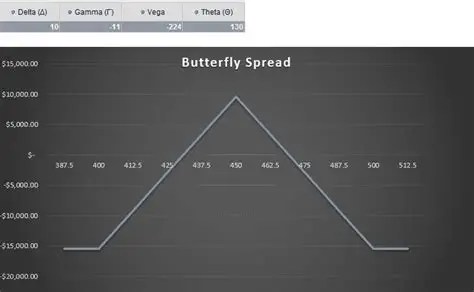
Options trading provides investors with a wide range of strategies to suit different market conditions. One of the more refined approaches is the butterfly spread, a strategy designed to profit from stability in the price of an underlying asset. It combines multiple option contracts at different strike prices to create a position with limited risk and limited reward. The name comes from the shape of its profit-and-loss diagram, which resembles the wings of a butterfly.

Structure of the Strategy

A typical butterfly spread involves four options contracts with three strike prices. In a long call butterfly spread, the investor buys one call at a lower strike, sells two calls at a middle strike, and buys one call at a higher strike. This creates a payoff that peaks if the underlying asset closes at the middle strike price. Losses are capped at the initial premium paid, while profits are capped at the difference between the strikes minus the premium.

Variations of Butterfly Spreads

Butterfly spreads can be built with calls, puts, or a mix of both:

  • Long Call Butterfly: Profits if the asset stays near the middle strike.
  • Long Put Butterfly: Similar structure but using puts.
  • Iron Butterfly: Combines calls and puts, selling an at-the-money straddle and buying protective wings.
  • Reverse Iron Butterfly: Designed to benefit from sharp price movements and volatility.

Each variation adapts to different market expectations, but all share the principle of balancing risk and reward.

Benefits of Butterfly Spreads

  • Defined Risk: The maximum loss is known upfront.
  • Cost Efficiency: Requires less capital than outright buying options.
  • Neutral Outlook: Works best when the investor expects little price movement.
  • Flexibility: Can be tailored to different market conditions with calls, puts, or combinations.

Drawbacks and Risks

  • Limited Profit Potential: Gains are capped, which may not appeal to aggressive traders.
  • Dependence on Timing: The strategy works only if the asset closes near the middle strike at expiration.
  • Complexity: Requires careful planning of strike prices and expiration dates.

Example in Practice

Suppose a stock trades at $100, and the investor expects it to remain near that level. They could set up a butterfly spread with strikes at $95, $100, and $105. If the stock closes at $100, the strategy delivers maximum profit. If the stock moves significantly away from $100, the investor’s loss is limited to the premium paid. This makes the butterfly spread particularly useful in calm, low-volatility markets.

Conclusion

The butterfly spread is a disciplined options strategy that thrives in stable markets. It offers a balance between risk control and profit potential, making it attractive to traders who prefer structured outcomes. While the rewards are capped, the defined risk and cost efficiency make butterfly spreads a valuable tool for investors who anticipate minimal price movement and want to manage their exposure carefully.

COMMENTS APPRECIATED

EDUCATION: Books

SPEAKING: Dr. Marcinko will be speaking and lecturing, signing and opining, teaching and preaching, storming and performing at many locations throughout the USA this year! His tour of witty and serious pontifications may be scheduled on a planned or ad-hoc basis; for public or private meetings and gatherings; formally, informally, or over lunch or dinner. All medical societies, financial advisory firms or Broker-Dealers are encouraged to submit an RFP for speaking engagements: CONTACT: Ann Miller RN MHA at MarcinkoAdvisors@outlook.com -OR- http://www.MarcinkoAssociates.com

Like, Refer and Subscribe

***

***

CASH BALANCE PLANS: Hybrid Retirement Savings for Physicians

By Dr. David Edward Marcinko MBA MEd

***

***

Retirement planning has evolved significantly over the past several decades, with employers and employees seeking solutions that balance security, flexibility, and predictability. Among the various retirement plan options available today, cash balance plans stand out as a hybrid design that combines features of both traditional defined benefit pensions and defined contribution plans. Their unique structure makes them an attractive choice for employers aiming to provide meaningful retirement benefits while maintaining financial predictability.

At their core, cash balance plans are a type of defined benefit plan. Unlike traditional pensions, which promise retirees a monthly income based on years of service and final salary, cash balance plans define the benefit in terms of a hypothetical account balance. Each participant’s account grows annually through two components: a “pay credit” and an “interest credit.” The pay credit is typically a percentage of the employee’s salary or a flat dollar amount, while the interest credit is either a fixed rate or tied to an index such as U.S. Treasury yields. Although the account is hypothetical—meaning the funds are not actually segregated for each employee—the structure provides participants with a clear, understandable statement of their retirement benefit.

One of the primary advantages of cash balance plans is their transparency. Employees can easily track the growth of their account balance, much like they would with a 401(k). This clarity helps workers better understand the value of their retirement benefits and fosters a sense of ownership. Additionally, cash balance plans are portable: when employees leave a company, they can roll over the vested balance into an IRA or another qualified plan, ensuring continuity in retirement savings.

***

***

From the employer’s perspective, cash balance plans offer several benefits as well. Traditional pensions often create unpredictable liabilities, as they depend on factors such as longevity and investment performance. Cash balance plans, by contrast, provide more predictable costs because the employer commits to specific pay and interest credits. This predictability makes them easier to manage and budget for, particularly in industries where workforce mobility is high. Moreover, cash balance plans can be designed to reward long-term employees while still appealing to younger workers who value portability.

Despite these advantages, cash balance plans are not without challenges. Because they are defined benefit plans, employers bear the investment risk and must ensure the plan is adequately funded. Regulatory requirements, including nondiscrimination testing and funding rules, add complexity and administrative costs. Additionally, while cash balance plans are generally more equitable across generations of workers, transitions from traditional pensions to cash balance designs have sometimes sparked controversy, particularly among older employees who may perceive a reduction in benefits.

In recent years, cash balance plans have gained popularity among professional firms, such as law practices and medical groups, as well as small businesses seeking tax-efficient retirement solutions. These plans allow owners and highly compensated employees to accumulate larger retirement savings than would be possible under defined contribution limits, while still providing benefits to rank-and-file workers. As such, they serve as a valuable tool for both talent retention and financial planning.

COMMENTS APPRECIATED

EDUCATION: Books

SPEAKING: Dr. Marcinko will be speaking and lecturing, signing and opining, teaching and preaching, storming and performing at many locations throughout the USA this year! His tour of witty and serious pontifications may be scheduled on a planned or ad-hoc basis; for public or private meetings and gatherings; formally, informally, or over lunch or dinner. All medical societies, financial advisory firms or Broker-Dealers are encouraged to submit an RFP for speaking engagements: CONTACT: Ann Miller RN MHA at MarcinkoAdvisors@outlook.com -OR- http://www.MarcinkoAssociates.com

Like, Subscribe and Refer

***

***

ADRs: Bridging Global Capital Markets

By Dr. David Edward Marcinko MBA MEd

***

***

American Depository Receipts Defined

In the modern era of globalization, financial instruments that connect investors across borders have become indispensable. Among these, American Depository Receipts (ADRs) stand out as a powerful mechanism that allows U.S. investors to participate in foreign equity markets without the complexities of international trading. ADRs not only simplify access to global companies but also enhance the ability of foreign corporations to raise capital in the United States. This essay explores the origins, structure, regulatory frameworks, benefits, risks, and real-world examples of ADRs, highlighting their role in the integration of global finance.

Historical Development

The concept of ADRs emerged in 1927 when J.P. Morgan introduced the first ADR for the British retailer Selfridges. At the time, American investors faced significant hurdles in purchasing foreign shares, including currency conversion, unfamiliar trading practices, and regulatory differences. ADRs solved these problems by creating a U.S.-based certificate that represented ownership in foreign shares, denominated in dollars, and traded on American exchanges.

Over the decades, ADRs expanded rapidly, especially during the post-World War II era when globalization accelerated. By the late 20th century, ADRs had become a mainstream tool for accessing international equities, with companies from Europe, Asia, and Latin America increasingly using them to tap into U.S. capital markets.

Structure and Mechanics

An ADR is issued by a U.S. depositary bank, which holds the underlying shares of a foreign company in custody. Each ADR corresponds to a specific number of shares—sometimes one, sometimes multiple, or even a fraction. Investors buy and sell ADRs in U.S. dollars, and dividends are paid in dollars as well, eliminating the need for currency conversion.

Key structural features include:

  • Depositary Banks: Institutions such as J.P. Morgan, Citibank, and Bank of New York Mellon act as custodians and issuers of ADRs.
  • ADR Ratios: The number of foreign shares represented by one ADR can vary, allowing flexibility in pricing.
  • Trading Platforms: ADRs can be listed on major exchanges like the NYSE or NASDAQ, or traded over-the-counter.

Regulatory Framework

ADRs are subject to U.S. securities regulations, which vary depending on the level of ADR issued:

  • Level I ADRs: Traded over-the-counter, requiring minimal disclosure. They are primarily used for visibility rather than fundraising.
  • Level II ADRs: Listed on U.S. exchanges, requiring compliance with SEC reporting standards, including reconciliation of financial statements to U.S. GAAP or IFRS.
  • Level III ADRs: Allow foreign companies to raise capital directly in U.S. markets through public offerings. These require the highest level of regulatory compliance, including registration with the SEC and adherence to corporate governance standards.

This tiered system ensures that investors receive appropriate levels of transparency while giving foreign companies flexibility in their approach to U.S. markets.

Benefits for Investors

ADRs offer numerous advantages to American investors:

  • Convenience: Investors can buy shares in foreign companies without dealing with foreign exchanges or currencies.
  • Diversification: ADRs provide access to global firms across industries, enhancing portfolio diversification.
  • Transparency: ADRs listed on U.S. exchanges must comply with SEC regulations, ensuring reliable financial reporting.
  • Liquidity: ADRs trade on familiar platforms, making them easily accessible to retail and institutional investors alike.

Benefits for Companies

Foreign corporations also benefit significantly from ADRs:

  • Access to Capital: ADRs open the door to the world’s largest pool of investors.
  • Global Visibility: Listing in the U.S. enhances reputation and credibility.
  • Improved Liquidity: Shares become more widely traded, increasing market efficiency.
  • Investor Base Diversification: Companies can attract both domestic and international investors, reducing reliance on local markets.

Risks and Challenges

Despite their advantages, ADRs carry certain risks:

  • Currency Risk: ADR values are tied to foreign shares denominated in local currencies, making them vulnerable to exchange rate fluctuations.
  • Political and Economic Risk: Instability in the issuing company’s home country can affect performance.
  • Taxation: Dividends may be subject to foreign withholding taxes before conversion to U.S. dollars.
  • Regulatory Differences: Even with SEC oversight, differences in accounting standards and corporate governance can pose challenges.

Case Studies

1. Alibaba Group (China) Alibaba’s ADRs, listed on the NYSE in 2014, marked one of the largest IPOs in history, raising $25 billion. This demonstrated the power of ADRs to connect Chinese companies with American investors, despite regulatory complexities between the two countries.

2. Toyota Motor Corporation (Japan) Toyota’s ADRs have long provided U.S. investors with access to one of the world’s largest automakers. By listing ADRs, Toyota expanded its investor base and strengthened its global presence.

3. Royal Dutch Shell (Netherlands/UK) Shell’s ADRs illustrate how multinational corporations use ADRs to maintain visibility in U.S. markets while managing complex cross-border structures.

The Role of ADRs in Global Finance

ADRs embody the globalization of capital markets. They facilitate cross-border investment, enhance market efficiency, and foster economic integration. For investors, ADRs represent a gateway to international diversification. For companies, they provide access to the deepest capital markets in the world.

Conclusion

American Depositary Receipts are more than just financial instruments; they are symbols of global interconnectedness. By bridging the gap between U.S. investors and foreign companies, ADRs have reshaped the landscape of international finance. They balance convenience with exposure to global risks, offering both opportunities and challenges. As globalization continues to evolve, ADRs will remain a vital tool for investors and corporations alike, reinforcing their role as a cornerstone of modern capital markets.

COMMENTS APPRECIATED

EDUCATION: Books

SPEAKING: Dr. Marcinko will be speaking and lecturing, signing and opining, teaching and preaching, storming and performing at many locations throughout the USA this year! His tour of witty and serious pontifications may be scheduled on a planned or ad-hoc basis; for public or private meetings and gatherings; formally, informally, or over lunch or dinner. All medical societies, financial advisory firms or Broker-Dealers are encouraged to submit an RFP for speaking engagements: CONTACT: Ann Miller RN MHA at MarcinkoAdvisors@outlook.com -OR- http://www.MarcinkoAssociates.com

Like, Refer and Subscribe

***

***

MONEY: Macro-Economic Velocity

By Dr. David Edward Marcinko MBA MEd

BASIC DEFINITIONS

***

***

The velocity of money is a fundamental concept in macroeconomics that measures how quickly money circulates through the economy. It reflects the frequency with which a unit of currency is used to purchase goods and services within a given time period. This metric is crucial for understanding economic activity, inflation, and the effectiveness of monetary policy.

At its core, the velocity of money is calculated using the formula:

Velocity = GDPMoney Supply\text{Velocity} = \frac{\text{GDP}}{\text{Money Supply}}

This equation shows how many times money turns over in the economy to support a given level of economic output. For example, if the GDP is $20 trillion and the money supply (say, M2) is $10 trillion, the velocity is 2—meaning each dollar is used twice in a year to purchase goods and services.

There are different measures of money supply used in this calculation, most commonly M1 and M2. M1 includes the most liquid forms of money, such as cash and checking deposits, while M2 includes M1 plus savings accounts and other near-money assets. The choice of which measure to use depends on the context and the specific economic analysis being conducted.

The velocity of money is influenced by several factors:

  • Consumer and business confidence: When people feel optimistic about the economy, they are more likely to spend rather than save, increasing velocity.
  • Interest rates: Higher interest rates can encourage saving and reduce spending, lowering velocity. Conversely, lower rates can stimulate borrowing and spending.
  • Inflation expectations: If people expect prices to rise, they may spend more quickly, increasing velocity.
  • Technological and structural changes: Innovations in digital payments and shifts in consumer behavior can also affect how quickly money moves.

Historically, the velocity of money has fluctuated with economic cycles. During periods of economic expansion, velocity tends to rise as spending increases. In contrast, during recessions or periods of uncertainty, velocity often falls as consumers and businesses hold onto cash. For instance, during the 2008 financial crisis and the early stages of the COVID-19 pandemic, velocity dropped sharply due to reduced consumer spending and increased saving.

In recent years, the U.S. has experienced persistently low velocity, even amid significant increases in the money supply. This phenomenon has puzzled economists and raised questions about the effectiveness of monetary policy. Despite aggressive stimulus measures, much of the new money has remained in savings or financial markets rather than circulating through the real economy.

Understanding the velocity of money is essential for policymakers. A low velocity may signal weak demand and justify expansionary fiscal or monetary policies. Conversely, a high velocity could indicate overheating and the need for tightening measures to prevent inflation.

In conclusion, the velocity of money is a dynamic indicator of economic vitality. It helps economists and central banks assess the flow of money, the strength of demand, and the potential for inflation.

While often overlooked by the public, it plays a vital role in shaping economic policy and understanding the broader health of the economy.

COMMENTS APPRECIATED

EDUCATION: Books

SPEAKING: Dr. Marcinko will be speaking and lecturing, signing and opining, teaching and preaching, storming and performing at many locations throughout the USA this year! His tour of witty and serious pontifications may be scheduled on a planned or ad-hoc basis; for public or private meetings and gatherings; formally, informally, or over lunch or dinner. All medical societies, financial advisory firms or Broker-Dealers are encouraged to submit an RFP for speaking engagements: CONTACT: Ann Miller RN MHA at MarcinkoAdvisors@outlook.com -OR- http://www.MarcinkoAssociates.com

Like, Refer and Subscribe

***

***

PHYSICIAN: Car Repossessions Rise!

By Dr. David Edward Marcinko MBA MEd

SPONSOR: http://www.MarcinkoAssociates.com

***

***

Physicians are increasingly facing car repossessions in 2025 due to rising debt, high vehicle prices, and economic pressures that are reshaping the financial landscape for medical professionals.

Traditionally viewed as financially secure, doctors are now among the growing number of Americans struggling to keep up with auto loan payments. The surge in car repossessions—expected to reach a record 10.5 million assignments by the end of 2025—has not spared the medical community. While physicians often earn higher-than-average incomes, they also carry significant financial burdens, including student loan debt, practice overhead, and personal expenses. These pressures are being amplified by macroeconomic forces such as inflation, high interest rates, and stagnant reimbursement rates.

One of the key contributors to this trend is the soaring cost of vehicles. In 2025, the average price of a new car in the U.S. surpassed $50,000, a dramatic increase from just a decade ago. For physicians who rely on vehicles for commuting between hospitals, clinics, and private practices, owning a reliable car is not a luxury—it’s a necessity. However, the combination of high sticker prices and elevated interest rates—averaging 7.3% for used cars and 11.5% for new cars—has made financing increasingly difficult.

***

***

Even high-income professionals are not immune to the broader auto loan crisis. Subprime auto loan delinquencies reached 6.6% in early 2025, the highest rate in over 30 years.While physicians typically fall into the prime or super-prime credit categories, many are still affected by cash flow disruptions, especially those in private practice or rural areas where patient volumes and insurance reimbursements have declined. Additionally, younger doctors with substantial student debt may find themselves overleveraged, making it harder to keep up with car payments.

The emotional and professional toll of a car repossession can be significant. Beyond the embarrassment and logistical challenges, losing a vehicle can disrupt a physician’s ability to provide care, attend emergencies, or maintain a consistent work schedule. This can lead to further income loss, creating a vicious cycle of financial instability.

To combat this trend, some physicians are turning to financial advisors to restructure their debt, refinance auto loans, or downsize to more affordable vehicles. Others are advocating for systemic reforms, such as student loan forgiveness, higher Medicare reimbursements, and better financial literacy training during medical education.

In conclusion, the rise in car repossessions among doctors is a stark reminder that no profession is immune to economic volatility. As the cost of living continues to climb and financial pressures mount, even those in traditionally stable careers must adapt to protect their assets and livelihoods.

Addressing this issue requires both individual financial planning and broader policy changes to ensure that physicians can continue to serve their communities without the looming threat of personal financial collapse.

COMMENTS APPRECIATED

EDUCATION: Books

SPEAKING: Dr. Marcinko will be speaking and lecturing, signing and opining, teaching and preaching, storming and performing at many locations throughout the USA this year! His tour of witty and serious pontifications may be scheduled on a planned or ad-hoc basis; for public or private meetings and gatherings; formally, informally, or over lunch or dinner. All medical societies, financial advisory firms or Broker-Dealers are encouraged to submit an RFP for speaking engagements: CONTACT: Ann Miller RN MHA at MarcinkoAdvisors@outlook.com -OR- http://www.MarcinkoAssociates.com

Like, Refer and Subscribe

***

***

Say’s Law in Classical Economics

By Dr. David Edward Marcinko MBA MEd

***

***

Say’s Law, named after the French economist Jean‑Baptiste Say, is a foundational idea in classical economics. Often summarized as “supply creates its own demand,” the law suggests that the act of producing goods and services inherently generates the income necessary to purchase them. This principle shaped economic thought throughout the 19th century and continues to influence debates about markets, government intervention, and the causes of economic crises.

Origins and Meaning Jean‑Baptiste Say introduced his law in the early 1800s in his Treatise on Political Economy. He argued that production is the source of demand: when producers create goods, they pay wages, rents, and profits, which in turn become purchasing power. In this view, general overproduction is impossible because every supply of goods corresponds to an equivalent demand. If imbalances occur, they are temporary and limited to specific sectors, not the economy as a whole.

Core Principles Say’s Law rests on several assumptions:

  • Markets are self‑correcting: Any surplus in one area leads to adjustments in prices and production.
  • Money is neutral: It serves only as a medium of exchange, not as a driver of demand.
  • Production drives prosperity: Economic growth depends on increasing output, not stimulating consumption.
  • No long‑term unemployment: Since supply creates demand, workers displaced in one industry will eventually find employment elsewhere.

These ideas aligned with classical economists’ belief in minimal government intervention and the efficiency of free markets.

Influence on Classical Economics Say’s Law became a cornerstone of classical economics, reinforcing the belief that recessions or depressions were temporary and self‑correcting. Economists like David Ricardo and John Stuart Mill adopted versions of the law, using it to argue against policies aimed at stimulating demand. The law supported laissez‑faire approaches, suggesting that governments should avoid interfering with markets, as production itself would ensure economic balance.

Criticism and Keynesian Revolution Say’s Law faced its greatest challenge during the Great Depression of the 1930s. Widespread unemployment and idle factories contradicted the idea that supply automatically generates demand. John Maynard Keynes famously rejected Say’s Law in his General Theory of Employment, Interest, and Money (1936). Keynes argued that demand, not supply, drives economic activity. He showed that insufficient aggregate demand could lead to prolonged recessions, requiring government intervention through fiscal and monetary policies.

Keynes’s critique marked a turning point in economics. While Say’s Law emphasized production, Keynesian economics highlighted consumption and demand management. This shift reshaped economic policy, leading to active government roles in stabilizing economies.

Modern Perspectives Today, Say’s Law is not accepted in its original form, but elements of it remain relevant. Supply‑side economists, for example, argue that policies encouraging production—such as tax cuts and deregulation—can stimulate growth. In contrast, Keynesians stress the importance of demand management. The debate reflects a broader tension in economics: whether prosperity depends more on producing goods or ensuring people have the means and willingness to buy them.

Conclusion: Say’s Law was a bold attempt to explain the self‑sustaining nature of markets. While its claim that “supply creates its own demand” proved too simplistic in the face of modern economic realities, it remains a vital part of the history of economic thought. The controversy surrounding Say’s Law highlights the evolving nature of economics, where theories are tested against real‑world crises and adapted to new circumstances. Even today, discussions of supply‑side versus demand‑side policies echo the enduring influence of Say’s original insight.

COMMENTS APPRECIATED

EDUCATION: Books

SPEAKING: Dr. Marcinko will be speaking and lecturing, signing and opining, teaching and preaching, storming and performing at many locations throughout the USA this year! His tour of witty and serious pontifications may be scheduled on a planned or ad-hoc basis; for public or private meetings and gatherings; formally, informally, or over lunch or dinner. All medical societies, financial advisory firms or Broker-Dealers are encouraged to submit an RFP for speaking engagements: CONTACT: Ann Miller RN MHA at MarcinkoAdvisors@outlook.com -OR- http://www.MarcinkoAssociates.com

Like, Refer and Subscribe

***

***

SINGULARITY: In Finance and Investing

By Dr. David Edward Marcinko MBA MEd

SPONSOR: http://www.MarcinkoAssociates.com

***

***

The singularity promises to revolutionize medicine by accelerating diagnostics, treatment, and longevity—but it also demands ethical vigilance and systemic transformation.

The concept of the technological singularity refers to a hypothetical future moment when artificial intelligence (AI) surpasses human intelligence, triggering exponential advances in technology. In medicine, this could mark a turning point where AI-driven systems outperform human clinicians in diagnosis, treatment planning, and even biomedical research. While the singularity remains speculative, its implications for healthcare are profound and multifaceted.

One of the most promising impacts is in diagnostics and precision medicine. AI systems trained on vast datasets of medical images, genetic profiles, and patient histories could detect diseases earlier and more accurately than human doctors. For example, algorithms already outperform radiologists in identifying certain cancers from imaging scans. As we approach the singularity, these systems may evolve into autonomous diagnostic agents capable of real-time analysis and personalized recommendations, tailored to each patient’s unique biology.

Another transformative area is drug discovery and development. Traditional pharmaceutical research is slow and costly, often taking over a decade to bring a new drug to market. AI could dramatically shorten this timeline by simulating molecular interactions, predicting therapeutic targets, and optimizing clinical trial designs. With superintelligent systems, the pace of innovation could accelerate to the point where treatments for currently incurable diseases—like Alzheimer’s or certain cancers—become feasible within months.

The singularity also opens doors to radical longevity and human enhancement. Advances in nanotechnology, genomics, and regenerative medicine may converge to extend human lifespan significantly. AI could help decode the aging process, identify biomarkers of cellular decline, and engineer interventions that slow or reverse it. Some theorists even envision a future where aging is treated as a curable condition, and mortality becomes a choice rather than a biological inevitability.

However, these breakthroughs come with serious ethical and societal challenges. Data privacy, algorithmic bias, and access inequality are critical concerns. If singularity-level AI is controlled by a few corporations or governments, it could exacerbate global health disparities. Moreover, the replacement of human clinicians with machines raises questions about empathy, trust, and accountability in care. Who is responsible when an AI makes a life-altering mistake?

To navigate this future responsibly, medicine must embrace interdisciplinary collaboration. Ethicists, technologists, clinicians, and policymakers must work together to ensure that AI systems are transparent, equitable, and aligned with human values. Regulatory frameworks must evolve to keep pace with innovation, and medical education must prepare practitioners to work alongside intelligent machines.

In conclusion, the singularity represents both a promise and a peril for medicine. It offers unprecedented opportunities to enhance human health, but also demands careful stewardship to avoid unintended consequences.

As we edge closer to this horizon, the challenge will be not just technological, but deeply human: to harness intelligence beyond our own in service of healing, compassion, and justice.

COMMENTS APPRECIATED

EDUCATION: Books

SPEAKING: Dr. Marcinko will be speaking and lecturing, signing and opining, teaching and preaching, storming and performing at many locations throughout the USA this year! His tour of witty and serious pontifications may be scheduled on a planned or ad-hoc basis; for public or private meetings and gatherings; formally, informally, or over lunch or dinner. All medical societies, financial advisory firms or Broker-Dealers are encouraged to submit a RFP for speaking engagements: MarcinkoAdvisors@outlook.com

Like, Refer and Subscribe

***

***

TAX: Difference Between Evasion and Avoidance

By Dr. David Edward Marcinko MBA MEd

***

***

Taxation is a cornerstone of modern governance, providing the financial resources necessary for governments to deliver public services, maintain infrastructure, and support social programs. While paying taxes is a legal obligation, individuals and businesses often seek ways to reduce their tax burden. This pursuit gives rise to two distinct concepts: tax avoidance and tax evasion. Though they may sound similar, the difference between them is profound, hinging on legality, ethics, and consequences.

Tax avoidance refers to the use of lawful strategies to minimize tax liability. It involves taking advantage of deductions, exemptions, credits, and other provisions explicitly allowed by tax laws. For example, individuals may contribute to retirement accounts, claim mortgage interest deductions, or invest in tax-free municipal bonds. Businesses may structure operations to benefit from tax incentives or credits designed to encourage innovation, sustainability, or job creation. In essence, tax avoidance is legal tax planning—a way to reduce obligations while staying within the boundaries of the law.

***

***

By contrast, tax evasion is illegal. It involves deliberately misrepresenting or concealing information to avoid paying taxes. Common forms of evasion include underreporting income, overstating deductions, hiding assets offshore, or falsifying records. Unlike avoidance, which is permitted and often encouraged, evasion constitutes fraud against the government. The consequences are severe: individuals and corporations found guilty of tax evasion may face hefty fines, penalties, and even imprisonment.

The distinction between the two lies in compliance versus deception. Tax avoidance complies with the letter of the law, even if it sometimes exploits loopholes. Tax evasion, however, breaks the law outright. This difference is critical not only legally but also ethically. While avoidance is lawful, aggressive avoidance strategies—especially by wealthy individuals or multinational corporations—can raise moral questions. Critics argue that such practices undermine fairness, shifting the tax burden onto ordinary citizens. Governments often respond by reforming tax codes to close loopholes and ensure equity.

Tax evasion, on the other hand, is universally condemned. It erodes trust in the tax system, deprives governments of essential revenue, and places greater strain on compliant taxpayers. Moreover, evasion can damage reputations, leading to loss of credibility and public backlash for businesses or individuals caught engaging in fraudulent practices.

In summary, tax avoidance is legal and strategic, while tax evasion is illegal and punishable. Both aim to reduce tax liability, but they differ fundamentally in method and consequence. Avoidance leverages lawful opportunities provided by tax codes, whereas evasion relies on deception and concealment. Understanding this distinction is vital for taxpayers, as crossing the line from avoidance into evasion can result in serious legal and financial repercussions. Ultimately, responsible tax planning requires not only knowledge of the law but also an awareness of ethical considerations, ensuring that efforts to minimize taxes do not compromise legality or fairness.

COMMENTS APPRECIATED

EDUCATION: Books

Like, Refer and Subscribe

***

Effective Marketing: Using Loss Leaders in Financial Services

By Dr. David Edward Marcinko MBA MEd CMP

***

***

SPONSOR: http://www.CertifiedMedicalPlanner.org

***

In the competitive world of financial services, attracting and retaining clients is a constant challenge. To stand out, many financial advisors employ strategic marketing tactics known as “loss leaders”—free or discounted services designed to showcase value and build trust. These offerings serve as entry points for potential clients, allowing advisors to demonstrate expertise and initiate long-term relationships.

One of the most common loss leaders is the free initial consultation. This no-obligation meeting gives prospective clients a chance to discuss their financial goals, ask questions, and get a feel for the advisor’s approach. For the advisor, it’s an opportunity to assess the client’s needs and present tailored solutions. While no revenue is generated from this meeting, it often leads to paid engagements once the client feels confident in the advisor’s capabilities.

Another popular tactic is offering a complimentary financial plan or portfolio review. These services provide tangible insights into a client’s current financial situation and suggest improvements. By delivering real value upfront, advisors build credibility and demonstrate their analytical skills. Clients who receive actionable advice are more likely to continue working with the advisor on a paid basis.

Educational content also plays a key role in loss leader strategy. Advisors frequently host free webinars, workshops, or seminars on topics like retirement planning, tax strategies, or investment basics. These events not only educate attendees but also position the advisor as a thought leader. Attendees often leave with a better understanding of their financial needs and a desire to seek personalized guidance.

In the digital realm, advisors may offer free tools and assessments on their websites. These include retirement readiness calculators, risk tolerance quizzes, and budgeting templates. Such tools engage users and provide personalized feedback, creating a natural segue into one-on-one consultations. Additionally, offering free newsletters or eBooks helps advisors stay top-of-mind while delivering ongoing value.

Some advisors go further by waiving fees for introductory services, such as account setup or the first few months of investment management. This lowers the barrier to entry and encourages hesitant clients to try the service. Once clients experience the benefits, they’re more likely to commit long-term.

Loss leaders are not limited to high-net-worth individuals. Advisors targeting younger or less affluent clients may offer free debt management plans or budgeting assistance. These services address immediate concerns and build loyalty among clients who may become more profitable as their financial situations improve.

Ultimately, loss leaders are about building relationships. By offering something of value without immediate compensation, financial advisors demonstrate their commitment to helping clients succeed. This fosters trust, encourages engagement, and often leads to lasting partnerships. In a field where reputation and reliability are paramount, loss leaders serve as powerful tools for growth and differentiation.

COMMENTS APPRECIATED

EDUCATION: Books

SPEAKING: Dr. Marcinko will be speaking and lecturing, signing and opining, teaching and preaching, storming and performing at many locations throughout the USA this year! His tour of witty and serious pontifications may be scheduled on a planned or ad-hoc basis; for public or private meetings and gatherings; formally, informally, or over lunch or dinner. All medical societies, financial advisory firms or Broker-Dealers are encouraged to submit an RFP for speaking engagements: CONTACT: Ann Miller RN MHA at MarcinkoAdvisors@outlook.com -OR- http://www.MarcinkoAssociates.com

Like, Refer and Subscribe

***

***

SCHRODINGER’S CAT and Other Thought Experiments

Thought

By Dr. David Edward Marcinko MBA MEd

***

***

Thought experiments have long been a powerful tool in science and philosophy, allowing thinkers to explore complex ideas without the need for immediate empirical testing. Among the most famous is Schrödinger’s Cat, devised in 1935 by physicist Erwin Schrödinger to highlight the strange implications of quantum mechanics. In this scenario, a cat is placed in a sealed box with a radioactive atom, a Geiger counter, and a vial of poison. If the atom decays, the Geiger counter triggers the release of poison, killing the cat. According to the Copenhagen interpretation of quantum mechanics, until the box is opened and observed, the atom exists in a superposition of decayed and undecayed states. Consequently, the cat is simultaneously alive and dead until observation collapses the wavefunction. This paradox illustrates the difficulty of applying quantum principles to macroscopic objects and remains a central discussion point in debates about the nature of reality.

Schrödinger’s Cat is not unique in its ability to provoke deep reflection. Throughout history, scientists and philosophers have used thought experiments to challenge assumptions and clarify theories. For example, Galileo’s falling bodies experiment imagined two objects of different weights tied together and dropped from a tower. By reasoning through the scenario, Galileo demonstrated that heavier objects do not fall faster than lighter ones, contradicting Aristotelian physics and paving the way for Newtonian mechanics.

Another influential thought experiment is Einstein’s elevator, which he used to develop the theory of general relativity. Einstein imagined an observer inside a sealed elevator, unable to see outside. If the elevator were accelerating upward in space, the observer would feel pressed to the floor, just as if gravity were acting on them. This equivalence between acceleration and gravity became the foundation of Einstein’s revolutionary insight that gravity is not a force but the curvature of spacetime.

In thermodynamics, Maxwell’s demon presents a paradox about the second law of entropy. James Clerk Maxwell imagined a tiny demon controlling a door between two chambers of gas. By selectively allowing fast-moving molecules to pass one way and slow-moving molecules the other, the demon could seemingly decrease entropy without expending energy. This thought experiment sparked debates about the nature of information, energy, and the limits of physical laws, influencing modern discussions in statistical mechanics and information theory.

Philosophy also abounds with thought experiments. Descartes’ evil demon questioned whether our perceptions could be manipulated, casting doubt on the certainty of knowledge. More recently, John Searle’s Chinese Room challenged the idea that computers can truly “understand” language, distinguishing between syntax and semantics in artificial intelligence.

In conclusion, Schrödinger’s Cat remains a symbol of quantum strangeness, but it is part of a broader tradition of thought experiments that have shaped human understanding. From Galileo’s tower to Einstein’s elevator, Maxwell’s demon to Searle’s room, these imaginative scenarios allow us to probe the boundaries of knowledge, test the coherence of theories, and confront paradoxes that empirical experiments alone cannot resolve. They remind us that science is not only about observation but also about the creative power of the human mind to envision possibilities beyond immediate reality.

COMMENTS APPRECIATED

EDUCATION: Books

SPEAKING: Dr. Marcinko will be speaking and lecturing, signing and opining, teaching and preaching, storming and performing at many locations throughout the USA this year! His tour of witty and serious pontifications may be scheduled on a planned or ad-hoc basis; for public or private meetings and gatherings; formally, informally, or over lunch or dinner. All medical societies, financial advisory firms or Broker-Dealers are encouraged to submit an RFP for speaking engagements: CONTACT: Ann Miller RN MHA at MarcinkoAdvisors@outlook.com -OR- http://www.MarcinkoAssociates.com

Like, Refer and Subscribe

***

***

DI-WORSIFICATION: Stock Portfolio Pitfalls

By Dr. David Edward Marcinko MBA MEd

***

***

SPONSOR: http://www.MarcinkoAssociates.com

Diworsification is a term coined by Peter Lynch to describe when investors over‑diversify their portfolios, adding too many holdings and ultimately reducing returns instead of improving them.

Diversification has long been heralded as one of the cornerstones of sound investing. By spreading capital across different asset classes, industries, and geographies, investors can reduce risk and protect themselves against the volatility of individual securities. Yet, as with many strategies, there exists a point where the benefits diminish and the practice becomes counterproductive. This phenomenon, known as diworsification, was popularized by legendary investor Peter Lynch to describe the tendency of investors and corporations to dilute their strengths by expanding too broadly.

At its core, diworsification occurs when the pursuit of safety leads to excessive complexity. For individual investors, this often manifests in portfolios bloated with dozens or even hundreds of stocks, mutual funds, or exchange‑traded funds. While the intention is to minimize risk, the result is frequently a portfolio that mirrors the market index but with higher costs and less focus. Instead of achieving superior returns, the investor ends up with average performance weighed down by management fees, trading expenses, and the difficulty of monitoring so many positions. In essence, the investor has sacrificed the potential for meaningful gains in exchange for a false sense of security.

Corporations are not immune to this trap. In the corporate world, diworsification describes the tendency of firms to expand into unrelated businesses, diluting their competitive advantage. A company that excels in consumer electronics, for example, may attempt to branch into unrelated industries such as food services or real estate. Without the expertise, synergies, or strategic fit, these ventures often fail to deliver value, distracting management and eroding shareholder wealth. History is replete with examples of conglomerates that grew too large, too fast, only to later divest their non‑core businesses in recognition of the inefficiencies created.

The dangers of diworsification are not merely theoretical. They highlight the importance of discipline in both investing and corporate strategy. For investors, the lesson is clear: diversification should be purposeful, not indiscriminate. A well‑constructed portfolio might include a mix of equities, bonds, and alternative assets, but each holding should serve a specific role—whether it is growth, income, or risk mitigation. Beyond a certain point, adding more securities does not reduce risk meaningfully; instead, it complicates decision‑making and reduces the chance of outperforming the market.

Similarly, for corporations, strategic focus is paramount. Expansion should be guided by core competencies and long‑term vision rather than the allure of short‑term growth. Firms that resist the temptation to chase every opportunity are better positioned to strengthen their brand, innovate within their domain, and deliver sustainable value to shareholders.

In conclusion, diworsification serves as a cautionary tale against the excesses of diversification. While spreading risk is essential, overdoing it can undermine performance and clarity. Both investors and corporations must strike a balance between breadth and focus, ensuring that every addition to a portfolio or business strategy enhances rather than dilutes overall strength. In other words, “diversification means you will always have to say you’re sorry.”

True wisdom lies not in owning everything, but in owning the right things.

COMMENTS APPRECIATED

EDUCATION: Books

SPEAKING: Dr. Marcinko will be speaking and lecturing, signing and opining, teaching and preaching, storming and performing at many locations throughout the USA this year! His tour of witty and serious pontifications may be scheduled on a planned or ad-hoc basis; for public or private meetings and gatherings; formally, informally, or over lunch or dinner. All medical societies, financial advisory firms or Broker-Dealers are encouraged to submit an RFP for speaking engagements: CONTACT: Ann Miller RN MHA at MarcinkoAdvisors@outlook.com -OR- http://www.MarcinkoAssociates.com

Like, Refer and Subscribe

***

***

Understanding Dow Jones Weighting of Stocks

By Staff Reporters

SPONSOR: http://www.MarcinkoAssociates.com

***

***

Dow Jones Companies

The thirty companies included in the Dow Jones Industrial Average are listed in the updated chart below.

The list is sorted by each component’s weight in the index. The weight of each company is determined by the price of the stock. A $100 stock will be weighted more than a $30 stock. If a stock splits its corresponding weighting in the Dow Jones will be reduced as its price will be about half of what it was prior to the split.

CHART: https://www.slickcharts.com/dowjones

***

COMMENTS APPRECIATED

THANK YOU
***

Understanding Parkinson’s Law: Importance vs Attention

The Attention a Problem Gets is Inverse to its’ Importance

Courtesy: http://www.CertifiedMedicalPlanner.org

By Dr. David Edward Marcinko MBA, MEd CMP

Historian Cyril Parkinson’s wrote in his book Parkinson’s Law,

“The time spent on any item of the agenda will be in inverse proportion to the sum [of money] involved.”

EXAMPLE: Parkinson described a fictional finance committee with three tasks: approval of a $10 million nuclear reactor, $400 for an employee bike shed, and $20 for employee refreshments in the break room.

The committee approves the $10 million nuclear reactor immediately, because the number is too big to contextualize, alternatives are too daunting to consider, and no one on the committee is an expert in nuclear power.

Bike Shed Effect: The bike shed gets considerably more debate. Committee members argue whether a bike rack would suffice and whether a shed should be wood or aluminum, because they have some experience working with those materials at home.

Employee refreshments take up two-thirds of the debate, because everyone has a strong opinion on what’s the best coffee, the best cookies, the best chips, etc.

Absurd: The world is filled with these absurdities. In personal finance, Ramit Sethi recently said we should stop asking $3 questions (should I buy coffee?) and ask more $30,000 questions (should I buy a smaller home?). Most people don’t, because it’s hard and intimidating. In any given moment the easiest way to deal with a big problem is to ignore it and fill your time thinking about a smaller one.

***

***

Assessment: Your thoughts and comments related to the post Corona Virus Pandemic, meetings and time management and psychology are appreciated.

THANK YOU

***

K-SHAPED ECONOMY: An Uneven and Divided World

By Dr. David Edward Marcinko MBA MEd

***

***

The term “K-shaped economy” emerged during the COVID-19 pandemic to describe a recovery marked by stark divergence—where some sectors and social groups rebound rapidly while others continue to decline. Unlike traditional V-shaped or U-shaped recoveries, which imply uniform economic improvement, the K-shaped model reflects a split trajectory: the upward arm of the “K” represents those who thrive, while the downward arm captures those left behind. This phenomenon has profound implications for economic policy, social equity, and long-term stability.

At the heart of the K-shaped economy is inequality. High-income individuals, white-collar professionals, and large corporations often benefit from technological advances, remote work flexibility, and access to capital. For example, tech giants like Apple, Microsoft, and Alphabet saw record profits during the pandemic, fueled by digital transformation and cloud services. Meanwhile, lower-income workers—especially in hospitality, retail, and service industries—faced job losses, reduced hours, and limited access to healthcare or financial safety nets. This divergence widened existing income and wealth gaps, exacerbating social tensions.

Sectoral performance also illustrates the K-shaped divide. Industries such as e-commerce, software, and logistics surged, while travel, entertainment, and small businesses struggled. The rise of automation and artificial intelligence further tilted the scales, favoring companies that could invest in innovation while displacing low-skilled labor. In education, students from affluent families adapted to online learning with ease, while those from disadvantaged backgrounds faced digital barriers and learning loss. These disparities underscore how economic recovery is not just uneven—it’s structurally imbalanced.

Geography plays a role too. Urban centers with diversified economies and strong tech sectors rebounded faster than rural or manufacturing-heavy regions. Housing markets in affluent areas soared, driven by low interest rates and remote work migration, while renters and first-time buyers faced affordability crises. Even within cities, neighborhoods with better infrastructure and public services recovered more quickly, deepening the urban-suburban divide.

Policymakers face a daunting challenge in addressing the K-shaped recovery. Traditional stimulus measures may not reach the most vulnerable populations without targeted interventions. Expanding access to education, healthcare, and digital infrastructure is essential to leveling the playing field. Progressive taxation, wage support, and small business aid can help bridge the gap, but require political will and fiscal discipline. Central banks must balance inflation control with inclusive growth, avoiding policies that disproportionately benefit asset holders.

The long-term consequences of a K-shaped economy are significant. Persistent inequality can erode trust in institutions, fuel populism, and hinder social mobility. Economic growth may slow if large segments of the population remain underemployed or financially insecure. To build a resilient and inclusive future, governments, businesses, and civil society must collaborate to ensure that recovery lifts all boats—not just the yachts.

COMMENTS APPRECIATED

EDUCATION: Books

SPEAKING: Dr. Marcinko will be speaking and lecturing, signing and opining, teaching and preaching, storming and performing at many locations throughout the USA this year! His tour of witty and serious pontifications may be scheduled on a planned or ad-hoc basis; for public or private meetings and gatherings; formally, informally, or over lunch or dinner. All medical societies, financial advisory firms or Broker-Dealers are encouraged to submit an RFP for speaking engagements: CONTACT: Ann Miller RN MHA at MarcinkoAdvisors@outlook.com -OR- http://www.MarcinkoAssociates.com

Like, Refer and Subscribe

***

***

Understanding the Exercise Paradox in Weight Control

By Dr. David Edward Marcinko; MBA MEd

***

***

Classic Definition: In “The Exercise Paradox,Herman Pontzer asserts that greater physical activity does not allow people to control weight. He goes on to describe studies on how the human body burns calories that help to explain why this is so.

FINANCE PARADOX: https://medicalexecutivepost.com/2025/05/26/financial-paradox-compounding-interest-and-time/

Modern Circumstance: But in one of these studies, “couch potatoes” expended an average of around 200 fewer calories a day, compared with moderately active subjects. A difference of 200 fewer calories a day equates to more than 20 fewer pounds a year. Year after year after year, that really adds up.

GENDER PARADOX: https://medicalexecutivepost.com/2025/05/19/gender-two-modern-paradoxes/

Paradox Example: Cyclists participating in the Tour de France are said to ingest more than 5,000 calories a day. This would seem to be way too much. So why do they do it? And why don’t they become obese?

PHYSICIAN PARADOX: https://medicalexecutivepost.com/2025/04/23/liar-liar-the-physician-paradox/

COMMENTS APPRECIATED

The Medical Executive-Post is a  news and information aggregator and social media professional network for medical and financial service professionals. Feel free to submit education content to the site as well as links, text posts, images, opinions and videos which are then voted up or down by other members. Comments and dialog are especially welcomed. Daily posts are organized by subject. ME-P administrators moderate the activity. Moderation may also conducted by community-specific moderators who are unpaid volunteers.

Refer and Like

EDUCATION: Books

***

***

How a Broke 50-Year-Old Doctor Can Still Retire at 65?

By Dr. David Edward Marcinko MBA MEd

SPONSOR: http://www.MarcinkoAssociates.com

***

***

Turning 50 with little to no savings can be daunting, especially for a doctor who has spent decades in a demanding profession. Yet, all is not lost. With strategic planning, discipline, and a willingness to adapt, a broke 50-year-old physician can still build a solid retirement foundation by age 65.

First, it’s essential to confront the financial reality. This means calculating current income, expenses, debts, and any assets, however small. A clear picture allows for realistic goal-setting. The target should be to save aggressively—ideally 30–50% of income—over the next 15 years. While this may seem steep, doctors often have above-average earning potential, even in their later years, which can be leveraged.

Next, lifestyle adjustments are crucial. Downsizing housing, eliminating unnecessary expenses, and avoiding new debt can free up significant cash flow. If possible, relocating to a lower-cost area or refinancing existing loans can also help. Every dollar saved should be redirected into retirement accounts such as a 401(k), IRA, or a solo 401(k) if self-employed. Catch-up contributions for those over 50 allow for higher annual deposits, which can accelerate growth.

Investing wisely is non-negotiable. A diversified portfolio with a mix of stocks, bonds, and alternative assets can provide both growth and stability. Working with a fiduciary financial advisor ensures that investments align with retirement goals and risk tolerance. Time is limited, so the focus should be on maximizing returns without taking reckless risks.

Increasing income is another powerful lever. Many doctors can boost earnings through side gigs like telemedicine, consulting, teaching, or locum tenens work. These flexible options can add tens of thousands annually without requiring a full career shift. Additionally, monetizing expertise—writing, speaking, or creating online courses—can generate passive income streams.

Debt reduction must be prioritized. High-interest loans, especially credit card debt, can erode savings potential. Paying off these balances aggressively while avoiding new liabilities is key. For student loans, exploring forgiveness programs or refinancing options may offer relief.

Finally, mindset matters. Retirement at 65 doesn’t have to mean complete cessation of work. It can mean transitioning to part-time roles, passion projects, or advisory positions that provide income and fulfillment. The goal is financial independence, not necessarily total inactivity.

In conclusion, while starting late is challenging, a broke 50-year-old doctor can still retire comfortably at 65. It requires a blend of financial discipline, income optimization, smart investing, and lifestyle changes. With focus and determination, the next 15 years can be transformative—turning a precarious situation into a secure and dignified retirement.

COMMENTS APPRECIATED

EDUCATION: Books

SPEAKING: Dr. Marcinko will be speaking and lecturing, signing and opining, teaching and preaching, storming and performing at many locations throughout the USA this year! His tour of witty and serious pontifications may be scheduled on a planned or ad-hoc basis; for public or private meetings and gatherings; formally, informally, or over lunch or dinner. All medical societies, financial advisory firms or Broker-Dealers are encouraged to submit an RFP for speaking engagements: CONTACT: Ann Miller RN MHA at MarcinkoAdvisors@outlook.com 

Like, Refer and Subscribe

***

***

Safe Disposal: National Prescription Drug Take Back Day

PODCAST: National Prescription Drug Take Back Day

October 25, 2025

By Dr. David Edward Marcinko MBA MEd

***

The National Prescription Drug Take Back Day aims to provide a safe, convenient, and responsible means of disposing of prescription drugs, while also educating the general public about the potential for abuse of medications.

Prescription Pill Bottles

PODCAST: https://www.bing.com/videos/search?q=dea+take+back+day&&view=detail&mid=0D5B986D9C5FD79B077B0D5B986D9C5FD79B077B&&FORM=VRDGAR

MORE DEA: https://takebackday.dea.gov/

Conclusion

Your thoughts and comments on this ME-P are appreciated. Feel free to review our top-left column, and top-right sidebar materials, links, URLs and related websites, too. Then, subscribe to the ME-P. It is fast, free and secure.

Speaker: If you need a moderator or speaker for an upcoming event, Dr. David E. Marcinko; MBA – Publisher-in-Chief of the Medical Executive-Post – is available for seminar or speaking engagements. Contact: MarcinkoAdvisors@msn.com

Ambulance DEM

***

***

CRYPTO-CURRENCY: Historical Review

By Dr. David Edward Marcinko MBA MEd

***

***

SPONSOR: http://www.MarcinkoAssociates.com

President Donald Trump signed a pardon on Wednesday for convicted crypto executive Changpeng Zhao, who founded the Binance crypto exchange, White House Press Secretary Karoline Leavitt said in a statement. “President Trump exercised his constitutional authority by issuing a pardon for Mr. Zhao, who was prosecuted by the Biden Administration in their war on cryptocurrency,” Leavitt said. “In their desire to punish the cryptocurrency industry, the Biden Administration pursued Mr. Zhao despite no allegations of fraud or identifiable victims.”

Zhao was sentenced to four months in prison after reaching a deal with the Justice Dept. to plead guilty to charges of enabling money laundering at Binance, which he ran at the time. The U.S. also ordered Binance to pay more than $4 billion in fines and forfeiture, while Zhao agreed to pay $50 million in fines. A spokesperson for Binance did not immediately respond to a request for comment yesterday.

***

The History of Cryptocurrency: From Concept to Revolution

Cryptocurrency has transformed the global financial landscape, offering a decentralized alternative to traditional banking systems. Its history is rooted in decades of technological innovation, philosophical ideals, and economic experimentation.

🌐 Early Foundations

The concept of digital currency predates Bitcoin by several decades. In 1982, cryptographer David Chaum published a groundbreaking paper on secure digital transactions, laying the foundation for future developments in electronic money. Chaum later founded DigiCash in the 1990s, which introduced the idea of anonymous digital payments using cryptographic protocols. Although DigiCash eventually failed, it was a crucial stepping stone in the evolution of cryptocurrency.

The Birth of Bitcoin

The true revolution began in 2008 when an anonymous figure—or group—known as Satoshi Nakamoto released the Bitcoin whitepaper titled “Bitcoin: A Peer-to-Peer Electronic Cash System.” This document proposed a decentralized digital currency that used blockchain technology to record transactions transparently and securely without the need for a central authority.

On January 3, 2009, Nakamoto mined the first block of the Bitcoin blockchain, known as the Genesis Block. The first real-world Bitcoin transaction occurred in May 2010, when programmer Laszlo Hanyecz paid 10,000 BTC for two pizzas—an event now celebrated annually as Bitcoin Pizza Day.

Blockchain and Beyond

Bitcoin’s success inspired the development of other cryptocurrencies and blockchain platforms. Ethereum, launched in 2015 by Vitalik Buterin, introduced smart contracts—self-executing agreements coded directly into the blockchain. This innovation expanded the use of cryptocurrency beyond simple transactions to decentralized applications (dApps), finance (DeFi), and even digital art (NFTs).

Other notable cryptocurrencies include Litecoin, Ripple (XRP), and Cardano, each offering unique features such as faster transaction speeds, improved scalability, or enhanced privacy.

***

***

⚖️ Challenges and Controversies

Despite its promise, cryptocurrency has faced significant hurdles. Regulatory uncertainty, security breaches, and market volatility have raised concerns among governments and investors. High-profile hacks, such as the Mt. Gox exchange collapse in 2014, highlighted the risks associated with digital assets.

Governments around the world have responded differently—some embracing crypto innovation, others imposing strict regulations or outright bans. The rise of central bank digital currencies (CBDCs) reflects an effort to merge the benefits of crypto with the stability of fiat systems.

🚀 The Future of Crypto

Today, cryptocurrency is more than a niche technology—it’s a global phenomenon. Major companies accept Bitcoin, institutional investors hold crypto assets, and blockchain is being integrated into industries from healthcare to supply chain management.

As the technology matures, the focus is shifting toward scalability, sustainability, and interoperability. Whether it becomes a mainstream financial tool or remains a disruptive alternative, cryptocurrency has undeniably reshaped how we think about money, trust, and digital ownership.

COMMENTS APPRECIATED

EDUCATION: Books

SPEAKING: Dr. Marcinko will be speaking and lecturing, signing and opining, teaching and preaching, storming and performing at many locations throughout the USA this year! His tour of witty and serious pontifications may be scheduled on a planned or ad-hoc basis; for public or private meetings and gatherings; formally, informally, or over lunch or dinner. All medical societies, financial advisory firms or Broker-Dealers are encouraged to submit an RFP for speaking engagements: CONTACT: Ann Miller RN MHA at MarcinkoAdvisors@outlook.com -OR- http://www.MarcinkoAssociates.com

Like, Refer and Subscribe

***

***

INVESTING: Rules of Thumb

By Dr. David Edward Marcinko MBA MEd

***

SPONSOR: http://www.MarcinkoAssociates.com

***

Portfolio Allocation & Risk Management

🏦 100 Minus Age Rule: Subtract your age from 100 to estimate the percentage of your portfolio to invest in stocks. The rest goes to bonds or safer assets.

  • Rule of 110 or 120: A modern twist—subtract your age from 110 or 120 to allow for more stock exposure in a low-interest environment.
  • Diversify, Don’t Speculate: Spread investments across asset classes to reduce risk.
  • Don’t Invest What You Can’t Afford to Lose: Especially for speculative assets like crypto or startups.

📈 Growth & Returns

  • Rule of 72: Divide 72 by your annual return rate to estimate how many years it takes to double your money.
  • Time in the Market Beats Timing the Market: Staying invested long-term usually outperforms trying to predict short-term moves.
  • Start Early, Compound Often: The earlier you invest, the more compound interest works in your favor.

🧾 Budgeting & Saving

  • 50/30/20 Rule: Allocate 50% of income to needs, 30% to wants, and 20% to savings/investments.
  • Emergency Fund Rule: Save 3–6 months of living expenses before investing aggressively.
  • Pay Yourself First: Automatically invest a portion of your income before spending.

🧠 Behavioral & Strategy Tips

  • Buy What You Understand: Don’t invest in companies or assets you don’t comprehend.
  • Avoid Emotional Decisions: Fear and greed are the enemies of smart investing.
  • Rebalance Annually: Adjust your portfolio to maintain your target asset allocation.
  • Don’t Chase Past Performance: What worked last year may not work this year.

🏦 Retirement & Withdrawal

  • The 4% Rule: Withdraw 4% of your retirement savings annually to make it last ~30 years.
  • Save 15% of Income for Retirement: A common target for long-term financial security.
  • Max Out Tax-Advantaged Accounts First: Prioritize 401(k), IRA, or Roth IRA before taxable accounts.

COMMENTS APPRECIATED

EDUCATION: Books

SPEAKING: Dr. Marcinko will be speaking and lecturing, signing and opining, teaching and preaching, storming and performing at many locations throughout the USA this year! His tour of witty and serious pontifications may be scheduled on a planned or ad-hoc basis; for public or private meetings and gatherings; formally, informally, or over lunch or dinner. All medical societies, financial advisory firms or Broker-Dealers are encouraged to submit an RFP for speaking engagements: CONTACT: Ann Miller RN MHA at MarcinkoAdvisors@outlook.com -OR- http://www.MarcinkoAssociates.com

Like, Refer and Subscribe

***

***

SOCIALIZED MEDICINE: Can it Save Healthcare in the USA

By Dr. David Edward Marcinko MBA MEd

SPONSOR: http://www.MarcinkoAssociates.com

***

***

Can Socialized Medicine Save U.S. Healthcare?

The U.S. healthcare system is often criticized for its high costs, unequal access, and inconsistent outcomes. With nearly 30 million Americans uninsured and many more underinsured, the question arises: could socialized medicine be the solution to these systemic issues?

Socialized medicine refers to a system where the government owns and operates healthcare facilities and employs medical professionals, funded primarily through taxation. While the term is often used pejoratively in American discourse, countries like the United Kingdom and Sweden have long embraced such models. These systems guarantee universal access to healthcare, regardless of income or employment status.

One of the strongest arguments in favor of socialized medicine is its potential to reduce overall healthcare costs. In the U.S., administrative expenses, profit margins, and fragmented billing systems contribute to exorbitant prices. A centralized system could streamline operations, negotiate better drug prices, and eliminate the need for private insurance middlemen. Countries with socialized systems typically spend less per capita on healthcare while achieving comparable or better health outcomes.

Moreover, socialized medicine could address the issue of healthcare access. In the current U.S. model, losing a job often means losing health insurance. Even with the Affordable Care Act, many Americans face high premiums and deductibles. A government-run system would ensure that healthcare is a right, not a privilege, and that no one is denied care due to financial constraints.

***

***

However, critics argue that socialized medicine could lead to longer wait times, reduced innovation, and lower quality of care. They point to examples in Canada and the U.K. where patients sometimes wait weeks or months for non-emergency procedures. Additionally, skeptics fear that government control could stifle competition and reduce incentives for medical advancement.

Yet, these concerns may be overstated. Many countries with socialized systems still foster innovation through public-private partnerships and maintain high standards of care. France, for example, combines universal coverage with private providers and consistently ranks among the top healthcare systems globally.

Transitioning to socialized medicine in the U.S. would be a monumental task, requiring political will, public support, and a reimagining of healthcare financing. It would disrupt entrenched interests, including insurance companies and pharmaceutical firms. But if the goal is to create a more equitable, efficient, and humane system, socialized medicine deserves serious consideration.

In conclusion, while not a panacea, socialized medicine offers a compelling framework for addressing the deep-rooted problems in U.S. healthcare. By prioritizing access, affordability, and public health over profit, it could pave the way for a healthier and more just society.

COMMENTS APPRECIATED

EDUCATION: Books

SPEAKING: ME-P Editor Dr. David Edward Marcinko MBA MEd will be speaking and lecturing, signing and opining, teaching and preaching, storming and performing at many locations throughout the USA this year! His tour of witty and serious pontifications may be scheduled on a planned or ad-hoc basis; for public or private meetings and gatherings; formally, informally, or over lunch or dinner. All medical societies, financial advisory firms or Broker-Dealers are encouraged to submit an RFP for speaking engagements: CONTACT: Ann Miller RN MHA at MarcinkoAdvisors@outlook.com -OR- http://www.MarcinkoAssociates.com

Like, Refer and Subscribe

***

***

Unlock Your Career with Micro-Certifications

Micro-Credentials on the Rise

KNOWLEDGE RICHES IN SPECIALTY NICHES

DR. DAVID EDWARD MARCINKO MBA MEd CMP

SPONSOR: http://www.CertifiedMedicalPlanner.org

***

***

Do you ever wish you could acquire specific information for your career activities without having to complete a university Master’s Degree or finish our entire Certified Medical Planner™ professional designation program? Well, Micro-Certifications from the Institute of Medical Business Advisors, Inc., might be the answer. Read on to learn how our three Micro-Certifications offer new opportunities for professional growth in the medical practice, business management, health economics and financial planning, investing and advisory space for physicians, nurses and healthcare professionals.

Micro-Certification Basics

Stock-Brokers, Financial Advisors, Investment Advisors, Accountants, Consultants, Financial Analyists and Financial Planners need to enhance their knowledge skills to better serve the changing and challenging healthcare professional ecosystem. But, it can be difficult to learn and demonstrate mastery of these new skills to employers, clients, physicians or medical prospects. This makes professional advancement difficult. That’s where Micro-Certification and Micro-Credentialing enters the online educational space. It is the process of earning a Micro-Certification, which is like a mini-degree or mini-credential, in a very specific topical area.

Micro-Certification Requirements

Once you’ve completed all of the requirements for our Micro-Certification, you will be awarded proof that you’ve earned it. This might take the form of a paper or digital certificate, which may be a hard document or electronic image, transcript, file, or other official evidence that you’ve completed the necessary work.

Uses of Micro-Certifications

Micro-Certifications may be used to demonstrate to physicians prospective medical clients that you’ve mastered a certain knowledge set. Because of this, Micro-Certifications are useful for those financial service professionals seeking medical clients, employment or career advancement opportunities.

Examples of iMBA, Inc., Micro-Certifications

Here are the three most popular Micro-Certification course from the Institute of Medical Business Advisors, Inc:

  • 1. Health Insurance and Managed Care: To keep up with the ever-changing field of health care physician advice, you must learn new medical practice business models in order to attract and assist physicians and nurse clients. By bringing together the most up-to-date business and medical prctice models [Medicare, Medicaid, PP-ACA, POSs, EPOs, HMOs, PPOs, IPA’s, PPMCs, Accountable Care Organizations, Concierge Medicine, Value Based Care, Physician Pay-for-Performance Initiatives, Hospitalists, Retail and Whole-Sale Medicine, Health Savings Accounts and Medical Unions, etc], this iMBA Inc., Mini-Certification offers a wealth of essential information that will help you understand the ever-changing practices in the next generation of health insurance and managed medical care.
  • 2. Health Economics and Finance: Medical economics, finance, managerial and cost accounting is an integral component of the health care industrial complex. It is broad-based and covers many other industries: insurance, mathematics and statistics, public and population health, provider recruitment and retention, health policy, forecasting, aging and long-term care, and Venture Capital are all commingled arenas. It is essential knowledge that all financial services professionals seeking to serve in the healthcare advisory niche space should possess.
  • 3. Health Information Technology and Security: There is a myth that all physician focused financial advisors understand Health Information Technology [HIT]. In truth, it is often economically misused or financially misunderstood. Moreover, an emerging national HIT architecture often puts the financial advisor or financial planner in a position of maximum uncertainty and minimum productivity regarding issues like: Electronic Medical Records [EMRs] or Electronic Health Records [EHRs], mobile health, tele-health or tele-medicine, Artificial Intelligence [AI], benefits managers and human resource professionals.

Other Topics include: economics, finance, investing, marketing, advertising, sales, start-ups, business plan creation, financial planning and entrepreneurship, etc.

How to Start Learning and Earning Recognition for Your Knowledge

Now that you’re familiar with Micro-Credentialing, you might consider earning a Micro-Certification with us. We offer 3 official Micro-Certificates by completing a one month online course, with a live instructor consisting of twelve asynchronous lessons/online classes [3/wk X 4/weeks = 12 classes]. The earned official completion certificate can be used to demonstrate mastery of a specific skill set and shared with current or future employers, current clients or medical niche financial advisory prospects.

Mini-Certification Tuition, Books and Related Fees

The tuition for each Mini-Certification live online course is $1,250 with the purchase of one required dictionary handbook. Other additional guides, white-papers, videos, files and e-content are all supplied without charge. Alternative courses may be developed in the future subject to demand and may change without notice.

***

Contact: For more information, or to speak with an academic representative, please contact Ann Miller RN MHA CMP™ at Email: MarcinkoAdvisors@msn.com [24/7].

***

Understanding the Tele-Medicine Paradox in Healthcare

By Dr. David Edward Marcinko MBA MEd

***

***

A paradox is a logically self-contradictory statement or a statement that runs contrary to one’s expectation. It is a statement that, despite apparently valid reasoning from true or apparently true premises, leads to a seemingly self-contradictory or a logically unacceptable conclusion. A paradox usually involves contradictory-yet-interrelated elements that exist simultaneously and persist over time. They result in “persistent contradiction between interdependent elements” leading to a lasting “unity of opposites”.

THE TELE-MEDICINE PARADOX

Classic Definition: Refers specifically to the treatment of various medical conditions without seeing the patient in person. Healthcare providers may use electronic and internet platforms like live video, audio, PCs, tablets, or instant messaging to address a patient’s concerns and diagnose their condition remotely.

Modern Circumstance: This may include giving medical advice, walking them through at-home exercises, or recommending them to a local provider or facility. Even more exciting is the emergence of telemedicine apps which give patients access to care right from their phones or computer screens.

Paradox Examples: Treating certain conditions remotely can be challenging. Tele-medicine is often used to treat common illnesses, manage chronic conditions, or provide specialist services. If a patient is dealing with an emergent or serious condition, the remote provider suggests they seek in-person medical care.

COMMENTS APPRECIATED

EDUCATION: Books

SPEAKING: Dr. Marcinko will be speaking and lecturing, signing and opining, teaching and preaching, storming and performing at many locations throughout the USA this year! His tour of witty and serious pontifications may be scheduled on a planned or ad-hoc basis; for public or private meetings and gatherings; formally, informally, or over lunch or dinner. All medical societies, financial advisory firms or Broker-Dealers are encouraged to submit an RFP for speaking engagements: CONTACT: Ann Miller RN MHA at MarcinkoAdvisors@outlook.com -OR- http://www.MarcinkoAssociates.com

Like and Subscribe

***

***

***

OCTOBER: The 2025 Stock Market Crash

By A.I. and Staff Reporters

SPONSOR: http://www.MarcinkoAssociates.com

***

***

The October 2025 Stock Market Crash: A Perfect Storm of Geopolitics and Investor Panic

The weekend of October 10–12, 2025, marked one of the most dramatic downturns in global financial markets in recent memory. What began as a series of unsettling headlines quickly snowballed into a full-blown market crash, sending shockwaves through economies and portfolios worldwide. This event was not the result of a single catalyst but rather a convergence of geopolitical tensions, speculative excess, and investor psychology.

At the heart of the crisis was a sudden escalation in U.S.–China trade relations. President Donald Trump abruptly canceled a scheduled diplomatic meeting with Chinese President Xi Jinping and announced a sweeping 100% tariff on all Chinese imports. This move reignited fears of a prolonged trade war, reminiscent of the economic standoff that rattled markets in the late 2010s. Investors, already jittery from months of uncertainty, interpreted the announcement as a signal of deteriorating global cooperation and retaliatory economic measures to come.

VIX: https://medicalexecutivepost.com/2025/10/12/vix-the-stock-market-fear-gauge/

The impact was immediate and severe. Major U.S. indices plummeted: the S&P 500 dropped 2.7%, the Nasdaq fell 3.6%, and the Dow Jones Industrial Average lost 1.9%. These declines marked the worst single-day performance since April and triggered automatic trading halts in several sectors. The selloff was not confined to the United States; European and Asian markets mirrored the panic, with steep losses across the board.

Compounding the crisis was a massive liquidation in the cryptocurrency market. As traditional assets tumbled, investors rushed to offload digital holdings, leading to the largest crypto wipeout in history. Trillions of dollars in value evaporated within hours, further destabilizing investor confidence and draining liquidity from the broader financial system.

Another underlying factor was growing concern over the valuation of artificial intelligence (AI) stocks. The International Monetary Fund (IMF) had recently issued a warning that the AI sector was exhibiting signs of a speculative bubble, drawing parallels to the dot-com era. With many AI companies trading at astronomical price-to-earnings ratios, the crash exposed the fragility of investor sentiment and the dangers of overexuberance in emerging technologies.

Perhaps most telling was the psychological shift among investors. The weekend saw widespread capitulation, with many choosing to exit the market entirely rather than weather further volatility. This behavior—marked by fear-driven decision-making and herd mentality—is often a hallmark of deeper financial crises. It underscores the importance of trust and stability in maintaining market equilibrium.

Abbvie: https://medicalexecutivepost.com/2024/09/04/abbvie-the-economic-recession/

In conclusion, the October 2025 stock market crash was a multifaceted event driven by geopolitical shocks, speculative risk, and emotional contagion. It serves as a stark reminder of how interconnected and fragile global markets have become. As policymakers and investors assess the damage, the focus must shift toward restoring confidence, recalibrating risk, and ensuring that future growth is built on sustainable foundations rather than speculative fervor.

COMMENTS APPRECIATED

SPEAKING: ME-P Editor Dr. David Edward Marcinko MBA MEd will be speaking and lecturing, signing and opining, teaching and preaching, storming and performing at many locations throughout the USA this year! His tour of witty and serious pontifications may be scheduled on a planned or ad-hoc basis; for public or private meetings and gatherings; formally, informally, or over lunch or dinner. All medical societies, financial advisory firms or Broker-Dealers are encouraged to submit an RFP for speaking engagements: CONTACT: Ann Miller RN MHA at MarcinkoAdvisors@outlook.com -OR- http://www.MarcinkoAssociates.com

EDUCATION: Books

Like, Refer and Subscribe

***

***

Understanding Behavioral Finance Paradoxes

By Staff Reporters

SPONSOR: http://www.MarcinkoAssociates.com

***

***

 “THE INVESTOR’S CHIEF problem—even his worst enemy—is likely to be himself.” So wrote Benjamin Graham, the father of modern investment analysis.

With these words, written in 1949, Graham acknowledged the reality that investors are human. Though he had written an 800 page book on techniques to analyze stocks and bonds, Graham understood that investing is as much about human psychology as it is about numerical analysis.

In the decades since Graham’s passing, an entire field has emerged at the intersection of psychology and finance. Known as behavioral finance, its pioneers include Daniel Kahneman, Amos Tversky and Richard Thaler. Together, they and their peers have identified countless human foibles that interfere with our ability to make good financial decisions. These include hindsight bias, recency bias and overconfidence, among others. On my bookshelf, I have at least as many volumes on behavioral finance as I do on pure financial analysis, so I certainly put stock in these ideas.

At the same time, I think we’re being too hard on ourselves when we lay all of these biases at our feet. We shouldn’t conclude that we’re deficient because we’re so susceptible to biases. Rather, the problem is that finance isn’t a scientific field like math or physics. At best, it’s like chaos theory. Yes, there is some underlying logic, but it’s usually so hard to observe and understand that it might as well be random. The world of personal finance is bedeviled by paradoxes, so no individual—no matter how rational—can always make optimal decisions.

As we plan for our financial future, I think it’s helpful to be cognizant of these paradoxes. While there’s nothing we can do to control or change them, there is great value in being aware of them, so we can approach them with the right tools and the right mindset.

Here are just seven of the paradoxes that can bedevil financial decision-making:

  1. There’s the paradox that all of the greatest fortunes—Carnegie, Rockefeller, Buffett, Gates—have been made by owning just one stock. And yet the best advice for individual investors is to do the opposite: to own broadly diversified index funds.
  2. There’s the paradox that the stock market may appear overvalued and yet it could become even more overvalued before it eventually declines. And when it does decline, it may be to a level that is even higher than where it is today.
  3. There’s the paradox that we make plans based on our understanding of the rules—and yet Congress can change the rules on us at any time, as it did just last year.
  4. There’s the paradox that we base our plans on historical averages—average stock market returns, average interest rates, average inflation rates and so on—and yet we only lead one life, so none of us will experience the average.
  5. There’s the paradox that we continue to be attracted to the prestige of high-cost colleges, even though a rational analysis that looks at return on investment tells us that lower-cost state schools are usually the better bet.
  6. There’s the paradox that early retirement seems so appealing—and has even turned into a movement—and yet the reality of early retirement suggests that we might be better off staying at our desks.
  7. There’s the paradox that retirees’ worst fear is outliving their money and yet few choose the financial product that is purpose-built to solve that problem: the single-premium immediate annuity.

How should you respond to these paradoxes? As you plan for your financial future, embrace the concept of “loosely held views.”

In other words, make financial plans, but continuously update your views, question your assumptions and rethink your priorities.

COMMENTS APPRECIATED

Subscribe, Refer and Like

***

***

Understanding Workplace Violence: Types and Impact

Subscribe to continue reading

Subscribe to get access to the rest of this post and other subscriber-only content.

Understanding Population Health: Trends and Impacts

A Different Perspective on Population Health

By Dr. David Edward Marcinko MBA MEd CMP®

SPONSOR: http://www.CertifiedMedicalPlanner.org

Definition

Population health has been defined as “the health outcomes of a group of individuals, including the distribution of such outcomes within the group”. It is an approach to health that aims to improve the health of an entire human population or cohort. http://www.HealthDictionarySeries.org

History

In fact, the nominal “father of population health” is colleague and Dean David B. Nash MD MBA of Jefferson Medical School in Philadelphia. And, although I attended Temple University down the street, David still wrote the Foreword to my textbook years later; Financial Management Strategies for Hospitals and Healthcare Organizations [Tools, Techniques, Checklists and Case Studies].

Factors

Now age, income, location, race, gender  and education are just a few characteristics that differentiate the world’s population. These are called ”disparities” and they have a major impact on people’s lives; especially their healthcare. And, I’ve written about them before.  Perform a ME-P “search” for more.

So, it’s only natural that we’re keeping an eye on two major demographic trends: aging baby boomers and maturing Millennials [1982-2002 approximately].

Why it’s important

The impact of large population shifts propagate throughout an economy benefitting certain sectors more than others and influencing a country’s growth prospects; tantalizing investing ideas?

Example:

For example, as baby boomers retire, we’ll likely see higher spending on health care, but less on education and raising children. Likewise, tech-savvy Millennials will likely prioritize consumption on experiences over cars and houses [leading economic indicator].

So, can we profit from these trends?

Assessment

Well maybe – maybe not! Overall economic prospects may not be completely affected by these trends. Spending habits on combined goods and services will shift, rather than rise or decline.

So, be careful. What matters most for your investment success is your demographics and investing according to your personal circumstances and goals [paradox-of-thrift].

Conclusion

Your thoughts and comments on this ME-P are appreciated. Feel free to review our top-left column, and top-right sidebar materials, links, URLs and related websites, too. Then, subscribe to the ME-P. It is fast, free and secure.

Speaker: If you need a moderator or speaker for an upcoming event, Dr. David E. Marcinko; MBA – Publisher-in-Chief of the Medical Executive-Post – is available for seminar or speaking engagements. https://medicalexecutivepost.com/dr-david-marcinkos-bookings/

Subscribe: MEDICAL EXECUTIVE POST for curated news, essays, opinions and analysis from the public health, economics, finance, marketing, IT, business and policy management ecosystem.

***

The Growing Hedge Fund Market [More Than Just Elites]

By Dr. David Edward Marcinko MBA MEd CMP

http://www.MarcinkoAssociates.com

***

***

ME-P readers might believe the hedge fund industry is a small, exclusive club of elites, rich investors. But a new count by Preqin shows that it’s actually a large—and growing—sector of investing.

CITE: https://www.r2library.com/Resource/Title/0826102549

In fact, there may be more hedge funds globally (30,000+) than Burger King locations (18,700), and more more hedge fund managers than Taco Bell managers, per the FTE

HISTORY HEDGE FUNDS: https://medicalexecutivepost.com/2022/06/22/hedge-funds-history/

REG D: https://medicalexecutivepost.com/2022/01/14/the-private-placement-regulation-d-securities-exemption/

PODCAST: https://medicalexecutivepost.com/2023/02/22/video-on-hedge-fund-manager-michael-burry-md/

COMMENTS APPRECIATED

Thank You

***

ORDER: https://www.routledge.com/Comprehensive-Financial-Planning-Strategies-for-Doctors-and-Advisors-Best/Marcinko-Hetico/p/book/9781482240283

***

Understanding Beta: A Guide for Physician Investors

MUCH MORE COMPLICATED THAN MOST [PHYSICIAN] INVESTORS THINK!

***

By Dr. David Edward Marcinko MBA CMP®

CMP logo

SPONSORED: http://www.CertifiedMedicalPlanner.org

REAL LIFE EXAMPLE: May 11, 2021

Dow34,269.16-473.66-1.36%
S&P 5004,152.10-36.33-0.87%
Nasdaq13,389.43-12.43-0.09%
GlobalDow4,011.09-61.07-1.50%

Most all investors and physician executives are aware of the concept of financial beta.

BETA: A Systemic risk measurement benchmark correlating with a change in a specific index.

EXAMPLE: The measure of a stock’s volatility relative to the market, where a beta lower than 1 means the stock is less sensitive than the market as a whole; higher than 1 indicates the stock is more volatile than the market. The healthcare industry is considered to be increasingly volatile and hence possess a higher beta.

CITATION: https://www.r2library.com/Resource/Title/0826102549

See the source image

QUERY: But, what about more granular concepts like Levered Beta vs Un-levered Beta?

LINK: https://corporatefinanceinstitute.com/resources/knowledge/valuation/what-is-beta-guide/

ALPHA versus BETA Podcast: https://youtu.be/dP_23vKJ3HQ

YOUR THOUGHTS ARE APPRECIATED

Comprehensive Financial Planning Strategies for Doctors and Advisors: Best Practices from Leading Consultants and Certified Medical Planners™

ORDER Textbook: https://www.amazon.com/Comprehensive-Financial-Planning-Strategies-Advisors/dp/1482240289/ref=sr_1_1?ie=UTF8&qid=1418580820&sr=8-1&keywords=david+marcinko

SECOND OPINIONS: https://medicalexecutivepost.com/schedule-a-consultation/

INVITE DR. MARCINKO: https://medicalexecutivepost.com/dr-david-marcinkos-bookings/

THANK YOU

***

Essential Health Dictionary Series for Professionals

***

HEALTH DICTIONARY SERIES

VISIT: https://healthdictionaryseries.wordpress.com/

By Ann Miller RN MHA

[An Internet WIKI CROWD-SOURCED Curation Project]*

To keep up with the ever-changing healthcare industrial complex, we must learn new definitions and re-learn old terminology in order to correctly apply it to practice. By aggregating the most up-to-date abbreviations, acronyms, definitions and terms, the Health Dictionary Series offers a wealth of information to help understand the ever-changing terms-of-art in healthcare today.

Each 10,000 item handbook is essential for doctors, nurses, benefits managers and insurance agents, CPAs, and administrators; as well as graduate and under graduate students and professors. Our goal to for each dictionary to be designated as a Doody’s Core Title. 

Dictionary of Health Insurance and Managed Care

With more than 8,000 definitions, 4,000 abbreviations and acronyms, and a 3,000 item oeuvre of resources, readings, and nomenclature derivatives, this dictionary covers the Medicare, managed care and Medicaid, private insurance, Veteran’s Administration and PP-ACA language of the entire health and long-term care insurance sector.

Product DetailsProduct DetailsProduct Details

Dictionary of Health Economics and Finance

Health economics and finance is an integral component of the health care industrial complex. Its language is a diverse and broad-based concept covering many other industries: accounting, mathematics, the actuarial sciences, stochastics and statistics, salary reimbursements, physician payments, compensation and forecasting are all commingled arenas.

Product DetailsProduct DetailsProduct Detailsm

 Dictionary of Health Information Technology Security

There is a myth that all healthcare stakeholders understand the meaning of information technology jargon. In truth, the vernacular of contemporary systems is unique, and often misused or misunderstood. Moreover, emerging Heath Information Technology (HIT) thru the HITECG initiatives; in the guise of terms, definitions, acronyms, abbreviations and standards; often puts the non-expert in a position of maximum uncertainty and minimum productivity.

Product DetailsProduct DetailsProduct Details

 *NOTE: A wiki website allows users to add or update content using their browser thru a hosted server created by the collaborative effort of site visitors. The Hawaiian term “wiki wiki” means “super fast.”

HDS

****

Financial Self-Discovery for Medical Professionals

By Dr. David Edward Marcinko; MBA MEd CMP

PHYSICIAN COACHING: https://marcinkoassociates.com/process-what-we-do/

***

***

SPONSOR: http://www.CertifiedMedicalPlanner.org

A Financial Self Discovery Questionnaire for Medical Professionals

For understanding your relationship with money, it is important to be aware of yourself in the contexts of culture, family, value systems and experience.  These questions will help you.  This is a process of self-discovery.  To fully benefit from this exploration, please address them in writing.  You will simply not get the full value from it if you just breeze through and give mental answers.  While it is recommended that you first answer these questions by yourself, many people relate that they have enjoyed the experience of sharing them with others who are important to them. 

As you answer these questions, be conscious of your feelings, actually describing them in writing as part of your process. 

Childhood

  • What is your first memory of money?
  • What is your happiest moment with Money? Your most unhappy?
  • Name the miscellaneous money messages you received as a child.
  • How were you confronted with the knowledge of differing economic circumstances among people, that there were people “richer” than you and people “poorer” than you?

Cultural heritage

  • What is your cultural heritage and how has it interfaced with money?
  • To the best of your knowledge, how has it been impacted by the money forces?  Be specific.  
  • To the best of your knowledge, does this circumstance have any motive related to Money?
  • Speculate about the manners in which your forebears’ money decisions continue to affect you today? 

Family

  • How is/was the subject of money addressed by your church or the religious traditions of your forebears?
  • What happened to your parents or grandparents during the Depression?
  • How did your family communicate about money?
  • How?  Be as specific as you can be, but remember that we are more concerned about impacts upon you than historical veracity.
  • When did your family migrate to America (or its current location)?
  • What else do you know about your family’s economic circumstances historically?

Your parents

  • How did your mother and father address money?
  • How did they differ in their money attitudes?
  • How did they address money in their relationship?
  • Did they argue or maintain strict silence?
  • How do you feel about that today?

Please do your best to answer the same questions regarding your life or business partner(s) and their parents.

Childhood: Revisited

  • How did you relate to money as a child?  Did you feel “poor” or “rich”? 
    Relatively?  Or, absolutely?  Why?
  • Were you anxious about money?
    Did you receive an allowance?  If so, describe amounts and responsibilities.
  • Did you have household responsibilities?
  • Did you get paid regardless of performance?
  • Did you work for money?

If not, please describe your thoughts and feelings about that.

***

***

Same questions, as a teenager, young adult, older adult.

Credit

  • When did you first acquire something on credit?
  • When did you first acquire a credit card?
  • What did it represent to you when you first held it in your hands?
  • Describe your feelings about credit.
  • Do you have trouble living within your means?
  • Do you have debt?

Adulthood

  • Have your attitudes shifted during your adult life?  Describe.

Why did you choose your personal path? 
a)      Would you do it again?
b)      Describe your feelings about credit.

Adult attitudes

  • Are you money motivated? 
    If so, please explain why?  If not, why not? 
    How do you feel about your present financial situation? 
    Are you financially fearful or resentful?  How do you feel about that?
  • Will you inherit money?  How does that make you feel?
  • If you are well off today, how do you feel about the money situations of others? 
    If you feel poor, same question. 
  • How do you feel about begging?  Welfare?
    If you are well off today, why are you working?
  • Do you worry about your financial future?
  • Are you generous or stingy?  Do you treat?  Do you tip?
  • Do you give more than you receive or the reverse?  Would others agree?
  • Could you ask a close relative for a business loan?  For rent/grocery money?
  • Could you subsidize a non-related friend?  How would you feel if that friend bought something you deemed frivolous? 
  • Do you judge others by how you perceive they deal with their Money?
    Do you feel guilty about your prosperity?
    Are your siblings prosperous?
  • What part does money play in your spiritual life?
  • Do you “live” your Money values?

Conclusion

There may be other questions that would be useful to you.  Others may occur to you as you progress in your life’s journey. The point is to know your personal money issues and their ramifications for your life, work, and personal mission. 

This will be a “work-in-process” with answers both complex and incomplete.  Don’t worry. 

Just incorporate fine-tuning into your life’s process.

COMMENTS APPRECIATED

Read, Like, Refer and Subscribe

***

***

Understanding Merger Arbitrage Strategies

Subscribe to continue reading

Subscribe to get access to the rest of this post and other subscriber-only content.

PURE: Absolute Risks of Physicians

By Dr. David Edward Marcinko MBA MEd

***

***

What Is Pure Risk?

Pure risk is a category of risk that cannot be controlled and has two outcomes: complete loss or no loss at all. There are no opportunities for gain or profit when pure risk is involved. Pure risk is generally prevalent in situations such as natural disasters, fires, or death. These situations cannot be predicted and are beyond anyone’s control. Pure risk is also referred to as absolute risk.

***

1. Personal Risks

Now, there are basically 3 types of pure risks that concern individual physicians. These incur losses like loss of income, additional expenses and devaluation of property. There are 4 risk factors affecting them:

  • Premature death. This is death of a breadwinner who leaves behind financial responsibilities.
  • Old age / retirement. The risk of being retired without sufficient savings to support retirement years.
  • Health crisis. Individual with health problem may face a potential loss of income and increase in medical expenditures.
  • Unemployment. Jobless individual may have to live on their savings. If savings are depleted, a bigger crisis is awaiting.

2. Property Risks

This means the possibility of damage or loss to the property owned due to some cause. There are two types of losses involved.

  • Direct loss which means financial loss as a result of property damage.
  • Consequential loss which means financial loss due to the happenings of direct loss of the property.

For instance, a medical practice that burned down may incur repair costs as the direct loss. The consequential loss is being unable to run the practice business to generate income.

3. Liability Risks

A doctor is legally liable to his wrongful act that cause damage to a third party; physically, by reputation or property. S/he can be legally sued with no maximum in the compensation amount if found guilty.

Knowing how risks are classified, and the types of pure risks an individual is exposed to, will provide a fundamental overview on these risk topics and prepare you to further acquire the knowledge of how to deal with and manage them as a physician executive, leader, or manager.

COMMENTS APPRECIATED

EDUCATION: Books

SPEAKING: Dr. Marcinko will be speaking and lecturing, signing and opining, teaching and preaching, storming and performing at many locations throughout the USA this year! His tour of witty and serious pontifications may be scheduled on a planned or ad-hoc basis; for public or private meetings and gatherings; formally, informally, or over lunch or dinner. All medical societies, financial advisory firms or Broker-Dealers are encouraged to submit an RFP for speaking engagements: CONTACT: Ann Miller RN MHA at MarcinkoAdvisors@outlook.com -OR- http://www.MarcinkoAssociates.com

Like, Refer and Subscribe

***

***

Understanding the Capital Asset Pricing Model

CAP-M

***

***

By Dr. David Edward Marcinko MBA MED CMP

SPONSOR: http://www.CertifiedMedicalPlanner.org

***

***

Dr. Harry Markowitz is credited with developing the framework for constructing investment portfolios based on the risk-return tradeoff. William Sharpe, John Lintner, and Jan Mossin are credited with developing the Capital Asset Pricing Model (CAPM).

CAPM is an economic model based upon the idea that there is a single portfolio representing all investments (i.e., the market portfolio) at the point of the optimal portfolio on the Capital Market Line (CML) and a single source of systematic risk, beta, to that market portfolio.  The resulting conclusion is that there should be a “fair” return investors should expect to receive given the level of risk (beta) they are willing to assume. 

The excess return, or return above the risk-free rate, that may be expected from an asset is equal to the risk-free return plus the excess return of the market portfolio times the sensitivity of the asset’s excess return to the market portfolio excess return.  Beta, then, is a measure of the sensitivity of an asset’s returns to the market as a whole.  A particular security’s beta depends on the volatility of the individual security’s returns relative to the volatility of the market’s returns, as well as the correlation between the security’s returns and the markets returns. 

While a stock may have significantly greater volatility than the market, if that stock’s returns are not highly correlated with the returns of the overall market (i.e., the stock’s returns are independent of the overall market’s returns), then the stock’s beta would be relatively low.  A beta in excess of 1.0 implies that the security is more exposed to systematic risk than the overall market portfolio, and likewise, a beta of less 1.0 means that the security has less exposure to systematic risk than the overall market. 

MPT has helped focus investors on two extremely critical elements of investing that are central to successful investment strategies. 

First, MPT offers the first framework for investors to build a diversified portfolio.  Furthermore, an important conclusion that can be drawn from MPT is that diversification does in fact help reduce portfolio risk. 

Thus, MPT approaches are generally consistent with the first investment rule of thumb, “understand and diversify risk to the extent possible.” 

Additionally, the risk/return tradeoff (i.e., higher returns are generally consistent with higher risk) central to MPT based strategies has helped investors recognize that if it looks too good to be true, it probably is.

Passive Investing

Passive investing is a monetary plan in which an investor invests in accordance with a pre-determined strategy that doesn’t necessitate any forecasting of the economy or an individual company’s prospects.  The primary premise is to minimize investing fees and to avoid the unpleasant consequences of failing to correctly predict the future. The most accepted method to invest passively is to mimic the performance of a particular index. Investors typically do this today by purchasing one or more ‘index funds’. By tracking an index, an investor will achieve solid diversification with low expenses. 

An ivestor could potentially earn a higher rate of return than an investor paying higher management fees.  Passive management is most widespread in the stock markets.  But  with the explosion of exchange traded funds on the major exchanges, index investing has become more popular in other categories of investing.  There are now literally hundreds of different index funds.  

Passive management is based upon the Efficient Market Hypothesis theory.  The Efficient Market Hypothesis (EMH) states that securities are fairly priced based on information regarding their underlying cash flows and that investors should not anticipate to consistently out-perform the market over the long-term.

The Efficient Market Hypothesis evolved in the 1960s from the Ph.D. dissertation of Eugene Fama.  Fama persuasively made the case that in an active market that includes many well-informed and intelligent investors, securities will be appropriately priced and reflect all available information. If a market is efficient, no information or analysis can be expected to result in out-performance of an appropriate benchmark. There are three distinct forms of EMH that vary by the type of information that is reflected in a security’s price:

  • Weak Form

This form holds that investors will not be able to use historical data to earn superior returns on a consistent basis.  In other words, the financial markets price securities in a manner that fully reflects all information contained in past prices. 

  • Semi-Strong Form

This form asserts that security prices fully reflect all publicly available information.  Therefore, investors cannot consistently earn above normal returns based solely on publicly available information, such as earnings, dividend, and sales data. 

  • Strong Form

This form states that the financial markets price securities such that, all information (public and non-public) is fully reflected in the securities price; investors should not expect to earn superior returns on a consistent basis, no matter what insight or research they may bring to the table.

While a rich literature has been established regarding whether EMH actually applies in any of its three forms in real world markets, probably the most difficult evidence to overcome for backers of EMH is the existence of a vibrant money management and mutual fund industry charging value-added fees for their services. 

The notion of passive management is counterintuitive to many investors.  Passive investing proponents follow the strong market theory of EMH.  These proponents argue several points including;

  1. In the long term, the average investor will have a typical before-costs performance equal to the market average. Therefore the standard investor will gain more from reducing investment costs than from attempting to beat the market over time. 
  • The efficient-market hypothesis argues that equilibrium market prices fully reflect all existing market information.  Even in the case where some of the market information is not currently reflected in the price level, EMH indicates that an individual investor still cannot make use of that information. It is widely interpreted by many academics that to try and systematically “beat the market” through active management is a fools game.

Not everyone believes in the efficient market.  Numerous researchers over the previous decades have found stock market anomalies that indicate a contradiction with the hypothesis.  The search for anomalies is effectively the hunt for market patterns that can be utilized to outperform passive strategies.  Such stock market anomalies that have been proven to go against the findings of the EMH theory include;

  1. Low Price to Book Effect
  2. January Effect
  3. The Size Effect
  4. Insider Transaction Effect
  5. The Value Line Effect

All the above anomalies have been proven over time to outperform the market.  For example, the first anomaly listed above is the Low Price to Book Effect.  The first and most discussed study on the performance of low price to book value stocks was by Dr. Eugene Fama and Dr. Kenneth R. French.  The study covered the time period from 1963-1990 and included nearly all the stocks on the NYSE, AMEX and NASDAQ. The stocks were divided into ten subgroups by book/market and were re-ranked annually. In the study, Fama and French found that the lowest book/market stocks outperformed the highest book/market stocks by a substantial margin (21.4 percent vs. 8 percent).  Remarkably, as they examined each upward decile, performance for that decile was below that of the higher book value decile.  Fama and French also ordered the deciles by beta (measure of systematic risk) and found that the stocks with the lowest book value also had the lowest risk. 

Today, most researchers now deem that “value” represents a hazard feature that investors are compensated for over time.  The theory being that value stocks trading at very low price book ratios are inherently risky, thus investors are simply compensated with higher returns in exchange for taking the risk of investing in these value stocks. The Fama and French research has been confirmed through several additional studies.  In a Forbes Magazine 5/6/96 column titled “Ben Graham was right–again,” author David Dreman published his data from the largest 1500 stocks on Compustat for the 25 years ending 1994. He found that the lowest 20 percent of price/book stocks appreciably outperformed the market.  

One item a medical professional should be aware of is the strong paradox of the efficient market theory.   If each investor believes the stock market were efficient, then all investors would give up analyzing and forecasting.  All investors would then accept passive management and invest in index funds.  But if this were to happen, the market would no longer be efficient because no one would be scrutinizing the markets.  In actuality, the efficient market hypothesis actually depends on active investors attempting to outperform the market through diligent research.

The case for passive investing and in favor of the EMH is that a preponderance of active managers do actually underperform the markets over time.  The latest study by Standard and Poor’s (S&P) confirms this fact.  S&P recently compared the performance of actively-managed mutual funds to passive market indexes twice per year. The 2012 S&P study indicated that indexes were once again outperforming actively-managed funds in nearly every asset class, style and fund category. The lone exception in the 2012 report was international equity, where active outperformed the index that S&P chose.  The study examined one-year, three-year and five-year time periods. Within the U.S. equity space, active equity managers in all the categories failed to outperform the corresponding benchmarks in the past five year period.  More than 65 percent of the large-cap active managers lagged behind the S&P 500 stock index.  More than 81 percent of mid-cap mutual funds were outperformed by the S&P MidCap 400 index. 

Lastly, 77 percent of the small-cap mutual funds were outperformed by the S&P SmallCap 600 index.  U.S. bond active managers fared no better that equity managers over a five year period. More than 83 percent of general municipal mutual funds under-performed the S&P National AMT-Free Municipal Bond index, 93 percent of government long-term funds under-performed the Barclays Long Government index, nearly 95 percent of high yield corporate bond funds under-performed the Barclays High Yield index.  Although the performance measurements for index investing are very strong, many analysts find three negative elements of passive investing;

  1. Downside Protection:  When the stock market collapses like in 2008, an index investor will assume the same loss as the market.  In the case of 2008, the S&P 500 stock index fell by more than 50 percent, offering index investors no downside protection.
  • Portfolio Control:  An index investor has no control over the holdings in the fund. In the event that a certain sector becomes over-owned (i.e. technology stocks in 2000), an index investor maintains the same weight as the index.
  • Average Returns:  An index investor will never have the opportunity to outperform the market, but will always follow.  Although the markets are very efficient, an investor can perhaps take advantage of market anomalies and invest with those managers who have maintained a long-term performance edge over the respective index. 

COMMENTS APPRECIATED

EDUCATION: Books

SPEAKING: Dr. Marcinko will be speaking and lecturing, signing and opining, teaching and preaching, storming and performing at many locations throughout the USA this year! His tour of witty and serious pontifications may be scheduled on a planned or ad-hoc basis; for public or private meetings and gatherings; formally, informally, or over lunch or dinner. All medical societies, financial advisory firms or Broker-Dealers are encouraged to submit an RFP for speaking engagements: CONTACT: Ann Miller RN MHA at MarcinkoAdvisors@outlook.com -OR- http://www.MarcinkoAssociates.com

Like, Refer and Subscribe

***

***

EQ: Emotional Intelligence Defined

LEADERSHIP versus MANAGEMENT

***

***

By Dr. David Edward Marcinko MBA MEd

By Professor Gary A. Cook PhD

By Professor Eugene Schmuckler PhD MBA MEd CTS

Many of us have encountered a person who may intellectually be at upper levels, but whose ability to interact with others appears to that of one who is highly immature. This is the individual who is prone to becoming angry easily, verbally attacks co-workers, is perceived as lacking in compassion and empathy, and cannot understand why it is difficult to get others to cooperate with them and their agendas.

THINK: Sheldon Cooper PhD D.Sc MA BA of the The Big Bank Theory TV show.

The concept of Emotional Intelligence [EQ] was brought into the public domain when Daniel Goleman authored a book entitled, Emotional Intelligence.” According to Goleman, emotional intelligence consists of four basic non-cognitive competencies: self awareness, social awareness, self management and social skills. These are skills which influence the manner in which people handle themselves and their relationships with others.  Goleman’s position was that these competencies play a bigger role than cognitive intelligence in determining success in life and in the workplace.  He and others contend that emotional intelligence involves abilities that may be categorized into five domains:

  1. Self awareness: Observing and recognizing a feeling as it happens.
  2. Managing emotions: Handling feelings so that they are appropriate; realizing what is behind a feeling; finding ways to handle fears and anxieties, anger and sadness.
  3. Motivating oneself; Channeling emotions in the service of a goal; emotional self control; delaying gratification and stifling impulses.
  4. Empathy: Sensitivity to others’ feelings and concerns and taking their perspective appreciating the differences in how people feel about things.
  5. Handling relationships: Managing emotions in others; social competence & social skills. 

In 1995, Goleman then expanded on the works of Howard Gardner, Peter Salovey and John Mayer. He further defined Emotional Intelligence as a set of competencies demonstrating the ability one has to recognize his or her behaviors, moods and impulses and to manage them best, according to the situation. Mike Poskey, in “The Importance of Emotional Intelligence in the Workplace.” continued this definition by stating that emotional intelligence is considered to involve emotional empathy; attention to, and discrimination of one’s emotions; accurate recognition of one’s own and others’ moods; mood management or control over emotions; response with appropriate emotions and behaviors in various life situations (especially to stress and difficult situations); and balancing of honest expression of emotions against courtesy, consideration, and respect. 

Source: Emotional Intelligence: what is and why it matters” – Cary Cherniss, PhD, presented at the annual conference of the Society of Industrial and Organizational Psychology, April 2000.

EQ differs from what has generally been considered intelligence which is described in terms of one’s IQ.

Traditional views of intelligence focused on cognition, memory and problem solving. Even today individuals are evaluated on the basis of cognitive skills. Entrance tests for medical, law, business, undergraduate and graduate schools base admissions in large part on the scores of the SAT, GMAT, LSAT, MCAT, etc. Without question, cognitive ability is critical but has been demonstrated, it is not a very good predictor of future direct job performance and indirect liability management. In fact, in 1940, David Wechsler the developer of a widely used intelligence test made reference to “non-intellective” elements. By this Wechsler meant affective, personal and social factors.

Source: Non-Intellective factors in intelligence. Psychological Bulletin, 37, 444-445.  

Goleman became aware of the work of Salovey and Mayer having trained under David McClelland and was influenced by McClelland’s concern with how little traditional tests of cognitive intelligence predicted success in life. In fact, a study of 80 PhDs in science underwent a battery of personality tests, IQ tests and interviews in the 1950s while they were graduate students at Berkeley. Forty years later they were re-evaluated and it turned out that social and emotional abilities were four times more important than IQ in determining professional success and prestige.

Source: Feist & Barron: Emotional Intelligence and academic intelligence in career and life success. Paper presented at the Annual Convention of the American Psychological Society, San Francisco, 1996.

Undoubtedly, we want to have individuals work with us who have persistence which enables to them have the energy, drive, and thick skin to develop and close new business, or to work with the patients and other members of the staff. It is important to note that working alongside one with a “good” personality may be fun, energetic, and outgoing.

However, a “good personality does not necessarily equate to success. An individual with a high EQ can manage his or her own impulses, communicate effectively, manage change well, solve problems, and use humor to build rapport in tense situations. This clarity in thinking and composure in stressful and chaotic situations is what separates top performers from weak performers. 

INVESTOR’S EQ: https://medicalexecutivepost.com/2025/04/06/emotional-intelligence-how-eq-can-make-you-a-better-investor/

Poskey outlined a set of five emotional intelligence competencies that have proven to contribute more to workplace achievement than technical skills, cognitive ability, and standard personality traits combined.

***

***

A. Social Competencies: Competencies that Determine How We Handle Relationships

Intuition and Empathy – Our awareness of others’ feelings, needs, and concern. He suggested that this competency is important in the workplace for the following reasons:

  1. Understanding others: an intuitive sense of others’ feelings and perspectives, and showing an active interest in their concerns and interests
  2. Patient service orientation: the ability to anticipate, recognize and meet customer’s’ (patients) needs
  3. People development: ability to sense what others need in order to grow, develop, and master their strengths
  4. Leveraging diversity: cultivating opportunities through diverse people.

B. Political Acumen and Social Skills: Our adeptness at inducing desirable responses in others. This competency is important for the following reasons:

  1. Influencing: using effective tactics and techniques for persuasion and desired results.
  2. Communication: sending clear and convincing messages that are understood by others
  3. Leadership: inspiring and guiding groups of people
  4. Change catalyst: initiating and/or managing change in the workplace
  5. Conflict resolution: negotiating and resolving disagreements with people
  6. Collaboration and cooperation: working with coworkers and business partners toward shared goals
  7. Team capabilities: creating group synergy in pursuing collective goals.

C. Personal Competencies: Competencies that determine how we manage ourselves

D. Self Awareness: Knowing out internal states, preferences, resources, and intuitions. This competency is important for the following reasons.

  1. Emotional awareness: recognizing one’s emotions and their effects and impact on those around us
  2. Accurate self-assessment: knowing one’s strengths and limits
  3. Self-confidence: certainty about one’s self worth and capabilities
  4. Self-Regulation: managing one’s internal states, impulses, and resources. This competency is important in  the workplace for the following reasons.
  5. Self-control: managing disruptive emotions and impulses
  6. Trustworthiness: maintaining standards of honesty and integrity
  7. Conscientiousness: taking responsibility and being accountable for personal performance
  8. Adaptability: flexibility in handling change
  9. Innovation: being comfortable with an openness to novel ideas, approaches, and new information.

E. Self-Expectations and Motivation: Emotional tendencies that guide or facilitate reaching goals. This competency is important in the workplace for the following reasons.

  1. Achievement drive: striving to improve or meet a standard of excellence we impose on ourselves
  2. Commitment: aligning with the goals of the group or the organization
  3. Initiative: readiness to act on opportunities without having to be told
  4. Optimism: Persistence in pursuing goals despite obstacles and setbacks

A note of caution is necessary. Goleman and Salovey both stated that emotional intelligence on its own is not a strong predictor of job performance. Instead they contend that it provides the bedrock for competencies that are predictors. 

Obviously, EQ is an important attribute and it behooves each of us to promote emotional intelligence in the workplace. A number of guidelines have been developed for the Consortium for Research on Emotional Intelligence in Organizations by Goleman and Cherniss. The guidelines cover 21 phases which include preparation, training, transfer and evaluation.

  1. Assess the organization’s needs: Determine the competencies that are most critical for effective job performance in a particular type of job. In doing so, us a valid method, such as the comparison of the behavioral interviews of superior performs and average performers. Also make sure the competencies to be developed are congruent with the organization’s culture and overall strategy.
  2.  Assess the individual: This assessment should be based on the key competencies needed for a particular job, and the data should come from multiple sources using multiple methods to maximize credibility and validity.
  3.  Deliver assessments with care: Give the individual information on his/her strengths and weaknesses. In doing so, try to be accurate and clear. Also, allow plenty of time for the person to digest and integrate the information.  Provide feedback in a safe and supportive environment in order to minimize resistance and defensiveness. Avoid making excuses or downplaying the seriousness of deficiencies.
  4.  Maximize choice: People are motivated to change when they freely choose to do so. As much as possible, allow people to decide whether or not they will participate in the development process, and have them change goals themselves.
  5.  Encourage people to participate: People will be more likely to participate in development efforts if they perceive them to be worthwhile and effective. Organizational policies and procedures should encourage people to participate in development activity, and supervisors should provide encouragement and the necessary support. Motivation will be enhanced if people trust the credibility of those who encourage them to undertake the training.
  6.  Link learning goals to personal values: People are most motivated to pursue change that fits with their values and hopes. If a change matters little to people, they won’t pursue it. Help people understand whether a given change fits with what matters most to them.
  7.  Adjust expectations: Builds positive expectations by showing learners that social and emotional competence can be improved and that such improvement will lead to valued outcomes. Also, make sure that the learner has a realistic expectation of what the training process will involve.
  8.  Gauge readiness: Assess whether the individual is ready for training. If the person is not ready because of insufficient motivation or other reasons, make readiness the focus of intervention efforts.
  9.  Foster a positive relationship between the trainers and learners: Trainers who are warm, genuine, and empathic our best able to engage the learners in the change process. Select trainers who have these qualities, and make sure that they use them when working with the learners.
  10.  Make change self-directed: Learning is more effective when people direct their own learning program, tailoring it to their unique needs and circumstances. In addition to allowing people to set their own learning goals, let them continue to be in charge of their learning throughout the program, and tailor the training approach to the individual’s learning style.
  11.  Set clear goals: People need to be clear about what the competence is, how to acquire it, and how to show it on the job. Spell out the specific behaviors and skills that make up the target competence. Make sure that the goals are clear, specific, and optimally challenging.
  12.  Break goals into manageable steps: change. That is more likely to occur if the change process is divided into manageable steps. Encourage both trainers and trainees to avoid being overly ambitious.
  13.  Provide opportunities to practice: Lasting change requires sustained practice on the job and elsewhere in life. An automatic habit is being unlearned and different responses are replacing it. Use naturally occurring opportunities for practice at work, and in life. Encourage the trainees to try the new behaviors repeatedly and consistently over a period of months.
  14.  Give performance feedback: Ongoing feedback encourages people and direct change. Provide focused and sustained feedback as the learners practice new behaviors. Make sure that supervisors, peers, friends, family members-or some combination of these- give periodic feedback on progress.
  15.  Rely on experiential methods: Active, concrete, experiential methods tend to work best for learning social and emotional competencies. Development activities that engage all the senses and our dramatic and powerful can be especially effective.
  16.  Build in support: Change is facilitated through ongoing support of others who are going through similar changes. Programs should encourage the formation of groups where people give each other support, throughout the change effort. Coaches and mentors also can be valuable in helping support the desired change.
  17.  Use models: Use modern webinars, patient portals, live or videotaped models that clearly show how the competency can be used in realistic situations. Encourage learners to study, analyze, and emulate the models.
  18.  Enhance insight: Self-Awareness is the cornerstone of emotional and social competence. Help learners acquire greater understanding about how their thoughts, feelings, and behavior affect themselves and others.
  19.  Prevent relapse: Use relapse prevention, which helps people use lapses and mistakes as lessons to prepare themselves for further efforts.

Moreover:

  • Encourage use of skills on the job: Supervisors, peers and subordinates should reinforce and reward learners for using their new skills on the job. Coaches and mentors also can serve this function. Also, provide prompts and cues, such as through periodic follow-ups. Change also is more likely to indoor. When high status persons, such as supervisors and upper-level management model it.
  •  Develop an organizational culture that supports learning: Change will be more enduring if the organization’s culture and tone support the change and offer a safe atmosphere for experimentation.

Finally, see if the development effort has lasting effects evaluated. When possible, find a true set of measures of the competence or skill, as shown on the job, before and after training, and also at least two months later. One-year follow-ups also are highly desirable. In addition to charting progress on the acquisition of competencies, also assess the impact on important job related outcomes, such as performance measures, and indicators of adjustments such as absenteeism, grievances, health status, etc.

Managers V. Leaders

These abilities are important for one to be successful as a manager and even more so as a leader, or physician executive. But, before we begin an examination of strategic leadership, it is necessary to make a deeper distinction between a manager and a leader. There are many different definitions as well as descriptions regarding leadership and management.

BRAND MANAGEMENT: https://medicalexecutivepost.com/2025/07/07/brand-management-7-approaches-for-doctors-and-financial-advisors/

Many people talk as though leadership and management is the same thing. Fundamentally, they are quite different. Management focuses on work. We manage work activities such as money, time, paperwork, materials, equipment, and personnel, among other things.  As can be found in any basic book on management, management focuses on planning, organizing, controlling, coordinating, budgeting, finance and money management as well as decision making. In effect, managers are generally those individuals who have been given their authority by virtue of their role. It is the function of a manager to ensure that the work gets done as well as to oversee the activities of others. In many healthcare organizations we find that those individuals elevated to a managerial position occur as a result of being a high performer on their previous assignment. A manager receives authority on the basis of role; while a leader’ authority is more innate in nature.

HEALTHCARE LEADERSHIP: https://medicalexecutivepost.com/2025/05/01/healthcare-leadership-on-the-brink-executives-eyeing-the-exits/

COMMENTS APPRECIATED

***

***

EDUCATION: Books

SPEAKING: Dr. Marcinko will be speaking and lecturing, signing and opining, teaching and preaching, storming and performing at many locations throughout the USA this year! His tour of witty and serious pontifications may be scheduled on a planned or ad-hoc basis; for public or private meetings and gatherings; formally, informally, or over lunch or dinner. All medical societies, financial advisory firms or Broker-Dealers are encouraged to submit an RFP for speaking engagements: CONTACT: Ann Miller RN MHA at MarcinkoAdvisors@outlook.com -OR- http://www.MarcinkoAssociates.com

Like, Subscribe and Refer

***

PHYSICIAN GENDER FINANCIAL DIFFERENCES: In Marriage and Divorce

By Dr. David Edward Marcinko MBA MEd

***

SPONSOR: http://www.MarcinkoAssociates.com

***

Whatever the statistics regarding physician standard of living, the reality is that within most marriages the husband more frequently takes responsibility for understanding and managing the finances.  Additionally, women are more likely to remain in the marital home following a separation, thus inheriting a large fixed expense that may prove be an excessive, albeit short-term burden to them.  At the time the decision is made to separate or divorce, many women do not have an understanding of how to manage their household budget, or how to manage their assets and liabilities. 

But, this is changing over time.

DIVORCE MONTH: https://medicalexecutivepost.com/2024/01/31/january-doctors-beware-divorce-month/

An issue many divorcing physicians face is that the other spouse (in the past the wife), may have concentrated their energies on managing the home, while the physician concentrated on earning and managing the finances.  The problems of the spouse of a physician are often compounded in divorce; not only do they not understand their personal finances, but that their absence from the work force has made them financially dependent on the other. 

At what probably be the most emotionally taxing time in their lives, they are forced to play catch-up.

***

***

Taking a more active role in their own financial planning during the marriage may help the spouse of a physician avoid some of the financial pitfalls of separation and divorce. 

***

***

NOTE: Barbara Stanny provides an excellent overview and reading bibliography on how people can get smart about money in her book Prince Charming Isn’t Coming. [1]


[1] Penguin USA (paper), 1999.

COMMENTS APPRECIATED

EDUCATION: Books

SPEAKING: Dr. Marcinko will be speaking and lecturing, signing and opining, teaching and preaching, storming and performing at many locations throughout the USA this year! His tour of witty and serious pontifications may be scheduled on a planned or ad-hoc basis; for public or private meetings and gatherings; formally, informally, or over lunch or dinner. All medical societies, financial advisory firms or Broker-Dealers are encouraged to submit an RFP for speaking engagements: CONTACT: Ann Miller RN MHA at MarcinkoAdvisors@outlook.com -OR- http://www.MarcinkoAssociates.com

Like and Subscribe

***

***

INVESTMENT POLICY STATEMENT CONSTRUCTION: For Physicians and Medical Professionals

THE ESSENTIAL DOCUMENT

By Dr. David Edward Marcinko MBA MEd CMP™

SPONSOR: http://www.MarcinkoAssociates.com

***

***

In order to create and monitor an investment portfolio for personal or institutional use, the physician executive, financial advisor, wealth manager, or healthcare institutional endowment fund manager, should ask three questions:

  1. How much do we have invested?
  2. How much did we make on our investments?
  3. How much risk did we take to get that rate of return?

Introduction to the IPS

Most doctors, and hospital endowment fund executives, know how much money they have invested.  If they don’t, they can add a few statements together to obtain a total. But, few can answers the questions above or actually know the rate of return achieved last year; or so far this year. Everyone can get this number by simply subtracting the ending balance from the beginning balance and dividing the difference.  But, few take the time to do it. Why? A typical response to the question is, “We’re doing fine.”

POOR DOCTORS: https://medicalexecutivepost.com/2025/07/29/why-too-many-physician-colleagues-dont-get-rich/

Now, ask how much risk is in the portfolio and help is needed [risk adjusted rate of return]. In fact, Nobel laureate Harry Markowitz, Ph.D. said, “If you take more risk, you deserve more return.” Using standard deviation, he referred to the “variability of returns;” in other words, how much the portfolio goes up and down, its volatility [Markowitz, H: Portfolio Selection. Journal of Finance, March, 1952].

***

COMMENTS APPRECIATED

EDUCATION: Books

SPEAKING: Dr. Marcinko will be speaking and lecturing, signing and opining, teaching and preaching, storming and performing at many locations throughout the USA this year! His tour of witty and serious pontifications may be scheduled on a planned or ad-hoc basis; for public or private meetings and gatherings; formally, informally, or over lunch or dinner. All medical societies, financial advisory firms or Broker-Dealers are encouraged to submit an RFP for speaking engagements: CONTACT: Ann Miller RN MHA at MarcinkoAdvisors@outlook.com -OR- http://www.MarcinkoAssociates.com

Like and Subscribe

***

***

Why [Too Many] Physician Colleagues Don’t Get Rich?

Subscribe to continue reading

Subscribe to get access to the rest of this post and other subscriber-only content.

EMOTIONAL INTELLIGENCE & ORGANIZATIONAL BEHAVIOR: Economic Risk Management Classification for Medical Professionals

BY DR. DAVID EDWARD MARCINKO, MBA MEd CMP®

***

SPONSOR: http://www.MarcinkoAssociates.com

ORGANIZATIONAL BEHAVIOR AND CLASSIFICATION OF RISKS

DEFINITION EMOTIONAL INTELLIGENCE: Emotional intelligence [EI] refers to the ability to identify and manage one’s own emotions, as well as the emotions of others. Emotional intelligence is generally said to include a few skills: namely emotional awareness, or the ability to identify and name one’s own emotions; the ability to harness those emotions and apply them to tasks like thinking and problem solving; and the ability to manage emotions, which includes both regulating one’s own emotions when necessary and helping others to do the same.

DEFINITIONAL ORGANIZATIONAL BEHAVIOR: Organizational behavior (OB) is the study of how individuals, groups, and organizations interact and influence one another. Though it is largely used within the field of business management as means to understand–and more effectively manage–groups of people. The reason businesses look to OB is because it can help organizations increase employee performance, while also creating a positive working environment.

CITE: Eugene Schmuckler; PhD MBA MEd CTS®

***

***

And so, as we review the concept of Emotional Intelligence and Organizational Behavior, it is possible to set up five EI/OB risk classes, based on the economic consequences of the occurrence of specific individual risks:

1. Prevented risks: Risks whose cost of occurrence is higher than their cost of management and whose occurrence may invoke additional legal sanctions. This class would include intentional torts and injuries caused by gross negligence.

2. Normally prevented risks: Risks whose cost of occurrence is greater than the cost of their management but whose occurrence will be considered only as negligent. This class includes most negligent injuries
and most types of product liability actions.

3. Managed risks: Risks whose cost of occurrence is only slightly greater than their cost of management. The plaintiff usually has the burden of showing that the defendant owed the plaintiff a special duty to recover for one of these risks.

4. Un-Prevented risks: Risks whose cost of occurrence is less than their cost of management. The classic example of this class is the cost of railroad crossing barriers compared to the cost of people being hit by
trains.

5. Un-Preventable risks: Risks whose occurrence is unmanageable. The assignment of a risk to one of these classes is a major problem in medical and healthcare quality control, because the class of a risk determines how much effort must be expended to prevent the risk. The misclassification of a prevented or normally prevented risk as a managed or un-prevented risk can result in large financial losses.

***

For example: A medical clinic that does not update obsolete equipment, such as inaccurate oxygen monitors, would be liable for any injuries attributable to the obsolete equipment. The classifications of risk must be reviewed periodically to determine if the cost of the risk-taking behavior has changed, thereby altering the classification.

***

***

For example: A small hospital in a rural area would not be expected to have the sophisticated equipment as a major hospital in a city. If an accident victim is brought into the rural facility, the hospital’s duty may be to transfer the patient to a better-equipped facility. The patient will face the risk of dying because of the delay in treatment, but the risk of insufficient treatments outweighs the risk of transfer. If the same victim were brought into a hospital in a major metropolitan center, the duty would be to treat the patient without a transfer. The risk of transfer has not changed, but the risk of insufficient treatment has disappeared.

COMMENTS APPRECIATED

EDUCATION: Books

SPEAKING: Dr. Marcinko will be speaking and lecturing, signing and opining, teaching and preaching, storming and performing at many locations throughout the USA this year! His tour of witty and serious pontifications may be scheduled on a planned or ad-hoc basis; for public or private meetings and gatherings; formally, informally, or over lunch or dinner. All medical societies, financial advisory firms or Broker-Dealers are encouraged to submit an RFP for speaking engagements: CONTACT: Ann Miller RN MHA at MarcinkoAdvisors@outlook.com -OR- http://www.MarcinkoAssociates.com

Like, Refer and Subscribe

***

***

What is a “Market-Neutral” Fund?

Market Neutral Funds Demystified

[A Special Report]

By Dimitri Sogoloff MD MBA & Dr. David E. Marcinko MBA MEd CMP

***

Introduction

SPONSOR: https://marcinkoassociates.com/

It’s hard to believe that just 30 years ago, physician investors had only two primary asset classes from which to choose: U.S. equities and U.S. bonds.

Today, the marketplace offers a daunting array of investment choices. Rapid market globalization, technology advancements and investor sophistication have spawned a host of new asset classes, from the mundane to the mysterious.

Even neophyte medical investors can now buy and sell international equities, emerging market debt, mortgage securities, commodities, derivatives, indexes and currencies, offering infinitely more opportunities to make, or lose, money.

Amidst this ongoing proliferation, a unique asset class has emerged, one that is complex, non-traditional and not easily understood like stocks or bonds. It does, however, offer one invaluable advantage; its returns are virtually uncorrelated with any other asset class. When this asset class is introduced into a traditional investment portfolio, a wonderful thing occurs; the risk-return profile of the overall portfolio improves dramatically.

This asset class is known as a Market-Neutral strategy. The reason few medical professionals have heard of market neutral strategies is that most of them are offered by private investment partnerships otherwise known as hedge funds.

To the uninitiated, “hedge fund” means risky, volatile or speculative. With a market-neutral strategy however, just the opposite is true. Funds utilizing market-neutral strategies typically emphasize the disciplined use of investment and risk control processes. As a result, they have consistently generated returns that display both low volatility and a low correlation with traditional equity or fixed income markets. 

Definition of Market-Neutral

All market-neutral funds share a common objective: to achieve positive returns regardless of market direction. Of course, they are not without risk; these funds can and do lose money. But a key to their performance is that it is independent of the behavior of the markets at large, and this feature can add tremendous value to the rest of a portfolio.

A typical market-neutral strategy focuses on the spread relationship between related securities, which is what makes them virtually independent of underlying debt or equity markets. When two related securities are mispriced in relation to one another, the disparity will eventually disappear as the result of some external event. This event is called convergence and may take the form of a bond maturity, completion of a merger, option exercise, or simply a market recognizing the inefficiency and eliminating it through supply and demand.

Here’s how it might work

When two companies announce a merger, there is an intended future convergence, when the shares of both companies will converge and become one. At the time of the announcement, there is typically a trading spread between two shares. A shrewd trader, seeing the probability of the successful merger, will simultaneously buy the relatively cheaper share and sell short the relatively more expensive share, thus locking in the future gain.

Another example of convergence would be the relationship between a convertible bond and its underlying stock. At the time of convergence, such as bond maturity, the two securities will be at parity. However, the market forces of supply and demand make the bond underpriced relative to the underlying stock. This mispricing will disappear upon convergence, so simultaneously buying the convertible bond and selling short an equivalent amount of underlying stock, locks in the relative spread between the two.  

Yet another example would be two bonds of the same company – one junior and one senior. For various reasons, the senior bond may become cheaper relative to the junior bond and thus display a temporary inefficiency that would disappear once arbitrageurs bought the cheaper bond and sold the more expensive bond.

While these examples involve different types of securities, scenarios and market factors, they are all examples of a market-neutral strategy. Locking a spread between two related securities and waiting for the convergence to take place is a great way to make money without ever taking a view on the direction of the market.

How large are these spreads, you may ask? Typically, they are tiny. The markets are not quite fully efficient, but they are efficient enough to not allow large price discrepancies to occur.

In order to make a meaningful profit, a market-neutral fund manager needs sophisticated technology to help identify opportunities, the agility to rapidly seize those opportunities, and have adequate financing resources to conduct hundreds of transactions annually.  

Brief Description of Strategies

SPONSOR: http://www.CertifiedMedicalPlanner.org

The universe of market-neutral strategies is vast, spanning virtually every asset class, country and market sector. The spectrum varies in risk from highly volatile to ultra conservative. Some market-neutral strategies are more volatile than risky low-cap equity strategies, while others offer better stability than U.S Treasuries.

One unifying factor across this vast ocean of seemingly disparate strategies is that they all attempt to take advantage of a relative mispricing between various securities, and all offer a high degree of “market neutrality,” that is, a low correlation with underlying markets.

[A] Convertible Arbitrage

Convertible arbitrage is the oldest market-neutral strategy. Designed to capitalize on the relative mispricing between a convertible security (e.g. convertible bond or preferred stock) and the underlying equity, convertible arbitrage was employed as early as the 1950s.

Since then, convertible arbitrage has evolved into a sophisticated, model-intensive strategy, designed to capture the difference between the income earned by a convertible security (which is held long) and the dividend of the underlying stock (which is sold short). The resulting net positive income of the hedged position is independent of any market fluctuations. The trick is to assemble a portfolio wherein the long and short positions, responding to equity fluctuations, interest rate shifts, credit spreads and other market events offset each other.  

A convertible arbitrage strategy involves taking long positions in convertible securities and hedging those positions by selling short the underlying common stock. A manager will, in an effort to capitalize on relative pricing inefficiencies, purchase long positions in convertible securities, generally convertible bonds, convertible preferred stock or warrants, and hedge a portion of the equity risk by selling short the underlying common stock. Timing may be linked to a specific event relative to the underlying company, or a belief that a relative mispricing exists between the corresponding securities.

Convertible securities and warrants are priced as a function of the price of the underlying stock, expected future volatility of returns, risk free interest rates, call provisions, supply and demand for specific issues and, in the case of convertible bonds, the issue-specific corporate/Treasury yield spread.

Thus, there is ample room for relative misvaluations. Because a large part of this strategy’s gain is generated by cash flow, it is a relatively low-risk strategy. 

[B] Fixed-Income Arbitrage

Fixed-income arbitrage managers seek to exploit pricing inefficiencies across global markets.

Examples of these anomalies would be arbitrage between similar bonds of the same company, pricing inefficiencies of asset-backed securities and yield curve arbitrage (price differentials between government bonds of different maturities). Because the prices of fixed-income instruments are based on interest rates, expected cash flows, credit spreads, and related factors, fixed-income arbitrageurs use sophisticated quantitative models to identify pricing discrepancies.

Similarly to convertible arbitrageurs, fixed-income arbitrageurs rely on investors less sophisticated than themselves to misprice a complex security.

[C] Equity Market-Neutral Arbitrage

This strategy attempts to offset equity risk by holding long and short equity positions. Ideally, these positions are related to each other, as in holding a basket of S&P500 stocks and selling S&P500 futures against the basket. If the manager, presumably through stock-picking skill, is able to assemble a basket cheaper than the index, a market-neutral gain will be realized.

A related strategy is identifying a closed-end mutual fund trading at a significant discount to its net asset value. Purchasing shares of the fund gains access to a portfolio of securities valued significantly higher. In order to capture this mispricing, one needs only to sell short every holding in the fund’s portfolio and then force (by means of a proxy fight, perhaps) conversion of the fund from a closed-end to an open-end (creating convergence).

Sounds easy, right?

In considering equity market-neutral, you must be careful to differentiate between true market-neutral strategies (where long and short positions are related) and the recently popular long/short equity strategies.

In a long/short strategy, the manager is essentially a stock-picker, hopefully purchasing stocks expected to go up, and selling short stocks expected to depreciate. While the dollar value of long and short positions may be equivalent, there is often little relationship between the two, and the risk of both bets going the wrong way is always present.

[D] Merger Arbitrage (a.k.a. Risk Arbitrage)

Merger arbitrage, while a subset of a larger strategy called event-driven arbitrage, represents a sufficient portion of the market-neutral universe to warrant separate discussion.

Merger arbitrage earned a bad reputation in the 1980s when Ivan Boesky and others like him came to regard insider trading as a valid investment strategy. That notwithstanding, merger arbitrage is a respected stratagey, and when executed properly, can be highly profitable. It bets on the outcomes of mergers, takeovers and other corporate events involving two stocks which may become one.

A textbook example was the acquisition of SDL Inc (SDLI), by JDS Uniphase Corp (JDSU). On July 10, 2000 JDSU announced its intent to acquire SDLI by offering to exchange 3.8 shares of its own shares for one share of SDLI.

At that time, the JDSU shares traded at $101 and SDLI at $320.5. It was apparent that there was almost 20 percent profit to be realized if the deal went through (3.8 JDSU shares at $101 are worth $383 while SDLI was worth just $320.5). This apparent mispricing reflected the market’s expectation about the deal’s outcome. Since the deal was subject to the approval of the U.S. Justice Department and shareholders, there was some doubt about its successful completion. Risk arbitrageurs who did their homework and properly estimated the probability of success bought shares of SDLI and simultaneously sold short shares of JDSU on a 3.8 to 1 ratio, thus locking in the future profit.

Convergence took place about eight months later, in February 2001, when the deal was finally approved and the two stocks began trading at exact parity, eliminating the mispricing and allowing arbitrageurs to realize a profit. 

Merger Arbitrage, also known as risk arbitrage, involves investing in securities of companies that are the subject of some form of extraordinary corporate transaction, including acquisition or merger proposals, exchange offers, cash tender offers and leveraged buy-outs. These transactions will generally involve the exchange of securities for cash, other securities or a combination of cash and other securities.

Typically, a manager purchases the stock of a company being acquired or merging with another company, and sells short the stock of the acquiring company. A manager engaged in merger arbitrage transactions will derive profit (or loss) by realizing the price differential between the price of the securities purchased and the value ultimately realized when the deal is consummated. The success of this strategy usually is dependent upon the proposed merger, tender offer or exchange offer being consummated.  

When a tender or exchange offer or a proposal for a merger is publicly announced, the offer price or the value of the securities of the acquiring company to be received is typically greater than the current market price of the securities of the target company.

Normally, the stock of an acquisition target appreciates while the acquiring company’s stock decreases in value. If a manager determines that it is probable that the transaction will be consummated, it may purchase shares of the target company and in most instances, sell short the stock of the acquiring company. Managers may employ the use of equity options as a low-risk alternative to the outright purchase or sale of common stock. Many managers will hedge against market risk by purchasing S&P put options or put option spreads. 

[E] Event-Driven Arbitrage

Funds often use event-driven arbitrage to augment their primary market-neutral strategy. Generally, any convergence which is produced by a future corporate event would fall into this category.

Accordingly, Event-Driven investment strategies or “corporate life cycle investing” involves investments in opportunities created by significant transactional events, such as spin-offs, mergers and acquisitions, liquidations, reorganizations, bankruptcies, recapitalizations and share buybacks and other extraordinary corporate transactions.

Event-Driven strategies involve attempting to predict the outcome of a particular transaction as well as the optimal time at which to commit capital to it. The uncertainty about the outcome of these events creates investment opportunities for managers who can correctly anticipate their outcomes.

As such, Event-Driven trading embraces merger arbitrage, distressed securities and special situations investing. Event-Driven managers do not generally rely on market direction for results; however, major market declines, which would cause transactions to be repriced or break, may have a negative impact on the strategy. 

Event-driven strategies are research-intensive, requiring a manager to do extensive fundamental research to assess the probability of a certain corporate event, and in some cases, to take an active role in determining the event’s outcome. 

Risk and Reward Characteristics

To help understand market-neutral performance and risk, let’s take a look at the distribution of returns of individual strategies and compare it to that of traditional asset classes.

 Table 1:  Average Return / Volatility of Market Neutral Strategies And Selected Traditional Asset Classes 


Strategy Average Return Annualized Volatility
Convertible Arbitrage 11.95% 3.57%
Fixed Income Arbitrage 8.33% 4.90%
Equity Market-Neutral 11.62% 4.95%
Merger Arbitrage 13.29% 3.51%
Relative Value Arbitrage 15.69% 4.31%
   Traditional Asset Classes:    
S&P 500 12.62% 13.72%
MSCI World 8.57% 13.05%
High Grade U.S. Corp. Bonds 7.26% 3.73%
World Government Bonds 5.91% 5.96%

The most important observation about this chart is that the Market Neutral funds exhibits considerably lower risk than most traditional asset classes.

While market-neutral strategies vary greatly and involve all types of securities, the risk-adjusted returns are amazingly stable across all strategies. The annualized volatility – a standard measure of performance risk – varies between 3.5 and 5 percent, comparable to a conservative fixed-income strategy.     

Another interesting statistics is the correlation between Market Neutral strategies and traditional asset classes and traditional asset classes

Table 2: Correlation between Market Neutral Strategies and Traditional Asset Classes


Asset Class/Strategy S&P500 MSCI World GovBonds CorpBonds

The correlation of all market neutral strategies to traditional assets is quite low, or negative in some cases. This suggests that these strategies would indeed play a useful role in the ultimate goal of efficient portfolio diversification.

To test the “market neutrality” of these strategies, we asked, “How well, on average, did these strategies perform during bad, as well as good, market months?”

It turns out, in good times and bad, these strategies displayed consistent solid performance. From 12/31/91, in months when S&P 500 was down, the average down month was 3.03 percent. Market Neutral strategies performed as follows:


Strategy Average Monthly Return
Convertible Arbitrage + 0.65%
Fixed Income Arbitrage + 0.50%
Equity Market-Neutral + 1.19%
Merger Arbitrage + 0.88%
Relative Value Arbitrage + 0.81%

In months when S&P 500 was up, the average up month was +3.24 percent.  Market Neutral strategies performed as follows:


Strategy Average Monthly Return
Convertible Arbitrage +1.17%
Fixed Income Arbitrage +1.20%
Equity Market-Neutral +1.37%
Merger Arbitrage +0.60%
Relative Value Arbitrage +1.25%

Clearly, a compelling picture emerges. While these strategies, on average, underperform during good times, they show a positive average return during both good and bad markets.

Inclusion of Market-Neutral in a Long-term Investment Portfolio

A critical concern for any medical investor considering a foray into a new asset class is how it will alter the long-term risk/reward profile of the overall portfolio. To better understand this, we constructed several hypothetical portfolios consisting of traditional asset classes:

·  US Treasuries (Salomon Treasury Index 10yrs+)

·  High Grade Corporate Bonds  (Salomon Investment Grade Index)

·  Speculative Grade Corporate Bonds  (High Yield Index)

·  US Blue chip equities  (Dow Jones Industrial Average)

·  US mid-cap equities  (S&P 400 Midcap Index)

·  US small-cap equities (S&P 600 Smallcap Index)

Portfolios varied in the level of risk from 100 percent U.S Treasuries (least risky) to 100 percent small-cap equities (most risky), and are ranked from 1 to 10, 1 representing the least risky portfolio.Each portfolio was analyzed on a Risk/Return basis using monthly return data since December 1991. The results are shown in Chart 1.Predictably, the least risky portfolio produced the smallest return, while the riskiest produced the highest return. This is perfectly understandable – you would expect to be compensated for taking a higher level of risk.

Chart 1: Risk/Return characteristics of traditional portfolios vs. Market Neutral strategies 

Clearly, the risk-return picture offered by Market Neutral strategies is much more compelling (lower risk, higher return) than that offered by portfolios of traditional assets. What happens if we introduce these market-neutral strategies into traditional portfolios? Let’s take 20 percent of the traditional investments in our portfolio and reinvest them in market-neutral strategies.

The change is dramatic: the new portfolios (denoted 1a through 10a) offer significantly less risk for the same return. The riskiest portfolio, for instance (number 10) offered 20 percent less risk for a similar return of a new portfolio containing market-neutral strategies (number 10a).   
 
Chart 2:  Result of inclusion of 20% of Market Neutral strategies in traditional portfolios 

This is quite a difference.  Everything else being equal, anyone would choose the new, “improved” portfolios over the traditional ones.

How to invest

The mutual fund world does not offer a great choice of market neutral strategies. 

Currently, there are only a handful of good mutual funds that label themselves market-neutral (AXA Rosenberg Market Netural fund and Calamos Market Neutral fund are two examples).

Mutual fund offerings are slim due to excessive regulations imposed by the SEC with respect to short selling and leverage, and consequently these funds lack flexibility in constructing truly hedged portfolios. The dearth of market-neutral offerings among mutual funds is offset by a vast array of choices in the hedge fund universe. Approximately 400 market-neutral funds, managing $60 billion, represent roughly 25% of all hedge funds.

Therefore, further focus will relate to the hedge fund universe, rather than the limited number of market-neutral mutual funds.

Direct investing in a market-neutral hedge fund is restricted to qualifying individuals who must meet high net worth and/or income requirements, and institutional investors, such as corporations, qualifying pension plans, endowments, foundations, banks, insurance companies, etc.

This does not mean that retail investors cannot get access to hedge fund exposure. Various private banking institutions offer funds of funds with exposure to hedge funds. Maaket-neutral funds are nontraditional investments. They are part of a larger subset of strategies known as alternative investments, and there is nothing traditional in the way doctors invest in them.

Hedge funds are private partnerships, which gives them maximum flexibility in constructing and managing portfolios, but also requires medical investors to do a little extra work.

[A] Lockup Periods

One of the main differences between mutual funds and hedge funds is liquidity. Market-neutral strategies have less liquidity than traditional portfolios. Quarterly redemption policies with 45- or 60-days notice are common. Many funds allow redemptions only once a year and some also have lock-up periods. In addition, few of these funds pay dividends or make distributions. These investments should be regarded strictly as long-term strategies.

[B] Managerial Risks

Success of a market-neutral strategy depends much less on the market direction than on the manager’s skill in identifying arbitrage opportunities and capitalizing on them.

Thus, there is significantly more risk with the manager than with the market. It’s vital for investors to understand a manager’s style and to monitor any deviations from it due to growth, personnel changes, bad decisions, or other factors.

[C] Fees

If you are accustomed to mutual fund fees, brace yourself; market-neutral investing does not come cheap.

Typical management fees range from 1 to 2 percent per year, plus a performance fee averaging 20 percent of net profits. Most managers have a “high watermark” provision; they cannot collect the performance fees until investors recoup any previous losses. Look for this provision in the funds’ prospectus and avoid any fund that lacks it. Even with higher fees, market-neutral investing is superior to most traditional mutual fund investing on a risk-adjusted return basis.

[D] Transparency

Mutual funds report their positions to the public regularly. This is not the case with market-neutral hedge funds. Full transparency could jeopardize accumulation of a specific position. It also generates front running: buying or selling securities before the fund is able to do so. While you should not expect to see individual portfolio positions, many hedge fund managers do provide a certain level of transparency by indicating their geographical or sector exposures, level of leverage and extent of hedging.

It does take a bit of education to understand these numbers, but the effort is definitely worthwhile. 

[E] Taxation

The issue of hedge fund taxation is quite complex and is often dependent on the fund and the personal situation of the investor. Advice from a competent accountant, specialized financial advisor, tax attorney with relevant experience is worthwhile. The bottom line is that investing in market-neutral funds is not a tax-planning exercise and it will not minimize your taxes.

On the other hand, it should not generate any more or fewer taxes than if you invested in more traditional funds.

From the medical investor’s perspective, the principal advantages of market-neutral investing are attractive risk-adjusted returns and enhanced diversification.

Ten years of data indicate that market-neutral portfolios have produced risk-adjusted returns superior to traditional investments. In addition, the correlation between the returns of market-neutral funds and traditional asset classes has been historically negligible.

Adding exposure of market-neutral return strategies to the asset mix within a consistent, long-term investment program offers a medical investor the opportunity to improve overall returns, as well as achieving some protection against negative market movements.

Now, after all of the above, has your impression of hedge funds in general or MN funds in particular, changed?

APPENDIX:  

Asset class weighting in traditional portfolios:
Portfolio US Treasuries US High Grade Corp Bonds US Low Grade Corp Bonds Large Cap Stocks Mid Cap Stocks Small Cap Stocks
1 50% 50%        
2   50% 50%      
3 10% 30% 50% 40%    
4   50%   50%    
5   10% 10% 50% 30%  
6     10% 50% 20% 20%
7     10% 30% 20% 40%
8       20% 20% 60%
9         20% 80%
10           100%


Conclusion

Your thoughts and comments on this ME-P are appreciated. Feel free to review our top-left column, and top-right sidebar materials, links, URLs and related websites, too. Then, subscribe to the ME-P. It is fast, free and secure.

Speaker: If you need a moderator or speaker for an upcoming event, Dr. David E. Marcinko; MBA – Publisher-in-Chief of the Medical Executive-Post – is available for seminar or speaking engagements. Contact: MarcinkoAdvisors@msn.com

OUR OTHER PRINT BOOKS AND RELATED INFORMATION SOURCES:

HOSPITALS: http://www.crcpress.com/product/isbn/9781466558731
CLINICS: http://www.crcpress.com/product/isbn/9781439879900
BLOG: www.MedicalExecutivePost.com
FINANCE: Financial Planning for Physicians and Advisors
INSURANCE: Risk Management and Insurance Strategies for Physicians and Advisors

Product DetailsProduct DetailsProduct Details

Product Details  Product Details

Comprehensive Financial Planning Strategies for Doctors and Advisors: Best Practices from Leading Consultants and Certified Medical Planners(TM)

BEWARE: July Fourth Fireworks PLUS Helpful Weekend Reading List

By Dr. David Edward Marcinko MBA MEd

***

Happy Fourth of July! It’s a good day to avoid the emergency department, so leave the fireworks shows to the pros—and perhaps use your extra hands to double-fist some BBQ instead.

***

***

COMMENTS APPRECIATED

WEEKEND READING LIST: EDUCATION: Books

Like and Subscribe

***

BEWARE FIREWORKS: Money to Burn on the Fourth of July

The Complete Guide to July 4th Fireworks

Gather your novelty flag apparel and preheat your grills: Independence Day 2024 is upon us. And, what’s a July 4th celebration without some explosions in the sky?

Assessment

This info-graphic takes a closer look at the less glamorous side of fireworks — from the dollars that go up in smoke to the fingers we burn.

***

[via MedPub]

Happy Fourth ME-P readers; please light responsibly!

***

DOCTORS: Marketing, Advertising & Sales

Subscribe to continue reading

Subscribe to get access to the rest of this post and other subscriber-only content.

PHYSICIANS ONLY: Career Coaching and Development

MARCINKO ASSOCIATES, Inc.

SPONSOR: http://www.MarcinkoAssociates.com

***

***

Did you Know?

Experts estimate that it can cost more than $1 million to recruit and train a replacement for a doctor who leaves the profession because of burnout. But, as no broad calculation of burnout costs exists, Dr. Tait Shanafelt [Mayo Clinic researcher and Stanford Medicine’s first Chief Physician Wellness Officer] said Stanford, Harvard Business School, Mayo Clinic and the American Medical Association (AMA) are further cost estimating the issue. Nevertheless, Shanafelt and other researchers have shown that burnout erodes job performance, increases medical errors, and leads doctors to leave a profession they once loved.

Fortunately, we can help. From formal coaching to second career opinions, mentoring and advising, we can help with our remediation executive career programs. Regardless of what is happening in your life, it is wonderful to have a non-partial, confidential and informed career coach and sounding board on your side.

CITE: JAMA Internal Medicine [Effect of a Professional Coaching Intervention on the Well-Being and Distress of Physicians].

NCBI: https://www.ncbi.nlm.nih.gov/pmc/articles/PMC6686971/

THANK YOU

CONTACT US: https://marcinkoassociates.com/process-what-we-do/

***

EDUCATION: Books

SPEAKING: Dr. Marcinko will be speaking and lecturing, signing and opining, teaching and preaching, storming and performing at many locations throughout the USA this year! His tour of witty and serious pontifications may be scheduled on a planned or ad-hoc basis; for public or private meetings and gatherings; formally, informally, or over lunch or dinner. All medical societies, financial advisory firms or Broker-Dealers are encouraged to submit an RFP for speaking engagements: CONTACT: Ann Miller RN MHA at MarcinkoAdvisors@outlook.com 

VIX FEAR INDEX: Down

By AI

CBOE Volatility Index

***

***

There’s a lot of confidence in markets these days, and nowhere is that more apparent than in the VIX, aka the CBOE Volatility Index, aka aka the Fear Index.

According to Brew Markets, the VIX literally measures the market’s expectation of volatility based on S&P 500 index options, but it’s become a shorthand way of quantifying investors’ fear or confidence. Any time the VIX rises above 30, it’s taken as a sign of some serious trepidation in the market—but anytime it falls below 20, the market is calm, cool, and collected.

The VIX skyrocketed to over 50 on Liberation Day as investors fretted over what tariffs meant for their portfolios, but it’s been gradually falling ever since. As the chart above shows, the VIX just fell below its key support level of 17—a mark it has failed to break below recently, and a move that underlines investors’ confidence that the good times will keep rolling.

VIX: https://medicalexecutivepost.com/2025/04/20/vix-stock-market-fear-gauge-update/

Whether or not that confidence is misplaced remains to be seen.

COMMENTS APPRECIATED

EDUCATION: Books

Subscribe, Refer and Like

***

***

STOCK MARKETS: Rally Onward!

By A.I.

***

***

Markets: That feeling when you have a $10 trillion rally. To wit:

The S&P 500 closed at a record high this week despite a brief dip as trade tensions with Canada ratcheted up. That puts the index about 20% up from its April low, when the broad tariff announcement sent it spiraling, and up ~5% for the year.

NVIDIA also hit an all-time high, and it keeps edging closer to becoming the first company to hit a $4 trillion valuation.

COMMENTS APPRECIATED

EDUCATION: Books

SUBSCRIBE AND REFER

***

***