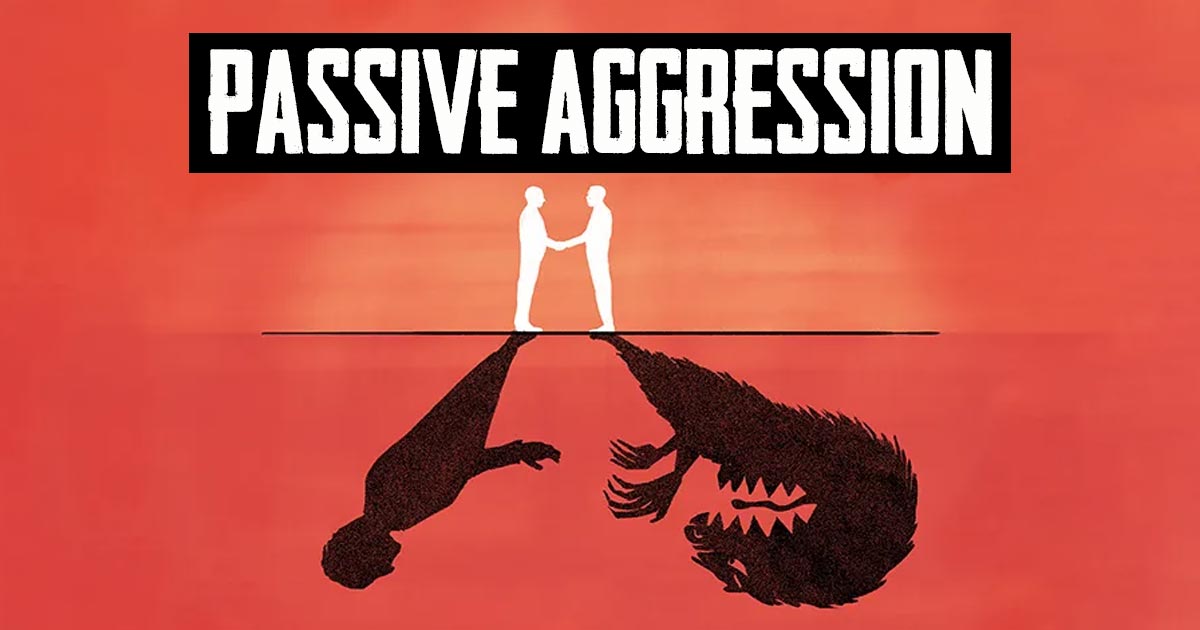
PASSIVE-AGGRESSIVE: Patients

By Dr. David Edward Marcinko MBA MEd

Professor Eugene Schmuckler PhD MBA MEd CTS

***

***

Navigating the Challenges of Passive-Aggressive Patients in Healthcare

In the complex landscape of healthcare, effective communication between providers and patients is essential for accurate diagnosis, treatment adherence, and overall patient satisfaction. However, passive-aggressive behavior—characterized by indirect resistance, subtle obstruction, and veiled hostility—can significantly hinder this process. Passive-aggressive patients present unique challenges that require emotional intelligence, patience, and strategic communication skills from healthcare professionals.

Passive-aggressive behavior often stems from underlying feelings of fear, resentment, or a perceived lack of control. Patients may feel overwhelmed by their diagnosis, skeptical of medical advice, or frustrated by systemic issues such as long wait times or insurance complications. Rather than expressing these concerns openly, they may resort to behaviors such as missed appointments, vague complaints, sarcasm, or noncompliance with treatment plans. These actions, though subtle, can disrupt care continuity and erode trust between patient and provider.

One of the most difficult aspects of managing passive-aggressive patients is identifying the behavior early. Unlike overt aggression, passive-aggression is cloaked in ambiguity. A patient might nod in agreement during a consultation but later ignore medical instructions. They may offer compliments laced with sarcasm or express dissatisfaction through third parties rather than directly. These indirect signals can leave providers confused and uncertain about the patient’s true feelings or intentions.

***

***

Addressing passive-aggressive behavior requires a nuanced approach. First, providers must cultivate a nonjudgmental environment where patients feel safe expressing concerns. Active listening, empathy, and validation can encourage more direct communication. For example, acknowledging a patient’s frustration with wait times or side effects can open the door to honest dialogue. Providers should also be mindful of their own reactions, avoiding defensiveness or dismissiveness, which can exacerbate the behavior.

Setting clear boundaries and expectations is another key strategy. Passive-aggressive patients often test limits subtly, so it’s important to reinforce the importance of mutual respect and accountability. Documenting interactions, treatment plans, and patient responses can help track patterns and ensure consistency. In some cases, involving mental health professionals may be beneficial, especially if the behavior is rooted in deeper psychological issues.

Ultimately, the goal is to transform passive-aggressive dynamics into constructive partnerships. This requires time, effort, and a willingness to engage with patients beyond surface-level interactions. When successful, it can lead to improved outcomes, greater patient satisfaction, and a more harmonious clinical environment.

In conclusion, passive-aggressive patients pose a unique challenge in healthcare, but they also offer an opportunity for providers to refine their communication skills and deepen their understanding of patient psychology. By fostering openness, setting boundaries, and responding with empathy, healthcare professionals can navigate these interactions effectively and promote better health outcomes for all.

COMMENTS APPRECIATED

EDUCATION: Books

SPEAKING: Dr. Marcinko will be speaking and lecturing, signing and opining, teaching and preaching, storming and performing at many locations throughout the USA this year! His tour of witty and serious pontifications may be scheduled on a planned or ad-hoc basis; for public or private meetings and gatherings; formally, informally, or over lunch or dinner. All medical societies, financial advisory firms or Broker-Dealers are encouraged to submit an RFP for speaking engagements: CONTACT: Ann Miller RN MHA at MarcinkoAdvisors@outlook.com 

Like, Refer and Subscribe

***

***

Short-Term Duration Plans, Health Care Sharing Ministries (HCSMs), and Individual Coverage Health Reimbursement Arrangements (ICHRAs)—

By Dr. David Edward Marcinko MBA MEd

***

***

Alternative health coverage models like Short-Term Duration Plans, Health Care Sharing Ministries (HCSMs), and Individual Coverage Health Reimbursement Arrangements (ICHRAs) offer flexible, cost-conscious options for individuals and employers seeking alternatives to traditional insurance.

As the landscape of American healthcare continues to evolve, many consumers and employers are exploring non-traditional coverage models to address rising costs, limited access, and regulatory complexity. Among the most prominent alternatives are Short-Term Duration Plans, Health Care Sharing Ministries (HCSMs), and Individual Coverage Health Reimbursement Arrangements (ICHRAs)—each offering distinct advantages and trade-offs.

Short-Term Duration Plans are designed to provide temporary coverage for individuals experiencing gaps in insurance, such as between jobs or during waiting periods. These plans are typically less expensive than ACA-compliant insurance but come with significant limitations. They often exclude coverage for pre-existing conditions, maternity care, mental health services, and prescription drugs. While they offer affordability and quick enrollment, they lack the comprehensive protections mandated by the Affordable Care Act (ACA), making them a risky choice for those with ongoing health needs.

Health Care Sharing Ministries (HCSMs) represent a faith-based approach to healthcare financing. Members contribute monthly fees into a shared pool used to cover eligible medical expenses for others in the group. These arrangements are not insurance and are not regulated by state insurance departments, meaning they are not required to cover essential health benefits or guarantee payment. However, HCSMs appeal to individuals seeking community-based support and lower costs. They often include moral or religious requirements for membership and may exclude coverage for lifestyle-related conditions or services deemed inconsistent with their beliefs.

***

***

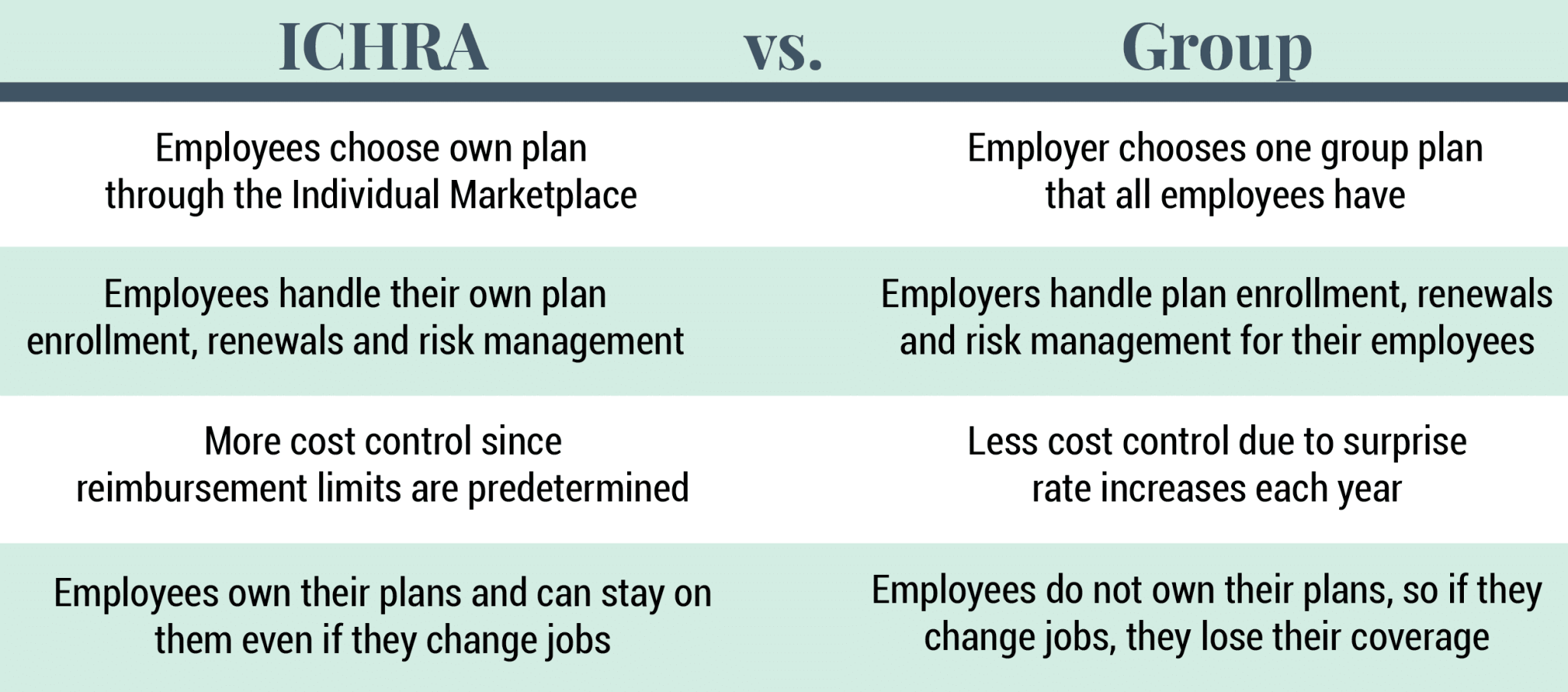
Individual Coverage Health Reimbursement Arrangements (ICHRAs) are employer-sponsored programs that allow businesses to reimburse employees for individual health insurance premiums and qualified medical expenses. Introduced in 2020, ICHRAs offer flexibility for employers to control costs while giving employees the freedom to choose plans that suit their needs. Unlike traditional group health insurance, ICHRAs shift the purchasing power to employees, promoting consumer choice and market competition. However, they require employees to navigate the individual insurance marketplace, which can be complex and variable depending on location and income.

Other emerging models include Direct Primary Care (DPC), where patients pay a monthly fee for unlimited access to a primary care provider, and Health Savings Accounts (HSAs) paired with high-deductible plans, which encourage consumer-driven healthcare spending. These models emphasize affordability, personalization, and preventive care, but may not offer sufficient protection against catastrophic health events.

In conclusion, alternative health coverage models provide valuable options for individuals and employers seeking flexibility and cost savings. However, they often come with trade-offs in coverage, regulation, and consumer protection. As ACA subsidies fluctuate and healthcare costs rise, these models are likely to gain traction—but consumers must carefully assess their health needs, financial risks, and eligibility before choosing a non-traditional path.

COMMENTS APPRECIATED

EDUCATION: Books

SPEAKING: Dr. Marcinko will be speaking and lecturing, signing and opining, teaching and preaching, storming and performing at many locations throughout the USA this year! His tour of witty and serious pontifications may be scheduled on a planned or ad-hoc basis; for public or private meetings and gatherings; formally, informally, or over lunch or dinner. All medical societies, financial advisory firms or Broker-Dealers are encouraged to submit an RFP for speaking engagements: CONTACT: Ann Miller RN MHA at MarcinkoAdvisors@outlook.com 

Like, Refer and Subscribe

***

***

PHYSICIAN PAYMENT: Direct Reimbursement Models

By Dr. David Edward Marcinko MBA MEd

BASIC DEFINITIONS

***

***

The Direct Reimbursement Payment Model allows physicians to receive payment directly from patients or employers, bypassing traditional insurance systems. This model emphasizes transparency, autonomy, and personalized care, offering an alternative to fee-for-service and managed care structures.

The Direct Reimbursement Payment Model is a healthcare financing approach in which physicians are paid directly by patients or sponsoring entities—such as employers—rather than through insurance companies or government programs. This model is gaining traction as a response to the administrative burdens, opaque billing practices, and fragmented care often associated with traditional insurance-based systems.

One prominent example of direct reimbursement is Direct Primary Care (DPC). In DPC, patients pay a recurring fee—monthly, quarterly, or annually—that covers a broad range of primary care services. These include routine checkups, preventive screenings, chronic disease management, and basic lab work. By eliminating third-party billing, DPC practices reduce overhead costs and administrative complexity, allowing physicians to spend more time with patients and focus on quality care.

***

***

Employers have also embraced direct reimbursement models to manage healthcare costs and improve employee wellness. In such arrangements, employers reimburse physicians or clinics directly for services rendered to their employees, often through a defined benefit structure. This can be part of a self-funded health plan or a supplemental offering alongside high-deductible insurance policies. The goal is to provide accessible, cost-effective care while avoiding the inefficiencies of traditional insurance networks.

Key advantages of the direct reimbursement model include:

  • Price transparency: Patients know upfront what services cost, reducing surprise billing and financial stress.
  • Improved access: Physicians often offer same-day or next-day appointments, extended visits, and direct communication via phone or email.
  • Lower administrative burden: Without insurance paperwork, practices can operate more efficiently and focus on patient care.
  • Stronger patient-physician relationships: More time per visit fosters trust, continuity, and better health outcomes.

However, the model is not without limitations. Direct reimbursement may not cover specialist care, hospitalization, or emergency services, requiring patients to maintain supplemental insurance. Additionally, the model may be less accessible to low-income populations who cannot afford recurring fees or out-of-pocket payments. Critics also argue that widespread adoption could fragment care and reduce risk pooling, undermining the broader goals of universal coverage.

Despite these concerns, the direct reimbursement model aligns with broader trends in healthcare reform, including value-based care, consumer empowerment, and decentralized service delivery. It offers a viable path for physicians seeking autonomy and for patients desiring personalized, transparent care. As healthcare continues to evolve, hybrid models that combine direct reimbursement with traditional insurance may emerge, offering flexibility and choice across diverse patient populations.

In conclusion, the Direct Reimbursement Payment Model represents a meaningful shift in how healthcare services are financed and delivered.

By prioritizing simplicity, transparency, and patient-centered care, it challenges the status quo and opens new possibilities for sustainable, high-quality medical practice.

COMMENTS APPRECIATED

EDUCATION: Books

SPEAKING: Dr. Marcinko will be speaking and lecturing, signing and opining, teaching and preaching, storming and performing at many locations throughout the USA this year! His tour of witty and serious pontifications may be scheduled on a planned or ad-hoc basis; for public or private meetings and gatherings; formally, informally, or over lunch or dinner. All medical societies, financial advisory firms or Broker-Dealers are encouraged to submit an RFP for speaking engagements: CONTACT: Ann Miller RN MHA at MarcinkoAdvisors@outlook.com -OR- http://www.MarcinkoAssociates.com

Like, Refer and Subscribe

***

***

Understanding the Risks of Capitation in Healthcare

By A.I.

***

***

The Pitfalls of Capitation in Medicine

Capitation, a payment model in healthcare where providers receive a fixed amount per patient regardless of the services rendered, has been promoted as a way to control costs and incentivize efficiency. However, despite its theoretical appeal, capitation medicine presents significant drawbacks that can compromise patient care, distort provider incentives, and exacerbate systemic inequities.

One of the most concerning aspects of capitation is the potential for under-treatment. Since providers are paid a set fee per patient, regardless of how much care that patient requires, there is a financial incentive to minimize services. This can lead to situations where necessary tests, referrals, or treatments are delayed or denied in order to preserve profit margins. Patients with complex or chronic conditions—who require more frequent and intensive care—may be especially vulnerable under this model. The risk is that medical decisions become driven by cost containment rather than clinical need, undermining the ethical foundation of healthcare.

NURSING CAPITATION: https://medicalexecutivepost.com/2024/07/07/on-nursing-capitation-reimbursement/

Capitation also introduces challenges in maintaining quality standards. Unlike value-based care, which ties reimbursement to outcomes, capitation focuses solely on cost predictability. Without robust oversight and accountability mechanisms, providers may cut corners or avoid high-risk patients altogether. This can result in cherry-picking, where healthier individuals are favored, and sicker patients are subtly discouraged from enrolling. Such practices not only distort the patient pool but also deepen health disparities, particularly among marginalized populations who already face barriers to care.

Furthermore, capitation can strain the provider-patient relationship. Physicians may feel pressured to limit time spent with each patient or avoid costly interventions, leading to a sense of transactional care rather than personalized attention. This erosion of trust can diminish patient satisfaction and reduce adherence to treatment plans. In a system where providers are rewarded for doing less, the intrinsic motivation to go above and beyond for patients may be compromised.

Operationally, capitation demands sophisticated infrastructure to manage risk, track utilization, and ensure compliance. Smaller practices or those serving underserved communities may lack the resources to implement such systems effectively. This can create a two-tiered system where well-funded organizations thrive while others struggle to deliver basic care. Additionally, the administrative burden of managing capitation contracts, monitoring performance metrics, and navigating complex reimbursement rules can divert attention from clinical priorities.

Critics also argue that capitation may stifle innovation. When providers are locked into fixed budgets, there is little room to experiment with new technologies, therapies, or care models that might improve outcomes but carry upfront costs. This conservative approach can hinder progress and limit access to cutting-edge treatments.

CAPITATION HISTORY: https://medicalexecutivepost.com/2025/09/15/capitation-reimbursement-a-historical-economic-review/

In conclusion, while capitation medicine aims to control costs and streamline care, its inherent risks—under-treatment, inequity, and diminished quality—make it a problematic model when not carefully regulated. To truly reform healthcare, payment systems must balance financial sustainability with ethical responsibility, ensuring that every patient receives the care they need, not just the care that fits a budget.

COMMENTS APPRECIATED

EDUCATION: Books

Like, Refer and Subscribe

***

***

SOCIALIZED MEDICINE: Can it Save Healthcare in the USA

By Dr. David Edward Marcinko MBA MEd

SPONSOR: http://www.MarcinkoAssociates.com

***

***

Can Socialized Medicine Save U.S. Healthcare?

The U.S. healthcare system is often criticized for its high costs, unequal access, and inconsistent outcomes. With nearly 30 million Americans uninsured and many more underinsured, the question arises: could socialized medicine be the solution to these systemic issues?

Socialized medicine refers to a system where the government owns and operates healthcare facilities and employs medical professionals, funded primarily through taxation. While the term is often used pejoratively in American discourse, countries like the United Kingdom and Sweden have long embraced such models. These systems guarantee universal access to healthcare, regardless of income or employment status.

One of the strongest arguments in favor of socialized medicine is its potential to reduce overall healthcare costs. In the U.S., administrative expenses, profit margins, and fragmented billing systems contribute to exorbitant prices. A centralized system could streamline operations, negotiate better drug prices, and eliminate the need for private insurance middlemen. Countries with socialized systems typically spend less per capita on healthcare while achieving comparable or better health outcomes.

Moreover, socialized medicine could address the issue of healthcare access. In the current U.S. model, losing a job often means losing health insurance. Even with the Affordable Care Act, many Americans face high premiums and deductibles. A government-run system would ensure that healthcare is a right, not a privilege, and that no one is denied care due to financial constraints.

***

***

However, critics argue that socialized medicine could lead to longer wait times, reduced innovation, and lower quality of care. They point to examples in Canada and the U.K. where patients sometimes wait weeks or months for non-emergency procedures. Additionally, skeptics fear that government control could stifle competition and reduce incentives for medical advancement.

Yet, these concerns may be overstated. Many countries with socialized systems still foster innovation through public-private partnerships and maintain high standards of care. France, for example, combines universal coverage with private providers and consistently ranks among the top healthcare systems globally.

Transitioning to socialized medicine in the U.S. would be a monumental task, requiring political will, public support, and a reimagining of healthcare financing. It would disrupt entrenched interests, including insurance companies and pharmaceutical firms. But if the goal is to create a more equitable, efficient, and humane system, socialized medicine deserves serious consideration.

In conclusion, while not a panacea, socialized medicine offers a compelling framework for addressing the deep-rooted problems in U.S. healthcare. By prioritizing access, affordability, and public health over profit, it could pave the way for a healthier and more just society.

COMMENTS APPRECIATED

EDUCATION: Books

SPEAKING: ME-P Editor Dr. David Edward Marcinko MBA MEd will be speaking and lecturing, signing and opining, teaching and preaching, storming and performing at many locations throughout the USA this year! His tour of witty and serious pontifications may be scheduled on a planned or ad-hoc basis; for public or private meetings and gatherings; formally, informally, or over lunch or dinner. All medical societies, financial advisory firms or Broker-Dealers are encouraged to submit an RFP for speaking engagements: CONTACT: Ann Miller RN MHA at MarcinkoAdvisors@outlook.com -OR- http://www.MarcinkoAssociates.com

Like, Refer and Subscribe

***

***

Essential Glossary of Health Insurance Terms

GLOSSARY OF TERMS

ORDER HERE: https://www.amazon.com/Dictionary-Health-Insurance-Managed-Care/dp/0826149944/ref=sr_1_4?ie=UTF8&s=books&qid=1275315485&sr=1-4

THANK YOU

***

Understanding Medical Office Cancellation Fees

By Dr. David Edward Marcinko MBA MEd

***

***

Can a physician medical provider charge an office cancellation fee?

According to the American Medical Association’s Code of Medical Ethics, physicians can charge fees for “missed appointments or appointments not cancelled in advance in keeping with the published policy of the practice”, and they should “clearly notify patients in advance of fees charge” (Opinion 11.3. 2) [28].

And so, if you miss a doctor’s appointment these days, you could get hit with a “no-show” fee of up to $150 — or more for some specialties.

Is it legal for an insurance company to charge a cancellation fee?

These practices are typically legal. They help businesses ensure they can recoup the lost revenue due to no-shows or last-minute cancellations.

Cancellation fees are permitted, but seldom collected absent unusual circumstances, such as a great deal of work having been provided.

QUESTION: As a doctor [MD, DO, DPM or DDS], do you charge an office cancellation fee? If so, how much is it?

COMMENTS APPRECIATED

EDUCATION: Books

Like, Refer and Subscribe

***

***

MEDICAL PRACTICE: Part-Time Physician Employment Difficulties

By Staff Reporters

SPONSOR: http://www.MarcinkoAssociates.com

***

***

Why It Is Difficult to Practice Medicine Part-Time Today?

In the past, part-time medical practice offered physicians a flexible way to balance professional responsibilities with personal or family commitments. Today, however, the healthcare environment has evolved in ways that make part-time medicine increasingly challenging. From administrative burdens to economic pressures and patient expectations, the obstacles are both systemic and personal.

One of the most significant barriers is the rise in administrative complexity. Physicians are now required to navigate electronic health records (EHRs), comply with insurance documentation, and meet regulatory standards such as HIPAA and MACRA. These tasks consume hours of non-clinical time, which is difficult to compress into a part-time schedule. Even seeing fewer patients doesn’t exempt part-time doctors from the same documentation and compliance requirements as their full-time counterparts.

***

***

Another challenge is financial viability. Many physicians are paid based on productivity metrics, such as Relative Value Units (RVUs), which reward volume over quality. Part-time practitioners often struggle to meet these benchmarks, resulting in lower compensation and reduced benefits. Additionally, malpractice insurance premiums and licensing fees remain fixed regardless of hours worked, further eroding the financial appeal of part-time practice.

Continuity of care is also a concern. Patients increasingly expect immediate access to their providers, especially in primary care and specialties like psychiatry or pediatrics. Part-time physicians may not be available for urgent issues, leading to fragmented care and dissatisfaction. This can strain relationships with patients and colleagues who must cover gaps in availability.

From a professional standpoint, part-time physicians may face limited career advancement. Leadership roles, academic appointments, and research opportunities often favor full-time commitment. There’s also a perception—sometimes unfair—that part-time doctors are less dedicated or less competent, which can affect peer respect and influence within medical institutions.

Technology, while beneficial, adds another layer of complexity. Telemedicine, remote monitoring, and digital communication tools have expanded access but also increased the expectation for constant availability. Part-time physicians may find it difficult to manage asynchronous messages, follow-ups, and virtual visits without extending their work hours beyond what they intended.

***

***

Lastly, burnout and work-life balance—ironically one of the reasons doctors seek part-time roles—can still be elusive. The pressure to maintain clinical excellence, stay updated with medical advancements, and meet patient needs doesn’t diminish with reduced hours. In fact, squeezing these responsibilities into fewer days can intensify stress rather than alleviate it.

In conclusion, while part-time medical practice may seem like a solution to modern work-life challenges, the reality is far more complex. The structure of today’s healthcare system, combined with economic, technological, and cultural pressures, makes it difficult for physicians to thrive in part-time roles. Addressing these challenges will require systemic reform, flexible compensation models, and a cultural shift in how we value and support diverse medical careers.

COMMENTS APPRECIATED

EDUCATION: Books

SPEAKING: ME-P Editor Dr. David Edward Marcinko MBA MEd will be speaking and lecturing, signing and opining, teaching and preaching, storming and performing at many locations throughout the USA this year! His tour of witty and serious pontifications may be scheduled on a planned or ad-hoc basis; for public or private meetings and gatherings; formally, informally, or over lunch or dinner. All medical societies, financial advisory firms or Broker-Dealers are encouraged to submit an RFP for speaking engagements: CONTACT: Ann Miller RN MHA at MarcinkoAdvisors@outlook.com -OR- http://www.MarcinkoAssociates.com

Like, Refer and Subscribe

***

***

Essential Critical Thinking Skills for Financial Advisors

FOR ETHICAL PHYSICIAN CLIENT ACQUISITION SUCCESS

By Dr. David Edward Marcinko; MBA MEd CMP

***

***

SPONSOR: http://www.CertifiedMedicalPlanner.org

Critical thinking allows a Financial Advisor [FA] to analyze information and make an objective judgment. By impartially evaluating the facts related to a matter, Financial Planners [FPs] can draw realistic conclusions that will help make a sound decision. The ability of being able to properly analyze a situation and come up with a logical and reasonable conclusion is highly valued by employers, as well as current and potential clients.

Now, according to Indeed, we present the six main critical thinking and examples that will help you evaluate your own thought process as a FA, FP or Wealth Manager, etc.

What is critical thinking? 

Critical thinking is the ability to objectively analyze information and draw a rational conclusion. It involves gathering information on a subject and determining which pieces of information apply to the subject and which don’t, based on deductive reasoning. The ability to think critically helps people in both their personal and professional lives and is valued by most clients and employers. 

Why do employers value critical thinking?

Critical thinking skills are a valuable asset for an employee, as employers, brokerages and Registered Investment Advisors [RIAs] typically appreciate candidates who can correctly assess a situation and come up with a logical resolution. Time is a valuable resource for most managers, and an employee able to make correct decisions without supervision will save both that manager and the whole company much valuable time.

***

***

Six main types of critical thinking skills

There are six main critical thinking skills you can develop to successfully analyze facts and situations and come up with logical conclusions:

1. Analytical thinking

Being able to properly analyze information is the most important aspect of critical thinking. This implies gathering information and interpreting it, but also skeptically evaluating data. When researching a work topic, analytical thinking helps you separate the information that applies to your situation from that which doesn’t.

2. Good communication

Whether you are gathering information or convincing others that your conclusions are correct, good communication is crucial in the process. Asking people to share their ideas and information with you and showing your critical thinking can help step further towards success. If you’re making a work-related decision, proper communication with your coworkers can help you gather the information you need to make the right choice.

3. Creative thinking

Being able to discover certain patterns of information and make abstract connections between seemingly unrelated data helps improve your critical thinking. When analyzing a work procedure or process, you can creatively come up with ways to make it faster and more efficient. Creativity is a skill that can be strengthened over time and is valuable in every position, experience level and industry.

4. Open-mindedness

Previous education and life experiences leave their mark on a person’s ability to objectively evaluate certain situations. By acknowledging these biases, you can improve your critical thinking and overall decision process. For example, if you plan to conduct a meeting in a certain way and your firm suggests using a different strategy, you should let them speak and adjust your approach based on their input.

5. Ability to solve problems

The ability to correctly analyze a problem and work on implementing a solution is another valuable skill.

6. Asking thoughtful questions:

In both private and professional situations, asking the right questions is a crucial step in formulating correct conclusions. Questions can be categorized in various forms as mentioned below:

***

***

* Open-ended questions

Asking open-ended questions can help the person you’re communicating with provide you with relevant and necessary information. These are questions that don’t allow a simple “yes” or “no” as an answer, requiring the respondent to elaborate on the answer.

* Outcome-based questions

When you feel like another person’s experience and skills could help you work more effectively, consider asking outcome-based questions. Asking someone how they would act in a certain hypothetical situation, such as a stock market correction, can give you an insight into their perspective, helping you see things you hadn’t thought about before.

Reflective questions

You can gain insight by asking a client to reflect and evaluate an experience and explain their thought processes during that time. This can help you develop your critical thinking by providing you real-world examples.

* Structural questions

An easy way to understand something is to ask how something works. Any working system results from a long process of trial and error, and properly understanding the steps that needed to be taken for a positive result could help you be more efficient in your own endeavors.

CONCLUSION

Critical thinking is like a muscle that can be exercised and built over time. It is a skill that can help propel your career to new heights. You’ll be able to solve workplace issues, use trial and error to troubleshoot ideas, and more.

EDUCATION: Books

SPEAKING: Dr. Marcinko will be speaking and lecturing, signing and opining, teaching and preaching, storming and performing at many locations throughout the USA this year! His tour of witty and serious pontifications may be scheduled on a planned or ad-hoc basis; for public or private meetings and gatherings; formally, informally, or over lunch or dinner. All medical societies, financial advisory firms or Broker-Dealers are encouraged to submit a RFP for speaking engagements: MarcinkoAdvisors@outlook.com 

COMMENTS APPRECIATED

Read, Subscribe, Like and Refer

***

***

ACUTE CARE MEDICINE: Defined

By A.I. and Staff Reporters

SPONSOR: http://www.CertifiedMedicalPlanner.org

***

***

ACUTE CARE MEDICINE

Classic: Acute care is a branch of secondary health care where a patient receives active but short-term treatment for a severe injury or episode of illness, an urgent medical condition, or during recovery from surgery. In medical terms, care for acute health conditions is the opposite from chronic care, or longer term care.

Modern: Acute care is active, short-term treatment for a severe injury or episode related to illness, an urgent medical condition or recovery from surgery.

HOSPITAL: https://medicalexecutivepost.com/2008/12/08/the-acute-care-inpatient-hospital/

***

***

Examples: The following are considered acute care facilities:

  • Hospital (General Acute Care as well as Psychiatric, Specialized and Rehabilitation Hospitals; and Long Term Acute Care or LTAC)
  • Ambulatory Care Facility.
  • Home Health Agency.
  • End Stage Renal Disease Facility (dialysis center)
  • Hospice.

EMERGENT CARE: https://medicalexecutivepost.com/2025/05/03/medicine-emergent-care/

COMMENTS APPRECIATED

EDUCATION: Books

Like, Refer and Subscribe

***

***

VALUE BASED MEDICAL CARE: A Paradigm Shift in Healthcare

By A. I.

***

***

Value-Based Medical Care: A Paradigm Shift in Healthcare

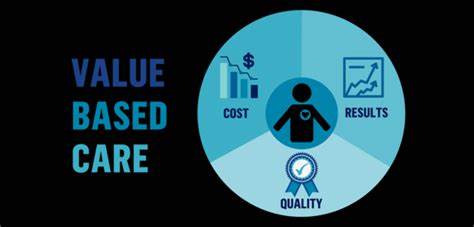
In recent years, the healthcare industry has undergone a transformative shift from volume-driven services to outcome-focused care. This evolution is embodied in the concept of value-based medical care, a model that emphasizes delivering high-quality healthcare while controlling costs and improving patient outcomes. Unlike traditional fee-for-service systems, which reward providers for the quantity of services rendered, value-based care aligns incentives with the value of care provided—measured by patient health outcomes relative to the cost of achieving them.

Core Principles of Value-Based Care

At its heart, value-based medical care is built on several foundational principles:

  • Patient-Centeredness: Care is tailored to individual needs, preferences, and values, promoting shared decision-making and holistic treatment.
  • Quality Over Quantity: Providers are rewarded for improving health outcomes, reducing hospital readmissions, and preventing disease rather than performing more procedures.
  • Integrated Care Delivery: Coordination among healthcare professionals ensures seamless transitions between services, reducing fragmentation and duplication.
  • Data-Driven Accountability: Performance metrics and health analytics guide clinical decisions and track progress toward better outcomes.
  • Cost Efficiency: By focusing on prevention and effective management of chronic conditions, value-based care aims to reduce unnecessary spending.

Benefits for Patients and Providers

For patients, value-based care offers a more personalized and proactive approach to health. It encourages preventive screenings, chronic disease management, and wellness programs that lead to longer, healthier lives. Providers benefit from shared savings programs, performance bonuses, and stronger relationships with their patients. Moreover, healthcare systems can allocate resources more effectively, reducing waste and improving overall population health.

COMMENTS APPRECIATED

EDUCATION: Books

Like, Refer and Subscribe

***

***

Financial Planning for Physicians: Achieve Your Goals

By: http://www.MarcinkoAssociates.com

Your medical practice. Your personal goals. Your financial plan. Our experienced confirmation guide.

***

***

When you know exactly where you are today, have a vision of where you want to be tomorrow, and have trusted counsel at your side, you have already achieved so much success. Marcinko Associates works to keep you at that level of confidence every day. We use a comprehensive economic process to uncover what’s most important to you and then develop a financial strategy that gives you the highest probability of achieving your monetary goals.

We assess, plan, and opine for your success

To accurately see where you are today, chart a strategic path to your goals and help you make the most informed decisions to keep you on financial track, our key services for physicians and high net worth medical clients include:

  • Investment Portfolio Review
  • Fee, Charge and Cost Review
  • Comprehensive Financial Planning
  • Insurance Reviews
  • Estate Planning
  • Investment and Asset Management Second Opinions

We take a deep dive into your financial retirement plans

Physicians and dental employers now have options for how to design and deliver retirement benefits and we can help you make the best choice for your healthcare business. Our services for retirement plans include:

  • Fee, Charges & Fiduciary Review
  • Portfolio Analysis
  • Single Employer Retirement Plan Advisory
  • Retirement Plans Risk Analysis
  • Capital Funding and Financing
  • Business Planning and Practice Valuations
  • Career Development
  • and more!

We take a broad and balanced look at your financial life life

We coordinate our recommendations with your other advisors, including attorneys, accountants, insurance professionals and others, to ensure each decision is consistent with your goals and overall strategy. For example, through our partnerships we offer physician colleagues deeper expanded advisory services, like:

  • Estate, Gift, and Trust Planning
  • Tax Planning and Compliance
  • Medical or Dental Practice Worth
  • Business Succession Planning
  • Practice Exit Planning
  • Transaction Advisory Services
  • and more!

EDUCATION: Books

CONTACT US TODAY: Ann Miller RN MHA at: MarcinkoAdvisors@outlook.com

***

Fiduciary Financial Colleagues Advising Medical Colleaguesin Turbulent Times!

***

***

HEALTH 3.0: Developing New Physician Leadership Skills

By Dr. David Edward Marcinko MBA MEd

***

***

Medicine today is vastly different than a generation ago, and all health care professionals need new skills to be successful and reduce the emerging risks outlined in this textbook, as well as the “unknown-unknowns” elsewhere. Traditionally, the physician was viewed as the “captain of the ship”. Today, their role may be more akin to a ship’s navigator, using clinical, teaching skills and knowledge to chart the patient’s course through a confusing morass of insurance requirements, fees, choices, rules and regulations to achieve the best attainable clinical outcomes.

This new leadership paradigm includes many classic business school principles, now modified to fit the decade long PP-ACA, the era of health reform, and modern technical connectivity and EMRs.

LEADERSHIP: https://medicalexecutivepost.com/2023/04/14/what-is-a-leadership-and-can-it-be-defined/

Thus, the physician must be a subtle guide on the side; not bombastic sage on the stage. These, newer health 3.0 leadership philosophies might include:

•Negotiation – working to optimize appropriate treatment plans; ie., quality of life versus quantity of life,
•Team play – working in concert with other allied healthcare professionals to coordinate care delivery ,ithin a clinically appropriate and cost-effective framework;
Working within the limits of competence – avoiding the pitfalls of the medical generalist versus the specialist that may restrict access to treatment, medications, physicians and facilities by clearly acknowledging when a higher degree of service is needed on behalf of the patient – all while embracing holistic primary care;
•Respecting different cultures and values – inherent in the support of the medical Principle of Autonomy is the acceptance of values that may differ from one’s own. As the US becomes more culturally hetero geneous, medical providers are called upon to work within, and respect, the socio-cultural and/or spiritual framework of patients, students and their families;
•Seeking clarity on what constitutes marginal care – within a system of finite resources; providers are called upon to openly communicate with patients regarding access to marginal medical information and/or treatments.
•Supporting evidence-based practice – healthcare providers, should utilize outcomes data to reduce variation in treatments to achieve higher efficiencies and improved care delivery thru evidence based medicine [EBM];
•Fostering transparency and openness in communications – healthcare professionals should be willing, and prepared, to discuss all aspects of care, especially when discussing end-of-life issues or when problems arise;
•Exercising decision-making flexibility – treatment algorithms, templates and clinical pathways are useful tools when used within their scope; but providers must have the authority to adjust the plan if circumstances warrant.

HEALTHCARE LEADERSHIP: https://medicalexecutivepost.com/2025/05/01/healthcare-leadership-on-the-brink-executives-eyeing-the-exits/

Assessment

Becoming skilled in the art of listening and interpreting — In her ground-breaking book, Narrative Ethics: Honoring the Stories of Illness, Rita Charon, MD PhD, a professor at Columbia University, writes of the extraordinary value of using the patient’s personal story in the treatment plan. She notes that, “medicine practiced with narrative competence will more ably recognize patients and diseases; convey knowledge and regard, join humbly with colleagues, and accompany patients and their families through ordeals of illness.” In many ways, attention to narrative returns medicine full circle to the compassionate and caring foundations of the patient-physician relationship.

These thoughts represent only a handful of examples to illustrate the myriad of new skills that tomorrows’ healthcare professionals must master in order to meet their timeless professional obligations of compassionate care and contemporary treatment effectiveness; all within the context modern risk management principles.

BRAND MANAGEMENT: https://medicalexecutivepost.com/2025/07/07/brand-management-7-approaches-for-doctors-and-financial-advisors/

COMMENTS APPRECIATED

EDUCATION: Books

SPEAKING: Dr. Marcinko will be speaking and lecturing, signing and opining, teaching and preaching, storming and performing at many locations throughout the USA this year! His tour of witty and serious pontifications may be scheduled on a planned or ad-hoc basis; for public or private meetings and gatherings; formally, informally, or over lunch or dinner. All medical societies, financial advisory firms or Broker-Dealers are encouraged to submit an RFP for speaking engagements: CONTACT: Ann Miller RN MHA at MarcinkoAdvisors@outlook.com -OR- http://www.MarcinkoAssociates.com

Like and Subscribe

***

***

ESSENTIALITY: Hospital Credit Analysis

By Dr. David Edward Marcinko MBA MEd

***

SPONSOR: http://www.MarcinkoAssociates.com

Why Hospital Essentiality?

An important component of hospital credit analysis is essentiality. Hospitals are unusual businesses that many times possess some form of essentiality to their communities. Health care is important to the economic vitality of every community. Many hospitals have served their communities for many years; it is not uncommon to find hospitals that have been continuously operating for more than 100 years in the same community.

Most hospitals are not-for-profit. In not-for-profit hospitals, no private party actually “owns” the hospital; control is vested in various boards, but no one explicitly owns a not-for-profit hospital. In a broad sense, communities own not-for-profit hospitals. They are considered “charities” with a “charitable purpose.” Though a not-for-profit hospital may not have owners, it has many “stakehold-ers,” parties that have vested interests in the continuing success of the hospital.

HOSPITAL TYPES: https://medicalexecutivepost.com/2025/08/06/hospitals-understanding-different-types/

***

***

Many hospitals have broad and vast webs of stakeholders. Stakeholders are why hospitals rarely close or are shut down. Too many stakeholders have interests in the continuing successful operation of hospitals.

Another dimension of the essentiality analysis is service analysis. How significant are the hospital’s services? If the hospital shuts down, what population segments would suffer? How significant is the population that would suffer? How much would they suffer?

HOSPITAL ROI: https://medicalexecutivepost.com/2024/10/09/the-dupont-decomposition-equation-for-roi/

Assessment

And so, hospital stakeholder relationships need to be considered in the analysis of essentiality. How strong are these relations? How many are there? How important is the continuing success of this hospital to these stakeholders?

Analysis of hospital’s stakeholders and services should provide a credible view of the degree of essentiality associated with a hospital. Higher degrees of essentiality suggest higher likelihoods that hospitals, one way or another, will meet their commitments, particularly their payment
commitments.

***

***

COMMENTS APPRECIATED

EDUCATION: Books

SPEAKING: Dr. Marcinko will be speaking and lecturing, signing and opining, teaching and preaching, storming and performing at many locations throughout the USA this year! His tour of witty and serious pontifications may be scheduled on a planned or ad-hoc basis; for public or private meetings and gatherings; formally, informally, or over lunch or dinner. All medical societies, financial advisory firms or Broker-Dealers are encouraged to submit an RFP for speaking engagements: CONTACT: Ann Miller RN MHA at MarcinkoAdvisors@outlook.com -OR- http://www.MarcinkoAssociates.com

Like and Subscribe

PHARMACY BENEFITS MANAGER: The Business Model Explained?

By A.I. and Dr. David Edward Marcinko MBA MEd CMP

SPONSOR: http://www.CertifiedMedicalPlanner.org

***

***

Business Model Defined

Doctors and dentists earn money by treating patients. CPAs and Attorneys have clients, and retail stores buy items low and sell them at higher prices. This is called a business model.

More formally, a business model identifies the products or services the business plans to sell, the target market, and any anticipated expenses, in order to outline how to generate a profit. Business models are important for both new and established businesses. They help companies attract investment, recruit talent, and motivate management and staff.

Businesses should regularly update their business model, or they’ll fail to anticipate trends and challenges ahead. Business models also help investors to evaluate companies that interest them and employees to understand the future of a company they may aspire to join.

***

The Business Model of Pharmacy Benefits Managers

In the United States, health insurance providers often hire a third party to handle price negotiations, insurance claims, and distribution of prescription drugs. Providers that use such pharmacy benefit managers include commercial health plans, self-insured employer plans, Medicare Part D [drug] plans, the Federal Employees Health Benefits Program, and state government employee plans. PBMs are designed to aggregate the collective buying power of en-rollees through their client health plans, enabling plan sponsors and individuals to obtain lower prices for their prescription drugs. PBMs negotiate price discounts from retail pharmacies, rebates from pharmaceutical manufacturers, and mail-service pharmacies which home-deliver prescriptions without consulting face-to-face with a pharmacist.

PBMs DEFINED: https://medicalexecutivepost.com/2019/01/18/on-pbms-pharmacy-benefits-management/

Pharmacy benefit management companies can make revenue in several ways.

First, they collect administrative and service fees from the original insurance plan.

Then, they can also collect rebates from the manufacturer.

Traditional PBMs do not disclose the negotiated net price of the prescription drugs, allowing them to resell drugs at a public list price (also known as a sticker price), which is higher than the net price they negotiate with the manufacturer. This practice is known as “spread pricing”. The industry argues that savings are trade secrets. Pharmacies and insurance companies are often prohibited by PBMs from discussing costs and reimbursements. This leads to lack of transparency.

***

***

Therefore, states are often unaware of how much money they lose due to spread pricing, and the extent to which drug rebates are passed on to en-rollees of Medicare plans. In response, states like Ohio, West Virginia, and Louisiana have taken action to regulate PBMs within their Medicaid programs.

For instance, they have created new contracts that require all discounts and rebates to be reported to the states. In return, Medicaid pays PBMs a flat administrative fee.

PBM PODCAST: https://medicalexecutivepost.com/2023/08/26/podcast-cvs-replaces-its-pbm/

COMMENTS APPRECIATED

EDUCATION: Books

SPEAKING: Dr. Marcinko will be speaking and lecturing, signing and opining, teaching and preaching, storming and performing at many locations throughout the USA this year! His tour of witty and serious pontifications may be scheduled on a planned or ad-hoc basis; for public or private meetings and gatherings; formally, informally, or over lunch or dinner. All medical societies, financial advisory firms or Broker-Dealers are encouraged to submit an RFP for speaking engagements: CONTACT: Ann Miller RN MHA at MarcinkoAdvisors@outlook.com -OR- http://www.MarcinkoAssociates.com

Like and Subscribe

***

***

PROPOSED: 2026 Physician Fee Schedule Payment Increases

***

On July 14, 2025, the Centers for Medicare & Medicaid Services (CMS) released its proposed Medicare Physician Fee Schedule (MPFS) for calendar year (CY) 2026.

In addition to the agency’s suggested increase to physician payments, the proposed rule also announces a new payment model and more tele-health flexibilities.

According to CMS, the “proposed rule is one of several proposed rules that reflect a broader Administration-wide strategy to create a health care system that results in better quality, efficiency, empowerment, and innovation for all Medicare beneficiaries.” (Read more…)

COMMENTS APPRECIATED

Like and Subscribe

***

***

CMS Proposes Updates to the OPPS

By Health Capital Consultants, LLC

***

***

On July 15, 2025, the Centers for Medicare & Medicaid Services (CMS) released the proposed rule for the Outpatient Prospective Payment System (OPPS) and Ambulatory Surgical Center (ASC) Payment System for calendar year (CY) 2026.

Among other items, the agency proposes increasing payments to all outpatient providers, eliminating the Inpatient Only (IPO) List, and changing quality reporting programs.

This Health Capital Topics article reviews the proposed updates and changes to outpatient reimbursement. (Read more…) 

COMMENTS APPRECIATED

Like and Subscribe

***

***

OPTUM: UnitedHealth Group A.I. Chatbot

By Staff Reporters and AI

***

***

Better make sure it’s Secure?

UnitedHealth Group’s Optum healthcare company got caught with its digital pants down in December, when TechCrunch reported that its internal AI chatbot, which employees asked for advice in determining claims, was publicly accessible.

AI: https://medicalexecutivepost.com/2025/02/09/my-thoughts-on-artificial-intelligence-ai/

Optum quickly restricted the tool and said it was a demo that was “never scaled nor used in any real way.”

COMMENTS APPRECIATED

Like, Refer and Subscribe

EDUCATION: Books

***

***

HEALTH CARE SPENDING: Projected to Exceed $8.5 Trillion by 2033

By Health Capital Consultants LLC

***

***

On June 25th, 2025, the Centers for Medicare & Medicaid Services (CMS) released its forecast on U.S. healthcare spending through 2033. The analysis, published in Health Affairs, estimated healthcare spending growth in 2024 and projected the growth into 2033. CMS found that overall healthcare spending growth has decreased slightly but is still elevated compared to pre-pandemic levels, and is expected to continue to moderately grow.

This Health Capital Topics article examines the factors underlying the forecasts. (Read more…) 

COMMENTS APPRECIATED

Like and Subscribe

***

***

DOCTOR BRANDING STRATEGIES: Exploring 9 [NINE] Different Types

By A.I.

***

***

Medical doctors, dentists, and podiatrists have to undergo extensive training before they can practice medicine independently. Once they receive training, there are opportunities to increase pay and prestige in the medical field through a series of promotions. As a doctor, how much training, experience and skills you have can determine your ability to move upward in these levels. But, personal branding strategies may even be more vital in today’s social media age?

***

Physician, medical and healthcare branding is more than just the creation of logos, taglines, or specific brand messaging. It’s about creating a meaningful connection between your mission, vision and values and the people served – from patients and their families to local and global communities.

While there are many different types of branding strategies in marketing science, they all share key elements that serve as the foundation for the strategy. These 9 elements for all physicians and medical professionals include the following:

  1. Brand purpose: The reason the physician is in practice and what he/she is trying to achieve.
  2. Brand vision: The ideas and goals behind the dentist which serve as inspiration for practice growth.
  3. Brand values: The osteopaths beliefs and what they stand for.
  4. Target audience: The demographic(s) and patient targets that the podiatrist is aiming to reach.
  5. Market analysis: An analysis of the marketplace that identifies gaps where the chiropractor has an opportunity to position him/her self based on a unique value proposition.
  6. Awareness goals: The initiatives the doctor will take in order to reach a target market patient demographic.
  7. Brand personality: The human-like attributes of the physician that will help build relationships with patients, consumers and other physicians and practitioners.
  8. Brand voice: The language and tone the doctor uses to communicate with patients, physicians and consumers.
  9. Brand tagline: A memorable slogan that sums up the physician and their medical offering in a few choice words.

And so, physician branding is the development of a easily recognizable identity for a medical practice, clinic or healthcare organization that helps to shape perception by current and prospective patients and the wider world.

COMMENTS APPRECIATED

Like and Subscribe

***

UNHAPPY HOSPITALS: One Big Beautiful Bill Act!

SPONSOR: http://www.CertifiedMedicalPlanner.org

***

***

One Big Beautiful Bill Act (OBBBA; OBBB; BBB), or the Big Beautiful Bill, is a budget reconciliation bill in the 119th US Congress.

Hospitals are not happy with the health care provisions of the bill, which would reduce the support they receive from states to care for Medicaid enrollees and leave them with more uncompensated care costs for treating uninsured patients.

“The real-life consequences of these nearly $1 trillion in Medicaid cuts – the largest ever proposed by Congress – will result in irreparable harm to our health care system, reducing access to care for all Americans and severely undermining the ability of hospitals and health systems to care for our most vulnerable patients,” said Rick Pollack, CEO of the American Hospital Association.

The association said it is “deeply disappointed” with the bill, even though it contains a $50 billion fund to help rural hospitals contend with the Medicaid cuts, which hospitals say is not nearly enough to make up for the shortfall.

COMMENTS APPRECIATED

Like and Subscribe

***

***

DOCTORS: Marketing, Advertising & Sales

Subscribe to continue reading

Subscribe to get access to the rest of this post and other subscriber-only content.

“BIG BEAUTIFUL BILL”: Not So for Healthcare?

By Health Capital Consultants; LLC

***

***

On May 22, 2025, the U.S. House of Representatives moved President Trump’s budget proposal forward, sending to the Senate a budget reconciliation bill (with a one-vote margin) – the One Big Beautiful Bill Act of 2025 – that renews expiring tax cuts and enacts new ones at a cost of almost $4 trillion. These costs would largely be paid for by cuts to other programs, including to federal healthcare programs, which cuts will have significant ramifications for the healthcare industry.

This Health Capital Topics article reviews the current status of the budget bill and healthcare industry implications. (Read more…)

COMMENTS APPRECIATED

Like and Refer

***

***

CMMI’s Evolving Strategy: Initial Indications from Recent Actions

By Health Capital Consultants, LLC

***

***

On May 13th, 2025, the CMS Center for Medicare & Medicaid Innovation (CMMI) introduced a new strategic plan for its models going forward. After ending four payment models early and canceling two not-yet-implemented models in March 2025, the agency had promised to release a new strategy. Nearly two weeks later, CMMI released that strategy, as well as a preliminary evaluation of, and changes to, one of its core payment models.

This Health Capital Topics article will review CMMI’s recent actions and what initial indications these actions provide. (Read more…) 

LTC: https://medicalexecutivepost.com/2025/06/05/cms-proposes-increasing-inpatient-long-term-care-payments-2/

COMMENTS APPRECIATED

Like and Refer

***

***

FINANCIAL LIFE PLANNING? For Physicians and Medical Professionals

SPONSOR: http://www.MarcinkoAssociates.com

By Dr. David Edward Marcinko; MBA MEd CMP

***

***

SPONSOR: http://www.CertifiedMedicalPlanner.org

Life planning and behavioral finance as proposed for physicians and integrated by the Institute of Medical Business Advisors Inc., is unique in that it emanates from a holistic union of personal financial planning, human physiology and medical practice management, solely for the healthcare space.  Unlike pure life planning, pure financial planning, or pure management theory, it is both a quantitative and qualitative “hard and soft” science, with an ambitious economic, psychological and managerial niche value proposition never before proposed and codified, while still representing an evolving philosophy. Its’ first-mover practitioners are called Certified Medical Planners™.

Life planning, in general, has many detractors and defenders. Formally, it has been defined by Mitch Anthony, Gene R. Lawrence, AAMS, CFP© and Roy T. Diliberto, ChFC, CFP© of the Financial Life Institute, in the following trinitarian way.

Financial Life Planning is an approach to financial planning that places the history, transitions, goals, and principles of the client at the center of the planning process.  For the financial advisor or planner, the life of the client becomes the axis around which financial planning develops and evolves.

Financial Life Planning is about coming to the right answers by asking the right questions. This involves broadening the conversation beyond investment selection and asset management to exploring life issues as they relate to money.

Financial Life Planning is a process that helps advisors move their practice from financial transaction thinking, to life transition thinking. The first step is aimed to help clients “see” the connection between their financial lives and the challenges and opportunities inherent in each life transition.

But, for informed physicians, life planning’s quasi-professional and informal approach to the largely isolate disciplines of financial planning and medical practice management is inadequate. Today’s practice environment is incredibly complex, as compressed economic stress from HMOs managed care, financial insecurity from insurance companies, ACOs and VBC, Washington DC and Wall Street; liability fears from attorneys, criminal scrutiny from government agencies, and IT mischief from malicious electronic medical record [eMR] hackers. And economic bench marking from hospital employers; lost confidence from patients; and the Patient Protection and Affordable Care Act [PP-ACA] more than a decade ago. All promote “burnout” and converge to inspire a robust new financial planning approach for physicians and most all medical professionals. 

The iMBA Inc., approach to financial planning, as championed by the Certified Medical Planner™ professional certification designation program, integrates the traditional concepts of financial life planning, with the increasing complex business concepts of medical practice management. The former topics are presented in this textbook, the later in our recent companion text: The Business of Medical Practice [Transformational Health 2.0 Skills for Doctors].

***

***

For example, views of medical practice, personal lifestyle, investing and retirement, both what they are and how they may look in the future, are rapidly changing as the retail mentality of medicine is replaced with a wholesale and governmental philosophy. Or, how views on maximizing current practice income might be more profitably sacrificed for the potential of greater wealth upon eventual practice sale and disposition. 

Or, how the ultimate fear represented by Yale University economist Robert J. Shiller, in The New Financial Order: Risk in the 21st Century, warns that the risk for choosing the wrong profession or specialty, might render physicians obsolete by technological changes, managed care systems or fiscally unsound demographics. OR, if a medical degree is even needed for future physicians?

Say, what medical license?

Dr. Shirley Svorny, chair of the economics department at California State University, Northridge, holds a PhD in economics from UCLA. She is an expert on the regulation of health care professionals who participated in health policy summits organized by Cato and the Texas Public Policy Foundation. She argues that medical licensure not only fails to protect patients from incompetent physicians, but, by raising barriers to entry, makes health care more expensive and less accessible. Institutional oversight and a sophisticated network of private accrediting and certification organizations, all motivated by the need to protect reputations and avoid legal liability, offer whatever consumer protections exist today.

Yet, the opportunity to revise the future at any age through personal re-engineering, exists for all of us, and allows a joint exploration of the meaning and purpose in life. To allow this deeper and more realistic approach, the informed transformation advisor and the doctor client, must build relationships based on trust, greater self-knowledge and true medical business management and personal financial planning acumen.

[A] The iMBA Philosophy

As you read this ME-P website, we hope you will embrace the opportunity to receive the focused and best thinking of some very smart people. Hopefully, along the way you will self-saturate with concrete information that proves valuable in your own medical practice and personal money journey. Maybe, you will even learn something that is so valuable and so powerful, that future reflection will reveal it to be of critical importance to your life.  The contributing authors certainly hope so.

At the Institute of Medical Business Advisors, and thru the Certified Medical Planner™ program, we suggest that such an epiphany can be realized only if you have extraordinary clarity regarding your personal, economic and [financial advisory or medical] practice goals, your money, and your relationship with it. Money is, after only, no more or less than what we make of it. 

Ultimately, your relationship with it, and to others, is the most important component of how well it will serve you. 

COMMENTS APPRECIATED

Read, Subscribe, Like and Refer

EDUCATION: Books

SPEAKING: Dr. Marcinko will be speaking and lecturing, signing and opining, teaching and preaching, storming and performing at many locations throughout the USA this year! His tour of witty and serious pontifications may be scheduled on a planned or ad-hoc basis; for public or private meetings and gatherings; formally, informally, or over lunch or dinner. All medical societies, financial advisory firms or Broker-Dealers are encouraged to submit a RFP for speaking engagements: CONTACT: MarcinkoAdvisors@outlook.com 

***

MEDICINE: Flat Fee Per Patient Treatment Case

By Staff Reporters

SPONSOR: http://www.CertifiedMedicalPlanner.org

***

***

Flat Fee-Per-Case

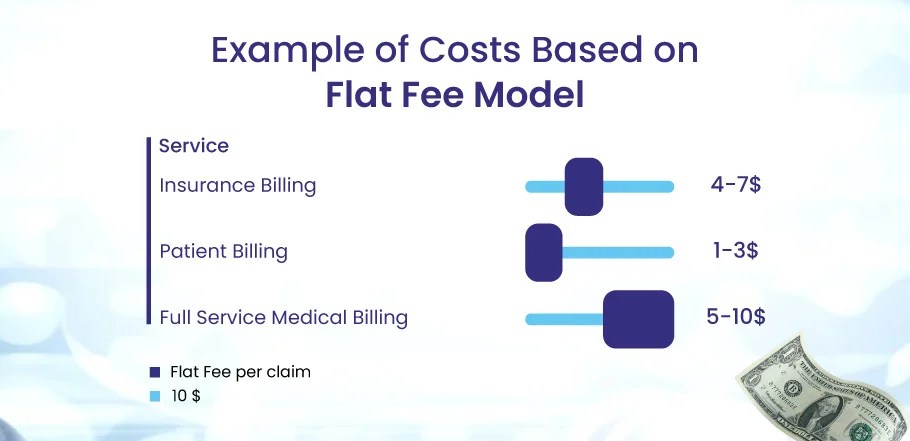
Classic: Flat fee paid for a patient’s treatment based on their diagnosis and/or presenting problem. For this fee the provider covers all of the services required for a specific period of time.

PHYSICIAN SALARY: https://medicalexecutivepost.com/2023/04/14/physician-salary-pay-gap/

Modern: Often characterizes “second generation” managed care systems. After a Managed Care Organization squeezes out costs by discounting fees, they often come to this method. If provider is still standing after discount blitz, this approach can be good for provider and clients, since it permits a lot of flexibility for provider in meeting client needs.

PHYSICIAN NET WORTH: https://medicalexecutivepost.com/2024/09/21/physician-net-worth-personalized-projections/

Example: A Flat fee system paid for a medical treatment based on a patient’s diagnosis for a specific period of time.

Invite Dr. Marcinko

COMMENTS APPRECIATED

EDUCATION: Books

Refer and Like

***

***

MEDICINE: Emergent Care

SOME PHYSICIAN WORK FOR FREE

By Staff Reporters

SPONSOR: http://www.MarcinkoAssociates.com

***

***

What is an Emergency Medicine Physician?

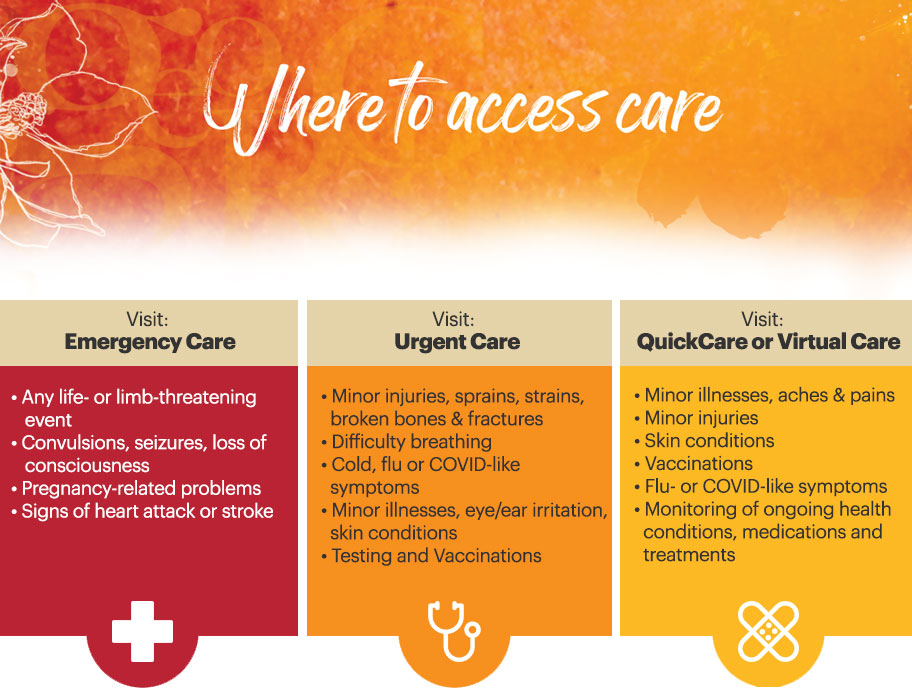
An emergency medicine physician is a medical doctor who specializes in the diagnosis, treatment, and management of acute and life-threatening medical conditions that require immediate intervention. These physicians work in hospital emergency departments, urgent care centers, and other acute care settings, where they provide rapid assessment, stabilization, and treatment to patients of all ages with a wide range of medical emergencies.

Emergency medicine physicians are trained to handle diverse medical emergencies, including trauma, cardiac emergencies, respiratory distress, severe infections, neurological emergencies, and obstetric emergencies, among others. They play a vital role in the front line management of medical emergencies, ensuring that patients receive prompt and appropriate care to improve outcomes and save lives.

***

Classic: Emergent Room or Emergency Department care is the provision of immediate medical service offering outpatient care for the treatment of acute and chronic illness and injury. It requires a broad and comprehensive fund of knowledge to provide such care. Excellence in care for patients with complex and or unusual conditions is founded on the close communication and collaboration between the urgent care medicine physician, the specialists and the primary physicians.

Modern: Urgent care does not replace your primary care physician. An urgent care center is a convenient option when someone’s regular physician is on vacation or unable to offer a timely appointment. Or, when illness strikes outside of regular office hours, urgent care offers an alternative to waiting for hours in a hospital Emergency Room.

Examples: Chest pain, bleeding that cannot be stopped and loss of consciousness; etc.

***

***

SOME ER DOCTORS WORK FOR FREE

The new president of emergency medicine for the Alberta Medical Association says Emergency Room physicians already coping with long hours, staff shortages and jammed waiting rooms are also being obligated, in some cases, to work for free. Dr. Warren Thirsk says the government has yet to follow through on a promise to reimburse emergency room doctors for so-called “good faith” payments.

“There’s been lots of excuses, but the bottom line is no one has actually received a penny for those suspended good-faith payments,” Thirsk said in an interview. “On average, every emergency physician in this province is out thousands of dollars for free work.” Good-faith payments reimburse ER doctors when they see patients who don’t have identification and can’t prove an Alberta Health Care Insurance Plan billing number.

Thirsk said the United Conservative government stopped those payments when it ripped up the master agreement with the AMA in early 2020. He said it promised to bring back those payments when the two sides agreed to a new deal in September 2022. But to date that hasn’t happened, he said.

“I’m legally and morally bound to look after you [if] you’re unidentified [as a patient],” said Thirsk, an emergency room doctor at Edmonton’s Royal Alexandra Hospital.

“I’m going to look after you because it’s the right thing to do no matter what the problem is.”

COMMENTS APPRECIATED

The Medical Executive-Post is a  news and information aggregator and social media professional network for medical and financial service professionals. Feel free to submit education content to the site as well as links, text posts, images, opinions and videos which are then voted up or down by other members. Comments and dialog are especially welcomed. Daily posts are organized by subject. ME-P administrators moderate the activity. Moderation may also conducted by community-specific moderators who are unpaid volunteers.

Like and Refer

***

***

DAILY UPDATE: OpenAI, FDA, Roche & Rite Aid as Stocks Soar

MEDICAL EXECUTIVE-POST TODAY’S NEWSLETTER BRIEFING

***

Essays, Opinions and Curated News in Health Economics, Investing, Business, Management and Financial Planning for Physician Entrepreneurs and their Savvy Advisors and Consultants

Serving Almost One Million Doctors, Financial Advisors and Medical Management Consultants Daily

A Partner of the Institute of Medical Business Advisors , Inc.

http://www.MedicalBusinessAdvisors.com

SPONSORED BY: Marcinko & Associates, Inc.

***

http://www.MarcinkoAssociates.com

Daily Update Provided By Staff Reporters Since 2007.
How May We Serve You?
© Copyright Institute of Medical Business Advisors, Inc. All rights reserved. 2025

REFER A COLLEAGUE: MarcinkoAdvisors@outlook.com

SPONSORSHIPS AVAILABLE: https://medicalexecutivepost.com/sponsors/

ADVERTISE ON THE ME-P: https://tinyurl.com/ytb5955z

Your Referral Count -0-

CITE: https://www.r2library.com/Resource

  • OpenAI would be open to buying Chrome if Google is forced by a federal court to sell the web browser, the company’s ChatGPT head said yesterday.
  • The FDA suspended milk quality tests in some dairy products due to reduced capacity stemming from federal workforce cuts, Reuters reported.
  • Roche, the Swiss pharmaceutical giant, is investing $50 billion in US manufacturing to circumvent President Trump’s tariffs, the company said yesterday.
  • Rite Aid is preparing to sell itself in pieces ahead of a possible second bankruptcy, Bloomberg reported.

CITE: https://tinyurl.com/2h47urt5

What’s up

  • Intel surged 5.54% on reports that the chipmaker plans to cut 20% of its workforce.
  • Oklo gained 8.60% after OpenAI CEO Sam Altman announced he’s stepping down as chairman of the board of the nuclear power startup.
  • Duolingo popped 10.01% after Morgan Stanley initiated coverage of the language learning company, calling it a “best-in-class consumer internet asset.”
  • Cava climbed 6.29% due to an upgrade from analysts at Bernstein, who think the bowl slop stock will not only survive but thrive in an economic downturn.
  • Amphenol rose 8.21% thanks to impressive earnings for the high-speed cable company, coupled with a solid fiscal outlook.
  • Vertiv Holdings jumped 8.60% after the data center company posted an impressive quarterly profit and raised its fiscal forecast.
  • SAP rose 7.47% following the software stock’s strong profit performance last quarter.
  • Novavax soared 19.52% on the news that the FDA has asked for more clinical data about its Covid vaccine.

What’s down

  • Enphase Energy plunged 15.65% thanks to a big miss on both the top and bottom lines for the solar tech stock.
  • Going down: Elevator manufacturer Otis Worldwide fell 6.64% on an earnings miss thanks to fewer orders from Chinese customers.
  • Online learning platform Chubb fell 2.17% after announcing a 38% decline in net income last quarter.
  • Baker Hughes may have beaten profit forecasts last quarter, but the oilfield operator’s revenue miss sent shares tumbling 6.44%.
  • Bristol Myers Squibb lost 2.59% after the pharma giant announced its schizophrenia drug Cobenfy performed poorly in Phase 3 trials.

CITE: https://tinyurl.com/tj8smmes

  • Stocks surged first thing this morning after President Trump said the media blew things out of proportion and that he has “no intention” of firing Jerome Powell. He also said he would be “very nice” to China in tariff negotiations.
  • Treasury Secretary Scott Bessent also did some damage control, touting the opportunity for a “big deal” between the US and China.
  • The combination sent a relief rally sweeping through markets, and while the euphoria faded by mid-afternoon, all three indexes ended the day in the green.
  • Gold fell and bitcoin rose as investors took on more risk (see below), while oil dropped on reports that OPEC+ may hike its crude output after its meeting next month.

COMMENTS APPRECIATED

PLEASE SUBSCRIBE: MarcinkoAdvisors@outlook.com

Thank You

***

***

***

***

EDUCATIONAL TEXTBOOKS: https://tinyurl.com/4zdxuuwf

***

MEDICAL OFFICE: Patient Satisfaction Management

The “Soft Science” of Patient Relationship Management

***

By Dr. David Edward Marcinko; MBA MEd CMP

SPONSOR: http://www.CertifiedMedicalPlanner.org

***

INTRODUCTION

Patient satisfaction occurs when patient perceptions exceed their expectations. They get an intangible “something extra” from their visit, above what they paid for. When patient expectations match their perceptions, mutual obligations are fulfilled, making both practitioner and patient “break-even”.

The clinical result, within a relevant range, is only part of the patient’s perceptions. Numerous sub-conscious impressions comprise the remainder. We’ve all had patients love us despite a less than optimal result. We’ve all had patients angrily leave the practice over some non-clinical matter like a trivial billing dispute. A patient’s perception of any health care service is colored by a vast array of prior experiences that set up current expectations. The patient is pleased to the extent that his current perceptions exceed his/her pre existing expectations. This encompasses far more than the clinical result (within a relevant range), and includes such non-treatment issues as the demeanor of the staff, condition of the physical premises, psychological comfort during the visit, etc.

Remember, all patients talk about you anyway. In the past, a happy patient told four others about what a nice doctor you are. Today, patients post website comments or blogs immediately after their visits. They are more likely to complete treatment and follow instructions, thus obtaining a better medical outcome, and, generating additional fees for the practice. They pay quicker, cause less bad-debt and help create a pleasant environment for us to work in.

An unhappy patient vehemently tells nine others, onground or online, what a nasty greedy rip-off artist you are. Sad, but true! They are not as likely to complete treatment, thus incurring a less than optimal result, and generate fewer fees. They pay slower, if at all, create a stressed environment and detrimentally affect the attitude of other patients in the office.

Try to eliminate problems that might cause negative perceptions (i.e., a filthy restroom) and implement controls that help assure positive perceptions. Patient satisfaction is a soft managerial science. It is a numbers game. Most patients don’t pre-define what would be “acceptable” from this encounter, but have vaguely defined ranges of prior expectations anyway, gleaned from a lifetime of health care related experience. Any variance between these this “acceptable” range of expectations and each trivial encounter invokes some degree positive or negative feeling in the patient.

***

***

The total perception of the office experience is an aggregate of multiple trivial, often subliminal, observations. Patient satisfaction is an intangible and amorphous process complicated by:

Inter patient variables: Significant differences between patients in their “expectations”.
Intra patient variables: A single patient can perceive the same thing or situation differently at different times, depending on uncontrollable variables like mood, or, context of occurrence which may (sometimes and/or partially) be controllable by the practice.
Luck of the draw” in physical variables: Does Sally or Mary escort the patient to the exam room? Was it the blue or green exam room? Did the last patient to use the rest room, five minutes ago, leave a disgusting mess?
Heterogeneous staff variables: Even with appropriate training, people are not machines and have their own quirks.

ASSESSMENT

By proactively anticipating the entire visit, from the patient’s perspective, the practitioner can structure and arrange things such that most patients have, mostly positive perceptions, most of the time. This can be done despite all the potential hetero-genicity of the above factors. Patient satisfaction can be improved in any office, and can be done by anyone.

CONCLUSION

Because patient satisfaction is a multi-faceted amorphous subject, there are multiple correct approaches to the subject and no “cook book” recipe on how to proceed. Try and get the big picture. Identify the worst areas and fix them. Identify the best areas and reinforce them. Proceed slowly. It can be done one facet at a time. Adapt things to your own managerial style and personality. Be completely open to suggestion and change.

Finally, be aware that patient relationship and satisfaction implementation strategies frequently overlap.

EDUCATION: Books

SPEAKING: Dr. Marcinko will be speaking and lecturing, signing and opining, teaching and preaching, storming and performing at many locations throughout the USA this year! His tour of witty and serious pontifications may be scheduled on a planned or ad-hoc basis; for public or private meetings and gatherings; formally, informally, or over lunch or dinner. All medical societies, financial advisory firms or Broker-Dealers are encouraged to submit a RFP for speaking engagements: MarcinkoAdvisors@outlook.com 

COMMENTS APPRECIATED

Read Refer, Like and Subscribe

***

***

FINANCIAL ADVISORS & MEDICAL MANAGEMENT CONSULTANTS: Marcinko & Associates, Inc

SPONSOR: http://www.MarcinkoAssociates.com

D. E. Marcinko & Associates Core Operating Values

9.   We act with honesty, integrity and are always straightforward.
8.   We strive to be innovative, creative, iconoclastic, and flexible.
7.   We admit and learn from mistakes and don’t repeat them.
6.   We work hard always as competitors are trying to catch up.
5.   We treat others with dignity and respect.
4.   We are the onus of consulting advice for the well being of others.
3.   We fight complacency as former success is in the past.
2.   The best management styles are timeless, not timely.
1.   Our clients are colleagues and always come first.

EDUCATION: Books

SPEAKING: Dr. David Edward Marcinko MBA MEd will be speaking and lecturing, signing and opining, teaching and preaching, storming and performing at many locations throughout the USA this year! His tour of witty and serious pontifications may be scheduled on a planned or ad-hoc basis; for public or private meetings and gatherings; formally, informally, or over lunch or dinner. All medical societies, financial advisory firms or Broker-Dealers are encouraged to submit a RFP for speaking engagements.

***

***

CONTACT: Ann Miller RN MHA at: MarcinkoAdvisors@outlook.com 

***

LMU: Doctor of Medical Science [DMS] Degree?

LEGIT or NOT?

By Staff Reporters

***

***

A new pathway will result in a degree called the “Doctor of Medical Science” (DMS); this training is designed for someone—not a physician—to practice clinical medicine with all of the privileges afforded to a medical doctor in the discipline of primary care.

Lincoln Memorial University (LMU) recently announced the start of this new program. In a recent press release they stated, “Lincoln Memorial University is pleased to announce a new type of medical training with its launch of the brand new Doctor of Medical Science (DMS) degree. The only one of its kind, this program bridges the gaps between physician and physician assistant (PA) training for the development of a new type of doctoral trained provider to aid Appalacia and other health care shortage areas.”

The DMS will be for Physician Assistants who have at least three years experience in clinical practice. The curriculum will be a two year program and will consist of 50 credits. The first year will have online didactics delivered by clinical and PhD specialists on staff at LMU-DeBusk College of Osteopathic Medicine and other teaching hospitals. The second year will be more online didactics specific to a clinical specialty.

LMU has already received approval for this program from the Southern Association of Colleges and Schools Commission on Colleges.

Cite: https://www.huffpost.com/entry/the-doctor-of-medical-science_b_593ef537e4b094fa859f1af3

COMMENTS APPRECIATED

Refer and Subscribe

***

***

HOSPITAL Revenue Metrics Review

By Staff Reporters

***

***

The emphasis on hospital revenue metrics at hospitals may be a sign of misplaced prioritization away from patients and their well-being. For example:

  • Orthopedic Surgeons Generated the $2.75 Million in Hospital Revenue Per Orthopedist Per Year.
  • Interventional Cardiologists Generated $2.45 Million in Hospital Revenue Per Cardiologist Per Year.
  • General Surgeons Generated $2.17 Million in Hospital Revenue Per Surgeon Per Year.
  • Family Practice Doctors Generated $1.5 Million in Hospital Revenue Per Doctor Per Year.

COMMENTS APPRECIATED

Subscribe and Refer.

***

***

e-BOOKS: For Doctors, Financial Advisors, CPAs, Insurance Agents, Medical Consultants and Health Law Attorneys

By Ann Miller RN MHA CMP

INTRODUCING OUR NEXT GENERATION e-BOOK LIBRARY FROM iMBA, Inc.

An e-book is an electronic or digital book that can be read on a computer or a handheld device.

Our new e-books consists of text, images, and are fixed to a specific spot on the page.

And, our e-books are a data files similar in content and structure to a word-processing document that comes in a PDF format. To use our e-books, you need to purchase and download it to a device that has a .pdf file reader app, such as ADOBE® or similar on a smartphone, tablet or computer. A PDF, also known as a portable document format, is the format most people are familiar with and used in our e-books. PDFs are known for their ease of use and ability to hold custom layouts. They are the most commonly used e-Book formats, especially by professionals and adult-learners.

You can then access the e-book and read it, or highlight pages and even take side notes.

e-Books Save Money

With no manufacturing, printing, binding or shipping costs, e-Books are cheaper than traditional hard or paper back books.The price of each specialized and highly niche focused e-Book [50-100 pages] is only $25, whereas similar paperback printed books of this type generally cost $145, or more!

Payable thru PayPal [3% courtesy surcharge applies].

MORE HERE: https://medicalexecutivepost.com/me-pr-a-new-feature/

COMMENTS APPRECIATED

Thank You

***

INCENTIVE BIAS? In Medicine and with Physicians?

DEFINITION

By Staff Reporters

SPONSOR: http://www.MarcinkoAssociates.com

***

***

Incentives: It is broadly accepted that incenting someone to do something is effective, whether it be paying office staff a commissions to sell more healthcare products, or giving bonuses to office employees if they work efficiently to see more HMO patients.  Some experts even suggest there are five specific components1 that should be built into an overall physician incentive program:

  • Appropriate financial incentives.
  • Managed-care efficiency incentives.
  • Group citizenship.
  • Patient satisfaction.
  • Group profitability.

What is not well understood is that the incentives cause a sub-conscious distortion of decision-making ability in the incented person.  This distortion causes the affected person – whether it is yourself or someone else – to truly believe in a certain decision, even if it is the wrong choice when viewed objectively.  Service professionals, including financial advisors and lawyers, are affected by this bias, and it causes them to honestly offer recommendations that may be inappropriate, and that they would recognize as being inappropriate if they did not have this bias. 

According to colleague Dan Ariely PhD, the existence of this bias makes it important for each one of us to examine our incentive biases and take extra care when advising physician clients, or to make sure we are appropriately considering non-incented alternatives.

COMMENTS APPRECIATED

Subscribe and Refer Today!

***

***

MARCINKO ASSOCIATES: Physician Wealth Advisors and Practice Management Consultants

FIDUCIARY MEDICAL COLLEAGUES – FEE ONLY – NO PRODUCT OR SALES COMMISSIONS

SPONSOR: http://www.MarcinkoAssociates.com

***

***

DEAR MEDICAL COLLEAGUES

Achieving your financial, wealth and medical practice management goals is important, but handling everything on your own can be overwhelming. That’s where we come in. At D. E. Marcinko & Associates, our team of dual degree experienced physician advisors and medical consultants is here to guide you every step of the way. We believe in providing unbiased, high-quality financial and business advice.

For example, we offer a one-time written financial plan with oral evaluation for a flat fee with no ongoing sales or assets under management fees or commissions. Together, we can create a personalized financial plan tailored to your unique goals, empowering you to make confident, informed decisions as you navigate your financial future.

Other Services Include:

  • Estate Planning We have a network of qualified legal professionals that we can refer you to for state specific estate planning needs.
  • Tax Strategy We can work alongside your CPA for tax planning purposes. If needed, we can refer you to a qualified tax professional.
  • Investment Analysis If you have investments, we review your accounts to make sure they are aligned with your long-term goals.
  • 401-k Allocations We evaluate your 401(k) allocations and provide recommendations that align with your goals.
  • Education Savings We help you explore the various ways to plan and save for education expenses.
  • Insurance & Risk Management We assess your insurance coverage to ensure it adequately protects you against potential risks; as well as evaluate and provide expert litigation witnesses, as needed.
  • Medical Practice Management We evaluate your current or potential medical practice to determine value and/or private equity offers or physician practice management formats [PPMC] for new, mid-career or retiring physicians, nurses and dentists.   

D. E. Marcinko & Associates is unique and fully committed to all phases of a medical professionals personal and business life cycle. We are at your service 24/7: Email MarcinkoAdvisors@outlook.com

ANN MILLER RN MHA CMP

***

Thank You

***

***

OPPS: Final Rule Issued by CMS

By Health Capital Consultants, LLC

***

On November 1, 2024, CMS released its Outpatient Prospective Payment System (OPPS) and Ambulatory Surgical Center (ASC) Payment System Final Rule for calendar year 2025. The rule finalizes payment updates, revises current programs, and establishes new standards to address the ongoing maternal health crisis.

This Health Capital Topics article discusses the key OPPS changes and updates included in the Final Rule. (Read more…)

COMMENTS APPRECIATED

Subscribe Today!

***

***

Record-Breaking Savings for ACOs in 2023

ACCOUNTABLE CARE ORGANIZATIONS

By Health Capital Consultants, LLC

***

On October 29, 2024, CMS announced Performance Year (PY) 2023 results for accountable care organizations (ACOs) participating its Medicare Shared Savings Program (MSSP). Notably, MSSP ACOs garnered the largest net savings in MSSP’s history – more than $2.1 billion.

This Health Capital Topics article discusses MSSP performance in 2023 and how this may inform value-based care going forward. (Read more…) 

COMMENTS APPRECIATED

Subscribe Today!

***

***

CHARGE MASTER: Medical Bills Paradox

By Dr. David Edward Marcinko MBA MEd CMP™

SPONSOR: http://www.CertifiedMedicalPlanner.org

***

***

CHARGE MASTER MEDICAL BILLS

Classic Definition: A comprehensive review of a physician, clinic, facility, medical provider or hospital’s charges to ensure Medicare billing compliance through complete and accurate HCPCS/CPT and UB-92 revenue code assignments for all items including supplies and pharmaceuticals. The charge master captures the costs of each procedure, service, supply, prescription drug, and diagnostic test provided at the hospital, as well as any fees associated with services, such as equipment fees and room charges

Modern Circumstance: A charge master quizlet (charge description master [CDM]) document that contains a computer-generated list of procedures, services, and supplies with charges for each. Charge master rates are essentially the health care market equivalent of Manufacturer’s Suggested Retail Price (MSRP) in the car buying market. Poor charge master maintenance can lead to overpayments or underpayments. It can also lead to claim rejections from insurance companies, poor patient experience, or compliance violations.

Paradox Examples:

  • Superbills: An encounter form that is the financial record source document used by healthcare providers and other personnel to record treated diagnoses and services rendered to the patient during the current encounter. It is also called a superbill.
  • Payment rates: Almost no one actually pays the publicized charge master rates. The vast majority of health care consumers are represented by a payer of some kind, such as a commercial health insurance company, Medicaid, or Medicare. Commercial insurers negotiate the actual prices they pay during the process of contracting with providers. Medicare and Medicaid establish their own payment levels independent of hospitals’ charge master lists – Medicare through the federal government and Medicaid through state governments.
  • Cash pay: The sad irony of the charge master is that the uninsured are the most likely to be billed charge master rates because they are not represented by a third-party payer.
  • Problematic features: Other items also impede the ability of payers to have a comprehensive and accurate understanding of hospitals’ financial positions. For example, nonprofit hospitals are required to report charity care, bad debt expenses, community benefit initiatives, and uncompensated care. When these expenses are reported at the charge master level, expenses can be paradoxically overstated, potentially making a hospital’s financial position look worse than it actually is.

COMMENTS APPRECIATED

Subscribe Today!

***

***

***

PHYSICIAN: Pay Cuts in 2025

By Staff Reporters

***

***

Doctors, Facing Another Pay Cut, Call for Permanent Medicare Payment Reform

The Centers for Medicare and Medicaid Services (CMS) is moving forward with a 2.9% cut to physician payments in 2025 despite protest from major industry groups. CMS has finalized the calendar year 2025 Medicare Physician Fee Schedule rule that sets payment rates for next year and also outlines new policies focused on primary care, preserved telehealth flexibilities, and a strengthened Medicare Shared Savings Program (MSSP). 

But, provider groups were quick to condemn CMS’ decision to go ahead with the pay cut, which was proposed in the draft rule released in July. In a statement, Bruce Scott, MD, president of the American Medical Association (AMA), pointed out that that while physicians are receiving a 2.8% payment cut next year, medical practice costs for physicians will increase by 3.5% in 2025. After adjusted for inflation, Medicare reimbursement to physicians has decreased 29% since 2001, the AMA says.

Source: Heather Landi, Fierce Healthcare [11/2/24]

COMMENTS APPRECIATED

Thank You

***

***

PHYSICIAN PERSONAL COACHING: Financial Planning and Retirement Consulting

SPONSORED BY: http://www.MarcinkoAssociates.com

***

***

Most doctors report feeling overworked and are considering a change in career, according to a new poll.

Doximity, a virtual network for physicians, found that 81% doctors surveyed last fall said they felt overworked—a slight decline from 86% who reported burnout in 2022 but still up from 73% in 2021. Meanwhile, about three in five doctors said they were considering early retirement (30%), looking for another employer (15%), or leaving the profession altogether (14%), the poll found.

The findings, released last year, come amid reports of rising rates of physician burnout and dissatisfaction since after the Covid-19 pandemic.

LEARN MORE: https://tinyurl.com/y3j2t3ab

COMMENTS APPRECIATED

Thank You

***

***

IN & OUT OF NETWORK: Medical Care

By Dr. David Edward Marcinko MBA MEd CMP™

SPONSOR: http://www.CertifiedMedicalPlanner.org

***

***

What does in-network mean?

In-network refers to a health care provider that has a contract with your health plan to provide health care services to its plan members at a pre-negotiated rate. Because of this relationship, you pay a lower cost-sharing when you receive services from an in-network doctor.

What does out-of-network mean?

Out-of-network refers to a health care provider who does not have a contract with your health insurance plan. If you use an out-of-network provider, health care services could cost more since the provider doesn’t have a pre-negotiated rate with your health plan. Or, depending on your health plan, the health care services may not be covered at all.

CITE: https://www.r2library.com/Resource/Title/0826102549

***

OUT OF NETWORK [OON] MEDICAL CARE

Classic: Any medical provider, supplier or facility that is in-network is one that has contracted with your health insurer to provide services;as above.

Modern: Depending on your plan, if you visit an out-of-network provider, it may not be covered or might be only partially covered. When making appointments with various doctors and service providers, you may notice some are listed as “in-network” while others are “out-of-network.”

THINK: Medicare Advantage {Part C] Plans

Example: You can expect a higher deductible and out-of-pocket limit at out-of-network providers. Your coinsurance and co-payment may also be higher for out-of-network providers.

COMMENTS APPRECIATED

Subscribe Today!

***

***

Medicare Advantage [Part C] Plans Face Headwinds

By Health Capital Consultants, LLC

***

***

With the annual enrollment period for Medicare Advantage (MA) plans slated to open in less than two months, many MA plans are cutting benefits and provider payments, while approving fewer claims. Further, after a decade of accelerated growth in the MA market, several MA plan executives have announced MA market exits and decreases in membership for the upcoming plan year.

CITE: https://www.r2library.com/Resource

This Health Capital Topics article discusses recently announced MA market exits, the reasons for those exits, and the current environment in which MA plans are operating. (Read more...)

COMMENTS APPRECIATED

Thank You

***

***

OPINIONS: Secure Unbiased Financial Planning -or- Economic Practice Management Advice

***

Dr. David Edward Marcinko MBA MEd CMP®

Certified Medical Planner®

SPONSOR: http://www.CertifiedMedicalPlanner.org

CMP logo

***

FINANCIAL PLANNING

CAREER DEVELOPMENT

MEDICAL PRACTICE BUY IN / OUT

INVESTMENT ANALYSIS

PORTFOLIO MANAGEMENT

MERGERS AND ACQUISITIONS

PRACTICE APPRAISALS AND VALUATIONS

RETIREMENT PLANNING

FEE-ONLY

***

CONTACT: Ann Miller RN MHA CMP®

EMAIL: MarcinkoAdvisors@msn.com

***

TOP 25: Financial Accounting Concepts for Medical Practice Management

Your Top 25 Most Urgent Questions Answered by iMBA, Inc.

http://www.MarcinkoAssociates.com

By Dr. David Edward Marcinko; MBA, MEd, CMP™

www.CertifiedMedicalPlanner.com

cmp-logoThe modern medical practice is both similar, and unlike, other businesses today. This disparity often adds to confusion for the private practitioner. And so, the experts at iMBA Inc, list the top 25 most urgent questions in practice financial management, asked by clients to date.

Assessment

Since inception in 2000, the Institute of Medical Business Advisors Inc., has become one of North America’s leading professional health consulting and valuation firms; and focused provider of textbooks, CDs, tools, templates, onsite and distance education for the health economics, administration and financial management policy space. As competition and litigation support activities increase and the cognitive demands of the global marketplace change, iMBA Inc is well positioned with offices in five states and Europe, to meet the needs of medical colleagues, related advisory clients and corporate customers today; and into the future.

Link: iMBA Inc Q and As

Website: www.MedicalBusinessAdvisors.com

biz-book1

Conclusion

And so, your thoughts and comments on this Medical Executive-Post are appreciated. Tell us what you think. Send in your own questions. Feel free to review our top-left column, and top-right sidebar materials, links, URLs and related websites, too. Then, be sure to subscribe to the ME-P. It is fast, free and secure.

Speaker: If you need a moderator or speaker for an upcoming event, Dr. David E. Marcinko; MBA – Publisher-in-Chief of the Executive-Post – is available for seminar or speaking engagements. Contact: MarcinkoAdvisors@msn.com

Subscribe Now: Did you like this Medical Executive-Post, or find it helpful, interesting and informative? Want to get the latest ME-Ps delivered to your email box each morning? Just subscribe using the link below. You can unsubscribe at any time. Security is assured.

Sponsors Welcomed

And, credible sponsors and like-minded advertisers are always welcomed.

***

***

***

ADVICE: Financial, Investment or Medical Practice Management Second Fiduciary Opinions

***

MARCINKO & ASSOCIATES, Inc.

SPONSOR: http://www.MARCINKOASSOCIATES.com

Dr. David Edward Marcinko MBA MEd CMP®

Certified Medical Planner®

SPONSOR: http://www.CertifiedMedicalPlanner.org

CMP logo

***

FINANCIAL PLANNING

CAREER DEVELOPMENT

MEDICAL PRACTICE BUY IN / OUT

INVESTMENT ANALYSIS

PORTFOLIO MANAGEMENT

MERGERS AND ACQUISITIONS

PRACTICE APPRAISALS AND VALUATIONS

RETIREMENT PLANNING

FEE-ONLY

***

CONTACT: Ann Miller RN MHA

EMAIL: MarcinkoAdvisors@msn.com

***

CMS: A New Primary Care Medicine Model

“MAKING CARE PRIMARY”

By Health Capital Consultants, LLC

***

***

CMS Announces New Primary Care Model

On June 8, 2023, the Centers for Medicare and Medicaid Services (CMS) announced the establishment of Making Care Primary (MCP) Model, a voluntary primary care model that will be tested in Colorado, Massachusetts, Minnesota, New Mexico, North Carolina, New York, New Jersey, and Washington.

Launched on July 1, 2024, the 10 ½ year model will seek to improve the coordination and management of care, enable primary care clinicians to form relationships with healthcare specialists, and form community-based connections to address the health needs of patients, as well as health-related social needs such as nutrition and housing.
CITE: https://www.r2library.com/Resource

This Health Capital Topics article will discuss the new MCP Model and its implications for the healthcare industry. (Read more...)

***

***

COMMENTS APPRECIATED

Thank You

***

CASH FLOW ANALYSIS: Real Life ACO Accounting Example

ACCOUNTABLE CARE ORGANIZATION EXAMPLE

Touring with Marcinko | The Leading Business Education ...

BY DR. DAVID EDWARD MARCINKO MBA MEd CMP®

CMP logo

SPONSOR: http://www.CertifiedMedicalPlanner.org

What is an ACO?

ACOs are groups of doctors, hospitals, and other health care providers, who come together voluntarily to give coordinated high-quality care to their Medicare patients. The goal of coordinated care is to ensure that patients get the right care at the right time, while avoiding unnecessary duplication of services and preventing medical errors.

When an ACO succeeds both in delivering high-quality care and spending health care dollars more wisely, the ACO will share in the savings it achieves for the Medicare program.

Citation: https://www.r2library.com/Resource/Title/0826102549

Case Model

Now, suppose that in a new Accountable Care Organization [ACO] contract, a certain medical practice was awarded a new global payment or capitation styled contract that increased revenues by $100,000 for the next fiscal year. The practice had a gross margin of 35% that was not expected to change because of the new business. However, $10,000 was added to medical overhead expenses for another assistant and all Account’s Receivable (AR) are paid at the end of the year, upon completion of the contract.

Cost of Medical Services Provided (COMSP):

The Costs of Medical Services Provided (COMSP) for the ACO business contract represents the amount of money needed to service the patients provided by the contract.  Since gross margin is 35% of revenues, the COMSP is 65% or $65,000.  Adding the extra overhead results in $75,000 of new spending money (cash flow) needed to treat the patients. Therefore, divide the $75,000 total by the number of days the contract extends (one year) and realize the new contract requires about $ 205.50 per day of free cash flows.

Assumptions

Financial cash flow forecasting from operating activities allows a reasonable projection of future cash needs and enables the doctor to err on the side of fiscal prudence. It is an inexact science, by definition, and entails the following assumptions:

  • All income tax, salaries and Accounts Payable (AP) are paid at once.
  • Durable medical equipment inventory and pre-paid advertising remain constant.
  • Gains/losses on sale of equipment and depreciation expenses remain stable.
  • Gross margins remain constant.
  • The office is efficient so major new marginal costs will not be incurred.

Physician Reactions:

Since many physicians are still not entirely comfortable with global reimbursement, fixed payments, capitation or ACO reimbursement contracts; practices may be loath to turn away short-term business in the ACA era.  Physician-executives must then determine other methods to generate the additional cash, which include the following general suggestions:

1. Extend Account’s Payable

Discuss your cash flow difficulties with vendors and emphasize their short-term nature. A doctor and her practice still has considerable cache’ value, especially in local communities, and many vendors are willing to work them to retain their business

2. Reduce Accounts Receivable

According to most cost surveys, about 30% of multi-specialty group’s accounts receivable (ARs) are unpaid at 120 days. In addition, multi-specialty groups are able to collect on only about 69% of charges. The rest was written off as bad debt expenses or as a result of discounted payments from Medicare and other managed care companies. In a study by Wisconsin based Zimmerman and Associates, the percentages of ARs unpaid at more than 90 days is now at an all time high of more than 40%. Therefore, multi-specialty groups should aim to keep the percentage of ARs unpaid for more than 120 days, down to less than 20% of the total practice. The safest place to be for a single specialty physician is probably in the 30-35% range as anything over that is just not affordable.

The slowest paid specialties (ARs greater than 120 days) are: multi-specialty group practices; family practices; cardiology groups; anesthesiology groups; and gastroenterologists, respectively. So work hard to get your money, faster. Factoring, or selling the ARs to a third party for an immediate discounted amount is not usually recommended.

3. Borrow with Short-Term Bridge Loans

Obtain a line of credit from your local bank, credit union or other private sources, if possible in an economically constrained environment. Beware the time value of money, personal loan guarantees, and onerous usury rates. Also, beware that lenders can reduce or eliminate credit lines to a medical practice, often at the most inopportune time.

4. Cut Expenses

While this is often possible, it has to be done without demoralizing the practice’s staff.

5.  Reduce Supply Inventories

If prudently possible; remember things like minimal shipping fees, loss of revenue if you run short, etc.

6. Taxes

Do not stop paying withholding taxes in favor of cash flow because it is illegal.

Hyper-Growth Model:

Now, let us again suppose that the practice has attracted nine more similar medical contracts. If we multiple the above example tenfold, the serious nature of potential cash flow problem becomes apparent. In other words, the practice has increased revenues to one million dollars, with the same 35% margin, 65% COMSP and $100,000 increase in operating overhead expenses.  Using identical mathematical calculations, we determine that $750,000 / 365days equals $2,055.00 per day of needed new free cash flows!  Hence, indiscriminate growth without careful contract evaluation and cash flow analysis is a prescription for potential financial disaster.

ASSESSMENT: Your comments are appreciated.

INVITE DR. MARCINKO: https://medicalexecutivepost.com/dr-david-marcinkos-

CONTACT: Ann Miller RN MH

[Executive Director]

THANK YOU

BUSINESS: https://www.amazon.com/Business-Medical-Practice-Transformational-Doctors/dp/0826105750/ref=sr_1_9?ie=UTF8&qid=1448163039&sr=8-9&keywords=david+marcinko

***

DAILY UPDATE: PwC, Birth Rate, Social Media, NHS and the Mixed Markets

MEDICAL EXECUTIVE-POST TODAY’S NEWSLETTER BRIEFING

***

Essays, Opinions and Curated News in Health Economics, Investing, Business, Management and Financial Planning for Physician Entrepreneurs and their Savvy Advisors and Consultants

Serving Almost One Million Doctors, Financial Advisors and Medical Management Consultants Daily

A Partner of the Institute of Medical Business Advisors , Inc.

http://www.MedicalBusinessAdvisors.com

SPONSORED BY: Marcinko & Associates, Inc.

***

http://www.MarcinkoAssociates.com

Daily Update Provided By Staff Reporters Since 2007.
How May We Serve You?
© Copyright Institute of Medical Business Advisors, Inc. All rights reserved. 2024

REFER A COLLEAGUE: MarcinkoAdvisors@msn.com

SPONSORSHIPS AVAILABLE: https://medicalexecutivepost.com/sponsors/

ADVERTISE ON THE ME-P: https://tinyurl.com/ytb5955z

Your Referral Count -0-

It’s going to be a gloomy October for some 1,800 PwC employees. The Big Four firm has announced it’ll be laying off around 2.5% of its US unit’s workforce next month, the Wall Street Journal reported. About half of the job cuts will take place offshore. The cuts will occur mainly in PwC’s US advisory, products, and technology operations functions.

CITE: https://www.r2library.com/Resource

What’s up

  • Intel gained 6.36% on the news that it has secured $3.5 billion in grants from the Pentagon.
  • Oracle rose yet another 5.12%, making co-founder Larry Ellison the second-richest person in the world thanks to its recent surge.
  • Alcoa climbed 6.09% on the news that it will sell its stake in a joint venture with Saudi Arabia Mining Co. to the tune of $1.1 billion in stock and cash.
  • Bausch + Lomb Corp popped 14.66% on a report from the Financial Times that the eyewear company is considering selling itself to get out from under a massive debt load.
  • Nuvalent soared 28.27% on impressive results from Phase 1 trials of its new cancer treatments.

What’s down

  • Apple fell 2.78% just a few days before its big iPhone 16 launch on Friday thanks to reports that demand for the new phone may be lower than anticipated.
  • Walgreens Boots Alliance sank 2.06% after it agreed to pay $106.8 million for charging the US government for prescriptions it never filled.
  • Yelp tumbled 3.03% thanks to Bank of America analysts initiating their coverage of the reviews website with a bearish “underperform” rating.
  • Trump Media & Technology Group gave up some of its recent gains, falling 3.84% only a few days after soaring on the news that former President Donald Trump won’t sell his shares of the company.

CITE: https://tinyurl.com/2h47urt5

Here’s where the major benchmarks ended:

  • The S&P 500® index (SPX) added 7.07 points (0.13%) to 5,633.09; the Dow Jones Industrial Average® ($DJI) rose 228.30 points (0.55%) to 41,622.08; the NASDAQ Composite® ($COMP) dropped 91.84 points (–0.52%) to 17,592.13.
  • The 10-year Treasury note yield (TNX) fell about three basis points to 3.62%, a new 15-month closing low.
  • The BOE Volatility Index® (VIX) inched up to 16.99.

CITE: https://tinyurl.com/tj8smmes

Stat: 2%. That’s how much the birth rate declined from 2022 to 2023. (CDC)

Quote: “Every year they choose not to act, they will be complicit.”—Christine McComas, a mother from Maryland whose daughter died after she was cyberbullied, on members of the House attempting to pass a bill to regulate social media for children (Politico)

Read: UK Prime Minister Keir Starmer said the National Health Service must “reform or die,” and laid out a 10-year plan to fix it. (Reuters)

COMMENTS APPRECIATED

PLEASE SUBSCRIBE: MarcinkoAdvisors@msn.com

Thank You

***

***

***

***

EDUCATIONAL TEXTBOOKS: https://tinyurl.com/4zdxuuwf

***

MEDICAL PRACTICE MANAGEMENT: Consulting & Advice

START TO FINISH CYCLE

SPONSORED: http://www.MARCINKOASSOCIATES.com

***

Our Process

***

READ: https://marcinkoassociates.com/case-studies/

COMMENTS APPRECIATED

Thank You

***

***