BOARD CERTIFICATION EXAM STUDY GUIDES Lower Extremity Trauma
[Click on Image to Enlarge]
ME-P Free Advertising Consultation
The “Medical Executive-Post” is about connecting doctors, health care executives and modern consulting advisors. It’s about free-enterprise, business, practice, policy, personal financial planning and wealth building capitalism. We have an attitude that’s independent, outspoken, intelligent and so Next-Gen; often edgy, usually controversial. And, our consultants “got fly”, just like U. Read it! Write it! Post it! “Medical Executive-Post”. Call or email us for your FREE advertising and sales consultation TODAY [678.779.8597] Email: MarcinkoAdvisors@outlook.com
Medical & Surgical e-Consent Forms
ePodiatryConsentForms.com
iMBA Inc., OFFICES
Suite #5901 Wilbanks Drive, Norcross, Georgia, 30092 USA [1.678.779.8597]. Our location is real and we are now virtually enabled to assist new long distance clients and out-of-town colleagues.
ME-P Publishing
SEEKING INDUSTRY INFO PARTNERS?
If you want the opportunity to work with leading health care industry insiders, innovators and watchers, the “ME-P” may be right for you? We are unbiased and operate at the nexus of theoretical and applied R&D. Collaborate with us and you’ll put your brand in front of a smart & tightly focused demographic; one at the forefront of our emerging healthcare free marketplace of informed and professional “movers and shakers.” Our Ad Rate Card is available upon request [678-779-8597].
Check back periodically for practical updates. Our catalogue library of major books, texts, case models and dictionaries is suggested for additional financial, economic, business and medical practice management information and education.
While financial planning rules of thumbs are useful to people as general guidelines, they may be too oversimplified in many situations, leading to underestimating or overestimating an individual’s needs. This may be especially true for physicians and many medical professionals. Rules of thumb do not account for specific circumstances or factors occurring at a particular time, or that could change over time, which should be considered for making sound financial decisions.
For example, in a tight job market, an emergency fund amounting to six months of household expenses does not consider the possibility of extended unemployment. I’ve always suggested 2-3 years for doctors. Venture capitalist lay-offs of physicians during the pandemic confirm this often criticized benchmark opinion of mine.
As another example, buying life insurance based on a multiple of income does not account for the specific needs of the surviving family, which include a mortgage, the need for college funding and an extended survivor income for a non-working spouse. Again a huge home mortgage, or several children or dependents, may be the financial bane of physician colleaguesand life insurance.
A home purchase should cost less than an amount equal to two and a half years of your annual income. I think physicians in practice for 3-5 years might go up to 3.5X annual income; ceteras paribus.
Save at least 10-15% of your take-home income for retirement. Seek to save 20% or more.
Have at least five times your gross salary in life insurance death benefit. Consider 10X this amount in term insurance if young, and/or with several children or other special circumstances.
Pay off your highest-interest credit cards first. Agreed.
The stock market has a long-term average return of 10%. Agreed, but appreciated risk adjusted rates of return..
You should have an emergency fund equal to six months’ worth of household expenses. Doctors should seek 2-3 years.
Your age represents the percentage of bonds you should have in your portfolio. Risk tolerance and assets may be more vital.
Your age subtracted from 100 represents the percentage of stocks you should have in your portfolio. Risk tolerance and assets may still be more vital.
A balanced portfolio is 60% stocks, 40% bonds. With historic low interest rates, cash may be a more flexible alternative than bonds; also avoid most bond mutual funds as they usually never mature.
There are also rules of thumb for determining how much net worth you will need to retire comfortably at a normal retirement age. Here is the calculation that Investopedia uses to determine your net worth:
If you are employed and earning income: ((your age) x (annual household income)) / 10.
If you are not earning income or you are a student: ((your age – 27) x (annual household income)) / 10.
Posted on April 30, 2024 by Dr. David Edward Marcinko MBA MEd CMP™
LAWSUIT
***
Humana Used AI Tool from UnitedHealth to Deny Medicare Advantage Claims
Humana used an artificial intelligence tool owned by UnitedHealth Group to wrongfully deny Medicare Advantage [Part C] members’ medical claims, according to a class-action complaint filed on Dec. 12th. The lawsuit was filed in the U.S. District Court for the Western District of Kentucky and is the latest legal action against major insurers such as UnitedHealthcare and Cigna for allegedly using automated data tools to wrongfully deny members’ claims.
The complaint against Humana, the country’s second-largest Medicare Advantage insurer, accuses the company of using an AI tool called nH Predict to determine how long a patient will need to remain in post-acute care and overrides physicians’ determinations for the patient. The plaintiffs claim Humana set a goal to keep post-acute facility stay lengths for MA members within 1% of nH Predict’s estimations. Employees who deviate from the algorithm’s estimates are “disciplined and terminated, regardless of whether a patient requires more care,” the lawsuit alleges. When decisions made by the algorithm are appealed, they are allegedly overturned 90% of the time.
Source: Jakob Emerson Becker’s Payer Issues [12/13/23]
Written by doctors and healthcare professionals, this textbook should be mandatory reading for all medical school students—highly recommended for both young and veteran physicians—and an eliminating factor for any financial advisor who has not read it. The book uses jargon like ‘innovative,’ ‘transformational,’ and ‘disruptive’—all rightly so! It is the type of definitive financial lifestyle planning book we often seek, but seldom find. —LeRoy Howard MA CMPTM,Candidate and Financial Advisor, Fayetteville, North Carolina I taught diagnostic radiology for over a decade. The physician-focused niche information, balanced perspectives, and insider industry transparency in this book may help save your financial life. —Dr. William P. Scherer MS, Barry University, Ft. Lauderdale, Florida This book was crafted in response to the frustration felt by doctors who dealt with top financial, brokerage, and accounting firms. These non-fiduciary behemoths often prescribed costly wholesale solutions that were applicable to all, but customized for few, despite ever-changing needs. It is a must-read to learn why brokerage sales pitches or Internet resources will never replace the knowledge and deep advice of a physician-focused financial advisor, medical consultant, or collegial Certified Medical Planner™ financial professional. —Parin Khotari MBA,Whitman School of Management, Syracuse University, New York In today’s healthcare environment, in order for providers to survive, they need to understand their current and future market trends, finances, operations, and impact of federal and state regulations. As a healthcare consulting professional for over 30 years supporting both the private and public sector, I recommend that providers understand and utilize the wealth of knowledge that is being conveyed in these chapters. Without this guidance providers will have a hard time navigating the supporting system which may impact their future revenue stream. I strongly endorse the contents of this book.—Carol S. Miller BSN MBA PMP,President, Miller Consulting Group, ACT IAC Executive Committee Vice-Chair at-Large, HIMSS NCA Board Member This is an excellent book on financial planning for physicians and health professionals. It is all inclusive yet very easy to read with much valuable information. And, I have been expanding my business knowledge with all of Dr. Marcinko’s prior books. I highly recommend this one, too. It is a fine educational tool for all doctors.—Dr. David B. Lumsden MD MS MA,Orthopedic Surgeon, Baltimore, Maryland There is no other comprehensive book like it to help doctors, nurses, and other medical providers accumulate and preserve the wealth that their years of education and hard work have earned them. —Dr. Jason Dyken MD MBA,Dyken Wealth Strategies, Gulf Shores, Alabama I plan to give a copy of this book written ‘by doctors and for doctors’ to all my prospects, physician, and nurse clients. It may be the definitive text on this important topic. —Alexander Naruska CPA,Orlando, Florida
Health professionals are small business owners who need to apply their self-discipline tactics in establishing and operating successful practices. Talented trainees are leaving the medical profession because they fail to balance the cost of attendance against a realistic business and financial plan. Principles like budgeting, saving, and living below one’s means, in order to make future investments for future growth, asset protection, and retirement possible are often lacking. This textbook guides the medical professional in his/her financial planning life journey from start to finish. It ranks a place in all medical school libraries and on each of our bookshelves. —Dr. Thomas M. DeLauro DPM,Professor and Chairman – Division of Medical Sciences, New York College of Podiatric Medicine
Physicians are notoriously excellent at diagnosing and treating medical conditions. However, they are also notoriously deficient in managing the business aspects of their medical practices. Most will earn $20-30 million in their medical lifetime, but few know how to create wealth for themselves and their families. This book will help fill the void in physicians’ financial education. I have two recommendations: 1) every physician, young and old, should read this book; and 2) read it a second time! —Dr. Neil Baum MD,Clinical Associate Professor of Urology, Tulane Medical School, New Orleans, Louisiana
I worked with a Certified Medical Planner™ on several occasions in the past, and will do so again in the future. This book codified the vast body of knowledge that helped in all facets of my financial life and professional medical practice. —Dr. James E. Williams DABPS, Foot and Ankle Surgeon, Conyers, Georgia
This is a constantly changing field for rules, regulations, taxes, insurance, compliance, and investments. This book assists readers, and their financial advisors, in keeping up with what’s going on in the healthcare field that all doctors need to know. —Patricia Raskob CFP® EA ATA, Raskob Kambourian Financial Advisors, Tucson, Arizona I particularly enjoyed reading the specific examples in this book which pointed out the perils of risk … something with which I am too familiar and have learned (the hard way) to avoid like the Black Death. It is a pleasure to come across this kind of wisdom, in print, that other colleagues may learn before it’s too late— many, many years down the road. —Dr. Robert S. Park MD, Robert Park and Associates Insurance, Seattle, Washington
Although this book targets physicians, I was pleased to see that it also addressed the financial planning and employment benefit needs of nurses; physical, respiratory, and occupational therapists; CRNAs, hospitalists, and other members of the health care team….highly readable, practical, and understandable. —Nurse Cecelia T. Perez RN, Hospital Operating Room Manager, Ellicott City, Maryland
Personal financial success in the PP-ACA era will be more difficult to achieve than ever before. It requires the next generation of doctors to rethink frugality, delay gratification, and redefine the very definition of success and work–life balance. And, they will surely need the subject matter medical specificity and new-wave professional guidance offered in this book. This book is a ‘must-read’ for all health care professionals, and their financial advisors, who wish to take an active role in creating a new subset of informed and pioneering professionals known as Certified Medical Planners™. —Dr. Mark D. Dollard FACFAS, Private Practice, Tyson Corner, Virginia As healthcare professionals, it is our Hippocratic duty to avoid preventable harm by paying attention. On the other hand, some of us are guilty of being reckless with our own financial health—delaying serious consideration of investments, taxation, retirement income, estate planning, and inheritances until the worry keeps one awake at night. So, if you have avoided planning for the future for far too long, perhaps it is time to take that first step toward preparedness. This in-depth textbook is an excellent starting point—not only because of its readability, but because of his team’s expertise and thoroughness in addressing the intricacies of modern investments—and from the point of view of not only gifted financial experts, but as healthcare providers, as well … a rare combination. —Dr. Darrell K. Pruitt DDS, Private Practice Dentist, Fort Worth, Texas This text should be on the bookshelf of all contemporary physicians. The book is physician-focused with unique topics applicable to all medical professionals. But, it also offers helpful insights into the new tax and estate laws, fiduciary accountability for advisors and insurance agents, with investing, asset protection and risk management, and retirement planning strategies with updates for the brave new world of global payments of the Patient Protection and Affordable Care Act. Starting out by encouraging readers to examine their personal ‘money blueprint’ beliefs and habits, the book is divided into four sections offering holistic life cycle financial information and economic education directed to new, mid-career, and mature physicians.
This structure permits one to dip into the book based on personal need to find relief, rather than to overwhelm. Given the complexity of modern domestic healthcare, and the daunting challenges faced by physicians who try to stay abreast of clinical medicine and the ever-evolving laws of personal finance, this textbook could not have come at a better time. —Dr. Philippa Kennealy MD MPH, The Entrepreneurial MD, Los Angeles, California Physicians have economic concerns unmatched by any other profession, arriving ten years late to the start of their earning years. This textbook goes to the core of how to level the playing field quickly, and efficaciously, by a new breed of dedicated Certified Medical Planners™. With physician-focused financial advice, each chapter is a building block to your financial fortress. —Thomas McKeon, MBA, Pharmaceutical Representative, Philadelphia, Pennsylvania An excellent resource … this textbook is written in a manner that provides physician practice owners with a comprehensive guide to financial planning and related topics for their professional practice in a way that is easily comprehended. The style in which it breaks down the intricacies of the current physician practice landscape makes it a ‘must-read’ for those physicians (and their advisors) practicing in the volatile era of healthcare reform. —Robert James Cimasi, MHA ASA FRICS MCBA CVA CM&AA CMP™, CEO-Health Capital Consultants, LLC, St. Louis, Missouri Rarely can one find a full compendium of information within a single source or text, but this book communicates the new financial realities we are forced to confront; it is full of opportunities for minimizing tax liability and maximizing income potential. We’re recommending it to all our medical practice management clients across the entire healthcare spectrum. —Alan Guinn, The Guinn Consultancy Group, Inc., Cookeville, Tennessee Dr. David Edward Marcinko MBA CMP™ and his team take a seemingly endless stream of disparate concepts and integrate them into a simple, straightforward, and understandable path to success. And, he codifies them all into a step-by-step algorithm to more efficient investing, risk management, taxation, and enhanced retirement planning for doctors and nurses. His text is a vital read—and must execute—book for all healthcare professionals and physician-focused financial advisors. —Dr. O. Kent Mercado, JD, Private Practitioner and Attorney, Naperville, Illinois
Kudos. The editors and contributing authors have compiled the most comprehensive reference book for the medical community that has ever been attempted. As you review the chapters of interest and hone in on the most important concerns you may have, realize that the best minds have been harvested for you to plan well… Live well. —Martha J. Schilling; AAMS® CRPC® ETSC CSA, Shilling Group Advisors, LLC, Philadelphia, Pennsylvania I recommend this book to any physician or medical professional that desires an honest no-sales approach to understanding the financial planning and investing world. It is worthwhile to any financial advisor interested in this space, as well. —David K. Luke, MIM MS-PFP CMP™, Net Worth Advisory Group, Sandy, Utah Although not a substitute for a formal business education, this book will help physicians navigate effectively through the hurdles of day-to-day financial decisions with the help of an accountant, financial and legal advisor. I highly recommend it and commend Dr. Marcinko and the Institute of Medical Business Advisors, Inc. on a job well done. —Ken Yeung MBA CMP™, Tseung Kwan O Hospital, Hong Kong I’ve seen many ghost-written handbooks, paperbacks, and vanity-published manuals on this topic throughout my career in mental healthcare. Most were poorly written, opinionated, and cheaply produced self-aggrandizing marketing drivel for those agents selling commission-based financial products and expensive advisory services. So, I was pleasantly surprised with this comprehensive peer-reviewed academic textbook, complete with citations, case examples, and real-life integrated strategies by and for medical professionals. Although a bit late for my career, I recommend it highly to all my younger colleagues … It’s credibility and specificity stand alone. —Dr. Clarice Montgomery PhD MA,Retired Clinical Psychologist In an industry known for one-size-fits-all templates and massively customized books, products, advice, and services, the extreme healthcare specificity of this text is both refreshing and comprehensive. —Dr. James Joseph Bartley, Columbus, Georgia
My brother was my office administrator and accountant. We both feel this is the most comprehensive textbook available on financial planning for healthcare providers. —Dr. Anthony Robert Naruska DC,Winter Park, Florida
The fact that every physician in private medical practice, without a business education, leaves approximately a million dollars on the table and is unaware of it is well known to business experts who work with medical doctors experiencing financial difficulties.
Business experts such as Dan S. Kennedy, Peter Drucker, Michael Gerber, Maxwell Maltz, Neil Baum, William Hanson,Huss and Coleman, Steven Hacker, Thomas Stanley, Chris Hurn, Napoleon Hill, and Dave Ramsey, among others, understand the financial problems faced by medical practices and how to solve them.
Posted on March 1, 2024 by Dr. David Edward Marcinko MBA MEd CMP™
By Staff Reporters
***
***
Cyber villains have struck again, and they’re going after the US health system. Pharmacies and hospitals nationwide are coping with a debilitating cyberattack against the prescription processor Change Healthcare, owned by America’s biggest health insurer, UnitedHealth.
The health tech company noticed the breach last week and rushed to disconnect its systems, throwing a wrench into pharmacies’ ability to dispense pills. Change Healthcare said some of its services were still on pause, and it’s unclear if any patient info was stolen.
Posted on February 26, 2024 by Dr. David Edward Marcinko MBA MEd CMP™
By Staff Reporters
***
***
On Tuesday, February 20th, the S&P Dow Jones Indices, which oversees additions and subtractions to the highly followed Dow Jones Industrial Average, announced that, as of the start of trading on Monday, February, 26th pharmacy chain Walgreens Boots Alliance (NASDAQ: WBA) would be getting the literal boot.
Meanwhile, e-commerce kingpinAmazon (NASDAQ: AMZN) will be taking its place.
And, Redditfiled to go public last week in an IPO that will resemble the platform itself—unusual, chaotic, and reliant on its opinionated users. Planned for next month, Reddit’s public listing will be the first social media IPO since Pinterest in 2019 and the first major tech IPO of the year.
Posted on February 6, 2024 by Dr. David Edward Marcinko MBA MEd CMP™
By Staff Reporters
***
***
Operating margins at not-for-profit hospitals are expected to “gradually improve” in 2024 but will still lag far behind pre-pandemic levels, according to a January report from credit rating agency Fitch Ratings.
Median operating margins for not-for-profit hospitals dipped to record lows during the pandemic, falling to 0.2% in 2022, according to the agency, which has yet to report numbers for 2023. In 2019, the median not-for-profit hospital operating margin was 2.4%, according to Moody’s.
Despite signs that margins are improving, they’re still “nowhere near” where they were pre-2020, and a “larger expense base will keep huge gains unlikely,” according to Fitch.
“2024 will not be markedly better and certainly not the V-shaped recovery we’re hoping for,” Kevin Holloran, senior director and sector head at Fitch, said in a statement.
Recently, New York Community Bancorp (NYCB) shares took an 11% tumble—on top of a 38% plunge on Wednesday—after the bank said it’s dealing with surging losses from office buildings and multifamily apartment buildings. It’s a sign that commercial real estate (CRE) lenders are reckoning with the fact that they might not get their money back as commercial landlords struggle with high vacancies and interest rates:
More than $2.2 trillion in US commercial property loans will come due by 2027, according to the Wall Street Journal.
The default risk is worse for regional banks, where CRE loans make up nearly 29% of all assets, versus 6.5% at big national banks.
The KBW Regional Banking Index also dropped 9.2% since Wednesday, the most since Silicon Valley Bank’s collapse last year. (Coincidentally, most of the assets of Signature Bank, which failed shortly after SVB, were bought by NYCB.)
Posted on January 24, 2024 by Dr. David Edward Marcinko MBA MEd CMP™
By Staff Reporters
***
***
Theranos founder and ex-CEO Elizabeth Holmes was just banned from US federal health care programs for nine decades, according to the US the health department. Holmes was sentenced in November 2022 to 11 years in prison following a trial that determined she knew her blood-testing startup, which was founded in 2003 and which claimed to be able to test for a range of diseases and risks with one finger prick, produced inaccurate and faulty results. Before government probes, Theranos raised hundreds of millions of dollars, named prominent former U.S. officials to its board, and explored a partnership with the U.S. military to use its tests on the battlefield.
So, just what is a Federal Health Care Program?
Federal Health Care Program means any plan or program that provides health benefits, whether directly, through insurance, or otherwise, which is funded directly, in whole or in part, by the United States Government, including, but not limited to, Medicare, Medicaid/MediCal, managed Medicare/Medicaid/MediCal, TriCare/VA/CHAMPUS, SCHIP, Federal Employees Health Benefit Plan, Indian Health Services, Health Services for Peace Corp Volunteers, Railroad Retirement Benefits Black Lung Program, Services Provided to Federal Prisoners, and Pre- Existing Condition Insurance Plans (PCIPs).
States that have long pushed the FDA to allow drug importation from Canada touted the move as a major step forward in their efforts to lower prescription drug spending and rein in healthcare costs. But while the idea of importing drugs from Canada is new for states, some businesses have been using existing drug import pathways to help consumers save money on certain high-cost medications.
***
More than 20 million US residents—a record number, according to the Biden administration—have signed up for health insurance through the Affordable Care Act’s marketplaces. (the New York Times)
***
Here’s where the major benchmarks ended:
Stocks were a mixed bag yesterday as investors pored over the first big earnings reports and new data showing that wholesale prices surprisingly went down in December. Airlines took a hit after Delta beat earning expectations but lowered its profit forecast.
The S&P 500 index rose 3.59 points (0.1%) to 4,783.83, up 1.8% for the week; the Dow Jones Industrial Average® (DJI) fell 118.04 points (0.3%) to 37,592.98, up 0.3% for the week; the NASDAQ Composite rose 2.57 points to 14,972.76, up 3.1% for the week.
The 10-year Treasury note yield (TNX) fell about 3 basis points to 3.943%.
The CBOE® Volatility Index (VIX) rose 0.26 to 12.70.
Retailers and consumer discretionary shares were among the market’s weakest performers Friday, and regional banks were also under pressure. The KBW Regional Banking Index (KRX) fell 2% for the week and ended at a one-month low. Energy shares led gainers behind strength in crude oil futures. The small-cap-focused Russell 2000® Index (RUT) ended little-changed for the week but is still down 3.8% so far this year.
Markets: The stock market was closed yesterday to give investors time to celebrate New Year’s Day 2024. As the just passed old year, 2023, provided plenty of reasons to pop bottles and celebrate:
For example, global stock markets had their best year since 2019, and all three major US indexes finished the year higher than they started it, with tech company gains pushing the NASDAQ up the most. Even among tech giants, Nvidia was a standout, boosted by A.I. suddenly being everywhere.
But, all major markets are down as of this posting time, today.
Posted on December 23, 2023 by Dr. David Edward Marcinko MBA MEd CMP™
OPEN ENROLLMENT
***
***
According to new data released by Hiya, a company that tracks phone fraud and spam, calls offering phony health plans and fraudulent Medicare support skyrocketed between October and November this year, coinciding with the start of the marketplace open-enrollment period that runs from November 1st through January 16th, 2024.
Whether the automated message purports to be from Dale at Elite Medicare Options or Ashley from the Health Enrollment Center (both real examples that Hiya has documented), the fraud-protection platform found that most scammers will try to get their target to interact with a button- or voice-activated menu.
The menu might be disguised as a survey of Medicare coverage or an option to opt out of receiving future calls, according to Hiya, but either way, the person who responds to the automated call could be in trouble.
First – a little “insider expert” background on the confusion. It exists largely because of the influence that large financial institutions (who earn revenue through the sale of financial products) have on legislators.
The Investment Advisors Act of 1940 requires that anyone giving investment advice must be acting in a fiduciary capacity. The intent was to separate the financial salespeople, who had significant conflicts of interest, from the investment advisors, who had few to none. If you know very little about financial products, would you rather be educated as the customer of a commissioned salesperson or the client of a fee-for-service advisor? Hands down, you’d want the fee-for-service advisor.
Of course, the financial institutions selling products understood this. They were able to influence the drafting of the 1940 Investment Advisors Act, to exclude “any broker or dealer whose performance of such [advisory] services is solely incidental to the conduct of his business as a broker or dealer.” So if salespeople just happen to give some financial advice that is “incidental” to the sale of a product, they and their companies are not held to the fiduciary standard. Our U.S. Congress allows financial companies to advertise as if they are fiduciaries while their sales forces are not held to a fiduciary standard.
Now, according to Rick Kahler CFP®, the same conflict arises in some professional designations, like the Certified Financial Planner® designation conferred by the CFP® Board. The designation initially certified the completion of training in financial planning. In 2008 the Board added a fiduciary requirement to the designation.
However, CFP®’s are only held to a fiduciary requirement when they are doing what the CFP® Board defines as financial planning. If a CFP® professional is giving advice to a client, the fiduciary standard applies. Yet the same professional can sell the same client an annuity with high fees and high commissions, even if the product may not be in the client’s best interest, as long as no “financial planning” is part of the transaction. The result is significant confusion for consumers.
The bottom line is this: when you look for financial advice or financial products, don’t assume the advisor is looking out for you. It’s your responsibility to find out whether any financial professional owes you a fiduciary duty.
So, I suggest you ask directly, “Am I a customer or a client?” The answer is almost always “a client,” as most financial services salespeople honestly don’t know the difference. After you explain that difference, ask them to verify their fiduciary duty in writing. That five-minute solution may have a lasting impact on your financial well-being.
Better yet, consider speaking to your fiduciary focused and fee-only Certified Medical Planner® professional colleagues at D.E. Marcinko & Associates.
Posted on November 30, 2023 by Dr. David Edward Marcinko MBA MEd CMP™
By Staff Reporters
***
***
Cigna and Humana are in talks for a combination that would create a new powerhouse in the health-insurance industry. The companies are discussing a stock-and-cash deal that could be finalized by the end of the year, assuming the talks don’t fall apart.
***
***
A combination of the managed-care providers would be huge, given Cigna’s market value Wednesday morning of about $83 billion and Humana’s of roughly $62 billion.
***
***
Cigna and Humana previously explored merging in 2015, but Humana instead struck a deal with another rival, Aetna, that was blocked by a judge on antitrust grounds, leaving Aetna to be scooped up by CVS in 2018. Another deal that would have combined Cigna with Anthem, now known as Elevance Health, also died after an adverse antitrust ruling.
Editor’s Note: Medicare Advantage plans are pretty popular with both lawmakers and ordinary Americans — they now enroll about 31 million people, representing just over half of everyone in Medicare, by KFF’s count. Across the country, doctors are grumbling about claim denials and onerous pre-approval requirements by Medicare Advantage plans. Some hospitals and physician practices are so fed up they’re refusing to accept the plans — even big ones like those offered by United Healthcare, Cigna and Humana.
“The insurance companies running the Medicare Advantage plans are pushing physicians and hospitals to the edge,” said Chip Kahn, president and CEO of the Federation of American Hospitals, which represents the for-profit hospital sector.
And, just last week, the industry’s largest lobbying group, the American Hospital Association, fired off a letter to the Centers for Medicare and Medicaid Services warning that some insurers seem intent on circumventing new rules put in place by the Biden administration aimed at reining in some prior authorization and claim denials.
Kaiser Permanente continues to rebound from a rough 2022 and pulled in $239 million in net income in Q3. That marks a dramatic turnaround from the $1.5 billion net loss the integrated system had seen a year prior.
Finally, family physicians utilizing value-based payment (VBP) models reported burnout relief in a study from EHR company Elation Health and the American Academy of Family Physicians.Burnout among providers decreased once practices passed a threshold of 75% financial investment in VBP models.
Posted on October 19, 2023 by Dr. David Edward Marcinko MBA MEd CMP™
By Staff Reporters
***
***
Infinite banking is a complicated financial insurance concept. What’s more, borrowing from a whole life insurance policy rather than a bank introduces a unique set of problems. These loans don’t have set repayment schedules but they do accrue interest. Here’s what you should know about borrowing from an insurance policy:
PROs:
Easier to secure than a bank loan, especially if you have bad credit.
May only take a few days to receive funds.
Interest rates may be lower than other loans.
CONs:
You may need to pass a physical to qualify for an insurance policy.
Policy loans can decrease the death benefit.
Premiums can run significantly higher than comparable term policies
Payment issues can result in losing your policy and/or paying tax penalties.
Interest rates may be variable and fixed rates can be high.
Borrowing limits are often capped at a percentage of the cash value.
It can take years to accrue enough cash value to take out a significant loan.
Did you know that at MARCINKO & Associates, all medical colleagues throughout the United States may contact us when they are considering the sale, purchase, strategic operating improvement, merger, acquisition and/or other financial business or related personal financial planning transaction?
Our difference is “hard” knowledge and insider financial guidance that helps medical colleagues, nurses, private practitioners, clinics, ambulatory surgery, radiology and outpatient wound care centers realize their ultimate economic goals. This typically includes managerial and cost accounting, financial ratio analysis, fair market valuation business appraisals, business plan creation and personal financial planning.
Our “expert witness” business litigation support service and divorce mediation, arbitration, asset division, settlement and second opinion offerings are always available, as well.
And, our “soft” skill professional career guidance and mentoring center includes executive coaching, consulting and mentoring advisory programs for stressed, conflicted or burned-out physicians and medical practitioners.
Most importantly, our professional fees are reasonable and always transparent.
MARCINKO & Associates also serves universities, medical, business, graduate and nursing schools; physicians, dentists, podiatrists, optometrists and legal societies. This includes accountants, financial service providers, wealth and hedge fund managers, emerging entities, hospitals, CEOs and their BODs, the press, media and related organizations.
Posted on September 14, 2023 by Dr. David Edward Marcinko MBA MEd CMP™
By Staff Reporters
Yesterday was the first day of trade group America’s Health Insurance Plans 2023 Consumer Experience & Digital Health Forum, a two-day conference focused on emerging digital health innovations and how they’re changing the consumer experience of the US healthcare system.
According to Bankrate’s extensive research, the average cost of auto insurance in the U.S. is $2,014 per year. Minimum coverage, on the other hand, has an average annual cost of $622. However, car insurance is like a fingerprint. Although your circumstances may seem similar, your personalized rating factors will cause your premium to vary from that of friends, family and the national average. Still, knowing the average cost of car insurance might give you the information you need to ensure you’re not overpaying for this necessary financial protection.
***
The average cost of new cars is now well over $48,000—up almost $6,000 from two years ago and about $10,000 from September 2020, according to Kelley Blue Book.
Did you know that at MARCINKO & Associates, all medical colleagues throughout the United States may contact us when they are considering the sale, purchase, strategic operating improvement, merger, acquisition and/or other financial business or related personal financial planning transaction?
Our difference is “hard” knowledge and insider financial guidance that helps medical colleagues, nurses, private practitioners, clinics, ambulatory surgery, radiology and outpatient wound care centers realize their ultimate economic goals. This typically includes managerial and cost accounting, financial ratio analysis, fair market valuation business appraisals, business plan creation and personal financial planning.
Our “expert witness” business litigation support service and divorce mediation, arbitration, asset division, settlement and second opinion offerings are always available, as well.
And, our “soft” skill professional career guidance and mentoring center includes executive coaching, consulting and mentoring advisory programs for stressed, conflicted or burned-out physicians and medical practitioners.
Most importantly, our professional fees are reasonable and always transparent.
MARCINKO & Associates also serves universities, medical, business, graduate and nursing schools; physicians, dentists, podiatrists, optometrists and legal societies. This includes accountants, financial service providers, wealth and hedge fund managers, emerging entities, hospitals, CEOs and their BODs, the press, media and related organizations.
Posted on September 5, 2023 by Dr. David Edward Marcinko MBA MEd CMP™
A JOE BIDEN PROPOSAL
By Staff Reporters
***
***
WASHINGTON (Reuters) – President Joe Biden’s administration just proposed setting federal minimum staffing levels for nursing homes, a move aimed at addressing longtime complaints about abuse and neglect in the industry that were highlighted during the COVID-19 pandemic.
Biden pledged last year to protect American seniors’ lives and life savings by cracking down on nursing homes that commit fraud or endanger patients’ safety and address the chronic under staffing at long-term care facilities that was exposed during the pandemic.
The nursing home industry takes in nearly $100 billion a year from U.S. taxpayers, yet many under staff their facilities, the White House said. The new rule proposes that facilities have a registered nurse (RN) on site around the clock. It says each resident should receive 2.45 hours (two hours and 27 minutes) of care from a nurse aide every day, plus at least 33 minutes of care from an registered nurse every day.
Posted on August 17, 2023 by Dr. David Edward Marcinko MBA MEd CMP™
A MID-YEAR UPDATE
By Staff Reporters
Are you the kind of ME-P reader who makes resolutions on New Year’s Day? If so, here are five steps we encourage all investors to consider taking to boost your financial fitness at any time of the year; according to Charles Schwab & Company. So, why not resolve to take them right now?
Committing to a saving and investing program during your working years is generally the best way to boost your net worth and achieve many of life’s most important goals. Of course, first you’ll need to know how much money you’ve got to work with. That’s where a budget and net worth statement can help. Here’s how to think about them.
Budget and save. At a minimum, be sure to have a high-level budget with three things: how much you’re taking in after taxes, how much you’re spending, and how much you’re saving. If you’re not sure where your money is going, track your spending using a spreadsheet or an online budgeting tool for 30 days. Determine how much money you need to cover your fixed monthly expenses, such as your rent or mortgage and other living expenses, and how much you’d like to put away for other goals. For retirement, our rule of thumb is to save 10%–15% of pre-tax income, including any match from an employer, starting in your 20s. If you delay, the amount you may need to save goes up. Add 10% for every decade you delay saving for retirement. Once you commit to an amount, consider ways you can save automatically, such as through monthly direct deposits.
Calculate your personal net worth annually. It doesn’t have to be complicated. Make a list of your assets (what you own) and subtract your liabilities (what you owe). Subtract the liabilities from the assets to determine your net worth. Don’t panic if your net worth declines when the market is struggling. What’s important is to see a general upward trend over your earning years. If you’re retired, you’ll want to plan an income and distribution strategy to help make your savings last as long as necessary and support other objectives.
Project the cost of essential big-ticket items. If you have a big expense in the near term, like college tuition or roof repair, put the money aside or increase your savings and treat that money as spent. If you know that you’ll need the money within a few years, keep it in relatively liquid, safe investments like short-term certificates of deposit (CDs), a savings account, or money market funds purchased within a brokerage account. If you choose to invest in a CD, make sure the term ends by the time you need the cash. If you have more than a few years, invest wisely, based on your time horizon.
Prepare for emergencies. If you aren’t retired, we suggest creating an emergency fund with three to six months’ worth of essential living expenses, set aside in a savings account. The emergency fund can help you cover unexpected but necessary expenses without having to sell more volatile investments.
Retired? Invest your living-expense money conservatively. Consider keeping 12 months of living expenses—after accounting for non-portfolio income sources like Social Security or a pension—in short-term CDs, an interest-bearing savings account, or a money market fund. Then consider keeping another two to four years’ worth of spending laddered in short-term bonds or invested in short-term bond funds as part of your portfolio’s fixed income allocation. You can use this money to cover expenses in the near term. Having a chunk of savings invested conservatively should allow you to invest a portion of your remaining savings for growth, at a level of risk appropriate for you, while reducing the chances you’ll be forced to sell more volatile investments (like stocks) in a down market.
Resolution 2: Manage your debt
Debt is neither inherently good nor bad—it’s simply a tool. It all depends on how you use it. For most people, some level of debt is a practical necessity, especially to purchase an expensive long-term asset to pay back over time, such as a home. However, problems arise when debt becomes more of a burden than a tool. Here’s how to stay in control.
Keep your total debt load manageable. Don’t confuse what you can borrow with what you should borrow. Keep the monthly costs of owning a home (principal, interest, taxes, and insurance) below 28% of your pre-tax income, and your total monthly debt payments (including credit cards, auto loans, and mortgage payments) below 36% of your pre-tax income.
Eliminate high-cost, non-deductible consumer debt. Try to pay off credit-card debt and avoid borrowing to buy depreciating assets, such as cars. The cost of consumer debt adds up quickly if you carry a balance. Consider consolidating your debt in a low-rate home equity loan or line of credit (HELOC), set a realistic budget, and implement a schedule to pay it back.
Match repayment terms to your time horizons. If you’re likely to move within five to seven years, you could consider a shorter-maturity loan or an adjustable-rate mortgage (ARM), depending on current mortgage rates and options. Don’t consider this if you think you may live in your home for longer or struggle to manage mortgage payment resets if interest rates or your plans change. We also don’t suggest that you borrow money under the assumption that your home will automatically increase in value. Historically, long-term home appreciation has significantly lagged the total return of a diversified stock portfolio. And, for any type of debt, have a disciplined payback schedule. Create a plan to pay off the mortgage on your primary home before you plan to retire.
Resolution 3: Optimize your portfolio
We all share the goal of getting better investment results. But research shows that it’s extremely difficult to always invest at the “perfect” time. So, create a plan that will help you stay disciplined in all kinds of markets. Follow your plan and adjust it as needed. Here are ideas to help you stay focused on your goals.
Focus on your overall investment mix. After committing to a savings plan, how you invest is your next most important decision. Have a targeted asset allocation—that is, strategically proportioned mix of stocks, bonds, and cash in your portfolio—that you’re comfortable with, even in a down market. Make sure it fits your long-term goals, risk tolerance, and time frame. The longer your time horizon, the more time you’ll have to potentially benefit from up or down markets.
Diversify across and within asset classes. Diversification can help reduce risk and can be a critical factor in helping you reach your goals. Mutual funds and exchange-traded funds (ETFs) are great ways to own a diversified basket of securities in just about any asset class.
Consider taxes.Place relatively tax-efficient investments, like ETFs and municipal bonds, in taxable accounts, and relatively tax-inefficient investments, like mutual funds and real estate investment trusts (REITs), in tax-advantaged accounts. Tax-advantaged accounts include retirement accounts, such as a traditional or Roth individual retirement account (IRA). If you trade frequently, do so in tax-advantaged accounts to help reduce your tax bill.
Monitor and rebalance your portfolio as needed. Evaluate your portfolio’s performance at least twice a year using a benchmark that makes sense for you. Remember, the long-term progress that you make toward your goals is more important than short-term portfolio performance. As you approach a savings goal, such as the beginning of a child’s education or retirement, begin to reduce investment risk, if appropriate, so you don’t have to sell more volatile investments, such as stocks, when you need them.
Choose appropriate benchmarks. Lastly, your benchmark to measure investment performance should match your portfolio and your goals. Don’t be tempted to compare your portfolio to what performed best in the market last year or even a portfolio invested 100% in stocks. You should have a portfolio selected to best meet your goals, with an appropriate balance of potential return and risk as well. Progress toward your goals is more important than picking the top-performing stocks each year—which, for any investor, isn’t possible to predict.
Resolution 4: Prepare for the unexpected
Risk is a part of life, particularly in investments and finance. Your financial life can be upended by all kinds of surprises—an illness, job loss, disability, death, natural disasters, or lawsuits. If you don’t have enough assets to self-insure against major risks, make a resolution to get your insurance needs covered. Insurance helps protect against unforeseen events that don’t happen often but are expensive to manage yourself when they do. The following guidelines can help you prepare for life’s unexpected moments.
Protect against large medical expenses with health insurance. Select a health insurance policy that matches your needs in areas such as coverage, deductibles, co-payments, and choice of medical providers. If you’re in good health and don’t visit the doctor often, consider a high-deductible policy to insure against the possibility of a serious illness or unexpected health-care event.
Purchase life insurance if you have dependents or other obligations. First, take advantage of a group term insurance policy, if offered by your employer. Such programs don’t generally require a medical check and can be a cost-effective way to provide income replacement for dependents. If you have minor children or large liabilities that will continue after your death for which you can’t self-insure, you may need additional life insurance. Unless you have a permanent life insurance need or special circumstances, consider starting with a low-cost term life policy before a whole life policy.
Protect your earning power with long-term disability insurance. The odds of becoming disabled are greater than the odds of dying young. According to the Social Security Administration, a 20-year-old American has a 25% chance of becoming disabled before normal retirement age and a 13% chance of dying before retirement age.1 If you can’t get adequate short- and long-term coverage through work, consider an individual policy.
Protect your physical assets with property-casualty insurance. Check your homeowner’s or renter’s and auto insurance policies to make sure your coverage and deductibles are still right for you.
Obtain additional liability coverage, if needed. A personal liability “umbrella” policy is a cost-effective way to increase your liability coverage by $1 million or more, in case you’re at fault in an accident or someone is injured on your property. Umbrella policies don’t cover business-related liabilities, so make sure your business is also properly insured, especially if you’re in a profession with unique risks and aren’t covered by an employer.
Consider the pros and cons of long-term-care insurance. If you consider a long-term-care policy, look for a policy that provides the right type of care and is guaranteed renewable with locked-in premium rates. Long-term care typically is most cost-effective starting at about age 50 and generally becomes more expensive or difficult to find after age 70. You can get independent sources of information from your state insurance commissioner. A sound retirement savings strategy is another way to plan for long-term-care costs.
Create a disaster plan for your safety and peace of mind. Review your homeowner’s or renter’s policy to see what’s covered and what’s not. Talk to your agent about flood or earthquake insurance if either is a concern for your area. Generally, neither is included in most homeowner’s policies. Keep an updated video inventory of valuable household items and possessions along with any professional appraisals and estimates of replacement values in a safe place away from your home.
Consider storing inventories and important documents on a portable hard drive. It’s also a good idea to have copies of birth certificates, passports, wills, trust documents, records of home improvements, and insurance policies in a small, secure evacuation box (the fireproof, waterproof kind you can lock is best) that you can grab in a hurry in case you have to evacuate immediately. Make sure your trusted loved ones know about this file as well, in case they need it.
Resolution 5: Protect your estate
An estate plan may seem like something only for the wealthy. But there are simple steps everyone should take. Without proper beneficiary designations, a will, and other basic steps, the fate of your assets or minor children may be decided by attorneys and tax agencies. Taxes and attorneys’ fees can eat away at these assets and delay the distribution of assets just when your heirs need them most. Here’s how to protect your estate—and your loved ones.
Review your beneficiaries, especially for retirement accounts, annuities, and life insurance.The beneficiary designation is your first line of defense, to make your wishes for assets known, and ensure that they transfer to who you want quickly. Keep information on beneficiaries up-to-date to ensure the proceeds of life insurance policies and retirement accounts are consistent with your wishes, your will, and other documents.
Update or prepare your will. A will isn’t just about transferring assets. It can provide for your dependents’ support and care and help you avoid the costs and delays associated with dying without one. It can also spell out plans to repay debts, such as a credit card or mortgage. Keep in mind that a beneficiary designation or asset titling trumps what’s written in a will, so make sure all documents are consistent and reflect your desires. When writing a will, we recommend working with an experienced lawyer or estate planning attorney.
Coordinate asset titling with the rest of your estate plan. The titling of your property and non-retirement accounts can affect the ultimate disposition and taxation of your assets. Talk with an estate attorney or lawyer about debts and the titling of assets, such as a home, that don’t have a beneficiary designation, to make sure they reflect your wishes and are consistent with titling laws that can vary by state.
Have in place durable powers of attorney for health care. In these documents, appoint trusted and competent confidants to make decisions on your behalf if you become incapacitated.
Consider a revocable living trust. This is especially important if your estate is large and complex, and you want to spell out how your assets should be used in detail, or if you have dependent children and want to spell in detail how assets should be managed to support them, who will manage the assets, and other issues. A living trust may not be needed for smaller estates where beneficiaries, titling, and a will can be sufficient, but talk with a qualified financial planner or attorney to be sure.
Take care of important estate documents. Make sure a trusted and competent family member or close friend knows the location of your important estate documents.
Finally, remember you don’t have to do everything at once. There’s a lot you can do to improve your financial health by taking one step at a time and think of these resolutions as a checklist. This ME-P and our books and posts can help. Make some real progress on your journey this year.
Posted on July 21, 2023 by Dr. David Edward Marcinko MBA MEd CMP™
By Staff Reporters
***
***
According to Morning Brew, the US banking system is about to speed up, potentially eliminating those frustrating waiting days it can take for money to hit your account. The Fed is launching its FedNow instant payment service later this month. The new system will enable banks to send each other cash instantly, 24/7, as an alternative to the existing system that runs only during regular business hours and often takes days to move money.
FedNow could put America’s banking system on track to catch up to countries like India and Nigeria, where high-speed payments are as common. The US does already have an instant payments system, but it’s private rather than government-backed, and it hasn’t been widely adopted. It’s mostly only used by big banks, and only 1.4% of US transactions happen in real time, according to payment systems company ACI Worldwide.
FedNow enabled services will soon likely appear at the 41 banks that have been certified to participate so far.
People moving money between banks or paying bills could complete their transactions in seconds without the need to plan payments days in advance.
Businesses will be able to access customer payments immediately and to send workers payments more frequently with instant direct deposit rather than the usual payroll cycle.
BUT … Faster payments could mean faster bank runs, too!
Some experts worry that allowing people to drain their bank accounts instantaneously could make SVB-style bank runs more likely. Smaller banks struggling with liquidity would have even less time to react to customer panic and get collateral for emergency government loans to cover fleeing cash.
But there are safeguards built in. FedNow has a transaction limit of $500,000, and banks can set their own ceilings to ensure that customers don’t pull their deposits.
Markets: Stocks ended mixed yesterday after Jerome Powell (and other major central bankers around the world) signaled that more interest rate hikes are as inevitable. In fact, Jerome Powell hinted he couldn’t rule out two rate raises in a row.
Stock spotlight: AI-chip hero Nvidia fell on reports that the US is considering even more restrictions on chip exports to China.
Posted on June 28, 2023 by Dr. David Edward Marcinko MBA MEd CMP™
The “Too Numerous to Count” Syndrome
[By Dr. David Edward Marcinko; MBA, CMP™]
The following list of certifications enumerates only a partial exposure of the often nebulous field of “financial planning credentials” that presently exist in the market place.
Good … and Not So
Some of these professional designations are awarded to individuals in the financial planning or financial “advisory” space after [some] diligent study and [often not so] arduous testing; others not so.
Disclaimer: I am a reformed Certified Financial Planner®, Series 7 [stock-broker], 63 and 65 license holder, and RIA representative who also held all applicable insurance and security licenses.
The individuals hold not only proper education [some only reguire a HS diploma or GED] as evidenced by the credential; the holders are often people of ethics [hopefully] and competence [usually]. But, not all credentials are the same. Some credentialing bodies have higher educational requirements that also require years of experience and a thorough background search. Others are awarded after only a few hours of study and, most all, remain non-fiduciary in nature.
Too Many To Count – Syndrome
In medicine, the abbreviation TNTC is well known. Sometime, I think this term is better applicable to the plethora of “credentials” in the financial services industry.
The Designation Line-up
A brief description for some of these financial designations [not degrees] follows:
AAMS – Accredited Asset Management Specialist
AEP – Accredited Estate Planner
AFC – Accredited Financial Counselor
AIF – Accredited Investment Fiduciary
AIFA – Accredited Investment Fiduciary Auditor
APP – Asset Protection Planner
BCA – Board Certified in Annuities
BCAA – Board Certified in Asset Allocation
BCE – Board Certified in Estate Planning
BCM – Board Certified in Mutual Funds
BCS – Board Certified in Securities
C3DWP – 3 Dimensional Wealth Practitioners
CAA – Certified Annuity Advisor
CAC – Certified Annuity Consultant
CAIA – Chartered Alternative Investment Analyst
CAM – Chartered Asset Manager
CAS – Chartered Annuity Specialist
CCPS – Certified College Planning Specialist
CDFA – Certified Divorce Financial Analyst
CEA – Certified Estate Advisor
CEBS – Certified Employee Benefit Specialist
CEP – Certified Estate Planner
CEPP – Chartered Estate Planning Practitioner
CFA – Chartered Financial Analyst
CFE – Certified Financial Educator
CFG – Certified Financial Gerontologist
CFP – Certified Financial Planner
CFPN – Christian Financial Professionals Network
CFS – Certified Fund Specialist
CIC – Chartered Investment Counselor
CIMA – Certified Investment Analyst
CIMC – Certified Investment Management Consultant
CLTC – Certified in Long Term Care
CMFC – Chartered Mutual Fund Counselor
CMP – Certified Medical Planner™
CPC – Certified Pension Consultant
CPHQ – Certified Professional in Healthcare Quality
CPHQ – Certified Physician in Healthcare Quality
CPM – Chartered Portfolio Manager
CRA – Certified Retirement Administrator
CRC – Certified Retirement Counselor
CRFA – Certified Retirement Financial Advisor
CRP – Certified Risk Professional
CRPC – Chartered Retirement Planning Counselor
CRPS – Chartered Retirement Plan Specialist
CSA – Certified Senior Advisor
CSC – Certified Senior Consultant
CSFP – Certified Senior Financial Planner
CSS – Certified Senior Specialist
CTEP – Chartered Trust and Estate Planner
CTFA – Certified Trust and Financial Advisor
CWC – Certified Wealth Counselor
CWM – Chartered Wealth Manager
CWPP – Certified Wealth Preservation Planner
ECS – Elder Care Specialist
FAD – financial Analyst Designate
FIC – Fraternal Insurance Counselor
FLMI – Fellow Life Management Institute
FRM – Financial Risk Manager
FSS – Financial Services Specialist
LIFA – Licensed Insurance Financial Analyst
MFP – Master Financial Professional
MSFS – Masters of Science Financial Service Degree
PFS – Personal Financial Specialist
PPC – Professional Plan Consultant
QFP – Qualified Financial Planner
REBC – Registered Employee Benefits Consultant
RFA – Registered Financial Associate
RFC – Registered Financial Consultant
RFG – Registered Financial Gerontologist
RFP – Registered Financial Planner
RFS – Registered Financial Specialist
RHU – Registered Health Underwriter
RPA – Registered Plans Associate
WMS – Wealth Management Specialist
This list is intentionally incomplete and it is not intended to be an endorsement of any credential by the Institute of Medical Business Advisors, Inc www.MedicalBusinessAdvisors.com
Alphabet Soup
Obviously, these “professional” designations spread across multiple industries. For example there is an alphabet of designations in the brokerage and securities field, another alphabet in the insurance industry and within the insurance industry, designations exist for those who meet face to face with prospective customers, another for those who provide client service and yet another in underwriting the various insurance products. Certainly when the designations are complied in a list such as that above, they present a dizzying array of apparent qualifications.
Assessment
While in general, education for the financial service [and medical] professional is good for everybody, there are certain things that you should do as proper due diligence to protect your family and your financial assets. What are they?
Disclaimer: I am also founder of the Certified Medical Planner™ online educational program in health economics for financial advisors and medical management consultants. www.CertifiedMedicalPlanner.org
Conclusion
Your thoughts and comments on this ME-P are appreciated. Feel free to review our top-left column, and top-right sidebar materials, links, URLs and related websites, too. Then, subscribe to the ME-P. It is fast, free and secure.
Speaker: If you need a moderator or speaker for an upcoming event, Dr. David E. Marcinko; MBA – Publisher-in-Chief of the Medical Executive-Post – is available for seminar or speaking engagements. Contact: MarcinkoAdvisors@msn.com
OUR OTHER PRINT BOOKS AND RELATED INFORMATION SOURCES:
Posted on June 24, 2023 by Dr. David Edward Marcinko MBA MEd CMP™
By Staff Reporters
***
***
Health care sharing is not insurance, but the plans count as insurance under the Affordable Care Act (ACA). That means more affordable healthcare benefits while avoiding the tax penalty for going uninsured. Other pros of health care sharing over insurance include: Lower cost. Monthly costs of health sharing are usually much lower than insurance premiums, although the rules are different for what’s covered. Also, the annual “unshared amount” is much, much lower than deductibles on lower-premium or catastrophic insurance plans. Your choice of provider. There are no network requirements, and you provide your health sharing card as coverage. If a doctor won’t accept your plan and you have to pay out-of-pocket, health sharing plans reimburse your expense.s
Now, the caveats: Health care sharing plans aren’t required to cover pre-existing conditions, such as cancer, diabetes, or lifestyle-related conditions like smoking. Those who have them may be declined membership or won’t have the conditions fully covered for a year or more. Health care sharing also doesn’t typically cover the essential health benefits like wellness exams or mental health counseling.
Yet, at least 1.7 million Americans are involved in a health sharing agreements despite a lack of protections (KFF Health News).
As a doctor and attorney, it is only logical for me to be the medical guardian for my adult learning and physically challenged cousin. So, I am here in Miami, Floridanearly every month for his physician appointments as well as social service visits. But, we also make sure we attend exciting and fun activities, as well!
In fact, last weekend was no exception as we went to the Sabrina Cohen Foundation for theirAdaptive Beach Daysevent during Brain Awareness Month every June.
***
***
TheCohen Foundationprovides adaptive services for physically impaired people to participate in water activities, particularly in the ocean and beach activities. Miss Cohen was injured 19 years ago in a terrible accident and had a spinal cord injury. Instead of feeling sorry for herself, she created a foundation where she helps others enjoy life and activities outdoors. She received a 2 1/2 million dollar grant from the city of Miami and has a permanent site on the Beach in Miami. And, she provides services and activities for many people and is trying to take her foundation nationwide.
ME-P NOTE: The Illinois’s 11th Congressional District is in the state of Illinois. It includes parts of Cook, DuPage, Kendall, Kane and Will counties, as well some suburbs of Chicago and rural areas. So, please drop us a line and consider learning about and supporting Dr. Kent, regardless of your congressional district, affiliation and/or U.S. state.He is a political centrist and surely a rising new national star.
Posted on June 12, 2023 by Dr. David Edward Marcinko MBA MEd CMP™
By Health Capital Consultants, LLC
***
***
On April 26, 2023, the California-based healthcare giant Kaiser Permanente announced a $5 billion “mega deal” to acquire Pennsylvania health system Geisinger Health. Kaiser also announced the formation of a new nonprofit health system, to be called Risant Health. Geisinger Health will be the first health system under the umbrella of Risant Health, although Kaiser aims to add approximately five more systems to the entity.
This Health Capital Topics article will review this mega deal and discuss what this transaction may mean for hospitals and health systems. (Read more…)
Posted on June 4, 2023 by Dr. David Edward Marcinko MBA MEd CMP™
Mobile money, mobile money transfers and mobile wallets
By Staff Reporters
***
***
DEFINITION: A mobile payment, also referred to as mobile money, mobile money transfer and mobile wallet, is any of various payment processing services operated under financial regulations and performed from or via a mobile device, as the cardinal class of digital wallet. Instead of paying with cash, cheque, or credit cards, a consumer can use a payment app on a mobile device to pay for a wide range of services and digital or hard goods. Although the concept of using non-coin-based currency systems has a long history, it is only in the 21st century that the technology to support such systems has become widely available.
Mobile payments began adoption in Japan in the 2000s and later all over the world in different ways. The first patent exclusively defined “Mobile Payment System” was filed in 2000.
Don’t use Mobile Payment Services to Park Cash, CFPB Warns.
Venmo may not be that much better than stuffing bills under your mattress when it comes to keeping your money safe long term, the Consumer Financial Protection Bureau recently cautioned.
The app and others, like CashApp, Apple Pay, and PayPal, aren’t banks, so the Federal Deposit Insurance Corporation doesn’t provide insurance for funds stored there, the CFPB pointed out. The agency said there are billions of dollars at risk if these apps suffer an SVB-like bank failure.
Posted on May 29, 2023 by Dr. David Edward Marcinko MBA MEd CMP™
By Staff Reporters
***
***
Though it’s not likely to be discussed at a funeral, the popular methods of body disposal—traditional burial or cremation—both pose major environmental hazards. In recent years, natural interment has made a comeback, with promises to protect the planet. But a Dutch inventor created eco-conscious coffins made from mushroom-like structures and hemp that will decompose within 45days of burial.
So, here are eight eco-friendly ways to make your last act on Earth a kind one.
Posted on May 1, 2023 by Dr. David Edward Marcinko MBA MEd CMP™
Detailing Oversight Lapses
By Staff Reporters
***
***
The Fed says it’s time for new bank rules
Just in time for a new looming bank failure, the Federal Reserve issued a 102-page report dissecting the corpse of Silicon Valley Bank. Meanwhile, FRB [First Republic Bank] FRB was just sold to JPMorgan Chase.
And in an accompanying letter, Michael Barr, the Fed’s vice chair for supervision, called for stricter rules to be applied to more financial institutions and for more tools to be given to regulators to bring firms with poor capital planning and risk management into line.
Posted on April 24, 2023 by Dr. David Edward Marcinko MBA MEd CMP™
By Staff Reporters
***
Moody’s research released on Friday suggests that the industry is experiencing greater instability from several bank failures and high inflation, calling “into question whether some banks’ assumed high stability of deposits and their operational nature, should be reevaluated,”
The Wall Street Journal reported. Six U.S. banks were placed on Moody’s review list in March, per Reuters. All six banks put for review failed and were downgraded with the new study, including Comerica Inc., First Republic Bank, Intrust Financial Corporation, UMB Financial Corp, Western Alliance Bancorp and Zions Bancorporation.
***
Apple’s latest product launch, in partnership with Goldman Sachs, is a savings account that will yield a meaty 4.15% in annual interest just for parking your money in it. The details:
You can open the savings account via the Wallet app on your iPhone, but you’ll need an Apple Card (Apple’s credit card) to be eligible.
No minimum deposit is required, the max balance is $250,000, and all of your funds are FDIC-insured.
Posted on April 23, 2023 by Dr. David Edward Marcinko MBA MEd CMP™
By Staff Reportersand Pet Lovers of America
***
***
Pet Tech CPR Day is celebrated on April 23rd each year, and the name clues us in as to who is responsible for instituting such a day. Pet Tech is an international training organization, which claims to be the first of its kind in providing training for pet C.P.R. and first aid and care.
This day is primarily aimed at dogs and cats, however, perhaps the training might prove useful for other pets too. There is no such thing as wasted knowledge anyway, especially when it comes to health and safety. The purpose of Pet Tech CPR Day is to remind people to stay abreast of, and educated about pet safety. You just never know when the need to save your pet’s life may arise.
National Healthcare Decisions Day (NHDD) exists to inspire, educate and empower the public and providers about the importance of advance care planning. NHDD is an initiative to encourage patients to express their wishes regarding healthcare and for providers and facilities to respect those wishes, whatever they may be.
NHDD was founded in 2008 by Nathan Kottkamp, a Virginia-based health care lawyer, to provide clear, concise, and consistent information on healthcare decision-making to both the public and providers/facilities through the widespread availability and dissemination of simple, free, and uniform tools (not just forms) to guide the process.
NHDD is a series of independent events held across the country, supported by a national media and public education campaign. In all respects, NHDD is inclusive and brings a variety of players in the larger healthcare, legal, and religious community together to work on a common project, to the benefit of patients, families, and providers. A key goal of NHDD is to demystify healthcare decision-making and make the topic of advance care planning inescapable. Among other things, NHDD helps people understand that advance healthcare decision-making includes much more than living wills; it is a process that should focus first on conversation and choosing an agent.
As of June 2016, The Conversation Project has been responsible for the management, finances, and structure of NHDD. NHDD’s founder, Nathan Kottkamp, continues to be involved in NHDD and provides leadership by ensuring the maintenance of NHDD’s high quality resources and support for the community.
DEFINITION: What is advance care planning for financial advisors and lawyers?
Advance care planning involves discussing and preparing for future decisions about your medical care if you become seriously ill or unable to communicate your wishes with your estate planning attorney or financial advisor. Having meaningful conversations with your loved ones is the most important part of advance care planning. Many people also choose to put their preferences in writing by completing legal documents called advance directives.
What are advance directives?
Advance directives are legal documents that provide instructions for medical care and only go into effect if you cannot communicate your own wishes.
The two most common advance directives for health care are the living will and the durable power of attorney for health care.
Living will: A living will is a legal document that tells doctors how you want to be treated if you cannot make your own decisions about emergency treatment. In a living will, you can say which common medical treatments or care you would want, which ones you would want to avoid, and under which conditions each of your choices applies. Learn more about preparing a living will.
Durable power of attorneyfor health care: A durable power of attorney for health care is a legal document that names your health care proxy, a person who can make health care decisions for you if you are unable to communicate these yourself. Your proxy, also known as a representative, surrogate, or agent, should be familiar with your values and wishes. A proxy can be chosen in addition to or instead of a living will. Having a health care proxy helps you plan for situations that cannot be foreseen, such as a serious car accident or stroke. Learn more about choosing a health care proxy.
Think of your advance directives as living documents that you review at least once each year and update if a major life event occurs such as retirement, moving out of state, or a significant change in your health.
Advance care planning is not just for people who are very old or ill. At any age, a medical crisis could leave you unable to communicate your own health care decisions. Planning now for your future health care can help ensure you get the medical care you want and that someone you trust will be there to make decisions for you.
Advance care planning for people with dementia. Many people do not realize that Alzheimer’s disease and related dementias are terminal conditions and ultimately result in death. People in the later stages of dementia often lose their ability to do the simplest tasks. If you have dementia, advance care planning can give you a sense of control over an uncertain future and enable you to participate directly in decision-making about your future care. If you are a loved one of someone with dementia, encourage these discussions as early as possible. In the later stages of dementia, you may wish to discuss decisions with other family members, your loved one’s health care provider, or a trusted friend to feel more supported when deciding the types of care and treatments the person would want.
What happens if you do not have an advance directive?
If you do not have an advance directive and you are unable to make decisions on your own, the state laws where you live will determine who may make medical decisions on your behalf. This is typically your spouse, your parents if they are available, or your children if they are adults. If you are unmarried and have not named your partner as your proxy, it’s possible they could be excluded from decision-making. If you have no family members, some states allow a close friend who is familiar with your values to help. Or they may assign a physician to represent your best interests. To find out the laws in your state, contact your state legal aid office or state bar association.
Will an advance directive guarantee your wishes are followed?
An advance directive is legally recognized but not legally binding. This means that your health care provider and proxy will do their best to respect your advance directives, but there may be circumstances in which they cannot follow your wishes exactly. For example, you may be in a complex medical situation where it is unclear what you would want. This is another key reason why having conversations about your preferences is so important. Talking with your loved ones ahead of time may help them better navigate unanticipated issues.
There is the possibility that a health care provider refuses to follow your advance directives. This might happen if the decision goes against:
The health care provider’s conscience
The health care institution’s policy
Accepted health care standards
In these situations, the health care provider must inform your health care proxy immediately and consider transferring your care to another provider.
Other advance care planning forms and orders from doctors
You might want to prepare documents to express your wishes about a single medical issue or something else not already covered in your advance directives, such as an emergency. For these types of situations, you can talk with a doctor about establishing the following orders:
Do not resuscitate (DNR) order: A DNR becomes part of your medical chart to inform medical staff in a hospital or nursing facility that you do not want CPR or other life-support measures to be attempted if your heartbeat and breathing stop. Sometimes this document is referred to as a do not attempt resuscitation (DNR) order or an allow natural death (AND) order. Even though a living will might state that CPR is not wanted, it is helpful to have a DNR order as part of your medical file if you go to a hospital. Posting a DNR next to your hospital bed might avoid confusion in an emergency. Without a DNR order, medical staff will attempt every effort to restore your breathing and the normal rhythm of your heart.
Do not intubate (DNI) order: A similar document, a DNI informs medical staff in a hospital or nursing facility that you do not want to be on a ventilator.
Do not hospitalize (DNH) order: A DNH indicates to long-term care providers, such as nursing home staff, that you prefer not to be sent to a hospital for treatment at the end of life.
Out-of-hospital DNR order: An out-of-hospital DNR alerts emergency medical personnel to your wishes regarding measures to restore your heartbeat or breathing if you are not in a hospital.
Physician orders for life-sustaining treatment (POLST) and medical orders for life-sustaining treatment (MOLST) forms:These forms provide guidance about your medical care that health care professionals can act on immediately in an emergency. They serve as a medical order in addition to your advance directive. Typically, you create a POLST or MOLST when you are near the end of life or critically ill and understand the specific decisions that might need to be made on your behalf. These forms may also be called portable medical orders or physician orders for scope of treatment (POST). Check with your state department of health to find out if these forms are available where you live.
At enrollment, Medicare in the future could offer three advancedirectives with goals of care: DirectiveA: CONSENT to treat — inpatient medical treatment DirectiveB: CONSENT to comfort — home bound holistic care DirectiveC: CHOOSE against medical advice — outpatient palliative resources.
Posted on April 13, 2023 by Dr. David Edward Marcinko MBA MEd CMP™
By Staff Reporters
***
***
A significant study recently published in the Annals of Vascular Surgery has uncovered a troubling correlation between loss of health insurance coverage and increased risk of amputation. Led by Dr. Tze Woei Tan, a vascular surgeon and associate professor, the research team from the University of Arizona and Keck School of Medicine of USC, which includes co-senior author Dr. David G. Armstrong, a podiatric surgeon and professor of surgery, brings attention to this important issue. Titled “The Impact of Health Insurance Loss on Amputation Rates in the United States,” the study highlights the consequences of losing insurance coverage.
Researchers examined a large cohort of patients at risk of peripheral artery disease (PAD) and diabetic foot complications, noting that those without insurance were more likely to experience amputation. The study found that individuals who lost their insurance coverage were 2.5 times more likely to undergo a major amputation compared to those with continuous coverage. This striking difference emphasizes the importance of consistent access to healthcare and the potential consequences of gaps in insurance.
Posted on April 10, 2023 by Dr. David Edward Marcinko MBA MEd CMP™
NOW AVAILABLE
By Staff Reporters via CMS
***
***
Open Payments is a national disclosure program that promotes a transparent and accountable healthcare system. Open Payments houses a publicly accessible database of payments that reporting entities, including drug and medical device companies, make to certain healthcare providers, which are referred to as covered recipients.
Pre-publication review and dispute for the Program Year 2022 Open Payments data opened on April 1st and is available through May 15th, 2023. Disputes must be initiated by May 15th, 2023 in order to be reflected in the June 2023 data publication.
Posted on April 6, 2023 by Dr. David Edward Marcinko MBA MEd CMP™
By Staff Reporters
***
Understanding FDIC insurance limits
The FDIC wants to make sure it can cover everyone with a bank account, so to make that happen, it caps how much money it insures. The FDIC says its standard is to cover up to “$250,000 per depositor, per insured bank, for each account ownership category.
Here’s an example: Let’s say you have $100,000 in your checking account and $150,000 in your savings, all at the same bank. The FDIC classifies those under the same category: single accounts.So you would have hit your FDIC deposit limit. Every additional cent deposited into either account would be uninsured. But if you have money in other banks or other deposit categories, you may have additional coverage.
Could the insured deposit cap get a lift?
At least four US lawmakers—two from each side of the aisle—said they would support raising the cap on FDIC-insured deposits in order to reassure frazzled bank customers that their deposits are safe. The current cap is $250,000 (up from $100k pre-financial crisis), but Democratic Sen. Elizabeth Warren said bumping it up “is a good move.” Opponents of raising the cap say it would only increase risk-taking and bad behavior by banks. Some even argue we should lower it.
Posted on April 2, 2023 by Dr. David Edward Marcinko MBA MEd CMP™
WORKPLACE MEDICAL VIOLENCE
By Staff Reporters
***
***
Workplace safety is no joke. Slips and trips can lead to a hospital visit—though at least it’s a quick commute for healthcare workers in states with high rates of workplace injuries. In fact, Maine, Oregon, and Vermont had the highest rates of nonfatal workplace accidents and injuries, according to an analysis shared with Healthcare Brew via email of 2021 US Bureau of Labor Statistics data compiled by High Rise Financial, a pre-settlement legal funding company.
What do these states also have in common? According to HealthcareBrew, nursing, ranked within the top 10 most popular professions in each state.
Maine had the highest rate of workplace accidents: 4.7 out of every 100 full-time workers in the state were involved in a nonfatal workplace accident in 2021, High Rise Financial found. That is 67.9% higher than the country’s yearly average. In 2021, 30,270 of the 592,000 registered employees in Maine were home healthcare workers or registered nurses. MaineHealth was the state’s largest private employer in 2021 with approximately 20,500 employees, per the Maine Center for Workforce Research and Information. But the state’s high accident rate isn’t a failure—it suggests that Maine workers are reporting accidents and injuries before they become more serious and require workers’ compensation, Maine Public Radio reported. The most recent data from 2011 shows that workers’ compensation losses cost hospitals nationwide $2 billion, the Occupational Safety and Health Administration found.
If tedious workplace safety rules sound like a pain, try having an accident. “Slips, trips, and falls,” especially without a wet floor warning sign, are the top causes of workplace accidents that are eligible for pre-settlement funding, according to the High Rise Financial analysis. Even a small slip could lead to a back injury, a broken bone, or a concussion—no banana peel needed.
It’s not all doom and gloom: The CDC has generously curated a list of songs with workplace safety and health themes to liven up your nine-to-five. Just be sure to wear nonslip shoes if you feel like dancing.
Posted on March 31, 2023 by Dr. David Edward Marcinko MBA MEd CMP™
By Staff Reporters
***
***
Analysts at Morgan Stanley downgraded Charles Schwab Corp (NYSE: SCHW) on Tuesday, citing concerns over cash sorting and regulatory changes. But, Schwab CEO Walt Bettinger recently said that the company’s banking unit had enough liquidity to cover if 100% of its bank deposits ran off without having to sell a single security — Morgan Stanley says otherwise. Schwab’s recent performance has not been up to Morgan Stanley’s expectations, with customers moving cash out of sweep accounts into money market funds at a rate twice that which the bank had been modeling.
The S&P 500® Index rose 23 points (0.57%) to 4050.84; the Dow Jones industrial average was up 141 points (0.43%) at 32859.03; the NASDAQ Composite was up 87 points (0.73%) at 12013.47.
The 10-year Treasury yield slipped 2 basis points to 3.555%.
CBOE’s Volatility Index was little changed at 19.14.







 Support our online development, and advance our onground research initiatives in free market economics, as we seek to showcase the brightest Next-Gen minds.
THE ME-P DISCLAIMER: Posts, comments and opinions do not necessarily represent iMBA, Inc., but become our property after submission. Copyright © 2006 to-date. iMBA, Inc allows colleges, universities, medical and financial professionals and related clinics, hospitals and non-profit healthcare organizations to distribute our proprietary essays, photos, videos, audios and other documents; etc. However, please review copyright and usage information for each individual asset before submission to us, and/or placement on your publication or web site. Attestation references, citations and/or back-links are required. All other assets are property of the individual copyright holder.
Support our online development, and advance our onground research initiatives in free market economics, as we seek to showcase the brightest Next-Gen minds.
THE ME-P DISCLAIMER: Posts, comments and opinions do not necessarily represent iMBA, Inc., but become our property after submission. Copyright © 2006 to-date. iMBA, Inc allows colleges, universities, medical and financial professionals and related clinics, hospitals and non-profit healthcare organizations to distribute our proprietary essays, photos, videos, audios and other documents; etc. However, please review copyright and usage information for each individual asset before submission to us, and/or placement on your publication or web site. Attestation references, citations and/or back-links are required. All other assets are property of the individual copyright holder.













































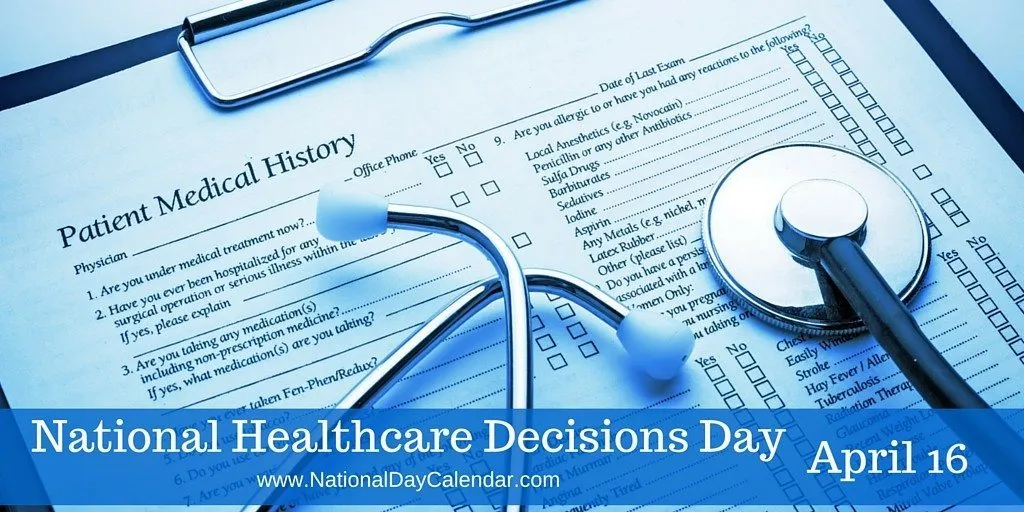











 The Leading Business Education Network for Doctors, Financial Advisors and Health Industry Consultants