BOARD CERTIFICATION EXAM STUDY GUIDES Lower Extremity Trauma
[Click on Image to Enlarge]
ME-P Free Advertising Consultation
The “Medical Executive-Post” is about connecting doctors, health care executives and modern consulting advisors. It’s about free-enterprise, business, practice, policy, personal financial planning and wealth building capitalism. We have an attitude that’s independent, outspoken, intelligent and so Next-Gen; often edgy, usually controversial. And, our consultants “got fly”, just like U. Read it! Write it! Post it! “Medical Executive-Post”. Call or email us for your FREE advertising and sales consultation TODAY [678.779.8597] Email: MarcinkoAdvisors@outlook.com
Medical & Surgical e-Consent Forms
ePodiatryConsentForms.com
iMBA Inc., OFFICES
Suite #5901 Wilbanks Drive, Norcross, Georgia, 30092 USA [1.678.779.8597]. Our location is real and we are now virtually enabled to assist new long distance clients and out-of-town colleagues.
ME-P Publishing
SEEKING INDUSTRY INFO PARTNERS?
If you want the opportunity to work with leading health care industry insiders, innovators and watchers, the “ME-P” may be right for you? We are unbiased and operate at the nexus of theoretical and applied R&D. Collaborate with us and you’ll put your brand in front of a smart & tightly focused demographic; one at the forefront of our emerging healthcare free marketplace of informed and professional “movers and shakers.” Our Ad Rate Card is available upon request [678-779-8597].
Incentives: It is broadly accepted that incenting someone to do something is effective, whether it be paying office staff a commissions to sell more healthcare products, or giving bonuses to office employees if they work efficiently to see more HMO patients. Some experts even suggest there are five specific components1 that should be built into an overall physician incentive program:
Appropriate financial incentives.
Managed-care efficiency incentives.
Group citizenship.
Patient satisfaction.
Group profitability.
What is not well understood is that the incentives cause a sub-conscious distortion of decision-making ability in the incented person. This distortion causes the affected person – whether it is yourself or someone else – to truly believe in a certain decision, even if it is the wrong choice when viewed objectively. Service professionals, including financial advisors and lawyers, are affected by this bias, and it causes them to honestly offer recommendations that may be inappropriate, and that they would recognize as being inappropriate if they did not have this bias.
According to colleague Dan Ariely PhD, the existence of this bias makes it important for each one of us to examine our incentive biases and take extra care when advising physician clients, or to make sure we are appropriately considering non-incented alternatives.
Achieving your financial, wealth and medical practice management goals is important, but handling everything on your own can be overwhelming. That’s where we come in. At D. E. Marcinko & Associates, our team of dual degree experienced physician advisors and medical consultants is here to guide you every step of the way. We believe in providing unbiased, high-quality financial and business advice.
For example, we offer a one-time written financial plan with oral evaluation for a flat fee with no ongoing sales or assets under management fees or commissions. Together, we can create a personalized financial plan tailored to your unique goals, empowering you to make confident, informed decisions as you navigate your financial future.
Other Services Include:
Estate Planning We have a network of qualified legal professionals that we can refer you to for state specific estate planning needs.
Tax Strategy We can work alongside your CPA for tax planning purposes. If needed, we can refer you to a qualified tax professional.
Investment Analysis If you have investments, we review your accounts to make sure they are aligned with your long-term goals.
401-k Allocations We evaluate your 401(k) allocations and provide recommendations that align with your goals.
Education Savings We help you explore the various ways to plan and save for education expenses.
Insurance & Risk Management We assess your insurance coverage to ensure it adequately protects you against potential risks; as well as evaluate and provide expert litigation witnesses, as needed.
Medical Practice Management We evaluate your current or potential medical practice to determine value and/or private equity offers or physician practice management formats [PPMC] for new, mid-career or retiring physicians, nurses and dentists.
D. E. Marcinko & Associates is unique and fully committed to all phases of a medical professionals personal and business life cycle. We are at your service 24/7: Email MarcinkoAdvisors@outlook.com
OK – I was a Certified Financial Planner® before my academic team launched the Certified Medical Planner™ online and on-ground chartered education and board certification designation program a few years ago. I am now CFP reformed and in remission.
Enter the Certified Medical Planner™ CharteredDesignation
Today, we are of course, gratified that Certified Medical Planner™ mark notoriety is growing organically in the healthcare, as well as financial services, industry.
Even uber-blogger Mike Kitces MSFS, MTAX, CFP, CLU, ChFC, RHU, REBC, CASL has taken note of us in his musings on the Nerd’s Eye View website. And, the reality is that there are a growing number of CFP educational programs at the post-CFP niche market level.
But, none for healthcare industrial complex: for doctors … by doctors!
Popularity of our Text Books
However, it is our modern, innovative and proprietary Certified Medical Planner™ textbooks and dictionaries that have exploded in the academic marketplace.
In fact, they are now redacted in thousands of medical, graduate, law and B-schools and libraries, as well as colleges and universities throughout the nation. This includes the Library of Congress, National Institute of Health and the Library of Congress.
What Gives?
We have been told that this textbook popularity and publishing success is because of their balanced and peer-reviewed nature; something not very widespread in the financial services industry that is prone to gross and overstated advertising, salesmanship and marketing hyperbole. And, for this we are very gratified.
But, is there another reason our books are so popular?
A bit of networking and research suggests that interested folks may be eschewing the actual course work in favor of just the high quality textbooks! UGH!
So, what do you think? Matriculation with the professional mark versus self study without the designation mark. Please opine.
Conclusion
Your thoughts and comments on this ME-P are appreciated. Feel free to review our top-left column, and top-right sidebar materials, links, URLs and related websites, too. Then, subscribe to the ME-P. It is fast, free and secure.
Speaker: If you need a moderator or speaker for an upcoming event, Dr. David E. Marcinko; MBA – Publisher-in-Chief of the Medical Executive-Post – is available for seminar or speaking engagements.
Subscribe: MEDICAL EXECUTIVE POST for curated news, essays, opinions and analysis from the public health, economics, finance, marketing, IT, business and policy management ecosystem.
Posted on December 7, 2024 by Dr. David Edward Marcinko MBA MEd CMP™
By Health Capital Consultants, LLC
The U.S. government is the largest payor of medical costs, through Medicare and Medicaid, and has a strong influence on reimbursement to hospitals. In 2022, Medicare and Medicaid accounted for an estimated $944.3 billion and $805.7 billion in healthcare spending, respectively. The prevalence of these public payors in the healthcare marketplace often results in their acting as a price setter, and being used as a benchmark for private reimbursement rates.
This third installment of the series discusses the reimbursement environment in which hospitals operate. (Read more…)
Posted on December 7, 2024 by Dr. David Edward Marcinko MBA MEd CMP™
How insurance agents will be compensated for helping seniors?
By Staff Reporters
***
***
Health insurance agents offering support to seniors signing up for healthcare coverage will be compensated differently starting in 2025. For example:
The government will pay $100 more per enrollment to agents who sign seniors up for Medicare Advantage Plans or Medicare Part D for the first time — a significant increase from the proposed $31 pay increase for agents.
And, Medicare is ending sales incentives for agents who currently receive bonuses, including volume-based bonuses, for signing people up for Medicare Advantage Plans, Medigap Supplement Plans or Part D. Medicare is also putting a stop to agents and brokers collecting “administrative fees” above the fixed compensation cap the government has put in place.
The hope is that providing agents with fair initial compensation will no longer incentivize them to steer seniors towards plans that may not be a good fit.
Posted on December 6, 2024 by Dr. David Edward Marcinko MBA MEd CMP™
By Staff Reporters
BREAKING NEWS!
***
***
The internet web page listing the corporate leadership team behind Anthem Blue Cross Blue Shield (BCBS), one of America’s biggest health insurers, has disappeared from the company’s website.
The disappearance of the page listing the provider’s 25 highest-ranking employees was highlighted in a post shared to the r/antiwork subreddit on Reddit by the user u/wendysdriv
Posted on December 6, 2024 by Dr. David Edward Marcinko MBA MEd CMP™
By Health Capital Consultants, LLC
***
On November 1, 2024, CMS released its Outpatient Prospective Payment System (OPPS) and Ambulatory Surgical Center (ASC) Payment System Final Rule for calendar year 2025. The rule finalizes payment updates, revises current programs, and establishes new standards to address the ongoing maternal health crisis.
This Health Capital Topics article discusses the key OPPS changes and updates included in the Final Rule. (Read more…)
Posted on December 6, 2024 by Dr. David Edward Marcinko MBA MEd CMP™
MEDICAL EXECUTIVE-POST–TODAY’SNEWSLETTERBRIEFING
***
Essays, Opinions and Curated News in Health Economics, Investing, Business, Management and Financial Planning for Physician Entrepreneurs and their Savvy Advisors and Consultants
“Serving Almost One Million Doctors, Financial Advisors and Medical Management Consultants Daily“

A Partner of the Institute of Medical Business Advisors , Inc.
Health insurance companies are under scrutiny for proposed changes to anesthesia billing policies, raising concerns about patient safety and fair compensation for medical professionals. Anthem, a major health insurer, recently announced a controversial policy limiting payments for anesthesia services in Connecticut, Missouri, and New York. The policy would only cover part of the documented anesthesia time during a patient’s surgery, a decision strongly opposed by the American Society of Anesthesiologists (ASA).
Breaking News: Anthem health insurance company is backing off of a controversial plan to limit coverage of anesthesia in at least one state, according to Connecticut’s comptroller.
December 6: November nonfarm payrolls, University of Michigan preliminary December Consumer Sentiment.
December 9: October final wholesale inventories, November consumer inflation expectations, and expected earnings from Toll Brothers (TOL) and MongoDB (MDB).
December 10: Third quarter productivity and unit labor costs and expected earnings from AutoZone (AZO).
December 11: November Consumer Price Index and expected earnings from Adobe (ADBE).
December 12: November Producer Price Index and expected earnings from Broadcom (AVGO), Ciena (CIEN), and Costco (COST).
The SPX fell 11.38 points (–0.19%) to 6,075.11; the Dow Jones Industrial Average®($DJI) lost 248.33 points (–0.55%) to 44,765.71; and the NASDAQ Composite®($COMP) declined 34.85 points (–0.18%) to 19,700.26.
The 10-year Treasury note yield was unchanged at 4.18%.
The CBOE Volatility Index®(VIX)inched up to 13.46.
Posted on December 5, 2024 by Dr. David Edward Marcinko MBA MEd CMP™
LTC
By Anonymous Insurance Agent
***
***
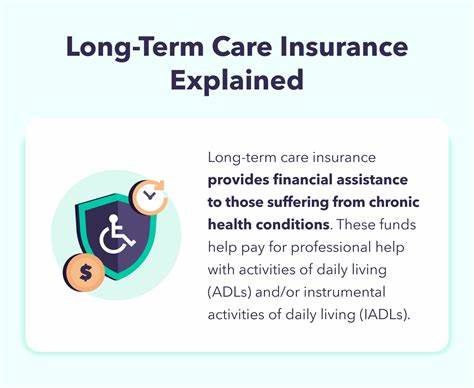
Some retired people live on a fixed income and many of them live right on the edge of their financial capability. At some time in their life, they may have to make a choice regarding many purchases. In this case, we will illustrate “choice” using a couple’s purchase of Long-Term-Care Insurance [LTCI].
Of course, economics is the study of choice; wants, needs and scarcity, etc. In our case, if they decide to make the purchase they commit to a lifetime of premium payments. The financial tradeoff is this; if they make the commitment to purchase LTCI, they must give up something else.
Example: In order to maintain a monthly premium of $100 ($1,200per year), an elderly patient, retired layman or couple must essentially relegate about $30,000 of financial assets to generate the $100 necessary to make an average premium payment (assumes a 7% rate of return with 4% withdrawal rate) or [4% X $30,000 = $1,200 year]. Thus, if the monthly premium cost is $500 per month, the elder must give up the use of $150,000 of retirement asset just to generate enough cash flow to pay for the LTC insurance.
The married elder couple has to make the decision among lifestyle (dinners, vacations, gifts to children, prescription drugs, medical care or food and shelter) versus paying an insurance premium to provide for nursing home coverage for a need, which may be very real, but will not occur until sometime in the ambiguous future.
And so, when faced with such a tough economics, neither of which delivers peace of mind or a respectable solution; many will simply decide that, in either case, they may already end up impoverished.
Thus, many will often opt for the better lifestyle now … while they can enjoy it … together.
Posted on December 4, 2024 by Dr. David Edward Marcinko MBA MEd CMP™
By Health Capital Consultants, LLC
***
***
On November 1, 2024, the Centers for Medicare & Medicaid Services (CMS) released its finalized Medicare Physician Fee Schedule (MPFS) for calendar year (CY) 2025, aiming “to strengthen primary care, expand access to preventive services, and further access to whole-person care.” While the finalized fee schedule cuts payments to physicians, Congress is considering legislation to override the cut.
This Health Capital Topics article discusses the provisions contained in the MPFS final rule, as well as the proposed “doc fix” legislation. (Read more…)
Posted on December 4, 2024 by Dr. David Edward Marcinko MBA MEd CMP™
MEDICAL EXECUTIVE-POST–TODAY’SNEWSLETTERBRIEFING
***
Essays, Opinions and Curated News in Health Economics, Investing, Business, Management and Financial Planning for Physician Entrepreneurs and their Savvy Advisors and Consultants
“Serving Almost One Million Doctors, Financial Advisors and Medical Management Consultants Daily“
A Partner of the Institute of Medical Business Advisors , Inc.
AT&T climbed 4.58% thanks to a few big announcements during its investor day, including returning over $40 billion to shareholders via dividends and stock buybacks over the next three years.
Palantir popped 6.88% after the US government gave the cybersecurity darling the green light to let its cloud offerings handle classified data. It also helped that Barrons expects the company will be added to the Nasdaq 100 in 2025.
Speaking of Palantir, BigBear.ai soared 28.64% after the server company was touted as the next Palantir by the Economic Times.
Data center company Credo Technology Group skyrocketed 47.89% thanks to an impressive earnings report and a glowing fiscal forecast.
Tesla sank 1.59% after a Delaware judge once again blocked Elon Musk’s $56 billion pay package. The case will go back to court yet again, and may eventually reach the Supreme Court.
The children aren’t alright: Children’s Place crashed 24.15% after the children’s clothing retailer announced its turnaround isn’t going so well.
South Korean stocks took a beating after the country’s president declared martial law. The country’s largest online retailer, Coupang, sank 3.74%, steel manufacturer Posco Holdings dropped 4.32%, and Samsung tumbled 3.71%.
The S&P 500® index (SPX) rose 2.73 points (0.05%) to 6,049.88; the Dow Jones Industrial Average®($DJI) fell 76.47 points (–0.17%) to 44,705.53; and the NASDAQ Composite®($COMP) added 76.96 points (0.40%) to 19,480.91.
The 10-year Treasury note yield added three basis points to 4.22% after falling below 4.17% at one point.
The CBOE Volatility Index®(VIX)held steady at 13.39.
Posted on December 2, 2024 by Dr. David Edward Marcinko MBA MEd CMP™
BEWARE THE PSYCHOLOGY OF HOLIDAY SHOPPING!
[Online -OR- Onground]
By Staff Reporters
***
***
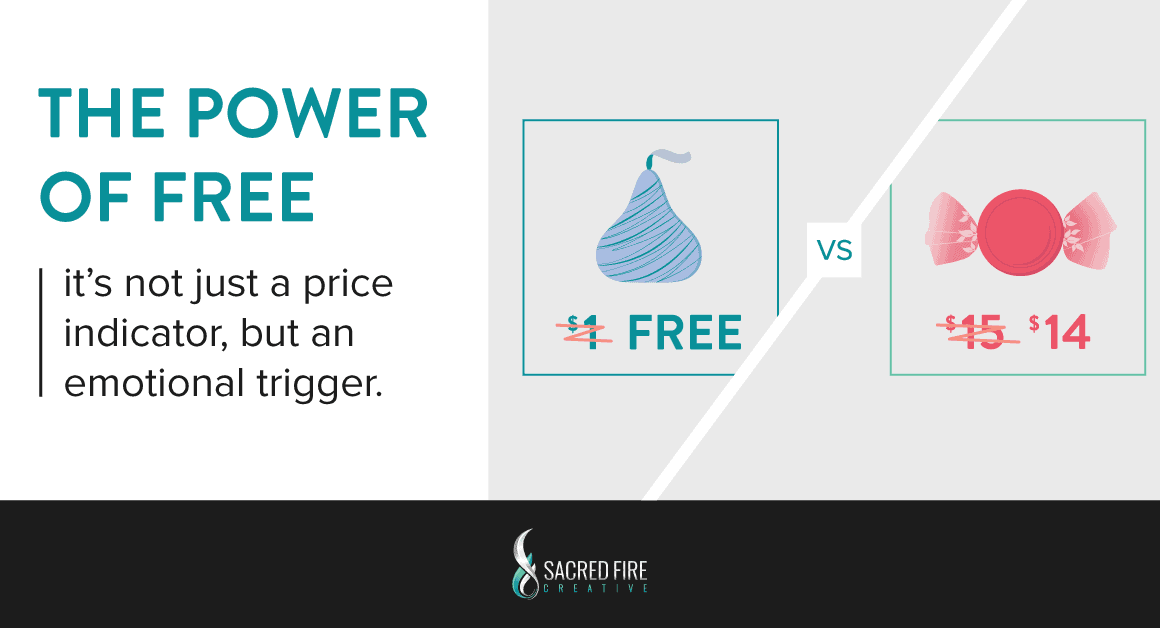
Power of Free
Who doesn’t love free stuff? The word “free” is like a magic spell that makes our rational minds go on vacation.
According to colleague Dan Ariely PhD, the power of free compels us to grab things we don’t need and make questionable choices. Why buy one and get one free when you can get two for the price of one? It’s the same deal, but free feels better.
IOW: Like other heuristics, the Power of Free is a mental shortcut that allows us to bypass rational thought and save effort to make quick decisions. Studies of the Power of Free have shown it to be closely linked to the Affect Heuristic. Specifically, it is linked to emotional and social thinking rather than transactional thinking. People become influenced by emotion and obligated to socially acceptable behaviors.
For example, say, a yoga studio charges extra to use their mats. This leads more people to pay the fee and use their mats for convenience. Then, say, the same yoga studio removed the extra fee more people would bring their mats from home instead of feeling guilty about borrowing one for class.
Removing a dollar value increases its inherent value and makes it more desirable. The type of product matters too. People are more likely to opt for a free product that is fun rather than functional. This is because emotion is more powerful than rational thinking under the influence of the Power of Free.
In another example, people are more likely to say “yes” to a free piece of cake or sample size of perfume than furniture polish or a bag of white flour.
So, next time you find yourself going to a free financial planning or retirement seminar with free dinner, or a free medical screening test, or free stock market portfolio review, just blame it on the irresistible and irrational power of free.
Posted on December 1, 2024 by Dr. David Edward Marcinko MBA MEd CMP™
AUSTRIAN SCHOOL OF ECONOMICS
By Staff Reporters
***
***
A Paradox is a logicalself-contradictory statement or a statement that runs contrary to one’s expectation. It is a statement that, despite apparently valid reasoning from true or apparently true premises, leads to a seemingly self-contradictory or a logically unacceptable conclusion. A paradox usually involves contradictory-yet-interrelated elements that exist simultaneously and persist over time. They result in “persistent contradiction between interdependent elements” leading to a lasting “unity of opposites”.
Here are five economic paradoxes from the Austrian School of Economics.
***
Prosperity: Why do generations that significantly improve the economic climate seem to generally rear a successor generation that consumes rather than produces?
Thrift: If everyone saves more money during times of recession, then aggregate demand will fall and will in turn lower total savings in the population.
Toil: If everyone tries to work during times of recession, lower wages will reduce prices, leading to more deflationary expectations, leading to further thrift, reducing demand and thereby reducing employment.
Value: [also known as Diamond-Water Paradox]: Water is more useful than diamonds, yet is a lot cheaper.
Productivity: [also known as Solow Computer Paradox]: Worker productivity may go down, despite technological improvements.
Note: The Austrian School of Economics promotes an economic and social thinking that is not trapped in unrealistic, mostly mathematical models. It does not see the economy as an object of state political regulation and central, almost engineering-like control. Rather, its analysis focuses on autonomous entrepreneurial action and the free interaction of individuals in the marketplace, which eludes both the logic of differential equations, and centrally planned political control.
Posted on December 1, 2024 by Dr. David Edward Marcinko MBA MEd CMP™
ACCOUNTABLE CARE ORGANIZATIONS
By Health Capital Consultants, LLC
***
On October 29, 2024, CMS announced Performance Year (PY) 2023 results for accountable care organizations (ACOs) participating its Medicare Shared Savings Program (MSSP). Notably, MSSP ACOs garnered the largest net savings in MSSP’s history – more than $2.1 billion.
This Health Capital Topics article discusses MSSP performance in 2023 and how this may inform value-based care going forward. (Read more…)
Posted on November 30, 2024 by Dr. David Edward Marcinko MBA MEd CMP™
By Staff Reporters
***
***
In a sign of legislative momentum, 41 senators are supporting efforts to prevent a pending 2.8 percent cut in Medicare physician payments that will go into effect January 1st. The bipartisan letter led by Sens. John Boozman, R-Ark., and Peter Welch, D-Vt., to Senate leaders says the cuts would interfere with the ability of physicians to provide high-quality care. “These continued payment cuts undermine the ability of independent clinical practices – especially in rural and under served areas – to care for their communities,” the letter said.
The Senate letter follows one from the American Medical Association (AMA) and 127 other state medical associations and national medical societies asking Congress to use these last few congressional days to prevent the scheduled cuts. The letter to congressional leaders also urges Congress to provide a positive payment update for 2025. All 50 state medical societies – and DC— as well as 77 national medical societies signed.
Posted on November 29, 2024 by Dr. David Edward Marcinko MBA MEd CMP™
Is it Good for Retailers … but Bad for Doctors and Consumers?
***
If Black Friday 2024 is anything like 2023, retailers may not be swimming in cash while shoppers bathe in savings. Black Friday deals drew 212 million shoppers to stores in fabulous 2010 and collectively spent $39 billion on products and services.
And, the average amount spent by a Black Friday shopper in 2010 was a whopping $365.34.
***
***
Assessment
We predict Black Friday 2024 sales surpass 2023 with a slight increase over 20222 because of fewer shopping days; and the COVID pandemic explosion..
QUESTION: But, is Black Friday good for the [healthcare] economics sector post [thu] the pandemic? Do patients go shopping rather than to the doctor? What about inflation?
Channel Surfing the ME-P
Have you visited our other topic channels? Established to facilitate idea exchange and link our community together, the value of these topics is dependent upon your input. Please take a minute to visit. And, to prevent that annoying spam, we ask that you register. It is fast, free and secure.
Conclusion
Your thoughts and comments on this ME-P are appreciated.
Speaker: If you need a moderator or speaker for an upcoming event, Dr. David E. Marcinko; MBA – Publisher-in-Chief of the Medical Executive-Post – is available for seminar or speaking engagements. Contact: MarcinkoAdvisors@msn.com
OUR OTHER PRINT BOOKS AND RELATED INFORMATION SOURCES:
Posted on November 27, 2024 by Dr. David Edward Marcinko MBA MEd CMP™
MEDICAL EXECUTIVE-POST–TODAY’SNEWSLETTERBRIEFING
***
Essays, Opinions and Curated News in Health Economics, Investing, Business, Management and Financial Planning for Physician Entrepreneurs and their Savvy Advisors and Consultants
“Serving Almost One Million Doctors, Financial Advisors and Medical Management Consultants Daily“
A Partner of the Institute of Medical Business Advisors , Inc.
In breaking news, the Biden administration is attempting to cover anti-obesity drugs for weight loss under Medicare and Medicaid. A recent study finds 137 million people are eligible for semaglutide drugs nationwide.
Another insurer can claim victory against CMS after UnitedHealthcare prevailed in its star ratings lawsuit on Friday. The feds will now have to recalculate the scores.
And ... Emory Healthcare is looking to expand value-based care for more than 350,000 patients through a population health partnership with tech company Guidehealth.
Amgen’s new drug did help patients lose up to 20% of their weight in a given year, but that wasn’t enough to impress shareholders, who kicked shares down 4.76%.
Kohl’s plummeted 17.01% after the retailer met revenue expectations but missed on earnings last quarter. It definitely doesn’t help that the CEO announced his retirement last night.
Abercrombie & Fitch’s turnaround is well underway, and the company beat earnings forecasts last quarter and projected strong holiday sales. But it still fell short of shareholder expectations, and the stock sank 5.10% today.
Best Buy rounded out retailer earnings today, dropping 4.89% after missing revenue expectations last quarter and cutting its full-year guidance.
Zoom Communications changed its name, but that wasn’t enough to save the company from a 6.31% decline today thanks to its tepid fiscal outlook.
The S&P 500® index (SPX)rose 34.26 points (0.57%) to 6,021.63; the Dow Jones Industrial Average®($DJI) added 123.74 points (0.28%) to 44,860.31; and the NASDAQ Composite®($COMP) gained 119.46 points (0.63%) to 19,174.30.
The 10-year Treasury note yield climbed four basis points to 4.3% after Trump’s tariff comments, but shorter-term yields fell after the Fed minutes, keeping the yield curve slightly out of inversion.
The CBOE Volatility Index®(VIX)dropped to 14.19, near a two-week low.
Posted on November 26, 2024 by Dr. David Edward Marcinko MBA MEd CMP™
MEDICAL EXECUTIVE-POST–TODAY’SNEWSLETTERBRIEFING
***
Essays, Opinions and Curated News in Health Economics, Investing, Business, Management and Financial Planning for Physician Entrepreneurs and their Savvy Advisors and Consultants
“Serving Almost One Million Doctors, Financial Advisors and Medical Management Consultants Daily“
A Partner of the Institute of Medical Business Advisors , Inc.
The Commonwealth Fund’s 2024 biennial health insurance survey, released November 21, found that though 79% of US adults had continuous health insurance for 12 months, 23% were under insured, meaning they have health insurance and still can’t afford care. About 56% of those surveyed had adequate insurance coverage all year.
Flying taxi company VerticalAerospace popped 45.51% after announcing an additional $50 million in funding from one of its biggest shareholders.
STOCKS DOWN
Defense contractor stocks got a double whammy today: Hopes of a ceasefire between Israel and Hezbollah, combined with Elon Musk’s declaration on X that buying manned military aircraft is wasteful. LockheedMartin fell 3.76%, NorthropGrumman dropped 2.39%, and Raytheon Technologies parent company RTX Corp. fell 1.74%.
Speaking of Musk, Tesla sank 3.96% after California announced it may exclude the automaker from incentives that encourage drivers to buy EVs in the state.
Pipeline operator Oneok lost 4.72% on the news that it will acquire the remaining portion of EnLink Midstream that it doesn’t already own.
After rallying last week thanks to its inclusion in the S&P 500, Texas Pacific Land sank 6.71% today as investors took profits.
The SPX rose 18.03 points (0.30%) to 5,987.37; the $DJI added 440.06 points (0.99%) to 44,736.57; and the NASDAQ Composite®($COMP) gained 51.18 points (0.27%) to 19,054.84.
The 10-year Treasury note yield fell 15 basis points to 4.27%.
The CBOE Volatility Index® (VIX)dropped to 14.74, the lowest since November 14.
Posted on November 25, 2024 by Dr. David Edward Marcinko MBA MEd CMP™
By Health Capital Consultants, LLC
***
***
Technological advancements have accelerated the shift of healthcare services from inpatient to outpatient settings, creating both opportunities and challenges for hospitals. For instance, minimally invasive procedures often serve as alternatives to traditional, more invasive surgeries. Additionally, the integration of telehealth and artificial intelligence (AI) has the potential to enhance access to and quality of care while reducing expenditures and administrative burdens.
This final installment of a five-part series on the valuation of hospitals examines the technological advancements transforming the industry. (Read more…)
Posted on November 23, 2024 by Dr. David Edward Marcinko MBA MEd CMP™
By Staff Reporters
***
***
Inflation has hit record levels this year as demand for goods and services far outpaced supply, and many companies are still trying to bounce back from the shutdowns of early 2020. Health systems, which have razor-thin operating margins even in the best of times, aren’t an exception.
“In the past, we’ve always said that healthcare was kind of recession-proof because demand for healthcare keeps going, regardless of what’s happening in the economy,” said Tina Wheeler, leader of consulting firm Deloitte’s US healthcare practice.
But in the last year, inflation hovered around 8% for much of the year, while medical-care prices increased by only 4.8%, according to Wheeler. Since medical costs are negotiated between hospitals and payers years in advance, hospitals can’t just raise their prices now to keep up with the pace of inflation, said Gerard Brogan Jr., senior vice president and chief revenue officer at Northwell Health.
Inflation could cause an additional $370 billion more in healthcare spending than the expected baseline increase by 2027, according to McKinsey.
The national health expenditure could grow at a rate of 7.1% over the next five years, compared to the expected economic growth rate of 4.7%, according to McKinsey.
By the end of 2021, total hospital expenses per adjusted discharge were up 20.1% compared to 2019, according to the trade group American Hospital Association.
Rising interest rates also hurt hospitals since their main access to capital is through issuing tax-exempt bonds, Wheeler said. The rising cost of capital limits hospitals’ ability to fund projects, like opening a new oncology center to treat patients, for example. Keep reading here
Posted on November 22, 2024 by Dr. David Edward Marcinko MBA MEd CMP™
By Staff Reporters
***
***
Robert F Kennedy Jr, who was selected by Donald Trump to run the U.S. health and human services department, is working on plans to rid the American Medical Association from its role in drawing up Medicare’s billing codes, which sets doctors’ fees for more than 10,000 procedures, Oliver Barnes of The Financial Times reports.
The plan would result in an upheaval of a system that has been in place for decades. Publicly traded companies in the healthcare space include CVS Health (CVS), Centene (CNC), Cigna (CI), Elevance Health (ELV), Humana (HUM), Molina Healthcare (MOH) and UnitedHealth (UNH).
Classic Definition: A comprehensive review of a physician, clinic, facility, medical provider or hospital’s charges to ensure Medicare billing compliance through complete and accurate HCPCS/CPT and UB-92 revenue code assignments for all items including supplies and pharmaceuticals. The charge master captures the costs of each procedure, service, supply, prescription drug, and diagnostic test provided at the hospital, as well as any fees associated with services, such as equipment fees and room charges
Modern Circumstance: A charge master quizlet (charge description master [CDM]) document that contains a computer-generated list of procedures, services, and supplies with charges for each. Charge master rates are essentially the health care market equivalent of Manufacturer’s Suggested Retail Price (MSRP) in the car buying market. Poor charge master maintenance can lead to overpayments or underpayments. It can also lead to claim rejections from insurance companies, poor patient experience, or compliance violations.
Paradox Examples:
Superbills: An encounter form that is the financial record source document used by healthcare providers and other personnel to record treated diagnoses and services rendered to the patient during the current encounter. It is also called a superbill.
Payment rates: Almost no one actually pays the publicized charge master rates. The vast majority of health care consumers are represented by a payer of some kind, such as a commercial health insurance company, Medicaid, or Medicare. Commercial insurers negotiate the actual prices they pay during the process of contracting with providers. Medicare and Medicaid establish their own payment levels independent of hospitals’ charge master lists – Medicare through the federal government and Medicaid through state governments.
Cash pay: The sad irony of the charge master is that the uninsured are the most likely to be billed charge master rates because they are not represented by a third-party payer.
Problematic features: Other items also impede the ability of payers to have a comprehensive and accurate understanding of hospitals’ financial positions. For example, nonprofit hospitals are required to report charity care, bad debt expenses, community benefit initiatives, and uncompensated care. When these expenses are reported at the charge master level, expenses can be paradoxically overstated, potentially making a hospital’s financial position look worse than it actually is.
A trader can gain by throwing away some of his/her initial endowment.
SAMPLE: There is an economy with two commodities (x and y) and two traders (e.g. Alice and Bob).
In one situation, the initial endowments are (20,0) and (0,10), i.e, Alice has twenty units of commodity x and Bob has ten units of commodity y. Then, the market opens for trade. In equilibrium, Alice’s bundle is (4,2), i.e, she has four units of x and two units of y.
In the second situation, Alice decides to discard half of her initial endowment – she throws away 10 units of commodity x. Then, the market opens for trade. In equilibrium, Alice’s bundle is (5,5) – she has more of every commodity than in the first situation.
The “throw away paradox” was first described by Robert J. Aumann and B. Peleg as a note on a similar paradox by David Gale.
Posted on November 19, 2024 by Dr. David Edward Marcinko MBA MEd CMP™
By Dr. Bertalan Meskó, MD PhD
***
***
Regarding AI, the emphasis will shift away from the regulatory environment towards technology companies making their own decisions. Trump also promised to repeal Biden’s executive order on AI because it “hinders AI Innovation”.
Regarding health care, Trump said he would let Robert F. Kennedy “go wild” on health. Being a vaccine doubter and having made many unscientific claims about health, this could be a huge risk to digital health and the FDA’s job on regulating technologies. READ MORE
Posted on November 17, 2024 by Dr. David Edward Marcinko MBA MEd CMP™
By Dr. David Edward Marcinko MBA MEd
***
***
The number of people living with Alzheimer’s disease is growing. The ripple effect is straining families, communities, and the healthcare system, yet talking about the disease on a personal level can be difficult.
November is Alzheimer’s Awareness Month because it can happen in any family, and because it’s worth talking about the challenges of living with or caring for someone with this disease.
You may notice splashes of teal and purple sprouting up this November, as both colors are associated with Alzheimer’s awareness. Teal is the color of the Alzheimer’s Foundation of America, chosen for its calming effect. Purple is the signature color of the Alzheimer’s Foundation, which stands for strength in the fight against Alzheimer’s disease.
Posted on November 15, 2024 by Dr. David Edward Marcinko MBA MEd CMP™
MEDICAL EXECUTIVE-POST–TODAY’SNEWSLETTERBRIEFING
***
Essays, Opinions and Curated News in Health Economics, Investing, Business, Management and Financial Planning for Physician Entrepreneurs and their Savvy Advisors and Consultants
“Serving Almost One Million Doctors, Financial Advisors and Medical Management Consultants Daily“
A Partner of the Institute of Medical Business Advisors , Inc.
Private equity (PE) dollars have become prominent in the US healthcare industry in recent decades, with PE firms now owning roughly 8% of all private hospitals in the country, according to nonprofit Private Equity Stakeholder Project. But studies have illustrated the financial model’s potential adverse effects, such one published in JAMA in December 2023 that found PE-owned hospitals are 25.4% more likely to report patient complications. Others have found that PE-owned healthcare companies represented more than one-fifth of healthcare company bankruptcies in 2023 and that PE-owned hospitals see their assets drop an average of 24% following an acquisition.
Tapestry, parent company of luxury brands like Coach and Kate Spade, and Capri, parent company of luxury brands like Versace and Jimmy Choo, have announced they will mutually terminate their planned merger. Tapestry popped 12.80%, while Capri rose 4.43%.
Speaking of luxury brands, Burberry soared 18.04% after its CEO announced a turnaround plan designed to halt the company’s recent decline.
Semiconductor maker ASML plummeted last month on a profit warning, but rose 2.90% today on reassurances that it’s still on track to meet its 2030 revenue forecasts.
STOCKS DOWN
Super Micro Computer fell yet another 11.41% as it nears the November 16 deadline to report fiscal year earnings or be delisted from the Nasdaq.
Trump Media & Technology Group dropped 6.71% as investors digested news that company insiders are shedding shares, as well as in reaction to a number of President-elect Trump’s cabinet appointments.
Hims & Hers Health tumbled 24.46% on the news that Amazon is getting into the telehealth game, offering Prime members fixed prices on treatments for hair loss and erectile dysfunction.
Ibotta is a cashback rewards company, but its shareholders may want their cash back. The company beat on top and bottom line estimates last quarter, but the win wasn’t good enough, and shares sank 12.55%.
The S&P 500® index (SPX) fell 36.21 points (–0.60%) to 5,949.17; the Dow Jones Industrial Average® ($DJI) lost 207.33 points (–0.47%) to 43,750.86; and the NASDAQ Composite®($COMP) dropped 123.07 points (–0.64%) to 19,107.65.
The 10-year Treasury note yield fell three basis points to 4.42%.
The CBOE Volatility Index® (VIX) edged up to 14.17.
Posted on November 14, 2024 by Dr. David Edward Marcinko MBA MEd CMP™
***
***
November is Lung Cancer Awareness Month, which according to the CDC, is the third most common cancer in the US. There are about one in five lung cancer deaths each year across the country, and November is dedicated to increasing screening, reducing smoking, and finding new treatments.
Our guest on this episode is Dr. Farzad Mostashari. Farzad is the co-founder and CEO of Aledade, a primary care enablement company that partners with independent PCPs to transition to value-based care and, as a result, maintain their independence.
Founded in 2014, Aledade works with 11,000 physicians across 40 states and DC, accounting for 1.7M patients under management in Medicare, Medicare Advantage, Commercial and Medicaid contracts. Farzad previously served as the National Coordinator for Health IT in the Department of Health and Human Services, he completed medical school at the Yale School of Medicine and a Master’s in Population Health from Harvard’s T.H. Chan School of Public Health. Earlier this year, Aledade raised a $123M Series E round of funding led by OMERS Growth Equity.
***
In this episode, colleague Shahid N. Shah will discuss with Farzad about (1) his journey to starting Aledade and the role policy expertise and evidence have played in the company’s success (2) why he and the company are betting on independent physicians as the drivers of change in value-based care and (3) how Aledade became the rare profitable health tech company.
Posted on November 13, 2024 by Dr. David Edward Marcinko MBA MEd CMP™
MEDICAL EXECUTIVE-POST–TODAY’SNEWSLETTERBRIEFING
***
Essays, Opinions and Curated News in Health Economics, Investing, Business, Management and Financial Planning for Physician Entrepreneurs and their Savvy Advisors and Consultants
“Serving Almost One Million Doctors, Financial Advisors and Medical Management Consultants Daily“
A Partner of the Institute of Medical Business Advisors , Inc.
The operator of the longest-running money laundering machine in dark web history, Bitcoin Fog, has been sentenced to 12 years and six months in US prison. Roman Sterlingov, 36, a Russian-Swedish national, was also ordered to repay more than half a billion dollars accrued from the cryptocurrency mixing service that he ran for a decade between 2011 and 2021.
r Elliott Investment Management is at it again, this time with a $5 billion stake in industrial conglomerate Honeywell. Shares gained 3.87% on the news.
Shopify announced its ninth consecutive quarter of beating analyst revenue expectations, pushing shares up 21.04%.
Bad news is good news: 40% of the workforce at 23andMe is getting laid off to cut costs. Shareholders cheered, and shares climbed 2.17%.
Where’s the beef? Tyson Foods popped 6.55% after announcing strong earnings thanks to higher beef and chicken prices last quarter.
Sentinel One climbed 2.01% after Deutsche Bank analysts upgraded the cybersecurity stock from “hold” to “buy,” noting it should profit from CrowdStrike’s outage earlier this year.
Holding company IAC is considering a spinoff of home improvement services platform Angi (formerly Angie’s List). Nobody liked that: Shares of IAC fell 12.56%, and Angi plummeted 26.34%.
Payments processor Shift4 Payments sank 5.69% after crushing revenue expectations but missing on earnings.
Mosaic dropped 7.74% thanks to Hurricane Milton, which disrupted the fertilizer company’s business across the board.
The S&P 500® index (SPX) fell 17.36 points (–0.29%) to 5,983.99; the Dow Jones Industrial Average® ($DJI) lost 382.15 points (–0.86%) to 43,910.98; and the NASDAQ Composite®($COMP) decreased 17.36 points (–0.09%) to 19,281.40.
The 10-year Treasury note yield added 12 basis points to 4.43%.
The CBOE Volatility Index® (VIX) fell to 14.81, unusual on a day when stocks lost ground.
Posted on November 12, 2024 by Dr. David Edward Marcinko MBA MEd CMP™
By Staff Reporters
***
***
Doctors, Facing Another Pay Cut, Call for Permanent Medicare Payment Reform
The Centers for Medicare and Medicaid Services (CMS) is moving forward with a 2.9% cut to physician payments in 2025 despite protest from major industry groups. CMS has finalized the calendar year 2025 Medicare Physician Fee Schedule rule that sets payment rates for next year and also outlines new policies focused on primary care, preserved telehealth flexibilities, and a strengthened Medicare Shared Savings Program (MSSP).
But, provider groups were quick to condemn CMS’ decision to go ahead with the pay cut, which was proposed in the draft rule released in July. In a statement, Bruce Scott, MD, president of the American Medical Association (AMA), pointed out that that while physicians are receiving a 2.8% payment cut next year, medical practice costs for physicians will increase by 3.5% in 2025. After adjusted for inflation, Medicare reimbursement to physicians has decreased 29% since 2001, the AMA says.
More than 20 years ago I crafted a comprehensive holistic financial plan for a young doctor colleague who was born in 1959. In fact, he was not even a medical student at the time; so “canned off-the-shelf plans”, computer generated software or generic spread sheets were not a viable creation option. It was all a granular, detailed, specific and cognitive work-product. Today, he is a board-certified internist.
So, in 2023, it is right and just to take a look back and see how well, or poorly, we’ve fared.
Now, I appreciate more than most how financial planning is a “process”; and not an isolated event. Yet, all sorts of “advisors” and “consultants” create and charge hefty fees for same, and on-going monitoring, every day.
The ME-P Challenge
Nevertheless, I challenge all you mid-career or senior financial planners /advisors to this competition; regardless of degree, certification or designation.
“Show me your financial plan” – AND – “I’ll show you my financial plan”
Here Comes the Judge
Then, our community of ME-P readers, subscribers, visitors and “judges” will decide the winner.
The contest is open to any financial advisor, planner, consultant, wealth manager, CFP®, CFA, insurance agent, CPA or CLU, ChFC, or stock-broker, etc., who is not afraid of transparency in his or her work product and purported expertise.
***[Creating and Evaluating a physician focused financial plan]
***
Assessment
So, just send in a copy of any “blinded” physician-focused financial plan that is about 21 years old. We will post for all to see and review …. warts and all … including my own; three part mega-plan!
The winner will receive bragging rights, academic swagger, and expert promotion to our entire ME-P ecosystem and network of medical, business, law and graduate school communities; as well as physicians, nurses, healthcare executives and allied health care professionals.
An informed sought-after and lucrative sector – indeed!
IOW: Free publicity and positive “new-wave” PR – PRICELESS!
Of course, as an educator and professor of health economics and finance, we are pleased to present you with the deep medical business knowledge and detailed financial,managerial and accounting techniques used, with some real-life “tips and pearls” developed over the last two decades of R&D, right here:
Your thoughts and comments on this ME-P are appreciated. Feel free to review our top-left column, and top-right sidebar materials, links, URLs and related websites, too. Then, subscribe to the ME-P. It is fast, free and secure.
Speaker: If you need a moderator or speaker for an upcoming event, Dr. David E. Marcinko; MBA – Publisher-in-Chief of the Medical Executive-Post – is available for seminar or speaking engagements. Contact: MarcinkoAdvisors@msn.com
OUR OTHER PRINT BOOKS AND RELATED INFORMATION SOURCES:
Posted on November 12, 2024 by Dr. David Edward Marcinko MBA MEd CMP™
By Staff Reporters
***
***
Angus Deaton’s 1980s studies, including one called “Why is consumption so smooth?” gave birth to a concept called the Deaton Paradox — in short, sharp shocks to income didn’t seem to cause similarly large shocks to consumption.
IOW: Consumption varies surprisingly smoothly despite sharp variations in income.
According to David Henderson, this was an important development in understanding the actions of consumers, causing economists to rethink the “permanent income hypothesis” developed by Milton Friedman, which suggested that people spend based on their lifetime income.
And, Mike Bird wrote a good article on Deaton the highlighted the Nobel Prize in Economics Committee.
Classic Definition: Despite rising costs, health care often is of poor quality. Evidence from a classic medical improvement outcomes study assessed care of patients with several chronic diseases. This study found that patients’ functional health status outcomes are similar to care rendered by specialists and generalists but that generalists use far fewer resources. Similar outcome at lower cost represents higher value.
Modern Circumstance: Current solutions to improving care quality may do more harm than good if they focus more on diseases than on people. Efforts to improve the parts (evidence-based care of specific diseases) may not necessarily improve the whole (the health of people and populations).
Expanding access to specialty care, for example, has been proposed as both a source of and a solution for deficiencies in quality of care. Primary care is touted as an essential building block of a high-value health care system even as it is undermined by systems attempting to improve the quality, effectiveness, and value of their health care..
Paradox Example: The above contradictions plague improvement efforts in health care systems around the world, particularly the United States The paradox is that compared with specialty care or with systems dominated by specialty medical care, primary care is associated with the following: (1) poorer quality care for individual diseases, yet (2) similar functional health status at lower cost for people with chronic disease, and (3) better quality, better health, greater health equity and lower costs for whole peoples and populations.
And so, this contradiction plagues improvement efforts in health care systems around the world, particularly the United States.
Posted on November 11, 2024 by Dr. David Edward Marcinko MBA MEd CMP™
By Health Capital Consultants, LLC
***
***
On September 28th, 2024, California Governor Gavin Newsom vetoed Assembly Bill (AB) 3129, which sought to regulate private equity (PE) transactions involving healthcare organizations by requiring certain transactions to be reviewed by, and to receive approval from, the California Attorney General (AG).
In his veto message, Governor Newsom stated that the state’s Office of Health Care Affordability (OHCA), established in 2022, has the power to review and evaluate healthcare transactions (including the ones at issue in AB 3129). While OHCA does not have the power to block proposed transactions, as the AG would have had under AB 3129, it can refer transactions to the AG for further examination. Put simply, the governor’s veto seems to stem from concern that taking power away from the newly-created OHCA could muddy the waters in healthcare transaction regulation.
While there is a possibility that the California legislature could override Governor Newsom’s veto, it appears unlikely as of the publication of this Alert. However, the overall popularity of this bill in the legislature (as evidenced by the fairly wide margins with which it passed) indicates that PE groups looking to transact in the healthcare space – both in California and across the U.S. – should be on high alert, as regulators are increasingly turning their focus on the role of PE in healthcare.
According to Wikipedia, a fundamental tenet of the paradox is that the customer, i.e. the potential purchaser of the information describing a technology (or other information having some value, such as facts), wants to know the technology and what it does in sufficient detail as to understand its capabilities or have information about the facts or products to decide whether or not to buy it. Once the customer has this detailed knowledge, however, the seller has in effect transferred the technology to the customer without any compensation. This has been argued to show the need for patent protection [HIPPA].
If the buyer trusts the seller or is protected via contract, then they only need to know the results that the technology will provide, along with any caveats for its usage in a given context. A problem is that sellers lie, they may be mistaken, one or both sides overlook side consequences for usage in a given context, or some unknown-unknown affects the actual outcome.
In what some are calling the next iteration of the internet, the metaverse is an unfamiliar digital world where you could be an avatar navigating computer-generated places and interacting with others in real time. In this space, the constraints of our physical, bricks and mortar world and travel habits fade. And new opportunities and challenges emerge.
Google in healthcare: The search giant has repeatedly successfully transferred its in-depth knowledge of algorithms in the field of medicine, particularly since it acquired DeepMind.
Apple in healthcare: Apple will keep on working on expanding the health features of its devices, Apple Watch and iPhones included.
Microsoft in healthcare: Microsoft’s cloud solutions provide integrated capabilities that make it easier to improve the healthcare experience.
Amazon in healthcare: Amazon will make further use of its vast knowledge of online shopping trends and behavior and will keep on providing what people need, from medicine to wearables.
IBM in healthcare: IBM has a lot to offer in federated learning, blockchain, and quantum computing.
Nvidia in healthcare: NVIDIA seems incredibly focused on its approach to healthcare. We can expect NVIDIA to be a leader in the use of artificial intelligence in healthcare.
Facebook in healthcare: The Metaverse developed by Facebook/Meta has incredible potential to revolutionize healthcare.
All this technology has huge potential because it uses both virtual reality (VR) and augmented reality (AR) technology to work in virtual spaces: All signs point to the metaverse being widely used as a disruptive change in healthcare, from better surgical precision to therapeutic uses to social-distance accommodations and more.
But along with these improvements come new problems that will change what we know about modern healthcare. The metaverse is a paradigm shift in healthcare that everyone involved needs to be aware of. This is because it changes how medical infrastructure is built, how startup costs are covered, and how data security and privacy are handled.
Classic: Investment purchases and private expenditures of healthcare firms, the value of related construction, and the change in inventory during the year.
Modern: Gross Revenue Per Day is the average amount charged by a hospital for one day of inpatient care (gross inpatient revenue divided by patient-census days).
Gross Revenue Per Discharge: The average amount charged by a hospital to treat an inpatient from admission to discharge (gross inpatient revenue divided by discharges).
Gross Revenue Per Visit: The average amount charged by a hospital for an outpatient visit (gross outpatient revenue divided by outpatient visits).
Posted on November 5, 2024 by Dr. David Edward Marcinko MBA MEd CMP™
By Staff Reporters
***
***
After its AI-related earnings disappointed Wall Street last quarter, Big Tech doubled down in the latest period:
Amazon spent $22.6 billion on property and equipment like data centers and chips. That’s an 81% spike from the same time last year.
Meta raised its low-end guidance for capex (capital expenditures), which could reach $40 billion by the end of the year. It beat earnings estimates, even with AR glasses subsidiary Reality Labs costing $4.4 billion in operating losses.
Apple is still betting on Apple Intelligence to boost sales. Most revenue came from the new iPhone 16, Apple Watch, and AirPods, but Apple services like TV+ and iCloud also grew massively to account for a quarter of the business.
Google crushed earnings estimates and revealed that more than 25% of all new code it writes is generated by AI (and reviewed by engineers).
Posted on November 5, 2024 by Dr. David Edward Marcinko MBA MEd CMP™
MEDICAL EXECUTIVE-POST–TODAY’SNEWSLETTERBRIEFING
***
Essays, Opinions and Curated News in Health Economics, Investing, Business, Management and Financial Planning for Physician Entrepreneurs and their Savvy Advisors and Consultants
“Serving Almost One Million Doctors, Financial Advisors and Medical Management Consultants Daily“
A Partner of the Institute of Medical Business Advisors , Inc.
Among consideration for CVS is splitting up its assets: CVS Pharmacy, pharmacy benefit managerCVS Caremark, and insurance arm Aetna. The company has reportedly been in talks with bankers about the move, Reuters reported early this month.
Just as Nvidia will replace Intel, Sherwin Williamswill replaceDow Inc. on the Dow (how embarrassing, getting kicked off an index you share a name with). Sherwin Williams popped 4.59%, while Dow Inc. fell 2.08%.
Peloton pedaled 3.59% higher on a double upgrade from Bank of America analysts, who like the bike company’s higher profit outlook and hiring of new CEO Peter Stern from Ford.
Yum! China, the company that operates Pizza Hut and KFC restaurants in China, climbed 7.12% after announcing that new store openings translated into better-than-expected revenue and earnings last quarter.
STOCKS DOWN
Nuclear energy stocks took a big hit today after the Federal Energy Regulatory Commission ruled that Talen Energycould not increase the amount of energy its nuclear plant in Susquehanna, PA, produces in order to power an Amazon data center. Talen fell 2.23%, Vistra Corp sank 3.18%, and Constellation Energy plummeted 12.46%.
Clinical data from a Viking Therapeutics trial shows its weight-loss pill is effective. Shares soared then sank 13.36% as investors took profits.
The S&P 500®index (SPX) dipped 16.11 points (–0.28%) to 5,712.69; the $DJI dropped 257.59 points (–0.61%) to 41,794.60; and the $COMP lost 59.93 points (–0.33%) to 18,179.98.
The 10-year Treasury note yield (TNX) fell five basis points to 4.31%.
The CBOE Volatility Index® (VIX)edged up to 22.11, still below last week’s peaks.
Posted on November 3, 2024 by Dr. David Edward Marcinko MBA MEd CMP™
By Health Capital Consultants, LLC
Two recent court actions may serve as harbingers for the future of healthcare fraud and abuse laws. In September 2024, a federal judge in the Southern District of West Virginia ordered parties in a qui tamFalse Claims Act and Stark Law case to brief the court on the implications of Loper Bright Enterprises v. Raimondo on the interpretation of the Stark Law to the case at hand.
That same month, a federal judge in the Middle District of Florida dismissed a qui tam lawsuit on a novel theory that the False Claims Act’s whistleblower provisions are unconstitutional.
This Health Capital Topics article discusses these cases and the potential impact on federal fraud and abuse laws. (Read more…)
In-network refers to a health care provider that has a contract with your health plan to provide health care services to its plan members at a pre-negotiated rate. Because of this relationship, you pay a lower cost-sharing when you receive services from an in-network doctor.
What does out-of-network mean?
Out-of-network refers to a health care provider who does not have a contract with your health insurance plan. If you use an out-of-network provider, health care services could cost more since the provider doesn’t have a pre-negotiated rate with your health plan. Or, depending on your health plan, the health care services may not be covered at all.
Classic: Any medical provider, supplier or facility that is in-network is one that has contracted with your health insurer to provide services;as above.
Modern: Depending on your plan, if you visit an out-of-network provider, it may not be covered or might be only partially covered. When making appointments with various doctors and service providers, you may notice some are listed as “in-network” while others are “out-of-network.”
THINK: Medicare Advantage {Part C] Plans
Example: You can expect a higher deductible and out-of-pocket limit at out-of-network providers. Your coinsurance and co-payment may also be higher for out-of-network providers.
Classic Definition: Employers write checks that cover most health insurance premiums for employees and their dependents. But as the late Princeton health economist Uwe Reinhardt PhD once explained, employer-sponsored insurance is like a pickpocket taking money out of your wallet at a bar and buying you a drink. You appreciate the cocktail until you realize you paid for it yourself.
Modern Circumstance: With health coverage, employers write the check to the insurer, but employees bear the cost of the premium — the entire premium, not just the portion listed as their contribution on their pay stub. The premium money that goes to the insurance company is cash that employers would otherwise deposit in employees’ accounts like the rest of their salary.
Paradox Example: The fallacy paradox is in thinking an employer’s contribution comes out of profits. In fact, higher health insurance premiums mean lower wages for workers. Since 1999, health insurance premiums have increased 147 percent and employer profits have increased 148 percent. But in that time, average wages have hardly moved, increasing just 7 percent. Clearly workers’ wages, not corporate profits, have been paying for higher health insurance premiums. Health care costs are one — though not the only — reason wages have stagnated over the last few decades. With health insurance costs rising faster than growth in the economy, more labor costs go to benefits like health insurance and less to take-home pay. Yet the paradox that employees don’t pay for their own health insurance is widespread:
The first reason is that individuals cannot be sure what causes their wages to change or remain stagnant for decades.
The second reason is that employers want Americans to believe that they pay for their workers’ health insurance.
The third reason is that there are those who profit from the employment-based system: drug companies, device manufacturers, specialty physicians and high-income individuals.
And so, they all want you to believe companies are being magnanimous in giving you insurance, but they are not!
Posted on October 29, 2024 by Dr. David Edward Marcinko MBA MEd CMP™
MEDICAL EXECUTIVE-POST–TODAY’SNEWSLETTERBRIEFING
***
Essays, Opinions and Curated News in Health Economics, Investing, Business, Management and Financial Planning for Physician Entrepreneurs and their Savvy Advisors and Consultants
“Serving Almost One Million Doctors, Financial Advisors and Medical Management Consultants Daily“
A Partner of the Institute of Medical Business Advisors , Inc.
Healthcare’s future as HSBC Innovation Banking collaborated with LINUS and HLTH to help prepare the healthcare ecosystem for the future. The Health 2035 report goes in depth with discussions between visionaries in the ecosystem and studies of young physicians’ forecasts for what the state of care will be in the year 2035. Download the report.
Trump Media & Technology Group soared 21.59% following a major rally at Madison Square Garden, an appearance on Joe Rogan’s podcast, and rising chances of winning the election. Fun fact: After this latest stock surge, Trump Media is now worth almost as much as social media network X.
Nio surged 10.46% thanks to an upgrade from Macquerie, whose analysts believe that the EV startup could see strong growth from new vehicle launches next year.
Spotify has earned a spot on Wells Fargo’s top pick playlist, with analysts confident the stock could rise over 20%. Shares rose 1.27%.
Lower oil prices hurt energy stock, but are a big boost for companies that spend a lot on fuel. CarnivalCorp rose 4.83%, RoyalCaribbeanCruises climbed 1.35%, and AmericanAirlines popped 3.42%.
Stocks Down
Philips floundered 15.95% after the Dutch consumer goods manufacturer missed on earnings and lowered its full-year forecast.
Boeing continued to fall yet another 2.79%, this time on the news that it is raising $19 billion through a stock offering in the hopes that it fends off a credit rating downgrade.
Oil stocks took a beating thanks to a big decline for crude prices. DiamondbackEnergy fell 3.36%, APACorp. dropped 4.51%, ExxonMobil sank 0.49%, and BP lost 1.48%.
The S&P 500® index (SPX)rose15.40points (0.27%) to 5,823.52; the Dow Jones Industrial Average® ($DJI) added 273.17 points (0.65%) to 42,387.57; and the NASDAQ Composite® ($COMP) gained 48.58 points (0.26%) to 18,567.19.
The 10-year Treasury note yield (TNX) climbed six basis points to 4.29%, the highest close since July 9.
A young clinician representative advising to consider the cost versus value of medicine. Health care concept for economic cost-effectiveness analysis, driving down medical costs, improved access.
***
Value Based CareClassic Definition: Value-based care is a type of payment model that pays doctors and hospitals for treating patients in the right place, at the right time and with just the right amount of care. You can look at it as a financial incentive to motivate healthcare providers to meet specific performance measures related to the quality and efficiency of the process. The same way, it penalizes weaker experiences, such as medical errors. The concept is often counter-intuitive.
Modern Circumstance: As healthcare costs continue to rise, value-based care has been growing in popularity compared to the traditional fee-for-service method.
Think: HMOs, PPOs, capitation payments and Medicare Advantage [Part C].
Paradox Examples:
Payment: A physician paid through fee-for-service compensation might like to see a packed medical office waiting room. More patients and services equate to higher pay. But, the same doctor paid through a VBC contract might wish to see an emptier waiting room as s/he will get the exact same daily pay for seeing fewer patients and working much less.
Prospectivity: Traditional Fee-for-Service medicine treats sick patients. VBC medicine seeks to keep patients healthy and out of the doctor’s office.
Posted on October 24, 2024 by Dr. David Edward Marcinko MBA MEd CMP™
A “New” Clinical Numeric
DR. DAVID EDWARD MARCINKO MBA MEd
This physician-led medical website http://www.thennt.com/ seeks to explain to patients and physicians how well a particular treatment or medicine is likely to work based on a statistical model called the “Number Needed to Treat.”
Calculation
This is not really a new calculation, as it has been know for many years. In fact, I review and teach it in several of my undergraduate, graduate and business school courses [healthcare administration, statistics, epidemiology, infection control, community, public and population health, etc], and have been doing so for a few years now. My students are always amazed by it.
Brief Definition
The NNT is “a measurement of the impact of a medicine or therapy by estimating the number of patients that need to be treated in order to have an impact on one person.”
Detailed Definition
According to wikipedia; the number needed to treat (NNT) is an epidemiological measure used in assessing the effectiveness of a health-care intervention, typically a treatment with medication. The NNT is the number of patients who need to be treated in order to prevent one additional bad outcome (i.e. the number of patients that need to be treated for one to benefit compared with a control in a clinical trial). It is defined as the inverse of the absolute risk reduction.
The NNT was first described in 1988. The ideal NNT is 1, where everyone improves with treatment and no-one improves with control. The higher the NNT, the less effective is the treatment. Variants are sometimes used for more specialized purposes.
One example is number needed to vaccinate. NNT values are time-specific. For example, if a study ran for 5 years and it was found that the NNT was 100 during this 5 year period, in one year the NNT would have to be multiplied by 5 to correctly assume the right NNT for only the one year period (in the example the one year NNT would be 500).
And so, your thoughts and comments on this ME-P are appreciated. Give em’ a click and tell us what you think http://www.thennt.com? Do you use the concept of NNT in your clinical medical practice; why or why not? Feel free to review our top-left column, and top-right sidebar materials, links, URLs and related websites, too. Then, subscribe to the ME-P. It is fast, free and secure.
Channel Surfing
Have you visited our other topic channels? Established to facilitate idea exchange and link our community together, the value of these topics is dependent upon your input. Please take a minute to visit. And, to prevent that annoying spam, we ask that you register.
Speaker: If you need a moderator or speaker for an upcoming event, Dr. David E. Marcinko; MBA – Publisher-in-Chief of the Medical Executive-Post – is available for seminar or speaking engagements. Contact: MarcinkoAdvisors@msn.com
OUR OTHER PRINT BOOKS AND RELATED INFORMATION SOURCES:
PRUDENT BUYER: The efficient purchaser of market balance between value and cost.
PRUDENT MAN RULE: An 1830 court case stating that a person in a fiduciary capacity (a trustee, executor, custodian, etc) must conduct him/herself faithfully and exercise sound judgment when investing monies under care. “He is to observe how men of prudence, discretion and intelligence manage their own affairs, not in regard to speculation, but in regard to the permanent distribution of their funds, considering the probable income as well as the probable safety of the capital to be invested.” Allows for mutual funds and variable annuities.
PRUDENT INVESTOR RULE: A fiduciary is required to conduct him/herself faithfully and exercise sound judgment when investing monies and take measured and reasonable investment risks in return for potential future rewards. Allows for mutual funds, stocks, bonds, variable annuities asset allocation & Modern Portfolio Theory.
Although some might view a budget as unnecessarily restrictive, sticking to a spending plan can be a useful tool in enhancing the wealth of a medical practice. So, I will emphasize keys to smart budgeting and how to track spending and savings in these tough economic times.
There is an aphorism that suggests, “Money cannot buy happiness.” Well, this may be true enough but there is also a corollary that states, “Having a little sure reduces the unhappiness.”
Unfortunately, today there is more than a little financial unhappiness in all medical specialties. The challenges range from the commoditization of medicine, aging demographics, Medicare reimbursement cutbacks and increased competition to floundering equity markets, the home mortgage crisis, the squeeze on credit and declines in the value of a practice. Few doctors seem immune to this “perfect storm” of economic woes.
Far too many physicians are hurting and it is not limited to above-average earning professionals. However, one can strive to reduce the pain by following some basic budgeting principles. By adhering to these principles, physicians can eliminate the “too many days at the end of the month” syndrome and instead develop a foundation for building real wealth and security, even in difficult economic climates like we face today.
There are three major budget types. A flexible budget is an expenditure cap that adjusts for changes in the volume of expense items. A fixed budget does not. Advancing to the next level of rigor, a zero-based budget starts with essential expenses and adds items until the money is gone. Regardless of type, budgets can be extremely effective if one uses them at home or the office in order to spot money troubles before they develop.
For the purpose of wealth building, doctors may think of this budget as a quantitative expression of an action plan. It is an integral part of the overall cost-control process for the individual, his or her family unit or one’s medical practice.
Preparing a net income statement (lifestyle cash flow budget) is often difficult because many doctors perceive it as punitive. Most doctors do not live a disciplined spending lifestyle and they view a budget as a compromise to it. However, a cash flow budget is designed to provide comfort when there is surplus income that can be diverted for other future needs. For example, if you treat retirement savings as just another periodic bill, you are more likely to save for it.
You may construct a personal cash budget by recording each cash receipt and cash disbursement on a spreadsheet. Only the date, amount and a brief description of the transaction are necessary. The cash budget is a simple tool that even doctors who lack accounting acumen can use. Since it is possible to track the cash-in and cash-out in the same format used for a standard check register, most doctors find that the process takes very little time. Such a budget will provide a helpful look at how well you are staying within available resources for a given period.
We then continue with an analysis of your operating checkbook and a review of various source documents such as one’s tax return, credit card statements, pay stubs and insurance policies. A typical statement will show all cash transactions that occur within one year. It is helpful to establish a monthly equivalent to all items of income and expense. For the purposes of getting started, note items of income and expense by the frequency you are accustomed to receiving or spending them.
What You Should Know About The ‘Action Plan’ Cash Budget
For a medical office, the first operations budget item might be salary for the doctor and staff. Operating assets and other big ticket items come next. Some of our doctors/clients review their office P&L statements monthly, line by line, in an effort to reduce expenses. Then they add back those discretionary business expenses they have some control over.
Now, do you still run out of money before the end of the month? If so, you had better cut back on entertainment, eating dinner out or that fancy, new but unproven piece of medical equipment. This sounds draconian until you remind yourself that your choice is either: live frugally later or live a simpler lifestyle now and invest the difference.
As a young doctor, it may be a difficult trade-off. By mid-life, however, you are staring retirement in the face. That is why the action plan depends on your actions concerning monetary scarcity, a plan that one can implement and measure using simple benchmarks or budgeting ratios. By using these statistics, perhaps on an annual basis, the doctor can spot problems, correct them and continue planning actively toward stated goals like building long-term wealth.
Useful Calculations To Assess Your Budgeting Success
In the past, generic budgeting ratios would emphasize not spending more than 15 to 20 percent of your net salary on food or 8 percent on medical care. Now these estimates have given way to more rigorous numbers. Personal budget ratios, much like medical practice financial ratios, represent comparable benchmarks for parameters such as debt, income growth and net worth. Although these ratios are still broad, the following represent some useful personal budgeting ratios for physicians.
• Basic liquidity ratio = liquid assets / average monthly expenses. Cash-on-hand should approach 12 to 24 months or more in the case of a doctor employed by a financially insecure HMO or fragile medical group practice. Yes, chances are you have heard of the standard notion of setting enough cash aside to cover three months in a rainy day scenario. However, we have decried this older laymen standard for many years in our textbooks, white papers and speaking engagements as being wholly insufficient for the competitively unstable environment of modern healthcare.
• Debt to assets ratio = total debt / total assets. This percentage is high initially but should decrease with age as the doctor approaches a debt-free existence
• Debt to gross income ratio = annual debt repayments / annual gross income. This represents the adequacy of current income for existing debt repayments. Doctors should try to keep this below 20 to 25 percent.
• Debt service ratio = annual debt repayment / annual take-home pay. Physicians should aim to keep this ratio below 25 to 30 percent or face difficulty paying down debt.
• Investment assets to net worth ratio = investment assets / net worth. This budget ratio should increase over time as retirement approaches.
• Savings to income ratio = savings / annual income. This ratio should also increase over time as one retires major obligations like medical school debt, a practice loan or a home mortgage.
• Real growth ratio = (income this year – income last year) / (income last year – inflation rate). This budget ratio should grow faster than the core rate of inflation.
• Growth of net worth ratio = (net worth this year – net worth last year) / net worth last year – inflation rate). Again, this budgeting ratio should stay ahead of inflation.
In other words, these ratios will help answer the question: “How am I doing?”
Pearls For Sticking To A Budget
Far from the burden that most doctors consider it to be, budgeting in one form or another is probably one of the greatest tools for building wealth. However, it is also one of the greatest weaknesses among physicians who tend to live a certain lifestyle.
In fact, we have found that less than one in 10 medical professionals have a personal budget. Fear, or a lack of knowledge, is a major cause of procrastination. Fortunately, the following guidelines assist in reversing this microeconomic disaster.
1. Set reasonable goals and estimate annual income. Do not keep large amounts of cash at home or office. Deposit it in an FDIC insured money-market account for safety. Do not deposit it in a money market mutual fund with net asset value (NAV) that may “break the buck” and fall below the one-dollar level. Track actual bills and expenses.
2. Do not pay bills early, do not have more taxes withheld from your salary than needed and develop spending estimates to pay fixed expenses first. Fixed expenses are usually contractual and usually include housing, utilities, food, Social Security, medical, debt repayments, homeowner’s or renter’s insurance, auto, life and disability insurance, etc. Reduce fixed expenses when possible. Ultimately, all expenses get paid and become variable in the long run.
3. Make it a priority to reduce variable expenses. Variable expenses are not contractual and may include clothing, education, recreational, travel, vacation, gas, cable TV, entertainment, gifts, furnishings, savings, investments, etc. Trim variable expenses by 5 to 20 percent.
4. Use “carve-outs or “set-asides” for big ticket items and differentiate true wants from frivolous needs.
5. Calculate both income and expenses as a percentage of your total budget. Determine if there is a better way to allocate resources. Review the budget on a monthly basis to notice any variance. Determine if the variance was avoidable, unavoidable or a result of inaccurate assumptions. Take corrective action as needed.
6. Know the difference between saving and investing. Savers tend to be risk adverse while investors understand risk and take steps to mitigate it. Watch mutual fund commissions and investment advisory fees, which cut into return-rates. Keep investments simple and diversified (stocks, bonds, cash, index, no-load mutual and exchange traded funds, etc.).
Sooner or later, despite the best of budgeting intentions, something will go awry. A doctor will be terminated or may be the victim of a reduction-in-force (RIF) because of cost containment initiatives.4 A medical practice partnership may dissolve or a local hospital or surgery center may close, hurting your practice and livelihood. Someone may file a malpractice lawsuit against you, a working spouse may be laid off or you may get divorced. Regardless of the cause, budgeting crisis management encompasses two different perspectives: awareness and execution.
First, if you become aware that you may lose your job, the following proactive steps will be helpful to your budget and overall financial condition.
• Decrease retirement contributions to the required minimum for company/practice match. • Place retirement contribution differences in an after-tax emergency fund. • Eliminate unnecessary payroll deductions and deposit the difference to cash. • Replace group term life insurance with personal term or universal life insurance. • Take your old group term life insurance policy with you if possible. • Establish a home equity line of credit to verify employment. • Borrow against your pension plan only as a last resort.
If you have lost your job or your salary has been depressed, negotiate your departure and get an attorney if you believe you lost your position through breach of contract or discrimination. Then execute the following steps to recalculate your budget and boost your wealth rebuilding activities.
• Prioritize fixed monthly bills in the following order: rent or mortgage; car payments; utility bills; minimum credit card payments; and restructured long-term debt.
• Consider liquidating assets to pay off debts in this order: emergency fund, checking accounts, investment accounts or assets held in your children’s names.
• Review insurance coverage and increase deductibles on homeowner’s and automobile insurance for needed cash.
• Then sell appreciated stocks or mutual funds; personal valuables such as furnishings, jewelry and real estate; and finally, assets not in pension or annuities if necessary.
• Keep or rollover any lump sum pension or savings plan distribution directly to a similar savings plan at your new employer, if possible, when you get rehired.
• Apply for unemployment insurance.
• Review your medical insurance and COBRA coverage after a “qualifying event” such as job loss, firing or even after quitting. It is a bit expensive due to a 2 percent administrative fee surcharge but this may be well worth it for those with preexisting conditions or who are otherwise difficult to insure. One may continue COBRA for up to 18 months.
• Consider a high deductible Health Savings Account (HSA), which allows tax-deferred dollars like a medical IRA, for a variety of costs not normally covered under traditional heath insurance plans. Self-employed doctors deduct both the cost of the premiums and the amount contributed to the HSA. Unused funds roll over until the age of 59½, when one can use the money as a supplemental retirement benefit.
• Eliminate unnecessary variable, charitable and/or discretionary expenses, and become very frugal.
Final Notes
The behavioral psychologist, Gene Schmuckler, PhD, MBA, sometimes asks exasperated doctors to recall the story of the old man who spent a day watching his physician son treating HMO patients in the office. The doctor had been working at his usual feverish pace all morning. Although he was working hard, he bitterly complained to his dad that he was not making as much money as he used to make. Finally, the old man interrupted him and said, “Son, why don’t you just treat the sick patients?” The doctor-son looked at his father with an annoyed expression and responded, “Dad, can’t you see, I do not have time to treat just the sick ones.”
Always remember to add a bit of emotional sanity into your budgeting and economic endeavors.
Regardless of one’s age or lifestyle, the insightful doctor realizes that it is never too late to take control of a lost financial destiny through prudent wealth building activities. Personal and practice budgeting is always a good way to start the journey.
NOTE: Dr. Marcinko is a former Certified Financial Planner and current Certified Medical Planner™. He has been a medical management advisor for more than a decade. He is the CEO of http://www.MarcinkoAssociates.com
The authors acknowledge the assistance of Mackenzie H. Marcinko PhD in the preparation of this article.
Posted on October 19, 2024 by Dr. David Edward Marcinko MBA MEd CMP™
ACCORDING TO AUSTRIAN ECONOMISTS
BY PER BYLUND
Colleague Peter R. Quinones and Per Bylund return to the show to talk about the role of the entrepreneur not only in society, but according to the Austrian School of Economics. Medical perspectives are implied.
Posted on October 19, 2024 by Dr. David Edward Marcinko MBA MEd CMP™
MEDICAL EXECUTIVE-POST–TODAY’SNEWSLETTERBRIEFING
***
Essays, Opinions and Curated News in Health Economics, Investing, Business, Management and Financial Planning for Physician Entrepreneurs and their Savvy Advisors and Consultants
“Serving Almost One Million Doctors, Financial Advisors and Medical Management Consultants Daily“
A Partner of the Institute of Medical Business Advisors , Inc.
CVS Health may be breaking up…with itself. The board of directors at CVS Health—the parent company of CVS Pharmacy, pharmacy benefit managerCVS Caremark, and insurance unit Aetna—are working with a group of bankers to review the company’s strategy, which according to Reuters, may lead to a split between its pharmacy division and Aetna.
Apple climbed 1.23% on a Bloomberg report that iPhone 16 demand has been shockingly strong in China.
Verizon Communications will purchase $1 billion worth of US Cellular’s wireless spectrum licenses. Verizon rose just 0.34%—but it’s a huge deal for US Cellular, which popped 7.22%, and Telephone and Data Systems, which owns 82% of US Cellular, and soared 15.40%.
Intuitive Surgical rose to a new all-time high, climbing 10.01% on strong earnings powered by sales of its da Vinci device.
Lamb Weston, the company behind the french fries you overindulge in every time you go out to dinner, is being pushed by activist investor Jana Partners toward exploring a sale. Shareholders rejoiced, and the stock rose 10.17%.
Stocks Down
CVS Health sank 5.23% on the news that CEO Karen Lynch will be replaced by David Joyner after three years at the helm of the struggling pharmacy/retailer. Joyner ran the company’s pharmacy service business for the last two years.
WD-40 seems like the staple of all consumer staples, but the company missed on both revenue and earnings estimates last quarter. Shares fell 4.79% on the news.
American Express dropped 3.15% after the credit card company reported a rare miss today, beating bottom-line estimates but missing revenue forecasts last quarter.
MGP Ingredients makes all the booze you drink under different brand names, but people aren’t drinking enough. The beverage maker issued preliminary earnings that included a 24% drop in sales. Shares tanked 24.16%.
Here’s where the major stock market benchmarks ended:
The S&P 500® index (SPX)rose 23.20 points (0.40%) to 5,864.67, a new record high close, to end the week up 0.85%; the Dow Jones Industrial Average® ($DJI) added 36.86 points (0.09%) to 43,275.91, also another record high finish, to end the week up 0.96%; and the $COMP gained 115.94 points (0.63%) to 18,489.55 to end the week up 0.80%.
The 10-year Treasury note yield (TNX) fell two basis points to 4.07%.
The CBOE Volatility Index® (VIX) fell to 18.17, the lowest since September 30.
A new survey results may prompt health systems to second-guess some of their future plans. A recent University of Michigansurvey found 74% of adults ages 50+ have “very little or no trust” in health info generated by AI. Maybe it’s not time to roll out chatbots on patient portals just yet.
Posted on October 18, 2024 by Dr. David Edward Marcinko MBA MEd CMP™
By Staff Reporters
***
***
Are doctors using publicly available tools like ChatGPT? The answer, Fierce Healthcare finds, is yes. In the first in-depth look of its kind into physician use of public genAI tools, Fierce Healthcare spoke with nearly two dozen doctors, students, AI experts and regulators, and helped conduct a survey of more than 100 physicians. The reporting confirms that some doctors are turning to tools intended for non-clinical uses to make clinical decisions.
A collaborative survey between Fierce Healthcare and physician social network Sermo found that 76% of respondents reported using general-purpose LLMs in clinical decision-making. With no standardized guidelines, lagging physician training and regulators racing to try to keep up with rapidly changing technology, guardrails to protect patients appear to be years behind current rates of utilization.