Safe Notes VERSUS Convertible Notes

By AI

***

***

What Is a SAFE Note?

A SAFE note is a type of convertible security that specifies a certain amount of money an investor will pay you as a business owner. In exchange, you agree to give the investor a certain amount of equity in your company at an agreed-upon future date. In other words, a SAFE note confers the right for an investor to purchase shares in your company in a future-priced round.

How SAFE Notes Work

According to ContractsCounsel, a SAFE note works in the following way:

  1. An investor provides funding in exchange for the right to future equity.
  2. You use the funding to grow your business.
  3. After your company grows sufficiently, you secure another investor, and your company receives a “post-money valuation.”
  4. You calculate your company’s price per share.
  5. You convert the SAFE note into the applicable number of shares and distribute them to the SAFE investor. Typically, a SAFE note converts after an equity financing round.

Example of a SAFE Note

An investor purchases a SAFE note with a valuation cap of $20 million. During the next funding round, the value of your company is set at $40 million at $20 a share. Because the SAFE note has a valuation cap of $20 million, its owner can purchase twice as many shares of your company as new investors can. This was the incentive for the SAFE investor to provide funding earlier.

What Is a CONVERTIBLE NOTE?

Within venture capital financing, a convertible note is a type of short-term debt financing that’s used in early-stage capital raises. In other words, convertible notes are loans to early-stage startups from investors who are expecting to be paid back when their note comes due. But, instead of being paid back in principal with interest—as would be the case with a typical loan—the investor can be repaid in equity in your company.

You might also think of a convertible note like an IOU. An investor provides you with capital now and the convertible note, acting as a short-term loan, ensures that you give the investor a stake in your startup later. From the investor’s point of view, the benefit in this exchange is that if they give you capital and a vote of confidence early on and you do well, you’ll repay them many times over.

How Do Convertible Notes Work?

Typically, an investor will provide an early-stage startup in need of capital with a loan (with repayment terms in the ballpark of a standard short-term loan, usually a year or two), along with repayment terms. This is the “note.” The note will include a due date at which time it’s mature and the balance will be due, along with interest. Generally, however, the note is not repaid like a normal short-term loan. Instead, you repay the investor for their loan with equity in your company, usually in conjunction with another funding round. 

If, however, the maturity date comes along and your startup has not yet converted the note to equity, the investor can either extend the convertible note’s maturity date or call for the actual repayment of the note.

Debt Paradox: https://medicalexecutivepost.com/2025/02/04/paradox-debt-may-be-necessary-to-build-wealth/

This being said, the whole idea behind convertible notes is that your company is on a strong growth trajectory and that is why the note is being issued—it amasses value for the investor and beelines to a priced round. Ultimately, the point of a convertible note is that the noteholder, or investor, doesn’t want to get their loan paid back— they want their debt to convert into a heavily discounted security in a successful, valuable company that’s growing extremely quickly.

Cons: The major downside of a convertible note is that you will eventually be giving up some control over your business. When the convertible note comes due, the investor will be granted equity in your business. If you’re not ready to split ownership of your business with outside parties, this is not the right financing option for you.

CASH ADVANCE LOANS: https://medicalexecutivepost.com/2024/12/14/merchant-cash-advance-loans/

COMMENTS APPRECIATED

Like and Refer

***

***

RIP: Robert Jarvik MD; 79

BREAKING NEWS!

By Staff Reporters

SPONSOR: http://www.CertifiedMedicalPlanner.org

***

***

Robert Jarvik, who developed the first artificial heart to be permanently implanted in a human — a breakthrough that captured the world’s imagination even as it triggered debates about medical ethics — died May 26th at his home in Manhattan, NY. He was 79.

Heart Attack: https://medicalexecutivepost.com/2021/01/08/heart-attack-symptoms/

The cause was complications from Parkinson’s disease, said his wife, writer Marilyn vos Savant.

MORE: https://en.wikipedia.org/wiki/Robert_Jarvik

COMMENTS APPRECIATED

Like and Refer

***

***

Real Estate Agent VERSUS Realtor?

By AI

***

***

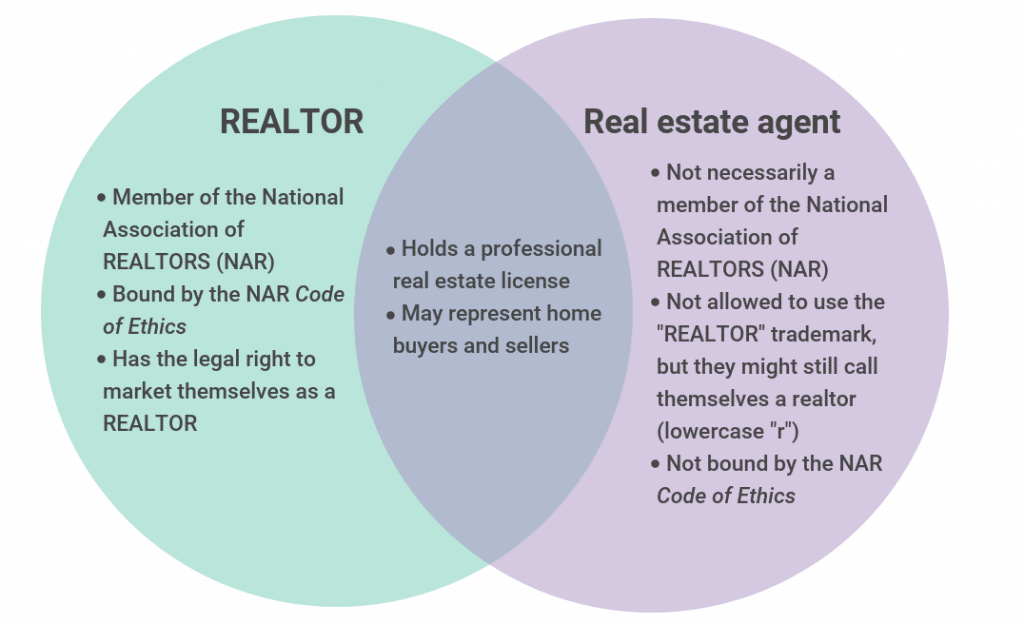
The terms “real estate agent” and “realtor” are often used interchangeably to describe a licensed professional who can help you buy or sell a home. But the terms have different meanings. 

Real Estate Investing: https://medicalexecutivepost.com/2025/04/14/physicians-on-real-estate-investing/

  • A realtor is a licensed salesperson who belongs to the National Association of Realtors (NAR), and must comply with NAR’s code of ethics. The term is capitalized when describing a NAR member, and NAR owns the trademark.
  • A real estate agent is simply a licensed salesperson who does not belong to NAR, and refers to any individual who holds a real estate salesperson’s license.

REITS: https://medicalexecutivepost.com/2024/08/13/on-non-traded-real-estate-investment-trusts-reits/

Should you hire a real estate agent or a realtor? Agents who belong to NAR aren’t necessarily better than non-member agents. NAR is just a trade association — not a licensing body — so membership is optional. 

Commercial RE: https://medicalexecutivepost.com/2013/09/10/financial-freedom-through-commercial-real-estate-education-and-investing/

COMMENTS APPRECIATED

Like and Refer

***

***

FINANCIAL LIFE PLANNING? For Physicians and Medical Professionals

SPONSOR: http://www.MarcinkoAssociates.com

By Dr. David Edward Marcinko; MBA MEd CMP

***

***

SPONSOR: http://www.CertifiedMedicalPlanner.org

Life planning and behavioral finance as proposed for physicians and integrated by the Institute of Medical Business Advisors Inc., is unique in that it emanates from a holistic union of personal financial planning, human physiology and medical practice management, solely for the healthcare space.  Unlike pure life planning, pure financial planning, or pure management theory, it is both a quantitative and qualitative “hard and soft” science, with an ambitious economic, psychological and managerial niche value proposition never before proposed and codified, while still representing an evolving philosophy. Its’ first-mover practitioners are called Certified Medical Planners™.

Life planning, in general, has many detractors and defenders. Formally, it has been defined by Mitch Anthony, Gene R. Lawrence, AAMS, CFP© and Roy T. Diliberto, ChFC, CFP© of the Financial Life Institute, in the following trinitarian way.

Financial Life Planning is an approach to financial planning that places the history, transitions, goals, and principles of the client at the center of the planning process.  For the financial advisor or planner, the life of the client becomes the axis around which financial planning develops and evolves.

Financial Life Planning is about coming to the right answers by asking the right questions. This involves broadening the conversation beyond investment selection and asset management to exploring life issues as they relate to money.

Financial Life Planning is a process that helps advisors move their practice from financial transaction thinking, to life transition thinking. The first step is aimed to help clients “see” the connection between their financial lives and the challenges and opportunities inherent in each life transition.

But, for informed physicians, life planning’s quasi-professional and informal approach to the largely isolate disciplines of financial planning and medical practice management is inadequate. Today’s practice environment is incredibly complex, as compressed economic stress from HMOs managed care, financial insecurity from insurance companies, ACOs and VBC, Washington DC and Wall Street; liability fears from attorneys, criminal scrutiny from government agencies, and IT mischief from malicious electronic medical record [eMR] hackers. And economic bench marking from hospital employers; lost confidence from patients; and the Patient Protection and Affordable Care Act [PP-ACA] more than a decade ago. All promote “burnout” and converge to inspire a robust new financial planning approach for physicians and most all medical professionals. 

The iMBA Inc., approach to financial planning, as championed by the Certified Medical Planner™ professional certification designation program, integrates the traditional concepts of financial life planning, with the increasing complex business concepts of medical practice management. The former topics are presented in this textbook, the later in our recent companion text: The Business of Medical Practice [Transformational Health 2.0 Skills for Doctors].

***

***

For example, views of medical practice, personal lifestyle, investing and retirement, both what they are and how they may look in the future, are rapidly changing as the retail mentality of medicine is replaced with a wholesale and governmental philosophy. Or, how views on maximizing current practice income might be more profitably sacrificed for the potential of greater wealth upon eventual practice sale and disposition. 

Or, how the ultimate fear represented by Yale University economist Robert J. Shiller, in The New Financial Order: Risk in the 21st Century, warns that the risk for choosing the wrong profession or specialty, might render physicians obsolete by technological changes, managed care systems or fiscally unsound demographics. OR, if a medical degree is even needed for future physicians?

Say, what medical license?

Dr. Shirley Svorny, chair of the economics department at California State University, Northridge, holds a PhD in economics from UCLA. She is an expert on the regulation of health care professionals who participated in health policy summits organized by Cato and the Texas Public Policy Foundation. She argues that medical licensure not only fails to protect patients from incompetent physicians, but, by raising barriers to entry, makes health care more expensive and less accessible. Institutional oversight and a sophisticated network of private accrediting and certification organizations, all motivated by the need to protect reputations and avoid legal liability, offer whatever consumer protections exist today.

Yet, the opportunity to revise the future at any age through personal re-engineering, exists for all of us, and allows a joint exploration of the meaning and purpose in life. To allow this deeper and more realistic approach, the informed transformation advisor and the doctor client, must build relationships based on trust, greater self-knowledge and true medical business management and personal financial planning acumen.

[A] The iMBA Philosophy

As you read this ME-P website, we hope you will embrace the opportunity to receive the focused and best thinking of some very smart people. Hopefully, along the way you will self-saturate with concrete information that proves valuable in your own medical practice and personal money journey. Maybe, you will even learn something that is so valuable and so powerful, that future reflection will reveal it to be of critical importance to your life.  The contributing authors certainly hope so.

At the Institute of Medical Business Advisors, and thru the Certified Medical Planner™ program, we suggest that such an epiphany can be realized only if you have extraordinary clarity regarding your personal, economic and [financial advisory or medical] practice goals, your money, and your relationship with it. Money is, after only, no more or less than what we make of it. 

Ultimately, your relationship with it, and to others, is the most important component of how well it will serve you. 

COMMENTS APPRECIATED

Read, Subscribe, Like and Refer

EDUCATION: Books

SPEAKING: Dr. Marcinko will be speaking and lecturing, signing and opining, teaching and preaching, storming and performing at many locations throughout the USA this year! His tour of witty and serious pontifications may be scheduled on a planned or ad-hoc basis; for public or private meetings and gatherings; formally, informally, or over lunch or dinner. All medical societies, financial advisory firms or Broker-Dealers are encouraged to submit a RFP for speaking engagements: CONTACT: MarcinkoAdvisors@outlook.com 

***

GIVING CIRCLES: Defined

By Staff Reporters

SPONSOR: http://www.CertifiedMedicalPlanner.org

***

***

Giving circles are kick starting a new era of philanthropy where individuals give together to make social change happen.

A giving circle brings a group of people with shared values together to collectively discuss and decide where to make a pooled gift.

Philanthropy: https://medicalexecutivepost.com/2021/11/15/national-philanthropy-day-2021/

Giving circles support with their dollars, but also build awareness, volunteer, become board members and more. Individuals multiply their impact and knowledge, have fun, and connect with their local community.

Ethics: https://medicalexecutivepost.com/2024/06/22/medical-ethics-managing-risk-is-a-component-of-caring/

People are coming together around the world to create the change they want to see in the world. Giving circles are a growing global movement with more than 2,500 active circles around the world giving intentionally and thoughtfully.

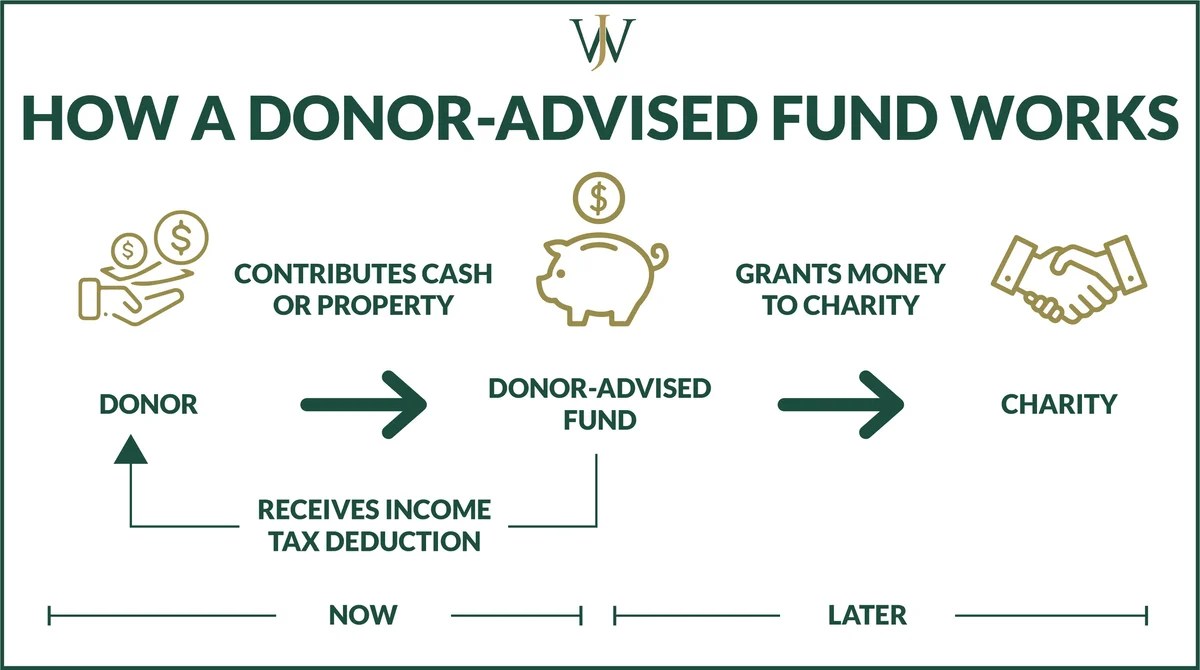
Donor Advised Funds: https://medicalexecutivepost.com/2024/11/27/a-thanksgiving-donation-in-name-only/

Giving circles are a modern form of collective giving with roots in cultures across the globe for many decades!

EDUCATION: Books

Cite: https://johnsoncenter.org/2023-us-collective-giving-research-initiative/

Visit WhatIsAGivingCircle.com for more on this collective giving model and why people-centered philanthropy is so powerful.

COMMENTS APPRECIATED

Like and Subscribe

***

***

FROM: Zocdoc to Zo

By Staff Reporters and AI

SPONSOR http://www.CertifiedMedicalPlanner.org

***

***

When New York-based Zocdoc was founded back in 2007, the idea was to help patients get off the phone, founder and CEO Oliver Kharraz told Healthcare Brew. The company created a website that helps patients find clinicians who fit their needs in their area and are under their insurance, and books appointments online.

MD versus DO: https://medicalexecutivepost.com/2023/06/17/the-md-versus-do-degree/

But on May 1st, Zocdoc launched a new product to get people back on the phone: an artificial intelligence (AI) voice agent called Zo. Zo helps people book doctor appointments 24/7—but instead of speaking with a person, patients speak with an AI voice that is trained to meet their needs.

DPM Podiatrist: https://medicalexecutivepost.com/2024/03/20/is-a-podiatrist-a-physician/

“Until recently, we didn’t do the phone because the experience on the phone was just so miserable,” Kharraz said. “Now you can actually have a consistent experience, where the AI can pick up after the first ring an unlimited number of times concurrently [and] have a natural conversation with you.”

Tele-Health: https://medicalexecutivepost.com/2022/04/04/types-of-patient-care-healthcare-providers-deliver-via-tele-health/

Click here for more on the rise of voice agents in healthcare.

COMMENTS APPRECIATED

Like and Refer

***

***

HEDGE FUND: Hiring Separate Managers?

SPONSOR: http://www.CertifiedMedicalPlanner.org

By Staff Reporters

***

***

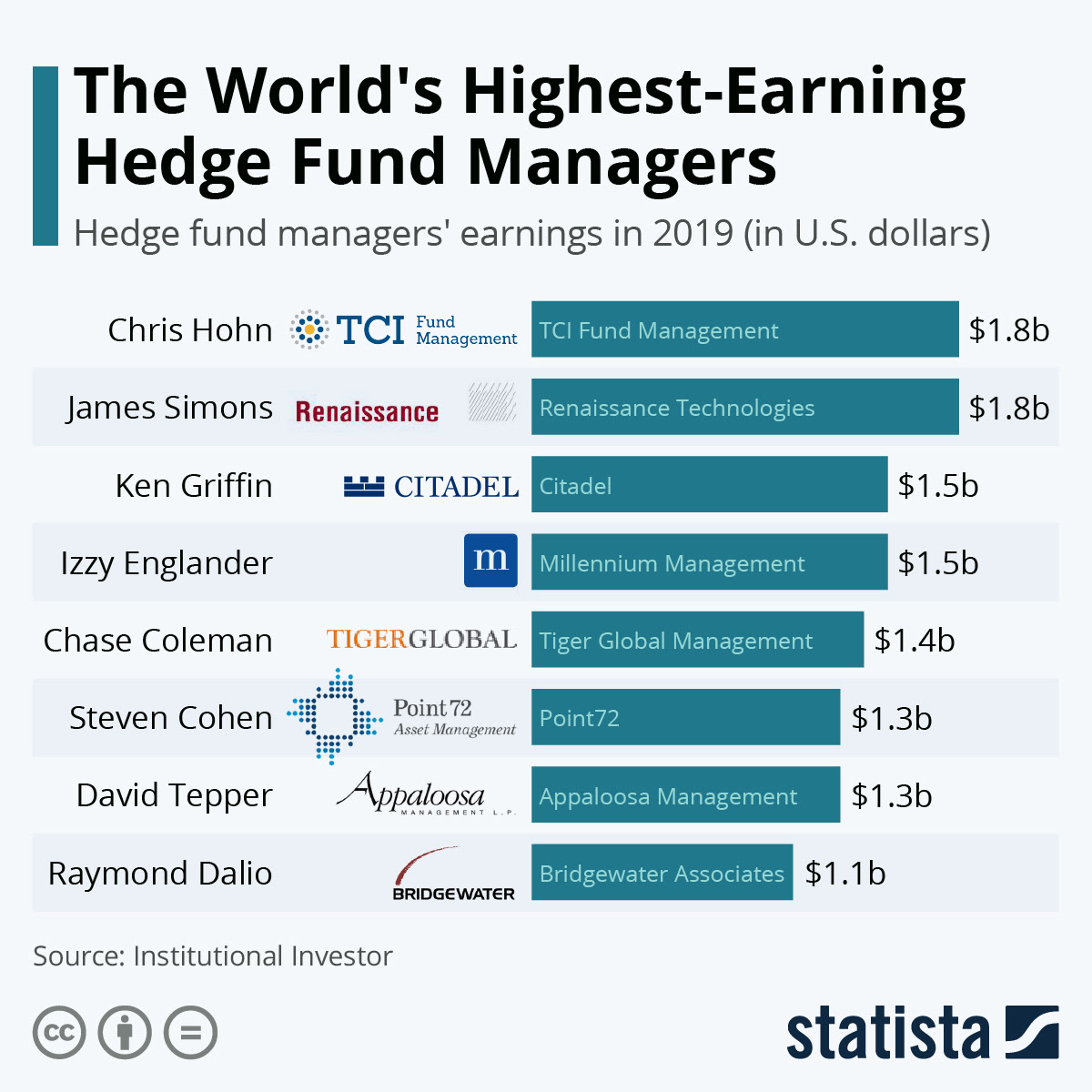
A hedge fund is a limited partnership of private investors whose money is pooled and managed by professional fund managers. These managers use a wide range of strategies, including leverage (borrowed money) and the trading of nontraditional assets, to earn above-average investment returns. A hedge fund investment is often considered a risky, alternative investment choice and usually requires a high minimum investment or net worth. Hedge funds typically target wealthy investors.

Growing Funds: https://medicalexecutivepost.com/2025/01/15/hedge-funds-a-growing-sector-of-investing/

***

I want to invest with a manager that has the skills to “hedge” a portfolio, but I do not wish to mix my money with other investors as in a hedge fund.

QUESTION: Can I hire hedge fund managers to manage my account separately?

Some hedge fund managers do take the time to recruit and manage separate accounts, with or without the help of referring brokers.

However, before long the administrative burden of managing so many separate accounts can become quite significant. Hence, the minimums for such separate accounts are generally much higher than if one were to invest in the manager’s hedge fund.

Hedge Fees: https://medicalexecutivepost.com/2024/07/09/hedge-funds-understanding-fees-and-costs/

The best feature of these separate accounts is that potentially every aspect of the investment account, including fees, is negotiable. Other features include greater transparency and increased liquidity, since separately managed accounts can often be shut down on short notice.

Hedge Monitors: https://medicalexecutivepost.com/2024/07/09/how-to-monitor-hedge-funds/

Investors must be aware, however, that for practical purposes the portfolio manager generally will buy and sell the same securities in the separately managed accounts that the portfolio manager buys and sells in the hedge fund, yet the expenses incurred by the investor will likely be higher.

Hedge IRA: https://medicalexecutivepost.com/2025/04/02/hedge-funds-in-individual-retirement-accounts/

COMMENTS APPRECIATED

Read, Like, Refer and Subscribe

***

***

PARADOX: Baumol’s Economic Cost Disease

SPONSOR: http://www.HealthDictionarySeries.org

Staff Reporters

***

***

According to Baumol’s Cost Disease, in theory, workers should get higher pay because they get more productive. But an economist named William J. Baumol PhD noticed this isn’t always true; as in a paradox.

For example, musicians take the same time to play a string quartet as they did in Mozart’s day, but are paid more nevertheless. The reason is competition for labor; musicians can take other jobs. So rising wages in productive parts of the economy (eg, manufacturing) lead to higher wages in less productive sectors.

MORE: For more on the paradoxical disease, read this article; and for more on Baumol, read this one.

COMMENTS APPRECIATED

Like and Refer

***

***

FINANCIAL ADVISORS: Usually Aren’t Millionaires

THE TRUTH MUST BE TOLD!

By Dr. David Edward Marcinko MBA MEd CMP

http://www.MarcinkoAssociates.com

***

***

Financial Advisors and Financial Planners Usually Aren’t Millionaires

According to the most recent data from the Bureau of Labor Statistics (BLS), financial advisors had a median annual salary of $99,580 in 2023, which is significantly higher than the national average of $65,470. Of course, salaries of financial advisors can differ significantly by their location and level of expertise. The client’s profile may also have an impact on their compensation. But, many are not rich.

REPLACE FINANCIAL PLANNERS: https://medicalexecutivepost.com/2023/03/15/why-your-financial-planner-may-be-replaced/

This is unfortunate. Financial advisors and Financial planners don’t rank among the millionaire professions in Thomas J. Stanley and William D. Danko’s book The Millionaire Next Door. Many work as salaried employees rather than entrepreneurs, lacking the scalable income potential of business owners who reinvest profits.

Certified Medical Planner: https://medicalexecutivepost.com/2024/12/17/certified-medical-planner-niche-advisors-thrive/

Stanley and Danko also stressed frugality, a challenge for advisors pressured to flaunt success—think luxury cars or upscale offices—making them “income-statement affluent” rather than “balance-sheet affluent.”

BEST DOG FINANCIAL ADVISOR: https://medicalexecutivepost.com/2025/03/23/dog-nearly-fetches-prestigious-financial-advisor-honor/

CONCLUSION

The truth is that a Financial Advisors’ success isn’t measured in client returns. Instead it is measured in their ability to gather assets and retain clients. In other words; Financial Advisors do not need to be good with money.

Financial Advisors need to be good with marketing, advertising, sales and people.

COMMENTS APPRECIATED

Like and Subscribe

***

***

EDUCATION: Books

SPEAKING: Dr. Marcinko will be speaking and lecturing, signing and opining, teaching and preaching, storming and performing at many locations throughout the USA this year! His tour of witty and serious pontifications may be scheduled on a planned or ad-hoc basis; for public or private meetings and gatherings; formally, informally, or over lunch or dinner. All medical societies, financial advisory firms or Broker-Dealers are encouraged to submit a RFP for speaking engagements: MarcinkoAdvisors@outlook.com 

***

MENTAL HEALTH: Awareness Month in May 2025

By Staff Reporters

SPONSOR: http://www.CertifiedMedicalPlanner.org

***

***

Mental Health Awareness Month

Mental Health Awareness Month was established in 1949 to increase awareness of the importance of mental health and wellness in Americans’ lives and to celebrate recovery from mental illness.

START-UPS: https://medicalexecutivepost.com/2024/07/14/mental-health-entrepreneurial-start-up-companies/

For more than 20 years, the Substance Abuse and Mental Health Services Administration (SAMHSA) has recognized Mental Health Awareness Month (MHAM) every May to increase awareness about the vital role mental health plays in our overall health and well-being and provide resources and information to support individuals and communities who may need mental health support.

SAMHSA: https://www.samhsa.gov/about/digital-toolkits/mental-health-awareness-month

MORE: https://www.whitehouse.gov/presidential-actions/2025/05/national-mental-health-awareness-month-2025/

COMMENTS APPRECIATED

Refer and Like

***

***

World Lupus Day

By Dr. David Edward Marcinko; MBA MEd

SPONSOR: http://www.CertifiedMedicalPlanner.org

***

***

Every year on May 10th, the world comes together to observe World Lupus Day.

Lupus is a disease that occurs when your body’s immune system attacks your own tissues and organs (autoimmune disease). Inflammation caused by lupus can affect many different body systems — including your joints, skin, kidneys, blood cells, brain, heart and lungs. Lupus can be difficult to diagnose because its signs and symptoms often mimic those of other ailments. The most distinctive sign of lupus — a facial rash that resembles the wings of a butterfly unfolding across both cheeks — occurs in many but not all cases of lupus. Some people are born with a tendency toward developing lupus, which may be triggered by infections, certain drugs or even sunlight. While there’s no cure for lupus, treatments can help control symptoms.

In 2025, this important day continues its mission of raising awareness about lupus, supporting those affected, and promoting further research into this complex autoimmune condition.

READ: https://tinyurl.com/4bfcvjtx

COMMENTS APPRECIATED

Like and Refer

***

***

DAVID SOUTER: RIP

By Staff Reporters

BREAKING NEWS

SPONSOR: http://www.CertifiedMedicalPlanner.org

***

***

Former Supreme Court Justice of the United States, David Souter, the intellectual from New England who disappointed Republicans and delighted liberals by slowing a conservative transformation of the high court, died May 8th at his home in New Hampshire. He was 85 years old.

The high court announced his death but did not cite a cause.

COMMENTS APPRECIATED

Like and Refer

***

***

OSTRICH BIAS: Negative Information

SPONSOR: http://www.CertifiedMedicalPlanner.org

Financial Advisor, Planner and Insurance Agent Information

By Staff Reporters

***

***

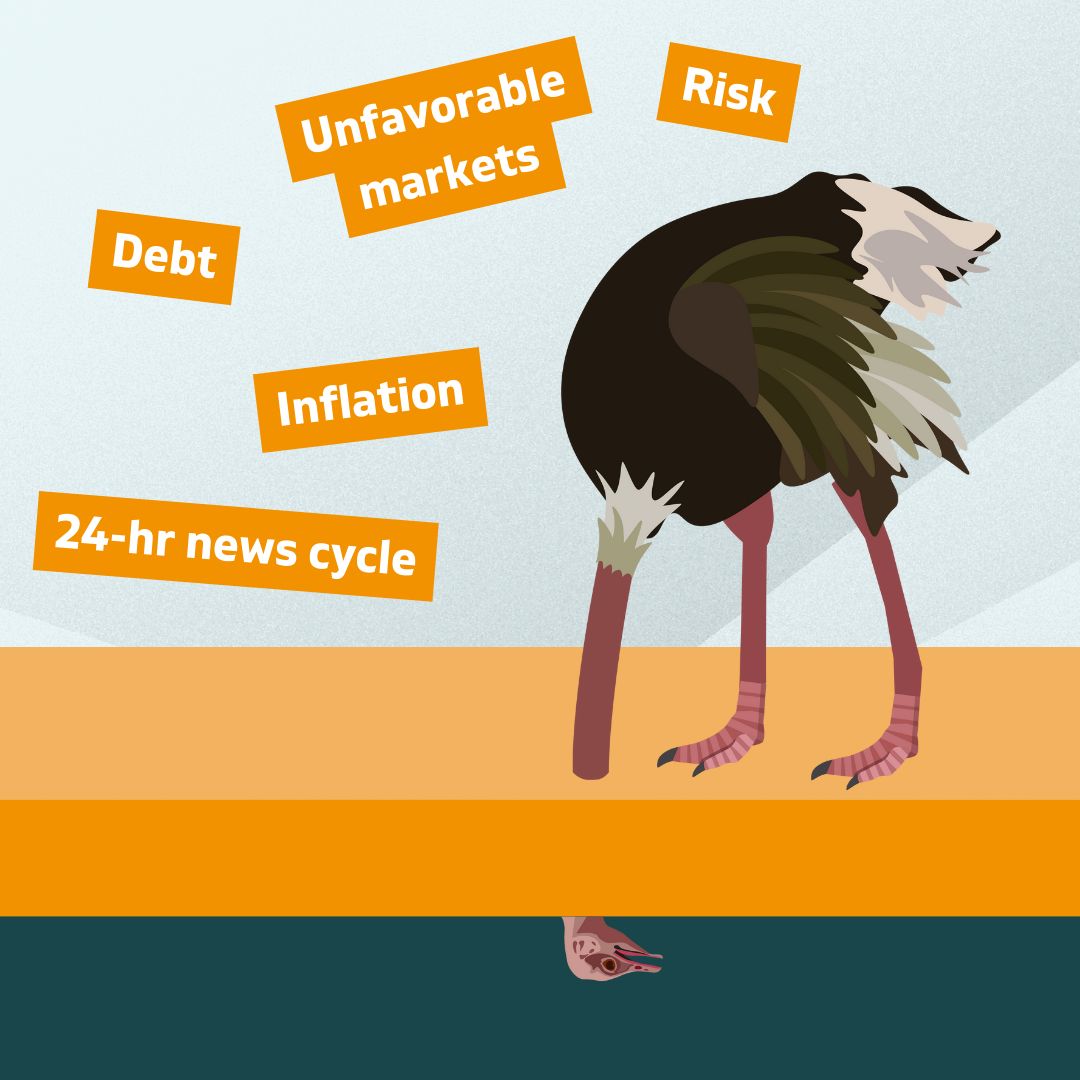
Ostrich Bias is a behavioral phenomenon describing the tendency of individuals to avoid or ignore information that they perceive as negative or threatening. This term is derived from the popular but inaccurate belief that ostriches bury their heads in the sand when faced with danger, even though they do not exhibit such behavior.

Evidence: There is neuro-scientific evidence of the ostrich effect. Sharot et al. (2012) investigated the differences in positive and negative information when updating existing beliefs. Consistent with the ostrich effect, participants presented with negative information were more likely to avoid updating their beliefs; wills, estate plans, investment portfolios, and insurance policies, etc..

Moreover, they found that the part of the brain responsible for this cognitive bias was the left IFG – inferior frontal gyrus – by disrupting this part of the brain with TMS – transcranial magnetic stimulation – participants were more likely to accept the negative information provided.

EXAMPLE: The Ostrich Bias can cause someone to avoid looking at their bills, because they’re worried about seeing how far behind they are on home mortgage payments, credit cards, education or auto loans, etc.

COMMENTS APPRECIATED

The Medical Executive-Post is a  news and information aggregator and social media professional network for medical and financial service professionals.

Feel free to submit education content to the site as well as links, text posts, images, opinions and videos which are then voted up or down by other members. Comments and dialog are especially welcomed.

Daily posts are organized by subject. ME-P administrators moderate the activity. Moderation may also conducted by community-specific moderators who are unpaid volunteers.

Invite Dr. Marcinko

Refer and Like

***

***

LONG TERM CARE INSURANCE: A Hobson’s Choice Decision?

By Staff Reporters

SPONSOR: http://www.CertifiedMedicalPlanner.org

***

***

Long Term Care Insurance [LTCI]

Some retired people live on a fixed income and many of them live right on the edge of their financial capability.  At some time in their life, they may have to make a choice regarding many purchases.  

In this case, we will illustrate “choice” using a couple’s purchase of Long-Term-Care Insurance [LTCI]. Of course, economics is the study of choice; wants, needs and scarcity, etc. In our case, if they decide to make the purchase they commit to a lifetime of premium payments. The financial tradeoff is this; if they make the commitment to purchase LTCI, they must give up something else.

EXAMPLE: In order to maintain a monthly premium of $100 ($1,200per year), an elderly patient, retired layman or couple must essentially relegate about $30,000 of financial assets to generate the $100 necessary to make an average premium payment (assumes a 7% rate of return with 4% withdrawal rate) or [4% X $30,000 = $1,200 year]. Thus, if the monthly premium cost is $500 per month, the elder must give up the use of $150,000 of retirement asset just to generate enough cash flow to pay for the LTC insurance. 

***

***

The married elder couple has to make the Hobson’s Choice decision among lifestyle (dinners, vacations, gifts to children, prescription drugs, medical care or food and shelter) versus paying an insurance premium to provide for nursing home coverage for a need, which may be very real, but will not occur until sometime in the ambiguous future. 

And so, when faced with such a tough economics Hobson’s Medicine Choice, neither of which delivers peace of mind or a respectable solution; many will simply decide that, in either case, they may already end up impoverished. Thus, many will often opt for the better lifestyle now … while they can enjoy it … together. 

Cite: Anonymous Health Insurance Agent, Norcross, Georgia

COMMENTS APPRECIATED

The Medical Executive-Post is a  news and information aggregator and social media professional network for medical and financial service professionals.

Feel free to submit education content to the site as well as links, text posts, images, opinions and videos which are then voted up or down by other members. Comments and dialog are especially welcomed.

Daily posts are organized by subject. ME-P administrators moderate the activity. Moderation may also conducted by community-specific moderators who are unpaid volunteers.

Refer, Like and Subscribe

***

***

PHANTOM: Stock Equity Plans

DEFINITIONS

By Staff Reporters

SPONSOR: http://www.CertifiedMedicalPlanner.org

***

***

Phantom equity is an increasingly popular tool within businesses, particularly startups and private companies, for incentivizing employees without diluting ownership. It allows firms to reward key personnel by linking compensation to the company’s performance, aligning employee interests with those of shareholders.

Basic Mechanisms of Phantom Equity

Phantom equity operates as a contractual agreement offering employees a simulated stake in the business without issuing actual stock. This arrangement appeals to companies aiming to maintain control over their equity structure while providing performance-based incentives. The benefits mimic stock ownership, such as dividends and capital appreciation, without the complexities of transferring actual shares.

The company establishes a phantom equity plan that defines terms such as vesting schedules, performance metrics, and payout conditions. Vesting schedules, often ranging from three to five years, encourage employee retention. Performance metrics may include revenue growth, profit margins, or other financial indicators aligned with strategic goals. Once vested, employees receive cash payments based on the value of the phantom shares, determined by the company’s valuation at payout.

Valuations, often conducted through third-party appraisals or internal financial metrics, directly affect payouts. If the company grows significantly, the value of phantom shares increases, resulting in higher payouts. Conversely, if performance declines, the value of these shares decreases, reducing compensation.

Types of Phantom Equity Plans

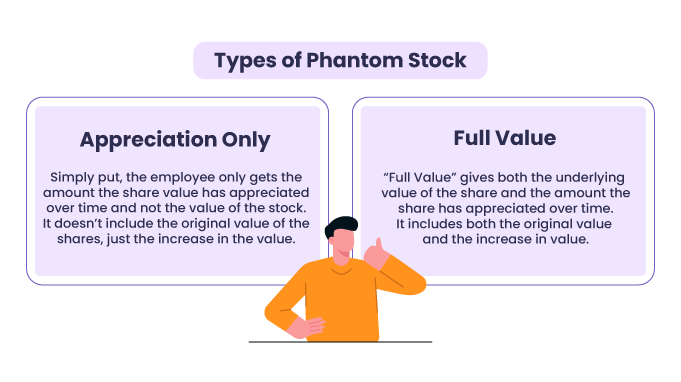
Phantom equity plans can be customized to suit a company’s goals, with two primary types being most common: appreciation-only arrangements and full-value arrangements.

Appreciation-Only Arrangements

Appreciation-only arrangements reward employees for the increase in the company’s value over a specified period. Employees are granted phantom shares that reflect the appreciation in the company’s valuation from the grant date to the payout date.

For instance, if phantom shares are initially valued at $10 each and the valuation rises to $15, the employee receives a payout of $5 per share. This structure ties employee rewards to company growth without affecting equity. Companies must rely on precise valuation methods, often adhering to GAAP or IFRS, to ensure fairness and compliance.

Full-Value Arrangements

Full-value arrangements provide payouts equivalent to the full value of phantom shares at vesting or payout. This includes both the initial value and any appreciation.

For example, if phantom shares are initially valued at $10 and later rise to $15, the employee receives $15 per share. While offering greater potential rewards, full-value arrangements require a larger financial commitment from the company. Careful financial planning and adherence to standards like ASC 718, which governs share-based compensation, are essential for managing these plans effectively.

Tax Implications: https://eqvista.com/phantom-stock/phantom-stock-plans-taxation/

COMMENTS APPRECIATED

Like and Review

***

***

FOURTH MARKET: Private Security Transactions

DEFINITIONS

By Staff Reporters

SPONSOR: http://www.CertifiedMedicalPlanner.org

***

***

The Fourth Market?

The fourth market is defined as private transactions made directly between large medical investors, institutions such as banks, mutual funds, and insurance companies, without the use of a securities firm. In other words, fourth market trading is usually one institution swapping securities in its portfolio with another large institution.

From the stock broker’s viewpoint, there is one problem with the fourth market. Since no broker/dealer is involved, no registered representative is involved and there is no commission to be earned. These trades are reported on a system called Instinet.

This is advantageous to larger medical foundations or institutional investors.

What Is Instinet?

Instinet is a global financial securities service that operates an electronic securities order matching, trading, and information system which allows members, primarily institutional traders, and investors, to display bids and offer quotes for stocks, and conduct transactions with each other.

Instinet is an example of a dark pool of liquidity, a private exchange for trading securities that is not accessible by the investing public. The name implies a lack of transparency. and it facilitates block trading by institutional investors who do not wish to impact the markets with their large orders.

According to the SEC, there were 74 registered Alternative Trading Systems, or dark pools, as of February 2024.

COMMENTS APPRECIATED

Like and Refer

***

***

ECONOMIC COMPETITION MODELS: In Medicine and Health Care

By Staff Reporters

SPONSOR: http://www.CertifiedMedicalPlanner.org

***

***

HEALTH CARE ECONOMIC COMPETITION MODELS

In a discussion of competitive healthcare economic models, assumptions must include normal demand quantities, many fully informed patients and the fact that physicians cannot directly influence demand for medical care. These assumptions, although fluid, also preclude that patient buyers are large enough to have any influence over price and result in the following”:

  • In a “pure monopoly”, there is only one provider with a unique service. The doctor   is a “price maker” and charges whatever s/he wishes.
  • In an “oligopoly”, there are a few physicians who provide similar services. For example, when it becomes clear to Dr. Smith and Dr. Jones that neither can win their price war, oli-gopolists return prices to prior, but still inflated levels!  
  • In “monopolistic competition”, there are many providers with differentiated services. For example, should Dr. Jones decide to have evening hours, she may charge a premium for her fees if Dr. Jones doe not follow suit.
  • Finally, when “pure competition” occurs, there are many physicians, providing providing similar and substitutable services. Marketing and advertising does not affect fees, and prices are determined by supply and demand. The doctors become “price takers” by accepting fees arrived at by practicing competitively.

COMMENTS APPRECIATED

The Medical Executive-Post is a  news and information aggregator and social media professional network for medical and financial service professionals.

Feel free to submit education content to the site as well as links, text posts, images, opinions and videos which are then voted up or down by other members. Comments and dialog are especially welcomed.

Daily posts are organized by subject. ME-P administrators moderate the activity. Moderation may also conducted by community-specific moderators who are unpaid volunteers.

Like and Refer

***

***

***

CPA, CMA, CFA and Enrolled Agents

DEFINITIONS

By Staff Reporters

SPONSOR: http://www.MarcinkoAssociates.com

***

***

Certified Public Accountant

A Certified Public Accountant (CPA) is a licensed professional who has passed an examination administered by a state’s Board of Accountancy. State CPA exams are created under guidelines issued by The American Institute of Certified Public Accountants (AICPA). The Uniform CPA Exam can only be taken by accountants who already have professional experience in the field and a bachelor’s degree.CPAs are not fiduciaries.

Not all accountants are CPAs. Accountants who are CPAs are licensed by their state’s Board of Accountancy after passing the Uniform CPA Exam. CPAs prepare reports that accurately reflect the business dealings of the companies and individuals that hire them. Many prepare tax returns for individuals or businesses and advise them on ways to minimize taxes. Obtaining the CPA designation requires a bachelor’s degree, typically with a major in business administration, finance, or accounting. Other majors are acceptable if the applicant meets the minimum requirements for accounting courses.  

Enrolled Agent

Although not a CPA, an Enrolled Agent [EA] is a person who has earned the privilege of representing taxpayers before the Internal Revenue Service [IRS]. This is done by either passing a three-part comprehensive IRS test covering individual and business tax returns, or through experience as a former IRS employee. Enrolled agent status is the highest credential the IRS awards. Individuals who obtain this elite status must adhere to ethical standards and complete 72 hours of continuing education courses every three years.

Certified Managerial Accountant

A Certified Management Accountant (CMA), which is issued by the Institute of Management Accountants (IMA), builds on financial accounting proficiency by adding management skills that aid in making strategic business decisions based on financial data.

Oftentimes, the reports and analyses prepared by certified management accountants (CMAs) will go above and beyond those required by generally accepted accounting principles (GAAP). 

For example, in addition to a company’s required GAAP financial statements, CMAs may prepare additional management reports that provide specific insights useful to corporate decision-makers, such as performance metrics on specific company departments, products, or even employees.

Certified Financial Analyst

A Certified Financial Analyst [CFA] is a globally-recognized professional designation offered by the CFA Institute, an organization that measures and certifies the competence and integrity of financial analysts. Candidates are required to pass three levels of exams covering areas such as accounting, economics, ethics, money management, and security analysis. From 1963 through November 2023, more than 3.7 million candidates had taken the CFA exam. The overall pass rate was 45%. From 2014 through 2023, the 10-year average pass rate was 43%.1

CFA Institute. The CFA Institute was formerly the Association for Investment Management and Research (AIMR).

The CFA charter is one of the most respected designations in finance and is widely considered to be the gold standard in the field of investment analysis. To become a charter holder, candidates must pass three difficult exams, have a bachelors degree, and have at least 4,000 hours of relevant professional experience over a minimum of three years. Passing the CFA Program exams requires strong discipline and an extensive amount of studying. 

There are more than 200,000 CFA charter holders worldwide in 164 countries.The designation is handed out by the CFA Institute, which has 11 offices worldwide and 160 local member societies.

COMMENTS APPRECIATED

Like and Refer

***

***

JOHN B. TAYLOR’S: Monetary Policy Rule

SPONSOR: http://www.CertifiedMedicalPlanner.org

By Staff Reporters

***

***

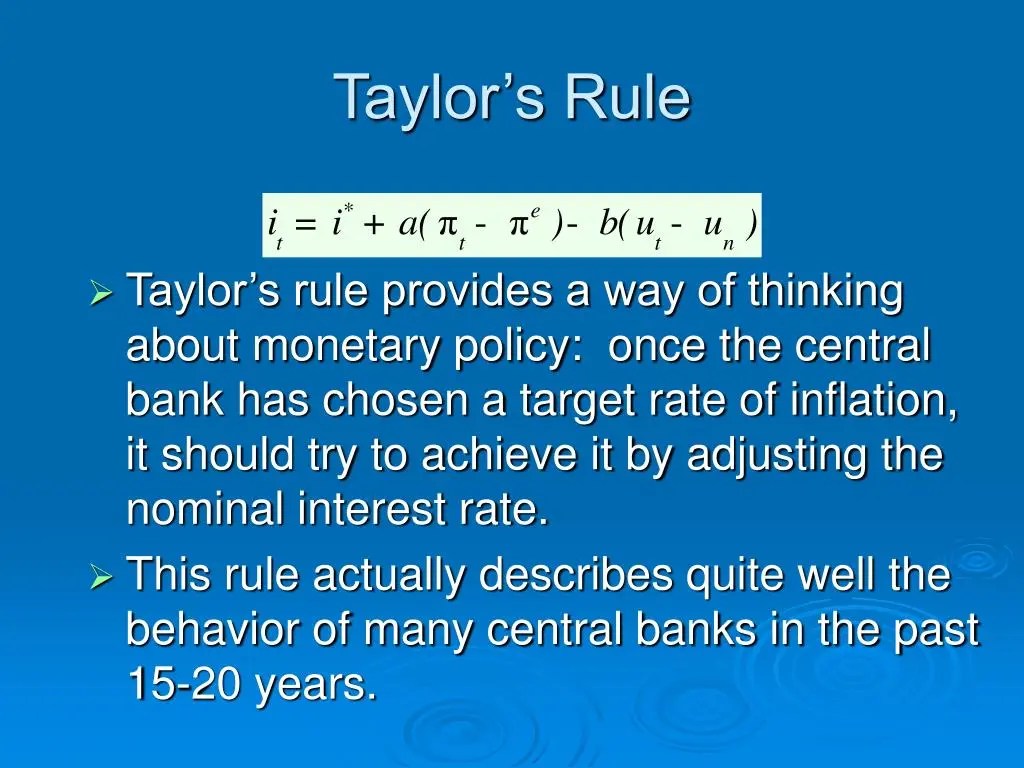
Named for a U.S. economist, the JB Taylor Rule is a mathematical monetary-policy formula that recommends how much a central bank should change its nominal short-term interest rate target (such as the U.S. Federal Reserve’s federal funds rate target) in response to changes in economic conditions, particularly inflation and economic growth. It’s typically viewed as guideline for raising short-term interest rates as inflation and potentially inflationary pressures increase. The rule recommends a relatively high interest rate (“tight” monetary policy) when inflation is above its target or when the economy is above its full employment level, and a relatively low interest rate (“easy” monetary policy) under the opposite conditions.

To illustrate, the monetary policy of the FOMC changed throughout the 20th century. The period between the 1960s and the 1970s is evaluated by Taylor and others as a period of poor monetary policy; the later years typically characterized as stagflation. The inflation rate was high and increasing, while interest rates were kept low. Since the mid-1970s monetary targets have been used in many countries as a means to target inflation.

However, in the 2000s the actual interest rate in advanced economies, notably in the US, was kept below the value suggested by the Taylor rule.

COMMENTS APPRECIATED

Like and Refer

***

***

The DOCTOR EFFECT

Dr. David Edward Marcinko; MBA MEd CMP™

Medical Colleagues Beware the Advisors

***

***

SPONSOR: http://www.MarcinkoAssociates.com

Several years ago a group of highly trusted and deeply  experienced financial advisors, insurance service professionals and estate planners noted that far too many of their mature retiring physician clients, using traditional stock brokers, management consultants and financial advisors, seemed to be less successful than those who went it alone. These Do-it-Yourselfers [DIYs] had setbacks and made mistakes, for sure. But, the ME Inc doctors seemed to learn from their mistakes and did not incur the high management and service fees demanded from general or retail one-size-fits-all “advisors.”

In fact, an informal inverse related relationship was noted, and dubbed the Doctor Effect.” In others words, the more consultants an individual doctor retained; the less well they did in all disciplines of the financial planning and medical practice management, continuum.

Of course, the reason for this discrepancy eluded many of them as Wall Street brokerages and wire-houses flooded the media with messages, infomercials, print, radio, TV, texts, tweets, dinners and internet ads to the contrary. Rather than self-learn the basics, the prevailing sentiment seemed to purse the holy grail of finding the “perfect financial advisor.”  This realization confirmed the industry culture which seemed to be:

Bread for the advisor – Crumbs for the client!

And so, Marcinko Associates formed a cadre’ of technology focused and highly educated multi-degreed doctors, nurses, financial advisors, attorneys, accountants, psychologists and educational visionaries who decided there must be a better way for their healthcare colleagues to receive financial planning advice, products and related advisory services within a culture of fiduciary responsibility.

We trust you agree with this specific niche knowledge, and collegial consulting philosophy, as illustrated thru our firm and these two books.

EDUCATION: Books

SPEAKING: Dr. Marcinko will be speaking and lecturing, signing and opining, teaching and preaching, storming and performing at many locations throughout the USA this year! His tour of witty and serious pontifications may be scheduled on a planned or ad-hoc basis; for public or private meetings and gatherings; formally, informally, or over lunch or dinner. All medical societies, financial advisory firms or Broker-Dealers are encouraged to submit a RFP for speaking engagements: MarcinkoAdvisors@outlook.com 

COMMENTS APPRECIATED

Like, Refer and Subscribe

***

***

***

MARKETING, ADVERTISING & SALES: Public Relations, Change and Crisis Management

THE BASICS FOR FOR PHYSICIANS, INSURANCE AGENTS AND FINANCIAL ADVISORS

By Staff Reporters

SPONSOR: http://www.CertifiedMedicalPlanner.org

***

***

There’s often a disconnect between physicians, insurance agents and financial advisors and the patients and clients they’d like to serve. Both might ostensibly share the same goal but there’s often a big difference in perspective. Advisors / Physicians and would-be clients / patients likely have different communication styles, especially in an age where technology has greatly changed the way we talk with one another. Their expectations and priorities can also often dramatically diverge. Those structural gaps can hinder collaboration and trust.

To bridge this divide, you must understand how prospective clients and patients think nowadays and be able to adjust your M.A.S. approach accordingly.

THE BASICS

Marketing is the business process of identifying, anticipating and satisfying patient’s, client’s or customers’ needs and wants. It is your unique value proposition or strategic competitive advantage. Marketers can direct product to other businesses or directly to consumers. But, we believe it is actually your strategic competitive advantage [SCA] which differentiates yourself from competitors. It is the “moat” around your business.

Advertising is a marketing communication that employs an openly sponsored, non-personal message to promote or sell a product, service or idea. Sponsors of advertising are typically businesses wishing to promote their products or services. Advertising is communicated through various mass media outlet, including traditional media such as newspapers, magazines, television, radio, outdoor advertising or direct mail; and new media such as search results, blogs, social media, websites or text messages. The actual presentation of the message in a medium is referred to as an advertisement, or “ad” or advert for short. But, we believe that is simply how you disseminate your strategic competitive advantage [SCM] to potential clients.

Sales close the deal and collects money. Sales are activities related to selling or the number of goods or services sold in a given targeted time period. The seller, or the provider of the goods or services, completes a sale in response to an acquisition, appropriation, requisition, or a direct interaction with the buyer at the point of sale. There is a passing of title (property or ownership) of the item, and the settlement of a price, in which agreement is reached on a price for which transfer of ownership of the item will occur. The seller, not the purchaser, typically executes the sale and it may be completed prior to the obligation of payment. In the case of indirect interaction, a person who sells goods or service on behalf of the owner is known as a salesman or saleswoman or salesperson, but this often refers to someone selling goods in a store/shop, in which case other terms are also common, including salesclerk, shop assistant, and retail clerk.

***

***

DERIVATIVE THOUGHTS

Public Relations [PR] is differentiated than advertising from in that an advertiser pays for and has control over the message. It differs from personal selling in that the message is non-personal, i.e., not directed to a particular individual. We pay for advertising but pray for public relations. But public relations are not controllable but it is free, while advertising is not. PR suggests that “good news or bad news”; just spell the name correctly

Change Management is the discipline that guides how we prepare, equip and support individuals to successfully adopt to change in order to drive organizational success and outcomes.

Crisis Management is the precautions and identification of threats to an organization and its stakeholders, and the methods used by the organization to deal with these threats.

MODERNITY NOW

CRM stands for Customer Relationship Management, which is a system for managing all interactions with current and potential customers, clients or patients. The goal is simple: improve relationships to grow your business or medical practice. CRM technology helps companies stay connected to customers, streamline processes, and improve profitability.

When people talk about CRM, they’re usually referring to a CRM system: software that helps track each interaction you have with a prospect, patient or customer. That can include sales calls, treatment plans or service interactions, marketing e-mails, and more. CRM tools can unify customer and company data from many sources and even use Artificial Intelligene [AI] to help better manage relationships across the entire customer – patient lifecycle – spanning departments described in the M.A.S. basics, above.

Refer and Like

COMMENTS APPRECIATED

***

***

DECOY BIAS EFFECT: The Asymmetric Dominance Effect of Choice Manipulation

A Concept All Financial Advisors, Planners and Insurance Sales Agents Should Know

SPONSOR: http://www.CertifiedMedicalPlanner.org

By Staff Reporters

***

***S

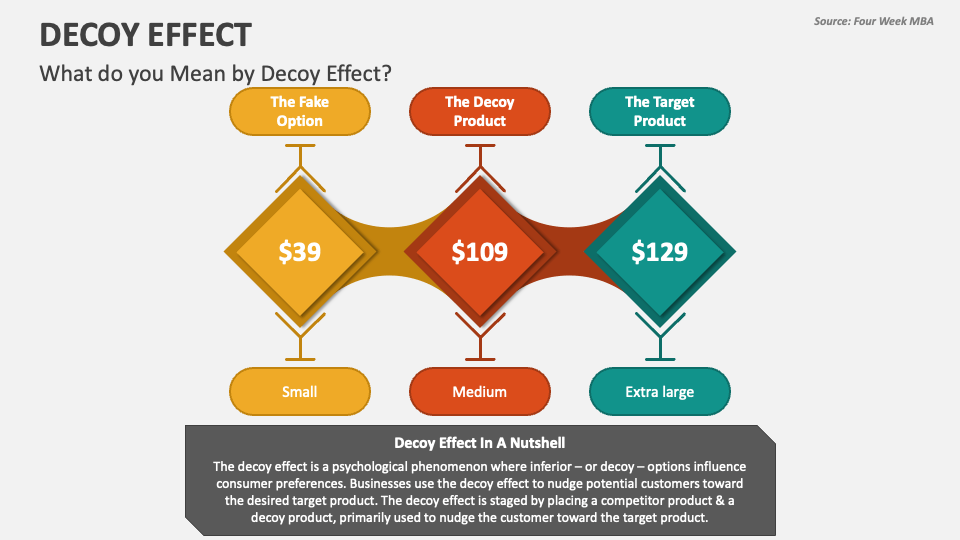
Decoy Bias Effect is a dubious phenomenon in decision-making where the introduction of a third, less attractive option (the “decoy”) influences individuals to change their preference between two other options.

The decoy bias effect describes how, when we are choosing between two alternatives, the addition of a third, less attractive option (the decoy) can influence our perception of the original two choices. Decoys are “asymmetrically dominated:” they are completely inferior to one option (the target) but only partially inferior to the other (the competitor). For this reason, the decoy effect is sometimes called the “asymmetric dominance effect.”

EXAMPLE: This bias is commonly used in financial planning sales; as well as marketing and mutual fund, ETF, REIT, stock broker, insurance agent and financial advisor pricing strategies to manipulate investor choices.

COMMENTS APPRECIATED

Refer and Like

***

***

Very Few Stocks UP but Many Stocks DOWN

By Staff Reporters

***

***

🟢 What’s up

  • Hertz Global soared 56.44% on the news that Bill Ackman’s Pershing Square Capital has taken a $46.5 million stake in the rental car company.
  • Travelers Cos. rose 1.13% in spite of massive losses from California wildfires, which didn’t hurt the insurer’s bottom line as badly as Wall Street feared.
  • Abbott Laboratories gained 2.77% after the pharma company missed sales estimates but still beat earnings forecasts.
  • Gold miners continue to climb as gold keeps hitting new highs. Newmont rose 2.51%, while Gold Fields gained 3.35%.

What’s down

  • Tesla sank 4.94% after the company’s share of EV sales in California fell below 50% in the first quarter, while export controls threaten plans to produce Cybercabs in the US.
  • United Airlines fell 0.01% despite reporting its “best first-quarter financial results in five years,” according to management. The airline took the unique measure of providing two different financial outlooks for the year ahead: one for a stable economy, and one for a recession.
  • Lyft shed just 0.46% on the news that the ride-hailing company is acquiring European taxi app Free Now for $199 million.
  • Interactive Brokers Group reported a 47% increase in trading volume last quarter that helped it beat revenue expectations, but the brokerage still tumbled 8.95% after missing profit forecasts.
  • Palantir gave up some of its recent gains following its big NATO announcement, sinking 5.78% today as investors collected profits.
  • JB Hunt Transport Services’ management team warned that the logistics company sits squarely in the crosshairs of the trade war, pushing shares down 7.68%.
  • Omnicom Group tumbled 7.28% after the advertising firm missed revenue estimates thanks to economic uncertainty.

COMMENTS APPRECIATED

Refer and Like

***

***

AOMB: Assignment of Medical Benefits

By Staff Reporters

SPONSOR: http://www.CertifiedMedicalPlanner.org

***

 
Classic: An arrangement by which a patient requests that their health benefit payments be made directly to a designated person or facility, such as a physician or hospital. It is a legally binding agreement between patient and Insurance company asking them to send your reimbursement checks directly to your doctor.
 
Modern: To accept assignment means that the provider agrees to accept what ever the insurance company allows or approves as payment in full for the claim. The patient signs paperwork requiring his health insurance provider to pay his physician or hospital directly.
 
EXAMPLES:
 
CMS: The approved amount, also known as the Medicare-approved amount, is the fee that Medicare sets as how much a provider or supplier should be paid for a particular service or item. Original Medicare calls this “assignment.”
 
Tardiness: When a medical office accepts an assignment of benefits, the insured patients may have to wait several months for their insurance reimbursement to arrive.

 COMMENTS APPRECIATED

Refer and Like

***

***

HONESTY BOX: Experiment

SPONSOR: http://www.CertifiedMedicalPlanner.org

By Staff Reporters

***

***

Classic: It’s no surprise that people are more honest when they know that they’re being watched. But what about just reminding them of the idea of being watched, without them actually being watched?

Modern: Researchers at the University of Newcastle’s Division of Psychology have an honor (or trust) system where they are requested to deposit payment for coffee in an “honesty box.” There was a note saying how much they should pay.

In 2006, Dr. Melissa Bateson and colleagues decided to do a little experiment: they placed an image above the note. They alternate between two pictures: one week they would use a picture of alleged human eyes and the other week, flowers. After 10 weeks, they plotted the amount of money received versus drinks consumed and found that people paid nearly three times as much for their drinks when eyes were displayed.

There’s an argument that if nobody is watching us it is in our interests to behave selfishly. But when we think we’re being watched we should behave better, so people see us as co-operative and behave the same way towards us,” — Dr Bateson said

EXAMPLE:

Tax: This has great exemplar potential in things like federal, state and local income tax preparation, etc.

Insight: “It’s a definite that you’re all going to screw up, but it’s not a definite that any of you will learn from that,” declared one of our medical school instructors, years ago. “Cultivate the attitude that allows you to own your mistakes, and then, not repeat them” — reported Monique Tello MD MPH.

COMMENTS APPRECIATED

Like and Refer

***

***

MEDICAL PRACTICE: As a Financial Asset Class?

SPONSOR: http://www.MarcinkoAssociates.com

**

***

By Dr. David Edward Marcinko; MBA MEd CMP

***

What Is an Alternative Investment?

An alternative investment is a financial asset that does not fall into one of the conventional investment categories. Conventional categories include stocks, bonds, and cash. Alternative investments can include private equity or venture capital, hedge funds, managed futures, art and antiques, commodities, and derivatives contracts. Real estate is also often classified as an alternative investment.

QUESTION: But what about a medical, podiatric or dental practice?

***

***

An Alternate Asset Class Surrogate?

A medical practice is much like an alternative investment [AI], or alternate asset class in, two respects.

  • First, it provides the work environment that generates personal income which has been considered generous, to date. 
  • Second, it has inherent appreciation and sales value that can be part of an exit (retirement) or succession planning transfer strategy.

Conclusion

So, unlike the emerging thought that offers Social Security payments as a surrogate for an asset classes; or a federally insured AAA bond – a medical practice might also be considered by some folks as an asset class within a well diversified modern investment portfolio.

EDUCATION: Books

SPEAKING: Dr. Marcinko will be speaking and lecturing, signing and opining, teaching and preaching, storming and performing at many locations throughout the USA this year! His tour of witty and serious pontifications may be scheduled on a planned or ad-hoc basis; for public or private meetings and gatherings; formally, informally, or over lunch or dinner. All medical societies, financial advisory firms or Broker-Dealers are encouraged to submit a RFP for speaking engagements: MarcinkoAdvisors@outlook.com 

COMMENTS APPRECIATED

Read, Like, Refer and Subscribe

***

***

FINANCIAL MODELING TERMS: All Physicians Should Review and Know

By Staff Reporters

SPONSOR: http://www.CertifiedMedicalPlanner.org

***

***

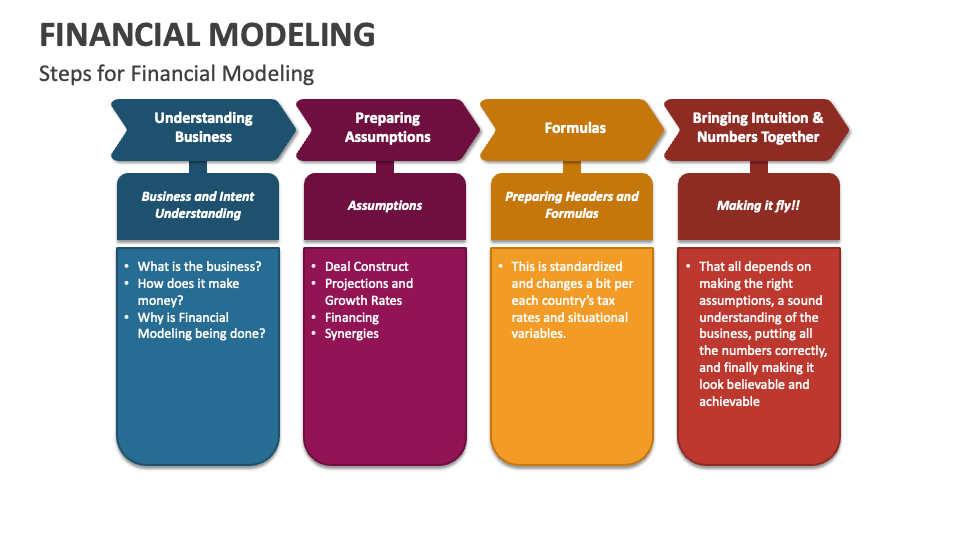
Financial Modeling is one of the most highly valued, but thinly understood, skills in financial analysis. The objective of financial modeling is to combine accounting, finance, and business metrics to create a forecast of a company’s future results.

According to Jeff Schmidt, a financial model is simply a spreadsheet, usually built in Microsoft Excel, that forecasts a business’s financial performance into the future. The forecast is typically based on the company’s historical performance and assumptions about the future and requires preparing an income statement, balance sheet, cash flow statement, and supporting schedules (known as a three-statement model, one of many types of approaches to financial statement modeling). From there, more advanced types of models can be built such as discounted cash flow analysis (DCF model), leveraged buyout (LBO), mergers and acquisitions (M&A), and sensitivity analysis

***

DEFINED TERMS

Discounted Cash Flow (DCF): A valuation method used to estimate the value of an investment based on its expected future cash flows, adjusted for the time value of money. It’s like deciding whether a treasure chest is worth diving for now, based on the gold coins you’ll be able to cash in later.

Sensitivity Analysis: This involves changing one variable at a time to see how it affects an outcome. Imagine tweaking your coffee-to-water ratio each morning to achieve the perfect brew strength.

Budget – A budget is the amount of money a department, function, or business can spend in a given period of time. Usually, but not always, finance does this annually for the upcoming year.

Rolling ForecastA rolling forecast maintains a consistent view over a period of time (often 12 months). When one period closes, finance adds one more period to the forecast.

Topside – A topside adjustment is an overlay to a forecast. This is typically completed by the corporate or headquarter team. As individual teams submit a forecast, the consolidated result might not make sense or align with expectations. When this occurs, the high-level teams use a topside adjustment to streamline or adjust the consolidated view.

Monte Carlo Simulation: Picture yourself at the casino, but instead of gambling your savings away, you’re using this technique to predict different outcomes of your business decisions based on random variables. It’s like playing financial roulette with the odds in your favor.

What-If Analysis: Ever daydream about what would happen if you took that leap of faith with your business? This tool allows you to explore various scenarios without risking a dime. It’s like trying on outfits in a virtual dressing room before making a purchase.

Leveraged Buyout (LBO) Model: This is a bit like orchestrating a heist, but legally. It’s about acquiring a company using borrowed money, with plans to pay off the debts with the company’s own cash flows. High stakes, high rewards.

Mergers and Acquisitions (M&A) Model: Picture two puzzle pieces coming together. This model evaluates how combining companies can create a new, more valuable entity. It’s the corporate version of a matchmaker.

Three Statement Model: The holy trinity of financial modeling, linking the income statement, balance sheet, and cash flow statement. It’s like weaving a tapestry where each thread is crucial to the overall picture.

Capital Asset Pricing Model (CAPM): A formula that calculates the expected return on an investment, considering its risk compared to the market. It’s like choosing the best roller coaster in the park, balancing thrill and safety.

Cash Flow Forecasting: This is your financial weather forecast, predicting the cash flow climate of your business. It helps you plan for sunny days and save for the rainy ones.

Cost of Capital: The price of financing your business, whether through debt or equity. It’s like the interest rate on your growth engine, pushing you to maximize every dollar invested.

Debt Schedule: A timeline of your business’s debts, showing when and how much you owe. It’s your roadmap to becoming debt-free, one milestone at a time.

Equity Valuation: Determining the value of a company’s shares. It’s like assessing the worth of a rare gemstone, ensuring investors pay a fair price for a piece of the treasure.

Financial Leverage: Using debt to amplify returns on investment. It’s like using a lever to lift a heavy object, increasing force but also risk.

Forecast Model: A crystal ball for your finances, projecting future performance based on past and present data. It’s your guide through the financial wilderness, helping you navigate with confidence.

Operating Model: A detailed blueprint of how a business generates value, mapping out operational activities and their financial impact. It’s like laying out the inner workings of a clock, ensuring every gear turns smoothly.

Revenue Growth Model: This tracks potential increases in sales over time, charting a course for expansion. It’s like plotting your ascent up a mountain, anticipating the effort required to reach the summit.

COMMENTS APPRECIATED

Subscribe, Like, Refer and Learn

***

***

BLACK MONDAY REDEUX: Interesting Day or Financial Crisis?

BILL ACKMAN versus JIM KRAMER

By Staff Reporters

SPONSOR: http://www.CertifiedMedicalPlanner.org

***

***

Interesting Day?

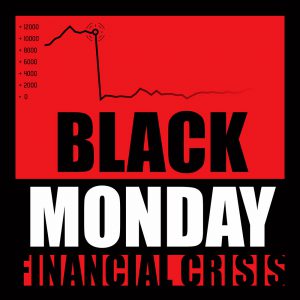
Markets: Last week’s market bloodbath will go down in the history books. The S&P 500’s 10% plunge on Thursday and Friday, after President Trump announced massive tariffs, ranks among the steepest two-day decline in the last 70 years, on par with Black Monday in 1987, the post-Lehman Brothers rout in 2008, and the Covid plunge in March 2020. More than $6 trillion was wiped out from stocks over two days, and the NASDAQ entered a bear market, down 20% from a previous high.

Trading restarted at 9:30 am ET for what Bill Ackman predicts will be “one of the more interesting days in our country’s economic history.”

***

Monday Crash?

On the other hand, CNBC host and market commentator Jim Cramer just warned that America is in store for another “Black Monday” market crash similar to the record 1987 collapse if President Trump doesn’t curtail his tariff plan.

Cramer — who noted that the 1987 crash saw the Dow Jones Industrial Average fall by 22.6% in a single day — said the bloodbath could be repeated after the brutal two-day sell-off following the announcement of Trump’s sweeping tariffs against nearly 90 countries.

If the president doesn’t try to reach out and reward these countries and companies that play by the rules, then the 1987 scenario … the one where we went down three days and then down 22% on Monday, has the most cogency,” Cramer said on his show Saturday, referencing the worst single-day fall in the history of the Dow.

QUESTION: Who is correct; Ackman or Cramer?

COMMENTS APPRECIATED

Read, Like, Refer and Subscribe

***

***

Registered Investment Advisor VERSUS Hedge Fund Manager

SPONSOR: http://www.CertifiedMedicalPlanner.org

By Staff Reporters

***

***

A hedge fund is a limited partnership of private investors whose money is pooled and managed by professional fund managers. These managers use a wide range of strategies, including leverage (borrowed money) and the trading of nontraditional assets, to earn above-average investment returns. A hedge fund investment is often considered a risky, alternative investment choice and usually requires a high minimum investment or net worth. Hedge funds typically target wealthy investors.

***

The Hedge Fund manager I am considering is a Registered Investment Adviser [RIA]

QUESTION: What is a Registered Investment Advisor?

If the fund manager is an entity, then any individual you deal with will be a registered investment adviser representative. If the fund manager is an individual, then that individual is a registered investment adviser. In either case, the designation implies several steps have been taken.

In order to become a registered investment adviser, an individual must register for and pass the Series 65 Uniform Investment Adviser Law Exam, a three-hour, 130-question computer-based exam administered by the North American Securities Administrators Association. Topics covered include economics and analysis, investment vehicles, investment recommendations and strategies, and ethics and legal guidelines. A passing score is 70 percent or higher.

Once an individual has passed the Series 65, he or she must then apply via Form ADV to become a registered investment adviser. This application is made to either a state authority or to the SEC, depending on the adviser’s assets under management. If assets under management exceed $30 million, then the adviser must register with the SEC.

Form ADV consists of two parts. Part I provides general information to the regulatory authority. Part II is designed to be distributed to potential clients, and includes disclosure of a decent amount of information about the adviser. If the manager is a registered investment adviser, then you should expect to receive as part of the offering documentation either a current copy of Part II of the adviser’s Form ADV or a brochure that contains all the current information in Part II of Form ADV.

In addition to filing Form ADV and paying a small fee, the registered investment adviser becomes subject to extra administrative/regulatory burden as well as capital adequacy requirements that state the Adviser must maintain certain net worth levels.

By and large, because of the extra administrative burden as well as restrictions on certain activities, hedge fund managers attempt to avoid registering as investment advisers. Whether such managers can or cannot avoid such registration is largely dependent upon the state in which the manager operates. In California, for instance, hedge fund managers must register as investment advisers. In New York, such registration is not necessary. Not surprisingly, hedge fund managers located in California are rare, while they are quite plentiful in New York. 

COMMENTS APPRECIATED

Read, Like, Subscribe and Refer

***

***

HEDGE FUND: Wrap Fees?

Staff Reporters

SPONSOR: http://www.CertifiedMedicalPlanner.org

***

***

A hedge fund is a limited partnership of private investors whose money is pooled and managed by professional fund managers. These managers use a wide range of strategies, including leverage (borrowed money) and the trading of nontraditional assets, to earn above-average investment returns. A hedge fund investment is often considered a risky, alternative investment choice and usually requires a high minimum investment or net worth. Hedge funds typically target wealthy investors.

***

My stock broker is telling me about a “wrap-fee” program involving a hedge fund manager.

QUESTION: What is a Wrap Fee?

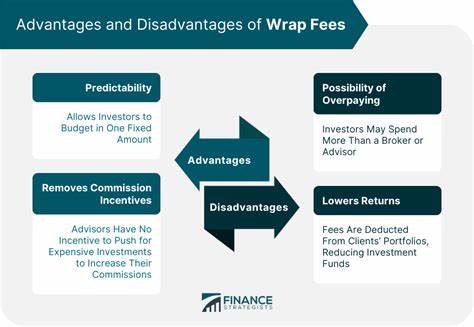
A wrap fee program is a service that provides investment advice and portfolio management to clients for one all-inclusive fee. The fee pays for the services provided to the client, including but not limited to securities transactions, portfolio management, research, brokerage, and administrative services. Wrap fee programs also provide an understanding of a client’s financial goals and objectives; research and selection of assets; implementation of investment decisions; account statements, and access to real-time financial data.

The Investment Advisers Act of 1940 regulates investment advisors when they offer these wrap fee programs and requires them to provide comprehensive disclosure documents before investing. This act helps ensure clients have access to all important information that affects their investment decisions.

QUESTION: Why do I need my stock broker? Can I just go directly to the hedge fund manager?

Yes, you can, but you may find a different fee arrangement when you reach the hedge fund manager, and you may be participating in an unethical transaction. When hedge fund managers set up separate accounts for wrap-fee clients, they agree to take a set fee in exchange for managing this money. They also enter into agreements with one or more brokers to help market this aspect of their money management business. A portion of the wrap fee you pay goes to the broker, and a portion goes to the manager. Incentive compensation is not generally used.

When approached directly, hedge fund managers will typically offer only the hedge fund, complete with incentive compensation and pooled investment features. However, if the hedge fund manager is willing to set up a separate account, it is possible that the investor will find the set fee much less than what he or she would have paid in a wrap fee account through a broker.

Finally, the very large caveat to all this is that the ethics of a hedge fund manager who steals clients from brokers with whom he has a marketing relationship ought to be called into question. And when it comes to hedge funds, the ethics of the manager are of paramount importance.

COMMENTS APPRECIATED

Read, Refer, Like and Subscribe

***

***

MONEY SCRIPTS: Fundamental Subconscious Beliefs and Economic Behavioral Patterns Defined

SALES PSYCHOLOGY FOR INVESTMENT ADVISORS, FINANCIAL ADVISORS, INSURANCE AGENTS, WEALTH MANAGERS AND FINANCIAL PLANNERS

By Dr. David Edward Marcinko; MBA MEd CMP®

http://www.MarcinkoAssociates.com

***

***

SPONSOR: http://www.CertifiedMedicalPlanner.org

***

***

Stocks were decimated yesterday in the first full trading day following President Trump’s tariff announcement. It was the biggest single-day decline since the start of the Covid-19 pandemic in March 2020. Every Magnificent Seven stock was battered—Apple worst of all. And so perhaps it is a good time to discuss the concept of “Money Scripts”.

***

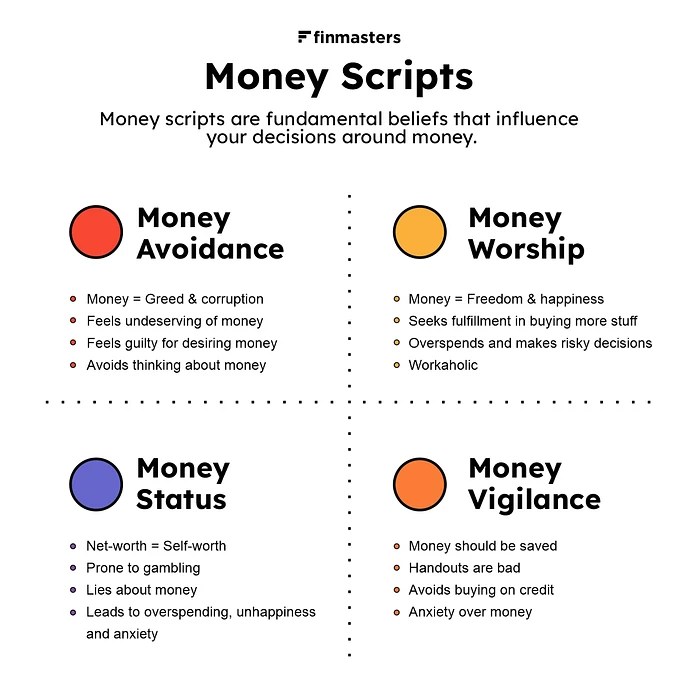
Money Scripts are unconscious beliefs about money that are typically only partially true, are developed in childhood, and drive adult financial behaviors. Money scripts may be the result of “financial flashpoints,” which are salient early experiences around money that have a lasting impact in adulthood. Money scripts are often passed down through the generations and social groups often share similar money scripts. And so, we argue that Money scripts are at the root of all illogical, ill-advised, self-destructive, or self-limiting financial behaviors.

In research at Kansas State University [KSU], researchers identified four distinct Money script patterns, which are associated with financial health and predict financial behaviors. These include: (a) money avoidance, (b) money worship, (c) money status, and (d) money vigilance [personal communication Brad Klontz, PsyD, CFP®, Kenneth Shubin-Stein, MD, MPH, MS, CFA and Sonya Britt, PhD, CFP®].

And so, we all like to think our financial decisions are fully rational, but the truth is that our subconscious beliefs have a dramatic impact on our money and financial decisions. These money scripts are important to know and understand. A summary is below:

            Money Avoidance

Money avoidance scripts are illustrated by beliefs such as “Rich people are greedy,” “It is not okay to have more than you need,” and “I do not deserve a lot of money when others have less than me.” Money avoiders believe that money is bad or that they do not deserve money. They believe that wealthy people are corrupt and there is virtue in living with less money. They may sabotage their financial success or give money away even though they cannot afford to do so. Money avoidance scripts may be associated with lower income and lower net worth and predict financial behaviors including ignoring bank statements, overspending, financial dependence on others, financial enabling of others, and having trouble sticking to a budget.

            Money Worship 

Money worship is typified by beliefs such as “More money will make you happier,” “You can never have enough money,” and “Money would solve all my problems.” Money worshipers are convinced that money is the key to happiness. At the same time, they believe that one can never have enough. Money worships have lower income, lower net worth, and higher credit card debt. They are more likely to be hoarders, spend compulsively, and put work ahead of family.

            Money Status

Money status scripts include “I will not buy something unless it is new,” “Your self-worth equals you net worth,” and “If something isn’t considered the ‘best’ it is not worth buying.” Money status seekers see net worth and self-worth as being synonymous. They pretend to have more money than they do and tend to overspend as a result. They often grew up in poorer families and believe that the universe should take care of their financial needs if they live a virtuous life. Money status scripts are associated with compulsive gambling, overspending, being financially dependent on others, and lying to one’s spouse about spending.

            Money Vigilance

Money vigilant beliefs include “It is important to save for a rainy day,” “You should always look for the best deal, even if it takes more time,” and “I would be a nervous wreck if I did not have an emergency fund.” The money vigilants are alert, watchful and concerned about their financial welfare. They are more likely to save and less likely to buy on credit. As a result, they tend to have higher income and higher net worth. They also have a tendency to be anxious about money and are secretive about their financial status outside of their household. While money vigilance is associated with frugality and saving, excessive anxiety can keep someone from enjoying the benefits that money can provide.

Identification

When money scripts are identified, it is helpful to examine where they came from. A simple behavioral finance technique involves reflecting on the following questions:

  • What three lessons did you learn about money from your mother?
  • What three lessons did you learn about money from your father?
  • What is your first memory around money?
  • What is your most painful money memory?
  • What is your most joyful money memory?
  • What money scripts emerged for you from this experience?
  • How have they helped you?
  • How have they hurt you?
  • What money scripts do you need to change?

Conclusion

Ideally, from a balanced middle ground, we can see past the limitations of money scripts, our self and others who are polarized. Those who believe “Money is meant to be spent” or “Money is meant to be saved” have a world view that results in extreme positions. Labeling them as “correct” or “wrong” is not a useful way to try to shift anyone’s polarized money script beliefs.

EDUCATION: Books

SPEAKING: Dr. Marcinko will be speaking and lecturing, signing and opining, teaching and preaching, storming and performing at many locations throughout the USA this year! His tour of witty and serious pontifications may be scheduled on a planned or ad-hoc basis; for public or private meetings and gatherings; formally, informally, or over lunch or dinner. All medical societies, financial advisory firms or Broker-Dealers are encouraged to submit a RFP for speaking engagements: CONTACT: MarcinkoAdvisors@outlook.com 

COMMENTS APPRECIATED

Read, Refer, Like and Subscribe

***

***

MEDICAL OFFICE: Patient Satisfaction Management

The “Soft Science” of Patient Relationship Management

***

By Dr. David Edward Marcinko; MBA MEd CMP

SPONSOR: http://www.CertifiedMedicalPlanner.org

***

INTRODUCTION

Patient satisfaction occurs when patient perceptions exceed their expectations. They get an intangible “something extra” from their visit, above what they paid for. When patient expectations match their perceptions, mutual obligations are fulfilled, making both practitioner and patient “break-even”.

The clinical result, within a relevant range, is only part of the patient’s perceptions. Numerous sub-conscious impressions comprise the remainder. We’ve all had patients love us despite a less than optimal result. We’ve all had patients angrily leave the practice over some non-clinical matter like a trivial billing dispute. A patient’s perception of any health care service is colored by a vast array of prior experiences that set up current expectations. The patient is pleased to the extent that his current perceptions exceed his/her pre existing expectations. This encompasses far more than the clinical result (within a relevant range), and includes such non-treatment issues as the demeanor of the staff, condition of the physical premises, psychological comfort during the visit, etc.

Remember, all patients talk about you anyway. In the past, a happy patient told four others about what a nice doctor you are. Today, patients post website comments or blogs immediately after their visits. They are more likely to complete treatment and follow instructions, thus obtaining a better medical outcome, and, generating additional fees for the practice. They pay quicker, cause less bad-debt and help create a pleasant environment for us to work in.

An unhappy patient vehemently tells nine others, onground or online, what a nasty greedy rip-off artist you are. Sad, but true! They are not as likely to complete treatment, thus incurring a less than optimal result, and generate fewer fees. They pay slower, if at all, create a stressed environment and detrimentally affect the attitude of other patients in the office.

Try to eliminate problems that might cause negative perceptions (i.e., a filthy restroom) and implement controls that help assure positive perceptions. Patient satisfaction is a soft managerial science. It is a numbers game. Most patients don’t pre-define what would be “acceptable” from this encounter, but have vaguely defined ranges of prior expectations anyway, gleaned from a lifetime of health care related experience. Any variance between these this “acceptable” range of expectations and each trivial encounter invokes some degree positive or negative feeling in the patient.

***

***

The total perception of the office experience is an aggregate of multiple trivial, often subliminal, observations. Patient satisfaction is an intangible and amorphous process complicated by:

Inter patient variables: Significant differences between patients in their “expectations”.
Intra patient variables: A single patient can perceive the same thing or situation differently at different times, depending on uncontrollable variables like mood, or, context of occurrence which may (sometimes and/or partially) be controllable by the practice.
Luck of the draw” in physical variables: Does Sally or Mary escort the patient to the exam room? Was it the blue or green exam room? Did the last patient to use the rest room, five minutes ago, leave a disgusting mess?
Heterogeneous staff variables: Even with appropriate training, people are not machines and have their own quirks.

ASSESSMENT

By proactively anticipating the entire visit, from the patient’s perspective, the practitioner can structure and arrange things such that most patients have, mostly positive perceptions, most of the time. This can be done despite all the potential hetero-genicity of the above factors. Patient satisfaction can be improved in any office, and can be done by anyone.

CONCLUSION

Because patient satisfaction is a multi-faceted amorphous subject, there are multiple correct approaches to the subject and no “cook book” recipe on how to proceed. Try and get the big picture. Identify the worst areas and fix them. Identify the best areas and reinforce them. Proceed slowly. It can be done one facet at a time. Adapt things to your own managerial style and personality. Be completely open to suggestion and change.

Finally, be aware that patient relationship and satisfaction implementation strategies frequently overlap.

EDUCATION: Books

SPEAKING: Dr. Marcinko will be speaking and lecturing, signing and opining, teaching and preaching, storming and performing at many locations throughout the USA this year! His tour of witty and serious pontifications may be scheduled on a planned or ad-hoc basis; for public or private meetings and gatherings; formally, informally, or over lunch or dinner. All medical societies, financial advisory firms or Broker-Dealers are encouraged to submit a RFP for speaking engagements: MarcinkoAdvisors@outlook.com 

COMMENTS APPRECIATED

Read Refer, Like and Subscribe

***

***

HEDGE FUNDS: In Individual Retirement Accounts?

By Staff Reporters

SPONSOR: http://www.CertifiedMedicalPlanner.org

***

***

QUESTION: What is a Hedge Fund?

A hedge fund is a limited partnership of private investors whose money is pooled and managed by professional fund managers. These managers use a wide range of strategies, including leverage (borrowed money) and the trading of nontraditional assets, to earn above-average investment returns. A hedge fund investment is often considered a risky, alternative investment choice and usually requires a high minimum investment or net worth. Hedge funds typically target wealthy investors.

***

SPONSOR: http://www.MARCINKOASSOCIATES.com

***

QUESTION: Can I invest my Individual Retirement Account [IRA] in a Hedge Fund?

This is up to the manager, but there is no legal restriction on a hedge fund accepting individual retirement account (IRA) assets. IRA accounts are not well suited for funds that make extensive use of leverage, however. In such cases, the fund is likely to generate significant amounts of unrelated business taxable income (UBTI) – profits of the fund attributable to the use of leverage. The holder of an IRA account must pay taxes on UBTI, even if the UBTI was generated in an IRA account.

But, today’s hedge funds may or may not use leverage. Many hedge funds are not hedged at all, but rather are just specialized versions of regular long stock portfolios. If such funds do not use much leverage, IRA investors will not encounter much difficulty with UBTI and should not hesitate in considering these funds.

In considering whether to accept IRA money, hedge fund managers must consider several factors. If the only type of retirement money accepted by the hedge funds is IRA money, then the manager has no limit on how much retirement money the fund can accept. If, however, there are other types of retirement money invested in the fund, such as pension funds, IRA money will be counted towards a total of 25 percent of fund assets that can be invested in retirement accounts before the fund becomes subject to the Employment Retirement Income Security Act of 1974 (ERISA). Funds subject to ERISA regulations face a heavy administrative burden and more restrictions than most fund managers like.

Finally, IRA distributions from a hedge fund are subject to the standard 20 percent withholding unless the funds are directly rolled over to other qualified plans.

COMMENTS APPRECIATED

Read, Review, Like, Refer and Subscribe

***

***

ACCOUNTABLE CARE ORGANIZATION: A Financially Toxic Contract Example for Physicians

SPONSOR: http://www.MarcinkoAssociates.com

By. Dr. David Edward Marcinko; MBA MEd CMP®

***

SPONSOR: http://www.CertifiedMedicalPlanner.org

***

WARNING – DISASTROUS ACO EXAMPLE – WARNING

GIVEN CASH FLOW MODEL

Suppose that in a new Accountable Care Organization [ACO] contract, a certain medical practice was awarded a new global payment or capitation styled contract that increased revenues by $100,000 for the next fiscal year. The practice had a gross margin of 35% that was not expected to change because of the new business. However, $10,000 was added to medical overhead expenses for another assistant and all Account’s Receivable (AR) are paid at the end of the year, upon completion of the contract.

Cost of Medical Services Provided (COMSP):

The Costs of Medical Services Provided (COMSP) for the ACO business contract represents the amount of money needed to service the patients provided by the contract.  Since gross margin is 35% of revenues, the COMSP is 65% or $65,000.  Adding the extra overhead results in $75,000 of new spending money (cash flow) needed to treat the patients. Therefore, divide the $75,000 total by the number of days the contract extends (one year) and realize the new contract requires about $ 205.50 per day of free cash flows.

Assumptions

Financial cash flow forecasting from operating activities allows a reasonable projection of future cash needs and enables the doctor to err on the side of fiscal prudence. It is an inexact science, by definition, and entails the following assumptions:

  • All income tax, salaries and Accounts Payable (AP) are paid at once.
  • Durable medical equipment inventory and pre-paid advertising remain constant.
  • Gains/losses on sale of equipment and depreciation expenses remain stable.
  • Gross margins remain constant.
  • The office is efficient so major new marginal costs will not be incurred.

***

***

Physician Reactions:

Since many physicians are still not entirely comfortable with global reimbursement, fixed payments, capitation or ACO reimbursement contracts; practices may be loath to turn away short-term business in the ACA era.  Physician-executives must then determine other methods to generate the additional cash, which include the following general suggestions:

1. Extend Account’s Payable

Discuss your cash flow difficulties with vendors and emphasize their short-term nature. A doctor and her practice still has considerable cache’ value, especially in local communities, and many vendors are willing to work them to retain their business

2. Reduce Accounts Receivable

According to most cost surveys, about 30% of multi-specialty group’s accounts receivable (ARs) are unpaid at 120 days. In addition, multi-specialty groups are able to collect on only about 69% of charges. The rest was written off as bad debt expenses or as a result of discounted payments from Medicare and other managed care companies. In a study by Wisconsin based Zimmerman and Associates, the percentages of ARs unpaid at more than 90 days is now at an all time high of more than 40%. Therefore, multi-specialty groups should aim to keep the percentage of ARs unpaid for more than 120 days, down to less than 20% of the total practice. The safest place to be for a single specialty physician is probably in the 30-35% range as anything over that is just not affordable.

The slowest paid specialties (ARs greater than 120 days) are: multi-specialty group practices; family practices; cardiology groups; anesthesiology groups; and gastroenterologists, respectively. So work hard to get your money, faster. Factoring, or selling the ARs to a third party for an immediate discounted amount is not usually recommended.

3. Borrow with Short-Term Bridge Loans

Obtain a line of credit from your local bank, credit union or other private sources, if possible in an economically constrained environment. Beware the time value of money, personal loan guarantees, and onerous usury rates. Also, beware that lenders can reduce or eliminate credit lines to a medical practice, often at the most inopportune time.

4. Cut Expenses

While this is often possible, it has to be done without demoralizing the practice’s staff.

5.  Reduce Supply Inventories

If prudently possible; remember things like minimal shipping fees, loss of revenue if you run short, etc.

6. Taxes

Do not stop paying withholding taxes in favor of cash flow because it is illegal.

Hyper-Growth Model:

Now, let us again suppose that the practice has attracted nine more similar medical contracts. If we multiple the above example tenfold, the serious nature of potential cash flow problem becomes apparent. In other words, the practice has increased revenues to one million dollars, with the same 35% margin, 65% COMSP and $100,000 increase in operating overhead expenses. 

Using identical mathematical calculations, we determine that $750,000 / 365days equals $2,055.00 per day of needed new free cash flows!  Hence, indiscriminate growth without careful contract evaluation and cash flow analysis is a prescription for potential financial disaster.

COMMENTS APPRECIATED

Subscribe, Read, Refer and Like

EDUCATION: Books

SPEAKING: Dr. Marcinko will be speaking and lecturing, signing and opining, teaching and preaching, storming and performing at many locations throughout the USA this year! His tour of witty and serious pontifications may be scheduled on a planned or ad-hoc basis; for public or private meetings and gatherings; formally, informally, or over lunch or dinner. All medical societies, financial advisory firms or Broker-Dealers are encouraged to submit a RFP for speaking engagements: CONTACT: MarcinkoAdvisors@outlook.com 

***

***

MERGER ARBITRAGE: Risk Arbitrage Defined

By Dr. David Edward Marcinko; MBA MEd CMP

***

Sponsor: http://www.CertifiedMedicalPlanner.org

***

Merger Arbitrage (a.k.a. Risk Arbitrage)

Merger risk arbitrage, while a subset of a larger strategy called event-driven arbitrage, represents a sufficient portion of the market-neutral universe to warrant separate discussion.

Merger arbitrage earned a bad reputation in the 1980s when Ivan Boesky and others like him came to regard insider trading as a valid investment strategy. That notwithstanding, merger arbitrage is a respected strategy and when executed properly, can be highly profitable. It bets on the outcomes of mergers, takeovers and other corporate events involving two stocks which may become one.

Example:

A classic example is acquisition of SDL Inc. (SDLI) by JDS Uniphase Corp (JDSU). On July 10, 2010 JDSU announced its intent to acquire SDLI by offering to exchange 3.8 shares of its own shares for one share of SDLI. At that time, the JDSU shares traded at $101 and SDLI at $320.5. It was apparent that there was almost 20 percent profit to be realized if the deal went through (3.8 JDSU shares at $101 are worth $383 while SDLI was worth just $320.5).

This apparent mispricing reflected the market’s expectation about the deal’s outcome. Since the deal was subject to the approval of the U.S. Justice Department and shareholders, there was some doubt about its successful completion.

Risk arbitrageurs who did their homework and properly estimated the probability of success bought shares of SDLI and simultaneously sold short shares of JDSU on a 3.8 to 1 ratio, thus locking in the future profit. Convergence took place about eight months later, in February 2011, when the deal was finally approved and the two stocks began trading at exact parity, eliminating the mis-pricing and allowing arbitrageurs to realize a profit.

***

***

Hedge Fund Research defines the strategy as follows:

Merger Arbitrage,also known as risk arbitrage, involves investing in securities of companies that are the subject of some form of extraordinary corporate transaction, including acquisition or merger proposals, exchange offers, cash tender offers and leveraged buy-outs. These transactions will generally involve the exchange of securities for cash, other securities or a combination of cash and other securities. Typically, a manager purchases the stock of a company being acquired or merging with another company, and sells short the stock of the acquiring company. A manager engaged in merger arbitrage transactions will derive profit (or loss) by realizing the price differential between the price of the securities purchased and the value ultimately realized when the deal is consummated. The success of this strategy usually is dependent upon the proposed merger, tender offer or exchange offer being consummated.

When a tender or exchange offer or a proposal for a merger is publicly announced, the offer price or the value of the securities of the acquiring company to be received is typically greater than the current market price of the securities of the target company. Normally, the stock of an acquisition target appreciates while the acquiring company’s stock decreases in value. If a manager determines that it is probable that the transaction will be consummated, it may purchase shares of the target company and in most instances, sell short the stock of the acquiring company. Managers may employ the use of equity options as a low-risk alternative to the outright purchase or sale of common stock. Many managers will hedge against market risk by purchasing S&P put options or put option spreads.

Cite: https://www.hfr.com See § 23.03[E].


COMMENTS APPRECIATED

Read, Learn, Subscribe and Like

***

***

Providing Physician Centric [Not Advisor Centric] Holistic Financial Planning Advice

BY DR. DAVID EDWARD MARCINKO MBA MEd CMP

***

SPONSOR: http://www.MarcinkoAssociates.com

***

Selecting a Healthcare Focused Financial Advisory Team

Most retail financial services products are designed to enhance the well-being of the Financial Advisor and vendor at the expense of clients.

The clients get only the leftovers.

Of course, no one tells them that secret.

They have to figure it out for themselves.

As the old line goes, “Where are the customers’ boats?”

Rowland, M: Planning Periscope [Where Advisors are the Clients]. Financial Advisors Magazine; page 36, April 2014.

EDUCATION: Books

SPEAKING: Dr. Marcinko will be speaking and lecturing, signing and opining, teaching and preaching, storming and performing at many locations throughout the USA this year! His tour of witty and serious pontifications may be scheduled on a planned or ad-hoc basis; for public or private meetings and gatherings; formally, informally, or over lunch or dinner. All medical societies, financial advisory firms or Broker-Dealers are encouraged to submit a RFP for speaking engagements: MarcinkoAdvisors@outlook.com 

COMMENTS APPRECIATED

Refer, Like and Subscribe

***

***

CURRENT RATE OF RETURN: Defined

By Staff Reporters

SPONSOR: http://www.CertifiedMedicalPlanner.org

***

***

Current Rate of Return

An important concept for all medical professionals to understand is the current rate of return (CCR).

According to this principle, the current rate of a taxable return must be evaluated in reference to a similar non-taxable rate of return. This allows you to focus on your portfolio’s real (after-tax return), rather than its’ nominal, or stated return.

Now, since most medical professionals own a combination of both vehicles, it is important to calculate the average rate of return (ARR), as demonstrated in the following matrix. Usually, this will result in the assumption of more risk, for the possibility of great return.

To compare after tax yields, with taxable yields, use the following formulas:

Tax equivalent yield = yield / (1 – MTB), while taxable yield X (1-tax rate) = tax exempt yield.

Example: if the yield on a tax exempt municipal bond was 6%, and you are in a 28% tax bracket; the equivalent taxable yield (ETY), is 8.3%, calculated in the following manner: 06 / 1.00 – .28 =.083, or, 8.3% ETY. This means that you would need a taxable instrument paying almost 9 % to equal the 6 percent tax exempt bond.       

COMMENTS APPRECIATED

Subscribe, Read, Like and Refer

***

***

FINANCIAL ADVISORS: Real Monetary Worth?

BY DR. DAVID EDWARD MARCINKO; MBA MEd CMP®

***

SPONSOR: http://www.MarcinkoAssociates.com

***

SO – HOW MUCH IS A “FINANCIAL ADVISOR” REALLY WORTH?

This blog holds a rather uncomplimentary opinion of financial advisors, and the financial services and brokerage industry as a whole; deserved, or not? The entire site hints at this attitude as well, in favor of a going it alone or ME, Inc investing when possible. Nevertheless, it is reasonable to wonder how much boost in net-returns might an educated and informed, fee transparent and honest, fiduciary focused “financial advisor” add to a clients’ investment portfolio; all things being equal [ceteris paribus].

And, can it be quantified?

Well, according to Vanguard Brokerage Services®, perhaps as much as 3%? In a decade long paper from the Valley Forge, PA based mutual fund and ETF giant, Vanguard said financial advisors can generate returns through a framework focused on five wealth management principles:

Being an effective behavioral coach: Helping clients maintain a long-term perspective and a disciplined approach is arguably one of the most important elements of financial advice. (Potential value added: up to 1.50%).

Applying an asset location strategy: The allocation of assets between taxable and tax-advantaged accounts is one tool an advisor can employ that can add value each year. (Potential value added: from 0% to 0.75%).

Employing cost-effective investments: This component of every advisor’s tool kit is based on simple math: Gross return less costs equals net return. (Potential value added: up to 0.45%).

Maintaining the proper allocation through rebalancing: Over time, as investments produce various returns, a portfolio will likely drift from its target allocation. An advisor can add value by ensuring the portfolio’s risk/return characteristics stay consistent with a client’s preferences. (Potential value added: up to 0.35%).

Implementing a spending strategy: As the retiree population grows, an advisor can help clients make important decisions about how to spend from their portfolios. (Potential value added: up to 0.70%).

Source: Financial Advisor Magazine, page 20, April 2014.

Assessment

However, Vanguard notes that while it’s possible all of these principles could add up to 3% in net returns for clients, it’s more likely to be an intermittent number than an annual one because some of the best opportunities to add value happen during extreme market lows and highs when angst or giddiness [fear and greed] can cause investors to bail on their well-thought-out investment plans.

And, is the study applicable to doctors and allied healthcare providers? Doe Vanguard have a vested interest in the topic. What about fee based versus fee-only financial advice?

Conclusion

Finally, recognize the plethora of other financial planning life-cycle topics addressed in this ME-P were not included in the Vanguard investment portfolio-only study a decade ago. 

And what about today with contemporaneous internet advising, chat-rooms, linkedin, robo-advisors, reddit and the like?

COMMENTS APPRECIATED

Read, Subscribe and Like

EDUCATION: Books

***

***

MEDICAL PRACTICE: Valuation Adjustments

NET INCOME STATEMENT AND BALANCE SHEET ADJUSTMENTS

By Dr. David Edward Marcinko; MBA MEd CMP®

***

***

SPONSOR: http://www.MarcinkoAssociates.com

Net Income Statement Adjustments

When analyzing a set of financial statements to determine practice value, adjustments (normalizations) generally are needed to produce a clearer picture of likely future income and distributable cash flow. It also allows more of an “apples to apples” line item comparison. This normalization process usually consists of making three main adjustments to a medical practice’s net income (profit and loss) statement.

1. Non-Recurring Items: Estimates of future distributable cash flow should exclude non-recurring items. Proceeds from the settlement of litigation, one-time gains/losses from the selling of assets or equipment, and large write-offs that are not expected to reoccur, each represent potential nonrecurring items. The impact of nonrecurring events should be removed from the practice’s financial statements to produce a clearer picture of likely future income and cash flow.

2. Perquisites: The buyer of a medical practice may plan to spend more or less than the current doctor-owner for physician executive compensation, travel and entertainment expenses, and other perquisites of current management. When determining future distributable cash flow, income adjustments to the current level of expenditures should be made for these items.

3. Non-cash Expenses: Depreciation expense, amortization expense, and bad debt expense are all non-cash items which impact reported profitability. When determining distributable cash flow, you must analyze the link between non-cash expenses and expected cash expenditures.

The annual depreciation expense is a proxy for likely capital expenditures over time. When capital expenditures and depreciation are not similar over time, an adjustment to expected cash flow is necessary. Some practices reduce income through the use of bad debt expense rather than direct write-offs. Bad debt expense is a non-cash expense that represents an estimate of the dollar volume of write-offs that are likely to occur during a year. If bad debt expense is understated, practice profitability will be overstated.

***

***

Balance Sheet Adjustments

Adjustments also can be made to a practice’s balance sheet to remove non-operating assets and liabilities, and to restate asset and liability value at market rates (rather than cost rates). Assets and liabilities that are unrelated to the core practice being valued should be added to or subtracted from the value, depending on whether they are acquired by the buyer.

Examples include the asset value less outstanding debt of a vacant parcel of land, and marketable securities that are not needed to operate the practice. Other non-operating assets, such as the cash surrender value of officer life insurance, generally are liquidated by the seller and are not part of the business transaction.

EDUCATION: Books

SPEAKING: Dr. Marcinko will be speaking and lecturing, signing and opining, teaching and preaching, storming and performing at many locations throughout the USA this year! His tour of witty and serious pontifications may be scheduled on a planned or ad-hoc basis; for public or private meetings and gatherings; formally, informally, or over lunch or dinner. All medical societies, financial advisory firms or Broker-Dealers are encouraged to submit a RFP for speaking engagements: CONTACT: MarcinkoAdvisors@outlook.com 

COMMENTS APPRECIATED

Subscribe, Refer and Like

***

***

Sc.D versus Ph.D Degree

By Staff Reporters

SPONSOR: http://www.CertifiedMedicalPlanner.org

***

***

In the United States, the difference between a Ph.D and a Sc.D is that the former is awarded to most, if not all, disciplines, while a Sc.D is awarded to science or STEM (science, technology, engineering, mathematics) disciplines.

This means that, in the United States at least, a Ph.D and a Sc.D are equal to one another in terms of telling people about an individual’s mastery of a particular skill, training, and prestige. A Ph.D holder and a Sc.D holder are viewed as peers and equals by most, if not all, American universities.

Meanwhile in Europe, according to Emily Summer, the difference between a Ph.D and a Sc.D is that the former is awarded at the start of an academic career, while the Sc.D is awarded much later, after the individual has built up an impressive body of work.

COMMENTS APPRECIATED

Subscribe and Refer

***

***

PHYSICIAN ESTATE PLANNING: Choosing a Personal Representative or Executor for Your Last Will and Testament

By Dr. David Edward Marcinko MBA MEd CMP®

***

***

Your Executor or personal representative is named in your Will and is responsible for management of assets subject to probate. A basic checklist of the duties of the personal representative looks like this:

  1. Gather all estate assets;
  2. Collect all amounts owed the decedent;
  3. Notify creditors and paying all valid debts;
  4. Selling assets as needed to pay expenses or as directed by the Will;
  5. Distribute assets to beneficiaries;
  6. File decedents final federal income tax return;
  7. File an estate tax return if the estate is large enough; and
  8. File inventories and annual returns with the probate court, if required.

The position requires a lot of responsibility and involves many duties and a considerable commitment of time. The personal representative must petition the probate court for formal appointment.

Selection of your personal representative should not be made lightly, or as a favor to a friend.  It requires a lot of work and very often for little or no pay.  Friends and family typically will not charge the estate for their time and work.  Outside advisers like attorneys and accountants will not hesitate to bill for their work effort.  A few items for your selection criteria should be:

  1. Longevity – the person should have a likelihood of being able to serve after your death;
  2. Skill in managing legal and financial affairs;
  3. Familiarity with your estate and wishes;
  4. Integrity and loyalty; and
  5. Impartiality and absence of conflicts of interest.

Alternatives to family or friends might be a corporate executor, such as a bank, an attorney, or other adviser.  Similar criteria should be used in the selection of a trustee.

EDUCATION: Books

SPEAKING: Dr. Marcinko will be speaking and lecturing, signing and opining, teaching and preaching, storming and performing at many locations throughout the USA this year! His tour of witty and serious pontifications may be scheduled on a planned or ad-hoc basis; for public or private meetings and gatherings; formally, informally, or over lunch or dinner. All medical societies, financial advisory firms or Broker-Dealers are encouraged to submit a RFP for speaking engagements: MarcinkoAdvisors@outlook.com 

COMMENTS APPRECIATED

Refer, Like and Subscribe

***

***

STOCK: Common V. Preferred V. Hybrid Securities

BY DR. DAVID EDWARD MARCINKO; MBA MEd CMP™

SPONSOR: http://www.MarcinkoAssociates.com

***

***

Common Stock versus Preferred Stock

A common stock is the least senior of securities issued by a company.  A preferred stock, in contrast, is slightly more senior to common stock, since dividends owed to the preferred stockholders should be paid before distributions are made to common stockholders. 

However, distributions to preferred stockholders are limited to the level outlined in the preferred stock agreement (i.e., the stated dividend payments).  Like a fixed income security, preferred stocks have a specific periodic payment that is either a fixed dollar amount or an amount adjusted based upon short-term market interest rates.  However, unlike fixed income securities, preferred stocks typically do not have a specific maturity date and preferred stock dividend payments are made from the corporation’s after tax income rather than its pre-tax income.  Likewise, dividends paid to preferred stockholders are considered income distributions to the company’s equity owners rather than creditors, so the issuing corporation does not have the same requirement to make dividend distributions to preferred stockholders. 

Preferred Stock

Thus, preferred stock is generally referred to as a “hybrid” security, since it has elements similar to both fixed income securities (i.e., a stated periodic payments) and equity securities (i.e., shareholders are considered owners of the issuing company rather than creditors). 

Hybrid Securities

Convertible preferred stocks (and convertible corporate bonds) are also considered hybrid securities since they have both equity and fixed income characteristics.   A convertible security whether a preferred stock or a corporate bond, generally includes a provision that allow the security to be exchanged for a given number of common stock shares in the issuing corporation. The holder of a convertible security essentially owns both the preferred stock (or the corporate bond) and an option to exchange the preferred stock (or corporate bond) for shares of common stock in the company. 

Thus, at times the convertible security may behave more like the issuing company’s common stock than it does the issuing company’s preferred stock (or corporate bonds), depending upon how close the common stock’s market price is to the designated conversion price of the convertible security.

EDUCATION: Books

SPEAKING: Dr. Marcinko will be speaking and lecturing, signing and opining, teaching and preaching, storming and performing at many locations throughout the USA this year! His tour of witty and serious pontifications may be scheduled on a planned or ad-hoc basis; for public or private meetings and gatherings; formally, informally, or over lunch or dinner. All medical societies, financial advisory firms or Broker-Dealers are encouraged to submit a RFP for speaking engagements:

COMMENTS APPRECIATED

Refer, Like and Subscribe

***

***

PT BARNUM: Forer Bias Effect

By Dr. David Edward Marcinko MBA MEd CMP™

SPONSOR: http://www.MarcinkoAssociates.com

***

***

As in the case of Declinism, to better understand the Forer effect (commonly known as the Barnum Effect), it’s helpful to acknowledge that people like their world to make sense. If it didn’t, we would have no pre-existing routine to fall back on and we’d have to think harder to contextualise new information.

Note: Phineas Taylor Barnum (July 5, 1810 – April 7, 1891) was an American showman, businessman, and politician remembered for promoting celebrated hoaxes and founding with Jim Bailey the Ringling Bros. and Barnum & Bailey Circus. He was also an author, publisher, and philanthropist although he said of himself: “I am a showman by profession … and all the gilding shall make nothing else of me.” According to Barnum’s critics, his personal aim was “to put money in his own coffers”. According to Wikipedia, the adage “there’s a sucker born every minute” has frequently been attributed to him, although no evidence exists that he had coined the phrase

With that, if there are gaps in our thinking of how we understand things, we will try to fill those gaps in with what we intuitively think makes sense, subsequently reinforcing our existing schema(s). As our minds make such connections to consolidate our own personal understanding of the world, it is easy to see how people can tend to process vague information and interpret it in a manner that makes it seem personal and specific to them. Given our egocentric nature (along with our desire for nice, neat little packages and patterns), when we process vague information, we hold on to what we deem meaningful to us and discard what is not. Simply, we better process information we think is specifically tailored to us, regardless of ambiguity.

More specifically, according to colleague Dan Ariely PhD, the Forer effect refers to the tendency for people to accept vague and general personality descriptions as uniquely applicable to themselves without realizing that the same description could be applied to just about everyone else (Forer, 1949). For example, when people read their horoscope, even vague, general information can seem like it’s advising something relevant and specific to them.

Remember, we make thousands of decisions every day, some more important than others. Make sure that the ones that do matter are not made based on bias, but rather on reflective judgment and critical thinking.

EDUCATION: Books

SPEAKING: Dr. Marcinko will be speaking and lecturing, signing and opining, teaching and preaching, storming and performing at many locations throughout the USA this year! His tour of witty and serious pontifications may be scheduled on a planned or ad-hoc basis; for public or private meetings and gatherings; formally, informally, or over lunch or dinner. All medical societies, financial advisory firms or Broker-Dealers are encouraged to submit a RFP for speaking engagements: MarcinkoAdvisors@outlook.com 

COMMENTS APPRECIATED

Subscribe Today!

***

***

TIME VALUE MONEY: Present Dollars – Future Dollars

BY DR. DAVID EDWARD MARCINKO; MBA MEd CMP™

SPONSOR: http://www.MarcinkoAssociates.com

***

***

[A] Marketability and Liquidity

Marketability and liquidity are two concepts that are interrelated but often confused by the medical professional. Marketability deals with the speed at which an asset can be turned into cash. Liquidity, on the other hand, deals with an asset that can be turned to cash without a significant loss of value. A physician’s practice may still be good investment, but is it not particularly marketable or liquid. A common stock traded on the New York Stock Exchange can be easily sold for its quoted fair market value.

[B] The Time Value of Money

To the young physician starting a career, the time value of money is not a primary concern. It involves spending dollars in the future compared with spending today. Paying off high student loans while earning a relatively low salary leaves barely enough for present personal consumption. In the past, the rationale to spend today, forsaking the future, was not only a function of necessity but stemmed from the probability that future income would grow appreciably higher. Today, this is no longer a given for medical professionals.

In the simplest terms, a dollar today is worth more than a dollar tomorrow. The supply and demand for a dollar today to be paid back in the future is what determines interest rates.  This calls for an understanding of the concepts of present and future value.

Present value is what you have today. So a dollar is a worth a dollar.Future value is what that dollar will grow to when compounded at a given interest rate. If you started with 100 dollars and earned 10 percent for five years, you would end up with 161 dollars.

Year                  Paying                  Interest                 Ending                Interest

                      Amount of                 Factor                 Amount              (annual)

1                       $ 100                       1.10                  $ 110.00                 $ 10.00

2                          110                       1.10                     121.00                    11.00

3                          121                       1.10                     133.10                    12.10                               

4                          133.10                  1.10                     146.41                    13.31

5                          146.41                  1.10                     161.05                    14.64      

                                                                                                                 $ 61.05

Whenever you do not have a financial calculator, such as a Hewlett-Packard 12-C, Texas Instruments BA III plus, apps, SAAS, or computer spreadsheet or handy, you can figure future value with this formula.

FV = PV (1 + i)^N

FV is future value and PV is present value. The periodic interest rate is represented by the i. The number of periods being compounded is the n. The N means to the power of some number. In the example above, the equation would appear as follows:

FV = $100(1+.1)^2

FV = $100(1.21)

FV = $121

                                                                                                   N

Likewise, the formula for present value is: PV = amount / (1 + i )

Other time value of money concepts, easily determined with a calculator, or interest table include the future value of multiple (equal) cash flows (ordinary annuity); conversion to an annuity due; the present value of multiple (equal) cash flows (ordinary annuity); and the conversion to an annuity due.

Example: Determining a Funding Amount

Dr. Smith has a daughter who plays the piano very well. He wishes to accumulate funds for his daughter Mackenzie’s advanced music education. He estimates that she will need $6,000 per year in today’s dollars, and will start school at age 18. She is 10 years old now. Costs are expected to increase 6 percent annually. Dr. Smith and his financial advisor believe that he can earn 9 percent after tax on his funds. How much is required?

Step # 1: Determine the future value of $6,000, 8 years from now. Or, what will Mackenzie’s first-year piano school cost, considering inflation?

Using a financial calculator, such as the HP 12-C: @ 8n (years), 6i (interest rate); $ 6,000 PV; the future value is $9,563

Step # 2: Next, determine the lump sum necessary to provide the above amount at the start of each year (present value annuity due).

Again, using the HP12-C @ $9,563 PMT; g7 (PVAD); 4 N; 1.09/1.06 i; the present value is $36, 702.  

Step # 3: Compute the annual savings required at the end of each year (ordinary annuity) to provide the lump sum needed at age 18.

Finally, calculate with the HP 12-C @ g8 (ordinary annuity); $ 36,702 FV; 8N; 9i, and solve for PMT = $ 3,328.

EDUCATION: Books

SPEAKING: Dr. Marcinko will be speaking and lecturing, signing and opining, teaching and preaching, storming and performing at many locations throughout the USA this year! His tour of witty and serious pontifications may be scheduled on a planned or ad-hoc basis; for public or private meetings and gatherings; formally, informally, or over lunch or dinner. All medical societies, financial advisory firms or Broker-Dealers are encouraged to submit a RFP for speaking engagements: MarcinkoAdvisors@outlook.com 

COMMENTS APPRECIATED

Subscribe, Refer and Like.
***

***

STOCK DIVIDENDS: Company Earnings Distribution

BY DR. DAVID EDWARD MARCINKO; MBA MEd CMP™

***

SPONSOR: http://www.MarcinkoAssociates.com

DEFINITION

If the definition of a security is title to a stream of cash flows, then the dividends a company is expected to pay to equity shareholders on a periodic basis (e.g., quarterly) are a clear source of return for an investor.  A dividend is simply a distribution of (some portion of) the company’s earnings to equity shareholders.  Like a bond yield, a stock’s dividend yield can be used to measure the income return on the stock. 

To determine a stock’s dividend yield, the trailing year’s dividends per share paid are divided by the current stock price.  However, a key difference between a dividend yield and a bond yield is the level of certainty that can be assumed regarding future payments, since a bond’s coupon is generally predetermined and its payment is expected to be senior to the payment of dividends.

After a company has determined that it has earned a profit, management has to decide what to do with those profits.  One choice is to distribute the earnings to shareholders in the form of dividends, while another option is to reinvest the profits in the company.  A company’s management may determine that the shareholders interest is best served by using the earnings to pursue growth opportunities (e.g., capital expansion, research & development, etc.) at the corporate level.  Thus, when management believes that its investment opportunities are likely to produce a higher return than what investors’ could generate with their dividends or that reinvestment is needed to maintain its financial strength, the company will retain the earnings. 

One of the biggest myths in investing is capital appreciation accounts for the largest part of investors’ gains. Dividends, or cash payments to shareholders, actually account for a substantial part of an equity investor’s total return. In fact since 1926, dividends have accounted for more than 40% of the total return of the S&P 500 stock index. In the last decade (2000-2009), the S&P 500’s total return of -9% would have been a heftier loss of -24% had it not been for the 15% contribution from dividends.

History has shown that dividends have been a powerful source of total return in a diversified investment portfolio, especially during periods of market turbulence. In examining the prior eight decades of stock market performance, dividends often account for more than 2/3 of the total return (1930s, 1940s, 1970s, & 2000s).  If an investor avoided dividend paying stocks during these elongated time periods, most of the total gains would be lost. 

***

DIVIDEND CONTRIBUTION OF S&P 500 RETURN BY DECADE   
 S&P 500 CumulativeDividendsAverage 
 Price %DividendTotal% of TotalPayout 
YearsChangeContribution*ReturnReturnRatio** 
       
1930s-41.9%56.0%14.1%>100%90.1% 
1940s34.8%100.3%135.0%74.3%59.4% 
1950s256.7%180.0%436.7%41.2%54.6% 
1960s53.7%54.2%107.9%50.2%56.0% 
1970s17.2%59.1%76.4%77.4%45.5% 
1980s227.4%143.1%370.5%38.6%48.6% 
1990s315.7%117.1%432.8%27.0%47.6% 
2000s-24.1%15.0%-9.1%>100%35.3% 
2010s27.9%8.4%36.3%23.1%28.4% 
as of 12/31/12      

Source: Strategas

During those decades such as the 2000s where the stock market struggled to advance, dividends were a significant element for investor survival.  This is not only due to the dividends alone, but also the risk element of stocks that pay dividends.  Dividend stocks have historically provided lower overall volatility and stronger downside protection when markets decline. Since 1927, dividend stocks have consistently held up better than the broader market during downturns. You can measure downside risk through a statistic known as downside capture ratio.

Downside capture ratio is a statistical measure of overall performance in a down stock market. An investment category, or investment manager, who has a down-market ratio less than 100 has outperformed the index during a falling stock market. 

For example, a down-market capture ratio of 80 indicates that the portfolio measure declined only 80% as much as the index during the period. The downside capture ratio of high-dividend-yielding stocks, since 1927, has been 81% or lower over various long-term periods.  Put a better way, during months that the S&P 500 stock index fell, dividend stocks declined by nearly 19% less than the broader market.

***

DOWNSIDE AND UPSIDE CAPTURE RATIOS OF HIGH DIVIDEND STOCKS – 1927 TO 2011  
The lower the number, the better    
                                                                            Downside 
                                                                              Capture Ratio 
   
Since 192781.53 
50-year67.45 
30-year65.86 
20-year65.83 
10-year81.61 
   

Source: Kenneth French as of 12/31/11

EDUCATION: Books

SPEAKING: Dr. Marcinko will be speaking and lecturing, signing and opining, teaching and preaching, storming and performing at many locations throughout the USA this year! His tour of witty and serious pontifications may be scheduled on a planned or ad-hoc basis; for public or private meetings and gatherings; formally, informally, or over lunch or dinner. All medical societies, financial advisory firms or Broker-Dealers are encouraged to submit a RFP for speaking engagements: CONTACT: MarcinkoAdvisors@outlook.com 

COMMENTS APPRECIATED

Refer, Subscribe and Like

***

***

A NEW NORM: Revising Financial Planning Principles for Physicians?

DR. DAVID EDWARD MARCINKO; MBA MEd CMP

SPONSOR: http://www.MarcinkoAssociates.com

***

In 1972, Nobel Laureate Kenneth J. Arrow, PhD shocked academe’ by identifying health economics as a separate and distinct field. Yet, the seemingly disparate insurance, tax, risk management and financial planning principles that he also studied are just now becoming transparent to some medical professionals and their financial advisors. Despite the fact that a basic, but hardly promoted premise of this new wave financial planning era, is imprecision.

More: https://medicalexecutivepost.com/2024/11/09/arrow-information-paradox/

Nevertheless, to informed cognoscenti like Certified Medical Planners™, the principles served as predecessors to the modern physician-focused financial advisory niche sector. In 2004, Arrow was selected as one of eight recipients of the National Medal of Science for his innovative views.

More: http://www.CertifiedMedicalPlanner.org

And now, as a long bull market may be over, and if the current “new-normal” prevails – meaning a 4.5% real annualized rate of return on equities and a 1.5% real rate on bonds – wealth accumulation for all may be reduced.

An Imprecise Science

There is a major variable, dominant in any marketplace that pushes an economy in a forward direction. It is called consumerism. This became apparent while waiting in a doctor’s office one recent afternoon.

Scenario:

The front office receptionist, who appeared to be about 21 years old, was breaking for lunch and her replacement, who appeared not much older, came over to assist. Realizing the propensity for a long wait, one was taken by the size of waiting room and the number of patients coming in and out of the office. [Americans consume healthcare and a lot of it]. There was another notable peculiarity. The sample prescription bags being carried out the door were no match for the bags under everyone’s eyes, including the doctor’s. The office staff was probably working overtime, if not two jobs, and the doctor was working harder and faster in a managed care system.

Assessment

Why? So they all could afford to buy and voraciously consume for their children and themselves. Americans indeed work longer hours than any other industrialized nation.

Conclusion

Finally, as women medical professionals entered the workforce in unprecedented numbers, the stock markets reached an all time high in 2025, even as money was spent at a feverish pace as the Federal Reserve pumped out money in inflammatory fashion.

EDUCATION: Books

SPEAKING: Dr. Marcinko will be speaking and lecturing, signing and opining, teaching and preaching, storming and performing at many locations throughout the USA this year! His tour of witty and serious pontifications may be scheduled on a planned or ad-hoc basis; for public or private meetings and gatherings; formally, informally, or over lunch or dinner. All medical societies, financial advisory firms or Broker-Dealers are encouraged to submit a RFP for speaking engagements: CONTACT: MarcinkoAdvisors@outlook.com 

COMMENTS APPRECIATED

Refer, Like and Subscribe

***

***

GROWTH STOCKS: Physicians Grabbing the Investing Momentum

CATCHING THE GROWTH MOMENTUM

BY DR.DAVID EDWARD MARCINKO; MBA MED CMP™

SPONSOR: http://www.MarcinkoAssociates.com

***

***

Investing in Growth Stocks – Catching the Momentum [BIG-MO]

The growth style of investing focuses on companies with strong earnings and accelerating capital growth. A growth investor will make investment decisions based on forecasts of continuing growth in earnings. Growth investing emphasizes qualitative criteria, including value judgments about the company, its markets, its management, and its ability to extract future earnings growth from the particular industry.

Quantitative indicators of interest to the growth investor include high Price/Earnings ratios, Price/Sales ratios, and low dividend yields. A high P/E ratio suggests that the market is prepared to pay more per share in anticipation of future earnings. A low dividend yield suggests that the company is reinvesting rather than distributing profits. These indicators are considered in relation to the company’s immediate competitors. The companies with the highest P/E ratios relative to their industry will often be dominant within their market segment and have strong growth prospects. Growth investors will generally focus on premium and leading-edge companies.

***

***

Some industry sectors by their nature have stronger growth characteristics, particularly more innovative and speculative industries. 

For example, during the bull market run on the U.S. stock markets during the late 1990s, the technology sector was a major area of growth investment.   On observing strong earnings growth, a growth investor will decide whether to buy shares based on whether the company’s growth is going to continue at its present rate, to increase, or to decrease.  If it is expected to increase, the growth investor will consider it a candidate for purchase.  The key research question is: at what point will the company’s growth flatten out, or fall? If a company’s growth rate slows or reverses, it is no longer attractive to a growth investor. Growth investors are normally prepared to pay a premium for what they believe to be high quality shares. The potential downside in growth investing is that if a company goes into sudden decline and the share price falls, you can lose capital value rapidly.

Growth stocks, like the current “Magnificent-Seven“, carry high expectations of above-average future growth in earnings and above-average valuations.  Investors expect these stocks to perform well in the future and are willing to pay high P/E multiples for this expected growth.   The danger is that the price may become too high. Generally, once a company sports a P/E ratio above 50, the risk significantly escalates. Many technology growth stocks traded at a P/E ratio of above 100 during 1999. This is unsustainable.  No company in the history of the stock market has been able to maintain such a high P/E level for a sustained period of time. 

EDUCATION: Books

SPEAKING: Dr. Marcinko will be speaking and lecturing, signing and opining, teaching and preaching, storming and performing at many locations throughout the USA this year! His tour of witty and serious pontifications may be scheduled on a planned or ad-hoc basis; for public or private meetings and gatherings; formally, informally, or over lunch or dinner. All medical societies, financial advisory firms or Broker-Dealers are encouraged to submit a RFP for speaking engagements: MarcinkoAdvisors@outlook.com 

COMMENTS APPRECIATED

Refer, Like and Subscribe

***

***

PATIENTS: Self Diagnostic Risks

PAGING DOCTOR GOOGLE

BY DR. DAVID EDWARD MARCINKO; MBA MEd CMP™

SPONSOR: http://www.MarcinkoAssociates.com

***

***

While health care is not “do-it-yourself,” an informed patient can be an asset. A poorly informed patient, on the other hand, clearly complicates treatment. Assume the responsibility of being the primary information source and educator for your patient. To help deal with a self-diagnosing patient, consider the following as suggested by: David B. Troxel, MD, Medical Consultant to The Doctors Company:

  • Encourage patients to always check with you about the accuracy of information obtained from external sources. Use the intake time to find out what Internet information the patient has found.
  • Directly discuss what the patient has read, even if the patient’s external source is a good one in your professional opinion. The exchange enhances your relationship with the patient and can increase treatment compliance. Welcome questions, and help put the patient’s information in the appropriate context.
  • Provide your patient with a list of Web sites that provide accurate information, such as the Centers for Disease Control and Prevention (www.cdc.gov). Make sure the patient understands the limitations of the Internet.
  • Document in the patient’s chart your diagnosis, your treatment management plan, and medication prescribed, as well as the reasons behind your decisions.

EDUCATION: Books

SPEAKING: Dr. Marcinko will be speaking and lecturing, signing and opining, teaching and preaching, storming and performing at many locations throughout the USA this year! His tour of witty and serious pontifications may be scheduled on a planned or ad-hoc basis; for public or private meetings and gatherings; formally, informally, or over lunch or dinner. All medical societies, financial advisory firms or Broker-Dealers are encouraged to submit a RFP for speaking engagements: MarcinkoAdvisors@outlook.com 

COMMENTS APPRECIATED

Refer, Like and Subscribe

***

***