BOARD CERTIFICATION EXAM STUDY GUIDES Lower Extremity Trauma
[Click on Image to Enlarge]
ME-P Free Advertising Consultation
The “Medical Executive-Post” is about connecting doctors, health care executives and modern consulting advisors. It’s about free-enterprise, business, practice, policy, personal financial planning and wealth building capitalism. We have an attitude that’s independent, outspoken, intelligent and so Next-Gen; often edgy, usually controversial. And, our consultants “got fly”, just like U. Read it! Write it! Post it! “Medical Executive-Post”. Call or email us for your FREE advertising and sales consultation TODAY [678.779.8597] E-mail: MarcinkoAdvisors1738@outlook.com
Medical & Surgical e-Consent Forms
ePodiatryConsentForms.com
iMBA Inc., OFFICES
Suite #5901 Wilbanks Drive, Norcross, Georgia, 30092 USA [1.678.779.8597]. Our location is real and we are now virtually enabled to assist new long distance clients and out-of-town colleagues.
ME-P Publishing
SEEKING INDUSTRY INFO PARTNERS?
If you want the opportunity to work with leading health care industry insiders, innovators and watchers, the “ME-P” may be right for you? We are unbiased and operate at the nexus of theoretical and applied R&D. Collaborate with us and you’ll put your brand in front of a smart & tightly focused demographic; one at the forefront of our emerging healthcare free marketplace of informed and professional “movers and shakers.” Our Ad Rate Card is available upon request [678-779-8597].
Posted on May 19, 2022 by Dr. David Edward Marcinko MBA MEd CMP™
By Staff Reporters
***
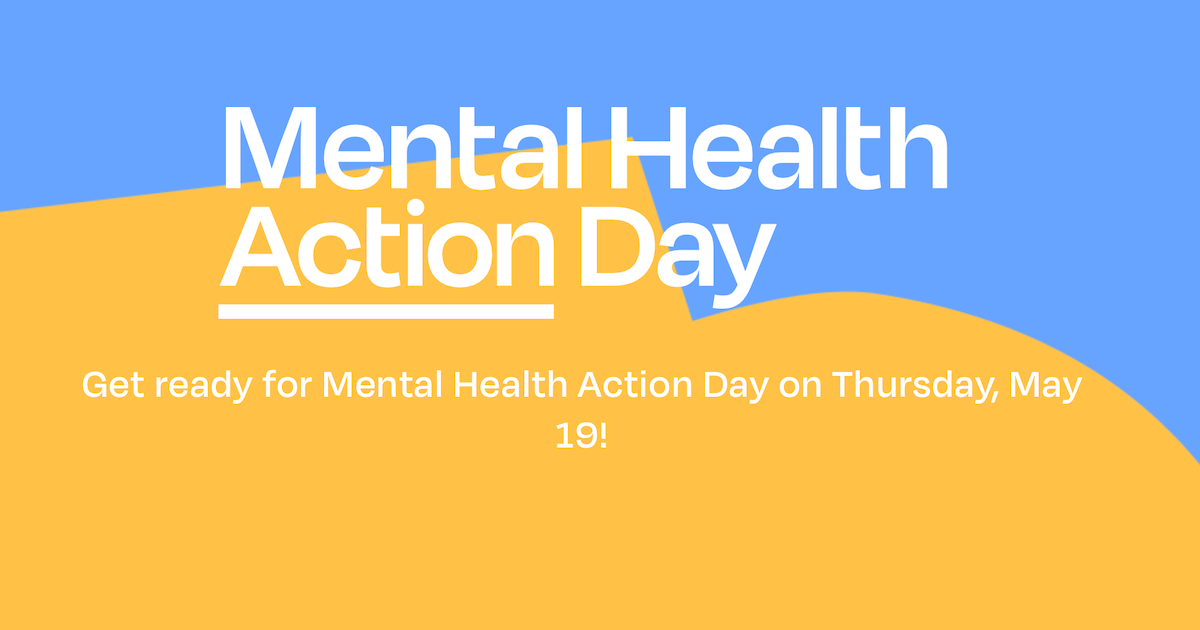
As part of its Mental Health initiative, MTV’s second-annual Mental Health Action Day – an open-source movement of brands, organizations, government agencies, and cultural leaders to drive culture of mental health from awareness to action – will bring together more than 1,600 organizations in cities across the country to encourage and empower people to take action for mental health on Thursday, May 19, 2022.
Posted on May 19, 2022 by Dr. David Edward Marcinko MBA MEd CMP™
By Staff Reporters
***
Target Corp. is on pace for its worst stock drop since 1987’s Black Monday crash after becoming the second big retailer in two days to trim its profit forecast. A surge in costs during the first quarter shows little sign of easing, said Chief Executive Officer Brian Cornell. Operating profit will amount to only about 6% of sales this year, 2 percentage points below the previous forecast, Target said Wednesday. And the company’s first-quarter adjusted profit missed the lowest of 23 analyst estimates compiled by Bloomberg.
Netflix continues to hemorrhage subscribers, as the streaming service laid off 150 more employees representing 2% of its workforce. In a statement, a company rep clarified “the changes are primarily driven by business needs rather than individual performance.”
***
***
And, socks plunged as deepening concern about the economic impact of high inflation and rising interest rates drove the Dow Jones Industrial Average to its worst day since March 2020.
The Dow closed with a loss of 1,161 points, dropping 3.6 percent Wednesday for its steepest one-day drop since the onset of the coronavirus pandemic. The S&P 500 closed 4 percent lower and the NASDAQ closed 4.7 percent lower Wednesday.
A failure by the CBOE Volatility Index [VIX] sometimes referred to as Wall Street’s fear gauge, to push above the mid-30 range was seen as one sign that investors hadn’t made the sort of “capitulation” that often clears the way for a sustained rebound. However, some positive market internals on the upside during Friday’s and Tuesday’s bounce have some analysts looking for some near-term upside, which could continue to confound market bears.
More Americans were considered “equity rich” in the first quarter of 2022 — meaning that they owed no more than 50% of their home’s total value — amid a rise in home prices, according to new data from ATTOM Data Solutions. The number of equity-rich homeowners grew to 44.9% of mortgage holders in the first quarter, up from 41.9% in the fourth quarter of 2021 and 31.9% in the first quarter of 2021, according to the company’s first-quarter 2022 U.S. Home Equity and Underwater Report.
Finally, Litecoin (LTC-USD) is getting ready for its newest upgrade on Thursday, May 19th. The MimbleWimble (MWEB) upgrade will turn the Litecoin crypto into a more fungible, private currency. Privacy coins like Monero (XMR-USD) and Zcash (ZEC-USD) have been hot investments in recent weeks
Posted on May 18, 2022 by Dr. David Edward Marcinko MBA MEd CMP™
Is Stagflation Risk Real?
By Merk Insight
***
DEFINITION: In economics, stagflation or recession-inflation is a situation in which the inflation rate is high, the economic growth rate slows, and unemployment remains steadily high. It presents a dilemma for economic policy, since actions intended to lower inflation may exacerbate unemployment.
A few days ago, I had the pleasure of attending the Hoover Monetary Conference – I would call it a Powwow of central bankers, if there had not been an actual Powwow a few steps outside the venue. While Hoover is known to reflect “hawkish” views, “hawks” and “doves” alike used the question of whether the Fed is “behind the curve” to argue all things inflation and stagflation.
I left the conference even more concerned about the risk of stagflation; let me explain.
Posted on May 18, 2022 by Dr. David Edward Marcinko MBA MEd CMP™
By Staff Reporters
***
***
The Waltons are the the world’s richest family, and five of them own just under half of Walmart. They lost a combined $19 billion on Tuesday after Walmart posted disappointing quarterly results. The group is worth about $212 billion, according to the Bloomberg Billionaires Index.
Economy: On the other, national retail spending in April increased for the fourth straight month, despite inflation nearing a 40-year high and consumer sentiment at an 11-year low. It’s an unusual time!
Gas priceshave risen above $4 a gallon in all 50 US states for the first time ever. Five states are averaging more than $5 a gallon, and one—California—hit a record of $6.02.
The FDA authorized a booster shot of Pfizer’s vaccine for kids ages 5–11.
Posted on May 17, 2022 by Dr. David Edward Marcinko MBA MEd CMP™
***
By Staff Reporters
***
***
4 Takeaways from HIMSS
• 84% of respondents say their organizations require them to use digital health tools and most clinicians see the value in digital transformation. • 99% of leaders in U.S.-based health systems say it is important for their organizations to invest in digital transformation and 95% of international health system leaders agree. • 93% of international payer respondents and 74% of U.S. payers say their organizations have a team focused on digital transformation. • 80% of health system leader respondents in the U.S. think that a physician visit deserves to be reimbursed at the same or higher levels than an in-person visit.
NOTE: The Healthcare Information and Management Systems Society is an American not-for-profit organization dedicated to improving health care in quality, safety, cost-effectiveness and access through the best use of information technology and management systems.
Posted on May 17, 2022 by Dr. David Edward Marcinko MBA MEd CMP™
By Staff Reporters
***
***
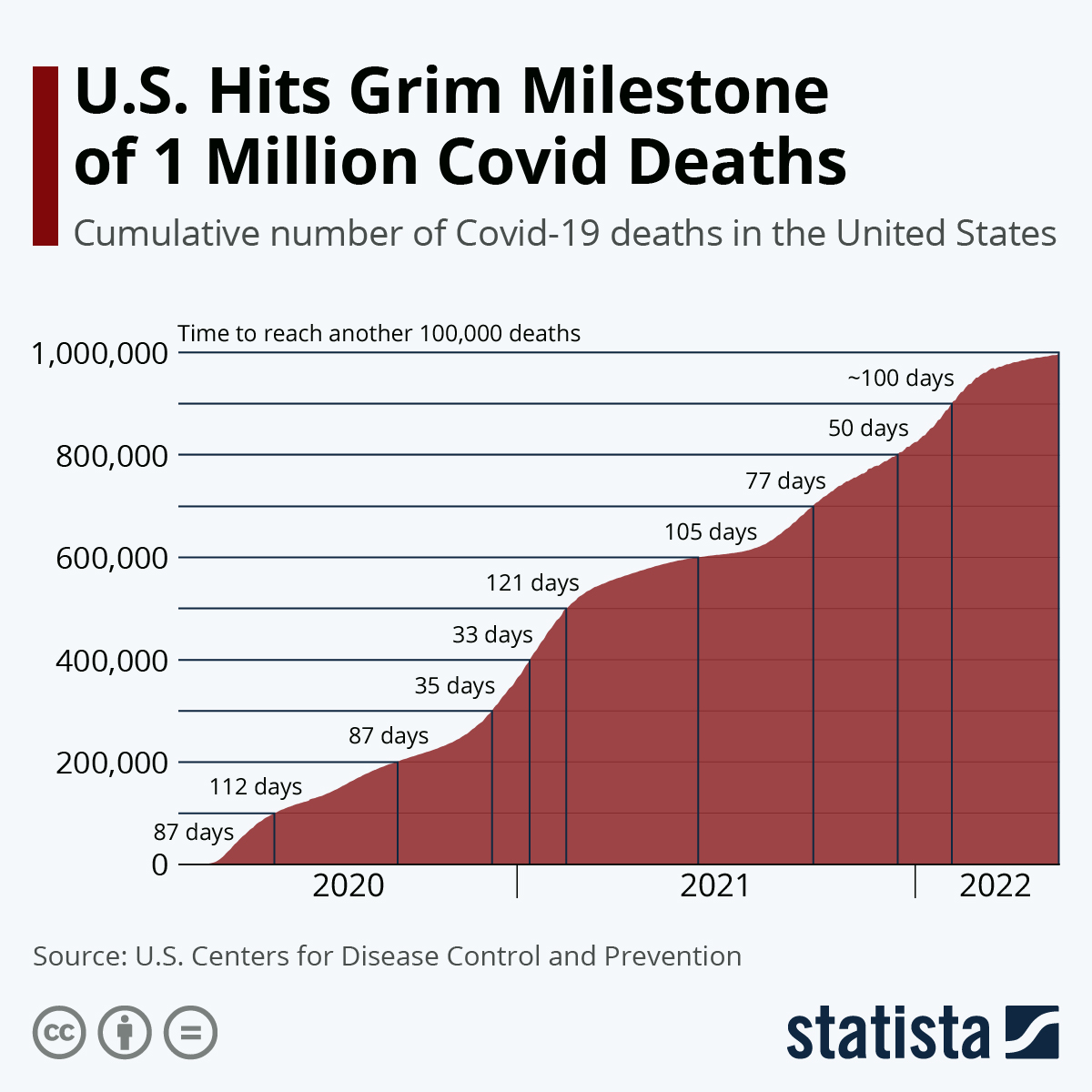
The US COVID death toll officially reached 1 million, an amount greater than the combined populations of Boston and Orlando. Coming three months after the country reached 900,000 deaths and less than two and a half years after the first recorded US cases. It’s a reminder that despite dropped mask mandates and summer months approaching, the virus continues to be a threat.
New Omicron sub-variants that appear adept at eluding immunity from prior infections have caused yet another spike in reported cases and hospitalizations. US cases have jumped 60% over the past two weeks, to an average of 90,000 new cases every day.
That figure is far short of the real infection rate, as states have shuttered many large testing sites, and cases discovered from at-home tests often go unreported.
There’s an aspect to retirement that many physicians do not plan for … the transition from work and practice to retirement. Your work has been an important part of your life. That’s why the emotional adjustments of retirement may be some of the most difficult ones.
Examples:
For example, what would you like to do in retirement? Your retirement vision will be unique to you. You are retiring to something not from something that you envisioned. When you have more time, you would like to do more travelling, play golf or visit more often, family and friends. Would you relocate closer to your kids? Learn a new art or take a new class? Fund your grandchildren’s education? Do you have philanthropic goals? Perhaps you would like to help your church, school or favorite charity? If your net worth is above certain limits, it would be wise to take a serious look at these goals. With proper planning, there might be some tax benefits too. Then you have to figure how much each goal is going to cost you.
Lists
If have a list of retirement goals, you need to prioritize which goal is most important. You can rate them on a scale of 1 to 10; 10 being the most important. Then, you can differentiate between wants and needs. Needs are things that are absolutely necessary for you to retire; while wants are things that still allow retirement but would just be nice to have.
Recent studies indicate there are three phases in retirement, each with a different spending pattern [Richard Greenberg CFP®, Gardena CA, personal communication].
The three phases are:
The Early Retirement Years. There is a pent-up demand to take advantage of all the free time retirement affords. You can travel to exotic places, buy an RV and explore forty-nine states, go on month-long sailing vacations. It’s possible during these years that after-tax expenses increase during these initial years, especially if the mortgage hasn’t been paid off yet. Usually the early years last about ten years until most retirees are in their 70’s.
Middle Years. People decide to slow down on the exploration. This is when people start simplifying their life. They may sell their house and downsize to a condo or townhouse. They may relocate to an area they discovered during their travels, or to an area close to family and friends, to an area with a warm climate or to an area with low or no state taxes. People also do their most important estate planning during these years. They are concerned about leaving a legacy, taking care of their children and grandchildren and fulfilling charitable intent. This a time when people spend more time in the local area. They may start taking extension or college classes. They spend more time volunteering at various non-profits and helping out older and less healthy retirees. People often spend less during these years. This period starts when a retiree is in his or her mid to late 70’s and can last up to 20 years, usually to mid to late-80’s.
Late Years. This is when you may need assistance in our daily activities. You may receive care at home, in a nursing home or an assisted care facility. Most of the care options are very expensive. It’s possible that these years might be more expensive than your pre-retirement expenses. This is especially true if both spouses need some sort of assisted care. This period usually starts when the retiree is their 80’s; however they can sometimes start in the middle to the late 70’s.
[A] Planning issues – early career
Most retirement lifestyle issues do not have to be addressed at this point. Keeping a healthy, balanced lifestyle will help to ensure a more productive retirement. This is the time to focus on the financial aspects of retirement planning.
[B] Planning issues – mid career
If early retirement is a major objective, start thinking about activities that will fill up your time during retirement. Maintaining your health is more critical, since your health habits at this time will often dictate how healthy you will be in retirement.
[C] Planning issues – late career
Three to five years before you retire, start making the transition from work to retirement.
Try out different hobbies;
Find activities that will give you a purpose in retirement;
Establish friendships outside of the office or hospital;
Discuss retirement plans with your spouse.
If you plan to relocate to a new place, it is important to rent a place in that area and stay for few months and see if you like it. Making a drastic change like relocating and then finding you don’t like the new town or state might be very costly mistake. The key is to gradually make the transition.
Conclusion
Your thoughts and comments on this ME-P are appreciated. Feel free to review our top-left column, and top-right sidebar materials, links, URLs and related websites, too. Then, subscribe to the ME-P. It is fast, free and secure.
Speaker: If you need a moderator or speaker for an upcoming event, Dr. David E. Marcinko; MBA – Publisher-in-Chief of the Medical Executive-Post – is available for seminar or speaking engagements. Contact: MarcinkoAdvisors@msn.com
OUR OTHER PRINT BOOKS AND RELATED INFORMATION SOURCES:
Posted on May 16, 2022 by Dr. David Edward Marcinko MBA MEd CMP™
By Staff Reporters
***
***
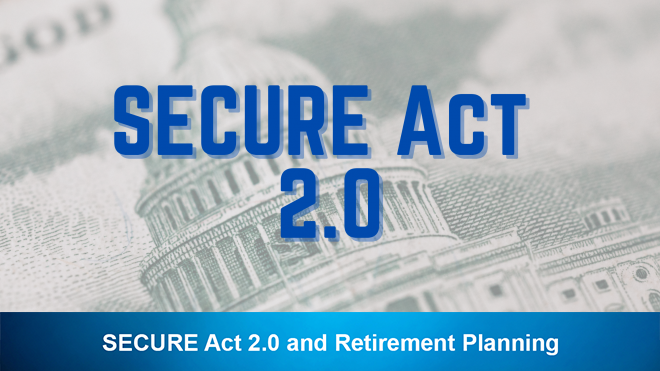
On March 29, the House of Representatives voted 414-5 in favor of the Securing a Strong Retirement Act of 2022. If passed by the Senate, and then signed into law by President Joe Biden, the act could represent a massive economic policy shift regarding retirement savings and investment.
The retirement savings legislation, also known as SECURE Act 2.0, expands on the original SECURE Act and includes provisions to boost the required minimum distribution (RMD) age from 72 to 75 over time, broaden automatic enrollment in retirement plans, and enhance 403(b) plans.
Posted on May 16, 2022 by Dr. David Edward Marcinko MBA MEd CMP™
Spread the Word – Become a Published Author
By Ann Miller RN MHA [Executive-Director]
To submit an article, an article idea or an article abstract to the ME-P, send an email with the subject “New Article Submission” to Ann Miller RN MHA MarcinkoAdvisors@msn.com
Guidelines
New articles and ideas for articles are welcomed from throughout the world. Please submit ideas, abstracts or article drafts at least initially in English and, preferably, in Microsoft Word or, if not in MSWord, then in an “RTF” (rich text file).
There is no length restriction on articles, and the publisher encourages the use of graphs, charts, exhibits, etc.
Articles are welcomed that deal with any health care finance aspect our topical ecosystem; in addition, articles are also welcomed that deal with topics outside the U.S.
***
Requirements
—Articles should be single-spaced with two spaces between paragraphs and the paragraphs should be left/right justified. We prefer that citations take the form of “footnotes” although “general references” may also be placed at the end of the article.
—Articles should have a cover page with the full article title and, below that, the names of authors, their titles, and brief affiliations (i.e., “Professor, XYZ University, City/State/Country). A working email address and telephone number of the lead author or corresponding author should appear on the cover page
—If there is only one author and you are submitting a full article, an “Abstract” can also be placed on the first page below the author’s name and affiliation. If there is more than one author, place the Abstract on the second page, followed by the article itself. Exhibits are encouraged.
NOTE: Please place exhibits, charts, etc. in the main body of the article at a logical point for the reader; depending on the size of exhibits, they can be on a page that also contains text or, using page breaks, on a separate page. Copyright laws for exhibits do apply of course.
We will receive the article, review it, and if accepted for publication.
We will proof/copy-edit it and may send it back to the corresponding author for final check/approval. Then we convert the article to a final product for insertion on the web site.
Posted on May 16, 2022 by Dr. David Edward Marcinko MBA MEd CMP™
By Staff Reporters
***
More than $11 trillion in value has been erased from global stocks since the end of March. And, despite a a pop last Friday, many analysts don’t think we’ve hit the bottom yet. Fewer than 30% of S&P companies have hit a one-year low during this downturn, compared to almost 50% during 2018’s rout and 82% during the financial crisis in 2008, according to Bloomberg.
***
Capitulation means surrender. In financial markets, capitulation marks the point in time when a large enough proportion of investors simultaneously give up hopes of recouping recent losses, typically as the decline in prices gathers speed.
According to MarketWatch, the latest bull market for U.S. stocks remains on the brink of expiring, with the benchmark S&P 500 just shy of the threshold that marks bear territory.
Going ganular, the S&P 500 SPX, +2.39% finished 0.1% lower at 3,930.08 on Wednesday, after falling as far as 3,858.87 at its session low. That was the index’s lowest close since March 25, 2021, and left it 18.1% below its record finish from early January. A Friday bounce for stocks saw the S&P 500 nearly halve its decline for the week to 2.4%, closing at 4023.89.
Here were a few floating around the internet this week, according to Neal Freyman:
When Matt Damon said, “Fortune favors the brave” in a Crypto.com commercial in October 2021. (It actually was kinda the top, because bitcoin peaked at $69,000 a few weeks later.)
When one investor went on CNBC last year to promote his investment in a lending platform called Upstart, he was asked what Upstart does. He hesitated, told the anchor his audio had cut out, and never responded.
When Dogecoin surged more than 10,000% to become the fourth most valuable cryptocurrency ahead of Elon Musk hosting SNL.
When electric vehicle startup Rivian was worth more than $110 billion and didn’t bring in any revenue.
When NFT platform OpenSea raised money at a $13.3 billion valuation—more than the value of American Airlines.
Posted on May 15, 2022 by Dr. David Edward Marcinko MBA MEd CMP™
By Staff Reporters and MCOL
***
***
Outcomes of In-Person and Tele-Health Encounters During COVID-19
• Ambulatory encounters decreased by 1.0% and the number of in-person encounters per enrollee decreased by 17.0% from 2019 to 2020. • For members with an initial telehealth encounter for a new acute condition, the adjusted odds ratio was 1.44 for all follow-ups combined and 1.11 for an emergency department encounter. • For members with an initial telehealth encounter for a new chronic condition, the adjusted odds ratios were 0.94 for all follow-ups combined and 0.94 for in-patient admissions.
Posted on May 14, 2022 by Dr. David Edward Marcinko MBA MEd CMP™
By Staff Reporters
***
***
Until recently, giga-cap technology stocks like Apple (NASDAQ: AAPL) and Microsoft (NASDAQ: MSFT) had large avoided the full brunt of the bear market in the NASDAQ, even as smaller companies lost 50% to 80% or more of their value.
However, over the past couple of months, some of the largest companies in the market, including Meta Platforms (NASDAQ: FB), Netflix (NASDAQ: NFLX), and Amazon.com (NASDAQ: AMZN), started to move sharply lower. Those big-name moves put a bigger dent in market capitalization-weighted benchmarks.
BroaderMarkets: But, the good news is that stocks surged on the best day for the NASDAQ since November 2020. The bad news is the S&P is now in its longest weekly losing streak since 2011, and the Dow’s weekly losing streak is its longest since 2001.
Posted on May 13, 2022 by Dr. David Edward Marcinko MBA MEd CMP™
A general guide
[By staff reporters]
As a general guide, according to financial advisor Wes Moss, if your monthly pension check equals 6 percent or more of the lump-sum offer, then you may want to go for the perpetual monthly payment. If the number is below 6 percent, then you could do as well (or better) by taking the lump sum and investing it, and then paying yourself each year (like a personal pension that you control).
Here’s how the math works:
Take your monthly pension offer and multiply it by 12, then divide that number by the lump-sum offer.
Example 1: $1,000 a month for life beginning at age 65 or $160,000 lump sum today?
$1,000 x 12 = $12,000 divided by $160,000 equals 7.5 percent.
Here, you would have to make approximately 7.5 percent per year on the $160,000 to earn the same $12,000 a year. Earning 7.5 percent a year consistently and over many years is a tall order. Taking the monthly amount in this case (7.5 percent is greater than 6 percent) may likely be a better deal over the long haul.
Example 2: $708 a month for life or a $170,000 lump sum today?
$708 x 12 = $8,496 divided by $170,000 equals 5 percent.
In this scenario, the monthly pension amount is offering you a return for life of about 5 percent. Remember, for the first 20 years even earning zero percent, you could do the same before you run out of money. If you made even a modest return (say, 2 percent per year), you would be far ahead of what the monthly pension would pay you. In this case, 5 percent is less than the benchmark of 6 percent, so you might be better off taking the lump sum of $170,000.
Posted on May 13, 2022 by Dr. David Edward Marcinko MBA MEd CMP™
By Staff Reporters
It’s Friday the 13th
***
***
The IRS destroyed data for an estimated 30 million filers in March 2021, according to the Treasury Inspector General for Tax Administration. The decision, prompted by a backlog of paper filings, has sparked anger in the tax community. “It just further damages the IRS’ reputation in the business community and in the public,” said Larry Harris, director of tax services at Parsec Financial.
More than $200 billion has been wiped off the cryptocurrency market today alone, as investors are sent into a panic. Ethereum, the world’s second largest digital currency plummeted by 20% in the space of 24 hours. Bitcoin, the original cryptocurrency started in 2009, dropped by 9%, but overall it is down 50% since its all time high in November. Chaos on the market has seen other currencies such as Shiba Inu and Dogecoin losing 30% and 25%, respectively. Meanwhile Terra Luna, which was among the top 10 most valuable cryptocurrencies had 98% of its value wiped out overnight, falling to below one dollar per coin.
Immediately after becoming the interim CEO of Starbucks (NASDAQ: SBUX), Howard Schultz suspended the company’s share-repurchase program. “This decision will allow us to invest more into our people and our stores — the only way to create long-term value for all stakeholders,” he said in a press release.
Snowflake, Meta, Microsoft and Uber — are all down from 20% to as much as 60% year to date. The technology stock sector, especially unprofitable firms and richly valued software names, have been hit the hardest as of late. The NASDAQ Composite slid more than 13% in April, dropping almost 30% from its all-time high.
President Biden, anticipating the milestone of one million American lives lost to Covid-19, said in a formal statement on Thursday that the United States must stay committed to fighting a virus that has “forever changed” the country.
Finally, Microsoft founder Bill Gatessaid on Tuesday that he tested positive for COVID-19 and is experiencing mild symptoms. In a series of tweets, the billionaire shared that he was “lucky to be vaccinated” and will be isolating until he’s healthy again.
Posted on May 13, 2022 by Dr. David Edward Marcinko MBA MEd CMP™
***
By Jules Lipoff, MD: Senior fellow at the Leonard Davis Institute of Health Economics and an assistant professor of clinical dermatology at Perelman School of Medicine, both of the University of Pennsylvania. Erica Mark, medical student at the University of Virginia, contributed to this article.The opinions expressed in this article do not necessarily represent those of the University of Pennsylvania Health System or the Perelman School of Medicine.
***
If you follow the news or your social media feed, you know that crowdsourcing medical expenses is increasingly popular for financing health care costs. In fact, you might have contributed to one; 22 percent of American adults report donating to GoFundMe medical campaigns.
As of 2021, approximately $650 million, or about one-third of all funds raised by GoFundMe, went to medical campaigns. That staggering amount of money highlights how dysfunctional our health care system is, forcing people to resort to crowdsourcing to afford their medical care — but it’s not surprising. In the United States, 62 percent of bankruptcies are related to medical costs. This should be a wake-up call to address and reform the system further.
Posted on May 12, 2022 by Dr. David Edward Marcinko MBA MEd CMP™
By Staff Reporters and MCOL
***
***
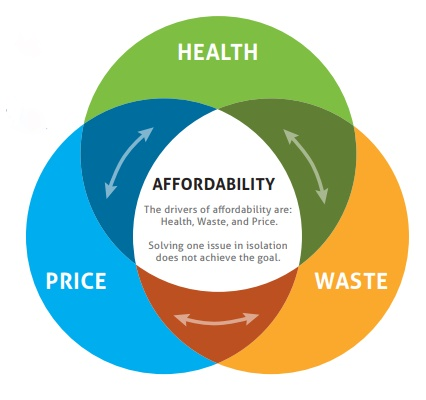
WTW: Employee Healthcare Affordability Survey
• By the end of 2023, most employers (95%) are expected to offer virtual care for medical and behavioral health issues, and 61% expect to offer lower cost sharing for virtual care. • Over half (55%) think the expansion of virtual care will help decrease costs in the long run, and 50% think it will improve outcomes. • Employer confidence in sponsoring healthcare benefits over the next 10 years is at its highest point in over 10 years (84% in 2022 versus 38% in 2011). • One in 10 employers (9%) currently offer genetic testing as a screening for early-stage cancer with another 5% planning to do so by 2023.
Posted on May 12, 2022 by Dr. David Edward Marcinko MBA MEd CMP™
By Staff Reporters
***
***
Carvana, the fast-growing used-car seller based in Tempe, announced its plans to lay off 2,500 employees – more than 10% of its workforce – as losses mount. The company, which operates a network of high-profile vehicle “vending machines” including one at Loop 202 and Scottsdale Road, said the move was designed to “better align staffing and expense levels with sales volumes.” Carvana reported a $506 million loss in its first quarter ending March 31st, well above red ink of $82 million during the same stretch of 2021, despite a 56% jump in revenue to $3.5 billion and a 14% increase in vehicles sold.
And, new inflation data scared some investors, who continued to dump riskier assets like cryptocurrencies amid the ongoing market selloff: The price of Bitcoin fell up to 7%, to around $29,000, according to Coin Metrics, before paring back losses. The price of the Terra (LUNA) cryptocurrency has fallen by more than 99 per cent, wiping out the fortunes of crypto investors. Terra, which ranked among the top 10 most valuable cryptocurrencies, dropped below $1 on Wednesday, having peaked close to $120 last month.
The Dow Jones Industrial Average fell 215 points, or 0.7%, to 31,949 after swinging between gains and losses after the opening bell.
The S&P 500 shed 46 points, or 1.2%, to 3,954.
The NASDAQ Composite fell 296 points, or 2.5%, to 11,445.
The national average for a gallon of gas surged to $4.40, the highest price recorded by AAA since it began keeping track in 2000 (though lower when adjusted for inflation than the high-water mark in July 2008, when gas was $5.36 per gallon in today’s dollars).
Finally, the US federal government’s budget deficit has shrunk by some $1.57 trillion so far this fiscal year, driven by record receipts from a strong economy and a slowdown in spending as pandemic-era programs fade.
A recent study examined the growth in hospital prices paid by commercial health insurance companies compared to Medicare over a seven-year period and found that commercial health plan rates were, on average, 180% higher than Medicare rates as of 2019.
While the national ratio between commercial and Medicare hospital payment growth rates remained relatively stable during the seven-year study period, ratios varied widely on a regional basis. This Health Capital Topics article will discuss this recent study and its implications. (Read more…)
In a recent article on the Mises Institute’s Power and Market blog, Kyle Ward appealed to the subjective theory of value to castigate Peter Schiff for his notorious skepticism of Bitcoin:
Posted on May 11, 2022 by Dr. David Edward Marcinko MBA MEd CMP™
Types with Guide
By Staff Reporters
***
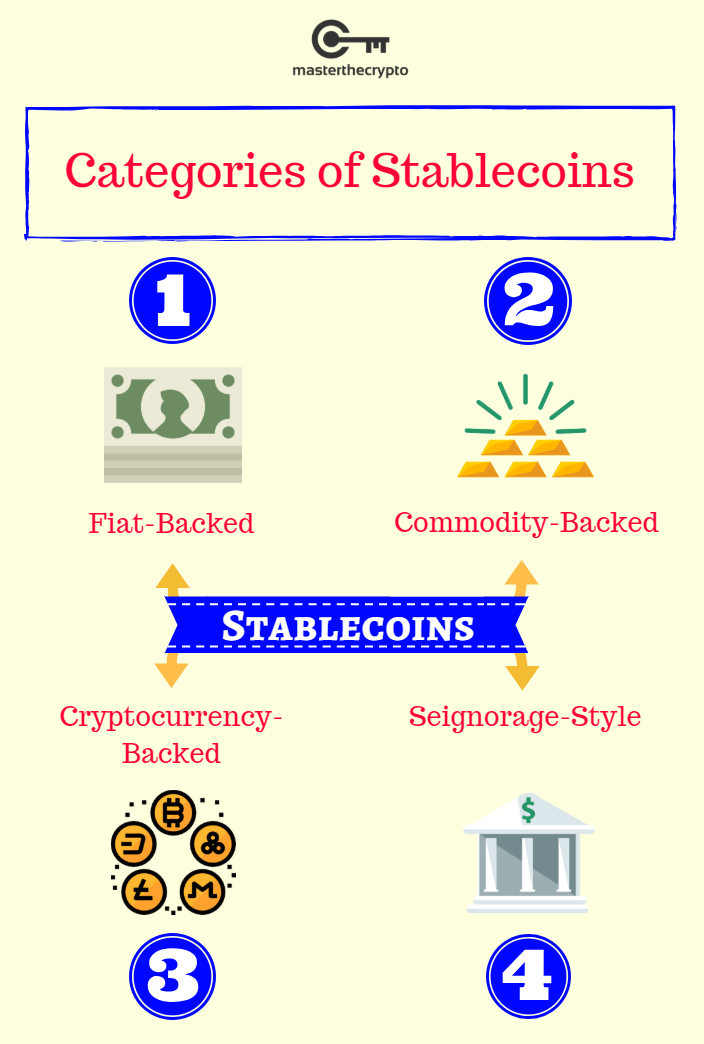
According to Investopedia, a stablecoin is a class of cryptocurrencies that attempt to offer price stability and are backed by a reserve asset. Stablecoins have gained traction as they attempt to offer the best of both worlds—the instant processing and security or privacy of payments of cryptocurrencies, and the volatility-free stable valuations of fiat currencies.
Stablecoins are cryptocurrencies that attempt to peg their market value to some external reference.
Stablecoins may be pegged to a currency like the U.S. dollar or to a commodity’s price such as gold.
Stablecoins achieve their price stability via collateralization (backing) or through algorithmic mechanisms of buying and selling the reference asset or its derivatives.
Posted on May 11, 2022 by Dr. David Edward Marcinko MBA MEd CMP™
By Staff Reporters
***
***
Palantir Technologies Inc., Peter Thiel’s single-biggest equity position, plummeted as much as 23% Monday after it reported widening losses and slow revenue growth. The slump erased $270 million from the value of Thiel’s stake. So far this year he’s shed 19% of his net worth, now valued at $7.4 billion, according to the Bloomberg Billionaires Index.
10 Year T-Bond: 2.987%
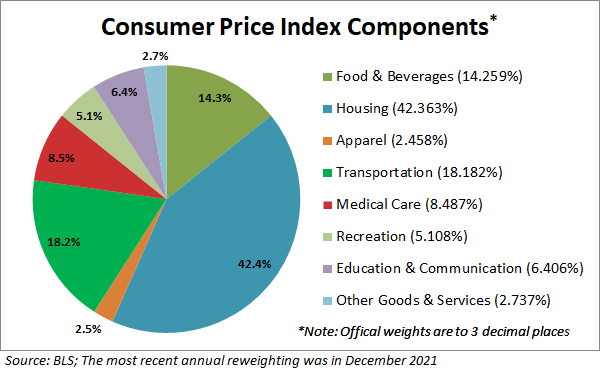
Economy: The Consumer Price Index report will drop this morning and give us inflation data for April.
NOTE: The CPI is a price of an index or the price of a weighted average market basket of consumer goods and services purchased by households. Changes in measured CPI track changes in prices over time.
Posted on May 10, 2022 by Dr. David Edward Marcinko MBA MEd CMP™
MAY 8 – 14th, 2022
By Staff Reporters
***
***
Prioritizing your health – both physical and mental – has never been more important. Over the past few years, many women have put off taking care of their general health and wellness needs. They have adjusted their daily routines, including the way they connect with family and friends. The combination has led to serious health problems for some women.
Posted on May 10, 2022 by Dr. David Edward Marcinko MBA MEd CMP™
By Staff Reporters
***
Bitcoinis now almost 50% off its all-time high. If bitcoin is a store of value, it certainly hasn’t proven itself yet. With bitcoin’s price falling below $30,000 for the first time since July 2021, at least 40% of bitcoin investors are underwater.
***
***
Markets: The S&P fell below 4,000 points for the first time in more than a year as inflation concerns trampled a day down on Wall Street. Big Tech companies lost more than $1 trillion in market value over the past three trading sessions alone.
Posted on May 10, 2022 by Dr. David Edward Marcinko MBA MEd CMP™
Altered and Poorly Written Rx for Vicodin
By Dr. David Edward Marcinko MBA
***
***
Poorly-written Rx for vicodin
Drug: Rx Vicodin
Disp: # 10
Sig: Take I, as needed for pain.
Refills: 1 2 3 4 or 5
AM2685591
David Edward Marcinko, MBBS DPMMBA
The patient abuser may change drug quantity numbers, copy or remember the doctors’ DEA number, or take extra Rx pads. For this reason, a physician’s Rx pad should contain his/her name, address and telephone number. The doctor’s DEA number should not be pre-printed on the pad, for fear of mis-use.
Example:
Increase the quantity 10, to 100, by adding a zero, so that the additional capsules can be used, sold or bartered with on the street.
Change the directions to take 2 capsules, rather than 1 in order to produce greater euphoria.
Increase the Rx refills, from one to two, by extending the underline, or checking an additional quantity box.
Pre-printed DEA number can be stolen, sold or reused.
Pre-printed (not original) physician signature can be reproduced and widely distributed for more prescriptions.
Altered Rx for vicodin
Drug: Rx Vicodin
Disp: # 100
Sig: Take II, as needed for pain.
Refills: 1 2 3 4 or 5
AM2675591
David Edward Marcinko, MDBBS DPM MBA
The doctor drug addict, or a doc in need of funds, may write for more narcotic agent than needed, and receive the additional pills back from the patient-shill for personal consumption, sell them on the street himself for money, or receive a monetary kickback from the patient-shill.
A pharmacist may also indirectly alter a prescription using the above methods, or simply short-change the patient with fewer narcotic capsules than the prescription intends. This is more difficult to do with pills or tablets in the out patient setting, but easy to do in the in-patient setting when liquid IV drugs are used, by dilution and placing less than the full amount in IV bottles or bags. The harm to patients, of course, may be fatal.
Well-written Rx for vicodin
Drug: Rx Vicodin
Disp: # 10 (ten) capsules
Sig: Take one or two capsules, po, prn pain.
Refills: 1 2 3 4 or 5
AM2685591
David Edward Marcinko, MBBS DPM MBA
Example:
Drug quantity can-not be changed.
Directions can-not be changed. Route of administration (by mouth) indicated.
Rx refills clearly indicated.
Handwritten, not pre-printed, DEA number.
Original physician signature, only.
Doctor Rx prescription abuse foibles are legendary in the DEA and include a Maryland podiatrist who wrote prescriptions for more than 1,235 Mepergan Fortis capsules ostensibly for his wife following minor foot surgery. Or, the Florida physician who prescribed more than 2,150 Vicodin capsules for a patient with whom he was having an extra-marital affair in order that his consort not disclose the fling to his wife. Or, the osteopath from New Jersey who wrote more than 100 narcotic prescriptions every 8 hour day, for more than a year, to any patient standing in a line in front of his office. And, finally the California dentist whose excuse for writing more than 1,845 narcotic tablet prescriptions in a six month period for the same patient was that they would be needed in his next reincarnation. Yes, all of these incidents are laughable if not for their serious consequences to the involved individuals, and society, alike. The bastards!
Fortunately, unlike drug local domestic drug kingpins or international narco-traffickers who ply their trade virtually undetected, these naive white-collared nerds, always get caught by the Drug Enforcement Agency. Their Rx abuse tactics are so amateurish!
Posted on May 9, 2022 by Dr. David Edward Marcinko MBA MEd CMP™
***
By Staff Reporters
***
***
• 108,700 additional physicians became employees of hospitals or other corporate entities – 83,000 of that shift occurred after the onset of COVID-19. • Hospital and other corporate entities acquired 36,200 additional physician practices over the three-year period, resulting in a 38% increase in the percentage of corporate owned practices. • 58,200 additional physicians become hospital employees – 51,000 of that shift occurred after the onset of COVID-19. • 50,500 additional physicians became employees of corporate entities – 32,000 of that shift occurred after the onset of COVID-19.
Posted on May 9, 2022 by Dr. David Edward Marcinko MBA MEd CMP™
By Staff Reporters
***
Last night, the Dow Jones Industrial Average futures lost 191 points, down 0.6%, while the S&P 500 futures declined 0.8% and NASDAQ Composite futures fell 0.9%.
Crude oil futures (West Texas Intermediate) fell 0.2%, to $109.54 a barrel.
Tiger Global, the hedge fund with the most investments in private billion-dollar startups, is going through one of the worst stretches of any hedge fund in history, falling 44% so far this year and 15% in April alone.
This week’s notableeconomic events include: On Tuesday, the National Federation of Independent Business releases its Small Business Optimism Index for April. On Wednesday, the Bureau of Labor Statistics reports the consumer price index for April. On Thursday, the BLS releases the producer price index for April, and the Department of Labor reports initial jobless claims for the week ended on May 7. On Friday, the University of Michigan releases its Consumer Sentiment Index for May.
Posted on May 9, 2022 by Dr. David Edward Marcinko MBA MEd CMP™
***
By Dr. David Edwarrd Marcinko MBA
Rx DRUG ABUSE
Traditional medicinal agents come in a variety of ways, known as dispensing vehicles. Drugs may be in liquid, pill or inject able form, they may be compounded in capsules, caplets, gelatin tablets, powders or suppositories, or they may come in creams or ointments for the eye, anus and vagina. They may be ingested into the stomach, placed and dissolved under the tongue, put into the eyes, popped, injected or smeared and transported through the human skin from patches.
A valid drug prescription is a written order, by a doctor, to a pharmacist. In this country, prescriptions are written by physicians, podiatrists, osteopaths, dentists. and some optometrists, physician assistants and nurse practitioners. In addition to the name of the patient and that of the medical prescriber, the prescription contains the name of the drug (not necessarily a narcotic), its quantity, instructions to the pharmacist, and directions to the patient. Narcotic prescriptions may not be prescribed to a drug addict to prevent withdrawal symptoms, as there must be some other therapeutic purpose for such an order.
The art of medicinal prescription writing, and pharmaceutical compounding, has declined in modern medicine for several reasons. Most drugs are made by pharmaceutical companies, and the role of the pharmacist, in most cases, consists only of compounding and error prevention. Many drugs are even automatically dispensed, and tracked, in the hospital setting with bar coding technology and modern inventory tracking mechanisms. Also, the practice of writing long and complicated prescriptions, containing many active ingredients, adjuvants, correctives, and elegant vehicles, has been abandoned in favor of using pure compounds.
Drugs may be prescribed by their official names, which were first given by the United States Pharmacopeia (USP), in 1920, or by the National Formulary (NF), since 1906. Unofficial or generic names may be used, known as New and Non-Official Drugs (NND) or by the United States Adopted Names (USAN), or by the manufactures trade name. For example, the generic narcotic meperidine or pithidine, is also known by the trade named, demerol. The designation USAN does not imply endorsement by the American Medical Association (AMA) Council on Drugs (CODs), or by the USP.
Of course, there is an advantage and disadvantages to prescribing drugs by their trade name, or generic names. Advantages of generics include economies of scale for both the patient and pharmacist, and although the active ingredient in generics are identical to trade drugs, they are often less expensive since research and development costs are absent, and various binders, colorizing agents, preservatives or dispersing agents are of an inferior quality, and hence cheaper for the patient. Appearance, size and taste issues are common. For the pharmacist, generics are cheaper since a multiplicity of very similar drugs need not be shelved.
***
***
For example, the tablet or capsular form of many drugs contains inactive ingredients, such as: ammonio methacrylate copolymer, hydroxypropyl methylcellulose, lactose, magnesium stearate, povidone, redironoxide, stearyl alcohol, talc, titanium dioxide, triacetin, yellowironoxide, yellowironoxide with FD&C blue No.2 (80 mgstrengthtablet only), FD&C blue No.2 and other ingredients. And yes, I’ve seen an addict do into shock, or die from acute anaphylaxis, after taking drugs containing ingredient he was highly allergic to.
Shock is a life-threatening condition where blood pressure falls too low to sustain life. It occurs when low blood volume (due to severe bleeding, excessive fluid loss or inadequate fluid uptake), inadequate pumping action of the heart or excessive dilation of the blood vessel walls (vasodilation) causes low blood pressure. This in turn results in inadequate blood supply to body cells, which can quickly die or be irreversibly damaged.
Anaphylactic shock is the severest form of allergy that is a medical emergency. It is a Type I reaction according to the Gell and Coombs medical classification, and is often severe and sometimes fatal systemic reaction in a susceptible individual upon exposure to a specific antigen (such as wasp venom or penicillin) following previous sensitization, or drug use. Characterized especially by respiratory symptoms, fainting, itching, itching and swelling of the throat or other mucous membranes and a sudden decline in blood pressure! The victim literally cannot breathe and drowns in its own congested and fluid filled lungs
So, patients in need of routine drugs for acute or chronic conditions like arthritis, high blood pressure, asthma, acne, hay fever, performance enhancing steroids or, so called life style drugs, like Viagra for a limp woody, or hair growth stimulator Rogaine, may get a good deal by going to Canada or Mexico for generics. But for important drugs, like nitroglycerine fro your heart, blood thinner coumadin, birth control pills or various anti-cancer agents, stick with brand names.
The main disadvantage of trade drugs is increased cost, due to R & D, patents, trademarks, marketing and company advertising expenses. Of course, trade drug are first to market, and hence may be beneficial as a new treatment modality, or injurious if significant side affects or other complications arise.
Today, the prime source for drug information is probably the well known, Physicians Desk Reference (PDR). Now, in its 58th edition, the PDR® provides the latest information on prescription, but not illegal street drugs. It is considered the standard reference that can be found in virtually every physician’s office, hospital and pharmacy in the United States. The current edition is over 3,000 pages long, and is where you can find data on more than 4,000 drugs, by brand and generic name, manufacturer and product categories. The PDR also provides usage information and warnings, drug interactions, plus full-size, full-color photos cross-referenced to specific drugs. For the layman, it also includes: phonetic spelling for each listing, a key to controlled substances, adverse reactions and contraindications, pregnancy ratings, dosages and all other FDA-required information. Of course, on the street, or in Mexico, none of this information matters.
Latin abbreviations, sometimes still used by doctors on prescription blanks include:
Rx = take thou (receipe)
po = by mouth (para orbis)
prn = as needed (pro re’nata)
hs = at bed time (hora somnae)
BID = twice daily
TID = three times daily
QID = four times daily
M = Mix
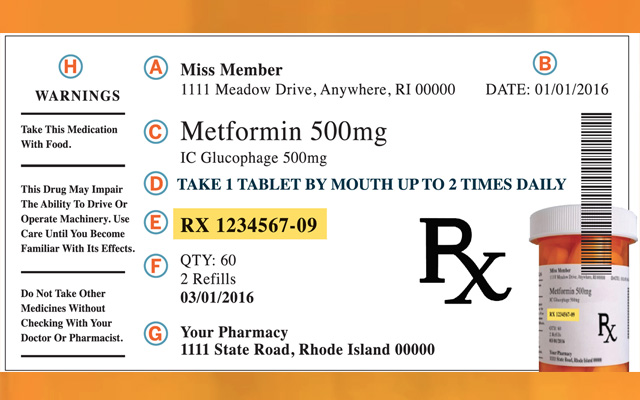
Traditionally, a medical prescription is written in a certain order, well known to drug abusers, and DEA agents, and consist of six basic parts:
Superscription: This is the Rx, or recipe. In Latin it means take thou.
Inscription: Represents the ingredients and amounts.
Subscription: Represent the description for drug dispensing, and may be represented by the letter M, for mix.
Signature: Often abbreviated as Sig, and contains the directions for patient use.
Refill Status: Indicates the number of refills allowed.
DEA Number: This is nine-character alpha-numeric sequence, used by all licensed physicians who prescribe narcotic agents. An example is AM2685591. The second letter is the first letter of the doctor’s last name, (ie, Marcinko) and the first two digits add up to the third (ie, 2+6=8).
Finally, in addition to the basic parts of a prescription, it should have the patient’s name, and physician signature written in ink, followed by degree designation, such as MD, DPM, DO or DDS, etc.
***
***
Perhaps the most egregious narcotic prescribing habits recently encountered by DEA agents have been by doctors of all degrees and medical designations. Reasons are generally two-fold. First, the doctor may become a drug addict himself, either by accident or through initial legitimate therapeutic use, and over-prescribe the narcotics. Or, increasing office costs, and decreased reimbursement fee reductions of many managed medical care have so economically destabilized the medical community, that economically impoverished doctors desperately sell prescriptions to finance their personal lifestyles, automobiles, clothes, fancy vacations or own addictions.
For example, a staggering medical student loan debt burden of $100,000-$250,000 is not unusual for new practitioners. In fact, the federal Health Education Assistance Loan (HEAL) program reported that for the Year 2001, it squeezed significant repayment settlements from its Top 5 list of deadbeat doctor debtors. This included a $303,000 settlement from a New York dentist, $186,000 from a Florida osteopath, $158,000 from a New Jersey podiatrist, $128,000 from a Virginia podiatrist, and $120 from a Virginia dentist. The agency also excluded 303 practitioners from Medicare, Medicaid and other federal healthcare programs and had their cases referred for non-payment of debt.
These facts indicate that the current healthcare reimbursement climate has caused more pain and tumult to doctors than the pubic realizes. Older medical practitioners are retiring prematurely, mature providers are frustrated and in despair, and young physicians have no concept of the economic servitude to which they are about to be subjected. Frustration is high and physician suicides have been documented. Many doctors get divorced at the start of their careers. Even the U.S. Inspector General has declared healthcare providers to be public enemy #2,behind international narco-traffickers, for their federal drug, fraud and abuse initiatives. Still, the statistic above lends itself to narcotic drug prescription abuse, either on the part of the doctor or patient, since only these two parties that can directly alter a prescription for illicit drug use, as illustrated by this poorly written prescription for a narcotic pain killer, vicodin.
Your thoughts and comments on this ME-P are appreciated. Feel free to review our top-left column, and top-right sidebar materials, links, URLs and related websites, too. Then, subscribe to the ME-P. It is fast, free and secure.
Speaker: If you need a moderator or speaker for an upcoming event, Dr. David E. Marcinko; MBA – Publisher-in-Chief of the Medical Executive-Post – is available for seminar or speaking engagements. Contact: MarcinkoAdvisors@msn.com
OUR OTHER PRINT BOOKS AND RELATED INFORMATION SOURCES:
Posted on May 7, 2022 by Dr. David Edward Marcinko MBA MEd CMP™
***
***
Markets: All three indexes closed lower (the Dow’s sixth-straight week) following the FOMC’s guidance on future interest rate hikes. Peloton shares fell to a record low yesterday with new CEO Barry McCarthy’s revival plan not inspiring confidence.
Economy: The April jobs report showed a labor market that continues to chug along. US employers added a more-than-expected 428,000 jobs and the unemployment rate remained low at 3.6%. The economy has recovered almost 95% of the jobs lost due to Covid pandemic.
Posted on May 6, 2022 by Dr. David Edward Marcinko MBA MEd CMP™
By Staff Reporters
***
Markets: After booming stocks had their worst day of the year because of raging inflation, slowing economic growth, and a potential recession.
Crypto: Bitcoin and other major cryptos like ethereum also tumbled in the aftermath of the FOMC announcement. They’ve typically tracked the performance of growth stocks, which have gotten hammered on the prospect of higher interest rates.
***
Almost every major online retailer reporting earnings with signs of a decline:
Wayfair shares cratered nearly 26% yesterday after announcing that its active customer count dropped 23.4% from a year ago.
Bed Bath & Beyond reported an 18% nosedive in online sales.
Etsy and eBay shares both dropped by double digits yesterday after giving weak guidance for the current quarter.
At least five senior executives from Meta’s fledgling e-commerce division have fled in the last six months.
Shopify shares plummeted about 15% on Thursday after posting much lower-than-expected earnings.
Posted on May 6, 2022 by Dr. David Edward Marcinko MBA MEd CMP™
May 2nd to May 6th
DEALS AND FREEBIES
By Dr. David Edward Marcinko MBA
***
In 1984, the National Parents Teachers Association designated the first week of May as Teacher Appreciation Week as a special time to honor the individuals who educated our children. It has become a tradition for restaurants and businesses to offer special deals during that week.
Posted on May 6, 2022 by Dr. David Edward Marcinko MBA MEd CMP™
Advancing Medical Practice Success with Strategic Relationships
By Staff Reporters
To be efficient in healthcare delivery today, doctors must partner and understand the resources and affiliations that are available to them. Here is a brief list of several healthcare trade associations and leading industry vendors submitted for your review.
AHIMA
The American Health Information Management Association (AHIMA) is the premier association of health information management professionals. AHIMA’s 51,000 members are dedicated to the effective management of personal health information needed to deliver quality healthcare to the public. Founded in 1928 to improve the quality of medical records, AHIMA is committed to advancing the health information management profession in an increasingly electronic and global environment through leadership in advocacy, education, certification, and lifelong learning.
EHRA
HIMSS EHRA is a trade association of Electronic Health Record (EHR) vendors that addresses national efforts to create interoperable EHRs in hospital and ambulatory care settings. HIMSS EHRA operates on the premise that the rapid, widespread adoption of EHRs will help improve the quality of patient care and the productivity of the healthcare system. The primary mission of the association is to provide a forum for the EHR vendor community relative to standards development, the EHR certification process, interoperability, performance and quality measures, and other EHR issues that may become the subject of increasing government, insurance and physician association initiatives and requests.
HIMSS
HIMSS (Healthcare Information and Management Systems Society) is the healthcare industry’s membership organization exclusively focused on providing leadership for the optimal use of healthcare information technology and management systems for the betterment of human health. Founded in 1961 with offices in Chicago, Washington D.C., and other locations across the country, HIMSS represents approximately 17,000 individual members and some 275 member corporations that employ more than 1 million people. HIMSS frames and leads healthcare public policy and industry practices through its advocacy, educational and professional development initiatives designed to promote information and management systems’ contributions to ensuring quality patient care.
HITSP
The Healthcare Information Technology Standards Panel serves as a cooperative partnership between the public and private sectors for achieving a widely accepted and useful set of standards specifically to enable and support widespread interoperability among healthcare software applications, as they will interact in a local, regional, and national health information network for the United States. Comprised of a wide range of stakeholders, the Panel will assist in the development of the U.S. Nationwide Health Information Network (NHIN) by addressing issues such as privacy and security within a shared healthcare information system. The Panel is sponsored by the American National Standards Institute (ANSI) in cooperation with strategic partners such as the Healthcare Information and Management Systems Society (HIMSS), the Advanced Technology Institute (ATI), and Booz Allen Hamilton. Funding for the Panel is being provided via the ONCHIT contract award from the U.S. Department of Health and Human Services.
HL7
Health Level Seven is an American National Standards Institute (ANSI)-accredited Standards Developing Organization (SDO) operating in the healthcare clinical and administrative data arena. It is a not-for-profit volunteer organization made up of providers, vendors, payers, consultants, government groups, and others who develop clinical and administrative data standards for healthcare. Health Level Seven develops specifications; the most widely used being a messaging standard that enables disparate healthcare applications to exchange keys sets of clinical and administrative data.
MSHUG
Microsoft Healthcare Users Group (MS-HUG) unified with the Healthcare Information and Management Systems Society (HIMSS) as part of the HIMSS Users Group Alliance Program in October 2003. The unification strengthens the commitment of HIMSS and MS-HUG to better serve their members and the industry through a shared strategic vision to provide leadership and healthcare information technology solutions that improve the delivery of patient care.
WEDI
The Workgroup for Electronic Data Interchange [WEDI’s] goal is to improve the quality of healthcare through effective and efficient information exchange and management. They aim to provide leadership and guidance to the healthcare industry on how to use and leverage the industry’s collective knowledge, expertise, and information resources to improve the quality, affordability, and availability of healthcare.
Assessment
As the health information technology industry evolves, we will continue to contribute our expertise to foster ideas that shape the future of healthcare by offering more examples similar to the above.
Conclusion
And so, your thoughts and comments on this Medical Executive-Post are appreciated. Who did we miss? Feel free to review our top-left column, and top-right sidebar materials, links, URLs and related websites, too. Then, be sure to subscribe
Speaker: If you need a moderator or speaker for an upcoming event, Dr. David E. Marcinko; MBA – Publisher-in-Chief of the Medical Executive-Post – is available for seminar or speaking engagements. Contact: MarcinkoAdvisors@msn.com
OUR OTHER PRINT BOOKS AND RELATED INFORMATION SOURCES:
Posted on May 5, 2022 by Dr. David Edward Marcinko MBA MEd CMP™
By Staff Reporters
***
***
FOMC: The Federal Reserve approved a rare half-percentage-point interest rate increase and announced plans to shrink its $9 trillion asset portfolio starting next month in an effort to reduce inflation that is running at a four-decade high.
Markets: Stocks boomed after Fed Chair Jerome Powell spoke. Still, JPMorgan CEO Jamie Dimon pegged the probability of a recession at 33% and a “soft landing” (lower inflation, no recession) also at 33%.
And Lyft, the ride-hailing company lost nearly 30% of its value after its profit outlook came in below forecast. Uber tried to distance itself from its ailing rival, saying that it does not need to spend money recruiting drivers like Lyft does.
Cinco deMayo commemorates the defeat of French forces by the Mexican army at the Battle of Puebla in 1862, but its popularity jumped in the 1980s, when beer companies leveraged it in aggressive marketing campaigns. Now, Cinco de Mayo is a day for celebrating Mexican culture and, interestingly, it’s now more popular in the US than in Mexico.
In the United States, Cinco de Mayo is sometimes mistaken to be Mexico’s Independence Day—the most important national holiday in Mexico—which is celebrated on September 16.
***
***
Conclusion
Your thoughts and comments on this ME-P are appreciated. Feel free to review our top-left column, and top-right sidebar materials, links, URLs and related websites, too. Then, subscribe to the ME-P. It is fast, free and secure.
Speaker: If you need a moderator or speaker for an upcoming event, Dr. David E. Marcinko; MBA – Publisher-in-Chief of the Medical Executive-Post – is available for seminar or speaking engagements. Contact: MarcinkoAdvisors@msn.com
OUR OTHER PRINT BOOKS AND RELATED INFORMATION SOURCES:
Posted on May 4, 2022 by Dr. David Edward Marcinko MBA MEd CMP™
The great vizier of Persia, Abdul Qassim Ismail (who lived in the 10th century), never parted with his library. If he went anywhere, the library “followed” him. The library was made up of 117,000 volumes of books and was transported by 400 camels. And the books (together with the camels) were arranged in alphabetical order. […]
Posted on May 4, 2022 by Dr. David Edward Marcinko MBA MEd CMP™
Term Life Insurance Can Protect Retirement Plan Contributions
By Rick Kahler CFP®
Some of the typical reasons for life insurance are to replace a breadwinner’s salary, pay off large debts, and pay estate taxes. Another reason to carry life insurance—if it’s the right kind—can be to fund a retirement plan.
Illustration
To illustrate, let’s imagine a couple, both 55, with two grown children, two good jobs, and no debts. They began funding their retirement only recently. Leigh’s entire salary of $124,000 a year goes into company retirement plan options: $64,000 into the 401(k) and profit sharing plan and $60,000 into the Cash Balance plan. The couple lives on Mischa’s salary of $60,000 a year.
Their financial planner has calculated that in 10 years they will have a good chance of having $1,500,000 saved in retirement plans. This amount will allow both of them to retire, continue to live on $60,000 a year for the rest of their lives, and have enough to fund long-term care for one of them or leave a nice inheritance to their kids.
The death, disability, or loss of a job of either of them is not a threat to their current lifestyle. However, it is a threat to their retirement plan. And the loss of Leigh’s job is the biggest threat. While finding a new job that would allow retirement plan contributions to resume is possible, it is not guaranteed.
Nothing can be done to insure against the loss of a job, but there are ways insurance could help protect this couple. They could purchase disability insurance to replace 60% of the income of either partner. This would allow them to still make a reduced contribution to their retirement plan.
Premature Death
But what happens if either of them should die prematurely, especially Leigh? It’s doubtful Mischa could cut expenses enough to put anything significant toward retirement, instead having to work as long as possible and then rely heavily on Social Security.
This a where a 10-year term life insurance policy on Leigh would make a significant difference. If they purchased a $1,000,000 term policy on Leigh now, the premium (for a nonsmoker in good health) would be around $1200 annually. Should Leigh die this year, if Mischa invested the insurance payment it would have a high probability of growing to $1,500,000 in ten years. This would allow Mischa to retire comfortably.
However, the older Leigh and Mischa get, the less they need the insurance. If Leigh died in the fifth year of the policy, the five years of savings plus the insurance proceeds would accrue more than $2,000,000 over the following five years.
One cost-saving strategy would be to buy two $500,000 10-year term policies and drop one after five years. This would still provide for a total of around $1,500,000 in retirement funds for Mischa by age 65 if Leigh should die before that time.
*** ***
If you proposed this plan to a life insurance agent, they might suggest putting Leigh’s salary into a cash value policy instead of buying term.
Let’s look at that
Contributing $124,000 into the retirement plan saves $24,000 a year in income taxes, so only $100,000 a year would be available to buy insurance. This amount would cover a policy with a $1.9 million death benefit and a cash value guaranteed to grow to $1,036,328 in 10 years. Given the extra tax payments, plus premium costs of $1 million over 10 years, that’s not a good investment for our couple. The commission of $72,500 makes it a great investment for the salesperson, though.
Assessment
Besides, in this circumstance, life insurance is not meant as an investment. It is an affordable way to replace the income that covers Leigh’s retirement contribution.
Conclusion
Your thoughts and comments on this ME-P are appreciated. Feel free to review our top-left column, and top-right sidebar materials, links, URLs and related websites, too. Then, subscribe to the ME-P. It is fast, free and secure.
Speaker: If you need a moderator or speaker for an upcoming event, Dr. David E. Marcinko; MBA – Publisher-in-Chief of the Medical Executive-Post – is available for seminar or speaking engagements.
Subscribe: MEDICAL EXECUTIVE POST for curated news, essays, opinions and analysis from the public health, economics, finance, marketing, IT, business and policy management ecosystem.
Marthe Gautier (10 September 1925 – 30 April 2022) was a French medical doctor and researcher, best known for her role in discovering the link of diseases to Down’s Syndrome and chromosome abnormalities
Posted on May 4, 2022 by Dr. David Edward Marcinko MBA MEd CMP™
***
In this podcast, host Dara Albright and guest, Eric Satz, Founder and CEO of Alto IRA, discuss how modern Self-Directed IRAs (SDIRAs) are democratizing retirement planning by providing all Americans with the ability to add non-correlated alternative asset classes to tax-advantaged accounts.
The single greatest – and free – investment tool is also disclosed.
***
Discussion highlights include:
How SDIRAs offer wealth building opportunities for “not-yet accredited investors”;
How SDIRAs have evolved to accommodate micro-sized alternative investments;
Why alternative assets belong in retirement vehicles;
Three reasons most retirement savers are underweighted in non-correlated assets;
Trading cryptocurrencies without tax consequences;
Why RIAs are looking to ALTO for clients’ crypto allocation;
Posted on May 4, 2022 by Dr. David Edward Marcinko MBA MEd CMP™
By Staff Reporters
***
Markets: Led by energy, stocks posted their second straight day of gains. But some see danger ahead given the FOMC raising interest rates with slowing growth [stagflation]. Hedge fund billionaire Paul Tudor Jones told CNBC, “You can’t think of a worse environment than where we are right now for financial assets.”
Posted on May 3, 2022 by Dr. David Edward Marcinko MBA MEd CMP™
By Staff Reporters
***
17% of Healthcare Execs Said AI Would Affect Financial Outcomes
• 60% of respondents expect AI to impact clinical outcomes. • 17% said AI would affect financial outcomes. • 13% said AI would impact their operation outcomes. • 9% said AI would impact administrative outcomes. • 61% of executives hope to bring about a complete digital transformation in their organizations within three to five years.
Real estate is one of the largest asset classes in the world. The family home is the largest asset many middle-class Americans own. And real estate makes up a significant portion of the net worth of many wealth accumulators.
Direct Ownership
Directly owning real estate is not an investment for the faint of heart, the armchair investor, or the uneducated. Most wealth accumulators would do well to leave direct ownership of real estate to the pros and invest in real estate investment trusts (REITs) instead.
Some Guidelines
Still, the lure of investing in a tangible asset like real estate is enticing for high risk tolerant investors who need a sense of control and interaction with their investments. If you are among them, here are a few guidelines that may keep you on a profitable path.
1. Don’t attempt to purchase investment real estate without the help of a commercial real estate specialist who is a fiduciary bound to look out for your best interest. Engage a Certified Commercial Investment Member (CCIM) with years of training and experience in analyzing and acquiring investment real estate. To find a CCIM near you, go to http://www.ccim.com.
2. You will sign a disclosure agreement that will tell you who the Realtor represents. Be sure the Realtor you engage represents you and not the seller, both parties, or neither party.
3. Never trust the income and expense data provided by the seller’s Realtor. While a seller represented by a CCIM will have a greater chance of supplying you with accurate data, most will significantly understate expenses and overstate the capitalization rate. Selling Realtors often understate the average annual cost of repairs and maintenance. I estimate this annual expense at 10%.
4. Another often understated expense is management. Many owners manage their own properties, so the selling broker doesn’t include an estimate for management expenses. They should. Real estate doesn’t manage itself, ever. You will either need to hire professional management or do your own management (always a scary proposition). Even if you do it yourself, you have an opportunity cost of your time, so you must include a management fee in the expenses. Most small residential apartments and single-family homes will pay 10% of their rents to a manager.
5. You must verify all the costs presented to you by the seller’s Realtor. Demand copies of at least the last three and preferably five years of tax returns. Research utilities, property taxes, legal fees, insurance costs, repairs, maintenance costs, replacement reserves, tax preparation, and management fees. As a rule of thumb, expenses will average 40% of rental income on average-aged properties where the tenants pay all utilities except water. Newer properties may have expenses as low as 35%, while older properties can be as high as 50%.
6. By subtracting the vacancy rate and stabilized expenses from the rent, you will find the net operating income. This is the income you will put in your pocket—assuming the property is paid for. By dividing the net operating income by the purchase price, you will find the return you will receive on your investment, called the capitalization or “cap” rate. In Rapid City, for example, the cap rate tends to be 4% for single-family homes, 5% to 8% for duplexes to eight-plexes, and 8% to 12% for larger residential and commercial properties.
Assessment
Yes, Physician-investors and all of us can build wealth with real estate. You just need to educate yourself, work hard, start conservatively, think long-term, and be prepared for lean years. This is not a quick or easy path to riches.
Your thoughts and comments on this ME-P are appreciated. Feel free to review our top-left column, and top-right sidebar materials, links, URLs and related websites, too. Then, subscribe to the ME-P. It is fast, free and secure.
Speaker: If you need a moderator or speaker for an upcoming event, Dr. David E. Marcinko; MBA – Publisher-in-Chief of the Medical Executive-Post – is available for seminar or speaking engagements. Contact: MarcinkoAdvisors@msn.com
OUR OTHER PRINT BOOKS AND RELATED INFORMATION SOURCES:
Posted on May 3, 2022 by Dr. David Edward Marcinko MBA MEd CMP™
***
By Staff Reporters
***
Markets: Stocks rallied very late in the day to close in the positive green. It may be the start of a turnaround or just a rest before they resume their decline.
Bonds: Over in the bond market, the yield on the 10-year Treasury note touched 3% for the first time since 2018, continuing an upward trend that coincides with the Fed’s move to raise interest rates and shrink its balance sheet.
Economy: The US economy is projected to recover all of the 22 million jobs it lost at the beginning of COVID by this summer, according to Fitch Ratings. Back in the fall of 2020, Moody’s warned that the US wouldn’t recoup all of those jobs until 2024.
Posted on May 3, 2022 by Dr. David Edward Marcinko MBA MEd CMP™
RIP NAOMI JUDD
[Original Rebroadcast]
The Common Bridge by Rick Helppie
Mental Health, Jury Bias, and Judicial Reform, with the Honorable Milton L. Mack Jr.
Rich brings back the Honorable Milton L. Mack, Jr. for a discussion on Mental Health, Jury Bias, and Judicial Reform. Judge Mack has been a leading voice on how mental health issues affect over half of the court cases in the US and how this needs to be addressed in judicial reform. He has also been on the forefront of bringing cutting edge technology into the courtroom.
Posted on May 2, 2022 by Dr. David Edward Marcinko MBA MEd CMP™
By Staff Reporters
***
***
DEFINITION: In corporate finance, a tender offer is a type of public takeover bid. The tender offer is a public, open offer or invitation (usually announced in a newspaper advertisement) by a prospective acquirer to all stockholders of a publicly traded corporation (the target corporation) to tender their stock for sale at a specified price during a specified time, subject to the tendering of a minimum and maximum number of shares.
In a tender offer, the bidder contacts shareholders directly; the directors of the company may or may not have endorsed the tender offer proposal.







 Support our online development, and advance our onground research initiatives in free market economics, as we seek to showcase the brightest Next-Gen minds.
THE ME-P DISCLAIMER: Posts, comments and opinions do not necessarily represent iMBA, Inc., but become our property after submission. Copyright © 2006 to-date. iMBA, Inc allows colleges, universities, medical and financial professionals and related clinics, hospitals and non-profit healthcare organizations to distribute our proprietary essays, photos, videos, audios and other documents; etc. However, please review copyright and usage information for each individual asset before submission to us, and/or placement on your publication or web site. Attestation references, citations and/or back-links are required. All other assets are property of the individual copyright holder.
Support our online development, and advance our onground research initiatives in free market economics, as we seek to showcase the brightest Next-Gen minds.
THE ME-P DISCLAIMER: Posts, comments and opinions do not necessarily represent iMBA, Inc., but become our property after submission. Copyright © 2006 to-date. iMBA, Inc allows colleges, universities, medical and financial professionals and related clinics, hospitals and non-profit healthcare organizations to distribute our proprietary essays, photos, videos, audios and other documents; etc. However, please review copyright and usage information for each individual asset before submission to us, and/or placement on your publication or web site. Attestation references, citations and/or back-links are required. All other assets are property of the individual copyright holder.