On OIL Investing for Physicians?

WHAT IT IS – HOW IT WORKS – WHY?

UPDATE: Hits $90 dollars/barrel

By Staff Reporters

***

What it is: Exactly what it sounds like. The North American crude oil benchmark, known as West Texas Intermediate (WTI), is one of three main oil benchmarks used around the globe. While WTI is sourced primarily from Texas, it’s considered one of the highest-quality oils and is often refined into gasoline.

How it works: WTI is the physical commodity behind oil futures contracts traded on the New York Mercantile Exchange. Oil futures = financial instruments that allow investors to buy “abstract oil.” When the futures contract expires, that investment is converted into IRL oil, cashed out, or rolled into a future futures contract.

Why it matters: Oil prices are affected by economic conditions, supply and demand, and geopolitical forces. The coronavirus pandemic caused a historic collapse in prices this spring, and while prices have stabilized, the outlook is shaky.

CITE: https://www.r2library.com/Resource/Title/082610254

***

COMMENTS APPRECIATED.

Subcribe to the ME-P

***

THANK YOU

***

Comprehensive Financial Planning and Risk Management Strategies for Doctors and their Advisors

***

Best Practices from Leading Consultants and Certified Medical Planners

SPONSOR: http://www.CertifiedMedicalPlanner.org

CMP logo

***

***

Risk Management, Liability Insurance, and Asset Protection Strategies for Doctors and Advisors: Best Practices from Leading Consultants and Certified Medical Planners™

ORDER: https://www.routledge.com/Risk-Management-Liability-Insurance-and-Asset-Protection-Strategies-for/Marcinko-Hetico/p/book/9781498725989

***

PODCAST: Healthcare Challenges Post Pandemic?

***

By Richard Helppie

***

We’re posting this episode of The Common Bridge, with Henry Ford Health System President and CEO, Wright Lassiter, III complete with written transcript, along with the podcast and video links because there were technical difficulties with Mr. Lassiter’s audio. This way, you can read along, or refer back to us.

***

PODCAST: https://www.youtube.com/watch?v=bKC5k7qrfDk

COMMENTS APPRECIATED

Thank You

***

***

***

IRS Advanced Child Tax Credit Payments Letter 6419

By Staff Reporters

***

See the source image

The IRS Tax Letter 6419 has been sent out to families who received the Child Tax Credit in 2021 and it explains how the advance tax credit will affect your filing this year. This may be of special importance to young physicians, nurses and all younger medical professionals.

READ: https://www.irs.gov/individuals/understanding-your-letter-6419

CITE: https://www.r2library.com/Resource/Title/082610254

COMMENTS APPRECIATED.

Thank You

Subscribe to the Medical Executive-Post

***

***

SOME TAX BENEFITS: Senior Healthcare Professionals

By Staff Reporters

****

See the source image

***

Tax planning can be quite a tedious process, but there are benefits for all seniors to make it less taxing. And senor medical professionals should take particular note:

  • Free Advice: IRS-certified volunteers will help older taxpayers with tax return preparation and electronic filing between January 1st and April 15th each year.
  • No Withdrawal Penalties: Anyone aged 59 years or over can withdraw money from an IRA, without incurring the common 10% tax.
  • Catch-Up Contributions: Healthcare Workers aged 50 or older can defer income tax on an extra $6,500 or a total of $26,000 if contributed to a 401(k) plan, resulting in a tax savings of $6,240 for an older worker in the 24% tax bracket.
  • Additional IRA Contribution: Workers age 50 and older can contribute an additional $1,000 to an IRA, or a total of $7,000 in 2020.
  • CITE: https://www.r2library.com/Resource/Title/082610254

***

COMMENTS APPRECIATED

Thank You

Subscribe to the Medical Executive-Post

***

***

PODCAST: Data Science and Statistics in Healthcare

HYPOTHESIS TESTING

BY ERIC BRICKER MD

***

***

YOUR COMMENTS ARE APPRECIATED.

***

RELATED PODCAST: https://www.youtube.com/watch?v=MSnJ-q1pTQk

***

CORRELATION / CAUSATION: https://medicalexecutivepost.com/2021/02/05/correlation-is-not-causation/

Thank You

***

SENIOR HEALTHCARE PROFESSIONALS: Transportation and Travel Discounts

By Staff Reporters

***

For those those senior healthcare professionals that like to get out of town, vacation, or visit the grandchildren, be sure to always ask for discounts from the various travel providers. This is especially true for all travelers age 55 years and over. Here are a few we know about … for you to consider post pandemic:

  • American Airlines: There are various senior discounts that apply to various trips. Call to find out which are available.
  • Amtrak: Senior pricing is available for most Amtrak locations. This ranges from 10 to 15 percent off.
  • Alaska Airlines: Seniors can save a significant amount with discount plane tickets. However, discounts vary from one time frame to the next. Most commonly, seniors can save 10 percent.
  • Southwest Airlines: Seniors over 65 who are traveling with Southwest Airlines may be eligible for Senior Fares. These are available online and for international and domestic travel. You can also purchase Senior Fares through a customer service representative at the airline or a travel agency. You will need to arrive early at the gate to be able to prove your age in order to be checked in for your flight.
  • United Airlines: United offers discounted prices for flights for seniors over 65. Seniors need to select the Over 65 category when purchasing tickets online or with a customer service agent. Discounts vary depending on the flight and location.
  • CITE: https://www.r2library.com/Resource/Title/082610254
  • TRAVEL ADVISORIES: https://www.msn.com/en-us/travel/news/15-key-travel-advisories-announced-in-january/ss-AATjrBD?li=BBnb7Kz

***

COMMENTS APPRECIATED

Thank You

Subscribe to the Medical Executive-Post

***

***

PODCAST: Hospitals to Sell De-Identified Patient Data

TRUVETA

http://www.Truveta.com

By Eric Bricker MD

***

Data Platform: Their health provider members care for tens of millions of people and operate thousands of care facilities, providing more than 15% of all care in the United States. Clinical data from this care is de-identified daily and brought together in the Truveta platform to advance patient care and accelerate development of new therapies.

***

***

COMMENTS APPRECIATED

Thank You

Subscribe to the Medical Executive-Post

***

DICTIONARY: https://www.amazon.com/Dictionary-Health-Information-Technology-Security/dp/0826149952/ref=sr_1_5?ie=UTF8&s=books&qid=1254413315&sr=1-5

***

HOSPITALS: https://www.amazon.com/Financial-Management-Strategies-Healthcare-Organizations/dp/1466558733/ref=sr_1_3?ie=UTF8&qid=1380743521&sr=8-3&keywords=david+marcinko

***

ORACLE Buys CERNER Electronic Medical Records

By Staff Reporters

***

***

According to reporter Neal Freyman, Tech giant Oracle said it’s paying $28.3 billion to buy electronic medical records company Cerner, because anything that makes paperwork less excruciating seems like a savvy business play.

Oracle is known for being aggressive with acquisitions (it even rallied a group to try and buy TikTok last year), but Cerner is Oracle’s biggest purchase in its history. The deal is further evidence that health care is “on par with banking in terms of the importance to our future,” as cofounder Larry Ellison told analysts earlier this month.

  • In Cerner, Oracle will get the Klay Thompson of the electronic medical records market—a very influential player, but in second place behind Epic, which owns a 31% market share.

Bottom line: Big tech companies see a golden opportunity in bringing the health care industry to the cloud, given its size (health care spending accounts for almost 20% of US GDP), and its old-school record-keeping process. A Mayo Clinic study cited by Oracle showed that doctors and nurses spend an average of 1–2 hours on desk work for every hour they take to see patients.

***

EMR PODCAST: https://medicalexecutivepost.com/2021/08/29/podcast-on-electronic-medical-records/

***

COMMENTS APPRECIATED.

Thank You

Subscribe to the Medical Executive-Post

***

BUSINESS MEDICINE: https://www.amazon.com/Business-Medical-Practice-Transformational-Doctors/dp/0826105750/ref=sr_1_9?ie=UTF8&qid=1448163039&sr=8-9&keywords=david+marcinko

***

HIT: https://www.amazon.com/Dictionary-Health-Information-Technology-Security/dp/0826149952/ref=sr_1_5?ie=UTF8&s=books&qid=1254413315&sr=1-5

***
THANK YOU

***

UPDATE: The Markets, Federal Reserve and Omicron

By Staff Reporters

***

Markets: Stocks were in the green yesterday until Fed Chair Jerome Powell explained that the Federal Reserve Open Market Committee was planning to start hiking interest rates in March to combat soaring inflation. Then, they tanked and Treasury yields rose sharply higher. Microsoft still had a solid day after its superb earnings report offered bullish signs for the entire software industry. But, stock markets in Asia tumbled to their lowest in nearly 15 months after America’s central bank chief confirmed widely expected plans to tackle higher inflation with an increase in interest rates this year, beginning in March. And finally, Cryptos got crushed, again!

FOMC: “With inflation well above 2 percent and a strong labor market, the Committee expects it will soon be appropriate to raise the target range for the federal funds rate,” said Chairman Powell.

Omicron: The Food and Drug Administration pulled its authorization of two of the most-used monoclonal antibodies to treat COVID-19 this week, leaving doctors with fewer options to help their patients avoid the hospital. Related: https://www.cdc.gov/coronavirus/2019-ncov/vaccines/different-vaccines.html?s_cid=11305:%2BModerna%20%2B%20%2Bcovid%20%2Bvaccine:sem.b:p:RG:GM:gen:PTN:FY21

***

COMMENTS APPRECIATED.

Thank You

Subscribe to the Medical Executive-Post

***

PODCAST: Dr. Watson Says Good-Bye to IBM?

By Staff Reporters

***

Dr. Watson Unsafe and Incorrect? - Authentic Medicine

***

IBM has reportedly placed its Watson Health division on the auction block again

Watson is a question-answering computer system capable of answering questions posed in natural language, developed in IBM’s DeepQA project by a research team led by principal investigator David Ferrucci. Watson was named after IBM’s founder and first CEO, industrialist Thomas J. Watson.

READ: https://www.axios.com/ibm-tries-to-sell-watson-health-again-82f691a4-ab81-4b2b-a5bb-13a7556c8ef1.html?utm_campaign=etb&utm_medium=newsletter&utm_source=morning_brew

PODCAST: https://www.cnn.com/2022/01/21/tech/ibm-selling-watson-health/index.html

***

COMMENTS APPRECIATED.

Thank You

Subscribe to the Medical Executive-Post

****

***

UPDATE: Stock Markets, the Economy and Pandemic

By Staff Reporters

CMP logo

SPONSOR: http://www.CertifiedMedicalPlanner.org

***

  • Stock Markets: US stocks staged a big afternoon comeback for the second day in a row … but still not big enough to close in the green. American Express was the top performer in both the S&P and the Dow after the company reported its highest billings volume ever in Q4. And, enthusiasm over meme stocks more broadly appears to be dwindling along with cryptos. And, while NASDAQ took a hit, Microsoft reported quarterly sales of more than $50 billion for the first time ever.
  • Economy: The weight of the financial world is on Jerome Powell’s shoulders today. The Federal Reserve chair will provide an update on the central bank’s views on sky-high inflation and its plan for interest rate hikes this year (though none are expected until March).
  • Pandemic: Pfizer and BioNTech started clinical trials for an Omicron-specific vaccine yesterday. The results will help the pharma partners decide whether to replace their current jab formula with one that targets the most dominant Covid variant. The new vaccine is being tested both as a three-shot series for un-vaccinated participants and as a booster for the already vaccinated.
  • CITE: https://www.r2library.com/Resource/Title/082610254

***

COMMENTS APPRECIATED

Thank You

Subscribe to the Medical Executive-Post

***

***

The BUSINESS [Economic] CYCLE: What is it Really?

Of Bull and Bear Markets, too!

See the source image

By Dr. David Edward Marcinko MBA CMP®

CMP logo

SPONSOR: http://www.CertifiedMedicalPlanner.org

The business cycle is also known as the economic cycle and reflects the expansion or contraction in economic activity. Understanding the business cycle and the indicators used to determine its phases may influence investment or economic business decisions and financial or medical planning expectations. Although often depicted as the regular rising and falling of an episodic curve, the business cycle is very irregular in terms of amplitude and duration.

Moreover, many elements move together during the cycle and individual elements seldom carry enough momentum to cause the cycle to move. However, elements may have a domino effect on one another, and this is ultimately drives the cycle.  We can also have a large positive cycle, coincident with a smaller but still negative cycle, as seen in the current healthcare climate of today.

CITE: https://www.r2library.com/Resource/Title/082610254

  1. First Phase: Trough to Recovery (production driven)

Scenario: A depressed GNP leads to declining industrial production and capacity utilization. Decreased workloads result in improved labor productivity and reduced labor (unit) costs until actual producer (wholesale) prices decline.

  1. Second Phase: Recovery to Expansion (consumer driven)

Scenario: CPI declines (due to reduced wholesale prices) and consumer real income rises, improving consumer sentiment and actual demand for consumer goods.

  1. Third Phase: Expansion to Peak (production driven)

Scenario: GNP rises leading to increased industrial production and capacity utilization. But, labor productivity declines and unit labor costs and producer (wholesale) prices rise.

  1. Fourth Phase: Peak to Contraction (consumer driven)

Scenario: CPI rises making consumer real income and sentiment erode until consumer demand, and ultimately purchases, shrink dramatically.  Recessions may occur and economists have an alphabet used to describe them.

For example, with a V, the drop and recovery is quick. For U, the economy moves up more sluggishly from the bottom. A W is what you would expect: repeated recoveries and declines. An L shaper recession describes a prolonged dry economic spell or even depression.


NOTE: Historically, contractions have had a shorter duration than expansions.

Bull and Bear Markets for Medical Professionals

A bull market is generally one of rising stock prices, while a bear market is the opposite. There are usually two bulls for every one bear market over the long term.

More specifically, a bear market is defined as a drop of twenty percent or more in a market index from its high, and can vary in duration and severity.  While a bull market has no such threshold requirement to exist, other than they exist between these two periods of sharp decline.

Whither the Bear?

As a doctor, your action plan in a bear market depends on many variables, with perhaps your age being the most important:

In your 30s:

  • Pay off debts, school or practice loans.
  • Invest in safe money market mutual funds, cash or CDs.
  • Start retirement plan or 401-K account.

In your 40s:

  • Increase your pension plan or 401-K contributions.
  • Stay weighted more toward equity investments.
  • Review your goals, risk tolerance and portfolio.

In your 50s:

  • Position assets for ready cash instruments.
  • Diversify into stock, bonds and cash.

Retirement:

  • Maintain 3 years of ready cash living expenses.
  • Reduce, but still maintain your exposure to equities.

ASSESSMENT: So, where are we right now in the economic business cycle? Your thoughts are appreciated.

ORDER TEXTBOOK: https://www.amazon.com/Comprehensive-Financial-Planning-Strategies-Advisors/dp/1482240289/ref=sr_1_1?ie=UTF8&qid=1418580820&sr=8-1&keywords=david+marcinko

SECOND OPINIONS: https://medicalexecutivepost.com/schedule-a-consultation/

INVITE DR. MARCINKO: https://medicalexecutivepost.com/dr-david-marcinkos-bookings/

THANK YOU

***

IRS Tax Reduction Issues for Self-Employed Physician Executives

***

By Dr. David Edward Marcinko MBA CMP®

SPONSOR: http://www.CertifiedMedicalPlanner.org


INTRODUCTION

Whether you do contract work or have your own small business, tax deductions for the self-employed physician consultant and/or medical executive or nurse consultant, etc., can add up to substantial tax savings.

Welcome Tax Season: https://www.msn.com/en-us/money/taxes/tax-season-2022-irs-now-accepting-tax-returns-what-to-know-before-filing-taxes-about-your-refund/ar-AAT53rR?li=BBnb7Kz


With self-employment comes freedom, responsibility, and a lot of expense. While most self-employed people celebrate the first two, they cringe at the latter, especially at tax time. They might not be aware of some of the tax write-offs to which they are entitled.

When it comes time to file your returns, don’t hesitate to claim the benefits you get for being the boss. As a self-employed success story, you’ve earned them.

FORM 1099 NEC: Form 1099 NEC is one of several IRS tax forms used in the United States to prepare and file an information return to report various types of income other than wages, salaries, and tips. The term information return is used in contrast to the term tax return although the latter term is sometimes used colloquially to describe both kinds of returns.

READ: https://turbotax.intuit.com/tax-tips/self-employment-taxes/how-to-file-taxes-with-irs-form-1099-misc/L3UAsiVBq?tblci=GiC9aWPDzN9yXLpSuE8LDo3YRMDPuoFwO9ycCY6qixKJ8CC8ykEo94-H7prplp7cAQ

CITE: https://www.r2library.com/Resource/Title/082610254

“Many times an overlooked deduction is educational expenses. If one is taking courses or buying research material to be more effective in their work, this can be deductible.”

Individual Retirement Plans (IRAs)

One of the best tax write-offs for the self-employed physician consultant is a retirement plan. A person with no employees can set up an individual 401 (k). “You can contribute $19,500 in 2021 as a 401(k) deferral, plus 25 percent of net income.”

If you have employees, consider a SIMPLE (Savings Incentive Match Plan for Employees) IRA—an IRA-based plan that gives small employers a simplified method to make contributions to their employees’ retirement. As of 2021, an employee may defer up to $13,500 and employees over 50 may contribute an additional $3,000.

“A third retirement plan is Simplified Employee Pension IRA (SEP IRA).” The employer may contribute the lesser of 25 percent of income or $58,000 in 2021. If the employer has eligible employees, an equal percentage of their income must be contributed.

Recall that retirement plans are “absolutely the No. 1 tax deduction. The government is helping fund retirement.”

Business use of home or dwelling

Now, most self-employed taxpayers’ businesses start as home-based businesses. These people need to know portions of business costs are deductible and so “It is very important that you keep track of expenses relating to your housing costs.”

If your gross income from your business exceeds your total expenses, then you can deduct all of your expenses related to the business use of your home. If your gross income is less than your total expenses, your deduction will be limited to the difference between your gross income and the sum of all business expenses you would pay if the business was not in your home. Those expenses could include telephone lines, the Internet, and other costs to do business.

You must also have a home office that is truly used for work and the Internal Revenue Service may require you to document this.

***

Deducting automobile expenses

If you travel for business, even short distances within your own city, you may deduct the dollar value of business miles traveled on your tax return. The taxpayer may file the actual expense s/he incurred, or use the standard mileage rate prescribed by the IRS, which is 56 cents as of 2021. The IRS allowable mileage rates should be checked every year as they can change.

“If you decide to use actual car expenses, be sure to include payments, depreciation, registration, insurance, garage rent, licenses, repairs and maintenance, and parking and toll fees.” AND, “If you decide to use the standard mileage rate, it would be in your best interest to keep a log—daily, weekly or monthly—of miles driven to distinguish personal use from business use.”

Depreciation of property and equipment

Some self-employed people may purchase property and equipment for a business. If they expect that property to last longer than one year, it should be depreciated on the tax return.

Claims regarding property, according to the IRS, must meet the following criteria: You must own the property and it must be used or held to generate income. The property should have an estimated useful life, meaning you should be able to guess how long you can generate income with it. It may not have a useful life of one year or less, and may not be purchased and disposed of in the same year.

Certain repairs on property used for business may also be deducted.

Educational expenses

Any educational expense is potentially tax-deductible.

“Many times an overlooked deduction is educational expenses. “If one is taking courses or buying research material to be more effective in their work, this can be deductible.”

Think about any books, web courses, local college courses, or other classes or materials that you have purchased to improve your job or business. It’s easy to forget a work-related webinar or business e-book that was purchased online, so remember to save e-receipts.

Also recall that subscriptions to trade or professional publications and donations to business organizations, both of which are frequently necessary for the continuation and growth of your business.

Other areas to explore

Other deductions that can be easily missed are advertising and promotional expenses, banking fees, and air, bus, or train fare. Restaurant meals and other entertainment costs may be written off as long as they are necessary business expenses.

And, consider health insurance premiums, which in most cases represent a credit rather than a tax deduction. “A credit goes directly against one’s taxes, rather than a reduction of income.”

Regardless of which expenses you discover that you may write off, the most important thing is to keep accurate records throughout the year. Save receipts, including e-mail receipts, and file or log them so you have easy access to them at tax time. Not only does keeping receipts, mileage logs, and other expense records make filing taxes easier, but it also facilitates a system that allows you to track changes from year to year.

***

Long-term tax-saving strategies

Don’t just look at last-minute write-offs when considering self-employment tax deductions. Think about laying down some long-term strategies for money savings from year to year—particularly if you are a high earner.

“Accountants typically tell you what you have to pay but they don’t always tell you strategies to reduce your payments.”

To reduce your gross taxable income, consider setting up a defined-benefit pension plan. This plan is based on your age and income: The older you are and the higher your earnings, the more you are allowed to contribute. An alternative plan is an age-weighted profit-sharing plan, which is similar and can benefit those who have several employees.

Another strategy for high-earning business owners who own their own building through a limited liability company or similar business structure is to pay themselves rent. This rent is used to pay down the mortgage, but it is also considered a business expense for tax purposes.

Self-employed professionals required to have liability insurance should consider setting up their own insurance company. A captive insurance company is one that insures the risks of the business—or businesses, in the case of a cooperative. Its premiums can be tax-deductible.

But, if money accumulates and claims are minimal, the money taken out is taxable under capital gains. This is not a retirement strategy, but that it can save you money by allowing you to “pay yourself” instead of an insurance company and still deduct the premiums.

Assessment

With any of these more complicated, long-term strategies, consult with a business attorney, CPA/EA or financial planner to ensure you have the best plan possible for your business.

***

CAPITAL GAINS UPDATE: https://wordpress.com/post/medicalexecutivepost.com/251470

***

COMMENTS APPRECIATED

Thank You

Subscribe to the Medical Executive-Post

***

Risk Management, Liability Insurance, and Asset Protection Strategies for Doctors and Advisors: Best Practices from Leading Consultants and Certified Medical Planners™

ORDER: https://www.amazon.com/Business-Medical-Practice-Transformational-Doctors/dp/0826105750/ref=sr_1_9?ie=UTF8&qid=1448163039&sr=8-9&keywords=david+marcinko

***

PODCAST: Ochsner Value Based Care Saves $100-M

BY ERIC BRICKER MD

***

Ochsner Health in New Orleans and Its EVP of Value-Based Care, Dr. David Carmouche, Have Had REAL Success with REAL Value-Based Care.

***

***

COMMENTS APPRECIATED.

CITE: https://www.r2library.com/Resource/Title/082610254

Subscribe to the Medical Executive-Post

****

***

***

***

The Ever Evolving Future of Medical Education

By Staff Reporters

Medical education in the U.S. and Canada has changed considerably in the last several decades.

***

Lessons from Pre-clinical Medical Education | Biomedical Odyssey

According to the AMA, the major changes are the following:

  • Reducing medical school programs leading to the medical degree to three years. Since graduate medical education (i.e., residency) is many years in duration and includes virtually all the information, that would be part of the typical fourth year..
  • Introducing clinical medicine early in the curriculum.
  • Including medical information and activities into the basic science component of the curriculum.
  • De-emphasizing inactive learning by markedly reducing the number of lectures and employing problem-based learning (PBL) which typically takes place in small groups (e.g., 6-8 students led by a single faculty member). 
  • Employing objective structured clinical examinations (OSCE) in which students are asked to solve a problem in which they are faced with a simulated patient and are asked to solve a clinical problem. Students are evaluated as to how well they communicate/interact with patients, take a medical history, arrive at a clinical diagnosis, and come up with a treatment plan. The simulated patients are trained to act as if they were actual patients. The OSCE includes individual students interacting with a single patient, emulating a real patient-doctor interaction. How well the student performs is evaluated by a faculty member observing the activity via video and by the simulated patient who evaluates the student doctor for such activities as his/her communication skills. 

***

COMMENTS APPRECIATED.

Thank You

Subscribe to the Medical Executive-Post.com

***

***

Risk Management, Liability Insurance, and Asset Protection Strategies for Doctors and Advisors: Best Practices from Leading Consultants and Certified Medical Planners™

ORDER: https://www.routledge.com/Risk-Management-Liability-Insurance-and-Asset-Protection-Strategies-for/Marcinko-Hetico/p/book/9781498725989

***

PODCAST: The Mark Cuban Cost Plus Drug Co (MCCPDC)

By Staff Reporters

Mark Cuban, not Congress, will give Americans cheaper prescription drugs

****

When universal health care fails to pass in Congress, there’s always Mark Cuban to fall back on. The billionaire and Dallas Mavericks owner launched an online pharmacy this week in order to combat the price gouging of prescription drugs by large pharmaceutical companies.

Citation: https://www.r2library.com/Resource/Title/0826102549

The Mark Cuban Cost Plus Drug Co. (MCCPDC) will offer more than 100 generic drugs that will be purchased directly from the manufacturers and sold online with a 15 percent markup across the board and a small pharmacist fee. For context, pharmaceutical companies generally mark prices up at least 100 percent and up to 1000 percent in some cases.

***

PBM Forum Wrap Up: Greater Transparency, Further Congressional Review  Needed to Lower Drug Prices - United States House Committee on Oversight  and Government Reform

***

READ: https://www.msn.com/en-us/money/other/its-quite-a-country-when-mark-cuban-not-congress-will-give-americans-cheaper-prescription-drugs/ar-AAT2KJ3?li=BBnb7Kz

***

COMMENTS APPRECIATED

Thank You

Subscribe to the Medical Executive-Post

***

***

***

***

UPDATE: Markets and the Economy

By Staff Reporters

***

***

COMMENTS APPRECIATED.

Thank You

Subscribe to the Medical Executive-Post

***

PODCAST: How to Read Healthcare Insurance Reports

BY ERIC BRICKER MD

****

***

CITE: https://www.r2library.com/Resource/Title/082610254

COMMENTS APPRECIATED

Thank You

Subscribe to the Medical Executive-Post

***

https://www.amazon.com/Financial-Management-Strategies-Healthcare-Organizations/dp/1466558733/ref=sr_1_3?ie=UTF8&qid=1380743521&sr=8-3&keywords=david+marcinko

***

https://www.amazon.com/Business-Medical-Practice-Transformational-Doctors/dp/0826105750/ref=sr_1_9?ie=UTF8&qid=1448163039&sr=8-9&keywords=david+marcinko

***

Stock Investing for Physicians?

WHAT IT IS – HOW IT WORKS – WHY?

****

Noteworthy Socks

What it is: A stock is a little sliver or “share” of a company that you can purchase and own. They usually take the form of “common” shares (which have voting rights that can influence some corporate decisions) or “preferred” shares (which don’t have voting rights, but do offer an edge when it comes to receiving dividends, or quarterly payments made to shareholders).

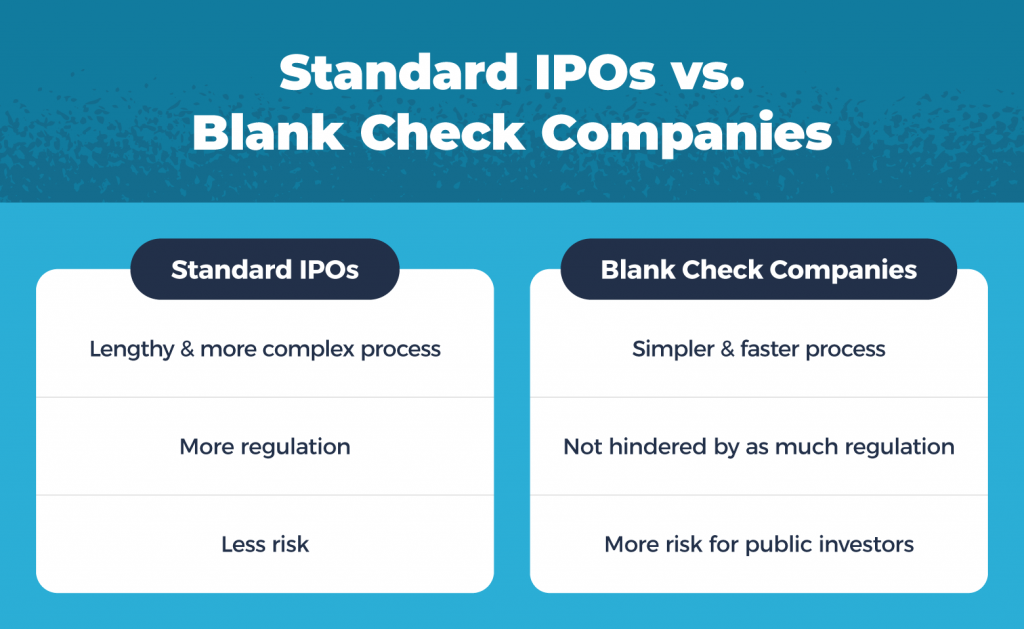
How it works: Companies sell shares on a stock exchange through an initial public offering; an IPO helps raise money to fuel more growth. Companies can also sell extra batches of stock to raise even more money later on and lower share prices; many end up selling millions or billions of shares in total. In the market, share prices usually fluctuate based on supply and demand.

Why it matters: Stocks can move with the broader market, but isolated events from earnings reports to product unveils to C-suite shakeups to Elon Musk tweeting can also affect how investors see a company’s future growth potential, thus sending prices up or down. We’ll occasionally highlight individual stocks and explain what happened to excite or spook investors.

CITE: https://www.r2library.com/Resource/Title/082610254

MEMES: https://medicalexecutivepost.com/2021/07/02/what-is-a-meme-stock/

UNICORNS: https://medicalexecutivepost.com/2021/06/30/unicorns-successful-private-companies/

***

**

COMMENTS APPRECIATED.

Thank You

***

Supreme Court Hears Oral Arguments on 340B Drug Pricing Cuts

BY HEALTH CAPITAL CONSULTANTS, LLC

***

Supreme Court Hears Oral Arguments on 340B Cuts

On November 30, 2021, the U.S. Supreme Court heard oral arguments regarding the challenges arising from the cuts made by the Centers of Medicare & Medicaid Services (CMS) to the 340B Drug Pricing Program.

The 340B Drug Pricing Program allows hospitals and clinics that treat low-income, medically underserved patients to purchase certain “specified covered outpatient drugs” at discounted prices (applying a ceiling to what drug manufacturers may charge certain healthcare facilities) – 25% to 50% of what providers would typically pay – and then receive reimbursement pursuant to the rates set forth in the Outpatient Prospective Payment System (OPPS) at the same rate as all other providers. (Read more…)

***

HEALTH ECONOMICS CITE: https://www.r2library.com/Resource/Title/0826102549

PODCAST: https://medicalexecutivepost.com/2021/08/27/podcast-hospital-340-b-drug-programs/

***

***

***

***

PODCAST: Hospital Innovation Will Happen

By Eric Bricker MD

****

1. 18% of Healthcare Workers have left their job since 2020.

2. 66% of ICU and Acute Care Nurses have considered leaving.

3. ICUs are so short staffed that they have had to run at 4:1 patient to nurse ratios… the normal is 2:1.

4. A Florida hospital spent $24 Million in 2021 on temporary workers to cover for labor shortages… normally they spend $1 Million per year.

5. Nurses average age is 52 and 19% of nurses are over 65 … the nursing workforce is older because younger people do not want the job.

Why?

COMMENTS APPRECIATED

Thank You

Subscribe to the Medical Executive-Post

***

***

***

***

What is the Economic CONSUMPTION FUNCTION Theory?

WE ARE NOT CONSUMING AND THE MARKETS ARE DOWN

By Staff Reporters

***

A Theory of the Consumption Function

One of Milton Friedman’s most popular works, A Theory of the Consumption Function, challenged traditional Keynesian viewpoints about the household. This work was originally published in 1957 by Princeton University Press, and it reanalyzed the relationship displayed “between aggregate consumption or aggregate savings and aggregate income.”

CITE: https://www.r2library.com/Resource/Title/082610254

Keynes: https://medicalexecutivepost.com/2016/05/25/keynesian-versus-austrian-economics/

***

Consumption Function Definition

***

Now, according to Wikipedia, Friedman’s counterpart Keynes believed people would modify their household consumption expenditures to relate to their existing income levels. Friedman’s research introduced the term “permanent income” to the world, which was the average of a household’s expected income over several years, and he also developed the permanent income hypothesis. Friedman thought income consisted of several components, namely transitory and permanent. He established the formula y = y p + y t {\displaystyle y=y_{p}+y_{t}} {\displaystyle y=y_{p}+y_{t}} in order to calculate income, with p representing the permanent component, and t representing the transitory component.

A model of the Permanent Income Hypothesis

Milton Friedman’s research changed how economists interpreted the consumption function, and his work pushed the idea that current income was not the only factor affecting people’s adjustment household consumption expenditures. Instead, expected income levels also affected how households would change their consumption expenditures. Friedman’s contributions strongly influenced research on consumer behavior, and he further defined how to predict consumption smoothing, which contradicts Keynes’ marginal propensity to consume. Although this work presented many controversial points of view which differed from existing viewpoints established by Keynes, A Theory of the Consumption Function helped Friedman gain respect in the field of economics. His work on the Permanent Income Hypothesis is among the many contributions which were listed as reasons for his Sveriges-Riskbank Prize in Economic Sciences. His work was later expanded on by Christopher D. Carroll, especially in regards to the absence of liquidity constraints.

READ MORE HERE:

Of course, the Permanent Income Hypothesis faced some criticism, mainly from Keynesian economists. The primary criticism of the hypothesis is based on a lack of liquidity constraints.

HAYEK: https://medicalexecutivepost.com/2011/05/06/john-maynard-keynes-v-s-fa-hayek/

***

Your comments are appreciated.

QUERY: What is the CF for Healthcare?

MORE: https://medicalexecutivepost.com/2018/09/18/are-doctors-practitioners-of-conspicuous-consumption/

THANK YOU

Subscribe to the Medical Executive-Post

***

***

MARKET UPDATE: Five Items to Watch this Upcoming Week

By Staff Reporters

***

Markets: The stock market was closed for Martin Luther King Jr. Day. Maybe a day off is just what the market needs to score its first winning week of 2022. But … For many stocks, 2022 was a real bear of a year. More than 220 US-listed companies with a market cap of $10+ billion are down at least 20% from their peaks. And things are even worse in the tech-heavy NASDAQ, where 39% of companies have dropped at least half from their all-time highs.

Economy: A combo of Omicron disruptions, higher inflation, and shortages of everything has caused forecasters to lower their projections for economic growth this quarter. Analysts surveyed by the WSJ dropped their Q1 forecast to 3% annual growth from 4.2% back in October.

Banks and Bitcoin: Big Bank earnings underwhelm; retail sales fell; Bitcoin has significant outflows. https://www.msn.com/en-us/video/peopleandplaces/brn-sunday-big-bank-earnings-underwhelm-retail-sales-fell-bitcoin-has-significant-outflows/vi-AASPR74

China: World shares were mixed after China reported that its economy expanded at an 8.1% annual pace in 2021, though growth slowed to half that level in the last quarter. And, Paris, Frankfurt, Tokyo and Shanghai advanced while Hong Kong and Seoul declined.

5 ITEMS TO WATCH: https://www.msn.com/en-us/money/markets/top-5-things-to-watch-in-markets-in-the-week-ahead/ar-AASPAb5?li=BBnb7Kz

COMMENTS APPRECIATED

Thank You

Subscribe to the Medical Executive-Post

***

***

TELE-MEDICINE Fraud, Abuse and New Barriers!

Telemedicine: Fraud and Abuse During the COVID Pandemic

By Susan Walberg

The COVID-19 pandemic has brought with it huge challenges for people all over the world; not only the obvious health-related concerns but also shutdowns, unemployment, financial difficulties, and a variety of lifestyle changes as a result.

When the COVID pandemic struck, CMS quickly recognized that access to care would be an issue, with healthcare resources strained and many providers or suppliers shutting down their offices or drastically limiting availability. Patients who needed routine care or follow-up visits were at risk for not receiving services during a time when healthcare providers were scrambling to enhance infection control measures and implement other new safety standards to protect patients and healthcare workers.

The Centers for Medicare and Medicaid Services (CMS) has responded by easing restrictions and regulatory burdens in order to allow patients to receive the healthcare services they need without undue access challenges. One key area that has changed is the restrictions related to telehealth services, which were previously only paid by Medicare under certain circumstances, such as patients living in remote areas.

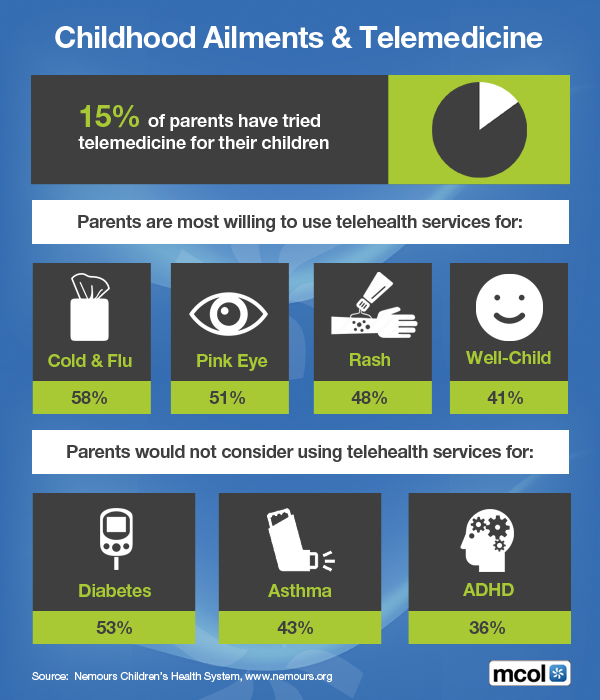
Among the changes and waivers CMS has offered, telemedicine reimbursement is among the more significant. Telemedicine services, which includes office visits and ‘check ins’ are now allowed and reimbursed by Medicare. In addition to reimbursement changes, CMS has also relaxed the HIPAA privacy and information security enforcement standards, paving the way for providers to adopt a new model of providing services electronically.

TELE-HEALTH BARRIERS: https://www.statnews.com/2021/07/13/telehealth-provisions-emergency-patients/

See the source image

MORE:  https://medicalexecutivepost.com/2021/05/18/fraud-schemes-of-few-medical-providers/

Your thoughts are appreciated.

THANK YOU

***

Will Mr. Market Eat Too Much Pi?

By Vitaliy Katsenelson CFA

****

This Holiday, Will Mr. Market Eat Too Much Pi?
You can also listen to a professional narration of this article on iTunes, Google & online.

Mr. Market was less than kind to our portfolio over the last few months, and especially the last few weeks. I cannot tell you how little it worries us what Mr. Market thinks about our stocks at any particular point in time. We love* our portfolio even if the Mr. Market doesn’t fancy it today.

Also, before we take Mr. Market seriously, let us tell you about the rationality of Mr. Market lately. The World Health Organization (WHO) names each variant of the Covid virus by going to the next letter of the Greek alphabet. After Delta, which is currently the most predominant variant of the virus ravaging the world, there must have been nine others that were not important enough because we never heard of them. Why nine? Because when the latest variant of concern was found in South Africa, it emerged that the letter Nu was supposed to be applied to it. But Nu sounds a lot like new. WHO didn’t want to confuse people, so it skipped to the next letter in the Greek Alphabet, which is Xi – oops, that’s the Chinese supreme dictator. So, for the sake of global political stability, that letter was skipped, too.
This brings us to Omicron, the name of the latest variant.

This is where this story gets a bit more interesting.

The one disruption that really puzzles me is the labor shortage. There are millions of jobs going unfilled today. I hear stories of Starbucks stores being closed due to a lack of workers. Every service that has a heavy labor component has gotten worse – be it restaurants, ride-sharing, or pharmacies. There happens to be a cryptocurrency, one of thousands, that is also named Omicron. I still cannot grasp the logic behind it, but that cryptocurrency was up 900% on the day the South African variant was christened. There must have been a trading algorithm or a lot of bored investors looking for the next gamble, to drive something seemingly worthless up 900%.

That is the drunken Mr. Market that is pricing our stocks today.

I am going to repeat what you will find me saying several times in the letter: We own businesses that are priced, not valued, by Mr. Market thousands of times a day. We have done a lot of work on each company in the portfolio, and through diligent research we have reached the conclusion that each is worth more than the price it is changing hands at today. Are we going to be right about each and every stock? Of course not. This is a numbers game. But we use a time-tested methodology centered on common sense and the cash flows these businesses generate. Also, this is not our first rodeo. We’ll go on making small tweaks, taking advantage of Mr. Market’s manic-depressive moods, at least when it comes to anything that generates cash flows.

Of course, we could change our investment process and load up on the cryptocurrency called Pi Coin, which happens to take its name from the letter in the Greek alphabet that follows Omicron. But I think we all agree we should stick to our knitting, buying high-quality businesses that are significantly undervalued. (Anyway we already loaded up on pie during Thanksgiving.)

Our advice – enjoy this holiday season. Spend time with your loved ones; don’t look at your portfolio. Let us worry about it – after all, we own the same stocks you do.

We wish you joyful and safe holidays.

***
COMMENTS APPRECIATED.

Thank You

SUBSCRIBE TO THE MEDICAL EXECUTIVE-POST

***

On Financial Futures for Physicians

What it is – How it works?

By Tim McIntosh MBA CFP CMP® MPH

Courtesy: http://www.CertifiedMedicalPlanner.org

TMA future is a financial derivative that represents the purchase of a particular investment at a predetermined date. Futures are traded on a wide range of investments (e.g., baskets of stocks, interest rates, currencies and commodities) and are useful tools for controlling the risk of cash flow timing for those that wish to lock in a particular price for a security.

Futures versus Options

Likewise, they also provide some insight as to the expected future price in the market of the security.

The key difference between futures and options is that futures obligate both parties to make the agreed upon transaction, whereas options give the option holder the right, but not the requirement, to make the transaction.

Trades

Futures are typically traded on an organized exchange, such as the Chicago Board of Trade (e.g., interest rate and stock index futures) or the Chicago Mercantile Exchange (e.g., foreign exchange and stock futures). The design of the contract traded on an exchange typically includes a pre-defined contract size and delivery month.

Margin Maintenance

Also, futures transactions generally require maintaining a margin deposit (i.e., a fraction of the trade value held in reserve to help ensure the final settlement at the contract settlement date) and the recognition of gains and losses on a daily basis with movements in contract prices.

Japan and world markets tumbling - dollar stronger

Assessment

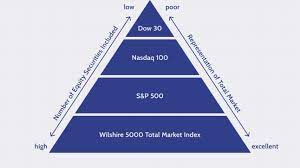
The pricing of a futures contract is based upon the price of the underlying security (e.g., the S&P 500 Index price), the opportunity cost of cash (e.g., current borrowing rates) and any distributions expected from the security over the period (e.g., dividends).

MORE: Futures

About the Author

Timothy J. McIntosh is Chief Investment Officer and founder of SIPCO.  As chairman of the firm’s investment committee, he oversees all aspects of major client accounts and serves as lead portfolio manager for the firm’s equity and bond portfolios. Mr. McIntosh was a Professor of Finance at Eckerd College from 1998 to 2008. He is the author of The Bear Market Survival Guide and the The Sector Strategist

Conclusion

Your thoughts and comments on this ME-P are appreciated. Feel free to review our top-left column, and top-right sidebar materials, links, URLs and related websites, too. Then, subscribe to the ME-P. It is fast, free and secure.

Speaker: If you need a moderator or speaker for an upcoming event, Dr. David E. Marcinko; MBA – Publisher-in-Chief of the Medical Executive-Post – is available for seminar or speaking engagements. Contact: MarcinkoAdvisors@msn.com

Risk Management, Liability Insurance, and Asset Protection Strategies for Doctors and Advisors: Best Practices from Leading Consultants and Certified Medical Planners™8Comprehensive Financial Planning Strategies for Doctors and Advisors: Best Practices from Leading Consultants and Certified Medical Planners™

***

Healthcare NOT a Part of the US Inflation Surge!

WHO KNEW?

By Staff Reporters

****

According to Wikipedia, in economics, inflation refers to a general progressive increase in prices of goods and services in an economy.[1] When the general price level rises, each unit of currency buys fewer goods and services; consequently, inflation corresponds to a reduction in the purchasing power of money.[2][3] The opposite of inflation is deflation, a sustained decrease in the general price level of goods and services. The common measure of inflation is the inflation rate, the annualised percentage change in a general price index.[4]

READ MORE: https://en.wikipedia.org/wiki/Inflation

CITE: https://www.r2library.com/Resource/Title/082610254

***

***

Health Care Price Changes and Per Capita Growth in Medicare | Mercatus  Center

***

Healthcare Not a Part of the US Inflation Surge: Who Knew?

However, according to Jeff Goldsmith, overall health spending has only risen by 4.4% since January of 2020, and the percentage of GDP devoted to health has fallen by more than half a percent, from 18.1% pre-pandemic to 17.5% in October.   This is despite four surges of COVID hospitalizations, overflowing ICUs and ERs, labor shortages, and other COVID-related stresses.  Health system staffing levels are still nearly a half-million lower than they were pre-pandemic.  Had the federal government not stepped in through the CARES Act, FEMA funding, and temporary suspensions of Medicare rate cuts, the nations’ hospitals would have been seriously damaged by COVID-related financial stresses, which are far from being over.  

ESSAY: https://thehealthcareblog.com/blog/2021/11/19/healthcare-not-a-part-of-the-us-inflation-surge-who-knew/

***

COMMENTS APPRECIATED

Thank You

Subscribe to the Medical Executive-Post

***

***

Happy National BLUE MONDAY 2022

By Staff Reporters

***

Blue Monday is considered to be the most depressing day of the year, but some people may be confused whether this label is real or just pseudoscience.

There are claims around this time of year that this specific day commonly coincides with the arrival of some of the year’s toughest psychological challenges.

Issues can include a combination of particularly bleak winter weather, the post-Christmas comedown and being wracked with guilt over yet more failed New Year’s resolutions.

And, additionally, people have over the past two years witnessed the trauma of dealing with the concerns about COVID-19’s effects on physical and mental health.

As with every year, Blue Monday rolls around every year on the first month’s third Monday, meaning in 2022 it is said to arrive today, on January 17th.

QUESTION: However, is this specific time of the year something people should really note?

COMMENTS APPRECIATED.

***

Thank You

Image result for bluemonday

MORE: https://nationaltoday.com/blue-monday/

Please Subscribe to the Medical Executive-Post

***

Exploding Head Syndrome: https://www.sleepassociation.org/sleep-disorders/more-sleep-disorders/exploding-head-syndrome/

****

ORDER: https://www.routledge.com/Risk-Management-Liability-Insurance-and-Asset-Protection-Strategies-for/Marcinko-Hetico/p/book/9781498725989

***

ABOUT RHETORICAL DEVICES AND PERSUASIVE APPEALS: Ethos, Pathos and Logos; etc

KAIROS; TOO!

DR. DAVID EDWARD MARCINKO FACFAS MBA CFP MBBS [Hon] [Executive Summary] -  PDF Free Download

By Dr. David E. Marcinko MBA CMP®

CMP logo

SPONSOR: http://www.CertifiedMedicalPlanner.org

****

The modes of persuasion, modes of appeal or rhetorical appeals (Greek: pisteis) are strategies of rhetoric that classify a speaker’s or writer’s appeal to their audience. These include ethos, pathos, and logos.

CITE: https://www.r2library.com/Resource/Title/0826102549

***

See the source image

***

Rhetorical appeal with persuasion elements are often key attributes for doctors, medical professionals, lawyers, CPAs, and all sorts of financial advisors and medical management consultants, etc.

Learning: https://medicalexecutivepost.com/2020/08/18/top-15-evolutions-of-learning/

So, here is a brief review for your consideration.

Examples: https://pathosethoslogos.com/

KAIROS: https://louisville.edu/writingcenter/for-students-1/handouts-and-resources/handouts-1/logos-ethos-pathos-kairos

YOUR COMMENTS ARE APPRECIATED.

Thank You

***

PARKINSON’S LAW: Beware in 2022

The 2-Ps [80/20] Rule

[By staff reporters]

Pareto’s law is either of the following closely related ideas: Pareto principle or law of the vital few, stating that 80% of the effects come from 20% of the causes Pareto distribution

Pareto distribution

The Pareto distribution, named after the Italian civil engineer, economist, and sociologist Vilfredo Pareto, is a power law probability distribution that is used in description of social, scientific, geophysical, actuarial, and many other types of observable phenomena. en.wikipedia.org

Parkinson’s law

Originally, Parkinson’s law is the adage that “work expands so as to fill the time available for its completion”, and the title of a book which made it well-known.

Assessment

However, in current understanding, Parkinson’s law is a reference to the self-satisfying uncontrolled growth of the bureaucratic apparatus in an organization.

COMPARISON

Conclusion

Your thoughts are appreciated.

***

8Risk Management, Liability Insurance, and Asset Protection Strategies for Doctors and Advisors: Best Practices from Leading Consultants and Certified Medical Planners™8Comprehensive Financial Planning Strategies for Doctors and Advisors: Best Practices from Leading Consultants and Certified Medical Planners™

***

Invite Dr. Marcinko