BOARD CERTIFICATION EXAM STUDY GUIDES Lower Extremity Trauma
[Click on Image to Enlarge]
ME-P Free Advertising Consultation
The “Medical Executive-Post” is about connecting doctors, health care executives and modern consulting advisors. It’s about free-enterprise, business, practice, policy, personal financial planning and wealth building capitalism. We have an attitude that’s independent, outspoken, intelligent and so Next-Gen; often edgy, usually controversial. And, our consultants “got fly”, just like U. Read it! Write it! Post it! “Medical Executive-Post”. Call or email us for your FREE advertising and sales consultation TODAY [678.779.8597] Email: MarcinkoAdvisors@outlook.com
Medical & Surgical e-Consent Forms
ePodiatryConsentForms.com
iMBA Inc., OFFICES
Suite #5901 Wilbanks Drive, Norcross, Georgia, 30092 USA [1.678.779.8597]. Our location is real and we are now virtually enabled to assist new long distance clients and out-of-town colleagues.
ME-P Publishing
SEEKING INDUSTRY INFO PARTNERS?
If you want the opportunity to work with leading health care industry insiders, innovators and watchers, the “ME-P” may be right for you? We are unbiased and operate at the nexus of theoretical and applied R&D. Collaborate with us and you’ll put your brand in front of a smart & tightly focused demographic; one at the forefront of our emerging healthcare free marketplace of informed and professional “movers and shakers.” Our Ad Rate Card is available upon request [678-779-8597].
Posted on February 4, 2026 by Dr. David Edward Marcinko MBA MEd CMP™
By Staff Reporters
***
***
Long-Term Liabilities
A secured debt is pledged by a specific property. This is a collateralized loan.
Generally, the purchased item is pledged with the proceeds of the loan. This would include long-term liabilities (more than 12 months) such as a mortgage, home equity loan, or a car loan. Although the creditor has the ability to take possession of your property in order to recover a bad debt, it is done very rarely. A creditor is more interested in recovering money. Sometimes, when borrowing money, there may be a requirement to pledge assets that are owned prior to the loan.
For example, a personal loan from a finance company requires that you pledge all personal property such as your car, furniture, and equipment. The same property may become subject to a judicial lien if you are sued and a judgment is made against you. In this case, you would not be able to sell or pledge these assets until the judgment is satisfied. A common example of a lien would be from unpaid federal, state or local taxes. Doctors can be found personally liable for unpaid payroll taxes of employees in their professional corporations.
***
Distinguishing from Short-Term Liabilities
The primary distinction between long-term and short-term liabilities lies in their repayment timing. Long-term liabilities are obligations due beyond one year, while short-term, or current, liabilities are financial obligations settled within one year of the balance sheet date or the company’s operating cycle, whichever is longer. This timing difference impacts how these obligations are viewed in financial analysis.
Examples of short-term liabilities include accounts payable, which are amounts owed to suppliers for goods or services purchased on credit, typically due within 30 to 60 days. Other common short-term obligations are short-term notes payable, accrued expenses like salaries or utilities, and the portion of long-term debt that becomes due within the next 12 months. These obligations are usually paid using current assets.
This distinction is important for financial analysis, as it helps assess a company’s financial health. Short-term liabilities are relevant for evaluating a company’s liquidity, its ability to meet immediate financial obligations. Conversely, long-term liabilities provide insights into a company’s solvency, indicating its ability to meet financial obligations over an extended period and its overall financial stability.
***
Finally, be aware that some assets and liabilities defy short or long-term definition. When this happens, simply be consistent in your comparison of financial statements, over time.
Rental income can be an attractive source of passive income for physicians seeking financial diversification beyond clinical practice. However, while real estate investing offers potential tax advantages and long-term wealth accumulation, it also carries a unique set of risks that doctors must carefully consider before entering the market.
One of the primary risks is time and management burden. Physicians often work long hours and have demanding schedules, leaving little time to manage rental properties. Even with property managers, landlords must make decisions about maintenance, tenant issues, and legal compliance. Unexpected repairs, vacancies, or tenant disputes can quickly consume time and energy, detracting from a physician’s core professional responsibilities.
***
***
Another significant concern is financial exposure. Real estate investments typically require substantial upfront capital, and financing through loans adds debt to a physician’s balance sheet. If the property fails to generate consistent rental income—due to market downturns, high vacancy rates, or unreliable tenants—the investor may struggle to cover mortgage payments, property taxes, and maintenance costs. This can lead to cash flow problems and even jeopardize personal financial stability.
Market volatility also poses a risk. Real estate values and rental demand fluctuate based on economic conditions, interest rates, and local market trends. Physicians who invest in properties without thoroughly researching the area or understanding market cycles may find themselves holding depreciating assets or facing difficulty finding tenants. Unlike stocks or bonds, real estate is illiquid, meaning it cannot be easily sold in a downturn without potentially incurring losses.
Legal and regulatory risks are another consideration. Landlords must comply with local housing laws, fair housing regulations, and safety codes. Failure to do so can result in fines, lawsuits, or reputational damage. Physicians unfamiliar with these legal frameworks may inadvertently violate rules, especially if they rely on informal advice or neglect to consult legal professionals.
Additionally, tax complexity can be a challenge. While rental income may offer deductions for depreciation, mortgage interest, and operating expenses, navigating these benefits requires careful record-keeping and often professional tax guidance. Misreporting income or deductions can trigger audits or penalties, adding stress and financial risk to the investment.
***
***
Finally, there’s the opportunity cost. Time and money spent on rental properties could be invested in other ventures, such as medical practice expansion, retirement accounts, or diversified portfolios. Physicians must weigh whether real estate aligns with their long-term financial goals and risk tolerance.
In conclusion, while rental income can be a valuable tool for wealth building, it is not without its pitfalls. Doctors considering this path should conduct thorough due diligence, seek professional advice, and assess whether the demands and risks of property ownership fit their lifestyle and financial strategy. A well-informed approach can help mitigate these risks and turn rental income into a sustainable asset rather than a liability.
Posted on November 23, 2025 by Dr. David Edward Marcinko MBA MEd CMP™
By Dr. David Edward Marcinko MBA MEd
***
***
An Overview
Introduction In the world of finance, the distinction between recourse and non-recourse loans is critical. Non-recourse financing refers to loans in which the lender’s rights are limited strictly to the collateral pledged for the loan. If the borrower defaults, the lender cannot pursue the borrower’s personal assets or income beyond the collateral. This structure makes non-recourse loans particularly attractive to borrowers who want to protect their broader financial portfolio, though it comes with trade-offs such as higher interest rates and stricter eligibility requirements.
Definition and Core Features
A non-recourse loan is secured by collateral, typically real estate or high-value assets. Unlike recourse loans, where lenders can seize collateral and pursue additional assets if the collateral does not cover the debt, non-recourse loans restrict recovery to the collateral alone.
Key features include:
Collateral-based repayment: Only the pledged asset can be seized.
Borrower protection: Other personal or business assets remain untouched.
Higher lender risk: Because recovery is limited, lenders face greater exposure.
Higher interest rates: To offset risk, lenders often charge more.
Applications in Real Estate and Project Financing
Non-recourse financing is most common in commercial real estate and large-scale projects. For example, developers building shopping centers or office towers often rely on non-recourse loans because repayment depends on future rental income once the project is complete. Similarly, infrastructure projects with long lead times—such as energy plants or toll roads—use non-recourse financing to align repayment with project revenues.
This structure allows borrowers to undertake ambitious projects without risking personal bankruptcy if the venture fails. It also encourages investment in sectors where upfront costs are high and returns are delayed.
Comparison with Recourse Loans
The difference between recourse and non-recourse loans lies in risk allocation:
Recourse loans: Lenders can seize collateral and pursue other assets. These loans are lower risk for lenders and typically carry lower interest rates.
Non-recourse loans: Lenders are limited to collateral. Borrowers gain protection, but lenders demand higher rates and stricter terms.
This trade-off means non-recourse loans are less common and usually reserved for borrowers with strong creditworthiness or projects with predictable revenue streams.
Advantages of Non-Recourse Financing
Risk limitation for borrowers: Protects personal wealth and other business assets.
Encourages investment: Makes large-scale, high-risk projects feasible.
Predictable liability: Borrowers know their maximum exposure is limited to collateral.
Disadvantages and Risks
Higher costs: Interest rates and fees are higher due to lender risk.
Strict eligibility: Only borrowers with strong financial standing or valuable collateral qualify.
Collateral dependency: If the collateral loses value, lenders face significant losses.
Bad boy carve-outs: Certain clauses allow lenders to pursue borrowers if fraud, misrepresentation, or intentional misconduct occurs.
Legal and Financial Implications
Non-recourse financing is shaped by legal frameworks that define lender rights. In many jurisdictions, lenders cannot pursue deficiency judgments beyond collateral. However, exceptions exist through “bad boy carve-outs,” which hold borrowers personally liable for misconduct such as misappropriation of funds or environmental violations.
Conclusion
Non-recourse financing is a powerful tool in modern finance, particularly for commercial real estate and infrastructure projects. By limiting borrower liability to collateral, it enables ambitious ventures while protecting personal assets. However, this protection comes at the cost of higher interest rates, stricter eligibility, and potential carve-outs that reintroduce personal liability. Ultimately, non-recourse loans represent a balance between borrower protection and lender risk, shaping the way large-scale projects are funded and developed.
SPEAKING: Dr. Marcinko will be speaking and lecturing, signing and opining, teaching and preaching, storming and performing at many locations throughout the USA this year! His tour of witty and serious pontifications may be scheduled on a planned or ad-hoc basis; for public or private meetings and gatherings; formally, informally, or over lunch or dinner. All medical societies, financial advisory firms or Broker-Dealers are encouraged to submit an RFP for speaking engagements: CONTACT: Ann Miller RN MHA at MarcinkoAdvisors@outlook.com -OR-http://www.MarcinkoAssociates.com
The following are 4 common financial psychological biases. Some are learned while others are genetically determined (and often socially reinforced). While this essay focuses on the financial and investing implications of these biases, they are prevalent in most areas in life.
Loss aversion affected many investors during the stock market crash of 2007-08 or the flash crash of May 6, 2010 also known as the crash of 2:45. During the crash, many people decided they couldn’t afford to lose more and sold their investments.
Of course, this caused the investors to sell at market troughs and miss the quick, dramatic recovery.
Overconfident investing happens when we believe we can out-smart other investors via market timing or through quick, frequent trading.
Data convincingly shows that people who trade most often under-perform the market by a significant margin over time.
Mental accounting takes place when we assign different values to money depending on where we got it.
For instance, even though we may have an aggressive saving goal for the year, it is likely easier for us to save money that we worked for than money that was given to us as a gift.
Herd mentality makes it very hard for humans to not take action when everyone around us does.
For example, we may hear stories of people making significant profits buying, fixing up, and flipping homes and have the desire to get in on the action, even though we have no experience in real estate.
The so-called money factor (abbreviated as MF on invoices) is a number in a decimal form that dealers use to calculate the APR of a car lease. It’s a major part of your monthly payment and dealers are known to jack up the money factor to pad their profits.
Most doctors don’t ask to see it because they’re not aware of it or don’t know how to calculate it. Ask to see the money factor, then multiply it by 2,400.
For example, if the money factor is .00150, you multiply it by 2,400 to get 3.6%. If that’s higher than the prevailing rate, you have room to talk them down.
How to reduce it
So how do you get a good interest rate when you lease a vehicle? The same way you do when borrowing for any other reason, whether it’s buying a home or applying for a personal loan: by having good credit. This may reduce your interest rate because you’ll represent a lower risk to a lender.
A high residual value on the car could also help you get a better interest rate. A higher residual value means you’d have lower monthly payments because there would be less depreciation on the vehicle. Since interest is applied to your monthly payment, a lower monthly payment would equate to reduced interest charges.
The money factor is one of the many numbers you may want to learn about when leasing a car. It’s one of the transactional costs that come with leasing, and allows dealers and finance companies to make a profit on every lease they execute. As a consumer, it’s a smart idea to learn the financial implications of this number and how it’ll affect your overall costs over the course of a multi-year lease.
***
***
If the interest rate is too high, you may need to shop around for a better rate, negotiate with the dealer or lender to lower the money factor, or consider leasing another vehicle that’s more in line with your budget. Either way, make sure you explore all your financial options before taking a car off the lot.
SPEAKING: Dr. Marcinko will be speaking and lecturing, signing and opining, teaching and preaching, storming and performing at many locations throughout the USA this year! His tour of witty and serious pontifications may be scheduled on a planned or ad-hoc basis; for public or private meetings and gatherings; formally, informally, or over lunch or dinner. All medical societies, financial advisory firms or Broker-Dealers are encouraged to submit an RFP for speaking engagements: CONTACT: Ann Miller RN MHA at MarcinkoAdvisors@outlook.com -OR-http://www.MarcinkoAssociates.com
Posted on July 21, 2025 by Dr. David Edward Marcinko MBA MEd CMP™
By Rick Kahler MSFP CFP™
***
***
When Maria needed $400,000 for a down payment on a new home, her broker at a large Wall Street firm offered a solution: “Don’t sell investments and trigger capital gains. Just take out a margin loan.”
A margin loan is a line of credit from a brokerage firm, secured by the client’s investment portfolio. It offers quick access to cash with no immediate tax consequences and minimal paperwork. But the convenience comes at a cost. As of mid-2025, margin loan interest rates range from 6.25% to over 11%.
Margin loan recommendations are often presented by brokers as tax-savvy strategies that allow clients to access “tax-free” cash while keeping their portfolios intact. In many cases, however, the math benefits the advisor more than the investor. The cost of borrowing often exceeds what an investor is likely to earn by holding on.
For example, let’s assume an interest rate of 7.5% on Maria’s $400,000 margin loan. While borrowing delayed the payment of $20,000 in capital gains tax, she will eventually have to pay that tax anyway unless she holds the investments until her death. Two years later, with portfolio returns of 4% annually, she had earned around $32,000 from the $400,000 in investments she might have sold. Meanwhile, she had paid $60,000 in interest—leaving her some $28,000 worse off. That’s without factoring in ongoing interest payments, or the risks of a margin call if the investments securing the loan drop in value.
Why do advisors keep recommending margin loans? Because selling investments reduces the portfolio size and the advisor’s fee. Borrowing keeps the portfolio intact and the compensation unchanged—while the firm receives additional income from interest on the loan. In some cases, advisors suggest using margin loans to buy more investments, increasing both the portfolio and the fee they collect.
None of this is illegal. But when the borrowing cost is higher than expected returns and the advisor benefits financially, the ethics are questionable. The client takes the risk, while the advisor keeps the revenue.
This kind of conflict appears more often in portfolios where compensation is tied to asset volume and the company’s primary culture rewards gathering assets over delivering unbiased advice. By contrast, fee-only financial planning and investment advisors typically operate on simpler hourly, flat, or tiered fee structures. Their compensation doesn’t depend on whether a client borrows, sells, or holds. The culture of the firm focuses on conflict-free advice aligned with the client’s best interest.
Wall Street brokers are often held to a fiduciary standard, but structure still matters. In 2024 the SEC reported their examinations of brokers would continue to focus on advisor recommendations unduly influenced by the company’s compensation and incentives.
There are rare situations where a margin loan may be appropriate. A client with large unrealized gains might use a short-term margin loan to minimize taxes. An elderly investor might borrow tax-free rather than sell assets that will receive a step-up in basis at their death. Even in those cases, the math must be exact and the client must clearly understand the risks, including the possibility of a margin call.
If your advisor recommends a margin loan, especially to buy more investments, ask strong questions. What’s the interest rate? What return is realistic? What are the tax consequences of selling? How does this affect the advisor’s income?
In a high-rate, low-return environment, margin loans rarely favor the client. The exceptions are narrow. The risks are significant. And the conflict of interest is measurable.
Sometimes the smartest move is the simplest: sell what you need, pay the tax, and leave leverage out of your plan.
Posted on May 7, 2025 by Dr. David Edward Marcinko MBA MEd CMP™
By Vitaliy Katsenelson CFA
***
***
Today, we’re diving into two thought-provoking questions:
What’s a famous investment rule I don’t agree with? Which key characteristics should a good investor have? Again:
What’s a famous investment rule I don’t agree with?
Which key characteristics should a good investor have?
A Famous Investment Rule I Don’t Agree With: “Buy and Hold”
Buy and hold becomes a religion during bull markets. Then, holding a stock because you bought it is often rewarded through higher and higher valuations. There’s a Pavlovian bull market reinforcement – every time you don’t sell (hold) a stock, it goes higher.
Buying is a decision. So is holding, but it should not be a religion but a decision. The value of any company is the present value of its cash flows. When the present value of cash flows (per share) is less than the price of the stock, the stock should not be “held” but sold.
WarrenBuffett is looked upon as the deity of buy and hold.
Look at Coca Cola when it hit $40 in 1999. Its earnings power at the time was about $0.80. It was trading at 50 times earnings. It was significantly overvalued, considering that most of the growth for this company was in the past.
Fast-forward almost a quarter of a century – literally a generation. Today the stock is at $60. It took more than a decade to reclaim its 1999 high. Today, Coke’s earnings power is around $1.50–1.90. Earnings have stagnated for over a decade. If you did not sell the stock in 1999, you collected some dividends, not a lot but some. The stock is still trading at 30–40x earnings. Unless they discover that Coke cures diabetes (not causes it), its earnings will not move much. It’s a mature business with significant health headwinds against it.
“Long-term” and “buy-and-hold” investing are often confused.
People should not own stocks unless they have a long-term time horizon. Long-term investing is an attitude, an analytical approach. When you build a discounted cash flow model, you are looking decades ahead. However, this doesn’t mean that you should stop analyzing the company’s valuation and fundamentals after you buy the stock, as they may change and affect your expected return. After you put in a lot of analytical work and buy the stock, you should not simply switch off your brain and become a mindless buy-and-hold investor.
This doesn’t mean you shouldn’t be patient, but holding, not selling, a stock is a decision.
Posted on April 14, 2025 by Dr. David Edward Marcinko MBA MEd CMP™
OVER HEARD IN THE FINANCIAL ADVISOR’S LOUNGE
***
***
By Perry D’Alessio, CPA [D’Alessio Tocci & Pell LLP]
What I see in my accounting practice is that significant accumulation in younger physician portfolio growth is not happening as it once did. This is partially because confidence in the equity markets is still not what it was; but that doctors are also looking for better solutions to support their reduced incomes.
For example, I see older doctors with about 25 percent of their wealth in the market, and even in retirement years, do not rely much on that accumulation to live on. Of this 25 percent, about 80 percent is in their retirement plan, as tax breaks for funding are just too good to ignore.
What I do see is that about 50 percent of senior physician wealth is in rental real estate, both in a private residence that has a rental component, and mixed-use properties. It is this that provides a good portion of income in retirement.
***
***
QUESTION: So, could I add dialog about real estate as a long term solution for retirement?
Yes, as I believe a real estate concentration in the amount of 5 percent is optimal for a diversified portfolio, but in a very passive way through mutual or index funds that are invested in real estate holdings and not directly owning properties.
Today, as an option, we have the ability to take pension plan assets and transfer marketable securities for rental property to be held inside the plan collecting rents instead of dividends.
Real estate holdings never vary very much, tend to go up modestly, and have preferential tax treatment due to depreciation of the property against income.
Posted on April 12, 2025 by Dr. David Edward Marcinko MBA MEd CMP™
THE “FIVE-FIVE” FINANCIAL RULE
By Staff Reporters
***
***
Many of the pros of home ownership will appeal to medical retirees for whom their home is their castle and who appreciate being settled both financially and geographically:
1. Building equity in your home: Each mortgage payment you make brings you closer to owning your house free and clear with no payments. If you can buy a new home or condo outright by selling your current home, you can still build equity in your new home over time.
2. Predictability: If you have a fixed-rate mortgage, your mortgage payments will remain consistent for years and you don’t have to worry about a landlord ever making you move.
3. Tax benefits: You can deduct mortgage interest and property taxes up to certain limits.
4. Customization: You don’t need a landlord’s permission to alter and improve your home.
5. Home appreciation: Homes generally increase in value, so you can increase your net worth by owning a property.
***
***
Renting also has five significant upsides, particularly for physician retirees who want greater freedom to travel and to make bigger moves — potentially across the country or even abroad:
1. Extreme flexibility: You can leave your property after giving notice and go wherever you want much more easily than with an illiquid home you’d have to sell first.
2. Lower upfront costs: You only have to pay first and last month’s rent and a security deposit to move into a rental, not make a large home down payment.
3. No maintenance concerns: If something breaks, your landlord is responsible for the cost of fixing it and the actual repairs. You don’t have to build up an emergency fund for maintenance.
4. Predictable expenses: For the duration of your lease, your monthly housing costs including utilities will remain consistent, even if the cost of energy goes up, for example.
5. Lack of worry: If you’re in a rental apartment, you won’t have to concern yourself with shoveling snow, mowing grass or other matters of upkeep.
Posted on March 31, 2025 by Dr. David Edward Marcinko MBA MEd CMP™
[Reviewing Terms, Conditions and Selling Agreements]
By Dr. Charles F. Fenton III JD
***
***
Dealing with many issues concerning the actual contract that affect the purchase or sale of a medical practice can be daunting. For example, this chapter will not deal with issue of determining whether or not a physician should retire. Nor will it determine the proper Fair Market Value [FMV] of the practice. However, physicians may be assisted in both instances by a medically focused financial advisor, or valuation specialist. [AVA, CPA-CVA, Certified Medical Planner™; etc] working in conjunction with an experience health care contract attorney to act as an advocate and determine certain contingencies that might occur, and protect him/her from them.
THE PARTIES
The first determination is whether the party at interest is an individual, group of individuals, or an entity (such as a partnership, limited liability partnership, limited partnership, limited liability company, or corporation – whether an S corporation, C corporation or a professional corporation). In many instances, even if the party at interest is an individual is an entity, the individual or individuals behind the entity should be made parties to the agreement.
From the buyer’s perspective, the purchase of a medical practice is a highly person-oriented business. The practice value depends much upon the personality of the current treating physicians. If the current treating physicians are also the owners of the entity, then binding those individuals (especially as applies to the restrictive covenant) is of primary importance.
If the current treating physicians are not owners of the entity, but rather employees, then a determination of whether they will continue in their same positions or whether the buyer will be taking over the treatment of patients becomes the prime focus. If the current treating physicians will be continuing in their same positions, then their current employment contract must be reviewed to determine whether the rights of the seller will accrue to the buyer.
If the rights of the seller will not accrue to the buyer, then the Purchase and Sale Agreement must have a provision that makes the continued employment of those current-treating physicians a condition to consummation of the sale. In such instances, the new employment agreement might be an exhibit to the main agreement and executed contemporaneously with the main agreement.
If the current treating physicians will not be continuing in their same position and if the purchaser will be assuming treatment of the patients, then the main agreement must provide for the dissolution of the employment agreement and provision must be made for restricting the ability of those physicians from competing with the buyer. If the employment contract with the seller contains a restrictive covenant, then the buyer must ensure that such covenants will accrue to the buyers benefit. Otherwise, the buyer should insist that those physicians sign restrictive covenants. In such an instance, a portion of the purchase price may need to be allocated towards the consideration for those restrictive covenants and paid directly to those physicians.
DATE OF AGREEMENT AND CLOSING DATE
In general, it usually does not matter when the agreement is dated. It should usually be dated once all the terms are agreed to and the parties desire to bind each other and to be bound. In certain instance, the parties may have reached an agreement, but certain issues (such as the obtaining of a state license to practice medicine) may be outstanding. In such a case, then an option can be given by either the seller or the buyer to bind the other to sell or buy the practice upon exercise of the option. Giving an option can also push the agreement date into the future. The option will usually be given with token consideration (e.g., one hundred dollars) and will have a fixed expiration date (e.g., thirty to ninety days).
The determination of the closing date is more important than the date that the agreement is dated. Just like in the purchase of a house where certain issues (such as obtaining a mortgage and home inspection) must occur before closing, in the purchase of a practice, there may be certain issues which require time to undertake before the actual transfer can be consummated. For example, the buyer may still need to obtain financing or the landlord may need to approve the assignment of the lease.
RECITALS
The recitals – or “whereas” clauses – traditionally enunciate the reasons the parties are entering into the agreement. In the sale of the practice the recitals may simply state that the buyer wishes to buy the practice and the seller wishes to sell the practice. Yet, there is a modern growing tendency among contract attorneys to eliminate the “whereas” clauses as some attorneys feel that such language is antiquated. In such instances, the agreement will simply have a paragraph or two delineation of the “Purpose” of the agreement.
ARTICLES, SECTIONS, AND PARAGRAPHS
The agreement will often be divided and numbered in some logical fashion, either into articles, sections, paragraphs, or a combination of these. The reason for doing so is twofold. First, it allows ready reference to the numbered paragraph, and secondly it allows the agreement to be divided and grouped in logical associations.
BINDING THE PARTIES
The first paragraph of the first article will often bind the seller to sell and the buyer to buy the practice under the terms of the agreement. The rest of the agreement simply spells out those terms.
WHAT IS PURCHASED?
The agreement must disclose the items which are being transferred and the items which are not considered part of the agreement. This section should be crystal clear, so that anybody reading the contract (and hence a court which may be called upon to enforce the contract) and not privy to the preliminary negotiations will know what is part of the agreement and what is not part of the agreement.
[1] Sale of Stock vs. Sale of Assets
In most cases, well-informed financial advisors [FAs] will recommend that the buyer solely purchase the assets of the practice and not the stock of the practice. By purchasing selected assets, the buyer is ensured that he will not become responsible for the known or unknown liabilities of the corporation. In prior days, avoiding purchasing the stock of the corporation was a wise recommendation.
However, with the advent of managed care, the purchase of the stock of the corporation can provide the new practitioner with certain competitive advantages. It may take a new practitioner three to nine months to get onto enough managed care panels to make the practice profitable. Purchase of the stock of the corporation ensures the new practitioner of acquiring the Federal Tax Identification Number [TIN], Personal Identification Number [PIN], Drug Enforcement Agency [DEA], Centers for Medicare and Medicaid [CMS], Global Location Number [GLN] , National Provider Identifier [NPI], HIE-Form 834 transmission number, Durable Medical Equipment Number [DME] etc, of the corporate entity. Since most managed care corporations identify providers by the Federal TIN, purchase of the stock of the corporation should allow the new practitioner to be enrolled on managed care panels in a shorter period of time.
[2] Items Purchased
Items purchased often lists the tangible and intangible property of the seller which will be transferred to the buyer. Such items often include:
A detailed inventory of the tangible assets to be purchased;
A detailed listing of the inventory of the practice;
The names and addresses of all of the patients of record treated by the seller;
The patient medical records maintained by seller;
The computer records maintained by seller;
All licenses, permits, accreditation and franchises issued by any federal, state, municipal, or quasi-government authority relating to the use, maintenance or operation of the practice, running to or in favor of seller, but only to the extent that they are accepted by buyer;
All of sellers’ right, title, and interest in and to all real estate and equipment leases, if any, services agreements, employment and professional service contracts relating to the practice but only to the extent that the foregoing are accepted by buyer;
Assignment of lease should be attached and be incorporated to the agreement;
All existing telephone numbers used in connection with the operation of the practice and all yellow page advertising of the practice; and
The goodwill of the practice, which includes seller’s assistance and cooperation in transfer of all sellers’ rights and interests in the practice to buyer and any other intangible assets of the practice not listed in any other category.
Certain items purchased, such as [paper or electronic] medical records, governmental licenses, fax, email, website and telephone numbers have special considerations as discussed below.
[3] Medical Records
The seller should protect its future need to use the transferred patient medical records. In the current managed care environment, providers are subject to strict scrutiny. Even after leaving practice the provider may find himself subject to a government or third party audit or subject to a medical malpractice lawsuit. Therefore, the provider should ensure that the contract allows for him to take future possession of the specific medical record(s) of the practice in order to mount an appropriate defense.
[4] Governmental Licenses
Certain government licenses and permits may be nontransferable. These would include items such as the federal and state employer identification numbers, as these are unique to seller as a corporate entity. Likewise, other items unique to seller include Medicare identification numbers, Medicaid identification numbers, NPIs and UPINs. The buyer would have to purchase the stock of the corporation order to acquire such items, which is another advantage of a stock transaction versus an asset transaction. Likewise, some local business licenses may or may not be transferable.
[5] Telephone and Fax Numbers, Website URLs and Twitter [X] Accounts, etc
Transference of the telephone numbers often requires that a special local telephone company form authorizing transfer of the telephone numbers to the buyer. Often the new owner of the telephone number will also become liable for any current yellow page advertisement monthly fees. It is the same with an URL or website or e-mail address or office Twitter X account, etc.
[6] Items Not Purchased
Items not purchased or “excluded items” often list the personal items of the parties or of the employees of the parties. Such items would often include:
All cash on hand or on deposit;
All accounts receivable generated prior to the closing date;
All prepaid expenses, utility deposits, tax rebates, insurance claims, credits due from suppliers and other allowances after Closing Date;
The personal effects, including but not limited to photographs, diplomas, uniforms, books, mementos, memorabilia, personally owned art and any personal property owned by them;
Life insurance, disability insurance, and disability buy-out insurance on seller;
Motor vehicles used in connection with the practice;
Any or all tangible-intangible assets used in conjunction with another practice of seller; and
All other assets owned by seller other than those specifically described as items purchased.
The exact items transferred will often depend upon the prior negotiations of the parties. For example, the parties may have agreed that the accounts receivable will be transferred with the practice. In such an instance, the accounts receivable will be listed as an item to be purchased.
PURCHASE PRICE AND TERMS
The price of the transaction (or the value of the practice) is often the one item that is aggressively negotiated between the parties. That is because both the buyer and the seller are overly concerned with “how much?” As this chapter demonstrates, there are a lot more details that go into the negotiation and final contract than just the price. The buyer or seller would be doing themselves a disservice to consider the other factors simply “lawyer details.” Many additional terms of the agreement should be considered by one side or the other as “walk-way” conditions. The party that fully adheres to their additional terms is likely to find the other party capitulating to them. This is because the other party will most likely be fixated on the price.
The purchase price should be delineated in the agreement. Furthermore, the method of payment of the purchase price should be delineated. Although the usual method of payment would be cash, there are other methods available as well.
Cash payment can be made by an official bank cashier’s check, by a certified check, by deposit of funds into an escrow account, or by other method agreed upon by the parties.
Non-cash type transactions include loan agreements and exchanges. Exchanges can provide certain tax benefits if the exchange is a “like kind” exchange. A like kind exchange would occur when parties swap practices. For example, a group practice might have several offices. As part of the breakup of the group, the parties might exchange their stock of one office for all of the stock of another office. Like kind exchanges have strict guidelines that must be adhered to or the tax advantages will disappear. The reader is cautioned to get current legal and financial advice prior to the time of exchange.
It is in the seller’s best interest to get all cash at the time of closing. Then the seller can walk away and not worry about the success or failure of his predecessor. The seller will not have to worry about collecting periodic payments. The seller will not have to worry about placing the buyer in default or about eventually having to repossess the practice and begin to practice medicine at that office again. If a seller repossesses a practice, the buyer may have driven the patients away or lost the managed care contracts (why else would the buyer not be able to honor the loan agreement?). So the repossessed practice will have a significantly lower market value – if it is even marketable at that time.
On the opposite end of the spectrum, it is in the buyer’s best interest to get long and lean loan terms. First, by getting loan terms, the buyer will often have to come up with much less initial capital. Second, because of the discussion in the preceding paragraph, the seller has a vested interest in ensuring that the buyer succeeds once the practice changes hands.
If the transaction involves a seller-financed loan, then the agreement should specify the terms. Additionally, a separate loan agreement and security agreement should be attached as exhibits to the agreement. Finally, in order to perfect the security agreement, the lien should be recorded at the local courthouse in accordance to local rules and customs.
***
***
ALLOCATION OF PURCHASE PRICE
The final purchase price will actually be the amalgamation of various assets of the practice. Those assets include the tangible and intangible assets. The tangible assets include the hard assets (such as computers, treatment tables, chairs and furniture, DME and x-ray machines, etc) and the soft assets (such as Q-tips, paper and cotton balls). The intangible assets will include going concern value, goodwill, and the value of any restrictive covenant.
The parties should delineate the allocation of the purchase price amongst those various categories to reach a mutual best fit with the potential tax obligations. The buyer is the one who should strive to make the allocation fit his needs as best as possible.
Generally, the sale of the assets will be ordinary income to the seller and taxed at the seller’s usual rate. The buyer will be able to depreciate the purchased items. However, the characterization of those assets and the allocated portion of the purchase price will determine how much can be depreciated and over what time period the items can be depreciated.
As a general rule, soft assets can be depreciated fully in the year of purchase. Generally, hard assets can be depreciated over a three to seven year time period, depending upon the class of the asset. Also, under Section §179, a certain dollar amount can be “expensed” or deducted in the year of purchase. The sooner and the faster that the assets can be deducted the less current taxes that the buyer will be required to pay. However, intangible assets generally must be deducted over a 15-year period. This prolongs the tax benefits of any payments characterized as such.
Nonetheless, purchase of the assets results in better tax consequences that purchase of the stock of the practice. When stock is purchased, there is no depreciation allowance allocated in the current or subsequent years. Instead, the cost of the stock becomes the “basis” of the buyer in the practice. Any gain or loss from that basis will only have tax benefits or tax consequences in the year that the stock is sold or becomes worthless.
Because of the tax consequences of the characterization of the allocations of the purchase price, it is important that the agreement delineate the portion of the practice price which is allocated to each category. Each party should further agree never to claim a different allocation in any future tax filings. Generally, the soft and hard assets will be valued at their current actual cash value. In no event should the purchase price allocated to the soft and hard assets exceed the actual initial cost that the seller paid for the item. The only exception to the foregoing would be if the sale involved the transfer of an appreciable asset.
LEASE ASSIGNMENT
The agreement should provide that upon closing that the seller will assign the lease to the buyer. The buyer then acquires possession of the premises and assumes responsibility for the lease payments.
Sellers often do not understand that even though they do not practice at the leased premises and even though the buyer is making the lease payments, that the seller still remains liable to the landlord under the original lease. Usually this does not present a problem for the seller. But if the buyer abandons the premises or stops making the lease payments, then the landlord will look to the seller for the lease payments through the expiration of the lease.
If the seller has signed a restrictive covenant, then the seller may find himself in the unenviable position of making lease payments for the premises and prohibited from practicing at the premises. The seller should protect himself from this possibility. Therefore, the seller should ensure that the original agreement contains a provision that if the seller becomes liable under the lease that the seller can enter onto the premises, take possession of the practice and the practice assets and can practice medicine at the location until the seller’s liabilities are extinguished.
INDEMNIFICATION AND EXCLUSION/INCLUSION OF LIABILITIES
During the sale of a medical practice, each party will have certain liabilities that the other party should not assume and should not be required to assume. A mutual indemnification clause will act to ensure that each party remains liable for its own liabilities.
In a medical practice, the most common liability is a claim of medical malpractice against the provider. The seller has an interest in insuring that he is not liable for any claim brought by a patient that resulted after he leaves the practice and the buyer has an interest in insuring that she is not liable for any claim brought by a patient that resulted before she acquired the practice.
There are other areas of liability in the sale of a medical practice that may not be readily apparent. These include premise liability (e.g., slip and fall claims), employment claims (e.g., unemployment liability, sexual harassment, discrimination, and wrongful termination claims), tax claims (e.g., unpaid employment taxes and income or sales tax liabilities), and third party payer claims (e.g., Medicare recoupment claims). Consult your insurance agent to determine whether you can obtain insurance coverage to limit your liability under these clauses.
Medical practitioners should understand the full risk of signing an indemnification or hold harmless clause. If a claim is brought against the other party, then the party giving indemnification can be forced to pay any judgment or settlement incurred by that other party. The party giving indemnification can even be required to pay the other party’s attorney bills. This is an important point that the reader should consider carefully: Even if the other party successfully defends a claim, the indemnifying party can be held liable for the other party’s attorney’s fees. Since attorney fees can mount up rapidly, the indemnifying party can find itself responsible for thousands or even tens or thousands of dollars of attorneys’ fees.
If at all possible, one should never sign an indemnification agreement, whether in the sale of a medical practice, a managed care contract, or even a home security monitoring contract. Sometimes, one has no choice but to assume the risk and sign the contract. If at all possible, one should strive to sign such clauses in a corporate capacity and not in an individual capacity. If that is not possible, then seek insurance to minimize the risk. Indemnification clauses and the potential unlimited risk that they pose is one reason why the professional should undertake a carefully planned asset protection program.
***
***
OTHER FACTORS AND CLAUSES
[A] Integration
As a general rule, once parties have seen fit to put their agreement in writing, then no prior oral agreement regarding the same subject is binding. A paragraph stating that the written agreement contains the entire understanding of the parties simply reflects this rule of contract construction. Such a paragraph also places the parties on notice that any oral representation of the other party that has not been placed in the contract will be worthless.
[B] Construction
At times a court may hold any ambiguities in a contract against the party that prepared the agreement or that had the agreement prepared for them. If the party on the other side of the contract is an individual that was not represented by counsel and especially if that party has had very little business experience (such as a physician or medical provider recently in practice), courts are much more likely to hold ambiguities against the drafter of the agreement.
A paragraph regarding the construction of the agreement and stating that the agreement was formed from negotiation (as opposed to a “take-it-or-leave-it” proposition) can identify for any court constructing the contract that the court should not hold any ambiguities against the drafter. After all, even with negotiated contracts, one party or the other draws up the agreement.
[C] Choice of Law
In the United States today, it is common for parties in different states to have business dealings with each other. Likewise, in the sale of a medical practice, the buyer may begin negotiations in one state and then move to the practice state after consummation of the sale. In a similar vein, following the sale the buyer may move to another state.
In most cases, the various state laws should be similar on the contractual issues involved in the sale of a medical practice. However, a statement in the contract identifying the state whose laws will govern the contract will eliminate one possible source of dispute involving a side issue to the contract. In the vast majority of contracts, the laws of the state where the practice is physically located should be chosen by the parties to govern the contract
[D] Choice of Venue
Just like providing for choice of law, a side issue to the contract can be eliminated by choosing ahead of time the venue to resolve any conflicts that may arise. The venue is simply the place where the conflict will be decided. In most cases, the parties should choose the trial court of the county in which the practice is located.
[E] Survival of Obligations
An agreement to purchase a medical practice contains two aspects. First is the transference of the practice assets in exchange for the purchase price. Second are the various other terms, such as preservation of the medical records. By providing that these obligations survive the closing, each party is assured that the other party will not claim that the actual closing of the agreement extinguished the rights of the parties under the agreement.
[F] No Waiver Clause
A provision providing that a party does not waive its rights unless such a waiver is committed to writing allows a party to be a “nice guy” without risking its future rights. In some instances, if a party does not insist upon full compliance by the other party, then the first party may be considered to have waived its rights and may have no recourse against the other party.
There may be instances when the forbearance to exercise a right under the contract will benefit both parties. For example, if the buyer cannot pay the seller an installment on time, the seller may agree to extend the time for payment of that installment. The no waiver clause allows the seller to refuse to extend the time for payment of a future installment. Without the clause the buyer might be able to argue that the seller had waived its future rights to timely payments.
[G] Notices
There may be various reasons under the contract why one party may need to give a notice to the other party. Most often such notice will be that a party is claiming that the other is in breach of some provision of the agreement.
By specifying the address and method of delivery of any notice, the sending party can be assured that a court will rule that the receiver had actual or constructive notice.
Such a provision should also provide that one type of notice would be a change of address. Such a change of address notification would then supersede the address delineated in the agreement.
In most cases, the agreement should provide that the counsel to the party would receive a copy of any notice. This accomplishes two goals. First, there is a greater likelihood that the receiving party would receive actual notice. If the receiving party had moved and had failed to provide notice of the change of address, then the party’s counsel would have received the notice. Secondly, the party’s counsel would have received the notice in a timely manner and could take any immediate action that may be necessary.
[H] Severability Clause
A severability clause helps to ensure that if one provision is held by a court to be illegal or unenforceable, then the offending clause will be stricken from the agreement and the parties will be held to the agreement without the clause.
Without a severability clause, if a court finds that one provision of the agreement illegal or unenforceable, then the court has the power to strike down the entire agreement. Although even with a severability clause a court could strike down the entire agreement, the severability clause tells the court that the intent of the parties was that only the offending clause be stricken and essentially asks the court to honor the parties’ intent.
[I] Further Assurances Clause
After execution of the agreement, the parties may discover that certain other documents are necessary to complete the transaction. Unless such documents materially change the meaning and purpose of the agreement, a further assurance clause requires the party of parties to execute and deliver the document.
***
***
CLOSING – SETTLEMENT
The closing or settlement date should be chosen for a mutually time and place. Generally the date will be between 30 and 90 days from the execution of the agreement. This will allow the buyer and the seller adequate time to complete any conditions precedent to closing. At closing, the buyer will tender to the seller the agreed upon funds and will execute any loan and security agreements required under the purchase and sale agreement. If the restrictive covenant also contains a buyer’s covenant, then the buyer will execute that document. The seller will deliver to the buyer a bill of sale for the assets of the practice, will execute the restrictive covenant, will deliver the keys to the practice, and will surrender the assets and the premises to the buyer. Both the buyer and the seller will execute the lease assignment.
Many of the provisions of the agreement will survive the closing. This includes any agreement to prorate expenses not allocated in at the closing, the restrictive covenant agreement, the indemnifications, and any seller’s right maintained in the medical records.
TRANSITION
Both the seller and the buyer have certain interests to protect after the closing which would require the seller to stay with the practice for a period of time following the closing. The seller may have ongoing treatment plans with certain patients (such as post-operative follow-up treatment). The agreement should specify that the seller be allowed to continue at the practice location for the purpose of finishing such treatment plans. Although the buyer may be fully capable of completing such treatment plans, both the buyer and seller should be cognizant that the patient may claim abandonment. Allowing the seller to complete treatment plans in progress will mitigate against any perceived or actual claims of abandonment.
The buyer will want to require the seller to stay with the practice for a certain period of time, usually between three to six months. During that time, the seller will act to introduce the buyer to the current patients and the buyer will begin treatment of any new patients to the practice. In this way, the transition will appear smooth and natural to the current patients.
Of course, during the transition period, the seller will have the right to be paid by the buyer. To avoid misunderstanding, the method of payment should be reduced to writing. Usually the rate of compensation will be the profit margin percentage of the practice allocated to all income collected from the seller’s efforts during the time period in question. An astute negotiator might be able to require the seller to function during the transition period as an implicit condition for the payment of the practice price.
RESTRICTIVE COVENANTS
As part of the purchase price the buyer is paying for intangible assets of the practice. A medical practice is a highly individual based business. The practice depends in large part upon the reputation of the selling physician. For that reason, the buyer must ensure that the seller cannot use that highly individualized asset to compete against the practice for which she has just paid a high sum. The restrictive covenant protects this interest of the buyer.
A restrictive covenant actually contains several covenants to protect the buyer’s interests. These include not only the obvious covenant not to compete, but also a covenant regarding financial interests, a covenant regarding solicitations, and a covenant regarding proprietary information.
The first covenant is the covenant not to compete. In this covenant, the seller agrees not to compete with the practice in the geographic area during the time term of the agreement. This covenant prohibits the seller from actually practicing or from practicing indirectly. For example, the seller could not set up a clinic within the geographic area during the time period and employ a nurse practitioner to treat patients under his medical license.
The next covenant would be the covenant regarding financial interests. In this covenant, the seller is prohibited from investing in a competing business (i.e., medical practice), within the geographic area during the time period. This provision prevents the seller from investing in such a medical practice, even if he does not directly treat patients at that location.
The third covenant would be the covenant regarding solicitation. In this covenant the seller agrees not only to refrain from contacting patients of the practice during the time period, but also to refrain from contacting employees of the practice. If the seller maintains another office location which will not be sold, then the seller should ensure that the agreement provides that the seller is allowed to treat patients which find themselves to that practice location. Otherwise, the seller may be liable for patient abandonment and may also violate managed care contracts.
A final covenant would be a covenant regarding proprietary information. Simply by the fact of operating the practice, the seller has obtained certain proprietary information about the practice. This includes patient lists, accounting information, managed care contracts, and forms and handbooks. The seller should be prohibited from using such knowledge to the detriment of the practice.
[A] Time and Distance
The time and distance covered by the restrictive covenants must be reasonable. If either the time or distance is unreasonable, then a court might strike down the entire restrictive covenant.
A reasonable time is usually between two to five years. A two-year time period should be the minimum that the buyer should insist upon. The purpose of the time period is to allow sufficient time for the practice patients to consider the buyer as their “doctor” and to lose confidence in the selling doctor. For that reason, any time period over five years is likely to be considered an unreasonable restraint.
On the other hand, a reasonable distance depends upon many individual factors. A reasonable distance in an urban area like New York City would most likely be completely unreasonable in rural areas, such as rural Iowa. In most metropolitan areas, a five to ten mile radius from the practice location is likely to be considered reasonable. In rural areas, an entire county or even several contiguous counties may be considered reasonable. The main determination of the reasonableness of the distance factor is the total area from which the practice draws its patients.
Most practice management software programs allow for delineation of the practice patient base determined by zip code. That will provide the parties a starting point from which to negotiate the distance factor of the restrictive covenant.
[B] Buyer’s Covenants
The restrictive covenant should also contain buyer’s covenants, although it may seem counterintuitive that the buyer, having paid the seller tens of thousands of dollars for the practice, should be required to sign buyer’s covenants. However, a buyer’s covenant is an important part of the restrictive covenant. Under the purchase agreement, the seller might retain the right to repossess the practice, the practice assets, and the premises. This is most likely to happen when the seller finances the purchase price and the buyer defaults on the payments. It can also happen when the seller assigns the lease to the buyer and the buyer either abandons the premises or otherwise causes a default under the lease. The seller then remains liable as principle under the lease.
For those reasons, the restrictive covenant should provide that if the seller is required to enter onto the premises and take possession of the practice, then the Seller is relieved of his obligations under the restrictive covenants and the buyer now becomes bound by those same obligations. Such buyer’s covenants will prevent the buyer from abandoning the practice and then setting up a nearby competing practice.
CORPORATE RESOLUTION
Most medical practices being sold are corporate entities. If the transaction is a sale for stock, then the transaction is between private parties – the buyer paying cash and the seller transferring the stock.
However, in those cases where the buyer is purchasing the assets of the corporate practice, then the corporation must take certain prerequisite steps. Generally, a corporation, through its officers and directors, is prohibited from selling significant assets without permission of the shareholders.
For that reason, a shareholder meeting must be held and the shareholders at that meeting must approve a resolution allowing the officers and directors to sell significant assets of the corporation.
ASSESSMENT
The contract regarding the sale of a medical practice is the final agreement of the parties. Such a contract should only be executed after sufficient investigation into the practice and upon consultation with proficient professionals, including attorneys, accountants, FAs and practice management consultants. Understanding the basic terms and conditions of a contract regarding the sale of a medical practice is the first step in successfully negotiating the best agreement possible. Before one can negotiate for a certain provision, one must first be aware of the possibility of such a provision and its possible ramifications.
So, what else can FAs and consultants do to help plan properly for the sale of a medical practice, physician succession planning, and this major life liquidity event? Some experience FAs suggest constructing a “dry run template analysis” so the doctor can envision what life will be like after the sale, and what their corresponding financial needs might be. When the practice is sold, life is very different because many expenses that the practice paid become expenses the doctor now must pay. And so, the use of an astute financial advisor, practice valuation specialist, and healthcare contract attorney is highly advised.
CONCLUSION
As we have seen, the purchase price of a medical practice, although am important part of any sale, should only be considered one element of the negotiations. There are many clauses and provisions of a contract regarding the sale of the medical practice, which if not negotiated favorably should be considered factors to initiate the party to walk away from the sale.
Boundy, Charles: Business Contracts Handbook Gower Pub, NY 2010
Fenton, CF: Contracts Regarding the Sales of a Medical Practice. Financial Planning for Physicians and Healthcare Professionals; Aspen Publishers, New York, NY, 2003.
Hekman, K: Buying, Selling & Merging a Medical Practice. Keneth Hekman, New York 2008.
Walker, Lewis: The Ultimate Transition. Financial Advisor, page 33, 2014.
Schatzki, M: Negotiation Speak: Winning Words and Phrases for Sales, Purchasing, Contract and Other Business Negotiations – All the Dialogue and Skills You Need to Come Out Ahead, Dynamic Negotiations, Chicago, IL 2009.
UCC, Commercial Contracts and Business Law Blog: LexisNexis 2010.
Posted on February 7, 2025 by Dr. David Edward Marcinko MBA MEd CMP™
By Staff Reporters
***
***
Permanent Life Insurance: A class of life insurance policies that do not expire—as long as premiums are kept current—and which combine a death benefit with a savings component. This savings portion can accumulate a cash value against which the policy owner may be able to borrow funds.
Several factors will affect the cost and availability of life insurance, including age, health and the type and amount of insurance purchased. Life insurance policies have expenses, including mortality and other charges. If a policy is surrendered prematurely, the policyholder also may pay surrender charges and have income tax implications. So, you should consider determining whether you are insurable before implementing a strategy involving life insurance.
Finally, any guarantees associated with a policy are dependent on the ability of the issuing insurance company to continue making claim payments.
Posted on December 26, 2024 by Dr. David Edward Marcinko MBA MEd CMP™
DEFINITION
By Staff Reporters
***
***
A deferred sales trust (DST) is an advanced tax strategy that allows investors to delay capital gains taxes on the sale of assets that have significantly risen in value, such as real estate or businesses. By selling the asset to a trust, the seller can receive payments over time, spreading out tax liabilities and allowing the profits to grow tax-deferred.
For example, a business owner may sell their company to a DST, avoiding a large tax bill upfront and instead receive income over multiple years. However, DSTs can be complex, and there are often fees involved in setting up and maintaining the trust.
Now, let’s point out some of the pros and cons of Deferred Sales Trusts.
One potential positive feature of using an installment sale to defer your capital gains taxes rather than a 1031 exchange is that installment sales don’t come with the same strict guidelines that govern 1031 exchanges. In particular, in light of the Tax Cuts and Jobs Act of 2017, 1031 exchanges are restricted to real property, whereas Deferred Sales Trusts and other installment sale arrangements can be used to defer capital gains for any kind of asset.
Conversely, the IRS has provided little to no guidance on how to defer taxes using an installment sale.
The basic rationale behind why you don’t receive capital gain is that you are not profiting immediately from the sale made with a Deferred Sales Trust. Given this rationale, there are various constraints on how a Deferred Sales Trust must be organized so that no capital gains taxes are in fact realized.
The third party to whom you transfer your asset generally cannot be a “related person” to you, such as a family member or a corporation in which you hold an interest. Except in special circumstances, if you attempt to set up a Deferred Sales Trust with a related person it will be viewed as a “sham trust” made just for the purposes of avoiding capital gains taxes, and will not be protected by the provisions in Section 453.
As with the 1031 exchange, you, the seller, cannot at any point in the transfer of your asset be in constructive receipt of the proceeds from the third party’s sale of that asset. To successfully defer capital gains taxes, either the third party or the trust of which they are trustee must be the only party which receives cash in the sale of the transferred asset. This includes receipt of a bond which is payable on demand.
This has been a general, informal introduction to Deferred Sales Trusts. As always, before attempting to carry out any important financial decision, investors should consult with a qualified tax or legal advisor regarding the specifics of their situation.
Posted on December 20, 2024 by Dr. David Edward Marcinko MBA MEd CMP™
By Staff Reporters
***
***
Freddie Mac (FHLMC-Federal Home Loan Mortgage Corporation)
Freddie Mac is a GSE [government-sponsored enterprise] established by Congress. It’s similar to Fannie Mae with a publicly owned corporate structure. (Freddie Mac’s stock (FRE) trades on the New York Stock Exchange.) These two giant GSEs increase liquidity in the U.S. mortgage market by purchasing mortgages from lenders, then typically repackaging (securitizing) the debt and reselling it to investors, helping to create a “secondary” market for mortgages.
The GSEs’ main purpose is to assure that mortgage money is available for borrowers. But they don’t lend money directly. Instead, they purchase mortgages from “primary” lenders like mortgage companies, banks, and credit unions. That allows the primary lenders to replenish their funds and lend more money to home buyers. The GSEs finance their mortgage purchases by issuing mortgage-backed securities (MBS) and other debt instruments (often referred to as agency debt, even though, technically, the GSEs aren’t government agencies). GSE debt is considered to have relatively high credit quality based on its implicit government backing, reinforced by what happened during the Financial Crisis in 2008.
Since Fannie Mae and Freddie Mac were placed into government conservatorship in September 2008, the government has pledged to support any shortfall in the balance sheets of the two GSEs. The U.S. Treasury has said it will ensure that both GSEs can maintain a positive net worth and fulfill all of their financial obligations. This statement of support lends credence to the very high credit ratings of MBS and other debt issued by Fannie and Freddie.
Collateralized Mortgage Obligations (CMOs) are a form of securitized debt derived from mortgage-backed securities. It’s a form of derivative security. Like most MBS pass-through securities, CMOs are typically backed by pools of residential mortgages and their payments. But not all investors want to receive the monthly payments of principal and interest that “plain vanilla” MBS pass-throughs offer–some prefer just the principal, some prefer just the interest, or some want payments with other particular/special characteristics.
For them, the cash flows from MBS can be pooled and structured into many classes of CMOs with different maturities and payment schedules, creating securities with very specific characteristics and behaviors. These characteristics and behaviors can vary widely. Some CMOs can offer less risk than “plain-vanilla” MBS, or can help offset other forms of risk in a diversified portfolio, but others can be much more volatile.
CMOs typically have two or more bond classes, called tranches. Each tranche has its own expected maturity and cash flow pattern. The unique cash flow patterns of each CMO tranche allow investors to tailor their mortgage exposure to meet a range of investment objectives, since different classes can have different risk/return characteristics.
Basis Points are used in financial literature to express values that are carried out to two decimal places (hundredths of a percentage point), particularly ratios, such as yields, fees, and returns. Basis points describe values that are typically on the right side of the decimal point–one basis point equals one one-hundredth of a percentage point (0.01%). So 25 basis points equals 0.25%, and 50 basis points equals 0.50%.
Only when basis points equal or exceed 100 does the value move to the left of the decimal point–100 basis points equals 1.00%, 500 basis points equals 5.00%, etc.
Bid/Ask Spread (also known as bid/offer spread) is the difference between the National Best Bid and the National Best Offer, which represents the implied cost to trade a security.
As compensation for the risk taken, the market maker (or dealer) earns the bid/offer spread in exchange for facilitating the trade. Wider spreads generally indicate higher costs associated with trading the underlying assets in the ETF, hedging costs, inventory management costs, and general market risk.
According to Rick Kahler MS CFP® ChFC CCIM [www.KahlerFinancial.com] real estate is one of the largest asset classes in the world. The family home is the largest asset many middle-class Americans own. And, real estate makes up a significant portion of the net worth of many wealth accumulators. Directly owning real estate is not an investment for the faint of heart, the armchair investor, or the uneducated. Most wealth accumulators would do well to leave direct ownership of real estate to the pros and invest in real estate investment trusts (REITs) instead [personal communication].
Still, as we have seen, the lure of investing in a tangible asset like real estate is enticing for high risk tolerant physician-investors who need a sense of control and interaction with their investments. If you are among them, here are a few guidelines that may keep you on a profitable path.
1. Don’t attempt to purchase investment real estate without the help of a commercial real estate specialist who is a fiduciary bound to look out for your best interest. Engage a Certified Commercial Investment Member (CCIM) with years of training and experience in analyzing and acquiring investment real estate. To find a CCIM near you, go to http://www.ccim.com.
2. You will sign a disclosure agreement that will tell you who the Realtor represents. Be sure the Realtor you engage represents you and not the seller, both parties, or neither party.
3. Never trust the income and expense data provided by the seller’s Realtor. While a seller represented by a CCIM will have a greater chance of supplying you with accurate data, most will significantly understate expenses and overstate the capitalization rate. Selling Realtors often understate the average annual cost of repairs and maintenance. I estimate this annual expense at 10%.
4. Another often understated expense is management. Many owners manage their own properties, so the selling broker doesn’t include an estimate for management expenses. They should. Real estate doesn’t manage itself, ever. You will either need to hire professional management or do your own management (always a scary proposition). Even if you do it yourself, you have an opportunity cost of your time, so you must include a management fee in the expenses. Most small residential apartments and single-family homes will pay 10% of their rents to a manager.
5. You must verify all the costs presented to you by the seller’s Realtor. Demand copies of at least the last three and preferably five years of tax returns. Research items like utility bills, property taxes, legal fees, insurance costs and repairs, maintenance costs, replacement reserves, tax preparation and all management fees. As a rule of thumb, expenses will average 40% of rental income on average-aged properties where the tenants pay all utilities except water. Newer properties may have expenses as low as 35%, while older properties can be as high as 50%.
6. By subtracting the vacancy rate and stabilized expenses from the rent, you will find the net operating income. This is the income you will put in your pocket—assuming the property is paid for. By dividing the net operating income by the purchase price, you will find the return you will receive on your investment, called the capitalization or “cap” rate. In Rapid City SD, for example, the cap rate tends to be 4% for single-family homes, 5% to 8% for duplexes to eight-plexes, and 8% to 12% for larger residential and commercial properties.
ASSESSMENT: Yes, physician-investors and all of us can build wealth with real estate. You just need to educate yourself, work hard, start conservatively, think long-term, and be prepared for lean years. This is not a quick or easy path to riches. Your comments are appreciated. Thank You.
Posted on August 13, 2024 by Dr. David Edward Marcinko MBA MEd CMP™
On Product Frustration
By Lon Jefferies MBA CFP® CMP®
As my experience in the financial planning and investment advisory industries has grown over the years, there is one investment that I’ve seen no logical reason to own — non-publicly traded real estate investment trusts.
Josh Brown, one of my favorite analysts and author of TheReformedBroker.com nailed each of my frustrations with these products. Here is a significant excerpt from his post:
***
I consider non-traded REITs or nREITS to be part of the group of investments that are just absolute murderholes for clients – they pay the brokers so much that they cannot possibly work out (and they rarely do without all kinds of aggravation and additional costs). Further, I have yet to hear a single credible explanation as to why a broker would recommend a non-traded REIT over a public REIT other than compensation. The only explanation that makes sense to me is that 7% is a lot more than the 1% commission you get doing an agency trade on a NYSE-traded REIT. A reader with experience in the industry sent this to me and I found it hilarious. Below, a fictional, transparent conversation between an indie broker and his “client” that would never occur…
If Brokers Were Transparent:
Rep:
Before we wrap up our quarterly portfolio review I would like to talk to you about a new investment I think you might be interested in. You have been looking for more income and this is an investment vehicle that pays a 7% dividend.
Client:
Sounds great, give me the details.
Rep:
With your portfolio size and risk tolerance I would recommend a $100,000 investment. Given that amount let’s first go over the fees. If you invest $100,000 I will be paid a commission of $7,000. My firm is going to get $1,500 – $2,000 in revenue share. My wholesaler, the salesman that works for the investment’s sponsor company, will get $1,000. He is a great guy, buys me dinner and takes me golfing. The sponsor company is going to get around $3,000 to pay for some of the costs they incurred in setting up the investment. So after Day 1 there will be around $87,000 left over to actually invest. I bet you are getting excited.
Client:
Are you on drugs? Why would I pay 13% in fees on anything?
Rep:
Don’t worry, it won’t feel like you are paying $13,000 in fees. The rules allow my firm to report your investment at $100,000 on your statement. You never really know what its worth but you will think you never lost money. Pretty sweet huh?
Client:
You have to be kidding.
Rep:
No, this is a really good investment. Let me tell you about the income component before you jump to any conclusions. Like I said this investment pays a 7% dividend and the dividend won’t change.
Client:
That sounds high and how do you know it won’t change?
Rep:
You see, the sponsor just picks the 7% dividend number out of thin air. Here’s how it works. You see the vehicle you are going to invest in is new and it’s going to take the firm a while before your net $87,000 is actually invested. Later on, maybe 2-4 years from now they will have the money fully invested and it will generate actual cash flow. So they just pay a quarterly dividend of 7% by giving you your money back. This is great from a tax perspective because return of capital isn’t taxed as income.
Client:
Are we on hidden camera or something?
Rep:
Ha, you are funny. I bet this next benefit will change your mind.
Client:
I hope so or I should start looking for another financial advisor.
Rep:
This is the best feature. You can’t sell your investment until the sponsor has the opportunity to create liquidity. You might be locked up in this investment for 7-10 years.
Client:
This feels like the Twilight Zone. Your firm allows you to sell this crap?
Rep:
Oh yeah, our firm sells a ton of it. In fact independent broker dealer firms like mine sold over $20 billion of these investments in 2013. Think about that. Reps like me made over $140 million dollars and our firms pocketed $20-$30 million.
Client:
This is crazy, what is this investment?
Rep:
Non-traded REITs. $100,000 sound about right?
***
***
Josh touched on every part of these investments that I despise — excessive commission paid to the so-called “financial advisor” (salesman), a supposed “dividend” that is really just paying the investor his own money back (essentially providing an interest-free loan), and a complete lack of liquidity and transparency.
When I begin working with a new client who owns one of these products, it is impossible to obtain accurate, current information on the investment (not even a true value is apparent). Even worse, if the client wants to sell the investment he would need to do so at pennies on the dollar. For the most part, once an investor purchases one of these products he just needs to forget about it and hope that one day he can get his money back.
Assessment
The bottom line is that if your advisor ever recommends a non-publicly traded REIT, I’d strongly recommend you walk out the door and start searching for a true financial advisor with a fiduciary responsibility to act in your best interest.
Conclusion
Your thoughts and comments on this ME-P are appreciated. Feel free to review our top-left column, and top-right sidebar materials, links, URLs and related websites, too. Then, subscribe to the ME-P. It is fast, free and secure.
Speaker: If you need a moderator or speaker for an upcoming event, Dr. David E. Marcinko; MBA – Publisher-in-Chief of the Medical Executive-Post – is available for seminar or speaking engagements. Contact: MarcinkoAdvisors@msn.com
OUR OTHER PRINT BOOKS AND RELATED INFORMATION SOURCES:
States that have long pushed the FDA to allow drug importation from Canada touted the move as a major step forward in their efforts to lower prescription drug spending and rein in healthcare costs. But while the idea of importing drugs from Canada is new for states, some businesses have been using existing drug import pathways to help consumers save money on certain high-cost medications.
***
More than 20 million US residents—a record number, according to the Biden administration—have signed up for health insurance through the Affordable Care Act’s marketplaces. (the New York Times)
***
Here’s where the major benchmarks ended:
Stocks were a mixed bag yesterday as investors pored over the first big earnings reports and new data showing that wholesale prices surprisingly went down in December. Airlines took a hit after Delta beat earning expectations but lowered its profit forecast.
The S&P 500 index rose 3.59 points (0.1%) to 4,783.83, up 1.8% for the week; the Dow Jones Industrial Average® (DJI) fell 118.04 points (0.3%) to 37,592.98, up 0.3% for the week; the NASDAQ Composite rose 2.57 points to 14,972.76, up 3.1% for the week.
The 10-year Treasury note yield (TNX) fell about 3 basis points to 3.943%.
The CBOE® Volatility Index (VIX) rose 0.26 to 12.70.
Retailers and consumer discretionary shares were among the market’s weakest performers Friday, and regional banks were also under pressure. The KBW Regional Banking Index (KRX) fell 2% for the week and ended at a one-month low. Energy shares led gainers behind strength in crude oil futures. The small-cap-focused Russell 2000® Index (RUT) ended little-changed for the week but is still down 3.8% so far this year.
The S&P 500® index (SPX) fell 3.21 points (0.1%) to 4,780.24; the Dow Jones Industrial Average® (DJI) gained 15.29 points to 37,711.02; the NASDAQ Composite® (COMP)rose 0.55 point to 14,970.19.
The 10-year Treasury note yield dropped about 4 basis points to 3.988%.
The CBOE® Volatility Index (VIX) fell 0.25 to 12.44.
Nathan Peterson, director of derivatives analysis at the Schwab Center for Financial Research, noted that technology was one of few sectors to buck Thursday’s market weakness, as so-called mega-caps including Nvidia (NVDA) and Microsoft (MSFT) notched new record highs. Also, Amazon (AMZN), Google parent Alphabet (GOOGL), and Netflix (NFLX) each posted new 52-week highs, illustrating continued investor rotation back into that sector.
In other markets, the Securities and Exchange Commission (SEC) approved exchange-traded funds (ETF) linked to the spot bitcoin market late Wednesday. The spot market, also known as the cash market, refers to forums where commodities, securities, and other assets can be immediately exchanged between buyers and sellers. The move opens up a new crypto inroad for investors who might otherwise not want to hold actual bitcoin and looks like a potential bellwether event for individual investors and crypto itself. ETFs linked to spot bitcoin began trading today.
Bitcoin prices have nearly tripled since the start of 2023, reaching $47,000 earlier this month, partly reflecting anticipation of the SEC decision and amid hopes of easing interest rate policy.
Investors are a day away from an inflation report that may offer some direction in a young year that has seen markets meander, with a brief sell-off and a partial rally back. More action may come as Wall Street banks kick off earnings season on Friday.
Here is where the major benchmarks ended:
The S&P 500 index rose 26.95 points (0.6%) to 4,783.45, a two-year closing high; the Dow Jones Industrial Average® (DJI) increased 170.57 points (0.5%) to 37,695.73; the NASDAQ Composite gained 111.94 points (0.8%) to 14,969.65.
The 10-year Treasury note yield (TNX) added about 2 basis points to 4.04%.
The CBOE® Volatility Index (VIX) fell 0.06 to 12.70.
Among market sectors, the S&P 500 Communication Services Index (SP500#50), which includes “mega-cap” tech companies like Google parent Alphabet (GOOGL) and Facebook parent Meta Platforms (META), gained 1.2% and ended near a two-year high. Consumer discretionary shares were also firm. Energy stocks were one of the weakest performers behind a 1.3% drop in crude oil futures.
Peterson noted strength in tech shares may in part reflect news from this week’s Consumer Electronics Show in Las Vegas, with escalating bullishness surrounding artificial intelligence (AI) driving further gains in Nvidia (NVDA) and other chip companies capable of serving the most advanced forms of AI. Nvidia has jumped more than 10% so far this week and posted a record high for the third straight day.
Markets: Stocks climbed a bit on Friday as investors took in the news that the US added more jobs than expected in December, capping off an epic 2023 for the labor market. But it wasn’t a bright start to the year, as all three major averages broke a nine-week winning streak. Stock spotlight: The country’s largest hospital landlord, Medical Properties Trust, tanked after revealing that its biggest tenant was $50 million behind on rent.
***
Yesterday, the Food and Drug Administration (FDA) approved Florida’s request to import bargain medications from the country. It’s the first state to get permission from the agency to bring in medications from Canada under a law Congress passed 20 years ago to help Americans pay less for drugs. Florida officials say ordering cheaper drugs for conditions like HIV and diabetes from Canadian wholesalers will save Medicaid and other state programs $150 million over the first year.
DEFINITION: A stock dividend is a payment to shareholders that consists of additional shares rather than cash. The distributions are paid in fractions per existing share. For example, if a company issues a stock dividend of 5%, it will pay 0.05 shares for every share owned by a shareholder. The owner of 100 shares would get five additional shares.
Stat: 3.9%. That’s Walgreens’s new dividend yield after the pharmacy chain cut its quarterly dividend of 7.0%. The company said that it was using the money to “strengthen [its] long-term balance sheet and cash position.” Walgreens stock fell 11% the day after the announcement. (CNBC)
Here is where the major benchmarks ended:
The S&P 500 index was up 8.56 points (0.2%) at 4,697.24, down 1.6% for the week; the Dow Jones Industrial Average® (DJI) was up 25.77 points (0.1%) at 37,466.11, down 0.6% for the week; the NASDAQ Composite® (COMP) was up 13.77 points (0.1%) at 14,524.07, down 3.2% for the week.
The 10-year Treasury note yield (TNX) was up about 6 basis points at 4.051%.
The CBOE® Volatility Index (VIX) was down 0.77 at 13.36.
Consumer staples and real estate ranked among the market’s weakest performers Friday, and technology shares remained under pressure with tech bellwether Apple (AAPL) extending this week’s nearly-6% slide and ending near a two-month low. Financial shares were one of the stronger sectors with the Philadelphia KBW Bank Index (BKX) rising 1.6% to a 10-month high. Small-cap stocks remained in the red with the Russell 2000® Index (RUT) ending the week down 3.7%.
The S&P 500® index (SPX) was down 16.13 points (0.3%) at 4,688.68; the Dow Jones Industrial Average® (DJI) was up 10.15 points at 37,440.34; the NASDAQ Composite was down 81.91 points (0.6%) at 14,510.30.
The 10-year Treasury note yield (TNX) was up about 9 basis points at 3.997%.
The CBOE® Volatility Index (VIX) was up 0.08 at 14.12.
Oilfield services and consumer discretionary shares were also among the market’s weakest performers Thursday. Banking and health care were among the strongest sectors, illustrating renewed investor interest in stocks that lagged the broader market last year.
And, Eli Lilly is poised to sell medicine directly to consumers — with an emphasis on newly popular weight-loss drugs — in a move toward cutting out the controversial middle players in drug distribution.
Posted on January 4, 2024 by Dr. David Edward Marcinko MBA MEd CMP™
By Staff Reporters
***
Today the Earth is the closest it can get to the sun, a point in orbit known as perihelion, which happens every year two weeks after the December solstice.
The S&P 500® index (SPX) was down 38.02 points (0.8%) at 4,704.81; the Dow Jones Industrial Average® (DJI) was down 284.85 points (0.8%) at 37,430.19; the NASDAQ Composite was down 173.73 points (1.2%) at 14,592.21.
The 10-year Treasury note yield (TNX) was down about 3 basis points at 3.91%.
The CBOE® Volatility Index (VIX) was up 0.84 at 14.04.
In addition to tech shares, retailers and banks were also among the market’s weakest performers Wednesday. Small-cap stocks were also under pressure with the Russell 2000® Index (RUT) down about 2.7% to a three-week low. Energy shares strengthened behind a jump of nearly 4% in crude oil futures.
Driving much of the tech slump was a 4% drop by Apple’s stock, a dive precipitated by an analyst downgrade questioning why the $2.9 trillion (market capitalization) company is trading at such an expensive valuation considering its negative earnings and profit growth.
Other members of the “magnificent seven” tech stocks, which gained a collective $5.1 trillion in market cap last year, also flailed Tuesday. Alphabet, Amazon, Meta, Microsoft, Nvidia and Meta each fell 1.6% or more, while Tesla was the sole magnificent seven member in the green, as its shares slipped less than 1% after reporting more fourth-quarter electric vehicle deliveries than fore-casted.
Here is where the major benchmarks ended:
The S&P 500 index was down 27.00 points (0.6%) at 4,742.83; the Dow Jones Industrial Average® (DJI) was up 25.50 points (0.1%) at 37,715.04; the NASDAQ Composite was down 245.41 points (1.6%) at 14,765.94.
The 10-year Treasury note yield (TNX) was up about 7 basis points at 3.931%.
The CBOE® Volatility Index (VIX) was up 0.73 at 13.18.
Semiconductor companies led the way lower Tuesday after Bloomberg reported Netherlands-based ASML Holding NV (ASML) canceled shipments of some of its machines to China at the request of U.S. President Biden’s administration weeks before export bans on the high-end chipmaking equipment came into effect. The Philadelphia Semiconductor Index (SOX) tumbled 3.7%. Health care and energy sectors were among the few areas of strength, the latter gaining despite a 1.6% drop in crude oil futures.
A health system in Michigan has experienced its second cybersecurity breach this year, affecting more than 1 million patients, according to state officials. Michigan Attorney General Dana Nessel announced Tuesday there was a breach at HealthEC, a vendor that provides services to Corewell Health’s southeast Michigan properties. The breach exposed patients’ personal and medical information.
***
***
With Nvidia and Tesla on the rise, acronyms like FAANG and MAMAA no longer cut it: The top tech giants (Amazon, Alphabet, Apple, Meta, Google, plus Nvidia and Tesla) have now been dubbed the “Magnificent Seven.” Buoyed by the generative AI gold rush, they were responsible for 29% of the S&P 500’s total value.
Here is where the major benchmarks ended:
Here’s where the major benchmarks ended:
The S&P 500 index was up 1.77 points at 4,783.35; the Dow Jones Industrial Average was up 53.58 points (0.1%) at 37,710.10; the NASDAQ Composite® (COMP) was down 4.04 points at 15,095.14.
The 10-year Treasury note yield (TNX) was up nearly 6 basis points at 3.844%.
The CBOE® Volatility Index (VIX) was up 0.03 at 12.46.
The S&P 500, Dow Jones Industrial Average, and NASDAQ Composite are all on track for a ninth consecutive weekly advance. Other parts of the market Thursday turned in mixed performances. The Russell 2000® Index (RUT) fell 0.4% but is still on track for a seventh consecutive weekly gain and has climbed 17% for the year.
3,200 business startups failed in 2023, according to PitchBook data. Those startups raised more than $27 billion combined, or roughly the 2022 GDP of Cambodia. (Business Insider).
***
Here’s where the major benchmarks ended:
The S&P 500 index was up 6.83 points (0.1%) at 4,781.58; the Dow Jones Industrial Average was up 111.19 points (0.3%) at 37,656.52; the NASDAQ Composite® (COMP) was up 24.60 points (0.2%) at 15,099.18.
The 10-year Treasury note yield was down over 9 basis points at 3.791%.
The CBOE® Volatility Index (VIX) was down 0.49 at 12.50.
Small-cap stocks continued a strong finish to the year as the Russell 2000® Index (RUT) gained 0.3% to settle at its highest level since April 2022. Retailer shares were among the market’s strongest performers amid reports of strong holiday sales. The S&P Retail Select Industry Index (SPSIRE) rose 0.6% and ended near an 11-month high.
In other markets, the U.S. dollar traded around $1.11 versus the euro (EUR/USD), its weakest level since late July and a reflection of expectations that lower rates in the United States will prompt investors to seek higher returns elsewhere.
Consumer spending grew solidly this holiday season, rebuking concerns of a slowdown and reinforcing positive signals about the U.S. economy as it approaches the end of a tumultuous year.
Buying among shoppers rose 3.1% over the holidays compared to the same period last year, according to data released on Tuesday by Mastercard SpendingPulse, which measures in-store and online purchases from November 1st to December 24th across all forms of payment. The data is not adjusted for inflation.
***
Here’s where the major benchmarks ended:
The S&P 500 index was up 20.12 points to 4,774.75 up 0.42%; the Dow Jones Industrial Average was up 159.36 points at 37,54533, up 0.2% ; the NASDAQ Composite® (COMP) was up 81.6 points to 15,074.57 up 0.54% to start the week.
The 10-year Treasury note yield (TNX) was down 1 basis point to 3.895%.
The CBOE® Volatility Index (VIX) was down 0.38% to 12.98.
Small-cap stocks continued to outpace their larger cousins, a common theme lately. The Russell 2000® Index rose Tuesday following six weeks of gains. Financials and real estate sectors were among strongest S&P 500 performers during the session, and the Russell 2000 has a heavy exposure to financials. In other markets, the U.S. Dollar Index (DXY) extended its recent slide and now trades at five-month lows, reflecting ideas that potentially lower interest rates may prompt investors to seek higher returns elsewhere.
With just three trading days left in 2023, the S&P 500 and other major equity benchmarks are poised to turn in a strong year that may more than make up for 2022’s losses. With Tuesday’s gains factored in, the SPX is closing in on its all-time high close just below 4,800 posted in early 2022. Through Tuesday, the S&P 500 was up more than 24% for the year, after tumbling 19.4% in 2022. The Dow Jones Industrial Average and the NASDAQ Composite were up 13% and 44%, respectively, after losing 8.8% and 33% in 2022.
Festivus is a secular holiday on December 23rd as an alternative to the pressures and commercialism of the Christmas Season. Originally created by author Daniel O’Keefe, Festivus entered popular culture after it was made the focus of the 1997 Seinfeld episode which O’Keefe’s son, Dan,co-wrote.
The non-commercial holiday’s celebration includes a Festivus dinner, an unadorned aluminum Festivus pole, practices such as the “airing of grievances” and “feats of strength”, and the labeling of easily explainable events as “Festivus miracles”. The TV episode refers to it as “a Festivus for the rest of us”.
It has been described both as a parody holiday festival and as a form of playful consumer resistance. Journalist Allen Salkin describes it as “the perfect secular theme for an all-inclusive December gathering”.
***
***
(Bloomberg) — Drug-makers are slow-walking products to market to get around President Joe Biden’s plan to lower medication prices.
Companies from Roche Holding AG to biotech Alnylam Pharmaceuticals Inc. are among those delaying or evaluating therapies in light of the government’s new ability to negotiate for lower prices. Firms that normally try to sell drugs as soon as possible are suspending clinical trials and shifting timelines, while patient groups are demanding change.
Here is where the major benchmarks ended:
Here’s where the major benchmarks ended:
The S&P 500 index was up 7.88 points (0.2%) at 4,754.63, up 0.8% for the week; the Dow Jones Industrial Average was down 18.38 points at 37,385.97, up 0.2% for the week; the NASDAQ Composite® (COMP) was up 29.11 points (0.2%) at 14,992.97, up 1.2% for the week.
The 10-year Treasury note yield (TNX) was up about 1 basis point at 3.901%.
The CBOEe® Volatility Index (VIX) was down 0.62 at 13.03.
Small-cap stocks continued a strong finish to the year. The Russell 2000® Index (RUT) rose 0.8% Friday to end at its highest level since April 2022 and rose 2.5% for the week, the small-cap benchmark’s sixth consecutive weekly gain. Regional banks and utilities were also among the strongest performers. In other markets, the U.S. Dollar Index (DXY) extended its recent slide and dropped to its weakest level since late July, reflecting ideas an outlook for lower interest rates may prompt investors to seek higher returns elsewhere.
Finally, with just four trading days left in 2023, the S&P 500 and other major equity benchmarks are poised to turn in a strong year that may more than make up for 2022’s losses. Through Friday, the S&P 500 was up nearly 24% for the year, after tumbling 19.4% in 2022. The Dow Jones Industrial Average and the NASDAQ Composite were up 13% and 43%, respectively, after losing 8.8% and 33% in 2022.
Almost $1 billion in assets belonging to the founders of cryptocurrency hedge fund Three Arrows Capital have been frozen by a British Virgin Islands court, according to the firm’s liquidator. The court issued an order preventing co-founders Su Zhu and Kyle Davies, as well as Davies’ wife Kelly Chen, from transferring or selling assets worth up to $1.14 billion, the liquidator Teneo said in an emailed statement, adding that it estimates creditors are owed roughly $3.3 billion.
***
Here is where the major benchmarks ended:
Here’s where the major benchmarks ended:
The S&P 500® index (SPX) was up 48.40 points (1.0%) at 4,746.75; the Dow Jones Industrial Average was up 322.35 points (0.9%) at 37,404.35; the NASDAQ Composite®(COMP) was up 185.92 points (1.3%) at 14,963.87.
The 10-year Treasury note yield (TNX) was up about 1 basis point at 3.89%.
The CBOE® Volatility Index (VIX) was down 0.02 at 13.65, after earlier rising to 14.49.
Among market sectors, Micron Technology’s gain helped send the Philadelphia Semiconductor Index (SOX) up 2.8%. Retail and transportation shares were also among the strongest performers.
The Russell 2000® Index (RUT), which is largely small cap focused, rose 1.7% and is on track for a sixth consecutive weekly gain.
Americans who owe back taxes will be given an incentive to pay up after the Internal Revenue Service it would waive nearly $1 billion in late-payment penalties. Roughly 4.6 million individual taxpayers who owe for tax years 2020 and 2021 will be eligible for the penalty relief. The IRS is extending the olive branch because it stopped sending out many collection letters during the pandemic. It hoped the letter halt would help struggling taxpayers and reduce its backlog. The long absence of these computer-generated letters had big consequences for taxpayers. Americans’ debt on unpaid back taxes had been growing with interest and penalties, and many were likely in the dark about just how much they owed.
Here is where the major benchmarks ended:
Here’s where the major benchmarks ended:
The S&P 500 index was up 27.81 points (0.6%) at 4,768.37; the Dow Jones Industrial Average was up 251.90 points (0.7%) at 37,557.92; the NASDAQ Composite® (COMP) was up 98.03 points (0.7%) at 15,003.22.
The 10-year Treasury note yield (TNX) was down about 3 basis points at 3.924%.
The CBOE® Volatility Index (VIX) was down 0.03 at 12.53.
Energy shares extended an early week rally behind a continued rebound in WTI Crude Oil futures (/CL), which rose for a fifth straight day and ended near a three-week high above $74 per barrel.
Banks and retailers were also particularly firm. The S&P 500 Retail Select Industry Index (SPSIRE) surged over 2% and ended at its highest level in over 10 months.
And, Tuesday’s big winner was Affirm, whose shares skyrocketed 15% after the buy now, pay later company announced it’s expanding its Walmart partnership to include the retailer’s self-checkout kiosks.
The Federal Reserve’s pivot last week to an easier monetary policy made many investors more bullish toward stocks. You can count Goldman Sachs among them. It has raised its year-end 2024 target for the S&P to 5,100 from 4,700. The new forecast represents an 8% increase from 4,740 on Dec. 18. Goldman has a three-month target of 4,800 and a six-month target of 4,900.
Here is where the major benchmarks ended:
Here’s where the major benchmarks ended:
The S&P 500 index was up 21.37 points (0.5%) at 4,740.56; the Dow Jones Industrial Average was up 0.86 points at 37,306.02; the NASDAQ Composite was up 90.89 points (0.6%) at 14,904.81.
The 10-year Treasury note yield (TNX) was up about 2 basis points at 3.946%.
The CBOE® Volatility Index (VIX) was up 0.25 at 12.53.
Energy shares were among Monday’s strongest performers behind a rally in WTI Crude Oil futures (/CL), which jumped 1.7% to end at a two-week high amid concern over supply disruptions following attacks on ships in the Red Sea.
Communication services and consumer staples were also firm. Financials gave back some of last week’s sharp gains, with the KBW Bank Index (BKX) down nearly 1%.
“We kept hearing nightmare stories about Americans not getting the treatment that they needed because insurance companies were denying them care. But we didn’t have enough data to show just how extensive and deep the problem was.”—
Bill Smith, founder of mental health advocacy coalition Inseparable, on patients with mental health diagnoses not receiving care (NPR)
***
***
The NASDAQ closed at an all-time high yesterday, breaking the record it set in November 2021, as technology stocks continued to rally on the news that the Fed may cut interest rates next year.
DocuSign shot up following reports that the $11 billion company whose tech lets you use your signature without a pen could be up for sale.
Twenty-eight healthcare companies, including CVS Health , are signing U.S. President Joe Biden’s voluntary commitments aimed at ensuring the safe development of artificial intelligence (AI), a White House official said yesterday. The commitments by healthcare providers and payers follow those of 15 leading AI companies, including Google, OpenAI and OpenAI partner Microsoft to develop AI healthcare models responsibly.
***
***
Health insurance company Humana is being accused of allegedly wrongfully denying care to elderly patients, who are enrolled in Medicare Advantage Plans, using an augmented intelligence model “to override” physicians’ orders on “necessary care patients require,” according to a new lawsuit.
The lawsuit, filed by two Humana Medicare Advantage Plan customers on December th 12 in Kentucky, claims that Humana uses an AI model called nH Predict, and it allegedly has a high error rate. And allegedly, despite knowing that it’s inaccurate, the company still uses it.
The S&P 500 index was up 12.46 points (0.3%) at 4,719.55; the Dow Jones Industrial Average was up 158.11 points (0.4%) at 37,248.35; the NASDAQ Composite® (COMP) was up 27.59 points (0.2%) at 14,761.56.
The 10-year Treasury note yield (TNX) was down about 11 basis points at 3.923%, falling under 4% for the first time since early August.
The CBOE® Volatility Index (VIX) was up 0.25 at 12.44.
Financial shares remained among the market’s strongest post-FOMC gainers, reflecting ideas that lower interest rates will boost profit margins for banks. Goldman Sachs (GS) rallied nearly 6%, the second-best gain among Dow companies, and hit a 23-month high. The KBW Bank Index (BKX), which includes major companies like Bank of America (BAC) and Citigroup (C) as well as several regional lenders, surged 5% to a nine-month high.
Also, the small-cap Russell 2000® Index (RUT) continued to outgain large-cap counterparts, rising 2.7% to a 4 ½-month high.
The holidays can be a stressful time for many, especially emergency healthcare workers, as Emergency Departments and ERs tend to get crowded. Holiday-related injuries spike in December, from slipping in the snow or falling while decorating to overindulging in holiday cocktails. So, to all the emergency healthcare providers working on holidays this year, the ME-P thanks you very much.
Here’s where the major benchmarks ended:
The S&P 500 index was up 63.39 points (1.4%) at 4,707.09; the Dow Jones Industrial Average was up 512.30 points (1.4%) at 37,090.24; the NASDAQ Composite was up 200.57 points (1.4%) at 14,733.96.
The 10-year Treasury note yield (TNX) was down about 18 basis points at 4.024%.
The CBOE® Volatility Index (VIX) was up 0.14 at 12.21.
Financial shares led Wednesday’s gainers, reflecting ideas that lower interest rates will boost profit margins for banks. The KBW Regional Banking Index (KRX) surged nearly 6% and ended at its highest level in over four months. The Fed’s outlook for slower growth in 2024, but no recession, also appeared to drive optimism among smaller companies, which are considered to have greater exposure to economic downturns. The small-cap Russell 2000® Index (RUT) outpaced its bigger counterparts, gaining 3.5% and ending at a four-month high.
Treasury yields fell sharply, with the 10-year note dropping to a four-month low just above 4%.
Kentucky-based healthcare provider NortonHealthcare has confirmed that it has suffered a significant ransomware attack that may have put the data of millions of its patients at risk. In a filing to the Maine Attorney General on December 8th, the healthcare giant said that 2.5 million individuals had been affected by the breach.
***
***
Meanwhile, the nation’s largest pharmacy chains have handed over Americans’ prescription records to police and government investigators without a warrant, a congressional investigation found, raising concerns about threats to medical privacy. Though some of the chains require their lawyers to review law enforcement requests, three of the largest — CVS Health, Kroger and Rite Aid, with a combined 60,000 locations nationwide — said they allow pharmacy staff members to hand over customers’ medical records in the store.
The policy was revealed in a letter sent to Xavier Becerra, the secretary of the Department of Health and Human Services, by Sen. Ron Wyden (D-Ore.) and Reps. Pramila Jayapal (D-Wash.) and Sara Jacobs (D-Calif.).
HIPAA anyone?
***
Here’s where the major benchmarks ended:
The S&P 500 index was up 21.26 points (0.5%) at 4,643.70; the Dow Jones Industrial Average®(DJI) was up 173.01 points (0.5%) at 36,577.94; the NASDAQ Composite® (COMP) was up 100.91 points (0.7%) at 14,533.40.
The 10-year Treasury note yield (TNX) was down about 3 basis points at 4.206%.
The CBOE® Volatility Index (VIX) was down 0.56 at 12.07.
Technology shares were among Tuesday’s strongest performers despite a 12% drop in Oracle (ORCL), which plunged after reporting lighter-than-expected quarterly revenue late Monday. The Philadelphia Semiconductor Index (SOX) posted its highest close since January 2022.
Financial shares were also firm. Energy shares were under pressure because WTI Crude Oil futures (/CL) extended a slump below $70 per barrel and settled at its lowest price since late June.
The final FOMC meeting of the year will take place this week, and like most work meetings in mid-December, not a whole lot is going to happen. Chair Jerome Powell is widely expected to leave interest rates unchanged as inflation continues its descent to a 2% target. But 2024 planning is in full swing, and investors are desperate to learn when the Federal Reserve thinks it will need to cut rates next year.
***
Here is where the major stock index benchmarks ended:
The S&P 500 index was up 18.07 points (0.4%) at 4,622.44; the Dow Jones Industrial Average® (DJI) was up 157.06 points (0.4%) at 36,404.93; the NASDAQ Composite was up 28.51 points (0.2%) at 14,432.49.
The 10-year Treasury note yield (TNX) was little-changed at 4.239%.
The CBOE® Volatility Index (VIX) was up 0.28 at 12.63.
In addition to retailers, semiconductor company shares also posted outsized gains Monday, boosted in part by a jump of nearly 10% in Broadcom (AVGO). The Philadelphia Semiconductor Index (SOX) gained more than 3% and ended near a two-year high. Transportation companies were also strong.
In other markets, Natural Gas futures (/NG) plunged more than 6% to a six-month low, reflecting warmer-than-normal U.S. temperatures and excess supplies.
Finally, the so-called Magnificent Seven stocks of Apple, Microsoft, Alphabet, Amazon.com, Nvidia, Tesla and Meta Platforms each fell at least 0.8%. Meta led the declines, dropping 2.2%. But only one out of 11 S&P 500 sectors fell. Even the information technology sub-index ticked higher, reflecting gains outside of the largest companies in the sector.
According to the Organization for Economic Cooperation and Development’sNovember economic outlook report, global growth is on track to stay modest this year and into 2024. And, while gross domestic product growth has been stronger than anticipated in 2023 so far, it’s now “moderating on the back of tighter financial conditions, weak trade growth and lower business and consumer confidence,” the report’s authors noted. The OECD anticipates global GDP growth of 2.9% in 2023, and a dip to 2.7% in 2024. 2025 looks better, with predicted global growth of 3%.
***
The Food and Drug Administration on Friday approved a powerful treatment for sickle cell disease, a devastating illness that affects more than 100,000 Americans, the majority of whom are Black. The therapy, called Casgevy, from Vertex Pharmaceuticals and CRISPR Therapeutics, is the first medicine to be approved in the United States.
The S&P 500® Index (SPX) was up 0.41% at 4,604.46, up marginally for the week; the Dow Jones Industrial Average (DJI) was up 130 points (0.36%) at 36,247.87, up marginally for the week; the NASDAQ Composite® (COMP) was up 63.98 points (0.45%) at 14,403.97, up 0.7% for the week.The 10-year Treasury note yield (TNX) was up 10 basis points at 4.235%. The CBOE Volatility Index (VIX) was down 5.44% at 12.35.
After grappling with high inflation for more than two years, American consumers are now seeing an economic trend that many might only dimly remember: falling prices — but only on certain types of products.
Deflation is impacting so-called durable goods, or products that are meant to last more than three years, Wall Street Journal reporter David Harrison told CBS News. As Harrison noted in his reporting, durable goods have dropped on a year-over-year basis for five straight months and dropped 2.6% in October from their September 2022 peak.
These items are products such as used cars, furniture and appliances, which saw big run-ups in prices during the pandemic. Used cars in particular were a pain point for U.S. households, with pre-owned cars seeing their prices jump more than fifty percent in the first two years of the pandemic.
Here is where the major benchmarks ended:
The S&P 500 Index was up 36.25 points (0.8%) at 4,585.59; the Dow Jones Industrial Average was up 62.95 points (0.2%) at 36,117.38; the NASDAQ Composite was up 193.28 points (1.4%) at 14,339.99.
The 10-year Treasury note yield (TNX) was up about 2 basis points at 4.144%.
The CBOE® Volatility Index (VIX) was up 0.09 at 13.06.
Tech sector strength was highlighted by the Philadelphia Semiconductor Index (SOX), which gained nearly 3%. Financial shares were also among the strongest performers, as the KBW Regional Banking Index (KRX) rose 2% and ended at a four-month high. In other markets, WTI crude oil futures (/CL) posted the market’s first gain in six days after earlier dropping to its lowest level since late June.
Apple regains a $3 trillion market cap and is on track to end the year as the world’s most valuable company for the 5th time in a row.
Today marks the 82nd anniversary of the attack on Pearl Harbor that drew the US into WWII.
Here’s where the major benchmarks ended:
The S&P 500® index (SPX) was down 17.84 points (0.4%) at 4,549.34; the Dow Jones Industrial Average® (DJI) was down 70.13 points (0.2%) at 36,054.43; the NASDAQ Composite® (COMP) was down 83.20 points (0.6%) at 14,146.71.
The 10-year Treasury note yield (TNX) was down about 5 basis points at 4.117%.
The CBOE® Volatility Index (VIX) was up 0.10 at 12.95.
Energy shares were again among the market’s weakest performers as crude oil futures extended a slump, closing below $70 per barrel for the first time since late June on concerns over slowing global demand. And, Liz Ann Sonders of Schwab said a “somewhat stealthy” rotation continued under the market’s surface, with the S&P 500® Equal Weight (SPXEW) and Russell 2000®(RUT) indexes outperforming both the S&P 500 and NASDAQ over the past month or so. She also noted a defensive tone to Wednesday’ trading, illustrated by strength in utilities and weakness in technology.
Here is where the major benchmarks ended yesterday:
The S&P 500® index (SPX) was down 24.85 points (0.5%) at 4,569.78; the Dow Jones Industrial Average® (DJI) was down 41.06 points (0.1%) at 36,204.44; the NASDAQ Composite (COMP) was down 119.54 points (0.8%) at 14,185.49.
The 10-year Treasury note yield (TNX) was up about 4 basis points at 4.264%.
The BOE® Volatility Index (VIX) was up 0.45 points at 13.08.
Technology and communications services shares were among the weakest performers Monday, with the Philadelphia Semiconductor Index (SOX) dropping 1.2%, its lowest level since mid-November.
By contrast, many smaller companies held up better. The small-cap-focused Russell 2000® Index (RUT) rose 1% and ended at a three-month high, extending a recent upswing. In other markets, gold futures (GC) plunged after earlier posting an intraday record above $2,152 an ounce.
The S&P 500 index was up 17.22 points (0.4%) at 4,567.80, up 8.9% for the month; the Dow Jones Industrial Average was up 520.47 points (1.5%) at 35,950.89, up 8.8% for the month; the NASDAQ Composite was down 32.27 points (0.2%) at 14,226.22, up 10.7% for the month.
The 10-year Treasury note yield (TNX) was up about 6 basis points at 4.33%.
CBOE® Volatility Index (VIX) was down 0.07 at 12.91.
The Dow’s gain Thursday was driven in part by Salesforce (CRM), which soared nearly 9% after the cloud software company reported stronger-than-expected quarterly results. The technology sector was otherwise soft, with the NASDAQ-100® (NDX) down 0.7% but still up 10.7% for the month. Small-cap stocks also posted a firm November, illustrated by a monthly gain of nearly 9% in the Russell 2000® Index (RUT).
And, Nathan Peterson, director of derivatives analysis at the Schwab Center for Financial Research, said the weakness in tech shares likely reflected consolidation after firm gains earlier this month. The NASDAQ Composite may also face some technical resistance around 14,350, a level where sellers stepped in back in July.
Apple is pulling the plug on its credit card partnership with Goldman Sachs Group, the Wall Street Journal reported on Tuesday. The tech giant recently sent a proposal to the Wall Street bank to exit the contract in the next 12 to 15 months, the report said, citing people briefed on the matter.
***
Senators Elizabeth Warren (Democrat) and Mike Braun (Republican) sent a letter to the US Department of Health and Human Services last week, asking it to investigate whether large insurance companies are hiking prescription drug prices at pharmacies they own
***
***
Here is where the major benchmarks ended:
Here’s where the major benchmarks ended:
The S&P 500® index (SPX) was up 4.46 points (0.1%) at 4,554.89; the Dow Jones Industrial Average was up 83.51 points (0.2%) at 35,416.98; the NASDAQ Composite® (COMP) was up 40.73 points (0.3%) at 14,281.76.
The 10-year Treasury yield was down about 6 basis points at 4.33%.
The CBOE® Volatility Index (VIX) was little-changed at 12.69.
Semiconductor and transportation shares were among the weakest performers Tuesday, and regional banks were also under pressure. Small cap stocks also lagged. The Russell 2000® Index (RUT) fell about 0.4% for its lowest close in a week.
Retailers and utilities were among the firmest sectors. In other markets, the U.S. Dollar Index (DXY) weakened to its lowest level since mid-August, reflecting expectations that U.S. interest rates have peaked.
Nvidia reported another quarter of record sales and gave a strong revenue outlook, pointing to red-hot demand for chips that underpin the artificial-intelligence boom. Huge investments in AI by tech giants from Microsoft to Amazon.com and by other large corporations have helped propel Nvidia’s sales to unprecedented levels in recent quarters.
***
The chief executive of Binance, the largest global cryptocurrency exchange, plans to step down and plead guilty to violating criminal U.S. anti-money-laundering requirements, in a deal that may preserve the company’s ability to continue operating, according to people familiar with the matter. And, the U.S. Department of Justice has just brought criminal charges against Binance and its billionaire founder and CEO, Changpeng Zhao.
Here is where the major benchmarks ended:
The S&P 500 Index was down 9.19 points (0.2%) at 4,538.19; the Dow Jones Industrial Average® (DJI) was down 62.75 points (0.2%) at 35,088.29; the NASDAQ Composite was down 84.55 points (0.6%) at 14,199.98.
The 10-year Treasury note yield (TNX) was down about 2 basis points at 4.404%.
The CBOE Volatility Index® (VIX) was down 0.06 at 13.35.
Financial and technology shares were among the weakest sectors Tuesday, with the KBW Regional Banking Index (KRX) dropping 2.1%. Small-cap stocks also gave back some of a recent rally, as the Russell 2000® Index(RUT) fell 1.3% after touching a two-month high Monday. Health care, materials and utilities were among the few sectors to post gains.
Stocks started the short trading week by ticking upward yesterday. Microsoft climbed to its highest in a year after appearing to be the winner in OpenAI’s Sam Altman drama.
Read: Recommendations on books, classes, and music from Bill Gates. (GatesNotes)
***
Here is where the major US stock market benchmarks ended:
The S&P 500 Index was up 33.36 points (0.7%) at 4,547.38; the Dow Jones® Industrial Average (DJI) was up 203.76 points (0.6%) at 35,151.04; the NASDAQ Composite®was up 159.05 points (1.1%) at 14,284.53.
The 10-year Treasury note yield (TNX) was down about 2 basis points at 4.42%.
CBOE Volatility Index® (VIX) was down 0.39 at 13.41.
Strength in technology was illustrated by the Philadelphia Semiconductor Index (SOX), which jumped almost 2% and neared a four-month high. Communications services shares were also strong, as were energy companies, helped by a second-straight day of sharp gains in crude oil futures.
The small-cap focused Russell 2000 Index (RUT) rose 0.5% to a two-month high, following last week’s 5.4% rally that outpaced its large-cap counterparts.
And, Bayer’s stock had its worst day ever, dropping the company’s value by ~$8 billion, after a US jury ordered it to pay $1.56 billion over claims its Roundup weedkiller caused cancer and the company had to stop the trial for its top drug candidate because it wasn’t working.
Here is where the major benchmarks ended on Friday:
The S&P 500 Index (SPX) was up 5.78 points (0.1%) at 4,514.02, up 2.2% for the week; the Dow Jones Industrial Average (DJI) was up 1.81 points at 34,947.28, up 1.9% for the week; the NASDAQ Composite was up 11.81 points (0.1%) at 14,125.48, up 2.4% for the week.
The 10-year Treasury note yield was down about 1 basis point at 4.439%.
CBOE’s Volatility Index (VIX) was down 0.54 at 13.78.
Retail shares were among Friday’s strongest sectors, helped by a nearly 30% surge by Gap (GPS) after the apparel company stronger-than-expected quarterly results. Energy companies were also higher thanks to a nearly 4% rise in WTI Crude Oil futures (/CL). Oil prices are still down 20% from a 2023 peak of more than $95 posted in late September.
In other markets, the U.S. dollar index dropped 1.8% for the week to touch its weakest level since September 1st, reflecting stepped-up expectations that interest rates have peaked.
Over the course of the last few weeks, Cathie Wood of ARKK has been offloading the firm’s holdings in Roku, Inc. (NASDAQ:ROKU). Across all of her firm’s funds, Wood has sold stock in the streaming company totaling over $56 million. The move comes after Roku released its financials for q3.
Here is where the major benchmarks ended:
The S&P 500 Index was up 5.36 points (0.1%) at 4,508.24; the Dow Jones Industrial Average was down 45.74 points (0.1%) at 34,945.47; the NASDAQ Composite was up 9.84 points (0.1%) at 14,113.67.
The 10-year Treasury note yield (TNX) was uabout 9 basis points at 4.445%.
Cboe’s Volatility Index (VIX) was up 0.14 at 14.32.
Walmart’s commentary weighed on the retail sector. Energy was also a laggard, as crude oil futures fell 5% to a four-month low of less than $73 a barrel, in part because record U.S. crude production has boosted supply.
Senate leaders voted Wednesday night in favor of the short-term government funding bill the House passed Tuesday night ahead of Friday’s shutdown deadline. House Speaker Mike Johnsonpitched a two-step plan that he described as a “laddered CR” — or continuing resolution — that will keep the government funded at 2023 levels. The bill extends government funding until January 19th for the Veterans Affairs, Transportation, Housing and Urban Development and Energy departments, as well as for military construction. The rest of the government is funded until February 2nd, 2024.
Here is where the major benchmarks ended:
The S&P 500® Index (SPX) was up 7.18 points (0.2%) at 4,502.88; the Dow Jones Industrial Average was up 163.51 points (0.5%) at 34,991.21; the NASDAQ Composite was up 9.45 points (0.1%) at 14,103.84.
The 10-year Treasury note yield (TNX) was up about 10 basis points at 4.541%.
CBOE’s Volatility Index (VIX) was up 0.02 at 14.18.
Retail and financial shares were among Wednesday’s strongest performers. The KBW Regional Banking Index (KRX) rose 1.3% to a 2½-month high. Transportation and consumer staples were also higher. Energy shares were one of the few laggards as crude oil futures sank more than 2% after the Energy Department reported a larger-than-expected increase in U.S. crude inventories.
US Economic leaders are looking to the past for some inspiration on how to deal with the present—the only issue is, no one seems to be able to agree which past era they should be studying. But, predictions diverge, for example.
Meanwhile economists at the White House say the inflationary period after World War II acts as a better guide because pent-up demand from the pandemic will eventually fade away.
UBS disagrees with both, saying the 1990s more closely resembles the economic climate world leaders are currently attempting to navigate. A note from the UBS Chief Investment Office, led by Jason Draho, questioned whether the 2020s would act as “another roaring 20s” seen a century before. During this period, technological advances led to a rapid increase in productivity, while major industries like automotive, film and chemicals took off. The data suggests today’s economy has officially entered a new regime, UBS outlined: “A regime is defined by its growth, inflation, and rate attributes. These are all at their highest levels since prior to the global financial crisis (GFC).”
Here is where the major benchmarks ended:
The S&P 500 Index was up 84.15 points (1.9%) at 4,495.70; the Dow Jones Industrial Average (DJI) was up 489.83 points (1.4%) at 34,827.70; the NASDAQ Composite (COMP) was up 326.64 points (2.4%) at 14,094.38.
The 10-year Treasury note yield (TNX) was down about 18 basis points at 4.453%.
CBOE’s Volatility Index (VIX) was down 0.60 at 14.16.
The small-cap focused Russell 2000 Index (RUT), which has lagged large-cap benchmarks for most of the year, jumped more than 5% Tuesday. Small-caps are often seen as being more exposed to the economic cycle and had suffered because of concerns that high interest rates could push the economy into recession.
Other interest rate-sensitive sectors, such as real estate, materials, and utilities, also saw outsize gains.
Real estate is one of the largest asset classes in the world. The family home is the largest asset many middle-class Americans own. And real estate makes up a significant portion of the net worth of many wealth accumulators.
Direct Ownership
Directly owning real estate is not an investment for the faint of heart, the armchair investor, or the uneducated. Most wealth accumulators would do well to leave direct ownership of real estate to the pros and invest in real estate investment trusts (REITs) instead.
Some Guidelines
Still, the lure of investing in a tangible asset like real estate is enticing for high risk tolerant investors who need a sense of control and interaction with their investments. If you are among them, here are a few guidelines that may keep you on a profitable path.
1. Don’t attempt to purchase investment real estate without the help of a commercial real estate specialist who is a fiduciary bound to look out for your best interest. Engage a Certified Commercial Investment Member (CCIM) with years of training and experience in analyzing and acquiring investment real estate. To find a CCIM near you, go to http://www.ccim.com.
2. You will sign a disclosure agreement that will tell you who the Realtor represents. Be sure the Realtor you engage represents you and not the seller, both parties, or neither party.
3. Never trust the income and expense data provided by the seller’s Realtor. While a seller represented by a CCIM will have a greater chance of supplying you with accurate data, most will significantly understate expenses and overstate the capitalization rate. Selling Realtors often understate the average annual cost of repairs and maintenance. I estimate this annual expense at 10%.
4. Another often understated expense is management. Many owners manage their own properties, so the selling broker doesn’t include an estimate for management expenses. They should. Real estate doesn’t manage itself, ever. You will either need to hire professional management or do your own management (always a scary proposition). Even if you do it yourself, you have an opportunity cost of your time, so you must include a management fee in the expenses. Most small residential apartments and single-family homes will pay 10% of their rents to a manager.
5. You must verify all the costs presented to you by the seller’s Realtor. Demand copies of at least the last three and preferably five years of tax returns. Research utilities, property taxes, legal fees, insurance costs, repairs, maintenance costs, replacement reserves, tax preparation, and management fees. As a rule of thumb, expenses will average 40% of rental income on average-aged properties where the tenants pay all utilities except water. Newer properties may have expenses as low as 35%, while older properties can be as high as 50%.
6. By subtracting the vacancy rate and stabilized expenses from the rent, you will find the net operating income. This is the income you will put in your pocket—assuming the property is paid for. By dividing the net operating income by the purchase price, you will find the return you will receive on your investment, called the capitalization or “cap” rate. In Rapid City, for example, the cap rate tends to be 4% for single-family homes, 5% to 8% for duplexes to eight-plexes, and 8% to 12% for larger residential and commercial properties.
Assessment
Yes, Physician-investors and all of us can build wealth with real estate. You just need to educate yourself, work hard, start conservatively, think long-term, and be prepared for lean years. This is not a quick or easy path to riches.
Your thoughts and comments on this ME-P are appreciated. Feel free to review our top-left column, and top-right sidebar materials, links, URLs and related websites, too. Then, subscribe to the ME-P. It is fast, free and secure.
Speaker: If you need a moderator or speaker for an upcoming event, Dr. David E. Marcinko; MBA – Publisher-in-Chief of the Medical Executive-Post – is available for seminar or speaking engagements. Contact: MarcinkoAdvisors@msn.com
OUR OTHER PRINT BOOKS AND RELATED INFORMATION SOURCES:







 Support our online development, and advance our onground research initiatives in free market economics, as we seek to showcase the brightest Next-Gen minds.
THE ME-P DISCLAIMER: Posts, comments and opinions do not necessarily represent iMBA, Inc., but become our property after submission. Copyright © 2006 to-date. iMBA, Inc allows colleges, universities, medical and financial professionals and related clinics, hospitals and non-profit healthcare organizations to distribute our proprietary essays, photos, videos, audios and other documents; etc. However, please review copyright and usage information for each individual asset before submission to us, and/or placement on your publication or web site. Attestation references, citations and/or back-links are required. All other assets are property of the individual copyright holder.
Support our online development, and advance our onground research initiatives in free market economics, as we seek to showcase the brightest Next-Gen minds.
THE ME-P DISCLAIMER: Posts, comments and opinions do not necessarily represent iMBA, Inc., but become our property after submission. Copyright © 2006 to-date. iMBA, Inc allows colleges, universities, medical and financial professionals and related clinics, hospitals and non-profit healthcare organizations to distribute our proprietary essays, photos, videos, audios and other documents; etc. However, please review copyright and usage information for each individual asset before submission to us, and/or placement on your publication or web site. Attestation references, citations and/or back-links are required. All other assets are property of the individual copyright holder.
























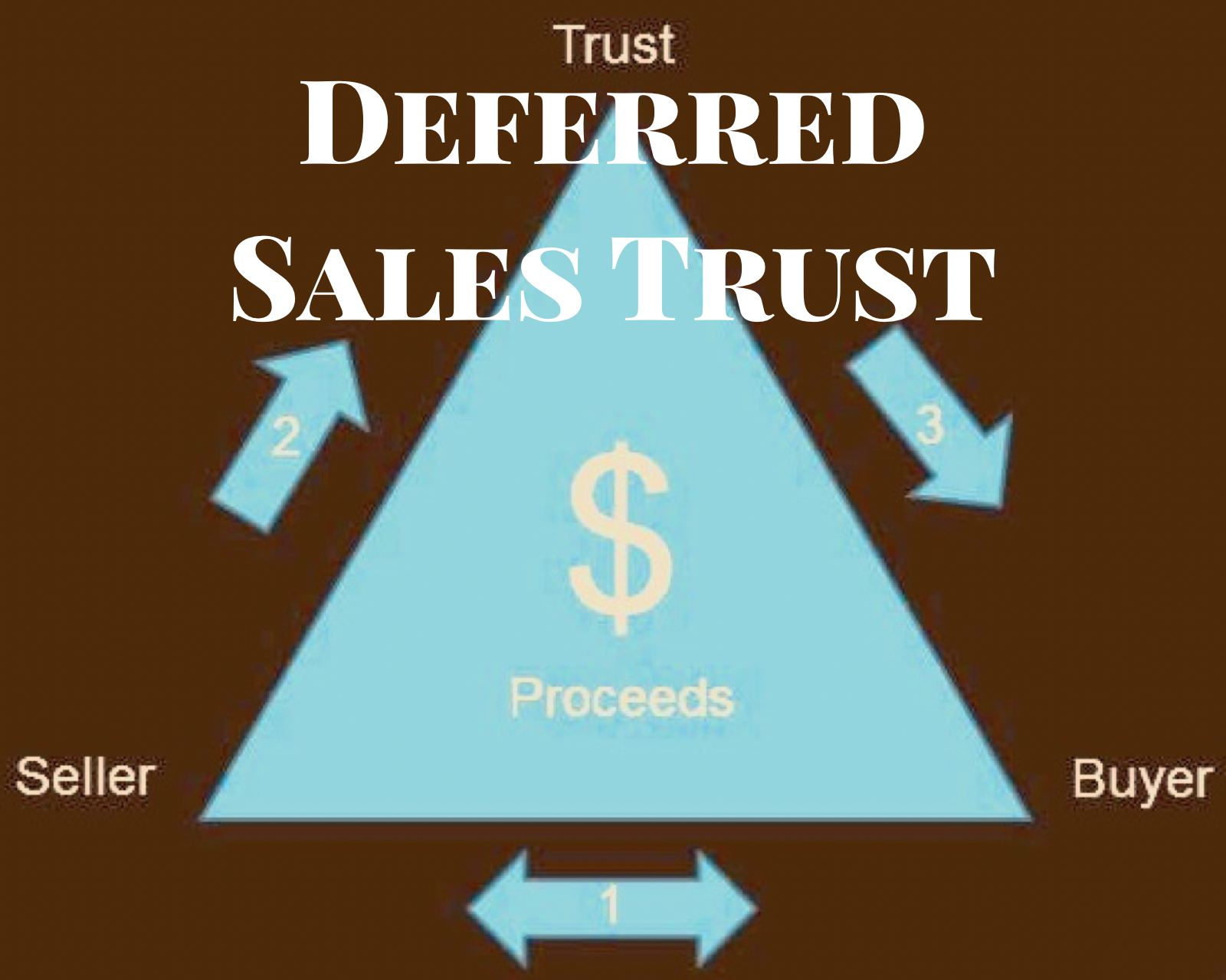





























 The Leading Business Education Network for Doctors, Financial Advisors and Health Industry Consultants