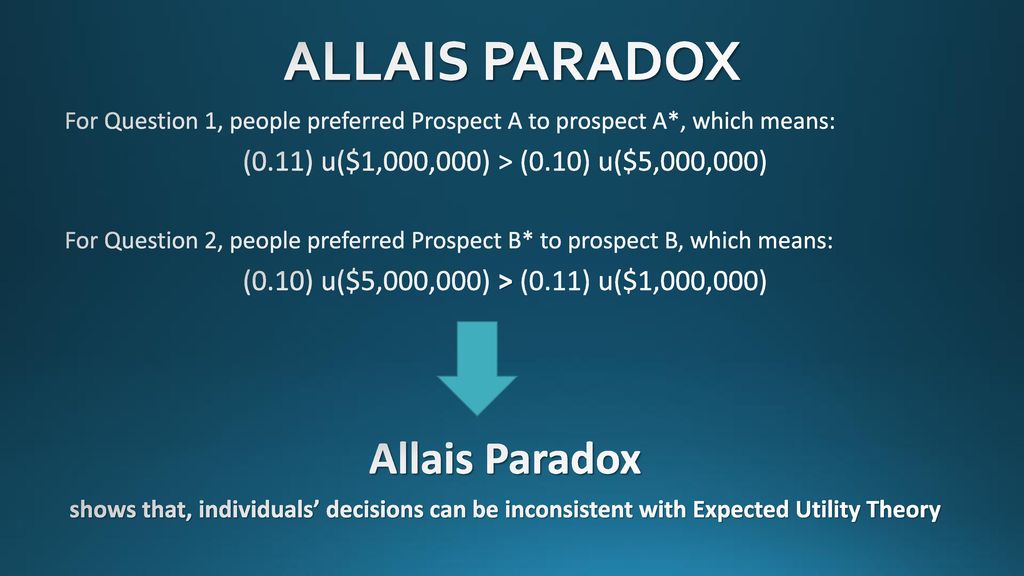
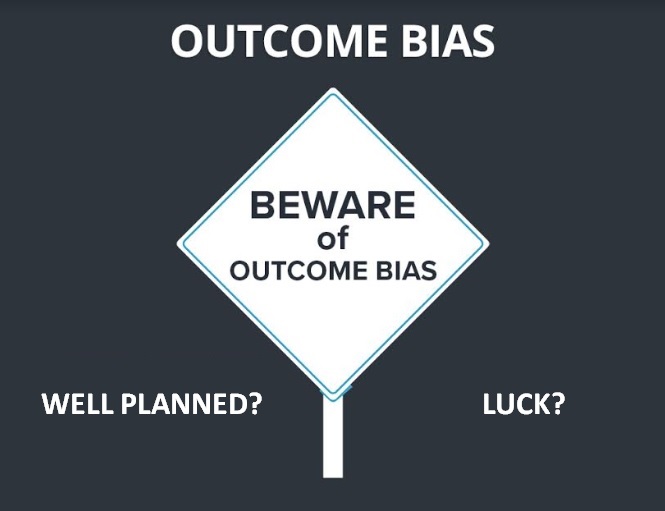
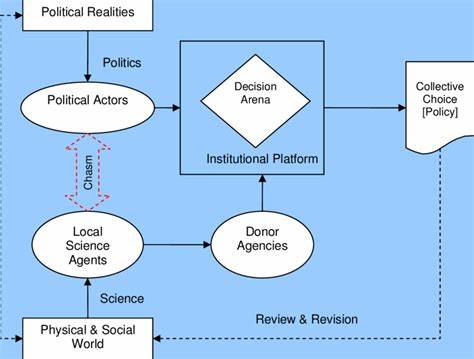
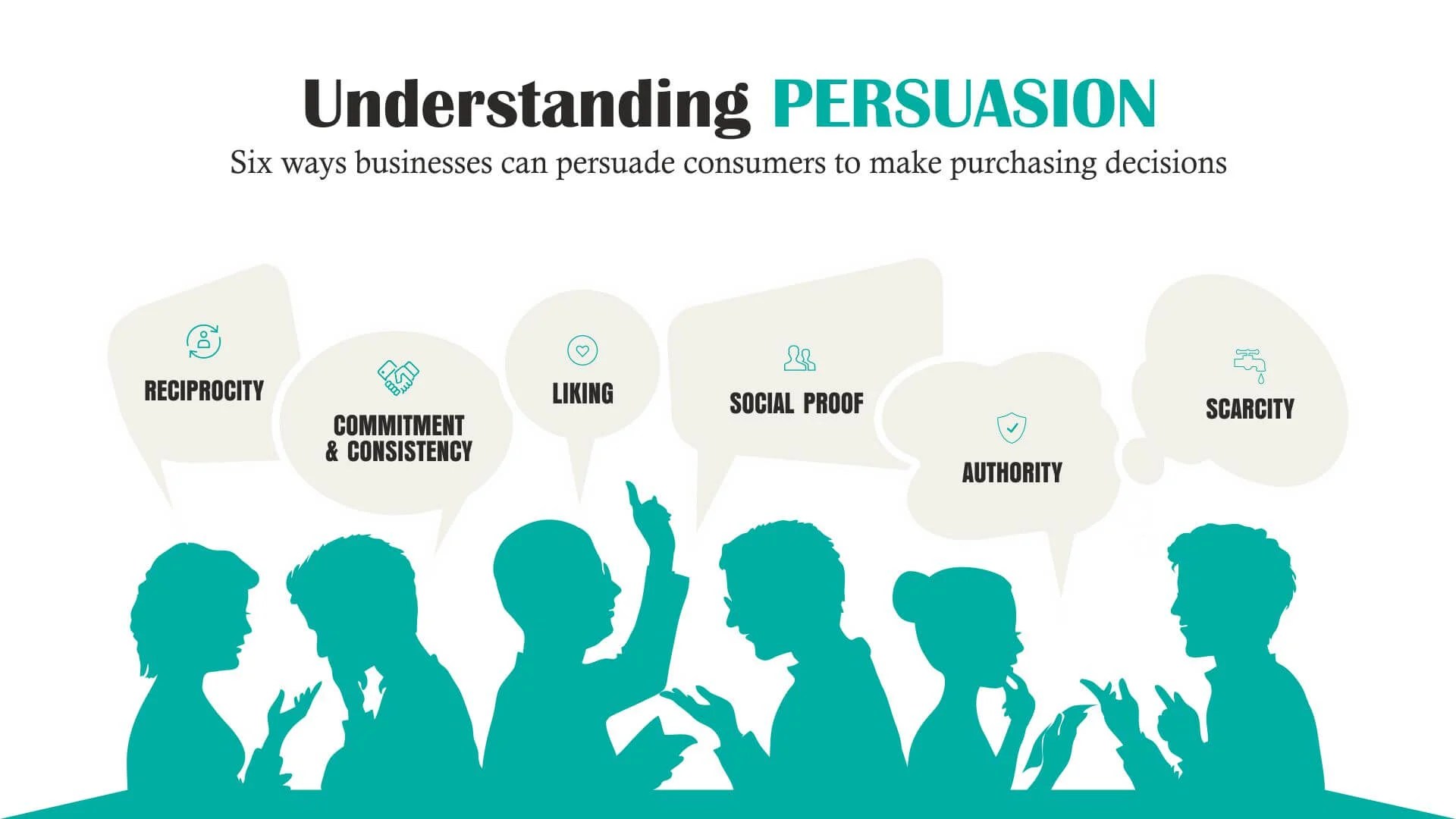
MENTALITY: Mob and Herd … and More!

By Staff Reporters

MODERN DAY SOCIAL INFLUENCERS

***

***

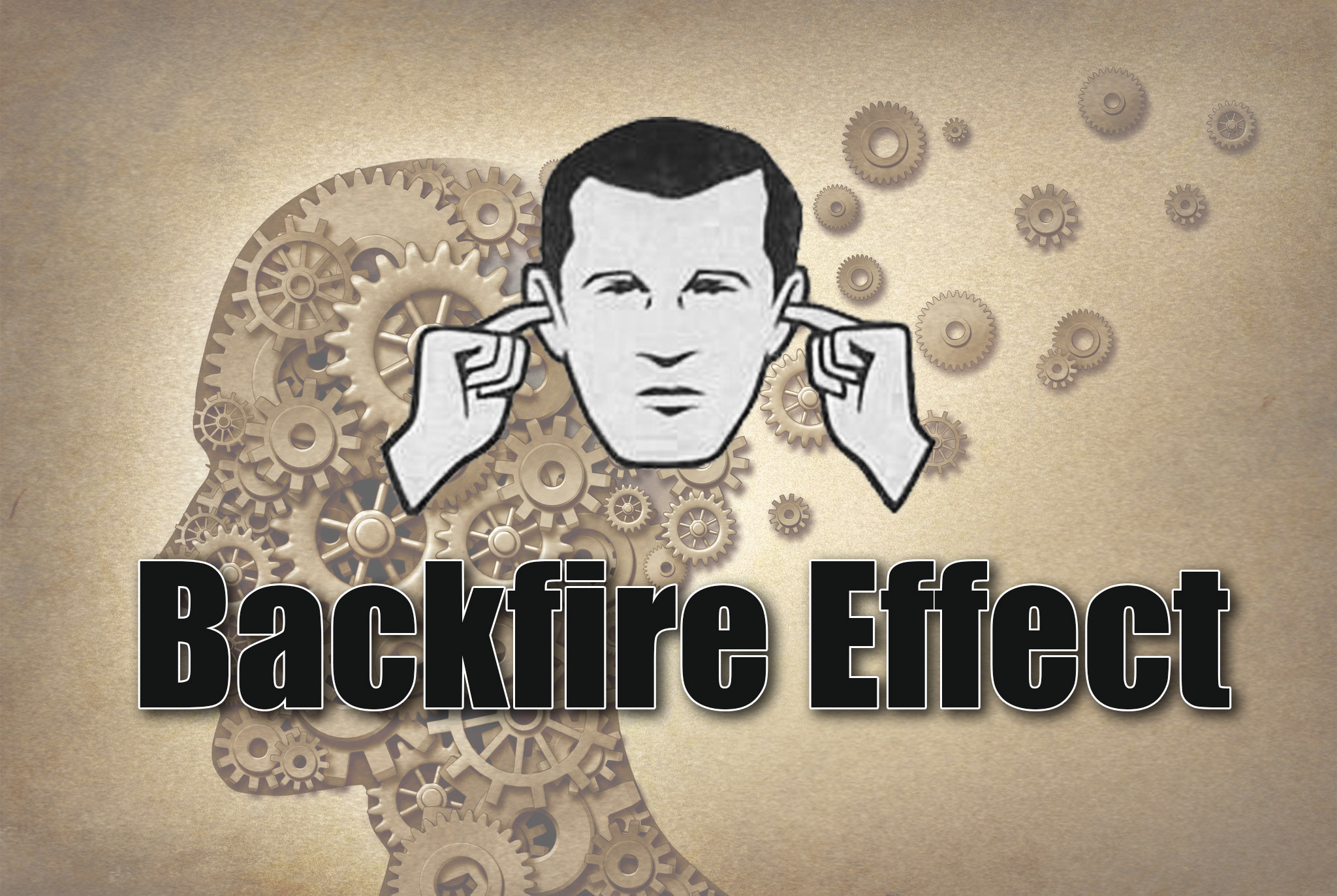
Mob Mentality can occur in unfamiliar groups, social cues disappear, and behavior becomes influenced by the crowd. Mob mentality shows how people sometimes act in ways they wouldn’t alone, following the group’s lead. According to colleague Dan Ariely PhD, this effect can create a loss of personal accountability, leading to behavior that may not align with personal values.

Herd mentality is the tendency for people’s behavior or beliefs to conform to those of the group they belong to. The concept of herd mentality has been studied and analyzed from different perspectives, including biology, psychology and sociology. This psychological phenomenon can have profound impacts on human behavior.

QUESTION: What about social media sites and modern influencers today! So-called celebrity endorsements and political elections, too?

COMMENTS APPRECIATED

Subscribe and Refer Today!

***

***

ECONOMIC PARADOXES: Prosperity, Thrift, Toil, Value and Productivity

AUSTRIAN SCHOOL OF ECONOMICS

By Staff Reporters

***

***

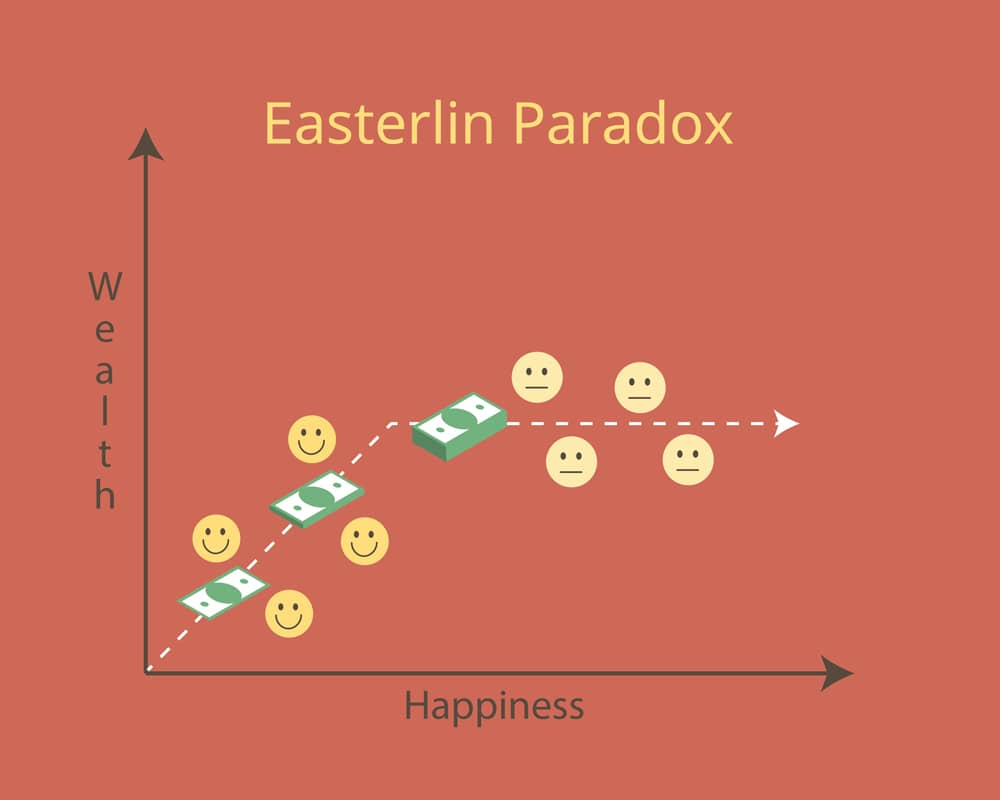
A Paradox is a logical self-contradictory statement or a statement that runs contrary to one’s expectation. It is a statement that, despite apparently valid reasoning from true or apparently true premises, leads to a seemingly self-contradictory or a logically unacceptable conclusion. A paradox usually involves contradictory-yet-interrelated elements that exist simultaneously and persist over time. They result in “persistent contradiction between interdependent elements” leading to a lasting “unity of opposites”.

Here are five economic paradoxes from the Austrian School of Economics.

***

Prosperity: Why do generations that significantly improve the economic climate seem to generally rear a successor generation that consumes rather than produces?

Thrift: If everyone saves more money during times of recession, then aggregate demand will fall and will in turn lower total savings in the population.

Toil: If everyone tries to work during times of recession, lower wages will reduce prices, leading to more deflationary expectations, leading to further thrift, reducing demand and thereby reducing employment.

Value: [also known as Diamond-Water Paradox]: Water is more useful than diamonds, yet is a lot cheaper.

Productivity: [also known as Solow Computer Paradox]: Worker productivity may go down, despite technological improvements.

Note: The Austrian School of Economics promotes an economic and social thinking that is not trapped in unrealistic, mostly mathematical models. It does not see the economy as an object of state political regulation and central, almost engineering-like control. Rather, its analysis focuses on autonomous entrepreneurial action and the free interaction of individuals in the marketplace, which eludes both the logic of differential equations, and centrally planned political control.

COMMENTS APPRECIATED

Subscribe Today!

***

***

SOCIAL COMPARISON THEORY: Downward and Upward

By Staff Reporters

***

***

According to some studies, as much as 10 percent of our thoughts involve comparisons of some kind. Social comparison theory is the idea that individuals determine their own social and personal worth based on how they stack up against others. The theory was developed in 1954 by psychologist Leon Festinger. Later research has shown that people who regularly compare themselves to others may find motivation to improve, but may also experience feelings of deep dissatisfaction, guilt or remorse, and engage in destructive behaviors like lying or disordered eating.

***

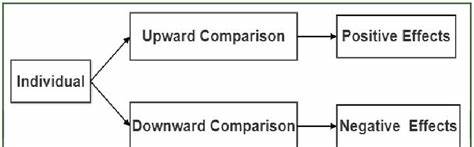
Downward Comparison is the act of comparing oneself to others who are worse off to feel better about one’s situation. It’s like looking at someone else’s messy desk to feel better about your clutter.

On the other hand, Upward Comparison is the act of comparing oneself to others who are better off to feel bad about one’s situation. It’s like looking at someone else’s neat desk and feel worse about your own clutter.

Finally, according to Dan Ariely PhD, these coping mechanisms boosts self-esteem or depress us with a sense of relief or dread. While helpful in moderation, relying too much on upward or downward comparisons can help hinder personal growth and/or depress growth or empathy; etc.

So, them sparingly and remember: upward comparisons can inspire you to improve and strive for better; while downward comparisons have the opposite effects.

MORE: https://www.verywellmind.com/what-is-the-social-comparison-process-2795872

COMMENTS APPRECIATED

Subscribe Today!

***

***

PHYSICIAN FINANCIAL FEAR: Money Anxiety & Chrometophobia

By Dr. David Edward Marcinko MBA MEd

SPONSOR: http://www.MarcinkoAssociates.com

***

***

If you’ve found yourself worrying about the stock market or money lately, you definitely have company. Money anxiety, also called financial anxiety, has become more common than ever after the presidential election of November 2024.

In fact, the American Psychological Association’s 2022 Stress in America Survey, 87 percent of people who responded listed inflation as a source of significant stress. The rise in prices for everything from fuel to food has people from all backgrounds worried, today. The researchers say, in fact, that no other issue has caused this much stress since the survey began in 2007.

When money and financial concerns cause ongoing stress in your life, you could eventually begin to experience some feelings of anxiety as a result. This anxiety can, in turn, have a negative impact on your quality of life.

***

Chrometophobia, commonly known as fear of money, is a psychological condition characterized by overwhelming anxiety and avoidance of currency; according to colleague Dan Ariely PhD.

CITE: https://www.r2library.com/Resource/Title/0826102549

***

Physician Financial Fear is probably the most common emotion among physicians. The fear of being wrong – as well as the fear of being correct! It can be debilitating, as in the corollary expression on fear: the paralysis of analysis.

According to Paul Karasik, there are four common investor and physician fears, which can be addressed by financial advisors and psychologists in the following manner:

  • Fear of making the wrong decision: ameliorated by being a teacher and educator.
  • Fear of change: ameliorated by providing an agenda, outline and/or plan.
  • Fear of giving up control: ameliorated by asking for permission and agreement.
  • Fear of losing self-esteem: ameliorated by serving the client first and communicating that sentiment in a positive manner.

COMMENTS APPRECIATED

Please Subscribe and Thank You!

***

***

NOVEMBER: National Alzheimer’s Awareness Month

By Dr. David Edward Marcinko MBA MEd

***

***

The number of people living with Alzheimer’s disease is growing. The ripple effect is straining families, communities, and the healthcare system, yet talking about the disease on a personal level can be difficult.

November is Alzheimer’s Awareness Month because it can happen in any family, and because it’s worth talking about the challenges of living with or caring for someone with this disease.

You may notice splashes of teal and purple sprouting up this November, as both colors are associated with Alzheimer’s awareness. Teal is the color of the Alzheimer’s Foundation of America, chosen for its calming effect. Purple is the signature color of the Alzheimer’s Foundation, which stands for strength in the fight against Alzheimer’s disease.

***

COMMENTS APPRECIATED

Please Subscribe Today!

***

***

CURSE of the “Stereotype”

By Dr. David Edward Marcinko MBA MEd

***

***

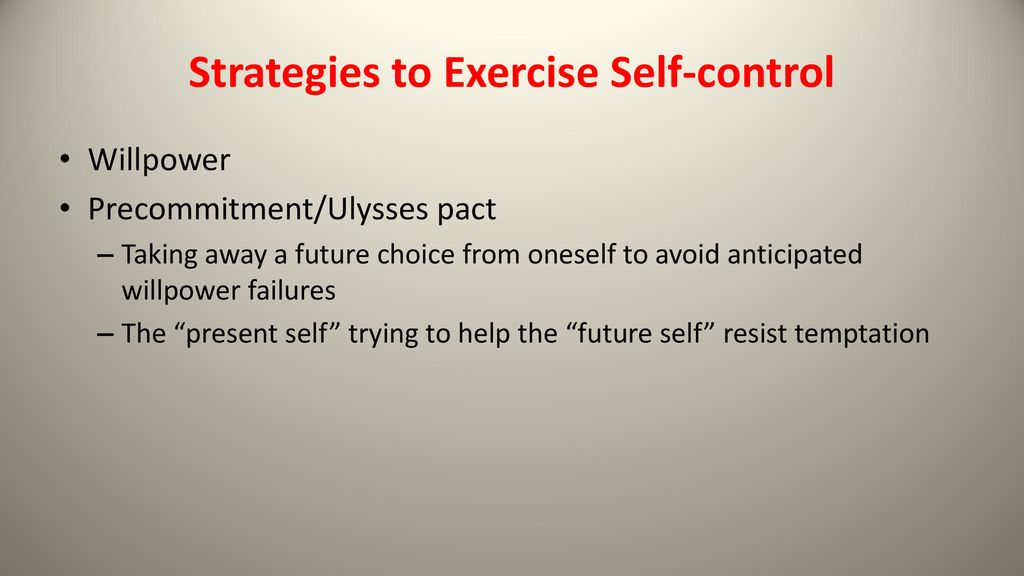
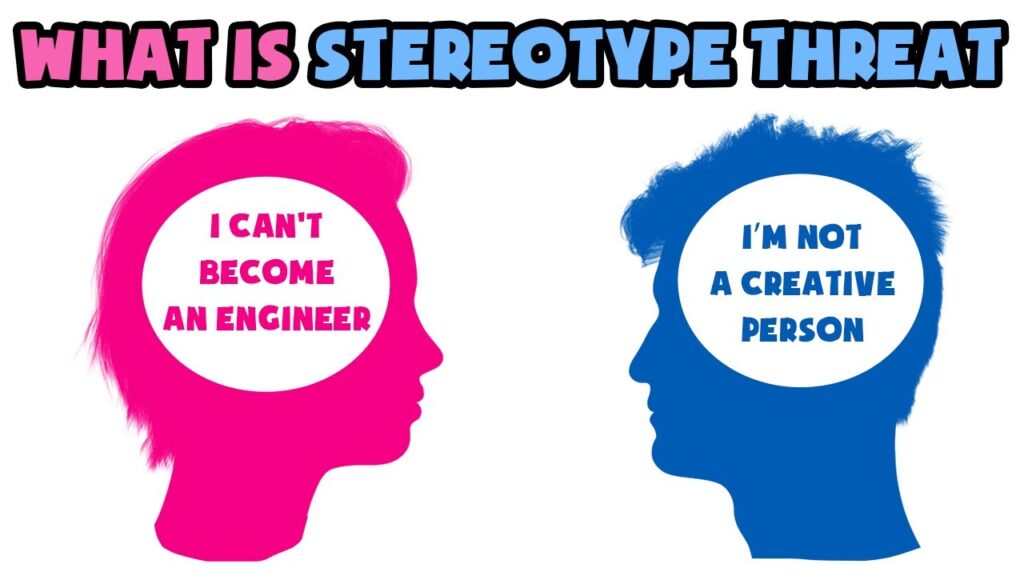
The Stereotype Curse is the negative impact of stereotypes on an individual’s performance or behavior. It’s like a self-fulfilling prophecy where being aware of a stereotype makes you more likely to conform to it.

For example, if you’re told you’re bad at math because of your gender, that stress can affect your performance. Breaking free from stereotypes requires awareness and effort.

So, next time you feel boxed in by a stereotype, remind yourself: you’re more than a cliché.

COMMENTS APPRECIATED

Subscribe Today!

***

***

PRIMARY MEDICAL CARE: The Paradox

BY DR. DAVID EDWARD MARCINKO MBA MEd CMP

Sponsor: http://www.CertifiedMedicalPlanner.org

***

***

Classic Definition: Despite rising costs, health care often is of poor quality. Evidence from a classic medical improvement outcomes study assessed care of patients with several chronic diseases. This study found that patients’ functional health status outcomes are similar to care rendered by specialists and generalists but that generalists use far fewer resources. Similar outcome at lower cost represents higher value.

Modern Circumstance: Current solutions to improving care quality may do more harm than good if they focus more on diseases than on people. Efforts to improve the parts (evidence-based care of specific diseases) may not necessarily improve the whole (the health of people and populations).

Expanding access to specialty care, for example, has been proposed as both a source of and a solution for deficiencies in quality of care. Primary care is touted as an essential building block of a high-value health care system even as it is undermined by systems attempting to improve the quality, effectiveness, and value of their health care..

Paradox Example: The above contradictions plague improvement efforts in health care systems around the world, particularly the United States The paradox is that compared with specialty care or with systems dominated by specialty medical care, primary care is associated with the following: (1) poorer quality care for individual diseases, yet (2) similar functional health status at lower cost for people with chronic disease, and (3) better quality, better health, greater health  equity and lower costs for whole peoples and populations.

And so, this contradiction plagues improvement efforts in health care systems around the world, particularly the United States.

Cite: Kurt Stange MD PhD and Robert Ferrer MD MPH

COMMENTS APPRECIATED

Thank You

***

***

FINANCIAL PLANNING AND ECONOMIC: Mental Health Blocks

Subscribe to continue reading

Subscribe to get access to the rest of this post and other subscriber-only content.

SMART PHONES: Not for All Financial Advisors or Doctors

DUMB PHONES ANYONE?

By Anonymous Reporter[s]

***

***

Allow us [me] to suggest the use of Android and iOS shortcuts that disable bio-metric unlocking on your cell phone.  

“If you use a bio-metric phone sensor [eye scan or fingerprint], you can be compelled to decrypt your device for law enforcement because a bio-metric is something you are,” lawyer Riana Pfefferkorn said in a 2019 talk at the Defcon security conference.

But, “If you use a pass-code to decrypt, typically, you can’t be compelled to unlock, because a pass-code is something that you know.” Her talk did not cover how claiming to have forgotten a pass-code would affect those issues. 

In either case, if your cell phone becomes in possession of federal investigators, you may faces the risk of them determining the unlock code through other means, like using such third-party tools as Cellebrite’s unlocking kits to defeat the phone’s security.

Stay Legal! Or simply invoked your Fifth Amendment right against self-incrimination; if needed. 

In conclusion: I [we] advise the awareness of cell phone privacy risks involved in having so much of your life stored on personal smart cell phone devices that you take almost everywhere. Stay Safe!

COMMENTS APPRECIATED

Thank You

***

***

DAILY UPDATE: PwC, Birth Rate, Social Media, NHS and the Mixed Markets

MEDICAL EXECUTIVE-POST TODAY’S NEWSLETTER BRIEFING

***

Essays, Opinions and Curated News in Health Economics, Investing, Business, Management and Financial Planning for Physician Entrepreneurs and their Savvy Advisors and Consultants

Serving Almost One Million Doctors, Financial Advisors and Medical Management Consultants Daily

A Partner of the Institute of Medical Business Advisors , Inc.

http://www.MedicalBusinessAdvisors.com

SPONSORED BY: Marcinko & Associates, Inc.

***

http://www.MarcinkoAssociates.com

Daily Update Provided By Staff Reporters Since 2007.
How May We Serve You?
© Copyright Institute of Medical Business Advisors, Inc. All rights reserved. 2024

REFER A COLLEAGUE: MarcinkoAdvisors@msn.com

SPONSORSHIPS AVAILABLE: https://medicalexecutivepost.com/sponsors/

ADVERTISE ON THE ME-P: https://tinyurl.com/ytb5955z

Your Referral Count -0-

It’s going to be a gloomy October for some 1,800 PwC employees. The Big Four firm has announced it’ll be laying off around 2.5% of its US unit’s workforce next month, the Wall Street Journal reported. About half of the job cuts will take place offshore. The cuts will occur mainly in PwC’s US advisory, products, and technology operations functions.

CITE: https://www.r2library.com/Resource

What’s up

  • Intel gained 6.36% on the news that it has secured $3.5 billion in grants from the Pentagon.
  • Oracle rose yet another 5.12%, making co-founder Larry Ellison the second-richest person in the world thanks to its recent surge.
  • Alcoa climbed 6.09% on the news that it will sell its stake in a joint venture with Saudi Arabia Mining Co. to the tune of $1.1 billion in stock and cash.
  • Bausch + Lomb Corp popped 14.66% on a report from the Financial Times that the eyewear company is considering selling itself to get out from under a massive debt load.
  • Nuvalent soared 28.27% on impressive results from Phase 1 trials of its new cancer treatments.

What’s down

  • Apple fell 2.78% just a few days before its big iPhone 16 launch on Friday thanks to reports that demand for the new phone may be lower than anticipated.
  • Walgreens Boots Alliance sank 2.06% after it agreed to pay $106.8 million for charging the US government for prescriptions it never filled.
  • Yelp tumbled 3.03% thanks to Bank of America analysts initiating their coverage of the reviews website with a bearish “underperform” rating.
  • Trump Media & Technology Group gave up some of its recent gains, falling 3.84% only a few days after soaring on the news that former President Donald Trump won’t sell his shares of the company.

CITE: https://tinyurl.com/2h47urt5

Here’s where the major benchmarks ended:

  • The S&P 500® index (SPX) added 7.07 points (0.13%) to 5,633.09; the Dow Jones Industrial Average® ($DJI) rose 228.30 points (0.55%) to 41,622.08; the NASDAQ Composite® ($COMP) dropped 91.84 points (–0.52%) to 17,592.13.
  • The 10-year Treasury note yield (TNX) fell about three basis points to 3.62%, a new 15-month closing low.
  • The BOE Volatility Index® (VIX) inched up to 16.99.

CITE: https://tinyurl.com/tj8smmes

Stat: 2%. That’s how much the birth rate declined from 2022 to 2023. (CDC)

Quote: “Every year they choose not to act, they will be complicit.”—Christine McComas, a mother from Maryland whose daughter died after she was cyberbullied, on members of the House attempting to pass a bill to regulate social media for children (Politico)

Read: UK Prime Minister Keir Starmer said the National Health Service must “reform or die,” and laid out a 10-year plan to fix it. (Reuters)

COMMENTS APPRECIATED

PLEASE SUBSCRIBE: MarcinkoAdvisors@msn.com

Thank You

***

***

***

***

EDUCATIONAL TEXTBOOKS: https://tinyurl.com/4zdxuuwf

***

DAILY UPDATE: Physician Burnout

MEDICAL EXECUTIVE-POST TODAY’S NEWSLETTER BRIEFING

***

Essays, Opinions and Curated News in Health Economics, Investing, Business, Management and Financial Planning for Physician Entrepreneurs and their Savvy Advisors and Consultants

Serving Almost One Million Doctors, Financial Advisors and Medical Management Consultants Daily

A Partner of the Institute of Medical Business Advisors , Inc.

http://www.MedicalBusinessAdvisors.com

SPONSORED BY: Marcinko & Associates, Inc.

***

http://www.MarcinkoAssociates.com

Daily Update Provided By Staff Reporters Since 2007.
How May We Serve You?
© Copyright Institute of Medical Business Advisors, Inc. All rights reserved. 2024

REFER A COLLEAGUE: MarcinkoAdvisors@msn.com

SPONSORSHIPS AVAILABLE: https://medicalexecutivepost.com/sponsors/

ADVERTISE ON THE ME-P: https://tinyurl.com/ytb5955z

Your Referral Count -0-

Healthcare comes with its share of mental challenges, especially considering that clinicians often care for patients when they’re in difficult and sometimes tragic situations. New research shows that even the path to getting into the workforce can be a challenge, with some physicians burning out before they make it to graduation.

CITE: https://www.r2library.com/Resource

  • The national debt is growing to an unwieldy size ($35.5 trillion) and now we’re beginning to feel its effects: The interest payment on the US debt topped $1 trillion for the first time ever.
  • Consumer sentiment hit a five-month high as Americans look ahead to lower inflation and interest rates, but sentiment remains well below its 2021 peak.
  • The yield curve un-inverted, but there’s always another recession indicator out there warning of a downturn ahead.
  • The cryptocurrency Wild West is still alive and well: Americans lost $5.6 billion in crypto scams last year, according to the FBI.
  • Credit card debt hit 10.9%, its highest level in 12 years, according to Deloitte.

CITE: https://tinyurl.com/2h47urt5

Most doctors report feeling overworked and are considering a change in career, according to a new poll.

Doximity, a virtual network for physicians, found that 81% doctors surveyed last fall said they felt overworked—a slight decline from 86% who reported burnout in 2022 but still up from 73% in 2021. Meanwhile, about three in five doctors said they were considering early retirement (30%), looking for another employer (15%), or leaving the profession altogether (14%), the poll found.

The findings, released last year, come amid reports of rising rates of physician burnout and dissatisfaction since after the Covid-19 pandemic.

LEARN MORE: https://tinyurl.com/y3j2t3ab

CITE: https://tinyurl.com/tj8smmes

COMMENTS APPRECIATED

PLEASE SUBSCRIBE: MarcinkoAdvisors@msn.com

Thank You

***

***

***

***

EDUCATIONAL TEXTBOOKS: https://tinyurl.com/4zdxuuwf

***

DAILY UPDATE: Unemployment Rate, Banking Rules and Mental Health as the Markets Continue to Rise

MEDICAL EXECUTIVE-POST TODAY’S NEWSLETTER BRIEFING

***

Essays, Opinions and Curated News in Health Economics, Investing, Business, Management and Financial Planning for Physician Entrepreneurs and their Savvy Advisors and Consultants

Serving Almost One Million Doctors, Financial Advisors and Medical Management Consultants Daily

A Partner of the Institute of Medical Business Advisors , Inc.

http://www.MedicalBusinessAdvisors.com

SPONSORED BY: Marcinko & Associates, Inc.

***

http://www.MarcinkoAssociates.com

Daily Update Provided By Staff Reporters Since 2007.
How May We Serve You?
© Copyright Institute of Medical Business Advisors, Inc. All rights reserved. 2024

REFER A COLLEAGUE: MarcinkoAdvisors@msn.com

SPONSORSHIPS AVAILABLE: https://medicalexecutivepost.com/sponsors/

ADVERTISE ON THE ME-P: https://tinyurl.com/ytb5955z

Your Referral Count -0-

After rising for more than a year, the unemployment rate fell to 4.2% in August from 4.3% in July, the Bureau of Labor Statistics reported. That dip matched Wall Street’s consensus forecast, but the 142,000 new jobs added fell short of the 160,000 that analysts had expected, according to FactSet data cited by CNN.

The Biden administration released a final rule this week that would require payers to cover behavioral health services, including addiction care, to the same extent that they’d cover all other forms of healthcare. The move comes amid a rising mental health crisis in the US and in light of the fact that the vast majority of people with substance use disorders don’t receive treatment.

CITE: https://www.r2library.com/Resource

What’s up

  • Dave & Busters Entertainment popped 4.66% after announcing strong sales and earnings growth last quarter, along with opening 13 new locations (more tokens for everyone!).
  • Petco Health and Wellness roared 32.90% despite mixed earnings last quarter, though shareholders wagged their tails at new CEO Joel Anderson’s plans to improve profitability.
  • Viking Therapeutics rose 11.31% thanks to JP Morgan initiating coverage of the company with a bullish overweight rating.

What’s down

  • Bank of America slipped 0.71% after a new filing revealed that Warren Buffett sold more shares of the company last quarter.
  • Rentokil Initial plummeted 21.07% once the pest control company made it clear that slow sales and currency exchange rates will take a $105 million toll on full-year profits.

CITE: https://tinyurl.com/2h47urt5

Here’s where the major benchmarks ended:

  • The SPX rose 59 points (1.0%) to 5,554.13; the Dow Jones Industrial Average® ($DJI) gained 125 points (0.3%) to 40,861.71; the NASDAQ Composite® ($COMP)rose 370 points (2.17%) to 17,395.53.
  • The 10-year Treasury note yield (TNX) climbed just under two basis points to 3.66%.
  • The CBOE Volatility Index® (VIX) fell to 17.7, the lowest close so far this month.

CITE: https://tinyurl.com/tj8smmes

Planned Fed rules are a win for big banks. The likes of JPMorgan and Bank of America celebrated the Fed walking back some of its proposals for tighter banking rules yesterday

Visualize: How private equity tangled banks in a web of debt, from the Financial Times.

COMMENTS APPRECIATED

PLEASE SUBSCRIBE: MarcinkoAdvisors@msn.com

Thank You

***

***

***

***

EDUCATIONAL TEXTBOOKS: https://tinyurl.com/4zdxuuwf

***

JUNE: Men’s Mental Health Month

By Staff Reporters

***

***

Mental Health America is proud to recognize June as Men’s Health Month. So, if you think you or a loved-one may be experiencing signs of a mental illness, visit www.mhascreening.org to take a free, quick and confidential screen for depression, bipolar disorder, anxiety, PTSD, and/or Alcohol or Substance Use problems.  

Put a doctor in your pocket (and skip the waiting room)

Caraway is an app that delivers mental, physical, and reproductive health services tailored to 18- to 29-year-olds. Start therapy, fill prescriptions, answer immediate health concerns, and more—anytime, anywhere, 24/7. Lock in limited-time pricing of $20/month or $180/year (your first 30 days are free!)

***

COMMENTS APPRECIATED

Sign-Up for More ME-P

***

***

Mental Health Entrepreneurial Start-Up Companies

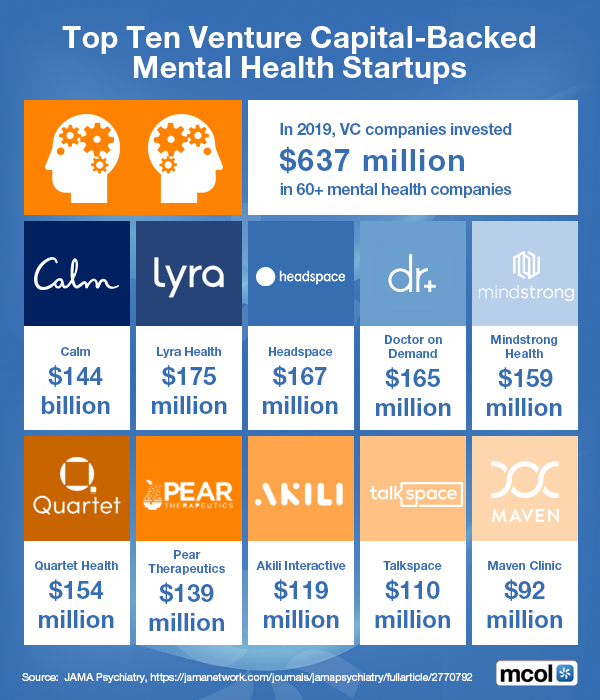
Top Ten [10] Venture Capital Backed

By Dr. David Edward Marcinko MBA MEd CMP

By Carol Miller RN MBA

***

***

Mental Health White Paper:

FILE: https://medicalexecutivepost.com/wp-content/uploads/2019/05/mental-health-dr.-marcinko.pdf

COMMENTS APPRECIATED

Thank You

***

Risk Management, Liability Insurance, and Asset Protection Strategies for Doctors and Advisors: Best Practices from Leading Consultants and Certified Medical Planners™

LINK: https://www.routledge.com/Risk-Management-Liability-Insurance-and-Asset-Protection-Strategies-for/Marcinko-Hetico/p/book/9781498725989

***

THE CARTOON: Shrink

Cartoons on Topics in Psychiatry and Medicine

http://www.TheCartoonShrink.com

By Staff Reporters

***

***

Emily Watters, M.D. is an adult psychiatrist. She lives and practices in the bay area. She works in both community psychiatry and in private practice. She loves to teach, especially through sketches and comics.

Questions contribute to understanding and you are welcome to reach out to her at: thecartoonshrink@gmail.com

COMMENTS APPRECIATED

Thank You

***

***

DOCTOR: Money “Disorders”

Behavioral Finance –  Are You Guilty?

By Rick Kahler MS CFP® ChFC CCIM www.KahlerFinancial.com

As a young adult, what could you spend money on that would be a wise investment in your financial future? A home? Medical school education? A money management class?

Well, all of these may be good ideas, but there’s something else you can buy that could make an even greater difference in your long-term financial health: counseling.

Behavioral Finance

What does psychological counseling have to do with money? Sometimes; a lot!

For example, I was recently interviewed by a reporter for an article about money disorders. The conversation reminded me just how many problems can result from dysfunctional money beliefs and behaviors. Money disorders can impair people’s functioning and disrupt their lives just as significantly as disorders like alcoholism or other addictions.

CITE: https://www.r2library.com/Resource

Common Maladies

Some common money disorders include the following:

  • Compulsive Spending is a consuming focus on spending. It can include buying things you can’t afford as well as shopping where no money is actually spent
  • Financial Enabling is a codependent attempt to help others that actually does more harm than good. A pattern of bailing kids out financially is a good example.
  • Hoarding is compulsively buying and storing things that you don’t need or will never use.
  • Financial Infidelity is keeping money secrets (such as spending, saving, or investment mistakes) from your partner because you would be ashamed to have them find out.
  • Financial Incest is inappropriate sharing of worries or financial details in ways that violate the boundaries between children and adults.
  • Workaholism, especially medical professionals, is a consuming focus on work or earning to a point of damaging your relationships.
  • Under-spending is frugality taken to extremes, such as inadequate spending on health care, nutrition, shelter, or clothing even when you can afford them.

Not about Money

How many of the above “disorders” are you guilty of?

All these disorders have one thing in common: fundamentally, they aren’t about the money. A given pattern of behavior around money can be someone’s unconscious response to emotional pain, in the same way addiction or anger might be.

For that particular person, the money behavior may just happen to be the medicator that works to cope with deep emotional stress. While one person may find relief in alcohol or drugs and another may find it in work, someone else might use shopping or hoarding as a way to feel better and function in the world.

An Addiction?

Just like addictions, however, money disorders only relieve pain for a short time. In the long term, they only cause more pain. The result is an escalating cycle of destructive behavior that has many negative consequences, including financial ones.

Rag Mags

To see how emotional health and financial health are linked, all you have to do is read a celebrity magazine or look around at the people you know. I’ve seen high-earning doctors and other medical professionals who have a negative self-worth because they can’t control their spending. We all know people who bounce from one financial mess to another, never seeming to learn from their money mistakes. Some very capable and intelligent doctors struggle financially and in their careers because of emotional issues that have nothing directly to do with money.

Counseling

Counseling to resolve emotional issues may seem to be a low-priority expense that comes far down the list after basic needs like housing, food, and transportation. Yet for anyone who struggles to overcome destructive patterns of behavior—even those that aren’t directly about money—counseling can pay off in very real monetary ways.

Assessment

Emotionally healthy and confident people make better choices about relationships, careers, and other major aspects of their lives. They also make better choices about money. This is why counseling is more than an investment in your emotional health. It can also make a measurable difference in your financial health.

Conclusion

Your thoughts and comments on this ME-P are appreciated. Feel free to review our top-left column, and top-right sidebar materials, links, URLs and related websites, too. Then, subscribe to the ME-P. It is fast, free and secure.

Speaker: If you need a moderator or speaker for an upcoming event, Dr. David E. Marcinko; MBA – Publisher-in-Chief of the Medical Executive-Post – is available for seminar or speaking engagements. Contact: MarcinkoAdvisors@msn.com

Risk Management, Liability Insurance, and Asset Protection Strategies for Doctors and Advisors: Best Practices from Leading Consultants and Certified Medical Planners™8Comprehensive Financial Planning Strategies for Doctors and Advisors: Best Practices from Leading Consultants and Certified Medical Planners™

Product Details

DAILY UPDATE: Mental Health and NASDAQ Technology Stocks

By Staff Reporters

***

SPONSOR: http://www.MarcinkoAssociates.com

***

“We kept hearing nightmare stories about Americans not getting the treatment that they needed because insurance companies were denying them care. But we didn’t have enough data to show just how extensive and deep the problem was.”—

Bill Smith, founder of mental health advocacy coalition Inseparable, on patients with mental health diagnoses not receiving care (NPR)

***

***

The NASDAQ closed at an all-time high yesterday, breaking the record it set in November 2021, as technology stocks continued to rally on the news that the Fed may cut interest rates next year.

DocuSign shot up following reports that the $11 billion company whose tech lets you use your signature without a pen could be up for sale.

CITE: https://www.r2library.com/Resource

COMMENTS APPRECIATED

Refer a Colleague: MarcinkoAdvisors@msn.com

Your referral Count: 0

Thank You

***

***

DAILY UPDATE: ChatGPT Anniversary

By Staff Reporters

SPONSOR: http://www.MARCINKOASSOCIATES.com

***

ChatGPT was launched nearly a year ago, in November 2022. Powered by a large language model trained on 570 gigabytes of internet data (300 billion words), the chatbot can generate text that eerily mimics human speech—but with far more information at its disposal than an actual person. Amazon is not the only company using AI to create theoretically better ads.

  • Meta announced its version of an ad generator last month, promising advertisers “a new era of creativity that maximizes the productivity, personalization, and performance” of campaigns.
  • Google says its product will allow the future of advertising to evolve.
  • TikTok has Creative Assistant, which “draws information from a wealth of TikTok-focused creative knowledge, providing you with the most relevant responses for when you’re creating ads.”

***

But, ChatGPT is not the same for mental health. Experts are warning that while chatbots can offer basic mental health support, they’re not equipped to provide clinical support and can raise thorny issues.

  • Ethics: Therapists are trained and licensed and must maintain a certain standard of care; a chatbot isn’t and doesn’t.
  • Privacy: When you ask a chatbot a question, you could be putting sensitive information on the internet.
  • Safety: A chatbot can give false information (more on that below) or provide harmful instructions.

***

ChatGPT in Education:

  • The bar exam: GPT-4 was in the 90th percentile with a score of 298 out of 400. GPT-3.5 came in the 10th percentile.
  • The SAT: GPT-4 scored 1400 out of 1600, ranking in the 89th percentile of test-takers. GPT-3.5 scored 1260.
  • AP exams: GPT-4 received a 5 on Art History, Biology, Environmental Science, Macroeconomics, Microeconomics, Psychology, Statistics, US Government, and US History, according to OpenAI. GPT-3.5 received a 5 only on Art History and Psychology.
  • Sommelier exams: GPT-4 has also passed the Introductory Sommelier, Certified Sommelier, and Advanced Sommelier exams with scores of 92%, 86%, and 77%, respectively. GPT-3.5 had a less discerning palate, earning marks of 80%, 58%, and 46%.

***

***

COMMENTS APPRECIATED

Thank You

***

MENTAL HEALTH: The Parity and Addiction Equity Act?

By Staff Reporters

***

***

President Joe Biden’s administration just announced new rules meant to push insurance companies to increase their coverage of mental health treatments.

DR KENT: https://medicalexecutivepost.com/2023/05/26/dr-kent-may-is-mental-health-month-2/

The new regulations, which still need to go through a public comment period, would require insurers to study whether their customers have equal access to medical and mental health benefits and to take remedial action, if necessary.

MORE: https://medicalexecutivepost.com/2023/06/23/june-mens-mental-health-month/

The Mental Health Parity and Addiction Equity Act requires that insurers provide the same level of coverage for both mental and physical health care — though the administration and advocates argue insurers’ policies restrict patient access.

ACT: https://www.cms.gov/CCIIO/Programs-and-Initiatives/Other-Insurance-Protections/mhpaea_factsheet

COMMENTS APPRECIATED

Thank You

***

***

FLORENCE 2.0: A.I. Advice for a A Healthier Lifestyle And Mental Health

WHO

By Staff Reporters

***

***

By 2030, the WHO projects that 15 million healthcare workers will be missing globally. 

Introducing Florence, the “world’s most extensive freely accessible AI health worker” is one way of tackling this issue. 

Florence is knowledgeable in key health topics, including mental health, nutrition and tobacco cessation, and provides information on COVID-19 vaccines. So, have a chat with her.

READ MORE: https://www.who.int/news/item/04-10-2022-who-and-partners-launch-world-s-most-extensive-freely-accessible-ai-health-worker?mc_cid=16b214db2e&mc_eid=40fee31c25

COMMENTS APPRECIATED

Thank You

***

***

Pediatric Mental Health Month is Also in May

***

***

Even though timely follow-up care for self-harm or mental illness has been shown to prevent hospitalizations, reduce the chances of a repeat visit, and improve overall outcomes, less than a third of children receive follow-up care within seven days of their ED visit, and just over half (56%) receive care within a month, according to a recent study from Ann & Robert H. Lurie Children’s Hospital of Chicago.

More than a quarter of the children in the study returned to the ED within six months.

RELATED: The second-largest psychiatric facility in Washington State is looking to hire more employees after threats that it could lose its accreditation.

***
COMMENTS APPRECIATED

Thank You

***

***

PODCAST: Physician’s Mental Health

Doctor Burnout According to Specialty

By Eric Bricker MD

***

***

COMMENTS APPRECIATED

Thank You

***

***

SOCIAL MEDIA: Dr. Vivek Murthy Warns on Children’s Mental Health

U.S. SURGEON GENERAL ADVISORY REPORT

By Staff Reporters

***

***

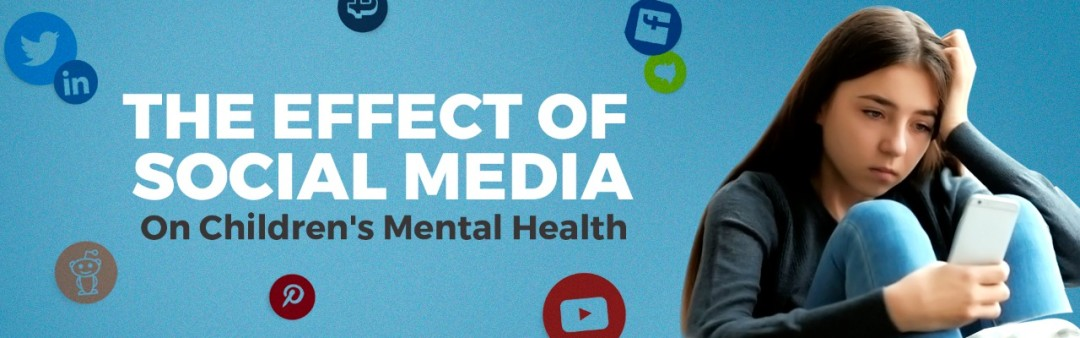
May is mental health month in the USA. US Surgeon General Dr. Vivek H. Murthy issued a powerful public advisory yesterday warning of the considerable risks that social media poses to young people’s mental health. “Nearly every teenager in America uses social media, and yet we do not have enough evidence to conclude that it is sufficiently safe for them,” Murthy wrote. He argued that kids have “become unknowing participants in a decades-long experiment.”

The surgeon general’s report focuses on the impacts of social media on teens and kids—both positive and negative—and the attendant health risks. The report outlines two types of dangers associated with social networks: content-related problems, such as negative self-image or bullying, and use-related problems, such as poor sleep and addiction.

What we know about social media and kids’ mental health

By all accounts, America’s youth are currently experiencing a mental health crisis.

  • The number of teens and young adults with clinical depression doubled between 2011 and 2021, according to San Diego State University psychology professor Dr. Jean Twenge.
  • In 2021, the CDC found that nearly 25% of teenage girls had made a suicide plan.

Many experts have pointed to social media as a potential cause since the deterioration of kids’ mental health has coincided with the rise of social media platforms over the last decade.

Still, the effect of likes, retweets, and TikTok comments on kids’ brains remains more or less a mystery. We know that social media use affects adolescents and that teens show alarming rates of anxiety and depression. But studies that have attempted to determine whether social media is a direct cause of worsening mental health have been inconclusive. Plus, not all kids are impacted by social media similarly: Some—adolescent girls, for instance—appear to be more at risk than others.

Finally, and according to Morning Brew, while researchers search for answers, some lawmakers are pushing ahead with restrictions on teens’ use of social media. In March, for example, Utah became the first state to establish a curfew for teens on social media apps and mandate that parents have access to their children’s accounts.

COMMENTS APPRECIATED

Thank You

***

***

RIGHTS: Mental Health in America [Georgia]

MENTAL HEATH AMERICA

By Staff Reporters

***

***

MENTAL HEALTH PARITY ACT

Atlanta, GA – Governor Brian P. Kemp, joined by First Lady Marty Kemp and their three daughters, Lt. Governor Geoff Duncan, Speaker David Ralston, members of the House and Senate, and mental health advocates, to sign the Mental Health Parity Act (HB1013) into law.

You may view his remarks from the bill signing ceremony below, and you can watch the full ceremony here.

***

Mental Health Rights

People living with mental health conditions are people. They have people they love, activities they enjoy, and dreams for their lives. As people, they deserve to be treated with dignity, and under the law they have rights and protections. 

GA MENTAL HEALTH PARITY LAW: https://gov.georgia.gov/press-releases/2022-04-04/gov-kemp-provides-remarks-and-signs-mental-health-parity-act

Unfortunately, it has long been the case that individuals with mental health conditions are among the most abused and discriminated against in our country. From leaving people to languish in overcrowded state hospitals to lobotomies and forced sterilization, the treatment of those with mental health conditions is a dark stain on our history as a nation.

While we have come a long way, abuse and discrimination continue to be serious problems today. The shackling or restraining of children, keeping people out of work, and denying access to services are just a few examples of the way we continue to fail the 1 in 5 Americans that has a diagnosable mental health disorder.

CITE: https://www.r2library.com/Resource/Title/082610254

This is not just a small issue for a small group of people: half of all Americans will experience a diagnosable mental health condition in their lifetime. If it is not us being directly impacted, it is likely that it will be our family members, friends, or loved ones– whether we know it or not. Beyond struggles in education or employment, we see the loss of human dignity and even human life for the people we love and care about when we do not work to address abuses in the system.

For Mental Health America, the fight against abuse and discrimination is essential to our history and continues to guide our work. MHA’s symbol, which sits in our national office, is the Bell of Hope cast from the chains and shackles that were used to restrain individuals in old state hospitals. As an organization, MHA is committed to the principles of human and civil rights inherent to the concept of equal justice under the law.

PROVIDERS: https://medicalexecutivepost.com/2022/10/05/a-review-of-mental-healthcare-provider-types/

***

COMMENTS APPRECIATED

Thank You

***

ORDER: https://www.amazon.com/Dictionary-Health-Insurance-Managed-Care/dp/0826149944/ref=sr_1_4?ie=UTF8&s=books&qid=1275315485&sr=1-4

***

Mental Health Entrepreneurial Start-Up Companies

Top Ten [10] Venture Capital Backed

By Dr. David Edward Marcinko MBA

By Carol Miller RN MBA

By http://www.MCOL.com

***

Mental Health White Paper:

FILE: https://medicalexecutivepost.com/wp-content/uploads/2019/05/mental-health-dr.-marcinko.pdf

COMMENTS APPRECIATED

Thank You

***

Risk Management, Liability Insurance, and Asset Protection Strategies for Doctors and Advisors: Best Practices from Leading Consultants and Certified Medical Planners™

LINK: https://www.routledge.com/Risk-Management-Liability-Insurance-and-Asset-Protection-Strategies-for/Marcinko-Hetico/p/book/9781498725989

***

What Are the 7 Types of Mental Illnesses? Neuro-Psychiatric Hospitals

There are several types of mental illnesses, but the list below will provide an overview. These categories are also helpful in understanding a person with a particular ailment. Knowing more about these conditions will help you develop more profound empathy for those with the same condition and hope that treatment will be available. The following […]

What Are the 7 Types of Mental Illnesses? — NeuroPsychiatric Hospitals

***

ORDER; https://www.routledge.com/Risk-Management-Liability-Insurance-and-Asset-Protection-Strategies-for/Marcinko-Hetico/p/book/9781498725989

***

Drugs and County Mental Health Programs

Join Our Mailing List

On Medication and Pharmaceutical Direction

[By Carol S. Miller BSN, MBA, PMP]

Two issues related to medication have an impact on county mental health programs. The first is the new emphasis on drug therapy and the second is targeted marketing by pharmaceutical companies of newer, more costly drugs.

First

In the past, psychiatrists focused on identifying the “cause of the problem” and developing associated treatment plans to treat the cause. With the increasing number of mental health patients, especially those with chronic mental illness conditions, psychiatrists do not have the time to focus solely on the treatment plan and the underlying cause of the mental illness. Instead, their focus has had to become intake evaluations, case coordination, and medication checks. Use of medication has replaced the treatment plan, and continues to play a much larger and more primary role in the treatment of most, if not all, patients.

Second

The second major issue is advertising. The Food and Drug Administration (FDA) lifted restrictions against direct pharmaceutical advertising several years ago, enabling the representatives of these firms to market and advertise their drugs. Advertisers target both medical and mental-related problems, including everything from depression, anxiety, attention deficit disorder, acid reflux disease, high cholesterol, erectile dysfunction, arthritis, allergies, over-active bladder, to asthma. With the advent of marketing, many drugs are now being over-prescribed and are becoming a component of spiraling healthcare costs.

Assessment

In summary, both of these pharmaceutical issues are having an impact on county mental health centers — first, as a cost issue, second because of the change-in-direction treatment modality, and third from the perspective of potential ethical issues involved in provider/pharmaceutical company ties and relationships.

Conclusion

Your thoughts and comments on this ME-P are appreciated. Feel free to review our top-left column, and top-right sidebar materials, links, URLs and related websites, too. Then, subscribe to the ME-P. It is fast, free and secure.

Link: http://feeds.feedburner.com/HealthcareFinancialsthePostForcxos

Speaker: If you need a moderator or speaker for an upcoming event, Dr. David E. Marcinko; MBA – Publisher-in-Chief of the Medical Executive-Post – is available for seminar or speaking engagements. Contact: MarcinkoAdvisors@msn.com

OUR OTHER PRINT BOOKS AND RELATED INFORMATION SOURCES:

DICTIONARIES: http://www.springerpub.com/Search/marcinko
PHYSICIANS: www.MedicalBusinessAdvisors.com
PRACTICES: www.BusinessofMedicalPractice.com
HOSPITALS: http://www.crcpress.com/product/isbn/9781466558731
CLINICS: http://www.crcpress.com/product/isbn/9781439879900
BLOG: www.MedicalExecutivePost.com
FINANCE: Financial Planning for Physicians and Advisors
INSURANCE: Risk Management and Insurance Strategies for Physicians and Advisors

Product DetailsProduct Details

Product Details

Understanding the Mental Healthcare Regulatory Environment

Join Our Mailing List

Appreciating the Rules

[By Carol Miller; RN, MBA]

Carol S. MillerLocal counties and municipalities are the primary providers of state mental healthcare for patients who lack private insurance coverage for such care.

Both children and adults may be eligible to receive assistance.

These counties provide a wide range of psychiatric and counseling services to the residents in their community as well as other types of assistance such as:

  • treatment services related to substance abuse;
  • housing;
  • employment services;
  • information and education service;
  • referrals;
  • consultative services to schools, courts and other agencies;
  • after-care services; and other related activities.

mental

Rules and Regulations

Accordingly, regulations from federal, state, and county governments have an impact on the day-to-day operations, procedures and processes of a county mental health center. Traditionally, there are three main types of regulations.

Federal Regulations — The United States healthcare system is guided by programs such as those established under the Centers for Medicare and Medicaid (in the case of county mental health programs, Medicaid is especially important), Americans with Disabilities Act (ADA), Occupational Safety and Health Administration (OSHA), Health Insurance Portability and Accountability Act (HIPAA), and others.

State Regulations — These include general legislative guidelines, state management of benefits and reimbursement of the Medicaid program, and state allocations of budgets, which impact the centers’ operations.

County Regulations — Each county defines its own County Mental Health Program and decides which services will be provided or excluded.

Assessment

County facilities generally include outpatient clinics, county mental health programs, short-term psychiatric facilities, day-care centers, de-toxification centers, residential rehabilitation centers for substance abuse, long-term care psychiatric facilities, and Veterans Affairs (VA) psychiatric centers. The county centers may be co-located with other county services such as social services, occupational rehabilitation services, information technology services, human resources, maintenance services, and others or may be independently located.

Conclusion

Your thoughts and comments on this ME-P are appreciated. Feel free to review our top-left column, and top-right sidebar materials, links, URLs and related websites, too. Then, subscribe to the ME-P. It is fast, free and secure.

Speaker: If you need a moderator or speaker for an upcoming event, Dr. David E. Marcinko; MBA – Publisher-in-Chief of the Medical Executive-Post – is available for seminar or speaking engagements. Contact: MarcinkoAdvisors@msn.com

OUR OTHER PRINT BOOKS AND RELATED INFORMATION SOURCES:

Product DetailsProduct Details

COVID-19’s Impact on Mental Health and Workplace Well-being

Pandemic Mental Health

By NIHCM

***

***

READ: https://nihcm.org/publications/covid-19s-impact-on-mental-health-and-workplace-well-being?utm_source=NIHCM+Foundation&utm_campaign=a03fb2164b-EMAIL_CAMPAIGN_2020_12_03_03_17&utm_medium=email&utm_term=0_6f88de9846-a03fb2164b-167744768

***

INVITE: https://medicalexecutivepost.com/dr-david-marcinkos-bookings/

COMMENTS APPRECIATED

Thank You

***

Medicare Customers Say Mental Health Benefits Are Very Important

By Staff Reporters

AN eHEALTH SURVEY

***

***
A eHealth survey of 3,800 Medicare customers aged 65 and older asked “When choosing health coverage, how important are mental health benefits?” The survey found: 
•  38% say mental health benefits are “very important” to them when choosing health insurance.
 •  34% say it’s “somewhat important” to them.
 •  22% say mental health benefits are “not so important” to them.
 •  Only 5% say it’s “not at all important.”
Source: eHealth, “Seniors Speak Out On Mental Health,” March 2022

***

COMMENTS APPRECIATED

Thank You

Subscribe to the Medical Executive-Post

***

MANAGED CARE: https://www.amazon.com/Dictionary-Health-Insurance-Managed-Care/dp/0826149944/ref=sr_1_4?ie=UTF8&s=books&qid=1275315485&sr=1-4

***

On the Prevalence of Mental Health Issues

 The 7 most common issues

By http://www.MCOL.com

*** 

 ***

Conclusion

Your thoughts and comments on this ME-P are appreciated. Feel free to review our top-left column, and top-right sidebar materials, links, URLs and related websites, too. Then, subscribe to the ME-P. It is fast, free and secure.

Speaker: If you need a moderator or speaker for an upcoming event, Dr. David E. Marcinko; MBA – Publisher-in-Chief of the Medical Executive-Post – is available for seminar or speaking engagements. Contact: MarcinkoAdvisors@msn.com

OUR OTHER PRINT BOOKS AND RELATED INFORMATION SOURCES:

Product DetailsProduct Details

***

Percent of Population Under 65 With Mental Health Disorders

By Staff Reporters

***

***

EBRI: % of Population Under 65 With Mental Health Disorders

 •  Anxiety disorders: 8.1%
 •  Major depressive disorders: 5.3%
 •  Attention deficit hyperactivity disorder: 2.8%
 •  Other behavioral/mental health disorders: 2.2%
 •  Bipolar and manic disorders: 0.7%
 •  Post-traumatic stress disorder: 0.5%
 •  Phobic anxiety disorders: 0.4%
 •  Autistic disorder: 0.3%
 •  Obsessive-compulsive disorder: 0.2%
 •  Eating disorders: 0.2%
 •  Schizophrenic disorders: 0.1%
 •  Dissociative disorders: 0.04%
 •  Delusional disorders: 0.02%

Source: EBRI, “How Do High-Deductible Health Plans Affect Use of Health Care Services and Spending Among Enrollees With Mental Health Disorders?” March 10, 2022

***

COMMENTS APPRECIATED

Thank You

***

***

FINANCE: https://www.amazon.com/Comprehensive-Financial-Planning-Strategies-Advisors/dp/1482240289/ref=sr_1_1?ie=UTF8&qid=1418580820&sr=8-1&keywords=david+marcinko

***

DICTIONARY: https://www.amazon.com/Dictionary-Health-Insurance-Managed-Care/dp/0826149944/ref=sr_1_4?ie=UTF8&s=books&qid=1275315485&sr=1-4

***

PODCAST: In-Patient Psychiatric Care

By Eric Bricker MD

***

***

RELATED: https://medicalexecutivepost.com/2013/02/13/a-review-of-mental-healthcare-provider-types/

***

COMMENTS APPRECIATED

Thank You

***

ORDER: https://www.barnesandnoble.com/w/risk-management-liability-insurance-and-asset-protection-strategies-for-doctors-and-advisors-david-edward-marcinko/1137103900?ean=9781498725989

***

***

Prioritizing Mental Health Care In America

By NIHCM Infographics

***

Data Insights

***

***

By the end of 2021, Americans found themselves in one of the worst nationwide mental health crises in years. Nearly 1 in 5 U.S. adults experience a mental illness each year, or more than 50 million people. Unfortunately, less than half of the people in need ever receive the mental health care they require. Due to physician burnout, a workforce shortage, and poor funding, this country has long struggled with handling the growing mental health crisis and providing equitable access to behavioral health care.

The mental health system in America may be largely broken, but conditions are ideal for transforming the system with scientific advances, improved coverage, and political consensus on the importance of mental health. Goals once thought to be long out of reach may soon be possible.

CITE: https://www.r2library.com/Resource/Title/082610254

This NIHCM infographic highlights the many challenges contributing to America’s mental health crisis as well as steps to improve and strengthen mental health care and the behavioral health industry and promote individual resiliency.

NIHCM: https://tinyurl.com/3whz69vk

ME-P: https://medicalexecutivepost.com/2022/06/02/medical-workplace-violence-prevention-guidelines/

***

***

****

MENTAL HEALTH Action Day 2022

By Staff Reporters

***

As part of its Mental Health initiative, MTV’s second-annual Mental Health Action Day – an open-source movement of brands, organizations, government agencies, and cultural leaders to drive culture of mental health from awareness to action – will bring together more than 1,600 organizations in cities across the country to encourage and empower people to take action for mental health on Thursday, May 19, 2022.

***

***

LINK: https://www.mentalhealthactionday.art/

COACHING: From Chaos to Calm: https://medicalexecutivepost.com/coach/
***

COMMENTS APPRECIATED

Thank You

***

***

PODCAST: Mental Health Interview with Milton L. Mack Jr.

RIP NAOMI JUDD

[Original Rebroadcast]

The Common Bridge by Rick Helppie

Mental Health, Jury Bias, and Judicial Reform, with the Honorable Milton L. Mack Jr.
Rich brings back the Honorable Milton L. Mack, Jr. for a discussion on Mental Health, Jury Bias, and Judicial Reform. Judge Mack has been a leading voice on how mental health issues affect over half of the court cases in the US and how this needs to be addressed in judicial reform. He has also been on the forefront of bringing cutting edge technology into the courtroom.

***

PODCAST: https://richardhelppie.com/podcasts/

***
COMMENTS APPRECIATED.

***

BUSINESS MEDICINE: https://www.amazon.com/Business-Medical-Practice-Transformational-Doctors/dp/0826105750/ref=sr_1_9?ie=UTF8&qid=1448163039&sr=8-9&keywords=david+marcinko

***

RISK MANAGEMENT: https://www.routledge.com/Risk-Management-Liability-Insurance-and-Asset-Protection-Strategies-for/Marcinko-Hetico/p/book/9781498725989

Thank You

***

Does Money REALLY Buy Happiness?

Maybe IT CAN

Psychological Considerations

***

Money Can Buy Happiness After All, According to New Study

***

R&D 2010: https://www.pnas.org/content/107/38/16489

R&D 2021: https://www.pnas.org/content/118/4/e2016976118

DEM: https://medicalexecutivepost.com/2020/12/11/the-science-of-happiness/

YOUR THOUGHTS AND COMMENTS ARE APPRECIATED.

Thank You

***

Types of Care Medical Providers Deliver Via Tele-Health

By Staff Reporters

***

***
1
.   Conduct primary care visits (75%)
2.  
Conduct chronic care visits (72%)
3.   Order prescription refills (64%)
4.   Conduct COVID-19 screenings (39%)
5.   Conduct urgent care visits (38%)
6.  
Address mental health concerns (36%)
7.   Conduct follow-up after a procedure or surgery care (28%)

Source: Optum Via UnitedHealth Group, March 15, 2022

***

COMMENTS APPRECIATED

Thank You

Subscribe to the Medical Executive-Post

***

***

***

The “Fair Health” Study of Private Healthcare Claims

By Staff Reporters

Three [3] Key Findings

***

***

 •  Among patients aged 19-35, mental health conditions were the most common diagnosis associated with emergency ground ambulance in the period 2016-2020.
 •  Throughout the period 2016-2020, advanced-life-support (ALS) accounted for a larger percentage of emergency ground ambulance claim lines than basic-life-support (BLS) services. For example, in 2020, 51.5% of emergency ground ambulance claim lines were associated with ALS compared to 48.5% associated with BLS.
 •  Individuals 65 years and older were consistently the largest age group associated with emergency ground ambulance services, though their share of the distribution decreased from 37.7% in 2016 to 34% in 2020.

Source: Fair Health Via PR Newswire, “Ground Ambulance Services in the United States,” February 23, 2022

***

Comments Appreciated

THANK YOU

Subscribe to the Medical Executive-Post

***

***

***

PODCAST: Technology Enabled Behavioral Healthcare in 2022?

A Critical Strategy for Population Health Management

By Michael Vergare MD

***

Value Based Care Definitions: https://www.r2library.com/Resource/Title/0826102549

High Value Care & Value-Based Care

PODCAST: https://www.healthsharetv.com/content/technology-enabled-behavioral-health-care-critical-strategy-population-health-management

YOUR COMMENTS ARE APPRECIATED.

***

Thank You

***

***

PODCAST: Mental Health Care Lowers Costs

BY ERIC BRICKER MD

***

YOUR COMMENTS AND THOUGHTS ARE APPRECIATED.

MENTAL HEALTH: https://medicalexecutivepost.com/2021/07/28/mental-health-entrepreneurial-start-up/

Thank You

***

***

PODCAST: The State of Mental Health

IN THE USA

By Eric Bricker MD

****

YOUR COMMENTS AND THOUGHTS ARE APPRECIATED.

MORE: https://medicalexecutivepost.com/2021/07/28/mental-health-entrepreneurial-start-up/

Thank You

***

PODCAST: Mental Health Conditions are Common

Mental Health Conditions Are Common and Complicate Co-Morbid Medical Diseases As Well.

Image result for eric bricker

By Eric Bricker MD

***

7% of the US Adult Population Has Depression.

Depression is Highest Among 18-25 Year Olds at 11%.

19% of US Adults Have Anxiety and 56% of Those with Anxiety Are Impaired By Their Condition.

12% of People with Diabetes Have Associated Depression… Resulting in Missed Appointments, Poorer Diet, Decreased Medication Adherence and Increased Complications.

To Address This Problem, The Intermountain Health System Incorporated a Mental Health Provider in Their Primary Care Clinics.

Results: Improved in Diabetes Care, Decreased Hospitalizations and Decreased ER Utilization.

Treating Mental Health Not Only Improves Mental Wellbeing, But Also Lowers Overall Healthcare Costs as Well.

Disclaimer: Dr. Bricker is the Chief Medical Officer of Virtual Care Company First Stop Health.

***

MARCINKO ON MENTAL HEALTH START-UPS: https://medicalexecutivepost.com/2020/09/30/mental-health-entrepreneurial-start-up/

CITE: https://www.amazon.com/Dictionary-Health-Insurance-Managed-Care/dp/0826149944/ref=sr_1_4?ie=UTF8&s=books&qid=1275315485&sr=1-4

Your thoughts are appreciated.

NOTE: If you or someone you know is considering suicide, please contact the National Suicide Prevention Lifeline at 1800-273-TALK (8255), text “help” to the Crisis Text Line at 741-741 or go to suicidepreventionlifeline.org.

THANK YOU

***

PODCAST: The Covid 19 Pandemic and Mental Health

Including Substance Use Issues

By Dr. David E. Marcinko MBA CMP© and staff reporters

The COVID-19 pandemic has spurred—and aggravated—a range of mental health and substance use issues in the United States.

In this episode of Critical Point, Milliman’s Stoddard Davenport discusses the rising demand for mental health services and how different populations are being affected. Stoddard also highlights recent statistics on the topic and what the road ahead may look like for mental health in America.

PODCAST LINK: https://www.healthcaretownhall.com/?p=10186

***

Community Mental Health Programs and Resources: https://medicalexecutivepost.com/wp-content/uploads/2019/05/mental-health-dr.-marcinko.pdf

Social Determinant of Health: https://www.healthsharetv.com/content/webinar-recap-social-determinants-health-turning-potential-actual-value

See the source image

INVITE DR. MARCINKO: https://medicalexecutivepost.com/dr-david-marcinkos-bookings/

Your thoughts are appreciated.

THANK YOU

***

PODCAST: Transgender Health [Focus on Resiliency]

Network of the National Library of Medicine [NNLM]

[By Charlene Ice]

DEFINITION: Transgender people have a gender identity or gender expression that differs from the sex that they were assigned at birth. Some transgender people who desire medical assistance to transition from one sex to another identify as transsexual.

Citation: https://www.amazon.com/Dictionary-Health-Insurance-Managed-Care/dp/0826149944/ref=sr_1_4?ie=UTF8&s=books&qid=1275315485&sr=1-4

Network of the National Library of Medicine

And so, the Network of the National Library of Medicine Pacific Southwest Region at the UCLA Biomedical Library and Southeastern Atlantic Region at the University of Maryland-Baltimore are excited to announce the first NNLM Transgender Health webinar series.

With approximately 1 million adults in the U.S. identifying as Transgender/Gender Non-Binary (TGNB), this series will promote awareness of the social determinants of health, health disparities, and resilience in these individuals and communities.

A pioneer in LGBTQ care, Tang takes two steps forward for ...

PODCAST LINK: https://www.youtube.com/watch?v=evs-DScvcyc&t=784s

Gay Doctors: https://medicalexecutivepost.com/2009/04/03/the-gay-physician-dilemma/

Mental Health Programs: https://medicalexecutivepost.com/2020/09/30/mental-health-entrepreneurial-start-up/

ASSESSMENT: Your thoughts are appreciated.

THANK YOU

***

World Bi-Polar Day 2021

By staff reporters

Bipolar disorder, formerly called manic depression, is a mental health condition that causes extreme mood swings that include emotional highs (mania or hypomania) and lows (depression).

When you become depressed, you may feel sad or hopeless and lose interest or pleasure in most activities. When your mood shifts to mania or hypomania (less extreme than mania), you may feel euphoric, full of energy or unusually irritable. These mood swings can affect sleep, energy, activity, judgment, behavior and the ability to think clearly.

Episodes of mood swings may occur rarely or multiple times a year. While most people will experience some emotional symptoms between episodes, some may not experience any.

Although bipolar disorder is a lifelong condition, you can manage your mood swings and other symptoms by following a treatment plan. In most cases, bipolar disorder is treated with medications and psychological counseling (psychotherapy).

***