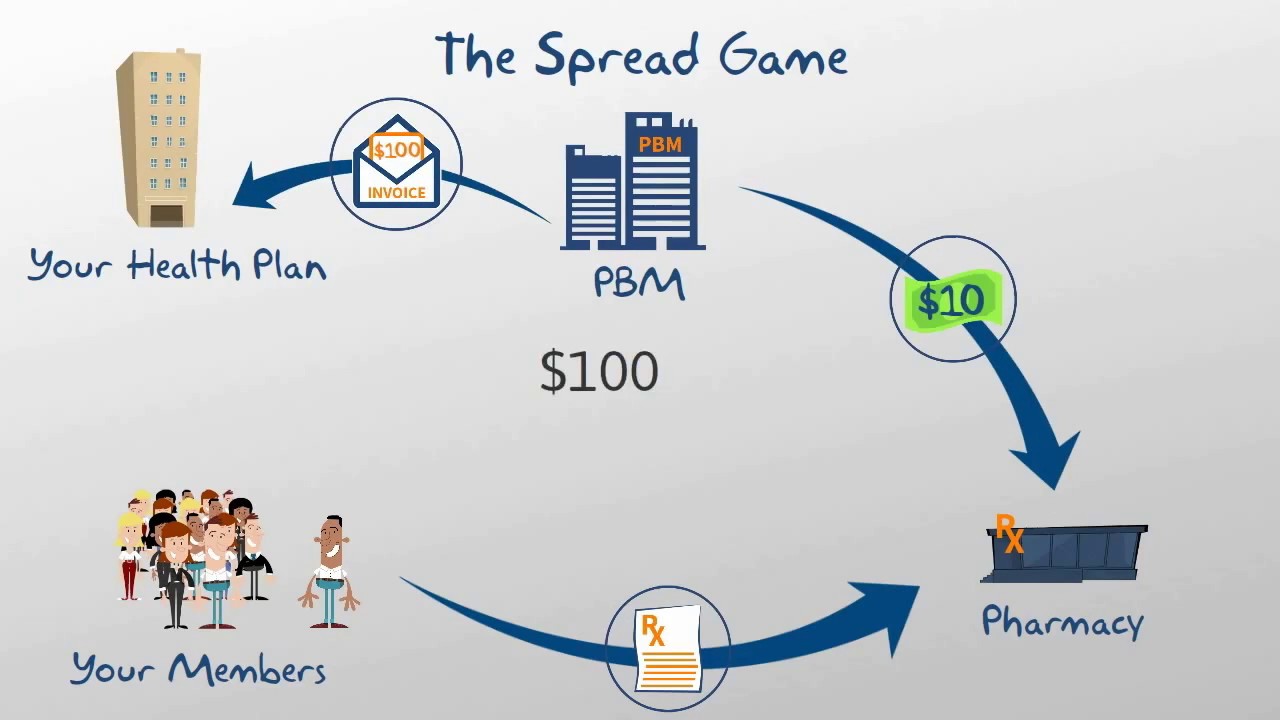
PODCAST: Poverty in Healthcare Explained

By Eric Bricker MD

***

***

COMMENTS APPRECIATED

Thank You

***

***

***

MARCINKO & Associates, Inc.

WHAT WE DO AND HOW WE ASSIST MEDICAL COLLEAGUES

Hard Business Advice AND Personal Lifestyle Coaching

http://www.MARCINKOASSOCIATES.com

By Ann Miller RN MHA CMP™

At Marcinko & Associates our clients traditionally include physicians [MD, MBBS and DO], dentists [DDS and DMD], podiatrists [DPM], Registered Nurses [RNs], Certified Registered Nurse Anesthetists [CRNA], Physician Assistants [PA] and Nurse Practitioners [NP]. A growing cohort of clients include medical technologists, physical, speech and occupational therapists, etc.

The above are naturally segregated into three career tranches: 1. New practitioners, 2] Mid-Career practitioners and 3] Mature practitioners. We serve them all and are fully prepared for any special needs situation that may arise in any tranche [death, divorce, adverse risk event and/or bankruptcy, etc].

Marcinko & Associates understands the complexity of financial and non-financial deal terms because we are also doctors. Our “hard” knowledge of your business comes from being actual healthcare facility owners, operators and medical practitioners [with additional professional licenses and expertise] enabling us to effectively analyze your business, take corrective measures and present your healthcare entity in the best possible and accurate light.

***

But, if you’re looking at this website, chances are you are fed up, burned out, seeking practice management techniques or a better work-life balance. Or, you are looking for a new non-clinical career, thinking of finance, investing, retirement, or all of the above. Perhaps you are just looking to regain the joy and meaning in your medical or professional career? This is known as “soft” psychology, coaching, personal consulting or fraternal advice.

***

Regardless, of your “soft” personal or “hard” corporate needs, our transparent Fees for Service [FFS] model is moderated for all colleagues based on the acuity and urgency of their engagements. Reduced rates and/or limited charity work may also be possible.

***

http://www.DavidEdwardMarcinko.com

CONTACT US TODAYTHRIVE TOMORROW!

Suite #5901 Wilbanks Drive

Norcross, Georgia USA 30092-1141

email: MarcinkoAdvisors@msn.com

***

***

PODCAST: CVS Replaces it’s PBM

Existential Threat to Pharmacy Benefits Managers?

By Staff Reporters

***

***

DEFINITION

***

Just now, CVS got a taste of its own medicine after Blue Shield of California said it will replace CVS’s pharmacy benefit manager system [PBMs] with other companies, including Amazon Pharmacy and Mark Cuban’s Cost Plugs Drugs business, to supply cheaper drugs to its members.

CITE: https://www.r2library.com/Resource

The move poses an existential threat to the entire pharmacy-benefit manager model.

***

COMMENTS APPRECIATED

Thank You

***

***

***

PODCAST: Kraft Heinz SUES Aetna Health Insurance Company

By Eric Bricker MD

***

***

Comments Appreciated

Thank You

***

***

***

A STEP-WISE APPROACH TO THE DIVORCE MEDIATION PROCESS FOR DOCTORs

And … their Financial Advisors

[An Appendix Styled Special ME-P Report]

Anju D. Jessani, MBA, APM

Accredited Professional Mediator & Arbitrator

Divorce with Dignity

223 Bloomfield Street, Suite #104

Hoboken, New Jersey 07030

201-217-1090 (voice)

201-217-1220 (fax)

www.MedicalBusinessAdvisors.com

As opposed to therapy with is often open-ended, mediation should be approached in a structured manner so as to minimize mediation fees, maximize the productivity of sessions by keeping clients focused, and expedite a fair resolution before the conflict is allowed to escalate. The reality of divorce is that most clients have similar issues they need to address such as the house, the pension, and college education for the children.  Nevertheless, the process should also be flexible to properly address the uniqueness of each clients’ situation such as different religious requirements, or the needs of a gifted child.

In this ME-P, I describe an approach to the divorce mediation process with the caveat that each mediator has their own style, hat there are many right approaches to this process, and the process can take more or less sessions and time than described below depending on the complexity of the issues, the availability of documentation and third-party appraisals, and preparedness of the parties, and the parties readiness to proceed. I have found that on average, I meet with client from three to eight 90 minute sessions over a two-three month time frame.  However, I have had clients who literally take years to work through the issues, and also clients who have completed the mediation process over two weekends.

My objective is to provide information that demystifies what happens behind closed doors during the divorce mediation process. Although I have outlined an approach that assumes the couple has children, I use the same approach in a more contracted fashion, for couples without children.

The mediator helps the separating couple address the custody and parenting time issues, distribution of assets and liabilities, child and spousal support amounts, insurance, income tax and other decisions needed to restructure their family into two units.

The mediator’s role is to help the couple explore options and their consequences, and bring knowledge and experience that provides a context for decision-making.   Mediation is guided by the concept of self-determination – decision-making authority in the mediation process rests with the parties. When necessary, the mediator will refer the couple to experts for services such as appraisals.

At the end of the mediation process, the mediator prepares a Memorandum of Understanding that summarizes the agreements reached. Although attorneys generally do not participate in the mediation sessions, the two spouses are advised to have their attorneys review the memorandum.  They may also use the services of an attorney or attorneys to prepare their separation or divorce agreement, based on the decisions in the memorandum.

The success rate for divorce mediation, which I define as the parties coming to agreement, is higher than in other civil mediation cases. Additionally, the success rate for couples voluntarily seeking divorce mediation is significantly higher than for court-mandated mediation.  From my experience, 90% of separating clients who voluntarily come to mediation, complete the process.

AAbzrcw

Product Details

Scheduling The First Mediation Session

A client may phone or e-mail to either learn more about mediation or to make an appointment. In his book The Fundamentals of Family Mediation, John Haynes, the Founding President of the Academy of Family Mediators, states that “the mediator is presented with a classic dilemma: how to provide sufficient information so she can make can intelligent decision about the suitability of mediation while at the same time not developing a relationship with the client.”1

During this initial inquiry, the mediator will try and ascertain the following:

  1. How the prospect received their name.
  2. The names of the parties and their attorneys.
  3. Where the parties are in the divorce process with their attorneys.
  4. Whether there are any domestic violence issues that would preclude the couple form mediating.
  5. The length of the marriage and the ages of the children, if any.

The mediator will provide the following information during the conversation:

  1. Description of the mediation process and the role of the mediator.
  2. The role of mediator versus role of the attorney in the divorce process.
  3. Typical number of sessions, fee structure, and available times for the first session.
  4. Information on my background, training and experience.

Mediation Session #1

The first session serves as an introduction and overview of the mediation process. The agenda for the first session will usually encompass the following:

  1. Description of mediation, the mediator’s role, number of sessions and fees.
  2. Parties’ objectives for today and for the mediation process.
  3. Review the mediation agreement (not to be signed that day).
  4. Grounds for filing for divorce/separation, and a summary of the legal process of divorce.
  5. Issues that must be addressed today.
  6. Description of issues to be addressed in the mediation process.
  7. Develop list of documents for clients to bring in for the next session.

This session is usually highly emotionally charged. There may be great anxiety about the session, anger between the parties, and apprehension about the mediator and the mediation process.  A number of things help to put the clients at ease during this session.  Mediators may remind clients that the purpose of the first session is to provide them with information, and that they are under no pressure to make any decision until they are comfortable.

The most helpful information obtained during this session is each of the party’s objectives for the mediation. What mediators hear most frequently is that the parties don’t want to spend unnecessary money, don’t have the intestinal fortitude for a court battle, want to keep their conflict private, and want to remain friendly with each other for the sake of the children.

The mediation agreement includes the following:

  1. The parties have entered mediation voluntarily, and it is understood that they may discontinue the mediation process at any time.
  2. They have not waived the right to consult with and/or retain their own attorney.
  3. The mediation process is confidential with the exception of information regarding abuse, neglect, abandonment, or exploitation of a child.
  4. Neither the mediator nor his/her records shall be subject to subpoena.
  5. Good faith disclosure requires full disclosure of information and production of documents; if documents requested are not provided, the mediator reserves the right to terminate the mediation.
  6. If the services of other experts are required such as appraisers, the parties will retain neutral experts and will pay their fees directly to them.
  7. The hourly fee for the mediation and the payment schedule (usually pay-as-you go).
  8. That the Memorandum of Understanding (MOU) is not a legal document; their attorney(s) will include information from the MOU in the Property Settlement Agreement/Divorce Agreement.
  9. That the parties are urged to consult with attorneys prior to signing the Property Settlement Agreement/ Divorce Agreement.

The mediator may provide legal information, but should not provide legal advice. They may cover the grounds for filing for divorce for their state, who may file for divorce, any residence requirements, as well as a time-line of the legal process.

Towards the end of the first session, the mediator will provide a list of documents needed for the next session. If either party has a defined benefit pension plan, the mediator will provide forms so that they can request a valuation of the pensions. If there is a business or professional practice, the mediator will suggest that the parties need a business valuation by a neutral business appraiser, and may provide a list of professionals they recommend.  Other documents that are usually requested include:

  1. The children’s school schedules with holidays.
  2. Pay stubs.
  3. Last year’s W-2 Forms for each party (summarizing annual earnings).
  4. Most recent federal tax return.
  5. Copies of all bank, brokerage, and 401(k)/403(b) statements.
  6. Most recent mortgage statement showing outstanding loan balances
  7. A summary of all insurance policies and coverage.
  8. A market assessment of real estate if property values are in dispute.
  9. A list of household items to be divided, if the parties cannot agree among themselves how to divide these items.
  10. A credit report for each party.

With the exception of business appraisals which can be very time consuming, it usually takes two or three weeks for clients to collect the other requested documentation and deal with getting a market assessment on the house. Therefore, scheduling the second session for three weeks later makes sense.  The time lapse is also helpful in allowing client to process what happened in mediation and their emotional issues regarding their impending separation and divorce.

Picture by Ryan McGuire

Mediation Session #2

The focus of this session is on developing the parenting plan and on data collection. The agenda for the second session will usually encompass the following:

  1. Sign the mediation agreement.
  2. Develop the parenting plan and address related issues.
  3. Meet with each party alone (caucus).
  4. Collect requested documentation.
  5. Provide budget worksheets for completion by the next session.

Many states require parents in divorce proceeding to file parenting plans, with the hope that the parties will be encouraged to fulfill their parenting responsibilities through their agreements rather than rely on judiciary intervention. The parenting plan typically encompasses non-financial parenting issues, including:

  1. The type of custody chosen and reasons for selecting it (usually either sole custody to one parent with parenting time to the other, joint legal custody with one parent having primary residential care, or joint physical custody).
  2. A specific schedule for parenting time for each party including weeknights, weekends, vacations, religious holidays, school vacations, birthdays, and special occasions, and including procedures for transferring the child.
  3. Access to various records including educational and medical records.
  4. Provisions or restrictions on domestic or international travel.
  5. The impact if there is a contemplated change of residence by a parent; and
  6. Participation in making decisions regarding the child included decisions about religious upbringing, health care and education.During this session, the mediator may meet with each party alone (caucus) for approximately ten minutes with the idea of providing equal time to each participant. Different mediators have different views on whether the caucus is confidential; they should share this information, so you can proceed accordingly. Most clients appreciate the time in caucus, as it allows them to share the emotional details of their personal situation without worrying about their spouse’s reactions.
  7. If the case appears appropriate for spousal support because of a large difference in the parties incomes, or if one party is a supported spouse, budgeting is a necessity. However, even for clients who have similar incomes, preparing a budget can help reduce the level of anxiety about separating.   The mediator may provide budget work sheets for clients to complete outlining current and projected expenses. As time is needed to go through the documents provided by clients, for them to collect budget information, and for the return of the business appraisal, it is good to schedule the next session at least two weeks out.
  8. In some other states, child support is based on a number of factors including the number of overnights each parent has with the child/children. By first developing the parenting plan, the mediator has an essential building block to assist the clients in structuring their financial settlement.

Product DetailsProduct Details

Mediation Session #3

The focus of this session is on data analysis for child support and distribution of assets and liabilities. The agenda for the third session will usually encompass the following:

  1. Review child support based on child support guidelines.
  2. Discuss other financial issues related to the children.
  3. Review inventory of assets and liabilities.
  4. Decide how to divide assets and liabilities.
  5. Collect budgeting information.

By the third session, most clients feel comfortable with mediation process and the routine of going through the agenda. This session will be pivotal, and requires that clients be ready to make key financial decisions.  However, because the clients have provided the necessary documentation that has allowed the mediator to conduct data analysis, they will now be in a position to make decisions based on information.

Each state has its own child support guidelines and formulas, and many of the courts will require proof that parties have been provided with information regarding what child support would be by the state’s child support guidelines. Therefore the mediator should be able to perform these calculations.  Clients may choose to adjust the child support — that is also something the mediator should work through with clients.  Additionally, if spousal support is also warranted, child support may be revised upward or downward depending on the amount of spousal support agreed to in Session Four.

There are frequent and recurring child expenses that must also addressed during this session including:

  1. Work-related childcare.

·         Child’s share of health insurance premiums.

  1. Out-of-pocket health care expenses of the child such as for orthodontia.

·         Other extraordinary, but forcasted expenses such at SAT preparation classes.

Some child-related costs cannot be anticipated at the time of the divorce such as fees for summer camps or karate lessons.   Parents often choose to share these costs, or pay them in percentage to their incomes.  The mediator may also bring up the following issues:

  1. Frequency and/or events that should trigger a child support modification.
  2. Age of emancipation for the children as related to the child support obligation.
  3. Any religious rights of passage and how they will be funded such as Bar Mitzvahs.
  4. The parties’ desires regarding the child’s college education and costs.

The first area discussed with respect to assets and liabilities is personal property. If the parties can decide how to divide their personal property on their own such as furniture, stereo equipment, television, computer equipment, antiques, photographs, the mediator will usually stay out of that process.  If they cannot, the mediator may suggest they make an inventory of household items, place a fire sale price next to each item, and then take turns picking which items they desire.  If one person ends up with significantly less, they can ask for reimbursement from the other party.

The parties have provided documentation including copies of bank statements, business valuations, brokerage statements, and pensions statements. Once all the information has been collected, one methodology for dividing assets and liabilities it to prepare a three column spreadsheet program such as Excel.  The total estate would be in Column One.  Columns Two would be reserved for assets and liabilities the wife is receiving, and Column Three would be reserved for assets and liabilities for husband is receiving.  As an example, if the parties have a car worth $10,000 with a $5,000 loan, a house worth $250,000 with a $125,000 mortgage, and a bank account with $130,000, the total value of their entire estate as indicated in Column One would be $260,000.  If the parties decide the wife is keeping the car, the car loan, the house and the mortgage, those values go in Column One, it is clear that she is getting 50% of the total assets.  Please note that this is a simple illustration and does not adjust for potential taxes, sales commissions and closing costs that may or not be considered in the mediation process.

During the mediation session, the mediator may go through numerous alternatives on how they could divide up the marital assets and liabilities, and may look for ways to balance the division through vehicles such as Qualified Domestic Relations Orders that allow the transfer of part of a pension of deferred savings plan to the other party.

As time is needed to analyze budget information provided by the clients, it is wise to schedule the next session for two weeks later.

Comprehensive Financial Planning Strategies for Doctors and Advisors: Best Practices from Leading Consultants and Certified Medical Planners(TM) 

Mediation Session #4

The focus of this session is on budgets, spousal support and other outstanding. The agenda for the fourth session will usually encompass the following:

  1. Review parties current and forecasted budgets.
  2. Discuss what is needed if there are shortfalls including spousal support.
  3. Review other outstanding issues including incomes taxes, religious issues, cost of the divorce, etc.
  4. Provide agenda for next session.

As with the balance sheet, the mediator will take data provided by the clients and create a spreadsheet with the parties’ marital budget, and the projected budgets for each of the parties after the separation and divorce. There are many issues that influence the ease or difficulty of this task.  It is usually easier if the parties are already living in separate residences, and if both parties are employed and working at their full earning capacity.  It is harder if the parties are self-employed, and also if they have a lot of cash expenditures that are hard to track.  The parties’ capacity for record keeping will influence the accuracy of the budget.  For most clients the goal is to capture the 20% of expenses that account for 80% of their budget.

During the session, the mediator will review the current and forecasted budgets with the clients, and try and help them jog their memories for expenditures and well as income sources we may have missed. The budgets either provide reassurance that both parties will be self-sustaining and relatively comfortable, or help identify shortfalls.  The budgeting exercise provides for a more rational discussion regarding spousal support be it some type of interim support, support for a number of years, or in longer-term marriages, permanent alimony.  Because establishing both the amount and the term of spousal support is highly subjective, it is advisable that that clients see advise from counsel, and even get a second opinion, if they are not comfortable

Outstanding issues usually addressed in this session include:

  1. Income taxes including exemptions for the children, and filing status during the separation.
  2. Religious issues such as possibly religious annulments for Catholic clients, and Gets for Jewish clients.
  3. Whether the wife plans to change her name following the divorce.
  4. Social Security issues, including a process for equalizing social security benefits for long-term marriages.
  5. How the parties plan to pay the legal costs and fees for the divorce.

Once the mediator has gathered the remaining information so that he/she will be in a position to write a draft version of the Memorandum of Understanding. As I now need time to draft this document, the next session will be scheduled for at least for two weeks later.

couple

Mediation Session #5

The focus of the fifth, and usually the last session is on reviewing the Draft Memorandum of Understanding and amending/correcting it.

The Draft MOU summarizes everything the parties have agreed to in the mediation process. The MOU   is not intended as a legal document and will remain unsigned by the parties.  It serves the purpose of putting in writing the goals, intentions and attitudes of the couple.  The mediator will each client with a drafts copy of the MOU, and then should go through it in as great detail as is needed, to ensure that the document reflects the intentions of the clients.   The Final MOU will be mailed to clients shortly after the session.

Generally, the text of the MOU does not come as a surprise to client. However, seeing the document itself can be upsetting to some clients, as it reminds them that they are moving along in the process.  If any of the issues appear to be creating conflict, the mediator may caucus with the parties to try and bring it to closure.  If it appears that the clients could benefit from another mediation session, the mediator will suggest it.  However, this is the exception rather than the rule.

If clients have not secured legal counsel, most mediators will supply a list of mediation friendly attorneys, and will encourage their clients to make contact with a few attorneys so that they can inquire about fees, availability and approach.

Frequently, mediators will suggest that clients also review the MOU with their accountant, tax accountant, and financial planner. This review often helps identify or confirm strategies that may be mutually advantageous.  As an example, there may be a tax benefit to waiting until the next-year for the divorce to be finalized.  In that situation, the parties can instruct their attorneys accordingly.

The last part of this session will be spent answering questions and addressing concerns. Most clients are comfortable with the MOU, but apprehensive about moving forward.  They should be assured that the hardest part of the process is done – the decision making. Their attorneys will review the MOU and help them implement the agreement.  For some clients, there is a sadness in moving on.  The mediator will assure them that if any conflicts arise during the filing process, during the divorce, or after the divorce, they are free to come back to mediation to address those issues.

[THE END]

Note 1 John M. Haynes, The Fundamental of Mediation, 31 (State University of New York Press, 1994).

Conclusion

Your thoughts and comments on this ME-P are appreciated. Feel free to review our top-left column, and top-right sidebar materials, links, URLs and related websites, too. Then, subscribe to the ME-P. It is fast, free and secure.

***

divorce

***

Speaker: If you need a moderator or speaker for an upcoming event, Dr. David E. Marcinko; MBA – Publisher-in-Chief of the Medical Executive-Post – is available for seminar or speaking engagements. Contact: MarcinkoAdvisors@msn.com

OUR OTHER PRINT BOOKS AND RELATED INFORMATION SOURCES:

Financial Planning MDs 2015

Comprehensive Financial Planning Strategies for Doctors and Advisors: Best Practices from Leading Consultants

MSNBC Contributor Says Mask-Up After Uptick in COVID-19 Hospitalizations

By Staff Reporters

FOX News: A doctor appearing on MSNBC Tuesday said that Americans should start wearing masks for COVID again. Former Obama official and current MSNBC medical contributor Dr. Kavita Patel was brought on Jose Diaz-Balart Reports to discuss an uptick in COVID hospitalizations.

“If you’ve noticed more of your friends, neighbors, loved ones are testing positive for COVID, you’re not alone. According to the CDC, COVID-19 hospitalizations are up 12 percent from last week and, while we’re nowhere near previous levels, it’s still raising concerns,” Diaz-Balart said.

The number of COVID-19 hospitalizations is rising this summer in the U.S., according to the Centers for Disease Control and Prevention (CDC). More than 7,100 patients with COVID were hospitalized in the week of July 15, up from 6,444 the prior week, the sharpest percentage increase since December 2022.

COMMENTS APPRECIATED

Thank You

***

***

US CREDIT: Rating Downgraded by Fitch

WARNING!

By Staff Reporters

***

***

Fitch, the credit assessor knocked the US’ credit rating from the gold-standard AAA to AA+, citing the country’s growing debt burden and the “erosion of governance” (a reference to political standoffs over the debt ceiling).

LINK: https://www.fitchratings.com/

The last time the US received a credit downgrade was in 2011, when S&P sent it to AA+, causing market mayhem. Past and present US economic officials said Fitch was off its rocker for the decision. Former Treasury Secretary Larry Summers called it “bizarre and inept” given the current strength of the US economy.

***

COMMENTS APPRECIATED

Thank You

***

***

DAILY UPDATE: Deutsche Bank, YouTube Health Initiative and the Markets

By Staff Reporters

***

***

Regulators fined Deutsche Bank $186 million for not fixing anti-money laundering, due diligence, and sanctions controls. This is the third time since 2015 that the Federal Reserve has fined the troubled bank for internal control failures. (CNN Business)

***

Under the YouTube Health Initiative, the company partnered with several healthcare organizations, including traditional health systems like Cleveland Clinic in Ohio and Mass General Brigham in Boston, as well as online health education platforms like Osmosis and Psych Hub. Other partners include the medical journal the New England Journal of Medicine, the World Health Organization, and the American Public Health Association.

These health organizations created videos on a range of health topics, which YouTube curates in what it calls “carousels” and labels to indicate that the information comes from reputable sources. If someone searches for information on diabetes, for example, they’ll get a carousel of videos from the health partners on diabetes.

***

***

Here is where the major benchmarks ended yesterday and for the week:

  • The S&P 500 Index was up 1.47 points at 4,536.34, up 0.7% for the week and the benchmark’s eighth weekly gain in the past 10; the Dow Jones industrial average was up 2.51 points at 35,227.69, up 2.1% for the week; the NASDAQ Composite was down 30.50 points (0.2%) at 14,032.81, down 0.6% for the week.
  • The 10-year Treasury note yield (TNX) was down about 2 basis points at 3.837%.
  • CBOE’s Volatility Index (VIX) was down 0.39 at 13.60.

Utility and health care shares were among the strongest performers Friday, which may reflect investors rotating into more “defensive” sectors, which haven’t participated as much in this year’s rally and may be seen as a “relative value” or “catch-up” play.

Energy stocks were also strong as crude oil futures jumped over 2% and posted a fourth straight weekly gain. Regional banks and communication services were among the weakest sectors, while the small-cap-focused Russell 2000 (RUT) fell slightly.

***

ORDER: https://www.routledge.com/Comprehensive-Financial-Planning-Strategies-for-Doctors-and-Advisors-Best/Marcinko-Hetico/p/book/9781482240283

***

COMMENTS APPRECIATED

Thank You

***

CYBER ATTACK: Closes First Hospital

By Staff Reporters

***

***

The healthcare industry cut 97% more jobs in the first half of 2023 compared to the same period in 2022, according to a July 6 report from executive outplacement firm Challenger, Gray, & Christmas.

The report mentioned an unnamed hospital that closed last month due to a cyberattack, which likely contributed to the healthcare job cuts. In June, St. Margaret’s Health in Spring Valley, Illinois, closed, and was the first hospital to publicly attribute a cyberattack to its closure, NBC News reported.

Market and economic conditions were cited as the reasons for the majority of job cuts across all US industries; the report didn’t detail the reasons for healthcare job cuts specifically, except for the NBC News Report.

***

MORE: https://www.routledge.com/Risk-Management-Liability-Insurance-and-Asset-Protection-Strategies-for/Marcinko-Hetico/p/book/9781498725989

***

***

COMMENTS APPRECIATED

Thank You

***

APPLE: What is its Corporate Value

AS INVESTORS – HOW DO WE EVALUATE FINANCIAL RISK?

By Vitaliy Katsenelson CFA

***

***

READ: https://vitaliy.substack.com/p/what-is-the-value-of-apple-how-do?utm_source=substack&utm_medium=email

***

***

COMMENTS APPRECIATED

Thank You

***

PODCAST: Doctors Divorcing from their Hospital Systems

By Eric Bricker MD

***

***

***

COMMENTS APPRECIATED

Thank You

***

***

e-BOOKS: For Doctors, Financial Advisors, CPAs, Insurance Agents, Medical Consultants and Health Law Attorneys

By Ann Miller RN MHA CMP

INTRODUCING OUR NEXT GENERATION e-BOOK LIBRARY FROM iMBA, Inc.

An e-book is an electronic or digital book that can be read on a computer or a handheld device.

Our new e-books consists of text, images, and are fixed to a specific spot on the page.

And, our e-books are a data files similar in content and structure to a word-processing document that comes in a PDF format. To use our e-books, you need to purchase and download it to a device that has a .pdf file reader app, such as ADOBE® or similar on a smartphone, tablet or computer. A PDF, also known as a portable document format, is the format most people are familiar with and used in our e-books. PDFs are known for their ease of use and ability to hold custom layouts. They are the most commonly used e-Book formats, especially by professionals and adult-learners.

You can then access the e-book and read it, or highlight pages and even take side notes.

e-Books Save Money

With no manufacturing, printing, binding or shipping costs, e-Books are cheaper than traditional hard or paper back books.The price of each specialized and highly niche focused e-Book [50-100 pages] is only $25, whereas similar paperback printed books of this type generally cost $145, or more!

Payable thru PayPal [3% courtesy surcharge applies].

MORE HERE: https://medicalexecutivepost.com/me-pr-a-new-feature/

COMMENTS APPRECIATED

Thank You

***

PODCAST: The CIGNA Group CEO

By Staff Reporters

Health Unscripted Podcast: Lessons from a purpose-driven CEO featuring David Cordani

LISTEN: https://tinyurl.com/bddj8bud

***

***

COMMENTS APPRECIATED

Thank You

***

Of Financial Certifications and Designations

The “Too Numerous to Count” Syndrome

[By Dr. David Edward Marcinko; MBA, CMP™]

Dr. MarcinkoThe following list of certifications enumerates only a partial exposure of the often nebulous field of “financial planning credentials” that presently exist in the market place. 

Good … and Not So

Some of these professional designations are awarded to individuals in the financial planning or financial “advisory” space after [some] diligent study and [often not so] arduous testing; others not so.

Disclaimer: I am a reformed Certified Financial Planner®, Series 7 [stock-broker], 63 and 65 license holder, and RIA representative who also held all applicable insurance and security licenses.

The individuals hold not only proper education [some only reguire a HS diploma or GED] as evidenced by the credential; the holders are often people of ethics [hopefully] and competence [usually]. But, not all credentials are the same. Some credentialing bodies have higher educational requirements that also require years of experience and a thorough background search. Others are awarded after only a few hours of study and, most all, remain non-fiduciary in nature.

Too Many To Count – Syndrome

In medicine, the abbreviation TNTC is well known. Sometime, I think this term is better applicable to the plethora of “credentials” in the financial services industry.

dhimc-book1

The Designation Line-up

A brief description for some of these financial designations [not degrees] follows:

  • AAMS – Accredited Asset Management Specialist
  • AEP – Accredited Estate Planner
  • AFC – Accredited Financial Counselor
  • AIF – Accredited Investment Fiduciary
  • AIFA – Accredited Investment Fiduciary Auditor
  • APP – Asset Protection Planner
  • BCA – Board Certified in Annuities
  • BCAA – Board Certified in Asset Allocation
  • BCE – Board Certified in Estate Planning
  • BCM – Board Certified in Mutual Funds
  • BCS – Board Certified in Securities
  • C3DWP – 3 Dimensional Wealth Practitioners
  • CAA – Certified Annuity Advisor
  • CAC – Certified Annuity Consultant
  • CAIA – Chartered Alternative Investment Analyst
  • CAM – Chartered Asset Manager
  • CAS – Chartered Annuity Specialist
  • CCPS – Certified College Planning Specialist
  • CDFA – Certified Divorce Financial Analyst
  • CEA – Certified Estate Advisor
  • CEBS – Certified Employee Benefit Specialist
  • CEP – Certified Estate Planner
  • CEPP – Chartered Estate Planning Practitioner
  • CFA – Chartered Financial Analyst
  • CFE – Certified Financial Educator
  • CFG – Certified Financial Gerontologist
  • CFP – Certified Financial Planner
  • CFPN – Christian Financial Professionals Network 
  • CFS – Certified Fund Specialist
  • CIC – Chartered Investment Counselor
  • CIMA – Certified Investment Analyst
  • CIMC – Certified Investment Management Consultant
  • CLTC – Certified in Long Term Care
  • CMFC – Chartered Mutual Fund Counselor
  • CMP – Certified Medical Planner™
  • CPC – Certified Pension Consultant
  • CPHQ – Certified Professional in Healthcare Quality
  • CPHQ – Certified Physician in Healthcare Quality
  • CPM – Chartered Portfolio Manager
  • CRA – Certified Retirement Administrator
  • CRC – Certified Retirement Counselor
  • CRFA – Certified Retirement Financial Advisor
  • CRP – Certified Risk Professional
  • CRPC – Chartered Retirement Planning Counselor
  • CRPS – Chartered Retirement Plan Specialist
  • CSA – Certified Senior Advisor
  • CSC – Certified Senior Consultant
  • CSFP – Certified Senior Financial Planner
  • CSS – Certified Senior Specialist
  • CTEP – Chartered Trust and Estate Planner
  • CTFA – Certified Trust and Financial Advisor
  • CWC – Certified Wealth Counselor
  • CWM – Chartered Wealth Manager
  • CWPP – Certified Wealth Preservation Planner
  • ECS –  Elder Care Specialist
  • FAD – financial Analyst Designate
  • FIC – Fraternal Insurance Counselor
  • FLMI – Fellow Life Management Institute
  • FRM – Financial Risk Manager
  • FSS – Financial Services Specialist
  • LIFA – Licensed Insurance Financial Analyst
  • MFP – Master Financial Professional
  • MSFS – Masters of Science Financial Service Degree
  • PFS – Personal Financial Specialist
  • PPC – Professional Plan Consultant
  • QFP – Qualified Financial Planner
  • REBC – Registered Employee Benefits Consultant
  • RFA – Registered Financial Associate
  • RFC – Registered Financial Consultant
  • RFG – Registered Financial Gerontologist
  • RFP – Registered Financial Planner
  • RFS – Registered Financial Specialist
  • RHU – Registered Health Underwriter
  • RPA – Registered Plans Associate
  • WMS – Wealth Management Specialist

This list is intentionally incomplete and it is not intended to be an endorsement of any credential by the Institute of Medical Business Advisors, Inc www.MedicalBusinessAdvisors.com

Alphabet Soup

Obviously, these “professional” designations spread across multiple industries. For example there is an alphabet of designations in the brokerage and securities field, another alphabet in the insurance industry and within the insurance industry, designations exist for those who meet face to face with prospective customers, another for those who provide client service and yet another in underwriting the various insurance products. Certainly when the designations are complied in a list such as that above, they present a dizzying array of apparent qualifications.

Assessment

While in general, education for the financial service [and medical] professional is good for everybody, there are certain things that you should do as proper due diligence to protect your family and your financial assets. What are they?

Disclaimer: I am also founder of the Certified Medical Planner™ online educational program in health economics for financial advisors and medical management consultants. www.CertifiedMedicalPlanner.org

Conclusion

Your thoughts and comments on this ME-P are appreciated. Feel free to review our top-left column, and top-right sidebar materials, links, URLs and related websites, too. Then, subscribe to the ME-P. It is fast, free and secure.

Link: http://feeds.feedburner.com/HealthcareFinancialsthePostForcxos

Speaker: If you need a moderator or speaker for an upcoming event, Dr. David E. Marcinko; MBA – Publisher-in-Chief of the Medical Executive-Post – is available for seminar or speaking engagements. Contact: MarcinkoAdvisors@msn.com

OUR OTHER PRINT BOOKS AND RELATED INFORMATION SOURCES:

LEXICONS: http://www.springerpub.com/Search/marcinko
PHYSICIANS: www.MedicalBusinessAdvisors.com
PRACTICES: www.BusinessofMedicalPractice.com
HOSPITALS: http://www.crcpress.com/product/isbn/9781466558731
CLINICS: http://www.crcpress.com/product/isbn/9781439879900
ADVISORS: www.CertifiedMedicalPlanner.org
BLOG: www.MedicalExecutivePost.com

Product DetailsProduct DetailsProduct Details

Product Details  Product Details

Comprehensive Financial Planning Strategies for Doctors and Advisors: Best Practices from Leading Consultants and Certified Medical Planners(TM)

***

HEALTH SHARING AGREEMENTS: Are They Health Insurance -OR- Not?

By Staff Reporters

***

***

Health care sharing is not insurance, but the plans count as insurance under the Affordable Care Act (ACA). That means more affordable healthcare benefits while avoiding the tax penalty for going uninsured. Other pros of health care sharing over insurance include: Lower cost. Monthly costs of health sharing are usually much lower than insurance premiums, although the rules are different for what’s covered. Also, the annual “unshared amount” is much, much lower than deductibles on lower-premium or catastrophic insurance plans. Your choice of provider. There are no network requirements, and you provide your health sharing card as coverage. If a doctor won’t accept your plan and you have to pay out-of-pocket, health sharing plans reimburse your expense.s

CITE: https://www.r2library.com/Resource

Now, the caveats: Health care sharing plans aren’t required to cover pre-existing conditions, such as cancer, diabetes, or lifestyle-related conditions like smoking. Those who have them may be declined membership or won’t have the conditions fully covered for a year or more. Health care sharing also doesn’t typically cover the essential health benefits like wellness exams or mental health counseling.

Yet, at least 1.7 million Americans are involved in a health sharing agreements despite a lack of protections (KFF Health News).

***

COMMENTS APPRECIATED

Thank You

***

***

Congress Mulling Medicare Site-Neutral Payment Policy

By Health Capital Consultants, LLC

***

***

Congress Mulling Medicare Site-Neutral Payment Policy

Congress is actively considering several bills related to site-neutral payment that has hospitals across the U.S. significantly concerned. The proposed legislation would lower the price that Medicare pays hospitals for common outpatient services, such as x-rays and general checkups, and match what it pays outpatient facilities such as physician offices. Facilities that are owned by hospitals (known as hospital outpatient departments, or HOPDs) earn more than twice what an independent outpatient facility earns for providing the same services.

CITE: https://www.r2library.com/Resource

This Health Capital Topics article will review the changes that are being considered by Congress, as well as the responses from stakeholders. (Read more…)

***

COMMENTS APPRECIATED

Thank You

***

***

MEDICAL MALPRACTICE : Update on Physician Rates of Liability

By Staff Reporters

***

***

About one in three physicians reported that they’ve been sued for medical malpractice during their career, a new study from the American Medical Association (AMA) found.

The study analyzed 14,000 responses from AMA Physician Practice Benchmark Surveys between 2016 and 2022. The longer a physician works in the industry, the higher their risk of getting a malpractice claim.

In summary, almost half of physicians over the age of 54 have been sued in their career, versus 9.5% of physicians younger than 40 years old. Specialty and gender influenced the likelihood of being sued. For example, general surgeons and ob-gyns, as well as men physicians, had the highest risk, per the AMA report.

***

This is exactly why we produced a major 800 page textbook for all our medical colleagues: Risk Management, Liability Insurance, and Asset Protection Strategies for Doctors and Advisors Best Practices from Leading Consultants and Certified Medical Planners

ORDER HERE: https://www.routledge.com/Risk-Management-Liability-Insurance-and-Asset-Protection-Strategies-for/Marcinko-Hetico/p/book/9781498725989

COMMENTS APPRECIATED

Thank You

***

***

CUSTOMIZABLE e-PODIATRY CONSENT FORMS

electronically CUSTOMIZABLE FOR EVERY SURGEON

***

http://www.ePodiatryConsentForms.com

CUSTOMIZABLE CMS & AGENCY FOR HEALTHCARE RESEARCH AND QUALITY STYLED PROTOCOLS, CHECKLISTS AND TEMPLATES

.… Specifically for Podiatrists ….   

e-Podiatry Consent Forms™ is an innovative new suite of software programs from the Institute of Medical Business Advisors [iMBA, Inc]. Our products solve your informed consent problems and enhance the education, discussion and documentation of the informed consent process for all podiatrists performing foot, ankle and leg reconstructive surgical procedures.

THE PROBLEM

All podiatrists are being pressured by the Centers for Medicare and Medicaid Services [CMS], the Joint Commission on Accreditation of Healthcare Organizations [JCAHO], liability carriers and private insurance payers to make their consent process more patient-friendly, informed and easily understood. And, the pressure to standardize and comply is great.

Most recently, based on the need to make healthcare even safer, the Agency for Healthcare Research and Quality (AHRQ) undertook a major study to identify patient safety issues and develop recommendations for “best practices”.

The AHRQ Evidence Report

The AHRQ report identified the challenge of addressing shortcomings such as missed, incomplete or not fully comprehended informed consent, as a significant patient safety issue and opportunity for improvement.

The authors of the AHRQ report hypothesized that better informed patients:

“are less likely to experience errors by acting as another layer of protection.”

And, the AHRQ study ranked a “more interactive informed consent process” among the top 11 practices supporting more widespread implementation; especially for surgical consent forms.

THE SOLUTION

Why Us: https://epodiatryconsentforms.com/why-us/

One answer to the modern risk-management problem of “informed consent interactivity” may be e-Podiatry Consent Forms™  We license two core interactive surgical products, and a reference library, with related concepts and products in development:

  • Forefoot, Mid-Foot and Simple Rear-Foot Version
  • Complex Rear-Foot, Ankle and Lower Leg Version
  • Comprehensive content library for extreme customization.

Each e-Podiatry Consent Forms™ CD-ROM [secure email delivery is now available] is increasingly trusted as the simple solution to standardized communications across the entire office-enterprise; from managing-risk, informing-patients and complying with modern regulatory requirements through enhanced patient-centric informed consent encounters.

Thus, by improving the consistency, details, documentation and effectiveness of the informed consent process, e-Podiatry Consent Forms™ equips all podiatric surgeons with the tools needed to augment quality standards, reduce litigation potential and improve patient outcomes and safety.

http://www.ePodiatryConsentForms.com

***

ORDER NOW: http://www.ePodiatryConsentForms.com

Phone: 770-448-0769

***

ENVISION HEALTHCARE : KKR Backed and Bankrupt!

A”Surprise Billing” Maven

By Staff Reporters

***

Envision, a $10 billion physician and ambulatory surgery firm owned by private equity giant Kohlberg Kravis Roberts, filed for Chapter 11 bankruptcy on May 15th 2023.  It was the largest healthcare bankruptcy in US history. 

CITE: https://www.r2library.com/Resource

Envision claimed to employ 25 thousand clinicians- emergency physicians, anesthesiologists, hospitalists, intensivists, and advanced practice nurses and contracted with 780 hospitals.  Envision’s ER physicians delivered 12 million visits in 2021, not quite 10% of the US total hospital ED visits.

READ: https://www.advisory.com/daily-briefing/2023/05/19/envision-bankruptcy#:~:text=On%20Monday%2C%20Envision%20Healthcare%20filed%20for%20Chapter%2011,%E2%80%94%20will%20be%20cancelled%2C%20totaling%20around%20%245.6%20billion.

MORE: https://www.brookings.edu/wp-content/uploads/2021/10/Private-Equity-Investment-As-A-Divining-Rod-For-Market-Failure-14.pdf

***

COMMENTS APPRECIATED

Thank You

***

***

***

DAILY UPDATE: MAXIM Data Breach, Gold and the Markets

By Staff Reporters

***

***

Thousands of clients of Maxim Healthcare Services are about to receive a payment of up to $5,000 in compensation for a data breach. According to information obtained by The Sun, the private medical personnel company based in Columbia, Maryland; agreed to pay 2020 data breach claims filed in a class action lawsuit by residents of the state of California.

***

***

Gold futures tallied a third consecutive session decline settling at their lowest in nearly a week as further strength in the U.S. dollar pressured prices for the precious metal. Gold gave up early gains that had been driven by uncertainty surrounding a U.S. debt-ceiling deal in Congress.

***

And, here is where the major benchmarks ended yesterday:

  • The S&P 500 Index was down 30.34 points (0.7%) at 4115.24; the Dow Jones industrial average was down 255.59 (0.8%) at 32,799.92; the NASDAQ Composite was down 76.08 (0.6%) at 12,484.16.
  • The 10-year Treasury yield was up about 4 basis points at 3.742%.
  • CBOEs Volatility Index was up 1.52 at 20.04.

Technology and regional bank stocks were among the weakest sectors, with the Philadelphia Semiconductor Index down more than 2%. Energy was one of the few gainers among S&P 500 sectors as crude oil futures climbed to a three-week high of near $74 a barrel. The U.S. dollar index rose a third straight day to a two-month high.

***

ORDER: https://www.routledge.com/Risk-Management-Liability-Insurance-and-Asset-Protection-Strategies-for/Marcinko-Hetico/p/book/9781498725989

ORDER: https://www.routledge.com/Comprehensive-Financial-Planning-Strategies-for-Doctors-and-Advisors-Best/Marcinko-Hetico/p/book/9781482240283

***

COMMENTS APPRECIATED

Thank You

***

Happy Birthday Florence Nightingale [203rd]

By Staff Reporters

***

***

Happy 203rd birthday to Florence Nightingale, the founder of modern nursing. She rose to fame during the Crimean War, when her hygiene standards substantially reduced the mortality rate at army hospitals. The healthcare industry still relies on some of her ideas, such as using data as a tool to improve hospital care. The “lady with the lamp” is still lighting the path forward.

***

Other Health Care Stories

COMMENTS APPRECIATED

Thank You

***

***

PUBLIC HEALTH EMERGENCY: Ends May 11th, 2023

By Health Capital Consultants, LLC

***

***

On January 30th, 2023, President Joseph Biden announced that the public health emergency (PHE) and national emergency declaration related to the COVID-19 pandemic will finally end on May 11, 2023, after being in place for over three years.

And so, this Health Capital Topics article will discuss the changes that will take place after both declarations cease, and the implications for stakeholders.  (Read more…)

***

COMMENTS APPRECIATED

Thank You

***

ORDER: https://www.amazon.com/Dictionary-Health-Insurance-Managed-Care/dp/0826149944/ref=sr_1_4?ie=UTF8&s=books&qid=1275315485&sr=1-4

***

PODCAST: Financially Hospitals Must Survive

HOW TO SURVIVE?

***

***

COMMENTS APPRECIATED

THANK YOU

***

***

***

PODCAST: Health Insurance Prior Medical Authorization Rates Are Down

BUT MEANINGFUL?

By Eric Bricker MD

***

***

CITE: https://www.r2library.com/Resource

***

***

COMMENTS APPRECIATED

Thank You

***

e-BOOKS: For Doctors, Financial Advisors, CPAs, Insurance Agents, Medical Consultants and Health Law Attorneys

By Ann Miller RN MHA CMP

INTRODUCING OUR NEXT GENERATION e-BOOK LIBRARY FROM iMBA, Inc.

An e-book is an electronic or digital book that can be read on a computer or a handheld device.

Our new e-books consists of text, images, and are fixed to a specific spot on the page.

And, our e-books are a data files similar in content and structure to a word-processing document that comes in a PDF format. To use our e-books, you need to purchase and download it to a device that has a .pdf file reader app, such as ADOBE® or similar on a smartphone, tablet or computer. A PDF, also known as a portable document format, is the format most people are familiar with and used in our e-books. PDFs are known for their ease of use and ability to hold custom layouts. They are the most commonly used e-Book formats, especially by professionals and adult-learners.

You can then access the e-book and read it, or highlight pages and even take side notes.

e-Books Save Money

With no manufacturing, printing, binding or shipping costs, e-Books are cheaper than traditional hard or paper back books.The price of each specialized and highly niche focused e-Book [50-100 pages] is only $25, whereas similar paperback printed books of this type generally cost $145, or more!

Payable thru PayPal [3% courtesy surcharge applies].

MORE HERE: https://medicalexecutivepost.com/me-pr-a-new-feature/

COMMENTS APPRECIATED

Thank You

***

Supreme Court Justices Hear False Claims Act Case

By Health Capital Consultants, LLC

***

***

On April 18th, 2023, the U.S. Supreme Court heard oral arguments in two False Claims Act (FCA) cases, which cases center on the necessary state of mind needed to violate the FCA.

This Health Capital Topics article will review the oral arguments in the combined cases and how the justices seem posed to rule based on their questions and comments during the session. (Read more…)

***

JUST IN: CA Doctor Settles FCA Allegations for $23.9 Million

A plastic surgeon in Beverly Hills, along with his son, and medical practices and billing company, have agreed to pay $23.9 million to resolve allegations that they violated the False Claims Act by submitting or causing the submission of false claims to both Medicare and Medicaid.

The civil settlement includes the resolution of claims brought under the qui tam, or whistleblower, provisions of the False Claims Act by parties who worked for the plastic surgeon (Dr. Aronowitz) and his associated medical practices and businesses. Whistleblowers include TDP, a billing company; Dr. Jason Morris, a podiatrist; and Harold Bautista, a billing department employee. Under the qui tam provisions, a private party can file an action on behalf of the government and receive a portion of any recovery.

Source: Sierra Sun Times [4/29/23]

***

***

COMMENTS APPRECIATED

Thank You

***

BANKS: New Federal Reserve Rules?

Detailing Oversight Lapses

By Staff Reporters

***

***

The Fed says it’s time for new bank rules

Just in time for a new looming bank failure, the Federal Reserve issued a 102-page report dissecting the corpse of Silicon Valley Bank. Meanwhile, FRB [First Republic Bank] FRB was just sold to JPMorgan Chase.

LINK: https://medicalexecutivepost.com/2023/05/01/daily-update-frb-bidding-sold-to-jpmorgan-chase/

The Fed pointed the finger at both its own inadequate supervision and the bank’s management.

CITE: https://www.r2library.com/Resource

And in an accompanying letter, Michael Barr, the Fed’s vice chair for supervision, called for stricter rules to be applied to more financial institutions and for more tools to be given to regulators to bring firms with poor capital planning and risk management into line.

MORE: https://www.wsj.com/articles/jpmorgan-pnc-bid-to-buy-first-republic-as-part-of-fdic-takeover-aeb936a0?mod=RSSMSN

***

https://www.routledge.com/Risk-Management-Liability-Insurance-and-Asset-Protection-Strategies-for/Marcinko-Hetico/p/book/9781498725989

***

COMMENTS APPRECIATED

Thank You

***

USA: Cigarette Smoking is Down!

By Staff Reporters

***

***

Cigarette smoking hits a record low in the USA

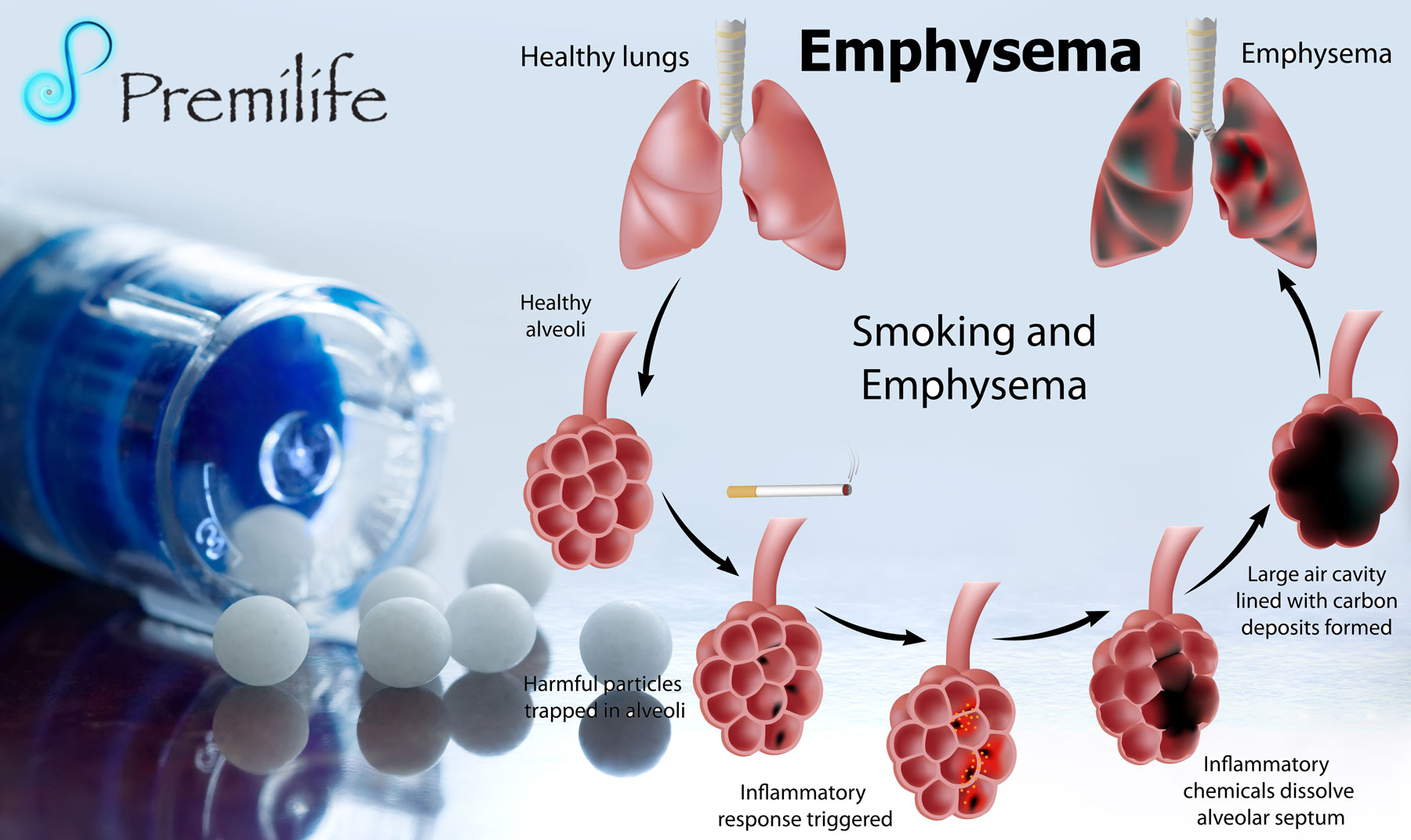
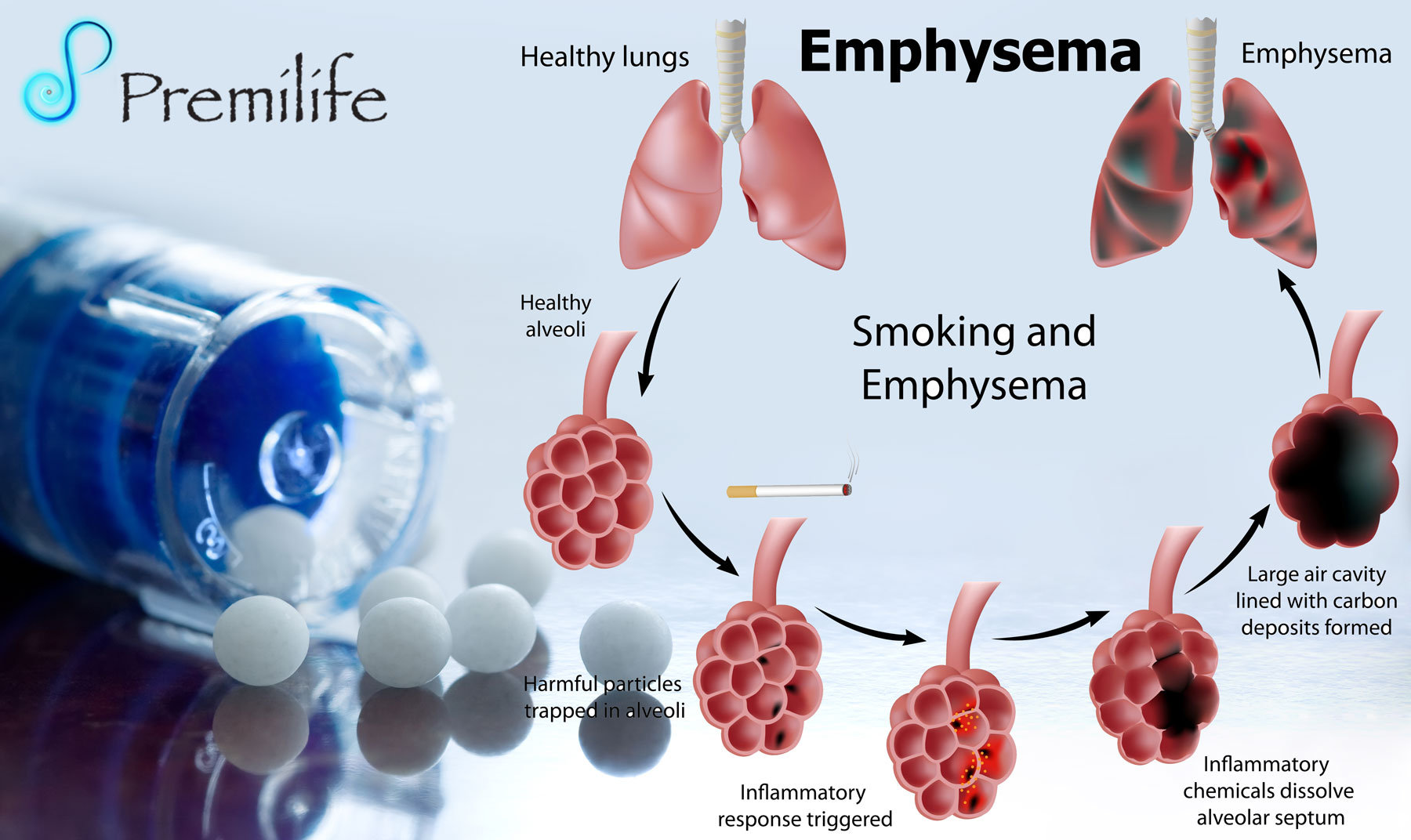
Just 1 in 9 Americans smoked cigarettes last year, a record low, according to the CDC. Compared to the 1960s, when 42% of US adults smoked cigarettes, it’s a dramatic drop that reflects greater awareness of the health risks of smoking, and economic hurdles like cigarette taxes.

Related: https://medicalexecutivepost.com/2020/09/04/the-economic-impact-of-lung-disease/

But Americans haven’t given up their nicotine addiction entirely. Vaping rose to almost 6% last year, and 14% of teens reported using e-cigarettes in another CDC study.

CITE: https://www.r2library.com/Resource

***

***

***

COMMENTS APPRECIATED

Thank You

***

SVB: Grew from the Business Start-Up Ecosystem

By Staff Reporters

***

***

DEFINITION: Startups are young companies or ventures that are founded to develop a unique or innovative product, service, or platform, and bring it to market. They are typically in the early stages of their development and face high uncertainty and failure rates. They are usually self-funded by the founders or seek external funding from investors or loans. They aim to grow large beyond the solo founder and disrupt existing industries or create new one.

CITE: https://www.r2library.com/Resource/Title/0826102549

SVB rooted in the startup ecosystem

SVB was relatively small—it had 40,000 customers compared to JPMorgan Chase’s 66 million—but it claimed to bank nearly half of all US tech and life sciences startups last year, including household names like Etsy, Roblox, and Roku. The cultural cachet of having a relationship with SVB as a venture-backed startup was like sporting a New Yorker tote at Whole Foods.

But the reason its loss will leave such a gaping hole in the startup community isn’t that it was cool to name-drop at a networking event. Because the bank was created in 1983 specifically to cater to venture-backed startups, it helped them in ways that most banks can’t—or won’t.

SVB chill loans: According to the MorningBrew, SVB would offer loans to startups more readily than large banks, basing the loans on a company’s ability to raise venture capital funds, not to turn a profit. SVB was also known for being flexible—even if startups breached their loan terms. “They were the easiest money for an unprofitable, early stage to mid-stage tech company,” Irving Investors founder Jeremy Abelson told The Information. And, even small startups received hand-holding services, such as guidance on how to set up their financial infrastructure. Its bankers personally called startups when they secured their first rounds of funding, according to The Information.

Startups now have to deal with big banks

Several founders who previously banked with SVB told Bloomberg that they’re moving their money to Chase and Bank of America, banks considered “too big to fail.”

Startups’ experience at big banks won’t be like their time at SVB. Not only is Jamie Dimon unlikely to call a startup to congratulate them on their Series A, but big banks are also expected to be more tight-fisted with their loans. The Office of the Comptroller of the Currency, a regulator that oversees large US banks, disapproves of loans to companies that are further out than one year from profitability, according to Crunchbase.

The loss of SVB is therefore expected to have a chilling effect on loans to venture-backed startups, aka “venture debt,” which SVB handed out more of than any other bank.

***

COMMENTS APPRECIATED

Thank You

***

ORDER: https://www.routledge.com/Risk-Management-Liability-Insurance-and-Asset-Protection-Strategies-for/Marcinko-Hetico/p/book/9781498725989

****

Gifts that Violate the FCA Anti-kickback Statute

THE EIGHT [8] GIFTS

By Staff Reporters

***

***

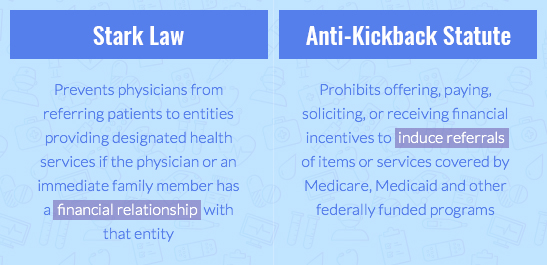
Much like the False Claims Act, the Anti-Kickback Statute (AKS) remains a frequent tool used by the Department of Justice to investigate the healthcare industry. Unlike the False Claims Act, the AKS imposes criminal penalties on violators.

FCA: https://medicalexecutivepost.com/2022/03/28/doj-recoveries-for-false-claims-act-cases-doubled-in-2021/

CITE: https://www.r2library.com/Resource

The leaders of a physicians’ practice may be held liable for what others in the practice do, even if the leader did not know precisely what was going on. It has been called the “crime of doing nothing.”

1. Providing free dinners or lunches to physicians

2. Travel expenses paid to physicians

3. Entering into consulting or research agreements with physicians under which payments are made but minimal (or zero) work is done in return

4. Other gifts, such as electronics or tickets to sporting events 

5. Laboratory pays a specimen processing fee to physicians above the fair value for those fees

6. Physician retention or recruitment agreements, when those agreements provide for payments above fair market value or are made with the intent to induce Medicare referrals

7. Agreements for speaking or teaching where the payments are above fair market value or made with the intent to induce referrals

8. Discount schemes that do not meet the safe harbor requirements

Source: Sara Kropf and Logan Lutton, Physicans Practice

STARK LAWS: https://medicalexecutivepost.com/2023/04/18/podcast-the-anti-kickback-and-stark-laws-for-doctors-and-hospitals-explained/

***

ORDER: https://www.routledge.com/Risk-Management-Liability-Insurance-and-Asset-Protection-Strategies-for/Marcinko-Hetico/p/book/9781498725989

***

COMMENTS APPRECIATED

Thank You

***

DAILY UPDATE: Business News Briefs Plus TESLA and the Markets

By Staff Reporters

***

***

1. Regional banks’ plight was Morgan Stanley’s perk. The bank saw nearly $20 billion in new client assets in the wake of the banking crisis that rocked smaller banks like First Republic. Why the bank became a “destination of choice” amid the crisis.

2. Taylor Swift was the only one asking the right question on FTX. The mega star didn’t sign a $100 million sponsorship deal with the crypto exchange because, unlike seemingly everyone in Silicon Valley, she did some form of due diligence.

3. The new-age pension plan. Fidelity and State Street are rolling out annuity options within their 401(k) products, The Wall Street Journal reports. But it comes with a hefty price tag, and not everyone is sold on it.

4. It’s starting to get scary in the housing market. Foreclosure filings were up 22% in Q1 compared to last year, and repossessions are headed in the wrong direction as well.

Finally, Fintel reports that on April 21, 2023, Goldman Sachs maintained coverage of Tesla (NASDAQ:TSLA) with a Buy recommendation. As of April 6th, 2023, the average one-year price target for Tesla is $203.14. The forecasts range from a low of $24.58 to a high of $315.00. The average price target represents an increase of 24.63% from its latest reported closing price of $162.99. The projected annual revenue for Tesla is $118,517MM, an increase of 37.75%. The projected annual non-GAAP EPS is $5.70.

CITE: https://www.r2library.com/Resource

***

  • The S&P 500® Index was up 3.52 points (0.1%) at 4137.04; the Dow Jones industrial average was up 66.44 (0.2%) at 33,875.40; the NASDAQ Composite was down 35.25 (0.3%) at 12,037.20.
  • The 10-year Treasury yield was down about 7 basis points at 3.50%.
  • CBOEs Volatility Index was up 0.12 at 16.89.

Real estate and financials were among Monday’s weakest-performing sectors, while energy companies led gainers thanks to a jump of about 1% in crude oil futures. The U.S. dollar index fell to about 101.37, its weakest level since mid-April, while Treasury yields eased slightly.

***

CITE: https://www.amazon.com/Dictionary-Health-Information-Technology-Security/dp/0826149952/ref=sr_1_5?ie=UTF8&s=books&qid=1254413315&sr=1-5

***

ORDER: https://www.routledge.com/Comprehensive-Financial-Planning-Strategies-for-Doctors-and-Advisors-Best/Marcinko-Hetico/p/book/9781482240283

***

COMMENTS APPRECIATED

Thank You

***

MEDICARE / MEDICAID: Physician Acceptance Down

By Staff Reporters

***

***

Physicians Who Accept Medicare, Medicaid at All-time Low of 65%

Reduced Medicare and Medicaid payments are having more physicians considering reducing those patient bases, according to Medscape’s “Physician Compensation Report” for 2023. Sixty-five percent of physicians surveyed said they would continue treating current Medicare or Medicaid patients and take on new ones, according to the report. Medscape said it is the lowest percentage it has seen in its annual compensation reports. Five years ago, 71 percent of physicians said they would continue treating current Medicare or Medicaid patients and take on new ones. 

CITE: https://www.r2library.com/Resource

For the report, Medscape collected responses from 10,011 physicians across more than 29 specialties. The data was collected between Oct. 7, 2022, and Jan. 17, 2023. Eight percent of physicians surveyed said they would not take on new Medicare patients, and 5 percent said they would not take new Medicaid patients. Four percent said they will stop treating some or all of their current Medicare patients and will not take on new ones, and 3 percent said the same about Medicaid patients. Twenty-two percent said they have not yet decided how they will move forward regarding Medicare and Medicaid patients, according to the report. 

Source: Andrew Cass, Becker’s Payer Issues [4/18/23]

***

COMMENTS APPRECIATED

Thank You

***

PODCAST: Medical Practice Managers Stealing from Doctors!

By Eric Bricker MD

***

***

MORE: https://medicalexecutivepost.com/2022/07/21/some-common-medical-practice-accounting-embezzlement-schemes/

CITE: https://www.r2library.com/Resource/Title/0826102549

***

ORDER: https://www.routledge.com/Risk-Management-Liability-Insurance-and-Asset-Protection-Strategies-for/Marcinko-Hetico/p/book/9781498725989

***

***

***

COMMENTS APPRECIATED

Thank You

***

QUOTE: Sam Bankman-Fried’s Alleged Messages

By Staff Reporters

***

***

FTX is a cryptocurrency exchange that was launched in 2018. It specializes in trading products such as derivatives, leveraged tokens, options, and volatility products. It supports most commonly traded cryptocurrencies and is powered by a top liquidity provider. FTX stands for Futures Exchange, a market where users can invest in commodities and foreign exchange.

CITE: https://www.r2library.com/Resource/Title/0826102549

***

Quote: “We sometimes find $50m of assets lying around that we lost track of; such is life.”

The sudden collapse of FTX might have been a lot less surprising if you’d been privy to Sam Bankman-Fried’s messages to his fellow executives.

According to a report by the bankrupt crypto exchange’s new management, SBF allegedly found the company’s lack of proper accounting amusing. The report says he described the company’s related hedge fund Alameda Research as “hilariously beyond any threshold of any auditor being able to even get partially through an audit” and joked about misplacing millions.

***

COMMENTS APPRECIATED

Thank You

***

***

PODCAST: The Anti-Kickback and Stark Laws for Doctors and Hospitals Explained

By Eric BrickerMD

***

***

ORDER: https://www.amazon.com/Financial-Management-Strategies-Healthcare-Organizations/dp/1466558733/ref=sr_1_3?ie=UTF8&qid=1380743521&sr=8-3&keywords=david+marcinko

***

***

COMMENTS APPRECIATED

Thank You

***

The Boston Marathon is Today!

By Staff Reporters

RUN

***

***

This morning, April 17th, about 30,000 people will run at varying speeds, 26.2 miles from Hopkinton, MA, to Boylston Street in one of the most famous races in the world: the Boston Marathon.

This year’s race will symbolize endurance in more ways than one. It will mark 10 years since two bombs exploded near the finish line, killing three people, wounding almost 300, and shaking the city on its most celebratory day. Held on Patriot’s Day, which commemorates the first battles of the Revolutionary War, Boston is the oldest continuously running marathon in the world, dating back to 1897. And simply qualifying for it is an achievement: Strict entry rules require that men age 18–34 record an official marathon time of three hours or less; for women of the same age, the qualifying time is 3:30.

***

CITE: https://www.r2library.com/Resource

***

***

CITE: https://www.amazon.com/Dictionary-Health-Information-Technology-Security/dp/0826149952/ref=sr_1_5?ie=UTF8&s=books&qid=1254413315&sr=1-5

***

ORDER: https://www.routledge.com/Comprehensive-Financial-Planning-Strategies-for-Doctors-and-Advisors-Best/Marcinko-Hetico/p/book/9781482240283

***

COMMENTS APPRECIATED

Thank You

***

BEYOND: Advance Care Planning for Financial Advisors & Lawyers from Doctors on April 16-17th.

APRIL 17th. IS NATIONAL HEALTHCARE DECISION DAY 2023

By Dr. David Edward Marcinko MBA CMP

SPONSOR: http://www.CertifiedMedicalPlanner.org

Staff Reporters via National Institute of Health

***

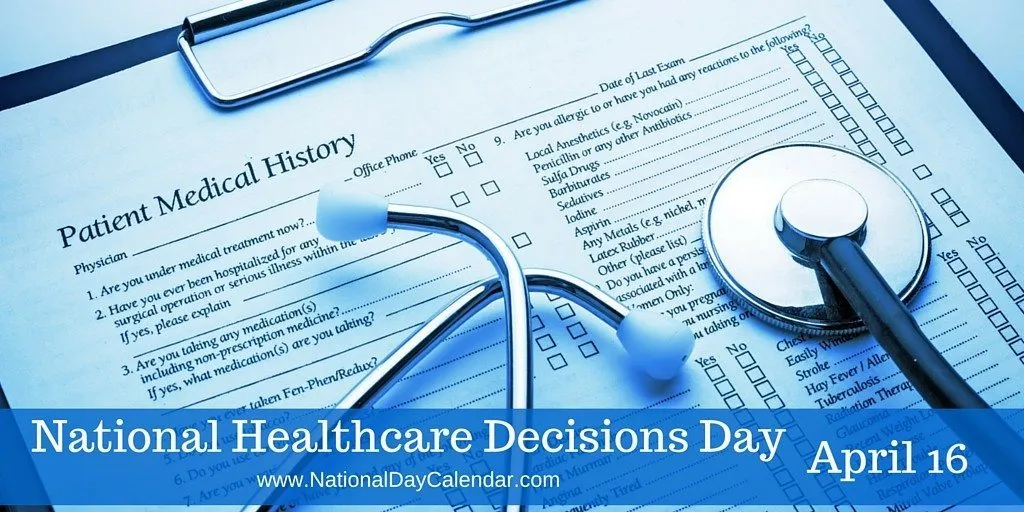
National Healthcare Decisions Day (NHDD) exists to inspire, educate and empower the public and providers about the importance of advance care planning. NHDD is an initiative to encourage patients to express their wishes regarding healthcare and for providers and facilities to respect those wishes, whatever they may be.

NHDD was founded in 2008 by Nathan Kottkamp, a Virginia-based health care lawyer, to provide clear, concise, and consistent information on healthcare decision-making to both the public and providers/facilities through the widespread availability and dissemination of simple, free, and uniform tools (not just forms) to guide the process.

NHDD is a series of independent events held across the country, supported by a national media and public education campaign. In all respects, NHDD is inclusive and brings a variety of players in the larger healthcare, legal, and religious community together to work on a common project, to the benefit of patients, families, and providers. A key goal of NHDD is to demystify healthcare decision-making and make the topic of advance care planning inescapable. Among other things, NHDD helps people understand that advance healthcare decision-making includes much more than living wills; it is a process that should focus first on conversation and choosing an agent.

As of June 2016, The Conversation Project has been responsible for the management, finances, and structure of NHDD.  NHDD’s founder, Nathan Kottkamp, continues to be involved in NHDD and provides leadership by ensuring the maintenance of NHDD’s high quality resources and support for the community.

Read more about NHDD’s founding: https://theconversationproject.org/nhdd/origins/

***

***

DEFINITION: What is advance care planning for financial advisors and lawyers?

Advance care planning involves discussing and preparing for future decisions about your medical care if you become seriously ill or unable to communicate your wishes with your estate planning attorney or financial advisor. Having meaningful conversations with your loved ones is the most important part of advance care planning. Many people also choose to put their preferences in writing by completing legal documents called advance directives.

What are advance directives?

Advance directives are legal documents that provide instructions for medical care and only go into effect if you cannot communicate your own wishes.

The two most common advance directives for health care are the living will and the durable power of attorney for health care.

  • Living will: A living will is a legal document that tells doctors how you want to be treated if you cannot make your own decisions about emergency treatment. In a living will, you can say which common medical treatments or care you would want, which ones you would want to avoid, and under which conditions each of your choices applies. Learn more about preparing a living will.
  • Durable power of attorney for health care: A durable power of attorney for health care is a legal document that names your health care proxy, a person who can make health care decisions for you if you are unable to communicate these yourself. Your proxy, also known as a representative, surrogate, or agent, should be familiar with your values and wishes. A proxy can be chosen in addition to or instead of a living will. Having a health care proxy helps you plan for situations that cannot be foreseen, such as a serious car accident or stroke. Learn more about choosing a health care proxy.

Think of your advance directives as living documents that you review at least once each year and update if a major life event occurs such as retirement, moving out of state, or a significant change in your health.

CITE: https://www.r2library.com/Resource

Who needs an advance care plan?

Advance care planning is not just for people who are very old or ill. At any age, a medical crisis could leave you unable to communicate your own health care decisions. Planning now for your future health care can help ensure you get the medical care you want and that someone you trust will be there to make decisions for you.

  • Advance care planning for people with dementia. Many people do not realize that Alzheimer’s disease and related dementias are terminal conditions and ultimately result in death. People in the later stages of dementia often lose their ability to do the simplest tasks. If you have dementia, advance care planning can give you a sense of control over an uncertain future and enable you to participate directly in decision-making about your future care. If you are a loved one of someone with dementia, encourage these discussions as early as possible. In the later stages of dementia, you may wish to discuss decisions with other family members, your loved one’s health care provider, or a trusted friend to feel more supported when deciding the types of care and treatments the person would want.

What happens if you do not have an advance directive?

If you do not have an advance directive and you are unable to make decisions on your own, the state laws where you live will determine who may make medical decisions on your behalf. This is typically your spouse, your parents if they are available, or your children if they are adults. If you are unmarried and have not named your partner as your proxy, it’s possible they could be excluded from decision-making. If you have no family members, some states allow a close friend who is familiar with your values to help. Or they may assign a physician to represent your best interests. To find out the laws in your state, contact your state legal aid office or state bar association.

Will an advance directive guarantee your wishes are followed?

An advance directive is legally recognized but not legally binding. This means that your health care provider and proxy will do their best to respect your advance directives, but there may be circumstances in which they cannot follow your wishes exactly. For example, you may be in a complex medical situation where it is unclear what you would want. This is another key reason why having conversations about your preferences is so important. Talking with your loved ones ahead of time may help them better navigate unanticipated issues.

There is the possibility that a health care provider refuses to follow your advance directives. This might happen if the decision goes against:

  • The health care provider’s conscience
  • The health care institution’s policy
  • Accepted health care standards

In these situations, the health care provider must inform your health care proxy immediately and consider transferring your care to another provider.

Other advance care planning forms and orders from doctors

You might want to prepare documents to express your wishes about a single medical issue or something else not already covered in your advance directives, such as an emergency. For these types of situations, you can talk with a doctor about establishing the following orders:

  • Do not resuscitate (DNR) order: A DNR becomes part of your medical chart to inform medical staff in a hospital or nursing facility that you do not want CPR or other life-support measures to be attempted if your heartbeat and breathing stop. Sometimes this document is referred to as a do not attempt resuscitation (DNR) order or an allow natural death (AND) order. Even though a living will might state that CPR is not wanted, it is helpful to have a DNR order as part of your medical file if you go to a hospital. Posting a DNR next to your hospital bed might avoid confusion in an emergency. Without a DNR order, medical staff will attempt every effort to restore your breathing and the normal rhythm of your heart.

  • Do not intubate (DNI) order: A similar document, a DNI informs medical staff in a hospital or nursing facility that you do not want to be on a ventilator.
  • Do not hospitalize (DNH) order: A DNH indicates to long-term care providers, such as nursing home staff, that you prefer not to be sent to a hospital for treatment at the end of life.
  • Out-of-hospital DNR order: An out-of-hospital DNR alerts emergency medical personnel to your wishes regarding measures to restore your heartbeat or breathing if you are not in a hospital.
  • Physician orders for life-sustaining treatment (POLST) and medical orders for life-sustaining treatment (MOLST) forms:These forms provide guidance about your medical care that health care professionals can act on immediately in an emergency. They serve as a medical order in addition to your advance directive. Typically, you create a POLST or MOLST when you are near the end of life or critically ill and understand the specific decisions that might need to be made on your behalf. These forms may also be called portable medical orders or physician orders for scope of treatment (POST). Check with your state department of health to find out if these forms are available where you live.
  • MORE: https://www.kevinmd.com/2023/04/april-16th-is-national-healthcare-decisions-day-plan-for-your-end-of-life-care-now.html

Medicare Enrollment at CMS?

At enrollment, Medicare in the future could offer three advance directives with goals of care: Directive A: CONSENT to treat — inpatient medical treatment Directive B: CONSENT to comfort — home bound holistic care Directive C: CHOOSE against medical advice — outpatient palliative resources.

CITE: https://www.kevinmd.com/2023/04/the-heartbreaking-story-of-jimmy-carter-a-call-for-medicare-reform-in-end-of-life-care.html

You may also want to document your wishes about organ and tissue donation and brain donation. As well, learning about care options such as palliative care and hospice care can help you plan ahead.

***

COMMENTS APPRECIATED

Thank You

***

Corporate Moves in Healthcare Continue to Disrupt the Industry

By Health Capital Consultants LLC

***

***

Instead of waiting on regulatory reform, corporate America has sought to disrupt the healthcare industry over the last few years, by streamlining the delivery of healthcare (and associated costs) and taking advantage of technological advancements.

CITE: https://www.r2library.com/Resource/Title/0826102549

This entrepreneurial approach to problem-solving may provide meaningful competition to traditional healthcare organizations, which may result in higher quality, more affordable healthcare. Some of the biggest companies in the U.S. – CVS Health, Walgreens, Amazon, Walmart, and Best Buy – are expanding their healthcare empires through acquisitions and other strategic moves. (Read more…) 

***

COMMENTS APPRECIATED

Thank You

***

***

***

ORDER: https://www.amazon.com/Business-Medical-Practice-Transformational-Doctors/dp/0826105750/ref=sr_1_9?ie=UTF8&qid=1448163039&sr=8-9&keywords=david+marcinko

***

***

PODCAST: Healthcare Brokers in Cars

By Eric Bricker MD

Price and Quality Transparency Data

***

***

***

ORDER: https://www.amazon.com/Business-Medical-Practice-Transformational-Doctors/dp/0826105750/ref=sr_1_9?ie=UTF8&qid=1448163039&sr=8-9&keywords=david+marcinko

COMMENTS APPRECIATED

Thank You

***

PODCAST: The CXO “Rapid Resolutions Team” in Health Insurance

CLAIMS DENIED

By Eric Bricker MD

***

***

ORDER: https://www.amazon.com/Dictionary-Health-Insurance-Managed-Care/dp/0826149944/ref=sr_1_4?ie=UTF8&s=books&qid=1275315485&sr=1-4

COMMENTS APPRECIATED

Thank You

***

HOW: The ME-P Helps Your Financial Advisory Business or Medical Practice Grow?

All about the Medical Executive-Post Business Model

imba inc

***

One of the questions we receive most often from readers of the Medical Executive-Post is how can we “afford” to give away so much content for free. Or stated another way, “how do we get paid for all of this?”

The simple answer is that we know many (or even most) of you will simply take the ideas that we share and implement them yourself. Do-It-YourSelfers can always simply purchase our texts, books and peer reviewed handbooks redacted in more than a thousand, medical, law, business and graduate schools, as well as the Library of Congress, Institute of Health and Library of Congress.

LINK: https://medicalexecutivepost.com/2021/10/22/why-are-certified-medical-planner-textbooks-so-darn-popular/

On the other hand, some of you will realize you need some additional help.

For example:

Maybe as a financial advisor you’re “stuck” in your financial planning business and recognize that some outside assistance is necessary to help you get to the next level of niche specificity thru our Certified Medical Planner™ chartered certification program designation. Helping physicians of all specialty types in a fiduciary focused manner is the proverbial Win-Win for all concerned.

LINK: http://www.CertifiedMedicalPlanner.org

CMP

CMP logo

OR, perhaps you are seeking a glossary of terms and definitions in heath economics, finance, accounting, insurance, managed care, health information technology and security; found in our Health Dictionary Series Wiki Project? Free and print versions are available.

LINK: http://www.HealthDictionarySeries.org

LINK: https://medicalexecutivepost.com/2011/09/17/order-our-three-newest-best-selling-dictionaries/

HDS

OR, as a doctor maybe your medical practice is growing so much you just hit a wall where you don’t have time to do it all for your patients. After all, with only “so much” time available every day and week, it’s vital to delegate or outsource anything that isn’t really core to your practice and management skill set.

LINK: http://www.MedicalBusinessAdvisors.com

OR, maybe you are even starting, buying or selling your medical practice and need our financial and valuation services. Part (1) – Part (2) – Part (3) Financial, estate, investing and retirement planning services are also available.

OR, you may just need a second informed opinion about a topic not listed; there are a myriad of issues to consider in the competitive ecosystem today.

LINK: https://medicalexecutivepost.com/schedule-a-consultation/

Regardless, we may have solutions to help!


So, in the meantime, I hope that the ME-P content continues to be helpful food for thought, and perhaps we’ll have an opportunity to cross paths soon at a future conferences or podcasts. Feel free to invite us to speak at your own seminar/podcast online V-log, as well.

INVITATION LINK: https://medicalexecutivepost.com/dr-david-marcinkos-bookings/

With warm regards.

Fraternally.
Ann Miller RN MHA CMP

[Managing Director]

email: MarcinkoAdvisors@msn.com

Phone: 770-448-0769

***

***

WORKPLACE SAFETY: 10 Rules and Guidelines

WORKPLACE MEDICAL VIOLENCE

By Staff Reporters

***

***

Workplace safety is no joke. Slips and trips can lead to a hospital visit—though at least it’s a quick commute for healthcare workers in states with high rates of workplace injuries. In fact, Maine, Oregon, and Vermont had the highest rates of nonfatal workplace accidents and injuries, according to an analysis shared with Healthcare Brew via email of 2021 US Bureau of Labor Statistics data compiled by High Rise Financial, a pre-settlement legal funding company.

What do these states also have in common? According to HealthcareBrew, nursing, ranked within the top 10 most popular professions in each state.

Maine had the highest rate of workplace accidents: 4.7 out of every 100 full-time workers in the state were involved in a nonfatal workplace accident in 2021, High Rise Financial found. That is 67.9% higher than the country’s yearly average. In 2021, 30,270 of the 592,000 registered employees in Maine were home healthcare workers or registered nurses. MaineHealth was the state’s largest private employer in 2021 with approximately 20,500 employees, per the Maine Center for Workforce Research and Information. But the state’s high accident rate isn’t a failure—it suggests that Maine workers are reporting accidents and injuries before they become more serious and require workers’ compensation, Maine Public Radio reported. The most recent data from 2011 shows that workers’ compensation losses cost hospitals nationwide $2 billion, the Occupational Safety and Health Administration found.

CITE: https://www.r2library.com/Resource/Title/082610254

If tedious workplace safety rules sound like a pain, try having an accident. “Slips, trips, and falls,” especially without a wet floor warning sign, are the top causes of workplace accidents that are eligible for pre-settlement funding, according to the High Rise Financial analysis. Even a small slip could lead to a back injury, a broken bone, or a concussion—no banana peel needed.

It’s not all doom and gloom: The CDC has generously curated a list of songs with workplace safety and health themes to liven up your nine-to-five. Just be sure to wear nonslip shoes if you feel like dancing.

***

Workplace Violence: https://medicalexecutivepost.com/2022/12/08/medical-workplace-violence-prevention-guidelines/

Related: https://medicalexecutivepost.com/2022/09/23/assessment-of-workplace-violence-in-healthcare/

***

COMMENTS APPRECIATED

Thank You

ORDER: https://www.routledge.com/Risk-Management-Liability-Insurance-and-Asset-Protection-Strategies-for/Marcinko-Hetico/p/book/9781498725989

***

ORDER: https://www.amazon.com/Dictionary-Health-Insurance-Managed-Care/dp/0826149944/ref=sr_1_4?ie=UTF8&s=books&qid=1275315485&sr=1-4

***

Valuation of Medicare Advantage Plans and the Competitive Environment

By Health Capital Consultants, LLC

***

***

Medicare Advantage (MA) plans, also known as Part C plans, serve as a supplement or an alternative to Original (also called Traditional) fee-for-service (FFS) Medicare Part A and Part B coverage, but they are still part of the Medicare program.

CITE: https://www.r2library.com/Resource/Title/082610254

Most of these plans also include Part D (drug) coverage. MA was created by Congress to offer seniors an alternative to Original Medicare – with an emphasis on treating and managing the health of the whole patient. MA plans are offered to Medicare beneficiaries by Medicare-approved private companies, known as MA Organizations (MAOs), that must follow rules set by Medicare. (Read more…) 

***

COMMENTS APPRECIATED

Thank You

ORDER: https://www.amazon.com/Dictionary-Health-Insurance-Managed-Care/dp/0826149944/ref=sr_1_4?ie=UTF8&s=books&qid=1275315485&sr=1-4

***

DAILY UPDATE: Charles Schwab and the Major Market Indices

By Staff Reporters

***

***

Analysts at Morgan Stanley downgraded Charles Schwab Corp (NYSE: SCHW) on Tuesday, citing concerns over cash sorting and regulatory changes. But, Schwab CEO Walt Bettinger recently said that the company’s banking unit had enough liquidity to cover if 100% of its bank deposits ran off without having to sell a single security — Morgan Stanley says otherwise. Schwab’s recent performance has not been up to Morgan Stanley’s expectations, with customers moving cash out of sweep accounts into money market funds at a rate twice that which the bank had been modeling.

CITE: https://www.r2library.com/Resource/Title/082610254

***

Here’s how the major indexes performed Thursday.

  • The S&P 500® Index rose 23 points (0.57%) to 4050.84; the Dow Jones industrial average was up 141 points (0.43%) at 32859.03; the NASDAQ Composite was up 87 points (0.73%) at 12013.47.
  • The 10-year Treasury yield slipped 2 basis points to 3.555%.
  • CBOE’s Volatility Index was little changed at 19.14.

***

ORDER: https://www.routledge.com/Comprehensive-Financial-Planning-Strategies-for-Doctors-and-Advisors-Best/Marcinko-Hetico/p/book/9781482240283

***

COMMENTS APPRECIATED

Thank You

***