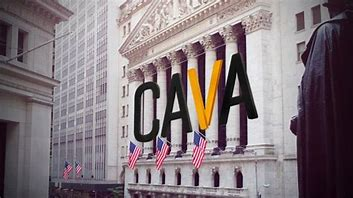
STROKE PREVENTION

By staff reporters

***

MORE: https://medicalexecutivepost.com/2020/04/13/stroke-cva/

***

“Medical Management and Health Economics Education for Financial Advisors”

CMP® CURRICULUM: https://lnkd.in/eDTRHex
CMP® WEB SITE: https://lnkd.in/guWSApq

Your thoughts and comments are appreciated.

BUSINESS, FINANCE, INVESTING AND INSURANCE TEXTS FOR DOCTORS:

1 – https://lnkd.in/ebWtzGg

2 – https://lnkd.in/ezkQMfR

3 – https://lnkd.in/ewJPTJs

THANK YOU

***

ANOSMIA, HYPERSOMIA, AGEUSIA, HYPOGEUSIA, DYSGEUSIA and the CORONA VIRUS?

WHAT IS “ANOSMIA”

By Darrell Pruitt DDS and David E. Marcinko MBBS, MBA

Anosmia, also known as smell blindness, is the loss of the ability to detect one or more smells. Anosmia may be temporary or permanent. It differs from Hyposmia which is a decreased sensitivity to some or all smells.

According to Wikipedia, Anosmia can be due to a number of factors, including an inflammation of the nasal mucosa, blockage of nasal passages or a destruction of one temporal lobe. Inflammation is due to chronic mucosa changes in the lining of the paranasal sinus and in the middle and superior turbinates. When anosmia is caused by inflammatory changes in the nasal passageways, it is treated simply by reducing inflammation. It can be caused by chronic meningitis and neurosyphilis that would increase intracranial pressure over a long period of time, and in some cases by ciliopathy, including ciliopathy due to primary ciliary dyskinesia. The term derives from the New Latin anosmia, based on Ancient Greek ἀν- (an-) + ὀσμή (osmḗ, “smell”; another related term, hyperosmia, refers to an increased ability to smell). Some people may be anosmic for one particular odor, a condition known as “specific anosmia”. The absence of the sense of smell from birth is known as congenital anosmia.

Ageusia is the loss of taste functions of the tongue, particularly the inability to detect sweetness, sourness, bitterness, saltiness, and umami. It is sometimes confused with anosmia – a loss of the sense of smell. Because the tongue can only indicate texture and differentiate between sweet, sour, bitter, salty, and umami, most of what is perceived as the sense of taste is actually derived from smell. True Ageusia is relatively rare compared to Hypogeusia – a partial loss of taste – and Dysgeusia – a distortion or alteration of taste.

ASSESSMENT:

If you should suddenly lose your sense of smell (anosmia), you might want to get tested for COVID-19 – even without the presence of other symptoms.

“A majority of COVID-19 patients experience some level of anosmia, most often temporary. Analyses of electronic health records indicate that COVID-19 patients are 27 times more likely to have smell loss but are only around 2.2 to 2.6 times more likely to have fever, cough or respiratory difficulty, compared to patients without COVID-19.”

See: “How COVID-19 Causes Loss of Smell – Olfactory support cells, not neurons, are vulnerable to novel coronavirus infection.” By Kevin Jiang for Harvard Medical School, July 24, 2020.

https://hms.harvard.edu/news/how-covid-19-causes-loss-smell

Your thoughts and comments are appreciated.

BUSINESS, FINANCE, INVESTING AND INSURANCE TEXTS FOR DOCTORS:

1 – https://lnkd.in/ebWtzGg

2 – https://lnkd.in/ezkQMfR

3 – https://lnkd.in/ewJPTJs

THANK YOU

***

Corona Virus Human Isolation Bubbles

BACK TO THE FUTURE

By Anonymous

***

***

U.S Children’s Hospitals Honor Roll

Top 10 [Ten] Rankings

***

***

ADDICTIVE INVESTING AND RELATED COMPULSIONS OF PHYSICIANS 2.0

RE-EMERGING PANDEMIC INDUCED MENTAL DISORDERS?

Courtesy: www.CertifiedMedicalPlanner.org

More than a decade ago, our firm commenced studying and crafting an exclusive report on medical professionals and their investing compulsions. It was headed by one of the nation’s leading psychologists, gambling addiction and trauma specialists; and personal friend.

Colleague Eugene Schmuckler; PhD, MBA, M.Ed CTS® is from Georgia State University.

***

addictive-investing

***

“Medical Management and Health Economics Education for Financial Advisors”

CMP® CURRICULUM: https://lnkd.in/eDTRHex
CMP® WEB SITE: https://lnkd.in/guWSApq

Assessment: Your thoughts and comments on the Working-White-Paper are appreciated.

BUSINESS, FINANCE, INVESTING AND INSURANCE TEXTS FOR DOCTORS:

1 – https://lnkd.in/ebWtzGg

2 – https://lnkd.in/ezkQMfR

3 – https://lnkd.in/ewJPTJs

THANK YOU

***

The AJPH Continues

AJPH 
Dear Dr. David Marcinko,


This month, AJPH continues to publish and promote COVID-19 papers that discuss the impact of the pandemic on the future of public health. Please visit the compiled list of our COVID-19 articles. The July issue also focuses on topics related to abortion, misinformation and structural racism and redlining. Here are a few of the many articles in the July 2020 issue:


·  Podcast: COVID-19: Are We In This Pandemic All Together?

·  The Public Health We Need

· Public Health Perspective in the Times of COVID-19

· COVID-19: The First Post-Truth Pandemic

· Accurate Statistics on COVID-19 Are Essential for Policy Guidance and Decisions

· Producing Independent, Systematic Review Evidence: Cochrane’s Response to COVID-19

· Will There Be an Epidemic of Corollary Illnesses Linked to a COVID-19–Related Recession?

·  Teaching Public Health Will Never Be the Same

·  Abortion Trends in Georgia following Enactment of the 22-Week Gestational Age Limit

· Structural Racism, Historical Redlining, and Risk of Preterm Birth in New York City.


Also, as we maintain physical separation, check out the June issue of AJPH via e-Reader or Kindle. The mission of AJPH is to advance public health research, policy, practice and education. Toward that goal, the journal also produces monthly podcasts available in English, Spanish and Chinese at ajph.org. The monthly podcasts also are on iTunes and Google Play. Be on the lookout for more timely research from AJPH, and consider subscribing or becoming an APHA member for full access.

Stay safe,


Alfredo Morabia, MD, PhD

Editor-in-chief, AJPH

@AlfredoMorabia

@AMJPublicHealth

On Finding Physician-Focused Financial Advice

OVER HEARD IN THE DOCTOR’S LOUNGE

Courtesy: www.CertifiedMedicalPlanner.org

CMP logo

[On Finding Physician-Focused Financial Advice]

The financial planner is a like juggler, trying to keep a variety of balls simultaneously in the air.  Each aspect of practice becomes critical, just as action is needed. 

Some of the activities of operating a successful financial planning practice generally attract more attention than others, such as marketing and advertising, closing engagements, and office administration.  Because product review, selection and implementation are often related to advisor compensation, they attract a great deal of the financial juggler’s concentration. 

But, the heart of financial planning, niche advice, often receives little attention.  Not because it is unimportant, it just doesn’t seem immediately and predictably urgent.  Here, that ball does not seem to be dropping so rapidly. 

However, retaining clients and receiving referrals from other professionals is very dependent on the quality of the advice delivered.  And, the first line of protection from practitioner liability exposure is to not deliver incorrect or incomplete advice. 

But, where does the financial advisor turn for ideas and organized research in the healthcare sector?” 

Edwin P. Morrow; CFPTM, CLU, ChFC, RFC

[Middletown, Ohio, USA]

Your thoughts are appreciated.

BUSINESS, FINANCE, INVESTING AND INSURANCE TEXTS FOR DOCTORS:

1https://lnkd.in/ezkQMfR

2 – https://lnkd.in/ebWtzGg

3 – https://lnkd.in/ewJPTJs

THANK YOU

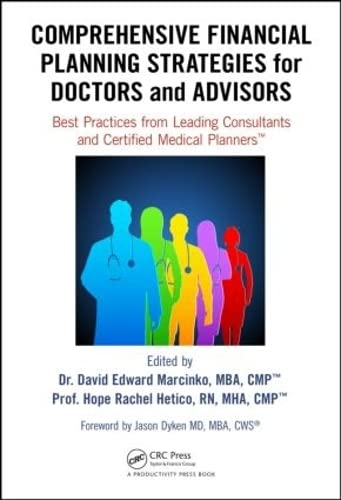
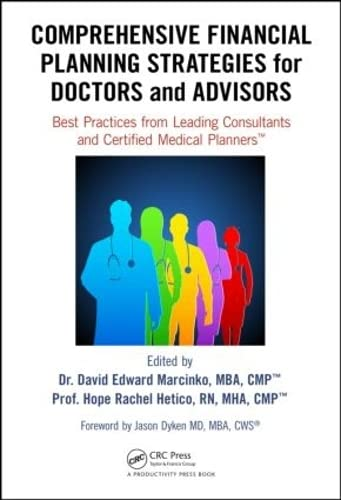
Risk Management, Liability Insurance, and Asset Protection Strategies for Doctors and Advisors: Best Practices from Leading Consultants and Certified Medical Planners™8Comprehensive Financial Planning Strategies for Doctors and Advisors: Best Practices from Leading Consultants and Certified Medical Planners™

***

Medical Practice Scheduling Issues

FOR DOCTORS AND PATIENTS, ALIKE

By Dr. David E. Marcinko MBA

Doctor Scheduling Issues

Nothing creates more distress for a new medical practice administrator than “holes”, or empty slots, in a physician’s appointment schedule. While doctors may complain about too much work and not enough time with patients, a corollary is the lack of production that accompanies such downtime.

This scenario is common in January-February [patient insurance deductibles not paid] and August-September [new doctors join existing practices]. An increase in new doctor days, and marginal native practice growth, usually mean space in the daily schedule.

Now, the natural tendency is to try and fill the day. And, it is best if the day is filled by increasing patient services acuity levels. However, a common, but ill-advised approach is to add time to existing patient appointments. So, when a practice accepts a new medical provider, creation of a checklist similar to the one below may be helpful.

LIST:

  1. List appointment types and expected length.
    2. Use booking or scheduling secretarial templates.
    3. Review the templates with booking secretary then make sure they’re followed.
    4. Allow for walk-in or ‘urgent’ visits.
  2. Rather than having a policy of scheduling days or weeks ahead, ask patients if they’d like to come in the same day.
  3. Some physicians have moved to open-access appointments that eliminate traditional time slots altogether. This should be tested short-term before instituting since it is not effective in all markets.
  4. Know your area and know your patient base. If you have a high “no show” rate, you may want to pad in additional access by double-booking on the hour. Certain payers also have members with historically high “no show” rates that should be taken into consideration.
  5. Give yourself at least 60 days to credential the new provider (if they will be billing under your TIN). Otherwise, they may be seeing patients free of charge for some payers where credentialing is not yet completed. Limiting them to self-pay, work comp, non-covered services or patients whose payers have issued a provider number may pose some scheduling obstacles.

The danger of open appointment slots is adding inefficiencies to a schedule by the pressure to fill time. Instead, look at organic practice growth [5-8% annually for a mature practice], the change in provider time and have realistic expectations for open time-slots in the first few years of new practitioner availability [see http://waittimes.blogspot.com, Wait Time & Delayed Care; a blog devoted to helping healthcare providers shorten wait times and improve patient flow].

Patuient Scheduling Issues

Most mature doctors follow a linear (series-singular) time allocation strategy for scheduling patients (i.e., every 15 or 20 minutes).  This can create bottlenecks because of emergencies, late patients, traffic jams, absent office personal, paperwork delays, etc.  Therefore, as proposed by Dr. Neal Baum, a practicing urologist in New Orleans, one of these three newer scheduling approaches might prove more useful. 

 1. Customized Scheduling

The bottleneck problem may be reduced by trying to customize, estimate or project the time needed for the patient’s next office visit. For example:  CPT #99211 (5 minutes), #99212 (10 minutes), #99213 (15 minutes), #99214 (25 minutes), or #99215 (40 minutes). Occasionally, extra time is need, and can be accommodated, if the allocated times are not too tightly scheduled.   

2. Wave Scheduling

Some patient populations do not mind a brief 20-30 minute wait prior to seeing the doctor.  Wave scheduling assumes that no patient will wait longer than this time period, and that for every three patients; two will be on time and one will be late. This model begins by scheduling the three patients on the hour; and works like this. The first patient is seen on schedule, while the second and third wait for a few minutes.  The later two patients are booked at 20 minutes past the hour and one or both may wait a brief time. One patient is scheduled for 40 minutes past the hour. The doctor then has 20 minutes to finish with the last three patients and may then get back on schedule before the end of the hour. 

 3. Bundle Scheduling

Bundling involves scheduling like-patient activities in blocks of time to increase efficiency.  For example, schedule minor surgical checkups on Monday morning, immunizations on Tuesday afternoon, and routine physical examinations on Wednesday evening, or make Thursday kid’s day and Friday senior citizens day. Do not be too rigid, but by scheduling similar activities together, assembly-line efficiency is achieved without assembly line mentality, and allows you to develop the most economically profitable operational flow process possible for the office. 

***

 Patient Self Scheduling (Internet Based Access Management) 

The traditional linear patient scheduling system is slowly being abandoned by modern medical practitioners; an all venues (medical practices, clinics, hospitals and various other healthcare entireties). New software programs, and internet cloud applications, allow patients to schedule their own appointments over the internet. The software allows solo or individual group physicians with a practice to set their own parameters of time, availability and even insurance plans. Through a series of interrogatories, the program confirms each appointment. When the patient arrives, a software tracker communicates with office staff and follows the patients from check-in, to procedures, to checkout. Today, many hospitals have even abandoned the check-in or admissions, department. It has been replaced by access management systems.

Automated Medical Office Access Management Systems [Patient Check-In Kiosks]

According to a McLean report published in InfoTech,

“Today’s patients demand the same level of self-service convenience in healthcare that they do in other industries. Medical kiosks save money, reduce wait times, and significantly enhance the patient experience. The payback period for medical kiosks is often as short as 180 days”

Automated medical office access management [AM] or patient self check-in solutions provide a wide range of functionality including patient registration, insurance verification, and demographic-validation, electronically consent form completion, back-end scheduling, financial systems integration, real-time appointment re-scheduling, direction text mapping and way finding; and more.  Often, solutions can be individualized and integrated with HIT systems using HL7, XML, web and other standard data exchange protocols.

Open Access Patient Scheduling

A sub variant of the above is open-access patient self-scheduling, either in full or part. Benefits include reduced patient appointment wait times, matching and scheduling patients with physician, improved continuity of care, increased productivity per patient visits, higher physician compensation and higher net gains for medical offices and clinics.

Real Time Claim Adjudication

Real Time Claim Adjudication [RTCA] or expecting payment at the time of service is becoming the rule, not the exception, in the modern AM era. RTCA makes a medical practice more like other businesses.

Benefit of Automated Medical Office Access Management

  • Streamlines patient flow with focus on improved patient care
  • Real-time insurance verification
  • Capture credit/debit card information with funds verification
  • Improves office cash flow and collections
  • Provides patient payment receipts
  • Decrease accounts receivable [ARs]
  • Save time and office staff resources
  • Increases office return on investment [ROI]
  • Demographic capture and validation improve marketing
  • Continually improve office operations.

Vendors for the above AM processes include: Phreesia.com, KioHealth.com, MediSolve.Ca; VecnaMedical.com; MeridianKiosks.com; AppointmentDesk.com; and KioskMarketPlace.com; etc.

***

Five people are sitting in the waiting room of a doctor’s office. Some of the people look tense or upset, and others look completely relaxed.

More: Simple Steps to a Patient Registry: Ticket to Care Coordination, Quality Reporting and Pay for Performance

LINK: http://store.hin.com/Simple-Steps-to-a-Patient-Registry-Ticket-to-Care-Coordination-Quality-Reporting-and-Pay-for-Performance_p_0-3855.html#

Assessment: Your thoughts are appreciated.

***

Product DetailsProduct Details

***

About Podiatry Prep.org

Advertisement

Join Our Mailing List

PodiatryPrep.org is an education-based physician engagement company that provides innovative medical, orthopedic and surgical education and personalized learning management solutions to podiatrists, orthopedic foot surgeons and all physicians, residents and students performing lower extremity reconstructive and trauma surgery; or foot and ankle medicine, wound care and/or orthopedics.

***

***

Through our customized, data driven and ever fluid analytical testing tools and comprehensive educational libraries, we are transforming the way doctors and practitioners [students and institutional residency directors] monitor and prepare for all State licensure tests and Board Certification or Qualification examinations.

TEST TAKING TIPS: PodiatryPrep.ORG

MORE: Pass Points

HAV:  GEN.SX.PRINCIPLES

Our secure PodiatryPrep.org email delivery platform makes learning an engaging science, measures doctor & institutional comprehension, improves clinical literacy, and empowers all foot and ankle care providers to take greater control of their testing and examination needs.

VISIT US TODAY!

http://www.PodiatryPrep.org

***

Ankle-Leg Trauma

http://www.PodiatryPrep.org

***

The MD SALARY “versus” NET-WORTH CONUNDRUM

A Graphical Power-Point Presentation

Courtesy: https://lnkd.in/eBf-4vY

“Of the 125 medical schools in the USA, only one of them to my knowledge offers a class related to saving or investing money.”
– William C. Roberts, MD

Private Banker Jorge Russe; MBA CMP™ explains in this PPT Presentation on Net Worth; NOT Income.

ESSAY: https://lnkd.in/eGArJR2

CMP® CURRICULUM: https://lnkd.in/eDTRHex

Assessment: Your comments are appreciated.

***

BUSINESS, FINANCE, INVESTING AND INSURANCE TEXTS FOR DOCTORS:
1 – https://lnkd.in/ebWtzGg
2 – https://lnkd.in/ezkQMfR
3 – https://lnkd.in/ewJPTJs
THANK YOU
***

WHAT IS THE VELOCITY OF MONEY?

It’s the Rate of [Physician] Circulation and Consumption

Courtesy: https://lnkd.in/eBf-4vY

The VM is a measure of the number of times that the average unit of currency is used to purchase goods and services within a given time period. The concept relates the size of economic activity to a given money supply. This speed of money exchange is one of the variables that determine inflation.

VM is the ratio of gross national product (GNP) to a country’s money supply. The more often money changes hands, the greater the level of commerce. The VM is determined by money supply, interest rates, inflation, commerce and the Federal Reserve.

LINK: https://lnkd.in/eZxrhtp

Physicians, like most consumers, tend to hold less money as interest rates and inflation increase, and therefore the velocity of money increases.

ESSAY: https://lnkd.in/e6TvuVM

VM is reduced when people increase money holdings in periods of low interest rates and low inflation; the opposite when rates and inflation are high.

CMP® CURRICULUM: https://lnkd.in/eDTRHex

Assessment: Comments appreciated.

***

BUSINESS, FINANCE, INVESTING AND INSURANCE TEXTS FOR DOCTORS:
1 – https://lnkd.in/ebWtzGg
2 – https://lnkd.in/ewJPTJs
THANK YOU
***

Changes in Medical Expenditure Distribution

CIRCA: 202-2016

By staff reporters

***

***

Your thoughts and comments are appreciated.

BUSINESS, FINANCE, INVESTING AND INSURANCE TEXTS FOR DOCTORS:

1 – https://lnkd.in/ebWtzGg

2 – https://lnkd.in/ezkQMfR

3 – https://lnkd.in/ewJPTJs

THANK YOU

***

A VIDEO MESSAGES FOR THE POST- PANDEMIC WORLD

THREE MEDICAL VIDEO MESSAGES FOR THE POST- PANDEMIC WORLD

Courtesy: https://lnkd.in/eBf-4vY

On Population Health

Colleague David Nash MD MBA, Founding Dean Emeritus and Professor of Health Policy, Jefferson College of Population Health, provides the top three things hospitals and health system leaders must do to move forward after the pandemic from a population health perspective.

PODCAST: https://lnkd.in/d2WqvNr

David also wrote the Foreword to our text book: “Financial Management Strategies for Hospitals and Healthcare Organizations” [Tools, Techniques, Checklists and Case Studies].

POPHEALTHFINAL3

FOREWORD: https://lnkd.in/eea7PTb
BOOK: https://lnkd.in/eEf-xEH

Your thoughts and comments are appreciated.

***

BUSINESS, FINANCE, INVESTING AND INSURANCE TEXTS FOR DOCTORS:

1 – https://lnkd.in/ebWtzGg
2 – https://lnkd.in/ezkQMfR
3 – https://lnkd.in/ewJPTJs

THANK YOU

***


X-Rays v. MRIs v. CT Scans

VERSUS A BANANA

By staff reporters

***

***

Assessment: Your thoughts are appreciated.

***

BUSINESS, FINANCE, INVESTING AND INSURANCE TEXTS FOR DOCTORS

1 – https://lnkd.in/ebWtzGg

2 – https://lnkd.in/ezkQMfR

3 – https://lnkd.in/ewJPTJs

THANK YOU

***

After “HERD” Immunity

More Infections?

[By staff reporters]

***

***

LINK: https://thehealthcareblog.com/blog/2020/05/05/the-problem-with-herd-immunity-as-a-covid-19-strategy/

***

Assessment: Your thoughts are appreciated

Product DetailsProduct Details

***


How Corona Impacts the Global Digital Health Industry?

Impact Assessment Survey

Dear David, and ME-P Readers

https://medicalexecutivepost.com/wp-content/uploads/2014/06/ralph.jpg

We are pleased to share with you the release of Research2Guidance’s “Impact Assessment Survey: How Corona Impacts the Global Digital Health Industry” whitepaper.

513 digital health experts representing a broad range of healthcare companies shared their views in our global study. Discover their opinions and 10 key takeaways.

Below are just some of the insights from the study and the first special story.

  • Mixed impact assessment: 34% see positive impact of the pandemic on their business, 31% a negative. Interestingly Asian companies tend to have a more negative view on the future of their business (36%)
  • Digital health companies assess the impact on their business more positively than the rest, 44%expect that the pandemic will have a positive impact on their business. Contrary, healthcare providers are very pessimistic about the future, 67% have a negative outlook on their business.
  • Above all, the crisis will bring about a significant improvement in patient acceptance of digital solutions (53%) 
  • Telehealth solutions will benefit the most (65%) followed by remote monitoring (42%) and self-testing solutions (31%). Interestingly, tracking and tracing solutions are seen more as a short term opportunity. Only 11% of companies rate their potential as high.
  • 4-6 months is the expected durationof the crisis according to the global digital health community (43%)
  • The impact will be long lasting (67%), which means that changes done during the crisis will be kept and not turned back.
  • and much more…

If you have any questions, please let me know.  Thank you for your time.

Stay safe and healthy.

Ralf Jahns, MD

WHAT IS “CONTACT TRACING” IN PUBLIC HEALTH?

WHAT IS “CONTACT TRACING” IN PUBLIC HEALTH?

Courtesy: www.CertifiedMedicalPlanner.org

When a patient tests positive, you make a list of everyone they came in close contact with. Then, you find those people and make sure they self-isolate before infecting others.

That sounds straightforward, but contact tracing a new patient typically takes three days, which is “an insurmountable hurdle in the U.S., with its low numbers of public health workers and tens of thousands of new cases every day.”

ELSEWHERE: South Korea used high-tech contact tracing to tame its outbreak. The government compiled GPS data, credit card swipes, and other info into a public log showing where COVID-19 patients had traveled.

Some countries (including the U.S.) are trying other methods, including looking at smart-phone location data and developing Bluetooth systems that provide warnings if you’ve crossed paths with an infected person.

PROBLEMS: Despite its widespread use in places like Singapore, contact tracing has raised concerns about privacy and governments following citizens’ whereabouts.

***

CT

***

***

PODCAST: https://www.youtube.com/watch?v=hlHCLXv2HQs

PODCAST: https://www.youtube.com/watch?v=CQBO_DHBtzw

And so, Contact Tracing is a term you’ll be hearing a lot more of in the coming weeks.

Assessment: Your thoughts and comments are appreciated.

BUSINESS TEXTS FOR PHYSICIAN-EXECUTIVES AND MEDICAL CXO

1 – https://lnkd.in/eEf-xEH

2 – https://lnkd.in/e2ZmewQ

THANK YOU

Product DetailsProduct DetailsProduct Details

 ***


FREE BUSINESS CONSULTATIONS & FINANCIAL ADVISORY OPINIONS

iMBA Inc, NOW OFFERING FREE BUSINESS CONSULTATIONS & FINANCIAL ADVISORY OPINIONS FOR MEDICAL COLLEAGUES & ENTREPRENEURS

Courtesy: https://lnkd.in/eVGcji5

By Ann Miller RN MHA CMP®

[Executive Director]

After an overwhelming initial response, the Institute of Medical Business Advisors [iMBA, Inc] is again offering free 60 minute phone or video consultations and second opinions to doctors, nurses and medical colleagues on a limited scheduling and time basis, during the current Corona Virus outbreak 24/7.

REGULAR SERVICE: https://lnkd.in/dw7FHyP Professional fees are waved during this time of crisis. According to Professor and CEO Dr. David Edward Marcinko MBA CMP, “this is our small way to help give back to colleagues who are vital to the US public health system and wellness of the country.” Topics include a plethora of personal financial planning and / or medical practice management and entrepreneurial business issues.

TOPIC LIST: https://lnkd.in/e7WrDj9

TO SCHEDULE: MarcinkoAdvisors@msn.com B

***

***

BUSINESS, FINANCE, INVESTING & INSURANCE TEXTS FOR DOCTORS

1 – https://lnkd.in/ebWtzGg

2 – https://lnkd.in/ezkQMfR

3 – https://lnkd.in/ewJPTJs

PHYSICIAN-EXECUTIVES AND MEDICAL CXOs:

1 – https://lnkd.in/eEf-xEH

2 – https://lnkd.in/e2ZmewQ

THANK YOU

***

Physician HEROES Entrance

Front Line First Medical Covid-19 Responders

[By staff reporters]

***

***

Assessment: Your thoughts are appreciated.

***

BUSINESS TEXTS FOR PHYSICIAN-EXECUTIVES AND MEDICAL CXOs:

1 – https://lnkd.in/eEf-xEH

2 – https://lnkd.in/e2ZmewQ

THANK YOU

***

National Doctors’ Day 2020

National Doctors’ Day is Global

[By staff reporters]

National Doctors’ Day is a day celebrated to recognize the contributions of physicians to individual lives and communities. The date may vary from nation to nation depending on the event of commemoration used to mark the day.

In some nations the day is marked as a holiday. Although supposed to be celebrated by patients in and benefactors of the healthcare industry it is usually celebrated by health care organizations. Staff may organize a lunch for doctors to present the physicians with tokens of recognition. Historically, a card or red carnation may be sent to physicians and their spouses, along with a flower being placed on the graves of deceased physicians.

***

***

LINK: https://nationaltoday.com/doctors-day/

Assessment: Your thoughts are appreciated.

***

BUSINESS, FINANCE AND INSURANCE TEXTS FOR DOCTORS

1 – https://lnkd.in/ebWtzGg

2 – https://lnkd.in/ezkQMfR

3 – https://lnkd.in/ewJPTJs

THANK YOU

***


FREE FINANCIAL & BUSINESS ADVISORY CONSULTATIONS

iMBA IS NOW OFFERING FREE FINANCIAL & BUSINESS ADVISORY CONSULTATIONS

***

By Ann Miller RN MHA CMP®
[Executive Director]
***
The Institute of Medical Business Advisors [iMBA, Inc] is now offering free 30 minute phone or Skype® video consultations and second opinions to physicians, nurses and medical colleagues, on a limited scheduling and time basis, during the current Corona Virus outbreak 24/7.
***
***
According to Professor and CEO Dr. David Edward Marcinko MBA, “this is our small way to help give back to colleagues who are so clinically vital to the US public health system and wellness of the country.” Topics include a plethora of personal financial planning and / or medical practice management business issues.
***
SCHEDULE A CONSULT:
***
BUSINESS, FINANCE, INVESTING AND INSURANCE TEXTS FOR DOCTORS
***
FOR PHYSICIAN-EXECUTIVES AND MEDICAL CXOs
THANK YOU
***


WHAT IS THE PUBLIC HEALTH “NUMERATOR” & “DENOMINATOR”

What it is – How it works?

Courtesy: http://www.CertifiedMedicalPlanner.org

In public health epidemiology, while numerators are measures of health events, the denominator is the population from which events are drawn.

LINK: https://www.amazon.com/Dictionary-Health-Economics-Finance-Marcinko/dp/0826102549/ref=sr_1_6?ie=UTF8&s=books&qid=1254413315&sr=1-6

For example, if we are measuring the incidence of Covid-19 among teens, who might comprise your denominator?

ANSWER: Any denominators used should be reflective of the population who could have been included in the numerator had they developed the condition of interest. This is the population at risk, and is often taken as the number of people who are disease-free at the start of data collection. If individuals who could not develop the condition of interest were included in the denominator, this would result in an underestimation of calculated rates.

*****epi

***

PODCAST: https://www.coursera.org/lecture/epidemiology-tools/denominators-jnpaa

PODCAST: https://www.healthknowledge.org.uk/public-health-textbook/research-methods/1a-epidemiology/numerators-denominators-populations

Assessment: Your thoughts and comments are appreciated.

***

BUSINESS, FINANCE AND INSURANCE TEXTS FOR DOCTORS

1 – https://lnkd.in/ebWtzGg

2 – https://lnkd.in/ezkQMfR

3 – https://lnkd.in/ewJPTJs

THANK YOU

***

Human Health Behavior TRENDS and COVID-19 Thoughts

Human Health Behavior and COVID-19 Thoughts

Courtesy: www.CertifiedMedicalPlanner.org

Here are 3 theories and 1 “rule” for the healthcare industrial complex that may help explain how the sector may not work correctly; from trauma, to epidemiology and  to Corona; all the time.

1 – Berkson’s Paradox: Strong correlations can fall apart when combined with a larger population.

For example, among motorcycle crash victims wearing helmets are more likely to be seriously injured than those not wearing helmets. But, that’s because most crash victims saved by helmets did not need to become hospital patients, and those without helmets are more likely to die before becoming a hospital patient.

2 – Group Attribution Error: Incorrectly assuming that the views of a group member, like a physician, reflect those of the whole group in a different discipline.

3 – Baader-Meinhof Phenomenon: Noticing an idea or word every where you look as soon as it’s brought to your attention in a way that makes you overestimate its prevalence.

***

LINK:

https://www.bing.com/videos/search?q=BAADER-MEINHOF+PHENOMENON&&view=detail&mid=7DA25E95466C56098E5A7DA25E95466C56098E5A&&FORM=VRDGAR&ru=%2Fvideos%2Fsearch%3Fq%3DBAADER-MEINHOF%2BPHENOMENON%26FORM%3DHDRSC3

The 90-9-1 Rule: In social media networks, 90% of users just read content, 9% of users contribute a little content, and 1% of users contribute almost all the content.

QUERY: Does Social Media really give a false impression of what ideas are popular or “average.”

THINK: Corona Virus?

ASSESSMENT: Your thoughts and comments are appreciated.

***

TEXTS FOR PHYSICIAN EXECUTIVES:

1 – https://lnkd.in/eEf-xEH

2 – https://lnkd.in/e2ZmewQ

THANK YOU

***

On Medical Office Fire Drills and Training

Office Fire Drills

By Dr. David E. Marcinko MBA

Fire Drills should be performed at least annually and documented.

When first opening an office or when a new employee is brought onboard, staff need to be trained on the use of a fire extinguisher, location of the nearest fire extinguisher and location of alarm pull station (if any) on the first day. Training should be documented and placed in the employee file.

Generally speaking, a fire extinguisher is required every 75 feet in office space and be the appropriate type for the nature of business and equipment in use. Most offices use a multi-purpose ABC extinguisher that can be used on most types of fires.

The types of fires are listed below:

  • Class A fires are for ordinary combustible materials such as paper, wood, cardboard, and most plastics.
  • Class B fires involve flammable or combustible liquids (gasoline, kerosene, oil, and grease).
  • Class C fires are those caused by electrical equipment (wiring, appliances, and outlets).
  • Class D fires are chemical fires that involve combustible metals i.e. potassium, sodium, and magnesium.

EXTINGUISHERS

Carbon Dioxide (CO2) extinguishers can be used for class B and C fires. These extinguishers are highly pressurized and are best suited for electrical or computer equipment. They have an advantage over dry chemical extinguishers for this use since they do not leave damaging residue. However, they are not effective for Class A fires.

It is important to know which type of extinguisher is best for the office and equipment since using the wrong type can be critical in an emergency.

***

***

THE EMERGENCY LIST:

At a minimum, a physician office should have a safety program that addresses the following in the event of an emergency:

  1. Written Program
  2. Emergency Notification Procedures
  3. Warning and Evacuations Process
  4. Evacuation Procedures
  5. Facility/Department Evaluation or site review
  6. Means of egress clearly marked (map posted with exit route and nearest exit)
  7. Emergency Action Plan
  8. Fire Prevention Plan
  9. Fire extinguisher location(s), types and use (P.A.S.S. Pull, Aim, Spray & Sweep)

If you are in an area susceptible to weather emergencies such as tornadoes, the emergency plan should address these as well.

Assessment: Your thoughts are appreciated

***

Product DetailsProduct Details

***

The Impact of Coronavirus [Covid-19]

People, Economy and Your Portfolio

By Vitaliy Katsenelson CFA

The Coronavirus

I cannot tell you how much displeasure I have experienced from what I am about to say. I’ll be throwing around statistics of people dying as if I am talking not about people but widgets. My six-year-old daughter Mia Sarah had a garden-variety virus a few weeks ago. When my wife told me – a few minutes after I had been reading about coronavirus –for a second my heart sank, as virus to me meant coronavirus.

Even if Mia Sarah had coronavirus, the chances of survival were greatly in her favor. (Coronavirus, like the flu, is exponentially deadlier to older folks than younger ones). However, when it comes to your loved ones, statistics lose their meaning, and you start magnifying tiny probabilities into high-probability outcomes. The coronavirus statistics represent people’s loved ones, but I don’t know how else to write what I am about to write.

I am going to divide this letter into three sections: health and human impact (sometimes a tragic one), economic impact, and investment strategy.

***

LINK:

https://contrarianedge.com/the-impact-of-coronavirus-people-economy-your-portfolio/?utm_source=IMA++-+Main+Articles&utm_campaign=9bd771e575-CORONAVIRUS&utm_medium=email&utm_term=0_f1c90406d1-9bd771e575-55139025

Assessment: Your thoughts are appreciated.

***

Risk Management, Liability Insurance, and Asset Protection Strategies for Doctors and Advisors: Best Practices from Leading Consultants and Certified Medical Planners™8Comprehensive Financial Planning Strategies for Doctors and Advisors: Best Practices from Leading Consultants and Certified Medical Planners™

***

Notable Industry Deaths [Dyson and Welch]

R.I.P Jack Welch and Freeman Dyson

By Dr. David E. Marcinko MBA

I studied both these management icons in business and graduate school. Then, I modified their ideas for my own medical practice and related corporate business entities.

Later, I ported their styles into the healthcare industrial complex and continue to stream line them into my academic professional university endeavors. Many thanks to you both! 

Freeman Dyson in his Own Words

LINK: https://www.technologyreview.com/s/615301/freeman-dyson-in-his-own-words/?utm_source=newsletters&utm_medium=email&utm_campaign=the_download.unpaid.engagement

Jack Welch, Legendary CEO of General Electric, Dies at Age 84

LINK: https://www.wsj.com/articles/jack-welch-legendary-ceo-of-general-electric-dies-at-age-84-11583158270

Assessment: Your thoughts are appreciated

***

Product DetailsProduct Details

***

3 Theories on Human Behavior

Modern Corono Virus Thoughts?

By: http://www.CertifiedMedicalPlanner.org

Here are a few theories of human behavior for the healthcare industrial complex that might help explain how sector thoughts may not work correctly; all the time.

WHY: Perhaps they might be considered in light of the CorVid-19epidemic?

****

Erkson’s Paradox: Strong correlations can fall apart when combined with a larger population. For example, among motorcycle crash victims wearing helmets are more likely to be seriously injured than those not wearing helmets. But, that’s because most crash victims saved by helmets did not need to become hospital patients, and those without helmets are more likely to die before becoming a hospital patient.

Group Attribution Error: Incorrectly assuming that the views of a group member, like a physician, reflect those of the whole group in a different discipline.

***

***

Baader-Meinhof Phenomenon: Noticing an idea or word everywhere you look as soon as it’s brought to your attention in a way that makes you overestimate its prevalence.

LINK: https://www.bing.com/videos/search?q=BAADER-MEINHOF+PHENOMENON&&view=detail&mid=7DA25E95466C56098E5A7DA25E95466C56098E5A&&FORM=VRDGAR&ru=%2Fvideos%2Fsearch%3Fq%3DBAADER-MEINHOF%2BPHENOMENON%26FORM%3DHDRSC3

The 90-9-1 Rule: In social media networks, 90% of users just read content, 9% of users contribute a little content, and 1% of users contribute almost all the content.

QUERY: Does Social Media give a false impression of what ideas are popular or “average.”

ASSESSMENT: Your thoughts and comments are appreciated.

TEXTS FOR PHYSICIAN EXECUTIVES:

1 – https://lnkd.in/eEf-xEH

2 – https://lnkd.in/e2ZmewQ

THANK YOU

***

Product DetailsProduct DetailsProduct Details

***

The Role of “Pleasure” in Public Health

FEBRUARY 2020 AJPH

By Alfredo Morabia, MD, PhD

Editor-in-chief, AJPH

Dear Dr. David Marcinko,

***

This month, AJPH has a collection of articles on ending the HIV epidemic, population health and telemedicine services.

New! Enjoy the current issue of AJPH on your mobile device. Download the e-Reader or Kindle version today.

Here are a few of the many articles in the February 2020 issue:

***

· February 2020 Podcast “Is pornography the key to the sex education of teenagers?”

·  The Public Health of Pleasure: Going beyond Disease Prevention

·  Should Public Health Professionals Consider Pornography a Public Health Crisis?

· Indicators to Guide and Monitor Climate Change Adaptation in the US Pacific Northwest

· Addressing Health Disparities Through Deliberative Citizens’ Panels for Health Equity

·  Trends in E-Cigarette, Cigarette, Cigar, and Smokeless Tobacco Use Among US Adolescent Cohorts

·  State-Level Changes in Firearm Laws and Workplace Homicide Rates: United States

***

Also, don’t miss our just released supplement on Documenting and Addressing the Health Impacts of Carceral Systems. It’s full of timely and insightful articles on mass incarceration and related topics.

The mission of AJPH is to advance public health research, policy, practice and education. Toward that goal, the journal also produces monthly podcasts available in English, Spanish and Chinese at ajph.org. The monthly podcasts also are on iTunes and Google Play.

Be on the lookout for more timely research from AJPH, and consider subscribing or becoming an APHA member for full access.

Thank you and Happy New Year 2020

AJPH


Alfredo Morabia, MD, PhD

Editor-in-chief, AJPH

@AlfredoMorabia

@AMJPublicHealth


Is This a “Minsky Moment”

Of STOCKMARKET Bear Markets

Update Courtesy: http://www.CertifiedMedicalPlanner.org

28,992.41 ▼ -227.57

A Bull market is one of rising stock prices, while a Bear market is the opposite. More specifically, a Bear market is defined as a drop of 20% or more from its high, and can vary in duration and severity. While a Bull market has no such threshold.

Whither the Bear? 

Typically, bear markets are associated with declines in an overall market or index like the S&P 500, but individual securities or commodities can be considered to be in a bear market over a sustained period of time – typically two months or more.

ESSAY: https://medicalexecutivepost.com/2018/12/22/stocks-and-sectors-in-bear-territory/

Now, a Minsky moment is a sudden major collapse of asset values which is part of the credit cycle or business cycle. Such moments occur because long periods of prosperity and increasing value of investments lead to increasing speculation using borrowed money

ESSAY: https://medicalexecutivepost.com/2018/11/16/what-is-a-minsky-moment/

And so, what is a physician-investor to do in a bear market?

9,576.59 ▼ -174.38 -1.79%

ESSAY: https://medicalexecutivepost.com/2016/03/18/doctors-and-bull-and-bear-markets/

mm

MORE: https://realinvestmentadvice.com/the-return-of-the-minsky-moment/

Your thoughts and comments are appreciated.

BUSINESS, FINANCE AND INSURANCE TEXTS FOR DOCTORS:

1 – https://lnkd.in/ebWtzGg

2 – https://lnkd.in/ezkQMfR

3 – https://lnkd.in/ewJPTJs

THANK YOU

Product DetailsProduct DetailsProduct Details

***

Non-Acute Pharmaceutical Spending

Alternate Site Drug Spend Sector Distribution

[By staff reporters]

http://www.MCOL.com

***

***

Product DetailsProduct Details

***

WHAT IS THE “NUMBER NEEDED TO HARM”?

More on Epidemiology and Health Economics

Courtesy: www.CertifiedMedicalPlanner.org

By Dr. David E. Marcinko MBA

We’ve talked about the “Number Needed to Treat”, before.

NNT: https://medicalexecutivepost.com/2010/10/29/about-the-number-needed-to-treat-nnt-calculation-and-medical-outcomes-website/

QUERY: But, what is the “Number Needed to Harm”?

ANSWER: The number needed to harm (NNH) is an epidemiological measure that indicates how many persons on average need to be exposed to a risk factor over a specific period to cause harm in an average of one person who would not otherwise have been harmed.

Colleague Aaron Carroll MD explains even more.

PODCAST: https://www.youtube.com/watch?v=e_ytF2-4NkI

***

***

MORE: https://www.youtube.com/watch?v=90CWXT5zxjw

Conclusion: Your thoughts are appreciated.

TEXTS FOR PHYSICIAN EXECUTIVES AND HOSPITAL CXOs:

1 – https://lnkd.in/eEf-xEH

2 – https://lnkd.in/e2ZmewQ

THANK YOU

Product DetailsProduct DetailsProduct Details

***

On Deductive & Inductive Reasoning; Null Semantics, Syllogisms and Expletive Logic

On “WHAT’S-WHAT” and more!

By Dr. David E. Marcinko MBA

Is there a Difference? – Know the Difference!

DEDUCTIVE reasoning and logic is the process of reasoning from one or more statements (premises) to reach a logically certain conclusion. Deductive reasoning goes in the same direction as the conditionals, and links premises with conclusions. If all premises are true, the terms are clear, and the rules of deductive logic are followed, then the conclusion reached is necessarily true.

INDUCTIVE reasoning is a method in which the premises are viewed as supplying some evidence for the truth of the conclusion. While the conclusion of a deductive argument is certain, the truth of the conclusion of an inductive argument may be probable, based upon the evidence given. Many dictionaries define inductive reasoning as the derivation of general principles from specific observations, though there are many inductive arguments that do not have that form.

***

***

SEMANTICALLY NULL doesn’t mean anything but is grammatically sound. A sentence as a whole can be semantically null because its internal inconsistencies prevent it from developing a meaning; ie., “I know what’s what?

An EXPLETIVE is a word or phrase inserted into a sentence that is not needed to express the basic meaning of the sentence. It is regarded as semantically null or a place holder.

A SYLLOGISM is a form of reasoning in which a conclusion is drawn (whether validly or not) from two given or assumed propositions (premises), each of which shares a term with the conclusion, and shares a common or middle term not present in the conclusion (e.g., all dogs are animals; all animals have four legs; therefore all dogs have four legs). This school of epistemology is highly advanced in syllogism and logical reasoning.

MORE: https://medicalexecutivepost.com/2019/05/14/what-is-epistemic-ambivalence/

MORE: https://medicalexecutivepost.com/2019/12/23/rationalism-versus-empiricism/

Conclusion: Your thoughts are appreciated.

***

Product DetailsProduct DetailsProduct Details

***

Need Quality Health Care?

FOR ALL … ALL!

[By staff reporters]

***

***

Product DetailsProduct Details

***

A SYNOPSIS OF MY ADVISORY FEES & BUSINESS MODEL

A SYNOPSIS OF MY ADVISORY FEES & CONSULTING BUSINESS MODEL

Courtesy: https://lnkd.in/eVGcji5

[Authentic Consulting for Physicians & Medical Colleagues]

My fee is $250 per hour prorated, so you only pay for the time used. This fee covers almost any medical practice management, insurance and risk management, personal financial planning or investment related topic, including document review, phone or Skype® consultation, research and/or written investment strategies.

MODEL: https://lnkd.in/eVWcyaq

IOW: No high water marks, no claw-back fees, sales or commissions, front or back end loads, 12[b]-1 fees or Assets Under Management [AUM] charges; etc. “Pay-as-you-Go”; period! Client Centricity.

TOPICS: https://lnkd.in/e7WrDj9

2nd OPINIONS: https://lnkd.in/dw7FHyP

INVITE: https://lnkd.in/e3-SFmb Your thoughts are appreciated.

CONTACT: Ann Miller RN MHA CMP® PHONE: 770-448-0769

EMAIL: MarcinkoAdvisors@msn.com

BUSINESS, FINANCE, INVESTING & INSURANCE TEXTS FOR DOCTORS:

1 – https://lnkd.in/ebWtzGg

2 – https://lnkd.in/ezkQMfR

3 – https://lnkd.in/ewJPTJs

THANK YOU

Product DetailsProduct Details

***

HARD “SELLING” FINANCIAL ADVICE

DOCTOR COLLEAGUES BEWARE = HARD “SELLING” FINANCIAL ADVICE

Courtesy: https://lnkd.in/eBf-4vY

Please Know – It’s all about Sales, Sales and Sales!

Steve Forbes, editor of the well-respected financial publication Forbes Magazine, once said:

“You make more selling advice than following it. It’s one of the things we count on in the magazine business, along with the short memory of our readers.”

ESSAY: https://lnkd.in/ebGmB7W

MORE: https://lnkd.in/er8tQ8y

Assessment: Your thoughts are appreciated.

BUSINESS, FINANCE, INVESTING & INSURANCE TEXTS FOR DOCTORS:

1 – https://lnkd.in/ebWtzGg

2 – https://lnkd.in/ezkQMfR

3 – https://lnkd.in/ewJPTJs

THANK YOU

Risk Management, Liability Insurance, and Asset Protection Strategies for Doctors and Advisors: Best Practices from Leading Consultants and Certified Medical Planners™8Comprehensive Financial Planning Strategies for Doctors and Advisors: Best Practices from Leading Consultants and Certified Medical Planners™

***

DOMESTIC BUSINESS CYCLE REPORT 2019

U.S.A BUSINESS CYCLE REPORT 2019

Courtesy: www.CertifiedMedicalPlanner.org

[Pictographic Presentation for December 2019]

Constructed and presented by Nick Reece CFA of MERK Investments LLC., and Research.

GRAPHIC CHART BOOK: MR

Your thoughts are appreciated.

BUSINESS, FINANCE, INVESTING AND INSURANCE TEXTS FOR DOCTORS:

1https://lnkd.in/ezkQMfR

2 – https://lnkd.in/ebWtzGg

3 – https://lnkd.in/ewJPTJs

THANK YOU

Risk Management, Liability Insurance, and Asset Protection Strategies for Doctors and Advisors: Best Practices from Leading Consultants and Certified Medical Planners™8Comprehensive Financial Planning Strategies for Doctors and Advisors: Best Practices from Leading Consultants and Certified Medical Planners™

USA BUSINESS CYCLE REPORT 2019

A Picto-Graphic Presentation

Courtesy: www.CertifiedMedicalPlanner.org

Constructed and presented by Nick Reece CFA of MERK Investments LLC., and Research.

CHART BOOK: 2019-12-18-merk-business-cycle-chart-book

Your thoughts are appreciated.

BUSINESS, FINANCE, INVESTING AND INSURANCE TEXTS FOR DOCTORS:

1https://lnkd.in/ezkQMfR

2 – https://lnkd.in/ebWtzGg

3 – https://lnkd.in/ewJPTJs

HDS

      Product DetailsProduct DetailsProduct Details

THANK YOU

Rationalism VERSUS Empiricism

PHILOSOPHY – What is Knowledge?

***

***

***

MORE: https://medicalexecutivepost.com/2019/05/14/what-is-epistemic-ambivalence/

Product DetailsProduct DetailsProduct Details

***

Boomers VERSUS Gen X VERSUS Millennials

Portfolio Asset Allocations

By PGIM Investments

***

***

Assessment: Your thoughts are appreciated.

BUSINESS, FINANCE, INVESTING & INSURANCE TEXTS FOR DOCTORS:

1 – https://lnkd.in/ebWtzGg

2 – https://lnkd.in/ezkQMfR

3 – https://lnkd.in/ewJPTJs

***

Risk Management, Liability Insurance, and Asset Protection Strategies for Doctors and Advisors: Best Practices from Leading Consultants and Certified Medical Planners™8Comprehensive Financial Planning Strategies for Doctors and Advisors: Best Practices from Leading Consultants and Certified Medical Planners™

THANK YOU

National Health Care Spending

Sponsor Distribution for 2018

By http://www.MCOL.com

***

***

Conclusion

Your thoughts and comments on this ME-P are appreciated. Feel free to review our top-left column, and top-right sidebar materials, links, URLs and related websites, too. Then, subscribe to the ME-P. It is fast, free and secure.

Link: http://feeds.feedburner.com/HealthcareFinancialsthePostForcxos

Speaker: If you need a moderator or speaker for an upcoming event, Dr. David E. Marcinko; MBA – Publisher-in-Chief of the Medical Executive-Post – is available for seminar or speaking engagements. Contact: MarcinkoAdvisors@msn.com

Product DetailsProduct Details

***

Top Group Medicare Advantage Payers

Medicare Part C

By http://www.MCOL.com

***

***

Conclusion

Your thoughts and comments on this ME-P are appreciated. Feel free to review our top-left column, and top-right sidebar materials, links, URLs and related websites, too. Then, subscribe to the ME-P. It is fast, free and secure.

Link: http://feeds.feedburner.com/HealthcareFinancialsthePostForcxos

Speaker: If you need a moderator or speaker for an upcoming event, Dr. David E. Marcinko; MBA – Publisher-in-Chief of the Medical Executive-Post – is available for seminar or speaking engagements. Contact: MarcinkoAdvisors@msn.com

***

Product DetailsProduct Details

When Will You Retire?

Where Will Your Money Come From?

By Rick Kahler CFP®

The list is fairly short: Social Security, a pension, working, your assets, children, or public assistance.

According to an April 22, 2019 Bloomberg article by Suzanne Woolley, entitled “America’s Elderly Are Twice as Likely to Work Now Than in 1985“, only twenty percent of those age 65 or older are working. The rest either can’t work physically, can’t find work, or don’t want to work. According to the ADA National Network, over 30 percent of people over 65 are disabled in some manner.

According to the Center on Budget and Policy Priorities, Social Security provides the majority of income for most elderly Americans. It provides at least 50% of income for about half of seniors and at least 90% of income for about one-fourth of seniors. The average Social Security retirement benefit isn’t as high as many people think. In June 2019 it was about $1,470 a month, or about $17,640 a year.

And, as per the Pension Rights Center, around 35% of Americans receive a pension or VA benefits. The greatest percentage of pensions are government. This would include retired state and federal workers like teachers, police, firefighters, military, and civil service workers. In 2017 the median state or local government pension benefit was $17,894 a year, the median federal pension was $28,868, and the median military pension was $21,441.

Working provides the highest source of retirement income for the 20 percent of those who are over 65 and are still working. According to SmartAsset.com, Americans aged 65 and older earn an average of $48,685 per year. However, in a NewRetirement.com article dated February 26, 2019, “Average Retirement Income 2019, How Do You Compare“, Kathleen Coxwell cites a figure from AARP that the median retirement income earned from employment is $25,000 a year.

About 3% of retirees receive public assistance.

This leaves around 20% of those over 65 who depend partially or fully for their retirement income on money they set aside during their working years. According to TheStreet.com, “What Is the Average Retirement Savings in 2019“, by Eric Reed, updated on Mar 3, 2019, the average retirement account for those age 65 to 74 totals $358,000. That amount will safely provide around $15,000 a year for most retirees’ lifetime. The median savings is $120,000, which will produce only about $5,000 a year. In order to retire at age 65 with an annual investment income of $30,000 to $40,000, someone would need a retirement nest egg of over $1 million.

***

***

My conclusion from this data is that most Americans are woefully underprepared to live a comfortable lifestyle when they can no longer work. Between Social Security, pensions, and retirement savings, a retiree can expect a median income of $18,000 to a maximum of $52,000 a year. According to data I compiled from NewRetirement.com, the average median retirement income of those over age 65 is around $40,000.

What are some things you can do to increase your chances of enjoying a comfortable retirement income?

If you are under age 50, begin setting aside 15% to 25% of your income for retirement.

If you are over 60, keep working as long as you can. If you retire early, your monthly Social Security benefit is lower for the rest of your life.

Consider ways to stretch your retirement income by downsizing, sharing housing, or relocating to an area of the US or even outside the country with a lower cost of living.

Research what you can reasonably expect from Social Security and other sources of retirement income. Base your retirement expectations on informed planning, not on vaguely optimistic expectations.

Assessment: Your thoughts are appreciated.

Conclusion

Your thoughts and comments on this ME-P are appreciated. Feel free to review our top-left column, and top-right sidebar materials, links, URLs and related websites, too. Then, subscribe to the ME-P. It is fast, free and secure.

Link: http://feeds.feedburner.com/HealthcareFinancialsthePostForcxos

Speaker: If you need a moderator or speaker for an upcoming event, Dr. David E. Marcinko; MBA – Publisher-in-Chief of the Medical Executive-Post – is available for seminar or speaking engagements. Contact: MarcinkoAdvisors@msn.com

***

Risk Management, Liability Insurance, and Asset Protection Strategies for Doctors and Advisors: Best Practices from Leading Consultants and Certified Medical Planners™8Comprehensive Financial Planning Strategies for Doctors and Advisors: Best Practices from Leading Consultants and Certified Medical Planners™

***

Health Plan Premium Increases

Projections 2020

By http://www.MCOL.com

***

***

Conclusion

Your thoughts and comments on this ME-P are appreciated. Feel free to review our top-left column, and top-right sidebar materials, links, URLs and related websites, too. Then, subscribe to the ME-P. It is fast, free and secure.

Link: http://feeds.feedburner.com/HealthcareFinancialsthePostForcxos

Speaker: If you need a moderator or speaker for an upcoming event, Dr. David E. Marcinko; MBA – Publisher-in-Chief of the Medical Executive-Post – is available for seminar or speaking engagements. Contact: MarcinkoAdvisors@msn.com

Your thoughts are appreciated.

BUSINESS, FINANCE, INVESTING AND INSURANCE TEXTS FOR DOCTORS:

1 – https://lnkd.in/ebWtzGg

2 – https://lnkd.in/ezkQMfR

3 – https://lnkd.in/ewJPTJs

THANK YOU


On the PPMCs of Yester Year and Today

Over Heard in the Doctor’s Lounge

Courtesy: www.CertifiedMedicalPlanner.org

On the PPMCs of Yester Year and Today

PPMC = Physician Practice Management Corporation

LINK: https://www.amazon.com/Dictionary-Health-Insurance-Managed-Care/dp/0826149944/ref=sr_1_4?ie=UTF8&s=books&qid=1275315485&sr=1-4

Reflect on medical colleagues willing to securitize their practices a few years later, and cash out to Wall Street servitude for riches not rightly deserved. Where are firms such as MedPartners, Phycor, FPA, Coastal Healthcare, and a host of others, now?

ESSAY: https://medicalexecutivepost.com/2007/11/27/ppmc-redux/

A survey of the Cain Brothers Physician Practice Management Corporation Index of publicly traded PPMCs revealed a market capital loss of more than 99%, since inception.

UPDATE: https://www.beckershospitalreview.com/hospital-physician-relationships/physician-practice-management-a-new-chapter.html

QUERY: Would niche educated and physician-focused financial advisors [The Certified Medical Planner™ professional designation did not yet exist] have been able to avoid this calamity?

ME-P

TODAY: https://medicalexecutivepost.com/wp-content/uploads/2007/11/ppmc.pdf

Your thoughts are appreciated.

BUSINESS, FINANCE, INVESTING AND INSURANCE TEXTS FOR DOCTORS:

1 – https://lnkd.in/ebWtzGg

2 – https://lnkd.in/ezkQMfR

3 – https://lnkd.in/ewJPTJs

THANK YOU

An Entrepreneurial Mindset Can Hinder Wealth Building

“Help Wanted: Entrepreneur”

By RICK KAHLER, CFP

You have probably never seen an ad like this, because entrepreneurs are not hired. They hire themselves. Merriam-Webster defines an entrepreneur as “a person who starts a business and is willing to risk loss in order to make money” or “one who organizes, manages, and assumes the risks of a business or enterprise.”

God bless entrepreneurs. Without them our world would look much different. We would probably still be living in caves, hunting with clubs, and eating raw meat. They create companies from scratch. In so doing, they create jobs and take significant monetary risks of a business failure.

They also stand to gain substantial rewards for success, but that success is far from guaranteed. Few people realize that most entrepreneurs fail in their attempts in business. According to Investopedia, 50% of all new businesses fail in 5 years, 66% in 10 years, and 75%  in 15 years.

Given those statistics, the entrepreneurs who succeed must be rich, right? A study by Career Explorer found that the average full-time salary of an entrepreneur is $43,240 a year. To put this into perspective, the average starting salary for a graduating four-year degree student at the South Dakota School of Mines and Technology is $63,354. Maybe there should be a song, “Mamas, don’t let your babies grow up to be entrepreneurs.”

My experience, however, is that it really doesn’t matter what Mama says. The entrepreneurial mindset is somewhat inextinguishable. While there have been some attempts at teaching entrepreneurial skills, it’s hard to teach grit, determination, and perseverance, coupled with a good dose of fantasy thinking and denial. It’s really hard to “tell” an entrepreneur anything.

Fittingly, entrepreneurs love to invest in their own companies. Investment advisors call such holdings “tangible” investments, ones you can see and touch. Tangible investments include start-up businesses, family-owned businesses, and all types of directly owned real estate. They are inherently non-diversified and illiquid. Typically, entrepreneurs have the vast portion of their net worth tied up in their businesses. It’s incredibly rare to find one with a stash of cash or any type of liquid portfolio or retirement plan.

Why? The entrepreneurial mindset. First, entrepreneurs don’t believe in traditional diversification. Why settle for earning an average of 5% a year when you can earn ten times that in your business? Never mind that the chance of losing it all is three to one. Most entrepreneurs firmly believe they are the one guaranteed to succeed even though the deck is stacked against them.

Second is that since 75% of businesses ultimately fail, most entrepreneurs are losing, not making, money. They are perennially cash-poor and need every dollar they can find to fund their negative cash flows. Even those who are making money rarely have any liquid investments because entrepreneurs are always looking for new ventures, which of course, need funding.

One of the most difficult tasks I face is persuading a successful entrepreneur to take some hard-earned “chips” off the table and sock away a low-risk, diversified nest egg to assure a comfortable retirement. The only ones I’ve convinced to do that were older entrepreneurs who had owned their companies for well over 15 years and were under five years from retirement. All the younger entrepreneurs to whom I have given that advice have refused the notion. All have eventually lost 75% to 90% of their net worth and, sadly, the opportunity to secure their future.

The entrepreneurial mindset of determination and perseverance can bring significant financial rewards. Expanding that mindset to include a broader, more diversified view of investing for the future can turn those rewards into long-term financial independence.

Assessment: Your thoughts are appreciated.

BUSINESS, FINANCE, INVESTING & INSURANCE TEXTS FOR DOCTORS:

1 – https://lnkd.in/ebWtzGg

2 – https://lnkd.in/ezkQMfR

3 – https://lnkd.in/ewJPTJs

THANK YOU

***

INVITE A DOCTOR – FINANCIAL ADVISOR TO YOUR NEXT EVENT

INVITE A PHYSICIAN & TRUSTED FINANCIAL ADVISOR COLLEAGUE TO YOUR NEXT SEMINAR, MEETING OR EVENT

Courtesy: https://lnkd.in/eBf-4vY

Dr. David E. Marcinko MBA CMP®

Your Audience Deserves a Nationally Known Speaker and Colleague.

[Professor Dr. David E. Marcinko MBA CMP® is Now at Your Service]

CONTACT: Ann Miller RN MHA

THANK YOU

avatar-of-dr-marcinko-speaking

***

The Cost of Business Embezzlement

Nothing Typical

By Rick Kahler CFP

As a fan of our local ECHL hockey team, the Rapid City Rush, I was sorry to learn recently that the team’s new owners had uncovered evidence of some $500,000 worth of embezzlement over the past several years.

Other embezzlement arrests or convictions in our area in 2019 have included a priest, an accountant for a nonprofit, a former chief of a volunteer fire department, and a former secretary of a tribal office. Amounts stolen ranged from $9,100 to $250,000.

Few things strike more fear and disbelief into the heart of an employer than learning a trusted employee has embezzled thousands of dollars. Employers that have gone through this tell me their feelings range from disbelief, violation, anger both at the employee and at themselves, sadness, and fear over the loss of capital and ensuing financial problems the embezzlement often causes.

The study

According to the 2018 Hiscox Embezzlement Study, most instances of embezzlement are serious, long-term crimes. The average case lasted over two years, and the average loss was $357,650. The vast majority of cases involved more than one person. Nearly a third of employee theft cases persisted for more than five years. The average loss for cases that continued for five years or more was $2.2 million and for cases lasting 10 years or more was $5.4 million.

The study found that there is no “typical” embezzler. However, it did find that the median age of embezzlers is 48, slightly more women than men commit this type of crime, and embezzlers’ most common job functions are finance and accounting.
Embezzlers may target organizations of all sizes and types. Four of the five local cases I cited were non-profits. Large organizations experience fewer instances of embezzlement than small and mid-sized organizations. According to the study, financial services continues to account for the highest number of cases of employee theft of any industry examined.

Many business owners, executive directors, and board members blame themselves for allowing theft to happen under their watch, but in all fairness the warning signs are often subtle.

Hiscox has identified five common characteristics to watch for:

 Intelligence and curiosity: Embezzlers are often eager to know how everything in the office works. Once they learn the processes, they manipulate them for their own gain.

• Extravagance: Watch for employees who are living a lifestyle that is out of proportion to their salary.

 Egotistical risk-taking. Embezzlers often break rules, from traffic laws to company policies to social norms, both at work and in their personal lives.

 Diligence and ambition. Embezzlers may work long hours or refuse to take time off—not out of dedication to the job but in an attempt to avoid being caught.

• Disgruntlement. Employees who feel they are being treated unfairly may be tempted to get even by stealing.

In my experience, most people are honest and trustworthy. But there are some whose past trauma contributes to a pattern of poor financial decisions and behaviors. Embezzlement, which to some degree can be a crime of opportunity, might even seem to be a way to avoid the consequences of previous poor money choices.

The study noted that more than half of the organizations recovered less than a third of what was taken. It also pointed out that embezzlement costs companies far more than money. Business partners may be lost. The damage to an organization’s reputation results in lost customers or donors and difficulty attracting new ones. It can take years to recover. Yet three-quarters of respondents said their current employers did not have insurance to cover embezzlement losses.

Assessment: Embezzlement is a serious crime with serious consequences.

Conclusion

Your thoughts and comments on this ME-P are appreciated. Feel free to review our top-left column, and top-right sidebar materials, links, URLs and related websites, too. Then, subscribe to the ME-P. It is fast, free and secure.

Link: http://feeds.feedburner.com/HealthcareFinancialsthePostForcxos

Speaker: If you need a moderator or speaker for an upcoming event, Dr. David E. Marcinko; MBA – Publisher-in-Chief of the Medical Executive-Post – is available for seminar or speaking engagements. Contact: MarcinkoAdvisors@msn.com

Risk Management, Liability Insurance, and Asset Protection Strategies for Doctors and Advisors: Best Practices from Leading Consultants and Certified Medical Planners™8Comprehensive Financial Planning Strategies for Doctors and Advisors: Best Practices from Leading Consultants and Certified Medical Planners™

***

NARCAN in BALTIMORE?

NALOXONE SPRAY!

By Anonymous DEA Agent

Naloxone, sold under the brandname Narcan among others, is a medication used to block the effects of opioids, especially decreased breathing in overdose. Naloxone may be combined with an opioid (in the same pill) to decrease the risk of opioid misuse. When given intravenously, naloxone works within two minutes, and when injected into a muscle, it works within five minutes; it may also be sprayed into the nose. The effects of naloxone last about half an hour to an hour. Multiple doses may be required, as the duration of action of most opioids is greater than that of naloxone.

***

Conclusion

Your thoughts and comments on this ME-P are appreciated. Feel free to review our top-left column, and top-right sidebar materials, links, URLs and related websites, too. Then, subscribe to the ME-P. It is fast, free and secure.

Link: http://feeds.feedburner.com/HealthcareFinancialsthePostForcxos

Speaker: If you need a moderator or speaker for an upcoming event, Dr. David E. Marcinko; MBA – Publisher-in-Chief of the Medical Executive-Post – is available for seminar or speaking engagements. Contact: MarcinkoAdvisors@msn.com

***

Product DetailsProduct Details

***

USA Job Creation 2019

At Nine [9] Months Out = Healthcare Leads

***

***

Conclusion

Your thoughts and comments on this ME-P are appreciated. Feel free to review our top-left column, and top-right sidebar materials, links, URLs and related websites, too. Then, subscribe to the ME-P. It is fast, free and secure.

Link: http://feeds.feedburner.com/HealthcareFinancialsthePostForcxos

Speaker: If you need a moderator or speaker for an upcoming event, Dr. David E. Marcinko; MBA – Publisher-in-Chief of the Medical Executive-Post – is available for seminar or speaking engagements. Contact: MarcinkoAdvisors@msn.com

Risk Management, Liability Insurance, and Asset Protection Strategies for Doctors and Advisors: Best Practices from Leading Consultants and Certified Medical Planners™8Comprehensive Financial Planning Strategies for Doctors and Advisors: Best Practices from Leading Consultants and Certified Medical Planners™

***

RISK FACTORS FOR PHYSICIANS – TODAY?

SOME COMMON RISK FACTORS FOR PHYSICIANS

Courtesy: https://lnkd.in/eBf-4vY

• Do you and or family members drive a vehicle?

• Do you have employees?

• Do you have professional malpractice exposure?

• Do you protect medical and/or financial data?

• Are you married?

• Do you have assets not protected by a PNA?

• Do you have a current tax obligation?

• Do you have children?

Do you own a business?

• Are you a board member, officer or corporate director?

• Do you engage in activities like hunting, flying, boating, etc?

• Do you have partners who create joint and several liabilities?

• Do you have personal guarantees on other loans?

• Do you have tail liability for professional services in the past?

• Have you made specific legal or financial representations that others have relied upon in a business context?

Assessment

Now – What kind and what dollar amount of insurance and risk management planning have you implemented against these exposures?

TEXT: https://lnkd.in/ebWtzGg

FORWORD: https://lnkd.in/ewthS3b

MORE: https://lnkd.in/esEcDAS

Your thoughts are appreciated.

BUSINESS, RISK MANAGEMENT AND INSURANCE & FINANCIAL PLANNING BOOKS FOR DOCTORS:

1 – https://lnkd.in/ezkQMfR

2 – https://lnkd.in/ewJPTJs

Risk Management, Liability Insurance, and Asset Protection Strategies for Doctors and Advisors: Best Practices from Leading Consultants and Certified Medical Planners™8Comprehensive Financial Planning Strategies for Doctors and Advisors: Best Practices from Leading Consultants and Certified Medical Planners™

THANK YOU

***