BOARD CERTIFICATION EXAM STUDY GUIDES Lower Extremity Trauma
[Click on Image to Enlarge]
ME-P Free Advertising Consultation
The “Medical Executive-Post” is about connecting doctors, health care executives and modern consulting advisors. It’s about free-enterprise, business, practice, policy, personal financial planning and wealth building capitalism. We have an attitude that’s independent, outspoken, intelligent and so Next-Gen; often edgy, usually controversial. And, our consultants “got fly”, just like U. Read it! Write it! Post it! “Medical Executive-Post”. Call or email us for your FREE advertising and sales consultation TODAY [678.779.8597] Email: MarcinkoAdvisors@outlook.com
Medical & Surgical e-Consent Forms
ePodiatryConsentForms.com
iMBA Inc., OFFICES
Suite #5901 Wilbanks Drive, Norcross, Georgia, 30092 USA [1.678.779.8597]. Our location is real and we are now virtually enabled to assist new long distance clients and out-of-town colleagues.
ME-P Publishing
SEEKING INDUSTRY INFO PARTNERS?
If you want the opportunity to work with leading health care industry insiders, innovators and watchers, the “ME-P” may be right for you? We are unbiased and operate at the nexus of theoretical and applied R&D. Collaborate with us and you’ll put your brand in front of a smart & tightly focused demographic; one at the forefront of our emerging healthcare free marketplace of informed and professional “movers and shakers.” Our Ad Rate Card is available upon request [678-779-8597].
Earnings per share (EPS): The portion of a company’s profits allocated to each outstanding share of its common stock. It is as an indicator of a company’s profitability.
Earnings yield: Earnings per share for the most recent 12 months, divided by the current market price per share; it is the inverse of the price to earnings (P/E) ratio.
EBITDA: Earnings before interest, taxes, depreciation and amortization (EBITDA) is an approximate measure of a company’s operating cash flow.
Posted on December 26, 2024 by Dr. David Edward Marcinko MBA MEd CMP™
DEFINITION
By Staff Reporters
***
***
Bernard Mandeville’s Paradox represent actions that may be vicious to individuals may also benefit society as a whole.
Mandeville’s Paradox challenges traditional moral and economic assumptions about selfishness and virtue. It suggests that economic systems can thrive on individual self-interest, a concept that has influenced modern economic thought, particularly in the development of free-market ideologies.
Understanding this paradox is crucial for economists, policymakers, and philosophers as it complicates the evaluation of behaviors and policies based solely on their perceived moral qualities. It invites a complex analysis of how individual actions, regardless of their intentions, contribute to the broader welfare of society.
HFRI Fund of Funds Composite Index invests with multiple managers through funds or managed accounts. The strategy designs a diversified portfolio of managers with the objective of significantly lowering the risk (volatility) of investing with an individual manager. The Fund of Funds manager may allocate funds to numerous managers within a single strategy, or with numerous managers in multiple strategies. The investor has the advantage of diversification among managers and styles with significantly less capital than investing with separate managers. The HFRI Fund of Funds Index is not included in the HFRI Fund Weighted Composite Index.
HFRI Fund Weighted Composite Index is a global, equal-weighted index of over 2,000 single-manager funds that report to HFR Database. Constituent funds report monthly net of all fees performance in U.S. Dollar and have a minimum of $50 Million under management or a twelve (12) month track record of active performance. The HFRI Fund Weighted Composite Index does not include Funds of Hedge Funds.
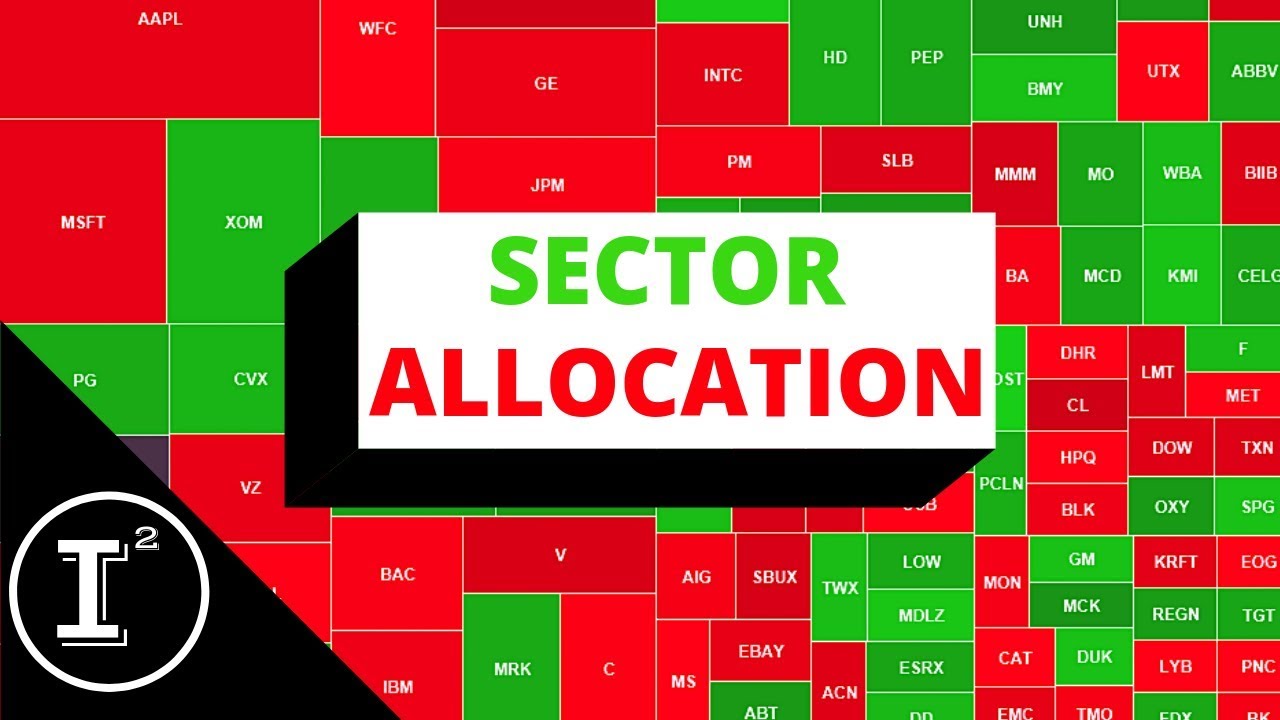
Sector allocation in an equity or fixed-income context refers to a portfolio managers’ decision to invest in a particular broad market sector or industry.
A sector allocation or breakdown can help an investor observe the investment allocations of a mutual or other fund. Fund companies regularly provide sector reporting in their marketing materials. Sector investing can influence investments in the fund. A fund may target a specific sector such as technology, or seek to diversify among many sectors.
Some funds may have restraints on sector investments. This may occur with environmental, social, and governance (ESG) focused funds. These funds seek to exclude industries or companies that their investors consider undesirable for various reasons such as tobacco producers or oil exploration companies.
The ultimate sector allocation decision is likely to combine macroeconomic views with judgments about inter-sector and intra-sector relative values, among other reasons.
Posted on December 25, 2024 by Dr. David Edward Marcinko MBA MEd CMP™
MEDICAL EXECUTIVE-POST–TODAY’SNEWSLETTERBRIEFING
***
Essays, Opinions and Curated News in Health Economics, Investing, Business, Management and Financial Planning for Physician Entrepreneurs and their Savvy Advisors and Consultants
“Serving Almost One Million Doctors, Financial Advisors and Medical Management Consultants Daily“
A Partner of the Institute of Medical Business Advisors , Inc.
The financial markets will close early on Tuesday, December 24th, for Christmas Eve and will be closed on Wednesday, December 25th, for Christmas Day. Brokerage firms will process transaction requests received after 1 p.m., Eastern time, on Tuesday, December 24th, as if received on Thursday, December 26th, before 4 p.m., Eastern Standard time
Healthcare provider Ascension has revealed the sensitive data of 5.6 million patients was compromised in a massive cyberattack earlier this year. The ransomware attack occurred in May and threw the company into turmoil, with patient portals and files inaccessible, elective services postponed, and some ambulances diverted, according to a filing with the Maine Attorney General that was reported by TechRadar. Ascension did not name the hackers, but CNN reporting indicated it stemmed from a Russian-speaking cybercrime affiliate known as Black Basta. It’s not clear if Ascension paid a ransom to get their systems back online.
US stocks rallied in the final, shortened trading session before the Christmas holiday. The benchmark S&P 500 (^GSPC) finished the session up over 1.1%, while the tech-heavy NASDAQ Composite (^IXIC) rose roughly 1.4%. The Dow Jones Industrial Average (^DJI) climbed around 0.9%.
Wall Street successfully entered its Christmas break rejuvenated, after tech stocks including AI chip giant Nvidia (NVDA) led the march higher. Markets closed at 1 p.m. ET and are off tomorrow for Christmas Day.
Sizable gains in the past three trading sessions have put the indexes back on the path toward their record highs, from which they took a Fed-fueled nosedive last week.
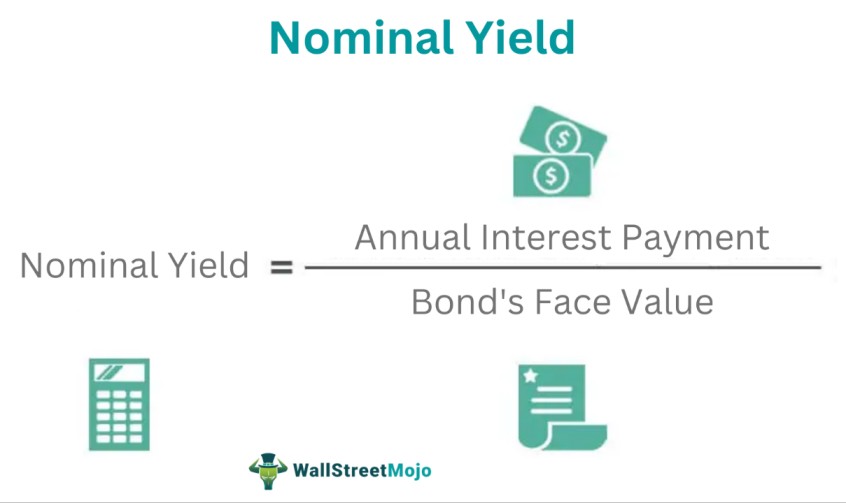
Nominal yield, for most bonds and other fixed-income securities, is simply the yield you see listed online or in newspapers. Most nominal fixed-income yields include some extra yield, an “inflation premium,” that is typically priced/added into the yields to help offset the effects of inflation.
Real yields, such as those for TIPS, don’t have the inflation premium. As a result, nominal yields are typically higher than TIPS yields and other real yields.
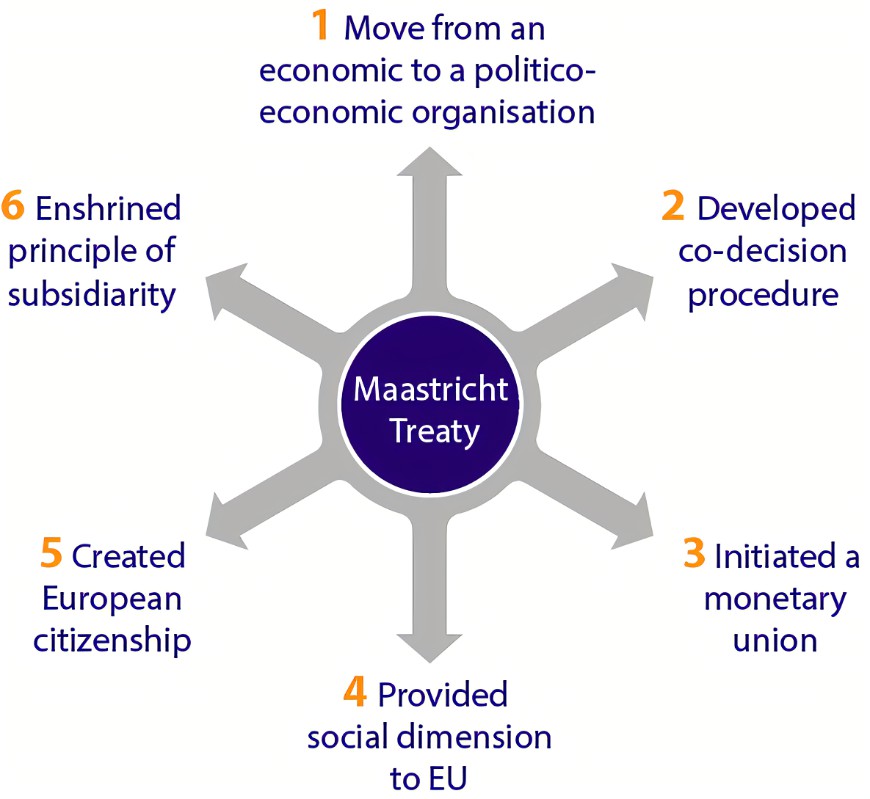
The Maastricht Treaty, signed February 7th, 1992, in Maastricht, the Netherlands, created the European Union (EU) and led to the creation of the euro(€); the single currency adopted by most EU member states.
Posted on December 23, 2024 by Dr. David Edward Marcinko MBA MEd CMP™
***
***
By Steve Selengut
December values may not be what they seem
NOTE: Mr. Selengut is a private investor and a contributing editor to LIFE & Health Advisor. He is the author of the book ‘The Brainwashing of the American Investor: The book that Wall Street does not want you to read.’
***
As [physician] investors, and we all are investors these days, it is important that we understand the idiosyncrasies of year-end Stock Market activity. On Wall Street, investing can be a minefield for those who don’t appreciate the non-economic, non-business-model, factors contributing to the market value numbers in fourth quarter brokerage account summaries.
Year end market values may not be what they seem ….
“Portfolio Window Dressing” (PWD) produces security pricing that is more a function of next year’s institutional marketing programs than a reflection of the economic forces that we would like to think are their primary determining factors. Not even close…
Toward the end of every calendar quarter, we hear the financial media report that “institutional PWD activities” are in full swing. But that is as deep as the stories ever go. What are they talking about, and just what does it mean to you as an investor?
Posted on December 22, 2024 by Dr. David Edward Marcinko MBA MEd CMP™
By Staff Reporters
***
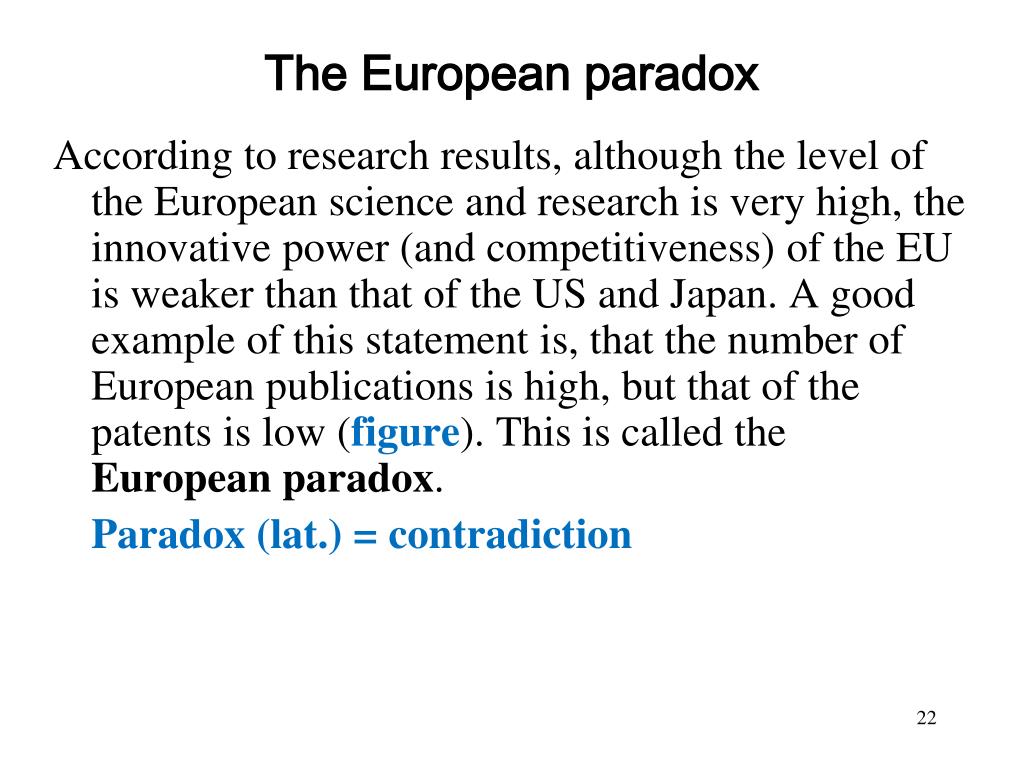
The European Union Paradox is the perceived failure of European countries to translate scientific advances into marketable innovations.
The root of this issue remains debated: is it due to the scientific output being distant from the cutting-edge, or is it because the European innovation system lacks the capacity to harness the potential of groundbreaking research?
And so, this study reveals that, compared to similar European research, the European Research Council has a similar probability of being cited in patents, although it garners a larger number of patent citations. Moreover, patents that do draw upon ERC research are often of superior quality, measured by forward citations.
Compared to similar European research, inventive activities arising from ERC science are predominantly housed within universities and public research organizations. In absolute terms, however, US organizations, especially US companies, still lead in deriving the greatest benefit from ERC science.
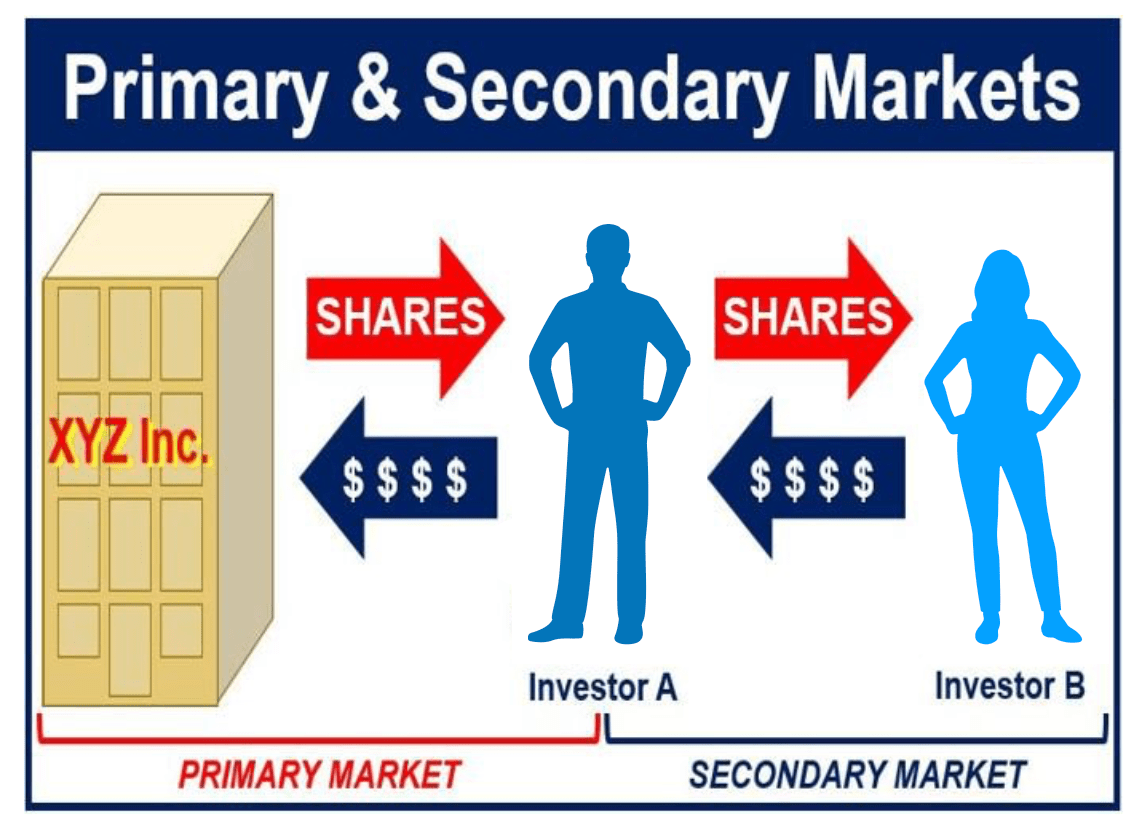
Primary Market: The primary market is also part of the stock market but differs from the secondary market because it only sells newly issued stocks.
Primary Market for Exchange Traded Funds: The primary market is where ETF shares are created and redeemed amongst ETF issuers and authorized participants. This is where the underlying basket of securities that make up an ETF is created. Shares of ETFs are made in large batches called Creation Units—usually 25,000 to 600,000 ETF shares are created at a time through this process.
Posted on December 21, 2024 by Dr. David Edward Marcinko MBA MEd CMP™
By Staff Reporters
***
***
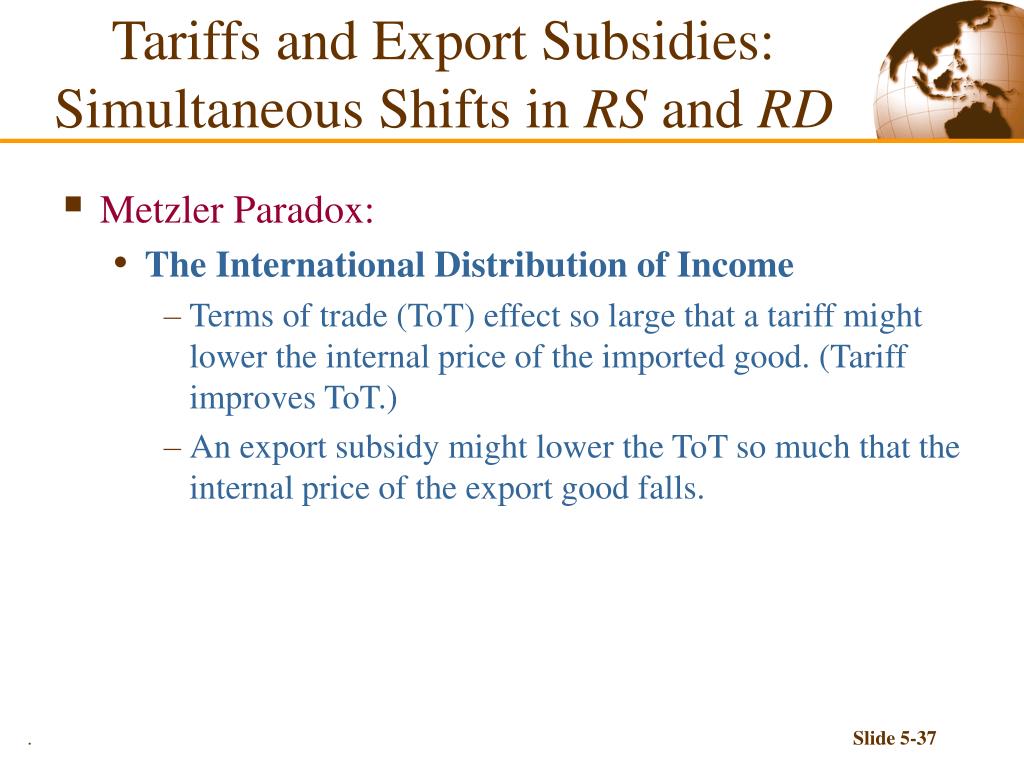
Metzler’s Paradox is the imposition of a tariff [tax] on imports that may reduce the relative internal price of that good.
It was proposed by Lloyd Metzler PhD in 1949 upon examination of tariffs within the Heckscher-Ohlin Model. The paradox has roughly the same status as immiserizing growth and a transfer that makes the recipient worse off.
Posted on December 21, 2024 by Dr. David Edward Marcinko MBA MEd CMP™
By Ann Miller RN MHACMP™
INTRODUCING OUR NEXT GENERATION e-BOOK LIBRARYFROM iMBA, Inc.
An e-book is an electronic or digital book that can be read on a computer or a handheld device.
Our new e-books consists of text, images, and are fixed to a specific spot on the page.
And, our e-books are a data files similar in content and structure to a word-processing document that comes in a PDF format. To use our e-books, you need to purchase and download it to a device that has a .pdf file reader app, such as ADOBE® or similar on a smartphone, tablet or computer. A PDF, also known as a portable document format, is the format most people are familiar with and used in our e-books. PDFs are known for their ease of use and ability to hold custom layouts. They are the most commonly used e-Book formats, especially by professionals and adult-learners.
You can then access the e-book and read it, or highlight pages and even take side notes.
e-Books Save Money
With no manufacturing, printing, binding or shipping costs, e-Books are cheaper than traditional hard or paper back books.The price of each specialized and highly niche focused e-Book [50-100 pages] is only $25, whereas similar paperback printed books of this type generally cost $145, or more!
Posted on December 21, 2024 by Dr. David Edward Marcinko MBA MEd CMP™
By Staff Reporters
***
***
The Hang Seng Index is a free float-adjusted market capitalization-weighted stock market index and the main indicator of overall market performance in Hong Kong. It launched in 1969.
The Hang Seng Index (HSI) tracks and records daily changes in the largest companies listed on the Hong Kong Stock Exchange and serves as the primary indicator of overall market performance in Hong Kong. Its’ 82 constituent companies represent about 58% of the capitalization of the Hong Kong Stock Exchange.
Posted on December 20, 2024 by Dr. David Edward Marcinko MBA MEd CMP™
By Staff Reporters
***
***
Freddie Mac (FHLMC-Federal Home Loan Mortgage Corporation)
Freddie Mac is a GSE [government-sponsored enterprise] established by Congress. It’s similar to Fannie Mae with a publicly owned corporate structure. (Freddie Mac’s stock (FRE) trades on the New York Stock Exchange.) These two giant GSEs increase liquidity in the U.S. mortgage market by purchasing mortgages from lenders, then typically repackaging (securitizing) the debt and reselling it to investors, helping to create a “secondary” market for mortgages.
The GSEs’ main purpose is to assure that mortgage money is available for borrowers. But they don’t lend money directly. Instead, they purchase mortgages from “primary” lenders like mortgage companies, banks, and credit unions. That allows the primary lenders to replenish their funds and lend more money to home buyers. The GSEs finance their mortgage purchases by issuing mortgage-backed securities (MBS) and other debt instruments (often referred to as agency debt, even though, technically, the GSEs aren’t government agencies). GSE debt is considered to have relatively high credit quality based on its implicit government backing, reinforced by what happened during the Financial Crisis in 2008.
Since Fannie Mae and Freddie Mac were placed into government conservatorship in September 2008, the government has pledged to support any shortfall in the balance sheets of the two GSEs. The U.S. Treasury has said it will ensure that both GSEs can maintain a positive net worth and fulfill all of their financial obligations. This statement of support lends credence to the very high credit ratings of MBS and other debt issued by Fannie and Freddie.
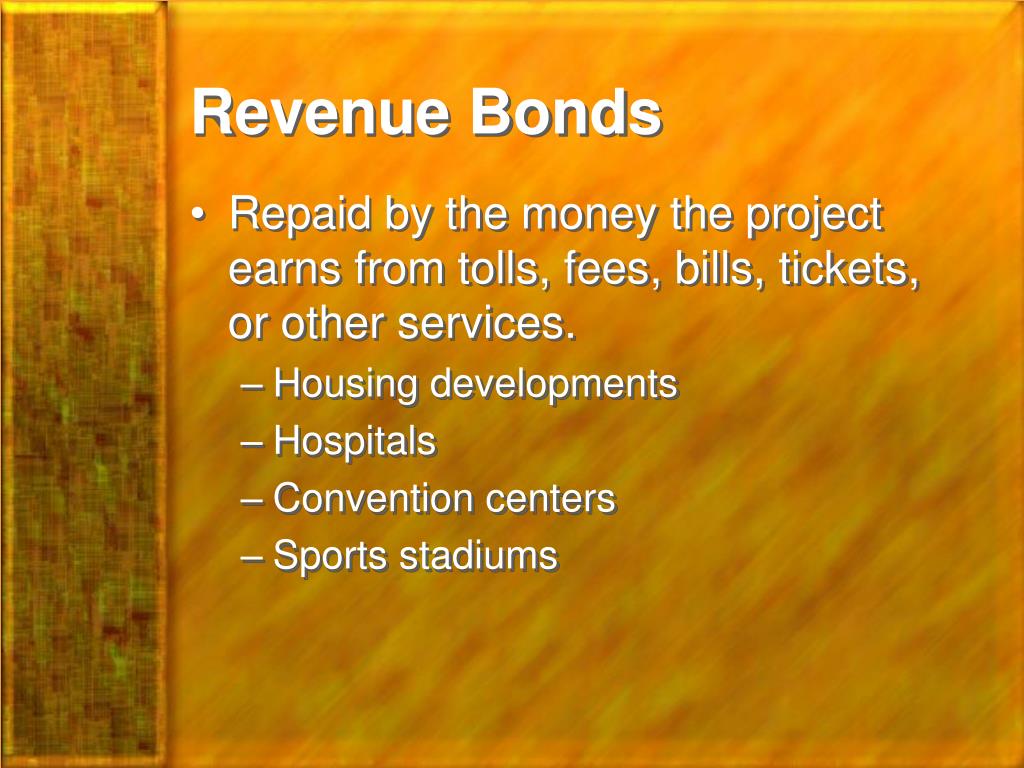
Revenue bonds are one of the biggest sectors in the municipal debt market.
Unlike a general obligation (GO) bond, revenue bonds are not backed by a municipal issuer’s taxing authority. Instead, interest and principal are secured by the net revenues (tolls, fees, or other charges tied to usage) from the project or facility being financed.
Revenue bonds are issued to finance a variety of capital projects, including construction or refurbishment of utility and waste disposal systems, highways, bridges, tunnels, air and seaport facilities, schools and hospitals.
Posted on December 20, 2024 by Dr. David Edward Marcinko MBA MEd CMP™
MEDICAL EXECUTIVE-POST–TODAY’SNEWSLETTERBRIEFING
***
Essays, Opinions and Curated News in Health Economics, Investing, Business, Management and Financial Planning for Physician Entrepreneurs and their Savvy Advisors and Consultants
“Serving Almost One Million Doctors, Financial Advisors and Medical Management Consultants Daily“
A Partner of the Institute of Medical Business Advisors , Inc.
Gallup’s annual Health and Healthcare poll released on December 6th found that the US adult rating of healthcare quality is the lowest it’s been since 2001, with 54% of respondents saying they believe the healthcare system has “major problems” and 16% saying it’s in a “state of crisis.” In 2001, 53% viewed healthcare positively.
US stocks closed little changed as a rebound from the previous day’s sell-off flopped with a hawkish outlook from the Federal Reserve on its path for interest rates looming over markets.
The Dow Jones Industrial Average (^DJI) ended a 10-day losing streak, its longest in 50 years, as it closed just above the flat line on Thursday. Meanwhile, the S&P 500 (^GSPC) and tech-heavy NASDAQ Composite (^IXIC) both fell about 0.1%.
The 10-year Treasury yield (^TNX) continued its trek higher on Thursday, rising roughly seven basis points to hit 4.57% for its highest levels since May.
Posted on December 19, 2024 by Dr. David Edward Marcinko MBA MEd CMP™
By Staff Reporters
***
***
Austerity Financial Measures describe official actions (typically taken under duress) by financially challenged governments (those that are under the threat of otherwise not being able to meet all of their obligations to debt holders and other creditors) to reduce the amount of money they spend, freeing more of it for paying off liabilities.
Austerity measures commonly involve deficit cutting, reduced spending, and cuts in government benefits and services provided. They are considered a “necessary evil,” along with revenue-raising measures, for bringing government budgets back into financial balance.
Posted on December 19, 2024 by Dr. David Edward Marcinko MBA MEd CMP™
MEDICAL EXECUTIVE-POST–TODAY’SNEWSLETTERBRIEFING
***
Essays, Opinions and Curated News in Health Economics, Investing, Business, Management and Financial Planning for Physician Entrepreneurs and their Savvy Advisors and Consultants
“Serving Almost One Million Doctors, Financial Advisors and Medical Management Consultants Daily“
A Partner of the Institute of Medical Business Advisors , Inc.
Stat: 23,000. That’s about how many Connecticut residents will get at least part of their medical debt eliminated, thanks to a state partnership with nonprofit organization Undue Medical Debt. (NBC Connecticut)
The stock market plunged on Wednesday after the Federal Reserve scaled back its expectations for interest rate cuts next year.
The Dow Jones Industrial Average fell about 1,100 points, or 2.5%, the largest drop for the index since August. The dip marked the 10th consecutive day of losses for the Dow, its longest losing streak since 1974.
The S&P 500 fell nearly 3%, while the tech-heavy NASDAQ plummeted about 3.5%.
Native American patients are reportedly often billed for healthcare services the government is supposed to pay for, according to an investigation. (KFF Health News)
Visualize: How private equity tangled banks in a web of debt, from the Financial Times.
The Federal Reserve cut interest rates by a quarter of a percentage point just now, delivering relief for borrowers at the central bank’s last meeting before President-elect Donald Trump takes office next month. The central bank predicted fewer rate cuts next year than it had previously indicated, however, suggesting concern that inflation may prove more difficult to bring under control than policymakers thought just a few months ago.
The move marked the third consecutive interest rate cut since the Fed opted to start dialing back its fight against inflation in the fall. The FOMC has lowered interest rates by a percentage point in recent months.
However, the Fed’s forecast said it anticipates only a half a percentage point of rate cuts next year and another half-percent cut in 2026.
Carry-Oriented Currencies are higher-yielding currencies of countries where interest rates are generally higher than those of countries with lower-yielding currencies.
These higher-yielding currencies are targeted for “carry trades,” where investors borrow money in a low-interest rate currency and invest in a higher yielding currency, potentially profiting from the difference in interest rates.
Posted on December 18, 2024 by Dr. David Edward Marcinko MBA MEd CMP™
MEDICAL EXECUTIVE-POST–TODAY’SNEWSLETTERBRIEFING
***
Essays, Opinions and Curated News in Health Economics, Investing, Business, Management and Financial Planning for Physician Entrepreneurs and their Savvy Advisors and Consultants
“Serving Almost One Million Doctors, Financial Advisors and Medical Management Consultants Daily“
A Partner of the Institute of Medical Business Advisors , Inc.
Stat: 97%. That’s how many healthcare leaders think A.I. will become important in healthcare over the next five years.
***
Pharmacy benefit managers (PBMs) are once again under pressure from federal leaders. A group of Democratic and Republican congresspeople proposed legislation that would attempt to prevent pharmacies from also owning PBMs. The three largest PBMs—CVS Health’s Caremark, Cigna’s Express Scripts, and UnitedHealth Group’s Optum Rx—currently operate pharmacies and administer more than 80% of the prescriptions in the US, and officials have linked this practice to drug price increases.
US stocks fell across the board on Tuesday, with the Dow logging its biggest losing streak in 46 years. The Dow Jones Industrial Average (^DJI) finished the session down roughly 0.6%, registering its ninth straight day of losses. The last 9-day losing streak for the Dow was Feb. 1978. Prior to that, the index suffered an 11-day losing streak in 1974 and another in 1971.
The other major indexes dropped in tandem on Tuesday, with the benchmark S&P 500 (^GSPC) falling around 0.4% and the NASDAQ Composite (^IXIC) losing about 0.3% after the tech-heavy index closed at a record high on Monday.
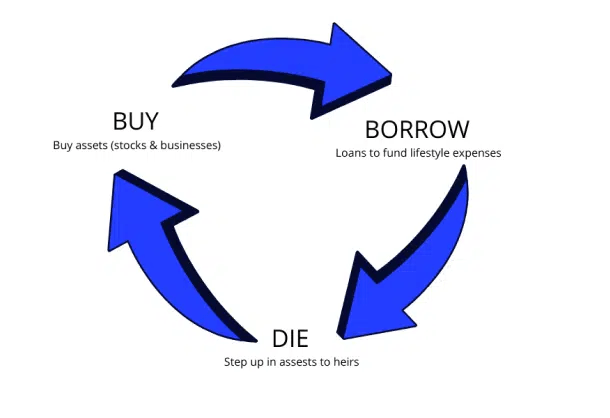
Here’s how the Buy, Borrow, Die strategy works step-by-step:
Step 1. Buy Assets
This step, broadly known as the accumulation phase, is about acquiring or creating valuable assets. It’s the most critical step taken by wealthy individuals to secure their wealth. Billionaires, for instance, often created startups that eventually turned into massive corporations. The asset here is the company they’ve established.
However, this isn’t the only way to accumulate assets. For professionals like doctors and lawyers, this phase involves securing a high-paying job and buying assets that have the potential to appreciate over time—like stocks, real estate, and private capital. Once an individual reaches a substantial level of wealth, they can leverage these assets in interesting ways using the next step of this strategy.
Step 2. Borrow Against Your Assets
This where the assets you’ve acquired are used as collateral to borrow money—all without triggering a taxable event.
Suppose you’ve got a robust stock portfolio. You can then take out a Securities Backed Line of Credit (SBLOC). This kind of loan lets you tap into the value of your portfolio without having to sell off any assets and subsequently paying capital gains taxes. What makes SBLOCs attractive to lenders is the relative ease with which the securities can be seized and sold, making them a low-risk lending option.
The ceiling for such a loan is usually around 50% of your portfolio’s value. However, we often caution against borrowing more than 25% of your account balance, especially for long-term loans. This will provide a cushion against stock market volatility, much like what we experienced in 2022 and 2023.
Borrowing against assets isn’t limited to stock portfolios either. Let’s say you own a home and have built up a certain amount of equity in it. You could opt for a Home Equity Line of Credit (HELOC), using your home as collateral. Banks tend to favor real estate-backed loans due to their stability compared to the fluctuating value of stocks.
Step 3. Die and Pass Your Wealth On
The final step in the strategy is where the proverbial tax baton is handed off to the next generation.
Under the existing tax code, when you pass away, your heirs receive a “stepped-up basis” on the assets they inherit from you. This means that their cost basis—the original amount paid for an asset—is stepped up to the market value of the asset at the time of your death. Meaning once you have passed away, your heirs would be able to sell the assets without having to pay taxes on the capital gain. Imagine you had purchased a building 20 years ago for $1 million and over the years, the value of that building increased to $2.5 million. If you were to pass away at this point, your heirs would inherit the building with the stepped-up cost basis of $2.5 million. This implies that if they decide to sell the property at this valuation, they wouldn’t owe any capital gains tax. This is because for tax purposes, their gain is calculated from the $2.5 million, not the original $1 million.
By utilizing this loophole, families can pass on their wealth without incurring a hefty tax bill. This is why many wealthy families set up trusts – it’s a way to manage and pass on their wealth at a stepped-up cost basis.
Active transparent ETFs: Daily disclosure of portfolio holdings is an attribute of traditional index-based Exchange Traded Funds (ETFs).
Active transparent exchange traded funds are actively managed by a portfolio manager or team of managers. As with index-based ETFs, their portfolio holdings are disclosed daily.
The breakeven inflation rate is the difference between the nominal yield (usually the market yield, which includes an inflation premium) on a fixed-income investment and the real yield (with no inflation premium) on an inflation-linked investment of similar maturity and credit quality.
So, if inflation averages more than the breakeven rate, the inflation-linked investment will outperform the investment with the nominal yield.
Conversely, if inflation averages below the breakeven rate, the investment with the nominal yield will outperform the inflation-linked investment.
Breakeven inflation rates are also considered useful measures of inflation expectations—higher breakeven rates represent higher inflation expectations (and higher relative prices for inflation-linked investments), while lower breakeven rates represent lower inflation expectations (and lower relative prices for inflation-linked investments).
Therefore, ideally, investors want to purchase inflation-linked investments when breakeven rates are relatively low because that’s typically when prices are also relatively low.
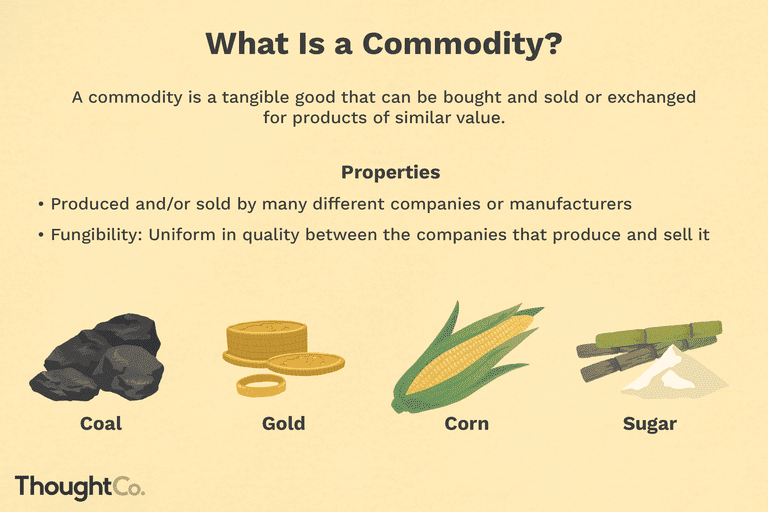
Commodities: Commodities are raw materials or primary agricultural products that can be bought or sold on an exchange or market. Examples include grains such as corn, foods such as coffee, and metals such as copper.
Commodity Futures: Agreements to buy or sell a specific amount of a commodity or financial instrument at a particular price on a stipulated future date related to basic raw materials such as precious metals and natural resources.
Commodity Intensity: Commodity intensity refers to commodity usage per unit of economic growth. An emerging, more manufacturing-based economy will usually be more commodity intensive in terms of its growth than will a more developed, service-oriented economy.
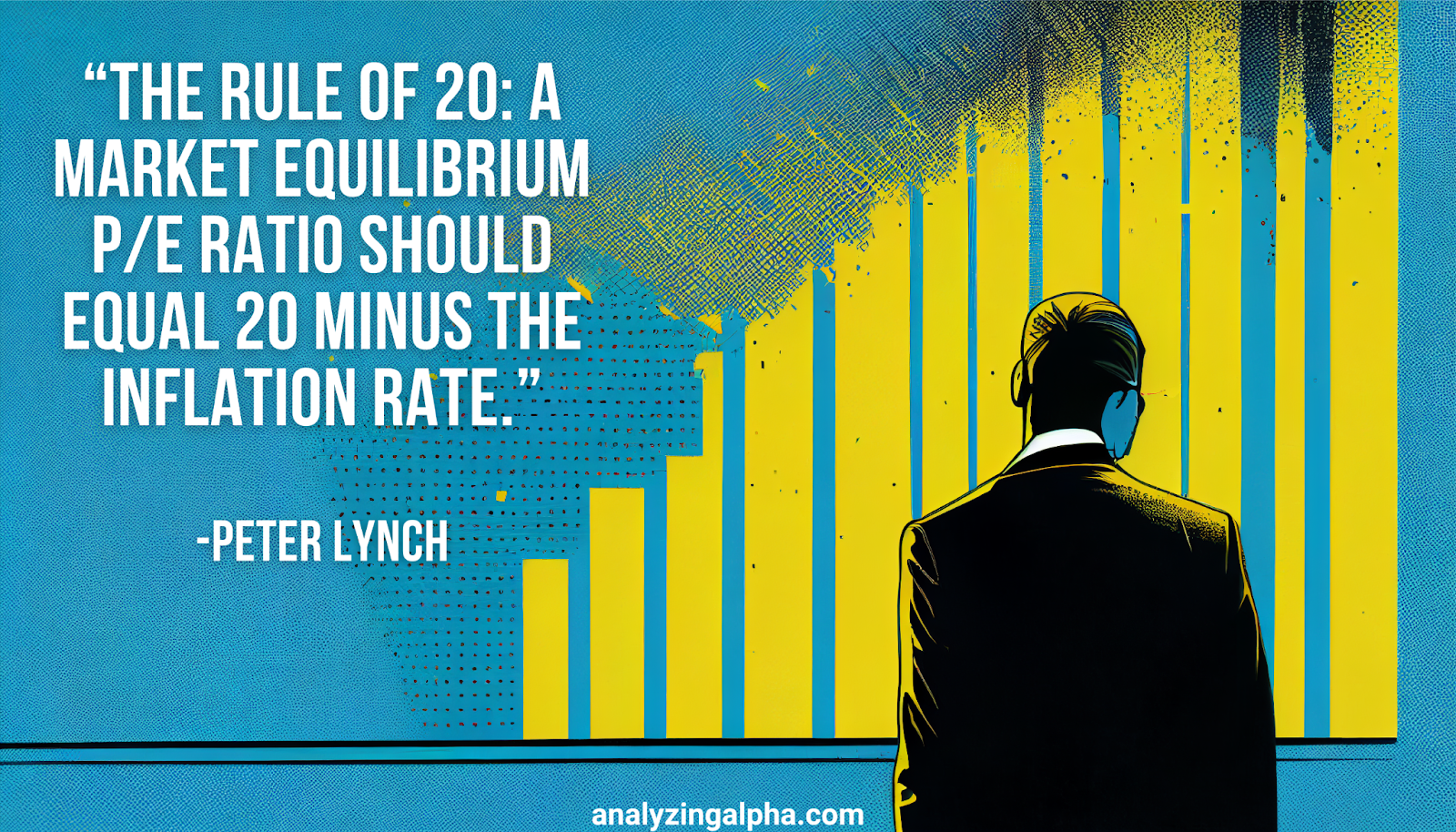
The Rule of 20 is a dimensionless number that adds the current 12-month trailing Price to Earnings Ratio to the annual change in an index of the annual consumer inflation rate. A reading below 20, while a market is trending lower, means that we could be near a bottom.
In the United States, the most common index used is the broad-based S&P 500, and CPI-U is used as a proxy for inflation.
The Rule of 20 is purportedly a rule from Peter Lynch. In chapter 39 of Graham and Dodd’s seminal Security Analysis, they mention: “We would suggest that about 20 times average earnings is as high a price as can be paid in an investment purchase of a common stock” … with no mention of inflation.
Lynch’s formulation attempts to factor the ‘gravity’ of interest rates into the fair value of a stock. And, as you can see, the measure has fluctuated quite a bit. However, it has returned to roughly the 20 level repeatedly.
Posted on December 14, 2024 by Dr. David Edward Marcinko MBA MEd CMP™
DEFINITION
By Staff Reporters
***
***
A Merchant Cash Advance is a specific type of convoluted financial agreement that lets the issuer bypass laws that limit interest rates on business loans. They are almost always targeted toward companies in dire financial straits that have nowhere else to turn to in order to get loans.
These loans have most often been compared to the business equivalent of a payday lender.
The 30-Day SEC Yield represents net investment income earned by a fund over a 30-day period, expressed as an annual percentage rate based on the fund’s share price at the end of the 30-day period. The SEC Yield should be regarded as an estimate of the fund’s rate of investment income, and it may not equal the fund’s actual income distribution rate, the income paid to a shareholder’s account, or the income reported in the fund’s financial statements.
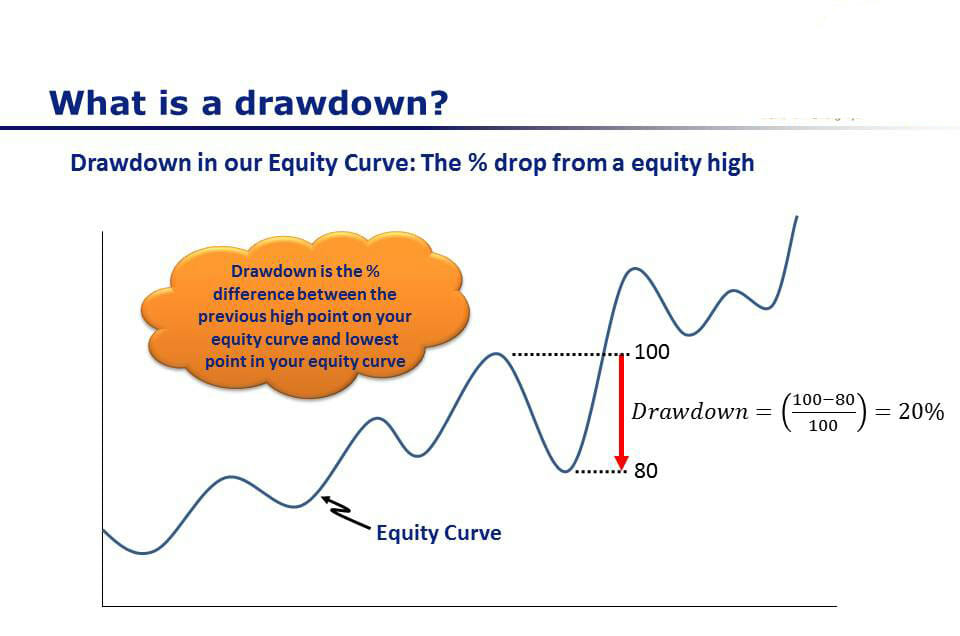
The 52-Week Drawdown is the lowest price at which a security, such as a stock, has traded during the previous 52 weeks
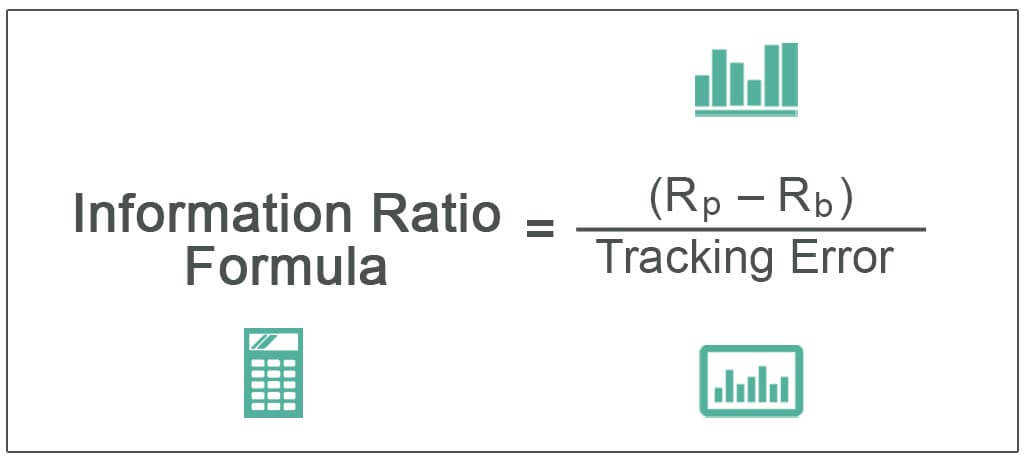
The Information Ratio (IR) is a risk-adjusted rate of return measure for comparing the performance of active investment managers over time. Its purpose is to help determine how much return an active portfolio manager has added per unit of active management risk.
Think of IR as a Sharpe Ratiofor active investment management; the IR is more focused than the Sharpe Ratio. Starting with the Sharpe Ratio’s formula, if we replace the excess return in the numerator with a portfolio’s active return (the average annualized return of an actively managed portfolio minus the average annualized return of the portfolio’s benchmark over a given period, adjusted for the portfolio’s market risk exposure), and you replace the Sharpe Ratio’s standard deviation of excess returns in the denominator with the standard deviation of a portfolio’s active returns over the period, you have the IR.
While the Sharpe Ratio expresses the amount of excess return per unit of overall risk, the IR computes only the active management-driven (alpha) returns per unit of alpha-driven risk. And while the Sharpe Ratio’s excess returns are calculated with regard to what is considered to be a relatively risk-free asset, such as a U.S. Treasury bill, the IR’s active returns are calculated with regard to each portfolio’s specific market benchmark.
The higher the IR, the better. The IR should be measured over a meaningful period of time, typically at least three to five years. The IR is not perfect–it can be influenced by external factors such as changes in market volatility. The standard deviation of active returns in the IR’s denominator is called tracking error. Tracking error will tend to increase in volatile markets for even the best active managers.
Collateralized Mortgage Obligations (CMOs) are a form of securitized debt derived from mortgage-backed securities. It’s a form of derivative security. Like most MBS pass-through securities, CMOs are typically backed by pools of residential mortgages and their payments. But not all investors want to receive the monthly payments of principal and interest that “plain vanilla” MBS pass-throughs offer–some prefer just the principal, some prefer just the interest, or some want payments with other particular/special characteristics.
For them, the cash flows from MBS can be pooled and structured into many classes of CMOs with different maturities and payment schedules, creating securities with very specific characteristics and behaviors. These characteristics and behaviors can vary widely. Some CMOs can offer less risk than “plain-vanilla” MBS, or can help offset other forms of risk in a diversified portfolio, but others can be much more volatile.
CMOs typically have two or more bond classes, called tranches. Each tranche has its own expected maturity and cash flow pattern. The unique cash flow patterns of each CMO tranche allow investors to tailor their mortgage exposure to meet a range of investment objectives, since different classes can have different risk/return characteristics.
Posted on December 13, 2024 by Dr. David Edward Marcinko MBA MEd CMP™
By Staff Reporters
***
***
What Is a Public Benefit Corporation?
A benefit corporation—also known as a B Corporation—has shareholders who own the company, unlike a non-profit. So making money is the point, just not the whole point.
While non-profits (or not-for-profits) serve a public benefit and don’t make any profits, benefit corporations want to make money while still serving a greater purpose than itself “and a desire for the corporation to help make the world a better place,” according to Rick Bell of Harvard Business Services.
Posted on December 13, 2024 by Dr. David Edward Marcinko MBA MEd CMP™
MEDICAL EXECUTIVE-POST–TODAY’SNEWSLETTERBRIEFING
FRIDAY 13th = Triskaidekaphobia
***
Essays, Opinions and Curated News in Health Economics, Investing, Business, Management and Financial Planning for Physician Entrepreneurs and their Savvy Advisors and Consultants
“Serving Almost One Million Doctors, Financial Advisors and Medical Management Consultants Daily“
A Partner of the Institute of Medical Business Advisors , Inc.
The Dow Jones Industrial Average (^DJI) was down and the S&P 500 (^GSPC) were both about 0.5%. The tech-heavy NASDAQ Composite (^IXIC) fell roughly 0.6% while shares of Apple (AAPL) rallied less than 1% to close at a record high.
In bonds, the 10-year Treasury yield (^TNX) added 5 basis points to hit 4.32%, its highest closing level since November 22nd.
On a day where President-elect Donald Trump rang the opening bell at the New York Stock Exchange, Wall Street failed to build on a furious rally that has picked up steam after his election win. In focus was fresh inflation data, which helped cast doubt on investor confidence for the path of interest rates ahead.
Incentives: It is broadly accepted that incenting someone to do something is effective, whether it be paying office staff a commissions to sell more healthcare products, or giving bonuses to office employees if they work efficiently to see more HMO patients. Some experts even suggest there are five specific components1 that should be built into an overall physician incentive program:
Appropriate financial incentives.
Managed-care efficiency incentives.
Group citizenship.
Patient satisfaction.
Group profitability.
What is not well understood is that the incentives cause a sub-conscious distortion of decision-making ability in the incented person. This distortion causes the affected person – whether it is yourself or someone else – to truly believe in a certain decision, even if it is the wrong choice when viewed objectively. Service professionals, including financial advisors and lawyers, are affected by this bias, and it causes them to honestly offer recommendations that may be inappropriate, and that they would recognize as being inappropriate if they did not have this bias.
According to colleague Dan Ariely PhD, the existence of this bias makes it important for each one of us to examine our incentive biases and take extra care when advising physician clients, or to make sure we are appropriately considering non-incented alternatives.
Posted on December 12, 2024 by Dr. David Edward Marcinko MBA MEd CMP™
ALMOST ALL ABOUT CREDIT
By Staff Reporters
***
***
Credit Rating and Scoring
The category in which a credit agency classifies you is based upon payment history. Recently, credit reporting agencies have shifted away from ratings to a system known as credit scoring. Your score is determined by proprietary formulas that are based on your credit history, the higher the better. The practical benefits of this scoring system are numerous.
First, medical professionals do not need to be experts at deciphering credit reports since the same scoring system is used by many different companies.
Correcting Credit Report Errors
A credit bureau is not the place to get an item to be fixed on your credit report. Rather, you must take it up directly with the credit issuer. In any case, a late payment noted on a credit report by a durable medical equipment vendor, for example, has to be addressed directly with that merchant. The DME merchant then has 30 days to acknowledge your complaint and respond to you. In the meantime, you do not have to pay for the disputed items. Most credit errors cannot be reported or kept on your credit report for more than seven years.
For legitimate late payments you should contact the credit grantor and negotiate to take one of the following steps. Be tenacious, and either remove the late payment or write a letter explaining that the problem has been resolved and you now are a good credit risk again. This letter is a powerful tool and should be saved with other permanent financial records. The industry term for it is a letter of correction.
Credit Repair Services
Credit repair services are oversold and their claims tend to be exaggerated. They do not have an inside track to the consumer reporting agencies. Good credit repair services are experienced in communicating with creditors and can help with legitimate repairs. They cannot restore your credit rating or your good name.
However, realize that with some time and effort you can accomplish the same results yourself.
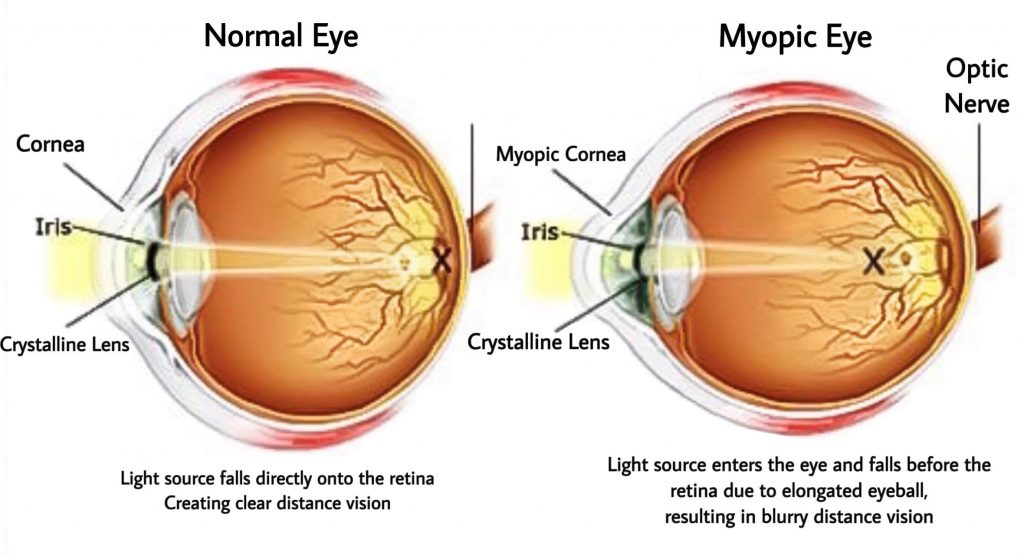
Myopia makes it hard for us to imagine what our lives might be like in the future.
For example, because we are young, healthy, and in our prime earning years now, it may be hard for us to picture what life will be like when our health depletes and we know longer have the earnings necessary to support our standard of living.
According to colleague Dan Ariely PhD, this short sighted cognitivebias makes it hard to save adequately when we are young, when saving does the most good.
Posted on December 12, 2024 by Dr. David Edward Marcinko MBA MEd CMP™
MEDICAL EXECUTIVE-POST–TODAY’SNEWSLETTERBRIEFING
***
Essays, Opinions and Curated News in Health Economics, Investing, Business, Management and Financial Planning for Physician Entrepreneurs and their Savvy Advisors and Consultants
“Serving Almost One Million Doctors, Financial Advisors and Medical Management Consultants Daily“
A Partner of the Institute of Medical Business Advisors , Inc.
Big Tech stocks led the market higher on Wednesday, as investors digested another month of sticky inflation data that met economists’ expectations and likely pointed to a Federal Reserve interest rate cut next week. The tech-heavy NASDAQ Composite (^IXIC) jumped about 1.7% amid a feverish rally in the “Magnificent Seven” tech stocks. Google parent Alphabet’s (GOOG, GOOGL) shares extended gains to hit a record high, rising more than 5%.
Meanwhile Tesla (TSLA), Meta (META) and Amazon (AMZN) all also surged to record highs, with Tesla notching its first record close in more than three years. The S&P 500 (^GSPC) rose around 0.8%, while the Dow Jones Industrial Average (^DJI) slipped about 0.2%.
Posted on December 11, 2024 by Dr. David Edward Marcinko MBA MEd CMP™
MEDICAL EXECUTIVE-POST–TODAY’SNEWSLETTERBRIEFING
***
Essays, Opinions and Curated News in Health Economics, Investing, Business, Management and Financial Planning for Physician Entrepreneurs and their Savvy Advisors and Consultants
“Serving Almost One Million Doctors, Financial Advisors and Medical Management Consultants Daily“
A Partner of the Institute of Medical Business Advisors , Inc.
According to reporting from the Wall Street Journal, the pharmacy chain Walgreen’s is discussing selling to private equity (PE) firm Sycamore Partners, a deal that could close early next year. This comes following a tumultuous year for the company, which announced it would close 1,200 stores in October and laid off more than 250 employees in November. The PE firm is allegedly considering selling off pieces of the business or working with partners, sources told the Journal. Following the news, Walgreens’s stock jumped 28%, its biggest single-day increase since 1980, according to Yahoo Finance.
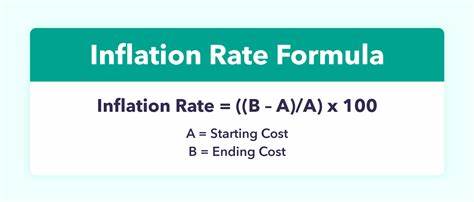
Inflation rose 2.7% on an annual basis in November, according to the latest government report on the Consumer Price Index, or CPI. Last month’s CPI was forecast to come in at 2.7%, according to economists surveyed by financial data firm FactSet. The Consumer Price Index, a basket of goods and services typically bought by consumers, tracks the change in those prices over time.
US stocks opened higher on Wednesday as investors digested another month of sticky inflation data that met economists’ expectations and likely pointed to a Federal Reserve interest rate cut next week. The Dow Jones Industrial Average (^DJI) increased about 0.2%, while the S&P 500 (^GSPC) jumped nearly 0.5%. The tech-heavy NASDAQ Composite (^IXIC) also added to across-the-board gains, rising roughly 0.8%.
To most people the holiday season means decorations at home and at work, but it also can mean “window dressing” in your mutual fund.
This somewhat disparaging term is used to describe the practice of a mutual fund making cosmetic changes to its portfolio just before the end of each calendar quarter. It’s done because funds publish their exact holdings of securities four times a year based on what they own at the end of each quarter.
“The basic concept is that managers are either hiding their mistakes or adding winners to make themselves look a little smarter,” says Russ Kinnel, director of manager research at fund researcher Morningstar Inc. in Chicago. “Of course, it doesn’t necessarily help performance,” he adds.
CPI does not measure changes in shelter costs by looking at home prices, but by measuring the amount of rent that could be paid to substitute a currently owned house for an equivalent rental property.
Owners’ equivalent rent (OER) is a dollar amount that is published by the U.S. Bureau of Labor Statistics to measure the change in implicit rent, which is the amount a homeowner would pay to rent or would earn from renting his or her home in a competitive market.
Posted on December 10, 2024 by Dr. David Edward Marcinko MBA MEd CMP™
MEDICAL EXECUTIVE-POST–TODAY’SNEWSLETTERBRIEFING
***
Essays, Opinions and Curated News in Health Economics, Investing, Business, Management and Financial Planning for Physician Entrepreneurs and their Savvy Advisors and Consultants
“Serving Almost One Million Doctors, Financial Advisors and Medical Management Consultants Daily“
A Partner of the Institute of Medical Business Advisors , Inc.
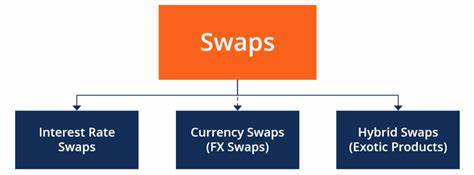
Swaps (a.k.a. swap agreements) are two-party contracts entered into primarily by institutional investors for periods ranging from a few weeks to more than one year.
In a standard “swap” transaction, two parties agree to exchange the returns (or differentials in rates of return) earned or realized on particular predetermined investments or instruments. The gross returns to be exchanged or “swapped” between the parties are generally calculated with respect to a “notional amount,” i.e., the return on or increase in value of a particular dollar amount invested at a particular interest rate, in a particular foreign currency, or in a “basket” of securities representing a particular index.
Forms of swap agreements include interestrate swaps (under which fixed- or floating-rate interest payments on a specific principal amount are exchanged) and total return swaps (under which one party agrees to pay the other the total return of a defined underlying asset in exchange for fee payments).
In addition, credit default swaps enable an investor to buy/sell protection against a credit event of a specific issuer. The seller of credit protection against a security or basket of securities receives an up-front or periodic payment to compensate against potential default(s).
Posted on December 9, 2024 by Dr. David Edward Marcinko MBA MEd CMP™
DEFINITIONS
By Staff Reporters
***
***
Entitlement programs: From an economic overview or government budgeting perspective, entitlement programs are types of government programs that provide individuals with personal financial benefits (or sometimes special government-provided goods or services) to which an indefinite (but usually large) number of potential beneficiaries have a legal right when they meet specified eligibility requirements. The beneficiaries are normally individuals, but can also be organizations. The most important examples at the federal level in the U.S. include Social Security, Medicare, and Medicaid.
Environmental, Social, Governance (ESG) Criteria: The risk and/or opportunity to a company’s market valuation resulting from environmental, social and governance (ESG) factors. Depending on the sector, environmental and social factors include, but are not limited to, 1) climate change, 2) water stress, 3) product safety and quality (supply chain and manufacturing), 4) cybersecurity and data privacy, and 5) human capital management. Regardless of the sector, governance factors include: 1) business (mis)conduct, 2) board composition, independence and entrenchment, 3) accounting practices, 4) ownership structure, and 5) executive pay-for-sustainability performance alignment.
Environmental, Social, Governance (ESG) Integration: The structural incorporation of financially-relevant information on Environmental, Social and Governance (ESG) factors into the investment decision-making process.
Posted on December 9, 2024 by Dr. David Edward Marcinko MBA MEd CMP™
MEDICAL EXECUTIVE-POST–TODAY’SNEWSLETTERBRIEFING
***
Essays, Opinions and Curated News in Health Economics, Investing, Business, Management and Financial Planning for Physician Entrepreneurs and their Savvy Advisors and Consultants
“Serving Almost One Million Doctors, Financial Advisors and Medical Management Consultants Daily“
A Partner of the Institute of Medical Business Advisors , Inc.
U.S. stocks closed mostly higher Friday, with the S&P 500 and NASDAQ Composite each notching fresh record peaks after the latest employment report showed jobs growth bounced back in November. The S&P 500 rose 15.16 points, or 0.2%, to end at 6,090.27. The NASDAQ climbed 159.05 points, or 0.8%, to close at 19,859.77. The Dow Jones Industrial Average fell 123.19 points, or 0.3%, to end at 44,642.52.
Think of synthetic equity as a communal garden. You don’t own the plot, and you don’t necessarily have a say in what’s planted, but you’re guaranteed a share of the crops that are harvested.
Synthetic equity is a form of deferred compensation that mirrors some of the benefits of real stock ownership without granting actual shares. It’s a contractual agreement between you and your employer that entitles you to a payout upon certain events—such as an IPO, acquisition, or surpassing earnings milestones.
Companies use synthetic equity plans to motivate their personnel through growth-related incentives. In other words, it grants employees a sense of ownership without issuing shares or altering the business’s ownership structure. As the company succeeds and appreciates in value, so does your potential payout. Although you don’t own actual shares of company stock, you are compensated as if you did.
According to Carla McCabe, synthetic equity programs also have a significant tax advantage to both business owners and the key employees.
For example, when a key employee receives shares under the firm’s synthetic equity program, the IRS does not recognize that receipt as taxable income to the employee until he or she actually receives the money. This usually occurs when the firm is sold or when the employee retires and is cashed out (assuming the employee’s synthetic shares are vested). This is very attractive considering that regular shares are taxed as ordinary income and the employee basically has to pay the associated tax even though he or she didn’t receive any cash.
Of course, all this begs the question: Why would a company offer synthetic equity instead of actual equity?
Market Capitalization: Market capitalization is the market value of all the equity of a company’s common and preferred shares. It is usually estimated by multiplying the stock price by the number of shares for each share class and summing the results.
Market Depth: The degree to which a market can execute large market orders without impacting the price of a security. For example, a “deep” market for a stock will have a sufficient number of both bid and ask orders to keep a big order from significantly moving the security’s price.
Market Maker: A market maker exists to “create a market” for specific company securities by being willing to buy and sell those securities at a specified displayed price and quantity to broker-dealer firms that are members of the exchange. These firms help keep financial markets liquid by making it easier for investors to buy and sell securities–they ensure that there is always someone to buy and sell to at the time of trade.
Market Neutral: Equity market neutral strategies seek to eliminate the risks of the equity market by holding up to 100% of net assets in long equity positions and up to 100% of net assets in short equity positions. These strategies attempt to exploit differences in stock prices by being long and short in stocks within the same sector, industry, market capitalization, etc. If successful, these strategies should generate returns independent of the equity market. Equity market neutral portfolios have two key sources of return:
the Treasury Bill return (the interest on proceeds from short sales held in cash as collateral)
the difference (the “spread”) between the return on the long positions and the return on the short positions. Stock picking, rather than broad market moves, should drive most of a market-neutral strategy’s total return (save for any return from the 100% cash position).
It’s important to point out that here is the risk of theoretical unlimited amount of loss with short selling, (i.e. the price of the short-sold stocks increases; the long position can only go down to $0).
Market Order: An order placed with a bank or brokerage firm to immediately buy or sell a security at the best available current price. May also be referred to as an “unrestricted order.”
Private equity consists of investments made directly into private companies that are not quoted on a public exchange. The majority of private equity consists of institutional investors and accredited investors who can commit large sums of money for long periods of time.
Private equity investments often demand long holding periods to allow for a turnaround of a distressed company or a liquidity event such as an initial public offering or sale to a public company.
Municipal Securities (munis): Debt securities typically issued by or on behalf of U.S. state and local governments, their agencies or authorities to raise money for a variety of public purposes, including financing for state and local governments as well as financing for specific projects and public facilities. In addition to their specific set of issuers, the defining characteristic of munis is their tax status. The interest income earned on most munis is exempt from federal income taxes. Interest payments are also generally exempt from state taxes if the bond owner resides within the state that issued the security. The same rule applies to local taxes.
Another interesting characteristic of munis: Individuals, rather than institutions, make up the largest investor base. In part because of these characteristics, munis tend to have certain performance attributes, including higher after-tax returns than other fixed income securities of comparable maturity and credit quality and low volatility relative to other fixed-income sectors.
The two main types of munis are general obligation bonds (GOs) and revenue bonds. GOs are munis secured by the full faith and credit of the issuer and usually supported by the issuer’s taxing power. Revenue bonds are secured by the charges tied to the use of the facilities financed by the bonds.
Municipal Yield Curve: The yield curve that illustrates the yields of a certain type of municipal security at its various maturities.
Municipal Yield Ratio: A yield ratio most often used to determine the relative value of municipal securities compared with U.S. Treasury securities. The ratio consists of the yield of a municipal security of a certain maturity divided by the yield of a U.S. Treasury security of the same maturity.
Posted on December 6, 2024 by Dr. David Edward Marcinko MBA MEd CMP™
By Health Capital Consultants, LLC
***
On November 1, 2024, CMS released its Outpatient Prospective Payment System (OPPS) and Ambulatory Surgical Center (ASC) Payment System Final Rule for calendar year 2025. The rule finalizes payment updates, revises current programs, and establishes new standards to address the ongoing maternal health crisis.
This Health Capital Topics article discusses the key OPPS changes and updates included in the Final Rule. (Read more…)
Posted on December 5, 2024 by Dr. David Edward Marcinko MBA MEd CMP™
Beneficial Ownership Information
By Staff Reporters
***
***
Small business owners face severe penalties if they don’t report to the federal government by year’s end. And, thousands of businesses may not realize they are subject to a new reporting process mandated under the Corporate Transparency Act, which went into effect in January 2024. Even lawyers, doctors, financial advisors and accountants are affected; along with “mom and pop”business owners.
For most eligible businesses, the filing deadline is Jan. 1, 2025, according to the U.S. Chamber of Commerce. “Those who fail to file by this deadline — or fail to update this information if needed — could face up to two years imprisonment and fines up to $10,000, in addition to civil penalties of up to $591 per day,” the U.S. Chamber of Commerce website reads.
The law was created “to combat illicit activity including tax fraud, money laundering and financing for terrorism by capturing more ownership information for specific U.S. businesses operating in or accessing the country’s market,” the chamber website explained.
Posted on December 4, 2024 by Dr. David Edward Marcinko MBA MEd CMP™
By Health Capital Consultants, LLC
***
***
On November 1, 2024, the Centers for Medicare & Medicaid Services (CMS) released its finalized Medicare Physician Fee Schedule (MPFS) for calendar year (CY) 2025, aiming “to strengthen primary care, expand access to preventive services, and further access to whole-person care.” While the finalized fee schedule cuts payments to physicians, Congress is considering legislation to override the cut.
This Health Capital Topics article discusses the provisions contained in the MPFS final rule, as well as the proposed “doc fix” legislation. (Read more…)







 Support our online development, and advance our onground research initiatives in free market economics, as we seek to showcase the brightest Next-Gen minds.
THE ME-P DISCLAIMER: Posts, comments and opinions do not necessarily represent iMBA, Inc., but become our property after submission. Copyright © 2006 to-date. iMBA, Inc allows colleges, universities, medical and financial professionals and related clinics, hospitals and non-profit healthcare organizations to distribute our proprietary essays, photos, videos, audios and other documents; etc. However, please review copyright and usage information for each individual asset before submission to us, and/or placement on your publication or web site. Attestation references, citations and/or back-links are required. All other assets are property of the individual copyright holder.
Support our online development, and advance our onground research initiatives in free market economics, as we seek to showcase the brightest Next-Gen minds.
THE ME-P DISCLAIMER: Posts, comments and opinions do not necessarily represent iMBA, Inc., but become our property after submission. Copyright © 2006 to-date. iMBA, Inc allows colleges, universities, medical and financial professionals and related clinics, hospitals and non-profit healthcare organizations to distribute our proprietary essays, photos, videos, audios and other documents; etc. However, please review copyright and usage information for each individual asset before submission to us, and/or placement on your publication or web site. Attestation references, citations and/or back-links are required. All other assets are property of the individual copyright holder.













































































 The Leading Business Education Network for Doctors, Financial Advisors and Health Industry Consultants