BOARD CERTIFICATION EXAM STUDY GUIDES Lower Extremity Trauma
[Click on Image to Enlarge]
ME-P Free Advertising Consultation
The “Medical Executive-Post” is about connecting doctors, health care executives and modern consulting advisors. It’s about free-enterprise, business, practice, policy, personal financial planning and wealth building capitalism. We have an attitude that’s independent, outspoken, intelligent and so Next-Gen; often edgy, usually controversial. And, our consultants “got fly”, just like U. Read it! Write it! Post it! “Medical Executive-Post”. Call or email us for your FREE advertising and sales consultation TODAY [678.779.8597] Email: MarcinkoAdvisors@outlook.com
Medical & Surgical e-Consent Forms
ePodiatryConsentForms.com
iMBA Inc., OFFICES
Suite #5901 Wilbanks Drive, Norcross, Georgia, 30092 USA [1.678.779.8597]. Our location is real and we are now virtually enabled to assist new long distance clients and out-of-town colleagues.
ME-P Publishing
SEEKING INDUSTRY INFO PARTNERS?
If you want the opportunity to work with leading health care industry insiders, innovators and watchers, the “ME-P” may be right for you? We are unbiased and operate at the nexus of theoretical and applied R&D. Collaborate with us and you’ll put your brand in front of a smart & tightly focused demographic; one at the forefront of our emerging healthcare free marketplace of informed and professional “movers and shakers.” Our Ad Rate Card is available upon request [678-779-8597].
Posted on November 23, 2025 by Dr. David Edward Marcinko MBA MEd CMP™
By Dr. David Edward Marcinko MBA MEd
***
***
⚠️ Cons of Compounding Pharmacies
1. Quality and Safety Concerns
Medications are not FDA-approved, meaning they don’t go through the same rigorous testing as commercial drugs.
Risk of contamination or incorrect formulation if strict standards aren’t followed.
Potency can vary between batches, leading to inconsistent therapeutic effects.
2. Limited Regulation
Oversight is less stringent compared to mass-produced pharmaceuticals.
Standards may differ depending on the state or the specific pharmacy.
Patients may not always know whether their compounding pharmacy meets high-quality benchmarks.
3. Insurance and Cost Issues
Compounded medications are often not covered by insurance.
They can be more expensive due to customization and small-scale production.
4. Availability and Accessibility
Not all pharmacies offer compounding services.
Patients may need to travel farther or wait longer to receive their medication.
***
***
5. Evidence and Efficacy
Limited clinical trials or scientific evidence supporting compounded formulations.
Effectiveness may rely heavily on anecdotal reports rather than standardized studies.
6. Risk of Errors
Human error in measuring, mixing, or labeling can lead to incorrect dosages.
Lack of standardized packaging may increase confusion for patients.
👉 In short: while compounding pharmacies can provide personalized solutions, the downsides include less regulation, higher costs, safety risks, and limited evidence of efficacy compared to FDA-approved medications.
SPEAKING: Dr. Marcinko will be speaking and lecturing, signing and opining, teaching and preaching, storming and performing at many locations throughout the USA this year! His tour of witty and serious pontifications may be scheduled on a planned or ad-hoc basis; for public or private meetings and gatherings; formally, informally, or over lunch or dinner. All medical societies, financial advisory firms or Broker-Dealers are encouraged to submit an RFP for speaking engagements: CONTACT: Ann Miller RN MHA at MarcinkoAdvisors@outlook.com -OR-http://www.MarcinkoAssociates.com
Posted on November 19, 2025 by Dr. David Edward Marcinko MBA MEd CMP™
By Dr. David Edward Marcinko MBA MEd
***
***
Doctors use loss leader tactics—offering discounted or free services—to attract new patients and build long-term loyalty. These strategies are increasingly common in competitive healthcare markets.
In today’s healthcare landscape, physicians and clinics face intense competition for patient attention. Traditional referral systems are no longer sufficient, as patients increasingly rely on online reviews, social media, and digital advertising to choose providers. To stand out, many doctors have adopted loss leader marketing tactics—a strategy borrowed from retail where a business offers a product or service at a loss to attract customers and stimulate future sales.
A loss leader in healthcare typically involves offering free consultations, discounted exams, or low-cost procedures. For example, aesthetic clinics might advertise free skin evaluations or reduced-price Botox sessions. Primary care practices may offer complimentary wellness screenings or discounted flu shots. These services are not intended to generate immediate profit but to introduce patients to the practice, build trust, and encourage them to return for more comprehensive—and profitable—care.
This tactic works particularly well in specialties where patients have discretionary choice, such as dermatology, dentistry, chiropractic care, and cosmetic surgery. By lowering the barrier to entry, doctors can attract hesitant or price-sensitive patients who might otherwise delay care. Once inside the practice, patients experience the quality of service firsthand, increasing the likelihood of repeat visits and word-of-mouth referrals.
***
***
Digital marketing amplifies the effectiveness of loss leader strategies. Physicians use platforms like Google Ads, Facebook, and Instagram to promote their offers to targeted demographics. A well-designed landing page might advertise a “$49 New Patient Exam” with a clear call to action and online booking. These campaigns often include retargeting ads and email follow-ups to nurture leads into loyal patients.
However, loss leader tactics must be carefully managed. Offering services below cost can strain resources if not paired with a clear conversion strategy. Doctors must ensure that the initial offer leads to higher-value services, such as diagnostic testing, treatment plans, or elective procedures. Additionally, practices must maintain ethical standards and avoid misleading promotions that could erode patient trust.
Reputation management plays a crucial role in sustaining the benefits of loss leader marketing. Positive patient experiences from initial discounted visits often translate into glowing online reviews, which further attract new patients. Conversely, poor execution—such as rushed appointments or upselling pressure—can backfire and damage the practice’s credibility.
Ultimately, loss leader marketing is not about giving away services indefinitely. It’s a strategic investment in patient acquisition, brand building, and long-term growth. When executed thoughtfully, it allows doctors to showcase their expertise, differentiate their practice, and foster lasting relationships with patients.
In conclusion, loss leader tactics have become a powerful tool in the modern physician’s marketing arsenal. By offering low-cost entry points to care, doctors can attract new patients, build trust, and grow their practice sustainably.
As competition intensifies, those who master this strategy—while maintaining quality and transparency—will be best positioned to thrive in the evolving healthcare marketplace.
SPEAKING: Dr. Marcinko will be speaking and lecturing, signing and opining, teaching and preaching, storming and performing at many locations throughout the USA this year! His tour of witty and serious pontifications may be scheduled on a planned or ad-hoc basis; for public or private meetings and gatherings; formally, informally, or over lunch or dinner. All medical societies, financial advisory firms or Broker-Dealers are encouraged to submit an RFP for speaking engagements: CONTACT: Ann Miller RN MHA at MarcinkoAdvisors@outlook.com -OR-http://www.MarcinkoAssociates.com
Posted on November 18, 2025 by Dr. David Edward Marcinko MBA MEd CMP™
By Dr. David Edward Marcinko MBA MEd
***
***
The singularity promises to revolutionize medicine by accelerating diagnostics, treatment, and longevity—but it also demands ethical vigilance and systemic transformation.
The concept of the technological singularity refers to a hypothetical future moment when artificial intelligence (AI) surpasses human intelligence, triggering exponential advances in technology. In medicine, this could mark a turning point where AI-driven systems outperform human clinicians in diagnosis, treatment planning, and even biomedical research. While the singularity remains speculative, its implications for healthcare are profound and multifaceted.
One of the most promising impacts is in diagnostics and precision medicine. AI systems trained on vast datasets of medical images, genetic profiles, and patient histories could detect diseases earlier and more accurately than human doctors. For example, algorithms already outperform radiologists in identifying certain cancers from imaging scans. As we approach the singularity, these systems may evolve into autonomous diagnostic agents capable of real-time analysis and personalized recommendations, tailored to each patient’s unique biology.
Another transformative area is drug discovery and development. Traditional pharmaceutical research is slow and costly, often taking over a decade to bring a new drug to market. AI could dramatically shorten this timeline by simulating molecular interactions, predicting therapeutic targets, and optimizing clinical trial designs. With superintelligent systems, the pace of innovation could accelerate to the point where treatments for currently incurable diseases—like Alzheimer’s or certain cancers—become feasible within months.
The singularity also opens doors to radical longevity and human enhancement. Advances in nanotechnology, genomics, and regenerative medicine may converge to extend human lifespan significantly. AI could help decode the aging process, identify biomarkers of cellular decline, and engineer interventions that slow or reverse it. Some theorists even envision a future where aging is treated as a curable condition, and mortality becomes a choice rather than a biological inevitability.
However, these breakthroughs come with serious ethical and societal challenges. Data privacy, algorithmic bias, and access inequality are critical concerns. If singularity-level AI is controlled by a few corporations or governments, it could exacerbate global health disparities. Moreover, the replacement of human clinicians with machines raises questions about empathy, trust, and accountability in care. Who is responsible when an AI makes a life-altering mistake?
To navigate this future responsibly, medicine must embrace interdisciplinary collaboration. Ethicists, technologists, clinicians, and policymakers must work together to ensure that AI systems are transparent, equitable, and aligned with human values. Regulatory frameworks must evolve to keep pace with innovation, and medical education must prepare practitioners to work alongside intelligent machines.
In conclusion, the singularity represents both a promise and a peril for medicine. It offers unprecedented opportunities to enhance human health, but also demands careful stewardship to avoid unintended consequences.
As we edge closer to this horizon, the challenge will be not just technological, but deeply human: to harness intelligence beyond our own in service of healing, compassion, and justice.
SPEAKING: Dr. Marcinko will be speaking and lecturing, signing and opining, teaching and preaching, storming and performing at many locations throughout the USA this year! His tour of witty and serious pontifications may be scheduled on a planned or ad-hoc basis; for public or private meetings and gatherings; formally, informally, or over lunch or dinner. All medical societies, financial advisory firms or Broker-Dealers are encouraged to submit an RFP for speaking engagements: CONTACT: Ann Miller RN MHA at MarcinkoAdvisors@outlook.com
Posted on November 16, 2025 by Dr. David Edward Marcinko MBA MEd CMP™
Dr. David Edward Marcinko MBA MEd
***
***
Crisis Management in Medical Practice
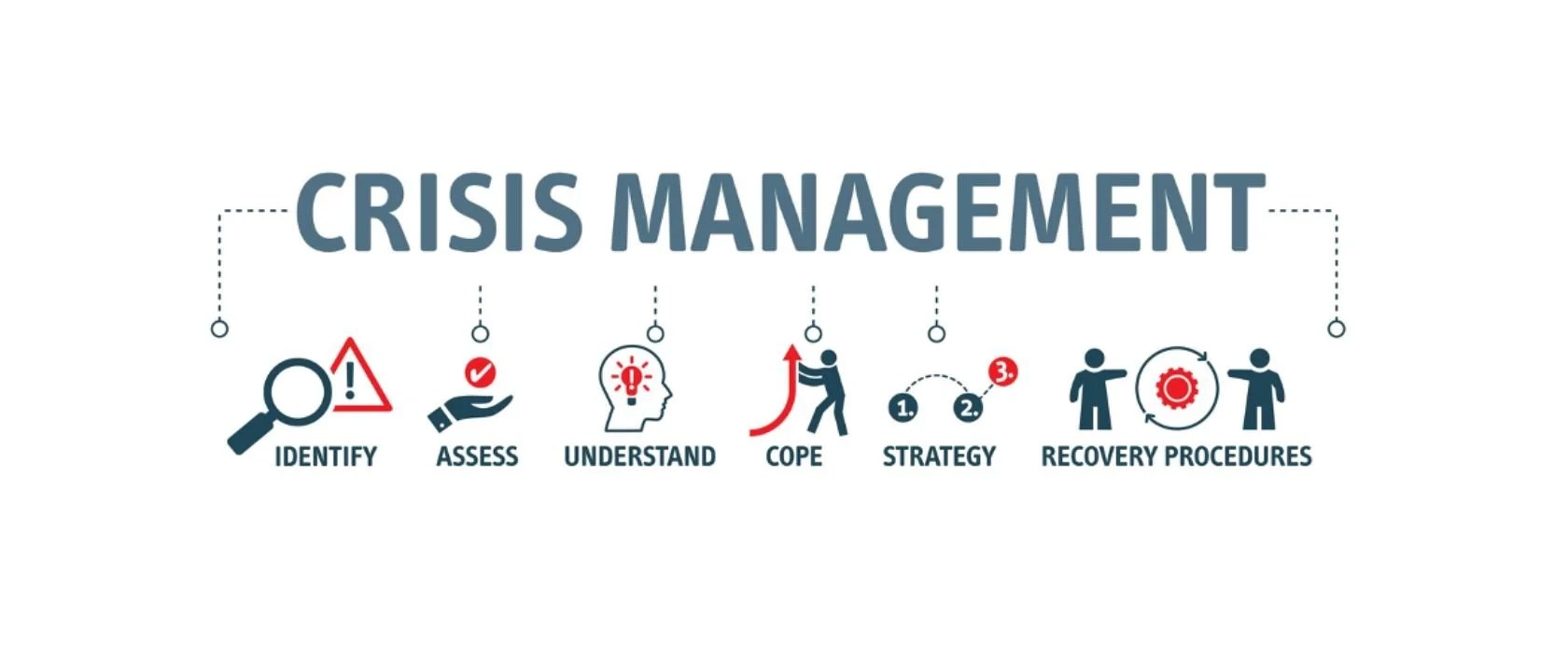
Healthcare is a field where crises are not hypothetical but expected realities. From pandemics and natural disasters to cyberattacks and sudden staff shortages, medical practices must be prepared to respond swiftly and effectively. Crisis management in medical practice refers to the structured approach of anticipating, preparing for, responding to, and recovering from disruptive events that threaten patient safety, organizational stability, or community trust.
🌐 Nature of Crises in Healthcare
Crises in medical practice can take many forms:
Public Health Emergencies: Outbreaks of infectious diseases, such as COVID-19, demand rapid adaptation of protocols and resources.
Operational Disruptions: Power outages, supply chain breakdowns, or IT failures can halt essential services.
Human Resource Challenges: Sudden staff shortages due to illness or burnout can compromise patient care.
Reputation and Legal Risks: Medical errors or breaches of patient confidentiality can escalate into crises requiring immediate management.
Each type of crisis requires tailored strategies, but all share the common need for preparedness and resilience.
🔑 Principles of Crisis Management
Effective crisis management in medical practice rests on several key principles:
Leadership and Decision-Making: Strong leadership is critical for making rapid, evidence-based decisions under pressure.
Communication: Transparent, timely communication with staff, patients, and external stakeholders reduces panic and builds trust.
Collaboration: Coordinating with hospitals, public health agencies, and community organizations strengthens response capacity.
Flexibility: Crises are unpredictable; adaptability in protocols and resource allocation is essential.
⚙️ Crisis Management Frameworks
Healthcare organizations often adopt structured frameworks:
Incident Command System (ICS): Provides a standardized hierarchy for managing emergencies.
Risk Assessment Models: Identify vulnerabilities and prioritize mitigation strategies.
Business Continuity Planning: Ensures essential services continue despite disruptions.
These frameworks help medical practices move from reactive responses to proactive resilience.
***
***
💡 Challenges in Crisis Management
Despite planning, medical practices face significant challenges:
Resource Limitations: Smaller practices may lack the financial or logistical capacity to implement robust crisis plans.
Staff Stress and Burnout: Crises often demand long hours and emotional resilience, which can strain healthcare workers.
Rapidly Changing Information: In public health emergencies, evolving guidelines can create confusion.
Patient Expectations: Maintaining quality care during disruptions is difficult but essential to preserve trust.
Addressing these challenges requires investment in training, mental health support, and technology infrastructure.
🌱 Importance of Resilience
Crisis management is not only about survival but about building resilience. Practices that learn from crises, adapt policies, and strengthen systems emerge stronger. For example, the COVID-19 pandemic accelerated telemedicine adoption, which continues to benefit patients today. Resilience ensures that medical practices can withstand future disruptions while continuing to deliver safe, effective care.
✅ Conclusion
Crisis management in medical practice is a vital competency that safeguards both patients and providers. By preparing for diverse scenarios, fostering strong leadership, and prioritizing communication, healthcare organizations can navigate crises with confidence. Ultimately, effective crisis management transforms challenges into opportunities for growth, innovation, and improved patient care.
SPEAKING: Dr. Marcinko will be speaking and lecturing, signing and opining, teaching and preaching, storming and performing at many locations throughout the USA this year! His tour of witty and serious pontifications may be scheduled on a planned or ad-hoc basis; for public or private meetings and gatherings; formally, informally, or over lunch or dinner. All medical societies, financial advisory firms or Broker-Dealers are encouraged to submit an RFP for speaking engagements: CONTACT: Ann Miller RN MHA at MarcinkoAdvisors@outlook.com
The singularity promises to revolutionize medicine by accelerating diagnostics, treatment, and longevity—but it also demands ethical vigilance and systemic transformation.
The concept of the technological singularity refers to a hypothetical future moment when artificial intelligence (AI) surpasses human intelligence, triggering exponential advances in technology. In medicine, this could mark a turning point where AI-driven systems outperform human clinicians in diagnosis, treatment planning, and even biomedical research. While the singularity remains speculative, its implications for healthcare are profound and multifaceted.
One of the most promising impacts is in diagnostics and precision medicine. AI systems trained on vast datasets of medical images, genetic profiles, and patient histories could detect diseases earlier and more accurately than human doctors. For example, algorithms already outperform radiologists in identifying certain cancers from imaging scans. As we approach the singularity, these systems may evolve into autonomous diagnostic agents capable of real-time analysis and personalized recommendations, tailored to each patient’s unique biology.
Another transformative area is drug discovery and development. Traditional pharmaceutical research is slow and costly, often taking over a decade to bring a new drug to market. AI could dramatically shorten this timeline by simulating molecular interactions, predicting therapeutic targets, and optimizing clinical trial designs. With superintelligent systems, the pace of innovation could accelerate to the point where treatments for currently incurable diseases—like Alzheimer’s or certain cancers—become feasible within months.
The singularity also opens doors to radical longevity and human enhancement. Advances in nanotechnology, genomics, and regenerative medicine may converge to extend human lifespan significantly. AI could help decode the aging process, identify biomarkers of cellular decline, and engineer interventions that slow or reverse it. Some theorists even envision a future where aging is treated as a curable condition, and mortality becomes a choice rather than a biological inevitability.
However, these breakthroughs come with serious ethical and societal challenges. Data privacy, algorithmic bias, and access inequality are critical concerns. If singularity-level AI is controlled by a few corporations or governments, it could exacerbate global health disparities. Moreover, the replacement of human clinicians with machines raises questions about empathy, trust, and accountability in care. Who is responsible when an AI makes a life-altering mistake?
To navigate this future responsibly, medicine must embrace interdisciplinary collaboration. Ethicists, technologists, clinicians, and policymakers must work together to ensure that AI systems are transparent, equitable, and aligned with human values. Regulatory frameworks must evolve to keep pace with innovation, and medical education must prepare practitioners to work alongside intelligent machines.
In conclusion, the singularity represents both a promise and a peril for medicine. It offers unprecedented opportunities to enhance human health, but also demands careful stewardship to avoid unintended consequences.
As we edge closer to this horizon, the challenge will be not just technological, but deeply human: to harness intelligence beyond our own in service of healing, compassion, and justice.
SPEAKING: Dr. Marcinko will be speaking and lecturing, signing and opining, teaching and preaching, storming and performing at many locations throughout the USA this year! His tour of witty and serious pontifications may be scheduled on a planned or ad-hoc basis; for public or private meetings and gatherings; formally, informally, or over lunch or dinner. All medical societies, financial advisory firms or Broker-Dealers are encouraged to submit a RFP for speaking engagements: MarcinkoAdvisors@outlook.com
Posted on November 7, 2025 by Dr. David Edward Marcinko MBA MEd CMP™
By Health Capital Consultants, LLC
***
***
An October 2025 Health Affairs study found that payment equity between facilities owned by hospitals, known as hospital outpatient departments (HOPDs), and independent outpatient facilities such as ambulatory surgery centers (ASCs), is still far from reality. Comparing payments for common procedures, researchers found commercial prices were 78% higher in HOPDs compared to ASCs, although payment differentials varied considerably.
This Health Capital Topics article reviews the article and potential policy implications. (Read more…)
Posted on November 3, 2025 by Dr. David Edward Marcinko MBA MEd CMP™
***
***
By Health Capital Consultants, LLC
On October 23, 2025, both Democratic and Republican lawmakers expressed support during a Senate Health, Education, Labor, and Pensions (HELP) Committee hearing for reforming the 340B Drug Discount Program. Although senators acknowledged that any reform would necessitate an intentional, considered approach to mitigate unintended consequences, the bipartisan agreement (particularly during a government shutdown deadlocked on healthcare) indicates that changes to the program may be on the horizon.
This Health Capital Topics article outlines the 340B program, discusses issues that have made the program controversial, and discusses potential reform options. (Read more…)
Posted on November 2, 2025 by Dr. David Edward Marcinko MBA MEd CMP™
By Health Capital Consultants, LLC
***
***
Since lawmakers failed to pass a bill to fund the federal government before the September 30, 2025 deadline, lawmakers have remained deadlocked over the spending bill. The deadlock is centered on the continuation of health insurance exchange subsidies, but the shutdown has broader implications on the healthcare industry.
This Health Capital Topics article provides an update on the continuing saga. (Read more…)
A paradox is a figure of speech that can seem silly or contradictory in form, yet it can still be true, or at least make sense in the context given. This is sometimes used to illustrate thoughts or statements that differ from traditional ideas. So, instead of taking a given statement literally, an individual must comprehend it from a different perspective. Using paradoxes in speeches and writings can also add wit and humor to one’s work, which serves as the perfect device to grab a reader or a listener’s attention.
But paradoxes can be quite difficult to explain by definition alone, which is why it is best to refer to a few examples to further your understanding.
A good paradox example is in the famous television show House. Here, Dr. House is a rude, selfish, and narcissistic character who alienates everyone around him, even his own colleagues. However, he is also a brilliant doctor who is committed to saving lives. Regardless of his mean exterior, Dr. House is a moral and compassionate man who cares about his patients. The paradox here is how the character strives to save people’s lives despite his ruthless personality and behavior.
Modern health care appears to be rich in contradictions, and it is claimed to be paradoxical in a number of ways. In particular health care is held to be a paradox itself: it is supposed to do good; but is also accused of doing harm.
The expression “first do no harm,” which is a Latin phrase, is not part of the original or modern versions of the Hippocratic Oath, which was originally written in Greek (“primum non nocere,” the Latin translation from the original Greek.)
The Hippocratic Oath, written in the 5th century BCE, does contain language suggesting that the physician and his assistants should not cause physical or moral harm to a patient.
The first known published version of “do no harm” dates to medical texts from the mid-19th century, and is attributed to the 17th century English physician Thomas Sydenham.
Difference between Paradox and Oxymoron
Most people tend to confuse a paradox with an oxymoron, and it’s not hard to see why. Most oxymoron examples appear to be compressed version of a paradox, in which it is used to add a dramatic effect and to emphasize contrasting thoughts. Although they may seem greatly similar in form, there are slight differences that set them apart.
A paradox consists of a statement with opposing definitions, while an oxymoron combines two contradictory terms to form a new meaning. But because an oxymoron can play out with just two words, it is often used to describe a given object or idea imaginatively. As for a paradox, the statement itself makes you question whether something is true or false. It appears to contradict the truth, but if given a closer look, the truth is there but is merely implied.
The Paradox in Medicine and Health Care
Dr. Bernard Brom [Editor: SA Journal of Natural Medicine] suggests modem medicine is riddled with paradoxes. Most doctors live with these paradoxes without being aware of the conflict of interest that these paradoxes represent. Intrinsic to a general understanding of science is the idea that science frees us from misunderstanding and guides us towards clear decision making.
Most veteran doctors with experience know that medical science still does not give definitive answers, that each individual is unique, that one can never be sure how a patient will respond to a particular drug, or what the outcome of a particular operation will be. Human beings are not machines and therefore do not respond according to Newtonian logic, and therefore a paradox in medicine is not surprising. Medicine is an art which uses scientific techniques and approaches. It is, however, important to face these paradoxes. It is both humbling and enlightening, enriching those who consider the implications deeply enough.
The Compensation versus Value Paradox
Regardless of specialty, degree designation or delivery model, private practice physician salary is traditionally inversely related to independent medical practice business value.
SPEAKING: Dr. Marcinko will be speaking and lecturing, signing and opining, teaching and preaching, storming and performing at many locations throughout the USA this year! His tour of witty and serious pontifications may be scheduled on a planned or ad-hoc basis; for public or private meetings and gatherings; formally, informally, or over lunch or dinner. All medical societies, financial advisory firms or Broker-Dealers are encouraged to submit an RFP for speaking engagements: CONTACT: Ann Miller RN MHA at MarcinkoAdvisors@outlook.com -OR-http://www.MarcinkoAssociates.com
Posted on October 28, 2025 by Dr. David Edward Marcinko MBA MEd CMP™
By Dr. David Edward Marcinko MBA MEd
***
***
In the evolving landscape of digital health care, Amazon Pharmacy and GoodRx have emerged as two leading platforms offering consumers affordable and convenient access to prescription medications. While both aim to simplify the process of obtaining prescriptions, they differ significantly in their approach, pricing models, and user experience.
Amazon Pharmacy, launched in 2020, is a full-service online pharmacy that allows customers to order medications directly through Amazon. It offers fast, free delivery for Prime members and integrates with most insurance plans. One of its standout features is RxPass, a subscription service available to Prime members for $5 per month, which covers unlimited eligible generic medications. This model is particularly attractive to individuals who take multiple generics regularly, as it can significantly reduce out-of-pocket costs.
In contrast, GoodRx, founded in 2011, operates primarily as a price comparison and discount platform. It does not dispense medications itself but partners with local and mail-order pharmacies to help users find the lowest prices. GoodRx provides coupons that can be used at thousands of pharmacies nationwide, often resulting in substantial savings—especially for those without insurance. It also offers GoodRx Gold, a paid membership that unlocks deeper discounts and telehealth services.
***
***
When comparing the two, pricing transparency is a key differentiator. GoodRx excels in showing users a range of prices across different pharmacies, empowering them to choose the most cost-effective option. Amazon Pharmacy, while competitive, typically offers fixed prices and focuses more on convenience and integration with its broader ecosystem.
Convenience is another area where Amazon Pharmacy shines. With its streamlined ordering process, automatic refills, and integration with Amazon’s delivery network, it appeals to users who prioritize ease and speed. GoodRx, while convenient in its own right, requires users to present coupons at the pharmacy or use mail-order services, which may involve more steps.
Insurance compatibility also varies. Amazon Pharmacy accepts most major insurance plans, making it a viable option for insured individuals. GoodRx, on the other hand, is often used by those without insurance or with high deductibles, as its discounts can sometimes beat insurance copays.
However, both platforms have limitations. Amazon Pharmacy’s RxPass is restricted to generic medications and excludes certain states due to regulatory issues. GoodRx’s discounts may not apply to all medications, and prices can fluctuate depending on location and pharmacy.
In terms of user experience, Amazon offers a seamless, tech-driven interface with customer support and medication management tools. GoodRx provides educational resources, price alerts, and a mobile app that helps users track savings and prescriptions.
Ultimately, the choice between Amazon Pharmacy and GoodRx depends on individual needs. For those seeking a one-stop solution with predictable costs and fast delivery, Amazon Pharmacy may be ideal. For users who want to shop around for the best deal or lack insurance, GoodRx offers unmatched flexibility and savings.
As digital health continues to grow, both platforms are reshaping how Americans access medications—making prescriptions more affordable, transparent, and accessible than ever before.
SPEAKING: Dr. Marcinko will be speaking and lecturing, signing and opining, teaching and preaching, storming and performing at many locations throughout the USA this year! His tour of witty and serious pontifications may be scheduled on a planned or ad-hoc basis; for public or private meetings and gatherings; formally, informally, or over lunch or dinner. All medical societies, financial advisory firms or Broker-Dealers are encouraged to submit an RFP for speaking engagements: CONTACT: Ann Miller RN MHA at MarcinkoAdvisors@outlook.com
Posted on October 25, 2025 by Dr. David Edward Marcinko MBA MEd CMP™
PODCAST: National Prescription Drug Take Back Day
October 25, 2025
By Dr. David Edward Marcinko MBA MEd
***
The National Prescription Drug Take Back Day aims to provide a safe, convenient, and responsible means of disposing of prescription drugs, while also educating the general public about the potential for abuse of medications.
Your thoughts and comments on this ME-P are appreciated. Feel free to review our top-left column, and top-right sidebar materials, links, URLs and related websites, too. Then, subscribe to the ME-P. It is fast, free and secure.
Speaker: If you need a moderator or speaker for an upcoming event, Dr. David E. Marcinko; MBA – Publisher-in-Chief of the Medical Executive-Post – is available for seminar or speaking engagements. Contact: MarcinkoAdvisors@msn.com
Posted on October 21, 2025 by Dr. David Edward Marcinko MBA MEd CMP™
DEFINITION
By Staff Reporters
***
***
Classic Definition: The Boomerang[ing] paradox is a feedback loop or cycle where events come back positively or negatively. It is an interconnection between people that looks like an ecosystem.
Modern Circumstance: When our thoughts and words energetically go out into the world, it has the same effect as the boomerang. It will go all the way out and come back around. That part of the creation model is our thinking and speaking. We’re unconscious and co-creating our reality. The Boomerang effect is everywhere: politics, business, relationships, economics, environment, marketing, psychology and healthcare, etc.
PSYCHOLOGY
Paradox Example: Research has found that teaching people and patients about psychological biases can help counteract biased behavior. On the other hand, due to the innate need for preservation of a positive self-image, it is likely that teaching people about biases they hold, may cause a boomerang paradoxical effect in cases where being associated with a specific bias implies negative social connotations
MEDICINE
Paradox Example: Recent examples of a boomerang paradoxical drug effects is withosteoporosis medications such as Actonel, Boniva and Fosamax. These all belong to a class of drugs called bisphosphonates. They are supposed to strengthen bones, but some doctors report that long-term use of these drugs may actually pose a risk of certain unusual fractures.
ECONOMICS
Paradox Example: A characteristic of advanced economies like Australia is continual growth in household income and plunging costs of electric appliances, resulting in rapid growth in peak demand. The power grid in turn requires substantial incremental generating and network capacity, which is utilized momentarily at best. The result is the Boomerang Paradox, in which the nation’s rising wealth has created the pre-conditions for fuel poverty.
***
The Medical Executive-Post is a news and information aggregator and social media professional network for medical and financial service professionals. Feel free to submit education content to the site as well as links, text posts, images, opinions and videos which are then voted up or down by other members. Comments and dialog are especially welcomed. Daily posts are organized by subject. ME-P administrators moderate the activity. Moderation may also conducted by community-specific moderators who are unpaid volunteers.
Posted on October 7, 2025 by Dr. David Edward Marcinko MBA MEd CMP™
By A. I.
***
***
A trio of scientists — two of them American and one Japanese — have won the Nobel Prize in Medicine for their discoveries concerning peripheral immune tolerance, a mechanism by which the body helps prevent itself from attacking its own tissues instead of foreign invaders.
Mary E. Brunkow, Fred Ramsdell and Shimon Sakaguchi will share the prize for discoveries that “launched the field of peripheral tolerance, spurring the development of medical treatments for cancer and autoimmune diseases,” the Nobel Assembly said in a news release. The trio will now share the prize money of 11 million Swedish kronor (nearly $1.2 million).
Classic: A pre-payment plan refers to health insurance plans that provide medical or hospital benefits in service rather than dollars, such as the plans offered by various Health Maintenance Organizations. A method providing in advance for the cost of predetermined benefits for a population group, through regular periodic payments in the form of premiums, dues, or contributions including those contributions that are made to a health and welfare fund by employers on behalf of their employees!
Modern: A Prepaid Group Practice Plan specifies health services are rendered by participating physicians to an enrolled group of persons, with a fixed periodic payment made in advance by (or on behalf of) each person or family. If a health insurance carrier is involved, a contract to pay in advance for the full range of health services to which the insured is entitled under the terms of the health insurance contract.
Examples:
Pre-Paid Hospital Service Plan: The common name for a health maintenance organization (HMO), a plan that provides comprehensive health care to its members, who pay a flat annual fee for services.
Pre-Paid Premium: An insurance or other premium payment paid prior to the due date. In insurance, payment by the insured of future premiums, through paying the present (discounted) value of the future premiums or having interest paid on the deposit.
Pre-Paid Prescription Plan: A drug reimbursement plan that is paid in advance.
A computer that could break the encryption that safeguards your private information on the internet. A machine that can design powerful new drugs by precisely simulating the behavior of individual molecules. A device that optimizes complex supply chains to help companies get the parts they need and assemble them in the most efficient way possible.
These are all examples of how an emerging technology — the quantum computer — could change our world.
These computers work by harnessing quantum physics — the strange, often counterintuitive laws that govern the universe at its smallest scales and coldest temperatures. Today’s quantum computers are rudimentary and error-prone. But if more advanced and robust versions can be made, they have the potential to rapidly crunch through certain problems that would take current computers years. That’s why governments, companies and research labs around the world are working feverishly toward this goal.
Quantum computers will not replace our familiar “classical” computers. Rather, the two types of machines could work together to solve problems that stymie classical computers, potentially supercharging scientific research in fields such as materials and drug discovery, giving a boost to industry and upending cybersecurity as we know it.
Posted on September 8, 2025 by Dr. David Edward Marcinko MBA MEd CMP™
Primary – Secondary – Tertiary Care
By A.I. and Staff Reporters
***
***
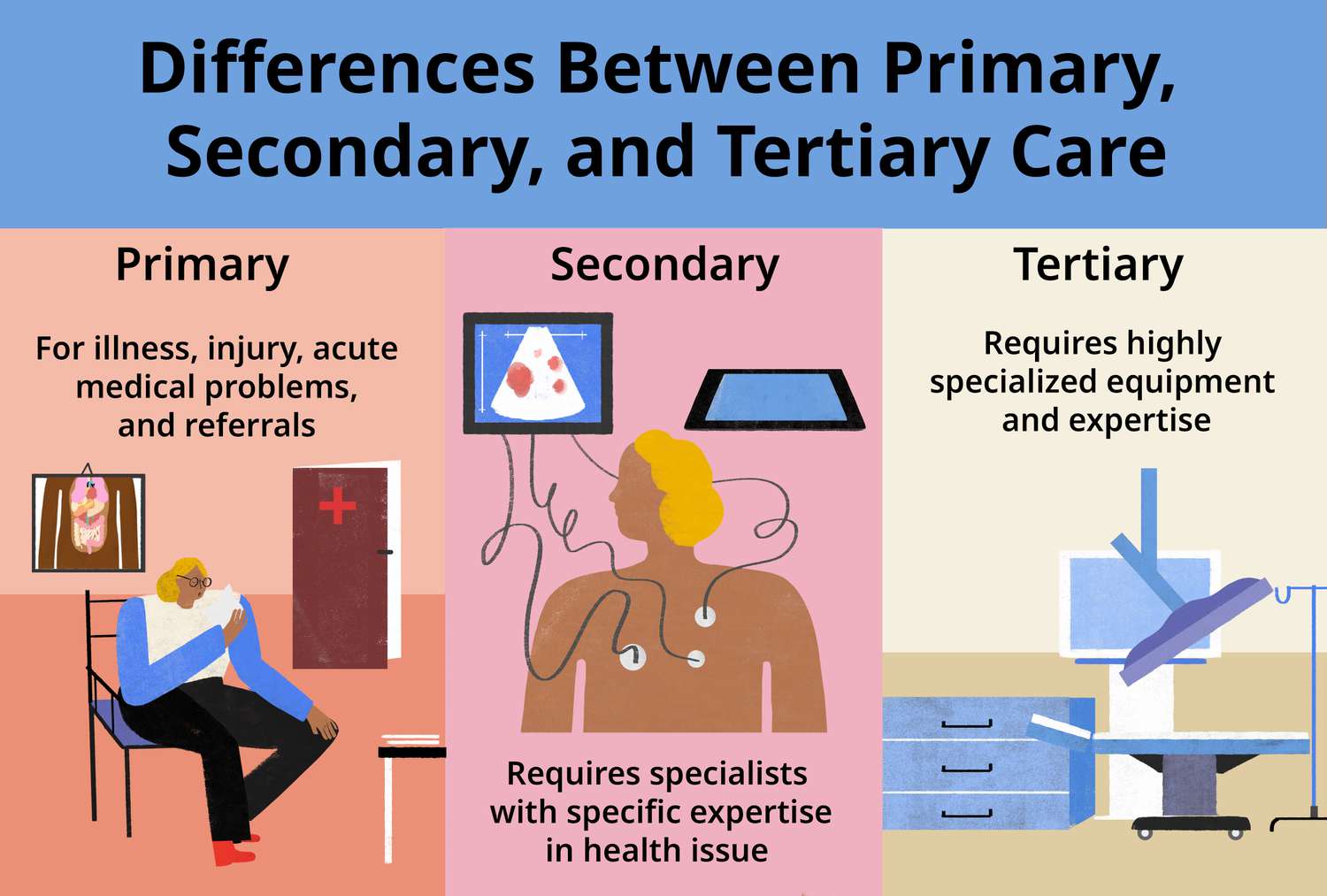
In medicine, there are four levels of care: primary, secondary, tertiary, and quaternary. The levels of care refer to the complexity of the medical cases that doctors and healthcare providers treat and the skills and specialties of the providers.
Primary care involves consulting with a primary care provider. Secondary care refers to seeing a specialist such as a dermatologist, neurologist or oncologist. Tertiary care is specialized care in a hospital setting such as brain surgery, renal dialysis or heart surgery.
Quaternary care is thus an advanced level of specialized care.
Classic: Sometimes used as an extension of tertiary medical and surgical care in reference to advanced levels of medicine which are highly specialized and not widely accessed by most patients.
Modern: A higher level of specialized care within a hospital. Experimental medicine and some types of uncommon diagnostic or surgical procedures are also considered quaternary care.
According to the Wonca International Dictionary for General/Family Practice -Quaternary Prevention [QP] – is defined as: ‘Action taken to identify patient at risk of over medicalization, to protect him/her from new medical invasion, and to suggest to him interventions, which are ethically acceptable’.
Examples: Types of quaternary care include: experimental medicine, procedures and uncommon and specialized surgeries. This includes sub-specialty services such as advanced trauma care and organ [heart, lung, liver, kidney, etc] transplantation.
Posted on September 2, 2025 by Dr. David Edward Marcinko MBA MEd CMP™
By Staff Reporters
***
***
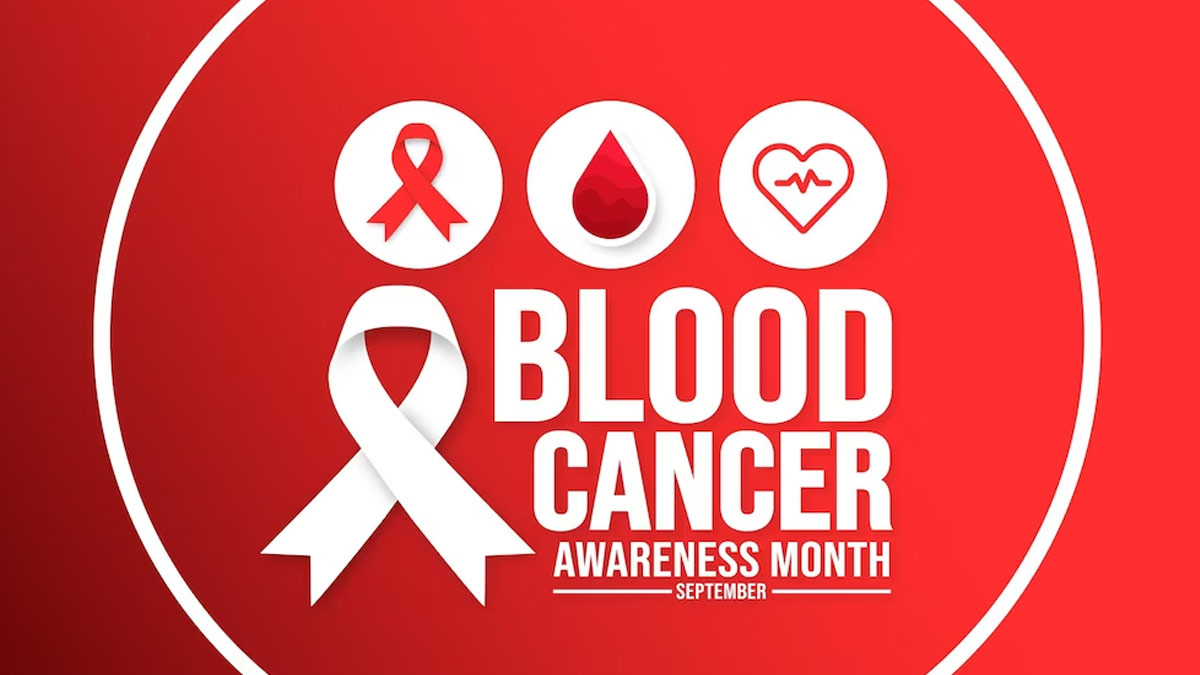
This September, along with survivors, caregivers, advocates, and healthcare professionals, HealthTree is commemorating Blood Cancer Awareness Month!
In this article, you’ll learn why this month receives special attention in the HealthTree community and what they will feature throughout September so you don’t miss a thing.
Posted on August 24, 2025 by Dr. David Edward Marcinko MBA MEd CMP™
By Dr. David Edward Marcinko MBA MEd
***
Dr. David Edward Marcinko with non-VIP patients
***
The House Committee on Oversight and Government Reform expanded its investigation of the cover-up of former President Joe Biden’s health, prostate cancer, and mental decline.
On June 4th, Chairman James Comer subpoenaed five former senior White House aides to appear for transcribed interviews in addition to Biden’s physician, Kevin O’Connor, M.D. In May, Biden revealed he was diagnosed with advanced prostate cancer. The announcement left the public dumbfounded.
At 82, having spent more than five decades as a president, vice president and senator, Biden had access to world-class medical care. Donald Trump Jr. was one of many political observers who speculated the diagnosis might have been covered up to win the 2020 election. And, Biden’s doctors may have followed standard medical guidelines, and the recommendations about screenings for people of different ages can be controversial, writes health care economist Devon Herrick at the Goodman Institute Health Care Blog.
“Experts often say that men are more apt to die with prostate cancer than from prostate cancer,” wrote Herrick. “There is even some disagreement about whether doctors should treat most occurrences of prostate cancer in older men. That partly explains why Biden had not been screened in a decade.”
Screenings can be costly, time-consuming and uncomfortable, and false positive results can lead to invasive procedures that do not markedly extend life or health. Biden made his first public remarks about his cancer after a Memorial Day event. Biden said he was “feeling good” and expected to “be able to beat this.”
QUESTION: So, was this a case of VIP Patient Paradox?
***
DEFINITION: “VIP medical patient paradox syndrome” is a term coined in 1964 by the psychiatrist Walter Weintraub to describe an intriguing paradox: Throughout history, the rich and famous, with all their resources and fancy doctors, have often received worse medical treatment, and suffered from worse health outcomes, than the average person.
Example: When physicians afford “special privileges” to their powerful patients, from “Mad King” George III to Michael Jackson, they seem to get sicker and even die.
While Weintraub, a psychoanalyst, attributed the problem in part to doctors unconsciously resenting their influential patients, it seems doctors simply get starstruck around famous people and high-ranking figures. Despite their medical expertise, these physicians find themselves opting out of basic tests for “privacy” or prescribing dangerous medications for “comfort.”
SPEAKING: Dr. Marcinko will be speaking and lecturing, signing and opining, teaching and preaching, storming and performing at many locations throughout the USA this year! His tour of witty and serious pontifications may be scheduled on a planned or ad-hoc basis; for public or private meetings and gatherings; formally, informally, or over lunch or dinner. All medical societies, financial advisory firms or Broker-Dealers are encouraged to submit an RFP for speaking engagements: CONTACT: Ann Miller RN MHA at MarcinkoAdvisors@outlook.com -OR-http://www.MarcinkoAssociates.com
Posted on August 16, 2025 by Dr. David Edward Marcinko MBA MEd CMP™
By A.I.
***
***
Stocks: The Dow climbed thanks to UnitedHealth and Warren Buffett while the rest of the market sank as the stock rally slowed. But, despite Friday’s decline, both the S&P 500 and NASDAQ wrapped up winning weeks.
Bonds: Both 10-year and 2-year Treasury yields continued to climb after Thursday’s PPI reading and Friday’s consumer confidence and retail sales data.
Commodities: All eyes were on Anchorage, Alaska as President Trump concluded talks with President Putin—discussions that will be crucial for crude’s future.
Doctors and dentists earn money by treating patients. CPAs and Attorneys have clients, and retail stores buy items low and sell them at higher prices. This is called a business model.
More formally, a business model identifies the products or services the business plans to sell, the target market, and any anticipated expenses, in order to outline how to generate a profit. Business models are important for both new and established businesses. They help companies attract investment, recruit talent, and motivate management and staff.
Businesses should regularly update their business model, or they’ll fail to anticipate trends and challenges ahead. Business models also help investors to evaluate companies that interest them and employees to understand the future of a company they may aspire to join.
***
The Business Model of Pharmacy Benefits Managers
In the United States, health insurance providers often hire a third party to handle price negotiations, insurance claims, and distribution of prescription drugs. Providers that use such pharmacy benefit managers include commercial health plans, self-insured employer plans, Medicare Part D [drug] plans, the Federal Employees Health Benefits Program, and state government employee plans. PBMs are designed to aggregate the collective buying power of en-rollees through their client health plans, enabling plan sponsors and individuals to obtain lower prices for their prescription drugs. PBMs negotiate price discounts from retail pharmacies, rebates from pharmaceutical manufacturers, and mail-service pharmacies which home-deliver prescriptions without consulting face-to-face with a pharmacist.
Pharmacy benefit management companies can make revenue in several ways.
First, they collect administrative and service fees from the original insurance plan.
Then, they can also collect rebates from the manufacturer.
Traditional PBMs do not disclose the negotiated net price of the prescription drugs, allowing them to resell drugs at a public list price (also known as a sticker price), which is higher than the net price they negotiate with the manufacturer. This practice is known as “spread pricing”. The industry argues that savings are trade secrets. Pharmacies and insurance companies are often prohibited by PBMs from discussing costs and reimbursements. This leads to lack of transparency.
***
***
Therefore, states are often unaware of how much money they lose due to spread pricing, and the extent to which drug rebates are passed on to en-rollees of Medicare plans. In response, states like Ohio, West Virginia, and Louisiana have taken action to regulate PBMs within their Medicaid programs.
For instance, they have created new contracts that require all discounts and rebates to be reported to the states. In return, Medicaid pays PBMs a flat administrative fee.
SPEAKING: Dr. Marcinko will be speaking and lecturing, signing and opining, teaching and preaching, storming and performing at many locations throughout the USA this year! His tour of witty and serious pontifications may be scheduled on a planned or ad-hoc basis; for public or private meetings and gatherings; formally, informally, or over lunch or dinner. All medical societies, financial advisory firms or Broker-Dealers are encouraged to submit an RFP for speaking engagements: CONTACT: Ann Miller RN MHA at MarcinkoAdvisors@outlook.com -OR-http://www.MarcinkoAssociates.com
An ophthalmologist is a physician [MD, DO] who undergoes sub-specialty training in medical and surgical eye care. Following a medical degree, a doctor specializing in ophthalmology must pursue additional postgraduate residency training specific to that field. In the United States, following graduation from medical school, one must complete a four-year residency in ophthalmology to become an ophthalmologist. Following residency, additional specialty training (or fellowship) may be sought in a particular aspect of eye pathology.
Ophthalmologists prescribe medications to treat ailments, such as eye diseases, implement laser therapy, and perform surgery when needed. Ophthalmologists provide both primary and specialty eye care—medical and surgical. Most ophthalmologists participate in academic research on eye diseases at some point in their training and many include research as part of their career. Ophthalmology has always been at the forefront of medical research with a long history of advancement and innovation in eye care.
Optometrist
Optometrists focus on regular vision care and primary health care for the eye. After college, they spend 4 years in a professional program and get a doctor of optometry degree. But they don’t go to medical school. Some optometrists get additional clinical training or complete a specialty fellowship after optometry school. They:
Monitor eye conditions related to diseases like diabetes
Manage and treat conditions like dry eye and glaucoma
Provide low-vision aids and vision therapy
There are specialties among optometrists. They include:
Pediatric optometry. These providers work with babies, toddlers, and children, using special techniques to test their vision.
Neuro-optometry. If you have vision problems that result from a brain injury, this is the type of optometrist you might visit.
Low-vision optometry. If you have low vision—that means you can’t see well enough to perform your daily activities and your sight can’t be corrected by glasses or contact lenses, medicine, or surgery—low-vision optometrists offer devices and strategies that can improve your quality of life.
***
***
Optician
An optician is an eye care specialist who helps you choose the right eyeglasses, contact lenses or other vision correction devices. They can’t diagnose or treat conditions that affect your eyes or vision. They’ll work with you to get the right corrective lenses after your optometrist or ophthalmologist gives you a prescription.
Ocularist
An ocularist is an eye care specialist who provides care for people needing prosthetic eyes due to injury, infection or congenital disease (present at birth). Losing or damaging an eye can be a traumatic experience, and the need for a prosthetic can be overwhelming. Ocularists offer long-term care. They collaborate with your healthcare team to create or restore a more natural facial appearance with the goal of enhancing your health-related quality of life.
Trump says pharma tariffs could be as high as 250%
The president revealed that he plans to formally announce tariffs on the pharmaceutical industry “within the next week or so” in an attempt to force drug manufacturing to the US, he told CNBC several days ago.
An acute care inpatient hospital is a health care organization or “anchor hospital” in which a patient is treated for an acute (immediate and severe) episode of illness or the subsequent treatment of injuries related to an accident or trauma, or during recovery from surgery. Specialized personnel using complex and sophisticated technical equipment and materials usually render acute professional care in a hospital setting. Unlike chronic care, acute care is often necessary for only a short time. Measures of acute health care utilization are represented by three separate rates:
Rate of admissions per 1000 patients.
Average length of stay per admission.
Total days of care per 1000 patients.
***
***
Psychiatric Hospital
A psychiatric hospital (behavioral health, mental hospital, or asylum) specializes in the treatment of patients with mental illness or drug-related illness or dependencies. Psychiatric wards differ only in that they are a unit of a larger hospital.
Specialty Hospital
A specialty hospital is a type of health care organization that has a limited focus to provide treatment for only certain illnesses such as cardiac care, orthopedic or plastic surgery, elder care, radiology / oncology services, neurological care, or pain management cases. These organizations are often owned by doctors who refer patients to them. In recent years, single-specialty hospitals have emerged in various locations in the United States. Instead of offering a full range of inpatient services, these hospitals focus on providing services relating to a single medical specialty or cluster of specialties.
Long-Term Care Hospital
A long-term care hospital is an entity that provides assistance and patient care for the activities of daily living (ADLs), including reminders and standby help for those with physical, mental, or emotional problems. This includes physical disability or other medical problems for 3 months or more (90 days). The criteria of five ADLs may also be used to determine the need for help with the following: meal preparation, shopping, light housework, money management, and telephoning. Other important considerations include taking medications, doing laundry, and getting around outside.
Rural Hospital
The parameters of a rural hospital are determined based on distance. A rural hospital is defined as a hospital serving a geographic area 10 or more miles from the nexus of a population center of 30,000 or more.
More specifically, a rural hospital means an entity characterized by one of the following:
Type A rural hospital—small and remote, has fewer than 50 beds, and is more than 30 miles from the nearest hospital
Type B rural hospital—small and rural, has fewer than 50 beds, and is 30 miles or less from the nearest hospital
Type C rural hospital—considered rural and has 50 or more beds
SPEAKING: Dr. Marcinko will be speaking and lecturing, signing and opining, teaching and preaching, storming and performing at many locations throughout the USA this year! His tour of witty and serious pontifications may be scheduled on a planned or ad-hoc basis; for public or private meetings and gatherings; formally, informally, or over lunch or dinner. All medical societies, financial advisory firms or Broker-Dealers are encouraged to submit an RFP for speaking engagements: CONTACT: Ann Miller RN MHA at MarcinkoAdvisors@outlook.com -OR-http://www.MarcinkoAssociates.com
Posted on July 31, 2025 by Dr. David Edward Marcinko MBA MEd CMP™
***
On July 14, 2025, the Centers for Medicare & Medicaid Services (CMS) released its proposed Medicare Physician Fee Schedule (MPFS) for calendar year (CY) 2026.
In addition to the agency’s suggested increase to physician payments, the proposed rule also announces a new payment model and more tele-health flexibilities.
According to CMS, the “proposed rule is one of several proposed rules that reflect a broader Administration-wide strategy to create a health care system that results in better quality, efficiency, empowerment, and innovation for all Medicare beneficiaries.” (Read more…)
Posted on July 27, 2025 by Dr. David Edward Marcinko MBA MEd CMP™
By A.I.
***
A decaying body at the University of Tennessee’s Anthropological Research Facility known as the The Body Farm in Knoxville, where up to 80 bodies at a time are studied as they decay in a variety of different scenarios. (Photo by David Howells/Corbis via Getty Images)
***
The term “body farm” refers to a type of outdoor research facility in which human remains are left to decompose in a variety of environmental conditions naturally. While some individuals may find the concept of a body farm unsettling, these facilities are very useful for forensic science research.
Body farms facilitate the hard (or sometimes outright impossible) research on the various stages of human decomposition, aiming to gain a deeper understanding of how the process can differ under various conditions. This new-found knowledge can then be utilized to assist forensic investigators in determining the time and cause of death and potentially even more information.
Body farms in the US include: California University of Pennsylvania, Sam Houston State University, Texas State University, University of Tennessee at Knoxville, and Western Carolina University.
Posted on July 26, 2025 by Dr. David Edward Marcinko MBA MEd CMP™
By Health Capital Consultants, LLC
***
***
On July 15, 2025, the Centers for Medicare & Medicaid Services (CMS) released the proposed rule for the Outpatient Prospective Payment System (OPPS) and Ambulatory Surgical Center (ASC) Payment System for calendar year (CY) 2026.
Among other items, the agency proposes increasing payments to all outpatient providers, eliminating the Inpatient Only (IPO) List, and changing quality reporting programs.
This Health Capital Topics article reviews the proposed updates and changes to outpatient reimbursement. (Read more…)
Posted on July 26, 2025 by Dr. David Edward Marcinko MBA MEd CMP™
MEDICAL EXECUTIVE-POST–TODAY’SNEWSLETTERBRIEFING
***
Essays, Opinions and Curated News in Health Economics, Investing, Business, Management and Financial Planning for Physician Entrepreneurs and their Savvy Advisors and Consultants
“Serving Almost One Million Doctors, Financial Advisors and Medical Management Consultants Daily“
A Partner of the Institute of Medical Business Advisors , Inc.
UnitedHealth confirmed it’s being investigated. The healthcare giant said in a securities filing that it’s cooperating with the Justice Department in civil and criminal investigations following recent reports from the Wall Street Journal that the DOJ was looking into the company’s Medicare billing practices. WSJ reported that UnitedHealth had added unnecessary diagnoses to Medicare patients’ records that increased payments. It’s the latest setback for a company that ousted its CEO in May after its stock price cratered.
Tesla arrested its latest decline and gained 3.52% on the news that it will roll out its new robotaxi program in San Francisco as soon as this weekend.
Deckers Outdoor, the maker of Hoka and Ugg shoes, soared 11.35% on the back of stronger-than-expected earnings thanks to impressive international sales.
Newmont climbed 6.89% after a quarter of surging gold prices helped propel the miner’s earnings to new heights.
Managed care provider Centene added 6.09% despite marked declines in its Medicaid and Medicare membership, as well as soaring costs.
BostonBeer rose 6.54% as shareholders raised a toast to management’s effort to keep tariff costs low.
What’s down
Intel fell 8.53% on the news that it’s cutting costs by laying off 15% of its workforce and scaling back its chip foundry plans.
Puma plummeted 15.67% after the European footwear company warned of the high cost of tariffs.
Charter Communications plunged 18.49% in its worst day of trading ever after reporting that it lost 117,000 broadband subscribers last quarter. It was so bad that other cable stocks like Comcast sank 4.78% and Altice lost 9.46%.
Lyft announced it’s rolling out new autonomous shuttles, but shares still fell 0.56% as shareholders realized it’s just trying to keep up with Uber.
Posted on July 25, 2025 by Dr. David Edward Marcinko MBA MEd CMP™
MEDICAL EXECUTIVE-POST–TODAY’SNEWSLETTERBRIEFING
***
Essays, Opinions and Curated News in Health Economics, Investing, Business, Management and Financial Planning for Physician Entrepreneurs and their Savvy Advisors and Consultants
“Serving Almost One Million Doctors, Financial Advisors and Medical Management Consultants Daily“
A Partner of the Institute of Medical Business Advisors , Inc.
Stat: $3+ million. That’s how much Medicare and Medicare Advantage drug plans have been ordered to pay for “inappropriately delaying or denying” services in the first four months of this year—more than the past four years combined, one analysis finds. (Healthcare Dive)
BloomEnergy popped 22.95% on the news that it made a deal with Oracle to provide the tech company’s AI data centers with power.
Enterprise software maker ServiceNow jumped 4.16% on management’s promise of more AI growth ahead.
West Pharmaceutical Services soared 22.78% on the news that demand for GLP-1 products remains strong.
What’s down
IBM dropped 7.62% despite beating analysts expectations on the top and bottom lines last quarter. Shareholders didn’t like to hear management warn of slowing software sales.
UnitedHealth Group fell 4.76% on reports that the health insurer is cooperating with the DOJ’s investigation into its Medicare billing practices.
Tough day for airlines: AmericanAirlines sank 9.62% after lowering its forward guidance, and SouthwestAirlines lost 11.16% after missing analyst earnings estimates.
Luxury goods maker LVMH sank 3.66% after sales fell 4% last quarter as the high-fashion industry gets hit with tariff turmoil.
UnionPacific fell 4.43% after it confirmed it’s in talks to acquire smaller rival NorfolkSouthern, which also lost 0.81%.
HoneywellInternational beat-and-raised earnings last quarter, but the stock still stumbled 6.18% lower.
Posted on July 24, 2025 by Dr. David Edward Marcinko MBA MEd CMP™
MEDICAL EXECUTIVE-POST–TODAY’SNEWSLETTERBRIEFING
***
Essays, Opinions and Curated News in Health Economics, Investing, Business, Management and Financial Planning for Physician Entrepreneurs and their Savvy Advisors and Consultants
“Serving Almost One Million Doctors, Financial Advisors and Medical Management Consultants Daily“
A Partner of the Institute of Medical Business Advisors , Inc.
Insurers selling plans on ACA exchanges are expected to hike premiums next year as subsidies on them are set to expire, with the average person expected to be paying 75% more, according to an analysis from the nonpartisan research group KFF.
Posted on July 19, 2025 by Dr. David Edward Marcinko MBA MEd CMP™
MEDICAL EXECUTIVE-POST–TODAY’SNEWSLETTERBRIEFING
***
Essays, Opinions and Curated News in Health Economics, Investing, Business, Management and Financial Planning for Physician Entrepreneurs and their Savvy Advisors and Consultants
“Serving Almost One Million Doctors, Financial Advisors and Medical Management Consultants Daily“
A Partner of the Institute of Medical Business Advisors , Inc.
“Crypto Week” got back on track after House GOP lawmakers convinced the holdouts in their party to help advance a series of crypto-friendly bills.
Crypto: Although bitcoin fell after the president signed the GENIUS Act into law, ether rose to its highest price in six months today, while enthusiasm for the new legislation pushed total crypto assets above $4 trillion.
Talen Energy soared 24.48% on the news that the independent energy producer is acquiring two new power plants.
InteractiveBrokers surged 7.77% after the broker increased the number of customer accounts by 32% last quarter as traders played market volatility.
Speaking of trading, CharlesSchwab gained 2.87% after opening more than 1 million new brokerage accounts last quarter gave it a 23% boost in trading revenue.
Burberry popped 4.42% thanks to a turnaround in the luxury goods maker’s business, including a 4% increase in American sales last quarter.
Quantumscape continued to climb yet again, rising another 7.65% as investors pour money into the battery maker.
Invesco jumped 15.28% on reports that the asset manager is asking shareholders of its popular QQQ fund to let it revamp its fund structure to increase fee revenue.
Crypto companies continued to have a great week as key legislation passed its final barrier in Congress. Coinbase climbed 2.2%, RobinhoodMarkets rose 4.07%, and GalaxyDigital gained 4.19%.
What’s down stocks
Netflix fell 5.1% after the streaming giant reported a strong quarter but warned that its operating margin will take a hit in the second half of the year.
Sarepta Therapeutics plunged 35.94% after the biotech reported a third patient death during its Phase 1 study of its new gene therapy.
AmericanExpress sank 2.35% despite a strong quarter of spending among cardholders that helped the credit card company notch record quarterly revenue.
Posted on July 17, 2025 by Dr. David Edward Marcinko MBA MEd CMP™
MEDICAL EXECUTIVE-POST–TODAY’SNEWSLETTERBRIEFING
***
Essays, Opinions and Curated News in Health Economics, Investing, Business, Management and Financial Planning for Physician Entrepreneurs and their Savvy Advisors and Consultants
“Serving Almost One Million Doctors, Financial Advisors and Medical Management Consultants Daily“
A Partner of the Institute of Medical Business Advisors , Inc.
US measles cases have reached a 33-year high. A little more than halfway into 2025, the US has reported 1,288 measles cases, marking the highest yearly total since 1992, according to data from the Centers for Disease Control and Prevention.
VC powerhouse and diehard Tolkien fan Peter Thiel revealed he’s taken a 9% stake in bitcoin miner BitMine Immersion Technologies. Shares popped 12.11%, while fellow miners that have also recently invested in ether soared in tandem: SharpLinkGaming added 29.03%, and BitDigital gained 19.45%.
In fact, most crypto stocks had a good day thanks to renewed optimism that Crypto Week isn’t over in Congress. MicroStrategy climbed 3.07% and MARAHoldings jumped 3.62%.
Johnson & Johnson rose 6.19% after the consumer goods giant reported impressive earnings last quarter and raised its forward guidance.
BrightHouseFinancial popped 6.23% on reports that the insurer may be bought by private equity firm Aquarian Holdings.
Tesla gained 3.50% after the EV maker revealed the new six-seat Model Y it will begin selling in China this fall.
What’s down
ASML dropped 8.33% after the chipmaker warned that growth might be completely flat next year.
Ford fell 2.85% on the news that the automaker is recalling nearly 700,000 crossover SUVs due to fuel leaks.
GrabAGun Digital Holdings, the online gun seller backed by Donald Trump, Jr., made its market debut today. Investor reception was scathing, and the stock slid 24.19%.
Though Medicaid cuts in the Trump administration’s budget bill shocked hospitals, providers may start singing its praises after learning they’re due for a pay bump next year. On Monday, the Centers for Medicare and Medicaid Services (CMS) shared its proposed 2026 physician fee schedule, which determines Medicare payments based on the amount of resources in provider services like office visits, hospice, diagnostic testing, ambulance care, and more.
Posted on July 15, 2025 by Dr. David Edward Marcinko MBA MEd CMP™
MEDICAL EXECUTIVE-POST–TODAY’SNEWSLETTERBRIEFING
***
Essays, Opinions and Curated News in Health Economics, Investing, Business, Management and Financial Planning for Physician Entrepreneurs and their Savvy Advisors and Consultants
“Serving Almost One Million Doctors, Financial Advisors and Medical Management Consultants Daily“
A Partner of the Institute of Medical Business Advisors , Inc.
Drug and medical device companies paid at least $13.2 billion to medical professionals in 2024, according to CMS data released June 30th. There’s been steady growth in these payments over the last few years, which include everything from research payments to free meals to promotional or conference fees. Drug and medical device companies paid out $13.1 billion in 2023, $13.1 in 2022, and $12.6 in 2021. If you’re a medical provider, you’ve probably gotten one of those perks from a drug or medical device company and thought it wouldn’t affect your decision-making.
But research suggests physicians are more likely to prescribe drugs from companies that pay them, with some studies specifically associating this with drugs that are costlier to patients. “Really well-trained people who affirm an oath to do no harm can be influenced, and are,” Neil Jay Sehgal, associate professor of health systems and population health at the University of Washington School of Public Health, told Healthcare Brew.
Bitcoin is booming, and crypto stocks climbed along with it. MicroStrategy rose 3.86%, RobinhoodMarkets added 1.67%. and Coinbase gained 1.80%.
Boeing rose 1.64% on preliminary reports that investigators have found no evidence of malfunction in the plane that crashed in India last month. Engine-maker GEAerospace also gained 2.71%.
Warner Bros Discovery climbed 2.39% thanks to a strong opening weekend for the new Superman movie.
Autodesk popped 5.05% on the news that it is not pursuing an acquisition of rival software maker PTC. PTC fell 1.25%.
Kenvue, the company behind Band Aids and Listerine, gained 2.18% after kicking its CEO to the curb.
PayPal climbed 3.55% despite the news that JPMorgan will start charging the fintech fees for access to customer data.
Stocks Down
Starbucks sank 1.60% on news that employees will have to return to the office four days a week. Shareholders were also unimpressed with the coffee giant’s new secret menu.
Synopsys stumbled 1.74% after getting regulatory approval from Chinese authorities to acquire software designer Ansys for $35 billion. Ansys rose 3.03% on the news.
Waters plunged 13.81% on the news that it will merge with Becton Dickinson’s bioscience and diagnostic solutions business in a $17.5 billion deal.
RivianAutomotive lost 2.15% thanks to a downgrade from Guggenheim analysts, who forecast soft sales for the automaker’s latest models.
The terms “psychologist” and “psychiatrist” are often used interchangeably to describe anyone who provides therapy services, but the two professions and the services they provide differ in terms of content and scope. A major difference between the two types of experts is that psychiatrists can prescribe medication [Rx].
As physicians [MD/DO] psychiatrists are trained to recognize the ways biological processes affect mental functioning.
Psychologists are oriented to how thoughts, feelings, and social factors influence mental functioning.
PSYCHIATRIST
Psychiatrists are medical or osteopathic doctors who are able to prescribe psychotropic medications, which they do in conjunction with providing psychotherapy though medical and pharmacological interventions are often their focus.
PSYCHOLOGIST
Though many psychologists hold doctorate degrees, they are not medical doctors, and most cannot prescribe medications. Rather, they solely provide psycho-therapy, which may involve cognitive and behavioral interventions, psycho-dynamic or psycho-analytic approaches.
NOTEPROTECTED TITLE: The title of “psychologist” can only be used by an individual who has completed the required education, training, and state license requirements. Informal titles, such as “counselor” or “therapist,” are often used as well. Other mental health care professionals, such as licensed social workers, can claim those titles, but not the title of “psychologist.”
Posted on July 12, 2025 by Dr. David Edward Marcinko MBA MEd CMP™
MEDICAL EXECUTIVE-POST–TODAY’SNEWSLETTERBRIEFING
***
Essays, Opinions and Curated News in Health Economics, Investing, Business, Management and Financial Planning for Physician Entrepreneurs and their Savvy Advisors and Consultants
“Serving Almost One Million Doctors, Financial Advisors and Medical Management Consultants Daily“
A Partner of the Institute of Medical Business Advisors , Inc.
CVS has threatened to close 23 pharmacies in Arkansas after the state passed a law banning companies that own pharmacy benefit managers (PBMs) from also operating pharmacies starting in 2026.
Kraft Heinz jumped 2.53% following a WSJ report it was preparing to break itself up (but not back to Kraft and Heinz).
Companies in the drone sector rose after the Pentagon introduced measures to supercharge production and deployment. Red Cat rose 26.40%, AeroVironment 11.04%, and Kratos Defense & Security Solutions 11.76%.
Performance Food Group jumped 4.84% to a record after reportedly being eyed by US Foods Holding for a takeover. A combined company would become the top foodservice distributor in the US with combined sales of ~$100 billion.
AMC Entertainment popped 11% on an upgrade from Wedbush. It’s tired of IMAX hogging the Brew Markets spotlight…
What’s down stocks
Delta (-0.23%) and United (-4.34%) took a breather after their big celebration on Thursday post-Delta earnings.
Penn Entertainment got hit 7.62% when gaming revenue for Iowa and Indiana came in soft.
Sunrun’s up-and-down week ended…down, with the solar stock falling 7%.
Posted on July 11, 2025 by Dr. David Edward Marcinko MBA MEd CMP™
MEDICAL EXECUTIVE-POST–TODAY’SNEWSLETTERBRIEFING
***
Essays, Opinions and Curated News in Health Economics, Investing, Business, Management and Financial Planning for Physician Entrepreneurs and their Savvy Advisors and Consultants
“Serving Almost One Million Doctors, Financial Advisors and Medical Management Consultants Daily“
A Partner of the Institute of Medical Business Advisors , Inc.
US measles cases have reached a 33-year high. A little more than halfway into 2025, the US has reported 1,288 measles cases, marking the highest yearly total since 1992, according to data from the Centers for Disease Control and Prevention.
Cereal legend WK Kellogg popped 30.57% after chocolate giant Ferrero agreed to acquire it for north of $3 billion.
Tesla (+4.73%) continued to rebound from its plunge on Monday. Elon Musk said that Tesla’s robotaxi service would expand into the Bay Area “probably in a month or two” and that his AI chatbot Grok is coming to Tesla vehicles by next week.
Estée Lauder gained 6.32% after Bank of America slapped a buy rating on the stock, implying a 27% upside from Wednesday’s closing price.
ProKidney continued its remarkable rally, rising another 19.35%, after the biotech announced positive trial results for its diabetes treatment. It’s gone from a penny stock to a $1.55 billion market cap in the past four days.
Copper companies Freeport-McMoRan (+3.51%) and Southern Copper (+2.34%) gained thanks to Trump’s announcement that copper tariffs would begin on August 1.
Stocks down
Biotech partners Ultragenyx (-25.11%) and Mereo BioPharma Group (-42.52%) plunged after issuing a disappointing update on their trial of a treatment for a rare genetic bone condition.
Vertiv, the maker of liquid cooling equipment,declined 5.96% when Amazon said it was rolling out a new liquid cooling system for its AI servers.
Hydro Flask owner Helen of Troy tumbled 22.71% after reporting a $450 million loss in its fiscal first quarter. CEO Brian Grass said “tariff-related impacts” were its Achilles heel.
Autodesk fell 6.89% after Bloomberg reported on Wednesday it was weighing a takeover of rival engineering software company PTC.
Posted on July 10, 2025 by Dr. David Edward Marcinko MBA MEd CMP™
MEDICAL EXECUTIVE-POST–TODAY’SNEWSLETTERBRIEFING
***
Essays, Opinions and Curated News in Health Economics, Investing, Business, Management and Financial Planning for Physician Entrepreneurs and their Savvy Advisors and Consultants
“Serving Almost One Million Doctors, Financial Advisors and Medical Management Consultants Daily“
A Partner of the Institute of Medical Business Advisors , Inc.
Hims & Hers Health gained 4.62% after announcing it will sell generic semaglutide in Canada when Novo Nordisk’s patent for Ozempic and Wegovy expires in January.
Merck shareholders applauded its move to buy respiratory drugmaker Verona Pharma for $10 billion, sending its stock up 2.88%.
Rhythm Pharmaceuticals popped 36.63% thanks to a promising new trial for its oral obesity treatment.
AES, a renewable power company that counts Microsoft among its clients, jumped 19.87% after Bloomberg reported it was considering a sale.
Fashion names Ralph Lauren (+2.10%) and Coach owner Tapestry (+3.31%) hit record highs.
Stocks down
WPP cut its guidance and watched its stock fall 18.11% as a result. The ad giant is dealing with a laundry list of challenges, from AI disrupting the industry to clients spending less to finding a new CEO.
Medical device maker RxSight plunged 37.84% after slashing its full-year revenue forecast.
T-Mobile ticked 1.55% lower after getting a downgrade from KeyBanc, which said its weakness in fiber internet would prevent it from catching up to rival AT&T.
Mobileye, which makes self-driving tech and was spun out of Intel, fell 7.08% when Intel said it was selling 45 million shares.
Posted on July 9, 2025 by Dr. David Edward Marcinko MBA MEd CMP™
By A.I.
BREAKING NEWS!
***
***
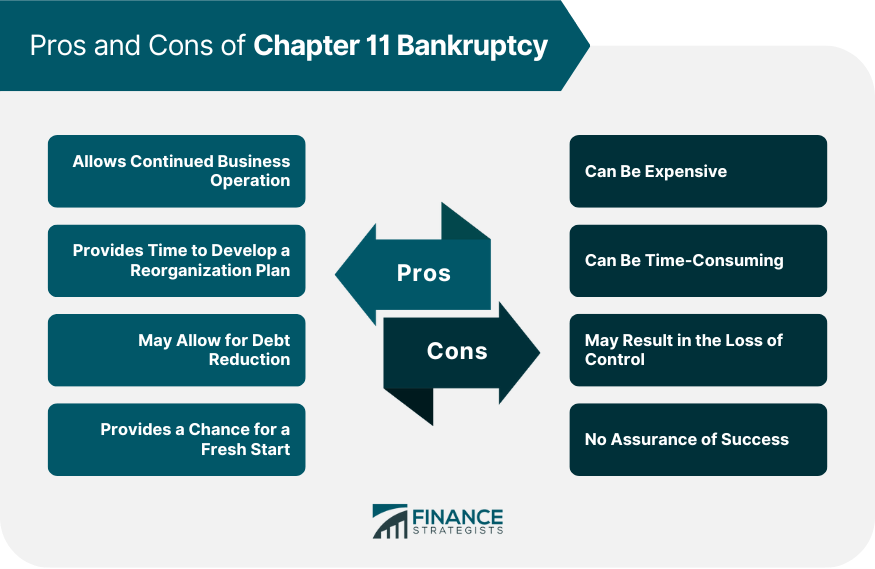
The Villages Health System, LLC, a health care provider operating in The Villages, Florida, filed for Chapter 11 bankruptcy protection on July 3rd, 2025, in the United States Bankruptcy Court for the Middle District of Florida.
“The bankruptcy petition indicates significant financial challenges, with assets estimated between $50 million and $100 million and liabilities between $100 million and $500 million. The United States of America is listed as the largest creditor with a contingent, unliquidated claim of approximately $361 million. The filing indicates that funds will be available for distribution to unsecured creditors,”
Posted on July 9, 2025 by Dr. David Edward Marcinko MBA MEd CMP™
MEDICAL EXECUTIVE-POST–TODAY’SNEWSLETTERBRIEFING
***
Essays, Opinions and Curated News in Health Economics, Investing, Business, Management and Financial Planning for Physician Entrepreneurs and their Savvy Advisors and Consultants
“Serving Almost One Million Doctors, Financial Advisors and Medical Management Consultants Daily“
A Partner of the Institute of Medical Business Advisors , Inc.
Record VC investments for women’s health: Venture-backed women’s health startups experienced unprecedented investment last year, according to a new SVB report. The report examines the factors driving such record-breaking funding—like growing recognition of how various health conditions affect women differently and disproportionately, plus the causes and biological drivers behind this imbalance. Read it here.
Stocks: Investors mostly yawned and the major indexes held steady a day after President Trump reignited his trade war by announcing higher tariffs would go into effect on 14 countries starting August 1st. Wall Street banks don’t seem concerned either, as Goldman Sachs and Bank of America became the latest strategists to raise their year-end target for the S&P 500.
Commodities: Copper futures popped as much as 17% to a new record, the largest intra-day gain since at least 1988, after Trump said he plans to place a 50% tariff on copper imports.
Posted on July 8, 2025 by Dr. David Edward Marcinko MBA MEd CMP™
MEDICAL EXECUTIVE-POST–TODAY’SNEWSLETTERBRIEFING
***
Essays, Opinions and Curated News in Health Economics, Investing, Business, Management and Financial Planning for Physician Entrepreneurs and their Savvy Advisors and Consultants
“Serving Almost One Million Doctors, Financial Advisors and Medical Management Consultants Daily“
A Partner of the Institute of Medical Business Advisors , Inc.
The FBI has uncovered $14.6 billion worth of fraudulent claims submitted to Medicare, Medicaid and other government health care programs, the agency said on Monday in conjunction with the Department of Justice (DOJ). The investigation resulted in 324 defendants being charged, including 96 medical professionals.
Now, the DOJ, FBI and HHS say they are collaborating to create a health care data fusion center that will help them identify, investigate and prosecute health care fraud.
And yesterday, the entities announced a DOJ-HHS False Claims Act Working Group, in which HHS will refer potential False Claims Act violations to the DOJ. Read more about the working group, its members and its goals here.
Stocks: US equities tumbled from record highs, dragged down by megacaps, as President Trump reignited the dormant trade war with fresh tariff warnings against major trading partners (more on that in a sec). Meanwhile, the dollar bounced 0.5% against a basket of other currencies.
Commodities: Oil gained despite OPEC+ deciding to raise crude production by 548,000 barrels per day beginning in August, a larger-than-expected increase. Ultimately, Wall Street analysts expect oil futures to drop below $60 a barrel by the end of the year due to the increase in production.
Posted on July 6, 2025 by Dr. David Edward Marcinko MBA MEd CMP™
By Health Capital Consultants LLC
***
***
On June 9th, 2025, Oregon’s governor signed into law the country’s strictest corporate practice of medicine (CPOM) prohibition. Senate Bill (SB) 951 will severely curtail the involvement of private equity firms and other corporations in the state’s medical practices.
This Health Capital Topics reviews the bill and discusses the implications on the healthcare industry. (Read more…)
One Big Beautiful Bill Act (OBBBA; OBBB; BBB), or the Big Beautiful Bill, is a budget reconciliation bill in the 119th US Congress.
Hospitals are not happy with the health care provisions of the bill, which would reduce the support they receive from states to care for Medicaid enrollees and leave them with more uncompensated care costs for treating uninsured patients.
“The real-life consequences of these nearly $1 trillion in Medicaid cuts – the largest ever proposed by Congress – will result in irreparable harm to our health care system, reducing access to care for all Americans and severely undermining the ability of hospitals and health systems to care for our most vulnerable patients,” said Rick Pollack, CEO of the American Hospital Association.
The association said it is “deeply disappointed” with the bill, even though it contains a $50 billion fund to help rural hospitals contend with the Medicaid cuts, which hospitals say is not nearly enough to make up for the shortfall.
Posted on July 4, 2025 by Dr. David Edward Marcinko MBA MEd CMP™
MEDICAL EXECUTIVE-POST–TODAY’SNEWSLETTERBRIEFING
***
Essays, Opinions and Curated News in Health Economics, Investing, Business, Management and Financial Planning for Physician Entrepreneurs and their Savvy Advisors and Consultants
“Serving Almost One Million Doctors, Financial Advisors and Medical Management Consultants Daily“
A Partner of the Institute of Medical Business Advisors , Inc.
OpenAI is giving its employees a mandatory week long vacation to stave off a poaching spree launched by Meta.
Microsoft announced another round of layoffs—its largest in years—expected to impact thousands of workers across Xbox and other divisions, including 830 from its Redmond, Washington, HQ.
The S&P 500 and NASDAQ Composite tallied fresh record closing highs on Thursday, buoyed by a stronger-than-expected jobs report that helped dampen expectations for a Federal Reserve interest-rate cut in July. But after lagging their trendier rivals earlier in the year, the Russell 2000 and Dow Jones Industrial Average are finally starting to play catch up. On Thursday, the Russell 2000 turned positive for 2025 for the first time since February, as a rally that started in June has accelerated in July.
Many investors have been waiting patiently for small-cap stocks to break out. But aside from a few false starts over the past two years, they have mostly continued to lag their large-cap rivals. However, some investors believe things could finally be changing.
A team of strategists at Barclays pointed out on Wednesday that a proposed increase to interest-expense tax deductions in President Trump’s budget bill could boost small-cap companies’ earnings by double digits, due to their higher interest burdens. “This market broadening out is a heathy sign,” said Craig Johnson, chief market technician at Piper Sandler, during an interview with MarketWatch on Thursday. More small-cap participation inevitably means investors are developing more of a taste for stocks beyond information technology, which powered much of the market’s gains in 2023 and 2024.
Posted on July 3, 2025 by Dr. David Edward Marcinko MBA MEd CMP™
MEDICAL EXECUTIVE-POST–TODAY’SNEWSLETTERBRIEFING
***
Essays, Opinions and Curated News in Health Economics, Investing, Business, Management and Financial Planning for Physician Entrepreneurs and their Savvy Advisors and Consultants
“Serving Almost One Million Doctors, Financial Advisors and Medical Management Consultants Daily“
A Partner of the Institute of Medical Business Advisors , Inc.
When it comes to scientific achievements that have advanced the practice of medicine, you’d be hard-pressed to find one more influential than the Human Genome Project. The project, a federally funded collaboration between scientists around the globe, began in October 1990 with the goal of improving our knowledge of human biology by sequencing an entire human genome, which is the complete set of DNA in a cell. Nearly 13 years and $2.7 billion later, the project wrapped up in April 2003, and scientists around the world now use the reference human genome to study genetics, biology, and more. Today, the entire human genome can be sequenced in as little as five hours and costs as little as $600. Learn more about the Human Genome Project’s impact here.
Jack in the Box popped like a…well, you know…after activist investor Biglari Capital reportedly accrued a 10% stake in the fast-food company. Shares rose 7.86%.
RobinhoodMarkets climbed 6.12% on speculation that it may be added to the S&P 500 to fill the spot left by Juniper Networks.
RigettiComputing rose 15.45% after Cantor Fitzgerald analysts initiated their coverage of the quantum computing company with an “overweight” rating.
VerintSystems jumped 15.33% on reports that the customer service software maker may be acquired by Thoma Bravo.
Corona parent company ConstellationBrands gained 4.48% after it reiterated its fiscal guidance, assuring shareholders that aluminum tariffs will only cost the company about $20 million.
Crypto companies gained across the board after bitcoin miner BitMineImmersionTechnologies announced it’s pivoting to ethereum. BitMine rose 21.17%, MARAHoldings gained 13.38%, and CleanSpark climbed 12.64%.
What’s down
Centene plunged 40.37% after the health insurer rescinded its fiscal 2025 guidance, warning that EPS will come in lower than anticipated.
Centene’s news pulled the rest of the health insurance industry down with it. UnitedHealth Group lost 5.70%, CVSHealth fell 4.28%, Elevance Health stumbled 11.50%, and MolinaHealthcare dropped 21.97%.
ParamountGlobal sank 2.43% after the company settled its 60 Minutes lawsuit with President Trump for $16 million.
MarvellTechnology slipped 2.61% on reports that Microsoft is cutting back on manufacturing AI chips in-house.
Intel lost 4.25% on the news that it may be shifting the strategy behind its foundry business.
Posted on July 1, 2025 by Dr. David Edward Marcinko MBA MEd CMP™
MEDICAL EXECUTIVE-POST–TODAY’SNEWSLETTERBRIEFING
***
Essays, Opinions and Curated News in Health Economics, Investing, Business, Management and Financial Planning for Physician Entrepreneurs and their Savvy Advisors and Consultants
“Serving Almost One Million Doctors, Financial Advisors and Medical Management Consultants Daily“
A Partner of the Institute of Medical Business Advisors , Inc.
Building products distributor GMS soared 11.73% on the news that Home Depot will acquire the company for $4.3 billion. Home Depot fell 0.50%.
Moderna climbed 1.58% after reporting positive late-stage trial results for its experimental flu vaccine.
Palantir rose 4.27% after announcing that Accenture will help federal government clients implement the defense tech company’s AI offerings. Accenture rose 1.16% as well.
JobyAviation flew 11.76% higher after the eVTOL company delivered its first flying taxi to the UAE.
Oracle jumped 3.99% thanks to regulatory filings that revealed a new $30 billion annual cloud deal that should prop up its finances quite nicely.
HewlettPackard Enterprise popped 11.08% after the Department of Justice settled its lawsuit with the server maker, clearing the way for it to acquire JuniperNetworks for $14 billion. Juniper jumped 8.45% on the news.
RobinhoodMarkets rose 12.77% as the trading app makes a big international push with tokenized equities for European investors.
What’s down
Tesla tumbled 1.84% on the news that the Senate version of the tax bill will end credits for EV purchases after September. Elon Musk was not pleased.
Gotta pay for that wedding somehow: Amazon sank 1.75% after founder Jeff Bezos announced he’s selling $5.4 billion worth of shares.
Boeing’s financial outlook was upgraded to “stable” by Fitch, but the stock still fell 2.32% on news that its acquisition of Spirit Aerosystems faces antitrust scrutiny in the UK.
Posted on June 30, 2025 by Dr. David Edward Marcinko MBA MEd CMP™
By Health Capital Consultants; LLC
***
***
On May 22, 2025, the U.S. House of Representatives moved President Trump’s budget proposal forward, sending to the Senate a budget reconciliation bill (with a one-vote margin) – the One Big Beautiful Bill Act of 2025 – that renews expiring tax cuts and enacts new ones at a cost of almost $4 trillion. These costs would largely be paid for by cuts to other programs, including to federal healthcare programs, which cuts will have significant ramifications for the healthcare industry.
This Health Capital Topics article reviews the current status of the budget bill and healthcare industry implications. (Read more…)
Posted on June 28, 2025 by Dr. David Edward Marcinko MBA MEd CMP™
MEDICAL EXECUTIVE-POST–TODAY’SNEWSLETTERBRIEFING
***
Essays, Opinions and Curated News in Health Economics, Investing, Business, Management and Financial Planning for Physician Entrepreneurs and their Savvy Advisors and Consultants
“Serving Almost One Million Doctors, Financial Advisors and Medical Management Consultants Daily“
A Partner of the Institute of Medical Business Advisors , Inc.
A June 11th report from global professional services firm Alvarez & Marsal (A&M) predicts that more beneficiaries might soon ditch insurance coverage for options like short-term, limited duration plans or healthcare sharing ministries (HCSMs), which aren’t regulated like health insurance and aren’t required to comply with ACA protections like covering maternity care or pre-existing conditions.
Nvidia extended its winning streak to five days, rising another 1.73% as the AI trade continues to recover.
EchoStar climbed 13.16% after the parent company of Dish TV disclosed that President Trump did in fact prod the FCC to make a deal.
Cyngn soared another 20.07% following a big day of gains after the company that makes self-driving tech for industrial vehicles announced a partnership with Nvidia.
Strong earnings from Nike (more on that later) propelled sporting goods stocks higher today. ONHoldings rose 1.74%, while Dick’s Sporting Goods climbed 3.59%.
Domestic power producers popped on reports that Trump is planning to issue an executive order increasing energy production to meet AI demand. Vistra gained 2.44%, GE Vernova climbed 2.54%, and Vertiv added 2.71%.
What’s down
Coinbase Global ended its winning streak, tumbling 5.77% after GENIUS Act hype propelled the crypto stock skyward all week long. Traders took profits in Circle as well, pushing the stablecoin stock down 15.54%.
Chinese EV maker LiAuto fell 1.93% on its weaker-than-expected deliveries forecast for the second quarter.
Fellow Chinese EV maker Xiaomi stunned markets with reports that it received 240,000 orders for its new SUV within 18 hours of its debut, but shares still sank 4%.
Pony.ai lost 6.31% on a report that Uber is considering helping its founder Travis Kalanick fund his acquisition of the US subsidiary of the Chinese autonomous vehicle company.
Gold miners tumbled while the price of the precious metal fell as investors took a risk-on stance. Newmont lost 4.11%, BarrickMining fell 3.44%, and KinrossGold shed 6.18%.
Today’s trade deal reopens the door for Chinese rare earth imports, bad news for US producers like MPMaterials (down 8.59%) and USA Rare Earth (down 12.14%).
Posted on June 26, 2025 by Dr. David Edward Marcinko MBA MEd CMP™
MEDICAL EXECUTIVE-POST–TODAY’SNEWSLETTERBRIEFING
***
Essays, Opinions and Curated News in Health Economics, Investing, Business, Management and Financial Planning for Physician Entrepreneurs and their Savvy Advisors and Consultants
“Serving Almost One Million Doctors, Financial Advisors and Medical Management Consultants Daily“
A Partner of the Institute of Medical Business Advisors , Inc.
Nvidia rose 4.33% to hit a new all-time high today and once again become the largest company by market capitalization in the world.
European defense contractors climbed after NATO members agreed to increase defense spending to 5% of their GDP. Rheinmetall rose 3.43%, LeonardoSPA climbed 3.10%, and ThalesSA added 2.59%.
QuantumScape exploded 31.40% after it revealed a solid-state lithium battery breakthrough.
BP jumped 1.63% on reports that the oil giant is in talks to be acquired by Shell, only for those reports to be refuted.
BlackBerry popped 12.47% after the cybersecurity stock (yes, that’s what they call themselves now) posted strong earnings last quarter and raised its fiscal forecast.
YumBrands gained 3.14% thanks to an upgrade from JPMorgan analysts, who like the KFC and Taco Bell parent company’s strong free cash flow.
Drone maker AeroVironment soared 21.55% after crushing top- and bottom-line estimates last quarter.
What’s down
Tesla tumbled 3.79% after its EU vehicle registrations fell 41% in May, its fifth straight month of declines.
FedEx beat earnings expectations last quarter, but the shipping company still fell 3.27% thanks to worse-than-expected fiscal forecasts for next quarter.
GeneralMills may have just barely surpassed analyst forecasts last quarter, but sank 5.04% after management warned of a challenging year ahead.
Paychex lost 9.40% after the payment processor provided a mixed financial forecast for the coming quarter.
Posted on June 22, 2025 by Dr. David Edward Marcinko MBA MEd CMP™
MEDICAL EXECUTIVE-POST–TODAY’SNEWSLETTERBRIEFING
***
Essays, Opinions and Curated News in Health Economics, Investing, Business, Management and Financial Planning for Physician Entrepreneurs and their Savvy Advisors and Consultants
“Serving Almost One Million Doctors, Financial Advisors and Medical Management Consultants Daily“
A Partner of the Institute of Medical Business Advisors , Inc.
The FTC’s second interim staff report on consolidated pharmacy benefit managers (PBMs) found that the three largest of these middlemen—CVS Health’s Caremark Rx, Cigna Group’s Express Scripts, and UnitedHealth Group’s OptumRx—”marked up two specialty generic cancer drugs by thousands of percent and then paid their affiliated pharmacies hundreds of millions of dollars of dispensing revenue in excess of estimated acquisition costs for each drug annually.”