BOARD CERTIFICATION EXAM STUDY GUIDES Lower Extremity Trauma
[Click on Image to Enlarge]
ME-P Free Advertising Consultation
The “Medical Executive-Post” is about connecting doctors, health care executives and modern consulting advisors. It’s about free-enterprise, business, practice, policy, personal financial planning and wealth building capitalism. We have an attitude that’s independent, outspoken, intelligent and so Next-Gen; often edgy, usually controversial. And, our consultants “got fly”, just like U. Read it! Write it! Post it! “Medical Executive-Post”. Call or email us for your FREE advertising and sales consultation TODAY [678.779.8597] Email: MarcinkoAdvisors@outlook.com
Medical & Surgical e-Consent Forms
ePodiatryConsentForms.com
iMBA Inc., OFFICES
Suite #5901 Wilbanks Drive, Norcross, Georgia, 30092 USA [1.678.779.8597]. Our location is real and we are now virtually enabled to assist new long distance clients and out-of-town colleagues.
ME-P Publishing
SEEKING INDUSTRY INFO PARTNERS?
If you want the opportunity to work with leading health care industry insiders, innovators and watchers, the “ME-P” may be right for you? We are unbiased and operate at the nexus of theoretical and applied R&D. Collaborate with us and you’ll put your brand in front of a smart & tightly focused demographic; one at the forefront of our emerging healthcare free marketplace of informed and professional “movers and shakers.” Our Ad Rate Card is available upon request [678-779-8597].
Posted on August 25, 2024 by Dr. David Edward Marcinko MBA MEd CMP™
By Health Capital Consultants, LLC
***
***
Demand for a variety of healthcare services – including those provided by hospitals – is likely to increase significantly in the near future, primarily as a result of the changing demographics of the U.S. population, most notably the growth in the number of Americans over the age of 65. Indeed, a Health Affairs study found that population aging alone will create approximately 0.74% annual growth in the demand for inpatient hospital services. While hospital consolidation is leading to operational efficiency for hospitals in providing services to an increasing number of patients, the federal government’s intensifying focus on anti-competitive behaviors in healthcare may hinder traditional consolidation efforts going forward.
This second installment in a five-part series on the valuation of hospitals reviews the competitive environment in which hospitals operate. (Read more...)
There are a Myriad of Reasons for Obtaining a Medical Practice Valuation and Appraisal Engagement:
Outright selling-buying
Partnership and Associate buy-in / buy-out
Mergers and Acquisitions
Organic growth tracking
Hospital integrations
Private and public reporting
Financing and Venture Capital
Estate and tax planning
Our Capability
We have the ability to provide extensive analysis of value components in healthcare practices and provide appraisals based on business, economic, and market conditions. This involves detailed examination of financials and clinical data in the context of numerous factors including medical specialty, physician supply and demand, payer mix, regulatory environment, regional dynamics, and risk premium.
Who seeks or writes about, physician careers under a M-4-Uber scenario?
When you think about careers, how many adults are truly aware of their own interests, values, strengths and weaknesses during their teen years? As with much of human behavior, career choices actually go through a series of stages.
Psychologists have for years identified stages of human development. Kohlberg discussed stages of moral development. In the 1970’s, Daniel Levinson published The Season’s of a Man’s Life, a project he undertook when he began to look inward and tried to understand his behaviors, values and attitudes to work. Discussions with his university colleagues indicated that what he was experiencing was not unique to him.
Traditional Career Routes
For many years the prevailing thought was that the correct way to function in the labor market was to gain employment with a company progressing through the years until such time as you were eligible to receive the “gold watch”, the symbol of retirement. If you entered a professional discipline such as medicine or law, you did that for the rest of your life.
Alternate Career Paths
Today there are still individuals who follow these traditional patterns but there are other career paths that may be taken.
The most traditional career route follows a linear path, one that most of you have rejected. This entails gaining employment in a large, bureaucratic organization with a tall pyramidal structure [command-control]. It involves a series of upward (hopefully) moves in the organization until the career limit is reached. As the individual progresses upward in the organization he or she may work in different functional departments such as marketing, finance, and production. Organizations having these paths seek employees who tend to be highly oriented toward success defined in organizational terms and exhibit “leadership” skills. In general, these people demonstrate a strong commitment to the workplace. A person with this type of orientation (Organizationalist) exhibits the following tendencies:
A strong identification with the organization; seeking organization rewards and advancement that are important measures of success and organizational status.
High morale and job satisfaction.
A low tolerance for ambiguity about work goals and assignments.
Identification with superiors, showing deference toward them, conforming and complying out of a desire to advance; maintains the chain of command and compliance, and views respect for authority as the way to succeed.
Emphasis on organizational goals of efficiency and effectiveness, avoiding controversy and showing concern for threats to organizational success.
As many readers of the Medical Executive-Post are aware, you have followed the expert medical career path, building a career on the basis of personal competence, or the development of a profession (legal or accounting professionals). As you are so painfully aware, you invest heavily, personally and financially in acquiring a particular skill and then you spend the major portion of your life following that skill. Unlike the pyramidal structure of the linear path, career paths are found in organizations that tend to be relatively flat, have departments in which there is a functional emphasis, emphasize quality and reliability, and have reward systems containing a strong recognition component.
Medical Professionals are Different
Medical professionals are folks who are job-centered – not organization centered – viewing the demands of the organization as a nuisance that they seek to avoid [THINK: Gregory House MD].
However, that avoidance is impossible since the healthcare professional must have an organization in which to work. This is even more prevalent in today’s era of managed health care and e-Health 2.0, than ever before. At work, professionals experience more role conflict and are more alienated. Medical professionals exhibit these four tendencies:
An experience of occupational socialization that instills high standards of performance in the chosen field; highly ideological about work values.
Sees organizational authority as non-rational when there is pressure to act in ways that are not professionally acceptable.
Tends to feel that their skills are not fully utilized in organizations; self-esteem may be threatened when they do not have the opportunity to do those things for which they have been trained;
Seeks recognition from other professionals outside the organization, and refuses to play the organizational status game except as it reflects their worth relative to others in the organization. Professionals are very concerned with personal achievement and doing well in their chosen field. Organizational rewards serve to reflect the professional’s importance relative to others in the system. This recognition may be extremely fulfilling, especially when he or she is accorded higher status and pay than others. In the absence of organizational rewards the professional may use material objects (large homes, expensive cars) as a way of reflecting status and accomplishment.
Performance not Authority
Medical professionals are of the opinion that successful performance, not compliance with authority, is more reinforcing. With this mindset it is not surprising why many medical practitioners balk at working in the managed health care, state-run or governmental lead healthcare environment. Many professionally oriented people come from the middle class and have become successful through a higher level of education or by other efforts to acquire competence.
The Spiral Career Path
Those on the spiral career path make periodic moves from one occupation to another. Individuals who follow this career path tend to have high personal growth motives and are relatively creative. Usually these changes come after you have developed competence in the occupation you are working in and you think it is time to change what you do. The ideal spiral career path is to move from one occupation to an area related to it. This enables you to use some of the basic knowledge that you developed in your past work and to transfer it to your new occupation. The difference between this path and the linear path discussed above is that in this case the mobility pattern is lateral, not upward.
The Transitory Career Path
People who take the transitory career path cannot seem to, and perhaps do not want to settle down. The pattern is one of consistent inconsistency in their work. These are individuals who may find a great deal of satisfaction working as healthcare consultants. The work style is marked by an ability to do many things reasonably well. They value independence and variety, and they work best in relatively loose and unstructured organizations that tolerate the type of freedom they demand in their work.
The Indifferents
We have so far discussed the four types of career paths and two career orientations. A final form of career orientation is that of the indifferents, those who simply work for a paycheck. Will this be the result of Obama care? These are individuals who do their work well, but they are not highly committed to their job or the organization. Some characteristics of indifferents are:
More oriented toward leisure, not the work ethic (is it Friday yet?); separates work from more meaningful aspects of life, and seeks higher-order need satisfaction outside the work organization.
Tends to be alienated from work and not committed to the organization.
Rejects status symbols in organizations.
Withdraws psychologically from work and organizations when possible.
Assessment
Indifferents are not necessarily born that way; some are actually a product of their work experiences. People who once had an organizational orientation and were highly loyal may no longer follow orders without question.
For example, you may have had a medical officer manager who very early in his or her career was extremely committed to you and your medical practice, hospital or healthcare organization. He or she may seek rewards and want to advance. However, in later career life, after having been passed over several times for promotion, the person seeks rewards elsewhere. Thus, it is possible that through office practices, your healthcare organization may turn highly committed organizationalists (or medical professionals) into relative indifferents; HMO patsies or grunts for Uncle Sam.
Conclusion
And so, your thoughts and comments on this ME-P are appreciated. Feel free to review our top-left column, and top-right sidebar materials, links, URLs and related websites, too. Then, be sure to subscribe. It is fast, free and secure.
Note: Dr. Gene Schmuckler is director of behavioral economics. He is an expert on physician career re-engineering, and a retired Professor of Organizational Behavior who taught Dr. Marcinko [our Publisher-in-Chief] in business school, a decade ago.
Speaker: If you need a moderator or speaker for an upcoming event, Dr. David E. Marcinko and Dr. Schmuckler are available for seminar or speaking engagements .Contact: MarcinkoAdvisors@msn.com
Subscribe Now:Did you like this Medical Executive-Post, or find it helpful, interesting and informative? Want to get the latest ME-Ps delivered to your email box each morning? Just subscribe using the home page link. You can unsubscribe at any time.
Brousseau, K.R., Driver, M.J., Eneroth, K. and Larson, R.: Career Pandemonium: Realigning organizations and individuals. Academy of Management Executive 10 (4), 52-66. 1996
Presthus, R. The Organizational Society. New York, NY: St. Martin’s Press.
Posted on August 16, 2024 by Dr. David Edward Marcinko MBA MEd CMP™
PHYSICIAN RETIREMENT PLANNING
By Staff Reporters
***
***
The rule of 25 is just a different way to look at another popular retirement rule, the 4% rule. It flips the equation (100/4% = 25) to emphasize a different part of the retirement planning process — withdrawing vs. saving.
The 4% rule outlines a safe rate to withdraw funds for 30 years without running out of money. On the other hand, the rule of 25 is a savings-focused approach, providing a quick estimate of how much you need to accumulate before exiting the workforce.
Let’s consider a scenario to highlight the difference:
Rule of 25: After accounting for her Social Security and other sources of retirement income, Dr. Matie PhD plans to spend $40,000 a year in retirement. 40,000 x 25 = $1 million, so Matie would need $1 million invested to cover annual expenses of $40,000.
The 4% rule: Dr. Matie, now a retiree, has $1 million in retirement savings and follows the 4% rule. She can safely withdraw $40,000 annually (4% of $1 million).
Posted on August 12, 2024 by Dr. David Edward Marcinko MBA MEd CMP™
By Free Market Medical Association
*** DEFINITION: Direct Primary Care (DPC) is an innovative alternative payment model improving access to high functioning healthcare with a simple, flat, affordable membership fee. No fee-for-service payments. No third party billing. The defining element of DPC is an enduring and trusting relationship between a patient and his or her primary care provider. Patients have extraordinary access to a physician of their choice, often for as little as $70 per month, and physicians are accountable first and foremost their patients. DPC is embraced by health policymakers on the left and right and creates happy patients and happy doctors all over the country!
Posted on August 11, 2024 by Dr. David Edward Marcinko MBA MEd CMP™
By Health Capital Consultants, LLC
***
***
On July 10, 2024, the Centers for Medicare & Medicaid Services (CMS) released its proposed Medicare Physician Fee Schedule (MPFS) for calendar year (CY) 2025.
In addition to the agency’s suggested cut to physician payments, the proposed rule also announced new covered services. According to CMS, the proposed rule “reflect[s] a broader Administration-wide strategy to create a more equitable health care system that results in better accessibility, quality, affordability, empowerment, and innovation for all Medicare beneficiaries.” (Read more…)
When it comes to purchasing a medical practice, there are a variety of factors that one must consider in evaluating the worth of the practice. Assessing the value of a practice is fraught with potential landmines if one does not go into the process with a strong understanding of some key principles to medical practice valuation.
According to the Dictionary of Health Economics and Finance, practice valuation is the “formal process of determining the worth of healthcare or other medical business entity at a specific point in time and the act or process of determining fair market value.” Fair market value is defined as “ … the price at which a willing buyer will buy and a willing seller will sell an asset in an open free market with full disclosure.”
The Internal Revenue Service (IRS) Revenue Ruling 59-60 clearly states that fair market value “is essentially a future prophecy and must be based on facts available at the required date of appraisal.”
Unfortunately, one cannot directly observe the value of a medical practice as there are a number of underlying issues. Obviously, the buyer and seller are pursuing opposite objectives, and this reality is not necessarily conducive to facilitating clarity on those issues.
Accordingly, let us consider a few mistakes that are commonly made by physicians who are considering the purchase of a medical practice.
A Guide To The Myths And Realities Of Medical Practice Valuation
• Valuations are material representations providing a range of transferable worth. • Valuations are reproducible estimates based on economic assumptions. • Valuations are not “back of the envelope multiples” using specious benchmarks. • Valuations are defensible and should be “signed off” by the completing firm attesting to origination guidelines and in accordance with the Uniform Standards of Professional Appraisal Practice (USPAP) and IRS formats as needed. • Financial accounting value (book value) is not fair market value. • Professional valuators represent only one party. The buyer or seller-owner is the client. • Unbiased valuators do not provide financing or equity participation schemes.
Knowing The Distinctions Among Engagement Types
The Institute of Medical Business Advisors uses three levels that approximate engagement types for the industry. These levels are comprehensive valuation, limited valuation and ad-hoc valuation.
A comprehensive valuation is an extensive service designed to provide an unambiguous opinion of the value range. It is supported by all procedures that valuators deem relevant with mandatory onsite review. This gold standard is suitable for contentious situations like divorce, partnership dissolution, estate planning and gifting, etc. The written opinion of value is applicable for litigation support activities like depositions and trial. It is also useful for external reporting to bankers, investors, the public and IRS, etc.
A limited valuation lacks additional suggested USPAP procedures. It is considered to be an “agreed upon procedure,” which is used in circumstances in which the client is the only user. For example, one may use the limited valuation when updating a buy-sell agreement or when putting together a practice buy-in for a valued associate. This limited valuation would not be for external purposes. No onsite visit is needed. A formal opinion of value is not rendered.
An ad-hoc valuation is a low level engagement that provides a gross and non-specific approximation of value based on limited limited parameters or concerns by involved parties. Neither a written report nor an opinion of value is rendered. The ad-hoc valuation is often used periodically as an internal organic growth/decline gauge.
Are You Following Industry Standards And Rules?
Specifically, when it comes to USPAP transactions involving physician practices, the following points are implied by the industry and the IRS.
• Discounted cash flow analysis is the most relevant income approach and must be done on an “after-tax” basis. It generally produces a higher value but is costly, detail-oriented and time consuming. • Project practice collections based on reasonable assumptions for the practice and market, etc. • Physician compensation is based on market rates consistent with age, experience and productivity. • Majority (control) premiums and minority (lack of control) discounts are also to be considered. A majority premium is the amount paid to gain enough ownership to set policies, direct operations and make decisions for the practice. A minority discount for partial ownership does not allow this power. Thus, majority ownership is valuated higher than minority ownership purchase.
What About Personal Goodwill And Practice Goodwill?
Goodwill represents the difference between practice purchase price and the value of the net assets. Personal goodwill results from the charisma, skills and reputation of a specific doctor. These attributes accrue solely to the individual, are not transferable and cannot be sold. Personal goodwill has little or no economic value.
Transferable medical practice goodwill has value, may be transferred and is defined as the unidentified residual attributes that contribute to the propensity of patients and managed care contracts (and their revenue streams) to return in the future.
However, bear in mind that the Goodwill Registry, an older source used to determine the average percentage of revenue contributed to practice goodwill, has sparse to no podiatry input, may be dated for some specialties and leads to abnormally high values.
In addition to various multiple factors, one must also appreciate the impact of a changing environment and practice transfer in a local market, which can augment or blunt goodwill value. It is also important to determine whether patients or HMOs return because of true goodwill or are mandated to do so by contractual obligations.
Now to further confuse the issue, how each kind of goodwill is allocated in situations like divorce depends on state law. For example, some courts weigh in on the apportionment of both kinds of goodwill, other courts exclude both kinds of goodwill and other courts pursue a case-by-case approach.
Understanding ‘Excess Earnings Capitalization’ And Compensation Issues
Another way to determine goodwill value is through “excess earnings capitalization.” This economic method looks at the difference between salary and what you would have to pay a comparable doctor replacement.
As an example, when you subtract the numbers and divide the result by 20 percent, an important percentage referred to as the capitalization rate emerges. The final number gives a dollar value for practice goodwill. Courts seem to prefer this method in divorce situations because it tends to reflect a practice’s current value.
Regardless of the practice business model, physician compensation is inversely related to practice value. In other words, the more a doctor takes home in above average salary, the less the practice is generally worth and vice versa.
Emphasize Practice Specifics Over Benchmarks And Formulas
In the stable economic past, physicians may have used industry benchmarks as quick and inexpensive substitutes for professionally prepared valuations. However, this practice can be fraught with peril if challenged. The courts seem to frown on this simplistic and dated methodology. Moreover, generic benchmark formulas assume a financial statement reporting standard that just does not exist with contemporary professional valuations.
Therefore, almost every competitive issue that impacts value should be addressed with each practice engagement. This includes but is not limited to:
• contemporary dislocations by third parties, Medicare and commercial payers; • retail clinics and changes in supply/ demand and specialty trends; • the rise of ambulatory surgery centers, walk-in clinics and specialty hospitals; • outsourced care and medical tourism; • alterations in resource based-relative value units, ambulatory payment classifications (APCs), diagnosis-related groups (DRGs) and newer Medicare-severity diagnosis-related groups (MS-DRGs); and • the Medicare Modernization Act, HIPAA, OSHA, the EEOC and other regulations.
One must also consider the impact of current employee trends to high-deductible health care plans and private concierge medicine. Another consideration is employer shifts away from defined benefits plans to defined contribution plans.
Aggregating Or ‘Normalizing’ Financial Information: What You Should Know
In addition to possibly conducting employee interviews, one must gather appropriate financial information in order to properly value a practice. As a starting point, interested physician buyers should be able to see the following information for the most recent three-year period.
It is especially important to eliminate one-time, non-recurring practice expenses. These are adjusted for excessive or below normal expenses on the profit and loss statement. Such “normalization” can produce a big surprise for benchmark proponents and formula-driven advocates when a selling doctor runs personal expenditures through the practice that a buyer or court would not consider legitimate. Of course, one is less likely to encounter such shenanigans when the valuation is conducted according to professional USPAP and IRS style guidelines.
For example, we recall one doctor who painted his home and wrote it off as a valid business expense. Deleting other major expenses such as country club memberships make a practice look more profitable. This is good news if you are selling it. It is bad news if you are getting a divorce.
Conversely, you may have to defend legitimate business expenses that an appraiser may seek to normalize. For example, doctors may pay for a vehicle through their practice. If they use the vehicle to travel between multiple offices and hospitals, the expense may be legitimate.
Also realize that the appraiser may also add expenses that have not been incurred. For example, the appraiser may add an office manager’s salary if your spouse is in that role for free. This produces a lower appraised value and is common in small podiatry practices. Honorarium is another example that does not figure into value calculations.
Of course, normalization is a sophisticated and time intensive process. However, the expert earns his or her professional fee, and defends the resulting valuation range when challenged.
Keys To Selecting The Right Valuator Professional
The most important credentials to look for are fiduciary level experience, specificity and independence. Some doctors mistakenly turn to those who may have never appraised a practice before. Just because an appraiser has initials behind his or her name, it does not mean he or she understands the peculiarities of medical specialties. Agents, brokers, solicitors and other intermediaries are not fiduciaries.
Physicians looking to assess a practice for possible sale/purchase should only select an independent health economist, who will be your advocate under Securities Exchange Commission (SEC), IRS or other relevant managerial accounting guidelines.
Moreover, be very wary if the valuation is not done in an independent manner or, worse, performed for both parties simultaneously.
Essential Insights On Professional Fees And What You Can Expect
Of course, it is almost impossible to answer concerns regarding fees without specific information. The cost of a valuation can range from $0 to $50,000 for an onsite team of experts for behemoth practices and ambulatory surgery centers. Keep in mind that in most cases you want to ensure the value determination will stand up to IRS scrutiny so the $0 rule of thumb approach is not an option.
However, most reputable firms use a blended fee schedule of fixed and hourly rates (plus expenses). Internists should expect to spend approximately $5,000 to $10,000 for an average sized practice and a limited appraisal that is completely suitable for most internal activities.
External appraisals or poorly aggregated financial information, onsite reviews and litigation support services incur additional costs. However, most doctors find the money well spent. Expect to pay a retainer and sign a formal professional engagement letter.
Finally, once the practice price is agreed upon, sales contract terms and agreements present a plethora of financing challenges for both parties to consider. For example, one must negotiate bank loans (if they are even available), payment rates and length, personal promissory guarantees, down payment offsets, earn-out arrangements and Uniform Commercial Codes.
Final Notes
Do not be surprised if a sales broker does not consider the aforementioned issues as the modern health era emerges. Most agent-appraisers are predominantly concerned with earning commissions by working both transaction parties and may not represent your best interests. Also be aware that they are usually not obliged to disclose conflicts of interest and do not provide testimony as a court approved expert witness.
However, it is a fait accompli that medical practice worth is presently deteriorating. As the population ages and third-party reimbursements plummet, doctors are commoditized and traditional retail medicine is replaced by more efficient wholesale business models like workplace health clinics. The subprime mortgage default fiasco, credit freeze, potential tax reform law expiration, the ACA, VBC, capitation payments and the political specter of a nationalized healthcare system only add fuel to the macroeconomic fires of uncertainty. Do not forget the corona pandemic.
As a result, a good medical practice is no longer good business necessarily and retiring doctors can no longer automatically expect to extract premium sales prices. Moreover, uninformed young physicians should not be goaded to overpay.
Posted on July 28, 2024 by Dr. David Edward Marcinko MBA MEd CMP™
By Health Capital Consultants, LLC
***
***
On June 28, 2024, the U.S. Supreme Court issued a seismic decision explicitly overruling the “Chevron doctrine,” which will limit the ability of federal agencies to rely on their own interpretation of the laws they administer.
Under the Chevron doctrine, more commonly referred to as Chevron deference, courts were mandated to uphold a federal agency’s interpretation of a statute as long as it was reasonable.
This Health Capital Topics article discusses the Chevron doctrine, the Supreme Court’s decision, and the impact of this ruling on the healthcare industry. (Read more…)
Posted on July 27, 2024 by Dr. David Edward Marcinko MBA MEd CMP™
MEDICAL EXECUTIVE-POST–TODAY’SNEWSLETTERBRIEFING
***
Essays, Opinions and Curated News in Health Economics, Investing, Business, Management and Financial Planning for Physician Entrepreneurs and their Savvy Advisors and Consultants
“Serving Almost One Million Doctors, Financial Advisors and Medical Management Consultants Daily“
A Partner of the Institute of Medical Business Advisors , Inc.
According to a recent report in the Washington Post, a $3 billion scam involving urinary catheters has brought to light serious flaws in Medicare, prompting strong calls for reform.
The S&P 500 rose about 60 points (1.1%) to 5,459.10; the Dow Jones Industrial Average was up 654 points (1.6%) at 40,589.34; the NASDAQ Composite ended 176 points higher (1.0%) at 17,357.88.
The 10-year Treasury note yield (TNX) fell five basis points to 4.197%.
The CBOE Volatility Index® (VIX) slipped 10% to 16.56.
3M flew nearly 30% higher today on a fantastic earnings report that saw the company put some major lawsuits behind it and refocus on profits.
Deckers Outdoor popped 6.32% due to strong sales growth for its HOKA and UGG brands in its recent quarter.
Norfolk Southern powered 10.95% higher after handily outperforming expectations, though those estimates were based on a quarter that had a major derailment.
Newell Brands shot 40.54% higher today as the turnaround plan for the maker of household brands like Yankee Candle comes to fruition. Smells like success!
What’s down
Dexcom plummeted 40.66% after management cut the diabetes monitoring company’s full-year revenue guidance.
Biogen sank 7.15% after European regulators denied marketing authorization for the pharma company’s new Alzheimer’s drug.
Weight Watchers fell 12.50% after Morgan Stanley analysts downgraded the company from overweight to equal weight based on the long-term headwinds it faces from obesity drugs.
The US is raising alarm bells about a North Korean hacking group that broke into NASA, two US Air Force bases, and several defense companies. The FBI, NSA and State Department just called out the North Korean hacking group “Andariel” for committing cyber espionage and using ransomware attacks on US hospitals to fund its operations.
Posted on July 26, 2024 by Dr. David Edward Marcinko MBA MEd CMP™
MEDICAL EXECUTIVE-POST–TODAY’SNEWSLETTERBRIEFING
***
Essays, Opinions and Curated News in Health Economics, Investing, Business, Management and Financial Planning for Physician Entrepreneurs and their Savvy Advisors and Consultants
“Serving Almost One Million Doctors, Financial Advisors and Medical Management Consultants Daily“
A Partner of the Institute of Medical Business Advisors , Inc.
Here’s where the major stock market benchmarks ended:
The S&P 500® index (SPX) fell about 28 points (0.5%) to 5,399.22; the Dow Jones Industrial Average® ($DJI) rose 81 points (0.2%) to 39,935.07; the NASDAQ Composite ended 161 points lower (0.9%) at 17,181.72.
The 10-year Treasury note yield (TNX) dropped four basis points to 4.255%.
The CBOE Volatility Index® (VIX)declined 0.6% to 17.94.
What’s up
IBM popped 4.36% after it crushed earnings expectations thanks to high AI bookings.
Tesla recovered 1.97% after yesterday’s terrible day as investors continue to digest a mixed earnings report.
ServiceNow soared 13.19% thanks to a strong earnings report that solidified the software company’s position as beneficiary of the AI trade.
Airline stocks flew higher today thanks to good news from two big players. Southwest Airlines ascended 5.64% on better-than-expected earnings, while American Airlines rose 4.23% in spite of issuing a profit warning for the coming quarter.
Ford plummeted 18.40% for the automaker’s worst day of trading since 2009 after it missed profit expectations and provided no positive forecast for the quarters ahead.
Royal Caribbean sank 7.61% after the company indicated that it’s facing a slowdown in demand.
Edwards Lifesciences crashed 31.27% thanks to a mixed earnings report, as well as management’s guidance that sales for its key heart valve replacement therapy will sink next quarter.
Thousands of seniors are losing coverage at local hospitals as problems plague Medicare Advantage. Lower payout rates for Medicare and Medicaid are sparking insurance companies to leave certain areas and change coverage options across the country.
Posted on July 25, 2024 by Dr. David Edward Marcinko MBA MEd CMP™
MEDICAL EXECUTIVE-POST–TODAY’SNEWSLETTERBRIEFING
***
Essays, Opinions and Curated News in Health Economics, Investing, Business, Management and Financial Planning for Physician Entrepreneurs and their Savvy Advisors and Consultants
“Serving Almost One Million Doctors, Financial Advisors and Medical Management Consultants Daily“
A Partner of the Institute of Medical Business Advisors , Inc.
You’ve heard of an emergency department and an urgent care center, but have you heard of a freestanding emergency department (FSED)? While only 1% of FSEDs were freestanding in 2001, that figure jumped to 11% in 2016, totaling 566 facilities nationwide. The concept of FSEDs dates back to the 1970s, when these facilities provided emergency care to people in rural areas who didn’t have convenient access to hospitals. In 2001, there were only 50 FSEDs in the US—now there are about 745, according to 2018 research by the Emergency Medicine Network, which Herscovici worked on.
The S&P 500 fell about 129 points (2.3%) to 5,427.13; the Dow Jones Industrial Average shed 504 points (1.3%) to 39,853.87; the NASDAQ Composite ended 655 points lower (3.6%) at 17,342.41.
The 10-year Treasury note yield (TNX) rose four basis points to 4.291%.
The CBOE Volatility Index® (VIX) surged 23% to 18.13.
What’s up
Enphase Energy gained 12.80% despite missing earnings estimates as investors cheered management’s very positive forecast for the solar company’s future.
AT&T phoned in a 5.22% pop after reporting a stronger than expected increase in its number of wireless subscribers, a key metric its competitor Verizon recently missed on.
Mattel rose yet another 9.80% as takeover rumors continue to swirl, with reports that rival toy maker Hasbro could place a competing bid.
Lamb Weston dropped like a hot potato, plunging 28.24% after the frozen food supplier announced earnings well below expectations and forecast a terrible second half of the year.
The Centers for Medicare and Medicaid Services (CMS) proposed CPT payment codes for some digital therapeutics products for the first time, potentially paving a pathway toward widespread reimbursement for the nascent industry.
In 2025, medical costs are projected to increase 8% in the group market and 7.5% in the individual market—the highest levels seen in 13 years—according to an analysis from consulting firm PwC’s Health Research Institute. The anticipated rise is mainly pinned on inflationary pressure, expensive pharmaceuticals, and an increasing number of patients seeking mental health care, analysts found.
Posted on July 24, 2024 by Dr. David Edward Marcinko MBA MEd CMP™
By Health Capital Consultants LLC
***
On June 12, 2024, the Centers for Medicare & Medicaid Services (CMS) released their health insurance enrollment and national health expenditure (NHE) projections for 2023 through 2032. The annually-updated NHE is the official U.S. estimate of insurance enrollment and health spending. CMS projects that, between 2023 and 2032, the NHE’s annual growth rate of 5.6% will surpass the U.S. gross domestic product (GDP) annual growth rate of 4.3%. As a result, health spending as a share of the U.S. GDP is expected to jump from 17.3% in 2022 to 19.7% in 2032.
This Health Capital Topics article reviews the notable findings from CMS’s projections. (Read more…)
Posted on July 21, 2024 by Dr. David Edward Marcinko MBA MEd CMP™
By Staff Reporters
***
***
Orthopedic doctors and surgeons earn on average 558 thousand U.S. dollars annually. This makes Orthopedic doctors and surgeons the most well-compensated physicians in the United States as of 2024, followed by plastic surgeons. Plastic surgeons were, by far, the highest earning physicians in the U.S. in 2023. An orthopedic physician specializes in injuries and diseases involving bones, muscles, joints, nerves and other parts of the musculoskeletal system.
Although orthopedic doctors and surgeons have the highest average annual salary, from 2023 to 2024 their compensation actually decreased by 3 percent. In comparison, compensation for physicians specialized in physical medicine and rehabilitation increased 11 percent during this time, while plastic surgeons saw the largest decrease of 13 percent. The region with the highest annual compensation for physicians was West North Central in 2024, with physicians earning some 404 thousand U.S. dollars in this region.
Medicare Rates in 2025 Would Cut Pay For Docs by About 3%
And so, Federal officials on July 11th proposed Medicare rates that effectively would cut physician pay by about 3% in 2025, touching off a fresh round of protests from medical associations. The 2025 draft base rate, or conversion factor, is slated to drop to $32.36 from the current level of $33.29, the Centers for Medicare & Medicaid Services said.
This proposed cut is mostly due to the 5-year freeze in the physician schedule base rate mandated by the 2015 Medicare Access and CHIP Reauthorization Act (MACRA). Congress designed MACRA with an aim of shifting clinicians toward programs that would peg pay increases to quality measures.
Posted on July 18, 2024 by Dr. David Edward Marcinko MBA MEd CMP™
By Dr. David Edward Marcinko MBA MEd CMP
I grew up in SE inner city Baltimore, Maryland and played stick ball in the parking lot of JHU medical school. And so, I was gratified to learn that it is about to get a lot cheaper—for many students at Johns Hopkins University, at least.
Thanks Mike Bloomberg. Be like Mike!
***
***
The former New York mayor, entrepreneur, and 1964 John Hopkins alum Michael Bloomberg donated $1 billion to the university, according to Bloomberg Philanthropies and the university in a recent announcement. Starting this fall, tuition will be free for students coming from households that earn less than $300,000 annually, and the gift will also cover living expenses and other fees for students from families with less than $175,000 in annual income.
Financial access to medical school is a challenge for many students: The median debt for the class of 2023 is $200,000, according to the Association of American Medical Colleges. This cost can discourage students from attending medical school at a time when the US needs more physicians; the association predicted that there will be a physician shortage of up to 86,000 doctors nationwide by 2036.
Posted on July 18, 2024 by Dr. David Edward Marcinko MBA MEd CMP™
as MEDICAL EXECUTIVE-POST–TODAY’SNEWSLETTERBRIEFING
***
Essays, Opinions and Curated News in Health Economics, Investing, Business, Management and Financial Planning for Physician Entrepreneurs and their Savvy Advisors and Consultants
“Serving Almost One Million Doctors, Financial Advisors and Medical Management Consultants Daily“
A Partner of the Institute of Medical Business Advisors , Inc.
The Dow surged another 240 points as the cyclical rotation continues, sending the index to its 22nd record closing high of the year. The S&P 500 had its worst day since late April, while the NASDAQ slumped to its worst finish since December 2022. The last time the Dow rose on the same day the S&P 500 fell by more than 1% was all the way back in 1999. Gold hit a record high yesterday on hopes of a rate cut, not a hike. Oil bubbled up thanks to an Energy Information Administration report highlighting higher demand and lower crude inventories. Bond yields stayed steady throughout the trading session before sinking slightly 20-year Treasury bond auction.
The S&P 500® index (SPX) fell 78.93 points (–1.39%) to 5,588.27; the Dow Jones Industrial Average added 243.6 points (0.59%) to 41,198.08; the NASDAQ Composite plunged 512.41 points (–2.77%) to 17,996.92.
The 10-year Treasury note yield (TNX) dropped just below 4.15%.
The CBOE Volatility Index jumped sharply to 14.48.
What’s up
VF Corp. rose 13.64% on the news that it is selling its Supreme brand to EssilorLuxottica for $1.5 billion.
Roche soared 7.55% after the Swiss pharmaceutical company announced it has made strides in developing a weight-loss and diabetes treatment that uses a pill rather than an injection. Competitors sank on the news, with Eli Lilly declining 3.78% and Novo Nordisk falling 3.87%.
GitLab popped 9.34% on a report that the software developer is exploring a sale, potentially to cloud company Datadog, whose shares fell 7.35%.
Johnson & Johnson rose a tepid 3.67% thanks to a mixed earnings announcement that included beating expectations this quarter but warning of lower profits ahead.
What’s down
Spirit Airlines descended 10.76% to a new all-time low after warning that both earnings and revenue will come in lower than expected this coming quarter.
Five Below plummeted 25.05% after its CEO, who has helmed the company for over a decade, announced his departure smack in the middle of a very difficult year.
J.B. Hunt tanked 6.88% thanks to a poor second-quarter earnings report in which earnings and revenue came in well below analyst expectations.
Charles Schwab fell yet another 5.34% as the hits keep coming. Today, the culprit was a price target downgrade from Bank of America analysts.
Elevance Health slipped 5.96% despite beating analyst expectations this quarter, but warning that Medicaid membership declined.
UnitedHealthGroup has bounced back in the second quarter, reaffirming its guidance for the year as it posts a profit of $4.2 billion.
An audit of Aetna Health of Texas found significant errors in how the health plan calculated the qualifying payment amount for air ambulance services, raising more questions over broader noncompliance in the industry for the No Surprises Act.
And … clinical decision software company Regard pocketed $61 million in series B funding to scale its reach in healthcare as investors have a growing appetite for AI-powered startups.
A study published in JAMA this month found that nearly 7% of the US population (or roughly 18 million people) have had long Covid. Symptoms of the condition vary widely, but often include fatigue, brain fog, and post-exertional malaise (meaning symptoms worsen after minimal exertion), according to the CDC. Booster shots may help protect against long Covid, the JAMA study suggested.
And, President Joe Biden tested positive for COVID-19 while campaigning in Las Vegas with ‘mild symptoms’.
Physician burnout is on the decline after spiking to unprecedented levels during the Covid-19 pandemic, according to a survey from professional group the American Medical Association (AMA).
Posted on July 17, 2024 by Dr. David Edward Marcinko MBA MEd CMP™
By Staff Reporters
***
***
A Non-Disclosure Agreement (or “NDA”) is an agreement under which a party (the “Recipient”) agrees not to disclose proprietary and confidential information (“Confidential Information”) that it receives from another party (the “Owner”).
***
Surgeon to Pay $5 Million for Restriction of Negative Reviews, Directing Fake Reviews
A Seattle plastic surgeon who illegally restricted patients from posting negative reviews about his practice and directed his staff to post fake positive reviews will pay $5 million for violating Washington state’s consumer protection law. According to a July 1 consent decree, Javad Sajan, MD, and his practice Allure Esthetic must pay $1.5 million in restitution to 21,000 patients and $3.5 million to the state for manipulation of patient ratings.
The settlement resolves a federal lawsuit brought by Washington State Attorney General Bob Ferguson that accused the doctor of illegally suppressing patients’ negative reviews by “forcing” them to sign nondisclosure agreements (NDAs) before they received care. In an April decision, US District Judge Ricardo S. Martinez sided with the state, ruling that Allure Esthetic’s actions violated the federal Consumer Review Fairness Act (CRFA).
Posted on July 17, 2024 by Dr. David Edward Marcinko MBA MEd CMP™
MEDICAL EXECUTIVE-POST–TODAY’SNEWSLETTERBRIEFING
***
Essays, Opinions and Curated News in Health Economics, Investing, Business, Management and Financial Planning for Physician Entrepreneurs and their Savvy Advisors and Consultants
“Serving Almost One Million Doctors, Financial Advisors and Medical Management Consultants Daily“
A Partner of the Institute of Medical Business Advisors , Inc.
The Dow jumped 700 points at one point today, its biggest single-day surge this year. The S&P 500 spent the entire trading session in positive territory, ending the afternoon at another record close, while the NASDAQ was flat most of the day as tech stocks sat out the rally.
Bitcoin continued to surge, rising as high as $65,191 as predictions of a second Trump presidency helped erase the cryptocurrency’s recent losses.
Gold hit a new record as hopes of a rate hike continue to rise, while oil sank on the news of slower economic growth in China translating to lower demand for crude.
The Russell 2000 enjoyed its 5th straight gain of 1% or more for the first time since 1979 as small caps make their comeback (more on that below).
***
Apple released public beta versions of the newest software for iPhone, Mac, iPad, and Apple Watch. Macy’s ended talks of a buyout with investment firms Arkhouse Management and Brigade Capital Management after months of wrangling. Goldman Sachs was the latest big bank to benefit from rebounding investment banking fees as deals start making a comeback.
Despite such challenges as high interest rates, a sluggish M&A market, and increased regulatory scrutiny, bank executives are feeling optimistic about the road ahead. That’s according to KPMG’s 2024 US Banking Industry Outlook Survey, published last month, which polled 200 senior executives at US banks of varying sizes in March 2024.
The S&P 500® index (SPX) rose 35.98 points (0.64%) to 5,667.20; the Dow Jones Industrial Average® ($DJI) climbed 742.76 points (1.85%) to 40,954.48; the NASDAQ Composite® ($COMP) added 36.77 points (0.2%) to 18,509.34.
The 10-year Treasury note yield (TNX) fell slightly to just under 4.17%.
The CBOE Volatility Index® (VIX) ticked up to 13.19, still near three-week highs.
What’s up
Match Group climbed 7.46% after activist investor Starboard Value revealed it has taken a 6.6% stake in the matchmaking company.
Bank of America rose 5.35% on strong earnings, and management’s expectation that the bank’s net interest income will rise this year.
UnitedHealth Group popped 6.49% after beating analyst earnings estimates, missing revenue expectations, and most importantly, avoided higher costs after a recent cyberattack.
Shopify surged 8.57% thanks to an analyst upgrade from “neutral” to “buy” on the company’s turnaround efforts. Shares of Etsy rose 6.33% in sympathy.
GRAIL boomed 24.76% on the news that it is kicking off the clinical trials of its new cancer detection test.
Home builders’ hot streak continues: Hopes of a rate cut are fueling a rally for home builder stocks, with D.R. Horton up 6.64%, Lennar rising 6.55%, KB Home gaining 7.17%, and Builders FirstSource popping 8.11%.
What’s down
Trump Media & Technology Group fell 9.09%, sinking back to Earth after yesterday’s big pop on the news that the company is reselling 38 million shares of common stock.
Posted on July 16, 2024 by Dr. David Edward Marcinko MBA MEd CMP™
MEDICAL EXECUTIVE-POST–TODAY’SNEWSLETTERBRIEFING
***
Essays, Opinions and Curated News in Health Economics, Investing, Business, Management and Financial Planning for Physician Entrepreneurs and their Savvy Advisors and Consultants
“Serving Almost One Million Doctors, Financial Advisors and Medical Management Consultants Daily“
A Partner of the Institute of Medical Business Advisors , Inc.
Though the accountant shortage is still a concern, a shortage of AI and tech skills might be a more pressing issue right now. That’s according to a pulse survey by consulting firm RGP and YouGov, which polled 213 US financial professionals at the director level and above this June.
Read: What do you do when you hit your insurance deductible? Some people throw parties. (the New York Times)
The S&P 500® index (SPX) rose 15.87 points (0.28%) to 5,631.22; the Dow Jones Industrial Average® ($DJI) climbed 210.82 points (0.53%) to 40,211.72, a new record-high close; the NASDAQ Composite® ($COMP) added 74.12 points (0.4%) to 18,472.57.
The 10-year Treasury note yield (TNX) gained four basis points to just below 4.23%.
The CBOE Volatility Index® (VIX) increased to 13.14, its highest close since June 24.
What’s up
Bitcoin-related stocks rose alongside the crypto rally today, with Coinbase up 11.39% and Microstrategy climbing 15.36%.
Gun manufacturersalways rise after a major shooting incident, and the assassination attempt on Donald Trump certainly meets that criteria. Sturm, Ruger & Company jumped 5.44%, and Smith & Wesson rose 11.38%.
AutoNation popped 2.01% on the news that it’s cutting $1.50 off of its EPS for the latest quarter due to the CDK cyberattack. Apparently getting ahead of the bad news is actually good news?
What’s down
Macy’s sank 11.76% after the department store’s board voted to end acquisition negotiations with activist investors Arkhouse and Brigade.
Burberry fell 16.08% after a poor quarterly report, a profit warning, and the ousting of its CEO.
AES plummeted 10.01% thanks to a storm cutting power to thousands of the utility company’s customers throughout Ohio.
SolarEdge Technologies dropped 15.36% after the company announced it will lay off 400 employees to improve profitability. Shares of solar competitors slumped in sympathy: First Solar fell 8.50%, Sunrun sank 8.95%, and Sunnova Energy fell 9.96%.
The Federal Trade Commission (FTC) frequently sets its sights on healthcare, which has previously included efforts to crack down on data privacy and ban noncompetes in contracts. Lately, the agency has turned its attention to pharmacy benefit managers (PBMs)—the groups that negotiate drug prices between insurers and pharmaceutical manufacturers—to shed light on how they impact the healthcare industry.
Posted on July 16, 2024 by Dr. David Edward Marcinko MBA MEd CMP™
By Staff Reporters
***
***
According to Fierce Healthcare, 60% of patients say they are willing to switch doctors for a better communications experience, according to a survey. Patients want more of a “human touch” when texting their providers, like conversational message exchanges.
Posted on July 16, 2024 by Dr. David Edward Marcinko MBA MEd CMP™
ByStaff Reporters
***
***
Arecent survey by StaffHealth of 250 RNs, LPNS, and CNAs found the following:
• 86% of respondents say their workload/job responsibility has increased in the last year. • 54% of the above respondents say that the increase in workload has negatively impacted their mental health. • 83% of those surveyed agree that an increase in compensation/incentives would alleviate nurse burn out and shortages. • 62% of nursing professionals would currently consider a change in career paths. • 66% of respondents say access to mental health resources at work would be beneficial.
Posted on July 14, 2024 by Dr. David Edward Marcinko MBA MEd CMP™
By Staff Reporters
***
***
Mental Health America is proud to recognize June as Men’s Health Month. So, if you think you or a loved-one may be experiencing signs of a mental illness, visit www.mhascreening.org to take a free, quick and confidential screen for depression, bipolar disorder, anxiety, PTSD, and/or Alcohol or Substance Use problems.
Put a doctor in your pocket (and skip the waiting room)
Caraway is an app that delivers mental, physical, and reproductive health services tailored to 18- to 29-year-olds. Start therapy, fill prescriptions, answer immediate health concerns, and more—anytime, anywhere, 24/7. Lock in limited-time pricing of $20/month or $180/year (your first 30 days are free!)
The approval expands the limited treatment options for Alzheimer’s as the drug, which will be sold as Kisunla and priced at about ~$32,000 for a year’s supply, will compete with a similar one from Biogen and Eisai that was approved last year. Both drugs target plaques in the brain called amyloids to slow the progression of the disease, representing a breakthrough after decades of failures to find new treatments.
Instead, physician assistants (PAs) and nurse practitioners (NPs) will increasingly provide primary care services, according to a report from consulting firm Mercer.
Posted on July 12, 2024 by Dr. David Edward Marcinko MBA MEd CMP™
***
DEFINITION: The DPC model was created to allow for a singular focus upon the Primary Care Physician-2-Patient relationship. To achieve this, DPC removes the hassles and overhead expenses created by insurance and replaces it with a fixed monthly membership fee. This simplified approach frees the physician from meaningless paperwork and allows them to only see 8-10 patients a day. This level of personalized engagement allows them to develop a meaningful and enduring relationship with each patient.
Dr. James Hawkes grew up in a large family. His father was a U.S. diplomat, which exposed him to different models of healthcare. In addition to exposure, his grandmother encouraged him to become a doctor. He followed her recommendation but to his surprise, the definition of a good doctor wasn’t about improving patients’ quality of life it was about hierarchies, documentation, administrative requirements, and quality measures.
***
Shortly after saying goodbye to the traditional healthcare model, he launched his own direct care practice. Fast forward to today, he is a 100% debt-free direct care physician. He shares his story of how it’s possible to achieve this goal.
Posted on July 12, 2024 by Dr. David Edward Marcinko MBA MEd CMP™
By Staff Reporters
***
77% of Surveyed ACOs Use 6 or More EHR Systems
***
According to a recent AJMC survey of 163 MSSP ACOs
• Just 9% of surveyed ACOs use a single EHR system throughout their entire organization. • 77% of surveyed ACOs use 6 or more EHR systems. • Among the 37% of Medicare Shared Savings Program ACOs with 16 or more EHR systems, concerns about EHR-based quality measures include access to data, standardization of data elements, and cost of integrating across systems.
Posted on July 12, 2024 by Dr. David Edward Marcinko MBA MEd CMP™
By Health Capital Consultants, LLC
***
Because of the federal government’s preference for, and reliance on the success of, accountable care organizations (ACOs), some ACOs assume their legal status shields the organization from legal scrutiny on all issues.
However, since the 2010 advent of ACOs, the law has adapted uniquely to these organizations. This fourth installment of a five-part series on the valuation of ACOs will discuss this unique regulatory environment in which ACOs operate. (Read more…)
According to the Health Dictionary Series of administrative terms; valuation expert and colleague Robert James Cimasi MHA, ASA, AVA CMP™ of www.HealthCapital.com; an ACO is a healthcare organization in which a set of providers, usually large physician groups and hospitals, are held accountable for the cost and quality of care delivered to a specific local population. ACOs aim to affect provider’s patient expenditures and outcomes by integrating clinical and administrative departments to coordinate care and share financial risk [personal communication]
***
***
Enter the PP-ACA
Since their four-page introduction in the PP-ACA of 2010, ACOs have been implemented in both the Federal and commercial healthcare markets, with 32 Pioneer ACOs selected (on December 19, 2011), 116 Federal applications accepted (on April 10, 2012 and July 9, 2012), and at least 160 or more Commercial ACOs in existence today.
Federal Contracts
More recently, Donna Marbury writing in Medical Economics, revealed that Federal ACO contracts are established between an ACO and CMS, and are regulated under the CMS Medicare Shared Savings Program (MSSP) Final Rule, published November 2, 2011. ACOs participating in the MSSP are accountable for the health outcomes, represented by 33 quality metrics, and Medicare beneficiary expenditures of a prospectively assigned population of Medicare beneficiaries. If a Federal ACO achieves Medicare beneficiary expenditures below a CMS established benchmark (and meets quality targets), they are eligible to receive a portion of the achieved Medicare beneficiary expenditure savings, in the form of a shared savings payment.
***
***
Commercial Contracts
Commercial ACO contracts are not limited by any specific legislation, only by the contract between the ACO and a commercial payer. In addition to shared savings models which may not be in effect for another 3-5 years, Commercial ACOs may incentivize lower costs and improved patient outcomes through reimbursement models that share risk between the payer and the providers, i.e., pay for performance compensation arrangements and/or partial to full capitation.
Although commercial ACOs experience a greater degree of flexibility in their structure and reimbursement, the principals for success for both Federal ACOs and Commercial ACOs are similar. And, nearly any healthcare enterprise can integrate and become an ACO, larger enterprises, may be best suited for ACO status.
Larger organizations are more able to accommodate the significant capital requirements of ACO development, implementation, and operation (e.g., healthcare information technology), and sustain the sufficient number of beneficiaries to have a significant impact on quality and cost metrics.
Your thoughts and comments on this ME-P are appreciated. Feel free to review our top-left column, and top-right sidebar materials, links, URLs and related websites, too. Then, subscribe to the ME-P. It is fast, free and secure.
Speaker: If you need a moderator or speaker for an upcoming event, Dr. David E. Marcinko; MBA – Publisher-in-Chief of the Medical Executive-Post – is available for seminar or speaking engagements. Contact: MarcinkoAdvisors@msn.com
OUR OTHER PRINT BOOKS AND RELATED INFORMATION SOURCES:
The International Franchise Association (IFA) estimates that that about $1 trillion in sales, or 40% of all retail sales, were made through franchised establishment last decade. On the positive side, franchises offer a branded practice concept with management training and access to proprietary methods, marketing and advertising campaigns and a host of support. Moreover, there are franchises available for virtually every healthcare product or service, including: diet, weight loss and fitness; vein care and laser surgery; vitamins, nutriceuticals and pharmaceuticals; plastic and cosmetic surgery; dermatology, tanning and skin care; home healthcare and extended, etc.
Some well know established healthcare and medical franchises are: Doctors Express, Being There Senior Care, Home Care Assistance, Personal Training Institute, Inches-A-Weigh, Remedy Intelligent Staffing, Visiting Angels, Unlimited MedSearch, prnYourHealth and Any Lab Test Now.
On the downside, franchises incur high start-up costs, rules and obligations, payment of franchise percentages and many contractual obligations.
Questions to consider when contemplating this business entity include:
Franchise stability, track record, licensing and costs. Training, support and proximity of other franchises. Independence, ownership laws, contracts and dispute resolutions, Screening methods, market size and potential market share. Replacement cost and transferability?
For more information on Uniform Franchise Offerings Circulars (UFOCs) contact:
Frandata 1130 Connecticut Avenue, NW Washington DC 20036 202.659.8640
International Franchise Association7 1350 New York Avenue, NW Washington, DC 20005 202.628.800
Multi-Level Marketing and In-Office Dispensation
A multi-level marketing (MLM) business delivers products or services through a chain of independent distributors rather than traditional retail business outlets. Existing medical practices not only pursue income ancillary, but it is not unusual for beginning practitioners to plan for and include it in their start-up models and business plans.
The first layer is usually the distributor who must sell products/services and recruit additional members to produce a hierarchical organization with many employees. Each distributor profits from direct sales, and from a varying commission stream down-line. It may be best to investigate before you leap into these situations since some may be fraudulent pyramid schemes that sell no useful product or service, and requires only recruiting others into the scheme. Be sure to obtain a Dunn & Bradstreet or TRW credit report about any MLM company and inquire about current litigation. Most authorities agree that it take 3-5 years before serious money is made in the MLM business.
Moreover, care must be taken with this model. According to colleague Stephen Barrett MD, writing on the Mirage of Multilevel Marketing: “Many any physicians are selling health-related multi-level products to patients in their offices. The companies most involved have included Amway (now doing business as Quixtar), Body Wise, Nu Skin (Interior Design), Rexall, and Juice Plus+. Doctors are typically recruited with promises that the extra income will replace income lost to managed-care.
Back, in December 1997, the AMA Council on Ethical and Judicial Affairs (CEJA) advised against profiting from the sale of “non- health-related products” to their patients. Although CEJA’s policy statement does not mention products sold through multilevel marketing, CEJA’s chairman said the statement was triggered by the growing number of physicians who had added an Amway distributorship to their practice.”
Posted on July 11, 2024 by Dr. David Edward Marcinko MBA MEd CMP™
Setty Gundanna Viralam et ux. v. Commissioner
[A Case Model]
By Children’s Home Society of Florida Foundation
In Setty Gundanna Viralam et ux. v. Commissioner; 136 T.C. No. 8; No. 21355-03 (13 Feb 2011), the Tax Court denied a deduction for a charitable gift to an organization maintaining donor advised funds for doctors. In addition to not receiving the charitable deduction, the doctor was subject to capital gains tax on sale of the stock and an accuracy-related penalty.
Physician Example
Dr. Viralam is a medical practitioner. In 1998, Dr. Viralam sold his 50% interest in a medical practice for $2,262,500, producing a taxable gain of $2,261,750. Dr. Viralam had joined a membership organization of doctors named Xelan. He paid a $975 membership fee for the “Xelan tax reduction plan.”
Xelan Foundation
Based upon promotional materials that promised “a tax reduction” program, Dr. Viralam transferred appreciated stock to the Xelan Foundation (“Foundation”) in 1998. The Foundation indicated that Dr. Viralam could create an account described variously as a “donor advised fund” or “family public charity.” The fund was available for “charitable giving, income tax reduction planning, estate tax reduction, educational funding and future retirement planning.”
The Xelan Foundation had been recognized by the IRS as a public charity and was included in IRS Publication 78. In addition, the Foundation had obtained an opinion letter from the Conner & Winters law firm on deductibility of gifts. In their opinion letter, Conner & Winters suggested that gifts to the Foundation were more likely than not to be deductible. However, the opinion letter declined to issue an opinion on the specific grants or educational programs of the Foundation donor advised funds.
The Gifting Mechanism
Following Dr. Viralam’s gift of stock with fair market value of $262,433 and cost basis of $131,360, the Foundation sold the gifted stock and provided him with a receipt. The receipt included the Sec. 170(f)(8) statement that “no goods or services” were transferred in exchange for the gift.
At the recommendation of Dr. Viralam, the Foundation accountant distributed $15,500 to religious organizations for the next two years. However, his Foundation account also made distributions to the University of Pennsylvania of $70,299. Dr. Viralam’s son Vinay was at that time a student at that university. The IRS audited Dr. Viralam and issued a notice of deficiency for 1998. The IRS denied the charitable deduction, assessed a tax on the sale of the appreciated stock by Xelan Corporation and also accessed an accuracy-related penalty under Sec. 6662.
The Court and IRS Opines
The court noted that under Sec. 170(c)(2), a charitable contribution is permitted if it is given to “a foundation organized and operated exclusively for charitable or educational purposes.”
The IRS claimed that the supposed “student loan” to Vinay showed that Dr. Viralam had “never surrendered dominion and control” over the fund. When Dr. Viralam created the fund in 1998, he anticipated that his three children would receive most of the fund for their college expenses. The initial distributions for the benefit of Vinay were made and “the Foundation’s approval of petitioner’s son as a student loan beneficiary was perfunctory.”
While it was true that the Foundation had been granted exempt status and was listed in Publication 78, the issue of the operation exclusively for the benefit of charitable purposes remained. Even though the purported donor advised fund was supposedly for charitable purposes, the facts indicated that Dr. Viralam had retained dominion and control.
The Sec. 170(f)(8)(A) receipt issued by Xelan Foundation indicated that there were no “goods or services” provided in consideration of the gift. However, the “student loans” were clearly within the regulatory definition of “cash, property, services, benefits and privileges.” Because the student loans were contemplated as part of the fund benefits, the gift failed the “no goods or services” test. Under Sec. 170(f)(8), there is “no deduction” if that test is failed.
Assessment
Because there was no charitable deduction, Dr. Viralam is also taxable on the long-term capital gain produced by sale of the stock in 1998. In addition, the penalty under Sec. 6662 applied. Dr. Viralam pointed to the legal opinion by the law firm Connor & Winters. However, that legal opinion explicitly excepted a potential student loan program. In the view of the court, the arrangement fails the “too good to be true” test. In the view of a reasonable person, a taxpayer should realize that this gift to provide university-level educations for children would not be deductible.
Conclusion
And so, your thoughts and comments on this ME-P are appreciated. Feel free to review our top-left column, and top-right sidebar materials, links, URLs and related websites, too. Then, subscribe to the ME-P. It is fast, free and secure.
Speaker:If you need a moderator or speaker for an upcoming event, Dr. David E. Marcinko; MBA – Publisher-in-Chief of the Medical Executive-Post – is available for seminar or speaking engagements. Contact: MarcinkoAdvisors@msn.com
Our Other Print Books and Related Information Sources:
Subscribe Now: Did you like this Medical Executive-Post, or find it helpful, interesting and informative? Want to get the latest ME-Ps delivered to your email box each morning? Just subscribe. You can unsubscribe at any time. Security is assured.
Sponsors Welcomed: And, credible sponsors and like-minded advertisers are always welcomed.
Posted on July 10, 2024 by Dr. David Edward Marcinko MBA MEd CMP™
MEDICAL EXECUTIVE-POST–TODAY’SNEWSLETTERBRIEFING
***
Essays, Opinions and Curated News in Health Economics, Investing, Business, Management and Financial Planning for Physician Entrepreneurs and their Savvy Advisors and Consultants
“Serving Almost One Million Doctors, Financial Advisors and Medical Management Consultants Daily“
A Partner of the Institute of Medical Business Advisors , Inc.
The S&P 500 index®(SPX) rose 4.13 points (0.1%) to 5,576.98; the Dow Jones Industrial Average® ($DJI) fell 52.82 points (0.1%) to 39,291.97; the NASDAQ Composite® ($COMP) climbed 25.55 points (0.1%) to 18,429.9.
The 10-year Treasury note yield increased two basis points to 4.29%.
The CBOE Volatility Index® (VIX) inched up to 12.49, still near recent lows.
What’s up
Tesla rose 3.71%, putting the company squarely in the green year to date as investors continue to celebrate the automaker’s strong delivery numbers.
Corning rose yet another 3.76%, extending the glassmaker’s gains as it quickly becomes the new hot AI stock du jour.
KymeraTherapeutics shot 23.40% higher after its partner Sanofi gave the go-ahead for further studies of its experimental skin disease treatment.
Jumia Technologies soared 29.79% after Benchmark analysts initiated coverage of the African e-commerce company with a “buy” rating.
Sony rose 4.46% on the news that it has nothing to do with the merger of Paramount and Skydance as shareholders celebrate dodging a Paramount-shaped bullet.
What’s down
Albemarle dropped 8.76% after Baird analysts warned that lower lithium demand will translate to lower profits for the miner in its upcoming second quarter.
BP sank 4.80% after management warned of lower-than-expected profits and a writedown of its German refining facility to the tune of up to $2 billion.
Helios Technologies fell 10.94% on the news that the CEO of the industrial manufacturer had been placed on paid leave for potentially violating the company’s code of ethics.
OpenAI’s venture fund and Arianna Huffington’s Thrive Global are jointly funding a new startup that aims to build an AI health coach to promote healthier lifestyles.
Function Health, a health tech company focused on preventive medicine, recently closed a series A round led by Andreessen Horowitz (a16z) Bio + Health along with a slew of celebrity investors.
“…small businesses with fewer than 1,000 employees are four times more likely to be impacted by attackers than medium and large businesses.” That’s us, Doc. (You might not get this kind of news from the American Dental Association).
EDITOR’S NOTE: I first met Rich in B-school, when I was a student, back in the day. He was the Founder and CEO of Superior Consultant Holdings Corp. Rich graciously wrote the Foreword to one of my first textbooks on financial planning for physicians and healthcare professionals. Today, Rich is a successful entrepreneur in the technology, health and finance space.
Posted on July 9, 2024 by Dr. David Edward Marcinko MBA MEd CMP™
By NIHCM
***
***
Private equity acquisition of physician practices continues to grow nationwide. New research focused on specialists in dermatology, gastroenterology, and ophthalmology shows the impact of the trend.
Novel evidence by NIHCM grantee Jane Zhu, MD, and her team, reveals shifts in workforce composition and hiring patterns after private equity firms obtain physician practices. The researchers’ findings are particularly important for policymakers and practices considering selling to private equity firms. Highlights include:
A significant yearly increase in the number of advanced practice providers at private equity-acquired practices, specifically nurse practitioners and physician assistants.
In acquired practices, entering clinicians replaced exiting clinicians at a higher rate than at non-private equity-acquired practices.
This work adds to the research team’s previous findings, including the geographic variations in private equity ownership across six medical specialties, and the impact of private equity on health care costs and utilization.
Posted on July 9, 2024 by Dr. David Edward Marcinko MBA MEd CMP™
MEDICAL EXECUTIVE-POST –TODAY’SNEWSLETTERBRIEFING
***
Essays, Opinions and Curated News in Health Economics, Investing, Business, Management and Financial Planning for Physician Entrepreneurs and their Savvy Advisors and Consultants
“Serving Almost One Million Doctors, Financial Advisors and Medical Management Consultants Daily“
A Partner of the Institute of Medical Business Advisors , Inc.
The CBOE Volatility Index® (VIX) climbed slightly to 12.37.
The S&P 500 index®(SPX) rose 5.66points (0.1%) to 5,572.85; the Dow Jones Industrial Average® ($DJI) dropped 31.08 points (0.1%) to 39,344.79; the NASDAQ Composite® ($COMP) gained 50.98 points (0.3%) to 18,403.74.
The 10-year Treasury note yield (TNX) was roughly flat at 4.27%.
Intel popped 6.15% after an analyst at Melius Research declared the company could be one of the big AI winners in the second half of this year.
Morphic Holding skyrocketed 75.06% on the news that Eli Lilly will acquire the drugmaker for $3.2 billion in cash.
SolarEdge climbed 9.26% thanks to an upgrade from “underperform” to “neutral” by Bank of America analysts, who see big upside and few downside risks ahead.
Lucid rose 7.85% on the news that its deliveries rose 70% in the second quarter.
What’s down
ServiceNow dipped 5.04% after Guggenheim analysts downgraded the cloud computing company to “sell,” citing growing risks in the second half of this year.
Stat: 27. That’s a tally of some of the hospital mergers, acquisitions, joint ventures, affiliations, and partnerships that have been canceled since January 2022. (Becker’s Hospital Review)
Read: Health insurers received $50 billion from Medicare for diseases that doctors did not treat over three years, according to a recent analysis. (Wall Street Journal)
Posted on July 9, 2024 by Dr. David Edward Marcinko MBA MEd CMP™
By Health Capital Consultants LLC
In February 2023, Novant Health, a 19-hospital, non-profit health system operating throughout the Carolinas, agreed to acquire two North Carolina hospitals – Davis Regional Medical Center and Lake Norman Regional Medical Center – from Community Health System (CHS), a publicly-traded mega-system operating in 15 states.
After the $320 million deal was announced, the Federal Trade Commission (FTC) began an extensive review of the acquisition, and concluded that: (1) the transaction may substantially reduce competition; (2) create a monopoly; and (3) constitute an unfair method of competition. (Read more…)
Capitated reimbursement is predominantly, but not exclusively, within the realm of physician providers. But, a decade ago Community Nursing Organization project examined an innovative approach to community nursing and ambulatory care services for Medicare beneficiaries. The hypothesis was that provision of such services would promote the timely and appropriate use of health care and to reduce the use of costly acute care services.
Organizations participating in the CNO demonstration were paid a fixed per-member-per-month capitated rate for covered services. But, the participating CNOs were only at risk under capitation for a subset of Medicare benefits [partial-capitation or carve-out]. The financial incentive was to minimize utilization covered under the capitated payment, but not necessarily to minimize utilization of services not covered because traditional Medicare, not the CNO, would be at risk.
Assessment
Final results indicated that the CNO model under partial capitation led to increased Medicare costs based on findings consistent across several analytic approaches. The cost differences between treatment and control or reference groups persisted after the application of increasingly complex risk-adjustment methods.
Moreover, the differences increased over time and were robust to changes in the way CNO participation was defined.
Lastly, there was no statistically significant evidence of increase in physical or social functioning of the treatment group, as compared with the control group. CNOs cost more without providing any health benefits along dimensions measured
[Source: Voluntary Partial Capitation: The CNO Medicare Demonstration Project, Austin Frakt, Steve Pizer, Robert Schmitz, and Soeren Mattke – Health Care Financing Review 2005).
There are a myriad of reasons for obtaining a Fair Market Value [FMV], Venture Capital [VC} and/or Investment Banking [IB] funding appraisal engagement:
Outright Selling-Buying
Partnership and Associate buy-in / buy-out
Mergers and Acquisitions
Organic growth tracking
Hospital integrations
Private and public reporting
Financing and Venture Capital
Estate and Tax Planning
And, there are many cautions, too. On July 19, 2023, the Federal Trade Commission (FTC) and the Department of Justice (DOJ) released a draft update of its Merger Guidelines, which guides the regulatory agencies in their review of both mergers and acquisitions in evaluating compliance with federal antitrust laws.
The new Guidelines replace, amend, and consolidate the Vertical Merger Guidelines and Horizontal Merger Guidelines, which were published in 2020 and 2010, respectively.
Posted on July 6, 2024 by Dr. David Edward Marcinko MBA MEd CMP™
MEDICAL EXECUTIVE-POST–TODAY’SNEWSLETTERBRIEFING
***
Essays, Opinions and Curated News in Health Economics, Investing, Business, Management and Financial Planning for Physician Entrepreneurs and their Savvy Advisors and Consultants
“Serving Almost One Million Doctors, Financial Advisors and Medical Management Consultants Daily“
A Partner of the Institute of Medical Business Advisors , Inc.
As home hospital programs continue to grow—employment in the home health industry is projected to increase by nearly 30% by 2029—so does the concern that home healthcare professionals are increasingly vulnerable to assault and harassment.
The S&P 500 index® (SPX)rose 30.17 points (0.54%) to 5,567.19; the Dow Jones Industrial Average® ($DJI) rose 67.87 points (0.17%) to 39,375.87; the NASDAQ Composite® ($COMP) climbed 164.46 points (0.9%) to 18,352.76.
The 10-year Treasury note yield (TNX) dropped nearly seven basis points to just below 4.28%.
The CBOE Volatility Index® (VIX) increased slightly to 12.45.
What’s up
Meta Platforms rose 5.88% a day after CEO Mark Zuckerberg posted a video of himself wearing a tux, holding an American flag and a beer, and wakeboarding. Shareholders apparently approve of such an absolute stud running the company.
Koss Corp. rose another 25.68% as the latest meme stock continues to rally for no reason at all.
Macy’s popped 9.48% after bidders looking to acquire the beleaguered retailer raised their offer from $6.6 billion to $6.9 billion.
Southwest sank 5.67% on the first full trading day after the company adopted a “poison pill” to fend off activist investor Elliott Management.
Budget airline companies took a blow after a Raymond James analyst downgraded the industry due to a “clear as mud” outlook for the third quarter. Frontier Group fell 6.79%, while Spirit Airlines dropped 8.70%.
Crypto-related stocks tumbled after bitcoin fell below $54,000 at one point today, though they recovered alongside the cryptocurrency later in the trading session. Coinbase Global fell 0.56%, Robinhood Markets dropped 0.98%, and MicroStrategy fell 1.56%.
Posted on July 5, 2024 by Dr. David Edward Marcinko MBA MEd CMP™
By Vitaliy Katsenelson CFA
***
*** Today I am sharing with you an excerpt from a letter I wrote to IMA clients in the winter of 2023.
I discussed my condensed views on the stock market, economy, and our investment strategy. I think it is a good overview of where we are still today, almost a year and a half later. If you’ve read it before, skip to the end, where I share my updated thoughts on the Magnificent Seven and Nvidia.
This will authorize the Department of Public Health to conduct a pilot program that will provide visits to at-risk and under served rural communities during pregnancy and early childhood.
***
HB591– The bill relates to mental health and it authorizes marriage and family therapists to perform certain acts that physicians and psychologists are authorized to perform regarding emergency exams for involuntary evaluation and treatment for mental illness, alcohol or drug abuse.
HB548 – The bill provides reasonable access to records concerning reports of child abuse to the Administrative Office of the Courts.
HB128– This bill enacts Gracie’s Law, which prohibits providers from discriminating against potential organ transplant recipients due to physical or mental disabilities.
Posted on July 4, 2024 by Dr. David Edward Marcinko MBA MEd CMP™
MEDICAL EXECUTIVE-POST–TODAY’SNEWSLETTERBRIEFING
***
Essays, Opinions and Curated News in Health Economics, Investing, Business, Management and Financial Planning for Physician Entrepreneurs and their Savvy Advisors and Consultants
“Serving Almost One Million Doctors, Financial Advisors and Medical Management Consultants Daily“
A Partner of the Institute of Medical Business Advisors , Inc.
The S&P 500 broke above 5,500 yesterday and stayed there for the first time in market history, notching yet another all-time high for the index—its 32nd this year alone. With so much bullishness it’s understandable that investors may be wondering if we’re at the top yet, but chartists suggests gains tend to beget gains. The bulls have too much momentum to stop now—and if/when the FOMC cuts rates later this year, it seems likely that we’ll see more all-time highs in 2024? Any thoughts.
The Biden administration has awarded $206.3 million of funding to clinician training programs across 42 universities and provider organizations to bolster the nation’s geriatrics care workforce. Programs will be able to integrate geriatrics training into primary care and will work to educate older adults’ families on their care needs. Health and Human Services, in its announcement, noted that primary care providers are a crucial source of care for much of the aging population.
As Walmart shutters its primary care clinics, the retail giant inked a deal to sell its MeMD telehealth business to health tech startup Fabric. Fabric provides a telemedicine platform for a range of customers, including provider groups, with the goal of improving the clinician and patient experience, as well as operational efficiency. The acquisition will expand its provider network, add virtual behavioral health to the company’s services and build on Fabric’s employer and payer solutions.
And…The U.S. Supreme Court has overturned the Chevron deference, stripping power from federal agencies to interpret and enforce regulations. Courts no longerhave to defer to reasonable agency interpretations. One healthcare attorney told Fierce Healthcare he predicts the Centers for Medicare & Medicaid Services will be under a microscope from the courts going forward, and there will be more scrutiny towards provider reimbursement cuts, drug pricing regulation and the Inflation Reduction Act.
The S&P 500 index®(SPX)rose 28.01 points (0.51%) to 5,537.02; the Dow Jones Industrial Average® ($DJI) fell 23.85 points (-0.1%) to 39,308.00; the NASDAQ Composite® ($COMP) gained 159.54 points (0.9%) to 18,188.30.
The 10-year Treasury note yield (TNX) dropped seven basis points to 4.36%.
The CBOE Volatility Index® (VIX) held steady at 12.09.
What’s up
Tesla rose yet another 6.54% as investors continue to celebrate stronger-than-expected delivery numbers. Much like the company’s self-driving mode, this stock can’t stop.
Nvidia rose 4.57%, with the bulls seemingly beating profit-taking bears heading into the holiday.
MGM Resorts popped 2.24% after BTIG analysts gave the company a “buy” rating and a price target 20% higher than shares trade for today.
Quest Diagnostics rose 3.11% after announcing it will acquire fellow laboratory service provider LifeLabs for $985 million.
What’s down
First Foundation plummeted 23.81% after the bank announced it will raise $225 million to shore up a balance sheet burdened by commercial real estate loans.
Constellation Brands fell 3.76% after the alcoholic beverage maker reported stronger than expected earnings but missed Wall Street’s expectations on revenue.
Simulations Plus slid 14.87% after it reported strong third-quarter earnings but announced it’s cutting its dividend.
CureVac popped then dropped 6.59% after GSKbought the rights to the smaller pharma company’s Covid-19 and flu vaccines for $1.6 billion.
Posted on July 2, 2024 by Dr. David Edward Marcinko MBA MEd CMP™
MEDICAL EXECUTIVE-POST–TODAY’SNEWSLETTERBRIEFING
***
Essays, Opinions and Curated News in Health Economics, Investing, Business, Management and Financial Planning for Physician Entrepreneurs and their Savvy Advisors and Consultants
“Serving Almost One Million Doctors, Financial Advisors and Medical Management Consultants Daily“
A Partner of the Institute of Medical Business Advisors , Inc.
Private equity gets a big accounting firm yet. The March story about private equity firm New Market Capital buying a $2.8 billion stake in accounting firm Grant Thorton was a big story. Private equity is gobbling up accounting firms, signaling a potential sea change in how accounting firms will operate in the future, with “more than half” of the top 20 accounting firms in talks with private equity.
The S&P 500® index (SPX) rose 14.61 points (0.27%) to 5,475.09; the Dow Jones Industrial Average® ($DJI) climbed 50.66 points (0.13%) to 39,169.52; the NASDAQ Composite® ($COMP) added 146.70 points (0.83%) to 17,879.30.
The 10-year Treasury note yield (TNX) rose 12 basis points to 4.47%, the highest level since May 30 and back above its 50-day moving average, a technically important move.
The CBOE Volatility Index® (VIX) slipped to 12.19.
Crude oil is up sharply over the last month amid rising Middle East tensions.
Spirit AeroSystems Holdings rose 3.35% on the news that Boeing plans to acquire the airplane parts supplier. Boeing shares rose a tepid 2.58%.
Birkenstock climbed 1.78% after UBS analysts rated the stock a “buy” and increased their price target 63% due to the company’s expansion plans.
French stocks rose on snap election results that showed the far-right National Rally may be unable to form a majority after the next round of elections on July 7.
What’s down
Chewy stock popped then dropped 6.63% after Roaring Kitty revealed a 6.6% stake in the pet products company.
GameStop shares fell 5.35% after CEO Ryan Cohen posted on Twitter/X for the first time in months to advertise a job opening.
Uber fell 2.17% and Lyft fell 0.92% on the news that Massachusetts now requires both companies to pay rideshare drivers $32.50 an hour, plus benefits.
Cruise stocks sank on the news that Hurricane Beryl is stronger than expected and will disrupt service throughout the Caribbean. Norwegian Cruise Line fell 5.86%, Carnival fell 5.40%, and Royal Caribbean fell 1.86%.
The largest nursing union in the US, National Nurses United (NNU), is sounding the alarm about the use of artificial intelligence (AI) in healthcare. In April, the union’s affiliate California Nurses Association (CNA) protested an AI conference helmed by managed care consortium Kaiser Permanente. Like workers in other sectors who are worried about AI encroachment, the nurses fear that the tech is contributing to the devaluation of their skills amid what they say is already a “chronic” understaffing crisis, nurses reported in an NNU survey of 2,300 registered nurses and members in early 2024.







 Support our online development, and advance our onground research initiatives in free market economics, as we seek to showcase the brightest Next-Gen minds.
THE ME-P DISCLAIMER: Posts, comments and opinions do not necessarily represent iMBA, Inc., but become our property after submission. Copyright © 2006 to-date. iMBA, Inc allows colleges, universities, medical and financial professionals and related clinics, hospitals and non-profit healthcare organizations to distribute our proprietary essays, photos, videos, audios and other documents; etc. However, please review copyright and usage information for each individual asset before submission to us, and/or placement on your publication or web site. Attestation references, citations and/or back-links are required. All other assets are property of the individual copyright holder.
Support our online development, and advance our onground research initiatives in free market economics, as we seek to showcase the brightest Next-Gen minds.
THE ME-P DISCLAIMER: Posts, comments and opinions do not necessarily represent iMBA, Inc., but become our property after submission. Copyright © 2006 to-date. iMBA, Inc allows colleges, universities, medical and financial professionals and related clinics, hospitals and non-profit healthcare organizations to distribute our proprietary essays, photos, videos, audios and other documents; etc. However, please review copyright and usage information for each individual asset before submission to us, and/or placement on your publication or web site. Attestation references, citations and/or back-links are required. All other assets are property of the individual copyright holder.

























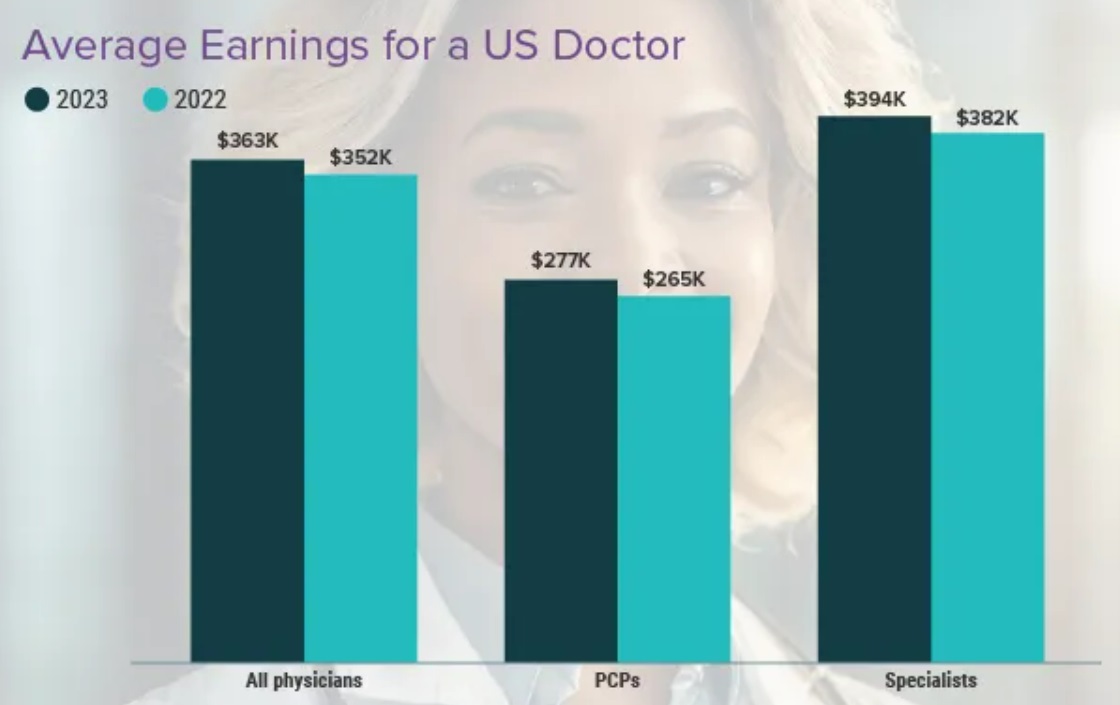












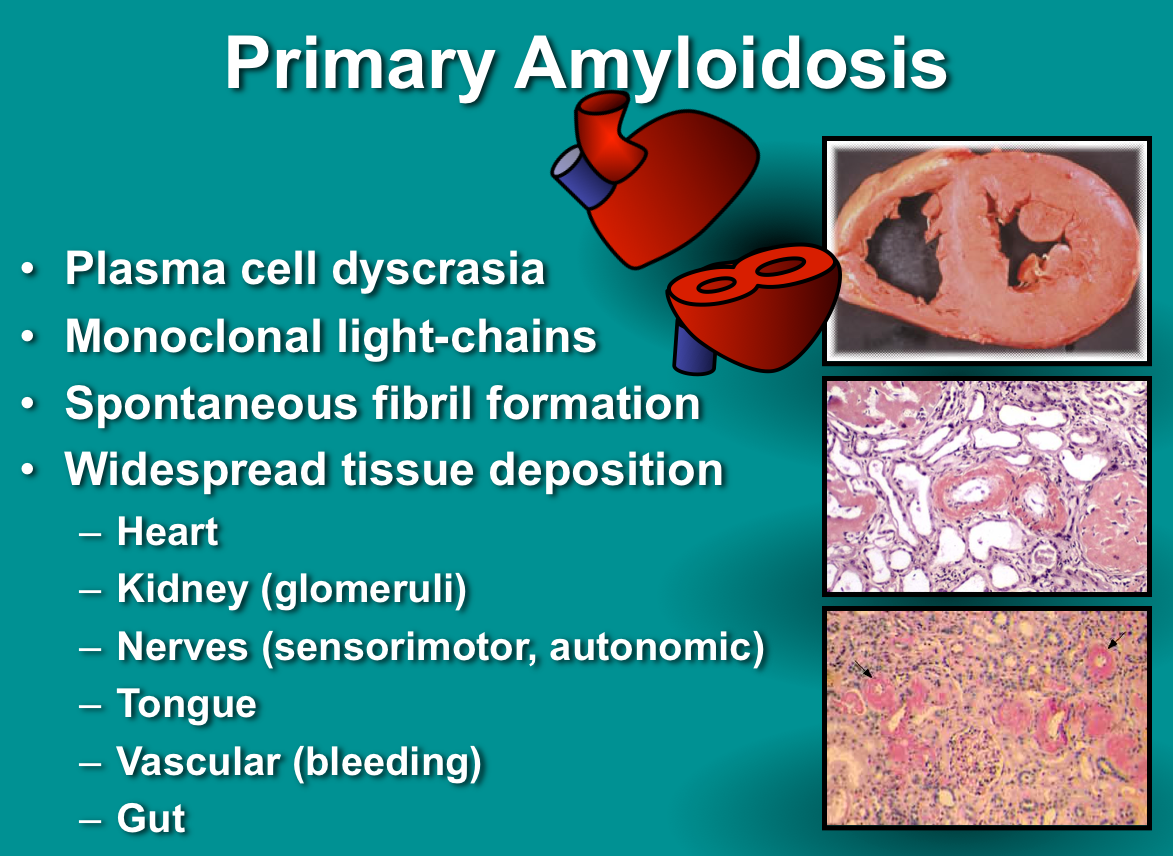

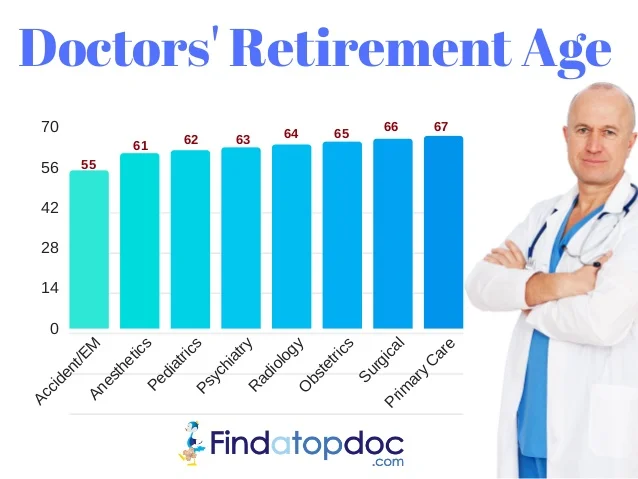


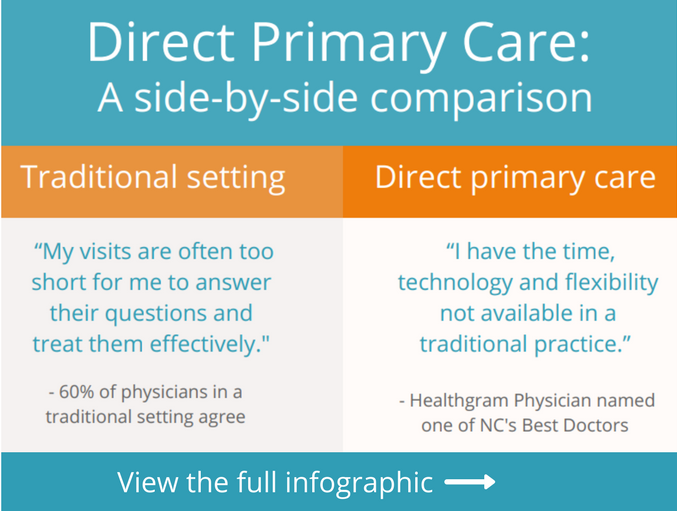





















 The Leading Business Education Network for Doctors, Financial Advisors and Health Industry Consultants